





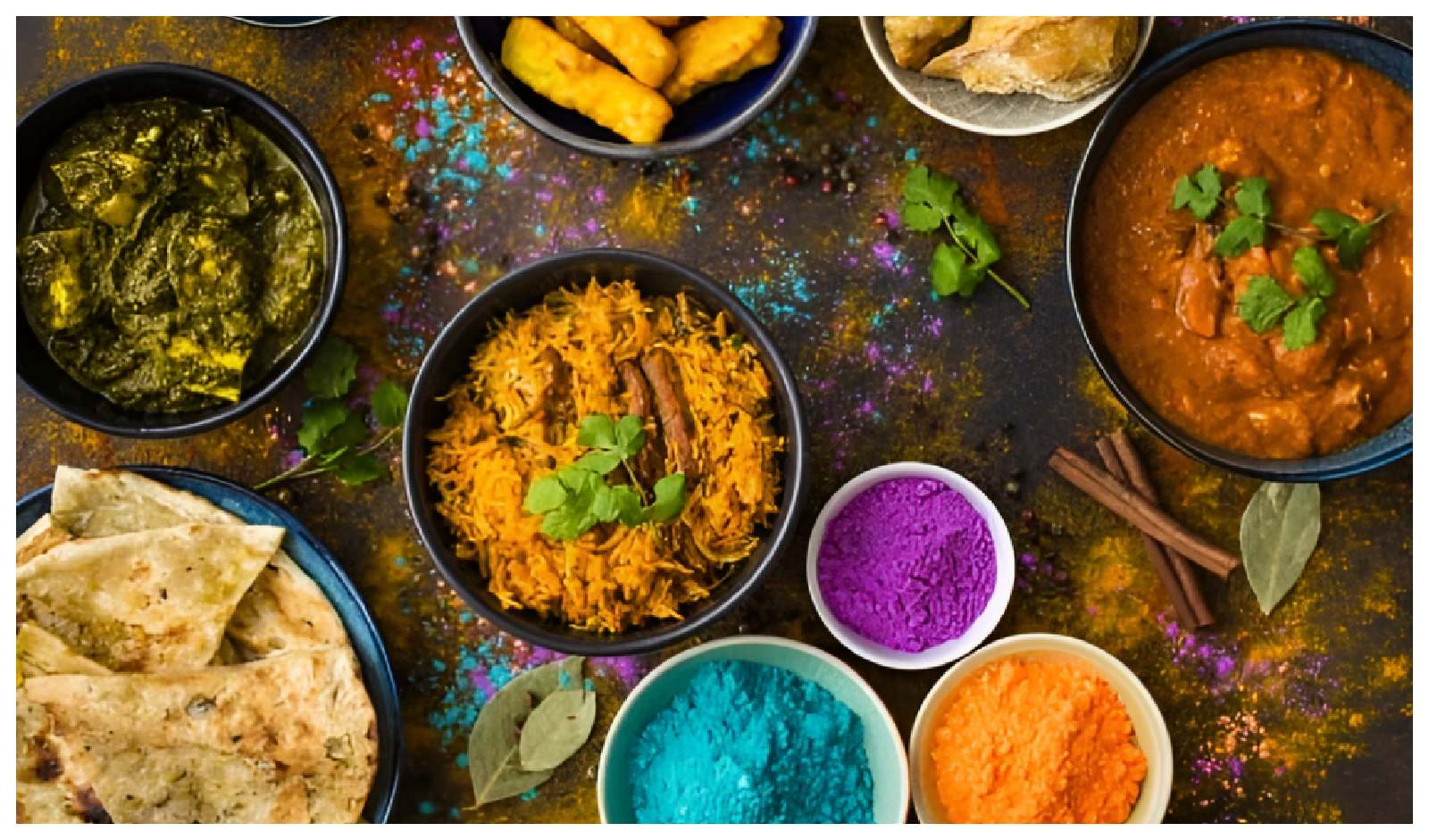
As Holi approaches, India’s restaurants and hotels are transforming the festival into curated experiences that go far beyond colours and gulaal. From high-energy DJ-led parties and rain dances to indulgent festive brunches and comforting post-Holi meals, the hospitality industry is blending food, music and community to create immersive celebrations. Whether it’s a lavish thali rooted in tradition, a rooftop sundowner with cocktails, or a relaxed café reset after the festivities, hotels and restaurants are positioning themselves at the heart of how urban India celebrates Holi today.
August, Mumbai
Holi calls for celebration and the right kind of reset after the colours settle. August, Andheri offers just that. This cosy neighbourhood café, known for its wholesome, ingredient-conscious menu and easygoing vibe, is an ideal spot to unwind with friends post festivities. From fresh bakes and nourishing bowls to flavourful wraps and globally inspired comfort food, the menu strikes a thoughtful balance between indulgence and clean eating. With hydrating, gut-friendly options designed to refuel and recharge, it’s the perfect place to recover without compromising on taste.
Where: August, Andheri West, Mumbai
Lygon St., Mumbai
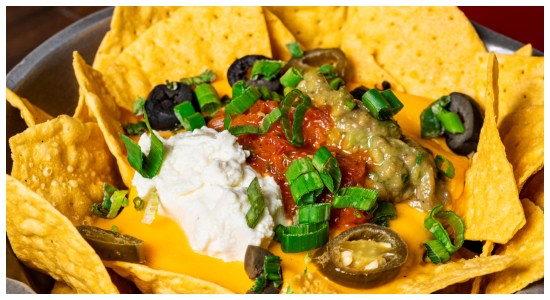
Lygon St. makes for an ideal post-Holi lunch address, offering fresh, flavourful Italian fare that comforts and satisfies. With pasta made daily, oven-fresh pizzas and seasonal sharing plates, the menu keeps things simple yet indulgent. After a morning of celebrations, guests can unwind over handmade ravioli and classic favourites, finishing with light desserts like tiramisu or affogato. For relaxed conversations and a wholesome reset, Lygon St. fits the bill perfectly.
Where: Lygon St., Andheri West Mumbai
Dough and Joe
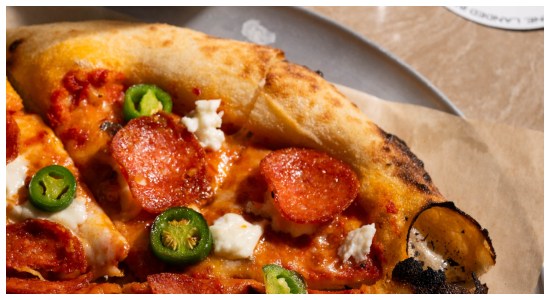
After the high-energy buzz of Holi, the café offers a relaxed, carb-forward wind-down rooted in its philosophy of food as comfort. Freshly baked pizzas with generous toppings, dough-led favourites and handcrafted coffee create a sense of warmth and familiarity. Designed as a slow, shared gathering rather than a spectacle, the experience celebrates what Dough & Joe does best good pizza, quality brews and an atmosphere that invites guests to linger.
Where: Dough and Joe, Mumbai
Raasta, Khar
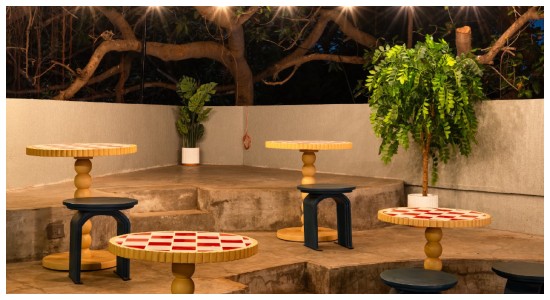
Raga Holi returns to Raasta on 3rd March from 9:30 AM, bringing back Mumbai’s first indoor Holi festival, bigger and more vibrant than before. Taking over both the main floor and rooftop, the two-stage celebration promises high-energy music and immersive colour moments throughout the day. Known for its culture-driven programming, Raasta’s Holi edition is set to be one of the city’s most anticipated indoor celebrations, with the artist line-up to be announced soon.
Where: Raasta, Khar, Mumbai
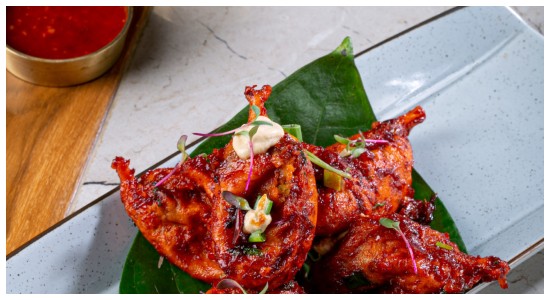
Yeti, Mumbai
Holi brings colour and celebration and calls for a comforting meal after. Yeti: The Himalayan Kitchen offers the perfect post-festival escape with its authentic Himalayan flavours and warm hospitality. Guests can refuel with bowls of thukpa, handmade momos, nourishing curries and wholesome thalis inspired by the mountains. With balanced broths, slow-cooked meats and hearty vegetarian options, the menu is crafted to soothe and recharge without feeling heavy — a calm, flavourful reset after the city’s Holi rush.
Where: Yeti, Khar, Mumbai
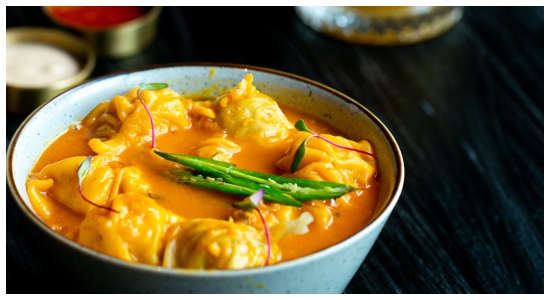
Yazu Pan Asian Beach Club, Goa
Yazu Pan Asian Beach Club is a chic, premium pan-Asian fusion destination that pairs bold flavours with fresh, high-quality ingredients. After Holi’s colourful indulgence, it offers a refreshing reset with nourishing options such as fresh sushi, poke bowls, Asian-style pizzas and protein-rich mains, complemented by hydrating cocktails by the sea. With clean ingredients and artful presentation at its core, Yazu delivers a flavourful post-festival feast that feels both indulgent and restorative.
Where: Yazu Pan Asian Beach Club, Goa
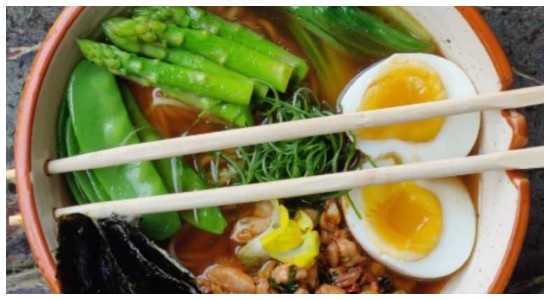
Gather, Pune
This Holi, Utsav returns in collaboration with Krishna Collective, featuring a performance that moves through Indian fusion, indie pop, folk and Sufi, layered with familiar favourites. Designed as an intimate, immersive gathering, the celebration focuses less on spectacle and more on togetherness, shared joy and the spirit of the festival.
Where: Gather, Pune
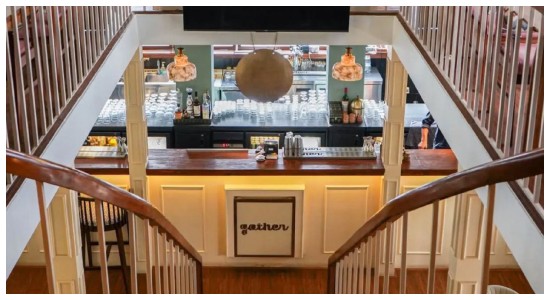
Bonobo, Mumbai
This Holi, the city is set for an electrifying celebration as Milkman and Bonobo reunite for their much-anticipated annual Holi Gathering at the iconic Corona Garden. Known for curating immersive, music-led experiences, the collaborators promise an unforgettable afternoon of colour, community, and cutting-edge sound.
Beyond the music, The Holi Gathering will feature a curated food and beverage experience spotlighting some of Mumbai’s most loved names. Guests can indulge in artisanal pizzas by Hundo, vibrant chaat by Bombay Sweet Shop, and a live dosa station by celebrated Chef Bhakti Mehta. The bar program will include a dedicated tequila experience by Patrón and chilled brews from Simba.
Where: Bonobo, Mumbai
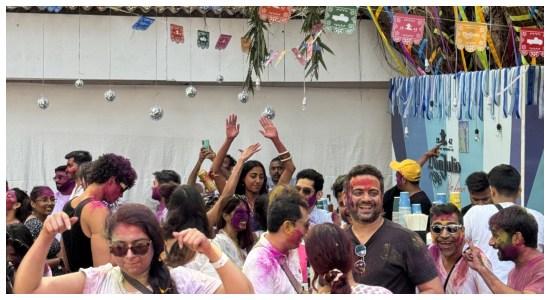
The Reef, Sheraton Grand Chennai Resort & Spa
Celebrate the festival of colors with a curated culinary journey through India’s rich heritage at Sheraton Grand Chennai Resort & Spa. The Reef presents a celebratory Holi Thali, featuring a selection of festive delicacies designed to evoke the spirit of the season. Guests can choose between an indulgent non-vegetarian spread and a vibrant vegetarian thali.
Where: The Reef, Sheraton Grand Chennai Resort & Spa
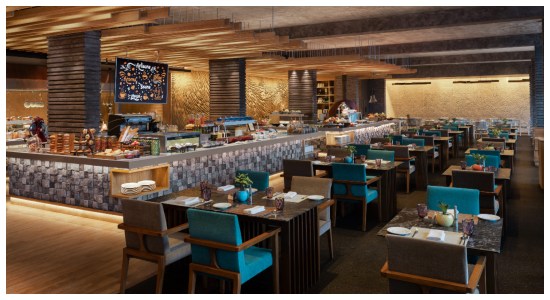
Miri, The St. Regis Goa Resort
This festive experience promises an afternoon of refined gastronomy, traditional flavours, and spirited entertainment, designed for guests seeking a sophisticated celebration of the Festival of Colours. The ambience will be further elevated by a Live Band, performing a mix of soulful and upbeat melodies, set against a backdrop of elegant, Holi-themed décor. To ensure a seamless experience for families, a dedicated Kids Corner will offer curated activities, allowing guests of all ages to partake in the festivities.
Where: Miri, The St. Regis Goa Resort
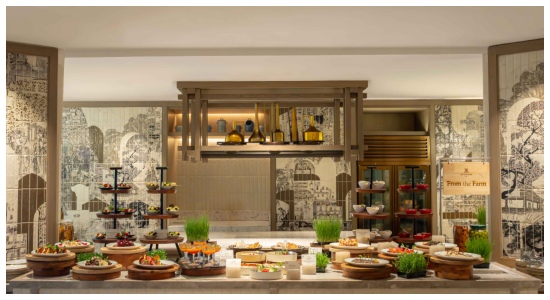
JW Marriott Kolkata
The iconic luxury venue transforms into a high-energy festive destination for Holi Dreams X Rango Ki Ghoomar – Season 6.0, featuring a special appearance by Bollywood star Tara Sutaria. The bash kicks off at 10 AM, offering an electrifying atmosphere across two massive stages with over 10 DJs spinning the best of Bollywood and Bolly-Techno beats. Guests can enjoy a premium, eco-friendly experience with organic colors, a vibrant rain dance, and a lavish spread of unlimited food and premium beverages.
Where: Holi Dreams X Rango Ki Ghoomar – Season 6.0, featuring Tara Sutaria

Sheraton Grand Pune
At Sheraton Grand Pune, Regional Flavors of India transforms the festive afternoon into an opulent culinary journey, a lavish homage to India’s rich traditions, bold spices and timeless festive favourites. The indulgence unfolds with a vibrant selection of starters. Pillowy Dahi Bhalla with Pomegranate & Beetroot Yogurt melts delicately on the palate, while crisp Palak & Corn Tikki with Mint Chutney offers the perfect contrast of crunch and freshness. Elevating the experience further are live interactive counters featuring a vibrant Rangila Chaat Station, flavour-packed Chole Kulche, and irresistible Kesar Jalebi with Rabri, crisp and syrup-laden, served warm.
Where: Sheraton Grand Pune
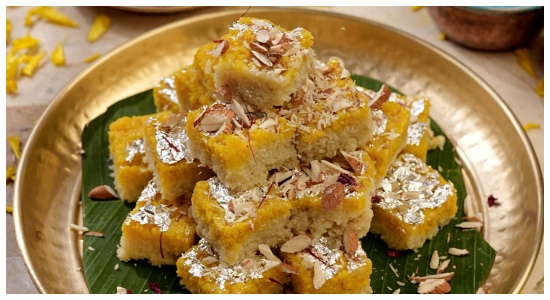
Grand Mercure Bengaluru at Gopalan Mall
Headlining the celebration is a power-packed DJ lineup featuring DJ Melvin, DJ Allen, DJ Loop Kave, and DJ Darsh, bringing high-tempo hits to keep the crowd moving. Adding to the atmosphere is a live Punjabi dhol performance, revamping the energy of the festival with every beat.The experience is complemented with eco-friendly Holi colours, energetic rain dance and blended beverages crafted specially for the occasion.
Where: Grand Mercure Bengaluru at Gopalan Mall
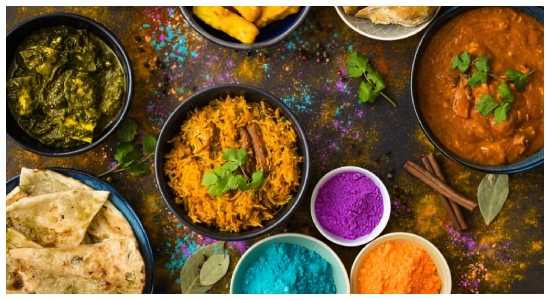
M Café, Bengaluru Marriott Hotel Whitefield
At M Café, Bengaluru Marriott Hotel Whitefield, that final chapter of the celebration is written in flavour and shared moments. Think festive favourites like Sawan ke Shorbe that evoke the comfort of home, bold Indian creations like Bao Pichkari prepared to perfection, and beloved comfort dishes that you’ll be tempted to return to again and again. Complement these with a refreshing Thandai and make room for desserts such as Thandai Panna Cotta, Motichoor Cheesecake, Motichoor Ladoo, Gujiya, and an expansive sweet spread as playful and vibrant as gulaal itself.
Where: M Café, Bengaluru Marriott Hotel Whitefield
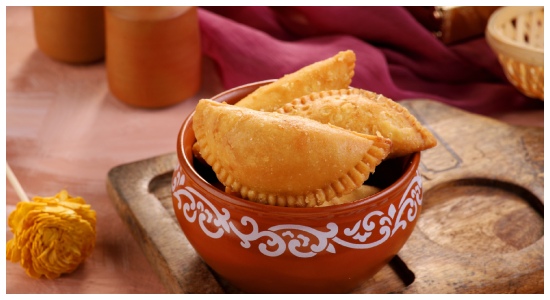
ITC Grand Central, Mumbai
ITC Grand Central, Mumbai, invites guests to celebrate the vibrant spirit of Holi with Rang Barse, a specially curated festive dining experience at Hornby’s Pavilion. The festive experience is elevated with an assortment of beloved Indian mithai, including Motichoor Ladoo, Besan Ladoo, and Gujiya, each adding a touch of sweetness and nostalgia to the celebration. Every dish reflects the essence of Holi: joyful, generous and meant to be shared.
Where: Hornby’s Pavilion, ITC Grand Central, Mumbai
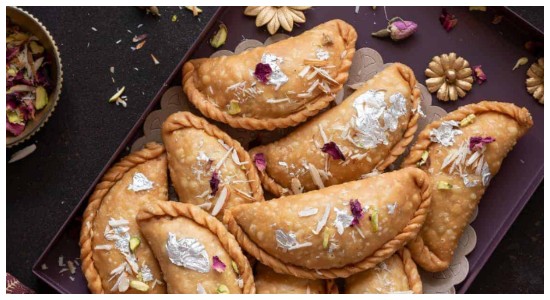
HyLo, Mumbai
On Tuesday, March 03, the space transforms into an all-day Holi playground designed for those who like their celebrations sun-soaked, high-energy and unapologetically indulgent. From 10 AM to 10 PM, HyLo will host a 12-hour non-stop celebration that moves with the rhythm of the day Seven selectors, including DiscoKid, Feel, Kibo, Lynston, DJ Mane, OG SHEZ and Tansane, will take over the console in an A–Z line-up crafted to keep the energy fluid and the dancefloor alive. Guests can graze on fresh-cut fruit and assorted veg pakoras, dive into Bangalore-style chicken kebabs and Fish Fried Amritsari or reach for comfort classics like veg and non-veg kathi rolls, keema pav and pav bhaji.
Where: Hylo, Mumbai
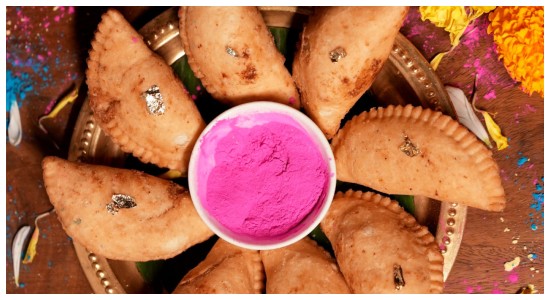
TAT, Mumbai
TAT, a regional dining destination based in Vikhroli that celebrates India through its food and brings together regional recipes, invites guests to celebrate the festival of colours through a specially curated culinary experience titled Rang Barse. Guests can savor the limited-edition Holi menu at the restaurant from 27th February to 8th March 2026, featuring festive beverages and desserts from across India, presented through TAT’s contemporary take. Complementing it is the Classic Banarasi Thandai, a smooth milk-based drink infused with pepper, dry fruits and saffron, capturing the essence of North India’s Holi traditions.
Where: TAT, Mumbai
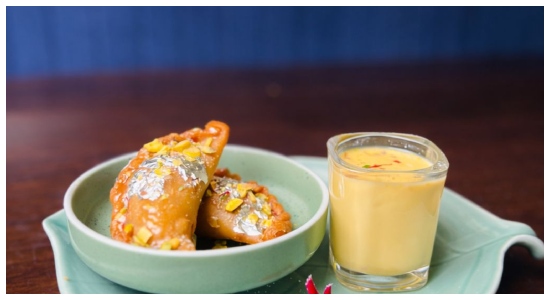
Daryaganj
This Holi, Daryaganj is painting the town with a vibrant palette of flavors, inviting patrons to experience the festival of colors through its specially crafted beverage menu. Guests can dive into the festive spirit with unique creations like the Ananas Thandai Margarita, Rang Barse Rose Chuski, Paan Kulfi Thandai, Aambi Thandai Margarita, and the signature Daryaganj Kulfi Thandai.
Where: All Daryaganj outlets
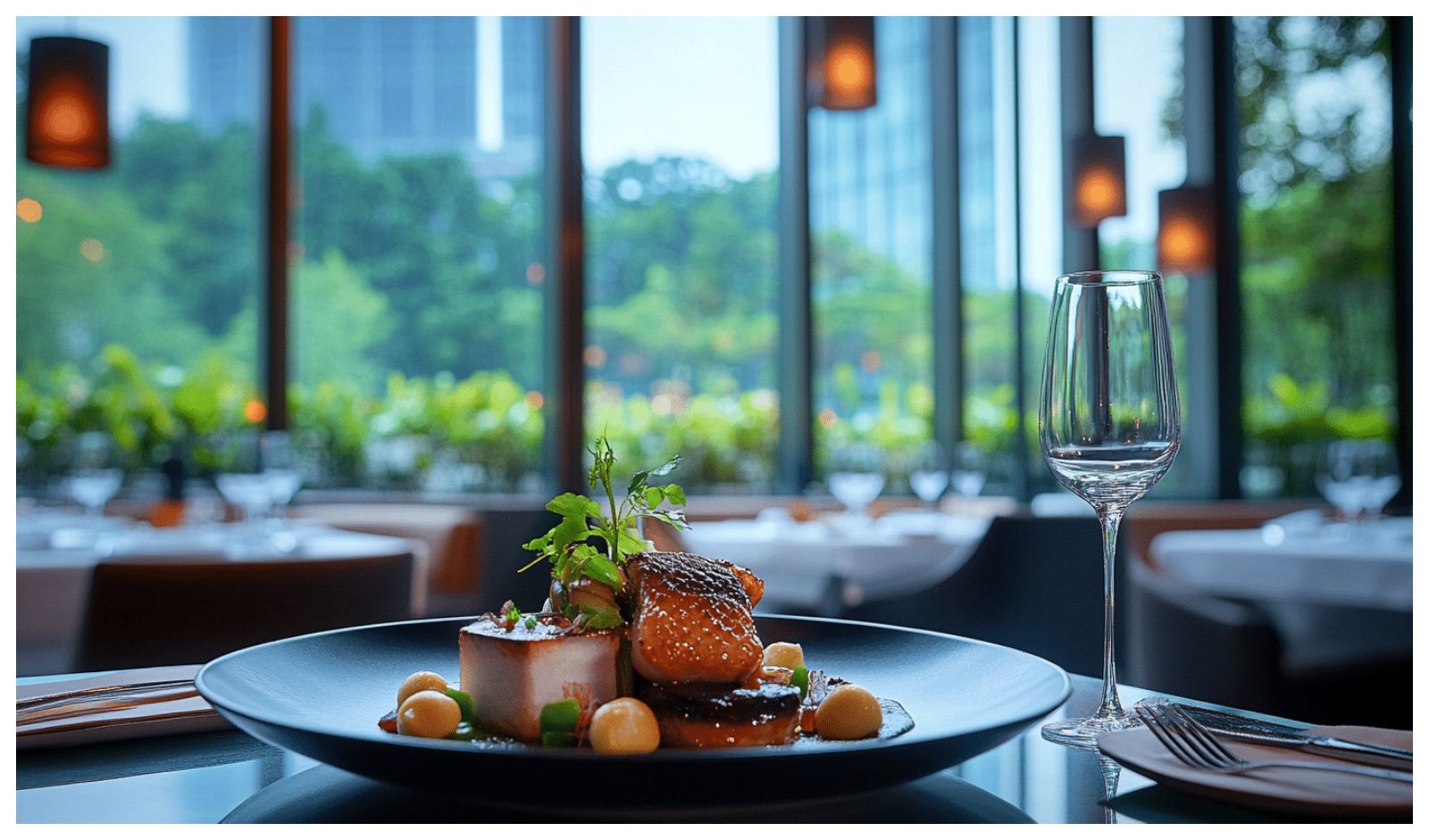
In every restaurant’s journey, there’s a moment when a dish rises above the menu becoming not just food, but a promise. It gives guests a reason to visit, remember and return. In hyper-competitive, high-rent metros like Mumbai, Delhi and Bengaluru, a signature dish isn’t creative indulgence, its strategic capital. That’s the economics behind it.
Signature Dishes as Strategic Assets
As diners step out less frequently but spend more per visit, restaurants must give them a compelling reason to choose their brand. Concepts built around strong hero dishes reportedly see 10–20% higher repeat visits than those offering generic, wide-ranging menus—proving that signature-driven identity drives loyalty.
“For us, it’s about how we connect with our customers and how we build a brand with our signature dishes. We do make promotional signature dishes during festive. The taste note should connect with the people. The food cost should be 25-30% where we take the cost of ingredients like raw materials,” shared Chef Vikas Pathak, VP- Culinary of Stories Brewery, MOAI, Macaw by Stories (India & Dubai).
He pointed out that yields vary for every dish they curate—especially signature dishes—which differ across restaurants. Costing, he emphasised, is critical, as it determines the final selling price. “We conduct extensive R&D and trials before finalising a signature dish. Pricing must be carefully structured to appeal to a wide range of clientele,” he added.
A true signature item lowers customer acquisition costs over time like word-of-mouth drives recall, social media amplifies it. But before profitability what comes is precision.
The True Cost of a Dish
The biggest miscalculation in restaurants is rarely the ingredient cost. Chef Durbar Basu Ray, Executive Chef, The Oterra Hotel shared that the cost of a dish is the silent trio of labour, overhead and inconsistency.
In India, target food cost hovers between 28–35% for casual dining and 22–30% for premium formats. But that is only the starting line. If a plate takes 10 minutes to prepare and a chef’s effective hourly cost is Rs.400, labour quietly adds about Rs.67 per serving. Multiply that across hundreds of covers and complexity quickly becomes expensive. The more technical the dish, the harder it is to scale.
The total overhead can climb to 25–35%. Precision is not optional; it is survival.
Pricing Strategy
Guests pay for narrative, craftsmanship, rarity and social currency as much as for ingredients.
Explaining this, Tushar Malkani, Corporate Chef, Le Sutra Hospitality said, “For us, 60-70% of the sales are from our signature items in all our restaurants. We are not calculating deliveries. The pricing differs from location to location as it depends on food cost and manpower as we remove the base cost first and after that we decide a markup of 20-25%.”
Restaurants that price such dishes on value rather than raw cost often report gross margins that are 5–10 percentage points higher than standard menu items.
“There are many ways to look into how the selling prices are fixed. Successful restaurants blend several pricing models like marking the total cost by a fixed margin or pricing based on what customers will pay for uniqueness and experience,” commented Ray.
Helps in High Margins
Signature dishes carry hidden risks. Imported ingredients face price volatility, complex recipes slow kitchen throughout and if guests order only the hero plate, average spends may not rise as expected.
“If the dish doesn’t consistently deliver quality, guests may be disappointed. Also, signature dishes may have premium ingredients that can cause margins to shrink if supply costs fluctuate. Restaurants risk having only one draw — if the trends shift or customer tastes change, restaurant revenues may be impacted,” pointed Ray.
Done right, it drives repeat visits, supports premium pricing and strengthens the brand. Done poorly, it’s just an expensive vanity project.
“Signature dishes are important to sell; it should be highlighted as it represents brand visibility and identity. 25-35% of customers order signature dishes overall as a whole and they are our repeat customers as well,” added Pathak.
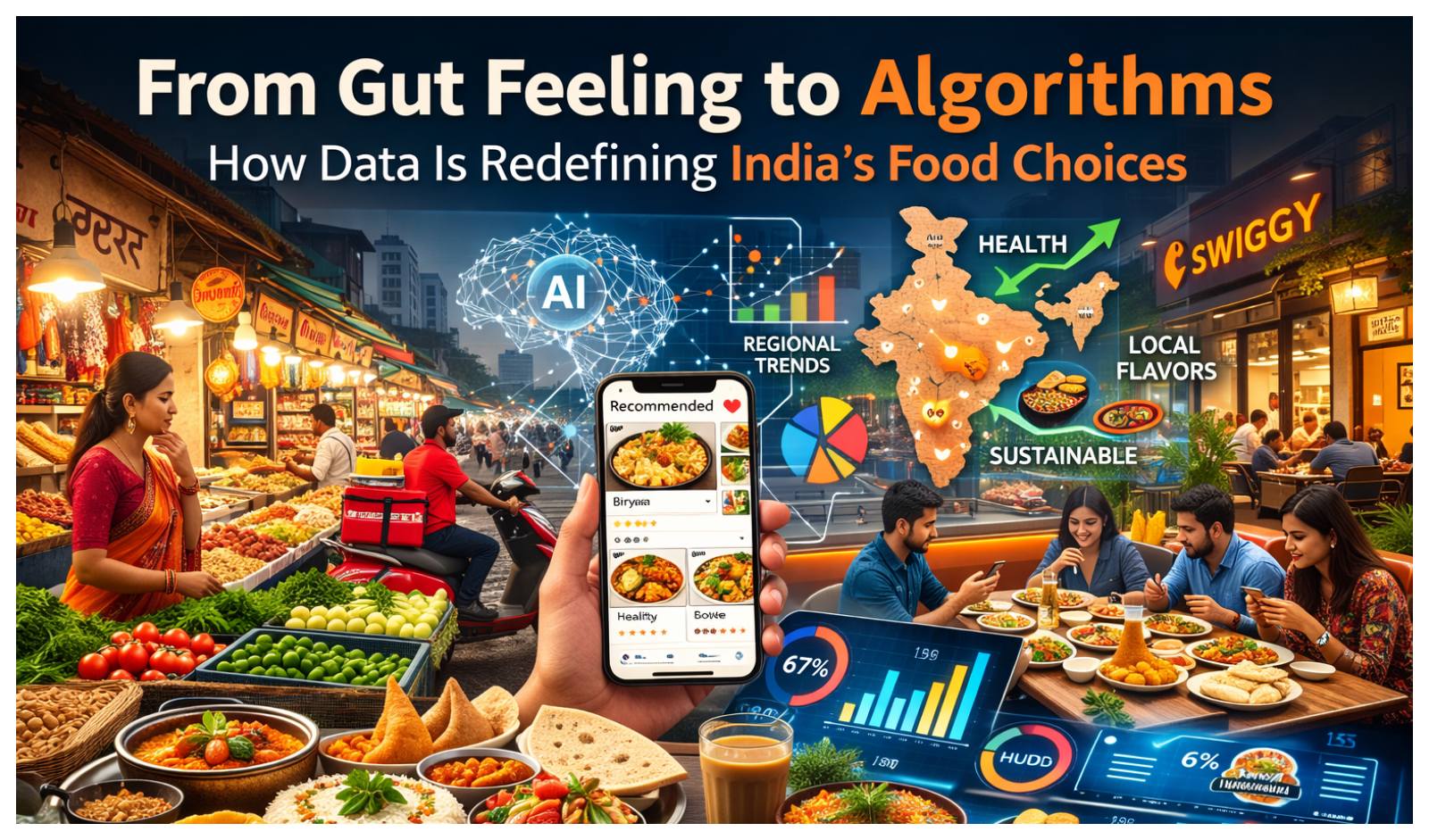
In the last decade, India’s dining industry has shifted from instinct-led cooking to data-driven menu strategy. With the rise of digital ordering, reservations, apps, and delivery platforms, restaurants now generate massive data and those using it are redesigning menus, pricing, and promotions smarter than ever.
Data is no longer just numbers; it is a key business ingredient driving customer satisfaction, efficiency, and revenue growth. In a 5.5–6 lakh crore market growing at 10–12% annually, survival and scale increasingly depend on how well restaurants use data.
Why Data Matters?
India’s restaurant industry is increasingly shifting toward analytics-driven menus, accelerating alongside the rapid growth of delivery platforms like Zomato and Swiggy.
With food inflation fluctuating between 6–8%, metro rentals consuming 12–20% of revenue in prime locations and frontline F&B attrition rates touching 70–100% annually, margins remain tight. With organised dining EBITDA margins at just 10–18%, even small menu inefficiencies can impact profits making data-driven decisions essential to minimize risk.
Broad Data Streams: Internal & External
Menu decisions are increasingly fed by two broad data streams: internal operational data and external market signals. Internal data includes sales velocity, food cost percentages, wastage levels, preparation time, staff efficiency, and inventory turnover. If a dish sells well but slows kitchen throughput, it may be reformulated or removed.
Kashish Dang, Director of Maya at 787 said, “External data includes consumer behaviour shifts, search trends on delivery platforms, social media engagement, competitive benchmarking, and regional taste preferences. For instance, delivery analytics may reveal growing demand for comfort bowls or regional flavours in urban markets.”
Many mid-sized Indian chains report 5–12% improvement in gross margins after structured menu engineering, primarily by eliminating low-performing SKUs.
Performance Metrics
Performance metrics such as contribution margin, menu mix, repeat order frequency, and customer ratings now shape menu strategy. Underperforming items are rotated into seasonal specials instead of permanent fixtures.
“We rely on structured metrics such as contribution margin, popularity index, repeat purchase rate, and menu mix analysis. A dish that is popular but low in margin is optimized. A high-margin dish with low demand is repositioned or redesigned. Strategy is guided by measurable performance, not assumption,” mentioned Zorawar Kalra, Managing Director, Massive Restaurants Pvt Ltd.
Dang noted that real-world data-backed results reduce guesswork, improve consistency, and support faster decision-making in high-attrition environments.
What Feeds Menu Decisions?
Menu decisions are informed by a combination of guest feedback; sales performance, kitchen inputs, and plate return analysis.
For Vikrant Batra, Director & Co-Founder, Batra Bros Food & Beverage Pvt. Ltd what’s equally important is on-ground observation. Direct engagement with guests and teams often reveals nuances that numbers alone cannot capture. “Floor feedback and human interaction still provide context that analytics alone cannot. The strongest decisions come from combining digital intelligence with real-world observation,” he said.
“Ultimately, predictive demand forecasting based on historical trends and real-time data helps optimise procurement, reduce waste, control food costs, and improve sustainability, making data central to both profitability and operational resilience in India’s evolving restaurant ecosystem,” shared Dang.
In cities like Ahmedabad, vegetarian dishes can make up over 60% of total sales. In Hyderabad, non-vegetarian items generate the majority of restaurant revenue. Restaurants localise their menus based on detailed city-wise sales data.
Kalra stressed that the biggest trap is "Analysis Paralysis." If you over-standardize, you kill the chef’s creativity. My philosophy is to use data as a guardrail, not a cage. We give our chefs the absolute freedom to innovate and dream, but we use data to validate those dreams before we take them global.
Power of Digital Menus
Digital menus and QR-based ordering systems further enhance insight collection by tracking dwell time, clicks, modifications, and upsell acceptance rates.
Dang said that this behavioural data allows restaurants to refine descriptions, pricing psychology, and bundling strategies. Indian restaurants have reported a 10–20% increase in average bill value after adopting digital or QR menus.
Batra believes that digital ordering has become dominant in India, offering real-time insights into browsing behavior, customization patterns, drop-offs, and repeat purchases. “It helps us understand guest preferences at scale and optimize menu design, pricing, and placement with precision.”
With UPI payments at restaurants growing by around 34%, billing is faster and table turnover has improved. It has to be noted that digital data cannot capture emotions, hesitation, or nuanced guest reactions.
Importance of Real-world data
The Indian palate isn't a monolith; it evolves every 100 kilometers. Real-world data removes bias and emotional attachment from decisions. Restaurants using historical POS + weather trend data have seen 15–25% reduction in stock-outs, 8–18% drop in food wastage and 10–20% increase in festive campaign revenue.
“Data helps us decode "geo-demand"—it’s why a Farzi Café in London leans into warming spices while Dubai stays light and zesty. We use predictive analytics to respect nature’s clock, shifting our menus before the guest even realizes their cravings have changed,” pointed Kalra who further added that it’s about being leaner, greener, and more relevant.
Batra said, “Data validates ideas through measurable outcomes and ensures long-term sustainability. In a competitive market, disciplined decision-making is critical.”
The Power of Personalization
In 2026, "one-size-fits-all" is a relic. Knowing a guest’s favourite corner table or their preferred spice level transforms a meal into a memory.
Addressing his views further, Kalra said, “Personalisation is the ultimate loyalty tool; when a server suggests your favourite cocktail before you ask, and it builds an emotional bond. Technology should be the invisible force that makes the guest feels like the only person in the room.”
Impact on the Bottom Line
The results are immediate. Smart menu engineering can boost margins by 15–20%. Sharing further, Kalra said, “This helps us spot "menu fatigue" early—if repeat orders dip, we refresh. It also empowers our staff to make intuitive recommendations, naturally driving up the Average Per Cover (APC) by pairing the right dish with the right guest.”
With this, we can surely see a cultural shift in the kitchens where chefs work alongside with the data analysts, supplychain managers and tech partners to understand the change menu review meetings now includes sales dashboards, heat maps and cost trend graphs.
As AI becomes more deeply embedded in POS systems and CRM platforms, Indian restaurants will increasingly adopt predictive demand forecasting, dynamic pricing optimization, highly personalised menu suggestions, and real-time menu updates linked directly to inventory availability.
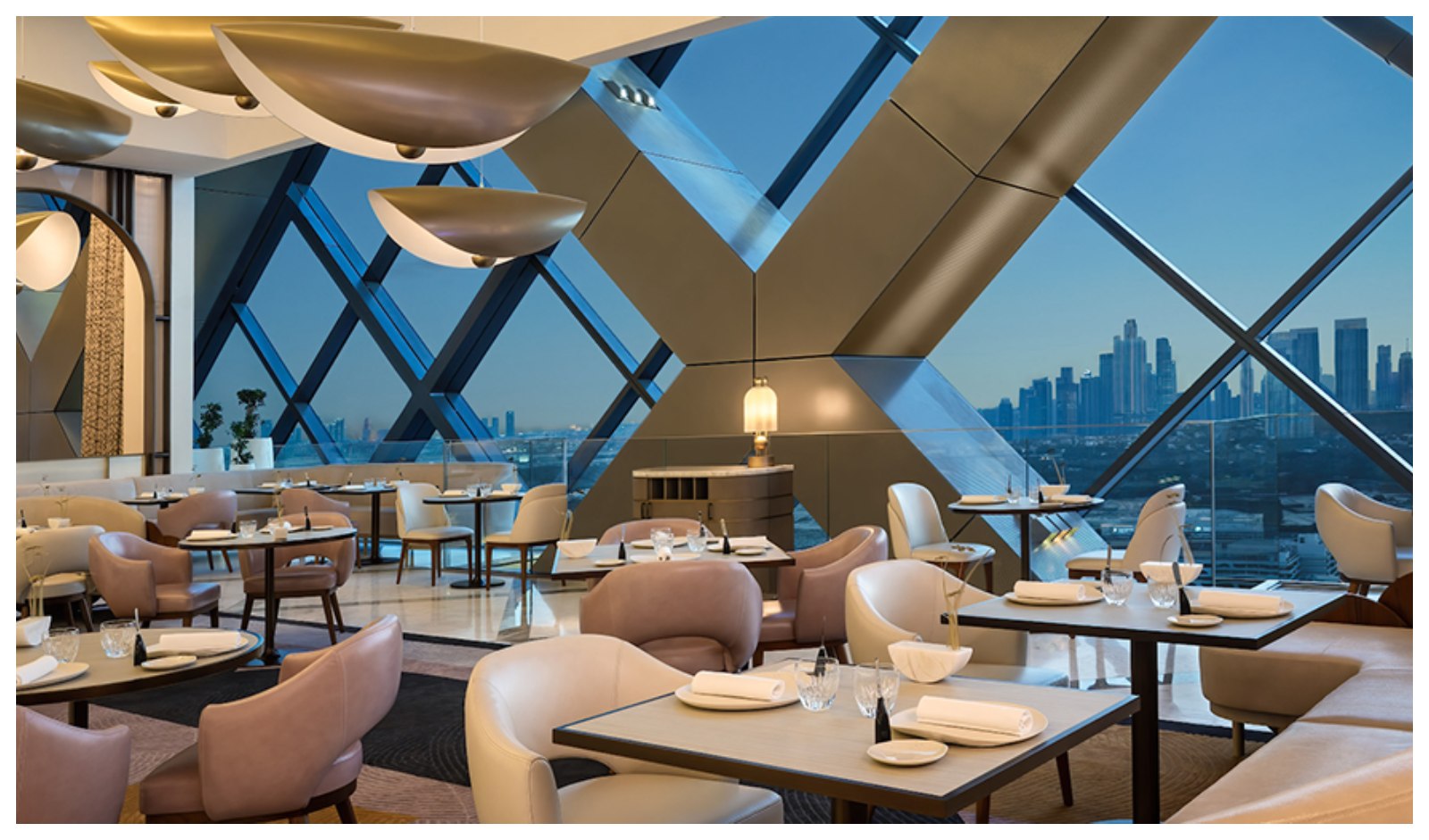
In an industry once driven by rapid expansion, profitability and operational stability have emerged as the true measures of success. For years, restaurant growth followed a simple formula—opens more outlets, enter new cities, and scale quickly, often at the expense of margins. That mindset is now shifting. Across India, restaurant operators are slowing expansion, consolidating their footprint, and rethinking what sustainable growth really looks like.
Rising Costs and Tight Margins
The Indian food services sector is valued at over ₹5.7 lakh crore in 2025 and is expected to reach ₹7.76 lakh crore by 2028, growing at around 8% annually.
Despite scale, profitability is tight. Most restaurants operate on net margins of just 3–6%, while casual and full-service formats face high labour, rent, and food costs. Even QSRs typically deliver net margins of only 6–9% under ideal condition. Rent and utilities, which account for about 5% of earnings globally, rise to 20–25% in India due to expensive urban real estate. 40% of the brands, who expand their business within a year of their launch, end up closing due to the heavy losses.
“When you are building culture, not just covers, growth have to protect community. Rising costs and unstable footfalls make reckless expansion risky, especially for venues that prioritise live music, safety, and inclusivity,” shared Vikas Narula, Co-Founder, Depot 48.
Labour costs add further pressure, typically making up 25–35% of revenue, depending on the format. As a result, restaurants have little buffer to absorb cost or demand fluctuations.
Eesha Sukhi, Founder, The Bluebop Cafe said, “Over the last few years, the restaurant industry has been forced to reset its priorities. With rising food costs, rentals, manpower challenges, and unpredictable consumer demand, many restaurants are focusing on survival before expansion. Growth without profitability is no longer aspirational, it’s risky.”
No more Number Game
Many founders admit that opening a second or third location too quickly strained their businesses more than it strengthened them. With average net profit margins tight, longevity is increasingly valued over scale. The era of “more outlets = more success” has quietly ended.
Narula pointed, “Cultural venues learnt the hard way that clout doesn’t pay artists or staff. Most restaurateurs are focusing on unit economics, repeat customers and profitability per square foot. Fewer spaces with full rooms, strong bar economics and a loyal, diverse audience matter more than logos on a map.”
“Instead of chasing store counts, brands are measuring cash flow, unit economics, repeat customers, and operational efficiency,” noted Sukhi by adding that the obsession with rapid expansion has faded because scale without stability exposed weaknesses during downturns.
Cash Flow is the New Valuation
Growth-at-all-costs models have fallen out of favour and is replaced by a focus on unit economics, break-even timelines, and cash flow sustainability. Operators are now judged by how quickly an outlet turns profitable and how resilient it is during slow periods.
Adding to this, Pawan Shahri, Co-founder, Chrome Asia Hospitality said, “What we are seeing is a shift towards fewer but stronger business concept that can absorb shocks, adapt formats, and remain culturally relevant without burning capital. This approach has a direct business impact: healthier margins, better talent retention, sharper brand identity, and long-term scalability.”
Redefining Expansion
Around 80% of the restaurateurs believe in having stability in the current outlet and plan for a bigger expansion. Growth hasn’t disappeared—it’s being redefined. Expansion is being redefined from ‘how many outlets’ to ‘how resilient each outlet is.’
“Expansion today isn’t limited to opening more outlets. It’s also about building recognition beyond your physical space through pop-ups, collaborations, takeovers, and community-led experiences. These allow brands to grow visibility and test ideas without losing focus or overextending,” said Avinash Kapoli, Co-Founder, Kompany Hospitality.
It’s not Just about Survival
Today’s consumer knows what they want and has likely experienced similar concepts before. What they’re really looking for now is innovation. Restaurants with a clear speciality or USP helpsrather than copying what’s already out.
“We have focused on staying culturally and commercially relevant by evolving the global cultural experiences. That approach has resulted in a stronger, more defensible business, the brand stays fresh and top-of-mind without relying on constant expansion and helps us grow steadily, protect margins, and scale thoughtfully when the timing is right,” commented Shahri.
Kapoli shared, “For us, every project begins with how the consumer should feel. At SOKA, the team and the customer journey were in place before we opened, every drink on the menu has been tasted with real time feedback from consumers before it makes it on the menu. At Kalpaney, every dish went through repeated testing to ensure it delivered the nostalgia we wanted.”
Survival is no longer viewed as settling; it is a strategic choice. Expansion hasn’t stopped; it’s become steadier and more thoughtful.
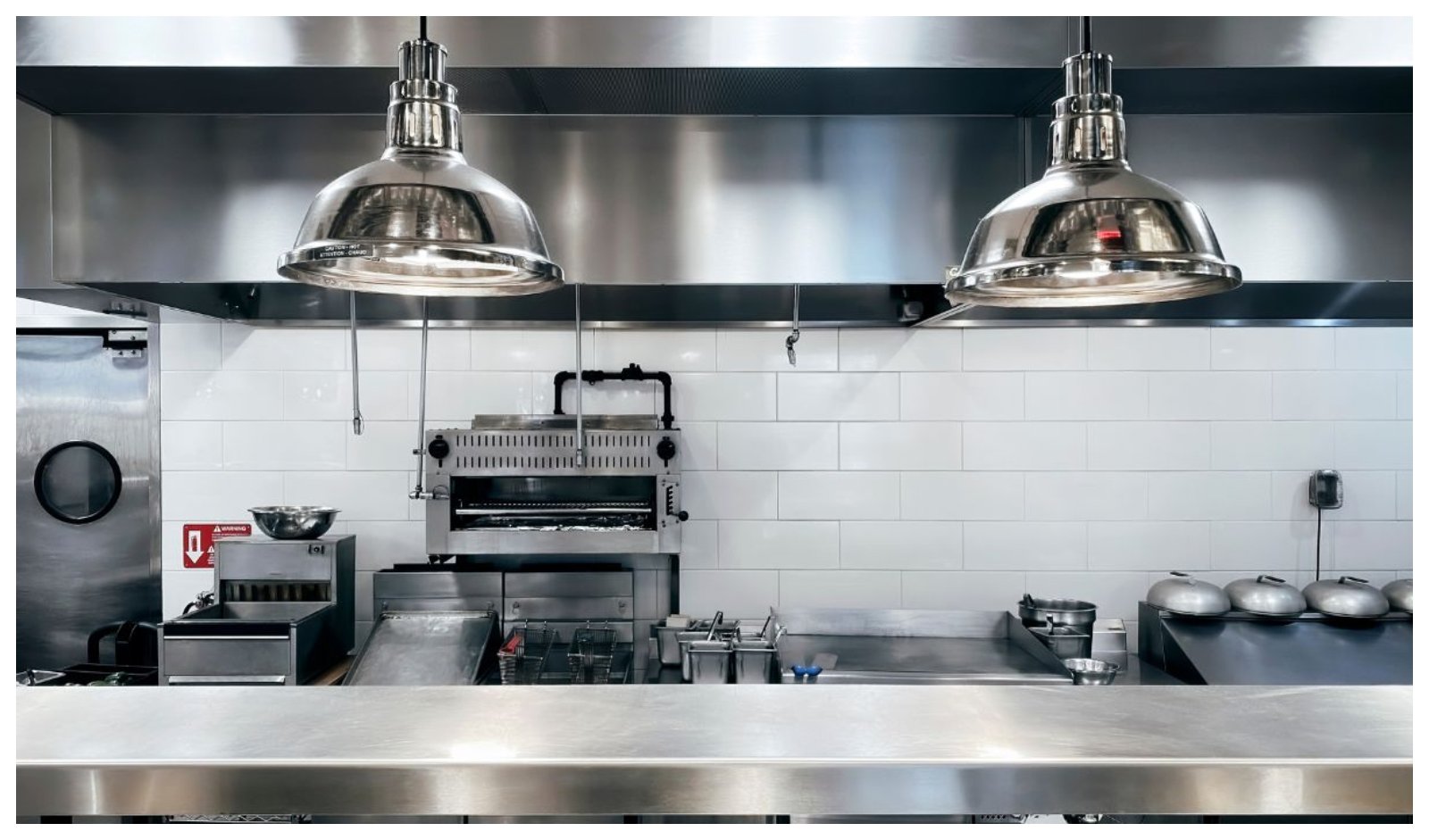
Smaller kitchens today are less about limitation and more about smarter planning. Many casual dining businesses are shrinking their kitchens, simplifying menus, and redesigning operations for efficiency and sustainability. What once was seen as constraint is fast becoming a strategic advantage.
With rising rents and ingredient costs, compact kitchen setups significantly reduce overheads often by 20–30%.
Shrinking Cost Pressures
In many markets, labour expenses have surged as wages rise and staffing becomes harder to secure, forcing around 62% of restaurants to hike menu prices just to stay afloat.
Expressing his views, Chef Hitesh Shanbhag, Head Chef for Loco Lane said, “Compact layouts reduce equipment and utility expenses, shifting the focus toward a more centralized kitchen approach.”
“We have seen that smaller kitchens help control wastage, improve consistency, and reduce unnecessary costs. It forces you to design menus that are thoughtful and executable rather than overly ambitious,” commented Arjun Jaiswal, Co-founder of Como Agua.
For Navin Kumar, Co-founder of Gladia Brewery & Kitchen who has streamlined the kitchen by 30% which directly reduced utility bills and food waste mentioned that lower space requirements mean reduced rent, lower energy consumption, and tighter control over inventory making the back of the house more cost-efficient and predictable.
Restructuring Cost Inflation
Casual dining margins have always been thin. With the rising costs of rent, ingredients, utilities, labour, operators are forced to reduce kitchen sizes, cut menu complexity and focus on high selling dishes. As per reports, 69% of consumers now choose to eat at casual dining restaurants which were 63% last year. More diners are also returning to in-restaurant experiences and 65% now prefer dining in. The market is moving towards profitability per outlet.
Menu Simplification
A streamlined menu isn’t just aesthetic—it’s operationally transformative. This enables restaurants to reduce inventory complexity, improve kitchen execution, and increase service speed and customer satisfaction.
Jaiswal pointed that a clear, focused menu allows chefs to maintain quality and helps operations run smoother, especially in high-volume casual dining environments.
Menu simplification doesn’t make restaurants redundant; it actually helps build a stronger identity.
“While the impact is less significant than often assumed, simplification can reduce the personal touch of traditional service. This results in fewer opportunities for upselling due to limited interaction with guests,” highlighted Shanbhag.
Kumar noted that by eliminating complex, low-performing dishes and focusing on versatile, high-margin items like shareable tapas and craft cocktails, operations become more efficient and adaptable without compromising the guest experience.
Helps in Sustainability
Smaller kitchens also support sustainability by reducing food waste, energy usage, and overstocking.
“With tighter inventories and better forecasting, kitchens operate more responsibly while maintaining freshness and quality. In terms of flexibility, compact formats allow restaurants to adapt quickly, test new locations, and scale with lower risk and investment,” said Amit Jambotkar, COO, Mirah Hospitality & Gourmet Solutions Pvt Ltd.
Kumar added that smaller kitchens contribute directly to sustainability by lowering energy use and reducing food waste ours dropped by 25%.
Demand Leaner Operations
Labor shortages necessitate the use of automation, optimized peak scheduling, and multi-skilled teams to manage volume efficiently.
With ongoing labour shortages, leaner operations are no longer optional. Kumar shared, “Smaller kitchens require fewer staff and allow teams to be cross trained for multiple roles. We have also leveraged technology such as POS integrations to automate order flows, reducing manual dependency and improving speed and accuracy.”
The Business Impact
The business impact is tangible: higher profitability, faster service, and better adaptability. Kumar shared that our margins have improved by 15% with this model.
While Jambotkar emphasized that smaller kitchens lead to reduced capital expenditure, improved operational efficiency, and faster break-even timelines.
Going forward, success in casual dining will depend less on how large a kitchen is and more on how efficiently it operates. Restaurants that are able to balance creativity with operational discipline will be the ones that sustain long term.
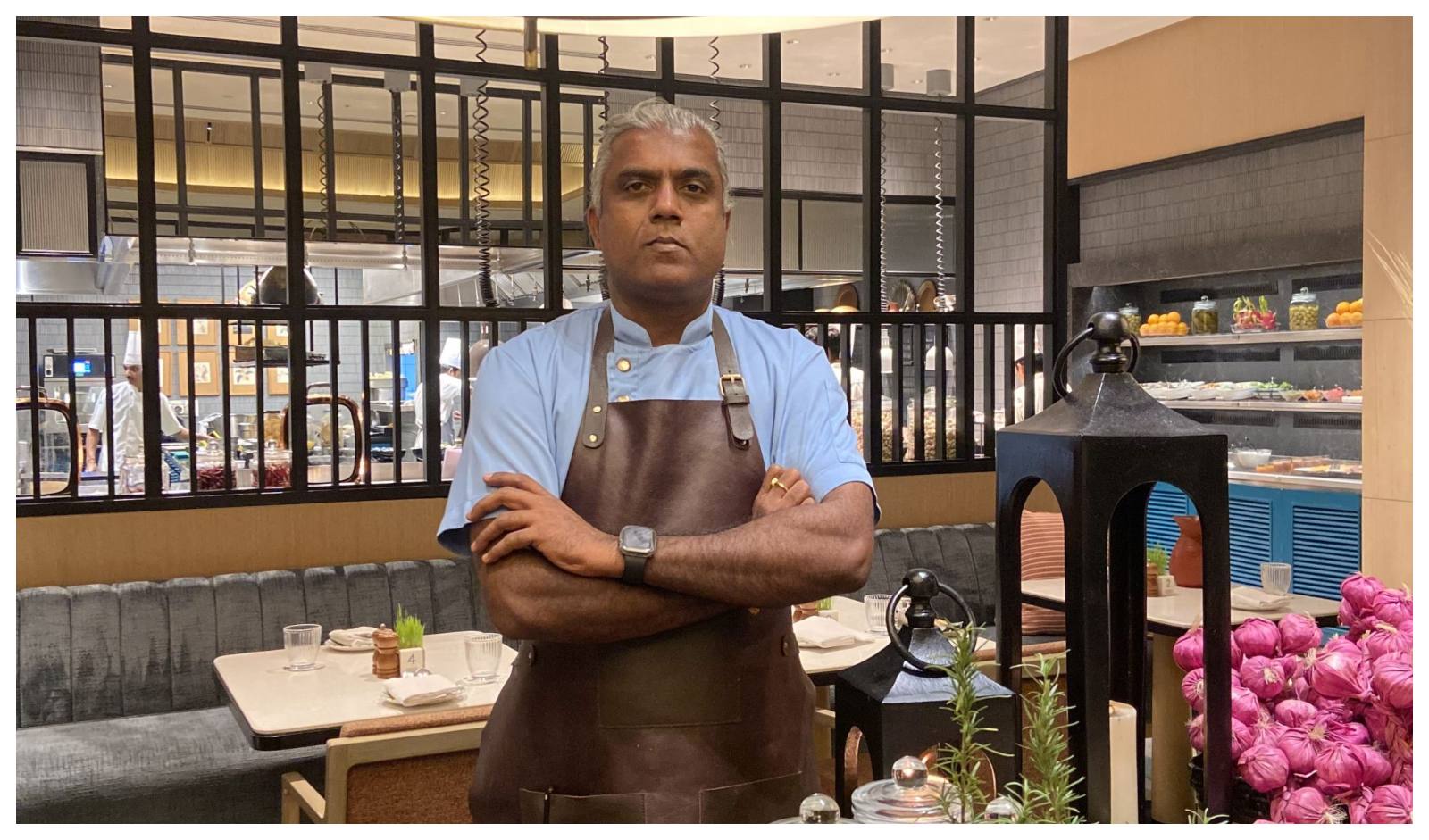
With over 24 years in the hospitality industry, Chef Deepak Dandge is the Director of Culinary at Pullman Chennai. He is a graduate of the Institute of Hotel Management (IHM) and has worked with several leading hospitality brands, including Sofitel BKC, Marriott, Taj, Westin, amongst others.
In an exclusive interview with Restaurant India, he talks about his journey, culinary experiences and much more. Excerpts:
Culinary philosophy
Chef Deepak Dandge’s culinary philosophy blends tradition with innovation. Whether learning from highway dhabas near Mumbai during his student days or exploring the science of food through gastronomy books in his spare time, Chef Dandge's approach is grounded in curiosity and authenticity.
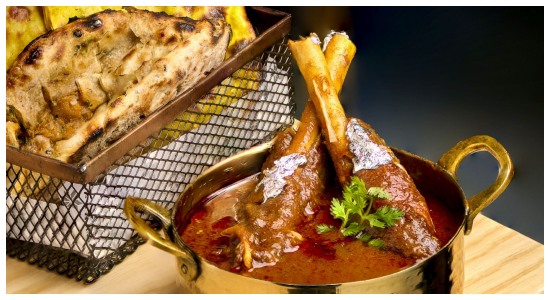
“I have worked in different locations till now. But every location has different taste palate and the cuisine they prefer may differ as well. For Eg: In Chennai, every place has their own style of making sambhars and chutneys, the spice level and the ingredients they use differ as well. But if we compare the food we get in South vs North, the taste is completely different, the spices are different,” he said.
Involvement of 5 senses
The guest experience starts when a guest enters the hotel/ restaurant. What they see, smell, eat, hear and touch, all of them have to be perfectly aligned.
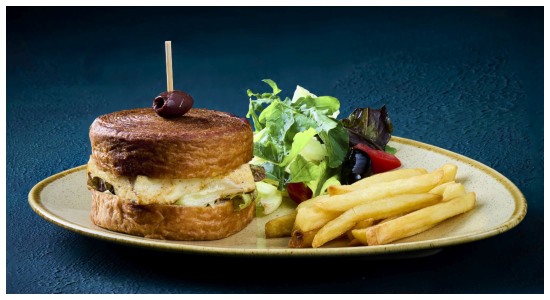
“We have to ensure that the seating arrangement, menu ordering, plating is perfectly taken care of. Food should be eye-catchy and ambience should please them. Guests should be welcomed with warmth, and their preferences have to be taken in consideration with suggestion of more options from the server/chef’s end,” added Chef Dandge.
Training/staffing
Training, staffing and retention are one of the major challenges in the industry. If there is a room to grow, then staff stays, otherwise they tend to leave for more growth opportunities.
“Growth eventually slows, so people may switch roles to grow faster. It’s important to talk to your staff, understand what they want, and recognize the opportunities they’re getting. The right knowledge helps you grow in life,” said Chef Dandge.
Menu development
Innovation plays a major role, and guests need consistency in what they eat. While catering to various cuisines, authenticity and consistency matters.
“The most important thing is selection of your team as I believe that they make it or break it. You need to train them about your expectations,” he added by pointing that for menu development, what helps for longer run is storytelling and understanding about what to focus and what not to.
Optimizing food-costs
If you are wisely using any product, then the food cost can be controlled. But it should not hamper the quality you serve to the guests. “We have ‘Control Policy of Wastage’ and we have a machine which we use to see how much wastage is there. This helps in identifying the waste and to reduce them. It is chef’s duty to control the wastage and how he guides his staff to curb them,” mentioned Chef Dandge.
One need to understand the cooking style for buffets, kitchen and for various occasions. If you can control the costs, then you can elevate the experience in buffets as well.
Preparing team for high-volume events
“We have different kitchens for restaurant and banqueting. We also get chefs from outside to cater to bigger events. The team should know the quality of food you serve,” he added as for him preparation is a must for any event.
Rise of Regional cuisine
Regional cuisine is the key. It’s all about how you cook the South-Indian food and how you cater them. For Eg: Biryanis in south is pretty different from what you consume in other locations. The spice-level, ingredient differs a lot. Guests are curious to know about the authenticity of the dish and want to learn about the story behind it.
Dining Trends
• Focusing on guest preferences is important
• Innovation in Chaat items
• Health cuisine, buffets are trending
• Zero-waste, in-house sourcing, options in small portions menu are more.
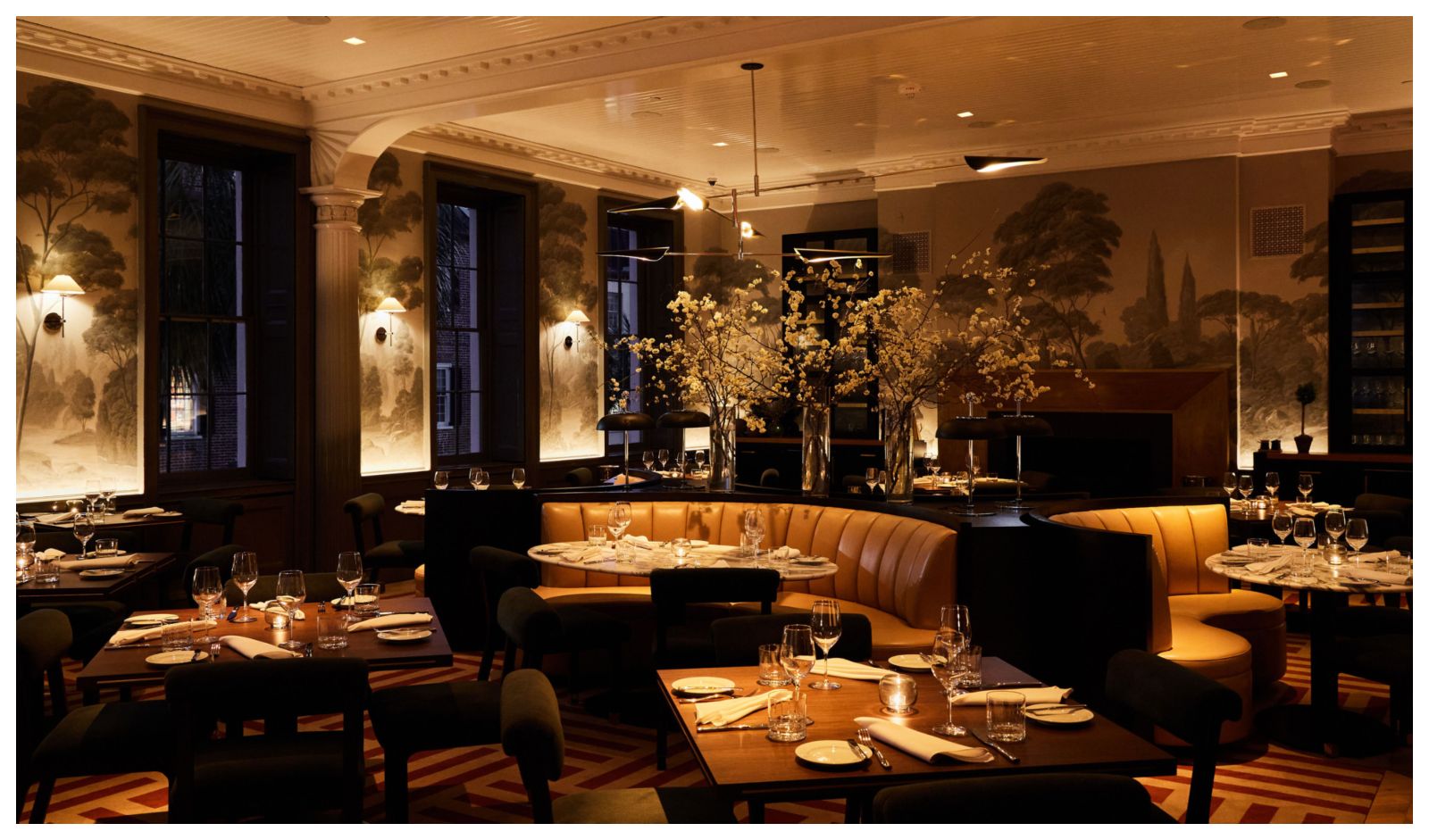
This 26th January 2026, make Republic Day memorable with delicious dining and festive stays across India. Whether you’re celebrating with family, friends, or planning a special outing, several hotels and restaurants are offering curated experiences, themed brunches, and culinary journeys that highlight India’s rich flavours and hospitality. Let’s have a look at these popular dining destinations:
Ammakai by Bastian, Mumbai
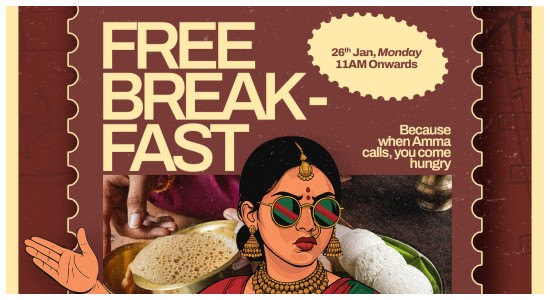
his Republic Day, Ammakai marks the occasion with a heartfelt celebration of community by hosting a Free Breakfast at its Bandra outlet on 26th January, from 9:30 am to 11:30 am. Rooted in tradition, Ammakai welcomes guests to enjoy the comforting flavours of a classic Karnataka-style breakfast — just like one lovingly prepared at home.
The specially curated menu brings together much-loved South Indian favourites, including soft idlis, crisp dosas, flavourful chutneys, aromatic sambhar, and other homestyle accompaniments that showcase the beauty of simple, soulful cooking. This initiative reflects Ammakai’s belief in honest flavours, warmth, and food that truly feels like home.
The breakfast is open to all on a first-come, first-served basis, with limited seating. Guests are encouraged to register through the link in Ammakai’s bio to join this Republic Day celebration centred on tradition, comfort, and togetherness.
Where: Bandra West, Mumbai
Coffee Island (All outlets)
Coffee Island invites guests to celebrate Republic Day with a special pairing offer. Across all outlets, customers who order any dish from the mains menu can enjoy a freshly brewed cup of coffee for just ₹77 flat. The offer is valid on dine-in and takeaway.
The mains menu features popular favourites such as all-day breakfasts, wraps, sandwiches, decadent French toasts, rice bowls, and pastas. This Republic Day week offer brings together comforting meals and great coffee for a satisfying, value-packed celebration.
Where: Coffee Island Beyond & All Coffee Island outlets across India, Dine-in and Takeaway
Offer Valid: 26 Jan – 1 Feb 2026
Price: Buy any mains & get coffee at ₹77 flat

Chowman (across India)
To mark the Republic Day weekend, 23rd to 26th January 2026, Chowman will remain open till midnight. Guests ordering from home can enjoy a flat ₹150 off plus ₹77 cashback on orders above ₹499 when ordering through the Chowman app. Diners visiting the restaurant can avail a complimentary brownie on bills above ₹799, with payment made via the Chowman app.
From favourites like Honey Chilli Lotus Stem and Clay Pot Braised Chicken to ShanghAi Meat Soup, Prawn Ka Seong, Tsing Hoi Chicken, and Four Treasure Vegetables in Spicy Hunan Sauce, Chowman promises a festive weekend for all gourmet lovers.
Where: Chowman (across India)
When: 23rd January – 26th January 2026
Discount: Flat discount of 150 along with a cashback of 75 on online orders through the Chowman App.
KOA Café and Bar, Mumbai
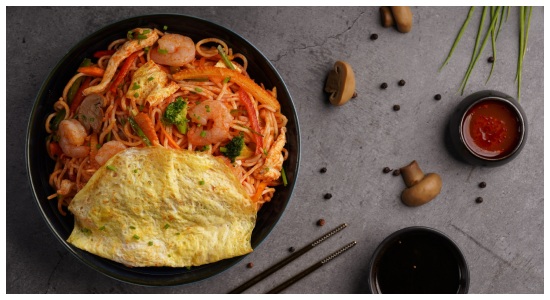
KOA Cafe and Bar celebrate Republic Day with a specially curated festive menu at its Vashi and Thane outlets. The limited-time offering reimagines Indian comfort food for a relaxed, share-friendly dining experience with familiar flavours and a festive touch.
The menu features classic favourites such as Chole Kulcha, Rajma Chawal, and Potli Chaat, alongside regional highlights like Curry Leaf Neer Dosa with chutneys and Hyderabadi Vegetable Biryani served with raita and mini papad. Western Indian staples including buttery Pav Bhaji and Dal Baati with lacha onions add hearty depth, while Gajar Ka Halwa with rabdi and saffron rounds off the meal on a traditional note.
Where: Vashi & Thane outlets
JW Café at JW Marriott Mumbai Sahar, Mumbai
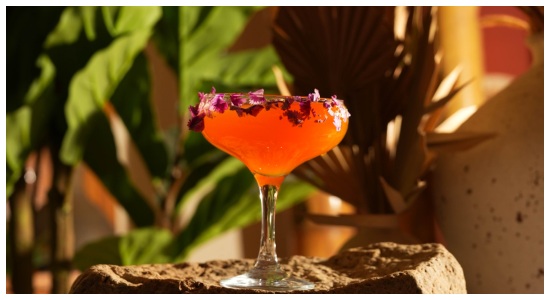
JW Café at JW Marriott Mumbai Sahar presents a chef-led Republic Day buffet inspired by how India cooks during winter. Designed as a one-day experience, the menu draws from regional traditions, seasonal produce, and slow, time-honoured cooking methods rooted in everyday Indian kitchens.
The buffet showcases dishes shaped by climate and local ingredients rather than festive reinterpretations. The spread features flavours from across South, West, North, East, and North-East India, including aromatic rice dishes, classic kebabs, slow-cooked mutton and chicken preparations, and seasonal winter vegetables.
Where: JW Café, JW Marriott Mumbai Sahar
Le Méridien, Navi Mumbai
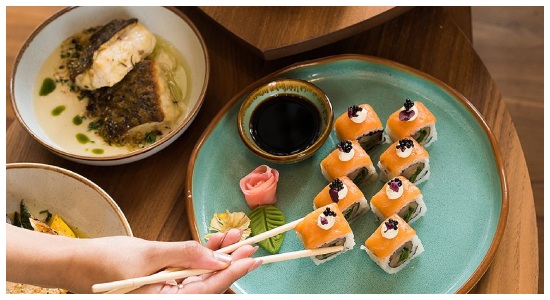
This long weekend, Tasse Café introduces an exclusive Strawberry Menu, a limited-edition showcase celebrating the season’s favourite fruit through thoughtfully crafted creations. The experience extends across Mizuki, with its refined Asian flavours, Hill View Café for relaxed all-day dining, and Le Scoop, offering artisanal ice creams and classic sweet indulgences.
At Le Méridien Navi Mumbai, the experience is elevated by seamless design, attentive service, and expansive suites with floor-to-ceiling views of the city skyline. From sunlit mornings to glowing urban evenings, it’s a destination where long weekends unfold effortlessly and unhurried moments become the highlight.
Where: Le Meridien, Navi Mumbai
When: 24th, 25th, 26th January
Hyatt Regency Dehradun Resort and Spa, Dehradun
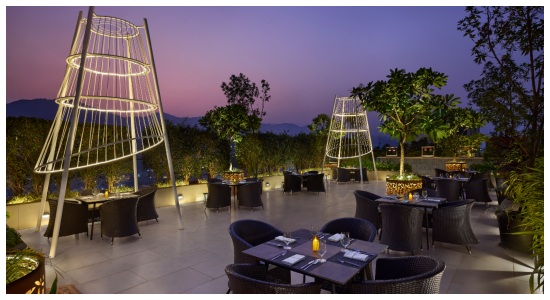
Hyatt Regency Dehradun Resort and Spa invite travellers to retreat into the calm of the Himalayan foothills, where expansive landscapes, thoughtful design, and refined hospitality come together to create an effortless escape.
Culinary experiences delight at Range, The Cosmopolitan Food Gallery, where Republic Day–themed Sunday brunches and dinner buffets add a celebratory note to the weekend. Known for its global, seasonal, and artisanal approach, Range brings together international flavours and regional favourites in a scene that feels open, inviting, and grounded in its surroundings. With both indoor and outdoor seating overlooking the mountains, dining becomes an experience in itself.
Where: Hyatt Regency Dehradun Resort and Spa
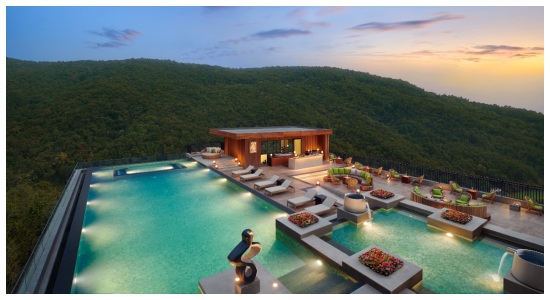
The St Regis Goa Resort, Goa
Celebrate the spirit of togetherness, diversity, and harmony at the Unity Brunch. Hosted at Miri, our signature all-day dining venue, this experience brings friends, families, and cultures together over a vibrant spread that reflects unity in every flavor and melody.
Join us for a Sunday filled with soulful music, a stunning ambience, and a world-class buffet designed to foster shared experiences and lasting memories.
When: 25th January 2026 | 1:00 PM onwards
Where: Miri – All Day Dining, The St. Regis Goa Resort
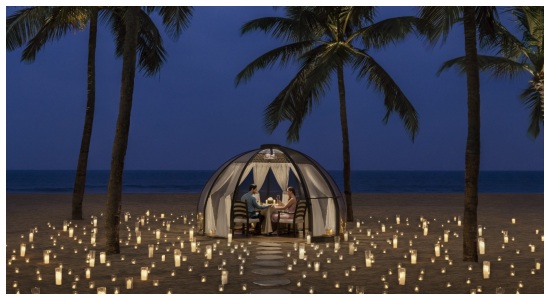
JW Kitchen, JW Marriott Kolkata
Celebrate Republic Day with a grand culinary tribute at JW Kitchen, JW Marriott Kolkata. We invite you to experience the vibrant spirit of India through a specially curated brunch that showcases the rich diversity of our nation’s heritage. From traditional regional delicacies to contemporary favorites, join us for a feast that honors the flavors of togetherness.
Where: JW Kitchen, JW Marriott Kolkata
When: 26th January 2026 | 12:30 PM – 3:30 PM
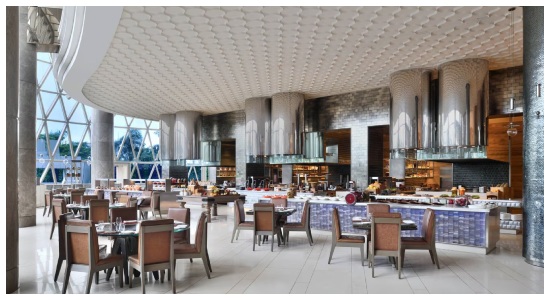
The Verandah, Grand Mercure Bengaluru
Republic Day calls for dishes that feel proudly Indian and offer instant comfort. It is about food that makes you feel at home the moment it arrives at the table. At The Verandah in Grand Mercure Bengaluru the lunch curates beloved favorites including winter classics like Sarson ka Saag with Makki ki Roti and the joyful tradition of Poori with Aloo Sabzi and Jalebi.
The menu features the hearty warmth of Chole Bhature and Dal Baati Churma alongside the elegant richness of Rogan Josh. These plates are celebrated classics meant to be enjoyed with ease. The selection continues with soulful Bisi Bele Bath and Thukpa alongside everyday staples such as Dhokla and Thepla. A touch of indulgence comes through with Goan Fish Curry adding a vibrant coastal depth to the spread.
To round things off desserts like Mysore Pak and Rasgulla provide a sweet and satisfying finish. Served in the calm setting of The Verandah this Republic Day lunch is a relaxed way to enjoy flavors that stay with you long after the meal."
Where: The Verandah, Grand Mercure Bengaluru.
Date: 26th January, 2026
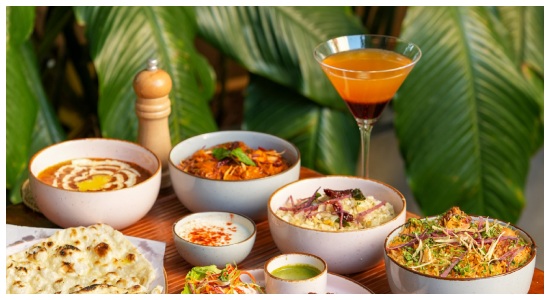
Sheraton Grand Pune, Pune
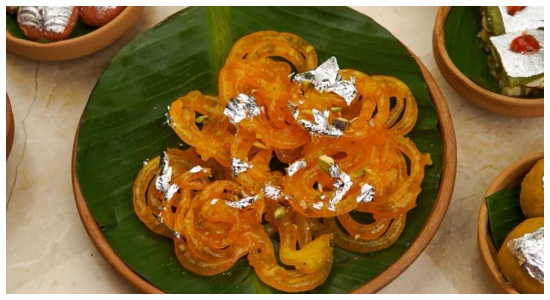
Sheraton Grand Pune brings together the rich regional flavours of India, from the mountains of Kashmir to the coasts of Kanyakumari, in a feast that honours the country’s culinary heritage. Begin with traditional Thandai and refreshing Jaljeera, followed by appetizers including Tiranga Paneer Tikka Trio, Dahi ke Kebab, LucknowiGalouti Kebab, and Fish Tikka Ajwaini. Explore regional main courses ranging from North India's Butter Chicken and Dal Makhani, South India's Vegetable Sambar, Avial, and Curd Rice, Bengal's Cholar Dal and Aloo Posto, Gujarat's Gujarati Kadhi, and Maharashtra's Bharli Vangi. Conclude with traditional sweets: Gajar Ka Halwa, Kesari Phirni, live Jalebi with Rabri, and Malpua, paired with Masala Chaas and Filter Coffee.
Where: Sheraton Grand Pune
Date: 24th to 25th Jan and 26th Jan
Timings: 12.30 pm – 3.30 pm
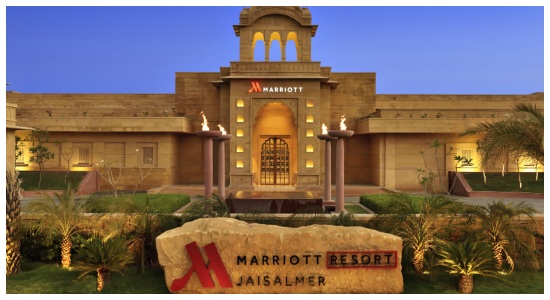
Jaisalmer Marriott Resort & Spa, Jaisalmer
Celebrate the Republic Day with a culinary journey that honors India’s rich diversity. Jaisalmer Kitchen is hosting a spectacular brunch, blending local heritage with global flavors. Guests can immerse themselves in a vibrant festive atmosphere featuring interactive Chaat and Pasta live stations, chef-curated regional delicacies, and a special tribute to tradition with handcrafted Motichoor Ladoos.
What: Republic Day Brunch
When: Sunday, 26th January 2026
Where: Jaisalmer Kitchen, Jaisalmer Marriott Resort & Spa
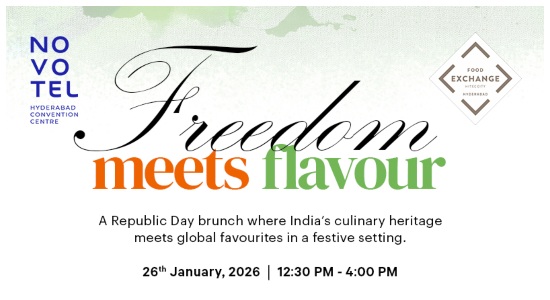
Novotel Hyderabad Convention Centre, Hyderabad
Honour the spirit of India’s Republic Day with a vibrant and indulgent Republic Day Brunch at Food Exchange, Novotel Hyderabad Convention Centre. The elaborate brunch spread showcases a wide array of regional Indian specialities alongside international classics, reflecting the unity and diversity that define the nation. Set against thematic decor inspired by national pride and enhanced with festive ambience and coordinated team attire, the celebration promises a lively and memorable afternoon filled with flavour and togetherness.
Where: Food Exchange, Novotel Hyderabad Convention Centre
Date: 26th January 2026
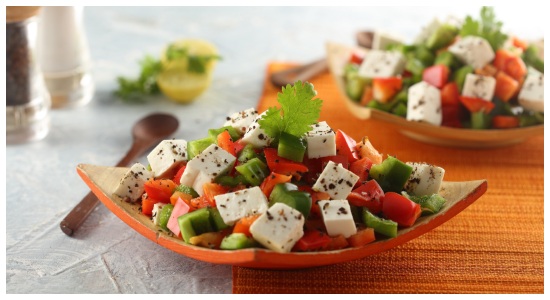
Khandani Rajdhani (All Outlets)
Crafted with artistry and emotion, the Tiranga specials bring the colours of the Indian flag to the plate. The light and fluffy Tiranga Dhokla, layered in saffron, white, and green using natural ingredients, is finished with a fragrant tempering of mustard seeds, curry leaves, and asafoetida.
The highlight is the Tirangi Pulao, featuring orange rice infused with tomato-chilli purée, classic white rice, and green spinach rice, brought together with aromatic spices in a striking presentation. Completing the platter is the delicate Tirangi Khandvi, soft and finely rolled in tricolour hues, served with flavourful chutneys. More than a meal, Desh Ki Thali at Khandani Rajdhani is a celebration of flavour, culture, and unity, where tradition and festive pride come together on a single plate.
Where: Khandani Rajdhani
When: 22nd January to 26th January
The Westin Pune Koregaon Park, Pune
The Market at The Westin Pune Koregaon Park hosts a vibrant Republic Day brunch celebrating the flavours and spirit of India. The spread takes guests on a pan-India street food journey, from North Indian chaats and South Indian dosas to Mumbai’s pav specials and Eastern favourites, all accented with elegant tricolour touches.
Live music sets a warm, festive mood, while interactive cooking stations feature sizzling tawa and sigdi grills, regional brunch classics, and freshly prepared specialties. The “Sweet India” dessert studio offers regional mithai, live jalebi and malpua counters, and tricolour-inspired desserts.
When- January 26, 2026 | Time: 12:30-4 pm
Where: The Market, The Westin Pune Koregaon Park
Hunaan, Bengaluru
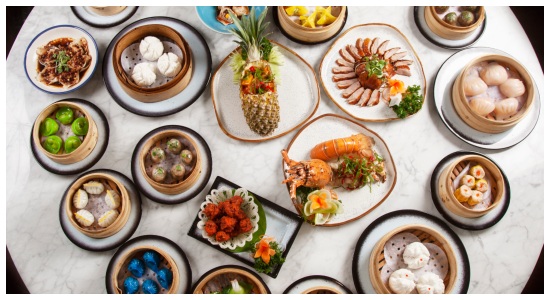
Hunaaan is offering a complimentary signature Chocolate Cake on 26th January, making the celebration even more inviting. Guests can enjoy a selection of the restaurant’s popular dishes such as BBQ Pork Spare Ribs, Chicken Thai Red Curry, Dragon Shrimp, Edamame Truffle Dumplings, and the Teriyaki Sticky Rice Bowl, each showcasing Hunaaan’s signature approach to bold flavours and refined Asian cuisine.nature approach, bold yet balanced flavours that are comforting, familiar, and ideal for sharing.
With its chic interiors, warm hospitality, and vibrant Indiranagar location, Hunaaan sets the tone for a relaxed yet celebratory Republic Day.
Where: Hunaan, Bengaluru
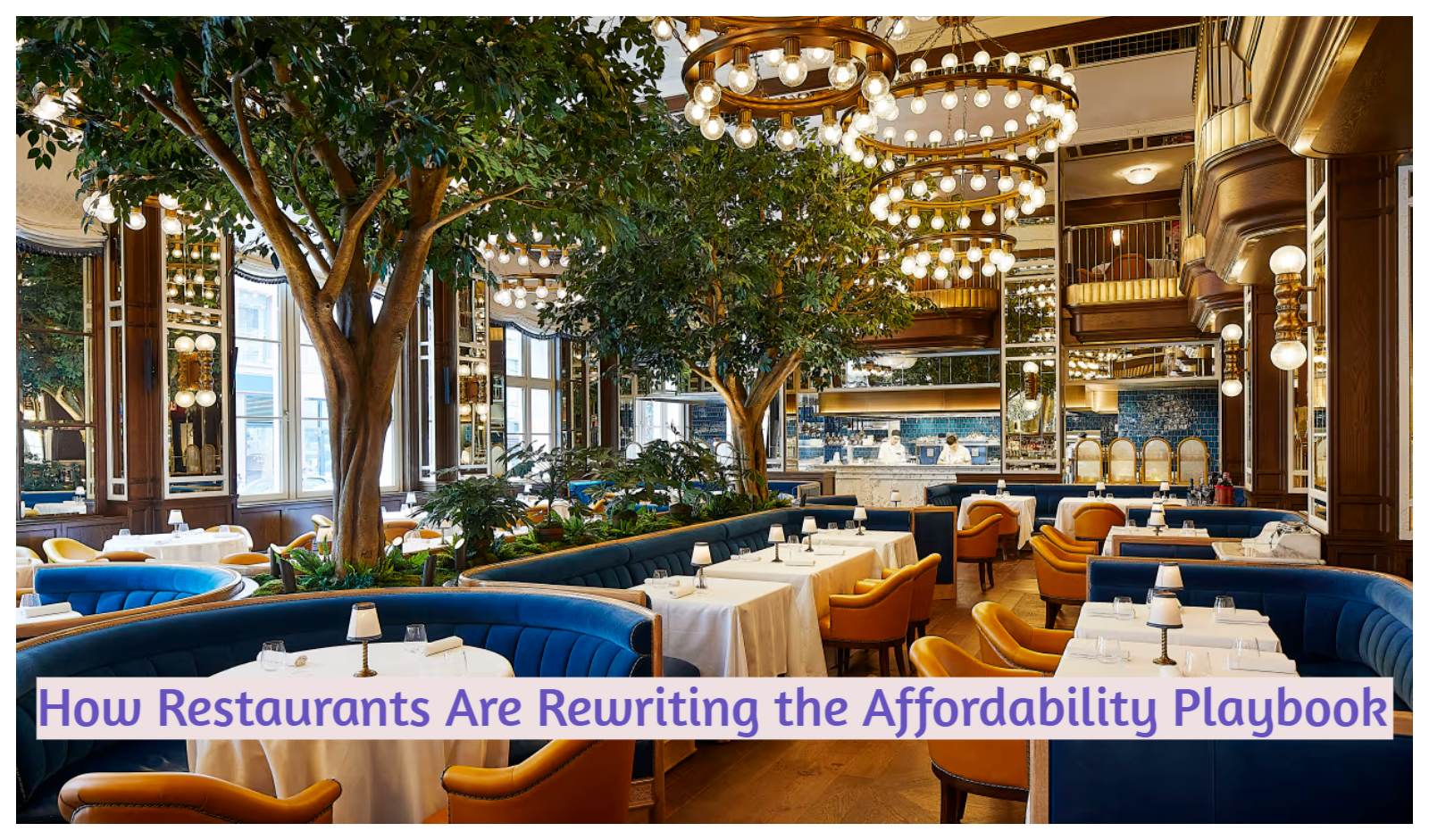
As we all know, affordability is a key driver of success in the restaurant business because it builds trust and repeat visits. It’s not about lowering prices, but about delivering strong value. 25–30% of restaurants make affordability a core positioning, while 35–40% treat affordability as a competitive necessity and 60-70% restaurants focus highly on this. So, let’s have a look on what all point’s restaurants targets on.
Driving Higher Footfall
When customers feel they are getting good value for money, they visit more frequently, bring larger groups, and are more open to trying add-ons. This repeat behaviour fuels volume-led growth where higher table turns; faster throughput and consistent demand compensate for thinner per-unit margins.
“Brands that balance quality, consistency and sensible pricing become part of the customer’s weekly routine and not just an occasional indulgence. That repeat behavior is what builds sustainable businesses,” shared Saniya Puniani, Co-founder of Como Agua Goa.
Understanding Cost Control
Effective cost control comes from disciplined sourcing, waste reduction, and efficient kitchen operations. At the same time, affordability requires constant market adaptation understanding customer spending behavior and evolving menus as conditions change.
“When guests feel comfortable dining more often, affordability increases footfall and enables volume-led growth, improving efficiency, purchasing power, and long-term sustainability,” added Chef Gurmeher Sethi, Founder Tranzit.
Cost control underpins affordability. Tight inventory management, vendor consolidation, seasonal sourcing, and standardised recipes help keep food costs in check.
“Restaurants that offer dependable quality at accessible prices tend to retain customers while premium-only concepts struggle,” added Puniani.
Menu Engineering
Affordability-led brands succeed because they understand changing consumer behavior and respond with smart menu engineering, disciplined cost control, and thoughtful innovation. Smart menu highlights high-margin, popular dishes, controls portion sizes, and limits unnecessary complexity in ingredients.
Pointing further, Puniani said, “We actively design menus around contribution margins, kitchen efficiency and ingredient overlaps. Cost control today goes beyond procurement as it includes portion control, reducing wastage, optimizing prep processes and smart vendor partnerships.”
A clearly engineered menu is where 60–70% of sales come from high-margin items. Instead of discounting, smart menu design nudges customers toward dishes that offer both value to them and profitability to the restaurant.
Budget Constraints & Price Sensitivity
Today’s customers are highly value conscious as they are increasingly prioritizing quality over quantity.
Commenting on this, Abhishek Bahety, Franchise Owner, Farzi Beach Goa said, “We have defined by offering high-quality food and thoughtfully curated experiences at price points that feel accessible and justified.”
Guests experience a restaurant emotionally before they evaluate it financially. “Guests absorb the music, the mood, the flavours and the energy of the room. Budgets exist, but when the experience feels thoughtfully composed, people feel at ease spending. When it feels forced or transactional, even modest pricing feels heavy,” mentioned Khushank Arora, Founder & CEO, Kingcraft Group.
Market adaptation ensures affordability stays relevant. Restaurants gain more customers by 45-60% when following the market demand.
Focusing Profitability
Profitability is driven through strategic menu engineering, efficient sourcing, and disciplined cost management, while remaining uncompromising on food quality. Bahety added that operational efficiencies play a critical role in supporting sustainable margins.
“From how a menu is curated to how ingredients are sourced and handled, everything has a cost and a consequence. When these decisions are made with clarity and restraint, profitability becomes a byproduct rather than the objective,” pointed Arora.
Ensuring Consistency with Affordability
Consistency is maintained through standardized processes, quality benchmarks, and continuous team training. This ensures a dependable, value-led experience across every guest interaction.
Highlighting further, Arora said, “Systems, training, and strong vendor relationships ensure that the experience remains familiar yet exciting every time. Once that foundation is stable, affordability becomes natural and sustainable, allowing the brand to evolve without losing its soul.”
Not just this, around 20–30% of restaurants manage to strike a strong balance between affordability and profitability over the long term. Another 40–50% operates in a survival zone, while remaining 20–25% struggle significantly.
Hence, over time, scale benefits kick in with better purchasing power, improved operational efficiency and stronger brand recall. So, affordability is not about being cheap; it is about delivering the right value at the right price.
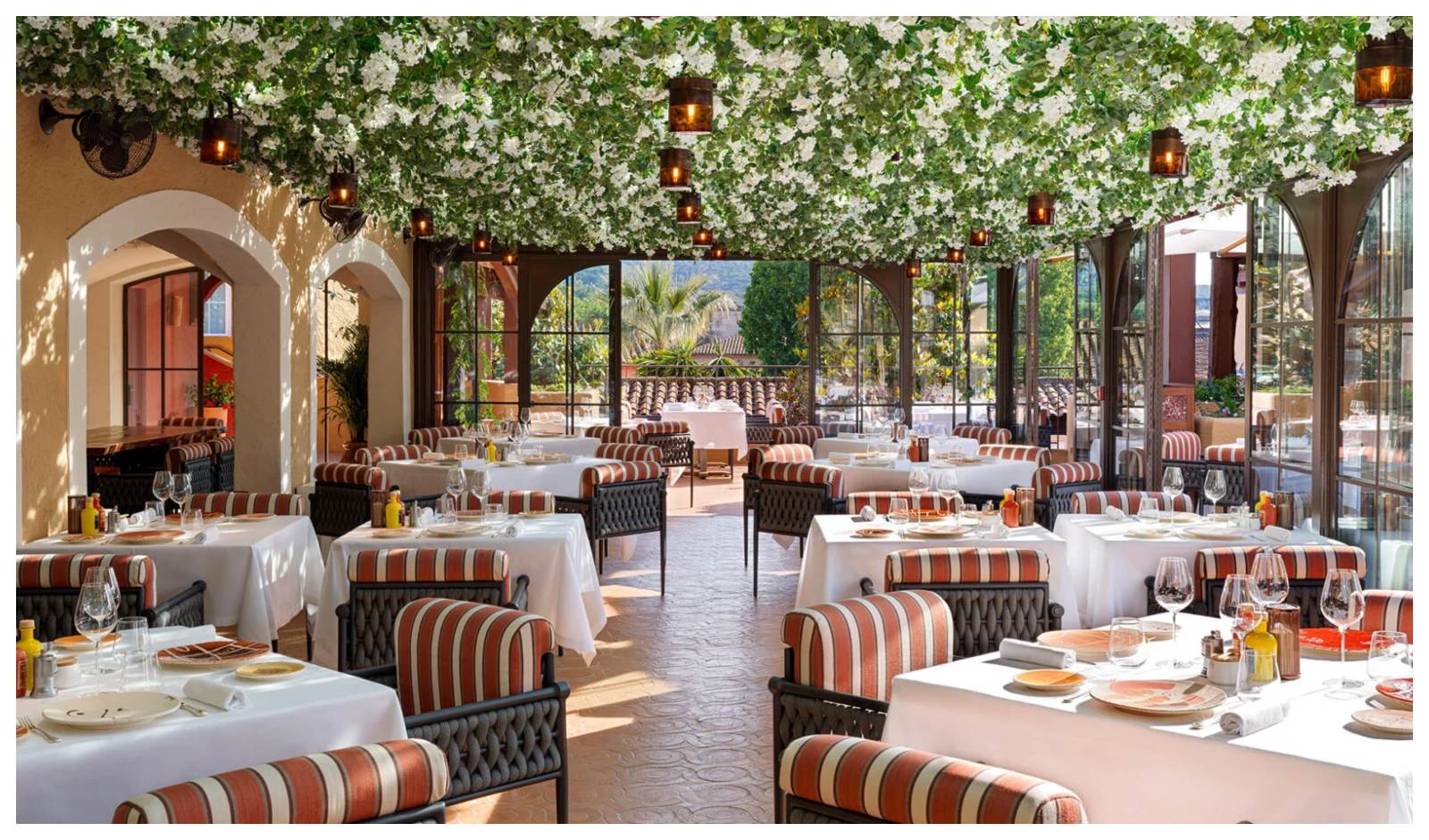
Today, restaurant scalability is less about opening new outlets and more about building repeatable, tech-enabled, and financially resilient brand.
Scalability means a restaurant’s ability to replicate success across units, deliver consistent quality, and grow in revenue without proportionally increasing costs. This includes standardized operations, strong systems, consistent culture, and measurable performance tracking. India’s restaurant market is projected to reach over $100 billion by 2030.
As per the reports, 1,000-2,000 restaurants open every month in India, but also there is a large number of closures due to high costs and competition. Here’s how leading restaurant brands are achieving scale today:
Cultural Relevance and Experience-led recall
In 2026, scalability for restaurants will be defined by how strongly a brand can build cultural relevance and experience-led recall, rather than just focusing on numbers.
“Our focus has been on creating formats that brands, consumers, and collaborators instinctively benchmark against when they think of experiential nightlife and bar culture—and we are now extending this vision through our newest cocktail bar, Late Checkout,” shared Pawan Shahri, CEO & Co-Founder Chrome Asia Hospitality by adding that even ahead of completing their first year of operations at Late Checkout, they have already executed 10+ bar takeovers across domestic and international markets.
Scaling Globally
In 2026, scalability for Massive Restaurants is rooted in the perfect balance between culinary creativity and operational discipline. Around 25-30% of the brands from India has scaled globally and made their mark in the US, UAE, UK and Saudi Arabia.
“For us, scaling a brand globally - from Farsi Café to Pa PaYa - means ensuring that the guest experience remains consistent, whether they are dining in London or Mumbai,” mentioned Zorawar Kalra, Founder & Managing Director of Massive Restaurants Pvt Ltd.
Standardized Operations
The foundation of the growth is a highly systematized kitchen hierarchy. 25-30% of the focus should be on standardizing the operations.
Highlighting his views, Timanshu Mokal, Co-founder Amelia, One BKC said, “One early learning was that standardised systems are essential, but only when they’re shaped around real, on-ground realities. For instance, tightening kitchen prep flows and service handovers didn’t just improve efficiency; it reduced stress during peak hours and delivered a more consistent guest experience.”
Diversifying Revenue Streams
Diversifying revenue streams is equally important. For Fino Frangline, Co-Founder, Mykos Craft Kitchen & Bar, it’s beyond core food and beverage sales, additional offerings such as in-house dessert cafés, experiential elements like photobooths, and event-led activations help generate incremental monthly revenue and strengthen unit economics.
While revenue across Chrome Asia Hospitality continues to be driven by core food and beverage operations, initiatives such as global bar takeovers are conceived as strategic brand-building levers rather than direct revenue drivers. “Through Late Checkout, we have built a platform for global exchange, collaboration, and innovation within nightlife and bar culture,” noted Shahri.
Not Racing Towards Scaling
Beyond metrics, scalability today depends on audience alignment, flexible formats, strong beverage programs, and culturally relevant storytelling. Around 55-65% of the brands scale after one year of the business, while 10-15% of the brands expand within one year, with 50% of them focusing on Tier-1 cities. At present, there is an exponential growth in Tier-2, Tier-3 and Tier-4 cities (as 30-35% of the brands are focusing in these cities).
Shahri believed that restaurants that scale successfully will be those that operate not just as venues, but as experience-led brands with a clear point of view. While 10-15% who expand within one year of the business, from that very few attain sustainability and stability as some ends in failure.
Staffing & Culture
Brands true engine for growth is the people. “We cultivate a culture of "Culinary Excellence," where every team member is trained to be a custodian of the brand’s standards,” said Kalra who noted that by providing clear growth paths and a structured environment, we motivate our employees to take pride in precision.
A strong, disciplined culture ensures that as brands expand, the team remains the strongest pillar of the success. The restaurant industry faces high employee attrition, which directly impacts operations and guest satisfaction.
While Frangline stressed upon creating a positive, growth-oriented work culture—through training, empowerment, and recognition helps retain talent and build stable teams, which is essential for sustainable scale.
Power of Technology
As per reports, restaurants invest 25-30% on technology to make their work easier as it reduces time consumption. Technology acts as a strong enabler of growth. Frangline added, “Restaurants are increasingly investing in POS systems, inventory management, data analytics, and automation to improve decision-making and reduce manual errors.”
“Restaurants are investing heavily—nearly 60-70% of their resources—into tools like cloud-based POS systems, AI-driven customer service platforms, and smart kitchen management tools,” shared Amit Goel, Founder and Managing Director, Tokki& Tora who explained further that these technologies streamline operations, enhance customer experience, and optimise inventory management, ultimately increasing profitability.
While Mokal draw attention to an important detail. “A dashboard can highlight trends, but it’s the floor manager who knows when to hold a table a little longer or pace service differently.”
Hence, scalability requires strategic growth planning and financial readiness, with a clear understanding of costs, profitability, and return on investment to ensure sustainable expansion.

In today’s hospitality landscape, a hotel stay is no longer a simple transaction, but a story shaped across every guest touchpoint. Travellers now seek emotional connection and meaning looking to feel transformed rather than merely accommodated.
When storytelling becomes an operational philosophy instead of a marketing add-on, each interaction gives guest a memorable experience. Hotels are moving beyond showcasing amenities to crafting journeys around cultural heritage, wellness and local discovery allowing guests to live the story, not just observe it.
Narrative-Driven Food & Beverage
Food and beverage are now central narrative elements as they are the “plot” around which the guest experience revolves. Hotels are integrating local flavors and regional techniques into menus that tell the story of place and heritage.
“When you start to work in the industry, that’s when you realize that catering to luxury client and premium client is different. The cooking will be same for both clients, but the creative part and the presentation will be different. The ingredients we buy will be different from hotel to hotel,” shared Satya Pandari, Executive Chef, The Park Hyderabad.
Sharing his views, Xenia Jamshyd Lam, General Manager at Hyatt Centric, Juhu added, “Food and beverage play a key role in this narrative. Our menus are thoughtfully curated to reflect local flavours, seasonal produce, and contemporary interpretations of regional cuisine.”
Each dining concept is designed to tell a story through ingredients, presentation and the overall dining environment, making the experience immersive rather than transactional.
Many hotels are also organizing cooking classes with chefs that explore traditional dishes and ingredient stories, thematic dinners or vineyard tours that frame meals as part of a broader cultural narrative. Signature beverage experiences with mixologists or sommeliers narrating the history behind the selections which helps the guests to understand more.
“From arrival rituals to curated dining moments, every touch point is designed to evoke emotion, comfort, and connection. Experiences are layered through visual design, sound, aromas, and service interactions, ensuring guests feel part of a narrative rather than just a stay,” mentioned Pankaj Prajapati, Executive Chef, T24 Hotels.
Experience tells a Story
Guests do not just stay in a hotel; they feel as if they are part of a royal journey.
Elaborating his views, Rajat Sethi, Cluster General Manager, Fairmont and Raffles Jaipur said, “At Fairmont Jaipur, every element and experiences tells a story. The hotel stands as an architectural marvel, embodying the legacy of Rajasthan’s royal history. Designed to replicate the grandeur of Mughal palaces, the hotel features intricate carvings, majestic domes, and regal arches that pay homage to the cultural richness of the region. The guests experience unparalleled luxury and cultural discovery though immersive and signature offerings.”
Why Staff Matter
Staff should understand the property’s narrative, including its history, cultural context, design inspirations, and F&B stories.
Lam noted, “Our associates are equally important storytellers. Through regular training and engagement, teams are encouraged to share authentic insights about the hotel, the neighborhood, and the inspiration behind our offerings. This human connection adds depth and warmth to the guest journey.”
Staff can personalize experiences, making guest interactions feel natural rather than performance driven.
For Prajapati, service staff has to be trained to narrate the story behind dishes, the origin, technique, and inspiration transforming service teams into culinary storytellers who deepen guest engagement. Moving further, Pandari said, “Equally important is staff mobility. Working across different locations exposes hotel teams to varied cultures, operations and guest needs. These live experiences deepen skills, broaden perspective and ultimately help curate richer guest experiences, driving higher satisfaction.”
Major Challenges
One of the key challenges is maintaining authenticity and consistency while scaling experiences. “This is addressed through consistent brand alignment, empowered teams, and continuous feedback,” noted Lam.
“Structured training and clear SOPs help overcome this. The business impact is strong with higher guest satisfaction, repeat visits, better reviews, and increased F&B revenues driven by experiential dining,” shared Prajapati.
Sethi shared that maintaining authenticity is important while meeting modern luxury expectations. These challenges can be overcome through collaboration with local artisans and historians, and regular updates to experiences so they remain relevant and engaging without losing cultural depth.
The Business Impact
For Hyatt Centric, storytelling drives stronger guest engagement, higher dwell time, repeat visits, and ultimately, brand loyalty, making it a powerful tool for both experience enhancement and commercial growth. And for hotels, repeat customers are more by 40% as customers look for satisfaction and familiar experiences.
Today’s guests are not just looking for a stay; they are seeking meaningful connections with the destination and storytelling helps bring that to life across touchpoints.

Winter menus are gaining strong traction as restaurants lean into comfort foods with a global twist. The focus is on seasonal ingredients, plant-forward and healthier choices, experience-driven dishes, and smart menu engineering. Metro cities like Mumbai, Bengaluru, and New Delhi are leading this trend, using curated winter menus to attract and engage more diners. Restaurants have winter menu from October to February and during this period they gain profit by 25-30% and winter menu is increasing in restaurants with a growth rate of 40% in 2025.
Curating Winter Menu
The winter menu is crafted to embody comfort, warmth, and a sense of familiarity, qualities that customers naturally seek during the chilly months.
“The emphasis is on leisurely enjoyment, rich flavors, and beverages that provide both nostalgia and coziness,” shared Ravi Nara, Founder, One Door Down where the winter cocktail selection is carefully crafted to foster intimate conversations and snug evenings, perfectly complementing the café-bar's welcoming setting.
For Neeraj Aggarwal, Founder, Tubata, winter menu curation is rooted in principles of seasonality, comfort, and complex flavors. “The special winter menu combines warm spices, slow-cooked sauces, tandoori dishes, and classic Indian sweets, providing diners with an elevated yet comforting meal experience,” he added.
While, for Aashita Relan, Founder of Royal China, the focus is on nourishing broths, steamed preparations, richer rice dishes, and warming cocktails that enhance the overall dining experience without overpowering the cuisine’s balance and finesse.
What’s Trending
Winter menus are becoming more influenced by the desire of consumers for comforting classics with an elegant twist. Nara noted, “Guests prefer familiar flavours that evoke warmth and festive cheer, which is why drinks like Hot Toddy, Irish Coffee, and Mulled Wine continue to resonate. Current seasonal menus focus less on innovation and more on refining cherished favorites that convey a sense of comfort and celebration.”
Adding further, Relan said, “Guests gravitate towards hearty soups, rich mains, and warm beverages, prompting restaurants to spotlight signature favourites and seasonal cocktails that feel celebratory yet familiar.”
Winter menus are significantly shaped by guests seeking comforting, warming meals that feature traditional Indian flavors. “The focus is on slow-cooked preparations, richer textures, and layered flavours that feel indulgent yet balanced. Winter menu trends are shaped by both consumer demand and chef-led creativity. Guests gravitate towards familiar, comforting dishes, while chefs elevate those using modern techniques, seasonal produce, and thoughtful plating,” pointed Nishtha Kawatra, Founder, Novy.
What’s Challenging
A major challenge is ensuring uniformity in flavor and temperature when serving hot drinks during busy times. “This issue is tackled through careful preparation, accurate batching, and comprehensive staff training to make certain every drink is delivered at the perfect temperature while preserving its taste,” added Nara.
For Tubata, one significant challenge is consistently obtaining fresh, high-quality seasonal produce during the winter months. This is managed by closely collaborating with reliable suppliers and adapting the menu as needed.
“Challenges include sourcing consistent seasonal ingredients, managing rising food costs, and balancing indulgence with lighter preferences. These are addressed through strong supplier relationships, flexible menu planning, and efficient ingredient utilisation,” shared Kawatra.
Relan said, “Maintaining consistency in premium ingredients while adapting to seasonal preferences can be addressed through careful menu curation—highlighting existing signature dishes suited for winter rather than overextending the menu.”
The Business Impact
The winter cocktail menu and dessert significantly boost evening footfall and encourages longer dwell time as guests tend to stay longer over warm drinks and desserts.
This menu enhances One Door Down's reputation as a seasonal, experience-focused venue, resulting in higher average spending and encouraging repeat visits throughout the holiday and winter seasons.
A thoughtfully crafted winter menu greatly improves guest interaction and encourages return visits. At Tubata, the Special Winter Menu drives seasonal footfall, encourages group dining, and increases average spend per table. On an average, restaurants gain 30-35% sales during the winter season with 40% of the restaurants from metro cities focusing on winter menu. In short, winter menu is here to stay, as it combines comfort, seasonality indulgence and storytelling.

Chef and food influencer Kriti Dhiman who was last seen in MasterChef India Season 8, has recently opened her restaurant ‘Namma’ a modern celebration of the iconic Benne Dosa in Chandigarh. What began as a personal passion has today evolved into Namma, a South Indian restaurant rooted in comfort, authenticity and family. In an exclusive conversation with RestaurantIndia, Kriti Dhiman, Founder of Namma talks about her journey, new restaurant and much more.
The Philosophy: Simple Food, Deep Comfort
The cooking philosophy is simplicity. Food does not need unnecessary drama, it needs honesty. At Namma, the idea is straightforward: the food should speak for itself, feel comforting, and taste unmistakably good.
“The name Namma, meaning “ours,” reflects the deeply personal nature of the journey,” shared Dhiman whose family has been involved at every stage of building the brand, making the restaurant a shared dream rather than a solo pursuit. “Every dish aims to recreate the warmth of ‘ghar ka khaana’ food that comforts the gut as much as the heart. We want people to come back again by giving good quality food and by maintaining consistency,” she added.
Focusing on the menu, she added, “The menu focuses primarily on South Indian cuisine, with a special emphasis on Benne Dosas.” She also added that the team is constantly exploring ways to strike a better balance between indulgence and health, without compromising taste.
Rethinking Authenticity
Authenticity is not rigid. South Indian food itself changes every few kilometers in each state, region and household as each one of them have their own version. Authenticity, therefore, is less about fixed recipes and more about the comfort food provides.
“If the food brings the same warmth and satisfaction, small changes in technique or flavour are acceptable and that belief allows room for evolution while staying emotionally rooted in tradition,” mentioned Dhiman who launched Namma, seeing a clear gap in markets like Chandigarh, Delhi.
Balancing Flavours, Textures and Presentation
Presentation at Namma remains deliberately minimal. “Textures should feel right with every bite and flavours should complement rather than compete and ingredients must be handled with care,” she pointed.
Menu Planning, Sourcing and Consistency
Running a small restaurant has taught the power of focus. “Instead of an overwhelming menu, Namma keep things tight and intentional. A shorter menu ensures better quality control and less confusion for guests.All masalas are prepared in-house.
“Ingredients are sourced locally wherever possible, while certain essentials are brought in from the South to maintain authenticity. The chef personally monitors quality, fully aware that inconsistency is one of the biggest reasons restaurants fail,” Dhiman mentioned.
Three key trends
• Sustainability
• Small plates
• Conscious reduction of food waste
Wearing Two Hats: Chef and Influencer
Balancing life as a restaurateur and a chef-influencer comes with its own learning curve. While in the online platform, the audience is largely young students and first-time cooks who are curious about recipes and techniques. At the restaurant, the demographic spans all age groups. Dhiman mentioned that real-world guest interaction is irreplaceable. Conversations with diners help fine-tune dishes and menus in ways social media never can.
The Challenges
The biggest challenge in opening Namma has been building the right team. “Hiring, training and trusting people required the chef to unlearn habits and let go of complete control. Another major shift was moving from a health-focused approach to fully embracing a cuisine known for indulgence,” shared Dhiman.
Signature Creations with Familiar Roots
Innovation at Namma often begins with familiarity. Two standout dishes reflect this approach:
Garlic Dosa – Inspired by the universal love for garlic naan, this dosa bridges comfort across cuisines while retaining its South Indian soul.
Mushroom Truffle Dosa – Created out of a personal love for mushrooms, this dish brings depth, aroma and indulgence together without overpowering the dosa itself.
Advise for aspiring chef entrepreneurs
To aspiring chefs dreaming of opening their own restaurant, the advice is clear: start small, keep your menu focused, never compromise on quality, be ready to unlearn and adapt.
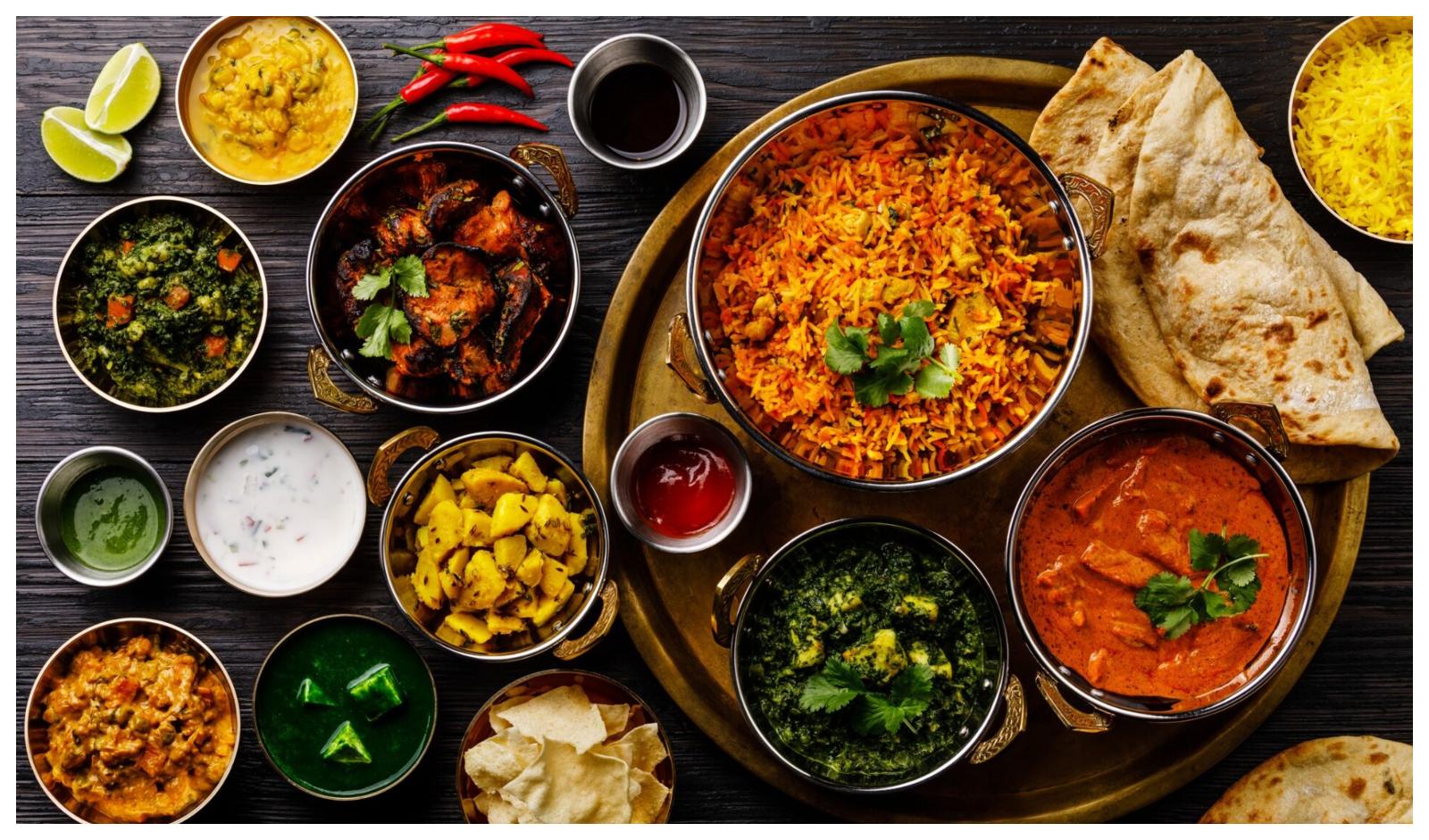
Airports have become the first chapter of a journey, not just the lobby to a flight. India’s terminals are busier than ever, and that scale matters for food choices. As per the Airports Authority of India, in FY24, domestic air passenger traffic rose to about 30.6 crore, up 13 percent from the previous year. When millions pass through a space built for waiting and wandering, the most memorable offer is not a generic snack; it is a plate that tastes like the city outside the glass.
What today’s traveller looks for
The post-pandemic flyer is more selective and more experience led. Hygiene cues, open kitchens, clear labelling and transparent sourcing have become default expectations, not premium features. Contactless payment and pre-order within the terminal are now common behaviour. At the same time, there is a greater appetite for discovery. Government tourism data shows domestic visits concentrated at large scale across key states, with Uttar Pradesh alone recording 478.5 million visits in 2023. That movement has widened palates and built confidence to try regional specials at the airport, not just familiar global menus. A well-run regional counter turns the wait before boarding into a short, safe tasting session of the city.
Gen Z and millennial travellers are amplifying this shift. Food discovery now starts on phones before it reaches the counter. Short videos and reels, map-based recommendations and creator lists push demand toward specific dishes and small brands. This cohort looks for provenance, plant-forward options, millets, low-waste packaging and stories they can share. If a terminal offers a Kolhapurimisal that tastes right, a Kumaonibhattkichurkani with smart plating, or a fresh toddy-shop style prawn curry at Kochi, it will find its way onto social feeds before the aircraft blocks out. Word of mouth becomes a repeat driver, especially on busy metro routes.
Why regional works for business, not just nostalgia
Regional cuisine is a practical differentiator. It helps airports avoid menu sameness while supporting local micro and small enterprises that are already organized at scale on the Udyam portal. Shorter supply lines improve freshness and reduce stock-outs. Central prep with regional recipes keeps consistency high even during peaks. For concessionaires, a tight core of always-on hero dishes anchored to the catchment area can be priced across tiers, from quick entry-point snacks to premium plates that justify a small uplift through provenance and portion.
Airports can borrow that playbook to curate “carry-on friendly” assortments: vacuum-sealed mithai, GI-linked spices and teas, ready-to-drink filter coffee, artisanal crisps and condiments. Done right, takeaway turns a last-minute browse into a premium basket.
The post-pandemic reset also favors regional supply. Disruptions made large chains rethink long logistics. Local producers and MSMEs proved more resilient for staples and fresh components. Bringing them into airport contracts creates dependable offtake for the region and builds a stable farm-to-terminal chain that can flex in peak seasons and festivals. Measured well, this becomes a local development lever that still meets the operational standards of a national hub.
How to make it work
Success depends on discipline, not just romance. Start with dishes that truly define the first ring of the airport’s catchment and travel well from kitchen to counter. Build a compact menu with clear day-part cues so training sticks and service stays quick. Keep hygiene signals visible and FSSAI labelling consistent to reassure first-time tasters. Price for breadth, with one honest entry option and one flagship plate in each category. Use data to tune the offer: attach rates by hour, repeat purchase by route, waste reduction from local sourcing, and social mentions that tie the dish to the terminal by name. As volumes stabilize, extend regional items into lounges, forecourts and pre-order, and rotate seasonal pop-ups for return flyers.
The biggest mindset shift is to see food as identity, not just inventory. A terminal that serves a real taste of its city earns higher recall and stronger spend without adding heavy capex. It supports local producers, gives younger travellers something they want to share and gifts departing passengers a way to take the region along. With domestic aviation on a steady upswing and tourism patterns deepening across states, regional cuisine is the rare idea that satisfies travellers, strengthens local economies and improves operating metrics. The next phase of airport F&B in India will belong to terminals that taste like where they stand—and package that taste so it can travel.

As sustainability moves from an aspirational idea to an operational necessity, India’s hospitality sector is stepping into a new era, shaped by climate urgency, regulatory shifts and a generation of consumers demanding transparency.
“Sustainability is not a wish anymore. It has become an important and integral part of everybody’s life as it’s about survival,” shared Dr. Nitin Shankar Nagrale, Founder & General Secretary – Hospitality Purchasing Managers’ Forum (HPMF).
The Sustainability Imperative
Nagrale spoke about the fundamental change in mindset post–COVID, where sustainability and supply-chain vigilance are no longer optional.
Guest expectations have evolved rapidly where they ask about origin, traceability, compliance, and the ecological footprint of every plate.
“Guests have started looking for traceability even individuals running organizations are particular about what they bring to the table,” he added by pointing that the next five years will see drastic changes, pushing businesses to upgrade processes and documentation.
Increasingly stringent norms under FSSAI, FDA and upcoming regulatory frameworks will shape how the industry procures, manages logistics, stores ingredients, and documents compliance.
A Green Building Movement Meets Hospitality
“Why are we talking about sustainability? Because there is a climate challenge. Global warming, pollution and scarcity of resources every industry must understand this,” mentioned Dr. Mala Singh, Chairperson- IGBC (CII) Mumbai Chapter and Founder & Director, PEC Greening India by emphasizing that hotels and restaurants have a disproportionately large ecological footprint.
Waste: The Sector’s Biggest Blind Spot
Dr Singh pointed, “28% of global waste comes from the hospitality sector. Every year, we add 185 million tons of carbon emissions. Restaurants, cafes and catering units alone contribute 8–10% of global GHG emissions not counting large hotels, construction, and infrastructure.”
The message was clear: the industry’s climate impact is significant, and mitigation must begin at every node farming, sourcing, storage, transportation, processing, and service.
Not only this, Gen Z and Gen Alpha are accelerating the shift and are demanding eco facilities. “Earlier, ‘eco hotel’ was just a tag. Today, hotels have ESG policies requiring green certifications,” she shared.
For hotels, sustainability now means energy and water conservation, responsible procurement, waste reduction, and adopting green certifications from inception and retrofitting existing properties.
The Farm-to-Fork Push
Gurtej Singh Matharu, Head - Central India, Zuper Hotels & Resorts described the challenges of integrating local farmers into hotel supply chains especially in emerging hospitality regions like Bhopal.
“The first hurdle is consistency. Farmers work with nature, but hotels work with fixed menus and guest expectations.” Other major challenges include Quality management like sorting, grading, storage; Logistics includes timely delivery from remote farms, Documentation of batch reports and FSSAI norms, Price fluctuations in which small-scale farmers cannot guarantee stable pricing.
Despite these hurdles, Matharu shared initiatives Zuper Hotels has already introduced: “A good practice should begin from home. We source 90% of grains, cereals and vegetables for our staff cafeteria from the local haat bazaar.”
In guest-facing areas, the hotel is gradually introducing farm experiences like plucking sessions, make-your-own-salad activities, and conscious-eating formats during high tea.
“Today, luxury comes with responsibility. Travellers who are more aware expect us to support local ecosystems and communities,” he added.
Building India’s Largest Contract Food Service
Sanjay Kumar, CEO & MD, Rassense Pvt Ltd who owns India’s largest Indian-owned contract food service company highlighted the staggering cost implications of sustainable sourcing.
“Out of our 500-crore revenue, 67% is cost of goods sold. And that includes agricultural commodities, perishables, fruits, vegetables,” he mentioned. As there is growing importance of farm-to-fork practices with guest preferences shifting toward transparency and conscious eating.
On policy-level interventions, Kumar cautioned against excessive regulation. “Over-regulation leads to underperformance that even the FSSAI largely functions through guidance rather than statutory enforcement. He called for a structural, participatory approach between the consumption sector and regulators to strengthen responsible sourcing.
Dr. Singh emphasized the role of a green supply chain, especially for certifications. “Without it, no green certification in India is possible,” she said. While IGBC offers standards for buildings and interiors, she stressed the need for a dedicated framework for restaurants and catering, given their large-scale operations. Industry associations like HPMF, she added, could help shape these guidelines.
As India aims to become a developed nation by 2047 and the hospitality industry has a crucial role to play in achieving sustainability, food security, and climate goals. Sustainability is not merely an operational choice but a national responsibility.
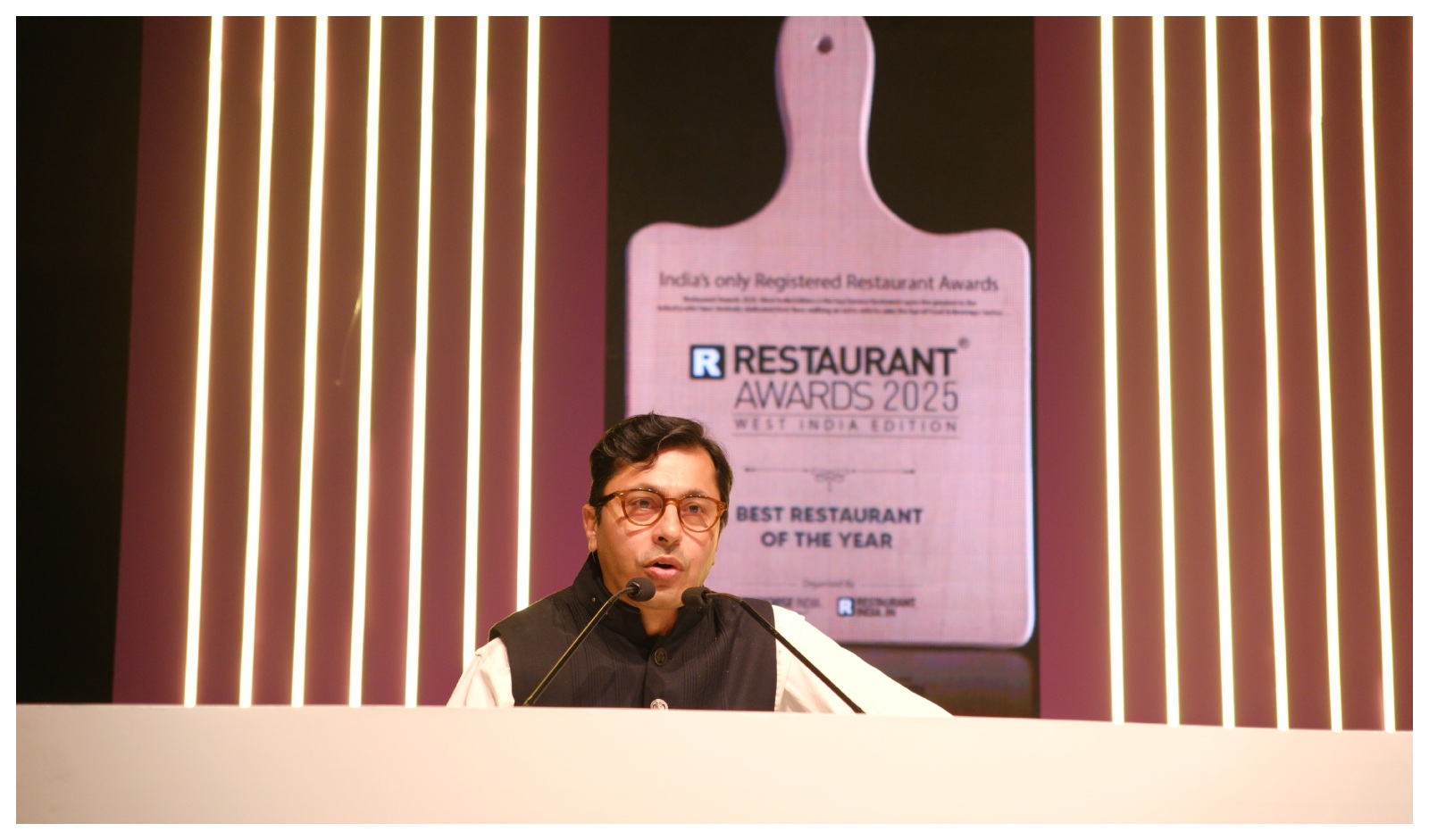
The 15th edition of Restaurant India 2025 unfolded the most influential food and beverage gatherings on 14–15 November at the Jio World Convention Centre, BKC, Mumbai. Presented with the Founding Partner Cremica Food Industries Ltd, Lounge Partner Trufrost & Butler, the annual event reaffirmed its position as a premier platform bringing together restaurateurs, hoteliers, caterers, suppliers, and thought leaders from across India’s vibrant F&B ecosystem.
Supported by leading industry bodies including UAERG (UAE Restaurants Group), the Indian Culinary Forum, India Food Tourism ORG, the Indian Flair Bartenders Association, ISFA, Poona Hoteliers Association, and HPMF as the event offered a dynamic blend of knowledge sharing, networking, and business-building opportunities.
This year’s theme, “Fuelling Growth: Capital, Concepts, Consumption,” captured the shifting energy of the industry. The panel was focused on how access to investment, disruptive culinary concepts, and rapidly evolving consumer behaviour are shaping sustainable and profitable growth. The two-day event invited attendees to explore future-ready business models, gather actionable market insights, and connect with the sector’s most influential decision-makers.
A Powerhouse Line-Up of Industry Voices
Restaurant India 2025 brought together some of the country’s most respected and innovative F&B leaders, brainstorming and discussing key topics like, revenue generations, sustainability practices, new trends, growth and expansion strategies amongst others.
Chef Ranveer Brar, who spoke about how modern diners increasingly want to know the people and stories behind the kitchen, a shift that is reshaping the chef’s role in contemporary dining.
Aditya Dugar, Founder and Director of Masque Restaurant and Urban Gourmet India Pvt. Ltd emphasized that the heart of hospitality continues to lie in the genuine love to serve.
On the other hand, Sagar Daryani, Founder and CEO of Wow! Momo Foods stressed that responsibility and sustainability will define the future of the restaurant business.
Not just this, speakers like Niyati Rao of the award-winning Ekaa pointed why regional cuisine will influence the eating out behavior in India. And Narayan T. Poojari, Founder of Shiv Sagar Group & Resorts, reflected on building a legacy-led vegetarian brand rooted in freshness, cultural respect, and consistent taste.
The other prominent speakers who joined over the 2-days of conference included; Ankush Grover (Rebel Foods), Tarak Bhattacharya (Mad Over Donuts), Varun Kapur (Travel Food Services), Investor and Mentor Hari Balasubramanian, Vishal Kamat, Amit Bagga (Daryaganj Restaurant) Ranbir Nagpal (YAZU Hospitality), Anurag Katriar (Indigo Hospitality), amongst others who shared perspectives on brand scale, operational innovation, and the emerging dynamics of the Indian F&B landscape. The event also saw the launch of second edition of Entrepreneur’s Restaurateur Magazine.
With 1,000+ attendees, 100+ speakers and 50+ exhibitors, Restaurant India 2025 transformed into a bustling hub of innovation. Participants explored the newest dining concepts, investment opportunities, operational technologies and consumer trends reshaping restaurants, delivery formats and hospitality businesses across India. The event also featured the Restaurant Awards 2025 – West India Edition, honouring over 75 industry trailblazers. The awards were backed by EY, ensuring a credible, transparent, and meticulously audited process.
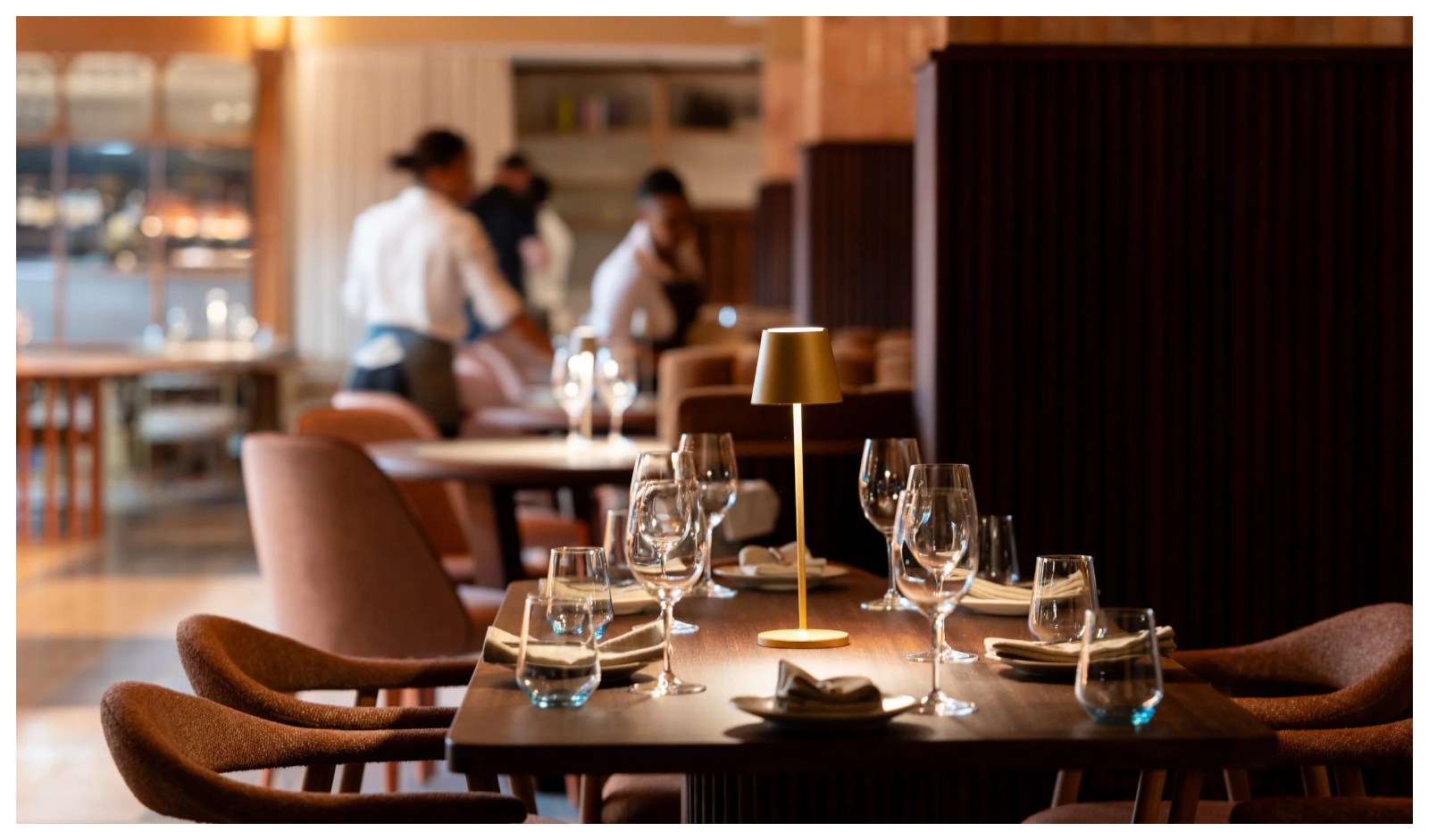
At a time when consumer habits are redefining how and where people choose to dine and celebrate, a new trend is reshaping the hospitality playbook, the shift towards offsite experiences. From hotel chains taking their catering beyond their walls to restaurants curating outdoor pop-ups and corporate lunches, these chains are increasingly looking beyond their premises to boost revenues and build new customer connections.
Taking the Experience to the Customer
For years, the primary revenue streams for hotels and restaurants were confined to their own spaces. But 2025 has seen a significant pivot toward offsite engagement: hotels and restaurants now prefer to go where the customer is. A decade back, hardly 10% of the hotels and restaurants focused on offsite locations. But now it has increased to 50%, changing the whole equation of the foodservice playbook.
As per reports, offsite catering and mobile events are growing 20–25% year-on-year across metros like Mumbai, Bengaluru, and Delhi. Restaurants that earlier relied on delivery or dine-in are now investing in offsite event units.
“Offsite destinations have become significant revenue enhancers for the hospitality and restaurant sectors. With changes in the workforce model, the increase in destination weddings, and the demand for experiential travel, are contributing substantially to revenue and rethinking the brand experience for guests,” shared Harshal Dilwali, Director & CEO at Clarissa Hotels & Resorts.
Curated offsite experiences provide an excellent opportunity to showcase the hotel’s service quality, facilities, and local offerings to a diverse corporate audience. Kaushik Mondal, General Manager at IRA by Orchid Hotel, Sambhajinagar said, “Such experiences often translate into long-term associations, positive word-of-mouth, and greater brand recall. Our strength lies in offering a seamless blend of modern amenities, personalized attention, and authentic regional hospitality, ensuring that every offsite is effortless for clients yet memorable for participants.”
The Offsite Advantage
The reason behind this shift is clear as it offers both scalability and visibility. Offsite experiences allow hospitality brands to unlock new revenue streams without investing in additional real estate. These locations offer unique and memorable experiences, differentiating your brand from competitors.
Commenting on this, Hemander Reddy, Founder of Sribhog Hospitality said, “When we started ‘The Moonshine Project’ in Hyderabad, a decade back in an offsite location, we had a strong concept and knew that this move of starting something in offsite will work for a long run. While music was the main USP, and then we focused on food and beverages as well.”
Dilwali added, “The competitive advantage here comes from delivering authentic and place-based experiences that elicit an emotional connection something a traditional urban property isn’t able to establish.”
“While, we were opening our brand, one thing was clear. To have a unique concept that can cater in all locations and helps in increasing footfall. When we opened in Jaipur, we knew that Tier 2 is still developing and it has lot more advantages like fewer rentals. So, we can focus more on interiors and ambiance, food and beverages,” pointed Dushyant Singh, Founder of Coffee Sutra.
The New Growth Driver
With hybrid work on the rise, companies are choosing experiences over meetings and hotels and restaurants are delivering. From five-star offsite catering to pop-up lunches at offices and co-working spaces, the line between dining and events is blurring, as brands take their kitchens to the client while preserving their signature taste and service. People are ready to pay for unique experiences.
Reddy noted, “The idea of opening a restaurant is changing. Nobody experimented earlier; now people are ready to experiment in everything: food, beverages, concepts, interiors, immersive dining, experiential dining and much more. When you experiment, you can create that as USP that helps in loyalty crowd. This helped in creating 70% regular clients and it shaped our entire club. These days customers are travelling to get memorable experiences and brands are travelling with them to ensure the customer satisfaction.”
The Major Challenges
Despite its appeal, offsite operations come with logistical challenges maintaining temperature control, ensuring consistency and training teams to adapt to new venues. Unlike restaurant service, offsite experiences rely heavily on pre-planning, equipment mobility, and contingency management. Mondal pointed that managing last-minute changes or large group logistics can be challenging, but proactive communication, a skilled team, and dependable vendor partnerships help us deliver seamless experiences every time.
“Initially, we had less footfalls and the process of getting more customers was slow as well. We targeted all the customers through social media platforms and later on we were much popular among the crowd which increased the footfall eventually,” shared Reddy.
In 2025, tapping offsite locations have become a strategic tool for brand-building, guest engagement, and revenue diversification. From five-star hotels expanding their catering wings to restaurants transforming into mobile dining brands, the message is clear: the future of hospitality lies not within walls, but in experiences that travel.
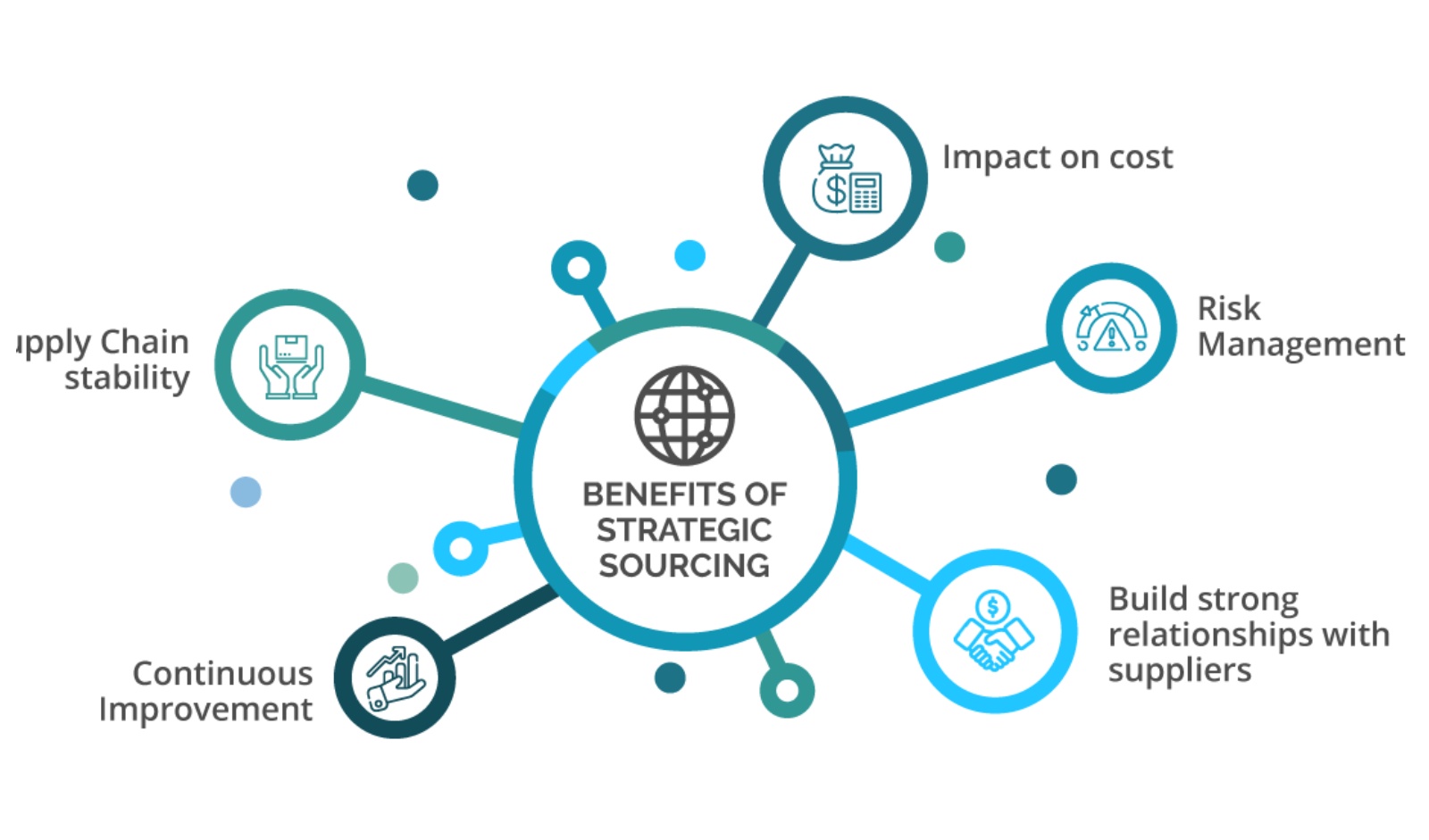
In recent years, hotels and restaurants have increasingly adopted in-house sourcing, managing their own supply chains or sourcing directly from local producers. This shift reflects the industry’s focus on self-reliance, quality, cost efficiency, and sustainability. It involves taking control of procurement and production such as sourcing from local farms, operating on-site bakeries or gardens, producing condiments in-house, and managing catering internally. The key aspects include:
1. Enhanced Quality Control
By sourcing and managing production internally, establishments can maintain complete oversight of ingredient quality, freshness, and hygiene standards. This is particularly important for luxury hotels or fine-dining restaurants, where brand reputation depends on consistency and premium quality.
Speaking on this, Mandar Kothekar, Head Chef, Fairfield by Marriott Mumbai Andheri West said, “In-house sourcing is an important part of our sustainability and our philosophy which is mostly focused on Quality. We source from trusted regional suppliers. This approach enhances our quality control and cost efficiency. On the other hand, it also supports the local farmers and other local economy businesses and also reduces our carbon footprint.”
2. Cost Savings and Efficiency
Although initial setup may require investment, in-house sourcing can lead to long-term savings by reducing middlemen costs, transportation expenses, and supplier markups. Bulk purchasing and on-site production also reduce waste and improve inventory management.
Highlighting this, Avinash Naha, Executive Chef, Spice Traders, W Goa said, “At Spice Traders, W Goa, local sourcing offers multiple benefits - from ensuring fresher, more flavourful ingredients to supporting Goa’s farmers and fishing communities. It helps reduce the restaurant’s carbon footprint, strengthens community ties, and aligns with our sustainability-driven ethos. By sourcing coconuts, herbs, and seafood locally our chefs craft menus that reflect both Asian authenticity and Goan freshness, creating a truly distinctive dining experience.”
3. Stronger Supplier Relationships
When hotels work directly with farmers, fishers, or artisanal producers, it fosters mutually beneficial partnerships. These relationships often result in better pricing, exclusive access to top-quality ingredients, and greater reliability in supply.
Nirmal PV, Partner, Mannheim Craft Brewery added, “Most of the hotels and restaurants now have an internal team to manage procurement and stores. Having an in-house sourcing team allows one to be in control of cost, quality and have a direct relationship with the suppliers. This also allows consistency in standards, do customization of menus easily and reduce lead time for deliveries.”
4. Sustainability and Local Community Support
In-house sourcing often emphasizes local procurement, which reduces carbon footprints and supports community livelihoods. Guests are also increasingly drawn to brands that demonstrate local engagement and sustainability commitments.
“We have a small farm outside The Second House, Goa from where we use veggies and fruits for cooking. So, it’s not only farm to fork but its fresh as well. We produce few items in our farm and use it for our kitchen and we buy from local vendors as well. These days people like it fresh and there is more demand towards the same. And everyone is focusing on having a small farm or garden for themselves near their restaurants and this trend is bound to grow,” commented Dishant Pritamani, Founder of Luna Hospitality.
How to Implement this Successfully
Build partnerships with local producers who align with your quality standards and ethical values. Set up adequate storage, kitchen, and production facilities, and train staff in quality management. Use digital tools to track inventory, procurement timelines, and cost efficiency. Ensure all sourcing and production activities meet food safety and labor regulations. Focus on waste reduction, responsible sourcing, and eco-friendly packaging.
Challenges of In-House Sourcing
Setting up in-house operations (such as production units or on-site farms) can be capital-intensive.
“One of the challenges that we face is ensuring availability for the whole year along with the proper quality, which we overcome by establishing long-term relationships with suppliers and maintaining a well-structured procurement plan, so that we don’t face any such challenge. Through this model, we deliver wholesome and authentic flavours,” added Kothekar who emphasized that this model helps us promote responsible sourcing practices that align with Marriott’s global sustainability goals.
As operations grow, maintaining consistent quality across multiple locations can be difficult. “Challenges would be in terms of more time and energy to be spent by the owners along with having to recruit the right team and train them in standards and processes. It is now easier with many materials management softwares which allow you to have data at your fingertips,” pointed Nirmal.
Local or direct sourcing can be vulnerable to seasonal fluctuations or local supplier limitations. Direct vendor tie-ups help in ensuring quality of product, reducing rejections and timely deliveries including last minute requests to be managed better.
Overcoming Challenges
One need to implement standardized processes, digital tracking systems and centralized training programs. Restaurants need to diversify sources while maintaining a core set of trusted local suppliers and invest in storage capabilities.
Naha added, “Seasonal fluctuations can impact both availability and pricing. To overcome this, Spice Traders focuses on long-term partnerships with local suppliers, encourages menu flexibility based on seasonal produce, and implements efficient procurement planning. This approach balances quality with sustainability, ensuring a premium yet responsible culinary journey.”
From a financial standpoint, minimizing long-distance logistics helps achieve cost efficiency and reduced wastage, while supporting the local economy. The result is a transparent, mutually beneficial supply chain built on trust, collaboration and shared values.
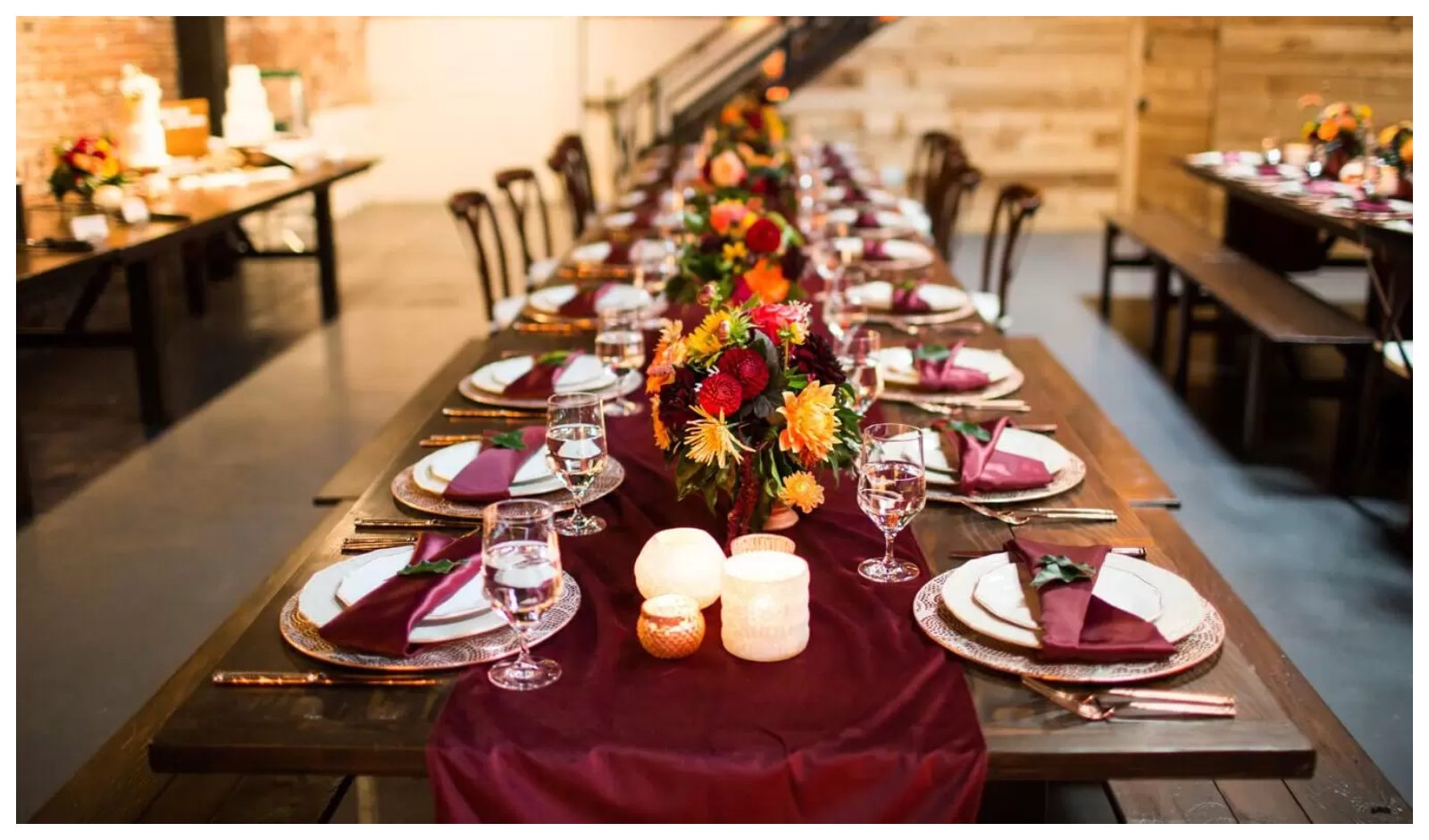
This Diwali, restaurants across India are transforming dining into a celebration of flavours, lights, and togetherness. Special festive menus showcase a blend of traditional Indian delicacies and contemporary twists, from rich biryanis and fragrant curries to artisanal mithai and fusion desserts. Indulge yourself in this flavorful celebration.
1. JW Marriott Kolkata
This festive season, JW Marriott Kolkata invites guests to celebrate the spirit of togetherness, indulgence, and joy with “Diwali Nights” at JW Kitchen, a week-long culinary showcase from October 20 to 26, 2025, available exclusively during dinner. Renowned for its refined ambience and gourmet flair, JW Kitchen transforms into a radiant haven of lights and flavours, offering a sumptuous spread of Indian festive classics and global favourites, meticulously crafted by the hotel’s culinary masters.
Where: JW Kitchen, JW Marriott Kolkata
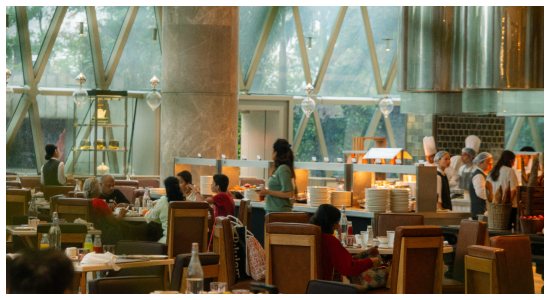
2. Café Out of the Blue, Mumbai
This Diwali, Cafe Out of the Blue in Khar invites you to celebrate with an Indo-Continental brunch that fuses traditional Indian flavors with global culinary twists. From Vegetable Biryani Arancini to Butter Chicken Pasta and festive desserts like Thandai Baklava and Rasmalai Tres Leches Cake, every dish is a celebration on your plate. Set in its cozy Mediterranean-inspired ambiance, the cafe promises a vibrant, joyous feast for friends and family this festive season.
Where: Cafe Out of the Blue, Mumbai
3. Across, Kala Ghoda, Mumbai
This Diwali, let your celebrations shine brighter at Across, Kala Ghoda’s contemporary Himalayan restaurant that brings the warmth of the mountains to the heart of Mumbai. Led by Chef Viraf Patel and Chef Prakriti, Across reinterprets Himalayan cuisine through a modern lens celebrating earthy ingredients, bold spices, and age-old traditions. The festive menu features comforting favourites like Kothey Momo, Mutton Thenthuk, Mushroom Thukpa, and Red Rice Khichu, each dish capturing the raw, untamed spirit of the mountains. Pair your meal with signature cocktails such as the Underbark, Butterfly Pea Gin & Tonic, or Mountain Negroni handcrafted with Himalayan botanicals and mixed to perfection.
Where: Across, Kala Ghoda, Fort, Mumbai
4. Hunaaan, Indiranagar, Bengaluru
As Bengaluru sparkles with festive cheer, Hunaaan invites you to celebrate Diwali the delicious way with a feast that brings people together. The menu takes you on a vibrant journey across Asia, featuring favourites like Kung Pao Chicken, Hunaaan Baby Potatoes, Thai Lemon Basil Tofu, Dim Sum platters, Kimbap rolls, and Signature Sushi. For heartier cravings, savour classics like General Tao’s Chicken, Tianjin Lamb, and Vegetable Dumplings in Hot Garlic Sauce, each crafted with the authenticity that has defined Hunaaan since 2008.
This festive season, skip the ordinary and make your Diwali sparkle at Hunaaan, Indiranagar where soulful Asian flavours, a lively ambience, and a touch of nostalgia come together to create a celebration as warm and joyful as the festival itself.
Where: Hunaaan, Indiranagar, Bengaluru
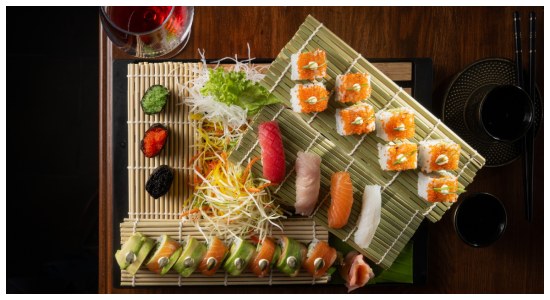
5. Café Blu, Radisson Blu Pune Hinjawadi, Pune
Celebrate the festival of lights in style with a Grand Gala Dinner at Café Blu on 21st October 2025, from 7 PM to 11 PM. Themed “Basking in the Glow of Festive Splendour,” the evening promises a lavish feast that fuses India’s culinary heritage with modern flair. Savour signature delights like Lehsooni Diya Murgh Tikka, Kali Mirch Khushi Paneer Tikka, Awadhi Zafrani Biryani, and Paneer Khurchan-e-Noor, complemented by a Festive Mezze Bar, Live Pasta and Pizza Stations, and a Tandoori Deepmala serving freshly baked breads.
Round off the night with decadent desserts: Balushahi-e-Noor, Rasmalai Rangrez, Kesar Jalebi, and Chocolate Deepmala Pastry — each capturing the true spirit of Diwali indulgence.
Where: Café Blu, Radisson Blu Pune Hinjawadi
6. Persian Darbar (All over India)
This Diwali, celebrate togetherness at Persian Darbar, where royal Mughlai flavours meet festive warmth. Known for its rich heritage and regal ambience, the restaurant offers the perfect setting to share a hearty meal with family and friends.
Immerse yourself in the festive spirit amid elegant interiors, soft lighting, and a joyful atmosphere. Indulge in signature favourites like Mutton Raan Tandoori Dry, Chicken Zafrani Kebab, and Lasooni Paneer Tikka. For mains, savour classics such as Mutton Dum Biryani, Chicken Kepsa Biryani, and Paneer Tikka Biryani. Round off your feast with traditional desserts: Kunafa or Phirni for a sweet ending to a truly royal Diwali celebration.
Where: Persian Darbar (All Outlets)

7. Gaylord, Mumbai
As Mumbai glows with festive cheer, celebrate Diwali with a grand feast at Gaylord, one of the city’s most iconic dining destinations. The menu blends timeless classics like Lobster Thermidor, Chicken A La Kiev, Murgh Makhani, and Pomfret Meuniere with contemporary creations perfect for the season. Enjoy festive starters such as Tomato Chilli Arancini Balls, Mutton Chapli Kebabs, and Tandoori Shakarkandi, or savour seafood delights like Grilled King Prawns and Mangalorean Prawn Curry. For vegetarians, Bharwan Gucchi and comforting pastas hit the right note.
End your meal on a sweet note with Swiss Chocolate Truffle Pastries and Blueberry Hazelnut Tarts. With its signature blend of nostalgia and innovation, Gaylord promises a Diwali dining experience to remember.
Where: Gaylord, Churchgate
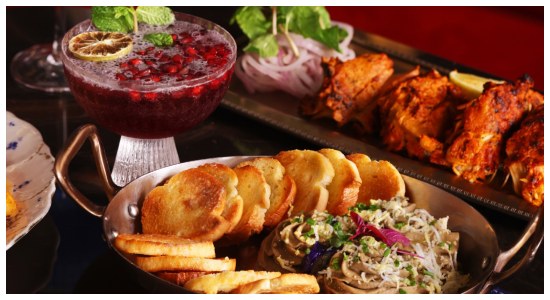
8. Episode One, Mumbai
This Diwali, Episode One, Powai invites you to celebrate with family and friends in a setting that blends playful sophistication with comfort. The festive menu reimagines familiar flavours with inventive flair: Chicken Sukha Quesadilla in methi thepla, Achari Murgh Tikka E Burratta, Paneer Katsu Sando, and Chicken Tikka Masala Bao with tandoori mayo and crisp potato. Sweet endings include the indulgent Sea Salt Caramel Tart and Dulcey Chocolate Pull Me Up. With crafted non-alcoholic beverages made from premium spirits, Episode One offers a warm, family-friendly Diwali celebration for all ages.
Where: Episode One, Powai, Mumbai
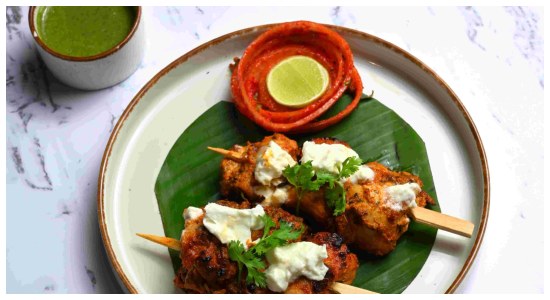
9. Saltt, Karjat
This Diwali, Saltt at Karjat invites guests to experience the sweetness of tradition through an exclusive festive dessert menu in collaboration with P•TAL - a brand that celebrates India’s living legacy of handcrafted metalware.
At Saltt, every dish tells a story - of local produce, seasonal inspirations, and soulful craftsmanship. For the festive season, the culinary team reimagines beloved Indian sweets through modern sensibilities, while retaining their timeless warmth. From decadent halwas to redefined mithais, each creation evokes nostalgia while offering a touch of contemporary flair.
Where: Saltt, Karjat
10. FARRO, Pune
On 17th October, FARRO’s bringing together everything that makes this season special - heartfelt moments, soulful music, and a table full of festive flavours. The festive menu blends comforting Indian classics with FARRO’s signature creativity - familiar favourites, beautifully reimagined. From the playful Passionfruit Puchka with green apple and raw mango to the melt-in-the-mouth Kakori Kefta in charred tomato sauce, and the indulgent Tandoori Thirty Layer Latke crowned with cheddar and cheese aioli every dish tells a story. With soft lights, live music, and flavours that dance with joy, FARRO’s pehli Diwali unfolds in a night of food, music, and memories waiting to be made.
Where: FARRO, Pune
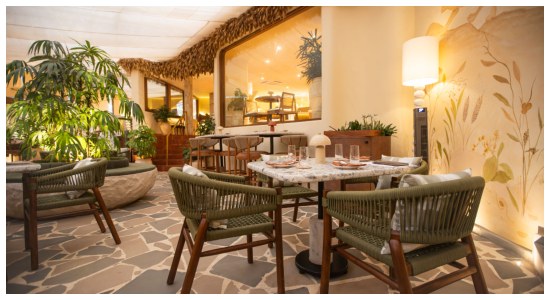
11. Kamats Legacy (All Mumbai Outlets)
Kamats Legacy, the beloved South Indian fine-dining chain from Vikram Kamats Hospitality Limited, is celebrating the Festival of Lights with a delicious twist through its special ‘South Wali Diwali’ menu, available October 17–23, 2025, across outlets in Vashi, Malad, Nariman Point, and Mira Road.
The festive spread features 39 wholesome creations—from Ragi and Rava Idlis and Dosas to innovative Yam Fries, Parappu Vada, and Mushroom Fry. Highlights include Tamarind and Lemon Rice, Guntur Soya Curry, and Balekayi Kayirasa, along with fun picks from the Child Menu like Southizza and Cheesy Benne Dosa. With its signature dishes such as Thenga Chammanthi with Rice and Iddi Stew, plus expanded Jain Speciality options, Kamats Legacy continues to blend authenticity with creativity making this ‘South Wali Diwali’ a true celebration of southern flavours.
Where: Kamats Legacy (All Mumbai Outlets)
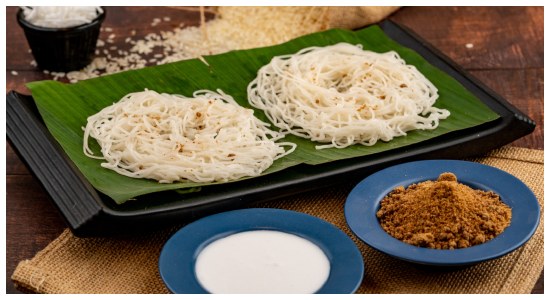
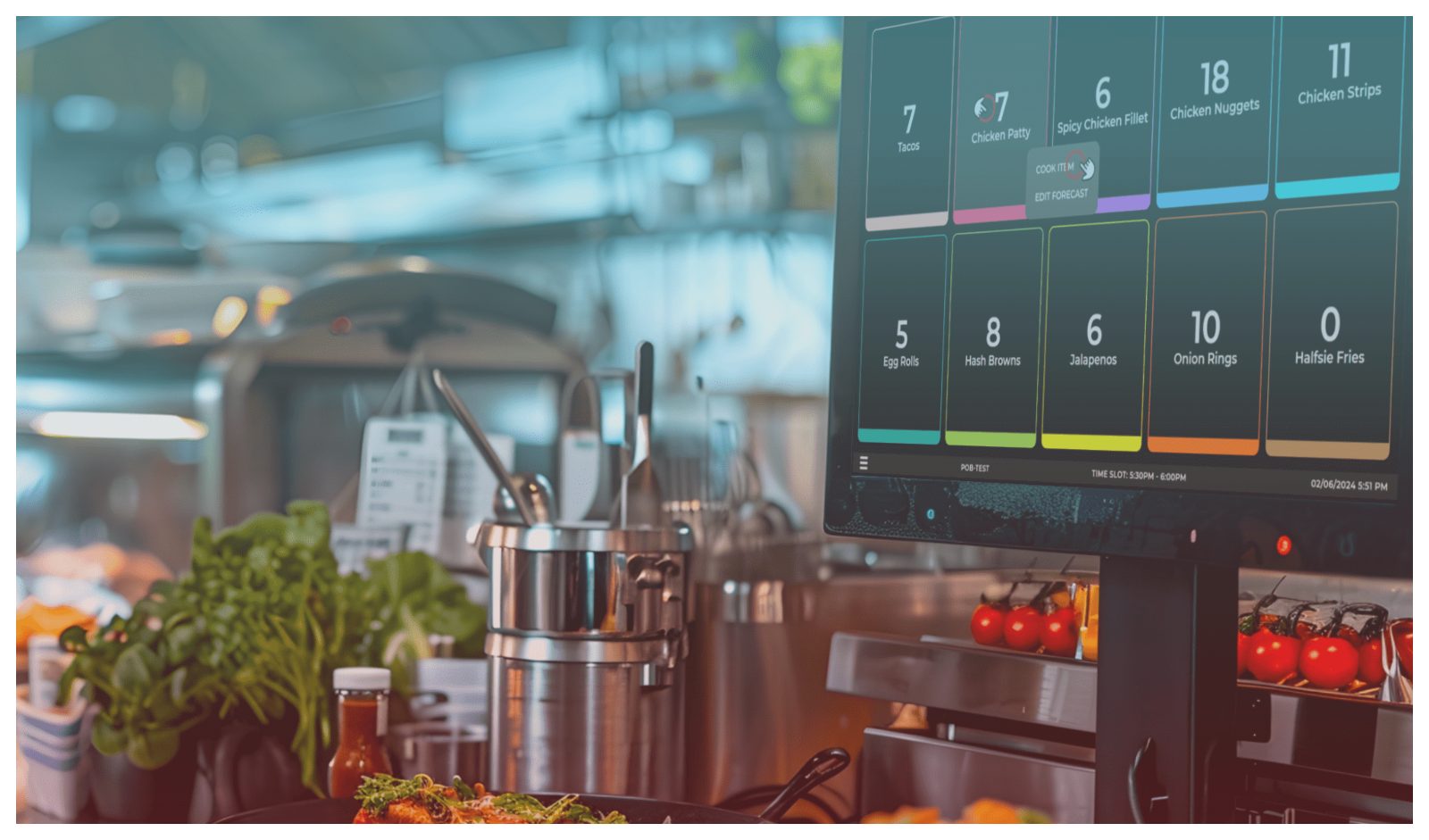
Imagine relishing a steaming plate of LittiChokha, its smoky aroma filling the air, and realizing that this wonderful experience can now be enjoyed anywhere in the world in mere minutes. The genuine flavors of India are vibrant, rich, and deeply rooted in tradition are undergoing a subtle yet revolutionary transformation. With the rise of smart kitchen technology and the increasing popularity of cloud kitchens, regional cuisines that were previously limited to local restaurants are now easily accessible to a worldwide audience.
This prompts a crucial question: how can we preserve the essence of these recipes—those exact combinations of spices and freshness—while fully embracing the digital age? The journey of LittiChokha from the modest streets of Arrah to the vibrant high street markets of New York showcases the successes of modern advancements in the cloud kitchen industry.
The Evolution of Indian Regional Cuisine
India's food scene is like a colorful mix of regional tastes, each with its own special touch. Traditional meals are rich in stories and history, made with love. Lately, there's been a movement to give these local treasures a modern twist to attract a worldwide crowd, while still keeping the unique traits that set them apart.
For example, look at how LittiChokha has been revamped. What used to be a simple dish from Bihar has now blossomed in the ready-to-eat market. A multitude of companies have rolled out fresh versions of LittiChokha, flaunting a variety of fillings and modern packaging, allowing folks to enjoy this delicacy around the world. The secret to succeeding in these innovations is to keep the true flavors intact while making sure every bite stays true to its roots.
The Role of Smart Kitchens and Cloud Kitchens
Modern kitchens equipped with state-of-the-art gadgets and IoT technology play a vital role in presenting local cuisines on a global stage. These culinary havens enable precise cooking, guaranteeing that each dish is prepared to meet the high standards required to preserve authentic flavors. Automation reduces the likelihood of human errors, ensuring consistency in taste and quality, whether you're in Pune or Paris. Furthermore, smart kitchens support the implementation of cloud kitchen models, which have proven to be a significant advantage for the food and beverage sector.
Cloud kitchens enhance the efficiency of space and resources, allowing businesses to concentrate on refining their culinary creations. Despite these advantages, the ongoing challenge is to provide freshly prepared, fragrant dishes an aspect that traditionalists claim is diminished in a cloud kitchen.
Balancing Authenticity with Modernity
One of the major challenges in this culinary transformation is preserving the authenticity of traditional dishes while incorporating modern aspects. It’s about achieving the ideal balance, which necessitates a sophisticated approach. To solve this, food technologists collaborate with chefs who grasp the core of traditional cooking. Together, they whip up techniques that allow traditional spices and cooking methods to shine, even when scaling up for mass production.
To illustrate this, think about the use of freshly ground masalas and sun-dried preservation methods, combined with vacuum-sealed packaging technology, to make sure that dishes keep their essence. By combining these techniques with efficient smart kitchen practices, brands can uphold authenticity and ensure freshness an essential aspect of any gourmet experience.
As we delve into the fusion of smart kitchens with regional Indian cuisine, we find ourselves in a space brimming with both opportunities and obstacles. The future emphasizes leveraging technology to enhance tradition, making sure that the authenticity and flavors of local cuisines are preserved and celebrated on a global scale. In summary, as we welcome the advancements of smart kitchens, the essence of each dish remains unchanged: genuine taste, cultural depth, and, most importantly, the assurance of a fresh experience with every bite.
During peak seasons, AI plays a vital role in streamlining operations and enhancing safety. AI in food safety with predictive analysis helps reduce contamination risks, protecting both consumer health and the brand’s reputation. It also improves efficiency by accurately forecasting demand, which prevents over-ordering and cuts down on food waste benefiting both the business and the environment. Let’s see how AI helps the brands to enhance themselves.
The Peak Season Pressure: Why Food Safety Risks Multiply
Peak seasons always test the limits of brand’s operations from sourcing and storage to kitchen efficiency.
Commenting on this, Hardik Shah, Chief Technology Officer, Impresario Entertainment & Hospitality Pvt. Ltd said, “We use tools that are helping us plan better rather than just react. Even simple pattern recognition like understanding consumption trends or monitoring temperature consistency goes a long way in maintaining food safety.”
The brand is also using data to get more visibility into what’s happening in real time and where potential risks could arise. “It’s less about replacing human judgment and more about giving our teams the right insights at the right time,” he added.
It also helps in improved consumer safety, lower operational costs, quicker decision-making, and stronger compliance.
Significant Impact from AI
AI tools have automated menu digitization and onboarding, enabling restaurants to go live faster, facilitate real-time order matching with delivery partners, and recognize demand patterns for strategic pricing and promotional purposes.
Referring to this, Anirudha Kotgire, Managing Director & Co-Founder of Waayu mentioned, “We utilize AI for faster onboarding, more efficient order matching, and insights that enhance restaurant margins. Waayu enhances restaurant profitability with lower operational overhead, reduced food waste, quicker revenue capture, and higher average order value, all while safeguarding restaurants’ control over pricing and customer data on Waayu’s zero-commission ONDC-native platform.”
Monitoring Real-Time Data
AI supports regulatory compliance by providing real-time, data-backed proof of safety measures and continuously monitoring critical control points. This gives brands and food outlets the confidence to handle peak production periods while maintaining quality, consistency, and cost-effectiveness.
Sharing further, Kotgire noted, “Waayu empowers restaurants to observe order status, kitchen load, and order execution in real time via POS, new POS functionality, and delivery telemetry.”
The quality of service is not affected because the immediate visibility and alerts reduce order delays and cancellations; as a result, customer satisfaction will remain high. Automated quality checks and smart resource allocation help businesses respond faster and more efficiently.
Focus on sustainable operations
AI also supports sustainability by minimizing waste, reducing energy use, promoting traceability, and encouraging circular economy practices and eco-friendly packaging. It’s not just about efficiency; it’s about building responsible, future-ready operations.
Chef Vijay S Sahu, Chef de Cuisine, Courtyard by Marriott Mumbai International Airport added, “AI can help detect potential issues early, provide end-to-end supply chain transparency, and improve traceability. With real-time monitoring, businesses can forecast demand and spoilage more accurately, order ingredients in the right quantities, adjust production schedules, and quickly identify any batches at risk.”
By analyzing supplier histories, delivery patterns, and ingredient shelf life, AI systems can flag batches that have a higher risk of contamination. For example, if a supplier has had previous cold chain issues or delayed deliveries, the AI can recommend closer inspection or alternate sourcing.
The Foreseen Challenges
A key challenge is the heavy reliance on large amounts of data. If the data is limited or inconsistent, AI models may be inaccurate. There’s also a lack of standardization on how data is collected, along with high costs and complex systems, which can make it difficult for smaller food businesses to adopt.
The challenge, of course, is balancing technology with the human element that hospitality thrives on. Shah mentions, “For us, it’s about using tech quietly in the background so that operations feel smoother, safer, and more consistent.”
Commenting on this, Agilesh R, Director F&B, Sheraton Grand Chennai Resort & Spa shared, “While challenges like data integration, high setup costs, and staff resistance exist, they can be overcome through clean data practices, employee training, pilot projects, scalable cloud platforms, and robust cybersecurity.”
The big opportunity lies in shifting from a reactive to a proactive approach. This helps reduce overproduction and food waste, lowering environmental impact while supporting the company’s sustainability goals all with the assurance of strong food safety standards.
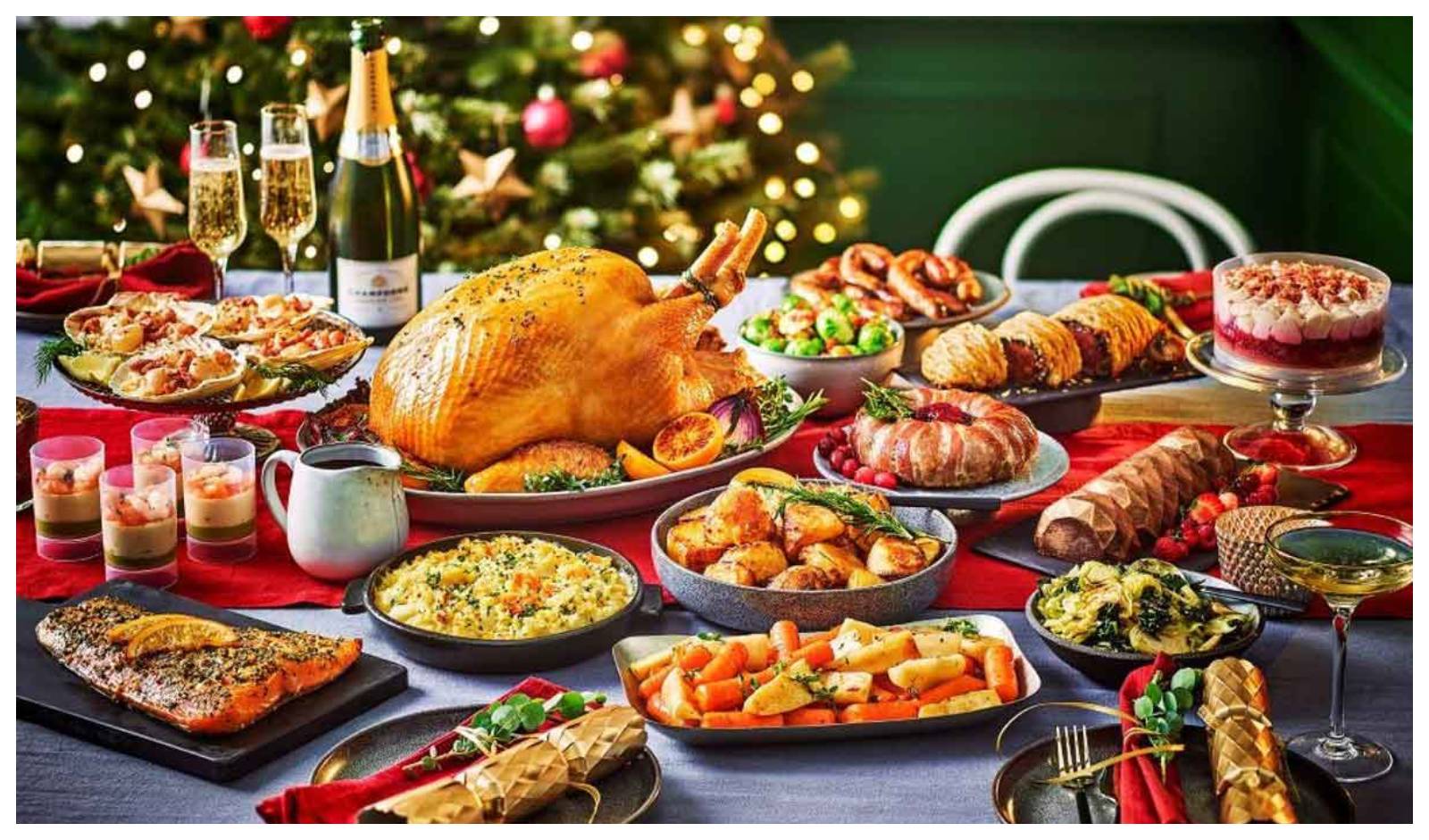
As the festive season arrives, restaurants across India are buzzing with renewed energy. From fresh menus to glowing décor, the industry is preparing for one of its busiest and most profitable times of the year. The weeks leading up to Diwali, Halloween, Christmas, and New Year’s Eve are marked by high footfall, group celebrations, and increased demand for dining and delivery which is prompting restaurants to pull out all the stops to create memorable experiences. Restaurants gain around 30-40% of the business during the peak season. Let’s see how brands are gearing up for the festives.
Festive Menus Take Centre Stage
Restaurants are creating special festive menus that mix traditional favorites with modern dishes, from Diwali thalis and Christmas roasts to unique desserts and drinks. Some are also hosting food festivals and pop-ups to keep guests coming back.
Sharing his views, Chef Pawan Bill, Head Chef at Ophelia, Delhi said, “We treat menu engineering as a balance between creativity, data, and guest experience. Each menu is thoughtfully designed around seasonality, flavour balance, and evolving customer preferences. Our recent Navratri menu, for instance, was curated to celebrate the festive spirit with innovative twists on traditional ingredients, allowing guests to enjoy a soulful yet contemporary dining experience. Such initiatives highlight how important it is to design menus that resonate emotionally as well as gastronomically.”
Even on festive season, there are people who are focused on healthy menus and low calorie or healthy desserts. “We believe that menu engineering is no longer just about what tastes good, it’s about creating an experience that resonates with our guests, especially during festive seasons. Crafting festive menus comes with its own set of challenges, mentioned Hilal Agca, Head Chef at Naarma who pointed out those sourcing seasonal ingredients helps in balancing traditional flavors with contemporary trends.”
For Anmol Arora, Head Chef from Dea believes that menu isn’t just about food it’s how we tell our story and shares the experience. “Every dish is built with intention, from flavour and seasonality to how it looks the moment it hits the table,” he added.
Marketing and Promotions Drive Bizz
To attract attention in a busy dining scene, restaurants are boosting their marketing efforts. They are using social media posts, reels to attract customers, influencer collaborations and email campaigns to highlight new menus and events.
“A well-planned online strategy not only increases footfall but also helps build a loyal customer base. We have seen firsthand how the right combination of innovative menu designs and effective marketing can significantly boost business growth while providing our guests with memorable culinary experiences,” commented Agca.
Nivedita Basu, Co-Founder, Miller House Bar and Kitchen added, “In today’s digital era, social media and digital marketing are powerful tools that shape customer perception and drive engagement. From influencer collaborations to interactive campaigns, they help build a strong community presence and boost footfall and revenue.”
Operational Readiness
Restaurants are hiring and training additional staff to handle peak crowds and service expectations. Many are upgrading their POS systems, stocking up on high-demand ingredients, and fine-tuning logistics to ensure smooth operations. Delivery-focused outlets are investing in better packaging and optimizing kitchen workflows to meet the surge in online orders.
Setting the Mood
Festive décor plays a key role in creating an inviting atmosphere. Warm lighting, vibrant table setups, and themed music transform dining spaces into lively celebration hubs. Some restaurants add interactive touches like photo booths, festive installations and small giveaways to make the experience more shareable on social media.
Community Building and Conscious Celebrations
Beyond food, restaurants are also embracing community spirit. Some are tying up with NGOs or running ‘meal for a cause’ initiatives during the season. Others are sourcing from local artisans and small producers, aligning their celebrations with sustainability and social responsibility.
With celebrations stretching late into the night, many restaurants especially in cities like Mumbai, Surat, and Delhi have extended their operating hours which can help in increasing footfall.
Balancing Opportunity and Challenges
While the season brings tremendous opportunity, it also demands precision. Managing inventory, maintaining consistency, and avoiding burnout among staff are constant challenges.
The real challenge is turning creative ideas into something that works seamlessly in service. Moving further, Arora added, “That’s where digital marketing and social media become game-changers. One great image or reel can spark curiosity, start conversations, and bring people in even before they’ve tasted a thing. Good food makes them visit, but a powerful story makes them remember.”
Digital marketing and social media have become indispensable in this journey from showcasing our festive offerings to understanding real-time guest reactions. “The right communication strategy amplifies our culinary vision, drives curiosity, and directly contributes to increased footfall and business growth,” noted Bill.
Another challenge is maintaining consistency, adapting to trends, and managing rising costs while keeping the dining experience memorable. Basu pointed, “With the right marketing strategy, a restaurant can witness up to 25–30% growth in overall business, proving that visibility and storytelling are just as vital as good food and service.”
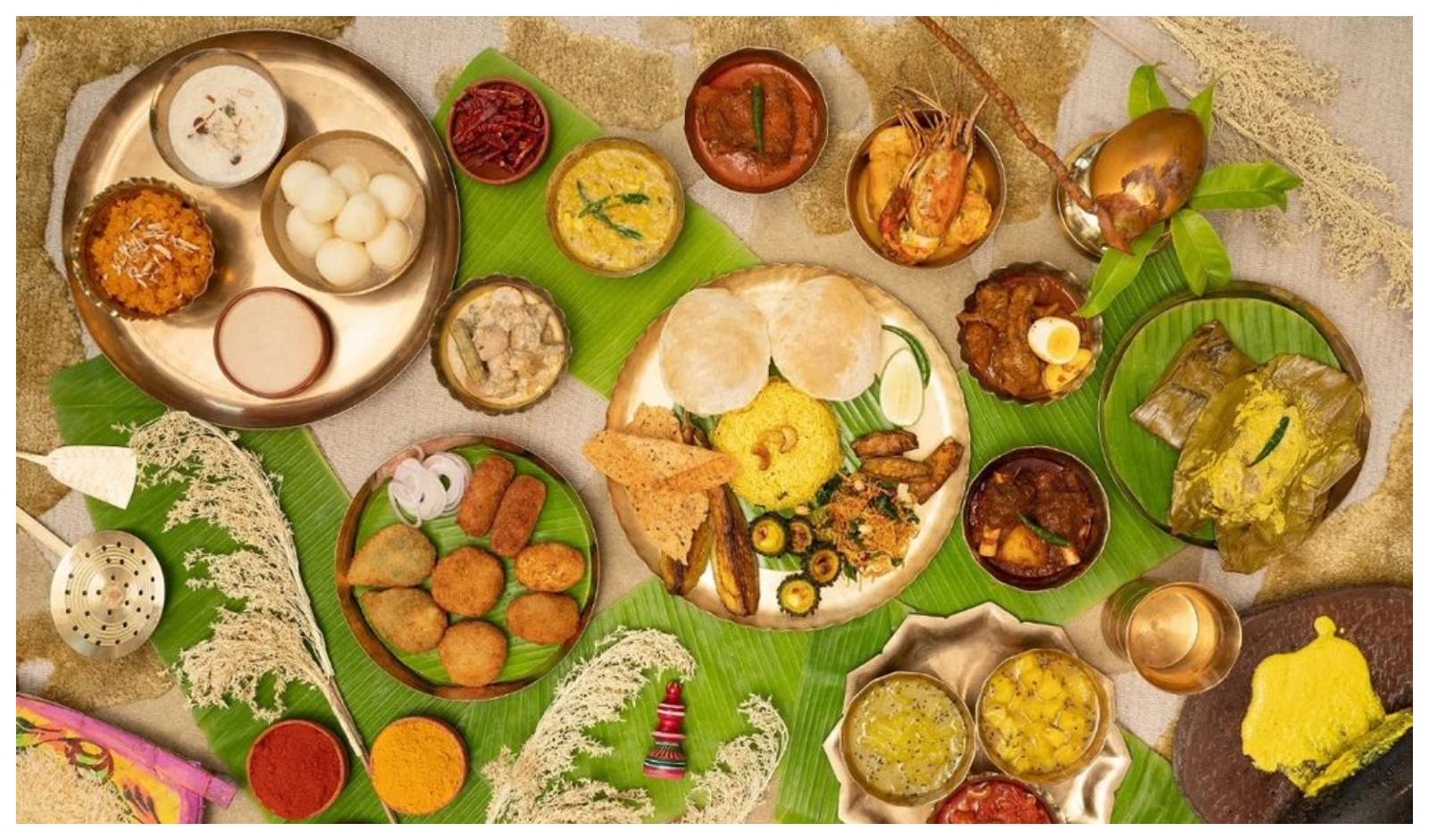
Durga Puja at hotels and restaurants are more than just dining as it’s a celebration of culture, cuisine, and togetherness. From September 27 to October 2, luxury and boutique hotels across Kolkata, Mumbai, Goa, and beyond are hosting themed festivities, curated thalis, lavish buffets, and signature delicacies, capturing the essence of Bengal’s heritage. Guests can enjoy vegetarian and non-vegetarian specialties, elegant seating, and touches of old-world charm, making each visit a truly immersive and memorable festive experience.
1. JW Marriott Kolkata
JW Marriott Kolkata will mark Durga Puja 2025 with the city’s most elaborate culinary celebration from 27th September to 2nd October. Guests can experience a journey of tradition and flavour across the hotel’s signature venues like JW Kitchen, Mahabhoj, Vintage Asia, the Infinity Pool Bar, GOLD, and 2:59 The Bar. With curated menus, indulgent buffets, artisanal specialties, and festive beverages, the celebrations reflect the grandeur of the season and promise an unforgettable dining experience.
Where: JW Marriot Kolkata
2. ITC Windsor, Bengaluru
This Durga Puja, Raj Pavilion at ITC Windsor presents a Bengali Food Festival, celebrating the region’s rich flavours, timeless traditions, and festive spirit. In collaboration with Soul on the Plate, known for its storytelling approach to regional Indian cuisine, the festival offers more than a meal it’s a cultural experience.
Set against Raj Pavilion’s old-world charm, enhanced with traditional alpona motifs and ethnic accents, the festival features a thoughtfully curated menu. Highlights include Kumror Jaali Bhaja, Haansher Deemer Devil with Aam Kasundi, Aloo Posto, Phoolkopir Dum, Goalondo Steamer Curry, Kosha Mangsho, Chingri Malaikari, and Kolkata Style Mutton Biryani, paired with luchi or Basanti Polao. Guests can end their meal with Bhapa Sondesh, Roshomalai, Patishapta, and Chaaler Payesh for a perfect festive finale.
Where: ITC Windsor, Bengaluru
3. Novotel Goa Panjim
This Durga Puja, Novotel Goa Panjim invites guests to savour Bengal’s festive spirit with two specially curated thalis, available from September 27 to October 2. Each thali is designed as a culinary journey, celebrating tradition, warmth, and togetherness. Begin with quintessential Pujo favourites such as Vegetable Cutlet, Beguni, and Dimer Devil before moving on to the vegetarian spread featuring Dhokar Dalna, Jhinge Aloo Posto, Sukto, and Mochar Ghonto.
For non-vegetarian diners, the thalis showcase regional signatures including Golbarir Kosha Mangsho, Chingri Macher Malai Curry, Bhekti Macher Paturi, along with rotating dishes like Katla Kaliya, Pabda Macher Jhal, and Sorse Doba Pabda. The Kolkata Mutton Biryani, served à la carte, adds a touch of indulgence. Each thali is accompanied by fluffy luchis and fragrant Basanti Pulao, with Mishti Doi and Rosogulla as the perfect festive finale.
Where: Food Exchange, Novotel Goa, Panjim
4. Quattro, The Leela Bhartiya City Bengaluru
Quattro, the all-day dining restaurant at The Leela Bhartiya City Bengaluru, Hotel Conventions Residences, in collaboration with renowned Chef Sonali Chatterji, presents a four-day Bengali Food Festival as a warm prelude to Durga Puja. The festival opens with curated dinners from 29th September to 1st October, culminating in a festive Bengali brunch on 2nd October 2025. Guests can savour Bengal’s finest through a carefully crafted selection of dishes. Vegetarian favourites include Luchi with Aloo Dum, while non-vegetarian highlights feature the rich and aromatic Kosha Mangsho. Seafood lovers can relish delicacies such as Bhetki Paturi and Chingri Malai Curry. To complete the experience, Bengali classics like Rasgulla, Mishti Doi, and Baked Rosogulla promise a sweet finish.
Where: Quattro, The Leela Bhartiya City Bengaluru, Hotel Conventions Residences
5. Radisson Blu Pune Hinjawadi, Pune
Indulge in a sumptuous table brimming with the soulful flavors of Bengal’s grandest celebration. Our chefs have curated three different menu lineup options for you to choose from, each offering a diverse and exquisite array of authentic Bengali delicacies throughout the festive period from 28th September till 30th September. Each unique menu is a journey through traditional Bengali cuisine, featuring classics such as Tomato Dhaniya Sorba, Chicken Railway Cutlet, Macher Kaliya, Potol Dolma, Murgh Metiabruz Biryani, Luchi, Kolkata Kathi Roll, Chingri Malai Curry, Sukto, Rosogulla, Misti Doi, Nolen Gurer Payesh and many more.
Where: Radisson Blu Pune Hinjawadi, Pune
6. The Orchid Hotel Pune
From 26th September to 5th October 2025, between 7:00 p.m. and 11:00 p.m., Boulevard in The Orchid Hotel Pune will transform into a festive hub serving an elaborate dinner spread that captures the true essence of Puja dining traditions.
Diners can look forward to relishing authentic dishes such as Shorshe Ilish (hilsa in mustard gravy), Kosha Mangsho (slow-cooked mutton curry), Chingri Malai Curry (prawns in coconut milk), Aloo Posto (poppy seed potatoes), Beguni (batter-fried eggplant fritters), Luchi (puffed bread), Bhuna Khichuri (aromatic rice and lentils), and traditional sweets like Mishti Doi and Sandesh. The Bengali Food Festival is another step in celebrating regional authenticity while creating cherished memories for food lovers.
Where: Boulevard, The Orchid Hotel Pune
7. Courtyard by Marriott Mumbai International Airport, Mumbai
This year, MoMo Café at Courtyard by Marriott Mumbai International Airport is bringing this timeless tradition to life with Shonar Bhoj, curated by renowned actor-turned-chef Priyanka Rati Pal. On Shashthi i.e. 28th September and Dashami 2nd October 2025, guests can savour the golden flavours of Bengal with an indulgent spread featuring delicacies such as Ilish Maach, Kosha Mangsho, Khichuri-Labra, Macher Matha Dal, Koraishuti Khochuri, Mishti Doi and more.
Where: Courtyard by Marriott Mumbai International Airport
8. Peshwa Pavilion, ITC Maratha Mumbai
This festive season, step into the festive world of Navratri and Durgotsava at Peshwa Pavilion, ITC Maratha, where tradition and culinary artistry come together in a celebration of the season.
The menu begins with an assortment of delicate starters such as Kache Kele Ke Kabab and Paneer Till Tinka, each dish infused with aromatic spices and traditional techniques. The timeless classics like Rogheni Chamman, Aalu Posto, and Mung Dal Nadur, which showcase the richness and diversity of seasonal vegetables and festive preparations. Signature festive highlights such as Maccha Tarkari, Machar Jhol, and Murgir Laal Jhol complete the spread, creating a harmonious balance of flavours that is both comforting and indulgent. The festive dining experience is available for a dinner buffet on September 26 and 27 from 7:00 pm to 11:30 pm, priced at ₹3,000 plus taxes per person, and a Sunday brunch on September 28 from 12:30 pm to 3:30 pm, priced at ₹3,300 plus taxes per person.
Where: Peshwa Pavilion, ITC Maratha Mumbai
9. Kalpaney, Bengaluru
Celebrate Navratri with a thoughtfully designed a la carte menu available for both lunch and dinner from September 22 to October 2. Each dish is rooted in festive traditions yet reimagined with Kalpaney’s signature flair. Highlights include Khichdi with Peanut Chutney, Undiyo Thepla Tacos with Mint Sour Cream, and Makhana Corn Chaat as small plates. For mains, diners can relish Moringa Paneer Curry with Singhara Paratha, Lot Kadhi, and Sabudana Khichdi with Aloo Mint Raita. The sweet finale is the Kalpaney Jalebi Fafda, described as “a Gujarat classic, reimagined with Kalpaney flair.”
Where: Kalpaney, Bengaluru
10. Ranna-r Ghor at Grand Mercure, Gopalan Mall, Bengaluru
Step into Ranna-r Ghor: The Heart of a Bengali Home at Grand Mercure Gopalan Mall, where every dish carries memories of family kitchens and festive gatherings. Start your Pujo feast with the tender, flavorful Mochar Chop and golden Fish Fry, just like the snacks that welcome you at every Bengali celebration. Follow with comforting staples, Bhaat and Luchi, alongside the creamy richness of Chingri Malai Curry, the mustard-kissed warmth of Shorshe Maach, the hearty, spiced Kosha Mangsho, and a subtle touch of Shukto, bringing balance and authenticity to the meal. For desserts, Rosogolla, Sandesh, Mishti Doi, and Patishapta, each bite carrying the warmth, joy, and nostalgia of home-cooked celebrations.
From 26th September to 2nd October, gather your loved ones for dinner, or join the special brunch on 28th September, as La Utsav transforms into a table of stories, laughter, and the timeless flavours of Bengal.
Where: La Utsav, Grand Mercure at Gopalan Mall, Bengaluru
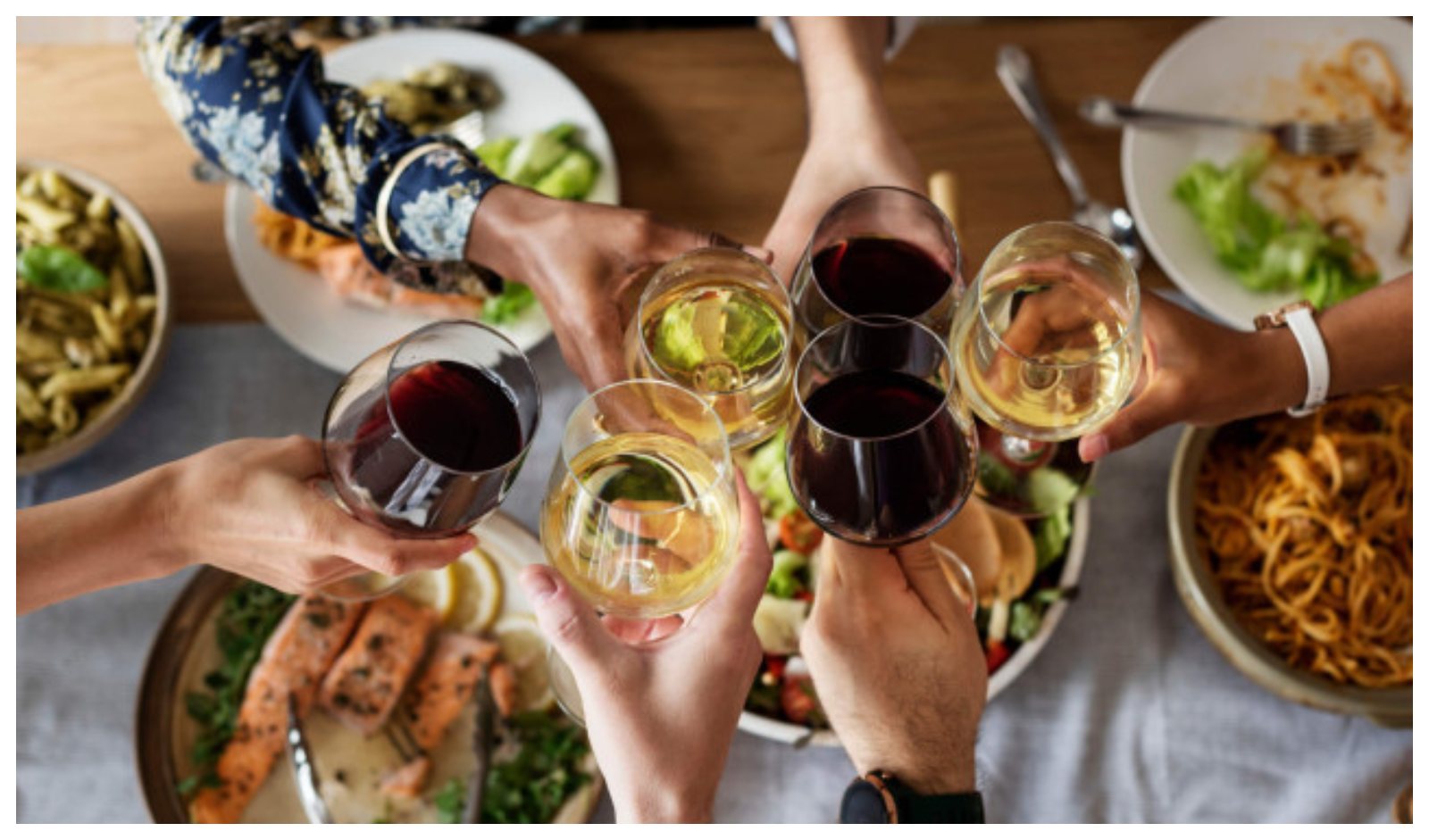
Oktoberfest brings Bavarian spirit to the urban tables. Hotels and fine-dining venues take Oktoberfest up a notch with elegant settings, poolside celebrations, and curated tasting menus, while casual pubs and microbreweries bring high-energy vibes with craft beers and street-style fare. Let's see what we can expect from these restaurants.
1. Dobaraa
Dobaraa, the all-day resto-bar by Bellona Hospitality, is raising a toast to Oktoberfest with a month-long celebration running till mid-October. The festival is live across all Dobaraa outlets in Mumbai, Pune, Lucknow, and Bengaluru packed with beers, bites, and plenty of cheer.

Guests can look forward to beer games, quirky challenges, exciting deals, and high-energy vibes. To get the party started, every drink order comes with a complimentary first chaknaa on the house. Beer specials include 1.5 L Kingfisher at ₹990, 3 L Kingfisher at ₹1599 and 2+1 on all beers.
Where: Dobaraa, (All Outlets in India)
2. Oi BrewHouse, Pune
Pune’s favourite beer garden, Oi, is turning up the taps with India’s only organic beer Oktoberfest — and the country’s biggest celebration of its kind. From Friday, October 3 to Sunday, October 19, OiKTOBERFEST promises over two weeks of craft brews, chef-driven food, live music, and full-throttle revelry, all with Oi’s signature flair.
There will be 50+ craft beers and 75+ musicians. On tap are Oi’s most-loved brews like the crisp Organic Wit, tropical Guava IPA, bold Smoked Lager with in-house smoked malts, and the unique Black Rice Lager brewed with Oi’s own organic barley. Add to that six German-style beers, guest taps from Maharashtra’s top breweries, and the star of the season: a limited-edition OiKTOBERFEST Märzen, served in classic 1-litre steins.
Where: Oi Brewhouse, Pune
3. Woodside Inn’s, (All outlets)
Woodside Inn is once again raising its steins to the world’s favourite beer festival. The event kicks off from 26th September to 12th October 2025 across all three outlets – Colaba, Andheri, and Bandra. The menu will have Salted Crispy Pretzel Knots, Bavarian Sunset Toasts, German Potato Fries, and the iconic Nuremberg Hot Dog — all crafted to pair perfectly with seasonal pours.
From traditional Märzen lovers to adventurous drinkers chasing bold new flavours, Oktoberfest at Woodside has a toast for everyone.
Where: Woodside Inn, Colaba, Andheri and Bandra
4. Kabana, Conrad Pune
Kabana, Conrad Pune, is bringing the Bavarian spirit poolside with an alfresco Oktoberfest celebration of grills, brews, and camaraderie. This has started from 20th September and will end on 5th October. Chef Saarthak and his team present a German-inspired spread — from Chicken Frankfurter, NZ Lamb Chops, and Pork Bratwurst to hearty sides — paired with craft brews like Basil Peppercorn Wit, Bridge to Utopia, and You Had Me at Hefe. Beer cocktails such as the Hoppy Spritz, Michelada, and Belgian Mojito add a playful twist. With live music, Bavarian vibes, and starlit skies, Kabana sets the stage for an unforgettable evening of flavour and festivity. Gather your friends and raise a stein to Oktoberfest at Conrad Pune.
Where: Kabana, Conrad Pune
5. The Biere Club, Bengaluru
From 25th Sept to 5th Oct, the city’s first microbrewery goes Bavarian with authentic German brews, festive bites, and Munich-style cheer. The Highlight of the event is the classic Märzen lager — rich, toasty, and brewed just for the season. Enjoy a 1+1 offer on Märzen, Mon–Thu, 12–3 PM. The special Oktoberfest menu features hearty vegetarian and non-vegetarian Bavarian dishes, perfect with every pour.
Where: (2 outlets in Bengaluru)
6. Independence Brewing Company
Independence Brewing Company returns with its second Oktoberfest from Sept 20–Oct 5 in Mumbai and Pune. Taprooms transform into Bavarian-style beer halls with craft brews, hearty German-inspired bites, and nonstop celebration. The Theme is Postcards from Berlin — dishes include Potato Trio, Triple Cheese Khachapuri, German Doner Fries, Lamb Pepperfry Berliner, and German Street Pizza (veg & non-veg). Beers on tap: Enzo hybrid lager, Wit Uno Belgian cream ale, Free Fall nitro stout, Munich Mischief Märzen, and Darth Vader Dunkelweizen.
Where: Independence Brewing Company – Mumbai & Pune
7. Sesame, Hyatt Centric Juhu, Mumbai
Hyatt Centric Juhu brings Oktoberfest to life at Sesame from Sept 25–Oct 15, turning it into a Bavarian-style haven by the shores of Juhu. Enjoy the warmth, cheer, and festive spirit of Munich with great food, flowing drinks, and good company. The curated menu features juicy German sausages, freshly baked pretzels, sliders, and indulgent bar bites — all paired with a wide selection of local and international craft beers. For a twist, try the playful themed cocktails crafted by the bar team.
Where: Sesame, Hyatt Centric Juhu, Mumbai
8. Mostly Grills, The Orchid Hotel, Mumbai
The Oktoberfest menu brings a mix of German flavors and seasonal specialties. Guests can enjoy dishes like German Potato & Leek Soup, Borscht, Baby Kale & Citrus Fruits Salad, Roasted Autumn Vegetable, The Autumn Toast, Harvest Roast Half Chicken, and the classic Jägerschnitzel. For desserts, there’s Sour Cherry Petit and the traditional Bienenstich (Bee Sting Cake). To complement the food, the menu offers a range of beer buckets, including Hoegaarden, Corona, Kronenbourg 1664 Blanc, Carlsberg, Tuborg, and Kingfisher Ultra Draft (Buy 2, Get 1 Free).
Where: Mostly Grills, The Orchid Hotel, Mumbai (Vile Parle)
9. Sheraton Grand Bengaluru Whitefield Hotel
Bengaluru welcomes the Bavarian spirit at Plunge & Chime, Sheraton Grand Bengaluru Whitefield, celebrating Oktoberfest with boozy brews and hearty flavors. It has started on 20th September and will end on 3rd October. Enjoy German classics — wheat beers, golden lagers, and malty Märzens — perfectly paired with menu highlights like Chicken Frankfurter Dogs, smoked Tenderloin & Onion Tart, vegan grilled sausages with sauerkraut, and Beer-battered Onion Rings.

Where: Plunge & Chime, Sheraton Grand Bengaluru Whitefield Hotel and Convention Centre
10. Grape County Eco Resort and Spa, Nashik
Oktobrew returns for its fifth season at Grape County Eco Resort and Spa on October 11, 2025. An open-air evening festival celebrating craft beers, whiskies, gin cocktails, vodka mixes, and handcrafted mocktails, alongside street food, boutique flea markets, and live performances from sundown to nightfall against a golden lakeside sunset. Bars pour drinks for every palate, while food stalls feature Desi Zaika Street eats, Kebabistan kebabs and biryanis, Steamy Affairs’ Asian delicacies, wood-fired pizzas, wraps, waffles, and desserts. Explore stalls with handmade jewellery, fashion, vinyl, eco-products, décor, and more — making the festival as much about discovery as celebration.
Where: Grape County Eco Resort and Spa, Nashik
11. Epitome Pune
This Oktoberfest, Epitome invites Punekars to raise a toast with an all-vegetarian spread, refreshing beer cocktails, and irresistible offers. Located at The Mills, Bund Garden Road, Epitome sets the stage for an indulgent month filled with flavour, cheer, and festive spirit. 1+1 on Selected Beers every day, between 7:00 – 9:00 PM, all through the month. There will be Exclusive Beer-Based Cocktails crafted specially for Oktoberfest: Butter Beer and Epitome Beer Punch. Pair your pints with Epitome’s signature vegetarian creations that bring together global flavours and indulgent textures like Japanese Style Lotus Stems, Green Peas Cigar Rolls, Jalapeños Cheese Broccoli Tikka, Mushroom Kheema Pao, Special Sushi Boat.
Where: Epitome Pune
12. Magna, Mumbai
Get ready for an energetic and lively Oktoberfest celebration at Magna with the Bottoms-Up Challenge! Join the fun and compete to finish 1.5L of beer in one go, enjoying the social and vibrant atmosphere. Show off your skills, challenge your friends, and be part of the festive Oktoberfest spirit. Winners get their challenge FREE and earn a spot on the Wall of Fame @ Magna making the experience even more exciting.
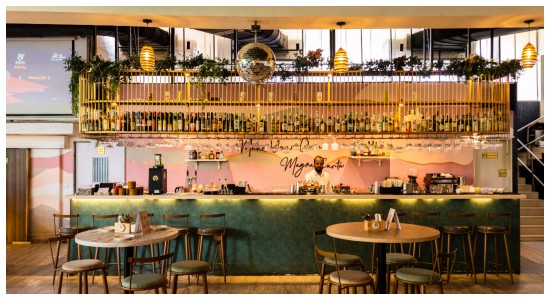
Where: 2th Floor, Magna Bar and Kitchen, The Thane Club, Thane
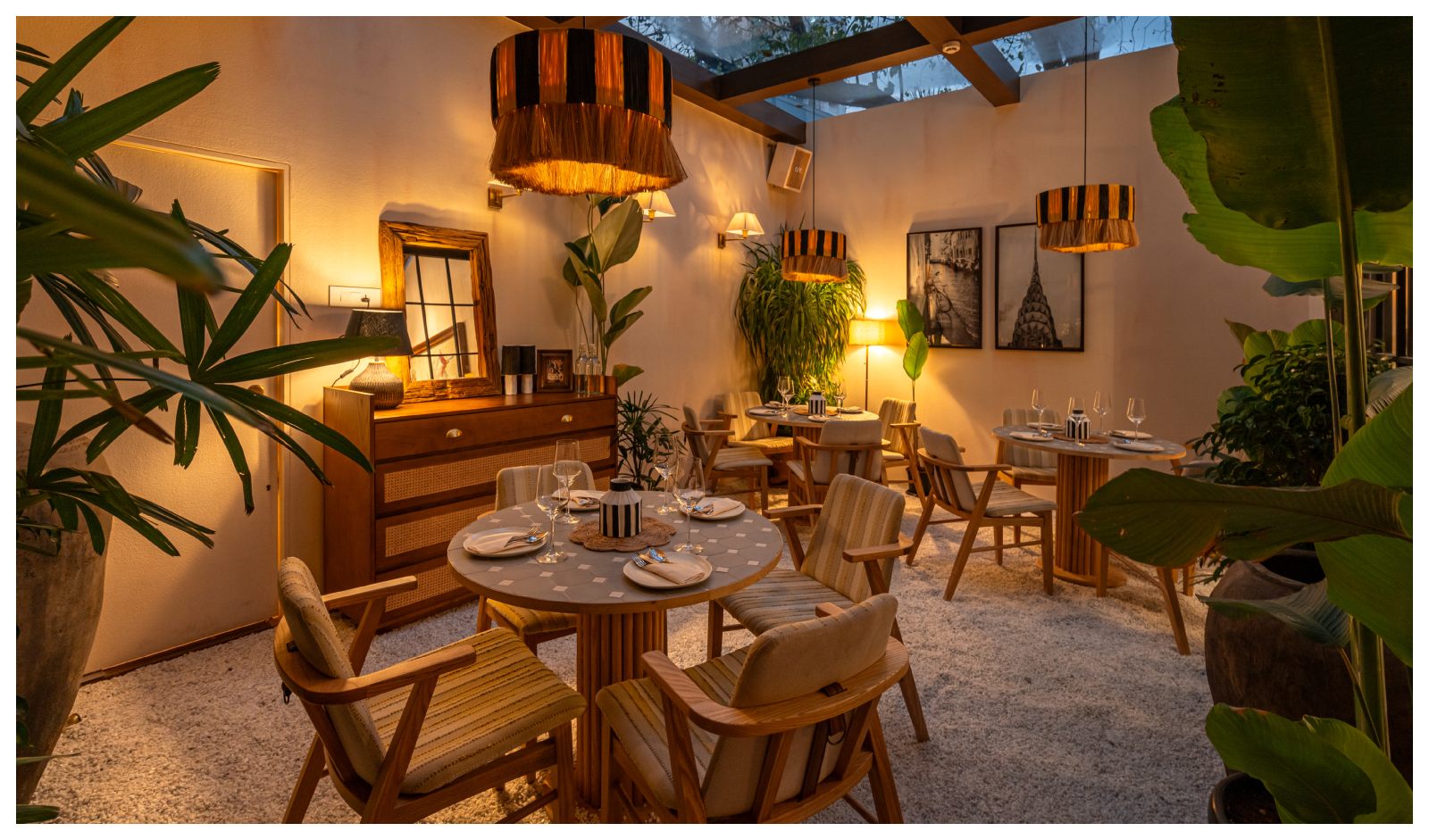
Restaurant rebranding is the process of reshaping a restaurant’s image, identity, or brand strategy to revive its business, attract new customers, and adapt to evolving market trends. It’s all about refreshing the guest experience while staying true to the brand’s DNA. It helps restaurants stay relevant and competitive in a fast-changing landscape. Around 50% of the restaurant brands do rebranding after few years, this helps in increasing their profits.
Changing Consumer Preferences
There has to be strong reason for rebranding the restaurants. It can be either changing consumer preferences or increased competition. And when the brand evolves it has to reflect the changes in the restaurant's mission, values, or target audience.Consumer preferences can change any time and to grow as per the preferences brand have to work endlessly to meet their demands. With the changing consumers, brand often change or work on their concepts to provide immersive dining experiences to their customers.
Defining a clear brand narrative
Every brand should have a clear brand narrative and their own story to lure customers in. Saurabh Krishna Shetty, Director at Baroke said, “Evolving from a conventional nightlife destination into a music-forward, experiential space where “listening” takes center stage. For Baroke, rebranding was essential too.”
He also pointed that the night club scene in the city has already seen its best years. From a business perspective it is important to try and have customers everyday and not just on the weekends. The rebranding also helps brand stay culturally relevant to a younger, experience-hungry audience.
“Rebranding also helps us signal evolution to long-time patrons and invite new ones with a fresh promise. It essentially communicates that the venue is not just surviving but thriving, keeping pace with trends while offering something timeless,” he added.
Rebuilding Trust & Repositioning
Rebuilding trust to recover from negative publicity or reputational damage is essential for every brand. Targeting new audiences, emphasizing unique selling points, or highlighting sustainability efforts are really important. This helps in showcasing themselves in front of the competitors.
Repositioning a known brand in the public with a new identity is challenging as well exciting to start afresh with the new footfall. “Rebranding creates excitement among diners, helps reach new target audiences, and attracts fresh consumers. It boosts team morale, which often translates into better service and guest experience. Ultimately, it drives higher revenues and increased footfalls, strengthening the brand’s long-term equity,” pointed Avik Chatterjee Executive Director – Innovation and New Format, Speciality Restaurants Pvt Ltd.
New Logo or Visual Identity
Updating the restaurant's logo, color scheme, typography, or overall visual branding is an idea to give a unique identity to target the new-age customers with their different concepts. This has to go with the brand concepts that people should relate with.
“Rebranding a place like Mitron involves more than a visual upgrade, it’s about reshaping perception. Firstly, logo redesign plays a pivotal role. A modern, minimal, and versatile logo helps communicate the brand’s evolution while remaining recognizable,” mentioned Gaurav Shetty, Managing Director, Peninsula Hospitality.
He also added that, redefining brand identity, from color palettes to tone of voice that ensures every touchpoint reflects today’s culturally aware, experience-driven audience. Mitron’s transformation shows that relevance isn’t about chasing trends but about setting them.
Design in Focus
Restaurant interiors play an important role in attracting new customers. People are focusing more on instagrammable places and mouth-watering dishes, that’s eye-candy for them to visit those places. Updating the interior design, lighting, music, or overall atmosphere of the restaurant really helps to give the favorable ambience as per their concept.
“The focus should be on updating interiors and design to create freshness and resolve maintenance issues, complemented by new artworks and installations that add character. A rebrand introduces freshness in look, feel, and offering so regular guests always have something new to look forward to. It also ensures the restaurant keeps pace with changing consumer tastes and design trends, signaling that the brand is agile and committed to delivering the best experience,” pointed Chatterjee.
Hence, a successful rebranding can differentiate the restaurant from competitors. By rebranding, restaurants can revitalize their business, attract new customers, and stay competitive in the market. So, rebranding isn’t about leaving the past behind, it’s about bringing your legacy into the future with purpose.
Founded by Sumit Govind Sharma, Monarch Liberty Hospitality Pvt Ltd has launched some successful restaurants in Mumbai such as EVE, Que Sera Sera and TAT. With 5 restaurants in Mumbai, the brand is set to grow with new concepts. In an exclusive interview with RestaurantIndia, Sumit Govind Sharma, Founder, Monarch Liberty Hospitality Pvt Ltd talks about his journey, brands, expansion plans, sustainability and much more. Excerpts:
How it All Began
My journey began in branding, working with global names like Mercedes-Benz. Despite success, I felt something missing — a real human connection. Hospitality drew me in because it creates spaces that make people pause, feel, and remember. Eve Bombay was born from this intent, not trends. From there, Monarch Liberty Hospitality grew, each outlet crafted with the same emotion and care.
What’s in the Name?
• Eve represents elegance and new beginnings.
• Que Sera Sera captures a carefree, flow-with-it vibe
• TAT draws from the coast, reflecting its essence.
For us, names must carry meaning, not just marketing appeal.
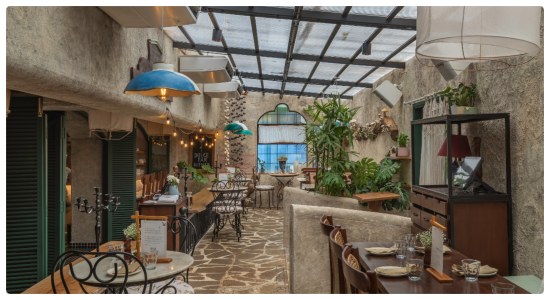
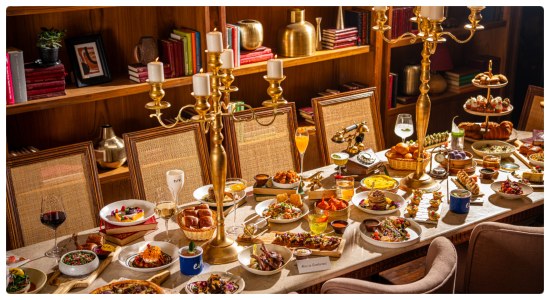
Managing multi-brands
When a restaurateur has multi-brand restaurants, it might be challenging for some while for others it’s fun to come up with new concepts and work on it. Managing them means giving each brand its own voice, team, and rhythm no one-size-fits-all. "We have executive chefs in different restaurants. One chef who handles all the outlets of Eve and the other two restaurants has different executive chef."
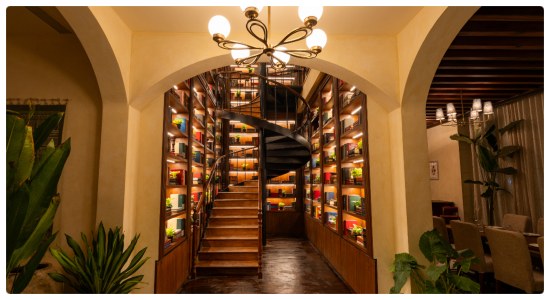
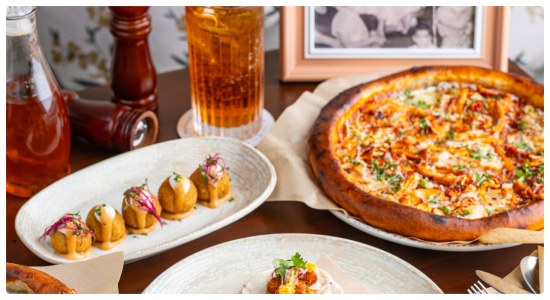
Challenges in Scaling
The biggest challenge is protecting the originality of each brand as it grows. It’s easy to lose detail when you scale. Whether it’s the lighting at Eve, the plating at TAT, or the coffee at Que Sera Sera, we’ve had to stay close to every single layer.
Another big focus has been hiring and training teams who understand that hospitality is emotional. “It’s not just about following SOPs — it’s about care, memory, and presence. For us, lean time is training time. We use it to upskill our teams, revisit brand protocols, and strengthen the culture behind the scenes, so we’re always ready to deliver when the room is full.
Standing out in Mumbai’s Market
Differentiation comes from clarity. Eve is known for the elegance and emotion. Que Sera Sera is all about everyday comfort and familiarity. TAT is known for its depth, tradition, and legacy-driven food. We don’t try to be everything for everyone as each brand has its own personality.
The Business Strategies
We run brand-first operations. Decisions always align with concept identity. Expansion is measured, focused on guest experience over numbers. We invest in long-term people and believe in chefs who value consistency and tell authentic stories.
We are strong with the aggregator platforms and social media. We don’t do deliveries for the EVE. While 95% of business in Que Sera Sera comes from dining. The food gets compromised during deliveries and we are more of experiential dining, so we are focused more on dining than deliveries.
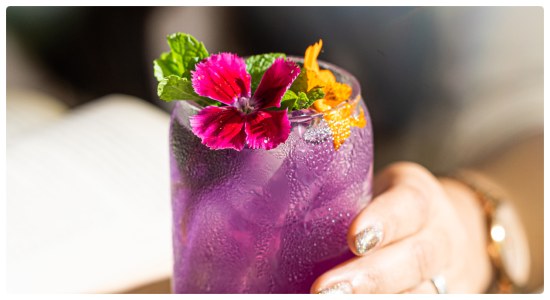
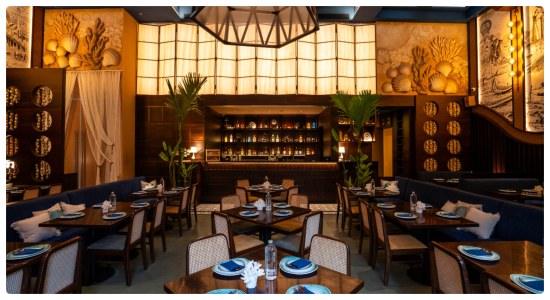
Ensuring Quality & Consistency
Consistency is built into systems and people. Protocols cover everything like playlists, plating, lighting and tone of service. Training goes beyond the “what” to explain the “why.” We remain hands-on, believing real consistency comes from involvement, not automation.
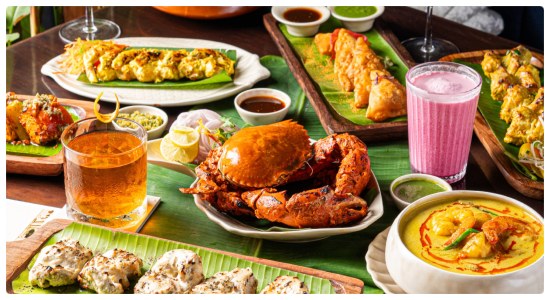
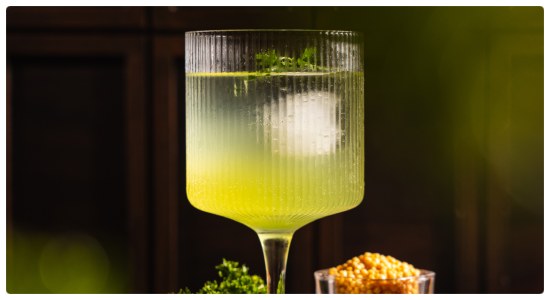
Approach to Sustainability
For us, sustainability means balance.
• Menus designed for mindful consumption and reduced waste.
• Plastic-free packaging.
• Greenery woven into every space.
True sustainability is about building brands that last without endless reinvention.
Role of Technology
We use tech where it helps improve efficiency. Inventory, feedback systems, guest analytics-all of that runs through digital tools. But when it comes to hospitality itself, we still believe in the power of people. No system can replace the warmth of a well-timed recommendation or a team member remembering your name.
Expansion Plans
We have plans to open new concepts restaurants by end of this year and to expand Eve in Mumbai. We will be opening 3 outlets by end of 2025.
Future Dining Trends in India
Dining is shifting from volume to value. Guests want stories, not just Instagram-worthy meals. Regional food is resurging. Cultural authenticity is in demand. We can see that personalized experiences, smaller menus, and intimate spaces are shaping the future.
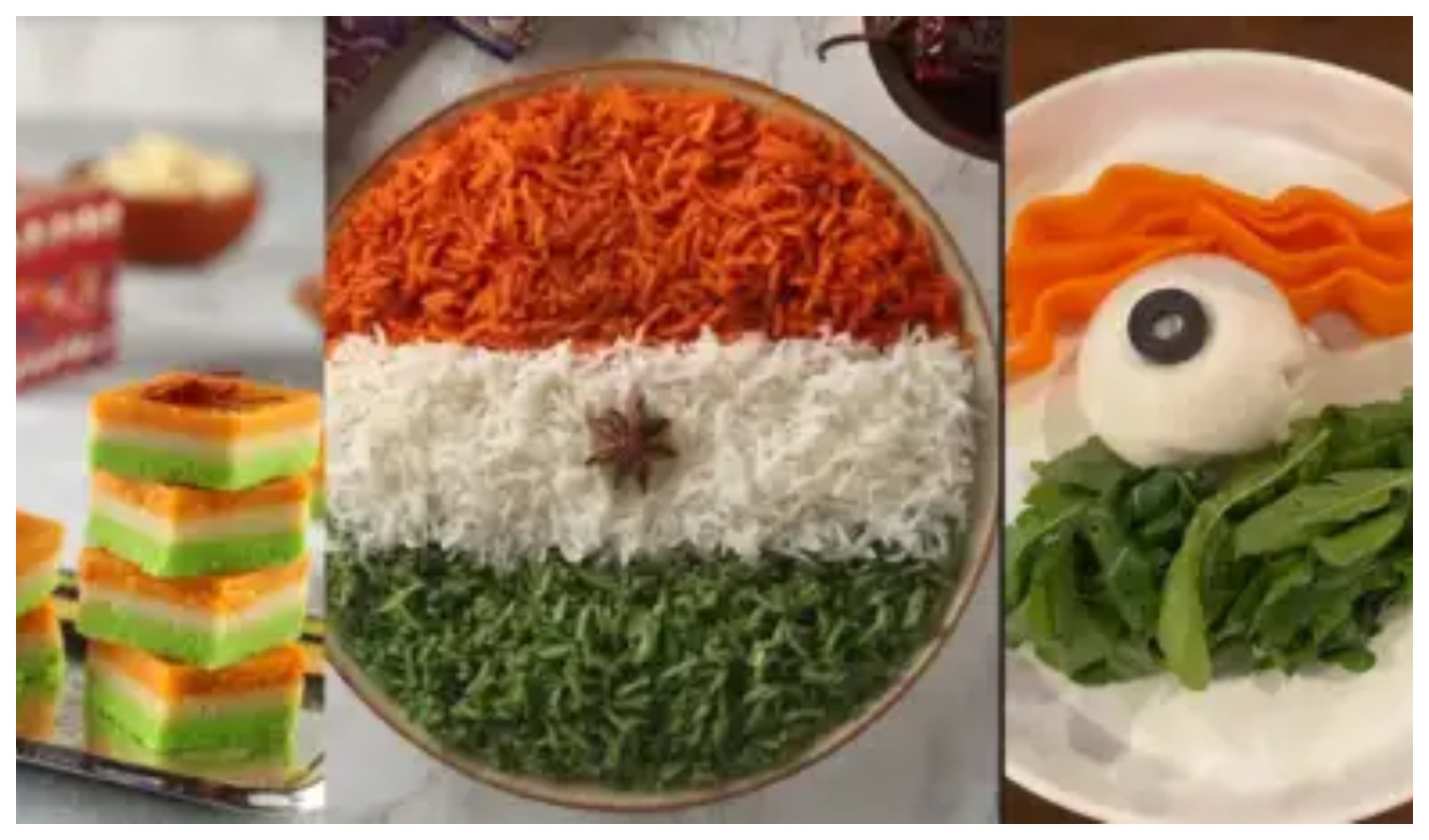
As Independence day is around the corner, savour patriotism with tricolour specials and menus that pay tribute to India’s rich culinary heritage. Restaurants are serving up special menus, tricolour-themed delights, and patriotic dining experiences that pay homage to India’s rich culinary legacy. From timeless regional favourites with a modern twist to cocktails infused with bold desi flavours, these 15th August picks offer more than just indulgence—they’re a delicious tribute to the nation’s unity in diversity.
1. ITC Maratha , Mumbai
This Independence Day, ITC Maratha’s Peshwa Pavilion invites guests to savour ‘A Celebration of Flavour, the Indian Way’—a special lunch showcasing regional classics, aromatic spices, and homely ingredients. On August 15th, from 12:00 PM to 3:00 PM, enjoy a vibrant culinary journey across India for ₹3000 + taxes per person, featuring time-honored recipes and reimagined dishes.
Where: Sahar, Andheri East
2. Zaatar W Zeit, Mumbai
Zaatar W Zeit, the beloved Lebanese brand, marks Independence Day with its first-ever Indian-inspired menu—a year-round tribute to the country it now calls home. The “India Rolls” lineup blends ZWZ’s fresh Lebanese essence with bold Indian spices, featuring wraps like Shish Chicken Tikka, Shish Kabab, Butter Chicken, Shish Paneer Tikka, and the indulgent Zaatar Malai Paneer and Chicken Skillets. Available at Bandra and the new Andheri outlet, as well as via Zomato and Swiggy, this menu celebrates Indian flavours while staying true to ZWZ’s heritage.
Where:
• Bandra: Pali Naka, Bandra, Shop no 2, opp Jai Hind Lunch Home, Pali Naka Bandra (West)
• Andheri: B, Unit no 1 and 101, Boolani Estate Owner's Premises Co-Op Society Ltd, 41, New Link Rd, opposite Citi Mall, Andheri West
3. Sheraton Grand Pune Bund Garden Hotel, Pune
Celebrate India’s rich culinary heritage with a feast that journeys from north to south, east to west. Relish Mumbai’s Vada Pav with coconut chutney, regal Shahi Paneer Tikka Masala, Lucknow’s Awadhi Malai Kofta, and crisp South Indian Pesarattu. Indulge in Diwani Paneer Handi, Mutton Rogan Josh, and end on a sweet note with Kesar Pista Kulfi, Chhena Jalebi, Shrikhand, and Jalebi with Rabri. Refresh with Masala Chaas or Lemon Mint Cooler—a true tribute to the flavours of India. It’s available from 12.30pm to 4.30pm.
Where: Feast, Sheraton Grand Pune Bund Garden Hotel, Pune
4. 1932 Trevi, Jaipur
Celebrate freedom at 1932 Trevi—a serene garden escape in Jaipur where Indian heritage blends with Italian elegance. Sip gemstone-inspired cocktails, savour Lamb Pinwheel Lasagna, Smoked Caprese Pizza, and Truffle Porcini Ravioli, and enjoy timeless flavours, warm conversations, and the quiet luxury of marking the day your way.
Where: Ground Floor, Santha Bagh, Narayan Singh Circle, Jaipur
5. Eve, Santacruz
With chic interiors and cozy charm, Eve invites you to savour comfort food and monsoon-inspired cocktails. Enjoy bites like Baked Vada Pav, Kung Pao Cottage Cheese, and Lamb Seekh Kebabs, or dig into Burrata Saag with Makai Roti and Smoked Chicken Curry. Raise a toast with Tamarind Takedown or Mango Magic Potion, and soak in a festive, heartwarming experience. The Monsoon Menu runs till 7th September.
Where: 3RGQ+842, Willingdon, Santacruz (West)
6. Easy Boba
Easy Boba, India’s fastest-growing bubble tea sensation, is serving up more than just freedom—it's serving flavor, fun, and a full menu at just Rs.99. On August 15, bubble tea lovers across Mumbai and Gujarat can enjoy any drink from the Easy Boba menu for a flat Rs.99. Whether you're a Boba newbie or a die-hard fan, this is your moment to sip big, spend small. The celebration doesn’t stop there. Starting this August, the Rs.99 menu magic returns on the 15th of every month
Where: All Outlets in India
7. Courtyard by Marriott Bengaluru Hebbal
Courtyard by Marriott Bengaluru Hebbal invites you to celebrate Independence Day with a vibrant brunch at The Hebbal Café. Curated by Executive Chef Rajeev, the multi-cuisine buffet blends India’s culinary diversity with global flair, paired with live music and tricolour-themed cocktails. The flag-inspired décor sets a festive mood, while a dedicated kids’ area ensures fun for all ages. A perfect blend of flavour, culture, and celebration awaits this 15th August.
Where: The Hebbal Cafe, Courtyard by Marriott Bengaluru Hebbal
8. Sheraton Grand Bengaluru Hotel at Brigade Gateway
Sheraton Grand Bengaluru Hotel at Brigade Gateway invites you to savour August with a curated mix of seasonal cocktails, Japanese-inspired pours, botanical infusions, and Middle Eastern delights. Celebrate the monsoon at High Ultra Lounge with bold, refreshing drinks, panoramic city views, and the soothing rhythm of the rain.
Where: Sheraton Grand Bengaluru Hotel at Brigade Gateway
9. Noormahal Palace, Karnal at Haryana
This Independence Day, Brown Sugar at Noormahal Palace, Karnal, presents a special buffet inspired by the colors of the national flag. Relish starters like Tiranga Paneer Tikka, Azadi Murgh Malai Kebab, and a vibrant Freedom Chaat Platter, followed by mains such as Shaan-e-Hind Biryani, Subz Tiranga Kofta, Murg Handi Lazeez, and Deshbhakti Dal Tadka, paired with Indian breads and Tricolor Pulao. End on a sweet note with Tiranga Barfi, Kesari Rasmalai, Freedom Phirni, and Tricolor Mousse Cups, complemented by Jaljeera Shots, Saffron Lassi, and Nimbu Pudina Cooler—a true feast for the spirit of freedom.
Where: Brown Sugar, Noormahal Palace, Noormahal Crossing, National Highway 1, Sector 32, Karnal, Haryana 132001
10. SALT (Pan India)
SALT Indian Restaurant presents ‘Flavours of Freedom’, a special Independence Day cocktail and mocktail menu available across all outlets. Showcasing India’s vibrant flavours, the line-up blends tradition with innovation—like Agaaz, a bold mix of charred pineapple, black pepper, and lime; Agni Mora, a fiery blend of roasted red chilli, raw mango, and lime; Gul Bahar, a floral infusion of rose and cardamom; and Hari Saaz, a refreshing cucumber, coriander, and botanical gin creation. Available all month in Koramangala, Kalyan Nagar, UB, and Pune, each drink is a modern tribute to India’s culinary heritage in every sip.
Where: Salt (all outlets)
11. Andaz Delhi by Hyatt, New Delhi
Andaz Delhi, by Hyatt, rolls out a vibrant August line-up blending regional flavours, inventive cocktails, and interactive dining. At AnnaMaya, savour a Rajasthani-inspired Pan-to-Plate menu by Chef Mahendra Jakhar—featuring Laal Maas, Kabuli Pulao, Malai Ghewar, and more—available till 30th August (₹2,499++ lunch / ₹2,999++ dinner). From 15th–30th August, sip on the Himalayan Infusion cocktail (₹1,150++), a herb- and spice-forward creation inspired by mountain landscapes. At Soul Pantry, weekends come alive with Mamma Mia Mini Chefs!—a playful pizza-making class for kids (₹1,500++), where young bakers craft and bake their own creations.
Where: Andaz Delhi by Hyatt, New Delhi
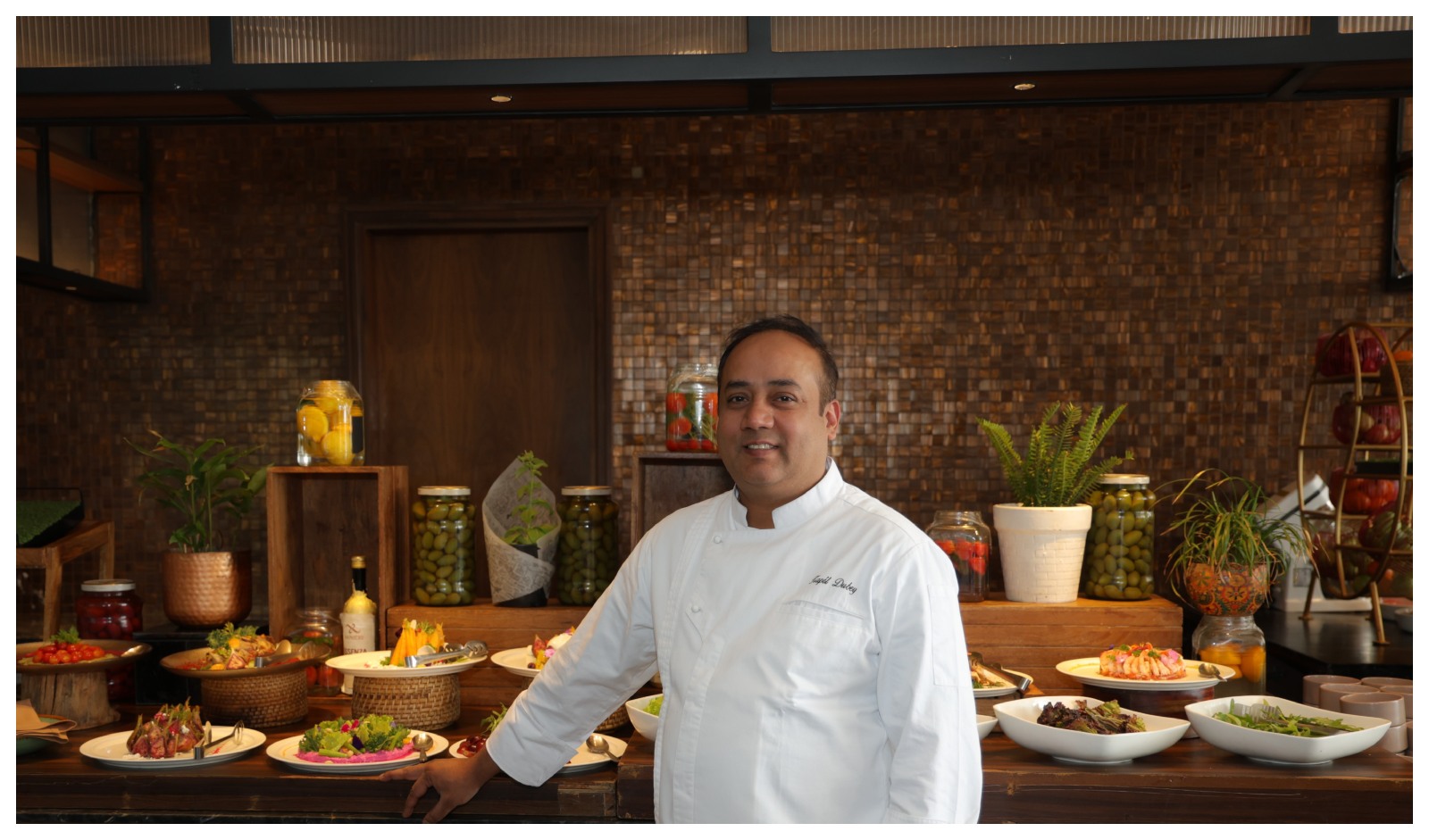
With a distinctive perspective shaped by diverse global influences, Kapil Dubey views the kitchen as an ever-evolving canvas were consistency dances with creativity. He honed his craft at Park Hyatt Goa before expanding his repertoire at renowned establishments such as One&Only Resorts Dubai and Four Seasons Maldives, followed by tenures at JW Marriott and Ritz-Carlton. A graduate from the prestigious Starwood Career ExCom Track Program, he has also led kitchen operations at Sheraton Hyderabad and earned notable recognition as Times Food Awards Chef of the Year during their time at The Leela Gandhinagar.
By using locally sourced seasonal ingredients, the chef will refresh the resort’s menus with dishes that celebrate Uttarakhand’s local produce while offering surprising flavors. In an exclusive interview with Restaurant India, Chef Kapil Dubey, Executive Chef of Hyatt Dehradun focuses on immersive journeys that transport guests through flavors and techniques while maintaining an unwavering commitment to personalized service. Excerpts:
The Innovations
We are doing experiment with local ingredients, millets and prefer using cage-free eggs. We also have home-grown garden and herbs and spices. We cook with guests in mountains to give them unique experiences and prefer vegetarian cooking in mountains. We do lots of live cooking and it’s all about excitement that keeps us going. We are experimenting with Bhang chicken and curry with pahadi salt which gives a unique flavor.
Talking about the sustainability part, Chef Kapil said, “We are helping the local vendors by using local honey, helping the community who does honey farming for us. We don’t use any plastics in kitchen.”
On Kitchen Operations & Innovation
"For me, kitchen operations are at the heart of everything. Whenever we launch a new menu or concept, we invite people to try the dishes, gather their feedback, and discuss flavours in detail. This exchange often sparks fresh ideas and leads to continuous innovation—whether it’s tweaking spice levels, swapping vegetables, or customizing dishes based on guest preferences. People are curious about ingredients, and their inputs help us refine our offerings," pointed Dubey.
On Team Development & Positive Culture
Post-COVID, motivating kitchen staff has become more challenging. Today’s Gen-Z and millennial workforce values a healthy, non-toxic environment over monetary incentives. If the culture feels negative, they’re quick to move on. To retain and inspire them, we focus on flexibility, learning opportunities, and teamwork.
We encourage collaborative cooking, hold brainstorming sessions, and offer cross-training. Team members are sent for pre-openings at other hotels, supported in participating in pop-ups and events, and are exposed to visiting chefs for skill exchange. This approach keeps them engaged, adaptive, and constantly learning—making the kitchen not just a workplace, but a creative hub.
Retaining staff
We keep engaging them and one should not feel stuck. Learning is important and that's how you can retain them now. If someone will move around with a hotel, then they learn a lot. That's what we do by sending them to the different properties to move and see what is happening there and understand the roles and what's new happening around them.
Reducing food wastage
We call it a zero-waste cooking where we use the trimmings of veggies or whatever coming in the kitchen like the roots, peelings which we try to utilize it in other recipes. So that's how we're trying to reduce the wastage. Also, we have a program where we have every kind of wastage from every buffet or any kind of preparation. We try to educate the people and try to do the centralised cooking where we do the bulk cooking. We ensure that the quality is maintained even during portion size cooking.
Challenges in the industry
It’s quite difficult to retain a skilled chef, where people are very much demanding and it’s very difficult to find a very good skilled chef. We try our best to motivate and retain them. I mean, we try to give them learning and growth within the company.
Culinary philosophy
I do a lot of different kind of dishes experimentation, which is one of the parts of our higher values. Also, when you know a lot of things, always being a leader in the market where people follow you.
Approach on Customization & Plating
Customization is really high as people are well traveled and are more aware about the allergence. We have allergen policies in our place. We also have mentioned the allergies in the menus and on the buffet and in the buffet tags we are putting allegeries. So, we always have time to customize, and we have to take top priority and top hygiene precautions for our day-to-day cooking. We are ISO certified, where we are falling with international standards of ISO, and we are taking care of all the allergens and all the dietary preferences from the guest.
Plating and presentation for me secondary, firstly the quality is very important and taste should be exactly how we want. These days, around 40% of the people eat or try out that particular food for the presentation. There are people who come to try more of a mystical food where we always send some kind of thing or gimmick on the table. People start taking the video and they post on social media platforms, so we are also getting more reach. We have to be very cautious while balancing in terms of the new trend of presentation and the quality.
Three tools in Kitchen
Fire, ladles and spoon
Signature dishes
Bhang Potatoes and Bhang Chicken
Ongoing Trends
- Many are focused on sustainability
- People are exploring the healthier options.
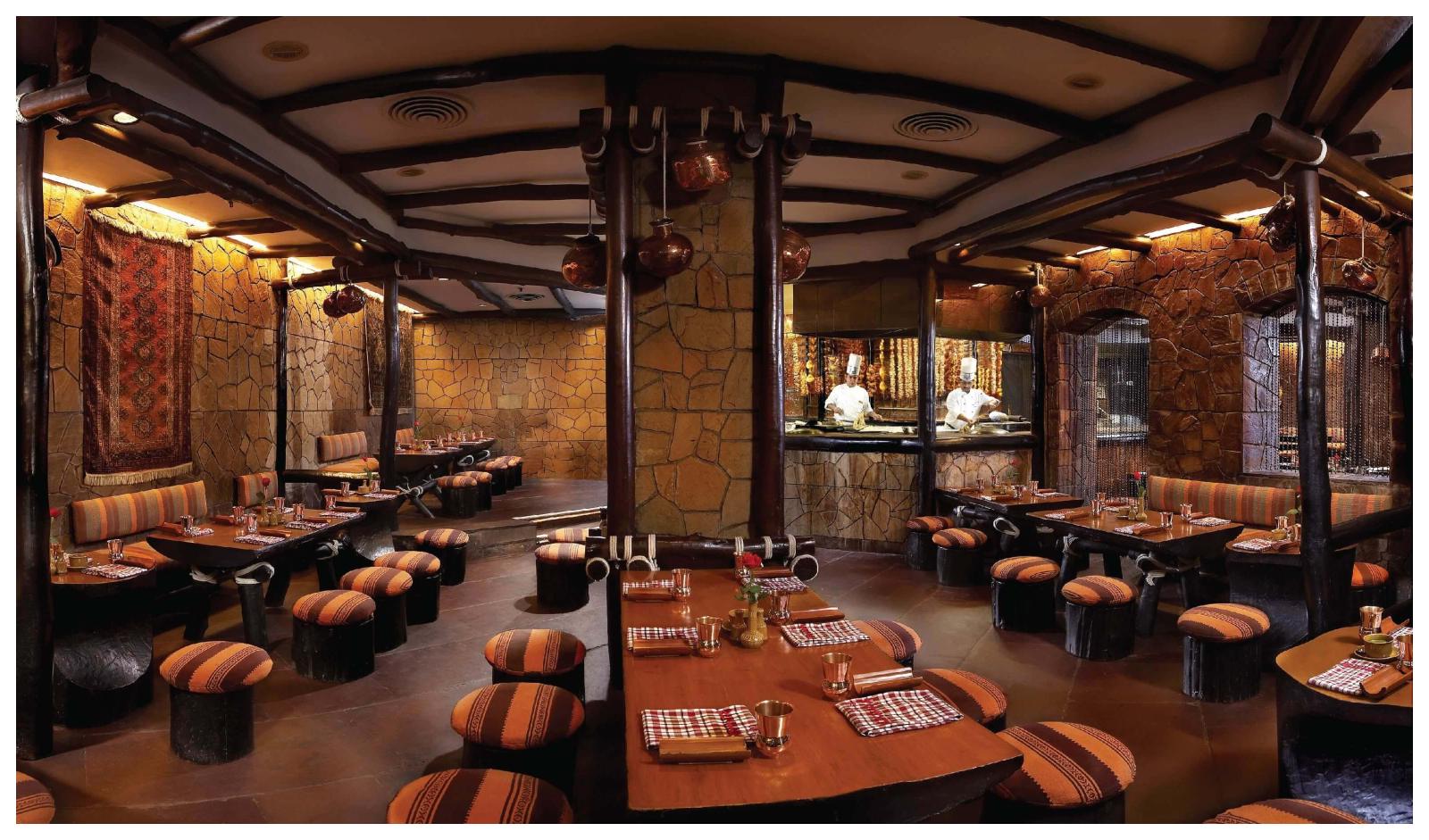
Running a restaurant franchise isn’t just about great food; it's about having strong systems at the back end. Restaurants focus on franchise for several reasons like rapid expansion, brand awareness, shared risk, local market expertise and increased revenue. Franchising not only build a strong brand identity but also helps in successful expansion strategies. Brands like McDonald's, Barbeque Nation, Domino's Pizza, Haldiram's, Biryani by Kilo, KFC, Subway and many others are running their franchise outlets successfully while focusing on their expansions.
Around 30-40% of restaurant businesses are doing franchises. So, what are the important factors to consider while doing restaurant franchises?
Maintaining Brand Consistency:
The franchisor’s brand identity, standards and operating procedures has to be maintained consistently.
Gathika Chhabra, Founder, Before British Raj said, “As a franchisor, we don’t just hand over the brand name, we provide recipes, core ingredients like coffee beans, cookies and tea leaves, branded packaging, and training programs for teams covering customer service, recipe execution, and our brand culture.” Consistency is rooted in the centralized production model, daily quality checks, and brand‑aligned SOPs.
Staff Training:
Staffs have to be well-trained as per the brand standards, operations and customer service. Aavika Chhawchharia, Co‑Founder, Honey & Dough noted, “What truly sets us apart is the training experience — our staff is not just trained, they’re immersed in the Honey & Dough story, ensuring every interaction feels authentic and warm.”
Inventory management & cost control:
Brands have to make sure that there is a minimal waste while optimizing their stock levels. They have to manage the inventory and focus on controlling the cost.
“We focus on inventory management, cost tracking and recipe sheets so that every dish tastes the same across all the outlets. Everything is standardized and freshly made as per our SOPs, which ensures consistency in flavor and quality no matter where you visit us,” pointed Chhabra.
Expressing his viewpoints, Rahul Arora, Founder of The Big Tree Café and Bar said, “We begin with strong SOPs — every detail, from how a dish is plated to how a guest is greeted, is carefully standardized. Our franchise teams undergo hands-on training, and we assist them through every step of hiring, kitchen setup, and quality checks.”
Adding to it, Chhabra said, “We also keep a close eye on wastage, returns, and sales through systems that help us, and our partners stay financially efficient.”
Local Adaptation:
Brands adapt to local tastes without ever compromising on their identity. “Our core menu stays true to the brand, but we bring in weekly specials inspired by regional flavors to keep things fresh and exciting for our customers,” shared Chhabra.
While Chhawchharia. noted that their brand adapt subtly — introducing location‑exclusive specials, tweaking presentation styles, and building community‑first initiatives to stay locally loved.
Regulations to follow:
Ensure that compliance with local laws, regulations and health standards are followed as per the guidelines. From day one, we guide our franchise partners through FSSAI and other compliance requirements, ensuring every outlet meets the highest standards. At the heart of it all, our focus remains the same delivering a consistent experience, warm h
Operational Efficiency:
Operational efficiency is driven by centralized procurement, regular internal audits, and tech-based tracking systems. This ensures that each outlet runs with the same energy, consistency, and quality.
Highlighting on this Arora said, “We’ve also integrated a centralized POS and accounting system across all outlets — this forms the backbone of our quality control, auditing, and financial management. Every penny is accounted for, right from purchase and staffing to food cost and operational expenses.” This transparency and control ensure both profitability and sustainability in the franchise model.
Collecting Customer Feedback:
Restaurants need to collect the customer feedback to improve their services. “We also believe quality is a daily practice — not a one-time setup. Recipe standardization, refresher trainings, and real-time guest feedback loops help us stay sharp and evolve constantly,” pointed Arora.
Franchisor Support:
Franchisees are supported every step of the way — from kitchen planning and menu engineering to digital POS setups and hyperlocal marketing.
“Financial tools are customized to each outlet’s needs, with real‑time dashboards that track performance while allowing room for creativity and growth. Even in Delhi‑NCR, no two markets are identical," mentioned Chhawchharia.
While, the future will be focused on tech-enabled franchising, sustainability, hyper local and regional expansion, multi-format franchising, franchisee as a brand partner and VC interest. Franchising isn’t about mass production — it’s about scaling soulfully, one restaurant or café at a time.
As we all know, if you are expanding your restaurants, it requires lots of strategic planning. One needs to focus on operational consistency, strong brand identity and adaptability. Brands can expand via company-owned model or through franchise model. Let’s focus on what are the key business strategies during expansion.
It’s all about Strong Brand Identity:
Every restaurant wants to have their own unique value proposition. For that, branding has to be consistent in all locations. One can build their brand loyalty through signature dishes, ambience, décor and good customer experience.
Akshay Anand, Founder, Cozy Box said, “When expanding a brand like Cosy Box, the key is maintaining a strong core identity while adapting to diverse local contexts. For us, it’s about balancing consistency with evolution, every new outlet must carry the DNA of the original but also reflect the culture and preferences of its location.”
Product & Experience Consistency:
Every brand tries to make their unique presentation of the products to differentiate from that of competitors. Standardized recipes, strong kitchen training systems, and quality control help us maintain our brand promise.
Hyper-Local Customization:
While maintaining brand identity, restaurants subtly adapt to local preferences — be it spice levels, service style, or curated menu highlights — so every location feels connected to its audience.
Scalable yet Soulful Design:
Expanding a brand is not just about numbers. It’s about building experiences that stay with people. Scalability means creating formats that can evolve without losing their essence. Neha Gupta, Founder, Beyond Designs Bistro said, “From the intimate charm of Beyond Designs Bistro to the youthful energy of Nineteen78, and the immersive worlds at Indira Gandhi National Centre For Arts’ with Kala Cafe and Kala Swasti. I’ve ensured each venture offers something unique while staying true to our design-led philosophy.”
“We’ve created an interior and brand language that’s scalable but still evokes warmth, indulgence, and comfort. Our spaces are designed for both everyday meals and special celebrations — helping us create emotional connections with guests,” pointed Bobby Patel, Co-Founder, Thyme and Whisk.
People-First Culture:
Restaurant brands invest heavily in team training, growth opportunities, and fostering a strong culture of ownership. “In short, for us, expansion isn’t about cloning — it’s about thoughtfully growing the soul of Thyme & Whisk into new places with care, strategy, and heart,” added Patel.
Partnerships & Innovation:
Innovation has been a constant ally. “Whether it was launching pre-packed gourmet meal kits during the lockdown, curating a keto menu, or building multiple cloud kitchen brands under one roof-I’ve always looked at challenges as creative opportunities,” shared Gupta.
Partnerships have also played a key role, be it with nutritionists, cultural spaces, or our talented in-house team. These collaborations allow the brand to grow with purpose.
Gupta added that she keeps the customer at the center who ensured that designing spaces, menus, and experiences thinking about how they’ll feel and what they’ll remember is important.
Importance of digital presence
Digital presence plays a crucial role in building visibility, trust, and engagement. “From showcasing our dishes to sharing behind-the-scenes moments and guest stories, digital platforms help us connect emotionally with our audience and stay relevant,” added Patel.
Explaining further, Anand said, “At Cosy Box, platforms like Instagram, Zomato, and Google Reviews are integral to storytelling, discovery, and engagement. Digital helps us stay top-of-mind, connect with our audience meaningfully, and drive footfall through organic and paid visibility.” It’s also a powerful tool for feedback and for showcasing our brand philosophy visually, which is particularly important for a lifestyle-forward brand.
That being said, nothing compares to the impact of genuine word-of-mouth. When guests walk away with a memorable experience and naturally share it with friends and family, their advocacy becomes one of the most powerful growth drivers. In today’s landscape, the real opportunity lies in the intersection of authentic, in-person recommendations and compelling digital storytelling.
Data driven insights are helpful
Data-driven insights are incredibly helpful. With the right data, we can understand customer preferences, personalize experiences, and even invite guests to celebrate special occasions with us.
“At Cosy Box, we’ve built systems to collect and act on data, including staff observations, real-time feedback loops, and digital analytics. This allows us to fine-tune the guest experience continuously and make decisions grounded in actual behavior and demand patterns. Our expansion philosophy is rooted in stability and brand consistency,” mentioned Anand while highlighting that every Cosy Box outlet carries forward the spirit of Cannes-inspired glamour adapted for an Indian audience, but never at the cost of authenticity or guest comfort.
While, Patel noted, “It also helps us track ordering patterns, which allows us to fine-tune the menu, introduce seasonal specials, and reduce waste — all while enhancing guest satisfaction. Data, when used thoughtfully, makes hospitality more human.”
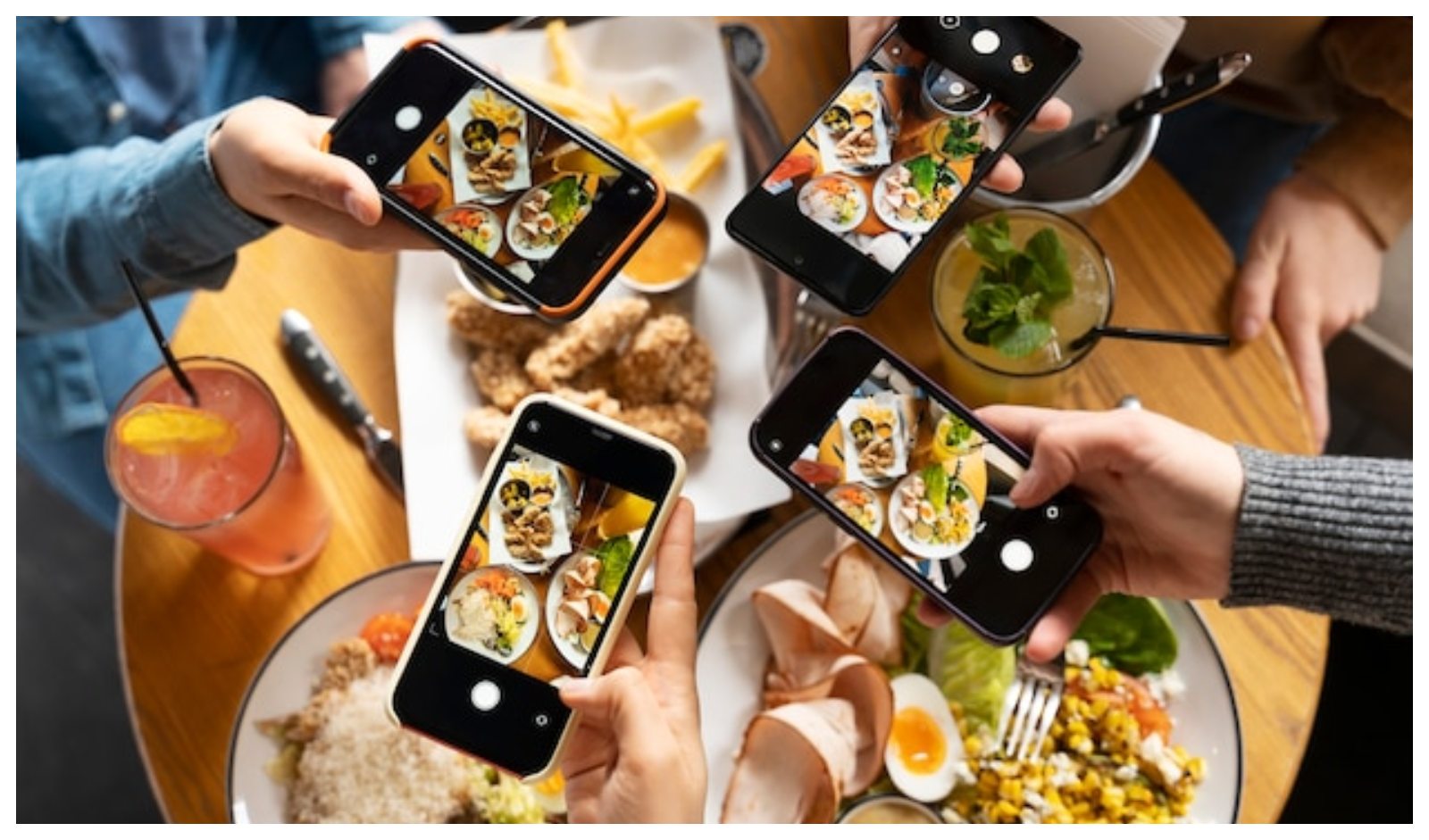
As the restaurant industry is booming, every brand is targeting the new age customers like Gen-Z, Alpha and millennials to attract them with unique dining experiences and storytelling. Brands are majorly focusing on creating instagrammable moments and aesthetic vibes. Social media play a major role in driving new age customers. To engage today’s new-age audiences, authenticity and culture-led storytelling are a key. The restaurant industry is projected to grow with CAGR 10.41% by 2030. The key strategies includes:
Influence of Social Media:
Restaurants must actively leverage social media platforms such as Instagram, Facebook, Twitter, and TikTok to share visually engaging content, behind-the-scenes moments, and user-generated posts that boost brand visibility.
Also, collaborating with influencers can further amplify reach and attract new customers by promoting menu highlights or special offers. As per the reports, brands can gain 40% of the audiences through the right use of social media.
Saru Khemka, Director, Organic Bistro said, “We believe that targeting new-age audiences goes beyond serving good food — it’s about innovation, authenticity, purpose, and storytelling. Our strategy is rooted in values that today’s conscious diners truly care about: authenticity over aesthetics, purpose-driven storytelling, and meaningful digital engagement.
“We use social media to highlight real stories, from collaborating with local farmers to curating menus with chefs like Nishant Choubey and Gourav Singh Mahori, blending tradition with innovation,” pointed Khemka.
Power of Influencer Marketing:
Influencer marketing has paved its way for the restaurants. Influencer marketing can gain 60% of the reach in the social media. Not only that, but they motivate them to visit the places which helps the brands in gaining profits.
Gaurav Kanwar, Founder of Harajuku Tokyo Café mentioned, “From collaborating with relatable influencers and sparking user-generated content to creating immersive experiences and visually striking dishes —brands must make every interaction with the consumer shareable and aspirational. What truly sets Harajuku Tokyo Cafe apart, though, is our unwavering commitment to authenticity.
By sourcing high-quality ingredients and combining them with precision-driven Japanese culinary techniques, the food remains true to its roots — a rarity in a landscape often driven by fusion trends.'' This dedication has helped build strong word-of-mouth and return visits from discerning food lovers.
Highlighting this, Khemka added, “Our influencer partnerships are intentional, focusing on creators who share our values rather than chasing numbers. From eco-friendly interiors to clean ingredient forward dishes, we’ve built an experience for new-age foodies, families and health-conscious consumers alike.”
Personalized Offers:
Loyalty programs such as points-based systems, tiered rewards, and personalized offers, are effective tools to encourage repeat visits and build customer retention. Meanwhile, email marketing has evolved to deliver highly targeted campaigns tailored to individual preferences, behaviors, and special occasions. Additionally, data-driven decision-making enables restaurants to analyze customer insights, optimize marketing strategies, and enhance the overall dining experience.
Focus on Sustainable Food options:
To meet evolving customer expectations, restaurants are embracing sustainability by introducing plant-based dishes, sourcing ingredients locally, and using eco-friendly packaging. At the same time, they’re building stronger connections through community engagement by collaborating with local businesses, organizing events to build brand visibility.
Technology Integration:
Technology has become essential in the food and beverage industry. Self-ordering kiosks enhance the customer experience by reducing wait times and encouraging instant orders. Brand mobile apps offer a seamless ordering experiences, while, QR code menus provide a safe, contactless way to view menus and allow for quick and easy updates.
Power of Community Building:
Hosting events like open mics, trivia nights, and themed brunches. Loyalty clubs or membership perks for regulars helps in driving regular customers.
Jeenanath Shetty, Managing Director, DJRS Hospitality said, “Whether it’s through our unique menus, the atmosphere we create, or how we show up online, we try to keep it personal and thoughtful. Collaborations, creative content, and community events help us stay relevant, but it all starts with being honest and true to who we are as a brand.”
This strategy of combining visual appeal, cultural storytelling, and culinary integrity has not only elevated brand recall but has also translated directly into business success. "As we expand to new cities across India, this formula continues to resonate strongly, making it a go-to destination for young, culturally curious diners looking for something real, exciting, and unforgettable," added Kanwar.
Creating Instagrammable memories:
Aesthetic interiors, neon signs, and artistic plating to attract social media attention especially the younger generation.
“The young audiences today are very well informed and in order to engage with them we ensure to keep trying new things in our menu constantly adding more Japanese delights. In our base kitchen in Noida we keep experimenting with new things constantly to keep up with the new trends and customer preferences, noted Kanwar.
Additionally the overall experience also plays a major role when engaging with a young audience. Kanwar pointed further that we have worked hard on creating an ambience that resembles the Harajuku Street of Japan where the brand is inspired from.
Brands promotes content like recipes, chef spotlights, and behind-the-scenes glimpses. At the same time, storytelling allows restaurants to share their journey, culinary philosophy, and core values fostering a stronger emotional connection with their audience. With this, the restaurants can incorporate these strategies to target the new age customers to build a loyal base.
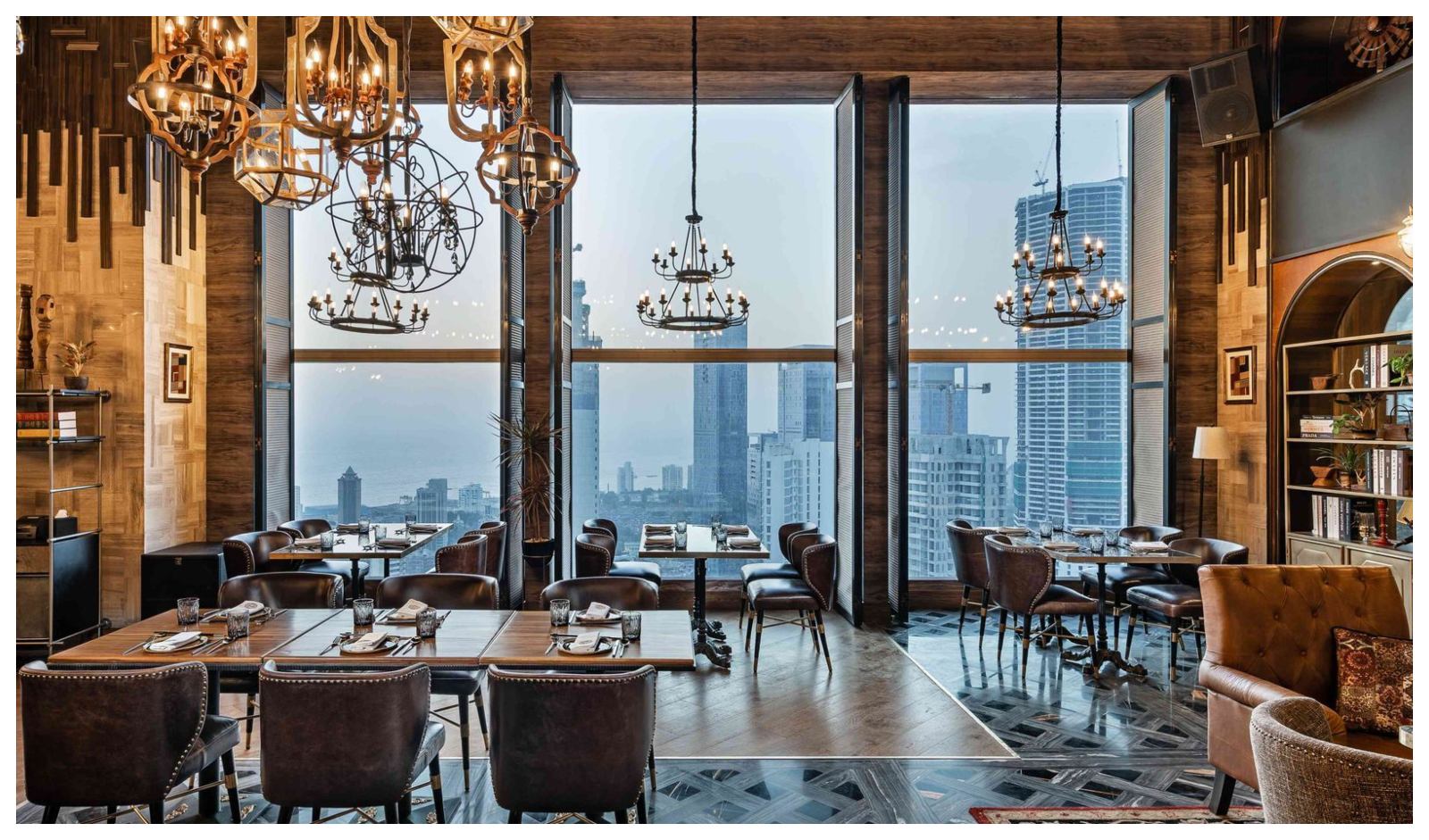
The restaurant industry has undergone a remarkable transformation in the recent years, driven by evolving consumer preferences, technological advancements, and a heightened focus on sustainability. Culinary Innovation is at the forefront. Diners today crave dishes that are rooted in tradition but reimagined for the modern palate.
The restaurant industry is valued at approximately $85.19 billion as of 2025 and its projected to reach $79.65 billion by 2028 with a CAGR of 11.19%.
Technology at the Forefront
AI-powered restaurant operations are on the rise, as artificial intelligence continues to transform the industry—enhancing menu curation, streamlining workflows, and elevating the overall customer experience. Another key trend is the growing adoption of contactless solutions. From self-service kiosks to mobile-based ordering, payments, and check-ins via QR codes, convenience and speed are becoming central to the modern dining experience. On an average, restaurant chains invest 20-30% on technology.
“Digital tools are transforming how restaurants function. From inventory management to feedback systems, technology helps ensure precision, consistency, and responsiveness. We use data to streamline prep, reduce food waste, and enhance guest experience,” pointed Shreya Kapoor Co-founder, Masala Synergy.
The Rise of Virtual Brands
Ghost kitchens and virtual brands are rapidly growing, emphasizing delivery and takeaway while eliminating the need for dine-in spaces. Restaurants are increasingly sourcing local ingredients to lower their carbon footprint and support regional communities. Meanwhile, subscription-based dining models are gaining traction, offering customers convenience, personalization, and consistent value.
Elaborating his views, Mandeep Singh, Managing Director, Arabian Delites said, “Mobile task managers, backend inventory tools, and digital SOPs have streamlined processes, reducing dependency on manual intervention. Platforms like Pet Pooja and RestoWork are enabling smoother management across multiple locations. CRM systems allow for deeper customer engagement, and remote surveillance technology ensures operational consistency even from afar.”
Restaurants are integrating smart kitchen systems to streamline prep and maintain consistency across styles. Simultaneously, tech-enabled ordering and feedback loops are allowing us to connect more directly with the guest. Additionally, logistics platforms such as Porter and Dunzo have become enablers for expansion, making it possible for restaurants to scale without owning every delivery arm.

With over 20 years of culinary expertise across leading global hospitality brands, Chef Amit Dash has carved a niche in India’s luxury dining scene. As the Multi-Property Executive Chef for The Westin Gurgaon, New Delhi and The Westin Sohna Resort & Spa, he seamlessly blends innovation, wellness-driven cuisine, and operational finesse.
An alumnus of IIHM Kolkata, Chef Dash’s illustrious career includes key roles with Taj Hotels, ITC Hotels, Marriott International, and Atmosphere Hotels & Resorts in the Maldives. His leadership across two distinct properties reflects his strategic vision, commitment to sustainability, and talent for building high-performing teams—continually setting new standards in guest experience and contemporary hospitality cuisine. In an exclusive interview with RestaurantIndia, Dash shared about his culinary journey, technology, authenticity, sustainability and much more.
Consistency and Diverse Cuisine Offerings:
Chef Dash highlighted the diverse culinary offerings across the ten F&B outlets spread between the hotel and resort, each celebrating a unique cuisine. Personally inclined towards Italian and Asian flavours, Chef Dash shared that the hotel features an all-day dining restaurant with global cuisine and wellness-centric options, an Italian restaurant showcasing a seasonal menu crafted by an expat chef, a Pan-Asian restaurant led by another expat chef, a lively bar, and a modern Indian dining space. At the resort, guests can explore a concept-driven Asian restaurant, a multi-cuisine coffee shop, and a bar serving curated small plates.
Zero Waste Cooking Approach:
“We focus on 100% zero waste cooking and are implementing the Vinno system, an AI-based technology to track and reduce food wastage. They also emphasized the following on production charts to control ingredient usage and minimize waste,” noted Dash.
Contribution by Expat Chefs:
Chef Dash explained that the expat chefs collaborate with the team, bringing international experience while adapting to local needs and guest preferences, offering flexibility and customization.
Team Building and Motivation:
“I have 235 staff reporting to me across both the properties and focus is on frequent interaction, team-building exercises like cooking competitions, involving team members in menu creation, a buddy system for new joiners, regular sessions, and an open-door policy to foster motivation and address concerns,” added Dash.
Meaning of Authenticity in Food:
He stressed on the importance of adhering to the original preparation and taste of dishes, citing butter chicken as an example, while acknowledging some blending of cuisines in specific contexts.
Evolving for Experience-Based Dining:
We focus on creating a holistic experience in all restaurants, including decor, service, music, and themed brunches. He elaborated about the authenticity brought by expat chefs, live cooking elements, and the unique ambiance of their open-air restaurant with retro music and modern Indian food, along with pop-up events featuring guest chefs.
Focus on Sustainability:
Chef Dash reiterated their use of the on-site garden and sourcing local seafood and meat within a 50 km radius. He emphasized that their menus in the resort and for in-room dining are largely based on sustainable ingredients, with many dishes having a sustainability-focused story.
Technology in the Culinary:
Chef Dash highlighted multi-sensory dining, conscious indulgence with transparent sourcing, and AI-driven smart kitchens with live cooking as key aspects. He mentioned about the recent launch of a teppanyaki grill as an example of live cooking.
Challenges in Managing Multi-Property:
The difficulty of attracting talent in the remote resort location is a challenge. “Our solution involved hiring local villagers, such as two aunties who make parathas, showcasing local talent and authentic cuisine to guests. For the hotel, stewarding manpower was a challenge, addressed by partnering with agencies for sourcing,” commented Dash.
Popular Trends:
Modern Indian, Modern Japanese, Teppanyaki, and Korean food are the current popular trends.
New Innovations:
Chef Dash mentioned having a diverse martini menu at the resort and offering zero-sugar cocktails, though they are not highly ordered. Western Gurgaon has a "Western Eat Well" concept featuring pest-free, organic, and vegan dishes.
Balancing Creativity and Presentation:
Creativity plays an important role. Thorough training and trials are conducted before launching a new menu, including identifying appropriate crockery ware which ensures creativity and presentation both.
Menu Development Process:
Specialty restaurant menus are changed bi-annually or tri-annually based on seasonal availability and menu engineering analysis, wherein we consider the popularity and feedback of existing dishes. “We prioritize using seasonal and local ingredients, with approximately 50% of Italian products being imported and the majority of ingredients for the Asian restaurant sourced locally and sustainably,” pointed Dash.
Future of Culinary Industry and Talent Retention:
Chef Dash believes that AI is a significant trend but emphasizes the continued importance of practice and patience for young chefs. He stated, "For talent retention, they are reiterated providing opportunities, guidance, and regular feedback, celebrating milestones, and organizing team outings."
Signature Dish Preferences:
Biryani, making stuffed ravioli and a Kolkata Chinese dish called tanga are my signature dishes.
3 Essential Kitchen Tools:
Knife, a tasting spoon, and mobile phone for staying updated on trends

India is currently witnessing a tremendous boom in restaurant segment. With this rapid expansion, comes several industry-wide challenges. From staffing and training to supply chain inefficiencies and the ever-evolving preferences of today’s diner. So, navigating operational challenges is no small feat—at every step, there’s a challenge waiting for you.
The Indian restaurant industry is currently valued at 85.19 billion dollars in 2025, and it is reported to grow at a compound rate of 15%. This shows that market is set to grow, so let’s focus on the key operational challenges.
Changing Customer Preferences
Customer preferences are also evolving. People want healthier options; more transparency, convenience, and a seamless experience across dine-in, delivery, and digital platforms.
Lalitha Dutta, Managing Partner, Firewater Neo Kitchen & Bar, Hyderabad said, “Restaurants need to stay on their feet—updating menus, experimenting with formats, and being present across platforms. At the same time, basics like cleanliness, food safety, and handling feedback well are non-negotiables.
Commenting on the same, Hanumanth Rao Naineni, Founder, Roast Café, Hyderabad shared, “To stay aligned with evolving consumer preferences, we’ve expanded our menu across cuisines and dietary needs - but without losing focus. Our kitchens are structured with dedicated sections for each cuisine, led by chefs who bring both discipline and expertise.”
However, for AB Gupta, Co-Founder, Smash Guys, these are all because of the fast-evolving customer need, health-conscious eating, sustainability, digital convenience - demanding constant reinvention etc.
Staffing & Managing Labor costs
One of the biggest hurdles is staffing. It’s difficult to find skilled workers, and once they are molded to the restaurant liking, keeping them motivated and managing labor costs without compromising on service are the next set of challenges.
“We’ve chosen to face these challenges head-on by investing deeply in our people, processes, and product. For staffing and training, we bring in talent from the most respected establishments, as well as trainers who align with the growth story we’re building,” added Naineni.
With high attrition rates and rising wage expectations, building and retaining a reliable team is harder than ever.
Hurdles in Inventory & Supply-chain
Inventory and supply are the biggest challenges one has to face on ground. Whether its delays, inconsistent quality, or rising costs, sourcing reliable ingredients consistently is tough. “On the supply chain front, we’ve built a robust and sustainable backend through Halcyon, an F&B supply company I personally partner with. This ensures our systems are in place well before an outlet opens, allowing growth to be seamless and supported,” highlighted Rao.
While, Gupta said, “When you work with fresh ingredients and prep everything from scratch, even minor disruptions can impact the entire service. We’ve learned to work closely with suppliers, forecast demand better, and stay agile - especially when availability becomes unpredictable.”
Maintaining Relationships
Building strong relationships with trusted suppliers becomes essential. While, providing customer satisfaction play a major role in boosting the relationships. This helps in gaining profit margins and building the loyal set of customers helps in the long run.
Handling Peak hours
And let’s not forget peak hours—that crazy dinner rush or packed Sunday brunch/holidays and festivals. Peak-hour management is another beast. During peak hours or festivals, brands can easily gain 30-40% more profits in a single day.
“You don’t get a second chance during a Friday night rush. It’s about designing efficient kitchen flows, pacing dine-in and delivery,” pointed Rao who said empowering the team to make decisions under pressure paves the way.
Similarly, managing wait times, keeping staff calm, and ensuring a great customer experience during those windows can be tough.
Use of Technology
Technology has helped, but it’s not a silver bullet. POS systems, online platforms, inventory tools—they all need to talk to each other, and to your team. Tech without adoption is just another cost. Cyber security and data protection are the major emerging concerns these days.
“Technology really helps—online reservations, digital ordering, and real-time data tools can smooth things out. Then there’s inventory—keeping ingredients fresh, minimizing waste, and making sure you’re not overstocked or underprepared,” added Dutta.
Balancing Dine-ins and Delivery
Sometimes, packaging and the quality of food during delivery may differ. So, balancing dine-ins and deliveries are equally demanding considering the operational efficiency. Brands have to ensure things are running smoothly in both ends to avoid negative reviews by the consumers. While the ratio of dine-ins and deliveries by restaurants and cafes are 70:30.
Conclusion
The future will be focused on AI-driven operations like smart kitchens, dynamic pricing, voice ordering and AR Menus. While sustainability will play a standard role in carbon footprint tracking, local sourcing and zero waste kitchens. Rise of cloud kitchens and immersive dining experiences will be on trend.

CSR is no longer a side initiative—it’s central to how responsible hospitality brands operate today. Everyone is committed to creating real impact through on-ground initiatives that benefit both people and the planet. CSR efforts champion sustainability, cultural preservation, and community upliftment - ensuring luxury hospitality leaves a positive mark on society. Hotels majorly spend around 15-25% of money in CSR activities on yearly basis. While big restaurant chains spend around 10-15% of their money on CSR activities yearly.
Brand reputation and guest loyalty
Guests today don’t just dine—they engage. They want to know that the brand they’re supporting shares their values. CSR build trust, and in hospitality, trust translates to loyalty.
Supporting local community through its operations
It’s all about growing with the community, not in isolation. Varun Sahani, Senior Vice President, Operations, Kamat Group of Hotels said, “We actively work with local farmers, small businesses, and regional vendors to create a sustainable ecosystem. Whether it's through sourcing produce, supporting vocational training, or contributing to health and education programs, our efforts are aimed at empowering the community around us. It ensures a sense of shared success—when we do well, they do too.”
Today’s diners care about where their food comes from and the values a brand stands for. “When they see a restaurant giving back, supporting local artisans, or making sustainable choices, it builds a deeper sense of trust and connection,” said Rajan Sethi, Managing Director, Bright Hospitality Pvt Ltd.
Help in compliance
CSR activities are aligned with both national and global sustainability mandates. Anurag Mathur, General Manager, Sayaji Vadodara said, “From eliminating single-use plastics through our in-house water bottling plant to ensuring energy-efficient infrastructure and eco-friendly amenities, our practices reflect sustainable governance that adheres to established environmental and social benchmarks.”
Role of Local sourcing in sustainability strategy
Local sourcing is a cornerstone of our sustainable operations. It allows us to reduce our carbon footprint, preserve regional culinary traditions, and maintain freshness in every dish we serve. Sahani expressed, "Our commitment is to ensure that every ingredient tells a story of authenticity, responsibility, and traceability.”
Elaborating on this, Sethi said, “One of the ways we do this is by consciously sourcing our ingredients from local and regional producers, not just within our city operations in Delhi, Gurgaon, Kolkata, Chandigarh, and Indore, but across the country.”
“For example, at our vegetarian, ingredient-forward restaurant OMO Soul Food Community, which focuses on clean and conscious food, we source unique ingredients from the Northeast of India, Southern India, and other regions,” added Sethi. This allows us to support indigenous farming communities, promote sustainability, and offer our guests authentic flavours rooted in India’s culinary diversity.
Sustainability Practices
Sustainability is integrated into our daily operations. “We don’t see sustainability as an initiative; we see it as a long-term strategy. Every technical upgrade at Sayaji Vadodara is part of a larger roadmap to drive down energy consumption, reduce environmental impact, and create a hotel ecosystem built for the future,” added Mathur.
Explaining further, he said, “We recycle greywater for horticultural use, harvest rainwater to recharge groundwater levels, and are in the process of installing a solar power plant to reduce electricity consumption and carbon emissions. Additionally, we practice waste segregation, use energy-efficient lighting and motion sensors, and have reduced plastic waste through our in-house water bottling facility.”
Impact on employee morale and workplace culture
When team members see the real, positive impact their workplace creates, it generates a sense of pride that goes beyond the paycheck. “From participating in clean-up drives to being involved in community kitchens or educational outreach, CSR fosters unity and purpose among teams. It becomes part of our internal culture—one rooted in care, respect, and contribution,” pointed Sahani.
Cost savings for a positive impact
By investing in infrastructure like the upcoming solar power plant, brands aim to reduce long-term electricity costs while lowering our carbon footprint. “Our water recycling and rainwater harvesting systems conserve essential resources, leading to cost-efficient operations. These practices not only save money but also support a cleaner environment and set an example of climate-conscious hospitality,” added Mathur.

Chef Abhishek Gupta has been associated with some of the country’s most prestigious hospitality brands, including Taj Hotels, The Oberoi Group, Marriott International, Hyatt Hotels, and more leading pre-opening projects, launching new restaurants, and curating innovative menus.
Apart from recently working in a Two Michelin Star & World’s Leading Best Restaurant “NOMA” with Rene Redzepi, in Copenhagen, Denmark, he has rubbed shoulder with renowned names like Zahie Tellez from Mexico, Juan Pablo from Peru, Ramon Salto of Spain, Adam from Poland, Austrian Dieter Lengauer & German – Marcus & Dirk Holscher.
In an exclusive interview with RestaurantIndia, Chef Abhishek Gupta, Executive Chef, The Leela Ambience Gurugram discussed about the importance of quality, sustainability and much more. Excerpts:
His Food Philosophy
Respect for produce & its existence is far more important to me than anything else. One should evolve with time, think creatively, adapt flavors & deliver gastronomy.
Consistency and Quality
Every restaurant has its own identity, standardized menu based on guest needs and brand identity. We have a separate set of chefs for every restaurant for all the specialized food or concept. I have crafted the menu for all the restaurants. Every six months, we enhance the menu and change the menu with new innovations or additions. We need to upgrade ourselves in the changing times. One needs to travel, read and understand about various cuisines which help in developing the knowledge as well.
Sustainability is Key
We have opened a hydroponic greenhouse by the poolside in our hotel. We grow our own greens in the water. We have a glasshouse and have a 4-acre organic farm. In Manesar, we have our own farm. We have opened Forest-View Deck Restaurant by the poolside that’s based on seasonality. We work on lot of these, so our contribution is visible when it comes to sustainability.
Importance of Zero Waste
We need to understand and analyze the waste of our kitchen. When we study the waste, we get to know what can be reduce as a wastage and what cannot be and what can be reusable.
We make stockings from what all we can and then the remaining part we put in waste compose machine from wherein we get the manure which we give to the horticulture team in our hotels. In sustainability, we believe in 3 stages- reduce, reuse and recycle. Reduction comes when you know about the wastage in the kitchen.
Challenges in Fine-dining restaurant
Getting skilled labour is one of the major challenges and everyone has their own pace of work. We need to enhance and ensure it is as per the standards set by our hotel. Getting basics right is really important, then building on the dishes from there. The biggest competition is we, our self. So, we review ourselves every month and do check what’s working or not working for us.
On-going food trends
People are moving towards creating their own signature dishes. People are taking a lot of risk when it comes to restaurant dining. People are conscious on how they want to be innovative. They are more focused on getting right plates for serving the food: eg- wood, porcelain or ceramic.
Three tools you can’t live without in the kitchen
Tasting spoon, Hand blender and Mortar pestle
Chef’s Signature Dish
“SEASONAL 42” is my signature dish in which a plate with local Indian ingredients that tricks you with taste, textures, flavours and a dimension of thoughts. So, all the 42 variety of ingredients cooked into unified way. It’s inspired from a Chapter I remember as “Cuts of Vegetables” in my textbook, Thangam E Philip, gave rise to an idea of creating a dish with vegetables, its varied cuts and we felt upgrading it to elegance.
Message to Aspiring Chef
Read a lot of books and spend time in the kitchen learning all aspects of cooking. If you love what you cook, that’s the best thing a chef could ask for. Try new food, go to new places and experiment in your kitchen.

The growth of cloud kitchens in India is being fuelled by the increasing demand for affordable, convenient, and quality food delivered to homes. Additionally, cloud kitchens benefit from lower operational costs since they do not require expensive retail locations or large front-of-house investments.
India's cloud kitchen market is on a remarkable trajectory - projected to hit approximately USD 2.84 billion by 2030, growing at a CAGR of 16.66%. This surge reflects how urbanization, evolving lifestyles, and the demand for convenient food delivery are rewriting the rules of dining.
Prominent companies have established prosperous multi-brand cloud kitchen empires, including Biryani by Kilo, Eat Sure, BOX8, Rebel Foods (Faasos, Behrouz Biryani), and Fresh Menu. In an effort to reach hyperlocal markets, a lot of restaurants are also introducing delivery-only sub-brands, marking 40-50% profits in the space.
The Ongoing Trends
Key trends shaping the cloud kitchen industry includes the adoption of multi-brand models within a single kitchen infrastructure to enhance operational efficiency. There is a notable rise in regional and comfort food delivery brands catering to diverse local tastes. Cloud kitchens are increasingly offering value-oriented options such as combo meals, meal boxes, and affordable single-serve meals.
“Businesses are also engaging in hyper local targeting to meet neighborhood-specific demand. To build stronger brand connections, they are leveraging influencer collaborations and social media engagement. Additionally, some cloud kitchen brands are beginning to explore physical formats like kiosks and food court outlets to provide an omni-channel experience,” added Aayush Madhusudan Agrawal, Founder & Director, Lenexis Foodworks.
Without décor or ambience to soften perception, hygiene becomes your frontline. Mohammed Bhol, Co-Founder and CEO at House of Biryan said, “I’ve found that daily protocols, rigorous training, and real-time audits aren’t just safety nets - they’re confidence builders. When people can’t see your kitchen, they need to feel your standards.”
He mentioned that he has learned the hard way, if it doesn’t arrive right, it doesn’t matter how good it tasted in the kitchen. “We’ve tested every layer: insulation, ventilation, seal integrity. Packaging isn’t a side gig, it's part of the recipe,” added Bhol.
Technology as the Backbone
Cloud kitchens function without a dine-in model, making technology vital at every operational level. From online ordering systems and kitchen display systems (KDS) to inventory and supply chain management, data analytics, smart POS integration, and automated marketing tools—each element plays a crucial role in ensuring seamless and efficient business operations.
Since cloud kitchens operate without a physical storefront, food aggregators serve as their primary digital marketplace. Platforms like Swiggy, Zomato, Zepto Café, Blinkit and Uber Eats offer immediate access to a wide customer base, making them essential for brand reach. They enhance brand discovery and visibility, while also handling delivery logistics—crucial for smooth operations.
Aggregators also provide performance dashboards with valuable insights into customer behavior, order patterns, and conversion rates, helping brands fine-tune their strategies. Additionally, aggregator-led promotional campaigns and paid placements can significantly boost order volumes and visibility.
The Challenges
Cloud kitchens face several challenges, including high customer acquisition costs driven by intense competition and platform commissions. This can be addressed by building direct digital connections with consumers through channels such as WhatsApp, loyalty programs, and emailers.
Another challenge is the dependence on delivery platforms for visibility which can be mitigated by investing in off-platform brand-building campaigns, digital content creation, and influencer partnerships. Agrawal added, “Maintaining consistent quality, hygiene, and delivery standards across various locations is also crucial and this requires strict adherence to standard operating procedures (SOPs) and regular kitchen audits. Lastly, in a cluttered market, it is essential to craft a sharp brand positioning and compelling product proposition to stand out.”
"Finding the right location was one of our key challenges," Aksha Kambhoj, Executive Chairperson of Aspect Hospitality explained by adding that they sought areas with high foot traffic to maximize visibility.
It’s a Profitable Biz
A well-run cloud kitchen isn’t just powered by good food - it runs on strong systems. Industry data shows that a lean, efficient model can hit EBITDA margins of 20–25%, with high-performing outlets pulling in ₹1.5–2 crore annually per location - depending on how well you read the market and build recall.
“High-performing brands have demonstrated the potential to scale even further, reaching ₹70–100 crore in ARR within three to four years, as seen in the case of Big Bowl,” added Agrawal.
While, the future will be focused on AI-powered kitchen operations, and tighter connectivity with fast commerce systems. Cloud kitchens are expected to become a major player in India's F&B industry with major focus on tier-2 and tier-3 cities.

Restaurant pop-ups are rapidly gaining momentum in India, not just as a culinary trend but as a strategic business and marketing tool. From experimental kitchens and chef collaborations to best bar takeovers and themed dining concepts, pop-ups are allowing restaurants and hospitality brands to stay agile, relevant, and culturally engaged.
This format offers a unique opportunity to test new ideas, like menus, concepts, or even partnerships without the long-term investment of a full-scale outlet. The trend is fuelled by social media buzz, influencer collaborations, and community platforms. With exclusivity, visual appeal, and time-bound availability, these events tap into FOMO while leveraging digital storytelling to generate viral traction and broader brand visibility. Around 80% of the restaurants in India are doing pop-ups to attract more customers.
What’s pushing the Growth?
Pop-up restaurants bring a fresh experience to a new market for a short span of time. In this type of formats, guests sample the cuisines, setting, service, etc. Pop-up restaurants are also a new way for restaurateurs to test out a product on a new market with a very low investment.
Pop-ups offer immense strategic value to restaurateurs. Ranbir Nagpal, CEO of Yazu Hospitality Pvt. Limited shared, “At KICO, we've seen how a well-executed popup can drive buzz, test new markets, and expand our brand footprint. They allow us to experiment with limited-time menus or collaborative formats without long-term overheads.”
More than just revenue generators, they’re excellent tools for community building and storytelling — particularly when done around cultural moments or niche interests like sneakers and cocktails, which are integral to our brand.
Saket Agarwal, Co-Founder, Manifest Hospitality said, “At Latoyá, we see them as cultural and culinary exchanges, an opportunity to showcase fresh ideas, collaborate with like-minded talent, and bring in footfall that extends beyond regular diners. From a brand perspective, pop-ups help build relevance and community, especially when there’s a strong concept, storytelling, and synergy behind the collaboration.
The Right Clientele
The target audience is typically urban millennials and Gen Z diners, those who are experimental, digitally active, and place a premium on novelty and curated experiences.
Angadh Siingh, Co-Founder of Call Me Ten said, “While some events are priced at a premium due to their exclusivity or the involvement of celebrity chefs, others are more accessible to attract volume and footfall. The strategy often depends on the intent, brand building or revenue generation.”
Overcoming Challenges
Challenges typically lie in operational compatibility, from aligning kitchen setups to managing workflows with guest chefs or bar teams. The key is tight pre-planning: understanding their prep and service needs, doing dry runs, and keeping communication crystal clear.
Highlighting his views, Nagpal added, “We’ve learned that keeping the menu tight, using portable equipment, and pre-planning tech and design elements is key. Clear communication, a strong visual identity, and local influencer engagement go a long way in creating impact fast.
“Technology, especially tools that streamline ordering, inventory, and kitchen coordination can really help minimize chaos and maximize output,” pointed Agarwal.
The Business Scenario
A well-executed pop-up with the right audience fit can lead to a significant boost in sales during the event window and a strong halo effect afterward. More importantly, it adds to brand value and recall, which is harder to measure but incredibly important in the long run.
“In terms of business value, popups can lead to 20–30% increase in revenue during activation windows and offer huge intangible value — new customer acquisition, social media traction, and potential partnerships,” highlighted Nagpal.
While Siingh added that the long-term value often lies in audience engagement, brand recall, and creating a deeper emotional connect with diners.
The future is quite certain that the trend will increase as pop-ups are no longer a novelty, they are becoming a powerful tool in a restaurant's culinary and cultural playbook.

As we all know restaurant industry continues to evolve with technology playing a major role in improving customer experience, operational efficiency, and profitability. Restaurant tech is booming with trends like AI & automation, contactless payments, cloud kitchens, smart POS, AR/VR, IoT, and sustainability tech leading the way.
Use of Smart POS & Integrated Systems
Cloud-based POS systems enable in centralized control across outlets managing inventory, loyalty, and CRM seamlessly. Paired with real-time data analytics, they provide insights into sales trends, customer behavior, and staff performance for smarter decision making.
Chef Balaji Balachander, Founder and Director at Salt Restaurants said, “Technology is a very important ingredient in our success. In a competitive hospitality space, technology helps us not only operate efficiently but also connect meaningfully with our guests.”
The restaurant has integrated cloud-based POS systems, smart inventory tools, and feedback mechanisms to streamline backend processes and maintain consistency across all outlets. “This ensures that every biryani, kebab, or dal makhani served is true to SALT’s standard no matter the city,” pointed Chef Balaji.
AI and Automation
Voice and chatbot ordering streamlines service across apps, websites, and kiosks. AI-powered kitchens optimize prep time, while robots add efficiency in guest service.
Commenting on this, Zorawar Kalra, Restaurateur & Founder of Massive Restaurants Pvt. Ltd said, “We’ve implemented AI-based CRM systems that go beyond basic preferences. They help us truly understand our guests—so if someone loves a particular dish or dines a certain way; we tailor their experience the next time, often without them even realizing it.” The group has got their kitchens semi-automated to ensure consistency without compromising on soul.
Use of Digital Sanitation
Technology plays a pivotal role in streamlining safety protocols. Sandeep Salian, Co-Founder of Jugnu Goa added, “We’ve adopted digital sanitation schedules with automated alerts, real-time logging, and verification tools to ensure critical surfaces and utensils are sanitized effectively. This not only helps us stay compliant but also creates an audit-ready ecosystem.”
Online Reservation & Personalization
Around 40-60% of the restaurant bookings are made online using different apps. AI is reshaping dining by recommending dishes based on order history, weather, and time of day. Nearly 50–60% of brands now prioritize personalization, offering tailored experiences and exclusive deals via apps and CRMs driven by customer behavior.
Use of Augmented Reality (AR) & Virtual Reality (VR)
AR menus help the guests to visualize the dishes on their table through their smartphones, while VR experiences offer immersive dining journeys or behind-the-scenes kitchen tours.
Elaborating on this, Kalra said, “On the guest-facing front, we’ve leaned into interactive digital menus, AR-led storytelling, and mobile-first ordering systems, especially in experiential spaces like Farzi Café, Mamma Killa, or Bo Tai. Technology becomes part of the drama—it enhances the experience without overwhelming it.”
Reduction of Food Wastage
With technology, brands can track and reduce the kitchen wastage along with the wastage in the restaurant. Sherry Sebastian, Managing Director, The IBNII Coorg who believes in reducing wastage explained, “At Ibnii, we observed that every day the food waste was piling up and our composting units were overworked with fourteen large bins collecting food waste. We came up with the idea of weighing the waste and charging a fee for the food wasted. This fee would go into a donation box.”
Restaurants these days allocate 7–10% of their capital expenditure towards tech. And, we can surely say that technology isn’t about replacing the warmth of Indian hospitality it’s all about enhancing it.

Dining etiquette has undergone significant changes throughout history, reflecting shifts in societal values, cultural norms, and technological advancements. What was once governed by formality and ritual has transitioned into a more inclusive, intuitive, mindful, and experiential driven shaped by global influences, guest awareness, and a renewed focus on wellness and sustainability. Almost every restaurant in India follows the dining etiquette. Let’s see how it has evolved over the years.
The Evolution
Dining today is more relaxed and global, emphasizing simplicity, fresh ingredients, and visual appeal. Globalization has significantly influenced dining etiquette, introducing new cuisines, utensils, and dining styles. Chef Johnson Ebenezer, Co-Founder of Farmlore highlighted that with the increased cultural exchange, people are more likely to encounter and adopt different customs, leading to a more diverse and dynamic dining landscape.
Today’s diners navigate sushi and Indian thalis with equal ease, reflecting a cultural fusion that brings flexibility, respect, and diversity to dining habits and etiquette.
Chef Amit Dash, Cluster Executive Chef, The Westin Gurgaon, New Delhi & The Westin Sohna Resort & Spa said, “At our properties, we celebrate this openness by curating menus and experiences that blend global sensibilities with local authenticity. Whether it’s an Asian tasting menu at EEST or a plant-forward Indian innovation at Sunset Story, the intent is always to offer more than a meal, an immersive, borderless culinary narrative. We embrace this global palate while staying rooted in local ingredients and stories, creating what I like to call “a cuisine of conversation.”
Refining Dining
The move toward formal dining took root in the post-colonial era, as fine dining became a symbol of refinement and status. In India, this shift was significantly influenced by European traditions, multi-course meals, wine pairings, and cutlery codes entered elite households and hotel dining rooms alike.
Expressing his views, Chef Nisarg Chavan, Executive Chef, Novotel & Ibis Chennai OMR said, “What we have seen is people prefer informal and formal dining both. But there is a rise of informal dining setup. As restaurants and hotels are evolving, various cuisines are being served by us because of which the table manners, cutlery, etiquette.”
Guests now prefer relaxed, more open settings with shared plates and easy-to-eat finger foods, reflecting a shift towards informality and connection.
“At The Westin Gurgaon and The Westin Sohna Resort & Spa, we embrace this tradition with a modern perspective, one that prioritises personalisation, ease, elegance, and personal comfort without losing the sophistication of formal service,” commented Dash.
Suranjit Sengupta, Corporate Director - F&B, Sarovar Hotels said, “Modern trends are driven by technology and health consciousness—petit chef projections and sustainable sourcing enhance the experience, while wellness-focused, personalized menus are increasingly in demand. Fusion cuisine is on the rise, and guests actively seek exotic ingredients like quinoa and avocado, often with an Indian twist.”
Sustainability and Ethical Dining
As consumers become more environmentally conscious, sustainability and ethics are playing a larger role in dining etiquette. Chef Johnson shared, “This includes eco-friendly practices wherein reducing food waste, using locally sourced ingredients, and choosing sustainable seafood options are important. Cultural Sensitivity where being respectful of cultural differences and traditions when dining. Social responsibilities were supporting fair trade practices and promoting social justice through food choices are on rise.”
Ethical dining is now mainstream, with guests expecting transparency on ingredient sourcing, carbon footprint, and health benefits.
“This aligns beautifully with Westin’s “Eat Well” pillar, which emphasizes nutritious, responsibly sourced meals. We champion seasonal produce, minimize food waste, and support local farms without compromising indulgence,” added Dash.
As we move forward, dining etiquette will continue to evolve. Some potential trends to focus are increased focus on sustainability, technology integration and cultural exchange.

Multi-brand restaurants are rapidly expanding in India, driven primarily by evolving consumer preferences and an increasingly competitive food service market. Today’s consumers crave variety and convenience that drives demand for the multi-brand restaurants offering diverse cuisines under one roof. To meet this, brands are expanding through thoughtfully curated spaces while maintaining consistency in identity, quality and service.
While the success is driven by brand loyalty, scalable formats, and smart location strategy. Around 40-50% of restaurant brands in India are multi-brand restaurants who have successfully opened different brands in various locations.
What’s pushing the trend
Urban diners increasingly seek spots with great ambiance, food, and service. Higher disposable incomes, social media trends, and lifestyle-driven dining are fueling this growth. They look for multiple options under one roof.
Sumit Govind Sharma, Director at Monarch Hospitality said, “Real estate opportunities and investor interest in scalable F&B formats have enabled brands to grow from one flagship outlet to multiple locations.”
Millennials and Gen Z consumers value experiences over products, actively seeking venues offering diverse, engaging culinary journeys. “Digital advancements, including food delivery platforms and social media, have increased consumer awareness and accessibility, thereby promoting these multi-brand concepts effectively,” commented Rajit Shetty, Managing Director, Ramee Group of Hotels.
How it benefits the brand
Benefits include brand recognition, economies of scale, and the ability to reach a wider audience without diluting the core concept. Rajan Sethi, Managing Director, Bright Hospitality Pvt. Ltd pointed that a single-brand approach often can't fulfill the diverse expectations of the modern consumer. That’s where a multi-brand ecosystem comes in; it allows you to cater to distinct moods, occasions, and audiences less than one umbrella.
“From the soul-soothing simplicity of Omo Soul Food Community to the high-energy bar AMPM Coffee & Cocktail Bar, from the nostalgia of Ikk Panjab and The GT Road to the easygoing all-day vibe of Espressos any day, and the artisanal depth of our coffee brand Ngarum, each concept serves a different purpose. That segmentation is what keeps the customer engaged and loyal,” added Sethi.
The Major Challenges:
Challenges come in maintaining consistent quality, service standards, and brand ethos across outlets, especially with different local teams and markets.
“By offering multiple cuisines, restaurants mitigate risk and attract a wider audience, ensuring consistent footfall throughout various times of the day. However, these ventures face challenges like operational complexity, maintaining consistency across multiple brands, and higher initial setup costs due to varied kitchen setups and specialized staffing needs,” added Shetty.
Expressing his views, Sethi said, “It also comes with its own set of challenges like brand cannibalization, maintaining individual brand identities, and scaling without diluting the ethos of each concept.”
Driving Growth
In India’s fast-paced F&B landscape, multi-brand success is limited to those who innovate, streamline operations, and build distinct brand identities. Despite hundreds of new concepts launching annually, only 10–15% of F&B groups manage to scale and sustain more than two successful brands long-term.
At Bright Hospitality Private Limited (BHPL), the multi-brand strategy has been a major growth engine — contributing nearly 75% of their overall business.
Sumit shared that a successful outlet model, once proven, can be scaled to multiply revenue streams. “In our experience, each new Eve location contributes both to topline growth and brand equity and opens up new opportunities for collaborations, events, and community engagement,” he added.
“Multi-brand restaurants can significantly increase business potential, often generating 30-50% higher revenues compared to single-brand establishments due to their broader market reach and appeal,” said Rajit.
The future of multi-brand dining in India looks bright, driven by innovation, tech integration, and immersive marketing strategies. With sustainability and shifting consumer tastes in focus, these restaurants are set to play a key role in the country’s dynamic food landscape. It’s not about adding more brands for the sake of scale; it’s about building a curated ecosystem where every brand tells a different story but flows from the same vision.

Culinary excellence has evolved over the years. It is highly shaped by global influences, technology and changing consumer expectations. Trends like sustainability, hyper-personalization, cultural storytelling, fine dining, wellness focus innovation and presentation are shaping up the market scenario. The global culinary market is projected to grow at a steady CAGR of 10–11%, reaching over $4 trillion by 2030.
Culinary skills are really important to expand their horizons as it gives a deeper understanding of food, culture and art. Chefs should have all the knowledge to enhance the culinary experience with guest satisfaction. While Culinary arts focus on mastering techniques, understanding ingredients and food science, and building skills in menu planning, costing, and food safety.
Comprehensive Training is Essential: Striking a balance between authenticity and innovation is a nuanced endeavor—stray too far, and the soul of the dish is lost; cling too tightly, and evolution is stifled. Comprehensive training in both classical and contemporary techniques ensures that consistency and creativity thrive in harmony.
Chef Ranjeet Yadav Executive Chef, Courtyard by Marriott Ranchi pointed that consistency and innovation with intent are really important. “Consistency plays a major role. Every plate that leaves the kitchen must reflect our standards. This comes from training the team rigorously, standardizing processes, and ensuring quality control across every step — from sourcing to plating.
Uncompromising Dedication to Premium Ingredients: Sourcing traditional ingredients sustainably, especially at scale, presents ongoing challenges. Chef Avishek Bagchi, Executive Sous Chef, JW Marriott Kolkata said, “At its core, sourcing the highest quality, freshest ingredients through ‘sustainable sourcing’ are non-negotiable—it forms the foundation of exceptional cuisine, amplifying both flavor and nutritional value.”
Commenting on the same, Chef Mohd. Merajuddin, Executive Chef, ITC Grand Goa Resort & Spa said, “At ITC Grand Goa, our foremost strategy is rooted in local sourcing and seasonal intelligence. We emphasize using indigenous Goan ingredients, from toddy vinegar to kokum, blending them seamlessly into global and regional cuisines. The second is team craftsmanship—investing in rigorous training, constant innovation, and collaborative creativity.”
Equally essential is inspirational & heirloom innovation—which fuels creativity without forsaking authenticity. “It involves continuously evolving techniques, integrating contemporary methods, and reimagining time-honored recipes to suit modern palates,” added Bagchi. Navigating these demands requires cultivating strong relationships with ethical suppliers and nurturing cultural sensitivity across teams.
Consistency & Innovation is the Key: One has to keep on innovating to stay ahead of the competitors. It helps in curating new dishes and innovations through unique presentations. Consistency is the key to everything.
“Innovation with intent. We don’t innovate for novelty; we do it to elevate the guest experience. Whether it’s curating local-inspired menus, embracing wellness trends, or enhancing presentation, the goal is to surprise and delight while staying true to the Courtyard brand ethos,” added Yadav.
Managing Rising Cost: The biggest challenge in a kitchen is managing rising ingredient costs, maintaining consistency with a large team, and adapting quickly to changing guest expectations.
Pointing his views on this, Chef Yadav added, “We overcome these with a proactive approach — regular cost reviews, seasonal and local sourcing to optimize pricing, and team empowerment through continuous training. We also take feedback seriously — not just from guests but internally — so we can fine-tune our operations in real time.”
Talent Retention: The solution lies in systems and soul: adopting smart kitchen tech for precision and planning while keeping the human touch intact. Chef Merajuddin shared that another challenge is talent retention. “We’re addressing it by creating an environment that’s about purpose, not just pressure—empowering our young chefs to grow with pride and accountability.”
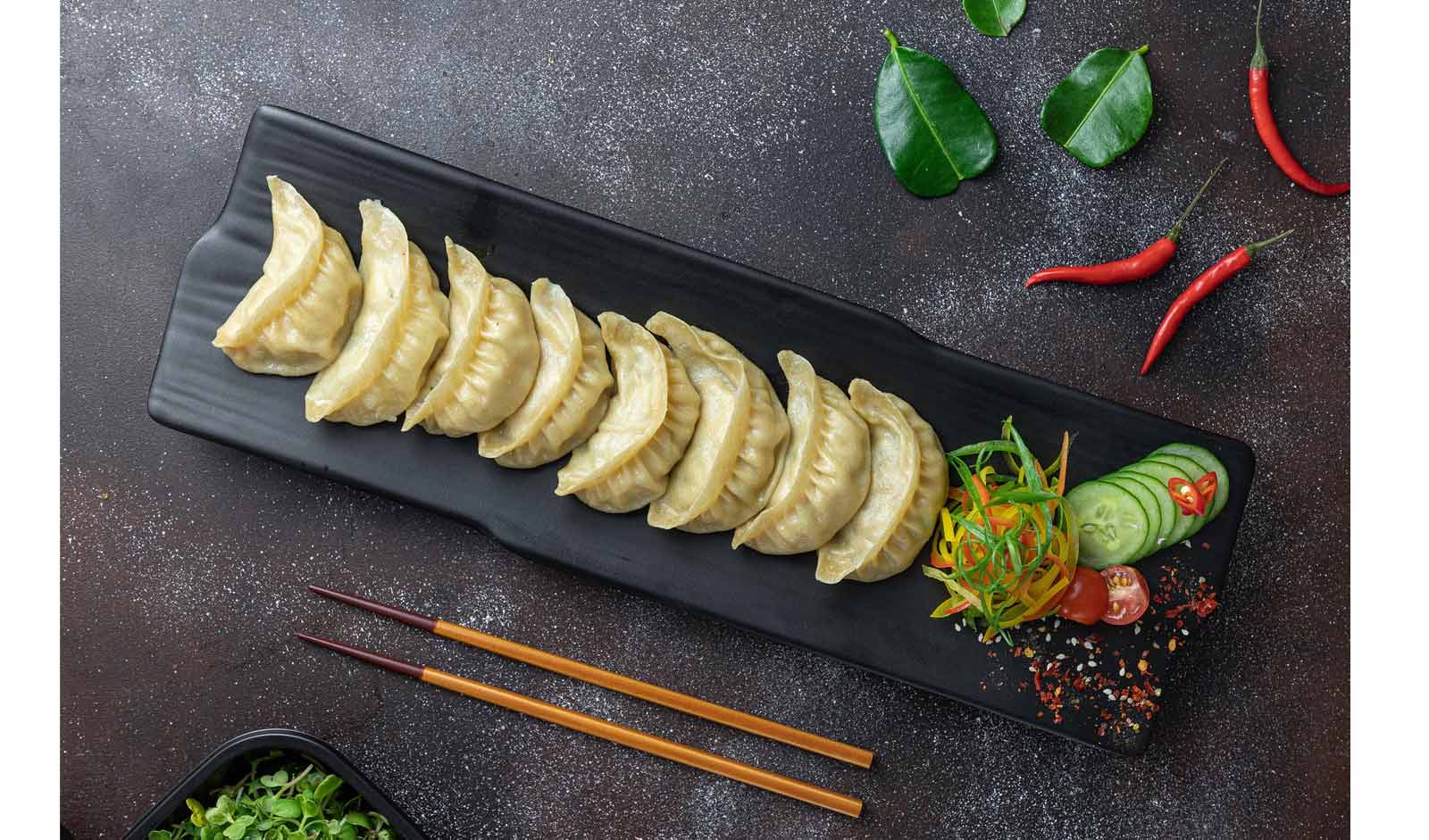 Indian cuisineRather than reinventing the cuisine entirely, many chefs focus on preserving authenticity while adapting presentation and sourcing to local markets.
-
Hotels and restaurantsWhether it’s a lavish thali rooted in tradition, a rooftop sundowner with cocktails, or a relaxed café reset after the festivities, hotels and…
 FestivalsHoli carries high energy and long hours under the sun. Colour fills the air. Music stays loud. Food remains rich and spicy. In such settings, the…
 Food MenuSeasonal produce mentions. Light cooking techniques. Fruit-forward desserts. These details show a restaurant understands the season. Summer food…
Copyright © 2009 - 2026 Restaurant India.