





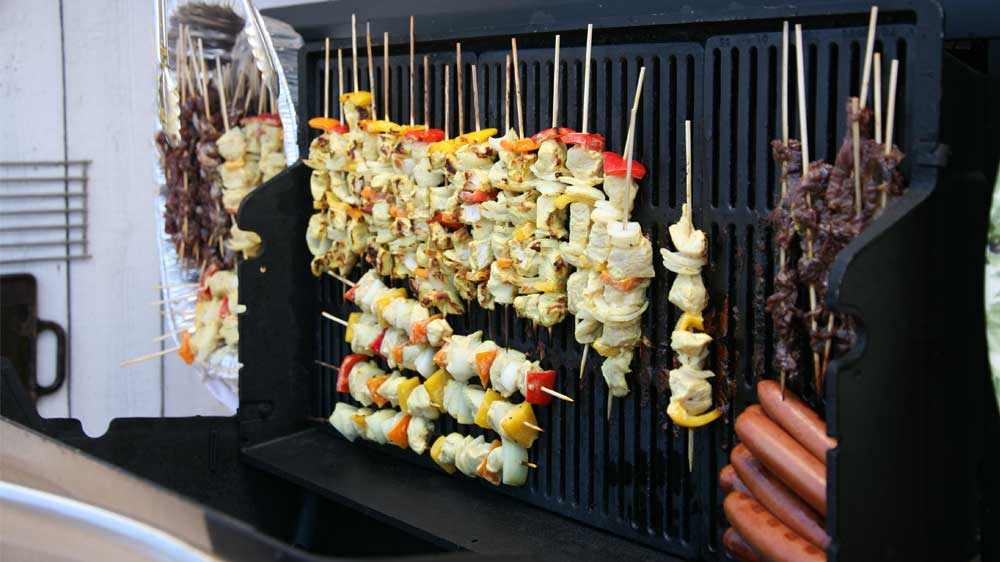
With more technology entering the kitchen, the style of cooking is taking its own curvaceous turn by not just celebrating the purity of their ingredients but also blending the conventional method and modern-age technology to prepare the best menu for their clienteles.
Chef Hemant Oberoi, Corporate Chef and Grand Executive Chef, the Taj Mahal Palace, Mumbai, says, “Modern approach to cooking is an essential part of my kitchen but I don’t forget my roots. We use modern techniques in order to sustain with the ever-growing needs but conventional way is an integral part too”. He further adds, ”People may be looking for more sophisticated food, but the essence of it will still remain the way it is cooked. And that’s where we blend new and conventional technologies in the kitchen.”
According to Chef Gautam Chaudhary, Executive Chef, The Pink Poppadum, Hyatt Bangalore, ancient styles, such as wood-fired grilling, charcoal fired tandoor, still find a very important place in the kitchen of the top chefs. Even though there may be new techniques coming in every minute, exploring the ancient is always on his menu. A person who believes in progressive style of cooking, Chef Gautam adds, “Classical, traditional and grandmother recipes is what one finds at The Pink Poppadum and we are proud to be the best in the industry for our innovative menu styles by many big names. All this was possible only because of the amalgamation of age-old techniques and cutting-edge technology.”
With his culinary wisdom, Chef Ranjeet Kumar, Executive Chef, Hotel Pride Nagpur, says, “Modern approach is important in order to not get wiped out, but a blend with ancient way would just add more spice to my already spicy food. For this, we use every ounce of our creativity in the kitchen in whatever manner and methods possible.”
Chef Rishi Kapoor, Executive Chef, Hotel Marine Plaza Mumbai, says, “The beginning is the most important part of any work and that is why we pay umpteen attentions to the style of cooking. And yes, I personally love ancient methods of cooking though I keep on modifying it with (a) new style of presentation.” He further adds, “Preventing customers from feeling bored with the same arrangements is the road to creativity…. It’s like exploring the past and the ancient to create something new and exciting.”
Ancient approach to cooking may be a little gruesome but that doesn’t deter the chefs from creating the perfect menu for food enthusiasts.
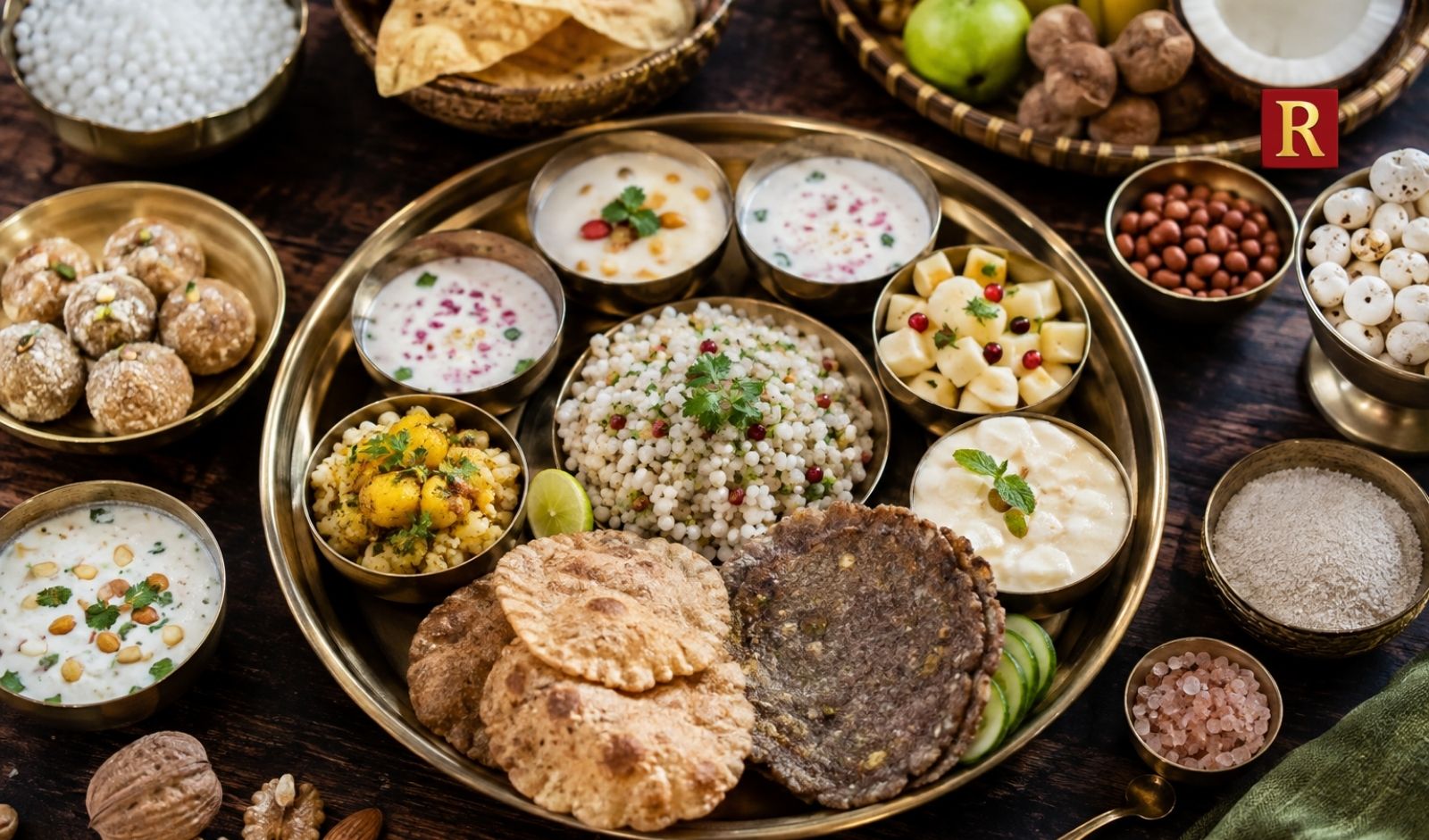
Fasting food is becoming a distinct seasonal opportunity for restaurants in India. During Navratri, Sawan, Maha Shivratri, and other fasting periods, customers actively seek meals that align with their dietary practices. For restaurants, this creates a clear business opportunity. A limited-period fasting menu can bring new customers, increase order value, and create demand for a short, predictable period. The opportunity, however, is not simply about adding sabudana khichdi to the menu. Restaurants are creating complete vrat thalis, meal boxes, desserts, and contemporary dishes using ingredients such as kuttu, samak, singhara, sabudana, and makhana.
Fasting Is Becoming a Restaurant Occasion
India has several fasting traditions, and the food rules can vary between communities and households. Commonly used fasting ingredients include fruits, dairy, sabudana, buckwheat, barnyard millet and water chestnut flour. Sendha namak is also commonly used in many vrat preparations.
This creates a different kind of restaurant demand. A customer observing a fast may not want to search through an entire menu to identify suitable dishes. They want clarity. They want convenience. They also want food that still feels like a proper meal. That is where a dedicated seasonal menu becomes useful. Instead of selling one fasting dish, restaurants can create a complete dining occasion around the festival.
The Vrat Thali Is a Strong Business Format
The thali gives restaurants a simple way to bundle several dishes into one purchase. A fasting thali can include a main dish, vrat bread, vegetable preparation, raita, dessert and a beverage. It can also be offered in different sizes. Current delivery listings in Delhi show how varied this category has become. Swiggy's vrat-thali listings include products such as Navratri Mini Thali at Rs 249, Navratri Vrat Aahar Thali at Rs 279, Navratri Vrat Thali at Rs 399, Mahashivratri Thali at Rs 499 and Navratri Deluxe Thali at Rs 599. These are individual market listings, not an industry-wide price average. But they show an important point: fasting food can be positioned across multiple price levels.
Restaurants can therefore create:
- Value meals for price-conscious customers
- Standard thalis as the main product
- Premium thalis for dine-in and hotel customers
- Family packs for group orders
- Single-serve boxes for office and delivery customers
The Ingredient Basket Changes
A seasonal fasting menu also changes how a kitchen plans procurement. Regular menus may depend heavily on wheat, rice and pulses. A vrat menu shifts demand towards ingredients such as buckwheat flour, water chestnut flour, barnyard millet, tapioca pearls, fox nuts, potatoes, sweet potatoes, dairy and nuts. This means procurement has to be planned carefully. Restaurants need to estimate how much of each ingredient they can sell during the festival. Overstocking can create waste after the season ends. Under-ordering can lead to shortages during peak demand.
The best approach is to begin with a focused menu rather than dozens of fasting dishes. A restaurant could use samak in two or three preparations, for example. Makhana can appear in a snack, curry or dessert. This improves ingredient utilisation and reduces the number of separate products the kitchen needs to manage.
The Real Opportunity Is Menu Engineering
Fasting food does not have to remain limited to traditional home-style preparations. Restaurants are already experimenting with contemporary presentations. Recent Navratri coverage from Delhi-NCR has highlighted dishes that use familiar fasting ingredients in newer formats, alongside traditional vrat preparations.
This creates room for premiumisation. Makhana can become a plated appetiser. Sweet potato can be turned into a more refined chaat. Samak can move beyond basic khichdi. Rajgira can be used in desserts. The important part is to retain the identity of the ingredient. The customer should still understand what they are eating. The strongest approach is often traditional ingredients with modern technique, rather than changing the dish so much that its connection with fasting becomes unclear.
Convenience Is Part of the Product
For many customers, the biggest value of a restaurant fasting menu is not novelty. It is convenience. A working professional may not have time to prepare a separate vrat meal. A family may need food for several people. Someone living away from home may want a familiar festive meal without cooking. This creates a strong delivery opportunity.
Restaurants can introduce:
- Individual vrat meal boxes
- Couple combos
- Family thalis
- Office fasting lunches
- Festival dessert boxes
- Pre-booked multi-day meal plans
A nine-day Navratri meal plan, for example, could allow customers to order meals in advance. For the restaurant, advance orders can also make demand forecasting easier.
Pricing Needs More Than a Food-Cost Calculation
A fasting menu should not be priced simply by comparing the cost of kuttu flour with wheat flour. The restaurant needs to consider the full cost structure.
This includes: Ingredient cost + labour + packaging + wastage + platform charges + marketing + overheads + target margin
Suppose a restaurant sells a Rs 499 fasting thali.
If it sells 100 thalis a day for nine days, gross sales would be: 100 × Rs 499 × 9 = Rs 4,49,100
This is only an illustration. It is not a profit figure. Actual earnings would depend on food cost, staff expenses, discounts, delivery commissions, packaging and wastage. Still, the calculation shows why a short seasonal window can become commercially meaningful when the menu has strong demand.
Authenticity Can Decide Whether Customers Return
There is an important difference between a dish being marketed as “fasting-friendly” and actually explaining what goes into it. Fasting practices are not identical everywhere. One customer may follow a stricter set of rules than another.
Restaurants should therefore clearly state:
- Flour used
- Salt used
- Whether onion and garlic are included
- Dairy ingredients
- Cooking method
- Major allergens
- Any ingredients that may vary by preparation
This transparency is especially important for delivery orders, where customers cannot ask a server before placing an order. Restaurants should also avoid treating “vrat”, “sattvik” and “healthy” as interchangeable terms. They can overlap, but they do not mean exactly the same thing in every food tradition.
The Kitchen Has to Change Too
A seasonal menu can create operational problems if it is launched without proper planning. Staff need to know which dishes belong to the fasting menu. Ingredients need to be stored correctly. Preparation areas and utensils need to be managed according to the restaurant's food-safety procedures. FSSAI requires food businesses to follow food-safety and hygiene systems, including documented food safety management practices and Good Hygiene Practices.
FSSAI's Hygiene Rating Scheme also covers food-service establishments such as restaurants, cafés and dhabas. The scheme is designed to encourage better hygiene standards and help consumers make informed choices. This matters for seasonal menus because a special religious or festive menu should not mean relaxed kitchen standards.
Digital Discovery Can Drive Seasonal Sales
The menu also needs to be easy to find.
Restaurants can create dedicated listings around terms such as:
- Vrat thali
- Navratri thali
- Fasting food
- Sawan food
- Mahashivratri thali
- Sattvik food
- Vrat food delivery
The presence of dedicated vrat-thali categories and multiple fasting products on delivery platforms shows that customers can now discover these meals as a separate food occasion. Restaurants can support this with clear menus on Google, delivery platforms, websites, Instagram and WhatsApp ordering channels.
A Larger Strategy
The biggest lesson from fasting menus goes beyond Navratri or Sawan. Restaurants can use the same model for other predictable food occasions.
The basic formula is simple: Known occasion + specific customer need + limited period + focused menu + clear pricing
Fasting menus work because they combine all five. For restaurant operators, the goal should not be to launch the largest possible menu. It should be to create a focused menu that customers understand, kitchens can execute and the business can measure. That means tracking sales, average order value, best-selling dishes, food cost, wastage, delivery performance and repeat orders. Sawan 2026, which runs from July 30 to August 28, is another example of how a defined seasonal period can create repeated fasting occasions, particularly around Somwar observances. The business opportunity, therefore, lies in treating fasting food as more than a temporary menu addition. It is a case study in occasion-led menu engineering: understanding when customers have a specific need, designing a product around that need, and making it easy to order. For restaurants, that can turn a short festival window into a carefully planned seasonal revenue stream without losing the cultural identity that makes the food relevant in the first place.
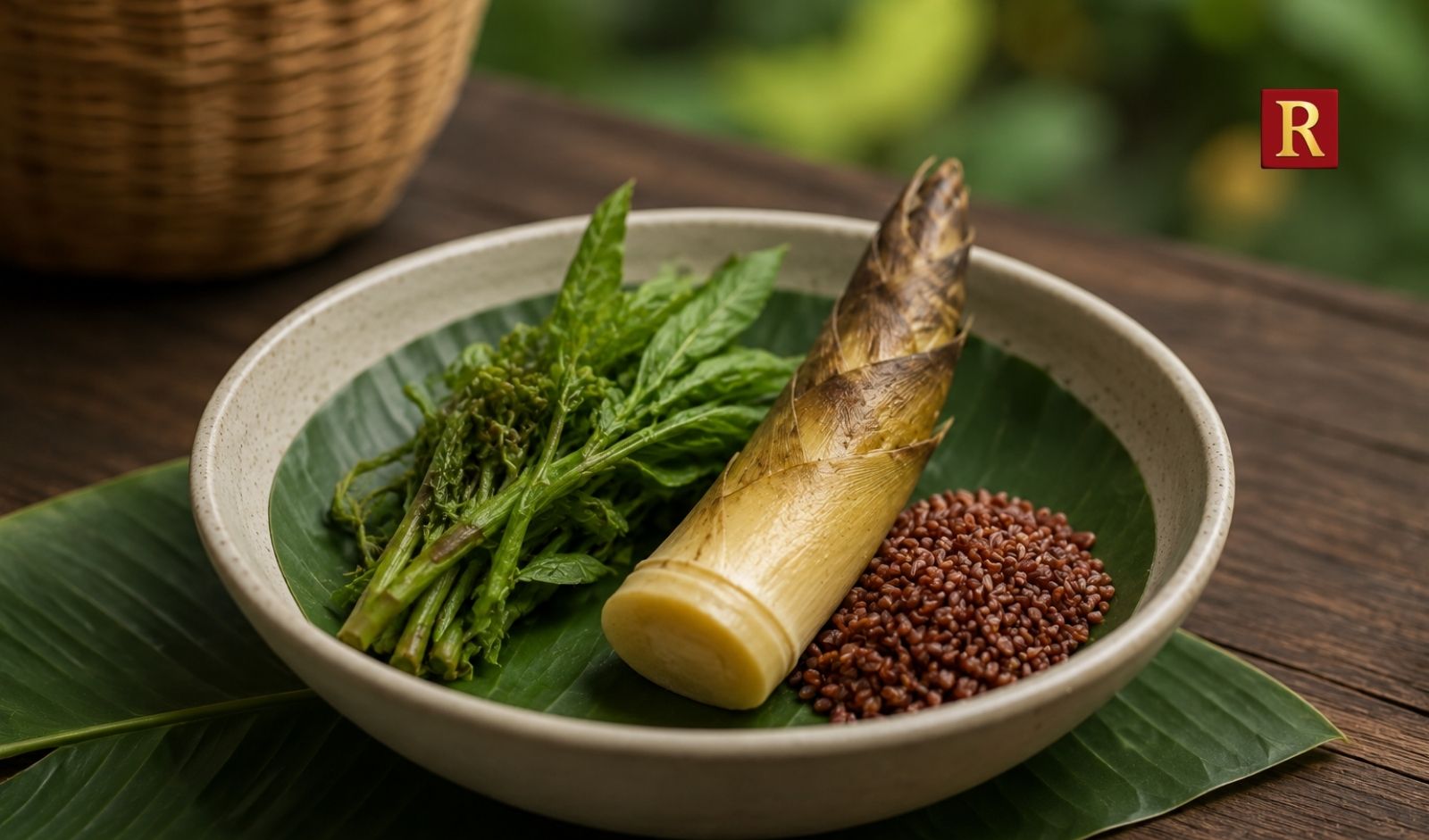
India's restaurant industry is looking closer to home for inspiration. Instead of relying only on imported ingredients or familiar regional staples, many chefs are exploring the country's tribal food traditions. Ingredients once used mainly by indigenous communities are now appearing in tasting menus, seasonal specials, desserts, cocktails, and fine dining dishes.
This change is driven by more than curiosity. Restaurants want ingredients with a strong local identity, consumers are interested in authentic food stories, and chefs are searching for flavours that reflect India's rich biodiversity. Tribal ingredients offer all three while also supporting sustainable sourcing and preserving traditional knowledge.
Why Tribal Ingredients Are Gaining Attention
India is home to more than 700 Scheduled Tribes, according to the Ministry of Tribal Affairs. These communities have developed food systems over centuries by using local grains, forest produce, wild herbs, edible flowers, and natural preservation methods suited to their environment. For years, many of these ingredients remained outside mainstream restaurants. Today, they are attracting attention because diners are increasingly interested in regional flavours, seasonal menus, and foods with a clear origin. The National Restaurant Association of India (NRAI) has also highlighted growing consumer demand for authentic dining experiences rather than standardised menus. This has encouraged chefs to rediscover India's indigenous food heritage and present it in new ways.
From Forest to Fine Dining
Modern Indian restaurants are not simply copying tribal recipes. Instead, they are adapting traditional ingredients into contemporary dishes while respecting their origins. A seasonal tasting menu may feature smoked bamboo shoots with grilled fish. A dessert could include naturally sweet mahua flowers. Heritage millets may replace imported grains in risottos, salads, or artisan breads. These changes allow chefs to introduce unfamiliar ingredients in ways that today's diners can easily enjoy. The focus is on preserving the ingredient's identity while presenting it through modern cooking techniques.
Tribal Ingredients Finding a Place on Restaurant Menus
1. Mahua Flowers
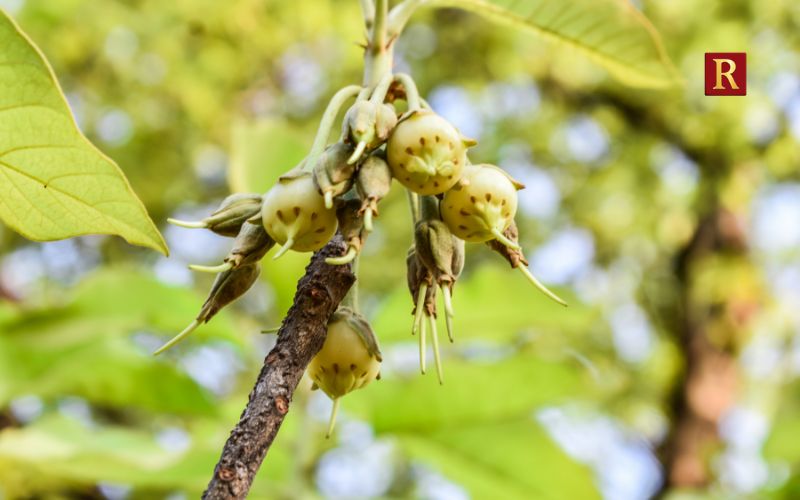
Mahua flowers have long been used by tribal communities across Madhya Pradesh, Chhattisgarh, Jharkhand, and Odisha. Naturally rich in sugars, they are traditionally dried and used in beverages and local recipes. Today, chefs use mahua to prepare syrups, ice creams, panna cotta, desserts, cocktails, and fermented drinks. Its floral sweetness offers an alternative to refined sugar while adding a unique regional character.
2. Bamboo Shoots

Fresh, smoked, and fermented bamboo shoots are widely used in the cuisines of Nagaland, Mizoram, Meghalaya, Arunachal Pradesh, and Assam. Their slightly tangy flavour works well in soups, dumplings, stir-fries, rice bowls, and curries. Bamboo is also one of the world's fastest-growing plants, making it an environmentally sustainable crop when harvested responsibly.
3. Indigenous Millets
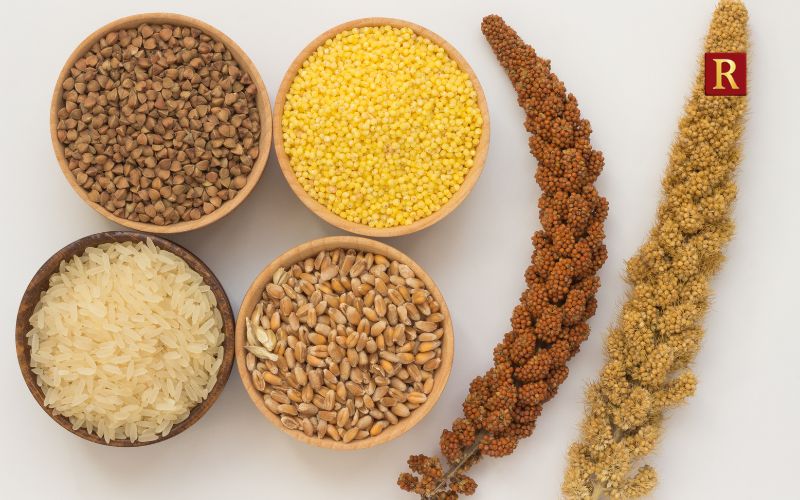
India celebrated the International Year of Millets in 2023, bringing renewed attention to traditional grains such as:
- Kodo millet
- Little millet
- Barnyard millet
- Foxtail millet
These grains have been cultivated by tribal communities for generations. Compared with many conventional crops, several millet varieties require less water and can grow in difficult climatic conditions. Restaurants are now using them in khichdi, pilaf, breakfast bowls, breads, salads, and desserts. Their nutty flavour and nutritional profile also appeal to health-conscious customers.
4. Wild Mushrooms
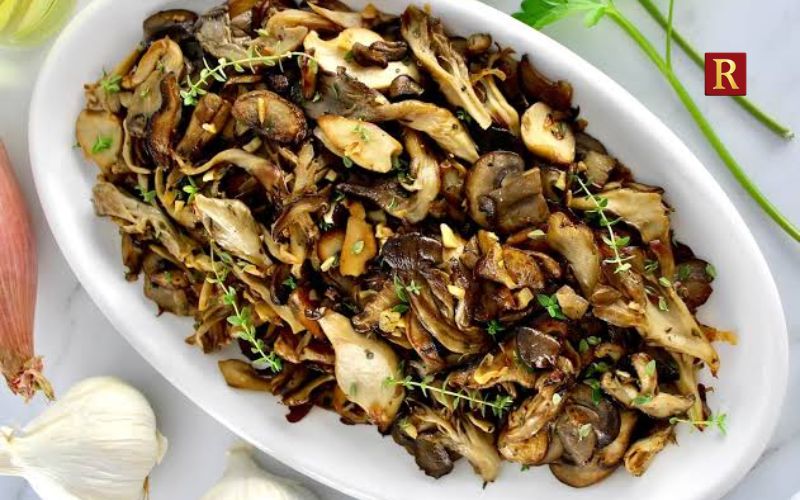
During the monsoon season, tribal communities in Jharkhand, Chhattisgarh, and Odisha collect a variety of edible wild mushrooms. Chefs are incorporating seasonal mushrooms into soups, smoked appetisers, pasta fillings, and rich Indian gravies. Since availability depends on weather conditions, these dishes often become limited-time menu offerings.
5. Forest Honey

Unlike commercially blended honey, forest honey reflects the flowers available in a specific region and season. Restaurants use it to glaze roasted vegetables, prepare desserts, balance salad dressings, and create signature beverages. Its changing flavour profile also allows chefs to refresh menus throughout the year.
6. Heritage Rice Varieties
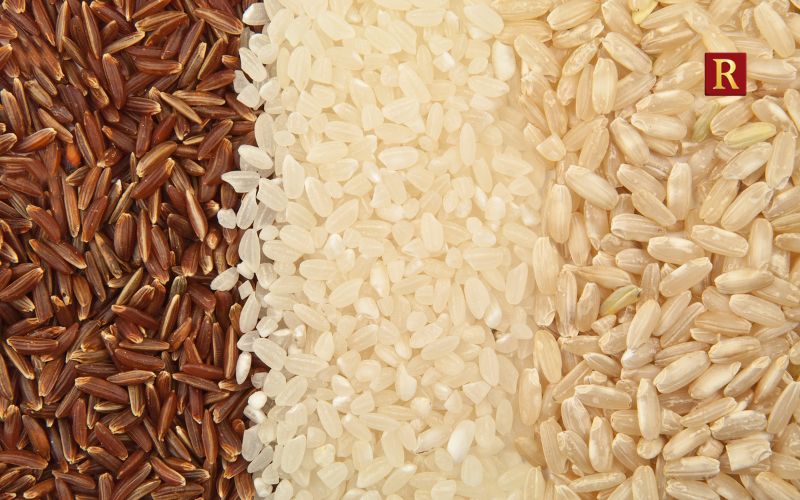
India grows thousands of traditional rice varieties, many of which remain closely linked to indigenous farming communities.
Restaurants are increasingly using varieties such as:
- Black rice from Manipur
- Joha rice from Assam
- Red rice from Kerala
- Gobindobhog rice from West Bengal
Each variety offers a different aroma, texture, and cooking quality, helping restaurants create distinctive regional dishes.
Traditional Cooking Techniques Are Also Returning
The influence of tribal cuisine goes beyond ingredients. Many restaurants are also learning from traditional cooking methods that have been used for generations.
Some of these include:
- Open-fire roasting
- Bamboo tube cooking
- Leaf wrapping
- Natural fermentation
- Stone grinding
- Smoking over wood
- Sun drying
These techniques often enhance flavour without relying heavily on processed ingredients or artificial seasonings. They also create textures and aromas that modern kitchens sometimes struggle to achieve using standard equipment.
Why Diners Appreciate These Ingredients
Consumer preferences have changed significantly over the last few years. Many people now want to know where their food comes from, how it was grown, and who produced it. Tribal ingredients meet several of these expectations.
They introduce flavours that are difficult to find elsewhere while offering genuine regional stories. Many are naturally seasonal, encouraging restaurants to update menus throughout the year instead of serving the same dishes continuously. There is also growing interest in foods that support dietary diversity. Indigenous grains, forest greens, and traditional fermented ingredients often contain fibre, vitamins, minerals, and beneficial plant compounds, making them attractive additions to balanced meals.
Business Advantages for Restaurants
Using tribal ingredients is not only a culinary decision but also a business strategy.
Restaurants can:
- Differentiate their menus from competitors.
- Build stronger regional identities.
- Create limited-time seasonal experiences.
- Reduce dependence on imported specialty ingredients.
- Strengthen relationships with local farmers and producer groups.
Unique ingredients also encourage conversation. Diners are more likely to remember a meal that introduces them to an unfamiliar ingredient with a meaningful story behind it.
Challenges That Need Careful Attention
Despite growing interest, using tribal ingredients responsibly requires planning.
Supply chains are often small and seasonal. Some ingredients may not be available throughout the year, making menu planning more complex.
Restaurants must also ensure ethical sourcing. Tribal communities should receive fair compensation, and their traditional knowledge should be acknowledged rather than treated simply as a marketing opportunity.
Food safety standards, ingredient consistency, and proper documentation are equally important when introducing wild or lesser-known foods into commercial kitchens.
Long-term partnerships with tribal cooperatives and local producers can help create reliable supply chains while supporting rural livelihoods.
Tribal Ingredients in India
The growing popularity of hyperlocal dining suggests that tribal ingredients will continue to influence restaurant menus in the coming years. Chefs are expected to experiment further with indigenous grains, forest fruits, wild herbs, fermented foods, and traditional beverages. More collaborations with tribal farmers, producer organisations, and culinary researchers are also likely to improve ingredient availability and documentation. As climate concerns reshape agriculture, resilient native crops such as millets and other indigenous grains may play an even larger role in restaurant kitchens. Their ability to grow under challenging conditions makes them increasingly relevant for sustainable food systems.
Looking Ahead!
Tribal ingredients are giving modern Indian cuisine a deeper connection to the country's diverse landscapes and food traditions. Mahua flowers, bamboo shoots, heritage rice, forest honey, wild mushrooms, and indigenous millets are helping chefs create menus that are rooted in local culture while meeting contemporary dining expectations. This movement is about more than introducing new flavours. It reflects a broader appreciation for India's indigenous knowledge, biodiversity, and regional identities. When restaurants source these ingredients responsibly and tell their stories accurately, they not only create memorable dining experiences but also help preserve culinary traditions that have been passed down through generations.
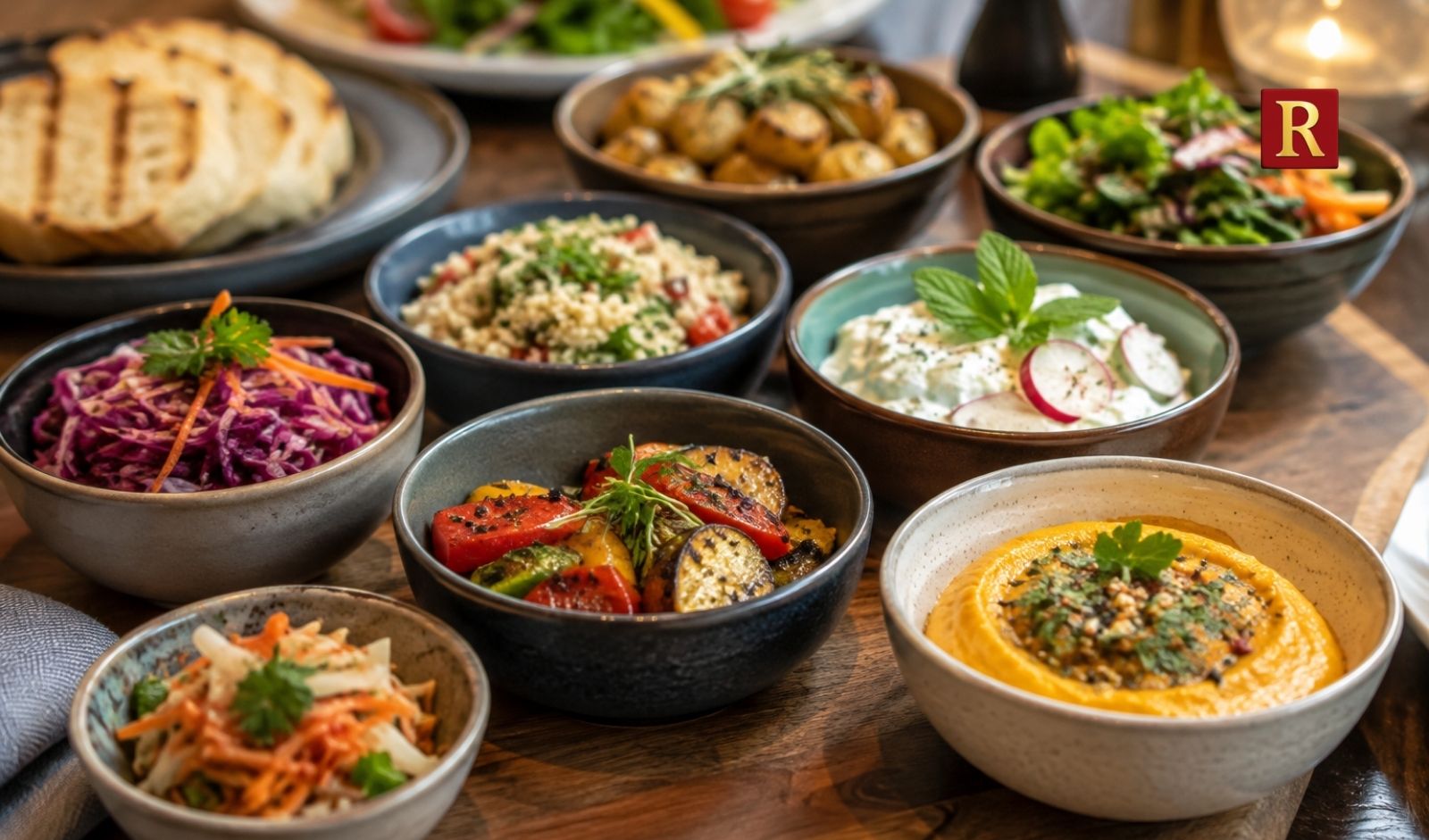
When people talk about a memorable meal, they usually remember the main dish. It could be butter chicken, grilled fish, biryani, or pasta. But what often goes unnoticed are the small dishes served alongside. A spoonful of raita, a bowl of kimchi, roasted vegetables, or a fresh salad may seem secondary, yet they often shape the overall dining experience.
Across cultures, restaurant side dishes have never been just fillers. They bring balance, add texture, refresh the palate, and even tell stories about local food traditions. Today, restaurants are also giving more attention to side dishes because they improve the guest experience while creating new opportunities for menu innovation.
Side Dishes Have Always Been Part of Great Cooking
Long before restaurants created elaborate tasting menus, people built meals around balance rather than a single hero dish. Traditional cuisines across the world paired rich foods with lighter accompaniments, spicy meals with cooling sides, and soft dishes with something crunchy.
These combinations were not accidental. They were developed over generations to make meals more enjoyable and complete. Think about an Indian thali. Along with dal, vegetables, or curry, there is usually pickle, papad, chutney, curd, salad, or a sweet. Each item serves a purpose. Some add freshness, others bring acidity, while a few help balance spices.
The same idea exists in many global cuisines. A Japanese meal often includes pickled vegetables and soup, while Korean meals feature several small side dishes known as banchan. Mediterranean meals commonly pair grilled meat with hummus, olives, or fresh vegetables. The main dish may take the spotlight, but side dishes complete the story.
Why Side Dishes Make Food Taste Better
Food scientists often explain that people enjoy meals with different flavours and textures because they keep the palate interested. Eating the same flavour repeatedly can reduce excitement during a meal.
Restaurant Side dishes help create contrast in several ways.
- A creamy mashed potato balances crispy fried chicken.
- A fresh cucumber salad cuts through the richness of kebabs.
- Cool raita softens the heat of spicy biryani.
- Tangy pickles brighten simple rice and dal.
- Crunchy vegetables add another layer to soft curries.
These combinations prevent flavour fatigue and make every bite feel slightly different. Texture also matters. Research in sensory science shows that people often associate meals with multiple textures—crispy, creamy, crunchy, and soft—with higher eating satisfaction than meals that feel uniform.
India Has Mastered the Art of Side Dishes
Indian cuisine has one of the richest traditions of accompaniments in the world. Almost every region has its own signature side dishes that reflect local ingredients and climate.
- In North India, mint chutney, onion salad, pickle, and boondi raita are common partners to kebabs, parathas, and curries.
- Southern states are known for coconut chutney, sambar, rasam, poriyal, and different podis served with rice or dosa.
- Western India brings bold flavours through thecha, peanut chutney, and sol kadhi, a kokum and coconut milk drink that is often served after seafood meals.
- Eastern India offers kasundi mustard sauce, tomato chutney, aloo bhaja, and lightly fried vegetables that balance rich fish curries.
Many of these side dishes were created for practical reasons. Yogurt-based accompaniments cool spicy foods. Pickles helped preserve seasonal produce before refrigeration became common. Fermented foods added flavour while extending shelf life. Even today, these traditional practices remain an important part of Indian dining.
Every Culture Has Its Own Signature Side Dishes
Around the world, side dishes reflect local history, farming, and food habits. In South Korea, a meal may include anywhere from 4 to 12 varieties of banchan, depending on the occasion. These can include kimchi, seasoned vegetables, marinated tofu, or stir-fried anchovies. They encourage sharing and create variety on the table.
Japanese meals often follow the principle of one soup and three side dishes. Pickled vegetables, called tsukemono, refresh the palate between bites. Mediterranean cuisine features olives, roasted peppers, hummus, tabbouleh, and grilled vegetables alongside seafood and meats. Mexican meals frequently include rice, beans, guacamole, fresh salsa, and grilled corn, adding colour and nutrition. These traditions show that side dishes are not decorative extras. They are deeply connected to culture and everyday eating habits.
Restaurants Are Reinventing Side Dishes
Modern restaurants no longer treat side dishes as simple add-ons. Many chefs now create side dishes with the same attention they give to main courses. Roasted seasonal vegetables, smoked sweet potatoes, fermented slaws, truffle mashed potatoes, whipped feta, grilled asparagus, and herb-infused rice have become menu highlights in many premium restaurants.
This shift is also supported by restaurant economics. According to the National Restaurant Association in the United States, consumers increasingly value meals that offer freshness, seasonal ingredients, and vegetable-forward options. Side dishes allow restaurants to introduce these elements without changing their core menu. Restaurants also use side dishes as part of menu engineering, a strategy that improves customer satisfaction while increasing average order value. Instead of simply offering fries with every meal, many restaurants now provide premium options such as parmesan potatoes, grilled vegetables, or quinoa salads at a slightly higher price. Customers enjoy more choice, while restaurants improve profitability.
Small Plates, Big Business
From a business perspective, side dishes deliver several advantages.
- They increase the average bill without significantly increasing kitchen complexity.
- They help chefs use seasonal vegetables more efficiently.
- They reduce dependence on expensive proteins.
- They improve plate presentation, making dishes more attractive for diners and social media photography.
- They also encourage repeat visits by offering variety without requiring an entirely new menu.
Many restaurants regularly rotate seasonal side dishes based on local produce, giving customers fresh reasons to return throughout the year.
Side Dishes Can Make Meals More Nutritious
A balanced meal is about more than protein. Adding vegetable-based side dishes increases fibre, vitamins, and minerals while creating a more colourful plate.
Examples include:
- Roasted broccoli
- Sautéed spinach
- Mixed bean salads
- Lentil preparations
- Fermented vegetables
- Yogurt-based dishes
- Fresh cucumber and tomato salads
Nutrition experts often encourage eating a variety of plant-based foods because different vegetables provide different nutrients. Side dishes make it easier to include this diversity in everyday meals. For families, they are also a practical way to introduce more vegetables without changing favourite main dishes.
The Future
As diners become more interested in regional ingredients, sustainability, and balanced eating, side dishes are gaining new importance. Restaurants are experimenting with heirloom grains, local vegetables, fermented ingredients, house-made pickles, and traditional recipes that were once overlooked. Many chefs now see side dishes as an opportunity to showcase creativity while reducing food waste by making better use of seasonal produce. This approach also reflects changing customer preferences. Diners today want meals that feel complete, thoughtfully prepared, and rooted in authentic flavours rather than oversized portions alone.
A great meal is rarely defined by its main course alone. The crisp pickle beside dal, the cooling raita with biryani, the roasted vegetables next to grilled chicken, or the bowl of kimchi served with Korean barbecue all contribute to the experience. These small additions bring balance, texture, freshness, and variety that a single dish cannot provide on its own. The forgotten art of side dishes is finding its place again—not as an afterthought, but as an essential part of modern dining. Whether enjoyed at home or in a restaurant, these carefully chosen accompaniments prove that sometimes the smallest items on the plate leave the biggest impression.
Every year, a new food trend takes over social media. One month it is Korean corn dogs. The next month it is giant croissants, butter boards, protein bowls, or viral desserts. These trends often attract millions of views online and create excitement among consumers. Yet many restaurants choose not to follow them.
Instead of redesigning their menus around every new craze, they continue serving the dishes they are known for. Some have done so for decades. Surprisingly, many of these businesses continue to grow, attract loyal customers, and remain profitable. The reason is simple. Running a successful restaurant requires much more than creating social media buzz. It requires consistency, operational efficiency, customer trust, and financial discipline.
The Difference
A dish can become popular online very quickly. Videos featuring unusual foods often receive millions of views within days. However, online engagement does not always translate into long-term restaurant sales. Restaurant operators regularly face this challenge. A trending food item may attract attention for a few weeks, but demand can disappear just as quickly.
Introducing a new menu item is rarely as simple as adding a recipe. Restaurants may need to:
- Source new ingredients
- Train kitchen staff
- Update menus
- Adjust inventory
- Change food preparation processes
If customer interest fades after a short period, those investments may not deliver meaningful returns. This is why many operators carefully evaluate trends before making any major changes to their menus.
Consistency Is Often More Valuable Than Novelty
Most diners visit a restaurant because they know what to expect. A customer returning to their favorite biryani restaurant expects the same aroma, taste, and portion size every time. The same applies to pizza restaurants, cafes, bakeries, and regional cuisine brands. According to industry studies, repeat customers are among the most valuable assets for any restaurant business. Acquiring a new customer often costs significantly more than retaining an existing one.
Consistency plays a major role in customer retention. When restaurants frequently change recipes, ingredients, or menus to follow trends, they risk disappointing regular customers who prefer familiar dishes. This is one reason why many established restaurants focus on improving their signature offerings rather than constantly chasing new ideas.
Food Trends Can Increase Operational Complexity
Many consumers only see the final dish. Restaurant operators see the entire process behind it. A new menu item can affect multiple parts of the business.
For example, introducing a viral dessert may require:
- Additional refrigeration space
- New ingredients
- Separate preparation stations
- Staff training
- New packaging materials
Each change increases complexity. Restaurant managers often track performance using operational metrics such as:
Metric | Why It Matters |
Food Cost Percentage | Measures ingredient costs |
Inventory Turnover | Tracks stock movement |
Kitchen Throughput | Measures service efficiency |
Food Waste Percentage | Indicates operational losses |
Contribution Margin | Measures profitability |
Order Preparation Time | Impacts customer satisfaction |
If a trend negatively affects these metrics, many operators choose not to adopt it. A dish that looks attractive on social media may not be practical during a busy dinner rush.
Strong Restaurant Brands Know Their Identity
Successful restaurants usually have a clear identity. Customers know exactly what they offer and why they visit.
Consider some examples:
- A restaurant known for traditional Awadhi biryani
- A South Indian eatery specializing in dosas
- A bakery famous for its sourdough bread
- A kebab restaurant serving family recipes
Their reputation is built on specialization. Adding unrelated trending items can sometimes dilute that identity. Many restaurant owners believe that customers appreciate clarity. When a restaurant becomes known for doing a few things exceptionally well, it often builds stronger loyalty than a business constantly changing direction. This approach is especially common among heritage restaurants that have served the same core dishes for generations.
The Financial Risk of Chasing Every Trend
Following trends can be expensive. A new menu item often requires investments beyond ingredients alone.
Restaurants may need to spend money on:
- Product development
- Staff training
- Marketing campaigns
- Equipment upgrades
- Packaging redesigns
- Supplier onboarding
At the same time, there is no guarantee that customers will order the product repeatedly. For example, a dessert may generate strong sales during its launch month but experience a sharp decline shortly afterward. If the item has high ingredient costs and low repeat demand, profitability can suffer. This is particularly important in an industry where profit margins are already relatively thin. Industry estimates often place restaurant net profit margins between 3% and 10%, depending on the format and market. A single unsuccessful trend-driven launch can have a noticeable impact on profitability.
Familiar Foods Continue to Win
Food trends receive significant media attention, but everyday consumer behavior often tells a different story. Across India, some of the most ordered foods remain remarkably consistent.
Popular dishes include:
- Biryani
- Butter chicken
- Paneer dishes
- Dosa
- Pizza
- Burgers
- Chaat
- Noodles
These foods have remained popular for years despite hundreds of trends appearing and disappearing. The reason is straightforward. People often seek comfort, familiarity, and reliability when choosing where to eat. A customer may try a trending item once. They are far more likely to repeatedly order dishes they already enjoy. For many restaurants, serving familiar favorites well remains a more dependable strategy than constantly introducing novelty.
Many Restaurants Test Trends Carefully
Choosing not to follow trends does not mean rejecting innovation altogether. Many successful restaurants experiment in controlled ways.
Instead of permanently changing their menus, they introduce:
- Seasonal specials
- Festival menus
- Limited-time offers
- Chef's recommendations
- Pilot menu items
This allows operators to collect real customer data before making larger decisions.
They often monitor indicators such as:
- Sales volume
- Repeat purchases
- Customer reviews
- Profit margins
- Food waste levels
- Social media engagement
If a product performs well across multiple metrics, it may eventually become a permanent menu item. This approach balances innovation with operational stability.
Authenticity Is Becoming More Important
Consumers today have access to more food content than ever before. Every day, social media platforms introduce new recipes, ingredients, and dining experiences. As a result, many diners are becoming increasingly selective about where they spend their money. Authenticity is emerging as an important differentiator. Restaurants that focus on genuine recipes, local ingredients, traditional techniques, and consistent quality often create stronger emotional connections with customers. Many family-owned restaurants continue to attract crowds because they offer something difficult to replicate: trust built over many years. Customers know exactly what they are getting. That trust can be far more valuable than temporary online attention.
Why Saying "No" Can Be a Smart Business Decision
The restaurant industry will continue to produce new food trends. Some will become long-term successes. Many will disappear within months. Successful operators understand that not every trend deserves a place on the menu. Before adopting any new idea, they evaluate whether it fits their brand, improves the customer experience, supports profitability, and can be executed consistently.
In many cases, the answer is no.
That decision is not a sign of resistance to change. It is often a reflection of strategic discipline. The restaurants that thrive over the long term are not always the ones creating the biggest online buzz. They are often the businesses that understand their customers, protect their identity, and focus on delivering quality every single day. Sometimes, refusing to follow a trend is exactly what keeps a restaurant successful.
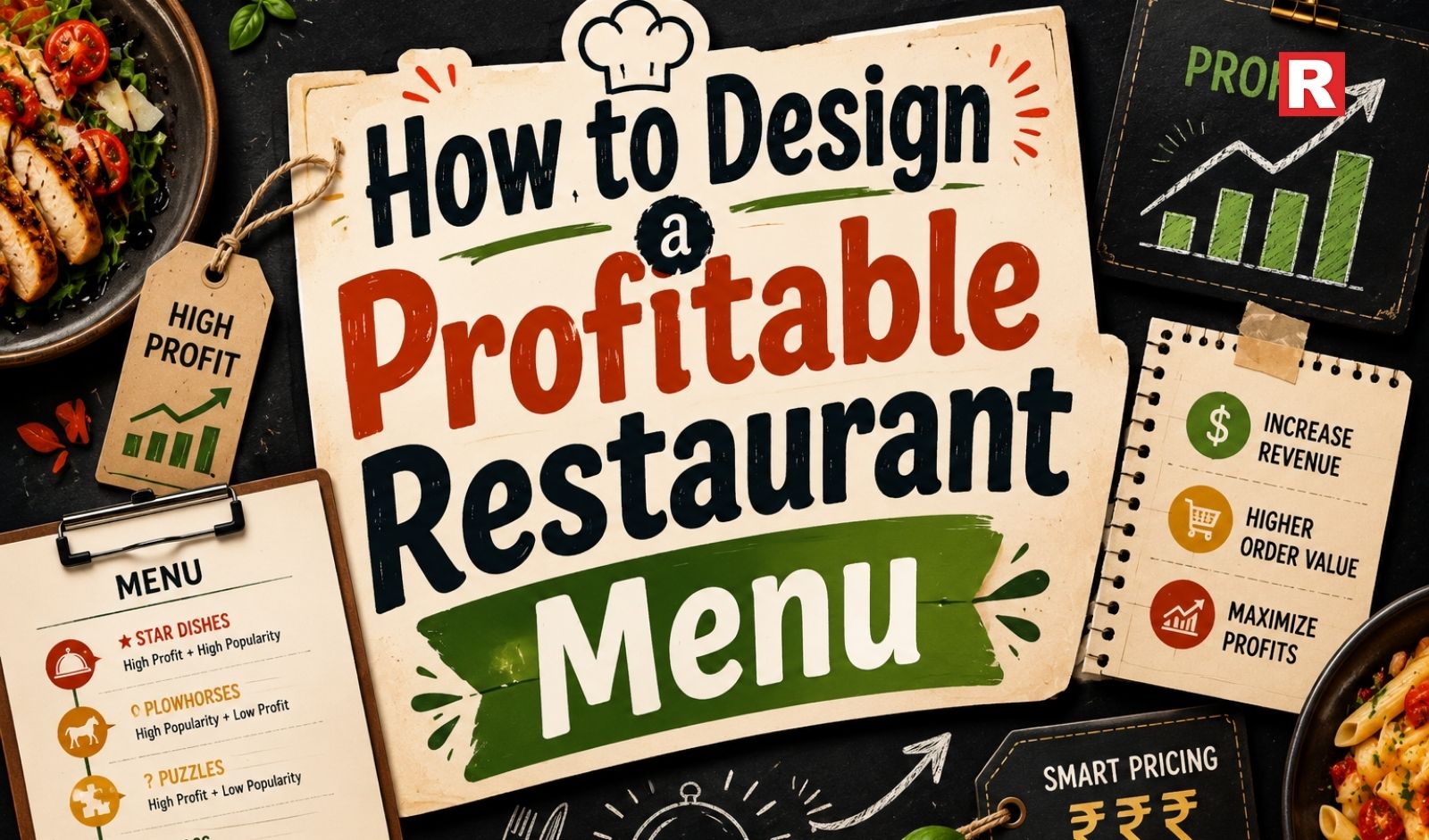
A restaurant menu is much more than a list of food and drinks. It is one of the most powerful tools for increasing sales, improving customer experience, and boosting profits. Every item placement, description, and price can influence what customers order and how much they spend.
Many restaurant owners focus heavily on food quality and service, which are undoubtedly important. However, even the best dishes can struggle to generate strong profits if they are not presented strategically on the menu. A well-designed menu helps guide customers toward high-margin items while making ordering simple and enjoyable. Whether you run a café, cloud kitchen, casual dining outlet, or fine dining restaurant, understanding menu design can make a significant difference to your bottom line.
Why Menu Design Matters for Restaurant Profitability
Customers typically spend just a few minutes reviewing a menu before placing an order, making menu design one of the most influential factors in restaurant profitability. A well-structured menu does more than showcase dishes—it guides customer choices and highlights items that deliver the best returns. Strategic placement of high-margin dishes, compelling descriptions, and thoughtful pricing can encourage guests to spend more while enhancing their dining experience. Effective menu design also helps restaurants reduce food waste by focusing on popular, profitable items and eliminating underperforming dishes. This improves inventory management, streamlines kitchen operations, and ensures greater consistency in food preparation. In addition, a carefully crafted menu strengthens brand identity by reflecting the restaurant's concept, quality standards, and unique offerings. Since a relatively small number of menu items often generate a large share of total profits, identifying and promoting these dishes is essential for maximizing revenue and long-term business growth.
Understanding Menu Engineering
Menu engineering is the process of analyzing menu items based on two important factors:
- Popularity
- Profitability
This method helps restaurant owners understand which dishes deserve more attention and which ones may need adjustments. Menu engineering divides dishes into four categories:
Stars: These are dishes that are both highly profitable and highly popular. Stars should receive maximum visibility on the menu. They should be placed in prominent positions and highlighted whenever possible.
Plowhorses: These items sell well but generate lower profits. Restaurant owners can improve margins by adjusting portion sizes, reviewing ingredient costs, or pairing these dishes with profitable add-ons.
Puzzles: These dishes are profitable but do not sell as often. Improving descriptions, repositioning them on the menu, or training staff to recommend them can increase sales.
Restaurants should carefully evaluate whether these dishes deserve a place on the menu.
Calculate Food Cost and Contribution Margin
Successful menu design begins with understanding the numbers behind each dish.
1. Food Cost Percentage
Food cost percentage measures how much of the selling price is spent on ingredients. Food Cost % = Ingredient Cost ÷ Selling Price × 100
Example
A Margherita Pizza costs ₹120 in ingredients and sells for ₹400.
- Food Cost % = ₹120 ÷ ₹400 × 100
- Food Cost % = 30%
Most restaurants aim for a food cost percentage between 25% and 35%, depending on their concept and operating expenses.
2. Contribution Margin
Contribution margin shows how much money remains after ingredient costs are deducted.
Using the same example:
- Selling Price = ₹400
- Food Cost = ₹120
- Contribution Margin = ₹280
This figure often provides a clearer picture of profitability because it reveals how much each dish contributes to covering operating expenses and generating profit.
3. Price Anchoring
Place a premium item next to your target item.
Example:
Wagyu Burger – ₹1,299
Signature Burger – ₹699
Customers perceive the ₹699 option as better value because of the comparison.
4. Remove Currency Symbols
- Instead of writing: ₹499
- Write: 499
This reduces the psychological pain of spending and keeps attention on the dish. When prices are listed in a neat column, customers tend to order based on price rather than preference.
Use Menu Psychology to Influence Customer Decisions
Some of the most profitable restaurants use menu psychology to guide customer choices naturally.
Strategic Placement: Place high-margin dishes in the menu's most-viewed sections, such as the top-right corner or center, to attract attention.
Use Attractive Descriptions: Detailed descriptions highlighting ingredients, cooking methods, and flavors create anticipation and make dishes appear more valuable to customers.
Avoid Excessive Price Focus: Avoid lining up prices in columns, as it encourages comparison shopping and shifts attention away from food quality.
Use Price Anchoring: Display a premium-priced item near target dishes to make moderately priced options appear more affordable and attractive.
Highlight Signature Dishes: Use boxes, icons, or chef recommendations to draw attention to unique dishes that represent your restaurant's strengths.
Limit Menu Clutter: A clean menu with fewer choices reduces decision fatigue and helps customers focus on profitable offerings.
Use Visual Hierarchy: Different font sizes, spacing, and section organization guide customers naturally toward featured and high-margin menu items.
Group Similar Items Together: Organized categories improve readability and help guests compare options easily without feeling overwhelmed by choices.
Promote High-Margin Add-Ons: Position sides, toppings, and beverage upgrades near main dishes to encourage additional purchases and increase order value.
Create Desirable Dish Names: Unique and memorable names make dishes stand out, improve recall, and create stronger emotional connections with customers.
Keep Your Menu Simple
Many restaurant owners assume that offering a large number of menu items will attract more customers, but research in consumer behavior shows that too many choices can lead to decision fatigue. When guests are faced with an overly extensive menu, they often take longer to order and may feel less satisfied with their final choice. A focused and carefully curated menu helps simplify the dining experience while improving restaurant operations. Fewer menu items reduce inventory requirements, lower food storage costs, and minimize ingredient wastage. It also allows kitchen staff to concentrate on perfecting core dishes, leading to greater consistency in taste and presentation. In addition, streamlined menus speed up preparation and service times, creating a better guest experience and helping restaurants operate more efficiently and profitably.
Highlight High-Profit Categories
Some menu categories naturally generate stronger margins than others.
Beverages: Soft drinks, specialty coffees, mocktails, and signature beverages often offer excellent profit margins.
Appetizers: Starters are highly effective because they increase the overall bill value before the main course is ordered.
Desserts: Desserts typically require lower labor costs and can significantly improve profitability.
Add-Ons: Extra cheese, sauces, toppings, and side dishes may seem small, but they contribute substantially to overall revenue.
Restaurant owners should ensure these profitable categories receive strong visibility throughout the menu.
Increase Average Order Value Through Smart Menu Design
A profitable menu is designed to increase the average order value while ensuring customers feel they are receiving good value for their money. One effective strategy is offering meal combos and bundles, such as a burger, fries, and beverage, which often generate higher revenue than individual purchases. Restaurants can also encourage spending through premium upgrades, including extra protein, gourmet toppings, premium ingredients, or specialty drinks that enhance the dining experience. Featuring labels such as "Chef's Special" or "House Favorite" helps build trust and directs attention toward signature dishes with stronger profit margins. Additionally, suggesting complementary pairings like desserts, beverages, or side dishes alongside main courses can naturally encourage add-on purchases. These techniques improve customer satisfaction while helping restaurants maximize revenue without relying solely on menu price increases.
Leverage Technology for Better Menu Decisions
Modern restaurant technology makes menu optimization easier than ever.
Point-of-sale systems provide valuable data on:
- Best-selling dishes
- Revenue performance
- Customer preferences
- Seasonal trends
- Average order value
By regularly reviewing these insights, restaurant owners can make smarter decisions about pricing, promotions, and menu updates. Data-driven menu management helps restaurants stay competitive while improving profitability.
Common Menu Design Mistakes to Avoid
Even successful restaurants can lose revenue through poor menu design.
Some common mistakes include:
- Offering too many menu items
- Ignoring sales data
- Using weak food descriptions
- Failing to update menus regularly
- Giving equal prominence to every dish
- Neglecting beverage sales opportunities
- Copying competitor pricing without analysis
Avoiding these mistakes can have a noticeable impact on revenue and customer satisfaction.
Road Ahead!
The most profitable restaurant menus are carefully planned, tested, and refined over time. They combine menu engineering, pricing strategy, customer psychology, and operational efficiency to maximize results. Rather than viewing the menu as a simple list of dishes, successful restaurant operators treat it as a revenue-generating asset. Every section, description, and price point serves a purpose. For restaurant owners looking to improve margins without compromising food quality, menu design remains one of the most effective and affordable business strategies available. A well-engineered menu not only increases profits but also creates a smoother customer journey, stronger brand perception, and a more sustainable restaurant business.
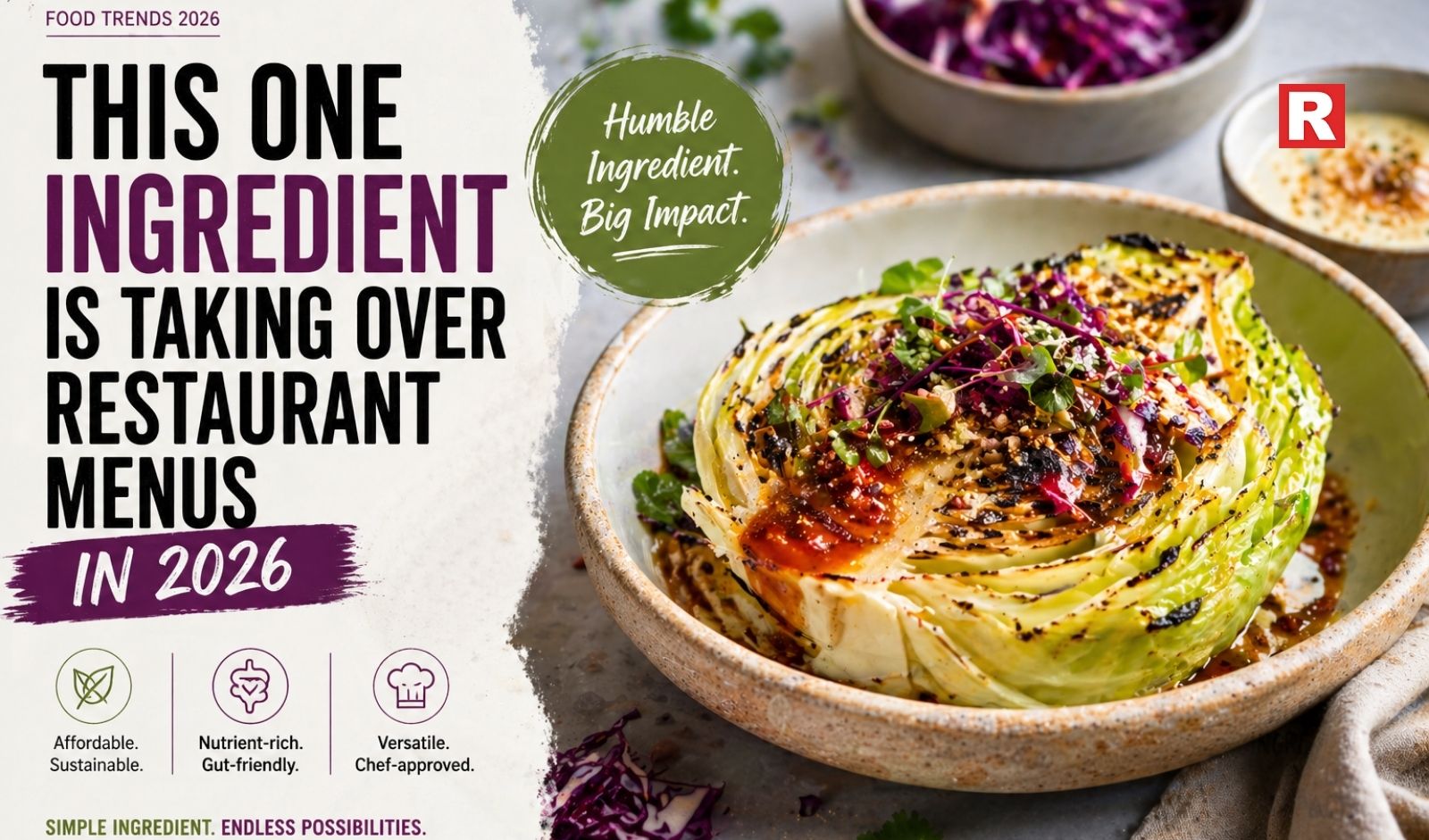
Restaurant menus in 2026 look very different from a few years ago. Expensive imports and flashy superfoods are slowly losing their shine. In their place, chefs are turning to something simpler, cheaper, and far more versatile.
One ingredient is quietly taking over menus across India and globally—cabbage.
What was once a basic side dish is now the star of the plate. From fine dining restaurants in Delhi to modern cafés in Mumbai and Bengaluru, cabbage is being reimagined in bold and creative ways.
Why Restaurants Are Obsessed With This Ingredient Right Now
The shift is not random. It is driven by clear business and consumer trends.
First, cost matters. Food inflation has pushed restaurants to rethink ingredients. Imported produce is expensive and unpredictable. Cabbage, on the other hand, is affordable and easily available across India.
Second, there is a strong focus on sustainability. Restaurants want to reduce waste. Cabbage has a longer shelf life compared to leafy greens. It can be used in multiple dishes. Very little goes to waste.
Third, diners are changing. Urban consumers are more health-conscious. They want clean, simple, and functional food. Cabbage fits this demand perfectly. It is natural, nutrient-rich, and familiar.
This combination makes it a smart choice for both chefs and customers.
From Side Dish to Star Ingredient
Earlier, cabbage was limited to salads, slaws, or simple sabzis. It was never the highlight of a dish. That has changed. Today, chefs are treating cabbage like a premium ingredient. It is being grilled, roasted, fermented, and even slow-cooked like meat.
You will now find dishes like:
- Charred cabbage steaks with rich sauces
- Fermented cabbage served as a base for bowls
- Stuffed cabbage rolls with global flavours
- Smoked cabbage paired with gourmet proteins
In some restaurants, cabbage is even part of tasting menus. It is plated with precision and presented as a hero ingredient. This shift shows how creative techniques can transform even the simplest vegetable.
Read more: Why Isabgol Is Trending Again in Urban Wellness Routines
Top 10 Vegan Street Foods in India Every Indian Loves
The Science Behind the Trend
The rise of cabbage is not just about cost or creativity. There is also strong nutritional science behind it. Cabbage is high in dietary fibre. Fibre plays a key role in digestion. It supports gut health and helps maintain a healthy metabolism.
It is also low in calories. This makes it ideal for people looking to manage weight without giving up flavour. Another important factor is fermentation. Cabbage is widely used to make fermented foods. Fermented dishes are rich in probiotics. These support gut bacteria and improve overall health.In today’s market, where consumers are actively looking for high-fibre and gut-friendly foods, cabbage fits perfectly into the trend.
The Chef’s Perspective
For chefs and restaurant owners, cabbage offers strong operational benefits.
It allows better cost control. One ingredient can be used across multiple dishes. This reduces inventory pressure.
It also supports menu innovation. Cabbage works across cuisines. It can be adapted into Indian, Asian, and European dishes without losing its identity.
Another advantage is consistency. Unlike some seasonal vegetables, cabbage is available throughout the year. This helps maintain stable menus.
Most importantly, it gives chefs room to experiment. Techniques like grilling, pickling, and fermentation bring out new textures and flavours.
This makes cabbage not just a cost-saving ingredient, but a creative tool.
Know more: The Ultimate Guide to Getting Your Cloud Kitchen on Zomato
How It Shows Up on Menus in India
In India, the trend is evolving in interesting ways. In fine dining restaurants, cabbage is being elevated with modern techniques. You may find roasted cabbage served with nut-based sauces or infused oils. Presentation is clean and minimal, focusing on the ingredient.
In casual dining spaces, cabbage appears in bowls, wraps, and fusion dishes. It is often paired with grains, proteins, and bold dressings. Cloud kitchens are also using cabbage smartly. It helps keep food costs low while still offering healthy options. Many delivery brands now include cabbage in salads, rice bowls, and rolls. Even traditional Indian dishes are seeing updates. Chefs are adding global twists to familiar cabbage recipes, making them more appealing to younger audiences.
Luxury in Simplicity
The popularity of cabbage reflects a larger shift in the food industry. Luxury is no longer about rare ingredients. It is about how well a simple ingredient is used. Chefs are focusing on technique, flavour, and storytelling. A humble vegetable can feel premium when it is cooked with care and creativity.
This idea is often called “ingredient-led dining.” Instead of complex dishes with too many elements, menus are becoming more focused. Each ingredient gets attention. Each dish tells a story. This approach also connects with sustainability. Using local and seasonal produce reduces environmental impact. It supports farmers and strengthens supply chains. For Indian restaurants, this is especially relevant. The country has a rich variety of local produce. Highlighting these ingredients can create a strong identity.
What This Means for Diners
For customers, this shift brings several benefits.
First, food becomes healthier. Ingredients like cabbage are rich in nutrients and low in processed elements.
Second, dining becomes more affordable. When restaurants use cost-effective ingredients, they can offer better pricing without compromising quality.
Third, there is more variety. Simple ingredients can be transformed in many ways. This leads to exciting new dishes on menus.
Finally, it creates awareness. Diners start to appreciate ingredients they once ignored. It changes how people think about food.
Also check: Portion Control Menus: The Smart Shift in Health-Conscious Dining in India
Why Pop-Up Kitchens Are Becoming a Testing Ground for New Concepts
How Luxury Menus Elevate Your Dining Experience: 5 Iconic Examples Redefining Fine Dining
A Quiet Revolution on the Plate
Cabbage is just the beginning. The same approach is likely to extend to other everyday ingredients. Vegetables like pumpkin, beetroot, lentils, and millets are already gaining attention. Fermented foods will continue to grow. Indian kitchens already have a strong tradition of fermentation. This can be reintroduced in modern formats. Plant-based dining will also expand. More restaurants will focus on vegetables as the centre of the plate, not just a side. Another trend to watch is bold flavour pairing. Sweet and spicy combinations are becoming popular. These flavours work well with neutral ingredients like cabbage. Overall, the focus will remain on simplicity, health, and sustainability.
The rise of cabbage may seem small, but it reflects a major change in how restaurants think. It shows that innovation does not always need expensive ingredients. Sometimes, it comes from looking at everyday food in a new way. For the Indian dining scene, this is a positive shift. It opens the door for local ingredients to shine. It encourages creativity while keeping costs in control. And for diners, it means better food. Food that is simple, thoughtful, and full of flavour. The next time you see cabbage on a menu, do not ignore it. It might just be the most interesting dish on the table.
The food and beverage landscape is bursting with colour, creativity, and crave-worthy combinations. Citrus-forward sauces are lending a zesty brightness to menus, while beverages and smoothies in mango, cherry, and mixed berries dominate the refreshment space. Floral notes return with lavender, cheese continues its indulgent run, and chilies turn up the heat, while matcha holds its ground as a contemporary staple.
Tropical fruits—especially mango—are leading beverage innovation, often paired with strawberry for a balance of sweetness and tang. These drinks go beyond flavour, incorporating real fruit textures, layered formats, and functional add-ons that enhance both energy and appeal. Mango is also making its way into creamy formats, complementing matcha and chai bases, and appearing as cold foams, while ube continues to trend for its bold, visual appeal.
This seasonal momentum is reflected across brands. Magnolia Bakery brings back its popular mango specials across India from April 7, 2026, celebrating the fruit through classics like the Mango Jamboree, Mango Pudding Parfait, and Mango Vanilla Cheesecake layered with house-made compote.
At The St. Regis Mumbai, mango takes on a more refined expression with Season Served in Gold, a menu that pairs indulgent desserts such as Mango Frangipane Tart and Mango Cheesecake with inventive savouries like Alphonso Mango and Goat Cheese Crostini and Wild Rice and Mango Nigiri, alongside a classic afternoon tea experience.
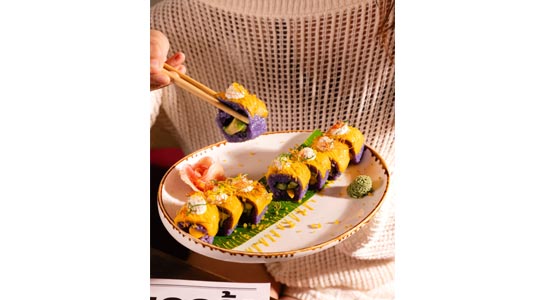
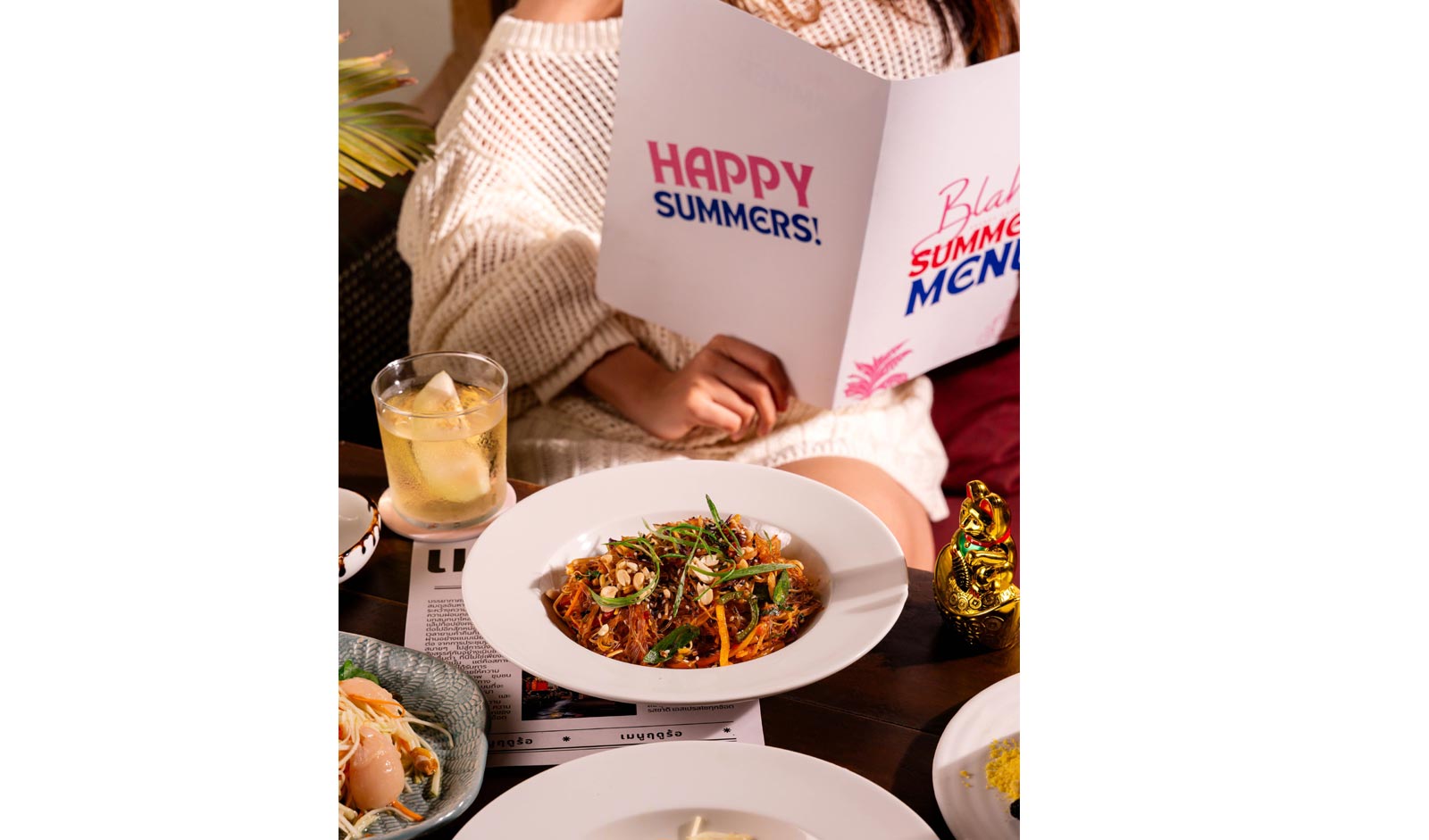
Adding a Southeast Asian twist to the trend, Blah! introduces a Bangkok-inspired summer menu that leans into bold, layered flavours. From zesty small plates like raw mango salads, ceviche, and Som Tam to comfort-driven mains such as Thai curries and glass noodle stir-fries, the menu captures the balance of sweet, spicy, tangy, and umami notes. Mango features across courses—from sushi and salads to desserts like Mango Sticky Rice and pancakes—while a cocktail program built on tropical fruits and clarified techniques rounds out the experience with clean, vibrant sips.
“At Blah!, we wanted to create a summer experience that feels light, refreshing, and enjoyable. With this menu, we’ve taken inspiration from Bangkok’s bold flavours and vibrant food culture, bringing together seasonal ingredients with our signature style to create something truly exciting for the season," shared Niketa Sharma, Founder of Blah!
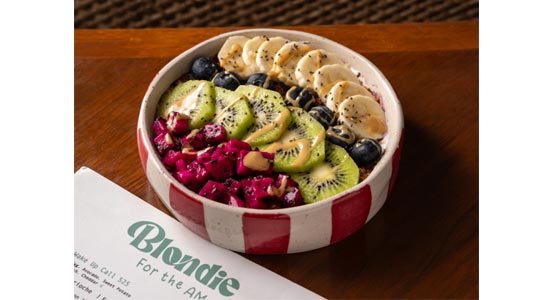
Meanwhile, Blondie leans into feel-good indulgence with offerings like the Everyday Goodness Bowl—layering Greek yoghurt, berry coulis, seasonal fruits, and quinoa granola—and a Vietnamese Coconut Coffee that blends espresso with coconut milk and condensed milk for a tropical pick-me-up.
At The BlueBop Cafe, the season unfolds through Mango Mania, a limited-edition menu that explores the fruit across courses—from the Mango Burrata Salad to fruit-and-nut combinations—bringing together freshness, texture, and a playful summer spirit.
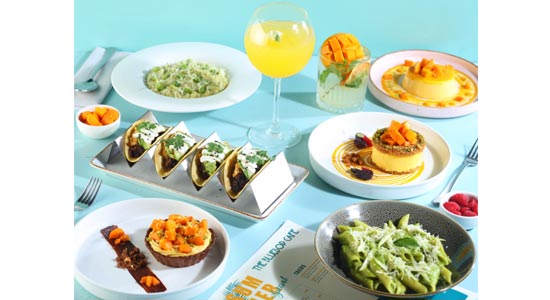
On the beverage front, Third Wave Coffee introduces its Beach Packers range, a lineup of frappes built around Alphonso mango, matcha, coconut, and lime. Featuring drinks like the Tropical Alphonso Frappe and Vietnamese Coconut Frappe, the collection captures the essence of sun-soaked nostalgia through smooth textures and familiar summer flavours.

Sharing his views on the launch, Rajat Luthra said the brand continues to experiment with flavours, formats, and textures to create seasonal beverage experiences, with the Beach Packers range reimagining nostalgic summer ingredients like mango, coconut, and lime in refreshing new formats.
Overall, the season reflects a clear shift toward playful, multi-sensory dining—where bold flavours, vibrant visuals, and nostalgic cues come together to create experiences designed as much for the moment as for the palate.
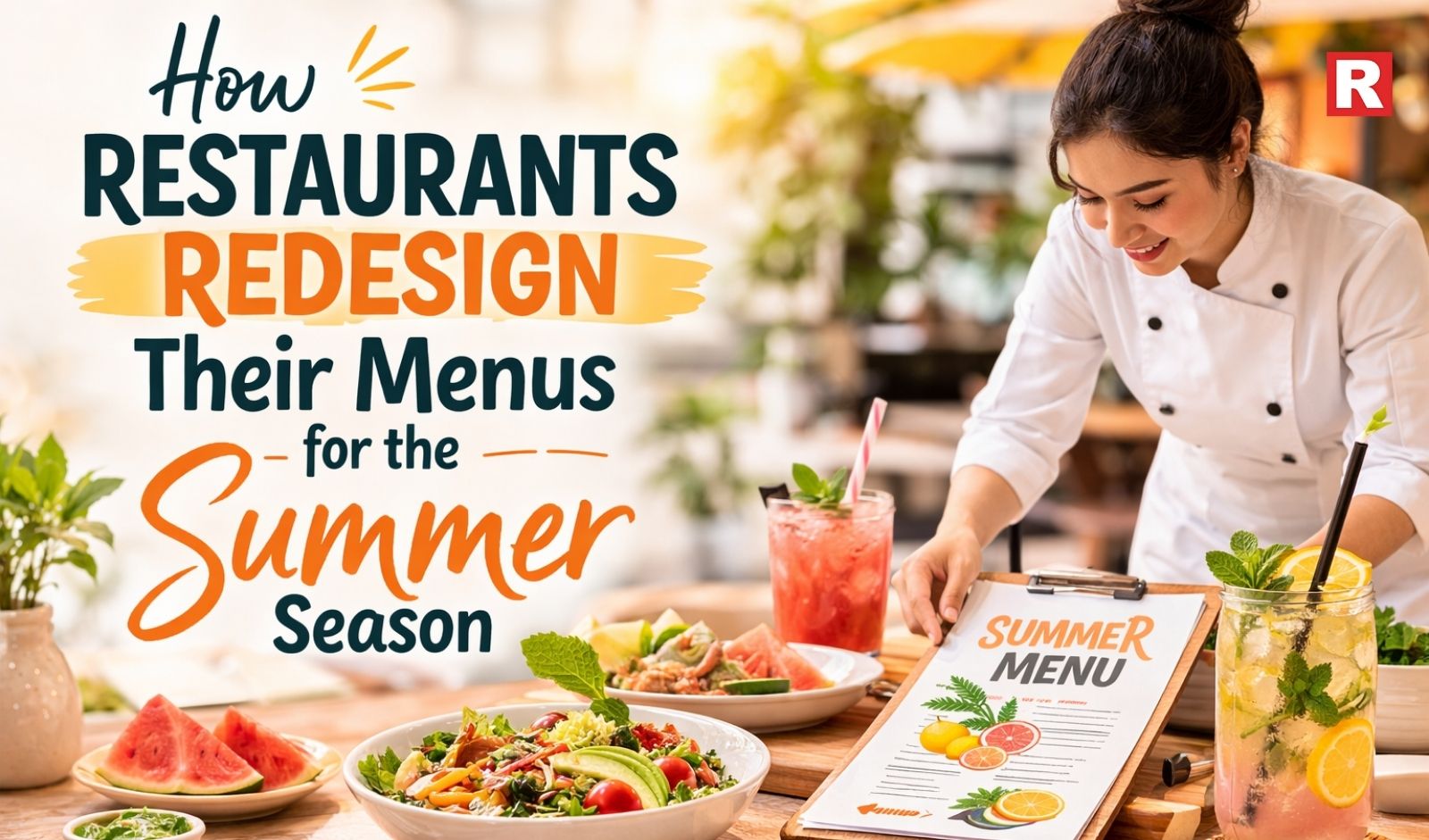
Seasonal change affects the way people eat, drink, and dine out. During the summer months, rising temperatures influence customer preferences, pushing restaurants to rethink what they offer on their menus. Heavy dishes that work well in winter often become less appealing, while lighter meals, refreshing drinks, and fruit-based flavors gain popularity.
For restaurants, redesigning the menu for summer is not simply about adding a few seasonal items. It is a strategic process that combines culinary creativity, ingredient sourcing, menu engineering, and consumer insights. Restaurants that plan their summer menus carefully can improve customer satisfaction and increase revenue during one of the busiest dining seasons.
Why Summer Dining Habits Are Different
When temperatures rise, the body naturally craves foods that feel lighter and more refreshing. Customers often look for meals that are easy to digest and do not feel too heavy in the heat. This change in behavior is one of the main reasons restaurants redesign their menus every year. Diners are more likely to choose fresh salads, grilled proteins, chilled desserts, and hydrating drinks during summer. Outdoor dining also becomes more popular, and people often prefer casual meals with friends and family rather than long, heavy dinners.
Restaurants closely track these shifts in customer behavior. Many businesses use insights from food delivery platforms like Zomato and Swiggy to identify what dishes are trending during the warmer months. This data helps chefs and restaurant managers decide which items should be added, modified, or removed from the menu.
Seasonal Ingredients Shape the Summer Menu
One of the most important aspects of a summer menu is the use of seasonal produce. Fresh ingredients not only improve the taste of dishes but also help restaurants maintain quality and reduce ingredient costs. Summer offers a wide range of fruits and vegetables that work well in refreshing recipes. Mangoes, watermelons, cucumbers, lemons, and mint are commonly used in both food and beverages. These ingredients naturally add hydration and freshness to meals.
Restaurants also rely on seasonal sourcing to maintain consistency in flavor. Many chefs collaborate with local suppliers or farms to ensure that their ingredients are harvested at the right time. This farm-to-table approach allows restaurants to offer dishes that taste fresh while supporting local agriculture. Using seasonal produce also helps restaurants introduce limited-time dishes that feel unique to the season.
Read more: The Rise of Summer Pop-Up Menus in Restaurants
Top Watermelon-Based Summer Recipes That Go Beyond Salads
Lighter Cooking Techniques Become Popular
Summer menus often focus on cooking techniques that keep dishes light and flavorful. Deep frying and heavy sauces are usually reduced, while grilling, roasting, and cold preparation methods become more common.
Grilling is particularly popular because it adds smoky flavor without making the dish too heavy. Grilled seafood, chicken, and vegetables often appear as signature items on summer menus.
Cold dishes also gain popularity during the season. Chilled soups, yogurt-based preparations, and fruit salads provide relief from the heat while still delivering balanced flavors.
Restaurants aim to design dishes that are satisfying without being overwhelming. The goal is to create meals that customers can enjoy comfortably even during hot afternoons.
The Growing Importance of Summer Beverages
While food plays a key role in seasonal menus, beverages often become the biggest attraction during summer. Restaurants redesign their drink menus to offer refreshing options that match the weather.
Cold drinks not only satisfy customer cravings but also generate strong profit margins for restaurants.
Popular summer beverages often include:
- Fresh fruit coolers
- Iced teas and herbal infusions
- Cold brew coffee
- Lemon-based drinks
- Tropical mocktails
Restaurants frequently experiment with ingredients such as basil, ginger, citrus, and coconut to create unique drink combinations. These beverages also perform well on social media because of their colorful presentation.
A creative beverage menu can attract new customers and encourage repeat visits, especially among younger diners who enjoy exploring seasonal drinks.
Menu Engineering Behind Seasonal Changes
Behind every successful summer menu is a careful planning process known as menu engineering. Restaurants analyze data to understand which dishes perform well and which items should be replaced. Menu engineering focuses on factors such as ingredient cost, preparation time, customer demand, and profit margins. By studying sales data, restaurants can determine which dishes generate the highest revenue and which items slow down kitchen operations.
Restaurant managers also consider supply chain factors when redesigning the menu. If a certain ingredient becomes expensive or difficult to source during summer, chefs may adjust the recipe or replace the dish with a seasonal alternative. Industry bodies like the National Restaurant Association often highlight the importance of combining culinary creativity with financial analysis when designing seasonal menus.
Know more: Menu Engineering: How Restaurants Decide Pricing
Updating the Menu Design and Presentation
edesigning a summer menu goes beyond introducing new dishes. Restaurants also rethink the visual presentation and structure of the menu so that it reflects the light, vibrant mood of the season. A well-designed menu helps customers quickly spot refreshing options and seasonal highlights, making their dining experience smoother and more engaging.
Key elements restaurants focus on while redesigning summer menus include:
Seasonal Visual Design: Menus often feature bright colors, tropical tones, and vibrant images. These visual cues instantly create a fresh and energetic summer feel, making the menu more appealing to diners.
Highlighting Seasonal Specials: Restaurants clearly mark limited-time dishes or chef’s specials. This helps customers easily discover new summer items and encourages them to try something different.
Strategic Menu Layout: Lighter dishes, salads, and refreshing beverages are often placed in prominent sections of the menu so that they catch attention quickly.
Storytelling Through Descriptions: Many menus now include short descriptions that highlight the freshness, origin, or seasonal ingredients of a dish. This storytelling approach helps customers feel more connected to the food and increases their interest in trying new items.
Seasonal Specials and Limited-Time Dishes
Many restaurants introduce limited-time summer specials to keep the menu exciting. These seasonal dishes allow chefs to experiment with flavors without making permanent changes to the menu.
Limited-time offerings create a sense of urgency among diners. Customers are more likely to visit the restaurant if they know a dish is available only for a short period. Seasonal specials also give restaurants an opportunity to test new recipes. If a dish becomes extremely popular, it may eventually be added to the permanent menu.
Sustainability and Local Sourcing
Seasonal menus also support sustainability in the restaurant industry. By using locally available ingredients, restaurants can reduce transportation costs and lower their environmental impact. Local sourcing helps maintain ingredient freshness while supporting nearby farmers and suppliers. It also reduces food waste because restaurants can plan their menus around ingredients that are abundant during the season.
Modern diners are increasingly aware of sustainable dining practices. Restaurants that highlight local and seasonal ingredients often build stronger relationships with their customers.
Also check: Top Summer Delights That Help You Stay Cool and Prevent Dehydration
How Food Festivals Are Driving the Rise of Culinary Tourism in India
How Cloud Kitchens Are Expanding the Food & Beverage Ecosystem
How Technology Helps Restaurants Plan Seasonal Menus
Technology has become an important part of how restaurants redesign and update their menus. By using digital tools and data analytics, restaurants can better understand customer preferences and dining trends. This helps chefs and managers make informed decisions when introducing new dishes or adjusting seasonal menus.
Digital Ordering and POS Systems: Modern POS systems track every order placed in the restaurant. This data helps restaurants identify which dishes sell the most during the summer season and which items customers prefer.
Customer Feedback and Online Reviews: Feedback from online platforms allows restaurants to understand what diners like or dislike. Reviews often highlight popular dishes, service experiences, and seasonal favorites.
Data-Driven Menu Improvements: By analyzing sales reports and customer insights, chefs can refine recipes, remove underperforming items, and introduce dishes that align with changing tastes.
Understanding Seasonal Trends: Over time, this data reveals seasonal patterns. Restaurants use these insights to design summer menus that feel fresh, relevant, and exciting for returning customers.
The Experience!
A well-designed summer menu goes beyond food and beverages. It creates an experience that reflects the energy of the season. Fresh flavors, colorful drinks, and lighter dishes help customers feel refreshed while dining out. Restaurants that successfully redesign their menus for summer combine several elements. They understand customer behavior, use seasonal ingredients, apply menu engineering strategies, and experiment with creative recipes. By adapting to the changing season, restaurants keep their offerings relevant and engaging. For diners, this means discovering new flavors and enjoying meals that perfectly match the warmth and vibrancy of summer.
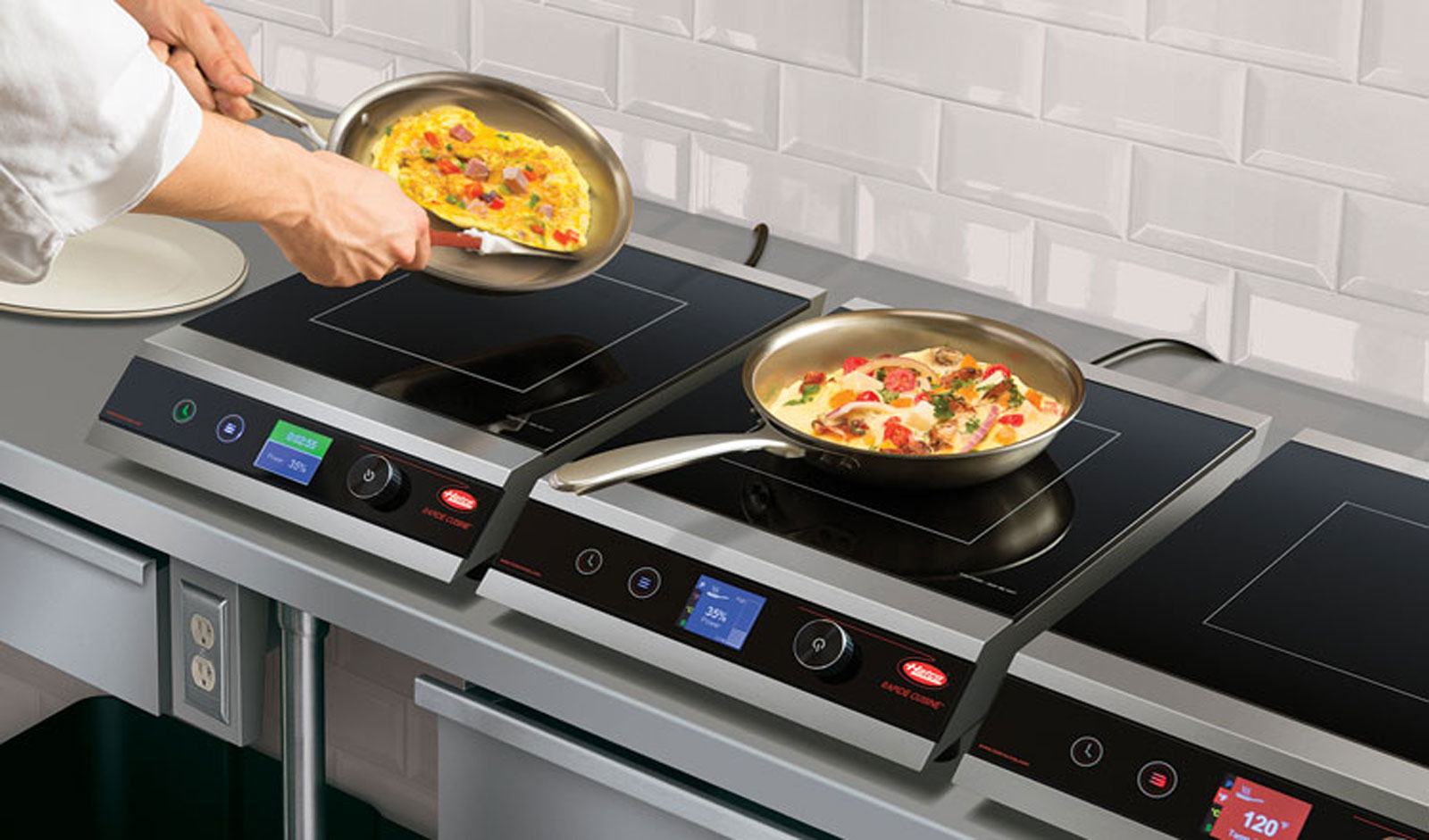
As commercial LPG supply disruptions begin to affect restaurant kitchens across India, operators are adjusting menus, rethinking cooking processes and experimenting with alternative equipment to keep operations running. From introducing limited “crisis menus” to shifting toward electric appliances and traditional cooking methods, restaurateurs say the situation is forcing them to rethink kitchen flexibility while ensuring guests continue to receive familiar dishes.
The New Saviour
For many operators, the immediate response has been to temporarily streamline menus, prioritising dishes that require less gas while maintaining core favourites.
Ankita Poojari, Director of Shiv Sagar Group, said some outlets have already moved to limited menus to keep kitchen operations manageable.
“Yes, some of our outlets have been affected by the LPG supply disruptions, so we have temporarily moved to a limited menu in a few locations. The idea is to keep the menu practical and ensure that kitchen operations can continue smoothly without putting pressure on gas usage,” shared Poojari.
For her, dishes requiring high-pressure cooking ranges are the most difficult to execute during the shortage. “Certain Chinese or Punjabi preparations that require very high-pressure ranges are currently difficult to execute consistently, so those have been temporarily limited. At the same time, we are continuing to serve items that can be prepared more efficiently such as tandoori dishes, idli, pav bhaji and other staples that our guests enjoy.”
Some operators are using data to decide which dishes stay and which go.
Shakir Haq, CEO of NKP Empire Ventures, said the group reduced its menu to roughly 15 percent of the original offering after analysing sales volumes and energy consumption.
“We introduced a limited crisis menu which is just about 15 percent of the total menu. We looked at statistics and data to decide which dishes to keep. For example, grilled chicken, rotisserie chicken and shawarma together contribute close to 8 percent of our volume but they are also very high LPG-consuming items, so we had to temporarily call them off.”
Instead, dishes that require less gas or rely on alternative cooking methods remain available. “Items like biryani, ghee rice and a few veg and non-veg gravies are continuing. All our tandoori items are available because the tandoors run on charcoal. Our juice shops are also fully operational.”
Commenting on the same, Susmita Chakravarty, Founder, Eastern Staple added, “We’ve effectively moved to what we’re calling a crisis menu. As an institutional cloud kitchen serving thousands of meals daily to students, PG residents and working professionals, the LPG shortage forced us to quickly rethink our cooking processes. We’ve temporarily scaled down our menu to about five to seven core dishes that can be prepared efficiently with lower fuel consumption. Gas-intensive items like rotis have been paused for now, while we’re prioritising meals that require shorter cooking cycles or can be prepared through pressure cooking.”
The Kitchens Shift
Beyond menu changes, restaurants are experimenting with electric appliances and alternative cooking fuels to reduce dependence on LPG. Poojari mentioned that the group has begun adding electric equipment in some kitchens to support daily operations.
“Across our restaurant brands in different cities we have started moving towards using electric equipment to reduce dependency on LPG. In some kitchens we are also adding additional electric appliances to help manage operations during this period.”
Some kitchens are also revisiting traditional methods. “In certain cases, traditional chulhas are also being used to prepare gravies, sambars and base preparations where possible, which helps us manage cooking without relying entirely on gas,” she added.
Similarly, Niketa Sharma, Founder of Keish Hospitality, said the focus is on backend adjustments rather than drastically changing the guest experience.
“At the moment we have not introduced a formal crisis menu, but we are being mindful about what we serve. The idea is not to limit the experience for guests but to temporarily avoid dishes that require very high flame or prolonged gas usage.” She added that kitchens are also simplifying processes to reduce energy use. “Our chefs are working on simplifying certain recipes or cooking processes so they require less energy and gas consumption while still maintaining the authenticity of the dish.”
Haq pointed that the scale of large restaurant networks makes immediate equipment transitions difficult. “We are not talking about one or two outlets but around 60 outlets, so shifting to electric equipment will take time. Even sourcing commercial induction equipment right now is difficult because everyone is trying to buy it.”
As an interim solution, the group has also resorted to firewood-based bulk cooking from centralised locations. “We are using firewood to do bulk cooking from two locations in the city and then supplying it to our outlets.”
Customers Remain Supportive Amid Menu Changes
Despite the disruptions, restaurateurs say most guests have been supportive and understanding, especially as awareness spreads through social media and news coverage.
Poojari said many customers are calling restaurants to check if they are operational. “Many customers are still unsure whether restaurants are fully operational, so we are receiving quite a few calls asking if we are open and what the current menu looks like. Once guests understand the situation, most of them have been quite supportive.”
Sharma echoed the sentiment, adding that transparency with customers has helped. “We have been informing guests if there are slight delays in service, and most customers have been quite understanding of the situation.”
Restaurants are also communicating clearly with diners through in-store notices and social media. “We have put up a note at all restaurants informing guests that due to the temporary disruption only limited menu items are available,” Haq said.
A Wake-Up Call for More Flexible Kitchens
While operators hope the disruption is temporary, many believe it will push the industry to rethink kitchen infrastructure and energy sources.
“Situations like this become a learning moment for the industry,” said Poojari. “It encourages restaurateurs to think more carefully about operational flexibility and how menus are designed.”
Haq believed the biggest shift will come in energy diversification. “Going forward, restaurants should look at dual fuel systems such as LPG along with piped natural gas, biogas, propane or electrical equipment. Every crisis becomes an opportunity to innovate and create new ways of operating.”
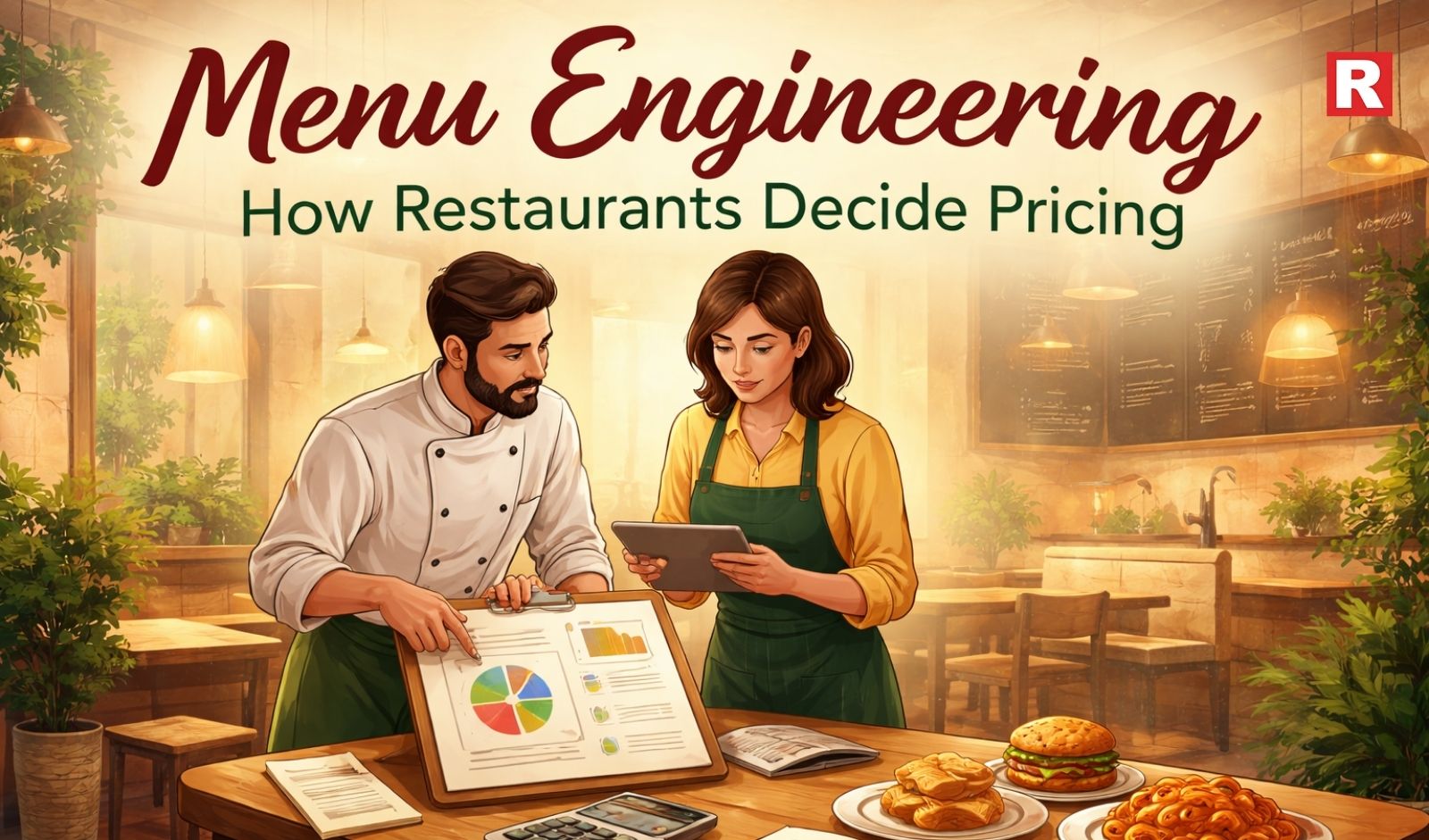
Walk into two restaurants in Delhi. Order the same paneer tikka. One place charges Rs 420. The other charges Rs 610. Both are full on weekends. Both use good ingredients. So why the gap?
The answer is not guesswork. It is menu engineering. Menu engineering is the science of deciding what to price, how to price, and where to place items on a menu so that a restaurant earns maximum profit without losing customer trust. In today’s Indian market, where rent is high, delivery commissions are rising, and ingredient costs fluctuate every month, pricing is no longer simple arithmetic. It is strategy.
What Is Menu Engineering?
Menu engineering is a data-driven method used to evaluate the profitability and popularity of each dish on a menu. The concept was popularised by hospitality professor Michael Kasavana at Michigan State University in the 1980s.
The idea is simple. Not all dishes are equal. Some sell more but earn less. Some earn more but sell less. A smart restaurant studies both numbers before deciding what to promote, reprice, or remove.
In India, this method has become critical. Restaurants face:
- Food inflation
- 18–30% aggregator commissions
- 5% GST without input tax credit for most standalone outlets
- High urban rentals
- Rising staff wages
Without structured pricing, profit margins can disappear quickly.
The Core Formula: Contribution Margin
The heart of menu engineering is contribution margin.
Contribution Margin = Selling Price – Food Cost
If a butter chicken sells for Rs 650 and the food cost is Rs 240, the contribution margin is Rs 410.
That Rs 410 is not pure profit. It covers:
- Salaries
- Rent
- Electricity
- Gas
- Marketing
- Delivery commissions
- And finally, net profit
Many owners only look at food cost percentage.
Food Cost % = (Food Cost ÷ Selling Price) × 100
In the example above: 240 ÷ 650 × 100 = 36.9%
At first glance, 37% may seem high. But if that dish sells 500 plates a month, the total contribution becomes powerful. High volume can compensate for slightly higher food cost percentages. That is why contribution margin is more important than food cost alone.
Read more: Top Summer Menu Trends Restaurants Are Introducing This Year
Low-Foam & Nitrogenated Beers: Why Texture Is the New Luxury in Beer
The Menu Engineering Matrix
Restaurants classify dishes into four categories:
1. Stars: High profitability. High popularity. These are bestsellers that also generate strong margins. They should be highlighted on the menu and promoted.
2. Plowhorses: Low profitability. High popularity. Customers love them, but margins are tight. Slight price increases or portion adjustments can improve returns without hurting sales.
3. Puzzles: High profitability. Low popularity. These items earn well but do not sell much. The issue may be name, placement, or description. Repositioning can unlock potential.
4. Dogs: Low profitability. Low popularity. These items consume inventory and space. Most restaurants remove them. This classification is done using POS data. A restaurant typically analyses 30 to 90 days of sales. It calculates average contribution margin and average sales mix. Items above average on both become Stars. Others fall accordingly. Data removes emotional bias. Just because a chef loves a dish does not mean it deserves space on the menu.
Psychological Pricing Tactics
Menu engineering is not just math. It is psychology.
Restaurants use proven pricing techniques:
- Charm Pricing: Rs 499 feels cheaper than Rs 500. The left digit matters more than the right.
- Decoy Pricing: If three pasta options are priced at Rs 380, Rs 520, and Rs 540, most guests choose Rs 520. The Rs 540 dish makes the middle option look reasonable.
- Removing Currency Symbols: Many premium restaurants remove the Rs sign to reduce price sensitivity.
- Menu Placement: Customers look first at the centre and top-right section of a menu. High-margin dishes are placed there.
Online platforms also influence pricing. Aggregators like Zomato and Swiggy charge commissions that can go up to 30% in some cases. Restaurants often adjust online prices slightly higher to maintain margins. If a dish is Rs 600 dine-in, it may be Rs 650 online. The difference absorbs commission impact.
Understanding Prime Cost
Prime cost is another key metric.
Prime Cost = Food Cost + Labour Cost
In India, ideal prime cost ranges between 55% and 65%. If food cost is 35% and labour is 25%, prime cost becomes 60%. That leaves 40% to cover rent, utilities, marketing, and profit. If prime cost crosses 70%, the business becomes fragile. Even small sales drops can push it into loss. Smart pricing always considers prime cost benchmarks.
Real Indian Cost Pressures
Menu pricing in India must factor in ground realities.
- Rent: In metros like Mumbai, Delhi, and Bengaluru, rent can exceed 15% of revenue.
- Delivery Dependency: Cloud kitchens rely heavily on aggregator platforms. Commission eats into margins quickly.
- Ingredient Volatility: Tomato, onion, and dairy prices fluctuate sharply. Restaurants must update food cost sheets monthly.
- GST Structure: Standalone restaurants typically pay 5% GST without input tax credit. That cost must be absorbed.
Because of these factors, annual menu updates are not enough anymore. Many restaurants review pricing every quarter.
Know more: Top Global Comfort Foods Dominating Social Media
Step-by-Step Implementation
If you are planning to apply menu engineering in your restaurant, follow this structure:
- Export last 90 days sales data.
- Calculate exact food cost per dish.
- Compute contribution margin for each item.
- Identify average contribution margin.
- Calculate each item’s sales percentage.
- Classify into Stars, Plowhorses, Puzzles, and Dogs.
- Adjust pricing, placement, or recipe accordingly.
- Review again after three months.
Small changes matter. Increasing a popular dish by Rs 20 may seem minor. But if it sells 800 plates a month, that is Rs 16,000 additional revenue. Over a year, that becomes Rs 1,92,000. Multiply this across 10 items and the impact becomes significant.
Common Pricing Mistakes
Many restaurants still make avoidable errors.
- They copy competitor pricing without understanding cost structure.
- They ignore portion control.
- They do not track wastage.
- They hold emotional attachment to underperforming dishes.
- They update prices only when losses appear.
- Pricing must be proactive, not reactive.
Also check: How to Choose the Best Location for Your Cloud Kitchen in India
Top 5 States With the Spiciest Food in India
Cloud Kitchen vs. Traditional Restaurants: Which is More Profitable?
Pricing Is Positioning
Menu engineering is not about making food expensive. It is about aligning price with value, cost, and customer perception. A Rs 750 biryani can sell well if quality, ambience, and service justify it. A Rs 450 biryani can struggle if brand positioning is unclear. In today’s competitive Indian F&B market, survival depends on margin discipline. Restaurants that treat menus as financial tools perform better than those that treat them as decorative lists. Every dish should earn its place. Every price should have logic behind it. When menu engineering is done correctly, it increases profit without hurting guest satisfaction. It balances science and psychology. It turns a menu into a strategic asset. For restaurant owners and F&B managers, mastering pricing is no longer optional. It is the difference between busy tables and sustainable profits.
Fine dining in India is no longer limited to Mumbai or Delhi. A quiet shift is happening across cities like Jaipur, Lucknow, Indore, Kochi, Surat, and Chandigarh. Restaurants in these Tier-2 markets are embracing tasting menus. And diners are responding with enthusiasm.
This is not a passing trend. It reflects a deeper change in how India eats, spends, and experiences food.
What Is a Tasting Menu?
A tasting menu is a multi-course meal curated by the chef. Instead of ordering individual dishes, guests trust the kitchen to guide them through a planned journey. Courses are smaller in portion but higher in detail. Each plate builds on the previous one.
It allows chefs to experiment. It allows diners to explore. Unlike regular à la carte dining, tasting menus focus on storytelling. The meal may highlight a region, a season, a memory, or even a single ingredient. The structure is tight. The pacing is intentional. The experience feels premium.
Why Tier-2 Cities Are Ready
Tier-2 Indian cities have changed significantly in the last decade. Disposable income has grown. Travel exposure has increased. Social media has reshaped aspiration. Many young professionals in cities like Jaipur and Kochi have studied or worked in metro cities. Some have travelled internationally. They return home with evolved taste preferences. They want more than standard butter chicken and paneer tikka. They want curated dining.
Digital platforms have also played a role. Instagram, Google Reviews, and food delivery apps have educated diners. People understand what a degustation menu is. They know how a wine pairing works. They follow chefs and culinary pages. The demand for experiential dining India is visible in booking patterns. Limited-seat chef tables sell out faster. Pop-up dinners attract waiting lists. Special tasting nights create buzz. Tier-2 cities are no longer conservative dining markets. They are aspirational and experimental.
Read more: Top Single-Origin Spices Are Becoming a Restaurant Differentiator
Top Gourmet Desserts with Indian Ingredients Are Going Global
Local Identity Meets Global Technique
One of the strongest reasons for the rise of tasting menus in Tier-2 India is local pride. Chefs are using regional ingredients and presenting them with modern techniques. A Gujarati restaurant may reinterpret undhiyu in a plated, deconstructed format. A Lucknow-based chef may design a progressive Awadhi tasting journey. In Kochi, seafood tasting menus highlight coastal flavors with refined plating.
This blend of local sourcing and global execution makes the concept unique. It does not feel copied from metros. It feels rooted. Local sourcing also improves economics. Indigenous produce is easier to procure. It reduces supply chain stress. It supports farmers. It allows restaurants to build seasonal tasting menus. This adds sustainability and authenticity to the format.
Business Logic Behind the Trend
Tasting menus are not only creative decisions. They are strategic business tools. From an operational perspective, tasting menus improve control. Portion sizes are pre-defined. Ingredient quantities are forecasted more accurately. Food wastage reduces. Inventory planning becomes tighter.
Menu engineering becomes sharper. Instead of managing 60 items, the kitchen focuses on a curated set of dishes. Execution improves. Consistency improves. Pricing strategy also becomes clearer. A fixed tasting menu price simplifies billing. It sets customer expectations in advance. Restaurants can protect margins better compared to fluctuating à la carte orders. In Tier-2 markets, pricing remains relatively accessible compared to metro cities. This makes tasting menus aspirational yet attainable. Diners feel they are getting a premium experience at fair value.
Know more: 5 Cities That Serve the Best Non-Vegetarian Street Food
The Role of Chefs
For chefs, tasting menus offer creative freedom. Instead of cooking repetitive bestsellers, they can showcase technique. Fermentation, sous vide, molecular touches, regional reinterpretation — all fit better in a curated format. Many chefs in Tier-2 cities trained in larger metros. Some worked abroad. When they return to their hometowns, they want to introduce something new. Tasting menus become their signature. They also help build personal brands. A chef-led tasting menu strengthens identity. It positions the restaurant as destination dining rather than casual eating. In competitive but smaller markets, differentiation is crucial. A tasting menu creates that edge.
Changing Consumer Psychology
Diners today value experiences over volume.
Earlier, dining out meant large portions and heavy meals. Now, especially among urban professionals aged 25 to 45, the focus is different. They want curated evenings. They want conversation around food. They enjoy understanding ingredients and technique.
Tasting menus encourage slower dining. They increase table time. They improve customer engagement. Servers explain each course. Interaction increases. The overall satisfaction is higher.
Social media amplification also matters. Multi-course meals are more photogenic. Each dish becomes content. That organic visibility helps restaurants grow.
In cities like Chandigarh and Surat, weekend tasting menus are becoming celebration formats. Anniversaries, birthdays, and special occasions now include chef’s tasting bookings.
Operational Challenges
Despite the benefits, tasting menus require discipline. Kitchen teams must maintain strict timing. Courses should not overlap. Service staff must be trained to explain dishes confidently. Ingredient quality must be consistent. Supply chain in Tier-2 cities can sometimes limit access to specialty products. Restaurants solve this by focusing on regional ingredients instead of imported ones. Another challenge is educating diners unfamiliar with the format. Some guests expect large portions. Restaurants address this by clearly communicating the number of courses and portion philosophy during reservations. Reservation management is also important. Since tasting menus are time-intensive, table turnover is slower. Restaurants often restrict seating capacity to maintain quality.
The Influence of Technology
Technology has strengthened the rise of tasting menus in India. Reservation platforms allow advance bookings and prepaid confirmations. This reduces no-shows. QR-based menus provide detailed course explanations. Digital feedback systems help track guest preferences. Some restaurants integrate wine or beverage pairings digitally. Guests can scan codes to read pairing notes. This improves engagement. Social media analytics also guide menu planning. Chefs observe which dishes perform well visually and adjust accordingly.
Also check: What is Kimchi? Top Veg Kimchi You Can Try at Home
Top 5 States With the Spiciest Food in India
5 Ways to Use Garden Cress Seeds (Halim) for Stronger Hair and Bones
Why This Trend Has Staying Power
This shift is not temporary. Tier-2 Indian cities are developing strong hospitality ecosystems. Boutique hotels, premium cafés, craft breweries, and specialty restaurants are increasing. Tasting menus fit naturally into this growth. As culinary literacy increases, diners will demand more curated formats. Exposure through travel and digital platforms will continue shaping expectations. At the same time, local storytelling will differentiate Tier-2 tasting menus from metro formats. Instead of copying international fine dining styles, these cities are building regional narratives. That balance of aspiration and authenticity makes the trend sustainable.
The Future!
The next phase may include hyper-regional tasting concepts. Seasonal farm-to-table journeys. Regional beverage pairings. Limited-seat chef collaborations across cities. Restaurants may also experiment with shorter tasting formats for weekday diners. Five-course express journeys instead of nine-course dinners. For entrepreneurs exploring expansion beyond metros, Tier-2 cities now present serious opportunities. The audience exists. The spending power exists. The curiosity exists. Tasting menus are no longer elite experiments. They are structured, strategic, and culturally relevant offerings. India’s culinary evolution is not confined to its biggest cities. It is unfolding across emerging urban centers. And tasting menus are leading that story. The rise of tasting menus in Tier-2 Indian cities signals something larger. It signals confidence. It signals creative ambition. And most importantly, it signals that Indian diners are ready for deeper, richer, more thoughtful food experiences.
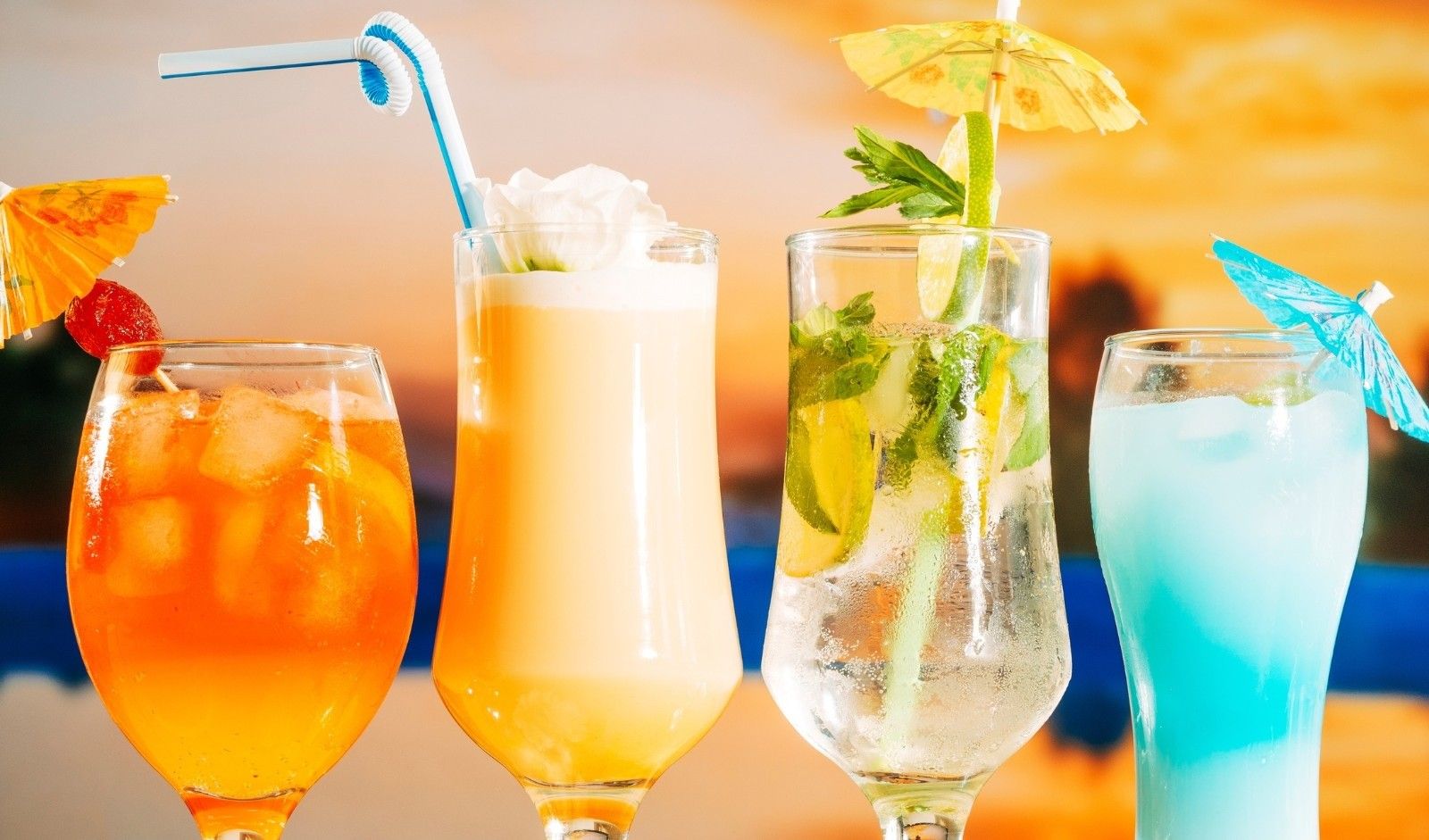
If 2025 was defined by matcha, boba tea, and visually striking cafe beverages, 2026 is shaping up to be far more restrained. Across cafes and specialty coffee spaces, consumer demand is moving away from sweet, indulgent flavours toward simpler, more functional beverages that prioritise balance, drinkability, and repeat consumption.
This change is reflected in the numbers. Functional beverages globally are expected to cross USD 215–220 billion by 2025, with mushroom- and adaptogen-based drinks growing steadily. In India, kombucha is gaining traction, with the market valued at USD 102.6 million in 2024 and expanding at 16–17 per cent CAGR, a sign of consumers moving toward more purposeful, less spectacle-driven choices.
Matcha Grows Up
Matcha’s dominance in 2025 was driven by both social media trends and increasingly health-driven consumption habits. Search data shows matcha searches in India have grown nearly four times over five years, largely powered by Gen Z and social media virality. But cafe operators now believe matcha’s next phase will be far more grounded.
“Matcha resonated strongly in 2025 because it sat at the intersection of wellness, visual appeal, and versatility,” said Ayush Saxena of Caracoco Roasters and Sukoon Cafe in Delhi, adding, “Going forward, I see matcha evolving beyond being a ‘trend drink’ into a core alternative caffeine category, closer to specialty coffee than novelty.”
At the cafe level, this means fewer flavoured matcha concoctions and greater focus on ceremonial-grade quality, unsweetened profiles and subtle botanical pairings. The shift mirrors how specialty coffee itself matured from flavoured syrups to origin, process and craft.
Hanumanth Rao Naineni, Founder of Roast CCX, Hyderabad, echoed this sentiment. “Matcha didn’t try too hard. People only connected with the sense of ritual it brings. Now the curiosity is moving toward quality, origin and preparation rather than constant flavour additions,” he added.
Sweetness Dials Down
Across cities, cafes report that customers are returning more often to clean, familiar flavours. Comfort-led profiles such as cocoa, brown sugar, vanilla and caramel remain popular, but with reduced sweetness and simpler taste profiles.
“At Sukoon Cafe, customers are increasingly returning to beverages where the base ingredient shines. Over the past couple of years, there’s been a clear move away from artificially flavoured syrups toward natural sweetness and subtle complexity. In non-coffee beverages, flavours that feel fresh, herbal, or lightly spiced are performing well, especially when they’re positioned as refreshing or functional,” explained Saxena.
At Roast CCX, this maturity is also visible in how guests approach experimental coffees. “Process-led coffees, particularly anaerobic and fruit-fermented profiles, are seeing strong repeat response but only when they’re clean and well-executed,” shared Naineni, adding, “People want to taste intention, not just indulgence.”
This shift aligns with broader global data. Around 64 per cent of consumers say they look forward to trying new food and beverage trends, but flavour forecasters note that experimentation today is more about balance than excess, with sweet flavours no longer driving choices.
Function Becomes Baseline
Functional beverages are no longer positioned as niche wellness add-ons. From adaptogen blends to digestive and low-acidity options, they are increasingly being built into core menus and everyday drinking habits.
Low- and no-caffeine beverages are becoming central to this shift as caffeine fatigue grows. Cafes are expanding menus to support all-day consumption, with coffee substitutes and caffeine alternatives now a multi-billion-dollar global category.
“Non-coffee beverages that feel fresh, herbal or lightly spiced are performing well,” Saxena pointed, particularly when positioned as refreshing or functional rather than dessert-like.
Alongside this, Indian-origin beverages such as buttermilk and sharbat are expanding at four to six times the overall beverage category, prompting cafes to reinterpret these traditional formats with modern flavours, textures and formats on their menus.
The Next Trending Flavours
India’s cafe menus are also becoming more globally fluent. Flavour houses point to growing adoption of yuzu, elderflower, lavender, black sesame and tart berry profiles, with black currant identified as a key flavour for 2026. These are no longer niche experiments but increasingly accepted as everyday options.
“We’re seeing a rise in demand for umami-forward flavours and fermented beverages across categories,” added Harika Ganeshni Bommana, Founder of Grumpy Girl Coffee. “Think matcha, sesame, yuzu, and even kombucha culture influencing cafe menus. India is getting more adventurous,” she added.
Fermentation, in particular, is shedding its alternative image. With kombucha and related formats growing rapidly, sour and complex flavour profiles are finding a wider audience, not as health tonics, but as sophisticated beverages in their own right.
Beverage Innovation in 2026
Despite the talk of new flavours, operators agree that 2026 will not be about endless invention. Instead, it will be defined by better execution of familiar ideas like cleaner fermentations, lighter sweetness, improved texture and stronger narratives around origin and process.
“The ingredient sets the rules. Sweetness is always the final step, never the starting point. The goal is not to mask flavours but to let them land the way they’re meant to. Citrus will continue to show up, but more as a supporting note than a headline flavour,” explained Naineni.
Texture, too, is emerging as a key differentiator. From creamy iced coffees to foamy cold drinks and light emulsions, mouthfeel is becoming as important as flavour. According to Saxena, cafés that succeed will be those that combine layered but restrained flavour experiences with storytelling and authenticity.
Beyond changing tastes, this move toward grounded, grown-up beverages also makes commercial sense. Functional, fermented and low-sugar drinks offer more stable input costs, stronger margins and higher repeat consumption, allowing cafés to expand menus and drinking occasions without relying on discounting or constant limited-time launches.
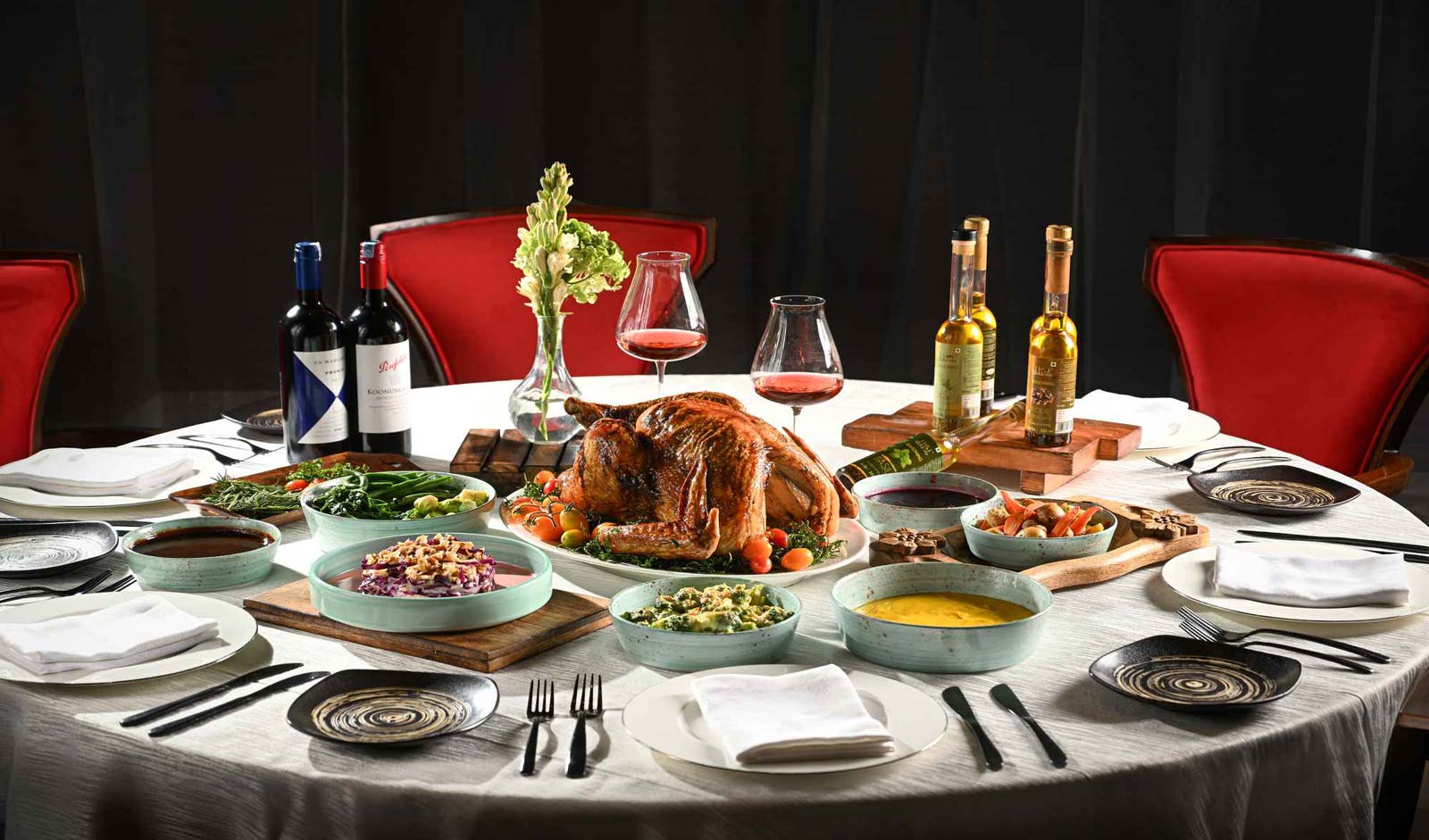
In the quiet hum of a kitchen before service, a chef isn’t just thinking about flavors — they’re composing emotion. Every menu is a living document, a reflection of taste, time, and intuition. It’s where science meets soul: balancing the discipline of technique with the instinct of storytelling. In a city where diners crave both comfort and surprise, chefs find themselves walking a fine line — honoring their culinary identity while evolving with shifting palates and trends. The art of menu curation, then, becomes more than a list of dishes; it’s an invitation into a shared experience, a dialogue between what’s timeless and what’s next.
Where Science Meets Story
There’s no denying that science and emotion are not opposites — they are partners in creating meaningful food. The scientific principles of nutrition, texture, and flavor pairing provide the structure, while cultural storytelling gives the dish its heart and memory.
“To appeal to a wider audience, ingredients, cooking techniques, texture, and flavors are carefully considered while creating a balanced menu. Nutrition also plays a key role, especially with growing awareness about health. Many familiar, home-cooked dishes are now part of menu offerings because they connect emotionally with guests,” shares Ho Chi Ming, Executive Chef – Renaissance Bengaluru Race Course Hotel.
A well-balanced plate includes fruits, vegetables, proteins, and grains or starches each adding unique flavors, textures, and nutrients. And, chefs are very particular about what appears on their menus because every dish either evokes a personal memory or represents something they have worked to perfect over the years.
“One of the purest examples of this balance is the tandoor, a centuries-old Indian cooking technique that beautifully demonstrates natural cooking chemistry. The tandoor’s intense dry heat seals in juices, enhances natural sugars through the Maillard reaction, and imparts that smoky depth while retaining maximum nutrition. It’s science and tradition in harmony — where controlled heat and primal fire come together to nourish both body and soul,” adds Chef Hardeep Singh- Executive Chef, Zarf at Sheraton Grand Bengaluru Whitefield Hotel & Convention Center.
According to chefs, when they design a menu, they start from emotion — a memory, a story, a region — and then refine it through science and precision. Whether it’s understanding collagen breakdown in slow cooking or balancing acidity in a chutney, the goal remains the same: to create food that resonates with both mind and memory.
Turning Heritage into Flavour
Personal memory, heritage, or inspiration plays a crucial role when creating menus. Heritage influences cooking techniques and allow chefs to pay homage to where we come from; years of learning and adapting shape how we reinterpret dishes; and memories of childhood or travel bring comfort and variety.
For chefs, nostalgia is the soul of flavor. It connects generations, binds culture, and evokes comfort. “My food always begins with a memory. At DYN, many dishes are inspired by regional flavors I grew up with the warmth of Indian spices, the aroma of a family kitchen but expressed through a new lens, like pairing local produce with international techniques or grilling methods that enhance familiar notes. It’s about familiarity meeting curiosity,” points Chef Amit Sharma, Executive Chef, Hilton Bangalore Embassy GolfLinks adding that at another restaurant, SETA, inspiration often comes from travel, from the sun-kissed flavors of the Mediterranean and Asia, where simplicity defines beauty. “Guests may not know the story behind each dish, but they can feel it the comfort, the nostalgia, and the quiet joy that inspired it,” he adds.
Every dish carries a fragment of the chef’s story — a memory, a flavor from home, or an inherited tradition. Through thoughtful translation, these personal inspirations become experiences guests can taste, feel, and remember.
“My upbringing in a Hindu Bengali family, along with my travels across India and abroad, deeply influences my cuisine. The time I spent in the kitchen with my great-grandmother continues to shape my approach to menu design. Sharing those personal stories with guests creates an instant connection it evokes warmth and helps diners relate to what they’re eating on a more emotional level,” says Chef Gaurav Paul, Executive Chef, Bengaluru Marriott Hotel Whitefield.
He also mentioned that traditional recipes like pickles and Goyna bori which rely on natural fermentation and have been passed down through generations in his family remain central to his repertoire and are always appreciated. On the other hand, incorporating techniques like caviar, foams, and spherification adds a modern touch, lending dishes a contemporary and refined appeal. Similarly, using precise sous vide methods to cook seafood or meat ensures a perfect texture and flavour, consistently receiving an overwhelming response from guests.
“One dish that embodies this philosophy is my modern interpretation of Shabdegh, a lost Kashmiri classic. Traditionally slow-cooked underground overnight, I reimagined it using sous vide, ensuring precision in texture and temperature while retaining the soul of the dish. The lamb becomes meltingly tender, yet the flavors of turnip and spices stay bright and defined,” mentions Singh.
Equally fascinating is how fermentation and preservation are deeply rooted in regional Indian food traditions — In Kashmir, fermentation appears in dishes like haakh saag, sundried vegetables, and preserved meats that develop complexity during the long winters. In Punjab, fermentation shines in the tangy kali gajar ki kanji, a probiotic-rich drink that uses the science of lactic fermentation to create bold sourness and vibrant color. Preservation, on the other hand, comes alive in traditional pickles and Amritsari lentil wadiyan, where sun-drying and spicing prevent spoilage while deepening flavor and texture.
These age-old techniques weren’t just about survival; they were acts of culinary intelligence — using nature’s chemistry to transform and sustain.
The Beauty of Seasonality
Seasonality is both science and philosophy. On a scientific level, it’s nature at its most precise — produce reaching its peak concentration of nutrients, flavor, and natural sweetness. Nothing needs to be added; nature has already done the work.
But seasonality is also a mindset — a quiet philosophy that asks us to pay attention. It’s about respect: for the land that grows our food, for the farmers who nurture it, and for the time it takes to bring each ingredient to life. To eat seasonally is to live in rhythm with the world around us — to taste not just what’s fresh, but what’s right, right now.
“For generations, we have known that food should be eaten according to the season. Ingredients grown and harvested at the right time offer better flavor and higher nutritional value. Each seasonal ingredient brings its own nourishing quality when used at the right moment. This approach also supports local farmers and reduces carbon emissions,” points Ming.
And, for ages we as a country has believed and followed aeasonality and sustainability as the heart of my menu design. Seasonal produce is always fresher, more economical, and enhances the overall dining experience.
“Seasonality and sustainability are guiding forces in my kitchen. Scientifically, ingredients in season deliver peak flavor and nutrition; philosophically, they keep us honest as cooks,” adds Sharma.
From the First Bite to the Last
“Today’s diners are well-travelled and knowledgeable about food, which means chefs must be intentional with every offering. The key to satisfying guests lies in authenticity using genuine ingredients, time-honoured techniques, and avoiding unnecessary complexity,” shares Paul.
Every dish should have a story that justifies its place on the menu. When presented with sincerity, backed by authentic flavours and the right narration, the experience always connects.

Bars and clubs are the most visited places by young people to enjoy a good night of music and drinks. It is a place that serves good food and drinks, and is the best place to let go of all problems and just enjoy the time. However, if the customers don’t even know what to order even after seeing the menu, then it is a big problem, and it can even cause a problem in the revenue of the bar. So, for the people and the bar, the need of having a good menu design that showcases all the dishes and drinks of the bar is most important.
A good menu design is easy to read, showcases all the items available in the bar, is aesthetically pleasing, and answers the customer’s queries. A menu card is not just about listing the drinks and prices; it is also about crafting a narrative, showing the customers the most popular drinks, and encouraging them to try new and profitable items.
So, in this article, we will be guiding you in creating a designer menu card by telling you about the top 5 bar menu design ideas.
Read more: Ice Cream Prices to Become Hot this Summer
1. Embrace Your Bar's Unique Personality and Theme
Your bar menu is a good opportunity to showcase your brand identity. The first idea is to add the themes of your bar to the menu card. However, before doing that, you need to know what kind of bar you are working in. What is it that makes your bar unique? What are the special drinks of your bar? Is your bar a tiki bar with a tropical theme? An elegant wine lounge? A boisterous sports bar? This theme should flow naturally into the design of your menu. Consider muted colors, vintage fonts, and possibly a "secret" area for a speakeasy. Exotic names, lively colors, and humorous illustrations are essential for a tiki bar.
Also, you need to know who your primary customers are. What kind of customers have you been serving till now? Are your customers searching for craft cocktails as young professionals? Are they casual drinkers who like to drink beer mostly? Create a menu that appeals to their preferences and needs. A neighborhood pub's menu might be more substantial and informal, whereas a high-end establishment's menu might be elegant and simple.
Also, create a backstory or a narrative for your bar. Like a brief history, the inspiration behind your cocktails, or your beer selection. This adds depth and personality, making the menu more engaging than a simple list.
Ensure that the fonts, colors, imagery, and overall style on your menu are consistent with your bar's logo, interior décor, website, and social media presence. Consistency builds brand recognition and trust.
Why this makes your menu pop: Customers are immediately drawn into your world by a menu that embodies your bar's distinct personality, which enhances the coherence and memorability of their experience. It draws them deeper into your brand's narrative by letting them know that they've found a location with a unique identity.
Latest: 10 Food Presentation Ideas to Make Every Plate Pop
2. Master Readability and Intuitive Organization
If a menu is beautiful but difficult to navigate, then it is useless. Therefore, make sure that your menu is user-friendly and clear. To do that, select a font that is easy on the eyes, even in the environment of the bar, which is mostly dimly lit. Decorative fonts should only be used for headings or small accents. The main description and prices should be clear. Avoid using too many different font types. It can make the menu look cluttered and amateurish. Considering the environment, the font size should be large enough for comfortable reading.
You can use a variety of font types or sizes, weights (bold/light), and even colors to create a visual hierarchy. Create specific headings and subheadings for different types of drink groups. For example, cocktails and beers are two different types of headings for a group.
Don’t add too much information on one page or in one space. It will just look jammed. Ample whitespace (negative space) makes the menu feel less overwhelming, allows the eye to rest, and helps individual items stand out. An overly filled menu feels chaotic and cheap.
Although descriptions are important, avoid verbosity. Get straight to the point, highlighting key ingredients or unique selling points.
Why this makes your menu pop: A well-structured and easily readable menu expedites ordering, eases customer annoyance, and offers a seamless, pleasurable experience. Your entire business is enhanced by this professionalism.
Read more: 6 Types of Refrigerators you need for Your Restaurant
3. Implement Strategic Menu Engineering and Pricing

Menu engineering is a strategic process of designing your menu to maximize profitability. It's about more than just aesthetics; it's about psychology. To create a menu that looks both systematic and aesthetically pleasing, first, you need to group the items.
First of all, put the high-profit, high-popularity items in prime viewing areas. High-popularity but low-profit items should be avoided in premium spots unless they serve as a hook for other items. The low-popularity but high-profit items should be considered to be made more appealing through better descriptions or strategic placement. Consider removing the low-popularity, low-profit items. This is to free up space for more profitable offerings.
Psychologically, there are certain areas of the menu that the customers tend to scan first. They are known as “Sweet spots” of the menu. For the menus with multiple panels, these spots are at the top right corner, then in the middle, and then the top left. You should place your star drinks here. For single panels, the top half or the central area can be powerful.
Strategic Pricing Presentation helps to place the items according to their price. First, don’t just align the prices in a neat column down the right side of the menu. This can encourage the customers to look for the cheapest item. Instead, place the price after the drink description, subtly next to the text. Studies have shown that people often look for the ₹ symbol first in the menu. If it is removed, customers perceive the price symbol as less significant. Consider adding a very high-priced item to the menu that you don’t have expectations of selling much. This will make the other drinks look much cheaper. Offer deals like "Cocktail of the Week + Appetizer for ₹X" to encourage higher average spending.
Why this makes your menu pop: Without making customers feel coerced, clever menu engineering gently sways their preferences toward more lucrative items. This directly maximizes your revenue.
4. Craft Enticing Descriptions and Leverage Visual Cues

You can awaken the customer’s senses by describing the experience of the drinks. So, don’t just list ingredients. Instead of "Gin & Tonic," try "Crisp gin paired with artisanal tonic, a hint of lime, and aromatic juniper berries for a refreshing lift." Use adjectives that appeal to taste, smell, and even sound (e.g., "effervescent," "velvety," "smoky," "zesty").
Make use of USP (Unique Selling Points). Like using local ingredients, home-made syrup, freshly squeezed juices, and premium spirits. Also, for premium drinks like wines or craft beers, add a brief note about the region they are imported from. Give them a theme-appropriate name that symbolizes their origin.
To make your menu look appetizing, consider adding images of your best beverages and drinks. Using high-quality, professional photographs of your signature or artistic drink can make the menu look more presentable and aesthetic. However, do not add too many photos as this can make the menu look over-cluttered. Use them to highlight just the few “star” drinks. Adding icons to the menu is also an interesting idea. This can help the customer to see some key information like “gluten or vegan free” without scanning the entire menu.
Why this makes your menu pop: The menu feels exciting and decadent thanks to clever visuals that capture the eye and arouse desire right away, as well as evocative descriptions that entice taste buds and promote exploration.
What's new: 10 Tips to choose the best Dishwasher for your restaurant
5. Consider Materials, Format, and Digital Integration

The physical form and durability of your menu contribute significantly to its overall aesthetic and perceived quality. Choose durable and high-quality materials to make the physical copy of the menu. Bars are a high-traffic area so menus are frequently handled to each other.
Material Quality: The material quality needs to be sturdy and long lasting.
- Laminated paper is affordable, reusable, and long-lasting.
- Synthetic Paper: Provides a high-end feel and is waterproof and tear-resistant.
- Wood or leather: For an upscale, elegant, or rustic look. These can be more expensive, but they feel luxurious and have great durability.
Hardcover/Bound Menus: For lengthy cocktail books or wine lists.
Format & Size: The menu ought to be manageable and comfortable to grasp.
- Single Sheet: Excellent for daily specials or more condensed, targeted lists.
- Bi-fold/tri-fold: Frequently used and adaptable.
- Booklet: Perfect for lists with a lot of options, like wine lists.
Chalkboard/Digital Boards: Digital boards or chalkboards are great for posting daily specials, happy hour offers, or quickly shifting lists of craft beers. They provide both flexibility and a contemporary or rustic look.
Digital Integration (Tablets/QR Codes):
- QR Codes: On paper menus or table tents, print a QR code that points straight to your online menu. This provides comprehensive information (such as complete ingredient lists and tasting notes), easy updates, and the potential to improve hygiene.
- Tablets: Interactive tablet menus for upscale bars can provide ordering options, thorough descriptions, and eye-catching graphics. They offer a high-end, contemporary experience despite being an investment.
Why this makes your menu pop: The physical form of the menu's tactile experience and visual presentation highlight the high caliber and meticulousness of your bar. Digital integration improves the overall experience by providing convenience and a contemporary touch.
Read more: What Is Cold Brew Coffee? Facts You Must Know
In the end
Your bar menu is a vital part of your brand's story and a dynamic sales tool that does much more than facilitate transactions. You may turn a simple list into an engaging experience for your clients by carefully implementing these five design concepts, which range from mastering readability and thoroughly comprehending the distinct personality of your bar to strategically engineering your offerings, creating captivating descriptions, and choosing the appropriate materials. A well-designed menu isn't just a benefit in the cutthroat bar industry of Faridabad, Gurgaon, and beyond; it's a necessary component for creating sustained success that makes every drink as enjoyable as the aesthetic appeal.

The world of fine dining has experienced a remarkable and exciting transformation over the last decade, blossoming into a vibrant celebration of global culinary diversity. William Drew, Director of Content for The World’s 50 Best Restaurants, highlights this inspiring shift: ‘Cultures that were previously underrepresented on the world stage, from Latin America to Asia and the Middle East, are now earning the international recognition they deserve..’ French culinary techniques, once considered the cornerstone of haute cuisine, are now beautifully enriched and elevated through flavours and inspirations borrowed from the bustling street food stalls of Bangkok, the smoky delights of Mexico City, and the fragrant spices of Beirut. ‘Today’s haute cuisine knows no boundaries… it thrives on inspiration from every corner of the globe,’ he shares enthusiastically.
REDIFINING DINING’S FUTURE
This democratization of culinary artistry is a reflection of our times—globalization, travel, and social media are stitching a community of gastronomes eager to experience traditions from afar. ‘Diners in São Paulo can marvel at what’s plated in Saigon,; Drew notes, hinting at the exhilarating shift towards a more interconnected culinary world. With the upcoming 2025 awards ceremony set to be held in Turin, Drew’s direction serves as a compass for this culinary renaissance. Yet, the evolution doesn’t stop at cultural diversity. The pressing need for sustainability is now intertwined with the ethos of high-end dining.
‘Sustainability is no longer just a buzzword or a side project for restaurants — it’s becoming their foundation,’ he explains.
The World’s 50 Best Restaurants aims to spotlight those who lead in sustainable practices, transcending mere certifications and awards to influence a holistic approach. This paradigm shift prioritizes not only the environment but also the social and humane treatment of those involved in the culinary journey—from chefs to patrons. Drew emphasizes the importance of recognizing efforts that champion respect for the planet, producers, and teams alike.
STORIES THAT CONNECT
Storytelling, a pillar of culinary identity, plays a crucial role in how restaurants and chefs are perceived globally. Drew ardently believes that every dish, every dining experience, carries a narrative.
Whether they’re literally telling the stories about their food when they serve it, or it’s a more subdued storytelling through the culinary creations … storytelling is absolutely central.” He cites Gaggan Anand from ‘Gaggan’ as an exemplary figure whose restaurant experience is theatre—a tapestry of food, art, and culture that engages diners in profound ways.
Reflecting on his own culinary journey, Drew acknowledges the earliest catalysts of his passion—the stories of his grandparents. ‘They were food adventurers, endlessly curious about restaurants,’ he begins. This curiosity was kindled during an impactful visit to Raymond Blanc’s renowned ‘Le Manoir aux Quat’Saisons,’ which awakened a deeper appreciation for food as a narrative, not just a meal. His grandfather’s inclination to meet chefs and learn their stories enriched their dining adventures, molding Drew’s perspective that food is an experience beyond taste. Today, he finds inspiration in the Roca brothers of ‘El Celler de Can Roca.’ Their unmatched talent, amplified by humility, reinforces his belief that food transcends itself; it’s ‘a story waiting to unfold.’ They are, after all, superheroes in the culinary realm, reminding all of us that behind every dish lies not just ingredients but the essence of human connection, culture, and history. With The World’s 50 Best Restaurants leading this charge, diners are invited not merely to taste but to engage—discovering a world rich with stories that enhance our collective gastronomic experience. In this ever-evolving culinary landscape, every meal comes with the promise of a narrative, waiting to be savoured.
Akanksha Dean is an independent food & travel writer, a trained chef and a catalyst and is the first Indian to have trained at Osteria Francescana, in Modena, Italy, rated as the world’s best restaurant in the World’s 50 Best Restaurants, in 2016 and 2018.

As you know that food service industry is very demanding. What you serve to customers today, may not be their desire tomorrow. With social media playing an active role and people travelling a lot, the customers seems to be more exposed in terms of food that is being served in different parts of the world.
Experience at the Forefront
“Today people have an access to real time food trends. Earlier, we could create menus that were like forever and perpetual but today it is completely different and people want things that are based on high quality ingredients, good for their health, pocket friendly and people are looking for experiences when they go out for dining,” shared Chef Abhijit Saha who was one of the first chef to introduce molecular gastronomy in India at the time when we hardly knew anything about it.
This surely mean that chefs play a very big and dynamic role in keeping up the space and demand. And, there is no mistake saying that chefs are innovators.
Transparent Ingredients
“Today’s generation especially Gen-Z look for delicious food that’s infused with a lot of experience. To make the diners a comeback customer we as a restaurant owners need to do a lot of work as it’s not just curating a menu that’s different but overall giving them an experience that keeps us ahead of our competitors. You also need to be transparent, show them the ingredient that goes into the food or if we tell them a story related to any dish or show them live kitchen concepts that has given a great result for us,” added Chef Bobby Patel, Co-founder, Thyme and Whisk, Mad Doh.
Seasonal menu also plays an important role and that’s something that makes your customer coming back. This has emerged as one of the important dining trends in all restaurants across globe.
Innovation is the Mother of all Invention
“Innovation is something that has to drive your restaurant daily. Before innovation what comes to my mind is the data which has become extremely important for all of us. Tech is driving the innovation as today we understand what is our customer base, where’s it coming from, what’s the age group, what do they like, dislike and every hotel, restaurant I think we have a different genre of customers coming in as we don’t have a similar kind of crowd. So, first of all it’s important to know who is coming to my hotel and then we need to understand what innovation needs to apply to each one of them,” added Chef Nishesh Seth, Executive Chef, Shangri-La Bangalore.
Building a Connect
Diners are craving deeper connections to their meals. It’s no longer just about flavor — it’s about the stories behind the food.
“Today’s diner doesn’t come to a restaurant just to dine. They are much more aware and they exactly know what they are expecting out of the restaurant. It’s always about staying ahead of the game. Leela as a brand is pure Indian luxury. For us innovation is not about finding something new and innovate but it’s about our whole culture,” mentioned Chef Rajesh Roy, Executive Chef at The Leela Bhartiya City Bangalore.
Great Food to Go
India has got a very rich heritage and food culture. And, for these chefs innovation starts from sourcing to the plating and that has become the specialisation.
“You need to give your team a free hand to do mistakes. We being an FMCG company work with restaurants and hotels to get the best innovation. You have to have an open mind set, travel a lot, and know what’s trending as people are not just limited to chole bhature or pav bhaji,” explained Chef Ritik Mathur, Corporate Chef, Cremica Food Industries Ltd.
Hence, we can say that people when go out these days to a place are looking for an experiential dining and just a fancy food being served on the table.

Seasonal menu not just add creativity and freshness in the menu but also is a big time money saver for restaurants. It also allow restaurants to take advantage of the freshest ingredients at their highest quality. Ingredients that are in season are usually less expensive because they are more abundant and travels shorter distances to reach the restaurant, cutting all the in-between cost attached to its supply. Moreover, seasonal dishes build a sense of novelty that would entice diners to return to the restaurant to try something new.
Why so Important?
“Curating a seasonal menu is important because it maximises ingredient freshness and flavour, supports local farmers, reduces environmental impact through lower transportation needs and aligns with our guest preferences for sustainable, high-quality dining. It also allows my team and me to showcase creativity by adapting to available produce, keeping the menu dynamic and engaging,” shared Chef Anurag Bainola, Executive Chef La Estoria, Goa IHCL SeleQtions.
Seasonal menus are very important tools to help restaurant and chef brands to stay innovative and ahead of the curve.
“Having light menus which rotate, especially seasonally can help Restaurants stay more relevant to consumers, who will always have an opportunity, beating the “menu fatigue” which happens in favorite restaurants, where regular loyal customers sometimes choose another place because they are craving something new,” Pranav Rungta, Co-Founder & Director, Nksha Restaurant.
It is also believed that creating a seasonal menu always brings multiple benefits that include supporting local farmers and contributing to the local economy, it also helps chefs manage food costs as seasonal ingredients are available in good quantities and at a lower price.
“Seasonal menus allow us to stay rooted in freshness, support the local community, and bring exciting new flavours to the guest's plate — all while managing efficiency in the kitchen. It’s a win-win for the team and the diner,” he added
Seasonal Menu Boost Sales
A seasonal menu boosts sales by attracting customers with fresh, high-quality ingredients that appeal to their desire for flavor and novelty. It creates buzz through limited-time offerings, encouraging repeat visits.
Not only this, the dynamic menu keeps the dining experience exciting, driving demand and differentiating the restaurant from competitors. Going a step further by pairing drinks with the menu, the restaurant enhances dining experience and encourage diners to try new beverages, and boost sales through upsell opportunities like wine pairings or signature cocktails.
“Launching a summer menu offers key business advantages—it helps attract more customers, increases average spend with refreshing seasonal dishes and drinks, and creates buzz through social media and marketing campaigns. Limited-time offerings drive urgency and repeat visits, while the use of fresh, in-season produce keeps food costs in check. Overall, it positions the brand as innovative and in tune with customer preferences,” pointed Kanishka Tuteja of Nukkad Café, Kipos and Nest by 1Oak.
According to data, usually, about 25% to 40% of a restaurant’s menu is curated specifically for summer. Depending on the concept, some restaurants may go up to 50%-60% for a full summer-themed menu, while others might keep it subtle with 15–20%, just adding a few limited-time specials to complement the core offerings.
“Generally there is a 5-10% upswing in sales, primarily because seasonal menus are shorter. These generally help in leaner months too (Eg summer, monsoon) where there is a traditional dip,” added Rungta.
Pairing it with the Right Drink
“By considering complementary flavors, textures, and the overall dining experience. We at La Estoria approach it through flavour alignment, by adding seasonal ingredients in drinks, local and regional pairings, guests' trends and preferences, tasting and collaborations. Most important is to understand the Weight and Intensity of the dishes or the beverages that I am set out to pair: The weight of the dish guides the drink choice. Light dishes (e.g., spring asparagus) pair with lighter drinks like rosé or pilsner, while heavier dishes (e.g., winter braised meats) suit robust options like red wine or whiskey-based cocktails,” Chef Bainola further commented.
Not just that, chefs also pair dishes and drinks based on shared seasonal ingredients — like a summer salad with a cucumber-based drink or cold cucumber soup.
“Season play a vital role in curating any cuisine, dish or even the smallest of the habits. Seasons are the reason traditions are made and with time they become classics,” mentioned Chef Pradeep Rao by adding that Local & Seasonal ingredients like; Mango, Kokum, Cucumber, Watermelon, Raw Jackfruit, Bhindi, Vaal and drinks like Aam Panna, Matha and Sol Kadhi are great drink to go with seasonal, traditional menu.

The farm-to-table movement has gained immense popularity in recent years, driven by growing consumer demand for fresh, organic, and sustainable food options. Restaurants worldwide are now taking this concept a step further by introducing hyper-local menus that focus on sourcing ingredients from local farms, urban gardens, and even their own backyard gardens. This trend is reshaping the dining experience, offering fresher meals while fostering local economies and reducing environmental impact.
The Rise of Hyper-Local Menus
As consumers become more conscious of where their food comes from, hyper-local menus are emerging as a key differentiator in the restaurant industry. Chefs and restaurateurs are forging direct partnerships with local farmers, fishers, and artisanal producers to curate menus that change with the seasons and reflect the region’s natural bounty.
Hyper-local sourcing is not just about freshness; it also aligns with sustainability goals by reducing carbon footprints associated with long-distance food transportation. Locally sourced ingredients spend less time in transit, leading to reduced spoilage, better nutrition retention, and ultimately, a superior dining experience.
Benefits of Hyper-Local Menus
Unmatched Freshness and Flavor: One of the biggest advantages of hyper-local sourcing is the freshness of ingredients. Fruits and vegetables are often harvested just hours before they reach the kitchen, ensuring peak flavor and nutritional value. This also allows chefs to experiment with heirloom varieties and lesser-known local produce that might not be available through conventional supply chains.
Stronger Community Connections: Restaurants that prioritize hyper-local menus build stronger relationships with local farmers and food producers. This fosters a sense of community and mutual support, as restaurants provide a stable market for farmers while gaining access to exclusive, high-quality ingredients. In some cases, restaurants even establish partnerships with community-supported agriculture (CSA) programs, further strengthening local ties.
Sustainability and Reduced Waste: Sourcing food locally means significantly lower transportation emissions and packaging waste. Additionally, many hyper-local restaurants embrace a nose-to-tail or root-to-stem approach, ensuring minimal waste by using every part of an ingredient. This philosophy supports sustainability and helps reduce overall food costs.
Customization and Seasonal Variety: A hyper-local menu thrives on seasonality, which means customers get a constantly evolving dining experience. Menus adapt to what is available locally at any given time, encouraging chefs to be creative and dynamic. This keeps diners engaged and coming back to try new seasonal offerings.
Challenges in Implementing Hyper-Local Menus
Despite the many benefits, shifting to a hyper-local menu model is not without its challenges. One of the primary hurdles is ensuring consistent supply. Small local farms may struggle to meet the high demand of busy restaurants, especially during off-seasons or in regions with extreme climate conditions.
Additionally, pricing can be a concern. While hyper-local ingredients are often superior in quality, they can be more expensive than mass-produced alternatives. Restaurants need to strike a balance between maintaining fair prices for consumers and supporting local growers.
Logistics also play a role. Unlike conventional suppliers that deliver in bulk, hyper-local sourcing may require multiple small-scale transactions, which can be time-consuming for restaurant management.
Success Stories and Innovative Approaches
Many restaurants are finding innovative ways to make hyper-local sourcing work effectively. Some have started their own rooftop or backyard gardens to grow herbs, vegetables, and even edible flowers. Others collaborate with urban farming initiatives and hydroponic projects to secure fresh produce year-round.
For instance, Blue Hill at Stone Barns in New York has gained worldwide recognition for its farm-to-table philosophy, with most of its ingredients coming from its own farm. Similarly, Noma in Denmark has revolutionized hyper-local dining by foraging local forests for ingredients and sourcing from regional farmers.
Food halls and pop-up dining experiences are also embracing hyper-local sourcing. Many feature vendors who work directly with nearby farms and bakeries, creating a culinary ecosystem centered on freshness and sustainability.
The Future of Hyper-Local Menus
As more consumers embrace conscious dining choices, the hyper-local trend is likely to grow. Advances in indoor farming, hydroponics, and aquaponics will make it easier for restaurants to secure fresh produce year-round, regardless of climate limitations. Furthermore, the rise of digital platforms connecting farmers with chefs will streamline sourcing, making hyper-local menus more accessible.
The farm-to-table movement has evolved into a dynamic force reshaping how we experience food. Hyper-local menus offer a sustainable, flavorful, and community-driven approach to dining, proving that fresh and locally sourced ingredients are more than just a trend—they are the future of food. As more restaurants adopt this philosophy, diners can expect a more personalized and environmentally friendly culinary journey.

Hailing from Muzaffarpur, Bihar, Chef Rahul Shrivastava's culinary voyage from his roots to the kitchens of Hyatt Centric Juhu, Mumbai, epitomises the transformative power of determination and passion. Armed with zeal and a degree from IHM Hyderabad, Chef Rahul embarked on his culinary expedition by starting his internship at the esteemed 360° at Oberoi Hotels, New Delhi. His journey took him to various destinations, from opening his inaugural restaurant at The Park Chennai’s A2, to ventures like Amami in Malta, Izumi in Mumbai, and eventually returning to his roots with Soy-Soi in Delhi.
With each experience, Chef Rahul's culinary finesse flourished, culminating in his illustrious role at Hyatt Centric Juhu. Here, he orchestrates a symphony of flavours that tantalise the palate and linger in memory. Beyond mere recipes, Chef Rahul crafts narratives on plates, curating a 'Theatre of Flavours' where every dish narrates a story.
In an exclusive interview with Restaurant India, Chef Rahul discusses about the on-going food trends, role of food plating and presentation, his journey and much more. Excerpts:
What are on-going food trends or in-hotel trends we can look for in 2025?
2023 and 2024 was more about millets. And these days, many are focused on plant based protein and how there can be shift between normal and plant based protein. There will be an increase in the vegetarian dining and zero-waste cooking. In 2025, there will be an alternative protein source like lab-grown meat. We make a dish from vegetable leftovers which are called ‘Mala Xiang Tao’ and it is made of roots and stems of vegetables. We toss it with Chinese flavours. There will be lots of fusions; shift from modern fusion, people will be back to basics. Influence of AI in restaurants will be there in a unique way like AI-based menu, the calculation of nutrition value.
How has been your journey so far from working with various brands?
In Oberoi, I learned a lot as they are known for their food and service. Oberoi had a saying, “Don’t compromise over the quality of the service or the quality of the food.’’ I learned from Oberoi Hotel and The Park a lot and that’s the learning I implemented on my food at Izumi and Soy Soi. So, I handle Hyatt Centric Juhu as a whole where we have Sesame and Sesame Bar, banquets and rooftop. Every restaurant has its own learning with helps in growing further in our career.
How often do you work with kitchen team on menu innovations?
We do innovate the dishes. Junior staff showcases their skills and prepare their specials. First, they do the trial and we check usually, then we serve them to the customers. If the feedback is good, then we do promotional menu or that dish stays in the menu. In this way, we are motivating our staff to showcase the skills as well.
How do you handle conflict in the kitchen or how do you retain your staffs?
Everyone wants growth in their respective fields. We give staffs to go through development programs. Staffs should feel invested and important in every part of the team. When you get to learn you won’t leave as one feel curious to learn more.
How do you control the quality and consistency of dishes to ensure customer satisfaction?
We make sure the taste and consistency of the dishes are same. The ingredients which we use have top-notch quality.
What’s your approach on food plating and presentation?
We keep it simple and it should not be repetitive. People eat food with their eyes first. Plating has to be simple and attractive. We believe that the plating should be in a way wherein the ingredients we use for plating should be used in the dish as well.
Do you source the ingredients or make in-house spices in the kitchen?
We make the sauces in-house for Sesame. We use to source Miso paste from Japan. These days, there is a vendor who makes Miso paste in Allahabad with same quality, so we started using that one as the taste is same. The Sushi rice we used earlier use to come from US or Japan. There is a rice brand that makes similar sushi rice in India. The brand name is ‘Tanifuji’ and its one of the best quality sushi rice. We get Tuna from Japan. We use so many ingredients which we source internationally.
What are the three kitchen tools you can’t live without?
Kitchen knives, wok and thong.

In recent years, how we view restaurant menus in India has undergone a significant shift. What was once a physical booklet handed out by waitstaff is now often accessed digitally through QR codes and apps. While the COVID-19 pandemic accelerated this change, it has proven to be more than just a temporary solution. As restaurants and diners alike embrace the convenience and efficiency of digital menus, it’s clear that this transformation is here to stay.
In urban hubs like Delhi, Mumbai, and Bangalore, where technology adoption is swift, QR codes have almost entirely replaced physical menus. Restaurants have even integrated QR codes into their dining experience, allowing customers to not only view the menu but also place orders directly from their phones. This seamless process reduces wait times and enhances the overall dining experience, catering to a tech-savvy clientele that values efficiency.
While QR codes are revolutionizing the way we view menus, restaurant-specific apps are taking things a step further. Apps like Zomato and Swiggy, which initially started as food delivery platforms, now offer dine-in services, allowing users to browse menus, place orders, and even pay through the app. This integration of services under one digital roof is particularly appealing in a country where convenience and speed are paramount. Some apps also integrate loyalty programs within these apps and this is a level of personalization that physical menus simply cannot offer. It’s a small touch, but it makes a big difference in a competitive market where customer retention is key.
The digital transformation of menus is not just about technology; it’s about enhancing the customer experience. For consumers, especially the younger demographic, the ability to browse through an extensive menu at their own pace, without feeling pressured by a waiter standing by, is a significant advantage. This digital autonomy allows diners to make informed choices, often leading to higher satisfaction and, in many cases, increased spending.
Moreover, digital menus can be updated in real-time, reflecting seasonal changes, availability of ingredients, or special promotions instantly. Several restaurants have leveraged this feature to keep their offerings fresh and exciting. Furthermore, digital menus allow restaurants to experiment with pricing and promotions more dynamically, by introducing limited-time offers that are immediately reflected on their digital menu. This kind of flexibility is harder to achieve with physical menus, which require time and money to update.
In addition to this, digital menus are also more eco-friendly as compared to traditional paper menus. By reducing paper usage, restaurants are not only cutting down on waste but also saving on the costs associated with printing and reprinting menus. This is particularly beneficial for smaller establishments, where every rupee counts.
While the benefits of digital menus are clear, their adoption is not without challenges. For many diners, especially older generations or those in rural areas, the shift from physical to digital menus can be intimidating. There’s also the issue of smartphone penetration and internet connectivity, which, although rapidly improving, is still inconsistent in certain parts of the country. Restaurants are addressing these challenges through hybrid models, offering both digital and physical menus, or by providing staff assistance to help less tech-savvy customers navigate the digital interface. This approach ensures that no customer feels left out in the transition, making the dining experience inclusive for all.
The shift from physical to digital menus is not just a passing trend. As India continues to digitize at an unprecedented pace, the digital transformation of menus is likely to become more widespread. The convenience, efficiency, and cost-effectiveness of QR codes and apps make them an attractive option for both restaurants and diners. QR codes and apps have proven their worth in enhancing customer experience, promoting sustainability, and providing restaurants with the flexibility they need to thrive in a competitive market.

Restaurant business is a thriving, dynamic sector in India that reflects the nation's varied culinary traditions and cuisine. India offers a vast variety of dining experiences, from inexpensive street food vendors to upscale fine dining venues, thanks to its diverse regional cuisines.
Rise of QR-Based Menu
The restaurant business witnessed a significant paradigm shift during the pandemic, moving from traditional menu cards to QR Code menus. Eateries use QR codes instead of paper menus; making it a permanent development in the sector. Diners are directed to a website from which they may view the menu after scanning the code with their smartphone. Some eateries will go one step further and offer a completely contactless ordering experience by enabling customers to place their orders online. It's not always simple to adjust to change, particularly in the restaurant business. But since it might boost revenue and guarantee long-term success, it might be advantageous to do so. Using QR codes at restaurants is an excellent place to start.
Tweaking the Physical Menu Card
Many restaurants also have innovative menu options during various festivals. The menu card is decided based on the popularity of the dish during the festive seasons. With the increase of social media, people are more inclined towards trying new food and beverages. The food influencer’s also promote various food in an around social media creating the hype among the consumers. A lot of eateries will frequently change their menus. Using physical menus can make this challenging. However, businesses can personalize their menus, add highlighted items, and change out-of-stock items as much as they'd like when using a virtual menu.
The videos and drool-worthy photos of food influence various social media users to try the delicious food by visiting the restaurants or placing an online order from those restaurants.
What’s pushing this Trend
Awareness on Social Platforms: Social media has significantly altered the restaurant industry because customers are always seeking for new experiences, trends as they are now well aware about what’s happening in the globe. “The eateries' reach has expanded concurrently as a result of their increasing presence on social media. The level of innovation to keep the audience interested is unprecedented. Menu accessibility and the inexpensive menu modifications made possible by QR codes have revolutionized the industry,” said Akansha Saigal, Executive Chef, Tattva Bar and Café, Mumbai who highlighted that being low maintenance also give an added wow factor for the guest and are simple to modify with fresh seasonal menus and food photos.
Seamless Ordering: Innovation isn’t a trend, its survival. But how we innovate in F&B has changed over the years. Today’s audiences are well travelled, curious, need clear and quick communication, and are tech savvy; so how do we apply that to menus?
“Across the world seamless ordering via apps or a QR code menu is being used much more often, and restaurants are incorporating this technology. But make sure that you have enough ‘instagramable’ dishes on the menu, as diners crave the experience factor. Who knew that if you set your butter chicken on fire it would spark off social media frenzy, and before you know it, everyone wants to try it! Last of all, eat outside of the box,” commented Siddharth Mathur, Founder & Director, Secret Ingredient.
Seeking Unique Flavours: Millennials often seek out unique flavor combinations, and trends like plant-based options or international cuisines. Menus that offer nutritious and health-conscious options, such as low-calorie, gluten-free, or high-protein dishes. Authenticity genuine storytelling about the origin of ingredients or the inspiration behind dishes can create a deeper connection.“With the power of social media and influencer marketing, people are aware of the new innovative menus in restaurants during festivities or food festivals etc. Influencers and food bloggers can showcase new menu items through engaging content, such as photos, videos, and reviews, reaching their followers and beyond. Influencers often share their genuine experiences, which can build trust and excitement around a new menu or festivals,” explained Chef Anit Saklani, Executive Assistant Manager, The Fern Brentwood, Mussorie.
Engaging dining experiences: Restaurants are capturing Millennials’ attention by offering unique, customizable menu options and incorporating international flavors to make dishes more captivating and memorable. “By emphasizing local ingredients, eateries can also make a significant impact. Millennials seek dining experiences that go beyond the ordinary, valuing creativity and individuality in their meals. The appeal lies in providing something extraordinary and personalized, whether through authentic flavors, visual presentation, or a connection to local sourcing,” elaborated Chef Dheeraj Mathur, Cluster Executive Chef, Radisson Blu, Kaushambi, Delhi NCR who summed up by saying that millennials are drawn to menus that present not just food, but a distinctive and engaging dining experience that stands out from the usual cuisine.

There is a noticeable trend towards premiumisation among Indian consumers across various product and service categories. This shift is characterised by an increasing preference for high-quality, feature-rich products and experiences while a willingness to spend more on items that offer perceived value and enhanced experiences.
Taking cues from few of the sectors, in the technology and electronics sector, the average selling price of smartphones in India has seen a significant rise, indicating a shift towards more premium models. In fashion and personal care, there is a growing demand for premium and luxury fashion items. Brands like Bata India have reported higher sales for their premium lines, such as Hush Puppies, compared to their lower-priced offerings. Major retailers are adapting to this shift by expanding their premium offerings and enhancing the shopping experience. For instance, Reliance Retail caters to both value-conscious and premium-seeking consumers through different store formats like Freshpik and Smart Bazaar.
The rise of e-commerce and digital marketing has facilitated the accessibility of premium products to a broader audience, including those in smaller towns and cities. This digital expansion has played a significant role in driving the premiumisation trend in India
The ever evolving food and beverage industry is also experiencing premiumisation, with consumers showing a preference for products made with higher quality ingredients and better manufacturing standards. This includes gourmet foods and premium alcoholic beverages. Not just that, in hospitality and restaurants, travellers are increasingly opting for luxurious suites and verdant rooms, signifying a distinct departure from previous trends and heralding a new era in the Indian hospitality sector, where indulgence is the norm. And for restaurants, consumers are moving towards more premium set ups, for that matter even opting for ordering from a premium cloud kitchen brand.
Existence and Evolution
Premiumisation in the restaurant industry is a burgeoning trend in India, similar to what has been observed in the hotel sector. This trend is driven by several factors. The rise in disposable incomes among the middle and upper classes has led to a greater willingness to spend on dining experiences.
“While premiumisation trends are manifesting across industries, there are innovations in food and beverage, fashion, and travel, setting lower barriers of entry to premium experiences. The tension between desires to spend, along with financial concern, is breeding new opportunities in premiumisation across industries, which is reflected in the anticipated growth in premiumisation as a trend. Even in snacks, people tend to get attracted to ingredients like caviar or truffle, this shows an inclination towards being ready to pay more and considering few lifestyle additions as a social status,” Mihir Kukreja, manager at Copper Leafs in Goa commented.
Urbanisation has further introduced new lifestyles and preferences, with urban dwellers seeking novel and sophisticated dining experiences. Similarly, increased exposure to global cuisines through travel, media, and the internet has cultivated a taste for premium dining options. A growing awareness about health, nutrition, and food quality has also led consumers to prefer restaurants that offer superior ingredients and dining experiences. The influence of social media and the culture of sharing dining experiences online have also contributed to the demand for aesthetically pleasing and unique dining experiences.
Balancing Premium and Affordable
There is a noticeable trend that the inclination towards premium products, affordability remains a crucial factor for many consumers. F&B companies are innovating to strike a balance between quality and cost. By using alternative ingredients that mimic the quality of more expensive components, manufacturers can offer premium products at more accessible prices. This approach allows consumers to enjoy high-quality food and beverages without significantly straining their budgets.
“One common misconception about premiumization is the sole association with high prices or extravagant packaging. In reality, premiumization is fundamentally about delivering enhanced value, which encompasses various aspects beyond pricing and outward appearance. Another misconception is the assumption that only niche or luxury products can be premiumized, overlooking the potential for mainstream products to integrate premiumization strategies authentically and effectively. In the Indian region, premiumization extends beyond product features to encompass experiential dining, innovative fusion cuisines, and unique flavour combinations, catering to the diverse and evolving tastes of consumers in this dynamic market,” Vineet Arora, F&B marketing strategist at JJ Bakers commented.
The dining out culture in India is also evolving, with a growing preference for experiential dining. Consumers are increasingly seeking restaurants that offer more than just good food; they want an ambiance and overall experience that justifies the premium prices. Fine dining establishments that focus on exceptional service, unique menu offerings, and memorable atmospheres are thriving. This trend highlights a shift towards valuing the overall dining experience, rather than just the food itself.
The premiumisation trend is equally pronounced in the beverage sector. The craft beer and spirits market is thriving, with consumers showing a growing willingness to pay more for high-quality, artisanal drinks. This shift is not limited to alcoholic beverages; premium non-alcoholic drinks featuring authentic, low-sugar, and functional ingredients are also on the rise. The emphasis on health and wellness is driving demand for beverages that not only taste good but also offer nutritional benefits.
“60% of on-premise visitors say they are likely to pay more for what they perceive as a better-quality drink. Being able to offer premium drinks with premium ingredients at your venue, isn’t necessarily anything new for your guests. What is new is how your guest will get to know they are available. Whether they are found on your menus (physical or digital) or displayed on POS throughout the venue, there needs to be something that draws your guest into a premium experience. In top performing venues, the featured product can generate up to 10% of total revenue,” Avinash Vupala,MD and owner of The Pablo's Club in Hyderabad mentioned.
Advantage to the Business
Premium pricing allows restaurants to achieve higher profit margins compared to economical dining options. By offering a premium experience, restaurants can differentiate themselves from competitors, creating a unique market position. This approach tends to attract a loyal customer base willing to pay more for consistent quality and exclusivity. Additionally, premium restaurants often gain a reputation for excellence, attracting more customers and elevating the overall brand image. To justify premium pricing, these establishments often innovate in menu offerings, ambiance, and service, leading to creative and unique dining experiences that draw in customers. Premium restaurants can also introduce additional revenue streams through exclusive events, private dining options, and branded merchandise, enhancing their profitability.

In the busy lanes of Covolasium Goa, three brothers running their food van was surrounded by customers. While one brother took orders, another was busy cutting and chopping ingredients, and the third was preparing the beloved local dish, Chicken Cafferel. The food truck's menu featured only two items: Chicken Cafferel and Gobi Manchurian, intriguingly listed as "Gobi Fry Chilli." When inquired about the unique naming of the dish, the owner responded with a smile, explaining it was a creative workaround to local regulations prohibiting the sale of "Gobi Manchurian" in Goa.
It's surprising how the simple dish Gobi Manchurian has sparked controversy significant enough to capture national headlines. This Indo-Chinese fusion dish has become the center of debate in Goa, with several municipal corporations prohibiting its sale. The situation has escalated to the point where Gobi Manchurian has become a contentious issue for Goan authorities. Initially celebrated for its popularity, the proliferation of Gobi Manchurian stalls, especially in coastal regions, has recently been viewed with concern.
“Its not just we who have changed the name, most of the vendors and restaurant owners specially in Mapusa region have changed the name of the dish and selling it. See, there is customer demand, people like eating it so would would we get impacted. I respect my local cuisine and i also celebrate the cuisines worldwide,” Jacob Noronha, one of the three brothers running the food van commented.
In Mapusa, Goa, the municipal council took a firm stance by banning the sale of Gobi Manchurian at road-side stalls and during festivals, marking a significant moment in what has been an ongoing culinary dispute since 2022. This decision followed a call for a ban by Mapusa councillor Tarak Arolkar during a local festival in January, a move quickly endorsed by other council members.
The ban comes amid unspecified health concerns, including allegations of using synthetic colors and lacking hygiene in its preparation. In 2023, actions were taken against six vendors in Ponda for unhygienic practices, and similar measures were implemented in Bicholim ahead of religious festivities.
The ban has ignited discussions on social media and among the public, questioning the rationale behind the administration's decision. Mapusa's municipal council has cited health complaints related to the dish's preparation as the primary reason for their intervention.
“The targeted prohibition initiates a wider conversation on the intersection of food culture and politics. In a country where vegetarianism is intricately linked with cultural and religious traditions, the specific restriction of a well-liked vegetarian dish may lead to unforeseen social and cultural consequences. It encourages contemplation on how dietary preferences and prohibitions can mirror and influence the intricate fabric of Indian society, where culinary choices often echo broader cultural, religious, and socio-economic factors. This culinary dilemma acts as a miniature representation of the broader, sometimes complex relationship between India and China,” Puja Khilnani, Founder of Elephant Beach Cafe in Anjuna commented.
The controversy also touches on cultural and authenticity debates within Goa. Some argue that the dish's popularity, particularly among vegetarian tourists, does not pose a hygiene risk. However, concerns persist that the proliferation of non-local food stalls could dilute Goan culture. This sentiment is part of a broader discussion on preserving Goan culinary traditions amid a shift towards accommodating diverse palates, highlighted by a recent mandate for beach shacks to serve traditional Goan meals.
"It's conceivable that local vendors in Goa may have felt a threat to their customer base when a few introduced a unique dish. In Goa, the consumption of paneer is relatively low, so for vegetarians, the closest alternative to dishes like chilli chicken and chilli prawns was gobi Manchurian. Interestingly, when tourists visit Goa from various places, they easily identify with gobi Manchurian if they're not seafood enthusiasts. I've never witnessed any business loss due to its inclusion on the menu," stated David Lobo, a business owner of StarFish, a casual dining restaurant and bar in the South Goa Colva region.
This is not the first instance of Gobi Manchurian facing scrutiny in Goa. In 2022, the state's Food and Drugs Administration issued guidelines limiting the sale of the dish during a temple fair in South Goa, underscoring ongoing apprehensions regarding food safety and cultural preservation.
The dish's origins add another layer to the debate. Often considered Chinese cuisine in India, Gobi Manchurian is, in fact, an Indian invention, with little to no recognition in actual Chinese culinary practices. This revelation underscores the complexity of cultural exchange and adaptation, as Indian 'Chinese' food, or 'Chinjabi,' blends elements from various regional cuisines, creating a uniquely Indian dining experience that continues to evolve and spark conversation.
Gobi Manchurian, the vegetarian counterpart of chicken Manchurian, is believed to have originated from the creative mind of Nelson Wang, an Indian restaurateur with Chinese heritage, in Mumbai during the 1970s. This dish epitomizes fusion cuisine at its finest. Combining the quintessential Indian aromatics of garlic, ginger, and onion with the kick of fresh green chilies and the savory tang of soy sauce, it represents a harmonious blend of flavors and cultures.
While causing quite a stir in Goa and its neighboring Karnataka regions, the innocent Gobi Manchurian continues to be a beloved dish throughout India. But who knew food could be such a troublemaker, right?
F&B consultant & International Culinary Expert Dec 24, 2020 / 1 MIN READ

With F&B being one of the hardest hit industries of the pandemic, we can begin looking ahead at 2021 and the dining trends that can pave the road to recovery.
While regulations and restrictions for in-house dining throughout pan-India are mandated by individual States and municipalities, we are seeing consistent adaptations in restaurants. This includes digital menus and payments, socially distanced tables, limited capacity, employee testing and hyper focused hygiene. With these 'new normals' becoming the standard for current and post-pandemic operations, we can begin looking ahead at 2021 and the new dining trends to excite customers and generate revenue.
Also Read: Restaurants Unlock 2020
Elevated Takeout Experiences: The demand of takeout and delivery will continue to rise as many customers will prefer to stay at home. After 9 months of delivery being served in traditional to-go containers, 86% of people are willing to spend more for an outstanding customer experience. This premium can range from 13%-18% increase on ticket prices and higher for unique offerings. Worldwide, restaurants are offering unique concepts that create the dining experience at home. In Los Angeles, Asian style soup 'hot pots' are trending because they are packaged with their own pot and gas burner for the restaurant experience. In Spain, the traditional dish paella arrives for takeout and delivery in a pizza box. When it's opened, the dish is presented in the aluminum pan customers can keep and reuse. In SE Asia, popular Korean BBQ arrives with a one-time use indoor grill so customers can enjoy the experience of grilling meat at home. With India being home to over 35 regional cuisines, there are unique opportunities to include creative packaging such as reusable claypots, thalis' and roti boxes. These additional costs are passed on to the customer which they are more than excited to pay for.
Special Occasions with group private dining: Analysis shows customers returning to restaurants for the opportunity to gather with close friends and family compared to a spontaneous meal out. This is ideal for restaurants having shifted their dining room layout to accommodate fewer customers. Open spaces offer the ability to create larger dining areas for big groups that can be separated from individual customers. Restaurants can use this trend to their advantage as large groups generate higher tickets and longer blocks of usage which reduces the frequency of disinfection between groups.
Social media worthy menus: Social media intersects two 2021 dining trends in one: boredom and FOMO. First, customers are increasingly bored of eating the same meals and are looking for something different - especially when venturing outside of their homes to eat. Social media is still the #1 advertising tools for F&B in India, so make sure it's used to your advantage by offering dishes that give prospective customers visuals they can't wait to try and post on their social channels. Secondly, people want to try the places their friends validate with posts on social media and the dishes they sampled. Simple adjustments to the existing menu make this easy. Add a dessert served with flambé or dry ice which makes for amazing social media content. For savory dishes, incorporating table-side smoke when items are served provides that 'awe' factor that customers love to document, which in-return offers endless free advertising and testimonials.
May Interest: 5 restaurant trends that are going to stay in 2021
Wellness inspired: Returning back to why F&B suffered in 2020 and what is required to bring back the industry in 2021 is the customers health. Trends demonstrate they are more hyper-focused than ever on boosting their immunity and shedding weight gained during lockdown. Simultaneously, trends show that customers plan to indulge during their dining experience. Restaurants that intersect wellness and indulgence will perform exceptionally well in 2021. Cocktails with added benefits to counteract the negative effects of alcohol will be popular in 2021. We will also see growing requests for vegan variations of international comfort foods including pizza, burgers and pastas - and Indian favorites such as 'butter chicken' and mithai. By incorporating a few innovative wellness items to your regular menu, you are able to attract a new, growing demographic of customers while still serving your existing clients with the foods they know and love.

Vivek Swamy always knew his first love was the kitchen. Born and brought up in the fast-paced city of Mumbai, Chef Vivek Swamy has worked in India and in Canada, showcasing world-class experience; he had spent time learning various gastronomic skills in India and abroad.
Graduated from the renowned culinary school - Institute of Hotel Management & Catering Technology (IHM), Mumbai, Chef Vivek Swamy first worked at a five-star hotel in Kerala for two years, at the butchery, to hone his skills as a young commis cook. Eager to learn more, he moved to Canada for further studies and pursued Artisanal Culinary Arts from Fanshawe College, London, Ontario. He had also worked at a classic fine-dine Italian restaurant and he was chef-de-partie and then moved to a 4-diamond “Relais Chateaux” restaurant in Quebec, Canada. Starting as a pantry head, he made it all the way to being the Sous Chef of the restaurant.
When he moved back to India, Chef Vivek Swamy was impressed with the culinary culture in India and was then hired at Out Of The Blue restaurant. At Out Of The Blue, Chef Vivek introduced gluten-free millet and grain-based pizza with vegan sauce.
In an interview with Restaurant India, Chef Vivek Swamy talks about how a menu plays an important role in driving the growth of restaurant businesses.
What does the new menu at Out Of The Blue restaurant look like? How healthy it is?
The new menu has nuances of the current culinary trends while still keeping it very clean, local and sustainable.
The health quotient of the menu is on the higher side as compared to what one would expect to find on a regular Out of The Blue menu, this is mainly keeping in mind, how the current trends are, where everyone is trying to follow a healthier-yet-tastier lifestyle, to this aspect we have introduced several new pizzas which have gluten-free and healthy bases viz, Jowar, Bajra, black rice, Ragi, and the keto versions of broccoli and cauliflower.
Could you define your previous menu? Why did you change it?
The previous menu at Out of the Blue was slightly outdated in terms of how long the menu was running for. Although there were no shortcomings what so ever since the menu covered each and every crowd that is the favourite of this 19-year-old restaurant in the heart of Bandra.
What is your key to planning a successful menu?
The key to any menu planning is sourcing of ingredients and keeping the local essence in the food, while as a cook I always aspire to use the best of the ingredients in the world, during the course of etching this new menu down, I constantly reminded and pushed myself to find local substitutes for these world-class ingredients without compromising on the quality of the final product for e.g., instead of using a pure mustard essence for an Italian variation of meatballs, I use the kacchi Ghani mustard oil from West Bengal which my staff helps me source.
What role does a menu play in driving business growth?
Restaurant menus are possibly the most pivotal part of continual business development. The reason is as simple as the fact that the change is inevitable and extremely important. Since the restaurant ambience is set and being a crowd favourite will pull regular patronage but food menus need to evolve to keep the patronage happy and craving for more. This is something I have learnt from chefs under whom I was trained in Canada. This, in turn, promotes locally sustainable and organic produce.
What new ingredient you are using in your cuisine/s and why?
I have been exploring a lot of new ingredients millet and grain-based mainly to be able to cater to a niche market, however, different forms of mustard have definitely been on top of my priority list, I have probably eight different mustards dishes in the two outlets together.
How do you see the food trends in the next two years?
Food trends in India have changed considerably from the time I have joined the hospitality sector and I see this change being continual, but we need to start thinking about food as an experience and not as a means to an end. The passion and dedication that cooks have can only be justified then.
Although as I mentioned there is a substantial change, for a bigger and better change we need to start exploring and start believing in local produce that they can stand up to the world standards.

Food presentation is directly proportional to satisfying the first and foremost sense – Sight. Food that doesn’t have visual appeal lacks immensely in satisfying taste buds. It is as is just as essential to the success of a dish as its taste and flavour.
Those into food business know that food plating and presentation are important in keeping guests happy as their first experience of the restaurant is through plating. However, plating is often overlooked by chefs who are either too busy or more concerned with the taste of their dishes. People eat with their eyes, and creative and thoughtful plating enhances both the look and taste of food. Focusing on presentation also allows chefs to showcase their creations and demonstrate to guests that they're getting their money's worth. While there aren't any hard and fast rules when it comes to aesthetic plating, there are several important concepts to keep in mind as you prepare and present your culinary creations.
The past one decade in Indian Restaurant industry has seen sea changes and has evolved to next level. There are various factors taking credit for the same – be it top of line catering colleges, internet or the access to splendid image banks created by various culinary artists/ chefs.With the ever growing importance of social media in influencing dining decisions, dishes must captivate an online audience for restaurants to remain competitive and at the same time the creativity is enhanced. The goal is not only to meet the standard and expectations but to exceed them. The basic principles behind good design and presentation will remain constant if the tactics keep evolving into new styles and trends. The patrons are well travelled and they know the ingredients and the restaurateurs are focusing on more innovative ideas and playing with flavours to set up trends.
The current trend of food styling that is being developed at catering colleges and fuelled by social media has opened a whole new dimension.The international cookery shows have taken food presentation to another level. I see so many F&B companies hiring food stylists to design how their food could go out on the plate. A lot of research is being done; new tactics are being emplued.It is really important to balance the variety and contrast. It is good to have a variety of textures on the plate, but how these textures are combined is just as important. It is also equally evident that the whole scientific approach to prepare food has escalated the food presentation scene, be it doing it the molecular way or make-up and presentation of dishes in much simplified manner.For Example, deconstruction is a process driven presentation technique which does justice to ingredients used. That is possible only because now in India most of the best quality, colours and textures of ingredients are easily available.
Matching portion size with plate size is another important aspect of food presentation as the idea is not to overdo the plating but make it look orderly. First impressions count – and the presentation of your whole experience is just as vital as the presentation and flavour of the food.
Pic Courtesy: Image by StockSnap from Pixabay

There are so many mentors and chefs whom Chef Amol of Hyatt Pune looks up to but he really admires and sees chef Vikas Khanna as his role model. Talking to Restaurant India he shares his food tips. Excerpts from the interview:
How it all began?
It is definitely from my childhood memories as my mom use to cook at home and I like to help her. It was during my school days when we had small house parties at home and that’s how I began cooking. These were the few memories that inspired me to become a chef.
How do you see the industry changing over the time?
There is a huge gap in the last 20 years when I joined the industry. There are changes in food trend, plating trend as well as ecological trend. Chefs used to work in a different way as it is today. They used to cook food but were never appreciated and awarded for it. They were much at the backend but today they are in limelight. They have changed the whole dining scenario in India. Chefs are interacting with customers a lot. They go to each table and asks customer about their preference creating a personalized experience for each of the guests. Today it is more about personalized service, customized menu and restaurants have become more guests oriented.
What is your forte?
I love Italian cooking. I have worked with some of the best Italian chefs both in India and abroad. Italian food is very simple and at the same time it has good flavours wherein you can use local ingredients.
What new you can see at the restaurant front?
Now with people travelling a lot, going around the globe and then coming back also trying the same kind of food and explore all those cuisine has become a major trend and this is one of the great things for the hospitality industry.
What trend we can see happening in the next few years?
It will be the customized food. It will be healthy food as people are looking at healthy options on the menu. If I would have to add something on my menu I would add organic, healthy, unique and more customized food which is guest oriented and guest centric food.
Guests have become very demanding today. How do you address such kind of customers?
I must say that there are challenges everywhere. I may cook a sambhar which a tamilian like but a keralite may dislike depending on their change in palate. Hence, I must say that customization is the way forward for the industry. Go to the guest, talk to them and make food accordingly. That’s what we do at Hyatt aswell. We also explain customer that what food would act in which way if someone has some allergy.
How do you work on delivering high quality food?
Quality starts from procurement. It depends on a chef on what kind of ingredient they want to use. We give 3-4 kind of samples to the team to get it from the best suppliers. If we have to get prawns the food tasting happens wherein we check the quality and decide on it. We try to get it from local vendors and farms by supporting the local community. We also do daily training to serve the best.
What tips do you give to the younger chefs?
I always say my chefs to keep learning. There are so many things that I also learn. Go out, learn from new trends and keep yourself updated on global trends. You should learn one new thing every day as a chef.

With changing lifestyle and people willing to try out new cuisine and ingredients, we have seen that chefs are also evolving and bringing in new ways to attract customers at their restaurants. Meanwhile, customers are exploring on food and their preferences and tastes have changed. Lately, people have also become health conscious and demand for fresh and quality products have increased. With increase in disposable incomes and also the increase in the growth of food and beverages segment and less time to cook food at home the Indian food industry has seen a remarkable growth and will continue to do so in the foreseeable future.
Presentation is the Key
It is no more restricted to healthy eating but people are looking at clean food, vegetarian food and vegan eating. At the same time, taste is very subjective for anybody. For me taste is something different and for you it is different. Play with good quality ingredients, vegetables, makes your recipes interesting. And, that’s how you can lure the new age diners.
“There are lots of things attached to the presentation on what you do. I think the first thing is to get the food right. When you get the recipe and the taste right then comes the plating and the presentation of the food,” shares Anurudh Khanna, Executive Chef, Shangri-La Hotels Bengaluru by adding that when food comes to the guest he should feel from the complete senses. “I bring lots of colours on my plate and also play with lots of texture on the plate,” he adds.
ALSO READ:This Award Winning Chef Believes In Putting Lots Of Colour In Plate
It’s all About Ingredients
Ingredients, technique and consistency are three key essentials in running a restaurant. “Traditional food, authenticity and honest cooking ( organic farmed products / satvik food) will be the most sought after in near future,” says Vikas Vichare, Executive Chef, W Goa who has always focused on local and exotic ingredients while preparing a dish.
Product innovation is an important part of the restaurant menu creation. You need to be innovative enough to capture what your customer wants.
Commenting on the same Sarabjit Singh, Executive Chef, Radisson Udyog Vihar Gurgaon points, “While cooking in the kitchen it’s important to have good food presentation and good cooking techniques, plated dishes with the use of fresh local ingredients which should have balance and eye for appeal.”
MUST READ:Diners Prefer To Eat Authentic Dishes At Hotel Restaurants Than Standalones, Says Chef Farman Ali
We can say that making food is really an art and one should always keep in mind the way food is presented as it tempts one’s eyes to taste it.

The ambience and décor may be something that lures the diners to enter in the restaurant but it is only the food menu that makes them order more. A tactful design makes your customers want more from the menu and, thus, increasing your sales and adding to your revenue. Pictures on the menu card, food pics and prices mentioned send a subliminal message to consumers’ mind; that’s how it makes an impact on the consumers’ ordering and dining behaviour.
Many restaurants, now, hire menu engineers who study the behaviour and psychology of the consumers and then design the menu card accordingly. To make your customers order more, here are five menu design hacks you should keep on the mind.
Chef’s Special
Restaurants, big or small, these days are coming up with the mention of Chef’s Special. This is also known as the ‘eye magnets’. A consumer is always on the lookout what the chef recommends. Therefore, this is a crucial aspect. Depending upon your restaurant’s demand and the concept, you can either mention Chef’s Special on the entire menu or you can mention in each category, which could be North Indian Cuisines, South Indian, Continental, Desserts and likewise.
Also Read: What Makes Your Food Menu Unique? Know It All From Chef Manish Mehrotra
The Name of Food Items
When it comes to naming the food items on your menu, so far, two things are in trend. One, the traditional way of naming cuisines but with a twist. Terrace Grill’s menu, for example, has a mention of B-town-inspired names of the dishes, targeting the Bollywood fans. Secondly, telling the main ingredients without naming the dish. That’s how we found the menu of the newly-opened Tappa.
Chef Sareen has ingeniously divided the menu into small plates, large plates, salad, sandwiches and more such categories; without naming the dishes in all these categories, he had just mentioned the main ingredients, so that consumers could identify. Whatever style you choose for your restaurant in naming the dish, make sure you do a fair deal in targeting your consumers. Even if it is a cocktail menu.
Duty Free restaurant names the items well like Ladies First (gin, aperol, elderflower syrup and lime juice) and Boss Calling You (Beefeater Gin, St. German, Lime Juice, Elderflower syrup and rose water).
Adding Descriptions to the Dishes
This is one of the fast-picking trends. Most of the restaurants have started to add descriptions to the dishes – a way to hook your customers. Hyderabad’s Simply South by Chef Chalapathi Rao explains it's "menu items", clearly. Even if the diners are not from the Telangana region, they could easily get from the descriptions on what they should order. If you go through the menu of Simply South, just below the name of the dish, say Uragai Mamsam, the description says tender chunks of pickled mutton – our house speciality. Reading such a menu card, the consumers get a sense of the speciality items as well as the ingredients used.
Must Read: Three Essential Elements To Keep Your Restaurant Menu On Track
The Spots for Your Biggest Sellers
According to a Gallup poll, the diners at a restaurant quickly scan a menu spending 109 seconds at an average. This makes the job of a menu engineer/designer tougher. In just a limited time, a restaurant has to make a big impact. Here, the visual techniques play a vital role. From deciding the fonts of the titles of the dishes to the prices of the menu, restaurants must focus on how they could make the menu easy to scan. A tip – mostly, customers spend more time looking at the first and last food items on the restaurant menu. Therefore, the food items at these spots are among the top-selling dishes of the menu.
Ever Thought of Decoy Technique?
The term decoy is used for the food item which is outrageously priced and placed right at the top of other cuisines mentioned on the menu. The trick is to make look other dishes at a cheaper price when compared to the ‘Decoy’. For example, make your signature dish at let’s say Rs 800, or you could double the price of any of the dishes mentioned on your menu. Many diners might not want to pay Rs. 800, instead they will look for an affordable option.
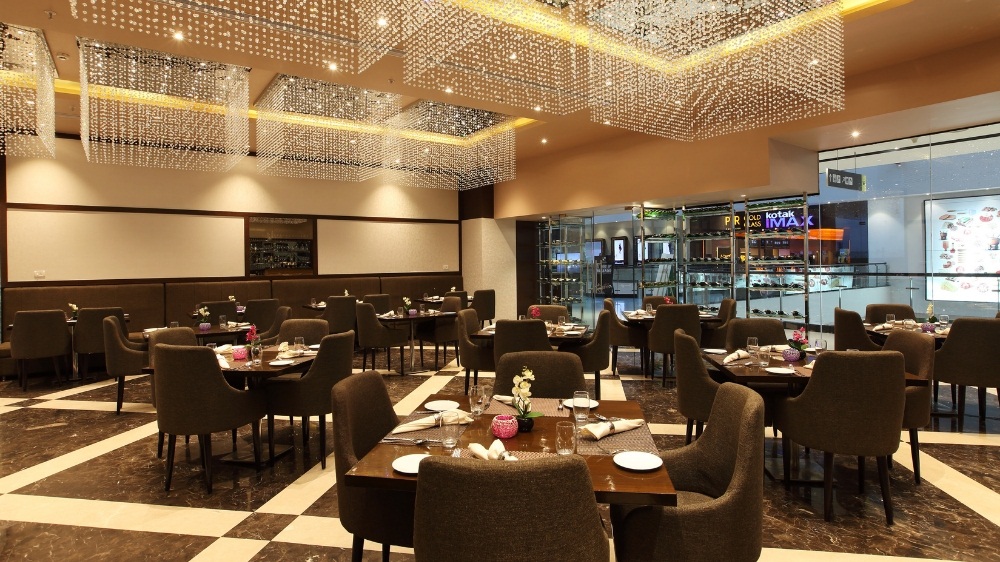
A first-of-its-kind in Singapore, Maziga Indian Bar & Grill follows the concept of a casual-style cafe and dining experience with a Modern Indian cuisine menu that brings old Indian favourites, but with a twist.
Created by Chef Javed Ahamad and team, the folks behind Singapore’s premier Indian restaurant Punjab Grill at Marina Bay Sands — Maziga has opened its outlet at Whitefield’s VR Bengaluru Mall. It is the first outpost in India. It promises to create an innovative Indian dining experience in a trendy and fun environment.
And what does “Maziga” mean exactly? The term refers to cooking in traditional earthen pots. Chef Javed Ahamad takes on traditional dishes such as kebabs created by the nawabs and turns them into a patty for his Kulha burgers — a signature menu. While the vibe of the restaurant is contemporary and new age, the menu is very Indian and rooted, but with a playful twist.
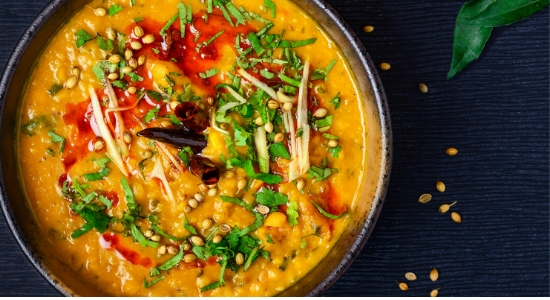
Dal Tadka served at Maziga
The seating at Maziga is comfortable and plush but not overdone because the focus here is on the food. The ceiling is perked up with giant crystal drops chandelier-style lighting.
Also Read: This Bengaluru Restaurant In India Is Doing The Nikkei Cuisine
The 15-Course Journey Through India
While the regular menu offers plenty of choices, the USP of Maziga is definitely their 15-course tasting menu, available for lunch and dinner. The tasting menu gives a whirlwind experience.
The meal starts with Chat Masala Yoghurt Spherification, Goat Brain Pav, Quinoa Upma Cod Fish Kaffir Lime Sauce. Move on to Chicken Liver Coconut, Banana Flower Dumpling, Edamame Beans and Green Peas Soup, Malwani Prawn Bharta, White Chocolate Bombs, Tandoori Smoked Duck, and Palak Gucchi Khichdi and more, ending with the 15th course, the three varieties of desserts.
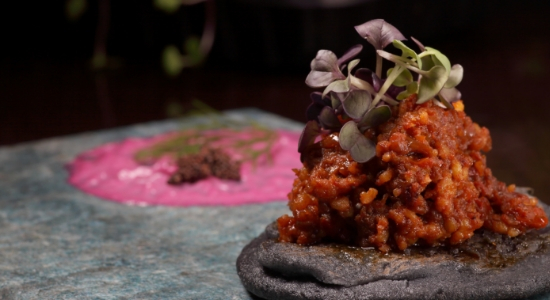
Charcoal Pancake with Malwani Prawns | Maziga
Every dish on the tasting menu is meticulously thought-out and re-interpreted to give diners a unique and alternative perspective to Indian cuisine.
À la carte menu
The À la carte menu includes a meal with good ‘ol Pind Wali Kesar Lassi, Shikanji, Matta or Jal Jeera. There’s also Blueberry or Avocado Lassi. The diners get a variety of choices in salads such as the Murgh Tikka Caesar Salad or soups such as Broccoli & Lentil Shorba. From the Chaat Bazaar section, one can pick Methi Papadi Chaat to Mumbai Beach Ragda Pattie, or the trendier Artichoke and Kale Chaat and Goat Cheese Samosa.
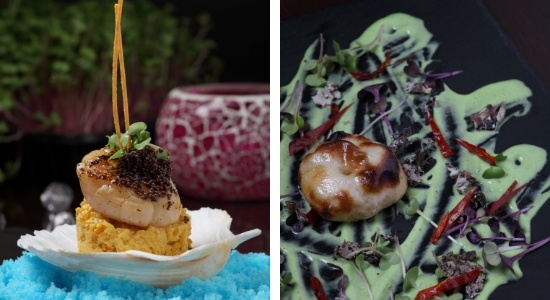
Seafood Pilaf (left) and Gilawat Kabab Kulcha (right) | Maziga
The pan-grilled kababs section includes choices like Tava Scallops, Daniwal Aloo Paneer Tikki with Raspberry & Amchur Chutney and Lamb Galouti Kebabs. And wait! There’s Chicken Tikka Popcorn with Truffle Mash, Maziga Naanlets and Maska Pao Bhaji Fondue too. The big, fat barbecue section offers vegetarian and non-vegetarian grills — all done in tandoor. Vegetarians can take their pick from Peshawari Bharwan Aloo, Dahi Wale Kebab or Mazika Chukunder Aur Quinoa Seekh Kebab. For non-vegetarians, there is Amritsari Crab Kaffir Lime Korma Sauce, Tandoori Lobster, Tandoori Duck and generous kabab and seafood platters.
The mains comprise curries with national representation — from Rajasthani Saunf Wale Aloo to Tandoori Gobi Mussalam and Jaipuri Bhindi Masala to Kashmiri Rogan Josh and Chettinad Duck Curry.

White chocolate Gol Gappa | Maziga
The desserts come with a few Bangalore twists such as the Malai Mawa & Gulkand Cheese Cake the Kurkuri Mysore Pak Halwa. But there’s also the quirky Bournvita Phirni and Masala Thandai Panna Cotta.
An Ode To Singapore
With a nod to its Singapore roots, Maziga offers the classic Singapore Sling with gin and cherry brandy. Classic like Negroni, Bloody Mary, Daiquiri, and Manhattan are also on the menu along with Martinis and Margaritas. There’s also a selection of international beers, aperitifs and shooters to pick from.
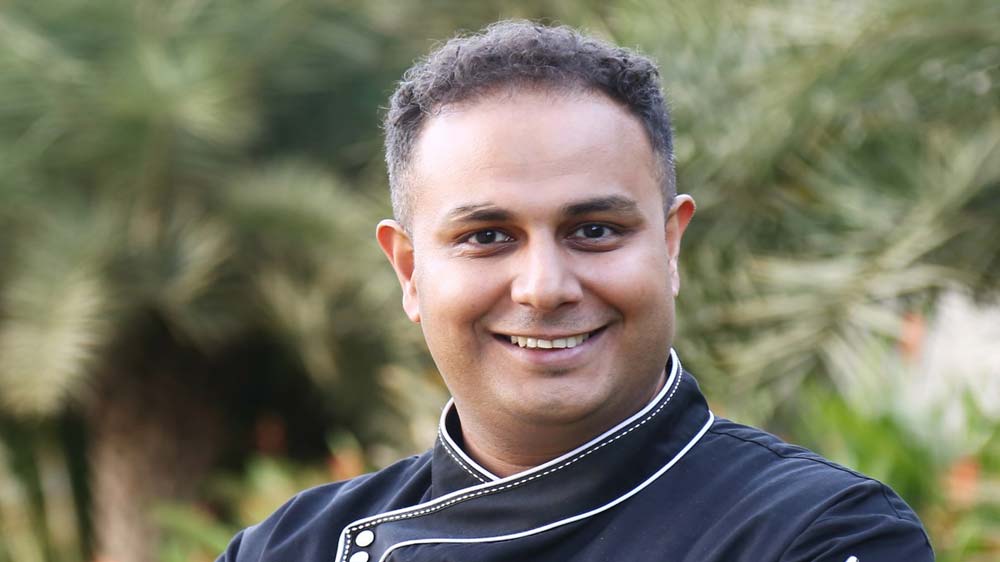
Chef Ashish never thought of entering the food world. It was only after his high studies that he saw his friends filling form for Hotel Management. He did the same and took admission in Kochi. Ashish never wanted to be a chef rather wanted to join operation side. But, whenever he used to cook things in the kitchen it used to turn better than other people. “Whenever I had a discussion with my professors they would tell me that you cook well and you should join the kitchen,” he smiles as he followed the same and started his career as a pastry chef. In his career he also worked on cruise lines and has travelled around 55 countries knowing various cultures and cuisines. Today, he is running top restaurants at Taj as an executive chef at Taj Bengaluru. Excerpts from the interview:
Venturing into the Food World
Once you decide to be there in the kitchen and it becomes your bread and butter you will have to focus on what’s new happening in the world. I follow all the top chefs of the worlds, latest ingredients, and equipments being used in the kitchen. We at Taj Bengaluru have the best equipped kitchen at the entire Taj group. We try out new trend, flavors and understand the taste better.
How have things evolved in last few years?
Technology also plays an important role these days in making the food better. People these days are well travelled and you don’t force somebody saying that this is the way this food/cuisine is because people known what it is. The knowledge of cuisine has evolved in Indians. At the end of the day we Indians want to be Indian to get something different and special by using some ingredients which makes its different. That feeling of making it special and elite is what we focus on. I focus that my chefs meet every guest coming to the hotel.
What is your USP when cooking food?
Due to my extensive travelling around the world I have got lots of knowledge about different cuisines. You can experiment with food but you can do the same only if you know the food, ingredient. So, with my travel I have experimented lots of different ingredients and cuisines which has helped me in creating new dishes at my hotel. What I stress a lot is the freshness of the ingredient. So, I buy everything fresh at my hotel. I fly fish from all the way to Ice land for my Japanese restaurant. We have also structured training going every month to keep my chefs updated and cook with them to show them what a dish should be actually like. It’s very important for chefs to be very hands on. If you can’t cook you can’t be called a chef.
Working on the Creative Side
Everyone is creative and got a different idea. I have 64 chefs working with me who have all got different ideas. I have got a dish of the month where all my chefs participate and create something special and whatever dish comes as top two I keep it as a main menu because every year we change menu of all our outlets and we need ideas to incorporate those dishes.
Serving the Who’s Who
I have served all top businessmen of India including Ambani’s, Kothari’s and Piramal’s to name a few. We have served lots of movie person as well and also dignitaries from different countries including President of Srilanka, Pakistan, Canada to name a few. I have served Mr. Modi for couple of times. I have served lots of international writers including the editor of Newyork Times etc.
A Moment to Remember
When I was working for Taj Safari, our clientele was very niche as we used to charge over 70000 for one night. Being in the jungle where closest village was 18 km away, getting ingredient was very tough. So, we used to start growing things on the property, hired gardeners. We started growing every English ingredient in the garden and we used to take guests there and they used to pluck from the garden and get to cook with us. So, that was something which was quite memorable for me because you don’t get such experiences anywhere.
Advice to Young Chefs
You can experiment food but first know the food. If you learn something. Learn first and then start experimenting. The young kid had got too much into fusion and presentation that they have forgot the basic of the dish. It is very important for us as a chef to know the ingredient before we plan mixing things. Whatever you cook, cook with your heart and soul and stick to basic when starting your career.
There has been a recent influx of fine dining in India due to two main factors-increased disposable incomes of families and an upward graph of aspirational quotient. This trend is becoming dominant in both metros and tier II cities. Also, a lot of the credit goes to digitisation, similar to its effects on other industries, digitisation has also reshaped hospitality and F&B Industry. With consumers, experience and experimentation being the key words, digitisation has built widespread awareness about fine dining experiences in the country. Consumer demand has inspired the industry to develop differentiated and interesting experiences even outside the 5 star spaces.
Keeping customer comfort and satisfaction at the centre, restaurants are now playing around with concepts, innovating ambience and décor and experimenting with food. Understanding that eating out today is not just about food and service, it is an experience. Some brands are going back to our roots, serving authentic regional experiences or innovating with Indian ingredients and flavours. While other restaurants are experimenting with global cuisines and experiences. Both in their own way are redefining fine dining experience to take consumer expectations to new heights. And, we can say that the future will bring in remarkable changes in the fine dining F&B landscape, all in the best interest of the customers.
Entry of Affordable fine dining segment
With the rise in the percentage of the disposable income, there has been a shift in the capacity of spending and frequency of eating outside home. Also, socialising these days majorly calls for eating out at an affordable fine dining restaurant. Millennials make up the majority of dining-out customers. Almost 700 million Indians are below the age of 30 and they are dictating the demand for affordable fine dining experiences. They are willing to spend money on justifiable experiences. They are brand-prestige conscious and hence the coming up of affordable fine dining space which was missing till now.
It is extremely important that they experience the attention of the fine dining space while not burn a hole in their pocket.
It’s All about Experience
The wholistic experience is what makes dining unique and memorable. Dining is a process, while good food and being served promptly are the most important factors. The dining experience entails taking care of many more elements – staying true to the concept, setting the menu, the ambience, the music, customised cutlery, staff uniforms, etc. The uniqueness could be in terms of the authentic flavours served. Our restaurant ‘Frontier Mail’ is a rendition of the first luxury train from Bombay to Peshawar and thus we serve the most authentic Peshawari cuisine.To deliver the true experience to our diners, we have created the ambience with décor elements from the actual train, customised furniture that is in sync with theera and theme. The menu and each dish has been carefully curated according to the concept, the flavours have been kept authentic with a continuous commitment to maintain the quality of food and service. Fortunately, our customers have appreciated our efforts and have shown their fondness by dining with us repeatedly.
Hence, it is extremely critical that a fine-dining restaurant aces in all these aspects and is able to communicate to the diners on the unique propositions being offered. Constant engagement with the customers by creating innovative engagement avenues also helps. Though, a lot of F&B spaces take the help of extending offers to attract dinners, in the long run what really works is that the customers are assured of excellent services and value for their money and time spent.
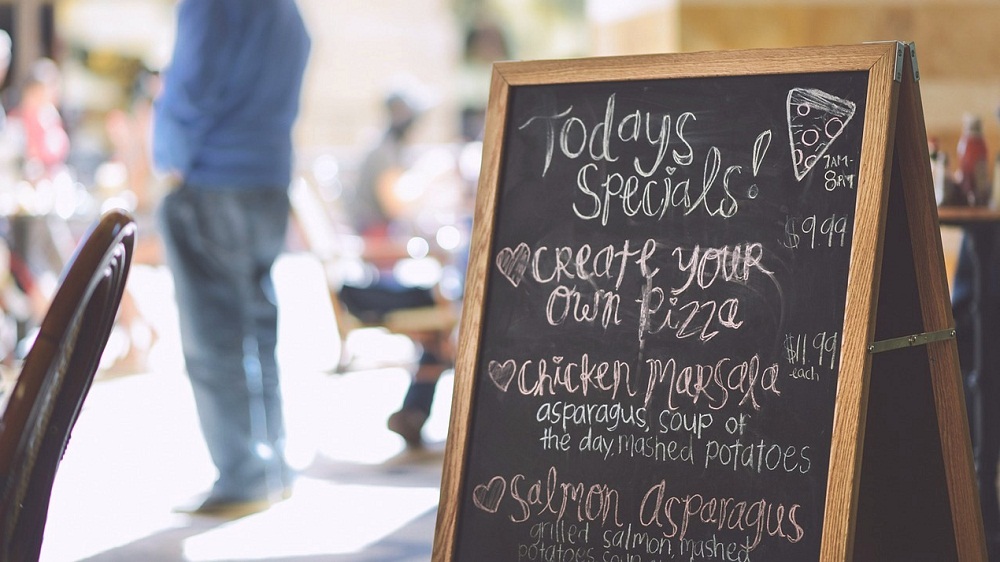
The restaurant menu is a wider concept. If I narrow it down and speak only of a Pan-Asian restaurant in India, you get so, so many options on the menu. I do not want my menu to be perceived as such. Today when you take a look at the menu of a Pan-Asian restaurant in India, you end up realising that it is essentially a Chinese restaurant with few dishes here and there. If you take up a Chinese restaurant they serve “Chinjabi and Sino-Ludhianvi” food. If a restaurant decides, ‘yes, we want to move towards serving the Pan-Asian’ as it’s the flavour of the month or it is something in demand, it should include Indonesian and Thai, too; it should maintain the authentic flavours. I don’t serve more Chinese or Japanese cuisines. In fact, I want to be less Chinese and more other cuisines. That is my vision for Wok Tok at The Grand, Delhi. You’ll see Japanese and Chinese being served less, and other cuisines more. In the orchestra, those other instruments - Indonesian, Burmese, Thai, Malay play a bit louder; Chinese and Japanese are in much more precise form. That is my vision.
Must Read: Menu Hacks For Your Online Food Delivery Business In Mumbai
You should always keep a track of these three elements while designing or re-designing your restaurant's menu.
Defining the Concept of the Restaurant
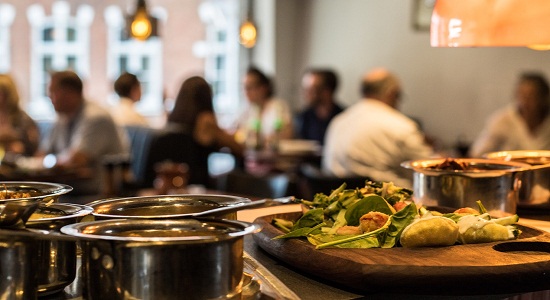
The concept may already exist. You might just want to change the menu but still, you need to readjust. The times might have changed or the restaurant has become old now. You need to focus on one question – “What is going to be the concept of the restaurant?”And then the rest - what space you want to hit the market, where do you stand and what you are. More importantly, you need to know what you are not. What your restaurant is not. Know if there are any boundaries - huge or tight, within which you’ll operate. Those boundaries have to be very well defined.
Respecting the Geography
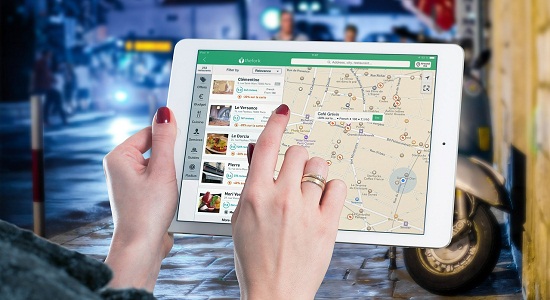
In terms of the area or the geography you are in, you have to respect those sensibilities. If there are more vegetarians, your menu has to be designed accordingly. Geography doesn’t mean just the location; it’s the times, space and the place you live in. You see much more examples of lactose or gluten intolerance than you would see 10 years back. So you have to have those options on your menu. If there are more vegetarians, you want to have those kinds of cuisines. The next menu I’m doing for the Cascades, my all-day dining restaurant, 40-45 % of the menu is vegetarian. So, you have to respect the geography and what the market demands.
Click To Read: Points To Consider While Designing Menu For Restaurant
Maintaining the Balance, Flavours
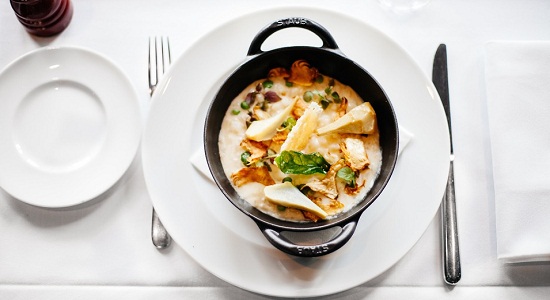
And then you have to look at the balance of rich vs light food. I always wanted to have my food very flavourful. Whether it’s an Indian, European or a Japanese restaurant, I don’t like bland food. When I say bland food, I don’t want you to mistake it for the spicy cuisines we are served in India. It’s the flavours that matter. The flavours have to be robust - that is my thing. I have visited a lot of restaurants and had insipid food that really didn’t speak to me. I love vibrant flavours. That’s a personal and individual thing to me. And then I prefer to balance across from rich to light, from flavourful to delicate, from spicy to non-spicy, from veg to non-veg; you have to balance all these aspects, based on the geography, and the kind.
As told to Sara Khan, Feature Editor, Restaurant India
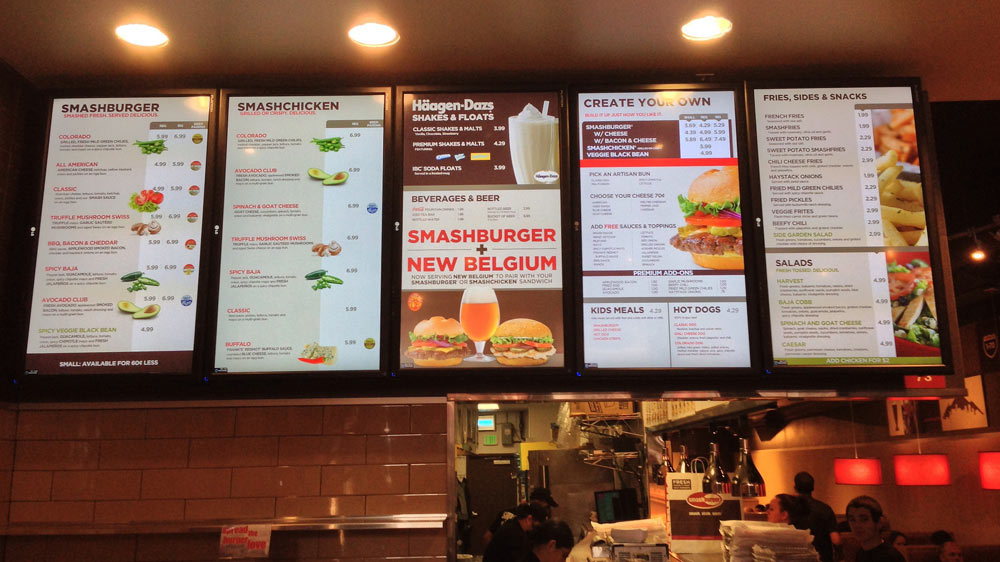
With the augment of the new age of technology where everything is getting digitized, the restaurant menus too are stepping ahead and going digital. The hard copies of restaurant menus are replaced with the digital ones and there are not just one but many benefits of a digital menu. Not only is it cost effective since you will not have to print menus every time you bring in the slightest change but also very appealing to the eyes since your customers can see the entire menu on one sight, which in turn will help you in upselling.
“Digital menu gives wider access to customer, unlimited reach, customized & personalized offerings to give better experience to customers, easy promotion by tweaking price, Keeps ahead of the competition, enables timely feedback from customers. All of it increases loyalty of customer hugely, “shares Ranjan Agarwal, co-owner of Salad Chef.
Digital restaurant menu has an upper hand over the traditional restaurant menu for not one but many reasons. Since most of the restaurants are automating their restaurant operations, it is easy to make the transition as well. The main reasons why the shift to the digital restaurant menu is important are:
Cost Effective: Unlike a traditional static menu board, costs can be reduced by diminishing the need to design, print, ship and reprint menus whenever promotional items are added to the menus. Once you have your digital restaurant menu designed and installed maintaining it is simpler as it requires small tasks of uploading pictures and posting on any of the social media platforms. Since a digital restaurant menu can be edited easily, it gives the advantage to your café or restaurant to be dynamic in your offerings – for example, tweaking your food to adapt any latest trends or any seasonal festivities.
Easy Menu Updation: When digital restaurant menu is integrated, all changes on the menu relating to the menu items and the pricing can be managed remotely so that either all or only the selected few restaurants (if it is a chain) gets it updated on the e-menu.
Reduced Dependency on Manpower: Automation always frees up the reliance on staff and reduces dependence on the external forces like the manpower. If you have an e-menu on every table, then orders need not be taken down by your servers, which will in turn help in freeing them and reducing the need to schedule servers during peak hours. Not only will this reduce your need to tap the right restaurant staff, and then train and retain them, it will also reduce the scope of mistakes while order taking and the instances of misplacing orders. Since it is your customers who are placing the order the possibility of sending the customers a wrong order would be nearly negligible. The digital restaurant menu is a highly accurate system and leaves little room for mistakes.
Enhances Customer Experience: The digital restaurant menu is highly beneficial for your restaurant since it helps to make your entire guest experience more comfortable and convenient. With a stellar HD photo displayed on the tablets, it would allow your food items to appear more attractive. Your digital restaurant menu will also help to suggest food items to customers according to what they are look for or point them to the more popular dishes for that week. Hence, your digital restaurant menu will be able to provide a personalized experience to your customers.

How did food happen to you?
A man is what he eats. There is nothing else in this world that stimulates all our five senses. Given the diversity, you could go on eating new cuisines everyday yet require 12 Lives to live to taste all the varieties available. And by then I am sure we would have explored more cuisines.
What was the whole idea providing consulting to restaurant brands?
I believe managing and operating a restaurant is an art. Having an educational background along with work experience with some of the most renowned brands in the industry like the Marriott group helps other restaurant brands in their growth. Hence, we as a hospitality company started taking up management for restaurants apart from our owned ones.
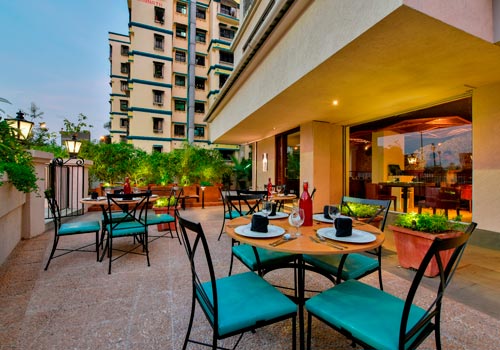
How is your service unique from others in the industry?
We believe in creating a human touch in everything we do. Our company offers a complete set of services required to run a restaurant or a hotel and with a bunch of young minds and experienced teammates, thereby making us unique.
When did you think of opening your own restaurant?
Having our own restaurant was always on my mind. However; in the beginning of 2017 I worked upon my dream project which had its own unique concept which involved a good amount of research work and a well experienced team. Once everything amalgamated we opened our first restaurant in May 2017.
How much money you have put in to come with this concept?
Well, the key is that you invest only the amount you are sure to get the return of. Feasibility study has to be very important. If you ever want to calculate a rough approx just multiply your sq. ft area with INR 8000. You should get an estimated figure to begin your work with. But remember, location is the most important thing here.
You change your restaurant menu every 14 days with one international and one Indian cuisine. What is the idea?
Mondo Fine Dine being my first restaurant, I wanted to have a unique concept which would educate people about various international cuisines. Hence, we started with the concept of changing our menu every fortnight.
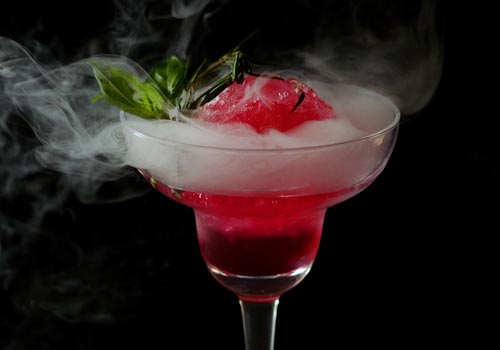
How much do you believe in local and sustainable eating?
Firstly both the terms are not same. We use a lot of local vegetables which are bought and sold to us directly by the agri community from the forests. Have you ever tasted a smoked bamboo or something which is called chicken spinach? I believe more than anything, the ingredient has to be sustainable, cause remember everyone will taste it in the future.
What is your favourite part of playing with flavours?
I love breaking the flavors. It takes a lot of patience to find out the complimenting flavours which help in breaking the flavor. One has to keep in mind that he cannot play with the texture of the key ingredient of the star of the dish. He could end up finding a new complimentary flavour all together. As once we mixed Kafir Lime, Curry leaves and Sugarcane to create the highest selling drink of MONDO.

What trends you see going forward that will disrupt the food biz?
Molecular, Nitrogen foaming and Fusion. These started with complimenting flavours and now the texture and state of the dish is first decided before deciding the dish. I believe that ingredients should be given respect. They go through a lot before reaching your table.
What is your expansion plans?
I believe in moving forward slow and steadily hence, we are expanding slowly and shall be announcing about the same soon.

Over the years casual dining has become one of the fastest segments to grow, capturing both quick service and fine dining customers. With 33 per cent of market share, the sector has become investors’ first love in the food service game where they prefer putting in their hard-earned money. And, as people are eating out more day by day this segment of the market is divided into two parts depending on the location and the target group.
Prioritizing on Affordability
“Customers have money and they like to experiment, so when a new concept is launched most people give it a try. If the concept wins the guest by good service, affordable price, innovative ideas there is a repeat visit and the concept is successful,” shares Sharad Sachdeva, CEO, Lite Bite Foods adding that as casual dining is getting more and more acceptable, restaurant owners are dividing it into two categories basis the location and customer.
According to a latest research done by CBRE, Casual dining restaurants (CDR) has been a category that has gained significant traction in the past couple of years; with the category accounting for almost 46 per cent of all restaurants that were a part of the survey. In terms of location, more than 60 per cent of CDR’s in the survey are located on high streets.
As the F&B landscape matures, it has given enough opportunity for the emergence of home grown chains. With the availability of funding and PE investments in the F&B business, operators have expanded their brands across cities. NCR and Mumbai are the cities that witness the most "cross expansion", with chains headquartered in either of the two cities expanding to the other city fairly quickly.
“The customers are less choosy yet very impulsive while dinning out. It is not essentially affordability that is important for customers but also the QSC (quality, service and the cleanliness) at any dining segment which is mandated to magnetise repeat visits,” points Abhinav Yadav, COO of Cybiz BrightStar Restaurants Pvt. Ltd which runs burger chain Carl’s Jr in India.
Driven by New-Gen Customers
Casual dining restaurants are very different as they focus on customer experience, however their USP remains affordable pricing. “Millennials the right customer base for ACDRs as for them pricing is the most important aspect apart from innovative ideas and service, most affordable casual dining concepts addresses all these aspect,” adds Sachdeva who launched Tappa and You Mee to give unpretentious food at very affordable prices with excellent service and ambience that youngsters love these days.
Commenting on the same, Atit Verma, Co-Founder, Tpot Café says, “India has a big appetite for eating out. The economics of running a restaurant isn’t keeping up. The amount of real estate available to restaurateurs is limited, rentals are constantly increasing and yet consumers are going for (cheaper) casual dining, making it harder for us to break even.”
And, as most of the target customers’ in this segment is well travelled and well read, informed, they know the importance of good ingredients and amicable food at a pocket friendly. “Unlike a Quick service restaurant, the casual dining restaurant not just focuses on the quality of food to be served or delivered but a lot more value added services adds on to this particular format,” adds Yadav.
With dominance from domestic players ACDRs have seen high growth inviting international chains like Pizza Hut and Carl’s Jr to invest deeper into the segment.

The World of innovations have certainly opened up for restauranteurs and chefs, as the trend for small portion and plate is catching up in our country. With a sudden high demand, this trend is surely catching up the menus of many restaurants making a great appearance in the food industry. The trend is allowing people to try more than one item on a single visit to a venture. “Restauranteurs need to take a serious look at how they design their menu and cost. It is true that most people eat less due to health compulsions or the need to remain fit but that does not mean the food should be insufficient,” says Reynold Fernandes, CEO, Oriental Cuisines.
Previously it was predicted that this is one of the trends which will eventually find its way into the menus and now we can see that those words are coming true, making the prediction come true. This trend has taken the industry by storm gathering a lot of people in their corner. The tradition of small plate originated from Spain where people preferred to have a bite with a drink and then moved on to the next bar. Initially the concept didn’t appeal to the people as they were in the habit of sitting longer for a fine dining session with their friends and families and had their own favored dishes to order to. But with time the things gradually changed. The same people started spending long dining time with their loved ones and trying quick small plate varying in taste and ingredients.
Earlier, people also used to dine out to celebrate occasions saving their money and time. But it’s a passé now. With QSR and other quick chain ventures establishing, people now usually dine out four to five times a week spending smaller amount each and every time. That’s where small plate concept comes into play. It allows people to taste variants of cuisines in small quantity saving money at the same time. Hence, we can say that small portions allow a chef to serve diversity and variety of items in front of the diner experimenting with the plating techniques and flavors which usually interests the customer. These are the elements which make the small plate a clear cut winner when it’s about attracting the guests. Age group and the social economic factor are playing an important role in the demand of small plate.
The advantage of having small plates in the menus is that it provides a variety of option for the customers to try various dishes. Fitting to the pocket, these meals gives full justice to the food lovers who are looking for variants dishes spending small amount of money. In addition, small plate provides the right quantity of food which is essential for a person dining. The choice of having such meals has become more in demand as the QSR chains like McDonald’s and KFC have also introduced items like bowls which is serving as small plates.
“In today’s day and age, food is fashion. It drives our conversations and even our browsing habits. The internet has made the world smaller and people are travelling more so there is loads of awareness and exposure to different cultures and cuisines. This has brought about the change,” adds Chef Michael Swamy who is running the fine dining restaurant Nueva in Delhi.
With so much to offer, small plate is attracting a lot of people and is expected to grow even more with upcoming times. Appropriate food in the right quantity with mouth watering taste is something to look forward while dining out. Experimenting with these products has become the trend as its providing people to try various dishes at a pocket friendly price satisfying their hunger.

Superfood is one of the most talked about trend today, which in no time has become a part of our daily life. A trend becomes a trend only when there is a change in the customer behavior.
Being a health conscious person and working in an environment that is so stressful and having to live in Delhi where we know that what we are breathing is not fresh air but smoke and pollution, it became imperative for me to approach a nutritionist. That is when I met Kavita Devgan and she told me about the magic of consuming superfoods. What pushed me to believe in her is that she did not suggest or advice anything that was a huge change in my existing lifestyle she planned everything around my existing habits.
Being in the food industry and also a food lover, when I discovered superfoods I believed that I could also incorporate something healthy at my restaurant and offer the same to my customers and guests. That is how we came up with the idea of having our own “Superfood” menu. Kavita and Chef Ashish (Corporate Chef, Café Delhi Heights) sat down and first listed down the superfoods that we wanted to incorporate and then worked around the recipes. Throughout we tried to keep all such superfoods that were of Indian origin and easily available.
The entire thought was that generally a cheat meal for most of us would be an outing to our favourite restaurant but today at restaurants everyday can be a cheat day with the superfood menu they are offering. The menu is like a bible with all the information which people can take home with them. It has the importance of each superfood used and also our recipes from the menu.
However, when initially this kind of menu was launched, people in the industry were skeptic on how it would do but customers started picking up the trend and enjoying it. Soon the menu picked up and people started coming to many restaurants only for the superfood menu. Most of my friends have told me that they tried the dishes at home as well with the help of the recipes that we have given out. Café is a place that has always focused oncomfort food since we opened six years back.I think what connected really well with the people is that the superfood menu has some very easy and comforting dishes in which the superfood is not just a side ingredient but is the hero of the dish.
We are known for trying out completely out of the box things and the idea of a superfood menu is one such example. Earlier, when it was launched in May 2017, the menu was suppose to be only a month long feature at our Sangam Courtyard outlet but on popular demand we have now moved it to our Crosspoint Mall outlet.

A well–travelled chef with an innate understanding of culinary concepts and a strong passion for innovation, Vikas Seth comes with over two decades of work experience travelling across some of the best culinary capitals of the world.
Growth of restaurant biz
The F&B market is opening up year on year and I feel stand alone restaurants are doing really well in the market with good stake. Fine dining has also got a holistic touch in standalone environment. I can feel that everyone today is growing. If you see at the organised part of the industry it is only 30 per cent and 70 per cent is still not organised and its actually growing and I think it will move more towards organized segment soon. From past 20 years I can see a lots of food development happening, people travelling more, they are ready to spend more and there is high acceptance level amongst the crowd with new concepts and varied cuisines. People are eating out a lot and it is great signal for the food industry to do more outlets.
Creating Mexican waves
If you go in detail its very surprising. Mexican cuisine is very much familiar to the Indian cuisine. Both have a legacy and have a history rich cuisine, ingredients are plenty. There are a lot of chillies used to prepare the food which are all not spicy but obviously flavorsome. Mexican cuisine is beyond Nachos and Tacos.
On his own Restaurants
I am chef and culinary director at Lounge Hospitality. My role other than cooking include conceiving, creating anddeveloping menus, work on new ideas, teach staff and obviously the costings. It’s a lot of fun and as I am born and brought up in Amritsar I love eating and cooking good food. Almost every day you are creating something new and doing something new. It’s very challenging as well as exciting role with lots of travel which I love. I am travelling to a place called Oaxaca in Mexico soon. This place is what Punjab is to India for culinary delights. I am going to a Mexican food capital with a Mexican chef which is going to be very exciting with lots of eating out and learning more about the cuisine and culture of the place.
Why Mexican cuisine is still a challenge for people to do is because of the ingredient sourcing, can be the chillies or right masa. To get all these things there is lots of backend work that has to be done. Though, it’s always challenging to do foreign cuisines in India but as I have spent quite a few years doing it, the challenge has reduced for me. We are importing integral parts of it from Mexico and avocados we are sourcing locally.
Design that boasts
We have designed the restaurant in a way that we have a bar at the centre and on the left we have 100 cover restaurant Sancho’s and on the right we have Singkong which is 70 cover restaurant. The Mexican has a rustic look whereas Oriental has more Pan Asian feel to it. As we are present at the best location in Bengaluru, that is UB city, our mouth watering food at both the places along with great location adds up to the better footfall at both of our restaurants. We have a kitchen which is divided into two, one side is oriental and other side is Mexican and operationally it works well for us.
The crowd puller
Footfall at our restaurant ranges from 250 people on weekday to 600 people on a weekend. Since most of the females are also working in Bengaluru so they tend to eatout more as compared to other cities. It is a price sensitivemarket, so the right portion size of the dishes, to get a real value for money pricing is the key. We also work on small plates in our Mexican restaurant to make the pricing more attractive and at the same time guests can try more variety.
On growing trends
Standalone restaurants are doing well, lots of regional food is also doing well and home chefs are being recognized. People are travelling more and so awareness about foreign cuisine and lot of ingredients is growing. People are appreciating new ideas. And, today you have clientele for every product and there is room for everybody to excel. The key is the taste and marketing for sure!!!
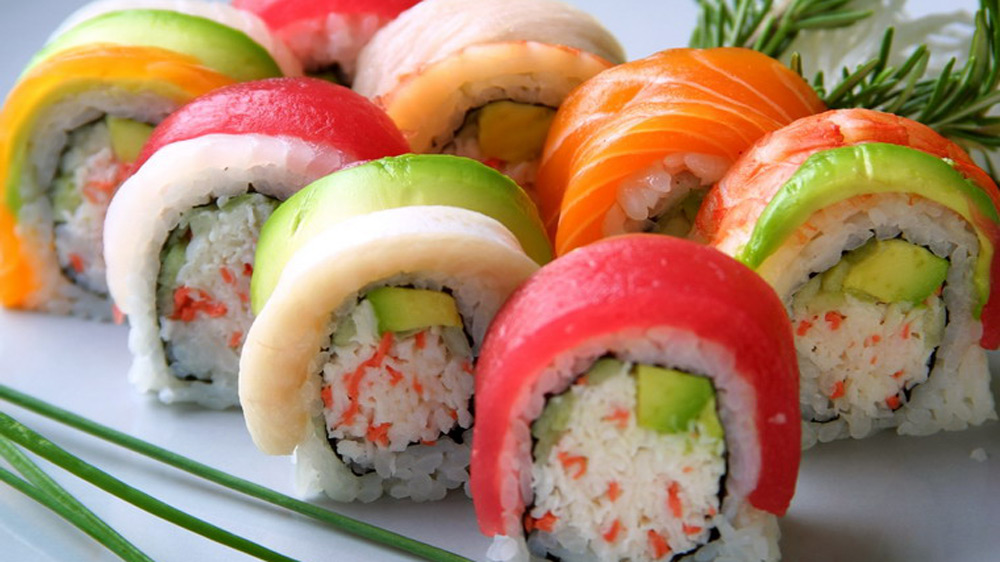
As Indians are continuously experimenting with food, it has become an integral part of the conducive business in the country. We see people travelling a lot these days in search of good food and experience culinary repertoire of regions and nations pushing a region wise food trend in the country. Gone are the days when Asian food was limited to Chinese cuisine, restaurants today are offering much more than Chinese and Japanese. Pan Asian cuisine is the new wave in the market with speciality restaurants breaking all food myths. This has pushed a new trend in the industry giving a way to lots of Pan Asian food delivery online place opening up. Cities like Delhi, Bengaluru and Mumbai has already witnessing this change but smaller cities are also joining the bandwagon and setting up speciality delivery places.
Why delivery?
Kula Naidu who was one of the first entrepreneur to set up this trend by setting up only delivery places Asian Haus and Sushi Haus in Delhi four years back today see the great potential for the segment and feels happy to see the awareness of comfort asian food growing in the market. “We realized there are a large demand for delivery and the scarcity for good comfort Asian Food. Our focus is on emphasizing the experience of food delivery and extending it towards a complete brand,” added Naidu who believes that Asian food has a large popularity and is well understood by Indian customers. Since, there haven’t been any places that cater in the same capacity as us, it was our calling. With Italian food, it’s unexplored territory, he further pointed.
Similarly, Joseph Cherian who has spent a substantial time in Asian countries working as CEO of GFA Global and Papa John’s India, he always enjoyed Asian flavours and always dreamt of bringing those flavours back to India. He together with his friend and chef Nabhojit Ghosh under Love Food Ventures Pvt Ltd started 48East which is marked by a multiplicity of regional and ethnical influences. The start-up is representing foodies trail from around 48 countries.
“I spent most of my working years in Asia and Middle East and always felt the need of gourmet Asian food home delivered in India during my stay in India. What is typically available in India for home delivery were home grown Indo- Chinese brands. In addition to the Indo-Chinese food, Asian food was typically a Thai Green curry or red curry, Malaysian, Singapore noodles etc,” shared Kurian who thought of bridging this gap.
Getting the right raw materials
Asian food is all about the complex flavours. Hence, getting the best raw materials is the important aspect of this cuisine. Though, with modernisation and global trade some ingredients can be sourced locally but for few one need to get it flown from their home location to meet the authenticity of that land.
“We have tied up with various suppliers to supply us with both locally sourced and imported ingredients. We need to import some of the items to ensure authenticity of the dished,” added Kurian.
Sharing on the same, Naidu pointed, “a lot of the raw materials required are available in Delhi. Supply does end at times and we can’t do much about till new stock arrives. We deal with vendors who import these raw material from Thailand and Japan majorly. Sourcing is a lot easier in Delhi as it’s the capital.”
And, as we see this trend catching up fast with new players venturing in the space, a lot more focus is showered on presentation and delivery of the food.
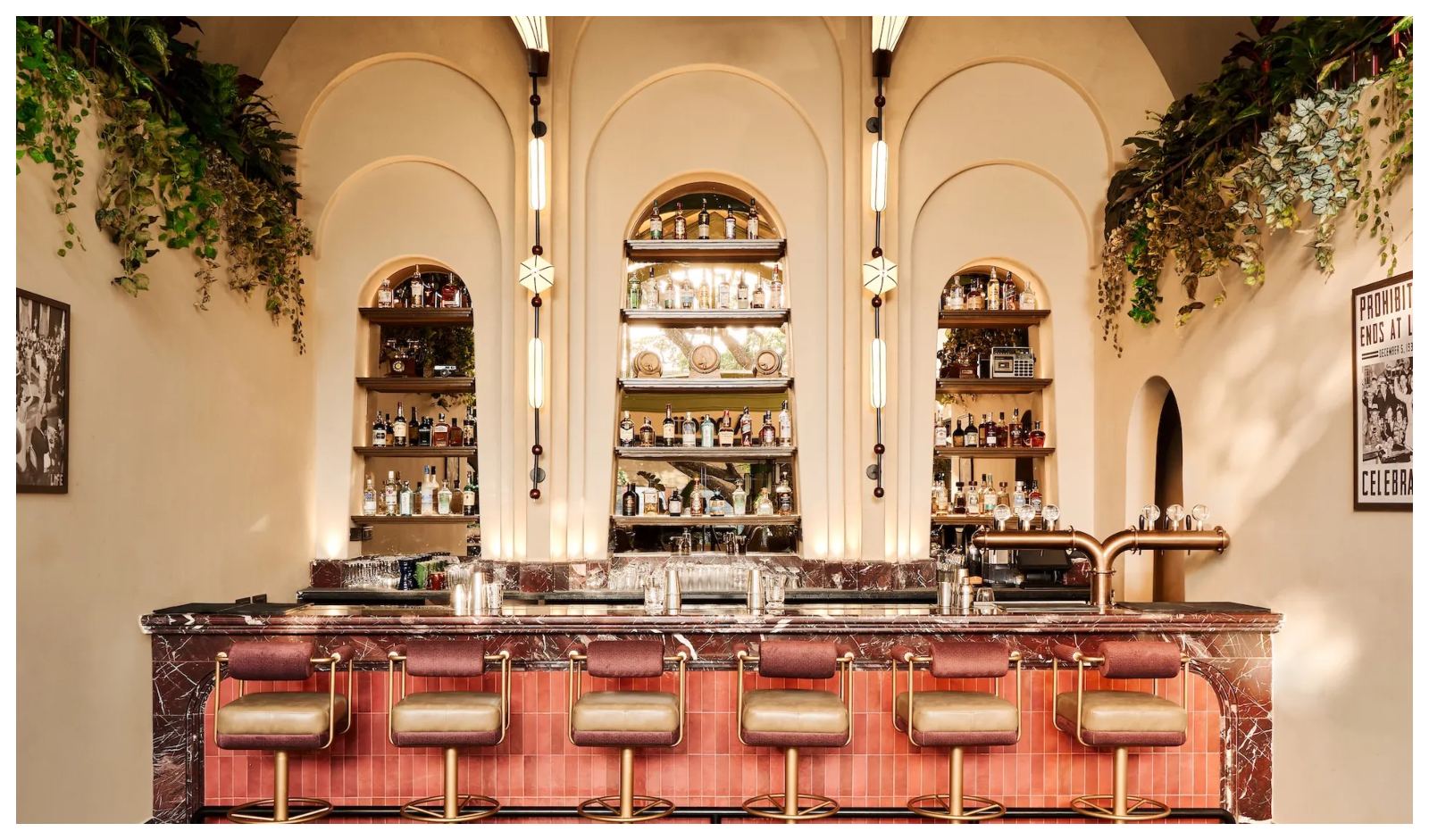 Restaurant OperationsSwiggy's food-delivery GOV grew 22.6% year-on-year to ₹9,005 crore in Q4 FY26, while its food-delivery adjusted EBITDA margin reached 3.3% of…
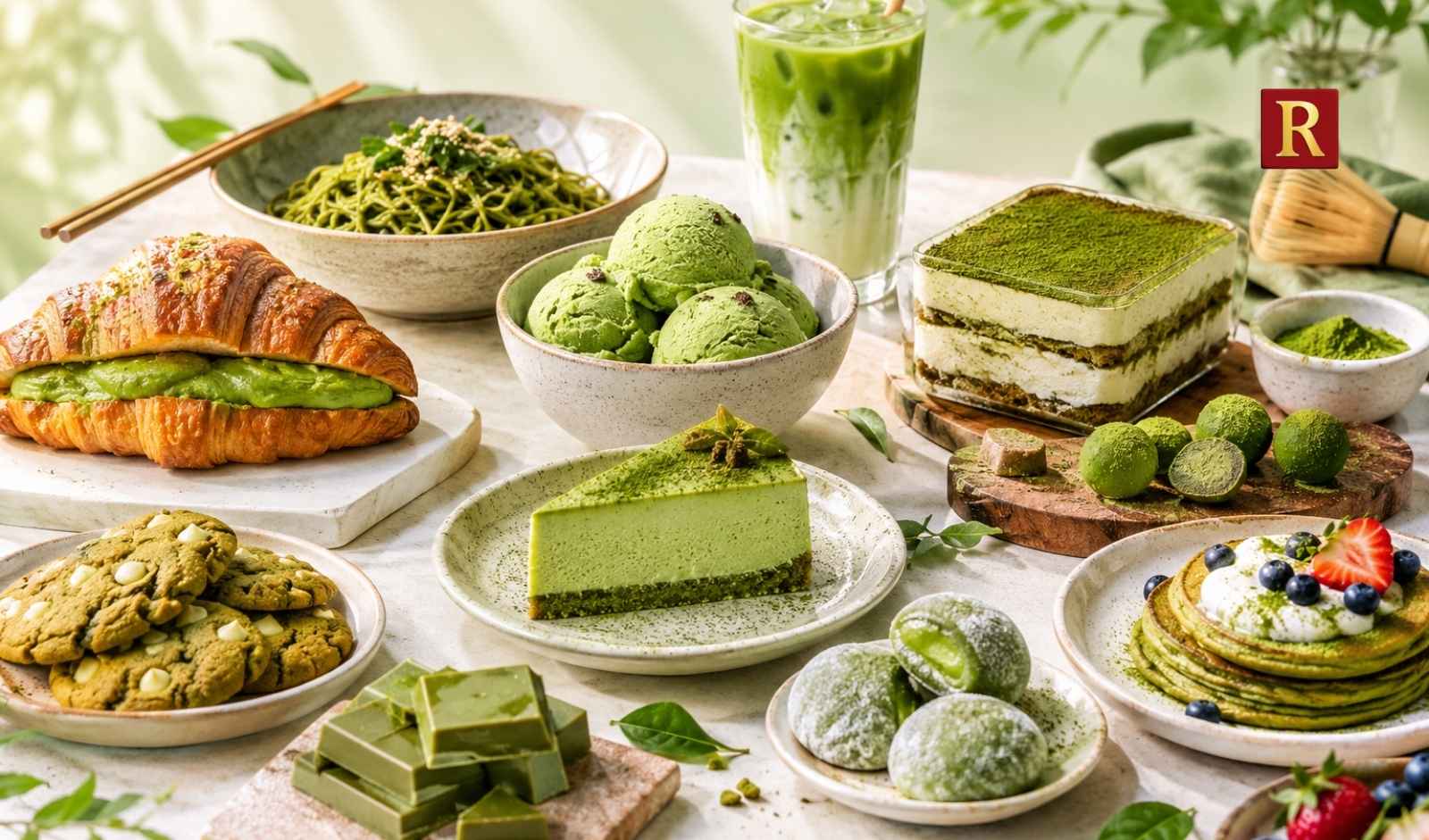 Global FoodMatcha has moved from the tea bowl to the dessert counter, bakery shelf, breakfast table and, increasingly, savoury cooking.
 Global CultureThey are exploring the stories, ingredients and techniques behind them. Matcha may have created the curiosity, but these lesser-known drinks could…
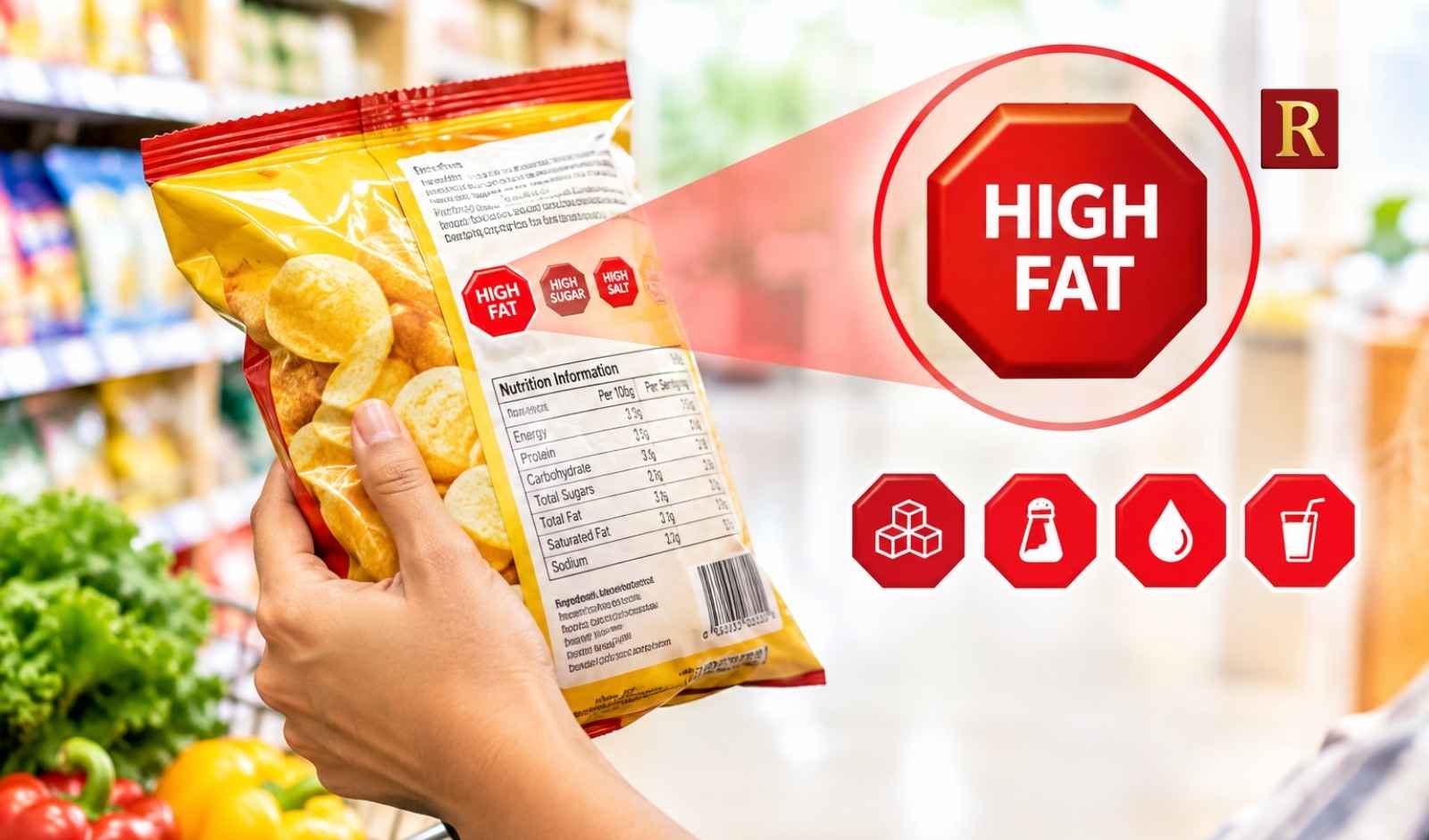 Food businessA red label would not tell you that a food is "good" or "bad". It would tell you that one part of its nutritional profile…
Copyright © 2009 - 2026 Restaurant India.