





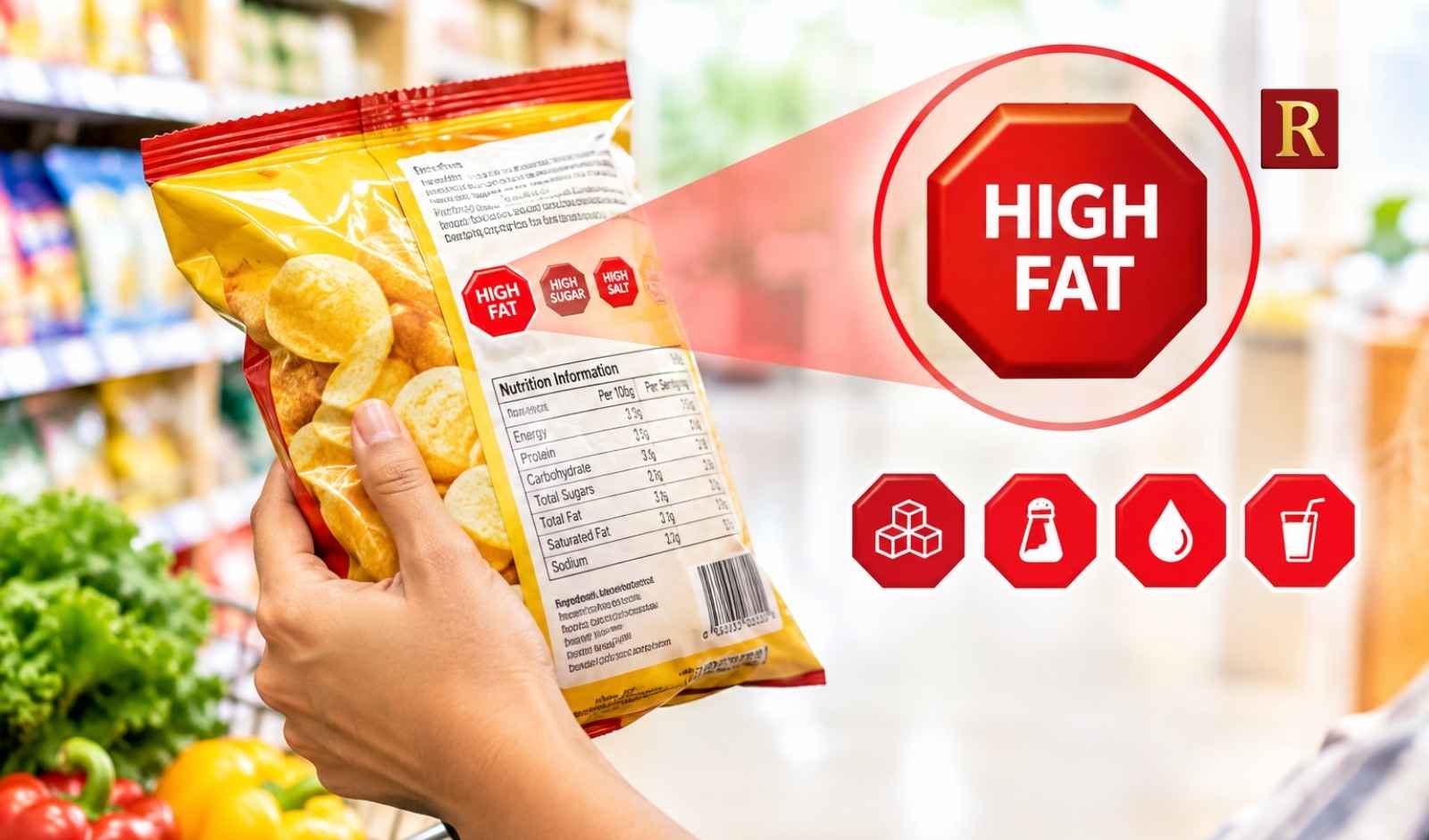
India could soon see a very visible change on packaged food. The Food Safety and Standards Authority of India (FSSAI) has proposed red, hexagonal warnings on the front of food packs to highlight products high in nutrients such as added sugar, fat and salt. The proposal is not yet a final labelling rule. The Supreme Court is still examining how the system should work. On September 10, 2026, the Court questioned FSSAI's initial plan to apply warnings first only to products high in two or more nutrients. FSSAI then said it would consider warnings for products high in even one nutrient. The Court has also sought more clarity on implementation.
If implemented, the label could change how Indians read a biscuit packet, breakfast cereal, namkeen, instant noodle pack or beverage. But a red warning would not mean that a food is poisonous or unsafe. It would be a quick nutrition signal. Here are seven things it could tell consumers.
7 Red Food Warning Labels
1. A Red Label Could Tell You What Needs a Closer Look
Most food information is currently placed on the back or side of a package. Consumers have to find the nutrition table, understand the numbers and then compare products. Front-of-pack labelling is designed to make that process faster. FSSAI's proposal describes the red hexagon as a simple and prominent warning for products high in specified nutrients of concern. The proposed labels include terms such as "HIGH FAT", "HIGH SALT" and "HIGH SUGAR". A "HIGHLY SWEETENED BEVERAGE" warning has also been proposed for relevant drinks. This matters because supermarket decisions can be quick. A shopper may spend only a few seconds looking at a packet. The World Health Organization has noted that front-of-pack systems work as supplementary nutrition information and are intended to help consumers understand products more easily at the point of purchase. The red label, therefore, would not replace the nutrition table. It would act as the first signal to look more closely.
2. "High Sugar" Does Not Mean Every Type of Sugar Is the Same
Sugar is one of the most misunderstood parts of a food label. A product can contain naturally occurring sugars and added sugars. These are not the same thing. The ICMR-National Institute of Nutrition's Dietary Guidelines for Indians, 2024, specifically discuss added sugars. They include sugars and syrups added during processing or preparation, with examples such as sugar, jaggery, honey, glucose, fructose and dextrose. That distinction becomes important when looking at products marketed with words such as "fruit", "natural" or "made with grains". For example, a fruit itself and a sweetened packaged fruit drink should not automatically be viewed as nutritionally identical simply because both use fruit-related language. A proposed warning could help consumers move beyond the large claims printed on the front.
- The useful question would become: What nutrient is actually high in this product?
That is a better way to read the packet than assuming that one word such as "natural" or "multigrain" tells the whole story.
3. "High Salt" Can Reveal Something You Cannot Judge From Taste Alone
Salt is another important part of the debate. Indian consumers encounter packaged salty foods in many forms. Namkeen, instant noodles, savoury biscuits, sauces, packaged soups and ready-to-eat foods can all contribute to salt intake. The ICMR-NIN Dietary Guidelines also identify salt as a nutrient of concern and discuss the role of processed and packaged foods in dietary patterns. The interesting point is that taste is not always a reliable way to compare products. Two products may not taste equally salty, yet their nutritional composition can still be different. A clear front warning could make salt easier to notice before purchase. For a shopper comparing two packets of noodles or two savoury snacks, this creates a simple second step: Look at the warning. Then compare the nutrition information. The goal is not to tell people that every salty food must disappear from their diet. It is to make the amount of a nutrient easier to notice.
4. "High Fat" Needs More Explanation Than a Red Symbol
This may be the most important point for consumers. A red warning about fat should not be interpreted as meaning that all fats are equally harmful. Food labels can distinguish between different types of fat, including saturated and unsaturated fats. The current Indian debate is also focused on how nutrient thresholds should be defined and applied. FSSAI's proposal submitted to the Supreme Court refers to added saturated fat, added sugar and salt as the nutrients of concern for its proposed system. That technical detail matters. A shopper should not see a warning and conclude that the entire product has no nutritional value. Nor should the absence of a warning be treated as proof that a product is automatically healthy.
- The red label would answer one question: Is the product high in a specified nutrient according to the regulatory threshold?
It would not answer every question about the food.
5. A Red Warning Could Make Marketing Claims Easier to Question
Food packaging is designed to attract attention. Words such as "wholesome", "energy", "natural", "fibre-rich" or "made with grains" can influence how consumers view a product before they read its nutrition panel. This creates an interesting role for front-of-pack warnings. Imagine a cereal box carrying a large health-oriented message on the front. Now imagine the same box carrying a prominent warning about a nutrient of concern. The consumer sees both messages at the same time. That could make shoppers more likely to ask what is actually inside the product. The issue is important because front-of-pack labelling is not supposed to function as a complete nutrition assessment. WHO describes it as supplementary information that works alongside mandatory nutrient declarations.
- In simple terms, the front could tell you: "Look here."
- The back can then tell you: "Look closer."
6. A Red Label Would Not Mean the Food Is Unsafe
This distinction needs to remain clear. A nutrition warning is not the same as a food safety warning. If a packet carries "HIGH SUGAR", that does not mean the food is contaminated. "HIGH SALT" does not mean it is adulterated. "HIGH FAT" does not mean the product is illegal. The warning would indicate that the product crosses a defined nutrient threshold. This is why the final design and wording matter so much. FSSAI has proposed using a red hexagonal shape and placing the warning prominently on the front. The proposed text would also use a font size one point larger than the nutrition information table on the back. The Supreme Court has, however, said that several practical aspects of the proposal still need clarification. These include the rollout and the exact operation of the warning system. So consumers should not treat the proposed design as a final rule yet.
7. The Label Could Change What Food Companies Put Inside the Packet
The biggest impact may eventually happen before a consumer even reaches the supermarket. If a warning becomes highly visible, food companies may have a stronger reason to reformulate products. This could mean looking at the amount of added sugar, saturated fat or salt used in a recipe. The World Health Organization identifies reformulation as one of the potential effects of front-of-pack labelling policies.
This is where the policy becomes bigger than packaging.
- A consumer sees a red warning.
- A manufacturer sees a reason to reconsider a recipe.
- Over time, that could affect how packaged foods are developed and marketed.
However, the result will depend on the final Indian rules, the nutrient thresholds and how effectively the system is implemented.
Why This Debate Matters in India
The discussion comes against a significant metabolic-health burden. The ICMR-INDIAB national study included 113,043 people. It found a weighted prevalence of 11.4% for diabetes, 15.3% for prediabetes, 35.5% for hypertension, 28.6% for generalised obesity and 39.5% for abdominal obesity. These numbers do not mean that front-of-pack warnings can solve these problems. They show why clearer information about food composition has become an important public-health discussion. The ICMR-NIN Dietary Guidelines for Indians, 2024, also place attention on nutrients such as fat, sugar and salt and discuss the nutritional concerns associated with different types of processed foods. For India, the challenge is therefore not simply putting a red symbol on a packet. The bigger challenge is making sure consumers understand what the symbol means.
The Interesting Part: One Red Label Cannot Tell the Whole Story
A useful way to think about a future warning label is as a four-step reading system.
- Step 1: Look at the front. Check whether a warning is present.
- Step 2: Identify the nutrient. Is it sugar, salt or fat?
- Step 3: Read the nutrition table. Look at the actual numbers.
- Step 4: Check the ingredients and portion. Understand what the product contains and how much you are likely to eat.
This matters because a warning label would not tell you everything. It would not tell you how much protein or fibre a product contains. It would not tell you whether the food fits your personal diet. It would not replace the ingredient list. It would simply make one important part of the nutrition information harder to miss.
India's Red Label Is Still Being Shaped
The proposal has already changed during the current legal process. FSSAI initially proposed a first phase covering products high in at least two of the specified nutrients, followed by a second phase for products high in one. The Supreme Court questioned why a product high in just one nutrient should initially escape the warning. On September 10, FSSAI told the Court it would consider applying warnings to products high in any one nutrient. The Court has asked for further clarity, and the matter remains under consideration. That means consumers may eventually see a red warning on packaged foods, but the final format, thresholds and implementation timeline should not be presented as settled until the regulatory process is completed. For shoppers, the most useful lesson is simple. A red label would not tell you that a food is "good" or "bad". It would tell you that one part of its nutritional profile deserves attention. And that may be exactly what front-of-pack labelling is meant to do: make an important number visible before the packet disappears into the shopping bag.

India's milk production is growing at a steady pace. The country produced an estimated 247.87 million tonnes of milk in 2024-25, up from 239.30 million tonnes in 2023-24. Milk production has also increased by about 69% since 2014-15. But a larger milk supply brings a larger quality-control challenge.
The issue is not simply whether milk has been diluted or adulterated. Milk quality also depends on animal feed, veterinary medicines, hygiene, chilling, transportation, processing and testing. This makes India's dairy story more complicated. The country has made major progress in producing more milk. The next challenge is making sure quality systems keep pace with that growth.
India Is Producing More Milk Every Year
India remains the world's largest milk producer. According to government estimates, milk production reached 247.87 million tonnes in 2024-25, compared with 239.30 million tonnes a year earlier. That represents a 3.58% increase in one year. The longer-term growth is even more notable.
Milk production increased from 146.3 million tonnes in 2014-15 to 247.87 million tonnes in 2024-25. During the same period, per-capita milk availability increased from 319 grams per day to 485 grams per day. The production base is also spread across several large dairy states. Uttar Pradesh accounted for 15.66% of national production in 2024-25, followed by Rajasthan at 14.82%, Madhya Pradesh at 9.12%, Gujarat at 7.78% and Maharashtra at 6.71%. This scale makes milk quality a national supply-chain issue, not just a local food-safety concern.
Milk Quality Is About More Than Adulteration
Milk adulteration often gets the most attention from consumers. Water, starch and other substances are commonly discussed when milk quality comes up. But food safety goes much further. Milk can also be affected by microbial contamination, veterinary drug residues, pesticide residues, mycotoxins and problems with fat or solids-not-fat levels. This distinction matters. A product can fail a quality standard without necessarily being unsafe to consume. On the other hand, some contaminants can create a genuine food-safety concern. FSSAI's National Milk Safety and Quality Survey of 2018 showed this difference clearly.
The survey covered 6,432 milk samples from 1,103 towns and cities across India. Only 12 samples were classified as adulterated in a way that made them unsafe for human consumption. However, the survey also found wider quality problems. About 41% of samples were below one or more quality parameters or standards, including issues related to fat and solids-not-fat. So the country's milk problem cannot be reduced to the phrase "adulterated milk."
Aflatoxin M1 Shows Why the Problem Starts Before the Dairy Plant
One of the more important milk-safety risks is also one that most consumers rarely think about.
- It is called aflatoxin M1.
Aflatoxins are toxins produced by certain fungi. Aflatoxin M1 can enter milk when dairy animals consume feed contaminated with aflatoxin B1. This means the milk-quality chain can begin before the animal is even milked. In its 2018 survey, FSSAI found aflatoxin M1 above the permissible limit in 368 of 6,432 samples, or about 5.7% of the samples tested. FSSAI's regulations set the maximum limit for aflatoxin M1 in liquid milk at 0.5 micrograms per kilogram. The finding is important because it connects milk safety with feed quality, animal management and storage practices. It also shows why testing only the final packaged product cannot solve every quality problem.
Antibiotic Residues Add Another Layer
Veterinary medicines are another part of the quality equation. Dairy animals may require treatment for infections and other health problems. But milk entering the food chain must comply with applicable residue limits. FSSAI's testing framework includes methods for antibiotics and hormone residues, along with pesticides, mycotoxins, metals and microbiological parameters.
The 2018 milk survey found antibiotic residues above permissible limits in 77 of 6,432 samples, or about 1.2%. This does not mean that India's milk supply is broadly unsafe. It does show why milk surveillance needs to cover more than visible adulteration.
The Real Challenge Is the Farm-to-Fridge Journey
Milk does not move directly from a cow or buffalo to a consumer's refrigerator.
- It can pass through several stages: Farm → collection centre → testing → chilling → transportation → processing → packaging → distribution → retail
Every stage has a role in maintaining quality.
- At the farm level, animal health, feed, water and milking hygiene matter.
- At collection centres, initial testing and rapid chilling become important.
- During transportation, time and temperature can affect microbial quality.
- At processing plants, pasteurisation, laboratory testing, storage and packaging become critical.
This is why India's growing dairy industry needs quality controls across the entire chain.
FSSAI Has Expanded Its Testing Network
India's food-safety system is not without infrastructure. FSSAI has notified 252 NABL-accredited food testing laboratories and 24 Referral Food Laboratories for food analysis and appellate testing.
It has also supported 305 Food Safety on Wheels mobile laboratories across 35 States and Union Territories. These mobile units can perform basic on-the-spot tests for adulteration, including tests involving milk and milk products. FSSAI also has rapid-testing resources for consumers and food businesses. Its Food Safety Magic Box includes 27 tests for dairy and dairy products. The bigger question, therefore, is not simply whether India has testing facilities. It is whether testing, traceability and enforcement can keep pace with the size and complexity of India's dairy supply chain.
Quality Needs to Be Tracked Before Milk Reaches the Consumer
India's dairy growth makes preventive monitoring increasingly important. Testing the final packet is necessary. But it cannot replace controls at earlier stages. Feed quality needs attention because of risks such as aflatoxin M1. Veterinary treatment needs proper controls because of potential residues. Collection centres need reliable testing and chilling. Processors need strong laboratory systems. Transporters need temperature control. This creates a shift in the way milk safety should be viewed.
- The focus needs to move from simply asking "Is this milk adulterated?" to asking "Can we trace and control the quality of this milk throughout its journey?"
That is a much bigger food-safety challenge.
India's Dairy Growth Now Needs a Quality Upgrade
India's milk production story is clearly a success in terms of scale. Production reached nearly 248 million tonnes in 2024-25, while per capita availability reached 485 grams a day. The next phase is different. As more milk enters the food system, quality management has to become more consistent. That means stronger testing at collection points, better traceability, closer monitoring of animal feed and veterinary residues, improved cold-chain systems and faster enforcement when problems are identified. FSSAI already has standards, laboratories, surveillance programmes and mobile testing systems. The task now is to make these systems work effectively across a dairy network that spans millions of producers and a huge geography. India does not simply need more milk. It needs a milk supply chain where production growth and quality assurance grow together.

India is moving closer to a major change in how packaged food is labelled. The Food Safety and Standards Authority of India (FSSAI) has proposed front-of-pack warning labels for products high in added sugar, salt or saturated fat. The issue has now reached the Supreme Court, with the court directing the government to provide a definite timeline for implementing food warning labels.
But the bigger argument is not simply about whether sugar or fat is unhealthy. It is about where India should draw the line between “normal” and “high”. That line could affect what appears on supermarket shelves, how food companies reformulate products and how consumers judge everything from biscuits and breakfast cereals to beverages and snacks.
The Real Fight Is Over the Definition of “High”
FSSAI's latest proposal is built around three nutrients: added sugar, salt and saturated fat. The current draft approach uses specific limits based on 100g for solid foods and 100ml for liquid foods. A product containing more than 3g of added sugar per 100g of solid food, more than 4.2g of added fat per 100g, or more than 0.625g of salt per 100g would fall into the “high” category under the 2026 draft rules for foods supplied in schools. The corresponding limits for liquids are 2g of added sugar, 1.5g of added fat and 0.175g of salt per 100ml. These numbers matter because even a small change in a threshold can change how a product is classified. And that is where the food industry's concerns begin.
Why Food Companies Are Questioning the 100g Rule
The food industry argues that judging products on a fixed 100g or 100ml basis may not always reflect how people actually eat them. Consider a simple example. A breakfast product may contain 10g of sugar per 100g. But a consumer may normally eat only 30g at a time. That means the serving contains about 3g of sugar. The same product can therefore look very different depending on whether the calculation focuses on the standard 100g quantity or the amount normally consumed.
Industry groups have asked for a greater role for per-serving calculations. The All India Food Processors' Association has argued that the proposed thresholds are stringent and that serving-based information can give consumers a more practical picture. This is not a minor technical disagreement. It could determine whether a familiar packaged product receives a prominent warning on its front.
But Serving Size Has Its Own Problem
There is another side to the argument. A serving size printed on a package does not necessarily equal the amount a person actually eats. Someone may eat two servings of biscuits. A soft drink may be consumed as an entire bottle even if the label describes a smaller serving. A large snack packet may contain several stated servings.
- That creates an important question: Should regulation follow the manufacturer's suggested serving size or the nutritional concentration of the product itself?
Using 100g or 100ml creates a common measuring point. But it can also make foods with very different serving patterns look comparable. Using servings may better reflect actual consumption. But serving sizes can vary considerably between products. That is why the technical argument has become so important.
Added Sugar Is Not the Same as Total Sugar
Another important distinction is between total sugar and added sugar. FSSAI's earlier labelling work has focused on making information such as total sugar, salt and saturated fat more visible to consumers. In July 2024, the food regulator approved a proposal to display nutritional information for total sugar, salt and saturated fat in bold letters and a relatively larger font. But the newer warning-label debate puts greater attention on added sugar. Added sugar is sugar introduced during processing or preparation. Total sugar can also include naturally occurring sugars present in ingredients such as milk or fruit. That difference matters. A flavoured packaged product and a food containing naturally occurring sugar cannot always be understood simply by looking at one number.
- For consumers, the lesson is simple: “sugar” on a nutrition panel and “added sugar” are not necessarily telling exactly the same story.
Fat Is Also More Complicated Than It Looks
Fat is not one single type: Nutrition labels separate different kinds of fat, so total fat alone does not tell the full story.
Saturated fat matters: The current food-label debate gives special attention to saturated fat because of its link with health risks when consumed in excess.
Oil choice can change a product: Food companies may need to alter the type of oil or fat used to meet proposed nutrition limits.
Reformulation is complex: Changing fat sources can affect taste, texture, stability, cost and shelf life.
Labels need context: A product with a higher total-fat number is not automatically unhealthy. The type and amount of fat both matter.
The bigger issue: This makes the phrase “high fat” more complicated than it appears on the front of a food pack.
Why Health Groups Say the Proposal Could Still Be Too Weak
The food industry's argument is that the proposed thresholds could be too strict. Health advocates have made almost the opposite argument. One major criticism is the proposal's treatment of multiple nutrients. Health activists have challenged a framework under which a warning would be triggered when at least two of the three nutrients — added sugar, salt or saturated fat — cross the relevant limits. They argue that a product extremely high in just one of these nutrients could potentially avoid a warning.
That creates an unusual situation. The same proposal is being criticised as too strict by one side and too lenient by another. That tells us something important about the debate: there is no agreement yet on what the ideal warning system should measure.
Why This Matters to India's Food Industry
This is not only a labelling issue. India's packaged-food industry is valued at more than $100 billion, according to Reuters reporting. If warning labels become mandatory, manufacturers may have several choices. They could change recipes. They could reduce added sugar. They could modify fat sources. They could reduce salt. They could introduce new versions of existing products. This process is known as reformulation.
It can sound simple from the outside. In reality, changing one ingredient can affect taste, texture, production costs and consumer acceptance. A popular biscuit cannot simply become less sweet overnight if customers have bought it for years because of its familiar taste. That is why a nutrition threshold can eventually become a product-development decision.
The Bigger Question
India's food market makes this debate even more complicated. Packaged biscuits, breakfast cereals, soft drinks, namkeen, sauces, chocolates and ready-to-eat foods have very different serving patterns. Traditional Indian foods add another layer. Sugar, salt and fat are part of many sweets, snacks and regional preparations. That does not mean such foods should be exempt from nutrition rules. But it does show why a single measurement system needs to be carefully designed. The regulator has to balance public-health information, scientific evidence, consumer understanding and practical implementation for businesses.
India Has Been Working on This for Years
This debate is not new. FSSAI issued a draft framework for front-of-pack nutrition labelling in 2022. That proposal discussed high-fat, sugar and salt foods and a nutrition-rating approach using nutritional values per 100g or 100ml. In 2024, FSSAI moved to make important nutrition information more prominent on packaging. A 2025 draft also proposed displaying per-serving percentage contribution to recommended dietary allowances for added sugar, saturated fat and sodium in bold and relatively larger type.
Now, in 2026, the issue has moved into a much more intense legal and public-health phase. The Supreme Court's latest direction adds another layer of urgency by requiring the government to provide a definite timeline for the warning-label process.
What Consumers Should Watch For
Until the regulatory process is settled, consumers should not rely on one word or one marketing claim. Check the serving size first. Then look at sugar, added sugar where declared, saturated fat and sodium or salt. Also compare the nutrition panel with claims such as “healthy”, “multigrain”, “baked” or “high protein”. Such claims describe specific characteristics. They do not automatically provide a complete picture of the product's nutritional profile. The coming food-label debate is therefore bigger than a red symbol on a packet. It is about how India measures nutritional risk. And ultimately, the biggest question may not be whether sugar or fat is “bad”. It is who decides when there is too much of it — and what evidence should be used to draw that line.

A red warning label could soon become a new part of packaged food shopping in India. The Food Safety and Standards Authority of India (FSSAI) has proposed front-of-pack warning labels for foods that are high in nutrients such as added sugar, saturated fat and salt.
The issue has now reached the Supreme Court. On September 11, 2026, the court asked the Centre to provide a definite timeline within 10 days for implementing food warning labels. FSSAI has also indicated that it is open to a stricter approach than its original two-phase proposal. This means the red label is no longer only a discussion about packaging. It could change how consumers read a packet of biscuits, noodles, chips or other packaged foods.
What Is the Red Warning Label?
The proposed system is a form of front-of-pack nutrition labelling. Instead of asking shoppers to turn a packet around and read a detailed nutrition table, a warning would appear prominently on the front. The proposal centres on three nutrients of concern: added sugar, saturated fat and salt. The first proposed phase would cover products that cross the relevant limits for at least two of these nutrients. A second phase would make the system stricter by covering products that cross the limit for any one of them. That two-stage approach is now one of the biggest points of debate.
Why the Two-Nutrient Rule Matters
Consider a simple example. Suppose a packaged snack contains a high level of salt but does not cross the proposed limits for added sugar or saturated fat. Under a system that requires two nutrients to trigger a warning, that product could initially avoid the red label. That is why health advocates have questioned whether the first phase could leave some products without a warning even when one nutrient is present at a concerning level.
The Supreme Court has also asked questions about the science behind the thresholds, the design of the proposed red hexagon and how the system would actually be rolled out. The Centre has now indicated that it is open to stronger implementation, including the possibility of avoiding a long gap between the two proposed phases.
Which Foods Could Be Affected?
The proposal could become particularly relevant to everyday packaged-food categories.
These include products such as:
- Chips and savoury snacks
- Biscuits and cookies
- Instant noodles
- Sweetened beverages
- Breakfast cereals
- Confectionery
- Ready-to-eat meals
- Other processed packaged foods
However, it would be inaccurate to say that every product in these categories will automatically receive a warning. The final outcome will depend on the nutrient thresholds, product classification, exemptions and the rules eventually notified by the regulator. That distinction matters because the framework is still being finalised.
The Back of the Packet Could Become Less Important
Nutrition information already exists on packaged food. The problem is that consumers have to find it, understand it and compare numbers.
- Front-of-pack labelling tries to make that process faster. The idea is simple: the detailed nutrition table provides the data, while the front-of-pack warning makes an important part of that data immediately visible.
The World Health Organization has documented similar systems in several countries. In Chile, for example, packaged foods can carry prominent “high in” warnings for nutrients including sodium, sugars and saturated fat. The country's system uses thresholds based on 100 grams or 100 millilitres, making products easier to compare. This comparison is important for India because serving sizes can differ from one brand to another. A standard reference can make it easier for shoppers to compare two similar products.
Could a Red Label Change the Recipe?
This may be the biggest business impact of the proposed system. A warning label does not necessarily stop at the package. It can influence what goes into the package. Chile's experience provides an example. Its Ministry of Health says the warning-label law encouraged food manufacturers to reformulate products and improve the nutritional profile of foods available in the market.
A similar effect could happen in India. A manufacturer facing a prominent warning could have several choices. It could keep the recipe and accept the label. It could reduce salt or sugar. It could change the type or quantity of fat used. Or it could develop a new version of the product. That could eventually make the regulation a product-development issue, not just a packaging issue.
What About “Healthy” Claims on the Same Packet?
There is another interesting problem. A packet could potentially carry a prominent nutritional warning while also using marketing language such as “wholesome”, “made with whole grains” or “rich in fibre”. This creates a communication challenge.
Which message will consumers notice first? Recent criticism of the proposal has pointed to the need for clearer rules around health-related claims used on packaging, advertising and digital platforms. Without consistent rules, a warning on the front could compete with positive marketing messages elsewhere on the same product. This is why the success of front-of-pack labelling may depend on more than the shape and colour of the warning.
India Is Not Starting From Zero
FSSAI has already explored different approaches to front-of-pack nutrition information. An earlier regulatory proposal considered the Indian Nutrition Rating, a star-based system that could rate packaged food from ½ star to 5 stars. The draft framework considered nutrients such as energy, saturated fat, total sugar and sodium, along with positive nutritional factors. The proposed red-warning approach is different in its basic message.
- A star rating asks consumers to interpret an overall score.
- A warning label tells them that a specific nutritional concern has crossed a defined threshold.
That difference could make the warning system easier to understand at a glance.
What India Can Learn From Chile
Chile's experience is particularly relevant. Its front-of-pack system was designed to make excessive levels of certain nutrients visible without requiring consumers to study a nutrition panel. WHO has reported evidence of changes in purchasing behaviour and product reformulation following implementation. Chile also combined warning labels with restrictions around food marketing to children and the school food environment. India's challenge is larger and more diverse.
The Indian packaged-food market includes everything from multinational brands to regional manufacturers and traditional snacks. It also now has a rapidly expanding quick-commerce sector. That makes implementation and enforcement just as important as the label itself.
The Quick-Commerce Question
There is another place where the red label could matter: the phone screen. Millions of Indian consumers now discover and buy packaged food through online grocery and quick-commerce platforms. FSSAI has said that stricter checks on e-commerce food businesses will begin from October 2026.
That raises a practical question for the future. If a warning is compulsory on the physical packet, should the same warning also be clearly visible in the product image shown online? For a consumer buying a packet of noodles in a 10-minute delivery app, the digital product page may be the first point of contact with the food. This could eventually make front-of-pack labelling a digital retail issue as well.
The Numbers Behind the Debate
3 key nutrients are at the centre of the proposed system: added sugar, saturated fat and salt.
- 2 phases were originally proposed by FSSAI.
- 10 days is the timeline the Supreme Court has given the Centre to provide a roadmap for implementation.
- 2016 was the year Chile's mandatory front-of-pack warning system began coming into effect.
The WHO has also documented evidence that Chile's system contributed to changes in purchasing behaviour and product reformulation.
What Happens Next?
For consumers, the most important point is that the red warning label is not yet a blanket rule on every packaged food product in India. The regulatory framework is still evolving. The Supreme Court's latest intervention, however, has made the issue much more immediate. The Centre now has to provide a timeline, while FSSAI has signalled that it is open to a stricter implementation approach. If the framework moves forward, the change could be visible every time a consumer picks up a packet from a supermarket shelf. But the real impact will be measured beyond the colour of the label. Will consumers change what they buy? Will companies reformulate products? Will online grocery platforms show the warnings clearly? And will the final rules apply the same standard to products that are high in only one nutrient? Those answers will determine whether India's red warning label becomes a meaningful tool for better food choices or simply another symbol on a crowded packet. For now, one thing is clear: the debate is moving from whether packaged food needs clearer warnings to how strict those warnings should be and when consumers will actually see them.
Food safety is increasingly becoming more than a regulatory requirement for India’s restaurant industry. It is becoming a question of consumer trust.
Recent inspections by the Food Safety and Standards Authority of India (FSSAI) at two five-star hotels in Delhi’s Aerocity have underlined that even the country’s most premium hospitality establishments are not insulated from food-safety scrutiny. FSSAI issued notices to JW Marriott and Andaz Aerocity after inspections flagged multiple concerns spanning hygiene, pest control, food storage, labelling, temperature control, segregation, traceability and food-handler practices. Samples were also collected for laboratory testing.
The significance goes beyond the two properties. For consumers, the question is increasingly simple; If a five-star hotel can have food-safety lapses, where can they eat with confidence?
That question is already affecting restaurant behaviour. A recent Times of India report from Pune said some family-dining establishments had reported an 18–20% decline in footfall following heightened scrutiny, while diners were increasingly asking to inspect kitchens, check ingredient invoices and question food-handling practices.
This makes food safety not just an operations issue, but a trust issue. For restaurant operators, the answer cannot simply be another inspection when a complaint arrives. Food safety needs to become a daily operating checklist.
Know the Source of Your Ingredient: Food safety starts before an ingredient reaches the kitchen. Restaurants need clear supplier verification, approved vendor lists, receiving checks and documentation for high-risk ingredients. The condition, packaging, date and temperature of incoming products should be checked rather than accepting deliveries purely on the basis of a supplier relationship.
Sandeep Anand Goyle, NRAI Delhi Chapter Head, highlighted the importance of the quality and sourcing of raw materials and ingredients, noting that they should meet the highest standards and comply with FSSAI requirements during an industry meet with the food safety regulator.
Check Before You Store: Receiving is only the first checkpoint. Ingredients should be inspected for expiry, damage, contamination, temperature abuse and packaging integrity before being moved into storage. Restaurants also need systems to ensure that products nearing expiry are identified and used appropriately.
The recent Delhi inspections reportedly found spoiled and fungal-growth-affected food, uncovered food and damaged storage containers at JW Marriott, while Andaz was reported to have expired food products, including approximately 87 kg of expired sweets.
"Food safety is not the sole responsibility of the chef or the culinary team it is a collective responsibility across the entire hotel. While chefs are accountable for safe food handling, preparation and kitchen practices, several critical controls sit with other departments," mentioned Chef Altamsh Patel.
Temperature Control Cannot Be a Paper Exercise: Cold storage, cooking, holding and reheating temperatures need regular monitoring. A temperature log that is completed only because an auditor may ask for it is not a food-safety system. Restaurants need routine checks, calibrated equipment and corrective action when temperatures move outside prescribed limits. FSSAI's observations at the Delhi properties included concerns around temperature control and food storage conditions.
Pest Control Must Be Continuous: A pest-control contract alone does not make a kitchen pest-free. Restaurants need regular inspections, documented treatments, corrective action and monitoring across kitchens, storage rooms, waste areas and receiving zones. Cockroaches, fruit flies, houseflies and mosquitoes were among the pest-related observations reported during the Delhi inspections.
Don't Ignore Water: Potable water is an often-overlooked part of food safety. Water used for drinking, cooking, ice-making, cleaning and food preparation needs appropriate controls. Storage tanks, bottling systems, pipelines and cleaning procedures need to be monitored.
The Delhi inspection reportedly identified concerns around drinking-water storage and the bottling facility at JW Marriott.
Allergens Need Their Own System: As menus become more diverse, allergen management becomes increasingly important. Restaurants should know which dishes contain common allergens, prevent cross-contact and ensure kitchen teams understand the implications of substitutions and shared equipment. FSSAI's Delhi inspections specifically flagged allergen-management and segregation concerns.
Documentation Is Part of Food Safety: Licences, supplier records, temperature logs, pest-control reports, cleaning schedules, training records, product labels and corrective-action reports are not just paperwork. They create an operating history. FSSAI's recent inspections also highlighted licensing, labelling and traceability-related deficiencies, reinforcing that food safety extends beyond what happens on the kitchen counter.
But the most important question that has come into customer mind is, “Can I Trust This Restaurant?”
As per reports, diners in cities like Mumbai, Pune, Bengaluru and even Delhi have increasingly asked to see kitchens, verify ingredient invoices and record videos over perceived hygiene concerns. Some restaurants have also started displaying hygiene ratings and conducting daily kitchen audits.
This shows that consumers are no longer necessarily willing to take a restaurant's reputation as proof of safety. A premium location, expensive interiors, celebrity chef or five-star rating cannot substitute for visible and consistent food-safety practices.
"Engineering plays an important role in maintaining the correct temperature of chillers, freezers and other essential equipment. Housekeeping and hygiene teams are responsible for effective pest-control measures and maintaining appropriate standards of uniforms and cleanliness. Procurement and receiving teams have an equally important role in sourcing quality ingredients, selecting reliable suppliers and checking the condition, quality, temperature and shelf life of products at the time of delivery," added Chef Patel.
From Compliance to Culture
The recent NRAI–FSSAI engagement in Delhi is significant because it moves the conversation towards prevention rather than simply enforcement. Goyle described the initiative as an awareness programme designed to help restaurant owners understand food-safety requirements and identify areas where standards can be strengthened.
Devesh Kumar Mahla, IPS, Director North, FSSAI, similarly emphasised that regulations protect consumers, but their effectiveness depends on how well they are understood and followed across the food ecosystem.
The lesson from the latest inspections is not that five-star hotels are unsafe, nor that every restaurant has a problem. It is that no restaurant can afford to treat food safety as a one-time compliance exercise. The customer does not see the supplier audit, the temperature log or the pest-control report. They see the plate.
Food safety therefore has to move from a compliance department to an organisation-wide culture — from procurement to storage, kitchen to service, documentation to consumer communication.
India's restaurant kitchens are facing closer food-safety scrutiny. Recent inspections by the Food Safety and Standards Authority of India (FSSAI) have found problems ranging from expired food and pest activity to poor storage, cross-contamination risks and licensing gaps.
The latest inspections in Delhi's Aerocity are a clear example. At Andaz Delhi, officials found around 87 kg of expired sweets, along with other expired products and pest-related issues. At JW Marriott, inspectors recorded 59 deficiencies, including hygiene, storage, labelling and licensing concerns. FSSAI has issued notices to both establishments, while samples collected during inspections are subject to further analysis. These cases do not mean that restaurants as a whole are unsafe. They do show something important: having an FSSAI licence is only one part of food-safety compliance. The systems inside the kitchen have to work every day.
What Recent Restaurant Inspections Are Showing
The recent Delhi cases are notable because the establishments inspected are large hospitality properties. At Andaz Delhi, FSSAI officials reported expired sweets, an expired cake base and bread packets. Inspectors also noted pest activity, poor sanitation, inadequate temperature monitoring, improper storage and issues with segregation of vegetarian and non-vegetarian food. Supplier verification and allergen segregation were also among the areas flagged.
At JW Marriott, the inspection reportedly identified 59 deficiencies. These included licensing and labelling issues, pest activity, improper storage, unclean food-contact surfaces and cross-contamination risks. FSSAI also collected food and water samples for testing. The significance is not the names of the hotels. It is the range of issues found. Food safety covers the entire food-handling chain, from receiving ingredients to storage, preparation, cooking and service.
An FSSAI Licence Does Not Mean the Kitchen Is Always Compliant
This is one of the most important points for restaurant operators to understand. An FSSAI licence or registration is a regulatory requirement. It does not mean that a kitchen is permanently certified as clean or safe. FSSAI requires licensed food businesses to maintain a documented Food Safety Management System (FSMS) and comply with Schedule 4 requirements. These include Good Manufacturing Practices (GMP) and Good Hygiene Practices (GHP). For restaurants and catering businesses, Schedule 4 Part 5 is particularly relevant. In simple terms, a restaurant must be able to show that food-safety controls are part of its daily operation. That means a clean kitchen on inspection day is not enough. The cleaning schedule, temperature records, pest-control programme, staff training, supplier checks and stock rotation should already be part of routine operations.
What Does FSSAI Look At During an Inspection?
A restaurant inspection is much wider than checking whether the dining area looks clean.
FSSAI's food-safety framework covers areas such as:
- Premises and facility hygiene
- Food storage
- Temperature control
- Cleaning and sanitation
- Pest control
- Personal hygiene
- Food-handler practices
- Waste management
- Food segregation
- Labelling
- Documentation
- Training
- Food-safety management systems
FSSAI's catering guidance also includes inspection checklists and record-keeping templates that businesses can use for internal audits. This is where technical compliance becomes important. For example, a restaurant may have a pest-control contract. But if pests are still entering food-preparation areas, the business needs to identify why and take corrective action. Similarly, keeping a refrigerator is not enough. Temperature needs to be controlled and monitored where food safety requires it.
Seven Areas Restaurants Cannot Afford to Ignore
1. Expiry Dates and Stock Rotation
Expired food is one of the easiest failures to prevent. Restaurants handle large quantities of ingredients every day. Without proper inventory control, products can remain forgotten in refrigerators, freezers or dry stores. A practical system should include FIFO, or First In, First Out, and FEFO, or First Expired, First Out, where appropriate. Date marking and regular stock checks are equally important. The discovery of 87 kg of expired sweets at Andaz Delhi shows how a basic inventory-control failure can become a major regulatory issue.
2. Pest Control
Pest management is more than periodic spraying. Restaurants need preventive controls. These include sealed entry points, clean storage areas, proper waste disposal and regular monitoring. Recent inspections in Delhi reported cockroaches, flies and other pest activity in kitchen and food-preparation areas.
3. Cross-Contamination
Raw and cooked food should be properly separated. The same principle applies to vegetarian and non-vegetarian preparation where segregation is required by the operation. The recent Andaz inspection reportedly found vegetarian and non-vegetarian cutting boards stored together and other segregation concerns. For restaurants, this is not only about appearance. Poor segregation can increase food-safety risks.
4. Temperature Control
Temperature monitoring is a critical operational control. Restaurants need to manage refrigeration, storage and hot or cold holding according to the food and process involved. A temperature log is useful only when staff actually take readings and act when temperatures move outside the required range.
5. Food-Handler Hygiene
Food safety also depends on people. Hand hygiene, clean protective clothing, safe food-handling practices and appropriate workplace behaviour are basic controls. FSSAI's food-handler guidance covers personal hygiene, safe handling, cleaning, waste disposal and pest control.
6. Labelling and Traceability
Labelling errors can become compliance problems. Restaurants should be able to identify ingredients, dates and relevant supplier information where required. Recent Delhi inspections also highlighted labelling and licensing issues at JW Marriott.
7. Documentation
This is often overlooked. A restaurant should be able to demonstrate that its food-safety systems are functioning.
Records can include:
- Cleaning schedules
- Pest-control reports
- Temperature logs
- Staff training records
- Supplier information
- Receiving checks
- Water-testing records
- Corrective-action reports
Documentation is not a substitute for hygiene. But good documentation can show that hygiene controls are being monitored.
FSMS and HACCP
The technical backbone of food-safety management is the Food Safety Management System. FSSAI describes FSMS as a system based on Hazard Analysis and Critical Control Point (HACCP) principles and suitable prerequisite programmes. The objective is to identify and control food-safety hazards throughout the food chain.
HACCP is preventive. Instead of waiting for unsafe food to reach a customer, the business identifies where something could go wrong and establishes controls at important stages. For a restaurant, that can mean looking at risks during receiving, storage, preparation, cooking, cooling, holding and service. This approach changes the mindset from “clean when required” to “control the risk before it becomes a problem.”
2026 Also Brought Important FSSAI Licensing Changes
FSSAI changed the turnover thresholds for food-business registration and licensing from 1 April 2026.
The current thresholds are:
| Category | Annual turnover |
| Registration | Up to ₹1.5 crore |
| State Licence | Above ₹1.5 crore to ₹50 crore |
| Central Licence | Above ₹50 crore |
The revised framework also provides for perpetual validity of licences and registrations, subject to regulatory action such as suspension or cancellation. FSSAI has said the reforms are intended to simplify compliance while strengthening risk-based oversight. For restaurant businesses, the important point is simple: less renewal paperwork does not mean less responsibility for food safety.
Enforcement Is Also Expanding Beyond FSSAI
The recent food-safety story is not limited to FSSAI. In Maharashtra, the state Food and Drug Administration has launched an aggressive inspection campaign. Reuters reported that more than 3,000 raids had been conducted since Tukaram Mundhe became food-safety commissioner in May 2026. The campaign has included major restaurant chains as well as local establishments. In another Maharashtra enforcement drive, authorities inspected 86 establishments, issued 60 improvement notices and suspended permits at 12 warehouses over hygiene concerns. Four Domino's outlets and one Pizza Hut outlet were also shut by Maharashtra authorities over reported hygiene violations. It is important to distinguish these actions from FSSAI inspections. The Maharashtra cases are being led by the state FDA, while the recent Aerocity inspections were conducted by FSSAI. The wider message for food businesses, however, is similar: regulators are paying closer attention to actual operating conditions.
What Happens After an Inspection?
An inspection does not automatically mean that a restaurant will be closed. Depending on the findings, authorities can take different actions. These may include notices, sampling, seizure, corrective measures, follow-up inspections, suspension or other enforcement proceedings.
The Food Safety and Standards Act, 2006 contains separate provisions covering unsafe food, adulterants, licensing violations and other offences. Section 63 deals specifically with carrying on a food business without the required licence. This distinction matters. A notice is not the same as a final finding of liability. In the recent Delhi cases, samples were collected and further action can depend on compliance and laboratory results.
The New Restaurant Compliance Test: Can You Prove Your System Works?
The most useful lesson from the recent inspections is not to prepare for a surprise inspection. It is to make the kitchen inspection-ready every day. A restaurant manager should be able to answer basic questions quickly:
- When was this ingredient received?
- When does it expire?
- What is the refrigerator temperature?
- When was the last pest-control check?
- Who trained the food handlers?
- How are raw and cooked products separated?
- What happens when a temperature or hygiene problem is identified?
These questions move food safety from paperwork to operations. FSSAI's Hygiene Rating Scheme also encourages food businesses to improve hygiene standards and helps consumers make more informed choices. Restaurants, hotels, cafeterias and dhabas can participate, subject to the scheme's requirements.
Food Safety Has to Work When Nobody Is Watching
The latest inspections in Delhi and the wider enforcement activity across states show that food safety is becoming a more visible operational issue for restaurants. The lesson is not that every restaurant has a problem. It is that food safety cannot depend on a licence, a certificate or a last-minute cleaning exercise. A strong restaurant food-safety system should control ingredients, storage, temperature, pests, hygiene, segregation, training and documentation every day. For restaurant owners and hospitality operators, that is the real meaning of compliance. The best-prepared kitchen is not the one that looks ready when an inspector arrives. It is the one that follows the same food-safety system on an ordinary Tuesday afternoon when nobody is watching.
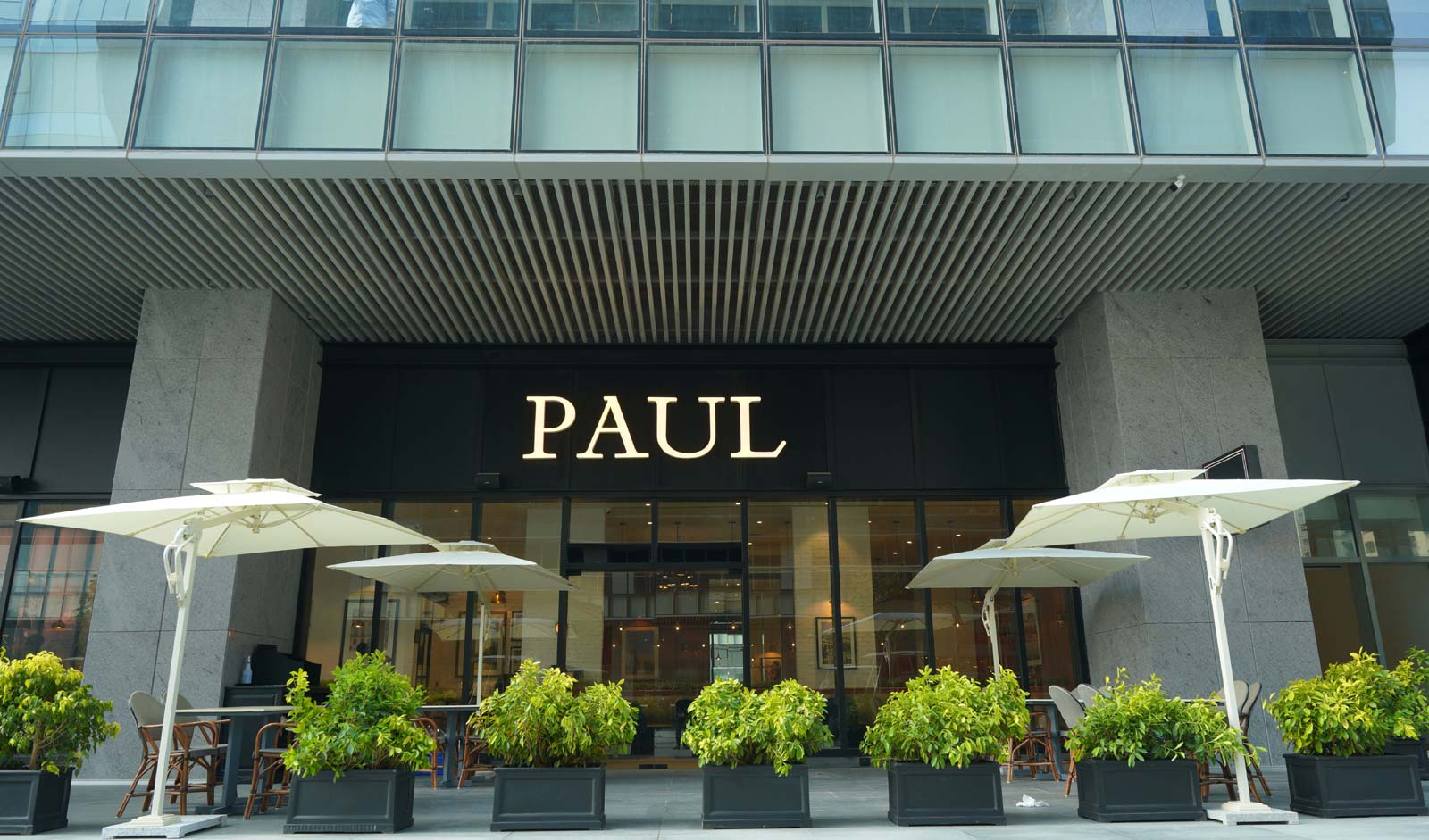
The incident at PAUL’s Horizon Centre outlet in Gurugram has sparked questions around food hygiene, quality checks and how restaurant brands respond when customer complaints go viral. A breakfast outing at PAUL’s Horizon Centre outlet in Gurugram turned into a food-safety concern after Gurugram resident Sulabh Mathur shared a video on Instagram showing a live worm in a Caesar salad.
Mathur said he had visited the outlet at around 11 am with a group and that they had ordered six to seven dishes for breakfast. Calling the incident “disturbing and concerning”, Mathur questioned the food hygiene standards at the outlet and urged customers to remain vigilant about the food being served.
The incident quickly gained attention on social media, putting the spotlight not only on the alleged contamination but also on how restaurant brands manage food-safety complaints once they enter the public domain.
PAUL responded to Mathur’s Instagram post, stating that the incident was not in line with its standards. The brand said it takes food safety and cleanliness seriously and asked the customer to check his direct messages so that the matter could be addressed.
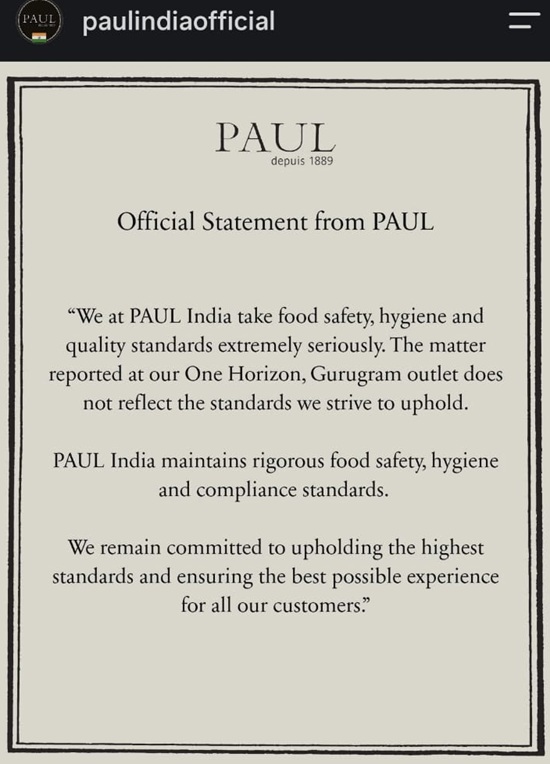
But this doesn’t stop here, a separate social media user in Pune has also claimed that he found a worm in food purchased from PAUL’s bakery outlet at Phoenix Mall, Viman Nagar. The user said the incident occurred a couple of months ago and shared a video of the alleged incident on X, adding another layer to the food-safety conversation around the brand.
Why Food Safety is Priority
For restaurants, incidents involving foreign objects, insects or suspected contamination can have consequences that extend well beyond one meal.
“I think restaurant organisations have to put the right processes and procedures in place, and most importantly, have people who understand how to care for their kitchens and the environment in which food is prepared. You cannot be lax about these things. It could be a large organisation like PAUL, or it could be a small kitchen operating in the middle of the night, or even a home kitchen that has built a certain level of trust with its customers. People expect a certain quality, and that responsibility has to be taken seriously,” shared Chef Anahita Dhondy.
The incident also highlights the importance of having a clear response protocol for food-safety complaints. A quick apology may address the immediate customer interaction, but restaurants also need to establish what happened, identify the point of failure and communicate the corrective action where appropriate. And, it all goes back to compliance.
“Food safety isn’t something that can depend on whether an inspection is taking place, it has to be embedded into the DNA of the business. The strongest restaurants are built on robust systems, clearly defined SOPs, regular audits, and a culture where every team member is accountable for maintaining the highest standards, every single day,” pointed Ishaan Bahl of the iconic Khyber Restaurant.
There’s no denying that the authorities have a role to play in regulating the industry but it’s the responsibility of restaurant owners, chefs and kitchen team to embed this in their DNA.
“While the food safety officials are conducting these crackdowns, it also needs to work with food businesses to ensure that the right procedures and systems are put in place. Enforcement is important, but helping businesses build a culture of food safety has to be equally important,” added Dhondy by adding that hygiene should be the first thing students learn in culinary school. It has to become a fundamental part of how every chef and food professional approaches the kitchen.
And, we all know that food safety is closely linked to customer trust. While a restaurant may have multiple checks across procurement, receiving, storage, preparation and service, a single failure can quickly become a reputational issue when a customer documents it and shares it online.
For organised restaurant brands, this becomes particularly important as they expand across locations. Maintaining consistency in food safety and hygiene requires standard operating procedures, staff training, supplier controls, temperature monitoring, produce inspection and regular audits across outlets.
When people think about nutrition, the conversation usually revolves around food. We discuss proteins, carbohydrates, vitamins, minerals, and healthy fats. Yet, one crucial aspect of overall wellness often goes unnoticed—what we drink. From the first cup of tea in the morning to the beverages consumed throughout the day, our drink choices influence hydration, energy levels, concentration, mood, and long-term health. However, beverages are often treated as secondary to food when making nutritional decisions. Equally important is food and beverage safety. Consumers today are increasingly mindful of hygiene, ingredient sourcing, and quality standards, recognising that safe and responsibly produced drinks are essential for overall health and well-being.
Parimal Shah, Founder, Cherise India, added, "Nutrition is not only about what we eat; it also involves what we drink, how frequently we drink it, and how those decisions fit into our lifestyles."
Why Beverages Deserve a Place in the Nutrition Conversation
Take a moment to think about your daily routine. Most people begin their day with tea or coffee and continue consuming various beverages throughout the day, whether at work, during travel, or while socialising. While these choices may seem harmless, they can significantly impact overall nutritional intake. Many people carefully monitor what they eat but rarely pay attention to what they drink. As a result, beverages can quietly become a major source of excess sugar, calories, and additives.
"People aren’t ignorant, but drinks are seen as casual add-ons rather than key players in daily diets," says Shah. This mindset often leads consumers to underestimate the role beverages play in their overall health and wellness.
The Hidden Calories in Your Glass
One of the most overlooked aspects of nutrition is the calorie content of beverages. Unlike solid foods, drinks are often consumed quickly and without much consideration. Many popular beverages contain surprisingly high amounts of calories and sugar.
Common Beverages and Their Approximate Calorie Content
Beverage | Serving Size | Approximate Calories |
|---|---|---|
Water | 250 ml | 0 |
Unsweetened Green Tea | 250 ml | 2-5 |
Black Tea (Without Sugar) | 250 ml | 2-5 |
Tea with Milk & Sugar | 250 ml | 80-120 |
Coffee (Black) | 250 ml | 2-5 |
Sweetened Coffee Beverage | 250 ml | 200-400 |
Packaged Fruit Juice | 250 ml | 110-180 |
Carbonated Soft Drink | 330 ml | 140-160 |
Energy Drink | 250 ml | 100-250 |
Sports Drink | 250 ml | 80-150 |
Flavoured Milk | 250 ml | 150-250 |
Smoothie (Sweetened) | 300 ml | 250-450 |
Coconut Water | 250 ml | 45-60 |
A person who consumes a sweetened coffee in the morning, a packaged juice during lunch, and a soft drink in the evening could unknowingly add hundreds of extra calories to their daily intake. These calories often do not provide the same feeling of fullness as food, making it easier to consume more than the body actually needs. Over time, this can contribute to weight gain, increased sugar intake, and poor dietary balance.
A New Era of Intentional Consumption
Consumers today are becoming increasingly conscious about what goes into their food and beverages. Health, transparency, and authenticity are driving purchasing decisions more than ever before.
This shift is evident in the growing popularity of:
- Green tea
- Herbal tea blends
- Low-sugar beverages
- Functional drinks
- Natural ingredient-based refreshments
- Wellness-focused beverages
According to Shah, "More people than ever are interested in drinking green tea, herbal teas and blends, drinks with lower amounts of sugar, and functional beverages that do more than just quench thirst." Today's consumers are no longer looking for beverages that simply taste good. They want products that align with their health goals and support a healthier lifestyle.
The Evolution of Tea Culture in India
Tea has long been an integral part of Indian culture. It represents comfort, hospitality, and everyday connection. However, consumer preferences within the tea category are evolving rapidly. Traditional chai remains a household favourite, but consumers are increasingly exploring green teas, black teas, herbal infusions, specialty blends, and region-specific varieties.
People are becoming more interested in understanding where their tea comes from, how it is produced, and what makes each variety unique. Shah points out that this trend mirrors what has already happened in the food industry, where consumers seek stronger connections with ingredients and sourcing practices. The same shift is now influencing beverage choices through growing interest in farm-to-cup experiences and authentic tea journeys.
Hydration Is More Than Just Drinking Water
Water remains the most effective way to stay hydrated. However, hydration can also come from other beverages such as tea, milk-based drinks, and soups. The key lies in selecting beverages that support overall wellness rather than simply satisfying thirst.
Consumers should look for drinks that contain:
- Minimal added sugar
- Natural ingredients
- Balanced nutritional value
- Functional benefits
"By making the right decision regarding what type of drink to consume, including those with minimal added sugar and natural ingredients, you can develop healthier hydration habits," says Shah. For working professionals who consume multiple beverages throughout the day, these choices can significantly influence overall health and nutrition.
The Missing Link in Workplace Wellness
Workplace wellness programs often focus on healthy meals, exercise, and mental well-being. However, beverages rarely receive the same attention. This is a missed opportunity.
Healthy beverage choices can help support:
- Better hydration
- Improved focus
- Increased productivity
- Sustained energy levels
- Enhanced employee well-being
Tea and coffee breaks are not merely routines. They offer moments of relaxation, social interaction, and mental refreshment during busy workdays. As Shah explains, "Whether employees work in offices, hospitals, factories, or remotely, healthy drinks provide an opportunity to relax, connect, and recharge." As employers place greater emphasis on employee well-being, healthier beverage options can play a meaningful role in supporting positive daily habits.
Why Quality, Hygiene, and Trust Matter More Than Ever
Consumer expectations around beverages have changed dramatically in recent years. The pandemic heightened awareness around hygiene, safety, and quality.
Today, consumers want assurance that the beverages they consume meet high standards of:
- Hygiene
- Ingredient transparency
- Consistent quality
- Reliable sourcing
- Brand credibility
Whether purchasing packaged beverages, visiting cafés, or using workplace beverage stations, trust has become just as important as taste. Brands that prioritize transparency and consistency are increasingly earning consumer loyalty.
The Future
Nutrition is evolving into a more holistic concept. It is no longer just about what's on our plates but also about what fills our cups and glasses. Questions around hydration, ingredient sourcing, wellness, sustainability, and mindful consumption are becoming central to consumer decision-making. The beverage industry is responding by offering more choices that cater to these changing preferences, including low-sugar teas, functional beverages, and naturally sourced ingredients. Parimal Shah said, "The future of nutrition will be increasingly holistic, as it will be based not only on food but rather on what we eat and drink."
For years, nutrition conversations have focused heavily on food. Yet some of the most impactful health decisions happen through our beverage choices. Every sip contributes to hydration, energy levels, sugar intake, and overall wellness. While food remains important, beverages deserve equal attention in discussions around health and nutrition. As consumers become more mindful of their daily habits, it is clear that the future of wellness will involve making smarter decisions about both food and beverages. After all, some of the most important health choices we make each day may begin with something as simple as what we pour into our cup.
Food safety in India's restaurant industry has moved beyond regulatory compliance to a core business priority. It now plays a crucial role in building consumer trust, safeguarding brand reputation and driving operational excellence. The shift is being driven by stricter regulations, the rapid growth of organised foodservice, rising volumes of digital orders, and increasingly informed consumers. Today, food safety is not merely about compliance, it is becoming a key differentiator in a highly competitive market.
Beyond Compliance
Diners are increasingly focused on hygiene, ingredient sourcing, food handling practices and operational transparency, making food safety a key factor in building trust and loyalty.
“Food safety today goes far beyond compliance, it has become a critical pillar of building trust and delivering a consistent guest experience. At Yuki, we believe that technology and human expertise must work hand in hand,” added Priyesh Busetty, Co- Founder, Yuki.
Technology plays a critical role in maintaining standards across the process. Adding to this, Prajwal Lokesh, Founder & CEO, Chin Lung Brewery said, “From monitoring fermentation and storage conditions to tracking inventory and ensuring batch consistency, digital tools provide greater accuracy, traceability, and operational efficiency. They also support compliance requirements and enable teams to proactively address potential quality concerns.”
Predictive Maintenance Strengthens Food Safety
Equipment failures, particularly refrigeration breakdowns, are a major food safety risk for restaurants. To prevent disruptions, operators are increasingly using predictive maintenance systems that monitor temperatures, energy consumption, humidity, and equipment performance in real time.
Prashant Chandra, Co-Founder, Amicii said, “As consumer awareness grows, expectations around hygiene, sourcing and transparency have become much stronger, making food safety an integral part of the overall dining experience.”
Predictive maintenance can reduce equipment downtime by 30–50%. Maintenance costs can decline by 10–40% through early fault detection and proactive servicing. While equipment lifespan can increase by 20–40% when issues are identified before major failures occur.
By detecting issues before they escalate, restaurants can reduce food spoilage, improve compliance, lower repair costs, and ensure smoother operations. Ultimately, strong food safety practices are not just about mitigating risks, itcontributes directly to customer loyalty, repeat visits and the long-term growth of a brand.
“We invest in continuous staff education on hygiene practices, food handling procedures, storage standards, and safety protocols. Building a strong food safety culture among employees ensures that standards are maintained at every touchpoint, from receiving raw materials to serving the final product,” pointed Keshav Keshu, General Manager of Maize & Malt.
Traceability is Next Frontier
Traceability is another critical aspect of modern restaurant operations. Maintaining clear records of sourcing, storage, and production processes enhances transparency and enables faster response in the event of any quality concerns.
“For us, strong food safety practices are not simply about compliance,” commented Chandra by adding that it also contributes to guest satisfaction, encourage repeat visits and play a vital role in creating a brand that people trust and return to over time. As India's restaurant industry becomes more organised and consumer expectations continue to rise, food safety is emerging as a strategic business advantage rather than a regulatory obligation. From technology-driven monitoring and predictive maintenance to staff training and supply-chain traceability, operators are investing in systems that build trust, protect brand reputation and support long-term growth.
On World Food Safety Day, the message is clear: transparency, accountability and consistency are no longer optional—they are essential to the future of foodservice.
One main thing that makes the Indian food vibrant and look delicious is its color. Many food dishes may look naturally vibrant, but sometimes they need a little bit of food coloring to get their delicious look. This is where food color comes in. Food color is often used in the restaurant industry, whether it is natural or synthetic.
In India, FSSAI (Food Safety and Standards Authority of India) ensures that every color used in food is safe, standardized, and legally approved. Whether you run a restaurant, catering service, or food production unit, it’s important to know exactly which food colors are permitted. And how to use them responsibly.
Let’s dive into the 7 FSSAI-approved synthetic food colors, their uses, safe limits, and the best practices to keep your food both beautiful and compliant.
Read more: How to Apply for an FSSAI License for Your Cloud Kitchen in India: A Step-by-Step Guide
Why Food Colors Matter in Indian Cuisine
In Indian kitchens, the color of foods has cultural, emotional, and sensory importance. This is why food coloring is not just about making the dishes look pretty:
- Visual appeal: We eat with our eyes first. If the food is bright, it looks more delicious. This is because bright colors trigger appetite.
- Cultural symbolism: Saffron-yellow for festivals, red for celebration, green for freshness.
- Brand consistency: Whether it’s sweets or biryanis, consistent color builds recognition of the brand.
But to maintain quality and avoid health risks, only FSSAI-approved food colors should be used.
FSSAI and the Law Behind Food Colors
Under the Food Safety and Standards (Food Products Standards and Food Additives) Regulations, 2011, FSSAI classifies food colors as permitted synthetic colors and natural colors.
The seven synthetic colors mentioned in this article are allowed to be used for commercial purposes. Each of these must meet the purity standards and also be used within specific limits (usually up to 100 ppm in the final food). Exceeding these limits or using colors that are not approved can lead to fines, license suspension, or product bans.
Know more: Top 7 Food Safety Practices Every Restaurant Should Follow
The 7 FSSAI-Approved Synthetic Food Colors
Let’s take a look at each approved color, its official INS (E-number), and where it works best in Indian cooking.
1. Tartrazine (INS 102) – Sunshine Yellow
Color: Bright lemon-yellow
Used in: Sweets, custards, pickles, lemon drinks, and seasonings for snacks
Foods that contain tartrazine have a bright, golden hue. It can be found in ready-to-eat snacks, lemon sodas, and boondi laddoos. It mixes well in both dry and liquid mixtures and is heat-stable.
Pro tip: For deeper gold tones, mix sunset yellow with a pinch of tartrazine.
2. Sunset Yellow FCF (INS 110) – The Festive Glow
Color: Reddish-orange
Used in: Ice creams, sauces, bakery items, syrups
Your mango ice cream or gulab jamuns may have Sunset Yellow food color if they have that luminous golden tint. Under display lighting, it adds a warm, appealing color to foods.
Limit: To maintain safe levels and prevent over-saturation, stay within 100 ppm.
3. Carmoisine (INS 122) – The Sweet Red
Color: Deep crimson-red
Used in: Indian sweets, fruit syrups, bakery fillings
Mithai makers love using carmoisine to color burfis, rasgullas, and cherry toppings. It adds rich red tones without compromising texture or flavor.
Pro tip: It blends well with Ponceau 4R to create deeper maroon hues for festive desserts.
4. Ponceau 4R (INS 124) – The Bold Scarlet
Color: Bright red to orange-red
Used in: Beverages, sauces, jellies, processed meats
This versatile red adds a bold, appealing appearance to sweets, tandoori masalas, and fruit punches. Because of its well-known pH stability, it can be used with spicy or sweet meals and acidic beverages.
Pro tip: Keep in mind that less is more. Dishes that are overly colored may look fake.
5. Erythrosine (INS 127) – The Candy Pink
Color: Vivid cherry-pink
Used in: Candies, cake toppings, mocktails, dessert gels
This artificial pink dye is widely used for festive sweets, pastries, and cocktails.
Only very small amounts are required for a powerful effect due to its vivid color.
Pro tip: To achieve rosy tones that look natural, combine erythrosine and carmoisine.
6. Indigo Carmine (INS 132) – The Ocean Blue
Color: Deep blue
Used in: Soft drinks, confectionery, and frostings
Despite being uncommon in Indian cooking, blue is used to create color combinations, especially for advertising or creating unique desserts. When combined with yellows and reds, it can also be used as a foundation to create greens and purples.
Pro tip: Because it stains surfaces easily, use it moderately.
7. Brilliant Blue FCF (INS 133) – The Vibrant Cool Blue
Color: Sky-to-navy blue
Used in: Beverages, sweets, and decorative frosting
For icing, candies, and mocktails, this is the most common blue.
It generates a fresh green color when combined with tartrazine, which is frequently used in beverages and desserts to give them a mint flavor.
Pro tip: Be careful when combining because powerful blues can overpower lighter desserts.
Natural Alternatives for Conscious Kitchens
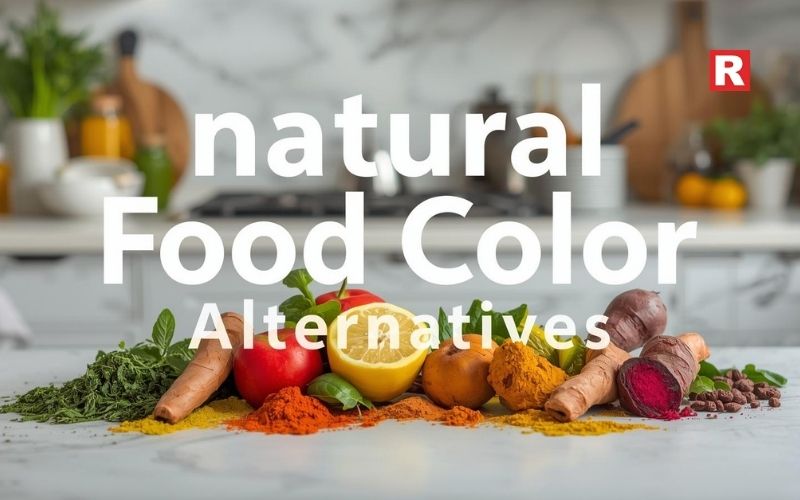
While synthetic food colors are okay when used properly within the measured guidelines, many caterers are still leaning towards natural food coloring due to the increasing appeal of clean-label products. FSSAI also approves the use of several natural pigments, including:
- Curcumin (Turmeric): For golden-yellow shades
- Annatto Extracts: For orange-red tones
- Chlorophyll: For greens
- Caramel: For browns
- Riboflavin: For yellow tints
- Beta-Carotene: For orange hues
Though they are great for brands that are promoting organic or natural menus, they can fade faster than synthetic colors when placed under heat or light.
Check out: How FSSAI is transforming the food safety landscape
The 10 Most Authentic Flavors of Nagaland You Need to Taste
Permitted Limits and Good Manufacturing Practices (GMP)
While using FSSAI-approved colors, keep in mind that:
- Most synthetic colors have a maximum limit of 100 mg/kg (100 ppm) in the finished item.
- Colors shouldn't be used to cover up lower-quality ingredients; they should only be used when truly required.
- They have to meet purity requirements (no heavy metals like arsenic or lead).
- Restaurants and caterers need to keep track of their sourcing documentation and confirm that their suppliers hold an FSSAI license.
- The goal of Good Manufacturing Practices (GMP) is accuracy, not instincts. Don't just add colors after looking through your eyes; always measure them.
Labeling and Transparency Requirements
According to FSSAI labeling regulations, you must disclose the following if you package or sell any food item:
- "CONTAINS PERMITTED NATURAL COLOR(S)" or "CONTAINS PERMITTED SYNTHETIC FOOD COLOR(S)"
- The unique E-number or INS
- Details of the supplier (which should be a manufacturer with an FSSAI license)
- Customers feel at ease with the fact that your colors are safe and regulated by transparent labeling, which also builds trust.
Best Practices for Restaurants and Caterers
It takes more than just following instructions to run a safe and legal kitchen. The process is as much as important. Here are some practical tips to stay within FSSAI guidelines:
- Source carefully: Purchase only from authorized vendors who offer Certificates of Analysis (COA).
- Train your staff: Provide reduced ratios and safe handling training to prepare your team and chefs.
- Maintain hygiene: Colors should be kept out of direct sunlight and in airtight containers.
- Avoid shortcuts: Never use non-food or textile dyes, even while decorating the dish.
- Conduct routine audits: Keep track of batch numbers and quantities used for each color.
Care is important because even a minor error in color concentration can result in problems with legal regulations or customer complaints.
Common Violations and Health Risks
The FSSAI records instances of non-compliant coloring each year, frequently as a result of:
- Overuse of permitted colors
- Use of non-permitted industrial dyes (like Rhodamine B, Malachite Green, or Metanil Yellow)
- Lack of documentation from suppliers
These violations can lead to:
- License cancellation or fines
- Health risks such as hyperactivity in children or allergic reactions
- Brand damage if products are recalled
Following the rules is an obligation to consumer safety, not merely a legal requirement.
What's new: Why Food Safety & Hygiene is Important for Restaurants
Future Trends: The Rise of Clean Label Coloring
Restaurants and food brands are exploring plant-based pigments and fermented natural colors in response to rising health consciousness. And to keep up with approved additives and guarantee safe developments, FSSAI keeps reviewing international research.
More stabilized, naturally produced colorants may soon be added to the list of authorized colors, closing the gap between health and aesthetics.
Learn more: 10 Best Foods for Energy and Concentration for Adults
Final Takeaway
While color may be an emotion and a stimulant to make the food feel alive, safety is also important. A good food color makes our food look vibrant and also keeps up with the guidelines.
Therefore, by sticking to these FSSAI’s seven approved colors, following the proper dosage guidelines, and sourcing from certified suppliers, you make sure that the food is not just beautiful, but also trustworthy for the customers.
The next time you make that bright orange syrup or glowing yellow curry, keep in mind that every color has a standard that protects your customers and makes your brand stand out.
As the modern lifestyle has become more and more hectic, cooking from scratch has become difficult. So, now people prefer convenience over homemade goods to save time. Foods that are packed and processed have become commonplace due to their convenience and long shelf life. However, have you ever wondered how these goods manage to stay fresh throughout their entire journey from factories to store shelves to your pantry? The answer to this is Food Preservatives.
Although the word "preservatives" can occasionally raise concerns, these chemicals are essential for keeping the quality of packaged items, preventing food from spoiling, and guaranteeing food safety. They prevent oxidation, prevent microbiological growth (bacteria, yeasts, and molds), and slow down other chemical reactions that might lead to food spoilage.
In India, as in many other nations, the Food Safety and Standards Authority of India (FSSAI) carefully regulates the use of food additives, including preservatives. Customers have more information to make smart food choices when they know what these preservatives are and how to spot them when reading food labels. This complete article will help you understand Indian food labels and also help to explain food preservatives.
Read more: How to Apply for an FSSAI License for Your Cloud Kitchen in India: A Step-by-Step Guide
What Are Food Preservatives?
Food preservatives are chemicals that are added to food items in order to stop or slow down spoiling that is brought on by unwanted chemical changes or microbiological growth. Their main duties consist of:
- Preventing Microbial Spoilage: Stopping the growth of bacteria, yeasts, and molds that can lead to foodborne illnesses and make food unfit for consumption.
- Delaying Oxidation: Preventing the oxidation of fats and oils, which alters their flavor and aroma.
- Maintaining Freshness and Quality: Keeping food's original color, texture, and flavor for an extended period of time.
Although regulatory agencies frequently classify them according to their chemical class and function, preservatives can be generically divided into two categories: natural and artificial (synthetic).
Natural Preservatives
Throughout history, food has been preserved using a variety of natural materials:
- Salt: Since ancient times, salt has been used to extract moisture from meats and fish to preserve them.
- Sugar: Used to prevent the growth of microorganisms in jams, jellies, and candied fruits.
- Vinegar (Acetic Acid): Pickles and chutneys include vinegar, often known as acetic acid.
- Spices: Some spices, such as extract from rosemary, have antioxidant qualities.
Artificial (Synthetic) Preservatives
These compounds are made chemically and are intended to work very well at low amounts. They provide a wider range of preservation options and are frequently more effective than natural techniques alone. These are the ones that appear on food labels that are packed the most frequently.
Know more: 10 High-Protein, Low-Calorie Foods to Conquer Cravings
Why Are Preservatives Necessary in Packaged Food?
Suppose there were no preservatives in the world. The shelf life of many of the things we take for granted, such as bread, dairy products, processed meats, sauces, and pre-prepared meals, would be significantly reduced.
- Food Safety: The first line of protection against foodborne microorganisms that can cause life-threatening illnesses is preservatives. They stop dangerous microorganisms from growing.
- Reduced Food Waste: Preservatives help prevent food spoiling in our homes and at grocery stores by prolonging shelf life.
- Economic viability: By allowing the food industry to produce, store, and distribute goods over greater distances and periods of time, it increases the range of foods that are available and reasonably priced.
- Convenience: They let customers buy foods that are suitable for hectic schedules and don't need to be eaten right away.
FSSAI Regulations on Food Preservatives in India
The use of all food additives, including preservatives, and their subsequent changes is governed in India by the Food Safety and Standards (Food Products Standards and Food Additives) Regulations, 2011. A thorough list of authorized additives, along with information on their maximum permissible limits (MPLs) in particular food categories and labeling specifications, is provided by the FSSAI.
Key elements of FSSAI rules:
- Permitted List: Only preservatives specifically listed by the FSSAI are permitted.
- Maximum Permissible Limits (MPLs): There is a maximum quantity of each approved preservative that can be used in a given food product. Based on a thorough scientific analysis, these limits have been created to guarantee consumer safety.
- Good Manufacturing Practices (GMP): According to Good Manufacturing Practices (GMP), preservatives shouldn't be used in place of hygienic procedures, but rather only when technologically required to get the intended result.
- Labeling: The food label must list all additional preservatives.
How to Identify Preservatives on Indian Food Labels
Now is the time to use your detective abilities! All ingredients, including additives, must be listed explicitly on Indian food labels. Usually, there are two ways that preservatives can be found in the "Ingredients" list:
By their full chemical name: for example, "Sodium Benzoate," "Potassium Sorbate," and "Calcium Propionate."
Using their code from the International Numbering System (INS): Usually found in Europe but also used globally, these are three- or four-digit numbers that are usually followed by the letter "E" or just the number. The number is mainly visible in India. INS 211 for sodium benzoate, for example.
Since the ingredients are given in decreasing order of their weight proportion, you will typically find the preservatives near the end of the ingredient list.
Look for keywords like:
- "Preservative (INS XXX)"
- "Preservative (chemical name)"
- The phrase "Contains permitted Class II preservative" indicates a specific category of preservatives.
- "Antioxidant" (certain antioxidants prevent spoiling, hence they also serve as preservatives).
What's new: The Comfort Revolution: How Home Cooking Can Save Your Restaurant
Disclaimer: This article is intended for general informational purposes only and should not be considered a substitute for professional medical advice, diagnosis, or treatment. Readers are advised to consult a qualified healthcare professional before making any dietary, health, or lifestyle changes.
Common Food Preservatives You'll Find in India
Here is a list of some of the most often used preservatives that have been approved by the FSSAI and that you may find on Indian food packaging labels:
Benzoates (E 210-213 / INS 210-213)
- Common Forms: (INS 213), potassium benzoate (INS 212), and sodium benzoate (INS 211).
- Function: Works well against certain bacteria, molds, and yeasts, particularly in acidic diets.
- Found in: Fruit preparations, jams, pickles, sauces, soft drinks, fruit juices, and some baked items.
Sorbates (E 200-203 / INS 200-203)
- Common forms: calcium sulfate (INS 203), potassium sulfate (INS 202), and sorbic acid (INS 200).
- Function: Less efficient against bacteria, but quite good against yeasts and molds.
- Found in: Cheese, dairy products, bread, fruit, wine, and yogurt are among the items that contain it.
Propionates (E 280-283 / INS 280-283)
- Common Forms: calcium propionate (INS 282), sodium propionate (INS 281), and propionic acid (INS 280).
- Function: Especially good in preventing the growth of mold in baked foods.
- Found in: Some processed cheeses, bread, and other baked goods.
Sulfites (E 220-228 / INS 220-228)
- Common forms: potassium metabisulfite (INS 224), sodium sulfite (INS 221), and sulfur dioxide (INS 220).
- Function: Prevent discoloration by acting as antimicrobials and antioxidants.
- Found in: Wine, vinegar, fruit juices, dried fruits, and some shellfish. Note: Sulfites can cause sensitivity in certain people.
Nitrates & Nitrites (E 249-252 / INS 249-252)
- Common Forms: Sodium Nitrite (INS 250), Potassium Nitrite (INS 249), Sodium Nitrate (INS 251), Potassium Nitrate (INS 252).
- Function: Mainly used in cured meats to improve flavor, maintain color, and stop the growth of Clostridium botulinum, the bacteria that causes botulism.
- Found in: Hot dogs, sausages, bacon, and cured meats like ham.
Acetic Acid (E 260 / INS 260) and its Salts
- Common forms: calcium acetate (INS 263), sodium acetate (INS 262), and acetic acid (vinegar).
- Function: Prevents the growth of mold and germs.
- Found in: bread, pickles, sauces, and condiments.
Ascorbic Acid and Its Salts (E 300/INS 300)
- Common forms: sodium ascorbate (INS 301) and ascorbic acid (Vitamin C).
- Function: Mainly an antioxidant, it keeps food from oxidizing and spoiling (e.g., browning fruits, rancidity of lipids). Despite not being a conventional antimicrobial preservative, it plays a vital function in keeping food from spoiling.
- Found in: baked foods, processed meats, fruit juices, and drinks.
Citric Acid (E 330 / INS 330) and its Salts
- Common forms: sodium citrate and citric acid (INS 331).
- Function: It is mostly used as a taste enhancer and acidic agent, but it also has minor preservative qualities by binding to metals and reducing pH, which increases the potency of other preservatives.
- Found in: Dairy products, beverages, jams, jellies, and confections.
Check out: Chia Magic: Health Benefits & Endless Delicious Ways to Enjoy
Top Drinks You Should Consume to Get a Festive Glow
A Practical Approach to Decoding the Label
The following actions should be taken the next time you pick up a packaged food item in India:
- Find the list of "Ingredients": Usually, this appears on the packaging's side or back.
- Scan for "Preservative": Look for the term "Preservative" followed by either an INS number or a name.
- Determine the INS Codes: Learn the common INS codes, such as INS 211 and INS 202. Unusual numbers can be found with a short internet search.
- Check for: Look for the generic statement "Contains Permitted Class II Preservative" as this is frequently used in India to indicate the use of a permitted preservative from that category.
- Recognize "Antioxidants": Even if they aren't specifically referred to as "preservatives," antioxidants (typically INS 300–321) help prolong shelf life by slowing oxidation.
Read this: 10 Popular Energy Drinks and Their Benefits
Making Smart Choices
Being aware of preservatives does not mean that you need to stay away from packaged goods. It has to do with balance and awareness.
- The key is moderation: More additives are frequently found in highly processed foods. When possible, give priority to eating nutritious, fresh meals.
- Carefully Read Labels: Develop the practice of looking over ingredient lists, particularly for goods you use frequently.
- Recognize Your Needs: Careful label reading is essential if you have allergies or sensitivities (such as to sulfites).
- Regulations for Trusts: Keep in mind that the FSSAI establishes boundaries to guarantee safety. In general, the allowed amounts are regarded as safe for ingestion.
Conclusion
Food preservatives are an essential component of our modern food system, which improves food accessibility, safety, and waste reduction. The FSSAI makes sure that its use is controlled and freely accessible in India. You can comfortably explore the supermarket aisles by learning about the common forms of preservatives and making it a practice to carefully read product labels. Use this information to empower yourself and, one ingredient list at a time, make nutritional decisions that support your preferences and health objectives.
As World Food Safety Day is on 7th June, restaurant brands reinforce its daily commitment to food safety through meticulous kitchen practices and preparedness protocols across all its outlets. We all know that food safety is a non-negotiable pillar for restaurants as it serves as an important reminder of our responsibility towards safe and hygienic dining experiences. By adhering to the guidelines set by FSSAI, restaurants can effectively ensure food safety.
Focusing on Kitchen Hygiene
By strictly following HACCP guidelines, the brands ensure food is handled and stored at optimal temperatures. Priyanka Jain, Co-Founder, Leo's, Mumbai said, “Blast chillers rapidly cool hot items, digital thermometers track food safety zones, and fridge temperatures are logged multiple times daily. Hygiene is prioritized through deep cleaning routines and scheduled pest control to keep kitchens contaminant-free.”
Commenting on the same, Sandeep Salian, Co-Founder of Jugnu, Goa shared, “We’ve implemented a robust Food Safety Management System (FSMS) that governs all aspects of kitchen operations—from proper food handling and labeling to the use of pre-batched ingredients stored under the right conditions. We also display Food Safety Display Boards (FSDBs) in our kitchens to reinforce procedures and ensure teams follow the highest standards at all times.
Safety in every step
Safety has to be ensured in every step from receiving raw materials to final plating. Adding her views, Avantika Sinha Bahl, Founder, Kampai, Basque & Arigato, New Delhi said, “We follow a meticulous set of kitchen practices that prioritize hygiene, consistency, and quality. Regular handwashing, sanitization of surfaces, and use of color-coded chopping boards are enforced to avoid cross-contamination.”
Importance of FIFO
Ingredients are stored using FIFO (First In, First Out) methods, and kitchen zones are clearly demarcated for veg, non-veg, and allergen-specific prep. “Our chefs and kitchen staff undergo periodic training to stay updated on food safety and international kitchen best practices,” said Bahl.
Highlighting about what they do, Ankit Singh, COO, Kynd Cafe & Bar, Pune shared, “We’ve integrated digital temperature control systems for refrigeration and storage, helping maintain optimal conditions and avoid spoilage. Smart exhaust and ventilation systems ensure air quality, while automated kitchen sanitizers and pest control schedules support hygiene.”
Preparing for emergencies
Every brand is setting high standards that are consistent across every kitchen, and they are always prepared for emergencies. “Emergency preparedness is equally emphasized. Kitchens are equipped with fire extinguishers, fire blankets, and sand buckets. In Mumbai, where real estate is tight and rents high, each kitchen is still built with a dedicated fire exit. Senior staff receives first aid training and contact details for nearby hospitals and doctors are available at all outlets,” pointed Jain.
Smart exhaust and ventilation systems ensure air quality, while automated kitchen sanitizers and pest control schedules support hygiene.
Commenting on this, Bahl added, “We have fire suppression systems, clearly marked exits, and trained staff for fire safety and medical first aid. Mock drills and safety briefings are conducted regularly to keep the team alert and ready.” But one of the ongoing challenges is ensuring compliance across shifts without compromising speed or service.
Hence, we can say that food safety is a continuous journey, and we need to adhere to it.

In the fast-paced world of the HORECA (Hotel, Restaurant, and Catering) industry, ensuring food safety and maintaining exceptional taste and convenience are crucial for success. Ready-to-cook solutions have emerged as a game-changer in meeting these demands. By implementing rigorous quality control measures at every step of the process, ready-to-cook products offer a reliable solution that enhances food safety without compromising taste or convenience.
The Importance of Food Safety in HORECA:
Food safety is of utmost importance in the HORECA industry. Establishments must prioritize maintaining customer trust and loyalty by ensuring that the food they serve is safe and free from contamination. The consequences of foodborne illnesses can be severe, leading to negative impacts on business reputation and potential legal consequences.
The Rise of Ready-to-Cook Solutions:
Ready-to-cook products have gained popularity among HORECA establishments due to their numerous benefits. These products are pre-prepared with high-quality ingredients, requiring minimal effort and time for chefs and kitchen staff. Some key advantages include time and labor savings, consistent taste and quality, reduced food waste, and improved inventory management.
Quality Assurance at Every Step:
To ensure food safety and maintain the highest standards, ready-to-cook solutions, implement strict quality control measures at every stage of the process. The manufacturing facilities are HACCP certified, and these brands follow all Good Manufacturing Practises (GMP) to ensure the products meet strict quality standards, reducing the pressure on the procurement, storage, and consumption stages of the HORECA system.
1. Sourcing of Ingredients: These brands employ stringent selection criteria for suppliers, ensuring the highest quality ingredients are used. Regular quality checks and adherence to safety standards guarantee that only the best and safe ingredients make their way into the products.
2. Manufacturing Process: State-of-the-art facilities and technology are utilized to prepare ready-to-cook products. Adherence to standardized recipes and processes ensures consistency in taste, texture, and safety. Regular inspections and audits as prescribed by HACP managed system are conducted to ensure compliance with stringent quality control protocols.
3. Packaging and Storage: Secure and tamper-proof packaging and retort processing technology are employed to maintain the freshness and integrity of the products through regular analysis and control of biological, chemical, and physical hazards from raw material production, procurement, and handling during the manufacturing and distribution of the finished products. Proper labelling and batch traceability provide transparency and allow for effective tracking. Appropriate storage conditions are maintained to preserve the quality and safety of the products.
4. Handling and Distribution:Brands pay special attention to the handling and distribution of their ready-to-cook products. Robust distribution of chain management is implemented to maintain product freshness and integrity. Timely delivery to HORECA establishments is ensured, accompanied by comprehensive guidelines and training for proper handling and storage.
Compliance with Food Safety Regulations:These brands strictly adheres to local and international food safety regulations. The company obtains necessary certifications and licenses to ensure compliance. Regular inspections and audits are conducted to maintain the highest standards of food safety.
Customer Satisfaction and Trust: By offering ready-to-cook and ready-to-eat solutions, these brands deliver consistent taste and quality to customers. Transparent communication about food safety practices builds trust with customers. The company values customer feedback and promptly addresses any concerns, further enhancing customer satisfaction and trust.

Recently, Food Safety and Standards Authority of India (FSSAI) along with Vigilance officials conducted surprise raids on various restaurants and ghee manufacturing units in Vijayawada. It was learnt that the ghee manufacturing units are supplying low quality products to their customers, and the restaurants are also using banned chemicals to enhance the taste of the food.
Also Read: FSSAI plans to use next-gen technology to ensure food safety, quality
Whether it is a small restaurant or a major restaurant chain, health code violations can pose a significant threat to the life of the business and its consumers. Without consistent internal audits and inspection checks, it can be challenging for restaurants to ensure they will be prepared when the inspector arrives.
Many of the cleaning tasks done on a regular basis don’t even scratch the surface of what restaurant auditors will be paying close attention to. This is why weekly or even monthly inspections should be carried out internally. And while ticking off the checklist, many overlook the very basic yet imperative factors that stop them by acing a restaurant inspection.
Especially post-pandemic, owners now have to get lean and focus on minor detailing along with the need to quickly analyse a problem and fix it. Raj Sadvilkar, Partner and Co-Founder of Angrezi Dhaba believe that restaurant inspections will be a key consideration for how foods offered at the restaurant should be safely handled and delivered to the customers. “Also key practices for employee health, cleaning and sanitizing and following all the SOP’s for receiving customer, defining high standard for cleaning and housekeeping will be crucial so that team and guests can feel safe in the environment and serve better,” he commented.
Beforehand training for impromptu visits
The proper strategy for a successful health inspection is to be ready at all times. As Ritesh Saini, Director of Local Gurugram stated, “If you are an owner, manager or a restaurateur, health inspection is enough to keep you up at night.” To ace, one should follow the proper strategy that is to be ready for your health inspection and to act like every day is a health inspection day.
It is crucial to train the employees before the food inspection. Teach them how to behave and instruct them to proactively correct any error before the food inspector enters the restaurant. Familiarize them with the rules, regulations, and guidelines to follow during a food inspection. The restaurant staff should be competent enough in following all the safety and hygiene norms in front of the food inspector as this directly affects the scoring of the restaurant.
Proper documents in place
According to Nikhil Mittal, Co-founder of Infinity, many owners are missing out on Food Handler Certificate which is certified by the Indian Health Service (IHS). “Ensure a food handler certificate for every employee,” he commented. Keeping up with food safety guidelines as they change can be a challenge for restaurant owners, especially when one expands and open more locations in other provinces, states and cities. Staying directly in contact with the local health department to stay on top of food safety guidelines can be the key.
Ensuring proper food storage
Places and shelves where the food is stored need to be adequate, clean, and hygienic enough to avoid contamination. Cooked and ready-to-eat food should be kept above raw food. Ensure proper wrapping of food products so that they do not spill or drip on the shelves.
Saini recommends avoiding uncovered stored food and inappropriate containers. “No labels on your food for ‘use-by dates, no gloves on your employees and storing cleaning products near the pantry. Lack of temperature control should not be practiced. Covid appropriate maintenance schedule can’t be skipped. To ensure distinction one should conduct an impromptu inspection for their own restaurant,” he further added.
Additionally, chemicals and detergents should be stored in separate areas and not with the raw materials and ingredients. Proper stock rotation should be practiced so that the quality of raw materials does not deteriorate with time.
Having an immediate exit plan
Although there are ample points one needs to consider while firming up a restaurant’s safety and hygiene standards, one must also have an effective exit plan ready. “You and your staff need to be aware of an immediate exit plan so that everyone is safe if at all something goes wrong in the restaurant,” shared Shyam Thakur of Momo King by adding that setting up a daily maintenance schedule can help the last moment mishaps.
May Interest: Tamper-proof packaging to ensure food safety and hygiene
While no one enters the restaurant business out of a love for food safety, owners and managers must take it seriously. By protecting customers from foodborne illnesses, one is protecting his/her restaurant’s reputation.

The food enjoyed at restaurants all around the world goes through a tedious process of transportation, storage, and handling to move from plant to plate. This process creates many opportunities for bacteria to infiltrate and contaminate food products, which ruins the safety of the food. This can lead to severe damage to a restaurant’s reputation and image, which will negatively impact the restaurant’s sales.
The most prominent example of poor food safety occurred at the popular Mexican food chain, Chipotle. In 2015, hundreds of consumers contracted the E. coli bacteria after dining at Chipotle. This resulted in a nationwide closure of many Chipotle locations and it had an extremely negative financial impact. Individuals at every level of the food supply chain hold responsibility and commitment to thoroughly inspect food products and handle them with extreme safety. Diligence in the transportation, inspection, and handling of food makes a major difference in food safety.
Food safety is more imperative now
The pandemic has brought in the attention towards food safety in a whole new tangent where patrons are now more alert than ever before and can absolutely not comprise on the hygiene prospect while eating out or ordering in.
According to Manish Sharma, Owner of Drunken Botanist, it is extremely important that every diner who visits feel safe in the environment that a restaurant has created. “Right now, guests need to feel that they can sit and take their masks off to enjoy some food and drinks with their friends and family, and hence hygiene is our utmost priority,” he commented.
There is an ever-increasing awareness of food safety by the general public and news agencies are reporting on food recalls and outbreaks more often. It's important for all restaurant owners, workers, and managers to understand the causes and repercussions of foodborne illnesses.
“If an establishment fails to meet customer expectations, the restaurant may lose patronage or worse, the unsatisfied customer may leave a bad online review, thus tarnishing the overall image of the business. Additionally, with growing awareness about food safety, end-users have developed many expectations from restaurants in terms of quality,” said Vaibhav Nayar, Co-Owner, Namaste Desi.
Are regulatory bodies meeting expectations
Restaurateurs believe that FSSAI however holds more responsibilities for proper surveillance.
“While FSSAI is responsible for protecting and promoting public health through the regulation and supervision of food safety but there are certain lapses that affect the enforcement of the food safety measures. Regulatory agencies around the world adopt a multi-stakeholder involvement to deal with food safety matters,’ added Nayar by pointing that the FSSAI should monitor food safety properly to ensure the customer’s safety. And, also need to develop a comprehensive and well designed national food contaminants monitoring program that takes into account the country’s food safety priorities, as well as the geographic, agro-climatic and population characteristics.
According to Sharma, FSSAI needs to be more proactive and have audits in place to check food hygiene and quality. “We are in the most difficult hours of our lives right now, and serious surveillance should be mandatory. We cannot put our guests at health risks by serving substandard food and ingredients. FSSAI should take things into its hands and make sure that the restaurants and cafes that have reopened are maintaining hygiene and quality both,” he pointed.
Are restaurants ready for improvement?
Post pandemic, FSSAI has geared up to fight against the hygiene issues persisting in the restaurant industry for a long. Recently, the food safety regulator issued an order stating that restaurants will have to mention the FSSAI licence number on bills from October this year.
Mentioning of FSSAI number shall also improve the overall awareness, the regulator said "if not mentioned, it will indicate non-compliance or non-registration/licensing by the food business.”
Last year, FSSAI notified that it will be mandatory for restaurants with central license or outlets at 10 or more locations will have to mention the calorific value (in kcal per serving and serving size) allergen details, nutritional information, health warnings etc against the food items displayed on the menu cards or boards or booklets. Food aggregators will also have to mention the calorific value and nutrition count of the items sold through their platforms, the regulations state.
These changes, however, for obvious reasons, are not desirable for restaurants as it opens up a host of new protocols to be followed. This move, but, would give consumers a most significant right to know about the use of any potentially risky ingredient in food and to understand its possible effects on their health.
While it is now interesting to see how these restaurants are going to acclimatize with the new regime imposed by FSSAI, it will be more insightful to know how effectively the FSSAI could implement their own regulations. Whatever it is, the restaurant industry has surely entered a food hygiene and safety debate where consumers are more aware than ever before.

Consumers can be quite unforgiving if they experience a food incident as approximately six in 10 reportedly would never eat at a restaurant again if they contracted a foodborne illness or food poisoning, shared a study by Zebra Technologies.
Slightly more than 80% of surveyed consumers said companies have an important role to play in implementing food safety solutions and an ethical responsibility to ensure the safe handling of their food. Most consumers (70%) said it is important to know how their food and ingredients are manufactured, prepared, and handled, while 69% agreed knowing how their food is sourced is also important.
The study highlights the views of consumers as well as food and beverage industry decision-makers worldwide from distribution and warehouses to grocery stores and restaurants around safety, traceability and transparency.
Surveyed consumers reported their top food safety concerns include restaurant kitchen and wait staff hygiene, foodborne outbreaks, illness from contaminated food, and food and beverage recalls.
Given the increased focus on health and wellness, it’s unsurprising both consumers and industry decision-makers are showing a great level of interest in the source, quality and safety of their food. However, a disconnect exists between what consumers believe and what industry decision-makers think.
Almost seven in 10 (69%) decision-makers say the industry is prepared to manage food traceability and transparency, but only 35% of consumers agree. Furthermore, only 13% of consumers felt the industry was extremely prepared today to manage food traceability and be transparent about how food travels through the supply chain, whereas 27% of decision-makers reported feeling this way. Unfortunately, this is not just a short-term challenge as approximately half (51%) of surveyed food and beverage decision-makers said meeting consumer expectations will remain a challenge in five years.
“Findings from our study show that while the industry is taking measures to ensure a more transparent supply chain, more work needs to be done in order to increase consumer confidence and improve food traceability,” said Deep Agarwal, Regional Sales Director of India, Zebra Technologies. “Businesses naturally have more information available to them but can improve consumers’ faith in their food sources by providing them access to the same information.”
One bright spot identified in the research is the role that technology can play in closing both these gaps in both the short- and long-term. An overwhelming majority (90%) of decision-makers acknowledged that investments in traceability-focused solutions will provide them with a competitive advantage by enabling them to meet the expectations of consumers. When asked about the top benefits that technology-based track and trace solutions would provide, nearly six in 10 decision-makers cited risk reductions with proper handling, transportation and storage and tracking product perishability. 41% of industry decision-makers reported RFID tags improve food traceability within the supply chain more than any other technology, yet only 31% currently use them within their own organizations.
Mobile computers and tablets, mobile barcode label printers, scanners and specialty labels and tags will also be key enablers in winning consumer trust and delivering more transparent information to consumers.
Approximately 90% of surveyed industry decision-makers expect to use rugged handheld mobile computers with scanners, barcode scanners and mobile barcode label printers within the next five years to digitally manage and track food products and related information.
KEY SURVEY FINDINGS
Asia-Pacific
- 93% of surveyed food and beverage decision-makers believe their companies have an ethical responsibility to ensure the safe handling and management of food.
- Nearly three-quarters (73%) of consumers listed illness and deaths caused by contamination as their biggest concern for risks posed by the food supply chain.
- 89% of industry decision-makers believe investments in traceability-focused solutions would provide their companies with a competitive advantage.

With FSSAI announcing registration for all home chefs mandatory, the industry showed a mix reaction. The food safety body has mandated state license for those below Rs 12 lakh turnover per annum and central license for those above Rs 12 lakh turnover per annum. Also, if a home chef wants to sell online a central license is required.
"I absolutely feel it's a great that the home chefs now need to get a registration done. It will absolutely put everything in process and will have a proper certification and hygiene check. During the pandemic we have seen a lot of people opening up their kitchen to serve food which I feel is good but there has to be some checkpoint as everything that goes unchecked out in the market can have their repercussion in the long run. In the West this certification is absolutely very mandatory so I don't see anything wrong if we are starting it here in India,” added Ayandrali Dutta, AD's Cookhouse, Noida.
The association shared that food operators, whether operating from home or from dark kitchens, should be regulated for cleanliness and hygiene. It also pointed out that unregistered, unregulated food business operators (FBOs) may not be maintaining hygiene standards, which is detrimental to the interest of consumers and poses health risks.
Also Read: Restaurant Owners welcome FSSAI move on registration for home-cooked meals
“It is very important for hygiene and safety norms to be maintained when you're cooking, more so if it's commercial. The FSSAI rules that have come into play are a welcome change. I remember getting a license / registration even before I started serving my clients. It puts your customers at ease, knowing the food is coming from a hygienic kitchen, especially now that we have a pandemic surging across the country,” shared Shaista Iqbal of Mrs Ahmed's kitchen, Gurgaon who make an overnight fame with her cooking and food.

Not only this, with covid-19 pandemic we have seen a rise in home chefs and demand for home-style food as people were left with no options to go out. Hence, mandating these small platforms to get registered will not only boost confidence in them but also give a trusted platform to people from where they can choose their food.
May Interest: 7 reasons home chefs could disrupt the fast evolving food industry

“Mandatory registrations for home chefs are a good decision, and would boost more confidence. I have been selling my homemade preservative free pickles from last year with an FSSAI registration. But to say that unregistered food business may not be hygienic is totally unacceptable. this pandemic gave birth to many home chefs and I believe we home chefs take extreme care of hygiene while cooking,” added Rajani Jain of Chatori Rajani, Delhi who uses freshest ingredients as she cook on order basis and not in bulk. “Most of the cleaning, chopping and cooking is done by self since we are very cautious of hygiene. Most of my clients who order food are those who have been following my recipe videos, they feel it's safe to order from me since now they have an insight of how I cook and maintain my kitchen,” she added.

Covid-19 has changed how Indian’s have been dining for ages. Today, people are looking at more convenient, healthy and safe food. They are also looking at how the food is being packaged, what’s the source, how is it travelling all the way when ordered online looking at the hygiene standards. Here are top five trends that Restaurant India found while talking to the experts and researching during the pandemic that will remain in the food sector post covid.
The rise of DIY kits: DIY kits have also become the new cool nowadays as many restaurants have started this concept where they let people do the assembling, preparing and cooking, using all the fresh ingredients which are provided by them. “It’s simply a substitute to dining out. And a good family activity as the person who cooks takes the price of being the master chef of his home. And then a happy meal equals to happy family,” shared Saurabh Khanijo, Owner, Kylin who has launched his DIY range of sauces during the pandemic.
Also Read: Top Resto-bars play with DIY Cocktails to keep customers engaged
Focus on Safety & Hygiene: Food safety and hygiene remain a concern for people these days and it will be a major concern going forward when they will be dining out. This is the most important focus for any establishment currently both for delivery and backend operations at the kitchen. “Everyone who is concerned about Hygiene & safety is our customer. Celebrities, Our Regular guests, Bureaucrats, Corporate Clients, Families everyone is currently ordering through us,” added Vishal Jindal, Co-Founder, Biryani by Kilo.

Demand for good Packing standards: Packaging is the key part of any delivery industry. Food should be packed with flavours intact and spill proof. The client should experience convenient and comfort packaging so that he can consume the food easily without any hassle. “We are trying to adapt the eco friendly packaging but as we know plastic is banned our plastic boxes are more than 50 microns. In a rapidly changing and challenging environment, we want to deliver hygienically approved packaging so that customer feels safe and ensured,” shared Anshu Raj, Founder, Caterspoint. Also the packaging should contain basic information that will let the client know about the brand and the product because packaging is a theatre that creates a story.
May Interest: How McDonald’s is driving circular solutions to tackle packaging waste globally
Contactless Dining/ Delivery is the future: There’s no denying that contactless dining will be the future of restaurant business. With the unlock, restaurants are resuming their dine-in service by implementing Contactless dine-in processes, wherein right from accessing the menu via QR codes placed on the table to making payments, the entire process is made digital. With Contactless services in place, restaurants have upgraded their digital assets including the website, m-site and mobile app for a faster, easier and more seamless experience. “Post unlock, more people are moving out of their homes for work and they will need access to safe and hygienic food. Our contactless services ensure Trust, Safety and Hygiene in every bite of the meal. We have been responsive to customer needs in the new normal by offering value deals and innovative contactless experiences across platforms while ensuring that our team members and guests feel safe, valued, and cared for,” pointed Neha, Marketing Director, Pizza Hut India.

Food Safety and Standards Authority of India on Wednesday issued guidelines related to hygiene and safety that food business operators (FBOs) need to follow during the coronavirus disease outbreak. In its 14-page 'Food Hygiene and Safety Guidelines for food businesses during coronavirus disease (COVID-19) pandemic', the FSSAI has suggested various measures that need to be taken by the FBOs.
“Coronavirus disease (COVID-19), which is caused by a new type of coronavirus, has been declared a pandemic by World Health Organization (WHO). The disease is transmitted from person to person primarily through close contact with one another, and respiratory droplets produced when an infected person coughs or sneezes. In the absence of a known cure for the disease, all efforts are towards prevention of the spread of this disease from person to person,” shared the statement.
Although, there is currently no evidence that food is a likely source or route of transmission of COVID-19 virus, it is important to take all precautions to prevent any possibility of person to person spread of C0VID-19 infection during food business operations.
As a routine, various hygienic and sanitary measures mandatorily to be followed by food business operators are specified in Schedule IV of Food Safety and Standards (Licensing and Registration of Food Businesses) Regulations, 2011. These measures are primarily aimed at ensuring safe, clean and wholesome food which is indispensable to the health and welfare of consumers. Nevertheless, COVID-19 situation demands implementation of some additional focussed measures mainly to prevent human-to human spread of the disease in food business operations and also to reduce the likelihood of contamination of various materials in contact with food such as equipment, packaging materials etc.
The guideline also mentioned, buffet system, food service and mass gathering should be disallowed during Covid-19 pandemic; such services should be resumed only under directions from the concerned statutory authorities.
In view of the above, FSSAI has developed a detailed guidance on specific measures that can be taken by various types of food businesses in addition to those specified in the Schedule IV of Food Safety and Standards (Licensing and Registration of Food Businesses) Regulations 2011, to prevent spread of COVID-19 during such food business operations. These specific measures, detailed in the document, include maintaining high levels of personal hygiene; excluding COVID-19 infected persons from the operations; practicing social distancing; and appropriate cleaning/sanitization of the food operations’ premises, food contact materials etc. The document is primarily intended for all types of food businesses including food service, transport and retail operations.
The guideline also mentioned that in case of delivery, customers should be encouraged for contactless delivery.
The guidance has been developed based on the best practices currently recognized and adopted internationally.

An allergy is the body’s immune system reaction to a substance that’s normally harmless: pollen, certain foods, animal dander or house dust mite, for example; the ‘hygiene hypothesis’, Environmental changes, Air pollution and Food allergies. In children, eggs, milk, soya, wheat and peanuts are the most common causes of allergic reactions, and in adults, nuts (including peanuts), fish and shellfish, although any food has the potential to be an allergen in susceptible people. It’s unclear what causes the immune system to react to certain food proteins; however if other close family members have an allergic condition you have a slightly higher risk of developing one and children who have eczema at a young age are more likely to develop a food allergy. Get advice from your GP if you suspect a family member may have a food allergy.
Here’s how to handle your guests’ food allergies and dietary restrictions:
Get the info: There’s no way of knowing about your guests’ food allergies and dietary restrictions unless you ask. Leave some space on your response cards for them to explain their sensitivities, especially if their allergies are severe. This isn’t a place for your guests to explain what they’d like to see added to or omitted from your menu, it’s a place where they can state if their vegan, vegetarian, piscatorial, gluten-free or allergic to certain foods.
Find the right caterer: most caterers are cool with adjusting their dishes to suit your guests, but you’ll definitely want to clear it with them first. When you sit down for a Q&A with them make a point of asking about dietary restrictions. They’re trained professionals, so they probably have a few tasty tricks up their sleeves.
Show them the menu: No, giving your guests a sneak peek at your menu won’t ruin your reception - it’ll actually help. To avoid any snafus, ask your caterer to provide you with an ingredient list for all the dishes they plan on cooking up. You can show a copy of this to your friends with allergies or restrictions so that they can give it an OK before your big day. Tip: you can also post your menu on your wedding website for your guests’ reference.
Labelling = your BFF: If you’ve opted for a buffet or food stations make sure you note which dishes are vegan, vegetarian, GF or nut-free. This will help your guests hunt down the dishes that they actually can eat.
Let them hit the buffet first: this is another one specific to food stations and buffets. As you know, these restaurants styles involve a lot of maneuvering and shuffling, especially if there are large crowds involved. This usually ends in serving spoons landing in different dishes - which can be a nightmare for people with allergies or food sensitivities. Let these guests jump the line and serve themselves first to help avoid cross-contamination. Yes, your other guests mouths may be watering, but they’ll have to wait their turn.
Make them their own meals: if your menu isn’t compatible with certain guests’ diets, you may have to ask you’re to caterer whip up something special just for them. If your guests only need a few tweaks made to the dishes you’re already serving, even better. Just make sure the chef knows not to cross-contaminate their meals.
Think about yourselves!: If you, the guests of honour, have certain dietary restrictions, you can base your entire meal around them. Is one or both of you vegan or vegetarian? It is totally your prerogative to serve an entirely plant-based menu to all your guests. However, if you’re hosting a ton of omnivores, you may want to consider adding a few dishes outside of your dietary scope to please your entire party.
Do dessert: Just because some of your guests need to sidestep certain ingredients doesn’t mean they should miss out on dessert. No, these people probably won’t be indulging in a slice of your decadent wedding cake topped high with butter cream frosting, but they should still be offered a sweet treat! If you’re hosting guests with food allergies or sensitivities, fill your sweet table with GF, vegan and nut-free offerings. Remember to include labels so that they know exactly what they can and cannot eat.
Approximately, 25 per cent of the India’s population is now having at least one food allergies. People have always thought that food allergies or being allergic to a certain ingredient or raw material was a norm in western worlds, too much surprise Indians are not far from it.
The allergies can happen from ingredients like peanut, dairy or certain fruits which may spoil the experience one had at the restaurant and often allergies can be so serious with emergency medical conditions. Hence, restaurants these days are working hard to know about their guests and explain them what each ingredient would do to them if they are an allergen to few ingredients.
Be Precise
“The success and failure of a restaurant is tied to its food accuracy. As much as good food can make restaurant it can also very much stop them from visiting ever again,” shares Vikrant Batra, Co-Founder, Nueva and Café Delhi Heights. What happens generally that when a restaurant goes through a change in menu or some changes it often forget to update changes to the servers and that’s where the problem starts. Customers not only want food that is beautifully plated but also something that is fresh and tastefully prepared. For the trust which the patrons bestow while dining out, the restaurants must make sure to serve them nothing but the best. In that case whenever there is a new update in the menu all related information should be updated in the system. “To ensure food accuracy scanning of supplies, vendors, ingredients, recipes, preparations, internal meetings and regular food trials all are very important. From the moment the ingredient reaches the storehouse till the time it is on the table of the guest, every intricacy is important,” adds Batra. Thus, the highlight to ensure the accuracy is maintaining the recipe, quality of ingredients, preparation and customer feedback along with other pivotal details.
ALSO READ: FDA Cancels License Of Top Players, Focus On Hygienic Food
“Food Allergy has become very common in the recent past, over the last three decades a high rise in people who have food allergies have been identified. Since I started working and till now the number of guest who report allergens while checking in a hotel have risen,” points Amit Dash, Executive Chef, The Westin Pune Koregaon Park.
It’s Important to Educate Staff
“A strong brick never lets a building fall”. Staff is the biggest asset for a brand without which nothing is possible. The key to happy and productive employees is to make sure they feel important in their role. “Empowerment when it comes to handling customer’s likes and dislikes is very Important as we believe to delight every customer in the shortest timeframe,” says Sharad Singh-Director F&B, Sheraton Grand Pune. Educating restaurant staff helps in avoiding multiple levels of approvals so that the staff can freely focus on guest needs and delight them.
Providing Guests with enough Information
“We have always envisioned to plate nothing but the best. Our cuisine is a reflection of our well-travelled chefs in the form of Indian and World’s finest cuisines. At unplugged courtyard you’ll always find the chef taking routinely rounds, answering guest’s queries and enriching them about the food that we serve. With well-trained servers and elaborate menu we make sure our guests are well informed about what they are being served,” shares Dinesh Arora of Unplugged Courtyard.
Diners today are hungry for food and knowledge both and hence restaurants should provide them with adequate knowledge and information. Customer education being an important aspect, restaurant food menus are created and designed keeping in mind the comfort and understanding of guests . The restaurants should attach and provide a brief description next to every dish on the menu so that the guest makes an informed decision. Restaurants should also make sure that servers taking the order to the chefs should personally attend tables to enlighten the guests, and provide guests with proper information. From knowledgeable and well informed servers to chefs themselves introducing cuisines and dishes at tables, the restaurants should make it a practice to avoid any incident.

In the last two years the food safety and standards authority of India has played an important role to maintain and make sure that restaurant and hotels are maintaining the basic hygiene. The food safety authority has also demanded online aggregators to make sure they partner with restaurants who fits on the safety criteria and had also asked them to delist the remaining players if they are not going by the law.
In a stern action, the Food and Drug Administration (FDA) has suspended the licenses of five hotels, including Lemon Tree Hotel Private limited, Holiday Inn Restaurant and Hyatt Place at Hinjewadi in Pune over lack of cleanliness, preparing food in unhygienic conditions and serving food items beyond their expiry dates.
Licenses of two other hotels — Fortune Select Dasve at Lavasa and Upper Deck resort at Lonavala were also suspended. The action comes after a visit by Food Safety Officer Santosh Sawant to Hyatt Place, Holiday Inn Restaurant and Lemon Tree Hotel on August 30 last year.
A statement, issued by Joint Commissioner (Food), FDA’s Pune division, Suresh Deshmukh, said the licenses of these hotels have been suspended. “The license of Holiday Inn restaurant and Hyatt Place has been suspended for 15 and 14 days respectively. The licence of Lemon Tree Hotel has been suspended for four days,” said Sampat Deshmukh, assistant commissioner (Food), FDA, Pune. The FDA Joint Commissioner has further urged hoteliers to maintain cleanliness and ensure qualitative standards, failing which strict action will be taken.
“Vigilance of food and health authorities is good steps as it will filter out players doing wrong practices and help customers have food which is not unhygienic. However, for long term, better route should be to re-work on the food and health rules and make it consistent across country,” shared Karan Tanna, CEO, Yellow Tie Hospitality adding the licenses approval should be made online so it is transparent and not subjective.
After identifying several lacunae, such as lack of hygiene, the hotels were served notices on September 6, and asked to improve the quality of food, as well as step up cleanliness measures. After the hotels submitted their compliance report on December 11 last year, the FDA conducted a re-inspection but found no change in the issue of cleanliness.
Earlier, this January, FSSAI also said that they have accelerated the process of setting standards and notified 27 new regulations for food standards.
Some of the key regulations include the ones on alcoholic beverages, food fortification, advertising and claims, packaging, residues of pesticides, tolerance limits of antibiotics and pharmacologically active substances.
"We are setting standards to ensure safe food to consumers and at the same time see to that they do no impact the businesses. Now that the standards (on food products) are more or less in place, our focus is going to be on compliance, monitoring, inspection and enforcement," shared Pawan Agarwal, CEO, FSSAI earlier this month.
A Parliamentary Standing Committee on health and family welfare in a report submitted in 2018 had rapped FSSAI over weak enforcement of food safety laws and also recommended restructuring of the autonomous body that functions under the health ministry.
Hence, we can say that the food safety authority is working hard to make sure that the food is served fresh and healthy.

Nestle India shares fell from the day’s high after Supreme Court revived the class action suit filed by the Central Government against Maggi noodles, while setting aside NCDRC order.
After rising over 4 per cent to Rs 11,499 in the morning session, the stock pared gains and was trading at Rs 11,253, up by 1.92 per cent at 1:25 pm, said a media report.
The company had moved the apex court against the tests ordered by the National Consumer Disputes Redressal Commission (NCDRC).
The government had filed the suit in the NCDRC after the Food Safety and Standards Authority of India (FSSAI) raised the safety concerns over Maggi noodles. The consumer court had ordered fresh tests on Maggi samples.
The Supreme Court said that the NCDRC will continue the probe based on 2016 CFTRI report from the Mysore lab.
In 2016, the NCDRC had stayed the centre's class action suit against Maggi noodles.
Also, on Thursday the Supreme Court was given this admittance by the lawyers of the company that the popular maggi noodles has presence of lead as the case was being heard.
Last year, tonnes of the product were destroyed because it failed the health safety norms. Moreover, the government has moved a class action against Nestle seeking damages of Rs 640 crore.
The SC judge asked the Nestle counsel why should he eat noodles with any lead content when it was argued that the content of highly toxic lead was within 'permissible' limits.

Artificial intelligence (AI) has now been in talks for a while. According to Accenture reports, 85 per cent of organizations have already planned to adopt AI in their supply chains. Recently, United States market recently predicted that the value of artificial intelligence will grow to $36.8 billion globally by 2025.
Various other markets other than food industry have already opted for the technology. Stock markets are now dominated by technology, everyday search engines like Google use AI for improving their results the moment certain keywords are typed. Therefore making its presence felt in almost every sector. Artificial intelligence might be a new technology for food industry but there are many early adopters of the technology including mainly pharmaceutical, healthcare, cosmetics and retail industries. But things are changing for the food industry as there has been a lot of noise for it currently.
Restaurateurs are getting aware of the benefits of having AI which can eventually help them in growing business. Machines over humans have always been in the talk for a long time where everything was predicted to transform into machinery format. Artificial intelligence increases the efficiency and speed eliminating the time factor. But there are vendors who believe that this technology will bring additional revenues with better margins and lower costs in the industry.
AI relies on a continual process of technological learning from experience and improving at answering complex questions. The F&B industry is expected to modernise by adopting AI in their supply chain planning. The technology is proving everybody wrong who thought that they have done their best by utilizing yesterday’s technology solutions and optimizing the supply chain process.
Similar to the human brain, artificial intelligence adapts to the environment and improves with its regular usage. But unlike humans, the capacity for improvement is unlimited as repetitive, more and boring tasks are never a problem.
Calculating data
Having to deal with thousands of customers on a daily basis, machine learning can provide much more efficiency at calculating complex data quickly and meaningfully for the food manufacturers and retailers. Machine learning is highly effective at clustering promotions based on looking at similarities and many other variables other than using traditional techniques. For instance, a leading health food brand used the technique to analyze demand variations and shopping trends resulting in a 30 per cent reduction in lost sales. Not only will this technology know when shelves are empty, but more importantly, will predict what is going to happen next. Thus, making the shelves fully stocked along with minimizing the waste.
Reducing wastes
In food industries, many people are looking at new ways of increasing their sales which clearly states that it is still a problem in the food industry. According to the figures from WRAP, UK waste advisory body claims the industrial waste to be around ten million tons of food a year valuing over 17 billion pounds. Some food processing companies have already turned their way towards artificial intelligence as a means to better calibrate their machines in order to manage several products sizes reducing wastes and money cost by it.
Some beverage companies even tried to use AI to allow customers to change the flavors of their chosen drink. Armed with an application on their mobile phone in front of self-service machinery, it’s helping in developing new product ranges.
Artificial intelligence might just be the order of the day which will be useful to the people belonging to the food industry. The adaptation of this technique is expected to rise as the time passes by.

Suppliers are the one who are in relation with products, processes and customer base and supply chain management has to understand how to get fresh food which can even be stored for a long span. Maintaining a good supply chain will satiate customer’s palate which in turn will help in growing restaurant business. Supply chain management doesn’t have to do anything with logistics and data instead to understand customer’s need and do what is need to be done accordingly. A business runs smoothly only if everything is in place from down to up and a solid supply chain management system is good for the health of a restaurant business.
The Initiate
“System for supply chains is extremely bad in India but the restaurateurs and operators need to fix it by creating awareness amongst the farmers, vendors and suppliers. They must ensure the quality by keep checking if the ingredient is being grown from the same farm where it is supplied from. So that way, they have to develop the farmers and producers as well,” says Chef Alok Anand, Executive Chef at JW Marriott, Kolkata. This initiate should be taken and it’s not the long time before it starts.
Awaking farmers is the need of an hour because 20 to 25 per cent of the products within the farm are wasted and then there would be some percentage getting wasted. People now days are open to explore and present ideas. For example, the farmers from Uttarakhand earlier used to grow only rice but now they have started growing all sorts of organic and exotic vegetables there. Weather also supports this and gives them better results.
The Quality
A lot of infrastructure needs to be done for improving the quality. Government has introduced many schemes to develop this. The only drawback is that people are not aware of the benefits they can take by those schemes. They can use the fund in making cold storages and enhancing facilities then. Restaurateurs should demand for best quality from their vendors and farmers and encourage them to yield best. If restaurateurs start challenging them and set a standard on quality then it’ll be the win-win situation for both as the wastage will be reduced and no one has to compromise on quality. Quality factor is vital because to make excellent dishes, you’ll need excellent ingredients.
The Demands
In 21st century, people have started eating out more but not for food. They are going out for the service and experience which can only be provided if the supply chain supports the restaurant. “Suppliers have started asking vendors to provide only standardised raw materials or else they won’t take it. They are trying to provide restaurants with finest raw materials at right temperature and with good shelf life,” says Sourav Guha Bakshi, Zonal Head-East, DS Group. For specific requirements of restaurants, suppliers keep visiting the clients to understand what they want and accordingly take the production planning in process.
The Food Safety
The food safety is responsibility of those into the food business and they should not wait for the government to enforce it on them to take any step. They itself should make sure that every procedure is followed as per the standards and standards should be laid by them only. If restaurateurs took the responsibility to serve and prepare the food then it should be made that way only.
With growing urbanization and ever changing lifestyle, consumers have started looking towards a healthy and varied food options, which in turn has witnessed acceptance of healthy and fortified products. Today, consumers are looking at food, products which supplement their daily nutritional requirements and calorie count. In India, deficiency of vital nutrients is real and concerning, resulting in issues related to the overall growth and other health problems. Such deficiencies are also linked to today’s lifestyle, for e.g., Vitamin D deficiency is majorly due to the fact of very limited exposures to sun. Hence, fortification of daily staple products such as milk, wheat, sugar, oil and rice with core vitamins is a perfect choice for consumers to address their daily micronutrient needs. “Fortification is one aspect. The whole initiative is for safe and nutritious food,” shares Smita Mankad, Head, Food Fortification Resource Centre- FSSAI.
Why there is need for fortified food?
The availability of fortified foods helps to tackle the problem of malnutrition which is especially rampant in the developing countries, including India. Malnutrition is responsible for an estimated one-third of childhood deaths. Recent studies have indicated that the availability of fortified ready-to-use therapeutic food (RUTF) formulations is very useful for rapid weight gain in severely malnourished children, even in home settings. This strategy is recommended by WHO1 and underscores the need for food fortification. Also, at a time when there is lots of noise in the food service industry will also make the technology cost-effective if a food distribution system is present. “At the individual level, fortified foods increase productivity. At the national level, it positively impacts the economy by increasing the healthy workforce,” says Saurabh Arora, CEO- Food Safety Helpline.
Players like Mother Dairy have already started selling fortified milk with presence of Vitamin –A & D. “Over the years, Mother Dairy’s Bulk Vended “Token” milk has been fortified with Vitamin A. Recently, we have also started fortifying this milk with Vitamin D. The process of fortifying milk with Vitamins A&D has been further scaled up to the poly-pack milk variants as well. All our poly-pack milk variants, except Full Cream Milk, are now fortified with Vitamins A&D, making us amongst the first ones in the industry,” points Sandeep Ghosh, Business Head – Milk, Mother Dairy Fruit & Vegetable Pvt. Ltd, adding that their edible oil portfolio – Dhara, is consciously and aggressively pursuing fortification. “We were among the first ones to enter the fortified segment through edible oils with most of the variants being fortified. Today, Dhara’s entire range of edible oils, both filtered and refined, is fortified with Vitamins A&D,” shares Ghosh.
Food safety is the call
The Food Safety and Standards Authority of India (FSSAI), has also taken a proactive role in the area of food fortification. Importantly, it has recently drafted a Consultation Paper on Food Fortification 2 in collaboration with the Ministry of Women and Child Development, Govt. of India, which has highlighted the problem of nutrient deficiency in the Indian population. The FSSAI has issued a Press Note2 on January 31, 2017, requesting inputs from the various stakeholders and the general public in order to improve the quality of the paper. This consultation paper is likely to expedite improvements in the food fortification sector of the food industry in the near future. “The standard and logo is already available. We are looking at building the supplier market in open retails. We are also working on consumer awareness just to align them for the supply. We started the work already. Things are moving fast. It’s not mandatory but it’s entirely voluntarily,” adds Mankad who is leading the Fortification division.
Food fortification has a great potential to enrich the nutritional quality of various foods. The food industry is also committed to fortification of foods, which is highly encouraging. Side-by-side, this will benefit the food industry right from procurement of fortified foods, passage through the distribution chain, up to the end-users i.e. the consumers. Importantly, the Food Business Operators (FBOs) will become well informed and educated about the benefits of fortified foods, thereby increasing their expertise, competence and proficiency. This will help India to improve the nutritional status of millions of people, especially the malnourished and deprived economically weaker sections of society. “The entire process of fortification is followed as per the guidelines issued by the Food Safety Regulator,” adds Ghosh who has been following the requisite labeling norms wherein the contents of Vitamins A&D are duly mentioned. In addition, Mother Dairy is also using the recently launched Fortification logo by FSSAI on all their packaging. The logo is also significantly visible at Mother Dairy milk booths wherein the group retail fortified token milk. “We have been using varied mediums like digital, print, etc. to further promote the fortified range of milk,”Ghosh further adds.
Thus, food fortification being an important part of nutrition will surely help combat nutrition issue which the country is witnessing since age.

Food safety has become a major issue in the last two years. Talking to Restaurant India, Shri Shivaji Desai, Joint Commissioner, Food & Drug Administration- Pune shares about the food safety programs at FDA.
What is your view on food safety in India?
The food safety and standards act, 2006, has been implemented since 2011. In Maharashtra, FDA has taken responsibility to implement this act. The restaurant factor is there. We have to follow norms mentioned in the schedule 4 i.e. part 5 that is for restaurant, hotel and catering facilities. It should be followed by these entrepreneurs. We have to inspect and take programs and inspect many times so that they should comply by the industries. If schedule 4 is complied you have achieve goals that is required by the act for safety management system.
Restaurants are following the norms but the unorganised sector is not. What do you have to say about it?
We are giving street vendors registrations and about 12 lacs vendors have been educated and provided license on it. Though, it is a very difficult task but people will have to come together to follow these regulations.
What is your view on growing culture of and restaurant as industry?
With growth of smart cities and IT industries there is a sudden push in the eating out trend. And, seeing the opportunity it provides, we have to support the food culture of India which is as diverse as its culture.
What is your role at FDA?
I am keenly involved in the food safety drive at FDA. We have done a special drive and we found majority is not complying with the law and we have issued notices as warnings. They have to comply in 14 days and if they do not we have to cancel their licenses.
Many a times restaurants have applied for licenses but it takes time to get the revert. What are you doing for it?
It is not at all difficult these days. It is an online process and FDA has launched a website and you have to make an online request and your license will be issued in 8-10 days.

Come summer and ice-cream is usually promoted with all kinds of images that titillate the senses and tempt consumers as being a product that they simply cannot miss out. The delectable summer treat comes in the form of bars, sandwiches or scoops and is often topped with flavours, nuts, chocolate chips which make the ice-cream even more irresistible.
However, while ice-cream manufacturers can get creative about ice-cream they also need to keep in mind the food regulations so that their product continues to be enjoyed safely by consumers.
Food Safety and Standards Authority of India (FSSAI) has categorised ice-creams under “Dairy Based Desserts/Confections” and under the category of ice-cream they have ice-cream, kulfi, chocolate ice-cream and softy ice-cream which are all obtained by “freezing a pasteurized mix prepared from milk and /or other products derived from milk with or without the addition of nutritive sweetening agents, fruit and fruit products, eggs and egg products, coffee,cocoa, chocolate, condiments, spices, ginger and nuts and it may also contain bakery products such as cake or cookies as a separate layer and/or coating. “
Ice- creams may be frozen hard or they may be of a soft consistency but one thing they must have is a pleasant taste and smell and must not have any off flavour or odour. Ice- cream can contain permitted additives but the FSSAI says the product must be tested formicrobiological parameters so that it does not contain any organisms such as Salmonella, Staphylococcus, Listeria, and others that can cause human disease and are associated with farm animals.
Ice- cream is also categorised as Ice- cream, Medium fat ice-cream and Low fat-ice-cream depending on the percentage of total solids, milk fat, milk protein used.Where chocolate, cake or similar food coating, base or layer forms a separate part of the product only the “ice cream” portion will need to conform to the requirements in the table below. FBO’s need to keep in mind that type of ice-cream (whether medium or low fat) shall be clearly indicated on the label otherwise standard for ice-cream shall apply.
| Requirement | Ice cream | Medium fat ice-cream | Low Fat ice-cream |
| (1) | 2) | (3) | (4) |
| Total Solid | Not less than 36.0 percent | Not less than 30.0 percent | Not less than 26.0 percent |
| Wt/Vol (gms/l) | Not less than 525 | Not less than 475 | Not less than 475 |
| Milk Fat | Not less than 10.0 percent | More than 2.5 percent but less than 10.0 percent | Not more than 2.5 percent |
| Milk Protein (Nx6.38) | Not less than 3.5 percent | Not less than 3.5 percent | Not less than 3.0 percent |
The FSSAI regulations also have another definition which is similar to ice-cream but is called Frozen Dessert / Frozen Confection. This product is defined as“product obtained by freezing a pasteurised mix prepared with milk fat and / or edible vegetable oils and fat having a melting point of not more than 37.0 degree C in combination and milk protein alone or in combination / or vegetable protein products singly or in combination with the addition of nutritive sweetening agents e.g. sugar, dextrose, fructose, liquid glucose, dried liquid glucose, maltodextrin, high maltose corn syrup, honey, fruit and fruit products, eggs and egg products, coffee, cocoa, chocolate, condiments, spices,ginger, and nuts.”
Similar to the ice-cream, frozen dessert is also categorised as Frozen Dessert/ Frozen Confection, Medium Fat Frozen Dessert/ Confection and Low Fat Frozen Dessert/ Confection. The requirement for milk fat and protein is also the same except that the protein is Nx6.25 whereas for ice-cream it is Nx6.38. Frozen dessert may also contain a separate layer of cake or cookies.
Where is the difference???
Food Businesses Operators are usually busy trying to fulfil the demand for the sugary frozen foods in summer. However, they need to pause to see that they know the differences between ice-cream with frozen dessert so that the consumer does not think both are the same. While both the products contain milk solids, fats and proteins a number of the ingredients are totally different.
- One of those ingredients allowed in frozen food but not in ice-cream is vegetable oils and fats
- While you can use any of the emulsifying and stabilising agents permitted in the regulations in frozen desserts all are not permitted in ice-cream{3.1.6 (7)}
Labelling Requirements
- The FSSAI indicates that it is mandatory for all ice cream dealers to “legibly and conspicuously” display their name and address as well as the name and address of the manufacturer on the stall, vehicle or container as the case may be.
- FSSAI also clearly states that every package of ice-cream, kulfi and chocolate ice-cream containing starch shall have a declaration on a label as specified in regulation 2.7.1(2).
This article as an attempt to refresh the minds of the FBOs so that they use ingredients and additives as permitted so that the millions of Indians who love ice-cream can be assured that they are consuming a product that is safe to eat. So that consumers make the right choice FBO’s must label the ice-creams correctly because there is a huge difference between ice-cream and frozen dessert especially in the permitted ingredients and that the labelling must be such that the normal consumer is not deceived. For its part the Apex Food Regulator must also bring in more clarity about ice-creams and frozen desserts neither is mistaken for the other.
About the author:
Dr. Saurabh Arora is founder of Food Safety Helpline and head of Auriga Research Limited laboratories.

When eating out at a restaurant if you find human hair in your food you are likely to be disgusted. You will lose your appetite and straight away leave the restaurant and never return. The same applies to finding human hair in processed or packaged foods. You are likely to dump the entire contents into the dustbin no matter how expensive. Human hair is made up of the protein keratin, which also makes up the outer layer of the skin and nails. In itself keratin might not pose a problem but the truth is that besides feeling nauseated hair can lead to contamination in foods and of course finding hair in food casts a shadow on the reputation of the brand.
To ensure food safety FSSAI has established hygiene and sanitation guidelinesas per Schedule 4 of the regulations which mentions that human hair must be controlled from falling into exposed foods in eating establishments as well as in food processing and manufacturing plants. According to food regulators the term food includes foods, beverages, bottled water and nutritional and functional products so none of these products can contain hair.
How hair causes contamination
You will be surprised to note that hair is one of the most commonly found ‘foreign bodies’ in food. Foreign body means any extraneous matter found in food which is not a part of the ingredients. Therefore any foreign body found in food means that the food is contaminated and not fit to eat. Human hair is termed a physical as well as a microbiological contaminant because besides being extraneous matter, it can also lead to the growth of microorganisms in the food. Oil, sweat, residue of hair treatment chemicals and shampoos, dyes or any other organic matter sticking to the hair becomes a breeding ground for pathogens when left in processed foods for long periods of time. A report published by the National Institute of Science, Technology, and Development Studies, New Delhi on human hair waste states that hair could contain a number of toxic chemical contaminants. These contaminants reach hair from the environment and so these same toxic substances can reach food from human hair.
Risk involved
Hair in food also poses a physical risk as a person can choke on it, it can get stuck in the throat or cause nausea and vomiting. However, besides the physical aspect hair is a potential route of Staphylococcus aureus contamination from the human scalp. Human hair can transmit ringworm as well as fungal infections if a person is infected by these. Staph aureus, as it’s often called, is a type of bacteria that can be found on the skin and hair as well as in the noses and throats of people and animals. The Centre for Disease Control and Prevention states that the most common way for food to be contaminated with Staphylococcus is through contact with food workers especially when foods are prepared by hand and not cooked. Hair in salad or cut fruits, sandwiches and chutneys could pose a problem as hair can remain in these foods for hours. There is a heavy stigma attached to any food that contains hair, be it at a restaurant or in home-made pickles. The popular sun dried chips &papads can easily be contaminated with foreign matters including hair as they are left to dry in open, but finding human hair in the restaurant food would be due to the lack of good personal hygiene practices.
Human hair is shed constantly
According to Hair Foundation, Queen’s College, Oxford University, England every human being with hair on their heads, sheds between 100-150 hairs every day at a constant rate. Therefore a person doing an eight hour shift will lose around 33-50 hairs. Multiply this by the number of personnel working in the restaurant or manufacturing plant and you can calculate the pathogen risk to food. This figure is attributed to only hair from the head but hair can reach foods from the arms, beards, moustaches and even from the chest. Hair from the arms can travel into baked products from flour that has to be kneaded with the hands. Anything that enters food from the body parts of human beings is a potential contaminant. Therefore people working in restaurants, bakeries and food processing units have to follow strict hair control measures.
Preventing hair contamination
FSSAI has strict guidelines for following good hygiene and sanitation practices including wearing of nets and caps to prevent hair from entering foods. In most countries, people working in the food industry are required to cover their hair because it can contaminatefood. Complete capture hairnets are now available that has led to the decrease of hair falling into foods. Some countries even have rules for wearing beard and moustacherestraints especially for those with long beards and moustaches as people tend to touch them absentmindedly which could cause hair to fall into foods. Good manufacturing practices advise that all personnel wearhairnets, headbands, caps, beard covers or other effective hair restraints so hair does not come into contact with exposed foods.
Is your food safe?
When consumers find hair in foods they are likely to wonder what other possible contaminant the food could contain and if it is safe to eat. Hair in food is like a sign which tells consumers about the poor hygiene standards maintained by the Food Business Operator (FBO). It brings the restaurant, product or brand adverse publicity which could result in loss of sales. FBOs need to ensure food safety, by complying with FSSAI regulations so their brand is protected. To gain consumer trust in their products they have to take all measures to prevent any kind of contamination.It is therefore important to address all personal hygiene issues because in food preparation and food manufacturing plants there are a number of personnel who can transfer contaminants to food. Contaminants can be transferred from the body, skin, mouth, hands or hair to the product or from clothing, footwear, utensils and other tools used in daily food preparation activities.
The basis of hospitality industry around the world is Food and Beverage and their production and service aspects. Therefore it is imperative for all establishments to not just set up their own means and measures to ensure food safety at all times, but also follow the direction of various government regulations put in force by specific departments, set up to monitor the same.
In the Indian context, food safety, while enforced and followed by all professional establishments, is a cause of concern due to the unorganized form of the industry existing across the geographic landscape of the country. Over the years the government has been taking numerous steps to ensure that there are proper laws and systems to set up guidelines and enforcement of the same like the Food Safety & Standards Act (FSSA) 2006.
The Food Safety & Standards Act (FSSA) 2006 consolidates the laws pertaining to the regulations to be followed by all food establishments across India, while also establishing the Food Safety and Standards Authority of India (FSSAI), which is the apex food regulator to lay down science bases standards for all articles of food and to regulate their manufacture, storage, distribution, sale and import to ensure availability of safe and wholesome food for human consumption. FSSAI is empowered by and functions under the Ministry of Health and Family Welfare, Government of India.
Under the FSSAI guideline, food products are categorized under two heads, namely Standardised and proprietary food. The former are those food products for which standards are prescribed and do not require product approval prior to manufacture, sale, distribution or import and a first time manufacturer or importer only requires an FSSAI license to begin a food business.
Proprietary food products do not have standards owing to their safety parameters not being known or yet ascertained. While FSSAI presently has approximately 377, FCS will be built around 18 main categories to begin with, which include category 1-16 of different food kinds. These are supplemented with category 17, to cover those products which can’t be placed in categories 1-16 and a category 99 has been created to deal with substances added to food, such as vitamins, minerals, additives, etc. Having said that, traditional foods do not require product approval as they are being consumed over centuries, with their ingredients and preparation being known. However, if they use any new technology or modern method of preparation or make alterations to their ingredients or food additive, they have to apply for product approval from FSSAI.
The Indian food safety regulation, implemented by the FSSAI, is primarily based on Codex Alimentarius, which was formed with collaborative efforts between two sections of the United Nations: World Health Organisation (WHO) and Food and Agriculture Organisation (FAO), therefore adhering to international standards and guidelines (reference link). Based on these guidelines there are certain best practices put into effect by the FSSAI for each operator in the business of food to implement and follow. Some of these are:
- 1.Food served to the costumer should be safe from the three main types offood hazards, i.e. Physical, Chemical & Microbiological
- 2.Hand Hygiene of Food Handlers: The spread of germs from the hands offood workers to food is an important cause of food borne illness outbreaks and therefore important for the staff to always ensure hand hygiene while handling any sort of open / unpacked food items
- 3.Personal Hygiene like daily bath, trimmed and neatly combed and tied hair and clean nails, fresh and clean clothing and ensuring the head is always covered with a net or cap
- 4.Proper cleanliness of raw material like vegetables and meat under portable water and proper storage under advised temperatures for the respective raw material
- 5.Always partnering with a vendor / source with proven track record and one which is approved by FSSAI with license number
- 6.Always cooking at the optimal temperature
- 7.Processing, production, storage and distribution of vegetables and meat / poultry / fish products should be segregated
- 8.Daily cleaning, and in some cases cleaning after every use, should be carried in the production area
- 9.Holding of cooked food must be at their optimal suggested temperature of below 5⁰C for cold food and above 63⁰C for hot food
- 10.Storage practice and handling: food must be stored at right temperature (avoidkeeping food at danger zone or near extreme temperatures not suitable for the said product). Gloves to be used while handling ready to eat products and while doing butchery
- 11.Food handlers must always be in perfect health at all times while handling any kind of product / food item
- 12.Trainings: it is essential that all food handlers are regularly monitored and trained to ensure that they are aware about the food safety procedures and updates
While private organisations and Government are working towards ensuring higher level of food safety standards are maintained across various levels and business, there is also a need for people to be more cautious on what and where they consume food articles from, while being watchful of the conditions they procure their ingredients / good / products from. Some of the most common mistakes that we make in India, especially in the summer season are:
- 1.Drinking water from unknown sources and in an unpackaged state
- 2.Consuming water based products like lime water or ice from an unpackaged or unreliable source
- 3.Not keeping the body hyderated at all times
- 4.Not consuming enough curd or coconut water from a reliable source, which introduces friendly bacteria and rehyderates the system to fight with various ailments
- 5.Not following a healthy regime or eating on time, thereby exposing the body to numerous diseases and illnesses
- 6.Being aware of the ingredients / food items that one is allergic to. Some allergies are from birth, but today there are numerous cases which have come to fore where adults have come to develop allergies and most of the time they aren’t aware of the same
- 7.Always checking on the date of manufacture and date of expiry in case of packaged goods before procuring it
- 8.Always disposing off expired goods stored at home / office or any area where they could be consumed inadvertently from
- 9.Always ensuring that the containers of packaged goods are properly disposed off
Food safety and hygiene is an elaborate subject, where the Government and private business are taking the requisite steps to ensure that the highest quality ingredients and products are offered to the consumers, however it is also essential for the consumers to ensure that they take the requisite steps and procure food products from only reliable and accredited sources at all times.
Food hygiene and food safety forms an integral part of every catering industry and high standards are needed to protect health of consumers. When a food service opens its doors, a responsibility to serve “safe food” is incurred. According to the food business operator to assure long term success, it is imperative to value quality of the food and service being provided to the customers. And, in order to meet basic necessities, food safety body FSSAI is working together with the representatives of food business operators to provide healthy and hygienic food to the masses.
Ensuring food safety
To make the scene more accessible, food safety watchdog is bringing guidelines for all the food operators wherein they need to abide by certain parameters to serve health food under a hygienic and neat environment. In a recently held meeting where FSSAI has called food operators to discuss the way forward to deliver best foods to customers.
There are two major documents that need to be shown once a customer visit a restaurant or has asked owners to show it.
- FSSAI license: the government is planning to make it mandatory to show the food safety license given to a restaurant by the safety body to make sure people are satisfied with what they are eating.
- Customer Feedback: Customer feedback is always welcomed by the top restaurants in the country. Top brands that are running under the lines of global parameters are already taking care of certain feedback.
New Endeavours to Overcome These Challenges
And, with growing business food safety is becoming a major concern in the society. With lack of awareness about health and hygienic food, lack of adequate workforce, India being one of the top most countries in terms of food business is facing the hygienic issue. And, to overcome the lacunae, FSSAI is aiming to revise standards providing detailed requirements of food hygiene and safety in the food for various categories of FBOs. The hygiene standards will be classified into three categories.
Basic: These standards will cover the minimal basic food hygiene and food safety requirements that are mandatory for anyone working in the arena of food. These requirements will be suffice for FBOs such as retailers, storekeepers, transporters, petty business operators, etc.
“We can co-create the process wherein every food operator should come and abide by it,” shared Prakul Kumar, Secretary General NRAI which represents over 1400 restaurants in India.
Advanced: These standards will provide a detailed specification of food hygiene and food safety standards and GHP’s for the small restaurants and FBO’s involved in food manufacture/ preparation. Also, retailers, storekeepers, transport systems, etc. handling perishable food items frequently.
Adding to the same lines, Shivan Khanna of Taj Hotels shared,” We are already ISO 2200 certified hotels. We have regular internal as well as external audits on food safety hygiene training.”
Global: These standards will be at power with the international standards. These will be more detailed and stringent than other two groups. These standards will be mandatory for star rated restaurants and hotels, bigger chains of restaurants, FBO’s into export. Also, small restaurants and FBO’s can voluntarily opt for these standards to improve their overall hygiene and food safety.
Sharing his view on the food safety, Khurshid Alam Khan of ITC shared that ITC was one of the few hotels in India which followed all the global parameters in meeting the needs of food safety in India. “We are 5 per cent ahead of global average of food safety,” shared Khan who looks after the food safety issues at ITC.
Going forward, FSSAI is also planning to have one person at all restaurants and food outlets that are trained by FSSAI on meeting the best practices when it comes to food safety and hygiene.

By Invite:
Dr. Saurabh Arora- Founder of Food Safety helpline and Food Safety Mobile App
Chocolates are regarded as world’s most popular snack food or a gift. An average American consumes over 4kg of chocolate annually, while in Switzerland, which is world’s leading chocolate producer, a Swiss consumes over double this amount. Indians also have a sweet tooth, and consume considerable amount of sweets, including chocolates.
But have you ever wondered that these chocolates may get contaminated even if one has consumed it for long.
A part of celebrations
In fact chocolates hold a special place in every celebration as they are not only eaten, but are gifted to many friends and relatives. Not only this, corporate have special chocolate packages made to gift employees, associates and clients, especially for festive seasons. However, not everyone is aware that chocolates can be contaminated or adulterated just as easily as other food stuff. In fact adulteration in chocolates has a long history and since they are a very popular food item, they have been adulterated by unscrupulous manufacturers for profits for centuries.
Imported chocolates have unique problems
Branded chocolates as well as the homemade chocolates have seen a spurt in sale in last few years because of rising incomes. The market for chocolates is one of the fastest growing markets in India. Urban populations prefer them over traditional Indian sweets. India has a few chocolate manufacturers, but a lot of chocolates are imported. Imported chocolates most often are intolerant to India’s heat and with lack of cold storage conditions they melt and deteriorate, which could then become a source of microbiological contamination, if not stored at the right temperature.
Some leading brands in the US had their products contaminated with cadmium and/or lead. These products include Scharffen Berger Semisweet Fine Artisan Dark Chocolate, Dove Silky Smooth Dark Chocolate Bar, Ghiradelli Intense Dark 72% Cocoa Twilight Delight Chocolate Bar amongst others.
According to FSSAI, standard chocolates are not permitted to contain any vegetable oil and fats except cocoa butter. However, Codex permits 5 per cent vegetable fat in chocolates, but a lot of chocolate manufacturers allegedly add more than 20 per cent vegetable fat in the chocolates. Recently, FSSAI had published a proposed draft that will regulate sugar, salt and fat content in food products, which would be applicable to beverages as well as confectionery items like chocolate to prevent health hazards, like obesity, in children.
Contamination in homemade chocolates
Many people make chocolates at home as a home based industry. These chocolates are particularly favored during festive seasons. While homemade chocolates are very popular in some cities, they might not be regulated unlike chocolates made by leading chocolate manufacturers. There is no way to determine if those making chocolates at home have the license to make these products. Since they come under the unorganized sector, there is also no way to determine if they are following the hygiene requirements as laid down in the FSSAI regulations.
• These chocolates could be subject to bacterial contamination like salmonella, unless the raw materials like skim milk powder, milk, eggs, cocoa, etc. have been adequately heat-treated, pasteurized and handled to keep them free from bacterial contamination.
• Personal hygiene is a major problem, especially since many chocolate products are finished by hand-dipping
• Cocoa beans, nuts and other ingredients can be contaminated by insects, rodents, and mycotoxins unless stored properly.
• If the machinery is not cleaned and washed thoroughly and sanitized it could lead to infestation by insects or microbial contamination
It is quite clear that all-time favorite –chocolates can also be contaminated, which is a real threat to our health. Since, young children consume large quantities of chocolates it is important to safeguard their health. Therefore, chocolate manufacturers should take utmost care in maintaining high standards of quality. Moreover, standards and regulations must be followed so consumers can be provided with safe chocolates and chocolate products.

An online petition was recently started, urging Zomato to ensure background checks and training for its delivery team to provide a safe food delivery option for women.
While Zomato functions as the technology enabler for online ordering and does not have its own delivery fleet, they do believe that background checks for all delivery personnel should be a basic hygiene factor for restaurant owners as well as last-mile delivery companies.
Pankaj Chaddah, Co-Founder Zomato said, “Safety of end consumers should be a collective responsibility of all involved parties and we should take it very seriously. Zomato does not employ our own fleet of delivery personnel, we just enable users to place their orders online at restaurants, and the restaurant employs delivery boys (or a third-party logistics firms deploys delivery boys), but we understand that this concern is a serious one. We are working with our logistics partners Grab, and Delhivery, to ensure police verification is done for all food delivery personnel, and with NRAI (National Restaurant Association of India) to advise restaurants to do so for their own delivery personnel as well. As one of the leaders in the food industry, it is incumbent on us to drive the importance of ensuring that safety of our users is not compromised and we are all collectively working towards this very important goal.”
Riyaaz Amlani, President NRAI said, "All our members are relentlessly working towards one goal – the growth and betterment of the Indian restaurant service industry. The food delivery segment is a huge chunk of the industry and we (the NRAI) will work closely with the restaurant partners to educate them on the importance of vetting the delivery staff they onboard, as well as the importance of asking their logistics partners to do the same in turn. The NRAI has been instrumental in providing the right guidance and advice to the Indian restaurant fraternity and will continue to do so in the future."
Pratish Sanghvi, Founder, Grab said, “We have mandated a background check and police verification for all our delivery personnel right from the onset. We understand the importance of this, and our responsibility in ensuring that we live up to the trust our partners and customers have placed in us.”

Since food safety concern is increasing day by day, the FSSAI has increased surveillance to act against entities selling contaminated packaged food, drinking water, adulterated milk and edible oils.
Following the Maggi muddle, the authorities have started to be strict to those entities which are found to be non-compliant with the food safety norms.
In the last few months, food safety has raised serious health concerns. Commenting on the same, Sanjay Dave, Ex Advisor, FSSAI & Ex chairperson, Codex Alimentarius Commission, said, “Consumer has the right to have safe food and this will also lead to a decline in food borne or waterborne diseases in our country.”
“It is Nestle which has opened our ears and eyes and even of our faculty members, towards the food adulteration act 2006,” shared Mamta Binnai, Vice President, ICSI, as Nestle noodles was at the centre of the country's food scare in the month of May when the local regulators reported some packets of the popular noodles, sold at roadside stalls across India, contained unsafe levels of lead. The major violations noted is the presence of Lead detected in the product in excess of the maximum permissible levels of 2.5 ppm, misleading labelling information on the package reading “No added MSG” and release of a non-standardised food product in the market, i.e. “Maggi Oats Masala Noodles with Tastemaker” without risk assessment and grant of product approval.
Biswajit Das, Advocate, Supreme Court of India said, “Maggie case in the Bombay High Court is one of the burning issues which have to bring about consultative process to improve in food regulation. According to me, there is an ambiguity in it and clarity of subject is important.”
On 5th June, an order was passed to the instant noodle maker, retailers and distributors to stop the sale of Maggi noodles from the market for food safety issues and Union Minister Ram Vilas Paswan said that the Bombay High Court's verdict will not affect the government's case claiming Rs 640 crore in damages from Nestle for misleading advertisement and unfair trade practices.
The safety of all such products has not been assessed as per the Product Approval procedures. Pawan Dubey, Partner, Lex Boloster Global LLP says, “We find the regulatory system is not the same as witnessed during our practice. After enquiry, there is a huge difference in the approach.” The central food safety body has taken steps to ensure conformity of standards by various products in the market after the Maggi chaos.
According to the latest ruling, Nestle again can start making Maggi noodles in India from October paving the way for the snack to go back on sale by the end of the year. Therefore, the government will take the most appropriate and necessary steps in the best interest of the consumers.
“We have made sure about the quality of the food and that proper information is given to our consumers,” said Dave.

Food safety has become a serious public problem in a country like India. The main reason behind the same is the propagation of illegal, dishonest, and bootleg suppliers and loose government policies affecting the growth of industry and public health in general.
Clear and constant monitoring of food regulatory policy and their execution are both crucial for growth and should be the responsibility of any progressive government. Adding to the same thought, CS Pawan Dubey, Partner, Lex Bolster Global LLP shared, “There is a lack of clarity in the food environment, as food is essential and an indispensible requirement for the very existence of human beings, so food brings on table the safety concerns of the human being. Therefore, the same is expected from the regulatory.”
Meanwhile, Shri D. Raja, Joint secretary (LR), LAARDIS, Rajya Sabha, had this to say, “Food is an important subject. And I have a different approach i.e. from philosophy to ideology to law. Every human being produces more than he consumes by leading to surplus and that surplus is the problem. It leads to the formation of private property, capital. And we move from philosophy to ideology”.
Not only this, the food processing industry holds tremendous opportunity as it has high employment potential that can boost exports of agro-products out of the country and also provide better returns to farmers for their produce. However, this is possible only if food safety standards are effectively enforced in the country.
Since decades, food scandals have plagued in India. The continuing case of Nestlé’s Maggi instant noodles has thrust the issue of food safety into the national political spotlight. The additives such as monosodium glutamate (MSG), which is considered a possible health concern, have been detected in Maggi noodles. Even FSSAI discovered unhealthy levels of lead in the noodles, in a legal petition; the company argued that India’s testing system is flawed, leading to inaccurate findings.
There are additional cases like the rampant use of milk adulterants i.e. agents to induce thickness after water is added can cause short-term digestive problems and long-term chronic health problems. Smt. Meenakshi Lekhi, Member Lok Sabha, added, “The country that used to take pride in its cattle today is importing milk from other countries. So, standardisation of food is the most important thing to look at today.”
According to the head of a key panel of India’s national food safety authority, India’s food safety apparatus needs sweeping reforms to ensure that its norms are on a par with international standards, including an accreditation system that not only screens labs but also its personnel on a regular basis.
“Licensing is easy to achieve but to maintain the food quality is difficult. And that’s where we need to work. Like in Hindi there is a line, the last man is standing in the last row,” added Lekhi.
Thus, we can see that with food becoming a major concern for growth today, both government and the industry are focussed on delivering high quality ingredients on the plate.

Food safety has become a serious public problem in a country like India. The main reason behind the same is the propagation of illegal, dishonest, and bootleg suppliers and loose government policies affecting the growth of industry and public health in general.
Clear and constant monitoring of food regulatory policy and their execution are both crucial for growth and should be the responsibility of any progressive government. Adding to the same thought, CS Pawan Dubey, Partner, Lex Bolster Global LLP shared, “There is a lack of clarity in the food environment, as food is essential and an indispensible requirement for the very existence of human beings, so food brings on table the safety concerns of the human being. Therefore, the same is expected from the regulatory.”
Meanwhile, Shri D. Raja, Joint secretary (LR), LAARDIS, Rajya Sabha, had this to say, “Food is an important subject. And I have a different approach i.e. from philosophy to ideology to law. Every human being produces more than he consumes by leading to surplus and that surplus is the problem. It leads to the formation of private property, capital. And we move from philosophy to ideology”.
Not only this, the food processing industry holds tremendous opportunity as it has high employment potential that can boost exports of agro-products out of the country and also provide better returns to farmers for their produce. However, this is possible only if food safety standards are effectively enforced in the country.
Since decades, food scandals have plagued in India. The continuing case of Nestlé’s Maggi instant noodles has thrust the issue of food safety into the national political spotlight. The additives such as monosodium glutamate (MSG), which is considered a possible health concern, have been detected in Maggi noodles. Even FSSAI discovered unhealthy levels of lead in the noodles, in a legal petition; the company argued that India’s testing system is flawed, leading to inaccurate findings.
There are additional cases like the rampant use of milk adulterants i.e. agents to induce thickness after water is added can cause short-term digestive problems and long-term chronic health problems. Smt. Meenakshi Lekhi, Member Lok Sabha, added, “The country that used to take pride in its cattle today is importing milk from other countries. So, standardisation of food is the most important thing to look at today.”
According to the head of a key panel of India’s national food safety authority, India’s food safety apparatus needs sweeping reforms to ensure that its norms are on a par with international standards, including an accreditation system that not only screens labs but also its personnel on a regular basis.
“Licensing is easy to achieve but to maintain the food quality is difficult. And that’s where we need to work. Like in Hindi there is a line, the last man is standing in the last row,” added Lekhi.
Thus, we can see that with food becoming a major concern for growth today, both government and the industry are focussed on delivering high quality ingredients on the plate.

Today, an environment advocacy group termed the country's food regulator's move to reduce trans-fat content in edible oils as important milestone in controlling non-communicable diseases in India and urged to bring it to "near-zero levels", reported PTI.
Lately, the Food Safety and Standards Authority of India (FSSAI) has reduced permitted trans-fats content in edible fats and oils in the country from 10 to 5 per cent.
"The five per cent limit is a step in the right direction. Although slowly, we have progressed from having a 10 per cent limit first set a couple of years ago. We should aim to reduce it further to near-zero levels," said Sunita Narain, Director General of Centre for Science and Environment (CSE).
The CSE said, FSSAI in its latest notification on the issue has reduced the maximum permitted amount of trans-fats to 5 per cent (by weight) in hydrogenated vegetable oils, margarine and fat spreads and interesterified vegetable fat.
"Consumption of junk foods is also rising across all sections of society and age-groups. It is no longer limited to urban areas. Keeping this in view, the new regulation is an important milestone in containing the burden of non-communicable disease," Deputy DG CSE, Chandra Bhushan said.
With the consumption of trans-fats through cooking medium or ultra-processed junk foods was strongly linked with non-communicable diseases, particularly cardiovascular diseases.
The World Health Organisation (WHO) has been advising countries to limit its consumption while in a similar attempt, the US in June recognised the use of partially hydrogenated oils as unsafe and banned its use by food product manufacturers within three years, the CSE said.
In 2009, CSE study on 30 brands of cooking oils, found trans-fats contents in all vanaspati brands much higher than the prescribed standard.

In a latest update, the Punjab government has banned 16 samples of other food brands who have failed to meet the food safety standard of the state authority.
The government has banned over 16 brands of other food brands in Ludhiana which are being used by the locals in the state as a replacement of Maggi after the two minutes noodle haul.
According to the statement, the food products have been declared unsafe for consumption and packaging termed as misleading and misbranded by the State Food and Drug Laboratory.
After direction from FSSAI (Food Safety Standard Authority of India), the health department took samples of noodles from other brands, including Yippee, Knorr, Ching's and Top Ramen on June 8. "It was important to check the different varieties as some brands claimed to give flavour like that of manchurian, schezwan, Singapore curry, which are supposed to have ajinomoto or MSG. We took action following complaints," said Dr Kumar.
All the 16 samples failed the test and have higher content of monosodium glutamate (MSG). Also, their packets mentioned. No MSG added', which turned out to be misleading and misbranded. However, lead has not been reported in either of the reports. Pasta samples were also taken from different places, but their reports are awaited.
Earlier, on June 24, test reports had declared four samples of Maggi and its variants for containing high MSG content.
Dr Kumar said action will be initiated under Food Safety Act against the operators of these brands in city and the manufacturing unit.

Food Safety and Standards Authority of India has finalised 12,000 standards for food additives and ingredients in line with global safety standards Codex, in order to do away with lengthy process of product approval, reported PTI.
The move is expected to benefit food companies as they would not require seeking product approval from FSSAI if they comply with these standards.
At present, there are 375 FSSAI safety standards for food items but none for food additives and ingredients.
"FSSAI has approved 12,000 standards for food additives and ingredients. The Law Ministry is vetting the standards and a notification will be issued soon," said a senior Health Ministry official.
The new FSSAI standards are in harmony with the global food standards of Codex Alimentarius Commission, established by the United Nations' Food and Agriculture Organisation and World Health Organisation, the official said.
FSSAI, under the aegis of Health Ministry, has fixed maximum limit for use of food additives in various food groups to ensure that the intake of additives does not exceed the acceptable daily intake. Similarly, it has set norms for use of ingredients in preparation of processed food items.
After the Maggi controversy, the FSSAI has stepped up measures to strengthen the quality standards for food products. It is reviewing the existing standards set for caffeine content, metal and toxic contaminants and other residues in the food products.
The regulator is also in the process of setting standards for imported food items to ensure safe products are sold in the domestic market.

The overall F&B scenario in India has evolved dramatically over the past decade. While in the past, there were only a handful of brands to choose from; now the consumers have difficulty in choosing from the multitude of brands on offer!
The F&B industry has also attracted good investments in recent years. So, with the booming of the sector, comes the issue of food safety. In order to ensure that the F&B market keeps flourishing, it is important to focus on the quality of food offered to the consumers.
It is of the utmost importance that the food we eat and the beverages we drink are absolutely safe for human consumption. Therefore, carrying out food safety checks is a mandatory requirement for ensuring food safety.
Today, food products need be tested for a large number of contaminants. Of these, contaminating metals are very important, as these have a deleterious effect on health if the levels are above the specified values. Many metals act as co-factors for enzymes involved in various metabolic pathways. It follows that large quantities of contaminating metals can have an adverse effect on these metabolic pathways, leading to health problems, especially upon continuous, long-term exposure.
The various types of metals, in particular, the heavy metals are widely distributed in our environment, and can enter our food chain though various ways. For example, heavy metals in the streams, rivers and lakes can accumulate in fish, which in turn are consumed by humans, leading to heavy metals entering the human food chain. This is only one example out of a myriad. However, regardless of the mode of entry into the food cycle, they disturb the normal functioning of the body metabolism and can accumulate in the body causing severe toxicity.
A few other metals, namely, sodium, potassium and calcium do not fall within the category of heavy metals, but are nevertheless important for the normal functioning of the body. Calcium is required for muscle contraction and transportation of molecules; while sodium and potassium are required for maintaining electrolyte balance within cells with reference to its extracellular environment. Deficiency of these metal ions can lead to various health problems. For example, calcium deficiency can cause osteomalacia or weak bones, while excess can cause toxicity. Deficiency of sodium and potassium can cause hyponatremia and hypokalemia respectively, while their excesses can lead to toxicity.
Safety limits for heavy metals recommended by FSSAI
To protect the consumers, regulatory bodies across the world have established regulations with stringent limits on the permitted levels of heavy metals in different items of food. The Food Safety and Standards Authority of India (FSSAI), the apex regulatory body on food in India, has recommended safety limits for metal contaminants in food and beverages, which should not be exceeded. These are tabulated below.
Table 1: FSSAI recommended limits for metal contaminants in foods and beverages
| Metal Contaminant | Article of Food | Parts per Million (ppm) by Weight |
| Lead | Beverages: |
|
| Concentrated soft drinks | 0.5 | |
| Tomato juice & other fruit and vegetable juices | 1.0 | |
| Lime juice & lemon juice | 2.0 | |
| Tea | 10.0 on the dry matter | |
| Foods: |
| |
| Edible oils, fats and refined white sugar | 0.5 | |
| Ice cream & ice lollies | 1.0 | |
| Canned fish & meat, meat extracts, hydrolyzed protein, dried and dehydrated vegetables | 5.0 | |
| All types of sugar: raw sugar, sugar syrup, invert sugar, edible molasses, caramel liquid, solid glucose | 5.0 | |
| Iron fortified common salt | 2.0 | |
| Meat and meat products | 2.5 | |
| Solid pectin | 50.0 | |
| Hard boiled sugar confectionery | 2.0 | |
| Foods not specified | 2.5 | |
| Copper | Beverages: |
|
| Soft drinks excluding concentrates and carbonated water | 7.0 | |
| Carbonated water | 1.5 | |
| Concentrates of soft drinks | 20.0 | |
| Coffee beans | 30.0 | |
| Tea | 150.0 | |
| Juice of orange, grape, apple, tomato, pineapple and lemon | 5.0 | |
| Foods: |
| |
| Iron fortified common salt | 2.0 | |
| Pulp and pulp products of any fruit | 5.0 | |
| Infant milk substitute and Infant foods | 15.0 (but not less than 2.8) | |
| Caramel | 20.0 | |
| Tomato puree, paste, powder, juice and cocktails | 100.0 on the dried tomato solid | |
| Tomato ketchup | 50.0 on the dried total solids | |
| Edible gelatin | 30.0 | |
| Pectin solid | 300.0 | |
| Hard boiled sugar confectionery | 5.0 | |
| Foods not specified | 30.0 | |
| Arsenic | Beverages (including milk): |
|
| Milk | 0.1 | |
| Soft drink intended for consumption after dilution except carbonated water | 0.5 | |
| Carbonated water | 0.25 | |
| Juice of orange, grape, apple, tomato, pineapple and lemon | 0.2 | |
| Foods: |
| |
| Infant milk substitute and infant foods | 0.05 | |
| Pulp and pulp products of any fruit | 0.2 | |
| Preservatives, anti-oxidants, emulsifying and stabilising agents and synthetic food colours | 3.0 on dry matter | |
| Ice cream & ice lollies | 0.5 | |
| Dehydrated onions, edible gelatin, liquid pectin | 2.0 | |
| Dried herbs, finings and clearing agents, solid pectin all grades, spices | 5.0 | |
| Hard boiled sugar confectionery | 1.0 | |
| Iron fortified common salt | 1.0 | |
| Foods not specified | 1.1 | |
| Tin | Beverages: |
|
| Juice of orange, apple, tomato, pineapple and lemon | 250.0 | |
| Foods: |
| |
| Processed and canned products | 250.0 | |
| Jam, jellies and marmalade | 250.0 | |
| Hard boiled sugar confectionery | 5.0 | |
| Pulp and pulp products of any fruit | 250.0 | |
| Infant milk substitute and infant foods | 5.0 | |
| Meat and meat products | 250.0 | |
| Foods not specified | 250.0 | |
| Zinc | Beverages: |
|
| Ready-to-drink beverages | 5.0 | |
| Juice of orange, grape, tomato, pineapple and lemon | 5.0 | |
| Foods: |
| |
| Pulp and pulp products of any fruit | 5.0 | |
| Infant milk substitute and infant foods | 50.0 (but not less than 25.0) | |
| Edible gelatin | 100.0 | |
| Fruit and vegetable products | 50.0 | |
| Hard boiled sugar confectionery | 5.0 | |
| Foods not specified | 50.0 | |
| Cadmium | Foods: |
|
| Infant milk substitute and infant foods | 0.1 | |
| Turmeric whole and powder | 0.1 | |
| Other foods | 1.5 | |
| Mercury | Foods: |
|
| Fish | 0.5 | |
| Other foods | 1.0 | |
| Chromium | Refined sugar | 20 ppb |
| Nickel | All hydrogenated, partially hydrogenated, interesterified vegetable oils and fats | 1.5 |
How are metals tested in food and beverages?
The presence of heavy metal contaminants in F&B makes it important for the food industry to ensure that their products are free from these toxic elements by regularly testing their ingredients and products for compliance with the regulatory requirements.
Testing for metals in foodstuff essentially involves the following four steps:
· Sampling: The objective of this step is to obtain a small and representative portion from the large sample in such a way that any subsequent test on the sample will give reproducible results.
· Destruction of organic matter: The commonly used methods of destruction of organic matter can be broadly grouped into wet oxidation, dry ashing and microwave digestion.
· Separation and concentration of the metal: Once the organic component is destroyed, the element of interest is concentrated by applying physico-chemical methods.
· Measurement and determination of the metal: The concentrated element is then subjected to analytical methods to determine its actual level in the original sample of food.
Which method does the FSSAI recommend?
The FSSAI has recommended a number of methods for testing contaminating metals in foodstuff, which have been approved and validated internationally by leading agencies like the USFDA and the European Food Safety Authority (EFSA) of the EU. It is important to note that approval by international agencies in various countries means that the methods have been standardised and harmonised as per global standards. Therefore, when the Indian food products are exported to these countries and retested before distribution, they will pass the quality and safety checks easily. Some of the approved methods for testing heavy metals are briefly tabulated below.
Table 2: FSSAI approved methods for testing heavy metals
| Metal | Method(s) |
| Lead, Cadmium, Copper, Iron, Zinc | Atomic Absorption Spectrometry (AAS) |
| Mercury | Flameless AAS; Mercury analyzer; Colorimetric dithizone method |
| Arsenic | Colorimetric molybdenum blue method; Colorimetric silver diethyl dithiocarbamate method |
| Cadmium | Colorimetric dithizone method |
| Copper | Colorimetric carbamate method (IUPAC method) |
| Iron | Colorimetric method using α- α-dipyridyl |
| Lead | Colorimetric method using dithizone and chloroform |
| Tin | Spectrophotometric catechol violet method (IUPAC method); Volumetric method |
| Zinc | Colorimetric dithizone method |
Most advanced method for testing metals
The most advanced method for testing metals, which is considered the “Gold Standard” is a combination of Microwave Digestion for sample preparation, followed by inductively coupled plasma mass spectrometry (ICP MS) for sample analysis. The closed sample digestion technique of microwave digestion system allows for preparing the samples in a closed system at high temperature and pressure without losing any of the volatile analyte like mercury and arsenic, which are otherwise easily lost when the sample is digested using open digestion with acids or ashing followed by acid treatment. ICP MS gives the advantage of analysing all the metals at the same time with minimum manual intervention, which is required when analysing samples on an AAS with hydride generation and graphite furnace assembly. It also offers unparalleled low detection limits, in the parts per trillion levels range, allowing for the use of smaller sample quantities which can be properly digested giving better recovery and reproducibility of results.
Conclusion
From the foregoing discussion, it is evident that testing for contaminating metals is a very important aspect of maintaining food safety. These metals, particularly, the heavy metals should not exceed the permissible limits in food and beverages, as recommended by the FSSAI. Nowadays, there are a number of approved and validated methods that are at the disposal of the food analyst for testing metal contaminants in foodstuff. Importantly, more advanced and automated analytical methods like AAS, ICP MS, coupled with microwave digestion for sample preparation have immensely streamlined and simplified the whole process of food testing. This has resulted in generation of more robust data that are reproducible and at par with international standards, which has led to a new era in food testing services in India.
<p style="\\"text-align:" right;\\"=""> By Invite: Saurabh Arora, Founder, Food Safety Helpline.com

Maggi noodles made in India by Nestle India ltd is safe to eat, said Food Standards Agency (FSA) UK on Wednesday giving magi a clean cheat over safety issues.
UK’s food safety watchdog collected over 900 samples of Maggi noodles, including one variety imported from India to check the lead levels after the controversy in magi noodles created in India over monosodium glutamate (MSG) and high lead content.
However, the report showed the lead levels to be within permissible limits.
Not only this, a recent mail written to Bloomberg from Nestle also mentioned that Australian and New Zealand regulators have also cleared Maggi noodles.
Meanwhile, India’s food regulator is also investigating whether chocolate makers have been using vegetable fats instead of cocoa butter, Bloomberg TV India reported on Wednesday, citing unidentified officials. Indian food regulations prohibit that.
Last month, maggi noodles were withdrawn from the markets over the safety reasons after the Indian food safety body declared the instant noodle unsafe to eat.
But on Tuesday Bombay High Court allowed maggi noodles to export its Indian made maggi, however, the ban on selling and producing of all nine variants of magi in India is still banned.
Made-in-India Maggi noodles are imported by Singapore, Canada, the US, the UK and Australia.
-
Food businessA red label would not tell you that a food is "good" or "bad". It would tell you that one part of its nutritional profile…
 Tea & Coffee market in IndiaInvestors are likely to favour businesses that can serve consumers across cafés, takeaway, delivery, subscriptions, quick commerce and at-home…
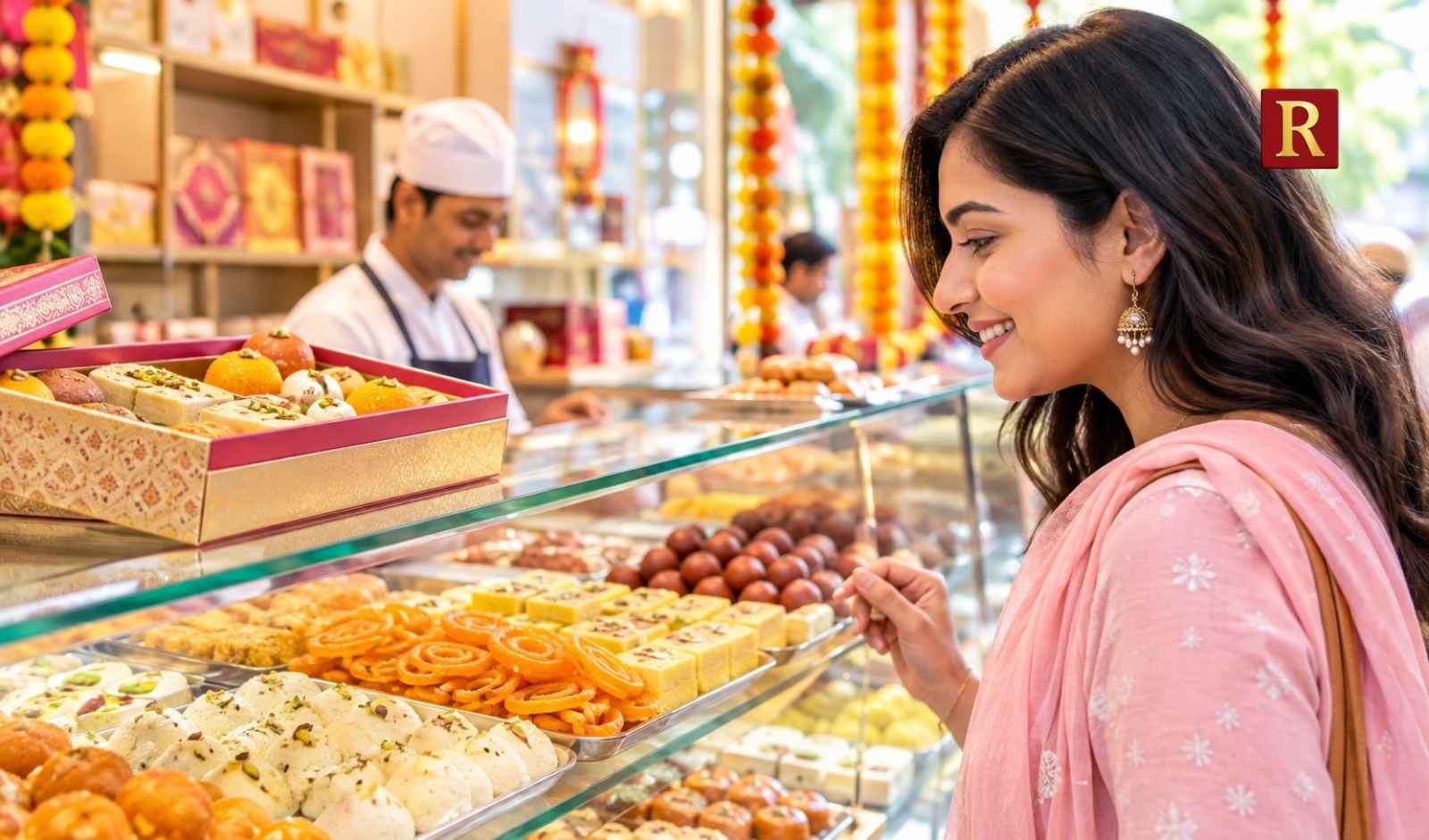 Festive SeasonChoosing mithai is not only about its colour, price or the popularity of the shop. Before buying, take a moment to check how the sweets are stored,…
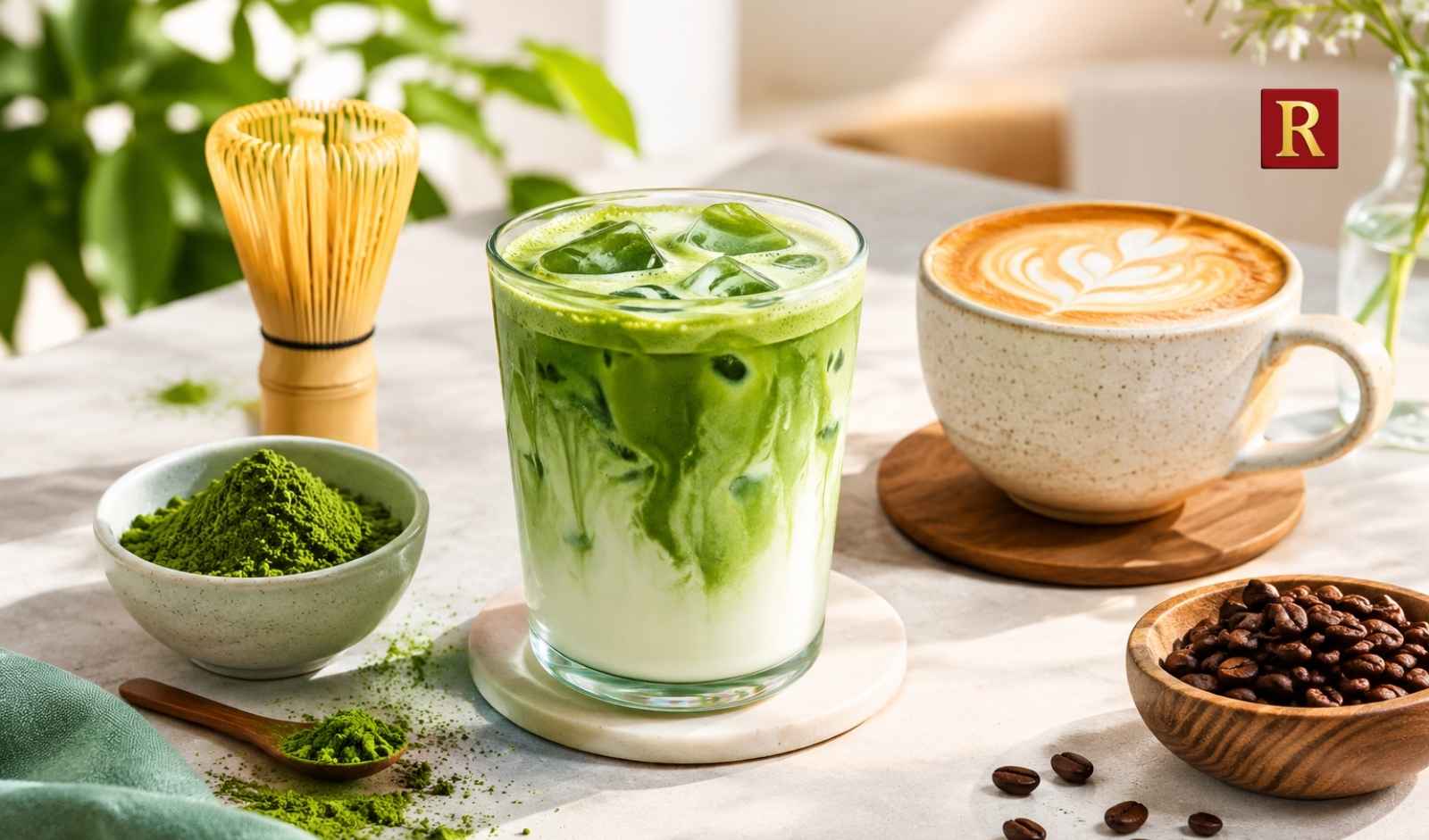 Food TrendBut the health story needs some care. Matcha should not automatically be described as a miracle drink or as a healthier replacement for every other…
Copyright © 2009 - 2026 Restaurant India.