





A good business idea is all that you need to secure a place in the food industry in Hyderabad. Off late, the small-business ideas have garnered the attention of the entrepreneurs in making. From late night street food bazaar to quirky restaurants, the food craze is on a constant rise in the City of Nizams. A small idea, if implemented well, could make your food business stand out.
Here are three small-scale business ideas which could get you higher possible returns, when opened in Hyderabad.
Food Business Ideas #1 : Online Bakery
Hyderabadis are on a constant hunt for ordering from an online bakery but the online bakery business idea is not yet popular among the food entrepreneurs. Apart from Karachi bakery that is opened for online ordering, Trio - la patisserie is one of the bakeries in Hyderabad that takes orders on Whatsapp). More such bakeries are associated with Swiggy or Zomato food-delivering apps. You can get an online bakery of yours that could make big in the years to come.
Food Business Ideas #2 : Home Chefs
Home-cooked food is popular among working professionals. Many people nowadays prefer to eat home-cooked and healthy meals as they do not get enough time to cook on their own. Starting as a home chef is a great idea for small-scale businesses in Hyderabad. You do not need to pay for extra space, just start cooking from your own kitchen. You might need to hire a delivery person but that would cost a meagre amount.
Food Business Ideas #3 : Breakfast Joints
Tea along with breakfast, make a good combination to serve Hyderabadis. The health-conscious people in the city would not want to miss on the most important meal of the day. Determine how you will deliver the breakfast, the menu and keep the prices low.
A restaurant can have a packed dining room, a popular menu and growing sales without being financially ready to expand. Opening a second outlet introduces new expenses, including rent, equipment, staff salaries, inventory and marketing. If the new location takes longer than expected to attract customers, the existing restaurant may end up funding its losses. For restaurant owners, the real question is not whether the first outlet is successful. It is whether its business model can be repeated without putting the original business at risk.
Before signing a lease or investing in a new kitchen, restaurant owners should evaluate seven numbers: store-level EBITDA, prime cost, rent-to-sales ratio, break-even sales, working capital runway, payback period and margin of safety. Together, these figures help determine whether expansion is financially sustainable.
1. Store-Level EBITDA: Is Your First Outlet Generating Enough Profit?
Revenue is often the first number restaurant owners examine when considering expansion. However, a restaurant generating Rs 15 lakh in monthly sales may be less profitable than another outlet generating Rs 12 lakh if its operating expenses are significantly higher. This is why owners should examine store-level EBITDA, which measures operating earnings before interest, taxes, depreciation and amortisation.
Consider a restaurant with the following monthly financial figures:
Net sales: Rs 15 lakh.
Food and beverage costs: Rs 4.5 lakh.
Staff expenses: Rs 3 lakh.
Rent and occupancy expenses: Rs 1.5 lakh.
Utilities, repairs and other operating expenses: Rs 3 lakh.
Store-level EBITDA: Rs 3 lakh.
Store-level EBITDA margin: 20 percent.
In this illustrative example, the restaurant generates Rs 3 lakh in store-level EBITDA, equivalent to 20 percent of net sales. However, this amount should not be treated as cash automatically available for expansion. Interest, taxes, equipment purchases, loan repayments and working-capital requirements can reduce the money available for investment. Before opening another outlet, owners should:
Review at least 12 months of financial performance. This helps identify seasonal fluctuations, temporary sales spikes and changes in operating costs.
Account for the owner's work. If the founder manages daily operations without drawing a market-rate salary, include the cost of hiring a replacement manager when assessing whether the business can operate independently.
Separate recurring earnings from unusual gains. One exceptionally profitable month does not establish that the restaurant can sustain the same performance.
Check whether the existing outlet can run independently. The business should not lose its operational efficiency simply because the owner starts managing a second location.
The number to check: Store-level EBITDA margin, calculated by dividing store-level EBITDA by net sales and multiplying by 100. A profitable outlet that depends on the owner's daily involvement may not have a replicable business model. Owners need to establish whether the restaurant can maintain its performance with a separate management team.
2. Prime Cost: How Much Do Food and Labour Consume From Every Sale?
Prime cost combines food and beverage costs with labour expenses. These are two major operating expenses that directly influence a restaurant's profitability. A restaurant might attract customers consistently but still struggle financially if ingredient wastage, portion sizes, overtime or staffing requirements increase faster than sales.
The formula is: Prime cost percentage = (Food and beverage costs + Labour costs) ÷ Net sales × 100
Consider a restaurant with these monthly figures:
Food and beverage costs: Rs 4.5 lakh.
Labour expenses: Rs 3 lakh.
Net sales: Rs 15 lakh.
Combined food and labour costs: Rs 7.5 lakh.
Its prime cost is 50 percent of net sales. This is an illustrative result, not a universal benchmark. Prime-cost expectations differ between QSRs, cafés, casual-dining restaurants and fine-dining establishments.
Before expanding, owners should examine four areas:
Actual versus theoretical food cost: Compare the ingredients consumed according to recipes with the actual inventory cost. Differences may reveal waste, over-portioning, spoilage or stock-control problems.
Labour productivity: Evaluate how staffing expenses relate to sales. Consider whether the proposed outlet requires more employees because of its menu, operating hours or service model.
Menu-level contribution: Identify which dishes generate sufficient contribution after ingredient and other variable costs.
Delivery economics: Account for packaging expenses and platform commissions when evaluating delivery-heavy operations.
Owners should also check whether their existing purchasing arrangements, recipes and inventory systems can be replicated at the new location. Different suppliers and customer preferences may affect costs.
The number to check: Prime cost as a percentage of net sales, supported by separate food-cost and labour-cost calculations.
If the existing outlet's margins depend on inconsistent portion control or unusually low staffing, expansion may multiply those problems rather than solve them.
3. Rent-to-Sales Ratio: Can the New Location Support Its Occupancy Costs?
A restaurant location with high visibility and heavy footfall can appear attractive. However, high rent can turn a promising site into a financially difficult operation if sales fail to meet expectations. Owners should calculate the rent-to-sales ratio for the proposed location using realistic revenue projections.
Rent-to-sales ratio = Monthly rent ÷ Monthly net sales × 100
Suppose a restaurant is considering a property with monthly rent of Rs 1.5 lakh.
If the outlet generates Rs 15 lakh in monthly net sales, rent represents 10 percent of sales.
If monthly sales reach only Rs 10 lakh, the ratio rises to 15 percent, even though the rent remains unchanged.
For a more complete assessment, owners should also examine common-area maintenance charges and other occupancy expenses. The ratio should be evaluated against the restaurant's overall margin structure rather than an assumed universal target.
Before signing a lease, owners should:
Estimate sales using local demand. Consider seating capacity, expected table turns, average bill value and the purchasing power of the surrounding customer base.
Calculate the full occupancy cost. Include base rent, maintenance charges and other property-related expenses.
Review the lease agreement. Examine the security deposit, rent escalation clauses, lock-in period and exit conditions.
Compare the new location with the existing outlet. Do not assume that a different neighbourhood will generate the same revenue or customer traffic.
The number to check: Occupancy cost as a percentage of net sales. A useful additional test is to reduce the proposed outlet's sales forecast by 20 percent while keeping rent unchanged. If the business becomes unviable under this scenario, the owner should reconsider the property's cost, negotiate better terms or revise the restaurant concept.
4. Break-Even Sales: How Much Must the Second Outlet Sell Every Day?
Break-even sales indicate the revenue a restaurant needs to cover its fixed and variable operating costs. This number converts an expansion plan into a measurable daily sales target.
The formula is: Break-even sales = Monthly fixed costs ÷ Contribution margin ratio
The contribution margin ratio is the share of net sales remaining after variable costs. That contribution covers fixed costs, and any amount left after covering them becomes operating profit. Consider a proposed restaurant with monthly fixed costs of Rs 6 lakh and a contribution margin ratio of 60 percent.
Monthly fixed costs: Rs 6,00,000.
Contribution margin ratio: 60 percent, or 0.60.
Monthly break-even sales: Rs 6,00,000 ÷ 0.60 = Rs 10,00,000.
Daily break-even sales: Rs 10,00,000 ÷ 30 operating days = approximately Rs 33,333.
Average bill value: Rs 500.
Orders required per day: Rs 33,333 ÷ Rs 500 = approximately 67 orders.
These figures are illustrative. They assume 30 operating days, an average bill value of Rs 500 and a consistent contribution margin. Revenue and costs should be calculated on a consistent basis, excluding GST collected on behalf of the government from sales revenue. The example shows that the restaurant needs approximately Rs 10 lakh in monthly net sales to break even. At an average bill value of Rs 500, that translates to roughly 67 orders per day. However, reaching break-even does not mean the restaurant is generating a satisfactory return on investment. Owners should also check whether the outlet has enough seating, kitchen capacity and local demand to achieve the required order volume. Weekday sales, weekend demand and seasonal fluctuations should be assessed separately.
The number to check: Monthly break-even sales and the corresponding daily order or customer target.
If the proposed restaurant needs more orders than its kitchen can handle or the local market can reasonably generate, the expansion model needs to change before money is committed.
5. Working Capital Runway: Can You Fund the Second Outlet Before It Stabilises?
Opening costs are only one part of the investment required for a second restaurant. The business also needs enough cash to pay staff, purchase ingredients, meet rent obligations and manage operating losses while sales build. This is where working capital runway becomes important. Owners should calculate how much cash the new outlet may consume each month before it reaches its projected sales level. The calculation should include pre-opening payroll, initial inventory, marketing, utilities and other cash expenses that may not be fully covered by early revenue. For example, assume the new outlet experiences the following monthly cash shortfalls during its initial six months:
Month 1: Rs 2,50,000.
Month 2: Rs 2,00,000.
Month 3: Rs 1,50,000.
Month 4: Rs 1,00,000.
Month 5: Rs 75,000.
Month 6: Rs 50,000.
The cumulative cash requirement would be Rs 8.25 lakh over six months, in addition to any opening investment not already included in the calculation. The actual requirement could be higher if sales take longer to develop or construction costs exceed the budget.
Restaurant owners should therefore:
Prepare a month-by-month cash-flow forecast. Model the first six months and extend the forecast if the concept is likely to take longer to stabilise.
Maintain a separate reserve for the existing restaurant. Protect the cash needed for its payroll, suppliers, rent and other essential expenses.
Include a contingency. Account for delays, equipment repairs, unexpected costs and slower customer acquisition.
Test a weaker sales scenario. Examine what happens if the new outlet achieves only 50–60 percent of projected sales during its initial period.
The six-month period is a planning scenario, not a guarantee that an outlet will stabilise within that time. The reserve should reflect the concept, fixed costs and expected sales ramp-up.
The number to check: The cash reserve needed to cover the projected operating shortfall and essential expenses during the ramp-up period.
A second outlet should not leave the first restaurant unable to pay its own bills. Expansion capital and operating cash need to be planned separately.
6. Payback Period: How Long Will It Take to Recover the Investment?
A second outlet can become operationally profitable without recovering its initial investment quickly. The payback period helps owners estimate how long it will take to recover the money committed to opening the restaurant. The initial investment should include more than interiors and kitchen equipment. It can also include lease deposits, licences, recruitment, training, opening inventory, pre-opening marketing and working capital.
A simplified formula is: Payback period = Initial investment ÷ Annual cash flow
Suppose an owner invests Rs 30 lakh in a new outlet and expects it to generate Rs 10 lakh in annual cash flow once operations stabilise.
Initial investment: Rs 30 lakh.
Annual cash flow: Rs 10 lakh.
Simple payback period: Rs 30 lakh ÷ Rs 10 lakh = 3 years.
However, this assumes that annual cash flow remains stable. In reality, a new outlet may take months to establish demand, and its early cash flow may be substantially lower than its later performance.
Owners should therefore prepare three projections:
Conservative case: Sales develop slowly, operating costs are higher and cash flow remains weak for longer.
Base case: Sales grow according to a realistic forecast supported by local demand and the existing restaurant's operating data.
Optimistic case: Sales ramp up faster than expected and the outlet reaches its target performance earlier.
Each scenario should use the same investment assumptions and clearly identify how sales, operating costs and cash flow differ. Owners should also consider the opportunity cost of the investment. Could the same money improve the existing restaurant's kitchen, seating, menu profitability or customer retention? If those investments generate stronger returns with less risk, opening a second outlet may not be the best immediate decision.
The number to check: The estimated payback period under conservative, base-case and optimistic assumptions.
A payback estimate based only on the outlet's best-performing months can make expansion appear more attractive than it really is. The calculation should account for the time needed to build demand and generate cash.
7. Margin of Safety: How Much Can Sales Fall Before the Outlet Starts Losing Money?
The margin of safety measures how far sales can fall before a restaurant reaches its break-even point. It is particularly useful when evaluating a second outlet because new locations rarely perform exactly as projected.
The formula is: Margin of safety (%) = (Expected sales − Break-even sales) ÷ Expected sales × 100
Consider a proposed outlet with expected monthly net sales of Rs 15 lakh and break-even sales of Rs 12 lakh.
Expected monthly sales: Rs 15,00,000.
Break-even sales: Rs 12,00,000.
Sales cushion: Rs 3,00,000.
Margin of safety: Rs 3,00,000 ÷ Rs 15,00,000 × 100 = 20 percent.
The restaurant has a 20 percent margin of safety. In this simplified model, sales can fall by Rs 3 lakh before the outlet reaches break-even, assuming its cost structure and contribution margin remain unchanged. A lower margin of safety means the business has less room to absorb weaker demand. A higher margin provides more protection, although it does not eliminate risks such as rising ingredient prices, unexpected repairs or changes in the sales mix.
Before expanding, owners should test the proposed outlet against a downside scenario:
What happens if monthly sales fall by 10 percent?
Can the restaurant still meet rent and payroll if sales fall by 20 percent?
Will a shift from dine-in to delivery reduce contribution margins?
Can the existing outlet remain financially stable if the new location needs additional funding?
These questions reveal whether the expansion plan has a realistic cushion or depends on achieving every sales target.
The number to check: Margin of safety, combined with the outlet's projected cash flow under weaker sales conditions.
The goal is not to predict every possible setback. It is to establish whether the business can withstand a difficult period without threatening the existing operation.
Final Expansion Readiness Checklist
The seven numbers should be considered together. A restaurant may have strong EBITDA but insufficient working capital. Another may have manageable rent but a break-even target that exceeds its likely sales capacity. Before committing to expansion, owners should use this checklist to assess their readiness.
Financial number | Key question |
Store-level EBITDA | Is the first outlet consistently profitable after accounting for realistic operating costs? |
Prime cost | Can food and labour expenses remain controlled at the new location? |
Rent-to-sales ratio | Can projected sales support the proposed property's occupancy costs? |
Break-even sales | Is the daily sales target achievable with the outlet's capacity and local demand? |
Working capital runway | Can the business fund the new outlet's ramp-up without weakening the first? |
Payback period | How long will it take to recover the investment under realistic assumptions? |
Margin of safety | Can the outlet withstand a period of lower-than-expected sales? |
The Bottom Line
Opening a second restaurant is not simply about replicating a popular menu or finding another busy location. It requires a business model that can generate repeatable profits, fund its own operating needs and withstand a slower-than-expected start. Restaurant owners should use the first outlet's actual financial records to build the second outlet's projections rather than relying on optimistic sales estimates. They should also test the new location's break-even point, protect the existing business's cash reserves and assess how long the investment will take to recover. The right time to expand is when the first outlet has demonstrated that its success can be repeated without putting the original business at financial risk.
A food product can impress customers during a tasting session and still struggle to generate consistent sales. A new millet snack may receive positive feedback, a bottled beverage may win over first-time buyers, and a regional sauce may stand out for its flavour. Yet, weeks after launch, orders may slow down, retailers may stop restocking, and customers may return to familiar alternatives. For food startups and FMCG brands, this creates an important business challenge. A product that tastes good is not automatically a product that people want to buy regularly.
The journey from a successful recipe to a successful business depends on several factors. Customers consider price, convenience, packaging, availability and trust alongside flavour. Manufacturers must also ensure consistent quality, manage shelf life and make every sale commercially viable. Research by NielsenIQ on Indian FMCG innovation highlights the importance of sustaining growth beyond a product's launch. This makes it important for brands to examine not only initial consumer interest but also the factors that support continued sales. Here are eight reasons why a great-tasting food product can fail in the market and what businesses can learn from them.
1. The Product Is Interesting, but Consumers Do Not Need It
One of the biggest mistakes a food entrepreneur can make is developing a product around an exciting idea without establishing whether customers have a reason to buy it. Consider a startup that launches a premium millet-based breakfast mix. The product tastes good, contains familiar ingredients and offers a convenient alternative to preparing breakfast from scratch. However, its target customers may already have a breakfast routine that works for them. Unless the new product offers a meaningful advantage, they may have little reason to change their habits. This is the difference between product appeal and product-market fit. A tasting session can establish whether people enjoy a product, but it cannot independently establish whether they need it, can afford it or will use it regularly. Food businesses should therefore investigate the occasions in which customers would consume the product. A ready-to-drink beverage may appeal to office workers looking for convenience, while a cooking paste may appeal to households that want to reduce preparation time. The clearer the use case, the easier it becomes to position the product.
Before investing in large-scale production, businesses should examine three questions:
What specific consumer need does the product address?
What are customers currently using to meet that need?
Why would they switch to the new product?
A product does not necessarily need to solve a completely new problem. It can succeed by offering a better solution to an existing one. However, that advantage must be meaningful enough to influence purchasing behaviour.
2. The Price Is Higher Than What Customers Are Willing to Pay
A food product may contain premium ingredients, require specialised processing and offer an excellent flavour profile. These qualities can increase production costs, but they do not automatically justify a higher selling price in the customer's mind. For example, a 100-gram pack of millet chips may taste better than conventional packaged snacks. However, if it costs substantially more than established alternatives, shoppers may hesitate to make it their regular purchase. The problem is not necessarily that the product is expensive. It is that consumers may not perceive enough additional value to justify the difference. Food brands need to consider how their target audience evaluates price. A premium chocolate may be purchased occasionally as a gift, while an everyday snack must compete for a place in the regular grocery budget. The same price difference can have very different effects depending on the product category and purchase frequency.
Price decisions should account for more than ingredient costs. Businesses need to assess pack size, serving cost, competing products, retailer margins, distribution expenses and the price consumers consider acceptable. A smaller pack may make trial more accessible, while a multipack may offer better value to frequent buyers. Neither approach works universally; the choice depends on customer behaviour and the product's economics. India's grocery market provides an important context for this challenge. NielsenIQ reported in 2024 that 87 percent of surveyed Indian shoppers believed food prices were still rising. This is historical evidence of price pressure, rather than a measure of current sentiment. The key lesson is that a product must deliver value that customers can recognise, not simply quality that its manufacturer can explain.
3. The Product Tastes Great Fresh but Loses Quality on the Shelf
A food product may perform exceptionally well in a development kitchen but deliver a different experience after weeks of storage and transportation. This is particularly important for packaged snacks, sauces, ready-to-drink beverages and products containing fats or moisture-sensitive ingredients. A crunchy snack can become soft, a sauce can separate, and a product containing fats can develop rancid flavours through oxidation. The exact risks depend on the formulation and storage conditions. These changes can undermine consumer trust. Someone who enjoys the first pack may not purchase another if the next one has a different texture, aroma or flavour. Food manufacturers must therefore evaluate products under their intended storage and distribution conditions rather than relying only on freshly prepared samples.
Three technical factors deserve attention:
Water activity: This measures how much water is available for microbial growth and certain chemical reactions. It is different from total moisture content and helps determine appropriate preservation strategies.
Oxidation: Exposure to oxygen, light and unsuitable storage conditions can cause undesirable flavour and aroma changes, particularly in products containing fats.
Packaging-barrier properties: Packaging materials differ in their ability to limit oxygen, moisture and light exposure. The right choice depends on the product's vulnerabilities and expected shelf life.
Shelf-life validation must also address food safety, not just taste and appearance. Sensory checks alone cannot establish that a product remains microbiologically safe. For food brands, the real test is whether the product delivers the expected experience throughout its intended shelf life. A successful launch sample means little if the quality cannot be maintained until the customer opens the pack.
4. The Recipe Works in the Kitchen but Fails During Large-Scale Production
Scaling up production introduces challenges that may not be visible when a product is prepared in small quantities. A founder may develop a distinctive chilli oil, dip or snack using a carefully controlled recipe. When the same formulation moves to a commercial facility, differences in mixing equipment, heating rates, ingredient batches and processing conditions can affect the result. A sauce may become thicker than expected. A snack may develop uneven seasoning. A beverage may show inconsistent colour or flavour across batches. Even small differences can matter when customers expect every purchase to deliver the same experience. This is why commercial food production requires standardisation. Recipes must specify ingredient quantities, processing conditions and quality requirements. Manufacturers also need suitable controls to check whether each batch meets those requirements.
Important practices include:
Documenting standard operating procedures for every production stage.
Checking incoming ingredients for relevant quality variations.
Validating processing conditions and equipment performance during scale-up.
Conducting batch-level quality checks for attributes such as taste, texture, appearance and weight.
- Investigating deviations rather than assuming every batch will behave like the original sample.
For products with specialised processing or preservation requirements, technical validation is particularly important. The commercial challenge is not simply reproducing a successful recipe. It is reproducing the same quality consistently, at the required volume and under controlled production conditions.
5. The Packaging Looks Attractive but Does Not Convince Shoppers
Packaging often creates the first interaction between a food product and a potential customer. However, attractive design alone cannot guarantee a purchase. Imagine a premium regional chutney displayed alongside established sauces and condiments. Its packaging may look sophisticated, but shoppers might not immediately understand what it tastes like, what it should be eaten with or why it costs more than familiar alternatives. If the product's identity is unclear, consumers may ignore it even when the food itself is excellent. Packaging must perform two important functions. It must communicate the product's value quickly and protect the product throughout storage, distribution and use.
Brands should evaluate whether their packaging answers the following questions:
What is the product, and what makes it different?
What flavour, texture or consumption experience should customers expect?
How should the product be used or served?
Does the pack protect the product and remain convenient after opening?
Are the mandatory declarations and product claims appropriate and compliant?
The last two points are especially important for packaged foods. Resealable closures, portion sizes and suitable barrier materials can influence convenience and product quality. Clear labelling also helps consumers understand what they are purchasing. A brand should not assume that a shopper will investigate a product to discover its benefits. The most important information needs to be easy to understand at the point of purchase. The objective is not to make every pack visually louder than its competitors. It is to make the product's purpose, value and identity clear enough for the intended customer to recognise.
6. Customers Cannot Buy the Product When They Want It
A food brand can generate interest through social media, product sampling or online advertising and still lose sales if the product is unavailable where customers shop. This problem can be particularly difficult to identify because weak sales may appear to indicate poor consumer demand. In reality, the product may be missing from relevant retail outlets, frequently out of stock on quick-commerce platforms or unavailable in the locations where its intended audience lives. Distribution is not just about getting a product listed. It also involves ensuring that the product remains available and reaches the right customers. For example, a ready-to-drink beverage positioned for quick consumption may depend heavily on availability through quick-commerce platforms, convenience stores or modern retail. A regional cooking ingredient may rely more on neighbourhood grocery stores and specialist food retailers. Businesses need to understand the purchasing habits of their target audience before selecting distribution channels.
They should monitor three important indicators:
Numeric distribution: The proportion of relevant retail outlets that stock the product.
Stock availability: Whether the product is available for purchase when consumers look for it.
Sales velocity: How quickly the product sells through the outlets or channels in which it is stocked.
These indicators help distinguish weak demand from inadequate distribution. A product that sells well wherever it is available but has limited reach may require better distribution. A product that is widely available but sells slowly may need a closer examination of pricing, positioning or consumer appeal. NIQ's 2024 Indian innovation findings highlighted the importance of new-product availability, reinforcing the need to consider market access alongside product development. For a food brand, winning consumer interest is only part of the challenge. The product must also be accessible when the customer is ready to buy.
7. Consumers Enjoy the Product but Prefer Their Familiar Choices
Food is closely connected to habits, family preferences and cultural familiarity. Consumers may be curious enough to try a new product but reluctant to replace something they already enjoy and trust. Consider a brand launching a fermented beverage with an unfamiliar flavour profile. First-time tasters may appreciate its distinctive taste, but some may not know when to drink it, what to pair it with or whether it fits into their everyday routine. The product's challenge is no longer just flavour. It is helping consumers understand and adopt a new eating or drinking habit. This is particularly relevant to products built around unfamiliar ingredients, unconventional formats or new combinations of traditional foods. A product can offer genuine innovation and still require considerable consumer education. Food brands can address this barrier by making the product easier to understand and use.
Connect innovation with familiarity: A new millet snack may be easier to understand when its flavour and consumption occasion are familiar to the intended audience.
Demonstrate practical use: Serving suggestions, recipes and simple preparation instructions can help consumers incorporate unfamiliar products into everyday meals.
Build confidence through sampling: Trial can reduce uncertainty, provided the sample represents the actual product consumers will purchase.
Communicate credible benefits: Explain relevant product attributes clearly and support any nutritional or health claims with appropriate evidence.
Academic research on food-product introductions has examined consumer resistance, inadequate consumer testing and insufficient marketing support as possible contributors to new-product failure. The objective should not be to make every innovative product familiar before launch. Rather, brands need to identify what consumers find unfamiliar and provide enough information, reassurance or practical guidance to encourage adoption. A great taste can persuade someone to try a product. Familiarity, trust and a clear consumption occasion can help turn that first experience into a habit.
8. The Product Generates Sales but Cannot Make Enough Money
A food product may attract customers, receive positive reviews and generate steady orders while still failing to build a sustainable business. The reason may lie in its unit economics: the financial performance of each unit sold. Consider a packaged snack that retails for Rs 100. The brand cannot assume that the entire Rs 100 is available to cover production expenses and generate profit. Depending on the sales channel, the business may receive less after accounting for retailer or platform margins, discounts and other deductions. From the amount it retains, the company must also account for ingredients, packaging, manufacturing, logistics, wastage and other relevant costs. This is why revenue alone provides an incomplete picture of commercial performance.
Food businesses need to understand three financial measures:
Cost of goods sold: The costs attributable to producing the goods sold, based on the business's accounting method.
Contribution margin: The revenue retained from a sale after deducting the relevant variable costs. It indicates how much is available to cover fixed costs and, eventually, profit.
Break-even volume: The number of units that must be sold for the business to cover its costs at the assumed selling price and cost structure.
A product with a positive contribution margin may still struggle if its sales volume is too low to cover fixed expenses. Conversely, expanding sales through heavy discounts may increase revenue without improving profitability. The challenge becomes more complex when a brand sells through multiple channels. Direct-to-consumer sales, quick commerce, marketplaces and traditional retail can have different costs, margins and fulfilment requirements. Before expanding production or increasing advertising spend, founders should calculate the economics of each channel and examine the profitability of different pack sizes. The critical question is not simply whether people will buy the product. It is whether the business can serve those customers consistently while generating enough contribution to sustain operations and growth.
How Can Food Brands Identify the Real Problem?
When a food product underperforms, changing the recipe immediately may not solve the problem. Businesses first need to understand where the product is losing customers or money.
The following diagnostic framework can help founders and product teams identify what needs attention.
Business signal | Possible explanation | What to investigate |
Strong tasting feedback but weak sales | Unclear need, poor positioning or price resistance | Purchase intent, competitor alternatives and willingness to pay |
Good initial sales but few repeat purchases | Quality deterioration, unsuitable usage occasions or unmet expectations | Repeat purchase behaviour, product feedback and shelf-life performance |
Different customer experiences across batches | Production inconsistency | Formulation, processing conditions and quality-control records |
Positive demand but frequent stockouts | Distribution or replenishment problems | Outlet coverage, inventory and channel-level availability |
Growing sales but weak profitability | High variable costs or unfavourable channel economics | Contribution margin, discounts, logistics and channel deductions |
These signals are starting points for investigation, not proof of a particular cause. For example, low repeat purchasing can result from low purchase frequency in the category rather than dissatisfaction. The business must examine the product's expected repurchase cycle before drawing conclusions. A useful approach is to test the product with customers beyond the founder's personal network, monitor purchases rather than relying exclusively on stated preferences, validate quality under intended storage conditions and calculate profitability at the channel level. This helps businesses distinguish a product problem from a pricing, distribution, manufacturing or financial problem before committing additional resources.
Great Taste Wins the First Trial, but Not Every Sale
A food product can fail despite excellent flavour because customers evaluate much more than what they taste. They consider whether the product meets a real need, fits their budget, remains consistent, communicates its value and is available when they want it. Behind the scenes, food businesses must also manage manufacturing quality, shelf life, distribution and the economics of every sale. For startups and established FMCG brands alike, the lesson is clear: a successful food product must work in the customer's life as well as in the kitchen. Instead of assuming that weak sales require a better recipe, businesses should identify the actual barrier to purchase and repeat demand. Sometimes the answer is a formulation change. In other cases, it may be clearer packaging, a different price point, more reliable distribution or a commercially sustainable production model. Ultimately, the strongest food products do more than impress people during a tasting session. They deliver a consistent experience, meet a genuine consumer need and give customers a compelling reason to buy again.
A restaurant can generate Rs 10 lakh in monthly sales and still struggle to make a decent profit. High sales do not always mean high earnings. Rent, employee salaries, ingredients, food wastage, delivery commissions and other operating expenses determine how much money a restaurant actually keeps. For anyone planning to open a restaurant in India, understanding monthly profitability is as important as estimating the initial investment. For existing restaurant owners, it helps identify whether the business is genuinely profitable or simply generating revenue.
In general, an independent restaurant may use a net profit margin of 5–15 percent as an illustrative planning range. However, actual earnings depend on the restaurant's format, location, pricing, customer traffic and cost structure. A new outlet may operate at a loss during its initial months, while an established restaurant with controlled expenses may perform better. The real question is not just how much a restaurant sells every month. It is how much remains after paying every business expense.
How Much Profit Does a Restaurant Make Per Month?
Monthly restaurant profit varies according to its size, business model and operating costs. A small neighbourhood restaurant and a premium fine-dining establishment have very different revenue potential and expense structures. The following examples illustrate how monthly sales translate into possible net profit at different margins.
| Monthly net sale | At 5 percent profit | At 10 percent profit | At 15 percent profit |
|---|---|---|---|
| Rs 5 lakh | Rs 25,000 | Rs 50,000 | Rs 75,000 |
| Rs 10 lakh | Rs 50,000 | Rs 1 lakh | Rs 1.5 lakh |
| Rs 20 lakh | Rs 1 lakh | Rs 2 lakh | Rs 3 lakh |
| Rs 30 lakh | Rs 3 lakh | Rs 3 lakh | Rs 4.5 lakh |
| Rs 50 lakh | Rs 2.5 lakh | Rs 5 lakh | Rs 7.5 lakh |
These figures are illustrative calculations, not guaranteed earnings or verified industry averages. Net sales should exclude GST collected on behalf of the government, and the profit margin should be calculated after the expenses included in the chosen accounting definition. For example, a restaurant generating Rs 10 lakh in monthly net sales at a 10 percent net profit margin earns Rs 1 lakh in monthly net profit. If it maintains the same result for 12 months, its annual net profit would be Rs 12 lakh. However, restaurant sales can fluctuate with the season, local events, customer demand and competition. A single profitable month does not necessarily reflect the business's annual performance.
How Much Can Different Restaurant Formats Earn?
The restaurant format influences revenue potential, operating costs and the level of investment required. These differences make it important to assess each business model separately rather than assume that the restaurant with the highest sales will generate the most profit.
| Restaurant format | Illustrative monthly sales | Possible net profit at 5–15 percent |
|---|---|---|
| Small restaurant or dhaba | Rs 3–8 lakh | Rs 15,000–1.2 lakh |
| Café or coffee shop | Rs 5–15 lakh | Rs 25,000–2.25 lakh |
| Quick-service restaurant (QSR) | Rs 8–20 lakh | Rs 40,000–3 lakh |
| Casual dining restaurant | Rs 10–25 lakh | Rs 50,000–3.75 lakh |
| Cloud kitchen | Rs 4–12 lakh | Rs 20,000–1.8 lakh |
| Fine-dining restaurant | Rs 20–60 lakh | Rs 1–9 lakh |
These are hypothetical planning scenarios, not established averages for the respective formats. Actual sales and margins may fall outside these ranges. A small restaurant may operate with a limited menu and relatively low overheads. A café may benefit from beverage sales, while a QSR may rely on high order volumes and standardised operations. Casual dining and fine dining can generate higher bills but may require more staff, larger premises, specialised equipment and greater investment in the customer experience. Cloud kitchens avoid the cost of a conventional dining room, but they may face significant platform commissions, packaging expenses, online advertising costs and discounting. Their profitability depends on what remains from each order after these costs are deducted. Therefore, the best format is not necessarily the one with the highest monthly revenue. It is the one that can generate sustainable profit after accounting for its costs and investment requirements.
Where Does a Restaurant's Monthly Revenue Go?
A restaurant's revenue is divided across several expenses before any profit reaches the owner. Understanding these costs helps explain why a busy restaurant can still struggle financially. For an independent restaurant generating Rs 10 lakh in monthly net sales, the following example shows how the money may be distributed.
| Monthly expense | Illustrative amount |
| Food and beverage ingredients | Rs 3,20,000 |
| Employee salaries and related costs | Rs 2,20,000 |
| Rent and occupancy | Rs 1,20,000 |
| Electricity, gas and water | Rs 40,000 |
| Delivery, packaging and promotions | Rs 80,000 |
| Repairs, marketing, administration and other costs | Rs 70,000 |
| Operating profit before depreciation, interest and tax | Rs 1,50,000 |
| Depreciation and interest | Rs 50,000 |
| Profit before tax | Rs 1,00,000 |
| Illustrative income-tax provision | Rs 20,000 |
| Illustrative net profit | Rs 80,000 |
In this example, the restaurant earns Rs 80,000 in net profit on monthly net sales of Rs 10 lakh, giving it a net profit margin of 8 percent. The figures are illustrative assumptions, not the audited accounts of an actual restaurant. The tax provision is also hypothetical and will vary according to the business structure and applicable tax rules. The example highlights an important point: the restaurant's operating profit is Rs 1.5 lakh, but the amount remaining after depreciation, interest and the assumed tax provision is Rs 80,000. Owners should also account for their own salaries consistently. If the owner works full-time but does not receive a salary, the reported profit may overstate the business's underlying economic performance.
Gross Profit vs Operating Profit vs Net Profit
Restaurant owners need to understand three different profit measures before evaluating their monthly earnings.
Gross profit: This is the revenue remaining after deducting the direct cost of the food and beverages sold. It indicates how effectively the restaurant prices its menu and controls ingredient costs.
Operating profit: This measures the profit generated from normal business operations after operating expenses. The exact definition depends on whether depreciation and other items are included. EBITDA, or earnings before interest, taxes, depreciation and amortisation, is another commonly used measure, but it is not the same as net profit.
Net profit: This is the profit remaining after the expenses and charges included in the profit-and-loss statement, including applicable interest, depreciation and taxes.
For example, if a restaurant generates Rs 10 lakh in net sales and spends Rs 3.2 lakh on ingredients, its gross profit is Rs 6.8 lakh, assuming ingredients are its only cost of goods sold. However, the restaurant must still pay salaries, rent, utilities, delivery charges, marketing expenses and other costs. The Rs 6.8 lakh is not the amount the owner can take home. Cash flow is another important consideration. Loan principal repayments and equipment purchases can reduce the cash available to the business even when its profit-and-loss statement shows a profit. GST collected from customers should also not be treated as the restaurant's own revenue.
Does a Dine-In Restaurant Make More Profit Than a Cloud Kitchen?
Neither model is automatically more profitable. The outcome depends on the average order value, number of orders, cost of acquiring customers and expenses associated with serving them. A dine-in restaurant must pay for its dining area, furniture, housekeeping, service staff and other hospitality-related expenses. However, it can build customer relationships, encourage repeat visits and generate revenue from beverages, desserts and additional dishes. A cloud kitchen can operate from a smaller space and avoid conventional dining-room expenses. However, it may depend heavily on delivery platforms and online promotions to generate orders. The difference becomes clearer when owners evaluate the contribution from each sales channel. For instance, a Rs 500 delivery order does not contribute Rs 500 towards profit. Ingredient costs, packaging, platform charges, discounts funded by the restaurant and other order-related expenses must be deducted first. Similarly, a dine-in bill of Rs 500 must cover the ingredients, service costs and a share of the restaurant's rent and overheads. The more useful question is how much each order contributes towards covering fixed costs and generating profit.
How Much Must a Restaurant Sell to Break Even?
The break-even point is the level of sales at which a restaurant covers its costs without making an operating profit or loss under the assumptions used.
- The formula is: Break-even sales = Fixed costs ÷ Contribution margin ratio
Fixed costs include expenses such as rent and certain salaries that do not change directly with every additional order. Variable costs include ingredients, packaging and other expenses that increase with sales. Some expenses are mixed and need to be divided into their fixed and variable components. Consider a restaurant with monthly fixed costs of Rs 3 lakh and a contribution margin ratio of 40 percent.
- Rs 3,00,000 ÷ 0.40 = Rs 7,50,000
The restaurant would need Rs 7.5 lakh in monthly sales to break even under these assumptions. This calculation helps owners set realistic sales targets. It also shows why increasing revenue alone may not solve a profitability problem. If discounts, ingredient prices or delivery expenses increase, the contribution margin may fall, raising the amount of sales required to cover fixed costs. For a practical assessment, owners should calculate the break-even point using their actual expenses and sales mix rather than relying on a general industry estimate.
What Quietly Reduces a Restaurant's Monthly Profit?
Some of the biggest profit leaks are not obvious from the total sales figure. They occur in daily operations and may become visible only when the monthly accounts are reviewed.
1. Food wastage and inconsistent portions
If employees use more ingredients than a recipe requires, the restaurant's actual food cost can rise without any change in menu prices. Spoilage, expired inventory, preparation waste and oversized portions can have a similar effect. Standardised recipes, portioning tools and regular inventory checks help owners identify these losses.
2. High rent compared with sales
A restaurant in a premium location may attract more customers but also face higher rent and occupancy costs. If sales do not grow enough to justify the additional expense, the restaurant may generate less profit than a smaller outlet in a more affordable location.
3. Excessive discounts and delivery expenses
Online promotions can increase order volume without necessarily improving profitability. Owners need to examine the revenue retained after discounts, platform charges, advertising and packaging. The number of orders generated by a campaign is not enough to establish whether the campaign is profitable.
4. Poor menu profitability
The most popular dish is not always the most profitable dish. Consider two menu items. The first sells for Rs 300 and costs Rs 120 in ingredients, leaving Rs 180 before other expenses. The second sells for Rs 450 and costs Rs 250 in ingredients, leaving Rs 200. The second dish has a higher contribution in rupees, but it may require more preparation time or incur additional costs. Owners should compare contribution per item alongside sales volume, preparation time and wastage to understand which dishes support profitability.
5. Inefficient staff scheduling
Staffing too many employees during quiet periods can increase labour costs without improving service or revenue. Understaffing during peak hours can also lead to slower service, missed orders and dissatisfied customers. Sales patterns by day and hour can help restaurant managers align staffing with demand.
6. Seasonal revenue fluctuations
A restaurant may experience stronger sales during festivals, holidays, wedding seasons or local events. These peaks should not automatically be treated as its normal monthly performance. Owners should compare several months of results and account for seasonal changes before making decisions about expansion, hiring or borrowing.
How Restaurant Owners Can Track Profit Every Month
Restaurant profitability improves when owners review the right numbers regularly rather than waiting until the end of the financial year.
The following metrics provide a practical starting point:
Food cost percentage: Cost of food and beverages sold divided by the relevant net sales, multiplied by 100.
Labour cost percentage: Relevant employee costs divided by net sales, multiplied by 100.
Prime cost: Food and beverage costs plus labour costs, using consistent accounting definitions.
Average order value: Total net sales divided by the number of orders.
Contribution margin: Sales remaining after variable costs are deducted.
Rent-to-sales ratio: Rent and relevant occupancy expenses divided by net sales.
Net profit margin: Net profit divided by net sales, multiplied by 100.
Repeat customer rate: The proportion of customers who return during a defined period, where reliable customer data is available.
These figures should be reviewed alongside a monthly profit-and-loss statement, inventory records and cash-flow reports. Comparing the results against previous months can reveal whether a change in sales or costs is improving the business. Restaurant owners should also separate one-time expenses from recurring costs and avoid treating borrowed money or GST collections as operating revenue.
Final Takeaway
How much profit a restaurant makes per month depends on the revenue it generates and the costs it must cover to serve customers. A restaurant making Rs 10 lakh in monthly net sales could earn Rs 50,000 at a 5 percent net margin, Rs 1 lakh at a 10 percent margin or Rs 1.5 lakh at a 15 percent margin. These figures are planning examples, not promises of what a restaurant will earn. The more useful approach is to calculate the restaurant's actual food costs, labour expenses, rent, delivery charges and other overheads. Owners should then establish their break-even sales target and measure the contribution generated by each menu item and sales channel. Ultimately, a restaurant's financial strength is not determined by how busy it looks or how much it bills. It is determined by whether it can generate sustainable profit, maintain sufficient cash flow and cover its costs without compromising the customer experience.
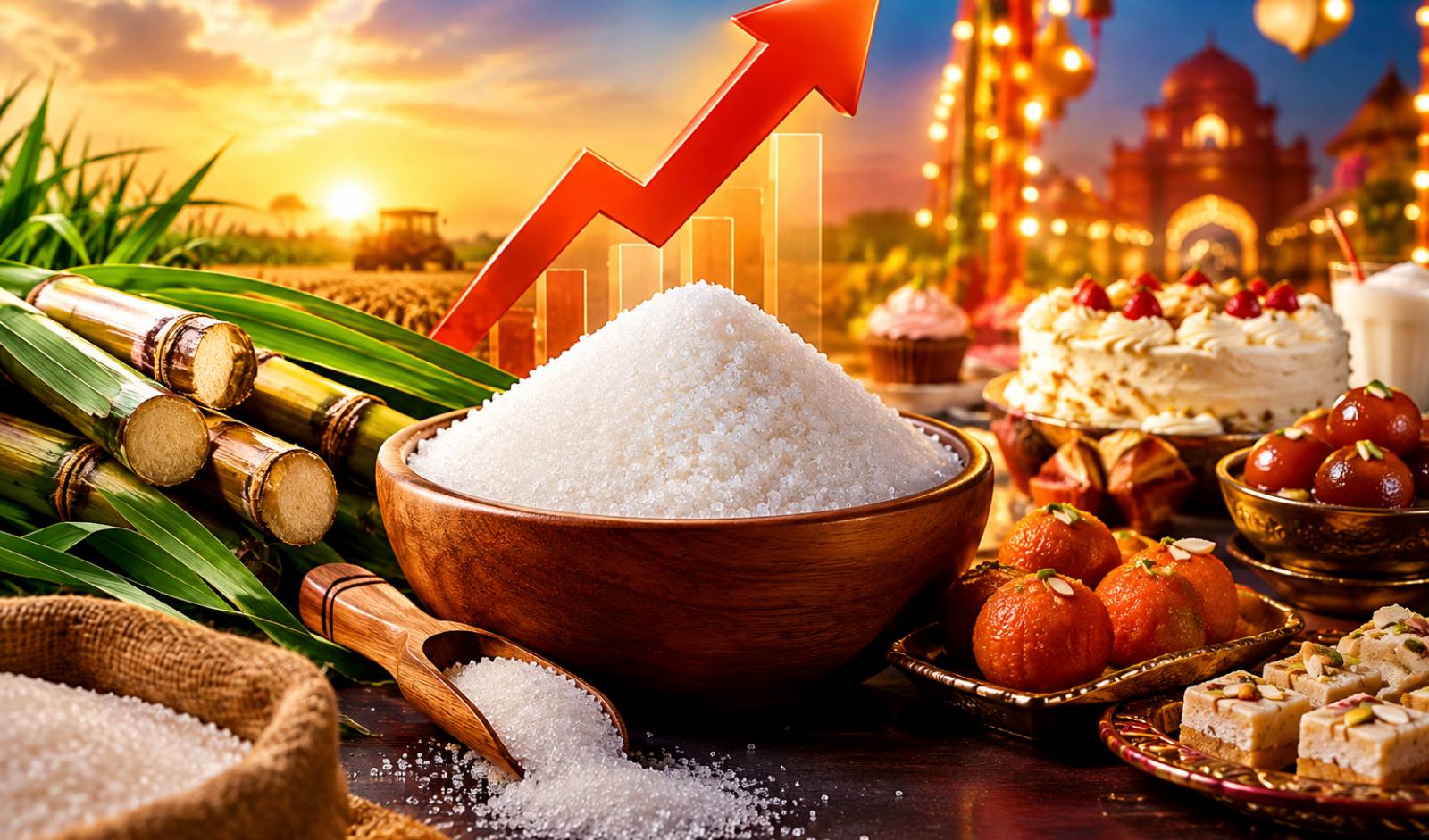
India's festive season brings a surge in demand for mithai, cakes, biscuits, chocolates and beverages. But in 2026, the rising cost of sugar has added another concern for the food industry just as businesses prepare for one of the busiest periods of the year. According to the Ministry of Consumer Affairs, the reported retail price of sugar rose from Rs 48.18 per kg on July 20 to Rs 55.70 per kg on August 20, 2026. This was an increase of approximately 15.6 percent in one month. Prices subsequently declined from their August peak, although sugar remained more expensive year-on-year in October.
The price movement has brought attention to several factors, including crop damage, lower production expectations, seasonal demand and government measures to improve supply. For India's sweet shops, bakeries, restaurants and packaged-food manufacturers, the concern extends beyond the price of sugar itself to the cost of producing festive favourites.
Why Sugar Prices Are Rising in India
The recent price surge reflects a combination of agricultural and market-related pressures. While festive demand increases the need for sugar, the availability of domestic stocks and expectations about future production influence how the market responds.
1. Crop Damage Is Affecting Production Expectations
Sugar production depends heavily on the quantity and quality of sugarcane available to mills. Excess rainfall, waterlogging and crop diseases can affect the amount of sugar that can be recovered from harvested cane. In August 2026, the government estimated sugar production for the 2025–26 season at around 306 lakh metric tonnes (LMT), compared with an initial estimate of 343 LMT. It attributed the shortfall to diseases such as red rot and top borer, along with waterlogging caused by excess rainfall. Another important factor is the sugar recovery rate, which measures the percentage of sugar extracted from sugarcane during processing. If recovery falls, mills may produce less sugar even when they crush a substantial quantity of cane.
2. Festival Demand Is Adding Pressure to the Market
The months leading up to Diwali are important for sweet shops, bakeries, restaurants and confectionery manufacturers.
- Mithai manufacturers need sugar for products such as laddoos, jalebis, gulab jamun and barfi.
- Bakeries and confectionery brands use sugar across cakes, biscuits, fillings and other products.
- Restaurants and cafés require it for desserts, sauces and seasonal beverages.
- Packaged-food manufacturers must plan procurement around production schedules and expected retail demand.
When demand increases while buyers are concerned about supply, some businesses may place orders earlier to secure ingredients. However, festival demand is only one part of the explanation. Crop conditions, available inventories, global prices and purchasing behaviour can also influence domestic prices.
3. Global Supply Conditions Also Matter
Domestic sugar prices can respond to developments in international markets. Changes in production expectations in other major sugar-producing countries can affect global availability and prices. International prices do not translate directly into Indian retail prices because domestic production, trade policies, transport costs and government interventions also matter. Nevertheless, tighter global supplies can influence market expectations and the cost of sourcing additional sugar. The result is a market in which domestic crop conditions and international developments can reinforce one another, particularly when demand is strong.
How the Government Is Responding to Rising Sugar Prices
The government has introduced measures intended to improve availability, discourage excessive stock accumulation and reduce price volatility during the festive season.
The key interventions include:
- Duty-free raw sugar imports: The government permitted imports of up to 10 lakh metric tonnes to supplement domestic availability.
- Stockholding restrictions: New dealer stockholding rules are intended to discourage excessive accumulation and encourage supplies to move through the distribution chain.
- Stock inspections: Authorities have increased scrutiny of reported inventories and sales to identify potential discrepancies and suspected irregularities.
- Monitoring new-season production: The arrival of fresh sugar from the new crushing season is expected to influence market availability.
Imports may take time to affect the market because raw sugar can require refining before it reaches buyers as refined sugar. Similarly, stockholding restrictions do not automatically result in lower prices; their impact depends on implementation and the actual movement of supplies. The government also reported that prices had eased from their August peak. By October 1, retail prices had declined by around 15 percent from that peak, while ex-mill prices had fallen by approximately 28 percent. An ex-mill price is the price at which a mill sells sugar before downstream distribution costs and margins are added. Changes at the mill level may take time to reach wholesalers, retailers and commercial kitchens. This distinction is important: a correction from a recent peak does not necessarily mean prices have returned to their earlier levels.
How Rising Sugar Costs Could Affect Food Businesses
For food businesses, sugar is a production input that affects recipe costing, procurement budgets and gross margins. The impact varies according to the quantity used, purchase agreements, production volumes and the business's ability to adjust selling prices. Consider a hypothetical mithai business that uses 10 kg of sugar in one production batch. If its purchase price increases by Rs 5 per kg, the additional direct sugar cost is Rs 50 per batch. Across 100 similar batches, that amounts to Rs 5,000. This is an illustration rather than an industry-wide estimate, but it shows how a small change in the price per kilogram can accumulate across large production volumes.
Food businesses may respond to such changes in several ways:
- Reviewing procurement: Comparing supplier quotations and negotiating purchasing terms can help businesses manage costs.
- Controlling wastage: Better production planning and inventory management can reduce avoidable ingredient losses.
- Managing working capital: Buying in bulk may secure supplies, but it ties up cash and requires suitable storage.
- Reviewing margins: Businesses must assess whether they can absorb higher costs or need to revise product prices.
- Maintaining product consistency: Changes to recipes should be evaluated carefully so that cost control does not compromise quality.
Buying too late can expose businesses to higher prices or supply delays. On the other hand, purchasing large quantities when prices are elevated can become costly if the market subsequently corrects. For restaurants, bakeries and FMCG manufacturers, the priority is to balance availability, cash flow and production requirements rather than simply buying the largest possible quantity.
Will Consumers Pay More for Sweets This Diwali?
Higher sugar prices can increase production costs, but they do not automatically mean that every sweet, cake or beverage will become more expensive. The final selling price depends on several inputs beyond sugar, including milk, khoya, nuts, flour, chocolate, packaging, labour, fuel and transportation.
The impact can vary by product:
- Sugar-intensive sweets: These may face greater direct cost pressure because of the quantity of sugar used.
- Cakes and bakery products: Sugar costs must be considered alongside dairy products, flour, eggs, chocolate and packaging.
- Restaurant desserts and beverages: The effect depends on recipe composition, portion sizes and existing supplier arrangements.
- Packaged foods: Existing inventory and pricing agreements may delay the effect of changes in ingredient costs.
Some businesses may absorb higher costs to remain competitive, while others may revise prices, change promotional offers or review pack sizes. If sugar prices decline, retail prices may not fall immediately because businesses could still be using inventory purchased at earlier rates. The important point for consumers is that a rise in sugar prices creates cost pressure, but the final effect depends on how businesses manage and pass on those costs.
What to Watch in the Coming Weeks
The direction of sugar prices will depend on the availability of new-season supplies, changes in production forecasts, the movement of imported sugar and demand from food businesses and households. For India's festive food industry, sugar is more than a household staple. Its price movements influence procurement planning, production costs and the profitability of products that become especially important during the festival season. While prices have eased from their August peak, the market's next move will depend on whether additional supplies reach buyers quickly enough to balance demand. For mithai shops, bakeries, restaurants and packaged-food manufacturers, careful inventory management and regular monitoring of procurement prices will remain important throughout the festive period.
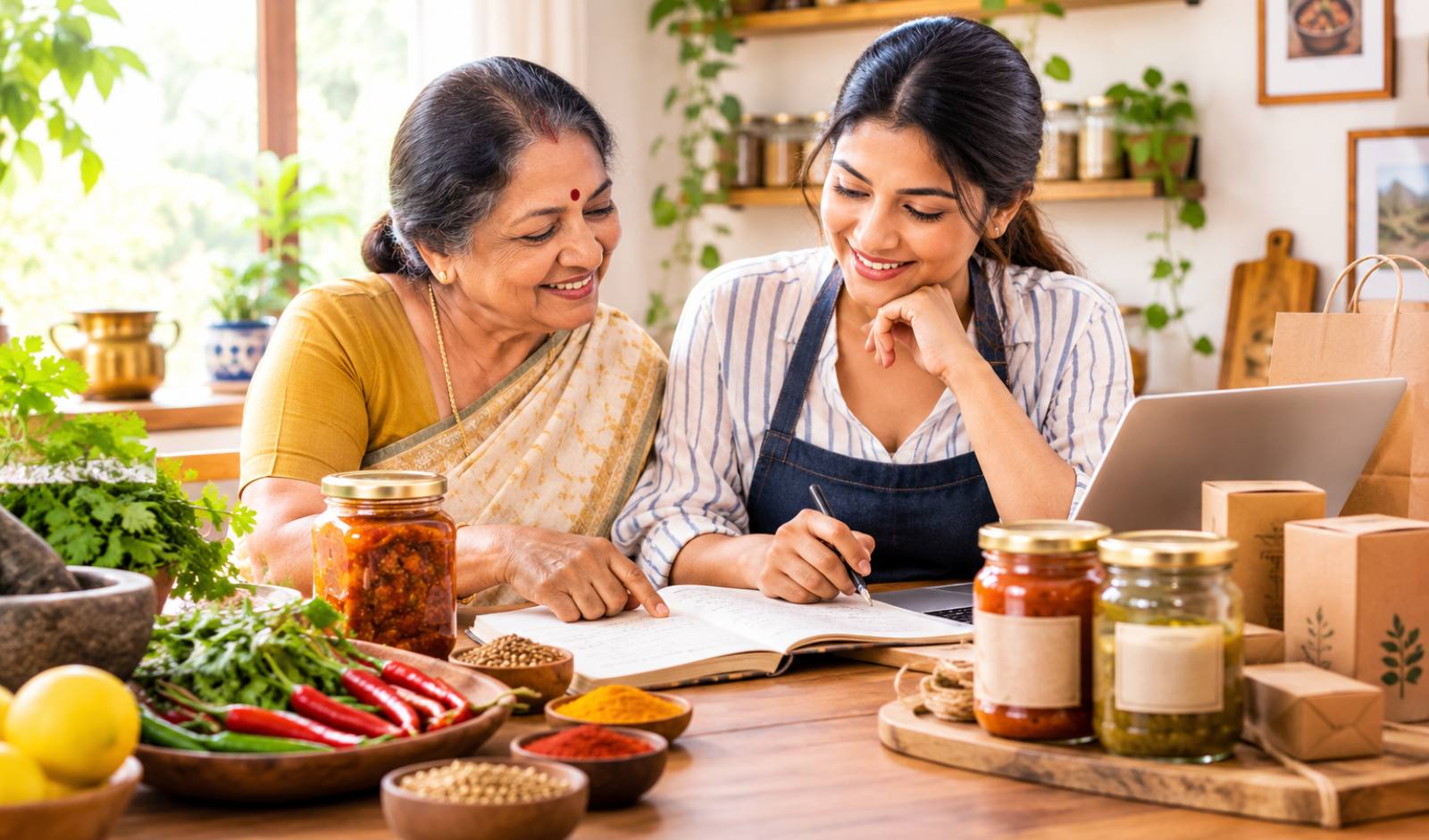
A family recipe can be more than a favourite dish. It can become the foundation of a food brand, a restaurant speciality or a packaged product that reaches customers across India. From homemade mango pickle and regional chutneys to traditional sweets and family spice blends, recipes passed down through generations can offer something many commercial products struggle to replicate: a distinctive taste with a story behind it.
However, a recipe that works beautifully in a home kitchen may not work equally well in a commercial setting. Ingredients cost money. Customers expect consistent quality. Products need suitable packaging and safe storage. Production must also generate enough revenue to cover expenses. The challenge is not simply to sell a dish that people love. It is to turn that dish into a product that customers are willing to buy repeatedly. Before investing in equipment, packaging or marketing, aspiring food entrepreneurs should ask seven important questions. The answers can help them decide whether their family recipe is ready for the market and what needs to change before the first sale.
1. Is Your Family Recipe Special Enough for Customers to Pay For It?
The first question is not whether people enjoy the recipe. It is whether the recipe offers something customers cannot easily find elsewhere. A family may be known for its mango pickle, homemade namkeen, regional curry paste or festive sweets. But commercial success depends on how that product meets a customer's needs. For example, a family making traditional Bengali kasundi could target customers looking for regional condiments. A homemade millet snack could appeal to buyers seeking alternatives to conventional packaged snacks. The opportunity comes from identifying the product's distinctive qualities and the people who value them.
Before launching, consider three things:
- Product differentiation: Does the recipe offer a distinctive flavour, regional identity, ingredient combination or preparation method?
- Target customers: Who is most likely to buy it? Consider their food preferences, location, spending habits and buying occasions.
- Willingness to pay: Would customers purchase it at a price that covers production and selling costs?
Conduct small taste tests with people outside the family. Ask what they like, what they would change and how much they would realistically pay. Compare their responses with competing products. The objective is to establish whether the recipe has a market beyond personal relationships. Compliments can create confidence, but paid orders provide stronger evidence of demand.
2. Can You Reproduce the Same Taste Without the Original Cook?
Many family recipes rely on experience rather than written instructions. Someone might add spices until the aroma feels right or cook onions until they reach a particular colour. These techniques can produce excellent food, but they become difficult to manage when multiple people prepare the same product. Commercial production requires consistency. Customers who purchase a jar of chutney today should experience a similar flavour when they purchase it again next month. The solution is recipe standardisation. Start by documenting the ingredients and preparation method. Replace vague measurements such as a handful of peanuts or a pinch of turmeric with quantities measured in grams. Record cooking time, temperature, ingredient order and final product yield.
Next, prepare several trial batches using the documented process. Compare their taste, aroma, texture, appearance and moisture levels. Record any differences and identify the likely causes. This process also helps determine whether an ingredient can be substituted without changing the product significantly. Consider a family spice blend that uses chillies from a particular region. Different harvests may vary in heat and colour. The business needs a method to manage these variations while maintaining the intended flavour. The goal is not to remove the cook's skill. It is to make that skill repeatable.
3. What Does One Sale Actually Leave Behind After Every Cost Is Paid?
A recipe can be popular and still lose money. This happens when entrepreneurs calculate the cost of ingredients but overlook packaging, labour, delivery and other business expenses. Before fixing a selling price, calculate the complete variable cost of producing and selling one unit. Consider a hypothetical 250 g jar of homemade pickle.
Cost component | Cost per jar |
Ingredients | Rs 35 |
Jar, lid and label | Rs 15 |
Labour and utilities | Rs 10 |
Other variable costs | Rs 20 |
Total variable cost | Rs 80 |
Selling price | Rs 120 |
Contribution per jar | Rs 40 |
These figures are illustrative, not industry averages. Actual costs will depend on ingredients, production volume, packaging and sales channels. In this example, the business retains Rs 40 per jar towards fixed expenses and profit. Rent, equipment, marketing, administration and other overheads still need to be paid. If monthly fixed expenses total Rs 20,000, the business would need to sell 500 jars at this contribution level to cover those expenses, assuming the contribution and fixed costs remain unchanged. This is the break-even point. Founders should also account for wastage, unsold inventory, discounts, platform commissions and retailer margins where applicable. A product sold directly through pre-orders may have different economics from one sold through a supermarket. The key question is simple: Can the recipe remain affordable to customers while generating enough contribution to sustain the business?
4. How Long Will the Recipe Remain Safe and Enjoyable Outside the Family Kitchen?
A dish prepared at home is often consumed shortly after cooking. A commercial product may travel through several locations before reaching the customer. This changes the food-safety challenge. A homemade curry, a dry spice mix and an oil-based pickle have different storage requirements. Their shelf lives depend on factors such as moisture, acidity, processing, ingredients, packaging and storage conditions. Traditional preparation methods alone do not establish how long a product can be stored safely. Before commercialising the recipe, determine whether it is intended for immediate consumption, refrigeration or storage at room temperature.
Work with a qualified food technologist or appropriate testing laboratory to assess relevant microbiological and quality parameters. Shelf-life validation should reflect the actual product, packaging and expected storage conditions. Packaging also needs careful consideration. A jar may look attractive but still leak during transport. A snack packet may allow moisture to enter, affecting its texture. Products containing fats or oils may develop rancid flavours if storage and packaging are unsuitable. For packaged foods, applicable labelling requirements must also be considered, including ingredient declarations, allergen information, dates and storage instructions where required. FSSAI's provide the relevant regulatory framework. A recipe's history of successful preparation at home is valuable, but commercial food safety must be established for the product being sold.
5. Which Business Model Best Protects the Recipe's Quality?
Not every family recipe should become a packaged product. Some work better when prepared fresh, while others may be suitable for retail distribution after appropriate testing and process development. The business model should reflect the recipe's characteristics. Made-to-order food can work well for fresh sweets, festive delicacies and meals with a short consumption window. Pre-orders can help control production and reduce unsold stock. Direct-to-consumer products may suit chutneys, spice blends, snacks and other products that can be safely packaged for their intended storage conditions. Customers can order through a website, social media or other suitable channels.
Retail and wholesale distribution can provide access to a wider customer base. However, founders must account for retailer margins, packaging requirements, production capacity, inventory and payment cycles. For example, a delicate milk-based sweet may be better suited to a local delivery model than nationwide shipping. A validated dry masala blend may have greater potential for distribution across different regions. Entrepreneurs should also consider how the recipe responds to larger production batches. Some products require specialised equipment, controlled temperatures or different mixing methods to maintain their original characteristics. The best model is not necessarily the one that reaches the most customers. It is the one that can deliver the right product consistently at a sustainable cost.
6. Who Owns the Recipe, the Brand and the Right to Change It?
Family food businesses often begin informally. One person knows the recipe, another manages production and someone else provides the money. Problems can emerge when the business starts generating revenue. Who owns the brand? Who makes decisions about ingredients? How will profits be shared? What happens if a family member wants to leave? These questions are easier to resolve before the business grows. Document the roles and contributions of everyone involved. Agree on financial responsibilities, profit-sharing arrangements, decision-making authority and the process for resolving disagreements. It is also important to distinguish between the recipe and the brand built around it. Depending on the circumstances, a business may be able to protect its brand name, logo, original packaging design or confidential production methods through appropriate legal measures.
However, a traditional recipe does not automatically become exclusive intellectual property simply because someone starts selling it. The commercial challenge can be particularly sensitive when a founder wants to modify a traditional dish for a wider audience. Reducing the spice level or changing the texture may attract new customers, but it can also weaken the product's original identity. Before making such changes, establish which characteristics are essential to the recipe and which can be adapted. Preserving the family's culinary identity and building a commercially viable product do not have to be competing goals. They require clear decisions about what should remain unchanged.
7. What Must Be Proved Before You Start Producing at Scale?
The final question is whether the recipe has been tested under real business conditions. Instead of immediately investing in a large kitchen, expensive equipment or thousands of packages, start with a controlled pilot. Produce a limited quantity, sell it to a defined group of customers and measure the results.
Track more than the number of orders.
- Paid demand: How many people purchase the product without relying on personal relationships?
- Repeat purchases: Do customers return after their first order?
- Product consistency: Do different batches meet the same quality standards?
- Customer feedback: Are there recurring complaints about flavour, portion size, packaging or price?
- Financial performance: Does each sale generate the expected contribution?
- Operational capacity: Can the business meet demand without compromising food safety or quality?
Repeat purchases deserve particular attention. A customer may buy a traditional sweet once out of curiosity or nostalgia. Buying it again suggests that the product has delivered enough value to justify another purchase. Founders should also confirm the relevant food-business registration or licensing requirements before commercial sales begin. In India, FSSAI'sl provides the official route to check eligibility and apply for the appropriate registration or licence. Regulatory requirements depend on the business activity and applicable rules, so entrepreneurs should verify the latest requirements rather than rely on outdated online advice. Scale only after the business demonstrates consistent quality, customer demand and workable unit economics. The aim is to reduce uncertainty before committing more capital.
A Practical Checklist Before Launching a Family Recipe Business
Before moving from the home kitchen to commercial production, review the following:
- Identify the target customer and the product's unique selling point.
- Test willingness to pay among people outside the family.
- Document the recipe using standardised measurements and processes.
- Calculate ingredient, labour, packaging, delivery and other variable costs.
- Determine suitable packaging, storage conditions and validated shelf life.
- Agree on family roles, financial arrangements and brand ownership.
- Verify applicable FSSAI and labelling requirements.
- Run a small pilot and measure repeat purchases, customer feedback and contribution per unit.
Preserve the Flavour, Prove the Business
Turning a family recipe into a food business is an opportunity to preserve culinary traditions while introducing them to a wider audience. But a meaningful story and a memorable flavour are only the starting points. The recipe must also deliver consistent quality, meet food-safety requirements, justify its price and work within a sustainable business model. Its ownership and production process need to be clear, and customer demand must be tested before major investments are made. For aspiring food entrepreneurs, the smartest first step is not necessarily opening a restaurant or launching a packaged brand. It is proving that the recipe can succeed beyond the family table. A family recipe becomes a promising food business when customers are willing to pay for it, trust its quality and return for it again.
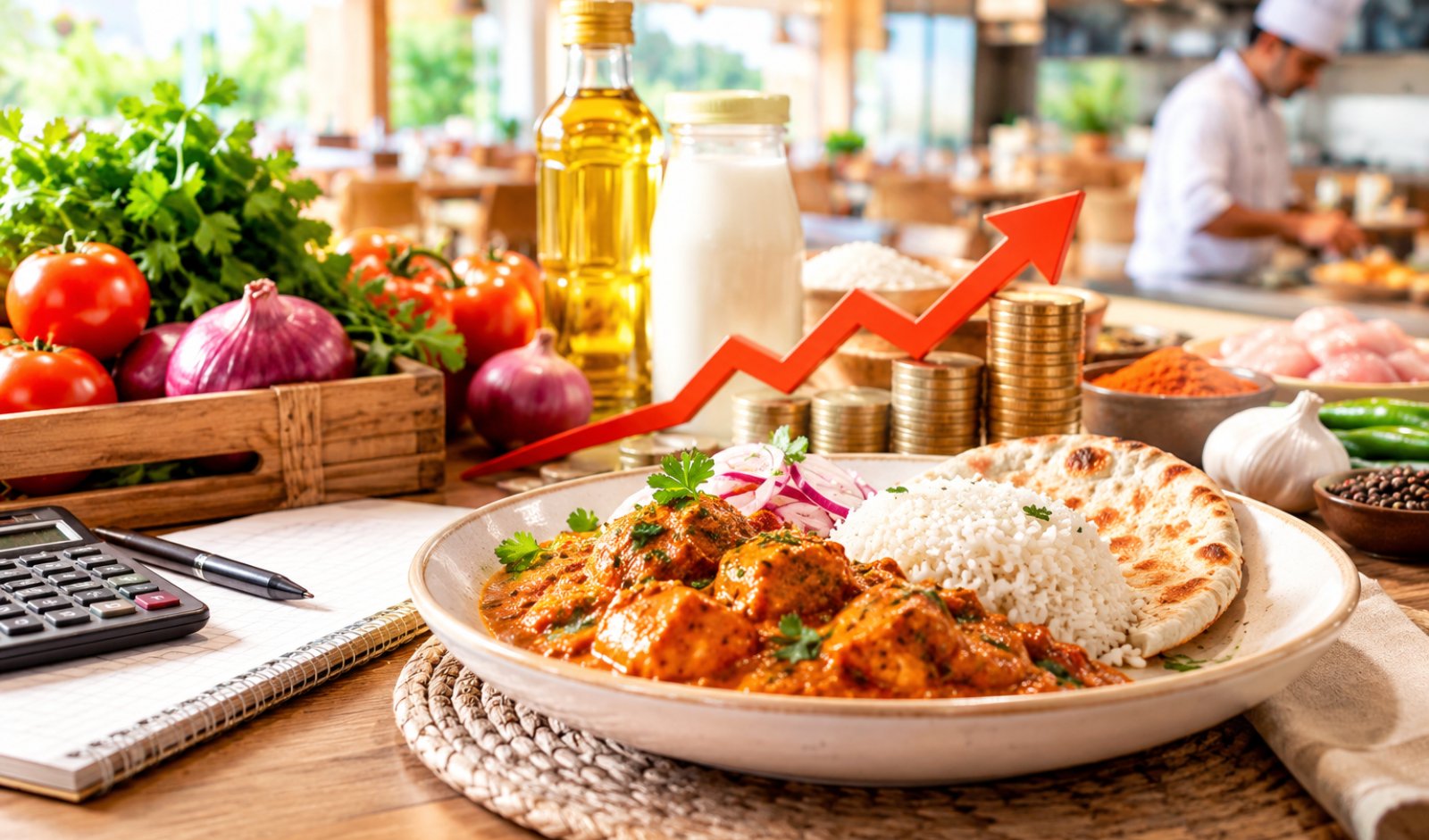
A restaurant menu price rarely changes overnight. Before a customer sees a higher price for a biryani, curry or pizza, the restaurant may have already spent weeks dealing with rising ingredient costs, tighter margins and changing supplier rates. In India, food inflation is once again putting pressure on household food budgets. This could also affect restaurants, especially those that depend on vegetables, cooking oil, rice, dairy products and poultry in large quantities.
However, higher food prices do not automatically mean every restaurant will increase its menu prices. Some businesses may absorb the extra cost. Others may change their recipes, negotiate with suppliers or promote dishes that offer better margins. The bigger question is how long restaurants can protect their customers from rising costs without hurting their profits. Recent estimates from CRISIL show why the issue deserves attention. In September 2026, the cost of preparing a home-cooked vegetarian thali increased 10 percent year-on-year. The cost of a non-vegetarian thali rose 6 percent over the same period. Higher onion, vegetable oil, rice and cooking fuel costs contributed to the increase. These figures do not represent restaurant purchase costs. But they highlight the pressure that changing food prices can create across the food supply chain.
Why Restaurant Food Costs Are Rising Again
Restaurant kitchens depend on a steady supply of ingredients at predictable prices. When prices change sharply, their purchasing budgets can become difficult to manage. Onions are a good example. They are used in gravies, biryanis, curries, marinades and several Indian snacks. A sudden increase in onion prices can affect many dishes at once. CRISIL's September 2026 analysis reported that onion prices were around Rs 53 per kg, an increase of 89 percent year-on-year. Vegetable oil prices rose 12 percent, while rice prices increased 8 percent. LPG costs also remained around 10 percent higher year-on-year in its analysis. For a restaurant buying ingredients in bulk, these changes can quickly affect its monthly expenses.
The impact is not limited to vegetables. Dairy products, cheese, butter, poultry, spices, imported sauces and packaging materials can also add to the cost of running a kitchen. Restaurants that use imported ingredients may face additional pressure when global prices or currency movements affect their purchase costs. Cooking fuel is another important factor. Restaurants need gas and electricity to prepare food, refrigerate ingredients and operate kitchen equipment. Higher energy costs can increase operating expenses even when ingredient prices remain stable. At the same time, not every ingredient becomes more expensive. Prices of some vegetables may fall because of better supply or seasonal availability. Restaurants that plan their purchases carefully can use these changes to reduce some of the pressure. The challenge is that savings on one ingredient may not be enough to offset increases across several other categories.
Why Rising Ingredient Costs Can Hurt Restaurant Margins
A restaurant does not need to increase its menu prices immediately when ingredient costs rise. However, every increase can reduce the money left to cover salaries, rent, electricity, packaging and other expenses. Consider a restaurant selling a dish for Rs 300. Its ingredient cost is Rs 90. This leaves Rs 210 before accounting for other operating costs.
If ingredient prices rise by 10 percent, the cost of preparing the dish increases to Rs 99. The restaurant now has Rs 201 left before other expenses. It loses Rs 9 per serving, even though the selling price remains unchanged.
| Cost calculation | Before | After |
| Selling price | Rs 300 | Rs 300 |
| Ingredient cost | Rs 90 | Rs 99 |
| Amount left after ingredients | Rs 210 | Rs 201 |
The example shows why small cost increases matter when a restaurant sells hundreds of meals every day. For instance, a restaurant selling 200 such dishes daily would face an additional ingredient expense of Rs 1,800 per day. Over 30 days, that amounts to Rs 54,000, assuming sales volumes and all other costs remain unchanged. This is where food-cost management becomes important. Restaurant owners must track the cost of each recipe, monitor wastage and review supplier prices regularly. They must also distinguish between food cost and overall profitability. Money left after ingredient expenses still needs to cover staff salaries, rent, utilities and other costs. A restaurant with high sales can therefore face financial pressure if its expenses increase faster than its revenue.
Which Restaurants Could Feel the Pressure First?
The impact of food inflation varies by restaurant format, menu and sourcing model. Independent restaurants may have less bargaining power when purchasing ingredients. A single outlet buying smaller quantities may not receive the same prices or credit terms as a large chain. Quick-service restaurants (QSRs) depend on consistent recipes, standard portions and competitive prices. A rise in cheese, cooking oil, flour or poultry costs can affect several popular products. Large chains may negotiate better supplier contracts, but their exposure depends on the ingredients they use and the terms of those contracts.
Cloud kitchens and delivery-led businesses face a different challenge. They must manage ingredient expenses alongside packaging, delivery-related charges, discounts and customer acquisition costs. Raising prices could affect order volumes, while absorbing additional costs may reduce the contribution earned on each order. Premium restaurants may face pressure from imported cheese, seafood, specialty meats and other high-value ingredients. Some customers may accept higher prices for distinctive dishes, but the restaurant still needs to justify the increase through quality and experience. No single format is automatically the most vulnerable. A restaurant's exposure depends on its menu, supplier agreements, purchasing volumes, customer base and ability to control costs.
Will Restaurants Raise Prices or Change Their Menus?
Increasing menu prices is one option, but it is not always the first choice. Restaurants must consider how customers will react. A small increase on a popular dish may be easier to manage than a large increase across the entire menu. However, even a modest price change can influence customers who regularly compare restaurant meals with home-cooked food. Some operators may choose selective price increases. They could review dishes that rely heavily on expensive ingredients while keeping entry-level meals affordable.
Others may redesign recipes or introduce seasonal specials. A chef might use locally available vegetables, plan dishes around ingredients that are in season, or find ways to use the same ingredients across multiple menu items. Supplier negotiations can also help. Restaurants that plan purchases in advance, compare vendors and monitor market prices may be better placed to manage sudden changes. Portion control is another possible response. Standardising serving sizes can reduce unnecessary wastage and make costs more predictable. However, reducing portions without communicating value to customers can damage trust. The challenge is to protect profitability without making customers feel that they are paying more for less.
Can Smarter Sourcing Keep Menu Prices Stable?
Restaurants can reduce some of the effects of food inflation by treating procurement as a regular business function rather than a routine purchasing task. One approach is to track the prices of key ingredients every week. If onion, oil or dairy costs begin to rise, managers can estimate how much the change will affect their most popular dishes.
Seasonal sourcing can offer another advantage. Ingredients that are readily available in a region may be less expensive than products that require longer transport or specialised storage. However, the savings depend on local supply, quality and the consistency of deliveries. Menu planning also matters. Restaurants can review which dishes sell well, which produce strong margins and which create the most wastage. This allows them to make informed decisions about promotions, recipe changes and purchasing quantities. For example, a restaurant may discover that two dishes use the same base ingredients but have different selling prices and preparation costs. Promoting the dish with a stronger contribution could help balance pressure elsewhere on the menu. These measures cannot eliminate inflation. But they can help businesses respond before rising expenses become a serious problem.
What the Latest Inflation Data Means for Restaurants
India's Consumer Price Index data showed that retail inflation reached 4.82 percent in August 2026, while food inflation stood at 5.95 percent. CRISIL's September analysis also found that home-cooked thali costs had increased sharply, with onion prices and vegetable oil among the major contributors. The next important indicator is the September CPI release, scheduled by the government for 12 October 2026.
For the restaurant industry, however, national inflation figures tell only part of the story. Actual purchase invoices, wholesale prices, supplier contracts and recipe-level costing will determine how much individual businesses are affected. Restaurants should also avoid assuming that every increase in food inflation requires an immediate menu-price revision. If costs are expected to ease, temporary adjustments to purchasing or menu planning may be more effective. If higher prices persist across several major ingredients, a more lasting response may be necessary.
The Next Restaurant Price Hike May Be Selective
Food inflation does not affect every restaurant in the same way. A business that depends heavily on onions, edible oil or poultry may face a different challenge from one with a menu built around other ingredients. The pressure is also not limited to the price of food. Fuel, packaging, labour and other expenses influence the final cost of serving a customer. For restaurant operators, the priority is to understand which costs are rising, how those changes affect individual dishes and how much of the increase the business can absorb.
For customers, this means restaurant prices may not rise uniformly. Some outlets may keep their menus unchanged, while others may adjust selected dishes or introduce new pricing. The real test for restaurants will be finding a balance between protecting margins and maintaining customer trust. Those that combine careful sourcing, accurate costing and thoughtful menu planning may have more room to manage inflation without passing every additional rupee on to the customer.
A cocktail usually arrives after the food has been decided. The chef creates the dish. The beverage team then finds a drink that can sit beside it. But some restaurants are beginning to reverse that process. The cocktail comes first.
A bartender may build a drink around smoked mango, lime, chilli, juniper, coffee or an Indian botanical. The chef then studies those flavours and asks a different question: what could this become on a plate? This moves the conversation beyond food and cocktail pairing. The drink becomes a starting point for culinary development. The idea is gaining relevance as Indian bars and restaurants bring chefs and bartenders closer together. In 2026, Indian cocktail programmes have increasingly used culinary ingredients, regional flavours and techniques borrowed from the kitchen.
A Cocktail Is Already a Small Recipe
A well-made cocktail is not simply a mixture of alcohol and juice. It has structure. There may be a base spirit, acid, sweetness, bitterness, aroma, dilution, temperature and texture. A chef can take those elements apart and rebuild them as food. Consider a Negroni. Gin brings botanical notes. Campari adds bitterness. Sweet vermouth adds sweetness and herbs. Orange brings freshness and aroma. The chef does not need to pour a Negroni into a saucepan.
Instead, the flavour map can become the inspiration for a dish. Orange could become a glaze. Botanical notes could move into an oil or seasoning. Bitterness could come from charred citrus or another bitter ingredient. Sweet vermouth could inspire a reduction. The result does not need to taste like a cocktail. It needs to carry the same idea. That is the important difference between cocktail-inspired food and simply cooking with alcohol.
From Glass to Plate
The easiest way to understand the process is to break the cocktail into culinary functions. The spirit provides the flavour foundation. Gin can bring juniper and herbs. Whisky can bring oak, vanilla, caramel and spice. Tequila can add cooked agave and peppery notes. Mezcal can introduce smoke and roasted flavours.
Acidity provides lift. Lime, lemon, grapefruit, verjus and shrubs can cut through rich food and make a dish feel lighter. Sweetness can become a glaze, caramel or sauce. Bitterness is more difficult. But it can also create depth when used carefully through ingredients such as bitter citrus, herbs or amaro-style flavour profiles. Then come the aromatics. Mint, basil, rosemary, coriander, cardamom, coffee, pepper and citrus peel can move between the bar and the kitchen. This makes a cocktail almost like a chef's flavour diagram.
Why Indian Food Makes This Especially Interesting
Indian cuisine already works with layered flavour. A single dish can contain sourness from tamarind, heat from chilli, sweetness from jaggery, bitterness from certain greens, aroma from spices and smoke from the tandoor. That gives chefs and bartenders plenty of material to work with. Indian bars are already exploring this overlap. Delhi's cocktail scene has seen drinks inspired by flavours such as rasam, chilli chicken and other familiar food memories. At Cavity, a nine-course experience combined cocktails and food as one progression rather than treating them as completely separate menus. The reverse could be equally interesting. Imagine a kokum cocktail becoming the starting point for a seafood glaze.
- A jamun cocktail could inspire a fruit reduction.
- A filter coffee cocktail could lead to a coffee caramel dessert.
- A cocktail built around tamarind, cumin, mint and chilli could become the flavour blueprint for a modern chaat-inspired dish.
This is where the Indian opportunity becomes particularly strong. Instead of copying Western cocktail-and-food formats, restaurants can use familiar Indian ingredients in both liquid and solid forms.
The Bar and Kitchen Become One R&D Room
This approach also changes how restaurant teams work. Traditionally, the kitchen and bar may develop their menus separately. The chef focuses on food cost, preparation, texture and service. The beverage team focuses on spirits, balance, dilution and presentation. A cocktail-led dish brings those teams into the same development process. The bartender may create the initial flavour profile. The chef then identifies ingredients that can recreate it. Both teams test the result. The dish is checked for texture, heat, acidity and balance. The cocktail is checked again alongside it. Adjustments continue until both work together.
This is already visible in India's more experimental hospitality formats. Mumbai's Trapdoor, for instance, launched a six-course cocktail experience where progressive cocktails, gastronomy-led techniques and food pairings are treated as parts of one experience. Its programme uses techniques including centrifugal infusion, redistillation and sous vide. The next step is to make that relationship even more integrated. The bar could create the concept. The kitchen could build the meal around it.
The Science Behind the Idea
There is also a technical reason alcohol can be useful in food development. Ethanol can affect the extraction and movement of flavour compounds during cooking. But using a spirit does not mean simply adding more alcohol will create a better dish. The concentration matters. So does the cooking method. Research on alcoholic liquids used in cooking has shown that ethanol loss depends on factors including the initial concentration and the amount of liquid remaining. Alcohol does not automatically disappear just because a dish has been heated.
That matters for restaurants. If a kitchen uses whisky in a sauce or rum in a dessert, it should not assume that the final dish is alcohol-free. This also creates another route for innovation. A chef can recreate the character of a cocktail without using the spirit itself. A shrub can provide acidity. Tea can provide tannic depth. Botanical infusions can replace some aromatic qualities. Verjus can provide freshness. Smoked ingredients can create depth. Non-alcoholic bitters and fermented ingredients can also help build complexity. The goal is not always to put alcohol into the food. The goal is to translate the flavour.
What a Cocktail Could Become on a Plate
Take a Margarita. Its key ideas are citrus, agave, salt and chilli. On a plate, those flavours could become a charred prawn with an agave-lime glaze, chilli and sea salt. An Old Fashioned offers another route.
- Whisky, orange, sugar and bitters could inspire a grilled meat glaze or a dessert built around caramel, orange and spice.
- A Mojito has mint, lime and sweetness. That could become a lime granita with mint oil and tropical fruit.
- An Espresso Martini could inspire a coffee caramel, cocoa and vanilla dessert.
None of these dishes needs to contain the original cocktail. The cocktail simply provides the first sketch.
The Business Opportunity
There is a practical advantage too. Restaurants can use the same ingredients across the bar and kitchen. A citrus preparation can work in a cocktail and sauce. A herb infusion can move into a dressing. A fruit reduction can become both a garnish and dessert component. That can improve ingredient utilisation while giving the menu a stronger story. It can also help servers sell the experience.
Instead of saying, “This cocktail pairs well with the starter,” the server can explain that the dish was developed from the same flavour profile. That creates a narrative. And narrative matters in modern dining. Indian bars are already moving towards more immersive cocktail experiences, including multi-course formats and menus built around regional ingredients and memories.
The Future May Be Designed Backwards
The traditional restaurant sequence is simple. Food first. Drink second. But there is no reason it has to stay that way. A restaurant could begin with one signature cocktail and build an entire food experience around it. A smoked mango and mezcal cocktail could lead to a sequence of seafood, grilled meat and dessert. A kokum-based drink could inspire a coastal menu. A coffee cocktail could become the starting point for an entire dessert course. The cocktail becomes more than a beverage. It becomes the creative DNA of the meal. That could be the next interesting shift in food and beverage development: not finding the perfect cocktail for a dish, but asking what dish can be created from the cocktail itself. The bar, in that model, is no longer just where the drinks are made. It becomes another kitchen.
A restaurant can look very different depending on the time of day. At 10 am, a person may be sitting with a laptop and a coffee. At 1 pm, the same table may host a work meeting. By evening, friends may arrive for snacks and conversation. Later at night, another group may use the same space for a birthday, date or live music. The food may change slightly. But the bigger change is in the reason people are walking through the door. Restaurants are no longer only places to have a meal. They are becoming spaces to meet people, work, celebrate, relax, discover new food and spend time.
This shift is important for India's restaurant industry. Dine-in accounted for 59.49% of the country's foodservice market in 2025, according to Mordor Intelligence. The same research estimates that India's foodservice market will grow from USD 85.19 billion in 2025 to USD 153.37 billion by 2031. The opportunity, therefore, is not only about serving more meals. It is about giving consumers more reasons to stay and return.
Why People Are Choosing Restaurants for More Than Food
1. Restaurants have become social meeting points
One of the biggest reasons for dining out is still simple: people want to spend time together. A 2024 consumer behaviour snapshot based on NRAI and Frost & Sullivan analysis found that 75% of Indians dine out for get-togethers or to hang out with family, friends and colleagues. The same data showed that 22% dine out with colleagues, highlighting how restaurants have also entered professional social life. This changes the role of the restaurant. A home can be comfortable, but it may not always work for a large group. An office can be convenient, but it is not designed for relaxed conversations. Restaurants sit somewhere in between. They offer food, seating, service and a neutral environment where people can meet without having to host anyone at home.
2. Work is moving to cafés and casual restaurants
The rise of hybrid and flexible work has created a new customer for cafés and restaurants. A person working remotely may need a place outside the home for a few hours. A founder may want an informal meeting with a potential partner. A freelancer may want to work around other people instead of sitting alone. This is why seating, Wi-Fi, charging points, lighting and noise levels are becoming more relevant to restaurant design. The idea is not that every restaurant should become a co-working space. It is about making the space flexible enough to support different types of customers. A coffee can now come with a workspace. A lunch can become a meeting. A casual table can become a temporary office. That creates another opportunity for operators: increasing the number of useful hours in which their space can attract customers.
3. Small celebrations are becoming regular dining occasions
Celebrations no longer have to mean weddings or large family functions. People now have many smaller reasons to go out. A promotion, farewell, birthday, reunion, anniversary, graduation or team achievement can become an occasion for a restaurant visit. This has changed the psychology of dining out.
- Earlier, the thinking could be: “It is a special occasion, so let's go to a restaurant.”
- Now it can be: “Let's go to a restaurant and make it a special occasion.”
That difference matters. It means restaurants can become part of everyday emotional moments instead of depending only on major celebrations. For operators, group-friendly seating, sharing menus, customised cakes, private areas and celebration packages can help capture this demand without turning every visit into a formal event.
4. Restaurants are becoming entertainment destinations
Food and entertainment are increasingly being combined. Live music, sports screenings, stand-up comedy, quizzes, open mics, DJ nights and themed events can turn an ordinary dinner into a longer evening. The customer is no longer paying only for a plate of food. They are paying for an experience. This is particularly relevant for casual dining restaurants, pubs, bars and cafés that need to compete for discretionary spending.
The rise of experiential dining also shows that consumers continue to value engaging experiences even when price sensitivity is high. Euromonitor's 2026 assessment of India's consumer foodservice market noted that operators invested in experiential dining and loyalty programmes despite rising consumer price sensitivity. For a restaurant, this creates an important distinction. Dinner sells a meal. Entertainment can sell an evening.
5. Restaurants give people a change of environment
Not every restaurant visit has a big purpose. Sometimes people simply want to get out of the house. This is where ambience becomes important. Lighting, music, seating, temperature, interiors and service all influence how long people want to stay. A quiet café can offer an escape from a busy home or office. A lively restaurant can provide energy after a long workday. A rooftop venue can turn a regular meal into a night out. This is why restaurant design is increasingly linked to consumer behaviour. The physical space itself becomes part of the product.
6. Dating and personal connections need neutral spaces
Restaurants also offer an easy setting for personal interactions. A meal gives people something to do while they talk. The environment is public but can still feel private. There is enough structure to avoid awkwardness, without making the meeting feel formal. This works for first dates, casual dates, friendship meet-ups and even professional introductions. The restaurant becomes a neutral social space. It does not require anyone to host. It does not require a fixed activity. People can simply sit, eat and talk.
7. Consumers are increasingly choosing restaurants based on mood
One of the more interesting changes is that people may not always start with cuisine. They may start with a mood. They may want somewhere quiet. Somewhere lively. Somewhere suitable for a group. Somewhere new. Somewhere comfortable enough to work. Somewhere that feels special without being expensive. This is creating a shift from occasion-led dining to mood-led dining. A restaurant can therefore serve several customer needs without changing its basic identity. The same outlet can be a café in the morning, a meeting place at lunch and an entertainment venue at night.
The Restaurant Is Becoming a “Third Place”
There is a useful way to understand this change. Home is traditionally the first place. Work is the second. Restaurants and cafés are increasingly taking the role of a third place. But India's version of this idea is more flexible.
- A restaurant can combine: Food + comfort + people + entertainment + work + discovery
This is particularly visible in urban markets where consumers spend long hours commuting and working. It is also moving beyond metros. A 2025 Grant Thornton Bharat and NRAI study of more than 160 restaurant operators across 50-plus cities found that nearly 94% planned expansion into Tier-II and Tier-III markets. The report also found that branded restaurants in smaller cities are becoming destinations for celebrations, family outings and weekend leisure. That means the social role of restaurants is not limited to metropolitan consumers.
What This Means for Restaurant Businesses
This shift creates a new question for restaurant owners. Instead of asking only, “What should we serve?”, operators need to ask, “Why should someone choose our space today?” A restaurant can build different reasons to visit through its layout, menu, music, events and service. It can also think about its day in terms of different customer needs.
- Morning: coffee and work
- Afternoon: meetings and lunch
- Evening: snacks and socialising
- Night: dinner and entertainment
This can improve the use of seats throughout the day. The economics matter because customers are not only buying food. They are using a restaurant's physical space for a period of time. This makes seat utilisation, average spend and repeat visits important operating metrics. India's foodservice market recorded an estimated 24.82 billion transactions in 2025, according to Ken Research, while consumers averaged 7.9 eating-out occasions per month in 2023-24. For restaurants, the opportunity is therefore not simply to attract a customer once. It is to become useful enough that the customer has several reasons to return.
The Future
The restaurant of the future may not be defined only by its cuisine. Its strength could come from how many roles it can play without losing its identity. It could be the place where someone finishes a presentation, meets an old friend, celebrates a promotion, watches a match, goes on a date or discovers a new dish. Food will remain at the centre. But around that food, restaurants are building something larger: time, connection, comfort and experience. The biggest change may therefore be simple. People are not always going to restaurants because they need somewhere to eat. Increasingly, they are going because they need somewhere to be.
For years, the restaurant business was built around one simple transaction. A customer walked in, ordered food, ate, paid and left. That model is changing.
Today, a restaurant's relationship with its customer does not have to end when the plate is cleared. A signature sauce can go home in a bottle. A restaurant's coffee can be sold as beans. A popular momo can enter the frozen-food aisle. A chef's knowledge can become a masterclass. Even a restaurant's customer base can help launch a completely new consumer product. This is creating a new opportunity for food businesses in India. Restaurants are beginning to treat their recipes, products, kitchens, customers and brand identity as separate business assets.
The Restaurant Is Becoming a Starting Point
The traditional restaurant model depends heavily on seats, footfall and table turnover. A brand has a fixed number of outlets and can serve only a certain number of customers at a time. Products remove some of these physical limits. A restaurant can sell its signature sauce to someone who has never visited its outlet. A packaged snack can reach another city. A coffee subscription can bring the brand into a customer's home every month.
- This creates a wider business chain: Restaurant → Product → Retail → Home → Repeat Purchase
The shift is already visible in India. Restaurant brands are experimenting with packaged foods, frozen products, coffee, beverages and other consumer categories. Wow! Momo is one example of this transition. Its packaged-food business has expanded beyond its restaurant network and has become a significant growth vertical for the company. A 2026 report by Mint noted that its packaged-food business had reached around Rs 100 crore in annual recurring revenue and about 6,000 retail points. The bigger story, however, is not about one brand. It is about the business model.
When a Signature Dish Becomes a Retail Product
Not every restaurant dish can become a packaged product. A freshly assembled burger depends on temperature, texture and presentation. The same product may not work after travelling through a supply chain. A sauce is different. It can be bottled, stored and used at home. The same applies to spice mixes, marinades, coffee, pickles, frozen snacks and ready-to-cook products.
This makes the restaurant's most scalable product different from its most popular menu item. The winning product may be the one that captures the restaurant's flavour without requiring the restaurant's kitchen. That distinction is important for founders looking beyond traditional restaurant revenue.
The Rise of the Restaurant Pantry
One of the more interesting possibilities is the creation of a restaurant's own pantry. Instead of launching one product, a brand can gradually build a small portfolio around its food identity.
For example, a regional restaurant could begin with a signature masala. It could then add a cooking sauce, pickle, chutney, ready-to-cook dish and gift box. The restaurant is no longer selling only meals. It is selling the ingredients and products that allow customers to bring part of the restaurant experience home. This creates another layer of consumption between restaurant visits.
Frozen Food Can Take the Restaurant Home
Frozen food offers another route for restaurants to expand beyond their outlets. India's frozen-food market grew from around Rs 9,200 crore in FY2020 to Rs 18,400 crore in FY2025, according to Business of Food. The market has grown at a reported CAGR of 15 percent over those five years and is projected to reach around Rs 40,500 crore by FY2030. Restaurants already understand products such as momos, kebabs, snacks, parathas and desserts. But converting a restaurant recipe into a frozen product requires more than putting it into a freezer.
The brand must consider:
- shelf life
- freezing conditions
- moisture and texture
- packaging
- food safety
- batch consistency
- cooking instructions
- cold-chain logistics
This is where food technology becomes important. The chef may create the flavour, but food technology determines whether that flavour can be produced consistently at scale.
Quick Commerce Is Creating a New Shelf
For packaged restaurant products, distribution is becoming more flexible. A brand no longer has to depend entirely on traditional supermarkets. Quick-commerce platforms are creating another route between product and consumer. India's quick-commerce market is expanding rapidly. Reuters reported in September 2026 that the sector was projected to grow from about $19 billion to $41 billion by 2030. For restaurant brands, this creates an interesting opportunity. A product can potentially be tested in selected neighbourhoods before a wider retail expansion.
- The process could look like this: Restaurant customers → small product launch → quick-commerce test → repeat purchases → wider distribution
This also gives brands a way to learn what customers actually want before investing heavily in manufacturing and distribution.
The Restaurant Kitchen Can Become an R&D Lab
A restaurant has one advantage that many new FMCG brands have to spend heavily to build: direct consumer feedback. Customers can taste a new sauce. They can compare two flavours. They can tell the restaurant whether a product is too spicy, too sweet or too expensive. A restaurant can therefore test products in real conditions before taking them to retail.
For example, a new chilli oil could first appear as a table condiment. If customers repeatedly ask to buy it, the brand has an early signal for a packaged product. This changes the role of the restaurant kitchen. It is no longer only a place for food production. It can also become a product development laboratory.
The Business Can Go Beyond Food
The next opportunity is not always another packet. Restaurant brands also have knowledge and experiences that can be monetised.
- A bakery can conduct workshops.
- A specialty coffee brand can sell brewing classes.
- A cocktail bar can organise tasting sessions.
- A chef can conduct private dining experiences.
- A regional restaurant can build culinary tours or masterclasses.
The product is then no longer just food. It is knowledge, access and experience. This can be particularly useful for brands that have built strong identities around a chef, cuisine or specialised technique.
Subscriptions Can Change the Revenue Model
Restaurants traditionally depend on individual transactions. Subscriptions introduce a different structure. A coffee brand can offer monthly beans. A bakery can create a weekly dessert box. A healthy-food brand can offer recurring meal plans. A restaurant can even create a members-only dining or chef experience.
- The important shift is from: One customer → one transaction
- To: One customer → repeated transactions
That can make customer relationships more valuable over time. However, recurring revenue only works when the product has a genuine reason for repeat consumption. A subscription cannot fix a product that customers do not want regularly.
Turning a Restaurant Recipe Into a Retail Product Is Complicated
There is also a major technical gap between restaurant food and packaged food. A restaurant dish is generally produced for immediate consumption. A packaged product must survive manufacturing, storage, transportation and retail. FSSAI's Labelling and Display Regulations cover requirements for pre-packaged foods, including mandatory information on labels and rules against misleading presentation.
Food businesses also need to consider licensing, packaging, product standards, shelf-life validation, manufacturing controls and quality testing. This becomes even more important as India's packaged-food regulations evolve. FSSAI's current regulatory framework includes amendments to labelling and display rules in 2026. So, moving beyond restaurants is not simply a branding exercise. It requires food science, operations, compliance, supply-chain planning and unit economics.
The New Restaurant Business Has Five Layers
The opportunity can be understood through five layers.
- Food: The restaurant's core menu.
- Products: Sauces, coffee, frozen foods, spice mixes and beverages.
- Commerce: Retail, D2C, quick commerce and subscriptions.
- Experiences: Classes, tastings, events and private dining.
- Brand and IP: Merchandise, collaborations, licensing and other brand extensions.
The strongest restaurant brands may eventually operate across several of these layers at once.
The Challenge Is Not Creating More Revenue
Expanding beyond restaurants can create new revenue streams, but revenue alone does not make a new business successful. A packaged product has manufacturing, packaging, logistics, warehousing, distribution and marketing costs. There can also be retailer margins, inventory risk and product wastage.
- A restaurant therefore needs to ask a more important question: Can this product make money outside the restaurant?
The answer depends on repeat purchases, contribution margins, production costs, shelf life and distribution efficiency. The future will not belong simply to restaurants that launch the most products. It will belong to brands that understand which part of their restaurant identity customers are willing to buy again and again.
From Tables to a Larger Consumer Brand
The restaurant is no longer necessarily the final destination for a food brand.
- It can be the testing ground.
- It can introduce the flavour, build trust and create the first customer.
The product can then travel into homes, supermarkets, quick-commerce platforms and subscription boxes. The same brand can eventually sell food, products, experiences and knowledge. That is what makes this shift significant. The next generation of restaurant businesses may not be measured only by the number of tables they operate. They may also be measured by how many ways customers can take the brand home, use it, experience it and return to it. The restaurant may still be where the relationship begins. But increasingly, it is not where the business ends.
India’s next packaged snack may not come from a new ingredient. It could come from a familiar street corner. For decades, Indian street food has built strong flavour memories around ingredients such as puffed rice, poha, dal, peanuts, sattu, potato and regional spices. Now, many of these ingredients are moving into packaged and ready-to-eat formats.
The shift is already visible in the wider snack market. GlobalData notes that millets, pulses, makhana and region-specific grains are being adapted into packaged snacks. Processing methods such as extrusion, vacuum frying and nitrogen-flushed packaging are also helping manufacturers create longer-lasting products while retaining familiar textures and flavours. Mintel has also identified regional Indian flavours as a growing area in savoury snacks, with crunchy textures continuing to dominate the category. The interesting question is what comes next. Instead of simply putting a regional spice mix on a conventional namkeen, brands could start converting the flavour DNA of street foods into completely new snack formats.
Here are 7 Possibilities
1. Jhal Muri Could Become a Bengali Crunch Mix
Jhal muri already looks surprisingly close to a packaged snack. Puffed rice, peanuts, sev and spices give it a natural crunchy base. The challenge is the fresh ingredients. Onion, tomato, coriander and mustard oil give street-side jhal muri much of its character, but they also introduce moisture and shelf-life concerns.
A packaged version could therefore focus on the dry elements. Think puffed rice, roasted peanuts, sev, roasted gram, mustard seasoning, green chilli, black salt and a controlled tangy note. The product would not need to claim that it is identical to freshly mixed jhal muri. Instead, it could capture the spicy, sharp and mustard-led character of the dish. That makes jhal muri particularly interesting for a regional snack line.
2. Litti Chokha Could Become a Sattu Crunch
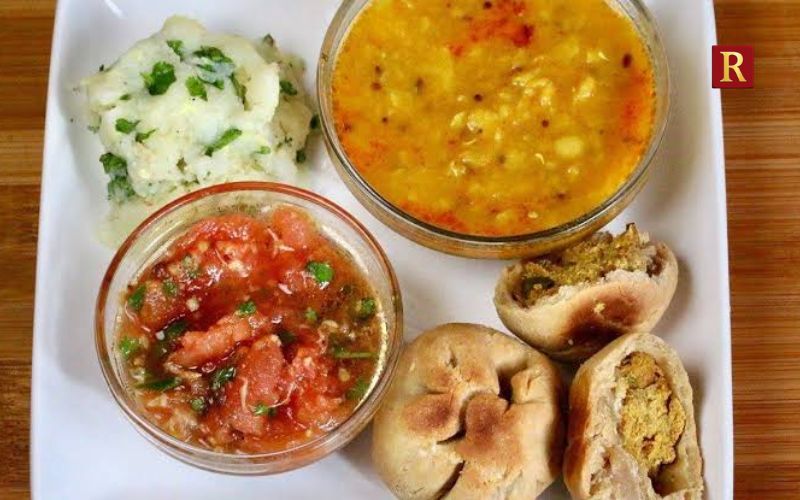
Litti chokha offers a different opportunity. The strongest packaged-snack ingredient here may not be litti itself. It could be sattu. Sattu already has a dry, roasted character and can work as a base for savoury formulations. A snack inspired by litti could combine roasted gram or sattu with wheat, ajwain, garlic, cumin, chilli and black pepper. The chokha influence could come through roasted tomato, garlic and smoky spices. The final product could take the form of baked bites, roasted crisps or small crunchy pieces. This idea also fits a broader industry movement towards heritage ingredients. GlobalData reported that traditional ingredients such as pulses, millets and region-specific grains are increasingly being used in modern packaged snack formats. The opportunity is not to put a litti inside a packet. It is to rebuild its roasted flavour for a new snacking occasion.
3. Dabeli Could Become a Peanut Masala Snack
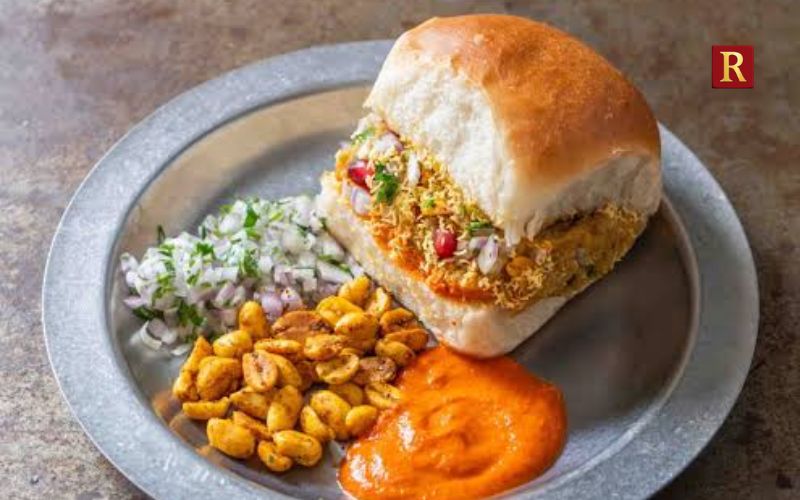
Dabeli has an advantage that many street foods do not. Its flavour is already layered. There is sweetness from the chutney, heat from chilli, acidity from tamarind, nuttiness from peanuts and warmth from spices. That combination can work well in a dry snack. A possible format could combine roasted peanuts, potato crisps, sev and roasted gram with a dabeli-inspired seasoning. The seasoning could use chilli, cumin, coriander, garlic, tamarind, black salt and a mild sweet note. This would create a snack that tastes familiar without trying to reproduce the bun, potato filling and chutneys separately. It also fits the industry's growing interest in bold Indian flavour combinations. Mintel's research highlights regional flavours and experimentation with chilli as important areas of savoury-snack innovation.
4. Kanda Poha Could Move From Breakfast to the Snack Aisle
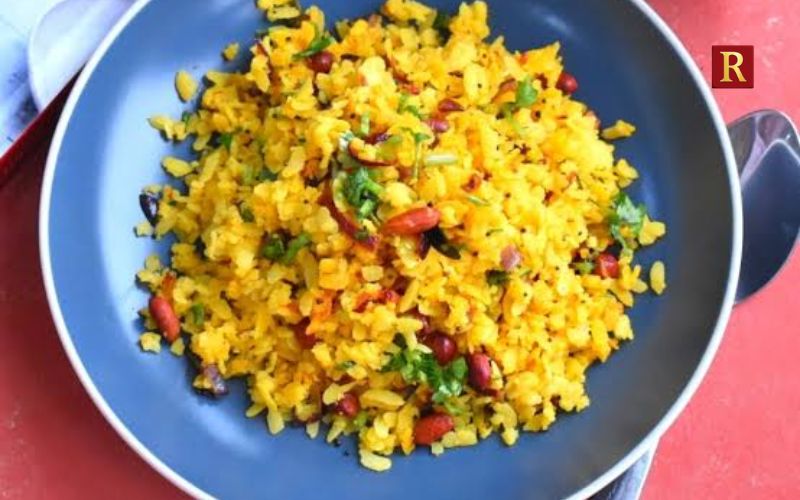
Poha is normally associated with breakfast. But its ingredients make it surprisingly suitable for snacking. Thick poha can be roasted to create a light and crunchy base. Peanuts, curry leaves, mustard seeds, turmeric and green chilli can build the familiar flavour. The biggest challenge is recreating the freshness of onion and lemon. A packaged product could instead use dried onion and carefully developed seasoning to deliver those notes without adding excess moisture. This could become a poha-inspired crunchy mix for office desks, travel bags and evening tea. The larger idea is interesting. Packaging can change not only the format of a food but also its consumption occasion. A breakfast dish can become an anytime snack.
5. Ram Laddoo Could Become Dal Crunch Bites
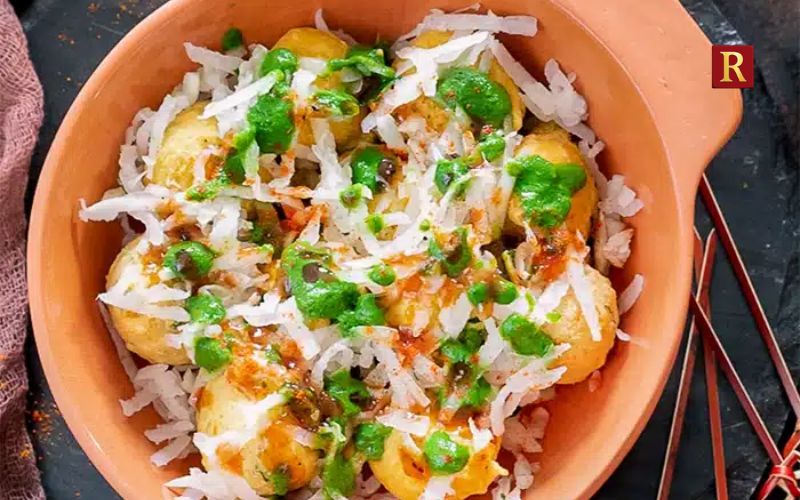
Ram laddoo is one of the less obvious choices for packaged-food innovation. That is precisely what makes it interesting. The street-food favourite is built around fried lentil-based balls, usually served with radish, coriander and tangy chutney. A packaged version could focus on the dal base. Moong dal and chana dal could be turned into small roasted or baked bites. Cumin, coriander, green chilli and black salt could provide the savoury layer.
A mint and amchur-style seasoning could then recreate the chutney effect. The result could sit between a traditional dal-based namkeen and a modern crunchy snack. India already has a strong precedent for turning traditional pulse-based foods into packaged savouries. FSSAI's classification of ready-to-eat savouries includes products such as dalmoth, mixtures, sev, bhel mix, murmura and several other cereal- and pulse-based snacks. Ram laddoo could therefore be less about inventing a new ingredient and more about repackaging a familiar combination in a new form.
6. Kachori Could Become a Stuffed Crunch
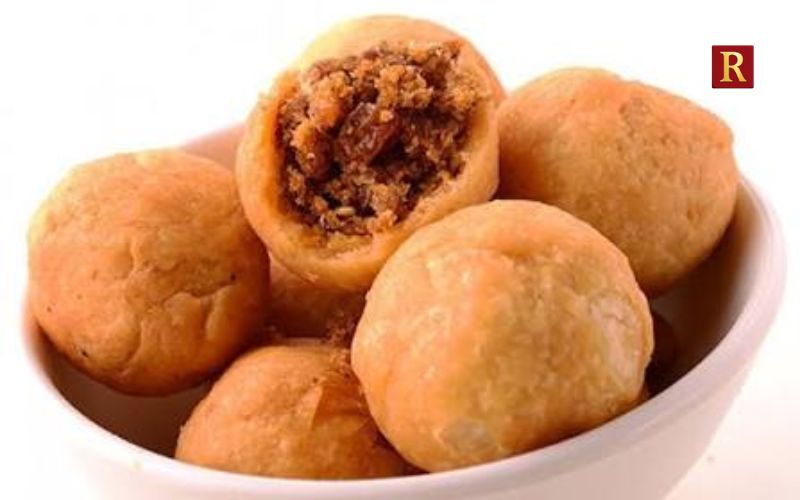
Kachori presents a different product-development route. Its strongest asset is not its round shape. It is the flavour of its filling. A snack inspired by dal kachori could use moong dal, hing, fennel, coriander, chilli, black pepper and amchur as its flavour base. The physical product could be a small stuffed crisp or crunchy bite. This approach is important because not every street food needs to be recreated literally.
- The better opportunity may be to break the dish into its components: base + filling + seasoning + texture.
That makes it easier to develop a product that is stable, scalable and recognisable.
7. Kolkata Egg Roll Could Become a Masala Crisp
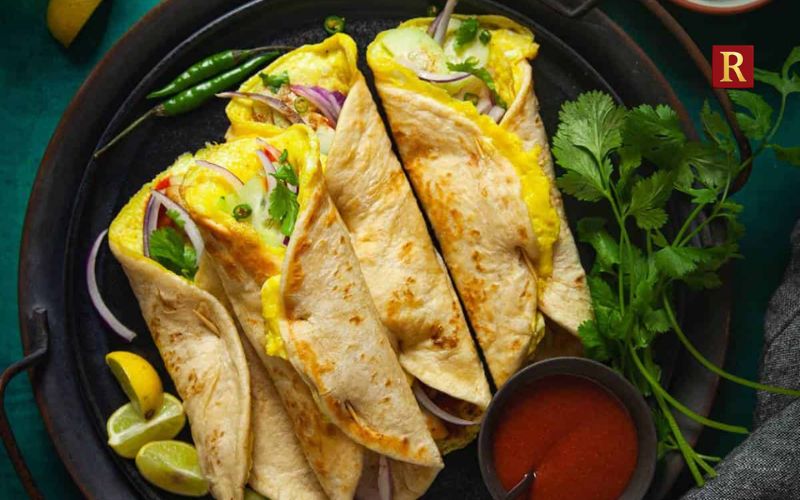
The Kolkata egg roll may be the most unconventional idea on the list. Trying to package an actual egg roll would create obvious problems with freshness, texture and shelf life. The more interesting route is to capture its flavour. A crisp or baked wheat-based snack could combine egg-inspired savoury notes with onion, green chilli, black pepper, coriander and a mildly tangy sauce-inspired seasoning. The product would not need to look like an egg roll. It could simply deliver the flavour memory of one. That opens an important space for food developers: street-food-inspired snacks do not have to resemble the original dish physically.
The Real Challenge Is Taking Street Food to the Shelf
The biggest mistake would be assuming that a popular street food automatically makes a good packaged snack. A product has to pass several tests.
The Street-to-Shelf Test
Flavour: Can the key taste be reproduced consistently?
Texture: Can the crunch survive storage and transportation?
Moisture: Can fresh ingredients be removed or replaced?
Shelf life: Can the product remain safe and stable for its intended period?
Scalability: Can thousands of packs taste similar to the first batch?
Cost: Can the product compete with established snacks?
Identity: Does the regional connection feel meaningful rather than cosmetic?
Shelf life is particularly important. FSSAI's own material on packaged food and shelf life highlights the need to determine shelf life, storage requirements and stability, especially for moisture-sensitive products. This is why a street-food-inspired snack needs more than a clever name.
The Next Opportunity May Be Flavour, Not Form
India's packaged-snack market is already large. IBEF reports that the Indian snack market was valued at about Rs 46,571 crore, with estimates placing it at around Rs 1,01,811 crore by 2033. At the same time, consumers are showing interest in snacks that combine taste with familiar and perceived-to-be-better ingredients. A 2025 consumer study cited by IBEF found that 94% of surveyed consumers wanted nutritious snacks without compromising on flavour, while 72% said health was an important factor in snack choices.
That creates an interesting space for regional street foods. The next wave may not be about making another chip in another flavour. It could be about taking jhal muri, litti chokha, dabeli, poha, ram laddoo, kachori or an egg roll and translating their flavour systems into formats designed for modern snacking. The street food itself may remain fresh, messy and best eaten from a paper plate. But its flavour could travel much further. From street cart to snack aisle, the next Indian packaged-food idea may already be waiting in plain sight.
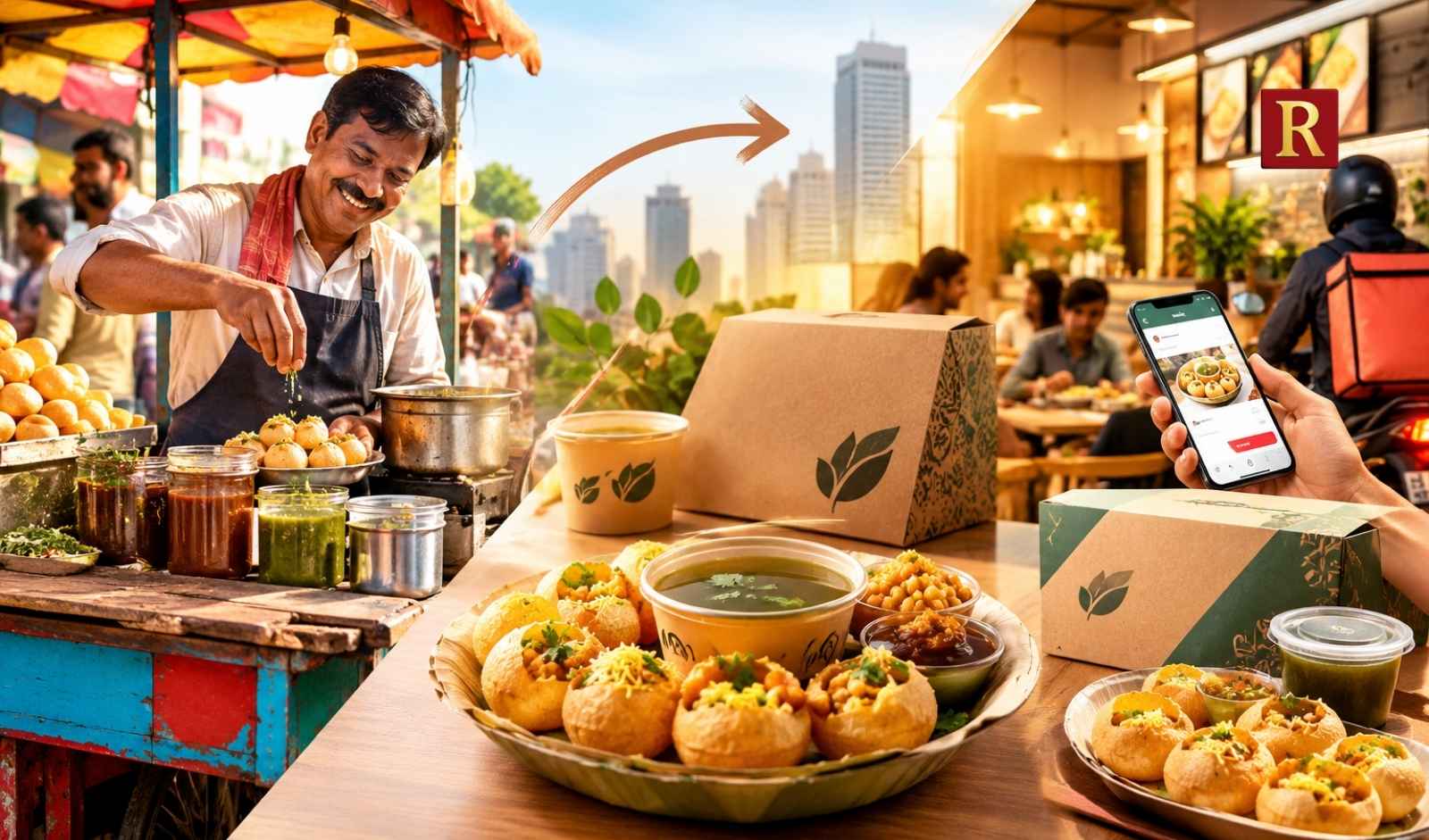
A street-food vendor can build a loyal customer base without a logo, website or expensive restaurant. The recipe may live in the vendor's memory. The supplier may be someone in the neighbourhood. The customer may know the vendor by name. The food may be served from a cart, kiosk or small shop.
- But what happens when that food becomes a brand?
The biggest change is not the signboard. It is the system behind the plate. India's street-food market is still largely driven by independent operators. Euromonitor's 2026 India report says independent operators remained dominant in 2025, supported by low operating costs, local food traditions and demand for affordable and flexible formats. At the same time, organised players are expanding. This creates an interesting opportunity for regional foods such as litti, vada pav, chaat, kathi rolls, momos and other local snacks. The journey from street stall to food brand, however, is not as simple as opening another outlet.
From One Famous Plate to 1,000 Identical Plates
A street vendor can adjust a recipe by instinct. A pinch more spice. A little extra chutney. A different frying time. A customer may even ask for a personal variation. A growing brand cannot depend on memory. It needs a recipe card.
The quantity of flour, oil, spices, filling and sauces has to be measured. Cooking time has to be defined. Portion size has to be fixed. Employees need training. This is where a recipe becomes an SOP. The transformation may sound small, but it is one of the biggest steps in scaling street food. A vendor knows how to make the food. A brand has to teach another person how to make it exactly the same way.
The Price of the Plate Also Changes
Street food has traditionally benefited from low overheads. A cart or small stall does not carry the same rent, interiors and staffing costs as a conventional restaurant. Once the same product moves into a branded outlet, the cost structure changes. The business now has to account for rent, salaries, utilities, packaging, technology, marketing, delivery costs, wastage and compliance. This is why a Rs 30 street-food item cannot simply become a Rs 30 branded product. The business has to decide what the customer is actually paying for. It could be convenience. It could be hygiene. It could be better seating. It could be packaging, consistency or a recognisable brand. The challenge is to increase the value without losing the affordability that made the product popular in the first place.
Hygiene Becomes Part of the Brand
For street food, hygiene is no longer only a compliance discussion. It can become part of the customer experience. FSSAI's Clean Street Food initiative focuses on training vendors, improving hygiene and strengthening food-safety practices. The programme also aims to support the economic upliftment of street vendors and increase the popularity of Indian street food. For a growing food brand, this becomes even more important. Water quality, raw-material storage, hand hygiene, cooking temperatures, waste disposal and pest control need processes rather than individual judgement. A customer may forgive a small variation in spice. They are much less likely to forgive a food-safety problem.
The Cart Becomes a Business Format
Once the product is branded, the company has to decide where it should be sold. The answer could be a kiosk, QSR, food court, high-street store, cloud kitchen or delivery-only outlet. This is important because the same street food does not necessarily work in every format. A product designed to be eaten immediately may lose its texture during delivery. A dish that works perfectly at a roadside stall may not generate enough sales to justify a high-rent location.
This is why format engineering becomes important. The business has to consider preparation time, kitchen size, equipment, staff requirement, average order value and expected daily orders. The best street-food product is not automatically the best restaurant format.
The Menu Starts Behaving Like a Portfolio
A street vendor can sell whatever customers ask for. A branded food business has to make harder decisions.
- Which item brings customers in?
- Which item delivers the best margin?
- Which product can be prepared quickly?
- Which item travels well?
- Which dish can become a combo?
This can turn one famous street-food item into an entire menu. A hero product may bring the customer. Beverages, sides, desserts and add-ons can increase the average order value. But adding too many products creates another problem. More ingredients mean more inventory, more storage and more chances of wastage. The smartest brands therefore need to balance variety with operational simplicity.
Technology Can Change the Way the Vendor Understands Customers
A traditional vendor often knows demand through observation. A branded outlet can know it through data. A POS system can show the best-selling item by hour. Digital orders can reveal which neighbourhoods generate demand. Customer reviews can identify recurring complaints. Inventory software can track wastage. This creates a new layer of intelligence around an old food format.
The street-food entrepreneur who once asked, "How many plates will I sell today?" can eventually ask much more specific questions.
- Which product sells between 6 pm and 8 pm?
- Which outlet has the highest repeat rate?
- Which ingredient creates the most wastage?
- Which city prefers a particular flavour?
The plate remains traditional. The decision-making system becomes modern.
The Real Test Is Consistency
Scaling street food across cities creates a difficult problem. Taste is local. A recipe that works in Delhi may need careful positioning in Bengaluru, Mumbai or Kolkata. The brand has to decide what cannot change and what can. The core recipe may remain fixed. Spice levels, accompaniments, portion sizes or menu combinations may be adapted. This creates a fine line between localisation and dilution.
- If everything changes, the brand loses its identity.
- If nothing changes, it may fail to understand local customers.
That balance can determine whether a regional street-food concept becomes a scalable business.
From Street Food to QSR and Beyond
Some concepts are already demonstrating how regional foods can be converted into organised formats. For example, Chicka Litti has built its proposition around litti and describes the use of customised equipment to improve consistency and scale. Roll Nation has also positioned kathi rolls within a multi-city QSR format. These examples show the operational question behind regional food: how do you reproduce a familiar product beyond its original location? The next step could be even bigger. Once a food brand develops a reliable recipe, supply chain and packaging system, the product does not have to remain inside a restaurant. It can potentially move into frozen food, ready-to-eat products, sauces, chutneys, spice mixes or retail packs.
- That changes the journey from: Street → Restaurant → Multiple outlets
- To: Street → QSR → Central kitchen → Packaged food → Retail
The food is no longer restricted to the location where it was born.
What Happens to the Original Street Food?
This is perhaps the most interesting question. When a street-food recipe becomes a brand, it gains systems. It can gain better packaging, wider distribution, standardised quality and greater visibility. But something else may change too. The informal experience can become more structured. The vendor's personal touch can become a brand guideline. A handwritten recipe can become an SOP. A local supplier can become part of an organised procurement network. A familiar stall can become a franchise model. The transformation is not necessarily about replacing street food. It is about making a local food idea capable of travelling.
India's street-stall and kiosk category continues to be shaped by affordability, convenience and regional food, while organised players are expanding alongside a much larger base of independent operators. Euromonitor also points to hybrid fulfilment and creative twists on traditional street food as important developments for the category. The future of street food may therefore not be about choosing between the street and the restaurant. It may be about building a system strong enough to take the taste of one street, one neighbourhood or one family recipe to thousands of customers without losing the reason they loved it in the first place. A street vendor creates a plate. A brand has to create a system that can recreate that plate.
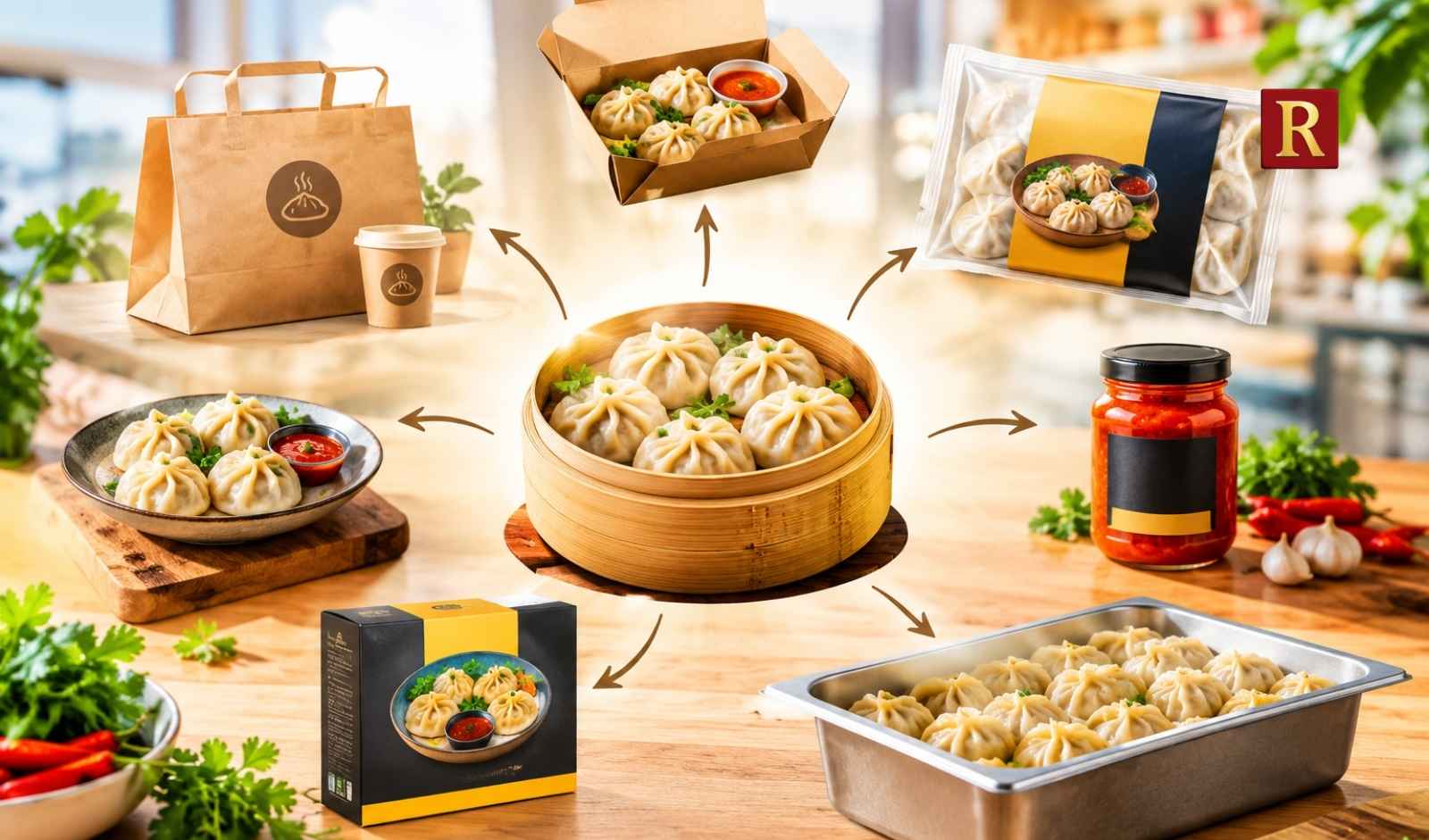
A successful food product does not have to stop at the restaurant counter. A signature momo can become a frozen pack. A café coffee can become a retail product. A restaurant sauce can move into quick commerce. The same product can also be sold to hotels, caterers or other food businesses.
This is changing how food businesses think about growth. Instead of creating a completely new product for every new revenue stream, brands are finding different ways to monetise products they already understand. The idea is simple: one food product can serve several customers, occasions and channels.
From One Dish to a Revenue Ladder
Consider a restaurant's signature momo. The first revenue stream is the restaurant sale. The second could be delivery. The third could be frozen momos for home consumption. The fourth could be a bulk pack for another restaurant or caterer. The fifth could be a retail pack sold through supermarkets and quick-commerce platforms.
The recipe may remain closely related, but the business model changes. This is becoming visible in India's food market. Wow! Momo's packaged-food business was contributing around Rs 100 crore in annual recurring revenue in FY26 and had reached about 6,000 retail points, according to a 2026 Mint report. The company has been expanding across frozen foods, noodles, desserts, modern retail, general trade, quick commerce and exports. The important part is not just that a restaurant launched packaged food. It is that the company is using an existing food proposition to build another business.
1. Change the Format, Not the Core Product
Food businesses can often extend a product by changing its format. A café can sell coffee as a prepared beverage, roasted beans, ground coffee, cold brew or a ready-to-drink product. A momo brand can sell fresh, frozen or ready-to-cook momos. A chai brand can sell brewed tea, tea leaves, instant premixes, spices and tea-based gifting products. Blue Tokai is a useful example. The speciality coffee brand has built a multichannel business across cafés, its website, B2B and corporate partnerships and FMCG retail. Inc42 reported unaudited FY25 revenue of Rs 341 crore as claimed by the founder, while Moneycontrol reported that the company had crossed a Rs 400 crore annualised revenue run rate in early 2025. The lesson is that the product does not always need to change completely. The consumption occasion can change.
2. Sell the Same Product to a Different Customer
A consumer may buy a 250-gram bottle of sauce. A restaurant may buy the same sauce in a 2-kg pack. A hotel may need a larger bulk format. A caterer may need regular supply for events. This creates a B2B opportunity without necessarily creating a completely different recipe. For food businesses, this can be particularly useful because the same production knowledge can support both B2C and B2B sales. The difference comes in packaging, quantity, pricing, logistics and sales terms. This is where a restaurant's signature gravy, marinade, spice blend, dessert base or sauce can become more than a menu component. It can become an ingredient for another food business.
3. Turn a Signature Ingredient Into a Business
Sometimes the most scalable part of a dish is not the dish itself.
It may be the sauce.
- Or the spice blend.
- Or the coffee beans.
- Or the marinade.
- Or the chutney.
A signature sauce, for example, can move through several stages: Restaurant condiment → takeaway bottle → D2C product → quick-commerce SKU → retail pack → HoReCa bulk pack
This model is interesting because the business already has something that new FMCG brands spend years building: customer familiarity. Customers have already tasted the product. The restaurant has also received feedback on flavour, pricing and demand. That does not guarantee packaged-food success, but it can reduce some of the uncertainty around product discovery.
4. Build Recurring Revenue Around Everyday Products
Some food products have another advantage: customers consume them repeatedly. Coffee, tea, snacks, sauces and breakfast products can become subscription businesses. A customer who buys coffee every month does not need to be convinced to consume coffee again. The opportunity is to make the purchase easier and more predictable. This changes the economics from a one-time transaction to a recurring relationship. The key factors are consumption frequency, shelf life, price, storage and replenishment cycles. A product that sits in a customer's kitchen for six months may have a very different subscription opportunity from one consumed every week.
5. Use Existing Infrastructure for More Than One Business
The strongest advantage of this model is that food businesses may already have infrastructure that can support additional revenue streams.
- They have suppliers.
- They have kitchens.
- They have recipes.
- They have trained teams.
- They have customer data.
- They have demand signals.
- They also have physical locations that can act as discovery points.
But moving from foodservice to packaged food is not simply a matter of putting a restaurant recipe into a pouch. Shelf life, food safety, batch consistency, packaging, storage and transportation all become important. FSSAI requires food businesses to be licensed or registered under Section 31 of the Food Safety and Standards Act. Packaged foods must also comply with applicable food standards and packaging and labelling requirements. The production process may also require technically qualified supervision depending on the nature of the business. FSSAI's licensing framework specifies qualifications for people supervising production processes. This is why a successful restaurant product does not automatically become a successful retail product.
6. Quick Commerce Adds Another Door
Quick commerce has changed the way consumers discover packaged food. A restaurant no longer has to depend entirely on its own outlets to sell a packaged product. A customer may discover a frozen snack, sauce or beverage while searching for groceries and order it within minutes. Wow! Momo's packaged-food expansion shows this channel shift. Its products are being distributed through quick commerce, modern retail and general trade, while the company is also exploring exports. For food businesses, this creates an important distinction. The restaurant can remain the experience channel, while retail and quick commerce become product-discovery and replenishment channels.
7. The Same Infrastructure Can Support New Categories
TenderCuts offers another example of this approach. The omnichannel meat and seafood company reported Rs 65.65 crore in gross revenue in FY26. Its ready-to-cook products, eggs and masalas contributed 10 percent of revenue, according to Financial Express. The company also reported 40,000 monthly orders and 250 SKUs. This shows how an existing customer relationship can support adjacent products. Someone who already buys meat may also need eggs, marinades, masalas or ready-to-cook products. The opportunity comes from understanding what the customer needs before, during and after the main purchase.
The Hidden Revenue Stream: By-Products
The most unusual opportunity may come from what a food business throws away. Coffee grounds, fruit peels, spent grains and other by-products can become inputs for other products when suitable processing and safety systems are available.
For example, spent brewery grain has been explored as a food ingredient, while spent coffee grounds are being researched for applications across food, nutraceutical, bioenergy and packaging areas. This creates another way of thinking about food waste: The product does not necessarily end when the customer finishes eating it. Its by-products may still have commercial value.
The Five-Question Product Test
Before turning a popular menu item into another business, food operators should ask five questions:
- Can it survive a new format?
- Can it maintain consistent quality at scale?
- Can it travel safely?
- Will customers buy it repeatedly?
- Can the additional revenue cover manufacturing, packaging, distribution and marketing costs?
The last question matters most. Revenue does not automatically mean profit. Retail listing fees, packaging, warehousing, distributor margins, platform commissions, testing, returns and expiry can change the economics significantly.
The Future
Food businesses do not always need 20 unrelated products to build a larger business. They may need one strong product that can travel across several channels. A restaurant dish can become a retail product. A retail product can become a B2B ingredient. An ingredient can support a franchise network. A daily-use product can become a subscription. Even a manufacturing by-product can become another commercial input. The next phase of food entrepreneurship may therefore be less about asking “What should we launch next?” It may be about asking: “How many businesses can we build around what we already make well?”
Cooking without oil does not have to mean eating bland, boiled food. Some ingredients can be roasted, steamed or cooked in a dry pan while still developing deep flavour and good texture. The trick is to understand what the ingredient already brings to the pan. Mushrooms release water. Sweet potatoes contain natural sugars. Corn has moisture and sweetness. Eggplant develops a smoky flavour over direct heat. Chickpeas can become crisp when their surface moisture is removed.
The Food Safety and Standards Authority of India (FSSAI) recommends cooking methods such as boiling, steaming and roasting instead of frying and advises using edible oils in moderation. Here are five foods that show how much flavour can come from heat, moisture and timing rather than added oil.
1. Mushrooms Can Cook in Their Own Moisture
Mushrooms are one of the easiest foods to experiment with when you want to skip oil. They contain roughly 80 to 90 percent water. When mushrooms hit a hot pan, they release this moisture. Once the water evaporates, the mushrooms can start developing browned edges. The important part is not to overcrowd the pan. Place a wide pan over medium-high to high heat and add sliced mushrooms without oil. Let them cook until they release their water. Keep cooking until most of the moisture disappears and the mushrooms begin to brown. Salt is better added after they have started browning. Adding it too early can encourage more moisture release and make browning harder. Once browned, add black pepper, garlic, chilli flakes, coriander or herbs. This technique works particularly well for button, oyster and shiitake mushrooms. Their natural umami flavour can make an oil-free dish feel much more substantial. Try them in a mushroom pepper fry, sandwich filling, toast topping or warm grain bowl.
- The trick: Give mushrooms space and let their own water leave the pan before expecting them to brown.
2. Sweet Potato Gets Sweeter When Roasted
Sweet potato is another food that does not need oil to become intensely flavoured. It already has a naturally sweet taste. Roasting concentrates that flavour and creates a softer centre with deeper roasted notes. Harvard's Nutrition Source notes that the natural sweetness of sweet potatoes is enhanced by roasting. For an easy version, wash and dry the sweet potato. Pierce it a few times with a fork and roast it whole. It can also be cut into thick wedges and cooked on a lined baking tray. There is no need to coat the pieces in oil. As the sweet potato heats, its moisture gradually escapes and its natural sugars become more concentrated. The outside can develop browned edges while the inside becomes soft. That gives you several options. Cut the roasted sweet potato into cubes and add lemon juice, chilli powder and chaat masala. Mash it with roasted cumin. Or turn it into a filling for a wrap. The result is quite different from boiled sweet potato. Boiling makes the vegetable soft and moist. Roasting gives it a more concentrated flavour and firmer edges.
- The trick: Use dry heat when you want the natural sweetness of the ingredient to become more noticeable.
3. Corn Does Not Need Oil to Become Great Bhutta
India already has a famous example of oil-free cooking. Bhutta. A whole corn cob can be steamed until tender or roasted directly over controlled heat. The second method gives it the smoky character that makes roadside roasted corn so popular. Corn naturally contains moisture and sugars. Steaming keeps the kernels juicy. Direct roasting adds browned and charred patches to the surface. Once cooked, rub the cob with lemon and season it with salt, black salt and chilli powder. You can also use roasted corn in salads, chaat or a warm grain bowl.The important point is that the flavour is coming from the corn itself and the cooking method. You do not need to start with a layer of oil in the pan. There is also an important difference between controlled charring and burning. Small dark patches can add roasted flavour, but the food should still be properly cooked. This makes corn a good example of how traditional Indian food already uses techniques that modern oil-free cooking often promotes.
- The trick: Let direct heat create the roasted character instead of adding fat for richness.
4. Eggplant Can Turn Smoky Without a Drop of Oil
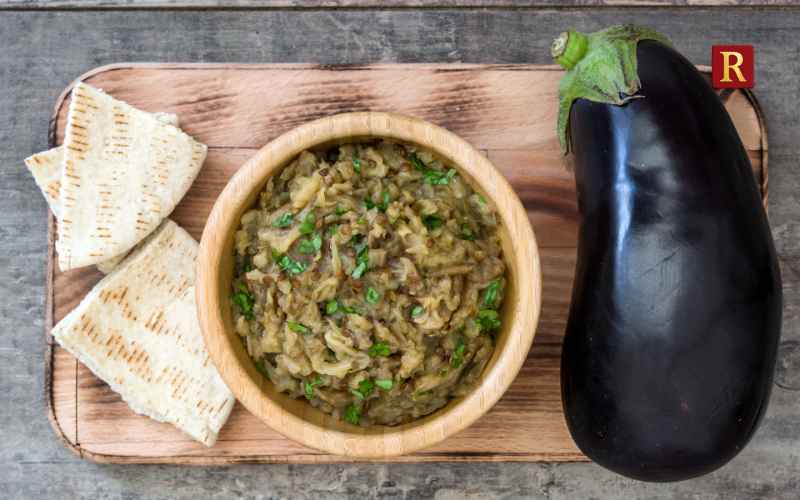
Eggplant may be the most interesting food on this list because one of India's best-known eggplant dishes already relies on direct heat. Baingan bharta begins with roasted eggplant. Place a whole eggplant over a controlled flame and turn it regularly. The skin will blacken while the inside gradually becomes soft. Once the flesh is completely tender, allow it to cool enough to handle. Remove the charred skin and mash the smoky flesh. Add chopped onion, tomato, green chilli, coriander and spices to make bharta. The black exterior is not the finished dish. It is part of the flavour-building process. The direct heat gives the eggplant a smoky aroma that would be difficult to reproduce by simply boiling it. This is also a useful reminder that cooking without oil does not mean removing flavour. In this case, the cooking method itself becomes the flavour ingredient.
- The trick: Use direct heat to build smokiness, but avoid leaving the food unattended or allowing the flesh to burn.
5. Chickpeas Can Become Crisp Without Deep-Frying
Chickpeas are an unexpected addition to an oil-free list because they are often roasted with oil to create a crunchy snack. But oil is not the only way to create crispness. Start with cooked or canned chickpeas. Drain them well and dry their surface thoroughly. This step matters because excess moisture will make them steam instead of becoming crisp. Spread them in a single layer on a baking tray or use an air fryer. Cook at a high temperature and shake or turn them during cooking. Once they become crisp, add your seasoning. Try roasted cumin, black pepper, chilli powder, chaat masala or a little lemon zest. The key idea is simple: crispness depends heavily on controlling surface moisture. The same principle explains why wet vegetables rarely become properly crisp in a crowded pan. The water needs to escape before the surface can brown effectively. Roasted chickpeas can be eaten as a snack or added to salads, soups and grain bowls for texture.
- The trick: Dry the chickpeas well before roasting them.
The 5 Oil-Free Cooking Tricks to Remember
Oil-free cooking becomes much easier when you stop thinking only about what you are removing and start thinking about what you are replacing it with.
- Mushrooms: Use their natural moisture and high heat.
- Sweet potatoes: Use dry heat to concentrate their natural sweetness.
- Corn: Use steam or direct heat for tenderness and char.
- Eggplant: Use flame roasting to create smoky flavour.
- Chickpeas: Remove surface moisture before roasting for better crispness.
FSSAI's Eat Right India guidance also recommends boiling, steaming, roasting, grilling and baking over frying when looking to reduce fat, while still advising moderate use of cooking oils rather than suggesting that all dietary fat should be eliminated.
Oil-Free Does Not Automatically Mean Healthy
There is an important distinction here. Removing oil from a recipe does not automatically turn it into a healthy meal. A dish can still contain large amounts of salt, sugar or refined carbohydrates. At the same time, reducing added oil can be one practical way to change how a dish is prepared. The better approach is to build flavour through the ingredient itself. Use roasting for sweetness. Use browning for depth. Use spices for aroma. Use lemon or other acidic ingredients for freshness. Use smoke carefully when the dish calls for it. This creates more interesting food than simply removing oil from an existing recipe.
The Bigger Idea
For many home cooks, oil is the automatic first step. A pan goes on the stove, oil goes in, and then everything else follows. But these five foods show another way. Mushrooms can brown after their water cooks away. Sweet potatoes can develop intense sweetness in the oven. Corn can become smoky over direct heat. Eggplant can turn into bharta through flame roasting. Chickpeas can develop crunch when their surface moisture is controlled. The result is not a compromise version of the original food. It is a different way of cooking. And sometimes, the best way to make an ingredient more interesting is to stop adding things to it and give heat, time and technique a bigger role.
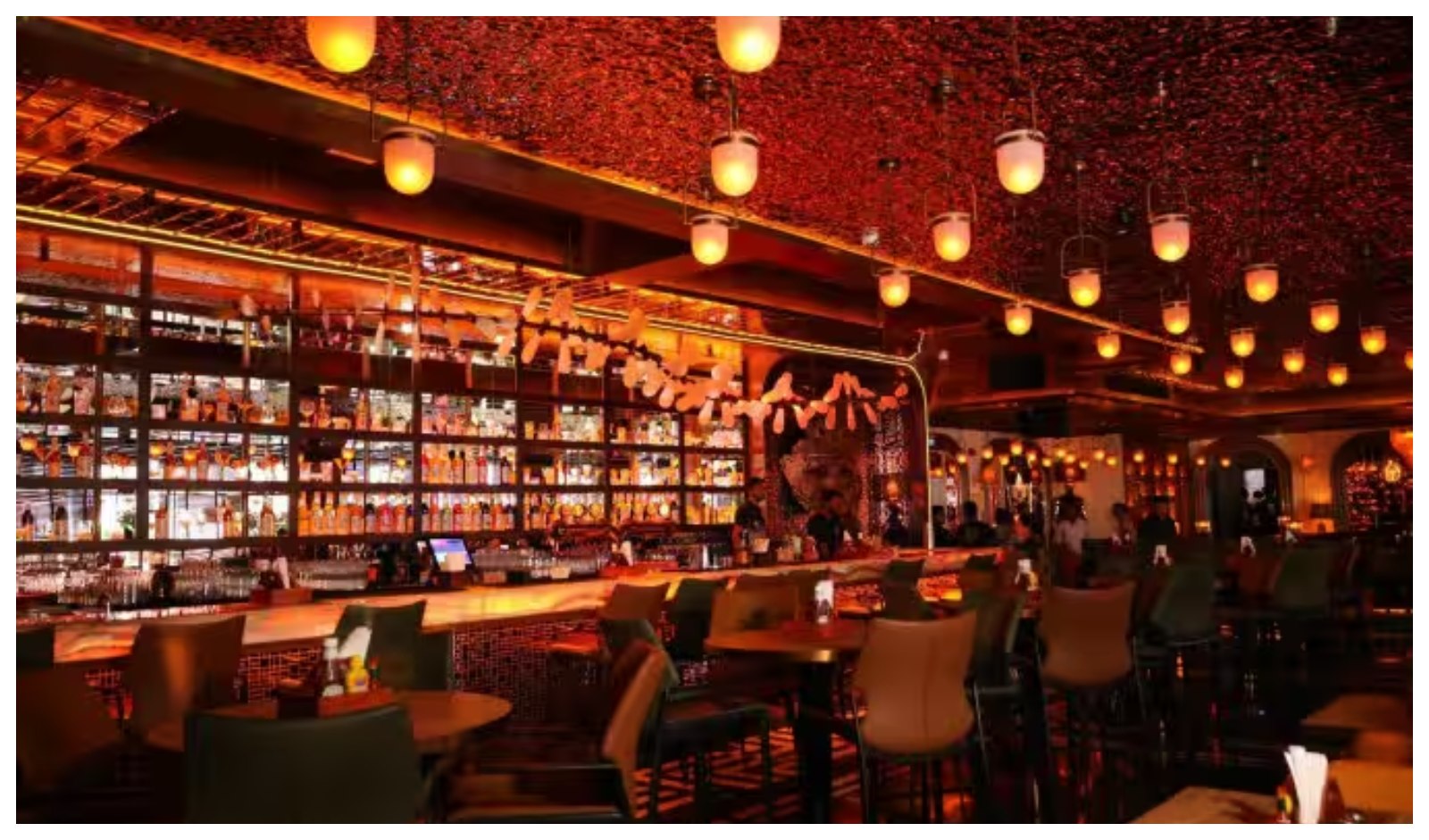
For years, restaurant break-even was largely about one question, how much needs to be sold to cover costs? Today, that calculation is becoming more nuanced. A restaurant can be packed, hit its revenue target and still struggle to generate healthy profits.
A ₹500 order, for instance, is not worth ₹500 to the business once food costs, discounts, packaging, payment charges, delivery commissions and other variable expenses are deducted. What matters increasingly is not simply how much a restaurant sells, but how much each sale contributes to the business.
The basic break-even formula remains Fixed Costs ÷ Contribution Margin. With fixed costs of ₹6 lakh, a 60% contribution margin requires ₹10 lakh in sales to break even. At a 50% margin, that rises to ₹12 lakh, while a 40% margin pushes the requirement to ₹15 lakh. The numbers underline a fundamental shift: the quality of revenue can materially change a restaurant’s break-even point.
Break-Even Moves Beyond Sales
Operators are increasingly tracking contribution by order, cover, table, menu category and sales channel rather than relying solely on top-line revenue. Discounts, commissions, packaging and other transaction-level costs are being factored into the equation.
For dine-in restaurants, contribution per seat-hour can offer another layer of insight, revealing whether a busy table is actually generating enough value for the business.
“For a restaurant brand like PizzaExpress, this means looking at the entire equation, from ingredient costs and wastage to labour, table utilisation and guest frequency. A restaurant can have strong footfall, but the business becomes healthier when that footfall translates into the right mix of average spends, repeat visits and sustainable margins,” said Kumar Asit, Brand CEO, PizzaExpress. “The objective is to build a business that performs consistently across different occasions and dayparts, rather than simply chasing volume.”
Chef Bobby Patel, Co-Founder, Trinetra Ventures Pvt Ltd, points to the same shift. “Traditionally, restaurants calculated break-even by asking: ‘What monthly sales figure do we need to cover our costs?’ But today, two restaurants generating the same revenue can have completely different financial outcomes. Higher sales may also bring higher commissions, discounts, packaging costs, food costs and additional manpower requirements. Therefore, revenue alone does not indicate whether a restaurant is financially healthy.”
From Revenue Targets to Revenue Quality
Sales remain important, but topline revenue alone does not reveal whether a restaurant is operating sustainably. The focus is increasingly shifting towards revenue quality. That means looking at the profitability of individual products, the ratio of full-price to discounted sales, the contribution of dine-in, takeaway and delivery, average transaction value, repeat customer behaviour and revenue generated per seat, table and operating hour.
“Every sale has a hidden cost attached to it, food cost, manpower, discounts, aggregator commissions, packaging, marketing spends, etc. This is why contribution margin is becoming a far more relevant measure. The question is no longer simply, ‘How much did we sell?’ but ‘How much did this sale actually contribute?” said Raj Mehta, Chairman, Little Italy Group.
“For example, ₹1 lakh in dine-in revenue with strong margins may contribute more to the business than ₹1.5 lakh of heavily discounted aggregator sales. A lower revenue figure with a healthier contribution margin can bring the restaurant closer to profitability than a higher but inefficient revenue figure. Therefore, targets should not be assigned only in terms of top-line sales,” added Patel.
Every Table, Dish and Daypart Matters
A restaurant’s menu is both a culinary proposition and a business tool. It needs to offer sufficient choice while remaining operationally manageable and commercially viable. Ingredient overlap, preparation time, wastage, portion sizes and kitchen complexity can all influence the profitability of the menu.
Table utilisation is another important consideration. The objective is not simply to turn tables as quickly as possible, but to improve productivity across the day without compromising the guest experience.
“Table utilisation is similar. It is not simply about turning a table as quickly as possible. The right approach is to improve productivity across the day while protecting the guest experience,” pointed Asit.
For PizzaExpress, this means catering to different occasions, from quick meals to longer social gatherings, while ensuring the restaurant can serve each occasion efficiently.
Dharmendra RS, COO, Icon Hotels India under Bhagini Group added that a busy restaurant is not automatically a profitable restaurant. “A full restaurant where guests linger for three hours over low-margin food is a slow leak. A brisk, well-paced service with the right dishes turns the same room into a money engine.”
Smart pricing, portion management, menu engineering and upselling can therefore improve restaurant economics without necessarily requiring more footfall.
“For dine-in restaurants, table utilisation is equally important. The same fixed cost base can deliver very different returns depending on table turns, occupancy across dayparts and average spend per cover. Improving weekday lunches or early dinners, for example, can sometimes be more valuable than chasing additional peak-hour business,” said Mehta.
Profitability Without Compromising Experience
The biggest challenge is balancing commercial discipline with what guests actually value. Cost management cannot come at the expense of food quality, service, consistency or the overall restaurant experience.
At the same time, India’s restaurant market is becoming increasingly competitive, with consumers having more choice and expectations evolving rapidly. This makes menu discipline, customer understanding and operational efficiency increasingly important as brands scale.
For PizzaExpress, Asit said the focus remains on building a sustainable restaurant business while staying true to what the brand stands for: quality pizza, a distinctive restaurant experience and choice for different guests and occasions.
“The impact is a more disciplined and sustainable restaurant business. When decisions are based on contribution rather than gross sales, management can identify which products, dayparts, tables, offers and sales channels are genuinely creating value,” said Patel.
Ultimately, the new restaurant math is not about maximising sales at any cost. It is about building the right sales mix—where every order, table, menu item and operating hour contributes meaningfully towards profitability.
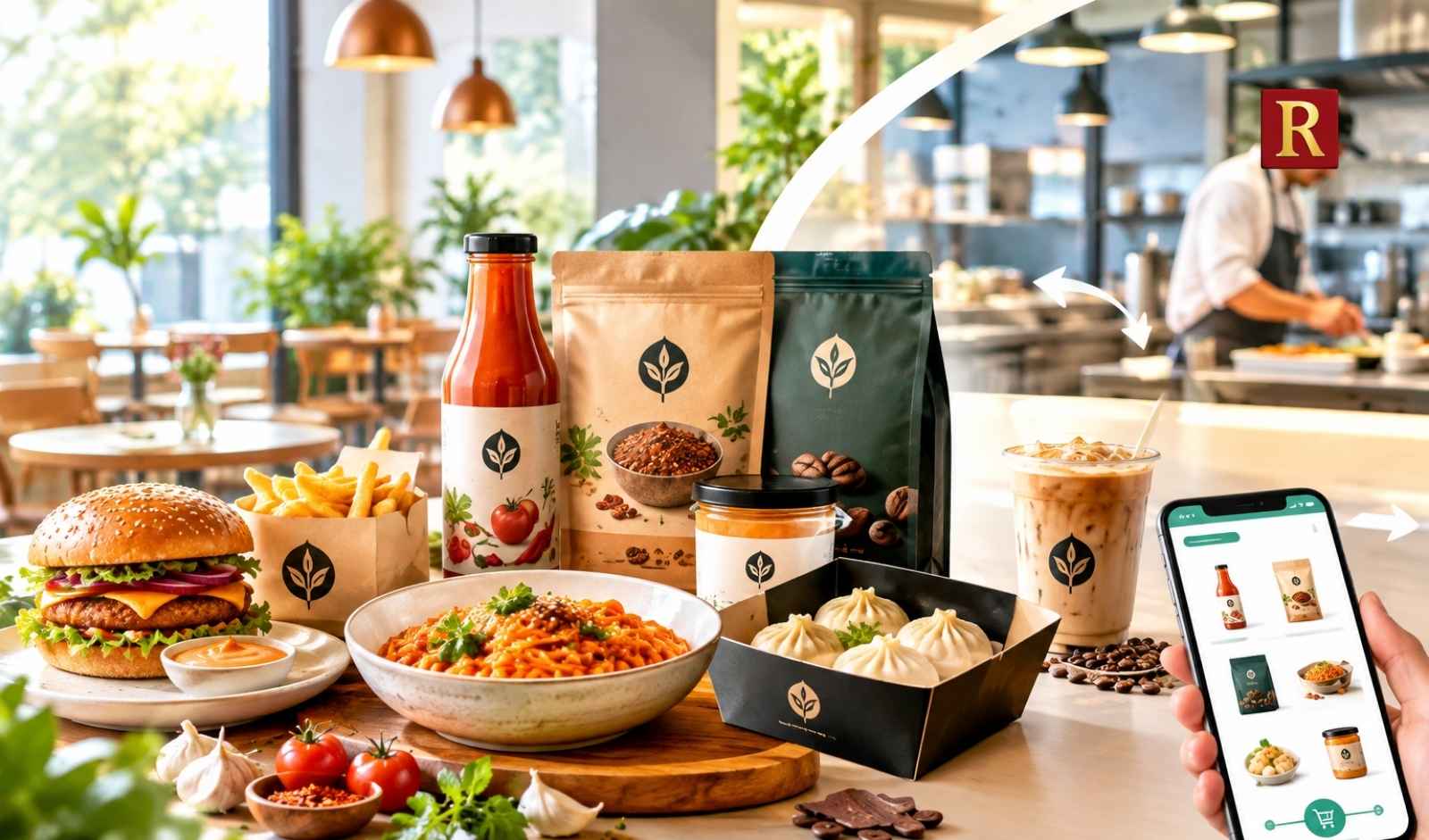
A restaurant's most valuable product may no longer be the meal served on its table. It could be the sauce poured over a burger, the momo sold with a dip, the coffee brewed behind the counter or the spice mix used in its kitchen. Across India, restaurants and QSRs are taking these familiar products out of their kitchens and putting them into bottles, pouches, cans and frozen packs. The products are then reaching consumers through quick commerce, online marketplaces and retail stores. This is turning restaurants into something more than foodservice businesses. They are beginning to build small consumer food businesses around products their customers already know.
The shift is visible in brands such as Wow! Momo, Blue Tokai, Burma Burma and Burgrill. Wow! Momo's packaged-food business was contributing around Rs 100 crore in annual recurring revenue and had reached about 6,000 retail points, according to Mint's 2026 report. The bigger question is why restaurants are making this move.
From Menu Item to Retail Product
The simplest starting point is customer familiarity. A new packaged-food company has to convince consumers to try its product. A restaurant already has an audience that has tasted its food. That gives restaurants an unusual advantage. A customer may first discover a sauce inside a burger. If the flavour becomes memorable, the same customer may want to use it with fries, sandwiches or snacks at home.
This creates a simple journey: Restaurant menu → customer trial → product demand → packaged SKU → home consumption
Burgrill's OG Sauce is an example. The sauce, which had been part of its burger offering, was launched as a standalone bottled product for online and retail sales. The move allows the brand to take an existing restaurant flavour into home kitchens. The product does not have to explain what the brand tastes like. Consumers have already experienced it.
The Restaurant Kitchen Is Becoming a Product Lab
Restaurants also have something many new food brands spend heavily to create: real-time customer feedback. A restaurant knows which dishes sell. It can track repeat orders, popular add-ons and customer requests. Suppose a restaurant notices that customers repeatedly ask for extra chilli oil. That is not just a service request. It could be an early product signal.
The same data can help identify potential products such as:
- Signature sauces
- Dips and chutneys
- Spice blends
- Coffee beans
- Ready-to-drink beverages
- Frozen snacks
- Marinades
- Dessert products
- Ready-to-cook meals
This changes product development. Instead of asking, “What should we launch?”, the restaurant can ask, “Which product are our customers already asking us to take home?” That is a much stronger starting point.
Wow! Momo Shows How Big the Opportunity Can Become
Wow! Momo is one of the clearest examples of a restaurant brand building a separate packaged-food engine. The company initially explored frozen momos during the Covid-19 period, when restaurants were affected by lockdowns. The idea was to keep its kitchens productive. It later developed into a serious FMCG business. By 2026, its packaged-food business had reached around Rs 100 crore in annual recurring revenue and was available at about 6,000 retail points, according to Mint. The company has expanded beyond frozen momos into products such as cup noodles and kulfis and is also looking at overseas markets. The interesting part is the change in consumption frequency.
- A customer may visit a momo restaurant once or twice a month.
- A frozen momo pack can sit in the freezer and become a weekly purchase.
That gives the restaurant brand another opportunity to enter the consumer's daily life.
Quick Commerce Is Becoming the New Test Kitchen
Quick commerce has changed the economics of experimentation. Platforms such as Blinkit, Zepto and Swiggy Instamart allow food brands to test products without immediately building a large physical retail network. QSR brands are already using these platforms to sell products such as frozen food, coffee, bottled beverages and private-label products. YourStory reported that brands are using quick commerce to test demand, pricing and positioning before expanding into modern and general trade. This is important because a restaurant can learn quickly.
- A brand can test: SKU → price → neighbourhood → demand → repeat purchase
If a product performs well, the company has evidence before investing heavily in wider distribution. Economic Times also reported that QSR brands including Wow! Momo, Chaayos, Chai Point, Boba Bhai and Blue Tokai were introducing products through quick-commerce platforms. Quick commerce is therefore becoming more than a delivery channel. For restaurant brands, it can act as a digital retail shelf and a real-world product testing ground.
Coffee, Sauces and Frozen Food Have an Important Advantage
Not every restaurant dish can become a packaged product. A restaurant should ideally start with something that has a strong identity and can survive outside the kitchen. Coffee is a natural example. Blue Tokai can sell coffee in its cafés and then sell the beans or ready-to-drink products for home consumption. The customer does not need the café to enjoy the product.
The company has also expanded its retail presence through modern trade, while its ready-to-drink coffee and other products have appeared on quick-commerce platforms. Sauces, spice mixes and frozen foods have a similar advantage. They can extend the restaurant's flavour without requiring the customer to recreate the entire restaurant experience.
But Turning a Recipe Into an FMCG Product Is Not Easy
A restaurant recipe is designed for immediate consumption. A packaged product has to survive days or months. That introduces a completely different technical challenge. Food companies have to consider shelf life, microbiological safety, packaging, storage conditions, ingredient consistency and transportation. Products also need appropriate labelling and regulatory compliance.
A sauce that tastes perfect when prepared by a chef may behave differently after packaging and storage. Texture can change. Flavours can weaken. Oil can separate. Moisture can affect stability. This is why restaurant-led FMCG is not simply a branding exercise. It requires food technologists, manufacturing partners, quality control, packaging expertise and supply-chain planning. Burma Burma's experience shows this shift clearly. The restaurant created a separate factory-cum-laboratory for its gourmet retail business and hired chefs, food technologists and digital professionals. Its retail range expanded from eight products in 2021 to around 25–30 products by 2024, according to Business Standard.
The New Restaurant Product Ladder
Restaurants are also experimenting at different levels.
- Level 1: Add-ons: Sauces, dips and spice mixes.
- Level 2: Pantry products: Coffee, oils, spreads and beverages.
- Level 3: Ready-to-cook: Frozen momos, meal kits and cooking bases.
- Level 4: Ready-to-eat: Packaged meals, snacks and desserts.
- Level 5: Standalone consumer brand: Products that can grow independently of the restaurant.
The smartest move may not be to launch ten products at once. It could be to identify one product with strong customer recognition and test whether people are willing to buy it again at home.
The Real Test Is Not the First Purchase
A product can sell because it is new. That does not mean it has become a successful consumer brand. The more important numbers are repeat purchases, average units per customer and demand without heavy discounts. This is where restaurant brands face the same challenge as traditional FMCG companies. The restaurant may create the first purchase through familiarity. The product has to create the second purchase through quality.
That distinction will determine which restaurant-led products become lasting brands and which remain interesting side businesses. For restaurants, the opportunity is no longer limited to opening another outlet. A signature sauce can travel farther than a kitchen. A frozen momo can reach a home hundreds of kilometres away. A coffee brand can turn a café visit into a morning ritual. The restaurant of the future may therefore have two shelves to compete on: the menu and the consumer's kitchen shelf. The brands that understand how to connect the two could turn their most recognisable dishes into products with a life far beyond the dining table.
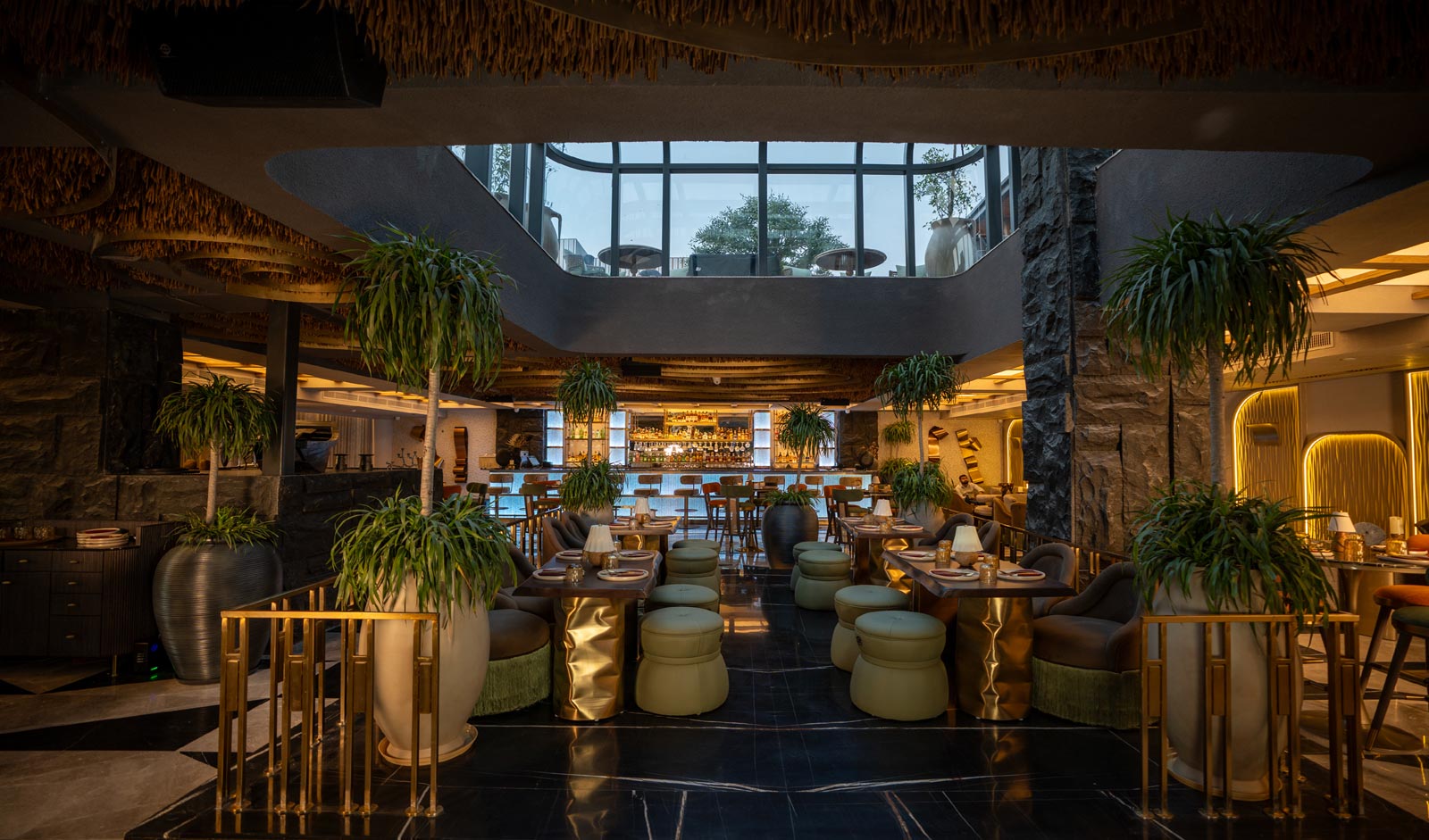
From cocktails and craft beers to music, food, design and community, Mumbai’s new-age bars are becoming social destinations where the drink is only one part of the experience.
For years, the bar was defined by what was in the glass. Today, Mumbai’s nightlife is increasingly being defined by everything around it. The city’s new generation of bars is blurring the boundaries between restaurant, cocktail bar, entertainment venue and social club. Consumers are no longer necessarily stepping out with the singular intention of drinking. They are looking for places where they can eat well, listen to music, watch a game, meet friends, discover something new and importantly feel part of an experience.
“The bar is no longer simply a place you go to drink. It has become a social space where people come for the entire experience: the food, the music, the design, the people and the energy of the room,” shared Amninder Sandhu, Head Chef and Partner at Punchline.
Actress Mona Singh who runs Kona Kona in Mumbai sees a similar change in the way Mumbai approaches a night out. “People aren’t stepping out just to have a drink anymore; they want to eat well, listen to good music, spend time with their friends and feel like they’re somewhere that has a personality of its own.”
Drink is no longer the Destination
The rise of experience-led nightlife does not mean the drink has become irrelevant. If anything, cocktails, beers and beverage programmes are becoming more sophisticated. But they are now expected to work as part of a larger proposition.
At Punchline, Sandhu sees an interesting opportunity in an old cocktail format; the punch. “You can have an individual cocktail that is crafted specifically for you, or you can order a punch and put it in the middle of the table for everyone to share,” she mentioned as the appeal of punch lies in its original purpose. Unlike the increasingly individualised cocktail culture of today, punch was historically designed as a communal drink. “Punch is one of the oldest cocktail formats, and at its heart it was always about bringing people together.”
The bar, in that sense, is becoming a facilitator of connection rather than simply a place of consumption.
Beyond Menu Designing
New-age bar also demands a more integrated approach to design and operations. A good cocktail or an attractive interior can no longer carry the entire concept.
“The biggest shift is that there is no longer one formula for a successful bar,” added Sandhu. “Craft cocktails have become more sophisticated, but equally important is everything that surrounds the drink.”
At Kona Kona, Singh approached the concept through this idea of a complete world. “It’s not enough to have a good cocktail or a beautiful space in isolation. The food, drinks, music, interiors and even the way people move through the evening have to feel connected.”
That sense of coherence is becoming one of the defining characteristics of contemporary hospitality as consumers today increasingly want to understand what a venue stands for. What is its personality? What is its story? Why does it exist?
“I also think people are responding to places that have a genuine point of view,” added Singh. For her, this meant thinking beyond food and drinks and considering everything from colours and music to the overall mood of the venue.
For restaurant owners, the most exciting bars today have a point of view. They don't just serve drinks; they create an atmosphere people want to be part of.
Rise of Occasion-led Consumer
Perhaps one of the biggest changes is being driven by younger consumers. Gen Z and younger millennials are not necessarily rejecting nightlife; they are redefining what they expect from it. They are more curious, more experimental and, according to all three hospitality voices, more conscious about what they are paying for.
“They are willing to pay for quality and an experience, but they are not necessarily interested in spending simply because a place is expensive or fashionable,” shared Sandhu.
Singh describes the younger audience as “much more experimental”. They are curious about new flavours, spaces and formats, while being less attached to the conventional idea of what a night out should look like.
This is also changing the role of alcohol itself. Going out is increasingly occasion-led rather than alcohol-led. A visit could be a dinner with friends, an after-work gathering, a sporting event, a celebration, a late-night catch-up or simply an evening spent around good food and music.
At Irish House, Sanju Arora, Business Head, Irish House, sees the same diversification. “It is not always about a traditional night out. It could be a casual gathering, a sporting event, a live music evening, karaoke, a celebration or simply meeting friends after work,” he added.
That creates an interesting opportunity for operators. Instead of designing a venue around one peak occasion, bars can increasingly become spaces that accommodate multiple moments across the day and week. A casual lunch can lead to after-work drinks. A sporting event can become a group dinner. A music evening can extend into a late-night social gathering.
The bar becomes less of a destination for a specific occasion and more of a part of everyday social life.
When Star Power Meets Staying Power
Mumbai’s nightlife landscape is also witnessing the growing presence of celebrity-backed hospitality ventures. Celebrity association can provide a powerful launchpad visibility, curiosity, cultural relevance and immediate attention. But the star power has a repetition.
“Celebrity can only get you through the door. It cannot make you come back,” pointed Sandhu as for her hospitality is still hospitality.
Actress Mona Singh takes a similar view as for her celebrity involvement can introduce a concept to audiences who might otherwise never discover it. But once that initial curiosity brings people through the door, “the food, drinks, service and overall experience have to give them a reason to return.”
“Celebrity association can add another layer to Mumbai’s hospitality landscape by giving a venue visibility, identity and aspirational positioning from the outset,” added Arora.
There is therefore a distinction between celebrity as a marketing tool and celebrity as part of the creative proposition.
For brand, the new aspiration is experience. Celebrity-led nightlife also reflects a broader change in consumer aspiration. People are naturally curious about places associated with personalities they follow. That association can create a sense of discovery and aspiration. But Mumbai’s increasingly discerning consumer is also looking for substance.
“Branding may get people interested, but the experience is what builds loyalty,” added Singh.
Ultimately, whether a bar is celebrity-owned or independently founded, the fundamentals remain remarkably similar on a strong concept, good food and drinks, hospitality, atmosphere and an experience worth repeating. The celebrity may start the conversation. The venue has to continue it.
And, for brands, the most fascinating part of this evolution is that the future of Mumbai’s nightlife may not be about inventing entirely new forms of socialising. It may be about rediscovering old ones. For Mumbai, the next chapter of nightlife may therefore be less about the traditional question of where do we go for a drink? and more about Where do we want to spend our evening?
“Star power can create the first conversation. The experience has to create the next one,” concluded Sandhu. And that may be the defining principle of Mumbai’s new bar culture.
A restaurant dish is designed to taste good, but its appearance is also becoming important in the digital world. Before a customer takes the first bite, the food may already be photographed, recorded and shared online. This is changing how restaurants think about plating, colour, texture and tableside presentation.
From cheese pulls and sauce pours to layered desserts and carefully arranged plates, restaurants are exploring ways to make food more attractive on camera. The aim is not only to create a good dining experience but also to make the dish easier to discover through social media. This shift raises an important question: How much of today's restaurant food design is influenced by the camera, and how can businesses balance visual appeal with taste and practicality?
1. The Dish Now Has Two Audiences
A restaurant dish serves two audiences in the digital age. The first is the customer sitting at the table. The second is the person viewing the food on a smartphone. These audiences look for different things. A diner may focus on taste, portion size, temperature and aroma. A viewer scrolling through Instagram may first notice colour, shape, texture and movement.
This does not mean that customers value appearance over taste. It means that visual presentation can influence whether a dish receives attention in the first place. A 2026 study published in the International Journal of Hospitality Management examined how aesthetic appeal and familiarity in user-generated food photographs influence restaurant-visit intentions. The research found that attractive food images could increase the desire to copy dining choices, particularly when the food was unfamiliar. For restaurants, this creates a business opportunity. A well-designed dish can attract attention before a customer has even entered the restaurant.
2. Why Colour, Height and Texture Matter
A camera does not capture the full dining experience. It cannot directly communicate aroma, temperature or taste. Restaurants must therefore use visual details to suggest what the food might feel like. Colour is one of the most important elements. A pale cream sauce can create contrast with green herbs. A bright egg yolk can stand out against a darker base. Red chilli oil, toasted toppings and fresh vegetables can add visual depth to a dish.
Plating also influences how the food is perceived. Chefs may consider the position of the main ingredient, the amount of space on the plate and the way different components are arranged. A 2025 study on Gestalt food presentation explored how the grouping of food elements influences visual appeal and photo-sharing intention in the Instagram context. Its findings offer a useful basis for understanding why the arrangement of food matters, not just the ingredients themselves. However, attractive plating should not become a reason to add unnecessary garnishes or make a dish difficult to eat. Every visual element should have a clear culinary or presentation purpose.
3. The Rise of Food That Moves on Camera
Some of the most visually engaging restaurant moments happen when the food changes in front of the customer. A sauce is poured over a dish. A dessert is cut open. A cheese-filled snack is pulled apart. A lid is lifted to reveal the food underneath. These actions give restaurants an opportunity to create content that works in a short video. The distinction is important. A dish designed only for a photograph depends on composition and lighting. A dish designed for video may also depend on timing, movement and the sequence of events.
For example, a dessert with a warm sauce may be presented tableside. The server pours the sauce, the customer records the moment and the final dish becomes the subject of a Reel. But the visual effect must support the food. A dramatic presentation that delays service, creates waste or affects temperature may not improve the overall experience. The most useful design question is not whether a dish can go viral. It is whether the visual moment adds value to the meal.
4. Why the Cross-Section Is Becoming a Marketing Tool
A food photograph shows what is on the outside. A cut or broken dish can reveal what is inside. This is particularly relevant for foods such as burgers, pastries, stuffed breads, cakes and filled snacks. Consider a layered dessert. A top-down photograph may show its decoration, but a cross-section can reveal the layers of sponge, cream and filling. Similarly, cutting into a stuffed dish can help the customer understand its ingredients and texture.
Research on internal versus external food views has examined how close views of internal details can influence attention, perceived trust and purchase intention. The study found that internal detail views attracted attention more effectively in its experimental settings. For restaurant brands, this suggests a practical content strategy: photograph food in a way that communicates its actual composition. The visual should not hide the product. It should explain it.
5. Designing Food for the 9:16 Screen
Restaurant food is increasingly viewed through vertical videos. The 9:16 format changes how the dish is framed. A plate that looks balanced in a landscape photograph may appear crowded or flat in a vertical video. Chefs, photographers and marketing teams can consider how a dish looks from different angles. A tall dessert may work better from the side. A layered dish may need a close-up. A sauce pour may require enough space around the plate to capture the action. These considerations do not require every restaurant to redesign its entire menu. They can be applied selectively to dishes where visual presentation is a meaningful part of the experience. A 2026 study of traditional food advertising on Instagram examined visual complexity and presentation format among 240 young Instagram users. Its results showed that video and higher visual complexity increased attractiveness and purchase intention in the study, while simpler static images improved perceived tastiness.
This finding is useful because it shows that one visual style does not work for every marketing objective. A complex video may attract attention. A clear photograph may communicate the food more effectively.
6. When Visual Appeal Meets Restaurant Economics
Food presentation is not only a creative decision. It can also affect restaurant operations. A dish with multiple garnishes requires additional preparation. A tableside presentation may need extra staff training. A large serving vessel may affect storage and cleaning. A sauce pour may require careful timing between the kitchen and service team. These details matter in restaurants where food cost, labour and service speed influence profitability.
For example, a QSR cannot necessarily adopt a complex tableside presentation designed for a fine-dining restaurant. Its food must remain consistent, easy to assemble and practical to serve during busy hours. A café may have more flexibility with a signature dessert or beverage. A casual dining restaurant may choose one or two visually distinctive dishes that fit its concept. The right approach depends on the business model. A visually attractive dish is useful only when the restaurant can deliver it consistently.
7. The Risk of Making Food Look Better Than It Is
Visual marketing can create customer interest, but it also creates expectations. If a restaurant photograph shows a generous filling, vibrant colours or a particular presentation, customers may expect the dish to look similar when it arrives. A significant difference between the image and the actual food can reduce trust. This is particularly relevant as restaurants use social media and online menus to attract new customers. A photograph should represent the dish accurately, including its ingredients, portion and presentation.
A 2025 study of Instagram food content examined the relationship between visual appeal, information quality, sharing and purchase intention. It used 374 valid responses from 400 collected responses among adult MZ-generation participants who had encountered food content on Instagram. The findings indicate that visual appeal and information quality have different roles in how consumers evaluate food content. This supports a balanced approach. Food content should be visually attractive, but it should also provide useful and reliable information. A good photograph should encourage customers to try the food without creating a misleading impression.
What Restaurants Should Consider
A practical food design process can include several checks.
| Design consideration | What the restaurant should examine |
| Taste | Does the dish deliver the intended flavour? |
| Appearance | Are the main ingredients clear and attractive? |
| Texture | Does the presentation communicate the food's texture? |
| Photography | Does the dish look good under realistic lighting? |
| Video | Is there a meaningful action or visual detail? |
| Service | Can the kitchen prepare it consistently? |
| Cost | Are the ingredients and labour practical? |
| Customer experience | Is the food easy to eat and enjoy? |
This approach connects the chef's work with the restaurant's marketing and operations teams. The goal is not to make every dish dramatic. It is to ensure that the visual design supports the food and the restaurant's identity.
The Camera Is Part of the Dining Journey
Restaurants are adapting to a world where food is often discovered through a screen. Colour, plating, movement and internal details can influence how customers perceive a dish before they taste it. For restaurant owners and chefs, this creates new possibilities in menu development and digital marketing. A well-presented dish can become a photograph, a video and a customer recommendation. But visual appeal cannot replace quality. The most effective approach is to design food that works on the plate first and on the screen second. When taste, presentation, service and truthful marketing come together, restaurants can create dishes that attract attention without compromising the dining experience. The camera may be part of the modern restaurant journey, but the food still has to earn the customer's next bite.
A five-star restaurant can have polished tables, spotless uniforms and an impressive kitchen. But food safety depends on much more than what a guest can see. Temperature records, ice handling, cleaning schedules, pest control and calibrated equipment are some of the checks that matter behind the scenes. In India, FSSAI's hygiene audit checklists also look at these operational details, along with food-handler hygiene and maintenance records.
For a professional kitchen, the important question is not only whether an area looks clean. It is whether the restaurant can measure, monitor and prove that its food-safety controls are working.
7 Hygiene Checks that Deserve Attention
1. Are refrigerator temperatures actually being monitored?
A cold refrigerator is not automatically a safe refrigerator. Professional kitchens need systems to monitor the temperature of chilled and frozen storage. This becomes particularly important for meat, seafood, dairy products and prepared foods. The World Health Organization recommends keeping perishable food refrigerated, preferably below 5°C, while hot food should be kept above 60°C when being held for service. For a restaurant, this means relying on more than a quick touch of a refrigerator door. Temperature records can show whether equipment has remained within its required operating range. If a reading moves outside the restaurant's established limit, staff need to know what action to take. This is where HACCP, or Hazard Analysis and Critical Control Point, becomes useful. Codex describes HACCP as a system that identifies hazards, establishes control points and sets monitoring and corrective-action procedures.
- The real check: Is the temperature being measured, recorded and acted upon when necessary?
2. Is the ice machine being treated like a food-safety zone?
Ice is easy to overlook because it does not look like food. But once it goes into a cocktail, soft drink or glass of water, it becomes part of what the customer consumes. WHO specifically includes water and ice among potential sources of contamination and recommends using safe water and raw materials. A professional kitchen should therefore pay attention to the water source, ice-machine cleanliness, ice storage and the way staff handle ice. The scoop should not be treated like an ordinary kitchen utensil. It needs to be protected from contamination. The ice itself should also be kept away from hands and other materials that could introduce contaminants. This is especially relevant in luxury restaurants where ice may be used in large volumes for cocktails, chilled seafood presentations, desserts and other preparations.
- The real check: Is the ice supply controlled with the same care as other food-contact materials?
3. Can raw food cross paths with ready-to-eat food?
Cross-contamination can happen even inside a highly organised kitchen. Raw poultry, meat, seafood and eggs can carry harmful microorganisms. If they come into contact with ready-to-eat food, the contamination can move into a dish that will not receive another cooking step. WHO recommends separating raw and cooked foods and using separate equipment and utensils where appropriate. The control therefore involves more than having different chopping boards. Kitchen managers need to consider the entire workflow.
- Where is raw chicken stored?
- Where is salad prepared?
- Which route does a chef take from the raw-food section to the plating area?
- Are containers clearly identified?
- Are knives and boards cleaned and sanitised between uses?
These small details matter because contamination can travel through hands, utensils, containers and food-contact surfaces.
- The real check: Is the kitchen controlling the movement of contamination, not just separating ingredients?
4. Is the kitchen cleaning or actually sanitising?
A surface can look clean and still require further sanitation. Cleaning generally focuses on removing dirt, food residue and other visible material. Food-safety systems also require attention to sanitation and the control of microorganisms. Codex recommends documented cleaning and disinfection programmes that identify what needs to be cleaned, who is responsible, the method, frequency and monitoring arrangements. FSSAI's hygiene audits similarly check whether equipment and food premises are cleaned according to a cleaning schedule and programme. That schedule can cover much more than counters. Think about refrigerator handles, slicers, mixers, taps, cutting boards, storage containers and other frequently touched surfaces. A recent FSSAI audit example also recorded a case where equipment had been cleaned but not sanitised as one of the minor non-conformities.
- The real check: Does the kitchen have a documented cleaning and sanitation system, and is it actually followed?
5. What is happening around drains, waste and pests?
The most important hygiene areas are not always the most attractive ones. Drains, waste-storage areas and damp sections of a kitchen can influence pest control and sanitation. FSSAI's checklist specifically examines pest-control programmes, signs of infestation, drains, grease and cockroach traps, and periodic removal of food waste. Codex also describes pests as a major threat to food safety and recommends systematic pest-control measures. This means pest control should not simply mean calling an external agency when insects appear. A professional programme should also look at why pests could enter or survive in the first place. That includes waste accumulation, standing water, gaps, poorly maintained drains and access points.
- The real check: Is the restaurant preventing the conditions that attract pests, rather than only reacting when they appear?
6. Are food handlers following hygiene controls?
A clean uniform does not tell the entire story. Food handlers are an important part of the food-safety system because hands, clothing, jewellery, wounds and personal behaviour can introduce contamination. FSSAI's hygiene checklist includes personal cleanliness, handwashing, suitable protective clothing and restrictions on food handling by people with illness or open wounds. WHO also advises professional food handlers with symptoms such as fever, diarrhoea or vomiting, or visible infected skin lesions, to report the issue to their employer. Gloves also need to be understood correctly. A glove is not a replacement for good hand hygiene. A contaminated glove can transfer contamination to food just as a contaminated hand can. In a busy kitchen, the important issue is therefore behaviour.
- When are hands washed?
- When are gloves changed?
- How are wounds covered?
Are employees trained to avoid touching ready-to-eat food unnecessarily?
- The real check: Are hygiene rules part of everyday kitchen behaviour, rather than just part of staff training?
7. Are the thermometers and measuring devices accurate?
One of the most technical checks can also be one of the easiest to overlook. A thermometer may display a temperature, but the kitchen still needs confidence that the reading is accurate. This is why calibration matters. FSSAI's hygiene checklist specifically includes periodic calibration of measuring and monitoring devices. A recent FSSAI audit example found that calibration records for a chiller were not available, even though the establishment had other hygiene controls in place. The principle is simple. If a kitchen is using a thermometer to decide whether food is being stored safely, the thermometer needs to provide a reliable measurement. Codex also identifies calibration and records review as part of verification of a HACCP system. This is where food safety moves from appearance to evidence.
- The real check: Can the kitchen demonstrate that the instruments used to monitor safety are accurate and properly maintained?
What Happens When Something Goes Wrong?
Food safety is not a system where every check will always produce a perfect result. Equipment can fail. Temperatures can rise. A cleaning task can be missed. A pest-control record can expire. What matters is what happens after a deviation is detected. Codex HACCP principles require monitoring, corrective action, verification and documentation.
For example, if a refrigerator records an unsafe temperature, the response should go beyond simply adjusting the thermostat. The kitchen may need to identify affected food, assess what happened, isolate or discard products when necessary, correct the equipment problem and record the action taken. This creates an important distinction between having hygiene rules and having a working food-safety system.
The Bigger Check
Luxury dining can involve premium ingredients, complex menus and sophisticated equipment. But the fundamentals remain the same. WHO's Five Keys to Safer Food are straightforward: keep clean, separate raw and cooked food, cook thoroughly, keep food at safe temperatures, and use safe water and raw materials.
The difference in a professional kitchen is how consistently those principles are built into daily operations. The strongest hygiene systems are not necessarily the ones that are most visible to diners. They are the ones supported by temperature records, cleaning schedules, pest-control programmes, trained staff, calibrated equipment and documented corrective action. A spotless dining room creates the first impression. Food-safety systems are what protect the meal behind it.
Korean food in India is moving beyond instant noodles and premium restaurants. Tteokbokki, Korean fried chicken, corn dogs, ramen and Korean-inspired burgers are increasingly appearing in quick-service restaurant (QSR) formats. The change is not only about growing interest in Korean flavours. Indian operators are also changing how these foods are priced, portioned, served and adapted for local customers.
In 2025, Korean food recorded 4.7 million orders on Swiggy, according to the platform's annual data reported by Business Standard. That puts Korean cuisine among the international food categories gaining a measurable place in India's delivery market. The bigger story now is how Korean street food is being rebuilt for Indian QSR economics.
From Korean street food to an Indian QSR format
Traditional Korean street food is designed around quick eating, strong flavours and simple formats. These qualities also work well with the QSR model. But bringing a dish from a Korean street market to an Indian QSR involves several changes. The restaurant needs consistent portions. Ingredients must be available regularly. Preparation needs to be repeatable. The food must work for takeaway and delivery. The price also needs to match the customer the brand is targeting.
This is why the Indian version of Korean street food is not always a direct copy of what is served in Seoul. Seoul Dak is one example. The Korean QSR brand has expanded across Mumbai, Pune and Bengaluru with Korean fried chicken, tteokbokki, ramen and cheese corn dogs. Its chicken is deeply marinated and double-fried, while different sauces create multiple flavour options from the same core preparation. That is an important QSR principle: one preparation can create several menu products.
Tteokbokki is becoming a scalable product
Tteokbokki is one of the clearest examples of Korean street food entering the QSR format. The dish uses chewy cylindrical rice cakes cooked in a seasoned sauce. Gochujang, a fermented Korean chilli paste, is an important part of many versions. For a restaurant, however, the challenge is not simply making a good sauce. The rice cakes need to maintain their characteristic chew. The sauce needs a consistent thickness. Portions have to remain standard. Preparation and holding times need to be controlled. This makes tteokbokki an interesting operational product. It can be sold as a small side, a larger bowl or part of a combination meal. Cheese, vegetables and other toppings can also create variations without completely changing the base preparation. The result is a dish that can move from a Korean street-food counter to a structured QSR menu.
Korean fried chicken fits the QSR model
Korean fried chicken has another advantage. A common preparation can support several sauces and formats. Seoul Dak's menu, for example, includes Soy Garlic, K-BBQ, Sweet & Spicy, Hot & Spicy and Volcano flavours. The brand's chicken is marinated and double-fried to create a crisp coating before the sauce is added.
For a QSR, this creates flexibility. The same chicken can become a two-piece snack, a larger portion, a meal box or a sharing order. Different sauces can also create menu variety without requiring a completely different kitchen process.
Delivery adds another technical challenge. Fried food has to travel without losing too much of its texture. Packaging, sauce application and delivery time therefore become part of product development. This is where Korean street food becomes more than a cuisine trend. It becomes a restaurant operations problem.
Indian vegetarian demand is changing the menu
Vegetarianisation is another major part of the Indian adaptation. A Korean menu entering India cannot depend only on meat and seafood. QSR operators need products that work for vegetarian customers and can be produced consistently. Boba Bhai offers a clear example of this approach. The brand combines Korean-inspired street food with Indian QSR formats, including Korean BBQ Paneer Burger and Honey Sriracha Veggie Burger options. By June 2026, the company had reached its 100th outlet in India.
This shows how Korean flavour profiles can be transferred into formats that Indian consumers already understand. The product does not have to remain a traditional Korean dish. A Korean sauce can become a burger flavour. A Korean-inspired filling can enter a familiar snack format. A spicy fermented flavour can be used in fries or sandwiches. That is a different form of localisation.
The corn dog is built for snack culture
Korean corn dogs also fit the QSR environment because they are handheld, portion-controlled and visually distinctive. Cheese-filled versions, potato-coated versions and other variations can be produced around a common base. They also work as an add-on rather than requiring customers to commit to a full Korean meal.
This matters because snack occasions can bring international flavours into everyday consumption. Instead of asking a customer to order a complete Korean dinner, a QSR can sell one corn dog with a drink or add it to a larger meal. The format therefore makes Korean food easier to trial.
Price is becoming part of the localisation
Korean food also has to move beyond the idea of being an occasional premium meal. K-Bites, which opened its first Mumbai outlet in Bandra in September 2026, is positioning its format around quick meals, takeaway and neighbourhood consumption. Its reported average price is Rs 450–500 per person. The menu includes ramen, kimchi noodles, bao, rice dishes and bibimbap.
The pricing question becomes important as Korean QSRs expand. Imported ingredients can increase costs. Gochujang, Korean chilli products, sesame oil and other specialised ingredients may require dedicated sourcing. At the same time, operators need consistent food quality and predictable inventory. This makes ingredient management central to the category.
Korean ingredients are meeting Indian supply chains
The future of Korean QSRs will depend partly on which ingredients need to remain Korean and which can be sourced or adapted locally. Core flavour ingredients such as gochujang can help retain a recognisable Korean profile. Vegetables, proteins and some supporting ingredients can be adapted depending on the product.
This creates a useful balance: Keep the flavour identity. Adapt the operating model.
The same approach can be seen in broader Indian foodservice. Restaurants increasingly use one ingredient across several dishes to control inventory and create different price points. Seoul Dak, for example, has said its Korean sauces allow the same core chicken preparation to work across individual portions, sides, meal boxes and sharing formats.
The Korean QSR is becoming an ecosystem
The next development may not be one restaurant selling every Korean dish. GOPIZZA's Korean food strategy provides an example of a broader ecosystem. Its Gochujang brand focuses on Korean street food such as tteokbokki, corn dogs and ramen, while Dalkomi focuses on Korean desserts. The company has explored placing multiple Korean concepts together.
This model can allow customers to move across different occasions. One person may order a quick ramen. Another may choose fried chicken. A group can share tteokbokki and corn dogs. Dessert can then become an additional purchase. For operators, the advantage is menu cross-utilisation and multiple consumption occasions.
The next stage is Indian Korean, not simply Korean
India's Korean food market is developing through several layers. Some brands focus closely on Korean recipes and techniques. Others use Korean flavours in familiar Indian QSR formats. Some combine both approaches. KFC India, for instance, launched a Korean-inspired product in 2026 that combined its chicken format with Korean noodles, spicy mayonnaise, cheese and seasoning. The product was introduced across more than 1,400 restaurants. That example shows how Korean flavour can move beyond dedicated Korean restaurants. The important change is not that Indian consumers are suddenly eating every Korean street-food dish in its original form. It is that Korean flavours are being translated into formats that fit India's QSR market. The strongest opportunities will depend on execution: consistent texture, controlled food costs, reliable sourcing, suitable portions and products that work both at the counter and through delivery. Korean street food is therefore entering a new phase in India. The question is no longer only whether Indians like Korean flavours. It is how those flavours can be redesigned into affordable, repeatable and scalable food products for Indian consumers.
A restaurant dish can look simple on the plate and still require significant time, labour and preparation in the kitchen. The number of ingredients does not tell the full story. Dal makhani is made mainly with lentils, beans, tomatoes, butter and cream. Risotto is built around rice and stock. Ravioli is essentially pasta with a filling. Yet each of these dishes involves processes that can add to the real cost of production.
For restaurants, the calculation goes beyond the price of ingredients. Yield, preparation time, cooking time, wastage, skilled labour and accompaniments also matter. This is why a simple-looking plate can require much more kitchen work than a customer may realise.
What Makes a Simple Dish Costly?
Restaurant costing starts with ingredients, but it does not end there. A kitchen may buy 1 kg of an ingredient but use much less after peeling, trimming, deboning or cooking. Some dishes also require separate stocks, sauces or garnishes that are prepared before service.
There is another cost that is easy to overlook: time. A chef preparing one made-to-order dish cannot use that same time for another order. A preparation that needs constant stirring, shaping or monitoring also uses valuable kitchen labour. Recipe costing therefore needs to consider the usable yield and the full recipe, including sauces and accompaniments. The final selling price is also linked to the restaurant's target food-cost percentage and contribution margin. Here are seven dishes that show how this works.
7 Restaurant Dishes That Look Simple but Costly to Produce
1. Dal Makhani: The Cost Is in the Cooking Time
Dal makhani may look like a simple bowl of lentils, but the process behind it is far more involved. The dish traditionally uses whole black urad dal and rajma. The lentils are soaked before cooking and then combined with a tomato-based masala, butter and cream. A Food Network recipe lists a total preparation time of about 12 hours, including soaking. Other restaurant-style methods involve extended simmering after the lentils have been cooked. The long cooking process matters because the lentils need to break down and release starch. This creates the thick, creamy texture associated with the dish. For a restaurant, that means more than ingredient cost. There is soaking, cooking, stirring, simmering, consistency control and finishing. Butter and cream also add to the recipe cost. The interesting point is that the expensive part may not be the lentils. It can be the time required to turn those lentils into the final dish.
2. Risotto: Rice That Needs Constant Attention
Risotto is another dish where the ingredient list looks deceptively short. A basic version can contain Arborio rice, onion, wine, stock, butter and Parmesan. The technique makes the difference. The stock is kept warm and added gradually to the rice. The rice is stirred as the liquid is absorbed. This process is repeated until the grains reach the desired texture. A standard Food Network method takes about 17 to 19 minutes for the rice to cook after the stock is added. Other versions take around 30 to 40 minutes in total. That makes risotto different from a rice dish that can simply be cooked and held. It needs attention during service. The restaurant also needs a prepared stock, quality rice, butter and cheese. If the dish is made to order, the chef's time becomes part of the production equation. The customer sees a bowl of creamy rice. The kitchen sees a process that needs timing and control.
3. Handmade Ravioli: The Labour Is Hidden in Every Piece
Ravioli demonstrates another type of hidden cost: manual production. The dough needs to be rolled into thin sheets. The filling has to be portioned evenly. Each portion is placed at measured intervals. The pasta is then folded, sealed and cut. Even a basic handmade ravioli process can involve checking the seals to prevent filling from escaping during cooking. This becomes significant when a restaurant needs dozens or hundreds of pieces for service. The filling itself may also contain several ingredients. Cheese, vegetables, herbs or meat need to be prepared before the ravioli is assembled. Then there is the sauce. A plate that contains eight or ten ravioli may therefore represent several separate kitchen tasks. The raw materials may not look particularly expensive. The labour required to make every piece consistent is what changes the economics.
4. Consommé: A Simple Bowl With a Technical Process
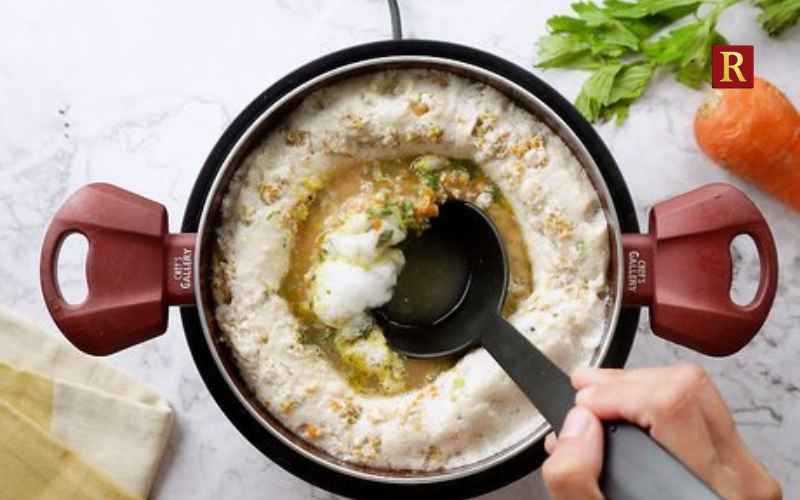
Consommé is one of the clearest examples of a dish whose appearance hides its preparation. The finished product can look like a clear bowl of broth. Getting there is the difficult part. Traditional consommé involves making a concentrated stock and then clarifying it. Egg whites can be used to form a raft that captures suspended particles, leaving a clearer liquid. That means the kitchen is not simply boiling ingredients and serving the resulting liquid. It is controlling temperature, clarification and filtration. There is also a yield issue. The restaurant starts with a larger quantity of raw ingredients and liquid but serves a much smaller quantity of finished consommé. The final bowl may look light. The preparation behind it is not.
5. French Fries: A Potato Requires Several Steps
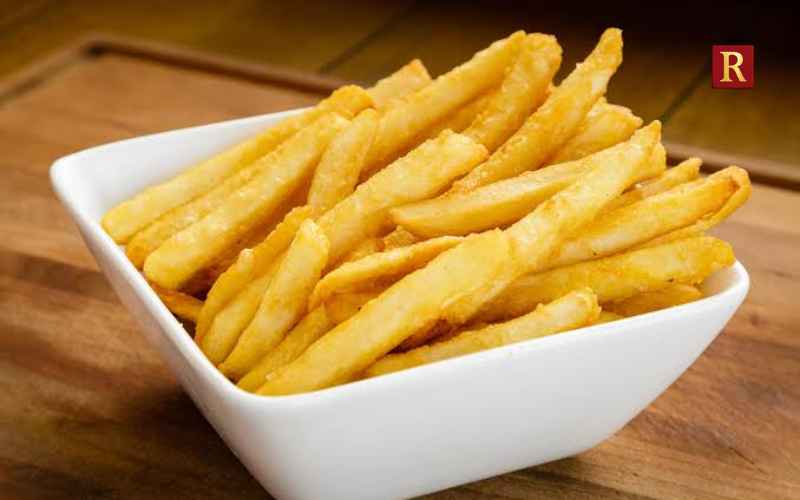
French fries are often considered one of the simplest restaurant sides. But fresh-cut fries can require several stages before they reach the plate. Potatoes need to be selected, peeled or cleaned, cut, washed and dried. Depending on the restaurant's method, they may then be blanched before being fried again at a higher temperature. Oil also becomes part of the operating cost. The kitchen has to manage fryer space, oil quality, preparation time and consistency during service. There is another issue: yield. Not every part of a potato becomes a perfectly shaped fry. Cutting and trimming create waste. So the cost of a serving is not simply the purchase price of the potato. It includes preparation, oil, labour, equipment use and the usable yield.
6. Saffron Rice: When a Few Threads Matter
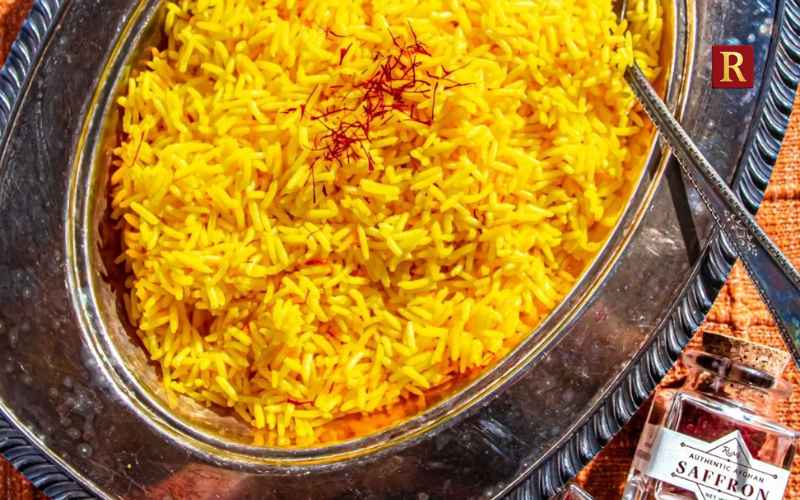
Saffron rice can look extremely simple. Rice forms most of the plate, with a small amount of saffron providing colour and aroma. But saffron is one of the world's most labour-intensive culinary spices. Each saffron flower produces only three stigmas, which are collected and dried. This explains why a tiny visible quantity can have a meaningful ingredient cost. The restaurant may use only a few threads in each portion, but the ingredient itself has already passed through a highly labour-intensive production process. There can also be additional ingredients such as butter, stock, nuts or fried onions depending on the recipe. This creates an important restaurant-costing lesson: The quantity of an ingredient on the plate does not always reflect its value. Sometimes the smallest ingredient carries a disproportionate cost.
7. Onion Soup: Cheap Raw Material, Long Preparation
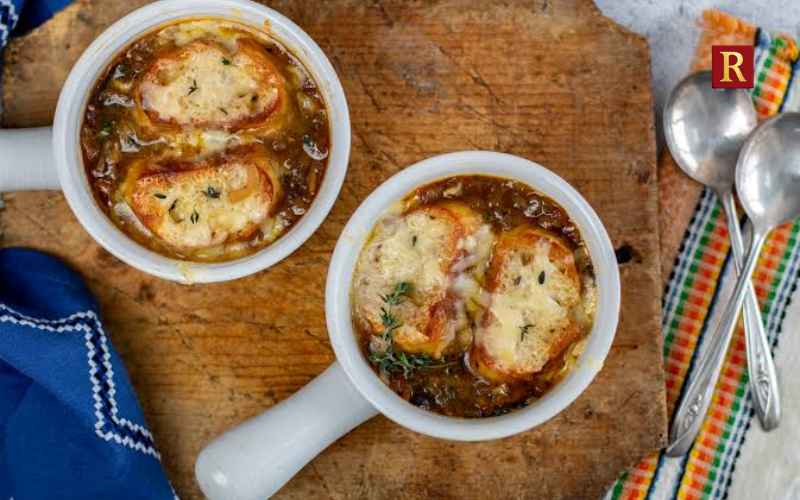
Onions are not generally considered a premium restaurant ingredient. Yet a traditional onion soup can require considerable cooking time. The onions need to be slowly cooked until they develop a deep colour and concentrated flavour. They cannot simply be browned quickly and treated as finished. The soup may then use stock, seasoning, bread and cheese. The cooking process also reduces the onions substantially. A large quantity of raw onions produces a much smaller finished preparation. This is where yield becomes important. The restaurant buys onions by weight. The customer receives a concentrated cooked preparation. The difference between those two weights is part of the real food-cost calculation.
The Real Cost Is Bigger Than the Plate
These seven dishes show different types of hidden restaurant costs.
- Dal makhani: long cooking and repeated finishing
- Risotto: made-to-order attention and stock usage
- Ravioli: manual shaping and portioning
- Consommé: clarification and low final yield
- French fries: preparation, oil and yield management
- Saffron rice: a small quantity of a highly labour-intensive ingredient
- Onion soup: long cooking and major reduction in volume
The common factor is that ingredient price alone does not explain the economics. A restaurant may also need to account for preparation labour, energy, wastage, storage, sauces, garnishes and accompaniments. For example, a dish that uses a low-cost main ingredient can still require an expensive stock, sauce or garnish. A handmade item can have modest ingredient costs but significant labour costs. This is why professional kitchens use recipe costing rather than simply looking at supermarket prices.
What the Guest Sees vs What the Kitchen Does
A useful way to understand restaurant pricing is to compare the plate with the process.
The guest sees: A bowl of dal.
The kitchen handles: Soaking, cooking, masala preparation, simmering, stirring, seasoning and finishing.
The guest sees: A plate of ravioli.
The kitchen handles: Dough preparation, rolling, filling, portioning, sealing, cutting, cooking and sauce preparation.
The guest sees: A bowl of risotto.
The kitchen handles: Stock preparation, measured additions, stirring, timing and final finishing.
That gap between appearance and production is where much of the hidden cost sits. For restaurant operators, the lesson is practical. A dish should be evaluated by its complete recipe, usable yield, labour requirement and contribution margin. For diners, it offers a different perspective. A simple-looking plate is not necessarily a simple product. Sometimes the most important work in a restaurant happens before the dish ever reaches the table.
Looking Ahead!
A simple-looking restaurant dish can carry a complex production cost. Dal makhani depends on time and slow cooking. Risotto needs attention during service. Ravioli requires manual work. Consommé demands technical preparation. Fries involve multiple stages and oil management. Saffron can add significant value in a very small quantity. Onion soup shows how cooking and reduction can change the economics of an inexpensive ingredient. For restaurants, this is why menu pricing cannot be based only on the cost of the main ingredient. Yield, preparation, labour, energy, wastage, sauces and accompaniments all contribute to the final cost of a plate. For diners, the lesson is equally useful. The next time a simple dish carries a higher price, the ingredient list may not tell the whole story. The real work may be happening in the kitchen long before the plate reaches the table.
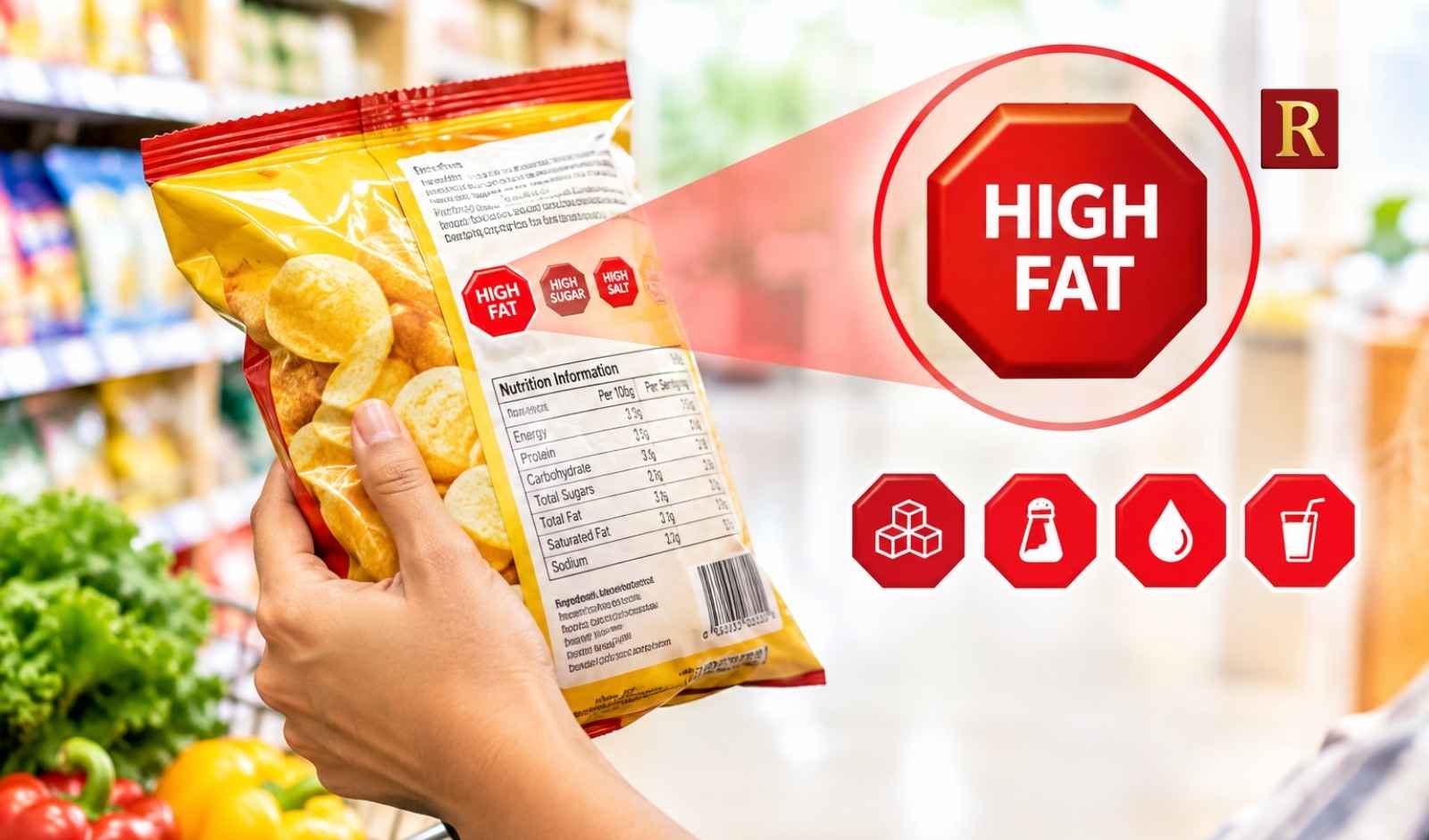
India could soon see a very visible change on packaged food. The Food Safety and Standards Authority of India (FSSAI) has proposed red, hexagonal warnings on the front of food packs to highlight products high in nutrients such as added sugar, fat and salt. The proposal is not yet a final labelling rule. The Supreme Court is still examining how the system should work. On September 10, 2026, the Court questioned FSSAI's initial plan to apply warnings first only to products high in two or more nutrients. FSSAI then said it would consider warnings for products high in even one nutrient. The Court has also sought more clarity on implementation.
If implemented, the label could change how Indians read a biscuit packet, breakfast cereal, namkeen, instant noodle pack or beverage. But a red warning would not mean that a food is poisonous or unsafe. It would be a quick nutrition signal. Here are seven things it could tell consumers.
7 Red Food Warning Labels
1. A Red Label Could Tell You What Needs a Closer Look
Most food information is currently placed on the back or side of a package. Consumers have to find the nutrition table, understand the numbers and then compare products. Front-of-pack labelling is designed to make that process faster. FSSAI's proposal describes the red hexagon as a simple and prominent warning for products high in specified nutrients of concern. The proposed labels include terms such as "HIGH FAT", "HIGH SALT" and "HIGH SUGAR". A "HIGHLY SWEETENED BEVERAGE" warning has also been proposed for relevant drinks. This matters because supermarket decisions can be quick. A shopper may spend only a few seconds looking at a packet. The World Health Organization has noted that front-of-pack systems work as supplementary nutrition information and are intended to help consumers understand products more easily at the point of purchase. The red label, therefore, would not replace the nutrition table. It would act as the first signal to look more closely.
2. "High Sugar" Does Not Mean Every Type of Sugar Is the Same
Sugar is one of the most misunderstood parts of a food label. A product can contain naturally occurring sugars and added sugars. These are not the same thing. The ICMR-National Institute of Nutrition's Dietary Guidelines for Indians, 2024, specifically discuss added sugars. They include sugars and syrups added during processing or preparation, with examples such as sugar, jaggery, honey, glucose, fructose and dextrose. That distinction becomes important when looking at products marketed with words such as "fruit", "natural" or "made with grains". For example, a fruit itself and a sweetened packaged fruit drink should not automatically be viewed as nutritionally identical simply because both use fruit-related language. A proposed warning could help consumers move beyond the large claims printed on the front.
- The useful question would become: What nutrient is actually high in this product?
That is a better way to read the packet than assuming that one word such as "natural" or "multigrain" tells the whole story.
3. "High Salt" Can Reveal Something You Cannot Judge From Taste Alone
Salt is another important part of the debate. Indian consumers encounter packaged salty foods in many forms. Namkeen, instant noodles, savoury biscuits, sauces, packaged soups and ready-to-eat foods can all contribute to salt intake. The ICMR-NIN Dietary Guidelines also identify salt as a nutrient of concern and discuss the role of processed and packaged foods in dietary patterns. The interesting point is that taste is not always a reliable way to compare products. Two products may not taste equally salty, yet their nutritional composition can still be different. A clear front warning could make salt easier to notice before purchase. For a shopper comparing two packets of noodles or two savoury snacks, this creates a simple second step: Look at the warning. Then compare the nutrition information. The goal is not to tell people that every salty food must disappear from their diet. It is to make the amount of a nutrient easier to notice.
4. "High Fat" Needs More Explanation Than a Red Symbol
This may be the most important point for consumers. A red warning about fat should not be interpreted as meaning that all fats are equally harmful. Food labels can distinguish between different types of fat, including saturated and unsaturated fats. The current Indian debate is also focused on how nutrient thresholds should be defined and applied. FSSAI's proposal submitted to the Supreme Court refers to added saturated fat, added sugar and salt as the nutrients of concern for its proposed system. That technical detail matters. A shopper should not see a warning and conclude that the entire product has no nutritional value. Nor should the absence of a warning be treated as proof that a product is automatically healthy.
- The red label would answer one question: Is the product high in a specified nutrient according to the regulatory threshold?
It would not answer every question about the food.
5. A Red Warning Could Make Marketing Claims Easier to Question
Food packaging is designed to attract attention. Words such as "wholesome", "energy", "natural", "fibre-rich" or "made with grains" can influence how consumers view a product before they read its nutrition panel. This creates an interesting role for front-of-pack warnings. Imagine a cereal box carrying a large health-oriented message on the front. Now imagine the same box carrying a prominent warning about a nutrient of concern. The consumer sees both messages at the same time. That could make shoppers more likely to ask what is actually inside the product. The issue is important because front-of-pack labelling is not supposed to function as a complete nutrition assessment. WHO describes it as supplementary information that works alongside mandatory nutrient declarations.
- In simple terms, the front could tell you: "Look here."
- The back can then tell you: "Look closer."
6. A Red Label Would Not Mean the Food Is Unsafe
This distinction needs to remain clear. A nutrition warning is not the same as a food safety warning. If a packet carries "HIGH SUGAR", that does not mean the food is contaminated. "HIGH SALT" does not mean it is adulterated. "HIGH FAT" does not mean the product is illegal. The warning would indicate that the product crosses a defined nutrient threshold. This is why the final design and wording matter so much. FSSAI has proposed using a red hexagonal shape and placing the warning prominently on the front. The proposed text would also use a font size one point larger than the nutrition information table on the back. The Supreme Court has, however, said that several practical aspects of the proposal still need clarification. These include the rollout and the exact operation of the warning system. So consumers should not treat the proposed design as a final rule yet.
7. The Label Could Change What Food Companies Put Inside the Packet
The biggest impact may eventually happen before a consumer even reaches the supermarket. If a warning becomes highly visible, food companies may have a stronger reason to reformulate products. This could mean looking at the amount of added sugar, saturated fat or salt used in a recipe. The World Health Organization identifies reformulation as one of the potential effects of front-of-pack labelling policies.
This is where the policy becomes bigger than packaging.
- A consumer sees a red warning.
- A manufacturer sees a reason to reconsider a recipe.
- Over time, that could affect how packaged foods are developed and marketed.
However, the result will depend on the final Indian rules, the nutrient thresholds and how effectively the system is implemented.
Why This Debate Matters in India
The discussion comes against a significant metabolic-health burden. The ICMR-INDIAB national study included 113,043 people. It found a weighted prevalence of 11.4% for diabetes, 15.3% for prediabetes, 35.5% for hypertension, 28.6% for generalised obesity and 39.5% for abdominal obesity. These numbers do not mean that front-of-pack warnings can solve these problems. They show why clearer information about food composition has become an important public-health discussion. The ICMR-NIN Dietary Guidelines for Indians, 2024, also place attention on nutrients such as fat, sugar and salt and discuss the nutritional concerns associated with different types of processed foods. For India, the challenge is therefore not simply putting a red symbol on a packet. The bigger challenge is making sure consumers understand what the symbol means.
The Interesting Part: One Red Label Cannot Tell the Whole Story
A useful way to think about a future warning label is as a four-step reading system.
- Step 1: Look at the front. Check whether a warning is present.
- Step 2: Identify the nutrient. Is it sugar, salt or fat?
- Step 3: Read the nutrition table. Look at the actual numbers.
- Step 4: Check the ingredients and portion. Understand what the product contains and how much you are likely to eat.
This matters because a warning label would not tell you everything. It would not tell you how much protein or fibre a product contains. It would not tell you whether the food fits your personal diet. It would not replace the ingredient list. It would simply make one important part of the nutrition information harder to miss.
India's Red Label Is Still Being Shaped
The proposal has already changed during the current legal process. FSSAI initially proposed a first phase covering products high in at least two of the specified nutrients, followed by a second phase for products high in one. The Supreme Court questioned why a product high in just one nutrient should initially escape the warning. On September 10, FSSAI told the Court it would consider applying warnings to products high in any one nutrient. The Court has asked for further clarity, and the matter remains under consideration. That means consumers may eventually see a red warning on packaged foods, but the final format, thresholds and implementation timeline should not be presented as settled until the regulatory process is completed. For shoppers, the most useful lesson is simple. A red label would not tell you that a food is "good" or "bad". It would tell you that one part of its nutritional profile deserves attention. And that may be exactly what front-of-pack labelling is meant to do: make an important number visible before the packet disappears into the shopping bag.

India's milk production is growing at a steady pace. The country produced an estimated 247.87 million tonnes of milk in 2024-25, up from 239.30 million tonnes in 2023-24. Milk production has also increased by about 69% since 2014-15. But a larger milk supply brings a larger quality-control challenge.
The issue is not simply whether milk has been diluted or adulterated. Milk quality also depends on animal feed, veterinary medicines, hygiene, chilling, transportation, processing and testing. This makes India's dairy story more complicated. The country has made major progress in producing more milk. The next challenge is making sure quality systems keep pace with that growth.
India Is Producing More Milk Every Year
India remains the world's largest milk producer. According to government estimates, milk production reached 247.87 million tonnes in 2024-25, compared with 239.30 million tonnes a year earlier. That represents a 3.58% increase in one year. The longer-term growth is even more notable.
Milk production increased from 146.3 million tonnes in 2014-15 to 247.87 million tonnes in 2024-25. During the same period, per-capita milk availability increased from 319 grams per day to 485 grams per day. The production base is also spread across several large dairy states. Uttar Pradesh accounted for 15.66% of national production in 2024-25, followed by Rajasthan at 14.82%, Madhya Pradesh at 9.12%, Gujarat at 7.78% and Maharashtra at 6.71%. This scale makes milk quality a national supply-chain issue, not just a local food-safety concern.
Milk Quality Is About More Than Adulteration
Milk adulteration often gets the most attention from consumers. Water, starch and other substances are commonly discussed when milk quality comes up. But food safety goes much further. Milk can also be affected by microbial contamination, veterinary drug residues, pesticide residues, mycotoxins and problems with fat or solids-not-fat levels. This distinction matters. A product can fail a quality standard without necessarily being unsafe to consume. On the other hand, some contaminants can create a genuine food-safety concern. FSSAI's National Milk Safety and Quality Survey of 2018 showed this difference clearly.
The survey covered 6,432 milk samples from 1,103 towns and cities across India. Only 12 samples were classified as adulterated in a way that made them unsafe for human consumption. However, the survey also found wider quality problems. About 41% of samples were below one or more quality parameters or standards, including issues related to fat and solids-not-fat. So the country's milk problem cannot be reduced to the phrase "adulterated milk."
Aflatoxin M1 Shows Why the Problem Starts Before the Dairy Plant
One of the more important milk-safety risks is also one that most consumers rarely think about.
- It is called aflatoxin M1.
Aflatoxins are toxins produced by certain fungi. Aflatoxin M1 can enter milk when dairy animals consume feed contaminated with aflatoxin B1. This means the milk-quality chain can begin before the animal is even milked. In its 2018 survey, FSSAI found aflatoxin M1 above the permissible limit in 368 of 6,432 samples, or about 5.7% of the samples tested. FSSAI's regulations set the maximum limit for aflatoxin M1 in liquid milk at 0.5 micrograms per kilogram. The finding is important because it connects milk safety with feed quality, animal management and storage practices. It also shows why testing only the final packaged product cannot solve every quality problem.
Antibiotic Residues Add Another Layer
Veterinary medicines are another part of the quality equation. Dairy animals may require treatment for infections and other health problems. But milk entering the food chain must comply with applicable residue limits. FSSAI's testing framework includes methods for antibiotics and hormone residues, along with pesticides, mycotoxins, metals and microbiological parameters.
The 2018 milk survey found antibiotic residues above permissible limits in 77 of 6,432 samples, or about 1.2%. This does not mean that India's milk supply is broadly unsafe. It does show why milk surveillance needs to cover more than visible adulteration.
The Real Challenge Is the Farm-to-Fridge Journey
Milk does not move directly from a cow or buffalo to a consumer's refrigerator.
- It can pass through several stages: Farm → collection centre → testing → chilling → transportation → processing → packaging → distribution → retail
Every stage has a role in maintaining quality.
- At the farm level, animal health, feed, water and milking hygiene matter.
- At collection centres, initial testing and rapid chilling become important.
- During transportation, time and temperature can affect microbial quality.
- At processing plants, pasteurisation, laboratory testing, storage and packaging become critical.
This is why India's growing dairy industry needs quality controls across the entire chain.
FSSAI Has Expanded Its Testing Network
India's food-safety system is not without infrastructure. FSSAI has notified 252 NABL-accredited food testing laboratories and 24 Referral Food Laboratories for food analysis and appellate testing.
It has also supported 305 Food Safety on Wheels mobile laboratories across 35 States and Union Territories. These mobile units can perform basic on-the-spot tests for adulteration, including tests involving milk and milk products. FSSAI also has rapid-testing resources for consumers and food businesses. Its Food Safety Magic Box includes 27 tests for dairy and dairy products. The bigger question, therefore, is not simply whether India has testing facilities. It is whether testing, traceability and enforcement can keep pace with the size and complexity of India's dairy supply chain.
Quality Needs to Be Tracked Before Milk Reaches the Consumer
India's dairy growth makes preventive monitoring increasingly important. Testing the final packet is necessary. But it cannot replace controls at earlier stages. Feed quality needs attention because of risks such as aflatoxin M1. Veterinary treatment needs proper controls because of potential residues. Collection centres need reliable testing and chilling. Processors need strong laboratory systems. Transporters need temperature control. This creates a shift in the way milk safety should be viewed.
- The focus needs to move from simply asking "Is this milk adulterated?" to asking "Can we trace and control the quality of this milk throughout its journey?"
That is a much bigger food-safety challenge.
India's Dairy Growth Now Needs a Quality Upgrade
India's milk production story is clearly a success in terms of scale. Production reached nearly 248 million tonnes in 2024-25, while per capita availability reached 485 grams a day. The next phase is different. As more milk enters the food system, quality management has to become more consistent. That means stronger testing at collection points, better traceability, closer monitoring of animal feed and veterinary residues, improved cold-chain systems and faster enforcement when problems are identified. FSSAI already has standards, laboratories, surveillance programmes and mobile testing systems. The task now is to make these systems work effectively across a dairy network that spans millions of producers and a huge geography. India does not simply need more milk. It needs a milk supply chain where production growth and quality assurance grow together.

Indian consumers are changing what they put in their grocery baskets. In the June 2026 quarter, chocolate consumption among households at peak heat risk fell 10% from a year earlier. Milk and food drinks declined 8%, while butter and cheese fell 7%, according to Worldpanel by Numerator data reported by The Economic Times. The change comes as extreme heat pushes households to spend more on electricity, water and cooling. That leaves less room for some food purchases. But heat is only part of the story. Prices, health concerns and changing food habits are also influencing what consumers choose.
The interesting part is that this does not mean India's chocolate or dairy markets are collapsing. Chocolate sales, for example, are still expected to grow over the longer term. One market estimate puts India's chocolate market at USD 2.53 billion in 2025 and projects it to reach USD 3.93 billion by 2031. So, what is really happening inside the Indian grocery basket?
Extreme Heat Is Changing Food Choices
The summer of 2026 has made temperature an important factor in everyday spending. For many households, high temperatures mean higher electricity bills from air conditioners, coolers and fans. Water consumption can also rise. Spending on drinks and other products that help people manage the heat becomes more important. According to the Worldpanel data, chocolate consumption among households at peak heat risk dropped 10% in the June quarter. Milk and food drinks fell 8%, while butter and cheese declined 7%. At the same time, hydration-focused categories performed better.
This is important because it shows how a household can change its food basket without necessarily cutting food spending completely. A family may buy fewer chocolates and cheese packs while spending more on water, juices or other summer products. The money has not disappeared. It has moved.
Chocolate Is Losing Some Summer Occasions
Chocolate has a different position from milk. It is often an impulse purchase, a snack, a small reward or a gifting product. That makes it easier to postpone when household priorities change. Heat can also affect when consumers want to eat chocolate. A cold beverage or a lighter snack can become more appealing during very hot weather. But the recent decline should not be read as a permanent fall in chocolate demand.
India's chocolate market is still expected to expand. Mordor Intelligence estimates a 7.63% compound annual growth rate between 2026 and 2031. It also estimates that milk and white chocolate accounted for 75.56% of the market in 2025, showing how important familiar, sweeter products remain to Indian consumers. At the same time, dark chocolate is forecast to grow faster, at 8.09% annually through 2031. Premium chocolate is also expected to expand at 8.13%. This suggests that the chocolate story is becoming less about simply selling more bars. It is increasingly about which chocolate consumers choose, how much they spend and when they eat it.
Milk Is a More Complicated Story
Milk is different because it is a household staple. It is used for drinking, tea, coffee, cooking, breakfast and several traditional foods. A short-term decline therefore needs to be interpreted carefully. The Worldpanel data combines milk and food drinks in its 8% decline, so it should not be presented as proof that every form of milk consumption fell by exactly 8%. Price also remains an important factor.
AHDB's analysis of India's dairy sector says liquid drinking milk remains the country's most widely consumed dairy product. It also notes that consumers are showing greater interest in nutrition, quality and value-added dairy products. This points to a broader shift. Indian consumers are not simply asking whether they want dairy. They are increasingly asking what they get from it. Milk with an established daily role can remain resilient, while more discretionary dairy products can be affected more quickly by changes in budgets or weather.
Cheese Has Room to Grow, Even After a Short-Term Dip
Cheese may be the most interesting category in this story. The recent 7% decline in butter and cheese consumption among peak heat-risk households does not mean India's cheese market is shrinking. In fact, the longer-term outlook is quite different. AHDB expects demand for processed dairy products in India to grow strongly between 2025 and 2030, with cheese projected to grow 11%. It also expects "other cheeses", including processed cheese, cheddar and mozzarella, to grow faster than the dominant paneer category.
Cheese is also connected to India's expanding food-service market. Pizza, burgers, sandwiches, cafes and modern bakery products all create occasions for cheese consumption. At home, cheese has also moved beyond simple sandwiches into wraps, pasta, snacks and fusion dishes. That means a short-term retail decline can exist alongside long-term category expansion.
The Bigger Issue Is the Household Budget
The most important factor may not be any single product. It is the competition between products. A household has a limited food budget. When the cost of one part of life rises, consumers may change what they buy elsewhere. Consider a simple grocery decision. A family could spend money on a premium chocolate, a cheese pack or a cold beverage. During a normal month, all three may fit into the basket.
During an unusually hot month, the cold beverage may feel more relevant. If household expenses are already higher, the chocolate may be postponed. This is called substitution behaviour. Consumers do not necessarily stop consuming. They move spending towards products they consider more useful at that moment.
Price Is Changing the Way Consumers See Food
Price is another important part of the equation. FMCG companies have been dealing with higher input costs and pricing pressure. Industry data has also shown a gap between value growth and volume growth in the sector. That distinction matters. If a product becomes more expensive, a company can report higher sales value even if fewer units are sold. For consumers, however, the experience is much simpler.
- A chocolate bar costs more.
- A cheese pack feels expensive.
- A smaller pack may become the preferred option.
This can reduce the frequency of purchases without eliminating the category completely. For companies, this makes pack size increasingly important. Smaller packs can keep products within an accessible price point, while larger packs and premium formats can target consumers willing to spend more.
Health Is Changing the Type of Indulgence
Health awareness is another factor, but it should not be overstated. Consumers are showing greater interest in lower-sugar, high-protein, functional and nutrition-focused products. This does not mean people have stopped eating chocolate or dairy. Instead, the definition of indulgence is changing. The growth of dark chocolate is a useful example. Mordor Intelligence expects dark chocolate to grow at 8.09% annually through 2031, faster than the overall chocolate market.
Premium chocolate is also becoming more important. Another industry estimate puts India's premium chocolate market at USD 290.5 million in 2025 and forecasts it to reach USD 481.86 million by 2031. This suggests that consumers can simultaneously become more health-conscious and continue spending on chocolate. They may simply want a different product.
India's Grocery Basket Is Becoming More Selective
The recent numbers reveal a larger change in Indian consumption. Consumers are increasingly deciding based on the occasion. During extreme heat, hydration becomes more important. During festive periods, chocolates can become gifts.
- For fitness-focused consumers, protein can become a priority.
- For families, milk remains a regular household purchase.
- For food-service and home cooking, cheese continues to find new uses.
This means FMCG companies cannot rely only on overall category growth. They need to understand when and why consumers buy a product. That creates opportunities for smaller packs, functional products, reduced-sugar options, seasonal formats and affordable premium products.
The Decline May Be Temporary. The Consumer Shift Is Not
The latest chocolate and dairy numbers should be treated as a snapshot, not a prediction that these categories are disappearing. India's chocolate market is still projected to grow strongly over the next five years. Processed dairy categories such as cheese and yoghurt also have positive long-term growth expectations. What is changing is the route to that growth. Consumers are becoming more careful about price. Weather is influencing consumption occasions. Health concerns are changing product choices. And discretionary foods have to compete with an expanding list of other household priorities. The bigger lesson is simple: Indians are not necessarily buying less food. They are becoming more selective about what earns a place in the basket. For chocolate, milk and cheese brands, the challenge is therefore not just to sell more. It is to remain relevant when the consumer decides what is worth buying today.

A red warning label could soon become a new part of packaged food shopping in India. The Food Safety and Standards Authority of India (FSSAI) has proposed front-of-pack warning labels for foods that are high in nutrients such as added sugar, saturated fat and salt.
The issue has now reached the Supreme Court. On September 11, 2026, the court asked the Centre to provide a definite timeline within 10 days for implementing food warning labels. FSSAI has also indicated that it is open to a stricter approach than its original two-phase proposal. This means the red label is no longer only a discussion about packaging. It could change how consumers read a packet of biscuits, noodles, chips or other packaged foods.
What Is the Red Warning Label?
The proposed system is a form of front-of-pack nutrition labelling. Instead of asking shoppers to turn a packet around and read a detailed nutrition table, a warning would appear prominently on the front. The proposal centres on three nutrients of concern: added sugar, saturated fat and salt. The first proposed phase would cover products that cross the relevant limits for at least two of these nutrients. A second phase would make the system stricter by covering products that cross the limit for any one of them. That two-stage approach is now one of the biggest points of debate.
Why the Two-Nutrient Rule Matters
Consider a simple example. Suppose a packaged snack contains a high level of salt but does not cross the proposed limits for added sugar or saturated fat. Under a system that requires two nutrients to trigger a warning, that product could initially avoid the red label. That is why health advocates have questioned whether the first phase could leave some products without a warning even when one nutrient is present at a concerning level.
The Supreme Court has also asked questions about the science behind the thresholds, the design of the proposed red hexagon and how the system would actually be rolled out. The Centre has now indicated that it is open to stronger implementation, including the possibility of avoiding a long gap between the two proposed phases.
Which Foods Could Be Affected?
The proposal could become particularly relevant to everyday packaged-food categories.
These include products such as:
- Chips and savoury snacks
- Biscuits and cookies
- Instant noodles
- Sweetened beverages
- Breakfast cereals
- Confectionery
- Ready-to-eat meals
- Other processed packaged foods
However, it would be inaccurate to say that every product in these categories will automatically receive a warning. The final outcome will depend on the nutrient thresholds, product classification, exemptions and the rules eventually notified by the regulator. That distinction matters because the framework is still being finalised.
The Back of the Packet Could Become Less Important
Nutrition information already exists on packaged food. The problem is that consumers have to find it, understand it and compare numbers.
- Front-of-pack labelling tries to make that process faster. The idea is simple: the detailed nutrition table provides the data, while the front-of-pack warning makes an important part of that data immediately visible.
The World Health Organization has documented similar systems in several countries. In Chile, for example, packaged foods can carry prominent “high in” warnings for nutrients including sodium, sugars and saturated fat. The country's system uses thresholds based on 100 grams or 100 millilitres, making products easier to compare. This comparison is important for India because serving sizes can differ from one brand to another. A standard reference can make it easier for shoppers to compare two similar products.
Could a Red Label Change the Recipe?
This may be the biggest business impact of the proposed system. A warning label does not necessarily stop at the package. It can influence what goes into the package. Chile's experience provides an example. Its Ministry of Health says the warning-label law encouraged food manufacturers to reformulate products and improve the nutritional profile of foods available in the market.
A similar effect could happen in India. A manufacturer facing a prominent warning could have several choices. It could keep the recipe and accept the label. It could reduce salt or sugar. It could change the type or quantity of fat used. Or it could develop a new version of the product. That could eventually make the regulation a product-development issue, not just a packaging issue.
What About “Healthy” Claims on the Same Packet?
There is another interesting problem. A packet could potentially carry a prominent nutritional warning while also using marketing language such as “wholesome”, “made with whole grains” or “rich in fibre”. This creates a communication challenge.
Which message will consumers notice first? Recent criticism of the proposal has pointed to the need for clearer rules around health-related claims used on packaging, advertising and digital platforms. Without consistent rules, a warning on the front could compete with positive marketing messages elsewhere on the same product. This is why the success of front-of-pack labelling may depend on more than the shape and colour of the warning.
India Is Not Starting From Zero
FSSAI has already explored different approaches to front-of-pack nutrition information. An earlier regulatory proposal considered the Indian Nutrition Rating, a star-based system that could rate packaged food from ½ star to 5 stars. The draft framework considered nutrients such as energy, saturated fat, total sugar and sodium, along with positive nutritional factors. The proposed red-warning approach is different in its basic message.
- A star rating asks consumers to interpret an overall score.
- A warning label tells them that a specific nutritional concern has crossed a defined threshold.
That difference could make the warning system easier to understand at a glance.
What India Can Learn From Chile
Chile's experience is particularly relevant. Its front-of-pack system was designed to make excessive levels of certain nutrients visible without requiring consumers to study a nutrition panel. WHO has reported evidence of changes in purchasing behaviour and product reformulation following implementation. Chile also combined warning labels with restrictions around food marketing to children and the school food environment. India's challenge is larger and more diverse.
The Indian packaged-food market includes everything from multinational brands to regional manufacturers and traditional snacks. It also now has a rapidly expanding quick-commerce sector. That makes implementation and enforcement just as important as the label itself.
The Quick-Commerce Question
There is another place where the red label could matter: the phone screen. Millions of Indian consumers now discover and buy packaged food through online grocery and quick-commerce platforms. FSSAI has said that stricter checks on e-commerce food businesses will begin from October 2026.
That raises a practical question for the future. If a warning is compulsory on the physical packet, should the same warning also be clearly visible in the product image shown online? For a consumer buying a packet of noodles in a 10-minute delivery app, the digital product page may be the first point of contact with the food. This could eventually make front-of-pack labelling a digital retail issue as well.
The Numbers Behind the Debate
3 key nutrients are at the centre of the proposed system: added sugar, saturated fat and salt.
- 2 phases were originally proposed by FSSAI.
- 10 days is the timeline the Supreme Court has given the Centre to provide a roadmap for implementation.
- 2016 was the year Chile's mandatory front-of-pack warning system began coming into effect.
The WHO has also documented evidence that Chile's system contributed to changes in purchasing behaviour and product reformulation.
What Happens Next?
For consumers, the most important point is that the red warning label is not yet a blanket rule on every packaged food product in India. The regulatory framework is still evolving. The Supreme Court's latest intervention, however, has made the issue much more immediate. The Centre now has to provide a timeline, while FSSAI has signalled that it is open to a stricter implementation approach. If the framework moves forward, the change could be visible every time a consumer picks up a packet from a supermarket shelf. But the real impact will be measured beyond the colour of the label. Will consumers change what they buy? Will companies reformulate products? Will online grocery platforms show the warnings clearly? And will the final rules apply the same standard to products that are high in only one nutrient? Those answers will determine whether India's red warning label becomes a meaningful tool for better food choices or simply another symbol on a crowded packet. For now, one thing is clear: the debate is moving from whether packaged food needs clearer warnings to how strict those warnings should be and when consumers will actually see them.
For years, canned food had a simple image: something to keep at the back of the cupboard for emergencies. It was useful when fresh food was unavailable, but rarely treated as an exciting everyday ingredient. That perception is changing. Canned chickpeas can become hummus or chaat. Canned tomatoes can become pasta sauce. Corn can go into a salad, sandwich or bowl. Beans can become a quick dinner. The appeal is no longer only about how long a can lasts. It is also about how quickly it can help put a meal together.
This shift fits into a larger change in Indian eating habits. India's ready-to-cook food category grew 58% in 2024 and added 18 million households, according to Kantar Worldpanel data reported by The Economic Times. The overall packaged-food market grew by about 8% during the same period. The numbers do not represent canned food alone, but they show how strongly convenience is influencing food choices.
From Emergency Supply to Everyday Shortcut
Canned food was designed around a practical problem: how to preserve food for longer periods without refrigeration. That same feature now solves a very different problem. A working professional may not have time to soak chickpeas overnight. A small household may not want to buy fresh ingredients for every meal. A student may not have the equipment or time for elaborate cooking. A can can remove some of those steps.
This is why canned food is better understood as a cooking shortcut, rather than simply an emergency product. The difference is important. Consumers are not necessarily looking for a complete canned meal. They may want an ingredient that is already cooked, preserved and ready to use. That makes canned food part of a growing idea in modern cooking: ready-to-transform food.
The Pantry Is Becoming More Important
The traditional refrigerator-first kitchen depends on frequent shopping. Fresh vegetables, dairy, meat and other perishables need to be bought and used within a relatively short period. A pantry works differently. It allows people to keep ingredients ready for a future meal. Canned food sits comfortably in this system.
A can of beans does not need to be used tonight. A can of tomatoes can wait for the weekend. A can of corn can become useful when there is suddenly a need for a quick lunch. This creates a new role for the pantry. It is not simply a place where food is stored. It is increasingly a place where meal options are stored. That is particularly relevant for urban households where time, rather than access to food, is often the bigger constraint.
What Makes Canning Technically Different?
Canned food is not simply fresh food placed inside a metal container. Commercial canning involves controlled processing and packaging designed to make food shelf-stable. For low-acid canned foods, factors such as acidity, water activity, processing temperature and time, and the integrity of the sealed container are important to food safety.
The US Food and Drug Administration defines low-acid canned foods as products with a finished equilibrium pH above 4.6 and water activity above 0.85, with specific regulatory requirements for commercial processors. This is one reason the humble can deserves more credit than it usually gets. Its long shelf life is not an accident. It is the result of food science, thermal processing and controlled packaging. The sealed container also helps prevent contamination after processing. So when consumers open a commercially produced can, they are not simply opening “old food.” They are opening a product that has gone through a carefully controlled preservation process.
Shelf-Stable Does Not Mean Forever
There is also an important distinction between shelf life and best quality. According to the USDA, high-acid canned foods such as tomatoes and many fruits generally retain their best quality for about 12 to 18 months. Low-acid canned foods such as vegetables and meat can retain best quality for around two to five years when stored correctly. That does not mean every can should simply be forgotten for five years.
Storage matters. Cans should be kept in a cool, clean and dry place. USDA guidance also recommends avoiding cans that are leaking, bulging, badly dented or heavily rusted. This is also where the idea of canned food as an “emergency-only” product becomes outdated. If a product is sitting unused for years, consumers are missing its most useful quality: convenience.
The Bigger Problem Is the Word “Processed”
Canned food also faces a perception problem. For some consumers, “processed” automatically means unhealthy. But processing is not one single category. Canning is a preservation method. The more useful question is what the product contains. A can of chickpeas with a simple ingredient list is very different from a heavily seasoned canned meal containing large amounts of sodium, sugar or added fat.
Consumers should therefore look beyond the word “canned” and check:
- Ingredient list
- Sodium levels
- Added sugar
- Protein and fibre
- Serving size
- Added oils or sauces
- Overall nutritional profile
This makes canned food neither automatically healthy nor automatically unhealthy. It depends on the product.
Why Canned Ingredients Could Win the 15-Minute Meal
The strongest opportunity may not be canned meals at all. It may be canned ingredients. Consider a weekday dinner. Fresh tomatoes need washing and chopping. Dry chickpeas need soaking and cooking. Fresh corn needs preparation. Dried beans need considerable cooking time. Canned versions can remove some of those steps.
That does not eliminate cooking. It changes the work involved. A bowl can be built with canned chickpeas, fresh vegetables, herbs and a dressing. A quick pasta sauce can begin with canned tomatoes. Canned beans can become the protein base of a rice bowl. The consumer is still cooking. They are simply spending less time on preparation. That distinction could become increasingly important as India's convenience-food market develops.
Fresh and Canned Are Not Opposites
The future of canned food does not need to be a fight between fresh and packaged food. The two can work together.
Think of a meal containing fresh coriander, onions and vegetables alongside canned chickpeas.
- Or a pasta dish made with fresh herbs and canned tomatoes.
- Or a grain bowl using fresh greens and canned beans.
This hybrid approach may be closer to how modern consumers actually cook. Fresh ingredients provide texture and freshness. Canned ingredients provide reliability and speed. The result is not an “all-canned” meal. It is a faster meal.
India's Pantry Culture Creates an Interesting Opportunity
India already has a strong pantry culture. Pulses, rice, spices, pickles, papads and other shelf-stable foods have long been part of Indian kitchens. Canned food therefore does not need to teach Indian consumers how to stock a pantry. The bigger opportunity is to make shelf-stable formats more relevant to modern cooking.
Imagine canned Indian chickpeas positioned not as emergency supplies, but as a quick base for chaat, wraps or curries. Think of canned regional vegetables, beans, fruits or cooking ingredients presented around specific meal occasions. This could move canned food from “something I keep” to “something I plan meals around.”
The New Meaning of Convenience
The canned-food story is ultimately not about cans becoming fashionable. It is about convenience becoming more sophisticated. Consumers are moving beyond the idea that convenient food must always mean a ready-to-eat meal. Sometimes convenience means having one ingredient already prepared when dinner needs to happen quickly. That gives canned food a new role. It can be a backup ingredient for an unplanned dinner, a shortcut for a busy weekday or simply a reliable pantry staple. The emergency has changed. It may no longer be a natural disaster or a power cut. Sometimes it is simply 8 p.m., there is little in the refrigerator, and dinner still needs to happen. That is where the humble can may be finding its second life.
Freeze-dried food is moving beyond trekking packs and emergency supplies. In India, it is increasingly appearing as fruit snacks, ready-to-eat meals, beverage ingredients and food components used by other brands. The appeal is simple: remove most of the water, while keeping much of the food's original structure, flavour and quality.
The process is different from ordinary dehydration. Food is first frozen. It is then placed under a vacuum, where the ice changes directly from solid to vapour. This process is called sublimation. The result is a lightweight product that can be stored for long periods when it is properly processed and packed. The trend is also gaining commercial momentum. IMARC estimates that India's freeze-dried food market will grow from US$122.6 million in 2025 to US$144.7 million in 2026 and could reach US$361.1 million by 2034, representing a projected CAGR of 12.11%.
From Fresh Food to Shelf-Stable Food
The biggest advantage of freeze-drying is water removal. Water is essential for fresh food, but it also contributes to spoilage. Once much of that water is removed, microbial growth and several deterioration reactions can be slowed. A 2026 review notes that properly freeze-dried products can often achieve very low water activity, sometimes below 0.2. Water activity measures how much water is available for microorganisms and chemical reactions.
This is why freeze-drying has applications across fruits, vegetables, dairy products, beverages, meat and ready-to-eat foods. It is no longer limited to one type of product. But there is an important distinction. Removing water does not automatically make every food healthy or nutritionally superior. The final nutritional profile still depends on the original ingredient and the processing conditions.
What Makes Freeze-Drying Different?
Conventional drying usually uses heat to remove moisture. Freeze-drying works differently. The food is first frozen. During the primary drying stage, ice is removed through sublimation under vacuum. A secondary drying stage then removes remaining moisture. Freezing rate, temperature, pressure and the composition of the food can all affect the final product.
This process can help maintain the food's structure. That is why a freeze-dried strawberry can remain light and porous instead of becoming the dense, leathery texture associated with some conventional dried fruit. The porous structure also helps the food absorb water when it is rehydrated. USDA notes that freeze-dried foods can retain their original flavour, texture and nutrients, although the degree of retention varies by product and process.
Why Indian Consumers Are Starting to Notice It
Convenience is a major part of the story. Urban consumers increasingly want food that can fit into office bags, travel luggage and kitchen cupboards without requiring constant refrigeration. Freeze-dried products can fit that need. Consider freeze-dried fruit. A pack of mango, strawberry or banana can be eaten directly as a snack. It can also be added to yoghurt, cereal, smoothies or desserts.
The same principle works for meals. Freeze-dried meals can be rehydrated with water, making the format useful for travel, outdoor activities and situations where cooking facilities are limited. This is one reason the category is becoming relevant to working professionals, travellers, fitness-focused consumers and younger shoppers looking for convenient food formats.
The Interesting Opportunity: Indian Food
The bigger opportunity may not be imported berries or novelty snacks. It could be Indian food itself. India has a huge variety of regional meals, fruits, vegetables and ingredients. Some have short seasonal windows. Others are difficult to transport in their fresh form. Freeze-drying creates the possibility of converting some of these foods into lighter and longer-lasting formats. Think of products such as khichdi, poha, upma, vegetable meals, regional fruits and other prepared foods. Indian food companies are already exploring this space. The market includes freeze-dried ready-to-eat meals alongside fruits, vegetables and other products. IMARC also identifies hotels, restaurants, households and the wider food-and-beverage industry as end-user segments. This creates an interesting business opportunity: preserving the convenience of packaged food without completely losing the identity of familiar Indian meals.
Freeze-Dried Food Is Also Becoming an Ingredient
The consumer pack is only one side of the market. Freeze-dried ingredients can also be used by food manufacturers. The technology is finding applications in bakery, confectionery, dairy and snacks. Freeze-dried strawberries, for example, can be incorporated into chocolate, cereal, granola, yoghurt and desserts. This gives manufacturers a way to add flavour, colour and texture without introducing large amounts of water into the product.
That makes freeze-drying more than a preservation method. It can also become a product-development tool. The global market reflects this broader use. IMARC estimates the global freeze-dried food market reached US$3.1 billion in 2025 and could reach US$5.6 billion by 2034.
The Nutrition Question Needs More Care
Freeze-dried food often carries a health-focused image. Some of that comes from the processing method. Because freeze-drying uses low temperatures during sublimation, it can reduce some of the thermal damage associated with heat-based drying. Research has found that freeze-drying can help retain heat-sensitive vitamins, polyphenols and other bioactive compounds in many foods.
But consumers should look beyond the processing method. A freeze-dried fruit product can still contain naturally concentrated sugars. A freeze-dried meal can still be high in sodium. Added sugar, salt and other ingredients remain important. There is also a simple weight issue. When water is removed, nutrients and calories can become more concentrated per 100 grams. That does not mean the food has gained nutrients. Most of the change comes from removing water. This is an important distinction as the category becomes more mainstream.
Packaging Is a Critical Part of the Process
Freeze-drying does not end when the food leaves the machine. Packaging matters. Freeze-dried food is vulnerable to moisture. If it absorbs humidity from the air, its crisp texture can deteriorate and its stability can be affected. USDA recommends moisture-proof, hermetically sealed packaging for freeze-dried foods. In practical terms, the package is almost part of the preservation technology itself. A well-processed product can still lose quality if it is exposed to moisture after drying. This is particularly relevant in India, where high humidity in several regions creates an additional packaging challenge.
The Biggest Limitation Is Cost
Freeze-drying offers several advantages, but it is not an inexpensive process. The equipment requires freezing and vacuum systems. Processing can also be energy-intensive and take longer than some conventional drying methods. A 2026 review identifies high energy requirements and operating costs as important limitations to wider industrial adoption.
That cost eventually reaches the consumer. This explains why a small packet of freeze-dried fruit can cost considerably more than fresh fruit. The question for food companies is therefore not simply whether freeze-drying works. It is whether the additional shelf life, convenience, quality and portability justify the premium price.
What Comes Next for Freeze-Dried Food?
The next phase could be less about selling freeze-dried food as a novelty and more about integrating the technology into everyday products.
Possible growth areas include:
- Freeze-dried regional Indian meals
- Fruit-based premium snacks
- Freeze-dried ingredients for chocolate and desserts
- Travel and outdoor meals
- Instant breakfast products
- Food-service ingredients
- Seasonal fruit preservation
- Premium gifting
- Lightweight food for long-distance travel
The Indian freeze-dried fruit segment alone was valued at US$110.5 million in 2025, with IMARC projecting it could reach US$210.3 million by 2034 at a 7.19% CAGR. That suggests the opportunity is not confined to one niche.
A New Role for an Old Preservation Idea
Freeze-dried food is gaining attention because it solves several modern food problems at once. It reduces weight. It extends shelf stability. It can preserve the structure and sensory qualities of many foods. It works for snacks, meals and ingredients. And it fits consumers who want food that is easier to store, carry and use. But the category still has challenges. Energy consumption, processing costs, packaging and consumer pricing will determine how far it can scale. The most interesting shift is therefore not simply that consumers are buying freeze-dried strawberries or ready meals. It is that freeze-drying is moving from a specialist preservation technique into a wider food-development technology. For India's food industry, that could open an especially interesting path: taking familiar fruits, ingredients and regional meals and giving them a new format without making them unrecognisable. That is where the category could become much more than another packaged-food trend.
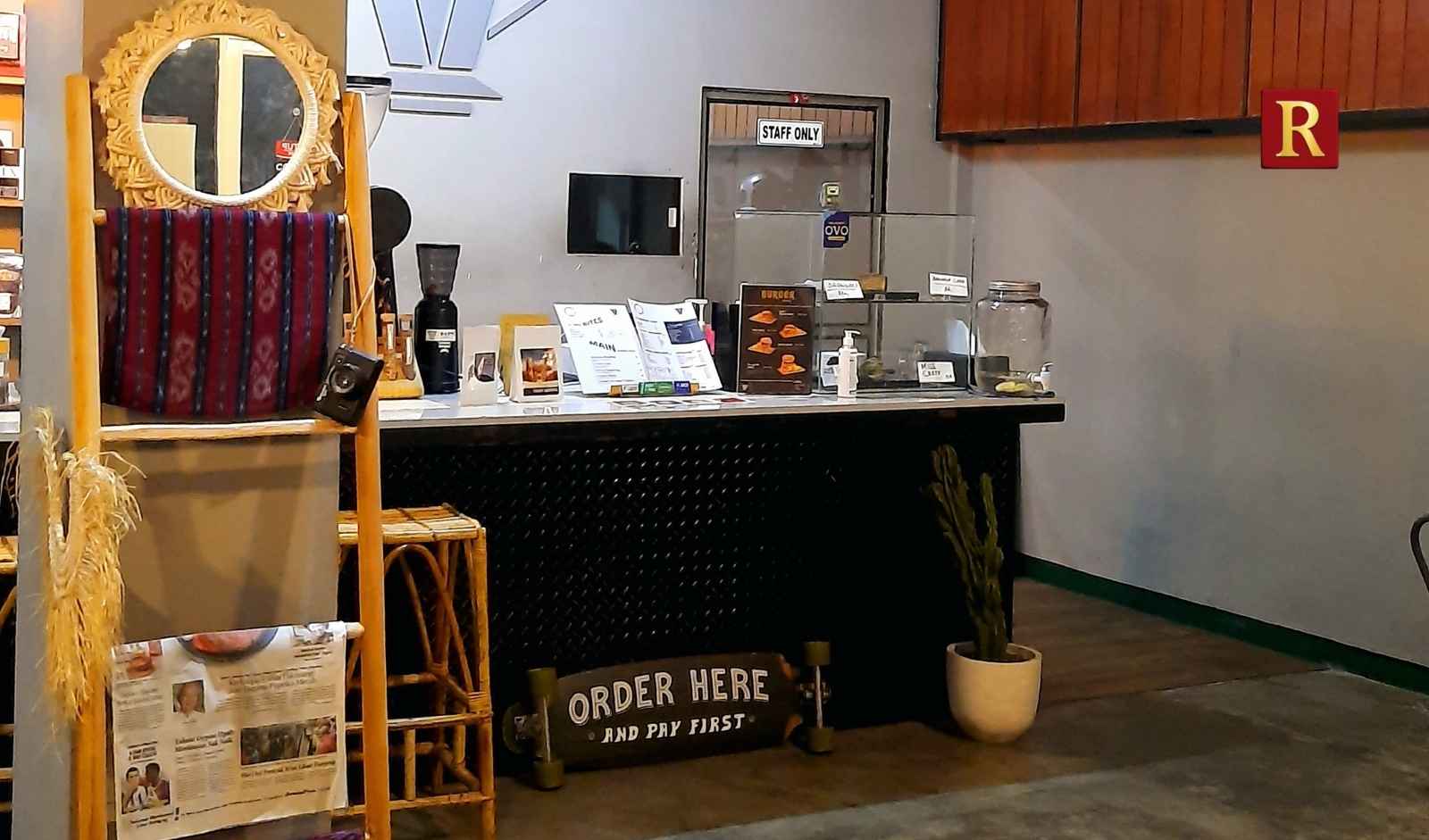
A small café does not need an expensive interior to feel well designed. It needs a layout that uses limited space carefully, furniture that serves a purpose and lighting that makes the room comfortable. For a 150–500 sq ft café, every decision matters. A bulky table can reduce circulation. A badly placed counter can create a queue problem. Even decorative storage can become difficult to clean. The smarter approach is to make individual design elements perform more than one job. This is particularly useful for independent café owners in Indian cities, where rent, fit-out costs and available floor area can put pressure on the opening budget. A low-cost interior should therefore focus on space efficiency, durability, customer comfort and a recognisable visual identity, rather than simply adding inexpensive décor.
First, Plan the Café Around Its Actual Size
A useful starting point is to match the café format with the available area. A 100–150 sq ft space is more suited to a grab-and-go format, while 150–300 sq ft can accommodate a small café with limited seating. A 300–500 sq ft outlet has more scope for a proper dine-in layout.
Before choosing colours or furniture, map five things: Entry → ordering → payment → preparation → pickup → seating
Then map the staff route separately. This prevents a common mistake: designing the room around how it looks in a photograph instead of how it works during a busy service.
1. Replace a Regular Table With a Wall-Facing Coffee Bar
A conventional table needs floor space for the tabletop, legs and chairs. A wall-facing counter can provide seating while keeping the centre of the café open. Install a slim ledge along a wall with compact stools. Add small shelves underneath or hooks for bags. The counter can serve solo coffee drinkers, students working on laptops or customers waiting for takeaway orders.
The clever part: one wall becomes seating + workspace + charging zone.
For very small cafés, wall-facing counters and compact two-seaters are among the practical ways to preserve circulation.
2. Build a Bench That Is Also a Storage Unit
A built-in bench is more than seating.
The base can hide storage for:
- Extra cups
- Napkins
- Cleaning supplies
- Packaging
- Small inventory
- Café merchandise
The back can become a display shelf for coffee beans, books, ceramics or local products.
This creates a simple three-layer furniture system:
- Top: seating
- Base: storage
- Back: display
The important detail is accessibility. Storage that looks good but cannot be opened or cleaned easily is not efficient café design. Vertical and under-counter storage are widely recommended for compact cafés because they reduce clutter while preserving floor area.
3. Turn One Wall Into a Rotating Story Wall
Skip the predictable neon quote. Instead, create one wall that changes throughout the year.
A simple rail, pegboard or modular panel system can display:
- Local artwork
- Coffee-origin maps
- Customer sketches
- Seasonal menus
- Photographs
- Small product displays
- Stories about ingredients
This is more useful than permanent decoration because the wall can evolve. It can also give customers something new to notice during repeat visits.
Design principle: make the wall a communication tool, not just a background for photographs.
4. Use the Ceiling Without Building an Expensive False Ceiling
Small cafés often run out of wall and floor space. The ceiling is the third dimension that remains.
Use it selectively for:
- Pendant lights
- Lightweight display elements
- Hanging greenery
- Acoustic treatments
- Visual zoning
But avoid filling the ceiling simply because space is available. For example, a café with a natural or industrial look could use a simple ceiling treatment with carefully positioned lights rather than constructing an elaborate false ceiling. A Pune compact café project, for example, combines natural wood, a metal-mesh ceiling, greenery and pendant lighting while accommodating 16 guests in a small footprint. The lesson is not to copy the style. It is to understand that the ceiling can contribute to identity without consuming floor space.
5. Create Depth With One Strategic Mirror
Mirrors can make a compact café appear visually deeper by reflecting light and parts of the room. But covering every wall with mirrors is unnecessary. Choose one strategic location, preferably where it can reflect daylight or an attractive part of the interior.
Pair it with:
- A slim shelf
- A plant
- A textured wall
- Soft lighting
This creates depth without a structural renovation. The objective is not to make the café look twice as large. It is to reduce the visual heaviness that can make a small room feel cramped.
6. Design a "No-Table Table"
One of the most useful alternatives to traditional café furniture is a continuous ledge. Imagine a narrow surface running along part of the wall.
It can function as: Dining table + laptop desk + waiting surface + display shelf
Use individual stools beneath it. This approach is particularly useful for cafés where many customers visit alone or in pairs. It also reduces the visual clutter created by multiple table legs. Flexible furniture and mixed seating types are recommended for compact café layouts because customers use cafés for different purposes, including quick meals, socialising and working.
7. Make Second-Hand Furniture Look Intentional
Reusing furniture can reduce the fit-out burden, but randomly mixing old pieces can make the café look unfinished. Instead, give different pieces one common design language.
For example:
- Different wooden chairs with the same finish
- Mismatched chairs in one colour family
- Old stools with identical cushions
- Reclaimed tables with the same tabletop finish
The furniture can still be different while the room looks cohesive. This is where paint, upholstery and consistent hardware can do more work than expensive new furniture. However, don't reuse anything that has unsafe wiring, structural damage, unstable joints or surfaces unsuitable for food-related use.
8. Use Lighting to Create Invisible Zones
A small café does not always need physical partitions. Lighting can create different zones instead.
Use three basic layers:
- Ambient lighting: Provides general illumination.
- Task lighting: Supports activities such as preparing coffee, reading menus and working at the counter.
- Accent lighting: Highlights a wall, product display or architectural feature.
For example, the entrance can be bright and clear, the coffee counter can have stronger task lighting, while seating can have softer illumination. This makes the café feel organised without adding walls. Lighting should be planned according to activity rather than simply placing identical lights in a grid. There is also a food-safety reason to take lighting seriously. FSSAI guidance calls for adequate lighting for hygienic operations and protected lighting fixtures where breakage could contaminate food.
9. Turn the Menu Into Part of the Interior
A menu does not have to be a separate board attached to the wall. Make it part of the café's visual identity.
One option is an ingredient journey: BEAN → ROAST → BREW → CUP
Another could explain the story behind a signature drink or local ingredient. Use magnetic panels, slim wooden boards or interchangeable cards so seasonal items can be changed easily.
This creates: Menu + branding + education + décor
It also reduces the need to buy decorative artwork simply to fill an empty wall.
10. Follow the "One Material, Five Jobs" Rule
Choose one affordable material and repeat it across the interior.
Plywood, for example, could become:
- A counter façade
- Wall shelving
- Bench seating
- Menu boards
- Table surfaces
Cane can similarly appear in selected furniture, cabinet fronts and lighting shades. The benefit is visual consistency. A small room can become visually busy when too many finishes, colours and textures compete for attention. A restrained material palette makes the design feel deliberate. However, the material must be appropriate for its location. FSSAI requirements emphasise cleanable, non-toxic and suitable surfaces in food premises, while floors should be designed with hygiene and maintenance in mind.
The Smartest Low-Budget Café Design
The most important spending decisions usually happen before the first decorative item enters the café.
Spend first on:
- Electrical work
- Plumbing
- Ventilation
- Food-preparation surfaces
- Equipment placement
- Comfortable seating
- Lighting
- Counter functionality
Save on:
- Excessive decorative objects
- Unnecessary partitions
- Over-designed ceilings
- Too many custom furniture pieces
- Trend-heavy finishes
- Large amounts of wall art
This distinction matters because an attractive café can still fail operationally. FSSAI guidance requires adequate ventilation to remove smoke, fumes, steam and vapours. It also stresses that ventilation should be designed so air does not move from contaminated areas into clean areas. So the cheapest option is not always the most economical one in the long run.
A Simple Rule for a 300–500 Sq Ft Café
Before approving any design element, ask three questions:
- Does it save space?
- Does it improve the customer experience?
- Does it help the staff operate the café?
If it does two of these three things, it is probably worth considering. If it does none of them, it may simply be taking up valuable space.
Final Takeaway
A small café does not need to imitate a luxury coffee shop. Its strongest design can come from working with its limitations. A wall can become a counter. A bench can become storage. A menu can become décor. Lighting can replace partitions. One material can connect the entire room. The result is not necessarily the most expensive café on the street. It is a café where space, money and design decisions are being used deliberately. For an independent café owner working with a limited budget, that is often the more useful definition of good interior design.
A food can start in a small community, a specialist shop or a regional kitchen and still end up in supermarkets and cafés around the world. Greek yogurt, hummus, matcha, quinoa and kombucha are good examples. Their rise was not driven by one trend alone. Better distribution, changing tastes, health-focused eating, restaurant culture, new formats and strong branding all played a role.
10 Niche Foods
1. Greek Yogurt

Greek yogurt is one of the clearest examples of a niche food becoming a major commercial category. When Chobani entered the US market in 2007, Greek yogurt had very little presence in mainstream American yogurt. The company focused entirely on the category and placed its products in mass-market channels rather than limiting them to specialist stores. The strategy worked. Chobani reported approximately $1.1 billion in net sales in 2013, only six years after its first cups reached New York shelves. Its SEC filing also shows that Greek yogurt's share of the US spoonable yogurt market increased from 4.4% in 2009 to 46.3% in 2021. The product also had an easy selling point. Straining yogurt creates a thicker texture and concentrates its protein compared with many conventional yogurts.
- The lesson: A niche food can grow quickly when its nutritional or functional benefit is easy to understand and the product becomes widely available.
2. Hummus
Hummus did not become popular because consumers suddenly discovered chickpeas. It became mainstream because an established food culture was introduced to new markets in an accessible format. In the UK, Waitrose began selling packaged hummus in 1987. Other supermarkets followed during the 1990s. Restaurants and chefs also helped introduce more consumers to Middle Eastern food. Its versatility helped even more. Hummus could be served with pita, vegetables, sandwiches and snack plates. It could also be flavoured with ingredients such as roasted peppers, beetroot or herbs. By 2013, a survey cited by The Guardian found that 41% of British people had hummus in their refrigerator.
- The lesson: Familiar formats can make an unfamiliar cuisine easier for mainstream consumers to adopt.
3. Quinoa
Quinoa has been cultivated in the Andes for thousands of years. It was not created as a modern health food. Its global image changed as international demand increased. The United Nations declared 2013 the International Year of Quinoa. FAO highlighted its nutritional value, cultural history and potential contribution to food security. The numbers show how quickly demand grew. Global quinoa trade was below 2,000 tonnes a year until 2000. By 2012, world exports had reached about 40,000 tonnes. Bolivia's quinoa exports rose from 10,000 tonnes in 2007 to 26,000 tonnes in 2012. Quinoa also fitted the needs of modern consumers. It is eaten like a grain but is technically a seed and is naturally gluten-free.
- The lesson: Traditional ingredients can enter global markets when their nutritional and culinary qualities fit new consumer needs. But rapid commercialisation also needs to be considered alongside producer livelihoods and food security.
4. Sriracha
Sriracha shows that restaurants can act as powerful launchpads for niche products. Huy Fong Foods' Sriracha became popular through Asian restaurants and specialist food communities before reaching a much wider audience. Its distinctive combination of chilli, garlic, vinegar, sweetness and salt also made it easy to use beyond Asian dishes. An Oxford Academic study notes that Huy Fong sold 20 million bottles in 2012, placing it just outside the top 10 best-selling US condiments. One remarkable detail is that the family-owned company had never relied on conventional advertising. Consumers effectively became part of the marketing engine.
- The lesson: Strong flavour, repeat use and word-of-mouth can sometimes do more than traditional advertising.
5. Matcha

Matcha has a long history in Japanese tea culture. Its modern global rise, however, has been closely connected with cafés and beverage innovation. Starbucks added its Green Tea Latte in 2006. By 2026, the company described matcha as a multimillion-dollar beverage category and said tea revenue had increased by more than 70% across its US company-operated coffeehouses. The important shift was format. Matcha moved from traditional preparation into lattes, iced drinks, desserts and ready-to-use products. This made it easier for consumers to try without learning the full traditional tea ritual.
- The lesson: Format innovation can remove the cultural or practical barriers around a niche product.
6. Kombucha

Kombucha was once closely associated with home fermentation and natural-food communities. GT's story provides a useful example. In 1995, GT began bottling kombucha at home and sold its first two cases to Los Angeles health-food store Erewhon. In 1999, the company entered Whole Foods stores across California. By 2005, it had moved into a larger brewing facility to support national distribution. The commercial opportunity came from turning a traditionally fermented drink into a convenient bottled beverage. However, its health story needs care. Fermentation and its ingredients make kombucha interesting, but broad claims about medical benefits should not be presented as established facts.
- The lesson: A specialist food can reach the mass market when its traditional process is converted into a convenient, consistent product.
7. Coconut Water
Coconut water demonstrates how packaging can create an entirely new market. When Vita Coco launched in the US in 2004, the company estimated that the country's coconut-water category was worth less than $10 million. By 2020, the category had reached approximately $658 million in US retail sales, according to Euromonitor data cited in the company's SEC filing. Aseptic packaging was important because it allowed coconut water to be processed and sold beyond the markets where fresh coconuts were readily available. It was then positioned as a convenient, natural beverage with electrolytes and potassium.
- The lesson: Distribution and packaging can be as important as the ingredient itself.
8. Kale
Kale is different from quinoa or matcha because it was never truly exotic in many regions. Its transformation was about perception. Whole Foods notes that food writer Melissa Clark helped spark the American raw-kale-salad trend after visiting a Brooklyn restaurant in 2007. By the early 2010s, kale had moved into smoothies, salads, soups and packaged snacks. Innova Market Insights reported that global product launches containing kale more than tripled over the five years to the end of 2012.
- The lesson: Food marketing can change how consumers see an existing ingredient. A vegetable can become a lifestyle product when its image changes.
9. Chia Seeds

Chia is another ancient food that found a new audience through modern wellness culture. In 2009, FoodNavigator reported the launch of what its producer described as the first organically certified chia seed product in North America. At the time, chia was being positioned as a source of omega-3 fatty acids, fibre and protein. Its commercial appeal was not only nutritional. When soaked in liquid, chia develops a gel-like texture. This makes it useful in puddings, smoothies, breakfast bowls and bakery products. That functional quality helped it move from a specialist ingredient into everyday recipes.
- The lesson: Ingredients with both a strong nutritional story and useful food functionality have more opportunities across categories.
10. Avocado
Avocado's mainstream journey shows the power of restaurants, food media and visual culture. Avocado toast began appearing in modern café culture in the 1990s. Sydney chef Bill Granger served a version at Bills in 1993, while New York's Café Gitane became closely associated with the dish in the US from the mid-2000s. The dish worked because it was simple. Toast provided a familiar base. Avocado added creaminess, colour and a distinctive texture. Social media then made the dish highly visual and easy to reproduce.
- The lesson: A familiar base can help consumers adopt a new ingredient. Presentation can then turn that combination into a cultural trend.
What These 10 Foods Have in Common
- The journey from niche to mainstream usually follows a similar path: Traditional or specialist food → early adopters → restaurants and food media → product innovation → wider retail → everyday consumption
Health was important for products such as quinoa, chia, kale and Greek yogurt. Convenience mattered for hummus, kombucha and coconut water. Restaurants helped introduce sriracha, matcha and avocado to wider audiences. For food brands, the bigger opportunity is not simply finding the next “trendy” ingredient.
It is asking five practical questions:
- Can consumers understand it?
- Can they use it easily?
- Can it work in more than one format?
- Can retailers distribute it at scale?
- Can restaurants or creators give people a reason to try it?
That is where a niche food can become a mainstream product.
India's Next Mainstream Food
India offers a particularly interesting opportunity because many ingredients already have established local food cultures. Millets, fermented foods, regional grains, traditional drinks and indigenous ingredients can follow a similar path if they are presented in formats that fit modern consumption. A traditional ingredient does not necessarily need to be reinvented. It may simply need better packaging, wider distribution, clearer communication and more occasions for use. The next big food trend, therefore, may not always come from a new ingredient. It could come from an old one finding a new audience.
A restaurant-style flavour no longer has to stay inside a restaurant. It can now arrive at home in a sauce bottle, instant meal, seasoning pouch, frozen snack or ready-to-cook pack. For FMCG brands, this shift is creating a new route to product innovation: take flavours consumers already enjoy while dining out and make them easier to use at home.
The trend is not limited to global flavours. Indian regional tastes are also finding new packaged formats. Mintel research found that almost one in four Indian consumers believe restaurants can help make flavours more popular in household cooking. It also identified pizza, American, Szechuan and barbecue among emerging international cuisines in Indian snacks, with foodservice helping introduce these tastes to consumers. At the same time, India's packaged food market is becoming more experimental. Younger and urban consumers are increasingly open to trying new brands, flavours and formats. Smaller packs and quick-commerce platforms are also making first-time trials easier.
From Restaurant Menus to Kitchen Shelves
The journey of a new food trend is changing. A consumer may first discover a flavour at a restaurant or QSR. They may then see it on Instagram, order it through a delivery platform or search for a similar product online. If the interest continues, an FMCG brand has an opportunity to turn that flavour into something people can buy and use repeatedly.
The process looks simple: Restaurant discovery → social media interest → consumer trial → packaged product → repeat use
This is particularly useful for flavours that already have a strong identity. Peri-peri is a good example. Mintel noted that McDonald's India-exclusive peri-peri fries helped boost awareness of the flavour, followed by growth in peri-peri-flavoured snack launches. The lesson for FMCG companies is clear. A restaurant does not have to sell a packaged product to influence the packaged-food market. It can first make a flavour familiar.
Why Consumers Want Restaurant Flavours at Home
The appeal comes down to three things: taste, convenience and variety. Indian consumers are still strongly connected to home cooking. But home cooking does not always mean traditional cooking methods. Prepared-food research from Mintel has highlighted convenience, health and gourmet experiences as important reasons consumers consider ready meals. A cooking sauce can reduce preparation time. A ready-to-cook gravy can remove several steps from a recipe. A seasoning can change a familiar snack without requiring a completely different cooking method. This gives restaurant-style products a useful position. They can make an ordinary home meal feel different without asking the consumer to become a chef. Sauces are particularly suited to this model because one product can have several uses. A chilli sauce can work with noodles, fried rice, sandwiches or snacks. A pasta sauce can become a base for a quick dinner. A regional cooking paste can be used across several meals. Euromonitor's 2026 India report found continued relevance for cooking and table sauces, with demand supported by quick, authentic flavour delivery and growing exposure to international cuisines.
The Restaurant Is Becoming a Flavour Laboratory
Restaurants and QSRs have an advantage that FMCG companies cannot easily replicate: they can introduce a flavour directly to the consumer.
A limited-time dish can test whether people like:
- A new level of spice
- A regional masala
- A global cuisine
- A new sauce
- A sweet-and-spicy combination
- A fusion recipe
This creates an informal testing ground. For FMCG brands, restaurant menus can therefore offer clues about what consumers may be willing to try next. But there is an important difference between a flavour being interesting and a flavour becoming a successful packaged product. A dish may be popular once. A packaged product needs repeat purchases. That means brands must ask another question: Can consumers use this flavour often enough at home?
Regional Indian Flavours Are Part of the Opportunity
The restaurant-to-packaged-food movement is not only about Korean, Mexican or Italian flavours. India's own regional cuisines offer a large pool of ideas. Chettinad, Andhra, Awadhi, Kolhapuri, Goan, Kashmiri and Malabari profiles can all provide inspiration for sauces, spice mixes, ready-to-cook gravies and snacks.
This matters because consumers can be curious about new food while still looking for familiar cultural cues. The opportunity is to package regional flavours without reducing them to a generic "Indian spice" profile. That requires more work. A product inspired by Chettinad cuisine, for example, needs to think about its spice balance, aroma and cooking style. Simply making a product hotter does not automatically make it authentic. This is where FMCG product development becomes more technical.
Restaurant Recipe Into a Shelf-Stable Product Is Hard
Restaurant food is designed to be eaten quickly. Packaged food may sit on a shelf for months. That changes everything. A chef can use fresh herbs, freshly ground spices and freshly prepared sauces. An FMCG manufacturer has to maintain the same sensory experience across thousands of units and over the product's shelf life. Food technologists therefore need to consider factors such as pH, water activity, heat processing, packaging, texture and emulsion stability.
Water activity, for example, relates to the amount of water available for microbial growth. Controlling it can help improve shelf stability. pH matters because acidity affects both food safety and flavour. Heat processing can improve safety but may also change colour, aroma and texture. Emulsions create another challenge. A creamy restaurant sauce may look smooth when served fresh but separate during storage if the formulation is not stable. India Today has reported that translating restaurant-style flavours into home products can require changes to formulation, cooking sequence, grinding methods and temperature control. So the goal is not to simply "copy a recipe". It is to re-engineer the flavour for industrial production while keeping the characteristics consumers recognise.
Quick Commerce Is Helping New Flavours Find Buyers
There is another important piece of the puzzle: distribution. A consumer who hears about a new sauce today may be able to order it within minutes through quick-commerce platforms. Redseer estimates India's packaged F&B market at more than $100 billion, with the broader market projected to reach around $150 billion or more by 2030. Its 2026 analysis also projects quick-commerce GMV in packaged F&B to grow from about $4 billion today to more than $25 billion by 2030. This matters for flavour innovation because quick commerce can reduce the barrier to trial. A shopper does not necessarily need to plan a supermarket visit to buy an unfamiliar product.
That supports a powerful cycle: Discover → order → try → review → reorder
Smaller packs make the equation even easier. A lower-priced trial pack lets consumers experiment without making a large financial commitment. SEBI-filed industry material identifies smaller pack sizes and sachets as a strategy for encouraging trial and expanding adoption among price-sensitive and first-time buyers.
But "Restaurant-Style" Cannot Be Just a Marketing Label
There is a risk in this trend. As restaurant-inspired flavours become popular, the phrase "restaurant-style" can become a packaging shortcut rather than a meaningful product promise. Consumers eventually judge the product by its taste. If the sauce does not deliver the expected flavour, or if a regional product tastes like a generic spice blend, the positioning loses value. Brands therefore need to balance authenticity, affordability, shelf stability and mass appeal. The strongest products will not necessarily be the most unusual ones. They will be the ones that consumers can understand quickly and use often.
The Next Restaurant Experience May Come in a Pouch
The opportunity now extends well beyond sauces. FMCG companies can translate restaurant-inspired flavours into:
- Ready-to-cook meals
- Frozen snacks
- Instant noodles
- Pasta sauces
- Cooking bases
- Dips and spreads
- Seasonings
- Chutneys
- Marinades
- Beverage concentrates
The common factor is not the format. It is the attempt to bring a recognisable food experience into an easier home-use format. For consumers, this can mean more variety without complicated cooking. For FMCG companies, it creates a way to turn changing food preferences into repeatable products.
Dining Trend to Everyday Habit
Restaurant flavours have become valuable to FMCG brands because restaurants can introduce consumers to tastes that may later become part of everyday cooking. But the real test happens after the first purchase. A flavour may attract attention because it is new. A packaged product succeeds when consumers find a reason to use it again. That is why the next stage of FMCG flavour innovation will be less about copying the most exciting restaurant dish and more about identifying which restaurant-inspired flavours can become practical household staples. The winning product could be a regional gravy, a chilli oil, a cooking sauce or a frozen snack. What matters is whether it successfully moves through the same journey: discovered outside the home, adapted for the home, and eventually made part of the home kitchen.
For years, restaurant loyalty was largely built around discounts, points and free items. Now, some restaurants are trying a more personal approach: giving regular customers access to dishes, drinks or combinations that are not prominently listed on the main menu.
A secret menu does not always mean a completely hidden list. It can be an off-menu dish, a special preparation, a customer-requested combination or a limited creation that staff offer to selected guests. The appeal is simple: the customer gets something that feels personal, while the restaurant gets another reason to bring that customer back. The idea is not entirely new. Customer-created combinations and off-menu orders have existed for decades. But loyalty technology and social media have made the concept easier to manage, promote and measure.
The Regular at the Table
Restaurants spend heavily to attract new customers. Social media, advertising, food delivery platforms and introductory offers can all bring someone through the door. But the economics change when that person becomes a regular. Toast and Resy's 2026 Regulars Report found that, in its Q1 2026 data, just 7% of a restaurant's guest base could account for up to 50% of total order volume. The report also found that regulars visited their preferred restaurants 52% more often than non-regulars in the data analysed. That makes recognition commercially important. A customer who visits every few weeks, orders familiar dishes and recommends the restaurant to friends has already demonstrated value. A secret menu gives the restaurant another way to acknowledge that relationship. Instead of another discount, the reward becomes access.
A Secret Menu Is Really About Recognition
The strongest reason behind the trend is not mystery. It is recognition. Toast's 2026 research found that 48% of surveyed guests said being remembered by restaurant staff made them feel most valued, while only 30% said they always received that level of recognition at restaurants they visit most.
That gap matters. Imagine a customer who always orders a particular cocktail. On the next visit, the bartender offers a new version based on that preference. The restaurant has not simply sold another drink. It has shown that someone was paying attention. That small interaction can feel more valuable than a generic “10% off” message. The National Restaurant Association also points to personalised experiences as an important part of modern restaurant loyalty. Its guidance recommends connecting loyalty data with POS, ordering, reservations and CRM systems so operators can understand what customers order and when they visit.
The “Secret” Does Not Have to Stay Completely Secret
There is an interesting contradiction at the heart of this trend. A restaurant wants customers to feel that they have discovered something special. But it also needs enough people to know that the offering exists. That is where word-of-mouth and social media enter.
- A customer might post:“Ask the chef about the off-menu special.”
Suddenly, a dish intended for a few regulars can become a talking point. Paytronix notes that secret menus can generate word-of-mouth and social sharing while also giving restaurants a way to experiment with new ideas. The restaurant therefore has two choices. It can keep the item genuinely restricted, or it can use controlled discovery. A message such as “Ask your server about tonight's special” creates curiosity without turning the item into another permanent menu listing. And once everyone knows about it, the restaurant can simply retire it and introduce another limited creation.
It Can Also Be a Testing Ground for New Dishes
This is where the secret menu becomes more than a marketing trick. Restaurants constantly need to decide which dishes deserve space on their main menus. Adding an untested item permanently can create problems with purchasing, preparation, food cost and kitchen capacity. An off-menu special offers a smaller testing environment.
A chef could introduce a new dish to regular customers first and track:
- Number of orders
- Customer feedback
- Repeat orders
- Preparation time
- Ingredient usage
- Food waste
- Average bill value
- Contribution margin
If customers repeatedly order it and the kitchen can produce it efficiently, the dish has evidence behind it. If nobody orders it, the restaurant has learned something without committing valuable menu space. This fits directly into menu engineering, which evaluates dishes based on factors such as popularity and profitability. Toast's framework categorises items as Stars, Puzzles, Plowhorses and Dogs based on their performance.
The Best Secret Menus
A restaurant does not necessarily need a completely new supply chain to create an exclusive dish. It can work with existing ingredients. For example, a restaurant could take an existing protein, house sauce and garnish and create a different preparation for regular customers. That makes the concept easier to control.
But operators still need to calculate the numbers.
- Contribution Margin = Selling Price − Menu Item Food Cost
- For example, if an off-menu dish sells for ₹450 and its ingredient cost is ₹135:
- ₹450 − ₹135 = ₹315 contribution margin
That ₹315 is not the restaurant's final profit because labour, rent, utilities and other operating costs still have to be considered. But it gives the operator a useful starting point for evaluating the item. Toast's menu-engineering guidance similarly emphasises food cost, sales volume and contribution margin when evaluating menu performance.
Technology Is Making Personalisation Easier
The old version of a secret menu depended almost entirely on the server remembering customers. Today, restaurants can build a more structured system.
A POS or loyalty platform can record:
- Favourite dishes
- Visit frequency
- Order history
- Spending patterns
- Dietary preferences
- Beverage choices
- Response to promotions
The National Restaurant Association recommends connecting loyalty programmes with POS, online ordering, reservation and CRM systems to create a fuller picture of customer behaviour. This can turn a secret menu into a targeted loyalty feature. For example, a frequent vegetarian customer could receive early access to a new plant-based dish. A customer who regularly visits for cocktails could be invited to try a limited drink. The important point is that personalisation should be based on useful customer information, not random assumptions.
India Has Room to Make the Idea More Local
The concept can work particularly well for India's neighbourhood restaurants, cafés and bars. Instead of copying the typical fast-food secret menu, Indian restaurants could build exclusivity around regional ingredients, family recipes and seasonal food.
Think:
- A chef's childhood recipe available only on weekends
- A seasonal regional dessert
- A monsoon snack not listed on the main menu
- A cocktail using a local ingredient
- A forgotten regional dish tested with regular customers
- A festival special shared with loyalty members first
This approach gives the secret menu a stronger identity. It also fits India's growing appetite for discovery-led dining. In 2026, Restaurant Week India describes invite-only experiences and secret menus as part of its access-led dining proposition, showing that exclusivity is already being incorporated into organised restaurant experiences.
A Fine Line Between Exclusive and Complicated
A secret menu can quickly become an operational problem if it is not controlled.
Staff should know the exact:
- Recipe
- Price
- Portion
- Allergens
- Availability
- Preparation time
- POS entry
The kitchen should also know whether the item uses existing mise en place or requires additional preparation. This matters because a dish that delights one customer but delays five other orders is not necessarily good business. The restaurant should also avoid creating too many secret items. A small rotating selection is easier to train, cost and monitor.
The Next Stage
Points still have value. The National Restaurant Association reported that 52% of loyalty-program customers surveyed in its 2024 Restaurant Technology Landscape Report participated in restaurant, coffee, snack or deli loyalty programmes, while 96% of loyalty customers said such programmes were a good way to get more value. But points are increasingly just one part of loyalty. Secret menus add something different: status and recognition. The customer is not simply earning something because they spent money. They are receiving something because the restaurant knows them. That is what makes the strategy interesting. A secret menu is not necessarily about hiding food from everyone else. It is about creating a small moment of access between a restaurant and the people who keep returning. For operators, the opportunity is to combine that feeling with good menu engineering, accurate costing and customer data. For diners, it can make a familiar restaurant feel slightly different on the next visit. And perhaps that is the real value of the secret menu: not making customers wonder what the restaurant is hiding, but giving regulars a reason to feel that they belong.
A restaurant can look expensive without feeling premium. The difference often comes down to details that diners notice through comfort, ease and consistency. Good lighting, controlled noise, comfortable seating, thoughtful materials and smooth service can shape how people experience a space.
Research on upscale restaurants has found that facility aesthetics, lighting, layout and service staff can influence customer satisfaction and loyalty. Another study of 10 middle- and upscale full-service restaurants found that restaurant atmospherics could influence satisfaction, return intentions, positive word-of-mouth and willingness to pay more. For restaurant owners, this makes premium positioning less about adding more décor and more about designing the entire guest experience carefully. Here are seven features that can make a restaurant feel more premium.
1. Layered Lighting That Makes the Food and Room Look Better
Lighting is one of the first things guests experience when they enter a restaurant. A premium space rarely depends on one bright ceiling light. Instead, it uses layers of illumination. Ambient lighting provides general visibility. Task lighting helps guests see their food and menus. Accent lighting draws attention to artwork, architecture or a bar. Decorative fixtures can add character without becoming the main attraction. The colour temperature also matters. Warm light can create a relaxed dining environment, while excessive brightness can make a restaurant feel more like a cafeteria or office. The goal is not simply to make a restaurant darker. It is to control glare, shadows and brightness at different points in the room. Research into restaurant environments has found that lighting can influence how customers perceive the physical environment, particularly when combined with other elements such as aesthetics and service. For Indian restaurants, this is especially useful when the menu depends on visual presentation. Rich curries, grilled dishes and desserts should be visible without harsh overhead lighting washing out their appearance.
- Premium detail: Use dimmable lighting and different lighting levels for lunch, dinner and late-evening service.
2. Better Acoustics So Conversations Stay Comfortable
A beautiful restaurant can quickly lose its premium feel if guests have to shout across the table. Acoustics are often overlooked during restaurant planning. Stone, glass, concrete and other hard surfaces can reflect sound. When a restaurant becomes busy, conversations, cutlery, music and kitchen sounds can build into a constant layer of noise. A 2015 field study examined 112 restaurants in Singapore and found relationships between restaurant acoustics, physical characteristics and interior materials. The research also found that higher menu price levels were negatively correlated with loudness in its sample. This does not mean a premium restaurant should be silent. Dining spaces need energy. The objective is to control reverberation so that conversation remains easy. Designers can use upholstered furniture, acoustic ceiling systems, fabric panels, timber treatments with acoustic backing and other sound-absorbing surfaces.
- Premium detail: A restaurant should sound lively from across the room but comfortable at the table.
3. Comfortable Seating With Enough Personal Space
Luxury is difficult to enjoy when a chair hurts after 30 minutes. Seating affects how long guests can comfortably stay, especially in restaurants where meals include multiple courses. Chair height, back support, cushioning, table height and legroom all matter. Spacing matters too. Tables placed too close together can make diners feel as if they are sharing conversations with neighbouring groups. Restaurant planning therefore involves more than fitting in the maximum number of tables. Operators need to balance revenue-generating covers with guest comfort, staff circulation and accessibility. Accessibility should also be part of this planning. India's IS 4963:2024 standard includes provisions for accessible restaurant environments, including wheelchair-usable tables and manoeuvring space.
- A premium restaurant should therefore ask a simple question: Can every guest move, sit and dine comfortably?
- Premium detail: Invest in the points guests physically interact with most, including chairs, table edges, handles and service areas.
4. Materials That Look Good, Feel Good and Last
Premium design is not about putting marble on every surface. A better approach is to create a clear material palette. Wood, stone, metal, glass, fabric and textured finishes can work together when their colours, proportions and textures are controlled. The tactile experience is important. Guests touch menus, tables, chairs, cutlery, door handles and washroom fixtures. These high-contact points can influence perceptions of quality. There is also an operational side to material selection. Restaurant surfaces face spills, heat, moisture, frequent cleaning and heavy daily use. A material that looks beautiful but stains easily may become a maintenance problem. This is where premium design meets restaurant management. Use visually distinctive materials in guest-facing areas, but prioritise durability, cleanability and safety in high-wear zones.
- Premium detail: A Rs 1,000 decorative object may get attention once. A well-made chair can improve the experience every time a guest visits.
5. A Thoughtful Entrance That Creates a Transition
The dining experience starts before guests reach their table. A restaurant entrance should help people move naturally from the street or shopping area into the dining environment. The façade, doorway, host desk, waiting area, lighting and sightlines all contribute to that transition. A badly planned entrance can create immediate friction. Guests may not know where to wait. Queues can block the doorway. Waiting customers can end up standing beside occupied tables. A well-planned entrance separates guest movement from service movement as much as possible. This is particularly important for busy urban restaurants where peak-hour traffic can be intense. The entrance should communicate the restaurant's identity without trying too hard. A clear sign, well-lit doorway, organised host station and comfortable waiting area can be more effective than excessive decoration.
- Premium detail: Give guests a clear place to arrive, wait, check in and move toward their table without interrupting another guest's meal.
6. A Washroom That Matches the Dining Experience
The washroom may be away from the dining room, but it still contributes to the overall impression of a restaurant. Guests notice cleanliness, odour, ventilation, lighting, mirrors, fixtures, water availability and maintenance. A restaurant with sophisticated interiors can quickly lose credibility if its washroom is poorly maintained. This is not only about aesthetics. Food safety and hygiene are operational responsibilities. FSSAI's Hygiene Rating Scheme covers restaurants and other food-service establishments. The current scheme uses a 1-to-5-star scale, with 5 stars classified as "Excellent" and 4 stars as "Very Good." FSSAI's hygiene requirements also emphasise food safety management systems, good hygiene practices and suitable facility conditions. Its published audit checklists include considerations such as adequate working space, cleanable premises, non-toxic and impermeable materials and non-slip flooring. For operators, the lesson is straightforward: a premium washroom should be designed for both appearance and maintenance.
- Premium detail: Choose finishes and fixtures that can stay clean and functional through heavy daily use.
7. Service That Looks Effortless
The final feature is not a piece of furniture or an interior finish. It is service. Premium restaurants usually make good service feel natural. Guests should not have to repeatedly call for attention, search for staff or wonder what happens next. That requires careful operational planning behind the scenes. Front-of-house and back-of-house areas need to work together. Staff need clear routes between the kitchen, service stations and dining tables. Table clearing should not interfere with another guest's experience. Food should move efficiently from the kitchen pass to the table. The physical environment and service team are closely connected. Research on upscale restaurants found that service staff, along with aesthetics and lighting, can influence customers' perceptions of their restaurant experience. This is why premium restaurants should not design the dining room separately from the service operation.
- Premium detail: The best service often feels invisible because the operational work behind it has been planned properly.
Premium Does Not Always Mean More Expensive
There is a useful difference between a restaurant that looks premium and one that feels premium.
Looks Premium | Feels Premium |
Large decorative fixtures | Comfortable lighting |
Expensive-looking materials | Durable, well-maintained finishes |
Designer chairs | Ergonomic seating |
Loud background music | Controlled acoustics |
Elaborate entrance | Easy guest flow |
Decorative washroom | Clean and functional facilities |
Highly visible service | Smooth, well-timed service |
This distinction matters because restaurant owners do not need to redesign every square metre to improve perceived quality. A better strategy is to identify the moments that matter most to guests. The chair they sit on. The light above the table. The noise around them. The distance between tables. The cleanliness of the washroom. The time it takes to receive attention from staff. These are small details, but together they shape the restaurant's servicescape.
The Real Premium Advantage Is Consistency
A premium restaurant is ultimately a system. The lighting needs to support the food. The seating needs to support the length of the meal. The acoustics need to work when the restaurant is full, not just when it is empty. Materials need to survive daily operations. The washroom needs to be maintained throughout service. Staff movement needs to support, rather than interrupt, the guest experience. That is what makes premium positioning more than an interior-design exercise. For restaurant operators, the smartest investment may not always be another decorative feature. It could be better acoustic treatment, more comfortable chairs, improved lighting controls or a more efficient service layout. When these details work together, diners may not be able to explain exactly why a restaurant feels better. They simply experience a space that is comfortable, considered and consistent. And that is often what premium dining is really about.
Walk into a restaurant and it may look like the work begins when you open the menu. In reality, much of the preparation has already happened. Ingredients have been checked, kitchen stations organised, tables prepared, equipment tested and food-safety routines completed before the first order reaches the kitchen. Restaurant service is built around this preparation. In India, FSSAI requires licensed food businesses to maintain a documented Food Safety Management System and follow Good Hygiene Practices under Schedule 4. Catering and food-service operations are specifically covered under Part V. Here are seven things that can happen before your order is even placed.
1. Ingredients Are Checked Before Service Starts
A restaurant cannot simply open its doors and start cooking. The kitchen first needs to know what it has. Staff may check fresh produce, dairy, meat, seafood, sauces and other ingredients for quality and storage conditions. Items are then stored according to their requirements. Ingredients that need refrigeration go into appropriate cold storage, while dry goods are kept in suitable areas. Inventory rotation also matters. Restaurants commonly use systems such as FIFO, or First In, First Out, to use older stock before newer stock. FEFO, or First Expired, First Out, prioritises products according to their expiry or use-by dates. This is more than an inventory trick. It helps control waste and supports safer food handling. FSSAI guidance specifically includes checks on incoming raw materials, suitable storage and FIFO/FEFO practices. For a customer, this work is almost invisible. But it can determine whether an ingredient is ready when an order arrives.
2. The Kitchen Gets Its Mise en Place Ready
One of the most important ideas in professional kitchens is mise en place. The French term broadly means “everything in its place.” Before service, chefs and kitchen teams prepare ingredients and organise their workstations. Vegetables may be chopped. Proteins can be portioned. Sauces, stocks, marinades and garnishes may be prepared. Cooking tools are placed where the team needs them. The goal is not to cook every dish in advance. It is to make sure the components needed for cooking are ready. India's National Council for Hotel Management and Catering Technology includes organising mise en place as part of restaurant preparation before service. Its training material also covers the preparation of service areas, equipment and supplies before guests arrive. This preparation becomes particularly important during busy periods. If a chef has to stop cooking every few minutes to search for ingredients, service slows down. A well-organised station reduces unnecessary movement and helps the kitchen work faster without sacrificing consistency.
3. Equipment Is Checked Before the Rush
A restaurant kitchen depends on equipment working at the right time. Before service, staff may check ovens, grills, fryers, refrigerators, freezers, dishwashers, coffee machines and other equipment. Temperature-sensitive equipment also needs attention because storage and holding conditions can affect food safety. Imagine a busy restaurant discovering that its fryer is not working after the dinner rush has started. The problem could affect several dishes at once. That is why equipment checks are part of operational readiness. The same principle applies to the front of house. Lighting, air conditioning, water supply, table equipment and other facilities may need to be checked before guests arrive. NCHMCT describes restaurant mise en scène as preparing the dining environment so that it is safe, hygienic, comfortable and ready for service. Its guidance includes checking furniture, equipment, electrical appliances and other facilities. The restaurant may look calm from your table. Behind that calm is a series of checks designed to prevent problems later.
4. Food Safety Checks Happen Before Food Reaches You
Food safety does not begin when the plate leaves the kitchen. Restaurants need systems for handling, storing, preparing and serving food safely. These can include cleaning and sanitation routines, personal hygiene, storage checks, temperature monitoring and measures to reduce cross-contamination. FSSAI states that food businesses must implement an effective Food Safety Management System based on Hazard Analysis and Critical Control Point principles and suitable prerequisite programmes. HACCP, or Hazard Analysis and Critical Control Points, is a preventive approach. Instead of waiting for a problem, it identifies where food-safety hazards could occur and establishes controls around those points. FSSAI's Hygiene Rating Scheme also requires participating food businesses to meet hygiene requirements and appoint trained Food Safety Supervisors. The guidance states that there should be one Food Safety Supervisor for every 25 food handlers. These checks may sound technical, but their purpose is simple: keep food safe from storage to service.
5. The Dining Room Is Prepared Too
The kitchen gets most of the attention, but restaurant preparation extends to the dining room. Before guests arrive, staff may clean tables, arrange chairs, check cutlery and glassware, replace linen, restock service stations and prepare menus or QR ordering systems. This is known in hospitality training as part of mise en scène, or setting the scene. NCHMCT training material lists activities such as cleaning equipment and furniture, checking linen, arranging tables and chairs, stocking pantry areas and reporting faults before guest arrival. Small details matter here. A missing spoon may seem insignificant, but repeated small problems can interrupt service. A prepared dining room allows servers to focus more on guests once the restaurant gets busy.
6. The Menu Is Checked Against What the Kitchen Can Serve
The menu may show dozens of dishes, but that does not mean every item is available at every moment. Restaurants have to track ingredient availability and stock levels. If a key ingredient runs out, the team may need to temporarily remove a dish from sale. The industry often uses the term “86” for an item that is no longer available. The term is common in restaurant culture, although its exact origin has several competing explanations. Restaurants may also need to communicate special requests, substitutions, allergens or changes in availability between front-of-house and kitchen teams. This is where inventory management becomes part of the customer experience. A menu is not simply a printed list of food. It is connected to what the kitchen can actually produce at that moment. That connection becomes even more important in restaurants that handle dine-in, takeaway, delivery and digital orders at the same time.
7. The Ordering System Is Ready to Move Your Order
When you finally place an order, information needs to travel quickly. In a traditional restaurant, a server may enter an order into a POS, or Point of Sale, system. The order can then be communicated to the kitchen through a printed KOT, or Kitchen Order Ticket, or through a digital KDS, or Kitchen Display System. NCHMCT's food-service curriculum specifically covers order taking, recording, passing orders to the kitchen and coordinating orders as part of the service process. A digital system can help organise incoming orders by station or workflow. For example, one order containing a curry, bread and dessert may involve different preparation areas inside the same kitchen. The technology does not replace the chef or server. It helps move information between them. This becomes especially useful when a restaurant is handling many tables at once. The faster and clearer the information flow, the less the kitchen has to depend on memory or repeated verbal instructions.
The Order Takes Seconds
By the time you say, “I’ll have this,” a restaurant may already have completed several stages of work. Ingredients have been checked. Stations have been prepared. Equipment has been made ready. Food-safety systems have been followed. The dining room has been set. Menu availability has been monitored. Ordering systems have been prepared to move information into the kitchen. That is why restaurant service is not simply about cooking a dish after someone orders it. It is a coordinated system involving people, ingredients, equipment, hygiene, inventory and technology. The next time you sit down and take five minutes to choose between two dishes, remember that the restaurant has already spent hours preparing for the moment your order arrives.
Dips do not have to stop at hummus, salsa and cheese. A few unexpected ingredients can turn a familiar dip into something more interesting. Think creamy labneh with pomegranate, hummus with roasted grapes, or avocado with roasted corn and chaat masala. The key is not to combine ingredients at random. Good pairings usually have some balance between tastes and textures. Sweetness can soften acidity or bitterness, salt can enhance other flavours, and acidity can make rich foods taste brighter. Culinary education resources recognise five basic tastes: sweet, sour, salty, bitter and umami. Here are seven combinations that bring those ideas together in simple, practical ways.
1. Labneh, Honey, Pomegranate And Salted Nuts
Labneh is thick, creamy and naturally tangy. That makes it a useful base for both sweet and savoury toppings. Spread chilled labneh on a plate. Add a light drizzle of honey, fresh pomegranate arils and chopped pistachios or almonds. Finish with a small pinch of salt. The combination works because each ingredient brings something different. Labneh provides acidity and richness. Honey adds sweetness. Pomegranate contributes juicy tartness, while nuts add crunch. Labneh is already used with ingredients such as honey, pistachios and pomegranate in Middle Eastern-inspired preparations, so this combination has a strong culinary foundation rather than being a random experiment. Serve it with toasted lavash, sourdough, crackers or even crisp khakhra.
- Flavour profile: Tangy + sweet + salty + crunchy
2. Mango Chutney, Cream Cheese And Chilli
Mango chutney is usually served as a condiment. Try turning it into the main flavour of a creamy dip instead. Mix softened cream cheese with a few spoonfuls of mango chutney. Add finely chopped green chilli or chilli flakes. A little lime juice can sharpen the mixture if it tastes too rich. The result is creamy, sweet, tangy and spicy. This pairing is particularly easy to adapt to Indian kitchens because mango chutney is widely familiar. It can also make a simple cracker platter feel more substantial. Serve it with salted crackers, nachos, toasted naan pieces or cucumber sticks. The technical reason it works is simple: the richness of cream cheese softens the chilli, while mango supplies sweetness and acidity. Salt from the crackers then adds another layer of contrast.
- Flavour profile: Sweet + creamy + tangy + spicy
3. Hummus And Roasted Grapes
Hummus is usually associated with savoury toppings. Roasted grapes take it in another direction. Roast seedless grapes until they become soft and slightly caramelised. Spoon them over hummus and finish with black pepper, olive oil and a little lemon zest. Roasting changes the grapes' texture and concentrates their flavour. Their sweetness creates a contrast with the chickpeas and tahini in hummus. The result is especially interesting when served warm grapes over a cool hummus base. That temperature difference makes the bite more noticeable without requiring a complicated recipe. Use pita, lavash, toasted multigrain bread or cucumber slices as dippers.
- Flavour profile: Savoury + sweet + earthy + bright
4. Peanut Butter, Greek Yogurt And Chilli Crisp
Peanut butter is normally associated with toast, sandwiches and desserts. Greek yogurt is usually found in breakfast bowls or savoury dips. Put them together with chilli crisp, and you get a completely different snack. Mix smooth peanut butter with thick Greek yogurt until creamy. Add a small amount of chilli crisp and adjust the seasoning with salt. Peanut butter brings fat and roasted nuttiness. Yogurt provides acidity. Chilli contributes heat and aromatic depth. The combination also works with both sweet and savoury dippers. Try apple slices for a sweeter version or cucumber and crackers for a more savoury bite. The important point is balance. The fat in peanut butter and yogurt gives the chilli heat a rounded feel, while yogurt prevents the mixture from becoming too heavy.
- Flavour profile: Nutty + tangy + creamy + spicy
5. Chocolate Chickpea Dip And Salted Pretzels
Chickpeas and chocolate may not be the first combination that comes to mind. But blended chickpeas can provide body for a sweet, hummus-style dip. Blend cooked chickpeas with unsweetened cocoa powder, nut butter, dates or a small amount of maple syrup, vanilla and a pinch of salt. Serve it with salted pretzels. The important distinction is that this is a chocolate chickpea dip, not traditional hummus. The chickpeas provide structure while cocoa and dates create the dessert-like profile. Salted pretzels make the combination more interesting. The sweet chocolate mixture meets the salty, crisp pretzel in the same bite. This is a useful example of how texture can be as important as taste. A smooth dip becomes more satisfying when paired with something crisp.
- Flavour profile: Chocolatey + sweet + salty + crunchy
6. Avocado, Roasted Corn And Chaat Masala
Avocado has a naturally rich and creamy texture. It benefits from ingredients that add acidity, spice and crunch. Mash ripe avocado with lime juice and salt. Fold in roasted corn, chopped coriander and a little chaat masala. Add green chilli if you want more heat. The roasted corn adds sweetness and a slightly chewy texture. Lime brings acidity, while chaat masala adds salt, spice and tang. This combination also gives a familiar avocado dip a distinctly Indian direction without relying on a conventional chutney. Serve it with nachos, papdi, khakhra, crackers or cucumber rounds. The flavour principle here is particularly useful: rich ingredients often benefit from acidity. Lime keeps the avocado from tasting flat, while roasted corn creates contrast.
- Flavour profile: Creamy + sweet + tangy + spicy
7. Tahini, Dark Chocolate And Orange Zest
Tahini is best known as an ingredient in hummus, but its uses go much further. It can be used in sauces, dressings, dips and even sweet preparations. For a dessert-style dip, whisk tahini with melted dark chocolate. Add a little honey or date syrup, orange zest and a pinch of salt. Tahini brings a toasted sesame flavour with a slight bitterness. Dark chocolate adds more bitterness and richness. Sweetener balances both, while orange zest provides a fresh aromatic note. Try it with orange segments, strawberries, apple slices, digestive biscuits or toasted pita. This combination demonstrates why bitter flavours do not always need to be avoided. They can become more balanced when paired with sweetness, fat and aromatic ingredients.
- Flavour profile: Nutty + bitter + sweet + citrusy
Why These Dip Pairings Work
There is a simple idea behind all seven combinations: contrast creates balance. The five basic tastes are salty, sweet, sour, bitter and umami. Salt can enhance other flavours, particularly sweetness, while also helping balance bitterness. Texture matters too. A creamy dip can feel more interesting with something crisp. A rich base can benefit from citrus or another acidic ingredient. A sweet dip can become more complex with salt. A spicy ingredient can be softened by a creamy or fatty base. That gives you a simple formula for creating your own combinations:
Creamy base + contrasting flavour + crunchy element + finishing accent
For example, start with yogurt. Add mango for sweetness. Add roasted seeds for crunch. Finish with chilli. Or start with tahini. Add dark chocolate. Add orange zest. Finish with salt. The goal is not to make every ingredient compete. Each element should have a job.
A Simple Way To Serve Them
If you are preparing these dips for a gathering, do not put all seven into large bowls at once. Choose three or four with different flavour profiles.
For example, serve:
- Labneh with pomegranate for a fresh, tangy option
- Avocado with roasted corn for a savoury option
- Hummus with roasted grapes for something unexpected
- Chocolate chickpea dip with pretzels for dessert
This creates variety without making the table feel repetitive. If the dips contain yogurt, labneh, cream cheese or other perishable ingredients, keep them chilled until serving. USDA guidance recommends refrigerating perishable foods within two hours, or within one hour when the temperature is above 90°F (32°C).
The Bigger Idea Behind Unexpected Dips
The most interesting dip does not necessarily need an unusual ingredient. Sometimes, it only needs a familiar ingredient in a different role. Mango chutney can become a creamy dip. Grapes can become a savoury topping. Peanut butter can move from breakfast to a spicy snack. Tahini can become part of a chocolate dessert. That is what makes these combinations useful. They are not just seven unusual ideas. They show how simple changes in taste, texture, temperature and seasoning can create a new eating experience. So the next time chips and salsa feel predictable, look at what is already in your kitchen. The right combination may be closer than you think.
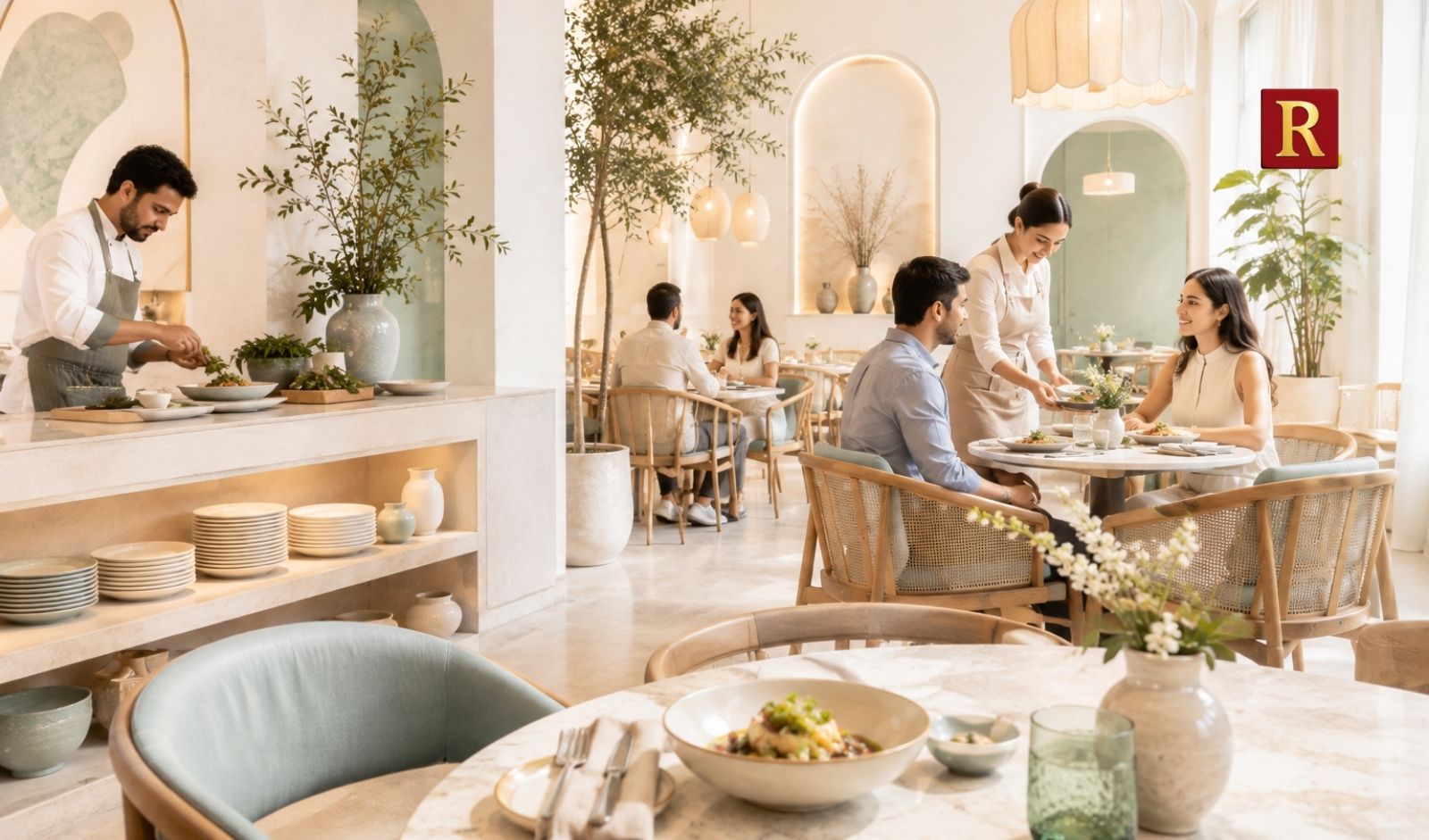
For years, restaurant trends have been easy to spot. A new ingredient becomes popular. A regional cuisine reaches new cities. A dish goes viral. A cooking technique appears on menus everywhere.
But restaurants are now competing on something broader.
The experience around the food is becoming an important part of the dining decision. This includes the space, lighting, music, service, personalisation, technology and the small moments that make a visit memorable. This does not mean food is becoming less important. It means a good meal is increasingly being judged as part of a larger experience. For Indian restaurants, this shift could influence everything from menu design and interiors to staff training and technology.
The Meal Is Becoming More Than What Is on the Plate
Going out to eat is no longer only about satisfying hunger. Restaurants are increasingly being used for celebrations, socialising, dates, business meetings and leisure. Recent restaurant industry coverage in India points to growing interest in atmosphere, storytelling, service, music and interactive formats. This creates a new equation for restaurant operators: Food gets customers through the door. Experience can influence what happens next. A guest may remember a dish. But they may also remember the chef explaining it, the lighting in the room, the music playing during dinner or the server remembering their usual table. That is where experience becomes a business tool.
Your Restaurant Has a "Servicescape"
"Servicescape" is a technical term for the physical environment in which a service takes place. It includes elements such as layout, lighting, temperature, music, scent, furniture and visual design. Research in Indian urban restaurants has found that these factors can influence customer satisfaction. One 2025 study surveyed 230 participants and used regression analysis to examine the relationship between ambient conditions and satisfaction. Lighting emerged as the strongest predictor, followed by scent and music. Another study involving 250 respondents found significant differences between customer expectations and perceptions across lighting, scent, music and temperature. The lesson for restaurants is simple. Ambience should not be treated as decoration added after the menu is finished. It is part of the product.
Lighting Could Be Doing More Work Than You Think
Walk into two restaurants serving similar food. One has harsh lighting, loud music and uncomfortable seating. The other has balanced lighting, controlled sound and a comfortable layout. The food may be identical. The experience will not be. The Indian servicescape research found lighting to be particularly important in shaping satisfaction. This gives restaurant designers and operators a practical area to examine. Lighting can help establish whether a restaurant feels intimate, energetic, casual or premium. Music can support the same positioning. But there is no universal formula. A café designed for quick morning visits should not necessarily use the same sensory strategy as a destination restaurant designed for a three-hour dinner. The objective is consistency.
Personalisation May Be More Powerful Than Another Loyalty Coupon
Technology can help restaurants understand customer preferences. But personalisation does not always need sophisticated AI. Sometimes it means remembering a name.
- Or a usual order.
- Or a preferred table.
- Or a dietary preference.
Toast's 2026 research found that 48% of surveyed restaurant guests said being remembered by name or usual order made them feel most valued. Yet only 30% said this happened consistently at the restaurants they regularly visit. That gap is important. Restaurants often think loyalty means points, discounts and promotional offers. Those tools have value. But recognition can make the experience feel more personal. For an independent restaurant, this could be as simple as maintaining useful guest notes and training front-of-house staff to use them naturally. The technology should support hospitality. It should not replace it.
Interactive Dining Gives Customers a Role
The next layer is participation. Chef's counters, open kitchens, tableside preparation, tasting sessions and food workshops give diners something to do and observe. This changes the role of the customer. Instead of simply receiving a plate, the diner becomes part of the process. Indian restaurant trends in 2026 are already showing greater interest in chef interaction, storytelling, open kitchens and experience-focused formats. But restaurants should be careful not to turn every meal into a performance. Interaction works when it makes sense for the concept. A chef explaining the origin of a regional ingredient can add value. A forced theatrical presentation that delays service may do the opposite. The best experiences feel natural.
Restaurant Design Is Moving From Decoration to Strategy
Restaurant interiors are also becoming more purposeful. Open kitchens can create transparency. Communal tables can encourage social interaction. Flexible seating can help restaurants handle different occasions. Biophilic design can change the mood of a space. Heritage-inspired details can communicate a restaurant's regional identity. Restaurant design research and industry reporting in India increasingly identify open kitchens, flexible spaces, biophilic elements, local influences and technology integration as important directions. This is why "Instagrammable" is too narrow a way to think about restaurant design. A photograph may bring attention. But comfort, functionality and identity help determine whether people stay and return. A beautiful restaurant with poor acoustics, uncomfortable chairs and inefficient service is still a poorly designed restaurant.
A Social and Cultural Space
One of the more interesting developments is the expansion of what restaurants can be. A restaurant can host a chef collaboration one week and a regional food event the next.
- It can work with local artists, farmers, musicians or makers.
- It can organise tasting sessions, workshops or community dinners.
This gives customers another reason to visit. It also gives the restaurant more opportunities to build an identity beyond its regular menu. The idea is particularly relevant in India's diverse food culture. A restaurant can use regional ingredients, culinary traditions and local stories to create experiences that feel specific to its location. That is harder to copy than a viral dish.
Technology Should Be Felt, Not Always Seen
Technology will still play a role in the experience. But the most useful technology may be the technology customers barely notice.
Restaurants can use digital systems for:
- Reservations
- Table management
- Loyalty programmes
- Guest preferences
- Inventory forecasting
- Personalised recommendations
- Faster payments
- Customer feedback
The objective is to remove friction. If technology makes a reservation easier, helps staff recognise a returning customer or prevents a dish from being unavailable, it improves the experience without demanding attention. This is where restaurants need operational discipline. An impressive digital feature has little value if the kitchen is slow or the staff cannot deliver the promised service.
The Real Opportunity Is the Entire Guest Journey
Restaurants can start by mapping the complete customer journey.
Discovery → Reservation → Arrival → Seating → Ordering → Dining → Payment → Departure → Return
Each stage offers a potential improvement. For example:
- Before Arrival: Make Reservations Simple
The dining experience begins before the customer enters the restaurant. A complicated booking process can create frustration before the visit even starts. Restaurants should make reservations easy to complete through clear booking pages, accurate timings and quick confirmations. If possible, customers should also be able to mention preferences such as seating, dietary needs or special occasions. A simple reservation journey reduces uncertainty and gives the restaurant useful information before service begins.
- At Arrival: Reduce Waiting Uncertainty
Waiting is sometimes unavoidable, especially during busy dining hours. The bigger problem is not always the wait itself, but not knowing how long it will take. Restaurants can improve this stage by giving customers realistic waiting times, regular updates and comfortable waiting areas. Digital waitlists can also help guests track their position. Clear communication shows that the restaurant respects the customer's time and can make an unavoidable delay feel more manageable.
- During Seating: Make the First Interaction Warm and Efficient
The first few minutes inside a restaurant can strongly influence the guest's impression. Staff should acknowledge arriving customers quickly, even when the table is not ready. Seating should be organised so guests are not left searching for assistance. A warm greeting, clear communication and efficient table allocation can make the restaurant feel organised from the start. Small details, such as recognising a returning guest or confirming a special request, can make the interaction feel more personal.
- During the Meal: Use Service and Storytelling Without Interrupting the Guest
Good service should add value without taking over the meal. Staff can explain an interesting ingredient, describe a regional preparation or suggest a dish when the information is genuinely useful. However, guests should not feel pressured into constant interaction. Restaurants can train employees to recognise when customers want conversation and when they prefer privacy. The aim is to make service feel attentive rather than scripted, allowing storytelling to strengthen the meal instead of becoming a performance.
- At Payment: Keep the Process Quick
The final few minutes can influence how customers remember their visit. A long wait for the bill or confusing payment process can weaken an otherwise smooth experience. Restaurants should make bills easy to understand and provide convenient payment options. Digital payments, clear bill splitting and quick access to receipts can reduce unnecessary delays. Staff should also remain attentive during this stage instead of treating payment as the point when service ends. A smooth departure helps complete the experience on a positive note.
- After the Visit: Use Feedback and Loyalty Data Intelligently
The relationship with a customer does not have to end when they leave. Restaurants can use feedback to identify recurring problems and understand what guests value. Loyalty data can also reveal useful patterns, such as preferred dishes, visit frequency or popular dining occasions. The goal should not be to send customers constant promotions. Instead, restaurants can use this information to make future visits more relevant, improve service and recognise returning guests. This turns customer data into better hospitality rather than simply more marketing.
This approach is more useful than simply asking, "What new dish should we launch?"
Food Still Has to Lead
There is an important limit to this trend. Experience cannot permanently compensate for poor food.
- A beautiful interior can create curiosity.
- A theatrical service ritual can create a memorable first visit.
But customers still expect food quality, consistency, hygiene and value. The strongest model is not experience instead of food. It is food plus experience. A good dish creates satisfaction. Good service creates comfort. A strong environment creates an atmosphere. Personalisation creates recognition. Together, these elements can create a restaurant people remember.
So, What Could the Next Big Restaurant Trend Look Like?
It may not be another ingredient. It may not be another viral dish. It may be a more deliberate approach to the entire dining journey. Restaurants could increasingly design the experience with the same care that chefs give a recipe. That means thinking about sound as carefully as taste. Lighting as carefully as plating. Service as carefully as menu pricing. And customer recognition as carefully as loyalty discounts. The important shift is not that food is becoming less important. It is that food is becoming one part of a much larger restaurant product. For operators, that creates a practical question: When a customer leaves your restaurant, what will they remember besides what they ate? The answer could become one of the clearest markers of the next phase of India's restaurant industry.
A restaurant does not need 100 seats to build a strong identity. In cities such as Mumbai and Bengaluru, some chef-led concepts are choosing a much smaller format, with dining rooms that seat around 12 to 20 people. The appeal is not simply lower rent or fewer tables. These restaurants are using limited space to create focused menus, closer chef interaction and highly controlled dining experiences. The shift is worth watching because it changes how restaurants think about space, menus, staffing and customer experience.
The Small Restaurant Is Becoming a Serious Format
Micro-restaurants are generally compact dining spaces built around a narrow idea. An Indian restaurant-industry publication describes the format as roughly 200 to 800 sq ft, often with 5 to 20 seats. There is no single industry definition for a micro-restaurant. The format can include a chef's counter, noodle bar, tasting room, tiny café, takeaway counter or other compact operation.
What connects these formats is focus. The restaurant may specialise in one cuisine, one cooking style or even a small group of dishes. That focus can make the business easier to understand for customers and easier to control for operators. This is especially relevant in Indian cities where restaurant concepts are becoming more specialised. Instead of trying to serve breakfast, lunch, dinner, snacks and desserts to everyone, a small restaurant can build its identity around one clear proposition.
Fewer Seats Can Create a Different Experience
One of the clearest examples is Papa's in Mumbai. The restaurant has a 12-seat chef's counter, where Chef Hussain Shahzad leads a highly intimate dining experience. The concept sits within the Veronica's space in Bandra and turns the limited number of seats into part of the experience.
This changes the relationship between the kitchen and the customer. In a large dining room, a guest may barely see the chef. At a chef's counter, cooking becomes part of the meal. Guests can see dishes being assembled. They can observe techniques. They can interact with the team. The food is still the main product, but the process becomes part of the value. That is one reason small restaurants can feel different even when they serve food that customers could find elsewhere.
Naru Shows How a Small Concept Can Grow
Bengaluru's Naru Noodle Bar offers another useful example. Naru describes itself as a 20-seater noodle bar focused on ramen. More importantly, its journey did not begin with a permanent restaurant. It started as a delivery-only kitchen during 2020, followed by pop-ups before becoming a full-time ramen bar.
Its current format is deliberately controlled. Naru uses counter seating and online reservations. It does not accept walk-ins or telephone bookings. Its website lists specific lunch and dinner slots, which helps organise demand around a very limited number of seats. This offers an important lesson for restaurant entrepreneurs. A concept does not always need to begin with a large investment. A chef can first test the food through delivery or pop-ups. Customer response can then help shape the permanent format. In this model, the restaurant is not simply opening small. It is learning small first.
The Economics Are About More Than Rent
It is tempting to assume that a smaller restaurant is automatically cheaper and more profitable. That is not necessarily true. A smaller restaurant has fewer seats and therefore a lower maximum sales capacity. It may also have a higher cost per customer if purchasing, labour or equipment cannot be spread across enough covers. Restaurant economics depend on several connected numbers.
These include:
- Average spend per customer
- Number of seats
- Seat turnover
- Food cost
- Labour cost
- Rent and occupancy cost
- Utilities
- Operating hours
- No-shows and cancellations
A simple way to understand the model is through revenue per seat. For example, imagine a 20-seat restaurant with an average customer spend of ₹2,000. If it serves three complete seat turns during a service, the theoretical gross sales would be: 20 × 3 × ₹2,000 = ₹1.2 lakh That is only an illustration. It does not account for food, labour, rent, taxes, discounts or other costs. The point is that a small restaurant has to think carefully about what every seat contributes.
Labour Makes Efficiency Even More Important
Restaurant staffing is another reason operators need to examine their format closely. A large dining room needs enough people to serve, clear and maintain the space. A smaller restaurant may require fewer front-of-house positions, although its kitchen can still be labour-intensive. Data from the US National Restaurant Association shows how significant this cost can be. In 2024, salaries and wages, including benefits, represented a median 36.5% of sales among full-service restaurant respondents. For limited-service restaurants, the figure was 31.7%. This does not mean smaller restaurants automatically have lower labour costs. It does show why restaurant design and staffing cannot be separated.
- A compact restaurant should ask: How many people are needed to serve this exact menu to this exact number of guests?
That is a more useful question than simply asking how many seats can fit into a space.
Smaller Spaces Can Lead to Sharper Menus
Limited space can also encourage better menu discipline.
A restaurant does not have unlimited room for:
- Refrigeration
- Dry storage
- Prep stations
- Cooking equipment
- Dishwashing
- Ingredients
- Packaging
That makes menu engineering important. A small restaurant can use ingredients across several dishes. One sauce may work with multiple preparations. A pickle can appear across different plates. A stock can support several menu items. This is known as cross-utilisation. It can reduce unnecessary inventory complexity and make preparation easier to manage. But there is another side to the equation. Higher-volume restaurants can benefit from economies of scale. National Restaurant Association data found that full-service restaurants with annual sales of at least $2 million had a median food and non-alcohol beverage cost of 31.0% of sales in 2024, compared with 33.7% for operators below $2 million. So the advantage of a small restaurant is not automatically lower food cost. It is control and focus.
The Kitchen Becomes a Space-Planning Exercise
When a restaurant is small, every workstation matters. The movement from receiving to storage, prep, cooking, plating and washing needs to be considered carefully. Poor planning can create bottlenecks. A chef may have an excellent menu but still struggle if two employees constantly need the same counter space. A beautiful compact kitchen can also become inefficient if refrigeration is too far from the prep area. Equipment selection matters too. A large restaurant may be able to justify specialised equipment for individual dishes. A small operation has to question whether each machine earns its footprint. This is where small-format restaurants require technical discipline. The smaller the kitchen, the less room there is for wasted movement.
Small Does Not Have to Mean Generic
One of the strongest reasons for the format is creative freedom. A large restaurant often needs to appeal to several types of customers. A small restaurant can be more specific.
It could focus on:
- Ramen
- Regional Indian food
- Dosas
- Sandwiches
- Desserts
- A chef's tasting menu
- One regional cuisine
- One hero protein
- A tightly curated beverage programme
This can make the restaurant easier to remember. Naru, for example, clearly places ramen at the centre of its concept rather than building a broad menu designed to cover every possible preference. That is the difference between having a small menu and building a focused concept.
Scarcity Can Help, But It Cannot Replace Quality
Limited seating can create demand. If only 12 or 20 seats are available, getting a reservation can become part of the experience. Recent reporting on India's tiny restaurants points to a combination of chef access, curated food, storytelling and limited availability as reasons for their growing appeal.
But scarcity alone cannot build a lasting restaurant. Customers may be curious about a difficult-to-book table once. They return when the food is good. That distinction matters for operators. A small restaurant should not use limited capacity as a substitute for a strong product. The experience still needs consistency, hospitality and value.
Why This Format Could Matter to India's Restaurant Industry
India's restaurant market is diverse enough to support many formats. For an entrepreneur, a compact concept can provide an alternative to the traditional large restaurant launch.
- The pathway could look like this: Idea → pop-up → delivery or takeaway test → compact outlet → data-led expansion
This approach allows operators to learn before committing to a larger physical space. It can also help chefs test questions that matter commercially.
- Which dish sells?
- What price works?
- How long does preparation take?
- Which ingredients create waste?
- How many people are needed during service?
- Do customers return?
These are more valuable answers than social-media likes alone.
The Future!
The most interesting part of the small-restaurant movement is not that restaurants are becoming tiny. It is that space is becoming part of the business model. A 12-seat chef's counter can make the chef visible. A 20-seat noodle bar can build its entire identity around one cuisine. A pop-up can test a concept before a permanent lease. A compact kitchen can force a team to remove unnecessary complexity. None of this means large restaurants are disappearing. Larger formats still offer advantages in capacity, purchasing power and revenue potential. The lesson is more practical. Restaurant size should follow the concept, not the other way around. The strongest small restaurants are not successful because they have fewer chairs. They are successful when every chair, dish, workstation and service minute has a clear purpose.
A grilled fish may arrive with shaved cucumber. A rich kebab may be finished with raw onion and herbs. Roasted vegetables may sit beside fresh citrus, fruit or crisp greens. These raw elements are not always there simply to make a plate look better. Increasingly, chefs use them to change the texture, acidity, freshness, aroma and temperature of a cooked dish. The idea is not new. Indian cuisine, for example, has long paired rich cooked foods with raw onion, herbs, lemon, salads and chutneys. What is becoming more deliberate in contemporary restaurants is the way chefs use these elements as part of the dish's structure.
Raw Is Becoming a Functional Part of the Plate
In professional kitchens, every ingredient on a composed plate should have a reason to be there. The Michelin Guide has spoken to chefs who describe plating through flavour, texture, balance and the way a diner moves through a dish. One chef notes that each ingredient should have a purpose, while another describes plating as a way of guiding how the diner experiences flavour combinations. That changes the role of a raw garnish. A few thin slices of radish can add crunch to braised meat. Fresh coriander can lift a rich curry. Citrus can cut through fat. Cucumber can bring coolness to grilled food. The raw component is therefore doing culinary work.
Raw Elements on Cooked Plates
1. Texture Is One of the Biggest Reasons
Consider a plate of slow-cooked meat with a smooth sauce. The meat is tender. The sauce is soft. If the accompanying vegetable is also cooked until tender, the entire bite can have a similar mouthfeel. A raw ingredient immediately changes that. A shaved radish gives a crisp snap. Raw cabbage adds resistance. Cucumber contributes a juicy crunch. Fresh apple can bring both crispness and moisture. This matters because texture is not a minor part of eating. It influences how food is perceived and enjoyed. Research on food texture describes it as a complex sensory property that contributes significantly to food perception. The Culinary Institute of America also highlights vegetables as a source of contrast and freshness, including bright, crunchy textures. This is why a chef may deliberately leave one component raw while cooking everything else. The contrast is the point.
2. A Raw Element Can Bring Acidity Without Another Heavy Sauce
Rich dishes often need something sharp. A chef can add vinegar, a reduction or a sour sauce. But sometimes the cleaner option is a fresh ingredient.
Think of:
- Grilled meat with green mango
- Roasted pumpkin with citrus
- Rich kebab with onion and lemon
- Grilled paneer with tomato and coriander
- Roasted vegetables with fresh herbs
- Fatty fish with cucumber and a sharp dressing
The raw ingredient can make the dish feel lighter without removing its richness. It also creates a different kind of balance. Instead of adding another cooked component, the chef introduces something that has not undergone the same transformation as the main ingredient.
3. Fresh Aromas Can Change the First Impression
Heat is central to cooking, but fresh ingredients have their own aromatic role. Fresh coriander, mint, basil, dill, citrus zest, spring onion and other delicate ingredients can provide aromas that are immediately noticeable when the plate reaches the diner. This is partly why herbs are often added at the end rather than cooked for the entire preparation.
- The contrast can be simple: Cooked food provides depth. Fresh elements provide lift.
The effect is particularly useful with grilled, roasted and slow-cooked dishes. Michelin's coverage of contemporary plating also shows chefs using seasonal herbs and other fresh elements to enhance flavour rather than treating them only as decoration.
4. Temperature Can Become Another Layer of Contrast
Texture is not the only contrast. Temperature can also change the eating experience. A warm piece of grilled fish with chilled cucumber feels different from the same fish served with another warm vegetable. A hot kebab with a cool onion salad creates another sensory change. This is not just subjective guesswork. Research published in Appetite found that product temperature affected several perceived flavour and texture attributes, including flavour intensity and mouthfeel. More recent research continues to show that consumption temperature can influence sensory perception and food preferences. Chefs therefore have another variable to consider. It is not only what goes on the plate. It is also when and at what temperature the diner encounters it.
5. Raw Does Not Mean Untouched
One of the most important distinctions is that raw food does not necessarily mean an ingredient is placed on a plate straight from the refrigerator. A raw vegetable can still go through several techniques.
It can be:
- Shaved
- Sliced
- Grated
- Salted
- Dressed
- Marinated
- Cured
- Pickled
- Chilled
- Fermented
Take a radish. A chef could serve it as a thick raw slice, shave it paper-thin, salt it briefly or pickle it. The ingredient remains largely uncooked, but its texture, acidity and moisture can change significantly. This gives chefs a much wider range between completely raw and fully cooked.
6. Chefs Are Designing the Bite, Not Just the Plate
This may be the most important reason behind the technique. A good dish does not need every component to taste identical or have the same texture.
- A chef may want the diner to experience: soft → crisp → juicy → acidic → rich within a single forkful.
That is sometimes called a form of sensory or texture contrast. Research into dynamic contrast has explored how changing sensory properties during eating can influence palatability. Texture is particularly important because the food changes as it is chewed. This approach also explains why placement matters. If the raw element is placed too far away, the diner may not combine it with the main component. If there is too much of it, it can dominate the dish. If there is too little, its effect may disappear. Michelin's interviews with chefs similarly describe plating as a way of helping diners navigate a dish and experience flavours in an intended sequence.
7. Indian Food Already Uses This Principle
For Indian restaurants, this is hardly a completely foreign idea. Consider a kebab. The cooked meat may be smoky, spiced and rich. The raw onion, coriander and lemon provide freshness and acidity. The same principle appears with chole and onion, biryani and raita, pakoras and chutney, or tandoori dishes with fresh salads. The combination works because the components do different jobs. Contemporary chefs are increasingly applying the same logic to more composed plates. This is an important distinction. Modern plating is not necessarily inventing the raw-and-cooked combination. It is making the contrast more deliberate and technical. Seasonality also plays a role. Michelin's coverage of kaiseki, for example, highlights how fresh seasonal ingredients and their presentation can be central to the dining experience.
8. Vegetables Make This Technique Especially Useful
A single vegetable can deliver very different textures and flavours depending on how a chef prepares it. Carrot, for example, can stay raw for a crisp bite, be roasted to develop sweetness, or be puréed to add a smooth, creamy layer. Cabbage can provide freshness when raw, sharpness when pickled, smoky notes when grilled, or softness when braised. Tomato offers juiciness when served raw, deeper flavour after roasting, and a softer, concentrated texture when made into a confit. Beetroot can be shaved raw for crunch, cured for a firmer texture, or roasted to bring out its natural sweetness. This approach gives chefs greater control over texture and flavour without adding many ingredients. One vegetable can therefore perform several roles on the same plate.
The Technique Has Limits
Putting something raw on a cooked plate is not automatically a good idea. Moisture is one challenge. A wet cucumber can soften a crisp fried component. A dressed salad can release water. Cut fruit can oxidise. Fresh herbs can wilt.
Service timing also matters. A raw component may need to be sliced, dressed and plated seconds before the dish leaves the kitchen. Food safety is another consideration. Raw ingredients require proper sourcing, storage, preparation and hygiene controls. There is also a flavour problem. A raw ingredient should not be added simply because the plate looks empty. It needs to contribute something.
The Bigger Shift
The biggest change is not that restaurants are suddenly serving more uncooked food. It is that chefs are becoming more deliberate about the role each element plays on the plate. A cooked component can bring depth, caramelisation or tenderness, while a sauce can add richness and moisture. A raw vegetable can introduce crunch and freshness, while herbs contribute delicate aromas. Citrus can bring acidity, and a chilled component can create temperature contrast against a warm dish. When these elements work together, they create a more varied and balanced eating experience. A raw ingredient may occupy only a small part of the plate, but its effect can influence the flavour, texture and overall character of the dish. This approach also reflects a broader shift in modern cooking, where garnishes are expected to contribute more than appearance. The most effective plates are not necessarily those with the most components, but those where every ingredient has a clear culinary purpose.
Former CEO, FSSAI & CEO, Food Future Foundation Aug 17, 2026 / 1 MIN READ

The recent food-safety enforcement drive in Maharashtra has attracted attention across the country. Karnataka and other states have intensified inspections, while food-safety officials from several states are studying the Maharashtra experience. This renewed focus is a welcome after years of uneven enforcement on the ground.
The raids have produced uncomfortable findings. Expired ingredients, pest infestation, poor temperature control and weak hygiene practices have been reported even in reputed hotels, restaurants, cloud kitchens and organised food businesses. The message is clear: a well-known brand and a valid FSSAI licence do not automatically guarantee safe food.
As other states consider the Maharashtra approach, however, the challenge is to build on enforcement rather than simply replicate raids.
Enforcement matters, but has limits
Where the regulated universe is enormous, no enforcement agency can inspect every establishment. Exemplary action therefore matters. Visible suspensions, penalties and prosecutions can send a powerful signal to thousands of businesses that violations have consequences.
Food safety, however, presents a particular challenge. Kitchen risks arise from numerous small actions repeated every day, such as checking temperatures, removing expired food, preventing cross-contamination, maintaining hygiene and correcting deviations. Fear of inspection can encourage businesses to establish these controls, but cannot ensure that they are followed during every shift.
Enforcement must therefore remain strong and credible, particularly for serious and repeated violations. But it works best as the backstop to prevention, not as a substitute for it.
The 364-day problem
India does not lack food-safety regulation. The Food Safety and Standards Act, licensing requirements and Schedule IV already prescribe extensive hygiene and sanitary practices. The challenge is ensuring that these are followed every day.
India had 74.33 lakh registered food businesses as of June 2026 and only 2,997 Food Safety Officers. Around 5.2 lakh inspections were conducted in FY2025-26, with roughly one officer for every 2,480 registered businesses.
No realistic expansion of regulatory manpower can place an inspector inside every restaurant, hotel, canteen or cloud kitchen every day. An inspection records conditions at a point in time. It cannot tell us whether refrigerator temperatures were checked this morning, expired stock was removed before service or yesterday's pest problem was corrected.
That is the 364-day problem of food regulation.
Make businesses the first line of defence
Recent inspections reveal remarkably similar failures across establishments. They broadly concern premises and sanitation, receiving and storage, food-handler hygiene, staff supervision, and records and corrective action.
These are largely failures of everyday operational discipline. A competent supervisor can check whether refrigerators are maintaining temperature, expired stock has been removed, raw and cooked foods are segregated, cleaning has been completed and handlers are following hygiene requirements.
The shift India needs is therefore from periodic compliance to continuous assurance.
Technology can make this simple. Supervisors could record a small number of critical daily and weekly checks digitally. A failure would create an exception, capture evidence, assign responsibility and remain open until corrective action is verified.
This provides what periodic inspection cannot: evidence that critical food-safety controls are working today.
Let evidence drive inspection
The same information can make enforcement smarter. An establishment repeatedly showing temperature deviations, pest problems or overdue corrective actions deserves greater regulatory attention than one consistently demonstrating effective controls.
Regulators can therefore concentrate scarce manpower where risk is greatest. Independent third-party verification can complement statutory inspection, particularly for larger and higher-risk establishments, with frequency linked to actual performance.
This is not less enforcement. It is better-targeted enforcement backed by continuous assurance.
Corporate management must also play its part. Food safety in a hotel, restaurant or catering chain cannot remain solely the responsibility of the chef or quality manager. Senior management should know where failures are recurring and corrective actions remain overdue.
Digital evidence can turn food safety from a certificate hanging on a wall into live management information. It can make accountability travel from the kitchen to the boardroom.
From enforcement to prevention
Maharashtra's enforcement drive has served an important purpose, and other states are right to learn from it. But the number of raids should not become the measure of success.
The opportunity is to combine credible enforcement, everyday business discipline, technology-enabled evidence, independent verification and risk-based regulatory oversight.
The regulator cannot stand inside every kitchen every day. The business can and must maintain the controls that keep food safe, while government ensures that failure has consequences.
The real success of today's enforcement drive will ultimately be measured not by how many more raids India conducts, but by how many fewer it eventually needs to conduct.
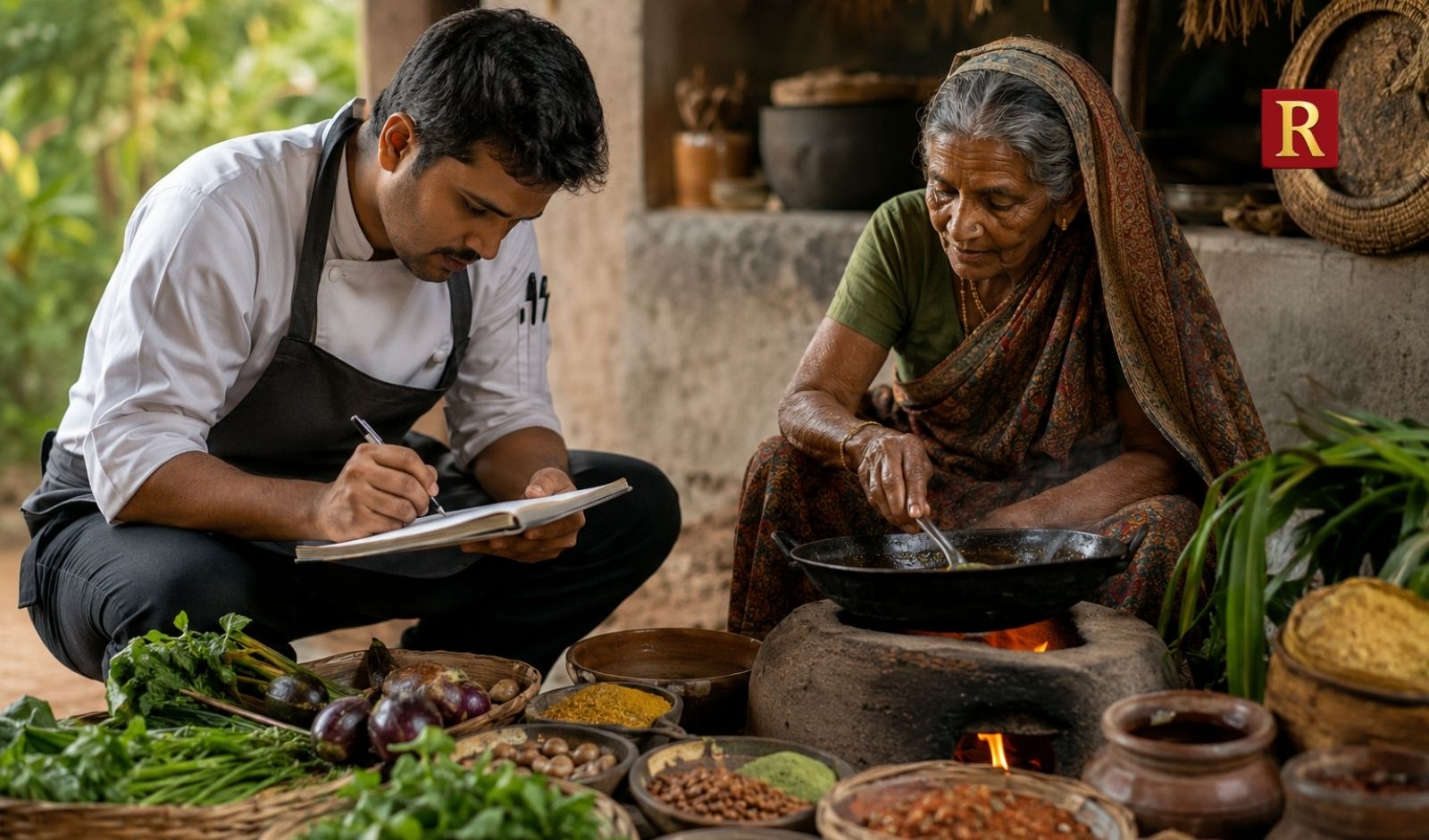
India’s regional food traditions are being documented in new ways by chefs, researchers and food projects. They are travelling to home kitchens, speaking to older cooks, recording recipes, studying local ingredients and bringing lesser-known techniques into restaurants.
The work is important because many Indian food traditions are passed down orally. A recipe may exist in one household, remembered by one person, rather than in a cookbook or formal archive. When that knowledge is not recorded, its ingredients, methods and stories can become difficult to recover. For young chefs, this is creating a different role. They are not only cooking regional food. They are researching the people, places and practices behind it.
Beyond the Recipe
A traditional recipe is rarely just a list of ingredients. The choice of ingredient can be linked to a season. A preservation method can reflect the local climate. A cooking vessel can be designed around a particular fuel source. A dish can also carry memories of migration, farming, festivals or community life. That is why serious culinary documentation needs more than measurements. It can record the local name of a dish, its variations, the person who taught it, the season when it is prepared, the ingredients used, cooking equipment, preservation techniques and the cultural setting around it. Sheetal Bhatt's Silent Cuisines shows what this deeper documentation can look like. Her project involved fieldwork across six northeastern districts of Gujarat and resulted in a 150-page book containing more than 50 heirloom recipes from Adivasi communities. The documentation covers foodways and culinary practices, rather than simply presenting recipes.
This approach changes the question from “What is this dish?” to “Who made it, why was it made this way and what does it tell us about the community?”
Research Outside the Restaurant
Chef Thomas Zacharias' Chef on the Road is an example of this research-led approach. The project began in 2013 as an attempt to learn about Indian food beyond restaurant kitchens and cookbooks. Over more than a decade, the work has involved visiting homes, markets, farms and forests and learning from farmers, foragers, fishers and home cooks.
The significance is not only the number of dishes discovered. The research also looks at land, labour, season, ecology and memory. These factors help explain why a food tradition developed in a particular way. This is a useful model for young chefs because it treats culinary research as fieldwork. The chef becomes an observer and learner before becoming an interpreter.
Bringing New Stories to the Table
One reason regional food can be misunderstood is the way India is divided into broad cuisine categories. Calling something “Gujarati food” or “Karnataka food” can hide enormous internal diversity. Within one state, food can change according to district, community, geography, climate and occupation. Coastal cooking may look very different from food in an inland farming community. Tribal food traditions may have little connection with the dishes most commonly served in urban restaurants.
The Ōle Project in Karnataka is working specifically in this space. Its research and storytelling focus on underrepresented food cultures, oral documentation, geography and community history. Its seasonal dining experiences also introduce diners to hyper-local ingredients and lesser-known recipes. This matters for restaurants because micro-regional food can offer something more distinctive than another generic regional menu. It also gives diners a better understanding of India's culinary diversity.
The Himalayas Show How Research Can Shape a Restaurant
Chef Prateek Sadhu's NAAR provides another strong example. The restaurant in Himachal Pradesh takes a research-driven approach to Himalayan food. Sadhu and his team have travelled across areas including Ladakh and Arunachal Pradesh, while sourcing and studying ingredients from the wider Himalayan region. Some ingredients are seasonal enough that the team may wait months for them to become available. The research also involves repeated culinary testing. Sadhu has said that some ingredients require 20 to 25 trials before the team finds a suitable way to present them. Dandelion, for example, brings intense bitterness and required repeated experimentation to balance it.
This demonstrates an important difference between simply reviving an old dish and researching it. The original knowledge provides the starting point. The chef then studies the ingredient, understands its properties and develops a contemporary expression. In 2026, NAAR reached No. 30 on Asia's 50 Best Restaurants list. Its menu draws from the Himalayan belt and connects dishes with local ingredients, seasons and conversations with older generations. The restaurant also reports that nearly 80% of its produce comes from its two nearby farms.
Technology Is Creating a New Kind of Food Archive
Digital tools are making culinary documentation easier to store and study. A chef can now record an interview with a home cook, photograph ingredients, film a cooking technique and preserve different versions of the same recipe. This has also opened the door to computational food research. A 2026 academic study created a dataset of 120 YouTube biryani cooking videos covering 12 regional styles. Researchers used vision-language models to study cooking procedures and compare regional differences, with human verification built into the process.
The example is significant because a cooking video can contain much more information than a written recipe. It can show the sequence of steps, cooking sounds, ingredients, utensils, texture and technique. But technology has limits. A recording may show when an ingredient is added. It cannot always capture the sensory judgement of a cook who knows from smell, colour or texture that something is ready. That human knowledge remains central.
Preservation Does Not Mean Freezing Food in Time
There is also a difficult question around authenticity. If five households prepare the same dish differently, which version should be recorded as the “real” one? There may not be a single answer. Good documentation should preserve variations rather than erase them. It should identify the person or community that shared the knowledge and explain how the recipe fits into its local context.
This becomes particularly important when traditional food enters fine dining. At NAAR, Sadhu has described the philosophy in practical terms: chefs are cooking in the present, so they cannot simply reproduce how people cooked decades ago. His approach uses traditional ingredients and stories while developing new dishes around them. That is culinary translation, not simple replication. The challenge is to innovate without removing the origin of the idea.
Turn Documentation Into a Living Archive
The restaurant industry can play an important role in keeping regional food traditions active. A documented ingredient has little long-term impact if nobody grows it, cooks it or eats it. Restaurants can create demand for indigenous ingredients, traditional grains, regional spices, fermented foods and lesser-known vegetables. That demand can connect diners with producers and encourage continued cultivation and use.
The process can look like this: Research → Documentation → Menu Development → Consumer Discovery → Demand → Continued Use
This is where culinary preservation becomes an economic activity as well as a cultural one. India's hospitality education system is also beginning to place greater emphasis on this connection. The National Young Chef Competition, launched with the Ministry of Tourism and PHDCCI, carried the theme “Celebrating Indian Culinary Heritage: Blending Tradition with Innovation.” The competition culminated in January 2026, with Symbiosis School of Culinary Arts and Nutritional Sciences, Pune, winning the first edition. The message is clear: culinary heritage is becoming part of the conversation around the next generation of chefs.
India's Next Food Discoveries
The future of Indian regional food may not be about finding another famous dish. It may be about finding the food that exists one village, community or season away from what we already know. A forgotten preparation can carry information about agriculture, climate, migration, preservation and family history. A local ingredient can reveal how people adapted their food to their surroundings. Young chefs are increasingly using restaurants, field research, books, supper clubs and digital platforms to bring that knowledge into public view. The most valuable part of this movement is not simply putting an unfamiliar dish on a modern plate. It is making sure that the person, place, technique and story behind that dish are not forgotten when the plate is cleared.
A restaurant visit usually ends when the bill is paid. But merchandise can extend that relationship. A mug, tote bag, T-shirt, tea blend or jar of sauce can keep a restaurant in a customer's daily life long after the meal is over. That is why restaurant merchandise is becoming more interesting to food businesses. It is not simply about putting a logo on a T-shirt. The bigger opportunity is to turn a restaurant's food, design, culture and community into products people want to own.
A 2026 VistaPrint survey of 1,000 US adults found that 48% had purchased branded merchandise from a food or beverage establishment. The number rose to 59% among Gen Z and 58% among millennials. Drinkware was the most popular category at 69%, followed by apparel at 44%. The figures are US-specific, but they point to an important shift: restaurant branding can continue outside the dining room.
Restaurant Merch Is No Longer Just a Logo on a T-Shirt
Traditional restaurant merchandise was often simple. Put the restaurant name on a T-shirt, mug or cap and sell it at the counter. The newer model is more thoughtful. Restaurants are designing products around their identity. That could mean a chef's illustration, a neighbourhood reference, a regional food story, a distinctive phrase or artwork inspired by the restaurant's interiors. This changes the role of merchandise. It becomes less like advertising and more like a lifestyle product. The customer is not necessarily saying, "I want to advertise this restaurant." They may simply be saying, "I like this design, and this place means something to me." That distinction matters.
Why Do Diners Actually Buy Restaurant Merchandise?
There are several reasons.
It Shows Affiliation: People often use products to show what they like. A restaurant T-shirt can communicate an interest in a particular cuisine, neighbourhood or food culture. VistaPrint found that 46% of its surveyed merchandise buyers were motivated by wanting to support a favourite establishment. Another 42% said they liked the design, while 42% were attracted by limited availability. This makes restaurant merch similar to merchandise from sports teams, musicians or cultural institutions. The product becomes a small badge of belonging.
It Keeps the Restaurant in Everyday Life: A restaurant experience may last two hours. A coffee mug can be used every morning. A tote can travel to work. A T-shirt can be worn repeatedly. This gives merchandise a useful branding function. The restaurant continues to appear in the customer's routine without requiring another visit.
It Turns Memories Into Objects: Restaurants are often associated with occasions. A birthday dinner. A holiday. A first date. A trip. A favourite neighbourhood. A physical product can become a reminder of that experience.
This is especially relevant for restaurants with strong destination or cultural appeal.
India's Restaurant Merch Opportunity
For Indian restaurants, the opportunity is much wider than T-shirts and caps. Food itself can become merchandise. Take Burma Burma. Its online retail business currently includes tea, lotus stem chips, chilli garlic paste, ice creams and other pantry products. Its store also has dedicated sections for gifting and merchandise. This is an important business model.
Instead of asking, "What branded product can we sell?" a restaurant can ask, "What part of our food experience can customers take home?"
- For a speciality coffee brand, that could be beans or brewing equipment.
- For a regional Indian restaurant, it could be spice blends, pickles or sauces.
- For a Burmese restaurant, it could be tea and pantry products.
- For a dessert brand, it could be packaged mixes or gift boxes.
The product feels more natural because it comes from the restaurant's existing expertise.
The Most Interesting Merch Is Often About the Story
A restaurant already has something many conventional retailers spend years building: a story.
That story can come from:
- A founder's background
- A family recipe
- A regional cuisine
- A neighbourhood
- A signature dish
- A chef
- Restaurant artwork
- Local culture
- An unusual ingredient
The merchandise should use these assets. A generic logo mug has limited emotional value. A mug inspired by the restaurant's signature artwork or a regional food reference has a stronger reason to exist. This is where restaurant merch can become genuinely distinctive.
Limited Editions Can Create Demand
Limited-edition merchandise is increasingly being used by food and beverage brands. The logic is simple. A product available forever can be purchased later. A product available for a short period gives customers a reason to act now. VistaPrint found that 26% of its surveyed restaurant-merch buyers had purchased seasonal or limited-edition products.
Restaurants can use this approach for:
- Anniversary collections
- Festival products
- Chef collaborations
- Artist collaborations
- City-specific designs
- Seasonal packaging
- Pop-up merchandise
But artificial scarcity can also become tiring. The limited product should have a reason to be limited. A 10th-anniversary collection makes sense. Calling an ordinary T-shirt "exclusive" every month does not.
Merch Can Also Become a Retail Business
This is where the opportunity becomes more interesting for restaurant operators. A restaurant can build several product categories:
Category | Examples |
Apparel | T-shirts, caps, hoodies |
Drinkware | Mugs, cups, tumblers |
Utility | Totes, bottles, aprons |
Pantry | Sauces, spices, tea, coffee |
Tableware | Plates, bowls, chopsticks |
Collectibles | Pins, stickers, magnets |
Gifting | Hampers and product bundles |
The commercial benefit is that these products can create an additional transaction without requiring another full dining occasion. However, restaurants should not assume merchandise automatically means high profit.
The Numbers Behind Restaurant Merch Matter
Suppose a restaurant sells a T-shirt for Rs 1,499. If its variable cost is Rs 700, the contribution is Rs 1,499 − Rs 700 = Rs 799. That is a contribution margin of about 53.3%. But Rs 799 is not net profit. The business still needs to consider:
- Packaging
- Payment fees
- Shipping
- Returns
- Storage
- Marketing
- Design costs
- Staff time
- Unsold stock
- Taxes
This is why restaurant operators should calculate contribution margin rather than looking only at the selling price. Inventory is another risk.
- If 500 T-shirts are produced and 350 sell, the sell-through rate is 350 ÷ 500 × 100 = 70%
The remaining 150 units are capital sitting in inventory. For apparel, SKU complexity can also become a problem. One T-shirt available in four sizes and three colours already creates 12 SKUs. Small-batch testing can therefore be safer than immediately producing thousands of units.
The Best-Selling Product May Not Be a T-Shirt
VistaPrint's survey provides an interesting clue. Drinkware was purchased by 69% of surveyed restaurant-merch buyers, compared with 44% for apparel. Reusable bottles and tumblers accounted for 28%, while tote bags and stickers each accounted for 16%. That makes sense. Useful products have more opportunities to enter daily routines. For Indian restaurants, this could make products such as tea, coffee, sauces, spice mixes, mugs and reusable bottles particularly relevant. The key is to match the merchandise to the brand.
More Than a Place to Eat
This is ultimately the bigger business idea. A strong restaurant brand can operate across several touchpoints: Dining - retail - gifting - community - repeat engagement. The customer may discover the restaurant through food, return for the experience and later purchase something connected to it. But merchandise cannot compensate for weak food or poor service. It works best when customers already have a reason to care about the brand. That is why the smartest restaurant merchandise strategy is not to produce more products. It is to identify what customers already love about the restaurant and turn that connection into something useful, wearable or collectible. The winning product is not necessarily the one with the biggest logo. It is the one that makes a customer think: "I want to take a little bit of this place home."
Restaurants are increasingly taking their signature flavours beyond the dining room. Sauces, frozen momos, coffee, ready-to-drink beverages and other restaurant-linked products are now reaching grocery stores and quick-commerce platforms. This shift is creating a new space between restaurants and FMCG. A dish that once depended on a chef, kitchen and physical outlet can now become a packaged product used at home. For restaurant brands, the opportunity is significant. But moving from a restaurant menu to a grocery shelf requires much more than putting a familiar logo on a packet.
From Menu Favourite to Grocery Product
The simplest way to understand the trend is to look at what restaurants already do well. A restaurant may have a popular sauce, a recognisable momo, a signature coffee roast or a particular spice blend. If customers repeatedly ask for it outside the restaurant, that product has the potential to become a retail SKU. Burgrill offers a clear example. In August 2025, the burger chain launched its OG Sauce as a bottled product for online and select retail channels. The sauce had already been part of its restaurant menu, giving the packaged product an existing connection with customers.
- The logic is straightforward: Popular restaurant item → recognisable flavour → packaged format → retail distribution → consumption at home
But not every menu item can make this journey. A freshly assembled burger, for example, depends on texture, temperature and presentation. A sauce is easier to bottle. A momo can be frozen. Coffee can be roasted, packed and sold. The best retail products are therefore often the ones that can retain their identity after processing.
Frozen Food Is Building the Restaurant-to-Home Bridge
Frozen food is another important part of this movement. Wow! Momo entered FMCG with frozen momos and later expanded into other packaged categories. In 2024, the company said its FMCG business was already generating about Rs 45 crore and was targeting roughly ₹100 crore in revenue over the following three years. Its packaged portfolio included frozen momos, cup noodles, thukpa, coconut water and other frozen foods.
Its frozen momo products are also available through online grocery retailers. A current BigBasket listing, for example, shows Wow! Momo Masala Chicken Momos in a 20-piece pack priced at ₹285, demonstrating how a restaurant-linked product can exist as a regular grocery SKU.
The appeal is convenience. Consumers do not need to visit an outlet every time they want the product. They can store it at home and prepare it when required. For restaurant brands, however, frozen food introduces technical challenges. Freezing can affect moisture, texture and flavour. The product needs to remain consistent after storage and cooking. That means food technology becomes as important as the original recipe.
Quick Commerce Is Changing the Retail Entry Point
Quick commerce is making this shift easier to test. A traditional retail launch can require distribution networks, shelf negotiations, inventory planning and significant marketing investment. Quick-commerce platforms provide another route. A 2025 YourStory report noted that QSR brands were using quick commerce to test products, assess demand and refine pricing before expanding into modern and general trade. It cited Boba Bhai's ready-to-drink canned bubble tea, Wow! Momo's frozen momos and Blue Tokai's coffee as examples of restaurant-linked products reaching quick-commerce shelves. This matters because quick commerce can reduce the distance between product discovery and purchase. A customer can discover a restaurant product while shopping for groceries and have it delivered within minutes. The shelf is no longer only a supermarket shelf. It can also be a digital category on a phone.
Sauces May Have a Particular Advantage
Sauces are especially suited to this model. They are versatile. They can be used with fries, sandwiches, wraps, snacks and home-cooked meals. A customer does not need to recreate the entire restaurant dish to use them. The current assortment on Swiggy Instamart illustrates how crowded this category has become. Its Delhi sauces-and-spreads section currently lists hundreds of products, including ketchup, mayonnaise, dips, cooking sauces, Asian sauces, hummus and chilli oils. That competition also creates an important lesson.
- Calling a product "restaurant-style" is not enough.
A restaurant brand needs a reason for consumers to choose its product over an established packaged-food brand. Its advantage may come from a distinctive flavour, a strong restaurant association, a particular recipe or an existing customer base.
The Restaurant Brand Becomes the Product's Starting Advantage
A conventional FMCG product often has to build recognition from the shelf upward. A restaurant already has a relationship with its customers. Someone who has tried a signature sauce at a restaurant knows what the product represents. That familiarity can make the first retail purchase easier.
- The relationship can then move in both directions. Restaurant visit → product discovery → home purchase → repeat use → stronger brand familiarity
This does not guarantee repeat sales. The packaged product still has to deliver on taste, price and convenience. But the restaurant provides something many new FMCG brands spend years building: consumer memory.
The Grocery Shelf Has Different Rules
This is where the restaurant-to-retail transition becomes more complicated. Restaurant food is usually made for immediate consumption. Packaged food has to survive storage, transportation and repeated handling. A restaurant chef can adjust seasoning during preparation. A packaged-food manufacturer cannot rely on that flexibility. The formulation needs controls around ingredients, processing and batch consistency. Depending on the product, brands may also need to consider factors such as pH, water activity, thermal processing, packaging compatibility and shelf-life validation. Packaging also becomes part of product performance.
For frozen food, the cold chain matters. For sauces, container integrity and storage conditions matter. For ready-to-drink beverages, formulation stability and packaging material become important. In other words, a restaurant recipe is not automatically a retail-ready formulation. It needs to be engineered for a different environment.
Compliance Moves Up the Priority List
Once a product enters packaged retail, food safety and labelling become central to the business. FSSAI's framework covers product standards, packaging and labelling, among other areas. Its guidance states that pre-packaged food labels must carry information such as the food name, ingredients, nutritional information, vegetarian/non-vegetarian declaration, manufacturer details, net quantity, batch information and date-related declarations.
FSSAI also lists the Labelling and Display Regulations, 2020 and Packaging Regulations, 2018 within its current regulatory framework. For restaurant operators, this means retail expansion requires capabilities beyond kitchen operations. Food technologists, quality teams, regulatory specialists and packaging professionals can become important parts of the process.
The Real Opportunity Is More Than Extra Revenue
Retail can give restaurant brands another way to reach consumers. Instead of depending entirely on tables, delivery orders and outlet traffic, a restaurant can create products that enter homes directly. It can also reach consumers in cities where it does not yet have a physical outlet. But the economics need careful planning. A packaged product carries costs for manufacturing, packaging, storage, distribution, retailer margins, promotions and potential wastage. A restaurant brand should therefore evaluate contribution margin and repeat purchase, rather than assuming retail automatically means higher profitability.
The strongest products are likely to be those that meet five conditions:
- Signature: The product represents something distinctive about the restaurant.
- Scalable: It can be produced consistently.
- Stable: Quality can be maintained throughout its intended shelf life.
- Simple: Consumers can understand and use it easily.
- Sellable: The unit economics work across the chosen channel.
Maybe Not The Final Destination
The restaurant-to-grocery movement is not simply about selling more food. It is about changing where a restaurant brand can exist. A restaurant can now be experienced at an outlet, ordered through delivery, discovered on quick commerce and used in a home kitchen. For consumers, this can mean easier access to familiar flavours. For restaurant businesses, it creates another route to build frequency and reach. But the brands that succeed will need to do more than transfer a popular menu item into a packet. They will need to preserve what made that product memorable while adapting it to the technical, regulatory and economic demands of packaged food.
The most interesting shift is therefore simple: the restaurant is becoming a starting point for products that can live beyond the restaurant.
 Tea BrandIn this interview with Restaurant India, Rahul Wahi, CMO and Business Head, and Sushavan Sinha, Director – Innovations and Product, Luxmi Group,…
 Tea & Coffee market in IndiaAccording to the Coffee Board of India, coffee exports reached a record US$1.8 billion in FY2024–25, up approximately 40% from US$1.29 billion in the…
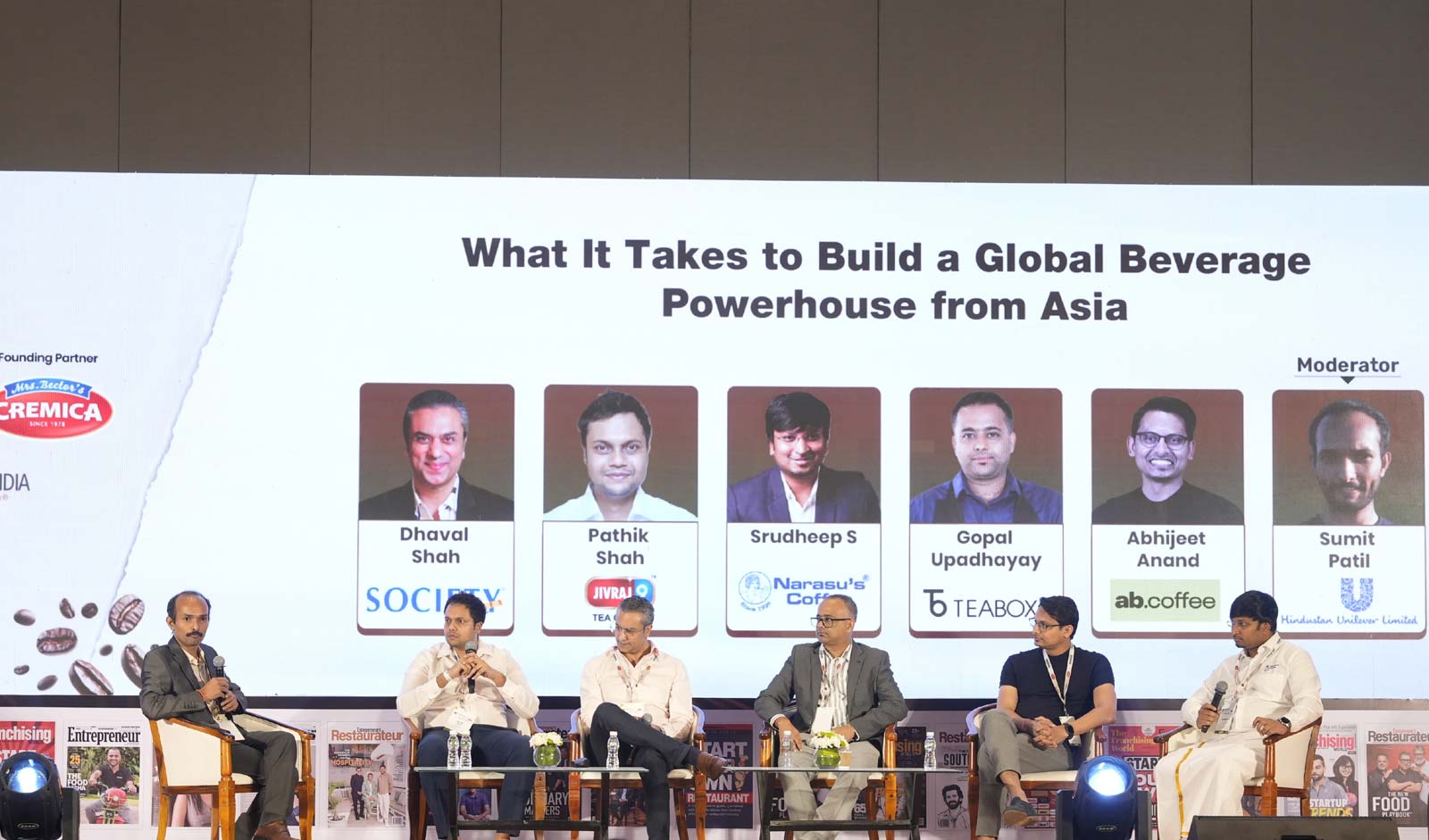 Tea & Coffee market in IndiaThe distinction between selling a commodity and building a brand goes well beyond packaging or marketing. It begins with creating a consistent…
 Wine IndustryYet, limited consumption, low consumer awareness, pricing pressures and distribution hurdles continue to constrain growth.
Copyright © 2009 - 2026 Restaurant India.