





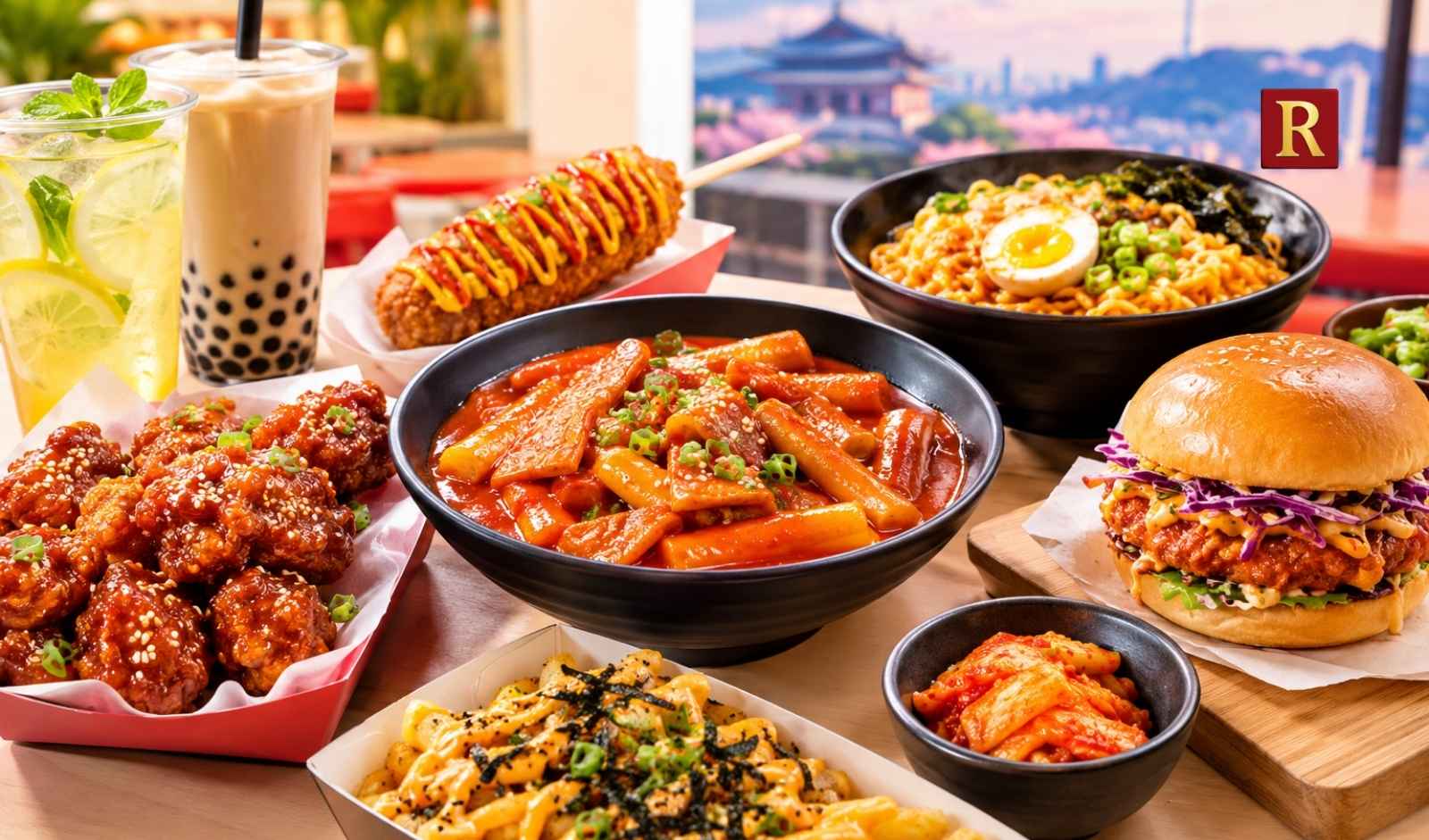
Korean food in India is moving beyond instant noodles and premium restaurants. Tteokbokki, Korean fried chicken, corn dogs, ramen and Korean-inspired burgers are increasingly appearing in quick-service restaurant (QSR) formats. The change is not only about growing interest in Korean flavours. Indian operators are also changing how these foods are priced, portioned, served and adapted for local customers.
In 2025, Korean food recorded 4.7 million orders on Swiggy, according to the platform's annual data reported by Business Standard. That puts Korean cuisine among the international food categories gaining a measurable place in India's delivery market. The bigger story now is how Korean street food is being rebuilt for Indian QSR economics.
From Korean street food to an Indian QSR format
Traditional Korean street food is designed around quick eating, strong flavours and simple formats. These qualities also work well with the QSR model. But bringing a dish from a Korean street market to an Indian QSR involves several changes. The restaurant needs consistent portions. Ingredients must be available regularly. Preparation needs to be repeatable. The food must work for takeaway and delivery. The price also needs to match the customer the brand is targeting.
This is why the Indian version of Korean street food is not always a direct copy of what is served in Seoul. Seoul Dak is one example. The Korean QSR brand has expanded across Mumbai, Pune and Bengaluru with Korean fried chicken, tteokbokki, ramen and cheese corn dogs. Its chicken is deeply marinated and double-fried, while different sauces create multiple flavour options from the same core preparation. That is an important QSR principle: one preparation can create several menu products.
Tteokbokki is becoming a scalable product
Tteokbokki is one of the clearest examples of Korean street food entering the QSR format. The dish uses chewy cylindrical rice cakes cooked in a seasoned sauce. Gochujang, a fermented Korean chilli paste, is an important part of many versions. For a restaurant, however, the challenge is not simply making a good sauce. The rice cakes need to maintain their characteristic chew. The sauce needs a consistent thickness. Portions have to remain standard. Preparation and holding times need to be controlled. This makes tteokbokki an interesting operational product. It can be sold as a small side, a larger bowl or part of a combination meal. Cheese, vegetables and other toppings can also create variations without completely changing the base preparation. The result is a dish that can move from a Korean street-food counter to a structured QSR menu.
Korean fried chicken fits the QSR model
Korean fried chicken has another advantage. A common preparation can support several sauces and formats. Seoul Dak's menu, for example, includes Soy Garlic, K-BBQ, Sweet & Spicy, Hot & Spicy and Volcano flavours. The brand's chicken is marinated and double-fried to create a crisp coating before the sauce is added.
For a QSR, this creates flexibility. The same chicken can become a two-piece snack, a larger portion, a meal box or a sharing order. Different sauces can also create menu variety without requiring a completely different kitchen process.
Delivery adds another technical challenge. Fried food has to travel without losing too much of its texture. Packaging, sauce application and delivery time therefore become part of product development. This is where Korean street food becomes more than a cuisine trend. It becomes a restaurant operations problem.
Indian vegetarian demand is changing the menu
Vegetarianisation is another major part of the Indian adaptation. A Korean menu entering India cannot depend only on meat and seafood. QSR operators need products that work for vegetarian customers and can be produced consistently. Boba Bhai offers a clear example of this approach. The brand combines Korean-inspired street food with Indian QSR formats, including Korean BBQ Paneer Burger and Honey Sriracha Veggie Burger options. By June 2026, the company had reached its 100th outlet in India.
This shows how Korean flavour profiles can be transferred into formats that Indian consumers already understand. The product does not have to remain a traditional Korean dish. A Korean sauce can become a burger flavour. A Korean-inspired filling can enter a familiar snack format. A spicy fermented flavour can be used in fries or sandwiches. That is a different form of localisation.
The corn dog is built for snack culture
Korean corn dogs also fit the QSR environment because they are handheld, portion-controlled and visually distinctive. Cheese-filled versions, potato-coated versions and other variations can be produced around a common base. They also work as an add-on rather than requiring customers to commit to a full Korean meal.
This matters because snack occasions can bring international flavours into everyday consumption. Instead of asking a customer to order a complete Korean dinner, a QSR can sell one corn dog with a drink or add it to a larger meal. The format therefore makes Korean food easier to trial.
Price is becoming part of the localisation
Korean food also has to move beyond the idea of being an occasional premium meal. K-Bites, which opened its first Mumbai outlet in Bandra in September 2026, is positioning its format around quick meals, takeaway and neighbourhood consumption. Its reported average price is Rs 450–500 per person. The menu includes ramen, kimchi noodles, bao, rice dishes and bibimbap.
The pricing question becomes important as Korean QSRs expand. Imported ingredients can increase costs. Gochujang, Korean chilli products, sesame oil and other specialised ingredients may require dedicated sourcing. At the same time, operators need consistent food quality and predictable inventory. This makes ingredient management central to the category.
Korean ingredients are meeting Indian supply chains
The future of Korean QSRs will depend partly on which ingredients need to remain Korean and which can be sourced or adapted locally. Core flavour ingredients such as gochujang can help retain a recognisable Korean profile. Vegetables, proteins and some supporting ingredients can be adapted depending on the product.
This creates a useful balance: Keep the flavour identity. Adapt the operating model.
The same approach can be seen in broader Indian foodservice. Restaurants increasingly use one ingredient across several dishes to control inventory and create different price points. Seoul Dak, for example, has said its Korean sauces allow the same core chicken preparation to work across individual portions, sides, meal boxes and sharing formats.
The Korean QSR is becoming an ecosystem
The next development may not be one restaurant selling every Korean dish. GOPIZZA's Korean food strategy provides an example of a broader ecosystem. Its Gochujang brand focuses on Korean street food such as tteokbokki, corn dogs and ramen, while Dalkomi focuses on Korean desserts. The company has explored placing multiple Korean concepts together.
This model can allow customers to move across different occasions. One person may order a quick ramen. Another may choose fried chicken. A group can share tteokbokki and corn dogs. Dessert can then become an additional purchase. For operators, the advantage is menu cross-utilisation and multiple consumption occasions.
The next stage is Indian Korean, not simply Korean
India's Korean food market is developing through several layers. Some brands focus closely on Korean recipes and techniques. Others use Korean flavours in familiar Indian QSR formats. Some combine both approaches. KFC India, for instance, launched a Korean-inspired product in 2026 that combined its chicken format with Korean noodles, spicy mayonnaise, cheese and seasoning. The product was introduced across more than 1,400 restaurants. That example shows how Korean flavour can move beyond dedicated Korean restaurants. The important change is not that Indian consumers are suddenly eating every Korean street-food dish in its original form. It is that Korean flavours are being translated into formats that fit India's QSR market. The strongest opportunities will depend on execution: consistent texture, controlled food costs, reliable sourcing, suitable portions and products that work both at the counter and through delivery. Korean street food is therefore entering a new phase in India. The question is no longer only whether Indians like Korean flavours. It is how those flavours can be redesigned into affordable, repeatable and scalable food products for Indian consumers.
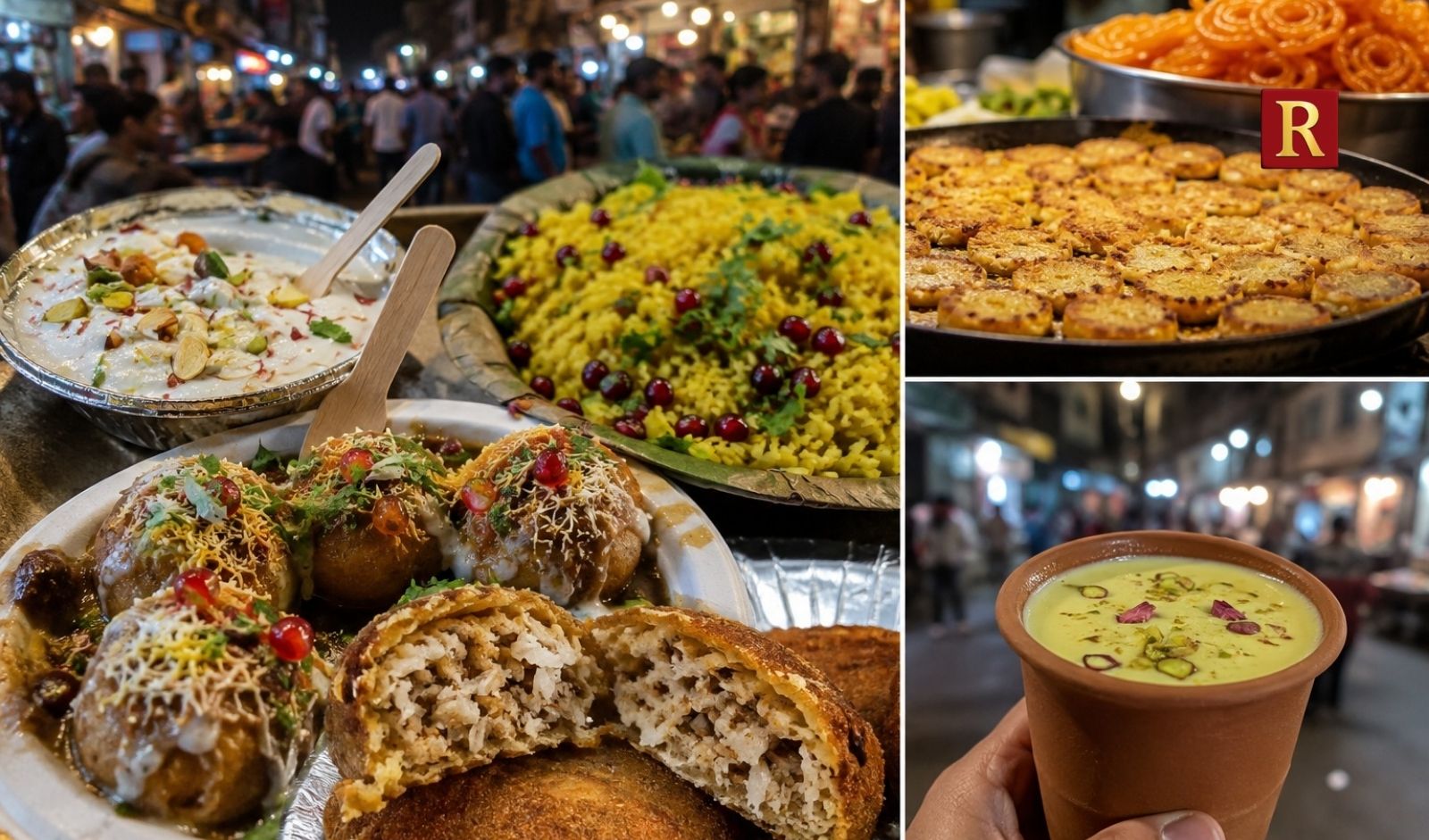
Indore is one of India's most celebrated food cities. Whether you arrive for a weekend getaway or a business trip, the city's street food is difficult to ignore. From steaming plates of poha in the morning to bustling night markets serving dozens of snacks, Indore offers a food experience that attracts visitors from across the country.
Two places define the city's street food culture—Chappan Dukan and Sarafa Bazaar. Chappan Dukan is known for breakfast, quick bites, and family-friendly dining, while Sarafa Bazaar transforms into a lively night food market after jewellery shops close for the day. Together, these two food hubs showcase the flavours that have made Indore a favourite destination for food lovers.
Why Indore Is a Street Food Paradise
Indore's food reflects the rich culinary traditions of the Malwa region, influenced by neighbouring Gujarat, Rajasthan, and Maharashtra. The city is also famous for its vegetarian cuisine, affordable prices, and generous use of local spices.
One ingredient that gives many dishes their distinctive taste is Jeeravan, a signature spice blend made with roasted cumin, black salt, pepper, cloves, and other spices. Another local favourite is Ratlami sev, a spicy gram flour snack that is sprinkled over everything from poha to chaat. Most street food dishes in Indore cost between ₹30 and ₹150, making it easy to enjoy multiple specialties in a single visit without spending much.
Explore Best Street Food in Indore
1. Chappan Dukan: Where Indore Starts Its Day
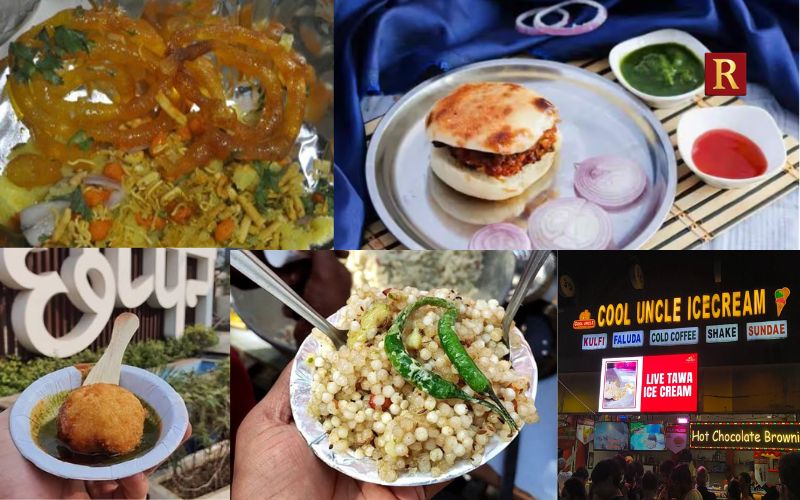
The name Chappan Dukan, which means "56 Shops," comes from the original row of 56 food outlets established decades ago. Today, the area has grown into one of the city's most organised food streets and has been redeveloped under the Smart City Mission with better seating, cleaner walkways, and improved visitor facilities. Unlike Sarafa Bazaar, Chappan Dukan is busiest from early morning until late evening. It is the perfect place to begin an Indore food tour.
Poha and Jalebi: No visit to Indore is complete without trying Poha and Jalebi. The poha is soft and fluffy, topped with onions, coriander, pomegranate seeds, crunchy sev, and a squeeze of lemon. It is often served alongside hot, crispy jalebis, creating the city's famous sweet-and-savoury breakfast combination. Thousands of plates are served every morning across the city, making it one of Indore's most recognised dishes.
Johnny Hot Dog: Despite its name, Johnny Hot Dog is not an American-style hot dog. It features a soft bun filled with a spiced potato patty, homemade chutneys, onions, and sometimes an egg variation. The outlet has been serving customers for decades and has become one of Indore's most iconic fast-food stops.
Khopra Patties: This local speciality surprises many first-time visitors. A crispy potato patty is stuffed with sweet grated coconut, dry fruits, and aromatic spices before being fried until golden. The combination of spicy potato and sweet coconut creates a flavour rarely found elsewhere in India.
Sabudana Khichdi: Although sabudana khichdi is common in several states, Indore's version stands out because of its generous toppings. Fresh coriander, roasted peanuts, pomegranate, sev, and Jeeravan masala add layers of texture and flavour.
Fresh Shakes and Kulfi: Many shops at Chappan Dukan are known for thick fruit shakes, creamy kulfis, and traditional Indian ice creams, making the area equally popular during summer evenings.
2. Sarafa Bazaar: The Night Food Market That Never Sleeps
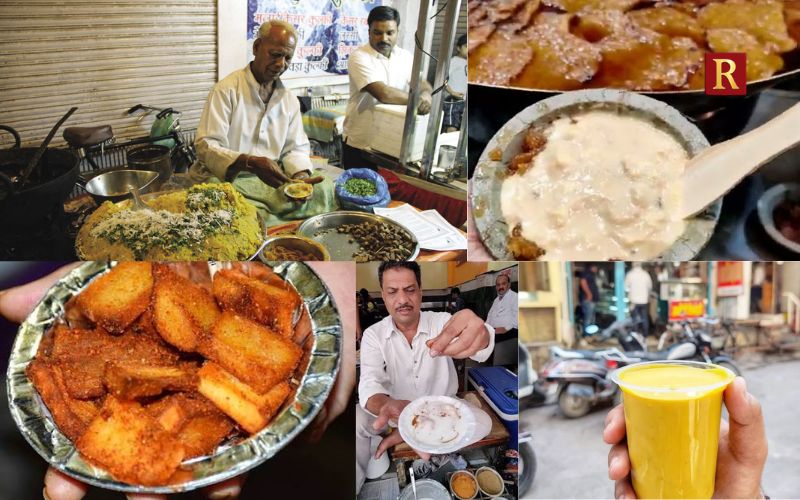
During the day, Sarafa Bazaar is one of Indore's busiest jewellery markets. As jewellery stores shut for the night, the streets transform into a vibrant food destination with dozens of stalls serving freshly prepared dishes until the early hours. The lively atmosphere, bright lights, and constant aroma of sizzling snacks make Sarafa Bazaar one of India's most famous night food markets.
Bhutte Ka Kees: One of Indore's signature dishes, Bhutte Ka Kees, is made by grating fresh corn and cooking it slowly with milk, spices, green chillies, mustard seeds, and turmeric. Unlike roasted corn, this dish has a soft, creamy texture and a mildly sweet flavour balanced by spices. It is unique to the Malwa region and remains one of the city's must-try foods.
Garadu: Garadu is especially popular during winter. Made from purple yam, the vegetable is first boiled, then deep-fried until crispy. It is finished with lemon juice and a generous sprinkle of Jeeravan masala. Its crunchy outside and soft centre make it one of the most distinctive seasonal snacks in Indore.
Joshi Dahi Bada: Few food stalls in India have become as famous for their serving style as Joshi Dahi Bada. The vendor theatrically tosses the dahi bada in the air before placing it in a bowl topped with yoghurt, sweet chutney, green chutney, spices, and fresh coriander. Beyond the performance, the dish is known for its soft lentil dumplings and balanced flavours.
Indore Shikanji: This is not the lemon drink found in many parts of India. Indore's famous shikanji is a rich milk-based beverage prepared with thickened milk, dry fruits, saffron, cardamom, and nuts. It is often enjoyed as a dessert after exploring the market.
Malpua and Rabdi: Freshly prepared malpuas served with chilled rabdi remain among Sarafa's favourite desserts. The crisp edges of the pancake pair perfectly with the thick, creamy sweetness of reduced milk.
Kulfi Falooda: A classic combination of creamy kulfi, falooda noodles, rose syrup, and dry fruits offers a refreshing end to a long evening of food hopping.
What Makes Indore's Street Food Different?
Several local ingredients define the city's unique taste.
Jeeravan Masala adds a spicy, tangy finish to many dishes.
Ratlami Sev provides crunch and extra flavour.
Fresh coriander, lemon juice, roasted peanuts, and locally made chutneys are generously used across the city's street food. These simple additions create flavours that are instantly recognisable to anyone familiar with Indore's cuisine.
Sarafa Bazaar or Chappan Dukan
The answer depends on what you want to eat.
Choose Chappan Dukan if you enjoy breakfast, quick snacks, sandwiches, milkshakes, and a relaxed family outing. It is ideal for morning visits and remains active throughout the day.
Visit Sarafa Bazaar if you want to experience Indore's famous night food culture. The market offers a wider variety of regional snacks, traditional desserts, and unique dishes that are difficult to find elsewhere.
Many visitors choose to explore both locations in a single day.
A One-Day Food Trail in Indore
Start your morning at Chappan Dukan with poha, jalebi, and a cup of tea. Spend the afternoon exploring local shops and buying Indore's famous namkeen and sev. As evening approaches, head back to Chappan Dukan for snacks such as khopra patties or Johnny Hot Dog. After dinner time, make your way to Sarafa Bazaar. Try Bhutte Ka Kees, Garadu, Joshi Dahi Bada, and finish with kulfi falooda or Indore's famous milk-based shikanji. This route lets you experience the city's most iconic flavours in a single day.
The Taste That Defines Indore
Street food in Indore is affordable, but carrying digital payment options and some cash can make purchases easier at busy stalls. Wear comfortable footwear, as both Chappan Dukan and Sarafa Bazaar are best explored on foot. Visiting on weekdays usually means shorter queues, while weekends offer a more energetic atmosphere. If you're travelling during winter, don't miss Garadu, which is available only during the season.
Indore's street food is more than a collection of popular snacks. It reflects the city's history, local ingredients, and love for bold yet balanced flavours. Whether it is the comforting simplicity of poha, the creamy richness of Bhutte Ka Kees, or the lively atmosphere of Sarafa Bazaar after dark, every dish tells a story of the Malwa region. For anyone planning a trip to Madhya Pradesh, exploring both Chappan Dukan and Sarafa Bazaar is one of the best ways to experience why Indore continues to be recognised as one of India's finest street food destinations.
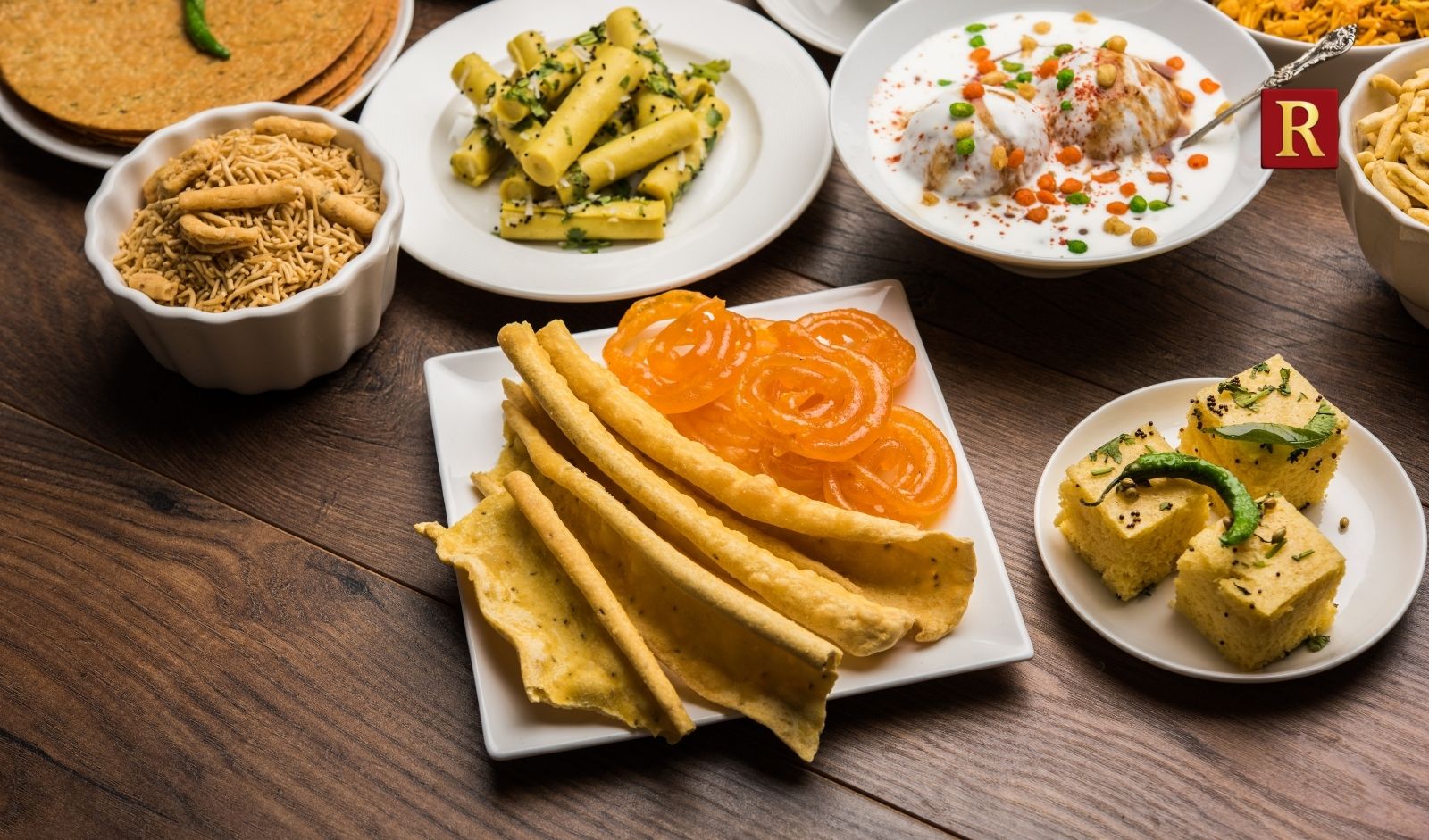
Ahmedabad is one of India's most exciting food cities. While it is famous for its rich history, vibrant markets, and stunning architecture, the city's street food is what truly captures the hearts of visitors. From crispy breakfast snacks to buttery midnight treats, every corner of Ahmedabad offers something delicious.
Unlike many Indian cities, Ahmedabad has built a unique vegetarian street food culture. Local vendors have turned simple ingredients like gram flour, potatoes, yogurt, lentils, and spices into dishes that people travel across the country to taste. The city's food is known for its perfect balance of sweet, spicy, tangy, and crunchy flavours. According to Gujarat Tourism, Ahmedabad attracts millions of domestic and international tourists every year, with food tourism becoming one of the biggest reasons people visit the city. Whether you are exploring the bustling lanes of Manek Chowk or enjoying evening snacks at Law Garden, every bite tells a story of Gujarat's culinary heritage.
Why Ahmedabad's Street Food Stands Out
Ahmedabad has developed a street food culture that reflects the state's vegetarian traditions while embracing creativity. Most recipes have been passed down through generations, preserving authentic flavours while adapting to modern tastes.
Some characteristics that make Ahmedabad's street food unique include:
- Balanced sweet and spicy flavours
- Extensive use of gram flour (besan)
- Fresh chutneys and pickles
- Fermented batters for soft textures
- Seasonal vegetables and local spices
- Affordable prices for high-quality food
Most street food items cost between ₹30 and ₹250, making Ahmedabad one of India's most budget-friendly cities for food lovers.
Explore Best Street Food in Ahmedabad
1. Fafda Jalebi
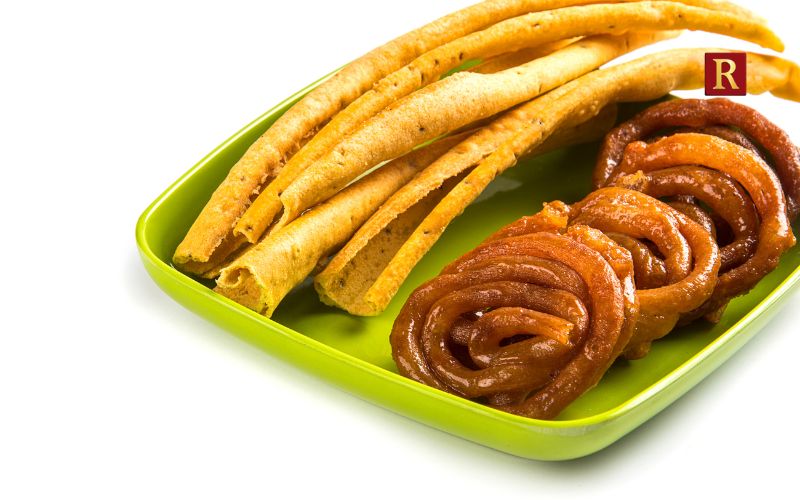
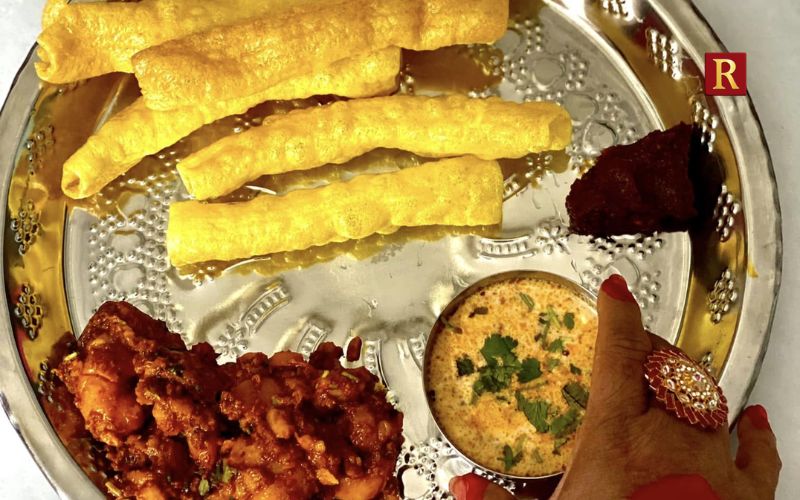
Fafda Jalebi is undoubtedly the most iconic breakfast in Ahmedabad and a dish every visitor should experience. The combination pairs crispy, deep-fried strips of gram flour called fafda with freshly made jalebis soaked in fragrant sugar syrup. It is traditionally served with spicy raw papaya sambharo, fried green chillies, and sometimes tangy chutney, creating a delightful contrast of sweet, spicy, and crunchy flavours. Although this breakfast is especially popular during Dussehra, locals enjoy it throughout the year, particularly on weekend mornings. A plate usually costs between ₹60 and ₹150, making it an affordable way to start the day with authentic Gujarati flavours.
2. Khaman
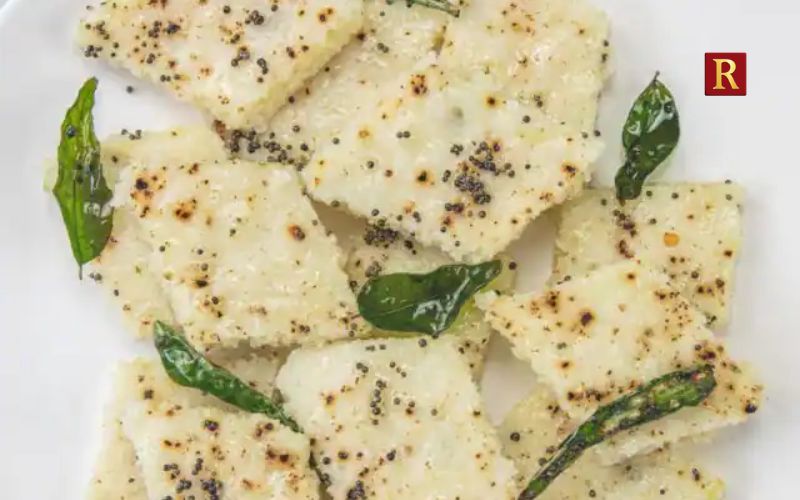
Khaman is one of Gujarat's most loved steamed snacks and a staple in Ahmedabad's street food culture. Prepared using fermented gram flour batter, it has a soft, fluffy texture and a mildly sweet flavour that sets it apart from many other Indian snacks. Vendors top it with a tempering of mustard seeds, curry leaves, sesame seeds, green chillies, fresh coriander, and grated coconut before serving it with sweet tamarind and spicy green chutneys. Light, healthy, and easy to digest, Khaman is enjoyed as breakfast or an evening snack. A fresh serving generally costs between ₹40 and ₹100, depending on the portion and location.
3. Dhokla
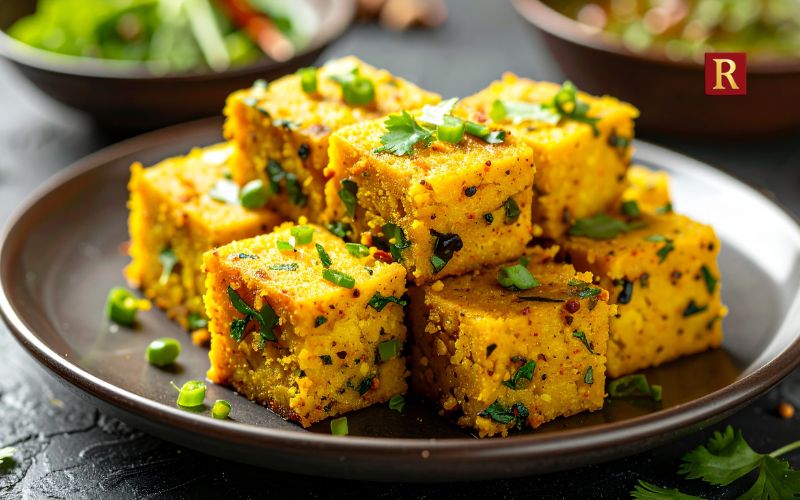
Dhokla is one of the most recognised Gujarati delicacies, but many people mistakenly think it is the same as Khaman. Traditional Dhokla is prepared using a fermented mixture of rice and lentils, giving it a slightly tangy taste and firmer texture. Once steamed, it is tempered with mustard seeds, curry leaves, green chillies, and fresh coriander, making it light yet flavourful. It is often served with coriander chutney and sweet tamarind sauce, making it suitable for breakfast, tea-time, or light meals. A plate typically costs between ₹40 and ₹100, making it one of Ahmedabad's healthiest and most affordable street foods.
4. Khandvi
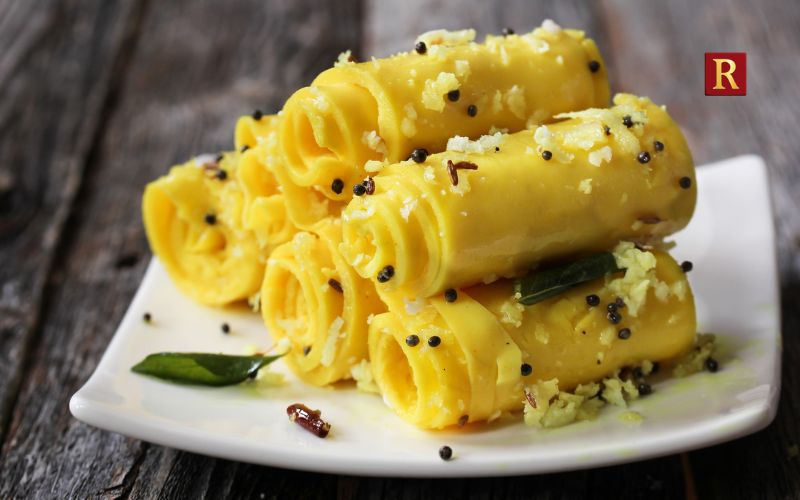
Khandvi is famous for its delicate appearance and melt-in-the-mouth texture, showcasing the skill of Gujarati cuisine. It is prepared by cooking gram flour and yogurt into a smooth batter, which is spread thinly, rolled into elegant spirals, and tempered with mustard seeds, sesame seeds, curry leaves, and grated coconut. The snack offers a perfect balance of creamy, tangy, and mildly spicy flavours while remaining light and nutritious. It is commonly served as a tea-time snack and is loved by people of all ages. A serving of freshly prepared Khandvi usually costs between ₹50 and ₹120, depending on the vendor.
5. Sev Khamani
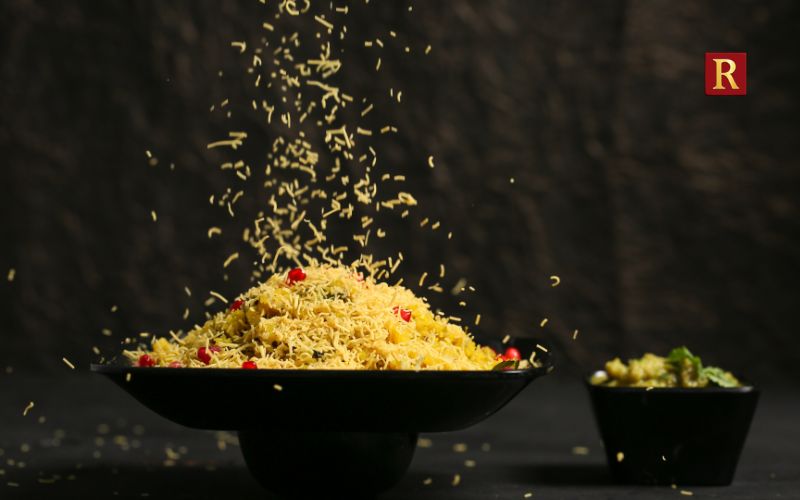
Sev Khamani is a unique Ahmedabad speciality created by crumbling soft khaman and transforming it into a flavourful snack. The khaman is mixed with garlic, ginger, lemon juice, spices, coriander, pomegranate seeds, and fresh herbs before being generously topped with crispy sev. Some vendors also add peanuts or grated coconut to enhance the texture and taste. The result is a delicious combination of sweet, tangy, spicy, and crunchy flavours in every bite. Popular as both a breakfast and evening snack, Sev Khamani remains a favourite among locals. A generous serving is usually priced between ₹40 and ₹100.
6. Patra
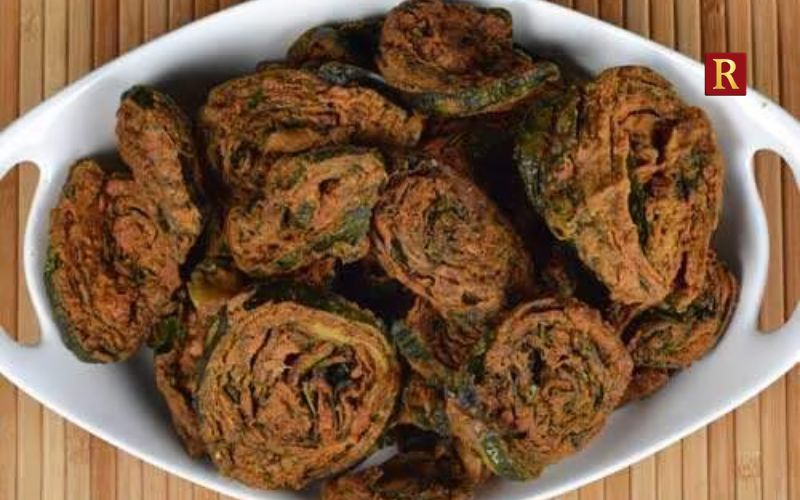
Patra is one of Gujarat's oldest and most traditional snacks, prepared using colocasia leaves coated with a seasoned gram flour paste. The leaves are carefully rolled, steamed until soft, sliced into rounds, and lightly tempered with mustard seeds and sesame seeds. The dish offers a wonderful balance of sweet, spicy, tangy, and earthy flavours, while grated coconut and fresh coriander add freshness. Patra is enjoyed throughout the year as a healthy snack because it contains leafy vegetables and steamed ingredients. Available across Ahmedabad's popular food markets, a serving generally costs between ₹50 and ₹120, making it both delicious and affordable.
7. Dabeli
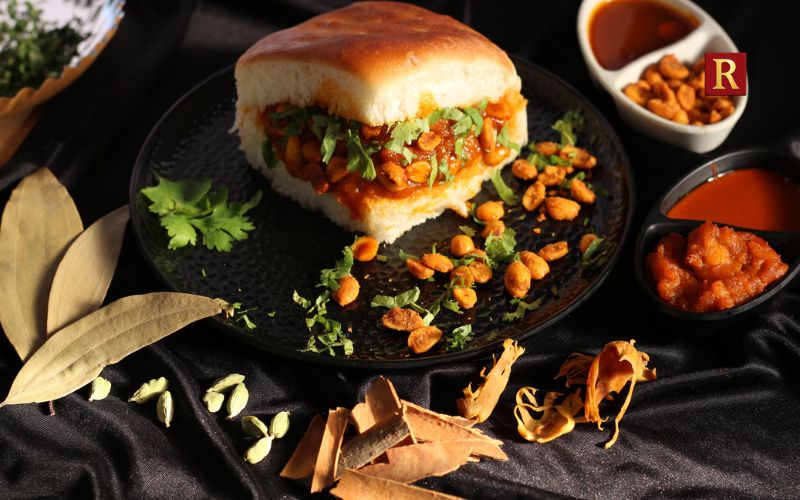
Originally created in the Kutch region of Gujarat, Dabeli has become one of Ahmedabad's favourite street foods. A soft bun is filled with spicy mashed potato mixture seasoned with a special dabeli masala before being layered with sweet tamarind chutney, spicy garlic chutney, roasted peanuts, pomegranate seeds, onions, and crispy sev. The bun is lightly toasted with butter, creating a crunchy exterior and soft interior. Every bite delivers a perfect combination of sweet, spicy, tangy, and crunchy textures. Whether eaten as an evening snack or a quick meal, Dabeli is widely available for ₹30 to ₹80, making it one of the city's best-value street foods.
8. Bhungla Batata
Bhungla Batata is a colourful and flavour-packed snack that has become increasingly popular among Ahmedabad's younger crowd. It consists of crispy potato sticks tossed with onions, tomatoes, fresh coriander, green chillies, tangy chutneys, lemon juice, spices, and a generous topping of crunchy sev. Some vendors also add cheese or mayonnaise to give the dish a modern twist. The combination of crunchy, spicy, tangy, and savoury flavours makes it highly addictive and perfect for sharing. Commonly found at evening food markets like Law Garden, a serving usually costs between ₹80 and ₹150, depending on the toppings and portion size.
9. Sev Usal
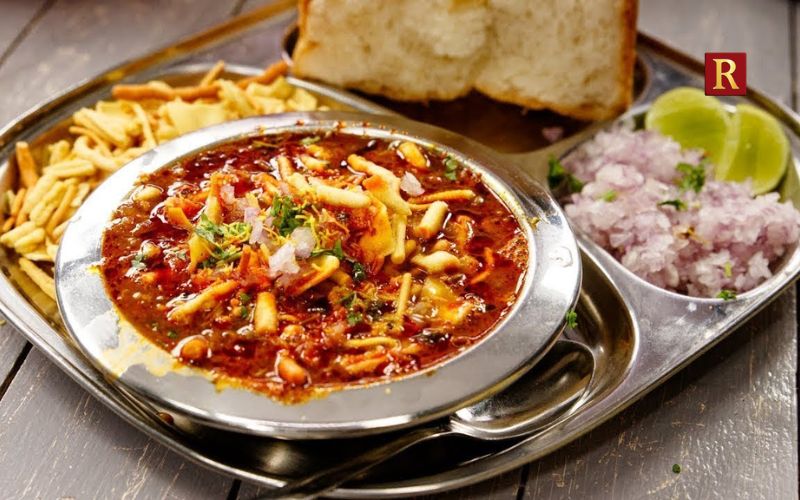
Sev Usal is a hearty Gujarati street food that makes for a filling breakfast or satisfying evening meal. It features a spicy white peas curry cooked with tomatoes, onions, garlic, ginger, and aromatic spices before being topped generously with crunchy sev, chopped onions, coriander, and a squeeze of fresh lemon juice. Some vendors also serve it with buttered pav, making it even more satisfying. The combination of spicy curry and crispy toppings creates an enjoyable contrast of textures. Rich in flavour and protein, Sev Usal is widely available across Ahmedabad at prices ranging from ₹50 to ₹120 per serving.
10. Locho
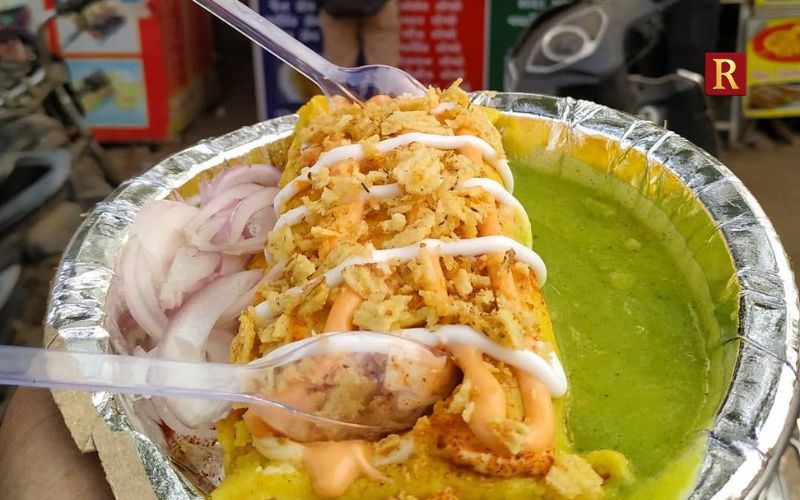
Although Locho originated in Surat, it has gained immense popularity among food lovers in Ahmedabad. Unlike neatly shaped snacks, Locho has a soft, uneven appearance that reflects its accidental creation. It is made from steamed gram flour batter and topped with butter, spicy chutneys, onions, sev, fresh coriander, and sometimes grated cheese for extra richness. Its fluffy texture and bold flavours have made it a favourite among youngsters looking for a filling snack. Vendors often customise the spice level according to customer preference. A generous plate of Locho usually costs between ₹70 and ₹150, depending on the toppings.
11. Ghotala Dosa
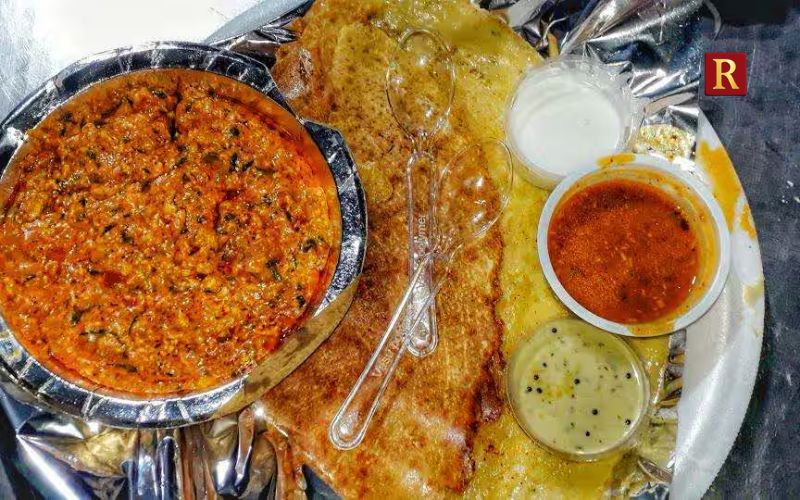
Ghotala Dosa represents Ahmedabad's love for creative fusion street food. Unlike traditional South Indian dosas, this version is heavily loaded with butter, vegetables, cheese, spicy masala, and signature sauces prepared by individual vendors. Everything is mixed together on a large hot griddle before being wrapped inside a crispy dosa, creating a rich and indulgent meal. It is especially popular at Manek Chowk, where food stalls remain busy late into the night. The generous portions make it ideal for sharing among friends or family. Depending on the ingredients and quantity, Ghotala Dosa generally costs between ₹180 and ₹350.
12. Chocolate and Pineapple Sandwiches
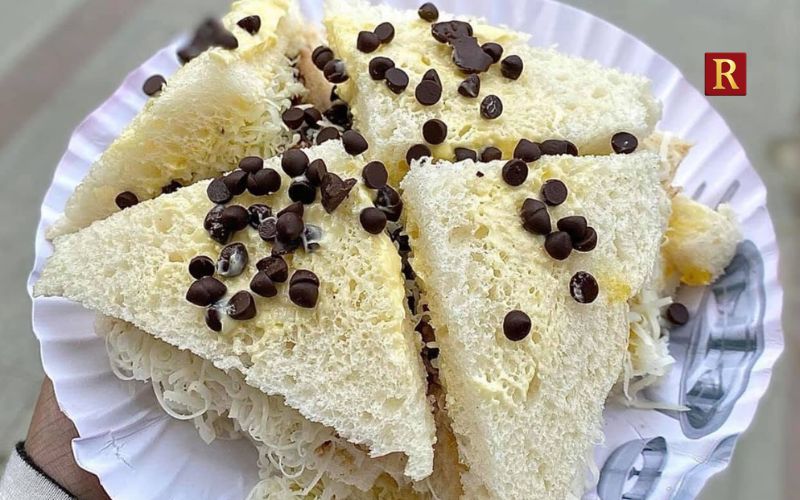
Ahmedabad has transformed simple sandwiches into creative desserts that attract both locals and tourists. Chocolate sandwiches are filled with melted chocolate, dry fruits, chocolate chips, ice cream, and sometimes grated cheese, creating a rich sweet treat. Pineapple sandwiches combine fresh pineapple slices with butter, cheese, sweet sauces, and spices, producing a surprisingly refreshing flavour. These innovative sandwiches are particularly famous at Manek Chowk, where vendors constantly experiment with new combinations to attract food lovers. They have become a must-try experience for anyone exploring the city's nightlife. Depending on the fillings and size, these sandwiches are usually priced between ₹100 and ₹250.
Where to Experience the Best Street Food
Manek Chowk: Manek Chowk is undoubtedly Ahmedabad's most famous food destination. During the day, it functions as a jewellery market. After sunset, hundreds of food stalls transform the area into one of India's busiest night food markets.
Law Garden Food Market: Law Garden is another must-visit destination for food lovers. Visitors often shop for traditional Gujarati handicrafts before enjoying dabeli, chaat, sandwiches, bhungla batata, and refreshing beverages from nearby food stalls.
Lal Darwaja: Lal Darwaja is known for authentic Gujarati snacks like khaman, fafda, patra, and freshly prepared farsan.
CG Road: CG Road offers a modern blend of cafés and street food vendors, making it popular among students and young professionals.
A Perfect One-Day Ahmedabad Food Trail
Start your morning with crispy Fafda Jalebi and a cup of hot tea. Continue with soft Khaman around mid-morning before tasting Patra for lunch. In the evening, head to Law Garden for Dabeli and Bhungla Batata. End your day at Manek Chowk, where Pav Bhaji, Ghotala Dosa, Kulfi, and creative sandwiches make for an unforgettable late-night feast. A complete food trail can easily be enjoyed within a budget of ₹800–₹1,500 per person, depending on the number of dishes sampled.
Seasonal Delicacies Worth Trying
Winter is one of the best times to visit Ahmedabad because seasonal dishes become available across the city. Undhiyu, a slow-cooked vegetable delicacy, is widely enjoyed during the colder months. Another seasonal speciality is Ponk, made from tender green sorghum grains and served with sev, spices, and lemon juice. During summer, fresh sugarcane juice, mango desserts, and chilled chaas help locals beat the heat.
Visit breakfast markets early in the morning for the freshest fafda and khaman, while Manek Chowk is best explored after 8:30 PM. Carry digital payment options, stay hydrated, and sample smaller portions so you can enjoy a wider variety of dishes without feeling too full.
Happy Eating!
Ahmedabad's street food is much more than a quick meal. It reflects the city's traditions, innovation, and love for sharing food with family and friends. Every snack has evolved through generations while keeping its authentic roots alive. Whether it is the comforting simplicity of Khaman, the iconic pairing of Fafda and Jalebi, or the indulgent flavours of Ghotala Dosa at Manek Chowk, every bite offers a memorable experience. For anyone planning a trip to Gujarat, exploring Ahmedabad's vibrant street food scene is as essential as visiting its UNESCO-listed heritage sites. With affordable prices, endless variety, and flavours that appeal to every palate, the city continues to earn its reputation as one of India's greatest street food destinations.
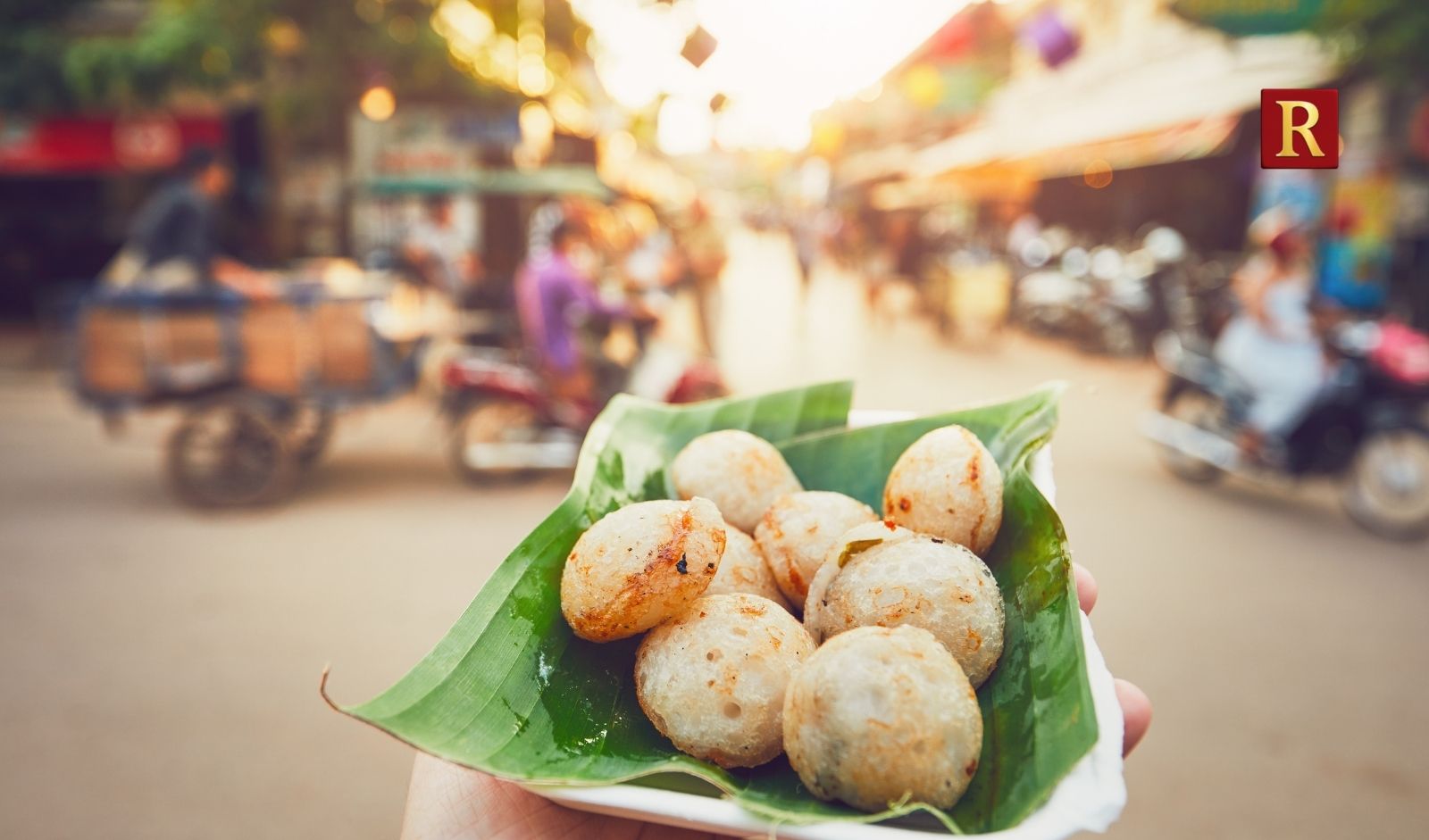
Bengaluru is often called India's Silicon Valley, but the city has another identity that food lovers know well—its vibrant street food culture. While cafés and fine-dining restaurants are everywhere, nothing captures the city's culinary spirit quite like VV Puram Food Street. Popularly known as Thindi Beedi in Kannada, meaning "Snack Street," this lively lane has become one of the most visited food destinations in Karnataka.
Located near Sajjan Rao Circle in Basavanagudi, VV Puram Food Street stretches for less than 150 metres. Despite its small size, it is home to more than 20 food stalls serving everything from traditional Karnataka snacks to chaats, sweets, dosas, and modern street food. Every evening, thousands of locals and tourists gather here to enjoy affordable, freshly prepared vegetarian delicacies.
Why VV Puram Food Street Is Bengaluru's Street Food Capital
Unlike many food streets that specialise in only one cuisine, VV Puram offers an incredible mix of regional and contemporary flavours. Families, college students, office workers, and tourists visit this iconic lane because every few steps introduce a new aroma, a sizzling tawa, or a freshly prepared sweet. Most stalls have been serving customers for decades, with recipes passed down through generations. Live cooking adds to the excitement as visitors watch dosas being flipped, holige roasted with ghee, and pani puri assembled in seconds. The combination of affordability, variety, and heritage has helped VV Puram earn its reputation as Bengaluru's most famous vegetarian food street.
Best Time to Visit
The food street begins getting busy after 5:00 PM, but the real atmosphere comes alive between 6:30 PM and 9:30 PM. During weekends, the crowd can easily double, making weekdays a better choice if you prefer shorter waiting times. The ideal season to visit is from October to February when Bengaluru's pleasant weather makes walking and food hopping much more enjoyable. If you visit during December or January, you may also experience the famous Avarekai Mela, where dozens of dishes are prepared using fresh hyacinth beans sourced directly from local farmers. The festival attracts thousands of visitors every year and supports Karnataka's farming community.
Find 10 Must-Try Street Foods at VV Puram
1. Congress Bun
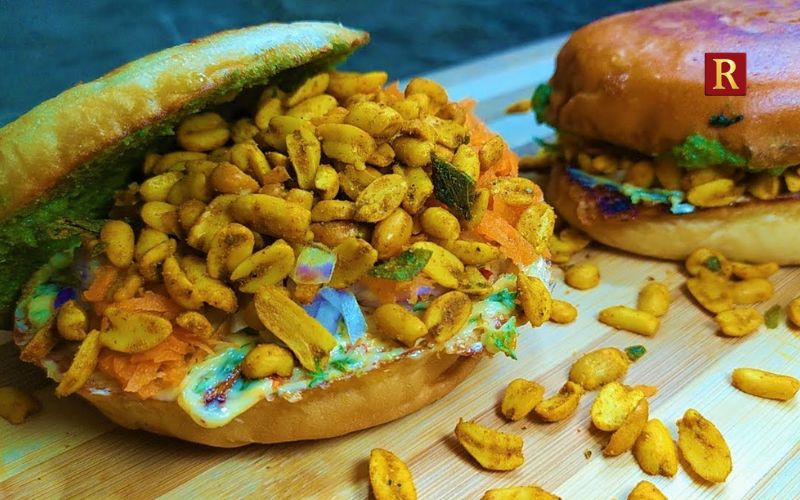
The Congress Bun is one of Bengaluru's most loved bakery snacks and a signature item near VV Puram Food Street. Made with a soft, freshly baked bun, it is stuffed with a spicy mixture of roasted peanuts, coriander, green chillies, grated carrots, onions, and a blend of flavourful spices. A generous layer of butter adds richness and enhances every bite. The snack gets its name from its colourful filling, which some believe resembles the colours of the Indian National Congress flag. Costing around Rs 30 to Rs 50, it is an affordable evening snack that perfectly balances crunch, spice, freshness, and buttery goodness.
2. Holige (Obbattu)
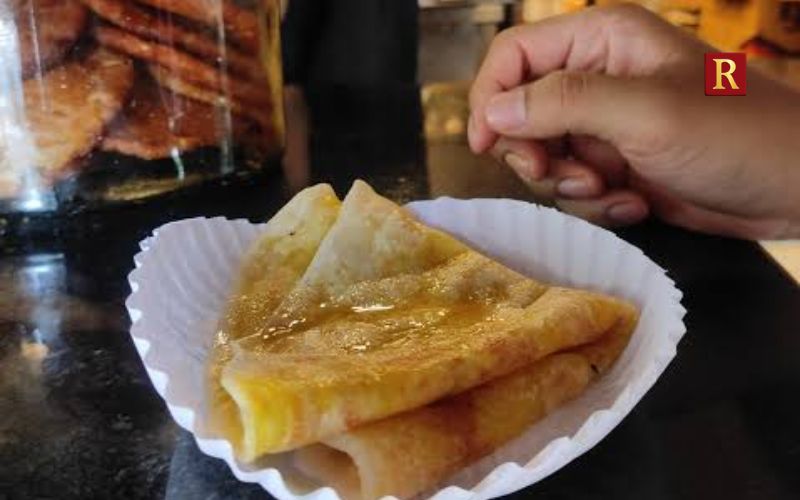
Holige, also known as Obbattu or Puran Poli in different regions, is one of Karnataka's oldest and most cherished festive sweets. It is prepared by stuffing thin wheat dough with fillings like jaggery and chana dal, coconut, sesame seeds, or even dry fruits before roasting it on a hot griddle with plenty of ghee. The result is a soft, aromatic flatbread with a rich and sweet centre. Many stalls at VV Puram prepare Holige fresh throughout the evening, filling the street with the aroma of roasted ghee. Prices usually range from Rs 20 to Rs 40, making it a delicious traditional dessert.
3. Akki Roti
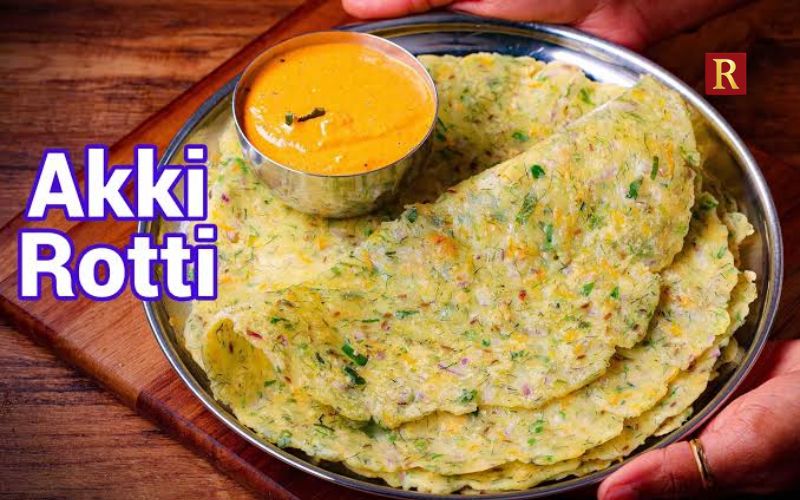
Akki Roti is a traditional Karnataka flatbread made primarily from rice flour, making it naturally gluten-free and wonderfully crisp. The dough is mixed with finely chopped onions, green chillies, grated carrots, coriander leaves, cumin seeds, curry leaves, and fresh coconut before being flattened by hand and cooked on a hot tawa. It is usually served with coconut chutney, vegetable curry, or spicy pickle. The combination of crispy edges and soft centre makes every bite satisfying. Rich in local flavours and simple ingredients, Akki Roti reflects Karnataka's home-style cooking traditions and remains a favourite among both locals and tourists.
4. Paddu
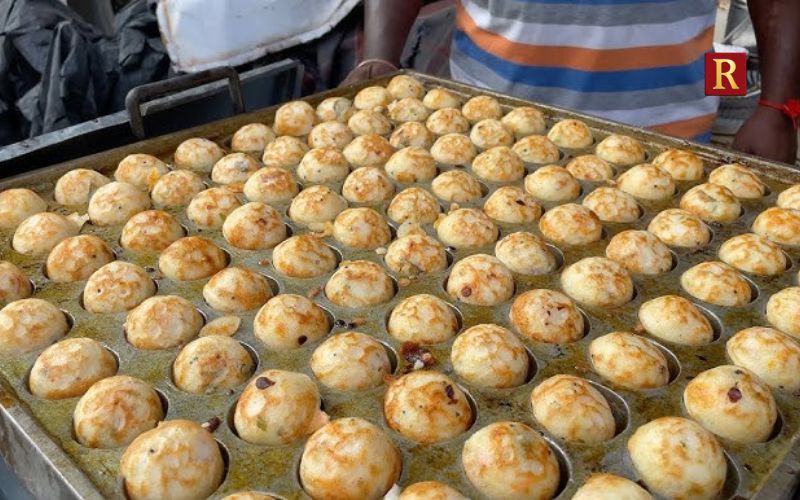
Paddu, also called Appe or Gundponglu in different parts of South India, is a bite-sized snack made using fermented idli or dosa batter. The batter is poured into a special moulded pan, creating perfectly round dumplings that are crispy outside and fluffy inside. Many vendors add onions, mustard seeds, curry leaves, coriander, and green chillies to enhance the flavour. Served with spicy coconut chutney or tomato chutney, Paddu is a wholesome snack that is light yet filling. Priced between Rs 40 and Rs 60, it is among the fastest-selling dishes at VV Puram during busy evenings.
5. Masala Dosa
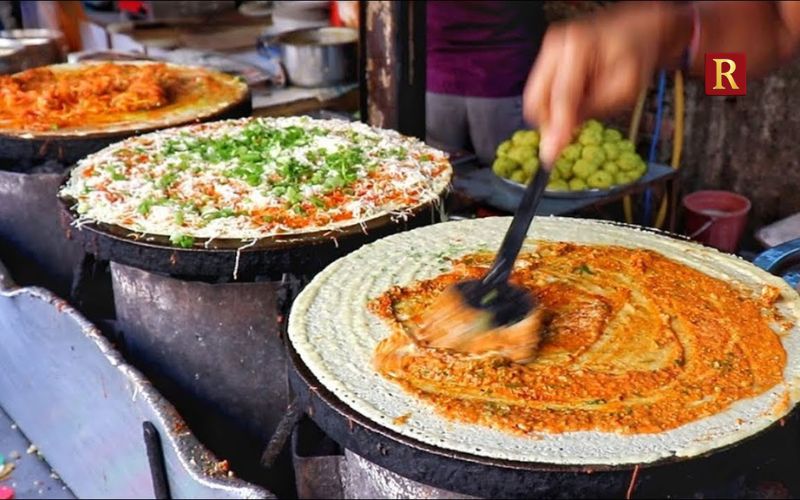
Masala Dosa is one of South India's most famous dishes and remains a highlight of VV Puram Food Street. Prepared using fermented rice and lentil batter, the dosa is spread thinly on a hot griddle until golden and crispy. It is then filled with a delicious potato masala made from boiled potatoes, onions, mustard seeds, turmeric, curry leaves, and green chillies. Served alongside coconut chutney and hot sambar, every bite offers a delightful mix of crunch and softness. Depending on the stall, a Masala Dosa typically costs between Rs 60 and Rs 120 and is ideal for a satisfying meal.
6. Thatte Idli
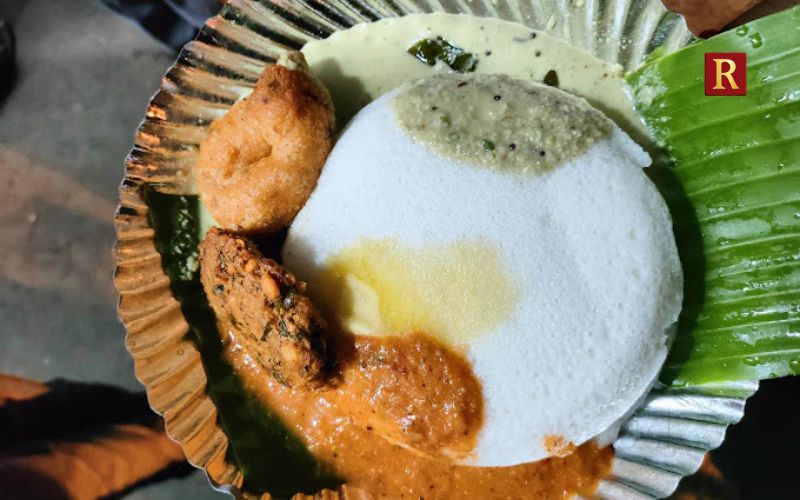
Thatte Idli literally means "plate idli" in Kannada because it is steamed in flat plates instead of traditional moulds. The result is a much larger, softer, and fluffier idli that almost melts in your mouth. Prepared from fermented rice and urad dal batter, it is served hot with coconut chutney, spicy chutney powder, butter, and steaming sambar. Some vendors even drizzle extra ghee over the idli for added richness. Its light texture makes it suitable for people of all ages. Costing around Rs 40 to Rs 70, Thatte Idli is one of the healthiest options at VV Puram.
7. Masala Puri
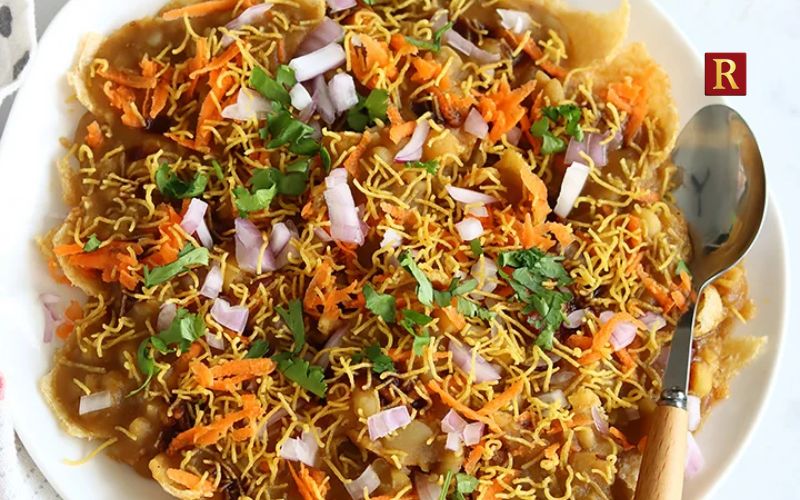
Masala Puri is a signature Bengaluru-style chaat that has become an essential part of every food walk at VV Puram. Unlike regular pani puri, this dish combines crushed crispy puris with a thick white peas curry, chopped onions, tomatoes, coriander leaves, sev, and tangy tamarind and mint chutneys. Some vendors also sprinkle special masala powders and fresh lemon juice for extra flavour. The combination creates a perfect balance of spicy, tangy, crunchy, and slightly sweet tastes in every spoonful. Usually priced between Rs 40 and Rs 80, Masala Puri is especially popular during cool Bengaluru evenings.
8. Gobi Manchurian
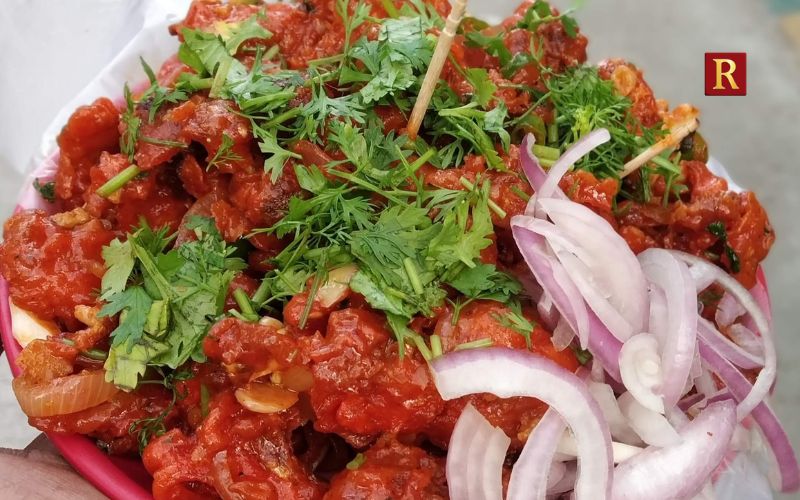
Gobi Manchurian is one of the most popular Indo-Chinese street foods found across Bengaluru, and VV Puram serves some of its tastiest versions. Fresh cauliflower florets are coated in seasoned batter, deep-fried until crisp, and tossed in a spicy sauce made with garlic, ginger, soy sauce, green chillies, onions, and spring onions. Some stalls offer both dry and gravy versions, while others prepare extra-spicy variations for adventurous eaters. Though it has Chinese influences, the bold Indian spices make it uniquely local. Costing around Rs 60 to Rs 120, it remains a favourite among students and young food lovers.
9. Jalebi
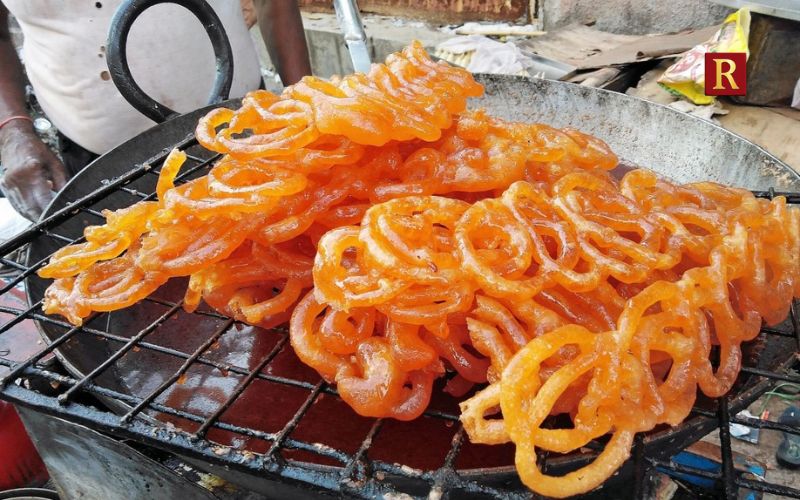
Nothing completes a street food trail better than a serving of freshly prepared Jalebi. Made by piping fermented flour batter into hot oil in spiral shapes, the crispy rings are immediately dipped into fragrant sugar syrup infused with cardamom or saffron. The result is a sweet with a crunchy exterior and juicy interior that melts in your mouth. Many stalls prepare Jalebis fresh throughout the evening, ensuring they are served piping hot. Some even pair them with creamy rabri for a richer dessert experience. Prices generally range from Rs 30 to Rs 70, making them an irresistible sweet treat.
10. Badam Milk
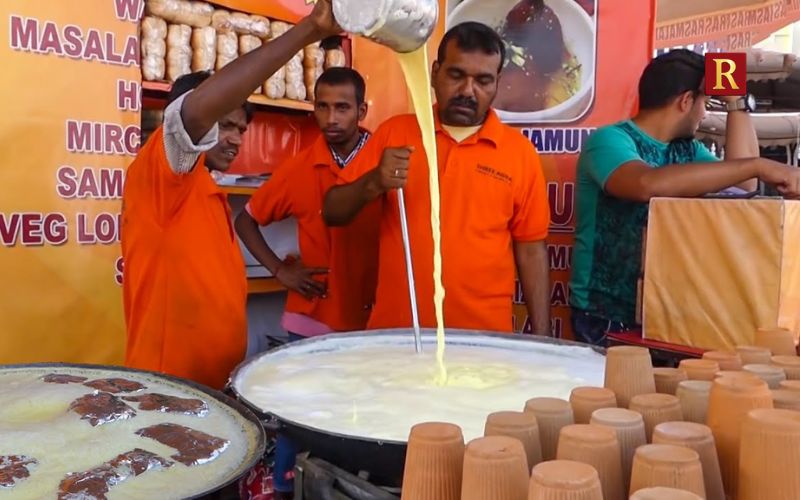
Badam Milk is one of the most refreshing beverages to enjoy after tasting several spicy dishes at VV Puram Food Street. Prepared using milk, almonds, saffron, sugar, and cardamom, it has a naturally rich, creamy texture and a pleasant nutty flavour. Depending on the season, it is served either chilled or warm. Some vendors garnish it with chopped pistachios or additional almond slivers for extra richness. Besides its delicious taste, Badam Milk is also valued for its protein, calcium, and healthy fats. Usually priced between Rs 40 and Rs 80, it offers the perfect finish to a memorable Bengaluru food trail.
Famous Stops You Shouldn't Miss
Several vendors have become landmarks in their own right. VB Bakery is widely known for its legendary Congress Bun, while dedicated Holige stalls continue to preserve Karnataka's sweet-making traditions. Chaat counters serve Bengaluru-style Masala Puri and Floating Pani Puri, while juice centres attract long queues for refreshing Rose Milk, Badam Milk, and seasonal fruit juices. These iconic outlets have helped shape the street's identity over the years.
Hidden Specialties Worth Trying
While most visitors head straight for dosas and chaats, several lesser-known dishes deserve attention. Mosaru Kodubale combines crispy Kodubale with seasoned curd for a refreshing snack. Ragi Roti provides a healthier alternative packed with finger millet goodness. During the Avarekai season, stalls introduce innovative dishes such as Avarekai Dosa, Avarekai Vada, and Avarekai Holige, showcasing Karnataka's seasonal produce.
How Much Should You Budget?
One of the biggest attractions of VV Puram Food Street is its affordability. Most dishes cost between Rs 30 and Rs 100, making it possible to enjoy a satisfying food trail without spending much.
Approximate prices include:
- Congress Bun: Rs 30–Rs 50
- Holige: Rs 20–Rs 40
- Paddu: Rs 40–Rs 60
- Masala Dosa: Rs 60–Rs 120
- Chaat: Rs 40–Rs 80
- Badam Milk: Rs 40–Rs 80
For around Rs 400–Rs 600 per person, you can comfortably sample eight to ten different dishes.
Tips for the Best Experience
Visit early in the evening to avoid long queues. Wear comfortable footwear because the best way to enjoy the food street is by walking from stall to stall. Since you'll want to try several dishes, share portions with family or friends. Carry digital payment options, as most vendors now accept UPI alongside cash. Choose freshly prepared food, dispose of plates responsibly, and be mindful that the area can become crowded during peak hours.
Happy Eating!
VV Puram Food Street is much more than a collection of food stalls. It represents Bengaluru's culinary heritage, bringing together traditional Karnataka recipes, classic Indian street food, and modern flavours in one vibrant destination. Every sizzling dosa, freshly roasted holige, and steaming glass of Badam Milk tells a story of the city's rich food culture. Whether you are visiting Bengaluru for the first time or have lived in the city for years, an evening at VV Puram Food Street offers an unforgettable journey through some of Karnataka's most loved flavours. With affordable prices, authentic recipes, and an atmosphere full of energy, it continues to earn its place as one of India's finest street food destinations.
Nothing feels more comforting than watching the rain with a hot cup of tea and a plate of freshly cooked street food. Across India, the arrival of the monsoon brings more than cooler weather. It marks the beginning of a food season filled with crispy fritters, spicy chaats, roasted corn, and steaming snacks that bring families and friends together.
The Indian street food industry serves millions of people every day and is deeply connected to the country's culinary culture. During the rainy season, roadside stalls become even busier as people look for warm, flavourful dishes that perfectly match the weather. From the busy lanes of Delhi to the beaches of Mumbai and the streets of Kolkata, every region has its own rainy-day favourite.
Why Street Food Becomes More Tempting During Monsoon
Rain changes the way people experience food. The cool weather naturally creates a craving for warm meals. The smell of freshly fried pakoras or roasted corn spreads quickly through the air, making it difficult to resist.
Food experts also explain this through science. High humidity helps aroma molecules stay in the air longer, making fried foods smell richer. The crisp texture, spicy flavours, and hot serving temperature create a satisfying eating experience that many people associate with comfort and nostalgia.
What Makes Monsoon Street Food Special?
Most monsoon snacks are cooked fresh at high temperatures. They use simple ingredients but are packed with flavour thanks to spices such as ginger, green chilli, cumin, ajwain, black pepper, turmeric, and coriander.
Many of these spices have traditionally been valued for their warming properties and are commonly used in Indian kitchens during the rainy season. Combined with hot tea, they create one of India's most loved seasonal food traditions.
Explore 15 Monsoon Street Food Favourites in India
1. Pakora
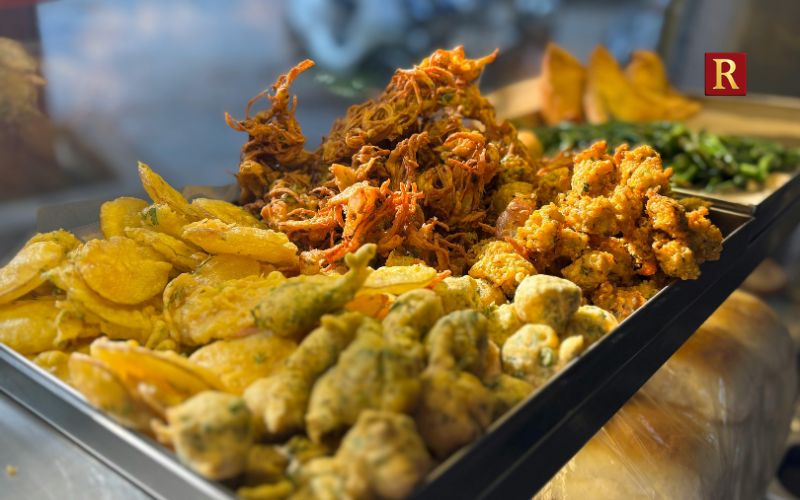
Pakora is one of India's most iconic monsoon snacks and a timeless favourite enjoyed across the country. Made by coating vegetables like onion, potato, spinach, paneer, cauliflower, or even banana flower in a seasoned gram flour batter, the fritters are deep-fried until crisp and golden. Every region has its own version, using local vegetables and spice blends to create unique flavours. The crunchy exterior and soft, flavourful centre make pakoras especially satisfying on rainy days. They are usually served with mint chutney, tamarind sauce, and a steaming cup of masala or ginger tea. Freshly prepared pakoras continue to be the ultimate comfort food during India's monsoon season.
2. Roasted Bhutta
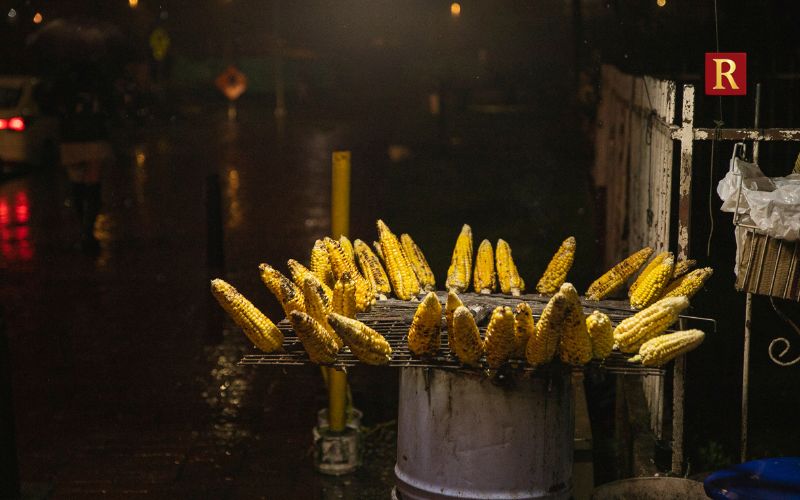
Roasted bhutta is one of the healthiest and most loved monsoon street foods in India. Fresh corn on the cob is slowly roasted over hot charcoal until the kernels become smoky and lightly charred. It is then rubbed with lemon juice, salt, and red chilli powder, creating a perfect balance of sweet, tangy, and spicy flavours. Bhutta is rich in dietary fibre, vitamin C, antioxidants, and essential minerals, making it a lighter alternative to fried snacks. During the rainy season, the aroma of roasting corn fills streets across the country, making it an irresistible treat for people of all ages.
3. Vada Pav
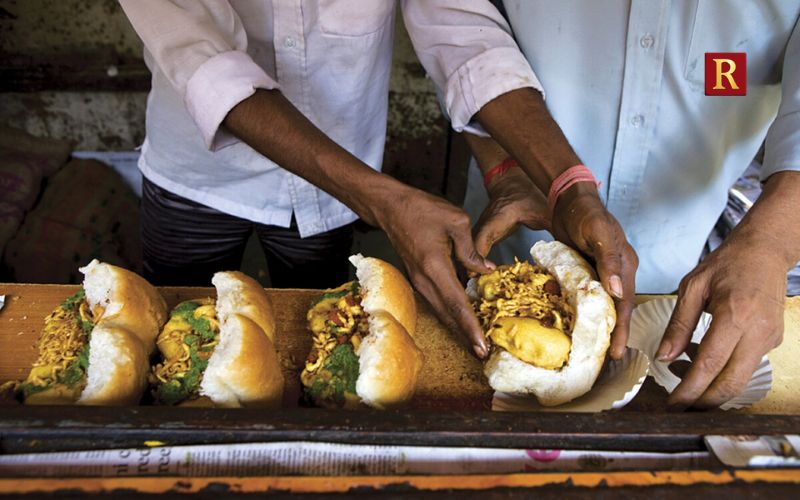
Often called Mumbai's signature street food, vada pav is a delicious combination of a spicy potato fritter placed inside a soft pav bun. The potato filling is prepared with mashed potatoes, mustard seeds, turmeric, garlic, green chillies, and coriander before being coated in gram flour batter and deep fried. It is served with dry garlic chutney, green chutney, and fried green chillies for an extra kick of flavour. Originally introduced as an affordable meal for textile workers during the 1960s, vada pav has become one of India's most popular street foods. It is especially comforting during rainy evenings with a hot cup of cutting chai.
4. Pav Bhaji
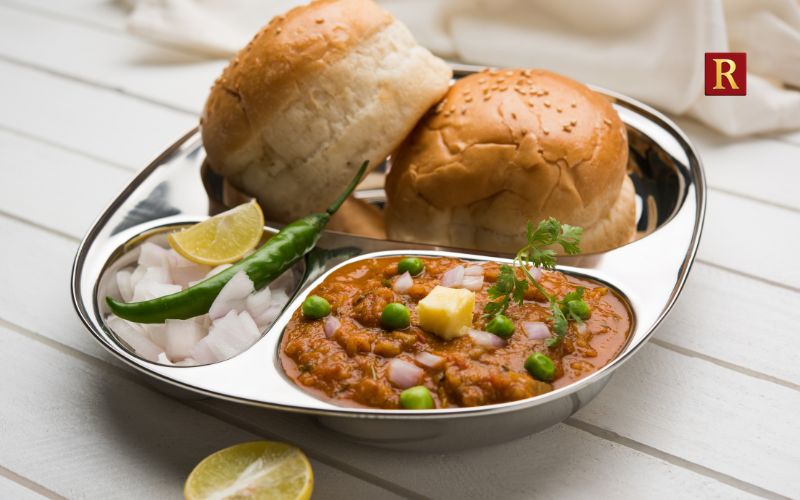
Pav bhaji is a rich and comforting street food that becomes even more enjoyable during the monsoon. The dish features a thick vegetable mash prepared using potatoes, tomatoes, peas, capsicum, onions, and a blend of aromatic spices known as pav bhaji masala. It is cooked with generous amounts of butter until smooth and flavourful. Soft bread rolls are toasted on a hot griddle with butter before being served alongside the bhaji. Fresh onions, coriander leaves, and lemon wedges add freshness to every bite. Originally created as a quick meal for Mumbai's textile workers, pav bhaji is now loved throughout India.
5. Kanda Bhaji
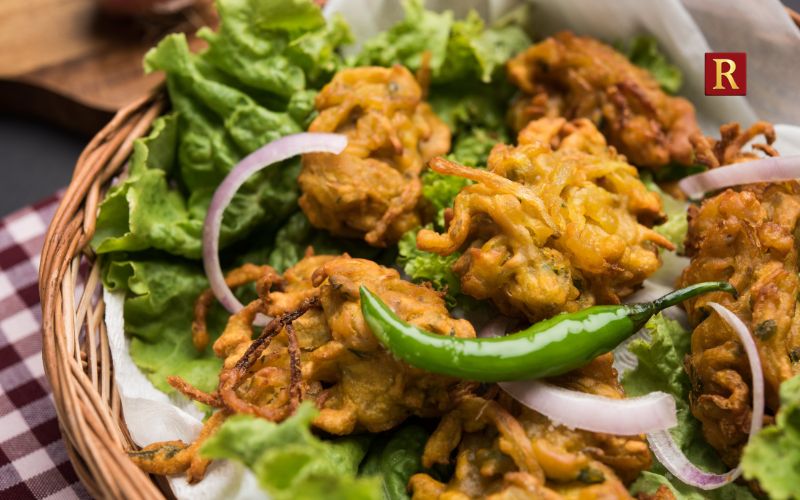
Kanda bhaji is a traditional Maharashtrian snack that holds a special place during the rainy season. Thin slices of onion are mixed with gram flour, green chillies, coriander, turmeric, carom seeds, and spices before being deep-fried into crispy clusters. Unlike regular pakoras, kanda bhaji has a lighter, crunchier texture because the onions naturally release moisture while frying. It is commonly served with spicy green chutney or dry garlic chutney and pairs perfectly with hot ginger tea. During heavy monsoon showers, roadside stalls across Maharashtra witness long queues of people waiting to enjoy this freshly fried seasonal favourite.
6. Momos
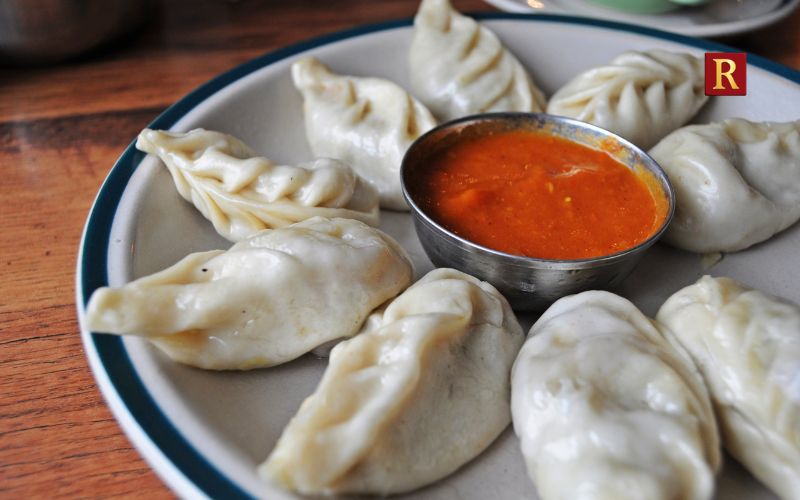
Momos have become one of India's favourite street foods, especially during the monsoon when people crave warm and comforting snacks. Originally from the Himalayan region, these soft dumplings are commonly filled with vegetables, paneer, mushrooms, or a mix of finely chopped ingredients and aromatic seasonings. They are steamed until tender and served with a fiery red chilli-garlic chutney that adds a spicy kick. Fried momos are also popular for those who enjoy a crisp texture. Rich in flavour yet lighter than many deep-fried snacks, momos pair perfectly with cool, rainy evenings and a hot bowl of clear soup.
7. Mirchi Bajji
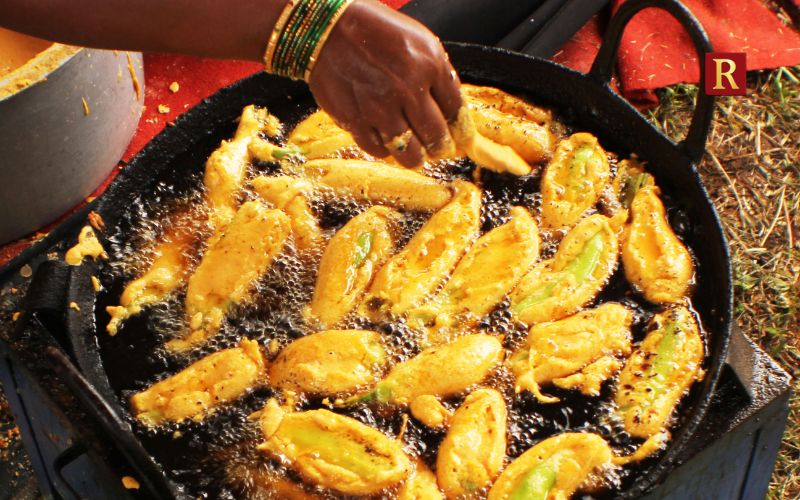
Mirchi bajji is a famous monsoon snack from Telangana and Andhra Pradesh that combines bold flavours with a satisfying crunch. Large, mild green chillies are slit open and often stuffed with a tangy spice mixture before being coated in seasoned gram flour batter and deep-fried until golden. Despite their size, the chillies are usually less spicy than they appear, making the snack enjoyable for many people. Street vendors often top mirchi bajji with chopped onions, fresh coriander, lemon juice, and tangy chutneys to enhance the taste. It is a favourite choice during rainy evenings across southern India.
8. Samosa
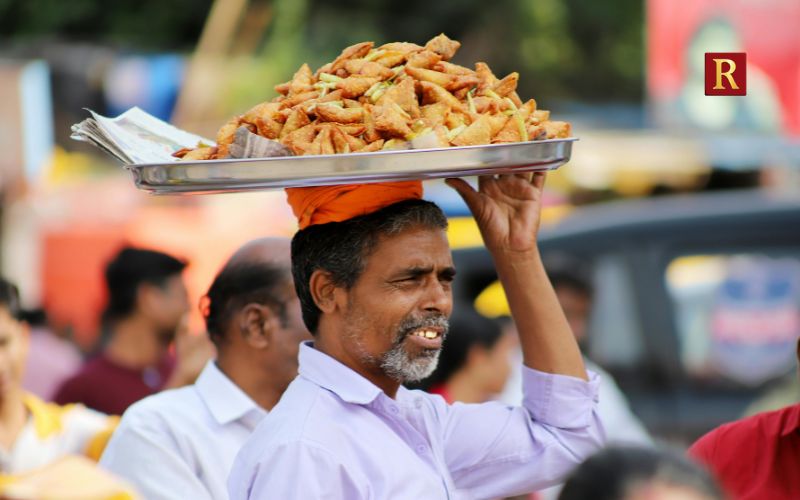
Samosa is one of India's most iconic snacks and remains a favourite during the rainy season. Its crisp, flaky pastry is filled with a delicious mixture of spiced potatoes, green peas, herbs, and aromatic spices before being deep-fried until perfectly golden. Different regions have introduced unique variations, including fillings made with lentils, dry fruits, paneer, noodles, or cheese. Samosas are commonly served with sweet tamarind chutney and spicy mint chutney, creating a balance of sweet, tangy, and spicy flavours. Whether enjoyed at roadside stalls or tea shops, samosas continue to be a timeless comfort food during monsoon.
9. Bread Pakora
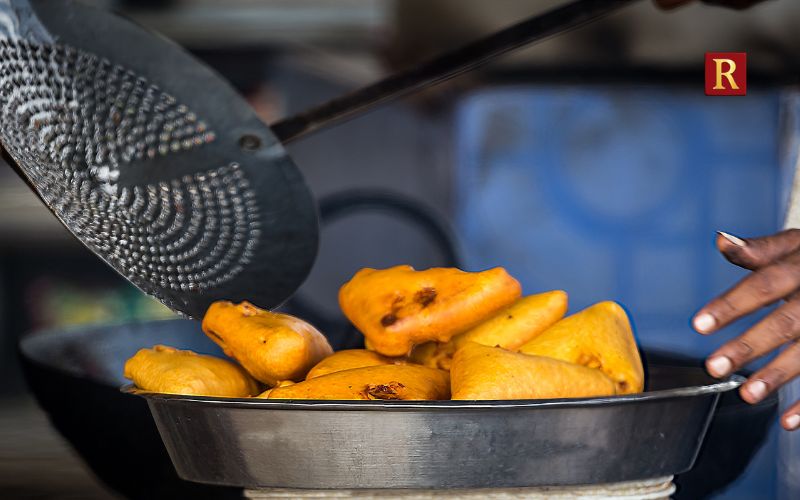
Bread pakora is a filling North Indian street food that becomes especially popular when it rains. Thick slices of bread are stuffed with a spiced mashed potato filling, coated in a seasoned gram flour batter, and deep-fried until crisp and golden. Some versions also include paneer or green chutney inside the bread for added flavour. The crunchy exterior contrasts beautifully with the soft, savoury filling, making every bite satisfying. It is usually served with mint chutney, tamarind sauce, or fried green chillies. A hot cup of masala chai alongside bread pakora creates the perfect rainy-day snack combination.
10. Aloo Tikki
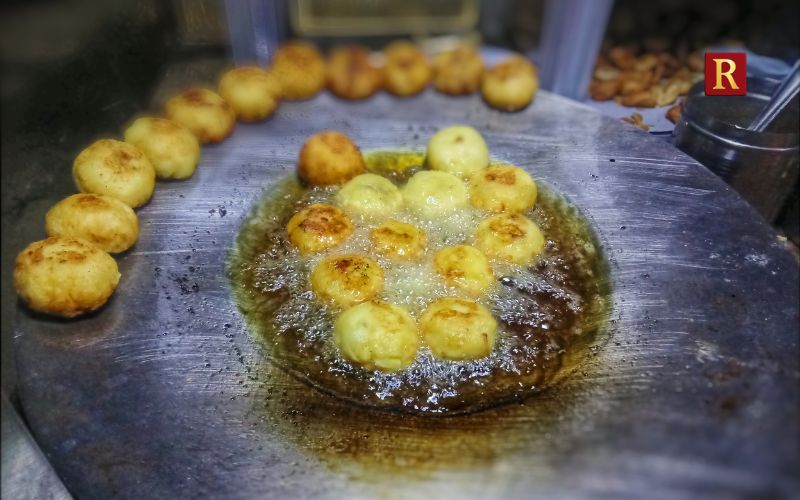
Aloo tikki is one of Delhi's most famous street food dishes and a must-try during the monsoon season. Made from mashed potatoes mixed with spices and herbs, the patties are shallow-fried until they develop a crisp golden crust while remaining soft inside. They are then topped with creamy yoghurt, spicy green chutney, sweet tamarind chutney, chopped onions, fresh coriander, and a sprinkle of chaat masala. Some vendors also add chickpea curry to create an even more filling meal. The combination of crunchy, creamy, tangy, and spicy flavours makes aloo tikki an unforgettable rainy-day favourite.
11. Ram Ladoo
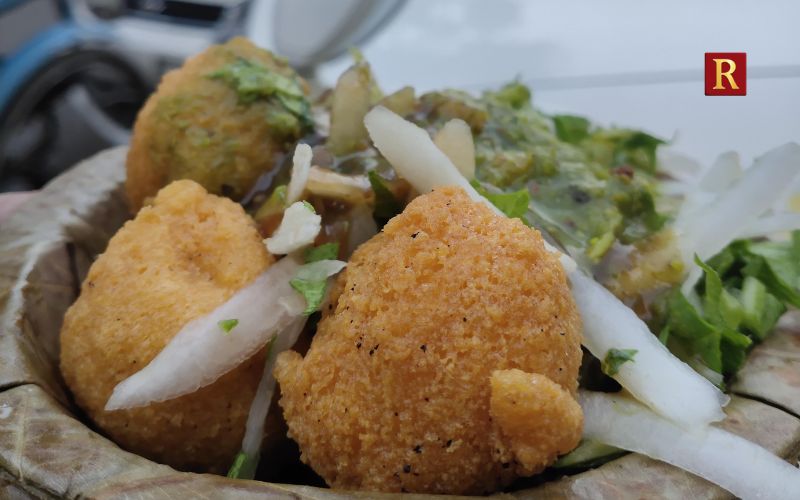
Despite its name, Ram Ladoo is not a sweet dessert but one of Delhi's most iconic street foods. These crispy fritters are made from soaked and ground moong dal and chana dal, which are whipped into a light batter before being deep-fried until golden and crunchy. What makes Ram Ladoo unique is its refreshing topping of grated white radish, fresh coriander, and spicy green chutney. The combination of crispy lentil fritters with crunchy radish creates a delightful contrast of textures. Popular in Delhi's bustling markets, Ram Ladoo is a favourite monsoon snack that offers both flavour and a good source of plant-based protein.
12. Moong Dal Pakodi
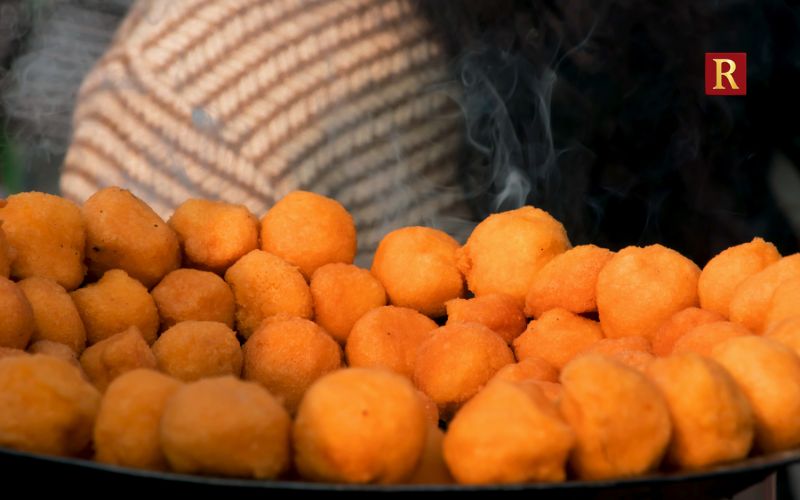
Moong Dal Pakodi is a traditional Rajasthani snack that is especially popular during the rainy season. Prepared using soaked yellow moong dal blended with green chillies, ginger, coriander, cumin, and aromatic spices, the batter is deep-fried into bite-sized fritters until crisp and golden. Unlike potato-based pakoras, these lentil fritters contain more protein and have a rich, nutty flavour. Their crunchy texture and spicy taste make them perfect for enjoying with mint chutney or tangy tamarind sauce. During monsoon evenings, many households and roadside vendors across Rajasthan serve freshly fried moong dal pakodis with hot masala chai.
13. Sabudana Vada
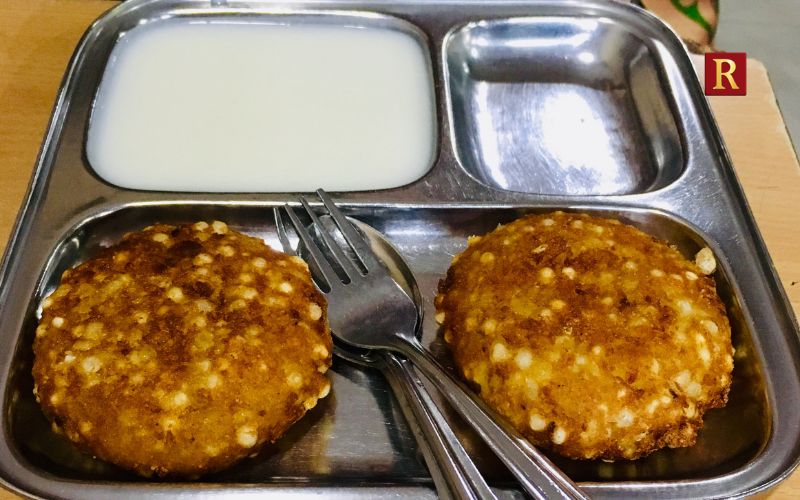
Sabudana Vada is a beloved snack from Maharashtra and Gujarat that is widely enjoyed during the monsoon and festive fasting periods. It is prepared using soaked tapioca pearls mixed with mashed potatoes, roasted peanuts, green chillies, cumin, coriander, and fresh herbs. The mixture is shaped into round patties and deep-fried until the outside becomes perfectly crisp while the centre remains soft and chewy. The roasted peanuts add a delicious crunch and nutty flavour to every bite. Sabudana vada is traditionally served with coconut chutney or yoghurt, making it a satisfying and comforting snack for cool rainy days.
14. Mysore Bonda
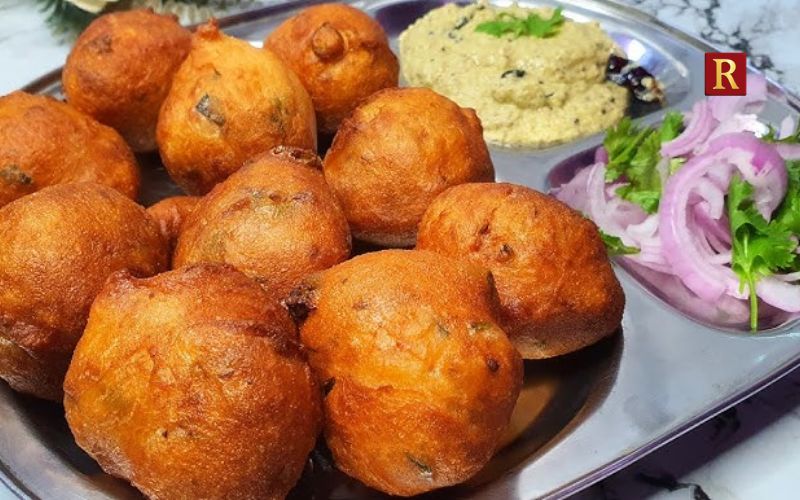
Mysore Bonda is a popular South Indian snack that perfectly complements rainy weather. Made from a batter of refined flour or urad dal, it is flavoured with ginger, green chillies, black pepper, curry leaves, cumin, and sometimes grated coconut. Small portions of the batter are deep-fried until they develop a crispy golden crust while remaining soft, airy, and fluffy inside. The mild spices give the snack a comforting warmth that pairs beautifully with coconut chutney and hot sambar. Served in many restaurants and roadside stalls across Karnataka and neighbouring states, Mysore Bonda is a favourite tea-time treat during monsoon.
15. Jhal Muri
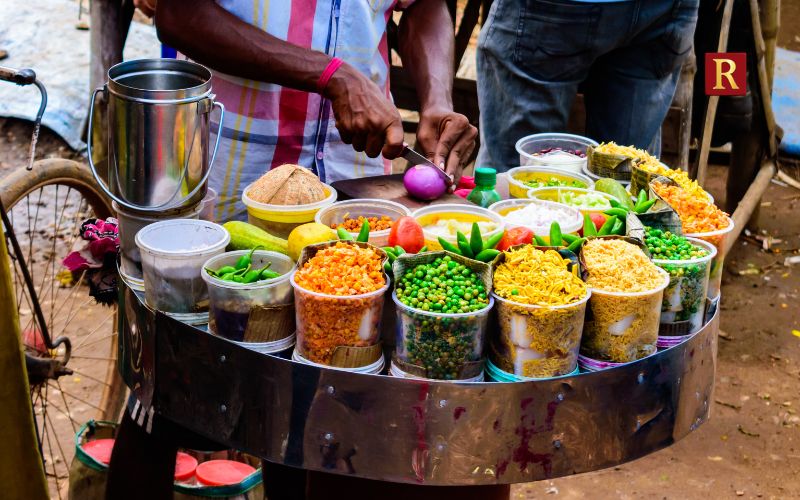
Jhal Muri is Kolkata's famous street snack that proves delicious food does not always need deep frying. It is prepared by mixing puffed rice with roasted peanuts, chopped onions, tomatoes, green chillies, coriander leaves, roasted spices, black salt, and a generous drizzle of pungent mustard oil. Some vendors also add boiled potatoes, coconut pieces, or crunchy sev to enhance the texture. The result is a light yet flavour-packed snack with spicy, tangy, and smoky notes in every bite. Easy to carry and quick to prepare, Jhal Muri remains a favourite monsoon treat for people strolling through Kolkata's busy streets.
The Science Behind Crispy Street Food
The irresistible taste of fried snacks comes from the Maillard reaction. This natural chemical process happens when proteins and sugars react at temperatures between 140°C and 165°C. It creates the golden-brown colour, rich aroma, and savoury flavour found in pakoras, samosas, and bread pakoras. Freshly fried food also releases hundreds of aroma compounds that become more noticeable in cool, humid weather. This explains why street food often smells even more inviting during rainfall.
Nutrition at a Glance
Not all monsoon snacks have the same nutritional value.
Roasted bhutta contains around 100–120 calories and is high in fibre.
Steamed momos provide about 35–45 calories per piece, depending on the filling.
Pakoras usually contain 250–350 calories per serving because of deep frying.
A single vada pav contains approximately 300–350 calories.
Bread pakora can range between 300–400 calories.
Balancing fried snacks with roasted or steamed options helps create a healthier seasonal diet.
Bringing the Street Food Experience Home
Monsoon brings higher humidity, which allows bacteria to multiply faster. Choosing hygienic vendors is just as important as selecting delicious food. Look for stalls that prepare food fresh in front of customers. Eat snacks while they are still hot. Avoid uncovered chutneys, cut fruits, and food that has been left outside for long periods. Drinking clean bottled or filtered water also reduces the risk of seasonal infections.
Many classic monsoon snacks can be recreated in your own kitchen with healthier methods. Air fryers reduce oil without sacrificing crispness. Whole wheat bread works well for bread pakoras, while roasted spices can replace extra salt for more flavour. Homemade mint chutney, tamarind sauce, and masala tea complete the experience and allow families to enjoy favourite rainy-day dishes in a safe environment.
Happy Monsoon!
India's monsoon street food is much more than a collection of snacks. It reflects regional traditions, local ingredients, and the country's love for sharing food during every season. Whether it is the smoky flavour of roasted bhutta, the crisp bite of pakoras, the spice of mirchi bajji, or the comforting taste of pav bhaji, every dish tells a story of culture and community. As the rain begins to fall, these timeless favourites continue to turn ordinary evenings into memorable food experiences. Choosing freshly prepared dishes from clean vendors or recreating them at home ensures that every bite remains both delicious and safe throughout the monsoon season.
Delhi has no shortage of cafés, but some places offer much more than a good cup of coffee. Over the years, certain neighbourhoods have evolved into café destinations where people stroll from one outlet to another, discover hidden corners, capture memorable photographs, and spend entire afternoons soaking in the atmosphere. These café lanes have become a part of Delhi's lifestyle culture, attracting everyone from students and freelancers to couples and tourists. Whether you are planning a weekend outing, a casual coffee date, or simply looking for a change of scenery, these aesthetic café lanes in Delhi promise experiences that go beyond the menu.
Discover Top 7 Aesthetic Café Lanes in Delhi
1. Champa Gali, Saket
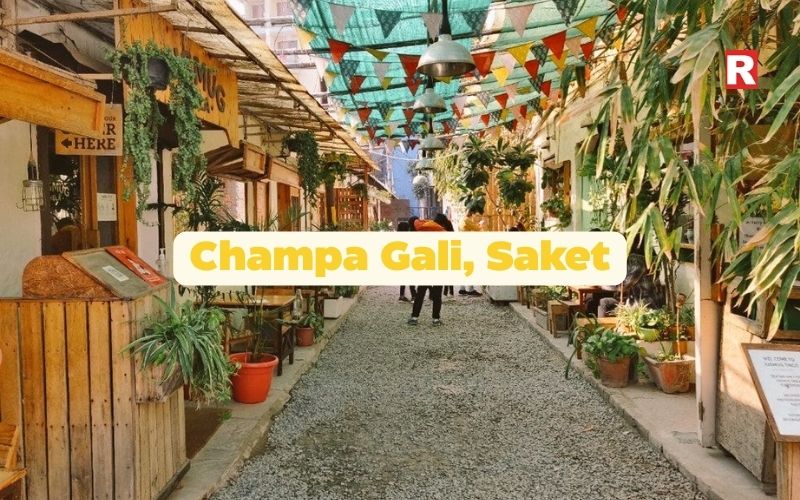
If Delhi had its own secret European-inspired corner, Champa Gali would probably be it. Located in the Saidulajab area near Saket, this hidden lane has transformed former warehouse spaces into charming cafés and creative studios. The narrow pathways, exposed brick walls, hanging lights, and artistic details create an atmosphere that feels far removed from the city's usual pace. One of the biggest reasons people return to Champa Gali is its ability to offer a complete experience. You can enjoy coffee, browse through independent stores, and spend hours simply admiring the surroundings. Popular cafés in the area include Bella Vie and Dream Catchers Cafe. Evenings are particularly magical when the fairy lights illuminate the lane.
- Best for: Creative outings and cosy dates
- Approximate budget: Rs 800–Rs 1,500 for two
2. Hudson Lane, GTB Nagar
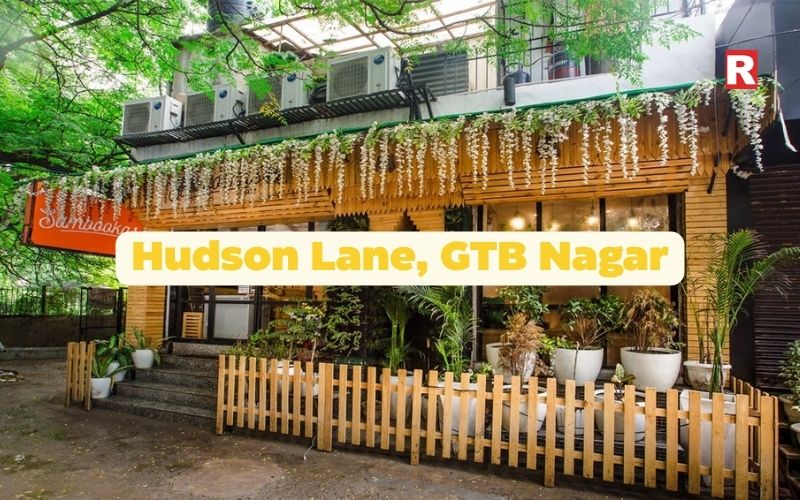
Hudson Lane proves that aesthetic spaces do not always have to be expensive. Situated near Delhi University's North Campus, this café street has become a favourite among students. The area is packed with eateries offering trendy interiors, generous portions, and affordable pricing. What makes Hudson Lane unique is its energy. The streets remain lively throughout the day, with students moving between lectures, study sessions, and social gatherings. From quirky dessert cafés to rooftop dining spots, the lane offers enough variety to satisfy different preferences without stretching your budget.
- Best for: Group hangouts and casual outings
- Approximate budget: Rs 500–Rs 1,000 for two
3. Majnu Ka Tila
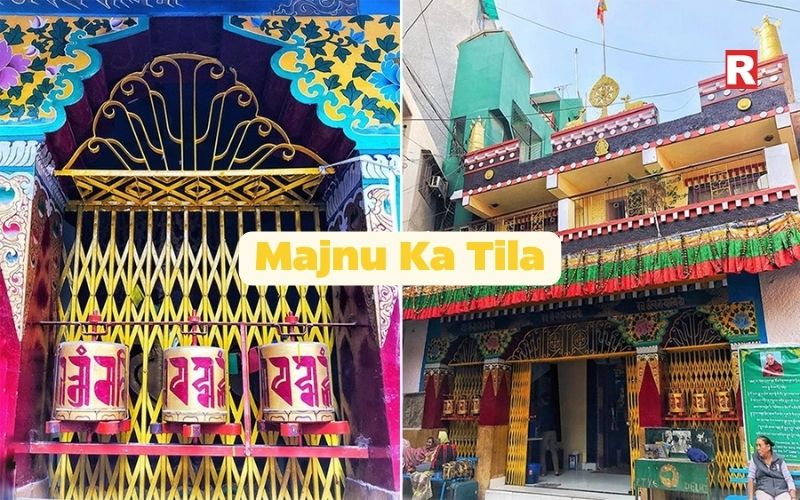
Majnu Ka Tila offers one of Delhi's most distinctive café experiences. This Tibetan settlement introduces visitors to a different side of the city through its colourful streets, authentic food, and welcoming cafés. Prayer flags flutter overhead while narrow alleys lead to hidden gems serving freshly baked treats and comforting beverages. AMA Cafe remains one of the locality's most celebrated destinations. Known for its hearty breakfasts and warm ambience, it often attracts long queues during weekends. The area encourages slow exploration. Visitors often spend time walking through the market before settling into a café for conversations over coffee and Tibetan delicacies.
- Best for: Leisurely breakfasts and cultural exploration
- Approximate budget: Rs 700–Rs 1,200 for two
4. Khan Market
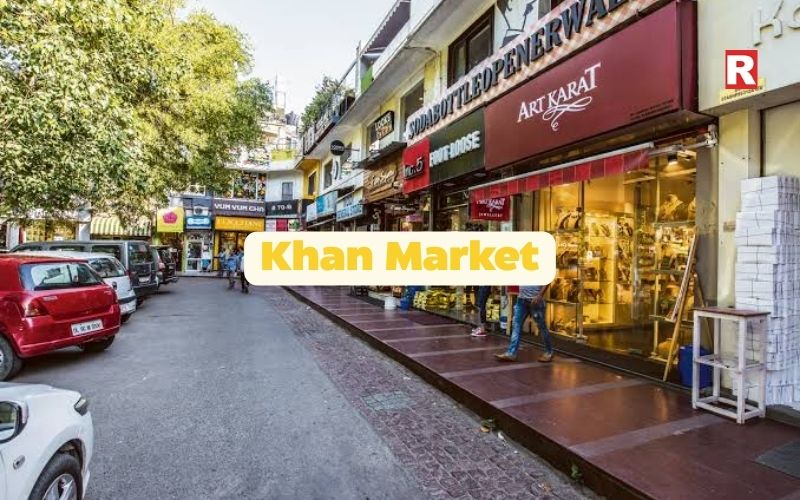
Khan Market represents sophistication and timeless appeal. Widely recognised as one of Delhi's most premium retail destinations, the area also houses several elegant cafés that attract professionals, entrepreneurs, and long-time residents. Unlike trend-driven spaces, Khan Market focuses on comfort and consistency. Its cafés often feature understated interiors, quality ingredients, and attentive service. The area is ideal for readers who enjoy pairing coffee with a bookstore visit or professionals seeking a refined environment for meetings. The Big Chill Cafe continues to be one of the market's most beloved establishments.
- Best for: Brunch meetings and elegant coffee dates
- Approximate budget: Rs 1,500–Rs 2,500 for two
5. Lodhi Colony's Meherchand Market
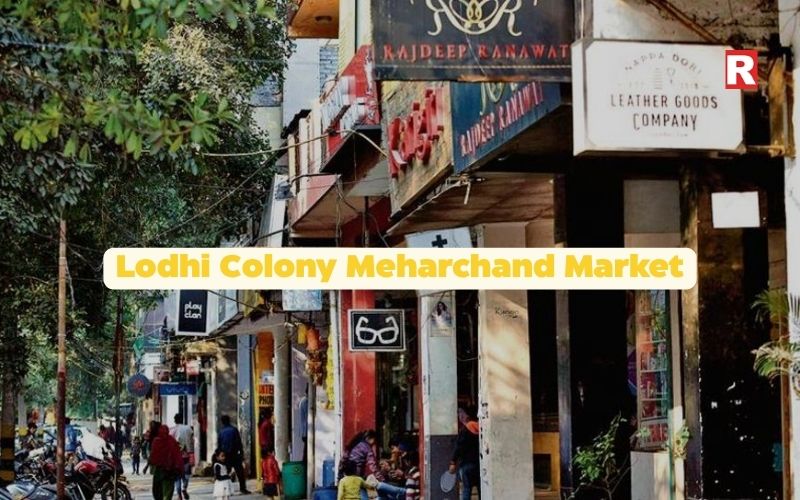
Art enthusiasts often find themselves drawn to Lodhi Colony. Home to India's first open-air public art district, the neighbourhood blends creativity with calm surroundings. Vibrant murals decorate nearby buildings, creating a visually rich backdrop for café visits. Meherchand Market complements this artistic identity with intimate cafés that encourage relaxed conversations and focused work sessions. Many visitors begin their outing by exploring the Lodhi Art District before heading to a nearby café to unwind. Compared to some of Delhi's busier food destinations, Lodhi Colony offers a quieter and more thoughtful experience.
- Best for: Solo café visits and creative inspiration
- Approximate budget: Rs 800–Rs 1,400 for two
6. Satya Niketan
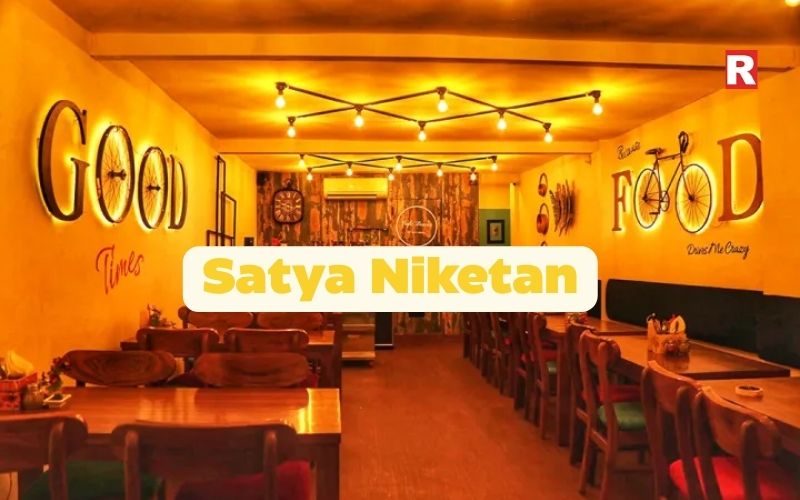
Located close to several educational institutions, Satya Niketan has built a reputation as one of Delhi's most accessible dining destinations. The area combines affordability with variety. Visitors can choose between rooftop cafés, comfort food outlets, and modern dining spaces that cater to younger audiences. Unlike premium markets where ambience often comes at a high price, Satya Niketan provides attractive settings without overwhelming expenses. Its lively atmosphere makes it especially popular during evenings and weekends.
- Best for: Student outings and rooftop dining experiences
- Approximate budget: Rs 500–Rs 1,000 for two
7. SDA Market, Hauz Khas
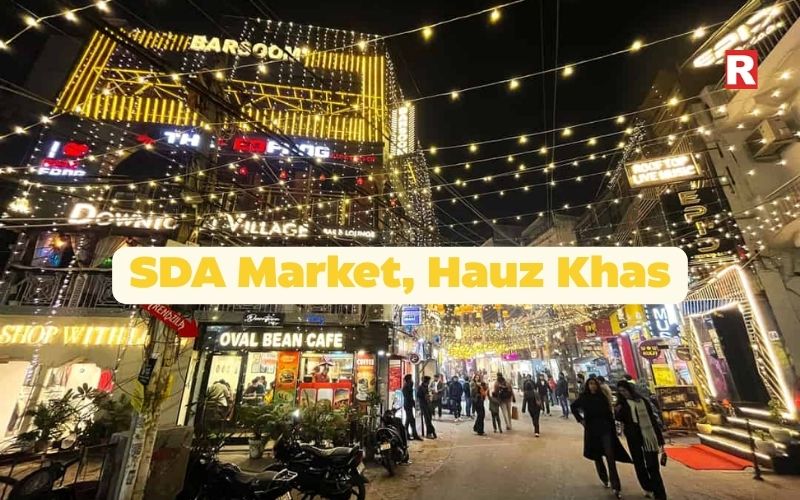
For those seeking a balance between trendiness and tranquillity, SDA Market offers an excellent alternative. Situated near Hauz Khas, the area attracts families, working professionals, and residents from neighbouring localities. The cafés here tend to focus on comfort, spacious seating, and diverse menus. SDA does not rely heavily on social media trends. Instead, it thrives on loyal customers who appreciate consistency and relaxed environments. Whether you are planning a weekend brunch or an evening coffee catch-up, this neighbourhood delivers a dependable experience.
- Best for: Family outings and relaxed brunches
- Approximate budget: Rs 1,000–Rs 1,800 for two
How These Café Lanes Differ from Each Other
Café Lane | Known For | Ideal Visitors | Budget for Two | Overall Vibe |
|---|---|---|---|---|
Champa Gali | Artistic spaces and fairy lights | Couples, creators | Rs 800–Rs 1,500 | Bohemian and romantic |
Hudson Lane | Affordable trendy cafés | Students, friend groups | Rs 500–Rs 1,000 | Energetic and youthful |
Majnu Ka Tila | Tibetan influences and breakfasts | Tourists, solo diners | Rs 700–Rs 1,200 | Cultural and cosy |
Khan Market | Premium dining experiences | Professionals, couples | Rs 1,500–Rs 2,500 | Sophisticated and elegant |
Lodhi Colony | Art-inspired surroundings | Freelancers, creatives | Rs 800–Rs 1,400 | Calm and artistic |
Satya Niketan | Rooftop dining options | Students, young adults | Rs 500–Rs 1,000 | Lively and casual |
SDA Market | Family-friendly cafés | Families, professionals | Rs 1,000–Rs 1,800 | Relaxed and welcoming |
Why Delhi's Café Lanes Are Flourishing
The popularity of café lanes reflects changing consumer behaviour. Today's diners seek experiences rather than simply meals. Aesthetic interiors, walkable neighbourhoods, and opportunities for social interaction play an increasingly important role in choosing where to eat. These destinations also benefit businesses. Clusters of cafés encourage visitors to spend more time exploring an area, often resulting in repeat visits and increased footfall for multiple establishments. For consumers, the advantage lies in choice. A single outing can include breakfast, shopping, photography, and evening coffee without travelling across different parts of the city.
Happy Exploring!
Delhi's café culture has matured into something much larger than standalone dining spaces. These neighbourhoods have become gathering points where food meets creativity, community, and personal expression. Whether you prefer the dreamy corners of Champa Gali, the bustling energy of Hudson Lane, or the cultural richness of Majnu Ka Tila, each lane offers a distinct perspective on how the city enjoys its coffee. Sometimes, the best way to discover Delhi is not through monuments or shopping centres but by wandering through its café-lined streets, one cup at a time.
Walk through any Chinatown around the world, and one thing becomes clear almost instantly—food is at the heart of the experience. The aroma of freshly steamed dumplings, sizzling noodles, roasted meats, and sweet bakery treats fills the streets and draws visitors into bustling restaurants and food stalls.
Chinatown is more than a place to eat. It is a cultural hub where generations of Chinese immigrants have preserved their traditions through food. Whether you are exploring a Chinatown in New York, Singapore, London, Bangkok, or Kolkata, you will find dishes that tell stories of heritage, craftsmanship, and community. If you are planning your next food adventure, here are some of the most famous Chinatown dishes that deserve a spot on your must-try list.
Why Chinatown Food Is Loved Around the World
One of the biggest reasons Chinatown food remains popular is its authenticity. Many family-run restaurants continue to use recipes passed down through generations. Traditional cooking methods, fresh ingredients, and regional specialties help preserve the original flavors of Chinese cuisine.
Another reason is variety. Chinatown offers everything from light snacks and street food to elaborate banquet dishes. Whether you enjoy spicy flavors, comforting soups, crispy textures, or sweet desserts, there is something for everyone. The experience itself also adds to the charm. Watching chefs prepare handmade dumplings or roast ducks in traditional ovens makes every meal memorable.
Explore the Top Famous Foods from Chinatown
1. Dim Sum: The Soul of Chinatown Dining
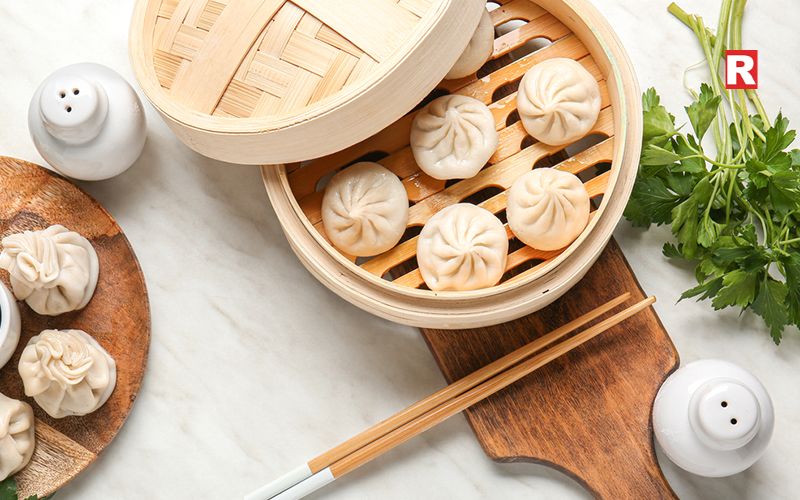
No Chinatown food journey is complete without trying Dim Sum. Rather than being a single dish, Dim Sum is a collection of small plates served alongside tea. The tradition originated in southern China and has become one of the most famous dining experiences worldwide. Families and friends gather around tables and share multiple dishes together. The beauty of Dim Sum lies in its variety. Every bite offers a different texture and flavor, making it perfect for people who enjoy trying multiple dishes in one meal.
Popular Dim Sum items include:
- Har Gow (shrimp dumplings)
- Siu Mai (pork dumplings)
- Steamed rice rolls
- Chicken feet
- Egg tarts
2. Char Siu Bao: The Famous BBQ Pork Bun
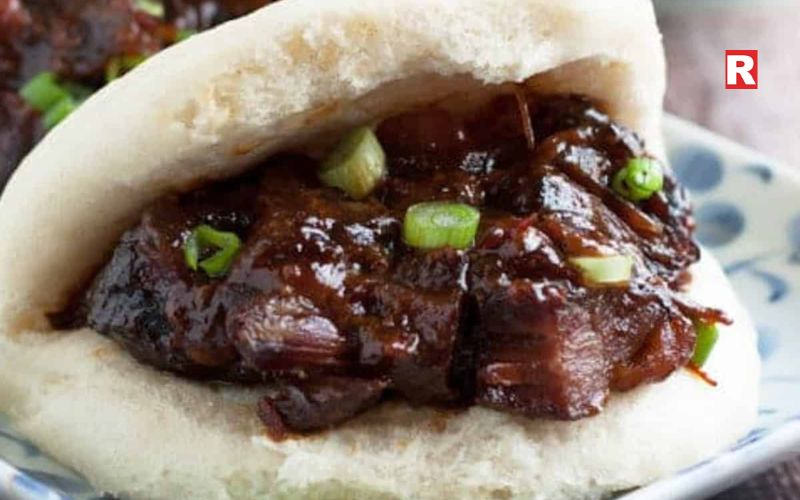
Char Siu Bao is one of the most recognizable Chinatown snacks. These soft, fluffy buns are filled with sweet and savory barbecue pork. The filling is made using Char Siu, a Cantonese-style roasted pork that is marinated in a blend of soy sauce, honey, and spices. The result is a rich and flavorful filling wrapped inside a delicate bun. Both steamed and baked versions are popular. The steamed variety is soft and pillowy, while the baked version has a slightly crisp and golden crust.
3. Char Siu: Cantonese Barbecue at Its Best
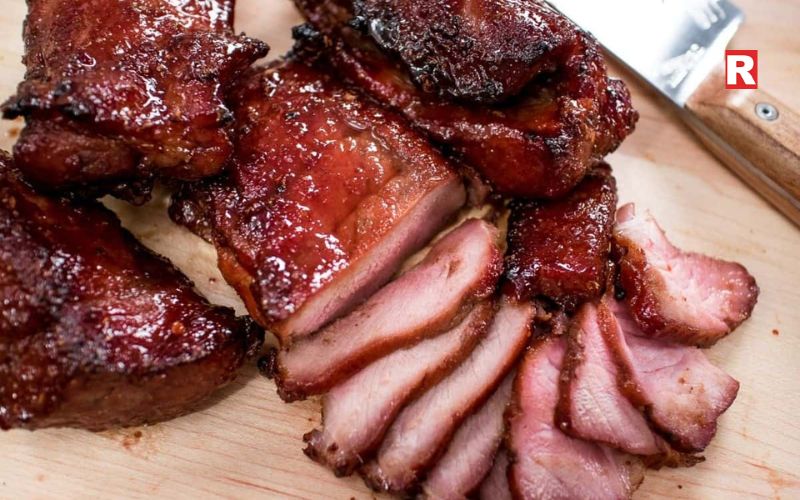
Char Siu is one of the stars of Chinatown barbecue shops. The pork is marinated for hours before being roasted until it develops a glossy red finish. The meat is tender, juicy, and slightly sweet. Its unique balance of smoky, savory, and sweet flavors makes it a favorite among locals and tourists alike. Many restaurants serve Char Siu with rice, noodles, or as part of combination platters featuring other roasted meats.
4. Wonton Noodle Soup: Comfort in a Bowl
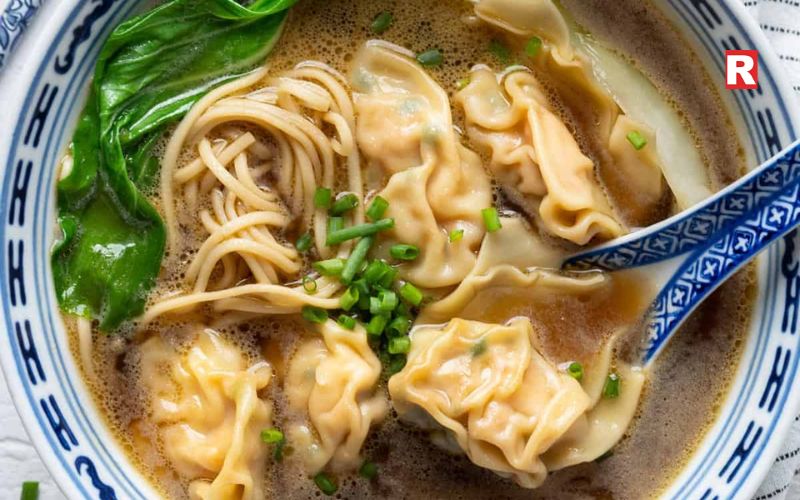
Wonton Noodle Soup is a classic Cantonese dish found in nearly every Chinatown. The dish features thin noodles served in a clear broth with delicate wontons filled with shrimp, pork, or a combination of both. What makes this dish special is its simplicity. The broth is light yet flavorful, allowing the freshness of the ingredients to shine through. For many people, a bowl of Wonton Noodle Soup represents comfort food at its finest.
5. Peking Duck: A Dish Fit for Royalty
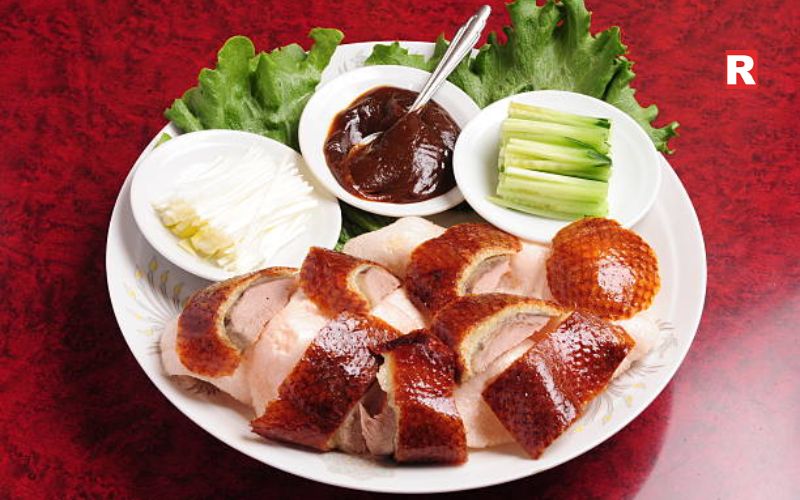
Peking Duck is one of China's most celebrated culinary creations. Originally served to Chinese emperors, this dish remains a highlight in many Chinatown restaurants. The preparation process is highly specialized. The duck is seasoned, air-dried, and roasted until the skin becomes perfectly crisp. Traditionally, diners wrap slices of duck in thin pancakes with cucumber, spring onions, and sweet hoisin sauce. The combination of crispy skin and tender meat creates a luxurious dining experience that food lovers never forget.
6. Xiao Long Bao: The Famous Soup Dumpling
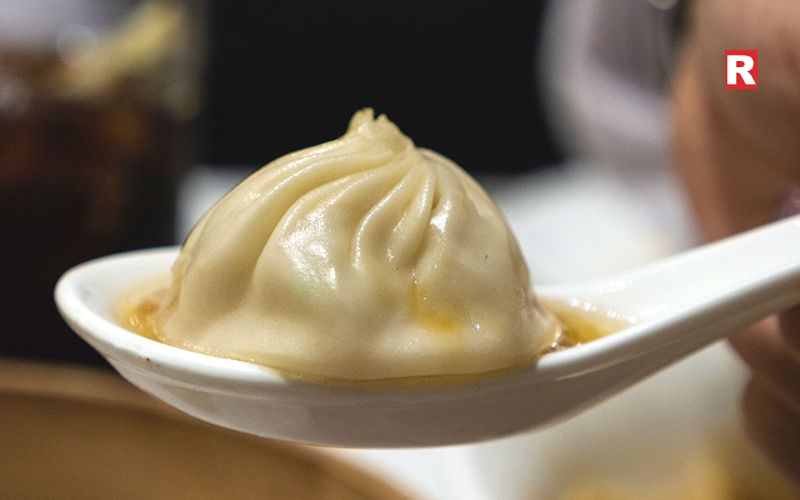
Xiao Long Bao has become a global food sensation. These delicate dumplings are filled with meat and flavorful broth. The secret lies in the preparation. Gelatin-rich stock is added to the filling before cooking. As the dumplings steam, the stock melts into a delicious soup inside. Eating them requires a little technique. Place the dumpling on a spoon, bite gently, and sip the broth before enjoying the rest. Their unique texture and rich flavor make them one of Chinatown's most sought-after dishes.
7. Spring Rolls: Crispy and Delicious
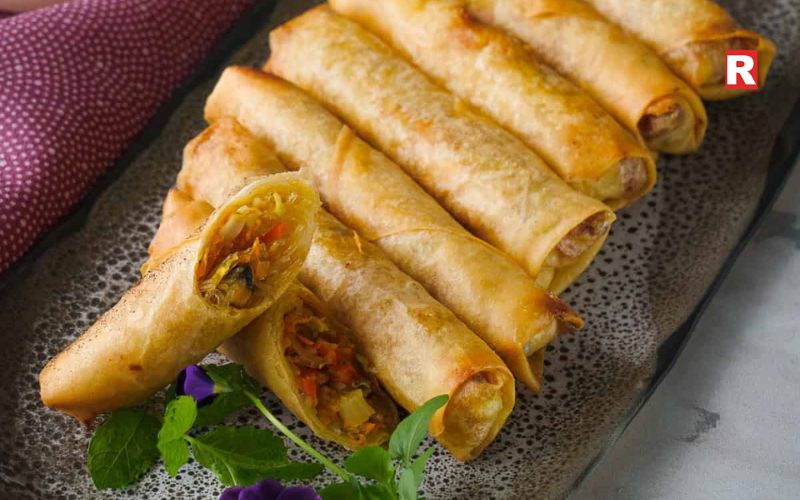
Spring Rolls are a staple at many Chinatown eateries. These golden rolls are typically filled with vegetables, meat, seafood, or a combination of ingredients. They are deep-fried until crispy and served with dipping sauces. Spring Rolls are especially popular during celebrations and festivals. Their crunchy exterior and flavorful filling make them a favorite appetizer for all age groups.
8. Roast Duck: A Cantonese Classic
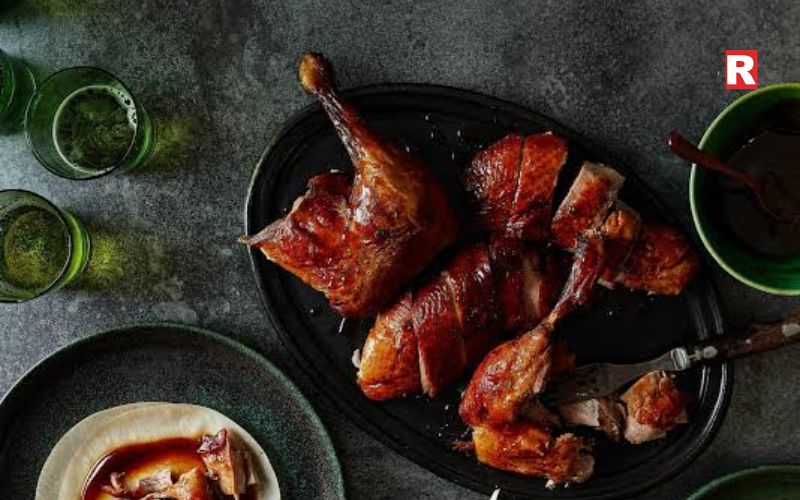
Roast Duck is often compared to Peking Duck, but the two dishes are quite different. Cantonese Roast Duck is marinated with spices and soy-based seasonings before being roasted slowly. The result is juicy meat with deep, rich flavors. Many Chinatown restaurants display whole roast ducks hanging in their windows, creating one of the most iconic images associated with Chinese cuisine. Served with rice or noodles, Roast Duck delivers a satisfying and authentic dining experience.
9. Cheung Fun: Silky Rice Noodle Rolls
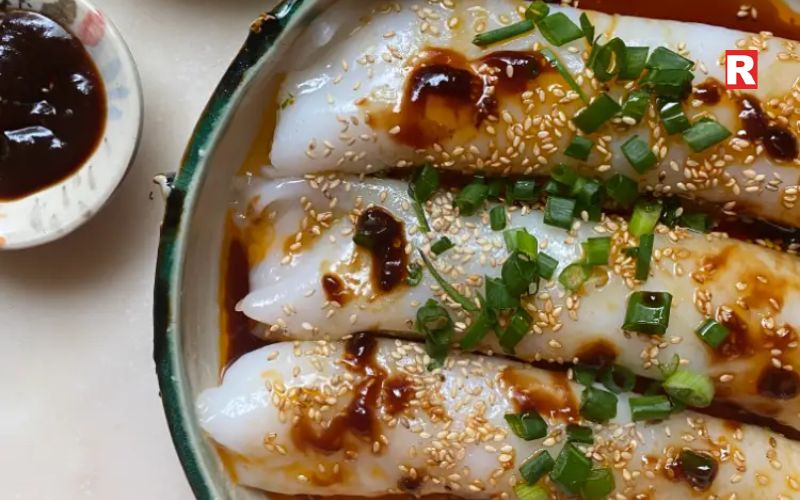
Cheung Fun is a beloved Cantonese breakfast and Dim Sum dish. These delicate rice noodle sheets are rolled around fillings such as shrimp, beef, or crispy fried dough sticks. They are then topped with a light soy-based sauce. The texture is what makes Cheung Fun stand out. The noodles are smooth, silky, and incredibly soft. Despite its simple appearance, making perfect Cheung Fun requires skill and precise steaming techniques.
10. Egg Tarts: Chinatown's Sweet Favorite
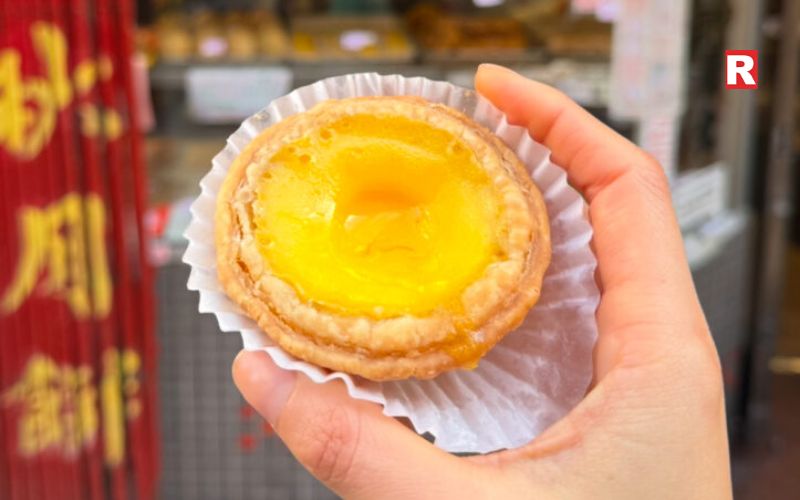
After enjoying savory dishes, many visitors head straight to Chinatown bakeries for Egg Tarts. These pastries feature a flaky crust filled with smooth and creamy egg custard. They are lightly sweet and incredibly satisfying. Freshly baked Egg Tarts are especially popular during weekends when bakery lines often stretch outside the door. Their combination of buttery pastry and rich custard makes them one of Chinatown's most loved desserts.
Hidden Gems Worth Discovering
While famous dishes attract most visitors, Chinatown also offers several lesser-known specialties that are equally worth trying. These dishes showcase the depth and diversity of Chinese culinary traditions beyond the popular favorites.
Sesame Balls (Jian Dui) – Crispy, golden-fried treats coated with sesame seeds and typically filled with sweet red bean paste or lotus seed paste. They offer a delightful contrast between a crunchy exterior and a soft, chewy center.
Lotus Leaf Sticky Rice (Lo Mai Gai) – A comforting dish made with glutinous rice, chicken or pork, mushrooms, and savory seasonings, all wrapped in fragrant lotus leaves and steamed to perfection.
Taro Dumplings (Wu Gok) – Deep-fried dumplings made from mashed taro and filled with seasoned minced meat. Their crispy, lacy exterior and creamy interior make them a favorite among Dim Sum enthusiasts.
Turnip Cake (Lo Bak Go) – A savory Cantonese delicacy made from shredded radish and rice flour, often pan-fried until golden and served during Dim Sum meals.
Chicken Feet (Feng Zhao) – A popular Dim Sum specialty braised in a flavorful black bean sauce until tender, offering a unique texture and rich taste.
Steamed Spare Ribs with Black Bean Sauce – Small pork ribs marinated in fermented black beans and steamed, delivering a bold and savory flavor.
Exploring these lesser-known dishes allows visitors to discover the authentic flavors and traditional cooking techniques that have been passed down through generations in Chinatown communities around the world.
What Makes Chinatown Food Different?
Chinatown restaurants often stay true to traditional cooking methods. Handmade dumplings, slow-roasted meats, fresh noodle preparation, and authentic seasonings help maintain the original character of each dish. Many establishments are family-owned and continue to follow recipes developed decades ago. This dedication to authenticity gives Chinatown food a distinct advantage over many commercialized versions of Chinese cuisine.
A Culinary Experience
Chinatown is much more than a food destination; it is a living reflection of Chinese culture, migration, and culinary heritage. Many of the dishes served today, from Dim Sum and Char Siu Bao to Wonton Noodle Soup and Peking Duck, have roots that go back hundreds of years and continue to be prepared using traditional techniques passed down through generations. Family-owned eateries, bustling tea houses, and neighborhood bakeries help preserve these authentic flavors while introducing them to new audiences. What makes Chinatown special is the combination of history, craftsmanship, and community found in every meal. Whether you are savoring handmade dumplings, enjoying roasted meats, or discovering lesser-known regional specialties, each dish offers a deeper understanding of Chinese food traditions. Exploring Chinatown's diverse cuisine is not just about satisfying your appetite—it is about experiencing a rich cultural legacy through some of the world's most beloved dishes.
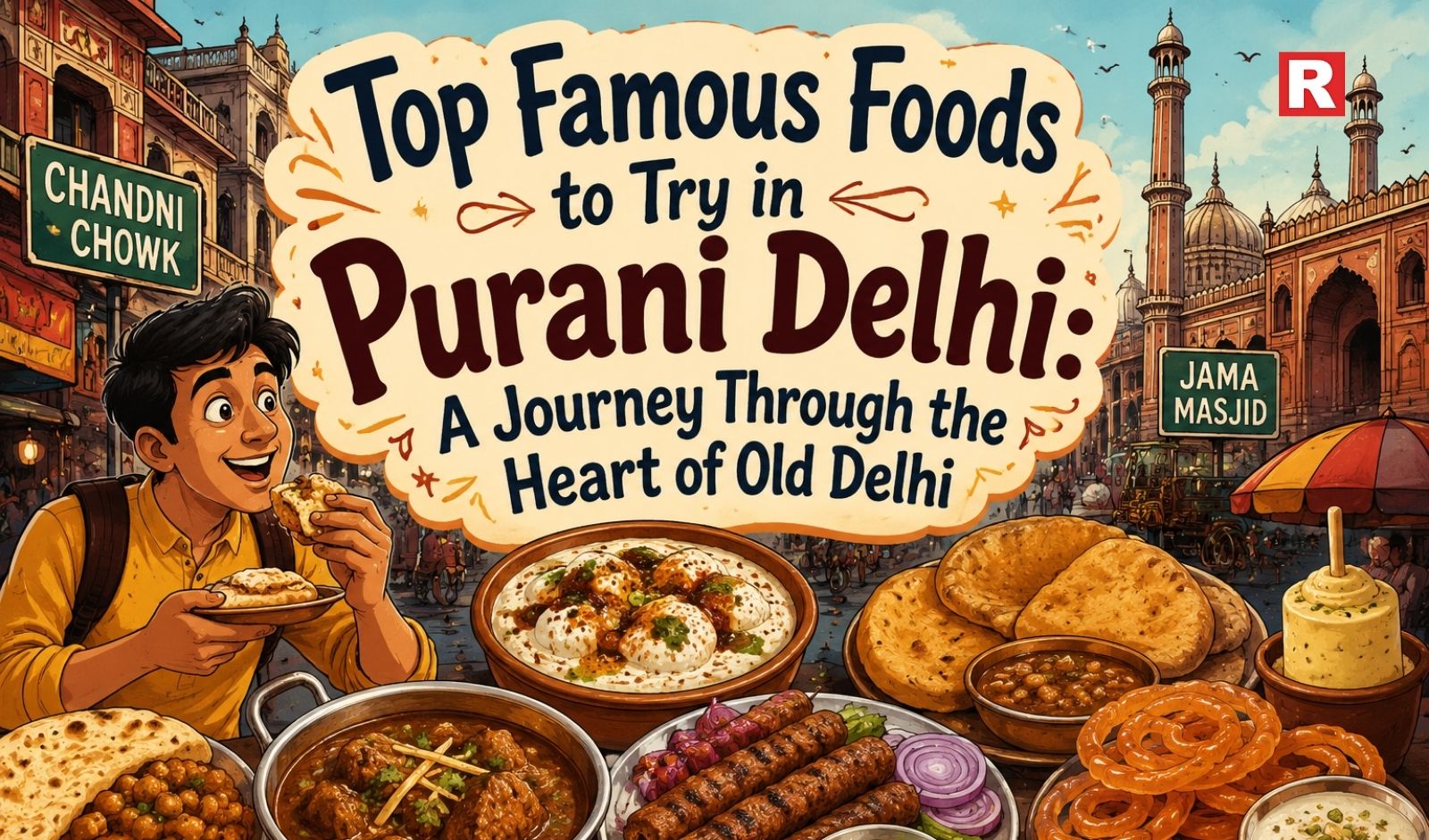
Purani Delhi is more than just a historic part of the capital. It is a paradise for food lovers. Every narrow lane, crowded market, and bustling corner has a food story waiting to be discovered. From royal Mughlai dishes to legendary sweets and street food classics, Old Delhi offers flavors that have stood the test of time.
The food culture of Purani Delhi reflects centuries of influence from Mughal kitchens, local traders, and traditional family recipes. Many eateries here have been serving the same dishes for generations, making them an important part of Delhi's culinary heritage. If you are planning a food walk through Chandni Chowk, Jama Masjid, or Matia Mahal, these are the famous foods you simply cannot miss.
Explore Top Famous Foods to Try in Purani Delhi
1. Paranthe Wali Gali's Stuffed Parathas
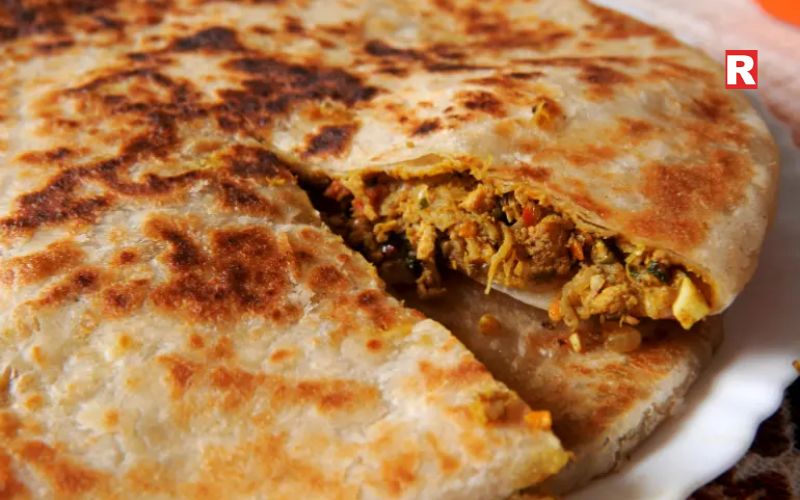
One of the most iconic food destinations in Old Delhi is Paranthe Wali Gali. This historic lane has been attracting food lovers for more than a century. The parathas served here are different from regular homemade versions. They are deep-fried and stuffed with a wide variety of fillings, including potato, paneer, cauliflower, mixed vegetables, dry fruits, and even unique ingredients such as rabri and khoya. These crispy parathas are traditionally served with potato curry, pumpkin sabzi, pickles, and chutneys. The combination creates a complete meal that is both filling and flavorful.
2. Daulat Ki Chaat
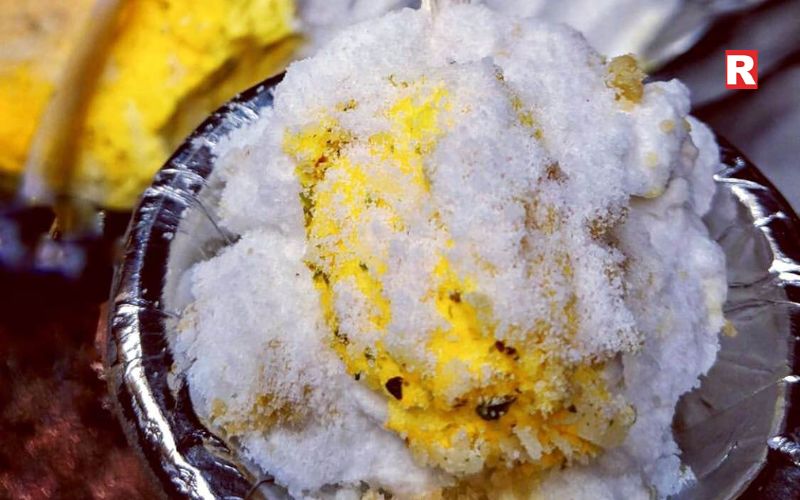
Daulat Ki Chaat is perhaps the most unique dessert found in Delhi. Unlike regular chaat, it is a delicate sweet dish prepared during the winter months. Milk is whipped overnight until it becomes a light foam. The airy mixture is then topped with saffron, sugar, khoya, and nuts. The result is a dessert that almost melts in your mouth. What makes it special is its seasonal nature. The cold winter air plays an important role in creating its famous texture. This is why many food lovers wait all year to enjoy this Old Delhi delicacy.
3. Jalebi with Rabri
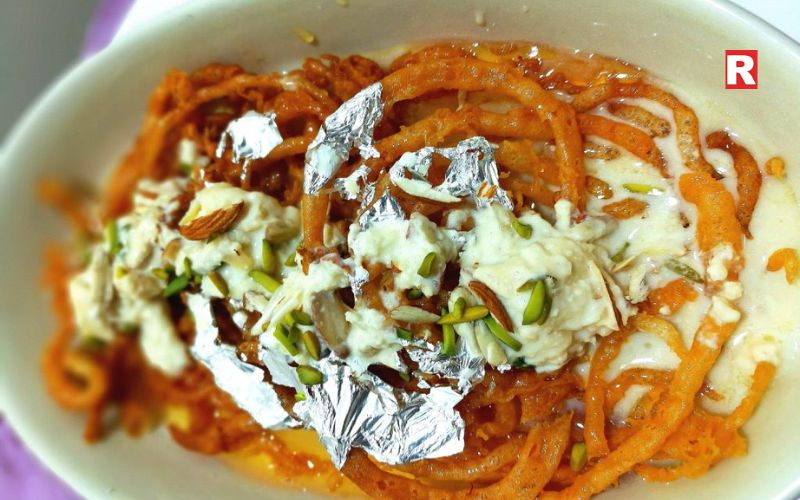
No visit to Purani Delhi is complete without tasting hot jalebis fresh from giant iron kadhais. These golden spirals are made from fermented batter and fried until crisp before being soaked in sugar syrup. The result is a sweet treat that is crunchy on the outside and juicy on the inside. Many visitors pair jalebis with thick and creamy rabri. The contrast between the warm jalebi and chilled rabri creates a delicious combination that has remained popular for decades. The sweet shops of Chandni Chowk continue to attract locals and tourists who line up for this timeless dessert.
4. Dahi Bhalla
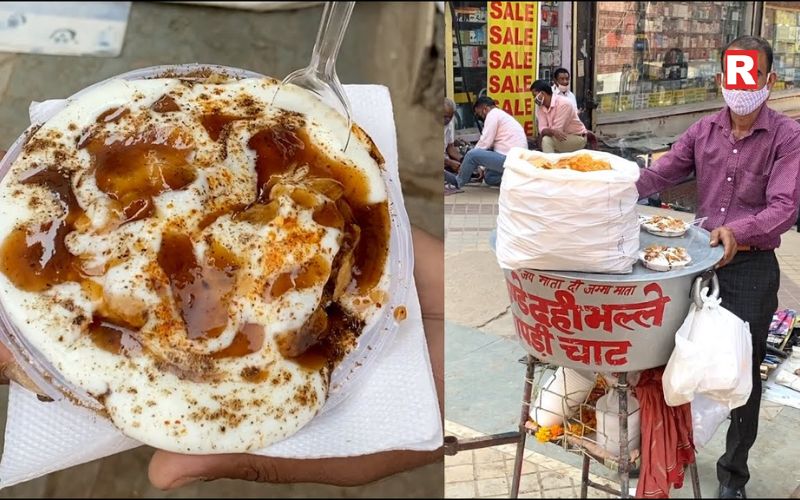
Dahi Bhalla is one of the most loved snacks in Old Delhi. It offers a refreshing break from the rich and spicy foods found throughout the area. Soft lentil dumplings are soaked in creamy yogurt and topped with sweet tamarind chutney, green chutney, roasted spices, and pomegranate seeds. The balance of sweet, tangy, spicy, and creamy flavors makes it a favorite among people of all ages. The simplicity of the dish highlights the importance of quality ingredients and traditional preparation methods.
5. Nihari
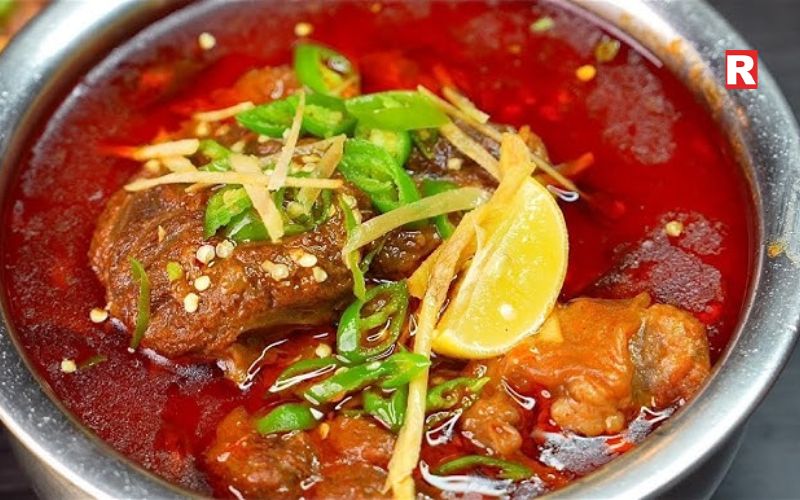
Nihari is one of the oldest dishes associated with Mughal cuisine. Traditionally served as a breakfast meal, this slow-cooked meat stew has become a legendary part of Old Delhi's food scene. The dish is cooked overnight using meat, bone marrow, and a blend of aromatic spices. The long cooking process allows the flavors to develop fully, creating a rich and comforting gravy. Nihari is often enjoyed with freshly baked khameeri roti. Together, they create a hearty meal that reflects the culinary traditions of the Mughal era. Food historians consider Nihari one of the finest surviving examples of royal Mughlai cooking available to the public today.
6. Seekh Kebabs
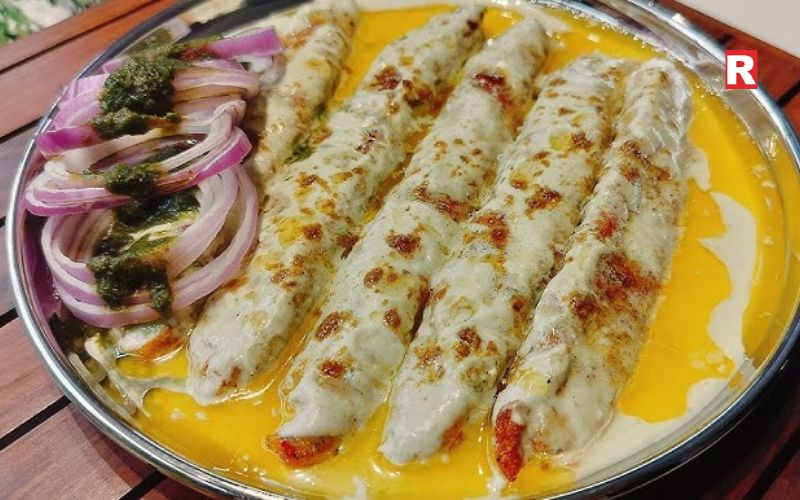
The aroma of charcoal-grilled seekh kebabs fills the streets around Jama Masjid every evening. Minced meat is mixed with spices, herbs, and seasonings before being shaped onto skewers and cooked over open flames. The charcoal cooking process gives the kebabs their signature smoky flavor. One of the reasons Old Delhi's kebabs stand out is the Maillard reaction that occurs during grilling. This process creates complex flavors and a beautifully browned exterior while keeping the inside tender and juicy. Served with mint chutney and onions, these kebabs remain one of the city's most popular street foods.
7. Mutton Korma
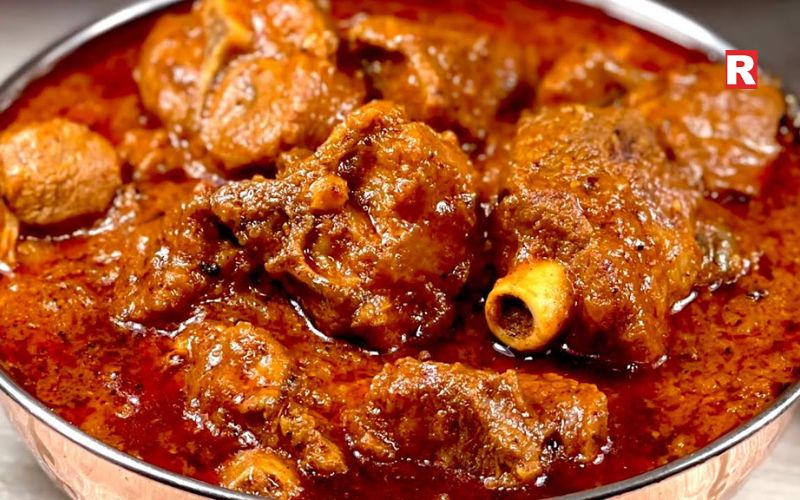
Mutton Korma is another dish that traces its roots to the royal kitchens of the Mughal Empire. The preparation involves slow-cooking meat in a rich gravy made from yogurt, onions, spices, and aromatic ingredients. The result is a deeply flavorful dish with layers of complexity. Unlike spicy curries, korma focuses on richness and balance. Every ingredient contributes to creating a smooth and luxurious texture. For food lovers interested in experiencing authentic Mughlai cuisine, Mutton Korma is a must-try dish.
8. Chole Kulche
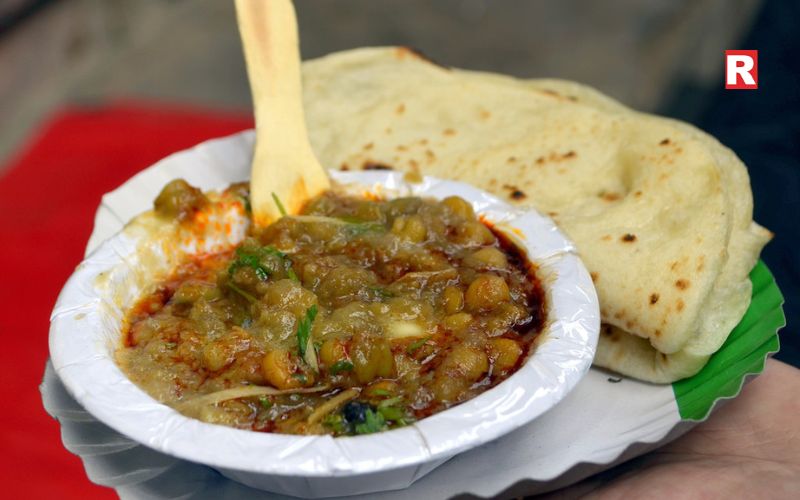
Not every famous dish in Purani Delhi comes from royal kitchens. Chole Kulche represents the vibrant street food culture that has made the area famous. Spicy chickpeas are served with soft kulchas and topped with onions, coriander, and tangy seasonings. The dish is simple but packed with flavor. Its affordability and satisfying taste have made it a favorite among students, office workers, and tourists alike. The popularity of Chole Kulche proves that great food does not need expensive ingredients.
9. Kachori Sabzi
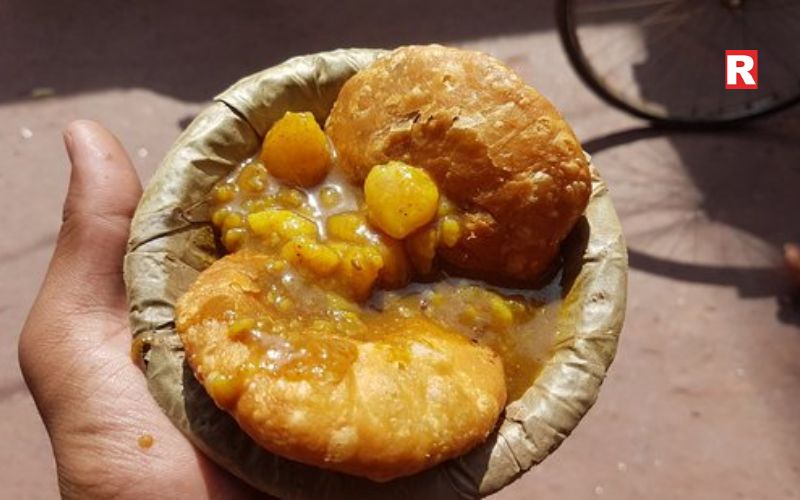
Kachori Sabzi is a beloved breakfast option throughout Old Delhi. The kachori features a crispy outer layer filled with spiced lentils or other savory ingredients. It is served alongside a flavorful potato curry that adds warmth and richness to the meal. The contrast between the crunchy kachori and soft curry creates an enjoyable texture that keeps people coming back. Many locals start their day with this traditional combination, making it an important part of Delhi's food culture.
10. Kulfi
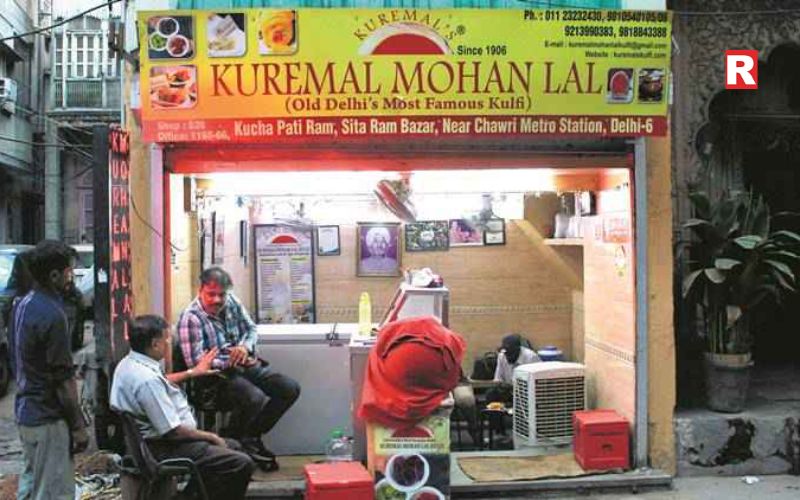
Kulfi is often called India's traditional ice cream, but its texture and preparation are very different. Made by slowly reducing milk until it becomes thick and creamy, kulfi delivers a richer taste than regular ice cream. Popular flavors include pistachio, mango, saffron, and cardamom. Old Delhi's kulfi shops have preserved traditional recipes for generations. Some even serve fruit-filled versions that add another layer of flavor and texture. A serving of kulfi is the perfect way to end a food trail through the bustling streets of Chandni Chowk.
Purani Delhi India's Ultimate Food Destination
What makes Purani Delhi special is not just the food itself. It is the stories, traditions, and generations of expertise behind every dish. Many recipes have remained unchanged for decades, allowing visitors to experience flavors that connect directly to Delhi's rich history.
Purani Delhi is famous not only for its food but also for the stories, traditions, and culinary heritage attached to every dish.
Many food establishments have preserved recipes that have been passed down through multiple generations.
The area offers a rare opportunity to experience flavors that have remained authentic for decades.
Every dish reflects a blend of history, culture, and craftsmanship that is unique to Old Delhi.
Visitors can explore a wide range of cuisines, from royal Mughlai specialties to iconic street food favorites.
Traditional dishes such as Nihari, Kebabs, Korma, Jalebi, and Daulat Ki Chaat continue to attract food lovers from across the country.
The bustling lanes of Chandni Chowk, Jama Masjid, and Matia Mahal serve as living examples of Delhi's rich culinary legacy.
Both first-time visitors and longtime Delhi residents can discover something new with every food trail through the area.
Old Delhi's food culture provides a deeper understanding of the city's history and evolution over the centuries.
Exploring the timeless streets of Purani Delhi is one of the most memorable ways to experience the true essence of Delhi.
Happy Eating!
Purani Delhi is a food destination unlike any other in India. Its vibrant streets, historic eateries, and generations-old recipes create an experience that goes far beyond satisfying hunger. From rich Mughlai delicacies and smoky kebabs to refreshing chaats and traditional sweets, every dish tells a story of the city's cultural and culinary evolution. Whether you are exploring Chandni Chowk for the first time or revisiting your favorite food spots, the flavors of Old Delhi never fail to impress. The combination of history, authenticity, and unforgettable taste makes Purani Delhi a must-visit destination for every food enthusiast. A walk through its bustling lanes is not just a food tour—it's a journey through the heart and soul of Delhi's rich gastronomic heritage.
Indian street food has always been more than just quick snacks. It is deeply connected to culture, memories, and everyday life. From spicy pani puri outside schools to hot vada pav near railway stations, street food has shaped the eating habits of millions across the country. But today, the same roadside favourites are entering premium cafés, stylish food trucks, luxury restaurants, and curated dining menus. Street food is no longer seen as “cheap food.” It is becoming a modern culinary experience.
Across Indian cities, traditional snacks are getting gourmet upgrades through premium ingredients, creative presentation, better hygiene, and global flavours. Consumers are now willing to spend more for familiar dishes that offer quality, comfort, and an exciting dining experience.
The Rise of Gourmet Street Food in India
The food industry in India has changed rapidly over the last few years. Younger consumers are driving this transformation. Millennials and Gen Z diners are constantly looking for unique food experiences that combine taste with visual appeal. This shift has created strong demand for gourmet street food.
Today’s consumers want:
- cleaner dining spaces
- premium ingredients
- modern presentation
- fusion flavours
- Instagram-worthy dishes
- authentic regional taste
As a result, many restaurants and food entrepreneurs are reinventing classic Indian snacks in creative ways. Pani puri is now served with avocado filling and flavoured water shots. Vada pav comes inside buttery brioche buns. Momos are paired with smoked chilli sauces and exotic fillings. Even traditional chaat dishes are being plated like fine dining creations. Street food is moving from roadside stalls to premium dining spaces without losing its emotional connection with customers.
Social Media Is Changing Food Culture
One of the biggest reasons behind the gourmet street food trend is social media. Platforms like Instagram and YouTube have changed how people discover food. Diners no longer choose restaurants only for taste. Presentation and visual appeal matter equally.
Food businesses now focus heavily on:
- dramatic plating
- colourful presentation
- fusion concepts
- live counters
- unique serving styles
A simple dish can go viral overnight if it looks visually exciting.
This is why many gourmet street food brands are introducing:
- flaming chaats
- giant golgappas
- cheese-loaded momos
- Korean-style Indian snacks
- truffle-infused street food
For younger audiences, food has become a lifestyle experience. Eating out is also about creating content, sharing experiences, and exploring new trends.
Hygiene and Standardisation Are Driving Growth
Traditional street food in India has always been popular for its bold flavours and affordability, but concerns around hygiene, water quality, and food handling often made many consumers hesitant to eat regularly from roadside stalls. Modern gourmet street food brands are changing this perception by introducing cleaner and more organised dining experiences. Many premium street food cafés now operate with open kitchens, filtered water systems, branded packaging, digital payment options, and standardised recipes to maintain consistency in taste and hygiene. Air-conditioned seating spaces and better food presentation also make consumers feel more confident about spending extra on familiar dishes. This transformation has helped street food expand beyond local markets into malls, airports, food courts, and high-street cafés. Food trucks and cloud kitchens have further accelerated this growth by offering scalable operations, controlled quality, and faster delivery services while preserving the flavours people already love.
Fine Dining Restaurants Are Taking Inspiration
Indian street food is increasingly influencing fine dining menus across India as chefs reinterpret local favourites with premium ingredients and modern cooking techniques. Many luxury restaurants are introducing tasting menus inspired by regional street flavours to offer diners a mix of nostalgia and sophistication. Instead of changing the essence of the dishes, chefs are refining presentation, texture, and ingredient quality while keeping the original taste familiar. This reflects a larger trend where traditional comfort food is becoming part of upscale dining culture. Dishes such as truffle pani puri, butter chicken kulcha sliders, sushi-style chaat, burrata pav bhaji, artisanal dosa platters, and molecular dahi bhalla are becoming popular among urban consumers. The growing appeal lies in the balance between innovation and authenticity, as customers still seek the emotional connection and bold flavours associated with India’s traditional street food culture.
Fusion Street Food Is Becoming More Creative
Fusion food is not new in India. However, the current wave of gourmet street food is becoming more thoughtful and refined. Earlier, fusion dishes were often made only for novelty. Today, chefs are paying more attention to flavour balance, texture, and ingredient compatibility. Global flavours are blending with Indian street food because younger consumers are becoming more experimental with food choices. Travel exposure, food delivery apps, and international content have also influenced dining preferences in urban India.
Popular fusion trends include:
- Korean momos
- ramen dosa
- peri-peri fries chaat
- butter chicken tacos
- tandoori pizza pockets
- sushi pani puri
Consumers Are Paying for Affordable Luxury
The success of gourmet street food is closely connected to the idea of affordable luxury. Many people may not visit luxury restaurants regularly, but they are comfortable spending slightly more on upgraded comfort food. A plate of gourmet chaat feels premium without being too expensive.
This creates the perfect balance between:
- affordability
- indulgence
- familiarity
- aspiration
Premium ingredients are also adding value to everyday dishes. Many brands are now using:
- imported cheese
- sourdough bread
- organic vegetables
- handcrafted sauces
- exotic seasonings
- artisanal toppings
Consumers enjoy the feeling of trying something luxurious while still eating familiar Indian flavours.
Technology Is Transforming Street Food Businesses
Technology has transformed street food businesses by helping even small vendors and startups reach a larger audience through food delivery platforms and social media visibility.
Online delivery apps such as Zomato and Swiggy have made gourmet street food easily accessible beyond local markets, increasing sales and customer reach.
QR-code menus and UPI payments have improved convenience and reduced waiting time, especially among younger urban consumers who prefer cashless transactions.
Customer reviews, food bloggers, and influencers now play a major role in shaping brand popularity and driving viral food trends online.
Cloud kitchens have accelerated the growth of gourmet street food because they operate with lower rental and staffing costs compared to traditional dine-in restaurants.
Many food startups also use customer data and ordering trends to quickly launch new flavours, seasonal menus, and fusion dishes based on changing consumer preferences.
Challenges Behind the Gourmet Upgrade
While gourmet street food is growing rapidly, the trend also comes with challenges.
One major concern is authenticity: Many food lovers feel that premium versions sometimes lose the simplicity and soul of original street food. Traditional vendors often rely on generations of experience and local flavour knowledge that cannot always be recreated in luxury settings.
Pricing is another issue: Street food has historically been affordable for everyone. However, gourmet upgrades can make simple snacks expensive and less accessible.
There is also growing concern about “over-fusion,” where dishes become too experimental and disconnected from their roots. Finding the right balance between innovation and authenticity will remain important for brands in the coming years.
The Road Ahead
Indian street food is entering a new era. It is no longer limited to roadside stalls or local markets. It is becoming part of modern dining culture. Consumers today want more than just good taste. They look for storytelling, presentation, hygiene, creativity, and emotional connection. This is why gourmet street food continues to grow across cafés, food trucks, premium restaurants, and cloud kitchens. At its core, the trend reflects how Indian food culture is evolving with changing lifestyles and consumer expectations. Even as techniques and presentation become more modern, the heart of Indian street food remains the same — bold flavours, comfort, nostalgia, and community.
Mumbai looks different during the monsoon. The roads become shiny after the rain. Local trains get crowded. Marine Drive turns misty. And almost every street corner starts smelling of fried snacks, butter, spices, and hot chai. For Mumbaikars, rain and street food go together. The city’s fast-moving lifestyle slows down for a moment when people stop at roadside stalls for a hot vada pav or crispy bhajiya. During heavy rain, these foods become more than just snacks. They become comfort food.
Mumbai’s street food culture was built around workers, railway commuters, college students, and office crowds looking for quick and affordable meals. Many famous dishes were created for textile mill workers who needed filling food that was cheap and easy to eat on the go. Here are some of the most famous Mumbai street foods that taste even better during the rainy season.
Discover Top Famous Street Food from Mumbai
1. Vada Pav – Mumbai’s Most Loved Monsoon Snack
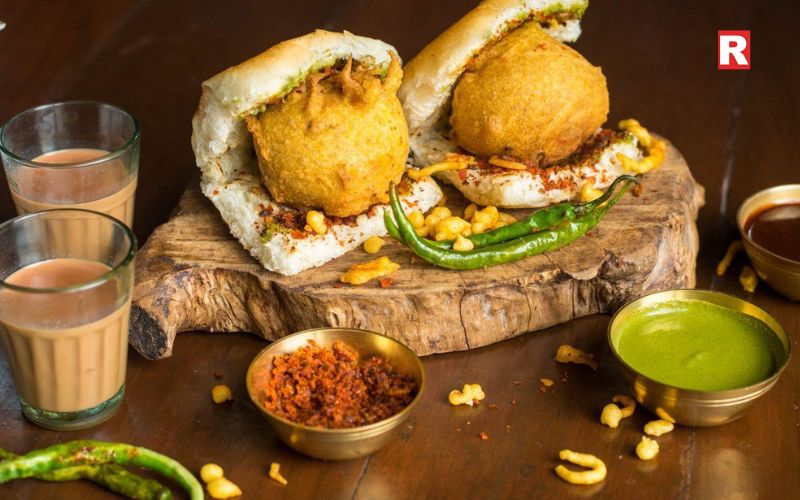
Nothing represents Mumbai better than vada pav. It is simple, affordable, spicy, and filling. The snack includes a deep-fried potato fritter placed inside a soft pav with spicy chutneys and fried green chilli. The combination of soft bread, crispy coating, and spicy potato filling makes it perfect for rainy evenings. Vada pav became popular in Mumbai during the 1960s near the city’s textile mill areas. It was created as a quick and low-cost meal for workers and commuters. Today, thousands of stalls across Mumbai sell vada pav every day. From railway stations to busy markets, it is everywhere. During monsoon, people especially enjoy it with cutting chai. The spicy garlic chutney and hot fried vada feel comforting during cold and wet weather.
Some famous places people often visit include:
- Ashok Vada Pav
- Anand Vada Pav
2. Kanda Bhajiya – Crispy Comfort Food for Rainy Days
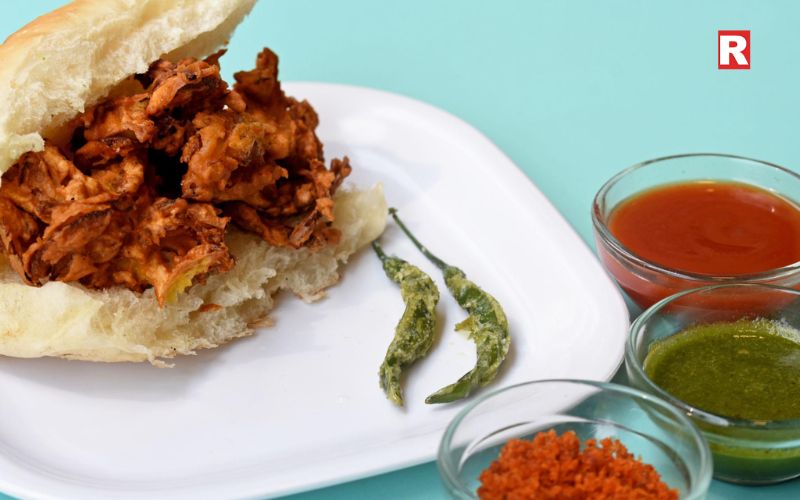
Rainy weather and fried food are a classic combination in Mumbai. One of the biggest monsoon favorites is kanda bhajiya. Thin onion slices are mixed with gram flour, spices, and green chillies before being deep-fried until golden and crispy. The snack is usually served hot with green chutney and chai. People love bhajiyas during monsoon because they stay crunchy outside while remaining soft inside. The spicy and oily texture feels satisfying during humid weather. Many roadside tea stalls in Mumbai witness long queues during rain because office workers and students stop for hot bhajiyas after getting drenched in the rain. The sound of bhajiyas frying in hot oil has become part of Mumbai’s monsoon culture.
3. Bhutta – The Taste of Mumbai’s Beaches During Rain
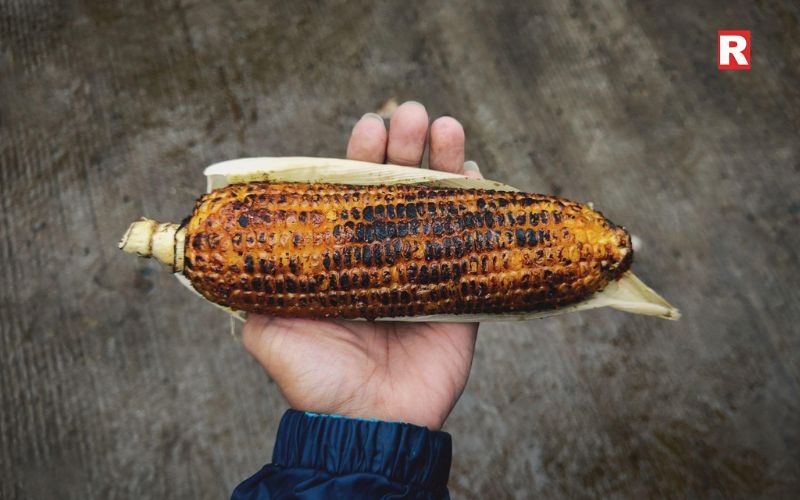
Bhutta is one of Mumbai’s most nostalgic rainy-season snacks. Fresh corn is roasted over charcoal until slightly burnt and smoky. It is then rubbed with lemon, salt, and red chilli powder. The smell of roasted bhutta near Marine Drive or Juhu Beach instantly reminds people of Mumbai rains. Unlike fried snacks, bhutta feels lighter but still gives warmth during rainy evenings. Many families enjoy walking along the beach with roasted corn while watching the waves during monsoon. The smoky flavor mixed with spicy masala creates a unique taste that people strongly connect with Mumbai’s street food culture.
4. Pav Bhaji – Buttery Street Food That Defines Mumbai
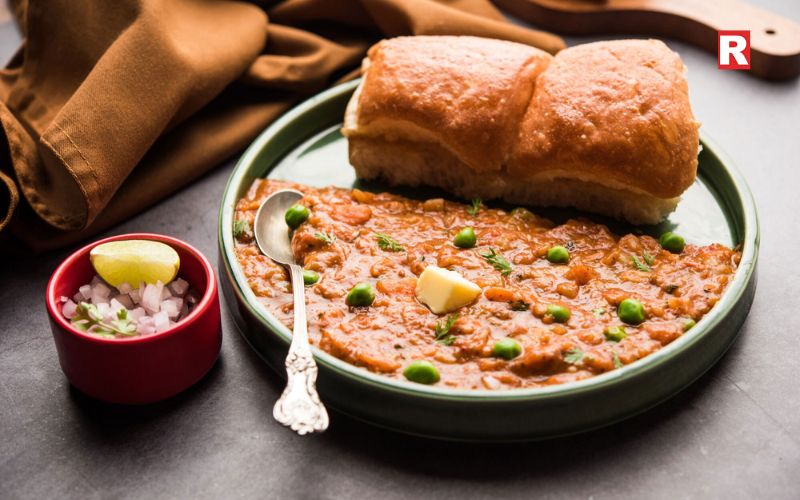
Pav bhaji is one of Mumbai’s most iconic dishes. The dish includes spicy mashed vegetables cooked on a large iron tava with butter and masala. It is served with butter-toasted pav, chopped onions, and lemon. Pav bhaji originally started as a quick meal for textile mill workers in Mumbai who needed something filling during long work hours. Over time, it became one of the city’s most famous street foods. What makes pav bhaji special during monsoon is its warmth and richness. The buttery flavor and spicy gravy feel comforting after getting caught in heavy rain. Street vendors usually cook the bhaji continuously on giant tawas, creating a smoky and rich taste that many restaurants still try to copy. One of the best-known spots in Mumbai is:
Sardar Pav Bhaji
5. Misal Pav – Mumbai’s Spicy Monsoon Favorite
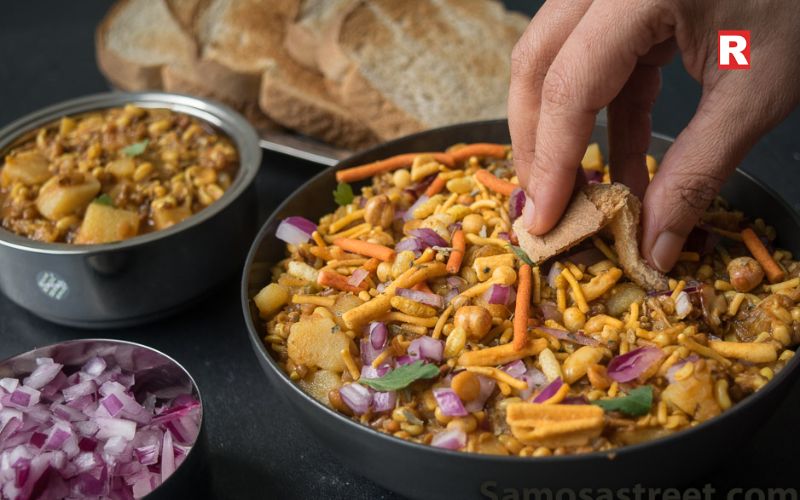
Misal pav is famous across Maharashtra, but Mumbai has fully made it part of its street food culture. The dish includes spicy curry made with sprouts, topped with farsan, onions, coriander, and served with pav. Misal pav is known for its fiery taste. During rainy mornings, many people prefer spicy foods because they feel warming and energizing. The crunchy farsan, spicy gravy, and soft pav create different textures in every bite. Many local eateries in Mumbai serve their own version of misal pav. Some are extra spicy while others are buttery and mild. It remains one of the most satisfying breakfast foods during monsoon.
6. Cutting Chai and Bun Maska – Mumbai’s Rain Ritual
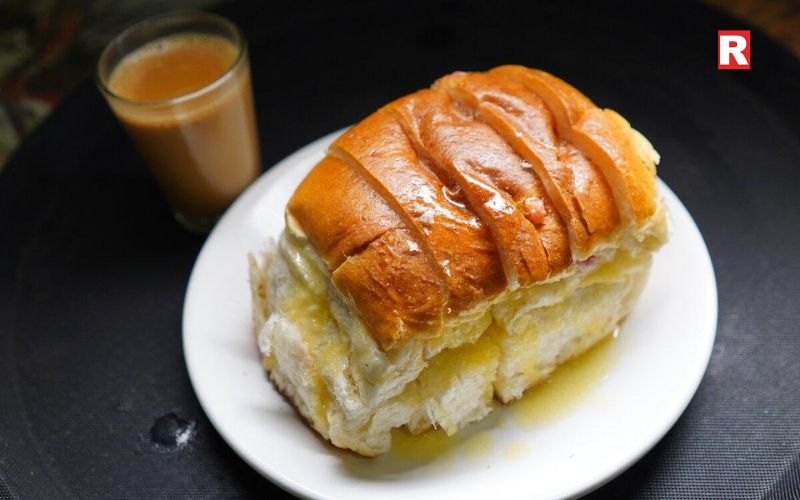
No Mumbai monsoon food list is complete without cutting chai. Served in small glasses, cutting chai is strong, sweet, and full of flavor. People usually pair it with bun maska or biscuits during rainy evenings. Tea stalls near railway stations become crowded during rain. Office workers, taxi drivers, and students gather around small stalls for quick tea breaks. Bun maska, filled with butter, pairs perfectly with hot chai. The combination may look simple, but it is deeply connected with Mumbai’s café and street food culture.
Places like:
Yazdani Bakery are famous for serving traditional bun maska and chai experiences.
Why Mumbai Street Food
Mumbai’s street food is not only about taste. It is about emotion, memory, and survival. The city moves fast. People spend hours in traffic and trains. Street food became popular because it was quick, affordable, and filling. Monsoon adds another layer to the experience. The weather makes people crave spicy, hot, and fried food. Rain also creates a sense of nostalgia. Many people associate these foods with childhood memories, college days, train journeys, and evening walks.
Even today, despite modern cafés and food delivery apps, Mumbai’s roadside stalls remain packed during rainy evenings. That is because these foods carry the real flavor of the city. Mumbai’s street food culture continues to represent the spirit of the city — hardworking, fast-moving, affordable, and full of life.
Enjoy The Breeze!
Mumbai’s rainy season is incomplete without its famous street food. From the spicy kick of misal pav to the smoky flavor of bhutta by the beach, every dish tells a story about the city’s culture, people, and fast-moving lifestyle. These foods are not just popular because they are affordable or tasty. They are deeply connected with memories of train journeys, college evenings, office breaks, and long walks during the rain. Mumbai’s monsoon makes food culture truly special; it's the experience around it. The sound of rain falling beside crowded food stalls, the smell of frying bhajiyas, and the comfort of hot cutting chai create moments that feel uniquely Mumbai. Even as the city continues to modernize, its street food remains one of the strongest symbols of local identity. During monsoon, these iconic dishes bring warmth, nostalgia, and comfort to millions of people across the city every single day.
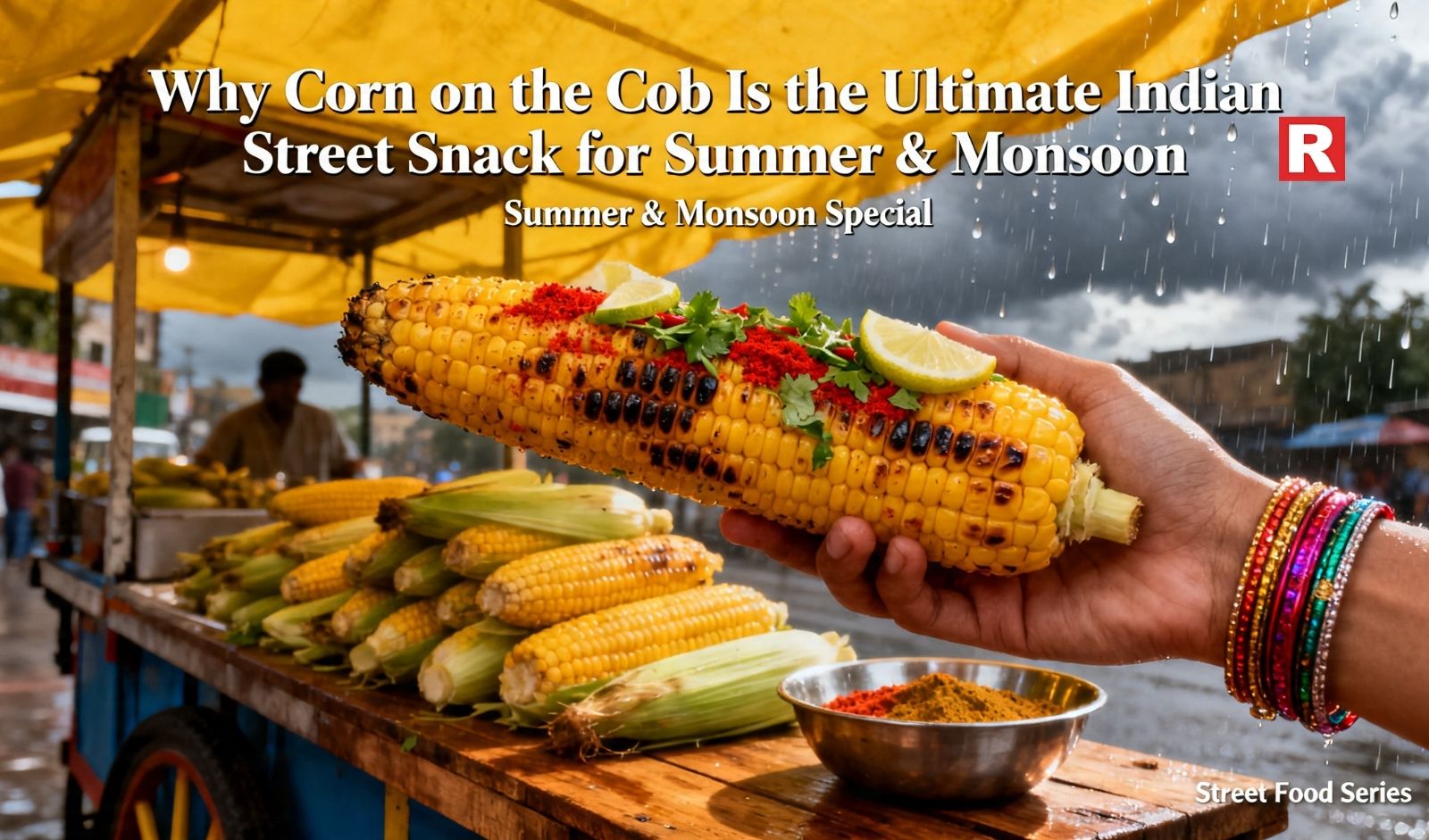
There is something magical about the smell of roasted corn on a rainy evening. The sound of rain, the smoke from hot charcoal, and a vendor turning fresh corn over open flames—it feels like a ritual across Indian streets. Known as bhutta, corn on the cob is not just food. It is a seasonal experience that connects people to weather, memories, and simple pleasures.
From busy city roads to quiet hill stations, bhutta holds a special place in Indian street food culture. It is affordable, filling, and full of flavor. More importantly, it fits perfectly into both summer heat and monsoon cravings.
The Cultural Love for Bhutta in India
Bhutta is everywhere in India during certain months. You will find it at beaches in Mumbai, on roadsides in Delhi, and in the cool air of hill stations like Manali or Shimla. It is one of the few snacks that feels the same across regions, yet carries a local touch.
For many, it brings back memories. School holidays, evening walks, long drives, or waiting under a shade during rain—bhutta is often part of these moments. It is not fancy, but it is comforting. Another reason for its popularity is its price. It is one of the most affordable street snacks. Anyone can enjoy it without spending much. This makes it accessible to a wide audience, from students to families.
Why Corn on the Cob Is Perfect for Summer & Monsoon
1. Seasonal Freshness
Corn is naturally harvested during the monsoon and early summer months in India. This means the bhutta you get on the streets is usually fresh. Fresh corn tastes sweeter and has better texture. Seasonal eating also ensures higher nutritional value.
2. Helps You Stay Energised in Summer
During summer, people often look for light yet filling snacks. Corn fits this need well. It contains complex carbohydrates, which release energy slowly. This keeps you active without making you feel heavy. Corn also has a decent amount of water content. This helps with hydration, especially when paired with lemon juice, which is commonly added on top.
3. Perfect Comfort for Rainy Evenings
Monsoon brings a drop in temperature and a rise in cravings for warm food. Bhutta is served hot, straight from the fire. The warmth combined with the smoky taste makes it ideal for rainy days. The slight crunch of roasted kernels and the tangy-spicy coating create a balanced flavor that feels satisfying in wet weather.
Read more: Why Sattu Is Emerging as India’s Ultimate Summer Superfood
What is Kimchi? Top Veg Kimchi You Can Try at Home
Nutritional Benefits of Corn
Bhutta is not just tasty. It also offers several health benefits, making it a smarter choice compared to many fried snacks.
- Rich in Fiber: Corn supports digestion and helps keep you full for longer.
- Good Source of Energy: It contains complex carbohydrates, which provide steady energy.
- Contains Antioxidants: Corn has compounds like lutein and zeaxanthin, which are good for eye health.
- Naturally Gluten-Free: Suitable for people avoiding gluten in their diet.
- Low in Fat: When roasted without butter, it is a low-fat snack.
Approximate nutrition per medium-sized cob:
- Calories: 90–120
- Fiber: 2–3 grams
- Carbohydrates: 20–25 grams
This makes bhutta a clean and simple snack option, especially for those trying to avoid processed foods.
Street-Style Magic: What Makes Bhutta So Irresistible
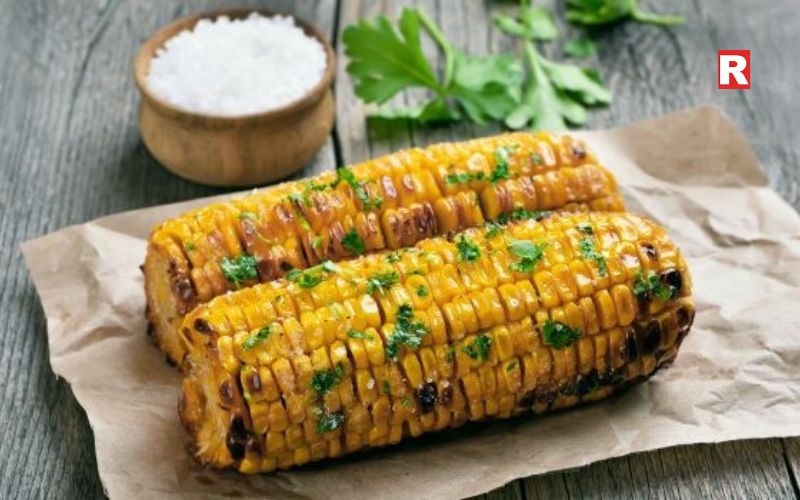
The real charm of bhutta lies in how it is prepared. Street vendors use charcoal to roast the corn. This method creates a smoky flavor that is hard to replicate at home. The outer kernels get slightly charred, adding a mild bitterness that balances the sweetness of the corn. After roasting, vendors rub a mix of lemon juice, salt, and red chilli powder over it.
This combination works perfectly:
- Lemon adds freshness and acidity
- Salt enhances natural flavors
- Chilli gives a spicy kick
The result is a snack that hits all taste notes—sweet, salty, spicy, and tangy. Another key factor is customization. Some vendors add butter, masala mixes, or even chaat spices. Each bite feels slightly different, which keeps it interesting.
Regional Twists Across India
Bhutta may be simple, but different regions add their own touch.
- Mumbai: Usually served with a classic mix of lemon, salt, and chilli powder. It is often enjoyed near beaches during sunset.
- Delhi: Vendors tend to use more black salt and strong spice mixes, giving it a bold flavor.
- Kolkata: Known for a spicier version with generous chilli coating.
- Hill Stations: Corn is roasted longer for a deeper smoky taste, perfect for cold weather.
These small changes make bhutta feel unique in every place, even though the base ingredient remains the same.
Bhutta vs Other Street Snacks
Indian street food is known for fried snacks like samosas, pakoras, and kachoris. While these are tasty, they are often high in oil and calories.
Bhutta stands out as a lighter option.
- It uses no deep frying
- It contains natural fiber
- It is less greasy
- It keeps you full without heaviness
This makes it a better choice for those who want to enjoy street food without overindulging.
Know more: Pani Puri Has Different Names in Different Indian States—Know Them All
How to Make Street-Style Bhutta at Home
You do not always need to step out to enjoy bhutta. It can be made easily at home.
Method:
- Take fresh corn on the cob and remove the outer husk.
- Roast it directly on a gas flame or grill. Keep turning it for even cooking.
- Roast until you see slight charring on the kernels.
- In a small bowl, mix lemon juice, salt, and red chilli powder.
- Rub this mixture over the hot corn.
You can also add butter or chaat masala for extra flavor.
Pro Tip: Slightly over-roasting enhances the smoky taste, just like street vendors do.
Also check: Top 10 Vegan Street Foods in India Every Indian Loves
Top Famous Veg Street Foods in Kolkata That You Must Try Once in Your Life
A Snack That Feels Like Home
Eating habits in India are changing. Many people now prefer simple, clean, and less processed foods. Bhutta fits perfectly into this trend. It is plant-based, minimally processed, and naturally nutritious. It does not need fancy ingredients or cooking techniques. This simplicity makes it appealing to modern consumers. Another important factor is seasonal eating. More people are now aware of the benefits of eating foods that grow naturally in a particular season. Corn is a perfect example of this.
Bhutta also aligns with budget-friendly eating. While many snacks are becoming expensive, this remains affordable and widely available. It is tied to Indian weather, culture, and daily life. Whether it is the heat of summer or the calm of monsoon rain, corn on the cob fits every mood. It is simple, yet satisfying. Healthy, yet indulgent. Affordable, yet rich in experience. The next time you see a vendor roasting corn on the roadside, take a moment to enjoy it. That one cob carries flavor, warmth, and a piece of India’s street food soul.
India is one of the most exciting countries in the world for street food. What makes it even more unique is the massive variety of vegetarian street food available across cities. Many regions in India have strong vegetarian traditions influenced by religion, culture, and community eating habits. As a result, street vendors have developed incredible plant-based snacks that are flavorful, filling, and affordable.
From spicy chaat in the north to crispy dosas in the south, vegetarian street food in India reflects the diversity of the country’s culinary culture. Each city adds its own ingredients, cooking style, and flavor profile. For travelers and food lovers, exploring these street food hubs offers a deeper understanding of local traditions. Across India, some cities stand out as true vegetarian street food capitals. These places are famous not just for the quantity of food stalls but also for iconic dishes that attract locals and tourists every day.
What Makes a City a Veg Street Food Capital
Not every city becomes a street food destination. Certain factors help shape a strong vegetarian street food culture. A city becomes a street food hub when it has a combination of history, food traditions, and a thriving vendor ecosystem.
Key elements that define a veg street food capital include:
- Strong vegetarian culture among residents
- Signature dishes that originate from the city
- Popular food markets or historic food streets
- High number of street vendors specializing in vegetarian snacks
- Affordable food that appeals to large crowds
These factors create an environment where street food becomes part of daily life. Over time, these snacks become cultural icons that define the city.
Explore Top Veg Street Food Capitals in India
1. Indore – India’s Undisputed Veg Street Food Capital
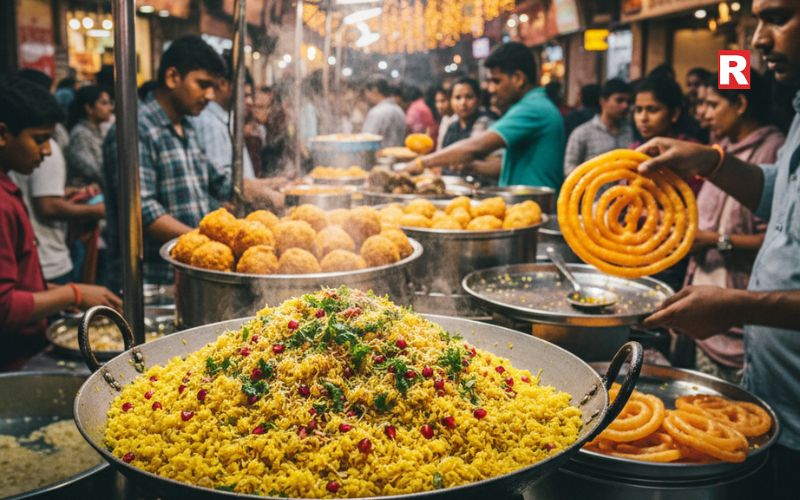
Indore is widely considered one of India’s best street food cities, especially for vegetarian snacks. The city is known for its lively food markets that stay active late into the night. Two areas dominate the food scene: Sarafa Bazaar and Chappan Dukan. During the day, Sarafa Bazaar operates as a jewelry market. At night, it transforms into a vibrant street food paradise filled with stalls offering dozens of vegetarian dishes. The variety of food here is remarkable. Vendors serve traditional recipes passed down through generations. Indore’s street food blends influences from Malwa, Gujarat, and Maharashtra. The result is a unique mix of flavors that makes the city a dream destination for vegetarian food lovers.
Some must-try dishes in Indore include:
- Poha with crunchy sev and fresh coriander
- Jalebi served hot in the morning
- Bhutte Ka Kees made from grated corn
- Sabudana Khichdi for light yet filling meals
- Garadu, a spicy fried yam dish popular in winters
Read more: 8 Famous Vegetarian Dishes of Uttar Pradesh and Their Timeless Legacy
5 Cities That Serve the Best Non-Vegetarian Street Food
2. Ahmedabad – A Paradise for Vegetarian Snacks
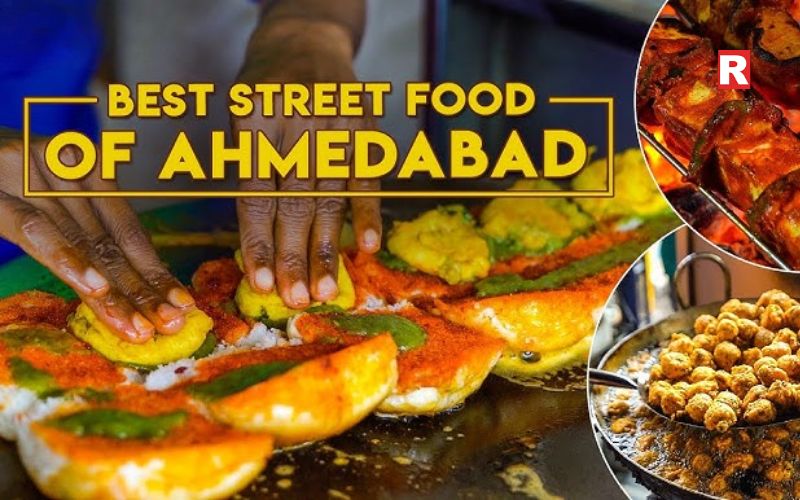
Ahmedabad is another major hub for vegetarian street food in India. Gujarat has a strong tradition of vegetarian cooking, and that culture is reflected in the city’s street markets. One of the most famous food locations is Manek Chowk. The market turns into a lively street food zone at night, with stalls serving a huge range of vegetarian snacks. Street food in Ahmedabad is known for balancing sweet, spicy, and tangy flavors. Many dishes use gram flour, lentils, and spices that create distinctive textures and tastes. The city’s food culture reflects the Gujarati preference for light, vegetarian meals that are still rich in flavor.
Popular street foods in the city include:
- Khaman Dhokla, a soft steamed snack
- Fafda paired with sweet jalebi
- Sev Usal, a spicy curry topped with crunchy sev
- Khakhra served with chutneys
3. Mumbai – The Fast Food Capital of India
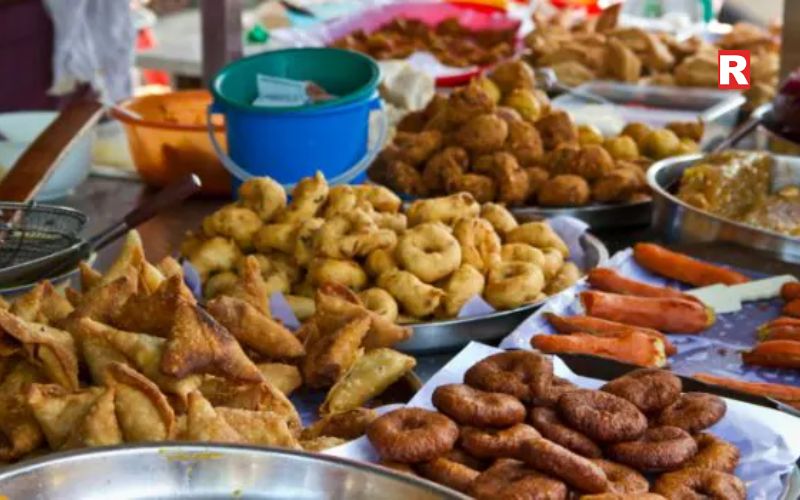
Mumbai’s street food culture is built around speed and convenience. The city moves quickly, and its snacks are designed for people who need something delicious while on the go. Although Mumbai offers many types of street food, several vegetarian dishes have become legendary across the country. The most famous is vada pav, often called India’s version of a burger. A spicy potato fritter is placed inside a soft bun and served with chutneys and fried chilies.
Other popular vegetarian street foods in Mumbai include:
- Pav Bhaji cooked on large sizzling griddles
- Bhel Puri mixed fresh with chutneys and spices
- Sev Puri topped with potatoes and yogurt
- Dahi Puri filled with tangy yogurt and chutney
Many of these dishes can be found at famous beachside food spots such as Juhu Chowpatty and Girgaon Chowpatty. These areas attract huge crowds in the evening. Mumbai’s street food is known for bold flavors and quick service, making it perfect for the city’s fast lifestyle.
4. Jaipur – Traditional Flavors on the Streets
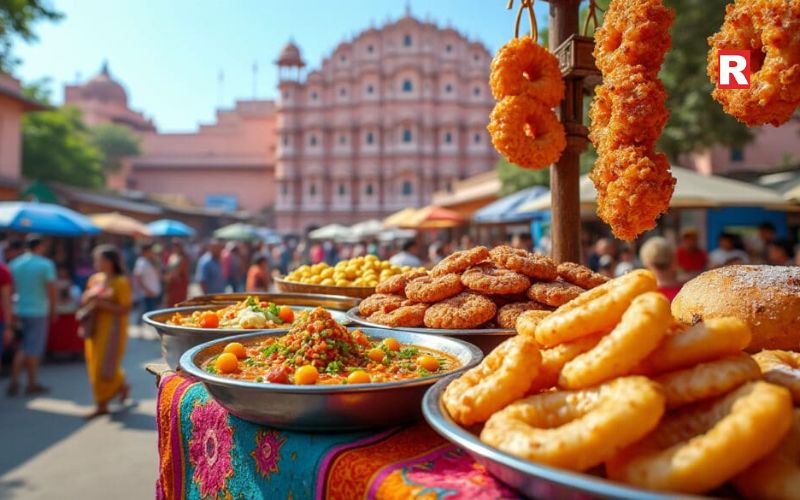
Jaipur’s street food reflects the rich culinary heritage of Rajasthan. The region has a long tradition of vegetarian cooking because of cultural and religious influences. Local markets in Jaipur offer snacks that are deeply rooted in Rajasthani cooking traditions. Many recipes use gram flour, lentils, and spices that create strong, earthy flavors. Markets around the old city are particularly known for authentic street food. Walking through these bazaars offers a glimpse of Jaipur’s historic food culture. The combination of traditional recipes and vibrant market streets makes Jaipur one of India’s most exciting vegetarian food destinations.
Some of the most famous vegetarian street foods in Jaipur include:
- Pyaaz Kachori stuffed with spiced onions
- Mirchi Vada made with large green chilies
- Dal Baati Churma served in traditional style
- Ghewar, a famous Rajasthani sweet
Know more: Top 10 Vegan Street Foods in India Every Indian Loves
5. Bengaluru – South India’s Veg Street Food Hub
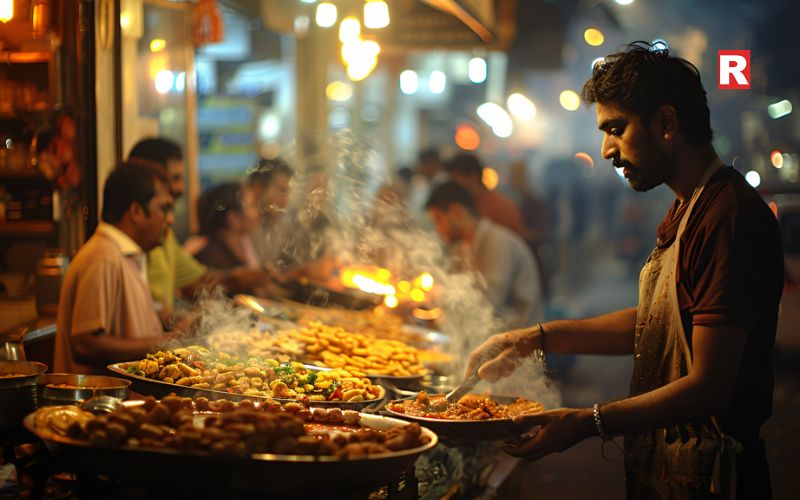
Bengaluru has become a major food city in recent years. While the city is known for modern restaurants and cafes, its street food scene is equally impressive. One of the most famous locations for vegetarian street food is VV Puram Food Street. This narrow street is packed with food stalls that serve a wide variety of South Indian snacks. Many of the dishes here are simple but extremely flavorful. The food street becomes especially busy in the evening, when locals gather to enjoy freshly prepared snacks. Bengaluru’s street food reflects the city’s ability to blend traditional South Indian cuisine with modern food trends.
Popular vegetarian street foods in Bengaluru include:
- Masala Dosa served with chutney and sambar
- Akki Roti made from rice flour
- Maddur Vada, a crispy snack from Karnataka
- Gobi Manchurian, a popular Indo-Chinese dish
6. Varanasi – Spiritual City with Iconic Street Food
Varanasi is one of the oldest living cities in the world. Its food culture is closely connected to religious traditions and temple rituals. Because of its spiritual significance, vegetarian food dominates the local cuisine. Street vendors across the city serve snacks that have been popular for generations. Street food in Varanasi is often enjoyed near ghats and temple areas. The flavors are bold and comforting, reflecting the city’s deep culinary roots.
Some famous vegetarian street foods from Varanasi include:
- Tamatar Chaat cooked with spices and herbs
- Aloo Kachori served with spicy curry
- Thick Banarasi Lassi topped with cream
- Malaiyyo, a winter dessert made from milk foam
Why Vegetarian Street Food Is Growing in India
The popularity of vegetarian street food continues to rise. Several factors are driving this growth.
Important reasons include:
- A large vegetarian population across the country
- Growing interest in plant-based eating
- Affordable food options for urban consumers
- Rising food tourism in Indian cities
- Social media exposure of street food culture
Food bloggers and travel influencers have also helped introduce regional street foods to wider audiences. Many cities are now promoting their street food heritage as part of tourism development.
Also check: Pani Puri Has Different Names in Different Indian States—Know Them All
Top Famous Veg Street Foods in Kolkata That You Must Try Once in Your Life
Top 5 States With the Spiciest Food in India
Happy Eating!
Street food is becoming a major attraction for domestic and international travelers. Cities are improving infrastructure and organizing dedicated food streets to make the experience safer and more enjoyable. These changes are helping street vendors reach larger audiences while preserving traditional recipes. India’s vegetarian street food culture continues to evolve while staying deeply connected to local heritage.
Vegetarian street food represents the creativity of local vendors and the culinary traditions of different regions. Cities like Indore, Ahmedabad, Mumbai, Jaipur, Bengaluru, and Varanasi have built strong reputations as vegetarian street food capitals. Their markets offer dishes that have been loved for decades. Exploring these destinations allows food lovers to experience India’s culture in its most authentic form. From early morning poha stalls to late-night chaat markets, vegetarian street food continues to shape the country’s vibrant food landscape.
Dal Baati Churma tells the story of India’s culture, climate, and traditions. The dish originated in Rajasthan, a desert state where life was tough and resources were limited. Despite its simple ingredients, it is rich in taste and has become one of the most loved dishes across the Indian subcontinent. Dal Baati Churma reflects how food in India is influenced by the land and lifestyle. Baati, a hard wheat ball, could be baked and stored for long periods. Dal, made with lentils and spices, provided protein and warmth. Churma, sweet and crumbly, balanced the flavours. Together, they created a complete and satisfying meal.
In a country where food changes every few kilometres, this dish stands out as a symbol of strength, hospitality, and warmth. It is filling, comforting, and perfect for sharing. From royal kitchens to village homes, Dal Baati Churma has travelled through generations without losing its essence. It remains a dish that brings people together, celebrates tradition, and honours the ingenuity of Indian cooking.
The Origin of Dal Baati Churma
Dal Baati Churma was born in the desert regions of Rajasthan. Life in the Thar Desert was tough. Water was scarce. Fresh vegetables were not always available. People needed food that could last long and give high energy. This is where baati came in. Hard wheat balls were baked until firm. They did not spoil easily. Warriors and travellers carried them on long journeys. Dal was cooked slowly using lentils that were easy to store. Churma added sweetness and balance. Many food historians believe Rajput warriors relied on this meal during battles. The use of ghee gave strength and stamina. Over time, what began as survival food became a royal delicacy.
Cultural Importance in Indian Homes
Dal Baati Churma holds a special place in Rajasthani culture. It is served during weddings, festivals, and family gatherings. No traditional Rajasthani thali feels complete without it. In villages, it is still cooked using traditional methods. Baatis are roasted over firewood or cow dung cakes. This gives them a smoky flavour that modern ovens cannot fully match. Serving Dal Baati Churma is also a sign of respect. Guests are offered extra ghee and warm dal. Refusing it is often seen as impolite. The dish reflects the generous spirit of Rajasthan.
Read more: 8 Famous Vegetarian Dishes of Uttar Pradesh and Their Timeless Legacy
5 Cities That Serve the Best Non-Vegetarian Street Food
Understanding the Three Elements
Dal Baati Churma is not one dish. It is three different preparations that come together beautifully.
Dal: The Heart of the Meal
The dal is thick, rich, and full of flavour. It is usually made using a mix of lentils. Common choices include toor dal, chana dal, moong dal, and urad dal. The lentils are slow-cooked until soft. Garlic, cumin, red chilli, and asafoetida are added. Ghee is used generously. The result is a dal that is spicy but balanced. Each household has its own dal recipe. Some like it very spicy. Others keep it mild. This flexibility makes the dish personal and comforting.
Baati: The Rustic Bread
Baati is made from coarse wheat flour. The dough is firm and shaped into round balls. Traditionally, baatis are baked in open fire or buried in hot sand. Once cooked, the baati is hard on the outside and soft inside. It is cracked open and soaked in desi ghee. This step is essential. Without ghee, baati feels incomplete. Baati represents simplicity. No yeast. No fermentation. Just flour, water, and patience.
Churma: The Sweet Balance
Churma adds sweetness to the meal. It is made by crushing baked baatis or using wheat flour dough fried in ghee. The crushed mixture is blended with jaggery or sugar. Dry fruits like almonds and raisins are added. Cardamom gives a light aroma. Churma balances the spicy dal and rich baati. It turns the meal into a complete experience.
Dal Baati Churma Across the Indian Subcontinent
While the dish belongs to Rajasthan, it is now popular across India. In Gujarat, baati is often served with a slightly sweeter dal. In Madhya Pradesh, the dish is a staple in many homes.
In cities like Delhi, Mumbai, and Jaipur, Dal Baati Churma is a star attraction in Rajasthani restaurants. It is also common at wedding buffets and food festivals. Modern kitchens now offer baked versions with less ghee. Some restaurants experiment with millet baatis or stuffed baatis. Yet, the traditional version remains the most loved.
Know more: Pani Puri Has Different Names in Different Indian States—Know Them All
Best Way to Serve Dal Baati Churma
Dal Baati Churma is a traditional Rajasthani dish best enjoyed fresh and hot. The baati, a round baked wheat ball, is first broken into pieces. Warm dal is poured over the baati, and a generous amount of ghee is added on top, making it rich and flavorful. Churma, the sweet element of the meal, is served separately. Many people enjoy eating small portions of churma between bites of dal and baati to balance the spice and savouriness. The meal is often accompanied by simple sides that enhance its taste and aid digestion:
- Garlic chutney – adds a spicy kick
- Onion salad – offers freshness and crunch
- Buttermilk – helps soothe the palate and aids digestion
Dal Baati Churma is not just food; it is a celebration of flavours, textures, and tradition. Every bite reflects the rich culinary heritage of Rajasthan and its simple yet hearty cooking style.
A Dish That Reflects Indian Food Wisdom
Dal Baati Churma shows how Indian food is deeply connected to geography and lifestyle. It proves that simple ingredients can create rich flavours. The dish teaches balance. Spicy, sweet, crunchy, and soft elements come together in harmony. In today’s fast food world, Dal Baati Churma reminds us of slow cooking and mindful eating. It encourages sharing and togetherness.
Also check: 7 Desi Alternatives to Oatmeal for Weight Loss
Top Famous Veg Street Foods in Kolkata That You Must Try Once in Your Life
What is Kimchi? Top Veg Kimchi You Can Try at Home
Your Desi Comfort!
Dal Baati Churma is more than just a dish. It is a symbol of India’s rich heritage. The meal originated in the deserts of Rajasthan, where people needed food that was filling, long-lasting, and easy to make. Over time, it became a favourite in royal kitchens and village homes alike. Dal Baati Churma is made of three parts: spicy dal, baked baati, and sweet churma. Each element tells a story of tradition and care. The baati is hard on the outside and soft inside, while the dal is warm and comforting. Churma adds sweetness to balance the flavours. Today, the dish is celebrated across India. It is served at festivals, weddings, and in restaurants. Every plate reflects survival, celebration, and togetherness. For anyone who wants to experience Indian food culture, Dal Baati Churma is the perfect introduction. Its taste, history, and warmth make it unforgettable.
Hyderabad's street food scene is lively and friendly. While everyone knows the city for its biryani, the little food stalls and night vendors are not to be underestimated. They really show off how much the city loves strong tastes and makes people feel at home, locals and travellers alike.
In old Hyderabad, you can still taste the royal touch of Nizam kitchens. You'll see it in dishes cooked slowly with lots of spices and made the old-fashioned way. But in the newer parts of town, it is the modern street food that brings the young people together every night. What makes it all so great is how the city's history mixes with daily life. Just walking around Charminar or Gachibowli, you'll find tons of stalls selling dosas, kebabs, chaat, and Irani tea. This mix of old and new is what Hyderabad street food is all about.
If you want to visit Hyderabad on your next trip, but don’t know where to find the best street food, then read this article, as we have compiled a list of the best places there.
Read more: Top Famous Veg Street Foods in Kolkata That You Must Try Once in Your Life
What Makes Hyderabad’s Street Food Unique?
Hyderabad's street food is special because it mixes Mughlai, Andhra, Telangana, and Irani tastes. Vendors use spices passed down through families, which gives the food a taste that locals know and love. You'll see slow-cooked meats, crunchy snacks, flavorful chutneys, and sweets that show Persian influence. Lots of these food stalls have been around for years, serving up the same great flavors that keep people coming back. Irani bakeries, tiny dosa places, kebab stands, and chaat spots each add something special. This mix of history and local flavors makes Hyderabad's street food feel rich and diverse.
Popular Areas for Street Food
- Charminar: You can find classic Hyderabadi food here, stuff like kebabs, cookies, biryani, and haleem seasonally.
- Mozamjahi Market: This place is great for old-school bakeries, fruit ice cream, and traditional desserts.
- Tank Bund: It becomes very lively at night with lots of snack vendors selling all sorts of delicious snacks.
- Sindhi Colony: People know this spot for chaat, sandwiches, pav bhaji, and fast-food-style snacks.
- Gachibowli: This area has a bunch of modern food trucks and stalls that are popular with young people who work in offices or students from neighbouring schools.
- Madhapur: A cool area to grab a quick bite from trendy stalls and fusion street food.
- Ameerpet: This place is popular for all kinds of dosa and cheap snacks, perfect for students.
Know more: Famous Street Food to Try in Chandni Chowk
Top 10 Street Food Spots in Hyderabad
1. Ram Ki Bandi
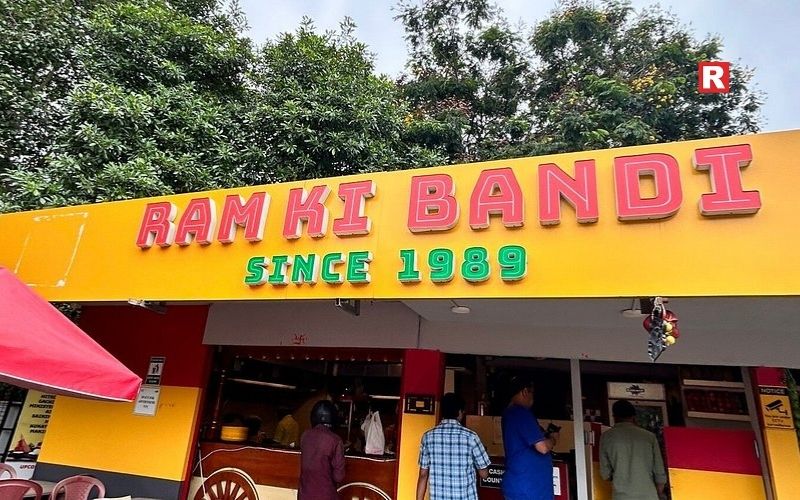
Ram Ki Bandi is famous for its dosas and idlis, which they make early in the morning with lots of fillings and chutneys. People especially enjoy the cheese dosa, pizza dosa, and upma dosa because they taste both familiar and special. The service is usually fast, so it's popular with people on their way to work and students. You can expect to pay around ₹150 to ₹250 for two people. It's best to go between 3:30 AM and 8 AM to get the freshest food. The location near Nampally is the most popular, but you can find other locations around the city. It's always busy because of its simple setup and tasty food.
2. Gokul Chat
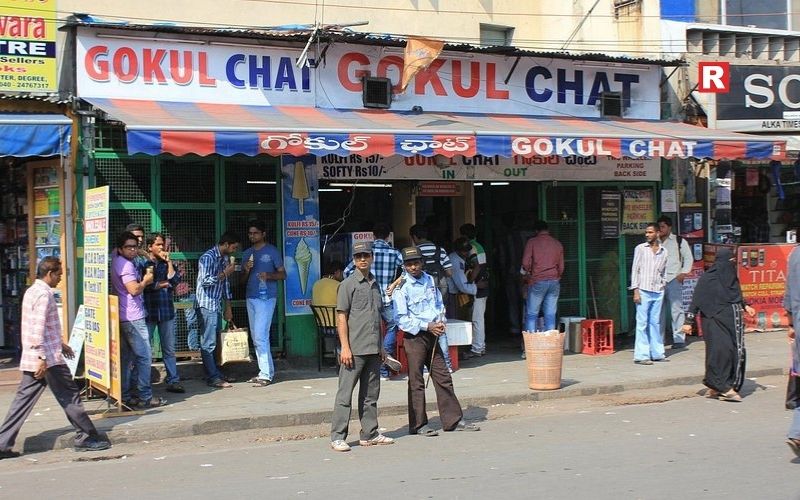
If you're looking for great chaat in Hyderabad, Gokul Chat in Koti is a super popular spot. It's been in business for about 50+ years. They're famous for their pani puri, dahi puri, tikki, and pav bhaji, and they also have fresh fruit juices. The food always tastes the same, and you get a generous portion for your money. You'll see all kinds of people there, from students, families, to people who've been going for years. It'll cost you around ₹200 to ₹300 for two people. What makes them special is that they mix North Indian chaat with local spices. Many people say you have to try it when you're checking out the street food in Hyderabad. But do make sure to carry cash with you, as they do not accept UPI payments.
3. Sindhi Colony Food Street
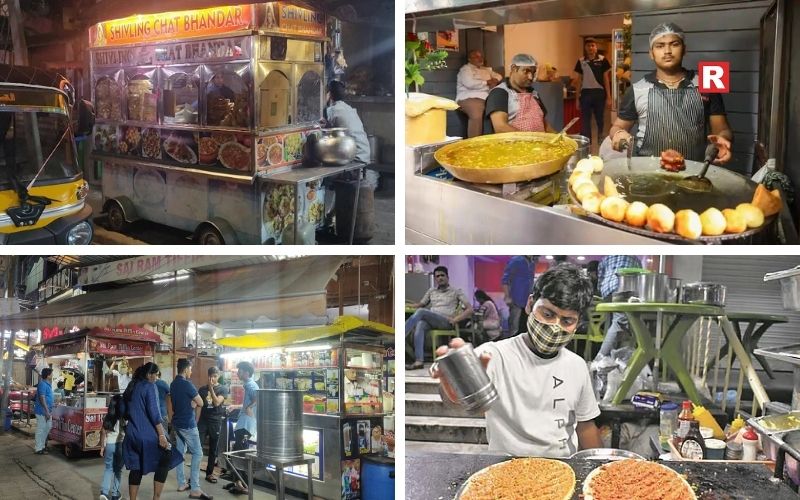
If you love street food, you have to check out Sindhi Colony in Hyderabad. It's got tons of options, including many for vegetarians. People know the area for its chaat, pav bhaji, sandwiches, and quick snacks, which are perfect when you're craving something in the evening or just hanging out. Lots of the stalls have been around for ages, giving the whole place a friendly vibe. You can grab crispy pani puri, rich milkshakes, super cheesy sandwiches, and smaller bites that are great for sharing with friends or family. The prices are fair, and it's always buzzing with activity. It's super easy to taste a bunch of different things in one go.
4. Madhapur Street Food and Food Truck Lane
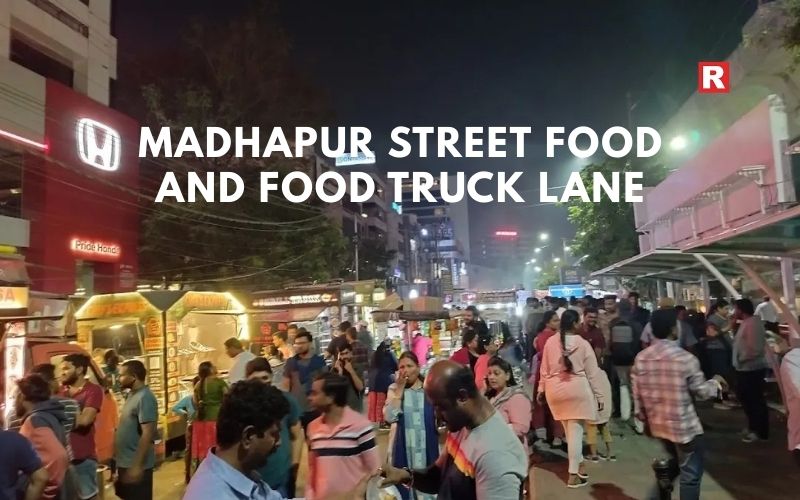
Madhapur's a cool place for street food now, packed with food trucks selling things like shawarma, momos, noodles, sandwiches, and some creative snacks that mix flavors. You'll mostly see younger professionals and college students hanging around. Shawarma, momos, and grilled chicken are big hits there. Expect to pay around ₹300 to ₹450 for two people. It's best to go after 7 PM when the majority of the food trucks are starting to cook up fresh food. Being close to Hitech City gives the place a lot of energy, and with so many choices, you can try something different every visit.
What's new: Top 10 Vegan Street Foods in India Every Indian Loves
5. Charminar Food Street
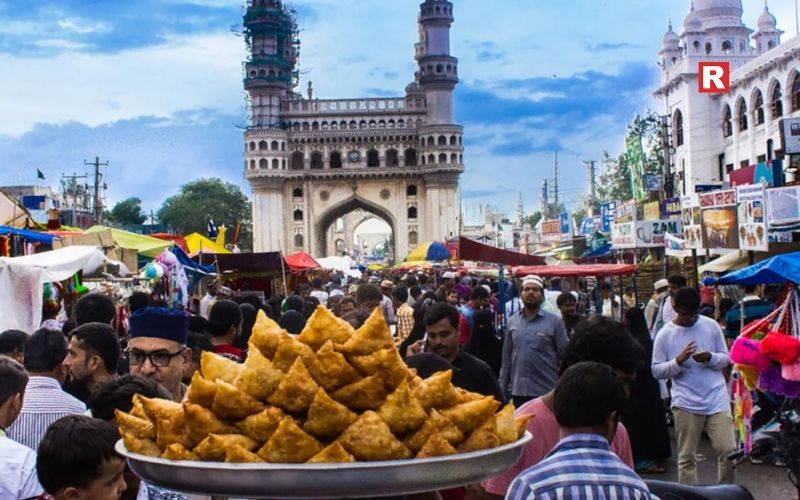
Charminar's streets are known for their tasty food like kebabs, biryani, nihari, lukhmi, Irani chai, and haleem (when it's in season). There's a ton to pick from, especially when night falls. You'll see vendors who've been around for ages and new little stands selling local favorites. The best time to go is after 7 PM. During Ramzan, the area really comes alive with special food and extended hours. It's a great spot to try real Hyderabadi food.
6. Mozamjahi Market
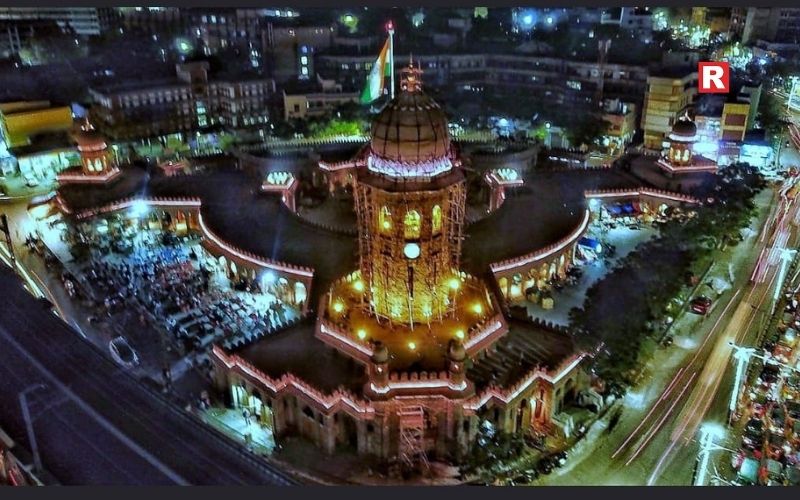
Mozamjahi Market is a favorite spot for its fruit ice cream, baked treats, samosas, and Irani chai. The ice cream is made on a cold stone with fresh, seasonal fruits. Many drop by after dinner for a light dessert or snack. It is affordable too. The best time to go is between 8 PM and midnight when the weather is nice. The area has a calm feel and an old-city vibe that makes eating there even better.
7. Tank Bund Street Food
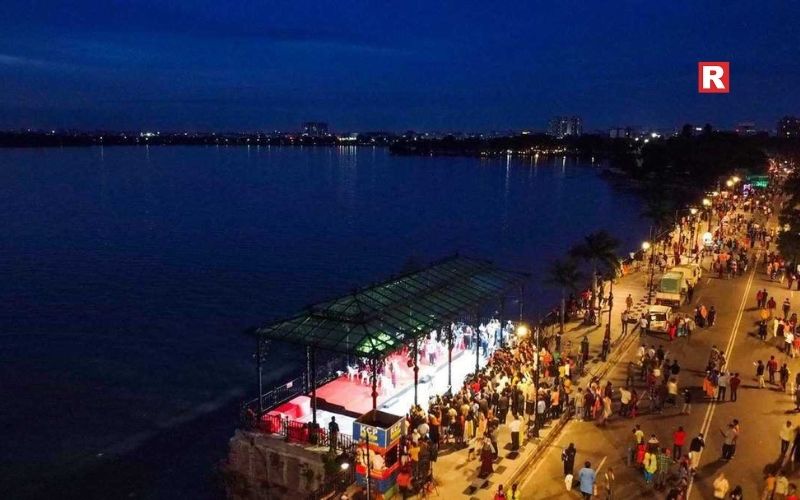
Tank Bund is a great place to go for an evening walk. You can grab snacks there. Vendors sell things like roasted corn, pani puri, and momos. It's popular because it's chill and the snacks are perfect for a casual hangout. The best time to visit is around sunset or in the early evening. You might not find full meals, but the beautiful lake scenery mixed with the quick snacks makes it a favorite hangout for many.
Check out: 8 Famous Street Foods of Agra You Can’t Miss
A Bite of Banaras: 8 Iconic Street Foods You Can’t Miss in Varanasi
8. Begum Bazaar and Feel Khana Lane
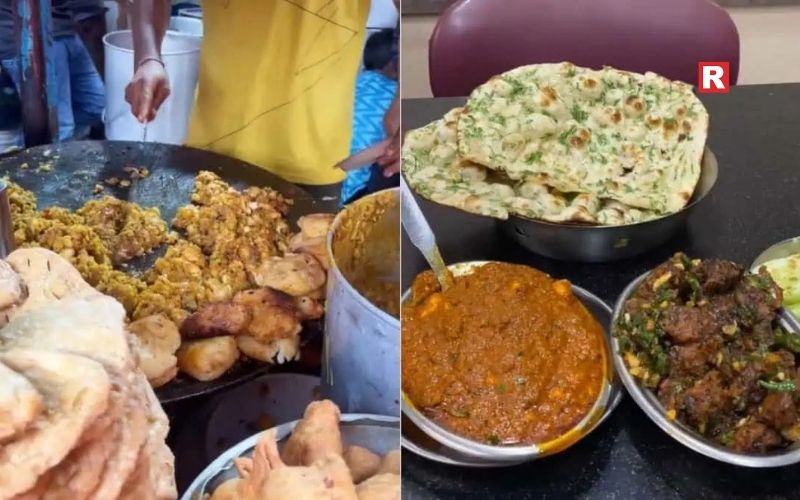
Begum Bazaar and Feel Khana Lane are in the middle of Hyderabad's busy old city. People know these areas for their packed streets, wholesale stores, and lots of street food. Begum Bazaar is a great place to grab traditional snacks, especially kebabs, rumali roti wraps, pulao, and local sweets. Right next door, Feel Khana Lane has cheap eats, tawa dishes, samosas, keema, and evening snacks, which attract employees and customers. If you want to taste real Hyderabadi cooking, these lanes are a good place to start.
9. Nimrah Café, Charminar
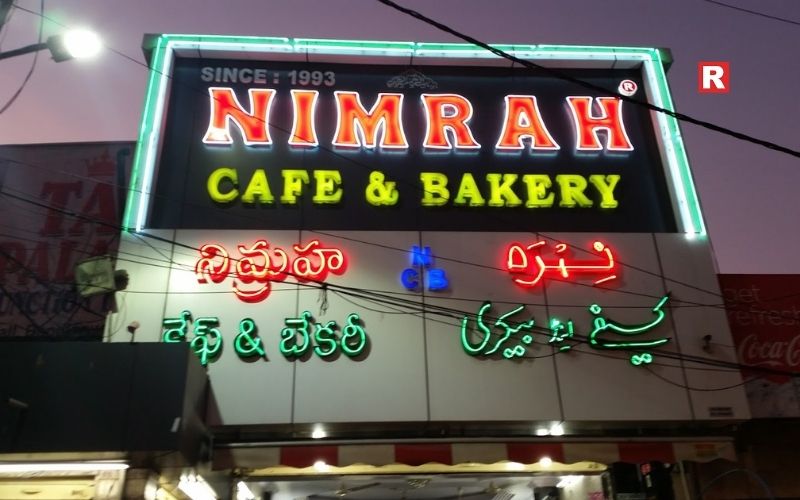
Nimrah Café, close to Charminar, is famous for its Irani chai and lots of different bakery biscuits. It's been a favorite spot for ages, and many people stop by after checking out the market. You gotta try their Osmania biscuits, naan khatai, and also the light, buttery cookies. They're incredibly delicious with the strong, sweet tea. It’s budget-friendly for your wallet and feels like a brief glimpse of old Hyderabad. The best time to go is early in the morning or in the evening when it’s lively but not too packed.
10. Gachibowli Food Trucks and Night Stalls
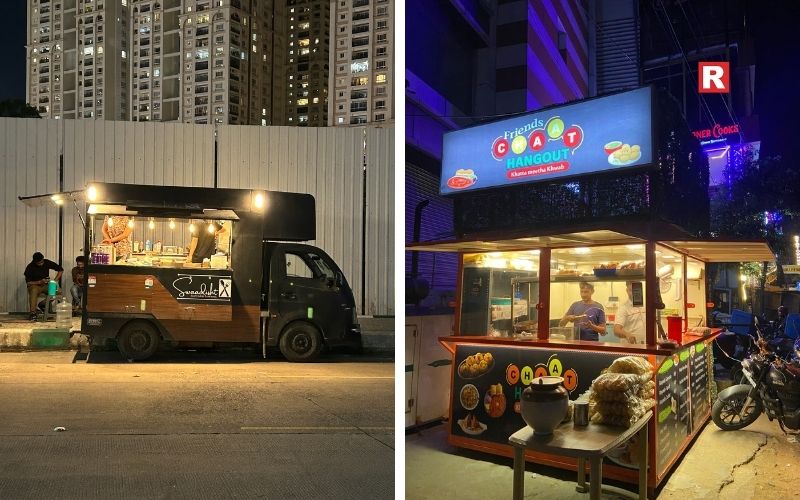
If you're in Gachibowli and hungry late at night, you're in luck! There are tons of food stalls open late serving stuff like shawarma, fried rice, momos, rolls, and grilled chicken. It's a great spot to grab a quick bite after work. The best time to go is between 9 PM and 1 AM when all the stalls are most active. The place has a lively vibe, and you usually get your food pretty fast. That makes this area a reliable option if you are looking for late-night food in Hyderabad.
Hygiene and Safety Tips
- Make sure the stall's counter is clean.
- Don't eat at places where food is left out in the open.
- Go for bottled water or drinks you know are clean.
- Choose food that's cooked fresh and hot instead of remaining unattended.
- It’s better to go when it’s not super crowded.
- See if the people serving food are wearing gloves or using clean tools.
- Check if they're reusing oil or sauces too much.
Learn more: Top Iconic Street Foods from Every Indian State You Must Try
City’s Flavors on A Plate
Hyderabad's street food is a mix of classic dishes and exciting modern flavors. Checking out the food stalls lets you feel the city's vibe. No matter if you're into light snacks, meaty meals, or sweets, every place has its own flavor. Eating here isn't too expensive, and it's fun to try new things with friends and family. When you visit these ten spots and taste different dishes, you'll get why Hyderabad's streets are such a great place to eat. Have fun, don't rush, and let each bite become a cool memory of the city.
Kolkata is more than a city; it is an emotion wrapped in flavours, culture, and warmth. Known as the “City of Joy,” it welcomes every food lover with open arms. While many associate Kolkata with fish curries and sweets, its vegetarian street food tells a story of its own. Every lane, every corner, hides a food stall that serves something unforgettable. From the spicy crunch of phuchkas to the soft comfort of ghugni chaat, the city celebrates food in its purest form. Vendors set up their stalls as the sun goes down, and the aroma of frying kachoris and telebhajas fills the air. Crowds gather around with plates in hand, ready to enjoy the city’s timeless flavours.
The recipes have been passed down through generations, and each bite carries that legacy. For those who seek authentic Indian flavours, the streets of Kolkata promise a journey of spice, texture, and joy. It’s a paradise for anyone who believes good food can touch the soul.
Explore the Top Famous Veg Street Foods in Kolkata
1. Phuchka – Kolkata’s King of Street Food
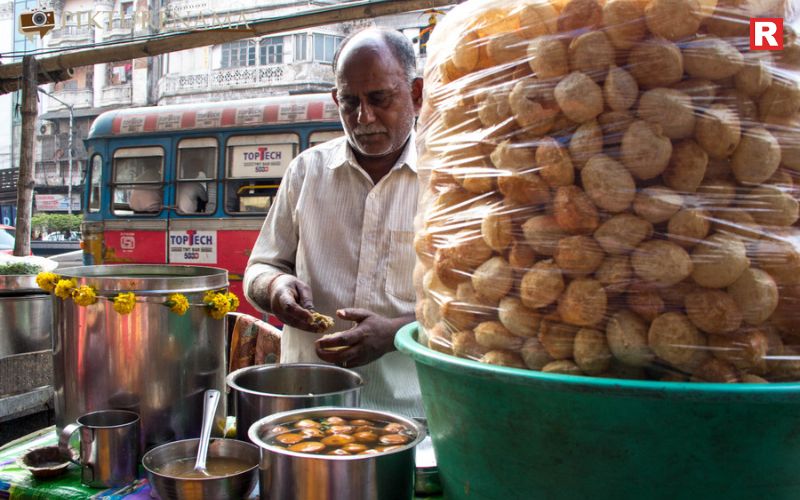
If there’s one snack that defines Kolkata, it’s phuchka. Known elsewhere as pani puri or golgappa, phuchka stands out for its sharp, tangy flavour. The crisp shells are filled with mashed potatoes, tamarind water, and a mix of spices that tingle your taste buds instantly. What makes Kolkata’s phuchka special is the spice blend — fiery, sour, and perfectly balanced. Locals often argue about who makes the best phuchkas, but popular spots like Vivekananda Park, Southern Avenue, and Gariahat always top the list. If you love spice, ask for “extra teekha pani.” That’s when you truly experience the magic of Kolkata’s phuchkas.
2. Jhalmuri – The Snack That Never Fails
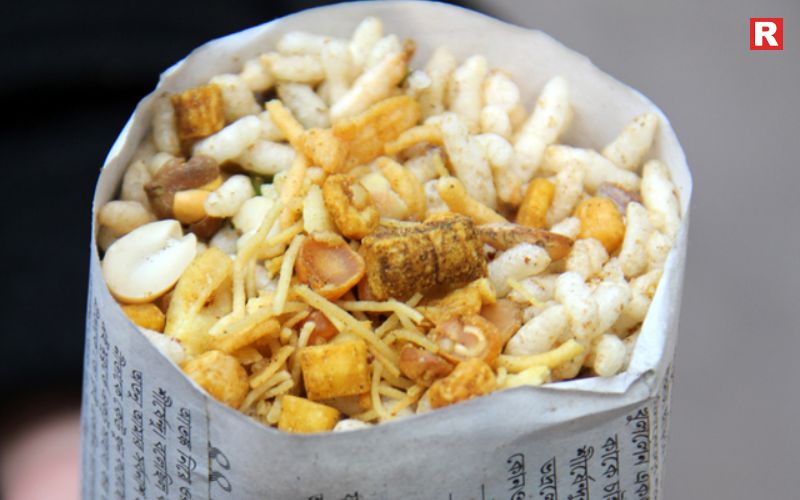
Jhalmuri is Kolkata’s answer to the classic chaat — light, quick, and full of texture. It’s made from puffed rice mixed with mustard oil, chopped onions, chillies, roasted peanuts, and a sprinkle of masala. Served in a newspaper cone, it’s the city’s most convenient snack on the go. The strong aroma of mustard oil gives it a distinct Bengali flavour. You’ll often find vendors near Howrah Bridge, Esplanade, or College Street, mixing jhalmuri right in front of you. One bite, and you’ll understand why this humble snack has fans across generations.
Read more: 8 Famous Vegetarian Dishes of Uttar Pradesh and Their Timeless Legacy
5 Cities That Serve the Best Non-Vegetarian Street Food
3. Kathi Roll – The Iconic Kolkata Wrap
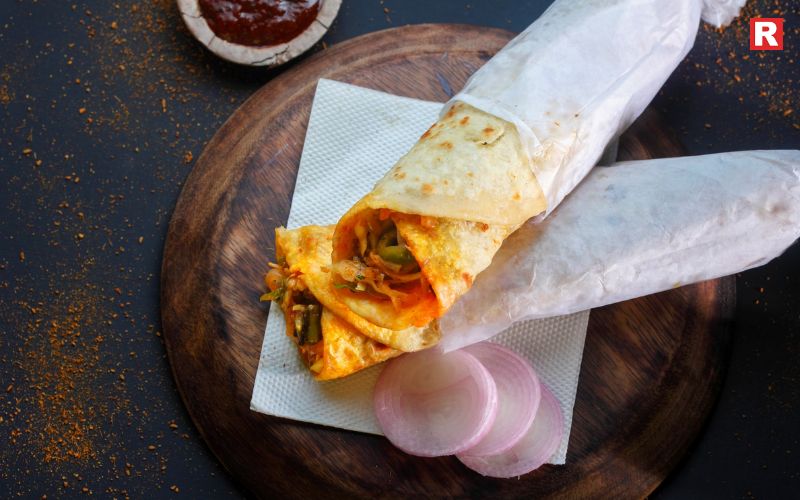
Born in the famous Nizam’s restaurant, the kathi roll is a Kolkata invention that conquered India. Originally non-vegetarian, it now has delicious vegetarian versions made with paneer, potatoes, and mixed vegetables. Soft, flaky parathas wrap around spicy fillings and are layered with sauces, onions, and sometimes a dash of lemon. It’s a complete meal by itself — tasty, filling, and easy to eat on the go. From Park Street to Gariahat, every roll shop adds its unique twist. The paneer roll, with its perfect mix of spice and creaminess, remains a favourite among vegetarians.
4. Telebhaja – The Crispy Rainy-Day Treat
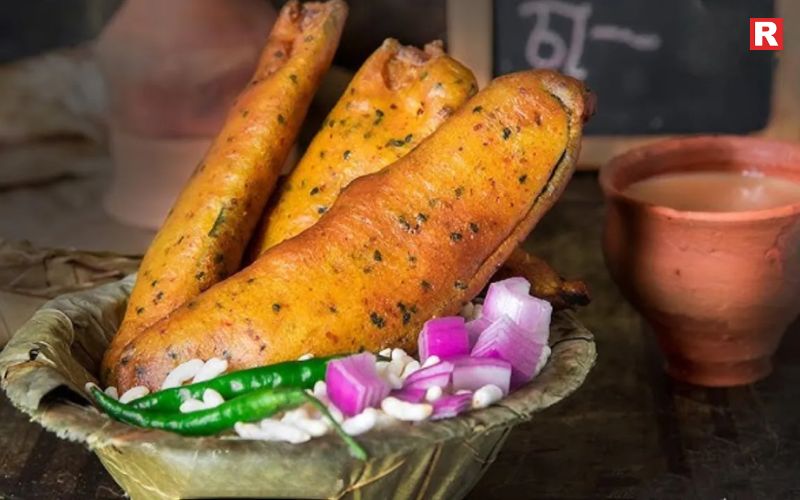
Nothing beats the joy of biting into a hot telebhaja on a rainy Kolkata evening. Telebhaja means “fried in oil,” and it includes a variety of fritters made from onion, potato, brinjal, or even raw banana. Served with puffed rice and green chillies, these crispy delights are the perfect companion to a cup of chai. You’ll find telebhaja stalls near office areas, markets, and especially College Street, where students often gather for evening snacks. It’s comfort food in its simplest form — fried, spicy, and irresistibly good.
Know more: Top 10 Vegan Street Foods in India Every Indian Loves
5. Ghugni Chaat – Comfort in a Bowl
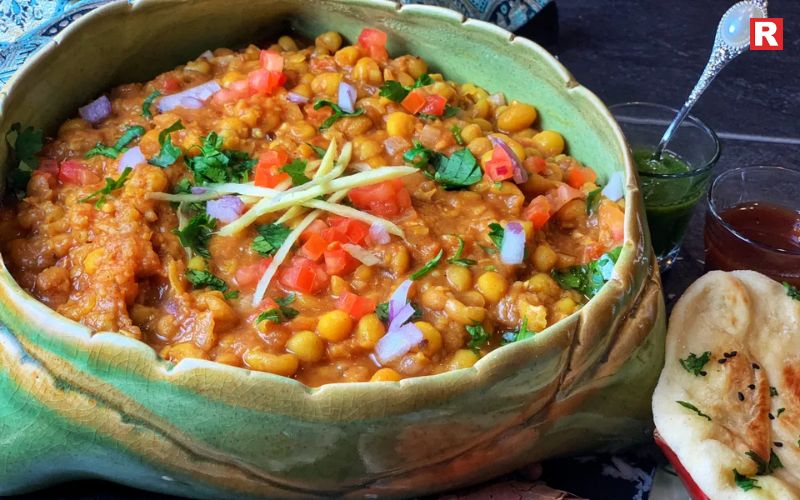
Ghugni chaat is one of Kolkata’s most popular vegetarian dishes. It’s made with yellow or white peas cooked in a thick, spicy gravy and served with chopped onions, coriander, and lemon juice. High in protein and full of flavour, ghugni is both wholesome and satisfying. Whether you have it for breakfast or as an evening snack, it never disappoints. You’ll find the best ghugni chaat at small roadside stalls across North Kolkata and Burrabazar. Add a squeeze of lemon, and the taste becomes unforgettable.
6. Kachori Sabzi – A Classic Morning Favourite
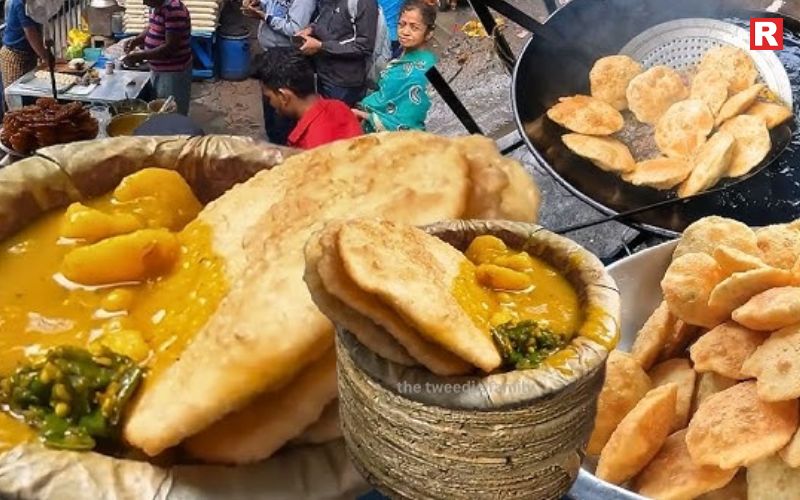
For many Kolkatans, a perfect morning begins with hot kachori sabzi. This traditional breakfast dish combines crisp kachoris filled with lentils or spices, served with spicy potato curry. The aroma of frying kachoris fills the streets early in the morning, especially in Burrabazar, Kalighat, and Hedua Park. Pair it with a cup of chai, and you have a meal that feels like home. It’s a dish that reflects Kolkata’s cultural mix, influenced by North Indian flavours but made distinctly Bengali in style.
7. Chowmein and Veg Momos – The Indo-Chinese Obsession
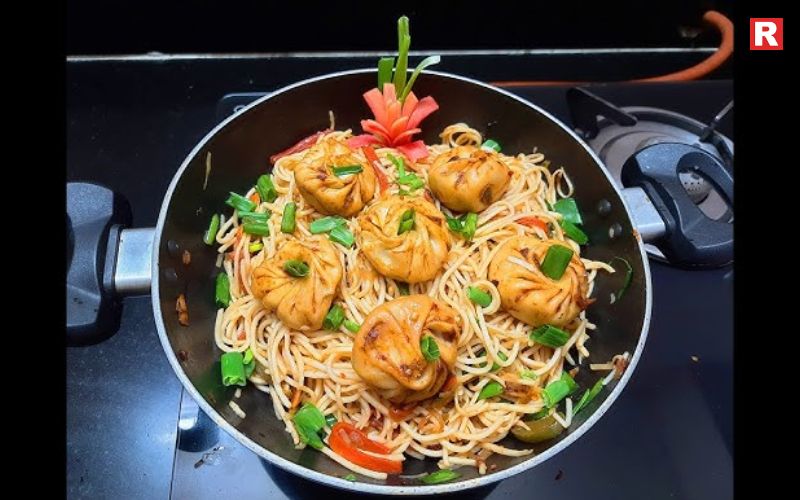
Kolkata’s love for Chinese food is legendary. The city has developed its own Indo-Chinese style, with dishes that are bold, spicy, and full of flavour. Street-side chowmein, crispy Manchurian, and steamed veg momos are among the most popular vegetarian options. You’ll often see students and office-goers lining up at stalls near Tiretta Bazaar, Lake Market, and South City. These dishes represent Kolkata’s evolving food culture — traditional yet open to global influences.
Also check: Pani Puri Has Different Names in Different Indian States—Know Them All
Top Vegetarian Delicacies from Coastal Karnataka
8. Mishti – The Sweet Ending
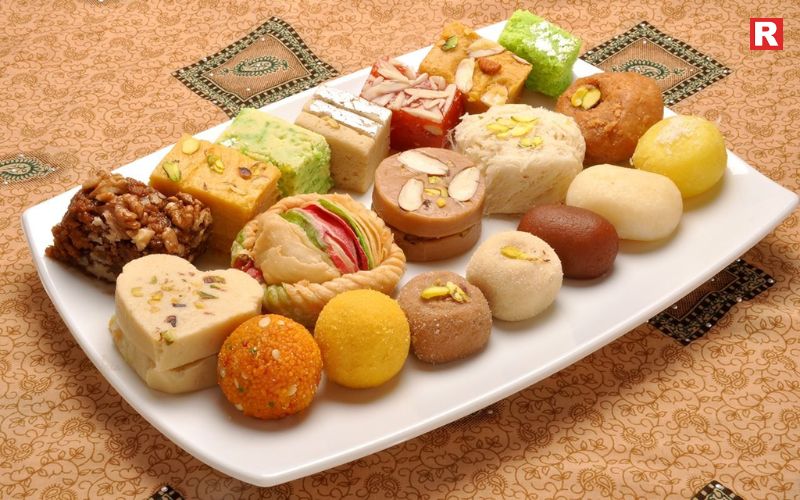
A food journey in Kolkata is never complete without something sweet. The city’s vegetarian sweets are world-famous. From the soft and juicy Rosogolla to the creamy Sandesh and the cool Mishti Doi, every bite feels like a celebration. Traditional sweet shops such as Balaram Mullick & Radharaman Mullick, Bhim Chandra Nag, and KC Das have been perfecting these treats for decades. Most of these sweets are made using pure milk and sugar, keeping them completely vegetarian.
Why Kolkata Is a Food Lover’s Paradise
Kolkata’s street food culture is about more than just taste. It’s about connection — people from all walks of life sharing food and stories. The city’s mix of Bengali, Chinese, Marwari, and Mughlai influences makes its vegetarian street food vibrant and diverse. Food stalls here aren’t just businesses; they are institutions that have stood the test of time. Generations of families have run them, serving the same recipes that locals swear by.
Evenings are the best time to explore Kolkata’s street food. The city comes alive as vendors light up their stalls and the aroma of fried snacks fills the air. Winter months, from November to February, are particularly delightful as the weather adds a festive charm to the experience. If you want to try everything, plan a food walk through Esplanade, New Market, or College Street — all hubs for authentic street flavours.
- Always eat from popular stalls that have regular customers.
- Carry cash, as small vendors rarely accept digital payments.
- Don’t miss trying chai served in clay cups, known as bhar, for a truly local touch.
- Stay open to experimenting—Kolkata’s charm lies in its variety.
Taste of Bengal!
Kolkata’s vegetarian street food is bold yet comforting, reminding one of the city’s simple joys. From the fiery taste of phuchkas to the crisp bite of telebhaja and the creamy sweetness of mishti doi, every snack captures Kolkata’s essence.
The city’s streets are alive with the sound of sizzling pans and the chatter of hungry crowds. Food here is not just eaten; it is shared, celebrated, and cherished. Each stall has its own charm, each recipe its own memory. For anyone visiting Kolkata, following the aroma of these street foods is like discovering the city’s soul. Because in Kolkata, food is not only a meal—it is an experience, a feeling, and a beautiful reminder of the city’s timeless joy.
There are few places in India that capture the spirit of Delhi like Chandni Chowk. This historic market is a living museum of flavours, aromas, and traditions. The moment one steps into its narrow lanes, the air fills with the scent of sizzling parathas, tangy chutneys, and freshly made jalebis. Chandni Chowk is more than just a market. It is Old Delhi’s heart, where food and history come together. Every stall here tells a story — from Mughal-era recipes to age-old family-run shops that have served generations. The charm lies in its simplicity, where each dish is made with care and tradition.
Whether it’s the rich Mughlai kebabs near Jama Masjid or the soft dahi bhallas at Natraj, every corner offers something unique. The flavours are bold, the spices are real, and the experience is unforgettable. For anyone who loves food with character, warmth, and a touch of nostalgia, a walk through Chandni Chowk’s streets is a journey through time and taste — one that stays long after the last bite.
Discover Famous Street Food to Try in Chandni Chowk
1. Paranthe Wali Gali – Stuffed Heaven on a Plate
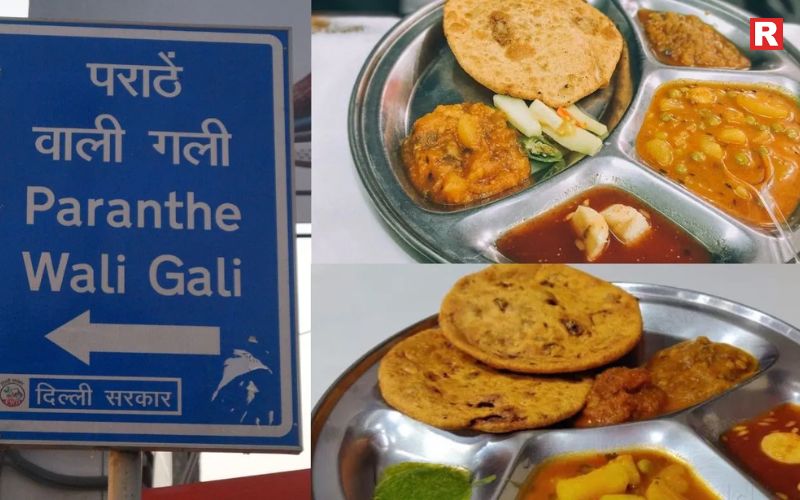
Your Chandni Chowk journey begins at the legendary Paranthe Wali Gali, a narrow lane that has been serving stuffed parathas for over a century. At Pt. Gaya Prasad Shiv Charan Paranthe Wale, you’ll find parathas that are not just a meal, but an emotion. Whether it’s aloo, paneer, banana, or even rabri paratha — each one is made with pure desi ghee and served with spicy aloo sabzi, tangy chutney, and pickles. This place has fed everyone from freedom fighters to film stars. It is said that even Jawaharlal Nehru once visited this lane. The combination of history and rich flavour makes it one of Delhi’s most iconic food spots.
2. Natraj Dahi Bhalla Corner – Creamy, Tangy Bliss
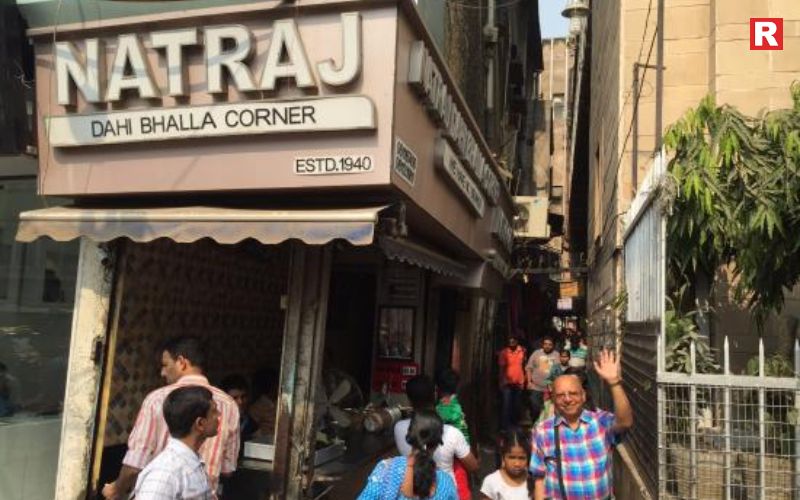
Just a few steps away from the Central Bank, you’ll find Natraj Dahi Bhalla Corner, which has been serving delicious dahi bhallas and aloo tikkis since 1940. The bhallas here are soft, perfectly soaked, and topped with sweet curd, spicy chutneys, and a sprinkle of masalas that melt together in every bite. Their aloo tikki is crisp on the outside and tender inside, making it a perfect snack to enjoy while watching the busy street life around you. The taste here is simple, comforting, and timeless — the kind that reminds you why Indian street food is so special.
Read more: 8 Famous Vegetarian Dishes of Uttar Pradesh and Their Timeless Legacy
5 Cities That Serve the Best Non-Vegetarian Street Food
3. Ghantewala Halwai – Delhi’s Sweet Legacy
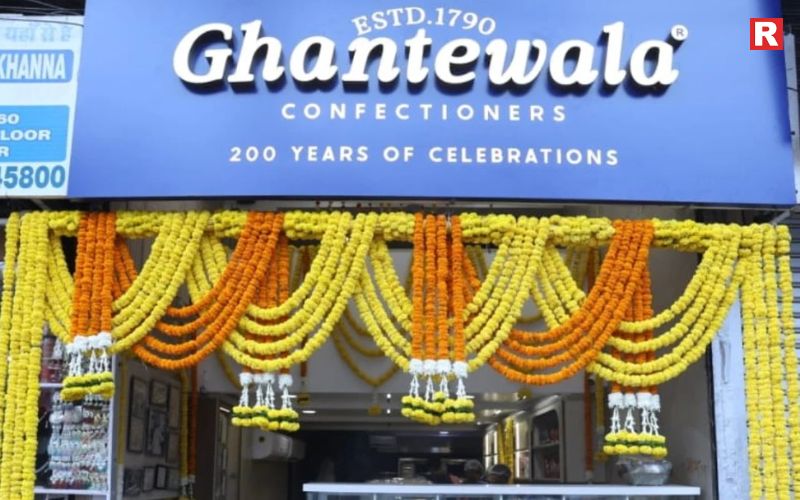
Next, stop by Ghantewala Halwai, one of India’s oldest sweet shops, founded in 1790. Even though it has temporarily closed, it remains an unforgettable part of Chandni Chowk’s story. Famous for its Sohan Halwa and Badam Barfi, Ghantewala was once the favourite sweet shop of Mughal emperors and British officers. The recipes were simple but rich — made with pure ghee, dry fruits, and sugar cooked to perfection. Even today, locals speak of it with affection, recalling how its sweets were a part of every festival and celebration in Old Delhi.
4. Karim’s – A Mughlai Feast You Can’t Miss
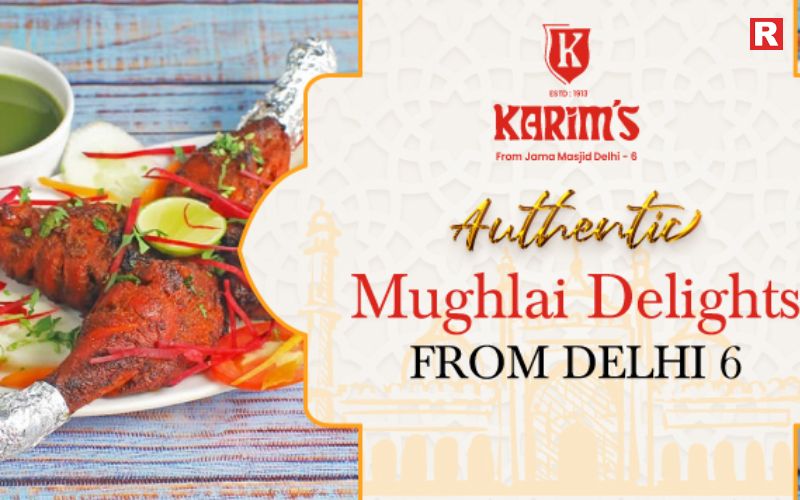
No food trail in Chandni Chowk is complete without a visit to Karim’s, located near Jama Masjid. Established in 1913 by the descendants of royal cooks who once served the Mughal emperors, Karim’s is the ultimate destination for non-vegetarian food lovers. The Mutton Korma, Seekh Kebabs, and Nihari here are packed with rich, slow-cooked flavours that taste straight out of a royal kitchen. Every bite is smoky, aromatic, and deeply satisfying. Karim’s is not just a restaurant — it’s a living legacy of Delhi’s culinary heritage.
Know more: Top 10 Vegan Street Foods in India Every Indian Loves
5. Old Famous Jalebi Wala – Sugar, Crisp & Nostalgia
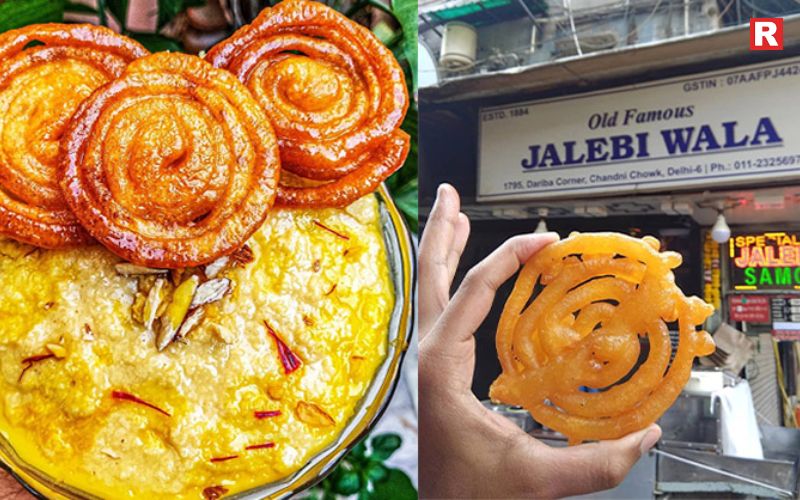
At Dariba Kalan, the Old Famous Jalebi Wala stands as a sweet symbol of Delhi’s love for desserts. The jalebis here are thicker than usual, fried in pure desi ghee, and soaked in saffron syrup that drips with every bite. The shop is over 100 years old and still uses the same copper kadais and age-old methods of preparation. If you visit early in the morning or during evening rush hour, you’ll see people lining up just for a taste of these hot, crispy delights. The mix of crunch, sweetness, and aroma makes it worth every second of waiting.
6. Jung Bahadur Kachori Wala – Spice That Hits Right
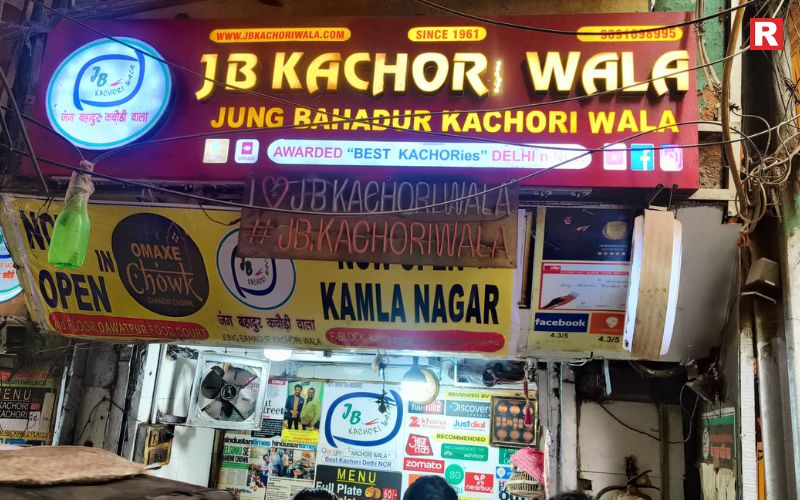
Tucked near Paranthe Wali Gali is Jung Bahadur Kachori Wala, known for its spicy Urad Dal Kachori served with a flavorful Aloo Subzi. The kachori is crisp and flaky, while the curry adds a punch of heat and tanginess. It’s the kind of snack that makes your eyes water a bit but leaves you craving more. Locals swear by its authenticity and old-school Delhi taste. If you love spicy food, this is where you’ll find your match.
7. Bishan Swaroop Chaat – The Hidden Gem
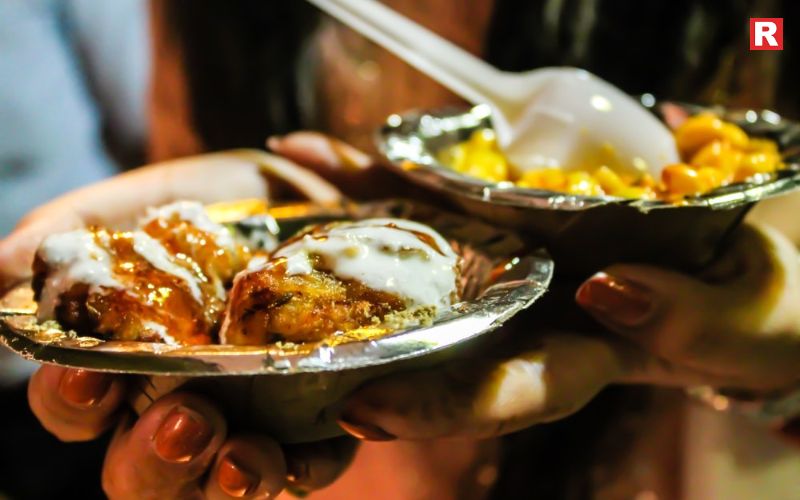
Not all treasures in Chandni Chowk are big or flashy. Bishan Swaroop Chaat, a small stall tucked near the metro station, has been serving some of the best chaats for more than 100 years. The must-try dish here is the Mix Fruit Chaat — a beautiful mix of seasonal fruits, chickpeas, and potatoes tossed with lemon, spices, and a hint of black salt. It’s refreshing, healthy, and delicious — a perfect break from all the heavy fried treats. What makes it unique is its balance of flavours and the way it celebrates freshness in every bite.
Tips for Exploring Chandni Chowk’s Food Lanes
- Best Time to Visit: Mornings to early evenings are ideal. Most shops close by 8 PM.
- Dress Comfortably: Wear light clothes and good walking shoes. You’ll be exploring crowded, narrow lanes.
- Carry Cash: Many iconic shops still prefer cash over digital payments.
- Stay Hydrated: Keep a bottle of water handy.
- Eat Fresh: Choose stalls where food is freshly made in front of you.
Also, plan your route well. It’s best to start from Chandni Chowk Metro Station and walk toward Jama Masjid, tasting along the way.
Also check: What is Kimchi? Top Veg Kimchi You Can Try at Home
What is Lager Beer? Discover the Top 5 Lager Beer Brands in India You Must Try
The Heartbeat of Old Delhi
What makes Chandni Chowk special is not just the food but the experience. You see the city’s old-world charm come alive — the rickshaws, the spice markets, and the sounds of shopkeepers calling out to customers.
Every lane is full of stories — of generations who have cooked, served, and shared food with love. Whether you’re a local Delhite or a first-time visitor, the warmth of this place stays with you long after the taste fades.
Final Bite!
Chandni Chowk is not just a place to eat; it is a walk through Delhi’s history. Every corner reflects the charm of the old city, where traditions are still alive in the aroma of food and the warmth of people. The recipes here have been passed down for generations, keeping their rich, soulful taste unchanged. Visitors who come here discover more than flavour — they discover stories. Each shop, each bite, carries memories of time and culture. From the sizzling parathas to the syrupy jalebis, every dish speaks of a legacy that has stood strong for centuries. Those who wander through Chandni Chowk’s lanes find more than food; they find Delhi’s true heart. The sounds, the smells, and the flavours blend together to create an experience that no modern restaurant can offer. It is a reminder that real taste comes from history, love, and tradition.
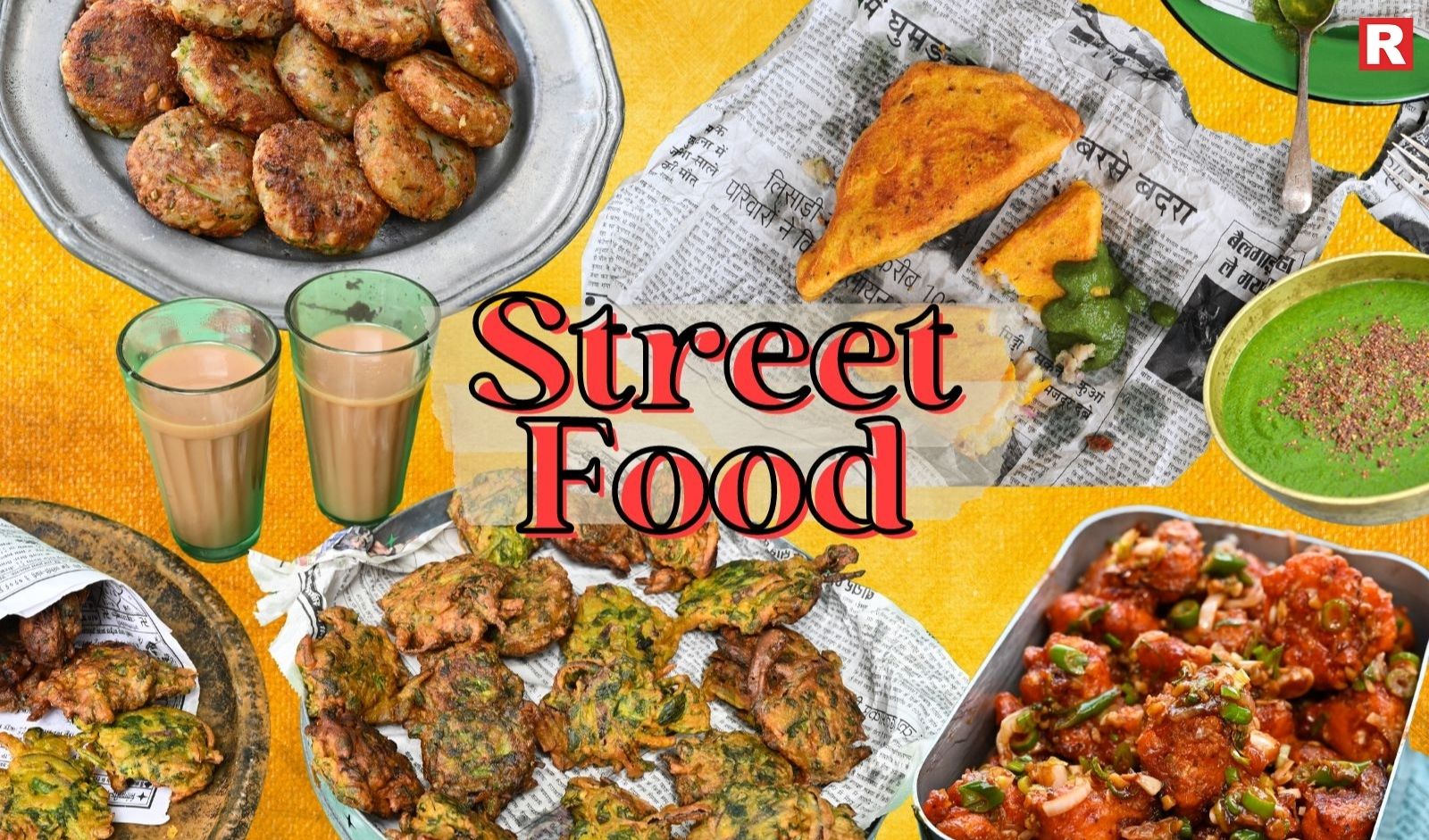
India’s connection with food runs deep. Every corner of the country tells a story through its street food — full of flavours, colours, and traditions. The aroma of spices, the sizzle of pans, and the buzz of local stalls capture the true spirit of Indian culture. Indian street food is truly special because of its natural inclination towards vegan ingredients. Most snacks are prepared with vegetables, grains, lentils, and spices, making them both wholesome and cruelty-free. From the spicy tang of chaats in Delhi to the crisp dosas in Chennai, every region offers a unique vegan experience.
Vendors across India have perfected the art of balancing taste and texture. Simple ingredients come together to create dishes that are affordable, nutritious, and bursting with local flavour. For those following a plant-based lifestyle, India is a paradise. Its street food scene proves that vegan meals can be rich, vibrant, and deeply satisfying. Whether it’s a quick snack or a hearty meal, India’s vegan street foods promise an authentic taste of the country — one bite at a time.
India’s Street Food—A Vegan Paradise
Indian cuisine has always been rooted in vegetables, grains, lentils, and spices — making it inherently plant-based. Many dishes that people enjoy daily are already vegan or can be easily made so by skipping dairy-based chutneys or ghee.
From the coconut-laced dishes of Kerala to the tangy chaats of Mumbai, vegan food isn’t a modern import — it’s been a part of Indian kitchens for generations. With the rise of conscious eating, street vendors are now adapting to vegan preferences by using oil instead of butter and curd-free chutneys, keeping the traditional flavours intact.
Explore Top 10 Vegan Street Foods in India
1. Pani Puri (Across India)
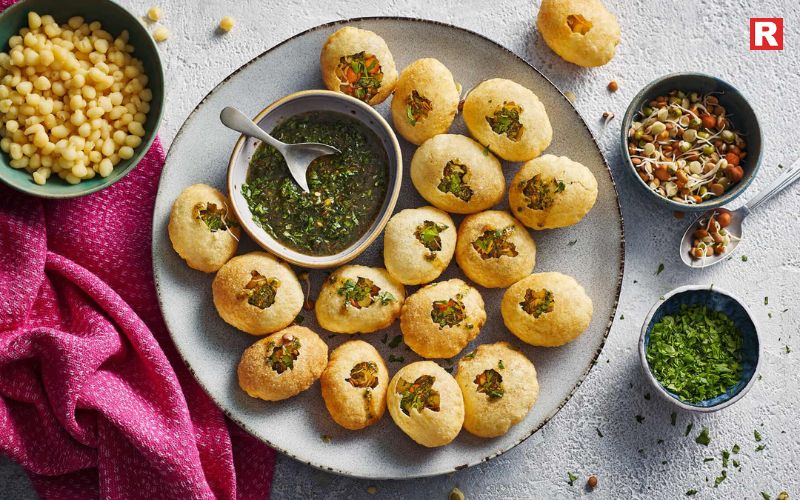
Crispy, hollow puris filled with spiced potato mash and tangy water — Pani Puri (also called Golgappa or Phuchka) is India’s most loved street snack. It’s light, spicy, and totally plant-based. Vendors across cities prepare different versions — Kolkata’s phuchkas use tamarind and black salt, while Mumbai’s Pani Puri has a hint of sweetness. Just ensure the puri water is made without hing (asafoetida with wheat) if you’re strictly vegan.
2. Vada Pav (Mumbai)
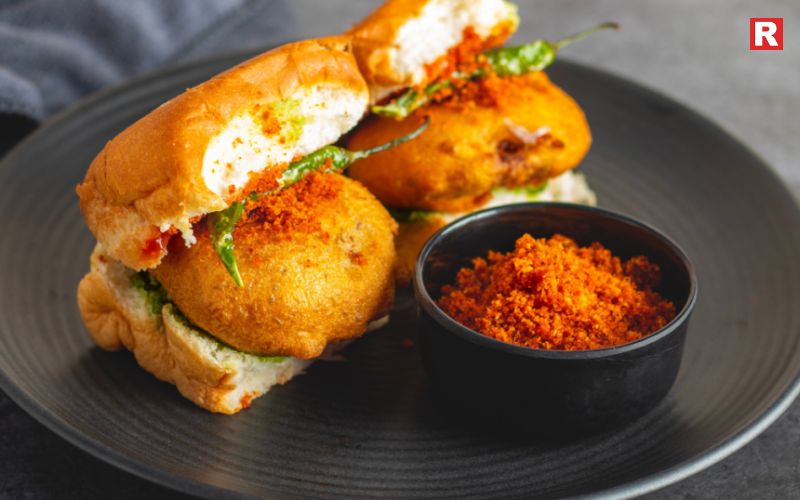
Known as Mumbai’s answer to the burger, Vada Pav is a spicy potato fritter tucked inside a pav (bun), served with chutneys and fried chillies. It’s simple, filling, and naturally vegan when made without butter on the bun. The street stalls outside Dadar and CST stations serve some of the city’s most authentic vada pavs — a perfect blend of crunch, spice, and warmth.
Read more: 8 Famous Vegetarian Dishes of Uttar Pradesh and Their Timeless Legacy
5 Cities That Serve the Best Non-Vegetarian Street Food
3. Chole Kulche (Delhi & Punjab)
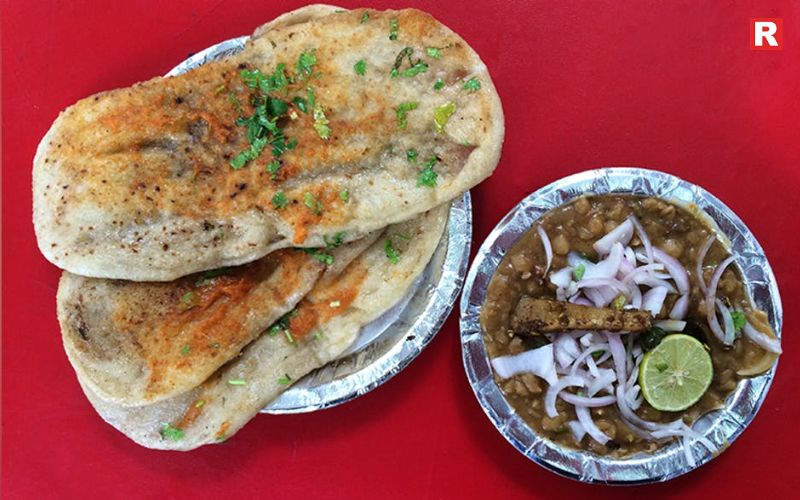
A North Indian staple, Chole Kulche is a protein-rich vegan dish made with spicy chickpeas and soft flatbreads. It’s often topped with onions, coriander, and lemon juice for extra zest. Street vendors in Delhi’s Chandni Chowk or Amritsar’s Hall Bazaar are known for their signature recipes that use pure plant-based ingredients. It’s wholesome, hearty, and bursting with Punjabi flavours.
4. Dabeli (Gujarat)
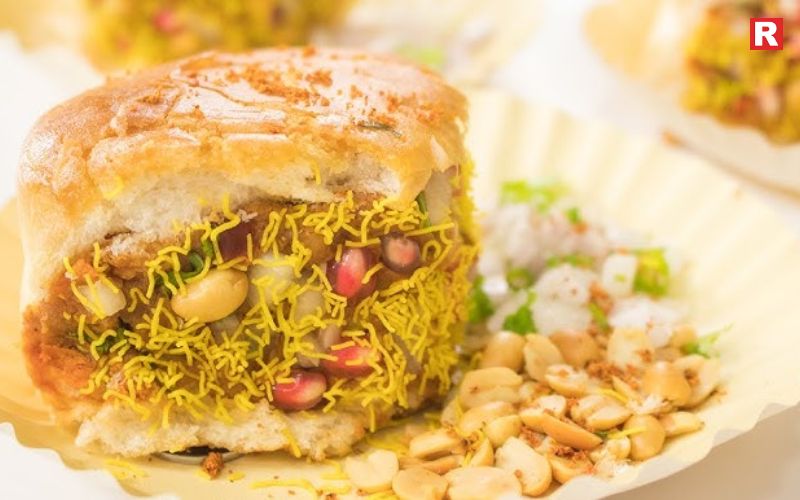
Originating from Kutch, Dabeli is a flavour-packed street snack made with spiced potato mash, peanuts, chutneys, and pomegranate seeds stuffed inside a soft pav. The sweet and spicy balance makes it unique. It’s completely vegan and a must-try when visiting Ahmedabad or Surat. Vendors prepare it on hot tavas, toasting the buns with oil instead of butter for that perfect crisp.
5. Masala Dosa (South India)
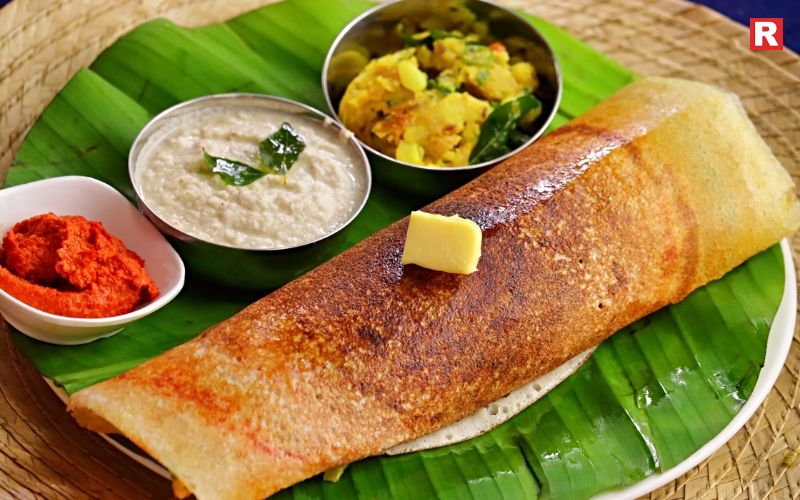
Masala Dosa is one of India’s most famous vegan-friendly dishes. Made from a fermented batter of rice and lentils, it’s filled with a spiced potato masala and served with coconut chutney and sambar. This South Indian classic is not only delicious but also healthy and gluten-free. Bengaluru, Chennai, and Kochi offer some of the best dosas — crisp, golden, and fragrant with curry leaves.
Know more: Pani Puri Has Different Names in Different Indian States—Know Them All
6. Bhel Puri (Mumbai)
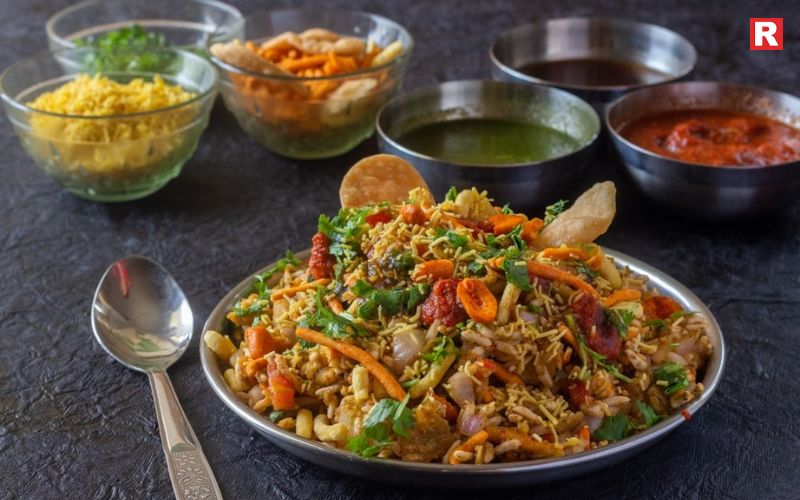
Light, tangy, and crunchy — Bhel Puri is the ultimate Indian street snack. Made from puffed rice, chutneys, onions, tomatoes, and sev, it’s a burst of flavours in every bite. It’s completely vegan and easy to find at every beachside stall in Mumbai. The best part is that it’s low in oil, making it a guilt-free indulgence for plant-based eaters.
7. Aloo Tikki Chaat (North India)
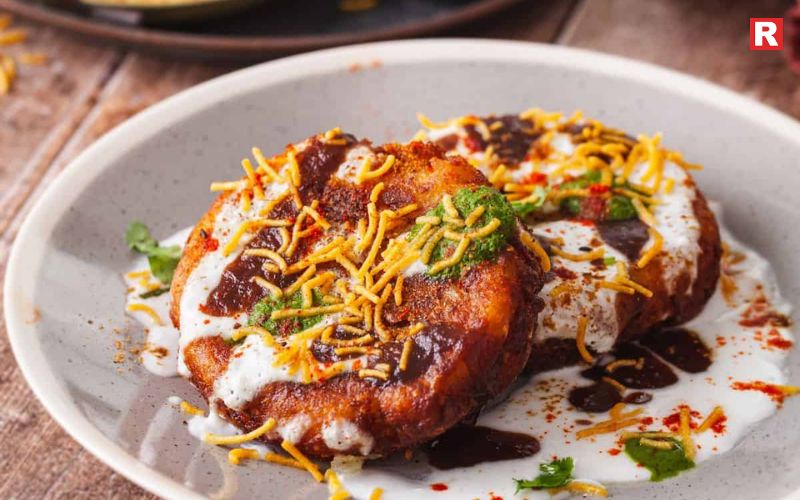
Aloo Tikki Chaat is a North Indian favourite that combines crisp potato patties with chickpeas, tangy chutneys, and spices. It’s rich in texture and flavour — spicy, sweet, and slightly sour. In Delhi, Lucknow, and Kanpur, you’ll find vendors who add pomegranate seeds and coriander for freshness. Just request the vendor to skip curd and ghee, and you have a completely vegan treat.
Also check: 5 Foods to Avoid for Better Cholesterol
8. Idli with Sambar (South India)
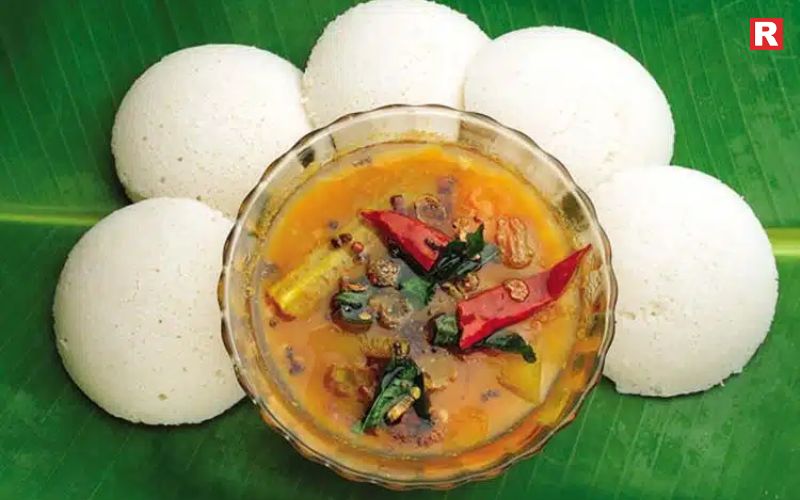
Soft, steamed rice cakes known as idlis are a breakfast staple in South India. When paired with spicy lentil sambar and coconut chutney, it’s a wholesome, protein-rich vegan meal. It’s light yet filling, and you’ll find it on almost every street corner in Tamil Nadu and Karnataka. Most authentic stalls use coconut oil and plant-based ingredients, keeping it perfectly vegan.
9. Momos (Delhi, Sikkim, Darjeeling)
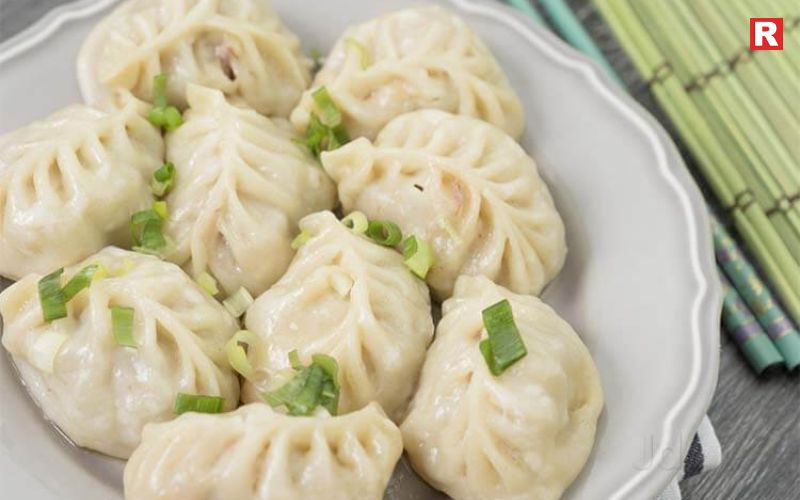
A Tibetan influence on Indian street food, momos are small steamed dumplings that have taken over Indian cities. The vegetable version, stuffed with cabbage, carrot, and onions, is entirely vegan. Just make sure to skip mayonnaise-based dips. In Delhi, the Tibetan colony at Majnu ka Tilla serves some of the best vegan momos with spicy red chutneys.
10. Poha (Maharashtra & Madhya Pradesh)
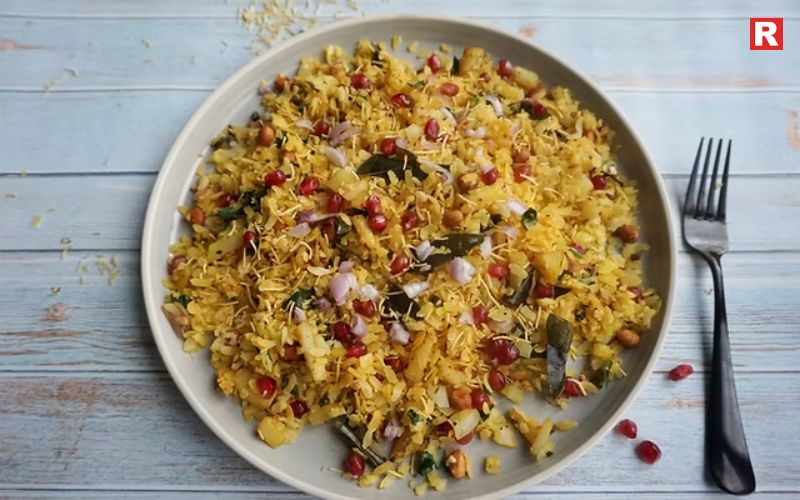
Poha is a light, comforting dish made from flattened rice, turmeric, mustard seeds, curry leaves, and peanuts. It’s often garnished with lemon and coriander. Found widely across Indore and Pune, Poha is both nutritious and vegan. It’s commonly served for breakfast or as a quick snack and pairs perfectly with hot masala chai made with plant-based milk.
Why Indian Street Food is Perfect for Vegans
Indian street food has always celebrated vegetables, grains, and pulses — making it ideal for those following a plant-based lifestyle. According to recent reports, India’s vegan and plant-based food market is projected to cross USD 100 million by 2026, showing how fast people are embracing conscious eating.
Street vendors have also started adapting by using refined oil instead of ghee, avoiding curd in chutneys, and replacing butter with vegan-friendly options. In cities like Mumbai and Bengaluru, vegan food trucks and plant-based pop-ups are becoming popular, introducing sustainable street eating experiences.
Tips to Eat Vegan on Indian Streets
- Ask before you order: Some vendors might use butter or curd — always request plant-based substitutes.
- Choose coconut-based chutneys: They’re naturally vegan and add authentic flavour.
- Avoid creamy teas or lassi: Go for coconut water, lemon soda, or black tea instead.
- Carry reusable cutlery: It’s eco-friendly and aligns with the vegan philosophy of sustainability.
Check more: Top 5 States With the Spiciest Food in India
10 Different Types of South Indian Rice Dishes
5 Tasty Coconut Dishes You Can Try at Home
India’s Vegan Street Food Revolution
The charm of Indian street food lies in its honesty and simplicity. Many of these dishes are already plant-based, making them perfect for a growing vegan community. Across India, street food reflects the flavours of each region. The tangy chaats of Delhi, the coconut-rich snacks of Chennai, and the spicy treats of Mumbai show how plant-based eating is part of everyday life. Vendors rely on age-old recipes, passed down through generations, proving that good food doesn’t need meat or dairy to be delicious. Every bite carries tradition, creativity, and heart. As veganism rises, India’s street food culture stands ready to inspire the world. It reminds everyone that great taste comes from simple ingredients, skill, and the perfect touch of spice — not from excess, but from authenticity.
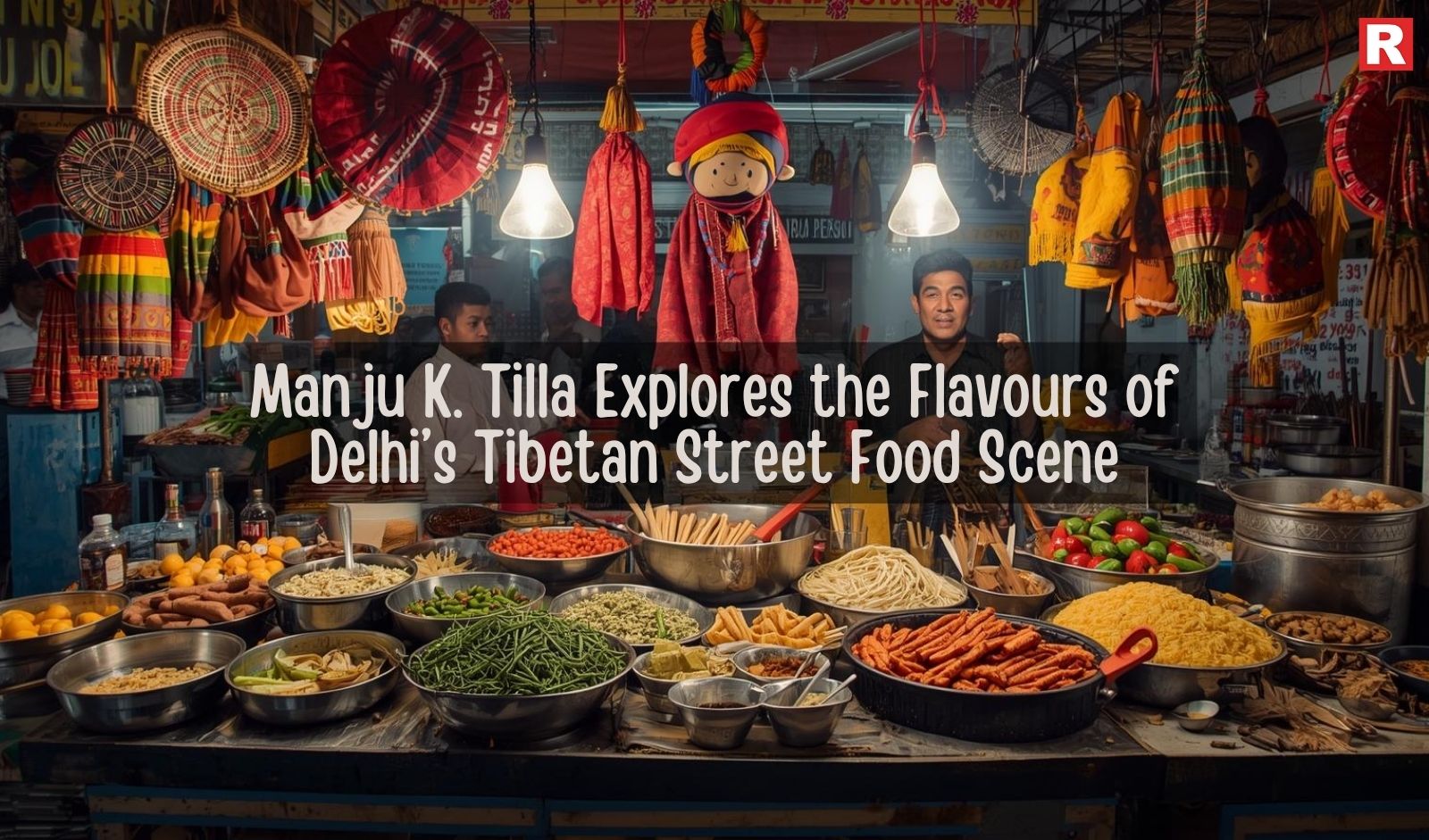
Delhi is a city that lives and breathes diversity. From Chandni Chowk’s spicy chaat to the aromatic kebabs of Nizamuddin, every corner tells a story through food. But tucked away on the northern edge of the city lies a pocket of serenity and culture—Majnu-ka-Tilla, often called Little Tibet. Here, the air carries the aroma of steamed momos, butter tea, and soulful soups. Manju K. Tilla steps into this world to explore the flavours, traditions, and warmth of Delhi’s Tibetan street food scene.
Majnu-ka-Tilla, located near the North Campus of Delhi University, was established in the 1960s as a Tibetan refugee settlement. Over the decades, it has grown into a lively cultural hub that offers not just food but a glimpse into Tibetan life and spirituality. Every shopfront offers something comforting, something distinctly Tibetan, yet warmly familiar to Delhi’s food-loving crowd.
Signature Tibetan Street Foods You Can’t Miss
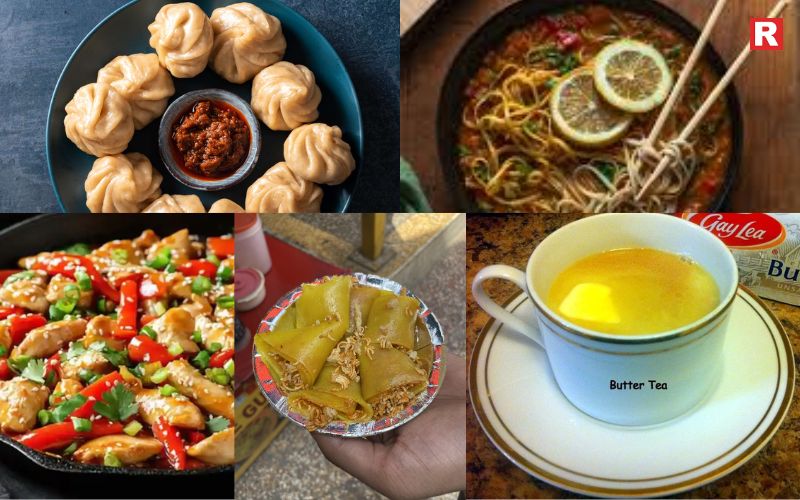
The Tibetan food trail in Delhi is a sensory experience — simple yet deeply satisfying.
- Momos are the heart of Tibetan street food. Steamed, fried, or pan-tossed, these dumplings are filled with minced chicken, pork, paneer, or vegetables, and served with fiery red chili sauce. In Majnu-ka-Tilla, every vendor has a secret recipe for the filling and the dipping sauce. Some are soft and juicy; others have a perfect crisp edge.
- Thukpa, a hearty noodle soup that’s both comforting and flavorful. Warm, aromatic, and often served with meat or vegetables, it’s a dish that feels like a hug on a winter evening. The rich broth, seasoned with garlic and spices, carries the essence of the Himalayas.
- Shapta, a spicy stir-fried meat dish tossed with chilies, onions, and soy. Served with tingmo (soft steamed bread), it’s bold and addictive — perfect for those who love spice with substance.
- Laphing, a street snack that has gained huge popularity among Delhi’s youth. Made from mung bean noodles and chili oil, this cold and spicy dish bursts with flavor. It’s refreshing, spicy, and incredibly fun to eat.
- Butter Tea, also known as Po Cha. made with tea leaves, yak butter, and salt. This drink surprises most first-time tasters. The flavor is rich and earthy—an acquired taste that reflects Tibet’s cold climate and high altitudes. For locals, it’s not just a beverage but a part of daily life.
Read more: 8 Famous Vegetarian Dishes of Uttar Pradesh and Their Timeless Legacy
A Bite of Banaras: 8 Iconic Street Foods You Can’t Miss in Varanasi
Hidden Gems and Must-Visit Spots
Majnu-ka-Tilla is filled with hidden culinary gems that capture the spirit of Tibet.
- Ama Café is one of the most popular spots. With its cozy wooden interiors, warm lighting, and fresh bakery items, it offers the perfect mix of Tibetan simplicity and modern comfort. Their pancakes, momos, and Himalayan coffee are crowd favorites.
- Dolma House serves home-style Tibetan food that feels comforting and authentic. Their thukpa and shapta are especially loved by regulars. The food is simple but full of soul — cooked just like in a Tibetan home kitchen.
- Rigo Restaurant is a must-visit. It’s known for its wide menu, which includes authentic dishes like phing sha (glass noodles with meat) and thenthuk (hand-pulled noodle soup). The restaurant has been serving locals and travelers for years, and its consistency keeps people coming back.
- Lhasa Restaurant, where the atmosphere is casual and welcoming. Their fried momos and chicken thukpa have a loyal fan base. Manju notes that every meal here feels like a journey—not just through taste, but through culture.
Know more: 5 Cities That Serve the Best Non-Vegetarian Street Food
The Cultural Essence Behind the Cuisine
Tibetan food carries the soul of the mountains. It’s shaped by geography, climate, and tradition. Ingredients like barley, noodles, yak butter, and meat are staples because they provide warmth and energy in cold regions. But beyond ingredients, the cuisine reflects a way of life rooted in balance and mindfulness.
The act of sharing food, drinking butter tea, or kneading dough for momos is done with care and patience. Even in the busy lanes of Delhi, this cultural essence remains intact. Every café, every stall, carries a part of Tibet’s story — a reminder of home for those who left it behind, and a window into another world for those discovering it.
A Journey Worth Taking
Tibetan street food is more than a culinary experience — it holds the kindness of the vendors, the laughter of college students sharing plates of momos, and the aroma of butter tea, all blending into something special. Despite the chaos of Delhi, Majnu-ka-Tilla holds a calm rhythm. It’s a place where flavors, faith, and friendship come together. The food may be simple, but it leaves a deep impression—one that lingers long after the last bite.
Delhi’s Tibetan street food scene is a vibrant celebration of culture and comfort. It offers warmth in every sip of thukpa and joy in every bite of momo. For those who want to experience more than just taste — who want to connect with stories, people, and heritage—Majnu-ka-Tilla is the place to be. As Manju K. Tilla’s journey shows, exploring food is not just about satisfying hunger; it’s about discovering humanity in every flavor. And in this little corner of Delhi, Tibet truly comes alive—one delicious dish at a time.
Also read: 10 Awadhi Cuisine Classics You Must Try at Least Once
Pani Puri Has Different Names in Different Indian States—Know Them All
10 Famous Non-Vegetarian Dishes of Uttar Pradesh: A Journey Through Flavour
Varanasi is one of the world’s oldest living cities. Known for its deep spiritual roots, it is also a paradise for those who love food. The city’s narrow lanes are always alive with sound and aroma. Pans sizzle with oil, spices roast in the air, and people gather at small stalls for their morning meals. Food in Varanasi is more than just taste. It reflects the spirit of the city—simple, soulful, and full of tradition. Each dish tells a story of culture and faith. From the famous kachori sabzi to the sweet malaiyo served only in winter, every bite feels like a piece of history.
Locals begin their day early, often visiting the ghats for prayers before heading to their favourite food stalls. Vendors, many of whom have been cooking for generations, prepare food with pride and patience. Visitors soon realise that eating in Varanasi is not just a meal—it’s an experience. It is about sharing space, stories, and smiles over plates of fresh, hot food. In every corner of this ancient city, food binds people together and celebrates life in its purest form.
Why Street Food is the Heartbeat of Varanasi
Street food in Varanasi is more than just snacks; it’s a way of life. Locals gather around stalls not only to eat but also to share stories, laughter, and daily news. Every corner has a different aroma, and every vendor has a tale that adds flavour to the city’s culture.
Here, food connects everyone—pilgrims, students, shopkeepers, and tourists alike. It reflects the city’s diversity and its ability to turn simple ingredients into something memorable.
8 Iconic Street Foods of Varanasi
1. Kachori Sabzi – The Breakfast of Banaras
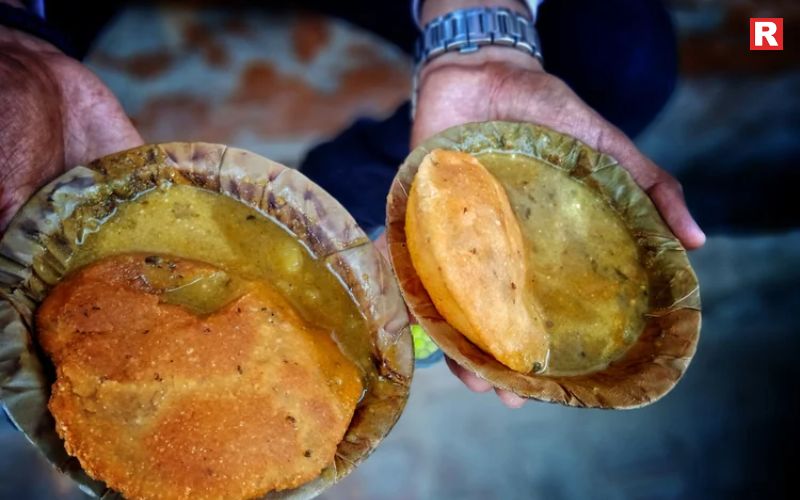
No morning in Varanasi begins without a plate of hot kachoris and spicy sabzi. The aroma of these crisp, golden kachoris being fried in ghee fills the streets as early as sunrise. Stuffed with either lentils or peas, they are served with a tangy, spicy potato curry that wakes up every sense. The first bite offers a perfect crunch followed by a burst of masala. Locals usually enjoy it with a side of jalebi for a complete breakfast. The best places to try this iconic dish are Ram Bhandar in Thatheri Bazaar and Madhur Milan near Godowlia Chowk. A morning walk along the ghats followed by a plate of kachori sabzi is the real Banaras experience—simple, soulful, and satisfying.
2. Tamatar Chaat – A Spicy Twist You Won’t Find Elsewhere
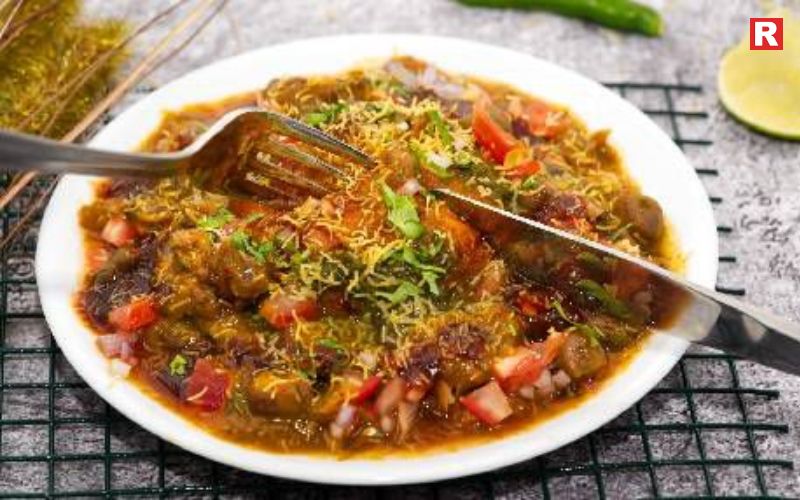
Varanasi’s tamatar chaat is unlike any other chaat in India. It’s tangy, buttery, and spicy, made by mashing boiled tomatoes with green chilies, spices, and a dollop of ghee. The result is a rich and slightly smoky dish that warms your palate and leaves you craving more. It’s usually served in small earthen bowls, topped with crunchy sev and a squeeze of lemon. Locals swear by Deena Chaat Bhandar on Dashashwamedh Road, where this dish has been perfected over generations. Tamatar chaat perfectly captures the city’s bold personality—fiery, flavorful, and full of surprises.
Read more: 8 Famous Vegetarian Dishes of Uttar Pradesh and Their Timeless Legacy
5 Cities That Serve the Best Non-Vegetarian Street Food
3. Baati Chokha – A Taste of Bhojpuri Pride
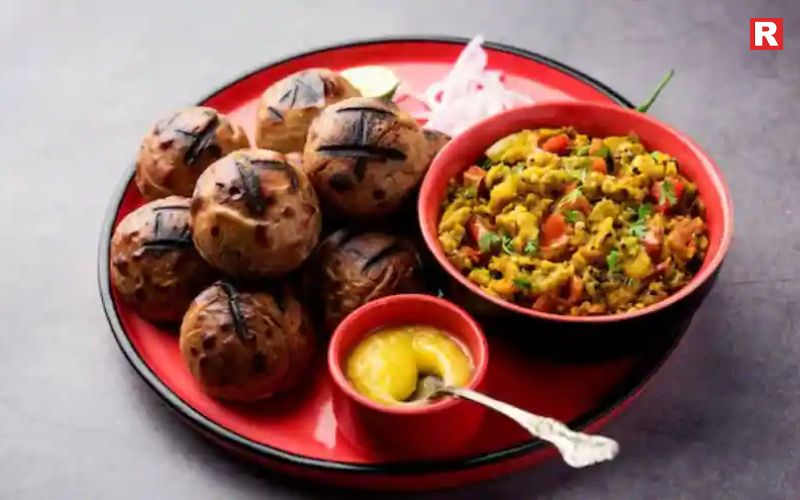
Baati chokha represents the rustic side of Varanasi’s food culture. It’s a dish that celebrates the earthy flavours of Bihar and eastern Uttar Pradesh. The baati, or wheat dough ball, is roasted until golden and crisp. It’s then served with chokha—a smoky mash of potatoes, tomatoes, and brinjals mixed with mustard oil and local spices. Traditionally cooked over coal or cow-dung cakes, the dish has a charred aroma that adds depth to its taste. Baati chokha is both hearty and wholesome, often enjoyed by workers and travellers alike. For an authentic experience, try it at Baati Chokha Restaurant on Assi Ghat Road, where the preparation still follows traditional methods.
4. Chena Dahi Vada – Soft, Sweet, and Refreshing
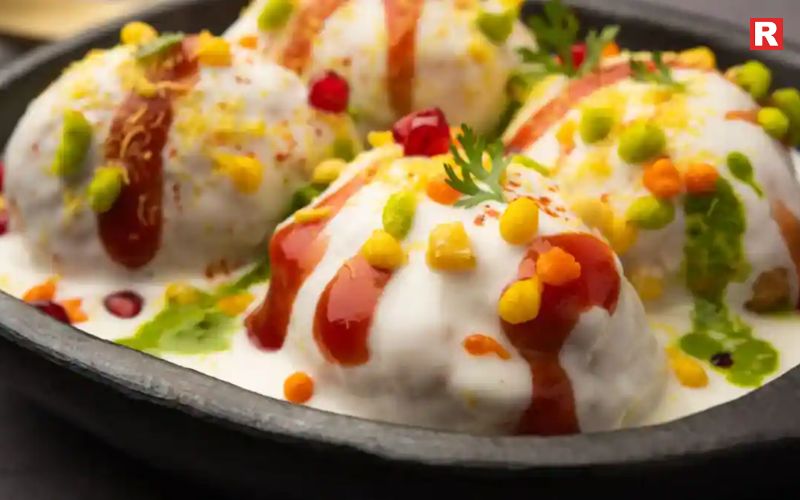
A lighter and sweeter version of the traditional dahi vada, Varanasi’s chena dahi vada is made with fresh cottage cheese balls soaked in chilled, sweetened curd. It’s topped with masala, tamarind chutney, and a sprinkle of roasted cumin. The dish has a smooth, melt-in-the-mouth texture that offers instant relief after spicy food. It’s perfect for afternoons when the city’s heat rises and you want something cooling. You can find this treat near Kashi Vishwanath Gali and Godowlia Chowk, where vendors serve it fresh with a smile.
5. Lassi – Creamy, Thick, and Served in Kulhad
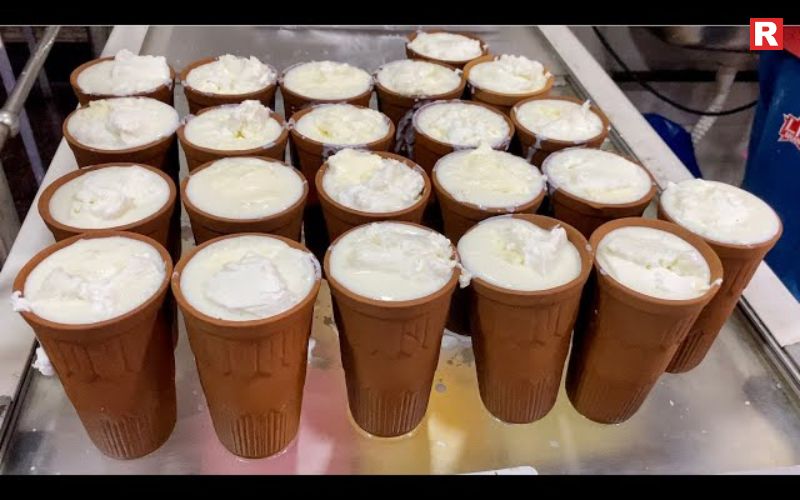
If there’s one drink that defines Varanasi’s hospitality, it’s lassi. Served in a clay cup or kulhad, Varanasi lassi is rich, creamy, and often topped with a thick layer of malai and a spoon of rabri. You’ll find both sweet and flavoured versions—rose, mango, or saffron being the most loved. The Blue Lassi Shop near Manikarnika Ghat has become legendary for its range of flavours and its welcoming vibe. Sipping lassi here while watching the city’s hustle is an experience that connects you deeply with Banaras.
Know more: 10 Famous Non-Vegetarian Dishes of Lucknow That Define Royal Awadhi Cuisine
6. Malaiyo – The Winter Cloud Dessert of Varanasi
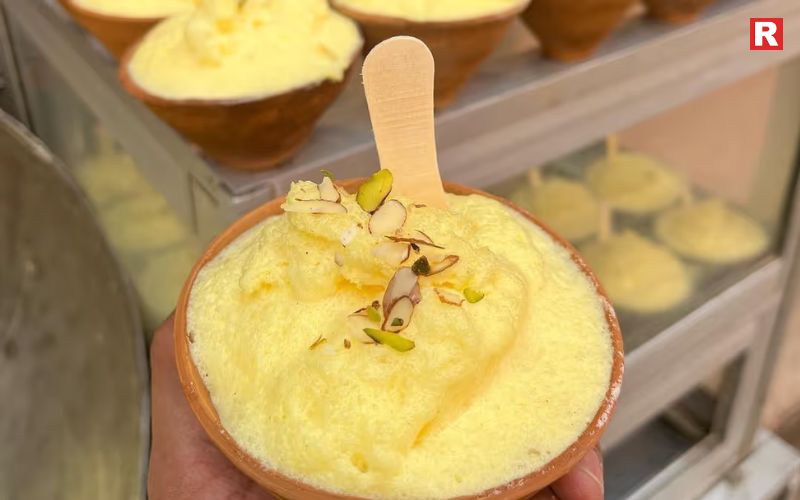
Malaiyo is not just a dessert—it’s magic. Made only during the winter months, this delicacy is crafted from milk foam, saffron, and nuts. The milk is left overnight to collect dew, which helps it turn airy and light. The result is a cloud-like dessert served in kulhads, available only in the early morning hours. You’ll find the best malaiyo in the lanes of Chowk and Vishwanath Gali. Locals wake up early just to savour this melt-in-the-mouth creation before it disappears by noon. It’s delicate, seasonal, and represents the poetic soul of the city—simple yet unforgettable.
7. Dahi Golgappe – Crunchy Meets Creamy
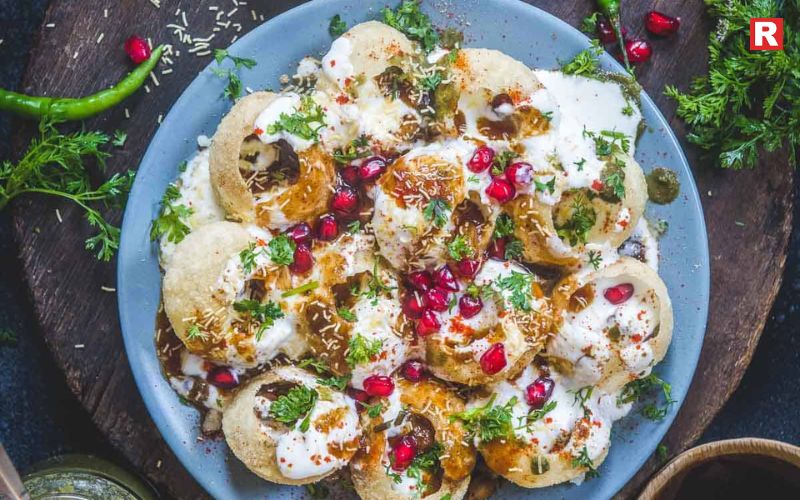
Varanasi adds its own creative twist to the classic golgappa. Instead of the usual spicy water, the puris are filled with sweet curd, tamarind chutney, and chaat masala. The contrast between the crisp shell and the smooth filling creates a unique taste that’s both tangy and sweet. You’ll find these mouth-watering golgappes at Kashi Chaat Bhandar in Godowlia. Locals often end their evening walks with a few plates of this crowd-favourite snack. It’s light, refreshing, and perfect for those who love experimenting with flavours.
Also check: 10 Authentic French Cuisine Dishes You Must Try
8. Banarasi Paan – The Perfect Sweet Ending
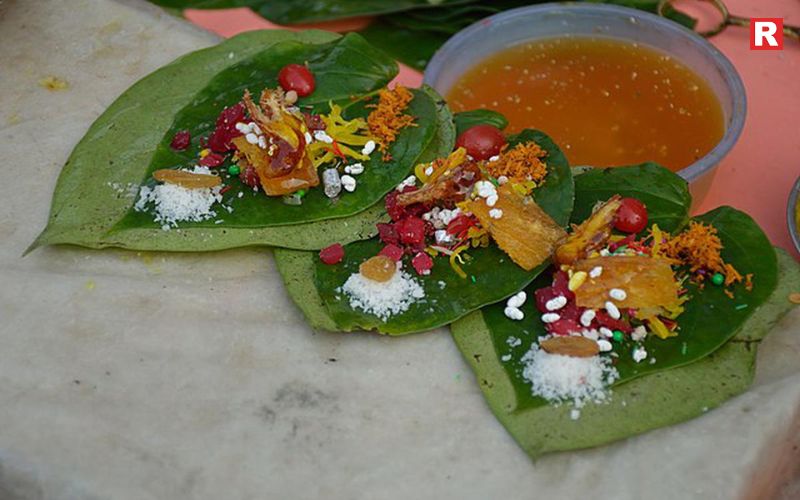
No food journey in Varanasi is complete without paan. It’s more than just a mouth freshener—it’s a symbol of the city’s culture and warmth. The Banarasi paan is made with betel leaf, gulkand, fennel seeds, and a secret mix of ingredients that vary from shop to shop. Chewing paan after a meal is a local tradition that has been followed for centuries. It’s also offered to guests as a gesture of respect. You can find the most authentic ones at Keshav Tambul Bhandar or small paan stalls near Dashashwamedh Ghat. The paan, with its sweetness and freshness, leaves a lingering taste of Banaras long after you’ve left.
Best Time to Explore Varanasi’s Street Food Scene
Mornings are ideal for kachori sabzi, malaiyo, and lassi. Evenings bring the city alive with chaat, golgappas, and paan. Winters are special because that’s when you can taste seasonal treats like malaiyo at its best.
The key is to explore the city on foot. Walk through the crowded lanes, talk to the vendors, and taste everything in small portions. Each lane offers something new, and the experience only gets better as you go deeper into the city’s heart.
Check more: 10 Famous Non-Vegetarian Dishes of Uttar Pradesh: A Journey Through Flavour
10 Awadhi Cuisine Classics You Must Try at Least Once
Top 5 States With the Spiciest Food in India
A Walk Through the Taste
Varanasi’s street food captures the essence of its people—warm, vibrant, and full of soul. Every bite tells a story of devotion, tradition, and timeless charm. From the crisp kachoris of Ram Bhandar to the delicate malaiyo in winter mornings, the city’s flavours are unforgettable.
To truly experience Varanasi, you must do more than visit its ghats or temples—you must eat like a local. Taste the streets, feel the culture, and let every flavour remind you why Banaras is not just a city, but an experience of a lifetime.
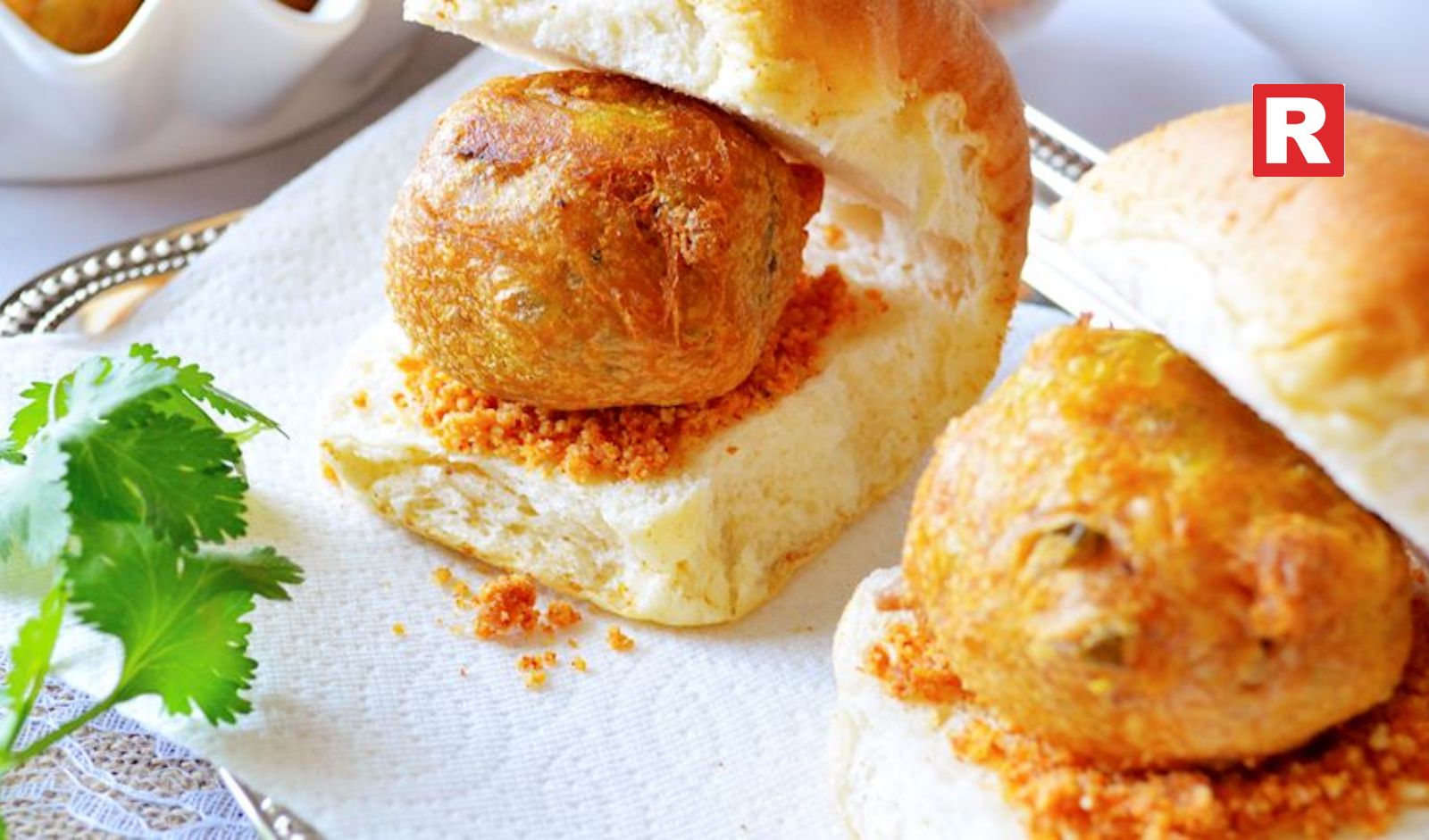
If there’s one thing that defines Mumbai as much as its skyline and sea breeze, it’s the aroma of food wafting through its lanes. The city’s street food is not just about quick bites — it’s a reflection of migration, resilience, and innovation.
A Historical Taste of Mumbai’s Street Food Culture
The story of Mumbai’s street food began in the mid-19th century, when textile mills drew thousands of workers from Maharashtra and Gujarat. These labourers needed affordable, filling meals they could eat during short breaks — and that’s how Mumbai’s street food revolution began. Vendors set up outside mills, stations, and ferry points, selling pav-based snacks, farsan, and spicy curries that soon became iconic.
Over time, migrants brought their own flavours — Gujarati farsan, South Indian dosas, Maharashtrian misal, and Koli seafood — creating an unmatched food mosaic. By the 1980s, Khau Gallis (food streets) like Ghatkopar, Mohammed Ali Road, and Girgaum Chowpatty had become cultural landmarks.
Today, from officegoers to celebrities, everyone in Mumbai unites over one thing — street food that speaks the city’s language: fast, flavourful, and full of life.
10 Best Street Foods of Mumbai
1. Vada Pav
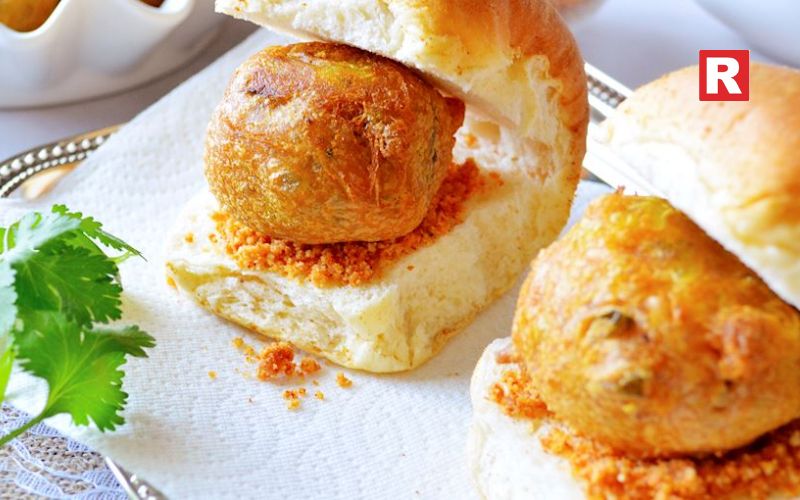
Invented in 1966 outside Dadar Station by Ashok Vaidya, who ran a small tea stall, the Vada Pav was created as a quick, affordable meal for mill workers rushing to catch trains. The spicy potato vada tucked inside a pav with green chutney and dry garlic powder soon became an icon.
If you want to taste the most legendary version, head to Anand Stall near Mithibai College, Graduate Vada Pav at Byculla, or Ashok Vada Pav at Dadar — all serving hundreds of customers a day.
2. Pav Bhaji
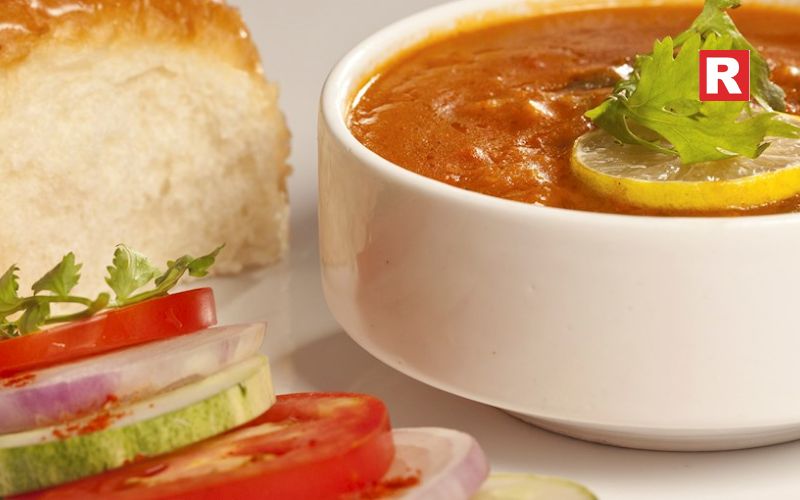
Back in the 1850s, textile workers finishing late shifts needed quick meals. Vendors mashed leftover vegetables on large tawas and served them with buttered pav — and thus, Pav Bhaji was born. What started as worker food evolved into the city’s favourite midnight feast.
The best versions still sizzle at Sardar Pav Bhaji in Tardeo, Canon Pav Bhaji near CST, and the countless stalls along Chowpatty Beach, where the butter melts faster than the waves roll in.
3. Batata Vada
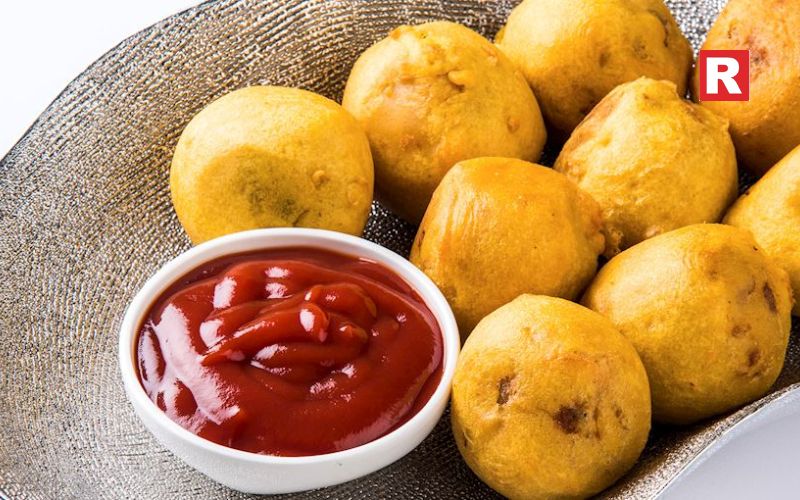
When the British introduced potatoes to India, Maharashtrian households turned them into spicy fritters — the Batata Vada. Over time, it became the perfect rainy-day companion for Mumbaikars. Crisp on the outside, soft inside, it’s often eaten with chutney or tucked into pav — a snack that perfectly captures the city’s love for spice and simplicity.
To experience its best form, stop by Aaram Vada Pav opposite CST or Prakash Uphar Kendra in Dadar, where locals swear by their golden, freshly fried vadas.
4. Misal Pav
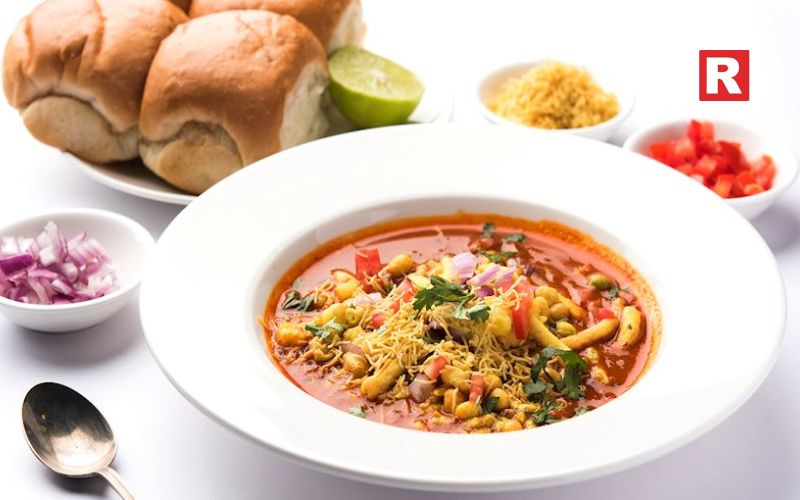
Originally from Pune and Kolhapur, Misal Pav found a new identity on Mumbai’s streets in the 1960s. Street vendors adapted it for city tastes — spicier, tangier, and loaded with farsan. The combination of sprouted moth beans curry, chopped onions, lemon, and soft pav creates a fiery, flavour-packed breakfast that wakes you up faster than coffee.
Try Aaswad in Dadar, which even won a world award for its Misal, or Mamledar Misal in Thane for that authentic Kolhapuri kick.
5. Sabudana Vada
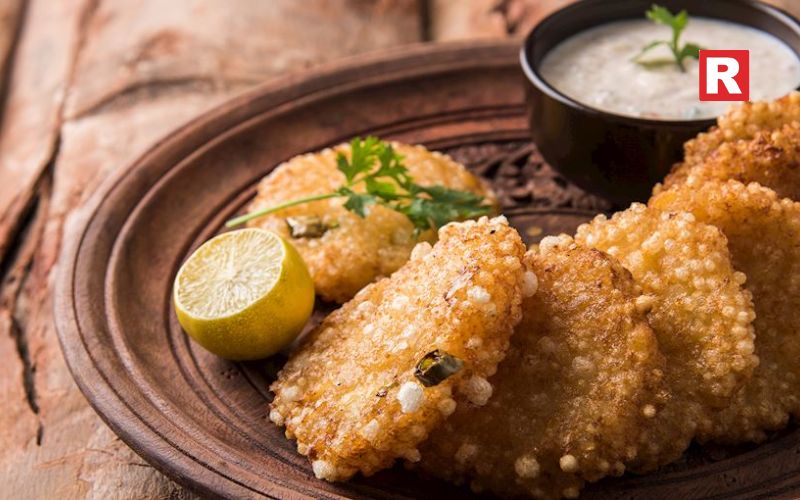
Traditionally prepared during fasting days, Sabudana Vada slowly made its way to temple fairs and office corners in the 1970s. The mix of tapioca pearls, mashed potatoes, and peanuts is deep-fried till golden, giving it that crunchy outside and soft, nutty centre. Light yet satisfying, it’s one of Mumbai’s most beloved vegetarian bites.
You’ll find the best ones at Prakash Shakahari Upahaar Kendra in Dadar and Mama Kane’s Swatchha Upahar Gruha near Dadar Station, both serving authentic Maharashtrian flavours for decades.
6. Ragda Pattice
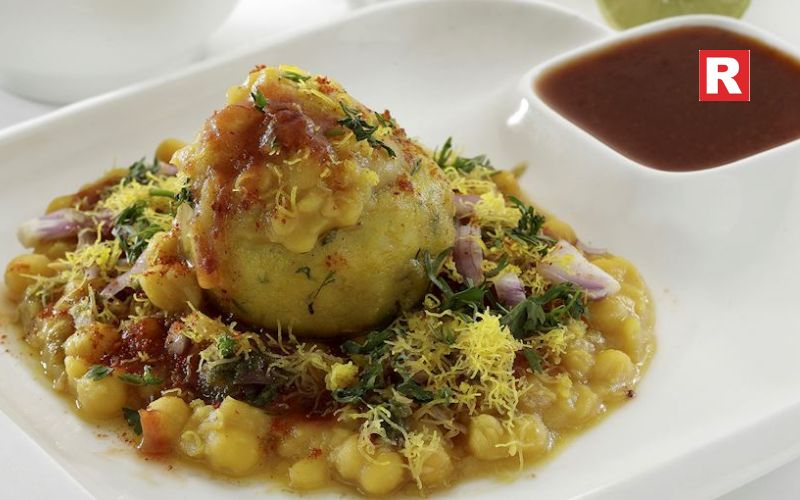
A happy marriage between North Indian aloo tikki and Mumbai’s ragda (white pea curry), Ragda Pattice reflects the city’s flair for fusion. Vendors top potato patties with spicy ragda, tangy tamarind chutney, and crunchy sev. Found in every Khau Galli from Ghatkopar to Crawford Market, it’s sweet, spicy, and completely addictive.
For a true Mumbai-style Ragda Pattice, try Elco Pani Puri Centre in Bandra or the buzzing Princess Street chaat corners that have fed generations of snack-seekers.
7. Dahi Puri
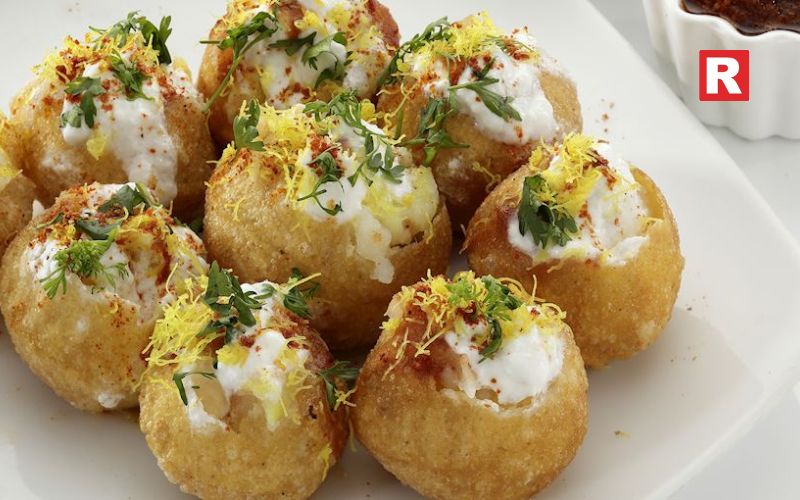
Evolving from the larger pani puri, Dahi Puri became a favourite in the 1970s when vendors at Bandra’s Elco Arcade discovered that adding curd and chutneys made a creamy, balanced snack for humid weather. Each puri bursts with flavour — a mix of spice, sweetness, and tang that sums up Mumbai’s chaos and charm in a single bite.
The city’s most famous Dahi Puri still comes from Elco Pani Puri Centre, with long queues every evening, or the smaller stalls near Ghatkopar Khau Galli for a local twist.
8. Bhelpuri
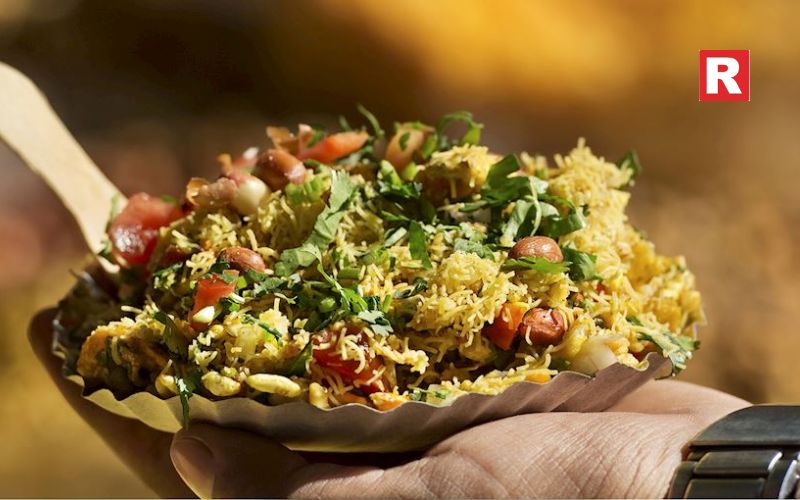
Bhelpuri was born on Juhu Beach in the 1940s when Gujarati traders mixed puffed rice with chutneys for a quick seaside bite. Light, crunchy, and refreshing, it became synonymous with Mumbai evenings by the sea. Every vendor has a secret chutney ratio, but the thrill lies in watching it tossed live against the sound of crashing waves.
Grab your cone of bhel from Sharmajee’s and Badshah’s Bhelpuri stalls at Juhu Beach, or try the Chowpatty vendors who’ve turned this snack into an emotion.
9. Bombay Sandwich
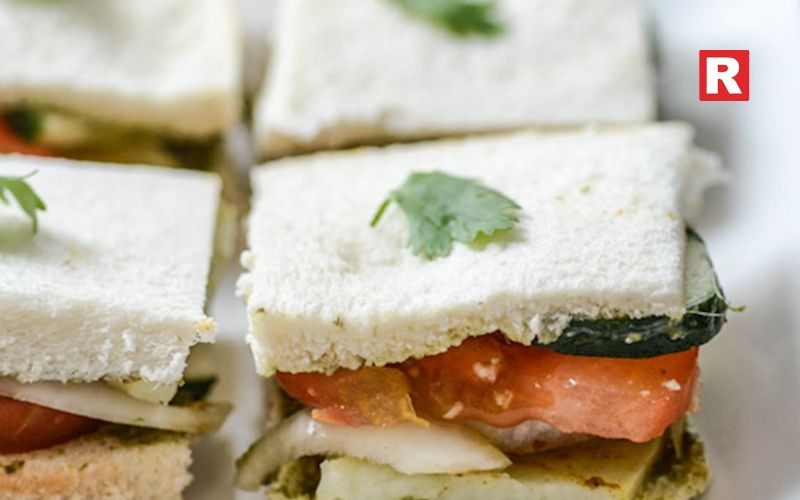
The Bombay Sandwich started in the 1960s near Grant Road Station, where a vendor began layering vegetables and chutney between slices of white bread for hungry commuters. Over time, it evolved into a must-try Mumbai classic — stacked with potato, beetroot, cucumber, tomato, and mint chutney, then grilled till crisp. It’s quick, hearty, and made for the city that never slows down.
The go-to places: Sandwizzaa in Churchgate, Raju Sandwich near HR College, and Sukh Sagar at Chowpatty, where this layered treat is toasted to perfection.
10. Prawn Koliwada
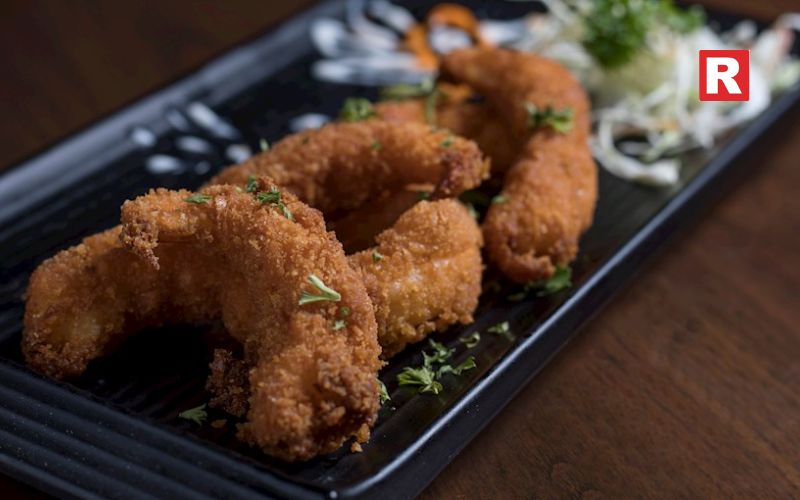
Created by the Koli fishing community in Sion-Koliwada during the 1950s, Prawn Koliwada came from the need to preserve seafood longer. Marinating prawns in a fiery red masala before frying kept them fresh and flavourful. Today, it’s one of Mumbai’s most famous seafood snacks — crisp, spicy, and best enjoyed with a squeeze of lime or a sip of solkadhi.
For the most authentic taste, visit Gomantak Boarding House in Dadar, Gajalee in Vile Parle, or the old Sion Koliwada eateries that still serve this dish the way the Kolis intended.
Mumbai’s Food Scene: A Living Story
Every dish tells the story of a city built on dreams, diversity, and drive. From the mill workers of the past to the midnight foodies of today, Mumbai’s street food continues to bind its people. It’s not fine dining — it’s heart dining. And in every pav, puri, and patty, you can still taste the spirit of Mumbai.
Delhi is not just India’s capital; it is also the capital of flavours. The city is alive with food at every corner. Every lane, every market, and every street has something sizzling and unforgettable to offer. Delhi’s street food is famous for its diversity and bold taste. It reflects the city’s history and culture. In Old Delhi, narrow lanes are filled with the aroma of parathas frying in ghee. Shops have been serving these for generations. Each paratha has a unique filling, from aloo and gobhi to paneer and khurchan. In other parts of the city, busy markets offer momos, chaat, and spicy tikkis. Food vendors serve dishes that mix flavours, textures, and spices in perfect balance.
Street food in Delhi is more than a meal. It is an experience. It tells stories of migration, tradition, and innovation. Locals and tourists gather at these stalls to enjoy a bite and connect with the city. For anyone wanting the real taste of Delhi, the best way is to walk through its bustling streets and explore its food.
Read More: 8 Famous Vegetarian Dishes of Uttar Pradesh and Their Timeless Legacy
5 Cities That Serve the Best Non-Vegetarian Street Food
1. Paranthe Wali Gali, Chandni Chowk
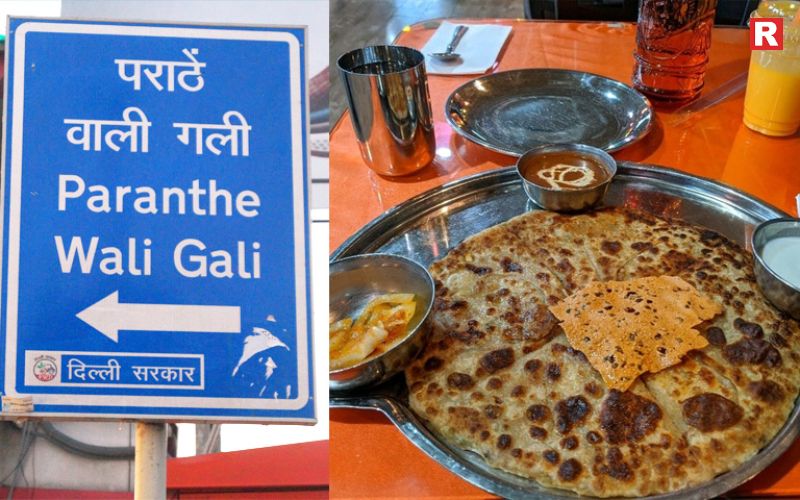
No Delhi food trail is complete without a stop at Paranthe Wali Gali. Located in the heart of Old Delhi, this legendary lane has been serving parathas for over a century. Each shop here makes dozens of varieties — from the classic aloo and gobhi to unique fillings like khurchan, rabri, or even kaju. The parathas are fried in desi ghee and served with spicy aloo sabzi, tangy pickles, and sweet chutneys. It’s comfort food at its best — crisp on the outside and soft inside. Celebrities, politicians, and food lovers from around the world have all walked these narrow lanes for a bite of history.
2. Jung Bahadur Kachori Wala, Chandni Chowk
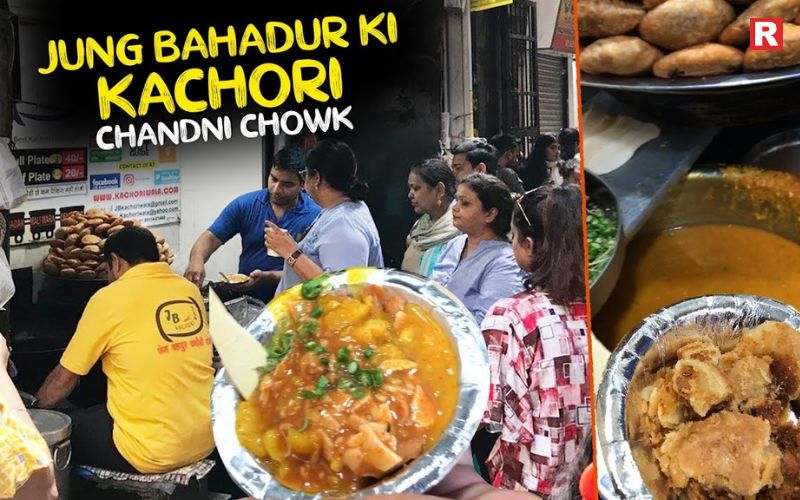
A few steps away from Paranthe Wali Gali is Jung Bahadur Kachori Wala, another name that Delhiites swear by. The shop’s urad dal kachori, paired with a fiery aloo sabzi, is pure magic. The thick, crisp kachori bursts with flavour in every bite. The spice level can make your eyes water — but it’s worth it. This humble stall has been around for generations and remains one of Old Delhi’s most iconic food stops.
3. Kuremal Mohan Lal Kulfi Wale, Chawri Bazar
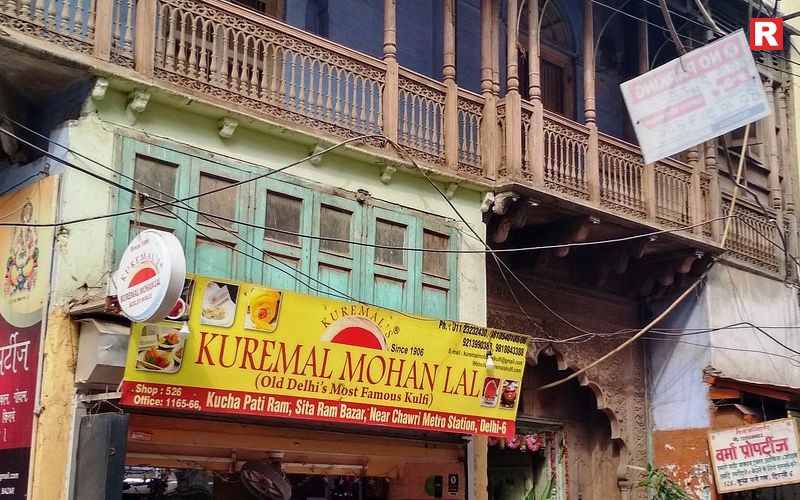
If there’s one place that proves dessert can be art, it’s Kuremal Mohan Lal Kulfi Wale. Founded in 1906, this small shop in Chawri Bazar is famous for its fruit-stuffed kulfis. Imagine biting into a real orange or mango and finding frozen, creamy kulfi inside — that’s the Kuremal experience. Each kulfi is handmade using pure milk, fresh fruits, and no artificial flavours. The anaar and mango kulfis are especially popular during Delhi’s scorching summers. It’s the perfect way to cool down after a spicy food trail.
Know more: 10 Awadhi Cuisine Classics You Must Try at Least Once
4. Lotan Chole Kulche, Chawri Bazar
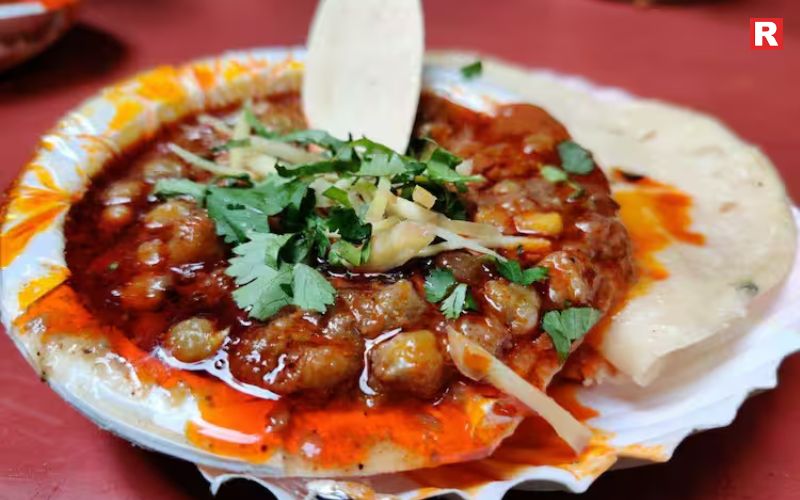
Lotan Chole Kulche is a true Old Delhi legend. It serves a dish that’s simple yet unforgettable — soft kulchas with hot, spicy chole topped with chutney and a sprinkle of masala. Locals love this place for its intensity of flavour. It’s not for the faint-hearted — the heat level is high — but the taste is addictive. The stall has been around since the 1920s and continues to draw long queues every morning.
5. Atul Chaat, Rajouri Garden
West Delhi has its own street food stars, and Atul Chaat in Rajouri Garden is among the best. Known for its aloo chaat, golgappe, and tikki, this spot is where locals gather for a quick, tangy snack. Each plate here is bursting with flavour — sweet, spicy, sour, and crunchy all at once. What sets Atul Chaat apart is the freshness of ingredients and the perfect balance of spices. It’s a must-visit for anyone who wants to experience modern Delhi snacking at its finest.
6. Dolma Aunty Momos, Lajpat Nagar
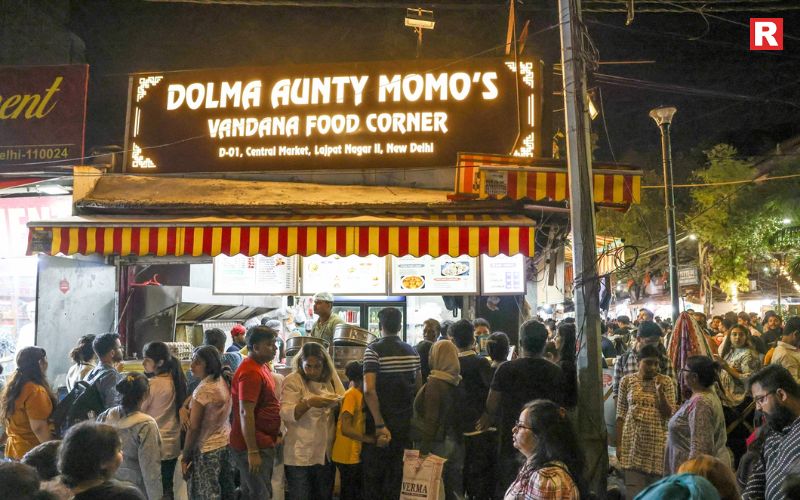
When it comes to momos in Delhi, everyone knows Dolma Aunty. Located in the busy Lajpat Nagar market, her stall has been serving these Tibetan dumplings since the 1990s. The steamed and fried momos are served with spicy red chutney that packs a punch. Whether you choose chicken, paneer, or vegetable fillings, the flavour and quality are consistent. Dolma Aunty is often called Delhi’s “Momo Queen,” and rightly so — she introduced the city to a whole new kind of street food.
Also check: 8 Famous Street Foods from Hyderabad You Can’t Miss
7. Nagpal Chole Bhature, Amar Colony
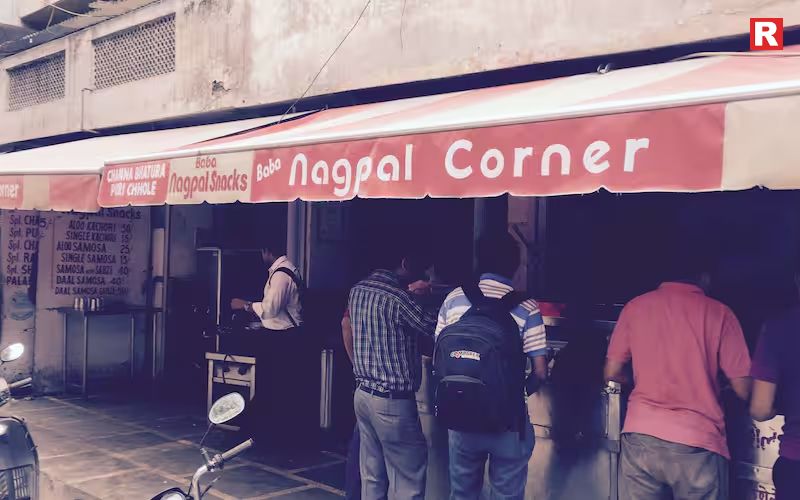
Nagpal Chole Bhature is a breakfast favourite that has earned a cult following. Located near the bustling Amar Colony market, this outlet serves fluffy bhature with perfectly spiced chole. The dish is hearty, rich, and comforting — ideal for those who love strong North Indian flavours. It’s one of those spots where you can’t stop at one plate. The consistency in taste and freshness is what keeps customers coming back.
8. Bittoo Tikki Wala, Netaji Subhash Place
Bittoo Tikki Wala, or BTW as it’s now known, started as a small street stall. Today, it’s a popular food chain — but its original charm still shines through. Their crispy aloo tikki, served with tangy chutneys and creamy curd, is a true Delhi classic. The perfect crunch and spice balance make it irresistible. BTW’s journey from a single cart to a household name is proof that great taste always finds its way to success.
9. Moolchand Paratha Wala, Lajpat Nagar
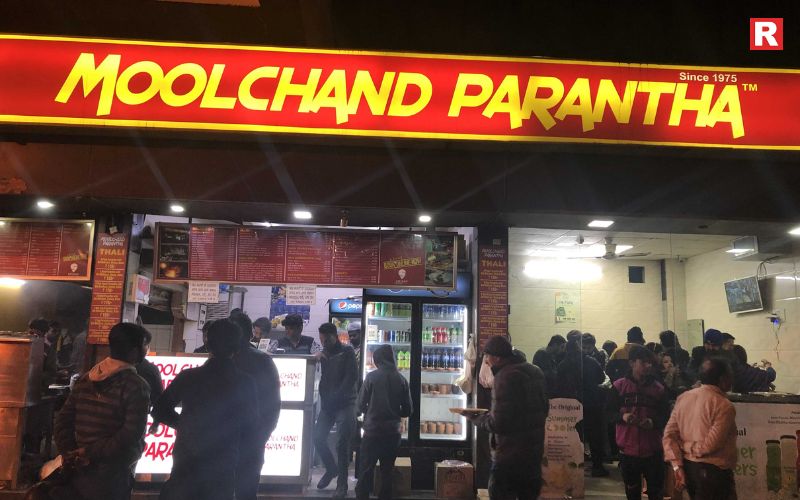
If you’ve ever been out late in Delhi, chances are you’ve ended your night at Moolchand Paratha Wala. This famous eatery serves delicious egg, aloo, and paneer parathas — fresh off the tawa, buttery, and satisfying. It’s open till late, making it a go-to spot for college students, night owls, and travellers. The parathas are served with pickles and curd, making it the ultimate comfort food after a long day in the city.
10. Majnu Ka Tilla (Tibetan Colony), North Delhi
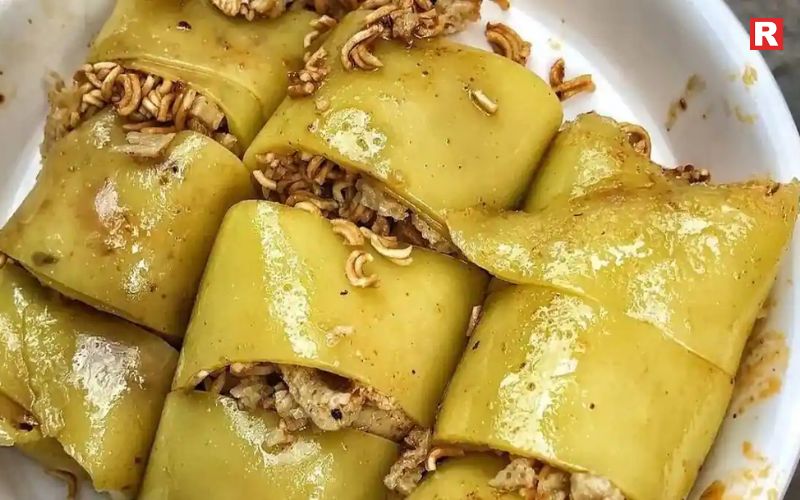
For a taste of Tibet in Delhi, head to Majnu Ka Tilla. This small neighbourhood near the Yamuna River is known for its peaceful vibe and delicious Tibetan street food. Visitors can try steaming bowls of thukpa, spicy shapta, or the famous tingmo buns. The momos here are among the best in Delhi — soft, juicy, and perfectly spiced. Another must-try is Laphing, a cold and spicy noodle dish that is refreshing and full of flavour, especially in warmer months. You’ll also find bubble teas, Lhasa-style noodles, and butter tea. Majnu Ka Tilla offers a calm escape from Delhi’s chaos, with flavours that transport visitors straight to the Himalayas.
Why Delhi’s Street Food Is So Special
Delhi’s street food is not just about eating — it’s about culture, history, and togetherness. It brings people from all walks of life to the same food stall. The recipes you find in Old Delhi have been passed down for generations.
The food scene also reflects Delhi’s diversity — Mughlai kebabs, Punjabi chole, Tibetan momos, and South Indian dosas all coexist here. Every bite tells a story of migration, innovation, and love for food.
Check more: Why Millet-Based Diets Are Becoming India’s New Superfood Revolution
Top Iconic Street Foods from Every Indian State You Must Try
Top Luxury Chocolate Brands to Try in India
Tips for Exploring Delhi’s Street Food
- Go with a local or take a guided food walk to find authentic stalls.
- Visit during evenings when most stalls are open and bustling.
- Carry bottled water and try smaller portions so you can taste more dishes.
- Prefer stalls that cook food fresh in front of you.
Street Treat!
Delhi’s street food reflects the soul of Delhi. It blends old traditions with modern flavours. The streets are full of stories, memories, and local culture. From the spicy parathas in Chandni Chowk to the soft, juicy momos and Laphing at Majnu Ka Tilla, each dish has its own history. Street food connects people. Locals and visitors gather at small stalls, sharing meals and conversations. It is lively, colourful, and full of energy. The variety of flavours, from sweet to spicy, shows the city’s diversity. For anyone visiting Delhi, exploring street food is a must. Walking through its busy lanes, tasting different dishes, and watching the food being made offers a true sense of the city. Delhi’s street food is an adventure — every plate tells a story.
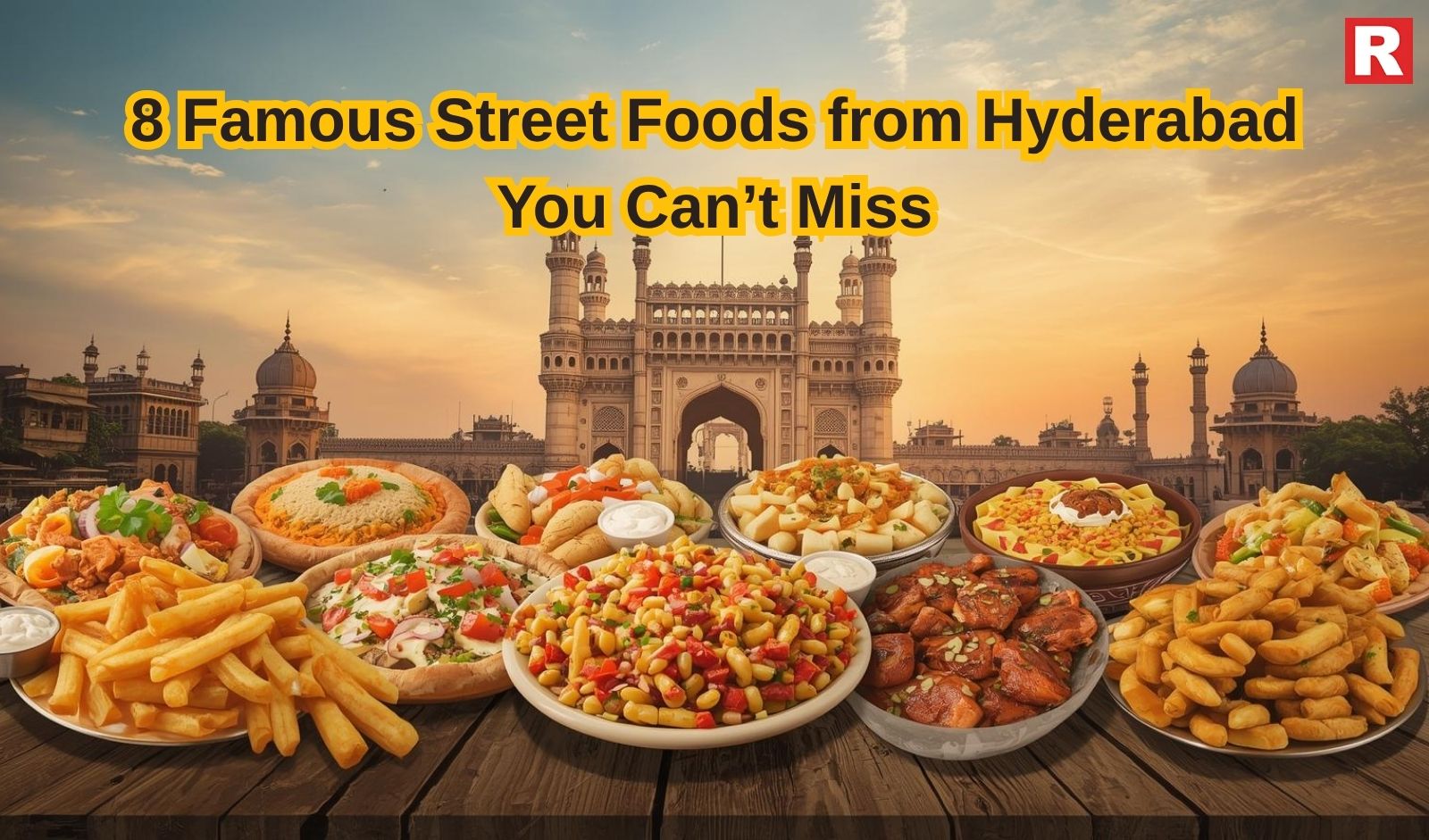
Hyderabad is famous for its history, pearls, and iconic biryani. But beyond the royal heritage, the city has a street food culture that is vibrant and full of life. Every lane and corner tells a story through food. The air is filled with the aroma of sizzling kebabs, freshly fried snacks, and spicy chutneys. The streets are busy with vendors preparing dishes that are both rich in taste and easy to enjoy on the go.
Hyderabad’s street food is a mix of influences. Mughlai, Turkish, and Telugu flavors come together in every bite. From the slow-cooked, aromatic biryani to the spicy Mirchi Bajji, each dish carries a distinct taste of the city. Irani cafés near Charminar serve warm, milky tea with crumbly Osmania biscuits, while markets in Mehdipatnam and Toli Chowki are famous for rolls, shawarmas, and kebabs. People of all ages flock to these streets. Tourists and locals alike enjoy the flavors that have been passed down for generations. The food is simple, yet full of character. It is easy to see why Hyderabad’s street food is considered one of the most memorable parts of visiting the city.
Read more: 8 Famous Vegetarian Dishes of Uttar Pradesh and Their Timeless Legacy
5 Cities That Serve the Best Non-Vegetarian Street Food
Find Street Treat!
Here are 8 famous street foods from Hyderabad that truly define its vibrant food culture.
1. Hyderabadi Biryani – The Pride of the City
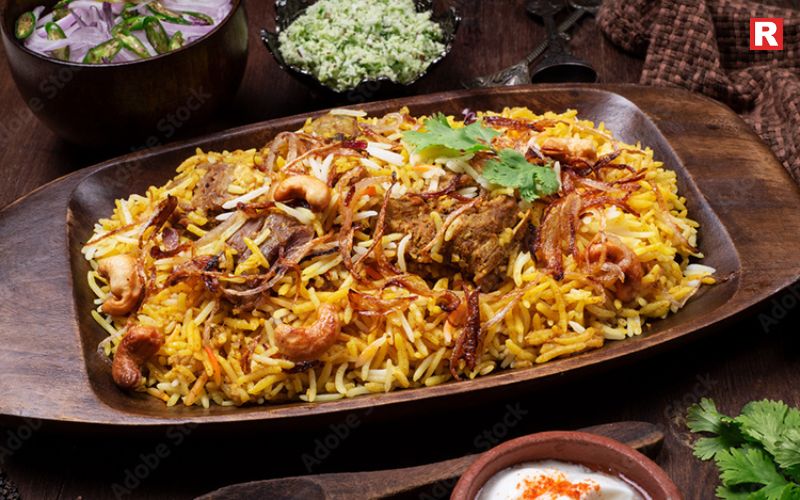
No mention of Hyderabad is complete without the iconic Hyderabadi Biryani. While it’s available in fine restaurants, the real charm lies in the street-style versions at places like Paradise Biryani, Bawarchi, and Shah Ghouse.
Cooked with basmati rice, saffron, caramelized onions, and tender marinated meat, this biryani is slow-cooked using the dum method, locking in all the flavors. The aroma alone can make anyone hungry. For locals, grabbing a plate of biryani after a long day is a comforting ritual. It’s more than just food — it’s an emotion that connects generations.
2. Haleem – The King of Ramadan Delicacies
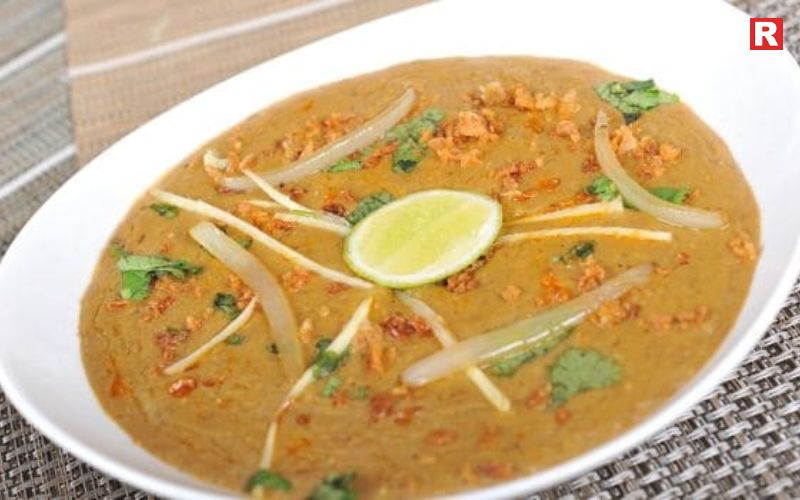
If you visit Hyderabad during Ramadan, you’ll notice stalls everywhere selling Haleem. Made with wheat, lentils, and mutton, it is slow-cooked for hours until it reaches a rich, creamy texture. The best Haleem can be found at Pista House, Café 555, and Sarvi.
Haleem represents patience and tradition. It’s filling, packed with protein, and deeply flavorful. While it started as a festival dish, its popularity has turned it into a year-round favorite. The smoky flavor from ghee and spices gives Haleem its signature Hyderabadi touch that no other city can replicate.
3. Irani Chai with Osmania Biscuits – The City’s Favorite Pair
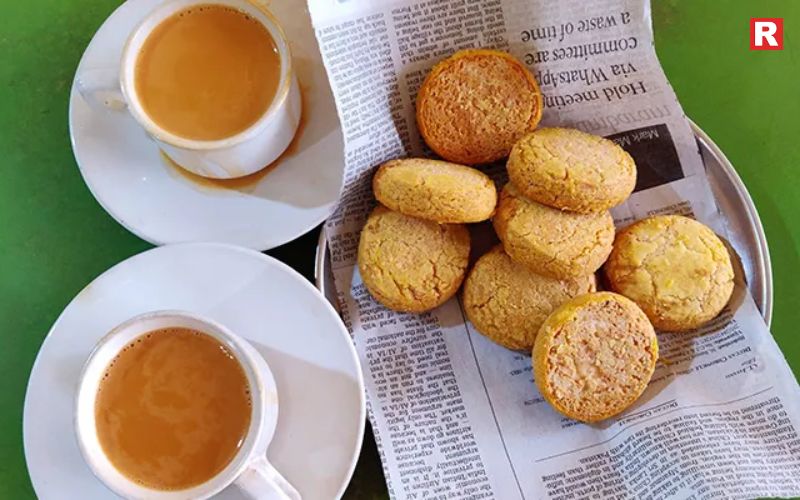
A visit to Hyderabad is incomplete without sipping Irani Chai at an old café. The rich, milky, slightly spiced tea is often served with Osmania Biscuits, soft yet crumbly cookies named after the last Nizam of Hyderabad.
Head to Nimrah Café near Charminar or Café Niloufer in Lakdikapul to experience this local tradition. The cafés have an old-world charm where locals discuss politics, business, and cricket over endless cups of chai. The combination of Irani Chai and Osmania biscuits reflects Hyderabad’s timeless café culture — simple, warm, and deeply satisfying.
Know more: 10 Awadhi Cuisine Classics You Must Try at Least Once
4. Mirchi Bajji – The Spicy Street Snack
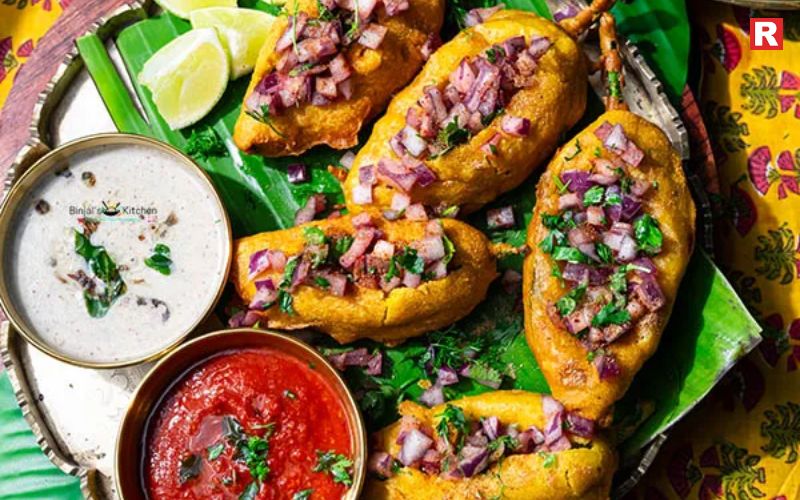
For spice lovers, Mirchi Bajji is a must-try. Green chilies are stuffed with tangy masala, dipped in gram flour batter, and deep-fried till golden. The best part is the balance between the fiery chili and the crispy outer layer.
You can find Mirchi Bajjis near Moazzam Jahi Market, Charminar, and roadside stalls all over the city. Some vendors even serve it with chopped onions, coriander, and lemon juice to add a fresh twist. It’s especially popular during the monsoon, when locals enjoy it with tea while watching the rain pour over the city’s old monuments.
5. Pathar Ka Gosht – A Royal Grilled Delight
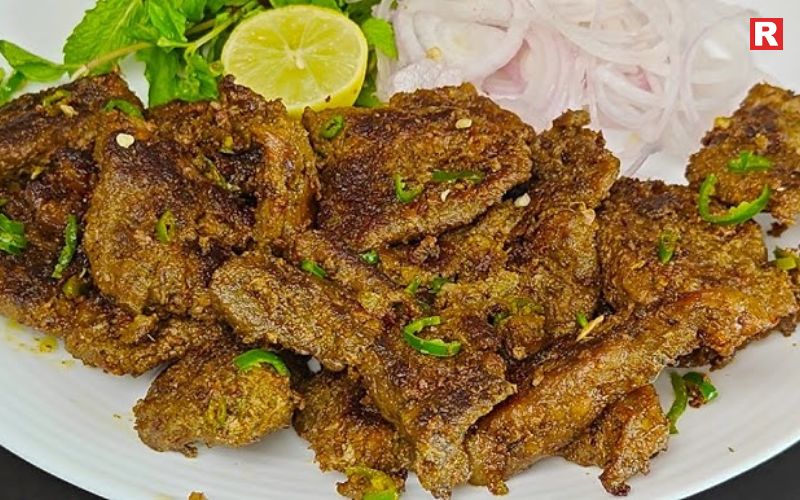
One of the most unique dishes from Hyderabad’s streets is Pathar ka Gosht, literally meaning “meat cooked on stone.” Pieces of marinated mutton are grilled on a hot granite stone, giving them a smoky, juicy flavor that’s truly special.
You can taste the best versions around Tank Bund, Charminar, and Old City areas. This dish traces its roots to the Nizam era, where soldiers used hot stones to cook meat in the open. Even today, it retains that rustic charm. The tenderness of the meat and the subtle spice make it a favorite among both locals and tourists.
6. Shawarma – The Middle Eastern Touch
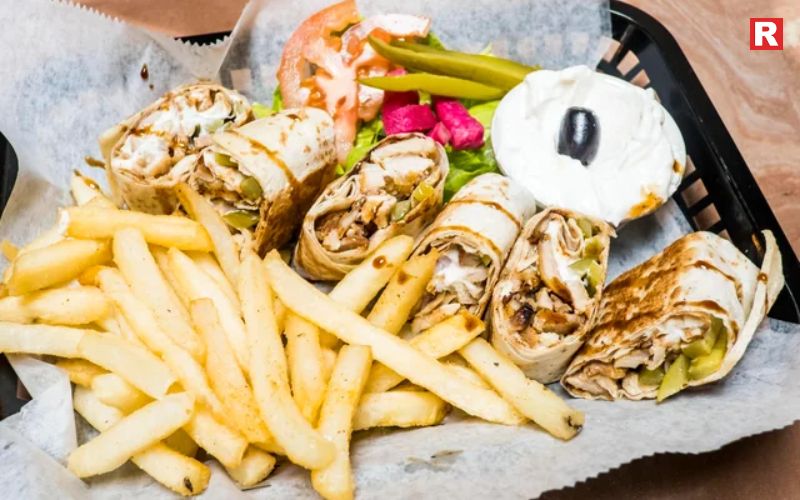
Hyderabad’s street food has embraced the Middle Eastern Shawarma with open arms. Found in nearly every corner of Mehdipatnam, Toli Chowki, and Banjara Hills, Shawarma is a quick, filling meal made of roasted chicken, pickled vegetables, and creamy garlic sauce wrapped in pita bread or khubus.
While originally a Lebanese dish, Hyderabad’s version has a spicier twist with Indian seasonings and mayonnaise. It’s one of the most loved late-night snacks in the city, especially among college students and young professionals. Whether you prefer the roll or the plate version, Shawarma never disappoints.
Also check: Top Iconic Street Foods from Every Indian State You Must Try
7. Dosa with Chicken Kheema – A Perfect Fusion
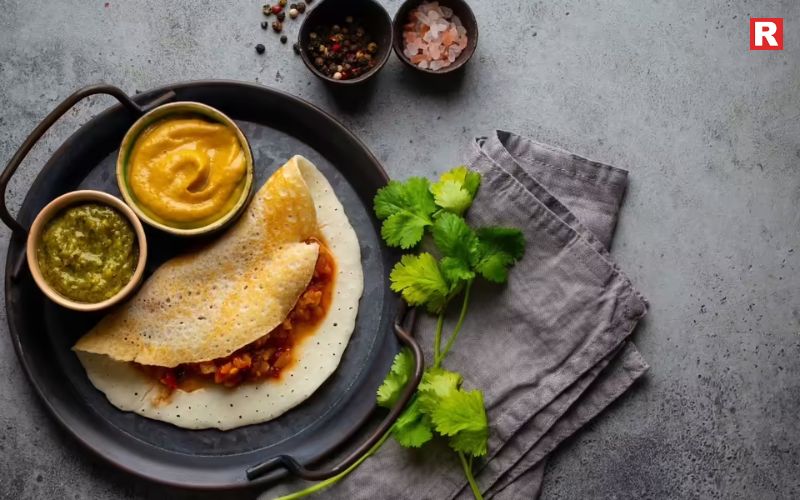
South Indian dosas are popular everywhere, but in Hyderabad, chefs took it a step further with Chicken Kheema Dosa. This dish brings together the crispy dosa and spicy minced chicken filling to create a mouthwatering fusion.
You can find this specialty in Ameerpet, RTC Cross Roads, and local tiffin centers across the city. It’s a power-packed breakfast or evening snack, offering both crunch and flavor in every bite. The combination of soft chicken, fiery masala, and the buttery dosa makes it a true crowd-pleaser.
8. Double Ka Meetha – The Sweet Ending
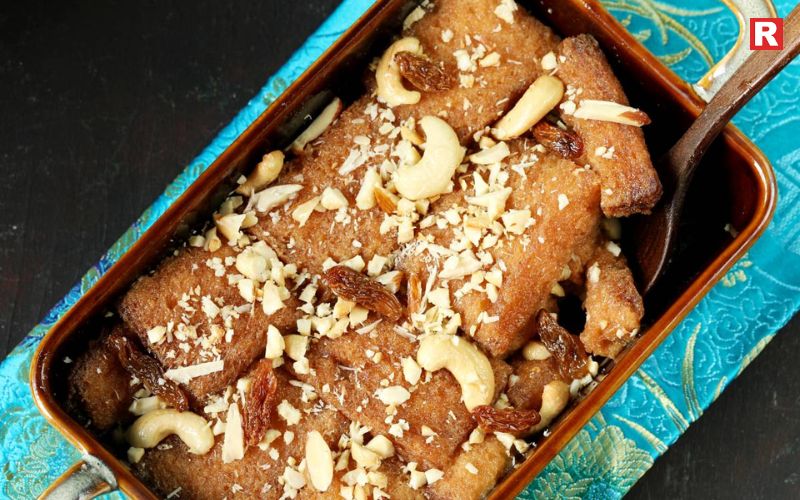
To end your food trail on a sweet note, Double Ka Meetha is a must. This royal dessert is made from fried bread slices soaked in milk, sugar, ghee, and dry fruits. It’s soft, rich, and melts in your mouth.
Found in markets like Nampally and Shahran Market, this dish reflects the Nizami love for indulgence. It’s often served at weddings and festivals, but even street vendors make it fresh and flavorful. A spoonful of Double Ka Meetha is enough to remind you of Hyderabad’s glorious royal past.
The Soul of Hyderabad’s Street Food
Hyderabad’s street food scene goes beyond just taste. It’s about the community, history, and culture that come alive in every bite. From morning chai to midnight shawarma, each dish tells a story of how traditions evolve with time. The mix of Nawabi heritage and modern creativity keeps Hyderabad’s food culture alive and exciting.
Street vendors play a big role in this legacy. Many of them have been serving the same dish for decades, maintaining authenticity while adapting to changing tastes. The love and effort behind each preparation make Hyderabad’s food unforgettable.
Check more: Top Bakery Brands in India You Must Try
8 Famous Non-Veg Dishes of Rajasthan That Reflect Its Royal Heritage
Top 6 Japanese Dishes to Try for an Authentic Taste of Japan
Best Areas to Explore Street Food in Hyderabad
If you’re planning a food trail, start at Charminar, where the aroma of kebabs and Irani chai fills the air. Walk towards Moazzam Jahi Market for crispy snacks and Tank Bund for grilled meat and desserts. For more modern options, Gachibowli and Banjara Hills have food trucks and fusion stalls offering new-age takes on traditional recipes.
Each corner of Hyderabad has something unique to offer — from the old city’s rustic charm to the modern flair of Hitech City.
Ready to Explore!
Hyderabad’s street food tells a story. It connects people to generations of flavors and traditions. From the famous Hyderabadi biryani to the simple Mirchi Bajji sold on roadside stalls, each bite carries the essence of the city. The streets are alive with the smell of spices, grilled meat, and freshly fried snacks. Irani cafés, busy markets, and late-night food stalls are part of the city’s daily rhythm. Tourists and locals gather around these spots, sharing conversations and meals. The food is affordable, rich in taste, and full of character. For anyone visiting Hyderabad, the real experience is found in its lanes. Skipping fine dining for the local street food offers a taste of the city’s true spirit. These eight famous street foods are not just dishes — they are moments that capture Hyderabad’s soul.
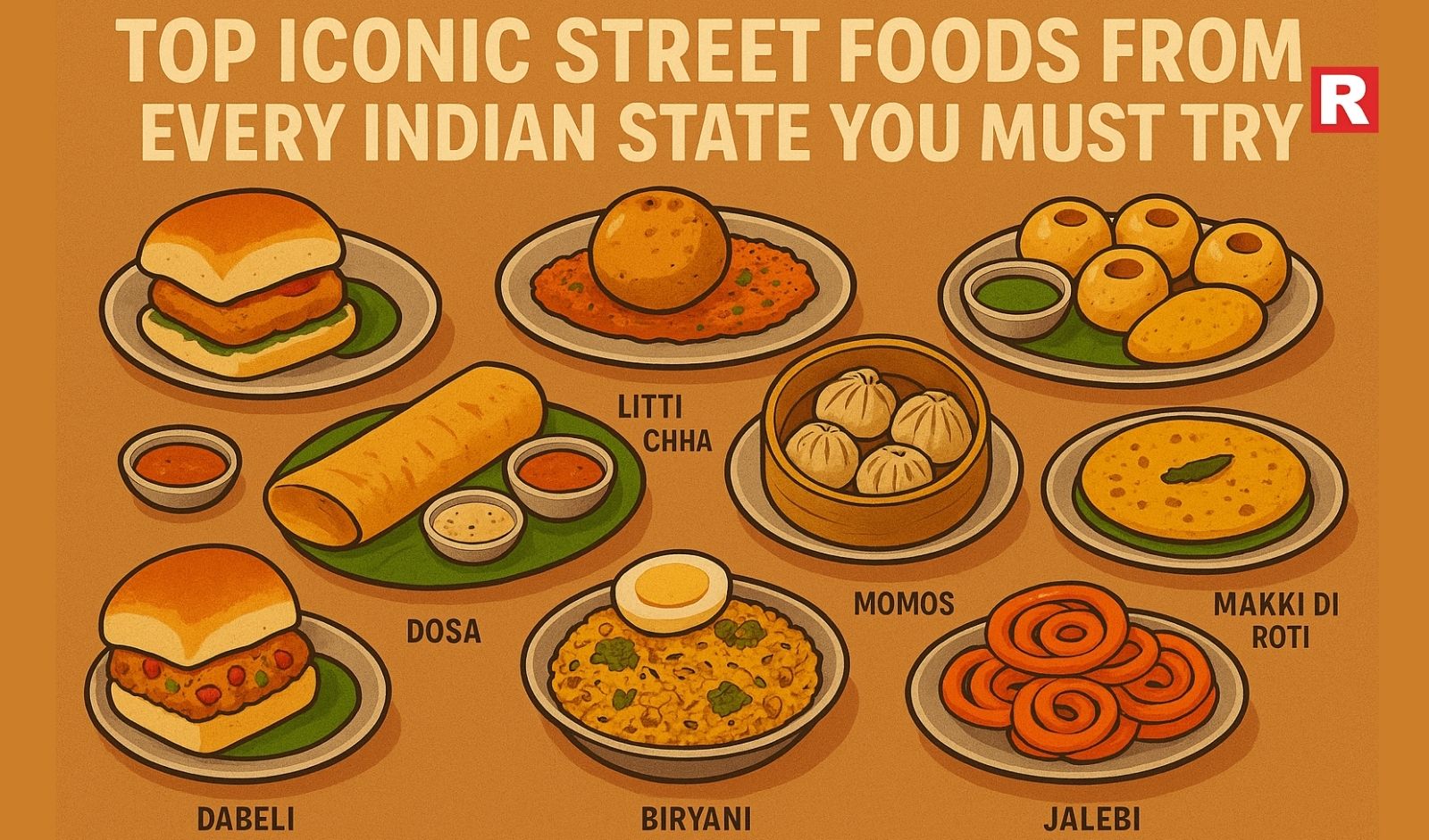
To truly experience the taste of India, one must look beyond fine dining and step into its lively streets. Every corner of the country has a story to tell through its food. From the tangy chaats of Delhi to the crispy fritters of Rajasthan and the soft momos of the Northeast, each dish carries the essence of its land and people. Street food in India is more than a meal; it is an experience of culture, warmth, and local pride. Vendors have been perfecting recipes for generations, passing down secrets that define the flavour of a city. The aroma of sizzling spices, the sound of frying oil, and the sight of colourful plates come together to create pure joy.
In Mumbai, Vada Pav defines everyday life. In Kolkata, Puchka captures the spirit of the city. In Lucknow, kebabs bring royal history to the streets. Each bite reveals India’s diversity — bold, comforting, and full of character. For anyone seeking to taste the real India, its street food is the country’s truest and most delicious storyteller.
Read more: 8 Famous Vegetarian Dishes of Uttar Pradesh and Their Timeless Legacy
5 Cities That Serve the Best Non-Vegetarian Street Food
North India: Bold Flavors and Royal Touch
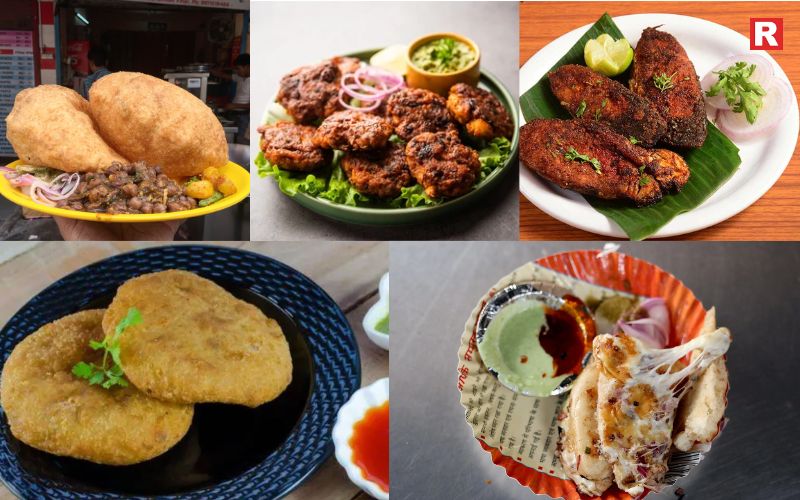
Delhi – Chole Bhature
Delhi’s Chole Bhature is more than just breakfast; it’s a daily ritual for locals. Soft, puffed bhature served with spicy chickpea curry and tangy pickles make this dish a must-try. Popular spots like Sitaram Diwan Chand and Nagpal’s in Delhi are known for serving this iconic plate of comfort.
Uttar Pradesh – Tunday Kababi
Lucknow’s Tunday Kababi has a royal legacy. These melt-in-the-mouth kebabs, made with minced meat and a secret blend of spices, were created for a Nawab who had lost his teeth but not his love for food. They remain one of India’s most famous street dishes.
Punjab – Amritsari Fish Fry
Amritsar’s crispy fish fry is a treat for seafood lovers. Coated with gram flour and deep-fried to perfection, this dish is served with mint chutney and raw onions. It’s best enjoyed hot from roadside stalls near the Golden Temple.
Himachal Pradesh – Babru
A cousin of the kachori, Babru is Himachal’s hidden gem. It’s stuffed with black gram dal paste and served with tamarind chutney. Simple yet flavorful, it pairs perfectly with a cup of local tea on a cold mountain morning.
Jammu & Kashmir – Kaladi Kulcha
A traditional dish made from local cheese, Kaladi Kulcha is soft, chewy, and bursting with flavor. It’s often served hot with spicy chutney and is a favorite in the streets of Udhampur.
West India: Spice, Sweetness, and Soul
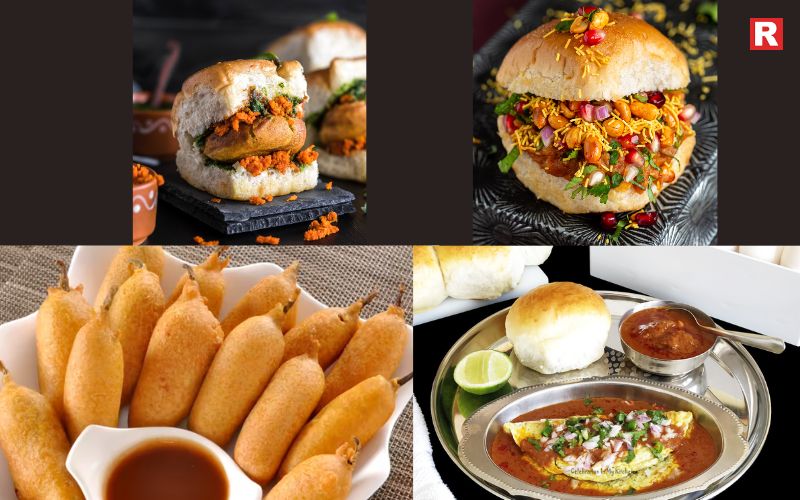
Maharashtra – Vada Pav
Known as the Indian burger, Vada Pav is Mumbai’s identity. A spicy potato fritter stuffed between a soft bun and topped with chutneys — it’s affordable, filling, and full of flavor. From college students to office-goers, everyone in Mumbai loves this snack.
Gujarat – Dabeli
Originating from Kutch, Dabeli is a sweet and spicy snack that blends textures beautifully. It’s made with a potato mixture, pomegranate seeds, roasted peanuts, and masala, all sandwiched in a bun. The mix of sweet and tangy flavors makes it unforgettable.
Rajasthan – Mirchi Vada
If you love spice, Mirchi Vada from Jodhpur is your dish. It’s made with large green chilies stuffed with spicy potato filling and fried until golden. Locals often pair it with bread pakoras or a cup of tea on a rainy day.
Goa – Ros Omelette
Goa’s Ros Omelette is the perfect example of coastal comfort. It combines fluffy omelette with a rich coconut-based curry and bread on the side. This dish is a popular midnight snack across Goa.
Know more: 10 Awadhi Cuisine Classics You Must Try at Least Once
East India: Tangy, Earthy, and Authentic
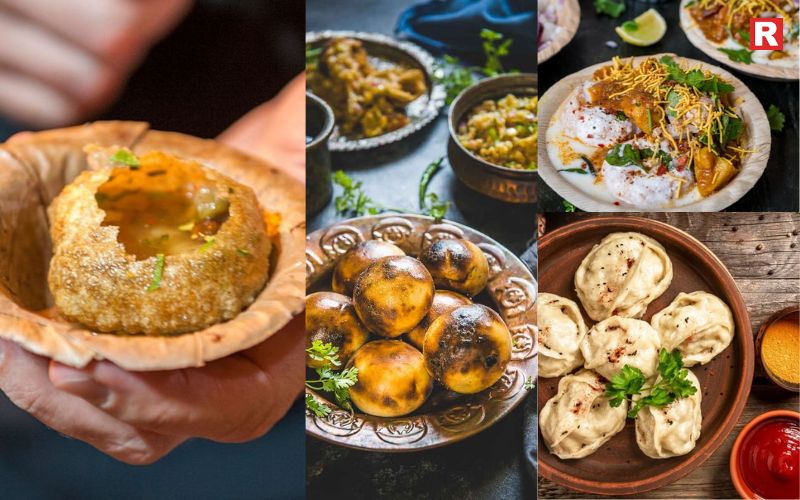
West Bengal – Puchka
Kolkata’s Puchka is the undisputed queen of street snacks. Crisp puris filled with spicy tamarind water, mashed potatoes, and chana create a burst of flavor with every bite. Locals will tell you no two vendors make it the same way — that’s the magic of Puchka.
Odisha – Dahi Bara Aloo Dum
In Odisha, Dahi Bara Aloo Dum is a cultural favorite. Soft dahi vadas are topped with spicy potato curry and tangy chutney. It’s a dish that balances heat, creaminess, and sweetness beautifully. Cuttack is especially known for this local delicacy.
Bihar – Litti Chokha
Rustic, smoky, and satisfying — Litti Chokha defines Bihar’s cuisine. The dough balls stuffed with spiced gram flour are roasted over coal and served with mashed potatoes, brinjal, and tomato. It’s the taste of tradition in every bite.
Assam – Momos
While momos originated in Tibet, Assam has made them its own. Steamed or fried, stuffed with vegetables or meat, momos are the go-to street food in Guwahati. They’re usually served with fiery red chutney that adds a flavorful punch.
South India: Crisp, Spicy, and Comforting
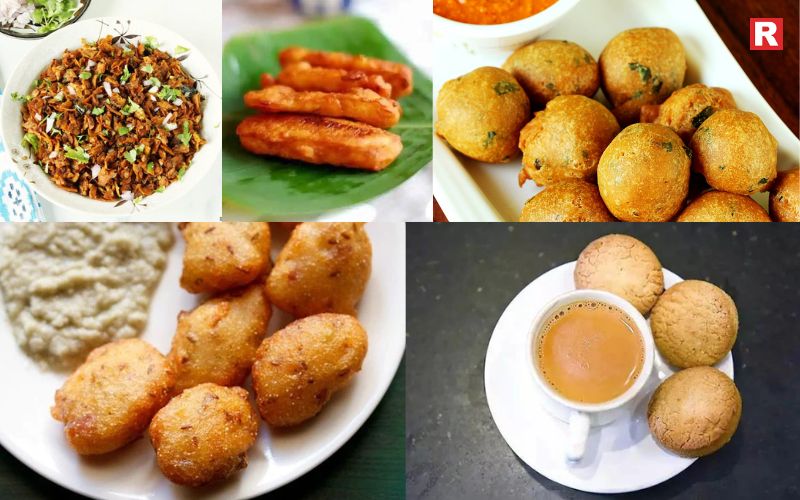
Tamil Nadu – Kothu Parotta
Kothu Parotta is a favorite street food in Tamil Nadu. Leftover parottas are shredded and stir-fried with spicy gravy, eggs, and vegetables. The rhythmic chopping sound from street stalls adds to its charm.
Kerala – Pazham Pori
These sweet banana fritters are a comfort food for many Keralites. Made by dipping ripe bananas in flour batter and frying until golden, Pazham Pori is best enjoyed with tea during the monsoon.
Karnataka – Mysore Bonda
Mysore Bonda is a simple yet delightful snack. Crispy on the outside and soft inside, it’s made from urad dal and spices. Served with coconut chutney, it’s a popular evening treat in Bengaluru and Mysuru.
Andhra Pradesh – Punugulu
Punugulu is a deep-fried snack made from idli or dosa batter. It’s crunchy, slightly tangy, and often served with spicy peanut or tomato chutney. It’s a common street food across Vijayawada and Hyderabad.
Telangana – Irani Chai & Osmania Biscuits
No Hyderabad street experience is complete without Irani Chai. Paired with buttery Osmania biscuits, it’s a taste of old-world charm. Cafes like Nimrah and Paradise near Charminar are famous for serving this classic combination.
Also check: Top Bakery Brands in India You Must Try
North-East India: Simple, Fresh, and Unique
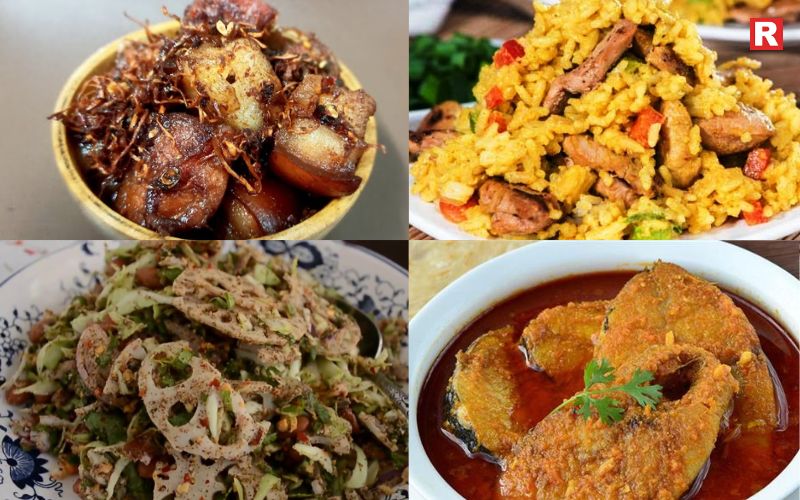
Nagaland – Smoked Pork with Bamboo Shoot
Nagaland’s street food is deeply rooted in tribal traditions. Smoked Pork with Bamboo Shoot is flavorful, earthy, and aromatic. It’s often served with rice or sticky rice cakes.
Meghalaya – Jadoh
A Khasi delicacy, Jadoh combines rice and pork cooked with local herbs and spices. It’s a complete meal in itself and can be found at local stalls in Shillong.
Manipur – Singju
Singju is a tangy salad made with cabbage, herbs, and chickpea flour. It’s light, refreshing, and full of local flavors. It’s a popular choice for those who prefer something spicy yet healthy.
Tripura – Mui Borok
Mui Borok is Tripura’s traditional fermented fish dish. It’s strong in flavor but deeply loved by locals. The dish reflects the state’s rich tribal heritage and use of locally sourced ingredients.
How Street Food Reflects India’s Diversity
Every Indian street dish carries a piece of its region’s identity. From the spices of the North to the coconut flavors of the South, every plate tells a story. Street food connects people — it’s where locals gather, share, and celebrate daily life.
Must-Visit Cities for Street Food Lovers
If you’re a true foodie, explore these cities for the best street food experiences:
- Delhi: For Chaat and Parathas at Chandni Chowk.
- Mumbai: For Vada Pav and Misal Pav.
- Kolkata: For Puchka and Kathi Rolls.
- Lucknow: For Kebabs and Biryani.
- Hyderabad: For Haleem and Irani Chai.
Check more: 8 Famous Non-Veg Dishes of Rajasthan That Reflect Its Royal Heritage
10 Awadhi Cuisine Classics You Must Try at Least Once
7 Iconic Paneer Dishes to Try at Home: The Taste of India’s Favorite Ingredient
Taste of India!
Street food in India reflects the country’s history, geography, and recipes have been shaped over generations, blending local ingredients with traditional methods. In Mumbai, the spicy Vada Pav is a staple that represents the city’s fast life and energy. Kolkata’s tangy Puchka captures the city’s love for bold flavors and street-side gatherings. In Lucknow, the melt-in-the-mouth kebabs recall royal Awadhi cuisine. Across India, street food is a mix of flavors, textures, and aromas that connect people to their roots. For travelers and food lovers, street food offers an authentic taste of India. Following the scent of frying spices, spotting crowded stalls, and trying local favorites provides more than a meal — it gives a glimpse into India’s heart. Every bite is a small journey through the country’s rich culinary tradition.
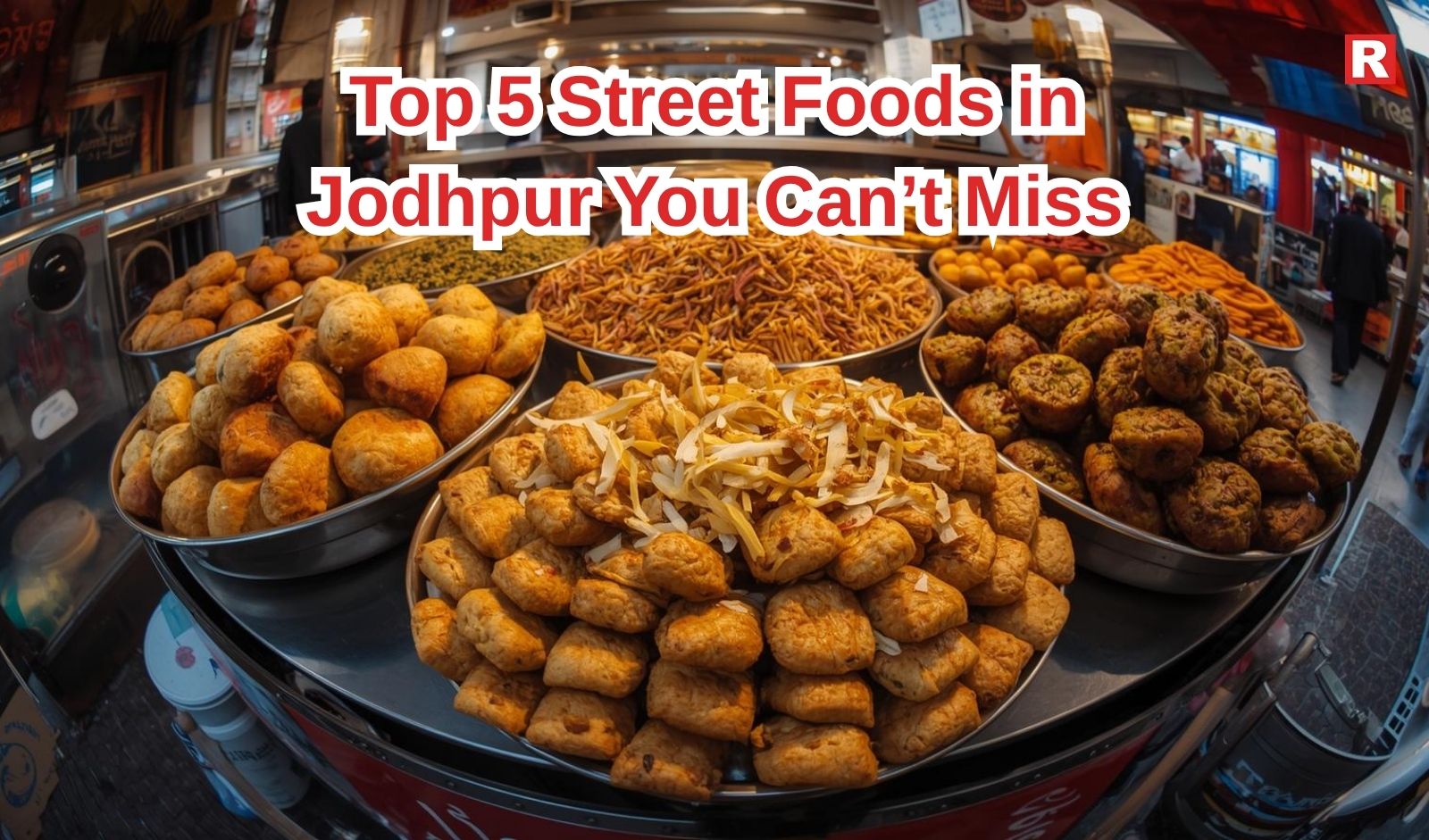
Jodhpur, known as the Blue City, is famous for its forts, palaces, and lively streets. But beyond the history, its street food scene is a true delight. Every corner of the city offers something special to eat. From spicy snacks to sweet treats, the streets reflect the rich culinary traditions of Rajasthan. The city wakes up early with the smell of fresh kachoris and vadas frying in hot oil. By noon, the markets buzz with vendors serving tangy and crunchy bites. In the evenings, the food stalls come alive with lights, chatter, and the sound of sizzling pans. Locals and tourists gather to enjoy these dishes, creating a warm and welcoming atmosphere.
Street food in Jodhpur is more than just quick bites. Each dish carries a story of the land and its people. Whether it’s a spicy Mirchi Vada or a rich Mawa Kachori, the flavors are unforgettable. Exploring these foods is like exploring the city itself. For anyone visiting Jodhpur, tasting its street food is a must. It is an experience that captures the heart and soul of the Blue City.
Read more: 8 Famous Vegetarian Dishes of Uttar Pradesh and Their Timeless Legacy
5 Cities That Serve the Best Non-Vegetarian Street Food
Find 5 Tastes From The Blue City
Discover five iconic street foods from Jodhpur that capture the city’s rich flavors, culture, and culinary traditions in every bite.
1. Mirchi Vada – Spicy Chili Fritters
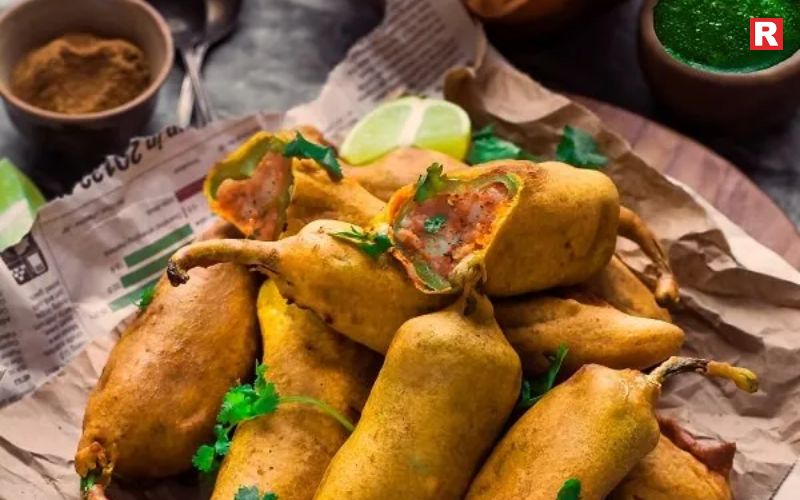
Mirchi Vada is Jodhpur’s spicy street snack. It is made of large green chilies stuffed with a potato filling. These chilies are dipped in chickpea flour and deep-fried until golden brown. The result is a crunchy shell with soft, spicy filling inside. The dish is hot, spicy, and lightly tangy. It uses fresh green chilies, boiled potatoes, spices like cumin, coriander, and a touch of asafoetida. The chickpea flour coating adds crunch and flavor. Mirchi Vada was created as a quick snack for busy townsfolk. It is perfect with sweet tamarind chutney or tangy green chutney, which balances the heat.
Where to Try:
- Janta Sweet Home near Clock Tower is famous for Mirchi Vada.
- Ghanta Ghar market stalls also serve fresh, hot vadas.
Know more: 10 Awadhi Cuisine Classics You Must Try at Least Once
2. Mawa Kachori – Sweet Indulgence
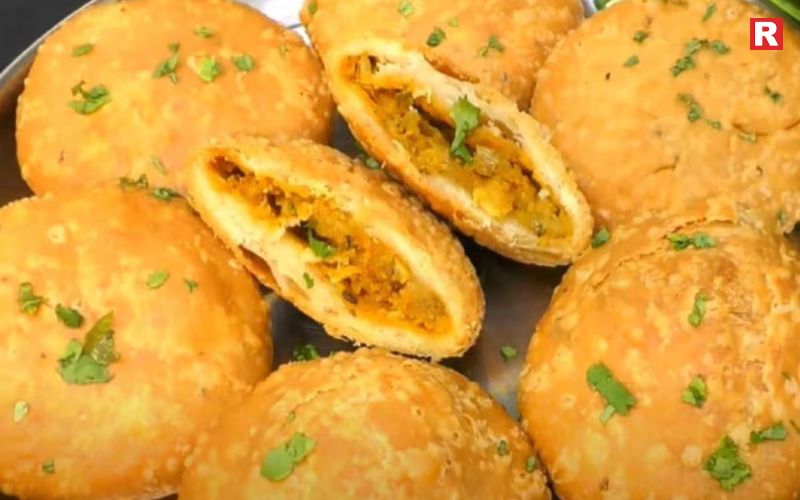
Mawa Kachori is the king of Jodhpur’s sweets. It is a deep-fried pastry filled with mawa (khoya) and dry fruits. Each bite is soft, rich, and sweet. The outside is crispy, while the inside melts in your mouth. Mawa Kachori combines sweetness and crunch. Ingredients include khoya, sugar, almonds, cashews, cardamom, and a hint of saffron. The flavors are rich and unforgettable. Mawa Kachori is often eaten during festivals and special occasions. It reflects the traditional Rajasthani love for sweets made with dairy.
Where to Try:
- Shri Mishrilal, near Nai Sarak, is legendary for this dessert.
- Many small shops around Clock Tower also sell fresh mawa kachoris.
3. Pyaaz Kachori – Onion-Filled Delight
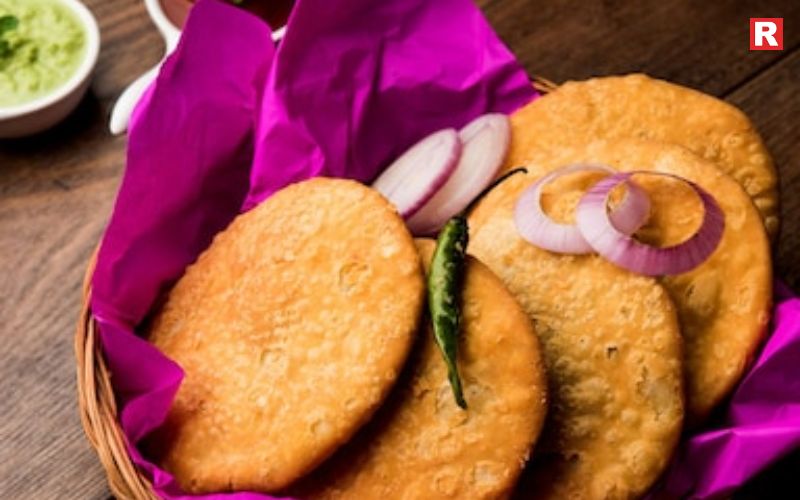
Pyaaz Kachori is a savory snack loved by locals. It is a round, deep-fried pastry stuffed with a spicy onion mixture. Every bite is flavorful, crunchy, and mildly hot. The filling is made of finely chopped onions, green chilies, spices, and a touch of dry mango powder. The outer layer is golden and crisp. Eating it with sweet or tangy chutney enhances the flavor. Pyaaz Kachori is often paired with spicy potato curry for a complete breakfast. Locals often stand and eat it right from the plate, adding to the street food charm.
Where to Try:
- Panchratan near Clock Tower is famous for fresh Pyaaz Kachoris.
- Local street vendors in Sardar Market sell them hot in the mornings.
Also check: Pani Puri Has Different Names in Different Indian States—Know Them All
4. Dabeli – Tangy & Spicy Bun Snack
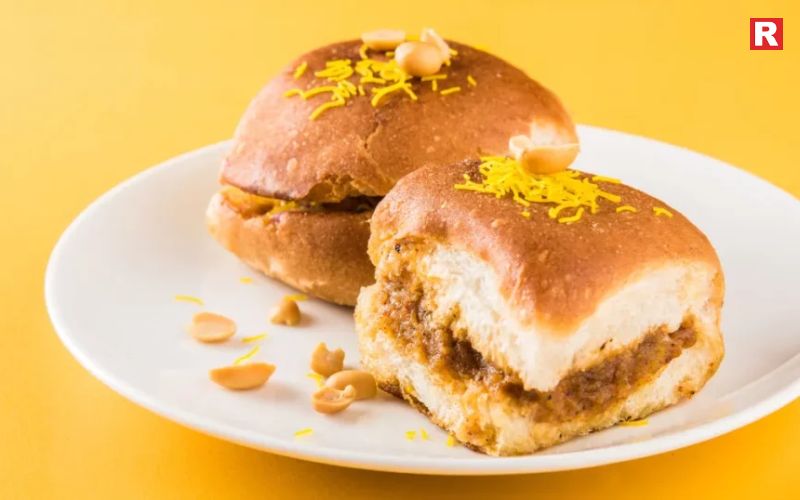
Dabeli is a popular street food that originated in Gujarat but is equally loved in Jodhpur. It is a spicy-sweet potato mixture served inside a soft bun. The snack is garnished with pomegranate seeds, sev, and fresh chutneys. Dabeli is tangy, mildly sweet, and crunchy. It uses mashed potatoes, garlic, tamarind chutney, pomegranate, roasted peanuts, and sev. The bun absorbs the flavors while remaining soft. Dabeli is a favorite for both kids and adults. It is often eaten on the go, making it a perfect street snack for travelers.
Where to Try:
- Sindhi Market stalls serve fresh Dabeli in the evenings.
- Many street corners near Ghanta Ghar sell it hot, straight from the pan.
5. Gatte ki Sabzi with Bajra Roti (Street Version)
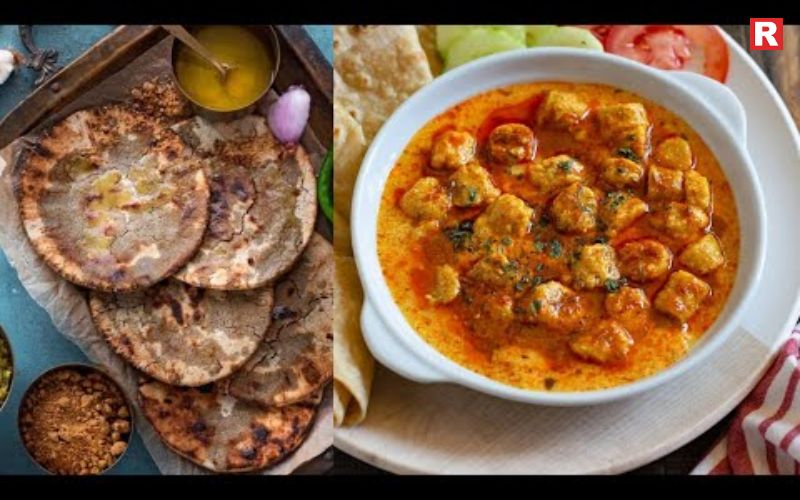
Gatte ki Sabzi is a traditional Rajasthani dish. It is made of gram flour dumplings cooked in a spicy yogurt-based gravy. On the streets, vendors serve it with small, soft bajra rotis. This combination is filling, flavorful, and distinctly local.The dumplings are made of gram flour, yogurt, and spices like red chili and turmeric. The gravy is tangy and spicy. Bajra roti adds an earthy, wholesome flavor. Gatte ki Sabzi is usually a home-cooked meal but is served as street food in smaller portions. It gives travelers a taste of authentic Rajasthani home cuisine.
Where to Try:
- Clock Tower and Tripolia Bazaar have vendors who sell small plates for street food lovers.
- Many local eateries serve it in a quick, street-style portion for tourists.
Street Food Tips for Visitors
- Eat Hot & Fresh: Street food tastes best when freshly made.
- Carry Hand Sanitizer: Keep hygiene in mind while enjoying street snacks.
- Try Local Chutneys: Chutneys make a huge difference in taste. Don’t miss them.
- Best Time: Morning and evening are ideal for street food tours.
- Ask Locals: Locals know the best and least crowded stalls.
Check more: Top 5 States With the Spiciest Food in India
10 Must-Try Gujarati Dishes That Will Delight Your Taste Buds
7 Chinese Dishes That Can Be a Healthy Option for Your Diet
From The Land of Royality!
Jodhpur’s street food is a part of the city’s history and everyday life. Each dish reflects local traditions and the warmth of its people. From the fiery Mirchi Vada to the earthy Gatte ki Sabzi, every snack has a story to tell. The streets are filled with rich aromas, bright colors, and the sound of sizzling pans. Vendors prepare food with care, often using recipes passed down through generations. Tourists and locals gather around small stalls, sharing plates and conversations. Exploring these foods is like walking through a living museum of taste. It gives visitors a real sense of Jodhpur’s character beyond its forts and palaces. Tasting these five street foods offers more than flavor. It offers connection, culture, and memory. To truly know the Blue City, one must not only see it but taste it, one bite at a time.
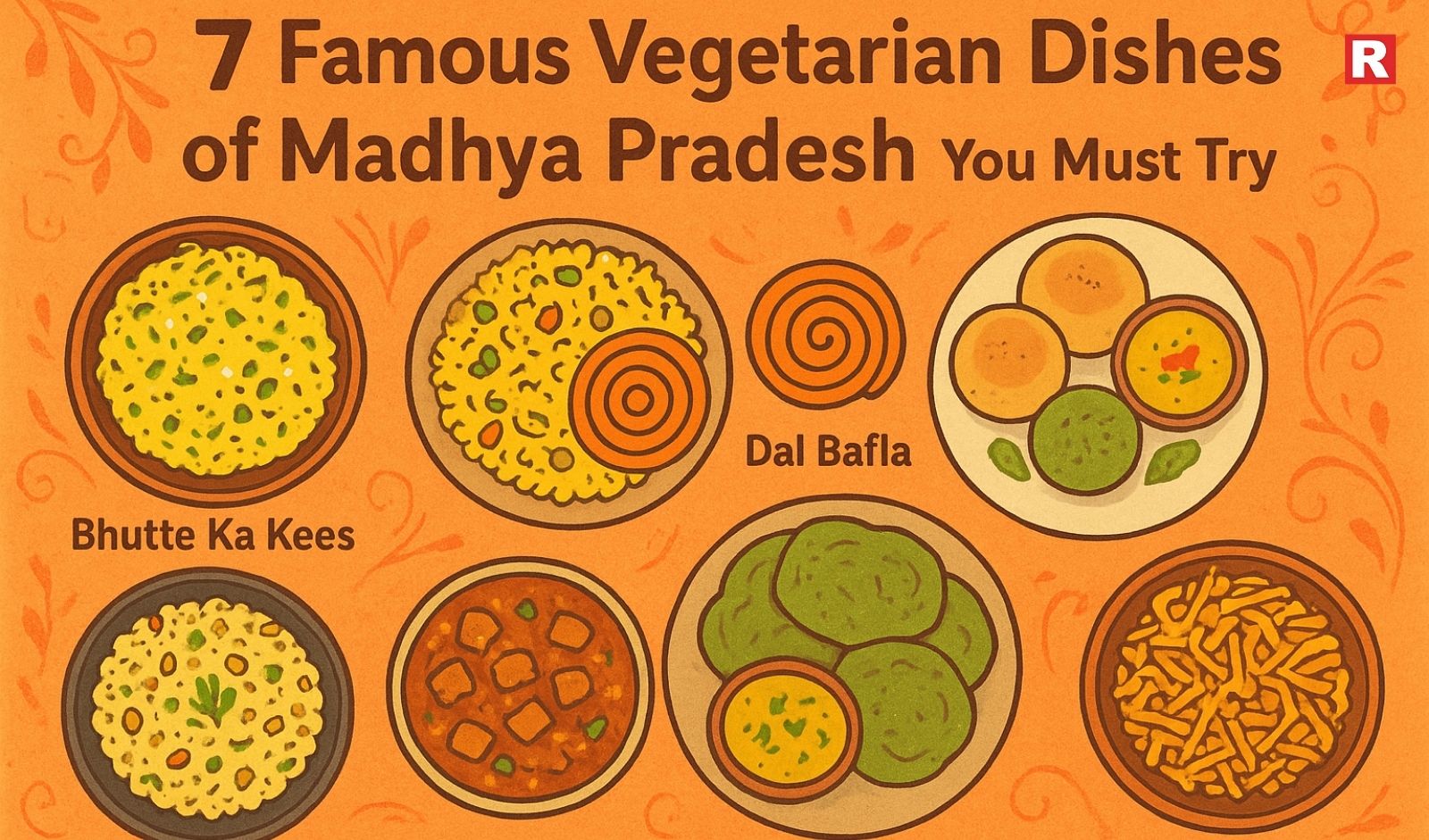
Madhya Pradesh is known as the Heart of India. Located at the center of the country, it is home to a mix of traditions, languages, and cultures. The state is famous for its majestic forts, ancient temples, and wildlife reserves. But beyond these, Madhya Pradesh has a rich vegetarian food culture that reflects its history and people.
From royal kitchens to temple offerings and street bazaars, the food tells stories of the land and its seasons. Each region has its own specialty, shaped by local produce and traditional recipes passed down through generations. Many dishes use simple ingredients but offer deep, layered flavors. Meals often balance spices, ghee, and natural sweetness in a way that is unique to the state. This article explores seven famous vegetarian dishes of Madhya Pradesh. Each dish has its own legacy, taste, and charm. Together, they represent the heart and soul of the state’s cuisine.
Read more: 8 Famous Vegetarian Dishes of Uttar Pradesh and Their Timeless Legacy
5 Cities That Serve the Best Non-Vegetarian Street Food
1. Bhutte Ka Kees – The Corn Delight of Indore
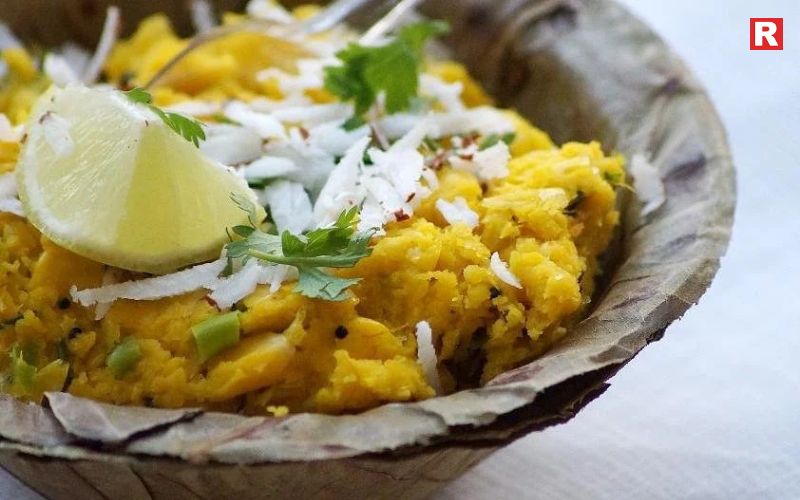
If there is one dish that captures the essence of Madhya Pradesh street food, it is Bhutte ka Kees. This dish is made with grated corn cooked slowly with milk, spices, and a touch of ghee. The result is a soft, flavorful mix that is both sweet and spicy. Bhutte ka Kees is most popular in Indore, especially during the monsoon season when fresh corn is abundant. Locals often enjoy it as an evening snack. The aroma of roasted jeera and hing adds a comforting touch, making it a favorite among both residents and travelers. What sets this dish apart is its simple ingredients and rich, warm taste, which reflects the soul of Indori food culture.
2. Poha-Jalebi – A Breakfast with a Twist
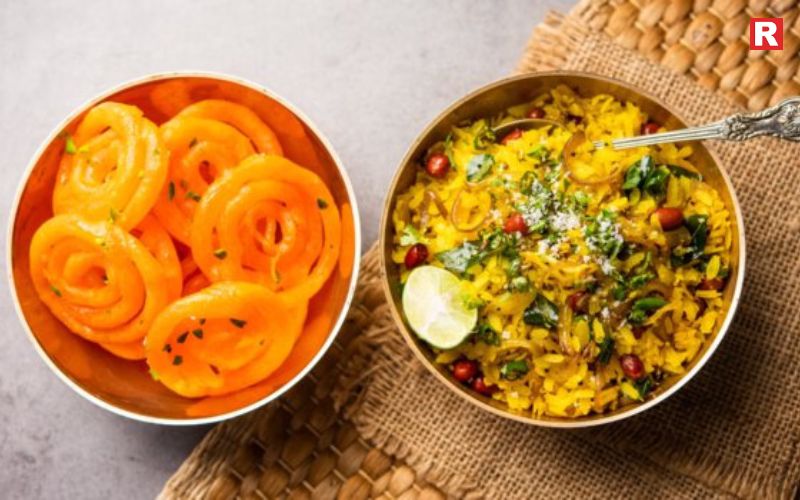
In many parts of India, poha is eaten for breakfast. But in Madhya Pradesh, poha meets jalebi, creating a unique and balanced morning meal. Poha is made by cooking flattened rice with onions, mustard seeds, turmeric, coriander, and a squeeze of lemon. It is light, savory, and aromatic. What makes this dish special is the pairing with crispy, syrupy jalebi. The combination of savory poha and sweet jalebi might sound unusual, but it works beautifully. In Indore, Bhopal, and Ujjain, you will find street vendors and small shops serving this duo early in the morning. For many locals, this is not just food but a daily ritual that sets the tone for the day.
3. Dal Bafla – A Royal Malwa Classic
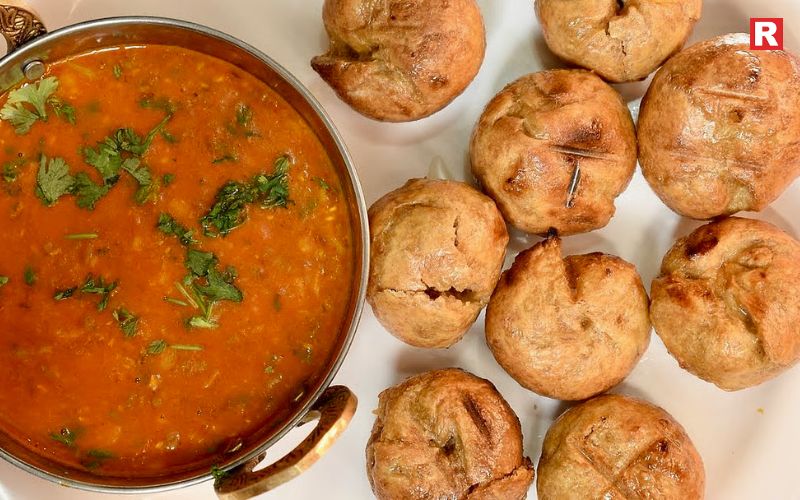
Dal Bafla reflects the royal and cultural richness of the Malwa region. It is similar to Rajasthan’s dal baati but has its own identity. Bafla are wheat dough balls boiled first and then baked or roasted. They are soaked in ghee before serving, making them soft yet slightly crisp on the outside. These baflas are served with spiced arhar dal, tangy chutneys, and sometimes a sweet accompaniment. In traditional homes, dal bafla is prepared on special occasions, festivals, and family gatherings. The use of ghee is generous, which adds to the dish’s depth and aroma. Eating dal bafla is more than just having a meal; it feels like a royal feast from the past.
Know more: 10 Awadhi Cuisine Classics You Must Try at Least Once
4. Sabudana Khichdi – The Comfort Fasting Dish
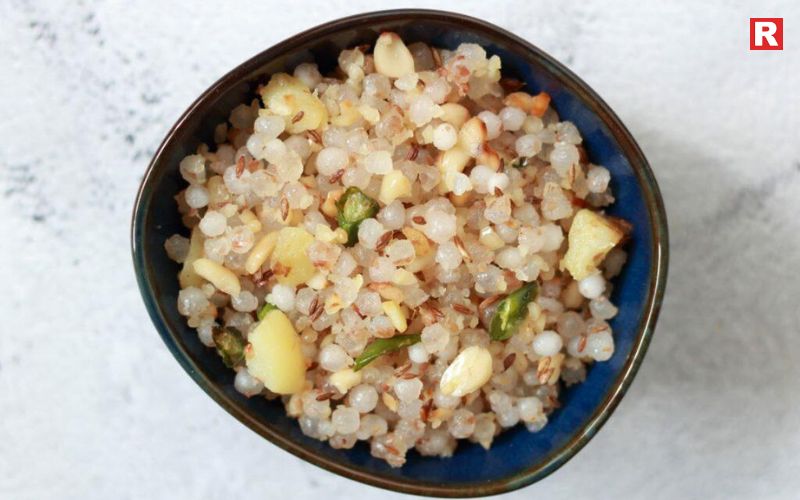
Sabudana Khichdi is one of the most loved dishes across Madhya Pradesh and almost in the region in India. Originally eaten during fasting days, it has now become a regular snack. It is made using soaked tapioca pearls, roasted peanuts, green chilies, potatoes, and cumin seeds. It is cooked lightly to keep the texture soft and non-sticky. This dish is simple but full of flavor. The crunch of peanuts and the mild spice make it both comforting and satisfying. In cities like Bhopal and Indore, sabudana khichdi is available at roadside stalls, restaurants, and home kitchens. Many families prepare it for breakfast or as an evening meal. Its popularity comes from its lightness, versatility, and gentle flavors.
5. Chakki Ki Shaak – A Unique Wheat-Based Curry
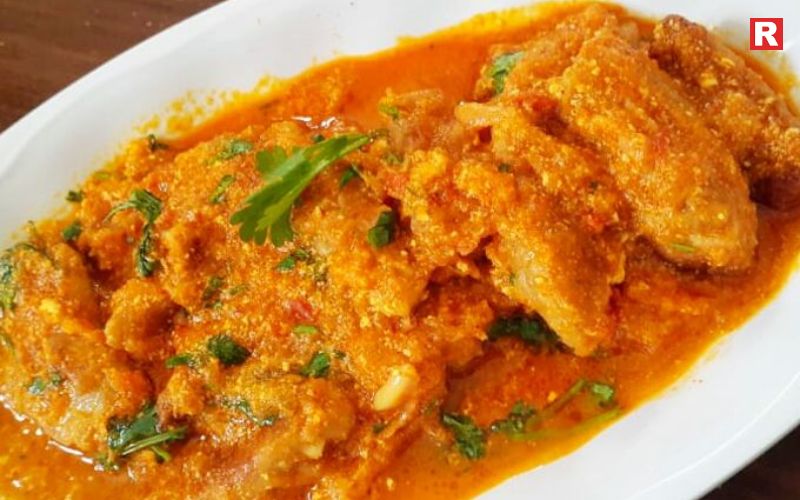
Chakki ki Shaak is a lesser-known but remarkable dish from central Madhya Pradesh. It involves making a dough from wheat flour, washing it to extract gluten, steaming it, and then cutting it into pieces. These pieces are cooked in a spicy, aromatic curry, often with a hint of Mughlai flavors. This dish stands out because it uses wheat in a completely different way. It is soft, flavorful, and absorbs the curry beautifully. Chakki ki Shaak is usually made for special occasions and family meals. It reflects the culinary creativity of the region, where basic ingredients are transformed into rich, festive dishes.
Also check: Pani Puri Has Different Names in Different Indian States—Know Them All
6. Palak Poori with Aloo Sabzi – A Festive Favorite
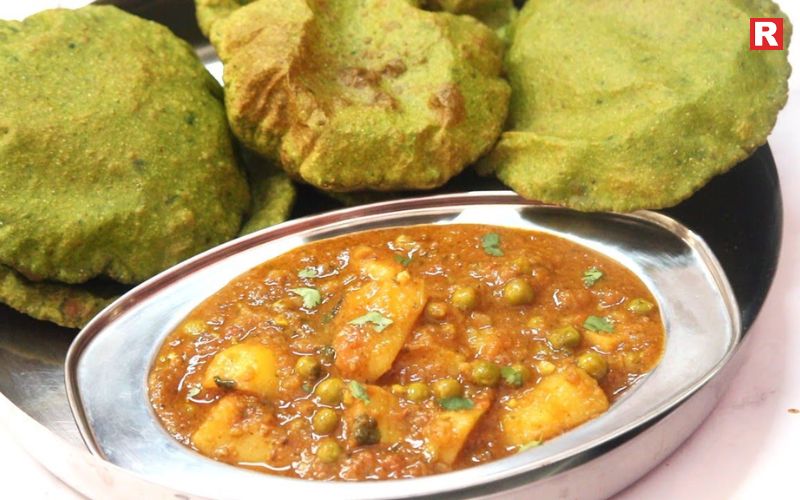
Palak Poori with Aloo Sabzi is a traditional temple and festive dish in Madhya Pradesh. Palak poori is made by mixing spinach puree with wheat flour to make a vibrant green dough. The pooris are deep-fried until they puff up, giving them a light and crisp texture. They are usually served with a spiced potato curry, often prepared without onions and garlic, making it suitable for religious occasions. This dish is common during festivals and community feasts. It is simple, wholesome, and reflects the spiritual and cultural values of the state.
7. Indori Namkeen and Sev – The Crunchy Companions
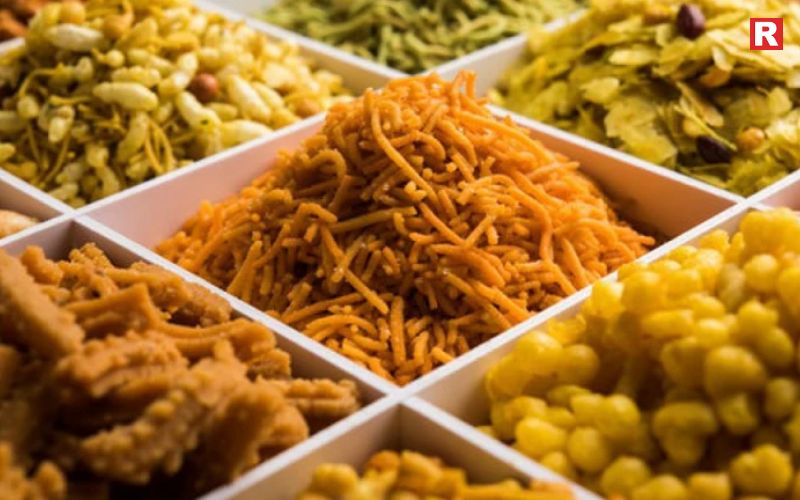
No meal in Madhya Pradesh, especially in Indore, is complete without namkeen and sev. These are crunchy, savory snacks made with gram flour and spices. They are used as toppings on poha, chaats, or eaten on their own. Indori sev has a special place in local cuisine. It adds a distinct crunch and flavor to almost every dish. Families often stock different varieties at home. Whether it is a cup of tea in the evening or a plate of poha in the morning, namkeen and sev are always there to add that extra spark.
What Makes MP’s Vegetarian Cuisine Unique
Madhya Pradesh’s vegetarian cuisine is a blend of royal traditions, tribal influences, and vibrant street food culture. The state uses local produce like corn, wheat, and leafy greens in innovative ways. Ghee and spices play an important role in creating depth of flavor.
Unlike many regions that stick to either sweet or spicy, MP’s dishes often balance multiple flavors in one plate. The combination of poha and jalebi, the richness of dal bafla, and the simplicity of sabudana khichdi showcase this balance. Temple food traditions have also shaped many recipes, making them sattvik yet delicious.
Where to Try These Dishes
- Indore is known as India’s food capital. Places like Sarafa Bazaar and Chappan Dukan come alive in the evenings, offering a wide range of snacks and dishes.
- Bhopal, Ujjain, Gwalior, and Jabalpur each have their own food hubs and local specialties.
- Festivals, street markets, and family-run eateries are the best places to experience the true flavors of MP’s vegetarian cuisine.
Check more: Thai Food: 8 Thai Cuisine Dishes You Shouldn’t Miss
10 Must-Try Goan Dishes That Define Its Rich Food Culture
Top 7 Regional Indian Thali Platters That Showcase Culinary Diversity
A Plate Full of Tradition
Madhya Pradesh’s vegetarian food is more than just sustenance. It is a reflection of the state’s history, culture, and daily life. Each dish, whether it’s the humble poha or the royal dal bafla, carries a legacy that connects generations.
For anyone exploring Madhya Pradesh, tasting these dishes is a way to understand the heart of the state. And for those far away, recreating them at home is a way to bring a slice of MP’s rich culinary tradition to your kitchen.
India's street food industry is a sensual blast that is lively, chaotic, and supremely tasty all at the same time. In India, "fast food" refers to a wide variety of freshly prepared, extremely delicious dishes that are often prepared in front of you, despite many people associating it with boring, predictable food chains. And India offers a range of heat that is unmatched for those who want a real kick.
These foods are not for the weak of heart, so forget about etiquette. It's the type of spice that makes your eyes wet, your nose run, and your taste receptors scream with a thrilling, unforgettable burn. In this multicultural country, every corner provides a different kind of mouthwatering fire, from busy metropolises to charming streets (gali-alleys).
Hold on tight if you're a true chili-head and are prepared to go on a food journey that will challenge your tolerance for fiery foods. The following list of seven of India's most fiery street foods promises a searing yet fulfilling eating experience.
Read more: How "Swicy" Dishes Can Transform Your Restaurant's Menu
1. Vada Pav (Mumbai's Beloved Burger, Spiced Up!)
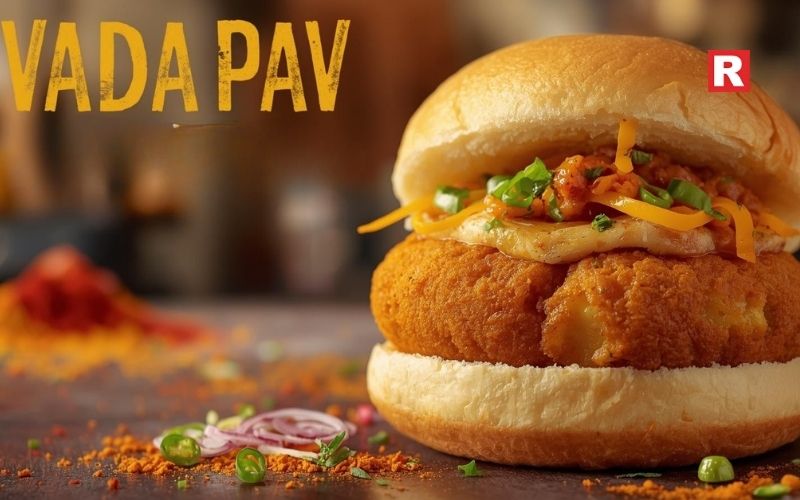
Although the Vada Pav is frequently regarded as Mumbai's vegetarian equivalent of a burger, it can be surprisingly spicy, particularly when you try the spicier, authentic varieties. Fundamentally, a vada pav consists of a deep-fried vada (potato patty) wrapped in a soft bread bun (pav) and seasoned with ginger, garlic, green chilies, and turmeric.
However, what makes it so "fiery"? The accompaniments are crucial in making it a fiery treat. A spicy tamarind chutney, a dry garlic-chili chutney (lehsun sukha chutney), and sometimes a bright green chili chutney are among the common choices. Vendors will generously cover the pav with many layers of green chili chutney, which is occasionally made with strong roasted chilies, and even stuff a fried green chili (bhaji mirchi) into the bun for those who truly enjoy spice. With each bite, the heat intensifies, creating a slow-burning fire that complements the bread and soft potato.
Why it's fiery: It's spicy because of the strong dry garlic-chili powder, fried green chilies, and green chili chutney.
Where to find it: On every street corner in Mumbai, but for the spiciest and freshest varieties, seek out the busiest booths.
2. Tandoori Momos (Delhi's Fiery Fusion Dumpling)
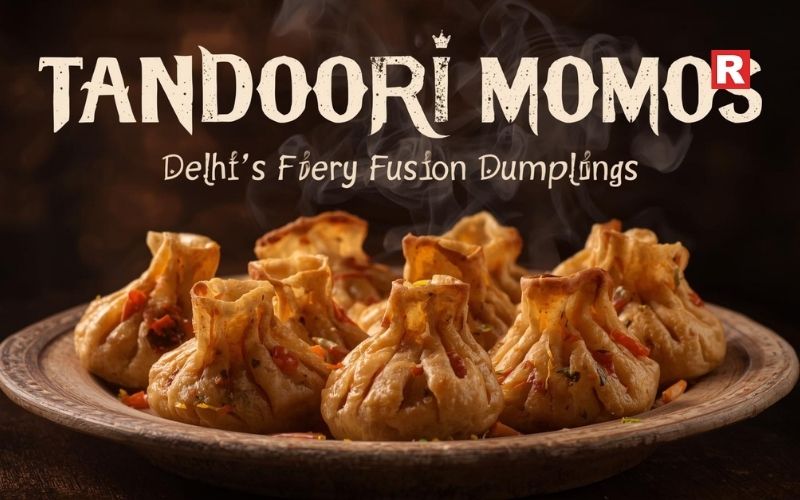
Despite being mainly Tibetan, street food sellers in North India, especially Delhi, have adapted, improved, and greatly spiced up momo, or steamed dumplings. Spice fans should try the "Tandoori" version, which is a modern and spicy blend.
A rich, colorful sauce consisting of yogurt, ginger-garlic paste, cream, and a significant amount of Kashmiri red chili powder and other spices marinates regular steamed or fried momos. After marinating, the dumplings are skewered and grilled in a tandoor, an extremely hot clay oven, until they are smoky and have a hint of char. The traditional but incredibly strong, spicy red chili chutney, which is prepared from dried red chilies and garlic, is served with the finished meal, giving it a double whammy of heat and taste.
Why it's fiery: It's fierce because the tandoori marinade is full of chilies and comes with a fiery red chili-garlic dipping sauce.
Where to find it: Chandigarh and Delhi's street food hotspots.
Know more: Mutton Chukka (Sukka) Recipe – A Spicy South Indian Delight
3. Bhut Jolokia Dishes (Northeast India's Atomic Heat)
When talking about "fiery" Indian cuisine, you have to visit the Northeast, which is home to the Bhut Jolokia, also known as the Ghost Pepper, which was formerly deemed the spiciest chili in the world. With its gradual, powerful, and long-lasting heat, this substance is an experience in itself.
Although not a single meal, the Bhut Jolokia is frequently used by street vendors in these states as a necessary complement. This might be a raw, fresh chili chutney that is crushed and eaten with local smoked pig fries or steaming momos, which are common street foods. On occasion, the chili is used in noodle dishes or to make hot regional pickles (achar). Even the most experienced chili lovers are challenged by the Ghost Pepper's unmatched level of heat because of its enormous potency.
Why it's fiery: The Bhut Jolokia's (Ghost Pepper) pure, undiluted flavor is the reason it's hot.
Warning: Proceed with utmost caution due to the extreme heat.
4. Madurai Mutton Kari Dosa (South India's Spicy Meat Crepe)
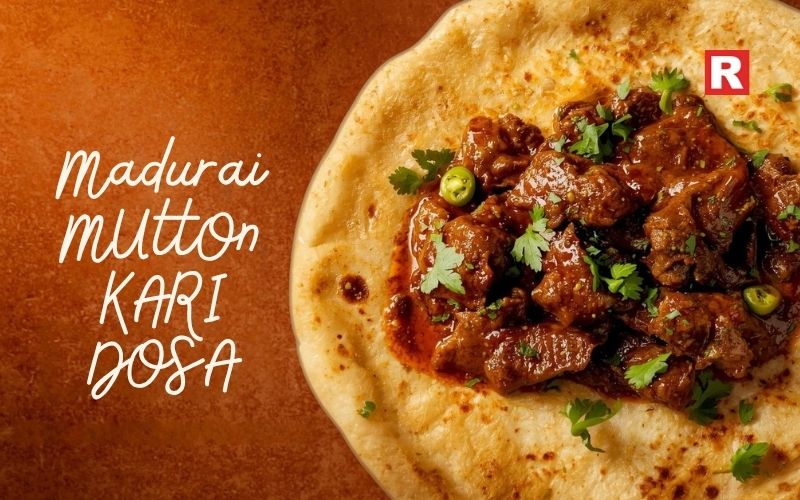
This dish, which originates from the heart of Tamil Nadu, masterfully combines the robust flavor of Chettinad/Madurai-style meat cooking with the crispness of a dosa. A multi-layered, high-protein street food that is anything but mild is the Mutton Kari Dosa.
It begins with a thin, crispy rice-lentil crepe (dosa). A layer of beaten egg, a sprinkle of chopped onions and coriander, and a thick, dry, intensely spicy mutton curry (kari) and minced meat fry are placed on top of the dosa. Fresh gunpowder chili masala, dark aromatic spices, and a generous amount of dried red chilies and pepper in the kari paste are what give it its hot character. This street food is thick, hefty, and extremely spicy, in contrast to the mild, acidic South Indian tastes that can often be found elsewhere.
Why it's fiery: The intense heat of the kari (meat fry), which is created with concentrated red chili paste and dark spices, is the reason it's hot.
Where to find it: Famous Chennai and Madurai street vendors.
What's new: Indian Spice Blends from Restaurant Chefs: Recipes, Techniques & Regional Masalas
5. Pani Puri / Golgappe with Teekha Pani (The Exploding Flavor Bomb)
Perhaps the most famous and attractive Indian street cuisine is pani puri, also called golgappe in North India and puchka in East India. Spiced mashed potatoes or chickpeas are stuffed into small, crispy hollow puris, which are then dipped in a variety of flavored waters. The "teekha pani" (spicy water) is what ignites the fire, even though the other pani are sweet or tart.
Usually, ginger, mint, coriander, black salt, and a lot of green chilies are added to this spicy water. The very best vendors will provide a variety of teekha pani levels, some of which are so hot that they instantly clear your sinuses. Any spice enthusiast will experience an adrenaline surge when they put the entire puri into their mouth and feel the crunch of the chilly potato followed by the explosion of sour, intensely spicy water. Long after the puri is gone, there is still a tingling sense from the quick, intense heat.
Why it's fiery: The "teekha pani" has a lot of green chilies along with some red chili powder.
Where to find it: It is widely distributed across India. For the ultimate challenge, request "extra teekha" pani.
6. Chilli Chicken / Chilli Paneer (Indo-Chinese Firepower)
Despite coming from the vibrant Indo-Chinese culinary mix, street snacks like chilli chicken and its vegetarian equivalent, chilli paneer, remain common throughout India, particularly in cities. These foods combine sour, sweet, and—above all—spicy tastes in a magnificent harmony.
After batter-frying chicken or paneer (cottage cheese) cubes until crispy, they are mixed in a wok with a ton of chopped green chilies, bell peppers, onions, garlic, ginger, soy sauce, and frequently a unique mixture of chili sauces. Due to the vendor's generous use of dried red chili flakes and green chilies, street-style versions are frequently far hotter than their restaurant equivalents. Even though your mouth is burning, you can't resist reaching for another mouthful because of how intense, instantaneous, and highly addictive the heat is.
Why it's fiery: Abundant use of fresh green chilies, dried red chilies, and chili sauces.
Where to find it: Popular across all major Indian cities, look for Indo-Chinese street food stalls.
Check out: 5 Indian Spices You Should Never Skip in Daily Cooking
10 Pizza Without Onion and Garlic
7. The Fiery Drink Challenge: Fuljar Soda (A Viral Volcano)

The Fuljar Soda, India's most intense and very spicy street beverage, deserves a place on this list even if the other items are food. This drink, which originated in Kerala and is rapidly becoming popular throughout India, is a literal bomb of flavor and fire.
The entire process is simple but effective: A strong mixture consisting of crushed raw green chilies, ginger, mint, sabja (basil) seeds, and a secret blend of strong spices is stuffed into a tiny shot glass. After that, this shot is "fuljar-ed"—or dropped—into a tall glass of ice-cold soda water. As a result of the reaction, the drink overflows and fizzes forcefully, requiring a single, continuous sip to avoid losing its fizz. The raw, sharp, and flaming heat of the crushed ginger and green chilies swiftly overcomes the first chill, creating a memorable, nose-clearing challenge.
Why it's fiery: Strong ginger paste and raw, crushed green chilies that are rapidly consumed.
Warning: This is a strong drink that should be taken all at once.
Tips for the Adventurous Eater:
- Neutralize the Heat: Avoid using water to neutralize the heat. Water is not going to help because capsaicin is an oil-based substance. Keep a chilled dairy product on hand at all times. The best remedy is a teaspoon of plain yogurt (dahi), buttermilk (chaas), or lassi (yogurt drink).
- Order Smartly: Request "kam teekha" (less hot) from the vendor if you're not sure. To make sure you receive the spiciest version from the seller, ask for "aur teekha" (more spicy) if you're feeling really bold!
- Trust the Crowd: A long line at a street stand indicates authenticity, quality, and frequently an appropriate level of fire.
Read this: 5 Easy Ways to Make Wheatgrass Juice at Home
Conquering the Flames
Although it takes some planning, exploring India's spicy street food is a wonderful experience. Indian food is characterized by its remarkable depth of flavor, even if these dishes promise a lot of spice. India is known for its strong and unrestrained tastes, which are represented by these six dishes and one spicy beverage. For anybody looking for a genuine sense of India's fiery and lively soul, they provide a tasty and thrilling challenge that goes beyond simple fast food. Go On! The spice is yours to conquer!
Disclaimer: This article is intended for general informational purposes only and should not be considered a substitute for professional medical advice, diagnosis, or treatment. Readers are advised to consult a qualified healthcare professional before making any dietary, health, or lifestyle changes.
The "Blue City" of Rajasthan, Jodhpur, is a feast for both the eyes and the taste buds. As you walk through its busy streets, you'll see that food stalls get as much attention as its beautiful forts and palaces. People who live there eat quick meals before work, shopkeepers drink lassi between sales, and tourists go to secret places to try recipes that have been passed down for generations.
You won't find any other Indian city with snacks that are as spicy, sweets that are as unique, or food combinations that are as strange as those in Jodhpur. The street food in the city shows both old and new ideas, from crispy kachoris to unexpected dishes like gulab jamun ki sabzi. It's not just about eating for foodies; it's also about tasting the culture of Rajasthan.
When you're in Rajasthan, you have to try these 10 famous Jodhpur street foods.
10 Best Street Foods of Jodhpur
1. Mirchi Vada
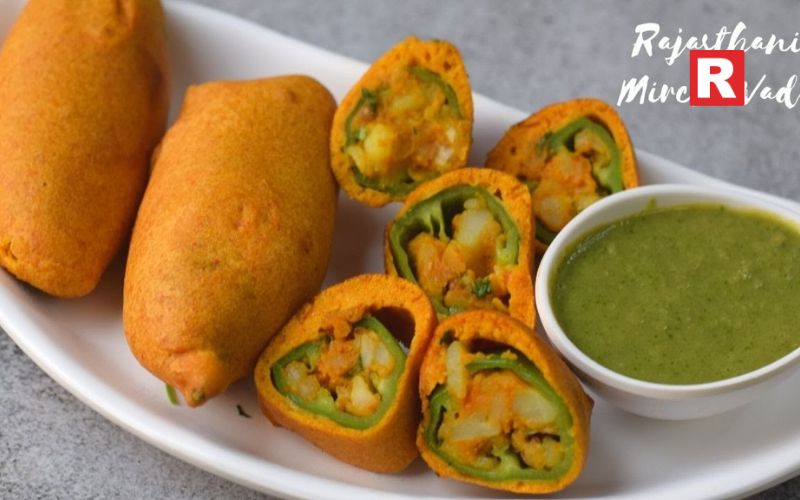
Mirchi Vada is a real Jodhpur dish. It is a big green chili filled with spiced potatoes, dipped in besan (gram flour) batter, and deep-fried until it is golden brown. The coating's crunch, the chili's heat, and the chutneys' tang make for a fiery explosion of flavor.
- Why special: Vendors in Jodhpur often add their own touch, like paneer or special spice mixes.
- When to eat: It's best to eat it in the morning or evening with tea.
- Where to go: Jalori Gate and Sardar Market have a lot of popular stalls.
Tip for restaurants: Mirchi vadas are often served with Rajasthani thalis or with a yogurt dip to balance the spice.
2. Pyaaz Ki Kachori
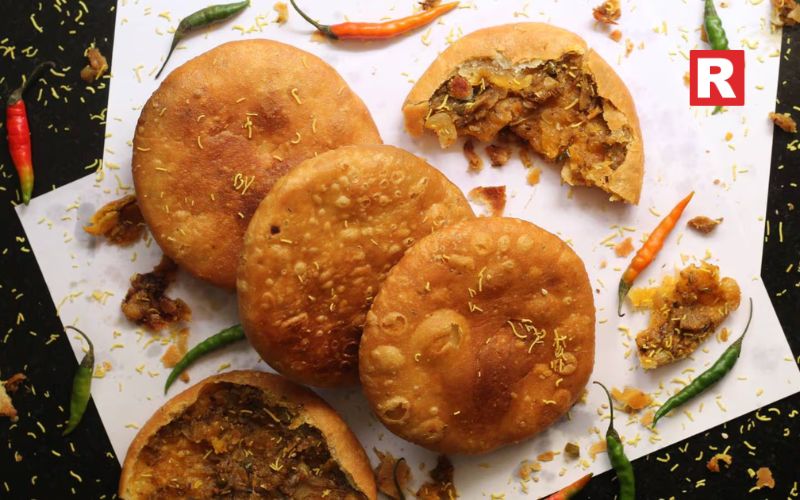
Kachoris are popular all over Rajasthan, but the Jodhpur version with onions, potatoes, and spices has its own group of fans. Pyaaz ki kachori is a breakfast food that is crispy on the outside and spicy and tangy on the inside.
Why special: The onion masala filling is cooked slowly to bring out more flavor.
When to eat: in the morning with tea or in the late afternoon as a snack.
Where to try: Janta Sweet Home near Nai Sarak is a legendary place to try.
Did you know that kachoris used to be a royal snack? Now, they're a favorite on the streets of the Blue City.
3. Gulab Jamun Ki Sabzi
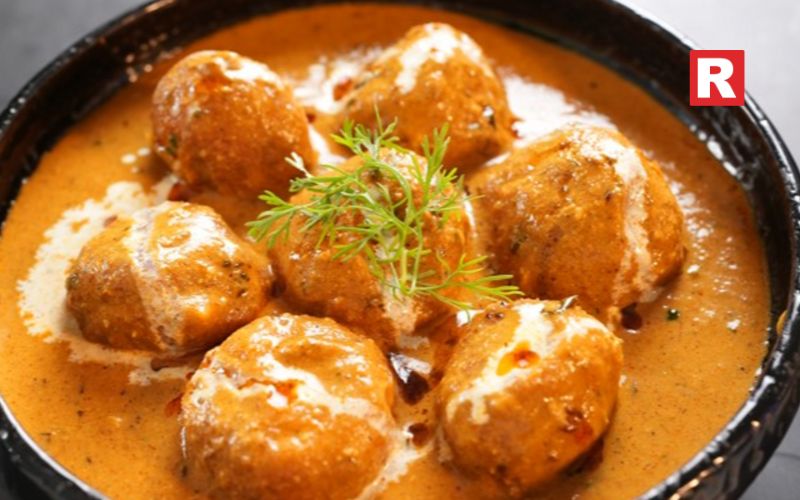
This dish is one of Jodhpur's most unique and surprising dishes for first-timers. You dip sweet gulab jamuns into a spicy tomato-onion curry to make a sweet-savory balance.
Why special: Dessert becomes the main course, which is a rare twist even in Rajasthan.
Where to go: Look for little stalls near Jalori Gate.
What travelers say: Most say it's "unexpected but addictive."
This dish shows how Jodhpur isn't afraid to try new flavors.
4. Mawa Kachori
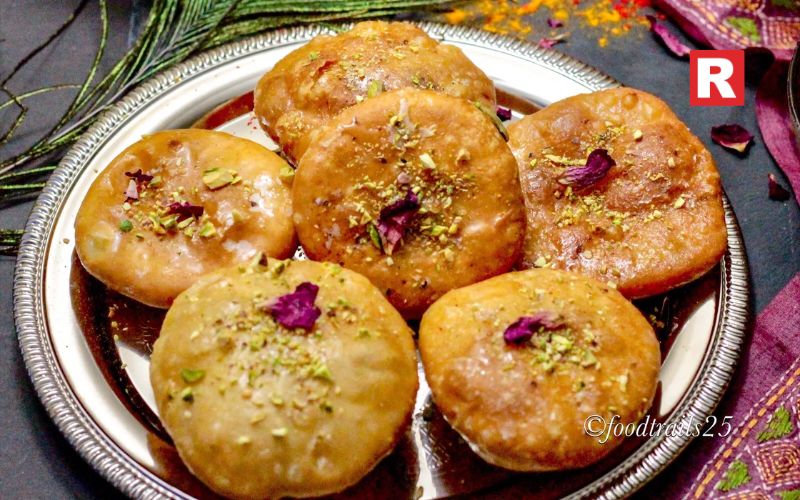
Jodhpur’s mawa kachori is a rich pastry stuffed with sweet khoya and nuts, fried crisp, and soaked in sugar syrup. It’s indulgent, festive, and best eaten fresh.
Why special: Hardly found outside Jodhpur. Locals gift it during weddings and festivals.
When to eat: Morning time, when shops prepare small batches.
Where to try: Clock Tower (Ghanta Ghar) sweet shops like Shahi Sweets.
Restaurant Tip: Some upscale restaurants serve mini mawa kachoris topped with rabri for a luxury touch.
5. Makhania Lassi
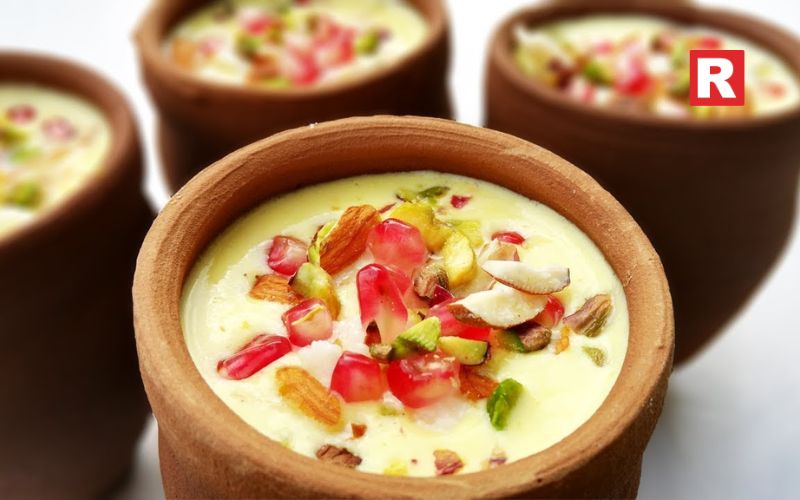
Makhania Lassi is different from regular lassi because it is thick, rich, and creamy, and it has a dollop of white butter, saffron, and cardamom on top.
Why is it special? Because it's more like a dessert than a drink. People in the area often drink it after a spicy meal to cool down.
Mishrilal's, which is close to Ghanta Ghar, is the most well-known place to try.
When to eat: Any time of day, but especially after spicy street food.
Traveler's Note: A lot of people say one glass is so filling that it can take the place of lunch!
4. Chhoti Baati
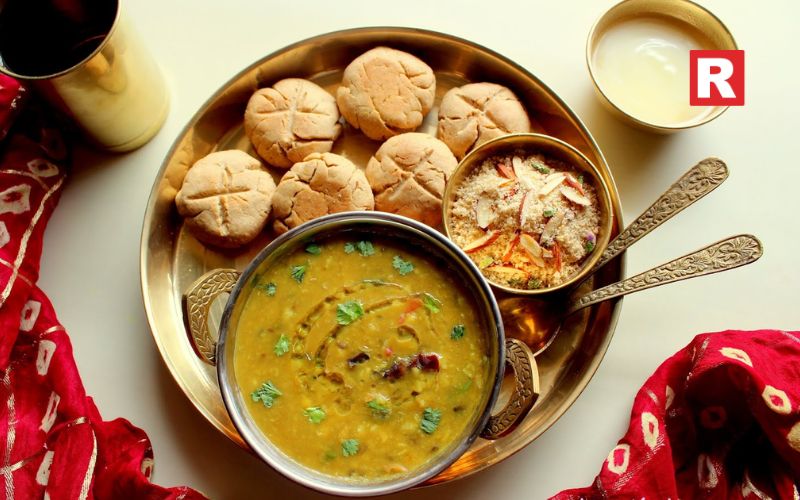
You can picture it as a street-friendly version of Dal-Baati-Churma. You roast small balls of wheat (baatis), dip them in ghee, and serve them with chutneys.
Why it's special: It turns a royal Rajasthani dish into a snack that you can eat on the go.
Where to try: Stalls near Jalori Gate.
Cultural Value: Shows how traditional foods are changing to fit the fast pace of city life.
5. Shahi Samosa
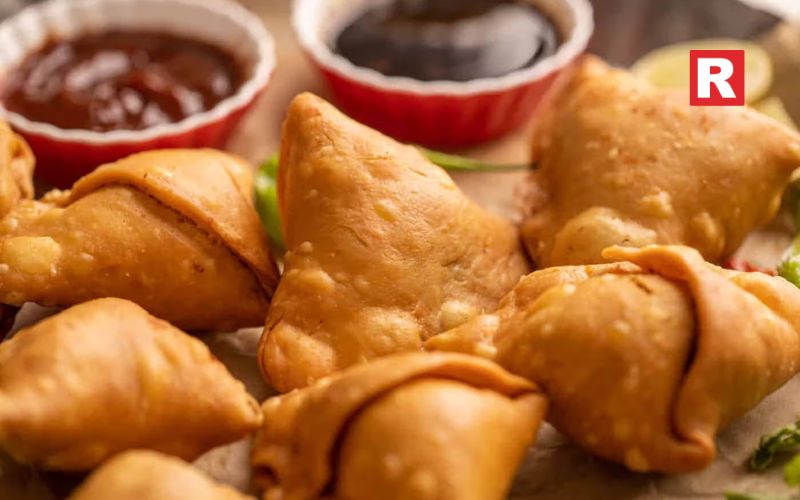
This isn’t your regular samosa. Jodhpur’s shahi samosa comes with chutney and spices mixed directly into the filling, making every bite flavorful without needing extra dips.
Why special: Saves the mess of chutney while offering a richer taste.
Where to try: Found outside Ghanta Ghar.
Fun Twist: Some vendors add dry fruits to make it even “shahi.”
6. Dal Pakwan
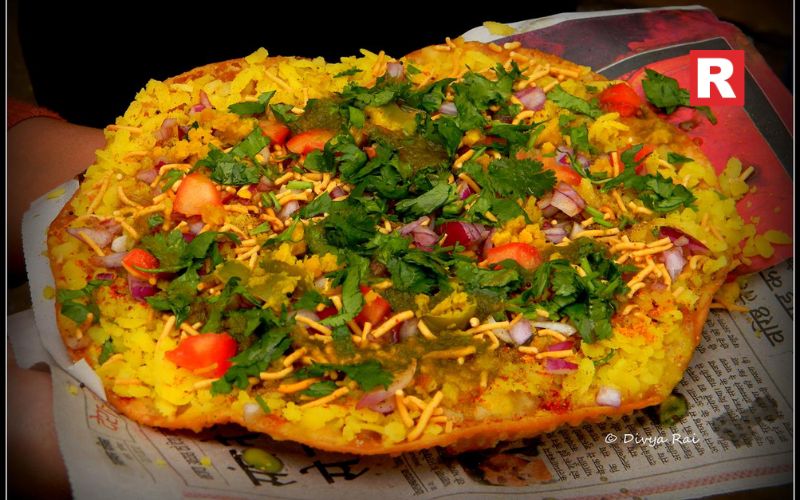
Originally a Sindhi dish, dal pakwan has made its way into Jodhpur’s breakfast culture. Crispy fried bread is served with spicy chana dal, topped with onions, chilies, and chutneys.
Why special: Combines crunch with comfort food.
Where to try: Sardarpura street stalls.
When to eat: Early morning, as it sells out quickly.
7. Rabri Ghevar
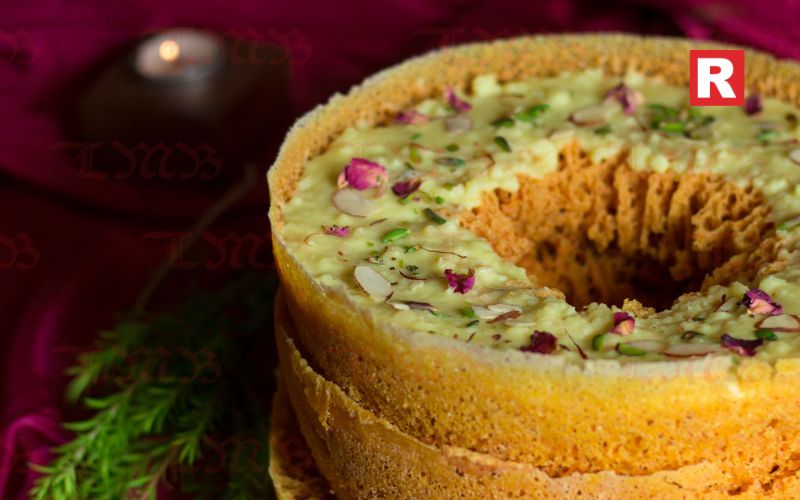
During festivals, Jodhpur’s streets light up with ghevar topped with creamy rabri. Silver leaf, saffron, and dry fruits make it an indulgent treat.
Why special: Combines two traditional Rajasthani sweets into one dish.
Where to try: Local halwai shops during Teej and Raksha Bandhan.
Restaurant Tip: High-end restaurants serve it plated with edible flowers for Instagram-worthy appeal.
8. Gund Paak
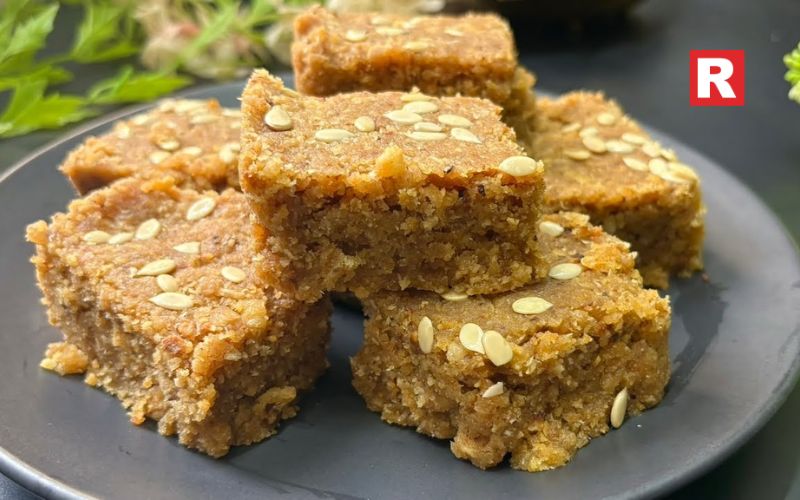
Made with edible gum, wheat flour, ghee, and dry fruits, gund paak is not just tasty but also known for boosting stamina and warmth in winters.
Why special: Hard to find outside Rajasthan; a treat with health benefits.
Where to try: Family-run halwai shops in the old city.
Traveler’s Note: Locals often gift it during winter weddings.
Where to Find Jodhpur’s Best Street Foods?
Jalori Gate is a great place to find unusual treats like gulab jamun ki sabzi and chhoti baati.
Clock Tower (Ghanta Ghar): Known for its sweets, such as makhania lassi and mawa kachori.
Sardarpura is a breakfast heaven with dal pakwan and kachoris.
Halwai shops owned by families are the best places to get real sweets like rabri ghevar and gund paak.
Nutrition Value
| Dish | Calories (per serving) | Protein | Carbs | Fat | Notes |
|---|---|---|---|---|---|
| Mirchi Vada | ~220 kcal | 4g | 25g | 12g | Deep-fried, spicy snack, usually eaten with chutney. |
| Pyaaz Ki Kachori | ~320 kcal | 6g | 35g | 18g | High in carbs and fat, often eaten for breakfast. |
| Gulab Jamun Ki Sabzi | ~280 kcal | 5g | 30g | 14g | Sweet + savory curry, rich in sugar and ghee. |
| Mawa Kachori | ~350 kcal | 7g | 40g | 20g | Sweet indulgence, calorie-dense due to khoya and syrup. |
| Makhania Lassi | ~250 kcal | 6g | 28g | 10g | Thick, filling, and creamy drink — often replaces a meal. |
| Chhoti Baati (3 pcs) | ~180 kcal | 3g | 22g | 8g | Bite-sized, ghee-rich wheat balls. |
| Shahi Samosa | ~210 kcal | 4g | 24g | 11g | Flavorful snack, filling mixed with chutney. |
| Dal Pakwan | ~300 kcal | 10g | 40g | 12g | Balanced carbs + protein, served as breakfast. |
Note: Values are approximate and may vary by vendor preparation.
The street cuisine in Jodhpur is a celebration of Rajasthan's spirit: vibrant, vivid, and hard to forget. Every dish tells a tale, from the spicy mirchi vada to the sweet mawa kachori to the daring gulab jamun ki sabzi.
If you're a foodie going to Rajasthan, don't simply see the forts and palaces. Instead, do a street food tour in Jodhpur to get a taste of the real Blue City.
India’s street food culture is diverse and full of flavours. While many associate it with chaat, pav bhaji, or dosas, the country is equally famous for its non-vegetarian treats. From smoky kebabs and spicy curries to juicy rolls and coastal delicacies, several cities have earned a special place for their meat-based street food. Each destination has its own story to tell. Recipes passed down through generations bring alive royal kitchens, Mughal influences, and coastal traditions. In cities like Lucknow, Hyderabad, Kolkata, Delhi, and Goa, food is not just a meal but a cultural experience. The streets are filled with the aroma of grilling meat, simmering gravies, and freshly baked bread.
Many of these dishes have been perfected over centuries. Whether it’s a tender kebab cooked on charcoal, a spicy curry slow-cooked overnight, or fresh seafood fried with local spices, the variety is endless. For travellers and food lovers, exploring these cities offers a true taste of India’s culinary heritage. This list of five famous cities is a perfect guide for anyone eager to experience the country’s rich non-vegetarian street food traditions.
Read more: Raise a Toast: Best Whiskies to Celebrate This Festive Season
12 Delicious High-Protein Foods to Eat Daily for a Healthier You
1. Lucknow – The Land of Nawabi Kebabs
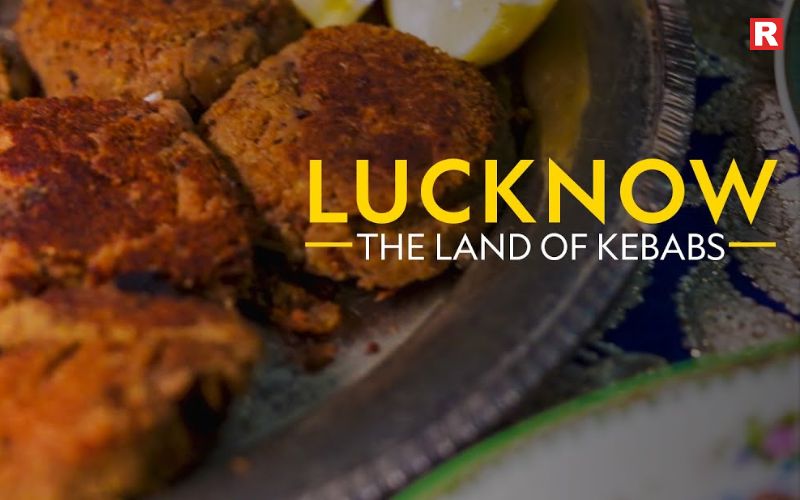
Lucknow is one of the most celebrated cities for non-vegetarian street food. The capital of Uttar Pradesh carries the rich legacy of Nawabi and Mughlai cuisine. Every corner of the city smells of sizzling kebabs being grilled to perfection. One of the most iconic dishes here is the Galouti Kebab. It is said to have been created for an aging Nawab who loved kebabs but had weak teeth. The chefs came up with a soft, melt-in-the-mouth kebab made with finely minced meat and more than 100 spices. Even today, this kebab remains the city’s signature street food.
The most famous place to try it is Tunday Kababi, located in the bustling Aminabad area. Apart from Galouti, you will find Seekh Kebabs, Boti Kebabs, and Nihari Kulcha being served at small stalls and roadside shops. The city’s food culture is slow-cooked, aromatic, and deeply tied to its royal past. If you are visiting during winter, the aroma of Nihari being cooked overnight will guide you through narrow streets. Many locals line up early in the morning to enjoy this rich meat stew with hot kulchas.
2. Hyderabad – Beyond Just Biryani
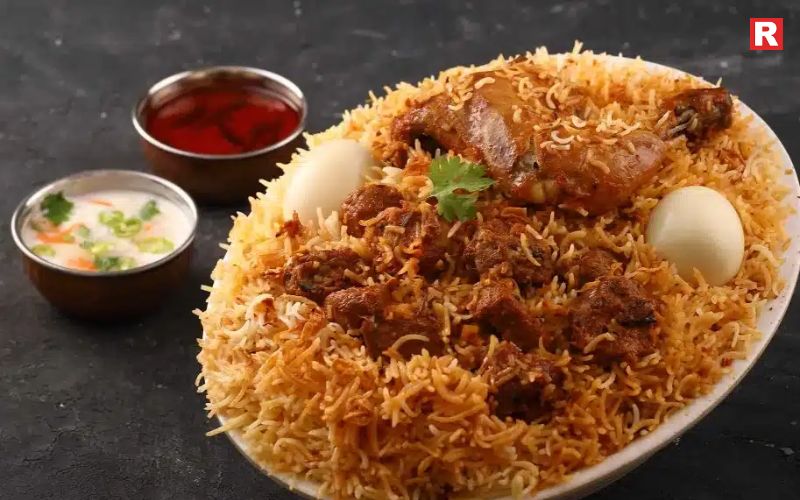
Hyderabad is known across the world for its biryani, but its street food scene offers much more than that. The city has a strong Mughlai and Nizami influence, which is reflected in its meat-based street food. One of the unique dishes here is Pathar Ka Gosht. This dish is made by cooking marinated meat on a hot stone slab. The result is tender, smoky meat that is full of flavour. Another popular delicacy is Haleem, a slow-cooked stew made with meat, lentils, wheat, and spices. It becomes a star attraction during Ramadan when street vendors across the city prepare large cauldrons of it for locals and tourists.
The city’s Irani cafés add another layer to its street food culture. Here, people enjoy Irani chai with small plates of meat snacks like kebabs or keema buns. Areas like Charminar and Mozamjahi Market are famous for their bustling food lanes. Hyderabad’s meat dishes are spiced differently from northern India. They are rich, layered, and often cooked with patience over hours.
Know more: Top 5 States With the Spiciest Food in India
3. Kolkata – Rolls and Mughlai Magic
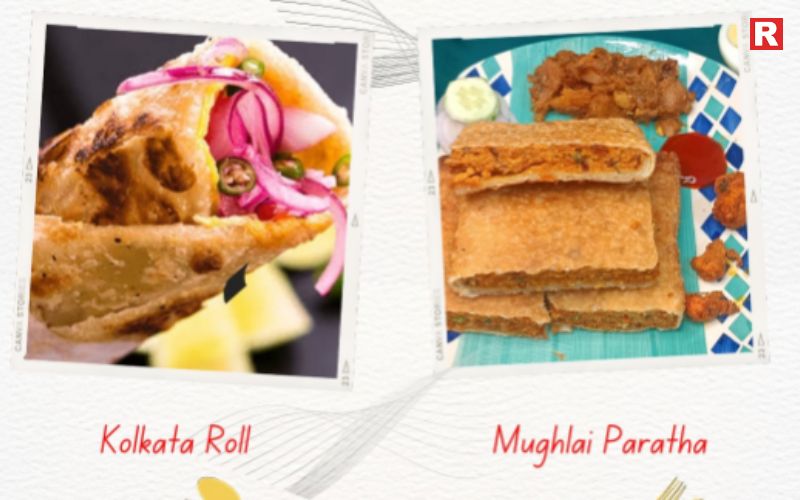
Kolkata has given India one of its most beloved street foods: the kathi roll. These rolls are made with parathas stuffed with juicy kebabs, onions, and sauces. They are quick, delicious, and perfect for anyone on the move. The roll culture in Kolkata dates back to the early 20th century when Nizam’s restaurant created this dish for office workers who wanted to eat kebabs without getting their hands dirty. Today, stalls across the city serve countless variations of kathi rolls with chicken, mutton, or fish.
But Kolkata’s non-vegetarian street food does not stop at rolls. The city is equally famous for Mughlai Parathas, a stuffed and fried bread filled with minced meat, egg, and spices. Fish Fry is another local favourite, showcasing Bengal’s love for seafood. Mutton Chaap, with its rich, nutty gravy, is another delicacy you will find in the city’s lanes. Popular food hubs include Park Street, Esplanade, and small stalls near colleges. Local eateries like Arsalan and Shiraz have built their reputation on serving authentic Mughlai-style dishes that blend seamlessly with Bengali flavours.
4. Delhi – Kebabs, Curries and Chaos
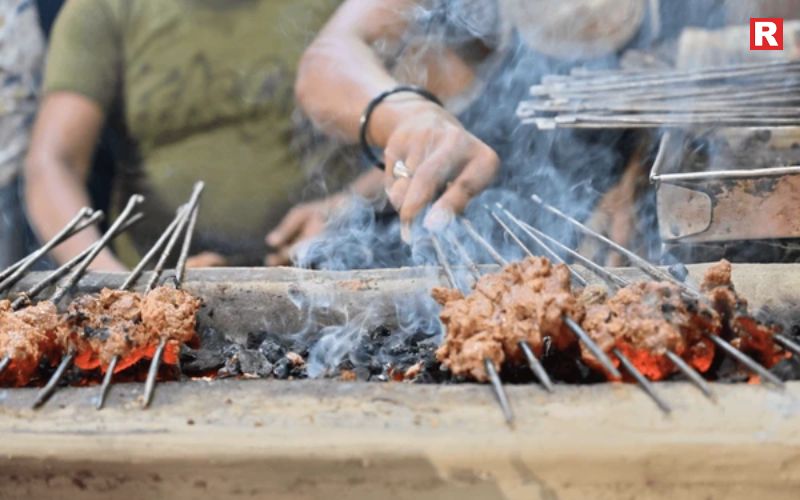
Delhi’s street food scene is a vibrant mix of Mughlai, Punjabi, and modern flavours. Nowhere is this more evident than in Old Delhi, where narrow lanes are filled with the aroma of grilled meats and spicy curries. The Jama Masjid area is the heart of this experience. Stalls and small restaurants here serve Seekh Kebabs, Chicken Changezi, Biryani, and Nihari that have been perfected over generations. Karim’s, one of the oldest eateries near Jama Masjid, is famous for its kebabs and mutton dishes. Right next to it is Al Jawahar, known for its nihari and rich gravies.
In winter, many people visit Old Delhi early in the morning to have a hearty bowl of nihari, which is slow-cooked overnight with meat, bone marrow, and spices. It is eaten with soft khameeri rotis. Beyond Old Delhi, areas like Nizamuddin, Jama Masjid Road, and even South Delhi food stalls offer excellent meat-based street food. Delhi’s charm lies in its mix of tradition and chaos, where centuries-old recipes meet the energy of a modern city.
Also check: 10 Must-Try Gujarati Dishes That Will Delight Your Taste Buds
5. Goa – Coastal Spice Affair
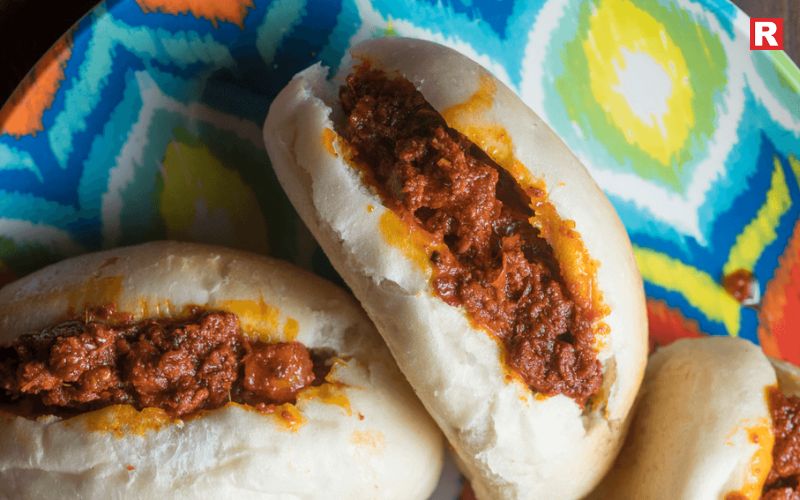
Goa might be famous for its beaches, but its street food is equally vibrant, especially for non-vegetarian lovers. The region’s Portuguese colonial history has shaped its unique food culture. One of the most loved street foods here is the Goan Sausage Pav. Made with spicy local sausages known as chorizo, it is packed inside bread and served hot. These sausages are full of garlic, vinegar, and spices, giving them a distinctive flavour.
Another local favourite is Rava Fried Fish. Freshly caught fish is coated in semolina, seasoned with spices, and shallow fried until golden. You will find vendors serving varieties like kingfish, pomfret, and mackerel. Pork Vindaloo, a Goan classic, is also popular at small roadside joints. It’s a fiery curry that blends vinegar and chillies, showcasing the region’s Indo-Portuguese culinary roots. The best part of eating meat-based street food in Goa is the setting. Many vendors operate near beaches or night markets, offering fresh food with a relaxed atmosphere.
Check more: 7 Chinese Dishes That Can Be a Healthy Option for Your Diet
India’s Top 5 Vegetarian Restaurant Brands You Can’t Miss
Top 7 Regional Indian Thali Platters That Showcase Culinary Diversity
Happy Eating!
These five cities are more than just food stops. They are living kitchens where history and flavour come together on every street corner. Each city carries its own legacy. Lucknow’s kebabs melt in the mouth, Hyderabad’s meats are rich with spice, Kolkata’s rolls pack bold flavours, Delhi’s lanes are alive with smoky grills, and Goa brings a coastal twist that’s hard to resist.
For meat lovers, each stop offers something special. The food is not just cooked; it’s crafted with care, often using recipes passed down for generations. Travellers walking through these streets are greeted by the sizzle of grills, the smell of spices in the air, and the warmth of local vendors. It’s an experience that goes beyond the plate. The next time someone visits these cities, skipping the streets would mean missing the real story of India’s non-vegetarian food culture.
Fish Kobiraji is not just a snack in Kolkata—it is a feeling, a memory, and a taste of home. For generations, families have gathered around small stalls, sharing stories and laughter over a plate of this crispy delight. Made with fresh fish fillets dipped in soft, airy egg batter, it carries the warmth of tradition in every bite. The mild spices and light texture make it perfect for any time of the day, whether with a slice of lemon or tangy green chutney. It is a dish that connects people, a reminder of simpler times and shared moments. As the famous line from a beloved Bengali poem says, “আমার সোনার বাংলা, আমি তোমায় ভালোবাসি”—Fish Kobiraji is one way Kolkata shows its love for food, for people, and for its culture. Anyone who visits must experience this taste of Bengal.
Read more: Pani Puri Has Different Names in Different Indian States—Know Them All
5 Foods to Avoid for Better Cholesterol
What Is Fish Kobiraji?
Fish Kobiraji is a popular snack in Kolkata. It is made with fish fillets that are coated with a soft egg batter and fried until crispy. The fish inside stays juicy and flavorful. The outer layer is light, crunchy, and golden brown. Unlike heavier fried snacks, Fish Kobiraji feels fresh and delicate. The spices are subtle but add depth to the taste. Fresh herbs and a hint of pepper give it a mild yet addictive flavor. It is usually served with lemon slices, green chutney, or sometimes tomato sauce. The aroma and texture make it stand out among other street foods.
What makes Fish Kobiraji special is its perfect balance of texture and taste. The crunchy outside contrasts with the soft fish inside. This contrast makes every bite satisfying. It is light enough to eat anytime without feeling too greasy or heavy. Unlike other fried snacks, Fish Kobiraji does not overpower your palate. It lets the natural taste of the fish shine through. The egg batter adds richness but does not mask the flavors. Many people say it is “comfort food with a twist.” It is also versatile. You can enjoy it as a snack or a light meal. It pairs well with tea in the afternoon or with beer during dinner. You don’t need fancy sides to enjoy it—just a squeeze of lemon or some chutney is enough.
A Cultural Experience
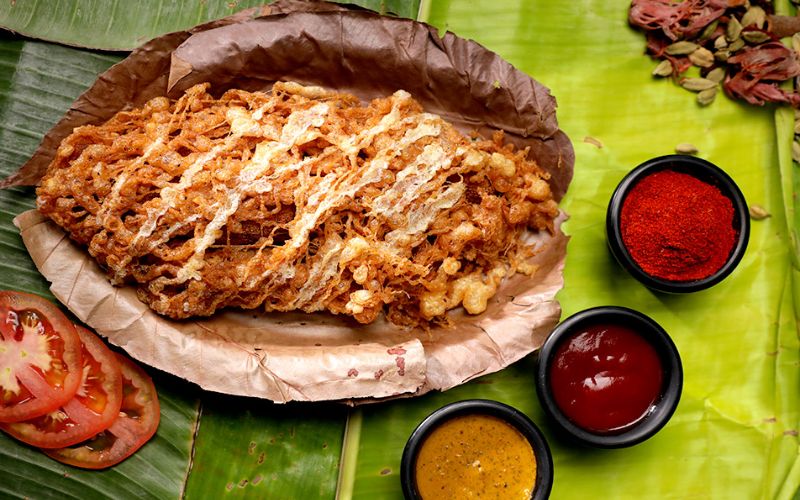
Kolkata’s food culture is deeply connected to its heritage. Fish plays a major role in Bengali cuisine. Families have passed down recipes for generations. Fish Kobiraji represents this tradition but with a modern touch.
The dish is widely available in old eateries, small cafés, and roadside stalls. Many of these places have been serving it for years. Eating at these spots feels like stepping into a local’s kitchen. The chefs prepare it with love, and that shows in every bite.
Many Kolkata residents share stories about how they grew up eating Fish Kobiraji after school or at tea stalls. It is more than a snack—it is a reminder of simple joys and everyday life.
Know more: Delhi’s Love Affair with Chole Bhature – A Culinary Classic
Where to Try It in Kolkata
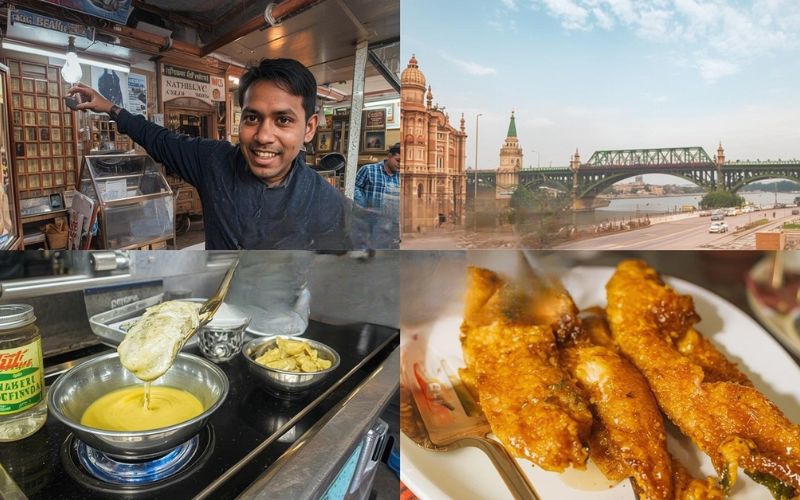
If you want to taste the best Fish Kobiraji, you should explore the city’s food lanes. Places like College Street, Park Street, or near the Howrah bridge have stalls and cafés where it is made fresh daily.
Old eateries with wooden counters and simple seating are the best places to enjoy it. You will see the cook dipping fish into egg batter and frying it right in front of you. The aroma alone is enough to make your mouth water. You don’t have to look for high-end restaurants. Some of the best versions are available at small, family-run stalls where the recipe has been perfected over years.
Perfect for Every Food Lover
You might think Fish Kobiraji is only for people who love seafood. That’s not true. Even if you are new to fish dishes, you will enjoy its texture and taste. It is light and easy to digest. The soft fish inside makes it a treat even for people who are cautious about fried foods. It is perfect for those who want to taste something new without it being too spicy or heavy.
For travelers, it is an authentic taste of Kolkata’s culinary heart. For locals, it is a reminder of home-cooked meals and street-side memories. It is a dish that everyone can appreciate.
Pairing Suggestions
Fish Kobiraji is best eaten when it is hot and fresh. It tastes even better with a slice of lemon or some green chutney. The tangy flavors bring out the crispiness of the batter and the softness of the fish. Some people like to dip it in tomato sauce for an extra burst of taste. It pairs well with a cup of chai in the afternoon or a cold beer in the evening. The light egg batter goes well with both. Many stalls also serve it with pickled onions or fresh herbs. These small additions add more flavor without making the dish too strong. Fish Kobiraji is simple but full of taste. It is a perfect snack for any time of the day.
Key Points:
- Best enjoyed hot with Kasondi.
- Pairs well with chai or beer.
- Pickled onions and Pudina Chutney add extra flavor.
Also check: Best Food Festivals Every Foodie Must Attend
Best International Cuisines You Should Try Once
Top 5 States With the Spiciest Food in India
Health Aspects
Compared to deep-fried snacks, Fish Kobiraji is a lighter option. The batter is thin and made mostly of eggs, which keeps it from being too oily.
The fish itself is a good source of protein and essential fats. When eaten in moderation, it can be a healthier option than other fried snacks. Many chefs use fresh fish fillets and minimal oil to keep it light. That’s why it feels less greasy and more refreshing.
A Must-Try in Kolkata
Fish Kobiraji is more than just a street snack in Kolkata. It shows the city’s love for seafood and simple flavors. Made with fresh fish and a light egg batter, it is crispy on the outside and soft inside. The spices are mild but add a great taste. People from all over enjoy it, whether they live in the city or are visiting. It is perfect as a light meal or an evening snack. Many stalls and small cafes serve it fresh every day. The dish has been a part of Kolkata’s food culture for years. It brings back memories and creates new ones. Anyone who loves good food should try it at least once. When in Kolkata, exploring food lanes and tasting Fish Kobiraji is a must.
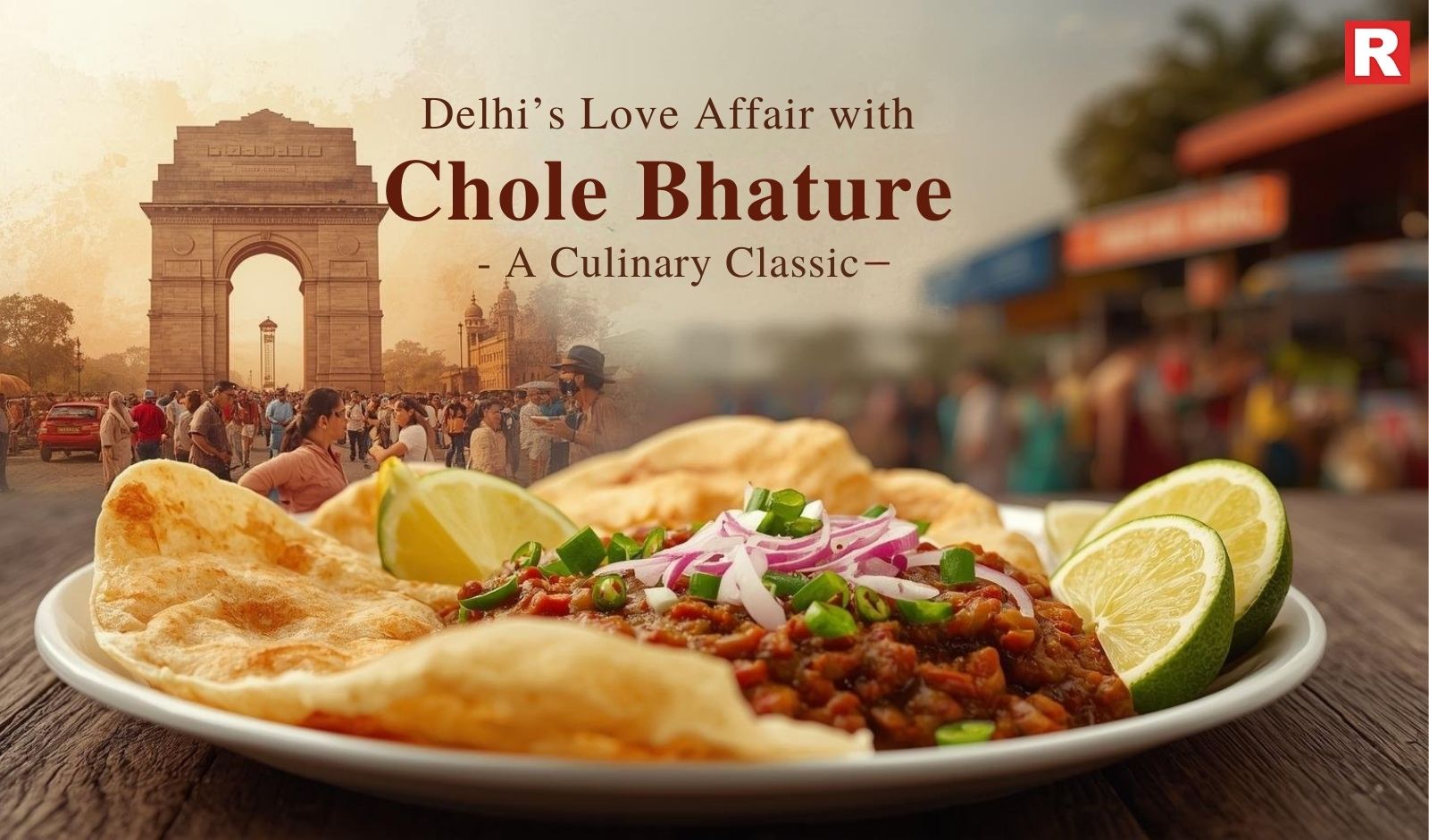
When it comes to food, Delhi is a city that loves bold flavors. Among all the dishes, one stands out as a favorite for many – Chole Bhature. It is not just food served on a plate, but a part of the city’s rhythm. For some, it is the first meal of the morning, hot bhature puffed to perfection and paired with spicy chole that wake up the senses. For others, it is the comfort they crave after long hours of work, a plate that restores energy and soothes the soul. Students share it with friends between classes, families gather around it on lazy Sundays, and office-goers line up at stalls for a quick bite. It is hearty, filling, and never fails to satisfy.
But Chole Bhature is more than the sum of flour and chickpeas. It carries memories of childhood treats, family outings, and friendships built over shared plates. In Delhi, this dish is not just eaten—it is experienced. It warms the stomach, touches the heart, and tells the story of a city that lives through its food.
Read more: Pani Puri Has Different Names in Different Indian States—Know Them All
Top 5 States With the Spiciest Food in India
A Short History – How Chole Bhature Came to Delhi
Chole Bhature has its roots in Punjab. It was introduced to Delhi by migrants after independence. Over time, it became a part of Delhi’s food culture. Local vendors added their own flavors. Rich spices, deep frying techniques, and side dishes made it special. Today, it is known as “Delhi’s favorite plate.”
Though the basic recipe stays the same, each vendor has a unique twist. Some add extra ghee, some use a tangy pickle, and others serve it with curd or jalebi. These small changes make each plate stand out. But the heart of the dish remains unchanged – soft, fluffy bhature and spicy, flavorful chole.
What Makes Chole Bhature So Irresistible?
The bhature is made from refined flour. It is mixed with yogurt and left to rise. Then it is deep-fried until golden and soft. When you bite into it, it feels light and fluffy. The outer layer is crisp, while the inside is soft.
The chole is made from chickpeas. They are soaked overnight and then cooked until soft. The gravy is made with spices like cumin, coriander, amchur powder, and garam masala. Some vendors add hing for a strong flavor. The chickpeas soak up all the spices, making every bite flavorful.
Usually, the dish is served with sliced onions, pickles, and chutneys. Some even pair it with lassi or jalebi. These add-ons enhance the taste and make it a complete meal.
Know more: 10 Must-Try Gujarati Dishes That Will Delight Your Taste Buds
Iconic Spots in Delhi to Try Chole Bhature
Delhi’s love for Chole Bhature is reflected in its streets. You can find it everywhere, from Old Delhi’s narrow lanes to upscale restaurants. But some places are famous for their unique style.
- Sita Ram Diwan Chand in Paharganj is one of the oldest and most loved stalls. It serves rich and spicy chole with large, fluffy bhature. The atmosphere is always busy, with long lines of customers eager to dig in.
- Bhature Wala in Karol Bagh is another popular spot. They serve bhature with extra ghee, making them more decadent. The chole is mildly spiced, balancing the rich bread.
- In Old Delhi, you can find smaller stalls where local families have been serving this dish for decades. These stalls offer simple but flavorful chole and crisp bhature, cooked fresh every day.
Every vendor has its own secret recipe. Some use local ingredients, while others rely on age-old cooking methods passed down through generations.
Chole Bhature – A Social Affair
In Delhi, eating Chole Bhature is not just about food. It’s a way to connect. Families often go out together for breakfast on weekends. Friends meet over plates of hot bhature. Office colleagues grab a quick meal between meetings. It brings people from all walks of life together. It’s also common to share plates. One plate is enough for two or more people, making it affordable and enjoyable. Many people have memories of their first bite, sitting on a steel plate with friends or family around them.
For tourists, it’s an experience worth trying. The smell of frying bhature and the aroma of spices are enough to make anyone’s mouth water. Eating from a street stall and watching the hustle around adds to the charm.
Also check: Celebrate Onam with 41 Sadya Menus Across India
Best Food Festivals Every Foodie Must Attend
Best International Cuisines You Should Try Once
Fun Facts About Chole Bhature
- Though mainly eaten for breakfast, it’s popular throughout the day. Some people enjoy it even late at night.
- It is often paired with lassi or jalebi. The sweet and salty combination makes it even more delightful.
- Many restaurants now offer healthier versions with less oil or whole wheat flour, but the classic version remains unmatched.
- It’s a popular choice at weddings, food festivals, and special occasions across Delhi.
- The dish has become a symbol of Punjabi hospitality and Delhi’s fast-paced lifestyle.
Why It’s Still Relevant Today
Even with changing lifestyles, Chole Bhature continues to be a favorite. It adapts to modern trends while keeping its tradition alive. Today, you can find variations like baked bhature or gluten-free options. However, the traditional version is still the most loved.
Its popularity shows how Delhi embraces flavors that are bold, comforting, and affordable. For many, it’s a reminder of home, family gatherings, and simple joys.
A Personal Touch
If you ask most Delhiites about their favorite dish, Chole Bhature will be on the list. It’s the kind of food that doesn’t need fancy plating or five-star restaurants. It’s the taste that matters. Many people fondly remember how their parents treated them to this dish on weekends or during festivals.
Even today, young professionals working long hours look forward to grabbing a plate from their favorite street vendor. It’s their way of relaxing and enjoying a piece of tradition in the middle of a busy life.
Happy Eating!
Delhi’s love affair with Chole Bhature is more than a trend. It’s a connection to culture, memories, and flavors that bring people together. Whether you are a local or a visitor, trying this dish is a must. It’s simple, tasty, and full of history.
With its crispy bhature and spicy chole, this dish reflects the heart of Delhi – vibrant, bold, and full of life. So next time you walk through the streets of Delhi, follow the aroma of spices and fried bread. It will surely lead you to one of the city’s most cherished culinary experiences.
Food is much more than taste. It reflects culture, traditions, and stories passed through generations. Across the world, food festivals bring this idea to life. They are not just about meals but about people, flavors, and shared experiences. At these festivals, local dishes meet global tastes, creating a journey that excites both the palate and the heart. From streets filled with spicy snacks to fine dining under the stars, every festival has its own charm. Travelers and food lovers see these events as more than celebrations. They are windows into communities, their history, and their way of life.
For a foodie, visiting a food festival is like stepping into a new world of flavors. Each bite tells a story, each dish carries heritage, and each event builds memories that last. These festivals are not just about eating but about living an experience. For anyone with a passion for food, these gatherings deserve a place on the travel bucket list. Here are seven of the best food festivals every foodie must attend.
Read more: 7 Types of Whiskies Everyone Should Try Once
12 Delicious High-Protein Foods to Eat Daily for a Healthier You
Find Best Food Festivals You Should Visit
Discover the best food festivals you should visit, where flavors, culture, and community come together for unforgettable culinary experiences.
1. Oktoberfest, Germany
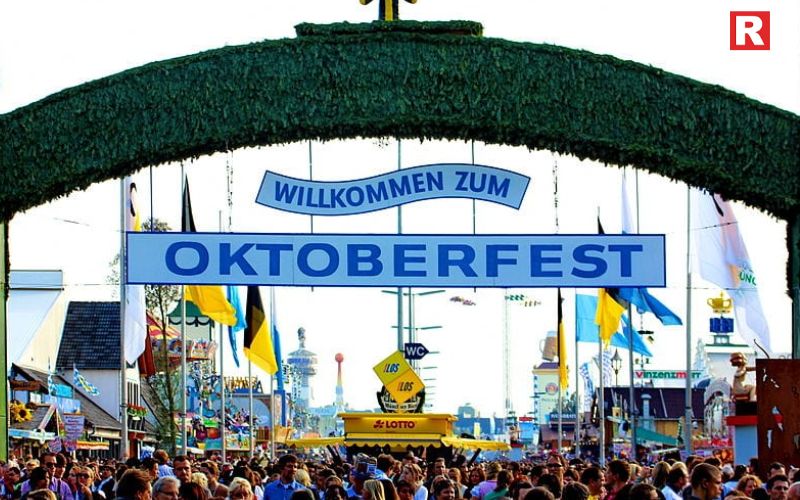
Oktoberfest is the world’s biggest beer and food festival. It takes place in Munich every year, usually in late September and early October. Millions of people come here to enjoy Bavarian food, beer, and culture. What makes it special is the mix of tradition and fun. You can taste sausages, roast chicken, pretzels, and local cheese. Breweries serve beer that is specially brewed for the event. There are also parades, music, and cultural shows. If you are planning to go, book your stay early. The festival gets very crowded. And don’t forget to try the giant pretzel with mustard—it is a classic.
2. La Tomatina, Spain
La Tomatina is one of the most unique food festivals in the world. It takes place in Buñol, a small town near Valencia, Spain. Every year in August, thousands of people gather for the famous tomato fight. The festival is not just about throwing tomatoes. It is about enjoying food, music, and street celebrations. The entire town turns into a party spot. Local stalls sell Spanish tapas, paella, and drinks. It is messy but full of fun. If you go, wear old clothes and be ready to get covered in tomatoes. It is a once-in-a-lifetime experience that no foodie should miss.
3. Taste of London, UK
Taste of London is a festival for those who love fine dining and global cuisines. It happens twice a year in Regent’s Park, London. Top chefs and restaurants set up stalls to showcase their signature dishes. You can taste food from Michelin-starred chefs without spending a fortune at their restaurants. There are live cooking demos, wine tastings, and workshops. You can even meet chefs and learn about the latest food trends. For foodies, this is like a dream come true. It gives you a chance to try different cuisines in one place. If you are planning a London trip, time it with this festival.
Know more: 10 Fastest-Growing Alcohol Brands in India’s HoReCa Sector
4. Pizzafest, Naples, Italy
Naples is the birthplace of pizza. Every year, the city hosts Pizzafest, a celebration of Italy’s most loved dish. Pizza makers from around the world come to showcase their best recipes. From the classic Margherita to modern versions with truffle and seafood, you can taste hundreds of varieties. There are also pizza-making workshops and contests. The smell of fresh pizza fills the air and makes the festival unforgettable. If you love pizza, this is the place to be. The energy of the festival, combined with authentic Italian flavors, makes it one of the most exciting food festivals in the world.
5. Singapore Food Festival
The Singapore Food Festival is a melting pot of Asian flavors. It brings together local street food, fine dining, and modern fusion dishes. It is usually held in July and lasts for two weeks. The highlight is the variety. You can taste dishes from Chinese, Malay, Indian, and Peranakan cuisines. From laksa and satay to chilli crab and dim sum, the options are endless. There are food trails, pop-up kitchens, and cultural shows. Chefs host workshops where you can learn how to cook traditional dishes. If you are a foodie who loves Asian flavors, this festival is a must.
6. National Street Food Festival, Delhi, India
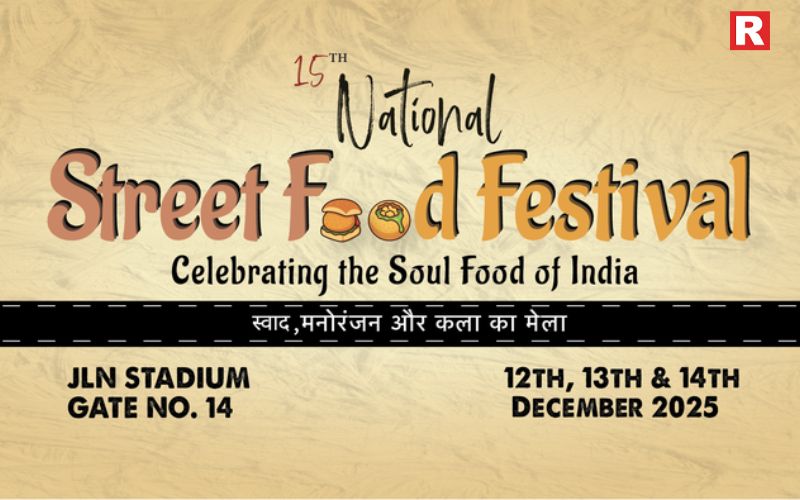
India’s street food is famous across the world. The National Street Food Festival in Delhi brings together the best of it in one place. Vendors from across India come to serve their specialties. You can try chaats from Uttar Pradesh, momos from the Northeast, dosas from South India, and kebabs from Lucknow. The festival is full of colors, aromas, and energy. It is not just about food but also about celebrating India’s diversity. The festival takes place in December at Jawaharlal Nehru Stadium. If you are in Delhi, it is the best way to taste India in one day.
7. Melbourne Food and Wine Festival, Australia
This festival is one of the biggest culinary events in the Southern Hemisphere. It happens every March in Melbourne. The event celebrates both local and international cuisines. There are outdoor banquets, riverbank picnics, and chef-led dinners. Wineries from across Australia bring their best bottles. You can enjoy fresh seafood, barbecue, and desserts prepared by some of the world’s top chefs. The best part is the mix of food and atmosphere. Melbourne’s vibrant culture makes the festival even more special. If you want to enjoy food with a global flair, this is the festival to attend.
Also check: Types of Liquor Licenses: Which One Do You Need for Your Business?
Why You Should Attend Food Festivals
Food festivals are more than just eating. They let you experience the culture of a place. You get to try authentic dishes, meet chefs, and learn about food traditions. They are also a great way to travel differently. Instead of just visiting landmarks, you explore a city through its food.
For foodies, these festivals are unforgettable. They combine flavors, fun, and culture in one place. Whether you love pizza, beer, street food, or fine dining, there is a festival for you.
Check more: Is Beer Good for Your Health? Here's the Truth You Should Know
How to Pair Indian Food with the Right Alcohol: A Desi Guide to Perfect
5 Foods to Avoid for Better Cholesterol
Tips for Attending Food Festivals
- Book tickets and hotels early. These festivals get crowded.
- Go with an empty stomach so you can try more dishes.
- Carry cash, as some stalls may not accept cards.
- Dress comfortably and wear shoes suitable for walking.
- Explore not just food but also music, art, and cultural shows.
Final Thoughts
Food festivals celebrate taste, culture, and community. They bring people together, no matter where they come from, and create bonds over shared meals. For food lovers, these gatherings are more than events; they are dreams turned into reality. Each festival has its own charm. In Delhi, the streets come alive with flavors from every corner of India. In Naples, the aroma of fresh pizza fills the air and reflects the city’s pride. Every festival tells a story of tradition, passion, and the people who keep it alive. These are moments where food becomes more than just nourishment. It becomes a way to connect with others and discover new worlds. For anyone who loves food, attending at least one of these festivals is a must. It is not only about eating but about enjoying the experience, creating memories, and celebrating the joy that food brings to life.
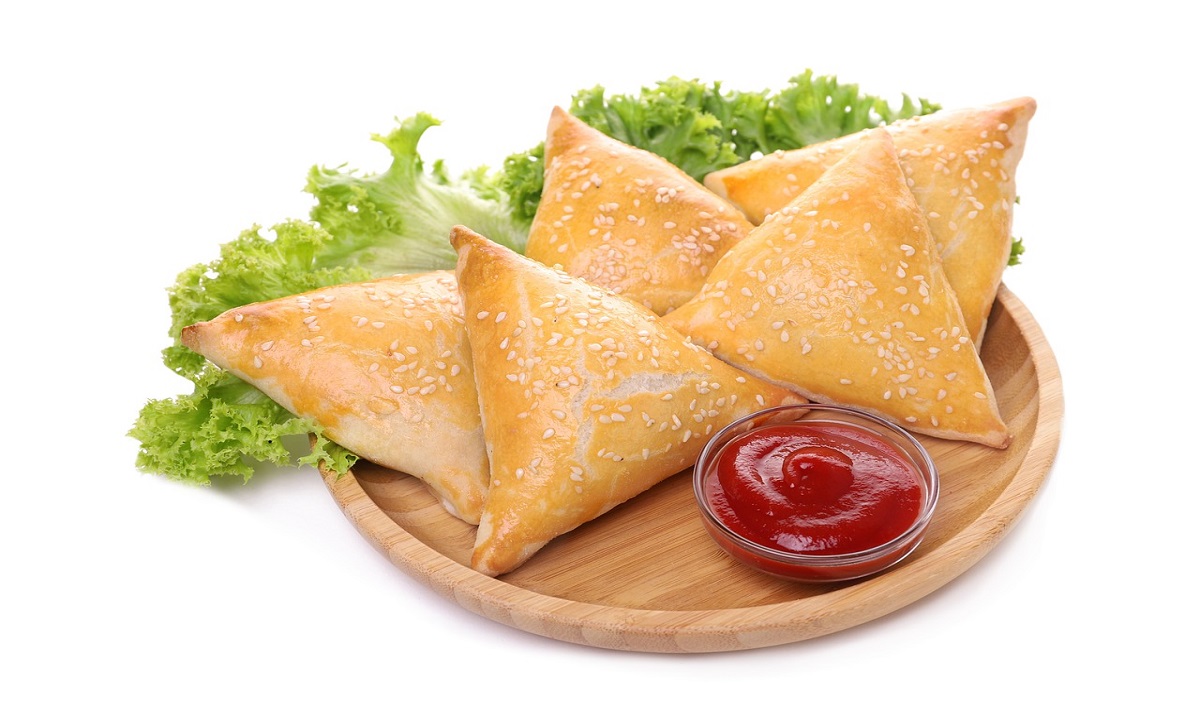
India is known for its love affair with street food, and among the vast variety of options available, samosas hold a special place. These savory triangles filled with spiced potatoes and peas, fried to crispy perfection, have been a favorite snack for generations of Indians. But now, samosas are not just limited to the streets or local shops, they have entered the organized food market in India through the opening of many samosa Quick Service Restaurant (QSR) chains.
During the course of several decades, samosas were often prepared by family-owned or family-operated companies or in the homes of individual families and sold at roadside stands or tiny stalls. The price of these samosas was typically reasonable, but the quality and hygiene of the food was frequently in question. There has been an increase in the demand for samosas that are of a higher quality and are prepared in a more sanitary manner, which has led to the establishment of samosa quick service restaurants chains.
These QSR chains are taking the humble samosa to a whole new level. From introducing new and innovative fillings to offering a range of accompaniments, these chains are changing the way Indians perceive and consume samosas. One of the key players in this market is the popular chain, Samosa Singh. Founded in 2016, the brand has been expanding rapidly, with over 50 cloud kitchens across 8 cities India.
Samosa Singh provides customers with an extensive selection of samosas to choose from, including as the traditional potato and peas, cheese and corn, butter chicken, and even chocolate-filled samosas. Because of the brand's dedication to both quality and cleanliness, they have built up a dedicated consumer base, and the distinct tastes of their products have made them a favourite among young people in India.
“Having a QSR set up that delivers and serves samosas freshly made, in a hygienic manner is certainly a value addition that the market is seeking and this will continue to thrive as long as there is a convergence of taste, quality, and varieties. Samosa Singh has always been in the business of manufacturing and supplying samosas. However, with the changing trends- we launched the B2C business wing in Dec 2019 and it has worked very well for us,” Nidhi Singh, Co-Founder of Samosa Singh stated.
She further informed that with only cloud kitchens during the pandemic, the company is now set to expanding into the QSR concept is the result of demand tailwinds. “We are confident of this market and will continue to grow and expand in this,” Singh claimed.
Another player in the samosa QSR market is Samosa Party. Quick service restaurant Samosa Party has now taken its count to more than 50 locations in India. The Kalaari Capital-backed Samosa Party is building a Global QSR on India’s most preferred snack, Samosa. Its USP is to deliver freshly fried samosas on order to the doorstep, with freshly brewed chai. Samosa Party has created a niche in the segment by incorporating menus that are specially curated keeping in mind the flavour palates, changing trends and age groups.
Back in 2022, Samosa Party aimed to hit INR 5 crore monthly revenue. “We plan to expand to 100+ outlets across Delhi NCR, Hyderabad, Chennai, and Bangalore in the coming months.” Samosa Party co-founder Amit Nanwani said.
The endeavour to create a brand out of the ever-present samosa has been praised by culinary critics. An specialist on Indian cuisine, KS Narayanan, claims that samosas are more well-liked than even tandoori delicacies. It's delicious year-round, is loved by people of all socioeconomic backgrounds in India and beyond, and has long dominated the snack industry while being woefully disorganised. "The momo sheets is a billion dollar business in the Southeast Asian markets, and the samosa patti could potentially be the same in India," he says.
Wow! Momo, which started as a momo chain but has since expanded also included samosas. Wow! Momo offers a range of samosas, including the classic potato and peas, as well as more innovative options like chicken tikka and butter chicken. Apart from these major players, there are several other samosa QSR chains that have emerged in recent years, such as Samosa Junction and Samosawala. These chains offer a variety of fillings, accompaniments, and even meal options, making samosas a convenient and delicious option for people on-the-go.
The emergence of samosa QSR chains has not only changed the way Indians consume samosas but has also created a new market for entrepreneurs and small businesses. With the demand for quality and hygienic samosas increasing, many local businesses and home chefs have started offering their own unique flavors and fillings, catering to a niche market that values homemade food.
Yet, the proliferation of samosa quick-service restaurant chains presents a challenge to the survival of independent retailers and companies who have been selling samosas for decades or even centuries. Many independent vendors have experienced a decrease in business since the arrival of these chains because they are unable to compete with the prices and marketing methods employed by these structured chains.
Despite this, the expansion of quick-service restaurants that specialise on samosas has been a blessing for the Indian cuisine sector. It has resulted in the creation of new job opportunities and provided an arena for solo chefs and proprietors of small restaurants to demonstrate their gastronomic prowess. The increasing demand for samosas in the organised food industry has also led to advancements in packaging and delivery, which have made it simpler for customers to get their hands on and enjoy their favourite snack.
The rise of samosa QSR chains in India has created a new market for this beloved snack. It has introduced new flavors and fillings, improved the quality and hygiene standards, and provided a convenient option for people on-the-go. While it may pose a challenge to small vendors, it has also created new opportunities for entrepreneurs and small businesses. As the market continues to grow, we can expect to see more innovations and new players entering

Walking to a street food vendor, just the way one would walk into a quality restaurant, worrying little about the quality of food is still a farfetched dream in India. Unless in countries like Paris, Italy and New York where street dining is highly regularised and holds a quality of not less than any high-end restaurant, India still stands behind in the queue of hygiene and quality. However, India still tops the list of countries famous for its street food.
In India, street food means a little more than chaat and golgappas, it’s a cultural mix of emotions, childhood and definitely not restricted to any specific income strata. But, while for the majority street food is about snacking, for those who belong to lower-income strata, street food is about sustenance.
Most street-food vendors cater to labourers, daily-wage earners and people in the not-so-organised sectors, who are too poor to afford to eat at dhabas. Keeping it low in cost, the cleanliness factor is generally ignored. The government on the other hand have been coming up with several policies and regulations since time the early 2000s, but the tangibility of those efforts is hardly felt.
Tracking the major concern
In a report ‘A penetrating glance at Street Foods in India’, a joint study was conducted on street foods in three cities, namely, Delhi, Calcutta and Gauhati. The study was a joint venture of the Agriculture, Food and Nutrition Sciences (AFNS) and Social Sciences (SS) divisions, of the International Development Research Centre (IDRC) of Canada, South Asia Regional Office, and New Delhi, India. The report here states that the objections raised for street food vendors are mainly traffic obstruction, availability of unhygienic food threatening health, and land encroachment and, also, unsightliness.
There is a fixed amount of annual licensing fee charged based on the type of hawker and food sold. According to the Municipal authorities in Delhi the number of unlicensed vendors far exceeded those with licenses. As quoted by an MCD officer, "the entire gamut of vendor problems should be dealt with by one organisation and not piecemeal by different offices". To date, no decision has been taken on this issue. This probably accounts for the fact that many
unlicensed vendors are presently operating. Whatever the reason, the ultimate result of the situation is an uncontrolled increase in the number of unlicensed vendors.
Back in 2007, the Supreme Court ban on the sale of cooked food on Delhi's streets and pavements, however, it was just a matter of time although the decision was on the basis of making the street food business more organised. Listening to the other side, many of the 10 million people selling food and goods in India say they have to pay weekly bribes to stay in business.
In 2012, the government announced that the street food vendors in India will soon be required to meet a set of sanitation regulations.
Where have we reached?
“Eating on the street is a unique experience in India, and many restaurants follow the theme to provide the street dining experience. A growing number of people are experimenting with food and appreciating the range of flavours available. There is a long way to go when it comes to the street dining experience, it has a huge potential that can be tapped if the sector is regulated,” Satyajeet Dhochak of Wings Hospitality said.
It is imperative that authorities take appropriate measures to safeguard public health. It is also desirable that those who sell food on the streets adhere to basic standards of hygiene, after all, there is nothing romantic about succumbing to disease after indulging in an irresistible street meal.
However, these days people are more cautious about health and hygiene, thus choosing a place where food is prepared in a hygienic way. This raises the hope that unhygienic street food carts will automatically be eliminated due to no demand.
“It's just beginning as lots of street vendors are now registered with food license and online aggregators. It's a highly untapped segment and has lots of potentials to strengthen the economy of states and countries, with that it will also help in serving quality food to the customers,” founder of 36Lebzelter, Deepak Purohit commented.
How far we have come?
Today, there are an estimated 50 to 60 lakh street vendors in India, with the largest concentrations in the cities of Delhi, Mumbai, Kolkata, and Ahmedabad. Most of them are migrants who typically work for 10 to12 hours every day on average.
The concerns of street vendors have so far been seen from a limited lens. The primary objective of policymakers has been to provide a secure location for vending and improve their working conditions. While these approaches are valid, it is time for developing a deeper understanding of the micro-enterprise itself, its competitive characteristics and fundamental disadvantages. Customer segment and pricing, inventory management, buyer behaviour and preferences, service reliability, product quality and consistency, food safety and packaging - are just some of the issues that need to be addressed to help street vendors emerge as viable growth-oriented enterprises.
Now after the Covid, there is a dynamic change in people's preference in standing and eating street food. “People need time to understand the concept of street dining and what all good it brings. There is a lot of scope for improvisation and change to be made. According to the industry, this street food has never looked like an organized business but now as the coming generation is more curious and inquisitive about what’s new. The street dining concept is setting a benchmark with adapting and opening a QSR format i.e. waiting for long and long hours to get their first meal or snack won't be a problem,” Surjit Singh, Co-Founder of Food Bus of India said.
Singh has interestingly gauged this opportunity, with a launch of a new concept that provides the street dining experience in an organised manner. Toying with the idea of taking restaurants to the open road is surely going to be a game-changer for Indian hospitality as it comes with various benefits for the current and aspiring small-medium restaurateurs and entrepreneurs. This new street dining concept is witnessing immense acceptance from youngsters, college students, and families. “We are sure the coming five years will change the face of QSR and the street food business,” Singh strongly believed.
Going forward, for innovators and entrepreneurs, this is a new business model which needs to be established, myths to be broken and promises to be achieved. After all, the opportunity with 60 lakh street vendors in India can by no means be a small-scale business.

The Indian restaurant industry is growing at a rapid pace over the last decade and the growth story is set to continue for the next foreseeable future. Not just it is one of the largest employment generators but a huge contributor to the economy, estimating that the total contribution of the restaurant industry alone is more than 2.1 percent to the GDP of India.
The market is clearly and equally divided into the organised and unorganised sector. The unorganised segment of the industry consists of individuals or families selling ready to eat food through roadside vendors, dhabas, food carts, street stalls, etc and it owns a larger chunk of the total percentage that is scattered, untapped and unregularised. It grew10 percent in the past three years to touch INR 275,512 crore in 2018-19 and is expected to touch INR 341,877 crore by 2022-23, a whopping growth of six percent.
Talking about employment, the unorganised sector employed an estimated 3.6 million people in 2018-19, contributing to 49 percent of the total workforce in the sector. Overall, employment in the food service industry is forecasted to grow at six percent CAGR to hit 9.2 million in 2022-23.
No one championing their cause
In the current Covid times, when the whole of the restaurant industry is gasping for ventilator support, the restaurants falling under the unorganised sector is in a worst-hit crisis. Shivanand Shetty, President of the Indian Hotel and Restaurant Association feels that, although the unorganized sector in the space is a big chunk and also an employment generator, in the given circumstances when the organized sector has to fend for themselves, there is hardly anyone championing their cause.
“While there are no employment benefits, one more very critical thing is the quality of food churned out by them as there are no particular guidelines followed, thereby exposing customers to various health hazards,” Shetty commented.
Situation grim than organised sector
Looking at the current scenario, there are several problems being faced by the unorganised restaurant sector. Manvir Singh Anand, a Food Business Expert and Founder of Knight Gourmet pointed out. “The infrastructure or CAPEX investment done into respective categories of food service will push their payback period by over two to three years, in some cases, they will have to shut shop since they can't recover the cost of infrastructure by just doing deliveries,” he started with.
Not to forget that the Covid-19 is already to eat up half of the restaurant revenue this fiscal with shutdowns, layoffs and fading footfalls. Rahul Prithiani, Director of CRISIL Research stated that the organised sector, in particular, has seen a 90 percent reduction in sales since the lockdown. Dine-in is not operational and online orders have declined 50 to 70 percent.
“And when the lockdown is lifted, the rebound is expected to be only gradual. This holds especially for Mumbai and Delhi NCR, which make up nearly half of the organised restaurant industry in India, but are red zones accounting for over 30 percent of the Covid-19 cases in India,” he said.
The above statements are a mirror to what’s happening with the outlets and small shops falling under the unorganised category too. For them, the pain is further augmented by a large population of staff going back to their hometowns or villages, which is making serving the existing customers also difficult.
Government must reform policies
Commenting on the rental issues, Anand said, “While larger players like McDonald's, Dominos have a bargaining power with unit rentals, the unorganized sector is reeling under the heavy load of paying rentals in spite of the lockdown, some even adjusting against their inventory. With the lack of knowledge of law or support from the government, clauses like Force Majeure have not provided any support to save the interests of the small Food Business Operators (FBO's).”
According to Anand, it's a sheer mockery that an industry that is one of the largest consumers of skilled, semi-skilled and unskilled staff in the country, has been given no relief and support from the Government. “Even mild initiatives like a moratorium on rentals, Tax/Excise compliances or interest payments would have been welcomed,” he added.
Sadly, the unorganised sector has become the ‘elephant in the room’, that is not being addressed by anyone, nor by the Government nor by the industry bodies. For the highly fragmented sector, the government must reform policies.
However, in line with the evolving consumer preferences and increasing innovation by the organized formats, the industry has experienced a rapid shift towards the organised segment in the recent past. The shift is further fuelled by the foray of large global international brands into the organised foodservice sector. The share of the unorganised sector is forecasted to drop to 57 percent by 2022-23.
Edited excerpts:
What are the culinary trends you see today?
There are a variety of culinary trends in the market today, some of which are extremely exciting and interesting. In today’s digitally aware and obsessed world – where access to information is common – I see the rise of smart choices where consumers are moving towards healthy yet tasty food, especially in the metropolitan cities.
For example, Kombucha, which has quickly become a very popular drink and comes in different Asian flavours, is today opted by many over a 90s popular cold coffee or malai lassi. A citrusy quinoa salad for lunch is favoured over a burger. That said, junk food and the taste or craving for pizza, burgers, pasta, fried chicken loaded with mayonnaise will never go out of fashion amongst the youth. You will still see junk food being liked by this segment.
Asian cuisine has a lot of health benefits and is full of Umami flavours, which is what is gaining popularity in the last few years. That’s why you see so many sushi restaurants in New York and around the world. It has globally acquired popularity and will continue to grow.
What are some of the most revered dishes at Spice Traders and why?
Everyone in India knows “Chinese” food as Chilly Chicken. We wanted to put something similar on the menu that resonates with the Indian palate while maintaining the authenticity of the cuisine. Hence, we came up with Chonquing chicken – wok tossed with chilli oil, coriander root and ginger. It has always been liked by all our guests who keep coming back for more. And Chahan Rice, a Japanesetepan rice, cooked on a hot tepan, table flavored with Garlic & butter and can be topped with crispy duck or crispy spinach. It’s a dish on its own that is best savoured without any other sauces or condiments!
Where do you get your culinary inspiration from? How does it influence your work?
I have a strong curiosity for the flavours of the world. Travelling to different places, trying out different restaurants and, most importantly, eating on the streets is what inspires me most. Street food gives you a first-hand glimpse of the local flavours and ingredients available for you to experiment with.
Here’s illustrating how local ingredients can be used to create inspired dishes:
- A local preparation of chicken cafreal could be a cafreal roast chicken with potato kappa
- Rawa fried fish, inspired by English style as Fish and chips with peri peri sauce
- A whisky sour made with kokum
How did you decide dishes for your specially curated “Aphrodisiac, the Dinner for Two” part of the menu? How has the feedback been?
Curating the Aphrodisiac menu was an exciting opportunity for us to show our guests how most of the ingredients used in Asian cuisine are stimulating to all our senses. However, we had to be mindful that most of the Aphrodisiac food items are very bland, neutral or sweet in taste. Hence we decided on dishes that were aphrodisiac, but also loaded with Umami flavours like XO sauce, chilli lime or tobigo.
Some dishes on the menu, such as Crispy Lobster roll with unagi sauce, Chocolate Avocado mousse with almond milk foam and freeze dried strawberry are examples of how the aphrodisiac ingredients are creatively combined to amp up the taste factor. Our guests love to try new dishes and specially curated menus, so it was no surprise that a menu bursting with flavours that elevate all senses was an exciting proposition for all.
How often does the menu of Spice Traders get revamped or redesigned?
Twice a year, but we like to keep track of what guests like, their feedback and also what they’re looking for on a regular basis. At W Goa, it’s all about going the extra mile to give our guests a one-of-a-kind experience.
Tell me about the 7 course meal prepared for the consumers experiencing “Dining under the stars”? How often you get the request for it and how has the feedback for the same been?
The courses are very progressive, and each of the 7 courses is a teaser. Starting with an Amuse Bouche, which is avocado on sweet potato, the dinner leads into Crispy Fried Enoki Mushroom to Salmon with Chilli Lime. It has been designed to give you a different texture and a different taste with each course. At the same time, it progresses from mild to more robust flavours. The whole concept revolves around not just the food, but the entire experience of dining at a prime spot – it is a surreal experience nestled far into the escape with views of the sea and stars. The 7-course meal prepared by your personal chef will stimulate even the most discerning of palates, creating a frenzy between the lovers, which is only further accentuated by the eclectic cocktails curated by your personal mixologist. The experience is only upon request and has been extremely well received, mostly by couples celebrating a honeymoon or proposal dinner since the entire feel is like oh-so-romantic.

Festivals and celebrations are like excuses to savor upon good food, but not everyone can afford restaurant food. Moreover the body cannot intake restaurant food on daily basis. India’s heart lays in street food the spicy, tangy and oily fast food, which comes in cheaper rates.
A report produced by Research and Markets say that Indian fast food market is expected to grow at a CAGR of 18% by 2020 due to changing consumer behavior and demography.
Fast food market in India is expected to be worth US$ 27.57 billion by 2020.
About 10% of the fast food market in India is organized. NOVONOUS estimates that the organized fast food market in India is expected to grow at a CAGR of 27% by 2020.
In the shortcut life, we hardly have time to waste in taking long routes, compromising quality with quantity or inviting free diseases. To avoid all congestions, we choose to stay indoors, away from traffic, unhygienic street food vendors making unhealthy street food.
This is the reason why technology has taken a great part in enhancing India’s street food business, which is helping a lot of street food startups to erect their business model.
Here are some technological advances, which has linked foodies to street food startups:
Food apps:
Smartphone revolution has been proved as a boon for the street food startup companies. The app culture has helped these street food startups in managing the business as well as to keep a track of their progress.
Foodies can order and pay through app, without waiting in long queues and the best part is they can enjoy their favourite street food in the comfort of their home.
Startups can keep a check on their rivals as well as on the rise and fall in number of customers without getting lost in the sea of street food vendors.
Reviews and Stars:
There are options of reviewing the quality and service of the food through app but there are renowned websites and channels, dedicated to review the food. This helps a lot in gaining credibility and attracting some customers or business space in other cities.
Reviews and stars work as instant feedback. One can further work on the wet patches or leave it as it is to spoil the reputation forever.
Most tourists and travelers read the reviews and check stars for the particular street food before hitting the order button. Moreover these options help customer to get connected with the company if they get to make little changes as per their taste. Taste is a thing, which varies from person to person.
Know About Opportunities:
There are various societies or communities dedicated wholly and solely for street food startups, which organize street food festivals in different states and cities.
If you link your startup with them or join in with them, then you too can take the advantage of participating in street food festivals, where in come a huge crowd, investors, popular chefs and channels.
It gives scope for great coverage, attract investors, and keep you ahead in the game and a guarantee of strong fan base.
Linkups and Breakups:
There are many companies, who offer space on their websites or web pages to those who want to get linked with them in more than one ways.
These spaces are available on rent, where the startups can display an advertisement picture or video, to garner the audiences’ attention, especially the news sites or business sites or any site, which is being frequently checked or where the traffic is always high.
For example if a renowned company wants to through a party for its employees or want to gift vouchers or coupons for any festival, then your connection with them will help your business to reach out to many.
Moreover when you get news of any of your rival breaking up their links with any renowned companies, you can push your best leg forward to occupy that space to your benefit.

Indian food has come out on the world’s culinary map, where ‘Indian street food’ constitutes a colossal part of it. “Street food’, which has got a connect from all walks of people, constitutes around 45% of overall Indian food market. With diversity of culture, the food here in India is as diverse with each region having their own speciality. Osama Jalali had a long stint with the top media including The Hindu as a journalist, who later started doing small food festivals, consulting with top restaurants. ‘Masala Trail’ a street food restaurant bringing the regional soul to Delhi is his latest venture into the business. “It was during one of the dinner date with my daughter that I realised the gap in the Indian food industry,” shares Jalali who was questioned by his daughter about the ‘chutney’ being presented at the restaurant in not the original form but with fusion and tamasha making it a foam based chutney. Jalali then and there decided to work on the ‘lost recipes and food’ of India. He started doing food festivals reviving old delicacies and foods from Mughal Era and Shahjahanabad now called as ‘Old Delhi’. Here are the excerpts from the interview:
What was the whole idea behind ‘ Masala Trail’?
The diversity in Indian street food is immense as each region has its own specialties to offer. ‘Street food’ is a symbol of the regional soul, reflection of diverse cultures, a meeting point for people from different religions and a staple diet for the multitude. With a focus on evoking memories and nostalgia by presenting local delicacies which people miss the most from the place they belong to, Masala Trail was born to savour the street food in its original form.
You have done many festivals focusing on non-vegetarian food. Why a vegetarian restaurant?
As a fact India has a 31% population that eats only vegetarian food, whereas almost 99% population relish the vegetarian delicacies provided by street food vendors in its authentic form. Hence, we thought of doing a vegetarian restaurant. Our menu is a collection of handpicked dishes which all of us ate while growing up in our home towns. We are presenting regional Indian cuisine in a traditional manner, which are dying a slow death because of the evolution of modern Indian cuisine.
Can we see a non-vegetarian restaurant opening in near future?
After consolidating all the Masala Trail we are coming up with a Mughlai restaurant very soon. The work is already in the process, we have started working on the concept. Within two months you will see a Mughlai restaurant as well on the same pattern where we will be exploring the lost recipes and foods from Mughal Era. We will be showcasing traditional Mughlai food – there will be menus from Shahjahan’s era, Humayun’s era. We will showcase how food travelled from that era and changed today as the food of Shahjahanabad.
What is the concept you are planning to launch the restaurant on?
It will be a fine dining model and not like Masala Trail which is a very price conscious restaurant. It will be a high end fine dining restaurant. The location most probably will be CP.
How about expanding Masala Trail as you have grown into a good number in last three months?
We have nine outlets as of now. Going further, we are looking for franchisees and food courts across the country. We want to make regional food accessible at metro cities. Masala Trail is the journey of ‘India under one roof’. So, we are also planning to open an outlet in Dubai because many people are exploring the routes of Indian food in international markets. We don’t do any fusion, any modern food- its simple plane food.
How is the response so far?
People love our food and hence they come back to us. We have got a good number of repetitive customers at Masala Trail. On weekdays we have got a footfall of around 400-450 customers whereas on weekends it goes up to 600-800.
What trend do you see growing in India?
Regional food is for sure growing in India. Lots of organic, healthy food is coming up. Farm to food concept is doing well. Regional food will rule the trend because how much you eat modern cuisine, molecular food at the end you will go back to traditional food. Modern food is just an experience though Indian food is comfortable, something which I can relate to. Indian food is all about community eating.
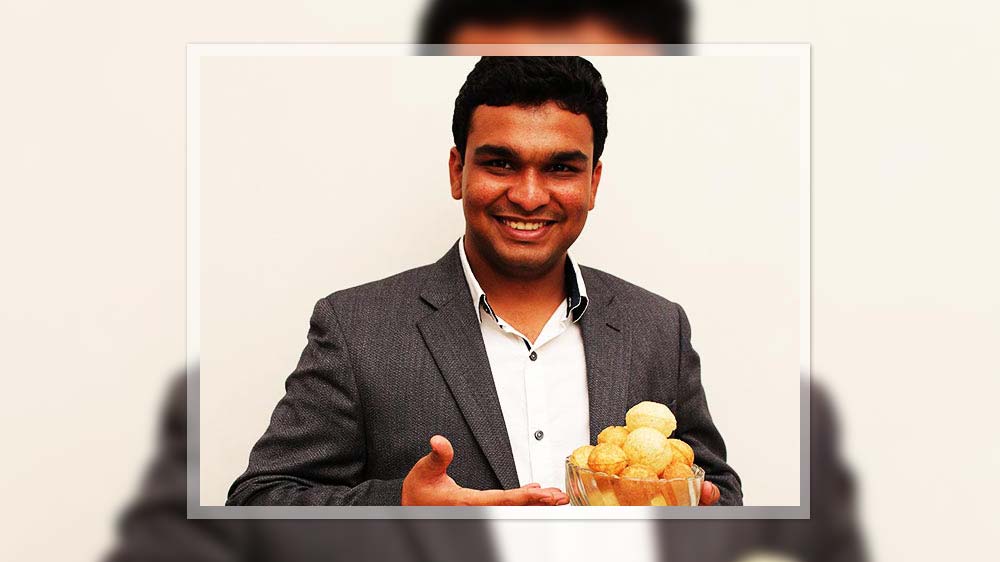
From a coding software professional to selling paani puri, Kulkarni talks about how the idea of selling India’s one of the favourite street foods came into his mind and reveals about taking his business to abroad.
Taking the plunge
I knew from the beginning that 9-5 job is not my cup of tea; I can’t be a part of the system. I was working with Infosys Group but I always wanted to be my own boss. That’s why I left the organisation and started Chatar Patar in 2011.
While working with Infosys, I often used to have road side paani puri and one such day after having it, I got unwell with food poisoning and after that I did not have it for almost 3-4 months. And that’s the moment I realised that there must be many people who are also going through the same experience and I planned of doing something on the hygiene issue. I did a online survey by circulating the online form through ‘Orkut’ and found that Paani puri is the largest selling product but there is no brand selling the product under any brand name. And then the idea provoked me and we dug deeper. Today, we are the owner of the world’s first paani puri brand ‘Gapagap’ offering 112 flavors.
Making of a healthy paani puri
Paani puri is being largely perceived as unhealthy and unhygienic but after Gapagap, Indians can have the healthiest version of paani puri. The water that we use is purified and the contents are without saccerine, tatri , citric acid or other harmful chemicals.
Menu designing
We standardise our recipes for all the 112 flavours that we serve across India. We pack everything in Indore and then it goes to different stores across country serving the same taste at different cities.
When we were in the menu designing stage, we were sure to keep everything for each family member, for example, everybody in the family can’t have pizza or burger, but anybody can have chaat and paani puri. We wanted to create a family hangout place. We have different types of bhels, chaats, drinks etc. Around 80 percent of our menu is unique and most of the dishes have been created by us.
Franchising the business
We have started franchising in July ’12. Our product deserves a bigger market than a single store or single city operations. Franchise route is the fastest way to reach to the people which deserve better paani puri (Gapagap). We are looking for passionate partners to join hands with the fastest growing network of paani puri brand. Till today we have got almost 150 odd enquiries till date. We will be opening 32 stores by the end of June 2014. Our target is to go global. In fact we have received couple of enquires from UK and Australia as well. But we want to have a strong foot hold in India before we cater to the world.
IMLY is a concept restaurant, of around 250ft long train frontier tugged by a toot-tooting esteem engine where one can hop on for street foods. It is like a never ending frontage which makes it the ultimate train.
It has four colours in its logo-yellow, green, blue and pink. The concept and the impression they want to give to their customers is that the meal should be very vibrant, colourful and joyful. The banta bottles, colourful jars everything is very colourful and also we want to add colours to the people lives as soon as they enter IMLY. Here are the excerpts from the interview:
Why the name IMLY?
The first things comes to our mind is something chatpata, action, cocky, tangy. IMLY is a sort of chattani which is served with somosa, golgappa and every chat.
IMLY is also a catchy name which is easy to remember; interesting concept, very colourful and there is no way that it can go unnoticed.
How will Imly transform the Food culture of Delhi?
Delhi has always served the best street foods, but to bring that experience Imly is the correct destination. Meanwhile, Imly gives you the same food at good quality, air-conditioned restaurant and also the chefs tell you what to eat and what not to eat. It is a place where you can find the best food from all over the country. Even the pricing is very low, nominal and pocket friendly to the customers.
What are the new flavours you have added to grab customer’s attention?
We have flavours of the nation. Like Bombay and Pune Junction, Uttar Pradesh Junction, Awadhi ka Junction, Delhi Terminal, Madras Bhatti and many more.
What are the basic essentials techniques that keep in mind while designing your menu?
We wanted to keep it as basic as the way you have over there. It is constant for instance Vada Pav at Kriti College at Dadar, Pav Bhaji at Bombay, Delhi Chole bhature, Imly Dosa or kanjivaram. You will get it the same way as you find in that region.
We want people should witness India’s heritage and food flavours. They should explore India, it is a treat.
What made you start your restaurant in association with CRY?
Our plan is to start a veg restaurant and CRY only associate with vegetarian restaurants. Beside this, we also want to do a non profitable thing. The idea is to do something for the society and create an example for others. What is the average footfall you received? It is 500 people a day.
Do you see any competition from other start-ups? Who are your target customers?
For me, competition is always healthy and I am ready for competitions. This also ensures we will be on toes. In respect to our product, it is anyway ahead of others. We only focus on food and our chefs provide hygienic food.
These days many restaurants come up with photo friendly ambience as a marketing strategy. What is your view on the same?
This is called the branding inside the restaurant. Now, it has become a trend go inside the restaurant and take selfies and post in social media. Today social media is amazing; it can make or break a restaurant. It has a good pace for the restaurant.
This is an in-house branding as photo is an easy way to promote a restaurant just like mouth to mouth.
What is your expansion plan?
We are planning to multiply cities like Noida, Gurgaon, South Delhi and Bombay.
You are coming up with some new restaurants. Name them.
We have Light Camera Action at Rajouri. Then we are coming up with Uncensored at Gurgaon and Bombay in few days, and Molecule again at Gurgaon.

Tell us about your brand?
Kutchi King is quick service restaurant for Indian street food. We offer street food like Vada pav, Bhel, Sandwiches, Dabeli etc. without changing the authenticity of the product. We only ask the cook to order food and not frozen food. We also use only Indian spices and don’t use western sauces as others do. That’s what our brand is all about. We are over to 200 outlets in Gujarat and Maharashtra and plans to go pan India.
How do you do the pricing?
We tend to compare our price with the hawkers. Looking at our expenses and the competition around, we customise the price for the region. For example, we serve Vada pav in Bombay for Rs 15.
How much competition do you face from the street hawkers?
Every food business is our competition. Also they complement to our business. We don’t see anyone as a threat to us. But, the nearest competitors will be hawkers, because they can play with the price as they don’t have any overhead cost.
Who has done the designing of your outlets?
We have our in-house designers. Now, we also have finalised a design menu as per the outlet.
What are the key products which serve at your restaurants?
We serve mainly Bhel, Sandwich, Bread Pakora, Dabeli etc. But Dabeli is our key item, it is a spicy snack made by mixing boiled potatoes with a dabeli masala and putting the mixture between pav (burger bun) and served with chutneys made from tamarind, date, garlic, red chilies, etc. and garnished with pomegranate and roasted peanuts.
We are a pure veg restaurant and also serve the entire menu to Jain also.
What is your present revenue? And what is your target revenue for this fiscal?
Our present revenue is 15-17 crore. For targeted revenue, we want to grow profitable franchisee. Presently, we have 85 per cent profitable franchisee and this we want to take up to 95 per cent franchisee and that’s our target to get more revenues.

How difficult was it opening JumboKing and entering into a niche market?
I think, the first three years was very difficult as people did not understand how a single product company can try and create a brand. But now, we have a much focused way in which it was happening and it is becoming much easier to expand and attract the right kind of customers.
What are the things that helped you to become an entrepreneur?
The first thing which made JumboKing became a brand was about the narrow view on the product. Meanwhile, we knew our target customers in advance and maintained a discipline because after sometimes when you taste success, you try to do different things and we maintained to stick to one.
How do you think the street side vadapav sellers as your competitor?
Today restaurant business is seeing segmentation. Customers, who go to the street sellers, are very different from the ones who come to us. Young crowd from the college, school and office come to JumboKing because they are concerned about the hygiene, reasonable price point and variety.
What is your expansion plan?
We are looking at 12 cities over the next two years and 500 stores in the next five years. We will be having 100 stores by March 2015.
What is the preferred route of investment for you?
I think, we were very fortunate to understand the franchise as a business model, where we have created a win-win situation. A lot of investments happen through the franchise route and in return the franchisee is getting a return for the situation. So, we are funding all our outlets through the franchise route.
-
Street FoodIndia's Korean food market is developing through several layers. Some brands focus closely on Korean recipes and techniques. Others use Korean…
 Bars and restaurantAccording to the 2025 What India Is Drinking report, based on 125 bars across 17 cities, the Negroni was the country’s most popular gin cocktail.
 Cafe BusinessThe next mainstream café ingredient may therefore not be the most unusual one. It may be the ingredient that makes something unfamiliar feel easy to…
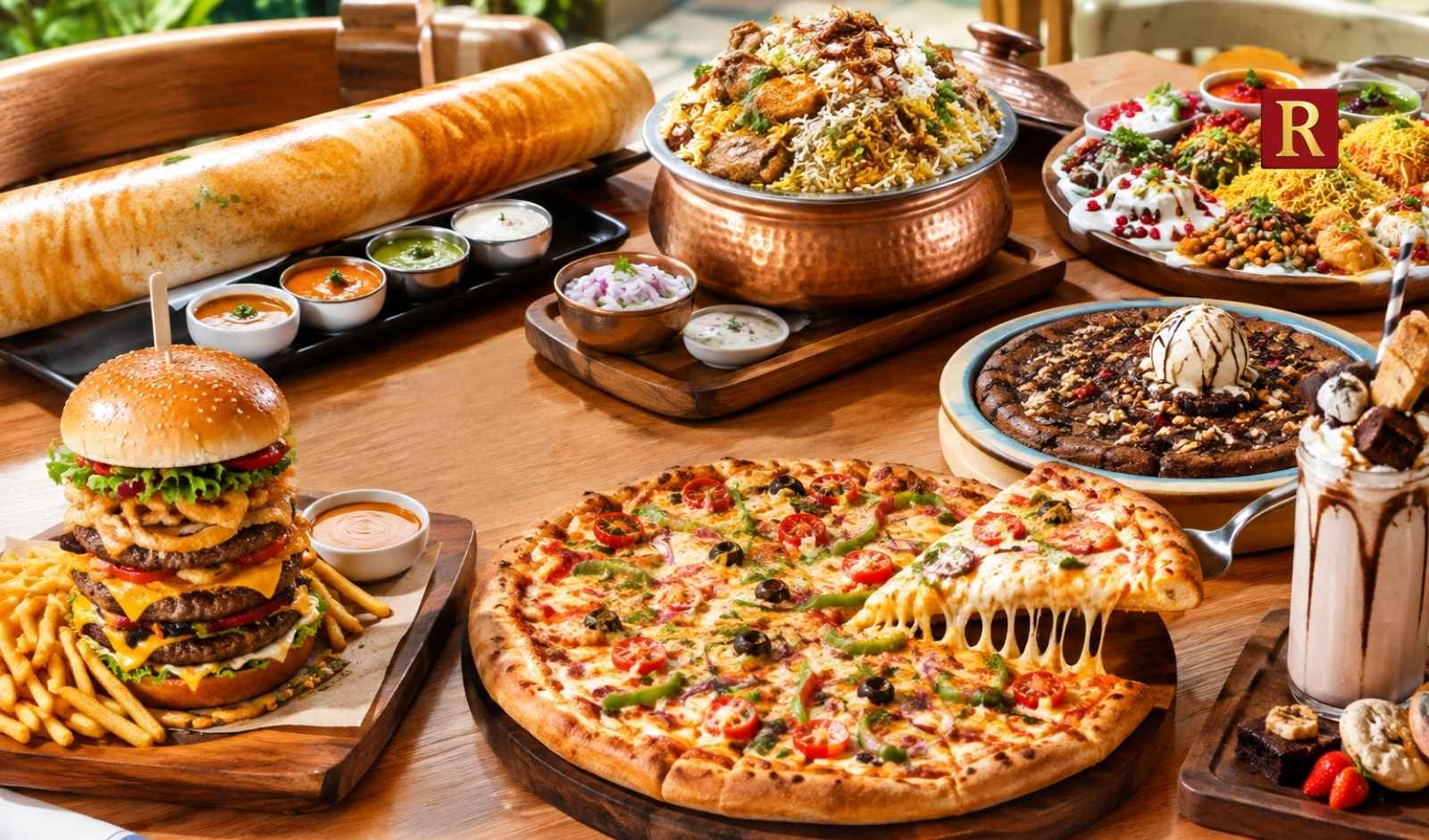 Indian restaurantsOversized food is ultimately less about putting more food on the table and more about giving customers a reason to gather around it.
Copyright © 2009 - 2026 Restaurant India.