


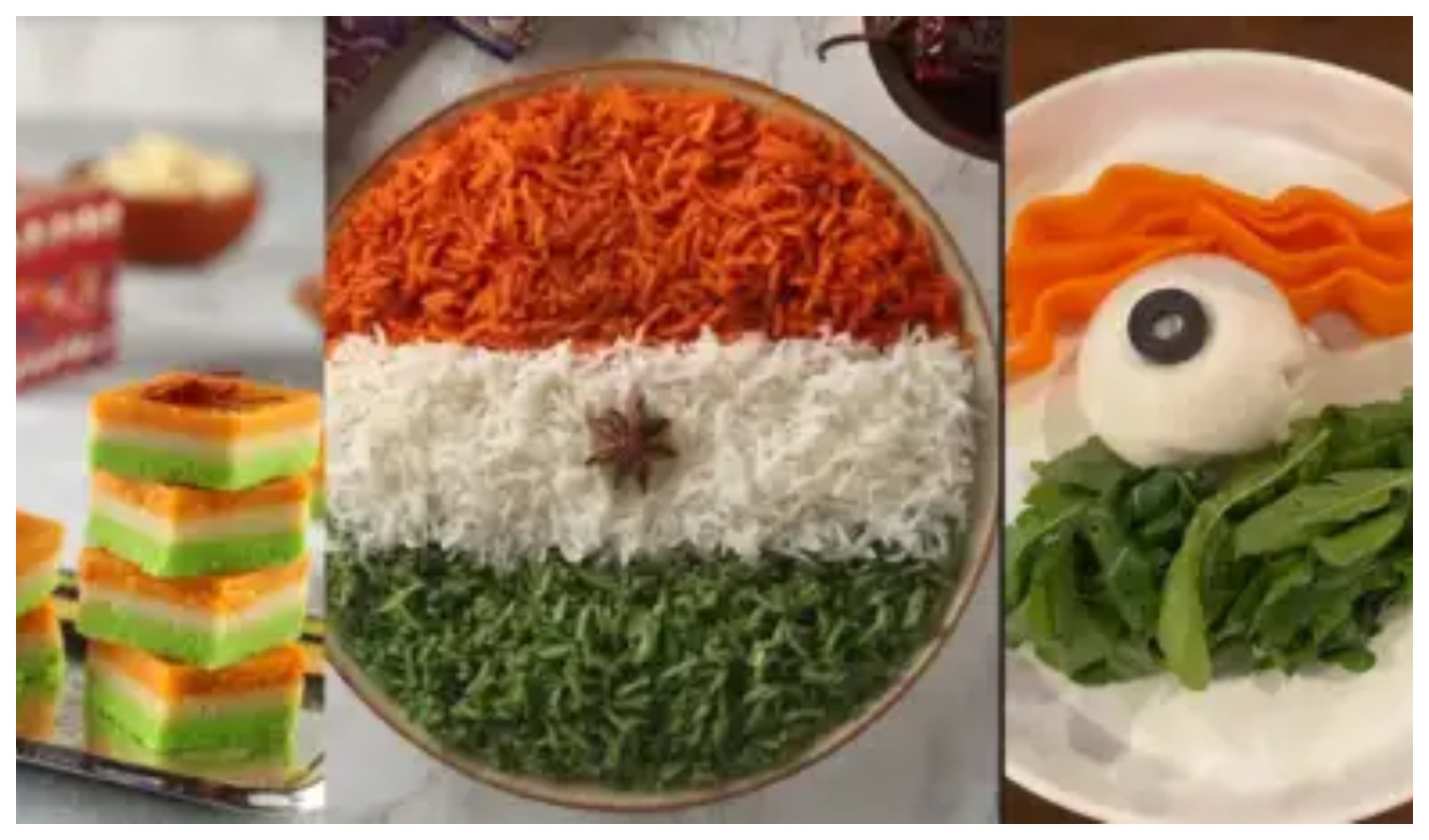
As Independence day is around the corner, savour patriotism with tricolour specials and menus that pay tribute to India’s rich culinary heritage. Restaurants are serving up special menus, tricolour-themed delights, and patriotic dining experiences that pay homage to India’s rich culinary legacy. From timeless regional favourites with a modern twist to cocktails infused with bold desi flavours, these 15th August picks offer more than just indulgence—they’re a delicious tribute to the nation’s unity in diversity.
1. ITC Maratha , Mumbai
This Independence Day, ITC Maratha’s Peshwa Pavilion invites guests to savour ‘A Celebration of Flavour, the Indian Way’—a special lunch showcasing regional classics, aromatic spices, and homely ingredients. On August 15th, from 12:00 PM to 3:00 PM, enjoy a vibrant culinary journey across India for ₹3000 + taxes per person, featuring time-honored recipes and reimagined dishes.
Where: Sahar, Andheri East
2. Zaatar W Zeit, Mumbai
Zaatar W Zeit, the beloved Lebanese brand, marks Independence Day with its first-ever Indian-inspired menu—a year-round tribute to the country it now calls home. The “India Rolls” lineup blends ZWZ’s fresh Lebanese essence with bold Indian spices, featuring wraps like Shish Chicken Tikka, Shish Kabab, Butter Chicken, Shish Paneer Tikka, and the indulgent Zaatar Malai Paneer and Chicken Skillets. Available at Bandra and the new Andheri outlet, as well as via Zomato and Swiggy, this menu celebrates Indian flavours while staying true to ZWZ’s heritage.
Where:
• Bandra: Pali Naka, Bandra, Shop no 2, opp Jai Hind Lunch Home, Pali Naka Bandra (West)
• Andheri: B, Unit no 1 and 101, Boolani Estate Owner's Premises Co-Op Society Ltd, 41, New Link Rd, opposite Citi Mall, Andheri West
3. Sheraton Grand Pune Bund Garden Hotel, Pune
Celebrate India’s rich culinary heritage with a feast that journeys from north to south, east to west. Relish Mumbai’s Vada Pav with coconut chutney, regal Shahi Paneer Tikka Masala, Lucknow’s Awadhi Malai Kofta, and crisp South Indian Pesarattu. Indulge in Diwani Paneer Handi, Mutton Rogan Josh, and end on a sweet note with Kesar Pista Kulfi, Chhena Jalebi, Shrikhand, and Jalebi with Rabri. Refresh with Masala Chaas or Lemon Mint Cooler—a true tribute to the flavours of India. It’s available from 12.30pm to 4.30pm.
Where: Feast, Sheraton Grand Pune Bund Garden Hotel, Pune
4. 1932 Trevi, Jaipur
Celebrate freedom at 1932 Trevi—a serene garden escape in Jaipur where Indian heritage blends with Italian elegance. Sip gemstone-inspired cocktails, savour Lamb Pinwheel Lasagna, Smoked Caprese Pizza, and Truffle Porcini Ravioli, and enjoy timeless flavours, warm conversations, and the quiet luxury of marking the day your way.
Where: Ground Floor, Santha Bagh, Narayan Singh Circle, Jaipur
5. Eve, Santacruz
With chic interiors and cozy charm, Eve invites you to savour comfort food and monsoon-inspired cocktails. Enjoy bites like Baked Vada Pav, Kung Pao Cottage Cheese, and Lamb Seekh Kebabs, or dig into Burrata Saag with Makai Roti and Smoked Chicken Curry. Raise a toast with Tamarind Takedown or Mango Magic Potion, and soak in a festive, heartwarming experience. The Monsoon Menu runs till 7th September.
Where: 3RGQ+842, Willingdon, Santacruz (West)
6. Easy Boba
Easy Boba, India’s fastest-growing bubble tea sensation, is serving up more than just freedom—it's serving flavor, fun, and a full menu at just Rs.99. On August 15, bubble tea lovers across Mumbai and Gujarat can enjoy any drink from the Easy Boba menu for a flat Rs.99. Whether you're a Boba newbie or a die-hard fan, this is your moment to sip big, spend small. The celebration doesn’t stop there. Starting this August, the Rs.99 menu magic returns on the 15th of every month
Where: All Outlets in India
7. Courtyard by Marriott Bengaluru Hebbal
Courtyard by Marriott Bengaluru Hebbal invites you to celebrate Independence Day with a vibrant brunch at The Hebbal Café. Curated by Executive Chef Rajeev, the multi-cuisine buffet blends India’s culinary diversity with global flair, paired with live music and tricolour-themed cocktails. The flag-inspired décor sets a festive mood, while a dedicated kids’ area ensures fun for all ages. A perfect blend of flavour, culture, and celebration awaits this 15th August.
Where: The Hebbal Cafe, Courtyard by Marriott Bengaluru Hebbal
8. Sheraton Grand Bengaluru Hotel at Brigade Gateway
Sheraton Grand Bengaluru Hotel at Brigade Gateway invites you to savour August with a curated mix of seasonal cocktails, Japanese-inspired pours, botanical infusions, and Middle Eastern delights. Celebrate the monsoon at High Ultra Lounge with bold, refreshing drinks, panoramic city views, and the soothing rhythm of the rain.
Where: Sheraton Grand Bengaluru Hotel at Brigade Gateway
9. Noormahal Palace, Karnal at Haryana
This Independence Day, Brown Sugar at Noormahal Palace, Karnal, presents a special buffet inspired by the colors of the national flag. Relish starters like Tiranga Paneer Tikka, Azadi Murgh Malai Kebab, and a vibrant Freedom Chaat Platter, followed by mains such as Shaan-e-Hind Biryani, Subz Tiranga Kofta, Murg Handi Lazeez, and Deshbhakti Dal Tadka, paired with Indian breads and Tricolor Pulao. End on a sweet note with Tiranga Barfi, Kesari Rasmalai, Freedom Phirni, and Tricolor Mousse Cups, complemented by Jaljeera Shots, Saffron Lassi, and Nimbu Pudina Cooler—a true feast for the spirit of freedom.
Where: Brown Sugar, Noormahal Palace, Noormahal Crossing, National Highway 1, Sector 32, Karnal, Haryana 132001
10. SALT (Pan India)
SALT Indian Restaurant presents ‘Flavours of Freedom’, a special Independence Day cocktail and mocktail menu available across all outlets. Showcasing India’s vibrant flavours, the line-up blends tradition with innovation—like Agaaz, a bold mix of charred pineapple, black pepper, and lime; Agni Mora, a fiery blend of roasted red chilli, raw mango, and lime; Gul Bahar, a floral infusion of rose and cardamom; and Hari Saaz, a refreshing cucumber, coriander, and botanical gin creation. Available all month in Koramangala, Kalyan Nagar, UB, and Pune, each drink is a modern tribute to India’s culinary heritage in every sip.
Where: Salt (all outlets)
11. Andaz Delhi by Hyatt, New Delhi
Andaz Delhi, by Hyatt, rolls out a vibrant August line-up blending regional flavours, inventive cocktails, and interactive dining. At AnnaMaya, savour a Rajasthani-inspired Pan-to-Plate menu by Chef Mahendra Jakhar—featuring Laal Maas, Kabuli Pulao, Malai Ghewar, and more—available till 30th August (₹2,499++ lunch / ₹2,999++ dinner). From 15th–30th August, sip on the Himalayan Infusion cocktail (₹1,150++), a herb- and spice-forward creation inspired by mountain landscapes. At Soul Pantry, weekends come alive with Mamma Mia Mini Chefs!—a playful pizza-making class for kids (₹1,500++), where young bakers craft and bake their own creations.
Where: Andaz Delhi by Hyatt, New Delhi
Marketing is an important part of any restaurant’s operations, whether it be a small mobile restaurant or a big dining establishment. The restaurant has to use many marketing strategies to get the attention of as many customers as they can. Influencer marketing is one of them. It is a digital marketing strategy to bring in customers through trusted social media influencers. The world of traditional advertising has essentially declined with the rise of the internet. Therefore, you should consider influencer marketing if you want more people to know about your business.
Understanding and using influencer marketing effectively is now a strategic necessity for restaurant owners who want to stand out from their competition, increase brand recognition, draw in fresh customers, and cultivate customer loyalty. With practical advice and insights designed especially for the restaurant sector, this in-depth article will help you understand the complex world of influencer marketing and even help you use the power of influence to achieve success.
Read more: 10 Facts You Should Know About Frozen Desserts
Why People Trust Influencers?
- Authenticity and Relatability: Influencers create trust by producing content that isn't a business advertisement but rather feels real and intimate. Their followers regard them as real people with similar interests.
- Sense of Community: A strong sense of community and connection is created when followers interact with influencers in both directions. Because of this, their suggestions seem like advice from a reliable friend.
- Specialized Knowledge: Whether it's technology, fitness, or food, a lot of influencers are regarded as authorities in their fields. Their audience values their viewpoints because of their specific knowledge and regular content.
- Social Proof: Influencers' promotion of a good or service acts as social proof. Their followers are inspired to follow suit after realizing how appealing and worthwhile the product is.
- Visual and Captivating Content: Influencers frequently create excellent, eye-catching content that captivates readers. Compared to a static, traditional commercial, this kind of material is significantly more memorable and interesting.
Why Restaurants Need Influencer Marketing

The restaurant industry is competitive and diverse. It takes more than simply mouthwatering food to stand out; you also need to connect with your target audience and communicate effectively. Influencer marketing provides a special means of doing this:
- Establishing Credibility and Trust: Influencers have built a devoted fan base by being genuine and knowledgeable about a certain subject, usually food and lifestyle. The advice of these trustworthy individuals is more credible than traditional advertising.
- Reaching a Targeted Audience: To make sure your message reaches the appropriate individuals, you may carefully collaborate with influencers whose followers are similar to the target demographic for your restaurant.
- Producing Real Content: Influencers provide authentic and captivating content (pictures, videos, narratives, and reviews) that presents your restaurant in an approachable and alluring manner. Consumers might find this user-generated content to be more genuine and reliable.
- Increasing Brand Awareness and Visibility: Working with influencers can help your restaurant reach a larger audience so that your brand is widely known.
- Increasing Customer Traffic and Online Orders: Influencers' positive reviews and eye-catching content can greatly boost both online delivery orders and visitors to your physical store.
- Creating Social Proof: Influencers who talk about their satisfying dining experiences at your restaurant serve as social evidence, confirming your excellence and luring new customers.
Know more: Top 10 Foods to Boost Your Mineral Intake Naturally
Finding The Right Influencer For Your Restaurant
Finding the right influencer to collaborate with is essential to the success of any influencer marketing campaign. To find your ideal influencers, follow these steps:
- Identify Your Target Market: Know exactly who you're attempting to reach. What are their internet habits, hobbies, and demographics? This will assist you in finding influencers with similar audiences to your own.
- Look for Local Food Critics and Bloggers: There are probably YouTubers, Instagrammers, and food bloggers who are enthusiastic about the region's food culture.
- Evaluate Their Content Style and Niche: Examine their content to make sure it reflects the style and ideals of your business. Do they specialize in a particular cuisine, street food, casual eating, or gourmet dining?
- Examine Their Engagement Rate: The high follower count doesn't create a high-level influencer. Popularity isn't always connected with the number of followers. Examine their follower numbers with their engagement rate (likes, comments, and shares). An audience that is truly engaged is one that is interested and active.
- Verify Their Credibility and Authenticity: Seek out authentic evaluations and stay clear of influencers who appear to blindly support every good or service. Being genuine is essential for gaining the audience's trust.
- Think About Micro-Influencers: Don't just concentrate on influencers that have large fan bases. Micro-influencers, or those with a more specialized, smaller following, can be more affordable and frequently have higher engagement rates.
- Use Influencer Marketing Services: Depending on your location and criteria, a number of internet services can assist you in finding and managing influencers.
The Strategic Approach to Restaurant Influencer Marketing

Apply the following three steps to develop an effective influencer marketing strategy for your restaurant:
- Set Your Budget and Goals: Start by laying out your goals in detail, such as raising online sales or brand recognition. Determine a reasonable budget while keeping these objectives in mind. This budget could include cash payment, complimentary meals, or a mix of incentives for the influencer.
- Describe the Messaging and Campaign Goals: Clearly state the goals of the campaign. Describe the steps you want the influencer to take, such as organizing giveaways and producing content. To maintain brand consistency, create a clear tone that emphasizes your restaurant's special features and overall dining experience.
- Have Clear Guidelines and Disclosure: Establish clear guidelines for brand portrayal to protect both your brand and the authenticity of the influencer. This involves deciding which recipes to highlight and making sure the influencer appropriately notifies their audience about the partnership.
What's new: The Ultimate Guide to Food Photography for Indian Restaurants
Reaching Out and Collaborating with Influencers

- Tailored Appeal: To demonstrate your genuine appreciation for the influencer's work and your belief that their audience would be interested in your restaurant, research their material and modify your message accordingly. Stay clear of basic marketing messages.
- Provide Value: Clearly outline the advantages of working with your restaurant. This could be a financial salary, a free meal, or exposure to a new audience.
- Create a Sincere Connection: Treat the cooperation as a partnership as opposed to a business deal. Pay attention to their suggestions and feedback.
- Give the Influencer a Wonderful Experience: Make sure the influencer has a satisfying and unforgettable meal at your restaurant. Present your best meals and provide outstanding service.
- Allow Them Creative Freedom: Have faith in the influencer's ability to produce interesting content for their followers. It's important to offer guidelines, but don't be too restrictive.
- Talk about Deliveries and Timelines: Clearly state the content you expect, the platforms on which it will be shared, and the deadlines that have been agreed upon.
- Track Performance and Measure Outcomes: Utilize analytics tools to monitor website traffic, social media engagement, and online orders as indicators of the influence of your influencer partnerships.
Check out: How to Get A Government Loan for Your Restaurant Business
How to Shield Your Restaurant Business from Failing
Different Types of Influencer Collaborations for Restaurants
- Free Lunch Reviews: Provide influencers with a complimentary lunch in return for an honest blog or social media review.
- Sponsored Posts: Pay influencers to produce videos or posts that highlight particular features of your restaurant and draw attention to them.
- Social Media Takeovers: Allow an influencer to take over your restaurant's social media accounts for a day in order to share live updates or behind-the-scenes photos.
- Giveaways and Contests: Collaborate with influencers to organize giveaways or contests that motivate their followers to interact with your business.
- Collaborations on Events: Invite influencers to your restaurant's special events, such as tastings or menu launches.
- Long-Term Partnerships: If you want to make a lasting impression, think about forming long-term relationships with important influencers who sincerely love your business.
Read this: How to Grow Your Restaurant Into A Franchise
Measuring the Success of Your Influencer Marketing Efforts
To determine the results and return on investment (ROI) of your influencer marketing programs, you must monitor their performance:
- Track Social Media Engagement and Website Traffic: Keep an eye out for any spikes in social media followers, likes, comments, shares, and website visits both during and after an influencer partnership.
- Track Online Reservations and Orders: If increasing sales is your aim, keep an eye out for any increases in online reservations or orders that may be related to influencer activity.
- Use Special Discount Codes or Tracking Links: Give influencers special discount codes or tracking links so you can immediately credit their work for sales or website traffic.
- Get Customer Input: Find out how new customers found your restaurant. Keep track of this information if they name an influencer.
- Calculate Your ROI: Determine Your ROI by weighing the money you made from your influencer partnership against the expenses incurred (such as salary or complimentary meals).
Conclusion
Restaurants have a great chance to engage and establish a genuine connection with their target audience through influencer marketing. You can use the power of influence to increase brand awareness, drive customer traffic, and ultimately serve up long-lasting success in the cutthroat culinary market by knowing the local influencer landscape, developing a strategic approach, forming sincere partnerships, and regularly measuring results. Accept this modern marketing tool, and you'll see your restaurant's reach and reputation grow.
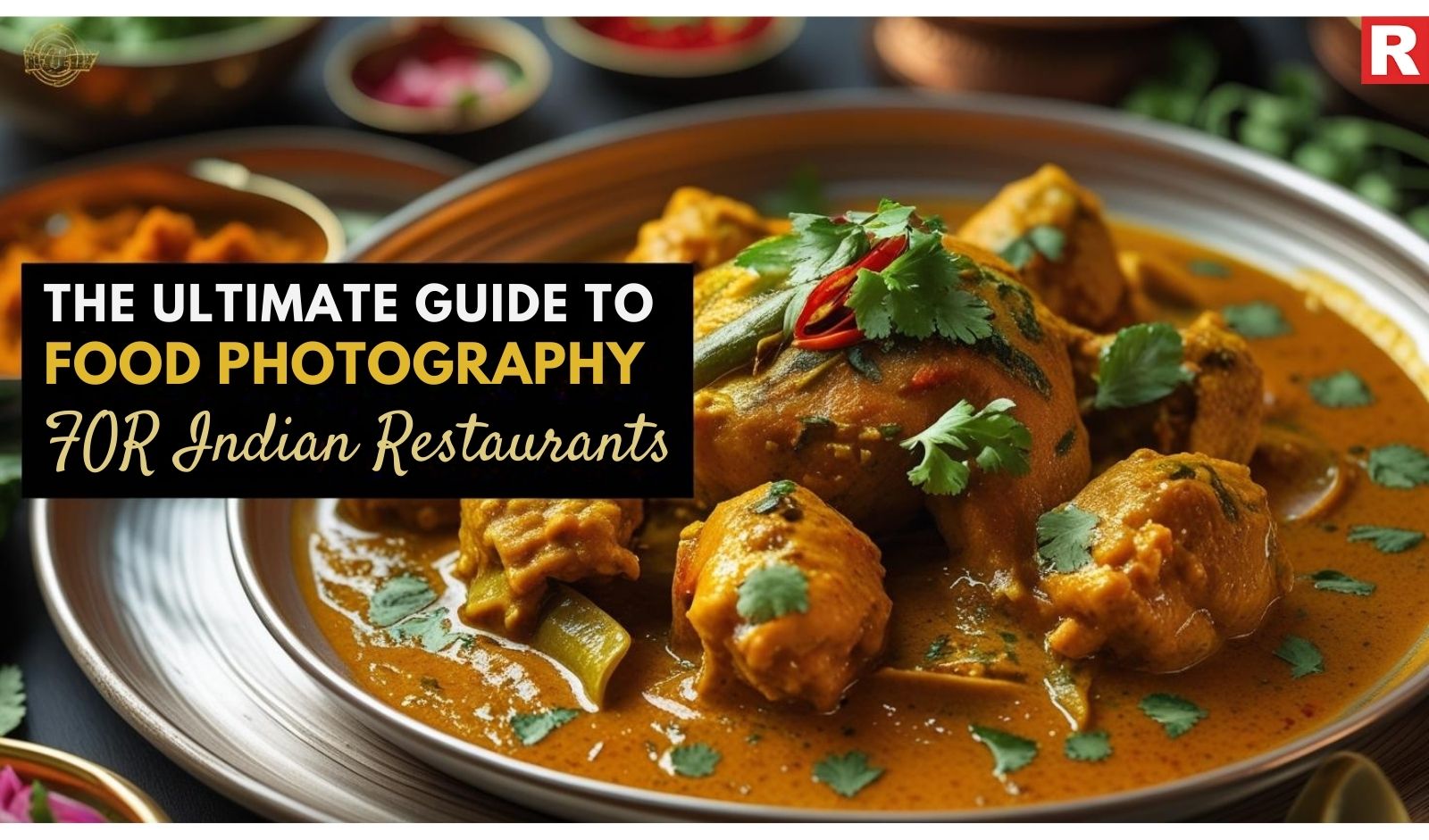
Do you know what makes a dish appealing to a restaurant's customers? Of course, the aroma, spices, and price are the biggest factors. But it can only work if the customer is already familiar with the dish. If a customer ordered a dish only based on its name, they would be puzzled. For example, if a dish is called “Dal Espresso,” the customer will be confused about whether it is a lentil dish or a coffee. In such cases, a picture of the dish becomes more important. The most special dish of your restaurant can look dull if it doesn't have a picture of it. This makes food photography even more important for the restaurant.
With food photography, a restaurant can grab the attention of customers in an instant. Therefore, in this article, we will look at the art and science of taking wonderful food images that not only look great but also communicate your restaurant's story, promote your brand, and ultimately increase reservations and online orders. This article will teach you everything you need to know about lighting and composition, as well as how to master style approaches that highlight the unique appeal of Indian cuisine.
What is Food Photography?
Read more: 10 Facts You Should Know About Frozen Desserts
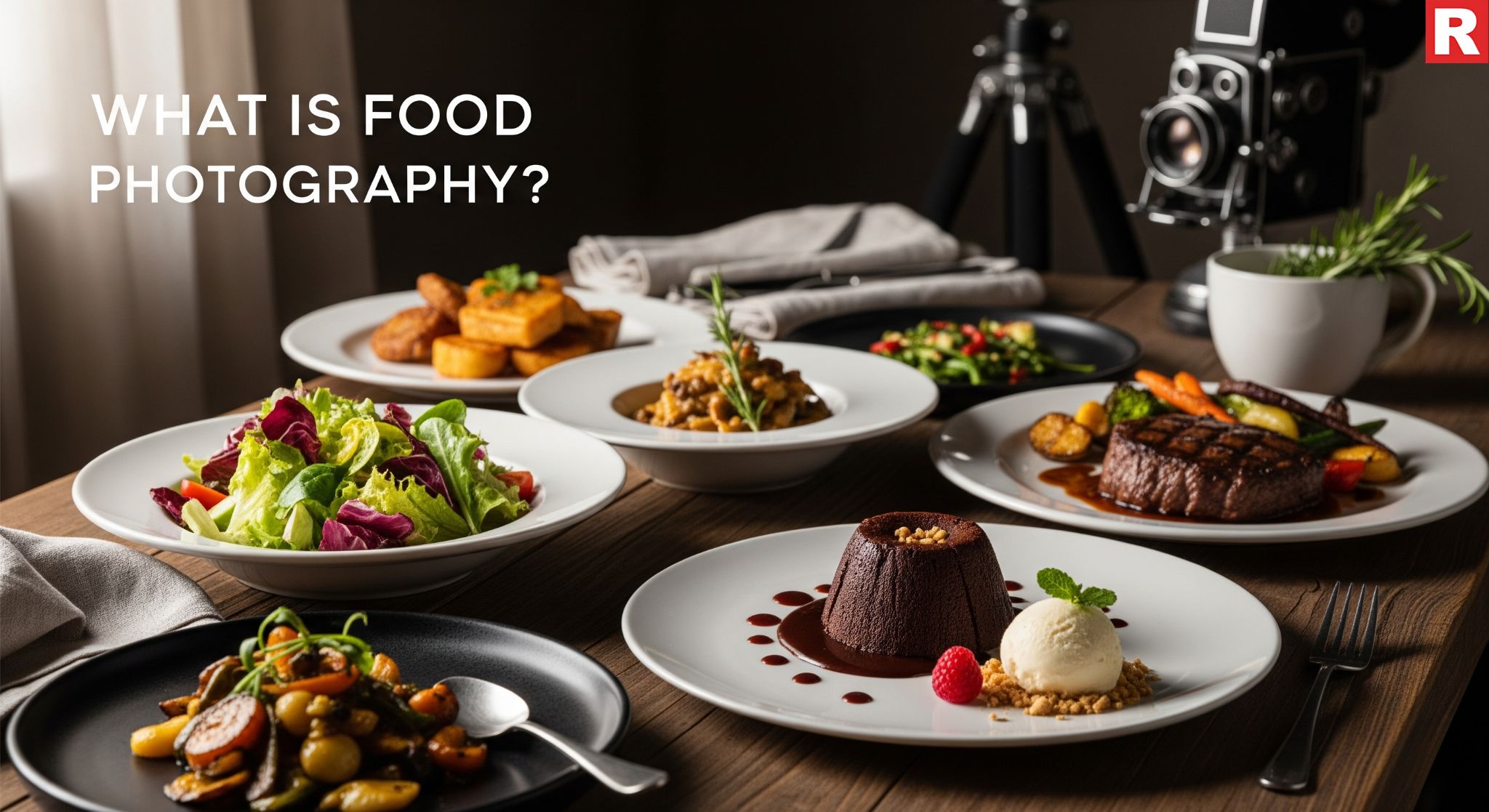
Food photography is the art of capturing photos of food in such a way that it appears as appetizing and tempting as possible. It's a type of still-life photography that highlights a dish's textures, colors, and details through lighting, styling, and arrangement. The idea is to create a want or craving for the meal, transforming a basic visual into an effective marketing tool. In today's digital age, food photography is critical for restaurants to attract customers and establish a strong brand identity on social media and other online platforms. Food photography is ultimately used for the following purposes:
- To show photos of the dish in the physical menu to the dine-in customers.
- To show photos on websites like food ordering platforms or a digital menu of the restaurant.
- Various food bloggers or influencers use food photography in their work.
Why Food Photography Is Non-Negotiable for Restaurants
Food photography has multiple benefits for your restaurant in a visually overwhelmed digital world. So it is non-negotiable for restaurants not to use food photography.
- First Impression Matters: For potential customers looking through Instagram or online delivery platforms, your food images are frequently their first impression of your business. Visually appealing content can influence whether people click to learn more or scroll past.
- Showcasing Your Culinary Skills: Indian cuisine is a brilliant mix of colors, textures, and subtle details. High-quality photography allows you to demonstrate the skill and artistry that goes into making your meals.
- Building Brand Identity: Consistent and visually appealing photographs help to create a strong and recognizable brand identity for your restaurant. Your picture style can convey your restaurant's atmosphere, cuisine focus, and general personality.
- Driving Engagement and Traffic: Delicious food photos are easily shared and engaging on social media. They can generate likes, comments, and shares, boosting your restaurant's visibility and bringing visitors to both online and physical locations.
- Increasing Online Orders: For restaurants that provide online delivery, captivating food photographs on your website and delivery partner applications can have a major impact on customers' ordering decisions.
- Creating a Visual Menu: High-quality photographs act as a visual menu for your online audience, allowing people to better grasp what you have to offer and make rational choices.
The Essential Elements of Great Food Photography

Food photography can capture the essence of the dish and make it more appealing to the public.
1. Lighting
Lighting is undoubtedly the most important aspect of food photography. It sets the tone, reveals textures, and accentuates the colors of your dishes.
- Natural Light: When possible, use natural lighting. Position your food near a window to take advantage of the soft, indirect sunlight. Avoid direct sunlight, which can cast harsh shadows and produce unpleasant highlights.
- Side Lighting: Placing your food to the side of a light source (natural or artificial) frequently produces beautiful shadows that add depth and richness to the shot.
- Diffusing Light: If natural light is excessively bright, use a diffuser (a thin white cloth or paper) to soften it and reduce the appearance of harsh shadows.
- Artificial Light: If natural light is unavailable, consider purchasing steady LED lights with diffusers. Avoid using your camera's built-in flash, as it often produces harsh and unpleasant effects.
- Understanding Shadows: Pay close attention to the shadows in your frame. Soft shadows can create depth; however, strong or distracting shadows should be avoided.
Know this: Top 10 Foods to Boost Your Mineral Intake Naturally
2. Composition
Composition is how you organize the items in your frame. A well-composed photograph draws the viewer's attention and produces a visually appealing image.
- The Rule of Thirds: Consider splitting your frame into nine equal portions using two horizontal and two vertical lines. Placing your theme or important pieces along these lines or at their intersections frequently results in a balanced and compelling composition.
- Leading Lines: Use lines (such as a row of kebabs or a swirl of sauce) to guide the viewer's eye through the image and towards the main subject.
- Negative Space: Don't be afraid of the space in your frame. Negative space can help you highlight your subject while also creating a sense of a state of balance.
- Angles & Perspectives: Experiment with various shooting angles. Overhead (flat lay) pictures are ideal for highlighting the entire dish and its components. Eye-level images can provide a closer and more realistic experience. 45-degree angles provide an appropriate balance of showing the top and front of the dish.
- Layering and Depth: Create interest in your image by layering items in your frame. This could include arranging garnishes on top of the main dish, putting objects in the background, or using props to add depth.
What's new: How to Get A Government Loan for Your Restaurant Business
3. Styling
Food styling involves setting up the food and adding props to make the dish as appealing as possible.
- Fresh Ingredients Are Key: Use only the freshest, most visually pleasing ingredients. Wilted or bruised pieces can belittle the image.
- Garnishes with a Purpose: Place garnishes strategically to enhance color, texture, and visual appeal. Choose garnishes that enhance the food without overpowering it. Fresh herbs, edible flowers, a sprinkling of spices, or a drizzle of sauce can make a significant difference.
- Plating Matters: Pay close attention to how the food is plated. Arrange the ingredients cautiously to prevent cluttering the platter. Wipe away any smudges or spills.
- Props That Create a Story: Use props (such as flatware, plates, bowls, linens, and ingredients) to provide context and create a story about your restaurant and the dish. Select props that complement the decor and food of your restaurant. You might make a rustic Indian dish with ceramics and natural materials.
- Creating Texture: Emphasize the various textures in your meal. This could include demonstrating the crispiness of fried foods, the smoothness of a sauce, or the fluffiness of rice.
- Color Harmony: Be aware of the colors in your frame. Contrasting colors will make your subject stand out, while complementary colors will provide a design that is stronger. Indian cuisine provides a rich palette to work with.
Check out: How to Shield Your Restaurant Business from Failing
Obbattu Recipe – Authentic Karnataka Sweet for Festive Menus & Dessert Lovers
4. The Finishing Touches
While capturing a stunning image in-camera is vital, post-processing can help to improve and polish your photos.
- Use Editing Programs Wisely: There are numerous user-friendly mobile editing programs (such as Snapseed, VSCO, and Adobe Lightroom Mobile) that can help you change brightness, contrast, saturation, sharpness, and white balance.
- Subtle Enhancements Are Best: Avoid overediting your images, which can make the meal appear fake and unappealing. The idea is to bring out the natural beauty of the meal.
- Maintain Consistency: Create a consistent editing style for all of your photographs to ensure that your brand's visual content looks harmonious.
- Cropping and Straightening: Crop your photographs to improve composition and keep horizontal and vertical lines straight.
Specific Tips for Photographing Indian Cuisine
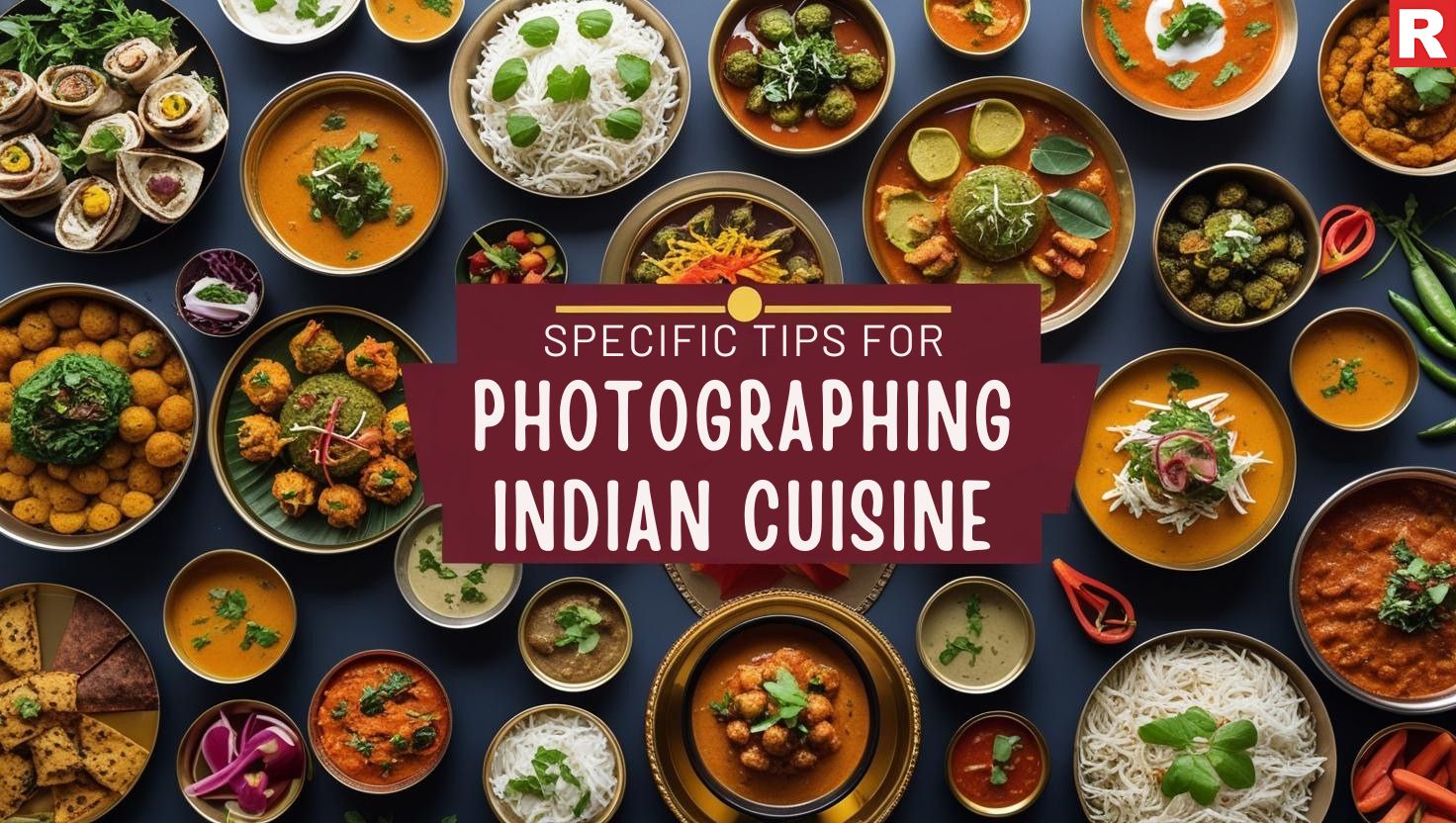
Indian food offers different possibilities as well as challenges for photography.
Embrace the hues: Indian cuisine is typically filled with vivid colors. Use lighting and editing to really make these colors stand out.
Highlight the Textures: From the crispy outside of a samosa to the creamy texture of dal makhani, emphasize the various textures in your food.
Don't Be Afraid of Spice: A sprinkle of red chili powder or a few whole spices can give visual appeal and hint at the flavor.
Highlight the Gravies and Sauces: Rich gravies and sauces are frequently the standouts of Indian food. Use angles to highlight their deliciousness.
Capture the Steam: Dishes that are gently steaming might appear to be very appealing. Capture the steam rising as you take the photograph.
Use Traditional Indian Props: Props such as serveware, spices in miniature bowls, or patterned fabrics can be used to offer authenticity and cultural context.
Read this: Picante Cocktail Recipe: The Spicy-Sweet Drink Taking Over Cocktail Menus
Conclusion
In a competitive dining environment, impressing your audience visually is equally crucial to appealing to their taste sensations. Mastering the foundations of food photography, such as light, composition, style, and post-processing, will allow you to transform your meals into tempting visual material that draws guests, grows your brand, and eventually adds to the success of your Indian restaurant. Embrace the art of displaying your luxurious delicacies, one breathtaking shot at a time, and watch your restaurant's internet appeal grow.
Many people dream of owning and running a profitable restaurant in India. However, the initial investment required to start or expand a food business can be an important barrier. You see, opening and managing a restaurant requires a huge amount of investment. Fortunately, the Indian government provides a range of loan schemes and initiatives to help small and medium-sized businesses (SMEs), including restaurants.
Understanding the world of government loans can be difficult due to their complex processes and eligibility requirements. This article is specifically intended for interested and existing restaurant operators in India. We'll go over the most important government loan programs, explain the qualifying requirements, walk you through the application process, and give you valuable advice to improve your chances of getting the money you need to pursue your restaurant's dreams.
Read more: Picante Cocktail Recipe: The Spicy-Sweet Drink Taking Over Cocktail Menus
Why Government Loans are Crucial for Indian Restaurants
The food service sector in India is an important contributor to the economy, and the government acknowledges the need to promote its growth. Government loans provide various benefits to restaurant businesses:
- Lower Interest Rates: Government-backed schemes frequently offer lower interest rates than typical bank loans or private lenders, lowering the overall cost of borrowing. This is good for small restaurant owners.
- Easier Collateral Requirements: Some government schemes have simpler collateral requirements, making them more accessible to businesses with few financial assets.
- Focus on Certain Sectors: Many plans are designed to help certain sectors, such as SMEs (small and Medium Enterprises), the food processing industry, which directly benefits restaurants.
- Encouraging Business: Government loan efforts aim to promote entrepreneurship and generate job possibilities in the country, which nicely aligns with the interests of restaurant owners. After all, a single restaurant can provide employment to many people.
Key Government Loan Schemes for Restaurant Businesses in India
Several major government loan schemes can be beneficial for restaurant owners in India. Here are a few of the more relevant options:
1. Pradhan Mantri Mudra Yojana (PMMY)
PMMY is a major plan that aims to give financial assistance to non-corporate, non-farm small and micro enterprises. PMMY loans are grouped into three types:
- Shishu (up to ₹50,000) is ideal for launching a small restaurant or food stand.
- Kishore (₹50,001 to ₹5 lakh) is ideal for established small restaurants seeking to grow or upgrade equipment.
- Tarun (₹5 lakh to ₹10 lakh) is ideal for established restaurants seeking considerable expansion or remodeling.
- Tarun Plus (₹10 lakh to ₹20 lakh) is ideal for opening new restaurants.
Eligibility criteria: Indian citizens with a credible business proposal. Existing and new restaurants are eligible. Loans of up to ₹10 lakh under PMMY often do not require collateral.
How to Apply: You can apply to any Scheduled Commercial Bank, Regional Rural Bank (RRB), Small Finance Bank (SFB), Micro Finance Institution (MFI), or Non-Banking Financial Company (NBFC) that participates in the Mudra Yojana. You must submit an application form, a business plan, KYC documents, and other essential financial information.
Know more: How to Grow Your Restaurant Into A Franchise
2. Credit Guarantee Fund Trust for Micro and Small Enterprises (CGTMSE)
The CGTMSE provides assurances to banks and financial organizations for loans made to qualifying micro and small businesses, including restaurants. This decreases lenders' risk and encourages them to issue loans without strict collateral requirements.
Eligibility criteria: New or existing micro and small enterprises (as defined by the MSMED Act of 2006). Restaurants are often eligible for the service sector category. The CGTMSE scheme covers loans up to ₹2 crore.
How to Apply: You cannot apply directly to the CGTMSE. You must contact a CGTMSE-approved bank or financial institution. The lender will review your loan application and, if approved, secure CGTMSE guarantee cover.
3. Pradhan Mantri Employment Generation Programme (PMEGP)
PMEGP is a credit-linked subsidy program designed to provide job opportunities by aiding entrepreneurs in establishing new micro-enterprises. It is managed by the Ministry of Micro, Small, and Medium Enterprises (MoMSME).
Eligibility criteria: Individuals over the age of 18, Self Help Groups (SHGs), Registered Trusts, Educational Institutions, etc. Setting up a manufacturing unit costs ₹50 lakh, whereas a service sector unit (including restaurants) costs ₹20 lakh. The subsidy component varies depending on the beneficiary's category and the location of the unit (urban or rural).
How to apply: Prepare a project report and apply online through the Khadi and Village Industries Commission's PMEGP portal. Your application will be sent to the administering agency (KVIC/KVIB/DIC) in your district. After examination, you may be invited to an interview before the bank approves the loan.
4. National Small Industries Corporation (NSIC) Schemes
NSIC provides a variety of schemes to help the growth of small and medium-sized enterprises, including financial aid. Their programs frequently focus on technology upgrades, marketing assistance, and credit assistance.
Eligibility criteria: Micro, small, and medium-sized businesses, both existing and new. Restaurants wishing to modernize their culinary equipment or expand their facilities may find NSIC schemes useful.
How to Apply: To learn about individual schemes and the application process, go to the NSIC website or contact a branch in your area. In most cases, you must produce a complete project report as well as financial documents.
What's new: How to Shield Your Restaurant Business from Failing
5. Stand-Up India Scheme
The Stand-Up India Scheme is designed to encourage entrepreneurship among women, Scheduled Caste (SC), and Scheduled Tribe (ST) businesspeople. The scheme offers bank loans ranging from ₹10 lakh to ₹1 crore to at least one Scheduled Caste or Scheduled Tribe borrower and one woman borrower per bank branch for starting a greenfield firm (new venture).
Eligibility criteria: Entrepreneurs over the age of 18 who are women or SC/ST. The company should operate in the manufacturing, service, or trading sectors. Restaurants come under the service sector.
How to Apply: You can apply online through the Stand-Up India portal or go directly to a bank branch. The scheme also offers handholding assistance and credit guarantees through the Credit Guarantee Fund for Stand-Up India (CGFSI).
The Application Process: A Step-by-Step Guide for Restaurateurs
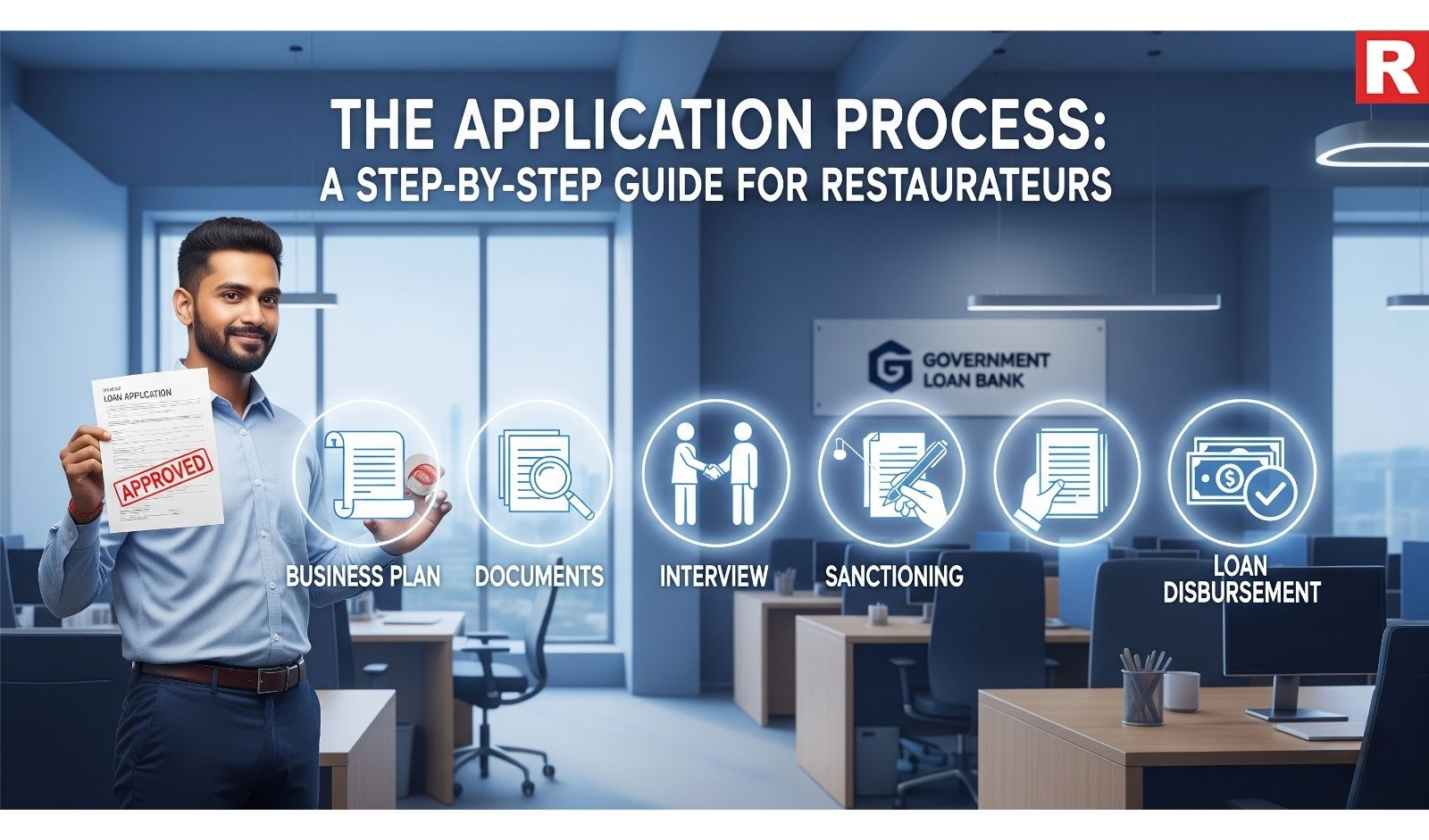
While the requirements may differ based on the plan and the lending group, here is an overall overview of the application process:
- Research and Select the Right Scheme: Carefully consider the eligibility criteria, loan amount, interest rates, and other parameters of several government programs to determine which one is most suited to your restaurant's needs and stage of development.
- Prepare a Comprehensive Business Tactic: A well-written business plan is essential. It should include information about your restaurant concept, target market, marketing strategy, operational plan, budget estimations (including revenue forecasts, cost analysis, and profitability), and the loan amount needed for the intended use.
- Gather the necessary documents: Prepare all necessary documentation, which usually includes:
- Application form (provided by the lending institution or online site)
- KYC paperwork (identification and address proof) for the applicant(s) and promoters
- Business registration evidence (if applicable)
- Partnership agreement or Memorandum and Articles of Association (if necessary)
- Business plans and project reports
- Financial statements (for an existing firm)
- Bank Statements
- Quotation for machinery or equipment (if appropriate)
- Caste certificate (if applying for schemes such as Stand-Up India)
4. Approach the lending institution: Visit the bank, NBFC, or government body that manages the scheme you've chosen. Please submit your application form and all supporting papers.
5. Scrutiny and Due Diligence: The financing institution will assess your application and perform thorough research, which may include site visits and verification of your documents and business plan.
6. Interview and Authorizing: You may be called for an interview to go over the business's strategy and financial projections. If the lender is satisfied, your loan will be approved. So keep yourself prepared for the interview process. You should know every minute detail of your business plan.
7. Payment: Once the loan is approved, funds will be transferred to your bank account following the scheme's terms and conditions.
Check out: Using Gaming to Boost Your Restaurant Business: How does it work?
Tips for Increasing Your Chances of Securing a Government Loan
- Have a Well-Structured Business Plan: A detailed and realistic business plan demonstrating your restaurant's long-term viability and profitability is essential.
- Maintain a Good Credit History: A good credit score boosts your reputation and improves your chances of loan acceptance.
- Offer Accurate Financial Information: Ensure that all financial information you offer is accurate and transparent.
- Highlight Your Restaurant's Unique Selling Point: Clearly define what distinguishes your restaurant and why it is likely to flourish in the market.
- Be prepared to answer questions: Prepare to address all questions from the lending institution concerning your business plan, financial projections, and management team.
- Follow Up Regularly: Stay in touch with the lending institution to monitor the status of your application.
Read this: Top 10 Essential Technology Systems for any Restaurant
Conclusion
A government loan can give the financial encouragement you need to start, expand, or modernize your restaurant business. Understanding the many programs available, carefully completing your application, and following the necessary processes will considerably boost your chances of receiving this vital financial assistance. With the appropriate capital and a good business strategy, you can serve up success and turn your culinary dreams into a tasty reality. Remember to stay up-to-date on the newest government efforts and seek advice from financial specialists to efficiently manage the process.
Opening a restaurant and starting your own culinary business is a dream for many. Many restaurateurs could even make this dream of theirs a reality if they had done proper planning and execution. However, the real struggle shows itself after the daily operations of the restaurants start. No matter how flawless the planning is, there may be some areas where mistakes of any kind can occur. Or there may be some factor you didn’t consider during the planning of the restaurant, and now it is causing a problem. Areas left unattended can also create an issue. Many issues can pose a threat to the overall functioning of your business and might even become a factor leading to the failure of your restaurant.
To stop your restaurant from collapsing completely, you have to find the key areas of the problem. In this article, we will be covering the main reasons that can lead to the failure of your restaurant. We would also like to discuss how to shield your restaurant from potential failure and make sure it keeps its place among the customers.
Main Reasons for the Potential Failure of A Restaurant
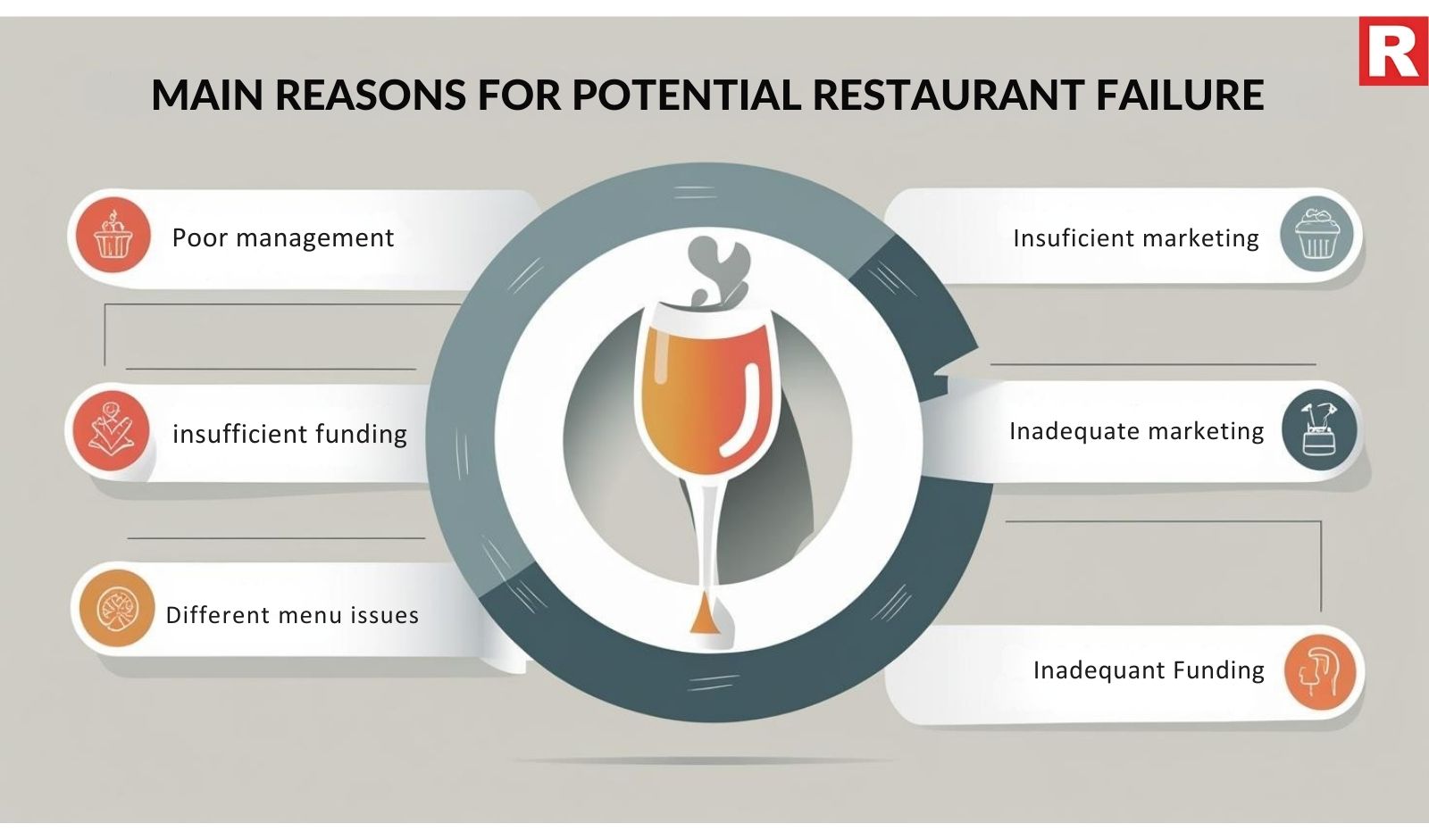
The restaurant industry is highly competitive and, therefore, is also notorious for its high failure rate. While a restaurateur might be focusing on creating superb dishes to cater to the tastes of the customers, the reality is that most mistakes stem from some of the common business mistakes that are avoidable. And in the competitive and dynamic market of the Indian culinary industry, such mistakes can pose an ultimate threat if they occur regularly. Therefore, understanding these problems and actively addressing them is the first and most important step in developing an efficient and successful restaurant business.
- Poor Financial Management: A lack of enough startup capital and an inability to control expenditures are the key causes of failure. Even if a restaurant looks to be profitable, it can fail if its Cost of Goods Sold (COGS) is not clearly understood and cash flow management is ineffective.
- Inefficient Operations: The absence of a well-defined business plan and irregular daily operations creates chaos. This includes inconsistent food and service quality, which damages customer trust, as well as a high staff turnover rate, which raises expenses and lowers efficiency.
- Poor Marketing and Brand Management: In a congested market, a restaurant must have a distinct Unique Selling Proposition (USP) to stand out. Inadequate promotion and disregard for the restaurant's online reputation on sites such as Google and Zomato can prohibit it from gaining and maintaining customers.
- The Human Factor: Choosing the incorrect site, whether it is expensive or has poor visibility, might be disastrous. Ineffective leadership, poor communication, and the inability to adapt to changing trends and technologies are all major causes of failure.
Read more: Rain Meets Refinement: 7 Premium Whisky Cocktails to Sip This Monsoon
Save Your Restaurant Business From Failing
There are many key areas you need to focus on if you want your restaurant to keep working and flourish. From finances to marketing, you need to keep a check on every sector so that any problem that can lead to the failure of your business can be avoided.
1. Master Your Finances: The Foundation of Restaurant Survival
Poor management of finances is a primary cause of restaurant failure. Implementing strong financial processes is critical for survival in a competitive marketplace.
- Detailed Budgeting and Forecasting: Develop an elaborate budget that includes all expected income and expenses. Predict future performance regularly using past data, seasonal trends, and local economic conditions. This enables you to spot any cash problems early on.
- Accurate costing: It includes meticulously tracking the cost of goods sold (COGS), labor costs, rent, utilities, and marketing expenses. Learn the exact cost of each dish on your menu for more successful pricing.
- Inventory Management: Set up a successful system for tracking inventory to reduce food waste, eliminate spoiling, and optimize ordering. Regular stock checks and accurate tracking are essential for controlling COGS.
- Pricing Strategy: Create a strategic pricing plan that balances profitability and customer value. Consider the pricing of your rivals, your target customer's ability to spend, and your unique selling points.
- Cash Flow Management: Make sure you have enough cash on hand to pay your immediate bills. Negotiate appealing payment conditions with suppliers and manage accounts receivable efficiently.
- Regular Financial Analysis: Review your financial accounts (profit and loss, balance sheet, and cash flow statement) regularly to discover patterns, areas of concern, and possibilities for improvement. Consider hiring a financial counselor who is experienced with the restaurant industry in India.
Know more: How to Cook Prawns Like a Pro: Restaurant-Style Curry Recipe
2. Satisfy Your Customers
Word-of-mouth spreads quickly, providing outstanding customer service and a unique dining experience, which is critical for building loyalty and protecting your business from failure.
- Exceptional Customer Service: Teach your employees to be attentive, courteous, and informed about the menu. Train them to deal with consumer complaints efficiently and effectively. Go the extra mile to foster ideal interactions.
- Build Relationships: Encourage employees to recall regular customers' names and preferences. Implement a CRM system to track client data (with consent) and modify the experience.
- Gather and Act on Feedback: Actively seek consumer feedback via comment cards, online surveys, and social media monitoring. Take every input seriously and utilize it to determine areas for development.
- Create a Warm Atmosphere: Make sure your restaurant's ambiance is appealing, clean, and pleasant for your target audience. Pay attention to the decoration, lighting, music, and overall cleanliness.
- Loyalty Programs: Create a well-designed loyalty program to reward and encourage regular customers to return. Provide special discounts, early access to new menu items, or other benefits.
- Manage Your Online Reputation: Actively monitor online reviews on platforms such as Google, Zomato, and TripAdvisor. Respond to all reviews, positive or negative, in a timely and professional manner. Address issues both publicly and privately to demonstrate how much you respect feedback from customers.
3. Optimize Operations: Efficiency is Key to Sustainability
Simple operations can dramatically cut costs, increase efficiency, and improve the entire customer experience, all of which are critical considerations in preventing restaurant failure.
- Efficient Kitchen Management: Optimize the kitchen structure and workflow to reduce blockages and increase efficiency. Invest in dependable equipment and perform regular maintenance.
- Technology Adoption: Use POS systems with incorporated inventory management, online ordering platforms, and kitchen display systems (KDS) to automate activities, eliminate errors, and increase communication.
- Staff Training and Development: Invest in complete training programs for all employees, including food preparation, service standards, hygiene regulations, and safety measures. Well-trained employees are more efficient and deliver superior customer service.
- Menu Optimization: Includes regularly reviewing your menu to find slow-moving or useless items. Simplify your menu to concentrate on popular and profitable dishes. Consider seasonal recipes to maximize local ingredients and cut expenditures.
- Waste Management: Implement tactics to reduce food waste by carefully managing inventories, using proper storage practices, and repurposing materials in creative ways.
- Standard Operating Procedures (SOPs): Develop clear SOPs for all critical jobs and processes to maintain consistency and efficiency throughout the organization.
What's new: How to Grow Your Restaurant Into A Franchise
4. Adapt to the Market
The restaurant industry is always evolving. To prevent failure, restaurants must adapt to changing consumer preferences, market trends, and local economic situations.
- Keep Up with Trends: Stay updated on the newest culinary trends, dietary preferences (e.g., vegan, gluten-free), and dining habits in your area. Be willing to change your menu and offerings to satisfy changing demands.
- Monitor Competitors: Keep a watch on your competitors. Analyze their menus, pricing, marketing methods, and customer feedback to uncover possibilities and risks.
- Embrace Digital Presence: In today's digital age, a strong online presence is essential. Invest in a decent website, actively participate on social media platforms that match your target demographic, and explore online advertising.
- Offer Delivery and Takeaway: Broaden your reach by providing convenient delivery and takeaway services. Partner with local delivery platforms or start your own delivery business.
- Change When Necessary: Be prepared to modify your business model as needed. This could include modifying your menu, service manner, or even looking at additional revenue streams such as catering or meal packages.
- Community Engagement: Take part in local activities and initiatives to raise brand awareness and develop positive relationships with the community.
5. Manage External Factors
While you have control over many areas of your restaurant, external variables such as economic crises, supply chain disruptions, and changes in regulations can present major problems.
- Develop Strong Supplier Relationships: Establish strong relationships with dependable local suppliers to assure a steady supply of high-quality ingredients and possibly negotiate lower prices.
- Stay Up-to-Date on Standards: Keep track of any changes to food safety standards, licensing requirements, and labor laws in India.
- Create Backup Plans: Prepare for possible disruptions like supply shortages, equipment failures, or unanticipated economic downturns. Have backup measures in place to reduce the impact on your business.
- Seek Expert Assistance: Do not be afraid to seek assistance from experienced restaurant consultants, industry groups, or mentors who may offer useful insights and information.
Check out: 121 Coffee Quotes and Captions
How to Find Areas That Can Have Faults
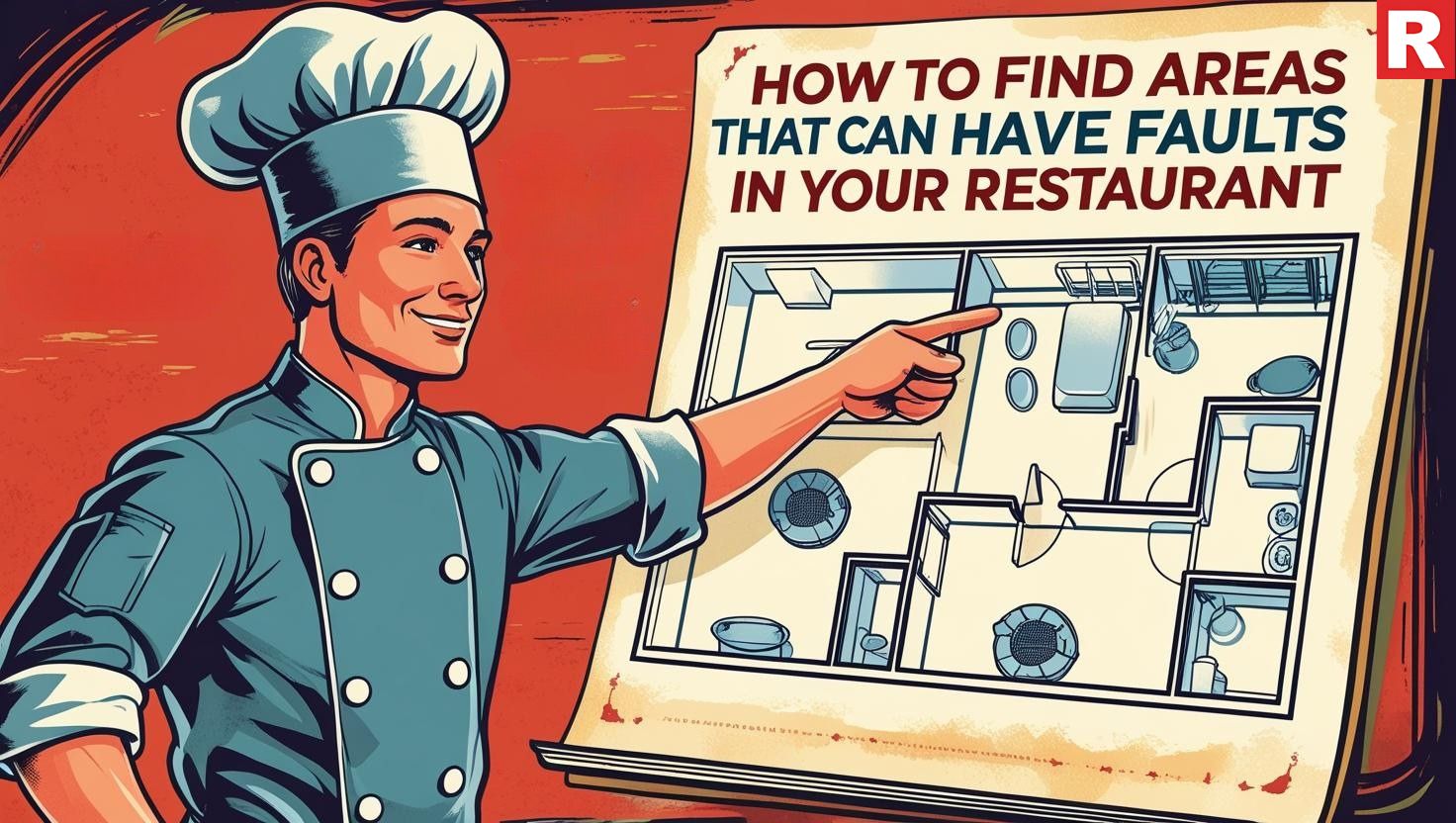
To create a solution to a problem, you first need to know how to find where the problem is. Similarly, finding the key area where the problem lies in a restaurant is necessary. To do this, the restaurateur must look at the overall data of different sectors of restaurant operations.
Financial Health
Budget vs. Reality: An error occurs when your actual income and expenses are not comparable to your budget.
High COGS: A continuously high Cost of Goods Sold (COGS) suggests problems with pricing, inventory management, or waste.
Negative funds Flow: A consistent lack of funds to pay bills, even if you are profitable on paper, indicates a serious fault in financial management.
Customer Feedback
Negative Reviews: A trend of poor internet reviews about service, food quality, or ambiance points to particular areas of failure.
Low Loyalty: If your loyalty program isn't gaining momentum or you have a low proportion of regular consumers, it could indicate a problem with the whole customer experience.
Operational Issues
High Staff Turnover: An ongoing cycle of hiring and training employees indicates issues with management, the environment of work, or training.
Inconsistent Quality: When consumers claim differences in dish quality or service, it shows a problem with your Standard Operating Procedures (SOPs) or staff training.
Low Menu Profitability: A menu that includes many popular but low-profit products suggests a flaw in menu optimization.
Read this: How to open a pet-friendly restaurant in India
Crisis Avoided and Success Ensured
Protecting your restaurant business against failure demands a complete strategy that includes strong financial management, outstanding customer service, improved operations, market adaptability, and strategic management of external influences. By focusing on these important areas and constantly aiming for improvement, you can create a solid and thriving restaurant that not only survives but thrives in the dynamic and competitive culinary environment, assuring long-term success for your business.
No matter if it is a small street business or a big restaurant, everyone is looking to develop and expand their business. And what is a better way of doing that than turning your restaurant into a franchise? After all, no restaurateur will want to miss the opportunity to expand their business all over India. However, it is no easy feat to franchise your business in the food business of India.
Franchising is more than just creating a new branch; it's about duplicating your brand's DNA and allowing others to carry it on. It's a path that demands careful planning, a strong legal structure, and a dedication to building a network of partners. This detailed article will help you by providing you with the necessary steps for transforming your successful restaurant into a profitable restaurant franchise in India.
Read more: Top 10 Essential Technology Systems for any Restaurant
Which Restaurants Can Franchise Their Business?
Before you look into the necessary steps required to franchise your business, you need to make sure that your restaurant is ready for the expansion.
Proven and Profitable Business Model: Only restaurants with a history of consistent profitability and success are suitable candidates. The business model must be long-lasting and proven over time.
Replicable Operations: The restaurant's operations, from recipes and food preparation to customer service, must be easily understood and copied by others. A complete operating handbook is required.
Strong, Protectable Brand: The brand identity, which includes the name, logo, and general concept, must be recognizable and legally protected by trademarks. This brand must be powerful enough to attract and keep clients across multiple locations.
Established processes: The restaurant should have well-defined processes for inventory management, employee training, and marketing. These procedures must be documented and prepared to be taught to franchisees.
Financial Stability: The parent firm (franchisor) must be financially secure and have the capacity to establish a franchise system and provide continuing assistance and training to franchisees.
Why You Should Franchise Your Business
- Rapid Expansion and Brand Growth: Unlike creating company-owned facilities, franchising allows you to rapidly expand your business and brand exposure. Franchisees provide funding and local management, allowing you to enter new areas throughout India without incurring huge debt.
- Increased Revenue Sources: Franchising provides various sources of revenue, including the initial franchise fee, continuous royalty payments (a percentage of the franchisee's sales), and sometimes a marketing fund charge. This results in a sustainable and expandable income model.
- Leverage Local Expertise: Because franchisees are typically from the local community, they have a greater awareness of the local market, customer preferences, and labor dynamics. This local knowledge is crucial for success and provides a major advantage over the competition.
- Lower Risk and Operational Burden: Franchising transfers financial and operational risk to the franchisee. They are in charge of day-to-day management, staffing, and local marketing, leaving you to concentrate on growing the overall brand and expanding your network.
- Motivated Partners: Franchisees have a direct interest in the success of their business. This personal commitment inspires people to work hard, uphold brand standards, and increase profitability, ultimately benefiting the entire franchise network.
Know more: Small Spaces, Big Impact: The Rise of Intimate Dining
The Process of Franchising Your Business
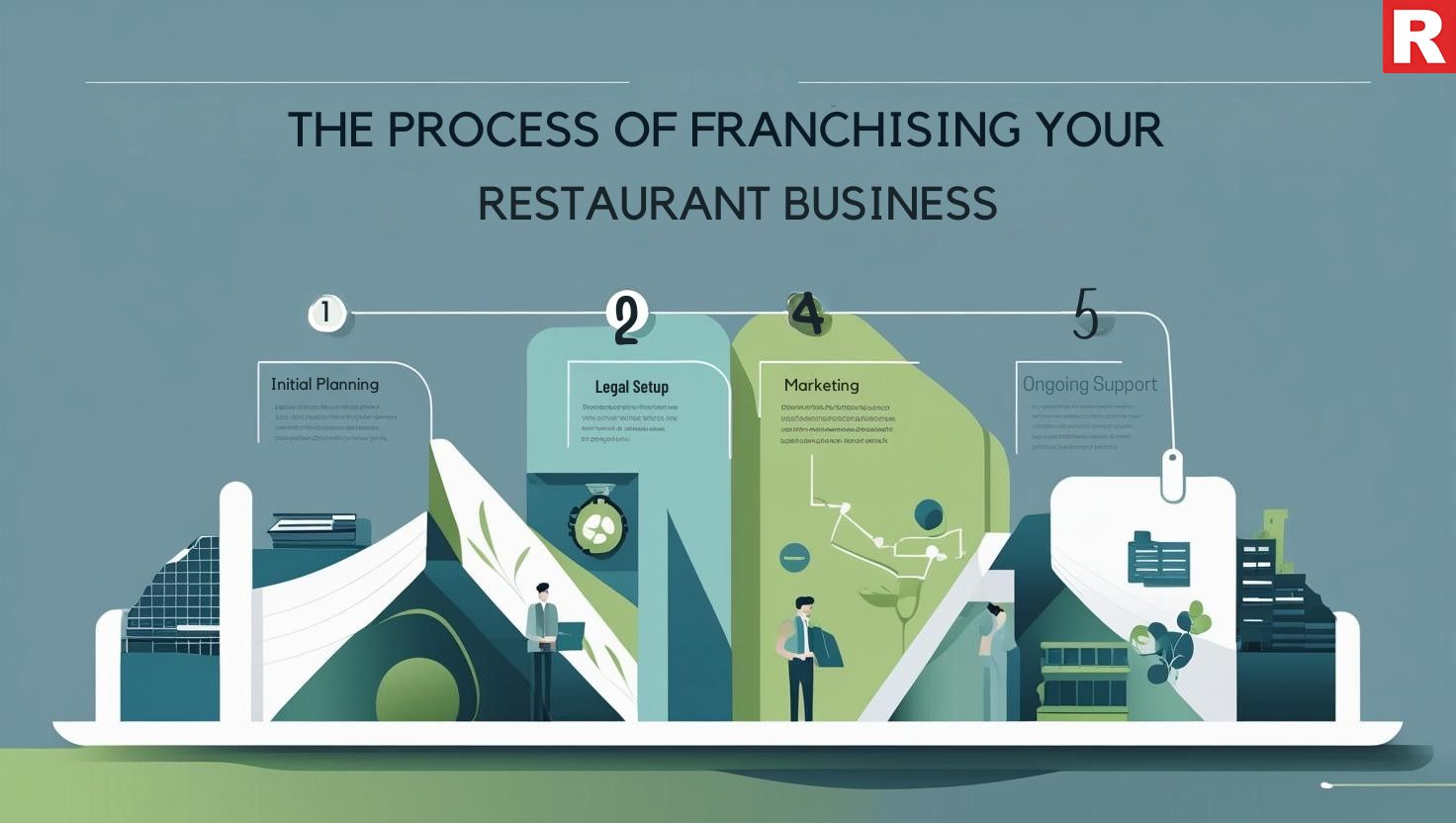
Step 1: Establish a Solid Foundation
Before you contemplate legal documentation or possible franchisees, be sure your business is stable and ready for duplication. Restaurant franchising is not for everyone; it is a business model based on stability, profitability, and brand strength.
1. Prove Your Business Model
The most critical factor is a successful, profitable, and sustainable business model. Your restaurant should have a track record of steady profitability, a high level of customer happiness, and an operational model that others can readily understand and implement. You must be able to show that your idea is not a fluke but rather a sustainable business.
2. Document Everything—The Operations Manual
This is the center of your franchise system. The operations handbook provides a detailed, step-by-step guide for running your restaurant. It should be an in-depth report that covers all areas of the firm, from A to Z. Consider it a roadmap for success that a new franchisee can follow. Your operations manual should contain:
- Standard Operating Processes (SOPs): They include detailed instructions for all tasks, including opening and closing processes, cleaning schedules, and customer service protocols.
- Recipe Books: They provide a detailed reference to each dish, including specific ingredient amounts, cooking processes, and presentation requirements.
- Supplier Information: A list of certified vendors for all ingredients and equipment to assure consistency.
- Marketing and HR Guidelines: Standards for advertising materials, social media policies, and hiring and training procedures.
3. Establish a Support Infrastructure
As the franchisor, your responsibilities evolve from restaurant operator to business instructor. You'll need a team and processes in place to help your franchisees. This includes:
- Franchise Team: A small group of people who work together to build, train, and maintain franchises.
- Centralized Systems: Technology solutions for POS, online ordering, and inventory management that can be implemented across all franchise sites.
Step 2: The Legal and Financial Blueprint
After you've established your business model and documented your brand and operations, the next stage is to formalize the franchise and establish a legal and financial framework.
1. Hire legal and financial experts
This is not a do-it-yourself project. You will need to appoint a legal counsel with experience in franchising in India, as well as a financial consultant or chartered accountant.
- Legal Counsel: Your lawyer will prepare the essential legal documents, including the franchise agreement, and ensure that you comply with all applicable Indian laws.
- Financial Consultant: Your accountant will assist you in developing a complete financial model for your franchise, including franchisee startup expenses, royalty fee structures, and expenditures associated with franchise network support.
2. The Franchise Agreement
The franchise agreement is a legally binding agreement between you, as the franchisor, and the franchisee. It is a crucial document describing both parties' rights and responsibilities. It should be thorough, including:
- Franchise fees: They include both the one-time initial franchise price and ongoing royalty payments (a proportion of the franchisee's sales).
Term of the Agreement: The duration of the franchise agreement and renewal options. - Territory: The geographic area in which the franchisee is licensed to operate.
- Training and Support: Details on the training program and the ongoing assistance you will provide.
- Compliance and Termination: The rules that the franchisee must follow and the circumstances under which the agreement may be terminated.
What's new: Using Gaming to Boost Your Restaurant Business: How does it work?
3. The Franchise Disclosure Document (FDD)
While there is no particular federal regulation requiring an FDD in India, establishing a full disclosure document is a best practice and ethical requirement. It offers potential franchisees all of the information they require to make an informed investment decision. Your FDD should include the following:
- Franchisor History: Learn about your company's leadership and history.
- Initial Investment: A complete breakdown of all charges that the franchisee should expect to incur.
- Earnings Claims: If you decide to make earnings claims (which requires care and legal advice), you must give a basis for those claims and be able to back them up.
4. Financial Modeling and Fee Structure
Carefully consider your fee structure to ensure that it is both appealing to franchisees and profitable for you as the franchisor.
- Initial Franchise Fee: The initial franchise fee covers training, support, and a share of the franchise development expenditures.
- Royalty Fees: This is the franchisor's regular revenue stream, which is usually a proportion of the franchisee's gross sales. It provides finances for continuous support, marketing, and system development.
- Marketing Fund: An optional but typical charge used to establish a central fund for national or regional marketing efforts.
Step 3: The Franchisee and System Development
The success of a franchise is strongly dependent on finding and supporting the right partners. First, you must identify your ideal franchisee profile, including the skills, expertise, and financial resources they require. Next, a thorough verification and application process is required. This process involves an application form, many interviews, and a financial analysis to ensure they are a good fit for your business and can afford the investment.
You must then create a detailed training plan. This should include intense initial training at a specific location, as well as on-site support during the new franchise's launch. This guarantees that the new partner has the knowledge and practical abilities to run the firm effectively from the start.
Finally, support does not end with the grand opening. You must build a robust ongoing support system for your franchisees. This includes regular field visits by a consultant, marketing materials and assistance, and operational support via a dedicated helpline. This ongoing support is essential for preserving brand consistency and guaranteeing the long-term success of your entire franchise network.
Check out: The Pros and Cons of Franchising Your Restaurant in India
How to Source Local Ingredients for Your Indian Restaurant Menu
Step 4: Launching and Growing Your Franchise Network
Creating and expanding a franchise network needs an effective approach to attracting and supporting new partners. First, market your franchise opportunity by building a dedicated area on your website, running targeted digital ads on social media, and attending franchise expos to locate eligible people. Treat your first few franchisees as pioneers; collaborate closely with them to improve your systems, and leverage their success stories as strong testimonials in future marketing efforts. As your network expands, be prepared to manage that growth by increasing your support crew and upgrading technologies such as CRM and franchise management software. Finally, maintain excellent communication with your franchisees by holding frequent meetings to develop a sense of community and keep the brand consistent.
Difficulties Faced When Franchising a Business
- Maintaining Consistency: The biggest difficulty is ensuring that all franchisees stick to the same quality, service, and brand standards. One awful location might have a negative impact on the brand's overall reputation.
- Finding the Right Partners: It is challenging to identify and evaluate franchisees that are not only financially sound but also devoted to your system and share your brand's values.
- Legal and financial costs: Franchising costs large upfront expenditures for legal agreements, financial modeling, and trademarks. Expert assistance is required to navigate this complexity and ensure regulatory compliance.
- Relationship Management: Disputes over royalty fees and marketing can strain the connection between the franchisor and franchisee. Managing these conflicts and providing consistent, high-quality help is a constant issue.
- Adapting to New Markets: A successful business strategy in one area may require adaptations in other markets with varied tastes, suppliers, and competitors, which can be a difficult obstacle to overcome.
Read this: How to open a pet-friendly restaurant in India
Conclusion
Franchising a restaurant is a challenging but rewarding journey. It is a method to not only expand your business but also leave a legacy of flavor and businesses. By meticulously laying a solid foundation, developing a sound legal and financial framework, identifying the right partners, and providing unwavering support, your successful restaurant can grow from a local favorite to a thriving restaurant franchise that leaves its mark on India's culinary map. The journey is difficult, but the outcome is a vast network of profitable, brand-loyal businesses, which is a testament to your goals and hard work.

A good restaurant doesn’t just provide good food, but it also gives an unforgettable experience to the customers. In this competitive market, where restaurants with different themes keep popping up every now and then, it has become difficult to grasp the customer’s attention. If you are a restaurateur who wants to draw in more customers, then you need to make your restaurant a place for fun and enjoyment. One such way is to incorporate gaming into your restaurant.
As we know, game centers and online gaming have already become popular among the newer generation of people. Customers like to enjoy themselves with games and then go to a food center during their outing. So, how about combining these two and creating an establishment that gives your customers a memorable experience and also good food? But to make it possible, you, as the restaurateur, need to make some changes to your current or to-be restaurant. In this article, we will be discussing the ways gaming can help boost your restaurant business and bring more revenue, ultimately leading to the success of your business.
Read more: Tandoori Raan: The Royal Leg of Lamb That Is Taking Over Modern Menus
Why Incorporate Games Into the Restaurant
Before we get into how to "gamify" your restaurant, let's first figure out why introducing games into your business is such a successful strategy.
- Attracting a Wider Audience: Games appeal to a diverse range of people, from families with children and students to young professionals and groups of friends seeking a good time. This can greatly increase your prospective consumer base.
- Creating a One-of-a-Kind Experience: In a competitive market, offering a one-of-a-kind entertainment aspect, such as games, distinguishes your restaurant. This unforgettable experience promotes favorable word-of-mouth and social media sharing in the community.
- Encouraging Longer Stays and Increased Spending: When guests play a game, they are more likely to stay at your restaurant and order more food and drinks. This translates immediately into increased income per table.
- Increasing Social Interaction and a Vibrant Ambiance: Games, particularly those played in groups, promote interaction and create a vibrant and delightful ambiance in your restaurant, making it a popular social destination in your area.
- Driving Repeat Business and Loyalty: A positive and engaging experience encourages consumers to return to your restaurant, knowing they can have both great food and a good time. This increases customer satisfaction and encourages repeat business.
- Generating Social Media Buzz: Unique gaming elements and interesting customer interactions around games make great content for your social media platforms, gaining attention and appealing to others to visit.
Games as Ambiance and Wait-Time Fillers
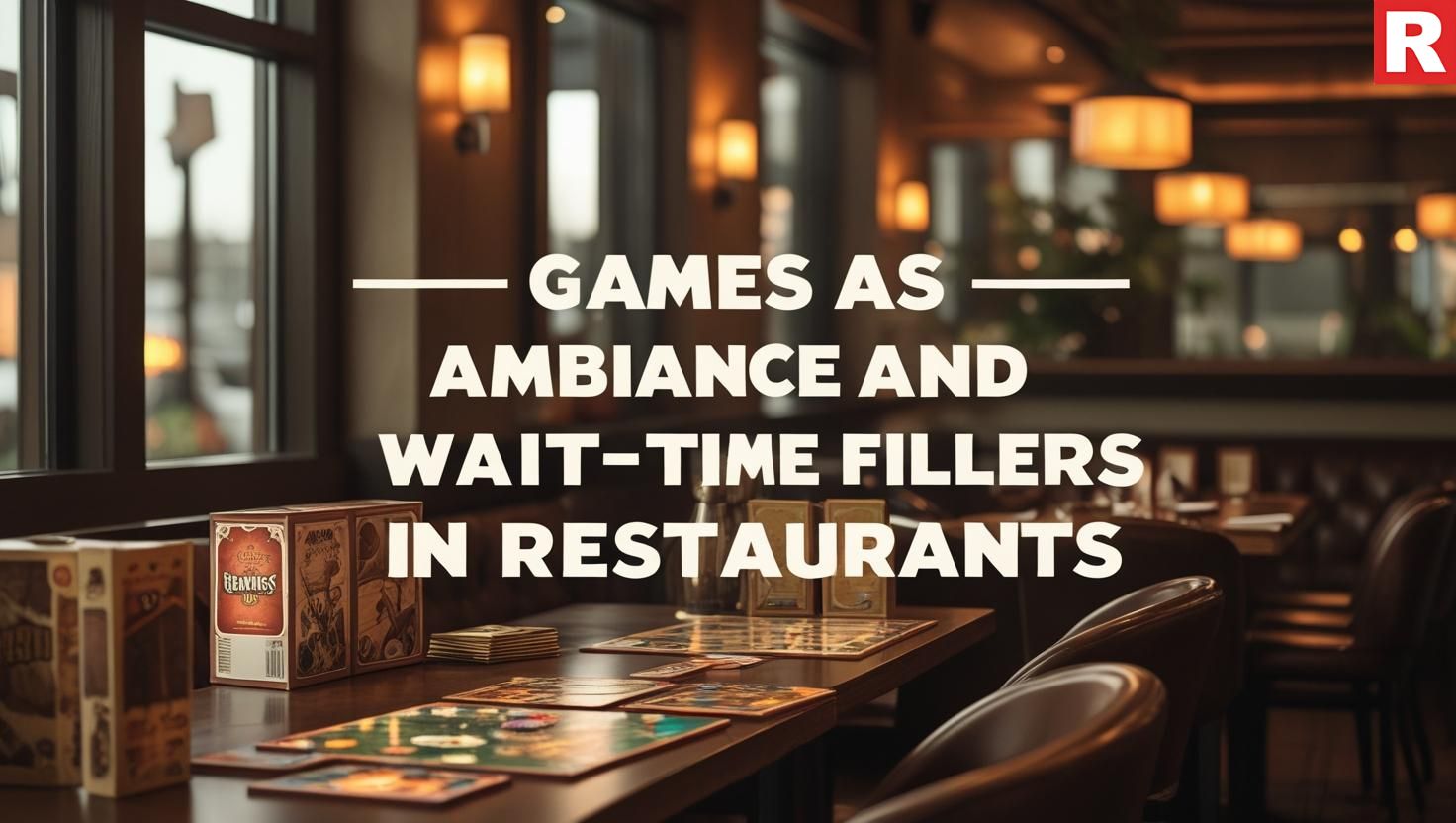
These are the two things where small board games help a lot. Usually, after ordering a dish off the menu, customers have to wait a certain time till they get their food. To make sure the customers are not bored during this time, it is best to keep board games at hand so that people can enjoy themselves before they enjoy the food. This way, they would not even notice the wait time, even if their food is a little late. Including board games in your restaurant also creates a certain ambiance in your restaurant. The idea is to design the interior so that the customers can get that homey feel of playing board games with their family or friends. Keep in mind that food is the main appeal of your restaurant, and gaming is a secondary factor. So make sure that the interior design complements the food, not takes its place.
Some Things to Keep in Mind
- Board Game Corners: Set aside a modest area for classic board games such as chess, Ludo, and Snakes & Ladders. This provides entertainment for clients who are waiting for their table or who want to unwind after their dinner.
- Card Games at Tables: Place decks of playing cards on tables for guests to enjoy while they wait for their food or socialize.
- Trivia sessions: Holding weekly or monthly sessions centered on general knowledge, pop culture, or even food-related topics can be a great idea to draw in customers. You can promote these sessions on your social media sites for people to know.
- Jigsaw Puzzles: Keep a big table in one area where it is visible but does not disrupt the other customers. Display giant jigsaw puzzles on a shared table for guests to work on together. This creates a casual and engaging environment.
- Themed Music and Soundscapes: Create themed playlists or soundscapes based on popular video games or board games to gradually enhance the environment.
Know more: From QSR Counter to Kitchen Shelf: Burgrill Launches OG Sauce Nationwide
How to Make Regular Customers
There is a chance that in the initial phase of your plan, you will start to see an increase in your customers per day. However, with time, this can gradually decrease if you do not properly manage your strategy of incorporating games in your restaurant. The reason for this is that at the start, when you promote the addition of games in your restaurant, people will become intrigued. They will want to experience such a thing once. However, after trying one time, they may not want to come back because they were just there for the games. To make sure such a thing does not happen, keep some things in mind—
- Do not focus too much on the game factor. It is just a way to draw customers in.
- Keep the quality of your food at its prime. It should be good enough so even if people do not find the games interesting, they may want to come back because of the food.
- Regularly host new gaming sessions and tell the visiting customers about them. This way, they might want to come to your next session.
- Keep introducing new games to your restaurant. People will get bored if they only get to play the same four kinds of games every time. Keep an eye on which games are popular on the internet.
What's new: Top 10 Essential Technology Systems for any Restaurant
Themed Food and Beverage
To improve the gaming experience, consider producing themed food and beverage items that connect with popular games:
Game-Themed Cocktails & Mocktails: Create beverages inspired by game characters, items, or environments.
Special Edition Menu Items: Provide limited-time menu items to go along with the launch of a new game or gaming event.
Food Challenges with Gaming Aspects: Design food challenges that include gaming aspects, such as timed eating competitions with a leaderboard or puzzle-solving components.
"Power-Up" Promotions: Provide discounts or freebies as "power-ups" for reaching specific scores in your restaurant's games.
Implementing Gaming in Your Restaurant: A Step-by-Step Guide
- Understand Your Target Audience: Evaluate which types of games will appeal to your current and desired consumer base.
- Start small and test: Begin with a few easy and low-cost gaming choices to evaluate customer interest and obtain feedback.
- Allocate Space Strategically: Set aside special spaces for gaming to prevent disturbing the dining experience of other guests.
- Set Explicit Rules and Guidelines: Create explicit gameplay rules to guarantee that everyone has a fair and pleasurable experience.
- Train Your Staff: Make sure your employees are informed about the games you offer and can assist customers with any queries or concerns.
- Promote Your Gaming Elements: Actively market your restaurant's gaming options via social media, your website, and in-house promotions.
- Gather Input and Repeat: Constantly collect customer input on your gaming choices and be open to adapting and introducing new games based on their preferences.
- Maintain and Update: Keep up with your games and technology regularly to guarantee that they are in good working order and provide fresh material.
Check out: Small Spaces, Big Impact: The Rise of Intimate Dining
How to open a pet-friendly restaurant in India
Kinds of Games to Put in Your Restaurant
Simple Games for a Fun Vibe: These are simple to implement and ideal for keeping clients entertained while they wait. You can organize board games like Chess or Ludo, card games at the tables, or even a trivia night. A large jigsaw puzzle that everyone can work on is also an excellent idea.
Games to Make It an Event: These games are a larger part of the fun and require a dedicated venue. You might have classic arcade games like Pac-Man, set up video game consoles for friends to play, or even utilize a projector to show games directly on the tables or walls. Giant versions of games such as Jenga are also popular.
High-Tech Games for a Cool Experience: These games make use of cutting-edge technology to provide clients with an unforgettable experience. Consider phone games that use augmented reality (AR) to make objects appear on your table, tables with built-in touchscreens for games, or a tiny VR area for people to play. You may also collaborate with mobile games to provide customer benefits.
Read this: 10 Shocking Ways Restaurants Repurpose Leftover Food
Conclusion
Incorporating gaming into your restaurant is a creative and interesting way to attract new guests, improve the eating experience, develop community, and increase profitability. Whether you choose subtle board game areas or immersive virtual reality experiences, strategically combining games with delicious food can help you create a one-of-a-kind destination that will keep people coming back. Understanding your customer base, starting small, and consistently innovating will help you elevate your business and carve out a winning spot in the competitive food scene.
No industry can exist without technology in the present era. The restaurant industry is the same. The restaurant industry has seen significant changes as a result of new technologies. These technologies have had a substantial impact on a wide range of operations, from restaurant operations and customer engagement to revenue creation. If you want to be a successful restaurant owner, you must understand the technology you need to include in your business.
Investing in the correct technological equipment is no longer an option; it is a must for every progressive restaurant owner who wants to improve efficiency, streamline operations, promote customer happiness, and ultimately increase profitability. This detailed article will look into the top ten important technologies that may transform your restaurant and put you on the path to long-term growth and success in the digital age.
Why Technology is Crucial in the Restaurant Sector
- Increased operational efficiency: Technology simplifies routine operations, including order processing, inventory management, and table assignment. This lowers manual errors, speeds up service, and enables employees to focus on offering better client experiences.
- Improved Customer Experience: Digital technologies such as online ordering, mobile payment choices, and table management systems provide customers with ease and a consistent experience. This improves satisfaction and encourages repeat visits.
- Data-Driven Decision Making: POS systems and other software offer vital information about sales patterns, popular menu items, and consumer behavior. This data enables restaurant owners to make more educated decisions regarding their menu, personnel, marketing, and promotions.
- Expanded Access and Revenue Streams: Online ordering platforms and social media technologies enable restaurants to access a larger audience outside of their physical location. This creates additional revenue sources from delivery and takeaway services.
- Stronger Brand Reputation: Technology facilitates the management and monitoring of online reviews, social media presence, and consumer feedback. A good internet reputation is essential for gaining new clients and establishing a trustworthy brand.
Read more: Small Spaces, Big Impact: The Rise of Intimate Dining
The Top 10 Restaurant Systems
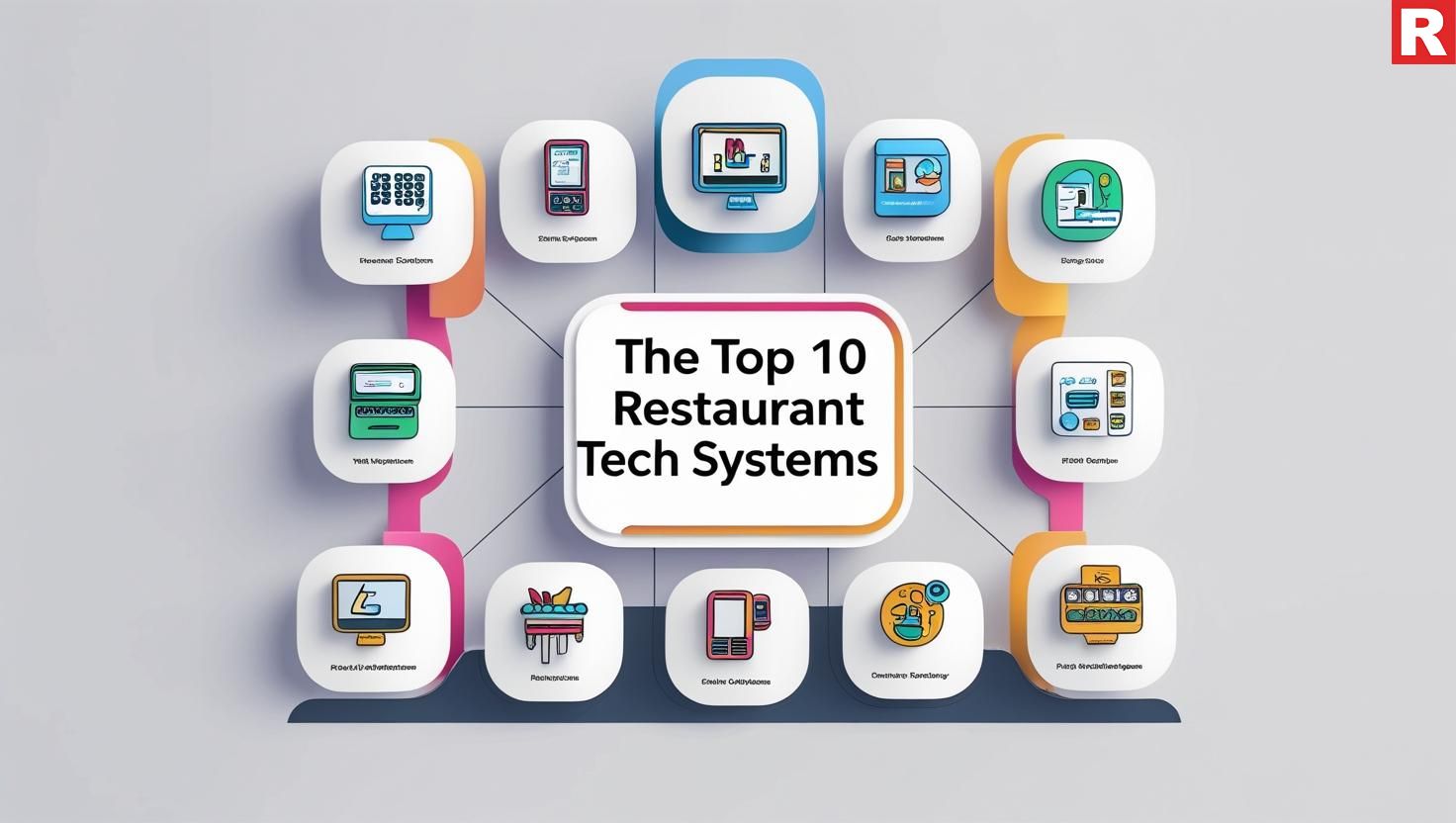
1. Point of Sale (POS) System

A modern restaurant's Point of Sale (POS) system is essential to its operations. This is much more than simply a cash register; it's the central nervous system that handles orders, payments, sales tracking, inventory management, and delivery of vital data insights.
Benefits for Your Restaurant:
- Efficient Order Taking: Streamline order entry, eliminate errors, and improve service, particularly during peak hours.
- Seamless Payment Processing: Accept a variety of payment options, such as UPI, digital wallets, credit/debit cards, and cash, to accommodate your clients' varying payment preferences.
- Inventory Management: Real-time tracking of stock levels, reorder points, and food waste minimization is critical for effective cost management.
- Staff Management: Track employee hours, performance, and tips to increase efficiency and responsibility.
- Detailed Reporting and Analytics: Gain important insights into sales patterns, popular menu items, customer preferences, and peak traffic periods, allowing you to make data-driven decisions about menu, staffing, and promotions.
2. Online Ordering System
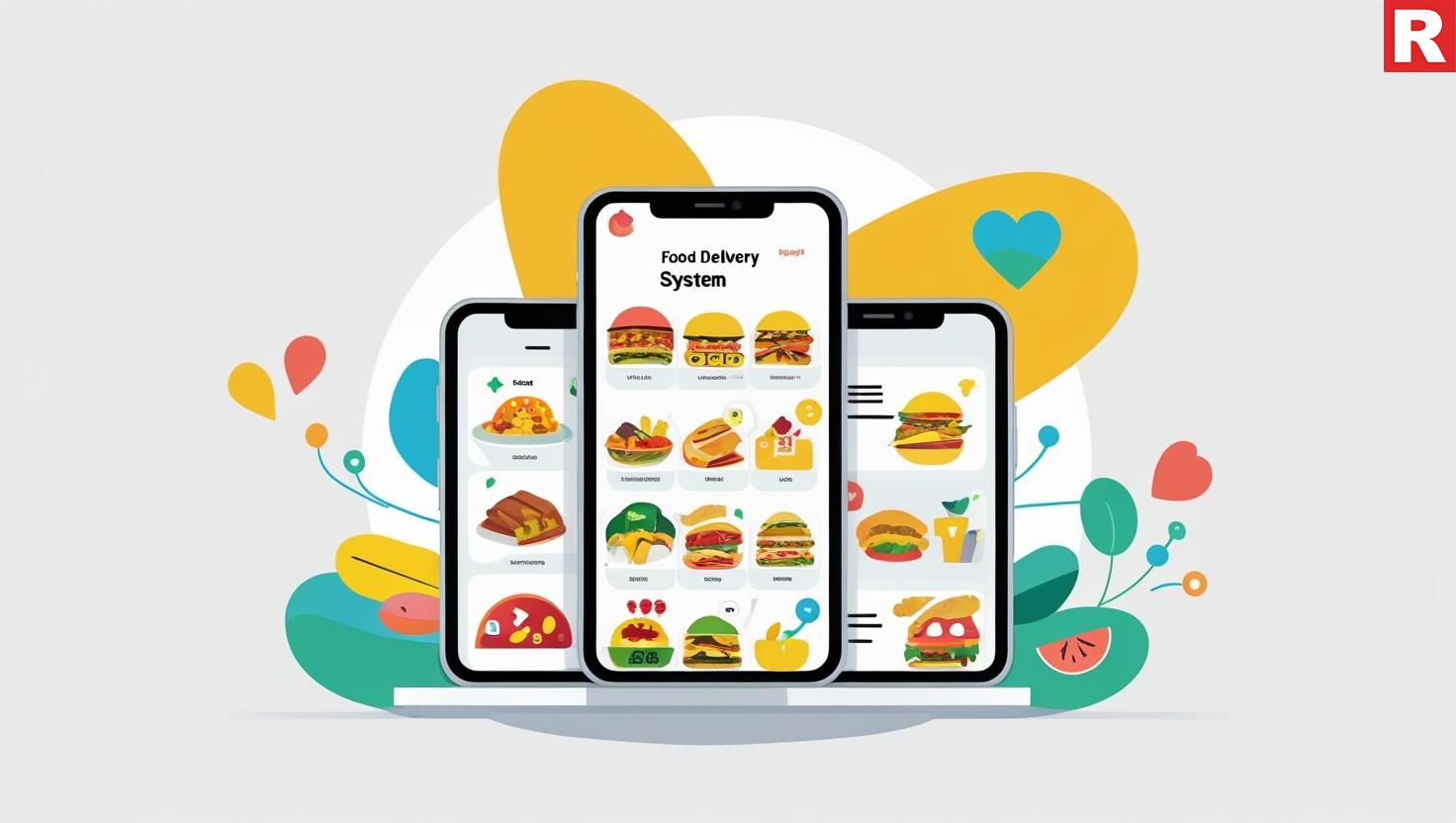
Customers today expect to be able to order food online for delivery or takeout. An interconnected internet ordering system is no longer a luxury but rather a requirement.
Benefits for Your Restaurant:
- Expanded Reach: Reach a larger consumer base in the nearby areas that prefer the convenience of online ordering.
- Increased Sales: Accept orders outside of your real restaurant's working hours or capacity.
- Reduced Order-Taking Errors: Customers can immediately enter their orders, reducing errors and enhancing accuracy.
- Streamlined Operations: Sync online orders straight into your POS system for more efficient kitchen management and fulfillment.
- Data Collection for Targeted Marketing: Collect client data (with their permission) for targeted promotions and loyalty programs.
Know more: 10 Shocking Ways Restaurants Repurpose Leftover Food
3. Table Management System
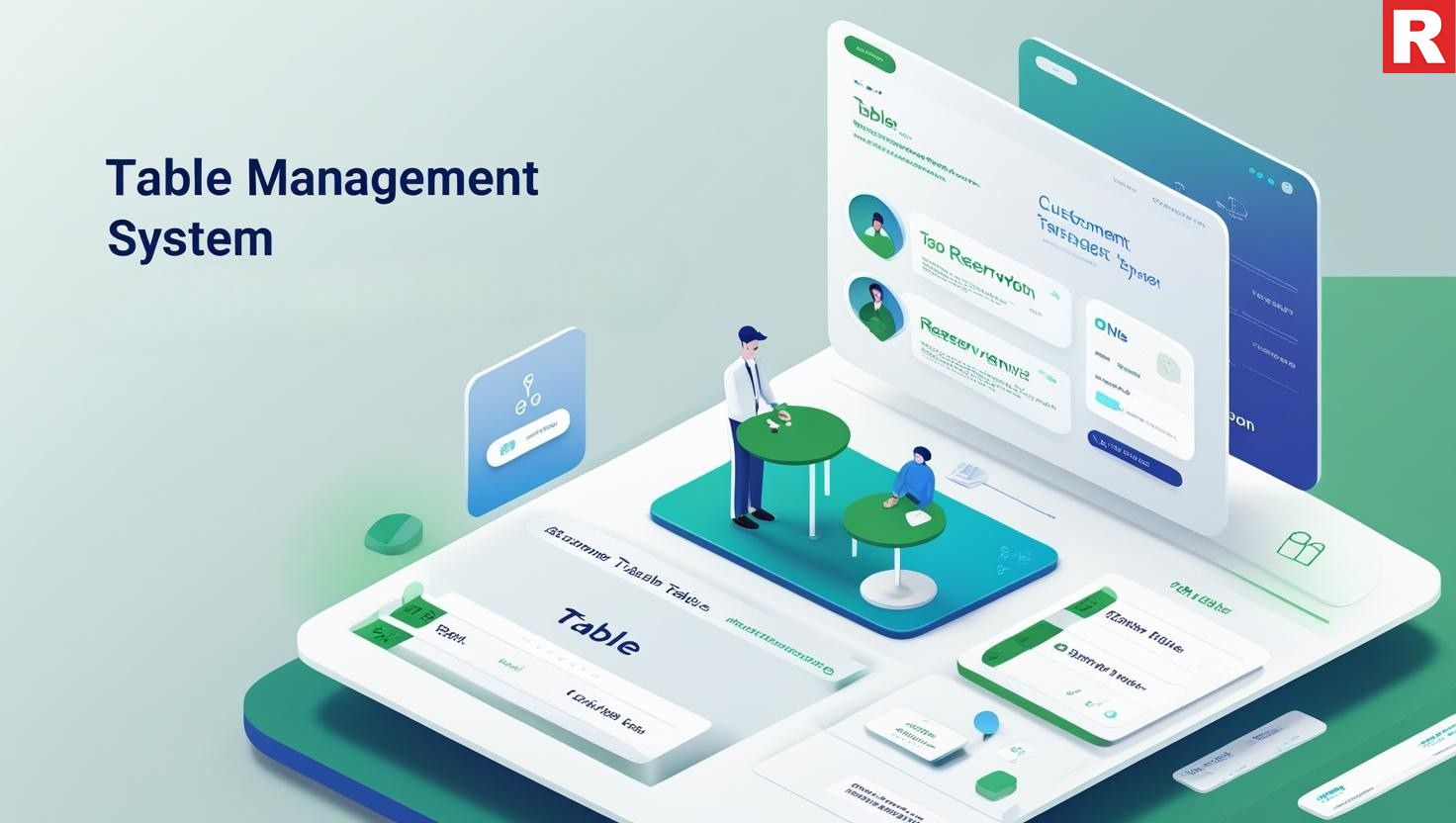
A table management system can considerably increase efficiency and customer satisfaction in restaurants that offer dine-in service.
Benefits for Your Restaurant:
- Efficient Seating: Maximize table utilization, reduce wait times, and effectively manage reservations, particularly on busy weekends.
- Real-Time Table Status: View a clear visual representation of table availability, guest status, and server assignments.
- Waitlist Management: Easily manage waitlists, provide anticipated wait times, and notify guests when their table is ready via SMS or in-app notifications.
- Improved Customer Experience: Eliminate the frustration associated with waiting and enjoy a more organized dining experience.
- Data on table turnover and guest preferences: Monitor table turnover rates and collect information on guest preferences for seating arrangements.
4. Kitchen Display System (KDS)
Replacing traditional paper tickets with a Kitchen Display System (KDS) can improve your kitchen's efficiency and accuracy.
Benefits for Your Restaurant:
- Clear and Organized Order Flow: Display orders digitally on kitchen monitors to eliminate messy paper tickets and improve order visibility.
- Reduced Errors: Ensure order correctness and reduce miscommunication between front-of-house and kitchen personnel.
- Improved Speed and Efficiency: Simplify order preparation, track cooking times, and coordinate order fulfillment to provide efficient service.
- Real-Time Order Status Updates: Give front-of-house employees real-time updates on the status of each order.
- Data on Kitchen Performance: Monitor kitchen efficiency, identify problems, and improve productivity.
What's new: How to open a pet-friendly restaurant in India
5. Inventory Management Software

Effective inventory management is critical for minimizing costs and increasing profitability in the restaurant industry.
Benefits for Your Restaurant:
- Real-time stock tracking: It allows you to monitor ingredient levels, measure usage, and identify goods that are running low.
- Automated Reordering: Create automatic points for reordering to avoid shortages of vital supplies.
- Waste Reduction: Monitor food spoilage and waste patterns to pinpoint opportunities for improvement in purchase and storage.
- Cost Control: Improve visibility into ingredient costs, discover potential savings opportunities, and efficiently manage vendor relationships.
- Recipe Costing: Determine the exact cost of each meal based on ingredient pricing, allowing you to determine profitable menu prices.
6. Customer Relationship Management (CRM) System

Building solid ties with your consumers is essential for long-term success. A CRM system allows you to better understand your clients and personalize their experience.
Benefits for Your Restaurant:
- Customer Data Collection: Collect information on customer preferences, order history, and contact information (with consent).
- Personalized Marketing: Create personalized email marketing, SMS promotions, and loyalty programs based on consumer preferences and previous behavior.
- Improved Client Service: Use client history to make personalized recommendations and promptly resolve any difficulties.
- Loyalty Program Management: Easily manage and track customer loyalty points and awards.
- Feedback Collection and Analysis: Collect consumer feedback via surveys and online reviews to discover areas for improvement.
7. Online Reputation Management (ORM) Tools
In the era of internet reviews, your restaurant's online reputation is crucial. ORM technologies allow you to monitor what consumers are saying about you and respond to their feedback.
Benefits for Your Restaurant:
- Real-Time Monitoring: Monitor online reviews and mentions on several platforms (e.g., Google, Zomato, TripAdvisor).
- Prompt Response to Comments: Respond to customer evaluations and issues in a timely and professional manner, demonstrating that you respect their comments.
- Identify Areas for Improvement: Analyze client feedback to identify areas where your restaurant can improve its food, service, or ambiance.
- Create a Good Online Presence: Actively manage your online reputation and encourage good feedback.
- Competitive Analysis: Analyze your competitors' web reviews to determine their strengths and weaknesses
Check out: What Type of Water Do Restaurants Prefer to Serve?
How to Source Local Ingredients for Your Indian Restaurant Menu
8. Digital Menu Boards
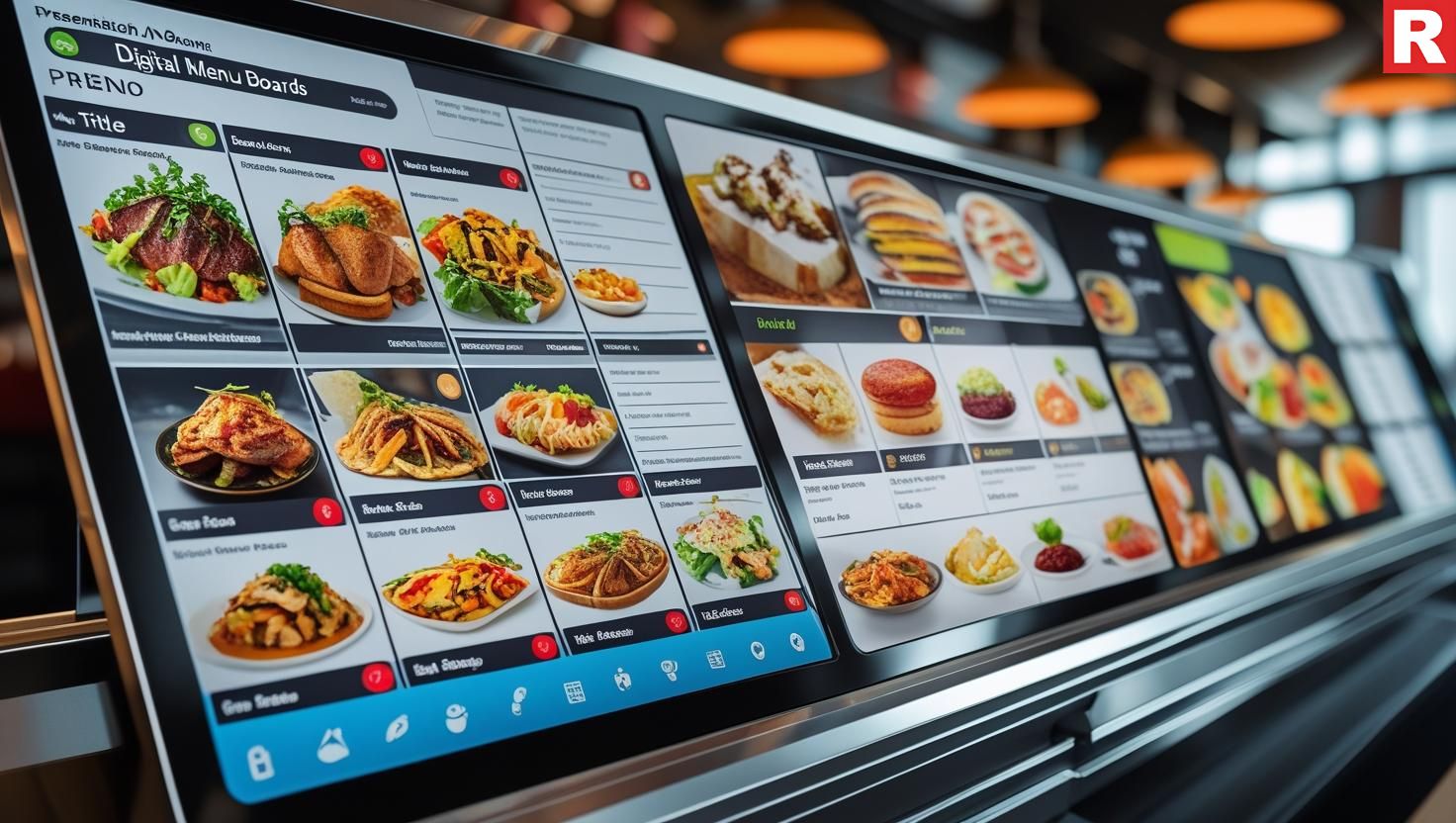
Replacing traditional static menu boards with LCD screens has various benefits.
Benefits for Your Restaurant:
- Dynamic Content: Easily change menu items, prices, and specials in real time without the expense and inconvenience of printing new boards.
- Visually Appealing Presentations: Use high-quality photographs and videos to highlight your meals and attract customers.
- Promotional Opportunities: Emphasize daily specials, specialty dishes, and seasonal items prominently.
- Cost Savings: Eliminate the endless costs of printing and updating traditional menus.
- Flexibility for Different Dayparts: You may easily switch between breakfast, lunch, and dinner menus with a few clicks.
9. Staff Communication Tools
Efficient communication among your restaurant's employees is critical for successful operations.
Benefits for Your Restaurant:
- Real-time messaging: It allows for rapid and easy communication between the front of house, kitchen, and management.
- Order Status and Notifications: Keep employees updated on order status, table readiness, and customer requests.
- Task Management: Assign and track tasks efficiently to ensure that everything goes well.
- Reduced Errors and Miscommunications: Increase clarity and reduce misconceptions among team members.
- Improved Teamwork and Efficiency: Promote enhanced cooperation and a more efficient workplace.
10. Mobile Payment Solutions
Offering a range of mobile payment methods responds to your consumers' changing demands.
Benefits for Your Restaurant:
- Convenience: Allow clients to pay with their favorite mobile wallets (Paytm, PhonePe, Google Pay), QR codes, and contactless payment methods.
- Faster Transactions: Shorten the payment process, lowering wait times and increasing table turnover.
- Reduced Cash Handling: Reduce the dangers and complications involved with managing large sums of cash.
- Improved Hygiene: Contactless payments provide a safer and more sanitary payment method.
- Data Collection on Payment Preferences: Learn how your consumers want to pay so you can optimize your payment infrastructure.
Read this: 10 Fastest-Growing Alcohol Brands in India’s HoReCa Sector
Conclusion
To summarize, for restaurateurs, adopting these top ten key technologies is no longer a distant goal, but a strategic need for navigating the new culinary setting. Investing in a strong POS system, online ordering capabilities, efficient kitchen management tools, and effective customer engagement platforms can help you simplify your operations, improve customer satisfaction, build a stronger brand, and achieve long-term growth and profitability in the vibrant restaurant industry. Your restaurant's future lies in the smart and strategic use of technology that feeds both its flavors and its efficiency.
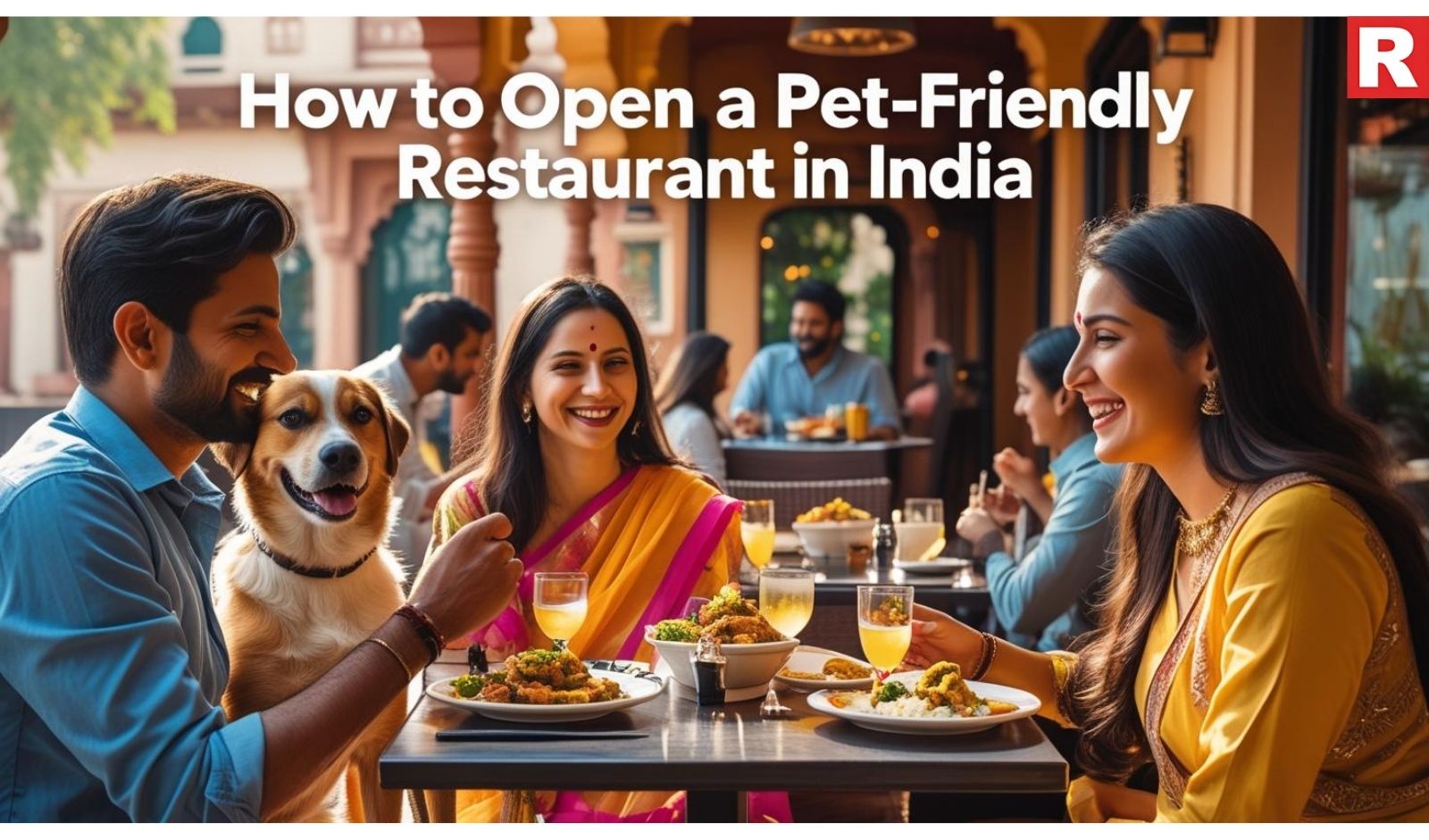
Pet owners in India are proud pet parents who adore their animals and treat them as if they were their children. That's why they wish to engage in various bonding activities with their cherished pets. One of them is dining out with their pets. Traditionally, pets were prohibited in most public areas, including restaurants. However, as the modern era progresses, so does the desire for pet-friendly establishments. For ambitious restaurateurs, opening a pet-friendly restaurant presents a unique and intriguing opportunity to enter this rapidly growing industry.
However, allowing pets into your dining area requires careful planning, respect for regulations, and a solid understanding of both pet and owner requirements. This entire article will guide you to effectively open a pet-friendly restaurant, focusing on the specific issues and legislation that ensure a great experience for all your customers, two- and four-legged alike.
Read more: What Type of Water Do Restaurants Prefer to Serve?
Why Consider Opening a Pet-Friendly Restaurant?
There must be a question at the back of your mind about why we should even open a pet-friendly restaurant. Because having pets in a public setting already looks like an invitation to disaster. However, many reasons can help you understand their appeal.
1. Tapping into a Growing and Niche Market
India's pet population is quickly growing, and pet owners are becoming more interested in experiences to share with their furry pets. By launching a pet-friendly restaurant, you are catering to a committed and overlooked customer base. This quickly differentiates you from the competition and attracts a loyal client base who will choose your restaurant solely because pets are welcome.
2. Increased Revenue and Customer Loyalty
Many pet owners see their animals as members of the family and are prepared to pay more for activities that they may do together. Longer stays, more frequent visits, and increased sums spent per table might result from pet-friendly policies. Additionally, satisfied pet owners are more likely to develop into brand ambassadors, spreading the word about their great experiences on social media and through word-of-mouth, which is a priceless form of free advertising.
3. Fostering a Unique Brand and Community
A restaurant that welcomes pets serves as a gathering spot for the community as well as a place to eat. You can organize pet-related activities, such as adoption events, pet birthday parties, or "Yappy Hour," to foster a sense of belonging and loyalty. This strategy creates a brand identity that is both original and attractive. This will appeal to a strong customer base and will also be hard to imitate.
4. Positive Marketing and Social Media Buzz
Pets are very popular on social media. Accepting them in your restaurant opens up countless possibilities for user-generated content. Customers will share pictures and videos of their pets having fun at your restaurant, creating genuine and interesting advertising for your restaurant. Your business becomes a popular destination for pet owners, which improves your reputation and online visibility.
5. Increased Traffic and Broader Appeal to Different Communities
People who might not otherwise have a place to eat out with their pets, such as families, couples, and individuals, are frequently drawn to restaurants that allow pets. This broadens the scope of prospective clients and may result in more people visiting during off-peak hours as pet owners look for special areas to relax with their animals.
Know more: Small Spaces, Big Impact: The Rise of Intimate Dining
Unique Selling Points
You must create unique selling points (USPs) that go beyond just allowing pets if you want to set your pet-friendly restaurant apart from the competition and build a loyal customer base. Here are some vital points to think about:
Selected Pet-Specific Products
Pet Menu: Don't limit yourself to water. Serve a small menu of nutritious, pet-safe snacks or meals, like dog biscuits made with whole foods or plain boiled chicken. This demonstrates that you are actively accommodating pets rather than merely tolerating them.
Special Features: Offer top-notch features that improve the experience for both pet and owner, such as cozy pet beds or mats, a special "dog parking" area with shade and tie-up hooks, and even a tiny, fenced-in space for off-leash play.
Themed and Interactive Events
"Yappy Hour": Plan a weekly or monthly event where pet owners may mingle and pets can play. Offer exceptional deals on human food and free pet treats.
Pet Birthday Parties: Provide a specific package for pet birthdays that includes a pet-safe cake, decorations, and a designated area for the party.
Pet Adoption Drives: Collaborate with a local animal shelter or non-governmental organization to organize adoption events. This not only increases foot traffic but also establishes a strong, good brand image as a community-minded company.
A Focus on Both Human and Pet Comfort
Thoughtful Design: Create a design that prioritizes the comfort of all guests. This includes non-slip flooring in pet areas, well-ventilated places, and tables that are far enough apart to fit pets without feeling cramped.
Dedicated workers: Have workers who have been specifically trained to be pet-friendly. They should be comfortable engaging with animals, understand your pet policy, and be able to help pet owners with their needs.
Clear Pet Policy: A well-defined and politely expressed pet policy assures everyone's safety and comfort. It should specify leash policies, pet conduct, and specific locations, giving precise guidelines for all customers.
Community and Digital Engagement
Social Media Showcase: Consistently post photographs and videos of happy pets and their owners on your social media platforms with permission from the owners. Encourage customers to use a certain hashtag to be featured, which creates a sense of community and natural advertising.
Partnerships: Work with local pet groomers, trainers, and vets to give cross-promotions. For example, a customer who receives grooming services may receive a discount coupon for your restaurant.
Pet-Owner Loyalty Program: Create a loyalty program tailored to pet owners, offering incentives or discounts after a set number of visits with their pets.
Check out: 10 Smart & Sustainable Ways for Restaurants to Use Leftover Cooking Oil
10 Fastest-Growing Alcohol Brands in India’s HoReCa Sector
Opening a New Pet-Friendly Restaurant
Advantages
- Ideal Layout and Design: You can plan the area with pets in mind from the very beginning. This includes utilizing long-lasting, easily cleaned materials from the start, assigning specific, separate entrances for pet owners, and strategically placing pet-friendly areas.
- Tailored Brand Identity: The pet-friendly idea can serve as the foundation for your restaurant's whole brand, from the name and logo to the menu and advertising, giving it a powerful and united identity.
- Simplified Legal Process: By presenting a well-thought-out operational model and layout that already takes into consideration the laws related to animals in food outlets, you can approach the local government and FSSAI authorities.
- Targeted Marketing: You may concentrate all of your marketing efforts on drawing in pet owners right away, creating a devoted following from the moment you open for business.
Key Procedures
- Extensive Market Research: Since you're just starting out, you must carry out thorough research to choose the ideal site, understand the local pet owner population, and estimate the competition.
- Certification First Design: To provide a clear division between the kitchen, food serving areas, and pet zones, the architectural plan must give top priority to FSSAI and local health regulations.
- Hiring and Training: Employing staff who are at ease and knowledgeable with animals is essential, and you can train them about your unique pet-handling and cleanliness procedures right away.
- New Permits and Licensing: The pet-friendly idea will be incorporated into your applications from the beginning, and the full licensing procedure will be managed.
Changing an Existing Restaurant to Be Pet-Friendly
Advantages
- Utilize Current Customer Base: By informing current customers of the change, you may be able to keep loyal customers while drawing in new ones. This may lessen the transition's financial impact.
- Cost-Effective: Adapting your current space rather than creating a new one from scratch may be more economical, depending on your current arrangement. You can make use of the equipment and infrastructure already in place.
- Reduced Risk: Since you are not launching a whole new company, the risk is typically smaller. You have a working business model, a successful location, and an established reputation, even if you're changing it.
Key Differences and Procedures
- Physical Renovation and Redesign: The largest problem is redesigning and renovating the physical space. To create separate, legal pet-friendly areas, you will need to physically redesign your area. This might include rearranging your outside seats, putting in new flooring, or constructing new walls. During this process, you should expect the restaurant to be momentarily closed.
- Managing Legal Changes: In order to update your current permits and licenses, you will need to get back in touch with the FSSAI and local authorities. Since you are altering an already-approved layout, this may be more complicated than creating a new application. You'll have to show how the updated design meets the necessary safety and hygienic requirements.
- Retraining and Management of Staff: It's possible that your current employees aren't used to dealing with pets. Complete training on new pet policies, hygienic practices, and incident management for pets will be required. The adjustment might make some employees uncomfortable.
- Marketing the Change: To inform your current client base and the larger pet-owning community about your new pet-friendly status, you'll need a carefully planned marketing strategy. You need to be clear about the modifications and the way the experience will change.
- Hygiene and Sanitation Challenges: Compared to your previous operations, you may need to establish new, strict cleaning procedures for the pet-friendly locations. Purchasing new cleaning materials and equipment is part of this.
What's new: How to Source Local Ingredients for Your Indian Restaurant Menu
Legal Process for Opening a Pet-Friendly Restaurant
1. FSSAI Food Safety License
Initial Application: You must apply for a food safety license through the Food Safety and Standards Authority of India (FSSAI). This license is required for all food companies in the country.
Specifications for Pet-Friendly: When applying, please be prepared to offer information about your operational plan for welcoming pets. You may need to provide a layout plan that separates pet-friendly spaces from the kitchen and food-handling zones. This is a vital step for the FSSAI to approve your license.
2. Local Municipal Licenses
Trading License: You must obtain a trading license from the Municipal Corporation of your city. This license allows you to conduct business within the city.
Health and Sanitation Permits: The local health agency will most likely inspect your restaurant to verify that it satisfies hygiene standards. Your pet-friendly layout and sanitation routines will be critical components of this inspection.
3. Rethinking Your Layout and Infrastructure
Physical Separation: The legal and regulatory organizations will want a clear physical separation between the pet-friendly zone and the major food processing areas. This is not negotiable. An outside patio or a separate, well-ventilated inside area is frequently the simplest choice.
Durable and Cleanable Materials: To meet health and safety regulations, make sure the materials used in the pet zone, such as flooring and furniture, are long-lasting and easy to clean.
Read this: How to start a restaurant business?
4. Business Policies and Insurance
Written Pet Policy: You should create a written pet policy outlining all restrictions for pet owners, such as leash requirements, waste disposal, and owner liability. This is an important document for your business and legal protection.
Business Liability Insurance: Speak with an insurance agent to ensure that your coverage covers any potential occurrences involving pets, such as bites or property damage. This protects your restaurant from legal and financial liabilities.
A Pawsome Adventure
By carefully planning and taking measures, you can open a restaurant that will be beneficial for both you and your customers. While being the owner of a pet-friendly business sounds like a far-fetched plan, meticulously taking steps and keeping the above information in mind will help you gain a competitive advantage over others. Also, it will help you pave your way in an industry that is still growing and become the leader of this business, standing at the forefront.
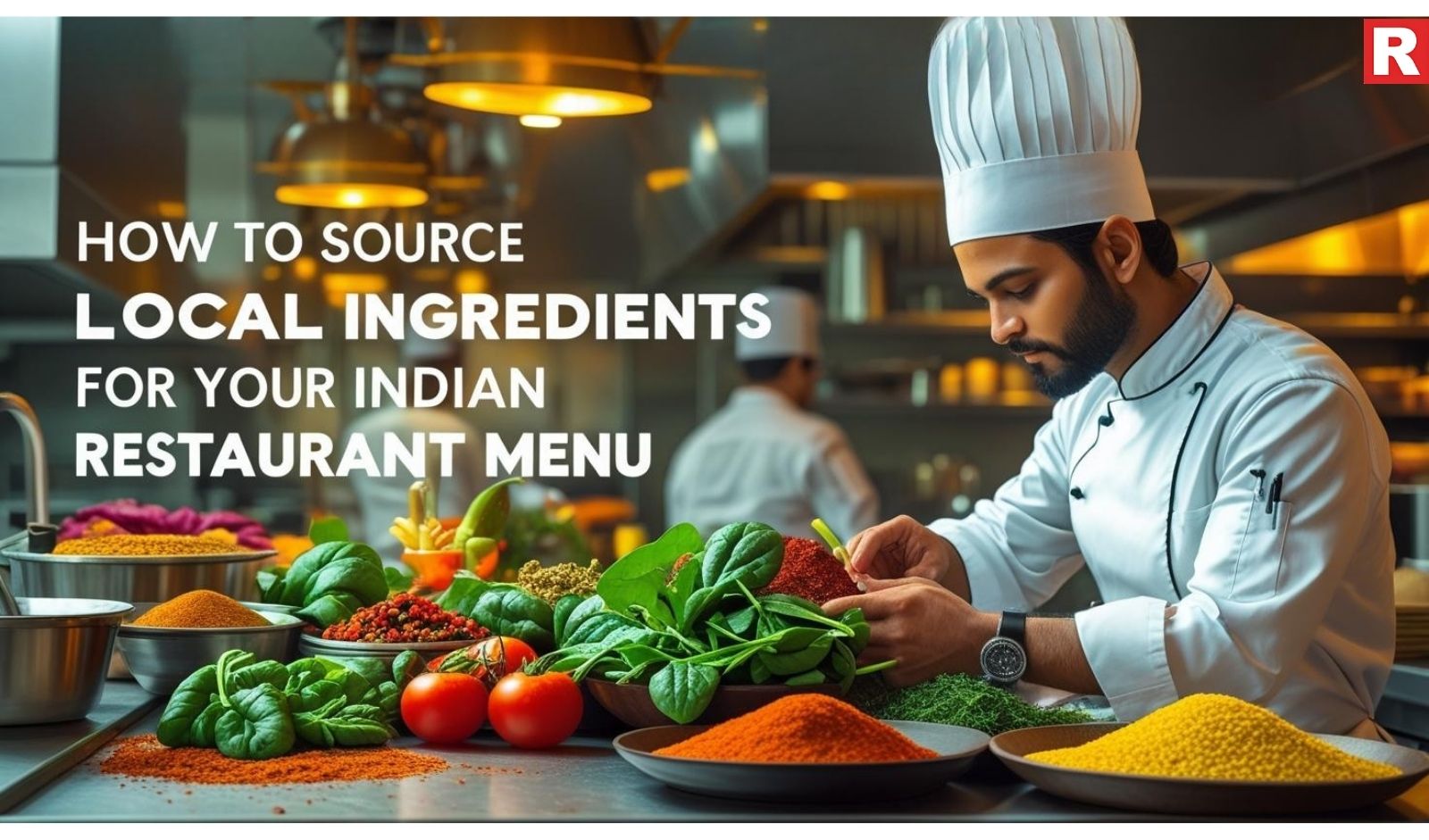
While global cuisines and imported goods have their uses, there is an increasing and selective demand for authenticity, freshness, and sustainability. The farm-to-table movement, which was formerly considered an unusual notion, has now found a place in the Indian restaurant business. Learning how to obtain local ingredients for a restaurant menu is more than simply a trend for an ambitious restaurateur. It's a strategic move that may enhance your cuisine, develop a strong brand, and build a deeper connection with your community.
This detailed article will walk you through the steps of switching to a more localized supply chain. We will discuss the benefits, possibilities, and marketing opportunities of purchasing local products, with a focus on the Indian market's unique challenges and huge possibilities.
Read more: Small Spaces, Big Impact: The Rise of Intimate Dining
Why Should You Switch to Local Sourcing?
- Food Quality and Freshness: The most convincing factor is improved food quality. Local ingredients travel shorter distances, so they are fresher, more flavorful, and contain more nutrients. This enhances the cuisine and gives a superior product to customers.
- Strategic marketing and brand storytelling: Sourcing locally creates an interesting story about community support and sustainability. This story has the potential to be a key differentiator, attracting a fresh customer category that values authenticity and ethical business methods.
- Sustainability and Ethical Considerations: Using local ingredients decreases a restaurant's carbon footprint, which appeals to environmentally aware customers. This is a strong ethical decision that also functions as an effective marketing tool.
- Supply Chain Resilience and Control: Direct contacts with local farmers provide greater control and flexibility over the supply chain, minimizing exposure to interruptions. It ensures a more consistent supply of fresh, high-quality foods.
- Financial Advantages and Cost Management: By eliminating the middleman, a restaurant can negotiate better costs. A seasonal menu featuring local produce can help reduce food waste as well as enhance inventory management, resulting in higher profit margins.
The Benefits of Sourcing Local
Before you begin the road of local sourcing, it's critical to grasp the numerous advantages that this strategy provides to your table and your business.
Superior freshness and flavor: This is the most immediate and significant advantage. Local ingredients can travel from the field to your kitchen in a matter of hours or days. Because of the short travel time, they are collected at their ideal ripeness, preserving all of their flavor, nutritional content, and rich textures. Your clients will notice the difference between a dish created with freshly selected veggies from a nearby farm and one that has traveled across the country.
Supporting the Local Economy: By collaborating with local farmers, craftspeople, and suppliers, you are investing directly in your neighborhood. This produces a strong and good brand story that connects with customers who are becoming more mindful of what they buy. For example, purchasing dairy from a local dairy farm or veggies from a nearby village directly benefits the local economy and promotes a sense of community pride.
Sustainability and Lower Environmental Impact: Purchasing ingredients locally greatly reduces your carbon impact. Fewer miles for food travel means less fuel needed for transportation, making your restaurant more sustainable and environmentally responsible. This is an ethical decision that also functions as a powerful marketing tool.
Menu Innovation and Authenticity: A localized supply chain requires you to offer a dynamic menu that changes with the seasons. This keeps your menu fresh and appealing to your clients. It also allows you to embrace and enjoy India's rich and different regional flavors, resulting in a unique and authentic eating experience that distinguishes you from the competition.
Know more: 10 Smart & Sustainable Ways for Restaurants to Use Leftover Cooking Oil
Understanding Your Needs and Local Landscape
The next stage is to examine your menu and the agricultural landscape in your area to determine where to start your local sourcing adventure.
Analyze Your Menu for Sourcing Potential
Go through your menu and determine which ingredients can be purchased locally. Begin by focusing on a few important goods, such as seasonal vegetables, herbs, dairy products, or spices, and gradually expand your network as you gain confidence.
Embrace Seasonal Awareness
Seasons define the agricultural calendar in India. Your menu should match the natural cycle. For example, in Haryana, you might serve meals with seasonal vegetables such as cauliflower and peas in the winter and fresh gourds and mangoes in the summer. Educate your kitchen staff and customers on the benefits of seasonal menus.
Research Your Local Agricultural Terrain
This is where you will put your feet on the ground. Investigate local farmers' markets (mandis), agricultural organizations, and small-scale farms in and around your city. What are the main crops and goods grown in your region? Are there any local artists producing fresh paneer, ghee, or distinctive pickles?
Define Your Quality Standards
Before approaching a provider, be clear about your quality and consistency expectations. Are you seeking organic, pesticide-free produce? Do you require a particular size or quantity? Communicating your expectations upfront will save you time and help you discover the proper partners.
Check out: 10 Fastest-Growing Alcohol Brands in India’s HoReCa Sector
Finding and Assessing Your Suppliers
Once you've determined what you need, it's time to identify the right individuals to provide it. A sustainable local sourcing approach relies on strong supplier connections.
Farmers' Markets and Mandis
These are frequently the best places to start. They provide a direct line to small-scale farmers and the opportunity to view and touch fresh produce. This enables direct interaction and building connections. Individual farmers may face challenges in terms of volume and consistency, but they can be a terrific source for unique and high-quality seasonal products.
Direct Relationships with Farmers
The most real farm-to-table strategy requires establishing a direct, long-term relationship with a farmer. You can visit their farm, observe their methods firsthand, and even hire them to grow specific vegetables or herbs for your restaurant. This relationship provides a regular supply of high-quality ingredients while also allowing you to tell your customers an interesting origin story.
Local and Organic Distributors
These are an acceptable choice for restaurants that require higher volumes or a more reliable supply. Find distributors who specialize in local or organic produce. They can frequently connect you to a network of local farms and manage the logistics of sourcing from different areas.
Examining Your Vendors
When you identify potential vendors, ask plenty of questions. Inquire about their farming methods, pesticide use, how they handle large orders, logistics of shipment, and price. Ask if they can give accountability and follow the Food Safety and Standards Authority of India's (FSSAI) rules. This is a legal and safety requirement in India that should not be ignored.
What's new: How to start a restaurant business?
Managing Logistics and the Supply Chain
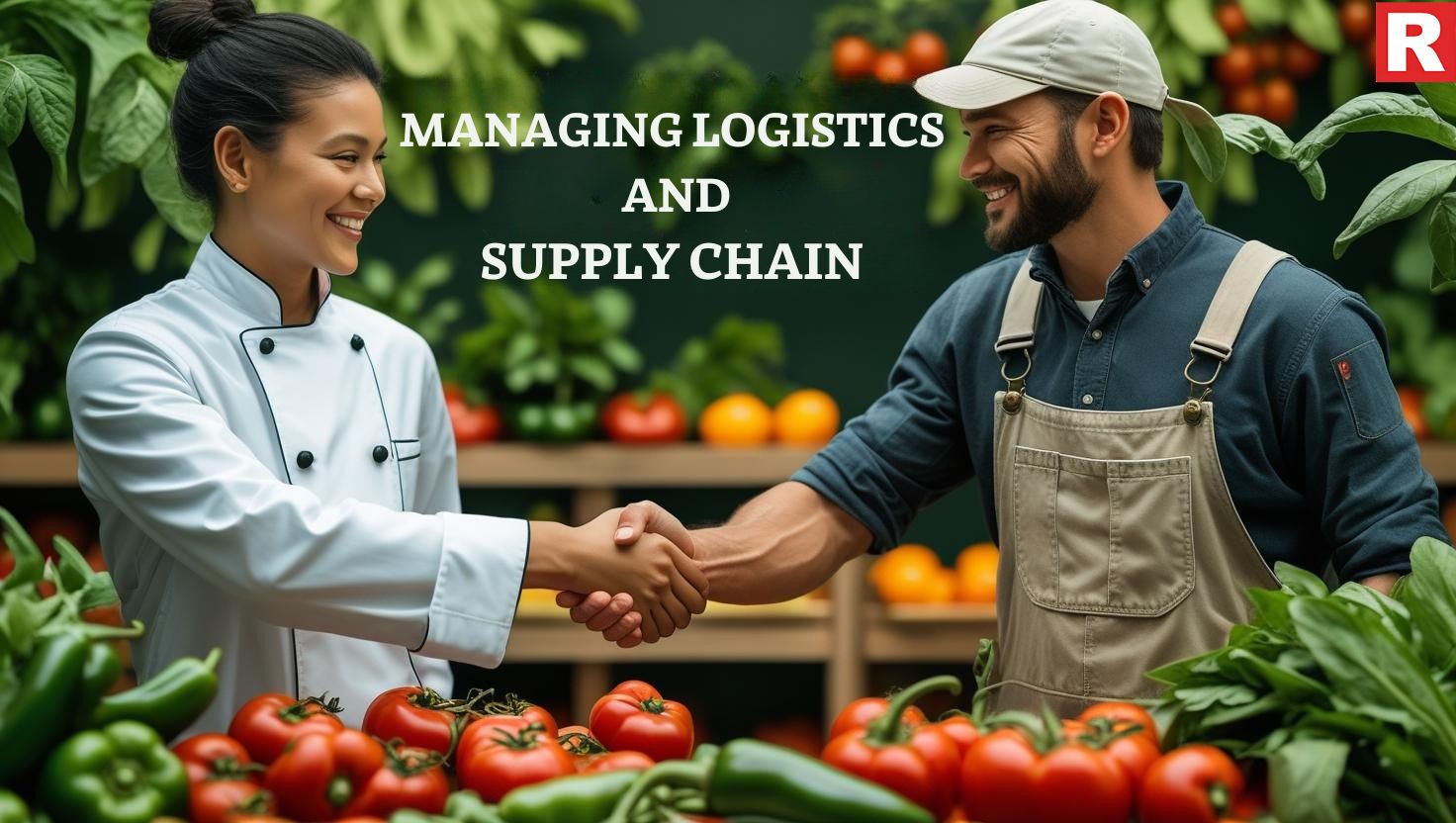
Sourcing locally requires a different level of logistical preparation than working with a large national distributor.
Building Trust
Communicate freely and frequently with your providers. Discuss your requirements, be adaptable when a crop becomes unavailable due to weather, and be open about your payment plan. A connection built on mutual trust and respect is the most durable model.
Proper Storage and Handling
Fresh, locally grown produce may have a shorter shelf life than traditional ingredients. Make sure your kitchen has the proper storage facilities to keep your food fresh. To reduce waste, train your team on how to handle delicate fruit properly.
The "Ugly" Produce Dilemma
Don't avoid defective vegetables for beauty purposes. "Ugly" produce frequently tastes just as delicious, if not better, and may often be purchased at a lower cost. This is an excellent approach to prevent food waste while saving money.
FSSAI and Traceability
Always guarantee that your suppliers, whether small-scale farmers or large distributors, are able to provide sufficient traceability paperwork. This implies they can confirm the source of their products, which is a mandatory requirement under the FSSAI requirements.
Read this: Small restaurants selling liquor cannot opt for GST
Marketing Your Local Sourcing Story
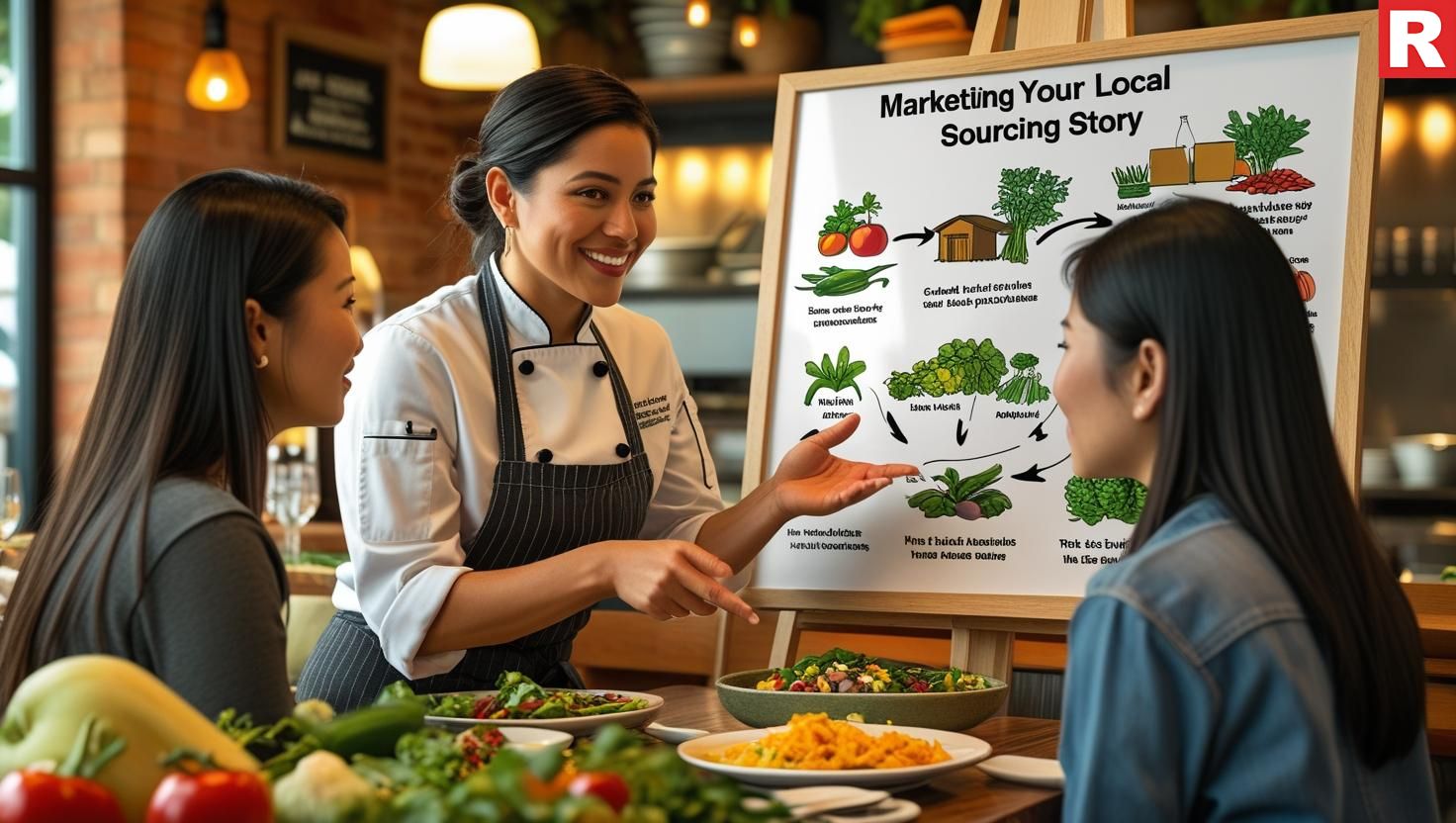
Your devotion to local sourcing is an effective marketing strategy. Do not keep it a secret.
Tell a Compelling Story
Inform your customers about where their food comes from. Include the names of the farms or farmers you collaborate with on your menu. For example, a dish could be labeled "Seasonal Greens from (Farmer's Name) Farm."
Promote Your Sourcing on Social Media
Take your customers on a virtual tour. Post photos and videos of your team visiting a farmers' market, engaging with farmers, and creating food using fresh produce. Visual storytelling is an excellent approach to increase authenticity and brand loyalty.
Staff Training and Engagement
Your employees are the last link in this chain. Ensure they understand your sourcing storytelling and can confidently tell customers where your ingredients come from. This makes the eating experience more personalized and memorable.
Conclusion
Sourcing local foods for your restaurant menu in India provides a unique combination of flavor, ethics, and authenticity. It is a business approach that not only produces outstanding cuisine but also establishes a durable, sustainable, and community-focused brand. You may successfully adopt the farm-to-table mindset by taking a step-by-step approach to research, supplier verification, and supply chain management. This trip, from your kitchen to the farmlands, is a powerful way to differentiate yourself in a competitive market while also providing your consumers with a tasty and deeply meaningful dining experience.
The vibrant food culture of India is not limited to casual sit-down restaurants. The growth of mobile restaurants, including food trucks, carts, and pop-up kitchens, has marked the beginning of a new era of culinary innovation. With their speed and unique appeal, these businesses have become local phenomena, with the appetizing aroma of sizzling spices attracting people from local areas and across the country. For a dedicated Indian restaurateur, establishing a loyal customer base is only the beginning. The next difficulty, and true measure of success, is determining how to transform that single mobile unit into a thriving, successful, and respected brand.
This article is a complete step-by-step guide intended to assist you in navigating this journey. We will go over the most important aspects of running a food truck business, from developing your fundamental skills and creating a strong brand to adopting a plan of action for development and financial growth. By following this road map, you can take your mobile restaurant from a beloved local staple to a sustainable business with a presence that extends far beyond your current operating area.
Read more: How to Handle Negative Online Reviews of Your Restaurant
Step 1: Solidifying Your Local Foundation

Before expanding your business, you must master the market you are already in. Your early success is the blueprint for your future growth. So, perfecting it is non-negotiable.
Master Your Menu and Operations: Consistency is the foundation of your business. Reduce your menu to a powerful selection of signature meals that can be prepared quickly within the limits of your mobile kitchen. The ingredients should be easily accessible and less time-consuming to prepare. For an Indian restaurant, this might mean polishing your biryani recipe or paneer tikka rolls to ensure they taste the same each time. Simplify your workflow to reduce client wait times, particularly during peak hours.
Prioritize Hygiene and Quality Control: In India's food industry, trust is essential. Implement and maintain the highest levels of hygiene and food safety. Your mobile unit's cleanliness should be perfect, and your employees should be well-versed in proper food handling procedures. Your reputation for quality will be an important selling point and generator of repeat business.
Navigate the Legal Landscape: The legal environment for mobile food operations in India is complex and varies greatly by state and municipality. Ensure that you have all of the appropriate permits and licenses for your unique location, whether you are operating in a market or on a street. Being ethical from the start will help you avoid future legal issues and fines.
Cultivate Your Local Following: Your initial client base is your most valuable asset. Engage with them directly, remember their names and orders, and ask for feedback. Develop solid relationships with the community at your frequent serving locations. As your business grows, this local affection will become your most powerful marketing tool. This will also help in free advertising by word-of-mouth of your mobile restaurant.
Step 2: Brand Building and Digital Dominance
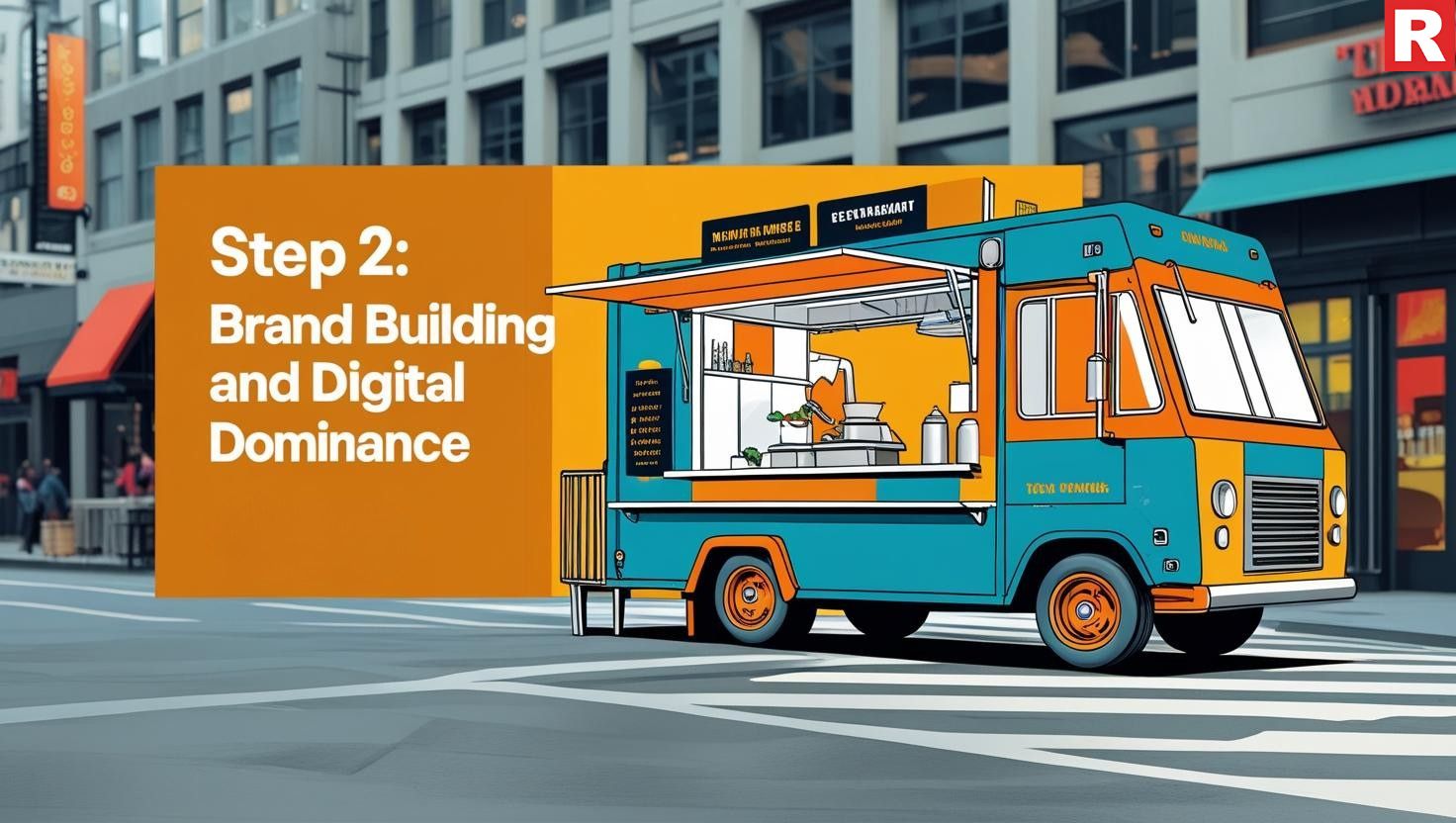
A truck-based restaurant's brand is what links your food to your customers' identity. It's why they chose your truck above a dozen others.
Create an Eye-Catching Visual Identity: Your food truck design serves as both an outlet and a billboard. Invest in a visually appealing logo, a memorable color palette, and clear, professional branding. Your brand identity should be reflected in everything, from your menus and packaging to your employees' clothing. Don’t forget to get your logo and design licensed.
Establish a Strong Social Media Presence: In India, social media platforms are the most direct and successful marketing mediums. Use Instagram, Facebook, and Twitter to showcase high-quality images and videos of your food, announce your daily locations and times, and tell the story of your company. Run surveys and contests to increase engagement and make your fans feel like they're a part of your adventure.
Encourage and Manage Online Reviews: Your reputation exists online. Encourage satisfied consumers to post feedback on platforms such as Google and Zomato. More importantly, reply to all reviews, positive and negative, with professionalism and respect. Your answer to a complaint might show your dedication to quality and transform a negative into a positive.
Utilize Location-Based Technology: Use services such as Google Maps to make your mobile restaurant easily visible to others. Real-time location updates on social media ensure that clients know where to find you at all times. This is a simple yet critical step for a successful mobile restaurant in India. You can also post your timings on social media accounts to make it more easily accessible.
Know more: How to deal with Rude customers in a restaurant
Step 3: Financial Discipline and Profitability
Growth is more than just sales; it is also about profit. To grow your firm, you must move beyond just measuring revenue to actively managing costs and expanding your income.
Master Your Finances: Keep detailed records of all expenses, including ingredients, fuel, labor, permits, maintenance, and marketing. Understanding your exact cost per dish and profit margins is critical to making sound business decisions. You can track this data more effectively with a dedicated POS system.
Strategic Pricing: This means setting prices that are competitive while also reflecting product quality and operational costs. Don't be hesitant to modify your pricing when your reputation and market demand improve. Keep a note of the initial cost of all ingredients that are needed for your menu items. Examine the pricing of other food trucks and local restaurants to figure out the correct balance.
Diversify Your Revenue Streams: Avoid relying entirely on walk-up sales. Promote your mobile restaurant for mobile catering in India. Secure contracts for business functions, private parties, weddings, and community gatherings. These larger, pre-booked events can dramatically increase income and are frequently more profitable than everyday operations.
Create a Financial Runway: As you expand, you will require capital. Begin setting aside a part of your revenues to fund future investments, such as a new food truck, an expanded kitchen, or a dedicated marketing campaign. This financial planning will reduce the risks associated with future expansion.
Check out: 9 Craft Alcohol Brands That Urban Indian Diners Can’t Get Enough Of
How Awards Can Drive Diners to Your Restaurant
Step 4: Strategic Expansion Opportunities
Once your local unit is running smoothly and profitably, you can explore expanding. This is where your growth strategy comes to life.
Add New Mobile Units: Expanding the number of your vehicles is the most direct road to growth. This allows you to serve several areas at once, increasing your market reach. This requires an enormous capital investment and a uniform operational structure. When introducing a new unit, make sure it is handled by a dependable, well-trained team member who can support your brand's standards.
Formalize Your Catering Business: If catering has become an important element of your company, formalize it. Create a separate catering menu, a clear price structure, and a marketing campaign specifically for this service. Hire a dedicated crew to handle catering logistics.
Investigate a Franchise Approach: If your brand is strong and your operating approach is highly structured, you might consider franchising a food truck to ambitious business owners in other cities. This is a low-cost option to expand your brand's footprint throughout India. However, it requires a strong legal structure, an extensive training program, and a dedication to supporting your franchisees.
Form Strategic Partnerships: Work with food parks, retail malls, and large corporate campuses to secure long-term, high-traffic positions. These collaborations can provide an uninterrupted flow of business and boost your brand's reputation.
What's new: The Pros and Cons of Franchising Your Restaurant in India
Step 5: Expand Your Team and Systems
Growth requires a collective effort. Your company can only grow as quickly as your people and systems can handle.
Hire for Passion and Potential: As your business grows, you will need to hire employees who are dependable and passionate. Look for people who not only have the necessary abilities but also represent your brand's ideas.
Invest in Training: Create a complete training program for new employees that addresses everything from preparing meals and hygiene to customer service and communication. A well-trained crew is essential for ensuring quality and consistency, especially when operating in many locations.
Document and Standardize Everything: Create a complete operations manual that details every step of the business, from recipes and inventory management to daily opening and closing procedures. This document will serve as your company's blueprint, ensuring that all units comply with the same high standards.
Empower Your Team: As an owner, you cannot be everywhere at once. Encourage your team leaders and managers to take ownership of their responsibilities. Trusting your staff to make decisions and address problems on the ground is critical for any developed business.
Read this: 7 Restaurant Trends That Didn't Last Long
Conclusion
Growing a mobile restaurant in India is a challenging yet rewarding job. You can create a solid and successful business by taking a step-by-step strategy, from mastering your local operations to developing a strong brand, carefully managing your finances, and strategically preparing for development. Your mobile kitchen's adaptability is its greatest strength, allowing you to respond to market trends and deliver your culinary vision straight to your clients. A well-executed strategy may elevate your food truck to a respected brand not only in your community but throughout India's diverse and vibrant culinary landscape.
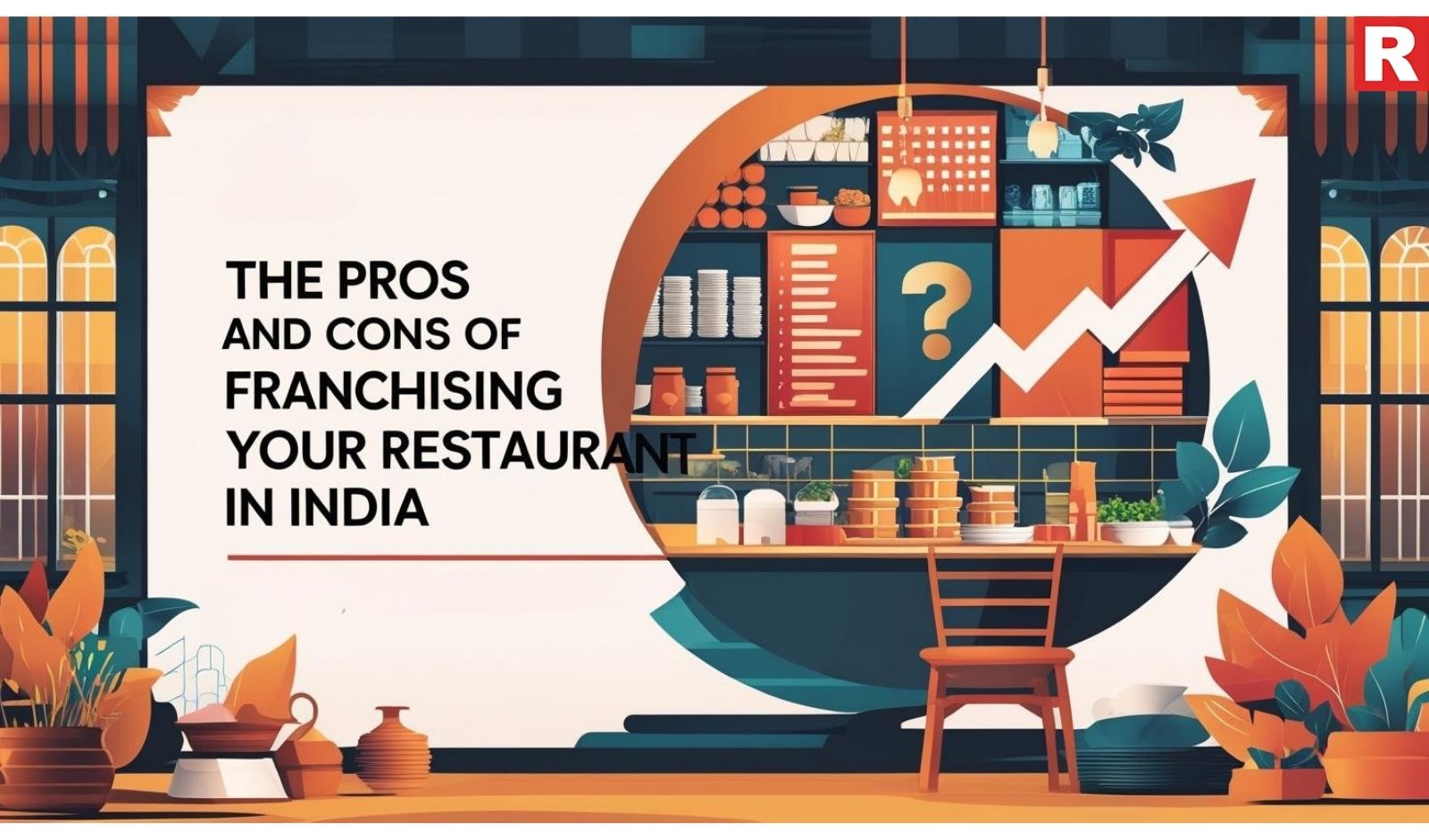
The reason many restaurant owners consider franchising is that they believe it is a more beneficial method of generating good revenue and growth. For a successful Indian restaurant, the possibility of growth is often a tempting one. Having different branches of their restaurant across the country is a good chance to make the restaurant’s name known. Restaurant franchising is a significant growth opportunity. The desire for fast growth, brand enhancement, and a potentially profitable revenue stream is strong. However, the path to successful franchising is filled with both appealing opportunities and possible difficulties. It is not as easy and beneficial as people think it is. The restaurateur will have to face many challenges to manage the franchise.
This detailed article explores the pros and cons of franchising an Indian restaurant in India, with a focus on the Indian market's specific characteristics, such as its diversified consumer base, legal structure, and competitive environment. By carefully weighing the advantages and disadvantages, Indian restaurateurs may make informed decisions about whether franchising is the best strategic move for their brand's future or not.
What is Restaurant Franchising?
Restaurant franchising is a business concept in which a successful restaurant (the franchisor) sells the right to another individual or business (the franchisee) to run an outlet using its existing brand name, business strategy, and operational procedures. In this agreement, the franchisee pays the franchisor an initial fee as well as constant royalties, which are typically a proportion of the sales. In return, the franchisee has access to the brand's name, established business methods, marketing support, and standard procedures, lowering their risk and providing a clear road to restaurant ownership. This technique enables the franchisor to quickly extend its brand without having to invest its own funds in each new site.
Read more: How to deal with Rude customers in a restaurant
Advantages: Pros of Franchising Your Indian Restaurant
There are many advantages to franchising your business in the Indian culinary landscape that can fuel your restaurant’s growth and brand recognition across the country.
Rapid Expansion and Market Insight
When opposed to developing additional company-owned locations naturally, franchising enables faster expansion. You can enter new geographic markets, such as various cities and even Indian states, much more quickly by utilizing the resources and entrepreneurial spirit of franchisees. In a shorter amount of time, this quick expansion can boost market share and brand awareness, possibly putting you in a prominent location.
Reduced Capital Investment and Risk
Offloading the large capital investment needed to develop additional restaurants is the main benefit of franchising. The cost of starting and maintaining each franchisee's own business falls on them, freeing up the franchisor's funds for marketing, brand building, and operational assistance. This shared risk approach may be especially appealing in India's frequently unstable restaurant sector.
Leveraging Local Expertise and Entrepreneurial Drive
Franchisees frequently have a thorough awareness of their particular market demographics, customer preferences, and local odds because they are local business owners. When adjusting the restaurant's menu and marketing strategies to appeal to the target market, this local knowledge can be extremely helpful. Additionally, franchisees are typically motivated entrepreneurs who have a stake in the success of their respective locations, which frequently results in more committed management and improved operational effectiveness.
Know more: 9 Craft Alcohol Brands That Urban Indian Diners Can’t Get Enough Of
Increased Brand Awareness and Recognition
The brand recognition and awareness of your restaurant will undoubtedly rise rapidly as more franchised locations open under your name throughout India. This increased visibility can help your main business by increasing brand memory and drawing more clients to all of your sites, whether company-owned or franchised.
Recurring Revenue Streams and Royalty Fees
Through royalties, which are usually a portion of the franchisee's gross sales, franchising gives the franchisor a steady and ongoing source of income. The franchisor's profitability can be greatly boosted by this steady revenue, which can also be used to sustain and expand the brand. A large upfront investment in capital is also provided by initial franchise fees.
Economies of Scale in Procurement and Marketing
As the franchise network expands, the franchisor can use the system's combined purchasing power to bargain for lower prices from suppliers of packaging, equipment, and materials. Similarly, when the costs are distributed throughout the franchise network, national or regional advertising efforts can be more economical and effective, benefiting even the original restaurant through increased brand awareness.
Faster Feedback Loops and Innovation
A network of franchisees in other markets can offer valuable insight on local market trends, operational difficulties, and menu preferences. The franchisor can use this real-time information flow to pinpoint areas that need development and modify the menu according to regional preferences throughout India (while preserving the essential elements of the brand) and encourage creativity within the franchise system.
Check out: How Awards Can Drive Diners to Your Restaurant
Cons of Franchising Your Indian Restaurant
Despite the numerous advantages, franchising a restaurant has many cons that Indian restaurateurs should carefully examine before taking any action.
Loss of Direct Control Over Operations and Quality
This is widely regarded as the most difficult aspect of franchising. As a franchisor, you give up direct management of the day-to-day operations and quality control at franchised locations. Maintaining brand consistency, food standards, and service norms over a geographically scattered network may be extremely difficult, requiring sophisticated systems, training programs, and continual monitoring. A poorly managed franchised operation in another city might harm the entire brand image.
Potential for Brand Loss and Damage
Franchised locations might negatively impact your Indian restaurant's reputation and brand value due to inconsistent quality, poor customer service, or unethical actions. Maintaining brand standards is critical, and failings in this area can undermine customer trust and harm the entire franchise network.
Franchisee Disputes and Legal Complexities
Franchise agreements are complex, legally binding documents, and conflicts between franchisors and franchisees are not uncommon. These disagreements might vary from royalty payments and operational concerns to contractual breaches and termination clauses. Managing these disagreements can be time-consuming, expensive, and possibly harmful to the franchisor's reputation. Navigating India's legal landscape, which varies by state, adds another level of complication.
Difficulty in Evaluating and Selecting Qualified Franchisees
The quality and skills of your franchisees play a critical role in the success of your franchise business. Selecting people or businesses that possess sufficient finance, significant business expertise, a thorough awareness of the local market, and a real dedication to keeping your brand values is vital yet difficult. Poor franchisee performance can result in operational inefficiencies, unstable finances, and, ultimately, brand damage.
Sharing of Business Secrets and Intellectual Property
Franchising requires sharing your restaurant's business model, recipes, operational processes, and other private information with franchisees. While franchise agreements include intellectual property protection clauses, there is always the possibility that these secrets will be exploited or even lead to future competition if a franchisee's duration ends bitterly.
What's new: How to Handle Negative Online Reviews of Your Restaurant
Ongoing Support and Training Requirements
Franchising requires continual support and training for franchisees in operations, marketing, and customer service. This requires a major investment of time and resources, which includes creating comprehensive education programs, providing on-site assistance, and building effective communication channels throughout the franchise network. Neglecting franchisee assistance can result in unhappiness and, eventually, system problems.
Potential for Conflicts of Interest
Conflicts can occur between the franchisor's strategic goals and the specific interests of franchisees. For example, decisions on national marketing campaigns, menu adjustments, or technological upgrades may not always be completely coordinated with each franchisee's interests. Managing these conflicts and providing a consistent direction for the franchise system is essential.
Specific Considerations for Franchising In The Indian Market
If you are someone who is considering franchising their restaurant in India, you need to keep in check several market-specific factors:
- Diverse Palates and Regional Variations: Indian cuisine is extremely diversified, with major regional differences in flavor and preference. While your main menu may be popular in your city, it may need considerable changes to appeal to customers in other cities. Franchise agreements must allow for some regional freedom while preserving fundamental values of the brand.
- Supply Chain Infrastructure: Maintaining a continuous supply of high-quality ingredients across India's geographically distributed franchise network can be difficult logistically. Establishing dependable and cost-effective supply chains is critical for ensuring food quality and profitability for both the franchisor and franchisee.
- Real Estate Costs and Availability: Finding ideal locations for franchised businesses in key districts of Indian cities may be costly and difficult. Franchise agreements must take into account real estate costs and give franchisees guidance on site selection recommendations.
- Labor Costs & Skilled Staff Availability: The availability and cost of skilled kitchen and service workers vary greatly across India. Franchisees will want assistance in recruiting, training, and controlling labor expenditures.
- Regulatory and Licensing Scene: Navigating the complicated and frequently variable regulatory and licensing requirements for restaurants in different Indian states can be a considerable challenge for franchisees. The franchisor should offer guidance and support in this area.
Read this: 7 Restaurant Trends That Didn't Last Long
The Rise of Vegan Restaurants: What It Means
Balancing The Pros and Cons
Franchising an Indian restaurant in India provides a tempting chance for rapid growth, brand extension, and steady income with minimal capital investment. The ability to utilize local expertise and engage franchisees' determination to succeed can be an incredible motivator for success in a variety of areas across the country.
However, the choice to franchise should be handled seriously. The potential drawbacks, such as the loss of direct control, the possibility of brand loss, and the challenges of managing a franchise network, are significant and should be carefully considered. Indian restaurateurs who are considering starting a franchise as a development strategy must do extensive research, carry out solid operational systems, organize intensive training programs, and draft legally binding franchise agreements. By carefully evaluating the pros and cons and carrying out a well-defined franchising strategy, you can possibly expand your brand's reach and deliver the unique flavors of your Indian cuisine to a larger audience across the country, all while reducing the inherent risks associated with this development model.
When you work in a restaurant, you get to see many different types of customers. Not every customer is good and polite. Some of them can be rude or just difficult to deal with in a particular way. Dealing with such customers is an unavoidable task that happens in the fast-paced climate of restaurants. In Indian culture, where hospitality is deeply ingrained, competition between restaurants is already severe. So, effectively managing such issues is already a skill in itself. If a single public argument arises, it can swiftly become an atomic bomb to damage a restaurant’s reputation.
This article is intended for Indian restaurateurs, managers, and staff, providing a strategic, sympathetic, and practical approach for negotiating the complexity of difficult customers in a restaurant. By following these rules, you may turn a negative encounter into an opportunity to demonstrate professionalism, establish consumer loyalty, and defend your brand's reputation in the long run.
Read more: 9 Craft Alcohol Brands That Urban Indian Diners Can’t Get Enough Of
Why Indian Restaurants Need a Strategic Approach
Handling difficult customers in India demands a more complex approach than a basic Western model due to the country's distinct social and cultural background.
- Reputation is Everything: In a competitive culinary world, a restaurant's reputation is its most important asset. Because of the massive impact of local word-of-mouth and community-based social media groups, a single negative experience can spread rapidly and widely. A strategic response is an active attempt to address this.
- The Importance of Social Proof: Indian diners frequently rely on recommendations from friends and family, making each consumer a potential brand ambassador for your restaurant. How you handle a complaint, whether in person or online, is a public advertisement for your principles and professionalism.
- Cultural Distinction: The Indian ideal of atithi devo bhava (the guest is God) establishes a high standard of hospitality. While this is a lovely principle, it also implies that customers have high expectations. Understanding these fundamental beliefs and handling complaints in a professional, diplomatic manner is critical for providing excellent customer service in restaurants.
- Preventing a Spiral: A well-managed complaint can de-escalate a situation before it spreads to review services such as Zomato or Google Reviews, where it can create long-term damage.
Read this: How Awards Can Drive Diners to Your Restaurant
Recognizing the "Difficult" Customer: Types and Triggers
Not all difficult customers are alike. Recognizing the various sorts allows your staff to modify their strategy and react more effectively.
- The Disappointed Customer: This is the most common category. They came to your restaurant with high hopes, but something fell short, either the cuisine, the service, or the atmosphere. They basically want a solution to their problem.
- The Impatient Customer: This individual is frequently anxious and in a hurry. They are usually worried about excessive wait periods for their table, order, or bill.
- The Unjustifiably Angry Customer: This person could be having a rough day and is searching for a battle. They are not readily satisfied and may want a free lunch or a reward.
- The Overly Demanding Customer: They want extra customization, a large list of particular requests, or a degree of service that is unrealistic for your restaurant.
Common Triggers of Complaints:
- Long wait periods (for seats, ordering, or eating).
- Incorrect ordering or cold food.
- Billing errors or pricing disagreements.
- Service that is perceived as rude or neglectful.
- The food did not taste as expected
Know more: 7 Restaurant Trends That Didn't Last Long
A Step-by-Step Guide for Staff To Handle Difficult Customers
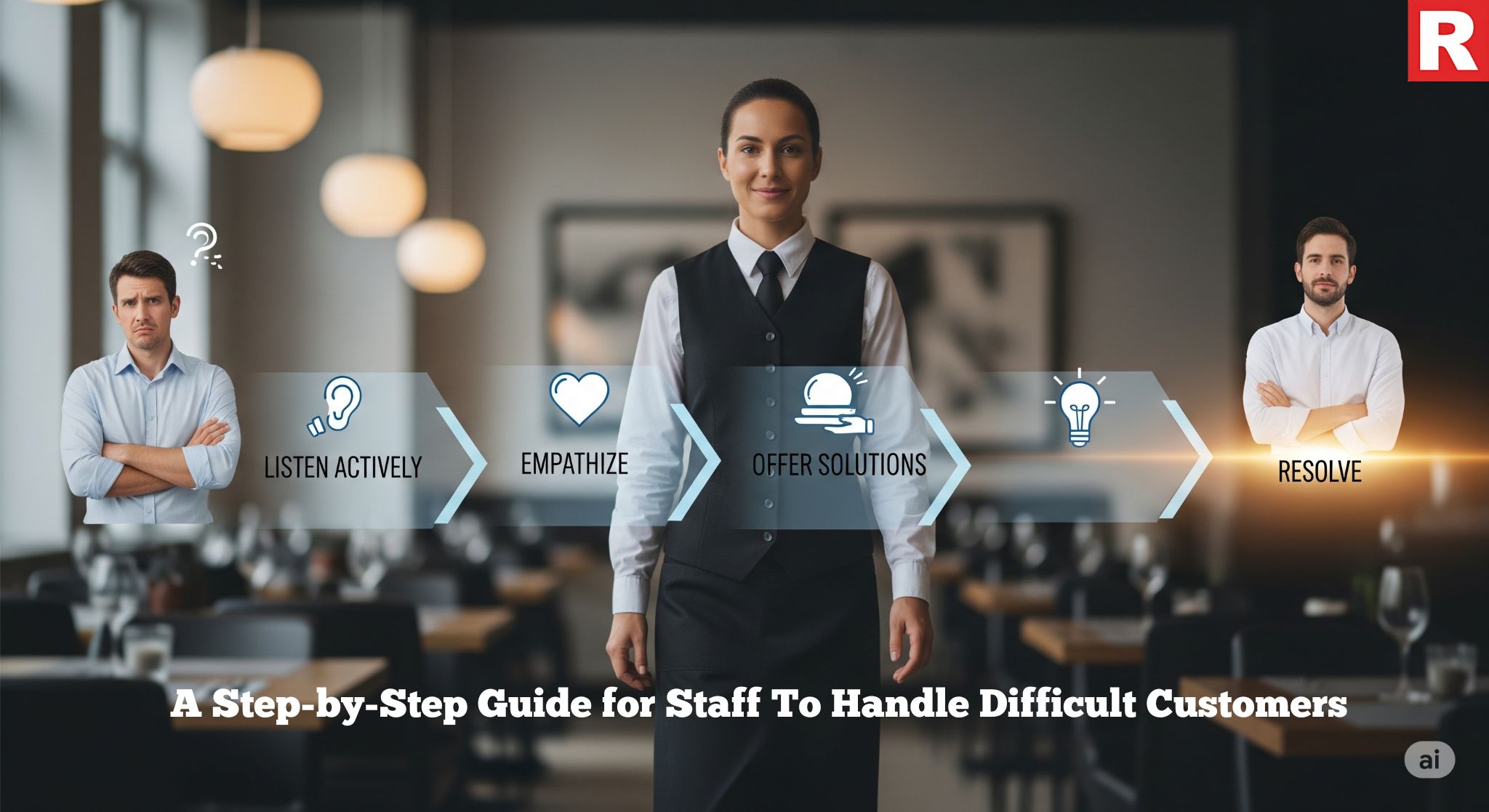
Dealing with difficult customers is a skill that can be trained in your staff. By providing your employees with a clear protocol, you can ensure consistent, professional responses each time.
Step 1: Stay Calm and Listen Actively
The initial few moments of a complaint are the most important. When a customer is upset, their main demand is to feel heard. Therefore, never interrupt the customer when they are telling their complaint. Allow the customer to fully express their frustrations. During this period, keep a relaxed demeanor. Your body language should be uncrossed arms, an open stance, and direct eye contact. It should indicate that you are listening. Take the complaint seriously. Even if the issue appears insignificant, it should be treated with respect.
Step 2: Acknowledge Their Feelings and Apologize
After listening, accept their feelings and apologize for the bad experience. This is an important method to calm down the difficult customer. Show empathy from your side. Use phrases like "I understand why you're upset" or "I'm sorry to hear that this happened." But make sure you are apologizing for the experience, not the mistake. If the situation is uncertain, you can say, "We sincerely apologize that your meal did not meet our expectations," without admitting guilt. This confirms their emotions without leading to a potential conflict.
Step 3: Isolate the Issue and Repeat it Back
This stage serves two purposes. Firstly, it demonstrates to the customer that you were actually listening, and it assists you in determining the specific problem to be solved. Then, clarify the scenario. Say, "Just to be sure I understand correctly, the food arrived cold, and you've been waiting for the bill for 15 minutes." Is that correct? This way, you can summarize the complaint properly. Get to the root of the problem. This keeps the talk from turning into an everyday complaint about everything.
What's new: How to Handle Negative Online Reviews of Your Restaurant
Step 4: Offer Solutions (Empower Your Staff)
Once the problem is identified, it is time to work on a solution. Empowering your employees to provide tiny, immediate solutions can frequently solve the problem on the spot. This way, the more senior employees do not need to step up every time a situation arises. Provide options to the customer. "I can have the dish remade for you immediately," or even "I'd be happy to offer you a fresh pot of tea on the house while you wait for the bill." Solve the problem quickly. For more complex or costly issues, a qualified employee should know when to politely offer, "Let me get my manager to handle this for you, or "I want to make sure we resolve this to your complete satisfaction."
Step 5: Take the Conversation Offline
If a customer is too loud or the situation becomes tense, it is preferable to keep the conversation out of public view so as not to disturb the other diners. Gently advise a change of place. Like “I'd like to discuss this with you in greater detail. Would you mind stepping over here for a moment?” Create a private channel for receiving online feedback. When you are replying to bad internet reviews, always include an email address or phone number for further discussion. This demonstrates transparency and a desire to handle the matter without a public debate.
Empowering Your Management and Staff
A restaurant's capacity to handle difficult guests is directly related to its restaurant staff training. This is not a naturally born skill; it must be learned and developed.
- Role-Playing Scenarios: Hold frequent training sessions in which employees can practice techniques for de-escalation in realistic scenarios. Include scenarios unique to your cuisine and target audience, such as a customer complaining about the spiciness of a meal or the legitimacy of a recipe.
- Emotional Intelligence: Teach employees to notice and comprehend their own emotional responses to stress, as well as the emotions of their customers. Recognizing that they are simply a messenger and not the source of the problem is critical.
- Clear Protocol: Create a clear protocol for when you should involve management in a situation. This ensures that employees are not overwhelmed and that managers are brought in at the appropriate time to provide effective assistance.
- Positive Reinforcement: Recognize and reward employees who manage challenging situations gracefully. This encourages positive behavior and fosters an environment of exceptional customer service.
Check out: The Rise of Vegan Restaurants: What It Means
6 Common Ingredients Used in South Indian Cuisines
Turning a Negative into a Win
A difficult customer, when handled correctly, is a hidden opportunity.
- Customer Care: Most of the consumers who complain and get their issue handled return to do business with the establishment. So, by resolving their issue, you can convert a critic into a committed supporter.
- Enhanced Brand Reputation: The way you address a complaint, particularly in a public forum such as a social media comment section, speaks volumes. A competent, empathic response may impress other potential diners reading the discussion.
- Valuable Feedback: Difficult customers frequently offer the most direct and unfiltered consumer feedback. This is a free consultation to identify what is wrong with your service, food, or business.
- Boosted Staff Confidence: Successfully settling a challenging issue can increase a team member's confidence, making them feel more capable and respected.
Conclusion
Dealing with tough customers is an essential skill in the active and competitive Indian restaurant sector, especially in an urban area. It's not just about avoiding conflict; it's also about developing a strong, customer-focused business. You can transform moments of impact into stepping stones for growth, turn unhappy diners into loyal customers, and ensure that your restaurant's reputation remains as flawless as its cuisine by cultivating an empathy culture, providing comprehensive restaurant staff training, and equipping your team with the right negotiation tools. Remember that every problem is an opportunity to demonstrate your commitment to excellence.
As the era of digitalization has progressed, people tend to look online for restaurant reviews before deciding whether to visit or not. There are many platforms, such as Google Reviews, Zomato, TripAdvisor, and social media, that can have a favorable or unfavorable impact on diners. Just like positive reviews can boost sales, negative reviews might reduce them. If there are more negative reviews than positive ones, then it will impact the overall revenue of the restaurant in the long run. Therefore, the restaurant management needs to know how to deal with negative reviews online.
To be fair, no matter how much effort you put into building and managing your restaurant, mistakes can still happen, and some customers may still leave unsatisfied and leave a bad review. For Indian restaurants that exist in a diverse cultural setting and cater to a wide range of tastes, successfully dealing with negative reviews is not simply damage control; it is an important chance for growth, proving dedication to customer satisfaction, and eventually strengthening the reputation of the restaurant. This detailed article will look into the strategic measures that can help Indian restaurants handle negative online reviews.
Read more: How Awards Can Drive Diners to Your Restaurant
The Impact of Negative Online Reviews on Indian Restaurants
Negative online reviews have a big impact on consumer decisions in many industries. In the restaurant business, the effect is even more powerful.
- Erosion of Trust and Reputation: A flood of negative reviews can seriously harm a restaurant's online reputation, giving the impression of poor food quality, mediocre service, or cleanliness difficulties. This decline of trust can be difficult and time-consuming to reverse. Potential customers, particularly those who are unfamiliar with your restaurant, are more likely to be influenced by unpleasant experiences shared by others.
- Direct Impact on Traffic and Revenue: Research regularly shows that negative reviews are associated with a decline in customer visits. In a price-sensitive market like India, diners are especially wary of investing their money at restaurants with a poor internet track record. Even a few significant negative reviews can turn off a large number of potential customers, lowering your bottom line.
- Increased Reach and Virality: Negative reviews can spread quickly via social media and word-of-mouth, reaching considerably more people than positive feedback. Screenshots of particularly harsh reviews can go viral, causing major and long-term damage to your brand's image, particularly among local community organizations and culinary enthusiasts.
- Impact on SEO and Visibility: Search engine algorithms frequently use online reviews to rank local businesses. A large number of negative reviews might harm your search engine optimization (SEO) efforts, making it more difficult for potential customers to find your restaurant online while looking for eating options in the nearby areas.
- Employee Morale: Receiving negative comments about their job might be demotivating for restaurant employees. It can increase hostility and lower service quality, creating an endless cycle. Addressing these reviews positively can raise morale by demonstrating that management values consumer feedback and is dedicated to change.
Common Errors to Avoid When Dealing With Negative Reviews
Before applying these successful techniques, it is also important to recognize the frequent errors that Indian restaurants make when dealing with bad online feedback:
- Ignoring the Review: This is the most awful approach. Ignoring a negative review demonstrates a lack of concern and may irritate the reviewer, prompting them to take up their complaints on additional platforms. It also hurts anyone reading the review.
- Responding Defensively or Emotionally: Engaging in a fight with an online reviewer is unprofessional and can harm your restaurant's reputation. Avoid using aggressive language, criticizing the customer, or offering excuses. Emotional responses worsen the situation and rarely result in a favorable solution.
- Using Generic Responses: A lack of personalization in your response may make clients feel as if their concerns are not being taken seriously. Typical comments may come out as fake and useless.
- Taking it Personally and Not Objectively Analyzing the comments: While negative reviews might be upsetting, it is critical to take a step back and evaluate the comments for any valid points. Treating each review as a personal attack will limit your ability to learn and progress.
- Offering Public Arguments or Disputes: Online review systems are not suitable for lengthy public arguments. If a detailed explanation or clarification is required, offer to move the discussion offline.
- Delete Negative Reviews (On Platforms You Control): While tempting, erasing negative reviews can backfire, leading to charges of censorship and increased mistrust. It's preferable to answer negative comments openly.
Know more: The Rise of Vegan Restaurants: What It Means
Strategies for Effectively Handling Negative Online Reviews

Respond quickly and professionally
- Try to respond to negative reviews within 24-48 hours to show that you respect customer feedback and are active in fixing issues.
- Appreciate the reviewer and their feedback directly. Begin your response by thanking the person for taking the time to share their experience, no matter how unpleasant it was. Directly address every issue they highlighted in their review to demonstrate that you read and understood their concerns.
- Even if you don't agree with everything the reviewer might write, show understanding for their poor experience. A genuine apology for falling short of their demands might help calm the situation much faster.
- If the criticism reveals an actual error or shortcomings on your side, own it. Taking responsibility shows a willingness to change.
For example, include words such as "We are truly sorry to hear that your experience at [Restaurant Name] did not meet your expectations."
Acknowledge Specific Concerns and Offer Solutions
- If the review raises many issues, address each one separately in your response.
- If a specific circumstance led to the problem (for example, an especially busy night or a staff shortage), explain it clearly and honestly without making excuses.
- Depending on the nature of the complaint, you should provide a practical solution as the next step. This may include:
- Invite them back for a free dish or a discount on their next meal. Also, include your contact information when you reply to their review so they may reach out privately.
- Assuring them that you are taking internal actions to solve the problem (for example, replacing employees or changing a recipe).
- In some cases, a partial refund can be provided, or a free dinner or discount coupons.
4. For more complicated or sensitive subjects, ask permission to continue the conversation privately. Provide a direct email address or phone number so that the reviewer can contact you. This enables a more in-depth conversation and settlement without requiring talking in public on the review forum.
Check out: Top Beers to Try on This International Beer Day
6 Common Ingredients Used in South Indian Cuisines
Showcase Your Commitment to Customer Satisfaction
- If you've made improvements as a result of negative comments, don't be afraid to highlight them quietly in future responses to similar reviews.
- This doesn’t mean openly showing only the negative reviews. Maybe creating a separate section for problems that arose but were solved on your official website will be good.
- While you shouldn't ask for fake reviews, you may encourage satisfied customers to post their positive experiences online by including subtle reminders or addressing it when they express satisfaction.
- Also, respond to positive reviews, as it can demonstrate your appreciation for your satisfied consumers and support a favorable brand image.
Monitor Your Online Presence
Keep an eye on review sites (Google Reviews, Zomato, TripAdvisor, Facebook Reviews), social media mentions, and local online forums (such as city-based food clubs). Set up alerts to receive timely notifications on new reviews. Keep checking for repeating topics in negative feedback. If many negative reviewers are talking about the same food, the same employee, or a particular area of the service, then maybe the problem can be in that area. Identifying these patterns can help indicate areas that require immediate attention.
What's new: 7 Restaurant Trends That Didn't Last Long
Learn and Improve Based on Feedback
Internal Review and Analysis: Keeping an eye on negative feedback is beneficial for your staff as well. Discuss the concerns mentioned with your employees, identify the key root causes of the problems, and discuss solutions.
Implement Changes: If there are repeating patterns in negative reviews that imply structural problems, take specific efforts to improve your processes, training, menu, or service.
Track Improvement: Keep track of the improvement steps that were taken after checking the negative reviews. Determine whether the adjustments you made resulted in a decline in similar negative comments over time or not.
Read this: How Carbon-Labelled Menus Attract Eco-Friendly Diners
Turning Setbacks into Stepping Stones
Negative online reviews, while unwanted, are an unavoidable part of operating a restaurant in the age of technology. The trick for Indian restaurants in any city and across the country is to deal with them strategically and effectively, rather than completely ignore them. By monitoring your online presence, responding quickly and empathetically, addressing concerns directly, learning from feedback, and demonstrating your commitment to customer satisfaction, you can turn potential setbacks into valuable growth opportunities, strengthen your brand reputation, and ultimately continue attracting and keeping loyal customers in the vibrant and competitive Indian culinary landscape. Remember, every bad review is an opportunity to demonstrate to potential consumers how much you value their opinion and are committed to providing a good dining experience.
There is a noticeable change taking place in the Indian culinary scene, which is known for its varied vegetarian heritage. There has been a rise in restaurants specializing in vegan cuisine in India. This theme, which was previously thought to be a specialized idea that was mostly limited to Western tastes or rigid religious rituals, has now grown into a thriving, widely accepted trend throughout Indian cities. This change is not just a small passing trend; it is a significant sign that consumers’ demands and tastes are changing. Also, people are worried about their health and the environment.
There has been a rise in vegan-only restaurants in India. These restaurants, with their inventive vegan cuisine and plant-based versions of classic Indian dishes, are changing dining experiences and challenging stereotypes about food. If you are a restaurateur or a foodie, or anybody else interested in the future of India's vibrant food business, it is essential to understand the factors behind this green revolution on our plates.
Read more: Burma Burma Opens Three New Outlets in Delhi-NCR
The Driving Forces Behind Veganism's Growth in India
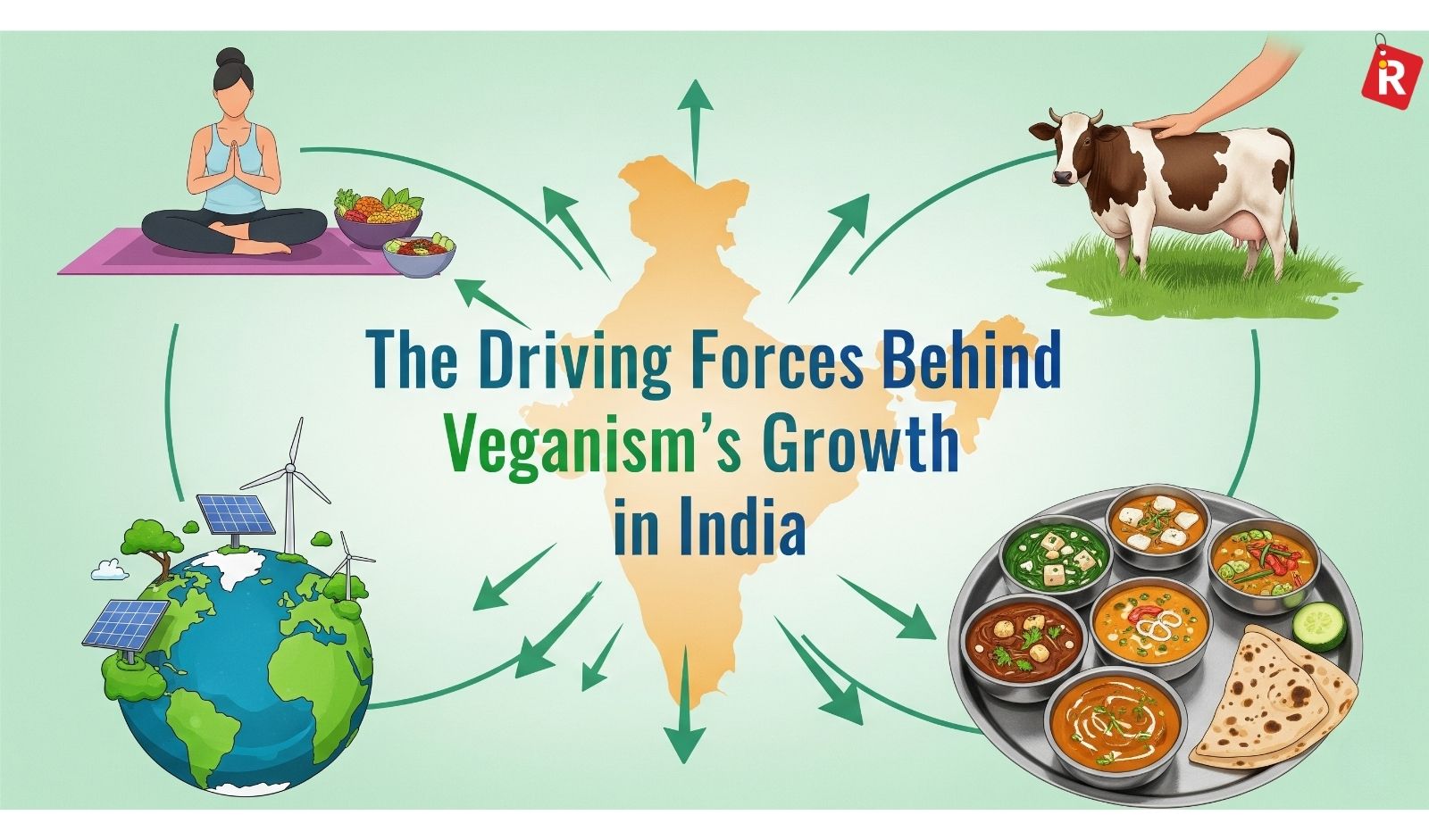
The increasing popularity of vegan restaurants in India is due to a combination of several factors:
Health and Wellness Consciousness
One important driving force is Indians' growing understanding of the fundamental connection between nutrition and health. More people are actively looking for better eating options as the risk of lifestyle disorders like diabetes, heart problems, and obesity rises. With advantages including better weight management, decreased inflammation, and enhanced heart health, a plant-based diet is becoming more and more popular in India as a preventative strategy. People who place a high value on their health find great appeal in the apparent purity and the health of vegan cuisine.
Ethical Concerns and Animal Welfare
India has found appeal in the worldwide debate surrounding the welfare of animals. Many people are reconsidering their dietary choices as a result of documentaries, social media campaigns, and easier access to information regarding industrial livestock production. In India, where the concept of 'Ahimsa' (non-violence) is deeply rooted, the moral duty to refrain from harming animals serves as an important motivation for adopting ethical eating practices and selecting cruelty-free products.
Environmental Impact and Sustainability
The huge environmental impact of vegetarianism is becoming more widely recognized. Deforestation, water pollution, and greenhouse gas emissions are all significantly impacted by the raising of livestock. Choosing plant-based meals is seen as a concrete step towards sustainable dining in India and lowering one's carbon footprint as climate change concerns gain popularity, especially among younger generations (Gen Z and Millennials). Restaurants that emphasize their environmentally friendly operations are becoming more popular.
What's new: 7 Restaurant Trends That Didn't Last Long
Cultural Diversity and Smooth Transition
Hinduism, Jainism, and Buddhism have all had an impact on India's large vegetarian population, which sets it apart from many Western nations. This indicates that many people's shift to veganism is less impulsive than that of meat eaters. A recognizable framework is provided by the long-standing food customs of Sattvic and Jain cuisine, which avoid many animal products (though frequently include dairy). By creatively modifying classic vegetarian recipes to use plant-based dairy substitutes like cashew cream, almond curd, or coconut milk, chefs may increase the access and attractiveness of Indian vegan cuisine.
Global Influence & Information Accessibility
Due to the internet age's linkage, international cuisines easily make their way to India. Indian foodies are influenced by foreign chefs, food bloggers, and plant-based movements. The popularity and interest in vegan cuisine trends in India have been boosted by social media platforms and the ease with which vegan recipes and information can be found online.
The Position of Vegan Restaurants in India
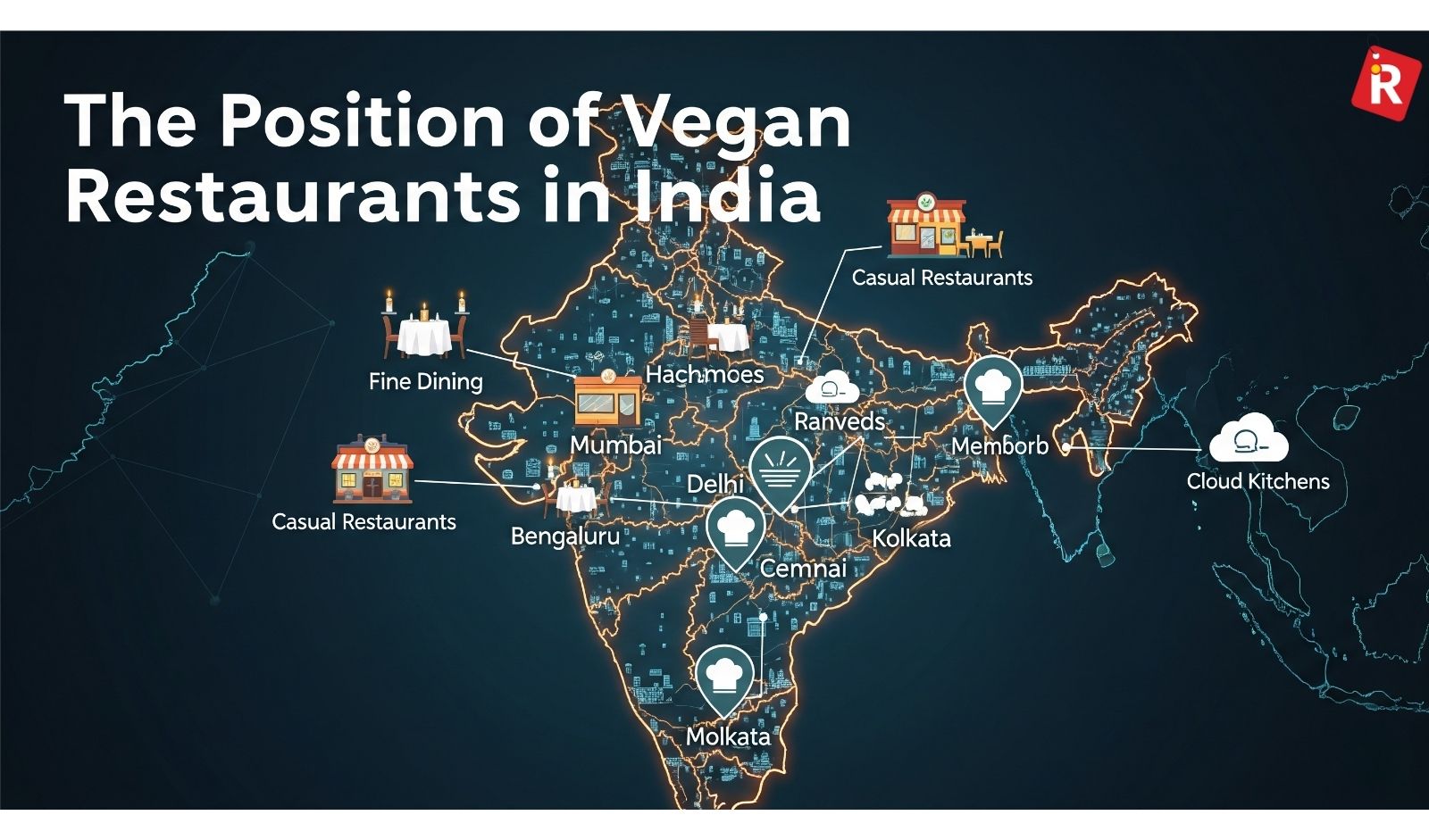
The growing number of vegan restaurants around India is a clear physical representation of this change. What began as a small number of specialty cafés in major cities has grown into a vibrant and innovative food scene:
- From Cafes to Fine Dining: The transition from specialty cafes to fine dining is remarkable. Small, health-conscious cafes were frequently the first vegan establishments. From small restaurants and cloud kitchens that specialize in vegan delivery services in India to high-end vegan restaurants that are on par with their meat-eater counterparts in terms of presentation, complexity, and flavor, there is a wide range of options available today. At the forefront of this change are cities like Chennai, Bangalore, Delhi, and Mumbai.
- Innovation in Indian Vegan Cuisine: Popular classic recipes are being creatively reinterpreted by Indian chefs so they're completely plant-based. Imagine creamy 'paneer' gravies with tofu or creative plant-based 'paneer' substitutes, delectable 'butter chicken' prepared with jackfruit or fake meat, and a variety of dairy-free desserts (such as vegan gulab jamun or kheer made with nut milks). The rich flavors and cozy familiarity of Indian food are preserved during the vegan shift thanks to this invention.
- Fusion and International Veganism: In addition to Indian food, a wider variety of international vegan cuisines are becoming more accessible as vegan restaurants expand. From robust plant-based cheese pizzas and vegan burgers to colorful Asian bowls, Mexican tacos, and Mediterranean platters, these restaurants satisfy a diverse audience while maintaining veganism.
- Opportunities and Challenges: Despite their quick expansion, vegan restaurants in India continue to encounter particular difficulties. It might be challenging to regularly and reasonably get specialty plant-based products and to train kitchen employees in new cooking methods. For local manufacturers and providers of plant-based goods, these difficulties also offer huge opportunities.
Check out: How Awards Can Drive Diners to Your Restaurant
6 Common Ingredients Used in South Indian Cuisines
What the Rise of Vegan Restaurants Means for the Indian Food Industry
Significant changes are occurring in the Indian food sector as a whole as a result of the growing popularity of vegan dining:
- Redefining Vegetarian: In India, the term "vegetarian" for many years included dairy consumption. The popularity of veganism calls for a reexamination, moving the definition of "pure vegetarian" in the direction of one that is actually free of animal products. This forces innovation and calls into question the dairy-heavy basis of many traditional Indian diets.
- Market Diversity & New Customer Segments: Vegan restaurants are reaching out to a constantly expanding group of consumers who are concerned about their health, ethics, and the environment. As a result, the whole client base grows beyond typical categories, and new market segments are created. In India, plant-based cuisine is becoming more popular among flexible eaters, vegetarians, vegans, and others with dietary restrictions (such as lactose intolerance).
- Food Technology Innovation: India has seen an unusual increase in investment and innovation in food technology as a result of the growing demand for plant-based substitutes. Advanced plant-based meat and dairy substitutes are becoming more and more popular. These include a variety of domestically manufactured plant-based milks, yogurts, and cheeses, as well as fake meats that resemble chicken, mutton, and fish. This promotes the nation's emerging plant-based economy.
- Supply Chain Modifications: As more restaurants adopt veganism, there is an increasing need for a reliable plant-based ingredient supply chain. In addition to fresh fruit, this also contains specialty grains, nuts, seeds, spices, and processed vegan goods. Farmers and suppliers are encouraged to broaden their agricultural product options by this change.
- Impact on Traditional Restaurants: Traditional, omnivorous, and even long-standing vegetarian restaurants are under pressure to offer appealing and thoughtful vegan options as a result of the success of dedicated vegan restaurants. Those who don't adjust run the danger of losing a sizable chunk of the changing market share. Nowadays, many openly promote their "vegan-friendly" menu items.
- Economic Opportunities: There is potential for significant economic growth in the vegan food industry. New business prospects, job creation (from farming to food processing, culinary jobs to marketing), and innovative business models like subscription-based meal services and dedicated vegan cloud kitchens are all made possible by it.
- Sustainability as a Business Standard: Restaurants are realizing more and more that their dedication to sustainability, which includes waste reduction and sourcing methods, is a good marketing weapon. Adopting vegan options is a great way to demonstrate their support for the environment and draw in values-driven customers.
Know more: Top Beers to Try on This International Beer Day
Long-Term Prospects for Vegan Dining in India
Vegan restaurants in India seem to be on a strong rising trend and are expected to keep expanding. Veganism is set to become increasingly common in mainstream dining, partly due to the tastes of Gen Z and Millennials, who are more concerned about their health, the environment, and animal welfare.
India has a distinct advantage to lead the world in vegan innovation because of its strong plant-based agricultural sector and sizable vegetarian population. The future of food in India is definitely moving in the direction of more plant-powered, sustainable, and accessible options due to continuous improvements in food science, rising plant-based substitute prices, and a more aware public.
Read this: Functional Mushrooms: The Next Big Trend in Beverages and Food Innovation
A New Green Era
The growth of vegan restaurants is more than just a passing trend because it is a major cultural, economic, and social indicator. It represents a major shift in the way Indians see food, health, and the environment. This implies that it is essential for restaurateurs to develop, modify, and accept plant-based solutions as an essential component of their future strategy rather than only as a specialty item. The green revolution on our plates promises a tasty and significant transition for India's thriving food industry as it continues its journey towards a more sustainable and aware future.
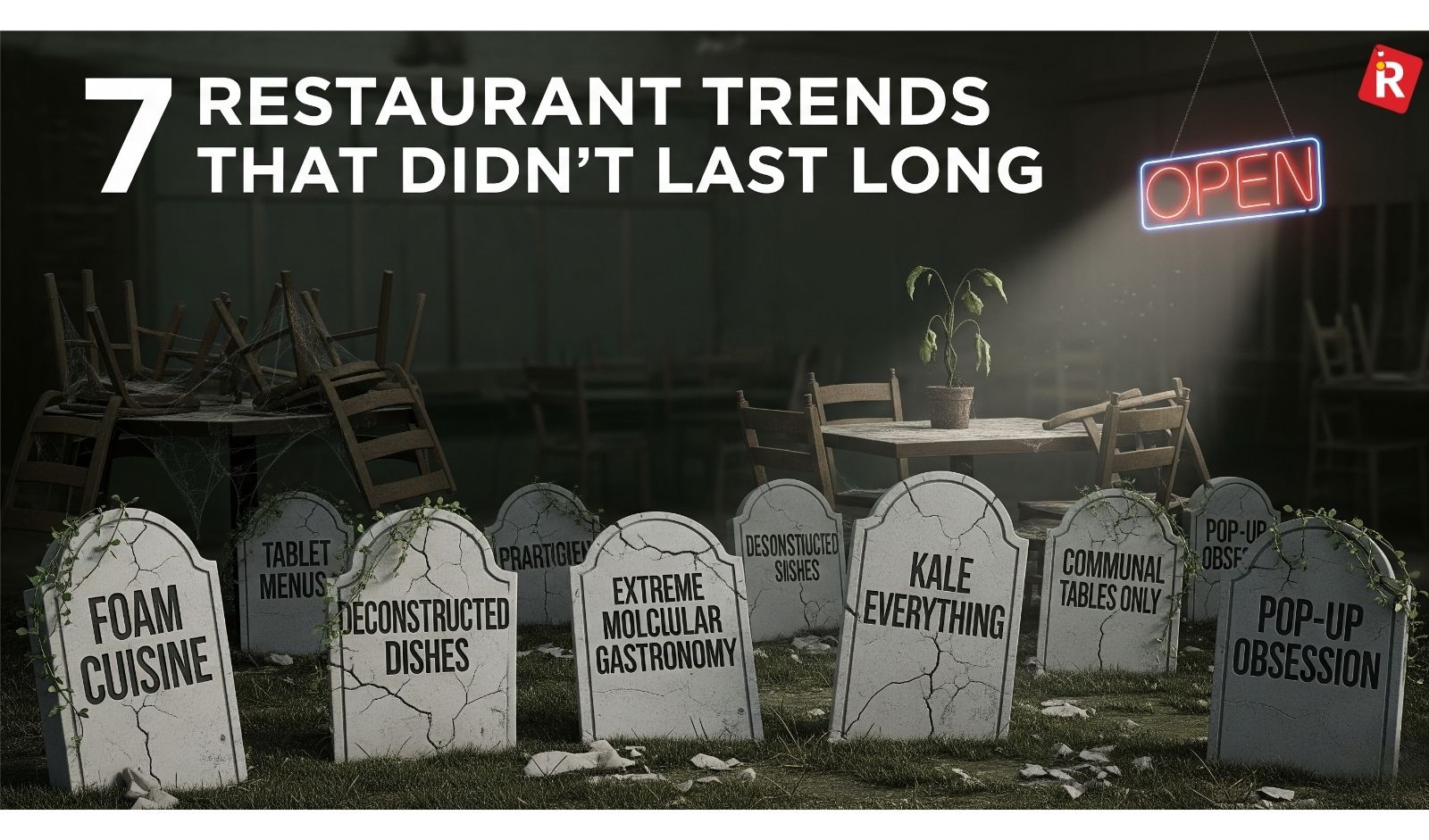
Restaurants continually strive to introduce new initiatives and incorporate emerging market trends. They do so to attract more customers, which in turn brings in customers to the restaurant, albeit temporarily. The thing with trends is that they keep emerging, and new ones are introduced. Therefore, if a trend is too old or not making enough money, it is replaced by a new one. For every trend that gains momentum and becomes routine, numerous others briefly gain popularity before fading away to little more than a hint of nostalgia.
In this article, we’ll examine the elements that led to the initial attractiveness and eventual downfall of some of the more well-known restaurant trends in India that didn't survive long. Knowing these short-lived trends can help present and future restaurateurs by highlighting the value of sustainability, real value, and adjusting to changing customer tastes in a market that is constantly changing.
Read more: Burma Burma Opens Three New Outlets in Delhi-NCR
The Allure of Innovation: Why Trends Emerge
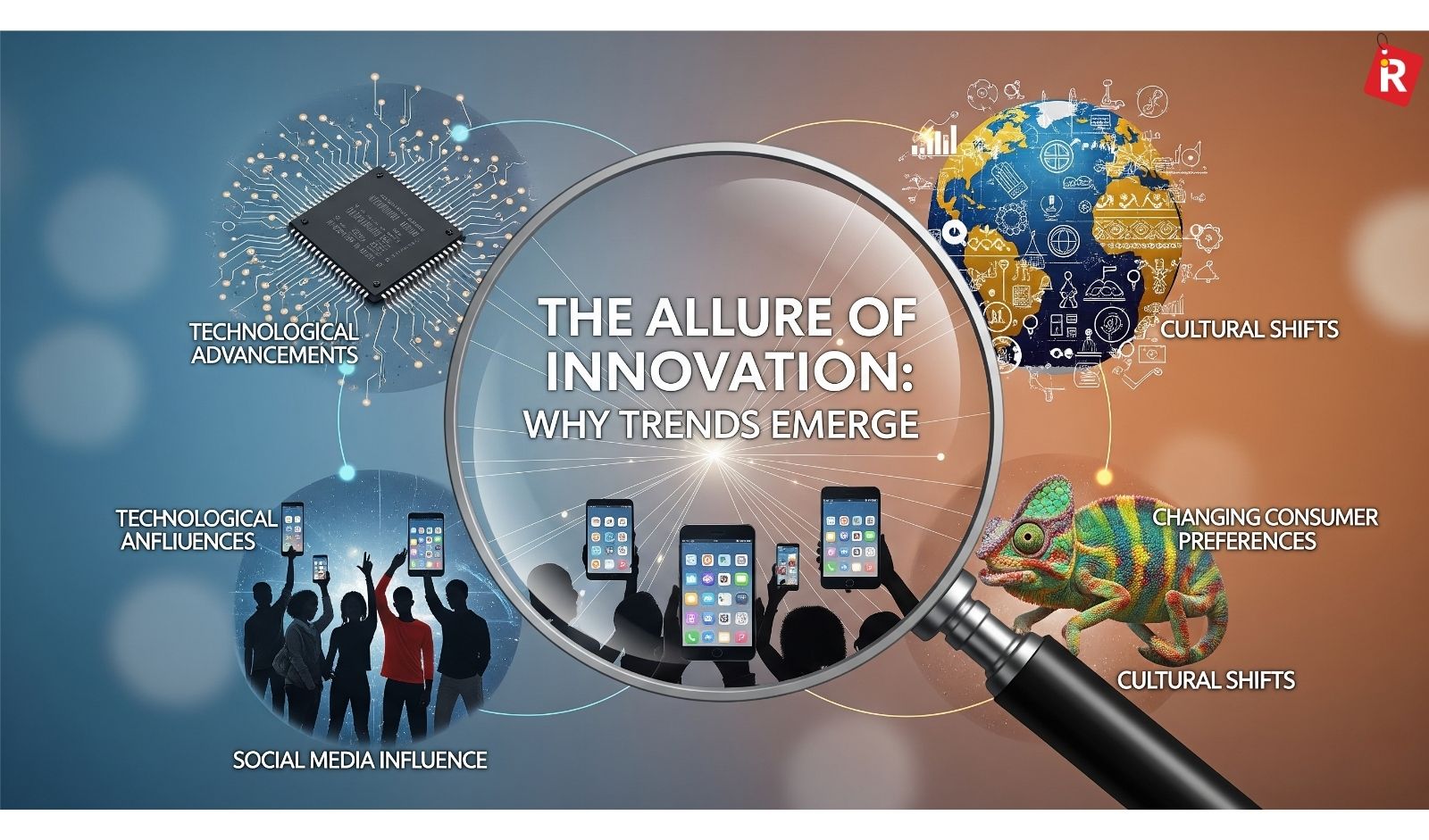
Before we take a look at the trends that have died down, we need to know how trends emerge. Several factors contribute to the culinary trends.
- Social Media Buzz: In the digital age, a dish or dining experience that is visually beautiful or technically engaging has the potential to go viral very quickly, creating a great deal of attention and driving initial customers. Twitter (X) and Instagram are two examples of platforms that are effective in boosting the adoption of trends.
- Celebrity Promotion: When a well-known celebrity or influencer supports a certain dish or dining method, it can immediately generate interest by lending legitimacy and appeal. Fans also want to try the dish that their favorite celebrity tried, creating a new trend.
- Perceived Health Benefits: Trends frequently take advantage of the current health consciousness in people by promoting foods or dietary practices that are thought to be advantageous, even when the scientific evidence supporting them is occasionally questionable.
- Comfort and Nostalgia: On the other hand, some trends offer the customers a desire for simpler times or well-known tastes, providing a cozy and sentimental experience.
- Scarcity and Exclusivity: Trendsetters may adopt products early on due to a sense of urgency and exclusivity created by time-limited promotions or difficult-to-access experiences.
- Innovation and Experimentation: Chefs are always pushing beyond the limits of what is possible to cook, and occasionally their daring attempts catch the public's attention, at least temporarily.
Know more: How Awards Can Drive Diners to Your Restaurant
7 Notable Restaurant Trends in India With a Short Lifespan
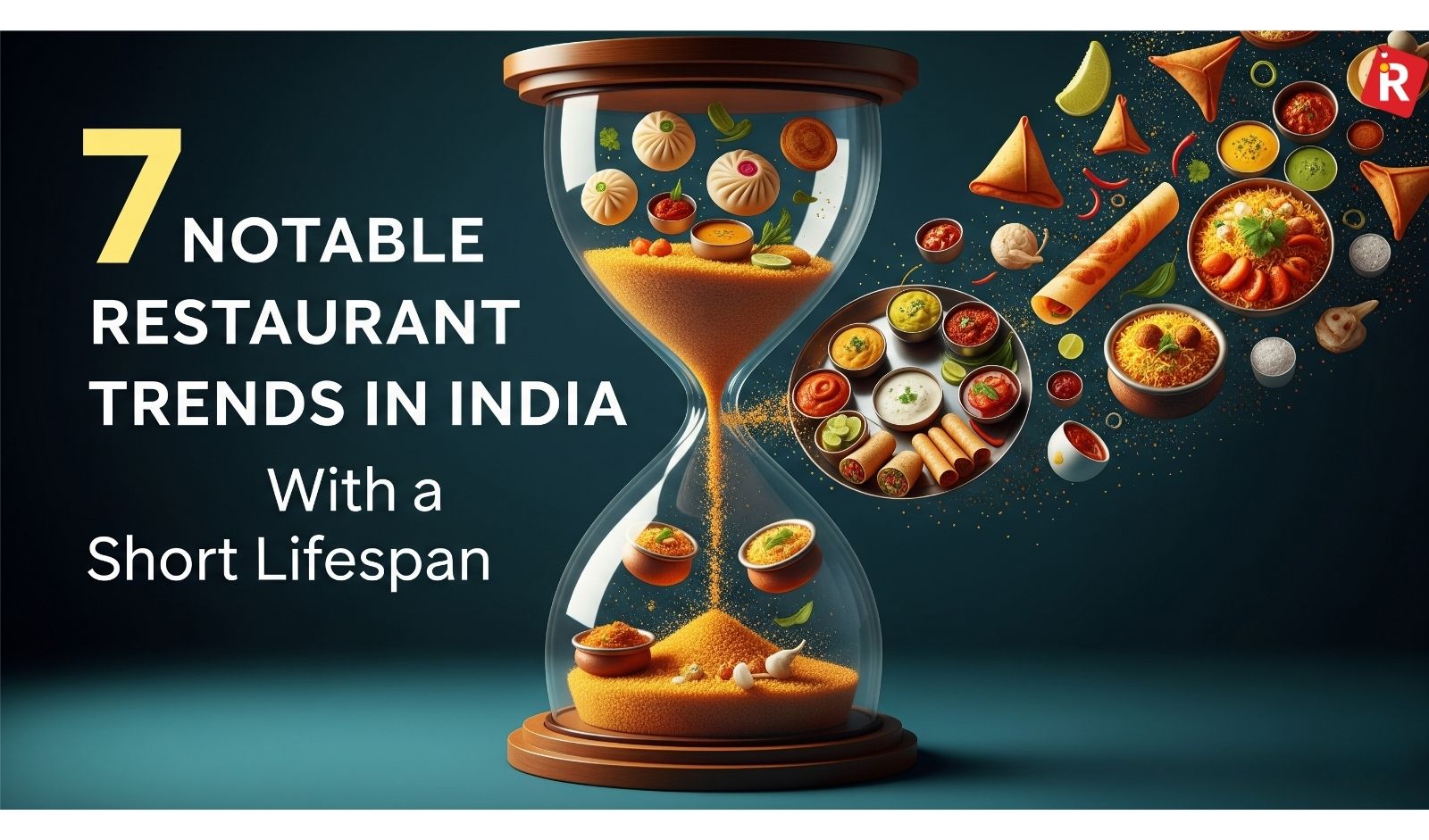
Here are some of the notable restaurant trends that were popular in India for a while but could not make a permanent place for themselves.
1. Molecular Gastronomy Lite
The Trend: Many Indian restaurants, inspired by the avant-garde culinary trend, developed "lite" versions of molecular gastronomy. This included the use of methods such as spherification, foams, and edible "air" to produce visually appealing dishes.
Why It Didn't Last: While the initial visual appeal was evident and sparked social media hype, many restaurants struggled to execute these approaches consistently and with actual nutritional value. Often, the emphasis was on the "stunt" rather than the taste or the entire dining experience. The idea of being extremely experimental and potentially costly without a significant flavor benefit also limited widespread acceptance. The Indian palate, while open to new ideas, ultimately values taste and well-known flavor combinations.
2. Gourmet Burger Mania
The Trend: India saw a boom in "gourmet" burger restaurants, following worldwide trends. They had gourmet patties, handcrafted buns, unusual toppings, and artistic presentations, going above and beyond the typical fast-food options.
Why It Didn't Last: Although high-quality burgers are still in demand, hyper-specialized gourmet burger restaurants frequently struggled with both pricing and customer traffic. Despite their popularity, burgers are frequently thought of as a more informal eating choice. For everyday dining, this view wasn't necessarily supported by the expensive prices of some gourmet burgers. Furthermore, a single, luxury fast-food item's long-term domination proved challenging due to the wide variety of regional and international cuisines that appeal to the Indian palate.
3. American Diner Replicas
The Trend: Many restaurants tried to replicate the retro look, complete with checkerboard flooring, old artifacts, and menus that featured milkshakes, enormous quantities, and comfort food staples, after being inspired by vintage American diners.
Why It Didn't Last: Despite the initial appeal of the theme's originality, many of these restaurants found it difficult to both satisfy Indian palates and accurately depict the spirit of American diner culture. Too bland or out of proportion to the perceived value, the food frequently failed to live up to expectations. Operational expenses were also increased by importing particular ingredients and maintaining the complex theming. In the end, a lot of diners favored either more regional eating options or genuine international experiences.
Check out: 6 Common Ingredients Used in South Indian Cuisines
Top Beers to Try on This International Beer Day
4. Frozen Yogurt Frenzy
The Trend: In Indian cities, frozen yogurt franchises and independent shops quickly expanded in the middle of the 2010s. Its original popularity was driven by its customizable aspect, supposed health benefits (in comparison to ice cream), and choice of toppings.
Why It Didn't Last: There was fierce competition as the frozen yogurt industry soon became overcrowded. The originality of the element faded, and the high sugar and calorie content of the toppings occasionally overpowered the apparent health benefits. Due to its frequent dependence on heavy foot traffic in desirable areas, the business model was prone to variations in real estate prices and shifting customer preferences. Furthermore, for a large portion of the year, the Indian climate prefers warmer deserts.
5. Food Trucks
The Trend: Gourmet food trucks, which served cuisines from mobile kitchens, became a popular idea in metropolitan India. Along with an addition of culinary experience, they offered affordability and comfort.
Why It Didn't Last: Although food trucks are still in use today, the first generation of "gourmet" food trucks had many difficulties. Permit and parking-related regulatory barriers were major obstacles. Some found it challenging to maintain constant quality and hygiene in a mobile system. Operations in various regions of India were also greatly impacted by the monsoon season. The "gourmet" food truck concept failed to carve out an appropriate spot for itself between traditional street sellers and well-known restaurants, although street food is still an essential part of Indian culture.
6. Themed Cafes
The Trend: Intending to create lasting memories with coffee and snacks, cafes with extremely specific themes—from board games and novels to certain fandoms or travel destinations—have appeared in numerous cities.
Why It Didn't Last: Although these cafes initially drew in particular crowds, their long-term success frequently relied on elements other than the theme, like the quality of the food and drinks, the level of service, and the general atmosphere. If the main services weren't appealing enough to keep clients, the theme's freshness might fade. Furthermore, it could be expensive and time-consuming to maintain the particular theming and continuously update the experience.
7. DIY Food Concepts
The Trend: There was a temporary increase in the number of restaurants that offered a wide range of "Do-It-Yourself" alternatives, allowing customers the chance to personalize everything from bowl meals with a variety of ingredients to pasta sauces and pizza toppings.
Why It Didn't Last: Although many people find personalization appealing, its introduction has resulted in problems with food waste, uneven quality control, and longer preparation times. Some diners may find the sheer volume of options overwhelming. It was difficult and expensive for restaurants to keep a large supply of fresh ingredients on hand for essential customization.
What's new: Functional Mushrooms: The Next Big Trend in Beverages and Food Innovation
What Restaurateurs should learn for long-term success
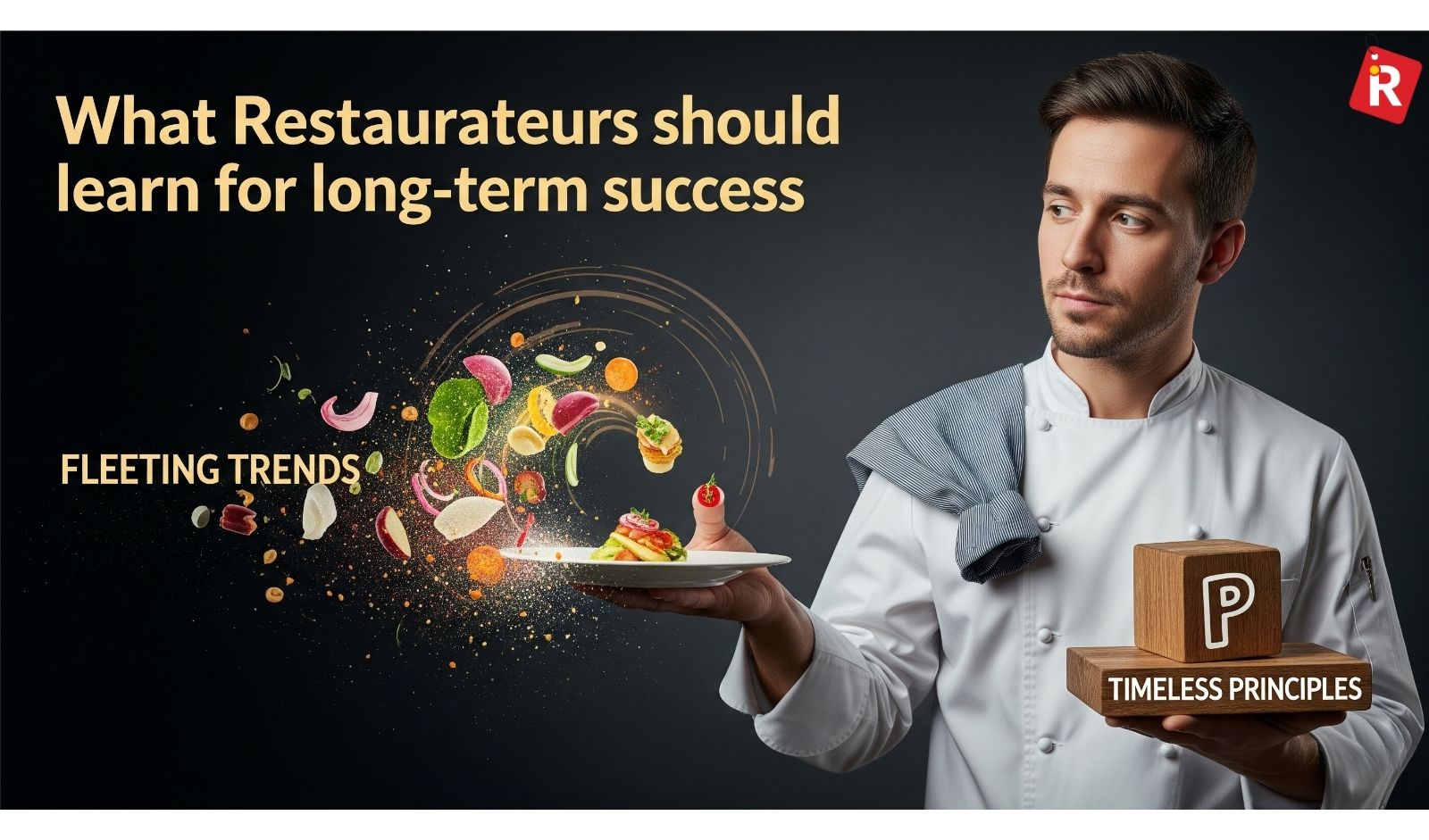
The rise and fall of these trends offer valuable lessons for those looking for success in the Indian culinary scene.
- Focus on Core Quality and Value: While uniqueness may draw in customers at first, sustained success depends on continuously providing top-notch cuisine, first-rate service, and an appealing selling point that encourages return business.
- Adapt to Local Palates: For long-term success in India, it is critical to understand and accommodate local taste preferences, even as it is necessary to embrace global influences.
- Operational Efficiency and Cost Management: It can be challenging to maintain trends that call for complex procedures, pricey ingredients, or high overheads over the long term.
- Genuine Experience and Authenticity: Diners are frequently able to spot flimsy tricks. It's crucial to design a dining experience that is sincere and true to their values and tastes.
- Sustainability Beyond Trends: In the restaurant industry, true sustainability is developing a strong business plan that can adjust to shifting customer tastes and market conditions.
- The Power of Connection and Personalization: Creating a solid link with your customer base by providing them with individualized experiences and sincere interaction can encourage loyalty that goes beyond trends.
Read this: How "Swicy" Dishes Can Transform Your Restaurant's Menu
As new trends emerge and fade, the Indian restaurant business will continue to evolve. Building a solid foundation that includes quality, value, knowing the local market, and developing a sincere relationship with diners is the key to long-term success, even if restaurateurs must remain informed and adjust to shifting consumer tastes. The trends that last are those that skillfully combine innovation with timeless ideas of hospitality and culinary excellence, turning into a treasured aspect of India's rich and dynamic food culture rather than merely a passing trend.
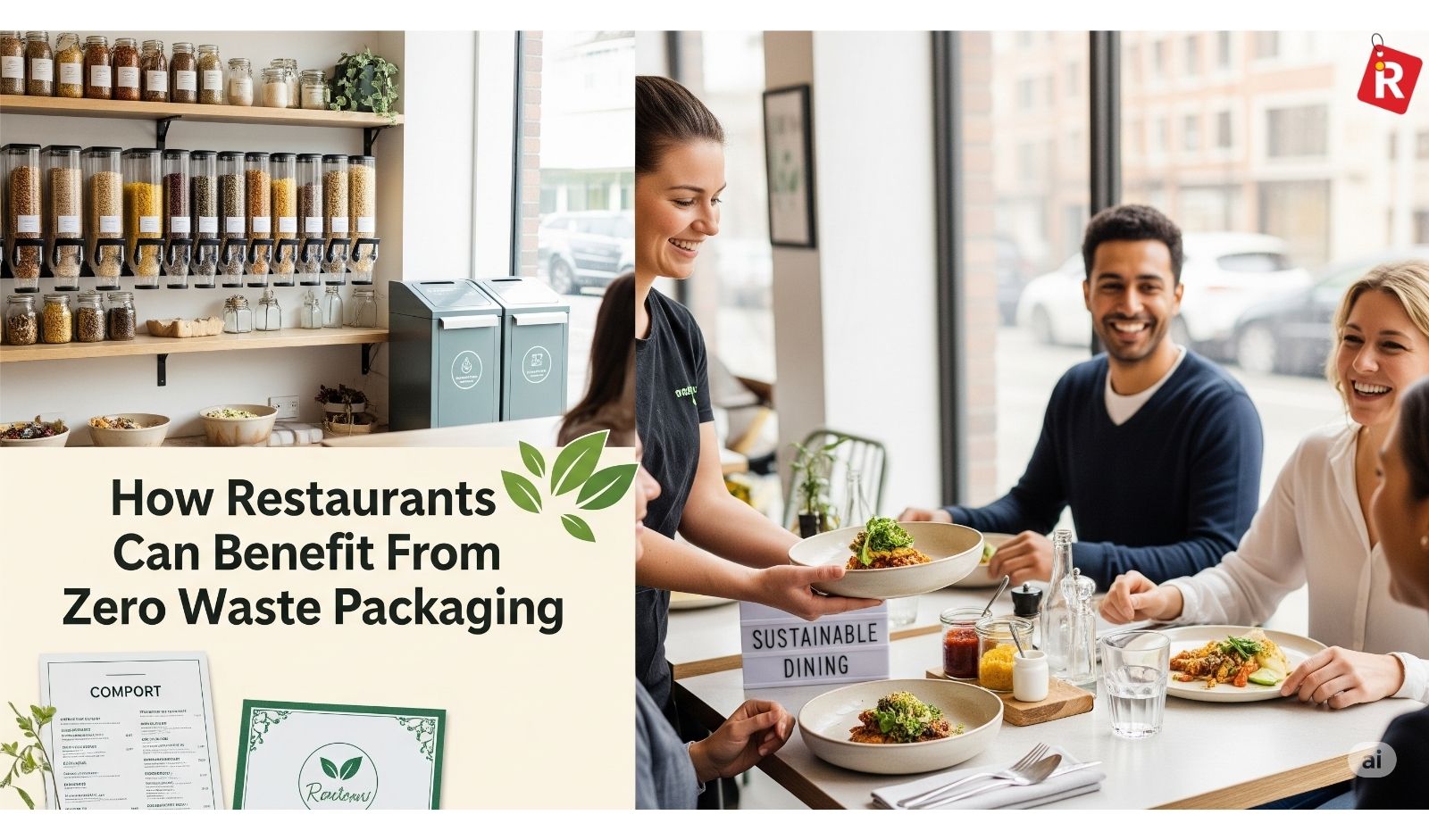
As much as plastic is affordable and a first choice when packaging, it is also the main reason our earth is suffering from undisposable food waste. In a time of increased environmental consciousness, industries with large waste footprints are coming under more and more criticism. Restaurants are at the center of this criticism because of how much they depend on packaging for delivery and takeaway. Many people now view the common single-use plastic container—once a sign of convenience—as an enemy to the environment. However, this dilemma offers a fantastic opportunity for progressive businesses: adopting zero-waste packaging. Making the switch to sustainable packaging is not just a trend; it has several advantages that go beyond environmental conservation, which will eventually improve a restaurant's financial performance and operational stability.
In this article, the revolutionary advantages of zero-waste packaging for restaurants will be examined, along with its definition, environmental necessity, and noticeable advantages in terms of customer loyalty, brand reputation, cost savings, and operational efficiency.
Read more: UK Whisky in India: 8 Brands That Elevate Any Bar Menu
What is Zero Waste Packaging
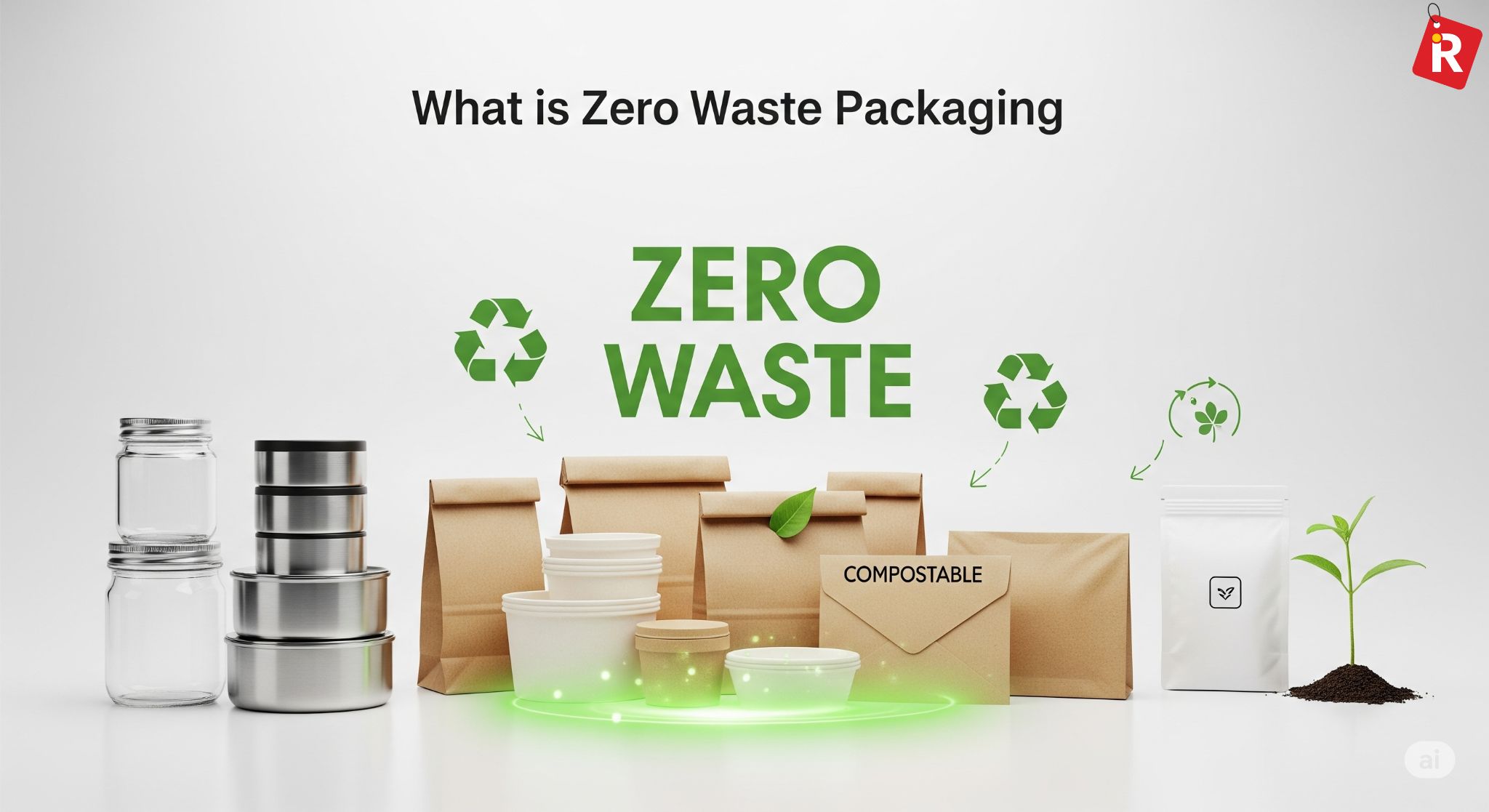
It's important to fully understand what zero-waste packaging actually means before diving into the advantages. Utilizing "recyclable" materials is only one aspect of it. According to the fundamental principles of "zero waste" (Reduce, Reuse, Recycle, Rot, Rethink), all resources must be made to be sustainably reused, composted, or returned to the environment rather than ending up in a landfill.
This leads to several important sustainable packaging options for restaurants:
- Compostable/Biodegradable Packaging: Packaging made from plant-based materials, such as sugarcane bagasse, cornstarch (PLA), bamboo, or palm leaves, is considered compostable or biodegradable. These are made to organically decompose in commercial composting facilities (and occasionally in household composts) and restore the soil with nutrients.
- Reusable Systems: The ultimate goal of zero waste is reusable systems. It involves putting in place initiatives that allow consumers to return containers for future usage. Examples include working with specialist container-share services or implementing deposit-return programs for takeout containers or reusable mugs.
- Minimalist or No Packaging: Promoting dine-in rather than completely doing away with takeout containers or encouraging customers to provide their own reusable takeout containers, particularly for large orders or drinks.
The goal is to establish a circular economy for packaging, in which materials and products are recovered and regenerated at the end of each service life after being used for as long as possible, and their maximum value is extracted while they are in use.
The Environmental Essentials
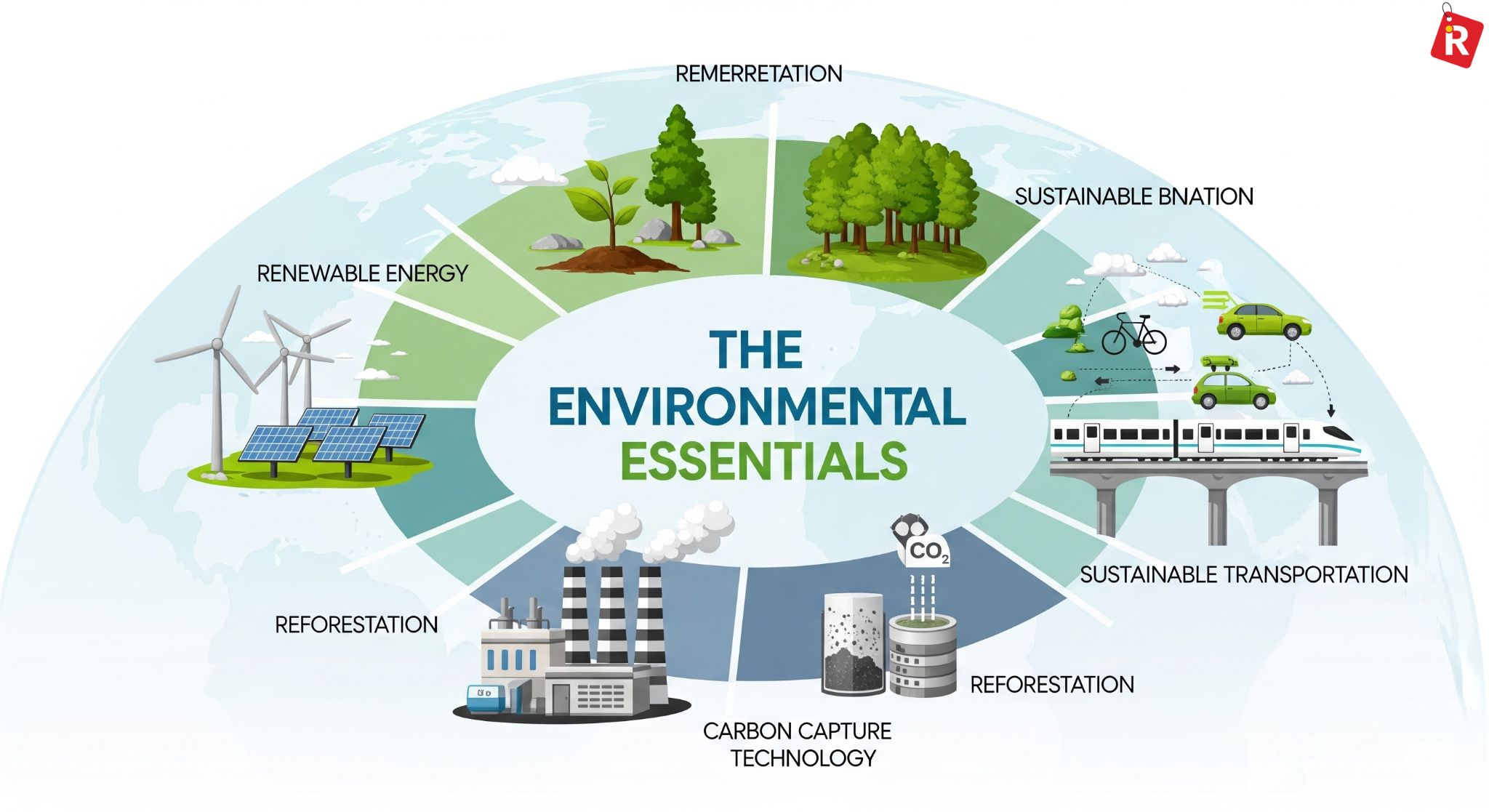
Changing the packaging that produces zero waste is a pressing environmental requirement. In particular, the amount of plastic pollution has increased to concerning proportions, affecting ecosystems all around the world.
Fighting Plastic Pollution: Every year, millions of tons of plastic debris end up in landfills and the ocean, degrading into microplastics that enter our food chain, killing wildlife, and contaminating ecosystems. This challenge is immediately addressed by restaurants implementing zero-trash efforts.
Reducing Carbon Footprint: Traditional packaging's manufacture, shipping, and disposal all have a major impact on greenhouse gas emissions. A restaurant's overall carbon footprint can be decreased by using sustainable packaging, which frequently uses less energy to make, requires less waste to be transported, and doesn't release methane into landfills.
Resource Conservation: Restaurants reduce their dependency on limited resources like fossil fuels (for plastics) and old-growth timber by giving priority to reused or quickly renewable materials. This encourages healthier consumption and the preservation of resources.
Aligning with Global Goals: Environmental responsibility is becoming more and more demanded by investors, governments, and consumers. A restaurant that adopts zero waste is in line with national and international environmental protection goals as well as larger environmental movements.
Know more: 8 Game-Changing Strategies to Expand Your Restaurant Brand
Tangible Benefits for Restaurants
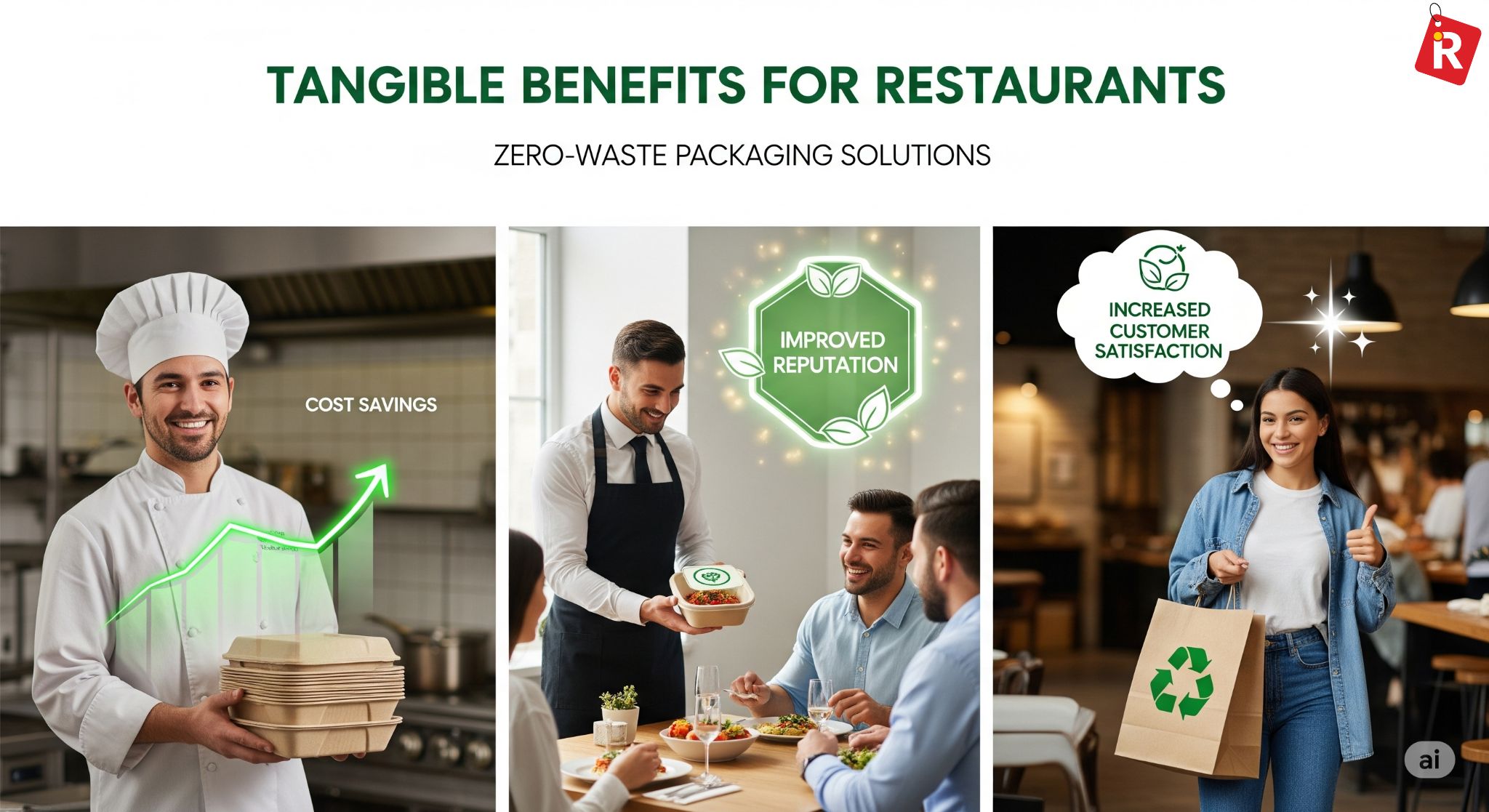
In addition to being morally right, zero-waste packaging makes a strong commercial argument for restaurants and has real benefits.
1. Enhanced Brand Reputation & Image
Values are important in today's market. Customers are increasingly considering a company's environmental and moral practices while making purchases.
- Attracting Eco-Conscious Diners: A sizeable portion of the consumer base actively looks for restaurants that are committed to environmental responsibility. Restaurants may quickly appeal to this expanding market by using eco-friendly packaging, attracting new customers who value sustainability.
- Leadership in Sustainability: A restaurant can establish itself as a trendsetter and leader in the sustainable hospitality sector by pledging to use zero-waste packaging. Customers, competitors in the industry, and local communities can all respect this.
- Good PR and Media Attention: Sustainable projects are newsworthy. Restaurants that use creative zero-waste solutions frequently get favorable press coverage, obtaining priceless earned media that spreads their message and reaches more people without spending money on advertising.
- Market Differentiation: Making an impression is essential in a highly competitive sector. A strong dedication to environmentally friendly packaging develops a unique marketing concept that sets your restaurant apart from competitors who continue to mostly use traditional, wasteful solutions. It demonstrates your restaurant's concern for more than just food.
2. Increased Customer Loyalty & Attraction
Modern diners are very value-driven, especially those from younger generations like Gen Z and Millennials.
- Shared ideals: A stronger emotional bond and sense of loyalty are created when a restaurant's environmental impact activities reflect the ideals of its customers. Consumers are pleased to support a company that shares their values on the environment.
- Word-of-mouth marketing: Happy, environmentally concerned customers are more likely to tell others about their great experiences, including the restaurant's sustainable practices, in addition to the food. This genuine word-of-mouth advertising is very efficient and economical.
- Improved Dining Experience: Even for takeout, many people find that knowing their food is packaged responsibly improves their entire dining experience. Beyond just taste, it offers a level of satisfaction.
What's new: How Awards Can Drive Diners to Your Restaurant
3. Long-Term Potential Cost Savings
Over time, zero-waste packaging can result in significant cost savings, even though there may be an initial expenditure.
- Reduced Garbage Disposal Fees: Municipalities or private garbage haulers will charge less for waste management when there is less rubbish because fewer bins will be collected. This financial advantage is obvious and instant.
- Bulk Purchasing & Reusability: Investing in reusable container systems removes the ongoing expense of continuously buying single-use items, even though the initial cost may be higher. Reusable containers can have significantly lower costs per use over time.
- Avoidance of Future Regulations & Taxes: "Plastic taxes" or complete prohibitions on specific single-use plastics are being implemented by governments all over the world. Restaurants may future-proof their operations and stay clear of possible fines, taxes, or expensive last-minute changes by installing sustainable packaging.
4. Operational Efficiencies
Adopting zero-waste packaging can improve daily operations in addition to lowering direct costs.
- Simplified Waste Management: The back-of-house waste management procedure becomes more structured and effective with separate streams for composting, reuse, and less landfill waste.
- Decreased Storage: By switching to reusable systems, businesses may find that they don't need to keep as much of a variety of single-use packaging, which will save valuable storage space.
- Better Staff Discipline: Establishing a transparent zero-waste policy frequently motivates employees to use resources more wisely and thoughtfully, which results in increased efficiencies.
5. Regulatory Compliance & Future-Proofing
In the commercial world, being ahead of the competition is essential.
- Preventative Compliance: Bans on things like plastic straws, bags, and foam containers are already being implemented in a number of towns and nations. Restaurants can potentially gain a competitive edge by using zero-waste packaging now rather than rushing to comply with upcoming rules.
- Opportunities for Certification: Some areas or groups provide sustainable business certificates, which can improve a restaurant's standing and possibly lead to incentives.
Challenges and Considerations
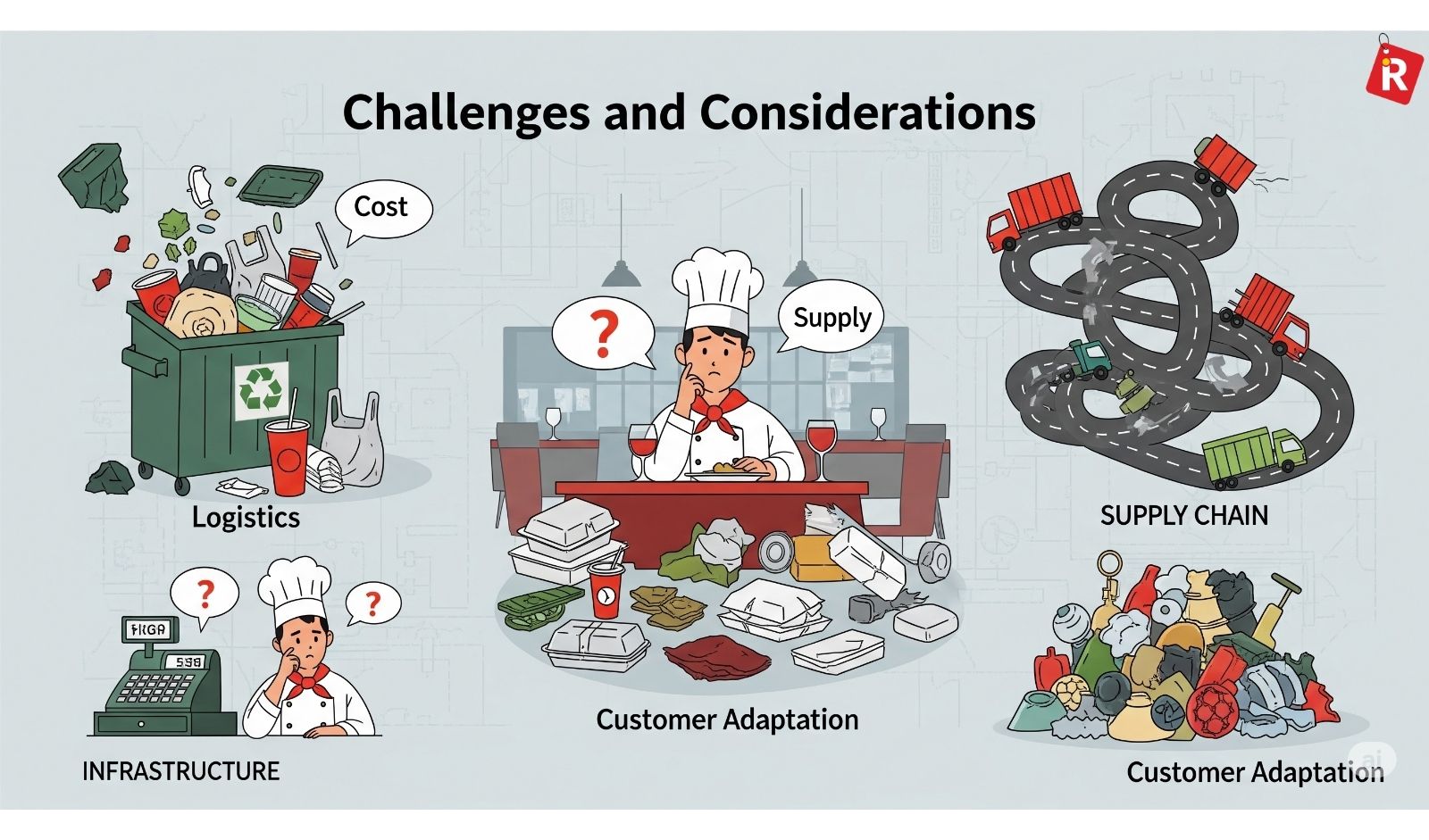
Although switching to zero-waste packaging has many advantages, there are drawbacks as well.
Initial Investment: Compared to traditional plastic, compostable or reusable packaging occasionally has a greater upfront cost per unit. Long-term savings and brand advantages must be considered while evaluating this, though.
Consumer Education: Consumers require clear directions on how to engage in reusable container programs or dispose of biodegradable packaging appropriately.
Logistical Complexity: Keeping track of inventories, handling returns of reusable containers, and making sure that everything is cleaned and sanitized correctly can all add levels of complexity to operations.
Supply Chain Reliability: It can occasionally be difficult to find really sustainable packaging that satisfies all performance standards (such as preservation of heat and grease resistance), requiring strict supplier screening.
Check out: 8 Strategic Pillars to Run a High-Performing Restaurant Franchise
How Carbon-Labelled Menus Attract Eco-Friendly Diners
Implementing Zero Waste Packaging: A Step-by-Step Approach
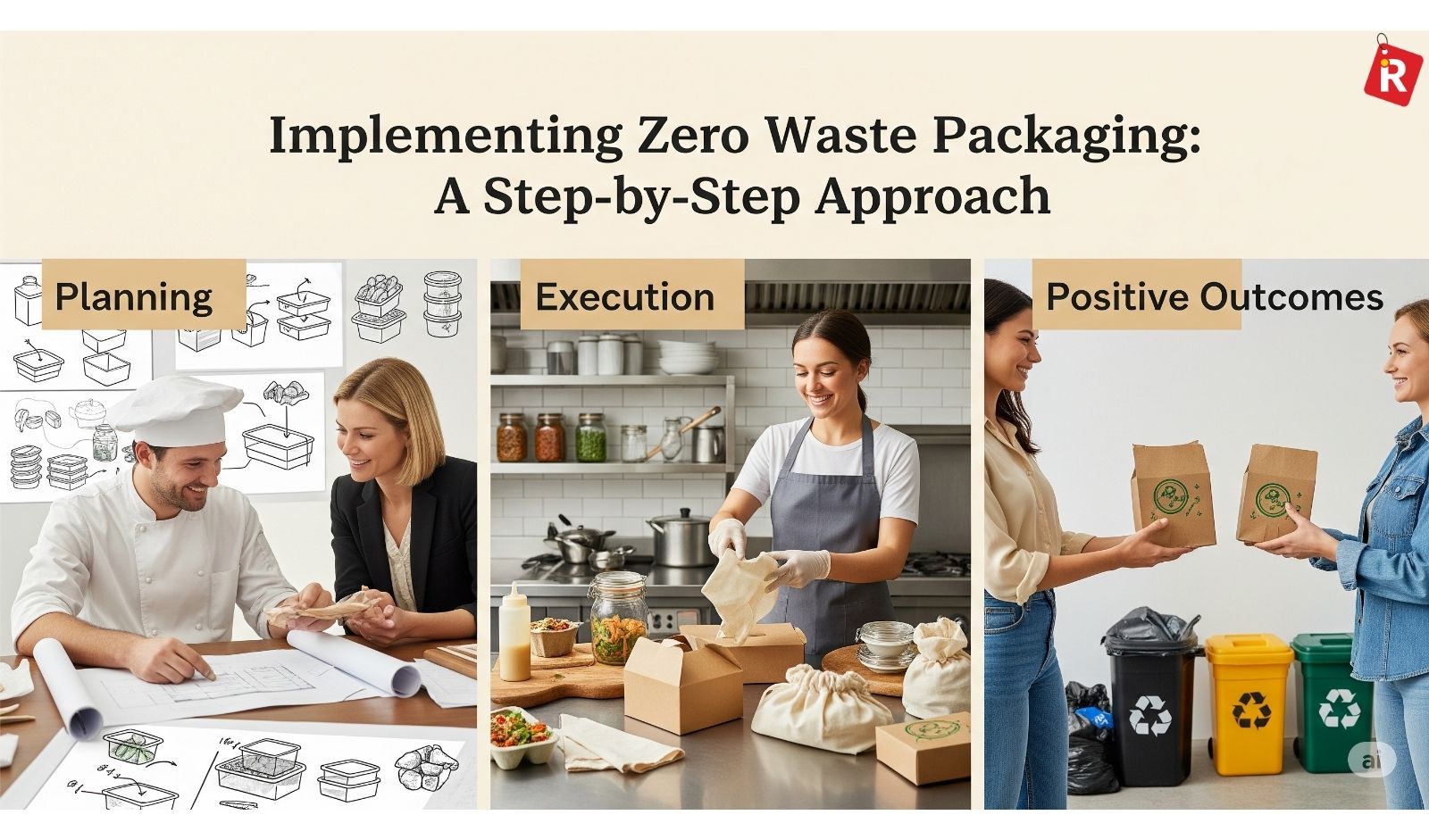
Examine Your Present Waste: Recognize the kinds and amounts of single-use packaging you presently use. This identifies the places with the greatest influence.
Research and Pilot Programs: Investigate various zero-waste packaging methods through research and pilot projects. To assess durability and consumer approval, begin with a modest pilot program for particular items or during off-peak hours.
Train Employees and Clients: Educate your staff about the new waste and packaging regulations. Using menu notes, signs, and social media, make sure your customers are aware of your sustainable initiatives. Give clear directions for return or disposal.
Collaborate with Reputable Suppliers: Look for suppliers who specialize in sturdy reusable container solutions or certified biodegradable materials. Check their claims and make sure they are consistently supplied.
Communicate Your Commitment: Don't only implement the program; communicate it so people know about this. Promote your environmentally friendly restaurant initiatives on your website, social media, and in-store. This not only informs but also motivates your consumers and community.
Start Small, Scale Up: Begin with one or two critical package items, then progressively expand your waste reduction efforts to cover your entire operation.
Read this: AI‑Driven Dynamic Pricing: The Next Big Shift in Restaurant Revenue Strategies?
Conclusion
The transition to zero waste packaging is more than just an environmental concern; it is a strategic need for modern restaurants. Businesses that use sustainable packaging solutions can considerably improve their brand image, create deeper consumer loyalty, enjoy long-term cost savings, and future-proof their operations against changing laws. In an increasingly sustainable world, restaurants that promote zero waste packaging are doing more than just helping the environment; they are actively constructing a more strong, respected, and successful business.
In today's competitive culinary world, outstanding food and excellent service are no longer enough. In India's diverse and rapidly expanding restaurant ecosystem, how does a restaurant stand out, attract new customers, and build a devoted following? While word-of-mouth continues to be effective, awards and recognition are a strong, sometimes underappreciated trigger. These awards are more than just ornamental trophies; they are strategic assets that can dramatically bring diners to your restaurant, converting reputation into measurable revenue.
The following article will look at the psychology of why diners trust restaurant awards, their direct and indirect advantages, and successful tactics for maximizing their influence in the Indian market.
Read more: 8 Game-Changing Strategies to Expand Your Restaurant Brand
Why Diners Trust Awards

At its foundation, the power of restaurant awards is based on fundamental human psychology. When presented with various options, consumers naturally seek external validation to decrease risk and confirm quality—a behavior particularly pronounced in India's price-conscious dining culture.
Social Proof: According to this powerful phenomenon, people are more willing to trust and embrace actions or decisions that others have already confirmed. An award represents a collective endorsement from professionals, critics, or the general public, indicating that this establishment is worthy of consideration. When diners see an award, they believe, "If it's good enough for them to be recognized, it must be good enough for me."
Perceived Quality and Excellence: Awards, particularly from renowned organizations like the Indian Restaurant Congress & Awards, are associated with high standards. They suggest that a restaurant excels in areas such as culinary innovation, service, ambiance, or specific regional cuisines. This perception of quality immediately raises the restaurant in the diner's perspective, creating the expectation of a better dining experience.
Reduced Decision-Making Risk: Selecting a new restaurant can seem like a gamble, especially in India's vast culinary landscape spanning regional cuisines, street food, and fine dining. Will the food taste good? Will the service be up to par? Awards serve as a reassuring seal of approval, greatly lowering the perceived risk for prospective diners. They give a swift, believable response to the question, "Is this place worth my time and money?"
Exclusivity and Prestige: There is an inbuilt yearning in humans to encounter something renowned or exclusive. Award-winning eateries often create a sense of difference. Diners are lured to the concept of being a part of a famous event, and they may even seek out businesses recognized by prestigious platforms such as the Indian Restaurant Congress & Awards or featured in "Best Of" lists from reputable food magazines and culinary guides.
Indian Restaurant Congress 2025
Indian Restaurant Congress 2025 is India’s premier platform for the restaurant and foodservice industry. The 14th edition brings together the nation’s top restaurateurs, chefs, and hospitality leaders to explore trends, technology, and growth opportunities. Spanning 2 Days with 2000+ Delegates, 500+ Brands, 75+ Exhibitors, and 150+ Awards, it’s the ultimate convergence of innovation, networking, and inspiration.
From insightful summits to cutting-edge showcases, IRC 2025 is where India’s culinary future takes shape.
Know more: 8 Strategic Pillars to Run a High-Performing Restaurant Franchise
How Awards Drive Diners to Restaurants
Beyond psychological influence, awards have very apparent, verifiable effects on getting diners into your restaurant in the Indian market.

Increased Visibility and Awareness
- Media Mentions: Award announcements are frequently covered by local and national media, food blogs, and trade magazines. In India's media-rich environment, this organic PR delivers vital exposure that money cannot purchase, particularly when featured by platforms like the Indian Restaurant Congress & Awards.
- Listings & Guides: Awards get your restaurant listed in influential guides, directories (both print and online), and "best of" compilations, reaching crowds who are actively looking for the greatest eating venues across India's metropolitan cities and emerging food destinations.
- Online Search Impact: Indian diners commonly search for "award-winning restaurants near me," "best [regional cuisine] restaurant in [city]," or "top restaurants in Delhi/Mumbai/Bangalore." Awards help your business rank better in these precise, high-intent searches, resulting in more targeted direct traffic to your website and online profiles.
Amplified Word-of-Mouth Marketing
When a restaurant earns an award, it creates a fascinating topic of talk for customers—particularly important in India's relationship-driven dining culture. Diners are more inclined to promote "award-winning" restaurants to friends and family, which adds credibility and excitement to their recommendations. This unplanned networking increases your reach immensely across India's tightly-knit social communities.
Attracting Tourism and Out-of-Town Visitors
Culinary awards, particularly those with national recognition like those from the Indian Restaurant Congress & Awards, can help a restaurant become a popular tourist attraction. Food tourists, domestic travelers, and international visitors frequently arrange their travels to find recognized dining restaurants, resulting in significant bookings from out-of-towners who might otherwise never discover your business. This is especially valuable in India's growing culinary tourism sector.
What's new: How Carbon-Labelled Menus Attract Eco-Friendly Diners
Enhanced Online Profiles
Popular eating platforms such as Zomato, Swiggy, Google Maps, and TripAdvisor frequently include sections or badges for award-winning restaurants. This promotes your business to millions of users who are actively looking for eating options across Indian cities, encouraging clicks and reservations. A simple award badge can be the determining factor for a diner faced with multiple options in India's crowded restaurant marketplace.
Beyond Just Bringing Diners In
The impact of awards goes far beyond direct customer attraction, affecting many aspects of your restaurant's operation and future growth in the Indian market. There is a chance that if you properly utilise your awards, then it can do much more than just bring diners in.
- Improved Staff Morale and Retention: An award serves as significant validation for your entire team, from the chefs in the kitchen to the front-of-house employees. It promotes pride, morale, and a sense of shared accomplishment. This increased morale frequently translates into better service, which improves the overall dining experience. Furthermore, employees are more inclined to stay with a well-known, successful business, which reduces costly turnover—particularly important in India's competitive hospitality job market.
- Attracting Top Talent: Just as consumers go toward award-winning restaurants, so do brilliant professional chefs and service staff. Working in a recognized atmosphere provides significant experience and status, making your restaurant a more appealing employer for experienced workers looking to progress their careers. This can dramatically boost the performance of your team, especially in India's growing culinary scene.
- Strengthened Supplier Ties: Being an award-winning restaurant can lead to better ties with suppliers. Suppliers may provide access to premium, exclusive, or unusual ingredients with the knowledge that their products will be featured at a prestigious restaurant. This can improve your menu even further, particularly important for accessing India's diverse regional ingredients and specialty products.
- Pricing Power and Perceived Value: Awards are excellent story hooks for journalists and food bloggers. Winning recognition from platforms like the Indian Restaurant Congress & Awards elevates your restaurant's profile, boosting the likelihood of being included in articles, interviews, and television programs. This ongoing media coverage keeps your brand in the public spotlight and strengthens your position as a major dining destination.
- Enhanced Media and Public Relations Opportunities: Awards are excellent story hooks for journalists. Winning an award elevates your restaurant's profile, boosting the likelihood of being included in articles, interviews, and television programs. This ongoing media coverage keeps your brand in the public spotlight and strengthens your position as a major dining destination.
- Brand Building and Equity: Each award increases your restaurant's overall brand equity. It helps define your identity, differentiates you from competitors, and creates a stronger, more recognizable brand image that appeals to discerning Indian diners across diverse market segments.
Check out: How "Swicy" Dishes Can Transform Your Restaurant's Menu
AI‑Driven Dynamic Pricing: The Next Big Shift in Restaurant Revenue Strategies?
Strategies for Utilizing Your Awards
Winning an award is only the beginning; the real magic occurs when it is effectively presented to the public in India's unique market context.
1. Prominent Physical Display
- Plaques and Certificates: Place awards noticeably near the entryway, hostess stand, or main dining area.
- Window Stickers: Use stickers on your front windows to draw the attention of pedestrians—particularly effective in India's busy commercial areas.
- Signage: Outdoor signs should include references to awards, if authorized.
2. Maximize Your Digital Footprint
- Website: Create a special "Awards" page on your website, complete with high-quality photographs of the awards and links to the awarding authorities. Place awards prominently on your homepage, "About Us" page, and even your online booking widget.
- Social Media: Use engaging pictures and genuine thank-you notes to announce wins on all platforms (Instagram, Facebook, X, etc.). Run targeted ad campaigns to highlight your awards, particularly effective for reaching India's highly active social media user base.
- Email Marketing: Send out unique newsletters to your subscriber list, announcing new awards and inviting them to enjoy the acknowledged quality.
- Online Listings: Update your profiles on Google My Business, Zomato, Swiggy, TripAdvisor, and other relevant directories with your new awards.
3. Strategic Communication
Press Releases: Create and send professional press releases to local and national food media, lifestyle editors, and business journals as soon as an award is announced, particularly when recognized by prestigious platforms like the Indian Restaurant Congress & Awards.
Chef and Staff Spotlights: Highlight your crew in award-related pieces to give recognition where it is due and humanize your business.
4. Menu Integration
Subtle Mentions: Place a little statement such as "Award-Winning [Dish Name]" or a small award emblem next to recognized dishes on your menu.
Special Menus: Create tasting menus or special deals, including award-winning dishes that showcase regional Indian flavors and innovations.
5. Staff Empowerment
Training: Ensure that all front-of-house staff understand the awards, what they represent, and how to enthusiastically discuss them with diners.
Pride: Create a culture in which employees are proud of the restaurant's achievements.
Read this: Neuro‑Gastronomy: The Science Behind Immersive Dining Experiences
6. Collaboration and Partnership
Awarding Bodies: Collaborate with organizations like the Indian Restaurant Congress & Awards to use their platforms for further promotion.
Influencers: Invite food bloggers and influencers to try your award-winning meals—particularly effective in India's influencer-driven food culture.
7. Paid advertisement
Ad Copy: Add award mentions to your digital and print ad content to boost credibility and increase the number of clicks across India's diverse advertising landscape.
Keep Your Momentum
While awards are a great motivator, their long-term influence depends on continuous success. Awards are a recognition of prior success, but customers will only return if the quality and experience are continually excellent. Use awards as a benchmark, a motivator to keep innovating, upholding high standards, and never resting on your achievements. They are an effective tool for opening doors, but long-term success requires continually providing an outstanding eating experience that meets the evolving expectations of Indian diners.
Conclusion
Awards are much more than just trophies in India's very competitive restaurant business—they are also very useful marketing tools. Try to understand the psychology that influences diner choices and effectively utilize recognition across all connections. By doing this, restaurants may greatly increase their visibility, establish credibility, draw in new customers, and eventually guarantee a long-term formula for success in India's dynamic culinary landscape. Aim for recognition through platforms like the Indian Restaurant Congress & Awards, strive for excellence, and observe how the recognition attracts customers to your business.
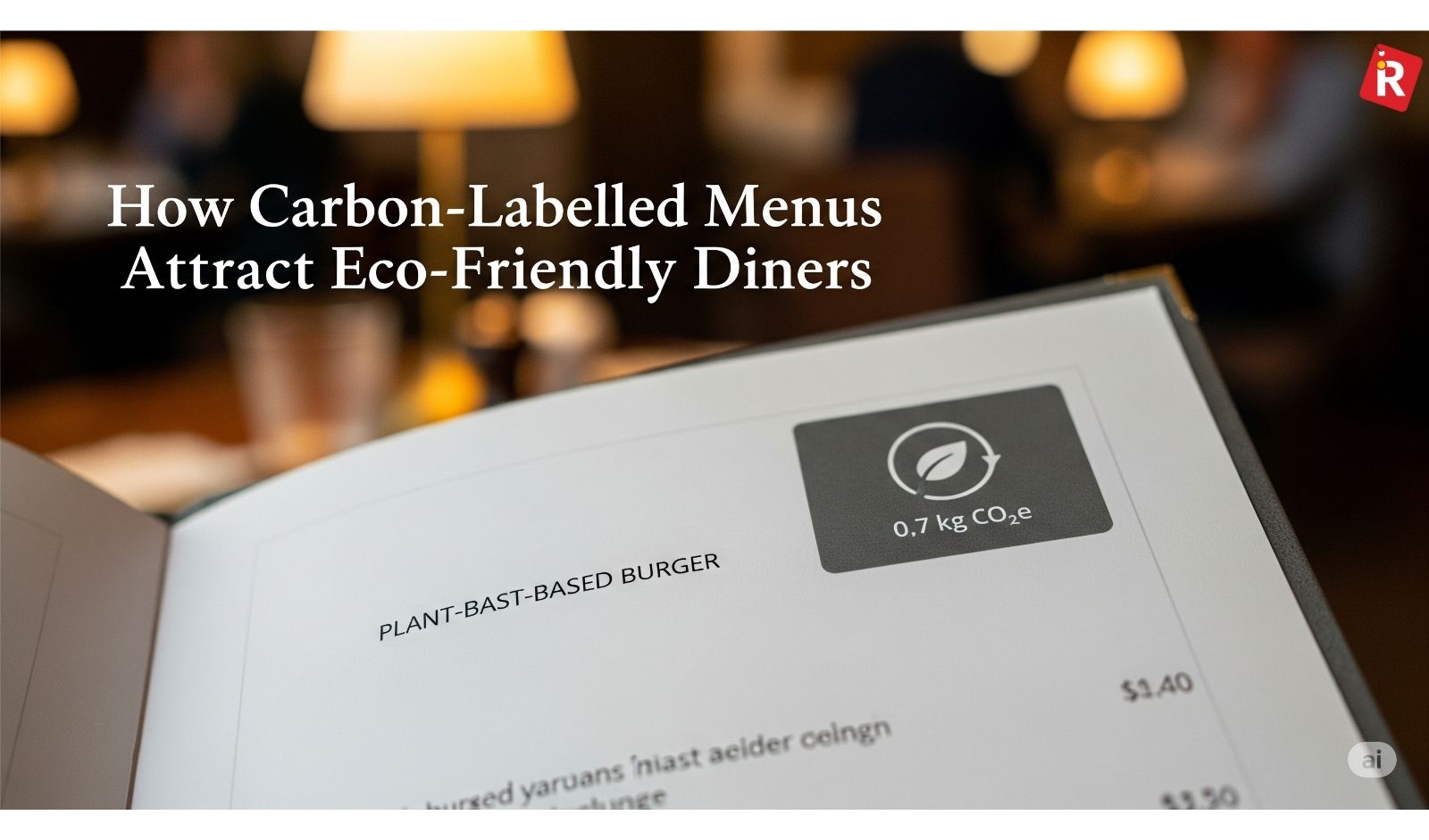
The advancement in technology and education has made consumers more aware of carbon emissions. This change has resulted in people actively seeking and analyzing carbon labels on most products, strongly influencing their purchase decisions and demanding greater transparency from businesses. This has also influenced the restaurant sector, where now people want to know if their food choices are having a big impact on the environment. The rising wave of eco-consciousness, driven by increased awareness of climate change, resource depletion, and ethical consumption, is fundamentally changing shopping behaviors.
While customers want to make sustainable choices, they frequently lack clear, actionable information when presented with a restaurant menu. This is where carbon-labeled menus appear as a revolutionary answer. By publicly presenting each dish's carbon footprint, restaurants can help diners align their ideals with their plates. This article will explain how embracing carbon analysis and visible carbon labels not only demonstrates a strong commitment to the planet's well-being but also serves as an undeniable magnet for a growing number of eco-friendly diners, giving your restaurant a significant competitive advantage and increasing the appeal of your brand.
Read more: AI‑Driven Dynamic Pricing: The Next Big Shift in Restaurant Revenue Strategies?
The Rise of the Eco-Conscious Diner

Understanding the motivations of this rising consumer sector is critical to realizing the benefits of carbon-labeled meals. Their beliefs are changing the whole concept of a desirable dining experience.
A Global Shift in Values
Across continents, there is a noticeable growth in knowledge of climate change and its serious consequences. Consumers are becoming increasingly aware of their individual and collective environmental impact. This increased sense of responsibility affects all aspects of their lives, including what they eat and where they choose to dine. They are looking for products and businesses that share their desire for a more sustainable future.
Millennials and Gen Z Driving the Change
This demographic shift is most noticeable among Millennials and Generation Z. These generations, who are among the most influential customers in India and around the world, regularly prioritize sustainability, ethical sourcing, and environmental responsibility while making purchase decisions. They are not only actively looking for environmentally friendly products and services, but they are also willing to pay a premium for them. Restaurants must capture this segment's devotion to maintain long-term growth and appeal.
Moving from "What's in it?" down to "What's its impact?"
The customer's need for information has increased. While nutritional information, calorie counts, and ingredient lists are still important, the focus has shifted to cover the full food lifecycle. Diners increasingly demand to know the environmental story of their food, including how it was created, how far it went, and its overall footprint. Due to this, the restaurant needs to have increased transparency from food providers.
Know more: Neuro‑Gastronomy: The Science Behind Immersive Dining Experiences
Demand for Transparency
Consumers are growing more and more suspicious of uncertain promises due to information overload, leading to a demand for transparency. They seek specific, verifiable information about a product's origins and impact. Restaurants that provide this level of transparency establish a stronger foundation of trust and credibility with their customers, differentiating themselves in a crowded industry.
The "Conscious Consumer" in India
India's "Conscious Consumer" movement reflects a growing awareness of environmental issues. Personal values, global trends, and local environmental concerns are all driving an increasing desire for sustainable options among urban people. This means that embracing sustainability, including carbon-labeled menus, is not simply a global trend but a directly applicable and increasingly crucial strategy for restaurants operating throughout India, from bustling metropolises to prosperous villages. They represent a major and rising market niche that is actively searching out sustainable food options.
What is a Carbon-Labeled Menu?
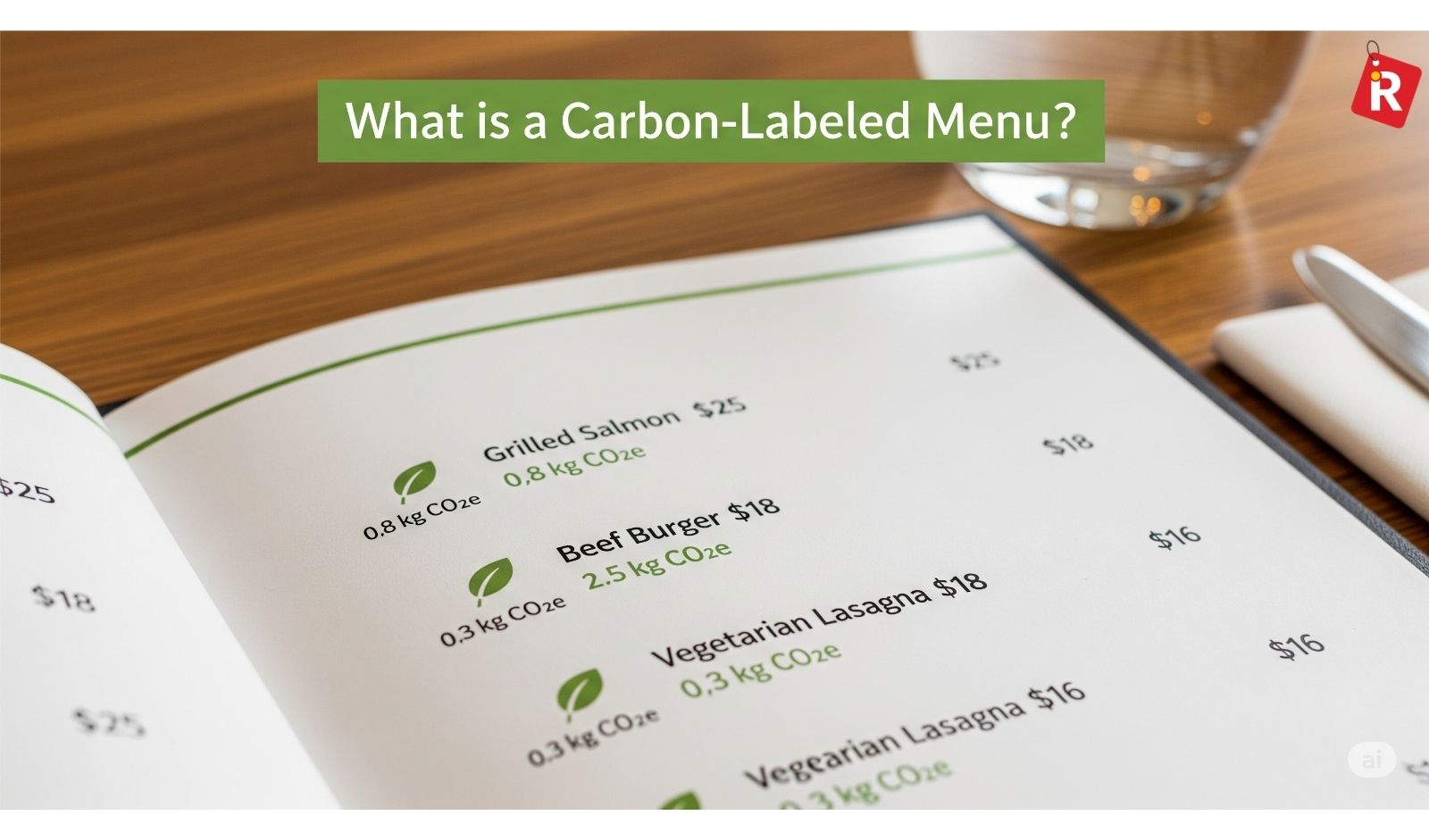
Defining Carbon Footprint in Food
A dish's carbon footprint is its total Greenhouse Gas (GHG) emissions, calculated in kilograms of CO2 equivalent (kg CO2e), across its whole lifecycle. This "farm-to-fork-to-waste" path includes all stages, from ingredient production to final consumption and disposal. It is a complete assessment of the environmental cost of your meal.
Components of a Dish's Carbon Footprint:
- Ingredient Sourcing: This is frequently the major contributor. The type of food is essential; for example, meat and dairy products have a substantially higher carbon footprint than plant-based alternatives due to variables such as land use, methane emissions from livestock, and feed production. Farming methods (for example, organic vs. conventional and regenerative agriculture) have an impact on this.
- Transportation: The distance traveled by ingredients from farm to restaurant, as well as the mode of transportation (air transport being the most carbon-intensive), all contribute considerably to the footprint.
- Energy Use: The energy used in kitchen operations, such as refrigeration, cooking (ovens, stovetops), and lighting, adds to total emissions.
- Waste: Food waste, ranging from preparation scraps to uneaten portions, as well as the disposal of packaging trash (non-recyclable items that wind up in landfills), produces methane, a strong greenhouse gas.
How It's Calculated (Simplified)
Calculating a dish's carbon footprint requires complicated life cycle assessments (LCAs). Restaurants frequently employ specialist software tools, engage with sustainability firms, or incorporate certified databases that offer emission factors for specific items and operations. While the detailed calculation is complex, the end result is a simple figure or rating that may be simply displayed.
Check out: 8 Game-Changing Strategies to Expand Your Restaurant Brand
What Carbon Labels Look Like
Carbon labels come in a variety of consumer-friendly designs. They may display the actual kg CO2e figure next to a dish, use simple "low carbon" icons, or employ a traffic signal system (green for low impact, amber for medium, and red for high). The goal is always to provide clarity and ease of understanding to the diner.
"Climate-Optimized" Menus
Understanding the carbon impact of each item and dish can help restaurants create climate-friendly menus. This means making creative menu design decisions that lower total emissions while maintaining taste and quality. This includes tactics such as increasing plant-based alternatives, prioritizing local sourcing, and reducing waste, all of which have a direct impact on the restaurant's carbon footprint.
How Carbon Labels Attract Diners
Beyond environmental responsibility, setting up carbon-labeled meals provides significant business advantages by directly appealing to the ideals of an expanding customer base.
- Transparency Builds Trust: In a society suspicious of fake news, clearly presenting a dish's environmental impact lends instant trust. Diners feel confident in supporting a restaurant that is truly committed to sustainability, building a stronger connection and trust with your brand.
- Empowering Informed Choices: Carbon labels provide critical information that environmentally concerned customers actively seek. This enables customers to actively choose foods that reflect their particular values while reducing their environmental impact, making a meal into a meaningful act of conscious sustainability.
- Education and Awareness: These labels quietly educate customers on the environmental impact of various food choices and sourcing. Over time, this information promotes more conscious eating behaviors, both in your restaurant and in their daily lives, establishing your business as an agent for positive change.
- Positive Brand Image and Differentiation: Being the first to take advantage of carbon labeling establishes your restaurant as a sustainability leader in a competitive market. This strategic method attracts rich, educated, and ethically conscious consumers, resulting in a devoted customer base and beneficial PR and media coverage.
- Fostering Shared Responsibility: Carbon labels encourage diners to actively engage in your sustainability journey. By selecting climate-optimized foods, they feel a sense of shared responsibility for environmental goals, which improves their overall dining experience and fosters a strong, value-driven community around your business.
Implementing Carbon Monitoring & Optimizing Your Menu
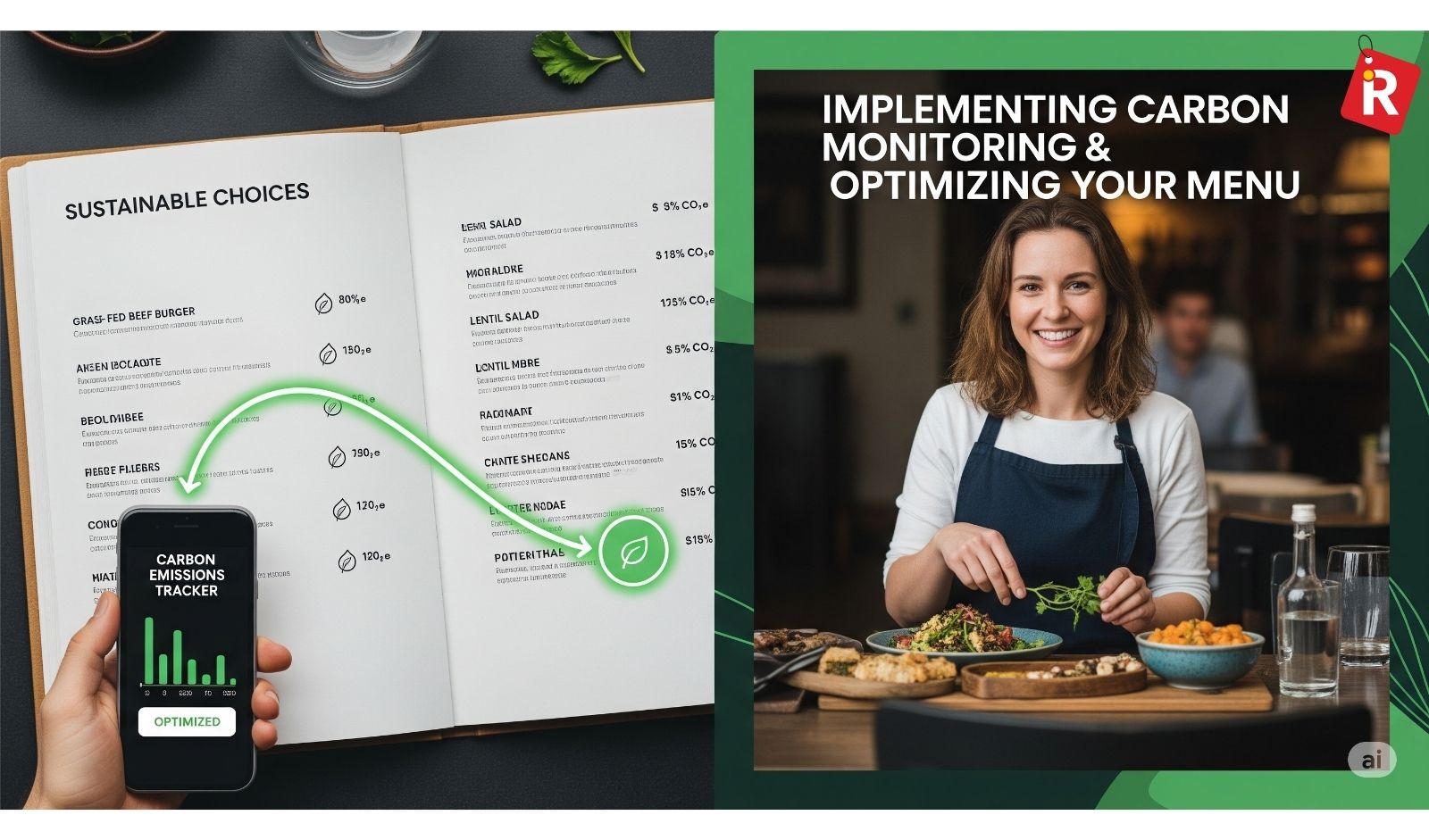
Getting Started with Carbon Profiling
To begin carbon profiling, start by measuring your dishes' footprints correctly.
Choose your method: Several approaches exist. You can collaborate with specialized sustainability consulting organizations, use dedicated software solutions that interact with your inventory and recipes, or look into simpler models for initial assessments. Some current POS systems are starting to include simple carbon calculating features.
Data Collection: This involves methodically recording data connected to your activities, including energy bills (electricity and gas), thorough supplier information for all ingredients (origin and farming methods), transportation logs, and extensive waste data. Accurate data is essential for creating convincing carbon labels.
What's new: How "Swicy" Dishes Can Transform Your Restaurant's Menu
Designing "Climate-Optimized" Menus
Once you understand the carbon footprint, you may strategically tailor your products.
- Prioritize Plant-Based Dishes: This is perhaps the most significant shift. Highlight how vegetarian and vegan options have a substantially smaller carbon footprint. Encourage creativity by serving plant-based recipes that are just as tempting (if not more so) than meat-based options. Focus on flavor and innovation to make low-carbon food appealing.
- Local and seasonal sourcing: This reduces transportation emissions by sourcing ingredients from local farms and providers. Emphasize the freshness and low environmental impact of these foods in your menu. This also benefits local economies and reflects a growing customer appetite for "farm-to-table" experiences.
- Reduce Food Waste: Establish strict food waste management policies. This includes exact portion management, creative use of all sections of ingredients (for example, root-to-stem cooking), distributing edible surplus food, and strong composting systems for unavoidable trash.
- Eco-Friendly Packing: For takeaway and delivery services, use compostable, recyclable, or reusable packing materials. Communicate with customers about your efforts to reduce plastic and non-biodegradable garbage.
- Energy Efficiency: To reduce operating carbon dioxide emissions, invest in energy-efficient kitchen equipment (ovens, freezers, dishwashers) and use energy-saving practices (for example, shutting off equipment when not in use).
Read this: 4 Easy High-Protein Egg Recipe Ideas For A Post-Workout Boost
A Taste of a Greener Tomorrow
Carbon-labeled menus are far more than a passing trend; they represent a potent combination of customer ideals, responsibility for the environment, and smart economic strategy. By embracing carbon profiling, restaurants can achieve remarkable transparency, enabling their customers to make really informed decisions and greatly improving their brand reputation.
Implementing a climate-optimized menu is more than just an option; it's an interesting competitive advantage that appeals to both the palate and the conscience. In an increasingly impact-driven world, demonstrating your commitment to a greener future places your restaurant as a true leader in sustainable culinary.
In the ever-changing culinary world, staying ahead of other restaurants requires not just mastering traditional flavors but also embracing new and emerging dishes and adding them to your menu. According to recent trend reports, one such global phenomenon likely to dominate menus in 2025 is the tempting combination of sweet and spicy, fittingly named "swicy." This powerful and complex flavor combination appeals to adventurous customers seeking an exciting and profound culinary experience that goes beyond the simple sweetness or spiciness.
While "spicy" elements may be present in some Indian dishes, a thoughtful and planned approach to this trend provides a significant opportunity for restaurants across India, from bustling Quick Service Restaurants (QSRs) to upscale fine-dining establishments in metropolitan cities, to update their menus, attract a larger audience, and establish themselves as flavor innovators. This article will dive into the "swicy" trend, examine its possibilities in the Indian context, present concrete menu fusion techniques, and highlight the compelling reasons why Indian restaurants should embrace this exciting flavor rush.
Read more: 8 Game-Changing Strategies to Expand Your Restaurant Brand
Understanding the "Swicy" Sensation
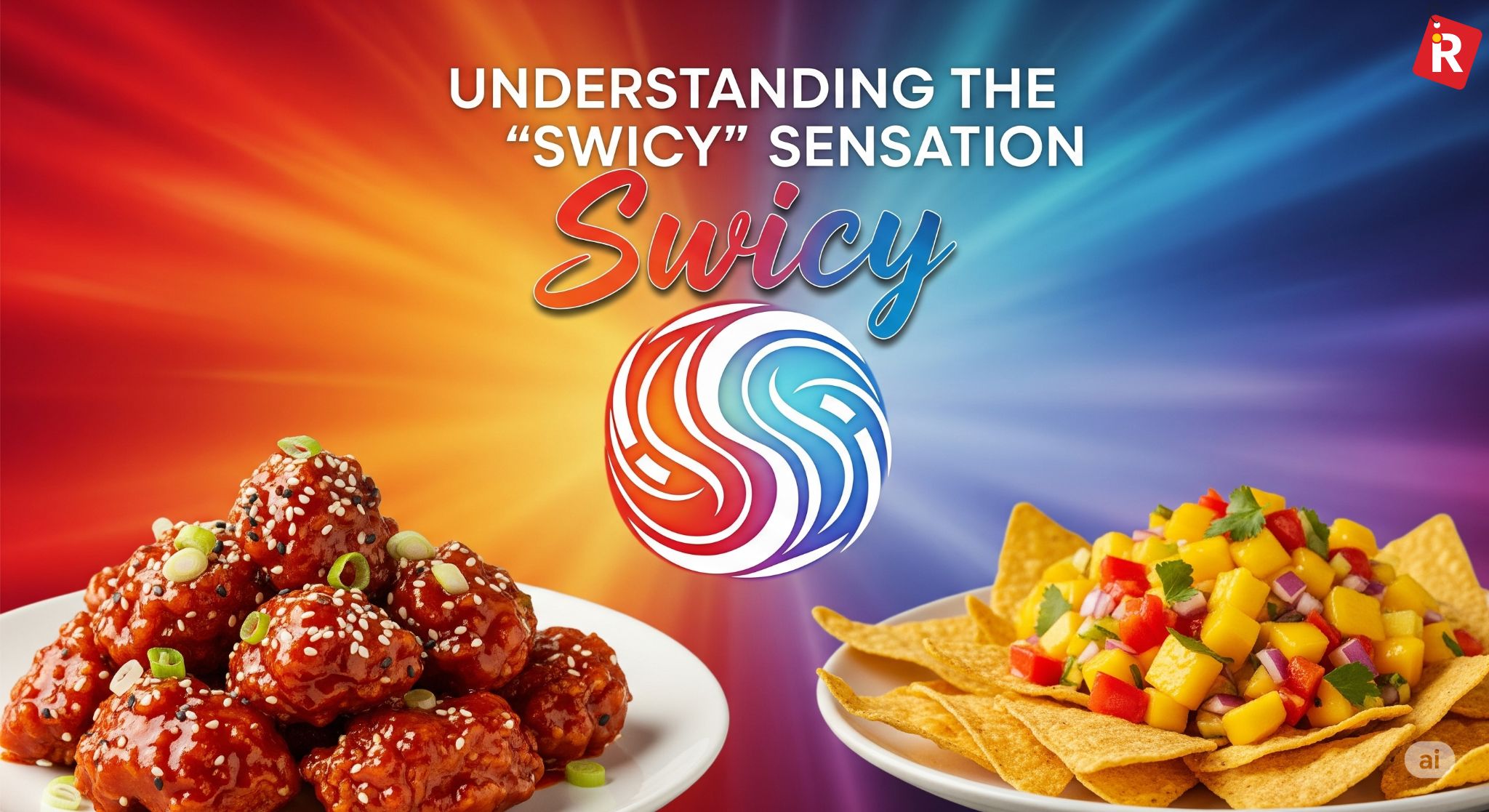
The "swicy" flavor profile involves more than simply adding sugar to chili. It's a meticulously crafted blend of sweetness that seduces the palate and heat that delivers a startling kick, resulting in a multidimensional flavor experience that remains and fascinates.
The Appeal of Complexity
In a world overloaded with predictable flavors, "swicy" foods are a pleasant change. They activate numerous taste receptors at once, resulting in a complex and pleasing sensation. The initial sweetness is frequently a pleasant introduction, followed by a gradual or immediate warmth that can range from a gentle tingle to a more intense heat. This contrast keeps the palate hooked and wanting more.
Global Roots, Universal Appeal
While the term "swicy" is relatively new, the idea of balancing sweet and spicy flavors has its origins in many different global cuisines. Consider Korean gochujang-based meals, Chinese sweet and sour sauces with a chili kick, Thai sweet chili sauces, or the slight sweetness found in some Mexican mole sauces. This global presence demonstrates a common human desire for this captivating flavor dynamic.
The Swicy Indian Palate
Surprisingly, the Indian palate is no stranger to the sweet-spicy combination. Many traditional cuisines combine mild, sweet undertones with spice. Consider the hint of jaggery in certain hot curries, the sweetness of caramelized onions with chiles, or the sweet-sour-spicy flavors in some chutneys and pickles. This natural familiarity provides a solid platform for Indian diners to accept more pronounced "spicy" options.
Know more: 4 Easy High-Protein Egg Recipe Ideas For A Post-Workout Boost
Beyond Simple Sweetness & Heat
The success of "swicy" is dependent on the quality of both the sweet and spicy ingredients. Natural sugars, honey, fruits, and caramelized veggies can all provide sweetness, each with its own distinct flavor. Similarly, the heat might come from a variety of chilies, peppercorns, or ginger, each with its own intensity and flavor character. The goal is to carefully choose and balance these components in order to achieve a pleasant and thrilling flavor combination.
The "Adventure" Factor
Today's customers, particularly younger generations, are more adventurous and willing to try new flavor combinations. "Swicy" foods respond directly to this urge for culinary exploration, providing a sense of adventure and discovery on the menu. This may be a powerful tool for attracting new customers and keeping your services fresh and relevant.
How "Swicy" is a Game-Changer for Indian Restaurants
With restaurants looking for changes in the menu to attract more diners, embracing the "swicy" trend provides numerous appealing benefits in India's diversified culinary scene.
- Attracting a Broader Audience: The balanced nature of "swicy" may appeal to a broader range of tastes. The early sweetness may appeal to individuals who are wary about hot food, while the ensuing spiciness gives the excitement that adventurous diners want. This dual appeal can help restaurants reach previously overlooked consumers.
- Menu Differentiation & Innovation: In a competitive market, presenting innovative and trend-forward meals is critical for uniqueness. Adding "swicy" dishes onto your menu on purpose might help you portray your restaurant as an innovator, indicating that you are aware of global food trends and prepared to push flavor boundaries. This might create buzz and draw media attention.
- Increased Perceived Value: The complex nature of "spicy" flavors can frequently contribute to a sense of more culinary knowledge and innovation. Diners may be willing to pay more for foods that provide a more varied and thrilling taste experience than traditional sweet or spicy selections.
- Versatility Across Cuisines: The "swicy" notion is not limited to a single cuisine. It can be smoothly blended into a variety of Indian regional cuisines, as well as fusion and global options. Consider a Goan Vindaloo with a touch of palm sugar for balance, a Tandoori chicken with a honey-chili coating, or a South Indian curry with the sweetness of coconut milk compared against scorching chiles. The options are endless, allowing for creative exploration within your current menu framework.
- Potential for Signature Dishes: Creating unique and interesting "spicy" foods can become signature dishes that people might specifically seek out at your restaurant. These can be effective brand distinctions and dramatically increase customer loyalty.
- Catering to the Growing Globalized Palate: With increased exposure to various cuisines, Indian customers are becoming increasingly open to global flavor combinations. "Swicy" meals appeal to this developing palate, providing a familiar yet attractive variation on traditional tastes. This is especially important in urban areas and tourism locations around India.
What's new: How to Make a Healthy Dessert With Just 5 Ingredients
Strategically Blending "Swicy" into Your Menu
For every restaurant, constantly making changes in the menu to attract more customers is a big part of their operations. And adding a new menu item requires careful consideration. Therefore, successfully adding "spicy" dishes needs an organized and planned strategy. Here are concrete steps that Indian restaurants should consider:
Start with Research & Inspiration
Explore global cuisines with sweet and spicy ingredients. Analyze successful "spicy" meals from overseas cuisines and uncover flavor combinations that appeal to the Indian taste. Look for inspiration in regional Indian recipes with a sophisticated sweet-spicy balance.
Identify Core Menu Items for "Swicy" Transformation
Consider which foods on your menu could be improved with a "spicy" twist. Consider appetizers, main dishes (both vegetarian and non-vegetarian), and even sides and sauces. For example, may a honey-chili marinade be used to improve a basic paneer tikka? Could a jaggery-soy glaze with a hint of Sichuan peppercorns enhance a vegetable stir-fry?
Experiment with Natural Sweeteners
Try alternatives to refined sugar. For a variety of taste combinations and levels of sweetness, try honey, jaggery, date syrup, fruit purees (mango, pineapple), caramelized onions, or even a dash of maple syrup.
Master the Art of Heat Infusion
Improve your heat infusion skills by learning about Indian chiles, ginger, white pepper, and black peppercorns. Experiment with various heat-incorporation methods, such as fresh chilies, chili powders, chili oils, or fermented chili pastes, to get the necessary intensity and taste variety.
Check out: Best Theme Idea for a Rooftop Restaurant: A Starlit Bohemian Escape
Balance is Key—The Swicy Ratio
The precise balance of sweetness and heat is required for "swicy" to be successful. Experiment with different percentages to find the sweet spot that your target audience likes. Consider offering several levels of "spicy" intensity on your menu (e.g., mild, medium, and hot) to accommodate varying tastes.
Provide "Swicy" Sauces and Glazes
Adding "swicy" sauces or glazes to current dishes can be a low-risk method to explore the trend. For appetizers, provide a honey-mustard-chili dipping sauce, and for grilled meats or veggies, use a sweet-soy-ginger glaze.
Highlight "Swicy" Dishes on Your Menu
Use descriptions on your menu to highlight the "spicy" quality of these items. To grab customer interest, highlight a mix of sweet and spicy sensations. Consider adding a specific "Swicy" icon or category to your menu.
Train your staff
Ensure that your service personnel understand the "swicy" concept and can accurately describe the flavor profiles of these dishes to customers. They should be able to lead new diners through this trend and make recommendations based on their spice tolerance.
Gather customer feedback
Actively seek feedback on your "swicy" products. This will allow you to better identify what connects with your clients and adjust your recipes accordingly. Use surveys, comment cards, or online reviews to evaluate their responses.
Promote your "Swicy" creations
Use your marketing channels (social media, website, and email newsletters) to promote your new "spicy" cuisine. Use eye-catching photos and interesting descriptions to convince customers to try them. Consider organizing special discounts or tasting menus that highlight your "swicy" inventions.
Read this: 7 Strategies to Focus on While Targeting New Age Customers
Embracing the Future of Flavor
The "swicy" flavor revolution provides a big potential for Indian restaurants to add excitement, innovation, and broader appeal to their menus. Understanding the minute details of this captivating flavor combination and carefully incorporating it into their menus allows restaurateurs to attract innovative guests, differentiate themselves from competitors, and eventually improve their culinary reputation and earnings. The Indian palate, which is already used to the complex interplay of sweet and spicy, is ready for this culinary evolution. By embracing the "swicy" revolution, Indian restaurants can boldly put themselves at the center of flavor creation, catering to the changing tastes of a globalized and increasingly adventurous customer base.
In India's ever-growing hospitality sector, where magnificent hotels frequently serve as symbols of comfort and elegance, in-house restaurants face a particular challenge. They are frequently viewed as mere conveniences for hotel guests, who are there for lodging as travelers and visitors. So they struggle to establish a unique identity and compete with the dynamic, stand-alone food scene beyond their doors. Running a successful hotel restaurant requires negotiating unique obstacles, including various visitor expectations, complicated operational dynamics, and serious competition.
However, with the appropriate strategy, a hotel restaurant may move beyond its traditional position, becoming a separate profit center as well as a key selling point for the hotel. This article will look at the key tactics for mastering the art of hotel restaurant management, with a focus on the diverse and dynamic Indian market.
Read more: How to Leverage Self-Service Kiosks to Drive Restaurant Revenue Growth
Defining Your Identity & Concept
The first step towards making the hotel restaurant successful is to shed the "hotel restaurant" stereotype and create a different identity that is not fully associated with the hotel itself.
More Than Just a Hotel Service
To flourish, a hotel restaurant must function as a standalone, appealing food and beverage (F&B) establishment. It should not be a last-minute addition but rather a thoughtfully planned gourmet business that attracts both hotel visitors and locals. The idea is to create an experience that is worth visiting on its own terms, rather than just being a handy alternative for exhausted tourists.
Concept & Brand Identity
Creating a clear, interactive concept is essential. What type of cuisine will you serve? What ambiance will you create? Who is your main target audience? The concept should ideally fit the hotel's overall brand while yet being distinct enough to stand on its own.
- Indian Context: India's culinary environment is highly diversified. Consider concepts that are deeply rooted in local tastes and regional specialties, such as an authentic regional Indian restaurant (e.g., specializing in South Indian, Rajasthani, or Bengali cuisine), a contemporary Indian fusion bistro, a specialized vegetarian or vegan restaurant catering to the large vegetarian population, or a global cuisine offering tailored to diverse international and domestic travelers. Using local ingredients and traditional Indian cooking techniques to create a unique selling point is critical.
- Differentiation: How will your hotel restaurant differ from other hotel dining facilities and independent restaurants? This could be accomplished through a one-of-a-kind themed dining experience, a signature dish that becomes a local favorite, a famous chef in charge, live entertainment that represents local culture, or a distinct environment that provides a genuinely unforgettable vacation.
Target Audience
A really successful hotel restaurant skillfully combines the demands of two separate groups: temporary hotel guests (business travelers, leisure tourists, and delegates) and local walk-in customers. While hotel guests want convenience and consistent quality, locals want a one-of-a-kind dining experience, good value, and a compelling reason to choose your restaurant over the city's numerous other options. Your concept and marketing efforts should appeal to both.
Know more: 5 reasons to use a single equipment supplier for new restaurant openings
Operational Excellence Which Leads to Success
Behind every memorable dining experience is a perfectly run business. This section discusses the fundamentals of effective hotel F&B management.
Kitchen Efficiency & Menu Engineering
The kitchen is the heart of your restaurant. Optimizing its layout, ensuring high-quality, well-maintained equipment, and building smooth procedures are all crucial for maintaining constant food quality and service speed.
- Menu Strategy: Your menu should be properly designed to provide variety, appeal to those who are your target audience, and be profitable. This includes exact recipe costing, reducing food waste, and strategically pricing dishes to maximize business margins. Regularly evaluate sales data to find popular and profitable items, then alter the menu accordingly.
- Indian Context: Managing a diversified menu that frequently includes Indian regional cuisines and European and Asian products needs great organizational skills. Sourcing fresh, local products from Indian markets, adapting to seasonal availability, and efficiently handling the high volumes commonly involved with hotel breakfast buffets and banquet operations are all difficult but necessary for success.
Service Standards & Training
In the hospitality industry, providing excellent service is not optional. Create clear Standard Operating Procedures (SOPs) for all aspects of service, from a friendly greeting at the door to efficient order taking, timely delivery, and smooth billing. Consistent training is critical.
Indian Context: The emphasis must be on professional, attentive, and anticipatory service. Training staff to understand complex guest preferences (e.g., precise spice levels, dietary restrictions such as Jain, vegan, or gluten-free, or specific component allergies), handle unusual requests gracefully, and navigate cultural differences in visitor interactions is critical. Cross-training employees for different roles improves flexibility and service flow, especially during peak hours or for multi-cuisine offerings.
Inventory & Cost Control
Food and beverage expenses are crucial variables that can have a considerable impact on profits. Implementing strong inventory management solutions (preferably coupled with your POS) is critical. Negotiate favorable contracts with trusted suppliers and implement strict portion control throughout the kitchen and bar.
Indian Context: Managing the sometimes unpredictable costs of fresh produce and commodities, particularly in local markets, requires constant awareness and adaptable purchasing methods. Minimizing spoilage and waste, especially in India's diverse climatic conditions, and precisely tracking consumption for high-volume items are continuing problems that have a direct impact on the restaurant's profitability.
Hygiene & Safety
The strictest cleanliness and food safety standards must be followed at all times. This includes strictly adhering to FSSAI (Food Safety and Standards Authority of India) rules and, preferably, international food safety standards such as HACCP. Regular internal and external audits are required to maintain continuous obedience and increase visitor trust.
Indian Context: To prevent foodborne illnesses and preserve an outstanding reputation, large-scale hotel restaurant operations must implement strict water quality standards, proper food handling and storage in potentially high temperatures, and effective pest control.
Check out: 5 Ways to Optimize Digital Menus for Enhanced Profitability
Marketing & Brand Building
A hotel restaurant cannot rely exclusively on in-house visitors; therefore, active marketing to the local population and relevant corporate sectors is critical to long-term profitability.
Beyond Hotel Guests
The most successful hotel restaurants purposefully promote themselves as independent restaurants to locals, business customers, and event organizers. This expands their attractiveness and revenue base beyond temporary hotel guests.
- Strong Online Presence: Create a high-quality, visually appealing website for the restaurant that is separate from the hotel's main site if the concept is good enough. Maintain active and engaging profiles on key social media platforms (Instagram, Facebook, and Twitter) that feature attractive food photos, interesting videos, and consistent branding. Optimize your visibility on local discovery sites such as Zomato, Swiggy (for delivery), Google My Business, and TripAdvisor by providing up-to-date information, appealing images, and timely responses to reviews.
- Local SEO: To attract organic traffic from residents, optimize your digital content for relevant local search terms like "best restaurants near me," "fine dining hotels," or "family restaurants in [your city]."
- Strategic Partnerships: Work with local businesses, corporate offices, event planners, and tourism boards to provide customized dining packages, corporate tie-ins, and themed event meals.
- Promotions & Events: To generate buzz and attract local crowds, host engaging promotions such as themed food festivals, special discounts during off-peak hours, happy hours, or regular live music and entertainment evenings.
- Food Bloggers and Influencers: Invite influential food bloggers, vloggers, and social media personalities from the city and surrounding areas for exclusive tastings and reviews. Their testimonials can greatly increase your reach and credibility.
Internal Marketing
Don't miss opportunities for efficient marketing within the hotel. Promote your restaurant's offerings publicly in guest rooms (via menus and digital displays), the lobby, the registration desk, and all other guest communication channels before and throughout their stay. Highlight significant occasions or signature cuisine.
Read this: 10 Actionable Interior Design ideas for Restaurants
The Restaurant's Toolkit: Essential Apps, Resources, and Strategies to Organize Your Business
Utilizing Hotel Brand
The restaurant should capitalize on the hotel's reputation for excellence, luxury, or business facilities, in addition to creating its own brand. This dual marketing can provide a substantial benefit in terms of trust and early visibility when compared to wholly new standalone businesses.
Guest Experience & Loyalty
A great guest experience converts first-time diners into repeat customers and promotes favorable word-of-mouth. Focusing on these important areas will dramatically increase your restaurant's turnover rate.
- Personalized Service: Empower employees to anticipate and remember visitor preferences, such as tables and drinks. In India, acknowledging repeat guests by name, catering to dietary needs (Jain, allergies), and celebrating significant occasions builds strong loyalty.
- Ambiance & Design: Create an inviting atmosphere that complements your concept, focusing on lighting, music, and comfortable seating. In India, combining traditional aesthetics with modern design and providing private dining rooms for families or groups is highly prized.
- Feedback Mechanisms: Actively seek guest input through internet questionnaires, comment cards, or direct discussions. Importantly, respond to this input quickly and transparently to demonstrate concern, inspire continuous improvement, and develop trust.
- Loyalty Programs: Create hotel-wide or restaurant-specific loyalty programs to reward repeat customers with points, discounts, or special access. These programs stimulate repeat visitors and provide useful information for targeted marketing.
What's new: Indian Spice Blends from Restaurant Chefs: Recipes, Techniques & Regional Masalas
Financial Management & Profitability
Finally, a successful hotel restaurant must be financially sustainable and contribute significantly to the hotel's overall revenue.
- Cost-Benefit Analysis: Evaluate menu items, staffing decisions, and marketing efforts for their financial impact. Understand your operational costs down to the last rupee, including ingredients, labor, and utilities.
- Revenue Streams: Diversify your revenue streams beyond traditional à la carte eating. Explore chances in large-scale hotel banquet operations, event catering, efficient and appealing room service, one-of-a-kind pop-up dining experiences, themed culinary events, and even cooking classes for guests or local food enthusiasts.
- Pricing Strategy: Create a competitive and successful pricing plan. Examine market rates for comparable dining experiences in your area to ensure that your pricing represents the perceived value of your cuisine, service, and ambiance. Avoid underpricing, which can devalue your offering, and overpricing, which can turn off local customers.
- Pricing Strategy: Conduct regular, thorough financial audits. This includes a thorough review of food costs, diligent labor cost management, and regular audits of inventory and sales figures. This data-driven strategy aids in the identification of improvement opportunities, the reduction of inefficiencies, and the ongoing optimization of profitability.
Conclusion
Running a successful hotel restaurant in India is a complex but extremely rewarding endeavor. It's more than just serving meals; it's about developing an individual culinary identity, maintaining operational discipline, implementing effective marketing initiatives, and relentlessly focusing on providing an excellent guest experience. A hotel restaurant can be transformed from a mere facility to a beloved dining destination by operating as a distinct brand while wisely utilizing the parent property's robust infrastructure and reputation. The actual measure of success is not merely filling tables but also producing lasting memories that boost the hotel's prestige and add significantly to its overall financial prosperity, establishing it as a true landmark in India's rich culinary scene.
Spices are more than just ingredients in Indian cuisine; they represent the spirit, heartbeat, and pulse of each dish. The magic begins with the 'masala’, a term that refers to the artistic, complex mixtures that define the unmatched variety of Indian flavors. While home cooks love their family recipes, professional restaurant cooks, particularly those refining their skills in hectic kitchens across India, are typically the actual masters of these complex blends, carefully keeping their signature spice secrets.
These professional chefs recognize that a well-balanced spice is the key to unleashing real flavor profiles and transforming ordinary foods into spectacular culinary experiences. From the creamy gravies of North India to the spicy curries of the South, each dish owes its distinct flavor to a carefully planned spice blend. This article will explain the idea of Indian seasoning, examine classic and regional spice blends, and reveal expert chef secrets that take these spices from good to absolutely outstanding.
Check out: The Restaurant's Toolkit: Essential Apps, Resources, and Strategies to Organize Your Business
The Philosophy of Indian Seasoning
The Indian approach to seasoning food is a complex symphony that goes far beyond merely adding flavor. It's a systematic, multilayered procedure that has evolved over the ages, with its roots in different food cultures and even Ayurvedic principles.
The Different Roles of Spices
Spices play a much larger role in Indian cooking than just taste. They add brilliant colors (turmeric, red chile), delicious fragrances (cardamom, cinnamon), and fascinating textures (mustard seeds, fenugreek). Aside from their sensory appeal, many Indian spices are treasured for their medical benefits, which are thought to assist digestion, improve immunity, and offer warmth, connecting the food art to overall well-being. This profound understanding of spices’ different roles is central to the Indian spice philosophy. Most of these blends are based on the ancient Ayurvedic principles.
The Art of Layering
Mastering Indian seasoning requires a complex layering process. Spices are applied at various stages of cooking to extract unique flavors. Whole spices, such as bay leaves or cinnamon sticks, are frequently roasted in hot oil at the start (a process called tadka or chaunk), infusing the fat with their earthy scents. Ground spices, on the other hand, are usually added later, frequently sautéed gently with aromatic substances like ginger and garlic to make the foundation of a gravy—a critical phase known as bhuna. The meticulous timing of adding spices results in a subtle, balanced flavor profile that unfolds on the palate.
The Preference for Fresh Grinding
While pre-ground spices have become popular due to their convenience, skilled Indian cooks nearly always choose to grind their own spice combinations, or masalas, from scratch. The change is noticeable. Whole spices keep their aromatic oils and powerful scents much longer than ground spices. Dry roasting entire spices immediately before grinding brings out their hidden flavors, resulting in an unmatched freshness and intensity that commercially ground powders just cannot equal. This dedication to fresh grinding is characteristic of real Indian flavors.
Read more: 5 Ways to Optimize Digital Menus for Enhanced Profitability
Diversity of Indian Spices

The true richness of Indian seasoning is found in its incredible regional diversity, where local ingredients and culinary traditions give rise to several different Indian regional masalas.
North Indian & Punjabi Masalas
North Indian masalas can be identified by their richness, warmth, and often creamy texture. They frequently include whole spices such as black and green cardamom, cinnamon, cloves, and bay leaf. Chole Masala (for chickpea curry) and Shahi Paneer Masala (for royal cottage cheese curry) are excellent examples. They frequently use dried fenugreek leaves (kasuri methi) for an earthy, bitter flavor. Restaurants in North India frequently modify traditional Punjabi masala recipes to suit local tastes, sometimes making them somewhat less spicy or stronger, with a larger emphasis on aromatic whole spices. These restaurant spices maintain consistency throughout their North Indian menu.
What's new: 10 Actionable Interior Design ideas for Restaurants
South Indian Masalas
These blends usually have lighter, tangier, and occasionally spicier notes, with spices such as curry leaves, mustard seeds, fenugreek, and dried red chilies. Roasted lentils (urad dal, chana dal) and coconut are also popular ingredients, adding body and a nutty flavor. Sambar Powder and Rasam Powder are essential, providing a fragrant base for their sour lentil and tomato broths. The technique of dry roasting and carefully grinding these ingredients defines the particular flavor of South Indian spices.
West Indian (Maharashtrian & Gujarati) Masalas
West Indian food excels in balancing sweet, sour, and spicy flavors. Goda Masala from Maharashtra is a rich, aromatic blend of dry coconut, sesame seeds, stone flower (dagad phool), and different whole spices that add a distinct earthy depth to curries. Gujarati cuisine frequently employs simpler blends such as Dhana Jeera (roasted cumin and coriander powder) as a versatile foundation. These mixtures reflect the region's distinct culinary beliefs.
East Indian (Bengali & Odishan) Masalas
Panch Phoron, a five-spice blend of whole fenugreek seeds, nigella seeds (kalonji), cumin seeds, mustard seeds, and fennel seeds, is commonly used in East Indian seasoning and is always used whole and tempered in oil. Bengali garam masala is often lighter and more aromatic than its North Indian equivalent, with a focus on green cardamom, cinnamon, and cloves. Mustard oil and freshly ground mustard paste are also essential to the region's distinct flavor profile.
Know more: 5 reasons to use a single equipment supplier for new restaurant openings
How to start a restaurant blog and attract customers
Restaurant Secrets to Mastering Spice Blends
Certain cooks have their spice blends to make the food taste different from others. This becomes the trademark taste of the restaurant. While creating the blend, certain ingredients can be different, but skilled chefs use fundamental principles when creating their trademark spice blends. These professional chef tips are essential for generating consistent, deep flavors.
1. Quality of Ingredients is Non-Negotiable
The quality of the raw materials serves as the foundation for any superb masala. Restaurant cooks carefully select fresh, whole spices from reputable merchants. Stale or low-quality spices produce bland, lifeless tastes. Proper storage away from direct light, heat, and moisture is also critical to maintaining their effectiveness.
2. The Importance of Toasting
This is possibly the most important stage in developing a genuinely fragrant blend. Toasting entire spices in a dry pan over medium heat, also known as bhunao, activates their essential oils, enhances their flavor, and makes them simpler to grind into fine powder. Chefs pay great attention to proper toasting to prevent spice burns.
3. Grinding Fresh for Potency
Once toasted, the spices are ground into a fine powder. While powerful mixer grinders are popular, some cooks prefer old stone grinders for a finer texture and richer aroma. Grinding spices fresh, just before use, or in tiny amounts, gives perfect flavor and aroma, which is a key to mastering Indian seasoning.
4. The Art of Balancing Flavours
Making a perfect spice is an easy process. It requires the chef's 'nose' and 'palate' and an instinctive awareness of how spices interact. To achieve ideal harmony between sweet, sour, salty, spicy, and savory notes, proportions are critical, and constant taste-testing and adjustment are part of the creative process. This is where chefs create their own restaurant flavor blends.
5. Smart Storage for Longevity
Even freshly ground spice mixes lose power with time. Chefs keep their prized blends in airtight containers away from direct sunlight and heat to preserve their volatile components. Small batches are frequently used for very fragrant mixtures.
6. The Signature Twist
Every great chef adds their own label to a dish, often through a subtle change in spice blend. This could be an unusual addition (for example, a trace of anise seeds in a regular Garam Masala, a touch of dried rose petals, or a specific type of chili) or a unique roasting procedure that differentiates their flavor profile, resulting in their restaurant's secret spices.
7. Understanding Chilli Types
Master chefs recognize that not all chilis are created equal. They meticulously choose certain chili kinds, such as the colorful, mild Kashmiri chili for color, the medium-hot Byadagi, and the hot Andhra Sannam for strong heat. Their expertise lies in combining these many chilies to produce precise heat levels and the correct color without dominating other flavors. This detailed awareness enables them to modulate the 'kick' of a dish, tailoring it to different palates while remaining authentic.
8. The Art of Tempering (Tadka/Chaunk)
Beyond simply adding ground spices, restaurant cooks specialize in tadka or chaunk, which is the process of heating entire spices in hot oil or ghee to release their essential oils and infuse the cooking medium. The type of fat used (ghee, mustard oil, or vegetable oil) and the precise timing at which spices are added to the hot fat have a significant impact on the final scent and flavor. This initial burst of powerful, fragrant flavor serves as a critical foundational layer, laying the groundwork for the entire dish and considerably contributing to the trademark taste of authentic Indian flavors.
Read this: Practical ways to train staff for better customer service
The Harmony of Aroma and Taste
Mastering the art of seasoning in Indian food requires a combination of sensory exploration and cooking rules and regulations. It's a complex dance of aromas, textures, and flavors, with each perfectly planned spice blend telling a story about tradition, innovation, and passion. The signature spice mixes created by restaurant cooks demonstrate this deep artistic ability, transforming simple ingredients into a symphonic culinary experience.
As you explore the enormous universe of Indian flavors, keep in mind that every genuinely great Indian meal is built around properly choreographed spices. Embrace the process, experiment with proportions, and maybe even add your own unique spin to these timeless aromatic masterpieces.
Restaurants do not get started when you just build a building on a plot of land and start cooking there. There are a lot of departments that need to be controlled and managed for a restaurant to function properly. It's not just about creating delicious dishes; it's also about ensuring smooth operations, effective administration, clever marketing, and staying ahead in a competitive marketplace. And for managing all these departments, the restaurant needs different resources or ideas. If we organize all the resources, apps, and strategies that are used to manage the restaurant, then a well-organized “toolkit” will be formed. And in today's digital age, a well-chosen "restaurant toolkit" of essential apps, robust resources, and strategic approaches can mean the difference between simply surviving and truly thriving.
This article will walk you through the critical digital and practical tools that any restaurant requires to streamline operations, improve customer experience, and increase profitability.
Read more: Unlocking Perfect Wine: The 20-Minute Rule Every Wine Lover Swears By
Technology—The Digital Backbone
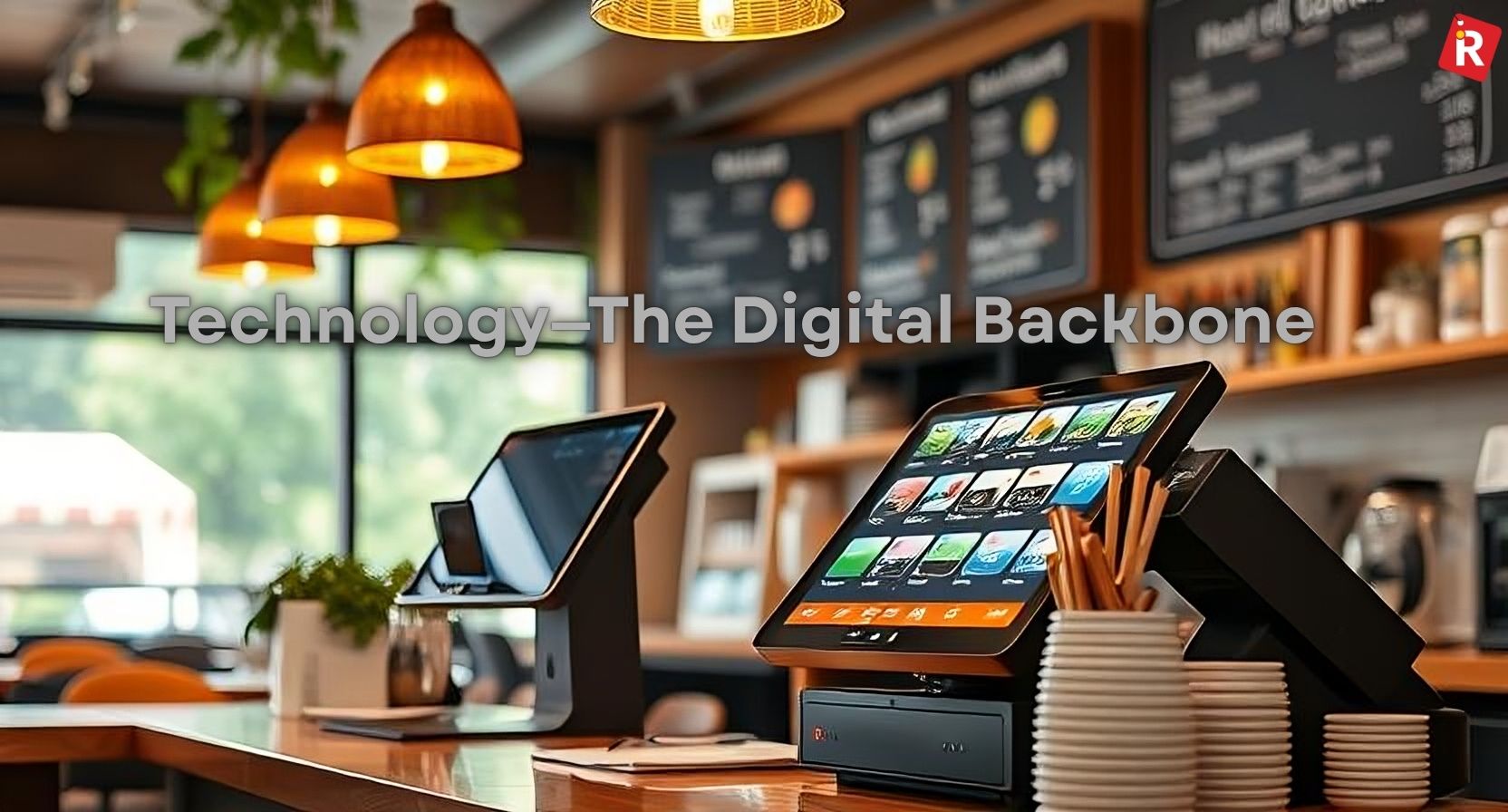
Technology helps regulate activities, reduce errors, and provide useful insights.
1. Point of Sale (POS) Systems:
An advanced POS system is much more than a cash register; it serves as your restaurant's core nervous system. A strong point-of-sale system is essential for numerous restaurants, which range from fast-casual restaurants to fine dining places in larger malls.
Key features: order management, billing, table management, inventory tracking, sales reporting, and, in many cases, integrated payment processing.
Benefits: faster order processing, reduced human error, real-time sales data, and simplified end-of-day reconciliation.
Recommended for India: Popular restaurant software options in India include Petpooja, POSist (formerly Restroworks), Toast, and Square. Petpooja and POSist are well-suited to the Indian market, as they include GST billing, regional language support, and local payment gateway interfaces.
Know this: "Everyday is a Chance to Build Something Bigger," says Sushaan Nath of Passion Cuisine
2. Inventory Management Software:
The most significant variable expense for a restaurant is food costs. Effective inventory management is critical for profitability and waste minimization, both of which are important considerations in sustainable practices.
Key features: Includes recipe costing, supplier management, purchase order production, real-time stock levels, waste tracking, and automated notifications for low inventory.
Benefits: Reduces food spoilage, improves ordering quantities, identifies profitable meals, and aids in appropriate pricing.
Recommended for India: MarketMan (global presence, excellent integrations) and local options, such as RESTOSOFTIN, provide comprehensive solutions. These technologies assist in monitoring pricing swings from suppliers and tracking consumption habits.
3. Online Ordering & Delivery Platforms:
With the rise of digital convenience, having an online presence has become mandatory. For restaurants, online ordering is critical for reaching clients all around the city.
Key features: customizable online menus, integrated payment gateways, order management, and client data collection.
Benefits: increased client reach, convenience, less dependency on phone orders, and valuable data on customer preferences.
Recommended for India: While direct platforms like GloriaFood (which provides a free online ordering system) and Foodiv (which is commission-free) allow you to create your own online ordering system, partnering with aggregators such as Zomato and Swiggy is critical for increased visibility. Balancing direct orders with aggregator presence is critical for managing commissions.
Know more: 7 Pizza Chains That Are Changing the Way We Eat on the Go
4. Employee Scheduling & HR Apps:
Your team is the foundation of your service. Effective scheduling, communication, and HR management are critical for employee morale and operational efficiency.
Key features: automated shift scheduling, time-off requests, shift swapping, internal communication tools, time tracking, and payroll integration.
Benefits: reduced schedule conflicts, saved management time, improved team communication, equitable workload distribution, and labor cost reduction.
Recommended for India: 7shifts, When I Work, and Homebase (which provides a good free plan for small businesses) are highly rated globally. These can be tailored to your employees' shift schedules, taking into account local holidays and peak hours.
Customer Relationships & Brand Presence

Beyond operations, attracting and keeping consumers requires strategic marketing and exceptional customer service.
1. Customer Relationship Management (CRM) Systems:
Understanding what customers want is essential for tailored service and efficient marketing. A CRM facilitates the development of long-term partnerships.
Key features: customer databases, preference tracking, loyalty program management, feedback collection, and tools for targeted marketing campaigns.
Benefits: Improves customer retention, allows for targeted offers, identifies VIP guests, and aids in the creation of more successful marketing programs.
Recommended for India: Global CRMs like Bitrix24 (which offers a free CRM plan) and specialized restaurant CRMs from providers like Netclues will assist you in managing customer data, particularly for your clients, separating them based on their preferences, frequency of visits, and average expenditure.
What's new: 10 Actionable Interior Design ideas for Restaurants
2. Social Media Management Tools:
In a place dominated by social media, your restaurant's online presence is critical. Effective social media management enhances your brand.
Key features: content scheduling, multi-platform posting, engagement tracking, analytics, and direct messaging options.
Benefits: Increases brand recognition and engagement, enables real-time customer interaction, and delivers insights into audience trends.
Recommended for India: Hootsuite and Buffer are popular options. Use these to highlight your signature meals, behind-the-scenes looks, and customer testimonials, focusing on local communities and food bloggers.
3. Online Review & Reputation Management Platforms:
Online reviews are the new word-of-mouth. Actively managing your online reputation is critical for attracting new customers and maintaining trust.
Key features: monitoring reviews across platforms (Google, Zomato, TripAdvisor), an established inbox for responses, sentiment analysis, and comparing competitors.
Benefits: Increases reputation, enables timely issue resolution, attracts new consumers, and provides useful feedback for improvement.
Recommended for India: Tools such as ReviewTrackers or diligent manual monitoring of Google My Business, Zomato for Business, and TripAdvisor are essential. Responding quickly and professionally to all reviews, favorable and negative, is critical to establishing a great reputation.
Essential Resources & Strategic Approaches
Technology is a tool, but its effectiveness depends on the strategies and resources supporting it.
1. Legal & Compliance Resources:
Running a restaurant in India requires navigating a complex web of licenses and rules. Keeping execution is non-negotiable.
Key Resources:
- FSSAI license: Required for all food businesses to ensure food safety and quality.
- Trade License: A document from the Municipal Corporation that validates your permission to operate in a given location.
- Health Trade License: Local health authorities provide a Health Trade License, which ensures adherence to health and hygiene requirements.
- Fire Safety License/NOC: Required for safety and issued by the local fire department.
- GST Registration: Required for tax compliance.
- Shop & Establishment Act License: Register your restaurant within 30 days of opening.
- Liquor License: If providing alcohol, you must get a liquor license (complicated and state-specific).
- Music License: If you're playing copyrighted music.
Strategy: Consult with legal specialists or business consultants who specialize in the hospitality industry to ensure that the important permissions are secured and updated regularly. Keep detailed records on all licenses and inspections.
2. Financial Planning & Accounting Tools:
A restaurant's long-term success depends on good financial management.
Key resources: accounting software, budgeting tools, and financial advisors.
Strategy: Use reliable accounting software (such as TallyPrime, which is commonly used in India, or cloud-based alternatives like QuickBooks Online) to track income, spending, payroll, and taxes. Maintain a regular examination of profit and loss statements, balance sheets, and cash flow reports. Set clear budgets for all divisions, from food to marketing, and regularly monitor inconsistencies. Understanding your break-even point and increasing profit margins are constant objectives.
3. Staff Training & Development Programs:
While apps can help with HR, human development is more about developing skills and creating a healthy work environment.
Key resources: online learning platforms, in-house training manuals, mentorship programs, and ongoing performance feedback systems.
Strategy: Create complete training programs for both FOH and BOH employees. For front-of-house, prioritize customer service excellence, product knowledge, upselling techniques, and POS system proficiency. For BOH, prioritize food safety, portion control, recipe consistency, and kitchen efficiency. Encourage constant learning and establish clear career routes. A well-trained, motivated crew is your most valuable asset in providing great customer service.
Check out: Oats vs. Muesli: Which Breakfast Option Is Better For Weight Loss?
Best Theme Cafes to Explore in 2025: Where Coffee Meets Imagination
4. Data Analytics & Business Intelligence:
Beyond simply gathering data through your POS and CRM, the true power is in evaluating it to make sound business decisions. Business intelligence technologies convert raw data into actionable insights.
Key resources: integrated POS reporting and customized BI dashboards.
Strategy: Analyze sales trends (peak hours, most popular meals), inventory turnover, labor costs, and customer demographics regularly. Identify patterns, predict demand, optimize staffing, and adjust your menu based on performance. For restaurants, this involves looking into local seasonal preferences, identifying profitable meals that appeal to the neighborhood, and optimizing delivery routes using order heat maps. This data-driven approach enables agile modifications and maximizes revenue.
Conclusion
In a competitive and vibrant restaurant sector, success is not taken lightly. It is the outcome of careful planning, strategic implementation, and effective use of available tools and resources. Restaurant owners may establish a durable and profitable business through the use of modern technology for operations, employing extensive systems for marketing and customer relations, and strictly following legal and financial best practices.
The "restaurant toolkit" described here is more than just a collection of apps; it is an organizational model based on business, data, and customer focus. Embrace these essential resources and strategies, and your restaurant will not only survive but thrive, becoming a beloved culinary landmark for years to come.
A restaurant is more than simply a place to eat; it is an exhilarating experience in the modern world. The interior design of the restaurant is one of the factors that contribute to its uniqueness. While delicious food is undoubtedly the foundation, a restaurant's interior design frequently creates the critical first and last impression. It is more than simply aesthetics; it is a silent marketer, an atmospheric starter, and a compelling storyteller who has a significant impact on the dining experience and, ultimately, your business success.
A well-designed location affects how long people stay, how they feel, and how likely they are to return and recommend your business. It creates a mood, increases comfort, and promotes your brand identity in ways that food alone cannot. This article looks into the philosophy of exceptional restaurant interior design and explores ten captivating, practical ideas for transforming your restaurant into a popular and memorable destination in your area.
Read more: 7 Pizza Chains That Are Changing the Way We Eat on the Go
The Philosophy of Restaurant Interior Design

Why is interior design so important? How does it help in the overall business of the restaurant? Before we get into specific ideas, it's important to grasp the fundamental principles that guide ideal restaurant design.
More Than Just Looks:
Restaurant interior design goes beyond simply visual appeal. It's a strategic investment that sets the tone, drives customer behavior, and shapes their overall impression of your business. A well-designed environment has a direct impact on the customer experience, from the moment they walk in to when they depart. It may make a small space appear larger, drive foot traffic, improve food presentation, and even gently encourage longer stay periods or faster table shifts, depending on your company model. Finally, effective design is about generating a mood, whether cozy, vibrant, luxurious, or quiet, that connects with your target audience and motivates them to return.
Defining Your Brand's Visual Story:
Every aspect of your restaurant's design should accurately reflect your brand's distinct story. This involves matching the interior with your cuisine, concept, and target customers. For example, a casual café offering traditional Haryanvi cuisine may favor rustic, earthy tones and local artisanal crafts, whereas a modern fusion restaurant in luxurious districts may prefer sleek lines, minimalist design, and sophisticated lighting. Consistency is essential: your menu design, staff clothing, and internet presence should all reflect the visual language created by your interior. This combined strategy maintains your restaurant's brand and leaves a strong, lasting impact on customers.
Finally, having a unique interior design for your restaurant establishes a brand identity that will help it stand out in the restaurant sector. It also provides customers with a unique experience that will help them remember your business and may even convert them into regular customers.
Know more: Oats vs. Muesli: Which Breakfast Option Is Better For Weight Loss?
10 Captivating Interior Design Ideas
These ideas provide a variety of ways to improve your restaurant's aesthetic and practical appeal, catering to a wide range of concepts and budgets.
1. Dynamic Art
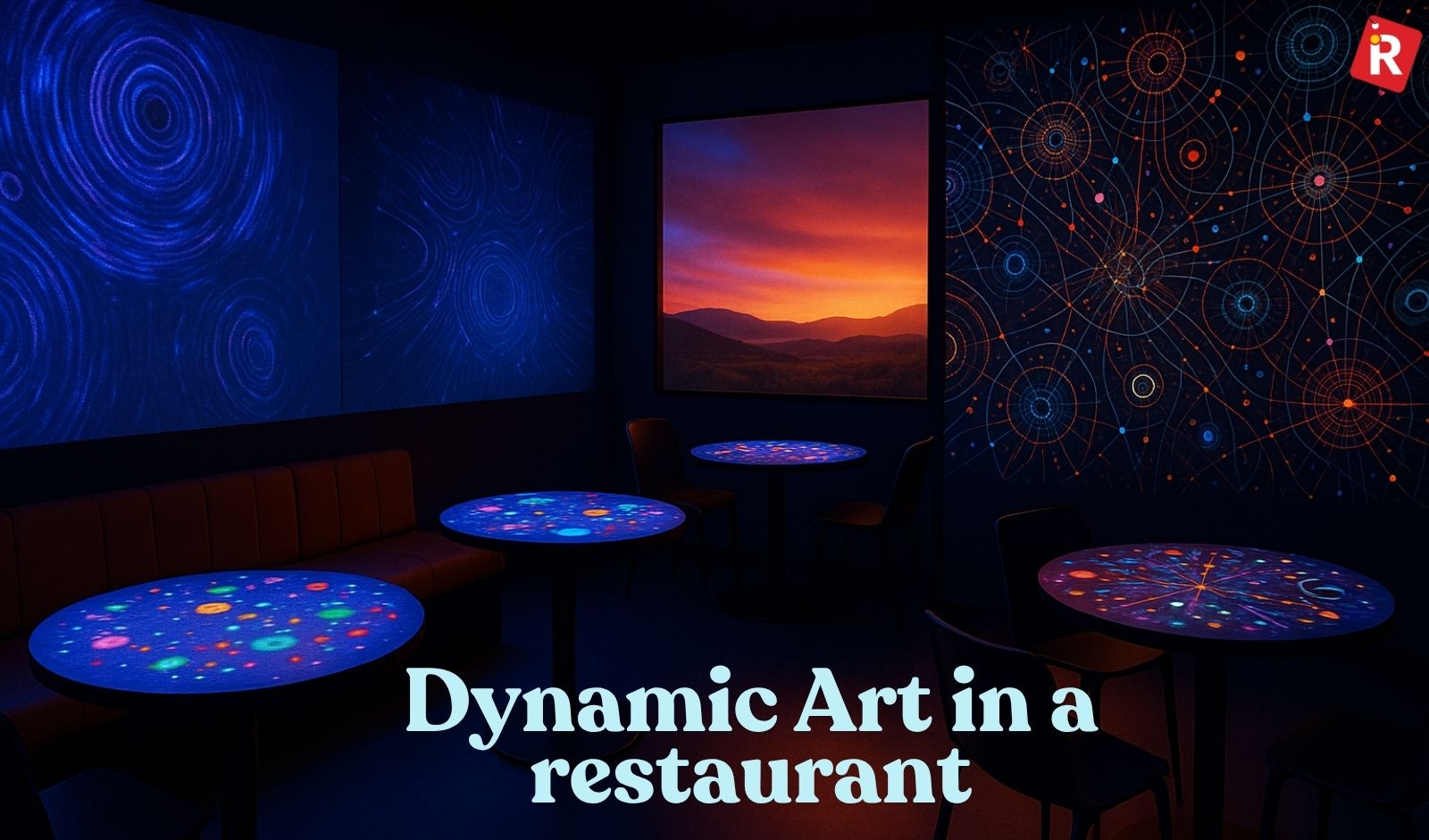
Consider walls with changing patterns, tables with small projected graphics, or digital "windows" that show altering landscapes. This design goes beyond static decor, using kinetic art and interactive computer displays that constantly change the atmosphere. The venue itself becomes a dynamic, breathing organism that continuously shapes the dining experience. Its distinct attraction stems from its multi-sensory, ever-changing nature, which captivates and surprises while providing limitless fresh visual aspects for repeat visits. This concept appeals to tech-savvy and experience-seeking customers, particularly those of the younger age groups. However, it requires a considerable upfront investment in technology, continual maintenance for digital information, and careful consideration of light levels to avoid distracting from the meal.
2. Sensory Overload
Rather than focusing exclusively on images, this design deliberately engages all senses. It features totally different textures such as velvet walls, rough stone, or polished wood; subtle, consistent ambient scents (think a delicate spice blend, fresh rain, or a hint of citrus—never overpowering); and a carefully chosen soundtrack that includes gentle nature sounds or a soothing urban hum. This strategy creates a complete and absorbing experience that is memorable, producing an original and extremely pleasant atmosphere. It provides a unique retreat from the typically hectic urban atmosphere. Meticulous preparation is required to ensure that sensory aspects are harmonic and do not overwhelm, and material choices must be strong for handling diverse textures.
3. Deconstructed & Exposed Aesthetic
This approach acknowledges a building's "bones" by intentionally displaying structural and functional aspects. Consider visible pipelines, pipes, raw concrete, exposed ventilation systems, and deconstructed furniture. It is an honest approach that reveals the underlying structure. Its particular appeal stems from its raw, industrial-chic appearance, which starkly contrasts with highly polished surfaces. This design emphasizes authenticity and produces a sophisticated, urban vibe that complements fast-rising industrial and commercial regions. Practical considerations include keeping exposed elements extremely clean and well-maintained, as well as using high-quality materials for components that will become design features.
What's new: Practical ways to train staff for better customer service
4. Stepping into a Storybook
The entire restaurant is converted into a perfectly detailed scenario from a certain novel, film, magical universe, or historical period. Guests are immersed in a story rather than simply dining. Consider an "Alice in Wonderland"-themed tea parlor, a "secret garden" dining room, or a bar hidden behind an ordinary bookshelf. This generates an unrivaled sensation of escape, wonder, and originality, making the restaurant extremely "Instagrammable" and generating a lot of attention. It provides entertainment much beyond the meals and can be a strong lure for families and younger populations looking for unusual experiences. This difficult concept requires significant investment in custom props, set design, and meticulous attention to theme continuity.
5. Modular & Transformable Space
This design includes extremely modular and changeable furniture, walls, and lighting systems, allowing the entire room to change throughout the day or for different events. Consider sliding partitions to create private dining areas, adjustable tables for intimate or social events, and lighting schemes that range from bright breakfast to cozy evening. Its distinguishing feature is its exceptional flexibility, which allows it to adapt to different times of day (e.g., café in the morning, bar at night) and accommodate a wide range of activities. This makes it suitable for multi-purpose venues or restaurants that want to maximize revenue streams. High-quality, long-lasting, and readily movable systems, as well as staff training, are required for efficient shifts.
6. Workshop Restaurant
This concept includes a visible, functional artisan's workshop right in the dining area. It could be a live bakery where bread is kneaded, a pasta-making station, a coffee roasting area, or a local craftsperson demonstrating pottery or weaving. This adds an attractive "show" element to the eating experience while also building trust via transparency and establishing a strong connection to craftsmanship and authenticity. It effectively emphasizes the authenticity of your ingredients or the talent involved, appealing to selective customers. It is critical to maintain high sanitary standards, provide sufficient ventilation for heat and smells, and keep noise levels under control.
Check out: How to start a restaurant blog and attract customers
7. The Historical Dining Experience:
This involves precisely copying a specific historical period, which extends beyond mere vintage décor. To completely transport guests to a bygone era, original furniture, design pieces, period-appropriate music, and possibly even staff costumes are required. Its distinct appeal stems from providing a really immersive and nostalgic experience that taps into a sense of tradition and curiosity. It operates as a living museum, with visitors actively participating in the atmosphere of another era. This challenging concept requires substantial research and investment in real or high-quality replica components, with consistency across all elements to avoid a "costume party" atmosphere.
8. The Minimalist & Hyper-Focused Sanctuary:
This design is a major departure from overcrowded aesthetics, removing any unnecessary features. The space focuses on negative space, single focal points (a gorgeous piece of art, a meticulously built table), and the purity of form, line, and high-quality materials (raw concrete, polished wood, and plain steel). The design disappears, making the meal the final "design element." This creates a quiet, refined, and uncluttered environment that promotes mindfulness and a greater appreciation for the food industry. It caters to a specific market looking for a quiet and elegant eating experience, but the main stars are excellent cleanliness, organization, and incredibly high-quality food and plating.
9. Interactive Walls & Surfaces:
Interactive design elements can be used to attract the diners. This can include giant chalkboard walls for sketching or writing, as well as erasable surfaces and tables with embedded digital screens for ordering, browsing menus, and playing light games. This invites direct guest participation and creativity and adds a playful, engaging element to the dining experience, resulting in unique photo opportunities and potentially increased dwell time for families or groups. It's ideal for family-friendly restaurants and tech-forward cafes looking to create a vibrant, engaging environment. Durable, easy-to-clean surfaces and solid, user-friendly digital connectivity are important considerations.
Read this: A CULINARY DEBUT: INDIA WELCOMES ITS FIRST MODERN CHINESE POP-UP AT ZEN!
10. Gallery Dining Experience:
The restaurant functions as both a revolving gallery and a permanent display area for a certain type of curated collection. This may include antique culinary equipment, rare plant prints, a revolving exhibition of photography, historic maps, or a diverse collection of foreign antiques. Its distinct appeal stems from combining meals with cultural research and artistic appreciation, providing ongoing mystery and curiosity that promotes repeat trips to discover new works. This approach requires a passion for collecting and curating, with displays that must be secure, well-lit, and consistent with the restaurant's brand to seem logical. It could appeal to art lovers and those looking for a culturally enhanced eating experience.
Conclusion
In the competitive restaurant market, a genuinely successful establishment goes beyond simply providing cuisine; it becomes an engaging experience, a one-of-a-kind destination. Interior design, when approached with creativity and strategic intent, can help define your brand, improve customer satisfaction, and drive long-term growth. By embracing one of these innovative ideas or combining pieces of them, you do more than just launch a restaurant; you create an amazing setting where every meal is transformed into a cherished experience, guaranteeing that your restaurant stands out and thrives as a renowned culinary icon.
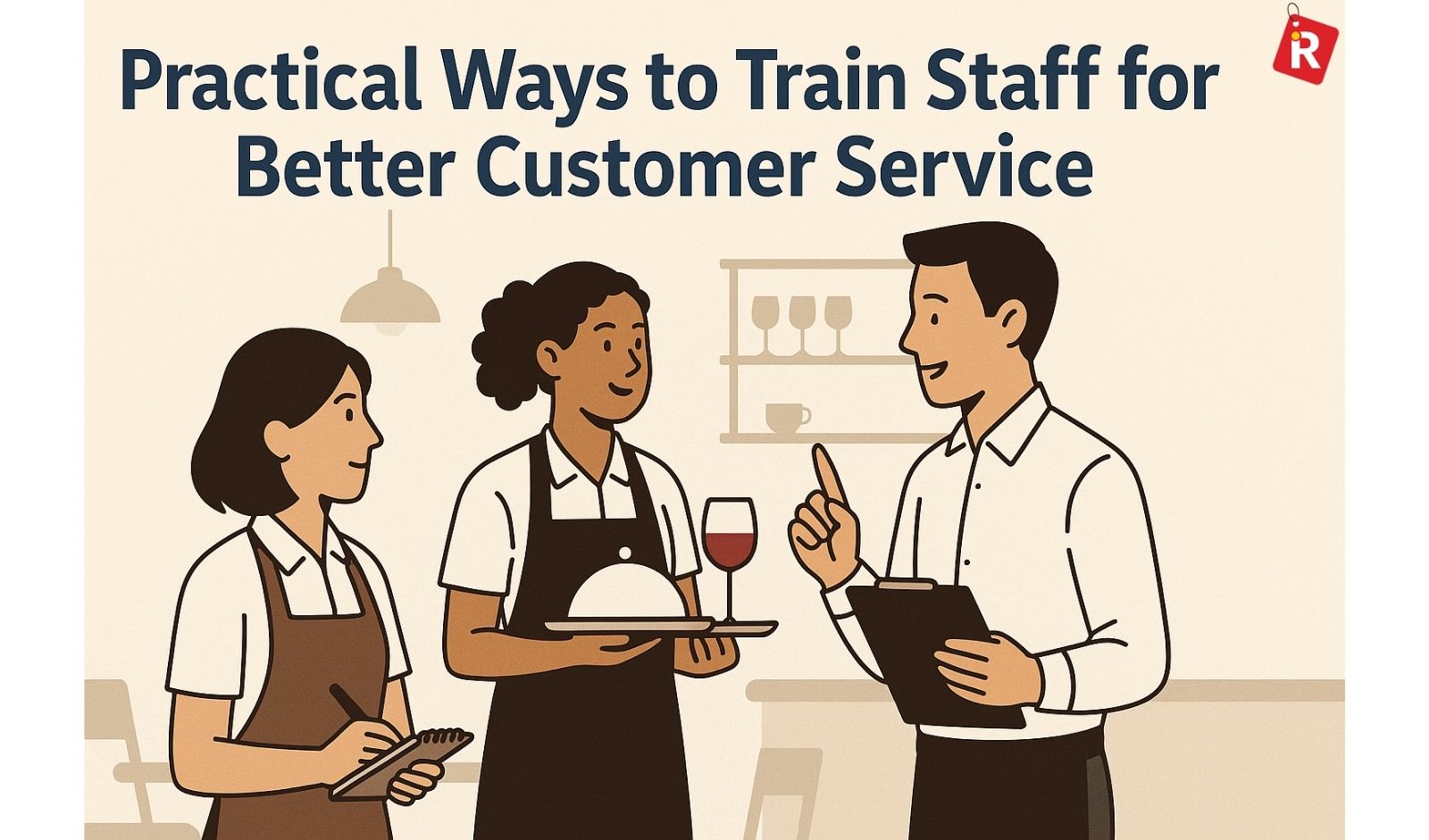
In the culinary sector, one of the most important things, even before the food, is the service provided by the staff of the restaurant. A restaurant's service frequently sets it apart from the competition. A decent meal can become a memorable experience, a first-time visitor can become a regular, and even an otherwise bad evening can be saved by providing exceptional customer service. However, regardless of how good the food is, bad service can quickly damage a restaurant's reputation.
Investing in customer service training for employees is a strategic necessity for restaurant owners, particularly in a competitive market. Encouraging your staff to be the best representatives of your business will guarantee that each customer departs happy and excited to come back. This in-depth article will examine achievable, realistic strategies for preparing your restaurant employees to provide exceptional customer service, turning your service into a distinguishing feature of your business.
Read more: What Gen Z Really Eats: 10 High-Protein Indian Meals That Don’t Taste Boring
Creating the Foundation for Exceptional Service
Establishing a basic understanding of the importance of customer service and what excellent service actually means for your particular business is essential before any specialized training starts.
- The Undeniable Value of Service Excellence: Every team member must understand that providing exceptional service is far more than just being kind; it has a direct impact on the restaurant's profitability. An increase in repeat business, larger tips for employees, positive ratings on websites like Zomato and Google Maps, and a rise in priceless word-of-mouth recommendations are all direct results of investing in first-rate service. Employees are much more motivated to perform well when they recognize this concrete connection, which builds loyalty and enhances the restaurant's overall success. A strong internal drive for excellence is created by this focus on the return on investment of service training.
- Establishing Your Own Service Standards: Don't let "good service" be interpreted in any way. Establishing clear, defined customer service policies that are suited to their unique brand and operating style is necessary for restaurants. Every stage of the customer journey, from the time a customer enters the restaurant until they leave, should be carefully described in these restaurant service guidelines. Having encyclopedic menu knowledge, welcoming customers within a set timeline, maintaining consistent eye contact, addressing client complaints with elegance, and saying goodbye with warmth and sincerity are all examples of this. All employees, regardless of experience level, are guaranteed to be consistent thanks to these clearly stated benchmarks.
- Building a Genuine Service-First Culture: Providing outstanding customer service is a philosophy that gets into every part of your business, not just a set of chores. You are the main creator of this culture as the manager or owner. In each interaction, set an example of the desired conduct. Make it obvious that going above and beyond is appreciated by publicly praising and rewarding instances of exceptional service. Include client feedback as a learning tool rather than a punishing one in routine team interactions. Giving staff the freedom to address little problems immediately promotes a customer-centric mindset and results in prompt, attentive service that pleases customers.
What's new: How to start a restaurant blog and attract customers
Developing the Art of Teaching Skills: Adaptive Training Methods
There is much more to effective service training than a dry lecture. It calls for capturing approaches that boost self-assurance and practical skills.
- Role-playing Scenarios: Few strategies work as well for front-of-house employees as role-playing customer service scenarios. Hold engaging exercises in which employees pretend to be in typical and difficult customer service scenarios (such as greeting customers, taking orders, and addressing complaints). Give constructive criticism in a relaxed setting to boost self-esteem and improve abilities.
- Deep Menu Mastery: A waiter cannot deliver truly exceptional service unless they are intimately familiar with the menu. Provide frequent, practical menu training in which employees sample each meal. Ingredients, preparation techniques, common allergens, and the best combinations should all be taught to them. Employee motivation is improved through carrying out regular quizzes.
- Mentoring and shadowing: Assign new workers to seasoned, productive employees so they can watch service during peak hours. Encourage mentors to provide real-time advice and an explanation of their activities. "Reverse shadowing" is another tool that managers might use to find coaching opportunities. This provides critical on-the-job training, enforces best practices, and fosters a collaborative team culture in which knowledge is openly shared.
- Continuous Learning & Micro-Training: Training is not a one-time event; it is a continuous process. Make sure that your skills are continuously improved by holding brief, targeted refresher courses (15–30 minutes) or by "micro-learning" through brief movies, quizzes, or advice. This addresses particular areas for improvement and keeps skills sharp.
Know this: A CULINARY DEBUT: INDIA WELCOMES ITS FIRST MODERN CHINESE POP-UP AT ZEN!
Key Customer Service Skills
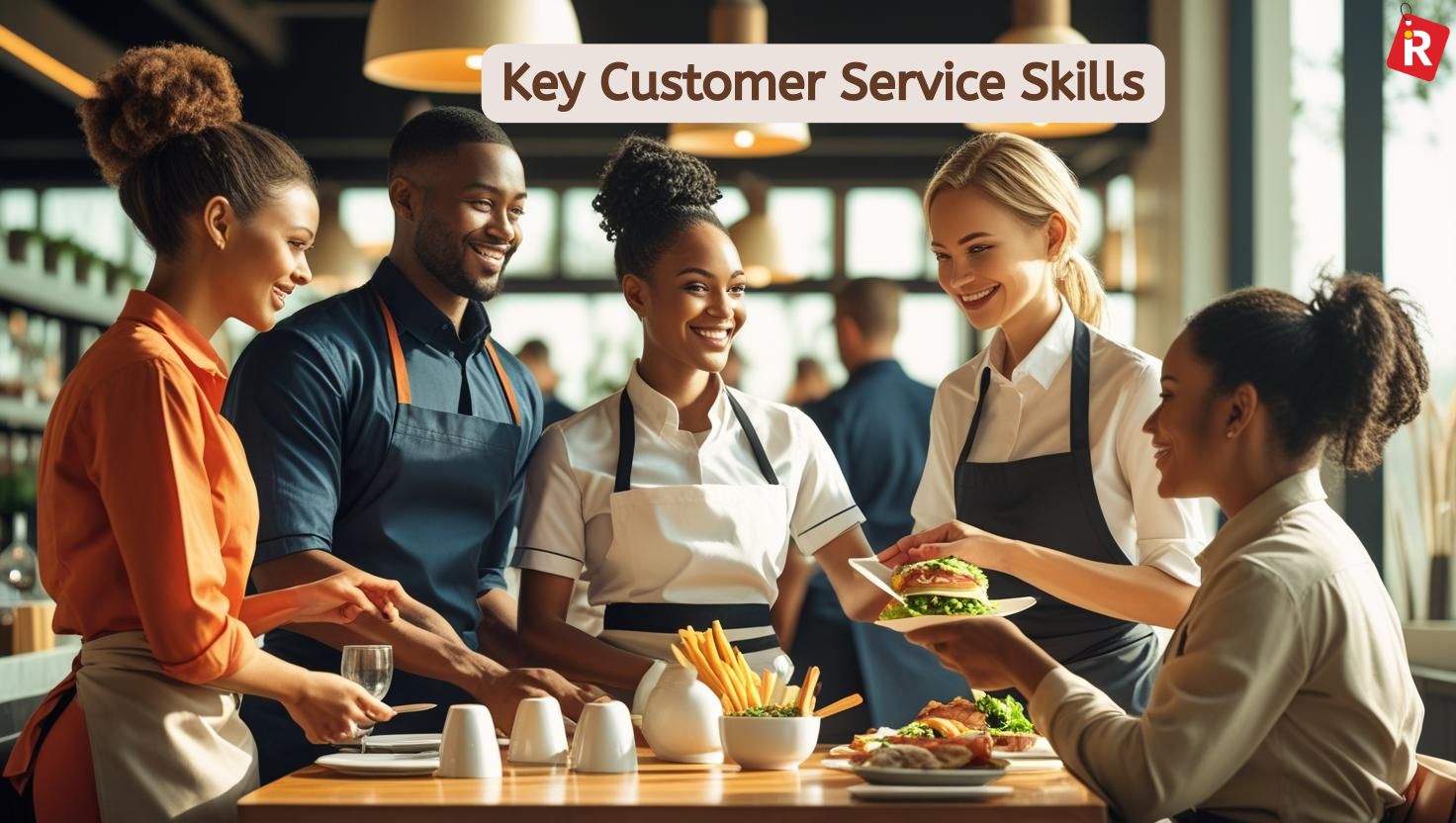
Good training focuses deeply on the particular, subtle abilities that come together to produce an incredibly amazing client experience.
- The Critical First and Last Impressions: A customer's impression is greatly influenced by the greeting and departure. Teach employees how to greet guests with a genuine smile and eye contact as soon as possible, maybe within 30 seconds of their arrival. The goodbye is just as crucial; it should be kind and thankful, maybe a sincere "Thank you for dining with us! We hope to see you again soon!" These first and last exchanges create a favorable impression that lasts throughout the dinner and greatly influences the possibility of return visits.
- Paying Attention and Predicting: Train employees to do more than just hear what customers have to say. Urge them to closely observe nonverbal clues and offer clarifying questions. In addition to ensuring proper order taking, this builds trust. More significantly, teach them to anticipate client demands by immediately refilling water glasses, offering additional drinks without being asked, quickly cleaning away empty dishes, and generally being one step ahead of the customer. This attentive service greatly improves the dining experience and makes guests feel truly valued.
- Overcoming Obstacles: Handling complaints expertly is arguably the most important service ability. Instruct employees on a clear, step-by-step process for addressing restaurant complaints: first, actively listen without interrupting; second, show empathy for the customer's annoyance; third, sincerely apologize (even if they weren't at fault); fourth, offer a solution; and fifth, follow up to make sure the customer is satisfied. Giving employees the freedom to resolve little problems immediately turns potentially negative situations into chances to demonstrate superior service recovery techniques, which frequently results in increased customer loyalty compared to when the problem had not occurred.
- Improving the Experience: Train employees to use suggestive selling as a legitimate approach to improve the eating experience for customers, rather than as a pushy sales technique. Their extensive menu knowledge serves as the direct reason for this. For instance, a waitress might suggest, "Would you like to begin with our popular Paneer Tikka, which pairs wonderfully with our fresh mint chutney?" rather than "Do you want a starter?" and "Our chef's special dessert, the Gulab Jamun with Rabri, is a perfect end to your meal." By gently encouraging servers to use upselling strategies, this strategy raises the average check amount while giving customers a sense of direction and introducing them to new favorites.
Check out: How to create a restaurant menu from scratch
Coffee Cocktail Drinks: 10 Must-Try Options to Follow in 2025
The Cycle: Feedback, Development, and Recognition
Excellent service is a continuous process of improvement driven by feedback and an appreciative culture rather than a final destination.
- The Vital Loop: Use a variety of channels to get feedback from customers. Traditional comment cards, electronic feedback forms that can be accessed through QR codes on tables, and constant observation of internet review sites like TripAdvisor, Google Maps, and Zomato are a few examples of this. Crucially, go over this feedback regularly in team meetings, addressing persistent problems head-on and praising favorable remarks to raise spirits. This shows how important customer feedback is and enables rapid corrections in the course based on practical experiences.
- Individual Growth: Conduct regular, individual performance reviews for your employees, with a strong emphasis on service standards. Provide detailed, actionable comments, praising concrete examples of great service while explicitly identifying areas for improvement. Provide constructive mentoring and further targeted training as needed. This ensures individual accountability, ongoing skill development, and reinforcement of desired behaviors that contribute to overall service excellence.
- Celebrate Excellence: Publicly recognize and praise employees who consistently provide excellent customer service. This could take various forms, including an award, bonuses based on great customer feedback, gift cards, or simply genuine vocal gratitude in front of their fellow employees. Creating a culture in which going the extra mile is celebrated boosts morale, promotes healthy competition, and reinforces the value of customer service. Employee appreciation programs are highly effective motivators.
Read this: How can a small restaurant double its customers in 6 months?
Conclusion
In the vibrant restaurant scene, where culinary creativity is plentiful, the quality of your customer service can genuinely differentiate you. It's the secret ingredient that improves every dish and turns an ordinary meal into an amazing experience. You're not just serving food; you're building relationships by implementing practical, ongoing training techniques, providing your employees with essential interaction skills, and cultivating a culture of continuous improvement.
Investing in your team's customer service skills benefits your restaurant's reputation, revenue, and long-term success. It ensures that each customer departs with a grin, becomes an ambassador for your business, and anxiously anticipates their next visit, transforming your restaurant into a beloved destination.
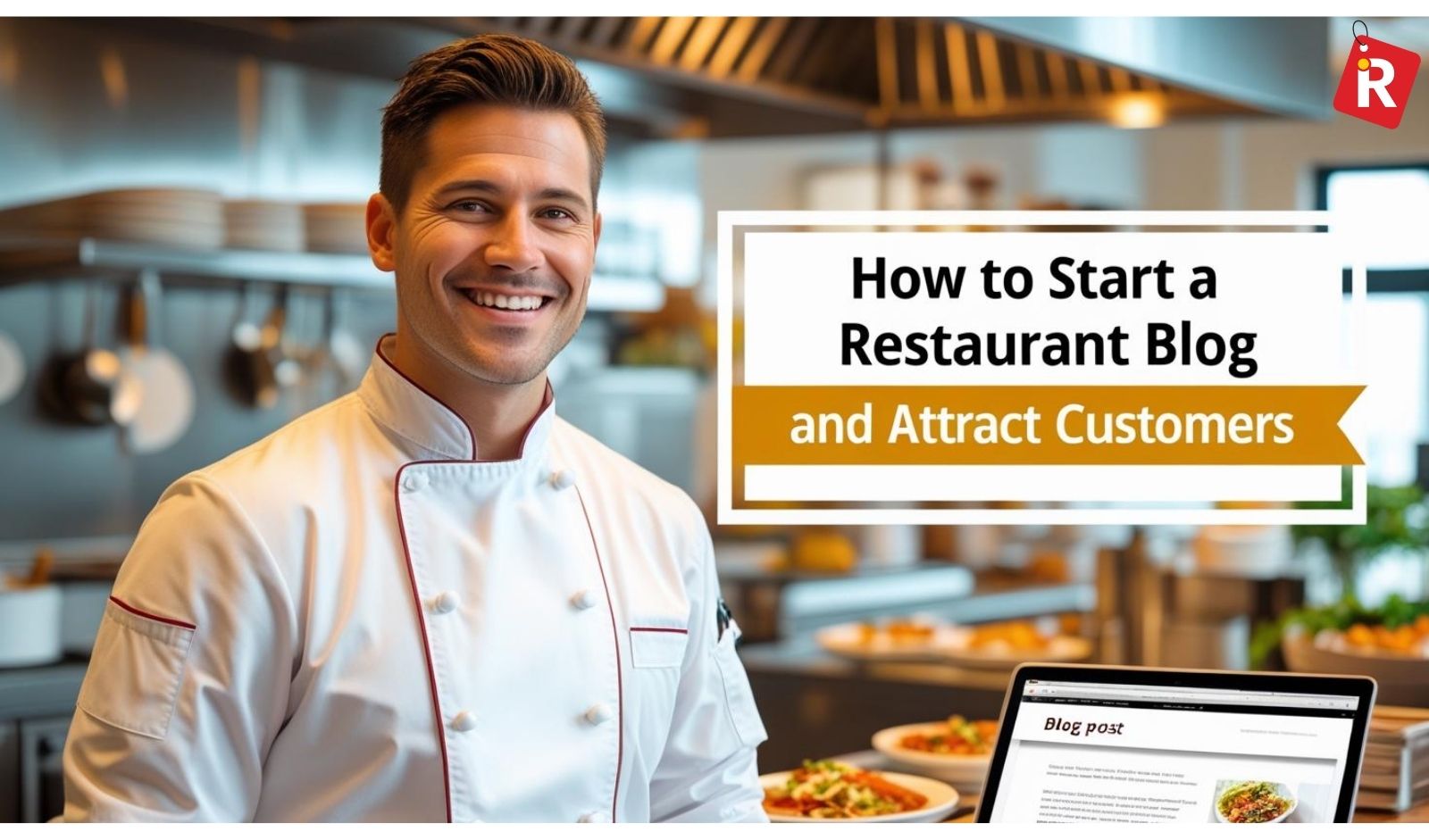
In the highly competitive cooking world of today, simply serving delicious food can often be insufficient. Diners have an astounding number of options, ranging from the quieter residential areas to the busy streets. Restaurants must use more than just traditional marketing if they want to stand out, engage their audience, and build a loyal customer base. This is where a well-written restaurant blog can be very effective.
With the rise of the digital age, lots of people are searching online for cafes or restaurants. They primarily use their website or Google reviews to determine which option to select. Therefore, it is crucial for a restaurant owner to adequately promote their business. Creating a blog for your restaurant is only one of several strategies to advertise your business. It is a novel approach to writing blogs on various subjects related to the restaurant. In this article, we will be discussing all the important elements related to restaurant blogs, like their need and how to create your restaurant’s blog to attract more customers.
Read more: A CULINARY DEBUT: INDIA WELCOMES ITS FIRST MODERN CHINESE POP-UP AT ZEN!
Why Your Restaurant Needs a Blog
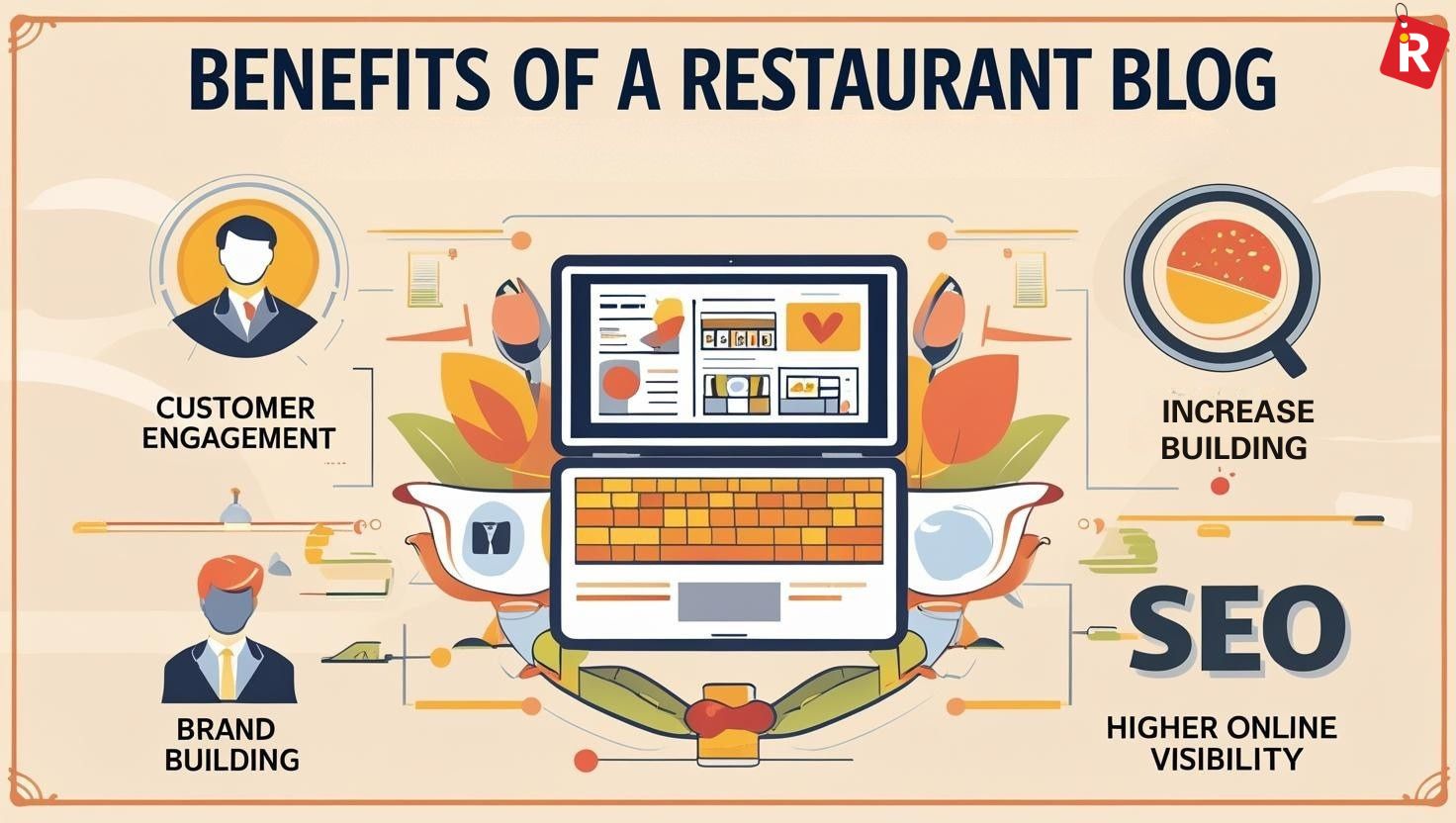
Before we look into how to create a blog, let’s talk about why a restaurant needs a blog.
1. Build Brand Authority & Trust
In an era of limitless options, customers favor brands they respect and trust. You can establish your restaurant as an authority in your niche or cuisine by using a blog. Explain your dedication to using high-quality ingredients, highlight your chef's skill, and share your cooking philosophy. This differentiates you and increases your credibility.
2. Enhance Local SEO (Search Engine Optimization):
In any area, if someone looks for "best Italian restaurant near me" or "family dining options in my area," you want to show up high on their search history. Google has more justification to rank your restaurant higher for these particular searches if it has a blog with important, locally useful data.
3. Forge Deeper Customer Connection:
A blog is your storytelling platform. Tell about the beginnings of your restaurant, the ideas behind your specialties, or even the difficulties and successes of managing a business. Customers can relate to you more emotionally as a result of showing your brand. It turns fans into devoted customers and strangers into fans.
4. Drive Foot Traffic & Reservations:
Getting customers into your restaurant is the ultimate goal of any marketing campaign. By attracting readers with appealing descriptions, announcing special events, and providing clear instructions on how to place an online order or reserve a table, a blog can directly help with this.
What's new: How to create a restaurant menu from scratch
5. Cost-Effective, Long-Term Marketing Asset:
A blog post is a long-term asset, in contrast to sponsored advertisements that stop producing results as soon as your budget expires. After being published, a blog can draw in natural traffic for months or even years, offering steady value without having to pay for each click.
Setting Up Your Restaurant Blog’s Technical Foundation
Before you start writing your content, you need to find a platform to publish it. Creating your restaurant’s official website is beneficial, as it will pop up as soon as people search for it.
1. Choose a Blogging Platform:
The first step is to choose a blogging platform. So, we need to find a host for the website. The most popular and safe choice for hosting is WordPress.org, which provides maximum flexibility and SEO control. With themes and plugins, it provides unmatched customization. You also need to purchase a domain name, which will be a part of your restaurant’s main website. Also, do not try to use any free hosting platforms if you're serious about professional appearance and long-term growth.
2. Essential Plugins & Tools:
Install essential plugins after logging into WordPress. For on-page SEO optimization, Yoast SEO or Rank Math are essential tools. Plugins for image optimization, such as Smush or Imagify, will make sure that your gorgeous food photographs don't cause your website to load slowly. Google Analytics is essential for monitoring user activity and website traffic. Remember to include social sharing plugins so that viewers can easily share your work.
3. Design & Branding:
The layout of your blog should reflect the style of the restaurant you run. Make use of the colors, fonts, and general design of your restaurant. Make sure the layout is clear, simple, and easy to use. The majority of users will access your information on smartphones, so your blog must be mobile-friendly. Having high-quality images is essential for a food blog. All these will help in enhancing brand identification, projecting a polished image, and guaranteeing a flawless user experience on all platforms.
Content Strategy To Decide What To Write In The Blog

The main job of drawing in clients begins here. First and foremost, we must create material that is both popular with readers and search engine optimized in order for them to find our website. You may write about topics related to your own restaurant. Customers may learn more about your restaurant as a result. If any potential customers would like to come to your restaurant, then they can research more on your official website.
Know more: What Gen Z Really Eats: 10 High-Protein Indian Meals That Don’t Taste Boring
What type of content can you write about?
By sharing behind-the-scenes stories, such as introducing your chef and their cooking journey, describing a typical day in your busy kitchen, or sharing the interesting origin story behind your signature dish—or even demonstrating how you source fresh produce from local markets—you can establish a genuine connection with people. This increases openness, cultivates confidence, and establishes a very intimate bond with your audience. Additionally, establish yourself as a food expert by providing helpful recipes and cooking advice. For example, you could highlight a special spice or seasonal produce, offer easy Indian comfort food recipes, or even teach a particular cooking technique without revealing your restaurant's trade secrets.
By emphasizing the best family-friendly locations close to your restaurant, demonstrating your dedication to helping local farmers, sharing your community projects, or even discovering best-kept cooking secrets, you can demonstrate your devotion to being an essential part of the community. By showcasing new items and menu highlights, diving further into the ingredients and inspiration behind new meals, celebrating seasonal treats, or experimenting with the ideal beverage pairings and your unique drink menu, you can keep your offers interesting. You can advertise theme evenings, holiday specials, your catering services for local events, or even give your blog readers access to special discounts. Your blog is a great way to advertise events and promotions.
Lastly, create a feeling of community and trust by showcasing your most loyal customers in customer spotlights (always with their consent!), responding to frequently asked questions about your restaurant, or sharing a little bit about your philosophy of customer care. By providing this wide variety of good content, your blog will develop into a thriving center that draws in, interacts with, and eventually turns readers into loyal clients.
Optimizing Your Blog for Search Engines (SEO for Restaurants)
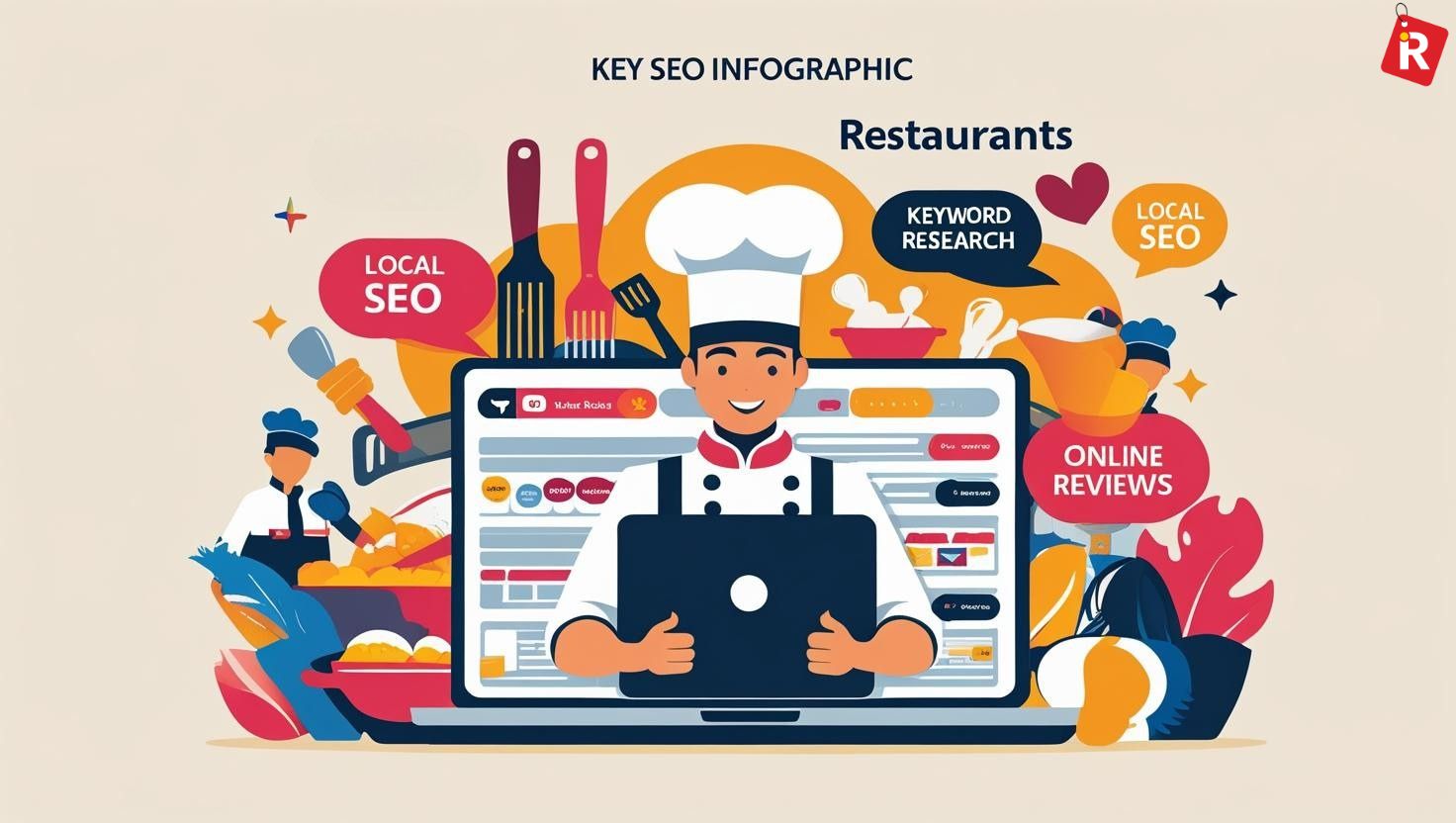
1. Research on Keywords: Determine the search terms that your target clients are really using. Use tools such as Google Keyword Planner or SEMrush to find terms such as "fine dining in my area," "family dinner places," "best [cuisine] restaurant (city)," or "vegan options near me."
2. On-Page SEO Best Practices: Add catchy headlines to your blog. Also, include your primary keyword naturally. There should be a proper summary under 160 characters that will appear in search results, attracting people to click on it. For SEO and accessibility, use eye-catching, appropriate photos with informative alt text. Additionally, provide links to your menu site, reservation page, or other relevant blog posts.
3. Content Quality & Readability: Compose posts that are interesting, educational, and simple to read. To break up text, use bullet points, concise paragraphs, subheadings, and clear headings. Stay clear of nonsense. A conversational tone is what you want. Google rewards important, well-written content.
4. Build Backlinks: Google perceives backlinks—links pointing to your website from other websites—as a powerful indicator of authority. Speak with local websites, local news sources, or food bloggers in your city. Provide guest posts or work together to create content that will attract people to return to your blog.
Check out: Coffee Cocktail Drinks: 10 Must-Try Options to Follow in 2025
Brewing Success: Why 2023 Will be an Year for Speciality Coffee
Attracting Customers Through Your Blog

No matter how many blogs you write, if they are not reaching the customers, then they do not serve any purpose. So, after creating the blog posts, you also need to promote them so that any potential customers can see them.
- Social Media Promotion: Post each new blog entry with attention-grabbing images, interesting captions, and requests for participation on all of your restaurant's social media platforms (Facebook, Instagram, etc.). Take into account targeted, tiny advertising to increase reach.
- Email marketing: Create an email list by signing up on your website or in-restaurant, then send out newsletters regularly that highlight your most recent blog entries, deals, and events.
- In-Restaurant Cross-Promotion: Put QR codes on menus and table tents, teach employees to bring up blog entries, and put up signs pointing existing customers to your web content.
- Google My Business Posts: To help local searchers find your content, link fresh blog posts straight from your GMB page.
- Giveaways & Contests: To increase traffic and engagement, run campaigns that call for viewing a particular blog post (for example, leaving a comment on it to enter a draw).
- Use clear calls to action (CTAs): Include direct instructions in your blog posts. For example, "Book a table now!" "View our menu!" or "Order online!" will encourage visitors to become clients.
Read this: Brewing business over a cup of coffee
A Digital Shop for Storytelling
The establishment of a restaurant blog is an investment in the authority of your brand, your internet presence, and your relationship with your customers. It's a path that calls for dedication, imagination, and a sincere desire to share your food tale. But the benefits are huge. Your restaurant blog will become a potent magnet if you continuously produce insightful, interesting, and SEO-optimized content. This will turn frequent readers into devoted customers, fill your tables, and establish your establishment as a cherished culinary icon.
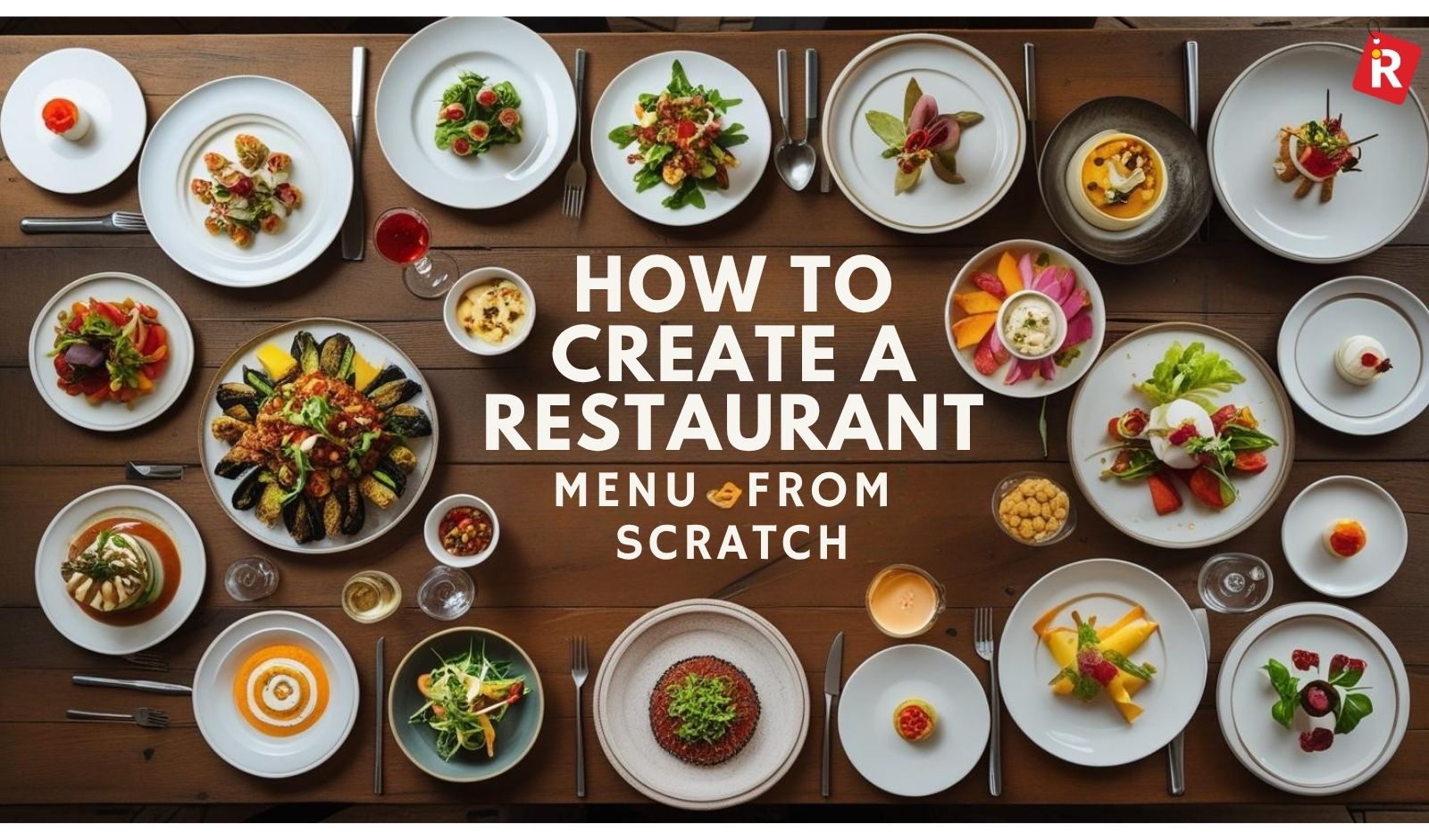
The menu is unmistakably the heart and soul of any restaurant. It is considerably more than just a list of dishes; it is a precisely produced strategic document that captures your culinary vision, establishes your brand identity, directs your operational flow, and, most importantly, decides your profitability. For aspiring restaurant owners, the task of creating a menu from scratch can be overwhelming. It necessitates a delicate balance of creative flair, keen market knowledge, accurate financial planning, and tireless operational practicality.
Whether you want to build a bustling quick-service restaurant, a pleasant casual dining location, or an elegant fine-dining establishment in a thriving city, a carefully crafted menu is the foundation of your success. This in-depth article will guide you through the procedures required to build a restaurant menu from the start, focusing on the strategic and culinary foundations that ensure both client satisfaction and strong business health.
Read more: Easy tips for saving money as a restaurant owner without sacrificing quality
Section 1: The Strategic Foundation—Vision, Market, and Resources
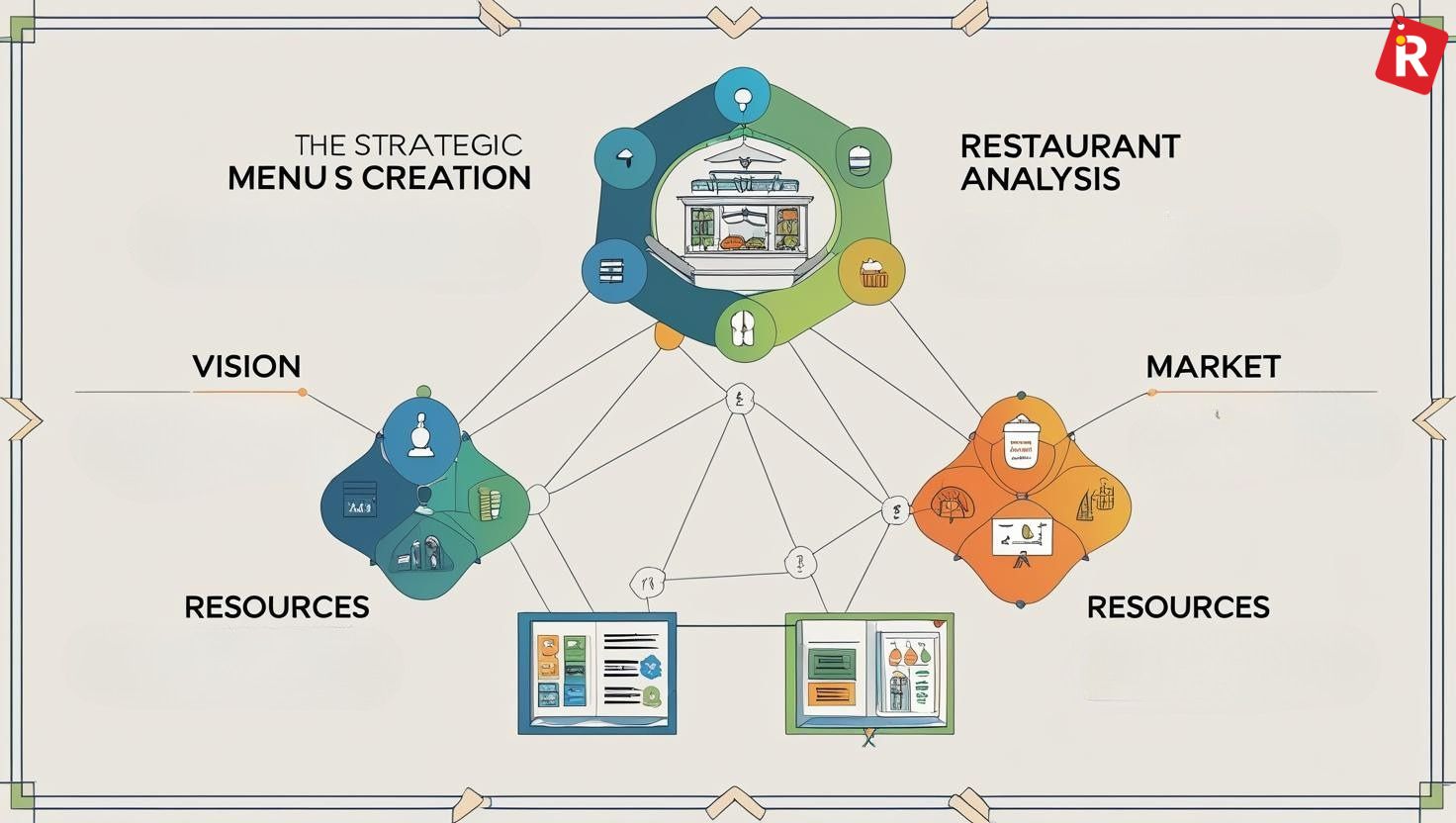
Before you even consider ingredients, you must first define your restaurant's goal and market position.
1. Define Your Restaurant Concept & Vision:
- Cuisine and Style: First, you need to decide what kind of cuisine you want to serve. What types of cuisine will you serve? Will it be true North Indian cuisine, a modern Indian bistro, traditional Italian fare, pan-Asian fusion, or something else different? What is the dining style: grab-and-go QSR, casual family restaurant, or premium dining experience? Consider the local palate in your area, whether it generally favors traditional Indian meals or also develops a penchant for cosmopolitan flavors.
- Unique selling proposition (USP): What distinguishes your restaurant from the other restaurants? Is it a secret family recipe passed down through generations? Are you committed to farm-to-table freshness? An unrivaled commitment to speed? Exceptional value for money? Your USP must be visible in your menu options.
- Target Audience: Who do you want to attract? Are you looking for large families, young professionals, students from local institutions, corporate executives, or a combination? Their preferences, disposable income, and dining habits will have a significant impact on your menu options, portion sizes, and pricing points.
- Desired Experience: Do you envision clients enjoying a short, efficient lunch, a leisurely social gathering, or an intimate and memorable dining experience?
What's new: How can a small restaurant double its customers in 6 months?
2. In-Depth Market Research & Competitor Analysis:
- Competitor Deep Dive: Visit competitor restaurants in your chosen area. What exact dishes do they offer? What are the prices for similar items? What are their best-selling items, and more crucially, what are their deficiencies (e.g., a lack of vegetarian alternatives, a terrible dessert menu, a small beverage selection)?
- Trend Identification: Look into current food trends, both national and local. Are health-conscious alternatives increasing in popularity? Is there a demand for certain regional Indian dishes or international comfort foods? Platforms like Zomato, Swiggy, and Google Maps reviews can provide vital information about local preferences and popular cuisine.
- Gap Analysis: Based on your findings, discover unmet demand or underdeveloped areas in your target market. Is a certain cuisine missing? A price point that is not being properly addressed? Is there an innovative dining experience that does not currently exist? This observed gap could be a tremendous opportunity.
3. Assess Your Strengths, Skills & Operational Capabilities:
- Chef's specializations: What are your head chef's particular specializations, signature dishes, or areas of cooking strength? Utilizing them can offer your cuisine a more authentic and high-quality feel.
- Ingredient Sourcing: What unique, high-quality, and cost-effective local ingredients can you consistently obtain in any surrounding agricultural regions? Prioritizing local produce can improve freshness and appeal, typically at a lower cost.
- Kitchen Capacity and Equipment: Can your kitchen layout and existing equipment (ovens, fryers, prep stations, refrigerators) handle the complexity and volume of the foods you want to prepare? Don't create a menu that requires specialized equipment or more kitchen space than you have.
- Staff Skills: Does your kitchen crew have the necessary abilities and training to consistently and efficiently prepare complex dishes, particularly during peak service hours?
Know more: How Microbreweries Are Redefining India’s Drinking Culture?
Section 2: The Culinary Core—Dish Development and Profitability
This is where your creative ideas become real and profitable dishes. This section discusses what services you provide and how you can make money.
1. Brainstorm & Curate Dish Ideas (The Creative Phase):
- Broad Ideas: Begin by identifying every possible food that fits with your restaurant's idea, vision, and market research findings. Don't censor thoughts at this point.
- Categorization: Divide these concepts into logical menu categories such as appetizers, soups, salads, main courses (subdivided by protein or cuisine type: vegetarian, chicken, mutton, seafood, pasta, etc.), sides, desserts, and a comprehensive beverage list (non-alcoholic and alcoholic).
- Variety and Balance: Aim for a menu with a wide range of flavors, textures, cooking methods (e.g., grilled, fried, baked, curried), and prices. Consider incorporating seasonal ingredients to increase freshness and allow for dynamic menu updates. Consider typical dietary restrictions (e.g., gluten-free, vegan alternatives) if your target audience requires them.
2. Rigorous Food Costing for Every Single Item:
- Exact Ingredient Cost: For each dish on your suggested menu, methodically calculate the exact cost of every component. This covers not only the primary ingredients but also garnishes, oils, spices, sauces, and even a portion of the cost of common products such as frying oil.
- Determine the target food cost percentage (FCP): Your FCP represents the cost of ingredients as a percentage of the dish's selling price. Typically, full-service restaurants aim for an FCP of 25-35%, although QSRs may seek lower. This proportion, when combined with your computed ingredient cost, will directly determine your selling price.
- Factor in waste and labor (indirectly): While it is more difficult to decide on an amount per dish, consider how much prep effort is required and the possibility of ingredient waste when calculating total profitability.
- Benefit: Ensures that each dish you sell contributes favorably to your desired profit margins, avoiding depleting your funds.
Check out: State of Coffee Prices in Indian Restaurants
3. Recipe Development, Testing, and Relentless Refinement:
- Standardized Recipes: Create accurate, step-by-step recipes for each food. These recipes must include precise measurements (weights are preferable to volumes), detailed instructions, and expected outputs. This maintains consistency no matter which chef prepares the dish.
- Multiple Blind Tastings: Conduct many blind tasting sessions. Include your chef, kitchen staff, front-of-house personnel, trusted friends, and even a small group of potential consumers. To avoid bias, do blind tastings. Collect candid, critical input on flavor, seasoning, texture, visual appeal, consistency, and "crave-ability."
- Iterative refinement: It includes not being afraid to start over. Refine recipes based on feedback until each dish regularly satisfies your quality criteria, fits your concept, and is visually appealing.
4. Operational Efficiency & Ingredient Management:
- Advance Prep: Can dish components be prepared in advance to save cooking times during busy hours? This is critical for ensuring speed and service quality.
- Kitchen Flow Analysis: Do your menus cause obstacles in the kitchen? Are there too many dishes that use the same piece of equipment at the same time? Design the menu so that it allows for a smooth process.
- Shared Ingredients: Make the best use of shared ingredients in various cuisines. This simplifies ordering, lowers inventory holding costs, decreases waste, and aids in negotiating better bulk prices from suppliers.
- Cook Time Management: Balance the cook times for different foods to avoid long client wait times, especially if you want a quick turnaround.
Section 3: Execution, Launch, and Continuous Evolution
1. Comprehensive Staff Training:
- In-Depth Knowledge: Instruct every server, bartender, and hostess on every menu item. They must understand ingredients, preparation methods, common allergens, and recommended pairings (food and beverage) and be able to confidently answer any client questions.
- Taste Sessions: Have your entire front-of-house personnel sample each dish on the menu. This enables them to genuinely recommend items, speak authentically about flavors, and answer questions based on personal experience, resulting in significantly improved customer service and increased sales.
2. The Grand Launch & Initial Performance Monitoring:
- POS System Analytics: Immediately after launch, make full use of your Point-of-Sale (POS) system's powerful analytics features. Track every single item's sales on a daily, weekly, and monthly basis. Which dishes are immediately popular? Which ones are hardly moving? What is your average check size per customer? This data is quite useful for making quick modifications.
- Initial Feedback: Pay special attention to early consumer feedback and informal employee observations.
Read this: Coffee Cocktail Drinks: 10 Must-Try Options to Follow in 2025
Brewing business over a cup of coffee
3. Gather Feedback & Iteratively Refine:
- Active Requests: Actively seek customer input via comment cards, brief QR code surveys, or direct talks with managers. Also, encourage your employees to share client observations.
- Data-Driven Decisions: Combine the qualitative customer feedback with the quantitative sales data. Use these insights to make ongoing, data-driven changes. Do not be hesitant to remove consistently unpopular goods, modify prices, or create new daily/weekly specials in response to shifting demand or ingredient seasonality. This adaptive menu management ensures that your offerings remain fresh, entertaining, and profitable.
Conclusion
Creating a restaurant menu from scratch is a complicated experience that goes beyond basic cooking skills. It's a strategic process that includes thorough market research, exact financial planning, innovative recipe development, and smart operational decisions. By devoting time and effort to each of these phases, you can create a menu that not only attracts consumers but also serves as the true engine of your restaurant's earnings and long-term success. Your menu is a live document, a masterwork that is constantly evolving and meant to keep consumers coming back for more.
For a restaurant, whether big or small, the competition to stay steady in the culinary industry is of utmost importance. The competition is fierce, and it is worse for the small restaurants that can be kicked out of the market at any time. We all know that customers are the biggest factor for a restaurant to keep going. If the customers stop visiting, then it is over for the business, whether big or small. Therefore, for the small restaurants, a surefire way to keep their business going and even generate profits is to increase their customer base. How about making an action plan to double the number of customers in 6 months? What, it seems impossible? It may look impossible to increase, not even double, the customer base within 6 months. But with a proper action plan and joint efforts of all the restaurant staff, it is possible.
A focused six-month plan might be a spark for quick growth for small restaurants negotiating the cutthroat culinary scene, where picky customers have an abundance of options. This article provides a thorough, realistic strategy to enable small restaurant owners to greatly increase their customer base and become a neighborhood favorite.
Read more: How to Start a Restaurant Business in Delhi: Registration, License, Documents & Fee
Benefits of Increasing Customer Base
- Significantly Higher Revenue & Profitability: The increased number of customers means greater sales and a healthier bottom line.
- Improved Financial Stability: If there is a consistent customer flow, then the income will become predictable, and the cash flow will be better.
- Optimized Resource Utilization: It will help to reduce waste that was usually created from the kitchen, staff, and physical space staying idle.
- Enhanced Brand Reputation: A busy restaurant signifies popularity and quality, which in turn attracts more customers.
- Stronger Customer Loyalty: A large customer base means more opportunities to establish relationships and loyal clients.
- Amplified Word-of-Mouth: Word-of-mouth is a great way to advertise your small restaurant.
- Competitive Advantage: A growing customer base helps you stand out in a crowded market.
- Greater Investment Capacity: With increased profits, the restaurant can invest in improving the business.
Monthly Guide To Double The Customer Base Within 6 Months
Month 1: The Foundation—Get Ready for Growth
You have to make sure your present business is in order before you can grow successfully. This month is all about self-reflection and efficiency.
1. SWOT Analysis & Crystal-Clear Goal Setting:
Strategy: Carefully start by analyzing the restaurant’s internal Strengths, like a new, unique dish, prime location, etc. Any Weaknesses, like slow service or limited parking? External Opportunities (e.g., a new residential complex nearby, lack of specific cuisine in the area) and Threats (e.g., a new competitor, rising ingredient costs). Set SMART (Specific, Measurable, Achievable, Relevant, Time-bound) goals at the same time. Do not only want to "get more customers"; strive to "increase daily average customer count from 50 to 100 within 6 months" as well as "boost weekend dinner covers by 30%."
Local Context: This also means knowing the local population (office workers, families, and students), their eating preferences, and the advantages and disadvantages of direct rivals in your particular neighborhood.
2. Optimize Your Core Offerings:
Strategy: Without quality, growth cannot be sustained. Improve your current menu by identifying your best-selling, most profitable items and making sure they are always the same. Remove low-margin or underperforming items with ruthlessness. Pay close attention to your service procedures beyond the meal. Are employees competent, approachable, and productive? Is the order taken accurately? Do dishes arrive on time and in the right condition?
Benefit: Makes sure all new customers get the greatest experience your business has to offer, turning them into returning customers.
Know more: Different Types of Restaurants: Complete Guide for Potential Owners
3. Financial Readiness Check:
Strategy: Know every last rupee of your existing expenses. Consider greater ingredient costs and possibly additional staff hours when projecting your cash flow for increased volume. Determine whether you require a modest working capital flow for early marketing campaigns or small-scale operational upgrades. Investment is necessary for growth.
Benefit: Ensures you have the means to carry out your plan and keeps development from putting a strain on your finances.
Months 1-3: Ignite Your Marketing Engine
Now that you have a strong base, it's time to actively attract new customers. Concentrate on low-cost, high-impact marketing techniques.
1. Hyper-Local Digital Domination:
Strategy:
- Google My Business (GMB): It is the most effective free local search engine optimization tool available. Make your profile stand out by including beautiful, high-quality images (particularly of your greatest dishes and interior), precise hours, a thorough description, and up-to-date services. Use GMB posts to advertise events or everyday discounts. Importantly, actively seek out, keep an eye on, and reply to all reviews—both good and bad. A timely, sympathetic reaction has the power to convert a critic into a devoted supporter.
- Online Reviews (Zomato, Swiggy, Google Maps): For Indian local diners, online reviews of Zomato, Swiggy, and Google Maps are crucial. Encourage pleased clients to submit feedback in an active way. Teach employees how to respectfully request feedback. Keep an eye on these sites every day and reply to each review. While negative evaluations present chances for service recovery, positive reviews are free promotion.
- Targeted Social Media (Facebook/Instagram Ads): With hyper-targeting, even a small expenditure can provide significant outcomes. Run geo-targeted advertising campaigns that showcase your unique selling propositions, tempting daily specials, or forthcoming events within a 5- to 10-kilometer radius of your restaurant. Make use of captivating, excellent images.
Benefit: Significantly raises your local website's visibility and fosters trust, which will increase walk-ins and reservations.
Read this: 14 High-Protein Vegetarian Breakfasts That Keep You Full for Hours
2. Collaborate & Community Engage:
Strategy: Increase your reach by utilizing current networks.
- Local Business Partnerships: Ask for cross-promotions (e.g., staff discounts for their employees, joint marketing flyers) from local offices, gyms, salons, or retail establishments.
- Local Influencers/Bloggers: To promote genuine reviews and social media mentions, invite local food bloggers or micro-influencers to dine at your restaurant for free on a slow day.
- Community Involvement: Get involved in the community by attending fairs, festivals, or charitable gatherings. Provide samples or erect a modest booth. In addition to introducing your brand to possible new customers, this fosters goodwill.
Benefit: Develops a solid local reputation and reaches new audiences through reliable channels.
Months 2-5: Optimize Operations & Elevate the Experience
Sustaining quality and making every visit smooth should be your top priorities as the number of customers rises.
1. Streamline Service & Speed:
Strategy: Increased efficiency in response to higher volume demands.
- POS/KDS Optimization: Make sure your Kitchen Display System (KDS) and Point-of-Sale (POS) systems are operating efficiently, reducing errors and expediting the order flow from front-of-house to kitchen.
- Kitchen Efficiency: To find and remove obstacles, periodically examine the prep times, cooking procedures, and station arrangement in the kitchen.
- Employee Training: Hold intensive training sessions that promote speed without sacrificing accuracy. Stress good service by anticipating spice needs or pre-bussing tables.
Benefits: It includes shorter wait times, more accurate orders, and increased customer satisfaction, all of which are important for recurring business.
Check out: Top 5 States With the Spiciest Food in India
2. Enhance Ambiance & Comfort:
Strategy: The dining experience can be greatly enhanced by making minor, reasonably priced adjustments. Examine your sitting comfort, lighting (is it too harsh or too dim?), music (is the level and genre appropriate?), and, most importantly, the overall cleanliness of your business, paying particular attention to the toilets. Maintaining a fresh and comfortable dining space requires proper ventilation.
Benefit: Fosters a warm and inviting atmosphere that promotes longer stays, happy memories, and return visits.
3. Exceptional Customer Service & Robust Feedback Loop:
Strategy: Give your front-line employees the authority to handle tiny problems (such as an incorrect order or a minor spill) right away without requiring management approval. Use direct conversations, quick QR code surveys, or comment cards to swiftly seek out diners' opinions. Importantly, address all feedback—especially complaints—in a kind and proactive manner. Reversing a bad experience can result in a more devoted client than one who has never experienced a problem.
Benefits: They include increased client loyalty, favorable word-of-mouth, and priceless insights for ongoing development.
Months 4-6: Scale Smartly & Sustain Growth
As you get closer to your objective, concentrate on improving your products and creating a sustainable future.
1. Refine Menu & Introduce Newness:
Strategy: Keep improving your menu in light of your recent spike in sales data and consumer input. To keep the menu interesting and entice customers to return, add a few intriguing new items or seasonal specials. Take into account a monthly themed cuisine or a temporary "chef's special" to create continuous hype. This demonstrates how creative and changing your restaurant is.
Benefit: Maintains the attraction of your menu, promotes repeat business, and sparks fresh interest.
2. Expand Channels (Delivery/Catering):
Strategy: Now is the time to actively market delivery services (Swiggy and Zomato are the most popular in India) with promotions designed especially for these channels if you haven't already fully optimized them. Make sure the food quality is maintained in your packaging. Additionally, look into small-scale catering options for private parties, corporate gatherings, or nearby offices. During off-peak hours, this makes use of your current kitchen and employees.
Benefit: Diversifies income sources beyond dine-in by reaching clients who prefer to eat at home or events.
What's new: How Microbreweries Are Redefining India’s Drinking Culture?
Easy tips for saving money as a restaurant owner without sacrificing quality
3. Build a Customer Data CRM:
Strategy: Put in place a basic CRM (customer relationship management) system. Use comment cards, online reservations, or loyalty programs to begin gathering client contact information (phone number, email address) ethically. Make use of this information for tailored marketing, such as advanced invitations to new menu samples, birthday greetings with discounts, or special offers for devoted clients.
Benefits: It includes enabling highly customized marketing, creating lasting connections with customers, and offering insightful data about their preferences.
Conclusion
The process of doubling your customer base in six months is demanding but highly satisfying. It requires a collaborative strategy in which marketing campaigns attract new customers, operational excellence maintains existing ones, and an unmatched customer experience turns them into devoted supporters. Your small restaurant may accomplish this challenging objective and become a well-known, cherished dining destination for many years to come by continuously implementing these strategic measures, responding to criticism, and upholding an uncompromising dedication to quality.
It takes a delicate balance of cooking expertise and smart financial sense to run a successful restaurant, whether it's a busy restaurant or a small cafe. Keeping expenses under control without sacrificing the quality that attracts and holds onto customers is one of the most enduring problems faced by business owners. Even little savings can have a big impact on profitability in a sector that is infamous for having narrow profit margins.
The good news is that you don't have to sacrifice your cuisine, service, or atmosphere to save money. Rather, it's about improving procedures, cutting waste, utilizing technology, and making better choices in all areas of your company. The following article will discuss achievable, simple strategies that restaurant owners can use to cut costs without sacrificing—or even improving—their reputation for quality.
The Pillars of Restaurant Profitability
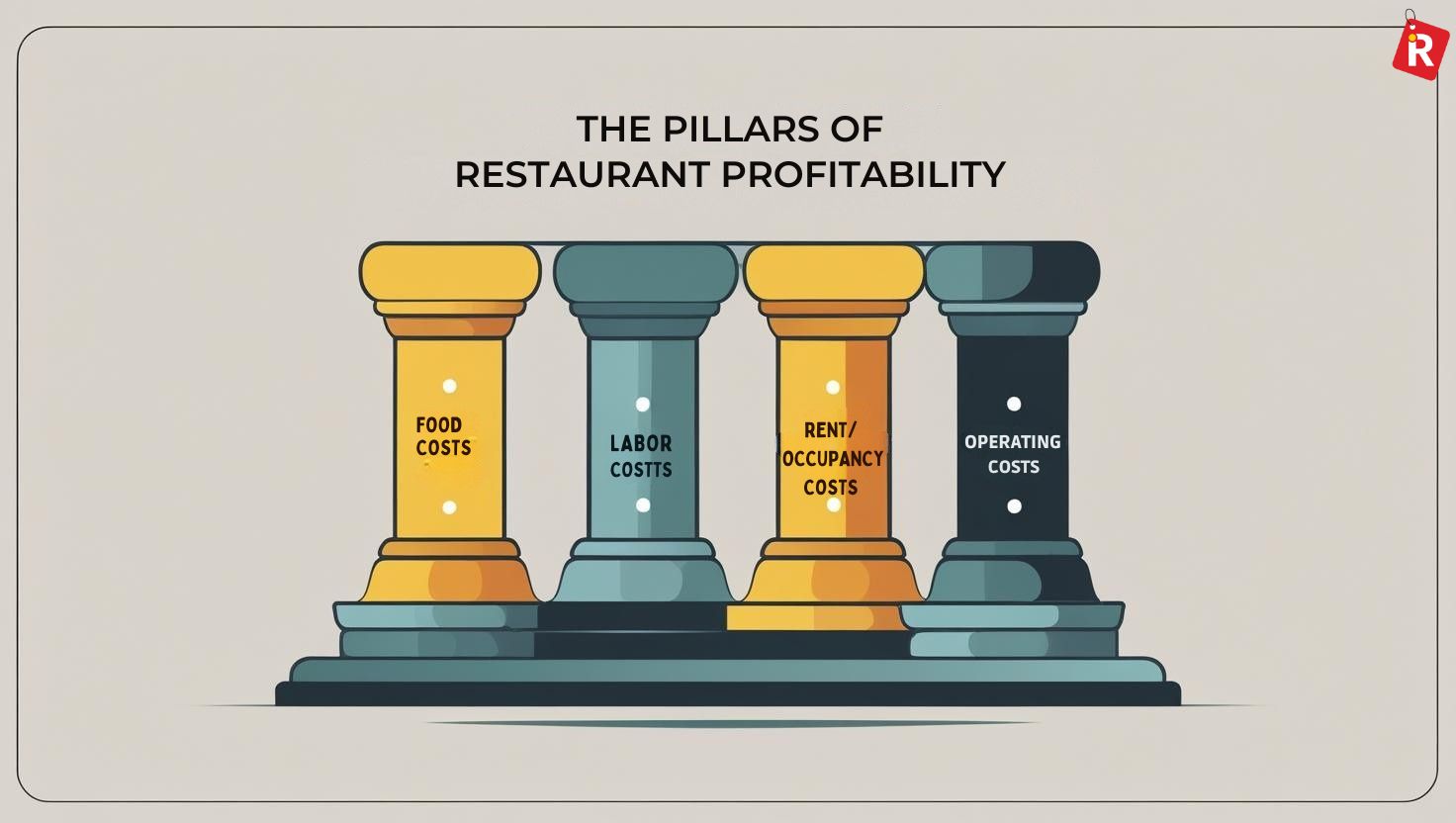
It's important to know where a restaurant's money usually goes before looking at solutions. Typically, the main expense categories consist of:
- Food Costs: The price of the unprocessed ingredients used to make all meals and drinks. This is frequently the biggest variable expense.
- Labor costs: Includes all employees' wages, salaries, perks, and taxes.
- Rent/Occupancy Costs: utilities, insurance, property taxes, and lease payments.
- Operating costs: Includes marketing, upkeep, supplies (cleaning, uniforms, dishes), technology (point-of-sale systems), and administrative charges.
To successfully cut out expenses, these areas must be dealt with wisely.
Read more: Savouring Stardom: What it Takes To be a Celebrity-Owned Restaurant
Comparing Fast Food vs. Fine Dining: Which Is Right for Your Restaurant
Strategic Sourcing and Inventory Management
The largest variable expense is frequently the cost of food. Here, careful management has a direct effect on your financial results.
1. Optimize Your Menu for Profitability
Not all dishes are created equal in terms of profit margins.
The Strategy: The action plan is to regularly engineer the menu. Examine sales data to determine which of your dishes are the most popular and profitable, which are popular but not very profitable, and which are neither. Put your "most popular" first and think about re-engineering or eliminating "low popular-profitable." Is it possible to employ high-volume, common ingredients in a variety of recipes? Can paneer, for example, be used in a main course salad or a special wrap if it's used in a popular appetizer?
Benefit: By concentrating on what sells and generates revenue, you may increase overall profitability without compromising dish quality.
2. Negotiate Smartly with Suppliers
Building strong relationships with vendors can unlock significant savings.
The Strategy: Obtain numerous estimates from different suppliers. If you are able to commit to larger quantities, try to negotiate volume discounts. Discuss flexible payment schedules or early payment discounts. Suppliers may also give you discounts on overstocked items if you maintain regular communication and a positive working relationship. Investigating local farmers for fresh produce can occasionally result in cheaper costs and fresher ingredients for restaurants, improving quality as well.
Benefits: Includes improved supply chain management, a direct decrease in ingredient costs, and frequently higher quality as a result of direct interactions.
Know this: How to Start a Restaurant Business in Delhi: Registration, License, Documents & Fee
3. Implement Rigorous Inventory Management
Food waste is profit waste.
The Strategy: To guarantee that older stock gets used before it expires, implement a First-In, First-Out (FIFO) system for all perishables. For expensive items, do inventory counts every day or every week. To monitor consumption, forecast demand, and reduce overordering, use inventory management software. This aids in spotting possible theft or over-portioning problems as well.
Benefit: Significantly lowers waste and spoilage, guaranteeing that every ingredient is used efficiently.
4. Master Waste Reduction and Repurposing
Every scrap can be a lost rupee.
The Strategy: Educate staff on proper portion management and accurate knife skills to reduce trim waste. Encourage creative item reuse, such as using leftover grilled chicken for a staff dinner or special, stale bread for croutons or breadcrumbs, or vegetable scraps for stock. If there are facilities nearby, think about composting organic waste to possibly lower waste disposal expenses.
Benefits: Includes reduced food costs, an appeal to environmentally conscious diners, and the potential to inspire new menu items.
Simplifying to Increase Operational Efficiency
Costs are greatly impacted by front-of-house and kitchen operations in addition to ingredients.
1. Optimize Staff Scheduling and Training
Labor is a major expense, but cutting staff can hurt service.
The Strategy: Make use of data-driven scheduling tools to match staffing levels to anticipated demand (e.g., more staff during weekend dinner rushes, fewer workers on a calm Tuesday). Employees should receive cross-training so they can perform a variety of tasks, which will increase their flexibility during slower times. Spend money on continual training to improve productivity, portion management, and waste minimization. Reduced expenses for hiring and training are another benefit of high staff turnover.
Benefits: They include lowering needless overtime, increasing worker output, and upholding high service standards.
Check out: Different Types of Restaurants: Complete Guide for Potential Owners
2. Embrace Energy Efficiency
Utilities can be a silent drain on profits.
The Strategy: Replace all of the restaurant's lighting with energy-efficient LEDs. When replacing outdated equipment (such as ovens, refrigerators, and dishwashers), make an investment in ENERGY STAR-rated appliances because they use a lot less water and electricity. Establish strict guidelines for shutting down equipment when it's not in use. To maintain comfortable temperatures without using excessive amounts of energy, make sure that HVAC systems are properly insulated and maintained on a regular basis.
Benefits: They include cheaper monthly utility costs, a smaller carbon footprint, and frequently longer equipment lifespans.
3. Leverage Technology Smartly
Strategic tech investments can yield significant returns.
The Strategy: Invest in a modern Point-of-Sale (POS) system that provides labor management tools, sales analytics, and real-time inventory tracking. To increase kitchen efficiency, decrease errors, and streamline order flow, take into consideration Kitchen Display Systems (KDS). When possible, look into online ordering platforms or the direct ordering feature on your own website to lessen your dependency on third-party delivery apps (and their exorbitant commissions).
Benefit: They include work automation, mistake reduction, useful data for decision-making, and the potential to directly cut labor and third-party costs.
4. Regular Equipment Maintenance
Preventive maintenance saves money in the long run.
The Strategy: Create a regular maintenance plan for all plumbing, HVAC, and kitchen appliances. This goes beyond just fixing things when they break; it's about proactive checks. Train staff or hire professionals to routinely inspect and clean equipment. Check fridge seals, calibrate ovens, and clean filters on a regular basis. Documenting these checks helps ensure consistency.
Benefit: It delays expensive replacements by greatly extending the life of your expensive equipment. More significantly, it aids in preventing costly, unforeseen malfunctions that may occur during busy times and result in lost sales and unhappy customers. Additionally, well-maintained appliances use the least amount of energy possible, which directly reduces your electricity costs and improves your financial situation.
What's new: 14 High-Protein Vegetarian Breakfasts That Keep You Full for Hours
How to design a kid-friendly restaurant that parents also love
Marketing and Customer Engagement: Smart Spending for Growth
Even marketing can be optimized for cost savings and higher results.
1. Maximize Your Online Presence
Digital visibility is crucial, and it doesn't always require a huge budget.
The Strategy: Make sure your Google My Business profile is optimized with correct information, eye-catching images, and frequent updates. Promote and reply to user reviews on websites such as Google, Swiggy, and Zomato. Make use of natural social media platforms (Facebook, Instagram) with captivating content and excellent images that showcase daily deals or behind-the-scenes looks. Organize campaigns with user-generated content or contests.
Benefit: Builds brand exposure, attracts new customers, and nurtures loyalty with minimum direct cost.
2. Cultivate Strong Customer Loyalty Programs
Retaining existing customers is often cheaper than acquiring new ones.
The Strategy: Put in place a basic loyalty program that offers regular diners exclusive discounts, a punch card, or a points system. Obtain client contact information (with permission) in order to market to them via email or SMS about events, birthday deals, or specials.
Benefits: It includes boosting client lifetime value, encouraging repeat business, and generating a steady flow of income during possibly difficult times.
Know more: Top 5 States With the Spiciest Food in India
3. Strategic Menu Pricing and Portion Control
Small adjustments can have big impacts.
The Strategy: Small adjustments to your menu can yield big impacts on profitability. Evaluate your menu prices on a regular basis in light of competitors' prices and changing ingredient costs. If you frequently see plates returned with large amounts of leftovers, think about reducing portion sizes a little bit. However, do this discreetly to prevent lowering perceived value.
Benefit: Lowers food waste and preserves your profit margins without upsetting clients. This dual approach also powerfully protects profit margins, minimizes costly food waste, and ensures customer satisfaction remains high without them noticing a sacrifice in quality.
Conclusion
Understanding cost management is crucial in the cutthroat restaurant industry, particularly in busy cities. But real success doesn't come from randomly cutting costs; rather, it comes from putting in place sustainable, intelligent tactics that improve operational effectiveness and cut waste without ever sacrificing the quality that makes your business unique.
Restaurant owners can successfully reduce their operating costs by concentrating on smart sourcing, strict inventory control, efficient labor management, energy efficiency, and utilizing technology. The goal of these "easy tips" is to create a more robust, successful, and reputable restaurant business that will continue to satisfy patrons for many years to come, not just to save money.
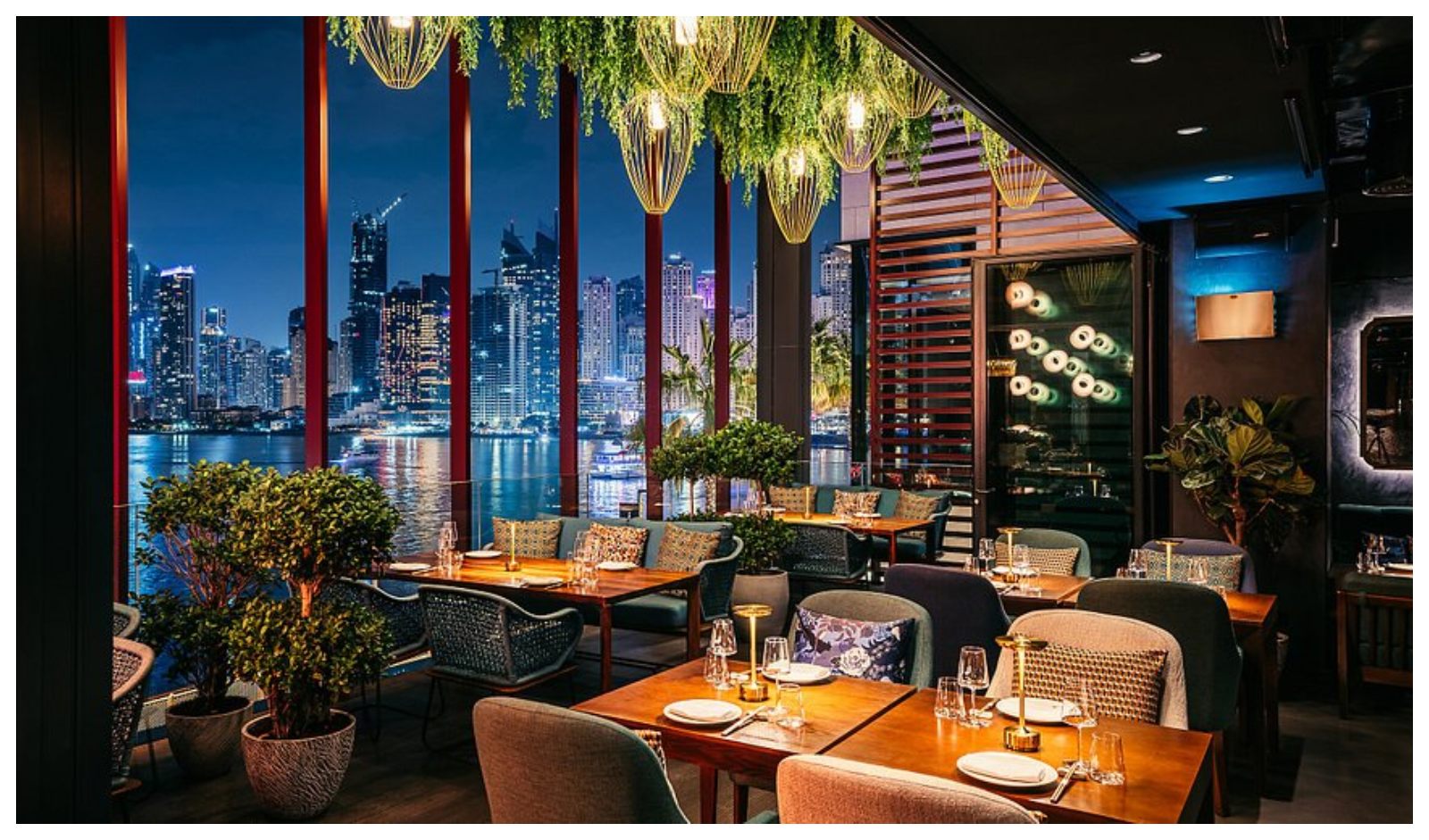
Whether you are running a global Indian brand, be it restaurants or cloud kitchens, there are certain things to focus on while scaling up and to cater the varied audiences. It majorly requires adaptability, authenticity and operational excellence. You have to focus on the core philosophy of the brand to ensure a scalable brand identity among the audiences.
The global foodservice market is around US3.6 Trillion dollars based on consumer spending. Indian brands are popular in US, UAE, UK, Canada and Australia. As per the reports, around 3,600 restaurants are there in London itself and US has 7,000 restaurants approximately with a growing presence in various cities. So, what are the major factors to run a global Indian brand?
Move with Intention
One has to be focused on their journey from the start while following their core vision. If your vision and storytelling is clear, and the brand philosophy is on-point, then eventually one can plan to scale it abroad.
“We’re gently growing our presence in London, while also exploring international markets like the Middle East with care and curiosity. It’s important to us that we move with intention, always putting thought into where and how we grow. Quality means everything, and we believe each new restaurant should feel like a world of its own, created with heart, not just as an extension of a brand,” said Samyuktha Nair, Founder of LSL Capital and third generation restauranteur of The Leela Hotels & Resorts.
Use of Technology
Brands need to invest a lot in digital media for brand and community building. The use of tiktok, instagram reels, YouTube and collaborating with food influencer’s helps in targeting wide set of audiences. Every brand should focus on unique style of storytelling by sharing about the concept or idea behind the curation or their menu to attract more customers.
Adapting to Local Palates
You need to understand the local palate and know your customers. One needs to localize without compromising on the taste, also it would be useful if you meet health safety and labeling officials to know about the regulatory norms.
Highlighting his views, Kallol Banerjee, Founder of Rebel Foods said, “I would recommend having a local team, local connects who also helps in promotions. Know what your game is. There are two things top focus on while running a restaurant. One is if your customer’s comeback, that’s because of the food, everybody who is in food business attracts the customers.
“You need to be clear on deliveries, dine-in and ambience. Have the capability to have very small systems. Get the right people so you can work with your vision, while monitoring the things effectively,” explained Banerjee.
Operational Efficiency
Menu engineering, technology and packaging play an important role. One has to choose the items which have high-yield and long shelf life while monitoring the performances and customer preferences across geographies. Brands have to invest well in packaging so that the products can be transferred from one location to another without any spillage and leaks.
Adaptability is key
One needs to adapt with what’s trending and work as per the customer’s needs. You have to be sure before you come up with a new concept in a specific location.
Rahul Shetty, the Managing Director of The Stables and Peninsula Hospitality Group pointed, “There aren’t many differences in food and beverage business in UAE and in India. But supply chain is different, and sourcing of few ingredients is different as we get it sooner in UAE rather than in India where we need to wait. Adaptability is fast in India these days so even if anyone opens a new concept, people accept it.”
Focus on Financials:
Before going global, brands need to focus on Tier-1 and Tier-2 cities and make their mark. Generally, brands expand with franchise or on their own while focusing on the capital availability and operational control.
Although, one thing which we can surely say is that there is a room full of growth the with changing consumer preferences and Indians moving in global countries. The future will be focused more on personalization, health-conscious and wellness brands, more focus on Indian cuisine in global cities, brands expanding with franchise and expansion of Indian cloud kitchens.
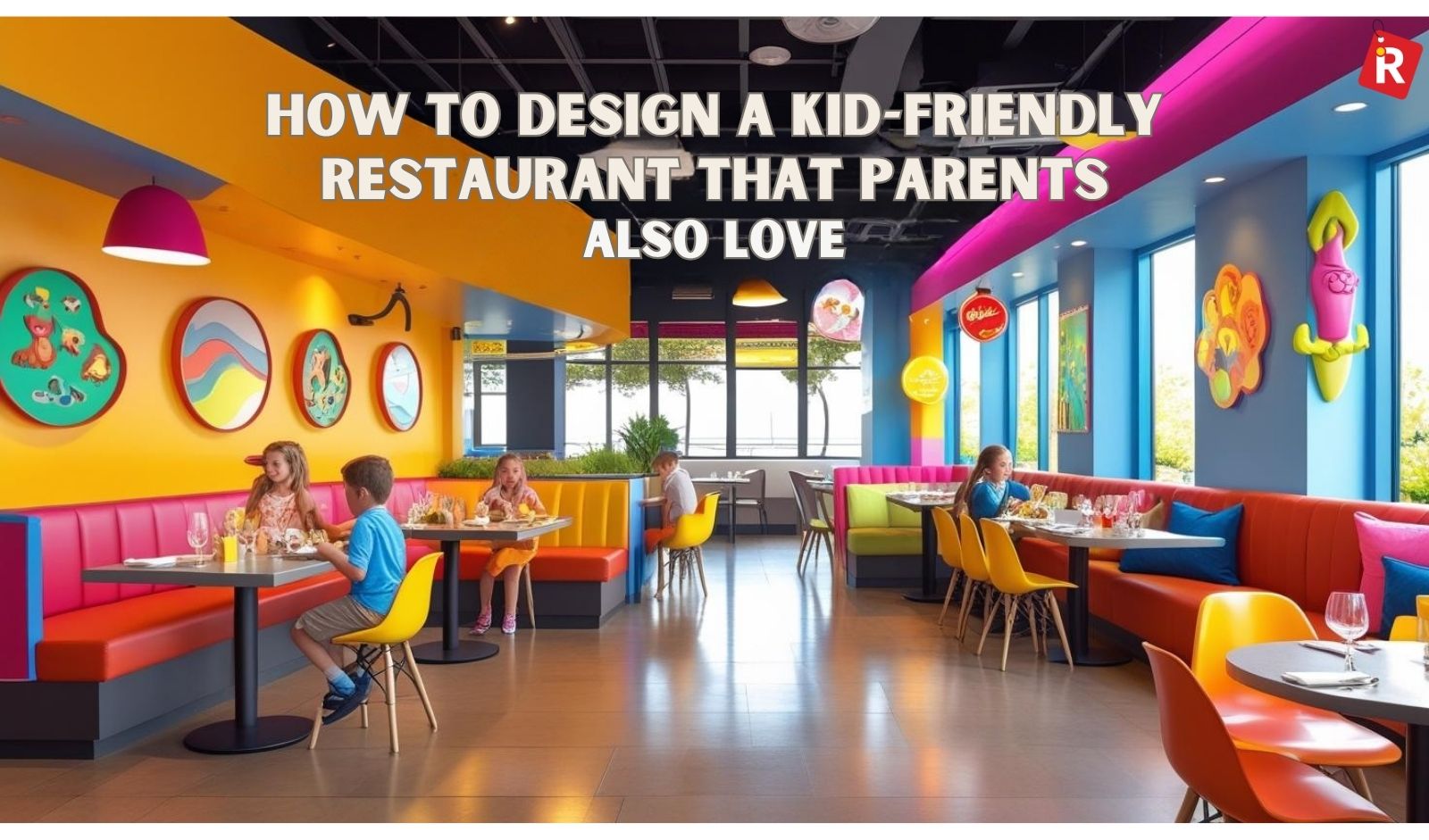
What are the two things kids like the most? We all know kids like tasty food and playing all the time the most. So, if you are thinking about opening a kid-friendly restaurant, then these are the two important factors you need to keep in mind. A kid-friendly restaurant will be visited mostly by families. And families make up a sizable and highly valued sector of the ever-evolving food environment of today. Most parents try to look for dining experiences that satisfy their kids' requirements without sacrificing their own wants for good food, a cozy setting, and some quiet time. The difficulty, though, is finding that fine balance between providing a sophisticated, pleasurable, and stress-free atmosphere for adults and a lively, stimulating space for active children.
Breaking this barrier for new restaurant owners involves more than just providing a kids' menu; it involves creating a whole experience, especially in busy family-friendly areas. A restaurant that is designed for both generations and is genuinely family-friendly can turn a stressful outing into a treasured memory, generating a great deal of repeat business and developing customer loyalty. In order to create a restaurant where children and their parents feel truly welcome and wish to return, this article will explore the fundamental design concepts and useful necessities.
Read more: Easy ways to attract more customers during slow nights
What the Kids and Parents Want
Before we look into the strategy to design a kid-friendly restaurant, we need to take a look at what both parties (kids and their parents) want. This will help us get a better understanding of how to design a kid-friendly restaurant that parents also love:
What the kids want:
- Fun Food Choices: Simple, well-known foods like fries, nuggets, pasta, or tiny pizzas make for enjoyable meal options.
- Exciting Presentation: Food that has an entertaining appearance, possibly in the form of imaginative shapes, vibrant colors, or unusual containers.
- Entertainment on Demand: On-demand entertainment options include coloring sheets, placemats with activities, tiny puzzles, or a special play space.
- Room to Move: Space between tables for wiggles or a safe, visible zone for active play.
- Comfortable, kid-sized seating: lots of booths, high chairs, and reclining seats for simple confinement.
- Easy-to-Use Utensils: Kid-friendly cutlery, sturdy, non-breakable plates, and cups.
- Clean & Accessible Restrooms: The restrooms should be clean and easily accessible, with changing tables and perhaps step stools for smaller users.
What the parents want:
For parents, enjoying a wonderful meal with their kids involves much more than just keeping them occupied. They're searching for an area that lets them eat in peace as well.
- Relaxed Atmosphere: A relaxed atmosphere lessens the stress and shame of parents by allowing small spills or some noise.
- Safety Assurance: Being aware that the space is kid-proofed with non-slip flooring, rounded corners, and sturdy high chairs.
- Cleanliness Is Important: Exceptional hygiene, particularly at the table and in restrooms, reflects overall excellence.
- Efficient service: Quick, attentive service that understands the pace needed when dining with children (e.g., bringing kids' meals out first).
- Comfortable Seating: Options include roomy tables and booths that are suitable for strollers and luggage.
- Adult-Friendly Menu: Good food and drink selections for adults, not just a concession for children.
- Well-considered restrooms: Possibly family restrooms for convenience, as well as tidy, fully stocked changing areas.
Know more: Sustainable Restaurant Practices That Attract More Customers in 2025
Key Design Elements for Kids and Approved by Parents
Here's how you can include thoughtful design features in your restaurants that appeal to both generations:
1. Thoughtful Seating Solutions for All Ages:
Variety is essential: Lots of sturdy, clean high chairs and booster seats should be available. Think about high chairs that are simple to stack and clean.
Embrace Booths and Banquettes: Families love them because they provide a safe environment for kids and make it more difficult for them to get lost.
Family-Sized Tables: Make sure you have enough tables that can easily seat families with strollers and additional luggage.
Strategic Spacing: To facilitate stroller mobility and avoid unintentional bumps, arrange your tables with plenty of room between them.
2. Engaging (and Monitored) Play Areas:
Designated Zone: Establish a play space that is easily recognizable and well-defined. This might be a corner with a big blackboard wall, a soft-play area for young children, or an activity panel installed on the wall for older children.
Supervision-Friendly: Play areas should be positioned in a way that allows parents to easily monitor their children from their tables.
Quality over Quantity: A play area that is small, well-stocked, and maintained is preferable to one that is huge, disorganized, or inadequately supervised. Age-appropriate books in a tiny reading nook can be a peaceful substitute.
Weather Specific: Consider an air-conditioned play area if your restaurant is in a hot or humid climate, where outside play could be uncomfortable during peak summer months.
3. Interactive & Subtly Themed Decor:
Visual Interest: Use paintings, large (but not overpowering) artwork, or even gently themed spaces that capture children's curiosity without offending adults. Consider a travel theme with attractive maps or an amusing forest theme with subdued colors.
Subtle Interactive Elements: Little hands can be occupied without making noise or mess by using magnetic activity boards or wall-mounted puzzles in waiting rooms.
Steer clear of excessive childishness: The design should be entertaining for children but elegant enough for adults. Cartoon characters aren't the only "restaurant theme ideas for families" that can be found.
Check out: How to Plate Food Like a Chef: 10 Secrets Only Pros Know
4. Strategic Noise Management:
Acoustic Solutions: Install sound-absorbing materials such as plush carpets in specific locations, fabric padding on chairs, and acoustic panels on walls or ceilings.
Zoning: Establish discrete zones if at all possible. For adults or families with older children, there should be a quieter dining room and a noisier, more relaxed "family zone" with access to the play area.
Background Music: Play background music at a volume that is both soft enough to facilitate easy conversation and loud enough to cover some crying and conversational noise. A well-designed restaurant's acoustics are crucial.
5. Thoughtful Restroom Facilities:
Basic Facilities: Any restaurant should have spotless, well-kept restrooms, but for families, the details are important. Make sure that both the male and female restrooms have hygienic, reliable baby changing stations (with disposable liners), or better yet, a special family restroom.
Kid-Friendly Access: If money permits, take into account step stools, low-height sinks, or even kid-sized toilets. For parents who are having a hard time with their toddlers, these little things make a big difference.
6. Kid-Friendly Tableware & Menu Presentation:
Fun and Durable: Give kids bowls, plates, and cups that are colorful, long-lasting, and non-breakable. Provide appropriate cutlery that is kid-sized and manageable by little hands.
Engaging Menus: Create a kid-friendly menu that is both aesthetically pleasing and possibly health-conscious. When people are seated, provide them with activity sheets and crayons as a standard offering. These tiny actions convey care and offer instant amusement.
7. Staff Training for Family Service Excellence:
Beyond Design: Outstanding execution is necessary for even the best designs. When dealing with families, teach your employees to be incredibly understanding, patient, and helpful. This includes helping with high chairs, receiving orders for children's meals first so they may be served on time, and paying attention to any spills or requirements.
Empathy and Speed: A server who shows genuine concern by promptly bringing a missing napkin or providing an additional set of crayons improves the whole family dining experience.
8. Welcoming Entrance & Waiting Area:
Accessibility: Make sure your entrance has stairs, open routes, or wheelchair- and stroller-friendly steps.
Comfortable Wait: Provide cozy seating in your waiting area if you expect long wait times. Impatient kids can be kept busy with a few quiet toys, a wall-mounted puzzle, or a tiny, entertaining feature like a fish tank.
What's new: Comparing Fast Food vs. Fine Dining: Which Is Right for Your Restaurant
9. Harmonious Lighting and Ambiance:
Warm & Inviting: Make sure the lighting in the room is warm and welcoming. Stay clear of harsh, institutional-feeling LED bulbs.
Dimmer Controls: Using dimmer switches, you may change the lighting throughout the day to create a more intimate, softer glow for dinner and a brighter, more lively atmosphere for lunch.
Zoned Lighting: By defining different parts with different lighting levels, a room can become more welcoming to all users.
10. "Parent-Approved" Touches: Subtle Sophistication for Adults:
Comfort Is Essential: Parents need comfort, and children need enjoyment. Ensure your adult seating is practical and attractive.
High-quality Offerings: Keep your adult menu and drink selections at a high level. Parents are looking for more than just a location to feed their children; they want a nice meal and a comfortable dining experience for themselves.
Cleanliness is Godliness: Parents greatly value the restaurant's impeccable cleanliness, which is reflected not only in the dining area but also, and particularly, in the restrooms.
Elegant Accents: To avoid making the restaurant seem like a glorified daycare center, use elegant components in your décor that appeal to adult tastes.
Read this: Savouring Stardom: What it Takes To be a Celebrity-Owned Restaurant
Conclusion
Creating a restaurant that appeals to both parents and kids is an excellent example of thoughtful hospitality design. It calls for a dedication to cleanliness, safety, and longevity, together with imaginative features that keep young children entertained and considerate additions that let adults unwind and enjoy their food. Families will love your restaurant if you invest in these multipurpose design strategies and back them up with first-rate, sympathetic service. This ensures your restaurant's long-term success by filling your tables and building a loyal customer base that will come back time and time again.

Actor-turned-entrepreneur Khushank Arora seamlessly blends his two passions—acting and hospitality. The first chapter of his career was dedicated to the screen, where he took notable roles in popular Indian television series such as Miley Jab Hum Tum (Star One), Behenein (Star Plus), Maan Rahe Tera Pitaah (Sony), Yeh Ishq Haaye (Star One), Santoshi Maa (&TV), and Yeh Hai Chahatein (Star Plus).
In 2019, Khushank made a bold pivot, turning his full focus to the hospitality industry. Despite having no formal culinary training, he embraced the journey as a self-taught entrepreneur, driven by passion and an unwavering commitment to excellence. In an exclusive interview with RestaurantIndia, Actor Khushank Arora, Founder of King Kraft Group discusses about his journey, new project, challenges and much more.
Venturing into Hospitality
Driven by a passion for crafting meaningful dining experiences, Khushank aims to build distinctive concepts that leave a mark in the ever-evolving F&B space. He launched his first venture, ‘Same Place, Same Time,’ in 2019, setting the tone for his journey as a hospitality entrepreneur.
His second project, Zeki was launched in April 2025, located in a modern-day mud house in Andheri West, Mumbai. Zeki offers a refined take on Modern European and Mediterranean cuisines, paired with a bold cocktail-forward bar program. The space reflects Khushank’s commitment to thoughtful storytelling—through flavour, design, and atmosphere.
Why Zeki?
Zeki is derived from the Turkish word meaning “intelligent,” “wise,” and “clever,” is envisioned as more than just a bistro and bar—it’s a gathering space with soul. Designed to foster a sense of community, Zeki invites guests to step away from the urban rush and into calm, welcoming haven.
“We are a community bistro bar; our purpose is to bridge people along, tap into their senses and emotions. Our tagline is ‘Gather, Savor’ and belong,” added Khushank Arora.
What’s Unique about it?
The 60-seater space, featuring both indoor and outdoor areas, brings Khushank Arora’s vision of a refined yet functional dining destination to life. “At the heart of the interiors, a striking mural of a ‘mushroom goddess’ symbolizing Earth’s nurturing spirit anchors the room, radiating warmth and wonder. This focal point is complemented by a bar carved from a single monolithic stone, adding a raw, sculptural element to the space,” pointed Arora.
The ambiance is grounded in a soothing terracotta palette, setting the tone for a sensory dining experience. True to its ethos, the space is built using eco-conscious materials such as terracotta clay, rice husk, dried grass, banana fiber and membranes, and Bali cane—all thoughtfully woven into the cob structure and handcrafted furniture, creating a space that’s both sustainable and soulful.
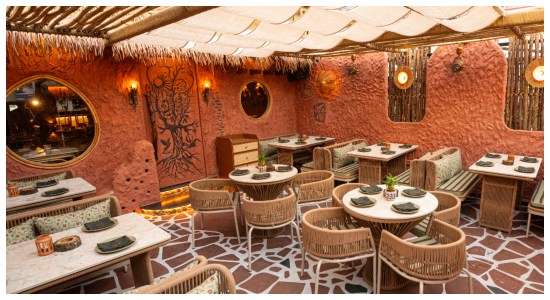
The Target Audience
Our target audience is 20-45 age groups, and we are not targeting above 45yr old. “We are an upscale casual dining restaurant and focuses on being affordable, so the pricing is Rs 1200 for two people. We want to provide sense of value for money,” noted Arora.
What’s in the Menu?
Rooted in European and Mediterranean culinary traditions, the menu is curated by Chef Consultant Vidit Aren. It celebrates the beauty of simplicity with flavour-forward dishes crafted from locally sourced, seasonal ingredients, often rustically roasted or grilled to bring out their natural character. Designed around communal dining, the menu invites guests to share not just plates, but cultural moments and collective experiences at the table.
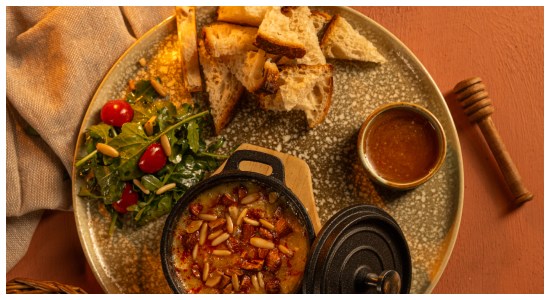
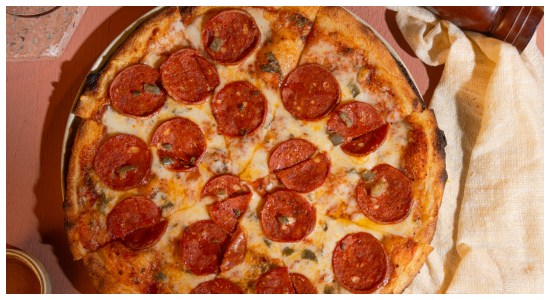
Gather for cocktails
The bar program at Zeki unfolds 10 potent cocktails, crafted with the nuances of modern mixology such as homemade infusions, and clarified and fat-washed derivations.


What’s New Coming up?
Arora’s third venture will be Sarabi in Vagator Goa. This is an experiential dining space which will be launched in September. Sarabi is derived from the African continent. Sarabi is a famous name from the movie, ‘The lion king.’ Simba’s mother’s name was Sarabi.
She was the queen of the jungle. While Sarabi means illusion. The menu in Sarabi will be focused on progressive fusion plate and it’s completely different from zeki. Talking about trends, Arora said, “We don’t go by the trends; we want to come up with something new which stays.”
The Challenges
Licensing issues and staffing was one of the challenges. And building a brand to shape up as your vision is a challenge as well.
Highlighting on his views, Arora shared, “If we don’t get someone as same vision in our team, we instilled with the confidence and train them as per that. We have a specific KRA which we follow, it’s there for every employee. We do follow the SOPs and believe in having an equal blend of tech and human both. “
Celebrity favorites in Zeki
Arora’s Favourites is in the menu. Baked Brie, Swiss Cheese Fondue, 2 Days Air Dried Roast Chicken Leg, Community Boards are unique and his favorites. In Bar menu, Citrus Caravan, Earthern Whisper and Mud stone are my personal choices.
Slow nights are the periods when the restaurants encounter the fewest customers during a day or a week. The gloomy sight of empty tables on a quiet Monday afternoon or a Tuesday evening is familiar to all restaurant owners. In the hotel sector, slow evenings and off-peak times are a constant problem that frequently results in lost income opportunities, misused resources, and wasted labor. However, smart restaurant owners see these times as excellent chances for innovation and calculated attraction of customers rather than unavoidable downtime.
Creatively filling those quiet times can greatly increase your profit line, strengthen your community relationships, and develop loyal consumers for restaurants in cutthroat culinary environments where customers have a wide variety of options. Good news? To do this, you don't need a big marketing budget or a total makeover. Implementing many high-impact tactics is surprisingly simple and inexpensive.
This article will explore practical, budget-friendly ways to transform your slow nights into bustling successes, enhancing your restaurant's vibrancy and profitability.
Read more: Comparing Fast Food vs. Fine Dining: Which Is Right for Your Restaurant
Understanding Your Slow Nights
Before you launch any kind of plan, you need to understand the root of the problem first.
Pinpoint the Patterns: Examine your Point-of-Sale (POS) information. Which days of the week are the slowest regularly? Are there specific times of day when the least amount of traffic occurs? Is it Wednesday night, Tuesday lunch, or Monday dinner?
Examine the Reasons: Take local factors into account. Are there no significant events in the area? Is it a typical day off for local offices? Is it a lull after the holidays? Knowing the 'why' will help you customize your solutions.
You might start implementing focused tactics after you've determined the particular slow nights for your restaurant. Let us divide the tactics according to specific categories so that they are easier to implement.
Know more: What’s Pushing the Growth of Chef-Driven Restaurants
Category 1: Irresistible Deals & Promotions

Although discounts and special offers are timeless bait, it's important to use them strategically and creatively.
Themed Nights & Targeted Discounts:
- Concept: Set aside particular slow-paced evenings for promotions with a theme that targets a certain audience. Consider "Family Meal Deal Wednesday," "Student Discount Tuesday" (particularly if you live close to schools or universities), "Ladies' Night" (discount for ladies), or "Service Industry Sunday" (for people who work weekends).
- How: Provide a special fixed-price menu, a "buy-one-get-one-free" deal on a specific dish, or a set percentage off of certain menu items. Use social media and local connections to spread the word about these weekly restaurant bargains.
- Benefits: It includes drawing in certain crowds, giving people a cause to come on an otherwise calm evening, and cultivating a feeling of community.
Happy Hour Reimagined:
- Concept: Include tempting deals on appetizers, small plates, or even late-night snacks in addition to drinks during your classic happy hour. Think of a "brunch happy hour" on a slow-paced weekend morning or a "reverse happy hour" for late-night crowds.
- How: Pay attention to easy-to-prepare, high-margin products. Place eye-catching advertisements for your restaurant's happy hour specials both online and offline.
- Benefit: Encourages customers to try more of your cuisine and increases traffic during normally slow hours.
Loyalty Program Accelerators:
- Concept: Provide an additional incentive for current members of your loyalty program to come in during slow periods. Provide a unique "loyalty member only" price, early access to new menu items, or extra points on purchases made on a designated slow night.
- How: Use targeted SMS messaging, push notifications via your restaurant's app, or email marketing to directly inform customers about these customer reward programs.
- Benefit: Increases loyalty, rewards current clients, and fills seats by utilizing your most precious resource.
Check out: How to Handle Customer Complaints with Confidence and Care
Category 2: Engaging Experiences & Entertainment
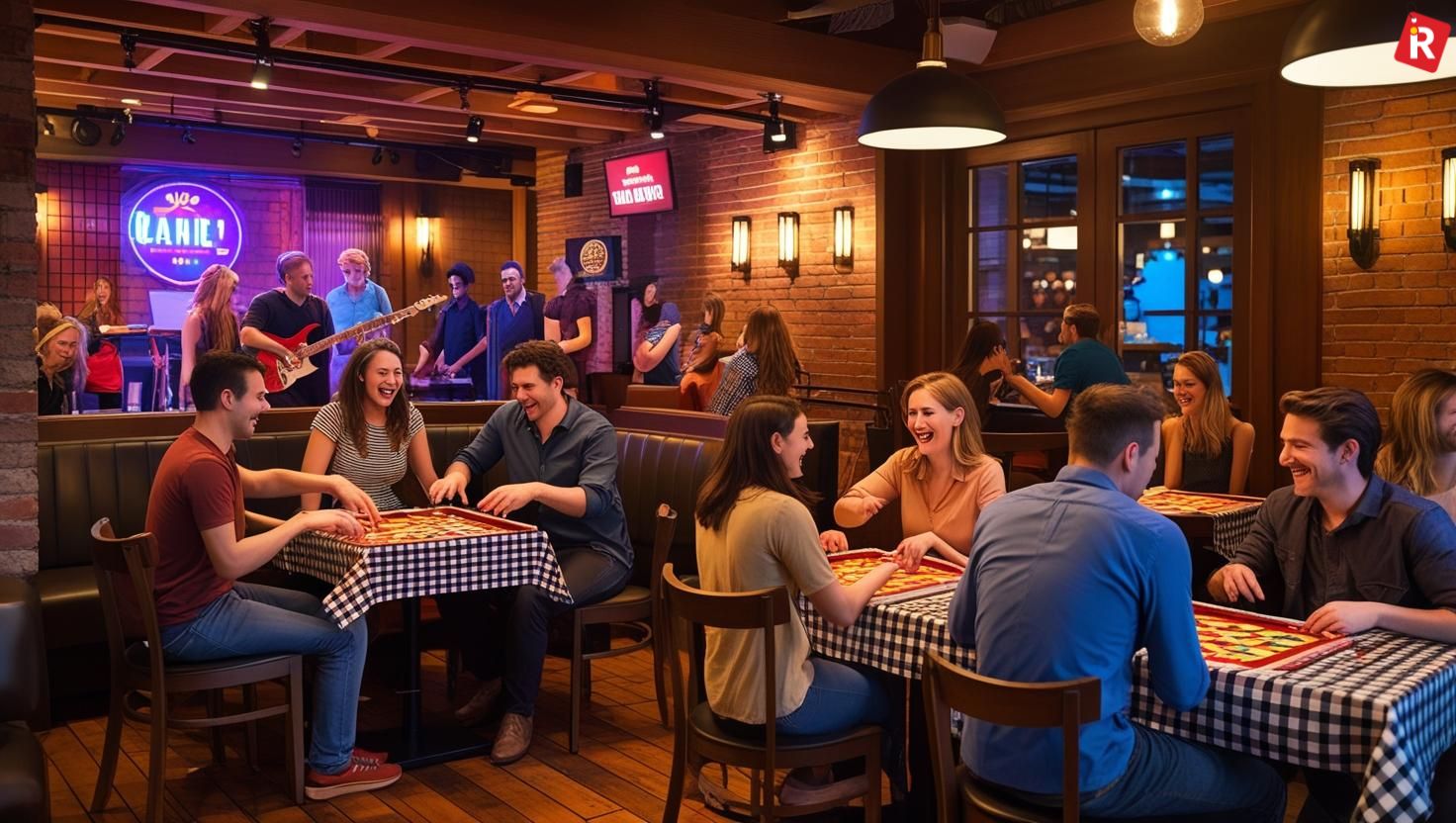
Making your restaurant a center of activity might attract customers looking for more than simply food.
Live Entertainment (Local Talent Focus):
- Concept: Organize open mic nights, stand-up comedy, karaoke, or live music performances (such as jazz, acoustic sets, or instrumental Indian classical). Collaborate with regional artists and performers to add a genuine touch.
- How: Begin modestly with a pair or solo performer. Advertise the particular performers and their showtimes on your local event listings and social media accounts. Seek out live music venues that have experience doing this.
- Benefit: Offers distinctive entertainment value, draws a diverse population, and creates a lively atmosphere.
Interactive Events & Workshops:
- Concept: Plan interactive, entertaining events such as wine or craft beer tastings, cocktail lessons, cooking demos, or food pairings.
- How: You can make it free for diners or charge a nominal fee for participation. These interactive and insightful restaurant classes have the potential to attract new customers.
- Benefit: Presents your restaurant as a community center, promotes social contact, and offers a unique selling opportunity.
Game Nights & Social Hubs:
- Concept: Set aside an enjoyable evening for card game competitions, board game nights, or even video game challenges.
- How: Offer a variety of well-liked board games. Advertise on social media as a laid-back, enjoyable place to meet people. Urge groups to reserve tables.
- Benefit: Promotes a laid-back, welcoming environment for social interaction, making it appealing to younger people or groups seeking a laid-back outing.
Category 3: Digital Presence & Community Engagement
Make use of local relationships and internet channels to promote your exclusive deals.
Hyper-Targeted Social Media Campaigns:
- Concept: Make use of Facebook and Instagram's precise targeting features. Run short, targeted advertising efforts that showcase your events or slow-night offers to those who live a few kilometers from your restaurant.
- How: Make use of geo-targeting, clear calls to action ("Book Your Table Now!"), and eye-catching images (pictures of mouthwatering food and vibrant events). Spend your advertising budget primarily on the days before your slow nights.
- Benefit: Reached potential clients who may be searching for things to do in your locality.
Collaborate with Local Businesses & Influencers:
- Concept: Establish alliances with neighboring workplaces, fitness centers, salons, or other businesses that complement each other. On your slow nights, give their employees special discounts, or trade ads to promote each other. On a slow night, invite food bloggers or micro-influencers from your area for a free supper in return for genuine social media posts.
- How: Get in touch and make a clear offer that will benefit both parties. Working with real, local voices may make influencer marketing for restaurants quite successful.
- Benefit: Offers genuine word-of-mouth advertising and expands customers through reliable local sources.
Optimize Online Listings & Reviews:
- Concept: Your internet presence is your modern showroom. Make sure your listings on Swiggy, Zomato, and Google My Business are up to date with correct hours, appealing images, and any current promotions. Actively reply to every review, whether favorable or unfavorable.
- How: Verify your profiles and claim them. Encourage happy customers to write reviews by gently reminding them to do so after their dinner. Maintaining a positive internet reputation is essential.
- Benefits: It includes increasing your restaurant's exposure in local searches, fostering trust with prospective customers, and having a direct impact on reservations.
What's more: Top 10 Kitchen Must-Haves for New Restaurant Owners
Category 4: Enhancing the Core Offering (Subtle Yet Impactful)
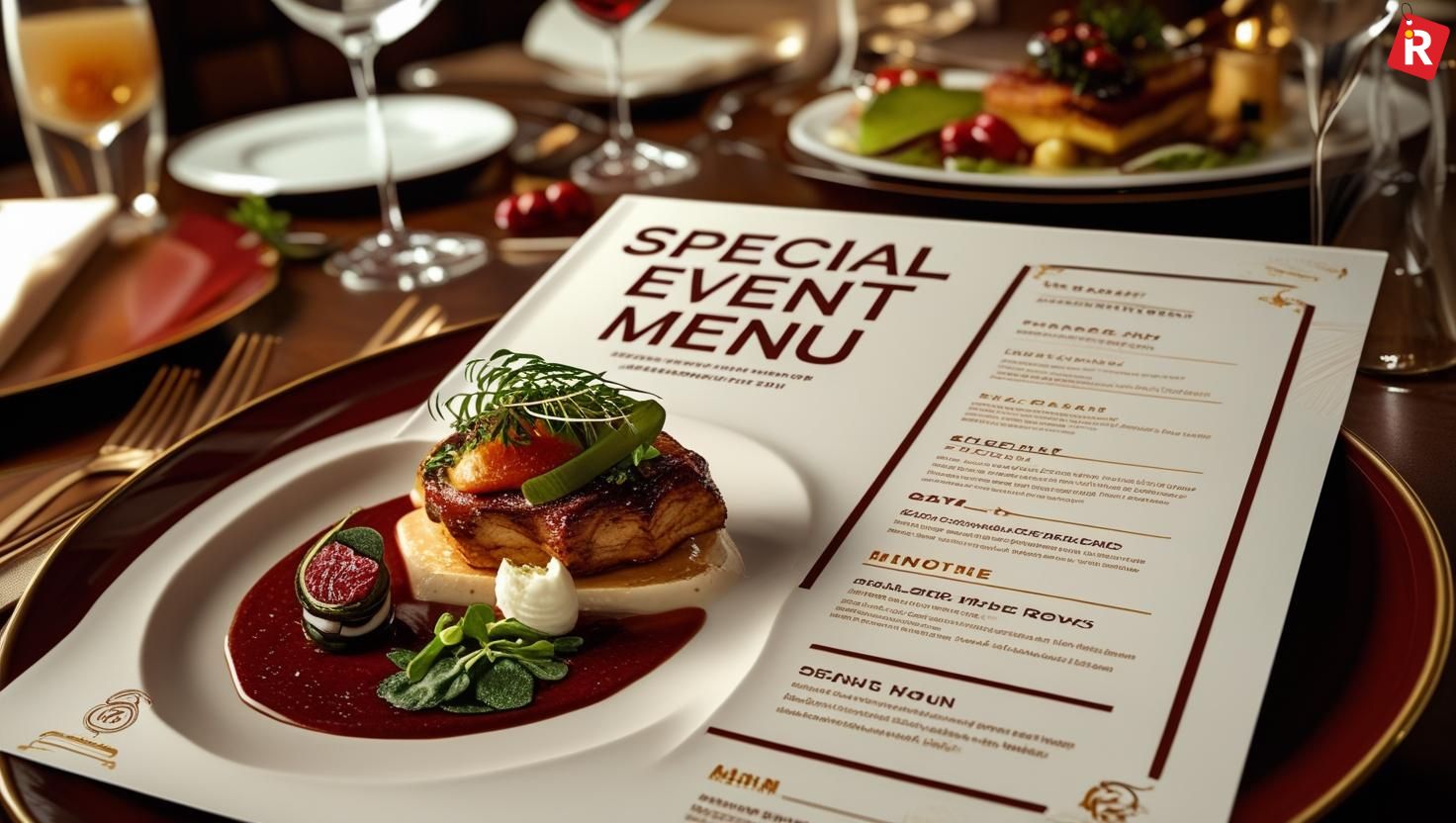
Sometimes, all it takes to draw attention is a small twist on your current offers.
"Sneak Peek" or Tasting Menus:
- Concept: Provide a unique, time-limited tasting menu on a quiet night that is somewhat less expensive than your usual menu. This may be a chef's special, new recipes you're testing, or innovative takes on your best-selling items.
- How: Create excitement and a sense of urgency by marketing it as a special chance to experience something different. Offers for restaurant tasting menus can be a strong appeal.
- Benefit: Converts a peaceful evening into a culinary event by drawing foodies and establishing exclusivity.
Pop-Up Collaboration:
- Concept: For a special slow night, invite a guest chef to provide a special dinner that somewhat differs from your typical menu or offer a unique cuisine. As an alternative, work with a skilled home cook who specializes in a certain cuisine.
- How: Promote this as a brief "pop-up" event, making use of the guest's fan base and crafting a special, one-of-a-kind encounter.
- Benefit: Creates a lot of excitement and may draw in an audience that is ready to try something new.
Embrace Delivery Promotions:
- Concept: Increasing delivery and takeaway orders on slow nights can greatly enhance your overall earnings, even if it doesn't fill seats. Give customers who place online orders during particular times special discounts or free delivery.
- How: Establish and advertise these exclusive deals in close collaboration with well-known Indian delivery services like Swiggy and Zomato. Emphasize the savings on ordering food online.
- Benefit: Increases revenue from customers who want to eat at home and makes the most of the kitchen during downtime.
Read this: Easy Ways to Improve Your Restaurant's Atmosphere Without Spending Much
Turning Lulls into Opportunities
Slow nights are an opportunity for strategic development and creativity rather than a curse. Your restaurant may turn empty tables into bustling centers of activity by identifying your unique off-peak times and combining them with tempting promotions, captivating experiences, focused digital marketing, and minor improvements to your main menu. It calls for originality, dedication, and an in-depth understanding of the needs of your target market. In addition to increasing income right away, success on slow evenings enhances your restaurant's reputation, fosters community involvement, and adds to its long-term economic success in the constantly changing dining sector.
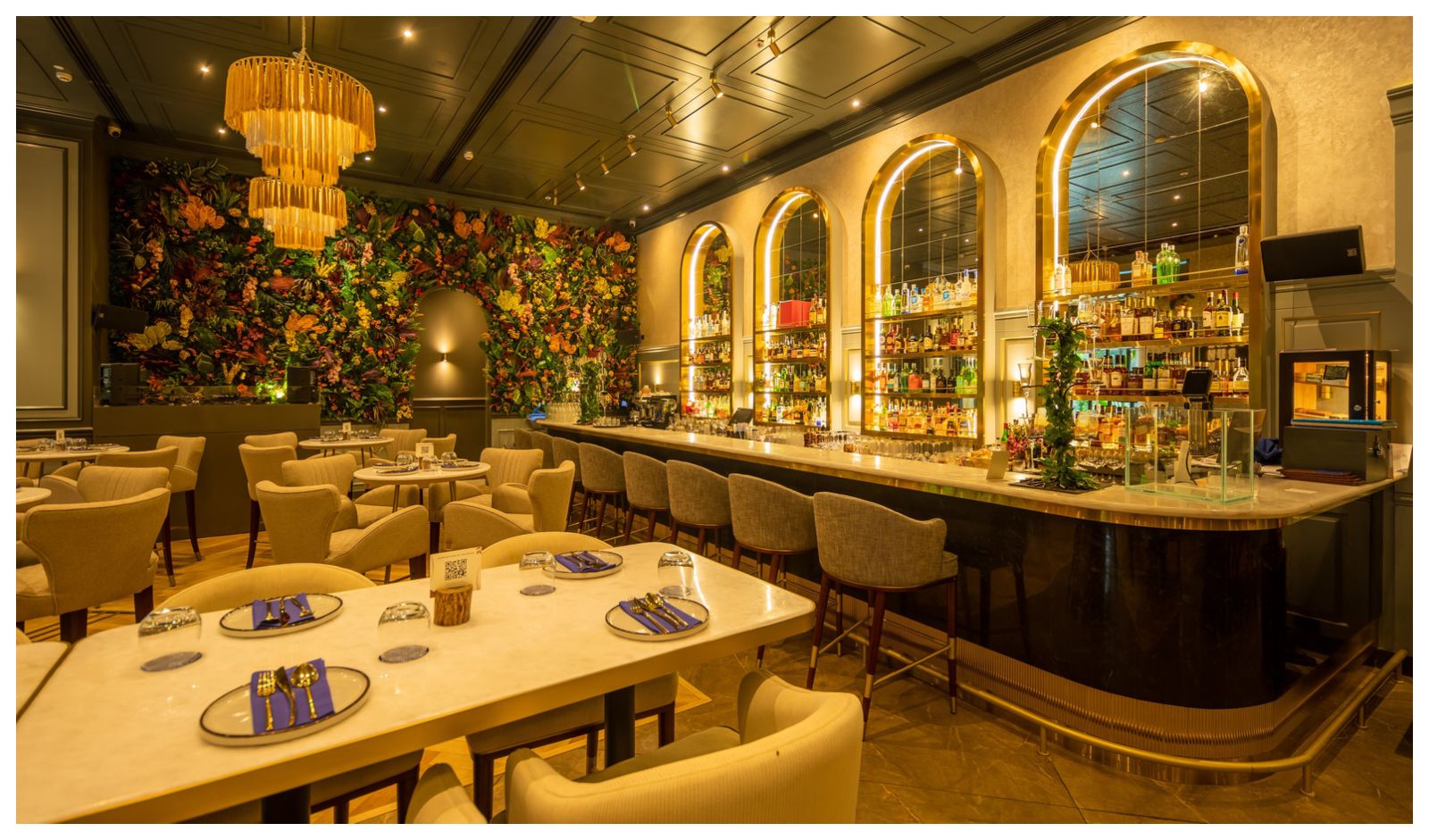
There’s definitely a wave of chef-driven restaurants right now — people want to eat somewhere that has a soul. You can feel the difference when a restaurant is built around a chef’s story or knowledge. It’s no longer just about good food; it’s about food that has a story to tell.
Storytelling plays an important role. These days guests are curious — they want to know why that dish is on the menu, where the inspiration came from, and what makes it special. That curiosity is what’s pushing this trend forward. Around 30% of restaurants are chef-driven restaurants in India.
What’s pushing the growth
Social media, travel, and the growing awareness of global and regional cuisines have all played a role. The major target audiences driving this growth are Millennial & Gen-Z who wants to know who’s cooking their food and what inspires them.
Parvez Khan, Chef & Co-founder at Sozo Izakaya shared that this curiosity is giving chefs like me the platform to build concepts around our own culinary philosophies. From cities like Bengaluru, Mumbai, New Delhi, customers are ready to pay for originality and quality.
“Whether it’s through social media or just the way a menu is written, there’s so much more room to bring your personality to the table — literally. And when that happens, guests respond to it in a big way,” pointed Jawairia Merchant, Owner and Founder, Thai Naam.
What’s Trending?
There’s a definite shift towards regional Indian food with global techniques, smaller curated menus, and ingredient-focused dishes. “At my restaurant, I’ve seen how guests appreciate comfort and familiarity - but with a fresh, creative twist,” said Khan.
Commenting on this, Merchant said, “We’re seeing a huge focus on local produce and regional inspiration — chefs are digging into their roots or discovering lesser-known ingredients from across India and Asia.”
Tasting menus and no-menu experiences are also really picking up — people trust the chef’s journey. And then there’s a whole movement around conscious cooking — reducing waste, sourcing better, doing more with less.
Focus on attention to detail
Every element - be it the plating, the lighting, the ingredients, or even the pacing of the meal - carries intention. It allows the creative freedom and the chance to tell a story through food. It’s not just about serving dishes; it’s about creating an experience that reflects our journey, our vision, and our values. Everything is becoming more experienced led, but in a way that’s personal, not performative.
Personalisation & Creative Freedom
“We train our team to ask questions, to understand the guest, and to tailor the meal around them. That’s where personalisation becomes really powerful — not just customisation for the sake of it, but thoughtful, curated recommendations. As a founder, that creative freedom means everything. You’re constantly evolving, playing with new ideas, but always rooted in your original ‘why,” said Merchant.
Vardaan Marwah, Chef Partner, FARRO said, “Our inspiration comes from Mediterranean and Indian regions where farro grows. Travel informs our menus. Every dish reflects that journey. This freedom lets us build deeper guest connections through storytelling, plating, and personalized experiences.”
The Foreseen Challenges:
The biggest challenge is scaling without losing the soul. Sharing his views, Khan said, “As chefs, we need to build strong systems, invest in training, and surround ourselves with a team that understands and believes in the same ethos.” Consistency is key - but so is keeping the passion alive every single day.
Finding the balance is an ongoing process. Building the right team is another big one — not just in terms of skill, but people who understand the philosophy behind the food. Pointing his views, Merchant said, “And if you’re thinking of expanding, the biggest challenge is: how do you scale something that’s deeply personal? That’s why I think growth has to be thoughtful — it’s not just about opening more outlets; it’s about making sure each space still feels like you.”
To overcome these, many chefs invest in building loyal teams, engaging with their communities through chef’s tables and workshops, and diversifying through pop-ups, branded products, or culinary content.
Chef Stephen Gomes, Co-Founder of Mark's EATERY in Dwarka, Delhi added, “Ultimately, these restaurants go beyond serving food—they represent a chef’s journey, passion, and philosophy, reshaping the way India experiences dining and inspiring a new generation of culinary entrepreneurs.”
In the fast-paced world of restaurants, there are many things that can go wrong. And one mistake, one unhappy customer, can cause damage to your reputation. An overdone meal, a forgotten order, or a lengthier wait than anticipated are all inevitable, regardless of how carefully you plan your menu or train your staff. Although inevitably you will get customer complaints, there is a way to handle them with care and confidence. While these times can be intimidating, especially in the fast-paced environment of quick-service restaurants or the high-stakes environment of fine dining, they are not problems; they are precious opportunities. If handled with genuine care and unwavering confidence, the complaint can be changed from a potential disaster to a sign for improved service, increased customer loyalty, and, ultimately, a stronger reputation for your business.
In this article, we will dive into the art and science of resolving customer complaints and provide practical tactics to enable your restaurant staff to handle unfavorable comments with composure, compassion, and a clear route to converting a disgruntled patron into a devoted supporter.
Read more: Top 10 Kitchen Must-Haves for New Restaurant Owners
The Undeniable Value of Handling Complaints Effectively
Before diving into the 'how,' it's crucial to understand the 'why.' Why invest so much in mastering complaint resolution?
- Customer Retention is Gold: Keeping clients is crucial since a dissatisfied customer is unlikely to come back. In addition to being more likely to return, a customer who receives outstanding customer service is also more likely to become a devoted customer than one who has never experienced a problem. They have personally witnessed your dedication to their happiness.
- Protect Your Brand's Reputation: In the era of instant online reviews (Google, Zomato, and Swiggy), a single unfavorable experience that is made public can seriously harm your restaurant's reputation. On the other hand, a public reaction that shows successful service recovery can actually improve your reputation by highlighting your customer-focused strategy and responsiveness.
- Increased Employee Confidence and Morale: Employees feel more competent, appreciated, and confident when they are given the training and authority to handle problems. This promotes a healthy work environment, lowers stress, and avoids burnout.
- Findings for Operational Improvement: Complaints are a free source of market research. They draw attention to particular areas where your operations may be lacking, such as menu clarity, service attentiveness, or kitchen uniformity. Continuous improvement is fueled by methodically addressing these problems.
- Reducing Financial Loss: Revenue is directly impacted by lost repeat business. Retaining an existing client with efficient service recovery is much less expensive than gaining a new one.
The "CARE" Approach: Confidence & Care in Every Interaction

A balanced strategy that combines real concern with professional assurance is essential to managing complaints successfully. Here is a structure to help your team:
C - Calm and Confident Demeanor:
Tip: It's normal to feel defensive or angry when faced with a complaint. However, maintaining composure is the first and most important step. Breathe deeply, look directly into their eyes, and speak in a steady, calm tone. Refrain from reflecting the customer's dissatisfaction.
How It Helps: Your cool-headedness is contagious; it reduces the tension in the situation and lets the client know that you are in charge and can handle their problem expertly. It demonstrates respect and builds trust.
A - Active Listening and Empathy:
Tip: Don't interrupt the customer while they are speaking. Let them explain their complaint in detail. As they speak, nod, make eye contact, and use verbal affirmations ("I see," "I understand"). To ensure you have gotten their complaint accurately, paraphrase it back to them when they have done so ("So, if I'm understanding correctly, the delay in your main course meant you couldn't enjoy your meal fully?").
How It Helps: The consumer feels heard and respected when active listening is used, and this is frequently a big step in calming them down. By demonstrating that you care about their experience rather than just finding a solution, empathy ("I understand why you'd feel frustrated with this situation") confirms their feelings.
Read this: How to Set a Goan-Themed Restaurant
R - Resolve and Recover with Solutions:
Tip: It's time to take action after you've heard and shown empathy. Express genuine regret for their unpleasant experience, even if it wasn't "your" fault. Next, offer precise, realistic fixes. Give front-line employees a variety of choices they may implement right away, such as swapping out the dish, giving away a dessert, reducing the current bill, or giving a coupon for a future visit. Know when to respectfully escalate more complicated matters to management.
How It Helps: This activity shows that you are dedicated to making sure your customers are happy. By providing a timely and suitable solution, you not only address the immediate issue but also transform a bad experience into a chance to demonstrate exceptional customer service. Customers frequently feel appreciated and respected as a result of this.
Know this: 9 Egg Alternatives for a Post-Workout Meal (That Actually Fuel Your Gains)
E - Evaluate and Learn for Continuous Improvement:
Tip: Each complaint is a piece of information. Record the complaint's details, the solution offered, and any systematic problems found. Examine this data frequently to identify patterns (e.g., frequent issues with a particular dish, a certain shift, or equipment). Utilize this input to improve procedures, modify menu items, or provide focused employee training. Follow up with the consumer (by phone or email, for example) to make sure they are satisfied and to express gratitude for their input, if appropriate and practical.
How It Helps: This planned approach shows a dedication to quality, promotes ongoing operational progress, and stops similar concerns from happening again. The shortest route to a stronger, more customer-focused restaurant is to learn from your errors.
Check out: Easy Ways to Improve Your Restaurant's Atmosphere Without Spending Much
Practical Steps for Front-Line Staff
Since servers, hostesses, and counter employees are frequently the first to receive a complaint, it is important that they are educated.
- Accept the Complaint and Recognize It: "I'm very sorry to hear that. How may I be of assistance? and "Please tell me what happened."
- Listen Without Interrupting: Allow the client to express themselves completely. Don't defend or explain until they're finished.
- Apologize Sincerely and Empathize: Express sincere regret and empathy by saying, "I'm really sorry that this isn't what you expected," and "I understand why you'd be upset."
- Ask Clarifying Questions (if needed): "Could you tell me more about what specifically was off with the seasoning?" is an example of a clarifying question you might ask. — but only after they have completed their explanation.
- Provide Answers That Are Within Your Power: Give preset choices. "I can certainly get a fresh one made for you right away," and "Please allow us to offer you a complimentary dessert."
- Put the Solution into Practice Quickly: Take immediate action after a solution has been decided upon. Resolution delays may offset the benefits.
- Check Back: Quickly check in a few minutes after the answer has been put into practice. "Is everything to your satisfaction now?"
- Document Internally and Notify management: Also report the complaint to your management, including the specifics of the problem and the solution, even if it is immediately fixed. The "Evaluate and Learn" step benefits from this.
What's new: 10 Expert Cash Handling Tips for QSRs
Practical Steps for Managers
In order to resolve complicated complaints and avoid more problems, managers are essential.
Understand When to Intervene: Teach employees how to take on cases involving angry clients, complex billing errors, serious food quality problems (such as foreign objects), requests for a manager, or continuing problems.
Help Your Employees in Private: If you have to step in, never make fun of your employees in front of the client. After addressing the customer's problem, have a private discussion with your staff about what worked and what could be improved.
Investigate Thoroughly: Conduct a thorough investigation by asking the consumer and the involved staff member for the whole story. For clarification, compare with POS data, kitchen records, or CCTV if required.
Look for Wider Solutions: Look past the current specific instance. Try to find out the main cause of the complaint. Is a slow service complaint unique, or does it indicate a problem with worker numbers or kitchen timing? Make adjustments to operations based on these insights.
Coach and Train: Every complaint presents a chance for coaching. Make use of certain occurrences to provide your team members with helpful criticism and more training.
Proactive Online Reputation Management: Actively monitor online review sites (Google, Zomato, and Swiggy) as part of active online reputation management. Quickly and professionally reply to unfavorable evaluations by offering to take the discussion offline. A well-managed internet complaint has the power to transform a public negative into a favorable one.
Conclusion
While it may look like getting complaints from customers will directly impact the restaurant, consumer complaints are important feedback channels, not failures. Restaurants can turn difficult contacts into chances for tremendous growth by approaching them with a strategy based on assurance and concern. A successful, customer-focused restaurant that creates enduring loyalty and shines brightly, even in the most competitive culinary landscapes, requires not only good practices but also investing in staff training, empowering your team, and sustaining a culture of continuous improvement through feedback.

In the highly competitive dining business, having tasty food and a welcoming atmosphere are unquestionably essential for success. However, the standard of a restaurant's service is frequently what really sets it apart and turns a meal into an unforgettable experience. Certain serving methods can greatly improve the guest's impression and comfort level beyond simple efficiency and civility. One of these approaches is the Open-Hand Service Method for restaurants, which stands out for its sophistication, smoothness, and customer-focused philosophy.
Despite its seeming complexity, this elegant method has a significant impact on the guest's feeling of care and the service flow. Using such a technique can be a potent differentiator in a vibrant culinary hub, demanding diners desire both quality and an extraordinary experience. In order to guarantee that your business provides a genuinely exceptional dining experience, this article will carefully examine the Open-Hand Service Method, outlining its fundamentals, the significant advantages it gives to both customers and employees, and offering helpful advice for its efficient application.
Read more: Front Of House (FOH) Vs. Back Of House (BOH): What's The Difference?
What is the Open-Hand Service Method?

The Open-Hand Service Method is a traditional, formal, or semi-formal table service method that is distinguished by a particular way of serving and clearing food and drinks. Fundamentally, it prioritizes efficiency, elegance, and less interference with the visitor's personal space.
The fundamental principles are:
- Food Service & Clearing from the Left: Usually, food dishes are positioned in front of the customer, and the server uses their left hand to remove completed plates from the customer's left side. The server's body should be slightly oriented toward the table, with their arm or hand "open" or facing the table or guests, and they should never be turned away or turn their back.
- Beverage Service from the Right: The server's right hand is used to serve and replenish beverages (drinks, water refills, and wine pours) from the guest's right side.
- Minimizing Reach & Intrusion: The technique is intended to prevent reaching across visitors, especially in front of their face or over their dominant hand.
- Fluid & Silent Movement: Smooth, silent, and nearly undetectable movements are emphasized throughout the process to guarantee that the eating experience (rather than the technicalities of service) remains the major focus.
Open-Hand Service combines the effectiveness of plated service with the sophisticated elegance of traditional methods, in contrast to the more complex French/Russian styles (which involve platter service and more direct server interaction at the table) or the widely used American service (where plated food is delivered from either side). It all comes down to accuracy, consideration for others' personal space, and a higher standard of professional serving methods.
Advantages of Open-Hand Service

There are numerous advantages to using the Open-Hand Service Method that improve both the customer experience and restaurant operations' efficiency:
Enhanced Guest Comfort & Minimized Intrusion:
- Natural Flow: Right-handed folks make up the majority. By serving from the left, the server can avoid touching the customer's dominant hand, which may be resting or in use. This allows the diner to flow naturally and unhindered.
- Reduced Disruption: The server can minimize interruptions to conversation or dining pleasure by approaching and withdrawing from a consistent side with an "open" posture. This also reduces the amount of elbow-to-table contact and bending over the guest.
- Clear Communication: A pleasant and predictable dining experience results from a consistent approach to service, which lets guests expect engagement.
Improved Server Efficiency & Ergonomics:
- Streamlined Workflow: A standardized, predictable workflow is produced when all servers are trained using the same technique. This consistency decreases mistakes, speeds up during peak times, and lessens delays.
- Improved Control & Balance: By using the left hand for the left side and the right hand for the right side (for drinks), one can improve control, stability, and balance while lowering the risk of spills or mishaps.
- Minimizes Uncomfortable Motions: The technique is ergonomically sound, minimizing awkward body postures, twisting, and reaching that, over time, may cause severe fatigue or injury.
Know more: 10 vegetarian foods that are healthy and suitable for Fasting
Elevated Perception of Professionalism & Elegance:
- Polished Image: Open-Hand Service's fluid, accurate motions exude professionalism and meticulous attention to detail. Even in more informal dining settings, this instantly improves the perception of your business and gives it a more sophisticated feel.
- Consistent Standard: A consistent, dependable brand experience is created when all employees uphold the same high standard. Trust and loyalty are fostered when guests come to expect a specific degree of service excellence.
- Attention to Detail: Paying attention to details lets customers know that your restaurant is concerned about more than simply the cuisine during their meal. This methodical approach demonstrates your dedication to providing exceptional hospitality.
Better Hygiene & Safety:
- Less Cross-Contamination Risk: Theoretically, the risk of cross-contamination is decreased by keeping food and drink service on separate sides and making sure the server's hands are always turned away from the food when they are being placed or taken away.
- Fewer Spills: Careful, controlled motions greatly lower the possibility of unintentional spills, enhancing worker and visitor safety.
- Guests Feel Safer: Customers feel safer because waiters aren't reaching over their plates or faces, which makes them feel more at ease and clean.
Seamless Communication & Teamwork:
- Clear Signals: This technique produces clear nonverbal cues when used in all FOH training. The seamless and orderly flow of the dining room is facilitated by servers who are fully aware of where their coworkers will be entering or leaving.
- Orderly Flow: Open-Hand Service's natural orderliness helps restaurants run more efficiently by avoiding traffic jams and crashes, particularly in crowded places.
Read this: What makes a great Sit-down restaurant?
A Step-by-Step Guide for Restaurants to Implement Open-Hand Service

Although implementing the Open-Hand Service Method demands dedication, the results in terms of restaurant statistics related to customer satisfaction are great.
1. Thorough Staff Training Is Essential:
- Theory First: Start by outlining the advantages of this approach for customers, employees, and the restaurant's reputation. Gaining an understanding of the reasoning promotes buy-in.
- Practical Drills: Conduct comprehensive hands-on training sessions using practical drills. Play out serving and clearing scenarios. Pay attention to the 'open hand' stance, tray carrying, good posture, and plate handling (thumb on the rim, never on the food).
- Practice Silence & Grace: Emphasize quiet, flowing motions. Plates must be positioned and taken out carefully, without scratching or clanking.
- Consistency is Key: To guarantee a consistent restaurant service style, all servers—new and experienced—must get the same rigorous training.
2. Master the Table Approach & Posture:
- Consistent Side: When serving and clearing food, always approach a guest from their left side; when serving beverages, always approach them from their right side.
- Stand Slightly Behind/to the Side: Stand a little to the side or behind the visitor to show respect for their personal space by avoiding direct eye contact.
- "Open" Body Posture: Maintain your body at a little angle to the table, with your palm facing the table or a visitor and your serving arm slightly bent. Don't turn around.
- Polite Announcement: "Excuse me, sir/ma'am, your [dish name]" or "May I clear this for you?" are suitable, quiet, and respectful expressions.
3. Serving Food (Left Side, Left Hand):
- From the guest's left side, carefully slide the dish onto the table using your left hand.
- Make sure the dish's focal point or major protein faces the visitor.
- Gently remove any cloches or plate covers that are being used from the guest's left side as well.
4. Clearing Plates (Left Side, Left Hand):
- Go to the left of the customer.
- Gently remove the completed plate with your left hand.
- Develop the ability to silently and efficiently stack plates, balancing them on your forearm. Make sure the plate is collected together with all used silverware.
Check out: Top 10 best appetizers at Indian Restaurants
5. Serving Beverages (Right Side, Right Hand):
- Always keep multiple glasses on a sturdy, clean tray.
- Go to the right of the customer.
- Pour the drink or set the glass on the table with your right hand. Present the bottle and pour from the right while serving wine.
- Before serving, discreetly confirm the order.
6. Replenishing (Right Side, Right Hand):
- Approach from the guest's right side and refill water, top off wine glasses, or offer more drinks.
- Refrain from making unnecessary interruptions to the talk or reaching across the table.
7. Continuous Practice & Refinement:
- Incorporate brief role-playing exercises in pre-shift gatherings.
- Managers should regularly monitor service and provide employees with prompt, helpful feedback.
- Encourage employees to be conscious of their own body language and table manners.
- Aim for a nearly undetectable presence and seamless, quiet transitions.
8. Equipping Your Staff:
Assemble the proper serving trays, making sure the plates are suited for this technique, and make sure the uniforms allow for elegant, easy mobility.
What's more: 8 Unique Flavors of Rajasthani Street Food to long for
Conclusion
More than just a collection of guidelines, the Open-Hand Service Method for Restaurants is a philosophy of service that puts the comfort, productivity, and general impression of professionalism of the customers first. Restaurants can raise the bar for the dining experience by adopting its principles, carefully educating their employees, and continuously implementing its methods. Investing in this sophisticated technique will show a deep dedication to hospitality excellence, turning a simple meal into a memorable event and greatly enhancing your restaurant's brand and reputation.

The customer frequently perceives the magic of a flawlessly executed dining experience as being effortless. A friendly greeting, an excellent meal, and flawless service—all of it seems to come naturally. However, behind this well-polished exterior lies a sophisticated, dynamic process—a painstakingly planned dance between the Front of House (FOH) and the Back of House (BOH), two separate but closely related worlds. Anyone hoping to create, run, or simply enjoy a successful restaurant must have a solid understanding of this fundamental difference; it is not merely academic.
The successful cooperation of these two teams determines everything from customer pleasure to operational effectiveness and, eventually, profitability in the busy restaurant industry of India and, in fact, the entire world. By July 2025, every facet of restaurant operations will need to be precisely calibrated to meet the demand for outstanding dining experiences. This article will carefully dissect the distinctions between Front of House (FOH) and Back of House (BOH), examining their distinct roles, duties, and innate difficulties as well as—most importantly—their mutually beneficial relationship, which is the lifeblood of every successful restaurant.
Check out: How does social proof help to brand your restaurant?
The Restaurant as a Dualistic Organisation
Think about a large-scale theatrical production. The actors, the set, the lighting, and the direct audience connection are all examples of the "Front Of House" being similar to the stage and the performers. On the other hand, the backstage crew, which includes directors, producers, costume designers, lighting technicians, and stagehands, is known as the "Back Of House." They all put in a lot of overtime behind the scenes to ensure that the stage show is faultless.
The same is true in a restaurant. Directly interacting with consumers and overseeing their immediate experience, the FOH is the public face. The product that the FOH delivers is created in the BOH, which is the engine room where the culinary magic takes place. Both are equally important; without the other, neither can operate efficiently or lead to restaurant success. The productivity of the restaurant as a whole is increased by this clear division of labor, which permits specialization and guarantees that highly qualified workers concentrate on their primary skills, such as creating the ideal drink or presenting a beautiful dish.
Read more: 7 Ways Employees Steal from Restaurants
Front Of House (FOH): The Face and Voice of the Restaurant

All employees who deal directly with patrons or work in the restaurant's public spaces, such as the dining room and bar, are referred to as the Front Of House (FOH). They serve as the restaurant's first point of contact, brand representatives, and direct facilitators of the patron experience.
Key Roles & Responsibilities:
- Hosts and hostesses: Frequently the first point of contact, they greet customers with warmth, handle waitlists and bookings, show diners to their tables, and occasionally answer basic menu questions. They must be able to control flow and initial impressions.
- Servers/Waitstaff: The mainstay of the FOH crew, servers and waitstaff are in charge of receiving orders for food and beverages, accurately relaying them to the BOH, serving food and beverages, cleaning tables, taking payments, and generally responding to all of the needs of the guests. They are also essential for guaranteeing guest happiness and upselling.
- Bartenders: Making drinks, keeping track of supplies, accepting orders from waiters and customers, and giving those seated at the bar a special experience.
- Runners and bussers: Support positions essential to productivity. While runners bring hot, fresh food from the kitchen to the appropriate tables and frequently engage in brief conversations with patrons, bussers quickly clean and reset tables.
- FOH Managers: Keep an eye on the whole FOH business. Staff training, scheduling, handling client complaints, cash operations management, atmosphere (music, lighting), and upholding cleanliness standards in public spaces are among their duties.
Primary Focus: Delivering an outstanding customer experience at the restaurant is the FOH team's top priority. This includes offering excellent hospitality, optimizing sales through efficient service, preserving the intended atmosphere, making sure that service is accurate and timely, and expertly handling any problems that may come up on the spot.
Key Challenges: FOH positions can be extremely taxing. Employees must have encyclopedic knowledge of the menu, deal with a variety of clients (some demanding, some lovely), endure high levels of stress during rush hours, and have a large amount of physical endurance due to their constant standing. Finding a balance between quick service and individualized attention is the difficult part.
Essential Skills: Outstanding verbal and nonverbal communication abilities, strong interpersonal skills, creative problem-solving, outstanding order and guest preference memory, calm under pressure, sales smarts, and keeping a polished yet approachable look.
What's new: What makes a great Sit-down restaurant?
Back Of House (BOH): The Engine Room of Culinary Creation

All of the employees who operate behind the scenes, mostly in the kitchen and storage rooms, are referred to as the Back Of House (BOH). They are the innovators, the unnoticed heroes whose painstaking labor guarantees each dish's safety, quality, and consistency.
Key Roles & Responsibilities:
- Executive Chef/Head Chef: The head chef or executive chef is in charge of the kitchen. In charge of creating the menu, hiring, training, and scheduling the entire kitchen crew, making sure the cuisine is consistent and of high quality, keeping food expenses under control, and overseeing inventories.
- Sous Chef: The executive chef's second-in-command is known as the sous chef. They supervise line cooks, keep an eye on everyday kitchen operations, make sure recipes are followed exactly, and cover for the head chef when needed.
- Line Cooks (Station Chefs): The core members of the kitchen are the line cooks, often known as station chefs. Each line chef is in charge of making particular menu items reliably and promptly, and they each specialize in a different area or "station" (such as Sauté, Grill, Fry, Garde Manger, or Pastry).
- Prep Cooks/Commis: In charge of chopping vegetables, making sauces, and portioning meats in advance so that line cooks have everything ready for serving.
- Dishwashers: They have a crucial but frequently overlooked job. They frequently play a crucial part in preserving the general cleanliness and hygiene of the kitchen by guaranteeing a steady supply of sanitized dishes, silverware, and cooking equipment.
- Receiving/Storeroom Employees: Oversee vendor deliveries, arrange inventory (making sure it rotates properly; FIFO: First-In, First-Out), and keep dry stores and refrigerators clean and organized.
Primary Focus: The BOH team's primary focus is on kitchen operations, which includes making sure that every meal is consistently of the highest quality, according to strict sanitation and food safety regulations, optimizing efficiency during peak hours, and closely monitoring food expenses.
Key Challenges: The kitchen is a high-pressure setting that is frequently defined by high temperatures, quick speeds, and the requirement for perfect accuracy. BOH employees handle intricate orders, follow tight deadlines, keep pristine sanitation despite the turmoil, and put up with a lot of physical strain. Effective supply chain management and creativity under stress are ongoing problems.
Essential Skills: Outstanding culinary skills and accuracy, quickness and effectiveness under pressure, solid collaboration, outstanding stress management, constant dedication to food safety and hygiene regulations, and frequently a high level of originality in menu planning and execution.
Know more: Top 10 best appetizers at Indian Restaurants
The Symbiotic Relationship: When FOH and BOH Work as One
The FOH and BOH's flawless cooperation, not their genius, is what makes a restaurant successful. Between the dining room and the kitchen pass, they operate in a vital but frequently unwritten "no man's land" where respect and communication are essential.
- Communication is Key: FOH depends on BOH to provide precise and timely information regarding dish availability, preparation schedules, and any delays. For precise order transmission, dietary requirements, and important client feedback, BOH depends on FOH. Inaccurate orders, delays, unhappy customers, and food waste might result from poor communication in this situation.
- Mutual Respect: A supportive atmosphere is created when people recognize and honor one another's difficult struggles, such as the strain of a demanding customer against the heat in the kitchen.
- Shared Goal: Despite their different responsibilities, both teams strive to provide a remarkable dining experience that will tempt customers to return. In highly competitive settings like the restaurant business, where every customer experience matters, this synergy is especially important.
Read this: A Guide to Procurement in Restaurants
Bridging the Divide: Strategies for Seamless Integration
Effective restaurant management concentrates on bridging the barrier to guarantee this crucial symbiosis:
- Frequent Communication Meetings: Key FOH and BOH leadership gather for brief daily or weekly meetings to talk about obstacles, achievements, and impending changes.
- Cross-training opportunities: It includes occasional dining room observations for BOH workers to observe customer interaction and quick kitchen tours for FOH staff to comprehend the culinary process.
- Shared Goals & Performance Measures: Establishing shared objectives that both teams may work toward in terms of efficiency, order accuracy, and customer happiness.
- Fostering a "One Team" Mentality: Creating an atmosphere where employees from both sides perceive themselves as a part of a bigger team striving for a common goal is known as the "One Team" mentality.
Conclusion
Understanding the difference between Front of House (FOH) and Back of House (BOH) is essential to comprehending the true workings of any restaurant. They are two separate but completely complementary forces, each with its own set of demands, obligations, and necessary competencies. While the BOH painstakingly prepares the gourmet product backstage, the FOH designs the patron experience on stage. The real key to the success of a restaurant lies in comprehending and maximizing this dynamic interaction, which promotes smooth communication and respect for one another. This constant, coordinated dance turns simple components into unforgettable experiences, guaranteeing that the establishment will become a popular destination in any thriving market.

A Ghost kitchen, or better known as a cloud kitchen, virtual kitchen, or dark kitchen, is a type of restaurant that operates on a delivery-based system. It's a company approach that focuses solely on cooking. These invisible kitchens only fulfill digital orders and have no front-of-house, dining area, or apparent storefront. Some Ghost kitchens operate from a separate kitchen within an existing restaurant. Customers just order their food over the phone or online. Its entire design allows you to focus solely on cooking and delivering the meals through third-party apps or the restaurant's own digital platforms.
The primary goal of a ghost kitchen is to reduce overhead expenditures associated with premium real estate, front-of-house staff, and costly decor. This concept enables food businesses to focus completely on kitchen efficiency, meal preparation, and smooth delivery logistics.
This article will explain what a ghost kitchen is, investigate the causes behind its exponential growth, examine its various operational models, highlight its specific advantages, address its unique challenges, and predict its future in the ever-evolving culinary landscape.
Check this: Why Guests Choose third-party apps over direct ordering and how to win
What Exactly is a Ghost Kitchen?
A ghost kitchen is essentially a professional dining facility that only prepares food to be delivered to the customer. Unlike normal restaurants, there is no dine-in area, no servers, and no hostesses. The entire system of the ghost kitchen is designed to ensure a smooth flow of online orders, from the start of the process by cooking, packaging, and handling the food to delivery riders.
A ghost kitchen is also sometimes referred to as a cloud kitchen, a dark kitchen, and a virtual restaurant. However, there are some subtle distinctions between them:
- Cloud Kitchen: The operations rely totally on cloud-based ordering and management tools.
- Dark Kitchen: It appears dark to walk-in customers because it lacks a public-facing storefront
- Virtual Restaurant: It is a dining company that operates completely online without a real restaurant. This brand may operate out of a typical restaurant's kitchen (as a secondary menu) or, more commonly, a separate ghost kitchen facility.
Regardless of the name, the essential principle is the same: a focus on efficiency, low overhead, and direct-to-consumer distribution through internet platforms. Food is prepared, packaged, and delivered to third-party delivery services (such as Zomato and Swiggy in India) or a dedicated delivery fleet.
Read this: How Sprouts Can Help You Live a Better Life
The Rise of the Ghost Kitchen
The sudden rise of ghost kitchens is not an accident; it is a direct result of enormous commercial forces and alterations in consumer behavior.
- Online Food Delivery Boom: The development of the online food delivery system is a key driver in the rise of ghost kitchens. Nowadays, consumer prefer to have their meal delivered to their doorstep. This is because of convenience and global events (such as the pandemic). This is why platforms like Zomato and Swiggy have become household names in India. Ghost kitchens, which specifically operate around a delivery-based system, have benefited the most from this theme.
- Soaring Real Estate Costs: Setting up a restaurant in metropolitan cities or commercial hubs and residential sectors requires a high rent and dining room refurbishment costs. Ghost kitchen dramatically lowers this cost. They can operate from industrial regions, less visible commercial locations, or even converted warehouses, reducing real estate costs. This makes the restaurant business model more appealing to aspiring entrepreneurs.
- Labor Shortages & Operational Efficiencies: The typical restaurant concept requires necessities such as front-of-house crew (waiters, hosts, and bartenders), in addition to cooking professionals. Ghost kitchen reduces the requirement of front-of-house staff, allowing for a smaller team dedicated only to food preparation and packaging. Their kitchens are meant to maximize workflow for delivery orders, streamline operations, and improve overall operational efficiency.
- Technological Advancement: The rise of ghost kitchens is naturally tied to advances in culinary technology. These types of businesses manage a large amount of orders without a physical storefront because of Sophisticated online ordering platforms, integrated kitchen display systems, inventory management software, and efficient delivery logistics technologies.
- Changing Consumer Habits: For modern consumers, convenience, quickness, and variety are top priorities, particularly for younger generations. Today’s customers are becoming more comfortable ordering food online rather than dining in. The existence of ghost kitchens makes it possible for them to enjoy varied cuisines that are delivered swiftly, capitalising on India's latest food delivery trends.
What's new: How to Effectively Market Your Restaurant
Types of Ghost Kitchen Models

The ghost kitchen concept is not one-size-fits-all; it includes a number of diverse operating models, each with its own advantages and strategic consequences.
- Independent Ghost Kitchens: This is the most basic type, in which a single culinary brand operates a dedicated kitchen purely for delivery. An entrepreneur with a unique menu concept may rent a modest commercial cooking facility, establish operations, and list their products on popular meal delivery apps. This strategy provides the most control over a single brand.
- Multi-Brand Ghost Kitchens (Virtual Restaurants): One physical cooking facility prepares food for multiple virtual restaurant brands. For example, one kitchen could hold "The Pasta Palace," "Wok Wonders," and "Burger Bliss" - all distinct brands with their own menus, marketing, and internet listings, but they all use the same cooking area, equipment, and, in many cases, people. This allows for diversification and targeting many consumer segments from a single place.
- Commissary/Shared Kitchens (culinary-as-a-Service): These are big, purpose-built buildings that accommodate several independent culinary units under one roof. Businesses (from startups to established brands) can hire these fully equipped kitchen facilities, giving them access to common infrastructure such as dry storage, cold storage, utility connections, and, in some cases, shared dishwashing and waste management services. Rebel Foods, an Indian company famed for trademarks such as Faasos and Behrouz Biryani, has a large network of similar shared kitchens. This "kitchen-as-a-service" strategy greatly reduces initial construction expenditures for individual companies.
- Restaurant-Owned Ghost Kitchens: An existing traditional restaurant may open a second, delivery-only ghost kitchen. This enables them to expand their reach into new geographical areas (for example, a popular restaurant in Sector 14, Faridabad, establishing a ghost kitchen in the Industrial Area to cater to that market) or experiment with new, delivery-only menu concepts without disrupting the operations or brand identity of their primary dine-in location.
- Hybrid Models: Many traditional restaurants have taken a "hybrid" strategy, in which they use their current dine-in kitchen to handle a high volume of delivery orders. While not strictly a "ghost kitchen," their operational focus frequently shifts to meet this dual demand, blurring the borders.
Check out: How Indian QSRs Are Creating Their Own Identity in a Global-Dominated
The Advantages of Ghost Kitchens

The ghost kitchen idea appeals to both entrepreneurs and established restaurant organizations due to its specific benefits:
- Lower overhead costs: This is probably the most persuasive benefit. Ghost kitchens significantly minimize initial capital investment and continuing operational costs by reducing the requirement for a prime commercial storefront, extravagant dining area décor, and a large front-of-house crew (waiters, hosts). This results in a more efficient, low-overhead restaurant model.
- Faster Scalability & Flexibility: Scalability and flexibility are improved, making it much easier and less expensive to launch a new virtual brand or expand into new communities. Businesses can test new markets or concepts with less risk by avoiding the complexity of opening a full-service restaurant. This agility is a huge advantage for culinary creativity.
- Optimized Operations: Ghost kitchen layouts are specifically intended to maximize productivity when preparing and packaging deliveries. The workflow is streamlined, with less superfluous movement and a singular focus on kitchen production.
- Wider Reach & Market Access: By working with big meal delivery apps such as Zomato and Swiggy, ghost kitchens gain instant access to a massive consumer base across a larger geographical area than a single physical restaurant could draw alone.
- Data-Driven Decisions: Because ghost kitchens are digital, they can collect and analyze a variety of data (popular dishes, peak ordering periods, and consumer demographics), allowing for speedier menu revisions and marketing optimization.
- Reduced Labor Requirements: Because the focus is on back-of-house operations, fewer employees are necessary, making hiring and management easier than in typical restaurants.
Know this: Popeyes Opens First Airport Location in UK at Birmingham Airport
The Challenges of Opening a Ghost Kitchen
Despite their various advantages, ghost kitchens have their own set of obstacles.
- High Reliance on Third-Party Apps: While third-party apps give reach, they also charge high commission fees (typically 15-35% every order), which have a direct impact on profitability. Furthermore, the restaurant loses direct consumer information, making it impossible to develop independent loyalty programs or cultivate direct ties. This increases the rivalry for visibility in the apps.
- Branding and Customer Loyalty: Without a physical presence or direct connection, developing a strong brand identity and cultivating customer loyalty can be extremely challenging. The restaurant's brand can quickly become diluted and overwhelmed by the app's branding.
- Quality Control for Delivery: Maintaining food quality, temperature, and presentation during travel is an ongoing challenge. The "last mile" of delivery is critical and mostly beyond the kitchen's direct control.
- Intense Online Competition: The digital market is congested. To stand out among hundreds of other virtual eateries, active restaurant digital marketing is required, as is a truly distinctive selling offer.
- Logistical Complexities: Managing many incoming orders, negotiating with various delivery partners, and assuring efficient dispatch necessitates sophisticated systems and well-organized employees.
- Limited Customer input: Without direct dine-in engagement, getting immediate and nuanced customer input might be difficult, but internet reviews remain important.
A New Era of Culinary Innovation
The ghost kitchen is not just a passing trend; it is a disruptive and developing force that has fundamentally altered the restaurant industry. By eliminating traditional overheads and optimizing for the digital age, it provides unprecedented scalability, flexibility, and market penetration. While obstacles remain, notably in terms of economics and branding in the face of reliance on third-party apps, the ghost kitchen heralds a brave new era of culinary creativity. Understanding and properly utilizing this unseen transformation will be critical for both aspiring restaurateurs and existing companies seeking success in the modern food sector.

Online food delivery has become an essential component of contemporary eating due to the alluring prospect of fast satisfaction. Thousands of customers in India in June 2025 are purchasing delicious food from a limitless digital menu by simply tapping their smartphones. The existence of third-party food applications poses a challenging situation for restaurants, even while this convenience benefits customers. Restaurant owners frequently feel financially strained and estranged from their own customers due to the expensive commission payments, lack of direct customer data, and deterioration of brand identity.
Restaurant owners are now faced with a crucial dilemma as a result of this digital revolution, which has drastically changed the profitability of their establishments: Why do guests choose third-party apps over direct ordering to place direct orders from their preferred restaurants? It is important to start by understanding this underlying inclination. In-depth discussion of the strong appeal of third-party applications is provided in this article, but more significantly, it gives restaurants practical advice on how to win customers back to their own direct ordering channels, ensuring a viable future in India's ever-changing food scene.
What's new: How Sprouts Can Help You Live a Better Life
Why Visitors Select Third-Party Apps
Developing a counter-plan begins with figuring out why consumers choose meal delivery apps. It comes down to a combination of perceived worth, psychological comfort, and ease of use.
- Unmatched Convenience & Familiarity: For a busy professional or any family, the appeal of third-party apps is undeniable. A single app acts as a portal to hundreds, if not thousands, of restaurants. Customers maintain payment information, addresses, and previous orders, making reordering simple. The user experience is refined and intuitive, with a focus on speed and simplicity. This "single source" convenience frequently exceeds the urge to support a certain restaurant directly.
- Discovery & Variety: These platforms are effective discovery engines. Users can search through a limitless number of selections, filtering by cuisine, price, dietary requirements, and even trending items. If you are looking for a unique regional cuisine in your area that goes beyond your typical haunts, then these apps can help you. An app can provide curated lists, top-rated selections, and recommendations, bringing up a universe of possibilities that would otherwise go unexplored.
- Deals & Discounts: This is perhaps one of the most important aspects. Third-party applications typically offer substantial discounts, free delivery, and reward schemes that appear more appealing than what individual restaurants can provide. Restaurants are frequently forced to participate in these specials to maintain awareness, which motivates customers to use the app for the best savings. A percentage discount or a 'buy one, get one free' offer is a strong motivation for the value-conscious Indian consumer to continue with the app.
- Reliable Delivery Logistics: Getting their meal hot and on time is a top priority for many patrons. Third-party apps make significant investments in sophisticated tracking systems, sizable delivery fleets, and committed customer service for delivery-related problems. The app's promise of dependability is quite alluring because restaurants, particularly smaller ones, frequently lack the infrastructure to match this level of logistical efficiency and real-time surveillance.
- Trust & Social Proof: The sheer number of reviews and ratings on these platforms creates a strong sense of social proof. Diners trust peer recommendations and aggregate rankings, allowing them to make more informed selections and lowering the perceived risk of choosing a new restaurant. Popularity badges and "best-seller" tags have an even greater impact on purchasing decisions.
- Polished User Experience (UX): These apps are created by huge technology corporations with substantial R&D budgets. Their interfaces are sleek, intuitive, and regularly updated, ensuring a smooth transition from Browse to Checkout. This sophisticated experience frequently outperforms that of individual restaurant websites, particularly those made using basic templates.
Check out: How to Effectively Market Your Restaurant
The Restaurant's Dilemma

While third-party apps have undeniable reach, relying on them poses considerable issues for restaurants:
- Exorbitant Commission Fees: The most immediate pain point is exorbitant commission fees. Commissions might range from 15% to 35% (or greater for some campaigns), drastically reducing already tight profit margins, particularly in a price-sensitive market like Faridabad.
- Loss of Customer Data: Restaurants lose direct access to important customer information such as email addresses, phone numbers, shopping habits, and preferences. This information is critical for targeted marketing, creating loyalty programs, and better understanding your consumer base. You do not own the consumer connection; rather, the app does.
- Brand Dilution: Your restaurant's brand may become secondary to the app's brand. Customers generally connect the delivery experience with Zomato or Swiggy rather than with your unique business.
- Control Issues: You have less say over the final mile delivery experience, customer service interactions after the order, and how your brand is represented once the food leaves your kitchen.
- Dependency Trap: As a restaurant's sales increasingly rely on these platforms, it becomes more difficult to break away, resulting in a risky dependency.
What's new: A Close Look at Goa's Diverse Cuisine
How To Win Customers Back

Reclaiming direct orders is about more than just saving money on commissions; it's about repairing customer relationships, strengthening your brand, and ensuring your restaurant's long-term prosperity.
I. Optimizing Your Direct Ordering Channel: Build a Better Mousetrap
If you want customers to order directly, your platform must be comparable to, or better than, the aggregators in critical areas. This necessitates an investment in smart restaurant technology.
- User-Friendly Website/App: Your direct ordering platform (website or dedicated app) should be lightning-fast, mobile-responsive, and extremely straightforward. If it's clumsy or slow, buyers will quickly switch to familiar aggregators.
- Seamless Online Menu: Showcase your menu with high-resolution, visually appealing images for each dish. Descriptions should be concise, appealing, and provide easy adjustment options (for example, spice levels, add-ons). Maintain real-time inventory changes.
- Integrated Payment Options: Provide all popular payment options applicable to the Indian market, such as UPI, major credit/debit cards, net banking, and prominent digital wallets. Make checkout frictionless.
- Reliable Delivery System: A dependable delivery system is essential. Choose a white-label delivery service that works well with your ordering system if having an internal fleet is too expensive or complicated. Most importantly, replicate the aggregator experience by offering consistent, timely delivery notifications and real-time order tracking. Openness fosters trust.
- Committed Customer Service: Provide an easy-to-use phone, chat, or email channel for direct questions or concerns about orders. Customer loyalty is directly increased when issues are resolved promptly and courteously.
Know more: Restaurant Taboos You Can Break
II. Incentivizing Direct Orders: Give Them a Reason to Switch
Why should a consumer choose your direct channel instead of their favorite app? Give them strong justifications.
- Exclusive Discounts & Deals: These are the simplest rewards. Offer better prices, complimentary things (e.g., "Order direct and get a free dessert!"), special packages, or larger portions, solely to direct customers. Savings on commissions can be passed on to customers, making your direct offer more appealing.
- Robust Loyalty Programs: Offer big rewards to direct customers. Implement a points-based system, tiered loyalty tiers, or unique discount cards that are only usable on direct orders. Make them feel appreciated for picking you.
- First-Time Order Incentives: A compelling initial offer (for example, "20% off your first direct order") can be quite effective in converting new customers from third-party platforms.
- Subscription Models (when applicable): For frequent customers (e.g., daily lunch orders from adjacent offices in business hubs), consider a subscription plan that provides recurrent discounts on direct orders over time.
III. Promoting Your Direct Channel: Get the Word Out
Having a fantastic direct ordering mechanism is meaningless if no one knows about it. Promote it everywhere.
- In-Restaurant Messaging: This is valuable real estate. Place visible QR codes on table toppers, menus, and bill folders that connect customers to your ordering platform. Train your employees to gently advocate for direct orders and explain their benefits.
- Packaging Inserts: Include a flyer or card with each order sent through a third-party app that prominently promotes your direct ordering channel, emphasizing the exclusive perks or discounts available to direct orders.
- Social Media and Digital Ads: Create dedicated ads on Instagram, Facebook, and Google to promote your direct ordering benefits. Make explicit calls to action, such as "Order Direct & Save!" Faridabad inhabitants are the target audience.
- Google My Business & Website: Make sure your GMB profile and website prominently display your direct ordering link as the primary call to action, possibly even above aggregator links.
- Email/SMS Marketing: If you've been gathering client information (from dine-in customers or previous direct orders), use it to send out appealing promotions for direct ordering.
Read more: How Probiotics and Fermented Foods Can Boost Gut Health
IV. Enhancing the Direct Customer Relationship: Beyond the Transaction
Once you have a direct customer, cultivate the relationship.
- Personalization: Use the client data you're gathering to remember preferences, give personalized birthday offers, and recommend dishes based on previous orders.
- Solicit Feedback Directly: Set up a basic technique (such as a quick post-order survey link) to collect feedback on direct orders. This demonstrates that you value their feedback and allows you to handle issues directly.
- Exclusive Content/Updates: Send chef's remarks, behind-the-scenes looks, or exclusive information about new dishes via email or your direct ordering platform's news section.
- Community Building: Organize special events, tasting menus, or even virtual culinary classes for your direct, devoted customers.
Reclaiming Your Restaurant's Future
In today’s dynamic digital ecosystem, while third-party applications provide obvious reach, reclaiming direct orders is critical to any restaurant's revenue and longevity. You may shift the balance by investing in a flawless direct ordering platform, providing appealing special incentives, constantly advertising your direct channel, and cultivating true customer relationships. It is time for restaurants to reclaim control, establish a dedicated direct customer base, and ensure their future in the competitive food and beverage industry.

When we dine in a restaurant, whether it be in a casual setting or a fine-dining, we automatically follow a set of unwritten guidelines: wait for a seat, place your order from the menu, keep quiet, and tip properly. These standards guarantee efficient operations and enjoyable dining experiences for everyone.
However, beneath all these customs lies an intriguing reality: there are several completely normal, harmless, and even beneficial activities that diners hardly ever think about. People frequently place restrictions on themselves without realizing that some "restaurant taboos" are purely fictitious or just bad habits.
It's time to subtly push these boundaries that people have set for themselves in a world that values sustainability, customization, and real connection more than ever. This article aims to empower you, the diner, to improve your experience, express your uniqueness, and even positively impact the environment. That is, all while staying within the parameters of decency and consideration. It does not advocate rudeness or contempt for manners. Prepare to learn 10 completely acceptable restaurant activities that most people don't know about, demonstrating that occasionally breaking the invisible rules is the best way to enjoy your dinner.
Read more: How Probiotics and Fermented Foods Can Boost Gut Health
Why We Self-Limit at Restaurants: The Silent Codes
Why are these unspoken guidelines in place, and why do we adhere to them so strictly?
- Social conditioning: By seeing others and internalizing conventions, we pick up restaurant manners from an early age.
- Fear of Being Judged: No one wants to be "that" person who ruins the atmosphere or irritates the employees.
- Perceived Burden: We frequently believe that the chefs or servers will find our requests inconvenient.
- Lack of Awareness: A lot of people are just unaware that some options exist at all.
- Respect for Tradition: Being courteous in public places is highly valued, particularly in India, where hospitality has long been ingrained in the culture.
What if, however, any of these self-imposed restrictions are keeping you from having the best possible eating experience? Let's investigate.
1. Ordering Several Appetizers to Go with Your Main Course
The Unwritten Rule: You have to order a main course, according to the unwritten rule. Appetizers are merely an introduction.
The Break: Even if they're not really hungry or just want to try more items from the menu, many guests feel pressured to eat a hefty entrée. The good news is that you can start your entire meal with the appetizers!
Why It's Excellent:
- Variety: You can sample a greater range of foods and flavors, which is ideal for discovering a new cuisine or the range of skills a chef possesses.
- Portion control: If you're not hungry, it lets you eat a lighter meal.
- Sharing: It promotes a tapas-style experience where everyone can try various bites, making it perfect for group meals.
- Cost-Effective Exploration: A variety of appetizers may occasionally be a more economical way to sample a restaurant's offerings.
2. Inquiring About the Sourcing of Ingredients
The Unwritten Rule: Don't question the chef about the origins of the food; just consume what is served.
The Break: Inquiring about the origin of important items is becoming more and more frequent and perfectly appropriate as people become more conscious of sustainability, freshness, and supporting local companies.
Why It's Excellent:
- Assurance of Quality: You become more assured of the food's quality and freshness.
- Supporting Local: Your interest supports a restaurant's sustainable practices if it proudly sources from nearby farmers in parts of India.
- Dietary Requirements: For ethical or health-related reasons, it can be important to understand sourcing (e.g., free-range chicken, organic veggies).
- Involving the Staff: It demonstrates a sincere interest in their work and frequently prompts a proud justification from informed servers.
3. Bringing Your Own Reusable Containers for Leftovers

The Unwritten Rule: Simply use the included "doggy bag" made of plastic or Styrofoam.
The Break: Although eateries offer containers, the majority are made of foil or single-use plastic. One easy yet effective way to practice sustainability is to bring your own reusable, clean container.
Why It's Excellent:
- Impact on the environment: lessens plastic waste, which is becoming a bigger problem in India and around the world.
- Freshness: Compared to typical takeout cartons, leftovers may stay fresher in your own airtight containers.
- Personal Preference: When it comes to food storage, you may have a preference for glass or particular food-grade materials.
- Setting a Good Example: It gently persuades people to think about adopting more environmentally friendly behaviors.
Also check: The Best Bar POS Systems: 10 Must-Have Features (2025)
4. Placing the Dessert Order First
The Unwritten Rule: Dessert is served as a magnificent climax at the very end.
The Break: Who says you can't make a big impression right away? Go for it if you want rich gulab jamun with ice cream or that molten lava cake!
Why It's Excellent:
- Pure Indulgence: Give in to your craving right away.
- Dessert Appreciation: While your palate isn't overloaded with savory flavors, you may appreciate the dessert more while you're not eating.
- Flexibility: You can base the remainder of your meal on your first sweet treat.
- Surprise Aspect: It's a lighthearted and entertaining way to begin a meal with loved ones.
5. Asking for Particular, Reasonable Modifications
The Unwritten Rule: Don't be "difficult." Instead, follow the menu exactly as it is written.
The Break: Requesting small, sensible adjustments is always acceptable and frequently encouraged, but making extravagant or complex demands can be difficult for a busy kitchen.
Why It's Excellent:
- Dietary Requirements: Essential for those with allergies, intolerances, or preferences (e.g., "less oil," "more spicy/less spicy," "gluten-free bread option," "no onion/garlic for Jain diet").
- Personal Preference: Do you prefer a smoky paneer tikka? Or less creamy daal makhani? A courteous request frequently yields results.
- Increased Satisfaction: A more fulfilling meal results from preparing your food precisely how you prefer.
- Sign of Care: A well-designed kitchen strives to satisfy. It demonstrates their concern for your experience when they grant reasonable requests.
6. Dining Alone at the Bar

The Unwritten Rule: One should not eat a complete meal at the bar; it is for beverages and little snacks.
The Break: Eating at the bar can be a great, sometimes-overlooked option for lone diners or even those who simply want a more relaxed atmosphere.
Why It's Excellent:
- Comfort for lone diners: Usually less daunting than a big table for one person.
- Casual Atmosphere: Compared to the main dining area, the atmosphere here is more laid-back and informal.
- Possibility of Interaction: You may start a discussion with other patrons or the barman.
- Faster Service: Bartenders are frequently able to serve you faster.
- Observational Perch: An excellent place to people-watch or watch the bar in action is the observational perch.
What's new: How to design a menu card for a Hotel: 10 Things not to Skip
7. Having Sincere Conversations with Your Manager or Server
The Unwritten Rule: Servers are only there to deliver food and accept orders. Managers are for grievances only.
The Break: Going beyond the transactional, you can improve your experience and establish a relationship by having a quick, sincere chat with your server or a passing manager.
Why It's Excellent:
- Personalized Service: A cordial relationship may occasionally result in superior suggestions or a more focused encounter.
- Expressing gratitude: The crew greatly appreciates a genuine compliment regarding the food or service.
- Learning Something New: You may learn about a restaurant's history, a specialty of the chef, or a distinctive ingredient.
- Building Empathy: Everyone enjoys a better eating experience when they are acknowledged as unique people who go beyond their roles.
Check more: Why You Should Consume 1 Coconut Daily During Summer
8. Bringing Your Own Reusable Water Bottle to Practice Eco-Hydration
The Unwritten Rule: You have either order bottled water or accept the usual glass or jug that is offered.
The Break: It's a responsible and growingly popular practice to respectfully request refills for your reusable water bottle if you prefer filtered water or just want to stay away from single-use plastic bottles.
Why It's Excellent:
- Impact on the environment: Less plastic waste from bottled water.
- Savings: Prevents having to buy bottled water.
- Personal Preference: Guarantees that the water is filtered and at the temperature you choose.
- Convenience: After the meal, prepare your water for travel.
9. Asking the Kitchen to Plate a Dish Separately
The Unwritten Rule: You must divide the dish at the table if you wish to share.
The Break: You can gently ask your waiter if the kitchen would be able to divide and plate a single dish into two halves before bringing it out, if the dish is larger, or if you just want a neater presentation.
Why It's Excellent:
- Cleaner Presentation: Prevents uncomfortable table division.
- Equal Portions: Guarantees a more uniform division.
- Decreased Mess: Using plates and serving spoons is less complicated.
- Careful Service: It seems like a high-end touch, particularly for huge biryanis or substantial curries.
Check out: 10 Benefits of Turmeric in Your Daily Life and Top Brands to Pick
10. Savoring the Experience (Without Overstaying Your Welcome)
The Unwritten Rule: Pay the bill and go as soon as you're finished dining, especially if the restaurant is crowded.
The Break: After your lunch, it's quite acceptable to stay a little while to chat, finish your chai, or just take in the atmosphere, though it's important to be aware of busy times and waiting patrons.
Why It's Excellent:
- Complete Satisfaction: A meal is an experience rather than just food. Don't rush the mood or the social part.
- Comfort of Digestion: Hurrying can make digestion more difficult.
- Possibility of Increased Sales: You may choose to have coffee or another round of drinks.
- Shows Satisfaction: To the staff, lingering (without occupying a necessary table for an extended period of time) can convey satisfaction.
Breaking Barriers, Not Rules
The secret to adopting these "unconventional" eating practices is attention, civility, and respect. Always consider how crowded the restaurant is, how much staff can handle, and how comfortable other patrons are. An understanding attitude, a kind smile, and a courteous question go a long way.
In addition to improving your own dining experience, you're quietly promoting a more individualized, environmentally friendly, and authentically connected approach to hospitality by softly questioning these unspoken norms. Therefore, keep in mind that there are many options available beyond the plate the next time you enter a restaurant. Feel free to kindly investigate it.

Fusion food in India is no longer just a trend; it’s a reflection of who we are and where we’re headed. Diners across the country are embracing inventive combinations, not just for novelty, but because fusion feels like a natural extension of the Indian palate. From major cities to emerging markets, there’s a rising interest in food that’s both comforting and adventurous. This shift is especially driven by Gen Z and millennial, who crave for cross-cultural dining experiences.
In India, 50-60% of the restaurants focus on serving fusion food although it’s still a growing trend in the industry.
Reflecting cultural identity and personal expression
Fusion is much more than a mix of cuisines; it’s a powerful form of personal and cultural storytelling. Every fusion dish becomes a canvas for memory, migration, creativity, or reinterpretation. In a country as diverse as India, where Portuguese, Japanese, Persian, and Chinese influences are already part of our culinary DNA, fusion feels almost organic.
“Today’s chefs are simply reimagining those legacies through a contemporary lens, making the cuisine a personal expression as much as a cultural one,” shared Dinesh Arora, Founder of Roma, Chica, and Qavalli.
Role of fusion in contemporary restaurants
Fusion today is no longer just an experimental whim. It has become a thoughtful expression of a restaurant’s personality and the evolving tastes of its diners.
Putting up his views, Chef Madhav Sukhija, Head Chef, Pastiche shared, “Fusion serves to create an experience that reflects our globalized, layered identities. Every dishes offer a story, a sense of culinary adventure that resonates with well-travelled, curious diners.”
Fusion today is not just a culinary experiment, it’s a statement. “For us, fusion plays a pivotal role in shaping the dining experience. By combining Japanese Peruvian and Bachiche influences, we tap into a world of global flavours while creating a narrative that is fresh, immersive, and culturally expressive,” commented Chef Krishna Sharma, Head Chef of Swan. Good fusion is not just art, its science.
Winning Hearts with Fusion Flavours
Chefs are redefining traditional dining by artfully combining global culinary techniques with local ingredients or fusing contrasting cuisines in inventive ways.
Commenting on this, Arora said, “We’ve witnessed successful fusion firsthand in our kitchens. Examples include layering sharp cheeses over hearty dals or using tangy tamarind glazes on pork belly. These combinations push the palate while staying rooted in Indian flavors, offering something new yet comfortingly familiar.”
Unique, visually captivating dishes drive immense traction on social media, an organic marketing engine that pulls in a younger, experience-seeking crowd. “At Pastiche, dishes like the Miso Caramel Tart or the Jamaican Jerk Chicken Pizza generate the kind of Instagram buzz that traditional fare may not. Beyond visibility, fusion menus also promote repeat visits. Guests return not only to enjoy favourites but to explore new creations,” added Chef Madhav.
Ankit Singh, COO, Epitome shared, “Our menu includes dishes like Vada Pav Fondue, Plant Protein Lollipops, Quinoa Masala PaniPuri, and Batata Bravas all designed to surprise the palate while remaining rooted in comfort.” The chemistry of fusion lies in understanding flavors at a molecular level pairing textures, balancing umami, acidity, and spice.
The Major Challenges
Fusion food does come with challenges. When done poorly, it can come off as gimmicky or lack authenticity. “Striking the right balance between tradition and innovation requires restraint, clear intent, and respect for the original cuisines. But when done right, fusion becomes more than a concept,” added Arora who pointed that it's an experience that connects people through curiosity and storytelling on a plate.
Training kitchen staff to execute a menu that spans multiple cuisines often with unfamiliar techniques, demands time and rigor. Chef Madhav said, “Certain combinations may be unfamiliar to guests, requiring thoughtful storytelling on the menu and at the table to ensure that every dish feels inviting rather than intimidating.”
Maintaining consistency in execution especially when working with lesser-known ingredients or techniques is a challenge. “For chefs and teams, this demands continuous training, deep R&D, and a strong understanding of the cuisines being combined,” added Sharma. Partnering with chefs who understand the cuisine's nuances and adapting to customer feedback ensures alignment with evolving tastes.
From a business perspective, fusion food delivers high value generating buzz, attracting more diners, and often allowing for premium pricing. Around 40% of revenue is gained through fusion food that is preferred by younger crowd.
But for the future, it will be focused more on health-forward fusion, tech driven fusion, hyper local with global techniques and cultural conversations.
 Food and BeverageIndependence Day is about remembering our roots. Food brings people together, just like the freedom movement did.
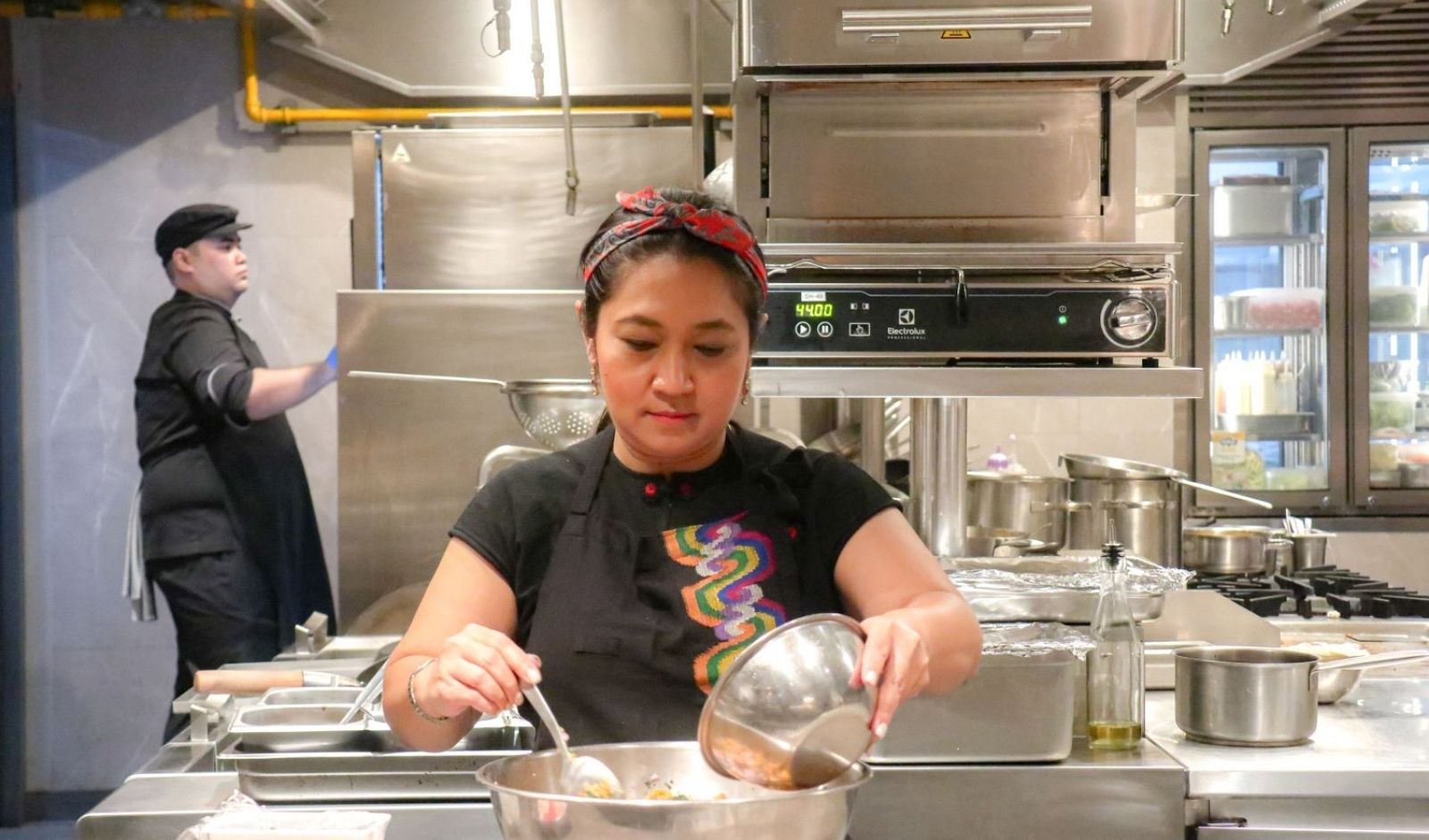 CollaborationThe event will offer guests a curated menu that reflects influences from Yangon, Bangkok, and London, combining authentic Burmese flavors with a…
 Alcohol brandFor someone new to whiskey, Monkey Shoulder, Jameson Black Barrel, and Paul John Brilliance are ideal choices. They are smooth, balanced, and easy to…
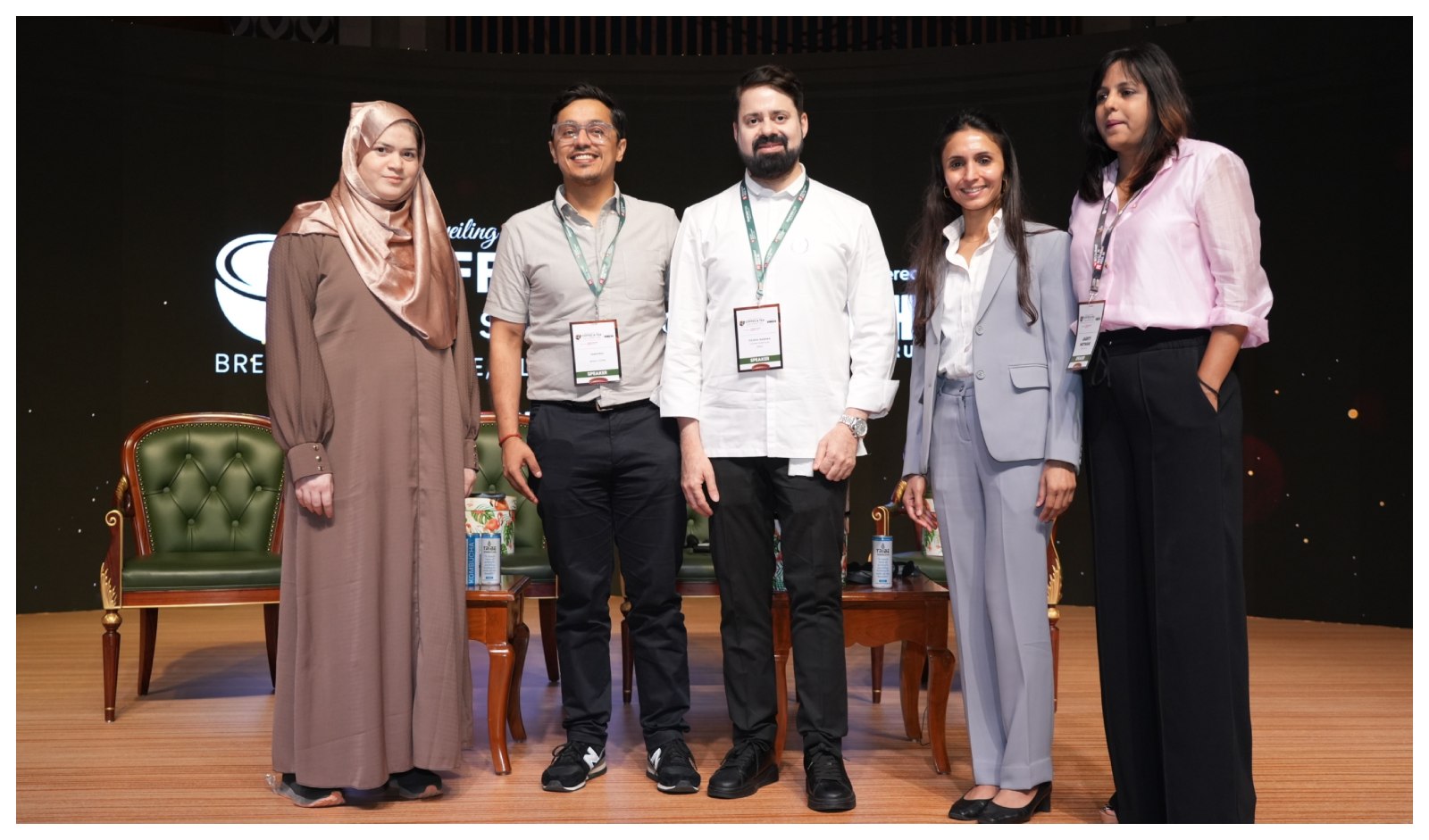 Growth opportunityThe market size of coffee is 1.8 billion dollars, while the tea market is 2.12 billion dollars. India ranks among the top 5 coffee exporters and top…
Copyright © 2009 - 2025 Restaurant India.