


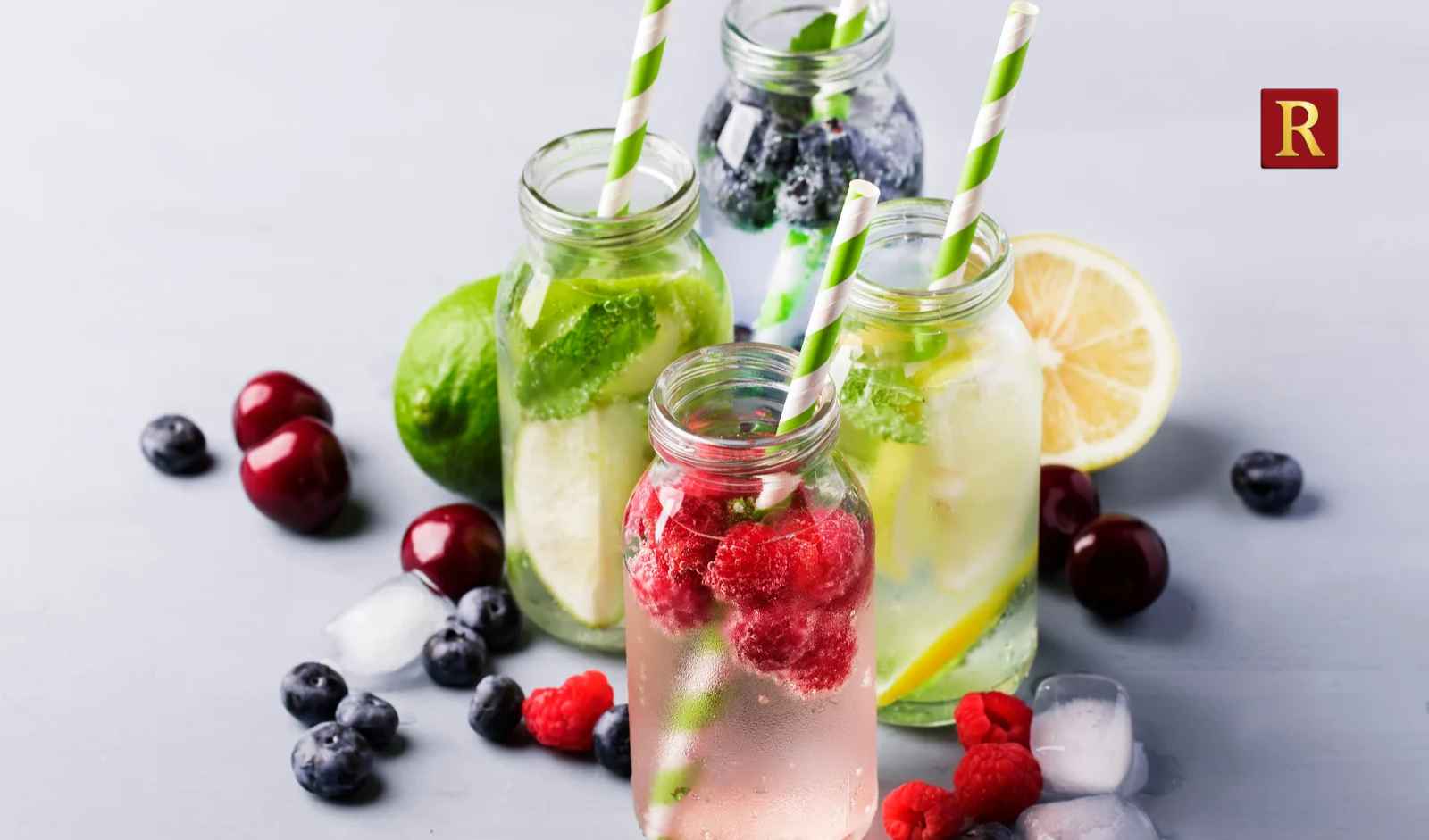
Restaurant beverage menus are moving beyond conventional mocktails made with fruit juices, lemonade and flavoured syrups. Customers are becoming more interested in drinks that offer distinctive flavours, interesting aromas and a more sophisticated drinking experience without alcohol. For restaurants, this shift creates an opportunity to rethink beverage development. Ingredients traditionally associated with professional kitchens, fermentation and food preservation can introduce bitterness, acidity, umami, tannins and texture into non-alcoholic drinks.
The idea is not simply to add more ingredients. It is to understand how different flavour components work together. From fermented tea and seaweed to unripe grape juice and cacao husks, several lesser-used ingredients can help restaurants create signature beverages with greater depth. Here are 10 non-alcoholic ingredients that can make restaurant drinks more interesting.
1. Verjus for a Softer, More Balanced Acidity
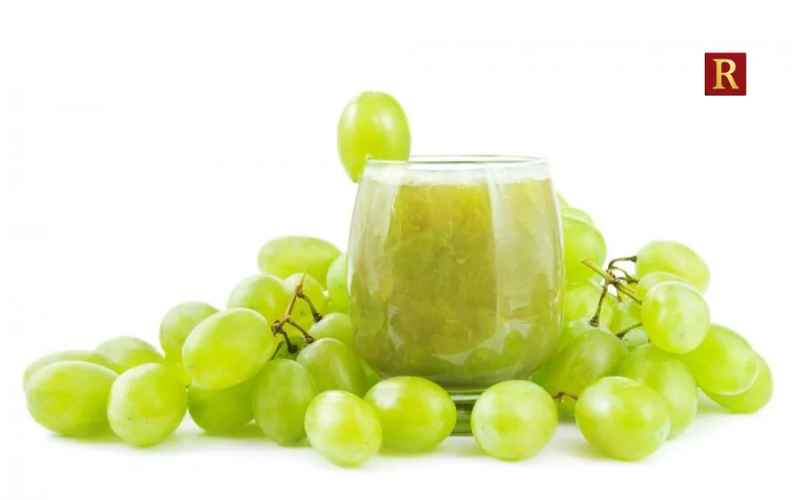
Verjus is an acidic juice extracted from unripe grapes before they fully mature. Unlike lemon and lime juice, it offers a milder acidity with subtle fruity notes. Its balanced flavour makes it useful for beverages where sharp citrus could overpower delicate ingredients.
How restaurants can use it:
- Combine verjus with green apple and rosemary for a refreshing drink.
- Use it in place of part of the citrus juice in sparkling beverages.
- Pair it with white peach, cucumber and floral ingredients.
- Add it to botanical drinks to balance sweetness.
What makes it interesting: Verjus provides acidity without making every beverage taste like lemonade. It can help restaurants develop drinks with a more rounded flavour profile.
2. Tea Tannins for Structure and a Longer Finish
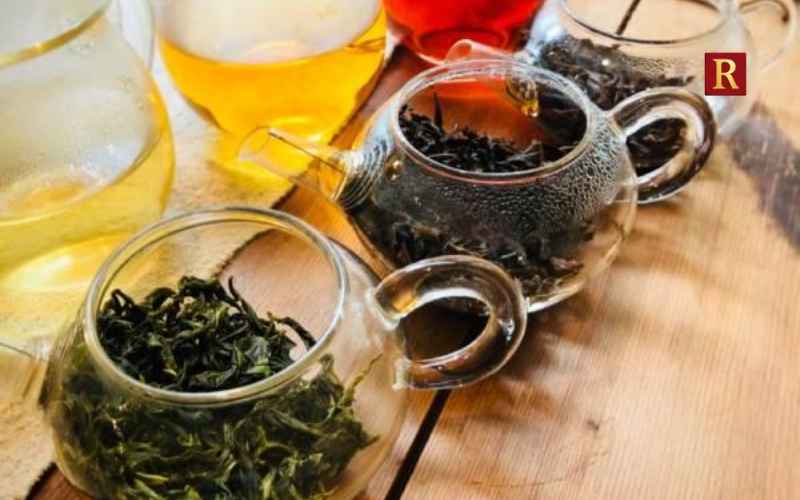
Tea is more than a flavouring ingredient. Black tea, green tea, oolong and Darjeeling contain polyphenols, including tannins, that contribute bitterness and astringency. These properties can give non-alcoholic beverages a drying sensation and a longer finish, making them more layered.
How restaurants can use it:
- Use cold-brewed Darjeeling as a base for peach beverages.
- Combine oolong tea with pear and rosemary.
- Pair black tea with citrus peel and warming spices.
- Use green tea in cucumber-based sparkling drinks.
What makes it interesting: Tea can provide some of the structure that people often associate with alcoholic beverages. However, steeping time and temperature need attention because excessive extraction can make drinks unpleasantly bitter.
3. Kombucha for Fermented Acidity and Natural Carbonation
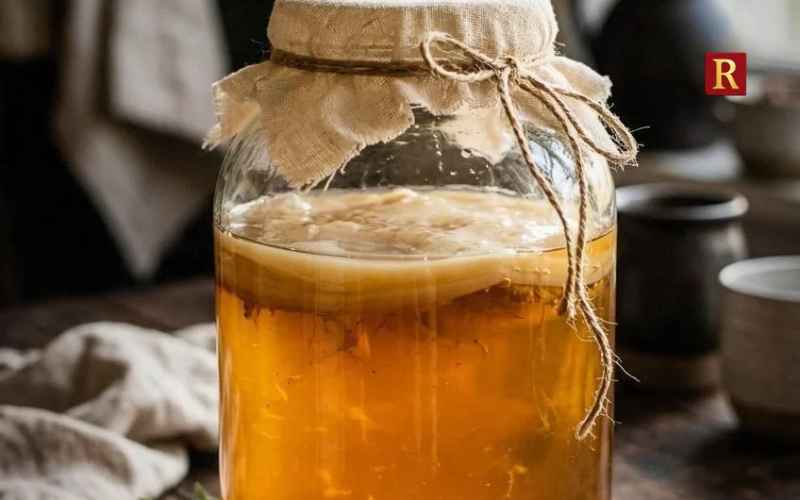
Kombucha is a fermented tea beverage made using a symbiotic culture of bacteria and yeast. During fermentation, microorganisms transform sugars and develop acids and aromatic compounds. Its combination of acidity, carbonation and fermented flavours makes it useful for restaurant beverage development.
How restaurants can use it:
- Combine hibiscus kombucha with jamun and black pepper.
- Use ginger kombucha as a base for citrus beverages.
- Pair green tea kombucha with cucumber and mint.
- Introduce fruit-based kombucha into seasonal beverage menus.
What makes it interesting: Kombucha can provide several flavour dimensions in one ingredient. Restaurants can also experiment with different tea bases and fermentation periods to develop distinctive profiles. However, kombucha can contain residual alcohol. Restaurants should monitor the finished product's alcohol content before marketing it as alcohol-free.
4. Kokum for Distinctive Indian Acidity
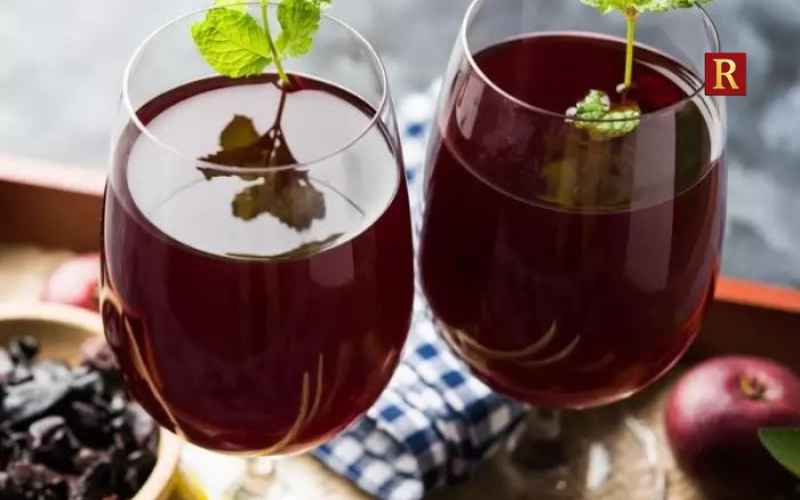
Kokum is a tropical fruit commonly used in western and coastal Indian cooking. Its dried rind is particularly valued for its sour flavour, dark colour and fruity characteristics. It offers restaurants an opportunity to create regionally inspired beverages without depending entirely on conventional citrus ingredients.
How restaurants can use it:
- Combine kokum syrup with coconut water and roasted cumin.
- Pair kokum with coriander and a hint of green chilli.
- Use kokum extract in sparkling water.
- Combine it with pineapple for a sweet-and-sour beverage.
What makes it interesting: Kokum can give non-alcoholic drinks a recognisable Indian identity. Its tartness and colour also create opportunities for distinctive seasonal beverage offerings.
5. Miso and Koji for an Unexpected Umami Experience
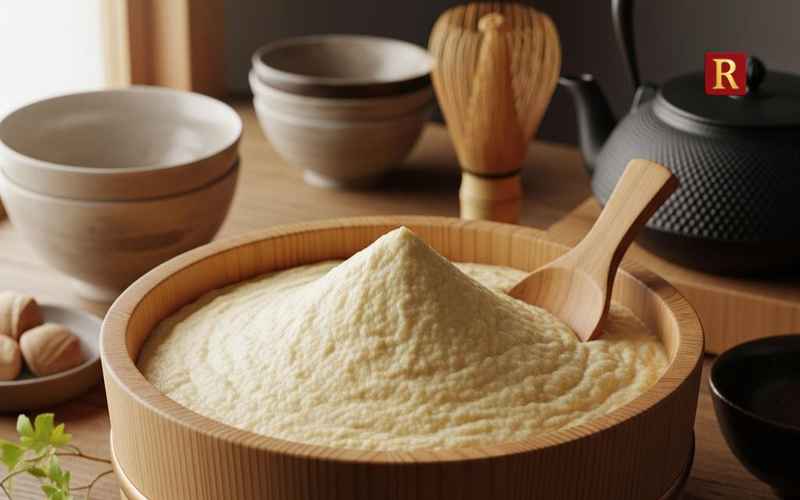
Miso is a fermented paste traditionally prepared using soybeans, salt and koji. It is known for its savoury flavour and natural glutamate content, which contributes to umami. Koji, a mould culture used in Japanese fermentation, helps break down proteins and carbohydrates through enzymatic activity. These processes contribute to complex flavours in fermented foods. Although commonly associated with savoury cooking, these ingredients can also inspire unusual beverage combinations.
How restaurants can use them:
- Combine a small amount of white miso with green apple and cucumber.
- Pair mild miso with pear and ginger.
- Experiment with koji-based syrups in savoury beverages.
- Use carefully prepared miso infusions in tomato-based drinks.
What makes it interesting: Miso introduces savouriness into a category traditionally dominated by sweetness and acidity. The key is using small quantities so that its saltiness does not overpower the drink.
6. Seaweed for Mineral Notes and Umami
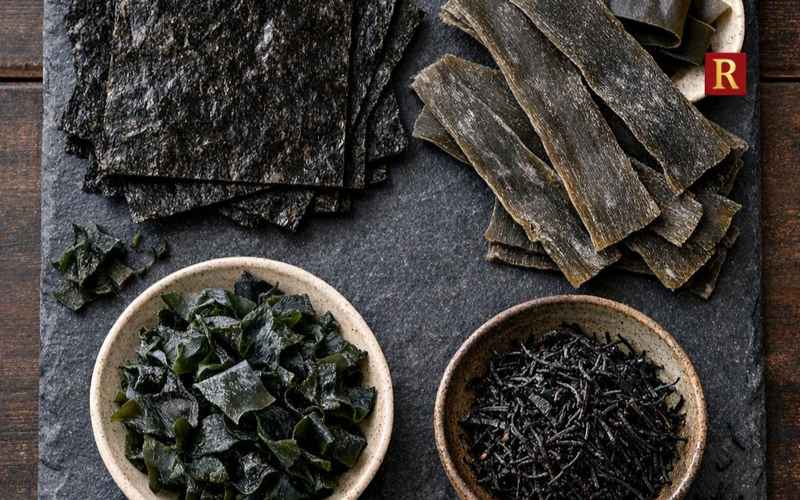
Seaweed is another unusual ingredient that can bring savoury complexity to non-alcoholic beverages. Kombu and nori are particularly interesting because they contain flavour compounds that contribute umami. Kombu is widely used in Japanese cooking to prepare dashi, a savoury stock. Its glutamate content makes it useful for introducing depth into otherwise simple preparations.
How restaurants can use it:
- Infuse kombu into cucumber water.
- Combine a light seaweed infusion with green apple and lime.
- Experiment with nori alongside tomato-based beverages.
- Use small quantities of kombu in savoury sparkling drinks.
What makes it interesting: Seaweed introduces a mineral and savoury dimension that fruit-based ingredients cannot easily replicate. Restaurants should use food-grade seaweed and control infusion strength to avoid excessive marine flavours.
7. Fruit Vinegars and Shrubs for Layered Sweetness and Acidity
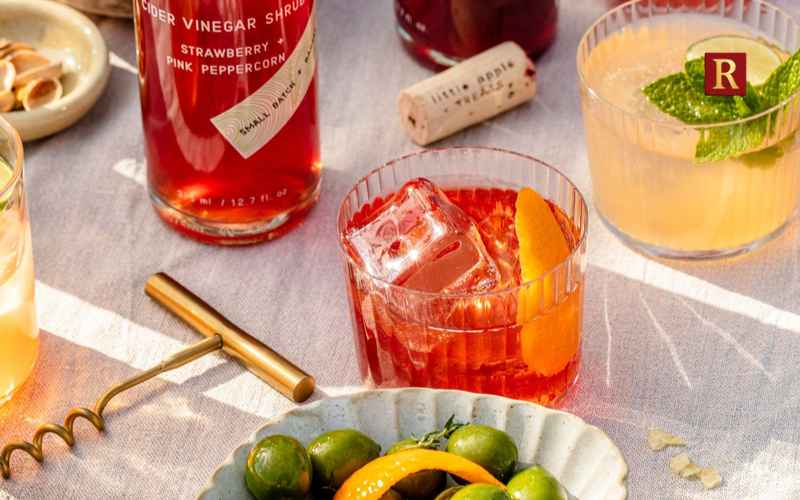
Shrubs are concentrated sweet-and-sour preparations traditionally made using fruit, sugar and vinegar. They provide a combination of fruit flavour and acidity, making them useful in non-alcoholic beverage development. Restaurants can experiment with seasonal fruits to create their own shrub preparations.
How restaurants can use them:
- Combine strawberry shrub with basil and sparkling water.
- Pair pineapple vinegar with ginger and mint.
- Use apple shrub with cinnamon and rosemary.
- Experiment with jamun and berry-based preparations.
What makes it interesting: Shrubs offer a way to develop signature beverages using seasonal produce. They can also help restaurants explore the use of suitable fruit trimmings and peels, provided food safety and storage requirements are followed.
8. Cacao Husk and Coffee Cascara for Roasted and Fruity Notes
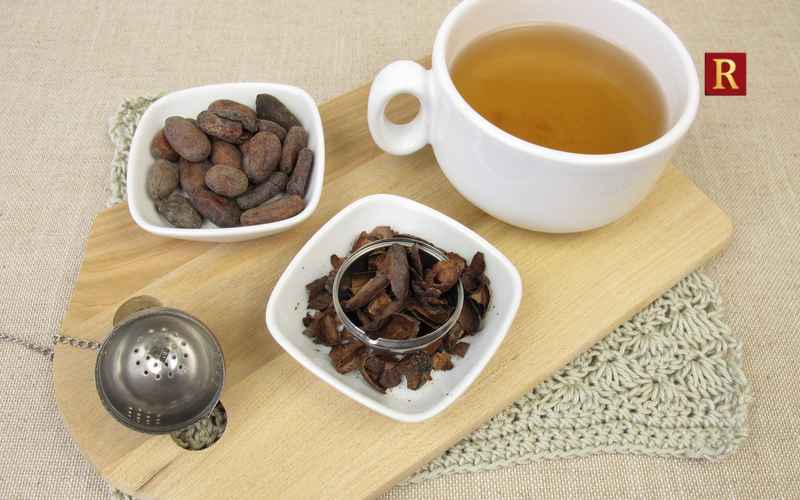
Cacao husk and coffee cascara are interesting ingredients for restaurants looking beyond conventional chocolate and coffee beverages. Cacao husks are obtained during cocoa processing and can provide gentle roasted, earthy and cocoa-like aromas. Cascara is made from the dried outer fruit material of coffee cherries and can offer fruity, sweet and tea-like notes.
How restaurants can use them:
- Infuse cacao husks with orange peel and jaggery.
- Combine cascara with hibiscus and sparkling water.
- Pair cacao husk with cinnamon and pear.
- Use cascara as a base for seasonal cold beverages.
What makes it interesting: These ingredients offer flavour opportunities beyond the familiar taste of coffee and chocolate. They can also support more resource-conscious beverage development by making use of suitable processing by-products.
9. Smoked Botanicals for a Woody and Aromatic Finish
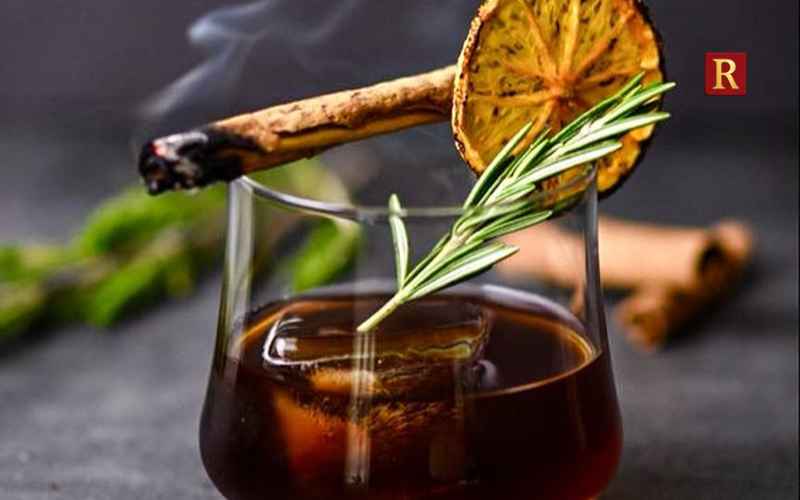
Smoke can change the sensory experience of a beverage without adding sweetness or acidity. Ingredients such as rosemary, cinnamon and selected tea leaves can be gently smoked to develop woody and toasted aromas. These ingredients are particularly useful when restaurants want to create beverages with a more pronounced aromatic profile.
How restaurants can use them:
- Combine smoked rosemary with pear and black tea.
- Infuse lightly smoked cinnamon into apple-based drinks.
- Pair smoked tea with citrus and honey.
- Use a controlled aromatic smoke presentation for selected signature beverages.
What makes it interesting: Aroma plays an important role in how people experience flavour. Smoked botanicals can introduce an additional sensory layer, but excessive smoke can quickly overpower the other ingredients.
10. Culinary Hydrosols for a Fragrant Finish
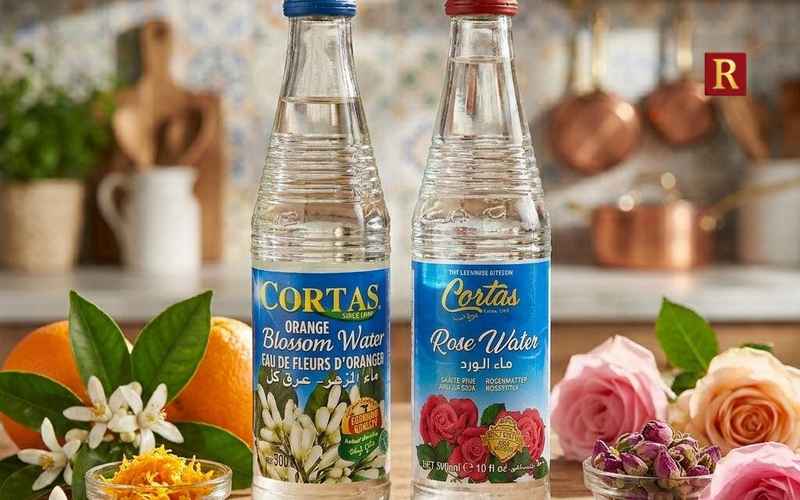
Hydrosols are aromatic waters produced during the distillation of botanical materials. Rose water and orange blossom water are familiar examples used in culinary preparations. Unlike syrups, hydrosols do not primarily contribute sweetness. Instead, they introduce delicate floral and botanical aromas.
How restaurants can use them:
- Combine orange blossom water with white peach and verjus.
- Pair rose water with strawberry and cardamom.
- Use a small amount of food-grade floral water in cucumber beverages.
- Experiment with botanical waters in sparkling drinks.
What makes it interesting: Hydrosols can change the aroma of a beverage without significantly increasing its sweetness. Restaurants need to control the dosage because strong floral notes can make a drink taste artificial or overpowering.
How Can Restaurants Build More Complex Non-Alcoholic Drinks?
Having unusual ingredients on the menu is only one part of beverage innovation. Restaurants also need to understand how to combine them without creating unnecessarily complicated recipes. A useful starting point is to build beverages around three components.
1. Start With a Flavour Base
Choose one ingredient that establishes the primary character of the drink.
Examples include:
- Cucumber for freshness.
- Green apple for fruitiness.
- Pear for a mild sweetness.
- Tomato for savoury depth.
- Hibiscus for tartness and colour.
2. Introduce One Complexity-Building Ingredient
Add an ingredient that changes the flavour profile rather than simply increasing sweetness.
Examples include:
- Oolong tea for tannins.
- Kombu for umami.
- Verjus for acidity.
- Cacao husk for roasted notes.
- Smoked rosemary for aroma.
3. Balance the Final Drink
The final ingredient should bring the components together.
Examples include:
- Verjus for acidity.
- Jaggery syrup for sweetness.
- Sparkling water for dilution and carbonation.
- A small amount of salt solution for flavour balance.
The objective is to create a drink where every ingredient has a clear purpose.
Why Should Restaurants Experiment With These Ingredients?
Create a Distinctive Beverage Identity: Unusual ingredients can help restaurants develop signature drinks that reflect their culinary identity. A coastal restaurant could explore kokum and seaweed, while a Japanese-inspired restaurant could experiment with kombu, miso and tea.
Develop Seasonal Beverage Menus: Seasonal ingredients provide opportunities to introduce new drinks throughout the year. Restaurants can experiment with local fruits, herbs, spices and fermented preparations rather than depending on the same year-round menu.
Improve Ingredient Utilisation: Suitable fruit peels, trimmings, herbs and processing by-products can inspire new beverage preparations. This can support better ingredient utilisation while reducing avoidable kitchen waste. However, restaurants must follow appropriate hygiene, preparation, refrigeration and storage practices.
Offer More Than Sweet Mocktails: Not every guest prefers sweet beverages. Ingredients such as tea, miso, kombu and smoked botanicals allow restaurants to introduce savoury, bitter and aromatic options.
This can make alcohol-free beverages more appealing to guests looking for something different.
Bottom Line!
The future of non-alcoholic restaurant beverages is not limited to finding alternatives to alcoholic spirits. It is also about exploring how ingredients from kitchens, fermentation traditions and botanical preparations can create more interesting flavour experiences. Verjus can introduce balanced acidity, tea can provide tannic structure, kombucha can bring fermented complexity, while miso and seaweed can add savoury depth. Meanwhile, ingredients such as cacao husk, cascara and culinary hydrosols offer opportunities to explore unfamiliar aromas and flavours. For restaurants, the real opportunity lies in understanding these ingredients and using them with purpose. A thoughtfully developed beverage does not need a long ingredient list. It needs the right combination of flavours, textures and aromas to give customers a reason to order it again.
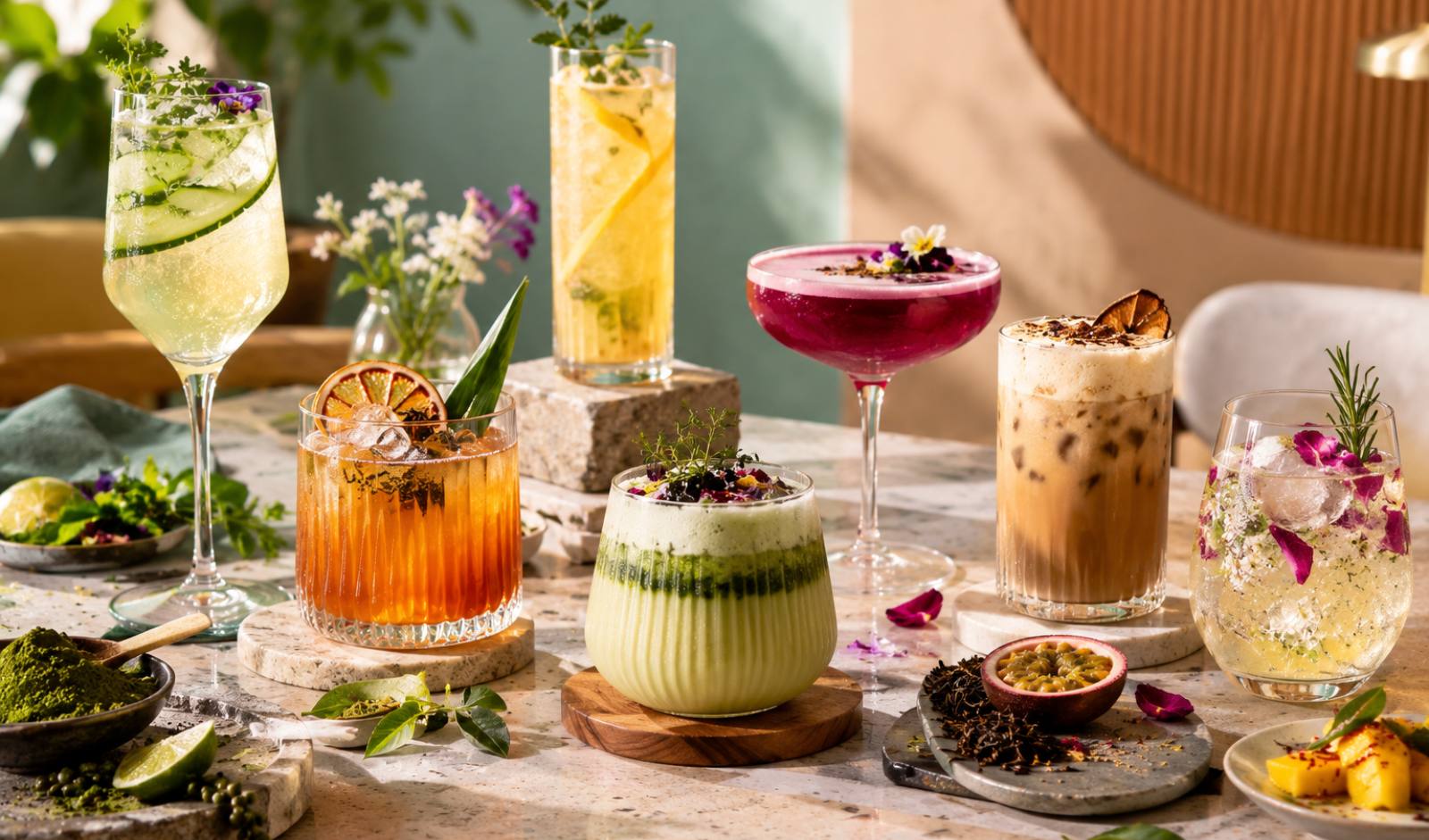
Non-alcoholic drinks are no longer limited to fruit juice, lemonade and sugary mocktails. Restaurants are rethinking what belongs in a glass by experimenting with fermentation, savoury ingredients, regional Indian flavours, tea, coffee and advanced bartending techniques. The change is also influencing how restaurants approach their beverage menus. Instead of treating alcohol-free drinks as secondary options, chefs and bartenders are creating beverages with distinct flavours, carefully balanced ingredients and presentations that complement the overall dining experience.
Indian ingredients offer considerable scope for this innovation. Kokum, gondhoraj lime, jamun, raw mango, tamarind, curry leaves and regional spices can form the foundation of drinks that feel connected to local food culture while using contemporary preparation methods. For restaurant operators, this shift creates opportunities to differentiate their menus, improve ingredient utilisation and encourage customers to explore beverages beyond familiar choices. Here are eight ways restaurants can make non-alcoholic drinks more interesting.
8 Ways Restaurants Are Making Non-Alcoholic Drinks More Interesting
1. Using Fermentation to Build More Complex Flavours
Fermentation is giving restaurants another way to develop flavour beyond combining fruit juice, sweeteners and soda. Through controlled microbial activity, ingredients can develop new aromas, acidity and complexity that are difficult to achieve through conventional mixing alone.Kombucha, tepache-style pineapple preparations and traditional fermented drinks offer different starting points for beverage experimentation. Indian kanji, for example, demonstrates how fermentation can transform familiar ingredients into distinctive drinks. Restaurants can draw inspiration from such traditions while developing recipes suited to their menus.
A restaurant could experiment with a guava-based drink featuring a carefully prepared fermented base, green chilli, lime and sparkling water. The combination would balance fruit character with acidity and a restrained spicy finish. However, fermentation requires technical control. Temperature, preparation time, acidity, hygiene and storage conditions influence the final product. Restaurants must establish repeatable recipes and appropriate food-safety procedures rather than relying on taste alone. Fermentation also does not automatically make a drink probiotic or alcohol-free. From a business perspective, house-made fermented beverages can give a restaurant a distinctive identity. Seasonal fruits can provide opportunities for limited-period offerings, although preparation costs, storage requirements and wastage must be considered.
2. Bringing Savoury Ingredients Into the Beverage Menu
Sweetness has traditionally played a major role in mocktails. Restaurants can broaden their offerings by exploring savoury flavours associated with soups, salads, spices and culinary preparations. Tomato water, celery, roasted capsicum, mushrooms, black pepper, curry leaves and toasted cumin can contribute savoury depth. Ingredients such as mushrooms and miso also contain compounds associated with umami, the savoury taste that adds complexity to food and drinks. For example, a restaurant could develop a roasted-tomato and kokum cooler with cumin, lime and a subtle curry-leaf aroma. The tomato would provide a savoury base, while kokum and lime would introduce acidity.
The technical challenge is achieving balance. Too much salt can overwhelm a drink, while excessive acidity or bitterness can make it difficult to enjoy. Bartenders need to consider how the ingredients interact rather than treating the recipe as a simple mixture. Savoury beverages can also create new pairing opportunities. A tomato-based drink might complement grilled vegetables or savoury snacks, while a lightly spiced beverage could work alongside dishes with smoky flavours. For restaurants looking to move beyond sugary mocktails, this approach creates a different category of drinks without depending on elaborate ingredients or expensive presentation.
3. Reimagining Regional Indian Ingredients
India's regional ingredients provide restaurants with an extensive palette for beverage innovation. Yet many menus continue to rely on familiar combinations such as lemon and mint, orange juice and soda, or standard fruit-based mocktails. Restaurants can develop more distinctive offerings by exploring ingredients associated with different regions and seasons. Kokum can contribute tartness and a deep reddish colour. Gondhoraj lime offers an aromatic citrus profile, while jamun, phalsa, amla, bel and raw mango provide different combinations of sweetness, acidity and astringency. Tamarind and regional spice blends can add further complexity.
Consider a phalsa and black-pepper spritz with a lightly salted raw-mango cordial. Another option could combine gondhoraj lime with coriander seed and sparkling water to create a fragrant, citrus-forward drink. The opportunity lies in how these ingredients are prepared and combined. A familiar regional ingredient can feel different when presented as a clarified drink, a sparkling infusion or a carefully balanced cordial. Seasonality is equally important. Restaurants should plan recipes around ingredient availability, expected yield and procurement costs. A seasonal menu can change without requiring an entirely new beverage programme, provided the underlying preparation methods remain consistent. Regional ingredients can also strengthen a restaurant's identity. A venue serving coastal food, for instance, could build a beverage selection around kokum, local citrus and spices that complement its cuisine. The aim is not to make traditional ingredients appear new. It is to demonstrate how thoughtful preparation and contemporary menu design can give them a different role in restaurant dining.
4. Creating Crystal-Clear Drinks Through Clarification
The appearance of a beverage can influence expectations before the first sip. Clarification allows bartenders to create transparent drinks with carefully developed flavours, offering an alternative to the cloudy, brightly coloured mocktails commonly found on menus. Clarification techniques vary. Filtration can remove suspended particles, while suitable clarification agents can help separate solids from liquids. Some methods require specialised preparation, making recipe testing important before a drink is introduced commercially. A restaurant might create a clear apple, ginger and cardamom beverage served over a large ice cube with a strip of citrus peel. Another possibility is a clarified citrus punch that combines several flavour components in a transparent base. These drinks demonstrate how technical preparation can change the visual experience without necessarily changing the ingredients dramatically.
However, clarification is not a substitute for food-safety controls. A transparent drink is not automatically safer, allergen-free or free from acidity. Restaurants must continue to manage ingredients, preparation surfaces, storage and service temperatures appropriately. There are also operational considerations. Some clarification techniques require extra preparation time, refrigeration, filtration equipment or ingredients that affect the final yield. A restaurant should assess these costs before introducing the technique across its menu. When executed consistently, clarified beverages can provide a clean, restrained presentation that feels different from conventional fruit-based mocktails.
5. Treating Tea, Coffee and Cocoa as Serious Bar Ingredients
Tea and coffee already have established places in restaurant menus, but their potential extends beyond conventional hot and iced beverages. Bartenders can use tea infusions, cold-brew coffee, roasted tea, citrus, spices and cacao-based preparations to create drinks with greater depth. These ingredients can contribute bitterness, aroma, roasted notes and a longer finish. Tea offers particularly interesting possibilities for Indian restaurants. A Darjeeling-based spritz with citrus peel could provide a light, aromatic alternative to lemonade. A roasted-tea infusion with kokum could combine earthy notes with acidity. Coffee can also move into new beverage formats. A coffee-and-tamarind cooler, for instance, could balance roasted flavours with the sharpness of tamarind and a restrained spice finish. The result would be different from a conventional iced coffee.
The preparation method matters. Steeping time, water temperature, coffee extraction and ingredient concentration affect flavour. Over-extracted tea can become excessively astringent, while poorly balanced coffee drinks can become bitter or heavy. Restaurants should also consider caffeine content when designing these beverages. Tea, coffee and some related ingredients contain caffeine, which may matter to customers choosing a non-alcoholic drink for the evening. From an operational perspective, these recipes may allow restaurants to use existing ingredients across additional menu categories. However, any reduction in inventory costs depends on ingredient quantities, storage, preparation time and demand. The larger opportunity is to give familiar ingredients a new purpose within the beverage programme.
6. Designing Drinks Around Texture, Temperature and Aroma
Flavour is only one part of the drinking experience. Texture, temperature, carbonation and aroma can influence how a beverage feels and how its flavours are perceived. Restaurants can experiment with fine bubbles, different types of ice, aromatic garnishes, carefully prepared foams and layered ingredients. These techniques can make a relatively simple drink feel more considered without requiring an unusually long ingredient list. For example, a cucumber and green-apple spritz could be served well chilled with fine carbonation and a fresh coriander aroma. The drink would combine crisp fruit notes with herbal freshness, while the bubbles provide a lighter mouthfeel.
Ice also affects the experience. Large ice cubes generally melt more slowly than smaller pieces under comparable conditions, although the actual dilution depends on the drink's temperature, the ice and the serving environment. Crushed ice, meanwhile, can cool a drink quickly but may introduce dilution more rapidly. Aromatic garnishes offer another opportunity. Citrus peel, fresh herbs and selected spices can contribute fragrance when a customer approaches the glass. Their purpose should be to complement the drink rather than merely decorate it. Restaurants should test these elements under actual service conditions. A drink that looks impressive during preparation may behave differently after several minutes on a table. Carbonation can diminish, ice can melt and layered ingredients can mix. The most effective approach is to design the complete drinking experience, from preparation to the final sip, rather than focusing only on the initial presentation.
7. Building Non-Alcoholic Drinks Around Food Pairings
Restaurants have an opportunity to treat alcohol-free beverages as part of the meal rather than an optional accompaniment. Food pairing is not restricted to wine or alcoholic cocktails. Acidity, sweetness, bitterness, aroma and carbonation can all influence how a drink interacts with food. A tart kokum beverage could refresh the palate alongside fried snacks. A lightly sweet drink might complement a spicy preparation, while a tea-based infusion could work with a rich dish. The results will depend on the specific recipe, seasoning and cooking method. Restaurants can take this approach further by developing a non-alcoholic pairing menu.
A three-course experience might begin with a raw-mango and citrus aperitif, move to a savoury tomato-and-herb drink alongside the main course, and finish with a lightly roasted cacao infusion accompanying dessert. Each drink would have a defined role. The first could introduce acidity, the second could complement savoury flavours, and the final beverage could provide a roasted note without making the meal excessively sweet. This requires collaboration between the kitchen and beverage team. Chefs need to explain the dominant flavours, richness, acidity and spice levels of dishes, while bartenders develop drinks that work alongside them. For restaurant operators, pairing menus can provide another format for tasting experiences, chef-led dinners and special menus. They may also encourage customers to explore multiple beverages during a meal. The objective is to make non-alcoholic drinks an integral part of the restaurant's food offering rather than a separate category designed only for customers avoiding alcohol.
8. Turning Suitable Kitchen By-Products Into Signature Drinks
Ingredient utilisation is another area where restaurants can rethink beverage preparation. Fruit peels, citrus rinds and selected herb stems may have uses beyond their initial role in the kitchen. Pineapple skins, for example, can be used in carefully controlled tepache-style preparations. Citrus peels can contribute aromatic oils to syrups or oleo-saccharum, a preparation that draws oils from citrus zest using sugar. Suitable herb stems can also be used to create infusions. A pineapple-peel and jaggery spritz with lime and a restrained chilli finish is one possible concept. The drink would combine the fruit's aromatic character with sweetness, acidity and a subtle spicy note. However, not every kitchen by-product is suitable for reuse. Restaurants must consider the original ingredient's condition, cleaning requirements, handling history and intended preparation. Ingredients that have been served to customers should never be returned to production.
Fermented preparations require additional controls, including suitable recipes, hygiene procedures, monitoring and storage. Restaurants should not assume that fermentation makes unsuitable or contaminated ingredients safe. The business case also requires measurement. Reusing suitable ingredients may improve ingredient utilisation, but savings depend on the amount recovered, preparation labour, storage requirements, usable yield and spoilage. Restaurants can begin by identifying recurring ingredients in their kitchens and testing whether their trimmings have a practical beverage application. The most successful recipes will be those that improve the menu without creating unnecessary complexity for the kitchen team.
What These Changes Mean for Restaurant Owners
The evolution of non-alcoholic drinks creates opportunities beyond expanding the number of mocktails on a menu. Restaurants can use beverage innovation to establish a stronger culinary identity, introduce seasonal specials and develop more distinctive dining experiences. There is also a commercial consideration. A beverage that uses premium ingredients or advanced preparation techniques may command a different price from a standard soft drink, but its profitability depends on recipe costs, labour, wastage, equipment and customer demand.
Restaurant operators should evaluate new beverages through a few practical measures:
- Ingredient cost: Calculate the cost of every component, including garnishes, syrups, ice and carbonation.
- Preparation time: Determine whether the drink can be produced consistently during busy service periods.
- Ingredient utilisation: Track usable yield and spoilage when working with seasonal produce or kitchen trimmings.
- Customer response: Monitor orders, repeat purchases and feedback instead of assuming that a visually distinctive drink will automatically sell.
- Menu fit: Check whether the beverage complements the cuisine, price positioning and overall identity of the restaurant.
Restaurants can also test a small selection of drinks before expanding the programme. A limited trial helps teams understand preparation requirements, customer preferences and operational costs before committing to a larger menu.
The Bottom Line!
Non-alcoholic drinks are becoming an opportunity for restaurants to demonstrate creativity through flavour, technique and thoughtful menu design. Fermentation, savoury ingredients, regional Indian produce, clarification, tea and coffee, sensory presentation, food pairing and ingredient utilisation each offer a different route to innovation. The strongest beverage programmes will not necessarily be the ones with the longest ingredient lists or the most elaborate garnishes. They will be the ones that combine distinctive flavours with consistent preparation, appropriate pricing and a clear understanding of the dining experience. For restaurants, the real opportunity is to stop treating non-alcoholic drinks as an afterthought and start developing them with the same care given to the food on the plate.
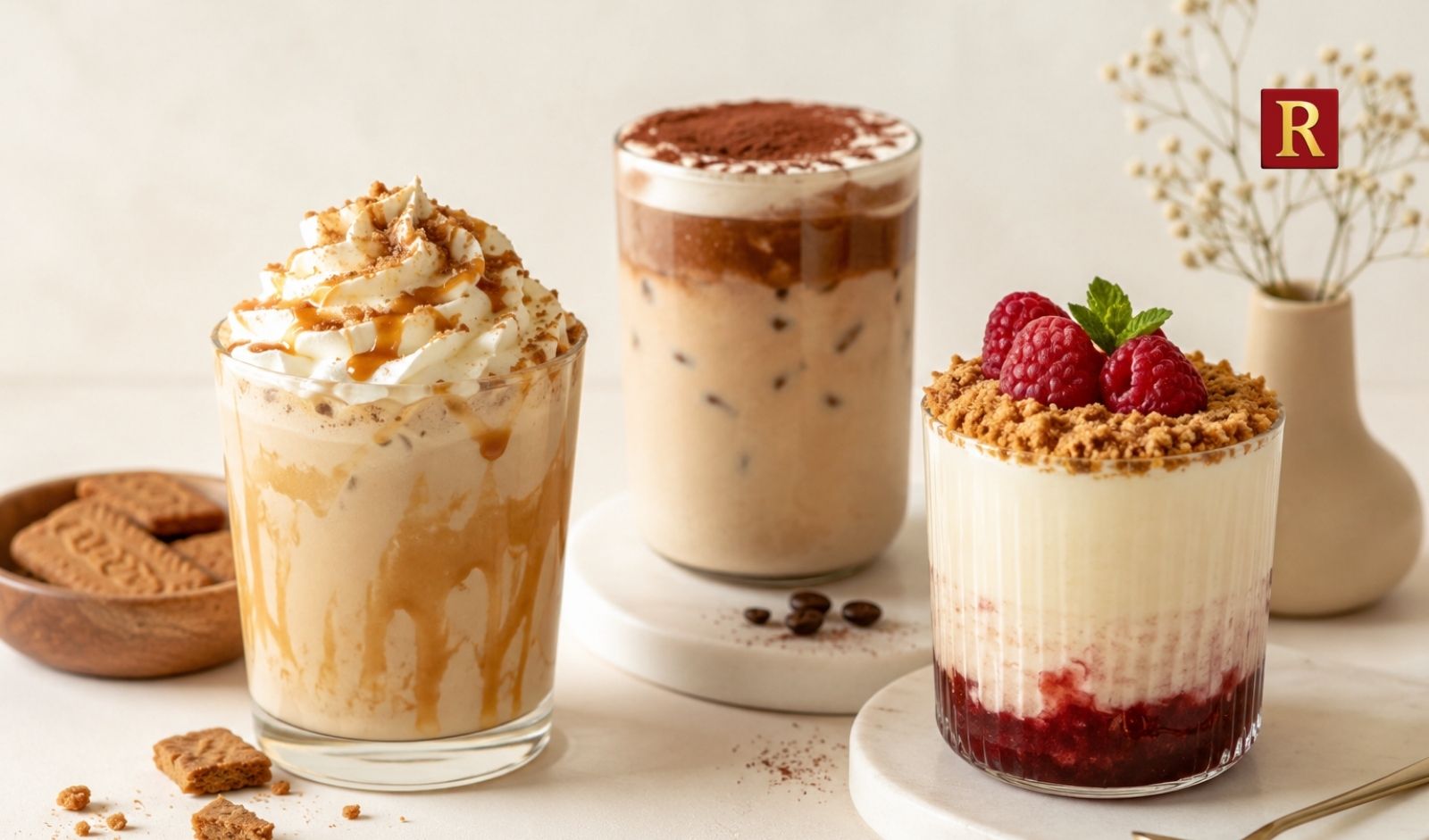
Dessert flavours are moving beyond cakes, pastries and ice cream. Cafés, restaurants and bars are now using familiar dessert profiles in coffee, matcha, cocktails, mocktails and cold beverages. Tiramisu, banana bread, caramel, chocolate and cheesecake are becoming drink inspirations. The trend is also gaining traction in India, where familiar desserts such as kulfi, gulab jamun, kheer and shrikhand offer a rich base for beverage innovation. This does not mean every drink has to become sweeter. The more interesting shift is about translating the flavour, aroma and texture of a dessert into a balanced beverage.
From Dessert Plate to Beverage Menu
The idea is simple. Take the key characteristics of a dessert and rebuild them in liquid form. A tiramisu-inspired drink can use coffee, cocoa, cream and subtle sweetness. A banana-bread beverage can combine banana, cinnamon, vanilla and roasted coffee notes. A cheesecake drink can use creamy flavours with berry or citrus acidity.
This approach is already visible internationally. Innova Market Insights reported a 3% compound annual growth rate in product launches featuring sweet-treat flavours over five years in the US and Canada. It also found that alcoholic beverages and hot drinks were among the categories seeing particularly strong growth in dessert-style flavours. The important point is that flavour is doing much of the work. A drink does not need to contain an actual slice of cake to remind the consumer of cake.
Why Dessert Flavours Work in Drinks
There are several reasons behind the shift. Nostalgia is one. Familiar flavours can create an immediate emotional connection. Consumers may not know a new beverage, but they already understand the flavour of caramel, chocolate, banana bread or kulfi. Innova's 2026 research found that 40% of global consumers say traditional flavours influence their food and beverage choices. The same research identifies nostalgia, personalisation and multisensory experiences as important forces in sweet-flavour innovation.
Novelty is another. A customer may have tried tiramisu many times, but a tiramisu-inspired cold coffee offers a different experience. This combination of the familiar and the unexpected is especially relevant for younger consumers. Mintel's 2026 India research found that Gen Z is highly engaged with desserts and increasingly looks for authenticity, novelty and visual appeal. It also found that 23% of Indian Gen Z consumers are willing to pay more for desserts containing caffeine or offering a perceived focus benefit. That creates a natural opportunity for cafés. Coffee and dessert can become part of the same beverage occasion.
Banana Bread, Tiramisu and Other Flavours Are Finding a New Format
Banana is a particularly interesting example of how quickly a dessert association can move into beverages. Recent 2026 reporting citing Circana describes banana as the fastest-growing beverage flavour ingredient in restaurants over the past year. Search interest for "banana coffee" and "banana matcha" has also reached record levels in 2026. Major beverage menus are responding. Starbucks' autumn 2026 range, launched on August 25, includes an Iced Banana Bread Latte and Iced Banana Bread Chai, bringing a familiar baked flavour into coffee and tea formats. The same idea works with other desserts.
- Tiramisu: coffee, cocoa, cream and mild sweetness.
- Cheesecake: creaminess, vanilla, fruit and acidity.
- Brownie: cocoa, chocolate, roasted notes and vanilla.
- Crème brûlée: vanilla and caramelised sugar.
- Banoffee pie: banana, caramel and biscuit notes.
These combinations give beverage developers a flavour blueprint rather than a recipe.
India's Dessert Shelf Offers a Bigger Opportunity
For Indian restaurants and cafés, the most interesting opportunity may not be copying international dessert trends. India already has hundreds of distinctive sweet flavours.
- Kulfi can translate into milk, cardamom, saffron and pistachio notes.
- Gulab jamun can inspire combinations of rose, cardamom and caramelised sweetness.
- Kheer offers rice, milk, cardamom, saffron and nutty notes.
- Shrikhand brings strained yoghurt, saffron, cardamom and fruit.
- Gajar ka halwa can inspire carrot, milk, cardamom and warm spice combinations.
The opportunity is to identify what makes each dessert recognisable and then build a beverage around those characteristics. This is more useful than simply blending a dessert into a milkshake.
The Science Is About Balance, Not Just Sugar
A technically strong dessert-inspired beverage needs more than sweetness. Flavour perception depends on several factors, including sweetness, acidity, aroma, bitterness, temperature and mouthfeel. Innova's research points to an important development: beverage companies are increasingly using sweet flavours to deliver indulgent taste without relying only on high sugar levels. Sweet flavour launches in beverages are growing faster than sweet-flavour launches in food, creating opportunities for flavour to do some of the work that sugar traditionally did. This is why a good dessert drink often needs contrast.
- Chocolate can work with the bitterness of coffee.
- Caramel can benefit from a small amount of salt.
- Berry and cheesecake flavours need acidity.
- Banana can work with cinnamon or roasted coffee.
- Saffron and pistachio can provide richness without needing an aggressive sweetness level.
The result should taste like a dessert, but still feel like a beverage.
Texture Is Becoming Part of the Experience
Flavour is only half of the equation. Cold foam, cream caps and layered toppings allow cafés to add another sensory dimension to drinks. A beverage can move from a simple iced coffee to a structured product with a base, flavour layer, foam and garnish. This also gives operators room for customisation.
- For example:Coffee + banana flavour + cinnamon cold foam = banana-bread-inspired beverage
The drink does not need actual banana bread to communicate the idea. Texture can also support premium positioning. A carefully developed foam or cream layer can make a beverage feel more complete and distinctive.
Why This Matters for Restaurants and Cafés
For F&B businesses, dessert-inspired beverages can solve a practical menu problem: how to create something familiar but different. A standard latte competes with hundreds of similar drinks. A banana-bread latte has a clearer identity. The format can also support seasonal menus.
Winter could bring carrot-cake, chocolate or gingerbread-inspired beverages. Summer could use strawberry cheesecake, mango cream or coconut profiles. Indian festive menus could explore saffron, pistachio, kulfi or gulab jamun-inspired drinks. Limited-time products can also encourage trial without permanently changing the core menu. However, operators need to consider service speed, ingredient costs, consistency and storage. A drink that requires too many components may look attractive on paper but become difficult to execute during a busy service.
The Biggest Risk: Making Everything Too Sweet
The trend has one obvious weakness. A beverage containing sweet syrup, flavoured milk, caramel sauce, whipped cream and a sweet topping can quickly become heavy. The answer is not to remove indulgence. It is to create flavour balance.
Restaurants should ask:
- What are the three main flavours?
- Where does the acidity come from?
- What provides texture?
- Is the sweetness masking the coffee, tea or fruit?
- Will the drink still taste balanced after the ice melts?
- Can the recipe be produced consistently during peak hours?
These questions turn a trend into a workable beverage concept.
A Commercial Trend With an Indian Twist
The strongest future for dessert-inspired drinks may lie in localisation. Global flavours such as tiramisu and banana bread are already proving that consumers understand dessert-inspired beverages. But Indian F&B brands have an opportunity to build something more distinctive by using local dessert memories. That could mean a saffron-pistachio cold coffee, a shrikhand-inspired lassi or a carefully balanced kulfi beverage.
The category is also broad enough to include both alcoholic and non-alcoholic formats. In India, recent cocktail coverage has already highlighted bartenders using coffee, cookies, caramel, chocolate, vanilla and fruit preserves to create dessert-led drinks. For packaged beverages, formulation and compliance become equally important. FSSAI classifies non-alcoholic beverages under Category 14.1, which includes water-based flavoured beverages and ready-to-drink coffee and tea products. For packaged products containing added caffeine, FSSAI's labelling regulations require a "CONTAINS CAFFEINE" declaration and disclosure of the quantity of added caffeine in the specified manner.
What Comes Next?
The next phase of this trend is unlikely to be about simply adding more toppings. It will be about better flavour design. Consumers are already seeing coffee inspired by banana bread, drinks influenced by tiramisu and beverages built around caramel, chocolate and cream. The next opportunity is to create combinations that are culturally relevant, technically balanced and easy to understand. For Indian cafés and restaurants, the bigger question is not whether dessert can become a drink. It already can. The opportunity is to decide which dessert deserves to become the next beverage.
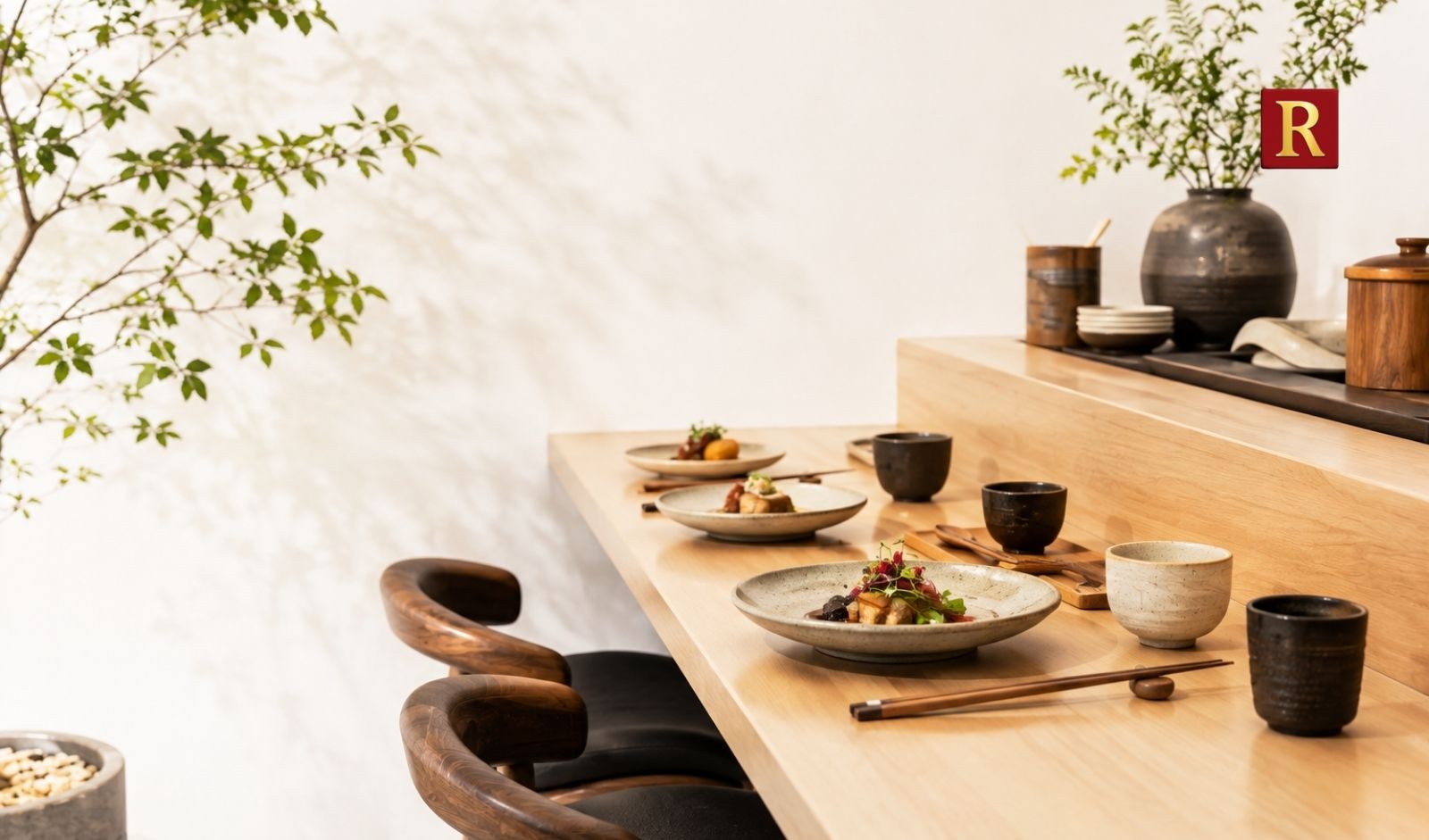
A restaurant does not need 100 seats to build a strong identity. In cities such as Mumbai and Bengaluru, some chef-led concepts are choosing a much smaller format, with dining rooms that seat around 12 to 20 people. The appeal is not simply lower rent or fewer tables. These restaurants are using limited space to create focused menus, closer chef interaction and highly controlled dining experiences. The shift is worth watching because it changes how restaurants think about space, menus, staffing and customer experience.
The Small Restaurant Is Becoming a Serious Format
Micro-restaurants are generally compact dining spaces built around a narrow idea. An Indian restaurant-industry publication describes the format as roughly 200 to 800 sq ft, often with 5 to 20 seats. There is no single industry definition for a micro-restaurant. The format can include a chef's counter, noodle bar, tasting room, tiny café, takeaway counter or other compact operation.
What connects these formats is focus. The restaurant may specialise in one cuisine, one cooking style or even a small group of dishes. That focus can make the business easier to understand for customers and easier to control for operators. This is especially relevant in Indian cities where restaurant concepts are becoming more specialised. Instead of trying to serve breakfast, lunch, dinner, snacks and desserts to everyone, a small restaurant can build its identity around one clear proposition.
Fewer Seats Can Create a Different Experience
One of the clearest examples is Papa's in Mumbai. The restaurant has a 12-seat chef's counter, where Chef Hussain Shahzad leads a highly intimate dining experience. The concept sits within the Veronica's space in Bandra and turns the limited number of seats into part of the experience.
This changes the relationship between the kitchen and the customer. In a large dining room, a guest may barely see the chef. At a chef's counter, cooking becomes part of the meal. Guests can see dishes being assembled. They can observe techniques. They can interact with the team. The food is still the main product, but the process becomes part of the value. That is one reason small restaurants can feel different even when they serve food that customers could find elsewhere.
Naru Shows How a Small Concept Can Grow
Bengaluru's Naru Noodle Bar offers another useful example. Naru describes itself as a 20-seater noodle bar focused on ramen. More importantly, its journey did not begin with a permanent restaurant. It started as a delivery-only kitchen during 2020, followed by pop-ups before becoming a full-time ramen bar.
Its current format is deliberately controlled. Naru uses counter seating and online reservations. It does not accept walk-ins or telephone bookings. Its website lists specific lunch and dinner slots, which helps organise demand around a very limited number of seats. This offers an important lesson for restaurant entrepreneurs. A concept does not always need to begin with a large investment. A chef can first test the food through delivery or pop-ups. Customer response can then help shape the permanent format. In this model, the restaurant is not simply opening small. It is learning small first.
The Economics Are About More Than Rent
It is tempting to assume that a smaller restaurant is automatically cheaper and more profitable. That is not necessarily true. A smaller restaurant has fewer seats and therefore a lower maximum sales capacity. It may also have a higher cost per customer if purchasing, labour or equipment cannot be spread across enough covers. Restaurant economics depend on several connected numbers.
These include:
- Average spend per customer
- Number of seats
- Seat turnover
- Food cost
- Labour cost
- Rent and occupancy cost
- Utilities
- Operating hours
- No-shows and cancellations
A simple way to understand the model is through revenue per seat. For example, imagine a 20-seat restaurant with an average customer spend of ₹2,000. If it serves three complete seat turns during a service, the theoretical gross sales would be: 20 × 3 × ₹2,000 = ₹1.2 lakh That is only an illustration. It does not account for food, labour, rent, taxes, discounts or other costs. The point is that a small restaurant has to think carefully about what every seat contributes.
Labour Makes Efficiency Even More Important
Restaurant staffing is another reason operators need to examine their format closely. A large dining room needs enough people to serve, clear and maintain the space. A smaller restaurant may require fewer front-of-house positions, although its kitchen can still be labour-intensive. Data from the US National Restaurant Association shows how significant this cost can be. In 2024, salaries and wages, including benefits, represented a median 36.5% of sales among full-service restaurant respondents. For limited-service restaurants, the figure was 31.7%. This does not mean smaller restaurants automatically have lower labour costs. It does show why restaurant design and staffing cannot be separated.
- A compact restaurant should ask: How many people are needed to serve this exact menu to this exact number of guests?
That is a more useful question than simply asking how many seats can fit into a space.
Smaller Spaces Can Lead to Sharper Menus
Limited space can also encourage better menu discipline.
A restaurant does not have unlimited room for:
- Refrigeration
- Dry storage
- Prep stations
- Cooking equipment
- Dishwashing
- Ingredients
- Packaging
That makes menu engineering important. A small restaurant can use ingredients across several dishes. One sauce may work with multiple preparations. A pickle can appear across different plates. A stock can support several menu items. This is known as cross-utilisation. It can reduce unnecessary inventory complexity and make preparation easier to manage. But there is another side to the equation. Higher-volume restaurants can benefit from economies of scale. National Restaurant Association data found that full-service restaurants with annual sales of at least $2 million had a median food and non-alcohol beverage cost of 31.0% of sales in 2024, compared with 33.7% for operators below $2 million. So the advantage of a small restaurant is not automatically lower food cost. It is control and focus.
The Kitchen Becomes a Space-Planning Exercise
When a restaurant is small, every workstation matters. The movement from receiving to storage, prep, cooking, plating and washing needs to be considered carefully. Poor planning can create bottlenecks. A chef may have an excellent menu but still struggle if two employees constantly need the same counter space. A beautiful compact kitchen can also become inefficient if refrigeration is too far from the prep area. Equipment selection matters too. A large restaurant may be able to justify specialised equipment for individual dishes. A small operation has to question whether each machine earns its footprint. This is where small-format restaurants require technical discipline. The smaller the kitchen, the less room there is for wasted movement.
Small Does Not Have to Mean Generic
One of the strongest reasons for the format is creative freedom. A large restaurant often needs to appeal to several types of customers. A small restaurant can be more specific.
It could focus on:
- Ramen
- Regional Indian food
- Dosas
- Sandwiches
- Desserts
- A chef's tasting menu
- One regional cuisine
- One hero protein
- A tightly curated beverage programme
This can make the restaurant easier to remember. Naru, for example, clearly places ramen at the centre of its concept rather than building a broad menu designed to cover every possible preference. That is the difference between having a small menu and building a focused concept.
Scarcity Can Help, But It Cannot Replace Quality
Limited seating can create demand. If only 12 or 20 seats are available, getting a reservation can become part of the experience. Recent reporting on India's tiny restaurants points to a combination of chef access, curated food, storytelling and limited availability as reasons for their growing appeal.
But scarcity alone cannot build a lasting restaurant. Customers may be curious about a difficult-to-book table once. They return when the food is good. That distinction matters for operators. A small restaurant should not use limited capacity as a substitute for a strong product. The experience still needs consistency, hospitality and value.
Why This Format Could Matter to India's Restaurant Industry
India's restaurant market is diverse enough to support many formats. For an entrepreneur, a compact concept can provide an alternative to the traditional large restaurant launch.
- The pathway could look like this: Idea → pop-up → delivery or takeaway test → compact outlet → data-led expansion
This approach allows operators to learn before committing to a larger physical space. It can also help chefs test questions that matter commercially.
- Which dish sells?
- What price works?
- How long does preparation take?
- Which ingredients create waste?
- How many people are needed during service?
- Do customers return?
These are more valuable answers than social-media likes alone.
The Future!
The most interesting part of the small-restaurant movement is not that restaurants are becoming tiny. It is that space is becoming part of the business model. A 12-seat chef's counter can make the chef visible. A 20-seat noodle bar can build its entire identity around one cuisine. A pop-up can test a concept before a permanent lease. A compact kitchen can force a team to remove unnecessary complexity. None of this means large restaurants are disappearing. Larger formats still offer advantages in capacity, purchasing power and revenue potential. The lesson is more practical. Restaurant size should follow the concept, not the other way around. The strongest small restaurants are not successful because they have fewer chairs. They are successful when every chair, dish, workstation and service minute has a clear purpose.
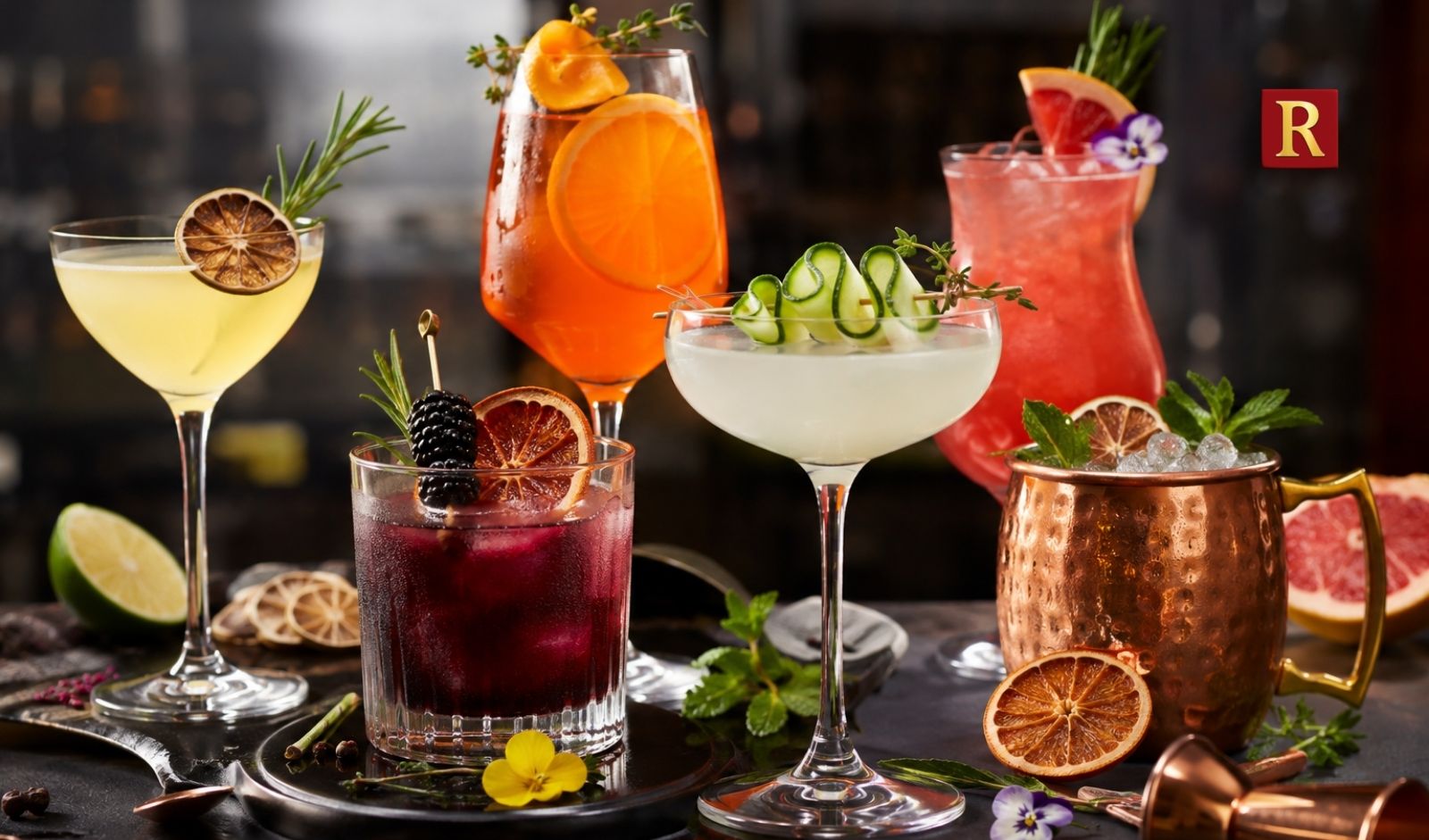
A great drink is no longer judged only by its taste. Today, the garnish plays a major role in how people experience a beverage. A sprig of rosemary, a dehydrated orange slice, or a smoked cinnamon stick can influence the aroma, improve the presentation, and even shape how the drink tastes. This shift is happening across restaurants, cocktail bars, cafés, and hotels. Guests now expect beverages to offer more than refreshment. They want a complete experience that engages multiple senses. At the same time, restaurants are using thoughtful garnishes to create memorable drinks, strengthen their brand, and encourage customers to share their experience online. According to the 2026 Bacardi Cocktail Trends Report, consumers are increasingly looking for immersive and visually appealing drinks that combine storytelling, local ingredients, and unique presentation. For restaurants, this means garnishes have become an important part of beverage design rather than a final decorative touch.
A Garnish Now Does More Than Decorate a Drink
Years ago, cocktail garnishes were simple. A lemon wedge, an olive, or a mint leaf was often added because it looked attractive. While appearance still matters, modern garnishes now have a clear purpose.
A carefully selected garnish can:
- Add aroma before the first sip
- Balance sweetness or acidity
- Introduce texture
- Highlight seasonal ingredients
- Reinforce the drink's story
- Improve visual appeal
For example, expressing the oils from an orange peel over a cocktail releases natural citrus compounds. These reach the nose before the drink touches the tongue, making the beverage feel brighter and fresher without changing its recipe. This is why many bartenders now develop the garnish alongside the drink instead of choosing it after the cocktail is finished.
The Science Behind Why Garnishes Matter
The human brain processes smell before taste. Researchers estimate that nearly 80% of what people describe as flavour is influenced by aroma. This explains why herbs, citrus peels, spices, and flowers can change how a beverage is experienced.
Different garnishes create different sensory effects:
- Fresh herbs such as basil, rosemary, thyme, and mint release aromatic oils that add freshness.
- Citrus peels contribute essential oils without adding extra juice, preserving the drink's balance.
- Spices like cinnamon, cloves, and star anise provide warmth and complexity.
- Salt or sugar rims create texture while influencing sweetness and acidity with every sip.
Temperature also plays an important role. Frozen berries, chilled herbs, or smoked garnishes can change how aromas develop throughout the drinking experience. Professional bartenders understand that these small details help create a drink that feels more refined.
Every Garnish Can Tell a Story
Restaurants are increasingly using garnishes to communicate the inspiration behind a beverage. A cocktail inspired by coastal flavours may feature sea salt and dried seaweed. A drink celebrating Indian ingredients might include kokum, curry leaves, tulsi, or hibiscus flowers. Seasonal cocktails often showcase fresh citrus, edible flowers, or locally grown herbs.
These visual cues immediately tell guests something about the drink before they even take a sip. This approach also strengthens a restaurant's identity. Signature garnishes become part of the dining experience and help customers remember specific beverages long after their visit.
Social Media Has Changed Beverage Presentation
People often photograph their drinks before tasting them. Platforms like Instagram and short-form video apps have increased the importance of presentation. Restaurants now know that a visually appealing beverage can generate free marketing through customer photos and videos.
Unlike traditional advertising, user-generated content feels authentic. When customers share drinks online, they introduce the restaurant to friends and followers without additional marketing costs. This does not mean restaurants should focus only on appearance. Drinks that look impressive but disappoint in flavour rarely create repeat customers. The most successful beverages combine attractive presentation with balanced flavour and thoughtful garnish selection.
Sustainability Is Influencing Garnish Design
Sustainability has become an important priority for restaurants around the world. Instead of throwing away citrus peels or fruit trimmings, many bars now transform them into dehydrated garnishes, candied decorations, infused syrups, or aromatic powders. This practice supports zero-waste bartending while reducing ingredient costs.
Common sustainable garnishes include:
- Dehydrated citrus wheels
- Herb stems
- Fruit leather
- Vegetable crisps
- Dried apple slices
- Upcycled citrus powder
Using ingredients more efficiently helps restaurants reduce waste without compromising presentation. According to industry estimates, food waste accounts for nearly one-third of all food produced globally. Small changes in garnish preparation can contribute to more responsible kitchen operations while improving beverage quality.
Edible Garnishes Create Interactive Experiences
Another growing trend is the use of edible garnishes. Instead of removing the garnish before drinking, customers become part of the experience.
Popular examples include:
- Chocolate shards
- Candied ginger
- Freeze-dried berries
- Honeycomb pieces
- Cheese crisps
- Fruit leather
- Mini cookies paired with dessert cocktails
These additions create extra texture while complementing the drink's flavour profile. Restaurants are increasingly designing beverages where every element can be enjoyed rather than discarded.
Local Ingredients Are Becoming the New Signature
Consumers are showing greater interest in regional flavours. Instead of relying only on imported fruits or herbs, many restaurants are exploring local ingredients that reflect their location.
Indian examples include:
- Gondhoraj lime
- Kokum
- Curry leaves
- Betel leaves
- Tamarind
- Saffron
- Hibiscus
- Raw mango powder
- Finger lime
- Tulsi
These ingredients create unique flavour combinations while supporting local farmers and suppliers. For restaurants, regional garnishes also help differentiate their beverage menus from competitors.
Garnish Design Is Now a Professional Skill
Modern mixology goes far beyond mixing spirits and syrups. Professional bartenders now study garnish design as part of beverage development.
They consider:
- Aroma pairing
- Colour balance
- Ingredient compatibility
- Glassware selection
- Ice shape
- Portion size
- Service speed
- Consistency across every order
Every garnish should improve the drink in some way. Adding too many decorative elements can make beverages difficult to serve or consume. Overcrowded glasses may also distract from the drink itself. The best garnish feels natural rather than excessive.
Better Garnishes Can Improve Business Performance
Thoughtful beverage presentation offers clear commercial benefits. Customers often associate well-presented drinks with higher quality. This perception can support premium pricing while improving overall guest satisfaction.
Restaurants also benefit through:
- Stronger brand recognition
- Higher customer engagement
- Better online reviews
- Increased repeat visits
- More social media visibility
- Signature drinks that become customer favourites
A memorable garnish can become as recognisable as the beverage itself. Many award-winning cocktail bars have built their reputation around distinctive presentation that customers cannot easily find elsewhere.
Common Mistakes To Avoid
Even the most creative garnish should serve a purpose.
Some common mistakes include:
- Using wilted herbs
- Choosing garnishes that overpower the drink
- Adding decorations that cannot be eaten or safely removed
- Blocking the glass with oversized garnishes
- Inconsistent presentation between orders
- Ignoring food safety during garnish preparation
Freshness, hygiene, and consistency remain just as important as creativity. A garnish should enhance the guest experience, not complicate it.
The Future
The role of garnishes will continue to evolve as beverage innovation grows. Restaurants are already experimenting with fermented fruits, edible perfume sprays, aroma bubbles, botanical smoke, seasonal garnish menus, and hyper-local ingredients. Advances in food technology are also making 3D-printed edible decorations and customised garnish designs more accessible for premium venues. At the same time, consumers are becoming more conscious of sustainability and authenticity. They appreciate garnishes that add genuine flavour, reduce waste, and reflect local culture instead of unnecessary decoration. The most successful beverage programs will focus on creating drinks where flavour, aroma, presentation, and storytelling work together. In that future, the garnish will not simply finish the drink—it will be an essential part of the experience from the first look to the final sip.

A great meal is about more than good food. The right drink can make every bite taste better, while the wrong one can hide flavours and leave the meal feeling unbalanced. Food pairing is the art and science of matching foods with beverages that complement or contrast each other in the right way. Restaurants, wine bars, and cocktail lounges carefully design pairings because they create a better dining experience and often encourage guests to explore new flavours. Whether you are putting together a cheese board, planning a dinner party, or simply choosing a drink for your favourite snack, understanding a few basic pairing principles can make a noticeable difference.
Why Food Pairing Matters
Food pairing is based on how our senses experience flavour. Taste, aroma, texture, temperature, and even the sound of a crunchy bite influence how we enjoy food. According to researchers from the University of Cambridge and culinary data studies, flavour perception is affected by hundreds of aroma compounds. This is why some combinations feel naturally balanced while others seem to clash.
Professional chefs and sommeliers usually follow two simple approaches:
- Complementary pairing: Similar flavours enhance one another.
- Contrasting pairing: Opposite flavours create balance.
For example, a creamy cheese paired with crisp sparkling wine works because the wine's acidity and bubbles cut through the richness of the cheese.
The Science Behind Great Pairings
Understanding a few flavour elements makes pairing much easier.
1. Acidity Refreshes Rich Foods
Acidic drinks are one of the easiest ways to balance rich and creamy foods. Acidity acts like a palate cleanser, cutting through fat and leaving your mouth feeling fresh after every bite. This is why crisp white wines, sparkling wines, and citrus-based cocktails are popular with buttery, cheesy, or fried dishes. For example, tangy goat cheese pairs beautifully with Sauvignon Blanc because both share bright, citrusy notes. Fried fish becomes lighter when served with a lemon-based cocktail, while creamy pasta matches well with Pinot Grigio, whose refreshing acidity prevents the sauce from feeling too heavy. The result is a meal that tastes balanced, vibrant, and easier to enjoy from start to finish.
2. Fat Softens Strong Drinks
Foods that are rich in fat can soften the bold flavours found in certain wines and spirits. Fat coats the palate, reducing the drying sensation caused by tannins and making alcoholic drinks taste smoother. This is why classic pairings like ribeye steak with Cabernet Sauvignon have remained popular for decades. The wine's firm tannins are balanced by the steak's marbled fat, creating a richer overall flavour. Similarly, creamy Brie pairs well with Champagne because the bubbles cut through the richness, while butter chicken complements Chardonnay, whose creamy texture and balanced acidity work well with the dish's buttery tomato gravy. These combinations create harmony rather than allowing one flavour to overpower the other.
3. Sweetness Balances Spice
Sweetness is one of the most effective ways to reduce the intensity of spicy foods. Drinks with a touch of natural sweetness help cool the palate and balance the heat from chilli peppers without masking the dish's flavours. This is why lightly sweet wines and fruity cocktails are commonly paired with spicy cuisines from around the world. Blue cheese and Port wine create a famous sweet-and-salty contrast, while Thai curry pairs beautifully with Riesling because its fruity sweetness softens the spice. Even jalapeño-based snacks become more enjoyable alongside fruit-forward cocktails, as the sweetness provides relief from the heat while allowing the dish's herbs and spices to remain noticeable.
4. Salt Makes Drinks Taste Better
Salt has a remarkable ability to enhance flavours and change the way beverages taste. It can reduce bitterness, highlight fruit notes, and make drinks feel smoother and more refreshing. This explains why salty snacks are almost always served with cocktails, beer, or sparkling wine. Potato chips paired with sparkling wine have become a favourite among chefs because the wine's bubbles cleanse the palate after every crunchy bite. Olives complement a Martini by matching its savoury and botanical notes, while salted popcorn with Champagne creates an enjoyable contrast between rich butter, salt, and crisp acidity. These simple combinations prove that everyday snacks can become surprisingly sophisticated with the right drink.
5. Umami Needs Careful Pairing
Umami is often called the fifth taste and is found in ingredients such as mushrooms, tomatoes, soy sauce, Parmesan cheese, and aged meats. It creates a deep, savoury flavour but can make some highly tannic red wines seem more bitter or less fruity. For this reason, wines with bright acidity or softer tannins are often better choices for umami-rich dishes. Parmesan paired with Chianti is one of the best-known examples because the wine's acidity complements the cheese's nutty, savoury character without overwhelming it. Understanding how umami affects flavour helps create pairings that feel balanced and allows both the food and the beverage to shine together.
The Golden Rules of Food Pairing
Professional kitchens often follow a few simple guidelines.
- Pair light dishes with lighter drinks.
- Match rich foods with fuller-bodied beverages.
- Sweet desserts need drinks that are even sweeter.
- Fatty foods pair well with acidic or sparkling drinks.
- Spicy dishes often work best with lower-alcohol, fruit-forward beverages.
- Keep the intensity of food and drink balanced.
These principles are used in restaurants around the world because they consistently produce enjoyable combinations.
Classic Cheese and Wine Pairings

Cheese and wine have been paired for centuries because their textures and flavours naturally complement each other.
Brie and Champagne: The creamy texture of Brie contrasts beautifully with Champagne's fine bubbles and bright acidity.
Goat Cheese and Sauvignon Blanc: Fresh goat cheese has a tangy flavour that matches Sauvignon Blanc's crisp citrus notes.
Aged Cheddar and Cabernet Sauvignon: Aged cheddar contains more fat and deeper flavours, which soften Cabernet's tannins.
Blue Cheese and Port: Blue cheese is salty and bold. Sweet Port balances that saltiness, creating one of the most famous pairings in the wine world.
Parmesan and Chianti: Parmesan's nutty umami flavour works exceptionally well with Chianti's high acidity.
Snacks and Cocktails That Work Surprisingly Well

Many classic bar snacks were chosen because they naturally complement cocktails.
Nachos and Margarita: The lime and tequila brighten the rich cheese while refreshing the palate.
French Fries and Gin & Tonic: The tonic's bitterness and citrus cut through the fried potatoes, making every bite feel lighter.
Potato Chips and Sparkling Wine: This unexpected pairing has become popular in fine dining because bubbles balance salt and oil so effectively.
BBQ Chips and Paper Plane Cocktail: The smoky, sweet flavours of barbecue seasoning match the cocktail's bittersweet profile.
Pretzels and Paloma: The grapefruit notes refresh the palate between salty bites.
Indian Food Pairings Worth Trying

Indian cuisine offers incredible opportunities for pairing because it combines spice, herbs, richness, and acidity in one meal.
Butter Chicken with Chardonnay: A lightly oaked Chardonnay complements the creamy tomato-based gravy without overpowering it.
Paneer Tikka with India Pale Ale (IPA): The beer's bitterness balances the smoky spices while its carbonation refreshes the palate.
Biryani with Cabernet Sauvignon: The wine's structure works well with slow-cooked meat and aromatic spices, especially in richer biryanis.
Tandoori Chicken with Shiraz: Peppery Shiraz enhances the smoky char from the tandoor.
Samosa with Gin & Tonic: The crisp botanical flavours of gin balance the fried pastry and spiced potato filling.
Pakoras with Lager: A light lager keeps fried snacks from feeling too heavy, making it one of the easiest pairings for casual gatherings.
Unexpected Pairings That Actually Work
Some combinations sound unusual but are backed by flavour science.
- Watermelon and feta cheese combine sweetness with salt.
- Strawberries and balsamic vinegar enhance each other's fruity notes.
- Dark chocolate and red wine create a rich, lingering finish.
- Blue cheese and honey balance sharpness with natural sweetness.
- Coffee and orange highlight citrus aromas while reducing bitterness.
- Popcorn and Champagne have become a favourite pairing at luxury events because bubbles cleanse the palate after every bite.
These pairings show that successful combinations often rely on balance rather than tradition.
Common Food Pairing Mistakes
Many people assume there are strict rules, but small adjustments often make a big difference.
Common mistakes include:
- Pairing delicate foods with very strong drinks.
- Serving spicy dishes with high-alcohol beverages.
- Ignoring acidity when eating rich foods.
- Choosing drinks that are sweeter than the main meal.
- Matching food and drinks only by colour instead of flavour.
Understanding the ingredients is more important than following old myths.
How Restaurants Create Perfect Pairings
Food pairing programs have become an important part of the modern hospitality industry, helping restaurants create memorable dining experiences while increasing beverage sales. According to the National Restaurant Association, many diners are willing to try premium food and drink combinations that offer something unique. To achieve this, restaurants often employ sommeliers and beverage managers who work closely with chefs to design tasting menus that complement each dish. Their process involves analysing ingredients, testing multiple food and beverage combinations, making seasonal menu adjustments, collecting customer feedback, and reviewing beverage profitability to ensure the pairings are both enjoyable and commercially successful. These carefully planned pairing menus enhance flavour, improve the overall guest experience, encourage diners to explore premium wines, cocktails, and specialty beverages, and help restaurants build a stronger reputation for culinary excellence.
Build Better Pairings at Home
Creating great pairings does not require professional training. Start by identifying the strongest flavour in the dish. Match the drink's intensity to the food, balance richness with acidity, and think about texture as much as flavour.
For example, crispy fried foods usually benefit from sparkling drinks, while creamy dishes often pair well with wines that have fresh acidity. The best pairings are those where neither the food nor the drink dominates. Instead, each one makes the other taste even better.
Final Thoughts
Food pairing is a blend of science, tradition, and personal taste. Once you understand how acidity, sweetness, fat, salt, bitterness, and texture interact, choosing the right combination becomes much easier. From Brie with Champagne and blue cheese with Port to samosas with gin and tonic or popcorn with sparkling wine, thoughtful pairings can turn an ordinary meal into a memorable dining experience. Whether you are dining at a restaurant or hosting friends at home, these simple principles will help you enjoy every bite and every sip with greater confidence.
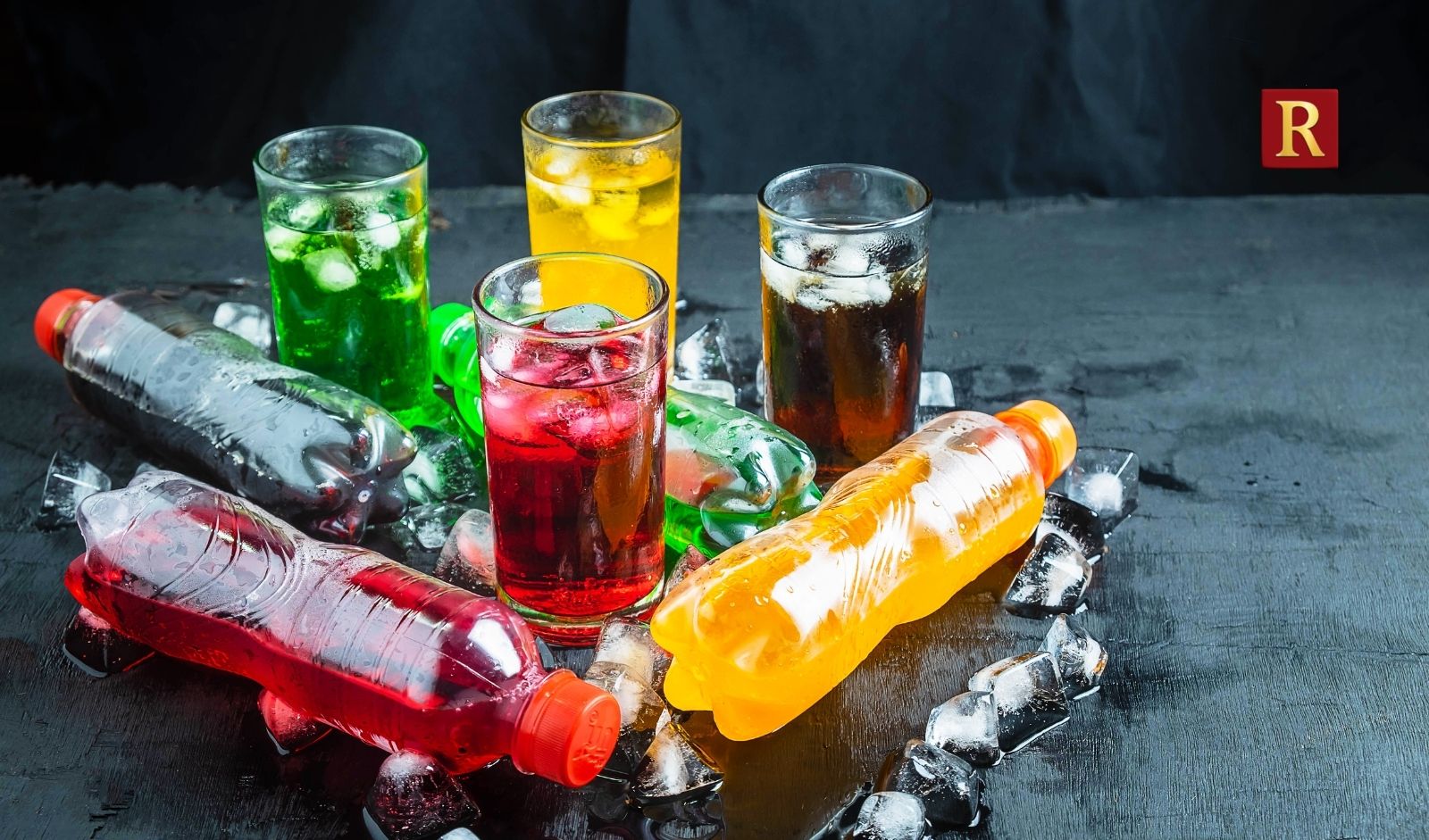
Cola has been one of the world's most popular soft drinks for decades. But today, many people are exploring new sparkling beverages that offer fruity flavours and a lighter taste. Whether it is a citrus drink with lunch, a berry-flavoured refresher on a hot afternoon, or a tropical sparkling beverage at a café, fruit-based fizzy drinks are becoming a regular choice.
This shift is driven by changing consumer preferences. Many shoppers now look for drinks made with fruit juice, natural flavours, or lower sugar content. Restaurants, cafés, and beverage brands are also introducing more fruit-forward sparkling drinks to meet this growing demand. If you are looking for something different from traditional cola, here are some of the best sparkling fruit drinks to try.
Why Sparkling Fruit Drinks Are Becoming More Popular
Consumer tastes have changed significantly over the past few years. Instead of choosing the same carbonated drink every time, many people now want beverages that taste refreshing without feeling too heavy.
The global sparkling water market alone is expected to continue growing steadily over the next decade, reflecting the increasing demand for lighter carbonated beverages. Beverage companies are also expanding their fruit-based product ranges as consumers show greater interest in citrus, berry, and tropical flavours. Another reason is variety. Fruit drinks offer a wider flavour experience than traditional cola. Lemon feels crisp, mango tastes rich, while grapefruit delivers a slightly bitter finish that appeals to many adults.
What Makes a Good Sparkling Fruit Drink?
Not every fizzy fruit drink tastes the same. Beverage experts carefully balance several factors before a product reaches store shelves. The right level of carbonation creates small bubbles that improve the drinking experience. Carbon dioxide also helps release aroma compounds, making fruit flavours smell and taste more vibrant.
Manufacturers also balance:
- Sweetness
- Acidity
- Fruit juice concentration
- Carbonation pressure
- Natural flavour extracts
Ingredients such as citric acid or malic acid are commonly used to give beverages a bright and refreshing finish without overpowering the fruit flavour.
Explore Top Sparkling Fruit Drinks Beyond Cola
1. Lemon Sparkling Drink
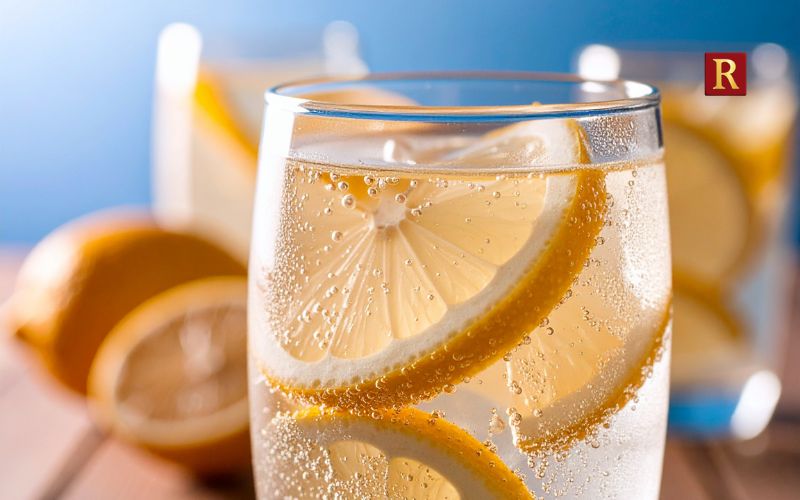
Lemon sparkling drinks are among the most refreshing fruit-based beverages, thanks to their bright citrus flavour and lively carbonation. The natural tanginess of lemon creates a crisp, clean finish that helps cleanse the palate, making it an excellent companion to a wide variety of foods. It pairs especially well with grilled sandwiches, burgers, pizza, pakoras, and Indian chaat, where its acidity balances rich or spicy flavours. Many restaurants also use lemon sparkling drinks as the foundation for refreshing mocktails by adding fresh herbs, fruit slices, or mint. During hot summer months, this classic flavour remains a popular choice for those seeking a light, thirst-quenching drink.
2. Orange Sparkling Beverage
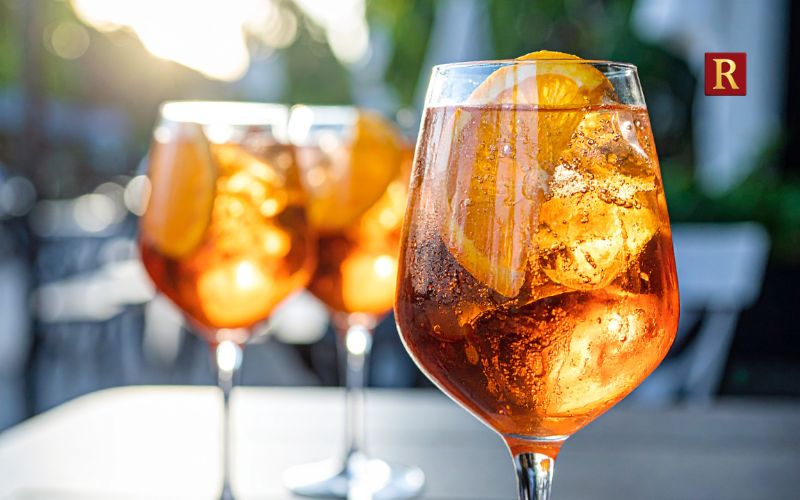
Orange sparkling beverages have remained a favourite across generations because of their sweet, tangy, and familiar citrus flavour. Their refreshing taste appeals to both children and adults, making them a common choice for family meals, celebrations, and casual get-togethers. Many modern versions include fruit juice concentrate, giving the drink a fuller and more authentic orange flavour than traditional soft drinks. The balance of sweetness and acidity makes orange sparkling beverages easy to enjoy on their own or alongside snacks like sandwiches, burgers, and fries. Their bright colour and refreshing taste also make them a popular option for picnics, parties, and festive occasions throughout the year.
3. Apple Sparkling Drink
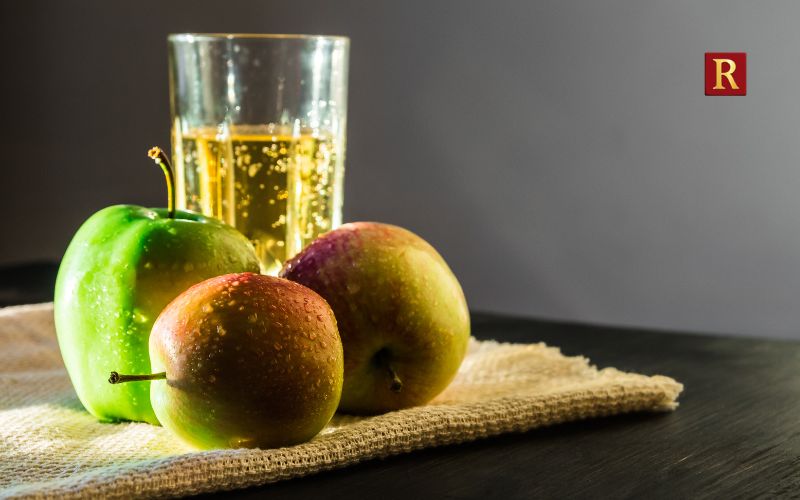
Apple sparkling drinks offer a crisp, refreshing flavour with a smooth sweetness that sets them apart from stronger citrus beverages. Their mild taste makes them suitable for all seasons and appeals to people looking for a lighter alternative to sugary soft drinks. Premium varieties often contain a higher percentage of real apple juice, creating a more natural fruit flavour and aroma. Apple sparkling beverages are frequently served during celebrations, festive gatherings, and special occasions because of their elegant taste and versatility. They pair well with salads, cheese platters, baked dishes, and light snacks, making them a sophisticated addition to any meal.
4. Mixed Berry Sparkling Drink
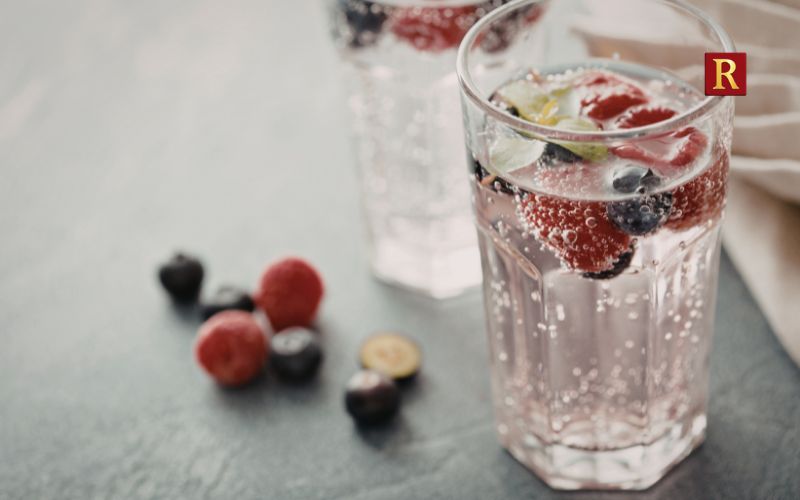
Mixed berry sparkling drinks combine the flavours of fruits such as strawberry, raspberry, blueberry, and blackberry to create a balanced blend of sweetness and gentle tartness. Their rich natural colour and fruity aroma make them visually appealing as well as refreshing. These beverages have become increasingly popular in cafés and restaurants, particularly as part of seasonal menus and creative mocktails. The layered berry flavours complement desserts, pastries, and light savoury dishes while offering a refreshing alternative to traditional carbonated drinks. Their vibrant taste and attractive appearance have made mixed berry sparkling beverages a favourite among consumers seeking something both flavourful and refreshing.
5. Grapefruit Sparkling Drink
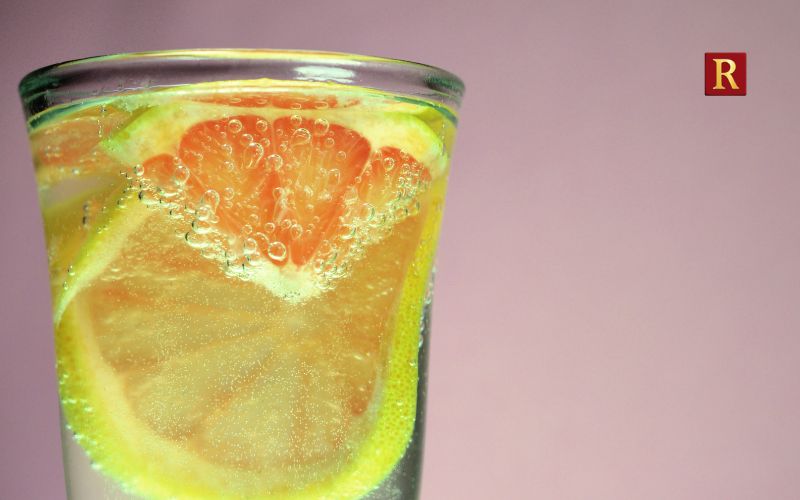
Grapefruit sparkling drinks stand out for their distinctive balance of citrus freshness and gentle bitterness, offering a more sophisticated flavour profile than sweeter fruit beverages. The subtle tartness creates a crisp finish that many adults appreciate, particularly those looking to reduce overly sugary drink choices. Grapefruit sparkling beverages are commonly enjoyed on their own or used as mixers in premium mocktails because their complex flavour pairs well with herbs, citrus fruits, and botanical ingredients. They also complement grilled seafood, roasted vegetables, and spicy dishes by adding a refreshing contrast that enhances the overall dining experience without overpowering the meal.
6. Mango Sparkling Beverage
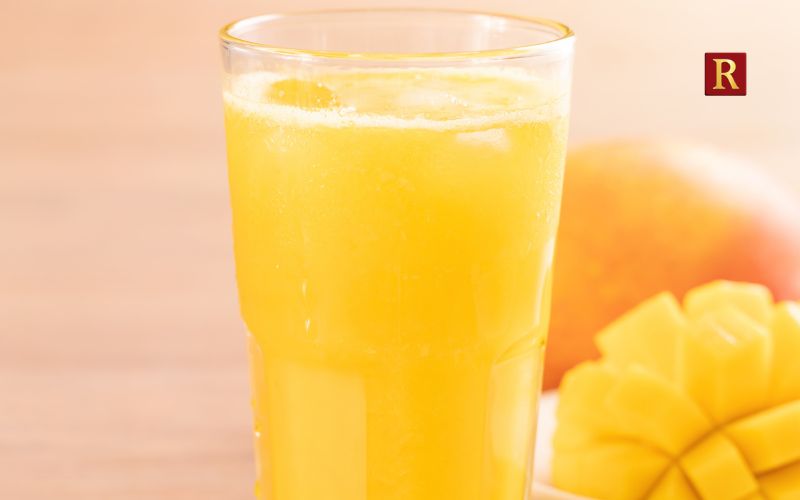
Mango sparkling beverages capture the rich, tropical sweetness of one of India's most loved fruits while adding light carbonation for a refreshing twist. The natural fruit flavour creates a smooth, juicy taste that appeals to consumers of all ages. Beverage brands often introduce seasonal mango sparkling drinks during the summer when demand for tropical refreshments is at its highest. These drinks pair particularly well with spicy Indian snacks, grilled foods, and festive meals, as their sweetness helps balance bold flavours. Their vibrant colour, familiar taste, and refreshing finish have made mango sparkling beverages increasingly popular in cafés, restaurants, and supermarkets alike.
7. Peach Sparkling Drink
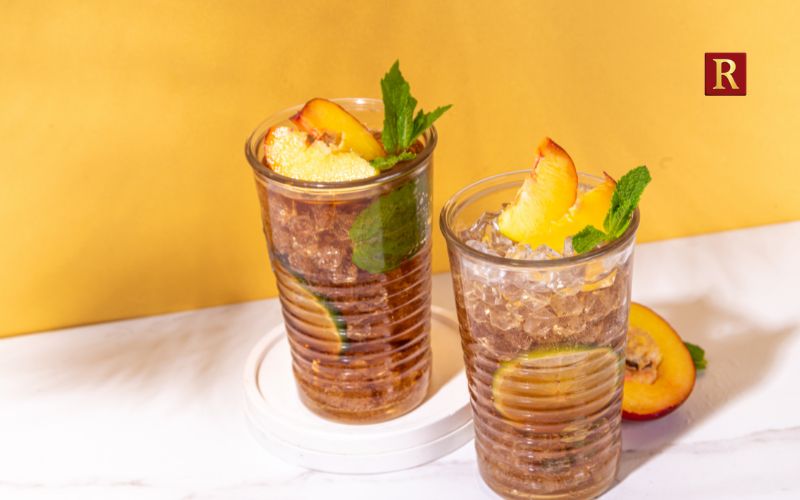
Peach sparkling drinks offer a delicate balance of fruity sweetness and subtle floral notes, creating a light and elegant beverage suitable for many occasions. Unlike heavily sweetened carbonated drinks, peach flavours provide a cleaner finish that feels refreshing rather than overwhelming. These beverages are often enjoyed during brunches, afternoon gatherings, or casual meals because of their smooth and gentle taste. Premium cafés and international beverage brands have helped increase the popularity of peach sparkling drinks by featuring them in seasonal menus and specialty mocktails. Their soft flavour pairs well with pastries, salads, grilled chicken, and light desserts throughout the year.
8. Lychee Sparkling Drink
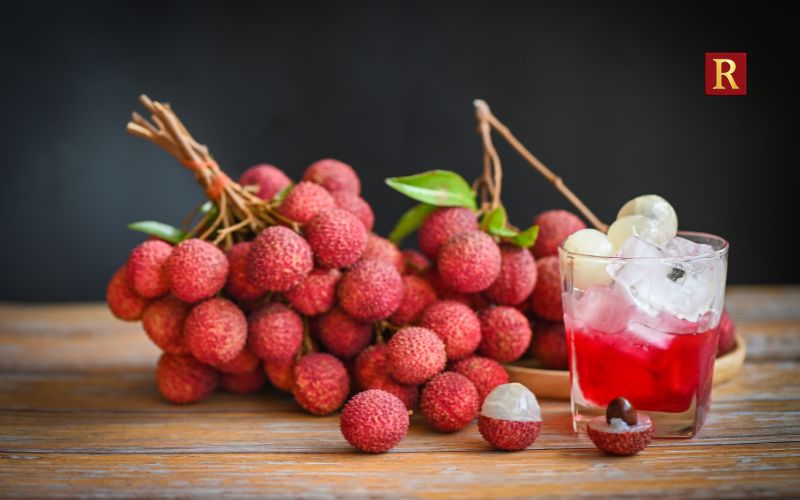
Lychee sparkling drinks have gained popularity among consumers seeking unique and refreshing fruit flavours beyond traditional citrus options. The naturally fragrant sweetness of lychee creates a delicate taste that feels both refreshing and slightly luxurious. Its floral aroma distinguishes it from many other sparkling beverages, making it a popular choice for premium cafés and Asian-inspired dining experiences. As Asian beverage brands have expanded into international markets, sparkling lychee drinks have become increasingly available in supermarkets and specialty stores. They pair well with spicy Asian dishes, seafood, and fruit-based desserts while also serving as an excellent base for creative non-alcoholic mocktails.
9. Pineapple Sparkling Beverage
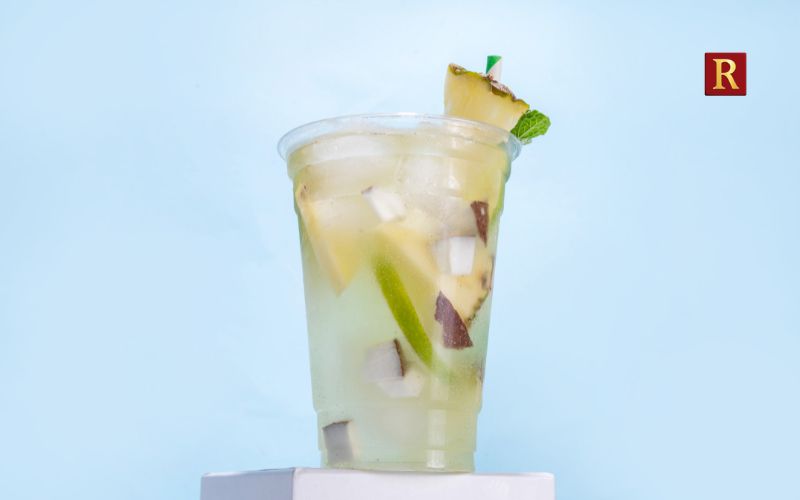
Pineapple sparkling beverages combine tropical sweetness with a pleasant tangy finish, creating a refreshing drink suitable for both everyday enjoyment and special occasions. The bright fruit flavour complements smoky, grilled, and spicy foods, making it a common pairing in restaurants serving barbecue, seafood, and tropical-inspired cuisine. Pineapple sparkling drinks are also widely used as the base for fruit punches and mocktails because they blend well with citrus fruits, mint, and herbs. Their vibrant taste and lively carbonation make them particularly popular during summer gatherings, outdoor parties, and festive celebrations where refreshing tropical beverages are in high demand.
10. Watermelon Sparkling Drink
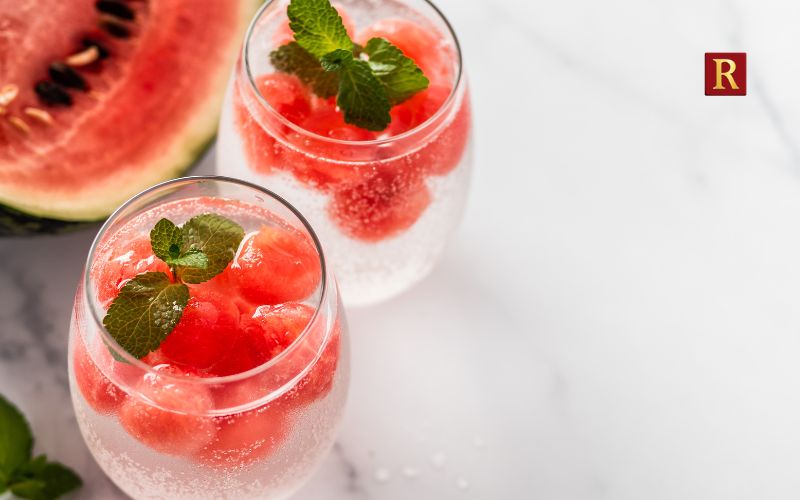
Watermelon sparkling drinks are closely associated with summer because of their naturally light, juicy, and cooling flavour. The addition of gentle carbonation enhances the fruit's refreshing qualities without making the beverage feel overly sweet or heavy. Seasonal watermelon sparkling drinks have become increasingly popular in cafés, restaurants, and retail stores during warmer months, offering consumers a refreshing alternative to traditional soft drinks. Their subtle sweetness pairs well with fresh salads, grilled vegetables, sandwiches, and light snacks. With their clean finish and hydrating taste profile, watermelon sparkling beverages continue to be a favourite choice for hot-weather refreshment and outdoor gatherings.
Sparkling Juice, Fruit Soda, and Sparkling Water: What Is the Difference?
Although these drinks appear similar, they are made differently.
Beverage | Main Ingredient | Fruit Content | Sweetness | Best For |
Sparkling Juice | Fruit juice with carbonation | Usually higher | Moderate | Everyday refreshment |
Fruit Soda | Carbonated water with fruit flavouring | Often lower | Higher | Casual soft drink |
Sparkling Water | Carbonated mineral or purified water | Usually none unless flavoured | Very low | Hydration and mixers |
Reading the ingredient label can help you understand what you are buying. Some beverages contain real fruit juice, while others rely mainly on natural or artificial flavourings.
How Restaurants Are Using Sparkling Fruit Drinks
Restaurants are no longer serving sparkling fruit drinks only as bottled beverages.
Many establishments now use them to create:
- Signature mocktails
- Welcome drinks
- Seasonal coolers
- Brunch beverages
- Cocktail mixers
- Fruit spritzers
These drinks also pair well with lighter menus that include salads, grilled foods, sandwiches, sushi, and Mediterranean dishes. Premium dining venues are increasingly choosing sparkling fruit beverages because they add flavour without overpowering the food.
Tips for Choosing a Better Sparkling Fruit Drink
Not every sparkling drink offers the same nutritional profile. Before buying one, check a few important details.
Look for:
- Higher fruit juice content
- Moderate sugar levels
- Natural flavours
- Short ingredient lists
- No unnecessary artificial colours
- Appropriate serving size
If you regularly consume carbonated drinks, comparing nutrition labels can help you make more informed choices.
The Future Looks Fruitier
The beverage industry continues to evolve as consumers seek more flavour, variety, and better ingredients. Sparkling fruit drinks are no longer viewed simply as alternatives to cola. They have become a category of their own, offering everything from classic citrus flavours to tropical fruits and sophisticated berry blends. Whether you enjoy the crisp taste of lemon, the sweetness of mango, the elegance of peach, or the refreshing bite of grapefruit, there is now a sparkling fruit drink to suit almost every preference. For anyone looking to move beyond traditional cola, fruit-forward sparkling beverages offer an exciting way to enjoy fizz with a wider range of flavours and a more refreshing drinking experience.
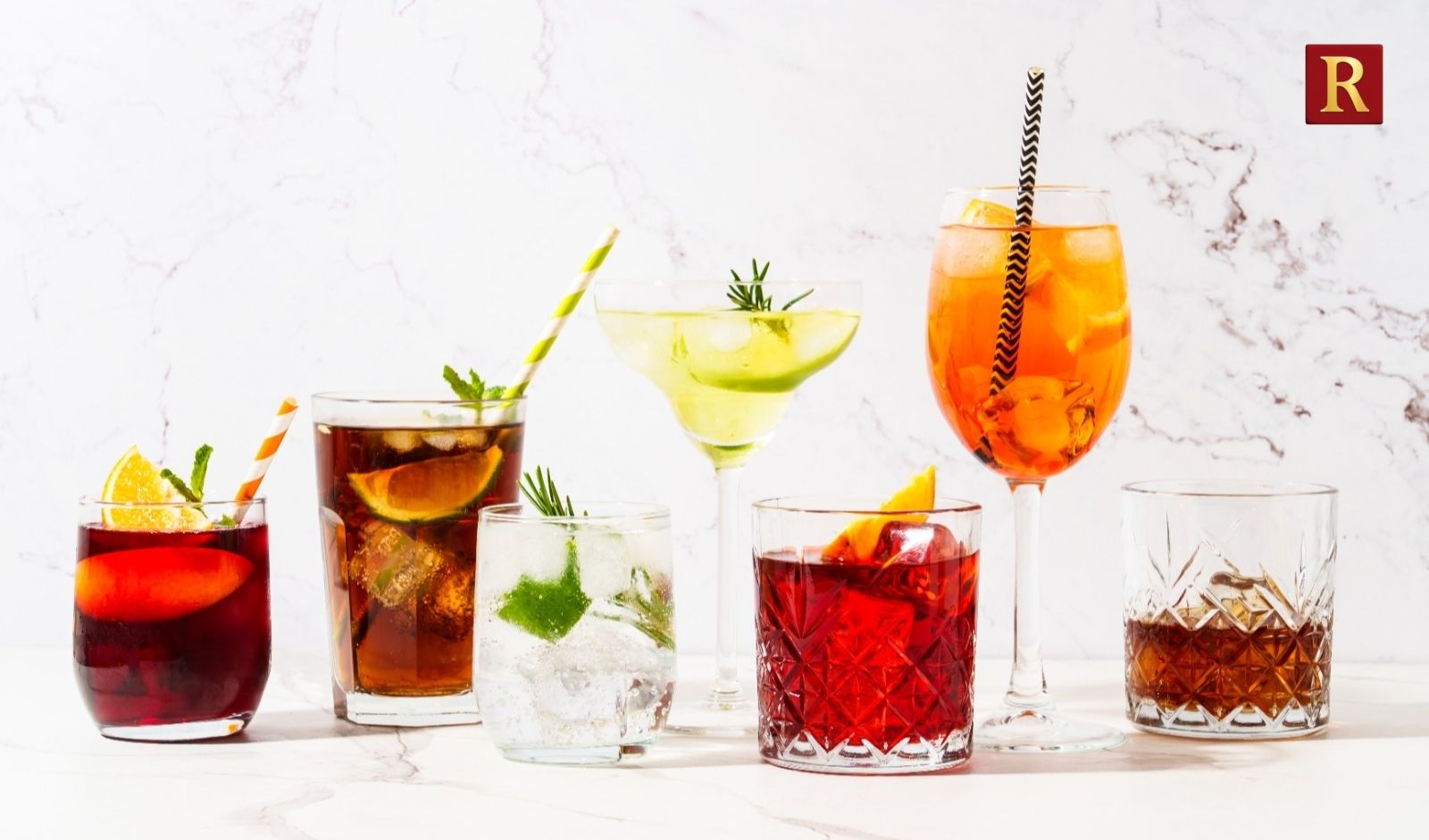
The way people drink is changing. For decades, alcoholic beverages were often associated with high alcohol content, late-night parties, and indulgence. Today, consumers are taking a different approach. They are becoming more mindful about what they drink, how much they drink, and how alcohol fits into their lifestyle. This shift has led to the rapid rise of low-ABV drinks. These beverages contain less alcohol than traditional beer, wine, or spirits while still offering flavor, social enjoyment, and premium experiences. From session beers and spritzers to light cocktails and ready-to-drink beverages, low-ABV options are becoming a major force in the global beverage industry. According to IWSR, the global no- and low-alcohol market continues to expand across key markets, with millions of consumers actively seeking moderation. What was once considered a niche category is now becoming mainstream.
What Are Low-ABV Drinks?
Low-ABV (Alcohol by Volume) drinks are beverages that contain less alcohol than traditional alcoholic drinks. While standard beers, wines, and spirits often have higher alcohol content, low-ABV beverages typically range between 0.5% and 8% ABV, allowing consumers to enjoy alcohol in moderation without sacrificing taste or the social experience.
Key Characteristics of Low-ABV Drinks
Lower Alcohol Content: These beverages contain significantly less alcohol than regular beer, wine, or cocktails, making them suitable for mindful consumption.
Wide Variety of Options: The category includes session beers, wine spritzers, hard seltzers, aperitifs, ready-to-drink cocktails, and low-alcohol spirits.
Flavor-Focused Experience: Modern low-ABV drinks are designed to deliver rich flavors, aromas, and complexity despite their reduced alcohol content.
Supports Moderation: They allow consumers to enjoy social occasions while reducing overall alcohol intake.
Growing Market Appeal: Increasing health awareness, wellness trends, and changing consumer preferences are driving demand for these beverages across global markets.
Find 8 Reasons Low-ABV Drinks Are Gaining Popularity
1. Mindful Drinking Has Become a Lifestyle Choice
One of the biggest drivers behind the popularity of low-ABV beverages is the rise of mindful drinking. Consumers today are paying more attention to their health and daily habits. They want to enjoy social occasions without overconsuming alcohol. Instead of giving up drinking completely, many are choosing moderation. This trend is especially visible among urban professionals who want to balance work, social life, fitness, and personal well-being. A drink with 3 to 5 percent alcohol can provide the same social experience as a stronger beverage without the heavy effects. People are becoming more intentional about their choices. The focus is no longer on drinking more. It is about drinking smarter.
2. Gen Z Is Redefining Drinking Culture
Generation Z is changing the alcohol industry in ways that previous generations did not. Young consumers are more health-conscious and experience-driven. They are less interested in excessive drinking and more interested in quality experiences. Many prefer beverages that complement social activities rather than dominate them. Research from several global consumer studies shows that Gen Z drinks less alcohol than Millennials and Generation X did at the same age. Instead, they prioritize wellness, fitness, mental health, and productivity. This generation is also highly informed. They read labels, check ingredients, and evaluate products based on transparency and quality. As Gen Z's purchasing power grows, beverage companies are responding with innovative low-ABV products designed specifically for these preferences.
3. Health and Wellness Trends Continue to Influence Choices
The health and wellness movement has transformed nearly every food and beverage category. Consumers are increasingly tracking calories, sugar intake, sleep quality, and exercise performance. Alcohol often becomes part of this conversation because excessive consumption can affect all these areas. Low-ABV drinks offer a middle ground. They allow people to enjoy alcoholic beverages while reducing overall alcohol intake. For example, a standard spirit-based cocktail may contain 12 to 15 percent alcohol or more. A low-ABV spritz or session cocktail may contain only 3 to 8 percent alcohol. This difference can significantly reduce alcohol consumption during an evening. Many low-ABV beverages also contain fewer calories than traditional alcoholic drinks, making them attractive to consumers seeking balanced lifestyles.
4. Consumers Want to Avoid Next-Day Fatigue
One common reason people are choosing low-ABV drinks is simple. They want to feel better the next day. Modern lifestyles are busy. People have work commitments, fitness routines, family responsibilities, and social plans. Spending an entire day recovering from heavy drinking has become less appealing. Low-ABV beverages allow consumers to participate in celebrations, dinners, and social gatherings without experiencing the same level of fatigue often associated with higher alcohol consumption. This is particularly important among working professionals who want to remain productive and active after social events. The desire to wake up feeling refreshed is becoming a major purchasing factor across beverage categories.
5. Innovation Has Improved Taste and Quality
A few years ago, many consumers believed that low-alcohol drinks lacked flavor and complexity. That perception is changing rapidly. Advances in brewing technology, fermentation science, flavor extraction, and dealcoholization techniques have dramatically improved product quality. Today, beverage companies can create drinks that deliver rich aromas, balanced flavors, and premium experiences while maintaining lower alcohol levels. Craft breweries, wineries, and spirit brands are investing heavily in research and development. They are experimenting with botanicals, herbs, fruits, spices, and innovative fermentation methods to create unique flavor profiles. As a result, consumers no longer feel they are compromising on taste when choosing low-ABV options.
6. They Fit Modern Social Occasions
Social habits have evolved significantly over the past decade. Consumers are increasingly participating in daytime events, brunch gatherings, outdoor festivals, wellness retreats, and casual meetups. These occasions often call for lighter drinking experiences. Low-ABV beverages fit naturally into these settings. A light spritzer at brunch or a session beer during an afternoon gathering allows people to enjoy the occasion without feeling overly affected by alcohol. This flexibility has made low-ABV drinks popular across multiple consumption occasions. They are no longer limited to specific demographics or niche markets. Restaurants, bars, and hotels are also adapting their menus to meet this growing demand.
7. Premium Experiences Are No Longer Defined by Alcohol Strength
For many years, stronger drinks were often associated with premium quality. Today, consumers evaluate products differently. They care about ingredients, craftsmanship, sustainability, authenticity, and flavor complexity. Alcohol content is no longer the primary measure of value. This shift has opened new opportunities for premium low-ABV products. Many brands are positioning low-alcohol beverages as sophisticated options rather than compromises. Premium packaging, carefully sourced ingredients, and artisanal production methods are helping elevate the category. Consumers are increasingly willing to pay premium prices for drinks that align with their lifestyle values and personal preferences. This trend is particularly noticeable in metropolitan markets where consumers actively seek unique and elevated drinking experiences.
8. Hospitality Businesses See Significant Growth Potential
The rise of low-ABV drinks is not just benefiting consumers. It is also creating new opportunities for hospitality operators. Bars and restaurants are discovering that offering a broader range of low-alcohol beverages helps attract more diverse customer groups. Guests who previously limited their alcohol consumption now have more appealing options. Many consumers alternate between regular alcoholic drinks and low-ABV beverages during the same occasion. This behavior allows them to stay longer, enjoy more experiences, and maintain moderation. As a result, operators can increase beverage sales while meeting evolving customer expectations. Several leading hospitality brands have already expanded their low-ABV menus, recognizing that moderation is becoming a permanent consumer behavior rather than a temporary trend.
The Technology Powering the Low-ABV Revolution
Advanced Dealcoholization: Modern dealcoholization techniques remove alcohol from beverages while preserving their original aroma, flavor, and mouthfeel. This helps brands create low-ABV products without compromising on taste.
Precision Fermentation: Producers use controlled fermentation processes to manage alcohol levels more accurately. This allows them to develop beverages with consistent quality and lower alcohol content.
Botanical Extraction Technology: Ingredients such as herbs, spices, flowers, and fruits are extracted using advanced methods to add depth and complexity, reducing the need for high alcohol levels to deliver flavor.
Functional Ingredients: Many brands are incorporating adaptogens, natural extracts, and wellness-focused botanicals into their drinks. These ingredients appeal to health-conscious consumers looking for more than just alcohol.
Together, these innovations are helping beverage companies meet growing demand for flavorful, premium, and wellness-oriented drinking experiences.
Looking Ahead!
The future looks promising for low-ABV beverages. Industry analysts expect continued growth as health consciousness, moderation, and premiumization shape consumer behavior. The trend is particularly strong among younger consumers, urban professionals, and wellness-focused individuals. However, its appeal now extends across multiple age groups and demographics. Low-ABV drinks represent more than a passing fad. They reflect a broader cultural shift toward balance, intentional consumption, and better lifestyle choices. As consumers continue to prioritize well-being without sacrificing social experiences, low-ABV beverages are likely to become a permanent and increasingly important part of the global drinks landscape. The message from today's drinkers is clear: enjoying alcohol is no longer about drinking more. It is about finding the right balance between flavor, experience, and moderation.

India's gin renaissance is no longer a trend, it's a fundamental shift on how consumers drink and how bars design their menus. Once considered a niche spirit with limited appeal, gin has emerged as one of the fastest-growing categories in urban hospitality, fuelled by craft distilleries, premiumisation, and a new generation of consumers seeking flavour, authenticity, and experience.
Across restaurants, bars, and breweries, operators are reporting a dramatic increase in gin's share of cocktail sales over the past five years. What began as a pandemic-era boom has evolved into a more mature movement driven by conscious consumption and a growing appreciation for craft spirits.
"Five years ago, gin was almost an afterthought on our cocktail menu, maybe 5% of cocktail sales. Today it's in the 20–25% range and still climbing. No other spirit category has moved that fast in my 26 years in this business," shared Ananth Narayan, Founder, JustBLR Group.
According to experts, the growth story is no longer simply about volume. Instead, consumers are increasingly trading up to premium and craft expressions that offer distinctive botanical profiles and compelling narratives.
"Consumers are moving away from everyday pours and gravitating towards craft gins with distinctive flavour profiles, authentic stories, and a clear sense of origin," said Syesha Kapoor, National Head – On Trade & Key Accounts, Raincheck Earth (for Cherrapunji Gin). "They're drinking more consciously and choosing quality over quantity. Consumers may be drinking less frequently than before, but they're far more intentional about what they're drinking."
The Rise of the Modern Gin Cocktail
While the Gin & Tonic remains the category's biggest entry point, consumers are increasingly exploring a broader range of serves.
"The Gin & Tonic remains one of the most popular serves, but we're also seeing strong demand for classics such as the Negroni, Martini, Gin Sour, Tom Collins, and spritz-style cocktails," said Kapoor. "What's particularly interesting is the resurgence of classic cocktails with a modern twist."
That trend is visible across hospitality formats. At Ironhill India, guests are embracing both traditional and contemporary gin cocktails featuring fresh ingredients and local influences.
"Classic cocktails such as the Gin & Tonic, Negroni, and Tom Collins continue to remain popular. However, consumers are increasingly gravitating towards contemporary gin cocktails that incorporate fresh fruits, herbs, floral notes, and regional ingredients," added Vidhatha Annamaneni, Co-Founder, Ironhill India.
Narayan believed localisation is creating some of the category's most exciting opportunities.
"The gin and tonic is the gateway as it's simple, refreshing and hard to get wrong. From there guests graduate to the Negroni, which has gone from a bartender's favourite to a mainstream order, and to gin sours and Brambles. What excites me most is the desi G&T – gin sits beautifully with Indian botanicals like kokum, jamun, gondhoraj lime and kala khatta, and that's where we're building our signatures,” he added.
Craft Gins Give Bars New Stories to Tell
One of the defining factors behind gin's rise has been the emergence of Indian craft gin brands that have brought local botanicals and regional narratives into the spotlight.
"Guests today are far more knowledgeable about what they're drinking than they were a few years ago," added Kapoor. "They are drawn to cocktails that feel authentic and have a genuine connection to a place, ingredient, or culture."
This desire for authenticity has helped craft gin producers carve out a strong position on cocktail menus.
"Brands like Greater Than, Stranger & Sons, Hapusa, Jaisalmer and Terai gave us a homegrown premium story to tell – Indian botanicals, Indian provenance, at a price point we can actually pour profitably," said Narayan. "When Diageo buys the maker of Greater Than and Hapusa, you know the category has arrived – it's no longer niche."
For bartenders, gin's botanical complexity also provides an unmatched canvas for experimentation.
"Gin is one of the most versatile spirits behind the bar because it brings its own depth and complexity through botanicals while still allowing other ingredients to shine," pointed Kapoor. "A gin cocktail can be bright and refreshing, rich and aromatic, spirit-forward, or highly experimental depending on the ingredients and style of service."
Women and Younger Consumers Lead the Shift
Industry leaders widely agree that women and younger drinkers have been instrumental in accelerating gin's popularity.
"Women and younger consumers have played a significant role in the growth of the gin category, particularly over the last five to seven years," said Kapoor. "Gin's lighter, more flavour-forward profile and its versatility in cocktails have made it especially appealing to consumers looking for a more experiential style of drinking."
Adding to the same, Annamaneni added, "Women and younger consumers have played a major role in accelerating the popularity of gin. This audience is more experience-driven and open to exploring diverse flavour profiles. Gin's lighter, more refreshing character and its adaptability in cocktails make it particularly appealing to consumers looking for balanced and approachable drinks."
Social media, visual presentation, and evolving drinking habits have further amplified the category's appeal.
"They're leading it," added Narayan. "Gin's lighter, aromatic, botanical character appeals to a generation that drinks for experience rather than intoxication, and a well-garnished G&T is simply more photogenic than a glass of whisky."
However, experts also believed that gin's audience has expanded beyond any single demographic. Consumers across age groups are becoming more curious about ingredients, production methods, and brand stories, helping the category achieve broader appeal.
And, beyond consumer demand, gin is proving attractive from an operational perspective as well. "Absolutely, and this is the part most people miss," said Narayan when asked whether gin is improving beverage margins. "A gin and tonic or a Negroni is a few seconds to build, completely consistent, with almost no wastage and very little room for pilferage. That's a beverage director's dream – high gross margin, easy execution, premium price."
For restaurants and bars, the combination of premium pricing, efficient execution, and growing consumer demand makes gin one of the most commercially attractive categories in the market today.
As consumers continue to seek authentic experiences, regional storytelling, and premium products, industry leaders believe gin's momentum is far from over. The next chapter is likely to be defined by hyper-local ingredients, innovative cocktail programs, and further premiumisation as drinkers become increasingly discerning. Perhaps Narayan sums it up best:
"Whisky built India's bars; gin is rewriting their menus."

Summer changes the way people drink. Plans are spontaneous. Friends drop in without notice. Nobody wants to stand in the kitchen measuring spirits while the ice melts and conversations move on. This is exactly where ready-to-drink (RTD) spirits fit in. They are chilled, consistent, and ready from the first sip. What was once seen as basic has now evolved into a fast-growing, premium category. In 2026, RTDs are not just convenient. They are well-crafted, flavour-forward, and designed for real social moments.
From sparkling soju to canned cocktails and classic spirit mixers, there is enough variety today to suit different moods, preferences, and occasions. If you are planning to stock your fridge this summer, these are the options that stand out.
What Are Ready-to-Drink Spirits?
RTDs are pre-mixed alcoholic beverages. They come in cans or bottles and are ready to consume without any preparation. No mixing. No additional ingredients.
They usually fall into three broad categories:
- Hard seltzers: Light, fizzy drinks with low calories and lower alcohol levels
- Canned cocktails: Pre-made versions of classic drinks like mojito or margarita
- Spirit and mixer combinations: Straightforward blends like gin and tonic or whisky and soda
Most RTDs have an alcohol content between 4% and 8%. This makes them suitable for casual drinking. They are easy to carry, easy to store, and easy to serve.
Why RTDs Are Trending in 2026
The rise of RTDs is not accidental. It is driven by clear shifts in how people consume alcohol.
Convenience comes first: People want drinks that fit into their plans, not the other way around. RTDs remove effort without reducing quality.
Premium experiences at home: Consumers are more aware of taste now. They want bar-like flavours but without the process. Many RTDs today use real spirits and balanced recipes.
Lighter drinking habits: There is a visible shift towards drinks that feel lighter. Lower sugar, controlled alcohol levels, and cleaner finishes are preferred.
Social and visual appeal: Packaging plays a role. Sleek cans, clean labels, and vibrant colours make RTDs more appealing, especially for group settings.
Explore RTD Spirits to Try This Summer
1. So Good K-Bomb

So Good K-Bomb is built for energy. It is part of the brand’s Sparkling Craft Soju range and takes inspiration from Korea’s “bomb” drinking culture, where drinks are shared and moments are lively. The idea is simple. Open the can and the mood shifts instantly. It is designed for group settings where no one wants to overthink what they are drinking. The flavour profile leans towards smooth and fizzy. Soju as a base spirit is known for its clean finish, which makes the drink easy to sip over time. The carbonation adds a light, refreshing texture. This is the kind of drink that works well for house parties, birthdays, or pre-drinks before heading out. It sets the tone without being heavy.
2. So Good Yuzu Lime

Another standout from So Good, Yuzu Lime offers a more flavour-focused experience. Yuzu is what defines the drink. Unlike regular citrus, it brings a sharper aroma with layered notes. There are hints of grapefruit, mandarin, and a slight floral edge. It feels bright without being overpowering. Lime adds structure. It introduces a crisp, tangy start and balances the sweetness. The carbonation ties everything together, making each sip feel light and clean. This is ideal for daytime drinking. Think brunches, balcony evenings, or poolside gatherings. It is refreshing without being too mild.
3. Jimmy’s Cocktails (Ready-to-Drink Range)

Jimmy's Cocktails has built a strong position in India’s premium RTD space. The brand focuses on recreating classic cocktails in a ready-to-drink format without losing their core taste. The range includes options like Gin & Tonic, Vodka Mojito, Whisky Sour, Cosmopolitan, and Mango Chilli Margarita.
Each variant offers a different experience:
- Vodka Mojito feels cool and refreshing with mint-led notes
- Mango Chilli Margarita adds a mix of sweet fruit and mild heat
- Whisky Sour provides a slightly richer, more rounded taste
What works here is balance. The drinks are not overly sweet. They maintain a clear flavour identity, which makes them reliable for different occasions. They are especially useful when hosting. You can offer variety without preparing multiple drinks. Just chill and serve.
4. Bombay Sapphire Gin & Tonic RTD

Bombay Sapphire brings a more premium option into the RTD category with its Gin & Tonic. It is based on the brand’s London Dry Gin, known for its vapour infusion process. This method helps preserve delicate botanical flavours. The drink carries subtle herbal notes, light citrus hints, and the familiar bitterness of tonic water. The finish is clean and slightly dry, which makes it feel more refined compared to sweeter RTDs. This is suited for quieter settings. It works well for evenings when the focus is on conversation rather than high energy. It also appeals to those who prefer classic spirit profiles over experimental flavours.
5. Bacardi Breezer (Flavoured Range)

Bacardi Breezer has been a long-standing name in India’s RTD market. It remains relevant because it delivers exactly what many consumers look for in summer. The drinks are fruit-forward, light, and easy to consume. Popular flavours include Cranberry, Lime, Orange, and Blackberry. There is minimal bitterness. The focus is on smooth, approachable taste. This makes Breezer a common choice for casual settings and first-time drinkers. It works best when served cold. It is simple, predictable, and consistent. That reliability is what keeps it popular even as newer brands enter the market.
How to Choose the Right RTD
With more options available, choosing the right RTD depends on what you want from the experience.
- Check the alcohol content: Lower ABV drinks are better for longer sessions. Higher ABV options suit shorter, more intense occasions.
- Look at the flavour base: Citrus-based drinks feel lighter. Spirit-forward options like whisky or gin offer more depth.
- Consider sugar levels: Some RTDs are sweeter than others. If you prefer a cleaner finish, go for drier profiles.
- Match the drink to the occasion: Light drinks for day events. Slightly stronger or richer ones for evenings.
A Growing Shift
The Indian alcohol market is seeing a clear shift towards convenience and premiumisation. RTDs are becoming an entry point for younger consumers who want to explore without committing to full bottles or complex recipes. Urban lifestyles play a role. Smaller gatherings, home-based socialising, and app-based deliveries make RTDs more relevant. They fit into modern consumption patterns.
At the same time, brands are investing in better ingredients, improved formulations, and stronger branding. This is helping the category move beyond its earlier perception of being basic.
Final Pour
The best summer drinks are often the simplest ones—cold, consistent, and ready the moment you need them. Ready-to-drink (RTD) spirits work because they fit seamlessly into how people socialise today. There is no prep, no measuring, and no waiting around. Just open, pour if needed, and enjoy. Options like So Good K-Bomb bring energy to group settings with their fizzy, easy-drinking profile, while Jimmy's Cocktails offer balanced, bar-style flavours without the effort. At the same time, Bacardi Breezer continues to deliver familiar, fruit-forward refreshment that suits casual occasions. Most RTDs typically range between 4% and 8% ABV, making them ideal for relaxed, extended drinking. Keeping a mix of these chilled means you are always prepared, whether it is a planned gathering or an unplanned evening that turns into something more.
India’s drinking culture is changing. Socialising no longer means you must consume alcohol. Young professionals, fitness enthusiasts, and mindful consumers are choosing smarter options. Zero-alcohol beverages are becoming mainstream across restaurants, house parties, corporate events, and even weddings. The idea is simple. Enjoy the taste. Skip the intoxication. Wake up fresh the next day.
Across metro cities and now even Tier-2 markets, zero alcohol brands in India are gaining shelf space. Bars are adding alcohol-free menus. Premium retailers are stocking non-alcoholic beers and botanical mixers. The demand is driven by wellness trends, gym culture, and a growing interest in moderation. If you are someone who enjoys flavour but wants control, this guide will help you discover the top zero alcohol brands in India that are shaping this new category.
What Does Zero Alcohol Really Mean?
Before we look at the brands, it is important to understand the technical difference. Zero alcohol beverages usually fall into three categories:
- Zero Alcohol: The drink never contained alcohol during production.
- Alcohol-Free: May contain very small traces, usually less than 0.5% ABV.
- Dealcoholized: Originally brewed or fermented, then alcohol is removed through controlled processes.
Think of it like decaf coffee. The flavour remains. The stimulating component is reduced or removed. In India, most zero alcohol beverages are either non-fermented malt drinks or botanical blends that replicate cocktail profiles without ethanol. This technical clarity matters because it affects taste, mouthfeel, and target audience suitability.
Why Zero Alcohol Is Growing in India
The Indian consumer is becoming label-aware. Calorie counts matter. Sugar content matters. Sleep quality matters. Corporate professionals want social inclusion without reduced productivity. Fitness-focused individuals want to avoid empty calories from alcohol. Drivers want premium alternatives. Many people simply want to drink less without feeling left out. Zero alcohol drinks provide:
- Controlled calorie intake
- No hangovers
- No impaired judgement
- Better hydration balance
- Inclusive social experiences
The category is also becoming more sophisticated. It is no longer limited to sugary soft drinks. Brands are investing in flavour science, carbonation control, botanical extraction, and packaging design. Let us look at the top zero alcohol brands in India that are building credibility in this space.
1. Sober – Crafted for the Mindful Drinker
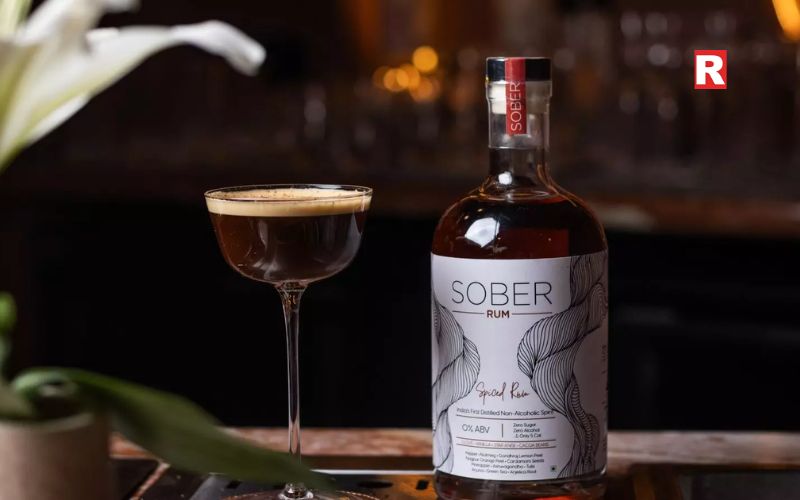
Sober positions itself as a premium alcohol alternative for urban India. The brand focuses on complex flavour profiles that mimic classic cocktails. What makes Sober interesting is its approach to botanical infusion. Instead of simple fruit syrups, the brand uses layered ingredients to create depth. You will find hints of herbs, spices, and citrus in balanced proportions. Sober beverages are carefully carbonated to replicate the mouthfeel of a mixed drink. Carbonation pressure is calibrated to maintain sharpness without excessive fizz. This enhances perceived dryness and structure.
Best suited for: House parties, corporate gatherings, and fine-dining pairings.
Read more: Top Newly Launched Beer Brands to Replace Your Regular Brew
Top Flavoured Rum Brands in India to Try This Growing Winter
2. Svami – Premium Mixers with Zero Alcohol Focus
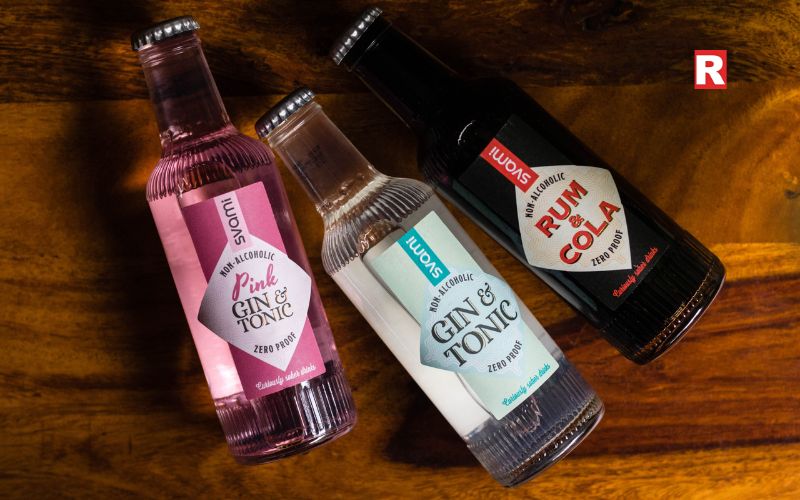
Svami is widely known for its premium tonic waters and cocktail mixers in India. While not positioned strictly as a zero alcohol beer brand, Svami plays a key role in the alcohol-free social scene. Its tonic waters, ginger ale, and flavoured sodas are designed with controlled sugar levels and natural extracts. This makes them ideal for mocktails and alcohol-free cocktails. The technical strength of Svami lies in ingredient sourcing and flavour stability. The brand uses natural quinine and botanical extracts in its tonic variants. Carbonation levels are optimised to preserve aroma release when poured.
Best suited for: Mocktail bars, home mixology, and restaurant beverage programs.
3. Corona Cero—Crisp Taste Without Alcohol
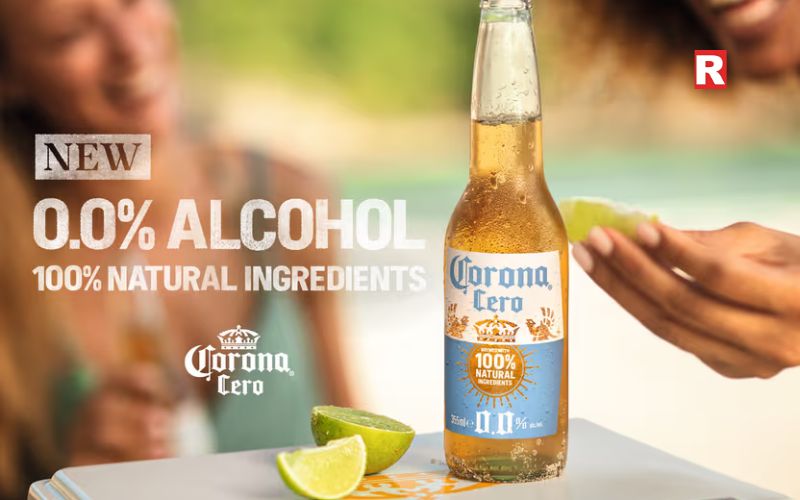
Corona Cero brings the familiar light beer experience to consumers who prefer zero alcohol. Positioned as an extension of the globally recognised Corona portfolio, it offers the same clean, refreshing profile without the ethanol content. Corona Cero is brewed using traditional beer ingredients such as malted barley and hops. The alcohol is gently removed through controlled dealcoholization techniques that help retain aroma compounds and flavour integrity. This ensures the beer maintains its characteristic mild bitterness and smooth finish. Carbonation levels are carefully calibrated to replicate the mouthfeel of a classic lager, giving it authenticity. Nutritionally, it offers lower calories compared to regular beer, making it suitable for mindful consumers. The crisp flavour pairs well with light snacks, grills, and casual gatherings.
Best suited for: Beach outings, evening socials, and sporting events.
4. Sakurafresh – International Non-Alcoholic Beer Experience
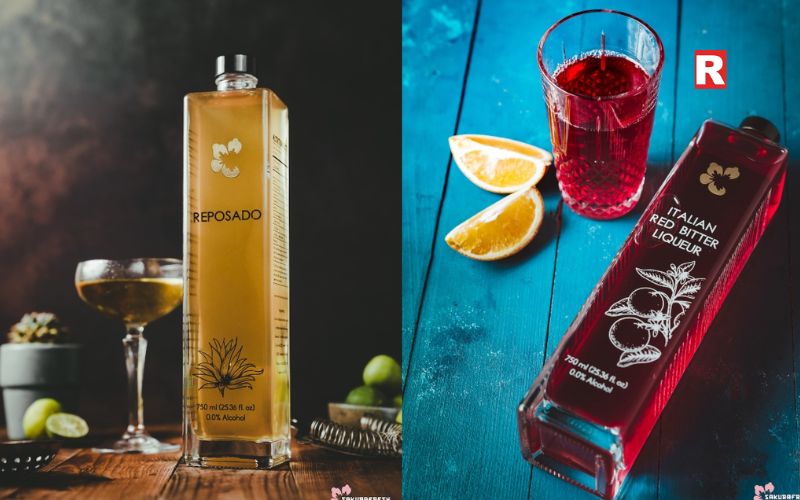
Sakurafresh brings a non-alcoholic beer-style experience to Indian consumers. The brand is positioned around crisp malt flavours without intoxication. Non-alcoholic beer production typically involves controlled fermentation followed by alcohol removal. Some brands use vacuum distillation or reverse osmosis to extract ethanol while preserving aroma compounds. Sakurafresh focuses on maintaining malt character and light bitterness. This gives the drink authenticity. The carbonation level mirrors that of a traditional lager, offering familiarity to beer drinkers.
Best suited for: Cricket screenings, casual evenings, and bar-like environments.
Know more: Top Sugar‑Free Vodka Brands in India You Should Try
5. Coolberg – India’s Popular Zero Alcohol Beer Brand
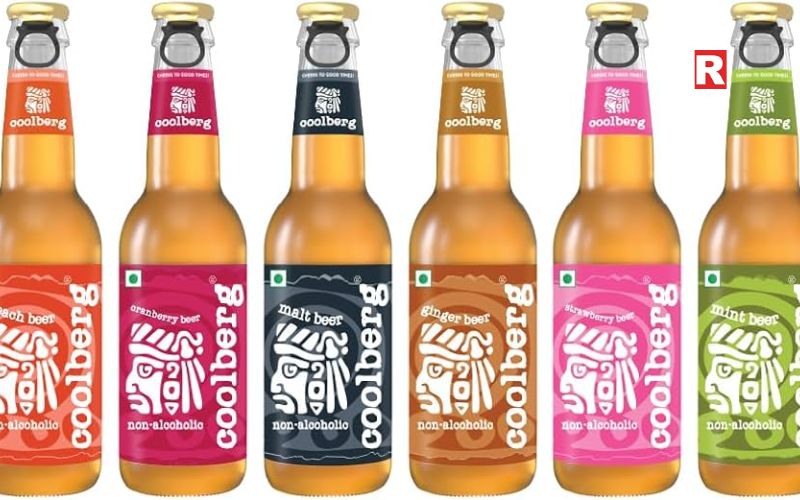
Coolberg is one of the most recognised zero alcohol beer brands in India. It has built strong recall across retail stores and online platforms. Coolberg offers multiple flavours including malt, peach, strawberry, and mint variants. The brand targets a younger demographic looking for fun, fruity profiles. Technically, Coolberg beverages are brewed using malt extracts but without fermentation that produces alcohol. This keeps ABV at zero while retaining a beer-like base note. The brand focuses heavily on carbonation consistency and flavour uniformity across batches. This ensures predictable taste, which is critical for mass-market acceptance.
Best suited for: College gatherings, casual parties, and informal celebrations.
How to Choose the Right Zero Alcohol Brand
The best zero alcohol drink depends on your purpose.
- If you want cocktail-style sophistication, Sober works well.
- If you enjoy mixing drinks at home, Svami gives flexibility.
- If you prioritise wellness and hydration, Jade Forest fits naturally.
- If you miss beer flavour, Sakurafresh and Coolberg are strong options.
Also check:
- Sugar content per serving
- Ingredient transparency
- Carbonation intensity
- Packaging and storage guidelines
Reading labels helps you align your choice with your health goals.
The Future of Zero Alcohol Brands in India
The zero alcohol segment in India is still evolving. However, growth indicators are clear. Restaurants are curating alcohol-free tasting menus. Corporate events increasingly include premium non-alcoholic options. Urban consumers are comfortable paying for high-quality zero-proof drinks.
Innovation will likely focus on:
- Botanical distillation techniques
- Functional ingredients like adaptogens
- Low-calorie formulations
- Premium glass packaging
As awareness grows, zero alcohol beverages will move from being alternatives to being first choices.
Also check: Restaurant India News: AB InBev India Launches Corona Cero in India
Raising a Glass: How Bars Influence Whisky Brand Growth in India
Why You Should Avoid These Alcohol Brands While Dieting: Hidden Calories
Final Thoughts
Zero-alcohol brands in India have moved beyond being simple substitutes. They now stand as independent lifestyle choices. These beverages focus on flavour clarity, balanced carbonation, and controlled sugar levels. Many use botanical extracts, malt bases, or natural infusions to create depth without ethanol. Production methods are designed to preserve aroma and mouthfeel while keeping ABV at zero. This technical precision adds credibility to the category. Urban professionals, fitness enthusiasts, and mindful drinkers are driving demand. They want social inclusion without the health trade-offs. They look for clean labels, measured calories, and consistent taste. Zero-alcohol options meet these expectations. They work well at office events, house parties, and weekend brunches. The appeal lies in choice and control. Socialising no longer depends on intoxication. It depends on quality beverages and shared experiences. India’s evolving market now offers alcohol-free drinks that deliver taste, structure, and sophistication without compromise.
Non-alcoholic beer is gaining strong popularity in India. People today want the taste of beer without the effects of alcohol. Many are choosing mindful drinking. Some avoid alcohol for health reasons. Others want a safe option for workdays, family events, or driving nights.
Non-alcoholic beer offers the same brewing style as regular beer. It uses malt, hops, yeast, and water. The only difference is the alcohol level. Most options have 0.0 percent alcohol or a very minimal trace. This makes them suitable for a wide range of consumers. India’s non-alcoholic beer market is growing fast. Urban youth, fitness lovers, and sober-curious drinkers are driving this change. From fruity flavours to classic lagers, brands are now offering many choices.
What Is Non-Alcoholic Beer?
Non-alcoholic beer is brewed like regular beer. Alcohol is removed at the final stage. Some brands use controlled fermentation. Others use alcohol-removal methods. The taste remains close to beer. The mouthfeel is light and fizzy. It gives refreshment without intoxication. Most non-alcoholic beers also have fewer calories. They are often lower in sugar than soft drinks. This makes them a smart lifestyle choice.
Indian consumers are becoming more health aware. Many people want balance. They want social drinks without guilt. Non-alcoholic beer fits well into modern Indian life. It works at brunches. It works at office parties. It works at family gatherings. It also supports new habits like dry days and sober weekends. For many, it is about control and choice.
Explore Top Non-Alcoholic Beer Brands in India
1. Coolberg

Coolberg is one of the most recognised non-alcoholic beer brands in India. It is an Indian brand and is easily available across major cities. Coolberg stands out for its wide flavour range. It offers cranberry, peach, mint, ginger, strawberry, and classic malt. The taste is light and refreshing. It does not feel bitter or heavy. This makes it easy to enjoy, even for beginners. Many young consumers prefer Coolberg for casual moments. It fits well with house parties, movie nights, and small celebrations. The flavours feel fun and modern. They are less intense than traditional beer. Coolberg is often chosen by people trying non-alcoholic beer for the first time. It feels familiar yet different. The brand has helped make non-alcoholic beer more acceptable and social in India.
Read more: Top Newly Launched Beer Brands to Replace Your Regular Brew
Top Egg Brands in India That Crack All the Right Boxes
2. Heineken 0.0

Heineken 0.0 brings the trusted taste of Heineken without alcohol. It is known for staying close to the original lager flavour. The beer has a clean malt base. It feels crisp and slightly bitter. The carbonation is smooth and well balanced. This non-alcoholic beer is ideal for people who already enjoy classic beer taste. It does not feel sweet or fruity. It feels mature and refined. Heineken 0.0 is often chosen in premium settings. It works well at formal gatherings and business events. Many consumers like it because it feels familiar. There is no need to adjust to a new flavour. It offers the beer experience without intoxication. For those who value taste and consistency, Heineken 0.0 is a reliable choice.
3. Budweiser 0.0

Budweiser 0.0 is a popular name in India’s non-alcoholic beer segment. It follows the same smooth lager style as the original Budweiser. The taste is light and mild. It does not overpower the palate. This beer suits people who want something simple. It feels clean and easy to drink. It does not feel heavy, even after a full bottle. Budweiser 0.0 pairs well with snacks, burgers, and fast food. The brand is widely available across Indian cities. This makes it a convenient option for many buyers. It is often chosen for casual evenings and small get-togethers. Budweiser 0.0 works well for people who want a no-fuss non-alcoholic beer that still feels familiar and satisfying.
4. Hoegaarden 0.0

Hoegaarden 0.0 is a premium non-alcoholic wheat beer. It has a soft, cloudy appearance. The texture feels smooth and gentle. The flavour profile is rich yet balanced. This beer carries citrus notes with mild spice. There are hints of coriander and orange peel. These flavours make it aromatic and refreshing. It is less bitter than lager-style beers. Hoegaarden 0.0 is ideal for people who enjoy layered flavours. It suits relaxed evenings and slow sipping. Many choose it when they want something refined without alcohol. It pairs well with light meals and cheese-based snacks. For those who enjoy wheat beers, this non-alcoholic version offers a satisfying and elegant alternative.
Know more: Top Corn Flakes Brands in India: Best Choices for a Healthy and Crunchy
5. Kingfisher Radler (Non-Alcoholic)

Kingfisher Radler is a well-known Indian favourite. The non-alcoholic version blends fruit flavours with a malt base. Popular options include lemon and ginger. The taste is light and slightly sweet. It feels more like a refreshing cooler than a strong beer. This makes it perfect for hot weather. Many people enjoy it during summer afternoons. Kingfisher Radler is often chosen by those who like fruity drinks. It still carries a mild beer-like feel. It works well for casual settings and daytime events. The drink is easy to enjoy and not overpowering. For people who want a light and refreshing non-alcoholic option, Kingfisher Radler fits in naturally.
6. Barbican

Barbican is a widely recognised non-alcoholic beer brand in India. It offers fruity variants such as apple, strawberry, and peach. The taste is crisp and mildly sweet. This beer is easy to drink and very refreshing. It does not feel bitter. Many people enjoy it as a casual drink. Barbican is popular among families and younger consumers. It is often served at gatherings where alcohol is avoided. The brand is also known for its affordable pricing. This makes it accessible to a large audience. Barbican works well for social events, celebrations, and everyday refreshment. It offers flavour without complexity. For many, it is a simple and pleasant introduction to non-alcoholic beer.
7. Crofters

Crofters is an imported non-alcoholic beer brand with a premium feel. It offers Belgian-style flavours that stand out from regular options. Peach and ginger are among its popular variants. The taste feels crafted and refined. The flavours are balanced and not too sweet. Crofters suits people who enjoy exploring different taste profiles. It feels niche and slightly exclusive. This brand is often chosen by those who want something unique. It is not as mainstream as other non-alcoholic beers. Crofters works well for quiet evenings and thoughtful sipping. For consumers looking beyond standard flavours, Crofters offers a more sophisticated non-alcoholic beer experience.
Health and Lifestyle Benefits
Non-alcoholic beer has become a popular choice for people who want to enjoy social drinking without compromising their health. It offers a way to experience the taste of beer while avoiding alcohol-related risks. Many people turn to non-alcoholic beer for its health benefits. It does not cause intoxication. There is no hangover the next day. This makes it suitable for workdays, office events, or family gatherings. It is also a safer option for travel or situations where alcohol is not recommended. People can enjoy the taste and social aspect of drinking without affecting their focus or energy. Non-alcoholic beer is often chosen during fitness or detox phases. It has fewer calories than regular beer. It is a better choice than sugary sodas. It allows people to stay social, refreshed, and balanced without compromising well-being.
Facts about non-alcoholic beer:
- Supports mindful living
- Safe for social events without health risks
- No hangover or intoxication
- Suitable for workdays and travel
- Lower in calories, good for fitness periods
- A healthier alternative to sugary soft drinks
Also check: Top Digestive Biscuit Brands in India: Healthy Crunch for Everyday Snacking
Top Mayonnaise Brands in India: Creamy, Tasty & Perfect for Every Dish
Best Ghee Brands in India: A Complete Guide to Taste, Purity, and Health
Final Thoughts
Non-alcoholic beer in India is no longer seen as a second option. It has become a conscious choice for many people. Today’s drinkers want flavour without alcohol. They want refreshment without regret. Non-alcoholic beer fits perfectly into this shift. These drinks offer the familiar taste of beer. They feel light and crisp. Some come with fruity notes. Others follow the classic lager style. This variety makes them suitable for different moods and moments. From casual lunches to evening gatherings, they blend in easily. Many people choose non-alcoholic beer for health reasons. Some prefer it for workdays. Others enjoy it while driving or spending time with family. It allows people to stay social without changing their routine. As lifestyles change, drinking habits are also evolving. Balance matters more than excess. With rising awareness and better options, non-alcoholic beer is slowly becoming a regular part of Indian drinking culture.
India’s fruit juice market has grown fast in the past few years. People want healthy, quick, and natural drink options. Busy schedules, rising awareness about nutrition, and the shift towards cleaner labels have made packaged fruit juice a daily choice for many families. From classic cartons to new-age cold-pressed bottles, the country now offers a wide mix of juices that suit every taste and lifestyle.
For someone who prefers natural drinks over fizzy beverages, choosing the right fruit juice brand becomes important. With so many claims like 100% juice, no sugar added, organic, and cold-pressed, it helps to know what each brand brings to the table. Here is a detailed guide to the top fruit juice brands in India, along with the features that make them unique.
India’s Fruit Juice Market Value and Growth
Recent industry reports show that India’s fruit juice market is much larger than the earlier USD 2.5–3 billion estimate. According to IMARC Group, the market was valued at USD 5,216.7 million (~USD 5.2 billion) in 2024, and it is expected to grow strongly, reaching around USD 14,355.1 million by 2033, with a CAGR of 11.90%.
Meanwhile, the packaged juice market in India alone is projected to be worth USD 5.26 billion in 2024, per data-bridge research. This growth is being driven by rising health awareness, increasing demand for natural and nutrient-rich beverages, and expanding modern retail and online distribution channels
What to Look for Before Buying Fruit Juice
Choosing the right juice depends on personal needs. A few important points to check include:
- Ingredients: The best juices have real fruit content and minimal additives.
- Sugar Level: Many brands offer low-sugar and no-added-sugar options.
- Preservatives: Cold-pressed and some organic brands avoid preservatives.
- Packaging: Airtight cartons or glass bottles keep the juice fresh.
- Extraction Process: Cold-pressed extraction keeps vitamins and minerals intact.
- Certifications: FSSAI approval, organic labels, and quality checks matter.
A careful look at the label helps people understand what they are drinking.
Top Fruit Juice Brands in India
1. Real Fruit Power (Dabur)
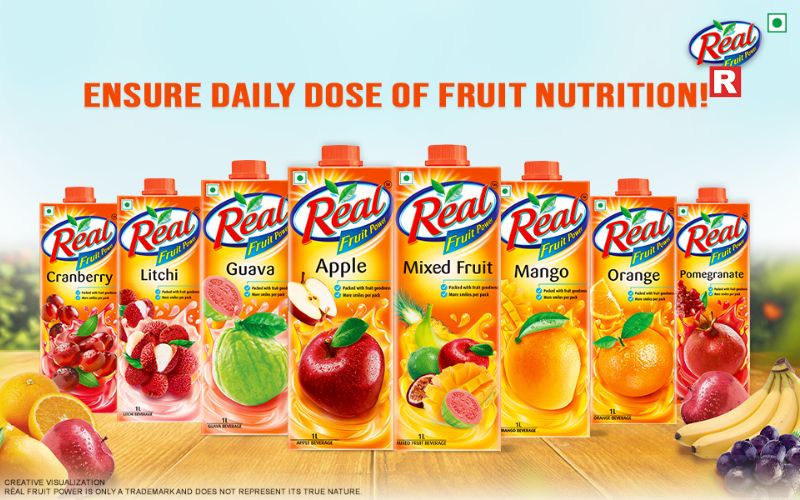
Real Fruit Power is one of the most trusted fruit juice brands in India. Many families choose it because it offers real fruit pulp and a steady taste. The brand has been around for years, and it continues to be a common choice in Indian homes. It offers many flavours. These include orange, mango, pineapple, litchi, guava, and mixed fruit. Each flavour has a clean and familiar taste. The juice is easy to find in stores across cities and towns. People prefer it because it feels safe, simple, and reliable. Real Fruit Power also offers good value for money, which makes it popular among regular buyers. It stays a top pick for anyone who enjoys everyday fruit juice.
Why it is popular:
- Known for consistent taste
- Wide availability across India
- Affordable price range
- Trusted parent company
Read more: 8 Famous Vegetarian Dishes of Uttar Pradesh and Their Timeless Legacy
Best Exotic Fruits to Enjoy This Winter for Taste, Health and Glow
2. Tropicana
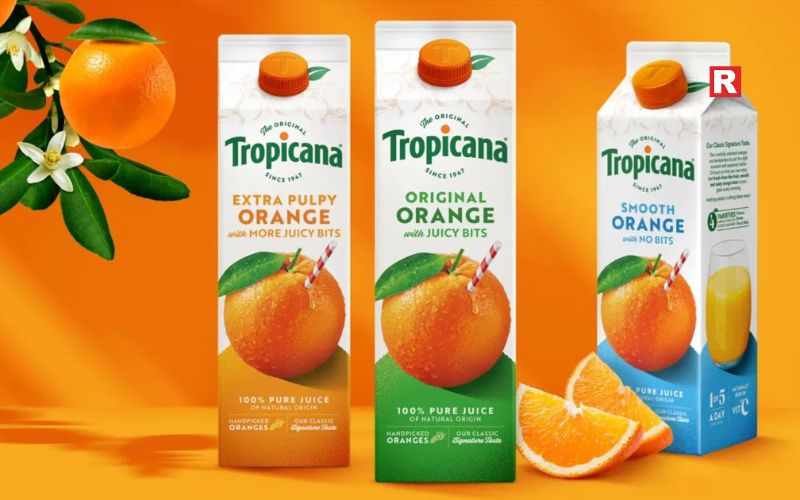
Tropicana is a well-known global juice brand with a strong presence in India. It is trusted for its focus on freshness and high fruit content. Many people pick it because the taste is clean, simple, and close to natural fruit. Tropicana 100% is popular among those who want juice with no added sugar. Tropicana Essentials is chosen by people who want extra nutrients in their daily drink. The brand offers classic flavours like orange, apple, and mixed fruit. It is easy to find in homes, offices, hotels, and cafés. Consumers like it because it feels pure, consistent, and safe for everyday use. Tropicana continues to be a top choice for health-minded buyers across the country.
What sets it apart:
- No added sugar in the 100% range
- Smooth, natural taste
- Good for daily consumption
- Popular in homes, offices, and hotels
3. Paper Boat
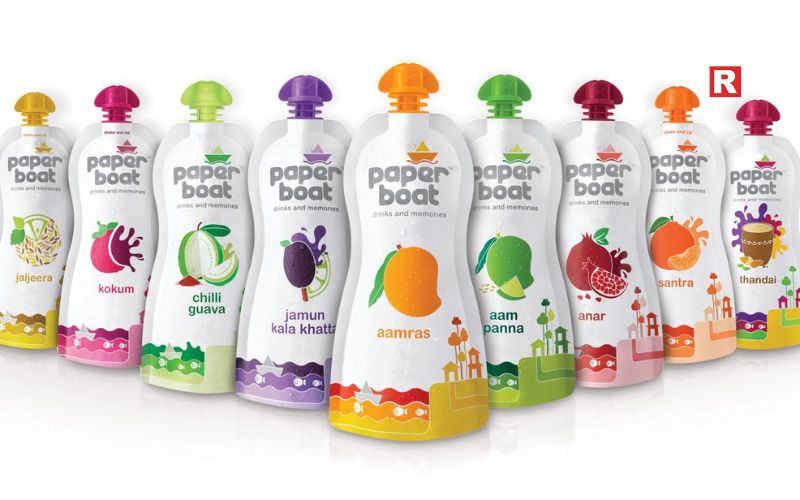
Paper Boat is a popular brand known for its refreshing drinks and Indian-inspired flavours. It brings back familiar tastes from childhood, which makes it special for many people. While it is famous for nostalgic drinks like Aam Panna and Jaljeera, it also offers a range of fruit-based beverages. These drinks are light, simple, and easy to enjoy at any time of the day. The brand focuses on gentle sweetness and clean ingredients. Its packs are travel-friendly and easy to carry. Many consumers prefer Paper Boat because it offers something different from regular packaged juices. It blends tradition with modern convenience. This mix of taste, memory, and ease makes Paper Boat a favourite choice across India.
Unique features:
- Indian flavours with modern packaging
- No artificial colours
- Gentle sweetness
- Travel-friendly packs
Know more: 5 Famous Soft Drinks in India, and Are They Safe for You?
4. B Natural (ITC)
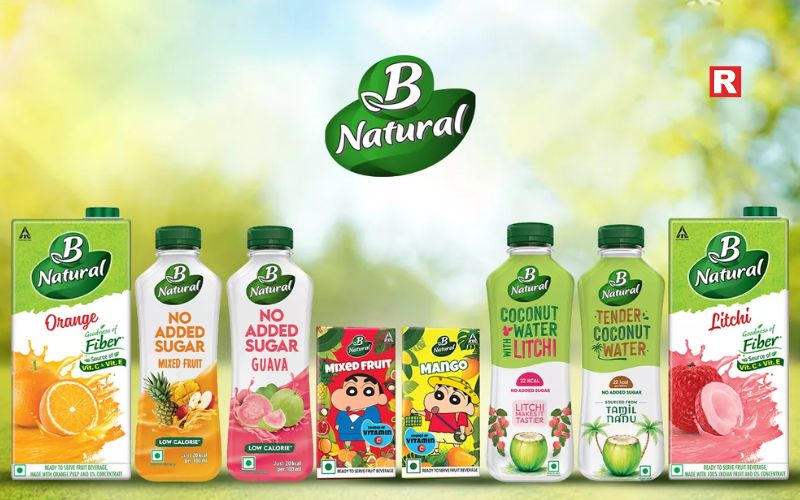
B Natural is a well-known juice brand that focuses on using fruits grown by Indian farmers. This gives the brand a strong local touch and makes it appealing to people who want to support Indian produce. B Natural also highlights its “No Concentrate” promise in many of its products. This means the juice is made from real fruit pulp and not from processed concentrate. The brand offers many flavours that suit everyday use. Its packaging looks premium and feels safe for families. Many consumers choose B Natural because it gives them a sense of freshness and trust. It also stands out for its clean ingredient list. This makes it a strong choice for those who want natural and reliable fruit juice.
Highlights:
- Made from Indian fruits
- Many variants have no added preservatives
- Wide range of flavours
- Premium packaging
5. Raw Pressery
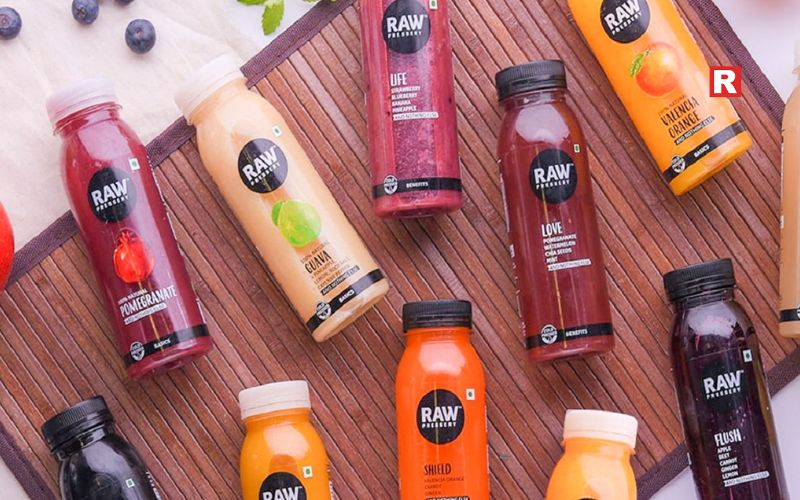
Raw Pressery is a leading cold-pressed juice brand in India. It is known for its clean-label drinks and fresh ingredients. The brand makes juices that are rich in natural nutrients. It uses high-pressure processing, which helps keep the juices fresh without adding preservatives. This process also keeps the flavour close to real fruit. Raw Pressery offers many blends, including orange, apple, coconut water, and mixed vegetable juices. Each drink feels light and pure. Many health-focused consumers pick this brand because it offers simple and honest products. It is also popular among people with busy lifestyles who want a quick source of vitamins. Raw Pressery continues to stand out for its quality and fresh taste.
Why people prefer it:
- Cold-pressed ingredients
- No sugar added
- No preservatives
- Rich in vitamins
6. 24 Mantra Organic
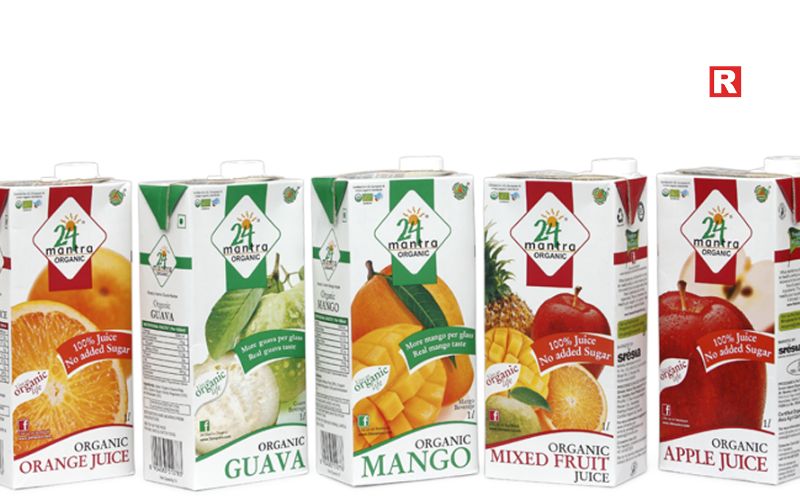
24 Mantra Organic is a trusted brand known for its organic fruit juices. It uses fruits that are grown without pesticides, which makes the juices safer for daily use. The brand focuses on clean and natural ingredients. Its juices have a mild and honest taste because they are made from real organic produce. Many families choose 24 Mantra Organic when they want chemical-free options. The brand also follows strict quality checks to keep its products safe and pure. It offers classic flavours that suit both adults and children. People who prefer a natural lifestyle often pick this brand for its simplicity and reliability. 24 Mantra Organic continues to stay popular among health-conscious consumers.
Why it stands out:
- Certified organic
- Natural taste
- Great for families aiming for chemical-free diets
Check more: What is Kimchi? Top Veg Kimchi You Can Try at Home
Top 10 Vegan Street Foods in India Every Indian Loves
Cold-Pressed Juices vs Packaged Juices
Cold-pressed juices are known for keeping more nutrients intact. This is why many fitness lovers prefer them. These juices are made with gentle pressure, which helps preserve vitamins and natural flavours. They usually contain no preservatives and offer a fresh, clean taste. On the other hand, packaged juices like Tropicana or Real are convenient and easy to store. They cost less and have a longer shelf life, which makes them suitable for regular family use. People who want a simple, everyday option often choose packaged juices. Those who focus on nutrition and freshness usually pick cold-pressed drinks.
Here are the key differences:
- Cold-pressed juices keep more nutrients.
- Packaged juices last longer.
- Cold-pressed juices offer fresh taste with no preservatives.
- Packaged juices are more affordable and easier to buy.
- Cold-pressed juices suit fitness-focused consumers.
- Packaged juices suit daily home use.
Fruity Sip
India’s fruit juice market offers many choices for different tastes and needs. There are traditional fruit drinks that remind people of familiar flavours. There are organic juices made from clean and chemical-free fruits. There are also cold-pressed juices that keep more nutrients intact. Each type serves a different purpose. Some people prefer a thick mango drink they enjoyed while growing up. Others look for organic juice because they want safer, pesticide-free options. Many health-focused buyers choose cold-pressed blends for vitamins and natural freshness. With so many brands and styles available, it has become easier for everyone to find something that suits their lifestyle. By checking labels and learning what each brand provides, buyers can make better choices. This helps them pick the right juice for daily health, taste, and convenience.
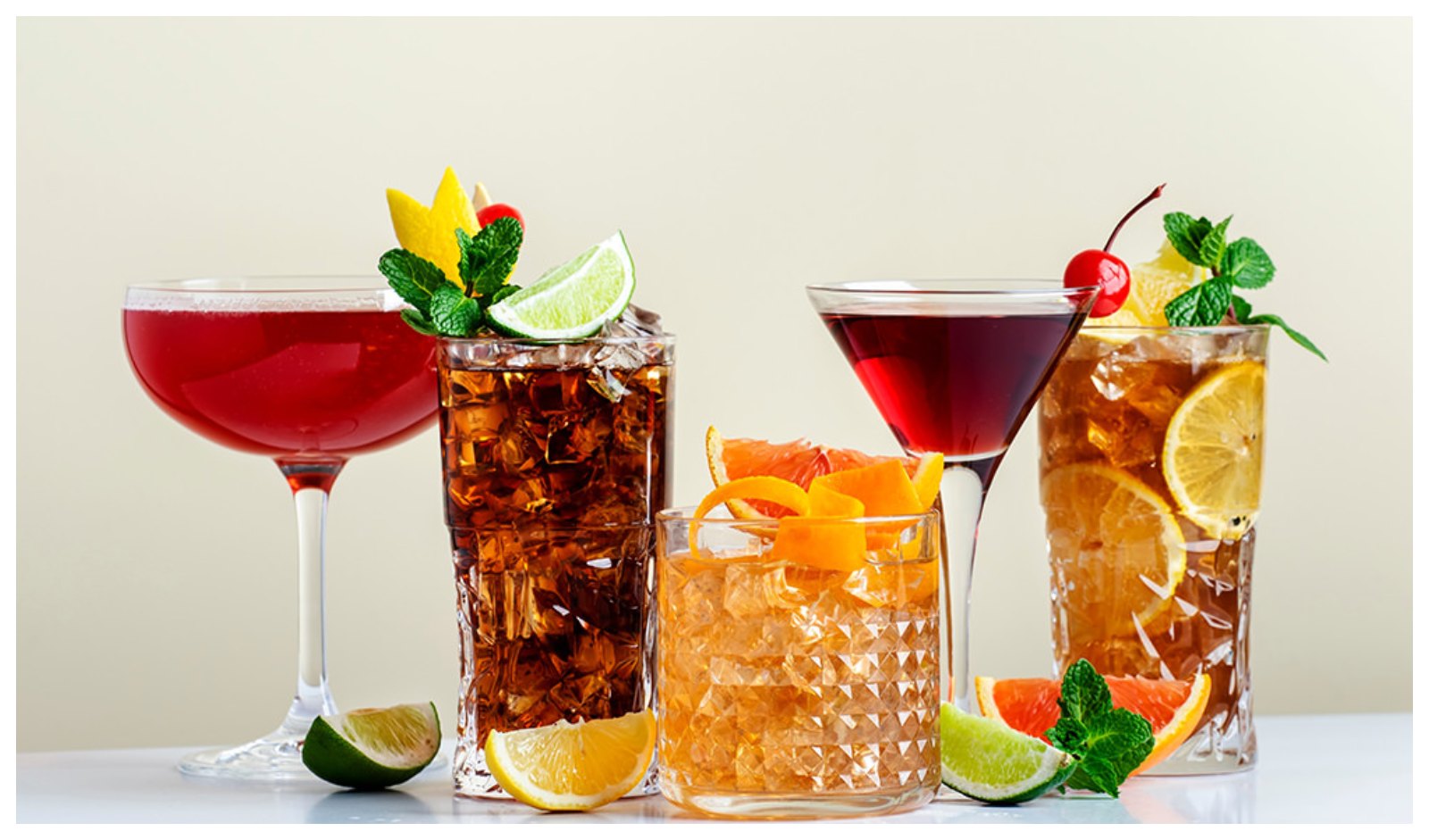
Airports are no longer just transit points; they have steadily evolved into food and beverage (F&B) hubs offering travellers a mix of dining, shopping, and experiences. For many passengers, food is often the first source of comfort in an otherwise hurried environment, making a strong F&B ecosystem an essential part of modern air travel.
A recent study by IRHPL, one of India’s fastest-growing retail groups, highlights how airport operators and food outlets are adapting by combining speed, variety, and quality to meet shifting consumer expectations. The report reveals that regional cuisines continue to dominate traveller preferences, with South Indian fare topping the charts nationwide, followed closely by North Indian offerings.
South Indian dishes remain popular with both domestic and international flyers, underscoring a tendency among travellers to opt for familiar and comforting flavours even in transient spaces like airports. Convenience-driven formats and beverages are also emerging as key contributors to sales, reflecting the dual demand for quick service and quality experiences.
Commenting on the insights, Naresh Sharma, CEO, IRHPL Group of Companies of IRHPL said, “While global fast-food chains continue to expand their footprint across airports, it is regional cuisine that still dominates menus. This highlights a crucial insight that travellers seek familiarity and cultural connection even in transit, making it essential for airports to tailor their offerings to local tastes rather than relying solely on international trends.”
Convenience driving Consumption
Travellers are increasingly opting for quick-service formats over traditional dine-in meals at airports, according to recent trend data. Between 50–65% of overall F&B spending is directed towards grab-and-go counters and convenience-led outlets, while dine-in restaurants account for just 25–35%.
The preference is especially strong among short-dwell passengers, who often prioritize speed and efficiency but still seek quality in their food choices. The findings underscore how convenience continues to shape consumption patterns in airport dining.
“Seeing the travellers’ preferences, airports have already responded with investments in quick-service outlets, kiosks and pre-packaged offerings, ensuring that travellers can enjoy fresh, tasty meals even with limited time before flights.”
Beverages Driving the Sales
Interestingly, beverages are driving the F&B sales at airports, surpassing food in contribution. Nearly 70% of airport F&B revenue comes from beverages such as coffee, juices and alcohol, while the remaining 30% accounts for food. Specialty beverages such as craft coffee and premium bars contribute 10–15% of sales, while lounges and areas for high-dwell times in premium hubs record the highest share. This trend showcases the potential of beverage-focused outlets to drive both footfall and revenue that complement quick-service food formats.
Travellers Sensitive to Pricing
Airports provide the convenience and environment that justify a premium spend on food and beverages, but travellers remain price-conscious, according to industry insights. The steady rise in airport F&B sales suggests that passengers are willing to pay slightly more for quality meals in comfortable settings, provided there is value attached.
This has led operators and F&B partners to focus on a balanced approach—combining accessible grab-and-go counters with premium dining concepts to capture a wider customer base.
Data also points to a clear hierarchy in food choices, with South Indian cuisine leading demand, followed by North Indian offerings. With grab-and-go formats dominating consumption, airports are prioritizing investments in quick-service outlets, while also expanding premium dining options to cater to short-dwell and high-spend travellers alike.
As airports evolve into culinary destinations, aligning offerings with traveler behavior will remain key to optimizing both experience and revenue.

The modern food industry is growing through a major revolution that may be silent, but is so powerful that it goes beyond the food. As trends related to personal health and fitness are gaining popularity, people are moving towards ‘staying sober’. As people are staying away from drinking alcohol, there has been an increase in demand for non-alcoholic drinks that are both innovative and delicious. The customers are seeking more than just any soft drink or juice to go with their food. People want unique and exciting drinks that provide the same level of satisfaction as that of any alcoholic drink. This new trend is not just a passing facade that will go away in just a few months or years. For the restaurants that provide high-end meals with alcohol or specialty drinks, adding dynamic non-alcoholic beverages to their menu is a necessity, not a luxury.
This shift towards non-alcoholic beverages is the most beneficial to a customer base that is made up of drivers, non-drinkers to families, and health-conscious customers. Beyond the affordable factor, these drinks can be a significant factor for profitability, frequently have larger profit margins, and lower ingredient prices. Therefore, in this article, we will be covering the top 10 non-alcoholic drinks for your restaurant that are both creative and profitable. They can help increase the customer experience, attract a big customer base, and solidify the restaurant’s reputation as a progressive business.
Read more: Frankenstein-Inspired Foods and Drinks for Your Spooky Celebrations
Why Non-alcoholic Beverages Are a Must-Have for Restaurants
If you ignore the non-alcoholic beverage market, then that means you will be leaving behind a chunk of your revenue and potential customers, and a loyal customer base as a restaurateur. So it is important to know why adding non-alcoholic beverages is important to the business:
- Growing Market: The international market for non-alcoholic drinks is expanding. In India, the party culture is strong due to the large amount of youth population. But, this specific population is also striving towards their own health and fitness, which has also started showing in various aspects of their life, including beverages. The young customers don’t want to compromise on both fitness and experience. This has led to the rise of luxurious, alcohol-free options.
- Increased Profitability: Specialized non-alcoholic drinks, such as house-made sodas and gourmet mocktails, can be priced reasonably to showcase their high-quality ingredients and expertise. They have a higher profit margin than alcoholic drinks due to their cheaper cost of goods, which will greatly increase your bottom line.
- Enhanced Guest Experience: a menu with a diverse range of drinks, varying from sodas to cocktails and non-alcoholic drinks, ensures that every customer, regardless of their drinking habits, feels appreciated and cared for. This inclusion is an effective strategy for increasing customer loyalty and positive word-of-mouth.
- Brand Differentiation: A restaurant that has a non-alcoholic menu is different and unique from its competitors, and stands out in the market. It presents the business as innovative, contemporary, and sincere in its goal of giving everyone a wonderful time.
- Versatility: These drinks are a reliable source of income during all service hours because they may be served at any time of day, from brunch to late at night.
Top 10 Non-alcoholic Drink Ideas
The following ten beverage ideas will turn your non-alcoholic menu from an afterthought to a focal point:
1. Elevated Mocktails

Get rid of the syrupy, excessively sugary recipes from the past. Mocktails today are as elegant, complex, and aesthetically pleasing as their alcoholic counterparts. They make their own syrups, use premium, fresh ingredients, and pay attention to flavor balance.
Key Selling Point: Provides visitors with the delicious flavor and the normal version of a cocktail without the alcohol.
Examples:
- Spiced Guava Cooler: A regionally inspired drink that has a tart, refreshing kick from fresh guava juice, a touch of mint, and a dusting of black salt.
- Cucumber and Basil Smash: a concoction of fresh basil and muddled cucumber, garnished with sparkling water and a tangy lime juice.
- Lavender Lemonade Spritz: A delicate combination of fresh lemon juice, homemade lavender syrup, and sparkling water, topped with a lavender sprig.
2. Artisanal Iced Teas

Serve more than simply plain iced tea. Take advantage of this to highlight unique flavors and brewing methods. Cold brewing produces a smoother, less bitter flavor profile, which makes it an excellent method.
Key Selling Point: very customizable with various tea varieties and flavor infusions, refreshing, and low in calories.
Examples:
- Peach & Rosemary White Tea: A delicate white tea flavored with a fragrant rosemary sprig and luscious peach purée.
- Hibiscus & Ginger Iced Tea: The spicy warmth of fresh ginger nicely balances the tartness of hibiscus blooms.
- Masala Chai Iced Latte: Using cold-brewed masala tea concentrate mixed with milk and served over ice, the Masala Chai Iced Latte is a contemporary Indian take on a traditional beverage.
Know more: Best Bar Blender Brands in India – Power, Precision, and Reliability
3. Creative Lemonades and Limeades

A gourmet makeover of a classic that has been around for a while. A basic beverage can be transformed into a memorable one by incorporating different and fresh fruits, herbs, and spices.
Key Selling Point: A beloved classic with a contemporary spin that feels thrilling and new.
Examples:
- Kiwi & Mint Limeade: Fresh kiwi, muddled mint leaves, and lime juice combine to create the bright green Kiwi & Mint Limeade.
- Spiced Orange Lemonade: Freshly squeezed orange and lemon juice with a touch of cloves and cinnamon is called spiced orange lemonade.
- Strawberry Basil Lemonade: The flavorful, peppery undertones of fresh basil and luscious strawberries are well balanced.
4. Specialty Hot and Cold Coffees

Provide a menu that offers more than the bare minimum to appeal to the expanding market of coffee lovers. Consider cold brew varieties, handcrafted brews, and specialty lattes.
Key Selling Point: Capitalizes on the enormous popularity of specialty coffee culture.
Examples:
- Rose & Cardamom Latte: A sophisticated palate will enjoy this exquisite and aromatic latte made with rose water and a touch of cardamom.
- Nitro Cold Brew with Cinnamon Stick: A cinnamon stick is served alongside a rich, velvety cold brew coffee that has been injected with nitrogen for a creamy head.
- Sea Salt Caramel Frappe: A rich and decadent iced coffee concocted with salted caramel and garnished with whipped cream is called a sea salt caramel frappe.
What's new: Best Whole Wheat Pasta Brands in India
5. House-made Infused Sodas (Shrubs)

Fruit, sugar, and vinegar are combined to make shrubs, often known as drinking vinegars. They have a distinct tangy-sweet flavor and are frequently combined with sparkling water to make cool beverages.
Key Selling Point: A really unique, adult-flavored craft beverage that differentiates your menu.
Examples:
- Mango and Turmeric Shrub: This shrub combines the earthy warmth of turmeric with a tangy-sweet taste.
- Raspberry & Apple Cider Vinegar Soda: A vibrant, delicious shrub with a strong vinegar tang is raspberry and apple cider vinegar soda.
- Pineapple & Chilli Shrub: The ideal ratio of spicy zing to tropical sweetness.
6. Sophisticated Kombuchas

A popular beverage among health-conscious people is kombucha, a fermented tea. Providing a range of high-quality, house-made, or partnered kombuchas can be very appealing.
Key Selling Point: Its distinct flavor and probiotic benefits capitalize on the wellness trend.
Examples:
- Ginger & Lemongrass Kombucha: This energizing and delightful kombucha is spicy and zesty.
- Berry and Mint Kombucha: This kombucha has a mild, herbal finish and is delicious and refreshing.
- Apple & Cinnamon Kombucha: This kombucha has hints of spiced apple and is warm and soothing.
7. Smoothies and Lassi

Enhance these traditional drinks with premium ingredients and a gourmet touch. In India, lassi is a common beverage, and a high-end version can serve as its focal point.
Key Selling Point: A satisfying and wholesome choice that may be used as a healthy treat or as a meal substitute.
Examples:
- Green Goddess Smoothie: The Green Goddess Smoothie is a nutrient-dense, creamy drink made with spinach, avocado, banana, and plant-based milk.
- Mango and Cardamom Lassi: This traditional sweet mango lassi is enhanced with a dash of cardamom for a fragrant treat.
- Protein Power Smoothie: A combination of Greek yogurt, protein powder, and berries for a healthy or post-workout meal.
Check out: 10 Best Indian Quinoa Recipes for Weight Loss
Best brown bread brands in India
8. Fresh Juices and Juice Blends

Offer freshly pressed or blended juices instead of prepackaged ones. Fresh juices are always tempting because of their vivid colors and simple, undiluted flavors.
Key Selling Point: A colorful, healthy, and pure option that demonstrates your dedication to using only the freshest ingredients.
Examples:
- Beet, Carrot, Apple & Ginger Juice: A strong, earthy, and spicy juice blend with health benefits is beet, carrot, apple, and ginger juice.
- Watermelon & Mint Juice: Simple, sweet, and refreshing, watermelon and mint juice is ideal for hot weather.
- Spinach, Pineapple, and Cucumber Detox: A crisp and energizing green juice mixture.
9. Non-alcoholic Cocktail Replicas

By carefully replicating the flavor profile and sensation of a particular, well-known alcoholic cocktail, this beverage type goes above and beyond the generic mocktail. Restaurants can serve zero-proof versions of traditional drinks like a Mojito, Margarita, or Old Fashioned by using a range of creative non-alcoholic "spirits," bitters, and syrups. In order to give designated drivers and non-drinkers a genuinely authentic-tasting substitute, the objective is not just to substitute the alcohol but also to replicate the original drink's complexity, texture, and aroma.
Key Selling Point: Enables customers to enjoy their favorite beverages without the alcohol content while still providing the full flavor experience and social ritual of a classic cocktail.
Examples:
- NA Spiced Rum & Cola: A perfect imitation of a traditional rum and cola made with a premium non-alcoholic rum substitute that has a hint of spice and molasses.
- Zero-Proof Margarita: This drink is a zesty and revitalizing mixture of fresh lime juice, agave nectar, and a non-alcoholic tequila alternative that is served in a glass with a salt rim.
- Herbal Gin & Tonic: An elegant blend of a botanical non-alcoholic "gin" with fresh botanicals such as juniper berries or rosemary and a high-end tonic water.
10. Flavored Hot Chocolates and Spiced Milks

An excellent choice for dessert or as a cozy drink, particularly at restaurants that welcome families. These can be very well-liked in the winter.
Key Selling Point: A rich, cozy, and kid-friendly substitute for tea or coffee.
Examples:
- Chilli & Cinnamon Hot Chocolate: Rich, black hot chocolate with a subtle spicy sting and a comforting cinnamon undertone is known as "chilli and cinnamon hot chocolate."
- Saffron & Pistachio Badam Milk: This traditional Indian beverage is made with almond milk and enhanced with crushed pistachios and the luxurious taste of saffron.
- Salted Caramel Hot Chocolate: A delightful and comforting blend of sweetness and salt.
Read this: 7 Reasons to Add Macadamia Nuts to Your Daily Diet
Conclusion
A modern restaurant can no longer afford to overlook a unique and dynamic non-alcoholic beverage menu, as it is now a strategic advantage. Restaurants can boost revenue, satisfy evolving customer preferences, and establish themselves as progressive, diverse dining places by adopting these top ten non-alcoholic drink concepts. In today's time, providing a genuinely appealing zero-proof menu is a potent method to improve the visitor experience and guarantee that your business stays at the forefront of the hospitality sector in the cutthroat culinary industry.

Keeping your restaurant’s beverage menu fresh and exciting is essential to attracting and retaining guests. Drinks play a vital role in setting the mood for a meal and can often be the highlight of the dining experience. Offering a trendy, well-crafted drink can even make your restaurant the talk of the town, encouraging customers to return and recommend your place to others.
If you’re wondering what to pour this month, this personalized guide will help you elevate your drinks menu with the latest trends and seasonal flavors. Incorporating fresh, local fruits and ingredients can create refreshing and nutritious options that appeal to a wide range of customers. From classic cocktails with a twist to innovative mocktails, the key is to balance creativity with familiarity. Additionally, keeping an eye on social media trends helps you stay ahead of the competition and capture the attention of younger, trend-conscious diners. Whether you’re aiming to highlight health-conscious choices, Instagrammable presentations, or bold new flavors, this guide covers everything you need to make your drinks menu irresistible this month. Let’s dive into what your restaurant should serve this month.
Read more: How to Pair Beer with Indian Food: A Desi Guide to Perfect Pints
9 Facts You Should Know About Beer
Drink of the Month: Mango Mint Cooler
This time of year, nothing beats the heat like mango. The Mango Mint Cooler is our top pick. It's a mix of fresh mango puree, mint leaves, lemon juice, soda, and crushed ice. It’s not only refreshing but also vibrant in color.
Why it works:
- Seasonal fruit: Mango is widely available and loved by all age groups.
- Simple to make: Just blend and serve.
- Great with food: Pairs well with spicy starters and grilled items.
Offer it as a welcome drink or highlight it on your menu board.
Know more: How to Pair Indian Food with the Right Alcohol: A Desi Guide to Perfect
Seasonal Sips: What’s Fresh Right Now?
Each season comes with its own unique flavors. Right now, focus on drinks made with:

- Jamun (Indian blackberry)
- Watermelon
- Muskmelon
- Cucumber
- Lemongrass
- Kokum
- Aam Panna (raw mango)
- Mint
- Ginger
- Tulsi (Holy Basil)
These ingredients are hydrating and rich in nutrients. Here are some drink ideas to try this month:

- Jamun Mojito
- Watermelon Basil Spritz
- Lemongrass Iced Tea
- Kokum Cooler (a tangy, refreshing drink popular in coastal India)
- Aam Panna with a twist of black salt and roasted cumin
- Mint Ginger Lemonade
- Tulsi Honey Cooler
Keeping the ingredients local and fresh not only enhances flavor but also reduces costs and supports local farmers. Experiment with these options to offer a variety of refreshing and healthy beverages to your customers.
Also check: Top 6 Indian States Where Women Drink the Most: The Rise of the Female Drinker
The Boozy Bulletin: Alcoholic Drinks to Pour This Month
Alcoholic drinks are not just about spirits. They’re about creativity.

Trending this month:
- Gin-based cocktails with cucumber and mint
- Elderflower spritzers
- Flavored margaritas (think guava chili or mango tajin)
- Sangria with seasonal fruits
Consider adding a house-special cocktail to your menu to attract attention. For example, create a signature Mango Whiskey Sour using locally sourced whiskey, fresh mango pulp, and a splash of lemon juice. This unique drink combines seasonal flavors with a classic cocktail twist, making it memorable for guests. Promote it as a limited-time offer by labeling it "Only available this month" on your menu. This strategy builds curiosity, encourages customers to try something new, and can boost your beverage sales quickly.
Non-Alcoholic Favorites
Not all guests drink alcohol. Your mocktail menu should be just as exciting.
This month, focus on:
- Aam Panna Mojito
- Sparkling coconut water with mint
- Rose & lemon iced tea
- Buttermilk with a twist (like beetroot or coriander-infused)
These refreshing and healthy options are perfect for family diners and lunch-hour guests. They offer a flavorful, non-alcoholic alternative that appeals to all ages, making your menu more inclusive and suitable for any time of the day.
Check more: 6 Fermented Drinks Known To Support Digestive Health
Aesthetic Drinks That Go Viral
Presentation matters. Some customers order drinks just to post them online.
This month, offer:
- Drinks with flower petals
- Color-changing mocktails (butterfly pea tea does wonders)
- Smoky cocktails served in covered glasses
- Layered smoothies or iced coffees
Train your staff to garnish each drink carefully. Use glassware that adds drama, like mason jars or long-stemmed glasses.
Pairings That Win Hearts
A well-paired drink can double the flavor of a dish.
Here are some pairings to try this month:
- Mango Mint Cooler with paneer tikka
- Cucumber Mojito with grilled fish
- Whiskey Sour with kebabs
- Rose iced tea with desserts like gulab jamun or rasmalai
Boost your sales by creating combo offers such as “Drink + Starter @ ₹299.” These value deals encourage customers to try more items, increase average spending, and make your menu more appealing, especially during peak hours and casual dining occasions.
Outdated Drinks to Retire
Not all drinks stay in fashion. Some classics become boring if not reinvented.
You can skip:
- Plain lemon soda (upgrade it with spices or fruits)
- Cola-based mocktails (they’re too basic)
- Regular iced tea (add herbs or fruit flavors)
Instead, focus on drinks with a twist.
Spill the Sip: Fun Facts, Trivia & Tips
Add a fun angle to your menu or social media.
Some ideas:
- Did you know watermelon is 92% water?
- A cold brew takes 12-18 hours to brew.
- Kombucha dates back to 220 B.C. in China.
You can also share tips like:
- Use jaggery or honey instead of sugar.
- Serve drinks with metal or bamboo straws.
- Always chill your glasses before serving.
This adds a personal and eco-conscious touch.
Final Thoughts
Your drinks menu reflects the personality of your restaurant. Regularly updating it, especially every month, shows that you stay trendy, thoughtful, and creative. This month, embrace bold flavors like mango, cucumber, jamun, and exciting fusion drinks to catch your guests’ attention. Offer both alcoholic and non-alcoholic options that are fresh, vibrant, and Instagram-worthy to engage a wider audience. Choose one standout drink to be your “hero” beverage, and promote it prominently—use tent cards at tables, feature it on your Instagram page, and even highlight it on customer bills. Pair these seasonal drinks with complementary dishes to enhance the dining experience. By focusing on fresh, seasonal sips and smart marketing, you’ll create a buzz that keeps customers returning, not just for the food, but for your unique and delicious drinks too.

When people walk into a restaurant, they often decide within seconds whether they want to stay. Surprisingly, this decision isn’t always based on the menu, pricing, or service—it’s largely driven by ambience. The overall feel of your space, shaped by elements like lighting, layout, music, scent, and colors, creates an emotional response in guests from the moment they enter. A warm, well-designed space can instantly make customers feel welcome, relaxed, and curious about the dining experience. On the other hand, a poorly lit, noisy, or cluttered restaurant can push them away before they even glance at the menu.
Ambience builds a silent yet powerful connection. It tells guests what kind of experience they can expect. From romantic date nights to casual brunches, your restaurant’s atmosphere should match your concept and speak to your ideal customer. In this article, we’ll explore how ambience influences customer behavior, strengthens emotional bonds, and encourages repeat visits. If you own a restaurant or are planning one, these insights can help you design a space people love—not just for the food, but for how it makes them feel.
Read more: How to Pair Beer with Indian Food: A Desi Guide to Perfect Pints
What is Ambience and Why Does It Matter?
Ambience is the overall atmosphere of a place. It comprises visual, auditory, and even olfactory elements, such as lighting, music, scent, color, space layout, furniture, and textures. When done right, ambience creates a mood that matches the brand’s identity and makes customers feel good.
A cozy café with soft lighting and warm wood interiors makes people stay longer and order more. On the other hand, a modern salon with sleek designs and calming colors can help clients feel relaxed and trust the service more. Ambience doesn’t just make a place look good. It shapes how people feel, think, and behave.
First Impressions Matter
According to research, people form first impressions within just 7 seconds of entering a place. In that short time, interior design plays a big role. If a space is clean, inviting, and thoughtfully arranged, it immediately builds trust. On the other hand, cluttered or poorly lit spaces make customers uncomfortable or unsure about the quality of service.
Think about a luxury perfume store. The lighting is elegant, the layout is spacious, and everything looks polished. That ambience signals premium quality. Customers expect to pay more, and they are often willing to do so.
Know more: 9 Facts You Should Know About Beer
11 Best Commercial Coffee Machine Brands for Café: Top Picks & Buying Guide
Design That Sells: How Interior Design Affects Spending
Interior design doesn’t just bring in customers; it also affects how much they spend. For example:
- Warm lighting makes customers feel comfortable, increasing the time they stay.
- Bright, vibrant colors stimulate quick decisions, often used in fast food places.
- Relaxing music slows people down, encouraging them to browse more in stores.
Brands like Starbucks great examples. Starbucks uses wood, warm tones, and low lighting to create a sense of comfort.
Return on Atmosphere (ROA): How Ambience Builds Loyalty
Return on Atmosphere (ROA) is a powerful concept in the restaurant world. It shows how interior design influences customer loyalty. A restaurant that feels warm, inviting, and comfortable creates a positive emotional memory for diners. This emotional connection often matters as much as the food. For example, if your restaurant has soft lighting, calming music, appealing colors, and a signature scent, guests are more likely to return—even if similar food is available nearby. They remember how your space made them feel. This is especially true for cafes, fine dining spots, or even casual eateries. ROA proves that people don’t just come back for the meal—they come back for the experience, the vibe, and the comfort your atmosphere offers.
Also check: Restaurant vs. Café: What Truly Sets Them Apart?
Brand Storytelling Through Decor
Your brand is not just a logo or product. It’s a story. And your interior design is part of how you tell that story. Let’s take an example. If your café has handmade furniture, plants, and chalkboard menus, you’re telling a story of being earthy, eco-friendly, and homey. This creates a unique identity. Customers who connect with that identity will return and recommend it to others. Every detail—from the floor tiles to the artwork—should reflect your brand’s personality.
Vibes Don’t Lie: The Secret Sauce to Repeat Customers
In today’s world, customers don’t just dine out for food—they seek vibes. A restaurant with the right vibe makes guests feel welcome, relaxed, and valued. This feeling encourages repeat visits. It’s no longer just about what’s on the plate; it’s about the overall experience. For example, restaurants with warm lighting, cozy seating, curated playlists, and well-spaced tables create a comforting and enjoyable atmosphere. Think of a bistro that feels like a peaceful escape or a café that feels like home. Guests return not just because the food is good, but because the ambience made them feel good. A well-designed vibe turns a simple meal into a memorable experience—and that’s what keeps customers coming back.
Check more: Outdoor vs. Indoor Dining: Which Experience Stands Out?
From Blah to Aah: Turn Your Space into an Experience
If your store feels dull or outdated, a few changes can completely refresh the space.
- Add warm lights
- Use brand colors creatively
- Introduce indoor plants
- Change the layout to be more open
- Use scents that match your brand
Even small updates can change the vibe and improve customer mood.
Mirror, Mirror on the Wall – Is Your Interior Wowing Them All?
Take a moment to look at your space from a customer’s eyes. Ask yourself:
- Is the lighting comfortable?
- Is the space clean and well-organized?
- Do the colors and design match the brand?
- Does the ambience feel welcoming?
Regularly refresh the interiors to keep them relevant and engaging.
How the Right Light Keeps Customers Coming Back
Lighting sets the mood more than you think.
- Soft, yellow lighting is ideal for cozy, slow spaces like lounges and spas.
- Bright white light works better in retail and work-focused settings.
- Accent lighting can highlight products and guide customer attention.
Don’t rely only on ceiling lights. Add table lamps, wall lights, or even natural lighting through windows where possible.
Final Thoughts
Ambience in a restaurant is not just about pretty decor—it’s a core part of your customer experience strategy. Every detail, from the layout and lighting to the scent and sound, shapes how guests feel the moment they step in. And how they feel determines whether they’ll return. In a crowded food market, restaurants that design with intention and emotion stand out. A cozy layout, pleasant aromas from the kitchen, soft background music, and warm lighting can turn a simple dinner into a lasting memory. You’re not just serving food—you’re offering an experience. Ambience speaks louder than words. If you want loyal diners, create an environment they’ll want to revisit. Let your space leave an impression they won’t forget.

India’s love for cocktails is growing like never before. Whether it’s a weekend house party, a date night, or a celebration at your favourite rooftop bar, cocktails are now a go-to choice. But what’s even more exciting is how Indian drinkers are experimenting with flavours. From fruity blends to spicy infusions, cocktails in India are no longer just about the alcohol—they’re about taste, mood, and experience.
In this article, we’ll explore the most popular cocktail flavours in India, how they’ve evolved, and why they’re loved. We’ll also highlight flavour combinations that are becoming common in Indian bars and homes.
Read more: Wine vs Beer: What Sets Them Apart (And What Your Tastebuds Say About You)
The Cocktail Culture is Booming in India
Over the last few years, cities like Mumbai, Delhi, Bengaluru, Goa, and Pune have seen a rise in craft cocktail bars and home mixologists. People now want drinks that match their personality and palate. They are moving beyond basic rum-and-cola or gin-and-tonic. Instead, they want cocktails with depth, flavour, and a story.
Young adults are especially drawn to Instagram-worthy cocktails that not only taste good but look amazing too. The Indian palate, known for loving bold and complex flavours, is naturally drawn to spicy, tangy, and fruity cocktails.
Know more: How to Pair Indian Food with the Right Alcohol: A Desi Guide to Perfect
1. Citrus Zing: The Ultimate Crowd-Pleaser

Citrus cocktails are refreshing and sharp. They are perfect for India’s warm weather. Lime and orange flavours are common. These drinks wake you up and feel light. Bartenders use fresh juice, not bottled ones, to keep the taste real. Citrus also helps balance strong alcohol. Brands like Jimmy’s Cocktails and O’be Cocktails offer citrus mixers for easy use at home. Many people love citrus in gin, vodka, or tequila drinks. Even mocktails use these flavours. They pair well with grilled food and seafood. Lemon drops and orange spritzers are gaining fame in rooftop bars. The sour kick also works well with soda or tonic water. Young people prefer these for a fresh, non-heavy drinking experience. Great for brunches or beach parties.
- Why it’s popular: It’s light, refreshing, and balances out the strength of alcohol. Citrus also pairs well with both vodka and whiskey.
- Where you’ll find it: Almost every bar menu. Even Indian-made ready-to-drink cocktail brands are offering citrus-based mixes.
2. Berry Blast: Sweet Meets Tangy

Berry-flavoured cocktails are rich and colourful. These drinks are perfect for sweet lovers. Strawberries, raspberries, and blueberries bring both taste and beauty. Indian bars use real fruit, syrups, or muddled berries for deep flavour. Cocktails like berry mojitos or berry martinis are popular in Delhi and Mumbai lounges. Brands such as Perrier and Svami offer berry mixers and sodas that blend well with vodka or gin. Berry flavours pair well with desserts, cheese platters, and chocolate. These are go-to drinks for celebrations and romantic dates. Frozen berry cocktails are a hit during summer. Even low-alcohol berry coolers are now trendy in Indian quick commerce apps. Perfect for anyone who wants a mild yet flavorful drink that’s easy to enjoy.
- Why it’s popular: It’s vibrant, tastes sweet, and feels light. It also adds a beautiful pink or red colour to the drink.
- Personal tip: Try a cranberry vodka with a dash of soda—it’s simple and tasty.
3. Mango Magic: The Desi Favourite

Mango cocktails are all about tropical fun. Alphonso and Kesar mangoes are often used in Indian bars for the richest taste. These drinks are creamy, fruity, and comforting. Mango mixes well with rum, vodka, or tequila. Even sparkling water can lift its taste. Brands like Bartisans offer mango chilli syrup for easy DIY cocktails at home. You can also find pre-mixed mango cocktails in cans by Crafters or O’be. Many Indian hotels like Taj and Oberoi serve mango cocktails during summer menus. The drink feels nostalgic, as everyone in India has a mango memory. Adding mint or soda makes it refreshing. It's a seasonal favourite, mostly enjoyed between March to June. It’s a happy, feel-good flavour in every glass.
- Why it’s popular: Mango brings both sweetness and richness. It gives a tropical vibe and feels familiar to every Indian.
- Pro tip: Add a pinch of chilli powder or chaat masala to mango-based cocktails for a spicy twist.
4. Spicy Masala: India’s Signature Twist

Masala cocktails bring Indian spice to your glass. These drinks are bold, warm, and unforgettable. Ginger, black pepper, red chilli, and even turmeric are used in creative ways. Many top mixologists in India are adding masala syrups or infusions to classics like Bloody Mary or Margarita. Indian brands like Bab Louie & Co. are offering spice-infused mixers. Spicy guava and chilli orange are popular flavours for vodka-based cocktails. These drinks go well with street food like pakoras, samosas, or even kebabs. They are loved during monsoons and winter. Many bars in Bengaluru and Pune now offer a “masala cocktail section” on their menus. These flavours also match well with desi fusion snacks. A great pick for people who love drama in their drink.
- Popular drinks include Masala Bloody Mary, Spicy Guava Margarita, and Chilli Vodka.
- Why it’s popular: Indians enjoy spice in their food and now want it in their drinks too. It gives a kick and pairs well with salty snacks like peanuts or chakhna.
5. Coconut & Tropical Vibes: Beach in a Glass

Coconut cocktails feel like a beach holiday in a glass. They are light, sweet, and go down smooth. Coconut water, tender coconut, and coconut milk are used in cocktails. Pina Colada is the most famous coconut drink. It mixes rum, coconut cream, and pineapple. Many resorts in Goa and Kerala serve fresh coconut cocktails right from the shell. Coconut tastes best with white spirits like rum and vodka. Tropicana and Cocojal are two Indian brands offering good coconut bases. Coconut pairs well with pineapple, lychee, or mint. These drinks are perfect for pool parties or tropical-themed gatherings. They are low on alcohol feel and very hydrating. Many people also add coconut to mocktails or smoothies. It’s a soft and relaxing flavour.
- Why it’s popular: These flavours are light, mildly sweet, and remind you of a beach vacation. Coconut also goes well with rum and vodka.
- Tip for Goa lovers: Try a coconut-rum punch the next time you’re at a shack.
6. Herbal & Botanical: For the Classy Sipper

Herbal cocktails are elegant and soothing. They use natural flavours like mint, basil, lemongrass, thyme, or rosemary. These flavours are not too strong but add depth. Perfect for calm evenings and classy settings. Many five-star bars in India use homegrown herbs for freshness. Gin is the best alcohol to mix with herbs. Brands like Greater Than and Stranger & Sons promote herbal gin-based drinks. Lemongrass vodka and mint martinis are becoming common. These flavours are good for people who don’t like sugary drinks. Herbal cocktails also go well with grilled veggies or cheese. Many wellness bars now serve low-alcohol botanical drinks for health-conscious people. These cocktails smell good and taste clean. Ideal for sipping slow and enjoying every note.
- Why it’s popular: It’s perfect for slow sipping. The flavours are not too strong, making them great for those who enjoy light and aromatic drinks.
- Where to find it: Upscale bars and lounges in cities like Mumbai, Delhi, and Bengaluru.
7. Dessert Cocktails: Sweet Treats with a Buzz

Dessert cocktails are the best way to end a meal. They are rich, sweet, and creamy. Chocolate, coffee, caramel, and vanilla are most used in such drinks. Many are made with cream liqueurs like Baileys or Kahlúa. Bars in India are now offering desserts in a glass—like Tiramisu Martini or Chocolate Mudslide. These drinks work well in winter or as after-dinner specials. You’ll find dessert cocktails on many wedding menus. Brands like Pernod Ricard and Diageo have products that pair well with dessert mixers. They are perfect for those who don’t enjoy hard drinks but still want a buzz. Coffee-based cocktails are also trending in India’s café-bars. These drinks feel fancy and are great for special occasions. A hit among couples and women.
- Why it’s popular: It’s perfect after dinner. These cocktails feel like a dessert but with a kick.
- Perfect for: Date nights, anniversaries, and even weddings.
8. Fusion Flavours: Where Masala Meets Mango

Fusion cocktails are all about innovation. They mix Indian ingredients with global styles. Think tamarind mojito, rose-vodka soda, or aam panna margarita. These drinks reflect India’s bold flavours and modern tastes. Many Indian bars now offer signature fusion cocktails using local herbs, spices, and fruits. Chefs and bartenders collaborate to match cocktails with regional cuisines. For example, a kokum-infused drink with seafood or a paan-flavoured cocktail with North Indian meals. Brands like DesmondJi and Satiwa are experimenting with local ingredients in their cocktail kits. These flavours make drinks stand out and spark conversation. Fusion cocktails are a big hit in wedding bars and curated food festivals. They offer something new in every sip. Great for people who love trying new things.
- Why it’s popular: It surprises the drinker. You get the comfort of desi flavours with the twist of global mixology.
- Where to try it: Concept bars in India like PCO (Delhi), Toit (Bangalore), and Cobbler & Crew (Pune).
Also check: 9 Facts You Should Know About Beer
The Most Overrated Beer Styles: Are They Really Worth the Hype?
Flavours That Turn Every Sip Into a Party
Bars are now experimenting with smoky and floral flavours. Think smoked cocktails with hints of cinnamon or floral ones with rose or hibiscus. Another trend is low-alcohol cocktails with fresh fruit infusions—ideal for health-conscious drinkers.
For house parties, try ready-to-mix kits or pre-made cocktail bottles. Brands like Jimmy’s Cocktails, Bartisans, and O’Be Cocktails in India offer great options. Popular flavours: Mango Chilli Margarita, Spiced Mojito, and Passion Fruit Martini.
- Love mango? You’re a nostalgic romantic.
- Prefer spicy cocktails? You’re bold and adventurous.
- Into berry drinks? You enjoy fun and sweetness.
- Pick herbal cocktails? You like elegance and simplicity.
The Bottom Line!
India’s cocktail scene is growing fast and becoming more exciting every year. From refreshing citrus flavours to bold spicy Indian twists, there is a wide variety to suit every taste. Whether you are enjoying a drink at a stylish bar or mixing cocktails at home, these popular flavours offer something unique. Citrus-based cocktails bring a zesty freshness, while berry and mango flavours add sweetness and tropical vibes. Spicy masala cocktails give a warm, bold kick inspired by Indian spices. Herbal and botanical blends offer a subtle, calming touch. Coconut and dessert-flavoured drinks are perfect for relaxing moments. Fusion cocktails creatively combine Indian ingredients with global styles, making the experience even more interesting. Next time you raise your glass, explore these trending flavours to find your new favourite cocktail.

The juice bar industry in India is skyrocketing, and it’s all thanks to the rising health consciousness, demand for convenience, and changing lifestyle preferences. With rapid urbanization, higher incomes, and a younger generation obsessed with wellness, the juice bar scene has evolved from a niche market to a mainstream trend.
Brands are diving into this thriving space by focusing on innovation, quality, and creating unforgettable experiences for consumers. Here’s how they’re doing it:
Healthy and Customizable Offerings: The Future of Beverages
Cold-pressed juices, smoothies, and functional beverages tailored to specific dietary needs—think vegan, gluten-free, and low-sugar options—are taking over the market.
Local Flavors with a Twist: A Taste of India’s Diversity
Brands are tapping into India's diverse palate by adding regional ingredients like mango, tamarind, kokum, and spices to give their drinks an unforgettable twist.
Haritha Ghattamaneni, Director of Vihaga Ventures who handles Jamba, shares, “By offering products that resonate with the evolving needs of Indian consumers and blending global expertise with local flavors, Jamba aims to carve a niche in this burgeoning market. Their goal is not just to serve beverages but to create a lifestyle movement around health and wellness, fostering a culture of informed and health-conscious choices.” She continues, “Jamba is an international brand, and its entry into India marks a milestone for the country’s juice bar segment. Known globally for its innovative and nutrient-packed smoothies, bowls, and juices, Jamba combines health, taste, and convenience. With a commitment to using high-quality ingredients and introducing unique flavor combinations, Jamba is set to redefine how Indian consumers perceive quick, healthy options.”
Tech-Savvy Experience: Juice Bars Get Digital
Tech integration is making customer engagement smoother than ever. Brands are offering mobile ordering, subscription plans, and personalized recommendations to cater to your every need.
Prime Locations: Attracting On-the-Go Consumers
Strategically opening juice bars in high-footfall areas like malls, airports, and business hubs is the key to attracting busy, on-the-go consumers.
Innovations that Set Brands Apart: The Secret Sauce to Success
In a cutthroat market, brands are coming up with groundbreaking ideas. Think chia seeds, spirulina, matcha, and functional beverages designed to help you meet your wellness goals. Plus, sustainable eco-packaging like biodegradable bottles and straws is a hit with today’s eco-conscious consumers.
A spokesperson from Smoothie Factory India says, “We are an international brand who has just ventured into the Indian market. Our menu is almost identical to what we offer abroad, but we’ve tailored it to meet Indian diet preferences. We serve smoothies, wraps, smoothie bowls, fresh juices, superfood bowls, and much more. We are continuously innovating with new ingredients, seasonal items, and experimenting with exciting new flavors.”
Sahaj Chopra, Co-founder and Director of Juice Guys, adds, “Brands are also embracing AI and IoT to figure out what customers like and streamline stock management. Subscription models are making it easier for consumers to keep coming back, and some brands even offer tailor-made juices based on individual dietary needs.”
The Tough Reality: Challenges in the Juice Bar Market
While the juice bar industry is booming, it’s not without its challenges. Intense competition from traditional juice vendors, the high operational costs of sourcing fresh ingredients, and maintaining quality while scaling up are just some of the hurdles. Additionally, educating consumers about the benefits of nutrient-packed beverages over sugary alternatives is no easy feat.
There’s also a shift from sugary drinks to natural substitutes, but brands need to work harder to promote smoothies and natural juices. Plus, established beverage giants and street-side juice vendors make it difficult for new brands to break through.
The Future Is Juicy: A Thriving Industry Ahead
The future of India’s juice bar industry looks incredibly bright as health and wellness continue to drive consumer choices. Expect geographical expansion into Tier-2 and Tier-3 cities, making healthy options more accessible to the masses. Even more exciting? The rise of robotic juice bars—self-service, tech-driven, and super convenient.
As brands continue to prioritize environmentally friendly operations, expect to see more farm-to-glass strategies aimed at reducing environmental impact while boosting product quality. Juice bars aren’t just a passing trend—they’re a new, exciting alternative to traditional beverages that’s in perfect harmony with India’s growing health-conscious movement. Don’t miss out on the revolution!

In India, the popularity of sugar-free drinks has increased as a substitute for those with high sugar content. In the beverage sector, these low-calorie and low-sugar choices are readily accessible. A lot of sugar-free beverages are sweetened with artificial sweeteners like aspartame, stevia, and sucralose, which give them a nice flavor without adding extra calories and will propel the market for sugar-free beverages throughout the projection period.
With many top brands like Pepsico or Coke and Budweiser, which have zero calorie non-alcoholic beverages, many other brands are venturing into this new segment wherein they are launching non-alcoholic drinks that have zero sugar or less sugar. Brands are coming up with more such products in the market, because many consumers are being health conscious these days.
Market Size
The global market for sugar-free beverages was valued at US$ 7.9 billion in 2022 and is projected to increase at a compound annual growth rate (CAGR) of 4.2% from 2023 to 2030, reaching at US$ 10.9 billion. Meanwhile, India's non-alcoholic beverage industry is expected to expand by 6.72% between 2024 and 2028, reaching a market size of US$21.49 billion.
Exploring Zero-Sugar and Zero-Calorie Beverages
As consumers shift towards healthier options, the demand for zero-sugar, zero-calorie beverages is on the rise, especially among those managing sugar intake or following low-carb diets. The market is expected to grow at a CAGR of 5%, with major players like Coca-Cola leading, while smaller brands offer innovative flavors and functional benefits such as energy and immunity support.
“The idea of a low-sugar drink emerged from our commitment to offering products that align with evolving consumer preferences and better-for-you options without sacrificing taste. As people become increasingly mindful of what they consume, we saw the opportunity to launch a line of fifteen-flavoured low-sugar kombuchas. Much more recently, we introduced India’s first clean-label tonics, available in four distinct flavours,” said Shishir Sathyan, Co-Founder, Mossant Fermentary who highlighted that the trend toward low-sugar and clean-label products is only growing. Consumers are demanding transparency, simplicity, and less added sugars in the beverages that they choose. This shift has inspired us to expand further into this space, particularly with our new tonic line. We aim to make these drinks easily accessible through quick commerce and modern trade.
He added, “That being said, the journey wasn’t without challenges. Developing low-sugar beverages that deliver both taste and quality took extensive research and innovation. We use proprietary processes to ensure our tonics remain clean-label while maintaining the delicate balance of fermentation for our kombuchas, all without relying on artificial preservatives. The result has been worth it, and we’re thrilled to be part of the movement towards more mindful, health-focused drinking experiences.”
The Shift in the Market
Commenting on the zero calorie drinks, Ishan Varshnei, CEO and Co-Founder of Latambarcem said, “In today’s market, the demand for zero-sugar and low-calorie beverages has shifted from being a trend to a consumer expectation. At Borecha, we’ve recognized the growing need for healthier alternatives early on and have pioneered a new path in functional beverages. Moving away from the traditional sugary drinks, we’ve focused on crafting drinks that not only taste great but also promote wellness.”
“Our flagship low-sugar probiotic kombucha, along with our zero-sugar kombucha seltzers, exemplifies this vision. With less than 3.3 kcal per 330ml can, and infused with adaptogens, probiotics and prebiotics, we are creating beverages that support gut health, boost metabolism, and give consumers a guilt-free experience,” added Ishan Varshnei who explained that through consistent R&D, we are pushing the boundaries further with upcoming zero-calorie products aimed at providing functional health benefits without compromising on flavour or enjoyment.
Explaining further, he added, “As we continue to innovate, we’re helping raise consumer awareness about healthier choices, offering real competition to traditional sugary drinks, and shaping the future of the beverage industry. Our mission is to lead by example, promoting wellness-focused beverages that align with the evolving health-conscious lifestyle.”
Healthier Drink Options
“As consumers become increasingly health-conscious, they're shifting towards healthier drink options in both the alcoholic and non-alcoholic spaces. The hard seltzer market in the US, for instance, has experienced remarkable growth, surging from $1.3 billion to $8.9 billion in 2023. This trend is expected to emerge in India as well. Notably, consumers are moving away from sugary syrups in cocktails, opting for natural sweeteners like honey water and dates instead,” said Jittin Merani, Co-Founder of The Glenwalk who elaborated that anticipating this shift, we launched a zero-calorie ginger ale, enabling consumers to indulge in their favorite drinks without worrying about calorie intake.
On-going Trends
1. Natural Sweeteners like Stevia and Monk Fruit are gaining popularity.
2. Functional Ingredients, including probiotics and vitamins, are becoming common.
3. Sustainability in packaging and sourcing is a key factor.
4. Premiumization is allowing brands to create higher-quality offerings.
Challenges
1. Balancing taste with health benefits remains difficult.
2. Regulatory scrutiny is increasing around health claims and labeling.
3. Educating consumers about new sweeteners is vital for trust.
4. As competition grows, brands need strong product differentiation.
The future of zero-calorie beverages is promising, but staying competitive will require continuous innovation and consumer education. To reach a larger audience, many brands are also extending their distribution networks.

Beverages as a business are taking a new shape in India. Over the years food verses beverages ratio has come up forcing industry to do lots of innovation in the segment. And, why not? Indians have always loved drinking their favourite tea, colas and mojitos, but over the last few years there are lots of changes in the beverages market. We see lots of chefs playing around with beverages and cocktails and also new age startups giving more natural and healthy alternative options to the ever demanding Indian customer.
According to a latest report by PwC-FICCI, “The alcoholic beverage segment has contributed significantly to jobs and revenues in the food services industry. Sale of alcoholic beverages manufactured by an MNC contributes to around 374,000 jobs (i.e., around 5% of total jobs in the industry) and around INR4,000 crores in gross value add (GVA) to the retailing industry.”
With over 50% of India’s population below the age of 25 and around 65% below the age of 35, the appetite of the young Indian population has been a key driver in industry growth. With India’s population skewed towards younger consumers, beverages as a business is witnessing significant growth potential in the coming years. Here are 4 Key Beverages Trend ruling 2019:
Gin is Going to Become Big: Gin as a trend is becoming big in India. Bars and restaurants menu is filled with gin and gin-based drinks. Globally, ‘Gin renaissance’ is hitting up the bars and pubs. There's no doubt about just how much gin has grown in the world of spirits, with Scottish gin especially undergoing a massive revival. “But I do firmly believe Gin is going to be really big in coming years. It’s such a huge game changer for the industry and something the F&B Industry could definitely do with,” shared Arpan Gupta, Co-Founder at Detroit Garage Bar.
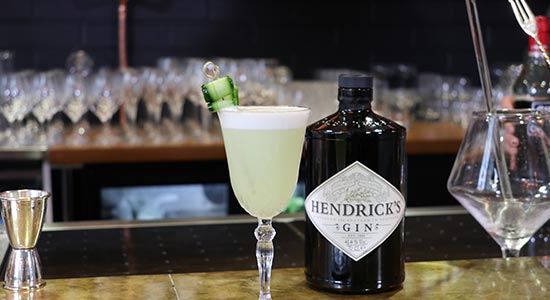
Iced Tea Will See a New Growth: Globally, Iced tea is 8 per cent of the total market with $65 bn market. But surprisingly, in India iced tea constitutes only 1 per cent of the overall beverages market. Hence, there is lots of exciting opportunities waiting to be unfolded in the segment. If you look at the global market like the US and the Europe, the share for carbonated drinks are going down and the share of iced tea is going up making it the third largest category in the world. “Iced tea would trend in 2019 because that’s been the global trend as well. Also, if you look beyond carbonated drink this is the most easily accessible and understandable option which is natural because people want natural products,” said Siddhartha Jain, MD of Positive Food Ventures.
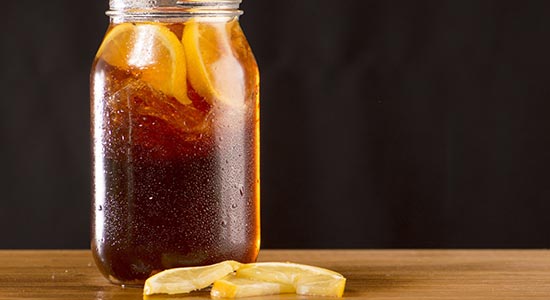
It will be the year of Craft Beer: There has been a sudden change in the attitude among young Indian consumers towards alcohol consumption lately. The growing middle class society understands the trend of social drinking and there has been a removal of social restrictions and stigma associated with drinking. The beer market in India is at a very nascent stage but has the potential to make it big. The craft beer market is just going to grow from here and it is not going to be one brand or the other, this growing market will be big enough for brands to co-exist and grow collectively. In both restaurants and packaged beverages there is lots of experimentation. We have all become foodies and it is a global trend. It is towards healthier, fresher, artisanal, smaller batches, innovative stuffs. “Every brewery now a days has its own style of craft beers. We are proud to say that Simba is the first home grown craft beer brand as we have our own brewery in comparison to other brands that outsource their beers,” pointed Prabhtej Singh Bhatia, Founder, Simba, adding that with the emerging craft beer culture, appreciation for quality and premium product has been witnessed with the increase in appetite for beer.
The Rise of Energy Drink: Globally sports drink is 4th in number but in India it is 2 per cent. Increased urbanisation, rising disposable income and growing health consciousness among the Indian youth has increased the demand for non-carbonated drinks. The energy drinks segment has been attracting a lot of consumer traction and performed impressively in recent years. Since its emergence in the Indian market, the energy drink category has enjoyed remarkable success, displaying a good growth in sales.
“India’s energy drink market was valued at USD 3663.7 million in 2017 and is expected to reach USD 4626.1 million by the end of 2022, growing at a CAGR 4.5 per cent. At the same time, long and erratic working hours and the trends of social gatherings are driving Indian consumers towards the consumption of energy drinks,” shared Abhinav Biswas, Sales and Marketing Head, Goldfogg India. Hence, we can say that energy drinks are no longer confined to bottom shelves of modern retail and have acquired the status of mainstream beverages.

The adrenaline rush that is present in this industry day in and day out is marvellous. People are bound to go with the move making sure that they are ahead in the race. Surprisingly, as the person is always high on the adrenaline he looks so young and happy even in the toughest time. This makes the people in the industry great and exciting making more new ventures and inviting new trends in the country.
For ages eating out has been the key trend in the country when somebody visits a restaurant, but in last one or two years the new age, experiential customer is also looking out for good beverages and drink options when they are dining at a place. We can say that drinks no more are an accompaniment with the food rather people go out for a good drink; over a glass of fine wine or a luxury cocktail experience. “With new beverage companies bringing their products to India, I see choices in India growing. We will hopefully see a new generation of single malts and a growing gin-drinking culture. Bartenders will also begin to get more importance and recognition in the industry in the coming days,” shares Shreyas Patel of Bootlegger Bengaluru.
Also, customers are no more looking at simple alcoholic or beverages option, there drinks are full of adventurous innovations and mix of international flavours. Citing an example, Turmeric Latte in itself was a global hit attracting thousands of global customers to try our age old haldi waala dood. Not only this, lots of innovations are happening pairing food right with the food options. For example; beer goes well with burgers, sandwiches and other finger foods, wine suits a luxury dining experience when people are out on a relaxed eating experience. “I think the situation would be that people would always eat throughout the week be it in a food court, bar or a proper restaurant depending on their choices, therefore the markets are going to expand much faster now than before. The other thing is that having small bites and having healthy food is important. So, the consumption of food per say might go down compared to what our generations have seen. Drinking will become a part of every evening followed with quick nibbles or snacks,” points Anjan Chatterjee, Founder, Speciality Restaurants Ltd.
Also, cocktail as a drink has gained momentum in restaurants and bars. According to experts, two years ago the cocktail sale was about 2-4 per cent and today when they are reinventing the menu by imbibing little bit of madness they do 28-30 per cent of cocktails.
Thus, with all the changes that the industry is going through we can say that we can see more food and beverages options on our dining table in days to come.
-
Non-alcoholic beveragesA thoughtfully developed beverage does not need a long ingredient list. It needs the right combination of flavours, textures and aromas to give…
 Kitchen storeUltimately, food preparedness is not just about having enough supplies; it is about keeping those supplies safe when normal conditions change.
 Business growthVarious businesses in the hospitality industry regard their operational discipline as an important tool in keeping the quality of service during the…
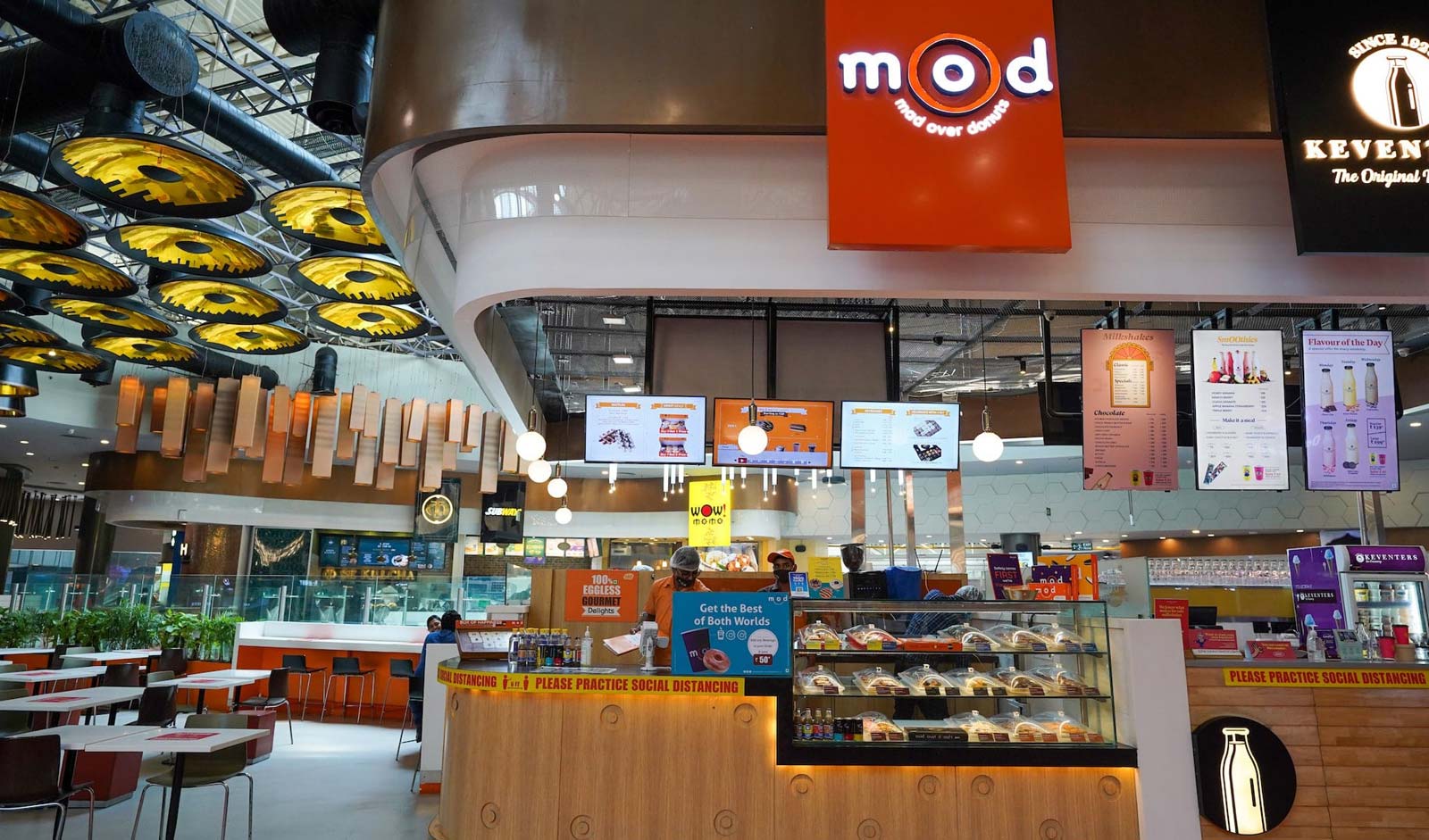 Malls as preferred retail locationThe growing importance of experience-led retail is also reflected in leasing activity. According to JLL data, food and beverage accounted for 18% of…
Copyright © 2009 - 2026 Restaurant India.