





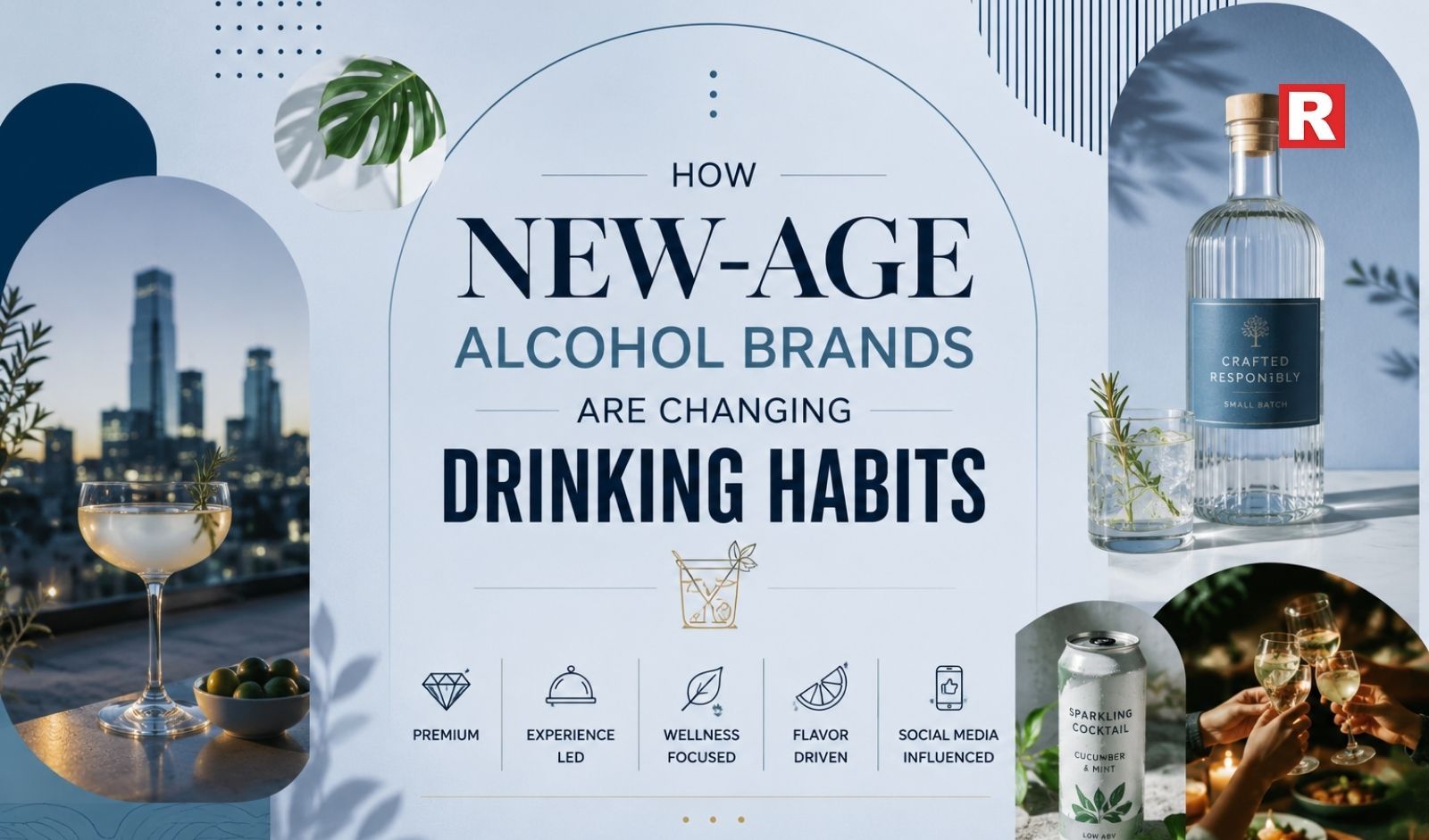
Alcohol culture is changing fast. The biggest shift is not that people have stopped drinking. It is that they are drinking differently. Younger consumers today are more selective about what they drink, where they drink, and why they drink. The focus is slowly moving away from quantity and moving toward experience, quality, wellness, and social identity. A few years ago, drinking was mostly associated with loud parties, heavy pours, and familiar labels. Today, things look very different. Consumers are ordering craft cocktails, trying canned drinks, exploring botanical spirits, and even alternating alcoholic drinks with non-alcoholic ones during the same evening.
New-age alcohol brands are leading this shift. They are not just selling beverages anymore. They are selling experiences, aesthetics, communities, and lifestyles. India’s alcohol market is now seeing strong growth in premium spirits, RTDs, craft beverages, and low-ABV products, especially among Gen Z and millennials.
Drinking Is Becoming More Intentional
One of the biggest changes is intentional drinking. People are no longer drinking just because everyone around them is drinking. Consumers now think more carefully about what suits their mood, health goals, social setting, and personal image. For many young consumers, drinking has become occasion-based rather than routine-based.
Instead of five random drinks at a club, many now prefer one well-made cocktail with premium ingredients. The idea is simple: better drinks, better experiences. Industry reports show that Gen Z consumers are shifting from “volume to value.” This shift is especially visible in urban India. Consumers are reading labels, exploring ingredients, and becoming more aware of flavors and craftsmanship. Today, ordering a drink has become part of self-expression.
Premiumization Is Reshaping the Industry
Premium alcohol is growing faster than regular mass-market categories.
Consumers are showing strong interest in:
- Craft gin
- Single malts
- Artisanal rum
- Tequila
- Cocktail-focused spirits
- Imported beverages
This trend is called premiumization. But premium today does not simply mean expensive.
Consumers now connect premium products with:
- Authenticity
- Better ingredients
- Storytelling
- Limited batches
- Regional flavors
- Better packaging
- Cultural identity
Many new-age brands are using Indian ingredients like kokum, Himalayan botanicals, spices, coffee, and local fruits to create products that feel fresh and rooted at the same time. Craft spirits are also becoming social status symbols among younger consumers. In many social circles, people now discuss tasting notes, cocktail recipes, and ingredients the same way coffee lovers discuss beans and brewing methods.
Ready-to-Drink Beverages Are Becoming Extremely Popular
One of the fastest-growing segments today is ready-to-drink beverages, also known as RTDs.
These include:
- Hard seltzers
- Vodka sodas
- Canned cocktails
- Spritzers
- Pre-mixed drinks
RTDs are changing drinking habits because they are simple, portable, and easy to consume.
Consumers like them because they offer:
- Portion control
- Lower alcohol levels
- Convenience
- Consistent taste
- Easy social drinking
Reports show RTDs are growing rapidly among younger drinkers globally and in India.
This category works especially well for:
- House parties
- Music festivals
- Brunches
- Travel
- Outdoor events
- Casual gatherings
The growth of RTDs also reflects another important shift. Consumers want drinks that fit naturally into their lifestyle instead of forcing special drinking occasions.
The Rise of Mindful Drinking
Moderation is becoming one of the biggest shifts in modern drinking culture, especially among Gen Z and millennials. Many young consumers are not completely giving up alcohol, but they are becoming far more conscious about how much and how often they drink. Trends like “zebra striping,” where people alternate alcoholic drinks with water, mocktails, or non-alcoholic beverages during social events, are becoming increasingly common.
Health and wellness are major factors behind this behavior, as consumers now pay closer attention to sleep quality, calorie intake, sugar consumption, mental well-being, and next-day productivity. This has created strong demand for low-ABV beverages, hard seltzers, and lighter cocktails that allow people to socialize without feeling overly intoxicated. Interestingly, consumers are still actively participating in nightlife and social gatherings, but they are choosing quality over quantity. Many Gen Z drinkers now consume alcohol less frequently while spending more on premium, experience-driven beverages.
Social Media Is Changing Alcohol Consumption
Social media has completely transformed alcohol branding. Earlier, alcohol marketing focused mainly on celebrity endorsements and nightlife. Today, aesthetics and storytelling matter just as much as the drink itself.
Modern consumers are attracted to:
- Minimal packaging
- Instagram-friendly cocktails
- Stylish cans and bottles
- Curated bar experiences
- Festival collaborations
- Influencer-driven recommendations
Alcohol brands are now behaving more like fashion and lifestyle brands. Many bars and beverage companies are designing drinks specifically for social sharing. Presentation matters almost as much as taste. This shift is influencing how consumers discover and choose products. A drink today is often part of someone’s online identity.
Drinking Occasions Are Also Changing
Traditional late-night drinking culture is slowly shifting toward more relaxed and occasion-based social experiences. Consumers today are increasingly choosing brunch cocktails, daytime parties, house gatherings, casual dinners, and weekend meetups over crowded nightclubs and heavy drinking sessions. This change is strongly influenced by wellness awareness, flexible work lifestyles, and the growing preference for meaningful social interactions. The rise of “daycap” culture reflects how younger consumers now prefer intentional drinking during the day rather than excessive late-night consumption. As a result, lighter beverages such as spritzers, canned cocktails, hard seltzers, and low-ABV drinks are becoming more popular because they feel smoother, refreshing, and suitable for longer social occasions. Alcohol brands are adapting by creating products designed specifically for brunches, outdoor events, intimate gatherings, and casual celebrations, showing how drinking habits are becoming more experience-driven and lifestyle-focused rather than centered only around nightlife.
Indian Consumers Are Supporting Homegrown Brands
Indian consumers are also showing stronger support for local craft alcohol brands.
Homegrown brands are gaining popularity because they offer:
- Regional storytelling
- Indian ingredients
- Experimental flavors
- Small-batch production
- Strong cultural identity
Consumers are increasingly curious about products that feel unique and rooted in Indian culture.
This trend is especially visible in:
- Craft gin
- Boutique breweries
- Indian single malts
- Artisanal cocktails
Many younger consumers now actively seek brands that feel authentic rather than overly commercial.
The Future of Drinking Looks Very Different
The future of drinking culture is becoming more premium, experience-led, and wellness-focused as consumers grow more conscious about what they drink and why they drink it. Younger consumers, especially Gen Z and millennials, are moving away from heavy drinking habits and choosing curated experiences built around craft cocktails, premium spirits, low-ABV beverages, and unique flavor combinations. Social media has also changed how alcohol is consumed, with aesthetics, storytelling, and lifestyle positioning influencing purchasing decisions. Brands are responding by introducing botanical ingredients, sustainable packaging, ready-to-drink cocktails, and health-conscious options with lower sugar and calorie content. Drinking today is increasingly linked with social connection, personal identity, and occasion-based consumption rather than volume alone. This shift is pushing alcohol companies to focus more on innovation, authenticity, and community-driven experiences, which is rapidly transforming the global alcohol industry.
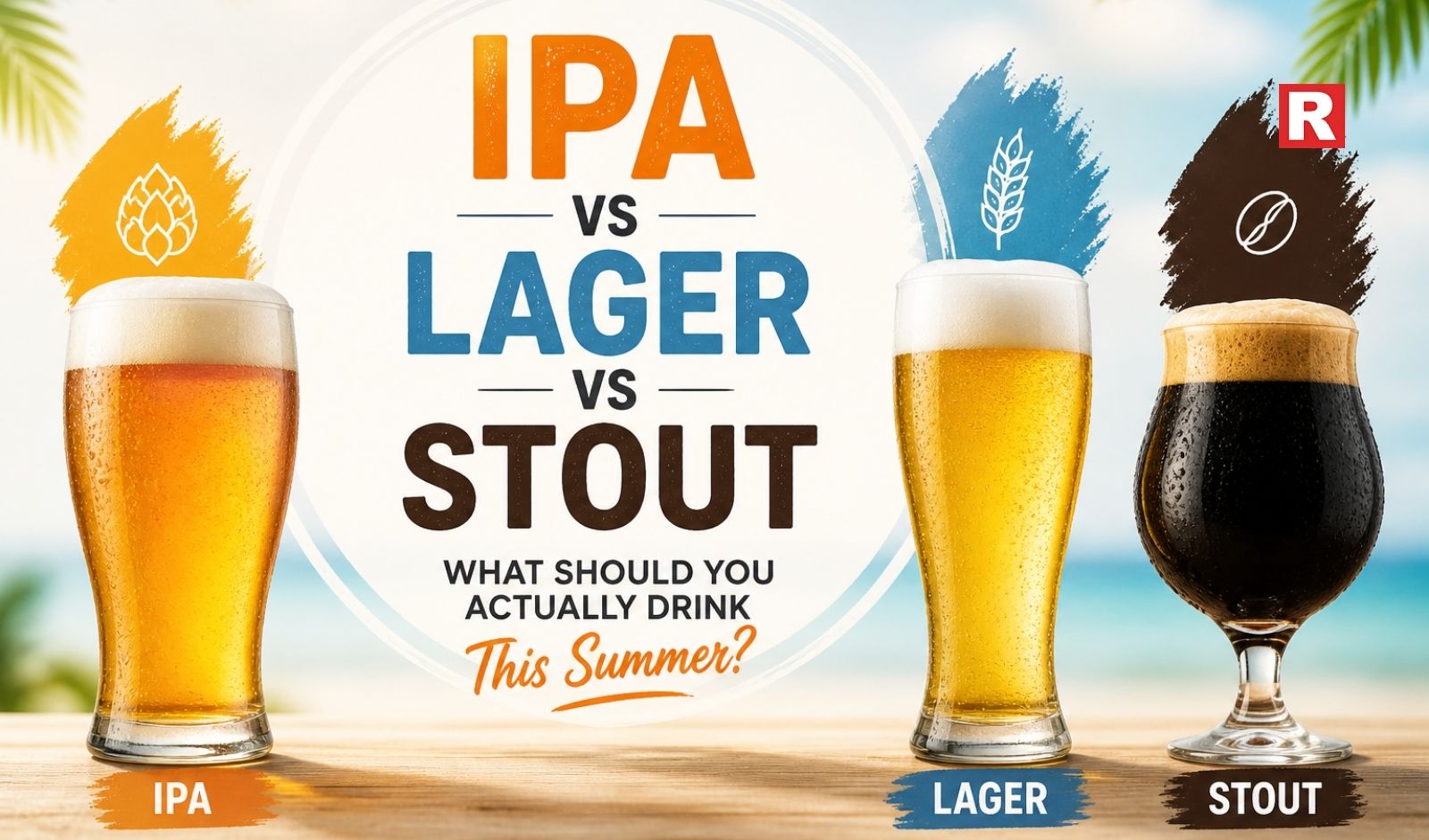
Summer in India changes everything about how we drink. The heat is intense. Even evenings stay warm. What feels good in winter can feel heavy in May or June. This is where beer choice becomes important.
Most people still order beer based on habit. Some go for “strong.” Others stick to what they know. But beer is not just about alcohol. It is about temperature, body, carbonation, and flavour balance. And in summer, these factors matter more than ever. If you have ever felt that some beers feel refreshing while others feel tiring, there is a reason behind it. Understanding IPA, Lager, and Stout can completely change how you drink during summer.
Why Summer Changes Your Beer Preference
Heat affects how your body reacts to alcohol. It also changes how flavours feel on your tongue. Bitter notes feel stronger. Heavy textures feel more tiring. Hydration drops faster.
Beer that works in summer usually has three things:
- Lower alcohol
- Higher carbonation
- Lighter body
Lighter beers feel cooler because carbonation creates a sharper, refreshing sensation in the mouth. Heavier beers feel slower and thicker, which can feel uncomfortable in high temperatures. This is why not every beer style works equally well in Indian summers.
The Real Difference: It Starts With Brewing Science
Beer Type | Taste Profile | ABV Range | Body | Best for Summer |
|---|---|---|---|---|
IPA | Bitter, citrusy, hoppy | 5–7.5% | Medium | Sometimes |
Lager | Crisp, clean, light | 4–5% | Light | Ideal |
Stout | Roasty, coffee-like, creamy | 4–8% | Heavy | Rarely |
All beer is made using four ingredients: water, malt, hops, and yeast. The biggest difference between IPA, Lager, and Stout comes from yeast type and fermentation temperature.
- Lagers use bottom-fermenting yeast at cold temperatures
- IPAs and Stouts use top-fermenting yeast at warmer temperatures
Cold fermentation creates clean and crisp flavours. Warm fermentation creates more complex and intense flavours. This single difference explains why some beers feel refreshing while others feel heavy.
Lager: Built for Indian Summers
Lagers are the most widely consumed beers in India, and that popularity is rooted in both climate and brewing science. Brewed using bottom-fermenting yeast at cooler temperatures, lagers develop a clean, crisp profile with minimal fruity notes. Most Indian lagers sit around 4–5% ABV, making them relatively light, with low bitterness (typically 8–20 IBUs) and higher carbonation. This combination gives them a smooth, refreshing finish that suits hot weather conditions.
In Indian summers, where temperatures often exceed 40°C, these characteristics matter. Higher carbonation enhances the perception of freshness, while the lighter body prevents the drink from feeling heavy or filling. Lower bitterness also makes lagers more approachable, especially when paired with spicy Indian food, as it does not clash with strong flavours. While beer is not hydrating in a medical sense, lighter lagers are easier to consume over longer periods without palate fatigue. They are best suited for daytime drinking, outdoor settings, and casual social occasions. Whether it is a weekend brunch or an evening with snacks, lagers remain the safest and most practical choice for summer drinking in India.
IPA: Bold, Trendy… But Not Always Summer-Friendly
IPA (India Pale Ale) is a beer style defined by its strong hop presence. Hops are the flowers of the hop plant, and they add bitterness, aroma, and flavour. In IPAs, these flavours often include citrus, pine, floral, and tropical fruit notes. Technically, IPAs tend to have higher bitterness levels, usually around 40–70+ IBU (International Bitterness Units), along with a higher alcohol content of about 5.5% to 7.5% ABV. They also have a medium to slightly heavy body, which gives them a fuller mouthfeel compared to lighter beers.
What makes IPAs stand out is their flavour-forward design. Unlike lagers, where balance and smoothness matter more, IPAs focus on boldness. However, this intensity can work against them in summer. In high temperatures, bitterness feels sharper on the palate, and higher alcohol can feel heavier and more dehydrating. The relatively lower carbonation compared to lagers can also make IPAs feel thicker. That said, IPAs still have their place. They work well in the evening, in air-conditioned environments, or when paired with rich and spicy Indian food, as their bitterness helps cut through oil and heat. Overall, IPAs are excellent for flavour but not ideal for long, hot summer days.
Stout: Rich, Creamy, and Clearly Not a Summer Drink
Stout is a dark beer style that sits on the opposite end of the spectrum from light, crisp lagers. It is brewed using roasted malts or barley, which give it its deep colour and signature flavours of coffee, dark chocolate, caramel, and sometimes even a slight smokiness. Stouts typically range from 4% to 8% ABV, but what really defines them is their texture and mouthfeel rather than just alcohol strength.
They feel heavier because of their fuller body and lower carbonation. Many stouts are smooth and creamy, especially nitrogen-infused variants, where nitrogen replaces carbon dioxide to create a velvety, less fizzy texture. This reduces the sharp, refreshing bite you get in lighter beers. In summer, this works against the style. The thick mouthfeel can feel too filling, and the lack of high carbonation reduces the cooling sensation. Stouts also tend to warm up quickly in hot weather, which further dulls their taste. However, they still work well in controlled settings. They pair beautifully with desserts, suit late-night indoor drinking, and are far more enjoyable in cooler weather. Overall, stouts are rich and indulgent, but not built for peak summer heat.
The Science of Refreshment: Why Some Beers Feel Better
Not all beers cool you down the same way. The “refreshing” feeling is not random. It is built through design.
- Carbonation: Higher carbonation creates a sharper and more refreshing mouthfeel.
- Alcohol Content: Higher alcohol increases dehydration and heaviness.
- Bitterness (IBU): Bitterness increases with hops. In heat, this bitterness feels even stronger.
- Body: Light-bodied beers are easier to drink quickly. Heavy beers feel slow and filling.
Key Insight: A summer beer is not just lighter. It is engineered to feel refreshing.
What India Is Drinking Right Now
Urban drinking habits are changing fast.
- Craft breweries are rising in cities like Bengaluru, Mumbai, and Delhi
- Consumers are exploring beyond “strong beer”
- Wheat beers and light lagers are growing in popularity
- Fruity and session IPAs are emerging as middle-ground options
There is also more awareness now. People are starting to look at ABV and IBU instead of just brand names. This shift shows that Indian consumers are becoming more informed and experimental.
So, What Should You Actually Drink This Summer?
It depends on the situation.
Simple Guide:
- Hot afternoon: Lager
- Day drinking with friends: Lager
- Evening indoors: IPA or Lager
- Food pairing (spicy or fried): IPA
- Late-night or dessert: Stout
If you want one clear answer, it is this: Lager is the most suitable beer for Indian summers. It balances refreshment, drinkability, and comfort in heat better than any other style.
Final Sip
Choosing a beer is not about which style is “better.” It is about what suits the moment. Each style is built with a different purpose. Lagers are designed for refreshment. They are light, crisp, and highly carbonated, which makes them easy to drink in hot weather. IPAs focus on flavour. Their higher hop content creates bold, aromatic profiles, but also adds bitterness and slightly higher alcohol, which can feel intense in heat. Stouts are about richness and depth. Their roasted malts create complex flavours, but also a heavier body that feels more suitable for slower, indoor drinking.
In summer, your body naturally looks for cooling and hydration. That is why lighter, low-ABV, and more carbonated beers work better. A lager feels refreshing because it is built for it, not by accident. Once you start choosing beer based on temperature, time of day, and food pairing, the experience improves. A spicy meal with an IPA or a dessert with a stout feels intentional. Beer becomes less about habit and more about making the right choice for the situation.

The way India drinks is changing. Not loudly. Not dramatically. But in a way that is easy to notice if you look closely. A few years ago, most consumers preferred familiarity. Popular whisky labels dominated shelves. Beer choices were safe and repetitive. The focus was on availability, price, and consistency rather than experience. Today, especially during the summer months, that pattern is shifting. Urban consumers are actively exploring small-batch alcohol, including craft gins, artisanal rums, and limited-edition spirits produced in smaller quantities. This change is driven by a deeper awareness of what goes into a drink. People are paying attention to ingredients, sourcing, and production techniques such as slow distillation and botanical infusion. Warmer weather is also influencing choices, with a clear preference for lighter, flavour-forward profiles that feel refreshing rather than heavy. More importantly, this shift reflects a broader change in mindset. Consumers are moving away from routine consumption and toward more intentional drinking, where every choice is about taste, quality, and the overall experience rather than just habit.
The Shift: From Quantity to Intention
Indian consumers are no longer drinking more. They are drinking differently. There is a clear move toward “intentional drinking.” People are choosing fewer drinks. But they are choosing better ones. This shift is driven by awareness, lifestyle changes, and a growing focus on experiences over excess.
Younger consumers, especially in metro cities, are leading this change. They are not chasing intoxication. They are chasing taste, balance, and story. That is where small-batch alcohol fits perfectly.
What Small-Batch Actually Means (And Why It Matters)
Small-batch alcohol is not just about producing less. It is about producing with control.
In technical terms, small-batch production involves:
- Limited-volume distillation
- Tight batch control for consistency
- Controlled fermentation cycles
- Precision in ingredient ratios
This allows distillers to focus on flavour layering, aroma balance, and texture. Unlike mass production, where uniformity is the goal, small-batch production focuses on character. Consumers today understand this difference. They are paying attention to how a spirit is made, not just how strong it is.
Craft Is Becoming a Social Identity
In India, small-batch alcohol is no longer niche. It is becoming a social signal. Urban millennials and Gen Z consumers now associate craft spirits with taste, awareness, and individuality. A small-batch gin or rum is not just a drink. It is a reflection of personality. What is on the table matters. And small-batch bottles carry more meaning than mainstream labels.
This is especially visible in social settings:
- House parties
- Curated dinners
- Cocktail evenings
Summer Is Driving the Flavor Shift
Distillers are experimenting with:
- Botanical infusions
- Citrus-forward profiles
- Spice-led flavours
- Low-ABV blends
Summer plays a big role in this rise. Heavy, strong drinks feel out of place in warmer months. Consumers want lighter, fresher, more experimental options. Small-batch alcohol delivers exactly that. In India, local ingredients are shaping this trend. Himalayan juniper, saffron, regional citrus, and spices are being used to create distinct flavour profiles. The result is alcohol that feels seasonal. Refreshing. And new.
The End of “One Taste Fits All”
Consistency vs Character: Mass-produced alcohol is designed for uniformity. Large-scale distillation uses standardized processes, controlled blending, and consistent raw materials to ensure every bottle tastes identical. While this builds trust, it also limits flavour diversity and sensory exploration.
Rising Consumer Fatigue: Today’s consumers, especially younger urban drinkers, are growing tired of repetitive taste profiles. With increased exposure to global food and beverage trends, they are actively seeking drinks that offer new flavours, textures, and experiences rather than predictable outcomes.
Limited Editions Create Exclusivity: Small-batch producers often release limited runs. These batches are made in controlled quantities, making each release feel rare and time-sensitive. This adds a sense of discovery and encourages consumers to try something before it disappears.
Regional Variations Add Local Identity: Craft distillers experiment with locally sourced ingredients such as spices, herbs, and fruits. This results in region-specific flavour profiles that reflect local terroir, giving each product a unique identity.
Experimental Blends Drive Innovation: Small-batch alcohol allows flexibility in distillation, aging, and infusion. Producers can test bold combinations, creating layered and evolving flavour profiles that make each sip feel new and engaging.
Premium Is No Longer About Price
Earlier, premium alcohol meant expensive brands. Today, that definition has changed. Consumers are willing to spend. But only when they see value beyond branding. In fact, premium segments in India are growing faster than overall alcohol consumption. This shows that people are not cutting down on spending. They are upgrading their choices.
Premium now means:
- Authentic sourcing
- Transparent production
- Thoughtful craftsmanship
The Home Drinking Culture Boost
Another major driver behind the rise of small-batch alcohol is the growth of home consumption. Since the COVID-19 pandemic, many consumers in India have become more comfortable drinking at home, not just for convenience but for control over their experience. However, this shift is not about compromising on quality. People now want to recreate bar-like experiences in their own spaces. This has led to a noticeable rise in DIY cocktail culture, where consumers experiment with recipes, garnishes, and presentation. Home bar setups are becoming more common, especially among urban millennials, with curated selections of spirits, mixers, and tools. At the same time, there is growing interest in mixology, driven by social media content and easy access to cocktail tutorials. Small-batch alcohol fits naturally into this trend because it offers depth, unique flavour profiles, and versatility. Its complexity enhances cocktails, while its limited-production appeal adds a premium and personalised touch to house parties and small gatherings.
The Role of Gen Z and Millennials
Young consumers are at the center of this shift.
Their preferences are clear:
- They value authenticity
- They prefer local brands
- They care about ingredients
- They look for transparency
They are also more experimental. They are open to trying new formats, flavours, and categories. Importantly, they are driving the “quality over quantity” mindset. Even industry leaders have acknowledged that younger Indians prefer better alcohol over high-volume consumption.
The Numbers Behind the Trend
The growth is not just visible. It is measurable.
- India’s craft spirits segment is expected to grow at over 21% CAGR in the coming years.
- Globally, the craft spirits market is expanding at over 22% CAGR.
- Premium categories in India are already outpacing overall alcohol growth.
These numbers confirm one thing. Small-batch alcohol is not a niche trend anymore. It is a major market shift.
Technical Edge: Why Small-Batch Tastes Better
There is a reason why small-batch alcohol stands out. It comes down to process.
- Distillation: Smaller stills allow better control over temperature and separation of compounds
- Fermentation: Controlled timelines enhance flavour development
- Botanical infusion: Layering ingredients creates depth instead of a flat taste
- Aging: Flexible aging techniques improve balance and smoothness
This technical precision results in:
- Better aroma
- Smoother mouthfeel
- More complex flavour
Consumers may not always understand the science. But they can taste the difference.
The Future
This summer is not just about what people are drinking, but how they are choosing to drink. Across urban India, there is a clear move toward mindful and experience-led consumption. Small-batch alcohol fits seamlessly into this shift because it is built around craftsmanship, quality ingredients, and controlled production methods. These spirits are often distilled in limited quantities, allowing greater attention to flavour, aroma, and balance. Consumers are responding to this detail. They are taking time to understand what they drink, experimenting with cocktails, and appreciating the story behind each bottle, from sourcing to distillation. This approach reflects a broader lifestyle change where drinking is no longer rushed or routine, but curated and intentional. It is also closely linked to the growing premiumisation of the alcohol market in India, where value is defined by authenticity rather than just price. As a result, small-batch alcohol feels more personal and meaningful. The future of drinking in India is clearly shifting away from volume-driven habits toward choices that prioritise quality, individuality, and a more refined overall experience.

Weekends do not always need noise. Sometimes, the best moments are quiet. A comfortable chair. Soft music. A well-poured drink. This is where a good whisky changes the mood. It slows you down. It adds depth to your time.
In India, the way people enjoy alcohol is changing. There is a clear shift from quantity to quality. More people are building home bars. They are learning about flavours, ageing, and origin. Premium whisky is no longer just for special occasions. It is becoming a part of a personal ritual. This guide brings together six premium whiskies that can elevate your weekend. Each one offers a distinct experience. From smooth and sweet to bold and smoky.
What Makes a Whisky Premium?
A premium whisky is defined by craft and patience. It is not just about price. It is about how the whisky is made and how it tastes.
- Ageing matters. Most premium whiskies are aged for years in oak barrels. This gives them depth, colour, and complexity.
- Casks play a big role. Some whiskies are aged in bourbon casks. Others use sherry casks. This changes the flavour. Bourbon casks add vanilla and sweetness. Sherry casks bring richness and dried fruit notes.
- Ingredients are important. Single malts use only malted barley. Blended whiskies combine different grains and malts. Both can be premium if crafted well.
- Distillation defines quality. Slow distillation improves smoothness. It removes harsh elements.
- Origin influences taste. Scotch whiskies are often smoky or rich. Japanese whiskies are balanced and delicate. Indian whiskies are bold, with unique climate-driven ageing.
Explore Premium 6 Whiskies to Try
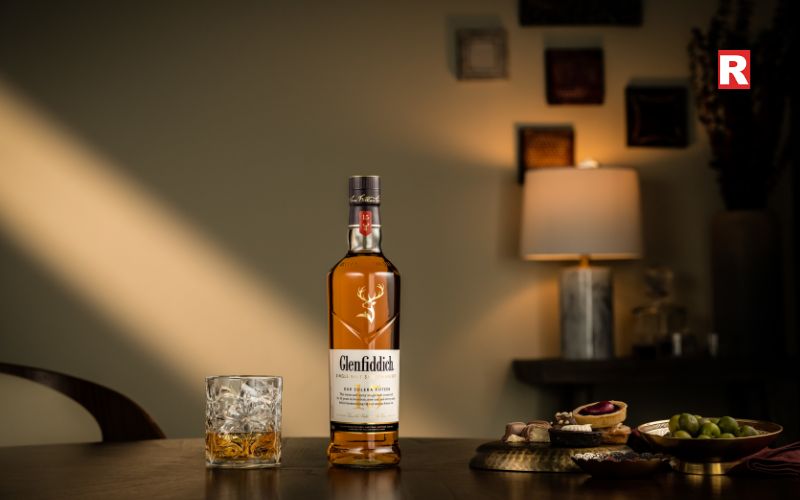
1. Glenfiddich 15 Year Old Single Malt Scotch Whisky
- Type: Single Malt
- Origin: Scotland
- Best Way to Enjoy: Neat or with a few drops of water.
Glenfiddich 15 Year Old is often chosen by those stepping into premium whisky. It feels smooth from the first sip. The aroma carries soft notes of honey and vanilla, followed by a light spice. On the palate, it shows gentle fruit and oak flavours that stay balanced. The finish is mellow and slightly sweet, making it easy to enjoy over time. The Solera vat process helps maintain a consistent profile, which adds to its appeal. It works well in quiet evenings where the focus is on slow sipping. Nutritionally, whisky like this contains about 97 calories per 30 ml serving. It has zero fat, protein, or sugar, making it a lighter indulgence when consumed in moderation.
Read more: Top Premium Whisky Brands in India: Finest Indian Whiskies Worth Trying
Best Japanese Whisky Brands in India: Where Craft Meets Perfection in Every
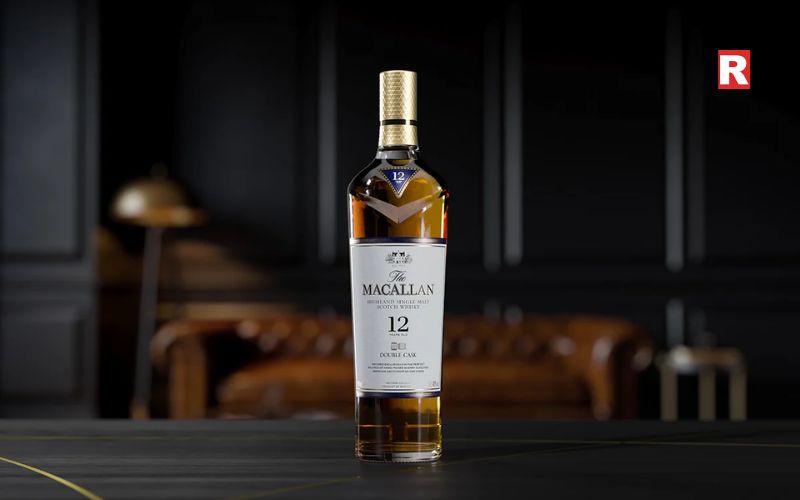
2. The Macallan Double Cask 12 Years Old
- Type: Single Malt
- Origin: Scotland
- Best Way to Enjoy: Neat in a wide glass to enjoy the aroma.
The Macallan Double Cask 12 Years Old carries a rich and rounded character. It is often picked by those who enjoy deeper flavours. The nose opens with creamy butterscotch and hints of dried fruit. On tasting, it delivers warmth with subtle spice and a smooth texture. The finish feels slightly woody, leaving a lasting impression. The use of both American and European oak casks gives it a layered taste that unfolds slowly. It suits relaxed evenings where attention is on flavour. Nutritionally, a standard 30 ml pour contains close to 100 calories. It has no carbohydrates, fat, or protein. This makes it a clean spirit choice when enjoyed responsibly.
3. Johnnie Walker Blue Label Blended Scotch Whisky
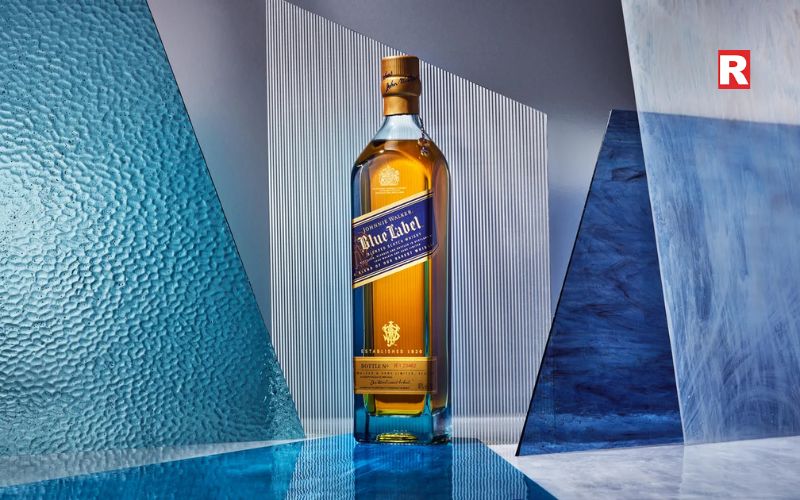
- Type: Blended Scotch
- Origin: Scotland
- Best Way to Enjoy: Neat. No ice. Let it open slowly.
Johnnie Walker Blue Label is known for its refined and silky profile. It is often linked with special moments and celebrations. The whisky opens with a soft aroma of honey and nuts. On the palate, it feels smooth with notes of dark chocolate and a gentle smokiness. The texture remains consistent and elegant throughout. It is crafted using rare whiskies, which gives it depth and character. The finish is long and balanced, without any harsh edges. It fits occasions where quality matters more than quantity. Nutritionally, it provides around 95–100 calories per 30 ml serving. It contains no sugar, fat, or protein, making it a straightforward spirit in moderation.
4. Hibiki Japanese Harmony Whisky
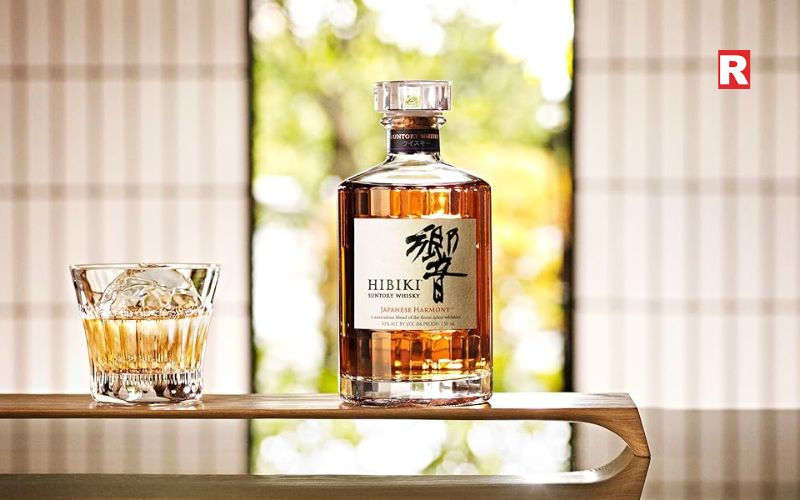
- Type: Blended Japanese Whisky
- Origin: Japan
- Best Way to Enjoy: With a single ice cube or neat.
Hibiki Japanese Harmony reflects precision and balance in every sip. It is often appreciated by those who prefer subtle flavours. The aroma carries floral notes with hints of citrus and light sweetness. On tasting, it feels smooth and delicate, with layers that unfold gently. The finish remains clean and soft, without overpowering the palate. Its blend of different whiskies creates a refined and harmonious profile. It suits calm settings where the experience matters. Nutritionally, a 30 ml serving has around 95 calories. It contains no fat, protein, or sugar. This makes it a lighter option among premium spirits when consumed in limited amounts.
Know more: Top 20 Trendy Whiskeys You Must Try Once
5. Amrut Fusion Single Malt Whisky
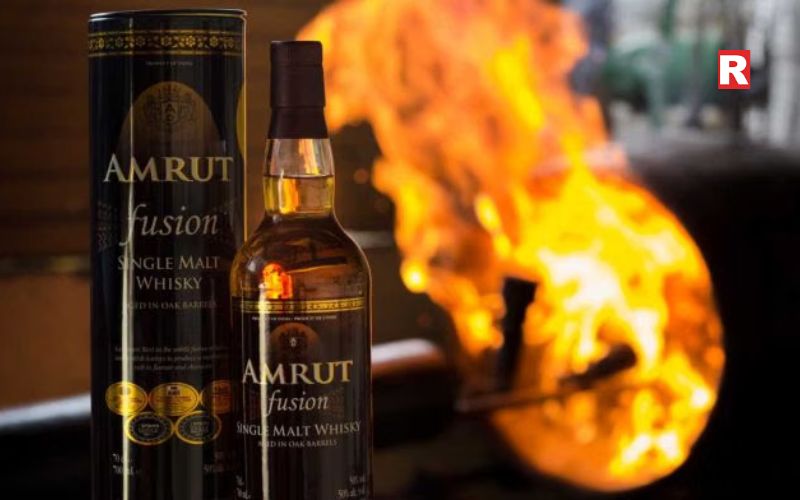
- Type: Indian Single Malt
- Origin: India
- Best Way to Enjoy: Neat or with a splash of water.
Amrut Fusion stands out as a strong Indian single malt with global appeal. It offers bold flavours that feel rich and full. The aroma brings a mix of spice and tropical fruit notes. On the palate, it feels intense yet balanced, with a slightly smoky touch. The finish is warm and lingers for a while. Its use of Indian and Scottish barley gives it a unique identity. Faster ageing in India’s climate adds depth to the whisky. It works well for those who enjoy stronger profiles. Nutritionally, it contains about 100 calories per 30 ml. It has no sugar, fat, or protein, keeping it a clean spirit choice.
6. Paul John Edited Single Malt Whisky
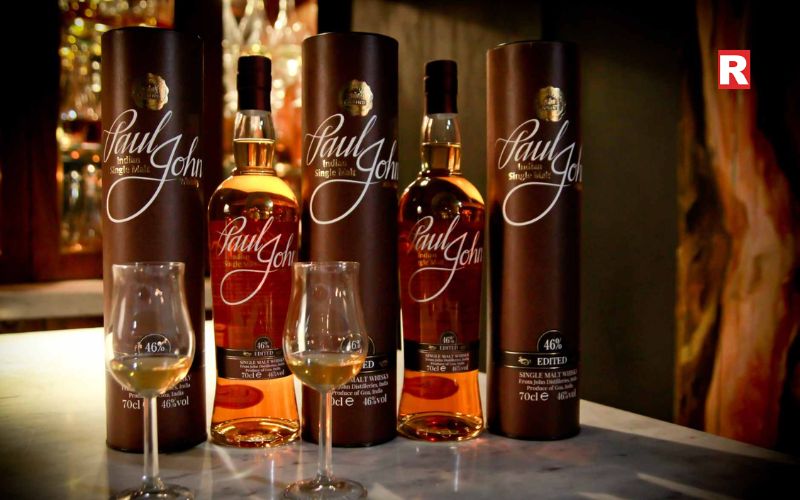
- Type: Indian Single Malt
- Origin: Goa, India
- Best Way to Enjoy: Neat in a relaxed setting.
Paul John Edited is known for its bold yet smooth character. It reflects the influence of Goa’s climate on whisky ageing. The aroma shows hints of cocoa and light sweetness. On tasting, it offers a mix of honeyed notes with mild smoke. The texture feels warm and slightly rich. The finish carries a gentle peatiness that stays balanced. It is often chosen by those who want a touch of smokiness without intensity. The use of Indian barley adds to its distinct taste. Nutritionally, a 30 ml serving contains close to 98 calories. It has no fat, protein, or sugar, making it suitable for mindful consumption.
How to Build a Weekend Whisky Ritual
A good whisky deserves the right setting. The experience matters as much as the drink.
- Start with the right glass. A Glencairn glass works best. It helps capture aroma. A simple tumbler also works if you prefer a relaxed feel.
- Think about water and ice. A few drops of water can open up flavours. Ice can cool the drink but may mute some notes. Try both and see what you enjoy.
- Add food pairings. Dark chocolate works well with rich whiskies. Cheese adds balance. Roasted nuts bring out earthy notes.
- Create an ambience. Soft lighting. Calm music. A quiet space. This turns a drink into a ritual.
Most importantly, take your time. Sip slowly. Notice the aroma. Feel the finish. This is not about speed. It is about experience.
Also check: Top Premium Whisky Brands Under Rs 5000 in India
Top Scotch Whisky Brands in India: The Ultimate Guide for Whisky Lovers
Best Imported Whisky Brands in India: A Detailed Guide for Every Whisky
The Takeaway
India is now one of the fastest-growing markets for premium whisky. There is a clear shift in mindset. People are choosing better quality over larger quantity. Home bars are becoming more common. Consumers are reading labels. They are learning about regions and casks. Indian single malts are gaining global respect. Brands like Amrut and Paul John are winning awards worldwide. This has increased local interest.
There is also a growing influence of global trends. Japanese whiskies and craft distilleries are now part of conversations. Tasting sessions and curated experiences are becoming popular in metro cities. A good weekend does not need excess. It needs intention. A premium whisky adds depth to your time. It helps you slow down and enjoy the moment. Start with one bottle. Explore different styles. Find what suits your taste. Over time, your weekend ritual becomes personal. The idea is simple. Drink less. Choose better. And make every sip count.

Summer calls for cold and refreshing drinks, yet many consumers continue to rely on the same familiar beer choices. Over time, this habit limits exposure to better flavors and styles. For urban drinkers and young professionals, there is a growing interest in exploring beers that offer more than just basic refreshment. Several underrated options bring stronger character, improved balance, and more refined taste profiles.
These beers are crafted to deliver a smoother mouthfeel, controlled bitterness, and better carbonation, which makes them suitable for hot weather. Lighter lagers provide a crisp finish and are easy to drink over longer periods. Wheat beers add a soft texture with subtle citrus notes, making them ideal for daytime consumption. Even strong beers, when well-balanced, can feel smooth and enjoyable without being too heavy. Choosing the right beer based on body, alcohol level, and flavor profile can enhance the overall drinking experience. Exploring these lesser-known options allows consumers to break routine and discover more satisfying choices that align with both taste and occasion.
Why Try Underrated Beer Brands?
Underrated beers often bring more to the table. Many of them focus on consistency, taste, and drinkability rather than just mass appeal. Some offer a stronger flavor profile for those who enjoy intensity. Others provide a lighter, more refreshing experience ideal for summer. What makes them interesting is their ability to balance taste and strength in different ways. Trying these beers also helps you discover what suits your palate. It moves you from routine drinking to a more thoughtful and enjoyable experience.
What Makes a Beer Perfect for Summer?
A good summer beer should feel light and refreshing. It should not feel too heavy or overpowering. Most summer-friendly beers fall between 3% and 6% alcohol content. However, strong beers can also work if they are smooth and balanced.
Crispness is important. A clean finish makes the beer more enjoyable in hot weather. Beers with mild bitterness or slight fruity notes also feel better during the day. Whether it is a lager or a strong beer, the key is balance. It should refresh you without feeling too heavy.
Discover Top Underrated Beer Brands to Try This Summer
1. Hunter Beer
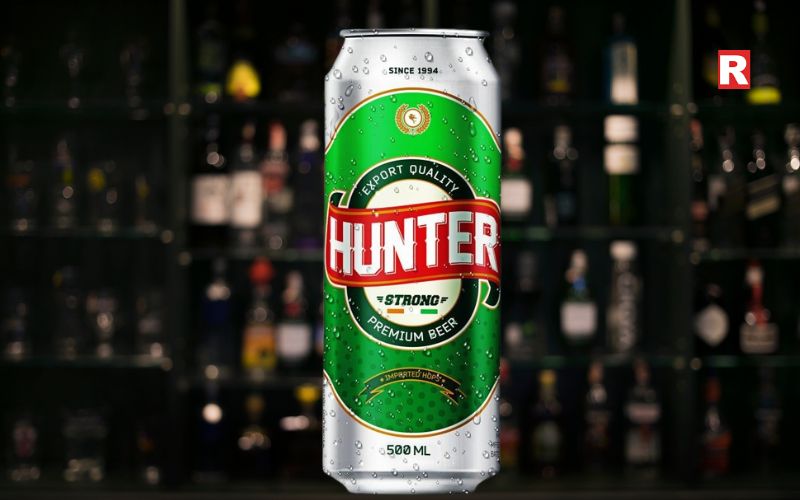
- Origin: India
- Beer Type: Strong Lager
- Taste Profile: Bold, full-bodied, smooth finish
- Why It’s Underrated: Despite being a long-time favorite, it often gets overlooked in newer beer conversations.
- Best For: Evening gatherings and relaxed sessions
Hunter Beer is known for its bold and full-bodied taste. It has a smooth finish that makes it easy to drink despite its strength. Many seasoned drinkers prefer it for evening gatherings. It delivers a rich flavor without feeling too harsh. This balance makes it a dependable choice for those who enjoy strong beers. In terms of nutrition, it contains moderate calories and alcohol, which can impact hydration if consumed in excess. It may also contribute to weight gain over time. People with liver issues, high blood pressure, or low alcohol tolerance should avoid it. Those who prefer strong yet smooth drinks can enjoy it in moderation.
Read more: Top 5 Strong Beer Brands in India: Bold Brews for the Bold Drinker
Top Japanese Beer Brands in India: Crisp, Smooth, and Full of Character
2. Sunny Beaches Beer
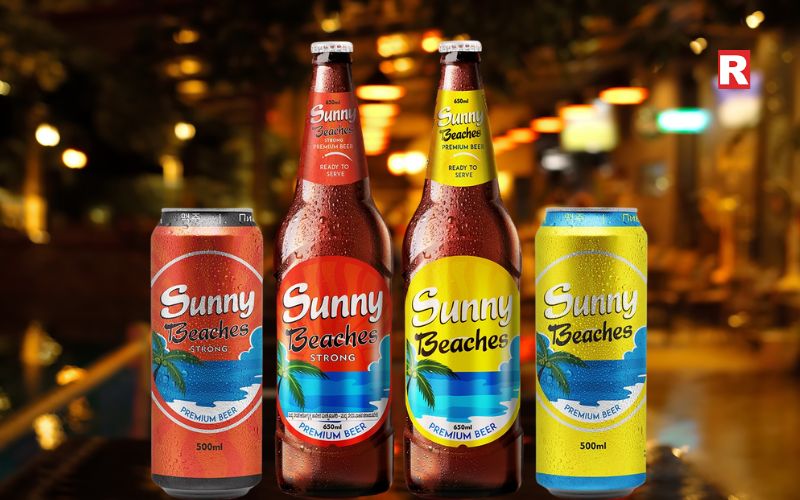
- Origin: India
- Beer Type: Strong Beer
- Taste Profile: Crisp, light, slightly strong kick
- Why It’s Underrated: It offers a rare mix of refreshment and strength, which many beers fail to balance.
- Best For: Summer afternoons and casual hangouts
Sunny Beaches Beer offers a crisp and refreshing taste with a mild strong kick. It feels light on the palate, which makes it suitable for warm afternoons. The flavor is easy to enjoy and does not feel too heavy. It brings a fresh approach to strong beers by keeping the experience smooth and balanced. Nutritionally, it contains alcohol and empty calories, which do not provide real health benefits. It may also lead to dehydration in hot weather if consumed excessively. People with alcohol sensitivity or those trying to limit calorie intake should avoid it. It works well for casual drinkers who want something light yet slightly strong.
3. Power 10000
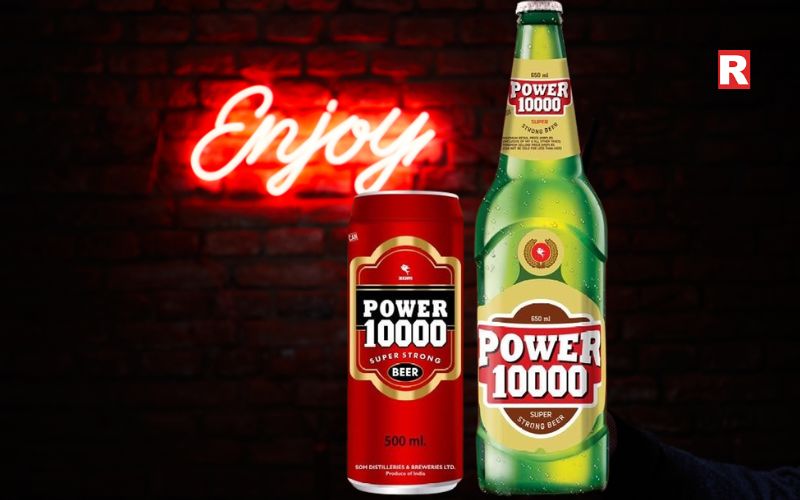
- Origin: India
- Beer Type: Extra Strong Beer
- Taste Profile: Bold, intense, lingering flavor
- Why It’s Underrated: Known for strength, but often underestimated for its balance.
- Best For: Those who prefer high-intensity drinks
Power 10000 is designed for those who enjoy intense and bold flavors. It has a strong taste that stays on the palate for a long time. Despite its high strength, it manages to stay smooth enough for regular consumption. It appeals to drinkers who look for impact in every sip. From a nutritional point of view, it has a higher alcohol content and more calories compared to lighter beers. This can affect energy levels and overall health if taken often. It is not suitable for beginners or people with low tolerance. Individuals with medical conditions or those avoiding high alcohol intake should stay away from it.
4. Kingfisher Premium Lager
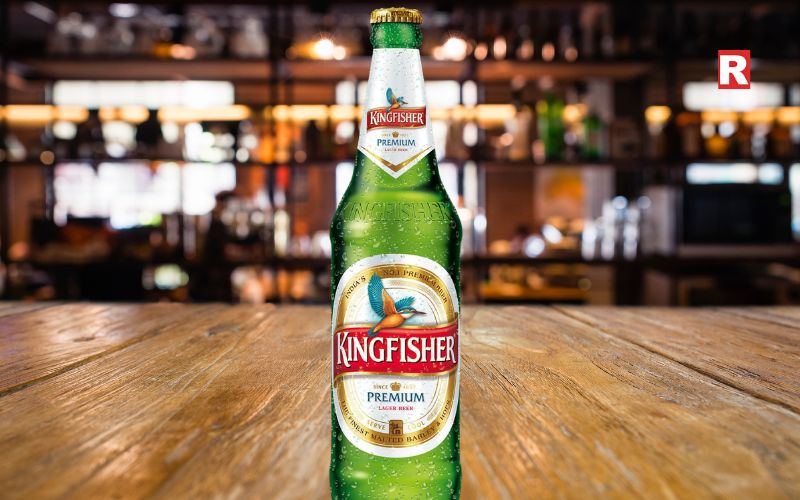
- Origin: India
- Beer Type: Lager
- Taste Profile: Crisp, clean, refreshing
- Why It’s Underrated: Widely available, yet often taken for granted.
- Best For: Daytime drinking and long conversations
Kingfisher Premium Lager is known for its clean and refreshing taste. It is light and easy to drink, which makes it a popular choice during hot weather. The crisp finish keeps it enjoyable over longer periods. It suits relaxed settings like casual conversations or social gatherings. The simplicity of its flavor makes it widely accepted. In terms of nutrition, it has fewer calories than strong beers but still contains alcohol, which should be consumed in moderation. Excess intake can lead to dehydration and added calorie load. People with health concerns related to alcohol should limit it. It is best suited for those who prefer light and refreshing drinks.
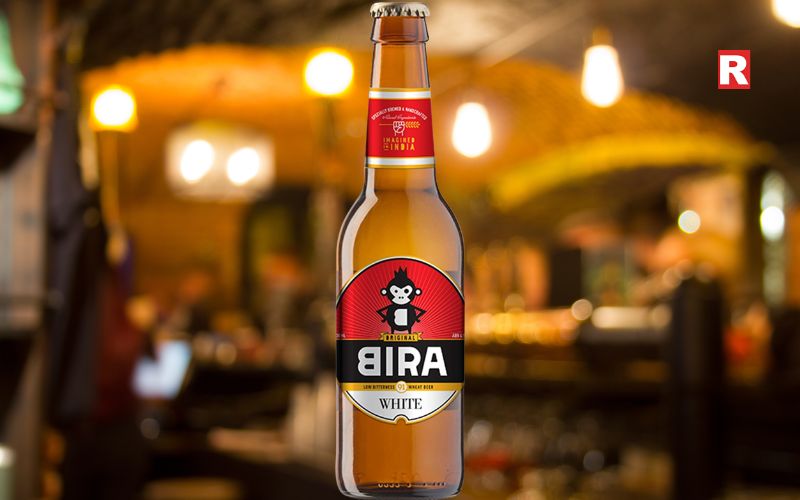
5. Bira 91 White
- Origin: India
- Beer Type: Wheat Beer
- Taste Profile: Smooth, citrusy, slightly fruity
- Why It’s Underrated: Popular among younger audiences but still underexplored by many traditional beer drinkers.
- Best For: Brunches and light drinking sessions
Bira 91 White is known for its smooth and easy taste. It has light citrus notes that feel fresh, especially in warm weather. The texture is soft and slightly fruity, which makes it comfortable for beginners. It does not feel heavy and can be enjoyed over longer sessions. The flavor stays balanced and does not overpower the palate. In terms of nutrition, it contains moderate calories and a small amount of alcohol, which can still affect hydration. It does not offer any real nutrients. People who are sensitive to alcohol or trying to reduce calorie intake should avoid it. It suits those who prefer light and refreshing drinks.
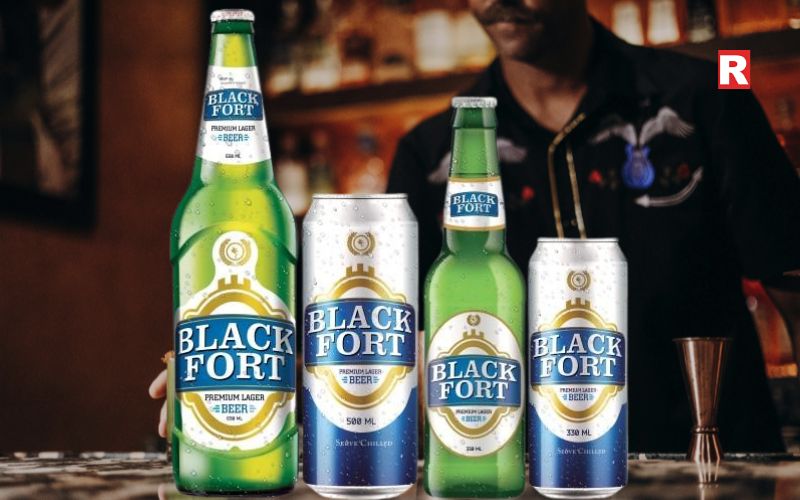
6. Black Fort Beer
- Origin: India
- Beer Type: Strong Beer
- Taste Profile: Deep, smooth, well-rounded
- Why It’s Underrated: Consistent quality but limited mainstream attention.
- Best For: Social gatherings and celebrations
Black Fort Beer offers a deep and smooth taste that appeals to strong beer drinkers. It has a well-rounded flavor that feels consistent with every sip. The strength is noticeable, but it does not feel too sharp. This makes it suitable for different occasions, from small gatherings to larger celebrations. The texture is balanced and easy to handle for regular consumers. Nutritionally, it contains higher calories and alcohol compared to lighter beers. This can affect overall health if consumed often. It may also lead to dehydration. People with health issues or low tolerance should avoid it. It works best for those who enjoy strong and steady flavors.
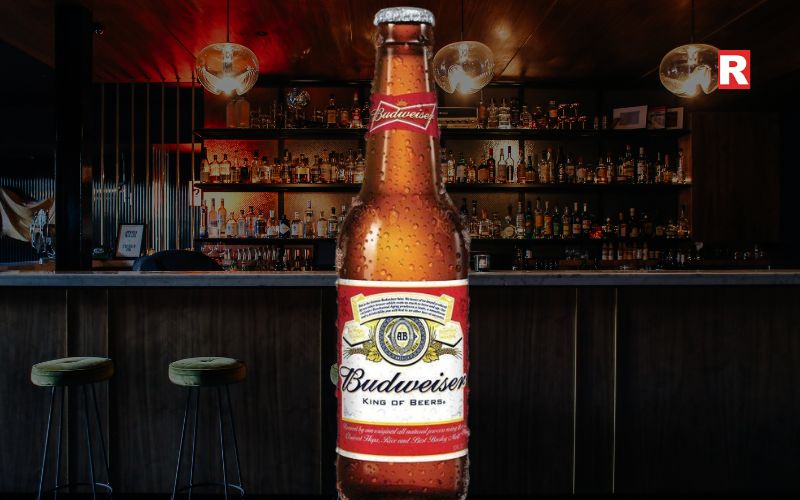
7. Budweiser
- Origin: USA
- Beer Type: Lager
- Taste Profile: Clean, smooth, balanced
- Why It’s Underrated: Popular globally, yet often seen as basic despite its consistency.
- Best For: Any occasion
Budweiser is known for its clean and smooth drinking experience. The taste feels balanced and does not lean too heavy or too light. It is easy to drink and suits a wide range of occasions. The flavor remains consistent, which makes it a trusted option for many people. It can be enjoyed without much effort, even by casual drinkers. In terms of nutrition, it contains moderate calories and alcohol, which should be consumed in control. It does not provide essential nutrients. Excess intake can affect hydration and weight. People with medical conditions or alcohol sensitivity should avoid it. It is suitable for those who prefer simple and smooth beers.
Know more: Top British Beer Brands in India You Should Try at Least Once
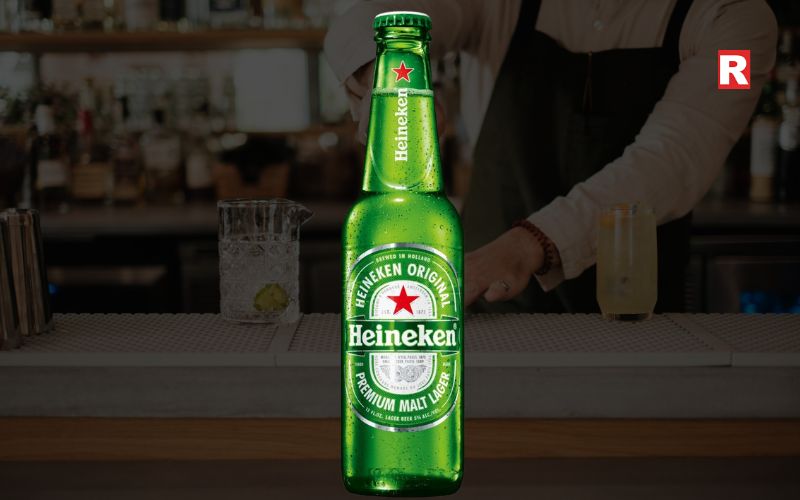
8. Heineken
- Origin: Netherlands
- Beer Type: Premium Lager
- Taste Profile: Mild bitterness, refined, crisp
- Why It’s Underrated: Considered premium, but still underexplored compared to trendier craft options.
- Best For: Evening sessions and premium settings
Heineken offers a refined and crisp taste that stands out among lagers. It has a mild bitterness that adds character without making it too strong. The finish feels clean and smooth, which makes it enjoyable for slow drinking. The overall experience feels polished and balanced. It is often preferred during relaxed evenings or premium settings. From a nutritional view, it contains alcohol and calories that do not add health benefits. Regular consumption can impact hydration and overall wellness. People who need to limit alcohol intake should avoid it. It suits those who enjoy a slightly sharp yet smooth beer with a clean finish.
How to Choose the Right Beer
The right beer depends on your taste.
- If you prefer something light, go for lagers. They are crisp and refreshing.
- If you like smooth and slightly fruity drinks, wheat beers are a good option.
- If you enjoy bold flavors, strong beers will suit you better.
The idea is to match the beer with your mood and the occasion.
Also check: What is Lager Beer? Discover the Top 5 Lager Beer Brands in India You Must Try
How to Pair Beer with Indian Food: A Desi Guide to Perfect Pints
Top Newly Launched Beer Brands to Replace Your Regular Brew
Final Sip
Beer is not limited to the most visible brands on the shelf. Many lesser-known options offer better balance, cleaner taste, and more defined flavor profiles. For urban drinkers who are open to trying new styles, summer creates the right setting. Lighter lagers with low bitterness work well in heat. Wheat beers with citrus notes feel smoother on the palate. Even strong beers can be enjoyable if they are well-balanced and not too harsh. Exploring different beers helps in understanding taste preferences, from carbonation levels to body and finish. It also adds depth to social drinking experiences. Choosing the right beer based on mood and occasion makes a clear difference. A small shift from routine choices can bring more variety and satisfaction. In many cases, the beers that are not widely discussed turn out to be the most rewarding in taste and overall experience.

Vodka is no longer just a neutral spirit. In 2026, it has evolved into something far more expressive. Today’s vodka brands focus on flavour, craftsmanship, and storytelling. From botanical infusions to ready-to-drink formats, the category is seeing fresh energy across global and Indian markets.
For urban consumers in India, vodka is becoming a preferred choice for its versatility. It works well in cocktails, feels lighter than darker spirits, and adapts easily to different occasions. Whether it is a house party in Delhi or a weekend brunch in Mumbai, vodka fits right in. The latest launches reflect this shift. They are bold, experimental, and designed for modern drinkers who want more than just a basic pour.
What Is Driving New Vodka Launches in 2026
The vodka segment is seeing strong innovation. Several key trends are shaping the new launches.
Craft and Small-Batch Production: Many new brands are focusing on small-batch distillation. This allows better control over quality and flavour. Craft vodka makers are experimenting with different base ingredients like wheat, rye, potatoes, and even fruits. This adds depth to what was once considered a neutral spirit.
Rise of Flavoured and Botanical Vodka: Flavoured vodka is making a strong comeback. But this time, it is more refined. Instead of artificial flavours, brands are using real fruits, herbs, and spices. Botanical vodka, infused with ingredients like berries, citrus peels, and spices, is gaining attention among cocktail lovers.
Premiumisation and Brand Storytelling: Consumers today are willing to pay more for a better experience. Packaging, origin stories, and brand identity play a big role. New vodka brands are positioning themselves as lifestyle products, not just alcoholic beverages.
Sustainability and Clean Ingredients: Many new brands are focusing on eco-friendly production. This includes organic ingredients, reduced water usage, and recyclable packaging. Clean-label vodka is becoming an important factor for health-conscious consumers.
Growth of Ready-to-Drink (RTD) Vodka: RTD vodka beverages are growing fast. These are convenient, easy to carry, and perfect for casual occasions. They also appeal to younger consumers who prefer low-effort drinking options.
Explore Top Newly Launched Vodka Brands to Explore in 2026
1. Rangeela Vodka
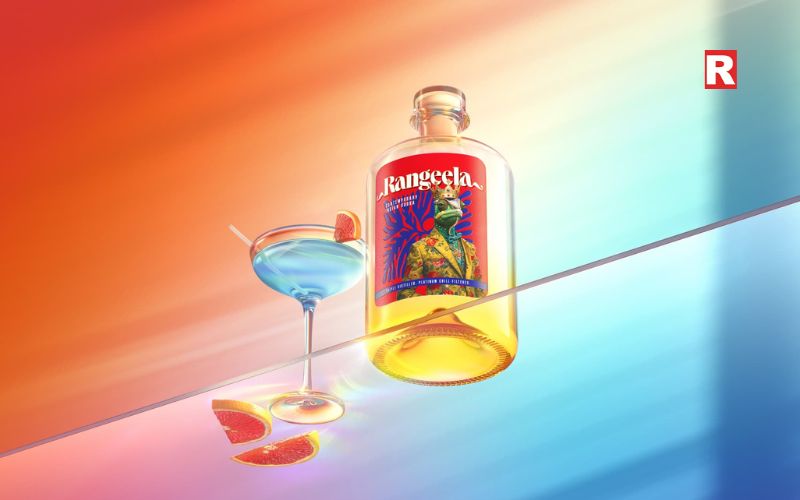
- Origin: India
- USP: Bold Indian identity with a premium positioning
- Base Ingredient: Grain-based vodka
- Flavour Profile: Smooth with subtle warmth
Rangeela Vodka reflects a strong Indian identity with a premium touch. It is made from grain and has a smooth texture that feels easy on the palate. The taste carries a gentle warmth, making it suitable for different drinking styles. Its branding is bright and expressive, which attracts younger consumers. It stands out in a market filled with international labels. Many prefer it for its local connection and modern appeal. It works well in simple cocktails like vodka soda. It also pairs nicely with Indian-style mixers such as nimbu pani. This makes it versatile for home gatherings. It fits both casual and slightly premium drinking occasions.
Read more: Top Sugar‑Free Vodka Brands in India You Should Try
12 Affordable Spirits That Taste Like They Cost a Fortune
2. Blackwoods Botanical Vodka
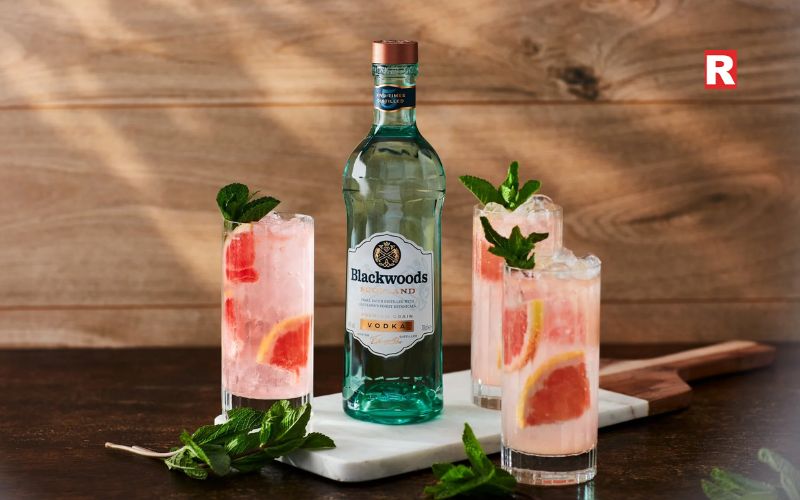
- Origin: Scotland
- USP: Botanical infusion with a focus on natural ingredients
- Base Ingredient: Grain with handpicked botanicals
- Flavour Profile: Herbal, slightly floral, and fresh
Blackwoods Botanical Vodka is known for its use of natural ingredients and botanicals. It offers a different experience compared to regular vodkas. The taste is fresh, with light herbal and floral notes. Each batch feels slightly unique, as it reflects seasonal ingredients. This adds a sense of depth to the drink. It is not overpowering, but it has character. It suits those who enjoy subtle complexity in their drinks. Many prefer it in cocktails where the flavours can stand out. It pairs well with tonic and citrus mixers. The clean finish makes it refreshing. It is often chosen for slow sipping rather than quick drinking.
3. SunnyD Vodka Seltzer PURPLE
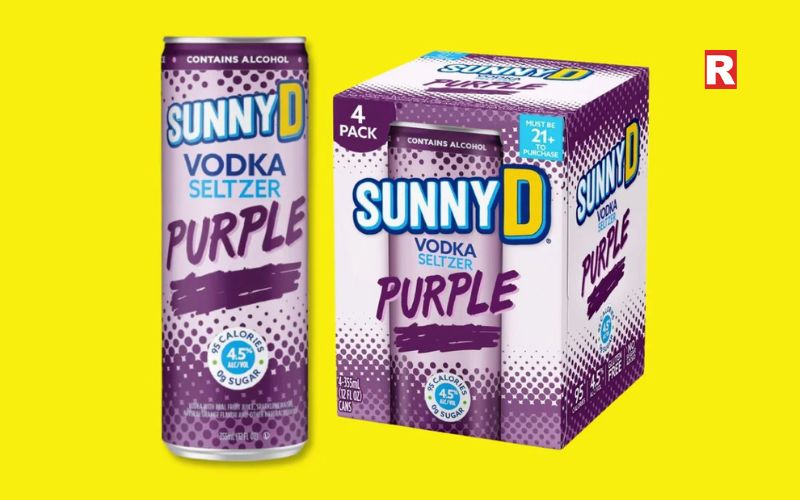
- Origin: United States
- USP: Nostalgia-driven RTD product
- Base Ingredient: Vodka with fruit flavouring
- Flavour Profile: Sweet, fruity, and easy to drink
SunnyD Vodka Seltzer PURPLE brings a fun and easy drinking experience. It is designed for casual moments and social settings. The drink has a sweet and fruity taste that feels light and playful. It connects with people through a sense of nostalgia. The ready-to-drink format makes it very convenient. There is no need for mixing or preparation. It is often picked for house parties or relaxed evenings. The flavour is simple and easy to like. It does not aim for depth but focuses on enjoyment. Many young consumers are drawn to its colourful identity. It fits well into the growing ready-to-drink culture.
4. Crystal Light Vodka Refreshers
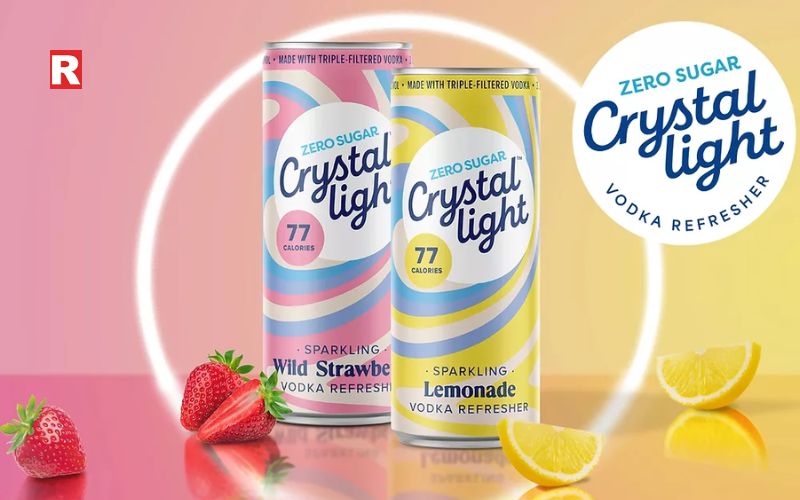
- Origin: United States
- USP: Low-calorie and no added sugar positioning
- Base Ingredient: Vodka with light fruit flavours
- Flavour Profile: Crisp, light, and refreshing
Crystal Light Vodka Refreshers are designed for those who prefer lighter drinks. They offer a clean and crisp taste with mild fruit flavours. The texture feels smooth and easy to drink. These drinks are often chosen for daytime occasions. They work well for brunches, small gatherings, or poolside settings. The flavour is not heavy, which makes it suitable for longer sipping. It gives a refreshing feel without being too strong. Many people see it as a balanced option. It fits into changing drinking habits where people want moderation. The overall experience is simple, light, and pleasant.
5. Absolut x Tabasco Vodka
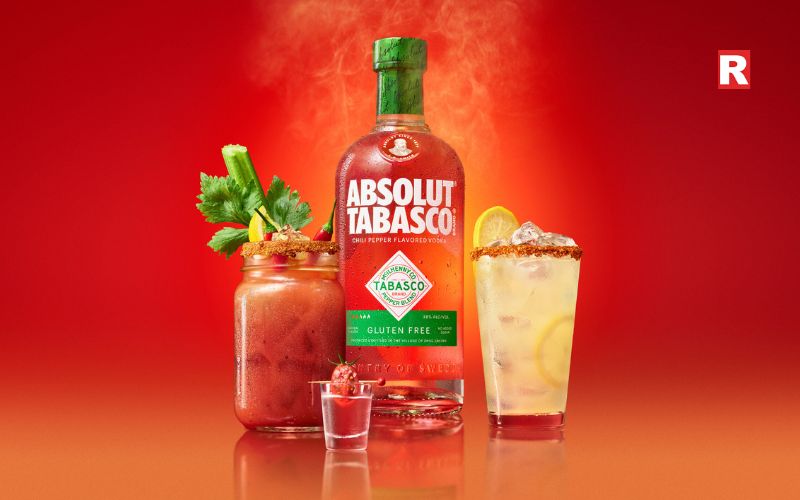
- Origin: Sweden
- USP: Spicy vodka created through a bold collaboration
- Base Ingredient: Grain vodka with Tabasco infusion
- Flavour Profile: Spicy, tangy, and intense
Absolut x Tabasco Vodka stands out for its bold and unusual character. It is not a regular vodka experience. The drink is designed for those who like strong and daring flavours. It brings a sharp kick that makes it different from standard options. It is often used in cocktails where a bold taste is needed. A Bloody Mary is one popular choice. The intensity adds depth to the drink. It is not meant for light sipping. Instead, it suits people who enjoy experimenting. This vodka has created curiosity among consumers. It adds a new dimension to how vodka can be experienced.
Know more: 10 Fastest-Growing Alcohol Brands in India’s HoReCa Sector
What Sets These New Vodkas Apart
The biggest shift is that vodka is no longer just about neutrality. Each new launch offers a unique identity.
Distinct Flavour Profiles: From spicy to botanical to fruity, vodka now comes with clear taste notes. This allows consumers to choose based on preference rather than just brand name.
Stronger Brand Identity: New brands are built around a story. Whether it is cultural roots or sustainability, the narrative matters. This makes the drinking experience more engaging.
Focus on Experience: Packaging, design, and marketing are all part of the product. Many brands are designed to look premium on a bar shelf or at a house party.
Health and Lifestyle Alignment: Low-calorie options and clean ingredients are becoming common. This aligns with the lifestyle choices of modern consumers.
The Indian Market Perspective
India is seeing a gradual shift in drinking habits. Whisky still dominates, but vodka is gaining popularity among younger consumers. It is seen as lighter and more versatile. It also fits well into the growing cocktail culture in metro cities like Delhi, Mumbai, and Bengaluru.
Homegrown brands are stepping up. They are creating products that match global standards while staying rooted in Indian identity. This is important for consumers who want something relatable yet premium. Bars and restaurants are also expanding their vodka menus. Mixologists are experimenting with new flavours and techniques. This is helping vodka move beyond basic drinks and into more creative spaces.
How to Choose the Right New Vodka
Choosing the right vodka depends on how you plan to drink it.
If you enjoy cocktails, go for flavoured or botanical vodkas. They add depth to the drink. For example, a botanical vodka works well with tonic and herbs.
If you prefer something simple, a smooth grain vodka is a good choice. It mixes easily with soda, juice, or even traditional Indian mixers.
For casual occasions, RTD vodka drinks are convenient. They require no preparation and are easy to carry.
If you like experimenting, try bold flavours like spicy vodka. These can completely change your cocktail experience.
Also check: Try These Top Dry Gin Brands This Winter for a Cozy, Premium Experience
Top Coconut Rum Brands in India: Tropical Flavours You Will Love
Best Japanese Whisky Brands in India: Where Craft Meets Perfection in Every
Final Thoughts
Vodka in 2026 shows a clear shift in how it is made and enjoyed. It is no longer seen as just a neutral base for drinks. Brands are focusing more on flavour, texture, and character. Many new launches highlight unique ingredients and creative processes. This has made vodka more interesting for modern consumers. In India, this change is becoming more visible. Younger drinkers are exploring beyond traditional choices. They are open to trying both local and global brands. The growing cocktail culture is also driving this interest. Vodka is easy to mix and works well in different settings. It suits both house parties and quiet evenings at home. With more options available, consumers can choose based on taste and occasion. This variety makes the category more exciting. Overall, vodka is becoming a more expressive and versatile spirit. It offers something for both new and experienced drinkers.

When most people think of Nepal, they picture mountains, monasteries, and trekking trails. But there is another side to the country that often goes unnoticed—its rich and evolving alcohol culture. From bold dark rums to crisp lagers and smooth whiskies, Nepal offers a unique drinking experience shaped by tradition, geography, and craftsmanship.
For Indian consumers looking to move beyond familiar labels, Nepalese alcohol brings something different to the table. It feels raw yet refined. It is rooted in culture but adapting to modern tastes. If you enjoy exploring new flavours, this is a category worth discovering.
Why Nepalese Alcohol is Gaining Attention
Nepal’s alcohol industry is growing steadily. One key reason is its use of natural resources. Many brands use Himalayan spring water, which is known for its purity. This adds a cleaner and smoother taste to both spirits and beers. Another factor is the balance between traditional methods and modern production. Local brewing and distillation practices have been refined over decades. Today, many brands combine these techniques with updated technology to ensure consistency and quality.
There is also a strong cultural connection. Alcohol in Nepal is not just for leisure. It is part of festivals, rituals, and community gatherings. This gives each product a story, making it more meaningful than a standard commercial drink. In India, there is a rising demand for premium and imported alcohol. Consumers are open to trying new regions, especially within Asia. Nepal fits well into this trend. It offers affordability compared to Western imports, while still delivering a unique experience.
Explore Top Nepalese Alcohol Brands to Explore
1. Khukuri Rum
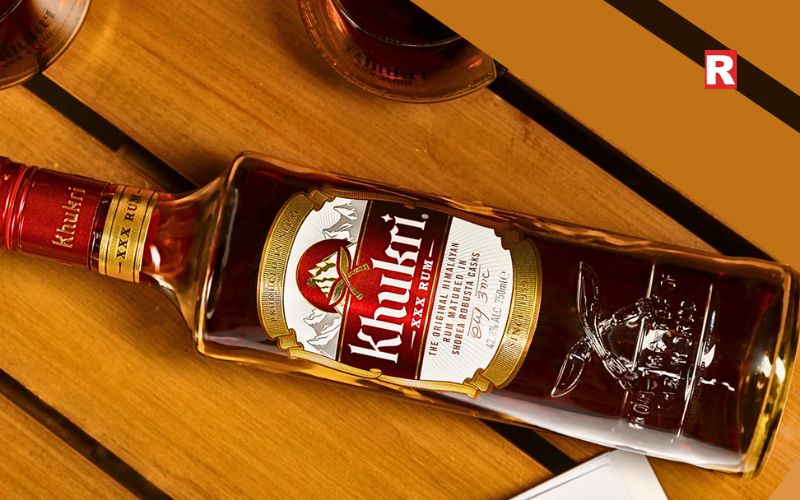
Khukuri Rum stands as one of Nepal’s most recognised spirits. It takes its name from the traditional Gurkha knife, a symbol of strength and pride. The rum follows a careful ageing process. It is first stored in stainless steel tanks and later matured in oak barrels. This method adds depth and character. The flavour feels rich and warm. There are notes of caramel, mild spice, and a hint of smokiness. It is not too harsh, which makes it easy to enjoy. Many prefer it during colder months. It pairs well with grilled meats and spicy Indian snacks. The warmth of the rum balances bold flavours. For someone used to regular dark rum, this feels like a refined step forward. It brings both heritage and taste into one glass.
Read more: Best Japanese Whisky Brands in India: Where Craft Meets Perfection in Every
Top Premium Whisky Brands in India: Finest Indian Whiskies Worth Trying
2. Everest Beer
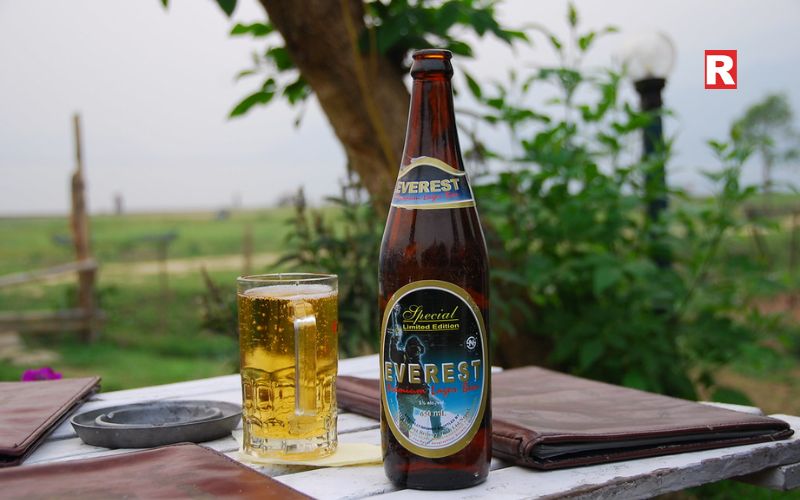
Everest Beer carries a strong connection to Nepal’s identity. It was introduced to honour the spirit of Mount Everest. The beer is light and refreshing. It has a clean and crisp finish. The bitterness is mild, which makes it easy to drink. It suits long and relaxed drinking sessions. The texture feels smooth on the palate. It works well in warm weather, especially during afternoons or casual evenings. Many compare it to familiar lagers but notice a fresher taste. It does not feel heavy, which adds to its appeal. It pairs nicely with light snacks and fried food. For Indian drinkers, it feels comfortable yet slightly different. It offers a simple way to explore Nepalese beer without stepping too far from known flavours.
3. Gorkha Beer
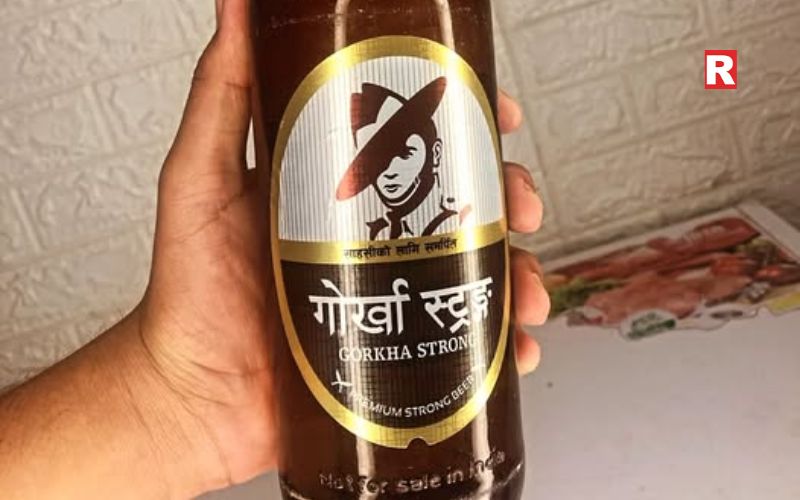
Gorkha Beer is a well-known name in Nepal’s beer scene. It is inspired by the legacy of Gurkha soldiers. This gives the brand a strong and proud image. The beer itself is smooth and balanced. It has a light body with gentle bitterness. The taste is clean and easy to enjoy. It does not feel too strong or overwhelming. This makes it suitable for different kinds of drinkers. There are also stronger versions available for those who prefer more intensity. The beer pairs well with everyday food. It goes nicely with snacks, grilled items, and even simple meals. For someone trying Nepalese beer for the first time, this is a safe choice. It feels familiar but still offers a new regional touch.
4. Arna Beer
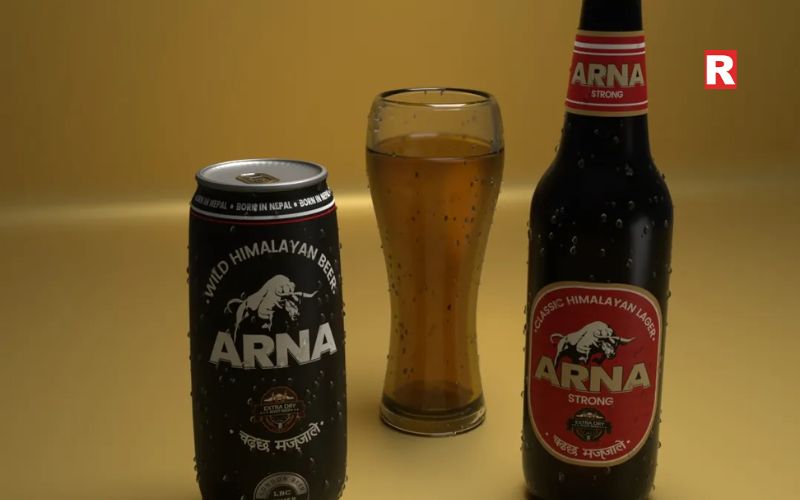
Arna Beer is known for its bold and strong character. It is brewed using rich malt and quality hops. This gives the beer a sharper and fuller taste. The flavour is crisp but carries more strength than regular lagers. It leaves a slightly strong aftertaste, which many enjoy. The beer is not too complex, but it feels solid and satisfying. It suits those who prefer drinks with more kick. In India, it can appeal to strong beer drinkers looking for something new. It pairs well with spicy food and heavy snacks. The bold taste stands up to rich flavours without getting lost. Arna Beer offers a simple yet powerful drinking experience. It shows how Nepal balances strength with straightforward brewing.
5. Nepal Ice
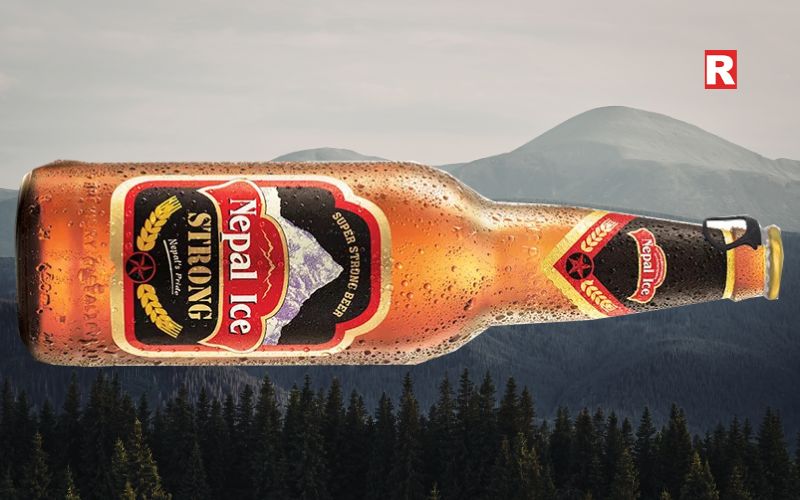
Nepal Ice is a popular choice among young drinkers in Nepal. It is known for its high alcohol content and strong taste. The beer focuses more on strength than detailed flavour. It has a sharp and bold profile that stands out from regular lagers. Many people prefer it during parties and group gatherings. It creates a lively and energetic drinking experience. The texture feels slightly heavier, which adds to its strong appeal. It pairs well with spicy snacks and fried food. For Indian consumers who enjoy high-ABV beers, this feels familiar. At the same time, it offers a slightly different taste. Nepal Ice is not about complexity. It is about impact and intensity. It suits those who like their beer strong and straightforward.
6. Ruslan Vodka
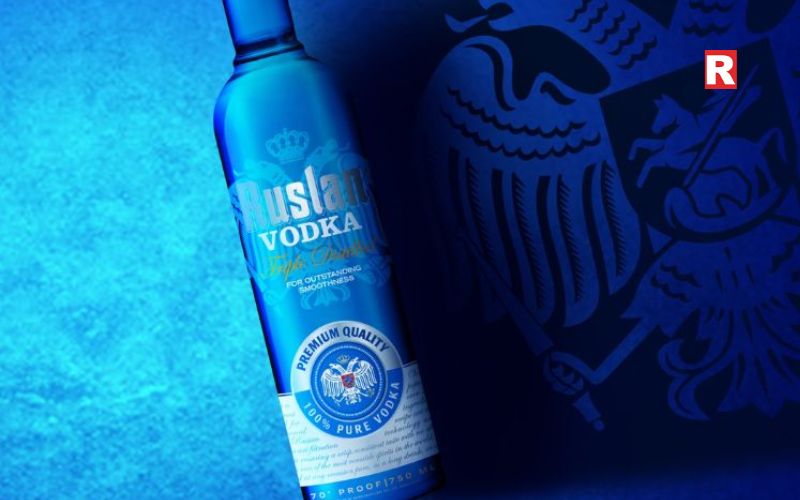
Ruslan Vodka represents Nepal’s growing presence in the clear spirits category. It is made using a blend of rice and wheat. The vodka goes through a triple distillation process. This helps create a clean and smooth finish. The taste is neutral and does not feel harsh. It mixes easily with other ingredients. This makes it a good choice for cocktails. Bartenders often prefer it because it does not overpower flavours. It works well with citrus, soda, and even mild spices. For Indian drinkers, it fits nicely into modern drinking habits. It can be used in simple home cocktails or party drinks. Ruslan Vodka offers a balanced and reliable experience. It is easy to enjoy and simple to experiment with.
Know more: Top Premium Whisky Brands Under Rs 5000 in India
7. Old Durbar Whisky
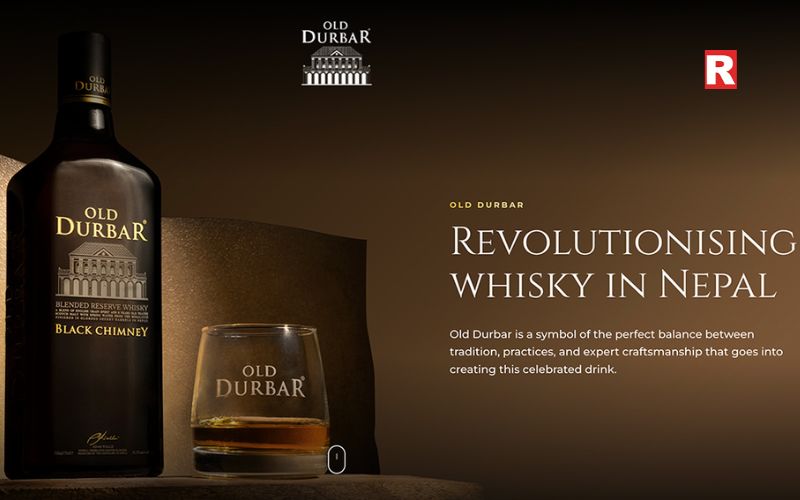
Old Durbar Whisky is one of Nepal’s most recognised whisky brands. It holds a premium position in the local market. The whisky has a smooth and soft texture. It carries light woody notes that feel pleasant on the palate. The flavour is not too heavy, which makes it easy to drink. Both new and experienced drinkers can enjoy it. It does not feel too strong or overpowering. This makes it suitable for relaxed evenings. It can be enjoyed neat or with a little water. For Indian whisky lovers, it offers a different experience. It feels lighter than many Scotch-style blends. At the same time, it maintains a refined character. Old Durbar is a good choice for those exploring new whisky regions.
8. Black Oak Whisky
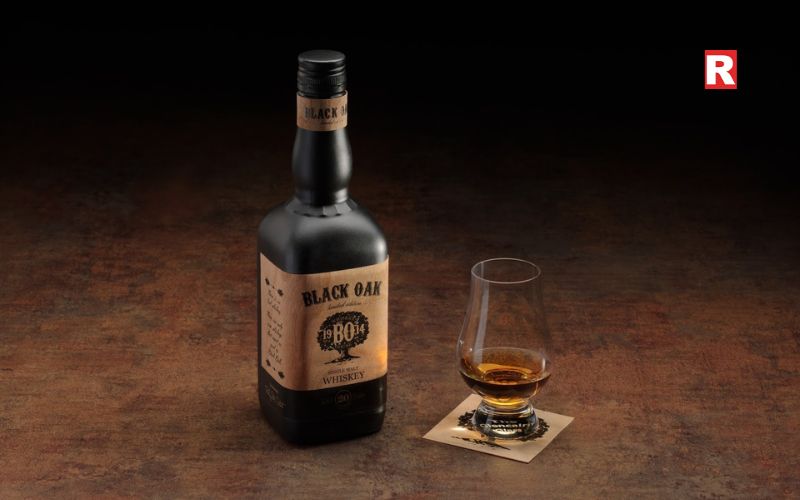
Black Oak Whisky focuses strongly on the ageing process. It is matured in oak casks, which shapes its flavour. The whisky develops a slightly smoky and woody taste. There are also mild fruity notes that add balance. The finish feels warm and smooth. It is not too sharp, which makes it comfortable to sip. The whisky sits in the premium but accessible range. It offers quality without feeling too heavy or complex. It pairs well with simple snacks or can be enjoyed on its own. For Indian consumers, it brings something new to the table. It moves beyond common local and imported labels. Black Oak Whisky is a good option for those who want to explore different styles while staying within a familiar taste range.
What Makes Nepalese Alcohol Different
Nepalese alcohol stands out for a few clear reasons. The first is its raw authenticity. Many brands are not over-processed, which helps retain natural flavours. The second is the use of high-altitude water. This contributes to a cleaner and more refreshing taste, especially in beers.
Another factor is smaller batch production. Compared to large global brands, Nepalese producers often operate at a more controlled scale. This allows better attention to detail. Finally, the storytelling aspect plays a big role. Whether it is the legacy of Gurkhas or the symbolism of Everest, each product carries a narrative. This creates a deeper connection for the consumer.
Also check: Top 5 Strong Beer Brands in India: Bold Brews for the Bold Drinker
Best Brandy Brands in India to Experience This Winter
Top Whiskies for This Winter: Smooth, Warm & Perfect for Cold Evenings
Final Thoughts
There is a clear shift in how Indian consumers approach alcohol. People are more curious. They want to try new regions and new stories. Nepal fits perfectly into this trend. It offers quality without the high price tag of European imports. It also feels culturally closer, which makes it easier to connect with. For premium bars, retail stores, and even home collections, Nepalese alcohol adds variety. It brings something new without being too unfamiliar. Nepalese alcohol is not just about taste. It is about experience. It reflects the country’s landscape, culture, and evolving identity. If you are looking to expand your palate, start with a bottle of Khukuri Rum or a chilled Everest Beer. From there, explore deeper into whiskies and vodkas. You may find that Nepal, much like its mountains, has layers worth discovering.
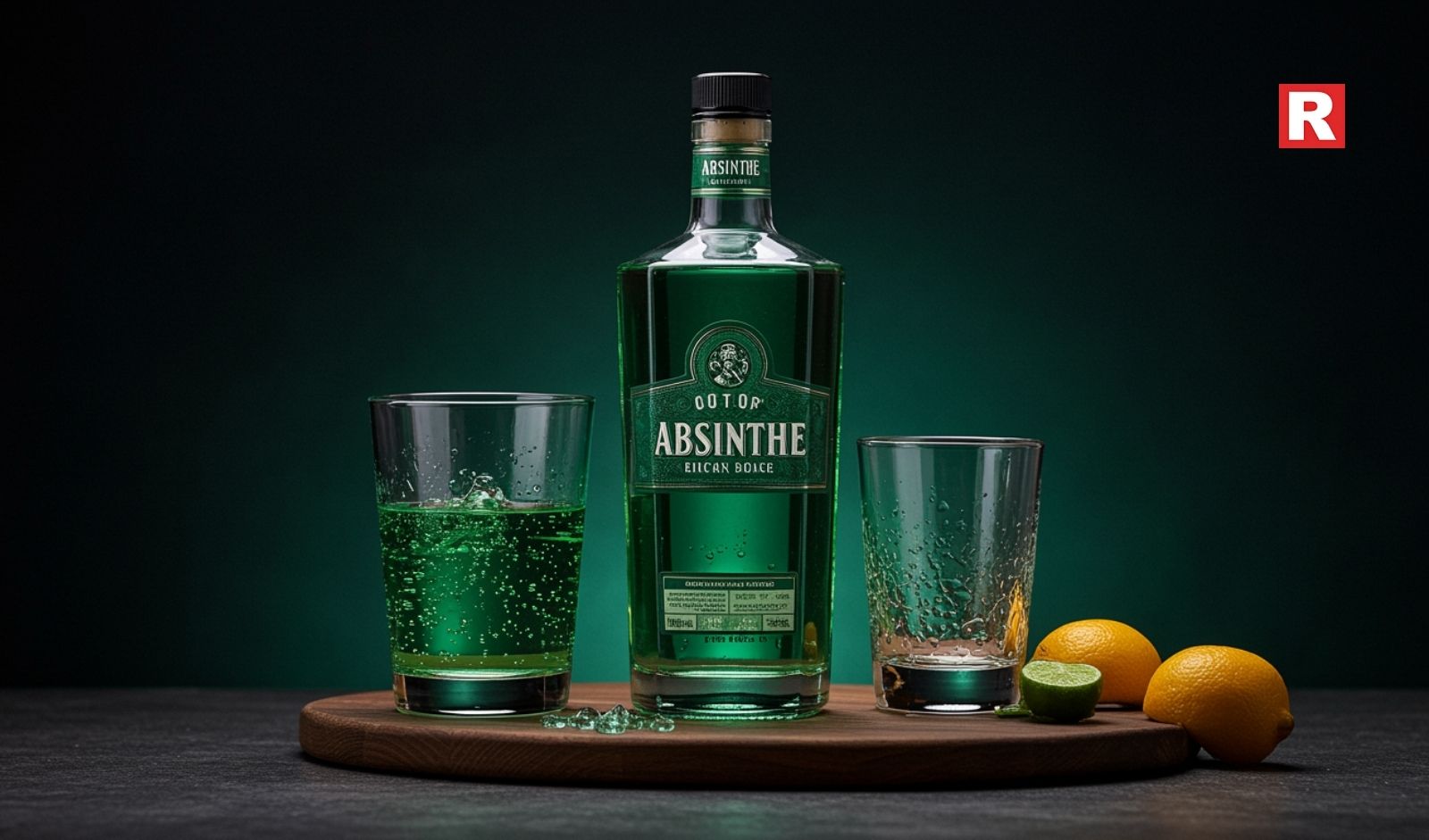
Absinthe is no longer a mysterious drink reserved for old European bars. In India, it is slowly becoming a part of premium drinking culture. From luxury lounges in Delhi to cocktail bars in Mumbai, this herbal spirit is finding its place among curious and experimental drinkers. Known as the “Green Fairy,” absinthe stands out for its bold flavour, strong alcohol content, and ritualistic way of serving.
What makes it special is not just the taste, but the entire experience. With ingredients like wormwood, fennel, and anise, absinthe offers a layered flavour profile that feels very different from whisky or rum. It also has a high alcohol content, usually ranging between 45% to 74%, which makes it one of the strongest spirits available.
What is Absinthe and Why is It Unique
Absinthe originated in Switzerland in the late 18th century and quickly became popular in France. It was widely consumed by artists and writers, which gave it a cultural and artistic identity. Unlike other spirits, absinthe is prepared using a ritual. Cold water is slowly poured over a sugar cube into the drink. This creates a cloudy transformation known as the “louche effect.” This process softens the bitterness and enhances the herbal notes. Its flavour is complex. You taste sweetness, bitterness, and spice at the same time. This makes it ideal for both sipping and cocktails. India’s alcohol market is evolving. Consumers are moving beyond regular choices and exploring niche spirits. Absinthe fits perfectly into this trend.
Here are a few reasons for its rise:
- Growing interest in mixology and craft cocktails
- Demand for premium and imported spirits
- Curiosity among young consumers for unique drinking experiences
- Influence of global drinking culture in metro cities
Absinthe is not just a drink anymore. It is becoming a statement of taste and experimentation.
Explore Top Absinthe Brands in India
1. Pernod Absinthe
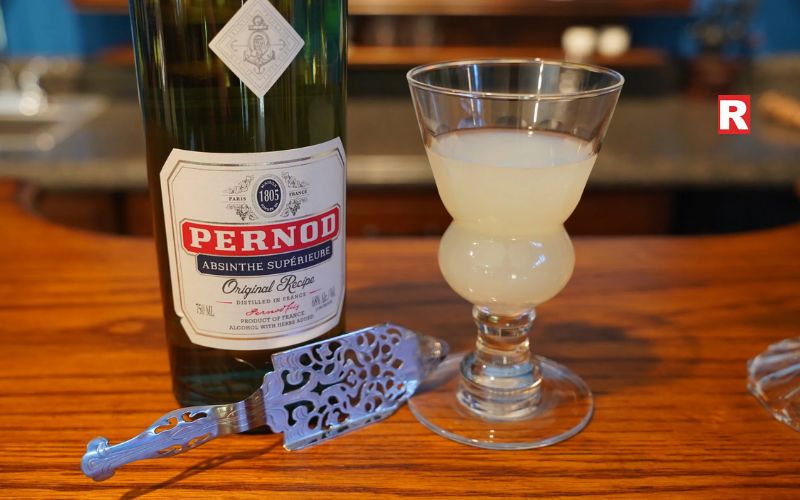
Pernod Absinthe is one of the oldest names linked to this spirit. It carries a long history that goes back to the 1800s. The drink is known for its balanced and refined flavour. It opens with a light sweetness that feels smooth on the palate. Soon after, gentle notes of anise and herbs begin to appear. The finish is clean and slightly bitter, which adds depth. It is not too strong in taste, which makes it easy to enjoy. Many people prefer it for both sipping and cocktails. It suits beginners who are exploring absinthe for the first time. At the same time, experienced drinkers also enjoy its consistency and classic style.
Read more: What is Absinthe? The Untold Secret of the Green Fairy Explained
Top Premium Whisky Brands in India: Finest Indian Whiskies Worth Trying
2. Absente 55
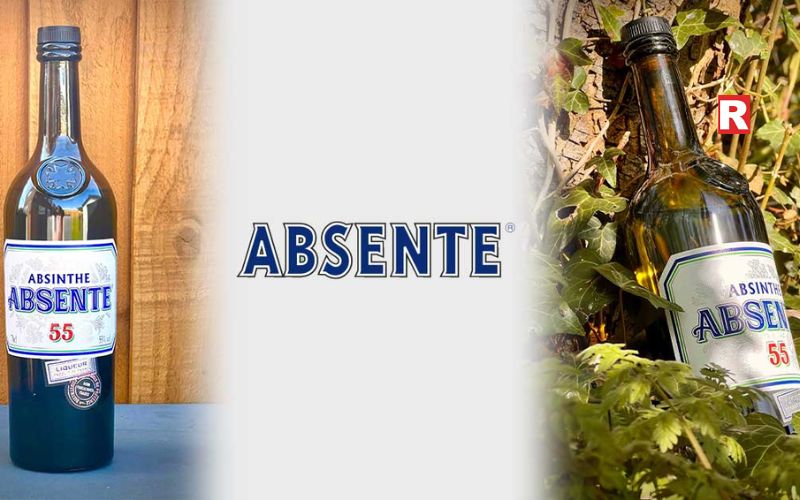
Absente 55 is often chosen by those who are new to absinthe. It has a lower alcohol strength compared to many other options. This makes it feel lighter and easier to drink. The flavour is fresh and slightly sweet at the start. Notes of citrus and mint give it a clean and cooling taste. It does not feel too strong on the palate. This makes it suitable for casual settings. It blends well in cocktails and adds a refreshing twist. Many bartenders use it for creative drinks. It is a good entry point for those who want to understand absinthe without feeling overwhelmed.
3. Absinthe 49
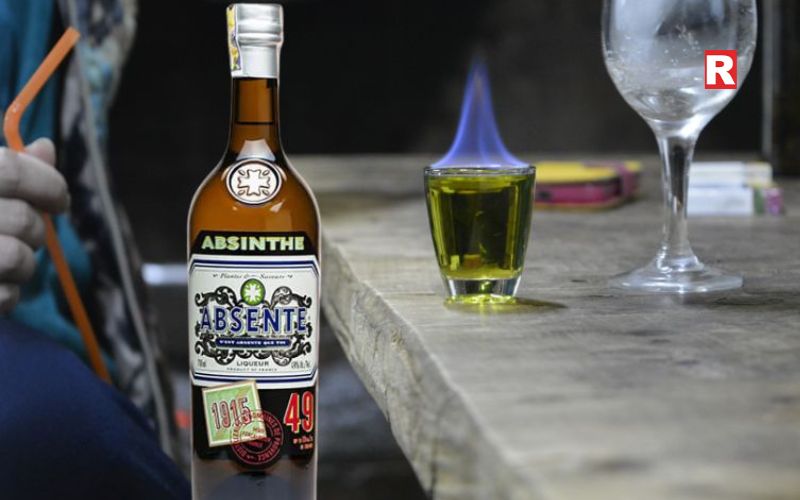
Absinthe 49 is known for its bold and intense profile. It is made for those who prefer strong flavours. The taste is rich with deep herbal notes. Earthy tones stand out and stay on the palate for long. It has a sharp edge that gives it character. This makes it different from lighter absinthe styles. It is not meant for quick drinking. It is best enjoyed slowly with water. Adding water softens the flavour and brings out more balance. It suits drinkers who already enjoy strong spirits. For them, it offers a more powerful and layered experience.
4. Hapsburg Absinthe
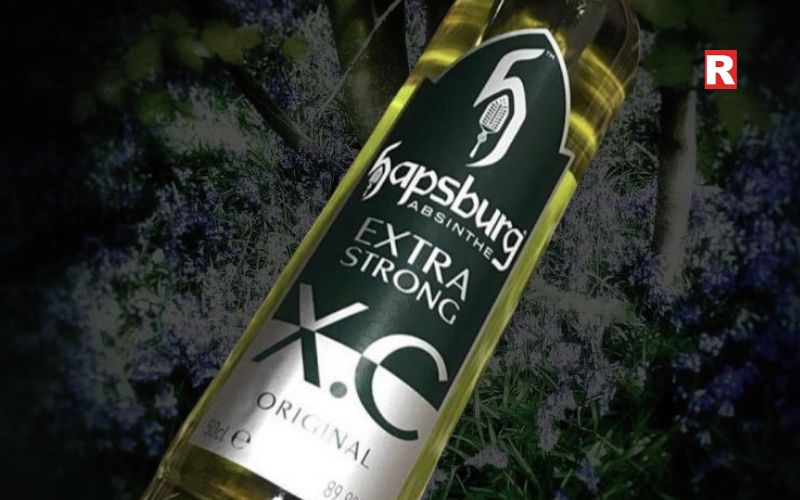
Hapsburg Absinthe is known for its extremely high alcohol content. Some variants reach very strong levels, making it one of the boldest choices available. The drink has a powerful presence from the first sip. It carries intense notes of wormwood and anise. Despite its strength, the flavour remains complex and layered. It is not harsh if consumed the right way. Dilution with water helps in balancing the taste. It is usually preferred by experienced drinkers. They enjoy its depth and strength. It is not a casual drink. It is meant for those who want a strong and memorable experience.
5. Xenta Absinthe
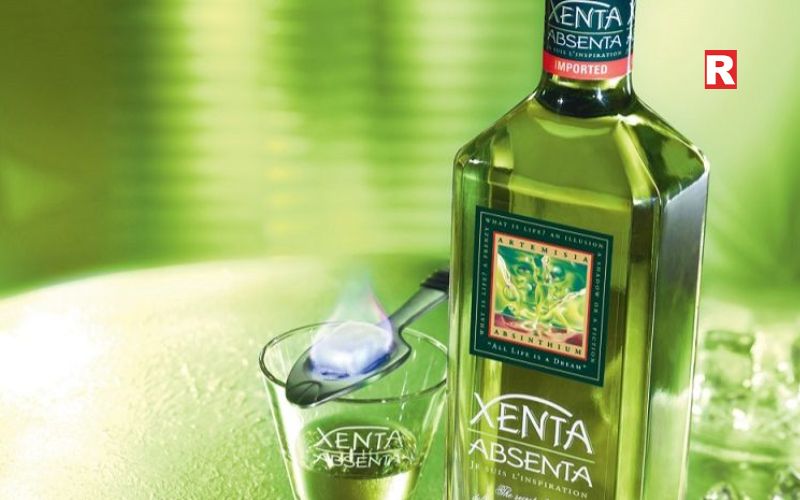
Xenta Absinthe offers a modern take on a classic spirit. It brings a slightly different flavour compared to traditional styles. The drink has a mild spicy note that adds interest. This makes it stand out among other absinthe options. The taste is bold but still easy to handle. It does not feel too heavy or overpowering. This balance makes it popular in cocktails. Many people use it to create new and interesting drinks. It suits those who like to experiment with flavours. At the same time, it can also be enjoyed on its own with water.
Know more: Best Japanese Whisky Brands in India: Where Craft Meets Perfection in Every
6. Hendrick’s Absinthe
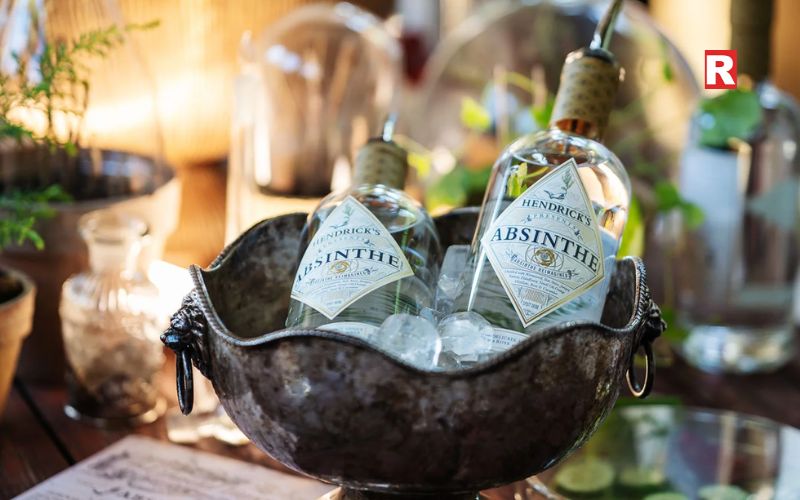
Hendrick’s Absinthe is known for its unique and refined profile. It combines classic absinthe elements with soft floral notes. Hints of rose and cucumber add a fresh touch. This creates a smooth and aromatic experience. The drink feels light but still carries depth. It is not too sharp or bitter. This makes it suitable for slow sipping. It is often chosen for special occasions. The flavour feels elegant and well-balanced. It appeals to those who prefer subtle and refined drinks. It is a good choice for someone looking for a premium and different absinthe experience.
How to Choose the Right Absinthe
Not all absinthe is the same. Here are a few things to check before buying:
- Look for natural ingredients like wormwood
- Check the alcohol percentage (ABV)
- Prefer brands that follow traditional distillation methods
- Avoid artificially flavoured variants
A good absinthe should create the louche effect when water is added. This is a sign of quality and authenticity.
Also check: Top Premium Whisky Brands Under Rs 5000 in India
Top Scotch Whisky Brands in India: The Ultimate Guide for Whisky Lovers
Top Flavoured Rum Brands in India to Try This Growing Winter
How to Drink Absinthe the Right Way
Absinthe is not meant to be consumed like regular alcohol. The experience matters.
Traditional Method:
- Pour absinthe into a glass
- Place a sugar cube on a spoon
- Slowly drip cold water over it
- Watch it turn cloudy
Modern Way:
- Use it in cocktails like Sazerac or Absinthe Frappe
- Add a small amount to enhance flavour in drinks
The idea is to enjoy it slowly and appreciate the flavours.
Price and Availability in India
Absinthe is still a niche product in India. You may not find it in every liquor store.
- Price range: Rs 3,000 to Rs 5,000 or more for premium brands
- Available in select metro cities
- Found in premium retail stores and high-end bars
As demand grows, availability is expected to improve in the coming years.
The Future of Absinthe in India
Absinthe is at an early stage in India, but the potential is strong. As more consumers explore global spirits, this category will grow. The rise of cocktail culture and premium drinking habits is creating the right environment. Brands are also experimenting with flavours and positioning to suit Indian tastes. For those who enjoy trying something different, absinthe offers a complete experience. It combines history, flavour, and ritual in one glass.
Final Sip
Absinthe is not seen as just another alcohol. It is known for its depth, strong character, and long history. Many drinkers in India are now exploring it with growing interest. From classic names like Pernod Absinthe to modern choices like Xenta Absinthe, there is an option for every taste. Some prefer lighter and smoother variants. Others enjoy bold and strong flavours. Those who want to try something different often begin with a mild option. They slowly learn the traditional way of drinking it. The ritual becomes part of the experience. Over time, they move to stronger versions. This gradual shift helps them understand the spirit better. For many, absinthe becomes more than just a drink. It turns into a slow and thoughtful journey that is enjoyed step by step.

There is a drink that has always carried mystery. It is green, strong, and surrounded by stories that sound almost unreal. This drink is called absinthe. For years, people have linked it to artists, creativity, and even madness. It is often called the “Green Fairy,” a name that adds to its charm and intrigue.
Today, absinthe is making a quiet comeback. Many curious drinkers in India are now exploring premium and unique spirits. Absinthe stands out because it is not just a drink. It is an experience with history, science, and ritual behind it.
What is Absinthe?
Absinthe is a high-proof alcoholic spirit made from herbs. It is known for its natural green color and strong flavour. The drink was first developed in Switzerland in the late 18th century and later became popular in France. Unlike regular spirits, absinthe is distilled using a mix of botanicals. It is not just about alcohol content. It is about how the herbs come together to create a bold and layered taste.
Most absinthe bottles have an alcohol content between 45% and 74%. This makes it much stronger than whisky, vodka, or rum. Because of this, it is usually diluted with water before drinking.
The Ingredients That Make Absinthe Unique
The identity of absinthe comes from its ingredients. Each one plays a role in its taste and effect.
Wormwood: Wormwood is the key herb. It gives absinthe its signature bitterness. It also contains a compound called thujone, which has been the centre of many myths.
Anise: Anise adds a sweet, licorice-like flavour. It balances the bitterness of wormwood and makes the drink smoother.
Fennel: Fennel brings a mild sweetness and a slightly spicy note. It helps round out the overall taste.
Other Herbs: Some brands also use mint, lemon balm, and hyssop. These herbs enhance aroma and complexity.
Technical Insight: What is Thujone?
Thujone is a natural compound found in wormwood. In the past, people believed it caused hallucinations. Modern science shows that the amount of thujone in regulated absinthe is very low. It does not create unusual effects beyond normal alcohol intoxication.
Read more: What is Lager Beer? Discover the Top 5 Lager Beer Brands in India You Must Try
How Bourbon Whiskey Is Made & The Top 5 Bourbon Whisky Brands in India
Why is it Called the ‘Green Fairy’?
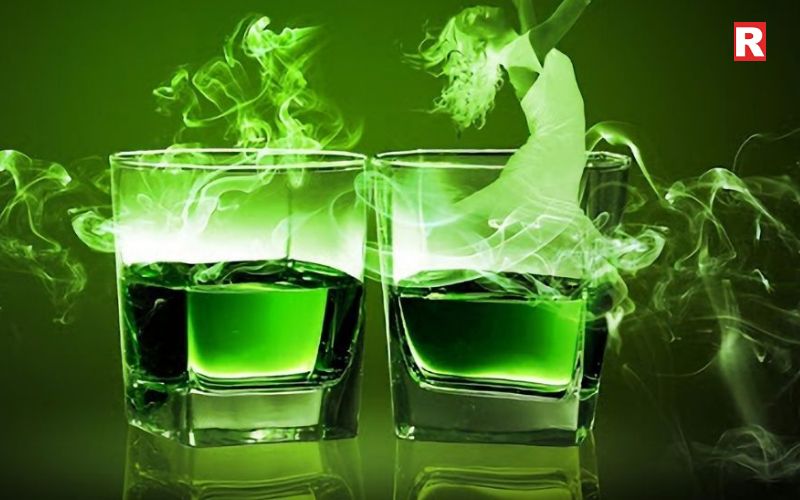
The nickname “Green Fairy” comes from 19th-century France. At that time, absinthe was very popular among artists and writers. They believed the drink helped them think differently and unlock creativity. The green colour of the drink and its dream-like reputation gave rise to this magical name. It became a symbol of imagination and escape.
The History Behind Absinthe
Absinthe became widely popular in Europe during the late 1800s. It was especially loved in France. People from all walks of life enjoyed it, from workers to intellectuals. Many famous artists were known to drink absinthe. These include Vincent van Gogh and Oscar Wilde. Their association added to the drink’s artistic image.
However, absinthe also became controversial. Some blamed it for health problems and social issues. By the early 1900s, several countries banned it. Years later, research showed that many fears were exaggerated. Gradually, absinthe returned to the market with proper regulations. Today, it is legally produced and sold in many parts of the world.
Absinthe Myths vs Reality
Absinthe has always been surrounded by myths. It is important to separate fact from fiction.
Myth | Reality |
|---|---|
Absinthe causes hallucinations | Modern absinthe does not cause hallucinations. Its effects are similar to other high-alcohol spirits when consumed. |
It was banned because it was dangerous | The ban was largely driven by social and political pressure. Scientific studies later showed it is not more harmful than other spirits when consumed responsibly. |
It is illegal everywhere | Absinthe is legal in many countries today, including India, but it is regulated and not widely available. |
Is Absinthe Legal in India?
Absinthe is legal in India, but it is not widely available. You may find it in select premium liquor stores or high-end bars. Availability depends on state regulations and import policies. Because it is a niche product, it is often priced higher than regular spirits. However, for those interested in unique alcohol experiences, it is worth exploring.
Know more: Top Feni Brands in India: Taste the Goan Creation
How to Drink Absinthe: The Classic Ritual
Absinthe is not usually consumed straight. It is known for a unique preparation method.
The traditional way involves:
- Pouring a measure of absinthe into a glass
- Placing a sugar cube on a special spoon
- Slowly dripping cold water over the sugar
As water mixes with absinthe, the drink turns cloudy. This transformation is called the “louche effect.”
What is the Louche Effect?
The louche effect happens because of emulsification. Essential oils from herbs like anise dissolve in alcohol but not in water. When water is added, these oils separate and create a milky appearance. This process also softens the strong flavour and makes the drink smoother.
Taste Profile and Strength
Absinthe has a bold and complex taste. It is not a beginner-friendly drink.
You can expect:
- Strong herbal notes
- A dominant licorice flavour
- Slight bitterness from wormwood
- A smooth finish after dilution
Because of its high alcohol content, it should always be consumed slowly and responsibly.
Why Absinthe is Gaining Popularity Again
There is a growing interest in premium and craft spirits in India. Consumers are moving beyond common choices and exploring unique drinks.
Absinthe fits well into this trend. It offers:
- A rich history
- A distinctive taste
- A theatrical drinking ritual
Many modern bars are also introducing classic cocktails and global drinking styles. This has helped absinthe regain attention among urban audiences.
Also check: Top Polish Vodka Brands To Explore
What is Cider? Top Cider Brands in India
Top Scotch Whisky Brands in India: The Ultimate Guide for Whisky Lovers
A Drink of Mystery and Craft
Absinthe is not just a strong drink. It carries history, craft, and meaning in every sip. Made with herbs, it reflects a long tradition that goes back to Europe. Its story is closely linked with artists, writers, and creative minds who once admired it. This gives the drink a cultural depth that few spirits have. For people who like to explore new flavours, absinthe offers a unique experience. It is not meant to be rushed. The ritual of preparing it adds to its charm and makes the moment feel special. The slow mixing of water and the change in colour create a sense of anticipation. Like any premium spirit, it is best enjoyed with care. When consumed in moderation, it allows one to truly appreciate its taste and history. Absinthe, in the end, stands as a refined drink with a rich and fascinating legacy.

There is something special about drinking in the mountains. The air feels lighter. The views feel endless. And every sip tastes richer. Whether you are sitting in a café in Himachal or enjoying a quiet evening in Sikkim, local alcohol often becomes a part of the travel memory.
In India, mountain regions are slowly building a strong identity in craft alcohol. From Himalayan whiskies to traditional rice beers, these drinks carry the flavour of their land. They are shaped by climate, altitude, water, and local ingredients. If you are planning your next hill trip, this list will help you explore drinks that go beyond regular choices.
Why Alcohol from the Mountains Feels Different
Mountain alcohol is not just about branding. It is about science and environment. At higher altitudes, the air has less oxygen. This affects fermentation and aging. In many cases, spirits mature differently. The temperature is cooler. This slows down chemical reactions. As a result, the flavours develop gradually and feel more layered.
Water also plays a key role. Most mountain distilleries use spring or glacial water. This water is naturally filtered and rich in minerals. It adds purity and softness to the final drink. Local ingredients make a big difference. In Himalayan regions, you will find herbs, wild fruits, barley, and even bamboo being used. These ingredients give each drink a unique taste that cannot be copied elsewhere. That is why mountain alcohol often feels more authentic and memorable.
Explore 6 Mountain Alcohol Brands to Try in India
1. Apong – Arunachal Pradesh / Assam Hills
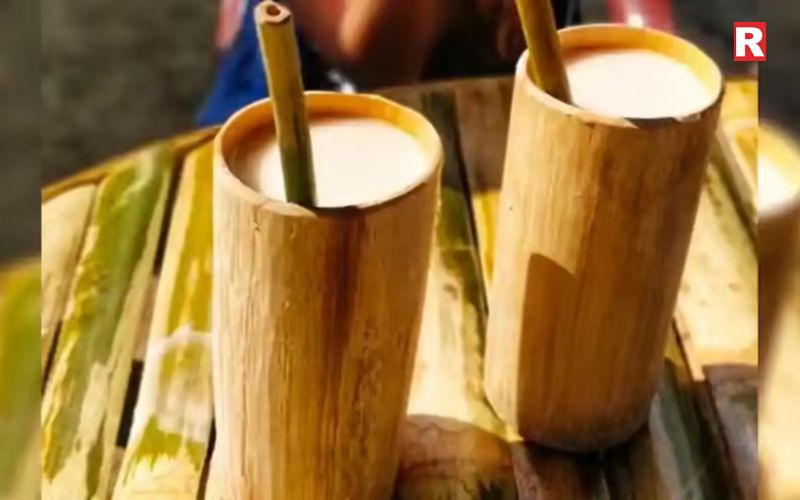
In the hills of Arunachal and parts of Assam, Apong is more than a drink. It is prepared inside homes using age-old methods. Families use local rice and natural starters made from forest plants. The brewing process can take several days and requires patience. The drink is often stored in bamboo containers, which adds a subtle woody touch. It is usually served in simple cups during gatherings. Guests are offered Apong as a sign of warmth and respect. Each tribe has its own way of making it, so the taste can change from place to place. It quietly reflects the rhythm of life in the hills.
- Type: Rice Beer
- Flavor Profile: Smoky, earthy, and slightly tangy.
- Why You Should Try It: It is central to tribal life. From festivals to daily gatherings, Apong is always present. Drinking it is like stepping into the culture of the region.
Read more: Top 5 Strong Beer Brands in India: Bold Brews for the Bold Drinker
Top Feni Brands in India: Taste the Goan Creation
2. Zutho – Nagaland
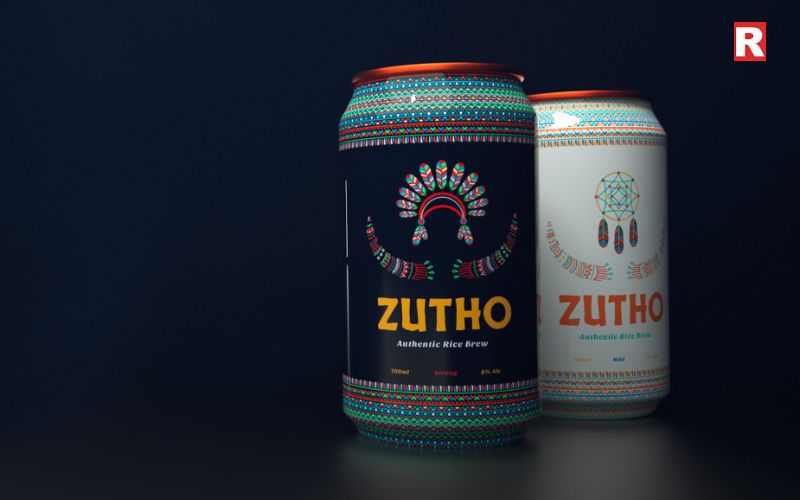
Zutho holds a special place in Naga households. It is often prepared fresh and consumed within a short time. The process begins with steamed rice, which is cooled and mixed with natural fermenting agents. It is then left to rest in bamboo or earthen containers. The drink is usually enjoyed during community events and local feasts. It is not heavily processed, which keeps it close to its natural form. In villages, elders often guide the brewing process. Sharing Zutho is a common way to bring people together. It creates a relaxed setting where stories, food, and laughter flow easily.
- Type: Rice Beer
- Flavor Profile: Light, mildly sweet, and refreshing.
- Why You Should Try It: It is easy to drink and often served fresh. Perfect for those trying traditional alcohol for the first time.
3. Chang (Chhaang) – Sikkim & Ladakh
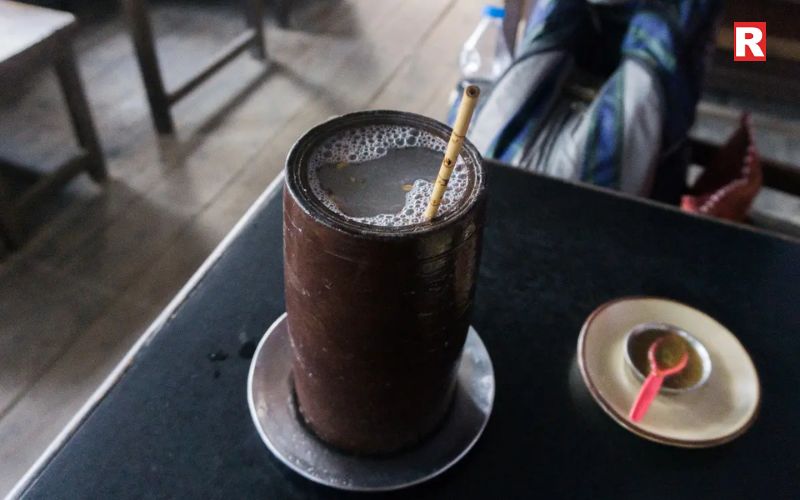
Chhaang is widely consumed in high-altitude regions like Sikkim and Ladakh. It is made using grains such as millet or barley, depending on what is locally available. The grains are fermented and then stored carefully for regular use. It is often served in traditional containers, sometimes with a bamboo straw. In colder areas, it is enjoyed warm, making it suitable for the climate. The preparation is simple but requires attention to timing and storage. Locals often prepare it in batches for family use. It is commonly shared during quiet evenings or after long days of work in the mountains.
- Type: Millet/Rice Beer
- Flavor Profile: Mildly sour, grainy, and comforting.
- Why You Should Try It: It is designed for the mountains. Locals drink it to stay warm. The experience of sipping it in cold weather is unmatched.
4. Lugdi – Himachal Pradesh
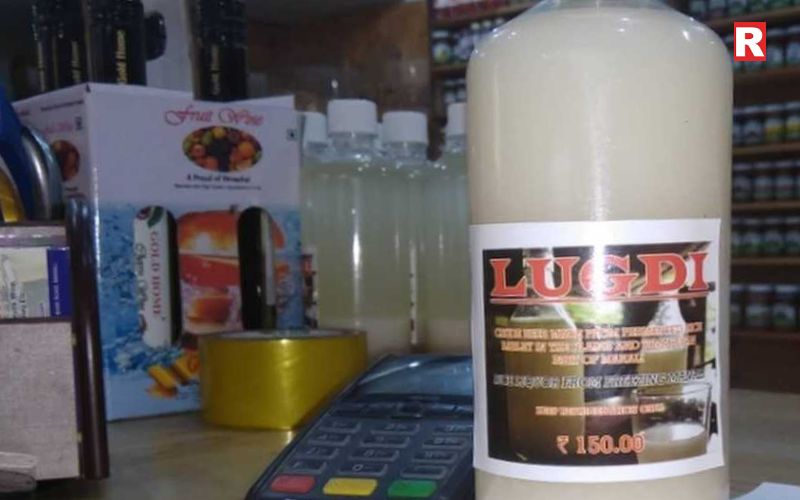
Lugdi is commonly found in villages across Himachal Pradesh. It is prepared using rice that is fermented in natural conditions. The mixture is kept in warm spaces to allow the process to develop slowly. Once ready, it is consumed fresh. It is not bottled or stored for long periods. Villagers often make it at home using simple tools and local ingredients. Lugdi is usually served during small gatherings and local celebrations. It is also shared among neighbours, which builds a sense of connection. The drink reflects a simple lifestyle where homemade traditions are still valued and followed.
- Type: Fermented Rice Drink
- Flavor Profile: Slightly sour with a strong fermented aroma.
- Why You Should Try It: It reflects the simplicity of Himachali life. Often consumed during local festivals and family gatherings.
5. Handia – Jharkhand & Eastern Hill Regions
Handia is widely prepared in tribal regions, especially in hilly areas of eastern India. It is made using rice and a natural herbal starter. The preparation involves fermenting the mixture in earthen pots for a few days. Once ready, it is consumed in its semi-solid form or with added water. It is often sold in local markets and roadside stalls. Many families prepare it as part of their daily routine. It is also offered during social gatherings and small events. The process is simple but deeply rooted in tradition. It continues to be an important part of everyday life in these regions.
- Type: Rice Beer
- Flavor Profile: Mild, slightly sweet, and earthy.
- Why You Should Try It: It is affordable, natural, and widely shared among communities. It gives a raw and honest drinking experience.
Know more: 10 Mountain Foods to Keep You Warm While Visiting One
6. Judima – Assam (Dimasa Hills)
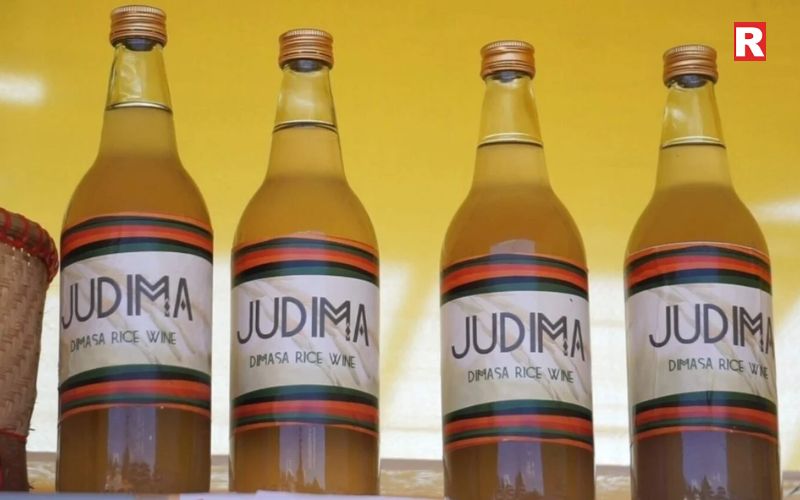
Judima is prepared by the Dimasa community in the hill regions of Assam. It is made using a specific variety of sticky rice along with traditional herbs. The mixture is left to ferment in a controlled environment. The process requires care and clean conditions to maintain quality. It is usually stored in simple containers and served during special occasions. The drink is closely linked to cultural practices and local identity. It is often prepared in households rather than large setups. Each batch reflects the skill of the maker. It remains a valued part of celebrations and traditional gatherings in the region.
- Type: Rice Wine
- Flavor Profile: Smooth, slightly sweet, and aromatic.
- Why You Should Try It: It is one of the few traditional Indian drinks with official recognition. Clean, refined, and deeply cultural.
The Rise of Mountain Craft Culture in India
Mountain regions in India are now seeing a shift. Earlier, most alcohol options came from big cities. Today, local production is growing. Small distilleries and breweries are experimenting with local ingredients. They focus on quality, sustainability, and storytelling. Many brands are also promoting tourism. Visitors can now explore tastings, brewery tours, and vineyard stays in some regions.
Himachal Pradesh and Uttarakhand are becoming hubs for craft spirits. The Northeast continues to preserve its traditional brewing methods. Together, they are shaping a unique alcohol culture that is both modern and rooted.
Tips for Drinking in the Mountains
Drinking in the hills is different from drinking in cities. Your body reacts faster at high altitude.Alcohol can feel stronger. You may get dehydrated quickly. It is important to drink water alongside. Eat well before drinking. Avoid mixing too many drinks. Take it slow. Enjoy the experience instead of rushing through it. Also, try pairing your drink with local food. A glass of beer with momos or a sip of Apong with smoked meat can elevate the entire experience.
Also check: Top Newly Launched Beer Brands to Replace Your Regular Brew
Top British Beer Brands in India You Should Try at Least Once
What is Cider? Top Cider Brands in India
Final Sip
Mountain alcohol carries more than taste. It carries memory, culture, and daily life. In many hill regions, these drinks are made at home using simple methods. People learn the process from their elders. Each step has meaning. Each ingredient comes from the local land. When travellers visit these places, they often look for views and weather. But the real connection begins when they try what locals drink. Sitting with villagers, sharing a cup, and hearing their stories creates a deeper bond. These are quiet moments, but they stay longer than pictures. Choosing local drinks also supports small communities and keeps traditions alive. It brings visitors closer to the real rhythm of the hills. For many, these experiences become the highlight of the journey. Because in the mountains, understanding a place often begins with tasting what it offers.
Vodka is often placed in the category of clear and simple spirits. Yet, Polish vodka brings more depth to the table. It reflects a long-standing culture of careful production and strong local pride. Generations of distillers have shaped its identity over time. The process is guided by strict rules and a focus on quality. Every step, from sourcing to bottling, follows a disciplined approach. This gives the spirit a sense of consistency and trust.
Producers focus on purity and balance rather than speed. The water used is carefully treated. The grains or potatoes are selected with precision. Even small changes in process can affect the final result. This makes each bottle feel intentional. For many drinkers in India, this offers a new way to look at vodka. It is not just something to mix. It can also be understood and appreciated. The experience becomes more about noticing subtle differences. This shift in perspective is what makes Polish vodka stand out in a crowded global market.
What Makes Polish Vodka Unique
Polish vodka stands apart because of its strict production standards. To be labeled as authentic Polish vodka, it must be made using Polish-grown ingredients. These include grains like rye and wheat or even potatoes, along with pure local water. This focus on origin brings a concept called terroir into vodka. Terroir means that the soil, climate, and raw materials influence the final taste. While many vodkas around the world aim to be neutral, Polish vodka embraces subtle differences.
The base ingredient plays a key role:
- Rye vodka is crisp and slightly spicy
- Potato vodka is rich and creamy
- Wheat vodka is soft and smooth
Most Polish vodkas are bottled at 40 percent alcohol by volume. But the experience is not just about strength. It is about balance and finish.
Discover Top Polish Vodka Brands To Explore
1. Belvedere Vodka
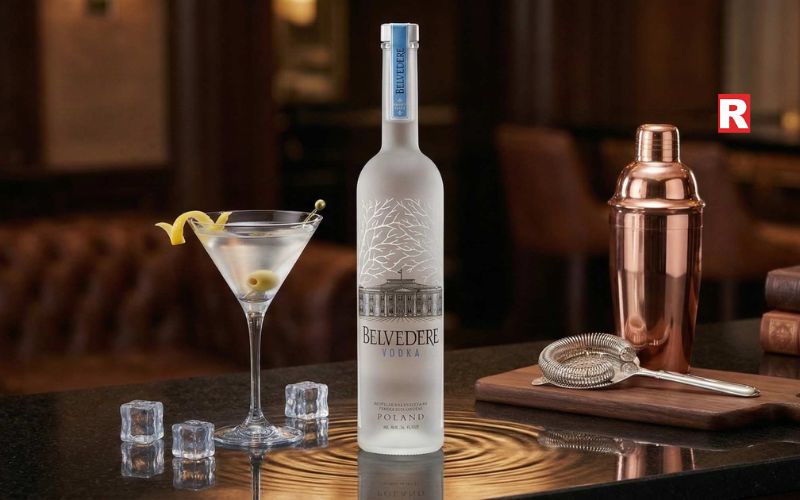
Belvedere carries a strong image in the global spirits market. It is often seen in high-end bars and luxury settings. The brand focuses on refined craftsmanship and consistent quality. Its packaging reflects elegance and minimal design. This adds to its premium appeal. Many bartenders prefer it for its reliable profile. It performs well in both simple and complex cocktails. The brand also highlights sustainability in its production practices. This appeals to modern consumers who value responsible choices. In India, it is commonly associated with upscale gatherings and fine dining. It suits those who enjoy a polished drinking experience without unnecessary complexity.
Read more: Top Sugar‑Free Vodka Brands in India You Should Try
12 Affordable Spirits That Taste Like They Cost a Fortune
2. Chopin Vodka
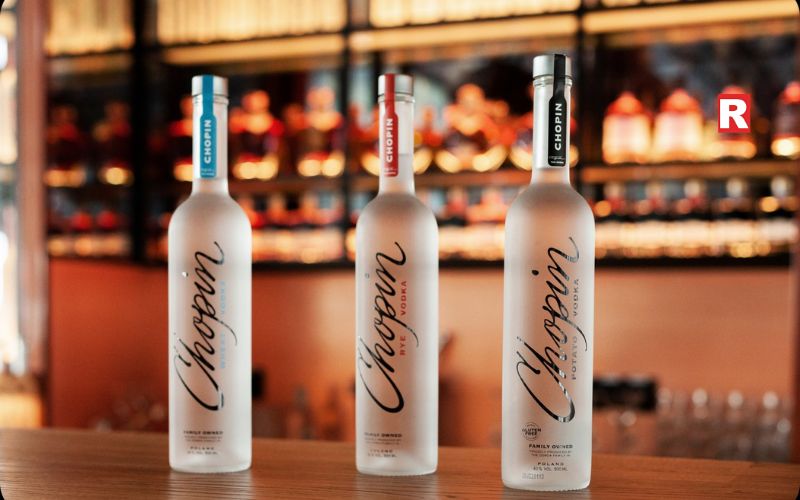
Chopin stands out for its craft-driven approach. It focuses on small-batch production rather than large-scale output. This allows better control over quality. The brand is often linked with artisanal vodka making. It pays close attention to raw materials and processing. Each variant offers a slightly different experience. This makes it interesting for those who like to compare and explore. It is often chosen by people who prefer thoughtful drinking over casual consumption. The brand also has a strong identity rooted in Polish culture. In India, it attracts niche audiences who are curious about premium and lesser-known spirits.
3. Wyborowa
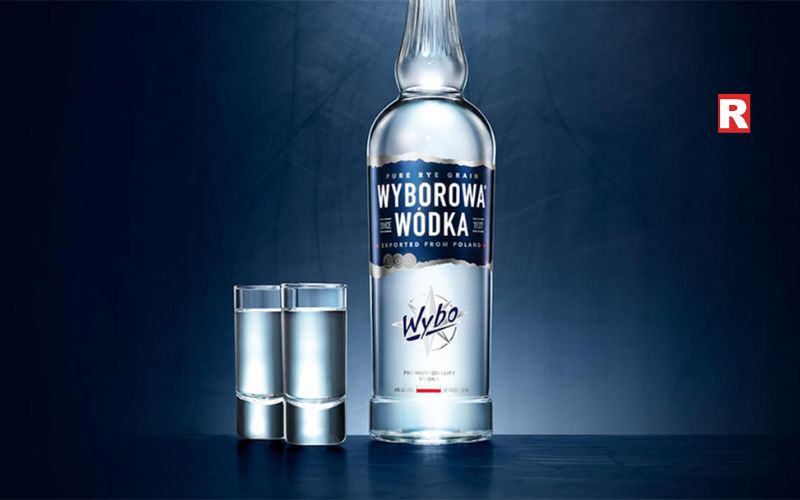
Wyborowa has built a reputation over decades. It is known for being dependable and widely available. The brand has a simple and straightforward identity. It does not rely on flashy marketing. Instead, it focuses on consistency. Many bars use it as a standard pour. This shows its acceptance in the industry. It fits well into everyday drinking occasions. The brand is also known for offering good value for its price. In India, it appeals to consumers who want quality without spending too much. It works well for social settings where ease and familiarity matter more than experimentation.
4. Żubrówka
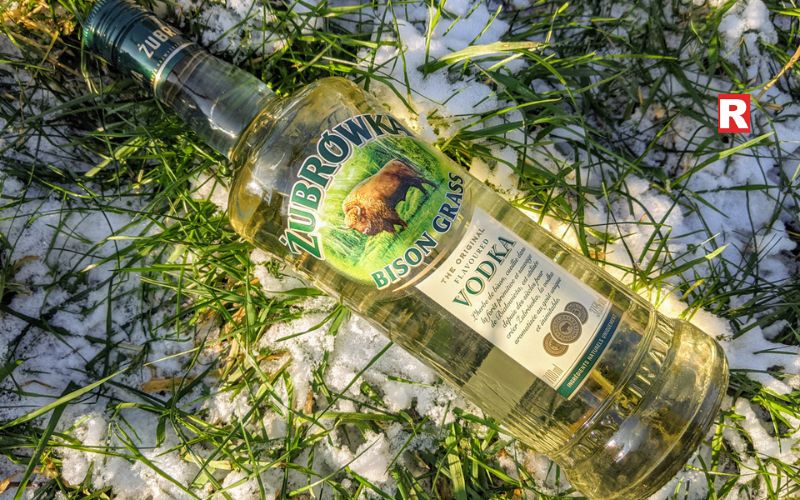
Żubrówka has a distinct identity that sets it apart. Its branding is closely tied to nature and tradition. The presence of the grass blade inside the bottle makes it instantly recognisable. It often attracts attention on shelves and in bars. The brand has a strong storytelling element linked to Polish forests. This adds depth to its image. It is often chosen by people who enjoy something different. It works well in relaxed and social environments. In India, it appeals to those who like trying new flavours. It also fits into the growing trend of experimental drinking among younger consumers.
5. Luksusowa
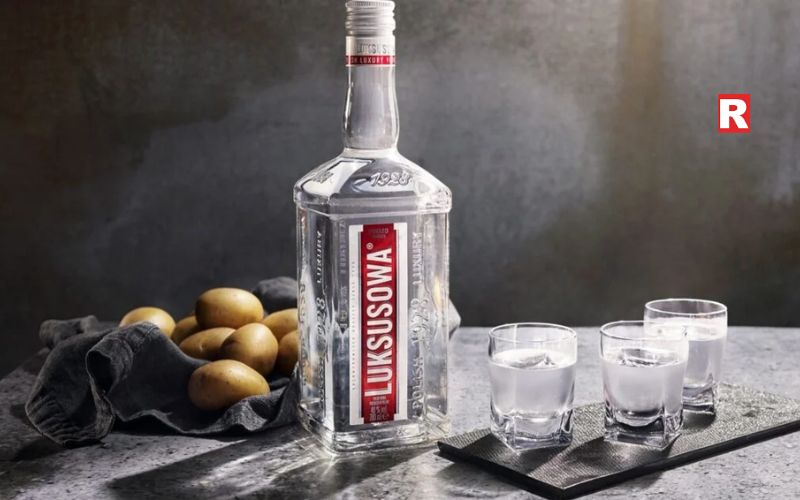
Luksusowa is known for offering quality at a reasonable price. It has a simple and honest brand image. It does not position itself as overly luxurious. Instead, it focuses on delivering a good experience. The brand has gained trust over time. It is often recommended as a dependable option. Many consumers appreciate its straightforward nature. It fits both casual and slightly premium occasions. In India, it attracts buyers who want value without compromise. It is also a good choice for those moving from basic to better-quality vodka. Its accessibility makes it easy to include in regular gatherings.
6. Sobieski Vodka
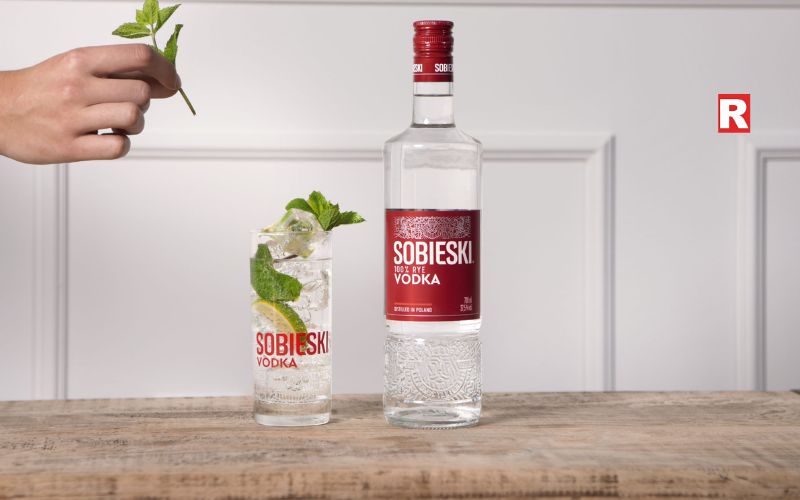
Sobieski carries a strong historical connection. It is named after a Polish king, which adds to its identity. The brand focuses on tradition and authenticity. It has a clear and no-nonsense approach. This makes it popular in professional bar settings. Bartenders often rely on it for its consistency. It blends easily into different drink styles. The brand does not aim to stand out with bold flavours. Instead, it supports other ingredients in a drink. In India, it suits those who enjoy classic cocktails. It is also preferred by people who value simplicity over complexity.
Know more: Top 12 Vodka Brands Loved In India
7. Soplica
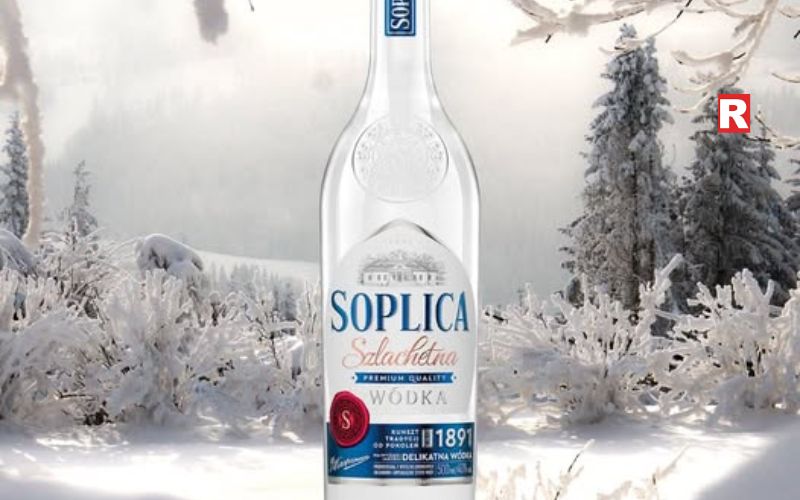
Soplica has a long history and a strong cultural presence. It is often linked with traditional Polish celebrations. The brand offers a wide range of flavour options. This makes it versatile and approachable. Its identity feels warm and familiar rather than premium or formal. It is often enjoyed in relaxed settings with friends and family. The brand connects well with younger audiences due to its easy appeal. In India, it fits into casual house parties and small gatherings. It is also suitable for those who prefer lighter drinks. Its variety allows people to try different flavours without overthinking choices.
How Polish Vodka Is Made
The production process of Polish vodka combines tradition with precision.
- Distillation is a key step. Many brands use column distillation, which helps create a clean spirit. Some vodkas go through multiple distillation cycles. This improves smoothness but also needs careful control to retain character.
- Filtration is another important stage. Charcoal filtration is commonly used to remove impurities. It enhances clarity and texture.
- The choice of ingredients remains the most critical factor. High-quality grains or potatoes directly impact the final taste.
It is also important to note that more distillation does not always mean better vodka. Too much processing can remove flavour. The best brands focus on balance.
Also check: What is Cider? Top Cider Brands in India
Top Premium Whisky Brands in India: Finest Indian Whiskies Worth Trying
Best Japanese Whisky Brands in India: Where Craft Meets Perfection in Every
Polish Vodka vs Other Vodkas
Polish vodka differs from many global counterparts in a few key ways.
- First, the ingredients are strictly regulated. This ensures authenticity and quality. In contrast, many international vodkas use flexible sources.
- Second, Polish vodka focuses on subtle flavour. It is not always completely neutral. This adds depth to the drinking experience.
- Third, the heritage is strong. Polish vodka has been refined over centuries. This gives it a cultural and historical edge.
These factors make it a preferred choice for those seeking premium and meaningful spirits.
Final Sip
The global shift towards premium spirits has boosted interest in Polish vodka. Consumers are now looking for quality and authenticity. In India, cocktail culture is growing rapidly. Urban consumers are exploring new flavours and global brands. Polish vodka fits well into this trend. There is also a growing interest in understanding what goes into a drink. Polish vodka, with its clear sourcing and methods, aligns with this mindset. Polish vodka offers more than just a clean spirit. It brings together tradition, technique, and taste. Each brand reflects a different style, from creamy potato vodkas to crisp rye expressions. For Indian consumers exploring premium alcohol, it is a category worth discovering. It changes the way vodka is perceived and enjoyed. If vodka has always felt neutral, Polish vodka adds depth and personality to every sip.
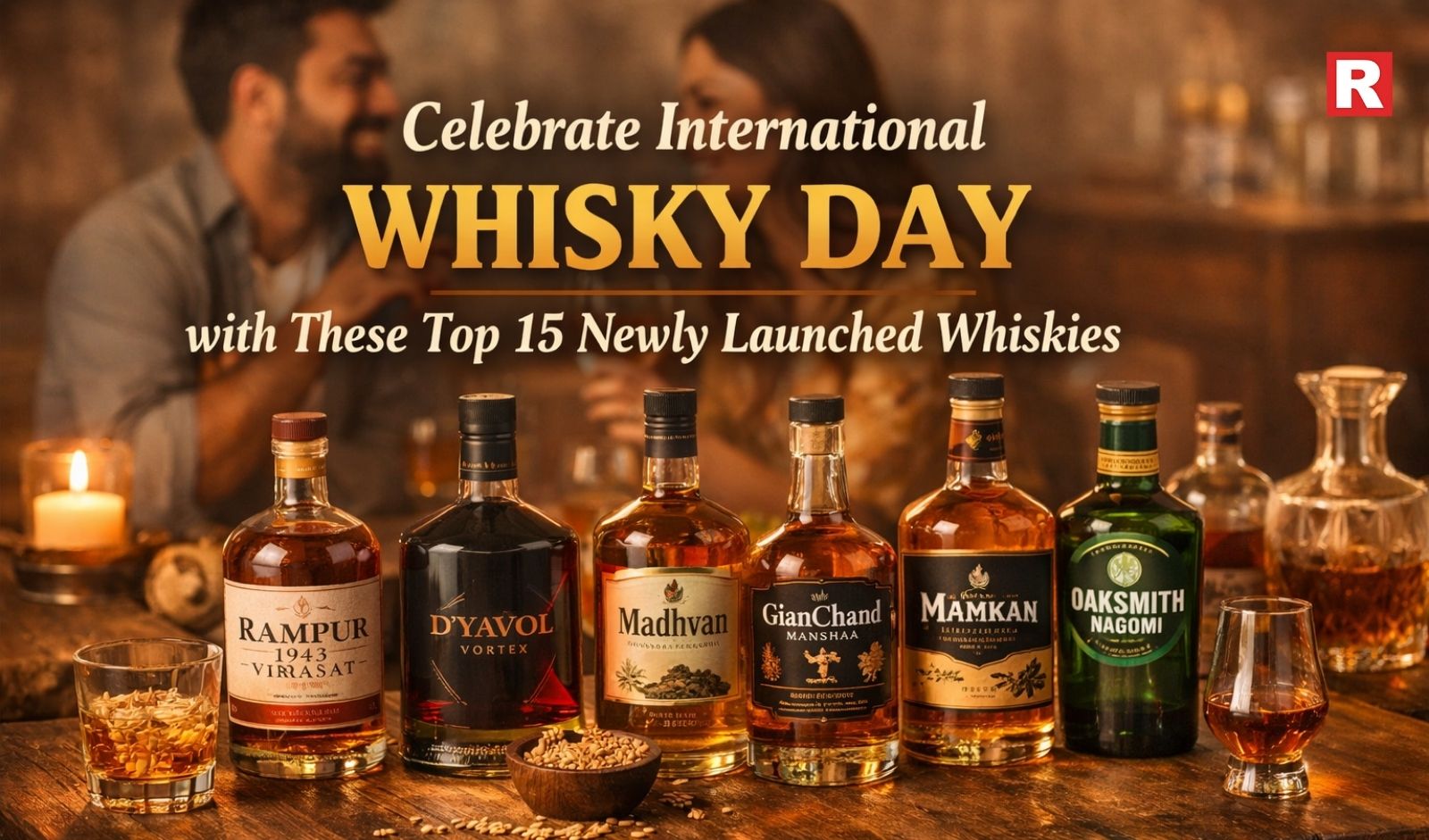
International Whisky Day is the perfect moment to go beyond familiar labels and explore what’s new in your glass. Today, whisky in India is not just about tradition. It is about innovation, experimentation, and a growing sense of identity. New launches are combining global techniques with Indian creativity, giving drinkers more choice than ever before.
From bold single malts and peated expressions to easy blends and craft experiments, the latest whiskies reflect a shift in how India drinks. Whether you are building a home bar or looking for something unique to try, these newly launched expressions offer something for every taste and budget.
What’s Changing in the Whisky Scene
The Indian whisky market is moving towards premiumisation. Consumers now care about how a whisky is made, where it is aged, and what makes it different. One of the biggest changes is the use of different casks. Bourbon, sherry, port, and even rare indigenous woods are now shaping flavour profiles. These casks influence taste in a big way. Bourbon casks add vanilla and caramel. Sherry casks bring dried fruit richness. Port casks create a softer, sweeter finish. Another trend is experimentation. Distillers are exploring peat, blending styles, and even cross-category innovations. This is making whisky more exciting and more personal.
Explore Top Newly Launched Whiskies to Explore
1. D’YAVOL Vortex
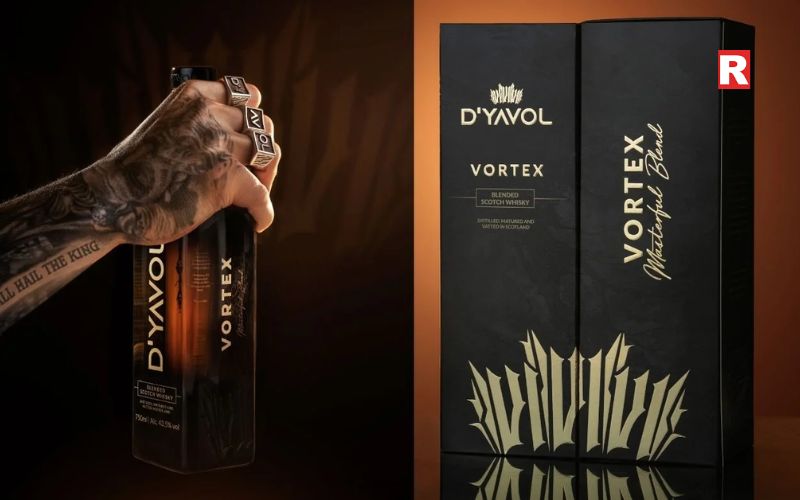
D’YAVOL Vortex is a premium blended Scotch whisky crafted using a careful selection of single malt and single grain whiskies sourced from Scotland’s key regions, including Speyside, Highlands, Lowlands, and Islay. Bottled at 43.5% ABV, it is non-chill filtered, which helps preserve its natural oils and enhances both texture and flavour. The whisky opens with rich sherried sweetness, followed by notes of orchard fruits and creamy vanilla. On the palate, a gentle touch of soft peat smoke adds depth without overpowering the profile. The finish is smooth, balanced, and layered, making it a refined choice for those who enjoy complexity with elegance in a modern blended Scotch whisky experience.
Read more: Top Premium Whisky Brands in India: Finest Indian Whiskies Worth Trying
Top 20 Trendy Whiskeys You Must Try Once
2. The GlenJourneys – Cask Series
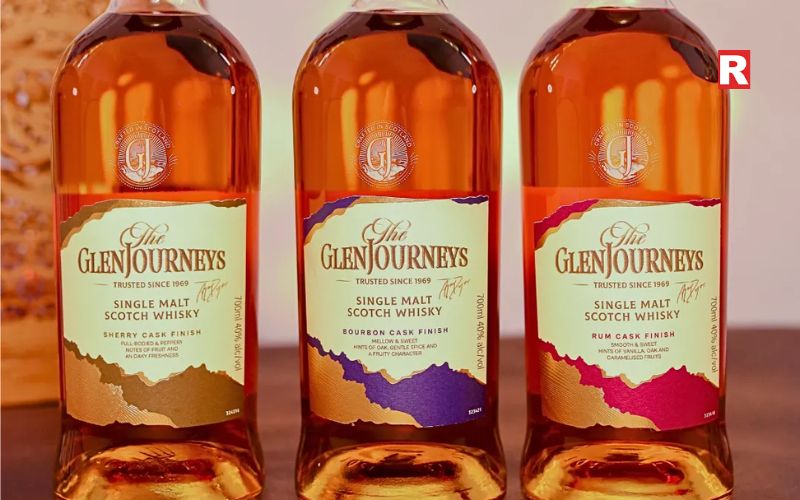
The GlenJourneys Cask Series is a Highland single malt that highlights the importance of cask finishing in shaping whisky character. After initial maturation, the whisky is finished in a combination of rum, bourbon, and sherry casks, each contributing its own layer of flavour. This multi-cask approach results in a well-rounded profile with notes of vanilla, caramel, toasted oak, and a gentle sweetness. The finishing process enhances smoothness while adding depth and complexity to the overall experience. Designed with a focus on evolving consumer preferences, this expression offers a refined yet approachable introduction to how different casks influence aroma, taste, and texture in a single malt whisky.
3. The Glenwalk Blended Scotch Whisky
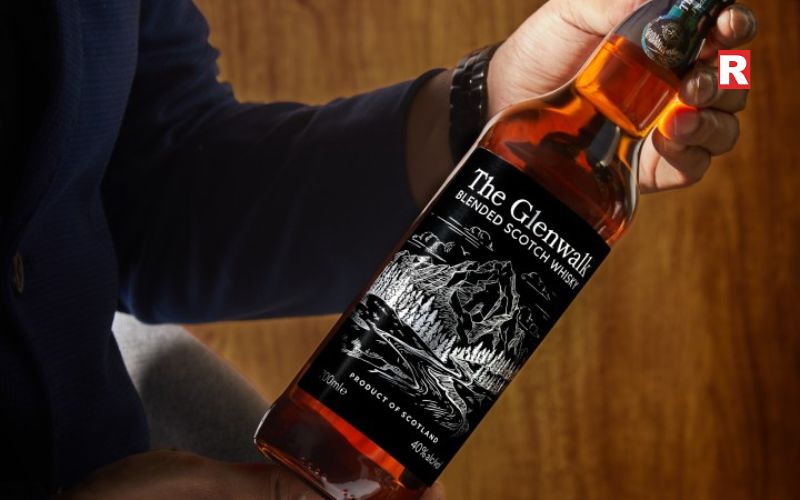
The Glenwalk Blended Scotch Whisky is a smooth and approachable expression crafted using traditional Scotch whisky-making methods. It combines carefully selected malt and grain whiskies that are matured in oak casks to develop a balanced flavour profile. The production process begins with malted barley, which is soaked, germinated, and fermented to release natural sugars before distillation. This results in a blend that offers subtle fruit notes along with hints of warm spice. The texture is soft and easy on the palate, making it suitable for a wide range of drinkers. It serves as an ideal starting point for those exploring Scotch whisky for the first time.
4. Mahavat Whisky
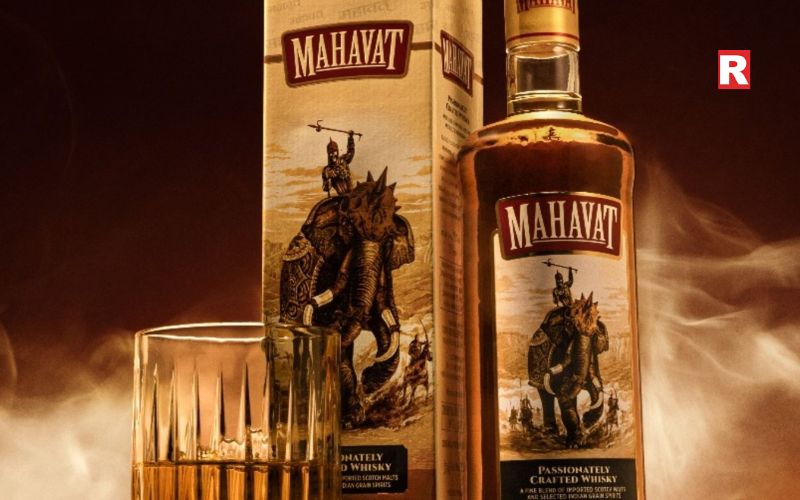
Mahavat Whisky is positioned as a practical and budget-friendly option for everyday consumption. It features a straightforward flavour profile that leans slightly dry, with subtle spice and light grain notes forming its core character. The whisky is designed to be easy to drink, without heavy sweetness or overpowering complexity. It performs best when served with ice or mixed with simple mixers, making it suitable for relaxed, social settings. Mahavat is particularly useful for larger gatherings where affordability and consistency are important. While it does not aim to deliver layered or intricate flavours, it offers dependable quality and a balanced taste that appeals to a wide audience.
5. Madhvan Whisky
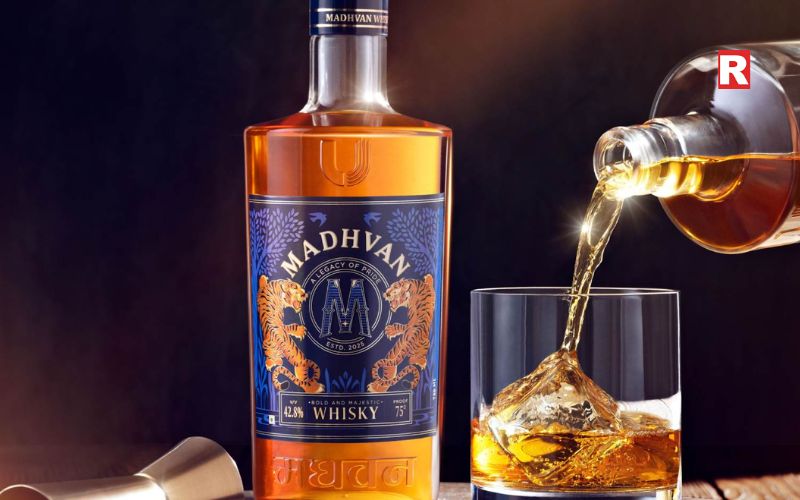
Madhvan Whisky represents a new wave of modern Indian blends that combine local grain spirits with imported Scotch malt. This combination creates a balanced profile that appeals to evolving consumer tastes. The whisky opens with fruity and floral aromas, offering a fresh and inviting nose. On the palate, it develops into richer layers of honey, toffee, and vanilla, providing a smooth and slightly sweet experience. The finish carries a gentle spice along with a subtle warmth from oak aging. Positioned in the affordable premium segment, Madhvan delivers both value and quality, making it a strong choice for consumers seeking a refined yet accessible whisky option.
Know more: Top Premium Whisky Brands Under Rs 5000 in India
6. Rampur 1943 Virasat
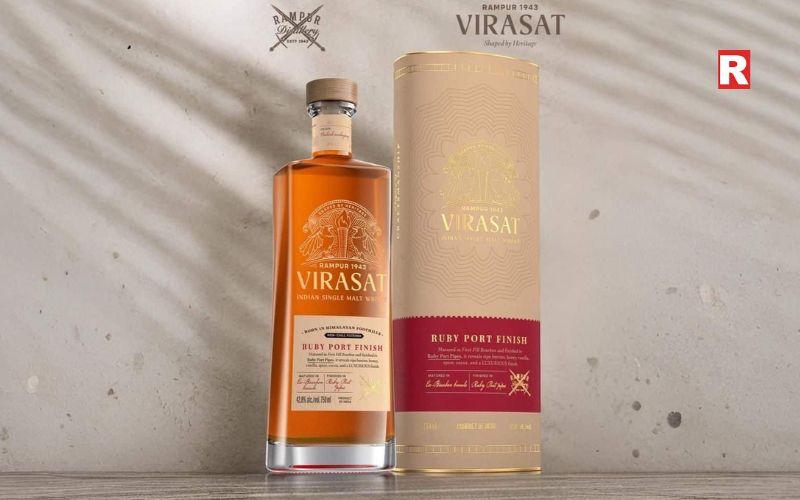
Rampur 1943 Virasat is an Indian single malt that reflects a strong sense of heritage and craftsmanship. It is made using select six-row barley, which contributes to its distinctive character and depth. The whisky is matured in American bourbon barrels, allowing it to develop classic notes of vanilla and caramel. It is then finished in ruby port casks, which add a layer of richness and a subtle red fruit sweetness. This dual maturation process creates a balanced yet complex profile. On the palate, it delivers tropical fruit notes along with smooth sweetness and gentle warmth. The overall experience is rich and layered, making it well-suited for those who appreciate detailed and complex single malts.
7. Morpheus Premium Whisky
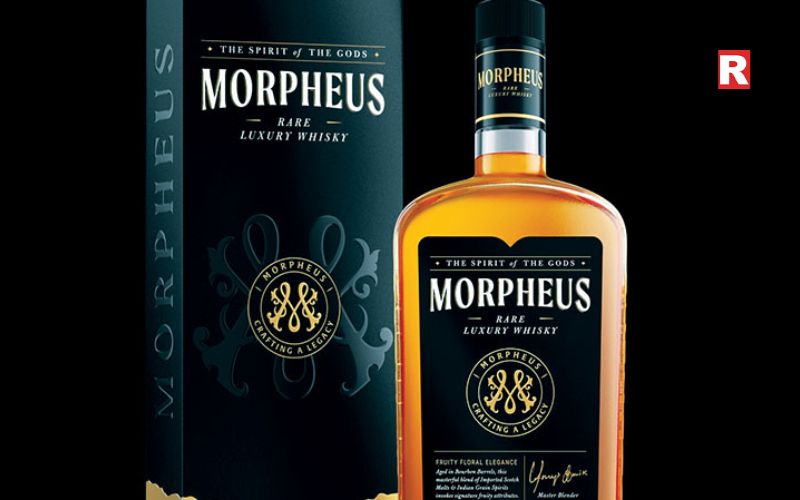
Morpheus Premium Whisky is a super-premium blended Indian whisky crafted using a mix of imported Scotch malts and Indian grain spirits. It is matured in bourbon barrels, a process that enhances smoothness and adds depth to the flavour profile. The aroma opens with floral and fruity notes, creating a light and inviting first impression. On the palate, it develops into flavours of dried fruits, gentle spice, and soft oak, offering a balanced and refined taste. The finish is warm, smooth, and lingering, making it enjoyable for extended sipping. This whisky is designed to offer a premium experience while remaining approachable, suitable for both casual and more refined drinking occasions.
8. Oaksmith Nagomi
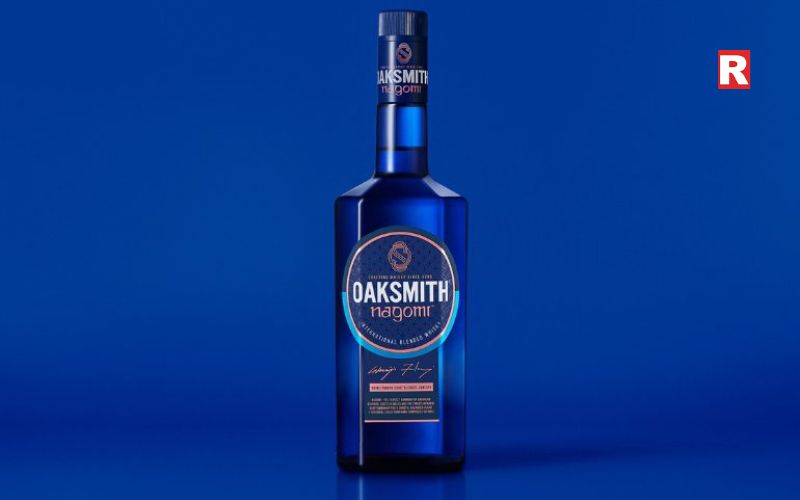
Oaksmith Nagomi is a blended whisky that brings together Scotch malts, American bourbon influence, and Japanese blending techniques to create a distinctive profile. This combination results in a whisky that is both structured and well-balanced. The flavour profile includes sweet and fruity notes that are complemented by layers of spice. A light hint of smoke adds subtle depth without dominating the palate. The whisky also carries a noticeable woody undertone, developed through careful aging in oak casks. The finish is smooth and lingering, with a harmonious balance of flavours. It is a well-rounded expression that appeals to those who enjoy complexity delivered in a refined and approachable manner.
Also check: Top Rye Whiskey Brands in India: Bold Flavours, Real Taste, and Why They Are
9. Whistler Whisky
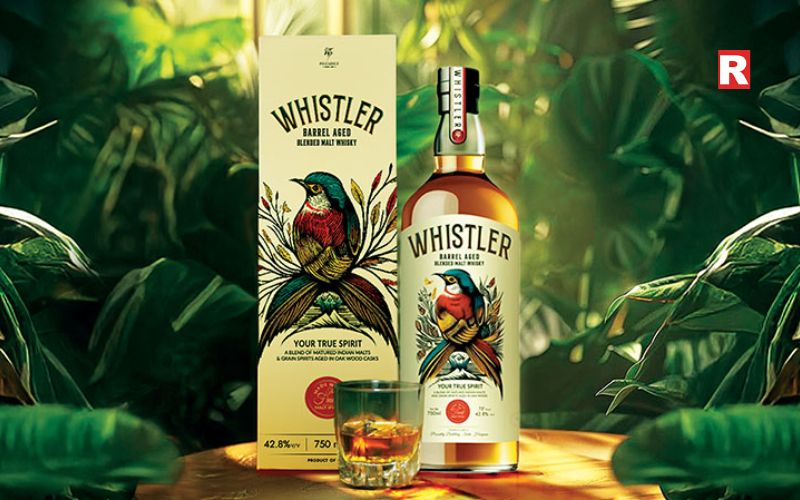
Whistler Whisky is a refined blended malt crafted to deliver a smooth and balanced drinking experience. It combines matured malt and grain spirits that are aged in oak barrels, allowing the whisky to develop consistency and character over time. On the nose, it presents warm notes of dried apple, apricot, vanilla cream, and toasted oak. The palate is silky and layered, offering flavours of rich malt, toffee, pineapple, and gentle spice. The finish is medium in length, leaving behind a mellow sweetness and a sense of refinement. Designed for everyday drinkability, Whistler offers a combination of elegance and accessibility without compromising on flavour or overall quality.
10. Crazy Cock “Madhuca: The Heritage Editions”
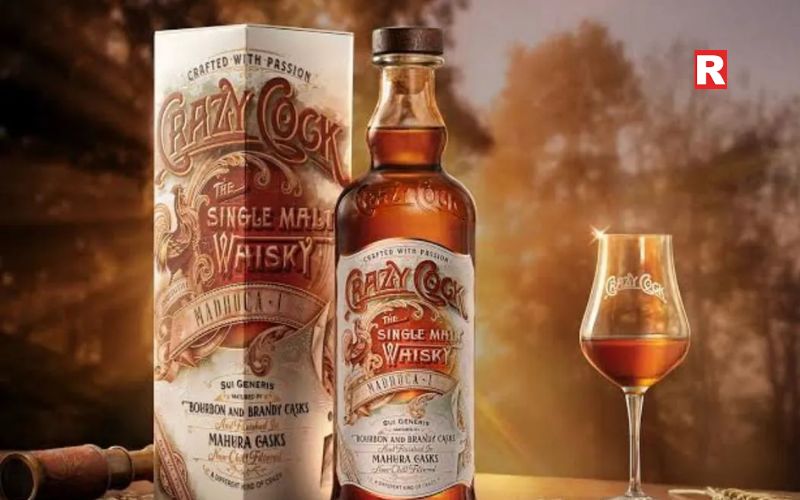
Crazy Cock “Madhuca: The Heritage Editions” stands out as one of the most innovative whisky releases in India. It is matured in mahua casks, made from an indigenous flowering tree that holds deep roots in India’s traditional distillation practices. This unique maturation process brings a distinctive character to the whisky. The flavour profile blends floral notes with layers of spice, vanilla, caramel, and dried fruits, creating a balanced and expressive experience. The influence of mahua casks adds a subtle complexity that connects the whisky to local heritage. It offers a modern interpretation of Indian whisky while staying rooted in traditional elements, making it a unique addition to the evolving premium segment.
11. GianChand Manshaa
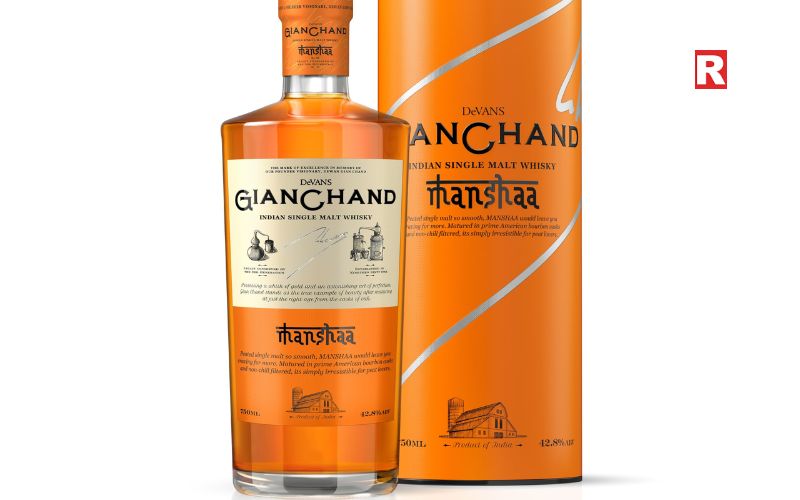
GianChand Manshaa is a peated whisky crafted in the foothills of the Himalayas, offering a bold and distinctive flavour profile. It combines smoky, medicinal peat with layers of citrus and spice, creating a complex and expressive character. This balance of smoke and brightness gives the whisky a unique edge compared to more traditional Indian styles. Unlike the brand’s usual smooth and accessible expressions, Manshaa takes a more experimental approach, focusing on intensity and depth. The peat influence is noticeable yet balanced, making it engaging without being overwhelming. It is especially suited for those who enjoy smoky whiskies and are looking to explore a more adventurous and unconventional Indian whisky experience.
12. Godawan Limited Desert Editions
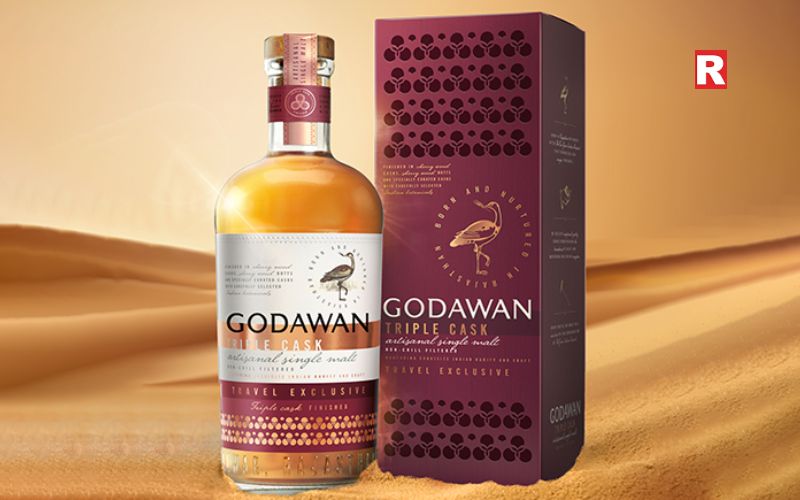
Godawan Limited Desert Editions is inspired by the unique terroir of Rajasthan, bringing a strong sense of place into its character. The whisky reflects the influence of the desert climate, which plays a role in shaping its distinctive flavour profile. It is part of a newer wave of Indian premium whiskies that focus on both craftsmanship and sustainability. The brand places importance on responsible production practices, adding depth to its overall narrative. The resulting whisky carries a unique identity that sets it apart from more conventional expressions. It is an ideal choice for those who are interested in Indian craft spirits and want to experience a whisky that highlights regional influence and environmental awareness.
13. Longitude 77 Inaugural Release
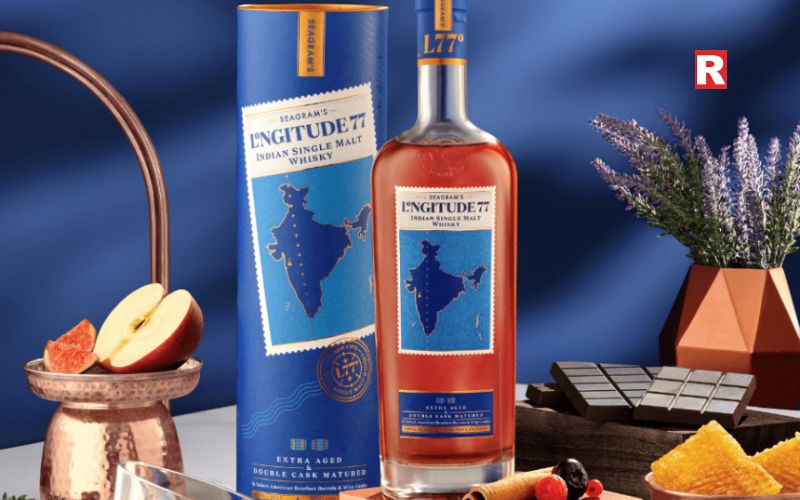
Longitude 77 Inaugural Release is a new Indian single malt that draws inspiration from the country’s geographical identity. It represents a modern approach to whisky-making, combining ambition with a focus on balance and quality. The flavour profile is smooth and well-rounded, making it approachable for a wide range of drinkers. On the palate, it offers notes of vanilla, spice, and oak, creating a familiar yet refined experience. The whisky reflects India’s growing confidence in producing single malts that can stand alongside global offerings. It is a strong example of how Indian whisky is evolving, making it suitable for those who appreciate both simplicity and a sense of national character.
14. Woodburns Contemporary Craft Expressions
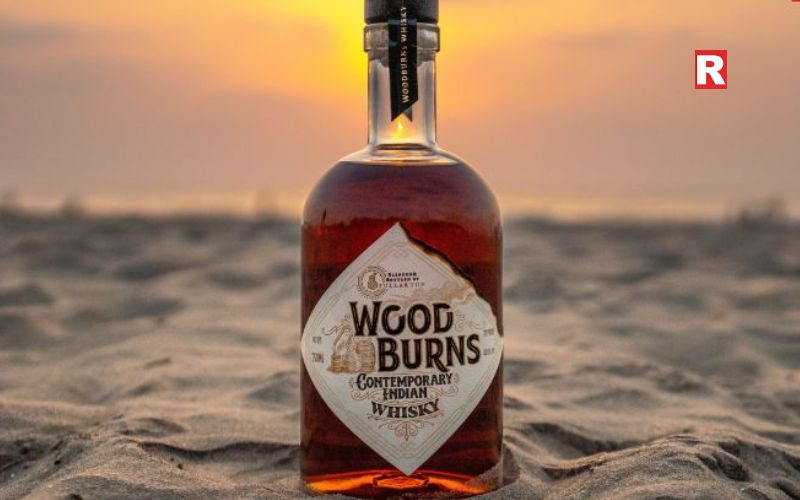
Woodburns Contemporary Craft Expressions emerges from Goa’s vibrant and evolving craft spirits scene. It is designed with a younger, urban audience in mind, focusing on a modern and approachable style. The whisky offers a smooth and easy-drinking experience, making it suitable for relaxed and social settings. Its flavour profile is balanced and not overly complex, which helps it appeal to those who are new to premium whisky. Woodburns reflects the growing trend of craft-focused production in India, where innovation and accessibility go hand in hand. It is an ideal starting point for individuals who are beginning to explore whisky and prefer a lighter, more contemporary expression.
15. Kadamba Indian Single Malt

Kadamba Indian Single Malt is a new entrant in the fast-growing segment of Indian single malts, representing the spirit of new-generation whisky in the country. It is crafted to deliver a rich yet smooth experience, making it both refined and easy to drink. The flavour profile includes notes of vanilla, spice, oak, and a gentle fruitiness, creating a balanced and approachable character. Despite being a newer brand, Kadamba focuses on offering a whisky that appeals to both curious beginners and evolving enthusiasts. Its smooth texture and accessible taste make it suitable for relaxed sipping. For those looking to explore emerging labels, Kadamba offers a fresh and distinctive addition to a modern whisky collection.
How to Choose the Right Whisky
Your choice depends on your taste and occasion.
- If you are new, start with smooth blends like Glenwalk, Whistler, or Woodburns. They are easy to enjoy and understand.
- If you prefer premium and complex flavours, go for D’YAVOL Vortex or Rampur 1943 Virasat. These offer more depth and richness.
- For experimentation, try Oaksmith Nagomi, GlenJourneys, or Crazy Cock Madhuca. These highlight how different techniques influence flavour.
For casual gatherings, Mahavat and Madhvan are practical and crowd-friendly.
Check more: Best Imported Whisky Brands in India: A Detailed Guide
12 Affordable Spirits That Taste Like They Cost a Fortune
7 Types of Whiskies Everyone Should Try Once
A Final Pour
The latest whisky launches in India highlight how quickly the industry is changing. There is a stronger focus on quality, innovation, and meaningful storytelling. New expressions are not just about taste. They also reflect the effort behind craftsmanship and the influence of modern techniques. This International Whisky Day offers the perfect reason to explore something different. Trying a new whisky can bring a fresh perspective and a deeper appreciation for the category. These 15 whiskies represent more than just new additions to the market. They showcase a future that is bold, diverse, and rooted in both tradition and creativity. Each bottle carries its own identity and purpose. For beginners, it opens the door to new experiences. For seasoned drinkers, it adds more depth to their collection. Overall, this is a moment that reflects how Indian whisky is evolving with confidence and character.
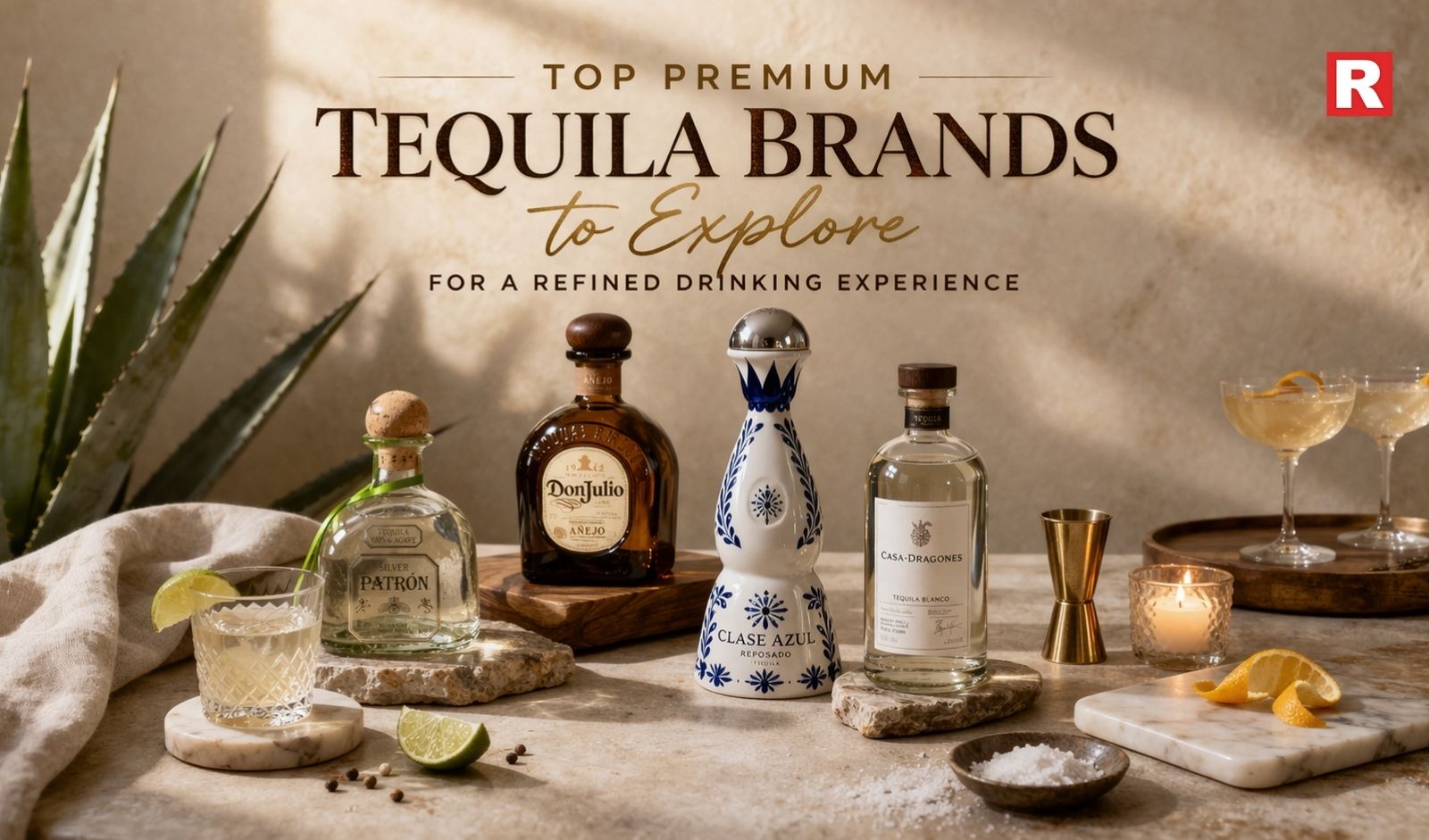
Tequila has seen a clear shift in how it is viewed and enjoyed. It is no longer limited to quick party shots or casual drinking. Today, it is treated as a refined spirit, much like whisky or wine. Many people now take interest in its taste, origin, and the way it is made. The focus has moved towards quality and craftsmanship. From fresh and crisp blancos to deep and rich extra añejos, tequila offers a wide range of styles.
Each type brings its own flavour and character. This variety makes it easier for drinkers to find something that suits their taste. It also allows them to explore and learn more with each bottle. For those who enjoy premium drinks, tequila has become a strong choice. It fits well in a home bar and also works for special occasions. Some prefer to sip it slowly, while others enjoy using it in cocktails. In both cases, the right brand can shape the overall experience. Choosing carefully can make tequila more enjoyable and memorable.
What Makes a Tequila “Premium”?
Not all tequilas are made the same. Premium tequila stands out because of how it is produced and the quality of ingredients used. The first thing to look for is 100% Blue Weber agave. This means the tequila is made only from agave sugars, not mixed with other sources. It gives a cleaner and richer taste. The region also matters. Authentic tequila comes mainly from Jalisco, Mexico. This is where the climate and soil support high-quality agave growth. The production process adds another layer of quality. Traditional methods like slow cooking in brick ovens and crushing agave with a tahona wheel help preserve natural flavours. Many premium brands still follow these methods.
Aging is also important. Tequila is divided into categories:
- Blanco: Fresh and unaged
- Reposado: Aged for a few months
- Añejo: Aged for one to three years
- Extra Añejo: Aged for over three years
As tequila ages, it becomes smoother and develops deeper flavours like vanilla, oak, and spice. Another key factor is additives. Premium tequilas often avoid artificial flavours and focus on natural taste.
Explore Top Premium Tequila Brands to Explore
1. Patrón
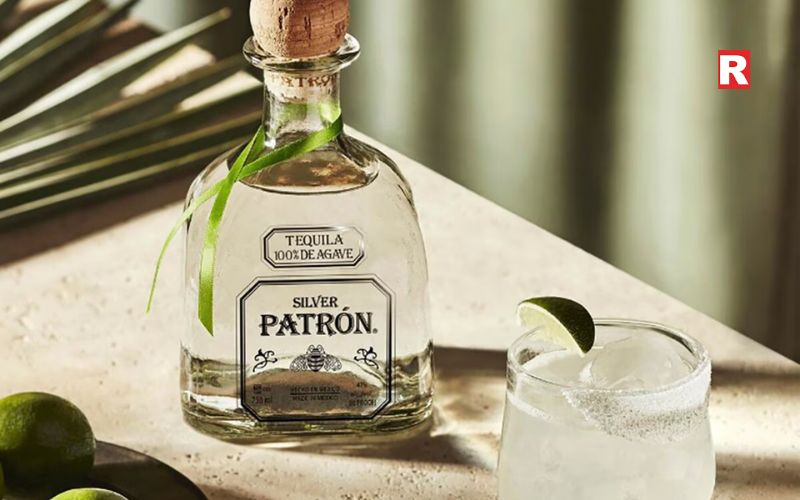
Patrón is widely known in the premium tequila space. It is produced in small batches with a mix of traditional and modern methods. The agave is slow-cooked and carefully distilled. The result is a smooth and balanced spirit. It carries light citrus notes with a touch of natural sweetness. Many people prefer it for both sipping and cocktails. A standard 30 ml serving has about 64–70 calories. It contains zero carbs, zero sugar, and no fat. Despite being clean, it is still alcohol. People with liver conditions, pregnant women, and those sensitive to alcohol should avoid it. It is also not suitable for individuals on certain medications.
Read more: Best Deluxe Blended Scotch Whisky Brands in India
Top British Beer Brands in India You Should Try at Least Once
2. Don Julio
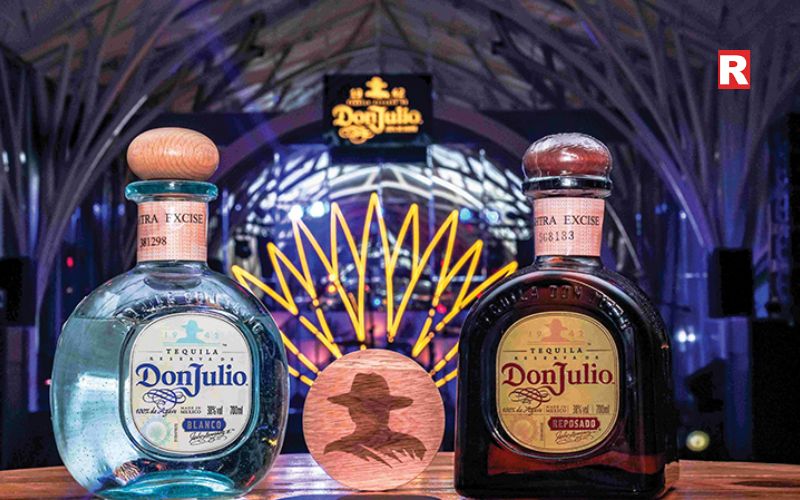
Don Julio is known for its heritage and consistent quality. The brand focuses on well-aged tequilas. Its añejo variants are especially appreciated. They offer rich flavours like caramel, oak, and mild spice. The texture feels smooth and refined on the palate. It is often chosen for slow sipping rather than mixing. A 30 ml serving provides around 65–75 calories. It has no carbohydrates, sugar, or cholesterol. While it may feel lighter than other spirits, it still affects the body. People with heart issues, liver problems, or alcohol intolerance should avoid it. It is also not advised for those trying to limit calorie intake from alcohol.
3. Clase Azul
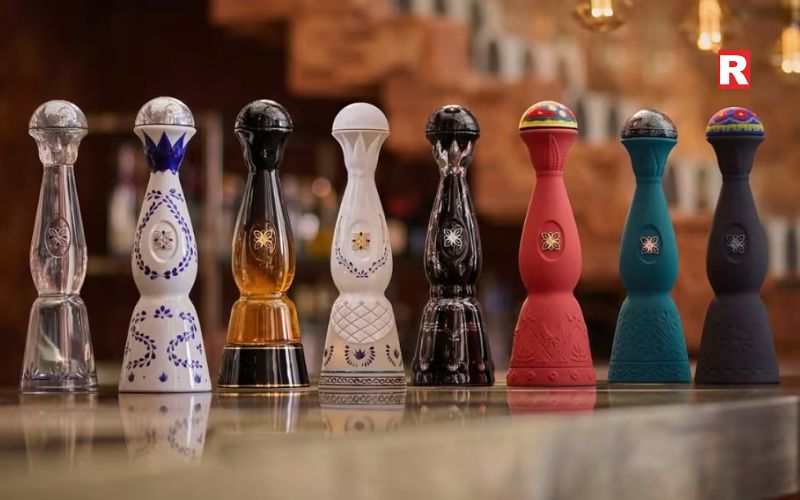
Clase Azul is a luxury tequila brand known for its artistic presentation. Each bottle is handcrafted, which adds to its appeal. The tequila inside is equally refined. It has a soft and smooth texture with hints of vanilla and caramel. The taste leans slightly sweet, making it easy to sip. It is often bought for gifting or special occasions. A 30 ml serving contains about 70–80 calories. It has no sugar, fat, or protein. Even though it tastes smooth, it is still a strong spirit. People with diabetes, liver concerns, or those avoiding alcohol should stay away. It is also not suitable during pregnancy.
4. Casa Dragones
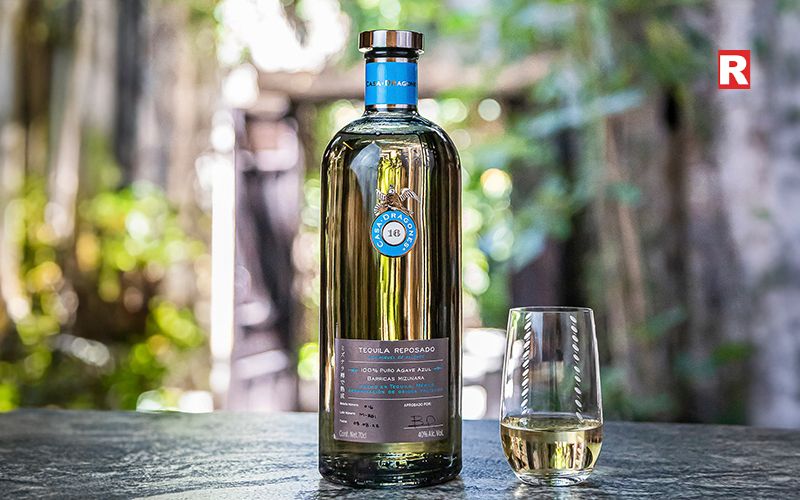
Casa Dragones focuses on precision and small-batch production. It is known for its clean and modern style. The tequila has a crisp and fresh taste. The blanco variant feels sharp but smooth. It suits those who enjoy lighter and more refined spirits. It is often consumed neat to appreciate its clarity. A 30 ml serving has roughly 65–70 calories. It contains zero carbs, zero sugar, and no fat. While it may appear lighter, it still has the effects of alcohol. People with alcohol sensitivity or liver issues, or those on strict diets, should avoid it. It is also not recommended for pregnant women or individuals under medical restrictions.
5. Herradura
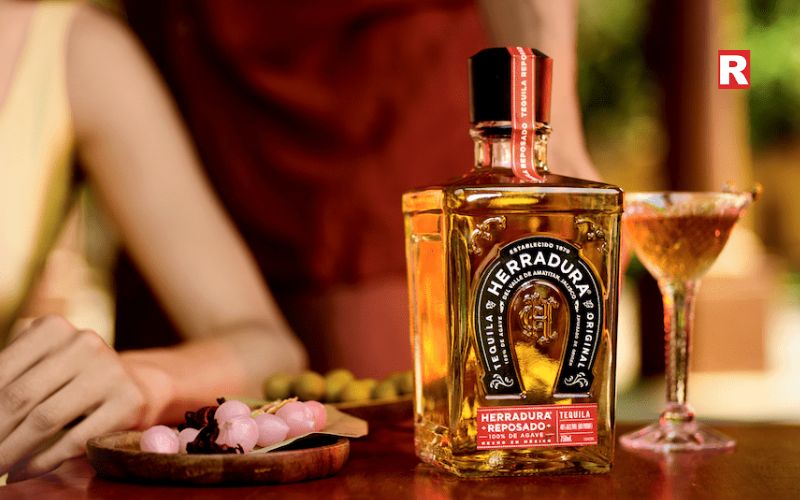
Herradura is one of the oldest names in tequila. It follows a strong traditional approach. The brand has built its reputation over many years. It is known for consistent quality and deep flavour. Its reposado and añejo variants are well-balanced. They offer notes of honey, oak, and dried fruit. The texture feels smooth and slightly rich. It suits drinkers who enjoy classic tequila styles. Many prefer it for slow sipping. It also works in simple cocktails. The production process respects old methods. This adds to its authentic character. Herradura appeals to those who value heritage. It is a reliable choice for anyone exploring aged tequila with a traditional taste.
6. 1800 Tequila
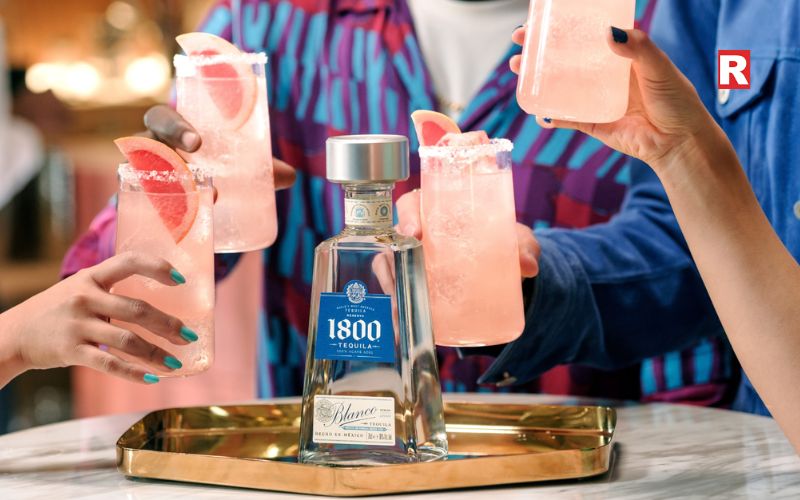
1800 Tequila is known for offering premium quality at a fair price. It is widely available and easy to recognise. The brand uses 100% agave for its production. It delivers a balanced and slightly bold taste. There are hints of spice and toasted oak in its aged variants. The texture feels smooth but has some depth. It works well for both sipping and cocktails. Many people use it for margaritas at home. It is also a good starting point for premium tequila. The brand focuses on consistency and accessibility. It suits those who want quality without spending too much. It remains a popular choice across different types of drinkers.
Know more: How Bourbon Whiskey Is Made & The Top 5 Bourbon Whisky Brands in India
7. Cristal Azul
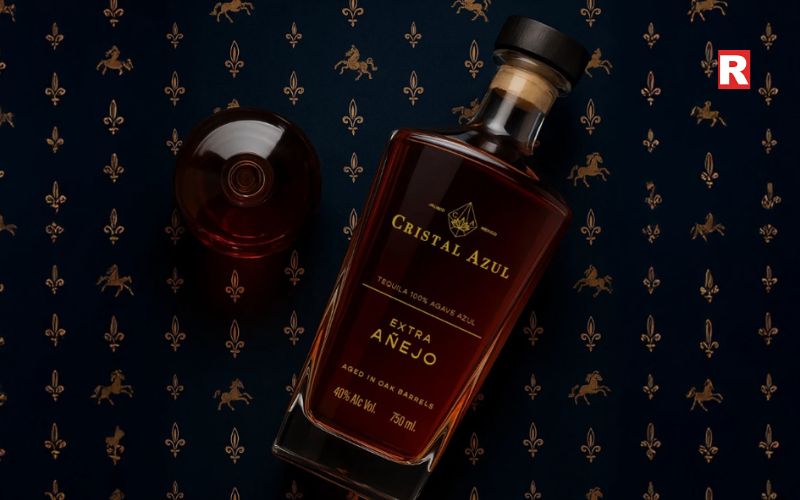
Cristal Azul is slowly building its presence in the premium segment. It focuses on a smooth and easy drinking experience. The brand follows a modern production style. At the same time, it maintains a good level of quality. The tequila has a clean and soft taste. It carries mild sweet notes that are not overpowering. The finish feels light and pleasant. It is often chosen by those new to tequila. It does not feel too strong or harsh. This makes it easy to enjoy. It works well for casual sipping. Cristal Azul is suitable for relaxed settings. It appeals to drinkers who prefer a simple and smooth profile.
8. Fortaleza
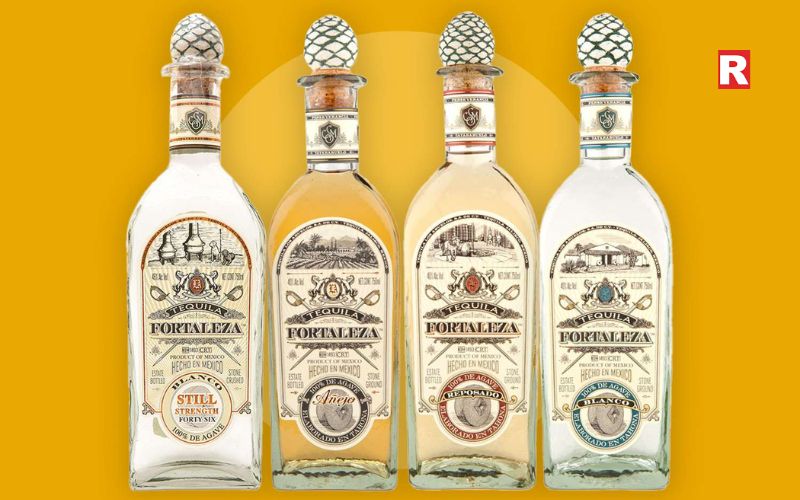
Fortaleza is highly respected among serious tequila drinkers. It focuses on traditional methods and careful production. The agave is crushed using a stone wheel. Fermentation happens naturally without shortcuts. This process takes more time but adds depth. The flavour is rich and earthy. It also has strong agave notes with a slightly rustic feel. The texture is full and complex. It is best enjoyed slowly. Many prefer it neat to understand its character. Fortaleza is not made for mass appeal. It is for those who value authenticity. The brand stands out for its honesty and craft. It is often chosen by people who understand fine tequila.
Sipping vs Mixing: What Works Best?
Premium tequila is often enjoyed neat or with ice. This allows you to experience the full flavour. Blanco tequila works well in cocktails like margaritas and palomas. Its fresh taste blends easily with other ingredients.
Aged tequilas like añejo and extra añejo are better for sipping. Mixing them can hide their complexity. If you enjoy experimenting at home, keeping one blanco and one aged tequila is a smart choice.
Difference Between Tequila Types
Type | Aging Time | Taste Profile | Best Use |
|---|---|---|---|
Blanco | Unaged | Fresh, citrus, agave-forward | Cocktails, shots |
Reposado | 2–12 months | Smooth, light oak, vanilla | Sipping, cocktails |
Añejo | 1–3 years | Rich, caramel, spice, oak | Sipping |
Extra Añejo | 3+ years | Deep, complex, woody, sweet | Premium sipping |
Premium Tequila Trends to Watch
The tequila market is growing fast. Many drinkers now look for quality over quantity. One major trend is the demand for additive-free tequila. People want natural flavours without artificial enhancements. Sustainability is also becoming important. Brands are focusing on responsible agave farming and eco-friendly production. In India, tequila is gaining popularity as a premium gifting option. It is often seen as a modern and stylish choice. Cocktail culture is also rising. Drinks like margaritas and palomas are now common in bars and homes.
Also check: 10 Fastest-Growing Alcohol Brands in India’s HoReCa Sector
How to Pair Beer with Indian Food: A Desi Guide to Perfect Pints
Best Flavoured Gin Brands in India
Final Sip
Premium tequila has grown into a refined spirit over time. It now offers many styles and flavours. There are fresh blancos, smooth reposados, and rich aged expressions. Each one brings a different taste and feel. This makes tequila interesting for many drinkers. It is not only about having a drink. It is also about the care, method, and craft behind each bottle. Good tequila is meant to be enjoyed slowly. Its taste can be appreciated in the same way as other fine spirits. It suits quiet evenings, special meals, and small celebrations. It also works well as a premium gift. For anyone building a home bar, it can be a smart and stylish choice. Premium tequila adds both quality and character to the experience. Every glass carries a sense of tradition, flavour, and detail.

Coffee and cocktails are finding a strong connection in today’s drinking culture. Across premium bars in Mumbai and evolving home bars in Delhi and Bangalore, coffee liqueurs are becoming an essential addition. They combine brewed coffee extracts with a spirit base such as rum, vodka, or even tequila. This creates a drink that is both rich in flavor and balanced in strength. The profile often includes notes of roasted coffee, cocoa, caramel, and light sweetness, depending on the brand and sugar content.
For many consumers, the appeal lies in versatility. A coffee liqueur can be used in an espresso martini, added to a White Russian, or even paired with desserts. Cold brew-based liqueurs are also gaining popularity for their smoother and less acidic taste. As urban consumers explore premium experiences, coffee liqueurs offer a simple upgrade. They fit well into modern preferences that value both taste and craftsmanship. Choosing the right one can enhance not just cocktails, but the overall drinking experience.
What Makes a Great Coffee Liqueur?
Not all coffee liqueurs taste the same. Some are sweet and smooth, while others are bold and intense. Here are the key factors that define a high-quality coffee liqueur: Most premium brands use Arabica beans. These beans offer a smoother and more refined taste. Robusta beans are stronger but can taste bitter.
The alcohol base changes the overall profile:
- Rum base gives sweetness and depth
- Vodka base keeps the taste clean
- Tequila base adds boldness and a slight edge
Some liqueurs are very sweet. Others focus more on coffee flavor. Low-sugar options are becoming popular among modern consumers. Most coffee liqueurs fall between 15% and 25% ABV. Some go higher, offering a stronger kick. Cold brew extraction is trending. It creates a richer and less acidic coffee taste compared to traditional methods.
Top Best Coffee Liqueur Brands to Try
1. Kahlúa
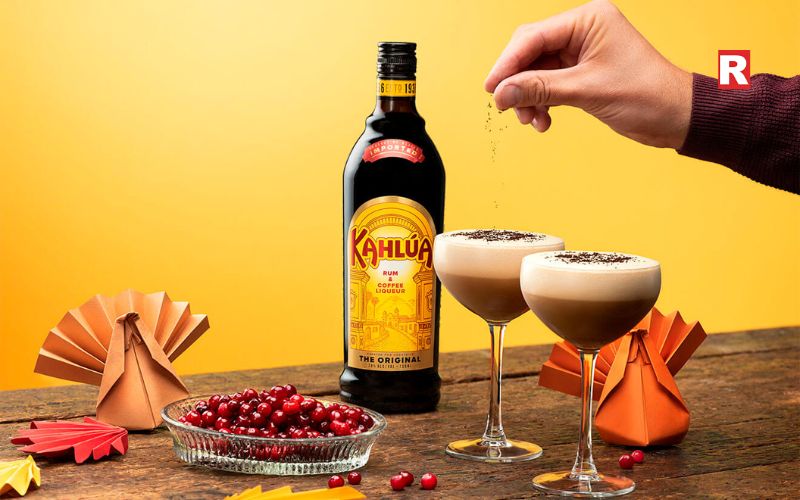
Kahlúa is one of the most recognized coffee liqueurs globally, known for its smooth and approachable flavor profile. It is crafted using high-quality Arabica coffee beans, blended with rum and subtle hints of vanilla. The result is a rich, slightly sweet liqueur with notes of caramel and chocolate. Its balanced taste makes it suitable for both beginners and experienced drinkers. Widely used in classic cocktails like the Espresso Martini and White Russian, it also works well in desserts and after-dinner drinks. Its versatility and consistent quality have helped it remain a staple in bars and home collections across many countries, including India.
- Taste Profile: Sweet, smooth, with notes of chocolate and caramel
- Best For: Espresso martini, White Russian
- Why It Stands Out: It is easy to use and widely available in India. Perfect for beginners who want a balanced and approachable flavor.
Read more: Best Japanese Whisky Brands in India: Where Craft Meets Perfection in Every
Top 5 Strong Beer Brands in India: Bold Brews for the Bold Drinker
2. Tia Maria
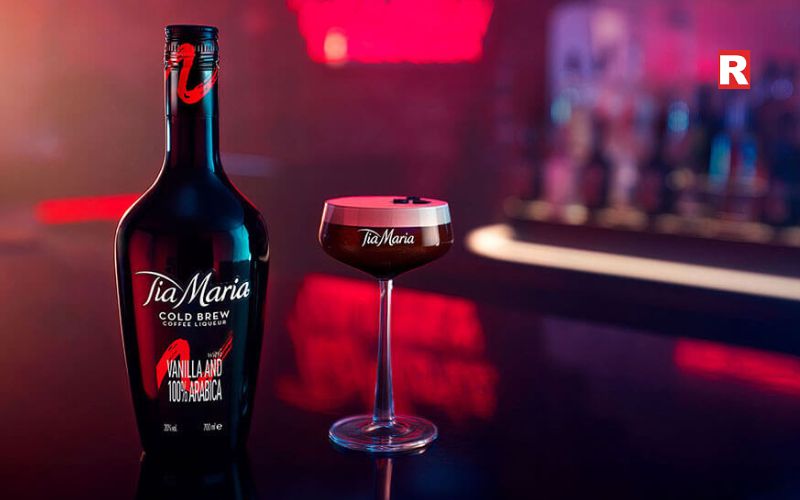
Tia Maria is well known for its distinctive character, built on a base of high-quality Jamaican coffee beans and subtle spice undertones. It offers a more refined and less sugary profile compared to many other coffee liqueurs. The flavor is smooth yet complex, with gentle hints of vanilla and a light aromatic warmth that enhances the coffee notes. This balance makes it suitable for both sipping and mixing into premium cocktails. It works especially well in espresso-based drinks where the coffee flavor needs to stand out. Its heritage and carefully crafted recipe have helped it maintain a strong reputation among coffee liqueur enthusiasts worldwide.
- Taste Profile: Less sweet, slightly spicy, and aromatic
- Best For: Premium cocktails and sipping
- Why It Stands Out: It offers a more refined taste compared to sweeter options. Ideal for those who prefer depth over sugar.
3. Mr Black
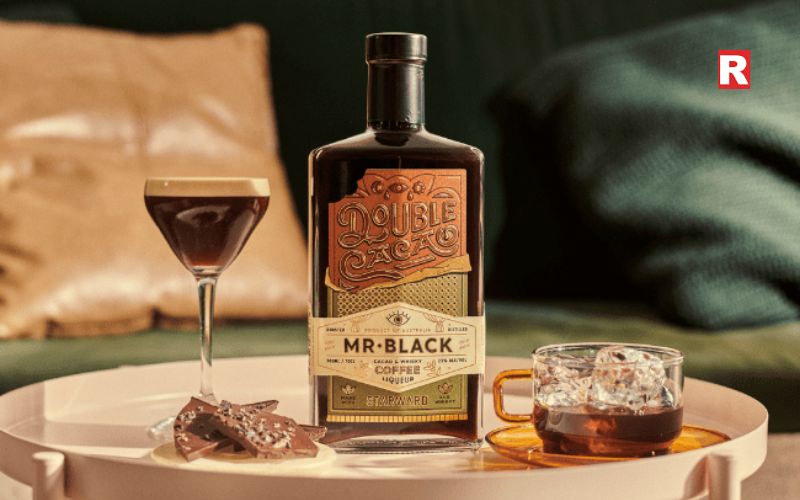
Mr Black is a modern craft coffee liqueur that stands out for its strong focus on authentic coffee flavor. It is made using cold brew coffee, which gives it a smoother, less acidic taste compared to traditional methods. Unlike many liqueurs that lean heavily on sweetness, it has a higher coffee-to-sugar ratio, resulting in a bold and intense profile. The flavor is rich, slightly bitter, and closer to a real espresso experience. This makes it a preferred choice for bartenders and coffee lovers alike. It works especially well in espresso martinis, where a strong coffee presence is essential for balance and depth.
- Taste Profile: Bold, strong, and less sweet
- Best For: Espresso martini and strong cocktails
- Why It Stands Out: It is a favorite among bartenders. If you enjoy real coffee flavor, this is a top choice.
4. Patrón XO Café
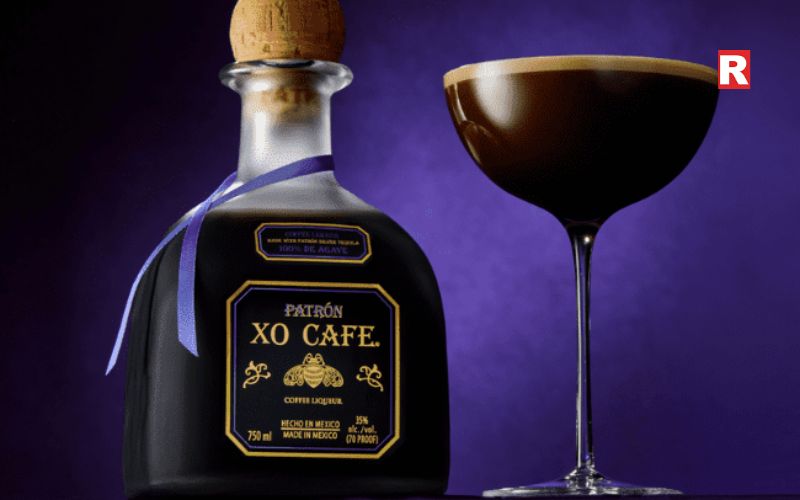
Patrón XO Café stands out in the coffee liqueur category for its unique blend of premium tequila and rich coffee essence. Unlike traditional liqueurs that use rum or vodka as a base, this variant delivers a drier and more robust flavor profile. The tequila adds a distinct sharpness, while the coffee brings depth and slight bitterness. It is not overly sweet, which makes it appealing to those who prefer bold and less sugary drinks. Often enjoyed as a chilled shot, it also works well in creative cocktails. Its unconventional combination makes it a popular choice for those looking to explore something different and refined.
- Taste Profile: Dry, slightly bitter, with a tequila finish
- Best For: Shots and experimental cocktails
- Why It Stands Out: It is not overly sweet. It appeals to those who want something bold and unique.
5. Baileys Espresso Crème
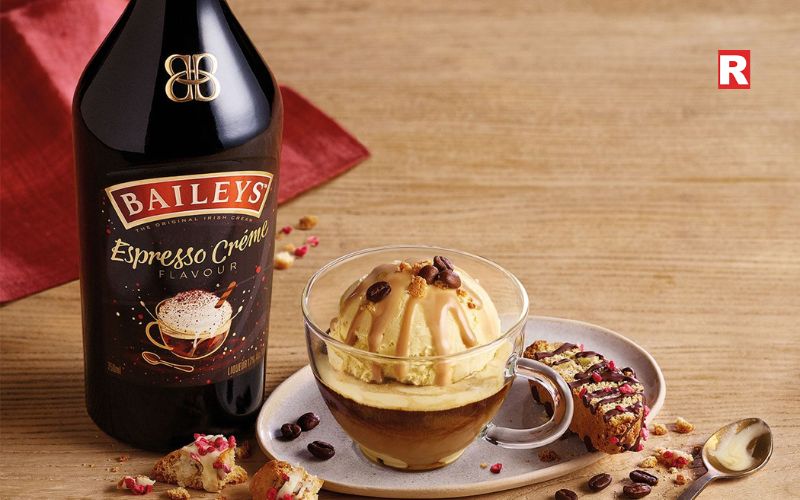
Baileys Espresso Crème is a rich and indulgent blend that combines the smoothness of Irish cream with bold espresso flavors. It delivers a creamy texture with a naturally sweet profile, making it feel more like a dessert than a traditional liqueur. The espresso notes add depth, while the cream balances it with a soft and velvety finish. This makes it ideal for after-dinner drinks or as an addition to desserts like brownies and ice cream. It can also be enjoyed over ice for a simple yet satisfying experience. Its approachable taste makes it popular among those who prefer smooth, creamy, and less intense coffee liqueurs.
- Taste Profile: Creamy, rich, and dessert-like
- Best For: After-dinner drinks and desserts
- Why It Stands Out: It is perfect for those who enjoy creamy textures. Works well with Indian desserts like brownies and even gulab jamun.
Know more: Top 20 Trendy Whiskeys You Must Try Once
6. St. George Coffee Liqueur
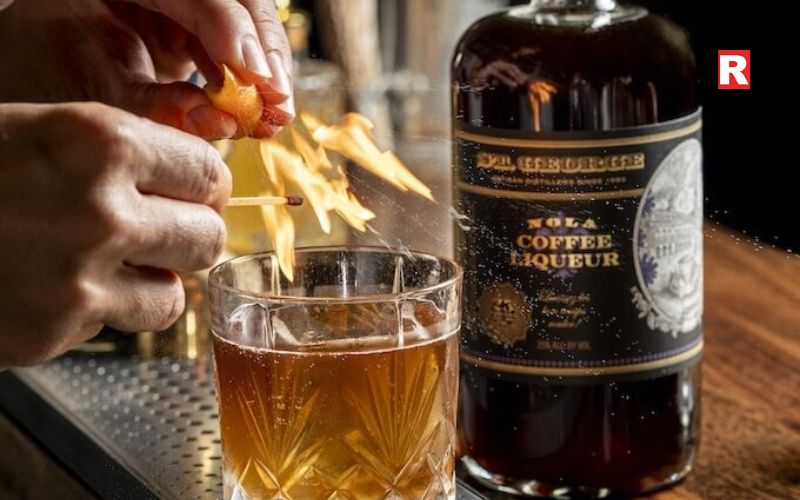
St. George Coffee Liqueur is an artisanal spirit crafted in small batches, focusing on quality and precision. It uses carefully selected coffee beans to create a deep and layered flavor profile. Unlike mass-produced options, it emphasizes authenticity and complexity in every sip. The taste is bold yet balanced, with notes of roasted coffee, cocoa, and subtle sweetness. Its handcrafted approach ensures consistency while preserving a rich character. This makes it a preferred choice for those who appreciate premium and craft spirits. It works well in sophisticated cocktails and can also be enjoyed neat. Its small-batch production adds to its exclusivity and appeal among connoisseurs.
- Taste Profile: Rich, complex, and layered
- Best For: Craft cocktails
- Why It Stands Out: It focuses on quality and detail. Ideal for people who want a premium experience.
7. Café Rica
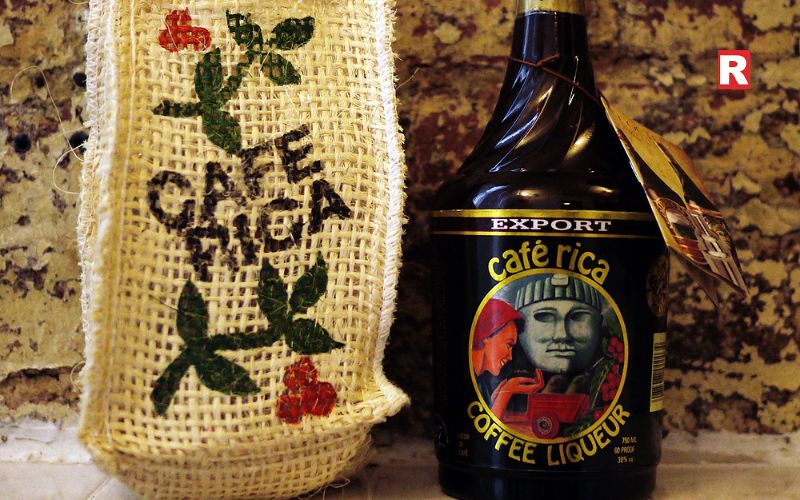
Café Rica is a distinctive coffee liqueur from Costa Rica, known for its higher alcohol strength and bold character. It is made using locally sourced coffee beans, which contribute to its rich and authentic flavor. The texture is thicker than many other liqueurs, giving it a more intense and full-bodied feel. Its taste leans towards strong coffee with a slightly bitter edge, balanced by mild sweetness. Due to its higher ABV, it delivers a noticeable kick, making it suitable for sipping rather than mixing. It appeals to those who prefer a more powerful and concentrated coffee experience in their drinks.
- Taste Profile: Thick, strong, and intense coffee
- Best For: Straight sipping
- Why It Stands Out: It has a higher ABV than most liqueurs. A good option for those who enjoy stronger drinks.
Coffee Liqueur Trends You Should Know
Coffee liqueurs are evolving quickly. Here are some trends shaping the category:
- Craft brands are focusing on high-quality beans and small-batch production
- Cold brew liqueurs are gaining popularity for their smooth taste
- Consumers are moving towards low-sugar options
- Bars in India are experimenting with coffee cocktails beyond the classic espresso martini
These trends show that coffee liqueurs are no longer limited to basic cocktails. They are becoming part of a premium drinking culture.
How to Choose the Right Coffee Liqueur
Choosing the right bottle depends on your taste and usage.
- If you like sweet and easy drinks, go for Kahlúa. It is simple and versatile.
- If you prefer a strong coffee taste, Mr Black is a better option
- If you enjoy creamy drinks, Baileys Espresso Crème works well.
- For something bold and different, Patrón XO Café is worth trying.
For Indian consumers building a home bar, it is smart to start with one versatile option and then explore more premium or niche brands.
Also check: Top Rye Whiskey Brands in India: Bold Flavours, Real Taste, and Why They Are
Top Sugar‑Free Vodka Brands in India You Should Try
Top Flavoured Rum Brands in India to Try This Growing Winter
Best Ways to Enjoy Coffee Liqueur
Coffee liqueurs are very flexible. You can use them in many ways:
- Espresso Martini for a bold and stylish cocktail
- White Russian for a creamy and smooth drink
- Black Russian for a stronger, no-frills option
- Drizzle over ice cream or desserts for added flavor
They also pair well with Indian sweets. The richness of coffee complements sugary desserts, creating a balanced taste.
Final Sip!
Coffee liqueurs combine two widely loved indulgences—coffee and alcohol—into one refined category. They are known for their rich texture, balanced sweetness, and versatile use across cocktails and desserts. For beginners, starting with Kahlúa makes sense due to its smooth profile and consistent flavor. As preferences develop, exploring craft options like Mr Black introduces a stronger coffee presence with lower sugar levels. For those seeking something unconventional, Patrón XO Café offers a bold twist with its tequila base. Most coffee liqueurs fall within a 15–25% ABV range, making them suitable for both sipping and mixing. They work well in espresso martinis, dessert pairings, and after-dinner drinks. For urban consumers building a home bar, adding a coffee liqueur is a practical step towards a more elevated and diverse drinking experience.
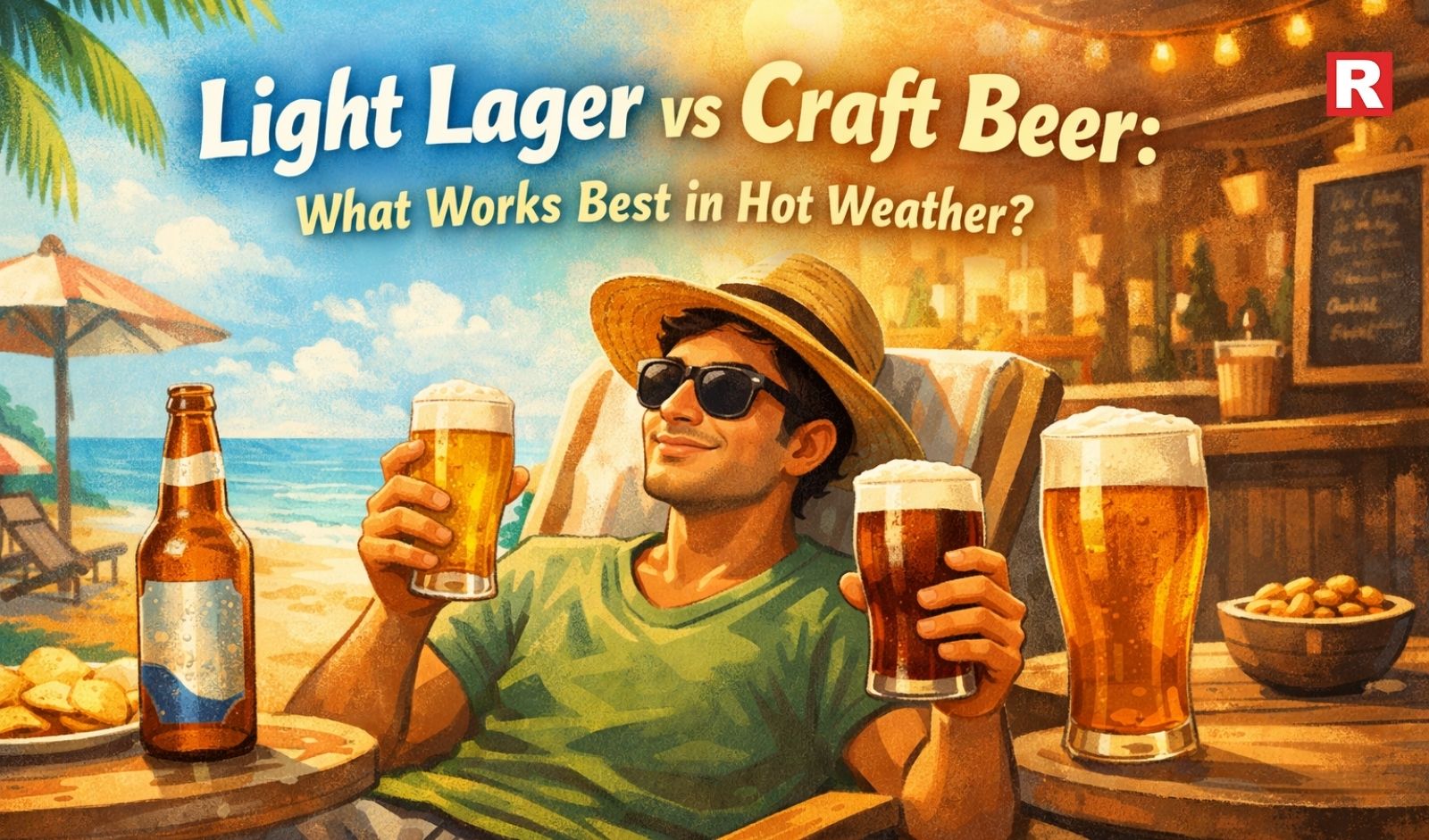
When summer temperatures rise above 35°C, your drink choice becomes more important than you think. A beer that feels perfect in winter can feel heavy and uncomfortable in peak heat. This is why understanding the difference between light lagers and craft beers can help you make a smarter and more refreshing choice.
In India, where summers are long and intense, beer is not just about taste. It is about comfort, hydration, and how your body reacts to alcohol in hot weather. Let’s break down both options and see what really works best.
What is a Light Lager?
A light lager is one of the most commonly consumed beers in the world. It is brewed using a bottom fermentation process at lower temperatures. This method creates a clean and smooth taste. Light lagers are known for their simplicity. They usually have a low alcohol content, ranging between 3% and 5%. This makes them easy to drink, especially when the weather is hot.
Key Features of Light Lagers
- Crisp and refreshing taste
- Light body with mild bitterness
- High carbonation for a cooling effect
- Low alcohol content, making it session-friendly
Popular Light Lagers in India
Brands like Kingfisher Premium Lager, Budweiser, and Bira 91 Blonde Lager are widely preferred. These beers are easily available and designed to suit warm climates. For many Indian consumers, these lagers are a go-to option during daytime drinking, house parties, and casual gatherings.
Read more: Top 5 Strong Beer Brands in India: Bold Brews for the Bold Drinker
What is Lager Beer? Discover the Top 5 Lager Beer Brands in India You Must Try
What is Craft Beer?
Craft beer is not a single type of beer. It is a category that includes many styles such as ales, IPAs, wheat beers, and stouts. These beers are usually made in small batches with a focus on flavor, aroma, and creativity. Craft beers often have a higher alcohol content, typically between 5% and 8% or even more. They are known for bold flavors like citrus, spice, caramel, or fruit.
Key Features of Craft Beer
- Rich and complex flavor profiles
- Higher alcohol content
- Wide variety of styles
- Lower or moderate carbonation depending on style
Popular Craft Styles for Summer
- Wheat beers (smooth and slightly fruity)
- Session IPAs (lighter and less bitter than regular IPAs)
- Fruit-infused beers (mango, citrus, berry notes)
In cities like Bengaluru, Mumbai, and Delhi, craft breweries are becoming popular. Many cafés and bars now offer seasonal beer menus that include lighter craft options for summer.
Light Lager vs Craft Beer: Head-to-Head Comparison
Factor | Light Lager | Craft Beer |
|---|---|---|
Alcohol (ABV) | Low (3–5%) | Medium to High (5–8%+) |
Taste Profile | Clean, crisp, mild | Bold, complex, flavour-rich |
Carbonation | High (very refreshing) | Medium to low (varies by style) |
Body | Light and easy | Medium to heavy |
Drinkability | Very easy, session-friendly | Depends on style |
Hydration Impact | Lower dehydration risk | Higher dehydration risk |
Best Time to Drink | Daytime, outdoor settings | Evenings, indoor settings |
Suitability for Heat | Excellent for extreme heat | Good only for lighter styles |
How Hot Weather Changes Your Beer Experience
1. Alcohol and Dehydration
Alcohol can dehydrate your body. Higher alcohol content increases this effect. Craft beers with high ABV can make you feel more tired and thirsty in hot weather. Light lagers, with lower alcohol levels, are easier on the body. They reduce the risk of dehydration when consumed in moderation.
2. Carbonation and Refreshment
Carbonation plays a key role in how refreshing a beer feels. Light lagers are highly carbonated. This gives them a crisp and cooling sensation. Craft beers vary. Some styles, like wheat beers, offer moderate refreshment. Others, like stouts, feel heavy and less suitable for heat.
3. Body and Drinkability
In hot weather, your body prefers lighter drinks. Heavy and strong beers can feel overwhelming. Light lagers are easier to drink over longer periods. Craft beers, especially stronger ones, are better suited for slow sipping rather than continuous drinking.
Know more: Top British Beer Brands in India You Should Try at Least Once
Light Lager vs Craft Beer: A Practical Comparison
When you compare both options side by side, the differences become clear. Light lagers are built for refreshment. They are simple, light, and easy to enjoy in large quantities without feeling too heavy. Craft beers focus more on taste and experience. They offer variety but may not always suit extreme weather conditions.
- Light lagers have lower alcohol and higher carbonation
- Craft beers have stronger flavors and higher alcohol
- Light lagers are better for daytime heat
- Craft beers work better in controlled or indoor settings
What Works Best in Indian Summers?
Indian summers are not mild. In many cities, temperatures cross 40°C. In such conditions, your beer choice should prioritize comfort.
Daytime and Outdoor Settings: Light lagers are the clear winner. They keep you refreshed and do not feel heavy. Whether you are at a beach, rooftop, or casual gathering, they are the safest option.
Evening and Indoor Settings: Craft beer becomes a better choice in the evening. Air-conditioned environments allow you to enjoy richer flavors without discomfort.
For Beginners: Light lagers are easier to understand and enjoy. They are less bitter and more familiar in taste.
For Flavor Enthusiasts: If you enjoy experimenting, go for lighter craft options like wheat beers or session IPAs. These give you flavor without too much heaviness.
Smart Tips for Drinking Beer in Hot Weather
Choosing the right beer is only part of the equation. How you drink also matters.
- Choose beers with alcohol content below 5% for better comfort
- Drink your beer chilled, ideally between 3°C and 5°C for lagers
- Avoid very dark or heavy beers during the day
- Drink water alongside beer to stay hydrated
- Avoid drinking too fast, especially in extreme heat
These small steps can improve your overall experience and prevent discomfort.
The Changing Beer Culture in India
India’s beer market is evolving. While light lagers still dominate, craft beer is growing quickly in urban areas. Cities like Bengaluru and Mumbai are leading this trend. Microbreweries are experimenting with seasonal flavors, including mango beers, citrus ales, and low-ABV brews designed for summer. Consumers are also becoming more aware. They are exploring beyond traditional lagers and trying new styles based on mood and occasion. This shift is creating a balanced market where both light lagers and craft beers have their place.
Also check: Top Newly Launched Beer Brands to Replace Your Regular Brew
Top Japanese Beer Brands in India: Crisp, Smooth, and Full of Character
How to Pair Beer with Indian Food: A Desi Guide to Perfect Pints
Final Takeaway
There is no single winner in the debate between light lager and craft beer. The right choice depends on the situation. Light lagers are ideal for hot days, outdoor events, and long drinking sessions. They are refreshing, light, and easy to enjoy. Craft beers are better for evenings, indoor settings, and when you want to explore flavors. Choosing lighter craft styles can help you enjoy them even in summer. In the end, the smartest approach is to match your beer with the weather, setting, and your personal preference. This way, every sip feels just right, even on the hottest days.

Whisky is one of the most respected and widely enjoyed spirits in the world. It is made by fermenting grain mash, distilling it, and aging the spirit in wooden barrels. Over time, this process creates complex flavors, aromas, and textures that whisky lovers appreciate. What many people do not realize is that whisky is not just one style of drink. It exists in several forms, each shaped by ingredients, production techniques, and regional traditions.
From smoky Scottish whiskies to sweet American bourbons and elegant Japanese expressions, every type has its own identity. Learning about these styles can help drinkers understand flavor differences, choose the right bottle, and appreciate the craftsmanship behind every dram.
Key Differences Between Major Whisky Types
Whisky Type | Main Grain Used | Region of Origi | Flavor Profile | Distillation Style | Aging Requirement |
|---|---|---|---|---|---|
Scotch Whisky | Malted barley or grains | Scotland | Smoky, peaty, complex | Usually double distilled | Minimum 3 years |
Irish Whiskey | Barley and grains | Ireland | Smooth, light, slightly fruity | Usually triple distilled | Minimum 3 years |
Bourbon Whiskey | At least 51% corn | United States | Sweet, vanilla, caramel | Distilled in column stills | Aged in new charred oak barrels |
Rye Whiskey | At least 51% rye | United States or Canada | Spicy, peppery, dry | Column or pot still | Typically aged in oak barrels |
Tennessee Whiskey | At least 51% corn | Tennessee, United States | Smooth, caramel, slightly smoky | Charcoal filtered before aging | Aged in new charred oak barrels |
Japanese Whisky | Malted barley | Japan | Elegant, balanced, delicate | Similar to Scotch methods | Varies depending on producer |
Canadian Whisky | Corn, rye, wheat | Canada | Light, smooth, mild spice | Often blended spirits | Usually aged at least 3 years |
Indian Whisky | Barley or molasses blends | India | Rich, fruity, bold | Pot and column stills | Varies depending on style |
Explore Different Types of Whisky to Know
1. Scotch Whisky
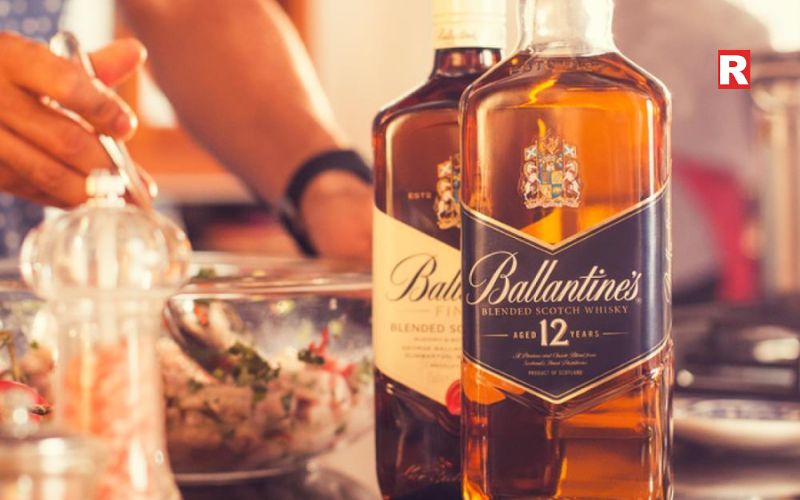
Scotch whisky is produced in Scotland and follows strict production regulations. By law, it must be aged for a minimum of three years in oak casks. It is typically made using malted barley, although some styles use other grains. One of the most well-known categories is single malt Scotch. This whisky is produced from malted barley at a single distillery. It is appreciated for its depth and regional character. Depending on where it is produced in Scotland, the flavor may range from fruity and delicate to smoky and peaty. Blended Scotch whisky is another major category. It combines malt whisky with grain whisky to achieve a consistent and balanced flavor. Many entry-level Scotch whiskies fall into this category because they are smooth and approachable. Peat is an important part of Scotch production in some regions. During the drying of barley, peat smoke may be used, which gives the whisky its famous smoky aroma and earthy taste.
Read more: Top Scotch Whisky Brands in India: The Ultimate Guide for Whisky Lovers
Best Deluxe Blended Scotch Whisky Brands in India
2. Irish Whiskey
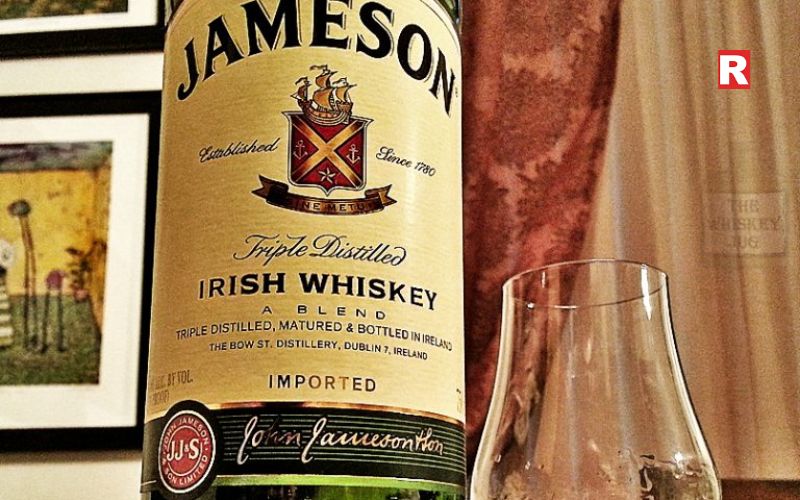
Irish whiskey is widely recognized for its smooth and approachable character. It is typically triple distilled, which results in a lighter and cleaner spirit. Irish whiskey must be produced and aged in Ireland for at least three years. The style includes several subcategories. Single malt Irish whiskey is made entirely from malted barley. Single pot still whiskey is another traditional style that uses both malted and unmalted barley. Blended Irish whiskey is the most common variety available in global markets. It combines multiple whiskey styles to produce a smooth and balanced drink. Historically, Irish whiskey dominated the global whisky market during the nineteenth century. Today, it continues to grow in popularity among drinkers who prefer a softer and more refined spirit.
3. Bourbon Whiskey
Bourbon whiskey is one of the most iconic American spirits. To qualify as bourbon, the whiskey must be produced in the United States and made from a grain mixture containing at least 51 percent corn. Bourbon is aged in new charred oak barrels. This requirement gives the spirit its signature amber color and rich flavors. As the whiskey matures, it absorbs compounds from the wood that produce notes of caramel, vanilla, and toasted oak. Many people associate bourbon with Kentucky, where a large percentage of the world’s bourbon is produced. However, bourbon can technically be made anywhere in the United States. Its naturally sweet profile makes bourbon popular for sipping as well as for cocktails.
Know more: Top Premium Whisky Brands in India: Finest Indian Whiskies Worth Trying
4. Rye Whiskey
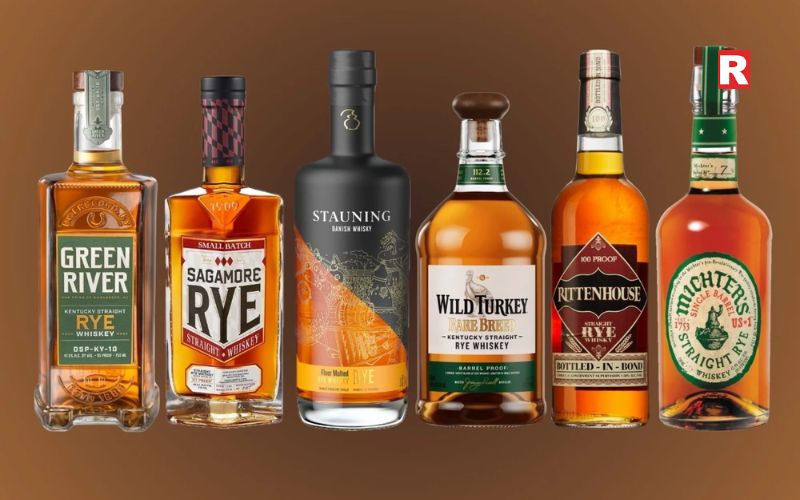
Rye whiskey is known for its bold and spicy flavor. In the United States, rye whiskey must contain at least 51 percent rye grain in the mash bill. This grain gives the whiskey a sharper and drier taste compared to bourbon. Drinkers often notice flavors such as pepper, spice, herbs, and dry grain. Rye whiskey was extremely popular in the United States before Prohibition. In recent years, the style has experienced a strong revival as bartenders and enthusiasts rediscover its complexity. Because of its bold character, rye whiskey is commonly used in classic cocktails like the Manhattan and the Old Fashioned.
5. Tennessee Whiskey
Tennessee whiskey is a distinctive American whiskey style that closely resembles bourbon but includes an additional step known as the Lincoln County Process. This process involves filtering the whiskey through charcoal before it is aged in barrels. Tennessee whiskey must be produced in the state of Tennessee in the United States. Like bourbon, it is made from a mash bill that contains at least 51 percent corn and is aged in new charred oak barrels. However, the charcoal filtering process gives the whiskey a smoother and slightly mellower character. The flavor profile often includes notes of caramel, toasted oak, vanilla, and subtle smokiness. The charcoal mellowing also softens the spirit, which is why Tennessee whiskey is often described as smooth and well-balanced. Because of its refined sweetness and gentle smokiness, Tennessee whiskey works well both as a sipping spirit and in classic cocktails.
6. Japanese Whisky
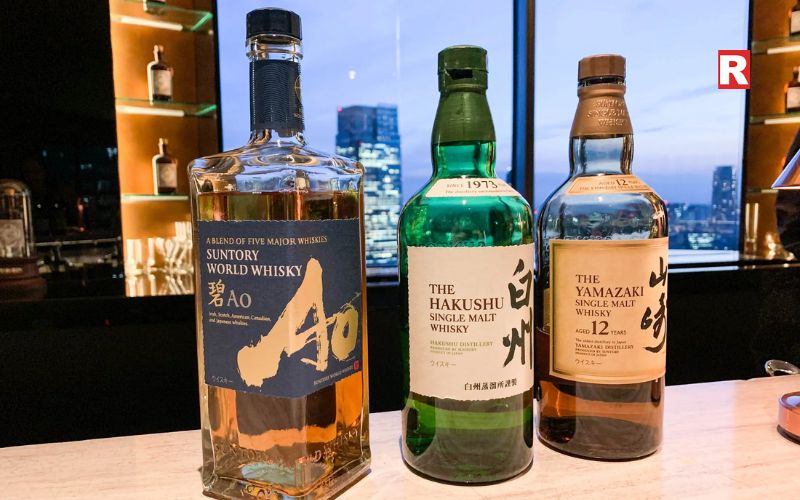
Japanese whisky has gained global recognition for its precision and craftsmanship. Japanese distillers were originally inspired by Scottish whisky-making traditions, but they have developed their own refined style over time. Japanese whisky is often known for balance and subtlety. The flavor profile typically includes delicate fruit notes, honey, soft smoke, and floral aromas. Some Japanese whiskies are aged in barrels made from Mizunara oak, a rare type of Japanese wood. This wood adds distinctive aromas such as sandalwood, coconut, and spice. In the past two decades, Japanese whisky has won several international awards, increasing its reputation among collectors and connoisseurs.
7. Canadian Whisky
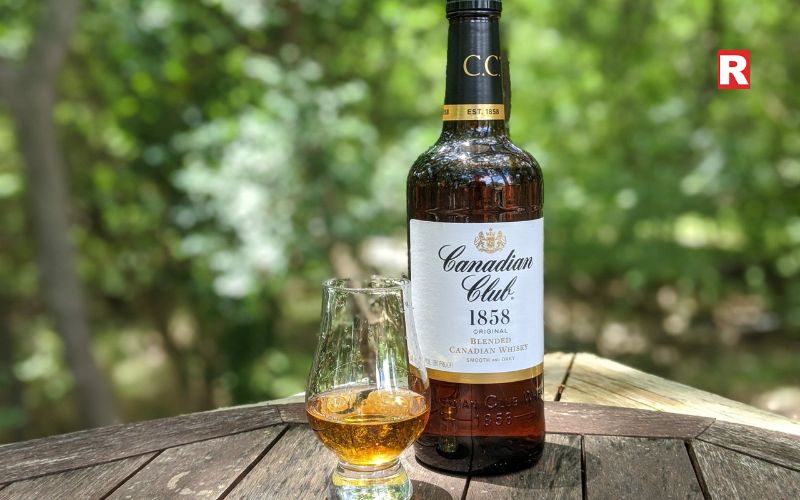
Canadian whisky is famous for its smooth and easy-drinking style. Most Canadian whiskies are blends that combine spirits made from different grains. Rye grain is often used in production, which is why Canadian whiskies are sometimes referred to as rye whisky even when rye is not the dominant ingredient. The flavor profile is typically lighter compared to American and Scottish styles. Many Canadian whiskies display mild sweetness, subtle spice, and a clean finish. This makes them versatile for both sipping and cocktails. Canadian whisky has played a major role in North American whisky culture and continues to be widely enjoyed across the world.
8. Indian Whisky
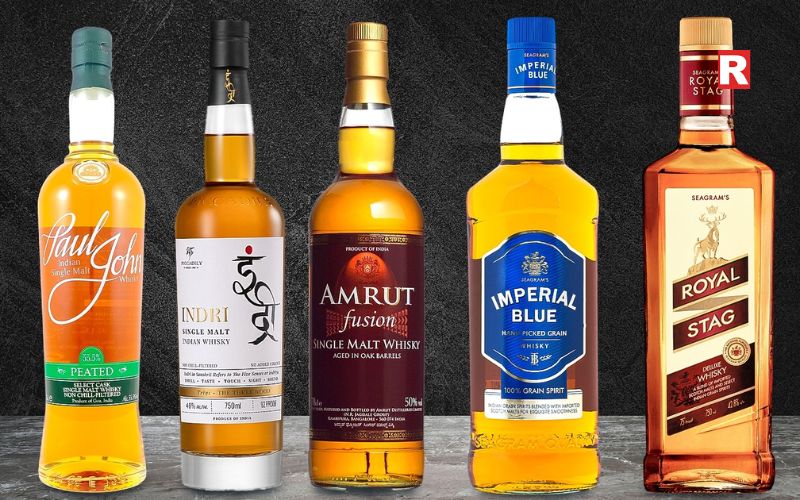
Indian whisky has become increasingly important in the global spirits industry. India is one of the largest whisky-consuming markets in the world. Some Indian whiskies are made using molasses-based spirits blended with grain whisky. However, the country has also developed a strong reputation for producing premium single malt whiskies. These single malts are made using malted barley and traditional distillation techniques. India’s warm climate accelerates the maturation process. As a result, whisky interacts with the oak barrels more quickly, producing rich and intense flavors even after shorter aging periods. Indian distilleries are now exporting their whiskies globally and receiving recognition in international whisky competitions.
How Grains Shape Whisky Flavor
The type of grain used in whisky production plays a major role in determining its flavor and texture. Barley is commonly used in single malt whiskies and produces a rich, malty taste. Corn contributes sweetness and a fuller body, which is why it is the primary grain in bourbon.
Rye adds spice and dryness to the whisky, giving rye whiskey its bold character. Wheat, when used in the mash bill, creates a softer and smoother mouthfeel. The balance between these grains shapes the whisky’s personality even before the aging process begins.
Also check: Top 20 Trendy Whiskeys You Must Try Once
Best Imported Whisky Brands in India: A Detailed Guide for Every Whisky
12 Affordable Spirits That Taste Like They Cost a Fortune
The Influence of Aging and Barrels
After distillation, whisky is placed in oak barrels where it matures over time. During this period, the spirit extracts compounds from the wood that create flavor, color, and aroma. Common notes developed during aging include vanilla, caramel, toasted spice, and dried fruit. Climate also plays an important role. In warmer regions, whisky matures faster because the liquid expands and contracts within the barrel more frequently. Different types of barrels can also add unique flavors. Some distilleries age whisky in barrels that previously held wine, sherry, or other spirits, which enhances complexity.
Final Sip!
Whisky offers an incredible range of flavors and traditions. Each style reflects the culture and craftsmanship of its region. Scotch delivers smoky depth, Irish whiskey offers smooth elegance, bourbon provides sweetness, and rye brings bold spice. Japanese whisky focuses on balance and refinement, while Canadian whisky emphasizes smoothness. Indian whisky is emerging as a strong global contender with rich and expressive profiles. Exploring these styles allows drinkers to understand how ingredients, distillation, and aging influence the final spirit. With so many variations available, the world of whisky continues to offer new discoveries for both beginners and seasoned enthusiasts.
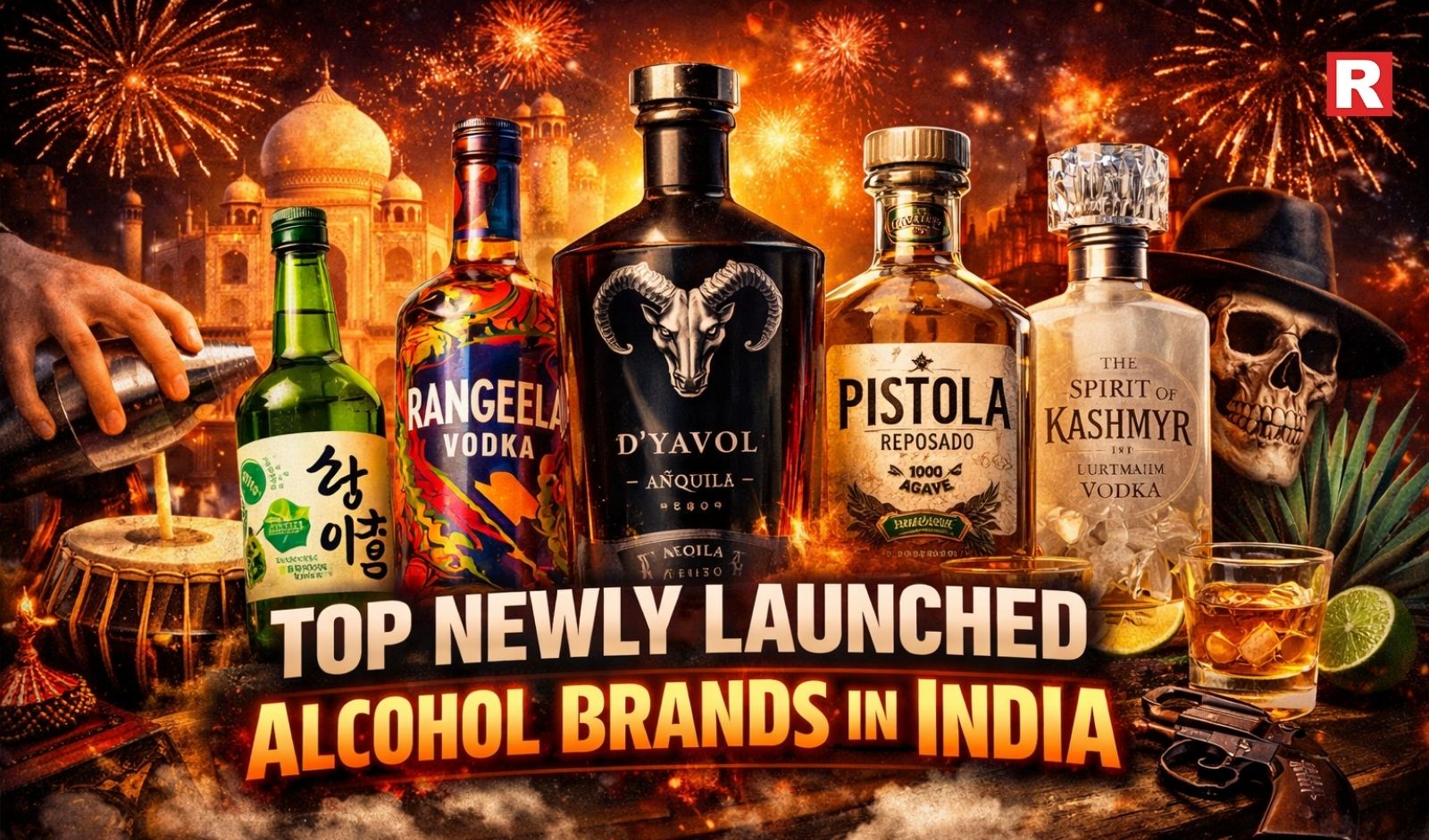
India’s alcohol industry is entering a new era. The market is no longer dominated only by legacy whisky and rum labels. A new wave of premium spirits is changing how people drink, explore flavours, and build their home bars. Younger consumers are curious about craft gin, premium vodka, tequila, and experimental spirits. They want quality, strong storytelling, and global-level craftsmanship.
This shift is also supported by rising disposable income and changing lifestyle habits. Industry reports suggest India could become one of the world’s largest spirits markets in the coming years, with millions of new consumers entering the legal drinking age every year. Because of this momentum, many innovative alcohol brands have entered the market recently. These brands focus on modern distillation techniques, premium ingredients, and strong brand identity. Here are some of the most interesting alcohol brands that have launched recently and are shaping India’s evolving drinking culture.
Discover Top Newly Launched Alcohol Brands in India
1. Rangeela Vodka
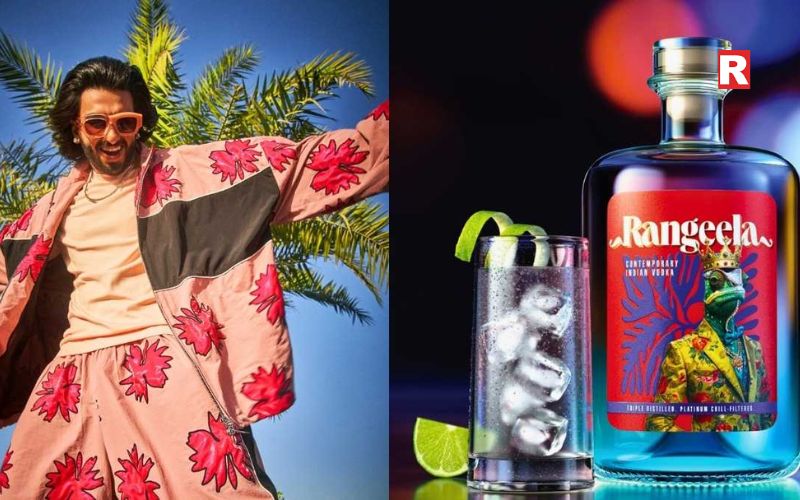
One of the most talked-about launches in India’s alcohol industry is Rangeela Vodka. The brand was introduced by Allied Blenders & Distillers with actor Ranveer Singh as co-founder and creative partner. Rangeela is positioned as a contemporary Indian vodka designed for a new generation of drinkers. The spirit is triple-distilled and platinum chill-filtered. This process helps remove impurities and gives the vodka a smoother texture. The result is a clean and versatile spirit that works well both as a shot and in cocktails. The branding also stands out. The bottle design uses vibrant colours inspired by Indian culture and celebration. This approach targets urban millennials who look for lifestyle products that reflect personality and individuality. With India’s vodka segment growing steadily, Rangeela represents how local brands are combining craft production with bold storytelling.
Read more: Top Newly Launched Beer Brands to Replace Your Regular Brew
Top Sugar‑Free Vodka Brands in India You Should Try
2. The Spirit of Kashmyr Vodka
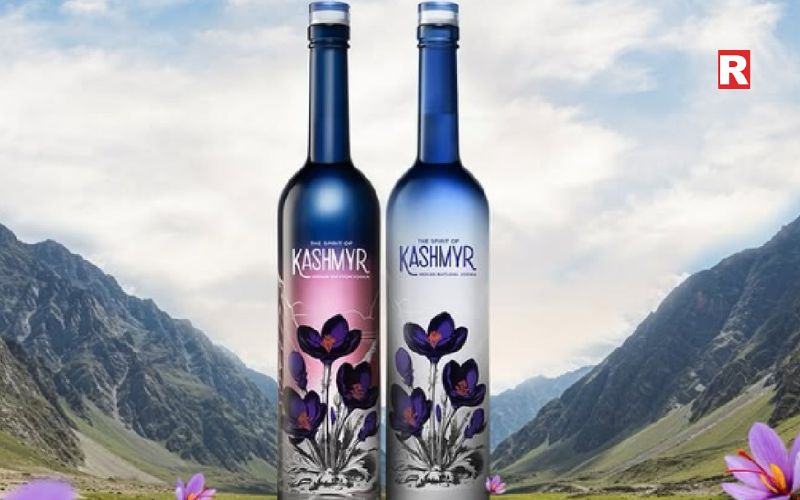
Luxury vodka is another category that has gained attention in the past year. One notable entry is The Spirit of Kashmyr, launched by Radico Khaitan. The brand takes inspiration from the purity and natural beauty of Kashmir. Its positioning focuses on elegance, premium quality, and sophisticated drinking experiences. The vodka is aimed at upscale consumers who prefer top-shelf spirits rather than mass-market liquor. Luxury vodka typically undergoes multiple distillation stages and advanced filtration techniques. These methods improve clarity, remove unwanted compounds, and create a refined mouthfeel. By launching this product, the company is tapping into the growing demand for premium spirits in India’s hospitality sector, especially in upscale bars, hotels, and fine-dining restaurants.
3. D’YAVOL Tequila
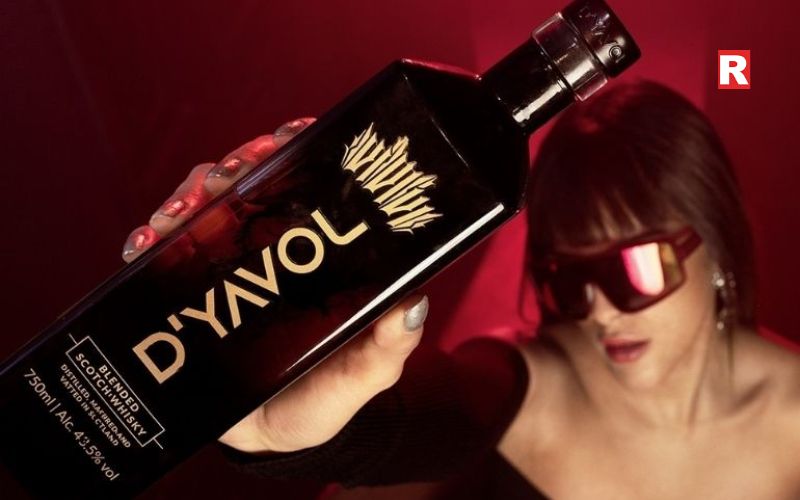
The Indian alcohol industry is also seeing a surge of celebrity-led spirits brands, and one of the most prominent names in this category is D’YAVOL. Founded by Aryan Khan and partners, the brand has quickly positioned itself in the ultra-premium spirits segment. After launching a blended malt Scotch whisky and vodka, the brand expanded its portfolio with D’YAVOL Añejo Tequila. The spirit was developed in collaboration with Radico Khaitan, one of India’s leading liquor companies. This tequila is aged for about two years in carefully selected wine casks. The ageing process allows the spirit to develop complex flavour layers such as oak, vanilla, caramel, and subtle spice notes. The result is a smooth and sophisticated tequila designed for sipping rather than mixing. D’YAVOL tequila is positioned as a luxury collectible spirit with premium pricing and elegant packaging. Celebrity-backed alcohol brands like this attract attention because they combine storytelling, pop-culture influence, and aspirational lifestyle branding.
4. Jinro Chamisul Soju
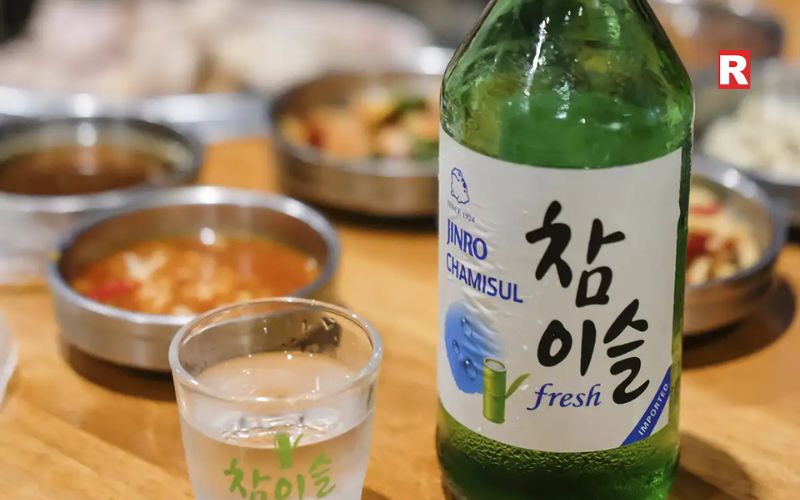
India’s alcohol landscape is also evolving through international spirits entering the market. One of the most notable examples is Jinro Chamisul, produced by the Korean beverage company HiteJinro. The brand has expanded its presence in India through a distribution partnership with Monika Alcobev Limited. Soju is a clear distilled spirit traditionally made from rice, barley, or other starch sources. It is lighter than most whiskies or vodkas and typically has a lower alcohol content, which makes it easier to drink in social settings. The Indian launch includes several popular flavour variants such as grape, plum, strawberry, and peach. These fruit-forward expressions are particularly attractive to younger consumers and first-time drinkers exploring Asian beverage culture. The rising popularity of Korean entertainment, food, and pop culture has helped introduce drinks like soju to Indian consumers. As a result, Jinro’s entry reflects how international beverage trends are influencing drinking habits in metropolitan cities.
Know more: Top Feni Brands in India: Taste the Goan Creation
5. Pistola Reposado Tequila
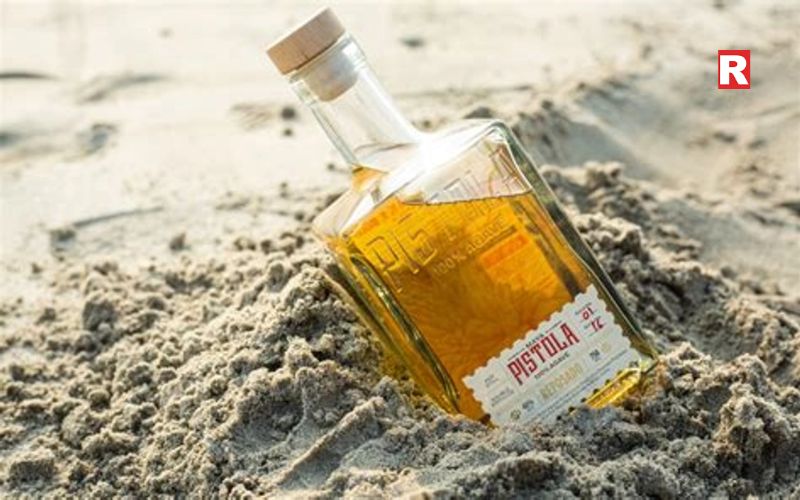
Another interesting entrant in India’s premium tequila category is Pistola. Pistola focuses on authentic Mexican tequila made from 100 percent blue agave sourced from the Jalisco region of Mexico. The brand offers variants such as Blanco, Reposado, and Añejo. The Pistola Reposado expression is aged in oak barrels for several months. This process gives the spirit a warm golden colour and a balanced flavour profile with notes of honey, vanilla, citrus, and light spice. The brand has positioned itself as a modern lifestyle tequila aimed at young urban consumers who enjoy cocktails, nightlife experiences, and premium international spirits. Its strong visual identity and celebrity association have helped it gain quick visibility in India’s growing tequila market.
Why New Alcohol Brands Are Growing in India
Premiumisation: Indian consumers are gradually shifting from quantity to quality. Instead of buying large volumes of standard liquor, many people now prefer premium spirits with unique flavours and refined production methods. Premium spirits often involve longer ageing, high-quality grains, or advanced distillation techniques.
Craft Distillation: Small-batch distillation is becoming increasingly popular. Craft distilleries experiment with botanicals, local ingredients, and regional flavour profiles. These distilleries often focus on transparency and authenticity, which appeals to modern consumers.
Cocktail Culture: Cocktail bars are growing rapidly in cities like Mumbai, Delhi, Goa, and Bengaluru. Bartenders constantly look for new spirits that offer unique taste profiles. New alcohol brands often design their products specifically for mixology.
Lifestyle Branding: Alcohol brands today are not just beverages. They are lifestyle products. Packaging design, storytelling, and cultural identity are becoming important parts of brand building.
How New Brands Are Changing the Indian Spirits Industry
The arrival of new alcohol brands is transforming India’s spirits market in several ways.
First, it encourages innovation. Distilleries are experimenting with new grains, botanical blends, and ageing techniques.
Second, it raises the quality standards of Indian spirits. Many local brands are now competing with international labels in terms of craftsmanship and presentation.
Third, it supports India’s global recognition in the alcohol industry. Premium Indian spirits are increasingly winning international awards and entering export markets.
Finally, it expands consumer choice. Drinkers now have access to a much wider variety of beverages, including gin, tequila, craft vodka, and experimental spirits.
Also check: Best Flavoured Gin Brands in India
How to Pair Beer with Indian Food: A Desi Guide to Perfect Pints
10 Imported Whisky Brands Indians Are Choosing in 2025
The Future
India’s alcohol industry is expected to continue evolving rapidly over the next decade. Premiumisation will likely remain a major trend as consumers become more knowledgeable about spirits. Distilleries will continue experimenting with local ingredients, sustainable production methods, and advanced distillation technology. For consumers, this means more choices, better quality, and a richer drinking culture. For the industry, it means stronger competition and greater innovation. The new generation of alcohol brands launching in India is not just introducing new drinks. They are redefining the country’s spirits landscape and building a modern identity for Indian liquor on the global stage.
India’s alcohol industry has long been associated with large whisky and rum brands produced at a massive scale. But a quiet revolution is taking place. Across the country, a new generation of distillers is experimenting with small batches, regional ingredients, and modern techniques. These producers are building what is now known as India’s craft spirits movement.
Boutique distilleries focus on quality, creativity, and authenticity. Instead of producing millions of bottles each year, they work in smaller volumes. This approach allows them to experiment with unique botanicals, carefully manage distillation, and deliver distinctive flavors. For consumers who enjoy exploring premium spirits or building a refined home bar, these distilleries offer something special. Their products combine technical precision with storytelling, reflecting India’s diverse geography and rich ingredient heritage.
The Rise of Craft Distilling in India
The global craft spirits movement has influenced alcohol industries around the world. In India, changing consumer behavior has played a key role in the rise of boutique distilleries. Urban drinkers are increasingly looking for premium experiences. They want spirits that have a story, unique flavors, and a clear identity.
Traditional mass-produced alcohol still dominates the market. However, premium categories are growing rapidly. Craft gin, single malt whisky, and experimental spirits are attracting attention from mixologists, bartenders, and enthusiasts. Many boutique distilleries are founder-driven projects. Entrepreneurs with backgrounds in hospitality, agriculture, or global spirits industries are bringing new ideas to Indian distillation. Their goal is not just to produce alcohol, but to showcase Indian ingredients and craftsmanship.
What Defines a Boutique Distillery
A boutique distillery is very different from a large commercial production unit. The main difference lies in scale and philosophy. Small batch production is one of the defining characteristics. Instead of large industrial output, these distilleries produce limited quantities. This allows them to maintain tighter quality control and experiment with flavors. Another key feature is the use of traditional distillation equipment. Many craft distillers rely on copper pot stills. Copper reacts with sulfur compounds during distillation, helping create a cleaner and more refined spirit. Local sourcing is also important. Boutique distillers often use botanicals, grains, or fruits grown in specific regions of India. This adds a sense of place to the final spirit. Most importantly, these distilleries are built around creativity. Their founders constantly test new recipes, distillation techniques, and aging methods.
Read more: Top 5 Strong Beer Brands in India: Bold Brews for the Bold Drinker
Top 20 Trendy Whiskeys You Must Try Once
The Science Behind Craft Distillation
While craft spirits celebrate creativity, distillation is also a highly technical process. Precision is required at every stage.
The journey begins with raw materials. Different spirits use different base ingredients. Whisky relies on grains such as barley. Rum is produced from sugarcane. Some experimental spirits use agave, fruits, or even flowers.
Fermentation is the next step. Yeast converts sugars into alcohol. This produces a liquid known as wash or mash.
Distillation then separates alcohol from the fermented liquid. Heat is applied to the wash in a still. Alcohol evaporates at a lower temperature than water, allowing distillers to collect concentrated spirit vapors.
Copper stills are widely used in boutique distilleries. They improve flavor by removing unwanted compounds. The distiller carefully controls the “cuts” during distillation. This means separating the early and late portions of the spirit to capture only the best middle section.
For aged spirits like whisky, maturation plays a crucial role. The spirit is stored in wooden barrels. Oak casks gradually infuse the liquid with color, aroma, and complex flavors.
Top Boutique Distilleries Transforming India’s Craft Spirits Scene
1. DesmondJi
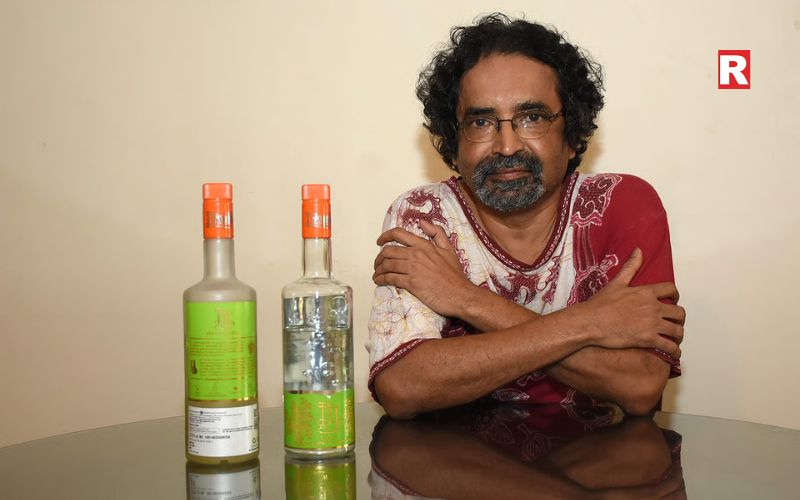
One of the most unique names in India’s boutique distilling movement is DesmondJi. The brand focuses on producing spirits inspired by indigenous ingredients. Its agave spirit is made using plants grown on the Deccan Plateau. This approach reflects how local agriculture can influence craft distillation. The brand also experiments with mahua and sugarcane-based spirits. Mahua, a traditional forest flower used in tribal fermentation practices, adds a distinctive character. By combining heritage ingredients with modern distillation techniques, DesmondJi represents a new direction for Indian spirits.
2. Paul John Distillery
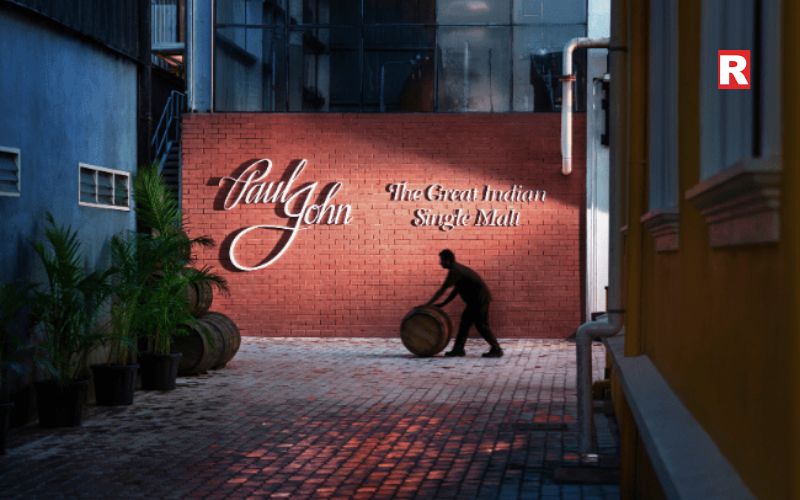
Located in Goa, Paul John Distillery has become one of the most respected whisky producers in India. Its single malts are crafted using Indian six-row barley and pure spring water. Goa’s tropical climate plays a major role in the whisky’s character. Warm temperatures accelerate the aging process inside the barrel. This allows the spirit to develop rich flavors in a shorter time compared to colder whisky regions. Paul John whiskies have won multiple global awards, helping put Indian single malts on the international map.
3. Piccadilly Distillery
The distillery behind the Indri brand is located in Haryana and has quickly gained attention for its innovative approach to whisky maturation. Its whisky undergoes triple wood aging. This means the spirit matures in three different types of barrels, including bourbon, wine, and Pedro Ximénez sherry casks. Each barrel contributes a unique layer of flavor, from vanilla sweetness to dried fruit richness. This multi-cask maturation technique reflects the experimental spirit of India’s boutique distillers.
Know more: Best Brandy Brands in India to Experience This Winter
4. Stranger & Sons
Craft gin has been one of the fastest growing segments in India’s boutique spirits industry. Stranger & Sons has played a major role in this growth. The gin is distilled in Goa and uses a mix of Indian botanicals. These include black pepper, coriander seeds, and citrus peels. The result is a spirit that works well in both classic cocktails and modern mixology. Bartenders often appreciate how its bold botanical profile stands out in drinks.
5. Nao Spirits
Nao Spirits is the company behind some of India’s most recognizable craft gin brands. Their products focus heavily on regional botanicals. One of their standout creations uses Himalayan juniper and turmeric. These ingredients give the spirit an earthy, aromatic profile that reflects India’s natural landscape. The company has helped introduce Indian craft gin to international markets.
Challenges Facing Boutique Distilleries
Despite the excitement around craft spirits, boutique distilleries face several challenges. India’s alcohol regulations are complex. Each state has its own rules regarding production, pricing, and distribution. Navigating these regulations can be difficult for small producers. High excise duties also increase the cost of premium spirits. This can make craft products more expensive for consumers. Distribution is another challenge. Large alcohol companies have well-established networks, while smaller brands must work harder to reach new markets. Consumer awareness is improving, but many drinkers are still more familiar with traditional mainstream brands.
Also check: Best Japanese Whisky Brands in India: Where Craft Meets Perfection in Every
Top Premium Whisky Brands in India: Finest Indian Whiskies Worth Trying
Top Premium Whisky Brands Under Rs 5000 in India
The Future!
The future of boutique distilling in India looks promising. Premium spirits consumption continues to grow, especially in metropolitan areas. Distillery tourism is also emerging as a new trend. Visitors are increasingly interested in touring production facilities and learning about the distillation process firsthand. International recognition is another positive sign. Indian craft spirits are now winning awards at global competitions. This growing reputation is encouraging more entrepreneurs to explore the craft distilling space. As innovation continues and consumer awareness expands, boutique distilleries are likely to play a major role in shaping the future of India’s alcohol industry. Their focus on craftsmanship, regional identity, and experimentation ensures that Indian spirits will continue to evolve in exciting ways.
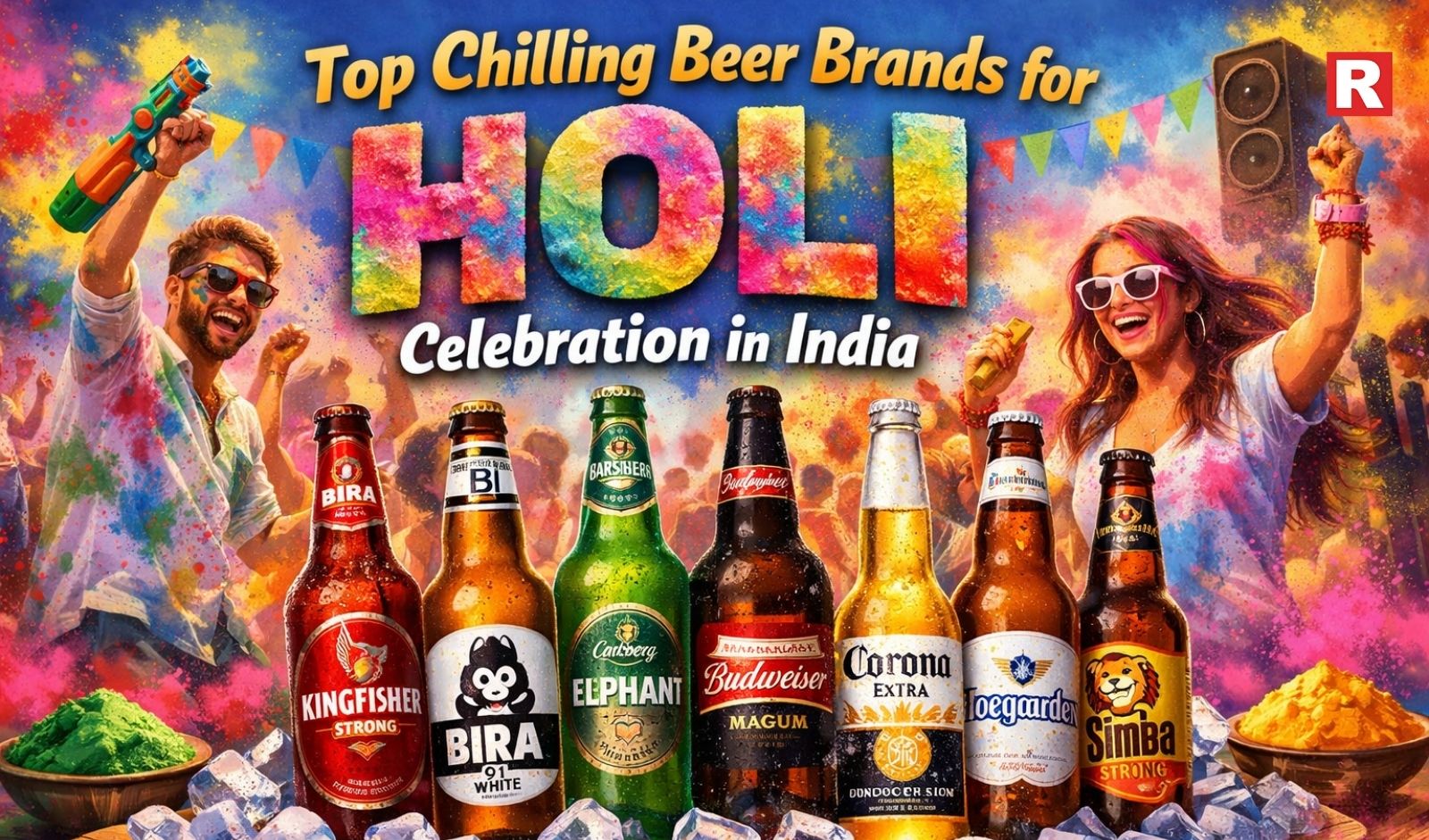
Holi in India is loud and high energy. It unfolds under open skies. Colours fly. Speakers blast music. The sun stays harsh for hours. Food is heavy, spicy, and often fried. In this setting, a properly chilled beer becomes more than a drink. It becomes functional refreshment. Beer cools the body quickly because of its high water content and carbonation.
Most lagers range between 4 to 5 percent ABV, which keeps the alcohol level moderate for daytime celebrations. Strong beers, usually between 6 to 8 percent ABV, suit slower evening sessions. The brewing method also matters. Bottom-fermented lagers offer a clean and crisp finish, ideal for heat. Wheat beers use top fermentation, creating light citrus notes that cut through spice. Urban millennials and young professionals prefer variety. They look for flavour, smoothness, and easy drinkability. Hosts planning terrace parties or gated community gatherings often stock a mix of strong and light options. It ensures balance. It suits different preferences. A well-chosen beer selection adds structure to the celebration and keeps the mood steady through long hours of colour and music.
Explore Top Chilling Beer Brands for Holi
1. Kingfisher – Strong & Ultra

Kingfisher is one of India’s most recognised beer names. It is widely available across states. For Holi, two variants stand out: Kingfisher Strong and Kingfisher Ultra. Kingfisher Strong has an ABV of around 8 percent. It is a bottom-fermented lager. Bottom fermentation happens at low temperatures. This process creates a clean and crisp profile. The beer feels sharp and carbonated. It works well in hot weather. Kingfisher Ultra, on the other hand, sits around 4.8 percent ABV. It is lighter. It feels smoother. It suits day drinking.
Why it works for Holi: Strong for night DJ parties. Ultra for daytime colour play. Both hold carbonation well even in outdoor settings.
Read more: Low-Foam & Nitrogenated Beers: Why Texture Is the New Luxury in Beer
Top 5 Strong Beer Brands in India: Bold Brews for the Bold Drinker
2. Bira 91 – Blonde & White
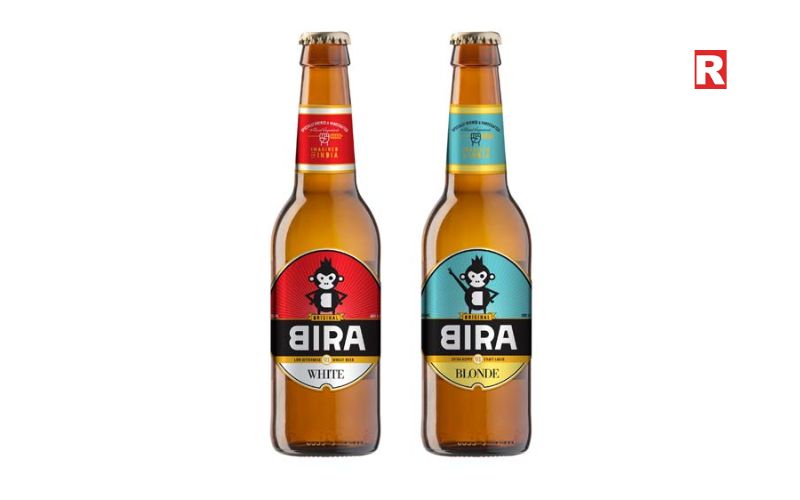
Bira 91 reshaped India’s craft beer space by making wheat beer mainstream among urban consumers. It moved beyond standard strong lagers and offered flavour-led options. Bira White carries around 4.9 percent ABV and follows a Belgian-style witbier format. It blends wheat and barley, then uses top fermentation. This process develops light fruity esters. Subtle citrus and coriander notes stand out on the nose. The suspended wheat proteins create a soft, hazy body and smooth mouthfeel. It feels refreshing, not heavy. Bira Blonde is lighter and cleaner. It is crisp, mildly bitter, and easy to finish. These styles appeal to young professionals, brunch crowds, and home hosts who prefer balanced flavour over high alcohol strength.
Why it works for Holi: The citrus notes cut through fried food. The smooth texture feels soft on the palate during long sessions.
3. Carlsberg – Elephant
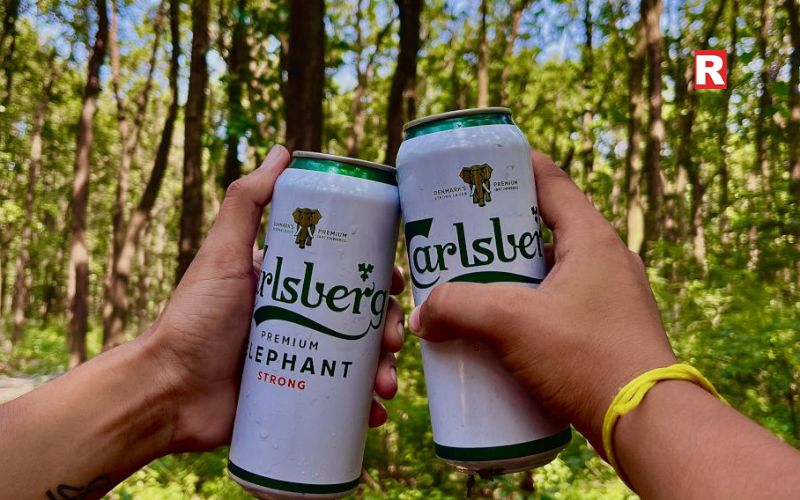
Carlsberg Elephant holds a strong position among consumers who prefer higher alcohol beer without losing structure. It carries an ABV close to 7 percent and follows a strong pilsner style. Pilsners are bottom-fermented lagers known for clear appearance and defined hop bitterness. Controlled fermentation at lower temperatures keeps the profile clean. Extended maturation adds depth and smooth integration of alcohol. The malt base provides body and slight sweetness, which balances the hop edge. The finish stays crisp and dry. It does not feel overly heavy despite its strength. This makes it suitable for evening house parties and festive gatherings. It appeals to experienced beer drinkers who want intensity with refinement.
Why it works for Holi: It delivers strength without feeling overly heavy. It suits evening celebrations when music gets louder.
4. Budweiser – Magnum & Premium Lager
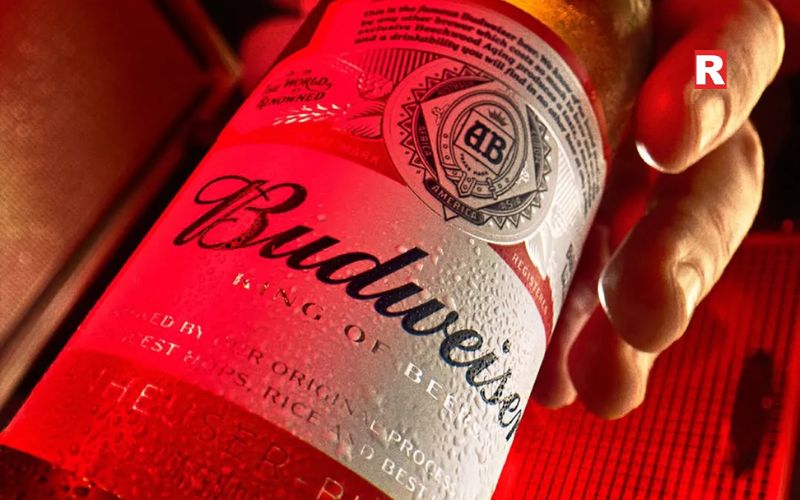
Budweiser enjoys strong recall among young urban consumers in India. It is widely associated with music, nightlife, and large social gatherings. Budweiser Magnum carries around 6.5 percent ABV and targets those who prefer higher strength with a smooth finish. The Premium Lager is lighter and easier to sip during long sessions. A key technical feature is its beechwood aging process. During lagering, beechwood chips are placed in the tank. They do not add flavour. Instead, they increase surface area for yeast activity. This allows better fermentation and cleaner conditioning. The result is a smoother texture and balanced taste. It suits house parties, concerts, and high-energy festive celebrations.
Why it works for Holi: Magnum gives strength without harshness. Premium Lager is ideal for daytime sipping.
Know more: Top Japanese Beer Brands in India: Crisp, Smooth, and Full of Character
5. Corona
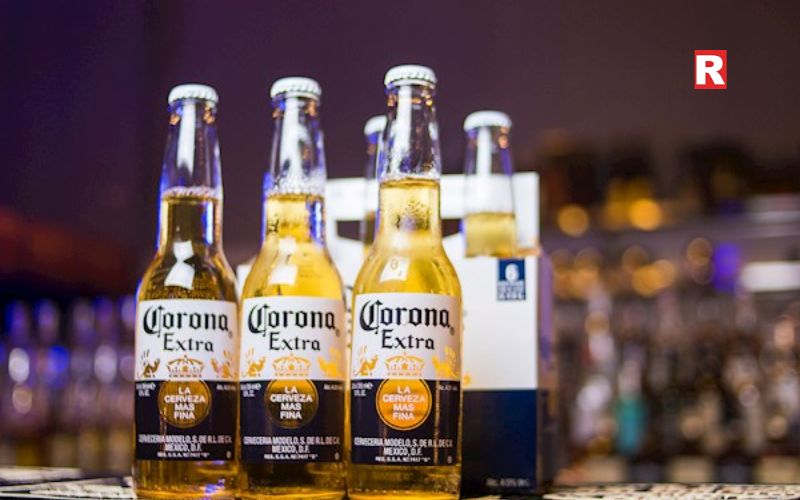
Corona is a light pale lager with an ABV of around 4.5 percent. It is brewed in a clean lager style using bottom fermentation at controlled low temperatures. This process creates a clear appearance and crisp finish. The body is light. Bitterness stays mild and approachable. It does not overwhelm the palate. A slice of lime is commonly added at the neck of the bottle. The citrus sharpness lifts aroma and enhances perceived freshness. It also balances sweet or spicy snacks often served at gatherings. This beer suits daytime celebrations, terrace parties, and poolside events. It appeals to lifestyle-focused drinkers who prefer easy, session-friendly options over high strength.
Why it works for Holi: Perfect for poolside or brunch-style Holi events. Easy to drink. Low bitterness. Feels refreshing in peak afternoon heat.
6. Hoegaarden
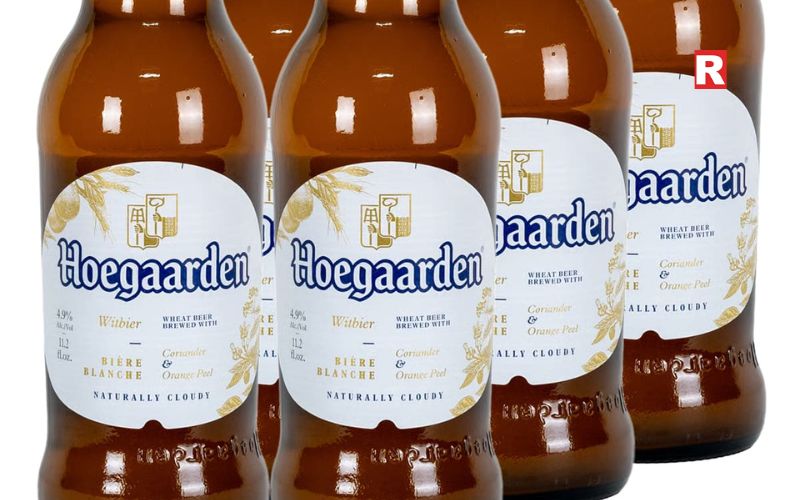
Hoegaarden represents the traditional Belgian witbier style. It is brewed with a mix of wheat and barley, along with dried orange peel and coriander. It remains unfiltered, which gives it a natural cloudy appearance. The ABV stands at around 4.9 percent, making it suitable for relaxed, extended drinking. Top fermentation develops light fruity esters. Suspended yeast and wheat proteins add a soft, creamy texture. The flavour feels mildly sweet, citrus-led, and gently spiced. It pairs well with fried snacks and tangy Indian appetisers. This style appeals to premium consumers, brunch crowds, and those who prefer nuanced flavour over high alcohol strength.
Why it works for Holi: The orange peel notes complement Indian snacks. The creamy texture balances spicy dishes.
7. Simba – Strong & Wit
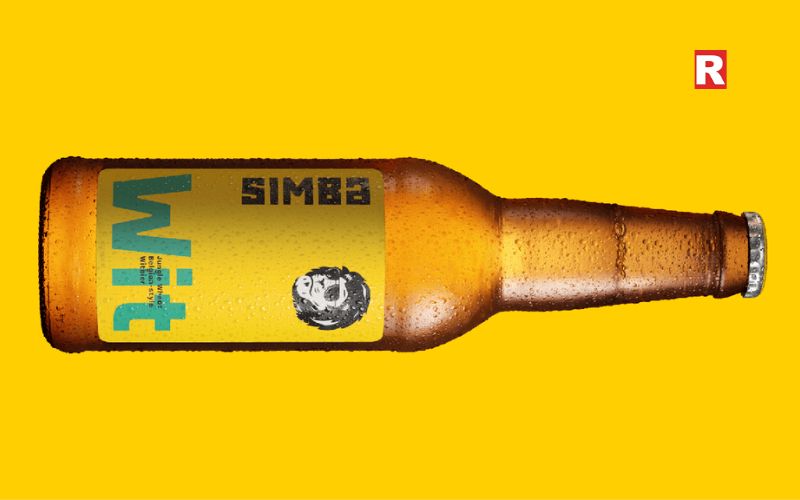
Simba reflects the steady rise of India’s craft beer movement. The brand offers both strong and wheat-led styles to suit varied preferences. Simba Strong reaches close to 8 percent ABV, placing it in the high-strength category. Despite this, the brewing maintains balance. Controlled fermentation and careful hop management prevent excessive harshness. The bitterness stays measured. The body feels rounded and smooth. Simba Wit moves in a lighter direction. It follows wheat beer traits with a softer mouthfeel and subtle fruity notes. These variants appeal to young urban consumers who seek craft identity with reliable flavour structure. It suits small house gatherings and curated party settings.
Why it works for Holi: It gives an Indian craft alternative to mass brands. It stands out on the table.
Why Beer is Ideal for Holi
Holi happens outdoors. Hydration matters. Beer has high water content. Carbonation gives a refreshing sensation. Compared to hard spirits, the alcohol level is moderate, especially in light lagers and wheat beers. Strong beer, which dominates India’s beer market share, suits late-night celebrations. Light beer works better under the sun. Temperature is critical. Serve beer between 3 to 6 degrees Celsius. Use ice buckets. Avoid repeated warming and cooling. It affects taste and carbonation.
Strong vs Light Beer for Holi
Daytime colour parties: Choose beers between 4 to 5 percent ABV. Wheat beers and premium lagers are ideal.
Evening DJ nights: Strong beers between 6 to 8 percent ABV suit slower sipping.
Balance is key. Offer both categories if you are hosting 20 or more guests.
Also check: Top Newly Launched Beer Brands to Replace Your Regular Brew
Top British Beer Brands in India You Should Try at Least Once
What is Lager Beer? Discover the Top 5 Lager Beer Brands in India You Must Try
Understanding the Basics: ABV, Fermentation and Bitterness
ABV means Alcohol by Volume. It tells you how strong the beer is. Higher ABV means more alcohol. Bottom fermentation is used in lagers. It happens at cooler temperatures. The result is clean and crisp beer.
Top fermentation is used in wheat and ale styles. It happens at warmer temperatures. It creates fruity and spicy notes. IBU measures bitterness. Most mainstream Indian beers stay moderate in bitterness. That is why they pair well with spicy Indian food.
Final Thoughts
Holi carries high energy and long hours under the sun. Colour fills the air. Music stays loud. Food remains rich and spicy. In such settings, the right beer selection supports the mood and pace of the gathering. A host in India must assess the guest profile first. Some prefer strong beers between 6 to 8 percent ABV. Others lean toward lighter lagers or wheat beers around 4 to 5 percent ABV for daytime drinking. Offering both ensures balance and reduces overconsumption. Proper chilling between 3 to 6 degrees Celsius preserves carbonation and flavour clarity. Clean glassware improves aroma and texture. Classic choices like Kingfisher sit comfortably beside craft-driven labels such as Bira 91 and Simba. A structured selection adds depth to the celebration while keeping it responsible and well-paced.
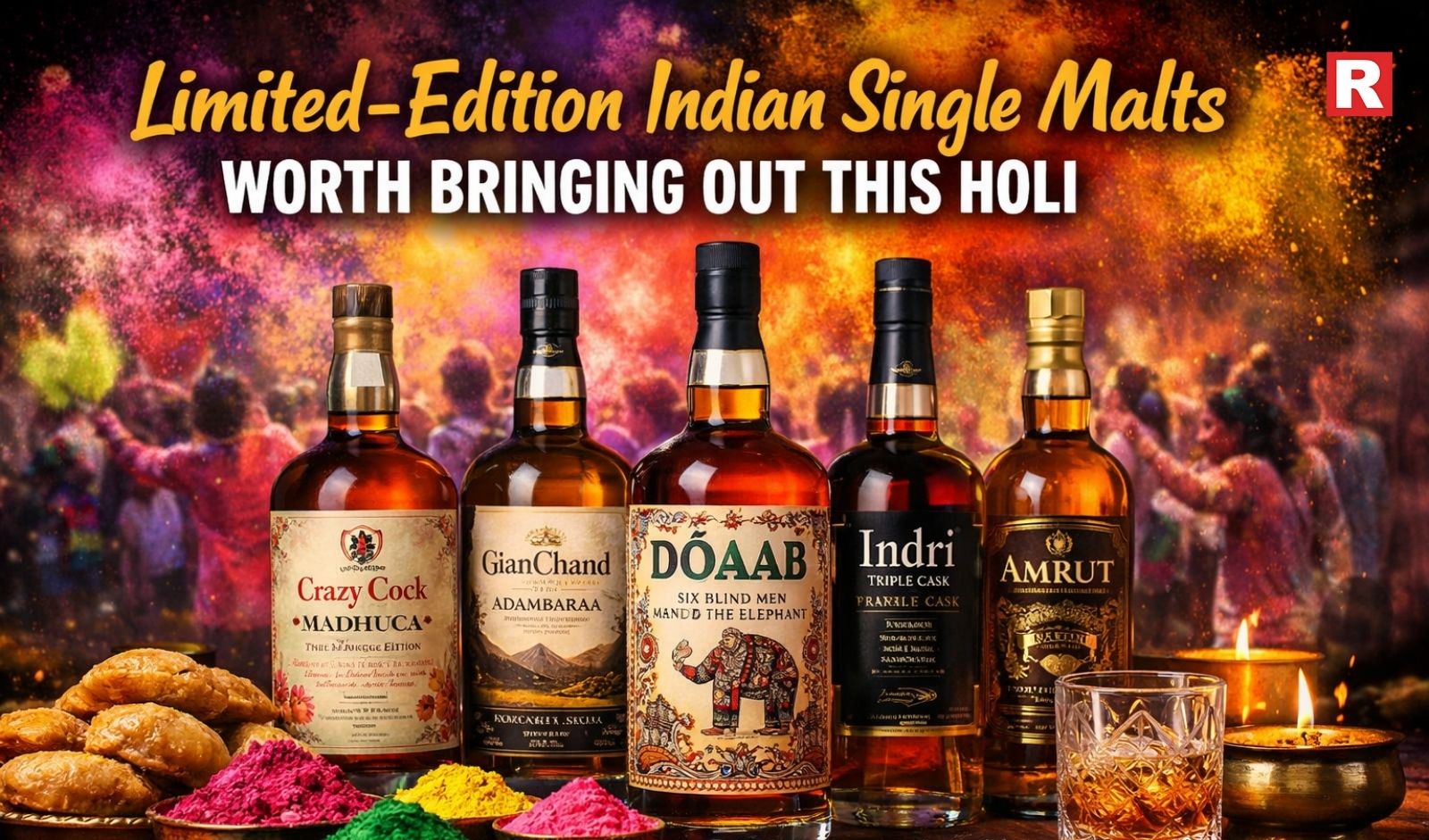
Holi in India is no longer just about colours, gujiyas, and thandai. Urban celebrations are changing. Hosts now curate playlists, food menus, décor themes, and most importantly, the bar. Premium home gatherings in cities like Delhi, Mumbai, and Bengaluru are becoming experience-led. Guests expect something rare. Something that sparks conversation.
This is where limited-edition Indian single malts step in. These are not everyday bottles. They are small-batch releases, special cask finishes, and collector-focused expressions. They offer depth, craftsmanship, and technical excellence. More importantly, they make your Holi bar stand out. If you are planning an intimate soirée or a refined after-party this year, these Indian single malts deserve a place at the centre of your celebration.
Why Limited Editions Matter at a Holi Gathering
Limited-edition whiskies carry scarcity value. They are often produced in small numbers. Some are single cask releases. Others are cask strength or finished in rare barrels. Once sold out, they may never return. For a host, this creates instant distinction. Guests are more engaged when the bottle has a story. When the label says “limited release,” it signals exclusivity.
Technically, these whiskies often showcase advanced craftsmanship:
- Carefully selected barley
- Copper pot still distillation
- Non-chill filtration
- Natural colour
- Experimental cask finishes
India’s tropical climate also plays a major role. Whisky matures faster here compared to Scotland. The higher temperature increases interaction between spirit and oak. This leads to intense flavour development. It also results in a higher angel’s share, often between 10–15 percent annually. The result is bold, expressive whisky even at younger ages. For Holi, this richness pairs beautifully with both sweet and savoury festive foods.
1. Crazy Cock “Madhuca: The Heritage Editions”
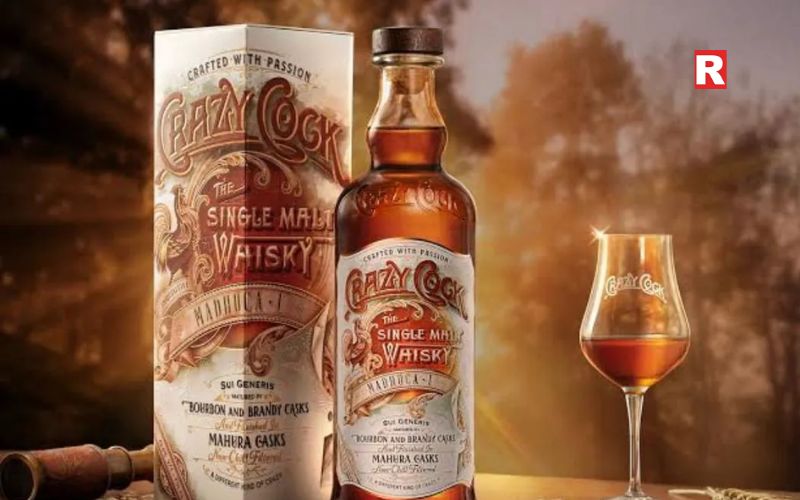
One of the most innovative recent releases in Indian whisky comes from Crazy Cock. The “Madhuca” series is the world’s first single malt finished in Mahura, also known as Mahua, casks. Mahua is derived from India’s indigenous flowering tree and has deep cultural roots. Crafted at South Seas Distilleries, one of India’s oldest malt producers, this whisky combines tradition with experimentation. The spirit is first matured in ex-bourbon and ex-sherry casks. It is then finished in Mahua wood. The flavour profile is layered. Expect floral sweetness. Gentle spice. Notes of vanilla and caramel. Dried fruit undertones. The texture feels velvety and rounded. For Holi, this bottle becomes a conversation starter. It reflects Indian heritage yet remains globally refined. It is ideal for hosts who appreciate technical innovation and want something culturally rooted yet premium.
Pair it with:
- Saffron-infused desserts
- Light kebabs
- Mildly spiced snacks
Read more: Top 5 Strong Beer Brands in India: Bold Brews for the Bold Drinker
Top 20 Trendy Whiskeys You Must Try Once
2. GianChand Adambaraa & Manshaa
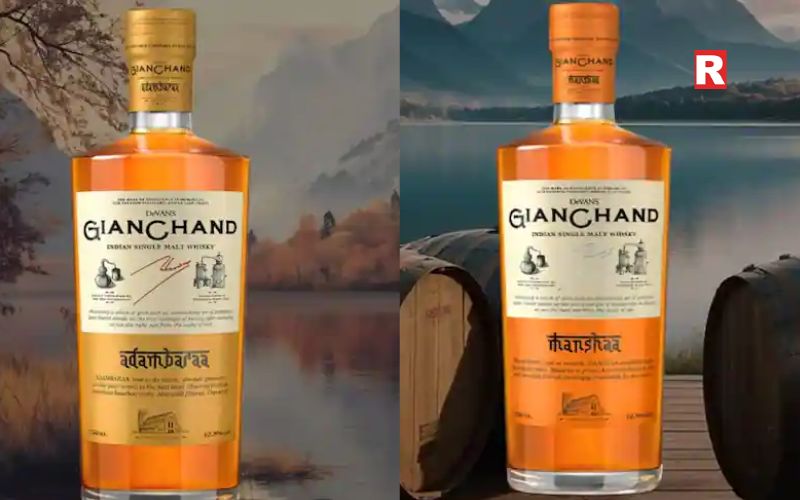
Produced in Jammu’s Himalayan foothills, the GianChand series offers two distinct personalities. This makes it perfect for gatherings where guest preferences vary. Both expressions have earned multiple international awards. That global recognition adds credibility to your selection. For Holi hosting, offering both allows you to cater to beginners and seasoned enthusiasts. It also demonstrates thoughtful curation.
Adambaraa is the unpeated expression. It is smooth and approachable. Expect dried apricot, honey, caramel, and soft spice. It suits guests who prefer fruit-forward drams. The finish is elegant and balanced.
Manshaa (Laggerbach) introduces peat. It carries a smoky, medicinal character balanced with citrus brightness and warming spice. This expression works well for late-night sipping. Especially when the music slows down and conversations deepen.
Pair Adambaraa with:
- Gujiya
- Dry fruit mithai
Pair Manshaa with:
- Grilled meats
- Smoky paneer tikka
3. DŌAAB 01 “Six Blind Men and the Elephant”
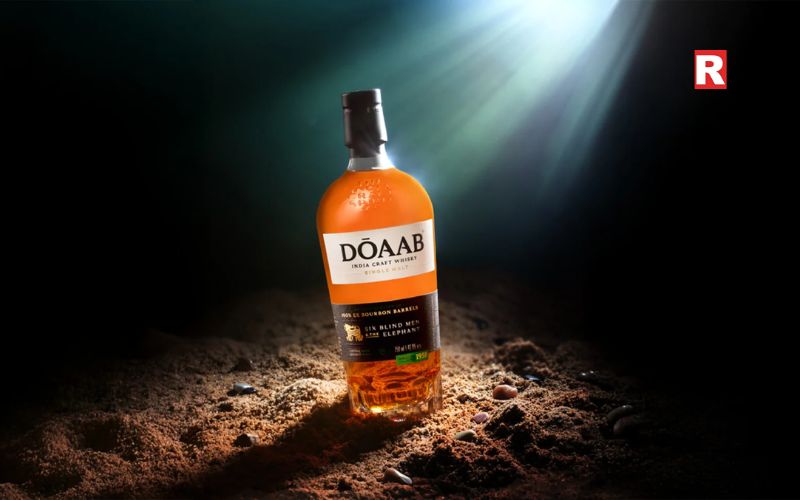
DŌAAB’s inaugural release is built on storytelling. Limited to just 500 casks, this expression is matured exclusively in ex-bourbon barrels. The concept reflects convergence. Of rivers. Of cultures. Of perspectives. The packaging is inspired by Rajasthan’s Mandana art. This makes it visually striking. On a Holi bar, presentation matters. Guests often photograph what they drink. The whisky itself offers balanced sweetness, light vanilla, gentle oak, and subtle depth. It is not overpowering. Instead, it encourages relaxed sipping and conversation. For collectors and design-focused hosts, this bottle adds both rarity and aesthetic value. It signals that your selection is thoughtful, not random. Best enjoyed neat or with a few drops of water to open up the aromas.
4. Indri-Trini Triple Wood Limited Expressions
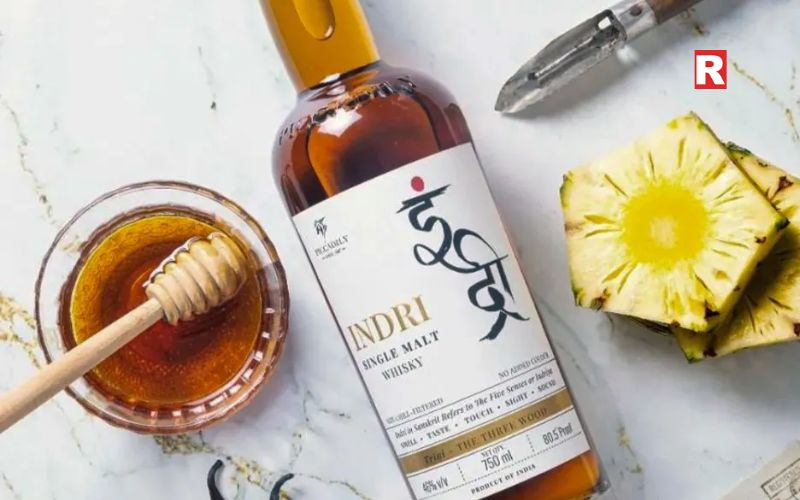
Indri has quickly gained attention in India’s premium whisky space. Produced in Haryana near the Himalayan foothills, it uses a triple-wood maturation method. The whisky is aged in ex-bourbon, wine, and PX sherry casks. This combination builds complexity. The ex-bourbon casks add vanilla and caramel. Wine casks contribute fruit depth. PX sherry brings dried fruit richness and sweetness. Limited festive editions often amplify these characteristics. The result is lush, layered whisky with notes of honey, raisins, spice, and oak. Its approachable yet rich profile makes it a crowd-pleaser. It pairs well with both savoury snacks and sweet Holi treats. If you are hosting a larger group with varied tastes, this is a safe yet premium choice. It reflects technical precision in cask management and blending. That competency adds to its credibility among enthusiasts.
Know more: Top Premium Whisky Brands Under Rs 5000 in India
5. Amrut Distilleries Special & Cask-Strength Releases
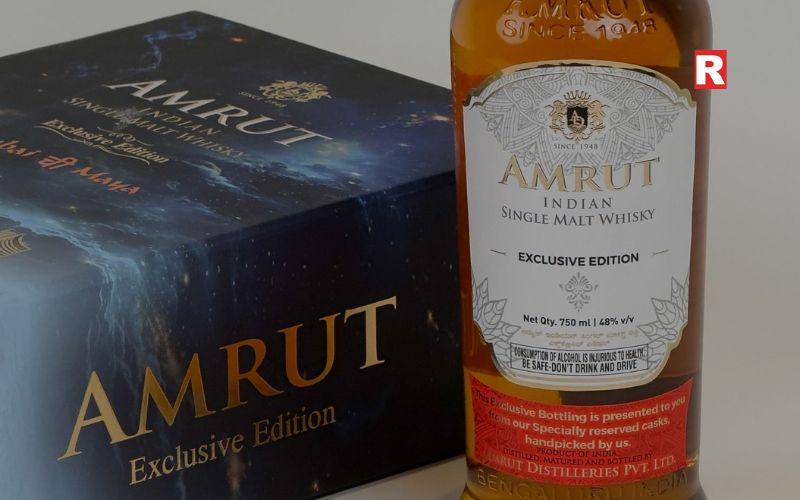
Amrut is often credited with placing Indian single malts on the global map. Based in Bengaluru, it benefits from high-altitude tropical maturation. The warmer climate accelerates ageing and intensifies flavour extraction. Amrut frequently releases small-batch and cask-strength expressions. These are highly sought after by collectors. Cask-strength releases are bottled without dilution. This means higher alcohol content. Often above 55 percent ABV. The flavours are bold and concentrated. Expect intense spice, dark chocolate, caramel, roasted nuts, and oak. These are not casual pours. They are for serious whisky drinkers. For Holi, they make an impressive finale to the evening. Serve in smaller pours. Encourage guests to add a few drops of water. This helps open up the aromas and softens the intensity. An Amrut limited release signals pedigree. It reflects India’s technical maturity in the global whisky space.
A Refined Holi Experience
Limited-edition Indian single malts offer more than taste. They carry story, skill, and scarcity. At modern Holi gatherings, especially in urban India, hosts focus on detail. The bar is curated with as much care as the food. A rare bottle reflects intent. It signals knowledge and refined choice. Expressions from Crazy Cock showcase floral innovation through Mahua cask finishing. GianChand highlights Himalayan maturation and dual flavour profiles. DŌAAB adds narrative depth with limited cask production and design-led packaging. Indri-Trini demonstrates triple-cask precision and controlled ageing. Amrut Distilleries represents cask-strength mastery shaped by tropical maturation. For collectors, corporate hosts, and premium consumers, these whiskies add credibility and character. They turn a festive gathering into a curated experience. This Holi, colour may fill the air, but distinction rests in the glass.
Also check: Top Scotch Whisky Brands in India: The Ultimate Guide for Whisky Lovers
Top Japanese Beer Brands in India: Crisp, Smooth, and Full of Character
Top Newly Launched Beer Brands to Replace Your Regular Brew
Over the last decade, India’s bar culture has undergone a sharp shift. What once relied heavily on imported spirits and classic European recipes is now rooted in regional identity. Premium bars in Mumbai, Delhi, and Bengaluru are designing menus around Indian ingredients. These are not token additions. They are central to the drink. Citrus from local farms, indigenous spices, and seasonal produce are treated with the same respect as premium spirits.
The shift is driven by technical skill. Bartenders focus on acidity balance, sugar calibration, and aroma extraction. They measure Brix levels. They track pH for stability. They control infusion temperatures to protect volatile oils. Clarification techniques improve texture and clarity. Fermentation builds layered flavour. Fat washing adds depth without heaviness. This precision brings consistency and quality control to every glass. Urban consumers are more informed today. They value craft, sourcing, and authenticity. Regional storytelling gives bars a competitive edge in a crowded market. It also improves margins through smarter sourcing. India is no longer echoing global cocktail trends. It is shaping a distinct, technically sound identity of its own.
Explore Top Regional Indian Ingredients in Modern Mixology
1. Gondhoraj Lebu from West Bengal
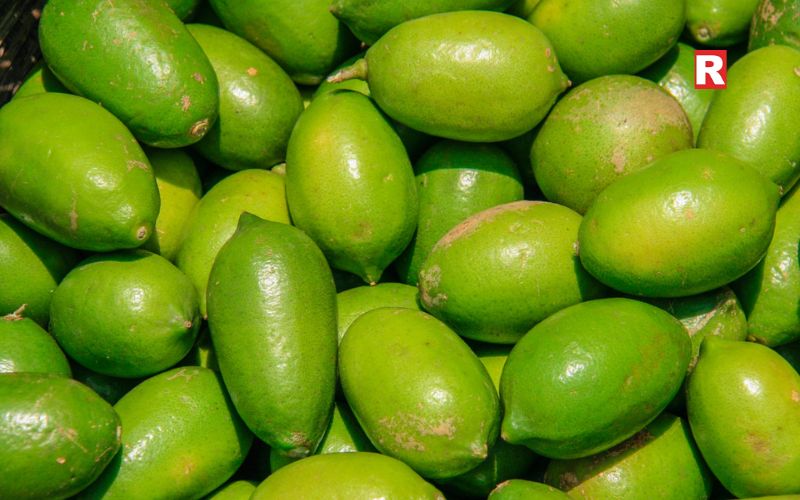
West Bengal gives India one of its most aromatic citrus fruits: gondhoraj lebu. It looks like a lime but smells far more intense. It has low juice content but very high essential oil concentration in its peel. For bartenders, this is gold. Instead of squeezing it like a normal lime, they express the peel over the drink to release oils. Some prepare oleo-saccharum by macerating the peels in sugar to extract aroma without adding too much acidity. The flavour is sharp and floral. It lifts gin-based cocktails beautifully. It works well in clarified milk punches because the aroma stays even after filtration. Globally, bars look for unique citrus. Gondhoraj lebu gives Indian bars a distinct identity that Mediterranean lemons cannot replicate.
Read more: Top Premium Whisky Brands Under Rs 5000 in India
Top 10 Vegan Street Foods in India Every Indian Loves
2. Kokum from the Konkan Coast
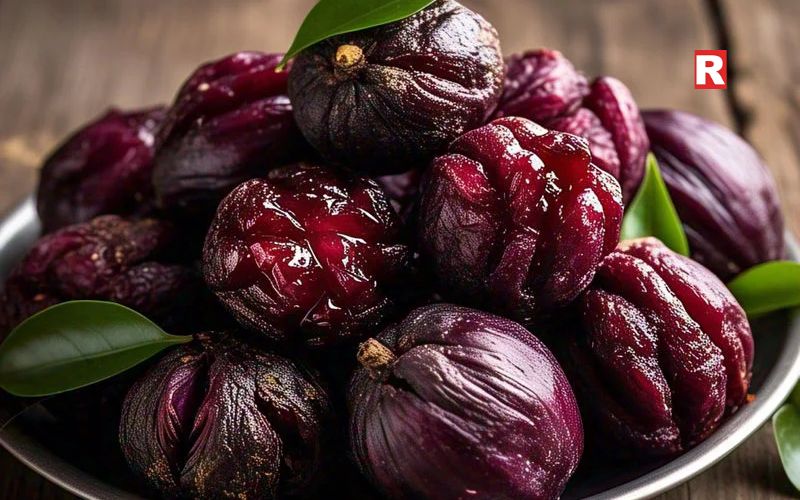
Sourced largely from Goa and Maharashtra, kokum is a dark purple fruit known for its sour taste. Traditionally used in curries and sherbets, it is now a powerful acid component in cocktails. Kokum has a fruity, slightly tannic acidity. Unlike lemon, it does not give sharp brightness. It gives depth. Bartenders convert it into syrups with controlled Brix levels. This ensures sugar consistency across batches. Some create kokum reductions to pair with agave spirits and tequila-style builds. From a technical point of view, kokum is useful because it reduces dependency on imported citrus. It also offers longer shelf stability when processed correctly. For vegan sour cocktails, kokum provides structure without egg white.
3. Himalayan Timut Pepper from Uttarakhand
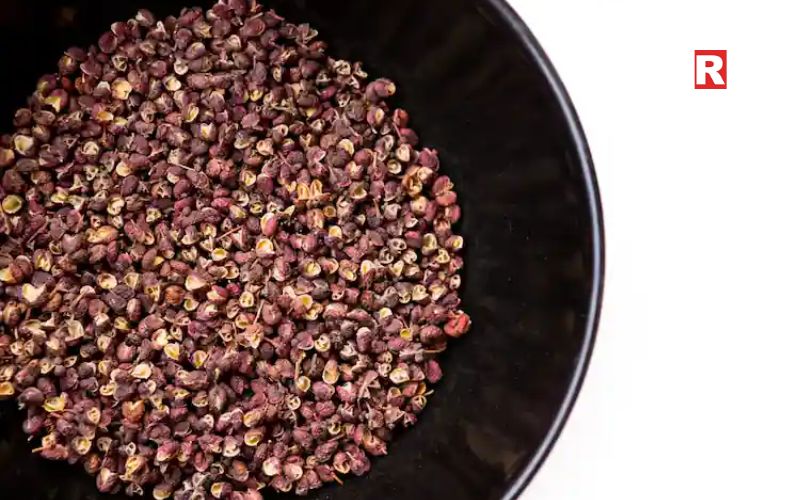
Grown in Uttarakhand, timut pepper is often compared to Sichuan pepper. It has a grapefruit-like aroma and a mild numbing effect. In cocktails, timut is never overused. It requires micro-dosing. Too much can fatigue the palate. Bartenders create tinctures using neutral spirits. A few drops from an atomizer can transform a drink. It pairs exceptionally well with vodka and citrus-forward cocktails. Its tingling sensation adds a sensory layer. This is not just flavour. It is mouthfeel engineering. That is where technical competency becomes critical. Extraction time, alcohol strength, and filtration determine whether the pepper tastes elegant or overpowering.
4. Kashmiri Saffron
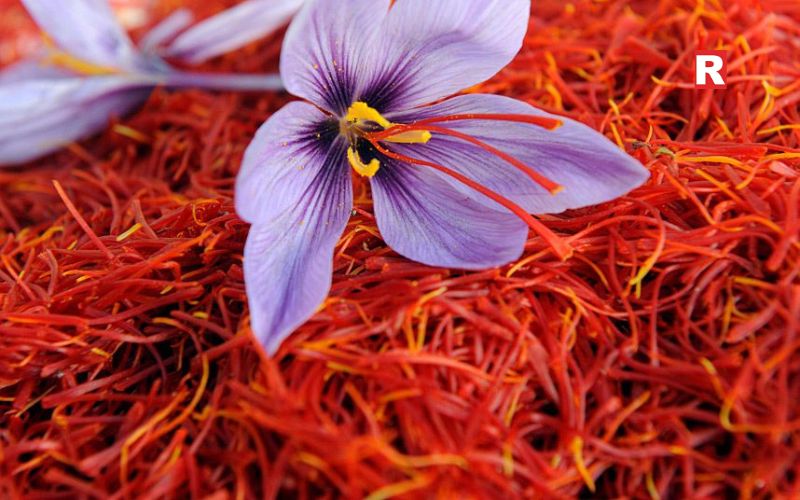
Jammu and Kashmir produces some of the world’s most prized saffron. It is expensive. But in cocktails, very small quantities are required. Saffron offers floral, honeyed, and earthy notes. However, heat can destroy its aroma. Professional bars steep it below 60 degrees Celsius. Some use saffron in clarified milk punches where the fat binds with aromatic compounds. Others create saffron bitters for controlled dosing. From a business perspective, saffron elevates menu pricing. It signals luxury. When used in micro-gram quantities, it enhances margin control. This is where mixology meets financial intelligence.
5. Tender Coconut Water from Kerala
Kerala and coastal South India supply fresh tender coconut water. It is light, slightly sweet, and rich in natural electrolytes. In modern mixology, coconut water supports the low-ABV and mindful drinking trend. Bartenders freeze clarified coconut water into cubes to maintain clarity in stirred drinks. Some experiment with controlled fermentation to add gentle funk. Coconut water works beautifully in rum-based cocktails. It also acts as a dilution component with character. Unlike plain water, it adds texture and subtle sweetness. As more consumers prefer lighter drinks, coconut water becomes a smart base ingredient.
Know more: 5 Ways to Use Garden Cress Seeds (Halim) for Stronger Hair and Bones
6. Raw Mango (Kairi) from Gujarat and Rajasthan
Raw mango, commonly called kairi, is widely sourced from Gujarat and Rajasthan. It is sharp, green, and highly acidic. In cocktails, kairi is used to create shrubs and lacto-fermented bases. Lacto-fermentation reduces harsh acidity and introduces complexity. Dehydrated raw mango powder can also be used as a dusting element for rims. Kairi works well with smoky spirits. It balances sweetness in rum and even pairs with barrel-aged cocktails. From a technical standpoint, managing fermentation time and salt percentage is critical. A small miscalculation can spoil the batch.
7. Curry Leaves from Tamil Nadu
Tamil Nadu supplies fresh curry leaves with nutty and slightly citrus notes. These leaves are delicate. Overheating them makes them bitter. Professional bars use low-temperature infusion to extract oils. Some use fat-washing techniques, especially with whisky. The fat absorbs aromatic compounds from the leaves, then solidifies and is removed, leaving flavour behind. Advanced bars may even distill curry leaf essence using rotary evaporators. This captures pure aroma without vegetal bitterness. Curry leaf cocktails are bold yet refined. They showcase how Indian kitchen staples can become premium bar components.
8. Mahua Flower from Central India
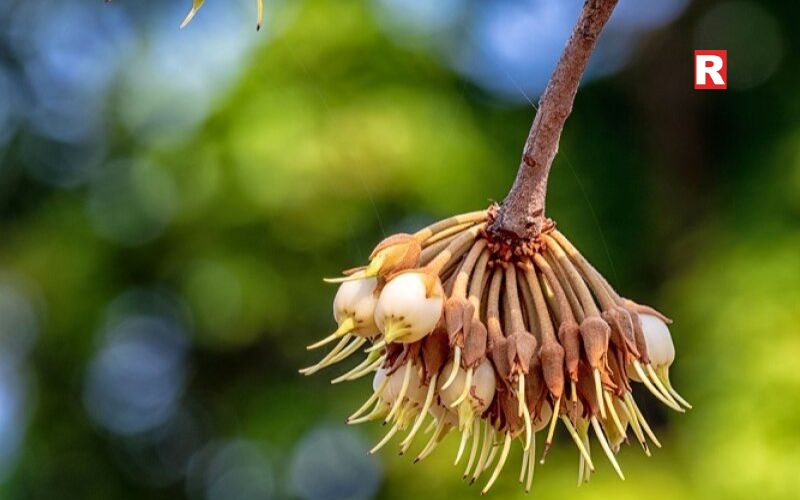
Mahua flowers grow in tribal regions of Chhattisgarh and surrounding belts. Traditionally fermented into local spirits, mahua is now gaining attention in urban bars. The flower has natural sweetness and floral depth. It can act as a fermentation substrate or syrup base. Some craft distillers are exploring mahua-based spirits for premium positioning. Mahua represents cultural storytelling. It connects indigenous communities with contemporary bar culture. With proper sourcing and ethical engagement, it becomes both a flavour and a narrative asset.
The Technical Backbone of Modern Indian Mixology
Ingredients alone do not create world-class cocktails. Technique does.
- Clarification using milk washing improves texture and stability.
- Fat washing adds aroma without visible residue.
- Controlled fermentation builds complexity.
- Sugar concentration is measured using refractometers to maintain Brix levels.
- pH strips or digital meters help maintain acid balance.
These processes require discipline. Standard operating procedures are essential. Batch consistency matters. Hygiene controls fermentation safety. Documentation ensures repeatability. This technical competency separates serious cocktail programs from casual experimentation.
Also check: Top 5 States With the Spiciest Food in India
7 Desi Alternatives to Oatmeal for Weight Loss
Top Gourmet Desserts with Indian Ingredients Are Going Global
The Bigger Picture
Modern Indian mixology is not about adding spice for drama. It is about understanding chemistry and culture together. It is about using gondhoraj lebu for aroma control. It is about managing kokum acidity through Brix measurement. It is about extracting timut pepper oils with precision. It is about respecting mahua’s heritage while refining its application. India’s regional pantry is vast. When handled with technical skill and thoughtful sourcing, it becomes one of the most powerful toolkits in global cocktail innovation. For the urban drinker, this means more than a trendy menu. It means drinking something rooted in Indian soil yet crafted with international standards. That is the future of modern mixology in India.

India’s drinking culture is changing. Socialising no longer means you must consume alcohol. Young professionals, fitness enthusiasts, and mindful consumers are choosing smarter options. Zero-alcohol beverages are becoming mainstream across restaurants, house parties, corporate events, and even weddings. The idea is simple. Enjoy the taste. Skip the intoxication. Wake up fresh the next day.
Across metro cities and now even Tier-2 markets, zero alcohol brands in India are gaining shelf space. Bars are adding alcohol-free menus. Premium retailers are stocking non-alcoholic beers and botanical mixers. The demand is driven by wellness trends, gym culture, and a growing interest in moderation. If you are someone who enjoys flavour but wants control, this guide will help you discover the top zero alcohol brands in India that are shaping this new category.
What Does Zero Alcohol Really Mean?
Before we look at the brands, it is important to understand the technical difference. Zero alcohol beverages usually fall into three categories:
- Zero Alcohol: The drink never contained alcohol during production.
- Alcohol-Free: May contain very small traces, usually less than 0.5% ABV.
- Dealcoholized: Originally brewed or fermented, then alcohol is removed through controlled processes.
Think of it like decaf coffee. The flavour remains. The stimulating component is reduced or removed. In India, most zero alcohol beverages are either non-fermented malt drinks or botanical blends that replicate cocktail profiles without ethanol. This technical clarity matters because it affects taste, mouthfeel, and target audience suitability.
Why Zero Alcohol Is Growing in India
The Indian consumer is becoming label-aware. Calorie counts matter. Sugar content matters. Sleep quality matters. Corporate professionals want social inclusion without reduced productivity. Fitness-focused individuals want to avoid empty calories from alcohol. Drivers want premium alternatives. Many people simply want to drink less without feeling left out. Zero alcohol drinks provide:
- Controlled calorie intake
- No hangovers
- No impaired judgement
- Better hydration balance
- Inclusive social experiences
The category is also becoming more sophisticated. It is no longer limited to sugary soft drinks. Brands are investing in flavour science, carbonation control, botanical extraction, and packaging design. Let us look at the top zero alcohol brands in India that are building credibility in this space.
1. Sober – Crafted for the Mindful Drinker
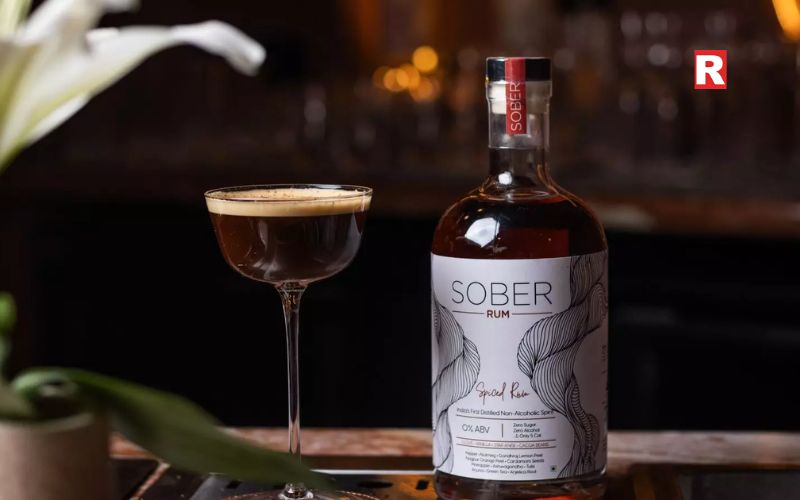
Sober positions itself as a premium alcohol alternative for urban India. The brand focuses on complex flavour profiles that mimic classic cocktails. What makes Sober interesting is its approach to botanical infusion. Instead of simple fruit syrups, the brand uses layered ingredients to create depth. You will find hints of herbs, spices, and citrus in balanced proportions. Sober beverages are carefully carbonated to replicate the mouthfeel of a mixed drink. Carbonation pressure is calibrated to maintain sharpness without excessive fizz. This enhances perceived dryness and structure.
Best suited for: House parties, corporate gatherings, and fine-dining pairings.
Read more: Top Newly Launched Beer Brands to Replace Your Regular Brew
Top Flavoured Rum Brands in India to Try This Growing Winter
2. Svami – Premium Mixers with Zero Alcohol Focus
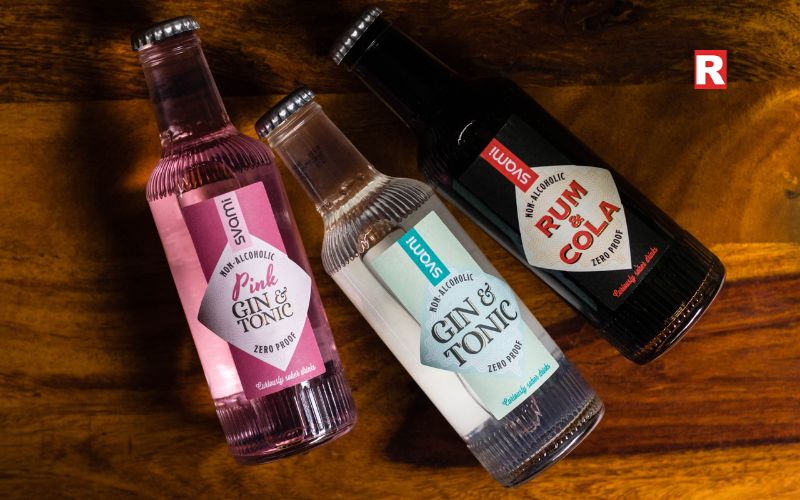
Svami is widely known for its premium tonic waters and cocktail mixers in India. While not positioned strictly as a zero alcohol beer brand, Svami plays a key role in the alcohol-free social scene. Its tonic waters, ginger ale, and flavoured sodas are designed with controlled sugar levels and natural extracts. This makes them ideal for mocktails and alcohol-free cocktails. The technical strength of Svami lies in ingredient sourcing and flavour stability. The brand uses natural quinine and botanical extracts in its tonic variants. Carbonation levels are optimised to preserve aroma release when poured.
Best suited for: Mocktail bars, home mixology, and restaurant beverage programs.
3. Corona Cero—Crisp Taste Without Alcohol
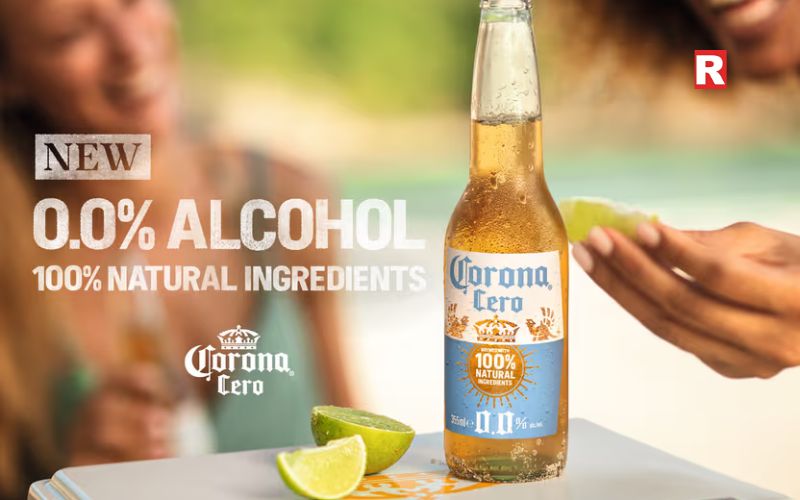
Corona Cero brings the familiar light beer experience to consumers who prefer zero alcohol. Positioned as an extension of the globally recognised Corona portfolio, it offers the same clean, refreshing profile without the ethanol content. Corona Cero is brewed using traditional beer ingredients such as malted barley and hops. The alcohol is gently removed through controlled dealcoholization techniques that help retain aroma compounds and flavour integrity. This ensures the beer maintains its characteristic mild bitterness and smooth finish. Carbonation levels are carefully calibrated to replicate the mouthfeel of a classic lager, giving it authenticity. Nutritionally, it offers lower calories compared to regular beer, making it suitable for mindful consumers. The crisp flavour pairs well with light snacks, grills, and casual gatherings.
Best suited for: Beach outings, evening socials, and sporting events.
4. Sakurafresh – International Non-Alcoholic Beer Experience
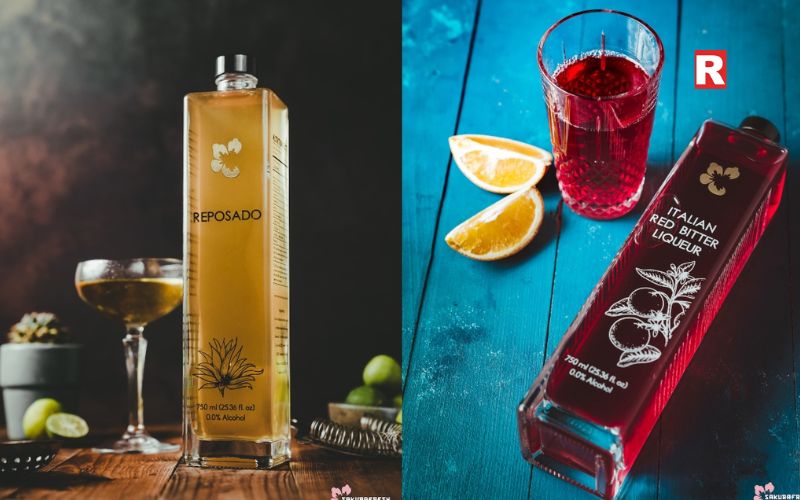
Sakurafresh brings a non-alcoholic beer-style experience to Indian consumers. The brand is positioned around crisp malt flavours without intoxication. Non-alcoholic beer production typically involves controlled fermentation followed by alcohol removal. Some brands use vacuum distillation or reverse osmosis to extract ethanol while preserving aroma compounds. Sakurafresh focuses on maintaining malt character and light bitterness. This gives the drink authenticity. The carbonation level mirrors that of a traditional lager, offering familiarity to beer drinkers.
Best suited for: Cricket screenings, casual evenings, and bar-like environments.
Know more: Top Sugar‑Free Vodka Brands in India You Should Try
5. Coolberg – India’s Popular Zero Alcohol Beer Brand
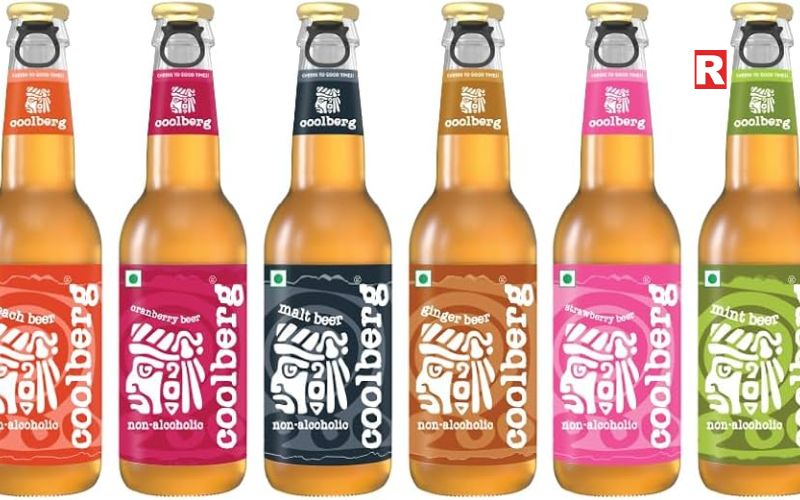
Coolberg is one of the most recognised zero alcohol beer brands in India. It has built strong recall across retail stores and online platforms. Coolberg offers multiple flavours including malt, peach, strawberry, and mint variants. The brand targets a younger demographic looking for fun, fruity profiles. Technically, Coolberg beverages are brewed using malt extracts but without fermentation that produces alcohol. This keeps ABV at zero while retaining a beer-like base note. The brand focuses heavily on carbonation consistency and flavour uniformity across batches. This ensures predictable taste, which is critical for mass-market acceptance.
Best suited for: College gatherings, casual parties, and informal celebrations.
How to Choose the Right Zero Alcohol Brand
The best zero alcohol drink depends on your purpose.
- If you want cocktail-style sophistication, Sober works well.
- If you enjoy mixing drinks at home, Svami gives flexibility.
- If you prioritise wellness and hydration, Jade Forest fits naturally.
- If you miss beer flavour, Sakurafresh and Coolberg are strong options.
Also check:
- Sugar content per serving
- Ingredient transparency
- Carbonation intensity
- Packaging and storage guidelines
Reading labels helps you align your choice with your health goals.
The Future of Zero Alcohol Brands in India
The zero alcohol segment in India is still evolving. However, growth indicators are clear. Restaurants are curating alcohol-free tasting menus. Corporate events increasingly include premium non-alcoholic options. Urban consumers are comfortable paying for high-quality zero-proof drinks.
Innovation will likely focus on:
- Botanical distillation techniques
- Functional ingredients like adaptogens
- Low-calorie formulations
- Premium glass packaging
As awareness grows, zero alcohol beverages will move from being alternatives to being first choices.
Also check: Restaurant India News: AB InBev India Launches Corona Cero in India
Raising a Glass: How Bars Influence Whisky Brand Growth in India
Why You Should Avoid These Alcohol Brands While Dieting: Hidden Calories
Final Thoughts
Zero-alcohol brands in India have moved beyond being simple substitutes. They now stand as independent lifestyle choices. These beverages focus on flavour clarity, balanced carbonation, and controlled sugar levels. Many use botanical extracts, malt bases, or natural infusions to create depth without ethanol. Production methods are designed to preserve aroma and mouthfeel while keeping ABV at zero. This technical precision adds credibility to the category. Urban professionals, fitness enthusiasts, and mindful drinkers are driving demand. They want social inclusion without the health trade-offs. They look for clean labels, measured calories, and consistent taste. Zero-alcohol options meet these expectations. They work well at office events, house parties, and weekend brunches. The appeal lies in choice and control. Socialising no longer depends on intoxication. It depends on quality beverages and shared experiences. India’s evolving market now offers alcohol-free drinks that deliver taste, structure, and sophistication without compromise.
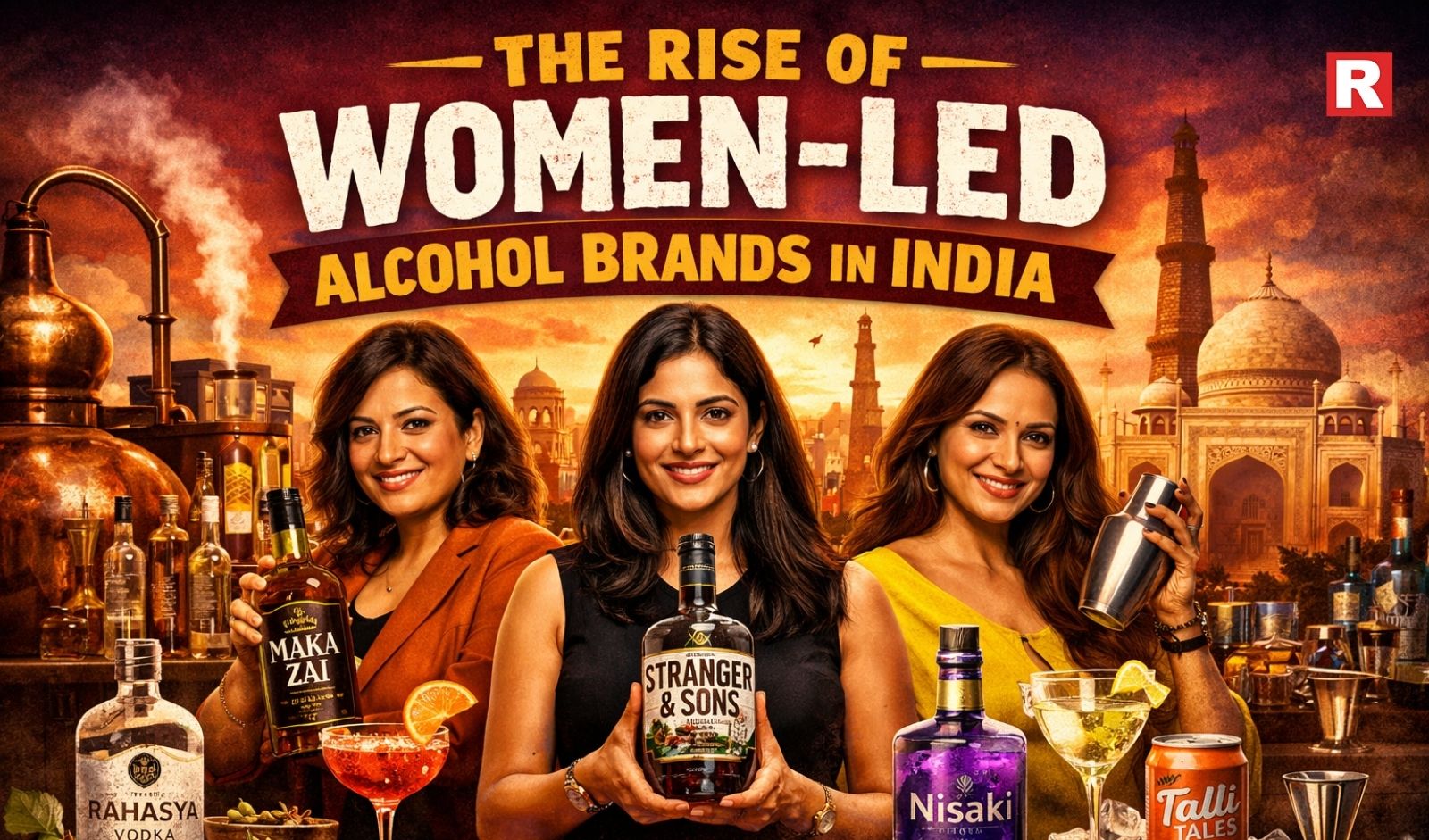
India’s alcohol industry is changing. For decades, it was seen as a male-dominated space. Most founders, distributors, and decision-makers were men. Marketing was also largely targeted at men. That story is now shifting. A new wave of women founders, co-founders, master blenders, and brand leaders is shaping the future of alcohol brands in India.
This is not a symbolic change. It is a structural shift. Women are building premium spirits brands. They are entering manufacturing, branding, and distribution. They are understanding evolving consumer behaviour. And they are creating products that compete globally. The rise of women-led alcohol brands in India reflects a larger transformation in urban lifestyles, consumer confidence, and entrepreneurial ambition.
India’s Alcohol Market Is Ready for Change
India is one of the fastest-growing alcohol markets in the world. Premiumisation is driving growth. Consumers are trading up from mass brands to craft spirits, boutique labels, and experiential drinking formats.
Urban millennials and Gen Z consumers are experimenting more. They are open to gin, craft rum, flavoured vodka, and ready-to-drink cocktails. Social spaces have become more inclusive. Women are not just occasional consumers. They are regular participants in nightlife, fine dining, and home entertaining. This consumer evolution has opened space for new founders. Women entrepreneurs are entering the industry not as niche players but as serious business builders.
Read more: Top 5 Strong Beer Brands in India: Bold Brews for the Bold Drinker
Top 10 Vegan Street Foods in India Every Indian Loves
From Corporate Careers to Craft Spirits
One of the most powerful examples is Stilldistilling Spirits, the company behind the premium rum brand Maka Zai. Founded by Kasturi Banerjee, a former investment banker, the brand combines Indian storytelling with technical precision in rum production.
The shift from banking to distilling is not random. It reflects strategic thinking. Many women founders entering alcohol today bring corporate, finance, or consulting backgrounds. They understand supply chains. They understand pricing strategy. They understand regulatory complexity in India’s state-wise alcohol policies. This technical competency is critical. India’s alcohol industry is heavily regulated. Excise structures differ from state to state. Distribution is fragmented. Margins depend on strong backend planning. Women founders entering this space are not just brand faces. They are navigating compliance, sourcing, production planning, and investor conversations.
Craft Gin and Global Recognition
Another major success story is Stranger & Sons, co-founded by Sakshi Saigal. The brand has positioned Indian craft gin on the global map. Craft gin requires botanical precision. Each ingredient must be measured. Distillation must maintain flavour consistency. International competitions evaluate aroma, balance, and finish. This is not a soft business. It is chemistry, engineering, and sensory science.
Women-led participation in such technically demanding categories shows how the narrative has matured. The focus is on product excellence. The brand story supports the liquid, but the liquid must stand on its own.
Reimagining Vodka and Local Flavours
Innovation is not limited to gin and rum. Brands such as Rahasya Vodka, founded by Varna Bhat, are experimenting with Indian spice-forward flavour profiles. Instead of copying international vodka templates, these brands are building flavour identities rooted in local taste preferences.
This approach reflects deeper consumer insight. Indian palates are comfortable with spice complexity. Women founders are recognising this and building differentiated SKUs. Product development in this space requires controlled infusion techniques, filtration methods, and stability testing. It also requires understanding how flavours perform in cocktails.
Experience-Led Spirits and Visual Innovation
Another interesting case is Nisaki Gin, launched by Nidhi Kedia. The brand introduced a colour-changing gin that responds to tonic water. At first glance, this may seem like pure marketing. But colour-changing spirits require careful pH-sensitive botanical selection. Stability during storage is critical. The liquid must remain consistent across batches.
This is where technical capability meets consumer psychology. Today’s consumers, especially in urban India, are drawn to experience. Social media visibility matters. A drink that changes colour at the table creates engagement. Women founders are tapping into this experiential economy without compromising on quality.
Know more: 12 Affordable Spirits That Taste Like They Cost a Fortune
Ready-to-Drink Is Not a Side Category
The ready-to-drink segment is expanding rapidly in India. Younger consumers want convenience. They want measured alcohol content. They want approachable flavours. Brands like Talli Tales are addressing this gap. The RTD model requires a different operational setup compared to traditional spirits. It involves carbonation control, shelf-life testing, canning technology, and retail-friendly pricing.
This category also demands strong market education. Many consumers are still learning how RTDs differ from beer or traditional cocktails. Women-led brands in this space are focusing on clarity, transparency, and flavour balance.
Breaking Stereotypes in Branding
One important shift in women-led alcohol brands in India is the absence of “pink marketing.” These brands are not positioning themselves as “drinks for women.” They are positioning themselves as good drinks.
This matters. Modern Indian consumers reject gender stereotypes in product positioning. Women founders are designing brands that are inclusive. Packaging is premium. Communication is bold but not caricatured. The tone is confident. The uniqueness lies in authenticity. These brands are not reacting to trends. They are building long-term equity.
Operational Strength Behind the Scenes
Running an alcohol brand in India is complex. Founders must manage:
- State excise registrations
- Label approvals
- Distributor negotiations
- Retail placements
- Cash flow cycles
- Working capital tied to inventory
Women entrepreneurs entering this sector are building structured teams. Many rely on data-driven forecasting. They are careful with SKU expansion. They invest in brand education through tastings and curated events. This operational discipline separates serious brands from short-lived labels.
Target Audience: Who Is Driving Growth?
The primary audience for women-led alcohol brands in India includes:
- Urban professionals aged 25 to 40
- Premium bar-goers and fine dining consumers
- Cocktail enthusiasts
- Young entrepreneurs and startup communities
- Women consumers seeking representation and quality
These consumers value authenticity. They read labels. They care about sourcing. They are open to paying more for craft quality. Secondary audiences include investors and hospitality professionals. Investors are looking for differentiated brands with strong origin stories and operational clarity. Bars and restaurants are seeking Indian craft labels that can stand next to international imports.
Also check: How Bourbon Whiskey Is Made & The Top 5 Bourbon Whisky Brands in India
How to Pair Beer with Indian Food: A Desi Guide to Perfect Pints
Why This Movement Has Long-Term Value
This rise is not a short-term media narrative. It reflects three deeper trends:
First, women’s financial independence in urban India is growing. More women are entering entrepreneurship.
Second, alcohol consumption patterns are diversifying. Gin, rum, and RTDs are growing categories.
Third, branding has become as important as distribution. Women founders often bring sharp storytelling skills combined with structured business thinking.
Gender diversity in leadership is also commercially smart. Different leadership perspectives improve product innovation and consumer engagement.
The Road Ahead
The future of women-led alcohol brands in India will depend on scale. Craft success is one step. Expanding across multiple states is another challenge. Export opportunities may become a growth lever. What is clear is this: women are no longer peripheral to India’s alcohol industry. They are founders, decision-makers, and innovators. They are building technically sound, premium, and globally competitive brands. For anyone tracking India’s beverage sector, this is one of the most important structural shifts of the decade. The industry is becoming more inclusive. But more importantly, it is becoming more dynamic, more experimental, and more future-ready. Women-led alcohol brands in India are not a niche story. They are a serious business movement.
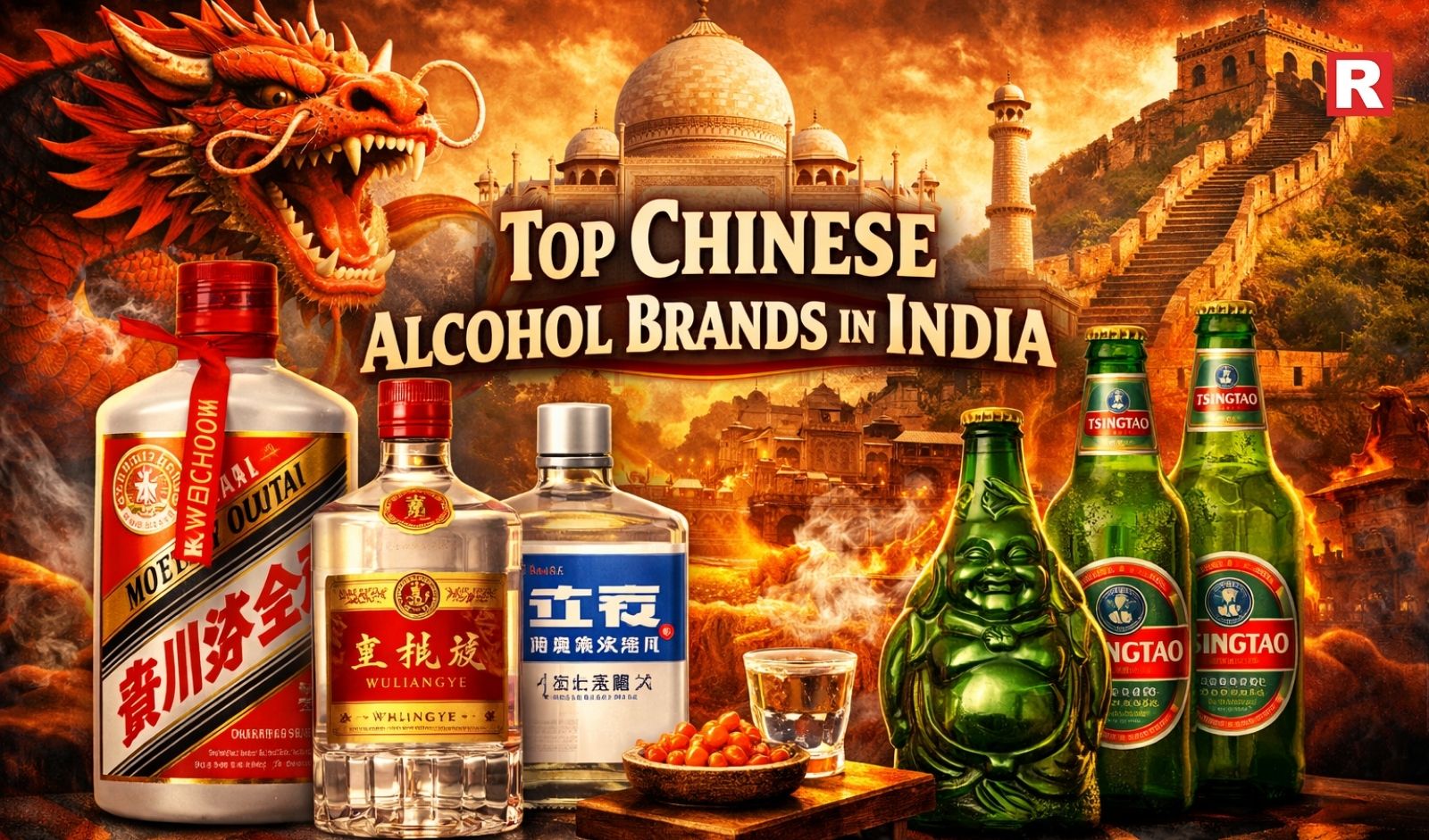
Indian consumers are exploring new global spirits. Premium imports are growing in metro cities. Cocktail culture is expanding in places like Mumbai, Delhi, and Bengaluru. In this evolving space, Chinese alcohol brands in India are slowly building awareness.
China is home to baijiu, the world’s largest-selling spirit by volume. Yet many Indian drinkers are still unfamiliar with it. This creates curiosity and opportunity. From luxury baijiu to globally popular beer, Chinese alcohol offers strong heritage, complex production techniques, and bold flavours.
Why Chinese Alcohol Brands Are Entering the Indian Market
India’s premium alcohol segment has grown steadily over the past decade. Consumers are trading up. They are willing to experiment. They are also travelling more and getting exposed to global drinking cultures.
Chinese alcohol fits into this shift for three reasons:
- It offers something different from whisky, gin, and rum.
- It has deep cultural and ceremonial value.
- It carries strong premium positioning globally.
Baijiu dominates China’s domestic market. It is traditionally consumed during business banquets, festivals, and celebrations. Now, select labels are reaching Indian shelves through importers and duty-free channels. For Indian consumers who enjoy curated tastings and luxury spirits, this category adds depth to their collection.
What Is Baijiu? Understanding the Technical Side
Baijiu is a clear distilled spirit. It is usually made from sorghum, though some brands use multiple grains. The production process is complex.
It involves:
- Solid-state fermentation
- Use of a fermentation starter called “qu”
- Multiple rounds of distillation
- Aging in clay jars or ceramic vessels
Unlike Western spirits, baijiu fermentation happens in mud pits or stone containers. This gives it unique microbial activity and distinct aroma compounds. Baijiu is divided into aroma styles. The most common are:
- Strong aroma
- Sauce aroma
- Light aroma
Each style delivers different flavour notes. Some are intense and savoury. Others are floral and smoother. For Indian drinkers used to whisky, the experience can feel bold at first. But for those who appreciate complexity, baijiu can be rewarding.
Explore Top Chinese Alcohol Brands in India
1. Kweichow Moutai – The Luxury Statement
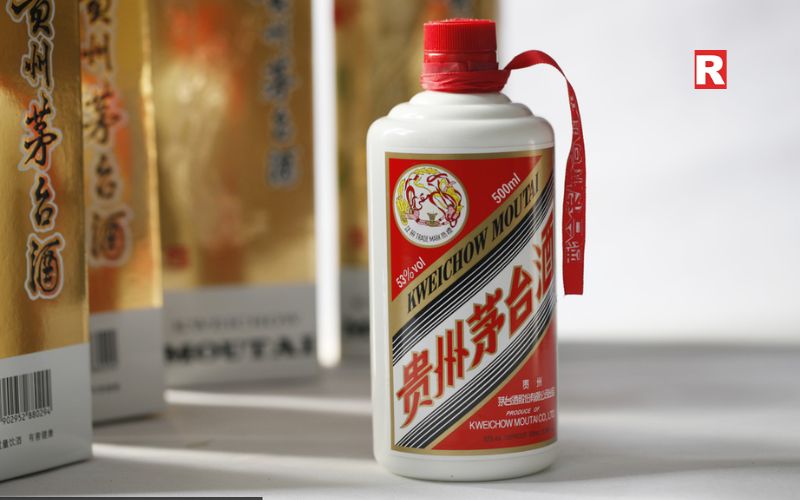
Kweichow Moutai is regarded as one of China’s most prestigious spirits. It belongs to the sauce aroma style of baijiu, known for its deep and complex profile. It is made from red sorghum and wheat using solid-state fermentation. The production cycle lasts up to five years. The spirit is distilled multiple times and aged in traditional containers. The flavour is layered, savoury, slightly sweet, and long on the finish. It carries strong umami notes that appeal to seasoned drinkers. In India, it is positioned as a luxury import. It is found in select premium outlets and five-star hotels. It attracts collectors, corporate buyers, and connoisseurs who value heritage, rarity, and global prestige.
Read more: Top 5 Strong Beer Brands in India: Bold Brews for the Bold Drinker
Best Japanese Whisky Brands in India: Where Craft Meets Perfection in Every
2. Wuliangye – The Five-Grain Expertise
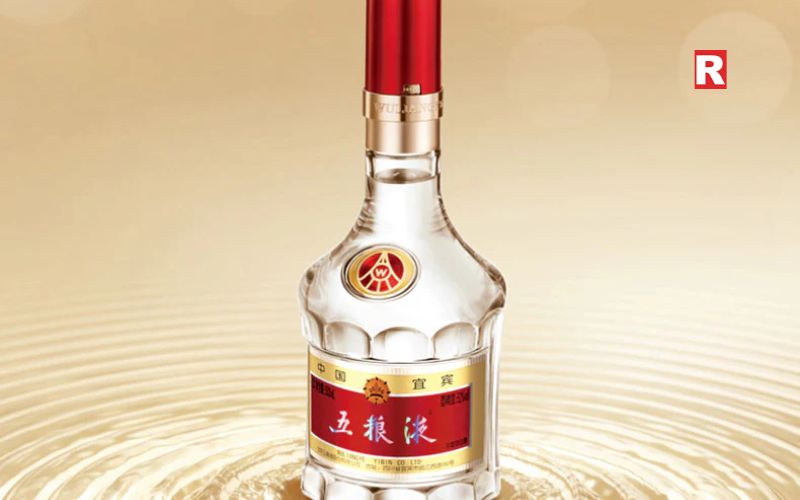
Wuliangye translates to “five-grain liquid,” reflecting its unique blend of sorghum, rice, glutinous rice, wheat, and corn. This multi-grain fermentation creates a complex aromatic profile. It belongs to the strong aroma category of baijiu. The spirit is rich, fragrant, and slightly fruity. It delivers high alcohol strength with balance. The layered grain base gives it depth without overwhelming the palate. Traditional pit fermentation enhances microbial complexity and flavour precision. In India, it appeals to experienced drinkers and premium bar programs. It works well in curated tastings and pairing dinners. It suits consumers who appreciate craftsmanship, structured flavours, and bold spirits beyond mainstream whisky and rum.
3. Jiangxiaobai – The Modern Baijiu
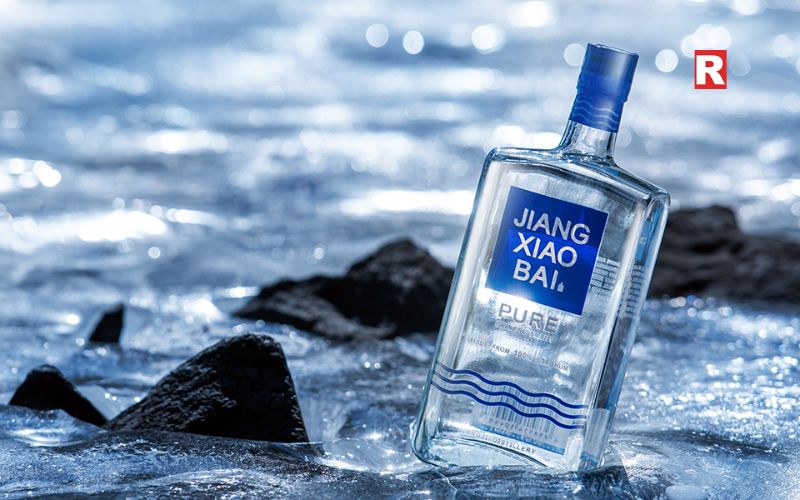
Jiangxiaobai represents a modern take on baijiu. It focuses on lighter aroma styles and smoother textures. The production uses refined grain fermentation to reduce harsh notes. The result is cleaner and more approachable. The flavour is subtle, mildly sweet, and easy to sip. It is often positioned for cocktails and casual gatherings. The brand markets itself to younger consumers who prefer social drinking over formal rituals. In India, it attracts urban professionals in their late twenties and thirties. It mixes well with citrus, soda, and tonic. Its lighter structure lowers the entry barrier for first-time baijiu drinkers. It adds innovation and versatility to premium cocktail menus.
4. Tsingtao Brewery – The Global Beer Icon
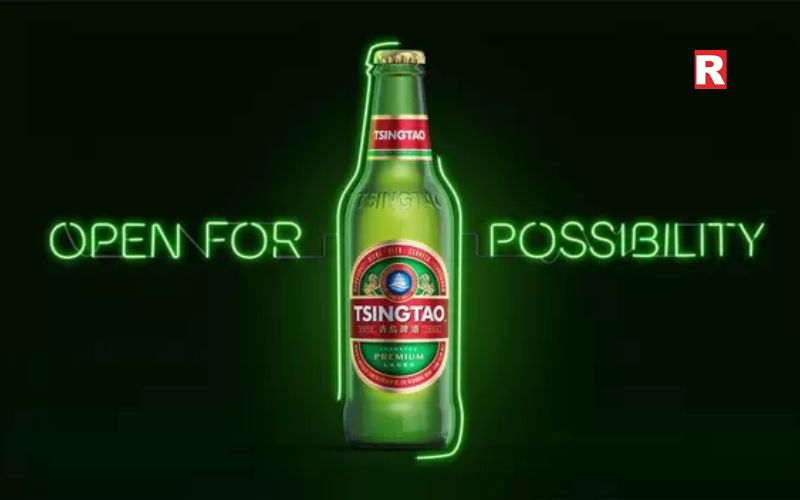
Tsingtao Brewery is China’s most internationally recognised beer producer. It is known for its pale lager with a clean and crisp finish. The brewing process reflects European techniques blended with local ingredients. It uses quality barley, hops, and controlled fermentation for consistency. The flavour is light, balanced, and refreshing. It carries mild malt sweetness with gentle bitterness. In India, it serves as an easy entry into Chinese alcohol culture. It pairs well with Indo-Chinese food, sushi, and spicy appetisers. It appeals to casual drinkers and beer enthusiasts exploring imports. Its global reputation adds credibility and comfort for first-time buyers.
Know more: Top 20 Trendy Whiskeys You Must Try Once
5. Lucky Drink Co. – The Distinctive Bottle Appeal
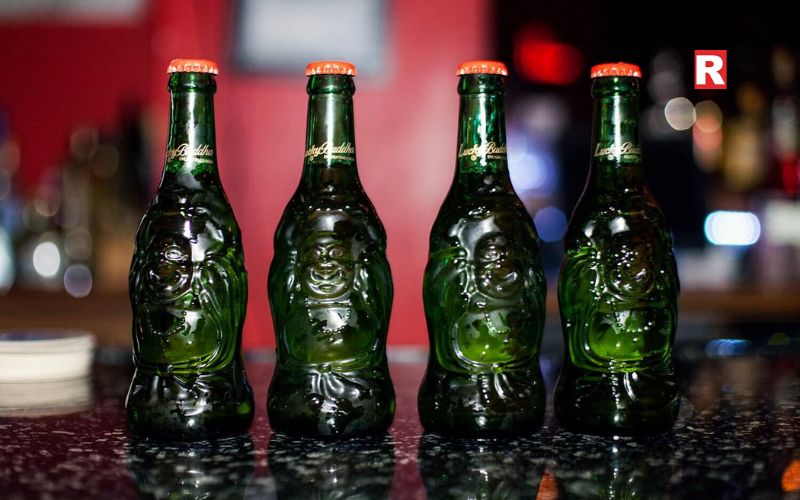
Lucky Buddha Beer, produced by Lucky Drink Co., stands out for its iconic green Buddha-shaped bottle. The packaging creates strong shelf presence and brand recall. The beer itself is a light lager with smooth carbonation. It offers mild malt flavour and a clean finish. The brewing style focuses on easy drinkability rather than intensity. The alcohol level is moderate, making it suitable for relaxed settings. In India, it attracts younger consumers and lounge audiences. Restaurants serving pan-Asian cuisine often feature it for visual appeal. The brand combines novelty with accessibility. It offers a conversation starter while remaining simple and refreshing on the palate.
How Chinese Alcohol Fits Indian Preferences
Indian alcohol consumption is shifting in three ways:
- Premiumisation: Consumers are moving from mass brands to premium and imported labels.
- Cocktail culture: Urban bars are experimenting with new ingredients and spirits.
- Experience-driven drinking: People want stories behind their bottles.
Chinese alcohol checks these boxes. Baijiu offers heritage and complexity. Chinese beer offers global familiarity with Asian authenticity. For example, baijiu can be paired with rich Indian dishes like roast meats or spicy appetisers. The high alcohol content cuts through strong flavours. Beer options complement fusion cuisine.
Availability and Buying Considerations in India
Chinese alcohol brands are still niche in India. They are mostly available in:
- Duty-free stores
- Luxury hotels
- Premium retail chains
- Select online alcohol platforms in permitted states
Pricing can be high due to import duties. Consumers should check state regulations before purchase. For first-time buyers, starting with beer or lighter baijiu is advisable. Experienced drinkers may explore stronger aroma styles.
Also check: Top Scotch Whisky Brands in India: The Ultimate Guide for Whisky Lovers
Top Rye Whiskey Brands in India: Bold Flavours, Real Taste, and Why They Are
Top Japanese Beer Brands in India: Crisp, Smooth, and Full of Character
The Future
The Indian market is open to global experimentation. Japanese whisky and Korean soju have already built steady awareness among urban consumers. Chinese alcohol could follow a similar growth curve. At present, Chinese alcohol brands in India remain niche. However, they sit in a premium and technically rich segment. Baijiu, for instance, involves solid-state fermentation, grain blending, and complex aging methods that differ from Western spirits. This technical depth adds credibility and intrigue. For experienced drinkers, it offers structure and bold flavour profiles. For younger urban professionals, it presents something new to explore. The category also carries strong cultural value rooted in centuries-old traditions. Premium bars and luxury retailers see potential in curated tastings and food pairings. For Indian consumers who seek global flavours and refined drinking experiences, Chinese alcohol represents both craftsmanship and cultural storytelling in a single glass.
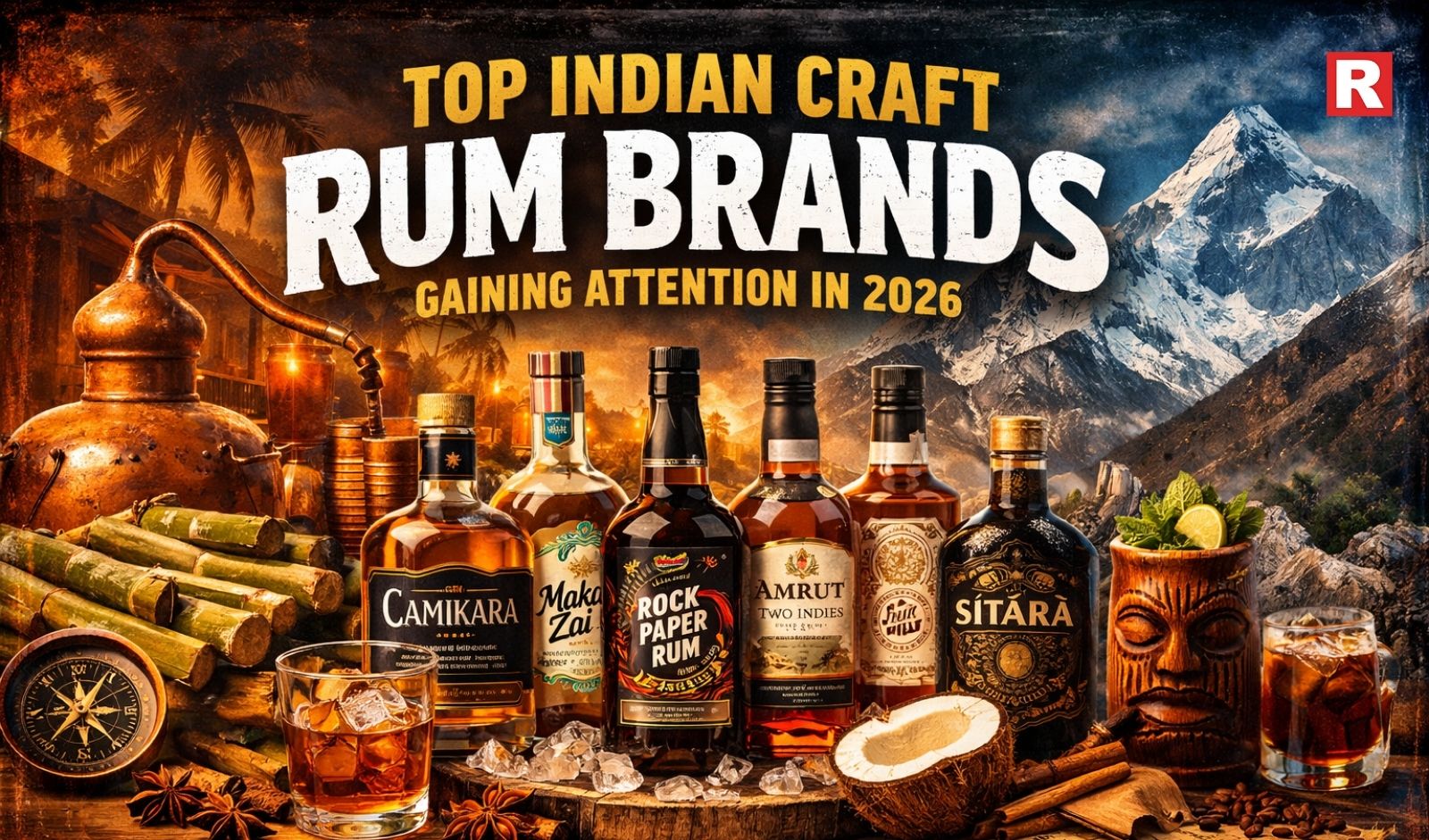
India’s rum story is changing fast. For years, rum was seen as a winter drink. It was mixed with cola or enjoyed for nostalgia. Today, that image is evolving. A new wave of Indian craft rum brands is building serious buzz in 2026. These brands focus on quality, terroir, aging, and storytelling. They are designed for sipping, serious cocktails, and global competition.
Urban consumers are driving this shift. Millennials and Gen Z drinkers want depth of flavour. They want to know where the sugarcane was grown. They care about barrel aging and distillation methods. Bars in Mumbai, Delhi, Bengaluru, and Goa are now curating premium rum menus. Mixologists are experimenting with agricole styles, botanical infusions, and coffee-finished variants. This is India’s craft rum moment.
Why Indian Craft Rum Is Rising in 2026
India has always been one of the largest rum-consuming markets in the world. Traditionally, mass-market molasses-based rums dominated the shelves. Now, premiumisation is changing the game. Consumers are drinking less but drinking better. They are exploring small-batch labels. They are willing to pay more for authenticity and taste complexity. Cocktail culture has expanded. Speakeasies and luxury bars now highlight rum flights and aged expressions.
Another key factor is production innovation. Craft rum makers are using fresh cane juice, jaggery, double distillation, and oak barrel maturation. Some are experimenting with Himalayan terroir. Others are building distinct Goan identities. This shift is not accidental. It reflects a deeper technical competency in Indian distilling.
Explore Top Indian Craft Rum Brands
1. Camikara Rum
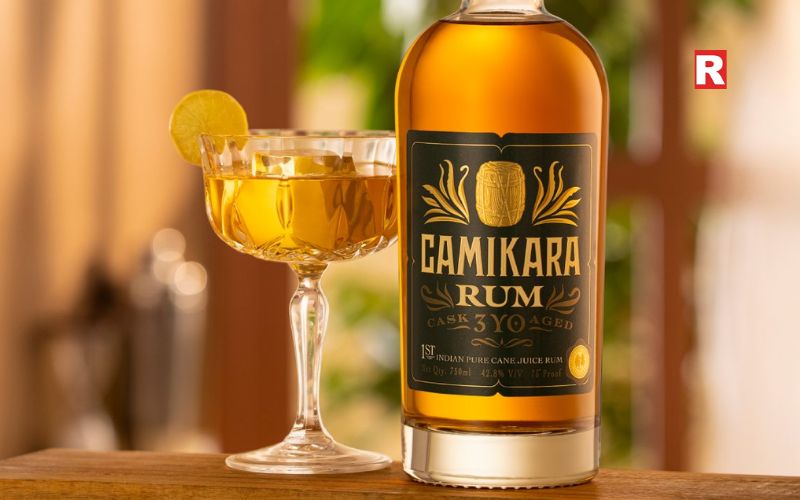
Camikara Rum has become a benchmark for premium Indian rum. It stands out because it is made from pure sugarcane juice rather than molasses. That immediately places it closer to the agricole tradition seen in the French Caribbean. The rum is aged in oak barrels. This aging adds structure, spice, and depth. Expect notes of dried fruits, caramel, light oak, and a clean finish. The texture is smooth but layered. Cane juice fermentation requires tighter control. It is more delicate than molasses fermentation. That makes the process more demanding but also more expressive. The result is a rum that appeals to serious spirit enthusiasts. This is a strong option for collectors and premium bar programs. It works best neat or with a single large ice cube.
Read more: Top Flavoured Rum Brands in India to Try This Growing Winter
12 Affordable Spirits That Taste Like They Cost a Fortune
2. Maka Zai
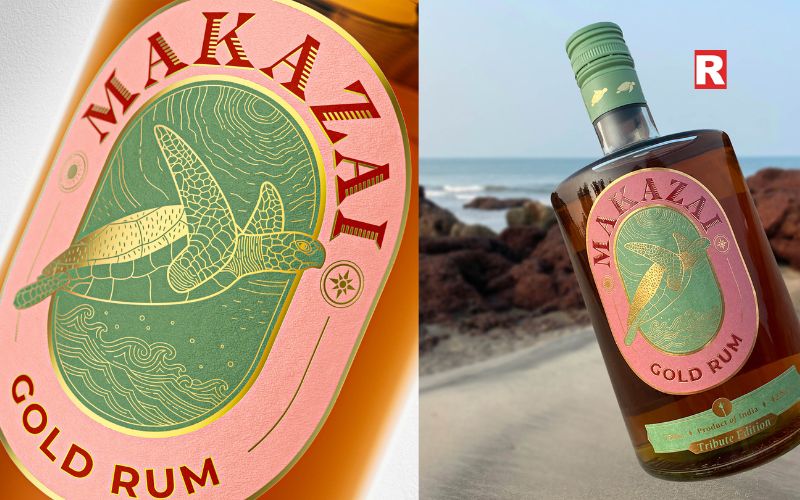
Maka Zai is often seen as one of the pioneers of India’s craft rum movement. Based in Goa, the brand blends heritage with contemporary appeal. It uses locally sourced sugarcane and positions itself as approachable yet premium. The flavour profile is lighter compared to heavy traditional rums. You get tropical notes, citrus hints, and subtle spice. This makes it cocktail-friendly. It works well in a Daiquiri or Rum Sour. At the same time, it does not lose its identity when sipped slowly. The brand’s strength lies in balancing authenticity and accessibility. It attracts young urban drinkers who are upgrading from mainstream labels but are not yet deep into ultra-premium sipping rums.
3. Rock Paper Rum
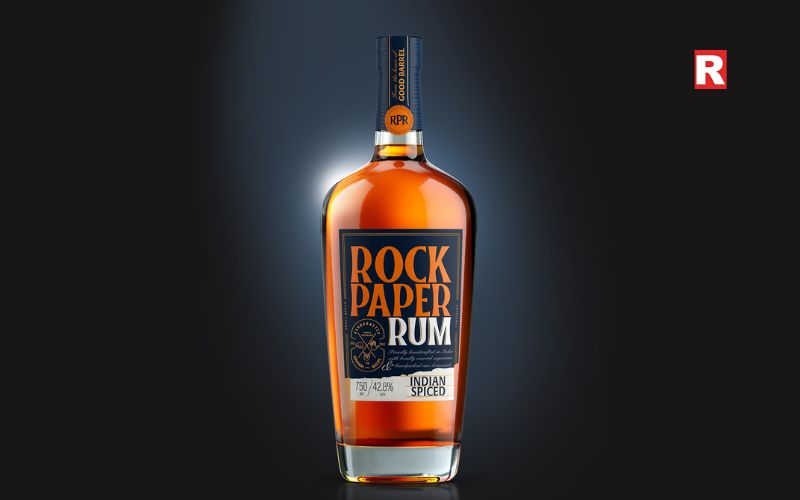
Rock Paper Rum brings a creative twist to the category. It focuses on bold flavours such as roast coffee and tropical coconut. Flavoured rum is often dismissed as simple. However, when executed with quality base spirit and balanced infusion, it can add depth to cocktails. Coffee variants pair well with espresso martinis and dessert drinks. Coconut expressions are strong in tropical cocktails. This brand targets experimental drinkers. It is ideal for house parties, mixology menus, and modern bars that want something playful yet crafted. The uniqueness here lies in flavour-forward innovation. It expands rum beyond the traditional dark profile.
4. Amrut’s Bella and Two Indies Rum
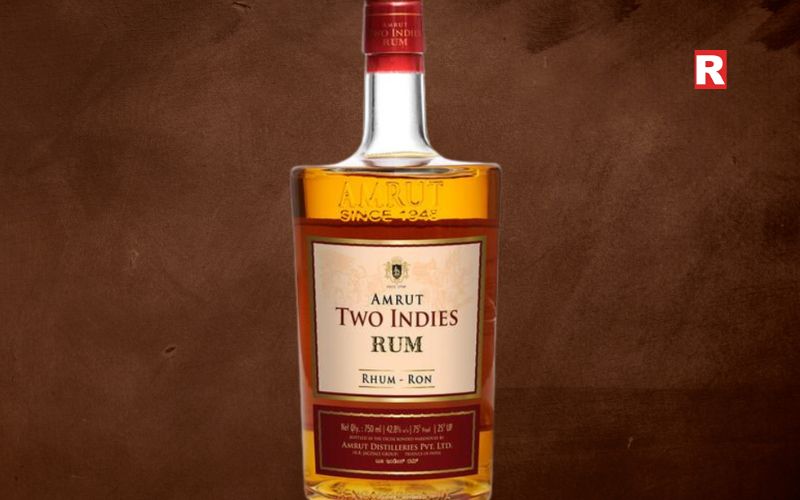
Amrut Distilleries is globally known for whisky. Its rum expressions deserve equal attention. Bella Rum is distilled from jaggery instead of molasses or cane juice. That gives it a distinct Indian identity. Jaggery fermentation creates earthy sweetness and deeper molasses-like tones. The palate is rich and rounded. There is warmth, spice, and lingering sweetness. Two Indies Rum blends Indian and Caribbean rums. This cross-regional blending technique adds complexity and global character. For consumers who appreciate craftsmanship and legacy distillation, these rums deliver credibility and depth. They also showcase India’s ability to compete on the world stage.
Know more: 10 Fastest-Growing Alcohol Brands in India’s HoReCa Sector
5. SĪTĀRĀ Botanical Spiced Rum
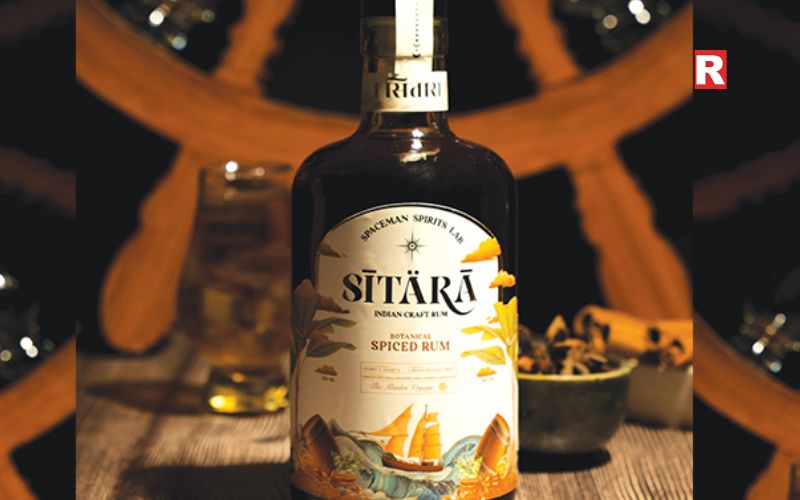
SĪTĀRĀ Botanical Spiced Rum reflects the growing interest in botanical spirits. It integrates spices such as cinnamon and hibiscus into the rum base. Spiced rum requires careful infusion timing. Over-extraction can overpower the base spirit. Controlled botanical integration ensures balance. In this case, the spices enhance rather than dominate. The result is aromatic and slightly floral. It works well in elevated highballs and spiced Old Fashioned variations. This rum appeals to cocktail enthusiasts and drinkers who enjoy gin-style complexity but prefer a rum base.
6. Segredo Aldeia
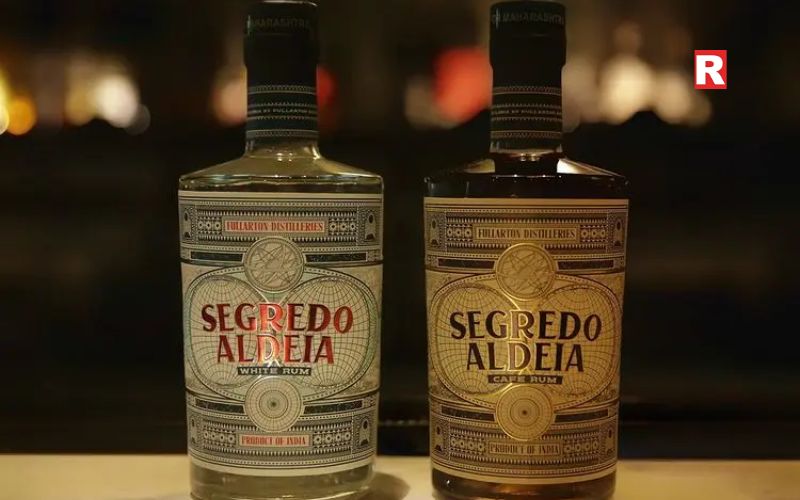
Segredo Aldeia comes from Goa and offers both white and café-style expressions. The café rum includes subtle coffee notes without becoming too sweet. White rum from craft distillers often highlights fermentation clarity. It can reveal grassy or fruity undertones. When done well, it enhances classic cocktails like Mojitos and Daiquiris. This brand suits drinkers who want smoothness with character. It fits well in premium casual settings and boutique bars.
7. Neoli Himalayan Agricole Rum
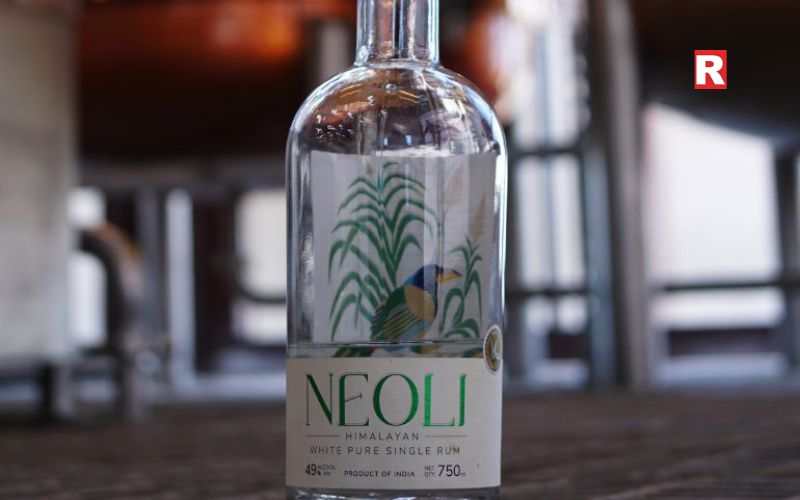
Neoli Himalayan Agricole Rum introduces a terroir-driven narrative. It uses fresh sugarcane juice and is distilled in pot stills. The bottling strength is relatively high at 49 percent ABV. Higher ABV preserves flavour intensity. It delivers grassy freshness, subtle minerality, and structured heat. Agricole-style rum is typically more vegetal and dry compared to molasses-based rum. This is a rum for connoisseurs. It suits serious tasting sessions and curated bar menus. The Himalayan identity adds uniqueness. It moves Indian rum beyond coastal narratives.
Craft Rum vs Legacy Rum
No discussion of Indian rum is complete without acknowledging Old Monk. It remains iconic. Its vanilla-heavy, sweet profile built generations of loyal consumers. However, craft rum differs in scale and intention. Production batches are smaller. Ingredients are often locally sourced and highlighted. Aging strategies are more deliberate. Flavour exploration is wider. Legacy rum focuses on consistency and mass appeal. Craft rum focuses on character and story. Both have their place. But in 2026, the growth is clearly in the premium and artisanal segment.
Also check: Top 5 Strong Beer Brands in India: Bold Brews for the Bold Drinker
Top Premium Whisky Brands in India: Finest Indian Whiskies Worth Trying
Best Japanese Whisky Brands in India: Where Craft Meets Perfection in Every
Final Sip
Indian craft rum brands are no longer side projects or experimental labels. They are building a strong place in the premium spirits market. Distillers are working with fresh cane juice, jaggery, and carefully sourced molasses. Fermentation is tightly controlled. Many use pot still distillation and small-batch production. Barrel aging in oak adds structure, spice, and depth. Some brands experiment with botanicals and higher ABV for complexity. The focus is on flavour clarity and terroir. In 2026, Indian rum is being discussed for quality and technique, not just nostalgia. Urban professionals, cocktail lovers, and serious collectors are paying attention. These consumers want authenticity and layered taste, not just a sweet mixer. For bars and retailers, craft rum offers stronger margins and better storytelling. Each bottle carries a point of difference. The rum section on a menu now signals discovery. Indian distillers are shaping a sharper, more confident identity for the category.
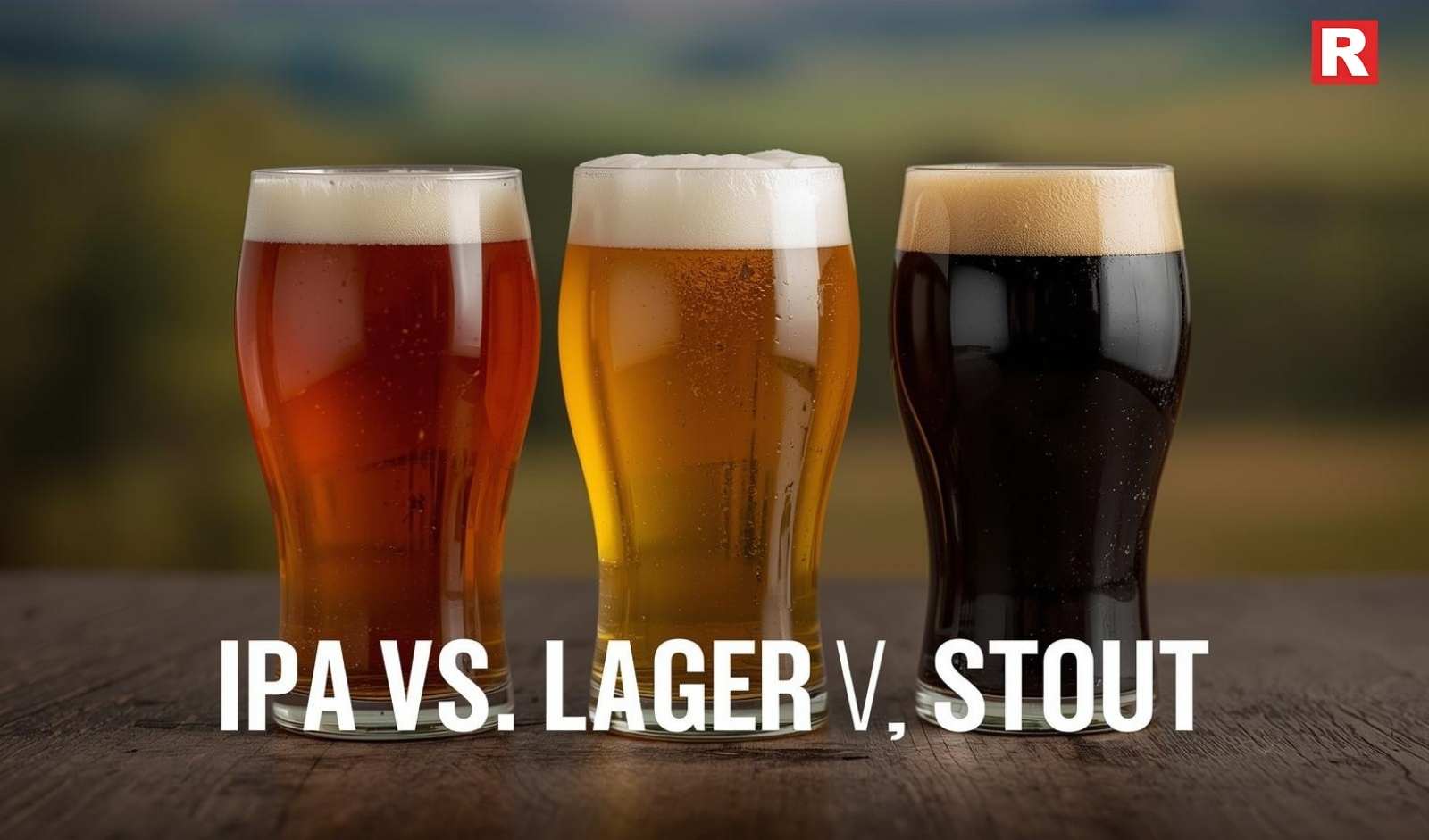
Step into any modern bar in India and three names appear on almost every menu: IPA, Lager, and Stout. For a first-time drinker, the choice can feel overwhelming. Many simply follow a friend’s recommendation. Some play safe with a familiar label. Others assume that higher alcohol means a better experience. That approach often leads to disappointment. Beer is not defined only by strength. It is shaped by yeast, fermentation temperature, malt profile, and hop intensity. Lagers use bottom-fermenting yeast at colder temperatures, which creates a clean and crisp taste. IPAs rely on top-fermenting yeast and higher hop content, leading to stronger aroma and bitterness measured in IBU. Stouts use roasted malts that bring coffee and chocolate notes into the glass. Understanding these basics changes the experience. It helps young urban consumers read menus with clarity. It builds confidence in social settings. Most importantly, it turns beer from a random order into an informed choice based on flavour preference and brewing science.
The Science Behind Beer Styles
All beer is made from four main ingredients: water, malted grains (usually barley), hops, and yeast. The biggest difference between IPA, Lager, and Stout comes from yeast and fermentation style.
There are two main types of yeast used in brewing:
Ales (IPA and most Stouts): Ales use top-fermenting yeast. They ferment at warmer temperatures, usually between 15°C and 24°C. Warm fermentation creates more fruity and complex flavours. That is why IPAs and many stouts feel richer and more expressive.
Lagers: Lagers use bottom-fermenting yeast. They ferment at cooler temperatures, usually between 7°C and 13°C. Cold fermentation produces fewer fruity compounds. The result is a clean, crisp, smooth taste. Lagers also go through a longer conditioning process called “lagering.” This improves clarity and smoothness. Now let us break down each style clearly.
What Is a Lager?
A lager is usually the most beginner-friendly beer style. It is light in colour. It is smooth. It is refreshing. Most lagers have an alcohol content between 4% and 5% ABV (Alcohol by Volume). Because they are not heavy or overly bitter, lagers are easy to drink in warm climates like India. Popular global examples include Heineken and Budweiser. In India, Kingfisher is widely recognized as a classic lager option.
Taste Profile
- Clean and crisp
- Mild bitterness
- Low fruity flavour
- Light body
Why Beginners Like Lagers
If you are new to beer, you may prefer something that does not taste too bitter or intense. Lagers offer that comfort. They are ideal with spicy Indian snacks, fried starters, and grilled dishes. The clean finish balances heat and oil very well. However, some people find lagers too mild once their taste develops.
Read more: What is Lager Beer? Discover the Top 5 Lager Beer Brands in India You Must Try
How to Pair Beer with Indian Food: A Desi Guide to Perfect Pints
What Is an IPA?
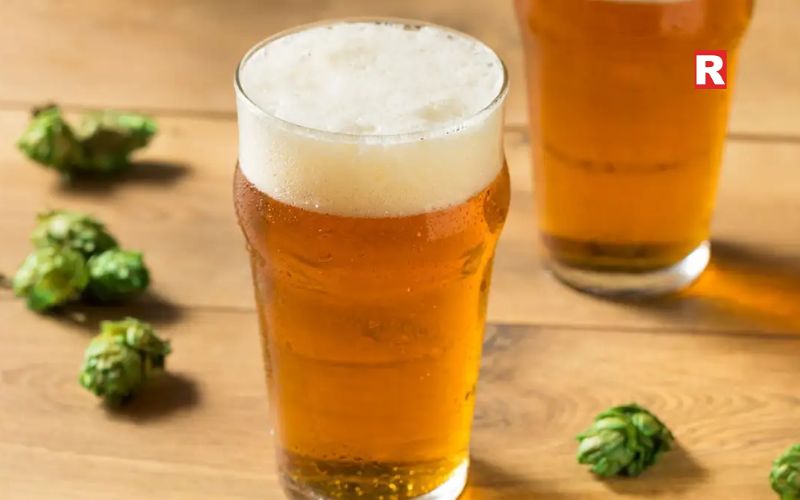
IPA stands for India Pale Ale. The name has historical roots. British brewers increased hops in pale ale to preserve beer during long sea journeys to India. Over time, this became a distinct style. Today, IPA is known for one thing: hops. Hops are flowers that add bitterness and aroma to beer. They can create citrus, pine, tropical fruit, or floral notes. Bitterness is measured in IBU (International Bitterness Units). IPAs usually have higher IBU levels than lagers. Alcohol content is typically between 5.5% and 7.5% ABV, sometimes even higher in Double IPAs. Well-known craft examples include beers from Sierra Nevada Brewing Co.. In India, brands like Bira 91 have introduced IPA styles to urban consumers.
Taste Profile
- Strong hop aroma
- Noticeable bitterness
- Medium body
- Sometimes fruity or juicy
Types of IPA
- West Coast IPA: Clear, dry, bitter
- New England IPA: Hazy, juicy, less sharp bitterness
- Double IPA: Stronger alcohol and hop intensity
Who Should Try IPA?
If you enjoy bold flavours, citrus fruits, or slightly bitter drinks like strong coffee or tonic water, IPA may suit you. IPAs pair well with burgers, barbecue, and spicy Asian food. The bitterness cuts through rich and oily flavours. For many beginners, IPA can feel intense at first. But it often becomes a favourite over time.
What Is a Stout?
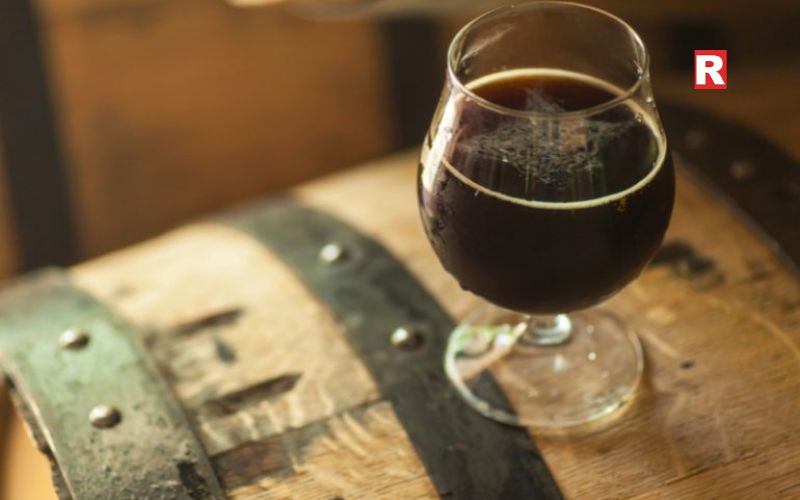
A stout is a dark beer. But dark does not always mean stronger. Stouts are made using roasted barley or heavily roasted malts. This gives them their deep brown or black colour. Alcohol content usually ranges from 4% to 8% ABV. One of the most famous examples worldwide is Guinness. Some stouts use nitrogen instead of carbon dioxide for carbonation. Nitrogen creates smaller bubbles. This gives the beer a smoother, creamier mouthfeel.
Taste Profile
- Roasted flavour
- Notes of coffee and chocolate
- Creamy texture
- Medium to full body
Types of Stout
- Dry Stout: Light body, roasted bitterness
- Milk Stout: Slight sweetness from lactose
- Imperial Stout: Higher alcohol, intense flavour
Who Should Try a Stout?
If you enjoy coffee, dark chocolate, or rich desserts, stout can surprise you in a good way. It pairs beautifully with chocolate desserts, red meats, and even rich Indian curries. Many beginners avoid stouts because of the dark colour. But in reality, some stouts have lower alcohol than IPAs.
Know more: Top 5 Strong Beer Brands in India: Bold Brews for the Bold Drinker
Quick Comparison
For beginners, understanding the core difference between lager, IPA, and stout makes ordering much easier. A lager is clean, crisp, and light. It feels smooth on the palate. It uses bottom-fermenting yeast, scientifically known as Saccharomyces pastorianus. Fermentation happens at colder temperatures, usually between 7°C and 13°C. This process reduces fruity esters and keeps the flavour neutral.
An IPA is bold and hop-forward. It is aromatic and noticeably bitter. It uses top-fermenting yeast, Saccharomyces cerevisiae, at warmer temperatures between 15°C and 24°C. Higher hop content increases IBU, which explains the sharper bitterness. A stout is dark and roasted. It also uses top fermentation. Roasted barley gives it coffee and chocolate notes. The bitterness comes more from roasted malt than hops. For urban consumers exploring craft menus, this clarity builds confidence.
Style | Fermentation | Temp Range | Key Taste | Bitterness Level |
|---|---|---|---|---|
Lager | Bottom | 7–13°C | Clean, crisp | Low |
IPA | Top | 15–24°C | Hoppy, bold | High |
Stout | Top | 15–24°C | Roasted, creamy | Moderate |
How to Choose Your First Beer
Choosing your first beer should be simple.
If you prefer mild and refreshing drinks, start with a lager.
If you enjoy citrus flavours or bold taste, try an IPA.
If you like coffee or chocolate, experiment with a stout.
You can also ask for a tasting flight. This allows you to try small portions of different styles before committing. Pay attention to ABV if you want to control alcohol intake. Check IBU if you want to manage bitterness. Over time, your taste will evolve.
Also check: Top Japanese Beer Brands in India: Crisp, Smooth, and Full of Character
Top Newly Launched Beer Brands to Replace Your Regular Brew
Top British Beer Brands in India You Should Try at Least Once
Make Your Informed Decision
India’s urban bar culture is evolving at a steady pace. Craft beer taprooms are expanding across cities such as Bengaluru, Mumbai, and Delhi. Menus today list multiple beer styles instead of a single “strong” option. This shift reflects a more informed consumer base. Young professionals are beginning to ask about hop levels, fermentation styles, and alcohol percentage before ordering. Understanding the difference between IPA, lager, and stout builds that confidence. It helps consumers match flavour intensity with food and occasion. A hop-forward IPA may suit grilled dishes. A clean lager may pair better with spicy snacks. A roasted stout can complement desserts. Technical awareness, such as knowing ABV or IBU, turns ordering into a thoughtful decision. Beer appreciation is moving beyond alcohol strength. It now includes aroma, mouthfeel, and brewing method. Once the basics are clear, the menu feels less confusing and more inviting. That is when the experience becomes truly enjoyable.
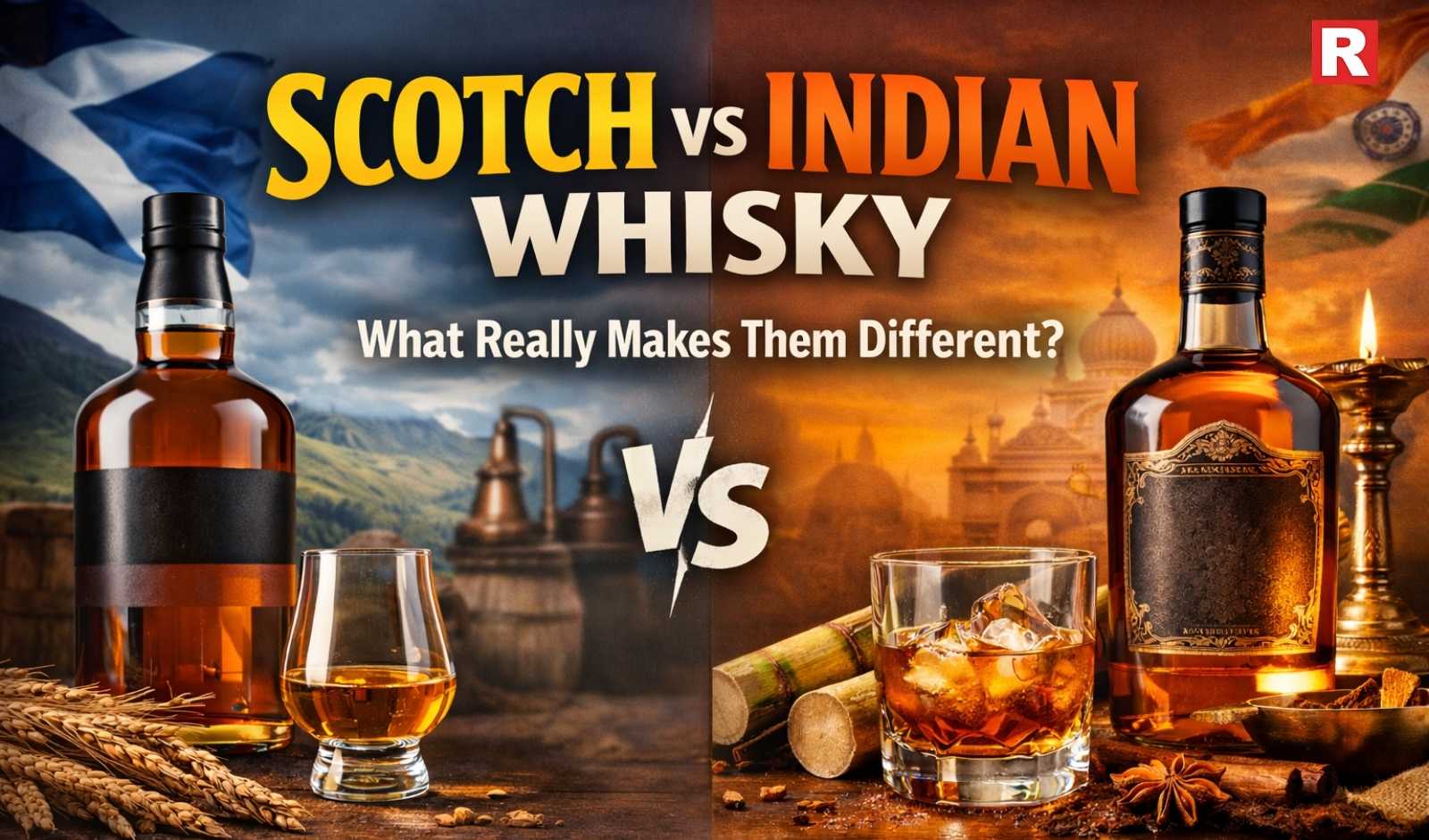
India is the world’s largest whisky market. From casual house parties to premium cocktail bars, whisky dominates drinking culture. But one debate keeps coming back: What is the real difference between Scotch and Indian whisky?
The answer is not simple. It involves law, climate, raw material, ageing science, and market perception. Many Indian consumers assume Scotch is superior because it comes from Scotland. Others believe Indian single malts are now matching global standards. The truth sits somewhere in between.
The Legal Definition Changes Everything
The biggest difference starts with law. Scotch whisky is protected by strict regulations. It must be produced in Scotland. It must use water and malted barley. Other cereals are allowed only in grain Scotch. It must be distilled below 94.8% alcohol by volume. It must mature in oak barrels at least three years. No additives are allowed except caramel colouring for consistency. These rules are enforced by the Scotch Whisky Association under the Scotch Whisky Regulations 2009.
Indian whisky follows standards set by the Food Safety and Standards Authority of India. However, the definition is broader. In India, whisky can be made from grain spirit or from Extra Neutral Alcohol derived from molasses. It can also be blended with imported Scotch. This is why the term “Indian whisky” can mean very different things depending on the product category.
Raw Materials: Barley vs Molasses
Scotch single malt is made from 100% malted barley. The barley is mashed, fermented, and distilled. In some regions, peat is used to dry the barley, which gives smoky flavours. For example, whiskies from Islay are known for their strong peat smoke character. Indian whisky has two main categories.
The first is mass-market whisky made from molasses-based spirit. This spirit comes from sugarcane by-products. It is neutral in taste and then blended with flavouring components or small amounts of aged malt spirit.
The second category is Indian single malt. These are made from 100% malted barley, similar to Scotch. Brands like Amrut, Paul John, and Rampur produce barley-based single malts that compete globally.
It is important not to confuse molasses-based blends with Indian single malts. They are technically and structurally different products.
Climate: The Silent Force Behind Flavour
Climate is one of the biggest technical differences.
Scotland has a cold and stable climate. Maturation happens slowly. The interaction between spirit and oak is gradual. The average angel’s share, which is the alcohol lost through evaporation, is about 2% per year. A 12-year-old Scotch has matured gently over 12 full years in Scottish warehouses.
India has a tropical climate. In cities like Bangalore and Goa, temperatures can rise significantly. Heat increases the interaction between spirit and wood. Extraction of compounds like vanillin, tannins, and lignin happens faster.
The angel’s share in India can range from 10% to 12% per year. This means a four-year-old Indian single malt can show intensity similar to a much older Scotch. However, faster ageing also means producers must carefully manage cask influence to avoid over-oaking. Climate does not make one better than the other. It makes them different.
Read more: Best Imported Whisky Brands in India: A Detailed Guide for Every Whisky
Top Scotch Whisky Brands in India: The Ultimate Guide for Whisky Lovers
Distillation and Production Methods
Traditional Scotch single malts use copper pot stills. Copper plays a crucial role. It removes sulphur compounds during distillation. This results in a cleaner spirit. Grain Scotch is made using column stills. This method produces lighter spirit, often used in blends. Indian premium single malts also use copper pot stills. Many follow Scottish production techniques. However, fermentation times and yeast strains may differ due to climate conditions. Mass-market Indian whiskies often use column still distillation for molasses-based spirit. The spirit is highly neutral. It does not carry strong grain character unless blended with malt whisky. Production philosophy differs based on the target audience and price segment.
Flavour Profile Differences
Scotch typically offers layered flavours. Depending on the region, you may find honey, heather, orchard fruits, dried fruits, vanilla, or peat smoke. Whiskies from Speyside are often fruity and elegant. Those from Highlands can be bold and diverse in style.
Indian single malts often show tropical fruit notes. You may taste mango, banana, spice, and strong oak influence. The warm climate enhances ester formation during fermentation, contributing to fruit-forward aromas. Molasses-based Indian blends can taste sweeter or softer on the palate. This appeals to a large domestic audience that prefers smooth and easy drinking styles. Taste preference is personal. Some prefer the subtle complexity of Scotch. Others enjoy the bold intensity of Indian single malts.
Know more: 7 Types of Whiskies Everyone Should Try Once
Age Statement and Perception
In Scotland, age statements are strictly regulated. If a bottle says 12 years, the youngest whisky in that bottle is at least 12 years old. In India, age statements on single malts follow similar transparency standards. However, many mass-market whiskies may not highlight age clearly because they are blends of different components.
Perception plays a big role. Scotch carries centuries of heritage. Indian single malt is relatively young in comparison. But awards and global recognition are changing perception rapidly. Indian single malts have won medals in international competitions in the UK and the United States. This signals quality improvement and growing credibility.
Also check: Why You Should Avoid These Alcohol Brands While Dieting: Hidden Calories
Top European Whisky Brands to Try: A New World of Old-World Craft
The Bottom Line!
Scotch whisky is defined by strict geography and regulation. Its identity is rooted in Scottish climate and long maturation. Indian whisky is defined by diversity. It ranges from molasses-based blends to world-class single malts. Its character is shaped by tropical ageing and innovation. If you are exploring whisky seriously, it helps to read labels carefully. Check whether it is a blended whisky, a single malt, or a molasses-based spirit. Understand where it is distilled. Look at maturation details. As Indian consumers become more informed, the conversation is shifting from “Which is better?” to “Which style suits my palate?” Scotch and Indian whisky are both authentic within their frameworks. They follow different rules. They respond to different climates. They serve different consumer segments. That is what truly makes them different.

India’s party scene has changed a lot in recent years. Home parties are common. Small house gatherings are popular. Club culture is growing in metro cities. Young adults now look for drinks that are quick, social, and easy to enjoy. This is why shots and shooters are trending across India. They are fast to serve. They are easy to share with friends. They also suit people who do not want to sip long drinks for hours.
Flavoured alcohol has become popular in India. Vodka, tequila, gin, and liqueurs are now widely available in liquor stores. Many Indian brands have improved quality. Premium global brands are also easier to find in cities like Mumbai, Delhi, Bengaluru, Pune, and Gurgaon. Shots and shooters fit well into this new drinking culture. They look good on social media. They are fun at house parties. They work well for birthdays, celebrations, and casual weekends.
Shots vs Shooters: What’s the Difference
Shots are simple. You pour straight alcohol into a small glass. You drink it in one go. Vodka shots, tequila shots, and rum shots are common in India. Shots are strong. They give a quick buzz. They are usually taken with lemon, salt, or a chaser like juice or soda.
Shooters are small mixed drinks. They use two or more ingredients. They can be layered. They can be sweet. They can be creamy. Shooters are popular with beginners. They hide the strong taste of alcohol. They also look attractive when served in clear glasses. This is why shooters are trending in house parties and social media reels.
What Makes a Good Alcohol Brand for Shots
Not every alcohol brand works well for shots. Some taste too harsh. Some burn the throat. Some leave a bitter aftertaste. For good shots and shooters, the alcohol should be smooth. It should have a clean finish. It should mix well with juices and syrups. It should be easy to find in India. Price also matters. Many people prefer value-for-money brands for house parties. Premium brands work well for special occasions.
Alcohol percentage is another factor. Very high alcohol content can be too strong for beginners. Medium strength works better for social drinking. Availability across Indian states is also important. Some brands are easy to find in most liquor stores. This makes party planning simpler.
Explore Best Alcohol Brands for Shots & Shooters in India
1. Vodka for Shots & Shooters
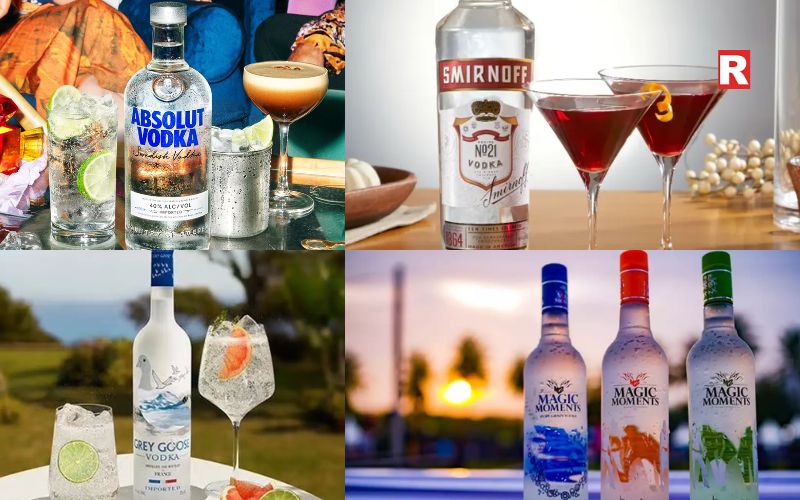
Absolut Vodka: Absolut is known for its clean and smooth taste. It works well for straight shots. It also mixes easily in shooters. The flavour is neutral. This makes it easy to pair with lemon, cranberry, or orange juice. Absolut is widely available in India. It suits house parties and premium gatherings. The price is on the higher side, but the quality is consistent.
Smirnoff Vodka: Smirnoff is one of the most popular vodkas in India. It is smooth. It has a light taste. It works well for lemon drop shots and fruity shooters. Smirnoff also offers flavoured variants. These are good for beginners. The brand is easy to find in most Indian cities. It fits both budget and mid-range party plans.
Grey Goose: Grey Goose is a premium vodka. It is very smooth. It has a clean finish. It works well for neat shots without much burn. It is suitable for luxury house parties and special occasions. The price is high. Many people choose it to impress guests or for small, premium gatherings.
Magic Moments Vodka: Magic Moments is a popular Indian vodka brand. It is affordable. It is widely available. It has several flavoured options. These flavours work well for shooters. The brand is common in college parties and house parties. It offers good value for money. It is easy to mix with juices and syrups.
Read more: Best Japanese Whisky Brands in India: Where Craft Meets Perfection in Every
Top Sugar‑Free Vodka Brands in India You Should Try
2. Tequila for Classic Party Shots
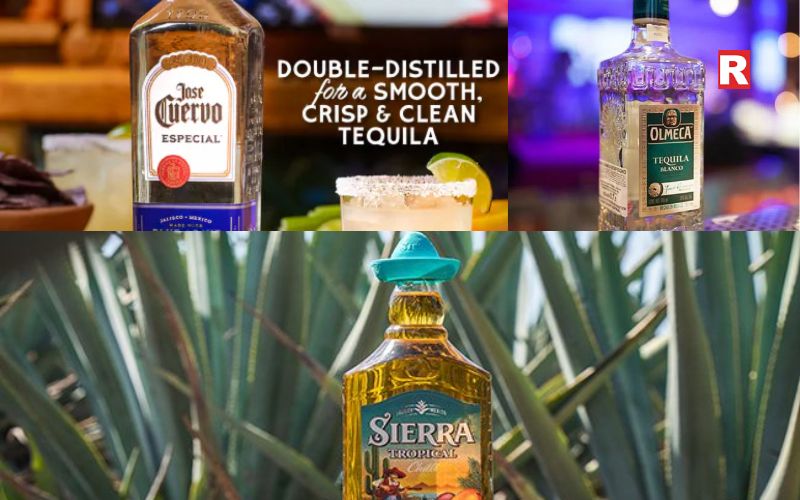
Jose Cuervo Especial: Jose Cuervo is one of the most well-known tequila brands in India. It is often used for classic tequila shots with salt and lemon. The taste is strong but familiar. It works well for party games and celebrations. It is widely available in Indian liquor stores. It suits people who enjoy traditional party drinking styles.
Olmeca Tequila: Olmeca offers a smoother tequila experience. It works well for neat shots. It also suits simple shooters. The taste is balanced. It is a good choice for people who want to move beyond basic tequila brands. It is available in many Indian cities.
Sierra Tequila: Sierra is popular in party circles. It is often used for quick tequila shots. It has a bold taste. It works well with lemon and salt. It is commonly found in Indian liquor stores. It suits house parties and casual celebrations.
3. Rum for Fun and Sweet Shooters
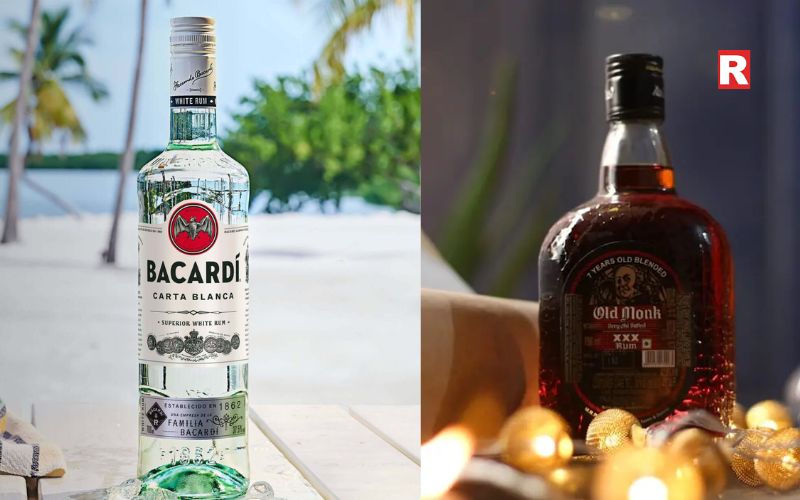
Bacardi Carta Blanca: Bacardi white rum is light and smooth. It mixes well with fruit juices. It works well for sweet shooters. It is easy to drink compared to darker rums. Bacardi is widely available in India. It suits beginners and casual drinkers. It is often used in party shooters with pineapple or cranberry juice.
Old Monk: Old Monk is an iconic Indian rum. It is known for its rich and sweet taste. It works well for warm and creamy shooters. Many Indian drinkers have an emotional connect with this brand. It is affordable. It is widely available. It suits house parties where people enjoy familiar flavours.
Know more: Top Flavoured Rum Brands in India to Try This Growing Winter
4. Gin for Trendy Shooters
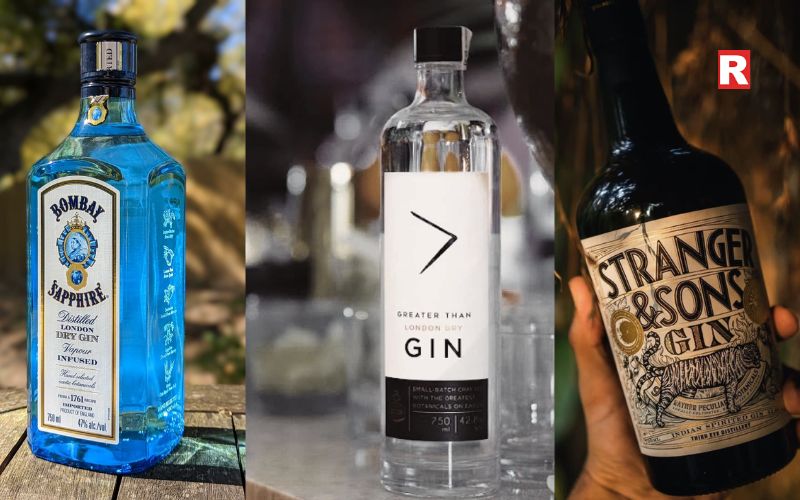
Bombay Sapphire: Bombay Sapphire is a premium gin. It has a smooth and herbal profile. It works well for citrus-based shooters. It is popular in metro cities. It suits people who enjoy modern drinking styles. It is often used in small, stylish house parties.
Greater Than Gin: Greater Than is an Indian craft gin. It is known for its clean taste. It works well for simple shooters. It suits people who want to support Indian brands. It is priced reasonably for a craft spirit. It is becoming popular among young urban drinkers.
Stranger & Sons Gin: Stranger & Sons is another Indian craft gin. It uses Indian botanicals. The flavour is bold. It works well for experimental shooters. It suits people who enjoy trying new tastes. It is popular in premium home bars and modern parties.
5. Liqueurs for Flavoured Shooters
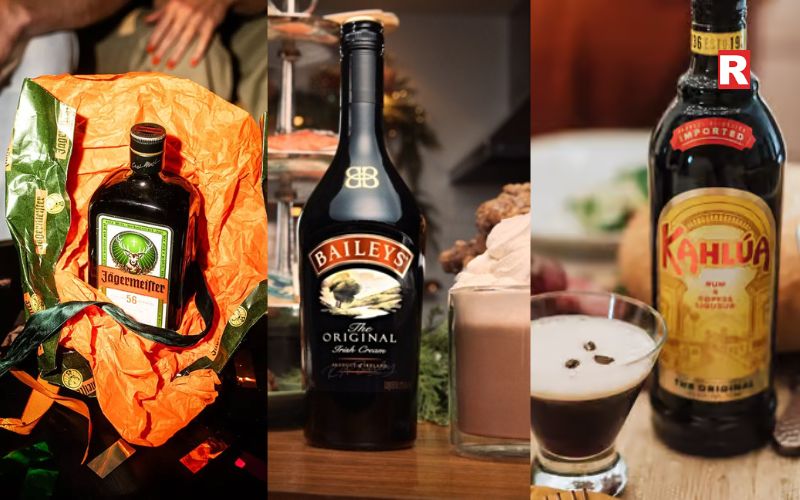
Jägermeister: Jägermeister is very popular for party shooters. It has a herbal and slightly sweet taste. It works well in Jägerbombs. It is common in clubs and house parties. It is widely available in India. It suits people who enjoy bold flavours.
Baileys Irish Cream: Baileys is creamy and sweet. It works well in dessert-style shooters. It is popular among beginners. It is smooth and easy to drink. It suits small house parties and mixed groups where some people prefer softer drinks.
Kahlúa Coffee Liqueur: Kahlúa has a coffee flavour. It works well in layered shooters like the B-52. It is popular in home bars. It suits people who enjoy coffee-based drinks. It adds variety to party menus.
Popular Party Shooters in India
Some shooters are now common in Indian house parties. The B-52 shot is known for its layered look and sweet taste. The Jägerbomb is popular in club-style parties. The Kamikaze shot works well for vodka lovers. The Tequila Slammer is chosen for quick party moments. Lemon Drop shots suit people who like citrus flavours. Baby Guinness shots are popular for their look and taste. Mini espresso martini shots are trending among coffee lovers. These shooters are easy to serve. They add variety to parties. They make home gatherings feel more exciting.
Also check: Best Imported Whisky Brands in India: A Detailed Guide for Every Whisky
12 Affordable Spirits That Taste Like They Cost a Fortune
Top British Beer Brands in India You Should Try at Least Once
Final Sip!
Shots and shooters are now a key part of India’s modern party culture. They are quick to serve. They are easy to share. They fit well in house parties and small get-togethers. The right alcohol brand can change the whole experience. Smooth vodka works well for clean shots. Balanced tequila suits classic party moments. Light rum is good for sweet shooters. Trendy gin adds a fresh twist to home bars. Flavoured liqueurs bring variety to mixed shots. The best choice depends on the mood of the party. Budget also matters. Guest taste plays a big role. A good mix of brands keeps everyone happy. A small home bar with variety feels complete. Shots and shooters are about fun and bonding. They add energy to gatherings. They should be enjoyed in limits. Responsible drinking keeps the mood light. The focus should always stay on good times with friends.
India’s young consumers are moving beyond only whisky and rum. Flavours now lead choices. Fruity, herbal, and bold blends are gaining ground. Flavoured vodka, craft gin, and premixed beers are becoming common picks. These drinks suit house parties and small gatherings. They also work well as casual gifts. The focus has shifted from strength to taste. Many prefer lighter drinks that are easy to sip. This makes flavoured alcohol more welcoming to new drinkers. Urban buyers look for variety and fresh ideas. Packaging and colour also matter. Bottles that look good often draw attention. This adds to their appeal at social events. Millennials and Gen Z are shaping these trends. They like to try new flavours and mixes. They also enjoy sharing experiences with friends. A mango-mint vodka or a colour-changing gin feels different and fun. Brands are responding with new launches and limited editions. Bars and home hosts now offer more flavour-led options. This shift reflects changing habits. Taste, style, and ease now guide choices across cities.
Explore Top Trendy Flavoured Alcohol Brands in India
1. Flavoured Vodka: Fruity and Party-Ready
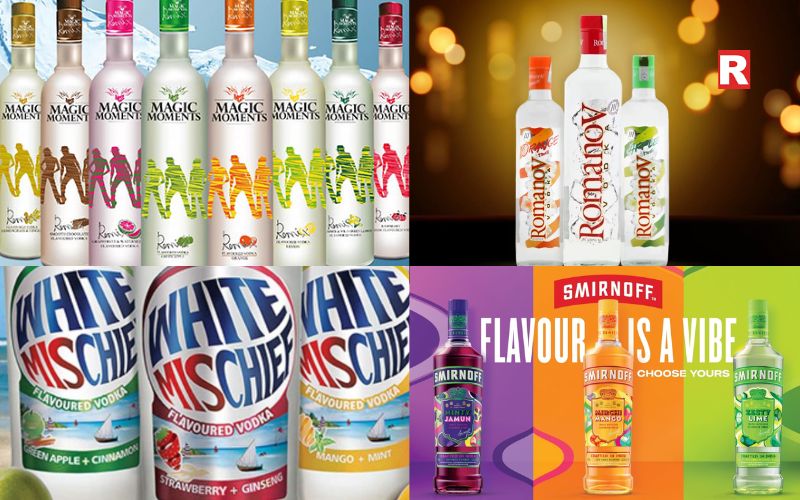
Flavoured vodka has become one of the most popular segments in India. It is easy to mix, fun to drink, and appeals to social drinkers. These vodkas are great for shots, cocktails, or simple mixed drinks at home. Flavoured vodka is trending because it allows easy experimentation. You can mix flavours with soda, juice, or other spirits. It is lighter in taste but still offers the buzz of alcohol.
Magic Moments Flavours is a brand that many young Indians love. It offers a wide range of fruit flavours. The brand is affordable and party-friendly. It is often seen at house parties and casual get-togethers.
White Mischief is another favourite. The brand is known for bold combinations like Mango & Mint, Strawberry & Ginseng, and Green Apple & Cinnamon. It is youthful and perfect for celebrations.
Romanov Flavoured Vodka is a trusted name. It comes in classic fruit flavours like Green Apple, Orange, and Lemon. The taste is clean and versatile, making it ideal for cocktails or straight shots.
Smirnoff India has also entered the flavoured market with a twist. Their local flavours include Minty Jamun, Mirchi Mango, and Zesty Lime. These flavours combine Indian taste profiles with global vodka standards.
Read more: Top 5 Strong Beer Brands in India: Bold Brews for the Bold Drinker
Top Whiskies for This Winter: Smooth, Warm & Perfect for Cold Evenings
2. Craft and Trendy Gins: Botanical Flair
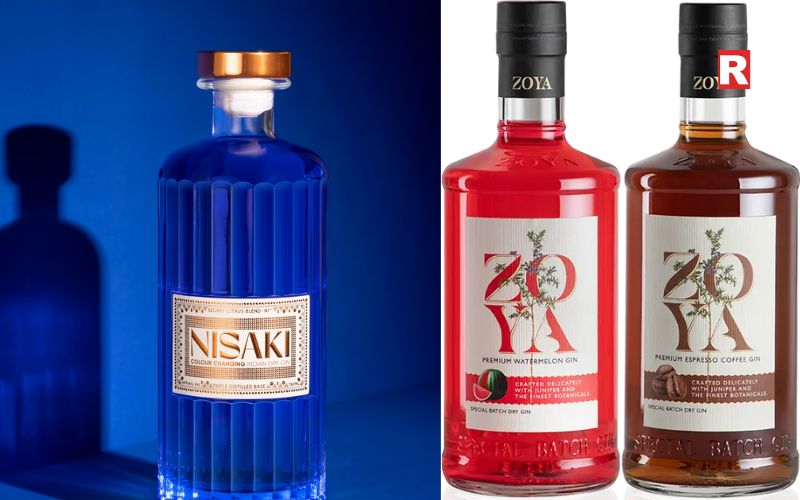
Gin has grown beyond the classic London dry style in India. Now, craft gins with unique flavours are gaining popularity. Botanical and herbal notes make them perfect for cocktails. Craft gin is trending because it is versatile. It works well in mixed drinks or simple tonic water. Its aromatic and flavourful profile attracts cocktail enthusiasts and urban drinkers alike.
Nisaki Gin is a colour-changing gin. It is playful and interactive, making it a conversation starter at parties. The botanical flavours also make it unique.
Zoya Gin is a premium option. Flavours like Watermelon and Espresso Coffee give it an Indian twist. It appeals to consumers looking for innovative tastes.
3. Flavoured Beers and Alcopops: Easy Drinking
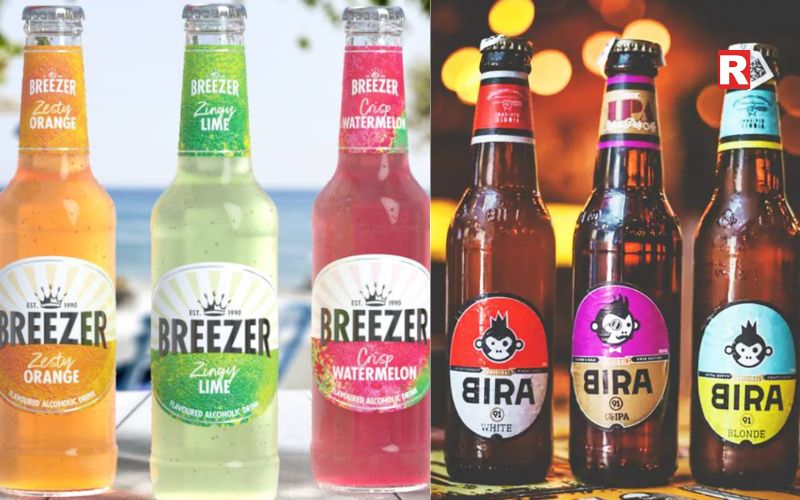
Flavoured beers and premixed drinks are popular among casual drinkers. They are light, fruity, and easy to enjoy. Perfect for brunches, evening hangouts, or sports nights. These drinks are ideal for those who want flavour without heavy alcohol. They are sessionable and pair well with casual snacks.
Breezer is the most iconic premixed drink in India. It comes in flavours like Peach, Pineapple, and Watermelon. Breezer is refreshing, fruity, and fun. It has become a staple at social gatherings.
Bira 91 and Simona offer beer with a twist. These wheat-based beers include tropical fruit and spice flavours. They are unique in taste and offer an alternative to standard lagers.
Know more: Top Sugar‑Free Vodka Brands in India You Should Try
4. Rising Indie and Craft Flavours
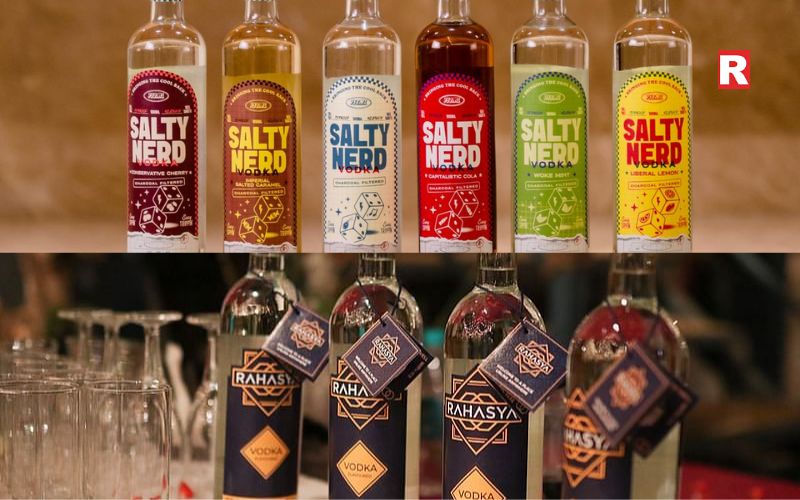
The new trend in India is independent and craft brands. They focus on creative flavours and limited-edition bottles. These brands appeal to consumers who want unique experiences.
Salty Nerd Vodka has flavours like Imperial Salted Caramel, Woke Mint, and Conservative Cherry. The brand is playful and experimental.
Rahasya Craft Vodka combines Indian spices and botanicals. It is perfect for those who want a distinct taste profile.
Craft and indie brands are gaining traction because they offer something different. They attract people who enjoy experimenting with flavours and who value presentation. Instagram-worthy bottles and unique taste profiles make these drinks popular among urban youth.
Pairing Flavoured Drinks with Occasions
Flavoured alcohol is perfect for modern Indian lifestyles. Here are some pairing ideas:
- House parties: Fruity vodkas like Magic Moments or White Mischief work well.
- Cocktail nights: Craft gins like Nisaki or Zoya Gin add sophistication.
- Brunches and casual outings: Breezer and flavoured beers are light and refreshing.
- Gifting: Premium flavoured vodkas or craft bottles make unique gifts for friends or family.
With flavoured alcohol, the experience is not just about drinking. It is about taste, fun, and social enjoyment.
Also check: Top Coconut Rum Brands in India: Tropical Flavours You Will Love
10 Fastest-Growing Alcohol Brands in India’s HoReCa Sector
12 Affordable Spirits That Taste Like They Cost a Fortune
Final Sip!
India’s flavoured alcohol market is growing fast. Vodkas, gins, beers, and premixed drinks now come with new tastes and fresh styles. Young consumers are trying fruity, herbal, and bold flavours. Craft and indie brands are bringing new ideas to the shelf. These drinks are easy to find and simple to enjoy. They work well for home parties and small gatherings. Many also look good on social media. This makes them popular among urban drinkers. Flavoured alcohol suits different moods and moments. It fits casual evenings, celebrations, and gifting needs. The focus is no longer only on strength. Taste now matters more. Brands are working on better flavours and cleaner profiles. New launches are becoming frequent. The category is expanding across cities and towns. This shift reflects changing habits. Flavoured alcohol is now part of modern drinking culture in India. The market is set to grow further in the coming years.

For many years, European whisky was almost always linked to Scotland and Ireland. That image is now changing. Across Europe, new distilleries and modern producers are shaping a fresh whisky identity. Countries like Sweden, Finland, France, Germany, and Wales are gaining attention for their distinctive styles. These producers focus on quality, craft, and regional character. The result is whisky that feels both traditional and modern at the same time.
European whiskies are strongly influenced by their surroundings. Cold Nordic climates speed up flavour development. Coastal regions add freshness. Wine-producing countries bring their cask expertise into whisky ageing. Local grains such as barley and rye add depth and originality. Many producers experiment with wine, sherry, rum, and cognac barrels. This creates flavour profiles that stand apart from classic Scotch. For Indian consumers exploring premium alcohol, European whisky offers a new experience. It delivers balance, complexity, and strong storytelling. These whiskies are not limited by old rules. They are confident, expressive, and diverse. Each bottle reflects its land, climate, and culture. European whisky is no longer an alternative. It is becoming a category of its own.
Explore Top European Whisky Brands to Try
1. Mackmyra – Sweden
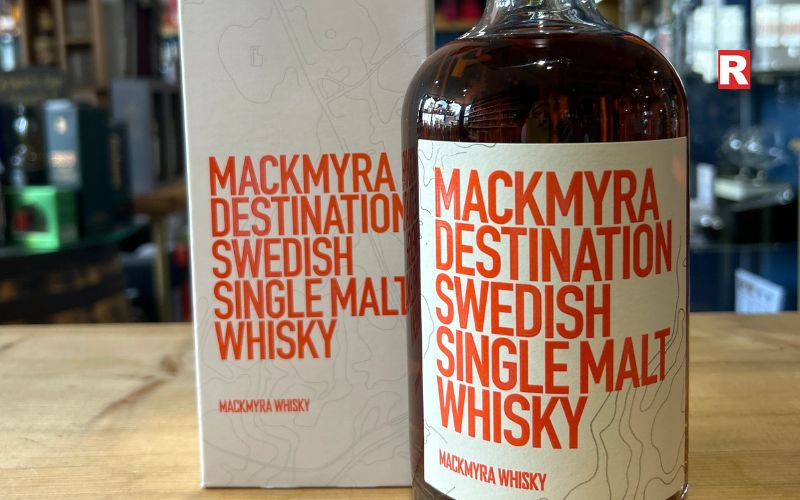
Mackmyra is the pioneer of Swedish single malt whisky. Founded in 1999, it put Sweden on the global whisky map. The distillery focuses on local sourcing and climate-driven ageing. Sweden’s extreme seasons play a big role in Mackmyra’s flavour. Cold winters and warm summers speed up the interaction between whisky and wood. This results in faster maturation and layered taste. Mackmyra uses Swedish barley and often ages whisky in Swedish oak. This wood gives spicy, herbal, and slightly resin-like notes. Many expressions also carry light smoke, honey, and green apple flavours. The whisky is clean but complex. It suits drinkers who enjoy subtle spice and freshness rather than heavy peat. For Indian whisky lovers, Mackmyra feels modern and refined. It pairs well with slow sipping and lighter food moments.
Read more: Top Premium Whisky Brands in India: Finest Indian Whiskies Worth Trying
Best Japanese Whisky Brands in India: Where Craft Meets Perfection in Every
2. St. Kilian Distillers – Germany
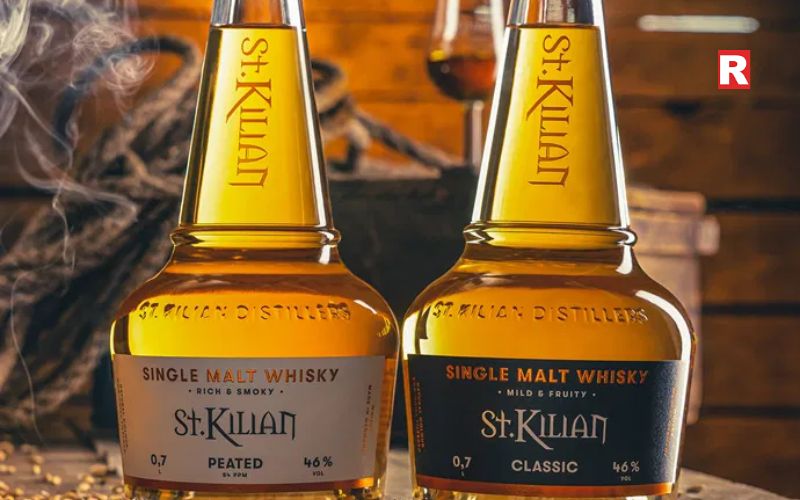
Germany is known for engineering and precision. St. Kilian Distillers brings the same mindset to whisky making. Based in Bavaria, the distillery uses Scottish copper pot stills but applies a modern German approach. Founded in 2012, St. Kilian focuses on experimentation. The brand works with a wide range of casks. These include bourbon, sherry, rum, wine, and even chestnut wood. German climate allows controlled ageing. This results in whiskies that are bold but polished. Flavours often include dark fruits, spice, vanilla, and roasted oak. St. Kilian whiskies are known for strength and structure. Many releases are bottled at higher alcohol levels, offering intensity without harshness. For Indian consumers who enjoy strong and flavour-forward spirits, this brand delivers depth and character.
3. Kyrö Distillery – Finland
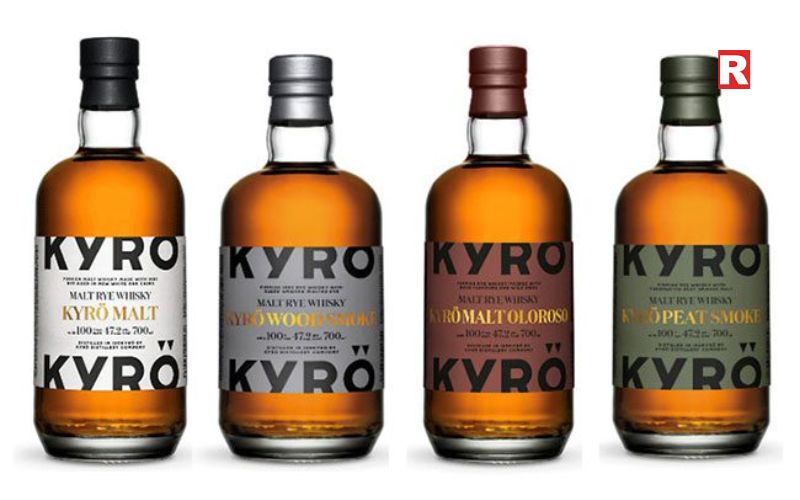
Kyrö Distillery is one of Europe’s most distinctive whisky brands. It produces 100 percent rye whisky, a grain rarely used in traditional single malts. Founded in 2012, Kyrö draws inspiration from Finnish culture, nature, and sauna traditions. Rye thrives in Finland’s cold climate, making it a natural choice. Rye whisky tastes very different from barley-based whisky. Kyrö whiskies are spicy, earthy, and slightly peppery. Notes of dried fruit, vanilla, and oak add balance. The cold Finnish weather slows ageing but increases flavour concentration. This creates whiskies that feel bold yet smooth. Kyrö is ideal for drinkers who want something different. For Indian palates that enjoy spice and warmth, rye whisky can feel familiar and exciting at the same time.
4. Penderyn – Wales
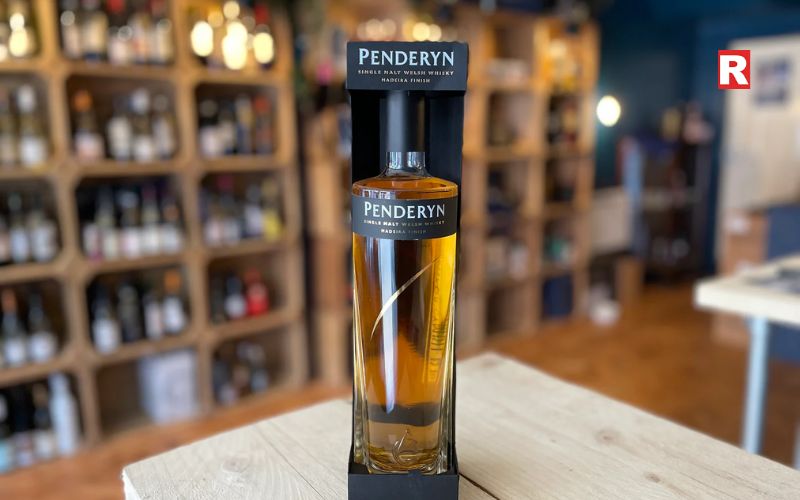
Penderyn revived Welsh whisky after more than a century. Launched in 2000, it represents a modern take on a lost tradition. The distillery uses unique Faraday stills. These stills produce a lighter and purer spirit compared to traditional pot stills. The result is a smooth and elegant whisky style. Penderyn whiskies are often matured in bourbon casks and finished in Madeira or wine barrels. This adds soft sweetness and fruit character. Common flavours include honey, vanilla, dried fruits, and gentle spice. Smoke is usually minimal. Penderyn works well for beginners and those who prefer easy-drinking whiskies. It is refined without being overpowering. For Indian consumers exploring premium whisky, Penderyn offers approachability with European character.
5. Armorik – France
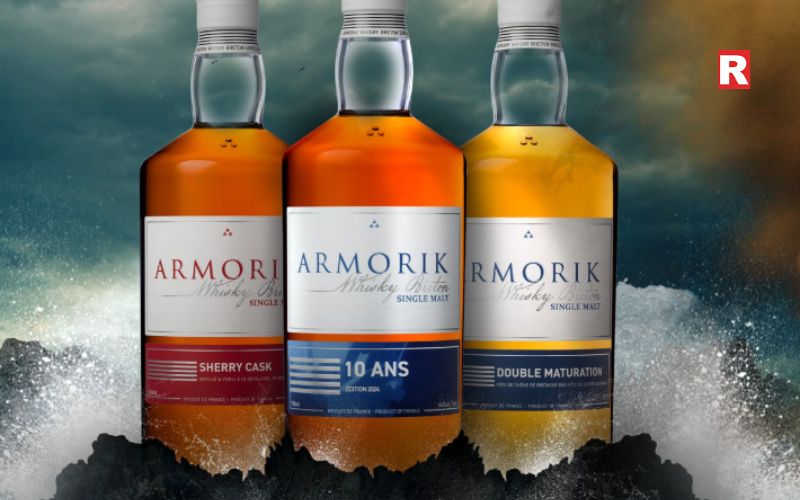
France may be famous for wine and cognac, but its whisky scene is growing fast. Armorik is one of the country’s leading single malt brands. Produced in Brittany, Armorik uses French barley and French oak. This gives the whisky a clear regional identity. French oak is tighter and richer than American oak. It adds creamy texture, spice, and subtle sweetness. Armorik whiskies often show notes of vanilla, orchard fruits, nuts, and gentle wood spice. The maritime climate of Brittany also influences ageing. Sea air adds freshness and balance to the whisky. Armorik suits drinkers who enjoy elegance over intensity. It reflects French craftsmanship and restraint. For Indian audiences familiar with fine wines, French whisky feels like a natural extension.
Know more: Top Whiskies for This Winter: Smooth, Warm & Perfect for Cold Evenings
6. Millstone – Netherlands
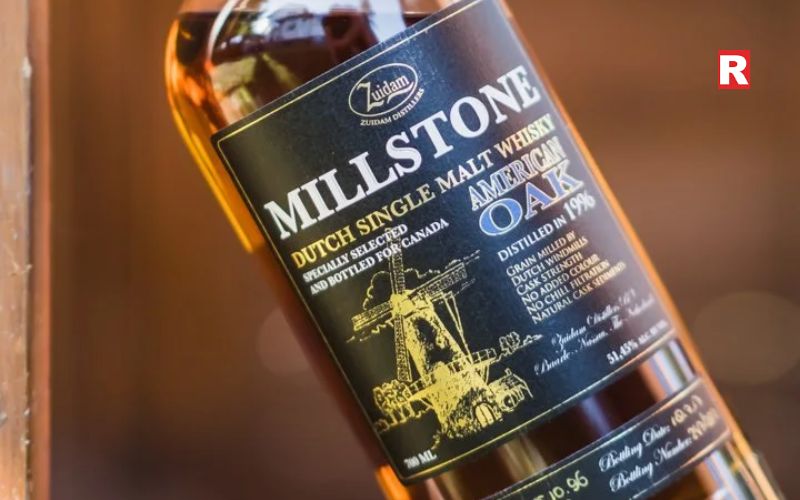
Millstone is a craft whisky brand from the Netherlands. It focuses on small batches and long ageing. The distillery is known for patience. Some Millstone whiskies are aged for over a decade, which is rare in continental Europe. Sherry casks play a major role in Millstone’s flavour profile. Expect rich notes of dried fruits, chocolate, spice, and oak. The Dutch climate allows steady maturation without extreme temperature swings. This results in deep and rounded flavours. Millstone appeals to experienced whisky drinkers. It offers richness and complexity similar to older Scotch malts. For Indian collectors and enthusiasts, Millstone represents serious craft whisky.
What Makes European Whisky Different
Diverse Climate and Ageing: Europe offers a wide range of climates. Cold Nordic regions, maritime coasts, and continental interiors all affect ageing. This diversity creates unique flavour outcomes.
Local Grains and Identity: European distilleries use local barley, rye, and other grains. This adds regional character and originality to the whisky.
Experimental Cask Use: Wine, sherry, rum, cognac, and chestnut barrels are common. Europe’s wine culture strongly influences whisky ageing.
These factors make European whisky innovative yet rooted in tradition.
Also check: Top 20 Trendy Whiskeys You Must Try Once
Best Imported Whisky Brands in India: A Detailed Guide for Every Whisky
Try These Alcohol Picks to Warm Up Your New Year Celebrations
European Whisky and the Indian Market
European whisky is gaining attention in India. Premiumisation is driving curiosity beyond mainstream Scotch. Indian consumers are more open to craft and niche spirits. European brands offer novelty without extreme pricing. They also align with India’s growing appreciation for flavour complexity and storytelling. Availability through global travel retail and select premium stores is also improving.
Final Sip
European whisky is no longer seen as an experiment. It has become a serious and fast-growing category in the global spirits market. Distilleries across Europe are blending long-standing traditions with modern ideas. Each brand reflects its region, climate, and local ingredients. This balance of heritage and innovation gives European whisky a clear identity. For Indian whisky lovers, European whisky offers a sense of discovery. It introduces flavours that feel familiar yet different. Swedish whiskies bring gentle spice and freshness. French whiskies offer elegance and smoothness. Finnish rye whiskies deliver warmth and bold character. These variations suit a wide range of tastes and preferences. European whisky is not only about drinking. It is about understanding craft and culture. Every bottle carries a story of place and process. Exploring European whisky allows drinkers to experience whisky from a new perspective. It adds depth, variety, and excitement to the whisky journey.
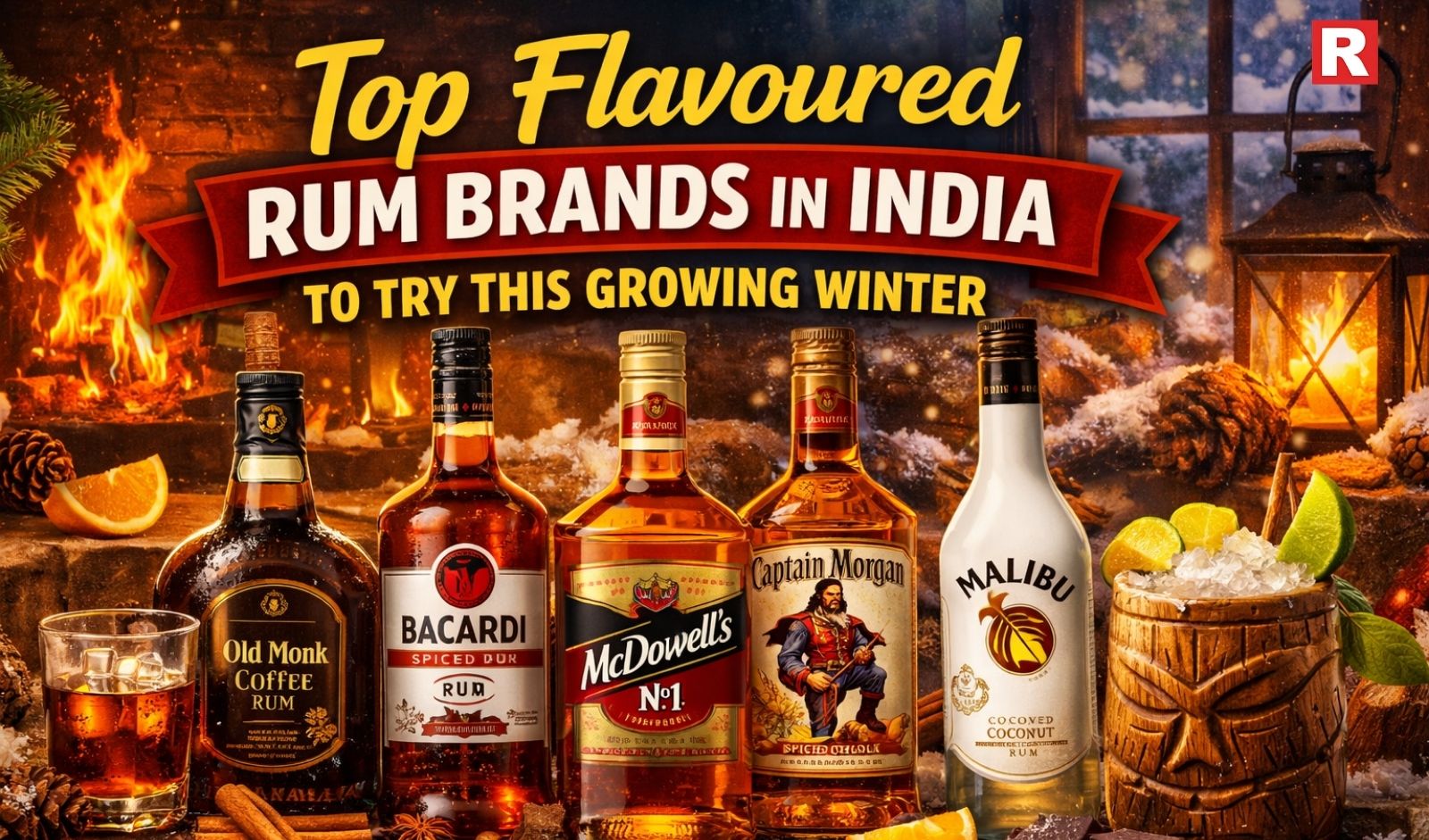
Winter changes drinking habits in India. People look for drinks that feel warm and comforting. Rum has always been a winter favourite. In recent years, flavoured rum has gained strong popularity. It offers more aroma, depth, and taste than plain rum. From spicy notes to gentle sweetness, flavoured rum suits long winter evenings, house parties, and quiet nights at home.
Indian consumers are now experimenting more. They want smoother spirits and interesting flavours. This shift has helped flavoured rum grow quickly. It works well neat, on the rocks, or in simple cocktails. As winter approaches, flavoured rum becomes the perfect seasonal choice. This article looks at why flavoured rum is trending and highlights the top flavoured rum brands in India worth trying this winter.
Why Flavoured Rum Is Perfect for Winter
Winter calls for rich flavours. Flavoured rum delivers exactly that. Most variants carry warm spices, vanilla, caramel, honey, or citrus notes. These flavours feel comforting in cold weather. Flavoured rum is also easy to drink. It is smoother than strong dark rum. This makes it suitable for both experienced drinkers and beginners. Many people prefer it without mixers during winter. Others enjoy it in hot or warm cocktails.
Another reason is versatility. Flavoured rum pairs well with winter food. Chocolate desserts, roasted nuts, cheese platters, and spicy snacks all work well. It also fits social moments. From Christmas gatherings to New Year parties, flavoured rum blends well with celebrations. India’s premium and mid-range spirits market is also expanding. Consumers are willing to try global and local flavours. This has made flavoured rum a growing category during the winter season.
Explore Top Flavoured Rum Brands in India
1. Old Monk Coffee
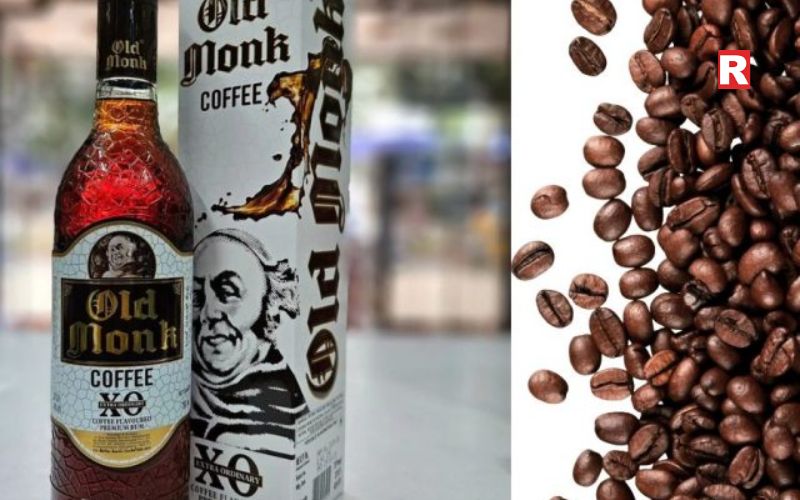
Old Monk Coffee is more than just a rum variant in India. It carries strong nostalgia and emotional value. For many years, Old Monk has been the preferred winter drink across generations. Old Monk Coffee adds a new layer to this legacy. It blends the richness of rum with the deep aroma of coffee. The flavour feels smooth and comforting. Along with coffee notes, there is mild sweetness and gentle spice. This makes it easy to sip during cold evenings. It is often enjoyed neat or with a little ice. Old Monk Coffee suits quiet nights and casual gatherings. It keeps the warmth and familiarity the brand is known for. For winter drinking, it remains a trusted and comforting choice.
- Taste Profile: Smooth and rich. Notes of caramel, vanilla, and mild spice. Slight sweetness that lingers.
- Why It Works in Winter: The warmth and depth make it ideal for cold nights. It feels comforting and familiar.
Read more: Top 20 Trendy Whiskeys You Must Try Once
12 Affordable Spirits That Taste Like They Cost a Fortune
2. Bacardi Flavoured Rum
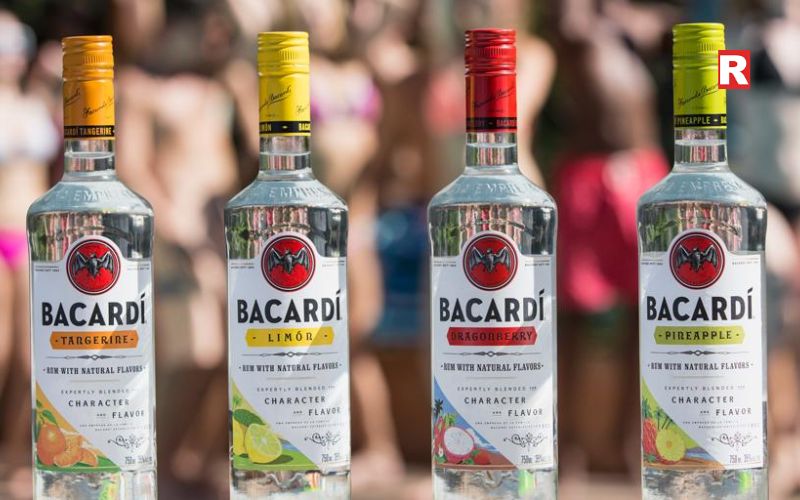
Bacardi is one of the most recognised rum brands in India. It has a strong presence across bars, stores, and home collections. The brand’s flavoured rum range is especially popular among young consumers. It offers easy-to-drink options with balanced flavours. Bacardi Spiced is known for its warm notes of vanilla and mild spice. Bacardi Limon brings a fresh citrus taste. Bacardi Orange adds a light sweetness with a fruity edge. These variants are widely available across the country. They work well for casual drinking and simple cocktails. Bacardi flavoured rums suit both house parties and relaxed evenings. Their smooth taste and versatility make them a reliable winter choice.
- Taste Profile: Balanced flavours with light sweetness. Spiced variants carry vanilla and cinnamon notes. Citrus variants feel fresh but smooth.
- Why It Works in Winter: Bacardi Spiced offers warmth without being heavy. Citrus flavours add brightness to winter cocktails.
3. McDowell’s No.1 Flavoured Rum
McDowell’s No.1 is among the most widely consumed rum brands in India. It has a strong presence across cities and smaller towns. The brand’s flavoured rum variants are made to match Indian taste preferences. They offer mild sweetness and gentle spice. The flavours are smooth and not overpowering. Affordability is one of its biggest strengths. This makes it accessible to a wide range of consumers. Many people choose it for regular drinking and social occasions. It is easy to enjoy without complex mixing. It works well with water, soda, or simple mixers. McDowell’s No.1 flavoured rum fits well into everyday winter drinking habits.
- Taste Profile: Mild spice, light sweetness, and smooth finish. Not overpowering.
- Why It Works in Winter: It offers warmth without strong bitterness. Suitable for long drinking sessions.
Know more: Top Coconut Rum Brands in India: Tropical Flavours You Will Love
4. Captain Morgan Spiced Gold
Captain Morgan is a well-known rum brand across the world. In India, Captain Morgan Spiced Gold has built a strong premium image. It is popular among people who enjoy rich and bold flavours. The rum is known for its warm spice notes. Hints of vanilla, cinnamon, and oak stand out clearly. This flavour profile makes it suitable for winter drinking. It feels warming and smooth with every sip. Many prefer it for slow sipping during cold evenings. It also works well in simple mixes and classic cocktails. Captain Morgan Spiced Gold offers a balanced blend of strength and flavour. For those looking to upgrade their winter rum choice, it remains a trusted and stylish option.
- Taste Profile: Strong vanilla, cinnamon, nutmeg, and oak notes. Slightly sweet with a rich body.
- Why It Works in Winter: The spice-forward taste feels warming and indulgent. Perfect for slow sipping.
5. Malibu Coconut Rum
Malibu offers a fresh and different style of rum. It is lighter than traditional dark rum and has a smooth, sweet taste. The strong coconut flavour makes it easy to drink. Many people know Malibu as a summer drink. It is often used in tropical cocktails. However, it is now gaining popularity during winter as well. During colder months, Malibu works well as a dessert-style drink. Its sweetness pairs nicely with chocolates and baked treats. Some prefer it with warm mixers or simple serves at home. It feels comforting without being too strong. This makes it suitable for relaxed winter evenings. Malibu’s smooth profile appeals to those who enjoy mild flavours. It brings a gentle, indulgent touch to winter drinking.
- Taste Profile: Sweet coconut with hints of vanilla. Very smooth and low burn.
- Why It Works in Winter: Acts as a dessert-style drink. Pairs well with chocolates and baked treats.
Also check: Top Premium Whisky Brands in India: Finest Indian Whiskies Worth Trying
Best Deluxe Blended Scotch Whisky Brands in India
Best Imported Whisky Brands in India: A Detailed Guide for Every Whisky
How to Enjoy Flavoured Rum This Winter
Flavoured rum does not need complex mixing. Simple serves work best in winter.
- Neat or On the Rocks: This allows the flavours to shine. Spiced and vanilla rums work especially well.
- Warm Cocktails: Hot apple cider with spiced rum. Ginger toddy with honey and lemon. These drinks feel comforting and seasonal.
- Classic Mixers: Cola, ginger ale, and soda enhance flavours without overpowering them.
- Food Pairing: Dark chocolate, brownies, roasted peanuts, cheese, and spicy Indian snacks complement flavoured rum very well.
Tips for Choosing the Right Flavoured Rum
Always check the flavour profile. Some rums are sweeter. Others focus on spice. Choose based on preference.
- Look at alcohol strength. Spiced rums usually feel smoother despite higher alcohol content.
- Decide the purpose. For sipping, go for richer flavours. For cocktails, lighter variants work better.
Availability matters too. Choose brands that are easily available in your city.
Flavoured Rum as a Winter Gift
Flavoured rum makes a thoughtful winter gift. It suits festive occasions like Christmas and New Year. Premium bottles look elegant and feel special. Pair the bottle with glasses or a small cocktail kit. This adds value and makes the gift more personal. For corporate gifting or house parties, flavoured rum is both practical and appreciated.
Warm Sip!
Flavoured rum is slowly becoming a winter favourite across India. As temperatures drop, many people look for drinks that feel warm and comforting. Flavoured rum offers that balance of heat, smoothness, and taste. It suits long evenings at home, small gatherings, and festive celebrations. Indian drinkers now prefer more than just strong alcohol. They want flavour and aroma. Brands like Old Monk bring familiarity and warmth. Bacardi adds freshness with spiced and citrus notes. Captain Morgan stands out for its bold spice and rich finish. Each brand offers a different experience. Flavoured rum is easy to enjoy. It can be sipped neat or mixed lightly. It pairs well with winter food and desserts. For many, it has become more than a drink. It adds comfort and mood to winter nights. The right bottle can truly elevate the season.
Indian single malt whisky has undergone a remarkable transformation in just two decades. What was once a niche curiosity is now a respected global category. For years, the premium whisky world was dominated by Scotland, Ireland, and Japan. Today, Indian names appear regularly on international award lists. This shift has reshaped global perceptions and proved that world-class whisky can come from unexpected places. Single malt whisky is made using 100 percent malted barley. It is distilled at a single distillery and matured in oak barrels. Unlike blended whisky, single malt reflects the character of one place. Climate, water, barley, and cask choice all shape its flavour. Indian single malts follow the same global rules. Yet, they taste different. The reason lies in India’s geography and climate.
India is no longer only the world’s largest whisky-consuming nation. It is now a serious whisky-producing country. At the heart of this revolution are five standout brands — Crazy Cock, GianChand, Paul John, Indri, and Amrut. Together, they showcase the diversity, craftsmanship, and ambition driving India’s single malt whisky renaissance.
India’s Climate: From Challenge to Advantage
For a long time, experts believed India was unsuitable for making fine whisky. The hot climate causes higher evaporation, known as the Angel’s Share. In India, this can reach 10 to 12 percent per year, compared to 2 percent in Scotland.
What seemed like a disadvantage turned into a strength. Heat speeds up interaction between spirit and oak. Whisky matures faster. Flavours develop quickly and deeply. A three to six-year-old Indian single malt can show complexity similar to much older whiskies from cooler regions. This fast maturation is now recognised globally. It has become India’s unique signature in the whisky world.
Discover How India’s Single Malt Whisky Revolution Took Flight
1. Crazy Cock: Bold Innovation, For True Lover
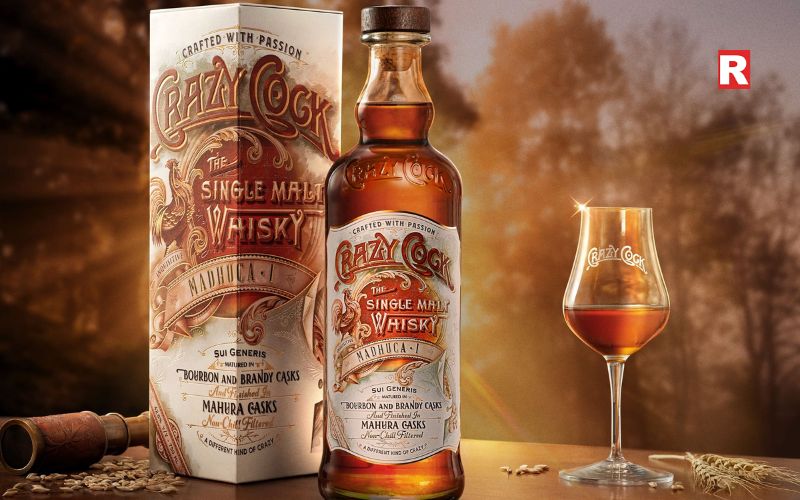
Crazy Cock Indian Single Malt Whisky represents India’s experimental spirit. Produced by South Seas Distilleries, it is one of the most adventurous names in the category. Crazy Cock made history with the world’s first single malt matured in Mahura casks. Mahura, also known as Madhuca, is a fruit and floral wood native to India. This rare cask gives the whisky distinctive sweet, floral, and earthy notes that cannot be replicated elsewhere. The brand’s core range includes rich double-oak matured expressions and Dhua – The Peated One. Dhua balances spice, dried fruit, gentle smoke, and warmth. Traditional copper pot distillation is paired with bold cask choices. In 2025, Crazy Cock won Best Indian Single Malt Whisky at the IWS Awards. This recognition confirmed its position as a leader in innovation and quality.
Read more: Top Premium Whisky Brands in India: Finest Indian Whiskies Worth Trying
Best Japanese Whisky Brands in India: Where Craft Meets Perfection in Every
2. GianChand: Himalayan Influence Meets Refined Character
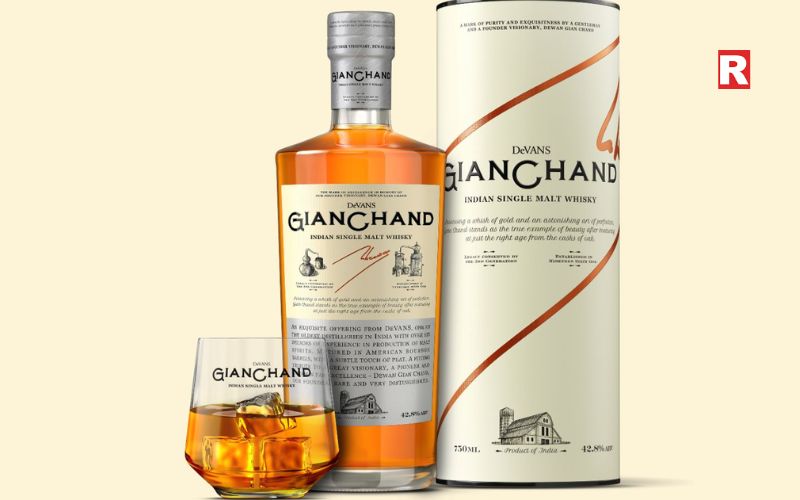
GianChand Single Malt Whisky comes from the foothills of the Himalayas in Jammu. Its location gives it a distinct regional identity. Cooler northern temperatures influence maturation and flavour development. GianChand’s flagship expression is known for its golden colour and smooth character. Flavours include sweet spice, dried fruit, honeycomb toffee, and light peat. It is approachable yet complex. The brand offers both peated and unpeated variants. Expressions like Manshaa and Adambaraa highlight terroir influence. This idea of microclimate-driven whisky is becoming central to Indian single malts. GianChand gained major international attention in 2025. Its Adambaraa expression won Best Indian Single Malt Whisky and Best Indian Whisky at the International Whisky Competition in Las Vegas. These awards strengthened its global credibility.
3. Paul John: Goa’s Ambassador to the Global Stage
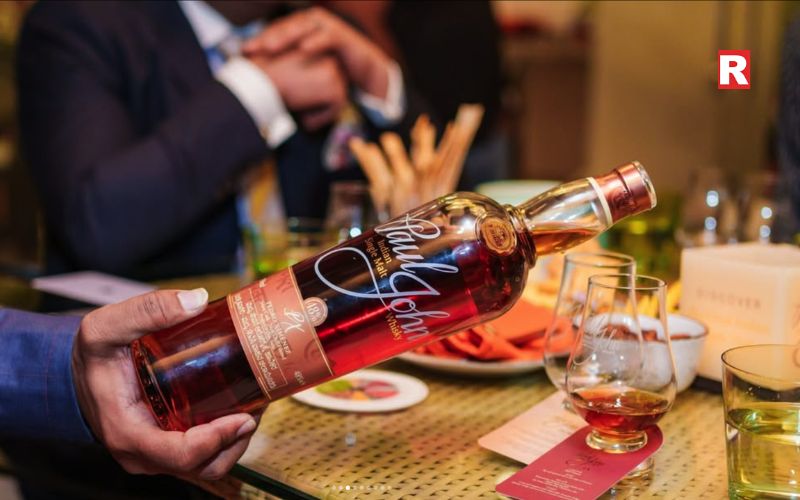
Paul John Whisky is one of the most recognised Indian single malt brands worldwide. Launched in 2012 by John Distilleries in Goa, it played a key role in putting India on the global whisky map. Paul John uses indigenous six-row barley and matures its whiskies in charred American oak. Goa’s tropical climate accelerates ageing, producing rich, fruity, and layered spirits. The range includes Brilliance, an unpeated expression, and Bold, a peated one. Limited editions like Mithuna and Kanya have received high scores from critics. Paul John has won hundreds of international awards and is sold in over 40 countries. It is widely regarded as a benchmark for Indian single malt quality and consistency.
Know more: Top 20 Trendy Whiskeys You Must Try Once
4. Indri: Young but Formidably Acclaimed
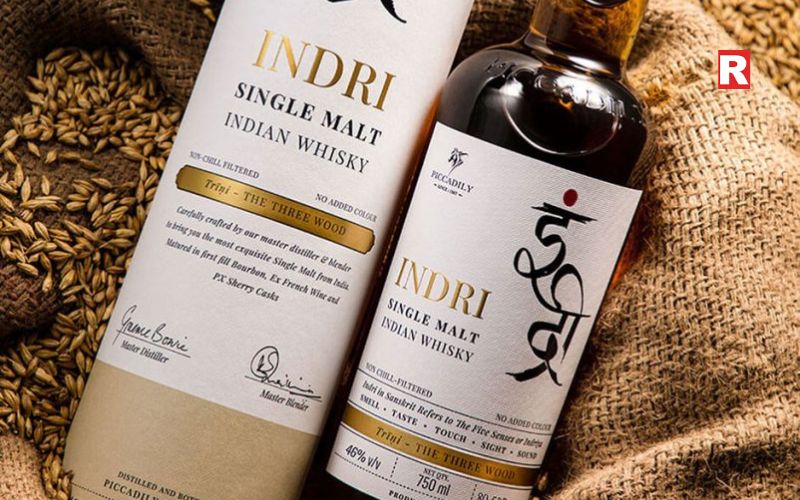
Indri Single Malt Whisky shows how quickly Indian brands can succeed on the global stage. Introduced in 2021 by Piccadilly Agro Industries, Indri is produced in the village of Indri in Haryana. Its signature lies in triple-cask maturation. The whisky is aged in ex-bourbon, wine, and PX sherry casks. This creates a rich, layered profile with sweetness, spice, and depth. Despite being a young brand, Indri has collected top honours. It won Best Indian Single Malt at the World Whiskies Awards. It has also earned multiple gold medals at the San Francisco World Spirits Competition and Tokyo Whisky Awards. In 2025, Indri’s Diwali Collector’s Edition was named Best World Whisky at the Miami Global Spirit Awards. This milestone reflected the category’s growing international respect.
5. Amrut: The Pioneer of Indian Single Malt
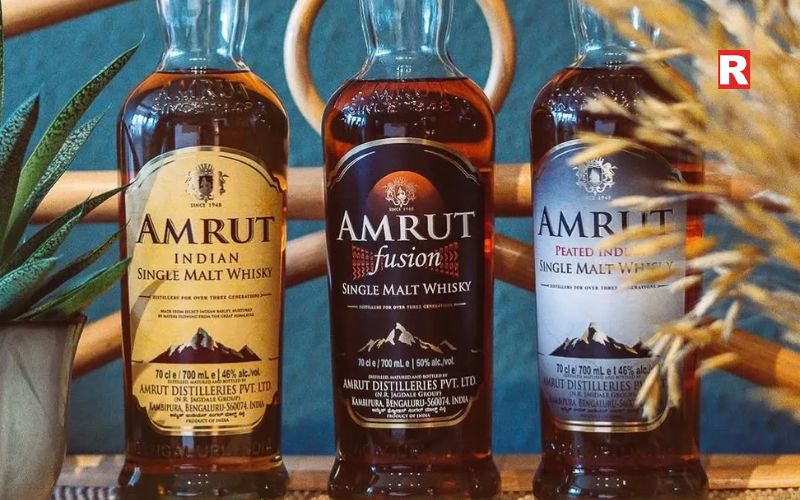
Amrut is the foundation of India’s single malt story. Based in Bengaluru, Amrut Distilleries introduced Indian single malt to the world in 2004. Amrut embraced India’s hot climate early on. Faster ageing resulted in bold, intense flavours. Critics noted that one year of maturation in India could equal several years in cooler climates. The name Amrut means “nectar of the gods” in Sanskrit. It gained global attention when Amrut Fusion was ranked among the world’s best whiskies by expert Jim Murray. Today, Amrut offers a wide portfolio. This includes classic single malts, peated expressions, and limited releases. Its success paved the way for brands like Paul John, Indri, GianChand, and Crazy Cock.
Also check: Top Premium Whisky Brands Under Rs 5000 in India
Best Imported Whisky Brands in India
12 Affordable Spirits That Taste Like They Cost a Fortune
A New Era for Indian Whisky
Together, these five brands represent a defining shift in India’s whisky journey. What began as an experiment has grown into a category built on confidence and quality. Indian single malt whisky is no longer an exception. It is a standard in its own right. Local barley plays a key role. So do India’s varied climates. From coastal heat to cooler northern regions, each landscape adds a distinct character to the spirit. Skilled distillers understand this advantage. They use it with precision and intent. Indian single malts now sit comfortably beside long-established global names. They are not viewed as substitutes or novelties. They are judged on balance, depth, and craftsmanship. The global whisky community is taking notice. Awards, exports, and critical acclaim continue to grow. India’s single malt revolution has taken flight. Its story is now being told, one refined glass at a time.
Flavoured gin has found a strong place in India’s growing spirits culture. It is no longer limited to classic juniper-heavy profiles. Today’s gin drinkers want freshness. They want fruit notes. They want balance. They want a story in every sip. India’s bar scene, home cocktail culture, and premium retail shelves reflect this change. From citrus-led gins to berry-infused blends, flavoured gin offers variety without complexity. It is easy to drink. It is easy to mix. It fits Indian weather and food habits well.
Gin suits the Indian climate. It is light. It is aromatic. It feels refreshing even in warmer months. Flavoured gin makes this appeal stronger. Indian drinkers are also more experimental today. They enjoy trying new profiles. Citrus, berries, herbs, and floral notes feel familiar because they match Indian ingredients and tastes. Another reason is versatility. Flavoured gin works well with simple mixers. It does not demand complex techniques. A good tonic, soda, or citrus garnish is enough. The flavoured gin bridges the gap between first-time drinkers and seasoned gin lovers. It is smooth. It is approachable. Yet it still feels premium. This article explores some of the best flavoured gin brands available in India, combining international icons with progressive Indian craft labels.
All You Need to Know, Quickly
- Flavoured gin in India is no longer a passing trend. It has become a well-defined and fast-growing category.
- Indian drinkers now prefer gins that offer flavour, balance, and a clear identity.
- Brands like Malfy bring bright citrus notes, while Greater Than No Sleep reflects bold Indian craft thinking.
- Each flavoured gin suits different moods, palates, and occasions.
- These gins respect the base spirit and use flavour in a refined way.
- Flavoured gin is easy to drink and easy to mix.
- It works well for home drinking, casual gatherings, and relaxed evenings.
- The category allows drinkers to explore new tastes without complexity.
- Flavoured gin helps elevate everyday drinking moments with minimal effort.
What Makes a Good Flavoured Gin
A good flavoured gin keeps balance at its core. The base spirit must remain clean. Juniper should still be present, even if it sits in the background. Natural ingredients matter. Real fruits, peels, and botanicals create depth. Artificial sweetness can ruin the experience. Alcohol strength also plays a role. Most flavoured gins sit between 37.5% and 43% ABV. This range allows flavour without harshness. Lastly, a good flavoured gin should work both neat and mixed. If it tastes flat with tonic, it is not doing its job.
Discover Best Flavoured Gin Brands in India
1. Malfy Gin
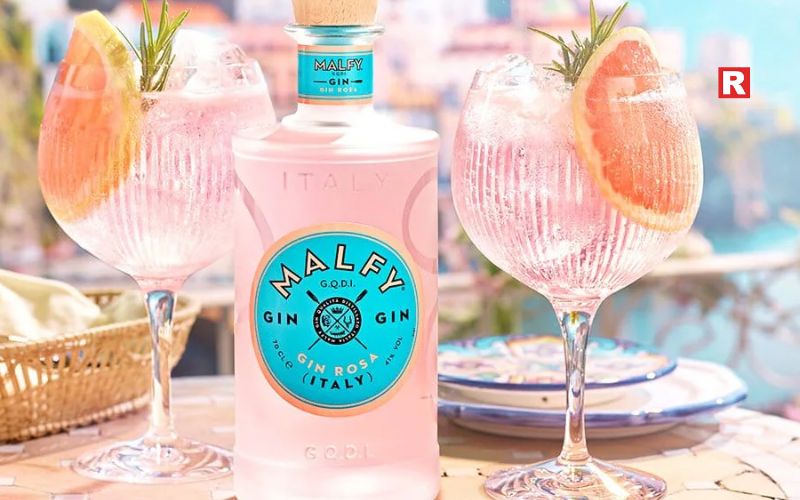
Malfy Gin brings Italian freshness into the gin world. It is known for its citrus-forward expressions that feel clean and lively. Malfy Gin Con Limone is the most popular variant in India. It uses Italian lemons and Amalfi Coast citrus peels. The flavour is bright. It is crisp. It feels sun-drenched. The lemon note is sharp but not sour. Juniper stays subtle. There is a gentle sweetness at the end. This gin works perfectly with tonic and a lemon slice. It also suits spritz-style cocktails. For Indian summers, Malfy feels light and refreshing. Malfy appeals to drinkers who enjoy simple, elegant flavours. It is also a favourite among those shifting from vodka to gin.
Read more: 10 Fastest-Growing Alcohol Brands in India’s HoReCa Sector
Top Feni Brands in India: Taste the Goan Creation
2. Beefeater Pink Strawberry
Beefeater is a historic London dry gin brand. Its pink strawberry version adds a playful twist without losing structure. Beefeater Pink Strawberry is infused with strawberry flavours. The fruit note is clear but not overpowering. It sits on Beefeater’s classic juniper base. The taste feels soft. There is mild sweetness. The finish is smooth and easy. This gin works well for casual drinking. It suits gin and tonic, soda mixes, and light cocktails. It is often enjoyed by new gin drinkers. In India, Beefeater Pink is popular at house parties and social gatherings. It looks good. It tastes friendly. It feels less intimidating than traditional dry gin.
3. Bombay Bramble
Bombay Sapphire is known for its botanical complexity. Bombay Bramble builds on that reputation with bold berry flavours. Bombay Bramble is infused with blackberries and raspberries. The fruit flavours are rich but natural. There is no added sugar. The base remains Bombay Sapphire’s vapour-infused gin. This gives the drink structure and clarity. The taste starts with berry freshness. Juniper and spice appear mid-palate. The finish is dry and clean. Bombay Bramble works best with tonic and fresh berries. It also suits creative cocktails with citrus or herbs. For Indian drinkers who enjoy bold flavours but still want depth, Bombay Bramble strikes the right balance.
4. Tanqueray Flor de Sevilla
Tanqueray Flor de Sevilla brings a Mediterranean influence to gin. It uses bitter Seville oranges and orange blossom notes. This gin feels warm and vibrant. The orange flavour is layered. It is not overly sweet. There is a slight bitterness that adds character. The base is classic Tanqueray London Dry. This ensures strength and clarity. Flor de Sevilla works well with tonic, soda, and even ginger ale. It also pairs nicely with Indian snacks that have spice or citrus notes. This gin is ideal for those who enjoy citrus but want more complexity than lemon-based gins.
Know more: Try These Top Dry Gin Brands This Winter for a Cozy, Premium Experience
5. Sector Gin
Sector Gin represents India’s new-age craft spirits movement. It focuses on clean distillation and bold flavour ideas. Sector Gin uses Indian botanicals and modern techniques. The flavours feel fresh and urban. Depending on the expression, you may find citrus peels, herbs, or subtle spice notes. The approach is balanced and contemporary. Sector Gin works well for home mixology. It allows experimentation without overpowering the drink. Indian consumers appreciate Sector Gin for its local identity and modern appeal. It reflects a confident Indian palate that values quality and originality.
6. Greater Than No Sleep
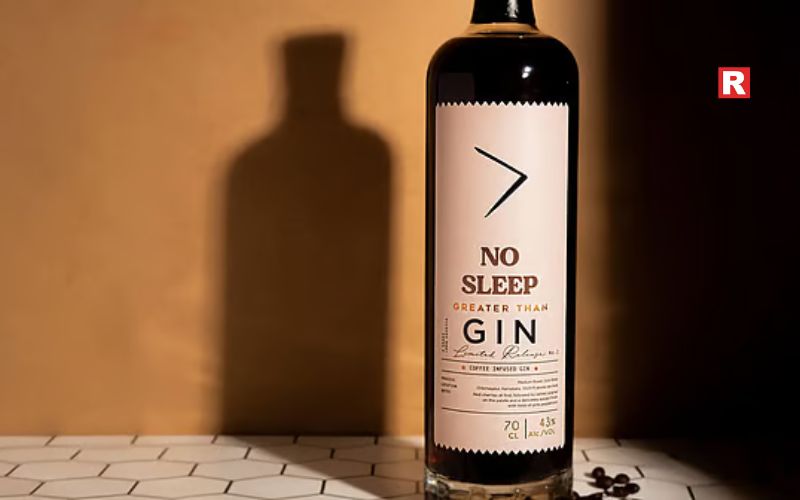
Greater Than is one of India’s earliest craft gin brands. No Sleep is its most experimental expression. Greater Than No Sleep is designed for nightlife and cocktail culture. It has bold botanicals and a strong aromatic profile. The flavour is intense but controlled. Juniper stays present. Spices and herbs add depth. This gin works best in cocktails. It holds its character even with strong mixers. No Sleep appeals to seasoned gin drinkers. It is not meant to be subtle. It is meant to stand out. In India’s evolving bar scene, this gin has earned respect for its confidence and craft.
How to Enjoy Flavoured Gin at Home
Flavoured gin does not need complex tools. A few basics are enough.
- Use good-quality tonic water. Avoid overly sweet mixers. Let the gin lead.
- Garnish smartly. Citrus peels, fresh berries, herbs, or even Indian ingredients like basil work well.
- Keep ice large and fresh. This prevents dilution.
- Most importantly, keep it simple. Flavoured gin shines when it is not overworked.
Also check: Top Premium Whisky Brands in India: Finest Indian Whiskies Worth Trying
Top Premium Whisky Brands Under Rs 5000 in India
Top Sugar‑Free Vodka Brands in India You Should Try
Final Sip!
Flavoured gin in India has moved beyond novelty. It has earned a clear space in the premium spirits market. Drinkers today look for taste, balance, and character in every bottle. Flavoured gin answers this need with ease. From Malfy’s bright Italian citrus to Greater Than No Sleep’s bold Indian craft style, the choices are wide and varied. Each gin offers a distinct mood and flavour. Some feel light and refreshing. Others feel intense and expressive. This range allows drinkers to pick a gin that suits their palate and occasion. These brands also show strong identity. They respect the base spirit while adding thoughtful flavour layers. Nothing feels forced or artificial. The result is a drink that feels modern yet grounded. For Indian drinkers, flavoured gin makes exploration simple. It fits home drinking, social gatherings, and relaxed evenings. It turns everyday moments into enjoyable rituals.
India’s whisky market has seen a clear shift in recent years. Not long ago, premium whisky mostly meant imported bottles that were costly and not easily available. That idea has now changed. Indian distilleries are crafting high-quality whiskies that match global standards. At the same time, international brands are offering some of their well-known labels at more accessible prices. A budget of under Rs 5000 no longer feels limiting. There are many strong options in this range. These whiskies deliver depth of flavour, smooth textures, and well-finished packaging. They suit different occasions. Some work well for slow evening sipping. Others fit perfectly into house parties or celebrations. Many also make thoughtful and impressive gifts.
What stands out is the balance. These whiskies combine good taste with value. They reflect better ageing, improved blending, and careful sourcing of ingredients. Drinkers today look beyond just the name on the bottle. They want quality, consistency, and character. This list focuses on premium whisky brands priced under Rs 5000 in India. The selection is based on flavour profile, build quality, brand reputation, and overall drinking experience. Each pick offers something distinct, while staying within a sensible budget.
Why Rs 5000 Is the Sweet Spot for Premium Whisky
Under Rs 5000, you get access to:
- Indian single malts with global awards
- Well-balanced Scotch blended malts
- Smooth Irish whiskies
- Easy-drinking American whiskies
This price range is ideal for people who want better flavour than regular mass brands, but without spending too much.
Discover Top Premium Whisky Brands Under Rs 5000
1. Indri-Trini – The Three Wood
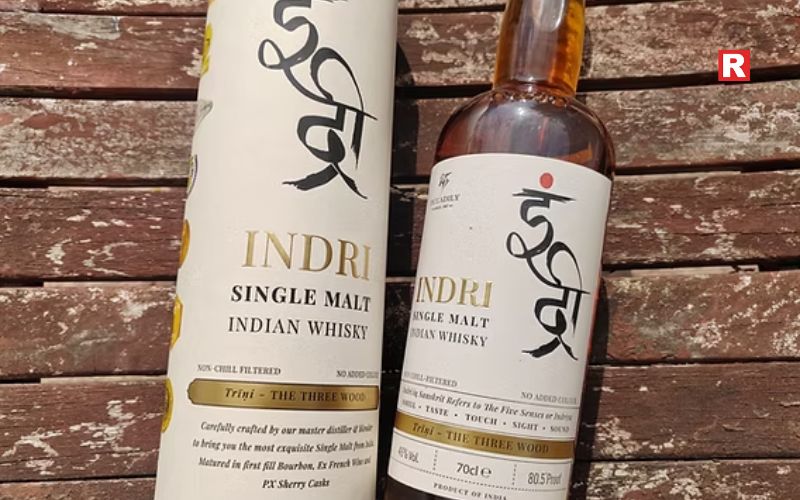
Approx Price: Rs 3,700 – Rs 4,700
Indri-Trini is one of the most talked-about Indian single malts today. It is made in Haryana and matured in three different wooden casks. These include ex-bourbon, French wine, and Pedro Ximénez sherry casks. This triple cask process gives the whisky depth and balance. You can taste vanilla sweetness, dried fruits, mild spice, and gentle oak. The texture is smooth and rich. The finish is long and warm. It feels premium from the first sip. Indri-Trini is ideal for people who enjoy sipping whisky neat. It also works well with a few drops of water.
Read more: Top Rye Whiskey Brands in India
Top Premium Whisky Brands in India: Finest Indian Whiskies Worth Trying
2. Paul John Nirvana – Indian Single Malt
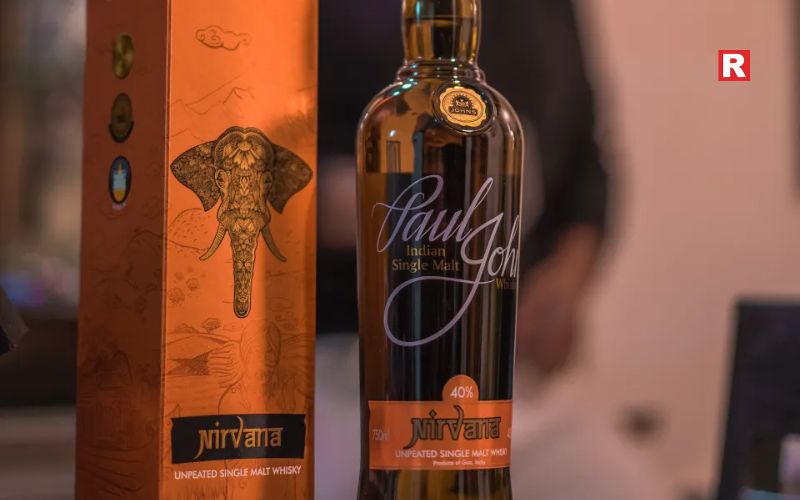
Approx Price: Rs 3,300 – Rs 3,800
Paul John is a well-known name in Indian single malts. Nirvana is one of its most approachable expressions. This whisky is made in Goa using Indian barley. It is unpeated and aged in American oak barrels. The result is a smooth and friendly whisky. On the nose, you get hints of honey, caramel, and fruit. On the palate, it feels light, sweet, and slightly nutty. The finish is clean and soft. Paul John Nirvana is a great option for beginners who want to explore single malts. It is also a good everyday sipping whisky.
3. Monkey Shoulder – Blended Malt Scotch
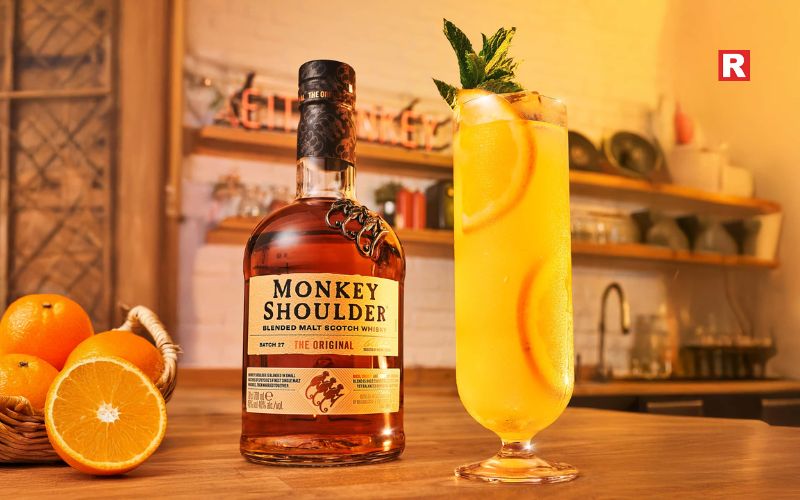
Approx Price: Rs 4,500 – Rs 4,900
Monkey Shoulder is a blended malt Scotch whisky. It is made by mixing three Speyside single malts. There is no grain whisky used. The taste is creamy and smooth. You will notice vanilla, honey, malt, and light fruit notes. It is rich but not heavy. This whisky is very versatile. You can drink it neat, with ice, or in cocktails like Old Fashioned and Whisky Sour. Monkey Shoulder is popular with both beginners and experienced drinkers. It offers true Scotch quality at a fair price.
4. Jack Daniel’s Tennessee Honey
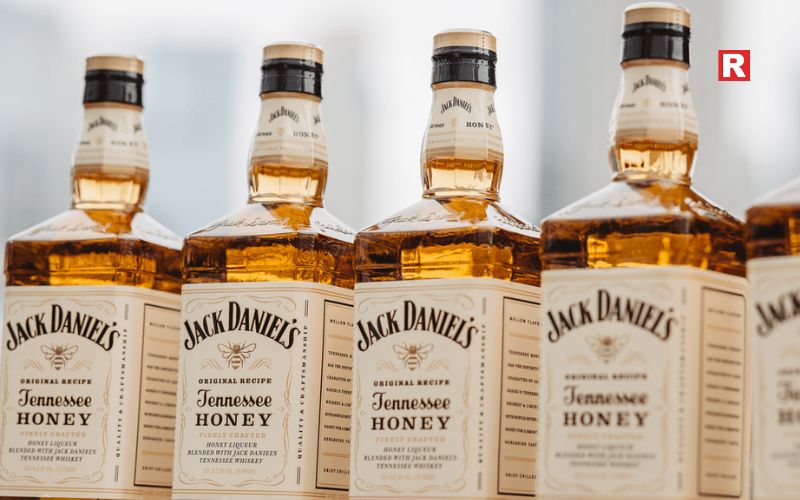
Approx Price: Rs 3,200 – Rs 3,400
Jack Daniel’s Tennessee Honey is a flavoured whisky liqueur. It blends classic Jack Daniel’s whiskey with natural honey. The result is sweet, smooth, and very easy to drink. You get honey, caramel, and soft oak flavours. There is no sharp alcohol burn. This whisky is perfect for people who prefer mild and sweet profiles. It works well chilled or over ice. It is also popular at parties and casual gatherings. Many people who do not usually drink whisky enjoy this one.
Know more: Best Japanese Whisky Brands in India: Where Craft Meets Perfection in Every
5. Jameson Irish Whiskey
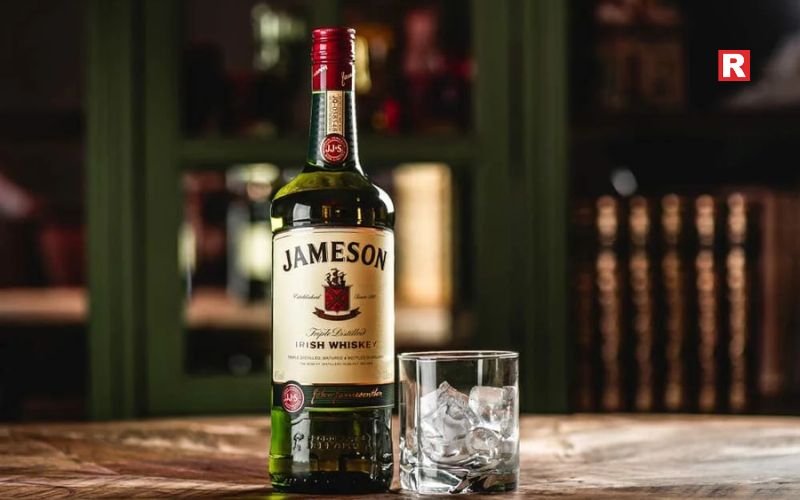
Approx Price: Rs 2,800 – Rs 3,000
Jameson is one of the smoothest whiskies in this price range. It is triple distilled, which removes harsh edges. The flavour profile is light and balanced. You get notes of vanilla, toasted wood, fruit, and a gentle spice. Jameson is easy to sip and very flexible. It tastes good neat, with ice, or mixed with ginger ale or soda. This whisky is ideal for people who want something smooth and reliable. It is also a safe gifting option.
6. Black Dog Triple Gold Reserve
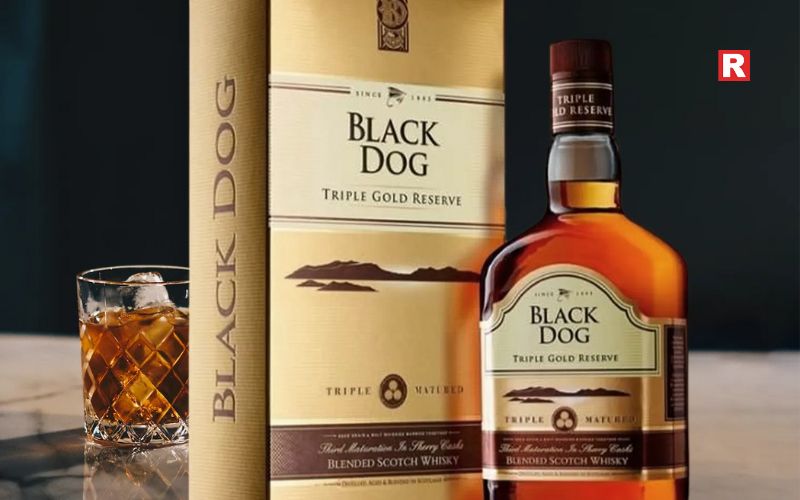
Approx Price: Rs 2,900 – Rs 3,100
Black Dog Triple Gold Reserve is a premium blended Scotch whisky. It is made using malt whiskies aged in sherry casks. The taste is smooth and slightly sweet. You will notice dried fruits, caramel, and soft smoky notes. This whisky has a mature and refined character. It suits Indian taste preferences very well. It is best enjoyed neat or with a small amount of water. It also pairs nicely with rich food.
7. Dewar’s White Label
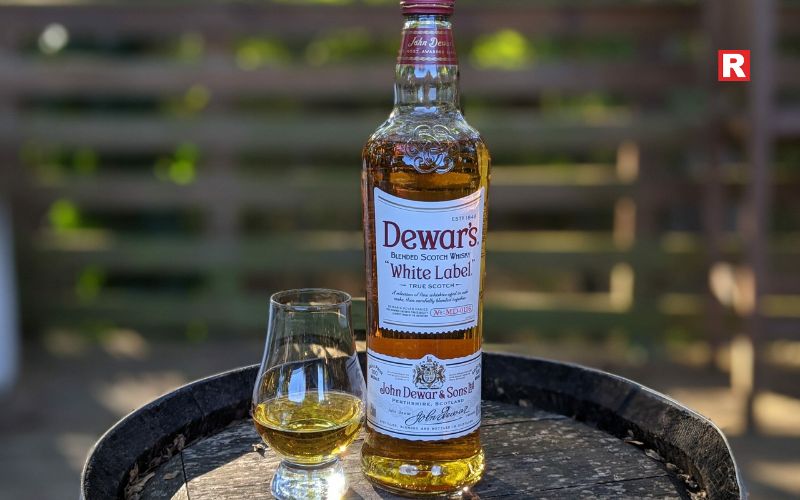
Approx Price: Rs 2,250 – Rs 2,600
Dewar’s White Label is a classic Scotch blend. It uses more than 40 whiskies and follows a double ageing process. The flavour is light, honeyed, and slightly citrusy. It is smooth and easy to drink. This whisky works well for daily sipping and cocktails. It is not too complex, but very balanced. Dewar’s White Label is ideal for people who enjoy mild Scotch whiskies without strong smoke or peat.
How to Choose the Right Whisky Under Rs 5000
If you are confused, use these simple tips:
- For rich and complex taste: Choose Indri-Trini or Monkey Shoulder
- For smooth and light sipping: Choose Jameson or Paul John Nirvana
- For sweet and easy drinking: Choose Jack Daniel’s Tennessee Honey
- For classic Scotch feel: Choose Black Dog or Dewar’s
Your choice should match your taste preference, not just the brand name.
Also check: Top 20 Trendy Whiskeys You Must Try Once
Top Scotch Whisky Brands in India: The Ultimate Guide for Whisky Lovers
Best Imported Whisky Brands in India: A Detailed Guide for Every Whisky
Best Occasions to Enjoy These Whiskies
- Personal sipping: Indian single malts and blended malts
- House parties: Monkey Shoulder, Jameson, Jack Daniel’s Honey
- Festive gifting: Indri-Trini, Paul John Nirvana, Black Dog Triple Gold
- Casual evenings: Dewar’s White Label or Jameson
Final Sip!
Enjoying premium whisky in India no longer requires spending a large amount. The ₹5000 price range now offers strong value and dependable quality. Many whiskies in this bracket deliver bold flavours, smooth finishes, and a refined drinking experience. Indian single malts have played a big role in this shift. Labels like Indri-Trini and Paul John have earned respect both at home and abroad. They showcase Indian craftsmanship and careful ageing. Their taste stands confidently alongside international names. At the same time, global whisky styles remain popular. Scotch blends bring balance and depth. Irish whiskies are known for their smooth and gentle character. American whiskies add sweetness and warmth. Together, they offer plenty of choice for different palates. These whiskies suit many occasions. They work for quiet personal sipping. They fit well at social gatherings. They also make thoughtful gifts. Premium whisky under Rs 5000 is no longer a compromise. Each bottle carries its own character. Every pour offers a satisfying experience.
Winter changes the way people enjoy drinks. The nights grow longer. The air turns cold and sharp. Comfort becomes a priority. Many turn to whisky or rum for warmth. But dry gin is now finding its place in winter drinking too. Dry gin is crisp, fresh, and full of aromatic botanicals. It has a layered flavour that can feel light or strong, depending on the mix. With the right tonic, garnish, or a slice of citrus, it can become both warming and satisfying. In India, gin has been enjoying a steady revival. Urban drinkers are exploring premium spirits more than ever. Cocktail culture is growing, and home bars are becoming popular. People enjoy experimenting with flavours and presentation, especially during colder months.
Winter provides the perfect opportunity to try something new. Dry gin fits perfectly into this season. It works for simple serves or more elaborate cocktails. The experience becomes more about flavour, aroma, and comfort. This guide highlights the top dry gin brands to explore this winter. Each selection focuses on authentic taste, seasonal suitability, and premium quality. It helps drinkers find the right gin for quiet evenings, gatherings, or special occasions.
Why Dry Gin Works So Well in Winter
Dry gin is not just a summer drink. Its botanicals give natural warmth. Juniper brings sharpness. Spices add depth. Citrus lifts the flavour without making it heavy. You can also experiment with warm garnishes. Orange peel. Cinnamon. Rosemary. These small changes make dry gin feel seasonal and comforting.
In winter, gin works well in:
- Strong gin and tonic
- Gin with ginger ale
- Martini-style serves
- Slow sipping over ice
Explore Top Dry Gin Brands For Winter
1. Tanqueray: The Classic Winter Staple
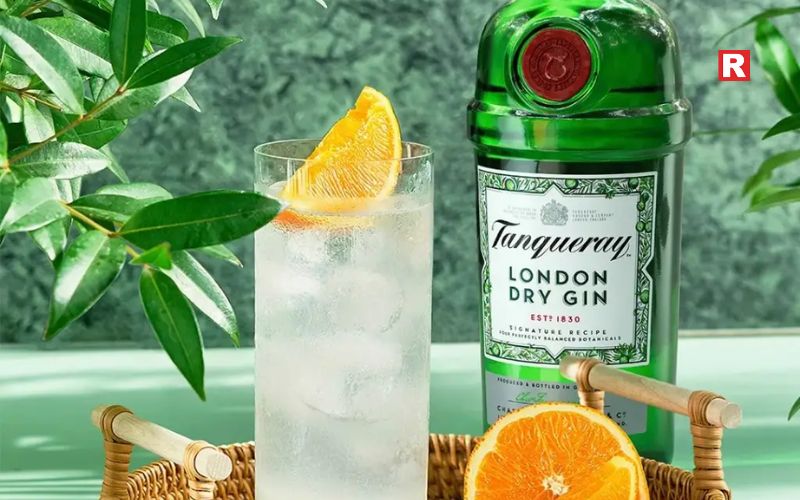
Tanqueray is one of the most trusted dry gin brands in the world. It follows the traditional London Dry style. The flavour is bold and juniper-forward. There are clear notes of coriander and citrus. This strong profile makes Tanqueray ideal for winter. It does not get lost in mixers. Even when paired with tonic and ice, the flavour stays firm. For Indian winters, Tanqueray works well in a classic gin and tonic with a wedge of lime or orange. You can also use it for a dry martini on cold evenings at home. This gin suits people who enjoy structure and clarity in their drink. It is reliable. It is timeless. It feels familiar, which is comforting in winter.
Read more: Best Brandy Brands in India to Experience This Winter
Top Premium Whisky Brands in India: Finest Indian Whiskies Worth Trying
2. Bombay Sapphire: Smooth and Aromatic
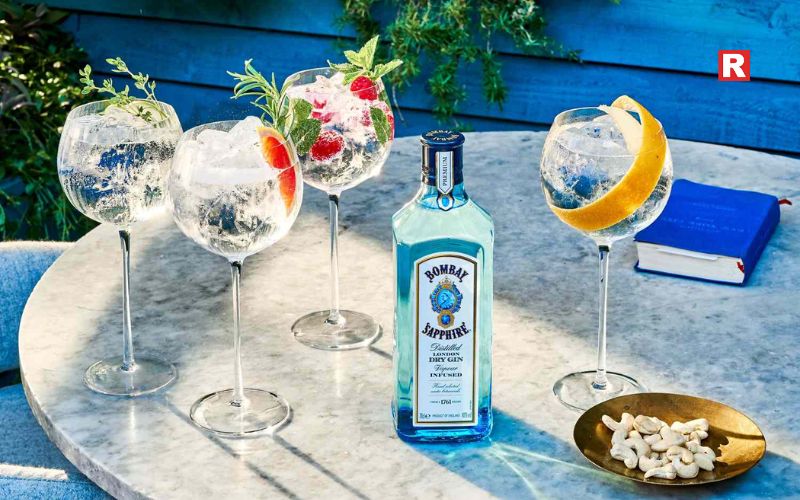
Bombay Sapphire is known for its balanced taste. It uses ten botanicals, including almond, lemon peel, and grains of paradise. The result is a smoother and more aromatic dry gin. In winter, Bombay Sapphire is perfect for relaxed sipping. It does not feel harsh. The floral notes make it pleasant even when served simply. This gin pairs beautifully with Indian-style garnishes. Orange peel. A pinch of clove. Even a sprig of tulsi for a local twist. Bombay Sapphire is a good choice for people who are new to gin or prefer softer flavours. During winter gatherings, it works well because it appeals to a wide range of tastes.
3. The Botanist: Deep, Herbal, and Complex
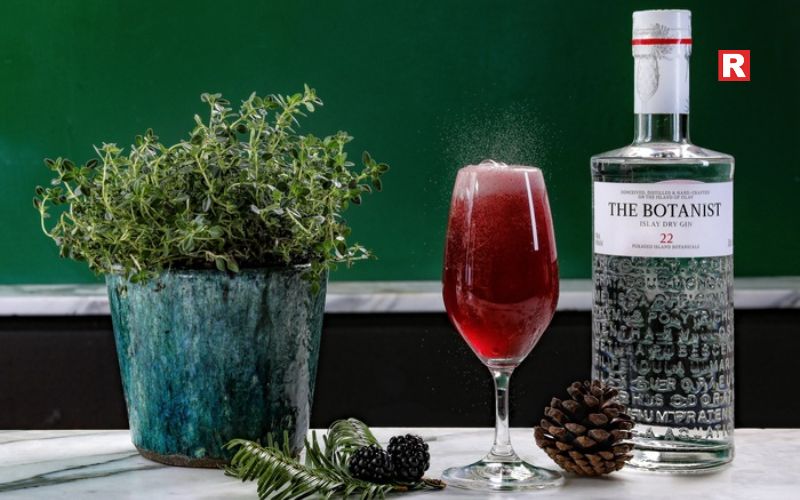
The Botanist comes from Scotland’s Isle of Islay. It is made using 22 hand-foraged local botanicals. This gives the gin a deep herbal character. This is a winter gin for slow drinking. The flavour is layered. You notice different notes with every sip. There is earthiness, floral softness, and gentle spice. In cold weather, The Botanist feels luxurious. It suits quiet evenings. Dim lights. Soft music. It is best enjoyed with minimal mixing. Serve it with a high-quality tonic. Add a sprig of thyme or rosemary. Let the botanicals speak. For Indian consumers who enjoy premium spirits and thoughtful drinking, The Botanist is a standout winter choice.
4. Gilpin’s Westmorland Extra Dry: Elegant and Artisanal
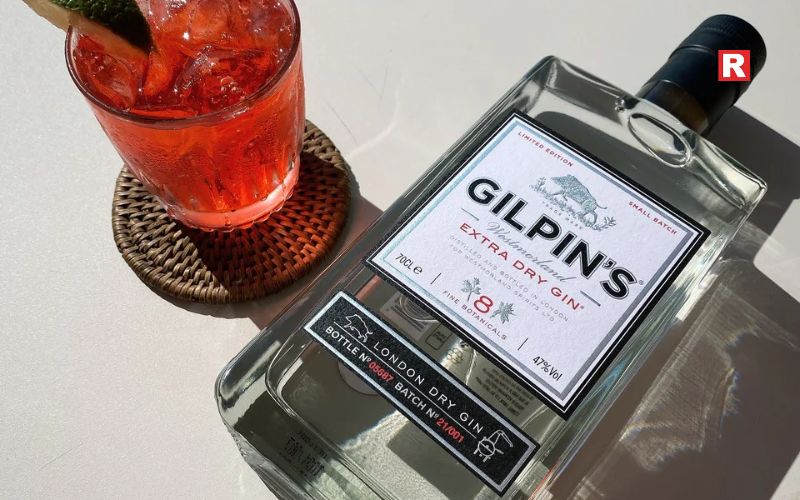
Gilpin’s is a small-batch London Dry gin. It is less common in India, which makes it special. The flavour includes juniper, bitter orange, lime, and sage. This gin feels refined. It is not loud. It is precise and balanced. In winter, this elegance becomes more noticeable. Gilpin’s works best in simple serves. A classic gin and tonic is enough. The botanicals open up slowly in cold weather. This is a good gin for people who appreciate craft spirits. If you enjoy discovering niche brands, Gilpin’s is worth trying during winter.
Know more: Best Japanese Whisky Brands in India: Where Craft Meets Perfection in Every
5. Hendrick’s: A Floral Twist for Cold Nights
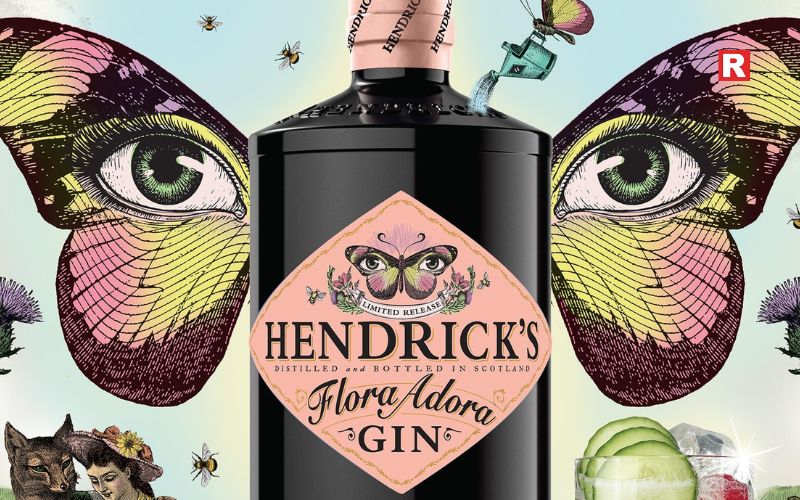
Hendrick’s is not a traditional London Dry gin, but it remains one of the most popular premium gins in India. It uses rose and cucumber as key flavour elements. In winter, Hendrick’s offers a unique experience. The floral notes add softness. The cucumber keeps the drink fresh, even in colder weather. This gin works well with ginger ale during winter. The warmth of ginger balances the floral sweetness. You can also add pink grapefruit peel for extra depth. Hendrick’s is ideal for people who like experimenting. It adds variety to a winter home bar without feeling too heavy.
6. Roku Gin: Japanese Precision with Winter Warmth
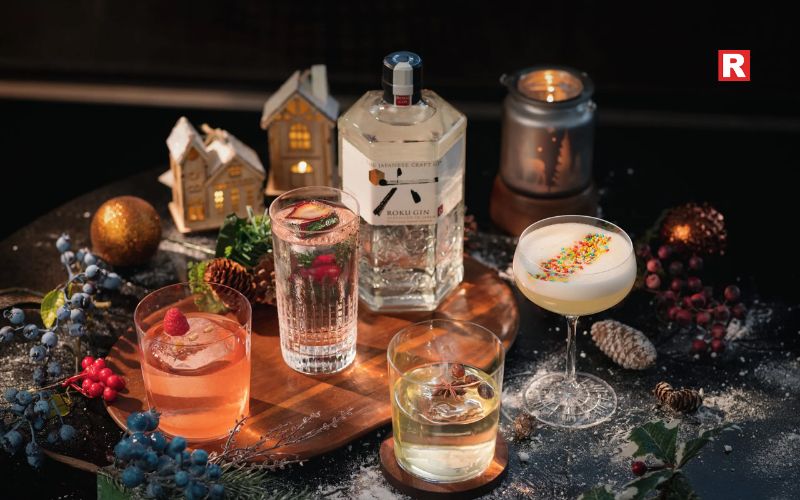
Roku is a Japanese dry gin made using six seasonal Japanese botanicals. These include yuzu peel, cherry blossom, and green tea. The flavour is subtle but complex. There is gentle spice. There is herbal depth. It feels calm and refined. In winter, Roku pairs well with warm flavours. Ginger tonic. Citrus peel. Even a light spice garnish. Indian drinkers who enjoy international spirits and clean flavours will appreciate Roku. It is different from classic London Dry gins, yet it still feels comforting in cold weather.
The Rise of Gin Culture in India
India’s gin market has been growing steadily in recent years. Urban consumers are showing a strong interest in premium spirits. Cocktail culture is becoming more common in cities. Home bartending is also on the rise. Winter plays an important role in this trend. People spend more time indoors. They host friends and family at home. This gives them a chance to try new drinks. Dry gin fits naturally into this lifestyle. Its flavours are crisp, aromatic, and versatile. International gin brands remain very popular. At the same time, there is growing curiosity about botanicals, unique flavours, and high-quality spirits.
- Gin consumption is rising in Indian cities.
- Cocktail culture and home bartending are expanding.
- Winter encourages indoor gatherings and experimentation.
- Dry gin suits winter drinks perfectly.
- Consumers are exploring premium and international brands.
- Interest in botanicals and unique flavours is growing.
Also check: Top Scotch Whisky Brands in India: The Ultimate Guide for Whisky Lovers
Best Imported Whisky Brands in India: A Detailed Guide for Every Whisky
10 Fastest-Growing Alcohol Brands in India’s HoReCa Sector
Final Sip
Dry gin is no longer just a summer drink. In winter, it takes on a richer, warmer character. It becomes a drink to enjoy slowly. It can be simple, or it can be layered with flavour. Tanqueray offers a bold, classic taste. The Botanist brings herbal and earthy notes. Bombay Sapphire adds a smooth, aromatic touch. Hendrick’s introduces floral hints. Each gin has its own personality. Winter is the time to explore these differences. People can try them neat, with tonic, or with a slice of orange or a sprig of rosemary. Small garnishes make the drink feel special and seasonal. This season, quality matters more than quantity. Sipping slowly and enjoying the aromas makes the experience richer. Dry gin adds warmth and comfort. It brings character to quiet evenings or friendly gatherings at home. Winter is now the perfect season to enjoy it fully.
Winter in India is a time for warmth, comfort, and slow evenings. As the temperatures drop, many people move away from light spirits and prefer drinks that are richer and fuller. Brandy is one of the most popular choices during this season. It is smooth, warming, and has depth. Made from distilled wine or fruit, brandy brings natural sweetness, hints of oak, and a gentle heat that makes it ideal for cold nights.
In India, brandy has a long-standing and loyal consumer base. It is especially popular in southern states. Over the years, the brandy category has grown and evolved. Consumers now look beyond just price. They seek smoothness, better ageing, and trusted names. People enjoy both Indian brandies and international options, depending on taste and occasion. Winter is the perfect time to explore brandy. It suits those who sip casually as well as those who enjoy a stronger, more refined drink. Even first-time drinkers can appreciate its flavours. Brandy is more than a drink in winter; it brings comfort, warmth, and a sense of slow, relaxing evenings.
Explore Best Brandy Brands in India
1. Mansion House Brandy
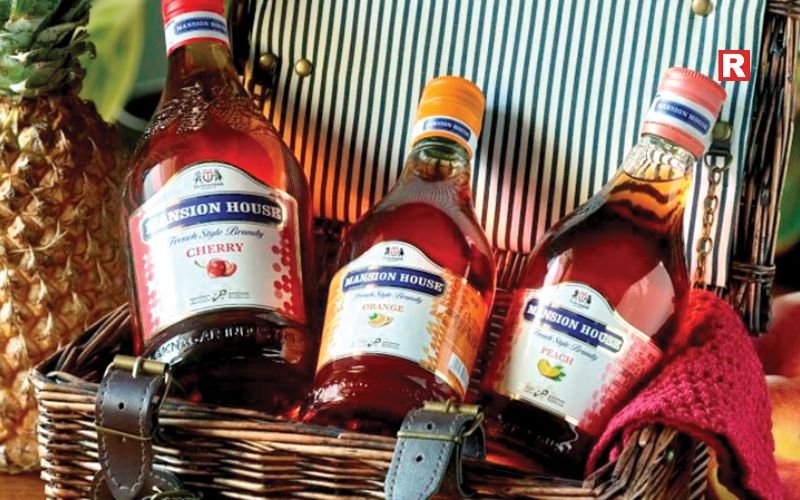
Mansion House is one of the most iconic brandy brands in India. It is produced by United Spirits, a Diageo-owned company. Over the years, Mansion House has built strong trust among Indian consumers. It is also one of the highest-selling brandies in the world by volume. The brandy is known for its smooth profile. It carries mild sweetness, fruity notes, and soft oak flavours. The texture is rich but not harsh. This makes it suitable for both new drinkers and seasoned consumers. Mansion House works well when consumed neat or with a little water. Some also prefer it over ice. During winter, its warming finish makes it comforting and satisfying. It is widely available across India and priced accessibly, which adds to its popularity.
Why it stands out in winter:
- Smooth and balanced taste
- Easy to sip on cold evenings
- Trusted Indian brand with consistent quality
Read more: Top 5 Strong Beer Brands in India: Bold Brews for the Bold Drinker
Best Japanese Whisky Brands in India: Where Craft Meets Perfection in Every
2. McDowell’s No.1 Brandy
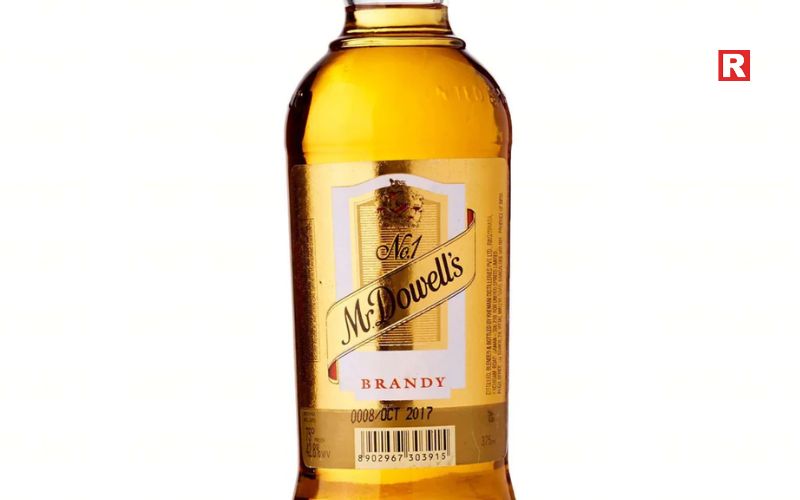
McDowell’s No.1 Brandy is another household name in India. It is part of the McDowell’s No.1 portfolio, which is one of the largest spirits brands in the country. This brandy has a strong presence across urban and semi-urban markets. The flavour profile is bold and rounded. It offers notes of dried fruits, mild spice, and oak. The body is slightly heavier compared to lighter brandies, which works well in winter. McDowell’s No.1 Brandy is often preferred during social gatherings. It is versatile and pairs well with Indian snacks. Many consumers appreciate it for its reliable taste and value pricing.
Why it stands out in winter:
- Rich body and warming character
- Widely available across India
- Ideal for group settings and casual evenings
3. Old Admiral Brandy
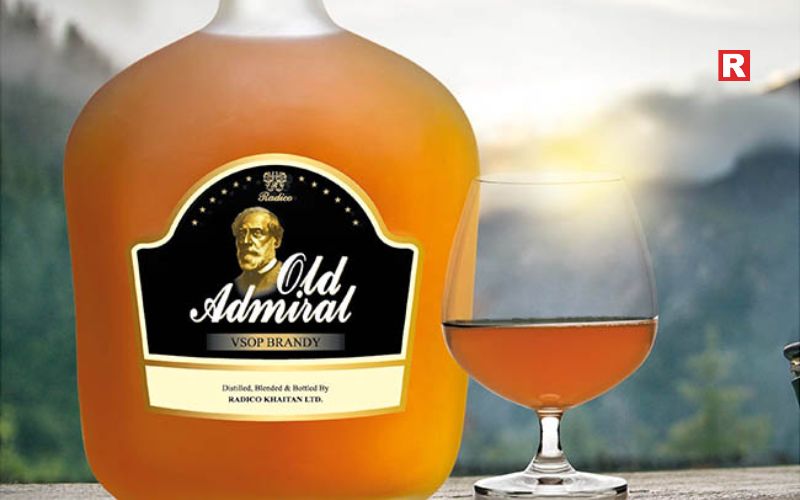
Old Admiral Brandy is produced by Radico Khaitan, a well-known Indian spirits company. The brand is popular among consumers who enjoy stronger and more robust flavours. This brandy delivers bold fruit notes with a noticeable kick. It is not overly sweet. The flavour leans towards strength and intensity. Because of this, it appeals to drinkers who like a powerful finish. Old Admiral is often chosen for its value-for-money positioning. It offers depth at an affordable price point. In winter, its strong character makes it a preferred choice for late-night sipping.
Why it stands out in winter:
- Strong and bold flavour
- Good balance between price and taste
- Suitable for those who prefer intense spirits
Know more: Top Whiskies for This Winter: Smooth, Warm & Perfect for Cold Evenings
4. Honey Bee Brandy
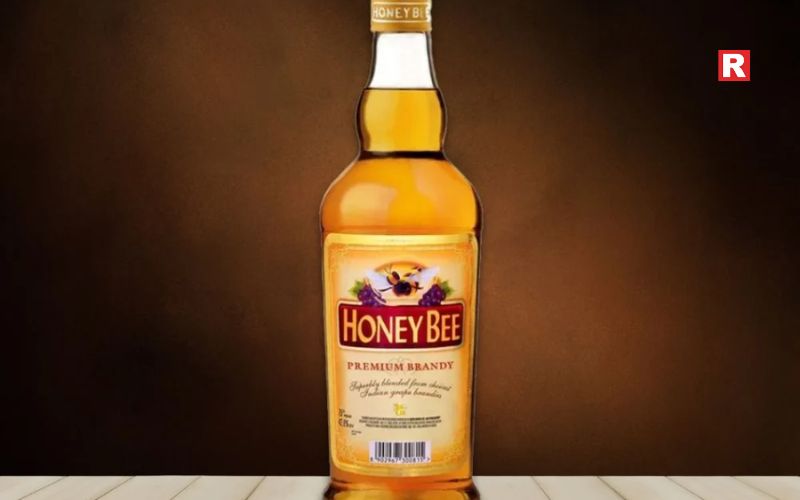
Honey Bee Brandy is known for its smooth and mellow profile. It has built popularity for its easy-drinking nature. Compared to stronger brandies, Honey Bee feels softer on the palate. The brandy has subtle sweetness and gentle fruit notes. It does not overpower the senses. This makes it ideal for consumers who prefer mild spirits. It is also popular among those who are new to brandy. Honey Bee works well when consumed neat or lightly chilled. During winter, it provides warmth without being too heavy. Its balanced nature makes it suitable for relaxed evenings at home.
Why it stands out in winter:
- Smooth and approachable taste
- Mild sweetness with low harshness
- Ideal for beginners and casual drinkers
5. Hennessy Brandy
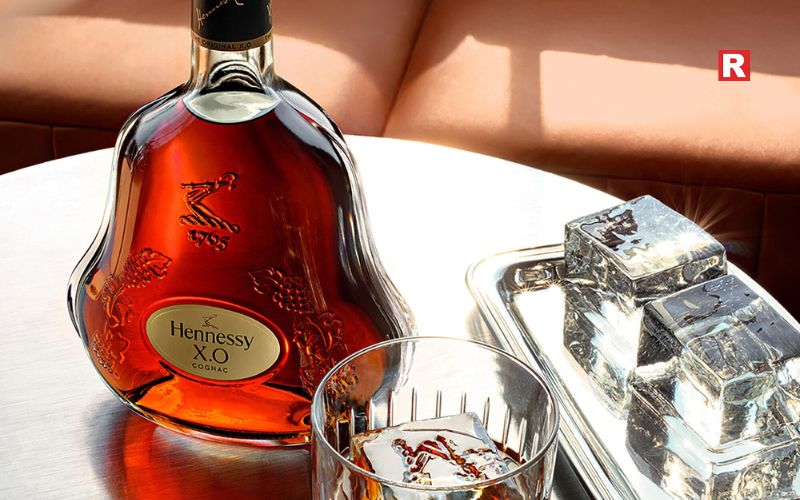
For those seeking a luxurious winter sipping experience, Hennessy holds a special place among cognac lovers. Available in select retail stores and duty-free outlets across India, Hennessy is crafted using traditional French methods and aged in oak barrels for extended periods. This careful ageing develops rich, complex flavours with notes of dried fruits, vanilla, caramel, subtle spice, and deep oak. Its smooth and refined profile makes it best enjoyed neat, allowing every layer of flavour to be savoured. Hennessy is often chosen for special occasions, festive celebrations, or as a premium gifting option during the winter months.
Why it stands out in winter:
- Rich complexity and long finish
- Perfect for slow sipping on cold nights
- Premium choice for celebrations and gifting
Why Brandy Is Ideal for Indian Winters
Brandy naturally suits colder weather. It has a warming effect that feels comforting during winter. The fruity base and oak ageing create richness that pairs well with the season. In many Indian households, brandy is also seen as a traditional winter drink. Some consumers even associate it with relief from cold weather discomfort. While moderation is always important, brandy remains a popular seasonal choice. Another reason for brandy’s winter appeal is versatility. It can be consumed neat, with water, or as part of warm cocktails. It pairs well with roasted snacks, dry fruits, and dark chocolate.
- Drink it neat to enjoy full flavour and aroma
- Add a little warm water to open up the notes
- Pair with nuts, cheese, or dark chocolate
- Sip slowly to appreciate the warmth and depth
Avoid mixing brandy with heavy sweet mixers. This masks its natural character.
Also check: Top 20 Trendy Whiskeys You Must Try Once
10 Fastest-Growing Alcohol Brands in India’s HoReCa Sector
Best Imported Whisky Brands in India: A Detailed Guide for Every Whisky
Final Thoughts
India’s brandy market offers choices for every kind of drinker. Mass favourites like Mansion House and McDowell’s No.1 are popular across the country. They are smooth, reliable, and perfect for regular sipping. Value-driven options like Old Admiral and Honey Bee appeal to those who prefer bold flavours or milder, easy-drinking spirits. Each brand has its own character, making the category diverse and interesting. For those seeking luxury, French cognacs like Hennessy bring global craftsmanship to Indian winters. These brandies are rich, complex, and best enjoyed neat. They are ideal for special occasions or gifting during the festive season. In winter, brandy is more than a drink. It brings warmth and comfort. It encourages slow sipping and relaxed evenings. With the right bottle, winter nights become memorable and full of flavour. Always enjoy responsibly and follow local laws.

Winter in India changes the way people enjoy their drinks. Evenings grow longer, and nights become colder. The pace of life slows down, and conversations take on a relaxed, unhurried tone. During this season, whisky becomes the drink of choice for many. It warms the body, soothes the mind, and adds a sense of comfort to gatherings with friends and family. Winter whiskies are different from summer drinks. They need character and depth. The best ones are smooth yet bold, warm but not harsh. Rich flavours are easier to enjoy in cold weather. Notes of oak, spice, smoke, and dried fruits come alive during winter, giving each sip a fuller, more satisfying experience.
This makes it the perfect time to explore premium whiskies. Some enjoy bold Indian single malts, while others prefer smooth, internationally acclaimed blends. Each type has its own charm and style. This guide highlights six whiskies that suit Indian winters perfectly. The selection includes both domestic and global favourites. Each whisky offers a unique combination of flavour, warmth, and smoothness, ensuring that winter evenings feel more memorable and enjoyable.
Why Whisky Works Best in Winter
Whisky has a natural warming effect. The alcohol content helps increase body warmth. At the same time, mature flavours taste richer when the weather is cold. Winter food also pairs better with whisky. Think kebabs, tikkas, grilled meats, paneer snacks, and roasted nuts. Whisky complements these flavours without overpowering them. Another reason is pace. Winter drinking is slow. People sip instead of rushing. Whisky suits this mood perfectly.
Explore Top Whiskies for This Winter
1. Amrut Fusion – Indian Single Malt
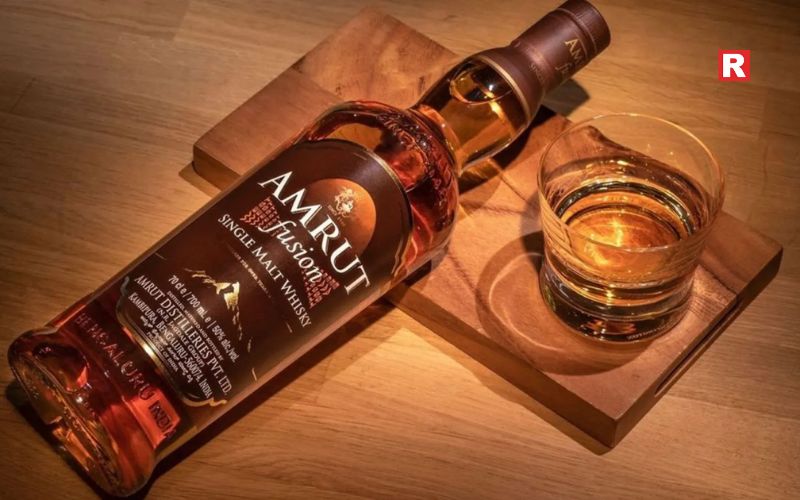
Amrut Fusion stands among the most respected Indian single malts today. It reflects years of careful whisky-making and strong attention to detail. The whisky is made using a blend of Indian barley and Scottish barley. This unique combination gives it both strength and balance. It is matured in Bengaluru’s warm climate. The higher temperature helps the whisky age faster than in colder regions. This process deepens the flavour and adds richness to the spirit. The result is a whisky with bold character and clear malt notes. Amrut Fusion is known for its depth, warmth, and smooth finish. It is often enjoyed neat by whisky lovers who appreciate strong and well-developed flavours.
- Taste Profile: You will notice malt sweetness first. Then come notes of spice, oak, and a light smokiness. The finish is long and warm.
- Why It’s Perfect for Winter: The bold character and higher strength make it ideal for cold nights. It feels rich and satisfying even when sipped slowly.
Read more: Best Japanese Whisky Brands in India: Where Craft Meets Perfection in Every
Top Scotch Whisky Brands in India: The Ultimate Guide for Whisky Lovers
2. Paul John Bold – Indian Single Malt

Paul John Bold is a peated Indian single malt with a strong and smoky character. It is crafted in Goa, where the coastal climate plays an important role in its ageing process. The use of peated barley gives the whisky its deep smoke notes and bold identity. On the palate, it offers flavours of cocoa, spice, and roasted malt. The texture feels rich and warming, which suits cold winter evenings well. The finish is long and slightly spicy, leaving a lasting impression. Paul John Bold is often chosen by drinkers who enjoy intense flavours. It is best sipped slowly, allowing the smoke and warmth to unfold with every sip.
- Taste Profile: Expect smoke, cocoa, spice, and hints of coffee. The mouthfeel is thick and warming.
- Why It’s Perfect for Winter: Smoky whiskies shine in cold weather. The peat and spice create a cosy drinking experience, especially in the evening.
3. Royal Stag Barrel Select – Premium Indian Blend
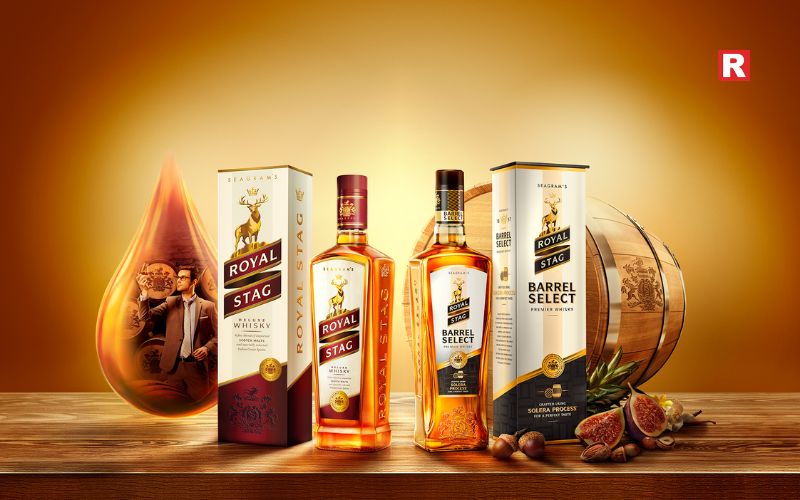
Royal Stag Barrel Select is a familiar name in many Indian households, especially during winter. It is a premium blend that stands out because of its barrel ageing process. The whisky is matured in charred oak barrels. This adds more depth and warmth than regular blends. The flavour feels smooth and balanced. Woody notes come through clearly, followed by light spice and gentle sweetness. The finish is clean and easy, making it comfortable to drink in cold weather. Royal Stag Barrel Select suits social evenings and family gatherings. It works well for relaxed sipping and casual conversations. Many people prefer it because it offers consistency, comfort, and value during the winter season.
- Taste Profile: Woody notes, light spice, and gentle sweetness. Smooth and easy to drink.
- Why It’s Perfect for Winter: It is affordable, reliable, and warm on the palate. Ideal for social settings and casual winter evenings.
4. Johnnie Walker Black Label – Blended Scotch
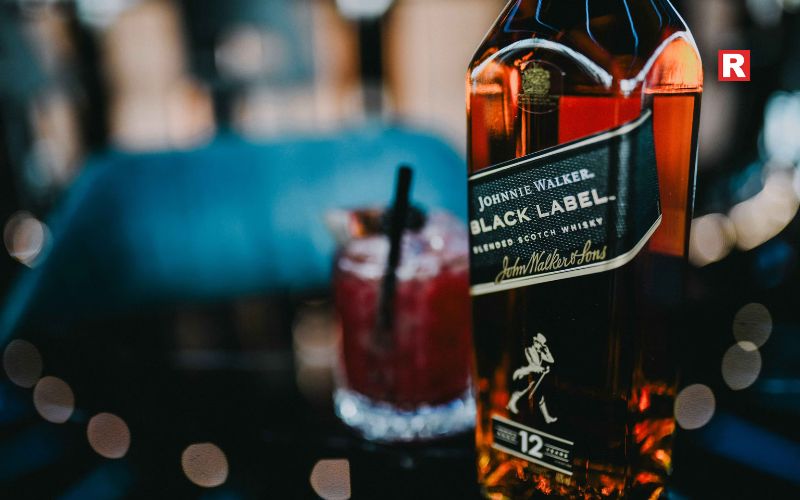
Johnnie Walker Black Label is a 12-year-old blended Scotch whisky. It is known for its smoothness and balanced flavour. The long ageing process gives it depth and a rich character. On tasting, it reveals layers of smoke, sweet vanilla, and dried fruits. There are also subtle hints of peat and oak. These notes come together to create a whisky that is both bold and approachable. It is a popular choice among whisky drinkers in India. The balance makes it suitable for both beginners and experienced enthusiasts. Many prefer to enjoy it neat or with a splash of water to fully appreciate its aroma and warmth. It works perfectly for winter evenings.
- Taste Profile: Smoky, slightly sweet, with notes of vanilla, dried fruits, and peat.
- Why It’s Perfect for Winter: The gentle smoke and oak maturity make it comforting. It suits both experienced drinkers and beginners.
Know more: Top 20 Trendy Whiskeys You Must Try Once
5. Chivas Regal 12 Years – Smooth & Rich Blend
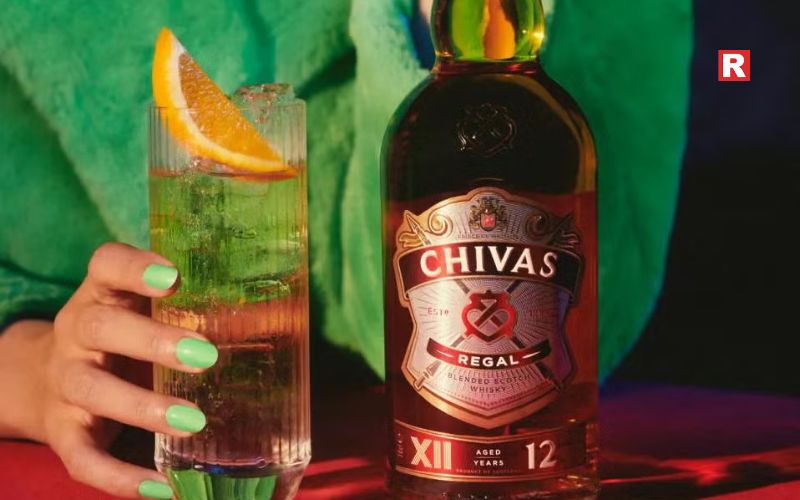
Chivas Regal 12 is a well-known blended Scotch whisky. It is celebrated for its smoothness and rich character. Unlike smoky whiskies, it focuses on delivering a mellow and balanced taste. On the palate, it offers notes of honey, apple, vanilla, and light spice. The flavours are rounded and soft, making it easy to drink. Its creamy texture adds a sense of luxury to every sip. Chivas Regal 12 is a popular choice for winter evenings. It is best enjoyed slowly, allowing the warmth and richness to unfold. Many whisky lovers appreciate it for its consistency and approachable style. It pairs well with light snacks or can be sipped neat for quiet, relaxing moments.
- Taste Profile: Honey, apple, vanilla, and soft spice. Very rounded and mellow.
- Why It’s Perfect for Winter: Its creamy texture and subtle sweetness feel luxurious during cold evenings. It works well for relaxed sipping.
6. Glenfiddich 12 Years – Single Malt Classic
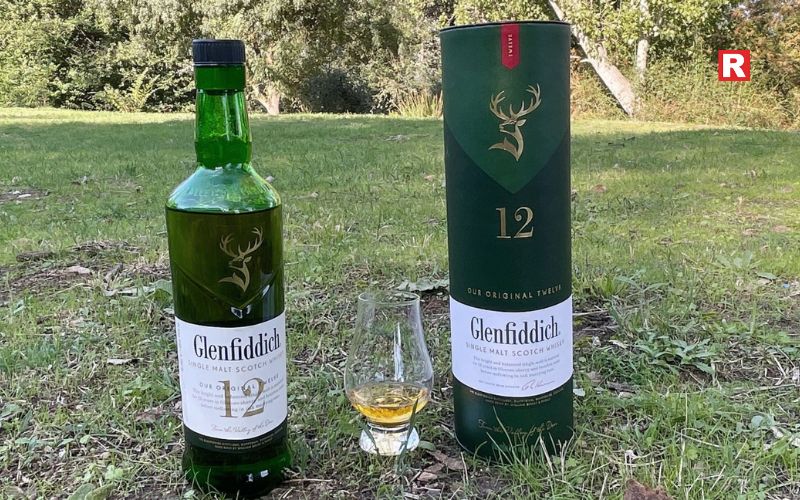
Glenfiddich 12 is a widely loved single malt Scotch whisky in India. It is known for being approachable, making it suitable for both beginners and experienced drinkers. Despite its lightness, it has a clear and enjoyable flavour. The whisky offers notes of fresh pear, malt, and oak. These flavours are delicate but well-balanced. The finish is clean and smooth, leaving a pleasant aftertaste. Its light body makes it easy to sip, yet the taste feels complete and satisfying. Glenfiddich 12 is often enjoyed neat to fully appreciate its aroma and character. It works well for winter evenings when a gentle and flavourful whisky is preferred. Its consistency and smoothness make it a reliable choice.
- Taste Profile: Fresh pear, oak, malt, and a clean finish.
- Why It’s Perfect for Winter: It may not be smoky, but its balance and smooth warmth make it ideal for slow winter sipping.
Also check: 12 Affordable Spirits That Taste Like They Cost a Fortune
10 Fastest-Growing Alcohol Brands in India’s HoReCa Sector
Top 5 Strong Beer Brands in India: Bold Brews for the Bold Drinker
Final Thoughts
Winter is the ideal season for enjoying whisky in its full character. The cold weather enhances the warmth and depth of the spirit, making each sip more satisfying. Whisky in winter is not just a drink; it is an experience. It complements quiet evenings, long conversations, and moments of relaxation. Whether someone prefers bold Indian single malts or smooth international blends, the right whisky can make a simple evening special. The choice depends on personal taste and mood. Some may enjoy the smoky richness of a peated whisky, while others may prefer the soft sweetness of a smooth blend. Sipping slowly is important. It allows the flavours to open gradually, revealing the complexity of the whisky. Winter whisky is about comfort and warmth. It is meant to be savoured, not rushed. Every glass can offer quiet enjoyment and a moment of calm.
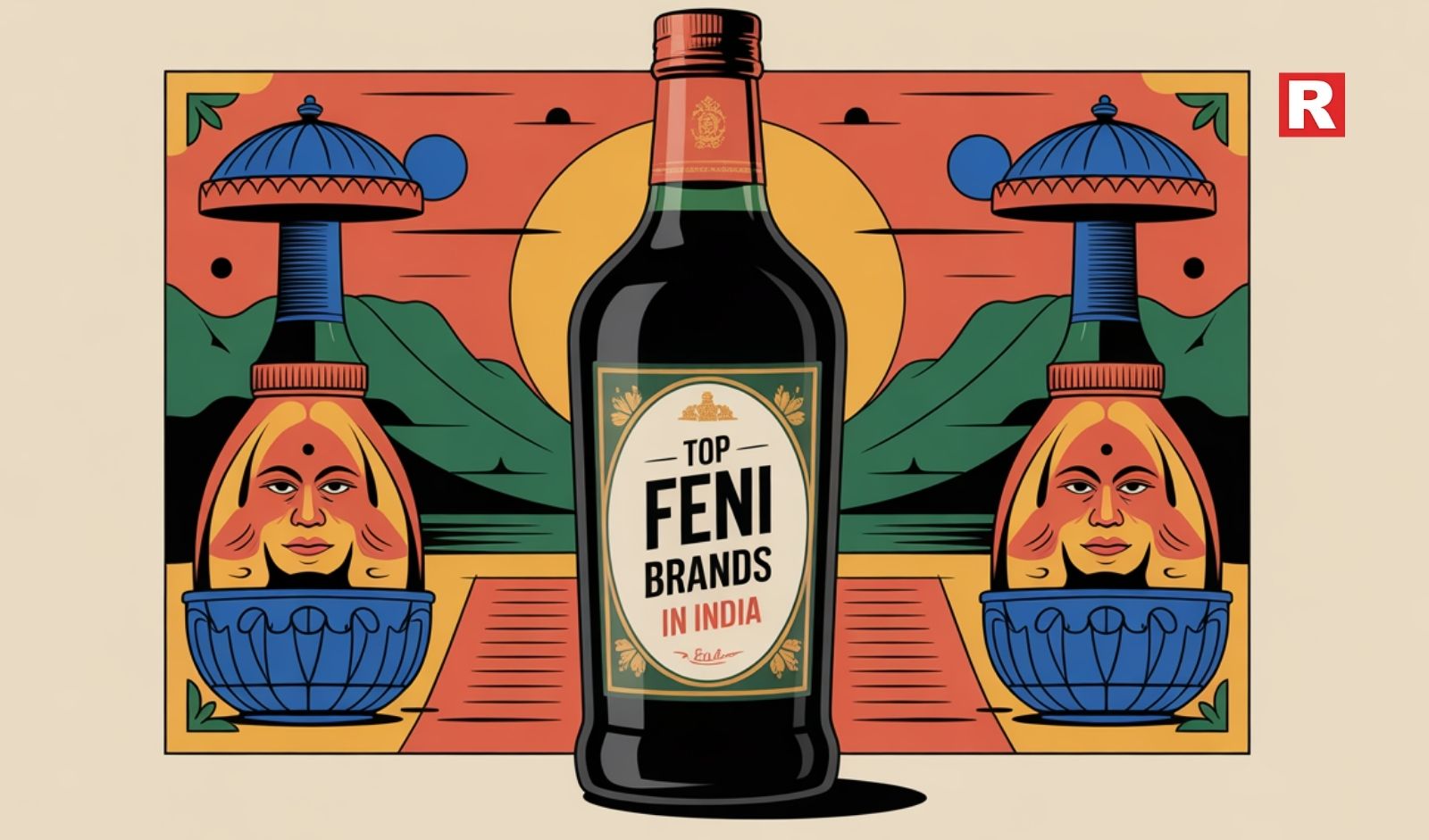
Goa is famous for its beaches, food, music, and free-spirited lifestyle. But another element truly captures the essence of Goa—Feni. This traditional drink has been made in Goan villages for centuries. It starts with ripe cashew apples or the sap of coconut trees. The juice is fermented naturally and then distilled in copper pots. This process gives Feni its strong aroma and bold taste. Over time, Feni has moved beyond local villages. It now appears in bars, restaurants, and liquor stores across India. People from different regions are discovering its unique flavour and smooth finish. It is enjoyed both neat and in cocktails.
Feni is a symbol of Goan heritage. The spirit reflects the state’s history, culture, and craftsmanship. Its distinct taste cannot be replicated outside Goa. Recognising its importance, Feni has earned a GI tag. This protects its identity and ensures authenticity. Today, Feni enjoys a growing fanbase. Young drinkers, tourists, and connoisseurs are exploring it with curiosity. From village stills to urban bars, Feni carries the true flavour of Goa in every sip.
What Makes Feni Special?
Feni is one of the oldest Indian spirits still made using traditional methods. There are two types—cashew Feni and coconut Feni. Cashew Feni is made from ripe cashew apples, while coconut Feni is made from fermented toddy collected from coconut trees. The process is simple but sacred. It involves handpicking fruit, natural fermentation, and slow distillation in copper pots. There are no industrial shortcuts. The ingredients remain pure, and the flavours stay bold.
What makes Feni truly unique is its aroma. It is fruity, earthy, and distinct. Many first-time drinkers remember it instantly. Its taste is smooth yet powerful, making it perfect for both shots and cocktails. As interest in Indian craft spirits grows, Feni is gaining attention from bartenders, spirit experts, and travellers who love local flavours.
Explore The Top Feni Brands in India
1. Goenchi Feni
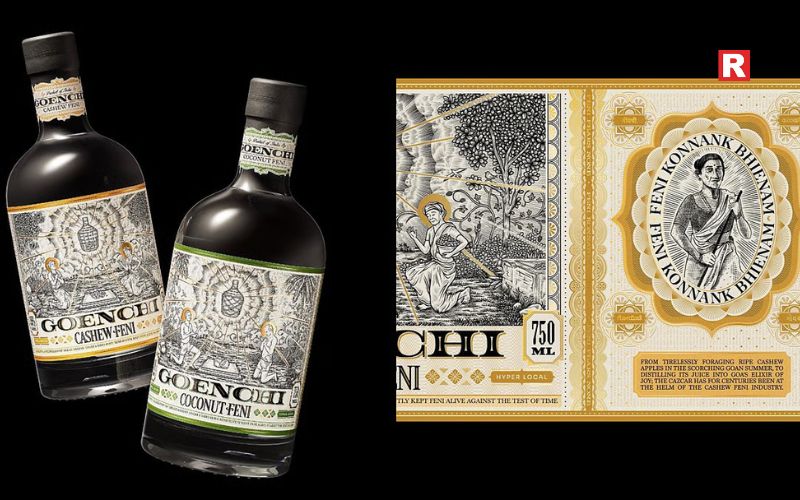
Goenchi Feni is a modern take on a traditional Goan spirit. It blends the heritage of Feni with a smoother, approachable taste. The drink is known for its clean flavours and balanced aroma. This makes it suitable for both first-time drinkers and those who enjoy Feni regularly. The brand carefully selects ripe cashew apples from local farms. Each batch is made using a controlled distillation process. This ensures consistency and preserves the natural taste of the fruit. The copper pot distillation adds subtle notes that highlight the character of Goan Feni. Goenchi Feni can be enjoyed neat, in shots, or in cocktails. It works well with lemonade or soda for a refreshing drink. The brand has helped bring Feni to a wider audience. Today, it is seen as a premium Goan spirit that keeps the tradition alive while appealing to modern tastes.
What makes it unique:
- Smooth and cocktail-friendly
- Balanced aroma, not too sharp
- Premium blend with authentic Goan character
Read more: Top 5 Strong Beer Brands in India: Bold Brews for the Bold Drinker
Best Japanese Whisky Brands in India: Where Craft Meets Perfection in Every
2. Aani Ek
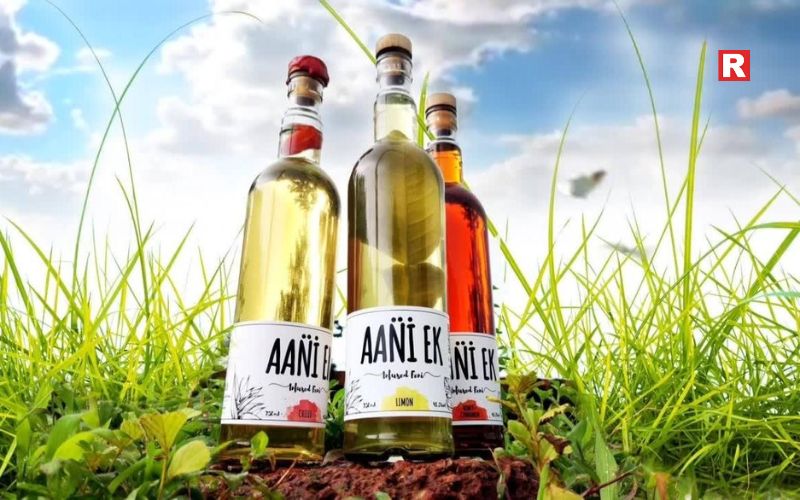
Aani Ek adds a fresh and youthful touch to Goa’s Feni tradition. The name means “One More,” capturing the lively and social spirit of Goan culture. It reflects the festive energy of local gatherings and celebrations. The brand works closely with small, local distillers who follow time-honoured methods. The cashew apples or coconut sap are fermented naturally. Distillation is done slowly in traditional copper pots. This process preserves the authentic aroma and taste of Feni. Aani Ek has a light, fruity flavour that appeals to younger drinkers. It is smooth yet retains the strong character of traditional Feni. The spirit can be enjoyed neat, in shots, or mixed with soda and lime for a refreshing drink. By combining tradition with a modern vibe, Aani Ek helps introduce Feni to new audiences. It brings the true flavour of Goa to homes and bars across India.
What makes it unique:
- Strong local roots
- Crafted in small batches
- Rich tropical notes with a clean aftertaste
3. Cazulo Feni
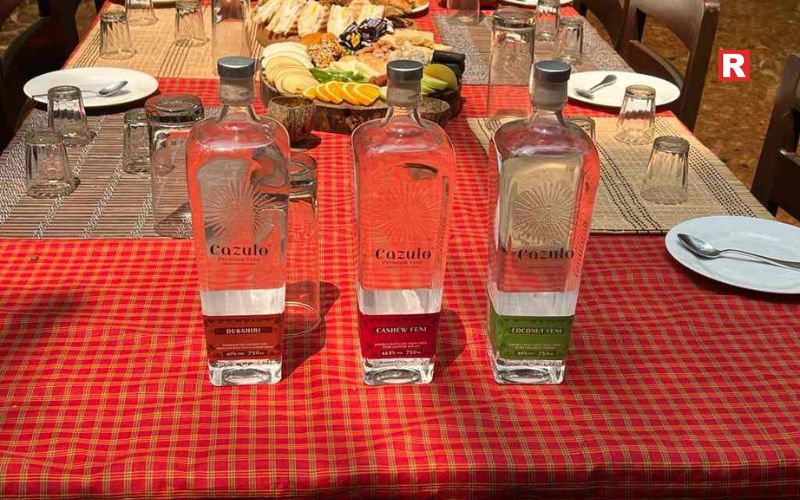
Cazulo is one of India’s most popular premium Feni brands. It is known for turning traditional Feni into a refined craft spirit. The brand focuses on purity and quality in every bottle. Cazulo uses a triple-distillation method. This careful process brings out soft floral and fruity notes while keeping the natural strength of Feni. The result is a smooth, balanced drink that appeals to both beginners and experienced Feni lovers. The brand also offers tasting experiences in Goa. Visitors can learn about the history and culture of Feni while sampling different variants. This helps people understand why Feni is more than just a drink—it is part of Goan heritage.Cazulo can be enjoyed neat, in shots, or in cocktails. Its premium quality and distinctive flavour have made it a favourite in bars and homes across India.
What makes it unique:
- Premium quality and smooth finish
- Loved by mixologists
- Strong presence in upscale bars and restaurants
4. Moji Feni
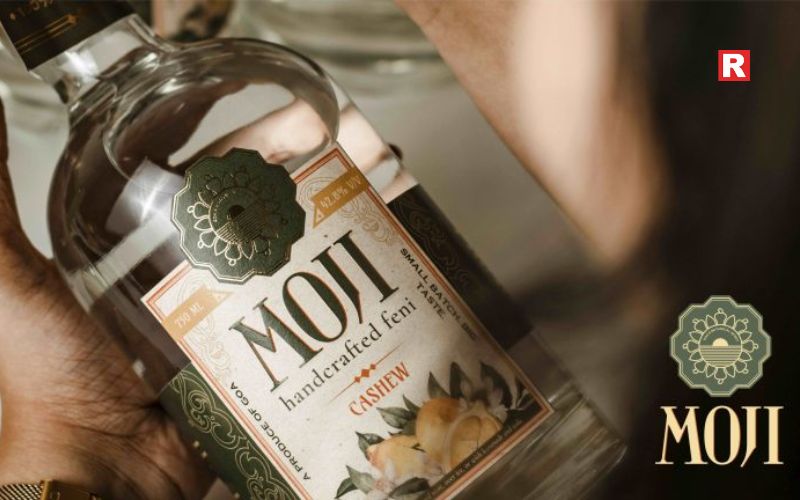
Moji Feni combines traditional Goan methods with a modern approach. The brand focuses on creating a spirit that is easy to drink and widely approachable. It is especially popular among younger audiences who are discovering Feni for the first time. The flavour of Moji Feni is light and fruity. It retains the essence of Goan Feni while offering a smoother, more delicate taste. The brand emphasizes simplicity and freshness, making it ideal for casual settings and social gatherings. Moji Feni is crafted using carefully selected cashew apples and traditional copper pot distillation. This ensures that each bottle maintains authenticity while appealing to contemporary palates. It works well neat, in shots, or as part of cocktails. Its refreshing taste also pairs nicely with soda or tonic water. Moji Feni brings the spirit of Goa to parties and homes across India.
What makes it unique:
- Easy-going, youthful taste
- Smooth mouthfeel
- Popular in Goa’s nightlife spots
Know more: Top Scotch Whisky Brands in India: The Ultimate Guide for Whisky Lovers
5. Tinto Feni
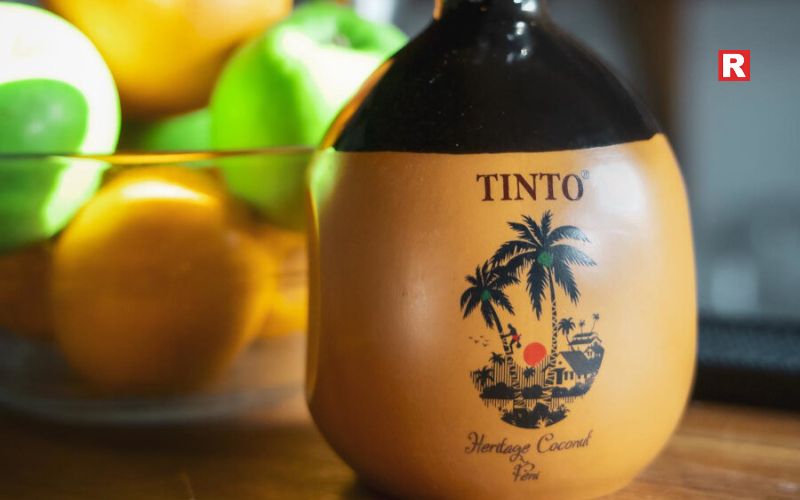
Tinto Feni takes its name from Goa’s lively village market squares, known as “tintos.” These markets are full of energy, colour, and community spirit. The brand captures this essence in every bottle. Tinto focuses on traditional methods of distillation. The cashew apples or coconut sap are carefully fermented and slowly distilled in copper pots. This process brings out bold, strong flavours that stay true to Goan heritage. The spirit has a rustic, earthy aroma and a full-bodied taste. It appeals to drinkers who enjoy authentic Feni and want the original Goan experience. Tinto Feni can be enjoyed neat, in shots, or mixed with soda or lemonade for a refreshing drink. The brand is a celebration of Goa’s culture, markets, and community, offering a taste of local tradition in every sip.
What makes it unique:
- Strong local identity
- Traditional flavour profile
- Earthy, full-bodied aroma
6. Fidalgo Feni
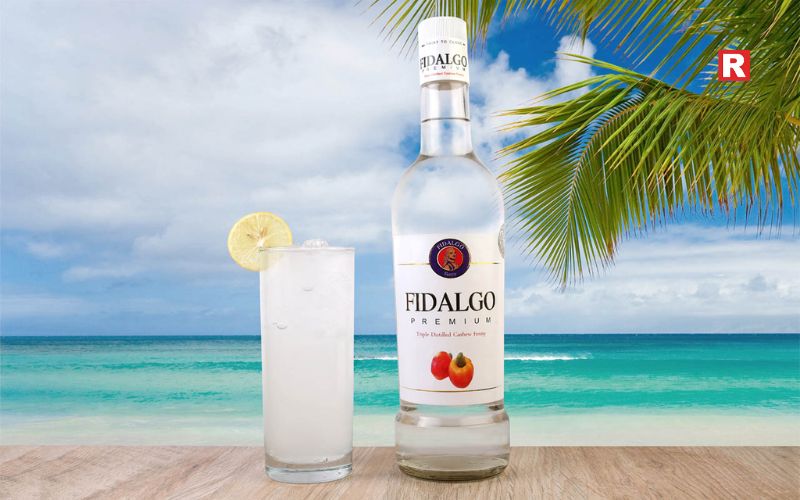
Fidalgo Feni is a long-established Goan distillery with years of experience in making Feni. The brand is known for staying true to traditional methods. It carefully preserves the authentic flavour and aroma that define Goan Feni. The cashew apples or coconut sap are naturally fermented and distilled in copper pots. This slow, careful process ensures that each bottle has a strong, genuine taste. Fidalgo focuses on quality and consistency in every batch. The flavour profile is bold and earthy, reflecting the heritage of Goan spirits. It appeals to those who prefer the classic taste of Feni. Fidalgo Feni can be enjoyed neat, in shots, or as part of simple cocktails. Its widespread availability and trusted reputation make it a favourite for people looking for an authentic Goan Feni experience.
What makes it unique:
- Long-standing Goan heritage
- Strong aroma and robust taste
- Made with original family recipes
7. Big Boss Feni
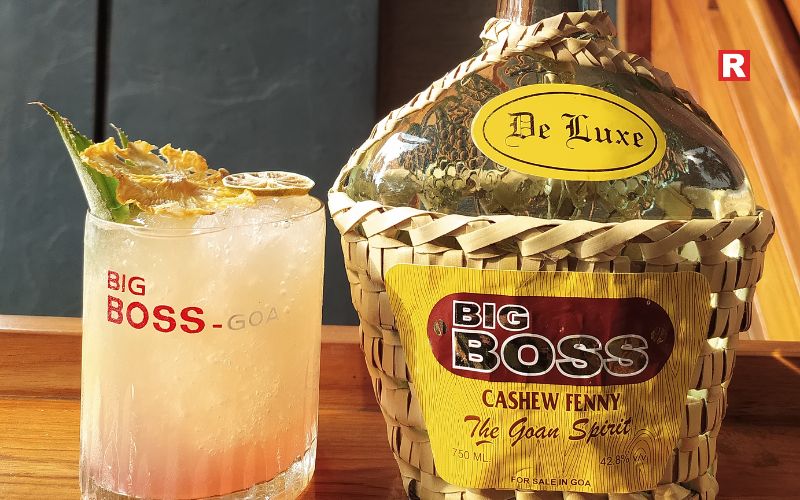
Big Boss Feni is one of the most recognisable Feni brands in Goa. The brand is known for its bold and strong flavours. It has built a reputation for consistent quality over the years. Big Boss Feni is made using traditional Goan methods. Cashew apples or coconut sap are naturally fermented and distilled in copper pots. This careful process gives the drink its intense aroma and robust taste. The brand’s confident identity matches the character of the spirit. It appeals to seasoned Feni drinkers who enjoy a strong, authentic flavour. Big Boss Feni can be enjoyed neat, in shots, or in simple cocktails. It pairs well with soda or lime for a refreshing drink. Its wide popularity and reliable taste make it a favourite choice for anyone looking to experience classic Goan Feni.
What makes it unique:
- Intense, classic Feni flavour
- Highly popular across Goa
- Reliable and well-distributed
What Feni Feels Like
Each Feni brand carries its own personality. Some are fruity with hints of ripe cashew. Others are more earthy and smoky. Coconut Feni brings soft, coastal sweetness. Cashew Feni has a stronger, richer bite. Together, they offer a flavour journey that reflects Goa’s landscapes—green fields, cashew farms, coconut trees, and warm breezes.
The making of Feni is slow, patient, and completely natural.
- Ripe cashew apples are hand-crushed to extract juice.
- The juice ferments naturally for days.
- It is then distilled in traditional copper pots.
- A second or third distillation improves strength and flavour.
This craftsmanship earned Feni a GI (Geographical Indication) tag, which protects its identity and ensures it can only be produced in Goa.
Check more: Top Japanese Beer Brands in India: Crisp, Smooth, and Full of Character
Top Coconut Rum Brands in India: Tropical Flavours You Will Love
How Bourbon Whiskey Is Made & The Top 5 Bourbon Whisky Brands in India
Why Feni Is Making a Comeback
Feni is becoming popular across India for many reasons:
- The rise of craft spirits
- Growing interest in regional drinks
- Cocktail culture in cities
- Tourism-driven curiosity
- Heritage value and natural ingredients
Younger drinkers are now exploring local spirits with pride. Feni fits perfectly into this trend.
Final Sip
Feni is more than just a drink. It is a part of Goa’s history and culture. For centuries, it has been made in villages using traditional methods. Today, it carries the spirit of Goa to bars and homes across India. Each Feni brand brings its own character to this heritage spirit. Goenchi offers smooth and clean flavours. Aani Ek adds a fresh, youthful touch. Cazulo is known for its premium quality and refined taste. Moji blends tradition with a light, fruity flavour. Tinto brings bold, rustic notes from Goan markets. Fidalgo stays true to classic methods and flavours. Big Boss delivers strong, intense Feni loved by seasoned drinkers. Whether someone prefers smooth, bold, fruity, or earthy flavours, there is a Feni for every palate. Each sip tells a story of Goa’s culture, craft, and tradition. These bottles keep the true spirit of Goa alive.
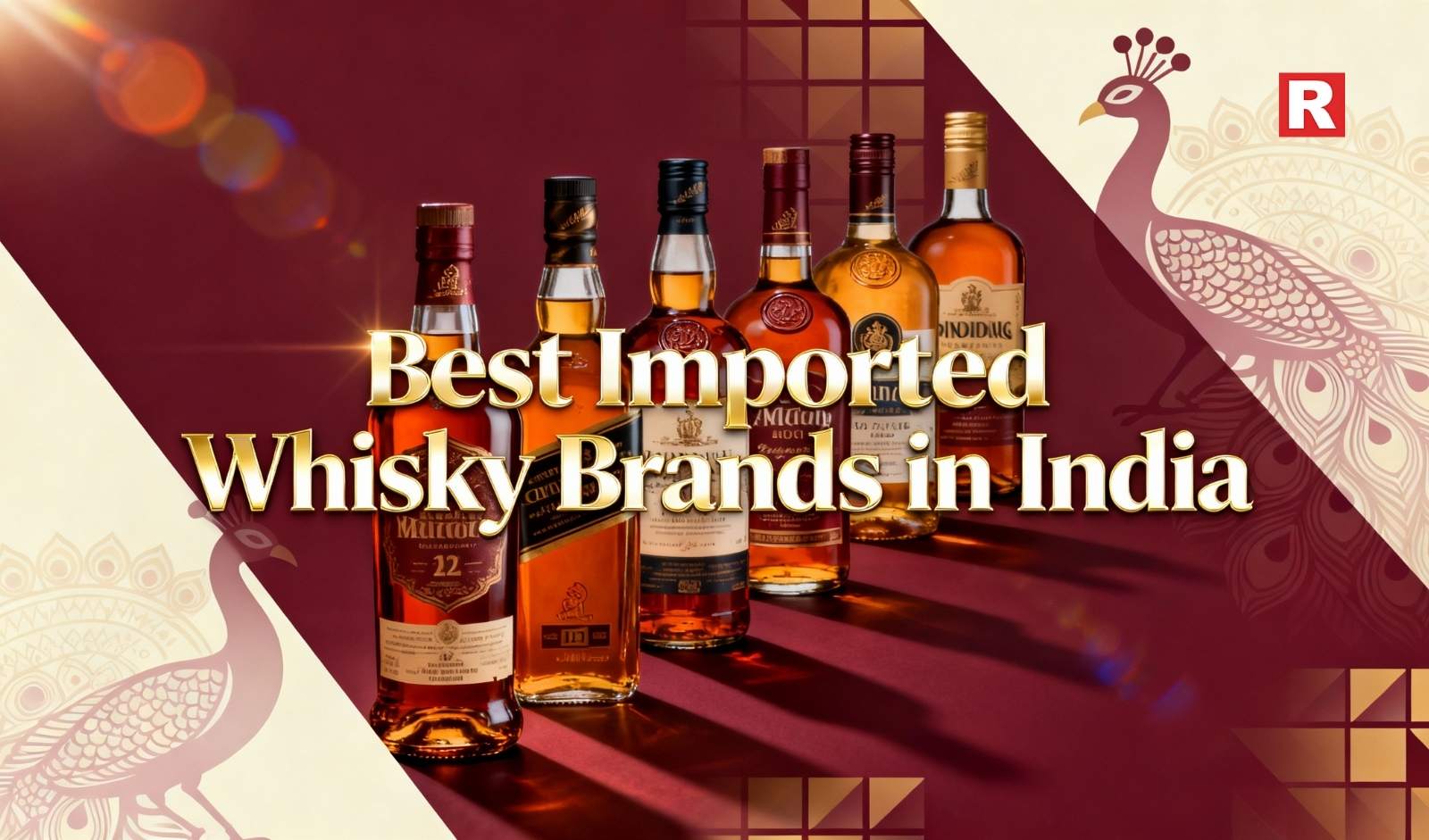
Imported whisky has grown steadily in popularity among Indian consumers in recent years. More people are travelling abroad and experiencing global flavours. This exposure has created a demand for foreign whisky brands in India. Many whisky lovers now look for premium options that offer rich taste and heritage. Aged Scotch whiskies, smooth Irish blends, complex Japanese malts, and classic American whiskies are in high demand. These whiskies are enjoyed both for personal collections and as special gifts.
Imported whisky is valued not only for its taste but also for the story behind each brand. Scotch whiskies bring smoky, peaty, or fruity notes. Irish whiskeys are smooth, light, and easy to drink. Japanese whiskies are precise, balanced, and elegant. American whiskies, like Tennessee whiskey, are mellow and slightly sweet. In India, imported whisky is often reserved for celebrations, social gatherings, and gifting. Many urban consumers appreciate the craftsmanship, heritage, and global reputation of these brands. Availability has increased in major cities, making it easier for buyers to access these premium options. Imported whiskies now represent a mix of quality, prestige, and unique flavour experiences for Indian whisky lovers.
Why Imported Whisky Is So Popular in India
India has always been a strong whisky-drinking market. But in the past decade, the taste of consumers has changed. People are not only drinking whisky for social occasions. They are exploring new flavours, trying different countries, and upgrading to better-quality bottles. Imported whisky offers a unique mix of heritage, ageing, and craftsmanship. Most foreign brands come with a strong global reputation, which makes them attractive for gifting and celebrations.
Another reason for the rise in imported whisky demand is exposure. Many urban consumers have travelled abroad and tasted international spirits. They now look for the same experience at home. Imported whisky also carries a sense of prestige, making it a preferred choice for important life moments.
Discover Best Imported Whisky Brands in India
1. Johnnie Walker (Scotland)
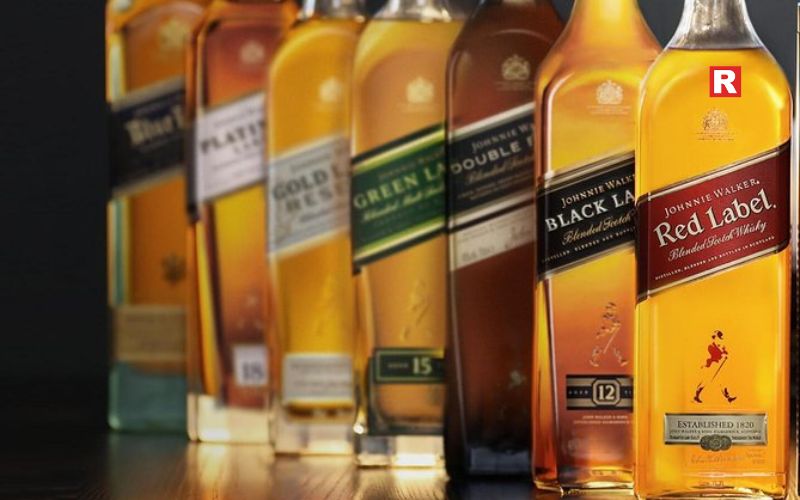
Johnnie Walker is one of the most trusted imported whisky brands in India. It has a long history that dates back to Scotland. The brand is known for its consistent quality and balanced blends. Each label has its own taste and character. Red Label is bold and lively. Black Label is smooth and layered. Blue Label stands for luxury and refinement. Indian consumers like Johnnie Walker because it suits many occasions. It works well for casual evenings and special celebrations. The whisky is easy to drink and widely available across major cities. It is also a popular choice for gifting. Over the years, Johnnie Walker has built strong loyalty in India through taste, trust, and global appeal.
- Origin: Scotland
- Taste Profile: Smoky, smooth, and layered depending on the label.
Read more: Top 5 Strong Beer Brands in India: Bold Brews for the Bold Drinker
Best Japanese Whisky Brands in India: Where Craft Meets Perfection in Every
2. Chivas Regal (Scotland)
Chivas Regal is a well-known imported Scotch whisky in India. It is respected for its rich and creamy flavour. The blend is smooth, balanced, and easy on the palate. Subtle notes of honey, ripe fruits, and vanilla make it pleasant to drink. Many whisky lovers prefer Chivas Regal because it is not harsh. It can be enjoyed neat or with ice. The brand has a strong heritage rooted in Scotland’s whisky tradition. In India, it is often chosen for celebrations and special gatherings. Chivas Regal is also a popular gifting option due to its premium image. Its smooth character makes it suitable for both new and experienced whisky drinkers.
- Origin: Scotland
- Taste Profile: Rich, creamy, slightly sweet, and very smooth.
3. Glenfiddich (Scotland)
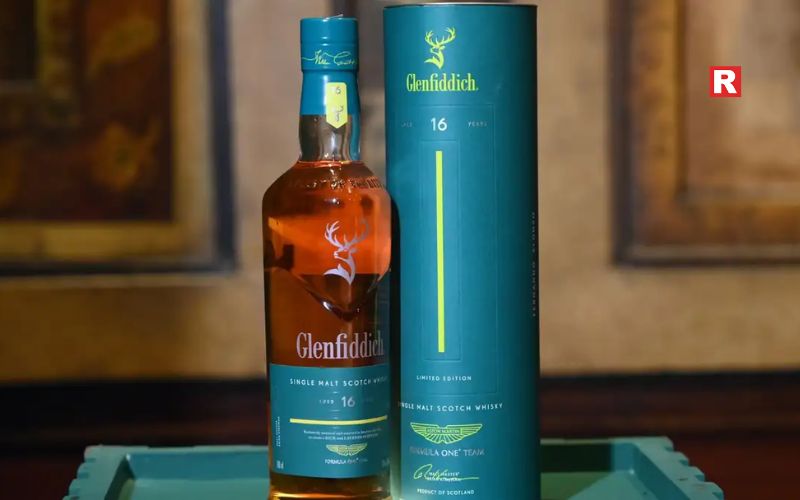
Glenfiddich is among the most popular single malt whisky brands in India. It is often the first single malt many whisky lovers choose. The whisky is known for its smooth and approachable taste. It carries fresh notes of fruit, pear, and oak. The flavour feels light yet well balanced. Glenfiddich is made in Scotland and follows traditional whisky-making methods. Indian consumers appreciate its clean finish and gentle character. The 12-year-old expression is especially well liked in urban markets. It suits both slow sipping and relaxed social evenings. Glenfiddich has built strong trust in India through consistent quality, global awards, and wide availability across premium liquor stores.
- Origin: Scotland
- Taste Profile: Fruity, fresh, slightly sweet, with a warm finish.
4. The Macallan (Scotland)
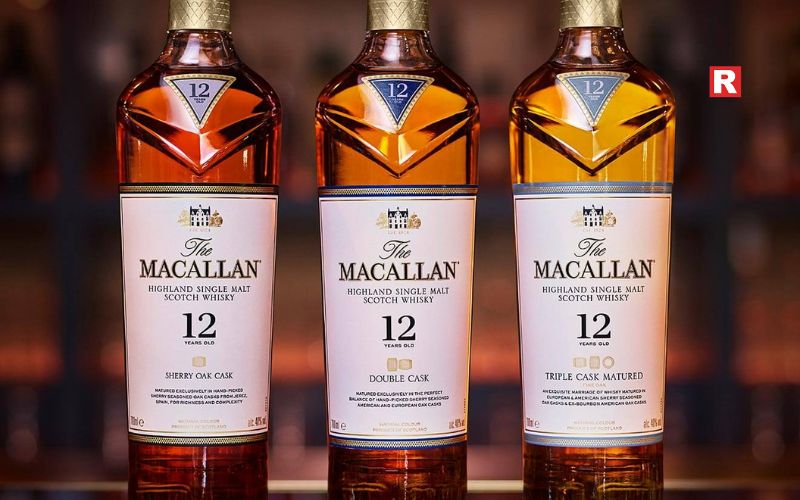
The Macallan is seen as one of the finest luxury Scotch whisky brands in the world. It comes from Scotland and has a deep heritage. The brand is known for its careful cask selection. Many of its whiskies are aged in high-quality oak barrels. This gives the whisky its rich colour and bold flavour. The taste often includes dried fruits, spice, and smooth oak notes. In India, The Macallan is chosen by collectors and premium whisky buyers. It is often reserved for special moments and gifting. The brand stands for craft, patience, and attention to detail. Its refined character appeals to experienced whisky drinkers who value depth and elegance.
- Origin: Scotland
- Taste Profile: Rich, bold, full-bodied, with notes of dried fruits, spice, and oak.
Know more: Top Scotch Whisky Brands in India: The Ultimate Guide for Whisky Lovers
5. Talisker (Scotland)
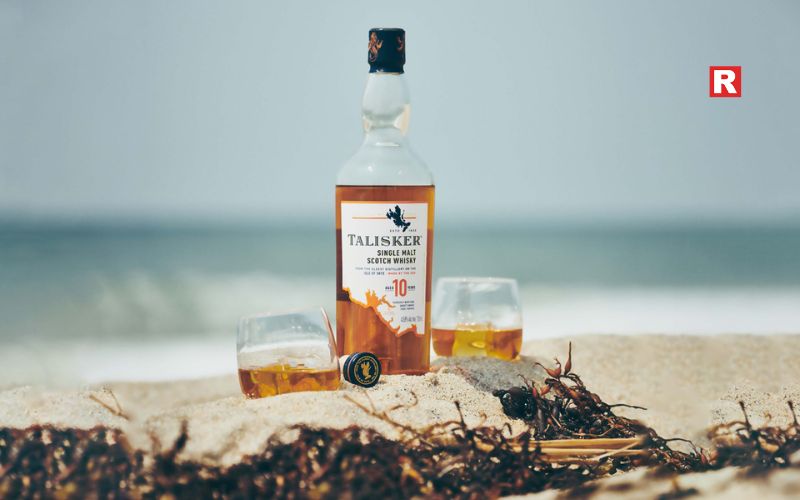
Talisker is a bold Scotch whisky known for its smoky and coastal character. It is made on the Isle of Skye in Scotland. The whisky has a strong peated profile with hints of sea salt and spice. Each sip feels powerful and warming. Talisker is not light or sweet. It is designed for drinkers who enjoy intense flavours. In India, it is popular among whisky lovers who like smoky expressions. Many choose it to explore a different style of Scotch. It is best enjoyed slowly to appreciate its depth. Talisker stands out for its rugged taste and strong identity. It suits experienced drinkers who look for character and complexity in every glass.
- Origin: Isle of Skye, Scotland
- Taste Profile: Smoky, peppery, slightly salty, with strong character.
6. Jameson (Ireland)
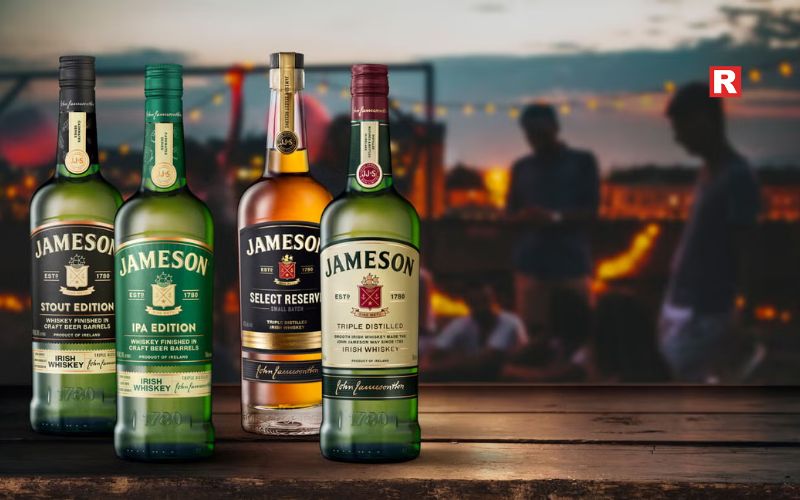
Jameson is one of the most popular Irish whiskeys in India. It is known for its smooth and light character. The whiskey is triple distilled, which gives it a clean and easy-to-drink flavour. Gentle notes of vanilla, nuts, and a touch of spice make it pleasant for beginners and experienced drinkers alike. Many Indians enjoy Jameson neat, on the rocks, or in cocktails. It is widely available across bars, restaurants, and liquor stores. The brand has a long heritage from Ireland and is trusted worldwide. Jameson’s approachable taste makes it suitable for casual evenings, social gatherings, and celebrations. Its balance and smoothness have made it a favourite among whisky lovers in India.
- Origin: Ireland
- Taste Profile: Light, smooth, creamy, and slightly sweet.
Check more: Top 20 Trendy Whiskeys You Must Try Once
7. Suntory Hibiki and Toki (Japan)
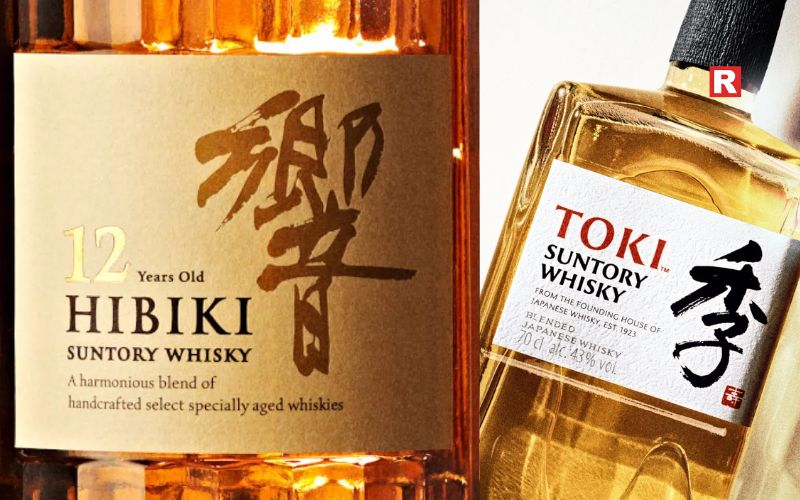
Japanese whisky has become increasingly popular in India in recent years. Suntory’s Hibiki and Toki are two of the most respected brands. They are known for their balance, smoothness, and delicate flavours. Hibiki is rich, complex, and floral, making it suitable for special occasions. Toki is lighter, fresher, and versatile, often used in cocktails or for casual sipping. Japanese whisky is made with precision and care, following traditional methods. Many Indian consumers are curious about its clean taste and refined style. The whisky is appreciated for its elegance rather than boldness. Hibiki and Toki have built a strong reputation among urban whisky drinkers in India. They are seen as premium choices for gifting or personal enjoyment.
- Origin: Japan
- Taste Profile: Balanced, light, floral, and complex.
8. Jack Daniel’s (USA)
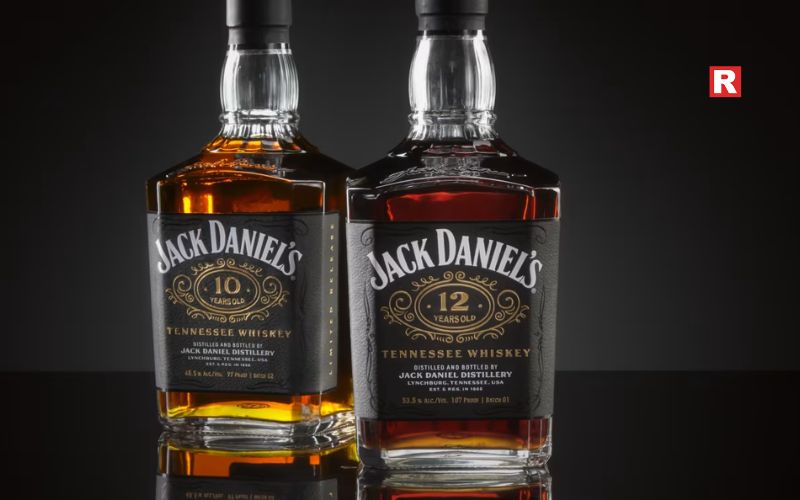
Jack Daniel’s is a well-known American whiskey popular in India. It is famous for its smooth and slightly sweet flavour. The whiskey is charcoal-mellowed, which gives it a unique, mellow character. Notes of vanilla, caramel, and oak make it easy to enjoy. Many people drink it neat, on the rocks, or in cocktails. Jack Daniel’s is widely available in bars, restaurants, and liquor stores across India. It is a favourite for casual gatherings, parties, and social occasions. The brand has a long history and a strong global reputation. Its approachable taste makes it suitable for both new and experienced whiskey drinkers. Jack Daniel’s continues to be a trusted and iconic choice in India.
- Origin: Tennessee, USA
- Taste Profile: Slightly sweet, smooth, with notes of vanilla and oak.
Scotch vs Irish vs Japanese Whisky: Key Differences
Scotch whisky is usually smoky or malty. It has a strong character and comes from Scotland’s long tradition of whisky making.
- Irish whiskey is triple distilled, which makes it smoother and lighter.
- Japanese whisky focuses on precision and balance. It is clean, soft, and harmonious.
Each category has its own style. Indian consumers now enjoy exploring these differences.
Why Imported Whisky Is Costlier in India
Imported whisky goes through heavy duties and taxes. India has one of the highest liquor taxes in the world. Because of this, even affordable global whiskies become premium-priced when they reach India. State taxes also vary, which changes the price from city to city. Limited availability and transport costs add to the final price.
Also read: 12 Affordable Spirits That Taste Like They Cost a Fortune
7 Types of Whiskies Everyone Should Try Once
Top Tennessee Whiskeys in India You Must Try in 2025
How to Choose the Right Imported Whisky
Choosing the right whisky depends on taste preference.
- For smooth and light flavours, Irish whiskey or Japanese whisky works well.
- For smoky or bold flavours, Scotch whisky is ideal.
- For slightly sweet and easy-to-mix drinks, American whiskey is a good choice.
Budget and purpose also matter. For gifting, brands like Chivas, Glenfiddich, and The Macallan are strong options. For beginners, Jameson and Jack Daniel’s are good starting points.
Sip The World
India’s interest in imported whisky is increasing year by year. Consumers are exploring global flavours and seeking premium experiences. Imported whisky brands bring high-quality craftsmanship and a rich heritage. They offer a wide range of tastes, from smooth and light blends to bold and smoky expressions. Many Indians enjoy these whiskies for different occasions. Some choose them for a relaxing drink after work, while others prefer luxury bottles for celebrations or gifting. Scotch, Irish, Japanese, and American whiskies each offer unique flavours that appeal to different preferences. Scotch is often smoky and rich, Irish whiskey is smooth and easy, Japanese whisky is balanced and elegant, and American whiskey is mellow with hints of sweetness.
As India’s whisky culture grows, these brands continue to shape tastes and influence drinking habits. They provide not just drinks but experiences. Imported whiskies are now seen as symbols of quality, prestige, and refined enjoyment, offering memorable moments for whisky lovers across the country.
Coconut rum has become one of the most popular flavoured spirits in India. It adds a clear tropical touch to any drink and brings a smooth and gentle sweetness. Many people enjoy it because it gives a calm, beach-like feeling even when they are at home. It suits many occasions. It works for a light drink with friends, a simple chilled glass after work, or a refreshing mix on a weekend evening. Its versatility is one of its strongest points. It tastes good neat, blends well with cola, and also fits perfectly in tropical cocktails.
The growing interest in coconut rum is also linked to changing drinking habits in Indian cities. People now look for easy and flavourful options that do not feel too heavy. Coconut rum meets that need. It is smooth, friendly, and works well with everyday mixers. Over time, some brands have stood out for their taste, smoothness, and overall quality. These brands also show how well coconut rum can blend with different mixers. Based on these experiences and detailed research, this guide highlights the top coconut rum brands in India.
Why Coconut Rum Is Becoming Popular in India
Coconut as a flavour is deeply rooted in India, especially in coastal regions. When combined with rum, it creates a comforting yet fun drink. Many young drinkers prefer coconut rum because it is light, sweet, and easy to enjoy. It also works well for both beginners and seasoned spirit lovers.
Another reason for its rising popularity is the growing trend of tropical cocktails. Drinks like Piña Colada, Coconut Mojito, and rum-based punch are now easily available in bars across Indian cities.
Explore Top Coconut Rum Brands in India
1. Malibu
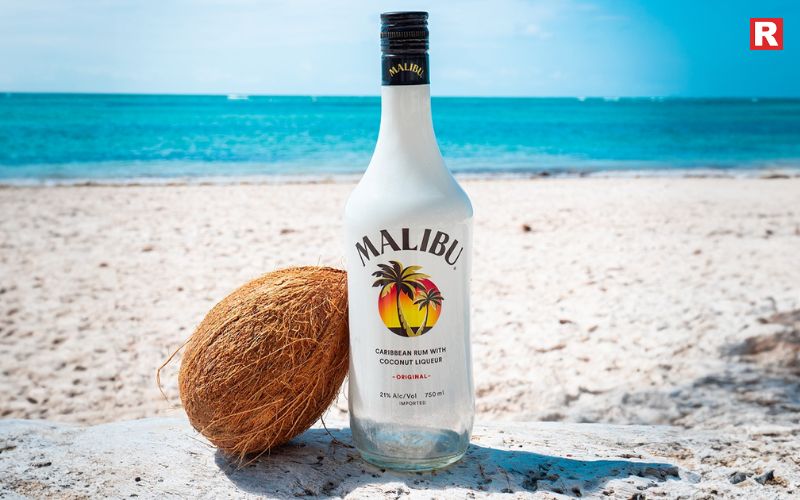
Malibu is one of the most recognised coconut rums in the world. People trust it for its smooth taste and light flavour. It has a low alcohol content, which makes it easy to enjoy even for new drinkers. The rum has a soft coconut aroma and a sweet finish that feels refreshing. Many bartenders use it for tropical cocktails because it blends well with juices and sodas. It is also a popular choice for home mixers. In India, Malibu is found in most major cities and is often the first pick for anyone trying coconut rum. Its gentle taste, simple character, and global reputation make it a favourite for relaxed evenings and beach-style drinks.
Key Features
- Light, creamy, and sweet coconut taste
- 21% ABV, making it suitable for new drinkers
- Very smooth, mixes well with almost any juice
- Famous for cocktails like Piña Colada
Read more: Top 5 Strong Beer Brands in India: Bold Brews for the Bold Drinker
Best Japanese Whisky Brands in India: Where Craft Meets Perfection in Every
2. Cabo Coconut Rum
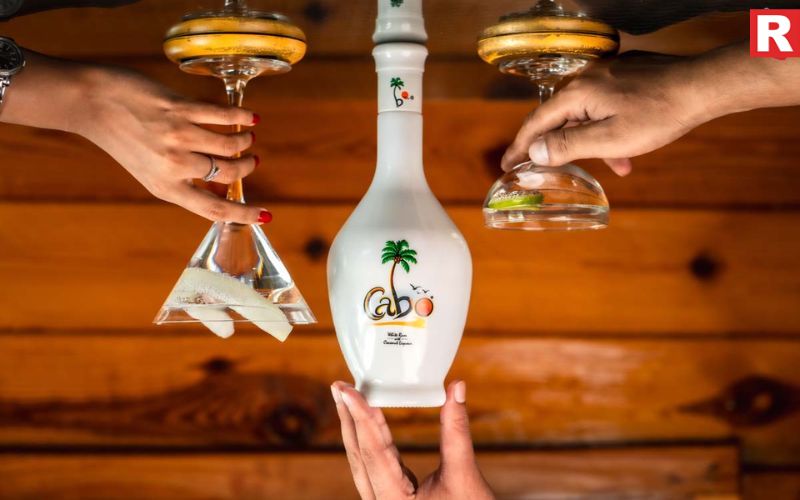
Cabo is one of India’s most loved coconut rums. It is crafted in Goa, a place known for its beaches and relaxed mood. The rum carries a natural coconut flavour that feels rich and smooth. People enjoy it because it has a clean taste and a pleasant sweetness. Many travellers discover Cabo during their Goa trips and continue to buy it later. It works well on crushed ice, with cola, or with a splash of lime. Bartenders also use it in simple tropical drinks. Cabo reflects the spirit of Goa and brings that coastal feel into every glass. Its quality, flavour, and local touch make it a top choice for coconut rum fans in India.
Key Features
- Produced by Adinco Distillery in Goa
- Made from white rum and natural coconut extracts
- Balanced sweetness
- Best enjoyed with crushed ice or with cola and lime
3. Bacardi Coconut
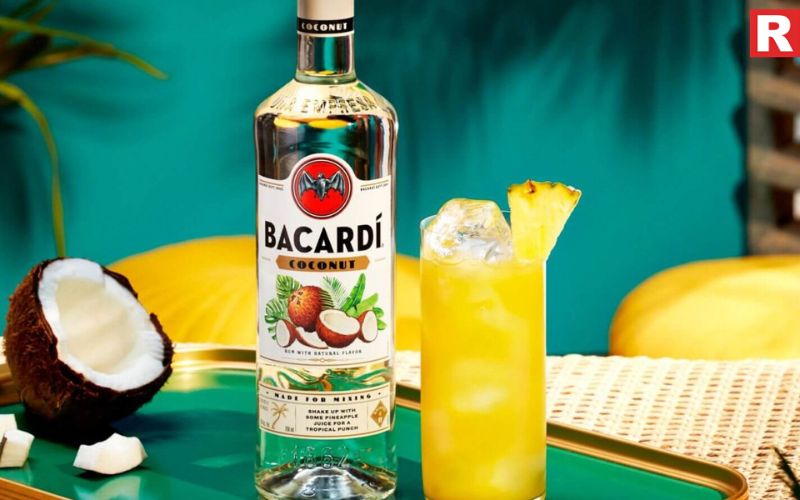
Bacardi is a well-known name around the world, and its coconut rum carries the same trust. The coconut variant has a clean and refined taste that appeals to many drinkers. It is not too sweet, which makes it suitable for people who like a light flavour. The rum has a gentle coconut aroma and a smooth finish. Bartenders often choose it for cocktails that need balance and freshness. It mixes well with soda, fruit juice, or mint-based drinks. Many people prefer Bacardi Coconut because it feels simple, clear, and easy to sip. In India, it is popular among those who want a coconut rum with a soft, neat taste. Its quality and consistency make it a reliable option.
Key Features
- Light coconut aroma
- Not too sweet, making it ideal for cocktails
- Smooth and crisp finish
4. Twin Fin Coconut Rum
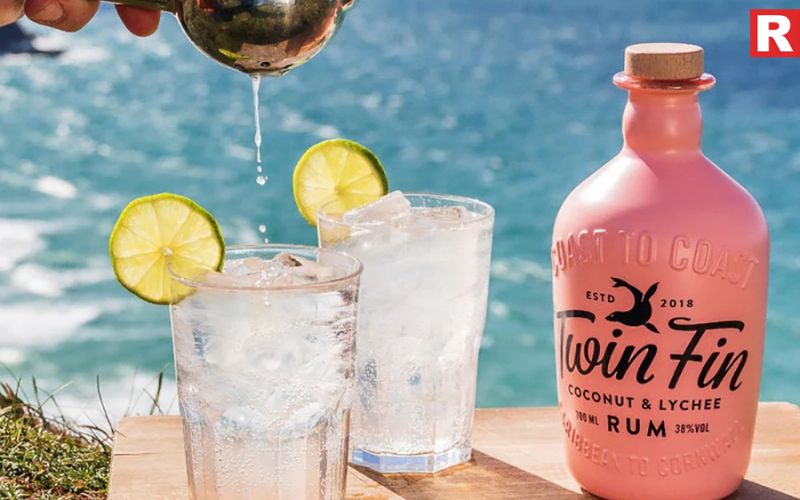
Twin Fin is a premium imported rum that has built a strong following in India. Cocktail lovers appreciate its smooth taste and layered flavour. The rum has notes of coconut, vanilla, and caramel, which create a rich and creamy feel. It also carries a light hint of pineapple that adds freshness. These details make it a favourite for tropical cocktails at home and in bars. Many people choose Twin Fin when they want a refined coconut rum with more character. It blends well in Piña Coladas, rum punches, and other beach-style drinks. In India, it is seen as a stylish choice for those who enjoy craft spirits. Its quality and unique taste set it apart from regular flavoured rums.
Key Features
- Coconut, vanilla, and caramel notes
- Creamy and sweet taste with hints of pineapple
- Toasted coconut aroma
- Highly recommended for tropical cocktails
Know more: Top Scotch Whisky Brands in India: The Ultimate Guide for Whisky Lovers
5. Captain Morgan Coconut
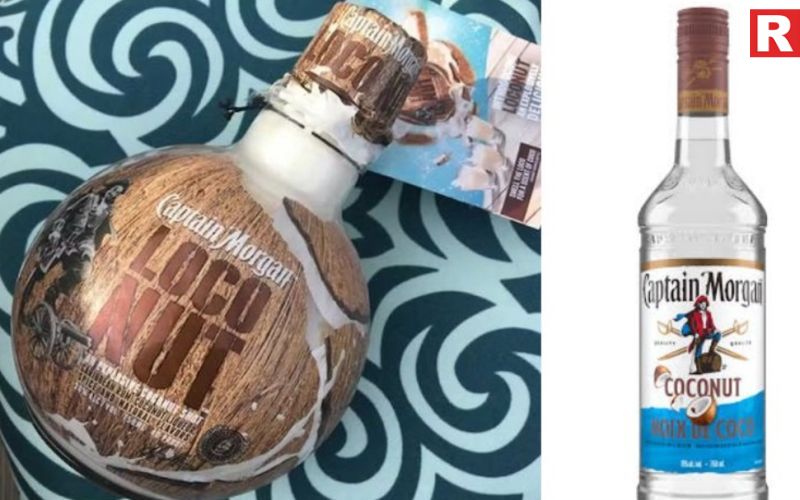
Captain Morgan is famous for its spiced rum, and the coconut variant adds a fresh layer to its name. This version offers a smooth coconut flavour with a bold rum base. It has a stronger alcohol content, which gives it a rich and warm taste. Many drinkers enjoy it because it brings sweetness and depth in one glass. The aroma is tropical, while the finish feels slightly robust. It works well in cocktails that need balance and strength. People often use it in mixed drinks for evening gatherings or beach-style parties. In India, it appeals to those who prefer a coconut rum that is not too light or sugary. Its character and flavour make it stand out.
Key Features
- Stronger ABV (around 35%)
- Coconut sweetness with a bold rum kick
- Good for those who prefer a richer flavour
How Coconut Rum Tastes
Coconut rum usually has:
- Sweetness from coconut extract
- Smoothness from white rum
- Notes of caramel or vanilla (in premium brands)
- A light tropical aroma
Most coconut rums fall on the sweeter side, which makes them easy to enjoy, even without mixers. The ABV varies widely, so buyers can choose based on their preference.
Food Pairing Suggestions
Coconut rum pairs well with many Indian and Western dishes, such as:
- Coconut macaroons
- Fruit salads
- Grilled pineapple
- Light seafood starters
- Vanilla-based desserts
The sweetness and aroma enhance the flavours of tropical foods.
Also check: What is Lager Beer? Discover the Top 5 Lager Beer Brands in India You Must Try
How Bourbon Whiskey Is Made & The Top 5 Bourbon Whisky Brands in India
Final Thoughts
Coconut rum brings an easy holiday mood into any home. It offers a soft tropical flavour that feels warm and comforting. Many people choose it for relaxed evenings, small celebrations, or simple weekend gatherings. The drink is light, smooth, and easy to mix, which makes it ideal for beginners and regular drinkers alike. With brands like Malibu, Cabo, Bacardi, Twin Fin, and Captain Morgan available in India, there is a wide range for every taste. Some prefer a sweet and gentle profile, while others enjoy a stronger and richer flavour. Each brand offers its own style and character. People can try it neat, with soda, or in a tropical cocktail. It pairs well with many light foods and desserts. Coconut rum makes everyday moments feel calm and refreshing. It invites drinkers to slow down, enjoy the flavour, and create their own tropical experience at home.

If you’ve ever binged a K-drama, you’ve probably noticed that green bottle of soju making its cameo now and then. It’s clear, crisp, and has a slightly sweet flavor. It's no wonder that soju and Korean drinking culture go hand in hand. But here’s the thing: Korea’s got a much deeper, older drinking tradition than just soju.
If you look beyond soju, you’ll find all sorts of drinks: artisanal brews, herbal infusions, fruit wines, and many more. Each alcohol has its own story. Some were brewed for royalty centuries ago, others are brand new twists for today’s tastes. Every bottle is its own little slice of Korean culture.
So, if you’re ready for something beyond the usual, here are seven Korean drinks that prove there’s a whole lot more to discover than just soju.
Read more: 7 Korean Veg Dishes to Try on Your Next Visit
7 Best Korean Alcohols Beyond Soju
1. Makgeolli (Rice Wine, White)
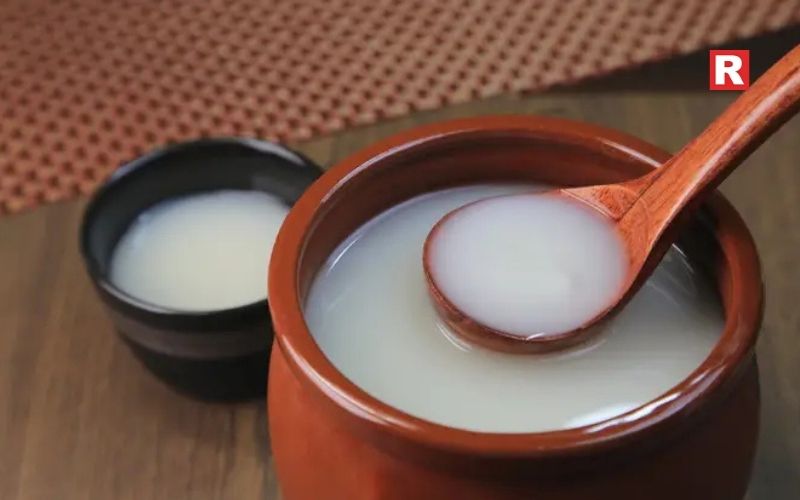
Soju might be the national drink right now, but makgeolli is the old soul. This milky, slightly fizzy rice wine has a history that goes back two thousand years. Farmers brewed it to celebrate harvests and share with their neighbors in the past. Makgeolli looks unrefined. It’s cloudy white, served in bowls, not glasses. But take a sip. It feels smooth, a little bubbly, sweet, and tangy all at once. The secret is nuruk, a natural fermentation starter that gives makgeolli its earthy smell and that gentle buzz (usually 6–9% ABV).
Drink it fresh and cold, usually with pajeon. These are crispy Korean green onion pancakes. There’s even a saying: “Rainy day, pajeon day, makgeolli day.” These days, craft brewers are getting creative, adding honey, banana, chestnut, and even coffee to the mix. Makgeolli now bridges the gap between tradition and trend. It is old-school fermentation with a modern café twist.
2. Cheongju (Rice Wine, Clear)
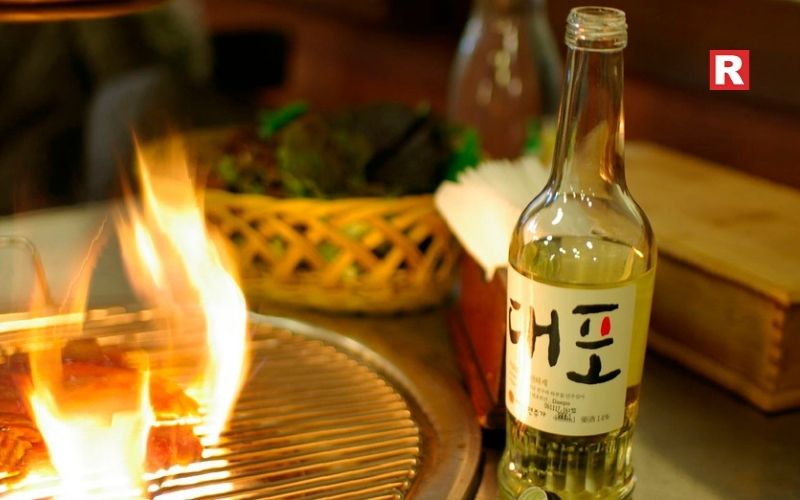
If you like your drinks clear and elegant, then Cheongju is for you. People often call it “Korea’s sake.” It's a filtered rice wine that’s smooth and aromatic. That was once reserved for royal banquets and big ceremonies.
Unlike makgeolli, cheongju is strained clear, almost like white wine, with a crisp finish. It’s a bit stronger with 12% to 15% ABV. You get subtle floral notes and a gentle sweetness that goes so well with things like grilled fish or sashimi.
The taste depends on the quality of rice and water, which is why places like Andong and Gyeongju are famous for their own versions. Cheongju isn’t just a drink; people still use it in ancestral rites to honor their family. So pour a chilled glass, and you’re tasting centuries of history at once. It is graceful, quiet, and surprisingly powerful.
Know more: 10 Authentic Korean Rice Dishes One Must Try On Your Next Visit To Korea
3. Bokbunja-ju (Black Raspberry Wine)
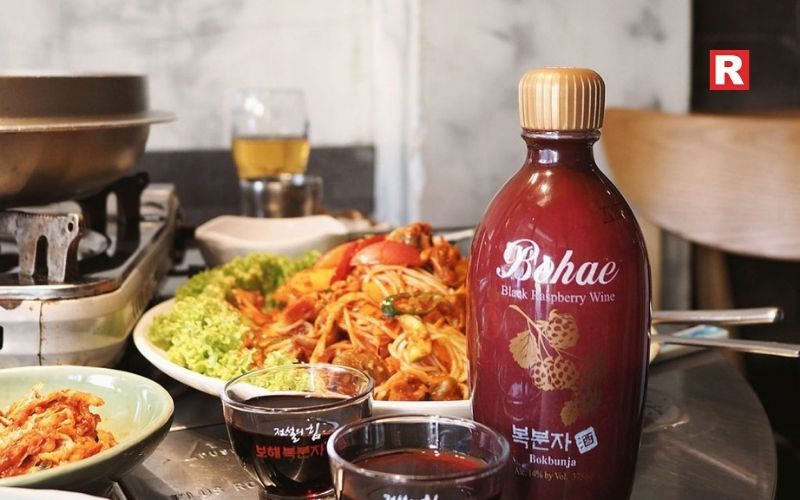
If makgeolli is down-to-earth and cheongju is royal, bokbunja-ju is confidently sensual. Made from wild Korean black raspberries, this wine is deep red, sweet, tart, and full-bodied. It's got the kind of taste that lingers in your mouth after just one glass. It tastes like dessert. It’s jammy, rich, with a velvety finish. People in Korea even joke about its romantic powers and call it “love wine.”
Bokbunja-ju usually falls around 13–15% ABV. Serve it cold, either on its own or with some grilled meat. Its balance of sweet and tart also plays well with spicy dishes. If you’re in Jeonju or Jeju on a summer night, you might spot locals sipping bokbunja-ju as the sun dips. It’s a rich, romantic way to close out the day.
4. Baekseju (Herbal Rice Wine)
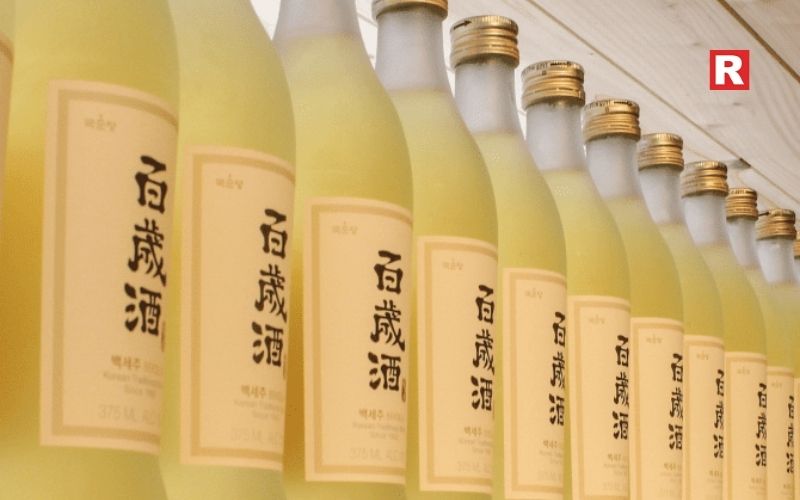
Baekseju means “100-year wine,” and it’s filled with herbs for your health. It’s infused with ginseng, ginger, cinnamon, licorice, and a bunch of other roots and herbs. People say it brings long life, hence the name. At the first sip, it feels smooth, just a little sweet, then that herbal bitterness sneaks up to your taste buds and lingers there. It’s not too strong, just about 13% ABV, but you’ll notice the aroma. It's often compared to Jägermeister, but this herbal liqueur is softer and more balanced.
Baekseju and Korean BBQ are a perfect match. The earthy, spiced flavors work wonders with smoky grilled meat. It’s one of the few traditional drinks to be successfully commercialized for modern drinkers. Kooksoondang’s Baekseju is everywhere in Korea now. It tastes almost medicinal, but in a good way. It feels warm and comforting after a long day.
What's new: Top 5 Korean Menu Design Ideas That Bring Seoul to the Table
5. Munbaeju (Wild Pear)
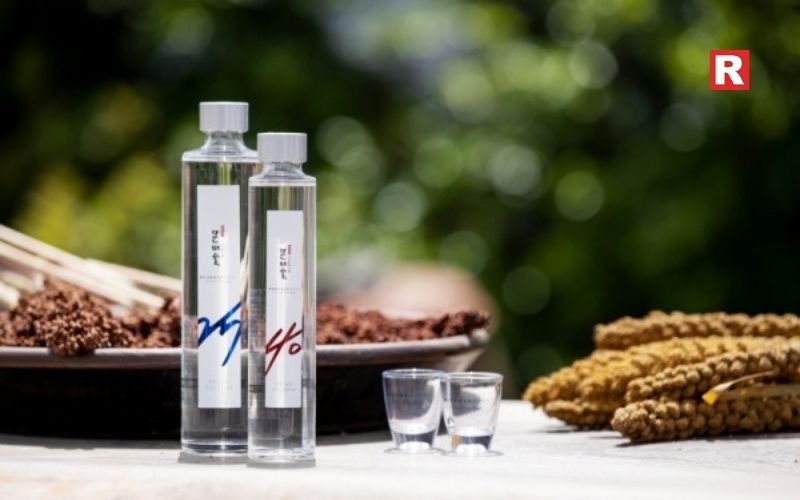
Munbaeju is one of Korea’s oldest and rarest liquors. It is the personification of refinement in a sip. The wild part is that even though it smells like pears, there isn’t a single piece of fruit in it. Instead, it’s made from wheat, barley, and millet, and distilled with care to extract delicate, floral notes.
Way back in the Goryeo Dynasty (918 to 1392), munbaeju was a royal drink. It was something only kings and high officials got to enjoy. These days, it’s officially recognized as an Important Intangible Cultural Property in Korea, a fancy way of saying it’s part of the nation’s heritage. With about 40% alcohol, it is stronger than other Korean alcohols, but it goes down smooth and leaves just a hint of sweetness in your mouth. The best way to drink it is to sip it neat, slowly, and appreciate the craftsmanship.
6. Takju (Cloudy alcohol)
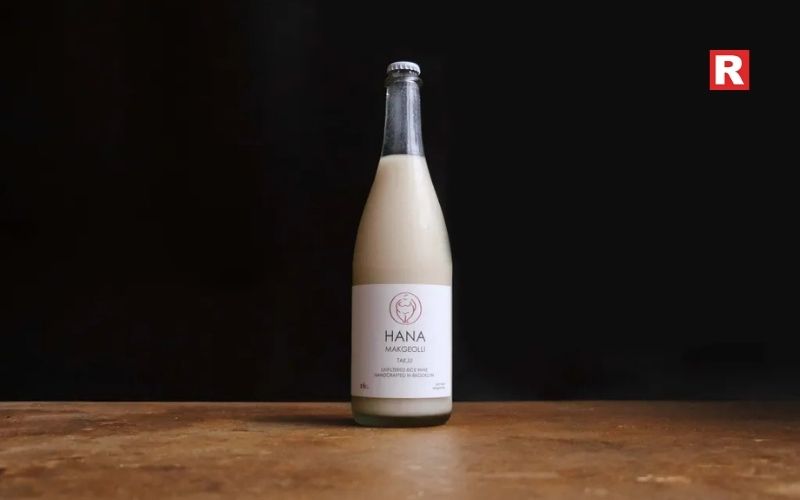
Takju literally translates to “cloudy alcohol. Before makgeolli became famous, there was takju, the original, unfiltered rice brew. It’s thicker, richer, and a bit stronger (around 8–12% alcohol). Takju feels hearty and earthy. It is also called “farmer’s drink” because it’s something you’d drink after a long day in the fields.
Takju is basically makgeolli before it is diluted with water, which means it has a stronger taste and texture. Imagine a creamy, slightly sour drink with a gentle yeasty smell just like the rice field itself, squeezed into your bowl. Traditionally, you serve it in wide, shallow bowls, usually next to spicy dishes like kimchi jjigae (kimchi stew) or grilled mackerel. For a lot of Koreans, takju is nostalgic. It carries memories of village life, shared meals, and laughter echoing across the table. Lately, small breweries have given takju a modern makeover with new rice varieties and aging tricks. So now, you get that same rustic spirit, just with a fresh twist.
7. Maesil-ju (Plum Wine)'
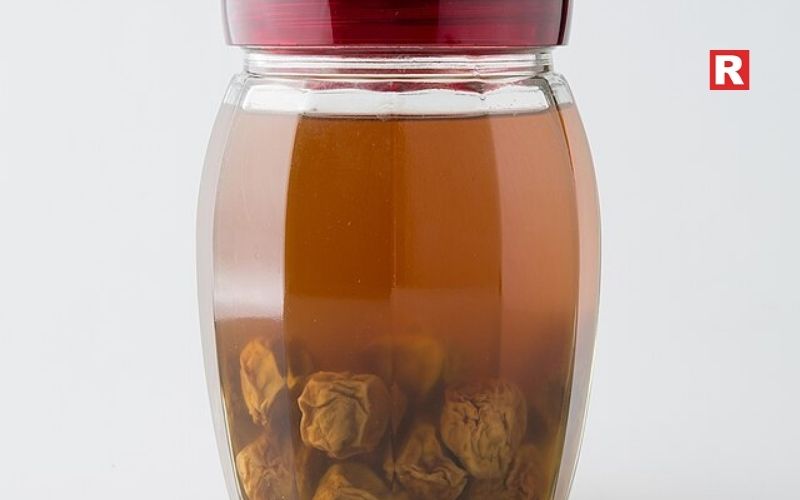
Maesil-ju is everything you want in a summer drink. It is light, sweet, and just tangy enough to keep you coming back. It is made by soaking green plums (maesil) in sugar and alcohol for months, and the result is this golden, fragrant wine with way more going on than you’d expect. It has an alcohol content of around 10–14%. Maesil-ju is the Korean cousin of Japanese umeshu. It’s the same idea, but with a brighter, sharper kick at the end. And its natural acidity is perfect for washing down spicy food. Lots of people pour it over ice on hot nights.
You’ll spot maesil-ju everywhere: from fancy restaurants to convenience stores. The bottles look great, too, which makes them perfect for gifts or souvenirs. And if you’re curious, Chung Ha Maesil and Damso Maeun Maesil are two of the biggest brands of maesil-ju. Younger folks love these brands for their mild, fruity flavor.
Check out: 10 Tibetan Dishes That Will Warm Your Soul
How to Make Momo at Home for a Healthy Treat
Tradition Meets Modern Craft
In recent years, Korea’s traditional drinks have had a real comeback. Young brewers and bartenders are digging up old recipes and playing with local grains, mixing tradition with new techniques.
Walk into a craft bar in Seoul and you might see makgeolli cocktails with ginger syrup, baekseju mojitos packed with mint, or bokbunja spritzers bubbling with sparkling water and fresh lemon. High-end brands like Hwayo are elevating soju into fine-spirit status using slow distilling and oak barrels.
This new mix of old and new is changing how people see Korean alcohol. It’s not just a quirky souvenir anymore, but special beverages that are on par with Japanese sake and European wines.
Korean Drinking Culture: The Ritual of Respect
Drinking in Korea is about way more than getting buzzed. It’s a ritual, tied up in respect and connection.
- Pouring the drink: You never pour your own drink. Always fill someone else’s glass first. It’s a quiet sign of friendship.
- Use two hands: When someone older offers you a drink, take it with both hands.
- Drinking Etiquette: When you drink in front of elders, turn your head aside, just a bit. It’s a small sign of humility.
- Sharing: Above all, share. Korean drinks are made to be poured, passed, and enjoyed together.
Whether you’re in a street tent with skewers sizzling on the grill or a sleek bar in Seoul with jazz in the background, the same rules apply: laughter, good talk, and the sound of glasses coming together.
Learn more: 10 Munchies Ideas for You to Try at Home
A Toast to Korea’s Spirit
Soju may serve as Korea's unofficial cultural ambassador to the rest of the world, but it’s just the beginning of a much deeper, richer story to be told. Each of the seven drinks mentioned in this article signifies a story of the past and present in Korea. It’s the blend of ancient craftsmanship, local materials and ingredients, and modern creativity.
So the next time you raise a glass of soju and become excited about your first sip, remember that these beverages represent a centuries-old drinking tradition. And seeking these drinks out in person and tasting them will give you a taste of the soul of Korea. So, pour yourself and others a glass, and enjoy together.
 Summer SeasonThe future of food is moving toward lighter, cleaner, and multifunctional products, and hydration-focused foods are expected to play a major role in…
 Summer SeasonDuring summer, chilled oats recipes feel cooling, refreshing, and light on the stomach compared to oily or fried breakfasts.
 RestaurantsOver 90% of breakfast delivery orders in India are vegetarian, while the demand for health-focused meals has grown 2.3 xs. And weekend brunch dining…
 Food and BeverageIndia’s summer eating habits are no longer only about survival during heatwaves. They now reflect a bigger lifestyle shift. Consumers want food that…
Copyright © 2009 - 2026 Restaurant India.