


India is witnessing a quiet yet powerful transformation—more women are confidently raising their glasses and breaking traditional taboos around alcohol. The age-old belief that drinking is a male-only activity is steadily fading, especially in metro cities and progressive urban pockets. Today’s women are bold, independent, and unapologetic in their choices, including what they drink and how they enjoy it. From wine at brunches to cocktails at parties, they are embracing alcohol as a part of their lifestyle.
This shift is not just social—it’s also being backed by data and consumer trends. According to insights from Ardent Alcobev, a prominent alcohol brand in India, the number of female drinkers is steadily rising. The change is most visible in states like Maharashtra, Delhi, Goa, Karnataka, and others, where the social fabric is evolving rapidly. These regions reflect how modern Indian women are redefining norms, creating new trends, and becoming a significant part of the country’s alcohol consumption story.
Read more: Is Trendy Bubble Tea Good for Your Health? A Complete Guide
1. Maharashtra: The Party Capital of Female Drinkers
Maharashtra leads the way in alcohol consumption, thanks to its vibrant urban hubs like Mumbai and Pune. The state's dynamic lifestyle and buzzing nightlife make it a top market for alcohol delivery platforms. Women here are confident, financially independent, and socially active. For many, enjoying a glass of wine at brunch or a cocktail after work is part of their routine. Drinking is no longer seen as a taboo but rather as a lifestyle choice. With changing mindsets and growing disposable income, the demand for quality liquor and convenient delivery is only rising in this progressive state.
“States with high urbanisation have the highest percentage of female drinkers Maharashtra, Delhi, Goa, and Karnataka to name a few.” Ardent Alcobev Pvt. Ltd.
Know more: 6 Fermented Drinks Known To Support Digestive Health
2. Delhi (NCT): Where Women Sip with Style
Delhi, the national capital, is also a major drinking hub, especially among urban women. Known for its vibrant bar culture, rooftop lounges, and high-energy social events, the city attracts a bold and modern crowd. For many women in Delhi, drinking is not just an occasional indulgence but a lifestyle choice. Whether it's sipping gin at a brunch, enjoying cocktails at a party, or savoring whisky at a gathering, women here are redefining social norms. With a growing number of premium lounges and alcohol delivery options, Delhi continues to support a culture where women drink with confidence and style.
3. Goa: Freedom in a Glass
Goa, with its relaxed vibe and vibrant beach life, is a place where drinking is a part of the lifestyle. Women here, whether locals or tourists, enjoy their drinks openly without judgment. The state’s liberal culture creates a safe and fun space for women to explore everything from craft beers and wines to tequila shots and tropical cocktails. Beach shacks, nightclubs, and music festivals add to the bold and carefree atmosphere. In Goa, drinking is about celebration and freedom, making it a top destination for women who love to unwind, party, and embrace life with a fearless spirit.
4. Karnataka: Especially Bangalore’s Buzz
Bangalore, the tech capital of Karnataka, is among India’s fastest-growing cities with a thriving urban culture. Known for its youthful energy, the city sees a growing number of women embracing modern lifestyles. From after-work drinks to weekend parties, alcohol is a common part of social life. Women here enjoy everything from craft beers and cocktails to premium spirits at pubs, lounges, and microbreweries. With a mix of IT professionals and creative minds, Bangalore has built a progressive environment where drinking is normalized and celebrated. The city’s booming nightlife and alcohol delivery services only add to its spirited social scene.
“We are seeing more women attend alcohol events. Earlier, these used to be all-men affairs.” Ardent Alcobev Pvt. Ltd.
Also Check: Top Whisky Options for First-Time Drinkers in India (With Tasting Tips & Fun Facts!)
5. Punjab: From Patiala Pegs to Power Women
Punjab, known for its vibrant culture and love for celebration, is witnessing a shift in social norms. While drinking among women was once frowned upon, attitudes are changing rapidly. Today, many women confidently enjoy whisky, beer, and cocktails at weddings, festivals, and family gatherings. The influence of social media, exposure to modern lifestyles, and increasing financial independence are key drivers of this change. Younger women, especially in urban areas, are embracing alcohol as part of their social identity. As acceptance grows, Punjab is becoming a place where women feel more empowered to enjoy a drink and be part of the fun.
6. Sipping with Sophistication: East and South Women Take the Lead
Across both West Bengal and Kerala, women are quietly but confidently reshaping the drinking culture. In Kolkata, traditional norms are fading as more women choose to enjoy wine at book cafés, sip gin at live music bars, or explore cocktails during social outings. The city reflects a growing sense of sophistication and openness. Meanwhile, in Kerala, where overall alcohol consumption is high, women are slowly joining the scene. Though social taboos still linger, urban centres like Kochi and Trivandrum are seeing a rise in women drinking at home or in private get-togethers. The shift is subtle but significant. Both states show how urban women, guided by evolving mindsets, are embracing alcohol in a more confident and refined way, balancing modernity with culture in their own unique styles.
Check more: Top Budget-Friendly Alcohol Brands for House Parties in India
Brown Is the New Pink: Women Are Loving Whisky Now
Earlier, women mostly preferred wine, gin, and vodka. But now, there’s a shift. More women are enjoying whisky, scotch, and beer. The taste has evolved. And so has the attitude.
“There is a marked shift towards brown spirits like whisky and beer among women. This change is driven more by urban lifestyle than by the state.” Ardent Alcobev Pvt. Ltd.
According to Ardent Alcobev:
Wine, Gin, Vodka, and Cocktails are still popular.
But Whisky and Beer are catching up fast.
The rise in tequila shots and premium spirits is also seen among female drinkers.
Independence Is the Real Mixer
Why are more women drinking now? It’s not just about taste. It’s about freedom and choice. Ardent Alcobev shares a few reasons:
Financial independence
Travel exposure
Social media influence
Less social judgement in cities
“Lower social taboos and financial freedom are driving female drinking. It’s also about indulgence in premium experiences.” Ardent Alcobev Pvt. Ltd.
No Gender Labels on Drinks
Earlier, alcohol brand activations and tasting events were male-dominated. Not anymore. Now, women are attending these events in big numbers. They're also experimenting more—trying new cocktails, learning about spirits, and even sharing reviews online. Forget pink drinks for women and whisky for men. Today, women want what men are having—and they’re not afraid to ask for it.
“Urban, independent women want to drink what their male counterparts are drinking. That’s why we see more women choosing whisky and scotch.” Ardent Alcobev Pvt. Ltd. The modern Indian woman is inspired by the world. From sipping sangria in Spain to trying gin in Goa, women are adding new tastes to their lifestyle. Instagram and travel blogs are shaping new drinking trends that were never mainstream before.
Raising a Glass to Change
India’s female drinking culture is undergoing a bold transformation. What was once a hush-hush topic is now a stylish and confident lifestyle choice. From wine and gin to whisky and craft beers, women across urban India are embracing alcohol with pride. The change is most visible in progressive states like Maharashtra, Delhi, Goa, and Karnataka, where women lead social scenes and redefine norms. But the wave is spreading fast to states like Punjab, West Bengal, and Kerala. Brands like Ardent Alcobev are closely tracking this shift, realizing that female consumers are not a niche—they represent the future of the industry. As mindsets evolve and women gain financial independence, the alcohol market in India is witnessing a rise in female-driven demand like never before.
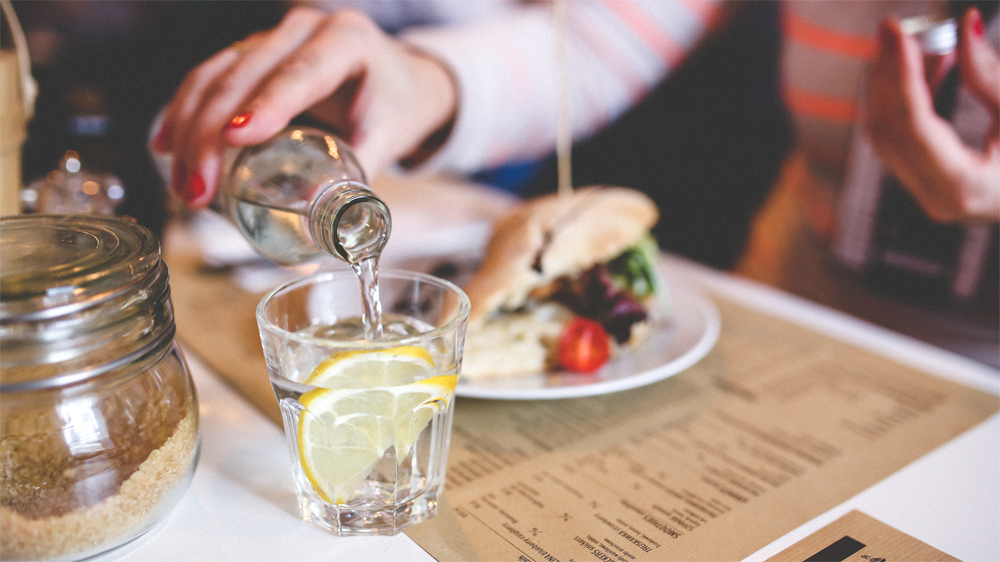
Over the years customers have become much smarter and choosy when it comes to eating out preferences. With overall food service market in India anticipated to grow at a 12% CAGR, people are eating out on a regular basis and they have become core of the restaurant business existence. According to industry experts from early 2000s till today they have seen a huge change in the customers’ eating out preferences and their behavioural change. “We started deGustibus in 1999. The first 12 years were very smooth, gentle selling but suddenly the whole pattern changed there were millennial, people were far well travelled than probably we were at that age, there was internet which was giving the customers lots of information. So, the aspiration was going up, needs were changing, looking for variety and different things,” says Anurag Katriar, ED & CEO at deGustibus Hospitality.
Reinventing growth
With sudden change in the eating out preferences, restaurants realised that there is a whole lot market which has opened up driven by the youngsters. Earlier restaurateurs were happy doing 70% food sale but today people will call them a failure if 70% is food sale. So, they started reinventing brand according to the market demand. There were few trends which were doing rounds in the food service industry. There is a definite shift of restaurants from unorganised to organise though it is slow and steady but it surely going to stay. A restaurant is no more looked upon a stomach filling location; drinking out is one of the reasons that people step into a restaurant. Earlier people would go out to eat and probably grab a drink. “Today most people go out to drink and food is just an incident and that’s where I see the biggest problem because earlier there was a clear differentiator in food- What will I get if I go to a restaurant ‘A’ and ‘B’. The way the market has evolved it is about the rightly priced drink,” adds Katriar adding that people are looking at volumes and that’s where the industry is heading today.
Birth of cafe moment
With almost 37% of the market shared by the cafe and casual dining chain, there is a sudden push in the cafe growth in India. People preferring a small get together over a cup of tea or a drink has gained momentum. Even a small meeting with a dear friend with relaxing environment has shaped up the growth of the cafe and bistro movement in the country. “I realised in early 2000 that it was about high end bars where people go out. It was not about going out to bar having a drink, enjoying the time. Everything was about being seen, wearing good clothes, look pretty and coming on page 3,” shares Khodu Irani, Partner- High Spirits Pune, adding that it has changed over the years and the biggest reason is internet. Over the years with face Book coming in, Snapchat, Instagram building up people are watching other people going out on regular basis and hence they are looking for a similar change here. Gone were the days when drinking and going out was a weekend affaire, today bars are doing good sales on weekdays as well because people go out to chill, chat with their friends on daily basis. And, that’s the good change in the market.
“Right now casual drinking is at par with QSRs and that’s across boards. The pricing has become cheaper in the bar and liquor industry as compared to what it was in 2004-05,” adds Irani.
Technology play
There has been a paradigm shift in the last five years. People have become much more tech savvy and for them everything has become an online business. Started as an online shopping trend, food business has also given online delivery and table reservation a good business in last five years. “When we started in 2012 reservation was not something that people have thought of but today people want to book a table before they go out. We are sitting on more than 300000 diners on the monthly basis,” points Sahil Jain, Co- Founder- Dineout. We can say that the industry is moving in such direction where people want convenience at their forefronts. At the same time people want lower prices and they want convenience as well. So, there are both things happening at the same time. It is not only pricing but people are also looking at convenience. There is opportunity to give them a special moment. “For restaurants like Barbeque Nation, they have got a good numbers on food as well. It is like 1500 customers per day at places like Hyderabad, Bengaluru and Chennai,” adds Jain.
Hence, we can say that localisation is an important factor in today’s dining out scenario as every city has its own market and within those markets there are markets.
 Food and BeverageNext time you’re dining out, pay attention to the sauce on your plate. It’s not just there for decoration—it plays a key role in the overall flavor.
 Food businessFranchising a restaurant is a good way to enter the food industry if you’re thinking about entering, unlike starting a restaurant from scratch.…
 CoffeeAs coffee culture has been on the rise for a long time, there are many varieties of coffee available, from fancy lattes and French press creations to…
 McDonald'sTechnology plays a key role in helping McDonald’s stay responsive to evolving guest needs and better achieve our goals––to feed and foster our…
Copyright © 2009 - 2025 Restaurant India.