





In conversation with Restaurant India, Amit Anand, Owner at Masala Gully, Gurgaon talks about his delivery only restaurant, why he has added regional dishes to the menu and how he plans to expand it further.
Please explain your concept? Do you operate on centralized kitchen format or do you have multiple kitchens?
We came up with an idea to popularize our regional cuisine at a time when people are focusing more on other international cuisines. There are lots of cuisines in India, which are not mainstream. We have put a few Bihari and Rajasthani dishes in our menu to begin with it. We have tried the original recipe and method of cooking including the authentic cooking vessels, which are used to make it. For example, Champaran Handi Mutton, which is very famous in Bihar and is cooked in Handi with whole spices.
Similarly,"Palak Halwa" which was famous in Bihar almost 100 years back and now rarely any body prepares it. We introduced it in our menu as per out concept. In coming days, we will be introducing more such regional dishes.
Currently we have centralized kitchen but in future we are planning to open up multiple kitchens as we are in expanding and will be including more areas of NCR under delivery.
Do you have your own delivery mechanism or you are registered to aggregators like Swiggy or Zomato?
We have our own software and dedicated delivery team members besides Swiggy and Zomato. These days when people are relying upon technology and social media, it has been a compulsory practice for people like us from the industry to use these technology and social media to reach out to the people. Zomato and Swiggy give a platform to the customer to choose their menu, compare the prices, utilization of the promotion and the knowledge of new launches. They also help us to be seen by customer on their platform if somebody is browsing the list of outlets or cuisine near to them. People also share their review on such platform which helps other customer and outlet as well.
What are the areas you cater to? Are you planning to expand?
Currently, we are delivering around 10 kms in radius of sector 53 in Noida But we also do catering with big corporate names in Gurgaon, Delhi and Noida. We have also extended our services in private parties which we are doing in Delhi/NCR.
Please explain the menu? How many dishes are there? How often you make changes to it?
Our menu represents regional and traditional food items from North Inidia. Recently we added few items from South India as well. As of now we have more than 70 dishes in menu and we are working on some more regional dishes to add them in our menu. We plan to continue with the menu for three months.
How many staffs you have? How do you train them?
We have 15 staffs including four assistants. It is always on the job training especially for the chefs. We share the recipe and give demo of the preparation, ask them to taste, share the video also with them and then they have to create it. Normally staffs take one to two days to get the expected result. For delivery team, we do situation based activities, train them with demo and video for packaging, delivering, share script, training on grooming are also given.
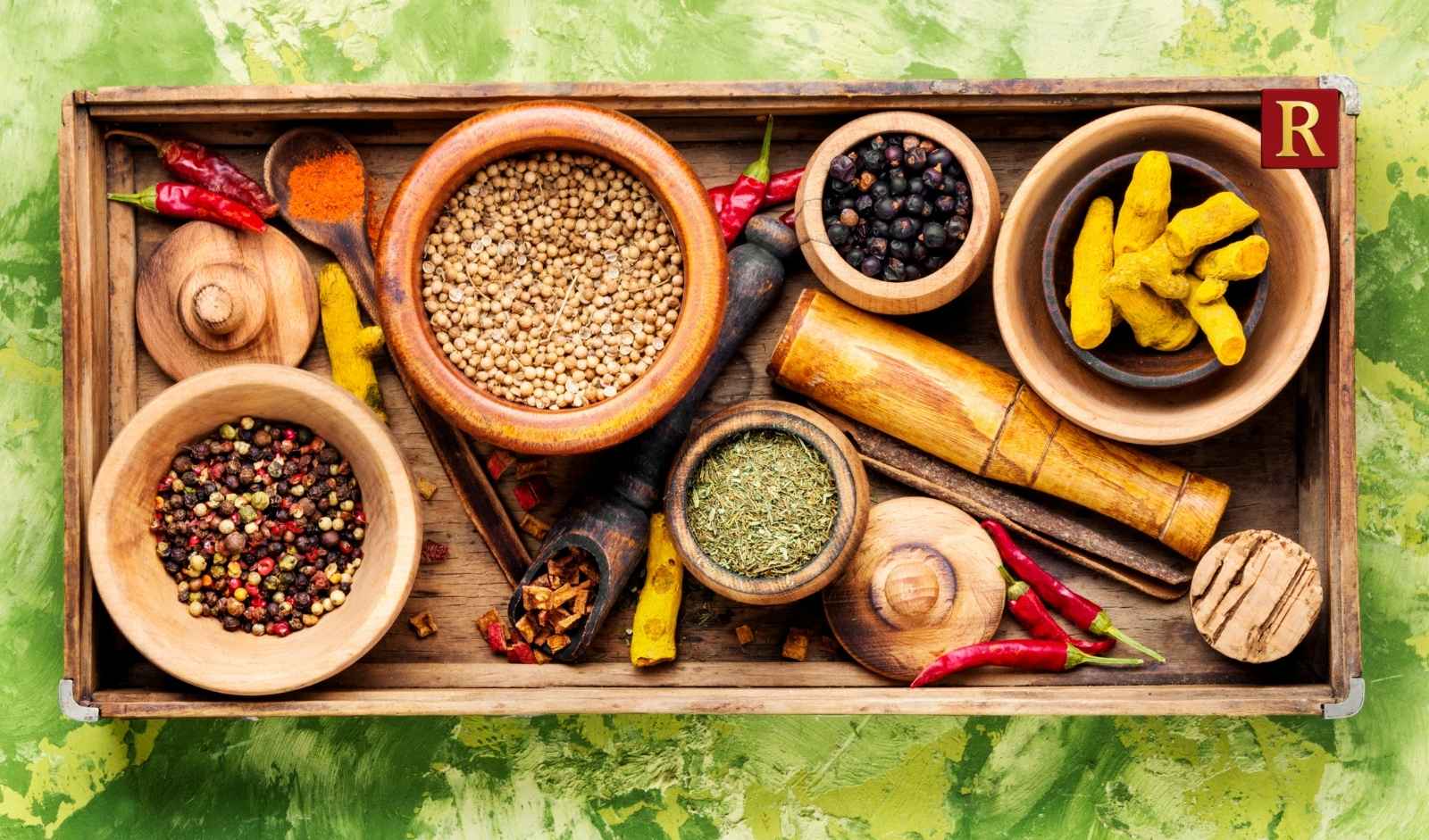
For many years, restaurant menus across India followed a familiar pattern. Butter chicken, paneer tikka, dal makhani, naan, biryani, and a few Indo-Chinese dishes dominated dining tables. While these classics remain popular, they represent only a small part of India's vast culinary heritage.
Today, consumers are looking for something more authentic. They want dishes that reflect the traditions of a particular region, community, or even a single village. From smoked Naga pork and Kodava pandi curry to Kumaoni bhatt ki churkani and Malvani seafood, regional cuisines are finding a much larger audience than ever before. This shift is changing how restaurants design menus, source ingredients, and tell their stories. Instead of offering a generic "Indian" menu, many brands are celebrating India's rich regional diversity to create memorable dining experiences.
India's Culinary Diversity
India has one of the world's most diverse food cultures. According to the Ministry of Tourism, the country has 28 states, 8 Union Territories, hundreds of communities, and thousands of traditional recipes, each shaped by local geography, climate, farming practices, and history. Yet restaurant menus often presented Indian cuisine as a handful of North Indian dishes.
Modern consumers are now questioning this limited representation. Better travel opportunities, digital content, and food-focused television shows have exposed people to cuisines they had never heard of before. As diners become more informed, they are actively seeking flavours that feel authentic rather than standardised. For restaurants, this growing curiosity presents an opportunity to move beyond familiar recipes and introduce customers to India's lesser-known culinary traditions.
Consumers Want Food That Tells a Story
Dining today is no longer only about satisfying hunger. Many people want every meal to have a story behind it.
They are interested in learning:
- Where a dish comes from
- Why certain spices are used
- How local communities prepare it
- What makes it unique from similar dishes
For example, Chettinad cuisine from Tamil Nadu is famous for its complex spice blends, while Mappila cuisine from Kerala reflects centuries of Arab trading influence. Kodava food from Coorg highlights locally grown pepper, pork, and forest ingredients, whereas Kashmiri Wazwan showcases elaborate royal cooking traditions. When restaurants explain these stories through menus or trained staff, customers often develop a stronger connection with the food. This creates a richer dining experience that goes beyond taste alone.
Social Media Has Changed Food Discovery
Social media has become one of the biggest drivers behind the rise of regional Indian cuisine. Instagram Reels, YouTube travel creators, and food bloggers regularly showcase hidden food destinations across India. A single viral video featuring bamboo shoot curry from Nagaland or Bhutte Ka Kees from Madhya Pradesh can introduce millions of viewers to dishes they have never seen before. Consumers now arrive at restaurants already familiar with regional specialties. Instead of ordering familiar curries, they are willing to try dishes like:
- Sol Kadhi from Maharashtra
- Gongura Mutton from Andhra Pradesh
- Siddu from Himachal Pradesh
- Smoked Pork from Nagaland
- Patrode from Karnataka
- Chhurpi-based dishes from Sikkim
This digital exposure has made regional cuisines more accessible than ever.
Authenticity Has Become More Valuable Than Familiarity
Modern diners increasingly associate authenticity with quality.
Many restaurants are responding by using:
- Traditional cooking techniques
- Freshly ground spice mixes
- Indigenous ingredients
- Seasonal vegetables
- Handmade accompaniments
- Recipes passed down through generations
Consumers appreciate these details because they create flavours that cannot easily be copied. Research from the National Restaurant Association of India (NRAI) has consistently highlighted that diners are placing greater importance on quality ingredients, authentic experiences, and unique menu offerings rather than simply looking for familiar dishes. Restaurants that invest in genuine regional cooking often enjoy stronger customer loyalty because guests feel they are experiencing something distinctive.
Hyper-Regional Menus
One of the biggest developments in India's restaurant industry is the rise of hyper-regional dining. Rather than representing an entire state, some restaurants now focus on a specific district, community, or culinary tradition.
Examples include restaurants specialising in:
- Malvani coastal cuisine
- Bihari home-style cooking
- Garhwali mountain food
- Angami Naga cuisine
- Awadhi royal cuisine
- Coorgi specialties
- Konkan seafood
This specialised approach helps restaurants stand out in an increasingly crowded market. Instead of competing with hundreds of restaurants serving similar menus, these brands create a unique identity that customers remember.
Local Ingredients Are Driving New Menu Innovation
Consumers are also becoming more interested in ingredients that were once considered too regional for mainstream restaurant menus. Several indigenous ingredients are now appearing in fine dining restaurants, cafés, and modern cloud kitchens.
These include:
- Ragi
- Jowar
- Little millet
- Barnyard millet
- Kokum
- Bamboo shoots
- Jackfruit
- Roselle leaves
- Black rice
- Native rice varieties
- Gondhoraj lemon
- Bhut Jolokia chilli
Many of these ingredients support sustainable farming because they are naturally suited to local climates and often require fewer agricultural inputs than commercially grown alternatives. The United Nations declared 2023 as the International Year of Millets, bringing global attention to traditional grains that have been part of Indian diets for centuries. Since then, millet-based dishes have become increasingly common across restaurant menus.
Consumers Are Paying for Experiences, Not Just Meals
Restaurant visits are becoming experience-led rather than purely transactional.
Many diners are willing to spend more when restaurants offer:
- Regional tasting menus
- Chef storytelling sessions
- Seasonal festivals
- Live traditional cooking
- Limited-time regional specials
- Ingredient-focused menus
These experiences make dining more memorable while encouraging customers to explore unfamiliar cuisines. Restaurants also benefit because experiential dining increases customer engagement, generates social media content, and encourages repeat visits.
Technology Helps Preserve Authentic Regional Flavours
Expanding regional cuisine across multiple outlets requires consistency. Restaurants are increasingly using digital kitchen management systems to standardise recipes without losing authenticity.
Modern restaurant technology supports:
- Standardised recipe documentation
- Ingredient traceability
- Portion control
- Inventory monitoring
- Quality checks across locations
These systems ensure that a regional dish prepared in one city delivers a similar experience elsewhere while respecting traditional cooking methods. Technology also helps restaurants manage seasonal ingredients, forecast demand, and reduce food waste, making regional menus more practical to scale.
Challenges Still Exist
Despite growing demand, serving authentic regional cuisine is not always easy.
Restaurants often face challenges such as:
- Limited availability of indigenous ingredients
- Seasonal supply fluctuations
- Higher sourcing costs
- Training chefs in traditional techniques
- Educating customers about unfamiliar dishes
Some ingredients also have short shelf lives, while others must be sourced directly from specific regions to maintain authenticity. Successful restaurants overcome these challenges by building partnerships with local farmers, working with regional suppliers, and continuously training their kitchen teams.
The Future
The idea of "Indian cuisine" is becoming more detailed and diverse. Consumers no longer see India's food culture as a single category. They recognise that every region has its own ingredients, cooking methods, traditions, and flavours worth exploring. This change is creating exciting opportunities for restaurants. Those that embrace regional identities can offer richer dining experiences, stronger brand differentiation, and deeper customer connections. As food tourism grows, digital discovery expands, and consumers continue seeking authentic experiences, regional Indian cuisine is likely to become one of the defining forces shaping the country's restaurant industry. The future of Indian dining is not about replacing beloved classics. It is about giving equal recognition to the thousands of local flavours that have always been part of India's remarkable culinary heritage.
The Indian restaurant industry is changing in ways that are easy to miss but hard to ignore. While food delivery and quick commerce often dominate the conversation, restaurants are quietly rethinking how they serve customers, manage kitchens, and build long-term loyalty. Today's diners want more than good food. They expect faster service, authentic regional flavours, personalised experiences, and greater transparency about ingredients. At the same time, rising food costs, labour shortages, and changing customer preferences are encouraging restaurants to adopt smarter technology and more efficient operations.
According to IMARC Group, India's cloud kitchen market reached US$1.24 billion in 2025 and is expected to grow to US$3.69 billion by 2034, at a CAGR of 12.28%. The growth reflects a broader transformation across the restaurant industry, where technology, sustainability, and customer experience are becoming essential rather than optional.
Here are 8 Restaurant Trends Worth Exploring
1. AI Is Becoming the Restaurant's Smartest Team Member
Artificial intelligence is no longer limited to chatbots or online ordering. It is increasingly being used behind the scenes to improve restaurant operations. Modern restaurant management systems analyse past sales, weather forecasts, local events, festivals, and customer ordering patterns to predict demand more accurately. This helps restaurants purchase the right quantity of ingredients, reducing food waste and avoiding stock shortages.
AI also assists with staff scheduling, inventory planning, and menu recommendations. Some restaurants even use predictive analytics to identify which dishes are likely to sell during different times of the day. For customers, this often means shorter waiting times, better menu suggestions, and a more consistent dining experience. For businesses, it improves efficiency and helps control operating costs.
2. Regional Indian Cuisine Is Taking Centre Stage
For years, many restaurants offered broad categories like North Indian or South Indian food. Today, diners are looking for something more authentic. Restaurants are increasingly highlighting cuisines from specific regions, including Kodava, Chettinad, Malvani, Awadhi, Assamese, Kumaoni, and Naga traditions. Instead of serving generic curries, chefs are focusing on recipes that preserve local cooking techniques and flavours.
Traditional ingredients such as bamboo shoots, kokum, black rice, indigenous millets, fermented foods, and regional spice blends are appearing on menus across major cities. Customers are also showing greater interest in the stories behind these dishes. Knowing where an ingredient comes from or how a recipe has been prepared for generations adds depth to the dining experience and creates a stronger connection with the food.
3. Hyperlocal Sourcing Is Becoming a Business Advantage
Consumers are paying closer attention to where their food comes from. As a result, many restaurants are building relationships with nearby farmers, fisheries, dairy producers, and artisanal suppliers. Using seasonal and locally sourced ingredients often means fresher produce, shorter transportation times, and lower environmental impact.
Many restaurants now rotate menus based on seasonal availability rather than relying on the same ingredients throughout the year. Daily specials featuring local vegetables, fresh seafood, or regional fruits are becoming increasingly common. Hyperlocal sourcing also supports local economies while giving chefs access to ingredients that are often unavailable through large distributors.
4. Dining Is Now About the Entire Experience
Food remains the main attraction, but the overall dining experience has become equally important. Customers increasingly choose restaurants that offer something memorable beyond the plate. Open kitchens, chef's tables, live cooking stations, tasting menus, wood-fired cooking, and interactive cocktail bars are becoming more popular across India's restaurant scene.
Many diners, especially younger consumers, also enjoy sharing these experiences on social media. Restaurants that combine good food with thoughtful interiors, storytelling, and engaging service often benefit from stronger word-of-mouth marketing. The focus has shifted from simply serving meals to creating occasions that customers remember and recommend.
5. Sustainability Is Moving Into Everyday Restaurant Operations
Sustainability is becoming part of daily restaurant management rather than a separate marketing initiative. Many operators are introducing systems that reduce food waste, optimise inventory, and improve energy efficiency. Portion control, better storage practices, composting, reusable packaging, and water-saving equipment are becoming more common.
Food waste remains one of the biggest challenges for the hospitality sector. Better inventory planning allows restaurants to purchase only what they need while maintaining consistent quality. Customers are also responding positively to businesses that clearly communicate their sustainability efforts, especially when these practices genuinely improve operations rather than serving as promotional claims.
6. Smaller Menus Are Delivering Better Results
Bigger menus do not always create better restaurants. Many successful restaurants are reducing the number of dishes they serve. A focused menu allows chefs to maintain consistent quality, simplify kitchen operations, and reduce ingredient waste.
This strategy is supported by menu engineering, a technique that analyses both the popularity and profitability of each dish. Restaurants use sales data to identify their best-performing items and remove dishes that generate little demand or lower margins. Smaller menus also help customers make quicker decisions while allowing kitchens to prepare food more efficiently during busy hours. The result is often faster service, improved consistency, and healthier profit margins.
7. Technology Is Connecting Every Part of the Restaurant
Digital technology now supports almost every stage of restaurant operations. Customers increasingly scan QR codes to browse menus, place orders, and make contactless payments. Behind the scenes, integrated Point of Sale (POS) systems connect with inventory software, Kitchen Display Systems (KDS), reservation platforms, and customer relationship management (CRM) tools. These connected systems provide restaurant managers with real-time information about sales, stock levels, customer preferences, and staff performance.
Loyalty programmes have also become more personalised. Instead of offering generic discounts, restaurants use customer data to send targeted promotions based on previous visits and ordering habits. For multi-outlet restaurant chains, these systems provide better visibility across locations while simplifying day-to-day management.
8. Cloud Kitchens Are Growing Into Multi-Brand Businesses
Cloud kitchens have evolved far beyond delivery-only operations. Many operators now run multiple virtual brands from a single kitchen. One production facility may simultaneously prepare biryani, pizzas, Asian bowls, desserts, and healthy meals under different brand names. This model allows businesses to maximise kitchen utilisation without opening multiple physical restaurants. It also reduces rental costs and enables quicker expansion into new markets.
Data plays a major role in this approach. Operators can test new cuisines, monitor customer demand, and quickly adjust menus based on ordering trends. As online food delivery continues to grow, cloud kitchens are becoming an important part of India's wider restaurant ecosystem rather than competing with traditional dine-in restaurants.
Statistics Box
India's Cloud Kitchen Market Is Expanding: India's cloud kitchen market was valued at US$1.24 billion in 2025 and is projected to reach US$3.69 billion by 2034, growing at a 12.28% CAGR. This growth reflects rising demand for online food delivery, lower operating costs, and scalable multi-brand kitchen models.
AI Is Improving Restaurant Efficiency: Restaurants are increasingly using AI for demand forecasting, inventory planning, staff scheduling, and menu optimisation. By analysing historical sales, weather, festivals, and customer behaviour, AI helps reduce food waste, improve order accuracy, and streamline kitchen operations.
Experience-Driven Dining Is Growing: More diners now choose restaurants for unique experiences such as chef's tables, live cooking, themed interiors, and interactive dining, making customer engagement as important as the menu itself.
Commentary Angle
Technology Is Reshaping Restaurant Operations: Digital tools like AI, POS systems, and integrated kitchen management software are helping restaurants make faster decisions, improve operational efficiency, and reduce unnecessary costs.
Customer Expectations Have Changed: Modern diners value convenience, authentic regional flavours, sustainability, and personalised service. Restaurants that balance technology with genuine hospitality are better positioned to build customer loyalty and achieve long-term growth.
The Bigger Picture
These trends may seem independent, but together they point to a larger shift in how restaurants operate. Technology is making businesses more efficient. Regional cuisines are bringing authenticity back to menus. Hyperlocal sourcing is strengthening supply chains. Sustainability is reducing waste while improving customer trust. Smaller menus are helping restaurants maintain quality, and cloud kitchens are creating new opportunities for growth. For diners, these changes often result in fresher food, better service, and more meaningful dining experiences. For restaurant owners, they offer practical ways to improve profitability while meeting evolving customer expectations. India's restaurant industry is no longer changing through one major innovation. Instead, it is being reshaped by many smaller improvements that work together. Restaurants that embrace these shifts while staying true to quality, hospitality, and local flavours are likely to be the ones that thrive in the years ahead.
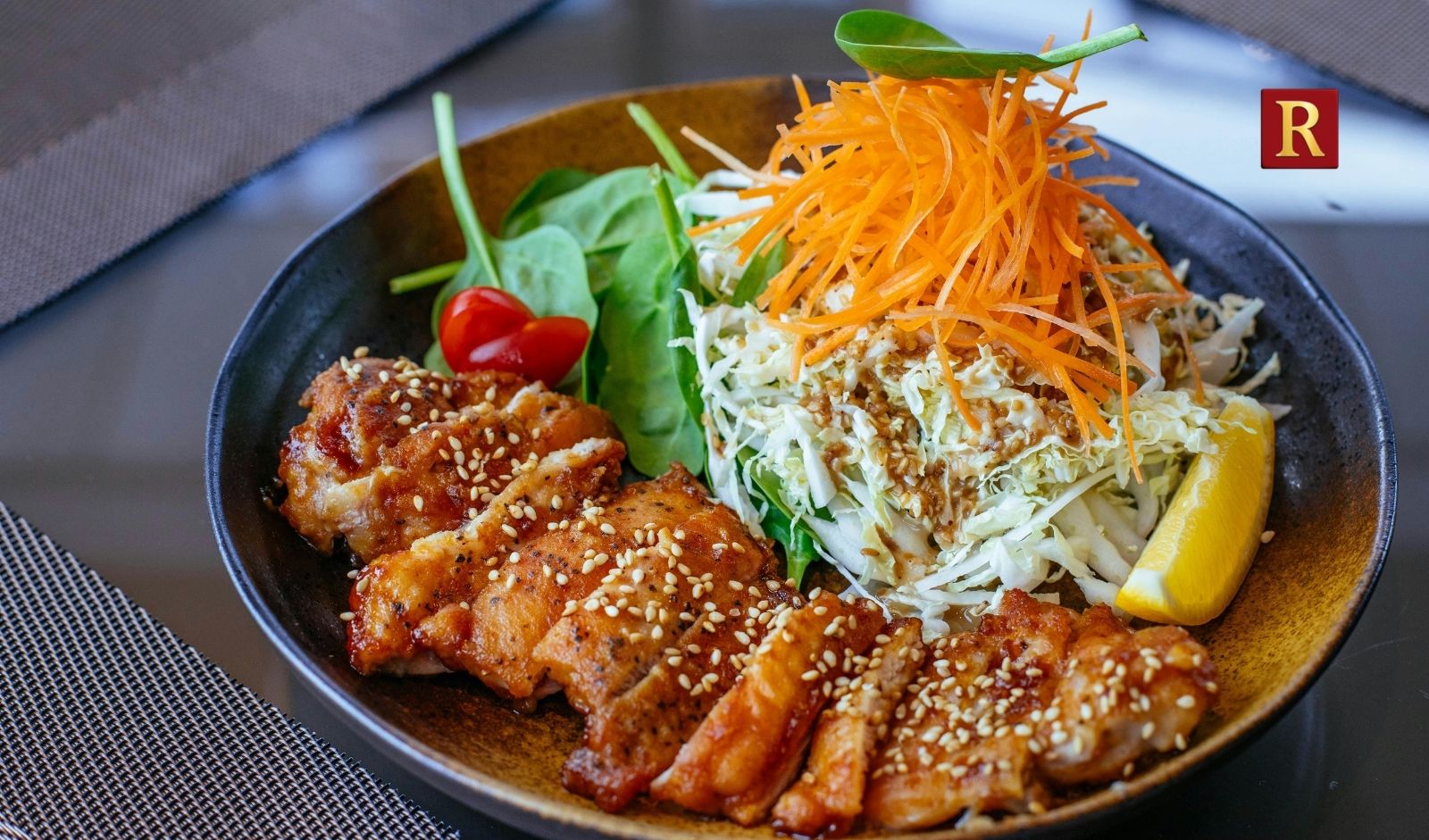
For years, Indian restaurant menus across major cities looked almost identical. Butter chicken, dal makhani, biryani, paneer tikka, and dosa became the standard choices regardless of where you dined. While these dishes remain popular, today's diners are looking beyond familiar favourites. They want meals that tell a story, reflect local traditions, and introduce them to flavours they have never experienced before.
This shift has given rise to hyper-regional cuisine, one of the fastest-growing trends in India's hospitality industry. Instead of representing an entire state, hyper-regional cuisine celebrates the unique food traditions of smaller regions, communities, and even individual villages. Whether it is Kodava cuisine from Karnataka, Angami Naga dishes from Nagaland, Mappila food from Kerala, or Kumaoni recipes from Uttarakhand, these culinary traditions are finding a place in modern restaurants. According to the India Brand Equity Foundation (IBEF), India's food services market is expected to exceed $125 billion by 2029, driven by changing consumer preferences, premium dining experiences, and increasing urban spending. One of the biggest contributors to this growth is the demand for authentic regional food experiences.
What Is Hyper-Regional Cuisine?
Hyper-regional cuisine goes beyond broad categories like North Indian or South Indian food. It focuses on the traditional recipes, ingredients, cooking methods, and food culture of a specific locality or community.
For example, Karnataka alone offers several distinct cuisines, including Malnad, Udupi, Kodava, Mangalorean, and North Karnataka cuisine. Each has its own cooking style, spices, and signature dishes.
Similarly, West Bengal is not limited to Bengali cuisine. It includes unique food traditions such as Ghoti, Bangal, tribal cuisines, and the royal kitchens of Murshidabad. Hyper-regional cuisine preserves local identities that have been shaped by geography, climate, farming practices, and cultural influences over hundreds of years.
India's Culinary Diversity Makes This Trend Possible
India is one of the world's most diverse food destinations. The country has 28 states, 8 Union Territories, more than 1,600 spoken languages and dialects, and hundreds of communities, each contributing unique culinary traditions. Food habits change dramatically every few hundred kilometres. Coastal regions depend heavily on seafood and coconut, while Himalayan communities use millets, herbs, and fermented foods. Desert regions rely on dried vegetables and spices that can withstand harsh climates. This extraordinary diversity offers restaurants endless opportunities to introduce lesser-known dishes to curious diners.
Why Diners Are Choosing Hyper-Regional Cuisine
1. Authentic Experiences Matter More Than Ever
Modern consumers, especially millennials and Gen Z, value authenticity over familiarity. They enjoy discovering dishes that are deeply connected to a place and its people rather than eating the same menu available everywhere. Restaurants that explain the history behind a dish often create stronger emotional connections with guests.
2. Food Has Become a Form of Travel
Many people cannot travel frequently, but they can explore different cultures through food. A meal inspired by the hills of Uttarakhand or the forests of Odisha allows diners to experience a region without leaving their city. This culinary tourism has become an important part of India's growing food culture.
3. Social Media Encourages Discovery
Unique dishes attract attention on social media platforms. Colourful tribal recipes, forgotten ingredients, handcrafted cooking methods, and traditional serving styles generate curiosity and encourage people to visit restaurants offering something different. Instead of simply sharing beautiful food photographs, diners now enjoy sharing the stories behind what they eat.
Forgotten Ingredients Are Returning to the Spotlight
One of the biggest strengths of hyper-regional cuisine is its ability to revive indigenous ingredients that were slowly disappearing from everyday cooking.
Some examples include:
- Kokum from the Konkan coast
- Gondhoraj lemon from West Bengal
- Black rice from Manipur
- Bamboo shoots from Northeast India
- Mahua flowers from Central India
- Kodampuli from Kerala
- Bhut Jolokia chillies from Assam and Nagaland
- Barnyard millet from Uttarakhand
- Jackfruit seeds used in traditional Kerala recipes
Many of these ingredients are naturally rich in nutrients and are well suited to local climates, making them both healthy and sustainable.
Supporting Local Farmers and Sustainable Agriculture
Hyper-regional cuisine does more than introduce new flavours. It also creates economic opportunities for farmers and artisan food producers.
Restaurants increasingly purchase directly from local growers, reducing transportation costs and supporting rural economies. Seasonal sourcing also ensures fresher ingredients while lowering the environmental impact associated with long-distance food transportation.
Many chefs now design menus around what local farms produce during different seasons instead of importing ingredients throughout the year.
This farm-to-table approach promotes biodiversity by encouraging farmers to continue growing native grains, vegetables, herbs, and fruits that were once overlooked.
Fine Dining Is Becoming More Indian
India's premium restaurant industry has undergone a remarkable transformation over the past decade. Earlier, luxury dining often centred around European or fusion cuisine. Today, many award-winning chefs are proudly showcasing India's regional heritage through carefully curated tasting menus. Guests are introduced to forgotten recipes, traditional cooking techniques, handcrafted pottery, indigenous ingredients, and regional storytelling throughout the dining experience. Instead of copying international trends, Indian restaurants are building their own culinary identity by celebrating local food traditions.
Technology Is Helping Preserve Regional Food
Technology is playing an important role in the growth of hyper-regional cuisine. Restaurants use digital supply chains to source ingredients directly from farmers in remote regions. QR codes on menus allow customers to learn about the history of dishes and ingredients. Artificial intelligence helps restaurants understand customer preferences and design menus that balance authenticity with demand.
Social media, food blogs, and online delivery platforms have also made it easier for smaller regional restaurants to reach wider audiences. A traditional recipe that was once known only within a village can now become popular across the country.
Challenges That Still Exist
Despite its growing popularity, hyper-regional cuisine faces several challenges.
Many traditional ingredients are available only during specific seasons. Transporting them across states can increase costs and affect freshness.
Another challenge is documentation. Numerous recipes have been passed down through oral traditions rather than written records. As older generations disappear, valuable culinary knowledge risks being lost.
Chef training is another important factor. Preparing authentic regional dishes requires an understanding of traditional cooking methods, local ingredients, and cultural significance.
Restaurants must also educate customers who may be unfamiliar with these cuisines. Storytelling becomes essential to help diners appreciate the uniqueness of each dish.
Hyper-Regional Cuisine Is Creating New Business
For restaurant owners, hyper-regional cuisine offers several competitive advantages.
Specialised menus help restaurants stand out in a crowded market. Customers are often willing to pay premium prices for authentic experiences that cannot be easily replicated elsewhere.
Restaurants also build stronger brand identities by focusing on a particular region instead of offering generic multi-cuisine menus.
Food festivals, chef collaborations, tasting events, and regional pop-ups further strengthen customer engagement while promoting lesser-known culinary traditions.
As India's hospitality industry continues to expand, restaurants with a strong regional identity are likely to enjoy greater customer loyalty.
Indian Dining Lies in Local Stories
Hyper-regional cuisine is more than a dining trend. It represents a cultural movement that celebrates India's extraordinary diversity one region at a time. As consumers become more conscious about authenticity, sustainability, and meaningful experiences, they are moving away from standardised restaurant menus and embracing food with deeper roots. For chefs, this movement offers endless creative possibilities. For farmers, it creates new markets for indigenous crops. For diners, it provides an opportunity to discover India's rich culinary heritage beyond the familiar classics. The future of Indian dining will not be defined by how many international dishes appear on a menu. Instead, it will be shaped by how well restaurants preserve, reinterpret, and celebrate the countless local food traditions that make India one of the world's greatest culinary destinations. Hyper-regional cuisine is ensuring that these traditions are not only remembered but also enjoyed by a new generation of food lovers.
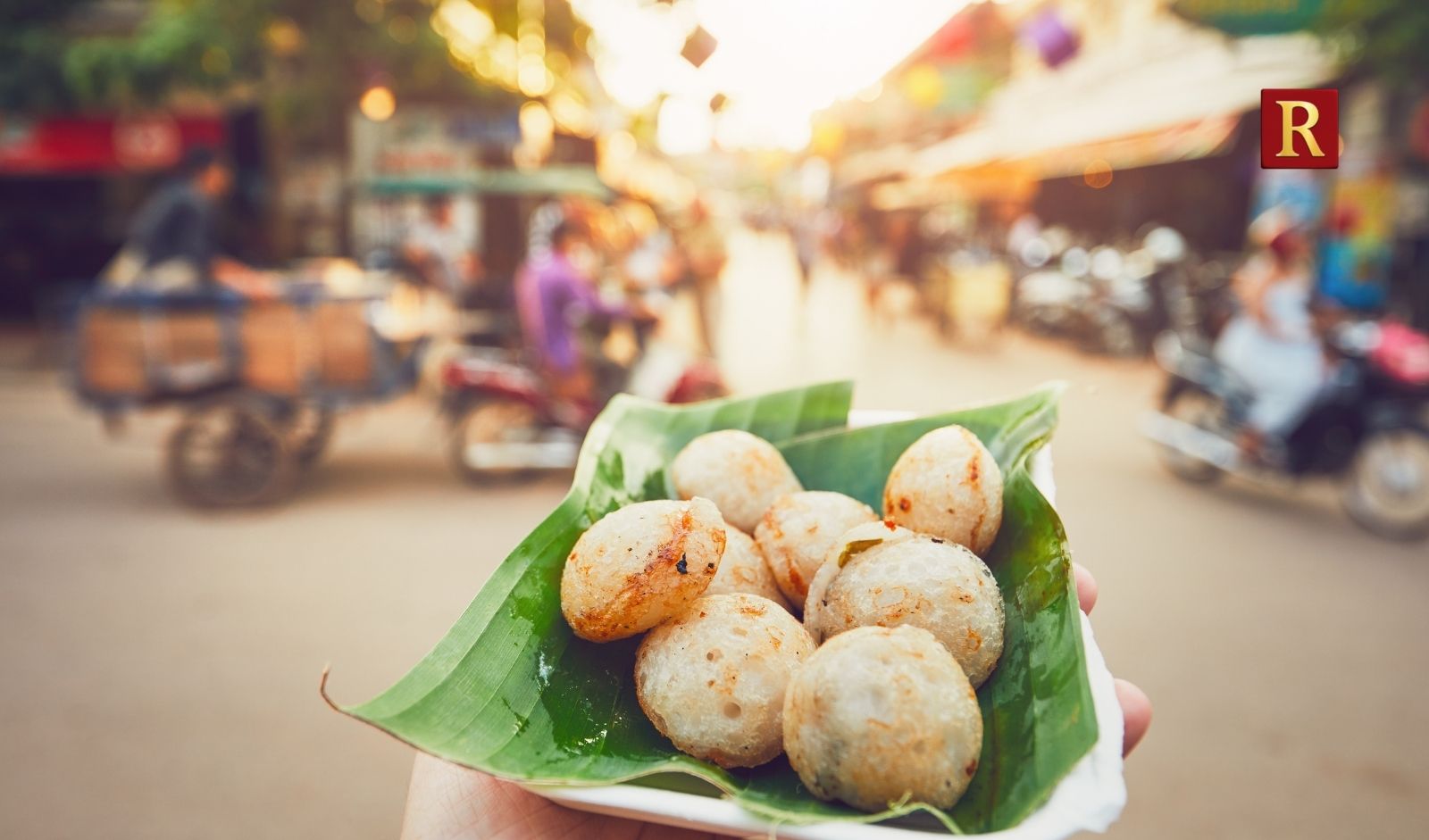
Bengaluru is often called India's Silicon Valley, but the city has another identity that food lovers know well—its vibrant street food culture. While cafés and fine-dining restaurants are everywhere, nothing captures the city's culinary spirit quite like VV Puram Food Street. Popularly known as Thindi Beedi in Kannada, meaning "Snack Street," this lively lane has become one of the most visited food destinations in Karnataka.
Located near Sajjan Rao Circle in Basavanagudi, VV Puram Food Street stretches for less than 150 metres. Despite its small size, it is home to more than 20 food stalls serving everything from traditional Karnataka snacks to chaats, sweets, dosas, and modern street food. Every evening, thousands of locals and tourists gather here to enjoy affordable, freshly prepared vegetarian delicacies.
Why VV Puram Food Street Is Bengaluru's Street Food Capital
Unlike many food streets that specialise in only one cuisine, VV Puram offers an incredible mix of regional and contemporary flavours. Families, college students, office workers, and tourists visit this iconic lane because every few steps introduce a new aroma, a sizzling tawa, or a freshly prepared sweet. Most stalls have been serving customers for decades, with recipes passed down through generations. Live cooking adds to the excitement as visitors watch dosas being flipped, holige roasted with ghee, and pani puri assembled in seconds. The combination of affordability, variety, and heritage has helped VV Puram earn its reputation as Bengaluru's most famous vegetarian food street.
Best Time to Visit
The food street begins getting busy after 5:00 PM, but the real atmosphere comes alive between 6:30 PM and 9:30 PM. During weekends, the crowd can easily double, making weekdays a better choice if you prefer shorter waiting times. The ideal season to visit is from October to February when Bengaluru's pleasant weather makes walking and food hopping much more enjoyable. If you visit during December or January, you may also experience the famous Avarekai Mela, where dozens of dishes are prepared using fresh hyacinth beans sourced directly from local farmers. The festival attracts thousands of visitors every year and supports Karnataka's farming community.
Find 10 Must-Try Street Foods at VV Puram
1. Congress Bun
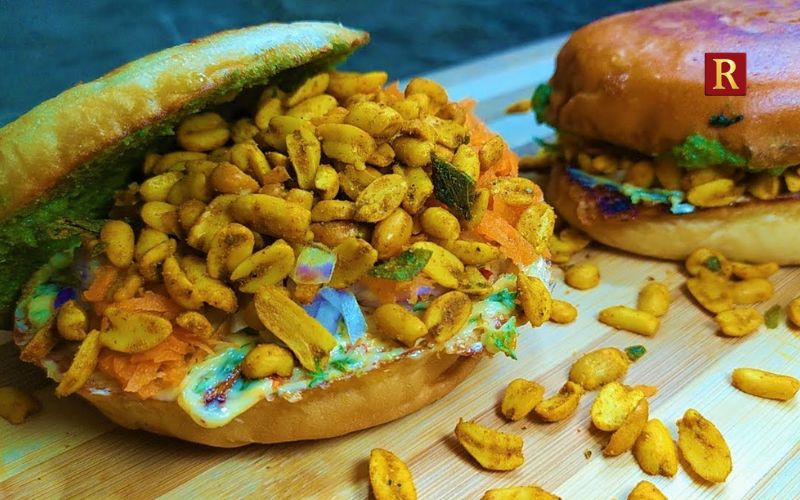
The Congress Bun is one of Bengaluru's most loved bakery snacks and a signature item near VV Puram Food Street. Made with a soft, freshly baked bun, it is stuffed with a spicy mixture of roasted peanuts, coriander, green chillies, grated carrots, onions, and a blend of flavourful spices. A generous layer of butter adds richness and enhances every bite. The snack gets its name from its colourful filling, which some believe resembles the colours of the Indian National Congress flag. Costing around Rs 30 to Rs 50, it is an affordable evening snack that perfectly balances crunch, spice, freshness, and buttery goodness.
2. Holige (Obbattu)
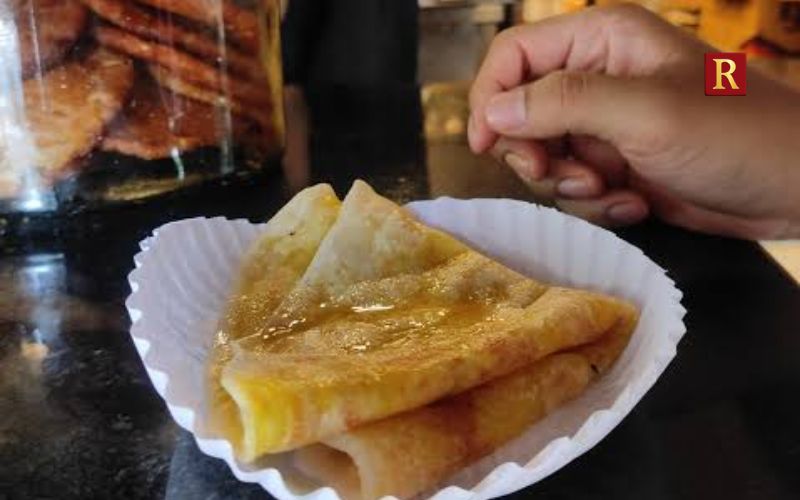
Holige, also known as Obbattu or Puran Poli in different regions, is one of Karnataka's oldest and most cherished festive sweets. It is prepared by stuffing thin wheat dough with fillings like jaggery and chana dal, coconut, sesame seeds, or even dry fruits before roasting it on a hot griddle with plenty of ghee. The result is a soft, aromatic flatbread with a rich and sweet centre. Many stalls at VV Puram prepare Holige fresh throughout the evening, filling the street with the aroma of roasted ghee. Prices usually range from Rs 20 to Rs 40, making it a delicious traditional dessert.
3. Akki Roti
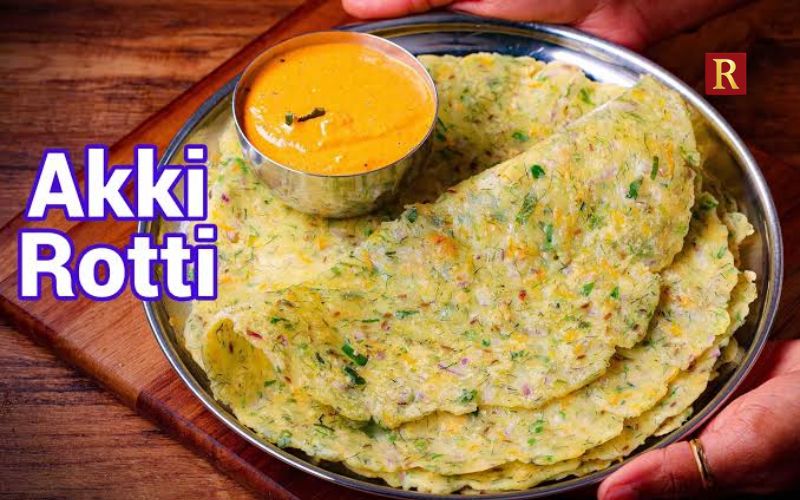
Akki Roti is a traditional Karnataka flatbread made primarily from rice flour, making it naturally gluten-free and wonderfully crisp. The dough is mixed with finely chopped onions, green chillies, grated carrots, coriander leaves, cumin seeds, curry leaves, and fresh coconut before being flattened by hand and cooked on a hot tawa. It is usually served with coconut chutney, vegetable curry, or spicy pickle. The combination of crispy edges and soft centre makes every bite satisfying. Rich in local flavours and simple ingredients, Akki Roti reflects Karnataka's home-style cooking traditions and remains a favourite among both locals and tourists.
4. Paddu
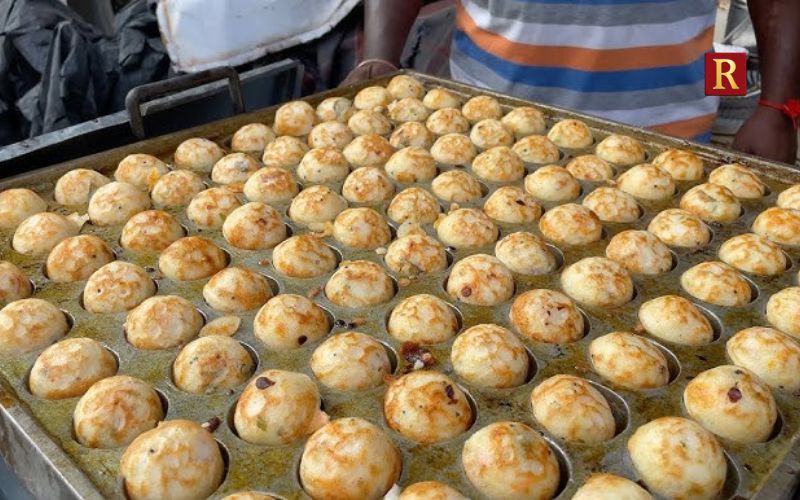
Paddu, also called Appe or Gundponglu in different parts of South India, is a bite-sized snack made using fermented idli or dosa batter. The batter is poured into a special moulded pan, creating perfectly round dumplings that are crispy outside and fluffy inside. Many vendors add onions, mustard seeds, curry leaves, coriander, and green chillies to enhance the flavour. Served with spicy coconut chutney or tomato chutney, Paddu is a wholesome snack that is light yet filling. Priced between Rs 40 and Rs 60, it is among the fastest-selling dishes at VV Puram during busy evenings.
5. Masala Dosa
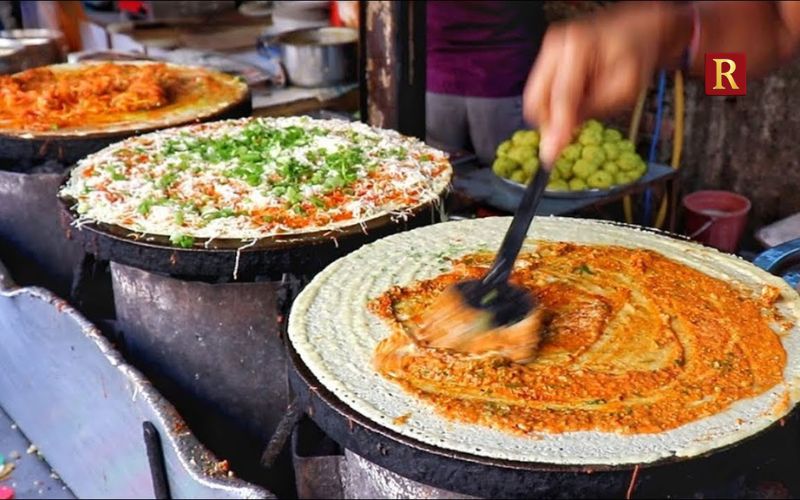
Masala Dosa is one of South India's most famous dishes and remains a highlight of VV Puram Food Street. Prepared using fermented rice and lentil batter, the dosa is spread thinly on a hot griddle until golden and crispy. It is then filled with a delicious potato masala made from boiled potatoes, onions, mustard seeds, turmeric, curry leaves, and green chillies. Served alongside coconut chutney and hot sambar, every bite offers a delightful mix of crunch and softness. Depending on the stall, a Masala Dosa typically costs between Rs 60 and Rs 120 and is ideal for a satisfying meal.
6. Thatte Idli
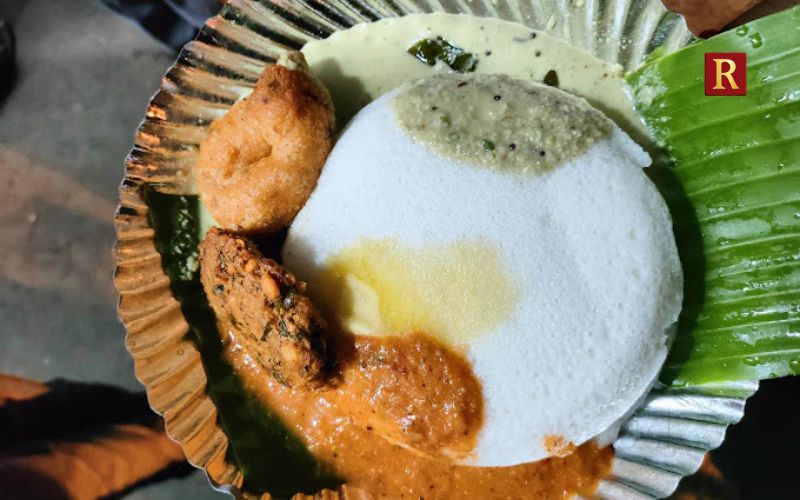
Thatte Idli literally means "plate idli" in Kannada because it is steamed in flat plates instead of traditional moulds. The result is a much larger, softer, and fluffier idli that almost melts in your mouth. Prepared from fermented rice and urad dal batter, it is served hot with coconut chutney, spicy chutney powder, butter, and steaming sambar. Some vendors even drizzle extra ghee over the idli for added richness. Its light texture makes it suitable for people of all ages. Costing around Rs 40 to Rs 70, Thatte Idli is one of the healthiest options at VV Puram.
7. Masala Puri
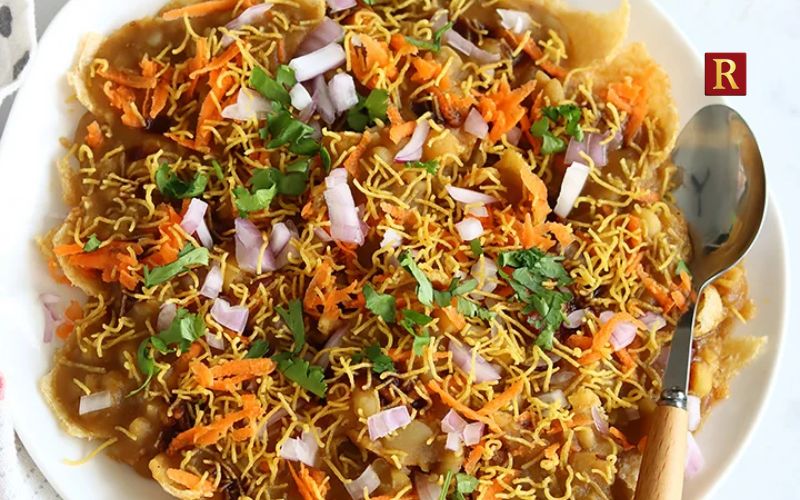
Masala Puri is a signature Bengaluru-style chaat that has become an essential part of every food walk at VV Puram. Unlike regular pani puri, this dish combines crushed crispy puris with a thick white peas curry, chopped onions, tomatoes, coriander leaves, sev, and tangy tamarind and mint chutneys. Some vendors also sprinkle special masala powders and fresh lemon juice for extra flavour. The combination creates a perfect balance of spicy, tangy, crunchy, and slightly sweet tastes in every spoonful. Usually priced between Rs 40 and Rs 80, Masala Puri is especially popular during cool Bengaluru evenings.
8. Gobi Manchurian
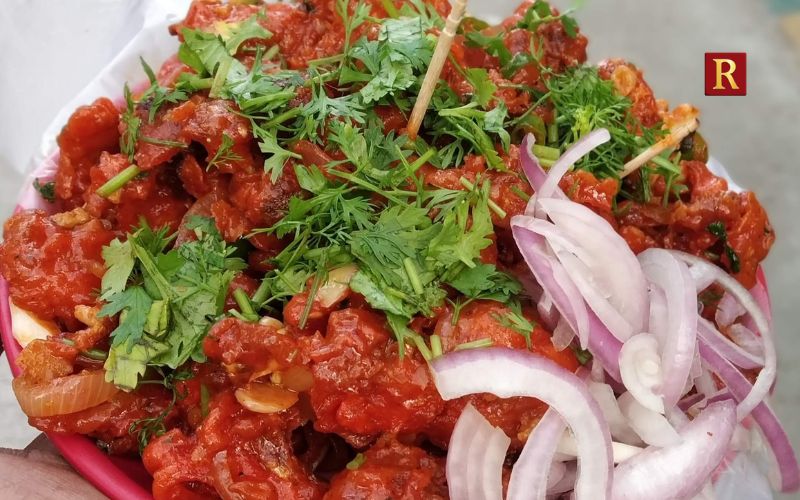
Gobi Manchurian is one of the most popular Indo-Chinese street foods found across Bengaluru, and VV Puram serves some of its tastiest versions. Fresh cauliflower florets are coated in seasoned batter, deep-fried until crisp, and tossed in a spicy sauce made with garlic, ginger, soy sauce, green chillies, onions, and spring onions. Some stalls offer both dry and gravy versions, while others prepare extra-spicy variations for adventurous eaters. Though it has Chinese influences, the bold Indian spices make it uniquely local. Costing around Rs 60 to Rs 120, it remains a favourite among students and young food lovers.
9. Jalebi
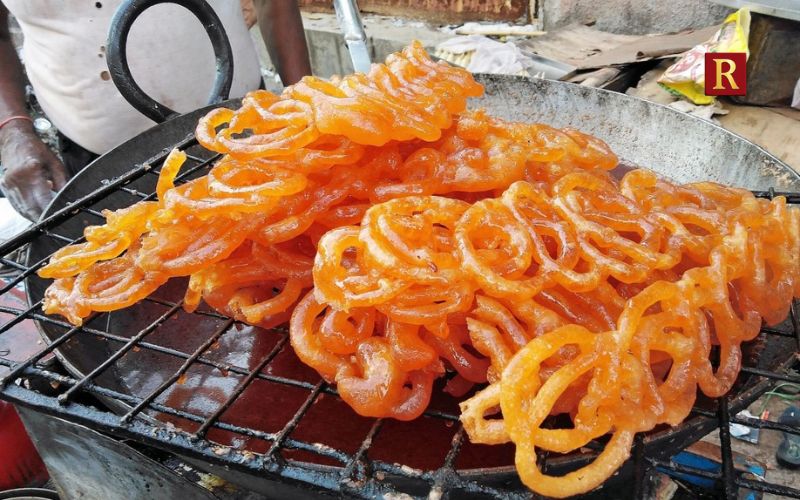
Nothing completes a street food trail better than a serving of freshly prepared Jalebi. Made by piping fermented flour batter into hot oil in spiral shapes, the crispy rings are immediately dipped into fragrant sugar syrup infused with cardamom or saffron. The result is a sweet with a crunchy exterior and juicy interior that melts in your mouth. Many stalls prepare Jalebis fresh throughout the evening, ensuring they are served piping hot. Some even pair them with creamy rabri for a richer dessert experience. Prices generally range from Rs 30 to Rs 70, making them an irresistible sweet treat.
10. Badam Milk
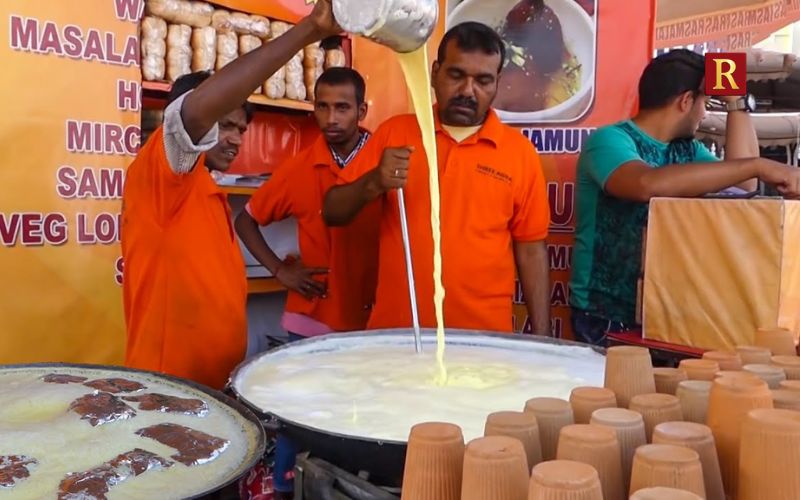
Badam Milk is one of the most refreshing beverages to enjoy after tasting several spicy dishes at VV Puram Food Street. Prepared using milk, almonds, saffron, sugar, and cardamom, it has a naturally rich, creamy texture and a pleasant nutty flavour. Depending on the season, it is served either chilled or warm. Some vendors garnish it with chopped pistachios or additional almond slivers for extra richness. Besides its delicious taste, Badam Milk is also valued for its protein, calcium, and healthy fats. Usually priced between Rs 40 and Rs 80, it offers the perfect finish to a memorable Bengaluru food trail.
Famous Stops You Shouldn't Miss
Several vendors have become landmarks in their own right. VB Bakery is widely known for its legendary Congress Bun, while dedicated Holige stalls continue to preserve Karnataka's sweet-making traditions. Chaat counters serve Bengaluru-style Masala Puri and Floating Pani Puri, while juice centres attract long queues for refreshing Rose Milk, Badam Milk, and seasonal fruit juices. These iconic outlets have helped shape the street's identity over the years.
Hidden Specialties Worth Trying
While most visitors head straight for dosas and chaats, several lesser-known dishes deserve attention. Mosaru Kodubale combines crispy Kodubale with seasoned curd for a refreshing snack. Ragi Roti provides a healthier alternative packed with finger millet goodness. During the Avarekai season, stalls introduce innovative dishes such as Avarekai Dosa, Avarekai Vada, and Avarekai Holige, showcasing Karnataka's seasonal produce.
How Much Should You Budget?
One of the biggest attractions of VV Puram Food Street is its affordability. Most dishes cost between Rs 30 and Rs 100, making it possible to enjoy a satisfying food trail without spending much.
Approximate prices include:
- Congress Bun: Rs 30–Rs 50
- Holige: Rs 20–Rs 40
- Paddu: Rs 40–Rs 60
- Masala Dosa: Rs 60–Rs 120
- Chaat: Rs 40–Rs 80
- Badam Milk: Rs 40–Rs 80
For around Rs 400–Rs 600 per person, you can comfortably sample eight to ten different dishes.
Tips for the Best Experience
Visit early in the evening to avoid long queues. Wear comfortable footwear because the best way to enjoy the food street is by walking from stall to stall. Since you'll want to try several dishes, share portions with family or friends. Carry digital payment options, as most vendors now accept UPI alongside cash. Choose freshly prepared food, dispose of plates responsibly, and be mindful that the area can become crowded during peak hours.
Happy Eating!
VV Puram Food Street is much more than a collection of food stalls. It represents Bengaluru's culinary heritage, bringing together traditional Karnataka recipes, classic Indian street food, and modern flavours in one vibrant destination. Every sizzling dosa, freshly roasted holige, and steaming glass of Badam Milk tells a story of the city's rich food culture. Whether you are visiting Bengaluru for the first time or have lived in the city for years, an evening at VV Puram Food Street offers an unforgettable journey through some of Karnataka's most loved flavours. With affordable prices, authentic recipes, and an atmosphere full of energy, it continues to earn its place as one of India's finest street food destinations.
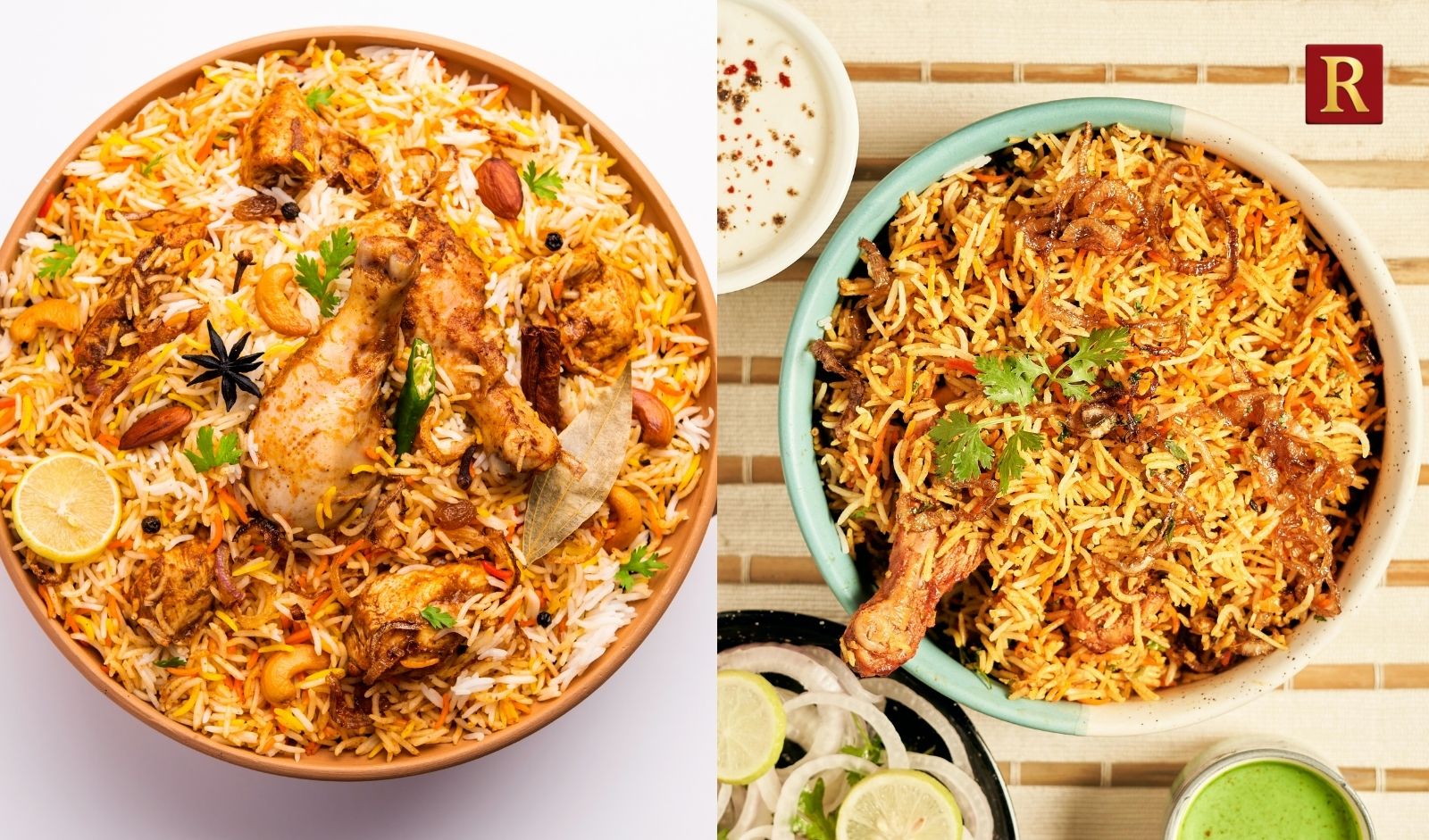
India's love for biryani has no boundaries. From Kolkata to Malabar, almost every region has its own version. Yet, two styles continue to dominate conversations among food lovers—Hyderabadi biryani and Lucknowi biryani. While both originated in royal kitchens and feature fragrant basmati rice, tender meat, and slow cooking, they offer completely different experiences on the plate. According to industry estimates, India's organised biryani market is worth more than ₹30,000 crore, and biryani remains one of the most ordered dishes on food delivery platforms year after year. This popularity has also sparked curiosity about what truly separates these two legendary recipes. If you have ever wondered why one biryani is fiery while the other is delicate, here is everything you need to know.
The Royal Story Behind Two Legendary Biryanis
Both biryanis were born in royal kitchens but under different rulers and culinary traditions.
Hyderabadi biryani traces its roots to the kitchens of the Nizams of Hyderabad. Influenced by Persian, Turkish, and Mughlai cooking, it gradually evolved by incorporating local Deccan spices, green chillies, and herbs. The result was a bold, rich, and aromatic biryani that became the city's culinary identity.
Lucknowi biryani, also known as Awadhi biryani, originated in the royal kitchens of the Nawabs of Awadh. The chefs focused on elegance rather than intensity. Every ingredient was carefully balanced to create subtle flavours and refined aromas, making it one of the finest examples of dum pukht cooking.
Hyderabadi vs Lucknowi Biryani at a Glance
Feature | Hyderabadi Biryani | Lucknowi Biryani |
|---|---|---|
Origin | Hyderabad | Lucknow |
Cooking Method | Kacchi Dum | Pakki Dum |
Spice Level | High | Mild |
Meat | Raw marinated | Pre-cooked |
Rice | Richly coated with masala | Light and fluffy |
Aroma | Mint, fried onions, spices | Kewra, saffron, rose water |
Taste | Bold and spicy | Delicate and balanced |
The Biggest Difference Starts in the Kitchen
The cooking method is what truly separates these two biryanis.
Hyderabadi Biryani Uses the Kacchi Dum Technique
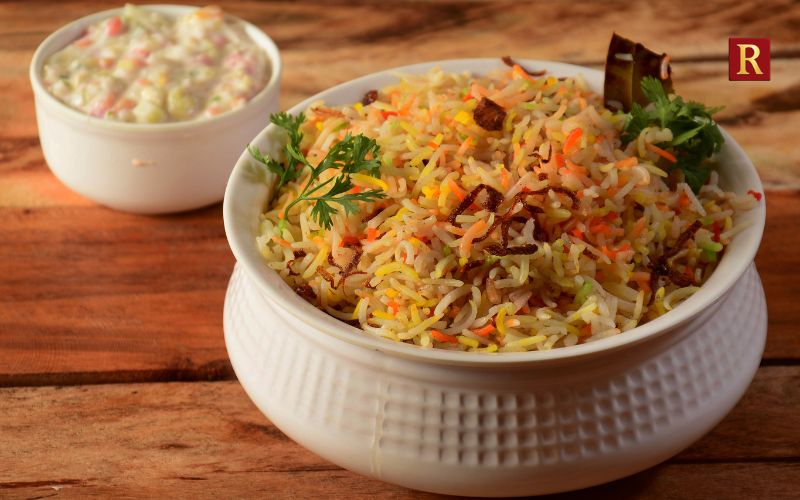
In this traditional method, raw meat is marinated for several hours using yogurt, ginger, garlic, spices, mint, coriander, and fried onions. The marinated meat is placed at the bottom of a heavy pot, while partially cooked basmati rice is layered on top. The pot is sealed with dough and cooked slowly over low heat for nearly an hour. During this process, steam cooks both the meat and rice together. The rice absorbs the juices released by the meat, creating deep layers of flavour. This technique demands precision. If the temperature is too high, the rice can become mushy before the meat is fully cooked. If the heat is too low, the meat may remain undercooked. That is why authentic Hyderabadi biryani is often considered one of India's most technically challenging rice dishes.
Lucknowi Biryani Follows the Pakki Dum Method
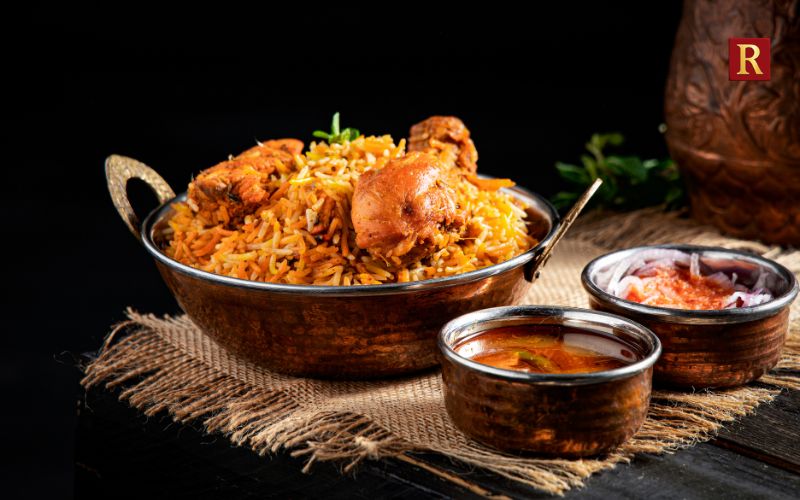
Lucknowi biryani takes a different approach. The meat is first cooked separately in a fragrant stock known as yakhni. This stock contains whole spices such as cinnamon, cloves, cardamom, bay leaves, and black pepper. Once the meat becomes tender, it is layered with almost fully cooked basmati rice. Saffron milk, kewra water, and sometimes rose water are added before sealing the pot for a final round of slow steaming. Since both the meat and rice are already nearly cooked, the final dum stage focuses on blending aromas rather than cooking the ingredients from scratch.
A Tale of Two Spice Profiles
The flavour difference begins with the spice selection.
Hyderabadi biryani is known for its generous use of green chillies, black pepper, red chilli powder, mint, coriander leaves, fried onions, yogurt, garam masala, and saffron. Every bite delivers bold, spicy, and slightly tangy notes that linger on the palate.
Lucknowi biryani takes a softer route. Instead of relying on heat, it highlights fragrant spices such as green cardamom, cinnamon, cloves, mace, nutmeg, and bay leaves. The addition of kewra water and rose water gives it a floral aroma without overpowering the natural flavour of the meat.
Why the Rice Tastes Completely Different
Although both recipes use long-grain basmati rice, the cooking process creates distinct textures. In Hyderabadi biryani, the rice cooks directly over the marinated meat. It absorbs meat juices, spices, and ghee, resulting in colourful grains coated with rich masala. Every spoonful offers a combination of rice and intense seasoning.
Lucknowi biryani presents a lighter appearance. Since the rice is cooked separately before layering, each grain remains fluffy and distinct. The flavours are evenly distributed through the aromatic stock rather than heavy spices. This difference is one reason why many chefs describe Hyderabadi biryani as bold and Lucknowi biryani as elegant.
The Science Behind Tender Meat
The tenderness of the meat depends on two different techniques.
In Hyderabadi biryani, yoghurt acts as a natural tenderiser. Its mild acidity breaks down muscle fibres, allowing the meat to cook slowly while retaining moisture. The long dum process also melts collagen into gelatin, making the meat juicy and soft.
Lucknowi biryani achieves tenderness by simmering the meat in yakhni for an extended period before layering. This controlled cooking allows the fibres to soften without exposing the meat to excessive heat during the final steaming stage.
Although both methods produce succulent meat, the texture feels noticeably different on the palate.
Aroma Is Half the Experience
Scientists estimate that nearly 80 percent of what people perceive as flavour comes from aroma. That explains why both biryanis pay special attention to fragrant ingredients. Hyderabadi biryani builds its aroma using caramelised onions, fresh mint, coriander leaves, saffron, ghee, and whole spices. Lucknowi biryani relies on saffron, kewra water, rose water, cardamom, and the rich fragrance of yakhni. The result is softer, floral, and more refined. Even before the first bite, the aroma tells you which biryani is on the table.
Which One Is More Difficult to Master?
Professional chefs often debate this question.
Hyderabadi biryani demands precise timing because raw meat and rice cook together. A small mistake in temperature or moisture can affect the final result.
Lucknowi biryani requires exceptional skill in preparing the perfect yakhni. The stock must extract maximum flavour from the meat and spices without becoming cloudy or overpowering. Layering and aroma balance also play a crucial role.
Rather than one being harder than the other, both showcase different forms of culinary expertise developed over centuries.
Which Biryani Should You Choose?
The answer depends on your personal taste.
Choose Hyderabadi biryani if you enjoy bold spices, rich masala, smoky aromas, and a stronger chilli kick. It is ideal for those who prefer intense flavours and hearty meals.
Choose Lucknowi biryani if you appreciate subtle seasoning, fragrant rice, tender meat, and balanced flavours. It suits diners who enjoy refined dishes where every ingredient complements the other.
Many food enthusiasts recommend trying both because each represents a different chapter in India's culinary history.
Did You Know?
- India has more than 30 recognised regional varieties of biryani.
- Hyderabadi biryani is among the country's most internationally recognised biryani styles.
- Traditional dum cooking seals the cooking pot with dough, trapping steam and preserving moisture naturally.
- Lucknowi biryani influenced the development of Kolkata biryani after Nawab Wajid Ali Shah moved to Kolkata in the 19th century.
- Authentic Hyderabadi biryani often takes over four hours to prepare when marination and dum cooking are included.
Happy Eating!
The Hyderabadi versus Lucknowi biryani debate has continued for generations, and perhaps it should never have a single winner. These dishes were created under different royal dynasties, shaped by distinct cultures, and perfected using unique cooking philosophies. Hyderabadi biryani celebrates bold spices, rich layers, and powerful flavours born from the Deccan. Lucknowi biryani showcases finesse, fragrance, and balance inspired by the royal courts of Awadh. Instead of choosing one over the other, the real joy lies in experiencing both. Together, they tell the remarkable story of India's diverse culinary heritage—one fragrant grain of rice at a time.
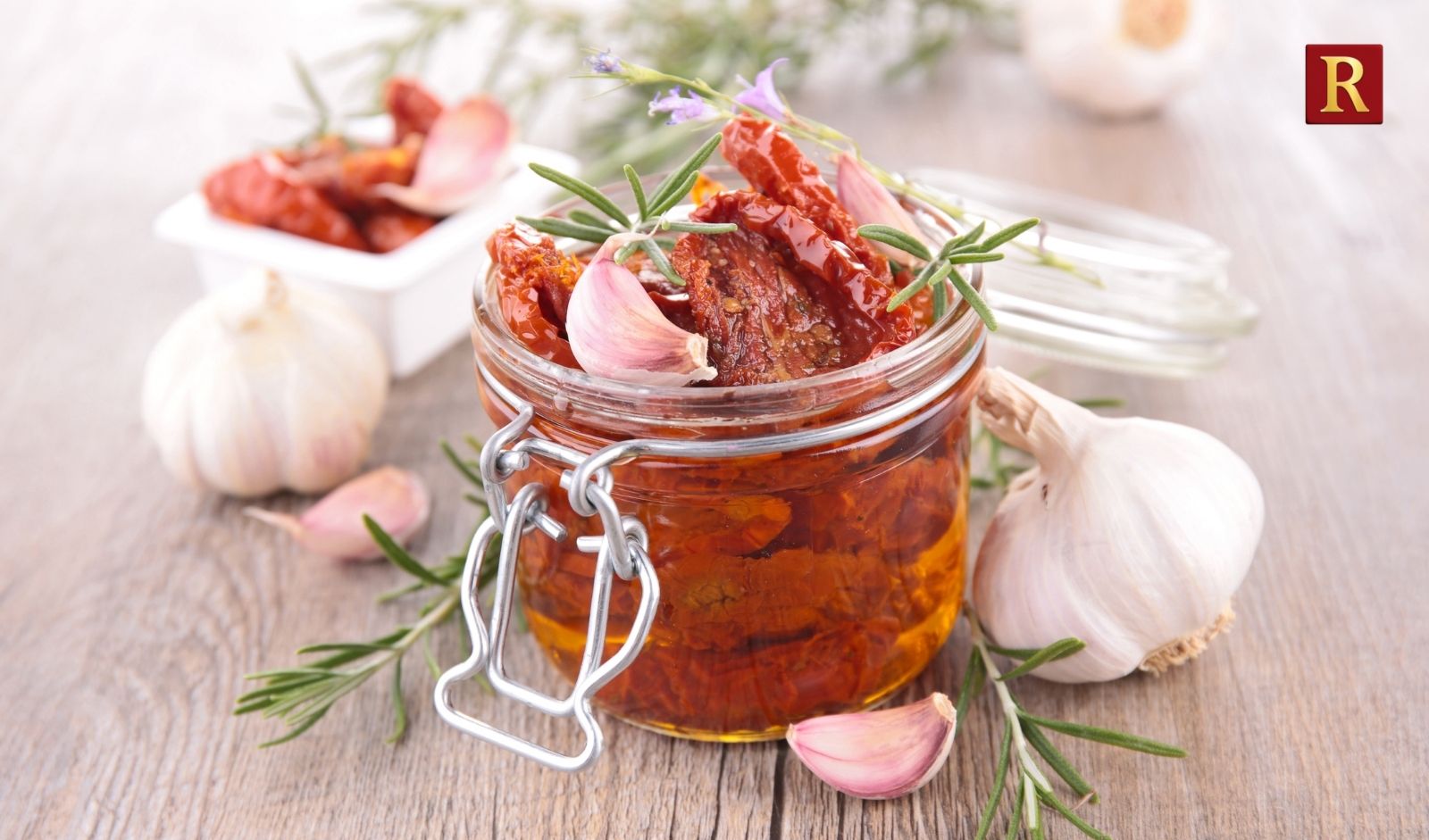
When people think of rich, savory flavors, meat is often the first thing that comes to mind. Yet some of the most powerful sources of umami come from plants. Umami, often called the fifth taste after sweet, sour, salty, and bitter, is responsible for the deep, satisfying flavor that makes food feel hearty and delicious.
The term "umami" was first identified in 1908 by Japanese scientist Kikunae Ikeda. He discovered that glutamate, a naturally occurring amino acid, creates a distinct savory taste. Today, food scientists recognize umami as one of the five basic tastes. Research shows that foods rich in glutamate and nucleotides such as guanylate can significantly enhance flavor perception and make dishes more enjoyable. For vegetarians, understanding umami can completely transform cooking. The right ingredients can add depth and complexity without relying on meat, fish, or artificial flavor enhancers. Here are seven vegetarian foods that naturally deliver umami flavour and deserve a place in every kitchen.
Explore 7 Veg Umami Flavour
1. Mushrooms
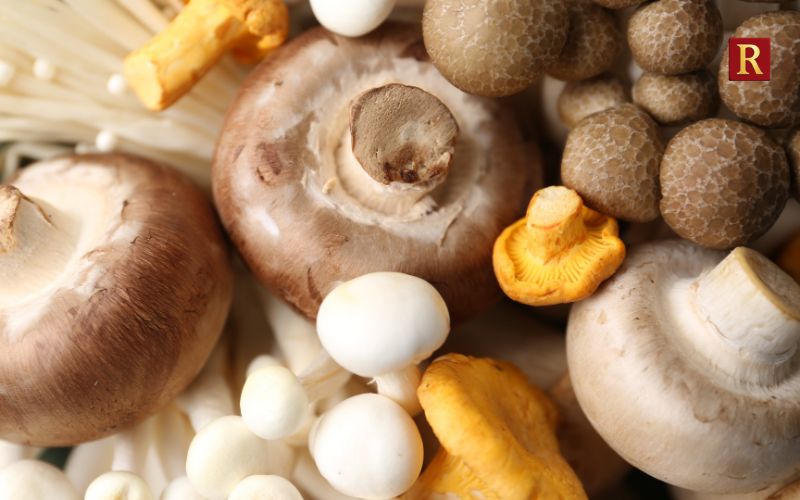
Mushrooms are often called nature's flavor boosters. They contain high levels of glutamate and guanylate, making them one of the richest vegetarian sources of umami. Shiitake mushrooms are particularly famous for their savory taste. In fact, dried shiitake mushrooms contain significantly higher concentrations of flavor compounds than fresh varieties. During the drying process, proteins break down and release more glutamate, resulting in a stronger umami effect. Portobello, oyster, button, and enoki mushrooms also offer excellent flavor. Their meaty texture makes them a popular substitute for animal proteins in burgers, stir-fries, and pasta dishes. Roasting mushrooms intensifies their flavor even further. A simple tray of roasted mushrooms can add restaurant-style richness to soups, grain bowls, and salads.
2. Tomatoes
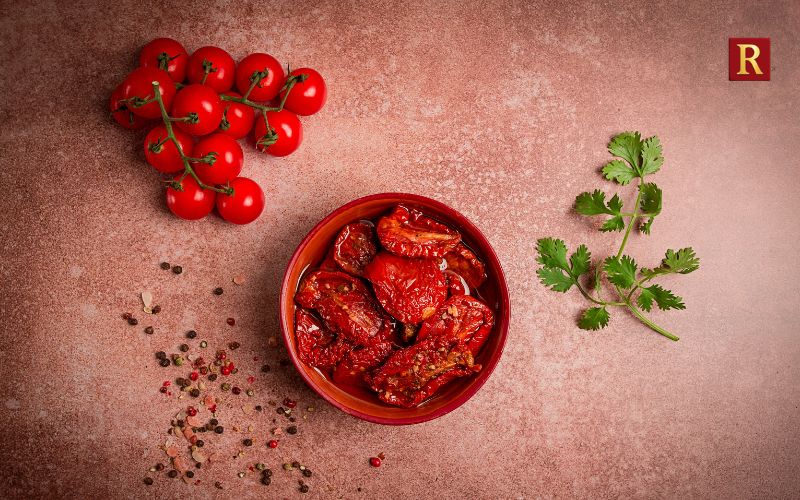
Tomatoes are one of the most widely consumed natural sources of glutamic acid. While fresh tomatoes contain umami compounds, cooking dramatically increases their savory intensity. This is why slow-cooked tomato sauces taste much richer than raw tomatoes. Sun-dried tomatoes are even more concentrated because water removal increases the concentration of flavor molecules. Tomato paste is another umami powerhouse. Just one tablespoon can add remarkable depth to curries, soups, and stews. Interestingly, ripe tomatoes contain much higher glutamate levels than unripe ones. Studies have shown that glutamate concentrations rise as tomatoes mature, making fully ripened tomatoes the best choice for maximum flavor. Whether used in pasta sauces, Indian gravies, or vegetable soups, tomatoes provide an easy way to build a satisfying umami base.
3. Miso
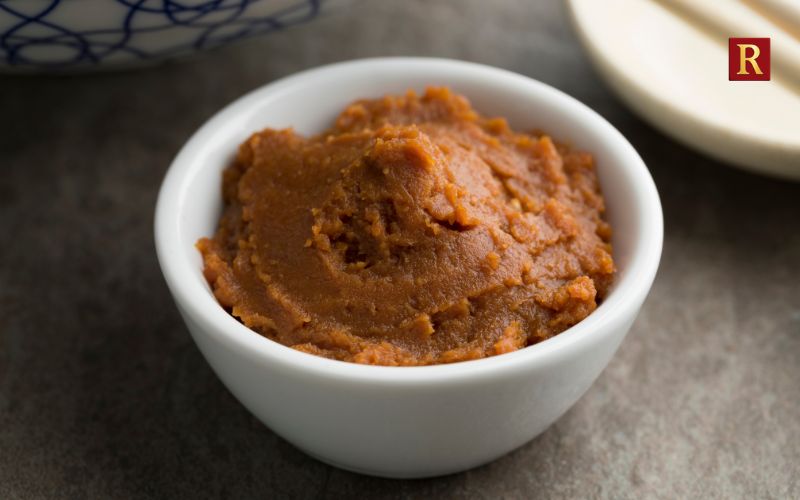
Miso is a traditional Japanese seasoning made by fermenting soybeans with salt and koji, a beneficial mold culture. The fermentation process can last from a few months to several years. During fermentation, proteins break down into amino acids, including glutamate. This process gives miso its distinctive savory character. White miso has a mild and slightly sweet flavor, while red miso offers a stronger and more intense taste. Both varieties can instantly improve soups, dressings, marinades, and vegetable dishes. A spoonful of miso stirred into soup can create layers of flavor without the need for additional seasonings. Many chefs also use miso in butter sauces and vegetable glazes to add complexity. As interest in fermented foods grows worldwide, miso has become one of the most sought-after ingredients among home cooks looking to create bold vegetarian dishes.
4. Soy Sauce
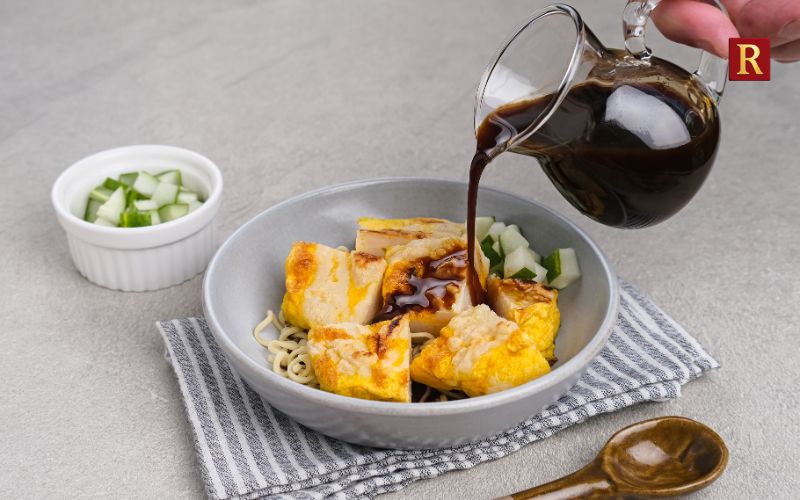
Soy sauce is another fermented ingredient known for its exceptional umami content. Traditional soy sauce is produced by fermenting soybeans and wheat for several months. This lengthy process creates a rich mixture of amino acids and flavor compounds. The result is a deeply savory liquid that can elevate almost any dish. Even a small amount of soy sauce can transform stir-fried vegetables, noodles, rice bowls, and soups. Its balanced combination of saltiness and umami helps enhance the natural flavors of other ingredients. Many professional chefs use soy sauce not only in Asian cuisine but also in Western recipes. Adding a few drops to mushroom soup, vegetable stock, or tomato-based sauces can create remarkable depth. Globally, soy sauce production exceeds millions of tons annually, highlighting its importance as one of the world's most popular flavor enhancers.
5. Seaweed
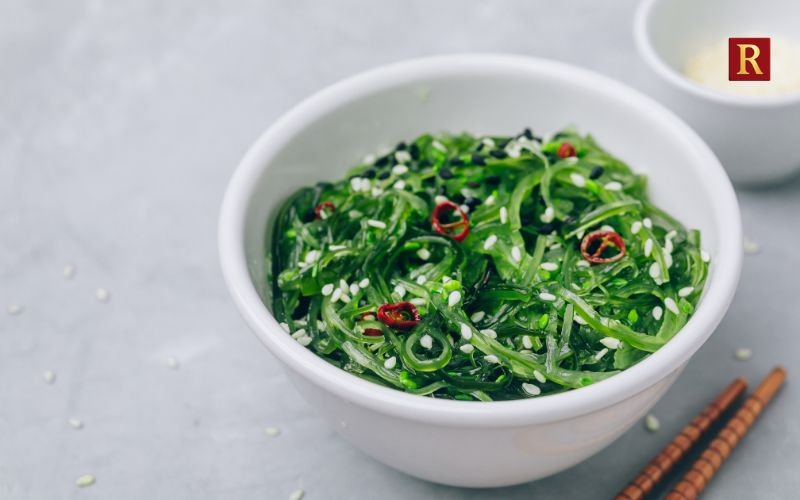
Seaweed played a key role in the discovery of umami. Kikunae Ikeda first identified glutamate while studying kombu, a type of edible seaweed commonly used in Japanese cooking. Kombu contains exceptionally high levels of naturally occurring glutamate. When simmered in water, it creates dashi, a stock known for its rich and savory flavor. Other varieties such as nori and dulse also contribute umami while offering valuable nutrients. Seaweed is rich in iodine, minerals, antioxidants, and dietary fiber. In recent years, seaweed has gained popularity far beyond Asia. It now appears in snacks, seasonings, salads, and even plant-based meat alternatives. Adding a small amount of seaweed to soups, broths, or rice dishes can create a noticeable improvement in flavor while increasing nutritional value.
6. Nutritional Yeast
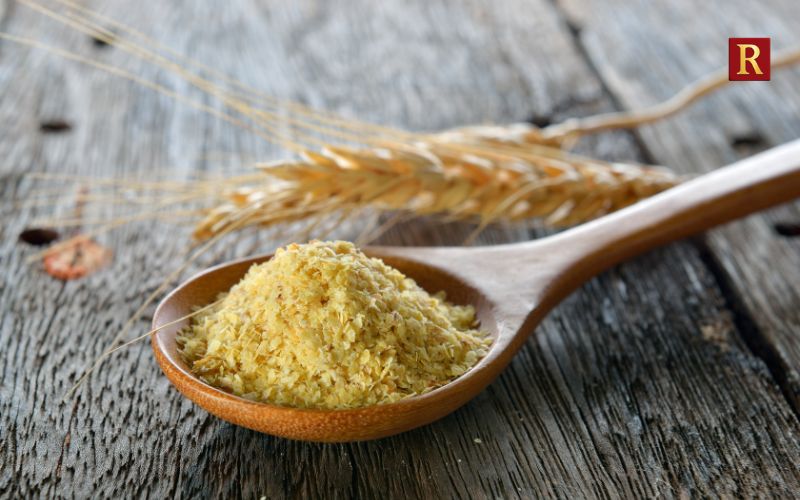
Nutritional yeast has become a favorite ingredient among vegetarians and vegans. It is made by growing yeast and then deactivating it through heat. The result is a flaky, golden product with a naturally cheesy and savory flavor. Nutritional yeast contains glutamate, which contributes to its strong umami profile. Many people use it as a substitute for cheese on pasta, popcorn, roasted vegetables, and baked potatoes. It is also rich in protein and B vitamins, making it both flavorful and nutritious. The global plant-based food market continues to expand rapidly, and nutritional yeast has emerged as one of the most versatile ingredients in modern vegetarian kitchens. Its ability to add depth without dairy makes it particularly valuable for people following vegan diets.
7. Green Peas
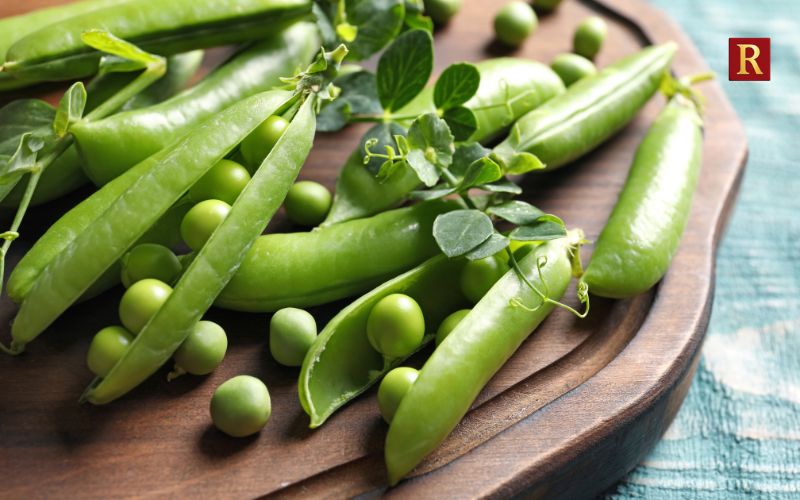
Green peas may not be the first ingredient that comes to mind when discussing umami, but they naturally contain glutamate and contribute subtle savory notes. Peas are also highly nutritious. A 100-gram serving provides around 5 grams of protein and nearly 6 grams of fiber. This combination makes them filling and satisfying. Their mild sweetness balances their umami content, creating a pleasant flavor profile that works well in soups, curries, rice dishes, and purees. Peas pair especially well with other umami-rich ingredients such as mushrooms and soy sauce. Combining these ingredients creates a synergistic effect that enhances overall flavor. As more consumers seek healthy and affordable plant-based foods, green peas continue to gain recognition for both their nutrition and culinary versatility.
How to Maximize Umami in Vegetarian Cooking
Creating umami-rich meals is often about combining ingredients strategically. Food scientists have found that glutamate works particularly well with guanylate, creating a stronger flavor effect than either compound alone.
For example:
- Mushrooms and soy sauce
- Tomatoes and miso
- Seaweed and mushrooms
- Nutritional yeast and roasted vegetables
Cooking methods also matter. Roasting, drying, and fermentation can increase the concentration of flavor compounds. This is why roasted tomatoes taste richer than raw tomatoes and dried mushrooms taste more intense than fresh ones. Layering multiple umami ingredients is a technique commonly used by chefs to create depth and complexity in vegetarian dishes.
The Rich Umami Foods
Consumer interest in plant-based eating continues to rise. According to industry reports, the global plant-based food market is expected to surpass $95 billion within the next decade. One of the biggest drivers behind this growth is the demand for flavorful vegetarian meals. Consumers no longer want plant-based food that merely replaces meat. They want dishes that stand on their own and deliver satisfying taste experiences. Ingredients such as mushrooms, seaweed, fermented soy products, nutritional yeast, and tomatoes are helping meet this demand. They prove that vegetarian cooking can be every bit as rich, savory, and enjoyable as traditional meat-based cuisine. Umami is the secret ingredient behind many of the world's most satisfying dishes. While it is often associated with meat, some of the best natural sources come from plants. Mushrooms, tomatoes, miso, soy sauce, seaweed, nutritional yeast, and green peas all provide unique forms of savory flavor that can elevate everyday cooking. By understanding how these ingredients work and learning how to combine them effectively, anyone can create deeply flavorful vegetarian meals. The result is food that is not only nutritious and sustainable but also incredibly delicious.
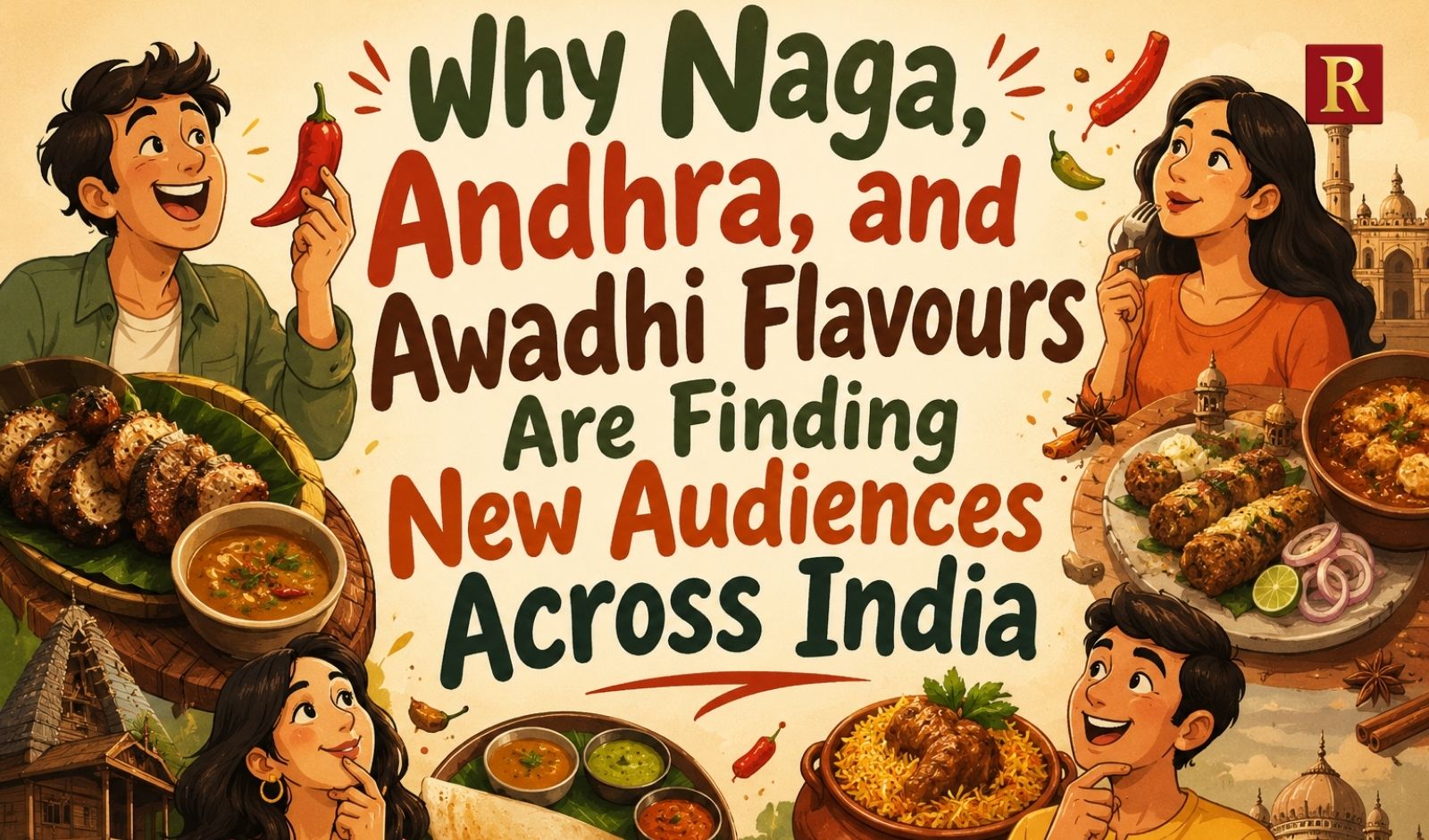
India's culinary landscape is experiencing a major shift. For decades, restaurant menus across the country were dominated by a handful of familiar North Indian and Indo-Chinese dishes. Today, however, consumers are increasingly exploring regional cuisines that were once considered niche. Among the biggest beneficiaries of this trend are Naga, Andhra, and Awadhi cuisines. From luxury hotels in Delhi and Mumbai to cloud kitchens in Bengaluru and Hyderabad, these regional flavours are appearing everywhere. What was once limited to specific states and communities is now becoming part of mainstream dining culture.
According to the National Restaurant Association of India (NRAI), India's food service industry is expected to surpass Rs 7.7 lakh crore in value by 2028. One of the fastest-growing segments within this market is regional and experiential dining, driven by consumers seeking authenticity, storytelling, and unique flavours. The growing popularity of Naga, Andhra, and Awadhi cuisines reflects a larger movement that is redefining how Indians eat, travel, and connect with their cultural heritage.
India's Diners Are Moving Beyond Generic Menus
Indian consumers have become significantly more adventurous over the past decade. A combination of social media, food tourism, OTT travel shows, and increased interstate migration has exposed people to cuisines they may never have encountered before. Today, a young professional in Gurugram can easily discover smoked pork from Nagaland, Gongura Mutton from Andhra Pradesh, or a traditional Awadhi kebab from Lucknow without leaving the city.
Food delivery platforms have also played a major role. Swiggy and Zomato have made regional cuisines more accessible by connecting consumers with specialized restaurants. Searches for regional Indian dishes have increased steadily as diners seek alternatives to standard restaurant offerings. Industry experts often describe this trend as India's "regional food renaissance." Instead of looking outward for culinary inspiration, consumers are increasingly exploring the country's own diverse food traditions. India has more than 28 states, 8 union territories, hundreds of communities, and thousands of traditional recipes. Many of these cuisines remained underrepresented in mainstream hospitality for decades. That is finally changing.
Naga Cuisine: The Northeast's Best-Kept Secret Is Going Mainstream
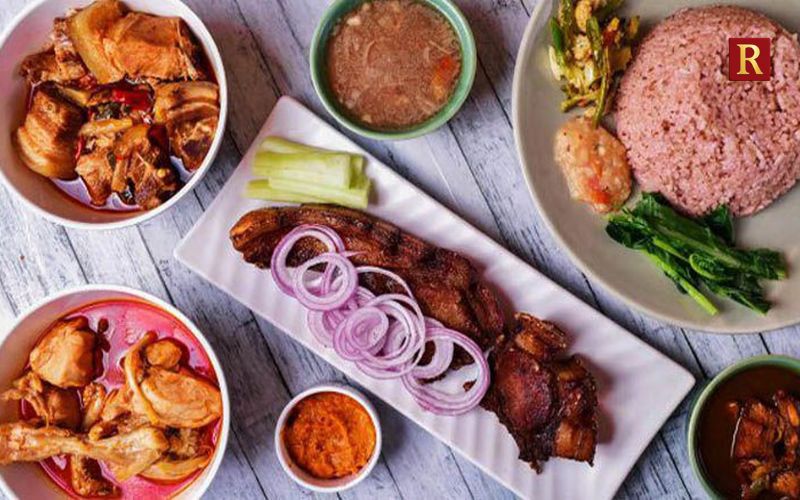
Naga cuisine is one of India's most distinctive food traditions. Unlike many Indian cuisines that rely heavily on spice blends, Naga cooking focuses on preserving the natural flavours of ingredients through smoking, fermenting, drying, and slow cooking. One reason for its growing popularity is its uniqueness. There is simply nothing else in India that tastes quite like Naga food.
The Science Behind Naga Flavours
Many traditional Naga ingredients undergo fermentation, a process that creates natural umami compounds. Umami is often referred to as the fifth taste after sweet, sour, salty, and bitter. Fermented bamboo shoots and Axone (fermented soybean) are excellent examples. During fermentation, microorganisms break down proteins into amino acids, creating deeper and more complex flavours. Interestingly, fermentation is one of the oldest food preservation methods in the world. Long before refrigeration existed, Naga communities relied on fermentation to preserve ingredients and enhance taste.
The Bhut Jolokia Effect
No discussion of Naga cuisine is complete without mentioning Bhut Jolokia, commonly known as the Ghost Pepper. This chilli was once recognized by Guinness World Records as the world's hottest chilli pepper. It can measure over 1 million Scoville Heat Units (SHU).
For comparison:
- Jalapeño: 2,500–8,000 SHU
- Bird's Eye Chilli: 50,000–100,000 SHU
- Bhut Jolokia: Over 1,000,000 SHU
Its extreme heat has made it famous worldwide and has attracted adventurous food lovers to Naga cuisine.
Popular Dishes Driving Interest
- Smoked Pork with Bamboo Shoot
- Pork with Axone
- Galho (Naga rice porridge)
- Anishi (fermented yam leaves)
- Naga Chilli Chutney
Many chefs believe Naga cuisine represents one of the most untapped opportunities in Indian hospitality because it offers flavours that consumers cannot easily find elsewhere.
Andhra Cuisine: India's Capital of Spice
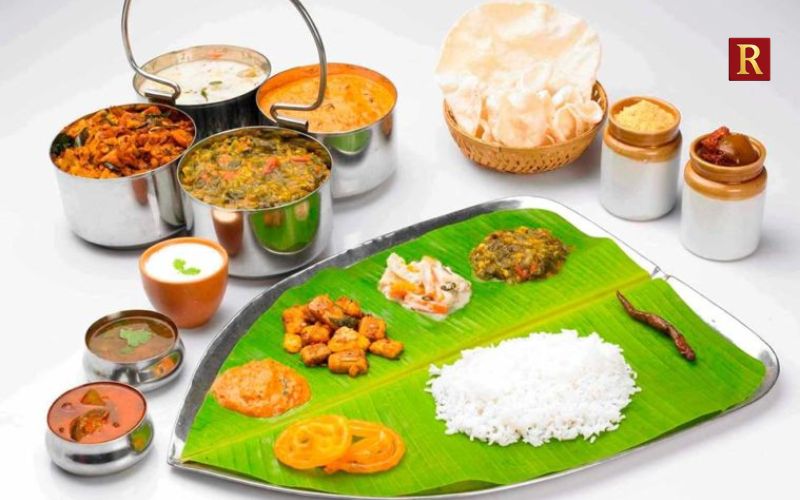
When it comes to bold flavours, Andhra Pradesh has few rivals. Andhra cuisine has built its reputation on intense heat, rich gravies, and powerful spice combinations. Yet reducing it to "just spicy food" would be a mistake. What truly sets Andhra cuisine apart is its complexity.
Andhra Produces Some of India's Most Important Chillies
Andhra Pradesh is one of India's largest chilli-producing regions. The famous Guntur district is often called India's chilli capital. Every year, thousands of tonnes of chillies are traded through Guntur's markets and exported worldwide. India itself produces nearly 40 percent of the world's chilli supply, and Andhra Pradesh contributes significantly to that output. This abundance of chillies has shaped the state's culinary identity for generations.
The Secret Is Layered Flavour
Professional chefs often highlight Andhra cuisine's sophisticated spice-building techniques. Instead of relying on a single spice blend, Andhra recipes frequently involve:
- Dry roasting
- Tempering
- Fresh chilli pastes
- Tamarind balancing
- Multiple cooking stages
This creates dishes that deliver heat alongside depth and aroma.
Gongura: Andhra's Culinary Superstar
Gongura, a sour leafy green also known as Roselle leaves, is one of Andhra cuisine's signature ingredients. Its tangy flavour acts as a natural flavour enhancer and provides balance against rich meats and spicy gravies. Many food historians consider Gongura Mutton one of the most iconic regional dishes in India.
Dishes Winning New Fans
- Gongura Mutton
- Andhra Chicken Curry
- Royyala Iguru (Prawn Curry)
- Gutti Vankaya (Stuffed Brinjal)
- Pesarattu
- Kodi Vepudu
The rise of spicy food challenges and food influencer content has also introduced Andhra cuisine to younger audiences who enjoy bold and memorable flavours.
Awadhi Cuisine: The Royal Art of Slow Cooking
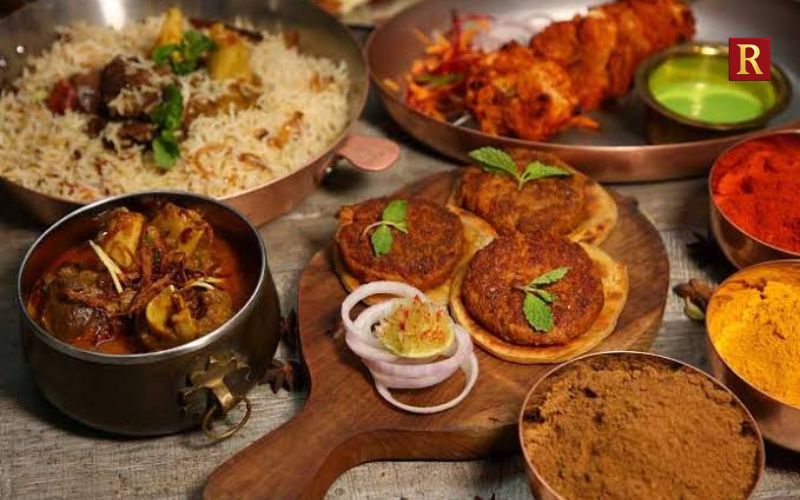
If Naga cuisine is about smoke and Andhra cuisine is about spice, Awadhi cuisine is about refinement. Developed in the royal courts of Lucknow during the Nawabi era, Awadhi cuisine reflects centuries of culinary innovation and craftsmanship.
The Origins of Dum Pukht
One of Awadhi cuisine's most celebrated contributions to Indian gastronomy is Dum Pukht cooking. Historical records suggest this technique became popular in the late 18th century under the Nawabs of Awadh. Food is sealed inside a pot using dough and cooked slowly over low heat. The trapped steam circulates continuously, allowing flavours to develop naturally. Modern chefs often compare Dum Pukht to pressure-controlled cooking because it maximizes flavour retention while preserving moisture.
Why Awadhi Cuisine Feels Luxurious
Unlike cuisines that emphasize heat, Awadhi cooking focuses on balance.
Many recipes use:
- Saffron
- Rose water
- Kewra water
- Cardamom
- Nut pastes
- Slow-cooked meats
The goal is not to overwhelm the palate but to create layers of aroma and texture.
The Legend of the Galouti Kebab
One of Awadhi cuisine's most famous stories involves the Galouti Kebab. According to culinary folklore, the kebab was created for an ageing Nawab who had lost many of his teeth but still wanted to enjoy meat dishes. Chefs reportedly developed a kebab so soft that it would melt in the mouth. Today, Galouti Kebab remains one of India's most celebrated culinary creations.
Signature Awadhi Dishes
- Galouti Kebab
- Kakori Kebab
- Nihari
- Awadhi Biryani
- Korma
- Sheermal
- Shahi Tukda
Luxury hotels and fine-dining restaurants across India continue to showcase Awadhi cuisine because of its rich history and premium appeal.
Social Media Has Become a Powerful Discovery Engine
The rise of Instagram, YouTube, and food-focused content creators has dramatically changed how people discover food. A decade ago, many Indians had never heard of Axone or Gongura. Today, videos featuring these ingredients can attract millions of views. Food content performs exceptionally well because it combines visual appeal with cultural storytelling.
Consumers are no longer just interested in what they eat. They want to know:
- Where the dish comes from
- How it is prepared
- The history behind it
- The ingredients involved
This curiosity has created ideal conditions for regional cuisines to thrive.
Why Younger Consumers Are Leading the Trend
Gen Z and millennials are at the centre of this regional food movement. Research consistently shows that younger consumers prioritize experiences over possessions. Dining out has become a form of exploration and self-expression. Trying a Naga pork dish or an Awadhi tasting menu allows consumers to experience a region's culture without travelling there.
For many diners, authenticity has become more important than familiarity. That shift is encouraging restaurants to invest in regional storytelling, traditional cooking methods, and locally sourced ingredients.
Looking Ahead!
Industry experts believe the demand for regional cuisines will continue growing over the next decade. As consumers become more knowledgeable about food, they are seeking depth, authenticity, and cultural meaning. Naga, Andhra, and Awadhi cuisines represent three completely different culinary philosophies. One celebrates fermentation and smoke. Another embraces spice and intensity. The third focuses on elegance and slow cooking. Their growing popularity shows that Indian diners are ready to move beyond standard menus and explore the extraordinary diversity that exists within their own country. The future of Indian dining will not be defined by a handful of popular dishes. It will be shaped by thousands of regional recipes, centuries-old techniques, and the stories of communities that have preserved these culinary traditions for generations.
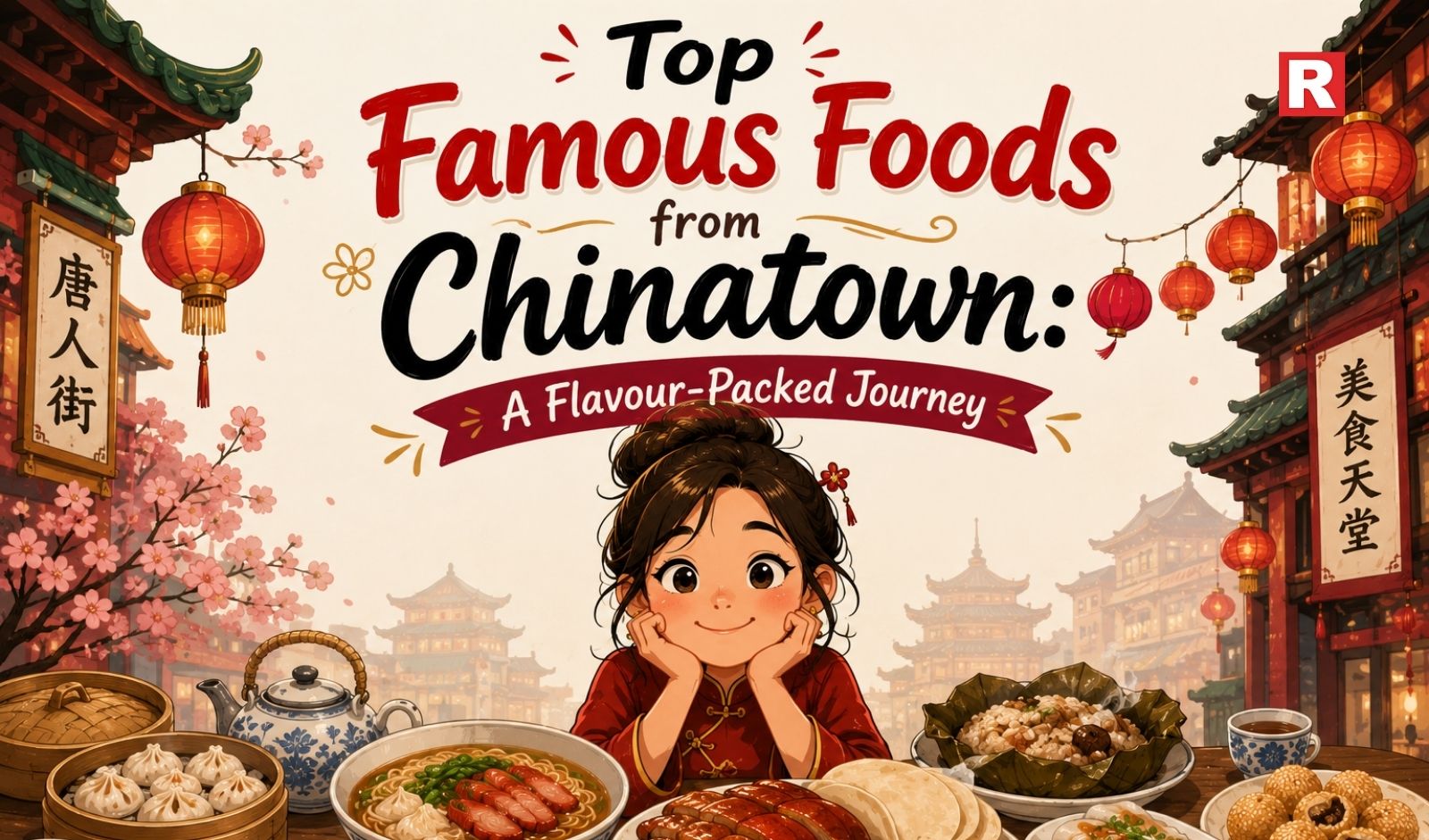
Walk through any Chinatown around the world, and one thing becomes clear almost instantly—food is at the heart of the experience. The aroma of freshly steamed dumplings, sizzling noodles, roasted meats, and sweet bakery treats fills the streets and draws visitors into bustling restaurants and food stalls.
Chinatown is more than a place to eat. It is a cultural hub where generations of Chinese immigrants have preserved their traditions through food. Whether you are exploring a Chinatown in New York, Singapore, London, Bangkok, or Kolkata, you will find dishes that tell stories of heritage, craftsmanship, and community. If you are planning your next food adventure, here are some of the most famous Chinatown dishes that deserve a spot on your must-try list.
Why Chinatown Food Is Loved Around the World
One of the biggest reasons Chinatown food remains popular is its authenticity. Many family-run restaurants continue to use recipes passed down through generations. Traditional cooking methods, fresh ingredients, and regional specialties help preserve the original flavors of Chinese cuisine.
Another reason is variety. Chinatown offers everything from light snacks and street food to elaborate banquet dishes. Whether you enjoy spicy flavors, comforting soups, crispy textures, or sweet desserts, there is something for everyone. The experience itself also adds to the charm. Watching chefs prepare handmade dumplings or roast ducks in traditional ovens makes every meal memorable.
Explore the Top Famous Foods from Chinatown
1. Dim Sum: The Soul of Chinatown Dining
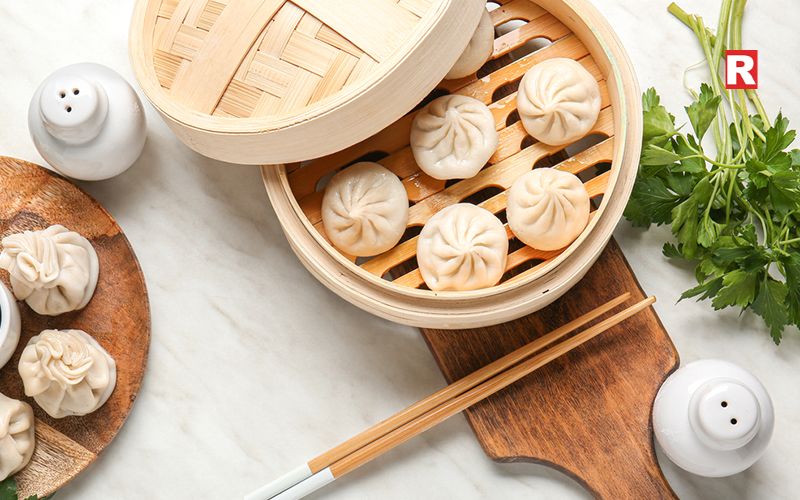
No Chinatown food journey is complete without trying Dim Sum. Rather than being a single dish, Dim Sum is a collection of small plates served alongside tea. The tradition originated in southern China and has become one of the most famous dining experiences worldwide. Families and friends gather around tables and share multiple dishes together. The beauty of Dim Sum lies in its variety. Every bite offers a different texture and flavor, making it perfect for people who enjoy trying multiple dishes in one meal.
Popular Dim Sum items include:
- Har Gow (shrimp dumplings)
- Siu Mai (pork dumplings)
- Steamed rice rolls
- Chicken feet
- Egg tarts
2. Char Siu Bao: The Famous BBQ Pork Bun
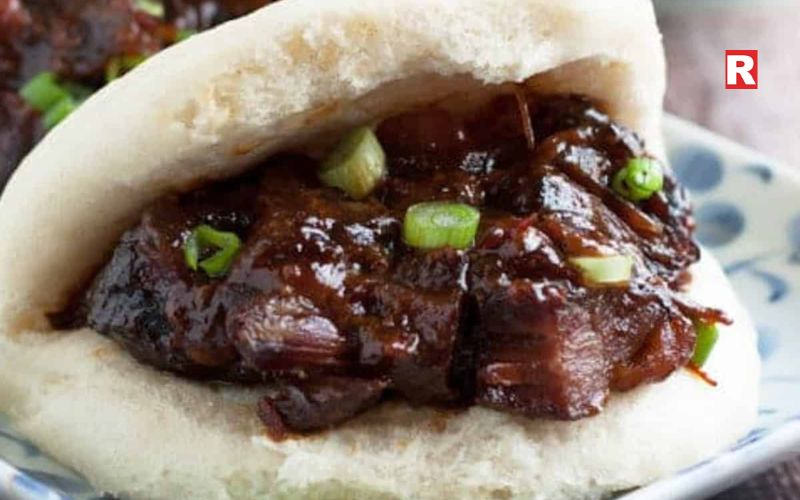
Char Siu Bao is one of the most recognizable Chinatown snacks. These soft, fluffy buns are filled with sweet and savory barbecue pork. The filling is made using Char Siu, a Cantonese-style roasted pork that is marinated in a blend of soy sauce, honey, and spices. The result is a rich and flavorful filling wrapped inside a delicate bun. Both steamed and baked versions are popular. The steamed variety is soft and pillowy, while the baked version has a slightly crisp and golden crust.
3. Char Siu: Cantonese Barbecue at Its Best
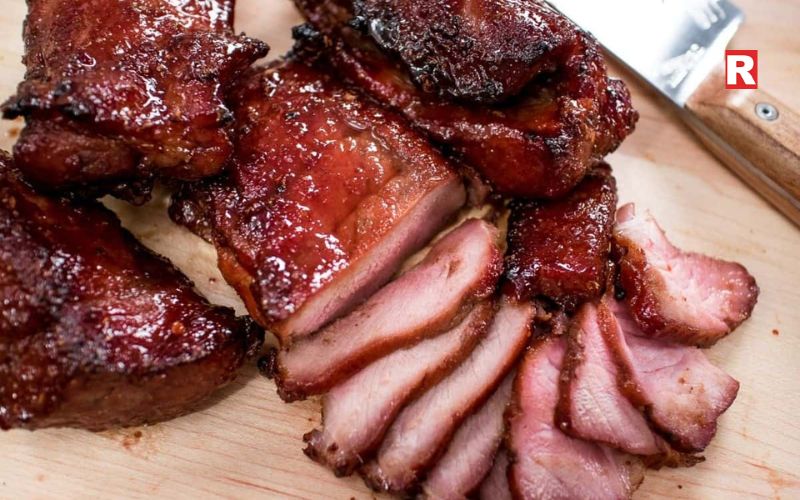
Char Siu is one of the stars of Chinatown barbecue shops. The pork is marinated for hours before being roasted until it develops a glossy red finish. The meat is tender, juicy, and slightly sweet. Its unique balance of smoky, savory, and sweet flavors makes it a favorite among locals and tourists alike. Many restaurants serve Char Siu with rice, noodles, or as part of combination platters featuring other roasted meats.
4. Wonton Noodle Soup: Comfort in a Bowl
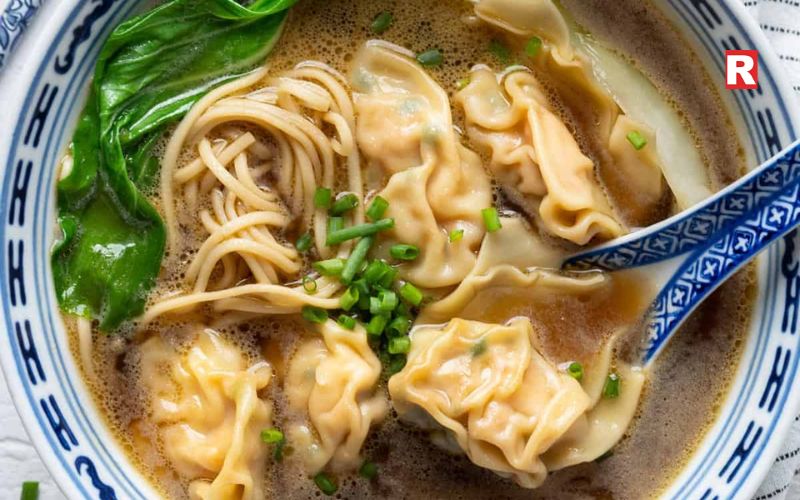
Wonton Noodle Soup is a classic Cantonese dish found in nearly every Chinatown. The dish features thin noodles served in a clear broth with delicate wontons filled with shrimp, pork, or a combination of both. What makes this dish special is its simplicity. The broth is light yet flavorful, allowing the freshness of the ingredients to shine through. For many people, a bowl of Wonton Noodle Soup represents comfort food at its finest.
5. Peking Duck: A Dish Fit for Royalty
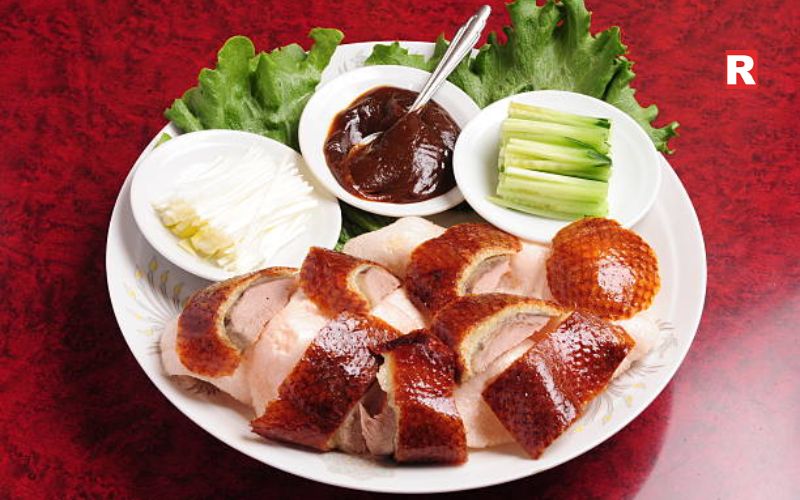
Peking Duck is one of China's most celebrated culinary creations. Originally served to Chinese emperors, this dish remains a highlight in many Chinatown restaurants. The preparation process is highly specialized. The duck is seasoned, air-dried, and roasted until the skin becomes perfectly crisp. Traditionally, diners wrap slices of duck in thin pancakes with cucumber, spring onions, and sweet hoisin sauce. The combination of crispy skin and tender meat creates a luxurious dining experience that food lovers never forget.
6. Xiao Long Bao: The Famous Soup Dumpling
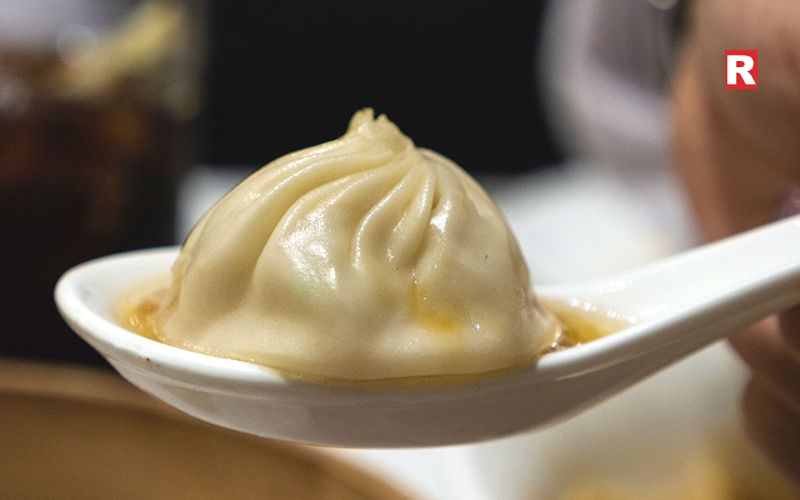
Xiao Long Bao has become a global food sensation. These delicate dumplings are filled with meat and flavorful broth. The secret lies in the preparation. Gelatin-rich stock is added to the filling before cooking. As the dumplings steam, the stock melts into a delicious soup inside. Eating them requires a little technique. Place the dumpling on a spoon, bite gently, and sip the broth before enjoying the rest. Their unique texture and rich flavor make them one of Chinatown's most sought-after dishes.
7. Spring Rolls: Crispy and Delicious
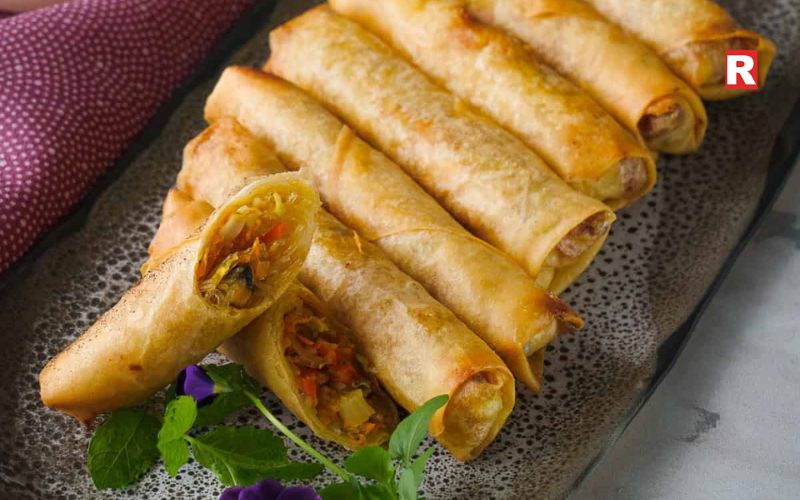
Spring Rolls are a staple at many Chinatown eateries. These golden rolls are typically filled with vegetables, meat, seafood, or a combination of ingredients. They are deep-fried until crispy and served with dipping sauces. Spring Rolls are especially popular during celebrations and festivals. Their crunchy exterior and flavorful filling make them a favorite appetizer for all age groups.
8. Roast Duck: A Cantonese Classic
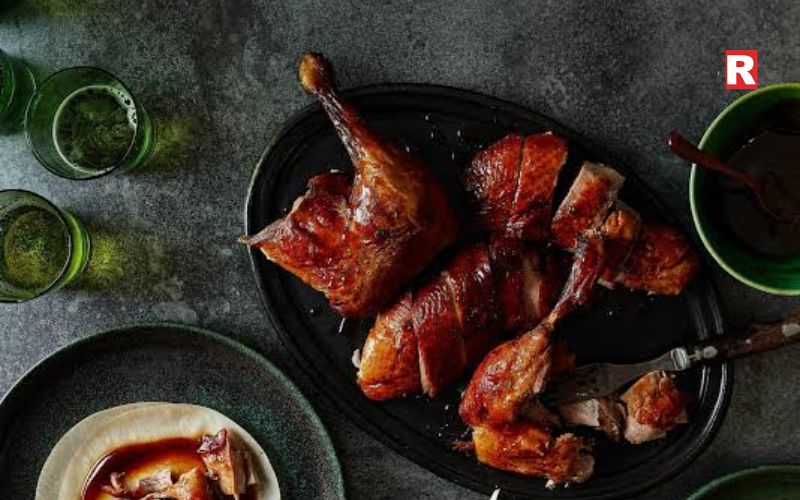
Roast Duck is often compared to Peking Duck, but the two dishes are quite different. Cantonese Roast Duck is marinated with spices and soy-based seasonings before being roasted slowly. The result is juicy meat with deep, rich flavors. Many Chinatown restaurants display whole roast ducks hanging in their windows, creating one of the most iconic images associated with Chinese cuisine. Served with rice or noodles, Roast Duck delivers a satisfying and authentic dining experience.
9. Cheung Fun: Silky Rice Noodle Rolls
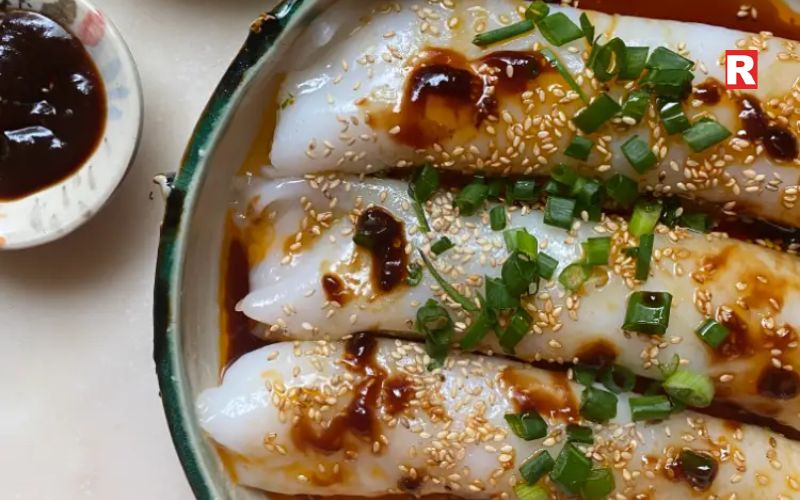
Cheung Fun is a beloved Cantonese breakfast and Dim Sum dish. These delicate rice noodle sheets are rolled around fillings such as shrimp, beef, or crispy fried dough sticks. They are then topped with a light soy-based sauce. The texture is what makes Cheung Fun stand out. The noodles are smooth, silky, and incredibly soft. Despite its simple appearance, making perfect Cheung Fun requires skill and precise steaming techniques.
10. Egg Tarts: Chinatown's Sweet Favorite

After enjoying savory dishes, many visitors head straight to Chinatown bakeries for Egg Tarts. These pastries feature a flaky crust filled with smooth and creamy egg custard. They are lightly sweet and incredibly satisfying. Freshly baked Egg Tarts are especially popular during weekends when bakery lines often stretch outside the door. Their combination of buttery pastry and rich custard makes them one of Chinatown's most loved desserts.
Hidden Gems Worth Discovering
While famous dishes attract most visitors, Chinatown also offers several lesser-known specialties that are equally worth trying. These dishes showcase the depth and diversity of Chinese culinary traditions beyond the popular favorites.
Sesame Balls (Jian Dui) – Crispy, golden-fried treats coated with sesame seeds and typically filled with sweet red bean paste or lotus seed paste. They offer a delightful contrast between a crunchy exterior and a soft, chewy center.
Lotus Leaf Sticky Rice (Lo Mai Gai) – A comforting dish made with glutinous rice, chicken or pork, mushrooms, and savory seasonings, all wrapped in fragrant lotus leaves and steamed to perfection.
Taro Dumplings (Wu Gok) – Deep-fried dumplings made from mashed taro and filled with seasoned minced meat. Their crispy, lacy exterior and creamy interior make them a favorite among Dim Sum enthusiasts.
Turnip Cake (Lo Bak Go) – A savory Cantonese delicacy made from shredded radish and rice flour, often pan-fried until golden and served during Dim Sum meals.
Chicken Feet (Feng Zhao) – A popular Dim Sum specialty braised in a flavorful black bean sauce until tender, offering a unique texture and rich taste.
Steamed Spare Ribs with Black Bean Sauce – Small pork ribs marinated in fermented black beans and steamed, delivering a bold and savory flavor.
Exploring these lesser-known dishes allows visitors to discover the authentic flavors and traditional cooking techniques that have been passed down through generations in Chinatown communities around the world.
What Makes Chinatown Food Different?
Chinatown restaurants often stay true to traditional cooking methods. Handmade dumplings, slow-roasted meats, fresh noodle preparation, and authentic seasonings help maintain the original character of each dish. Many establishments are family-owned and continue to follow recipes developed decades ago. This dedication to authenticity gives Chinatown food a distinct advantage over many commercialized versions of Chinese cuisine.
A Culinary Experience
Chinatown is much more than a food destination; it is a living reflection of Chinese culture, migration, and culinary heritage. Many of the dishes served today, from Dim Sum and Char Siu Bao to Wonton Noodle Soup and Peking Duck, have roots that go back hundreds of years and continue to be prepared using traditional techniques passed down through generations. Family-owned eateries, bustling tea houses, and neighborhood bakeries help preserve these authentic flavors while introducing them to new audiences. What makes Chinatown special is the combination of history, craftsmanship, and community found in every meal. Whether you are savoring handmade dumplings, enjoying roasted meats, or discovering lesser-known regional specialties, each dish offers a deeper understanding of Chinese food traditions. Exploring Chinatown's diverse cuisine is not just about satisfying your appetite—it is about experiencing a rich cultural legacy through some of the world's most beloved dishes.
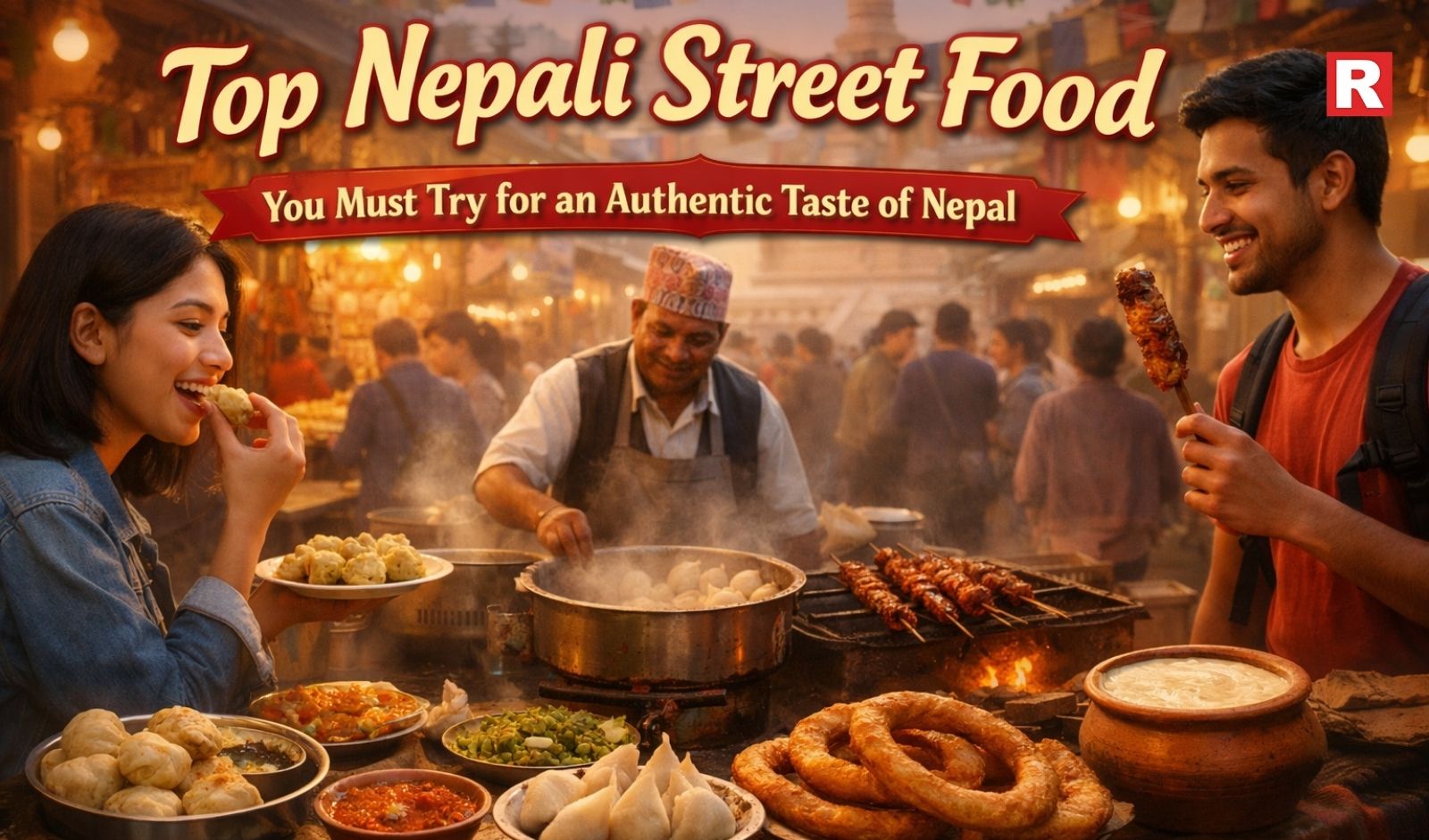
Nepal’s street culture is vibrant, affordable, and full of energy. Walk through any busy street in Kathmandu, Bagmati Province, Nepal, and one notices constant movement. Small stalls, crowded lanes, and people enjoying quick stops define the scene. It feels familiar to Indian visitors, yet it carries a distinct identity shaped by local traditions. There is a strong blend of Himalayan, Tibetan, and Indian influences in everyday life.
The atmosphere reflects simplicity and warmth. People gather, talk, and move at their own pace. The streets are not just about buying and selling. They are about connection and routine. Local habits, seasonal changes, and cultural practices shape what one sees daily. For travellers, this environment feels both new and comforting. It offers a close look at how daily life functions in Nepal. Those who enjoy exploring local cultures will find it engaging. However, people who prefer quiet spaces or less crowded areas may find the busy streets slightly overwhelming at first.
Why Nepali Street Food Is Worth Exploring
Nepali street food stands out because of its balance of taste and simplicity. The dishes are made using fresh ingredients and traditional techniques. Many recipes have been passed down for generations.
The flavours are bold but not overwhelming. You will notice the use of garlic, ginger, sesame, and local spices. Fermented elements also play an important role, especially in chutneys and pickles. Another reason to explore is affordability. Most street foods are budget-friendly, making them ideal for travellers and students. The food is quick, filling, and widely available across cities and towns.
Explore Top Nepali Street Foods You Must Try
1. Momo (The Star of Nepali Streets)
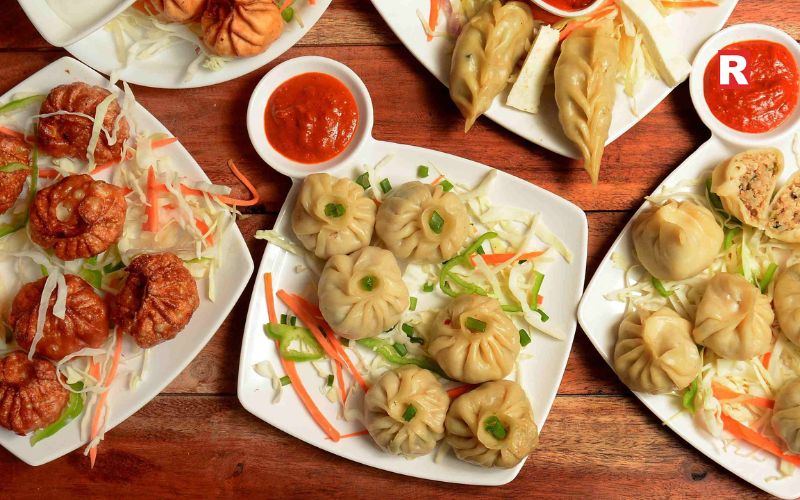
Momos are the heart of Nepali street food culture. These soft dumplings are filled with chicken, buff, or vegetables and are mostly steamed. Some vendors also fry them or serve them in spicy gravy. The highlight is the chutney. It is tangy, spicy, and often made with tomatoes and sesame seeds. The taste feels richer than regular momos found elsewhere. Nutritionally, steamed momos are light and provide protein, especially in meat versions. Vegetable momos offer fiber and vitamins. However, fried momos contain more oil and calories. People with digestive issues or those avoiding spicy food should be careful. Those on low-carb diets may also want to limit intake due to the refined flour covering.
Read more: 8 Famous Vegetarian Dishes of Uttar Pradesh and Their Timeless Legacy
5 Cities That Serve the Best Non-Vegetarian Street Food
2. Chatamari (Nepali Pizza)
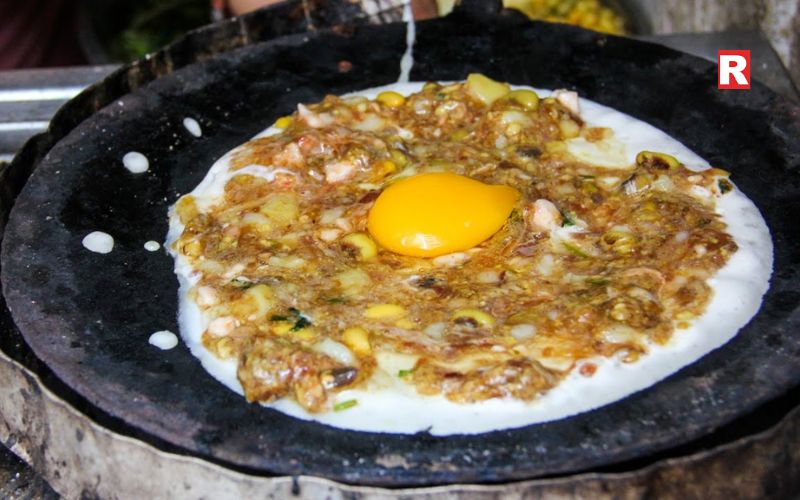
Chatamari is a traditional street food from the Newari community. It is made using a thin rice flour base, topped with eggs, minced meat, or vegetables. It is cooked fresh and has a crisp edge with a soft center. Many people call it Nepali pizza because of how it looks. However, its taste is very different. It is light and less greasy. Since it is made with rice flour, it is naturally gluten-free. Nutritionally, it provides carbohydrates and protein, depending on the toppings. It can be a balanced snack when made with vegetables and eggs. People with rice sensitivities or those managing blood sugar levels should consume it in moderation.
3. Sel Roti (Festive Street Snack)
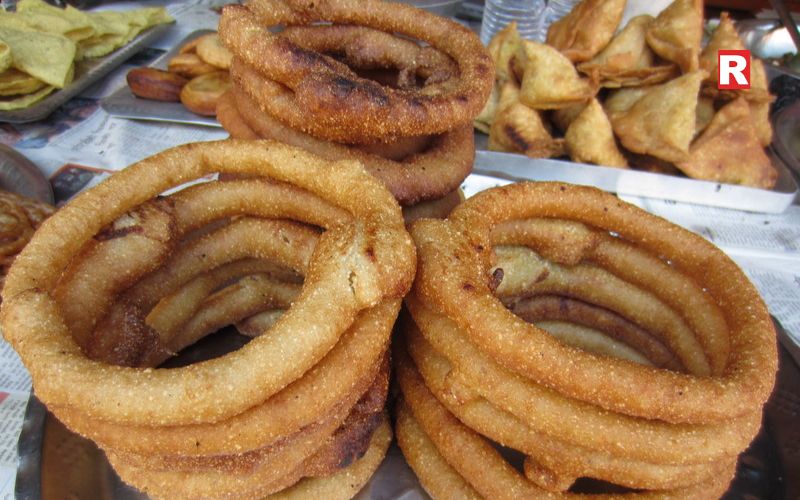
Sel roti is a popular homemade and street snack in Nepal. It is a ring-shaped bread made from rice batter and deep-fried until golden. It has a slightly sweet taste and a crisp texture. It is often seen during festivals but is also available in local markets. Many people enjoy it with tea or yogurt. Nutritionally, sel roti is rich in carbohydrates and provides quick energy. However, it is deep-fried, which increases its fat content. It also contains sugar, making it a high-calorie snack. People with diabetes or those trying to reduce sugar intake should avoid it. It may also not suit those following a low-fat diet.
4. Sekuwa (Smoky Grilled Meat)
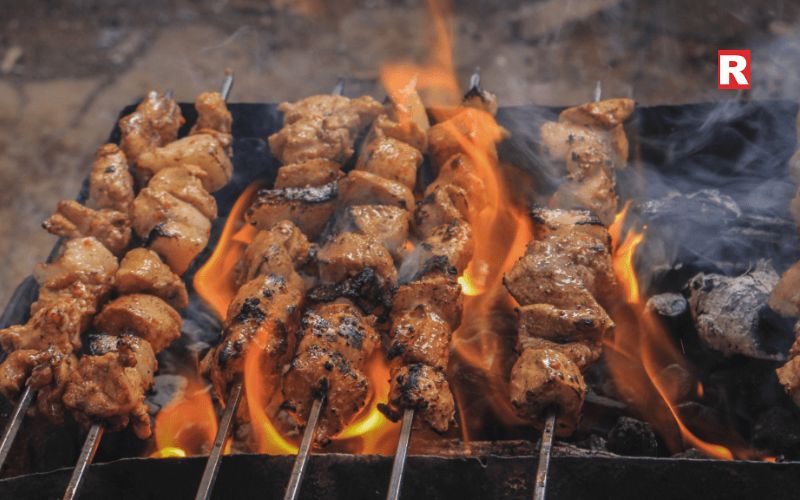
Sekuwa is a favourite among meat lovers in Nepal. It is made by marinating meat with spices and grilling it over open charcoal. This gives it a smoky and rich flavour. It is commonly served fresh in the evening at street stalls. The dish is often paired with onions, lemon, and chutney. Nutritionally, sekuwa is high in protein and can be a good option for those looking for a filling meal. Since it is grilled, it uses less oil compared to fried foods. However, it can be high in sodium and spices. People with high blood pressure or sensitive stomachs should consume it carefully. Overconsumption may also not suit those with cholesterol concerns.
Know more: 20 Famous Foods from Karnataka That Define Its Rich Food Culture
5. Panipuri (Nepali Style Golgappa)
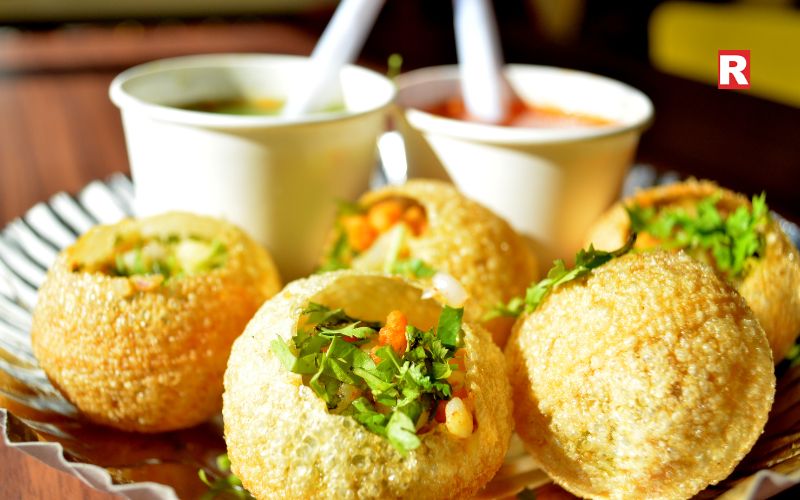
Panipuri in Nepal offers a familiar yet slightly different taste. The crispy puris are filled with spiced potatoes and tangy water. The water here is often sharper and spicier than the Indian version. Street vendors add their own mix of spices, which gives each stall a unique flavour. It is a popular quick snack, especially among young crowds. Nutritionally, panipuri is low in protein but high in carbohydrates. It is also made using fried puris, which adds to calorie intake. The spicy water may irritate sensitive stomachs. People with digestive issues or hygiene concerns should be cautious. It is best enjoyed occasionally rather than regularly.
6. Aloo Chop & Pakoda
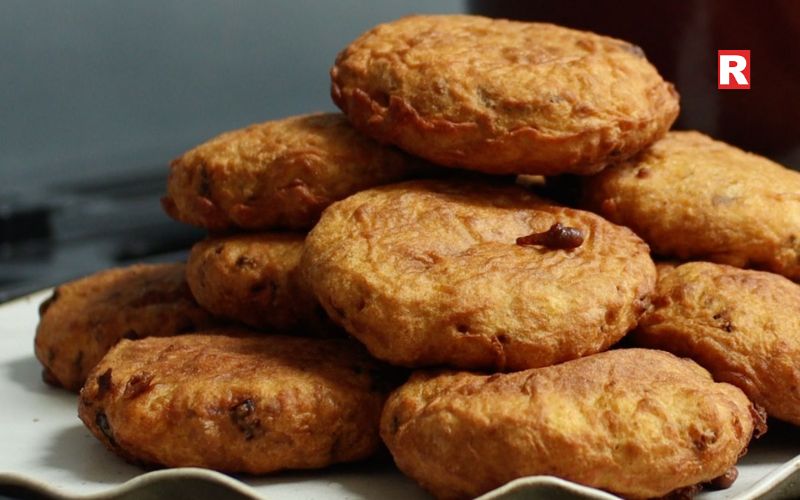
Aloo chop and pakoda are common street snacks across Nepal. Aloo chop is made from mashed potatoes mixed with spices and shaped into small portions. Pakodas are made by dipping vegetables like onions or potatoes in gram flour batter and deep-frying them. Both are served hot and taste best with tea. They are crispy on the outside and soft inside. Nutritionally, they are rich in carbohydrates and provide some protein from gram flour. However, they are deep-fried, which increases fat and calorie content. People trying to lose weight should limit intake. Those with heart conditions or high cholesterol should also avoid frequent consumption. It may not suit people with weak digestion.
7. Yomari (Sweet Dumpling Delight)
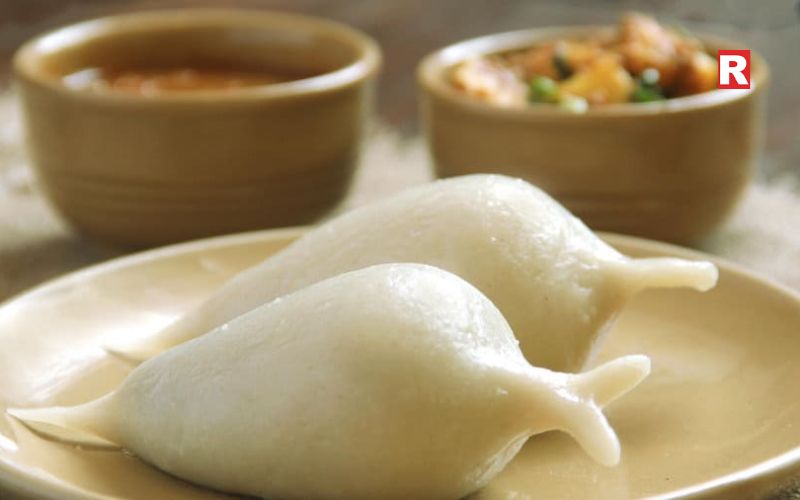
Yomari is a traditional Nepali sweet dumpling made using rice flour. It is shaped in a pointed form and filled with jaggery and sesame seeds. The outer layer is soft, while the filling is rich and sweet. It is mostly prepared during festivals but can also be found in select street markets. The taste is warm and comforting. Nutritionally, yomari provides carbohydrates and natural sugars from jaggery. Sesame seeds add healthy fats and some minerals like calcium. However, it is high in sugar and calories. People with diabetes should avoid it. Those managing weight should also consume it rarely. It may not be suitable for people on low-carb diets.
8. Thukpa (Street-Style Noodle Soup)
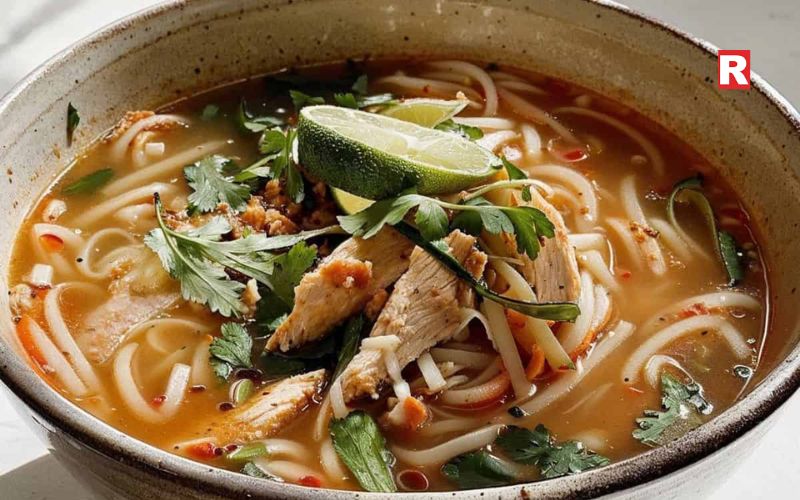
Thukpa is a popular noodle soup in Nepal, especially in colder areas. It is made with noodles, vegetables, and sometimes meat, all cooked in a light broth. The soup is warm and filling, making it a comforting street meal. It is often served fresh and hot by vendors. The flavours are mild but satisfying. Nutritionally, thukpa provides carbohydrates from noodles and protein if meat is added. Vegetables add vitamins and fiber. It is lighter compared to fried street foods. However, some versions may contain high salt levels. People with high blood pressure should be cautious. Those avoiding gluten should also check the type of noodles used before eating.
9. Laphing (Spicy Cold Noodles Trend)
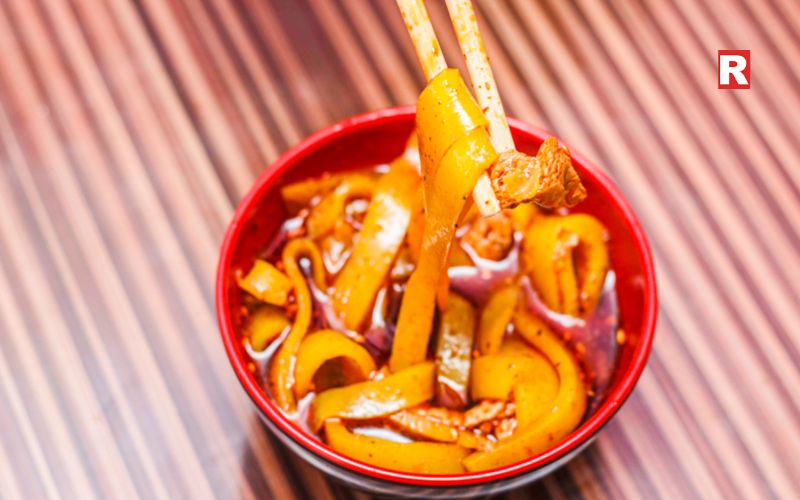
Laphing is a trendy street food that has gained popularity among young people. It is made from cold mung bean noodles and served with spicy sauces. The taste is bold, with a slight numbing effect from the spices. It is often eaten as a quick snack in busy areas. The texture is soft and slightly jelly-like. Nutritionally, it is low in fat and provides some plant-based protein. It is also lighter than fried snacks. However, the spicy sauces can be very strong. People with stomach issues should avoid it. Those sensitive to spice may find it too intense. It may also not suit people with acid reflux problems.
10. Juju Dhau (King Curd Dessert)
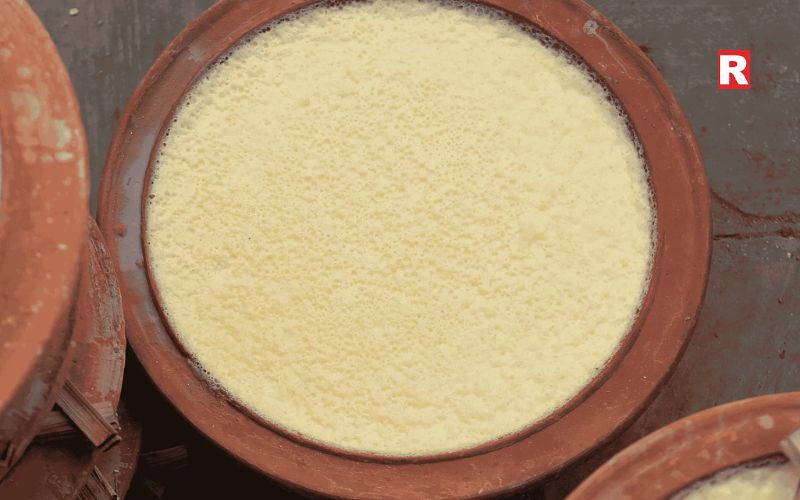
Juju Dhau is a famous Nepali dessert made from thick and creamy yogurt. It is traditionally set in clay pots, which helps improve its texture and taste. The yogurt is slightly sweet and very smooth. It is often enjoyed after meals as a cooling dish. The clay pot adds an earthy flavour, making it unique. Nutritionally, it is rich in calcium and protein. It also supports digestion due to natural probiotics. However, it contains sugar, which adds to calorie intake. People with lactose intolerance should avoid it. Those managing sugar levels should also eat it in small portions. It is best enjoyed occasionally as a dessert.
Where to Try Street Food in Nepal
Kathmandu is the best place to start your street food journey. Areas like Thamel are filled with food stalls and small vendors. You will also find great options in local markets and busy streets. Night markets are another good choice. They offer a variety of dishes in one place. Smaller towns also have their own specialties, which are worth exploring.
Choose stalls that have a high crowd. This usually means the food is fresh. Always prefer dishes that are cooked in front of you. Carry small cash, as many vendors do not accept digital payments. If you are sensitive to spice, ask the vendor to adjust the level. Also, try to explore beyond popular spots. Some of the best flavours are found in small, local streets.
Also check: 20 Famous Foods from Assam That Reflect Its True Food Culture
Top Famous Veg Street Foods in Kolkata That You Must Try Once in Your Life
The Top Most Famous Dishes of the World by Country
Happy Eating!
Nepali street food reflects culture deeply. The dishes use simple local ingredients. They are bold in taste. Many items are rich in carbohydrates from rice, wheat, or potatoes. Meat dishes such as momos and sekuwa provide protein and iron. Fried snacks like aloo chop and pakoda add fat and calories. Fermented condiments and dairy items like achar, chutney, and juju dhau add probiotics. Vegetable plates and soups like thukpa supply fiber and vitamins. Eating a mix of these dishes can be nourishing when portions are kept in check. People with high blood pressure should limit salty and spicy items. Those with diabetes must avoid sweets and frequent fried food. People with heart disease or high cholesterol should cut back on fried snacks and fatty meats. Those with lactose intolerance should skip rich dairy desserts. Travelers should pick busy, clean stalls to reduce foodborne risk.
Executive Chef, India Palace Restaurant, US Mar 02, 2026 / 1 MIN READ
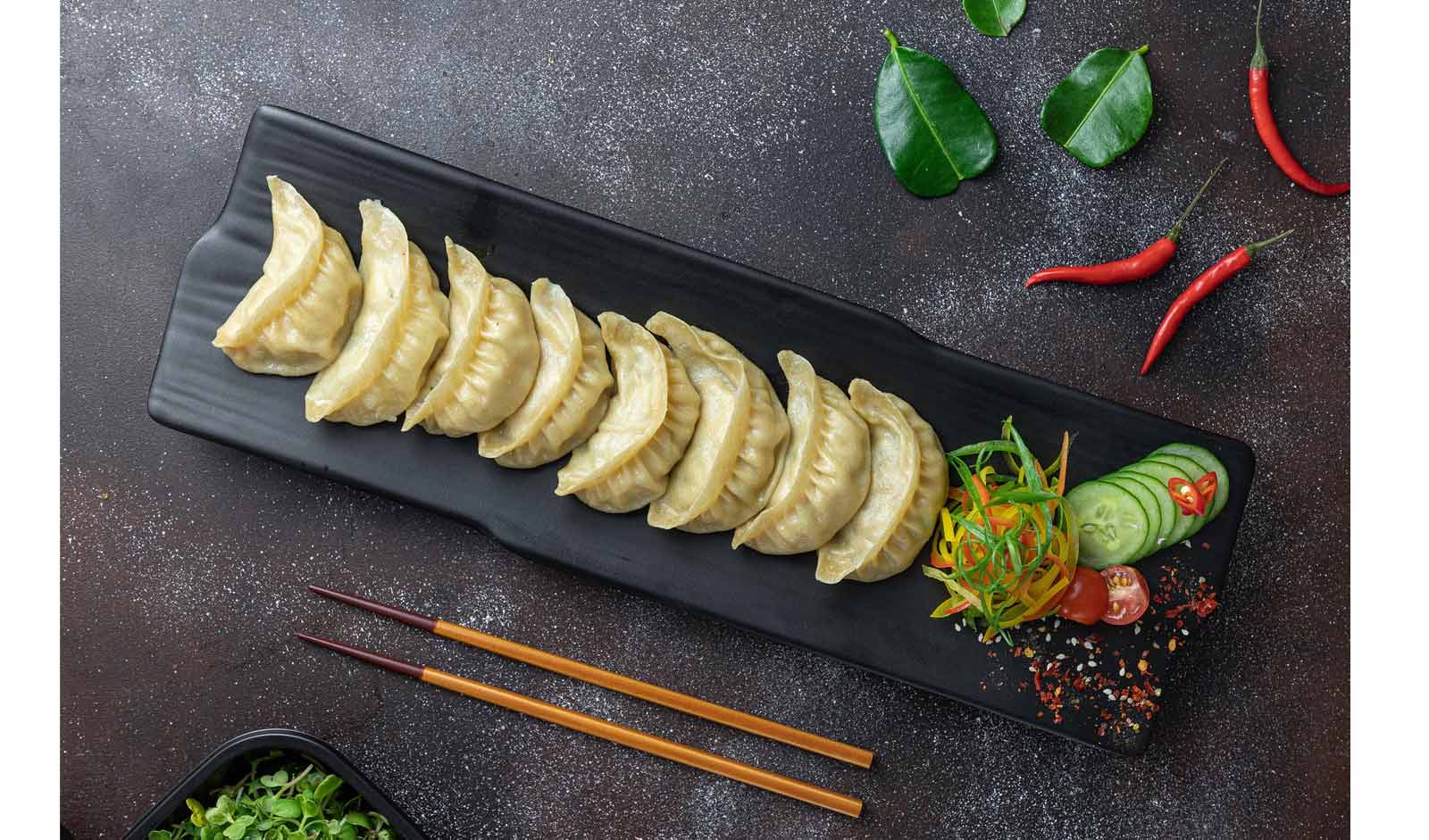
The global culinary landscape has shifted dramatically in recent years. Diners are no longer satisfied with generic “international” menus and are seeking authenticity, sustainability, wellness, and meaningful cultural stories behind their food. Amid this evolution, Himalayan cuisine is steadily gaining international attention, positioning itself as one of the most exciting emerging food trends worldwide.
Stretching across regions of northern India, Nepal, Bhutan, and Tibet, the Himalayan belt is rich in culinary heritage shaped by geography, climate, and tradition. What was once considered remote mountain fare is now being rediscovered as a treasure trove of wholesome flavors and sustainable cooking practices.
A Cuisine Rooted in Sustainability
Long before sustainability became a global buzzword, Himalayan communities lived it. The region’s tough terrain discouraged excess and encouraged seasonal, local eating. Grains like mandua (finger millet), barley and buckwheat, along with lentils, pulses and forest herbs, formed the backbone of daily meals.
With minimal processing, low oil use and a reliance on fresh, locally sourced produce, the cuisine is rooted in simplicity. Today, as diners worldwide prioritise low carbon footprints and ethical sourcing, Himalayan food stands out as a naturally sustainable, farm-to-table model.
Also, plant-based dining is no longer niche; it has become mainstream. Himalayan food traditionally emphasizes lentils, leafy greens, root vegetables, and fermented ingredients. Dishes are hearty yet balanced, relying on spices and herbs for depth rather than heavy creams or excessive fats.
This plant-forward approach appeals strongly to modern diners seeking healthier alternatives without sacrificing flavor. Himalayan cuisine offers nutrient-dense meals rich in fiber, protein, and minerals, qualities that resonate with wellness-conscious audiences in North America, Europe, and beyond.
Wellness and Functional Ingredients
Global consumers increasingly view food as medicine. The Himalayan region has long embraced this philosophy. Ingredients such as turmeric, ginger, garlic, timur (Sichuan pepper), and mountain herbs are valued not just for taste but for their therapeutic properties.
Traditional cooking methods like; slow simmering, fermentation, sun drying preserve nutrients and enhance digestion. In an era where gut health, immunity, and holistic wellness dominate food conversations, Himalayan cuisine fits naturally into the global narrative of functional eating.
Authentic Regional Storytelling
Another reason behind the growing demand is the shift from generic “Indian food” to hyper-regional culinary storytelling. Diners today want specificity, they want to know which valley a dish comes from, what grain grows at a particular altitude, and how communities traditionally prepare their meals.
Himalayan cuisine offers compelling narratives. The harsh winters, terraced farming, community feasts, and monastery influences all shape unique dishes that reflect resilience and cultural depth. Restaurants and chefs worldwide are increasingly spotlighting these regional stories, making the cuisine both educational and experiential.
Perhaps the strongest appeal of Himalayan cuisine lies in its honesty. It is not overly complicated or aggressively fusion-driven. It celebrates balance between spice and subtlety, nourishment and indulgence, tradition and innovation.
In a fast-paced global food scene often dominated by spectacle, Himalayan cuisine offers grounding comfort. It reminds diners of food’s essential purpose: to nourish, to connect communities, and to respect nature.
Influence of Diaspora Chefs
Chefs of Himalayan origin are playing a significant role in bringing this cuisine to global platforms. By introducing tasting menus, curated pop-ups, and seasonal mountain-inspired dishes, they are elevating regional recipes into fine-dining spaces.
Rather than reinventing the cuisine entirely, many chefs focus on preserving authenticity while adapting presentation and sourcing to local markets. This balance between tradition and innovation is helping Himalayan food gain respect among international audiences and hospitality professionals alike.
While still emerging on the global stage, Himalayan cuisine holds immense potential. As awareness grows, more chefs, restaurateurs, and hospitality brands are expected to explore its depth. Educational culinary tours, mountain-inspired wellness menus, and sustainable grain revival projects may further fuel its rise.
The world is searching for food that feels authentic, responsible, and meaningful. Himalayan cuisine, shaped by altitude and ancestry, answers that call beautifully. Its growing global demand signals not just a new trend, but a return to mindful eating rooted in culture and nature.
Gujarati food does not depend on strong spices or heavy oil. The focus is on harmony. Sweet, sour, salty, and mild heat often come together in one meal. This balance is not accidental. It comes from the land, the climate, and a long history of community living. Gujarat has dry regions and hot summers. Food here evolved to stay light, nourishing, and easy to digest. Traditional farming shaped what people ate. Seasonal vegetables, grains, and dairy became everyday staples.
Home cooking plays a strong role in Gujarati life. Meals are planned with care and eaten together. Food is rarely rushed. Even simple dishes follow a thoughtful process. Snacks are light but filling. Main meals are comforting and steady. Festival food carries emotion and memory. Many recipes are passed down through families. Each dish reflects routine, belief, and celebration. Gujarati cuisine values restraint. It believes less can be more. Taste is built slowly, not forced. From daily meals to festive thalis, the food tells a quiet story. These famous foods of Gujarat represent tradition, balance, and identity on one plate.
Find 20 Famous Foods from Gujarat
1. Dhokla
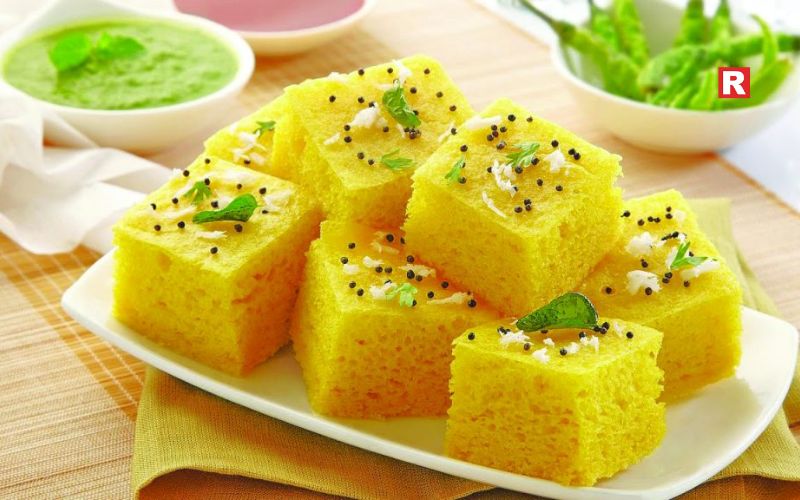
Dhokla is one of the most loved snacks in Gujarat. It is known for its soft texture and light taste. The dish is made using fermented gram flour, which makes it airy and easy to digest. It is steamed instead of fried, so it feels light on the stomach. This is why people of all ages enjoy it. A simple tempering of mustard seeds, curry leaves, green chillies, and oil adds aroma and flavour. Dhokla fits well into daily life. It is eaten for breakfast, served with tea in the evening, and prepared during festivals and family functions. It represents Gujarat’s preference for food that is balanced, comforting, and wholesome.
Read more: 8 Famous Vegetarian Dishes of Uttar Pradesh and Their Timeless Legacy
5 Cities That Serve the Best Non-Vegetarian Street Food
2. Khandvi
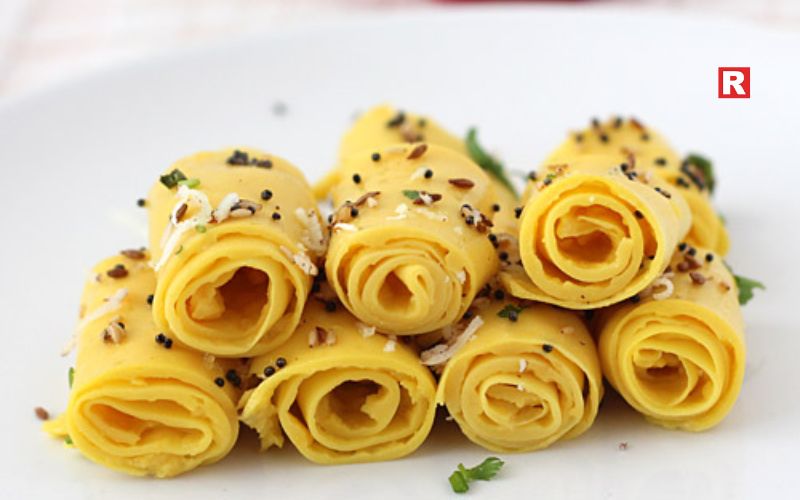
Khandvi is a dish that looks delicate but carries strong flavours. It is prepared using gram flour and buttermilk, cooked slowly with constant stirring. The mixture needs careful attention, as timing plays a key role. Once ready, it is spread thin and rolled into neat layers. A light tempering of mustard seeds, curry leaves, and grated coconut completes the dish. Khandvi is often served as a snack during gatherings or festive meals. It is not heavy, yet it feels satisfying. The dish reflects the patience and skill found in Gujarati kitchens. Its smooth texture and mild tang make it a favourite across generations.
3. Undhiyu
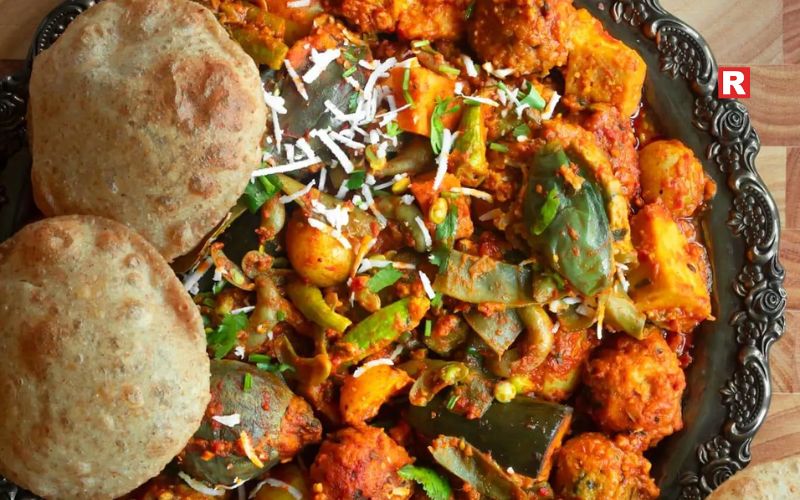
Undhiyu is a traditional Gujarati dish prepared mainly during winter. It uses seasonal vegetables like yam, brinjal, beans, raw banana, and surti papdi. These vegetables are cooked together with spices and methi muthia. The dish is slow-cooked, allowing flavours to blend naturally. In the past, undhiyu was cooked upside down in earthen pots, buried underground. This method gave it a deep and earthy taste. Undhiyu is closely linked to festivals like Uttarayan. Families often cook it in large quantities and share it with loved ones. It is not an everyday meal but a dish made for togetherness and celebration.
4. Thepla
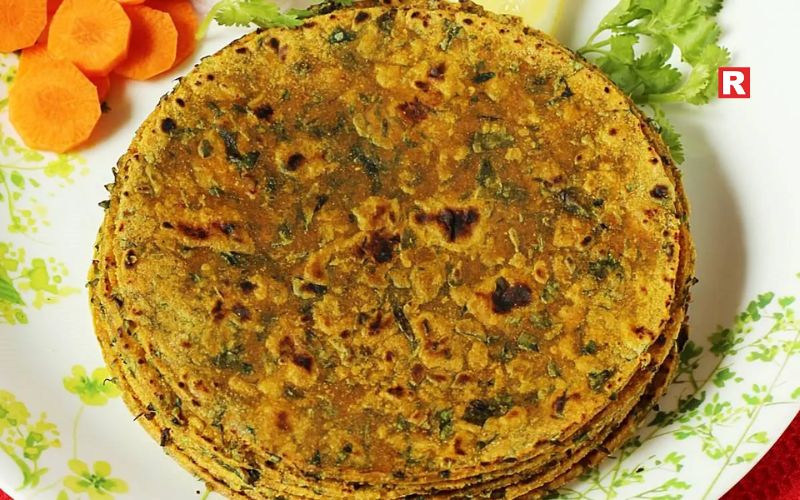
Thepla is a spiced flatbread that holds an important place in Gujarati homes. It is made using wheat flour, methi leaves, and mild spices. Thepla stays soft for several days, which makes it ideal for travel. Many Gujaratis carry it on long journeys. It is usually eaten with curd, pickle, or sweet chunda. The taste is simple yet comforting. Thepla is filling without being heavy. It fits into breakfast, lunch, or dinner with ease. This dish reflects everyday life in Gujarat. It shows how practical cooking can still be flavourful and nourishing.
5. Fafda
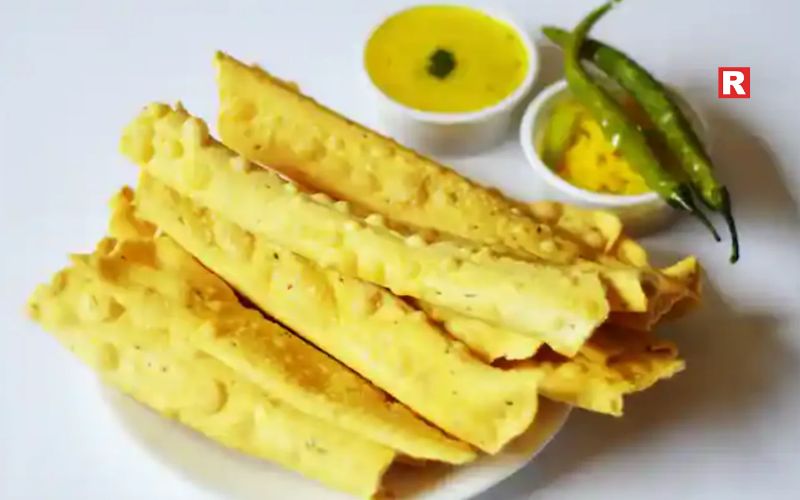
Fafda is a crisp and savoury snack made from gram flour. It is commonly eaten in the morning. The texture is firm and crunchy, with a mild spice flavour. Fafda is usually served with papaya sambharo and fried green chillies. In Gujarat, fafda holds special importance during Dussehra. Many families follow the tradition of eating fafda with jalebi on this day. The combination of sweet and salty flavours is deeply loved. Fafda is not just food. It is a ritual and a shared habit. It reflects Gujarat’s love for contrast, tradition, and community bonding.
6. Jalebi
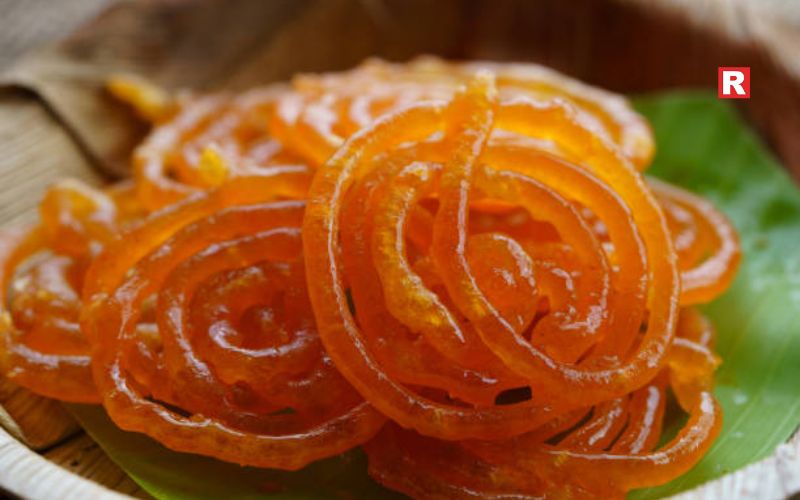
Jalebi in Gujarat is more than a sweet. It is a habit. It is crisp on the outside and soft inside. The batter is deep-fried into spiral shapes and soaked in warm sugar syrup. What makes Gujarati jalebi different is how it is eaten. Many people enjoy it with savoury snacks like fafda. The mix of sweetness and salt creates balance. Jalebi is commonly eaten in the morning or during festivals. Sweet shops prepare it fresh throughout the day. It brings colour and comfort to everyday life. Jalebi is simple, familiar, and deeply rooted in local food culture.
7. Handvo
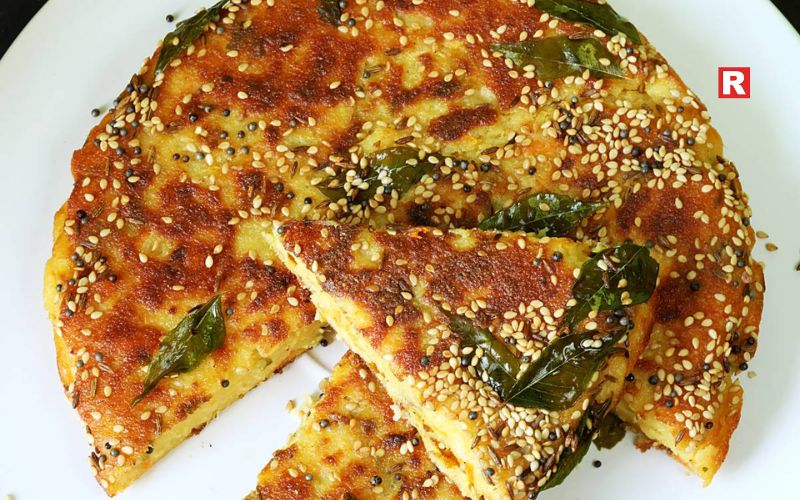
Handvo is a traditional savoury cake from Gujarat. It is made using a fermented mix of rice and lentils. Vegetables like bottle gourd, carrot, or spinach are added to the batter. The mixture is cooked slowly, often in a thick pan. This gives the handvo a crisp outer layer and a soft centre. Sesame seeds on top add flavour and texture. Handvo is filling and nourishing. It is often eaten as a full meal. Many families prepare it at home for lunch or dinner. It reflects the Gujarati style of slow cooking and mindful eating.
Know more: 10 Awadhi Cuisine Classics You Must Try at Least Once
8. Sev Tameta Nu Shaak
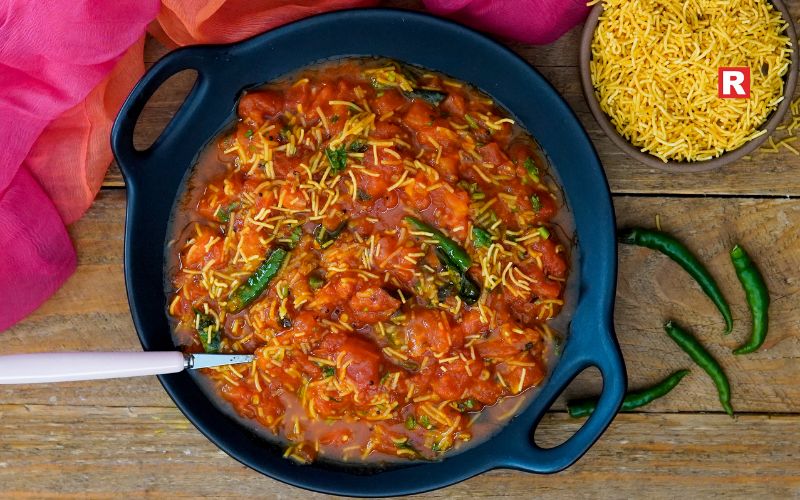
Sev tameta nu shaak is a simple yet comforting Gujarati curry. Tomatoes form the base of the dish. Spices and jaggery are added to create a gentle sweet-sour taste. The curry is smooth and light. Crunchy sev is sprinkled on top just before serving. This adds contrast and texture. The dish is quick to prepare and uses everyday ingredients. It is usually eaten with roti or bhakri. Sev tameta nu shaak shows how Gujaratis turn basic food into something special. It proves that flavour does not always need complexity.
9. Dal Dhokli
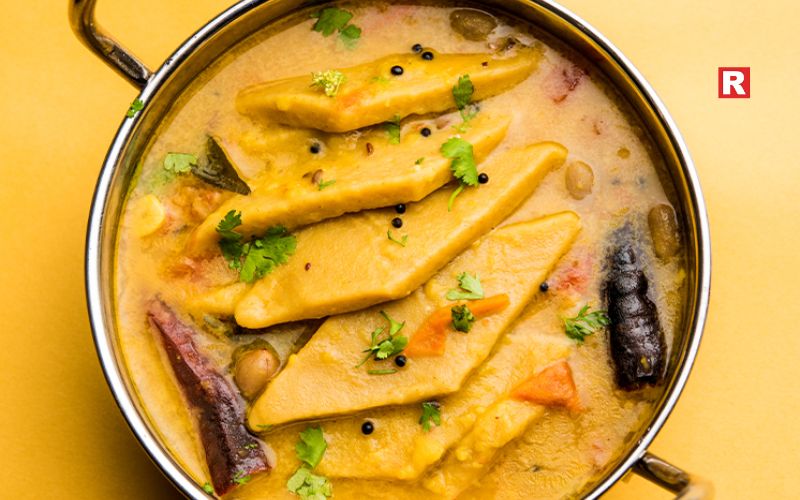
Dal dhokli is a one-pot meal loved across Gujarat. Small pieces of wheat flour dough are cooked in spiced lentil curry. The dal is flavoured with peanuts, kokum, and jaggery. This creates a mild sweet and tangy taste. The dish is thick, warm, and comforting. Dal dhokli is often cooked at home on quiet afternoons. It is served hot and eaten slowly. Many families see it as comfort food. It brings a sense of calm and familiarity. Dal dhokli reflects the home-style nature of Gujarati cooking.
10. Khakhra
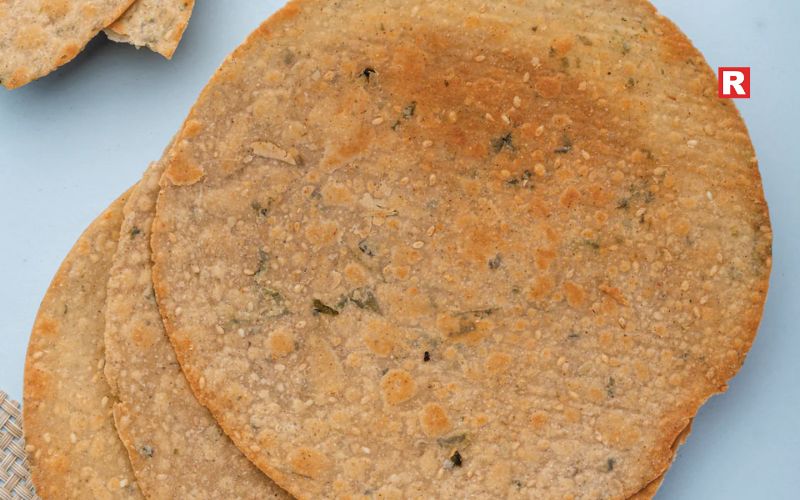
Khakhra is a thin and crunchy snack from Gujarat. It is made using wheat flour and mild spices. The dough is roasted slowly on a pan until dry and crisp. Khakhra has very little moisture. This gives it a long shelf life. It is easy to store and carry. That is why it is popular during travel. Khakhra is usually eaten with tea, curd, or pickle. It is light yet satisfying. This snack reflects Gujarat’s practical food habits. It is simple, durable, and full of everyday comfort.
11. Patra
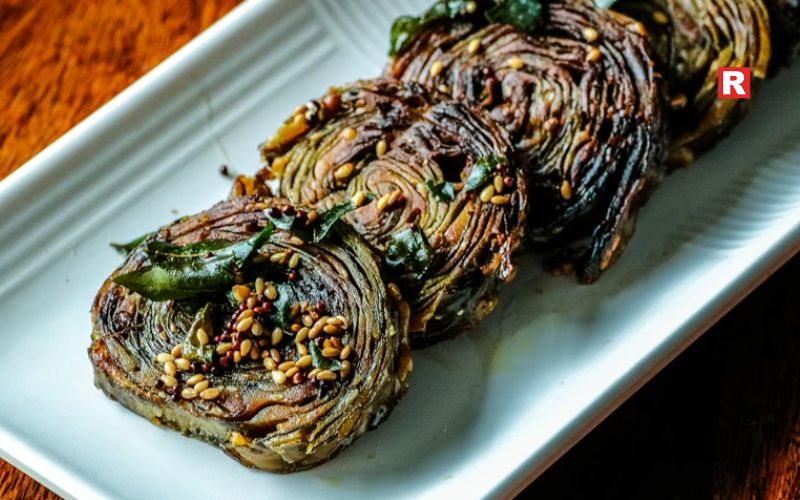
Patra is a traditional Gujarati snack made from colocasia leaves. These large green leaves are cleaned and coated with a spiced gram flour paste. They are then rolled tightly and steamed. Once cooked, the rolls are sliced into pieces and lightly tempered with mustard seeds and sesame. Patra has an earthy taste with a sharp, tangy flavour. Tamarind and jaggery give it balance. It is mostly prepared during the monsoon season, when colocasia leaves are fresh. Patra is usually served as a snack or side dish. It reflects seasonal cooking and careful use of local ingredients.
12. Gujarati Kadhi
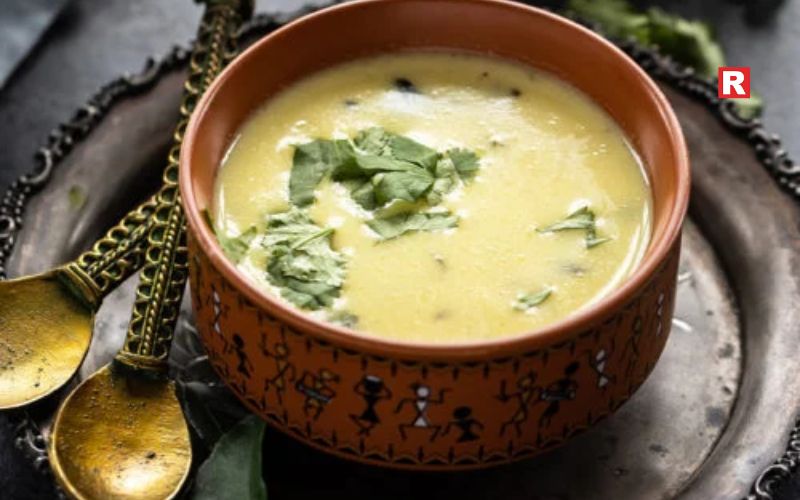
Gujarati kadhi is light, smooth, and comforting. It is made using yoghurt and gram flour, cooked together with mild spices. Compared to other kadhi styles, this version is thinner and slightly sweet. Ginger, curry leaves, and green chillies add gentle flavour. Gujarati kadhi is easy on the stomach. It is commonly served with plain rice. Many people eat it during lunch. It helps balance heavier dishes in a meal. Kadhi is often prepared at home on regular days. It shows how Gujarati food focuses on simplicity, balance, and digestion rather than richness or heat.
13. Muthiya
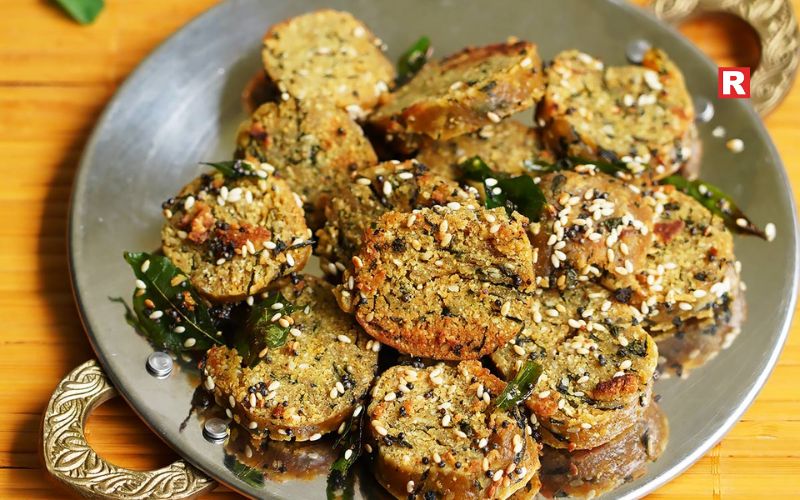
Muthiya are small dumplings that are popular across Gujarat. They are made using flour mixed with vegetables like bottle gourd, fenugreek leaves, or cabbage. The mixture is shaped by hand and then steamed or lightly fried. Steamed muthiya are soft and healthy. Fried ones are crisp on the outside. Muthiya can be eaten as a snack with tea. They are also added to curries or kadhi. This makes them very versatile. Muthiya are filling without being heavy. They reflect the Gujarati habit of creating food that works in many forms.
14. Ghughra
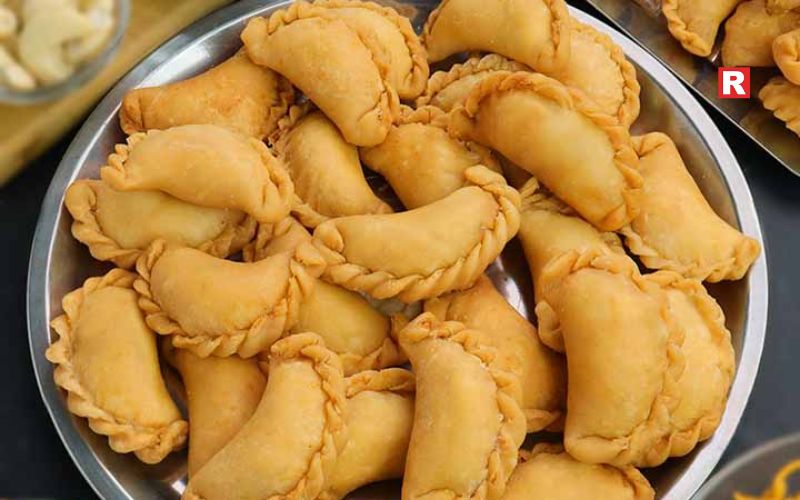
Ghughra are deep-fried pastries prepared during festivals. They are especially common during Diwali in Gujarati homes. The outer layer is crisp, while the inside is filled with a sweet mixture. The filling often includes coconut, dry fruits, and sugar. Ghughra are made in large batches and shared with neighbours and relatives. They are not everyday food. They are linked to celebration and special moments. Preparing ghughra takes time and effort. This makes them meaningful. They represent joy, generosity, and the tradition of cooking together during festivals.
Also check: Top 10 Vegan Street Foods in India Every Indian Loves
15. Basundi
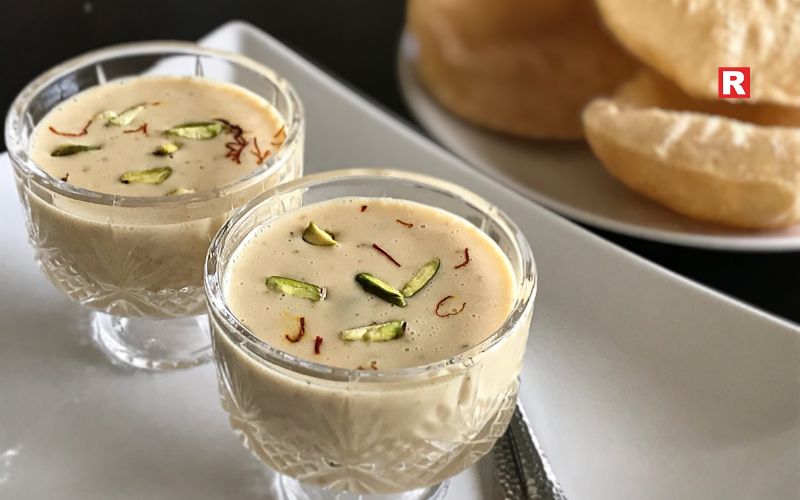
Basundi is a rich milk-based dessert from Gujarat. It is made by slowly boiling milk until it thickens. This process takes patience and care. Cardamom adds gentle aroma, while nuts bring texture. Basundi is sweet but not heavy. It is often served chilled. Basundi is prepared for weddings, religious events, and family celebrations. It is not rushed food. It requires time and attention. That is why it is special. Basundi reflects the traditional approach to sweets in Gujarat. It values slow cooking, quality ingredients, and shared enjoyment.
16. Shrikhand
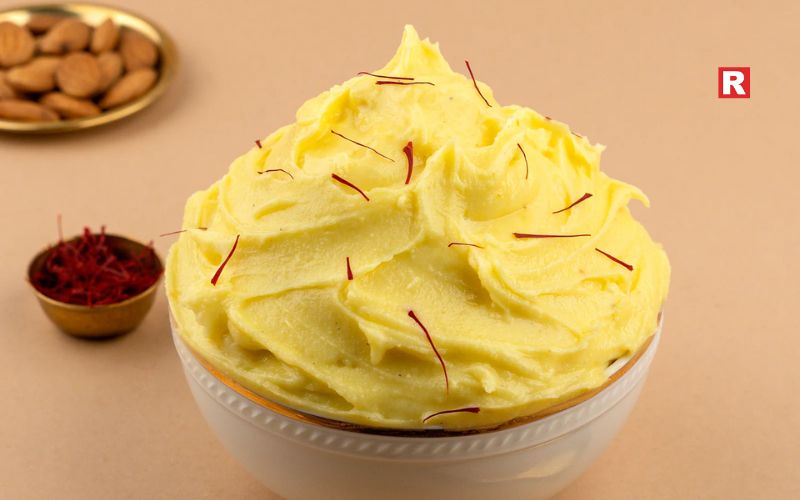
Shrikhand is a popular dessert in Gujarat. It is made from yoghurt that is strained to remove water. This gives it a thick and creamy texture. Sugar is added in small amounts. The sweetness stays gentle. Saffron, cardamom, or mango pulp is often mixed in. Shrikhand is always served chilled. It feels cooling and light. It is commonly eaten with puri during festivals and special meals. Many families prepare it at home for celebrations. Shrikhand does not feel heavy. It ends a meal on a calm note. It reflects the Gujarati preference for balanced and refreshing sweets.
17. Magas
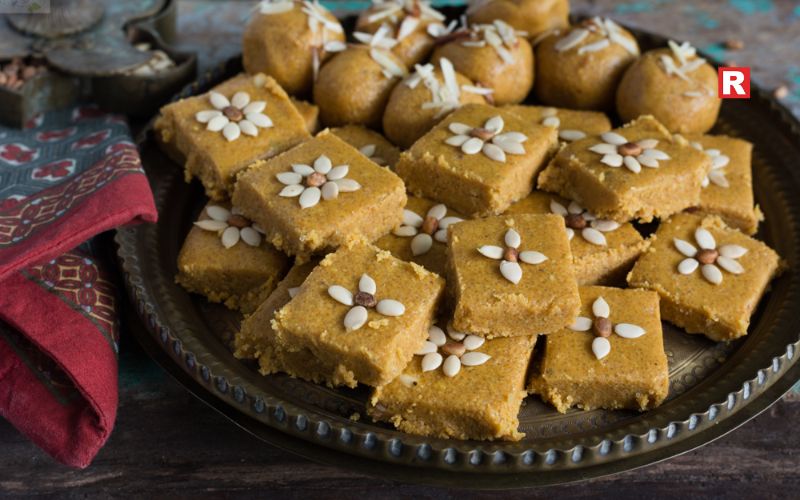
Magas is a traditional Gujarati sweet with a rich taste. It is made using gram flour, ghee, and sugar. The mixture is cooked slowly until it reaches the right texture. Magas has a slightly grainy feel. This texture is intentional and loved. It is often flavoured with cardamom or nutmeg. Magas is prepared during festivals, weddings, and family functions. It is cut into small pieces and shared. Though rich, it is eaten in small portions. Magas represents indulgence done with control. It reflects how Gujarati sweets focus on depth rather than excess.
18. Locho
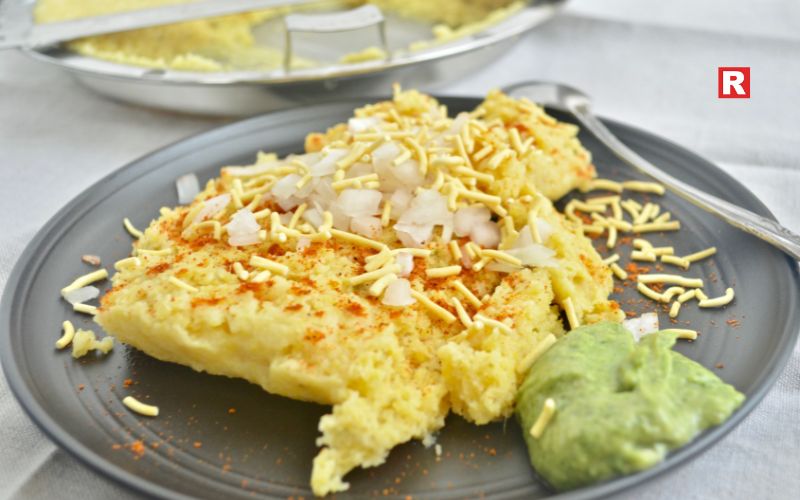
Locho is a famous street food from Surat. It is soft and slightly sticky in texture. The dish is made from gram flour batter that is steamed and loosely mashed. Locho is served hot. Butter is added generously on top. Sev, spices, and chutneys complete the dish. It is eaten with a spoon. Locho does not look neat, but it is full of flavour. It is spicy and comforting at the same time. People enjoy it at street stalls in the evening. Locho reflects Gujarat’s lively food culture and love for bold street flavours.
19. Bhakri
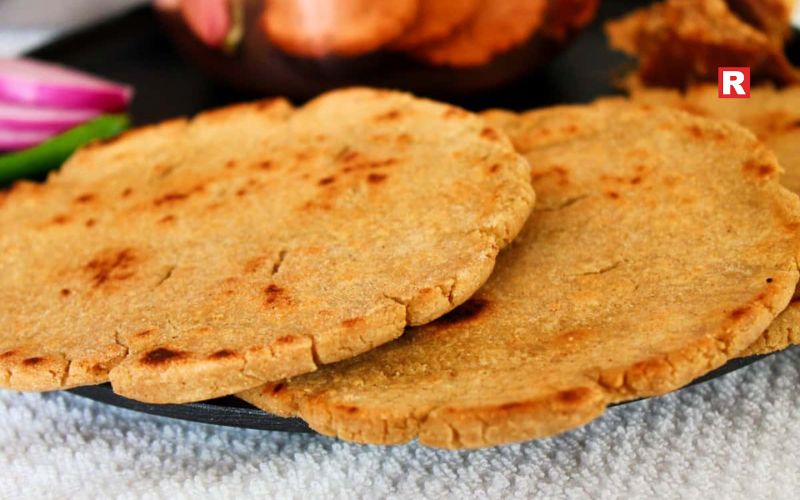
Bhakri is a thick and rustic flatbread from Gujarat. It is made using millet or wheat flour. Bhakri is common in rural homes. It is cooked on an open flame or hot griddle. The texture is firm and filling. Bhakri is eaten with vegetables, curd, or ghee. It provides long-lasting energy. This makes it suitable for physical work. Bhakri is simple food. It does not use spices or extras. It reflects a lifestyle that values strength, simplicity, and nourishment. Bhakri shows how food supports daily life in villages.
20. Aam Ras

Aam ras is a summer favourite in Gujarat. It is made from ripe mango pulp. The pulp is smooth, sweet, and fragrant. Sometimes a little milk or cardamom is added. Aam ras is served chilled. It helps the body stay cool in hot weather. Gujaratis often eat it with puri. Some enjoy it plain. Aam ras is seasonal. It is eaten only when mangoes are fresh. This makes it special. It celebrates local produce and natural sweetness. Aam ras reflects the joy of simple, seasonal eating.
Check more: 20 Famous Foods from Karnataka That Define Its Rich Food Culture
Top Famous Veg Street Foods in Kolkata That You Must Try Once in Your Life
10 Mountain Foods to Keep You Warm While Visiting One
Top 5 States With the Spiciest Food in India
Happy Eating!
Gujarati cuisine is calm and balanced. It does not rely on heavy spice or rich sauces. Every dish is prepared with care and purpose. The food respects seasons and local ingredients. Sweet, sour, and mild spice often come together in one meal. This balance makes the food easy to enjoy every day. Snacks like dhokla, khakhra, and khandvi fit into busy routines. They are light and filling. Meals like undhiyu and dal dhokli are cooked slowly and shared with family. Many dishes are linked to festivals and traditions. Food is not rushed. It is cooked at home and eaten together. Even simple meals carry meaning. Gujarati food reflects patience and simplicity. It supports digestion and daily life. These famous foods of Gujarat show how tradition shapes taste. They prove that comfort and culture can exist on the same plate.
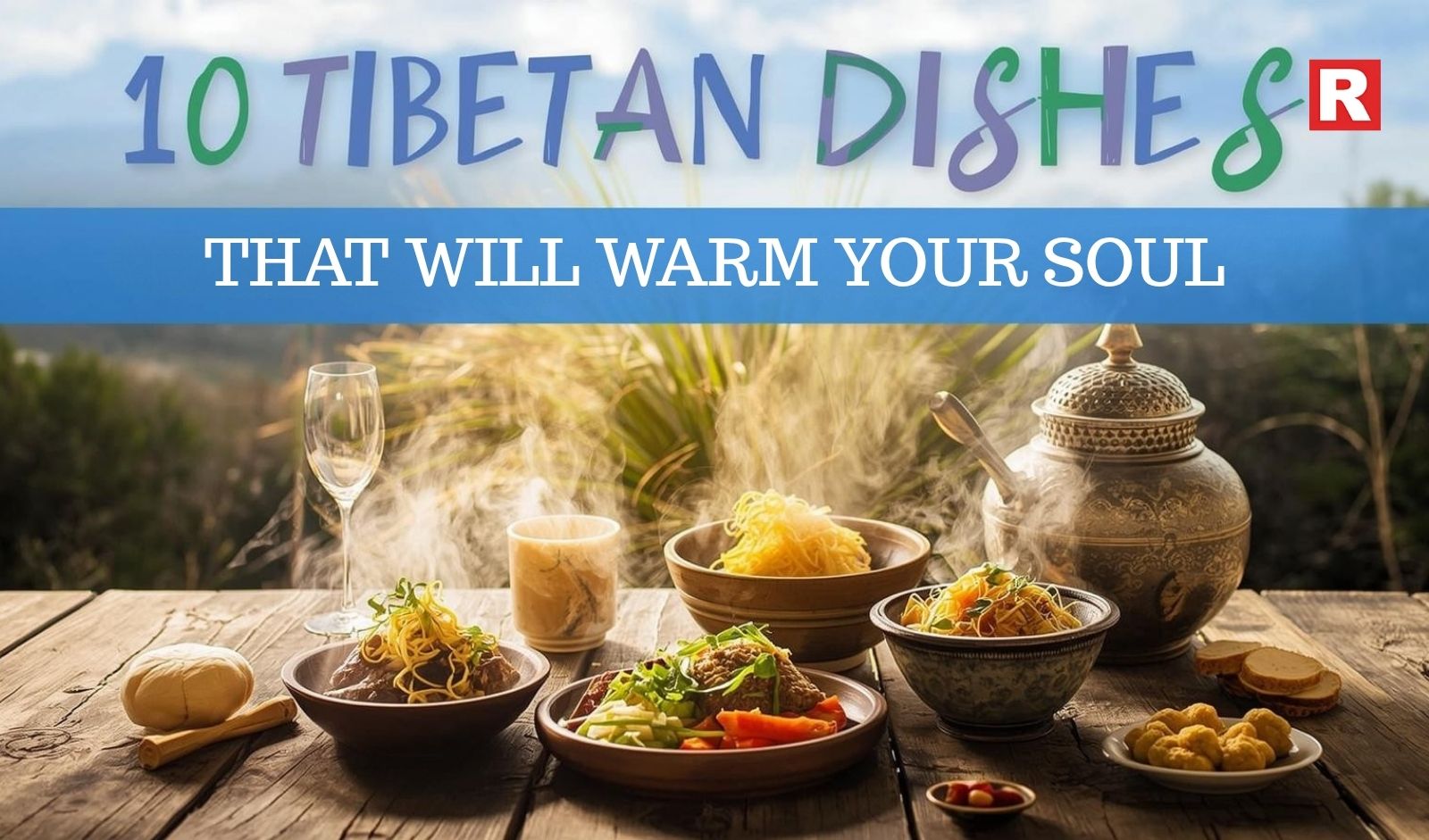
One of the most geographically and climatically challenging regions of the world, Tibet, is a place with food that will warm your heart completely. Often called “Roof of the World,” the Tibetan people survive in a high-altitude environment. This has led to the creation of a cuisine that is simple, sustainable, and still heartwarming. So, forget any fleeting flavors, Tibetan food is designed to be adaptable.
Tibetan cuisine is not something with exotic spices or complex preparations, but it surely has the top three elements of its homeland: barley, yak meat, and dairy. Every dish here has a more important purpose than just fulfilling your taste buds. The food here is made to fuel your body against the bone-chilling cold and to offer a deep comfort that can truly warm your soul.
If you want to visit Tibet and gain a deep understanding of its culture, then you definitely need to try its authentic cuisine. This article serves as a guide, introducing 10 Tibetan dishes that can be found here. So, prepare to go on a journey where every bite you take will give you a taste of Tibet.
Read more: 10 Authentic French Cuisine Dishes You Must Try
Main Ingredients of Tibetan Cuisine
Tibetan cuisine stands out because of the ingredients' ability to withstand the harsh, high-altitude climate of the plateau. There are three key ingredients used heavily in Tibetan cuisine:
- Highland Barley (Yarlung Tsampa): The ultimate staple of Tibetan Cuisine is Highland Barley (Yarlung Tsampa). It is the foundation of the diet, roasted and ground into a flour known as Tsampa, which provides long-lasting energy and is frequently consumed with butter tea.
- Yak and Mutton: Meat is a crucial source of calories and protein because agriculture is limited. The most popular meat is yak meat (which is chewy and lean). It is also used in stews, soups (Thukpa), and dumplings (Momos).
- Dairy (Yak Cheese and Butter): The female yak (dri) is an essential source of milk products. Dried curds (chhurpi) serve as a tough, durable protein source, and yak butter is added to the classic salty Po Cha (Butter Tea) for warmth and vitality.
The 10 Tibetan Dishes You Need to Try
1. Thukpa
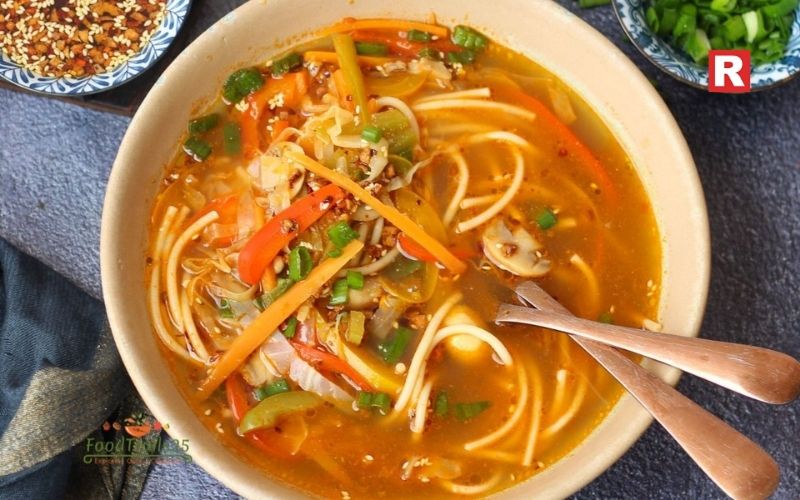
The foundational term for Tibetan noodle soup is Thukpa. It is the highest state of comfort and can be found in every home, teahouse, and monastery.
What Makes Thukpa Soul-Warming: The dish is known for its flavorful, light, slow-cooked bone broth, which is typically made from yak or mutton. It contains shredded meat and simple, high-altitude vegetables like radish, cabbage, and occasionally spinach.
Cultural Significance: It represents the region's warmth and nourishment since it is a full meal in a single bowl. It serves as a vital barrier against the cold and is frequently the first and last meal of the day.
2. Thenthuk
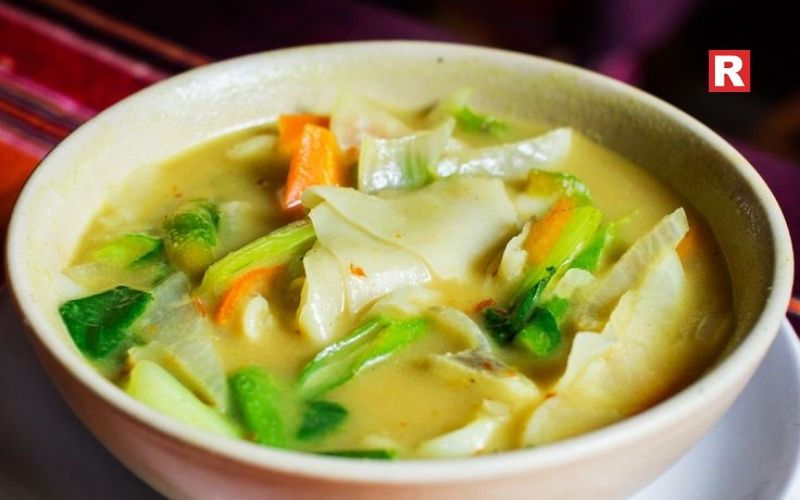
Thenthuk is a noodle soup made with hand-pulled noodles, unlike Thupka, where the noodles are pre-made.
What Makes it Unique: The noodles steal the show. Thenthuk uses flat, hand-pulled or hand-ripped pieces of dough that are dropped straight into the simmering broth, as opposed to the round, expanded noodles of basic Thukpa. As a result, the noodles have a deliciously chewy, uneven texture.
The Experience: Creating Thenthuk is frequently a group activity that strengthens ties within the family. Because it provides a heavier, more filling meal during the bitterest winter months, its thick broth and chewy texture make it especially popular.
Know more: A Close Look at Goa's Diverse Cuisine
3. Mokthuk
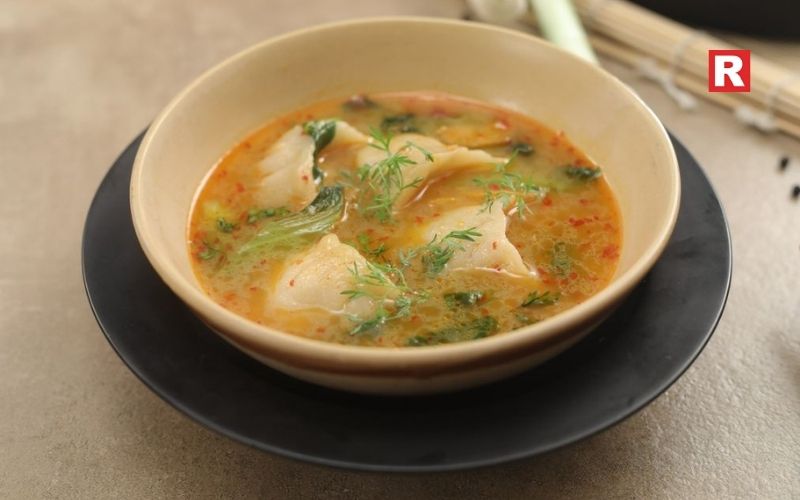
Momos and thukpa, the two most popular dishes in the area, are skillfully combined to create mokthuk.
What Makes It a Fusion: This dish consists of smaller momos (dumplings), also known as tsi-tsi momos, that are immersed in a flavorful, transparent soup broth.
Best for the Soul: It combines the warming, rehydrating properties of the broth with the rich, meaty satisfaction of momos. It's a great, well-balanced lunch or dinner because it's lighter than consuming an entire plate of steamed momos.
4. Momo
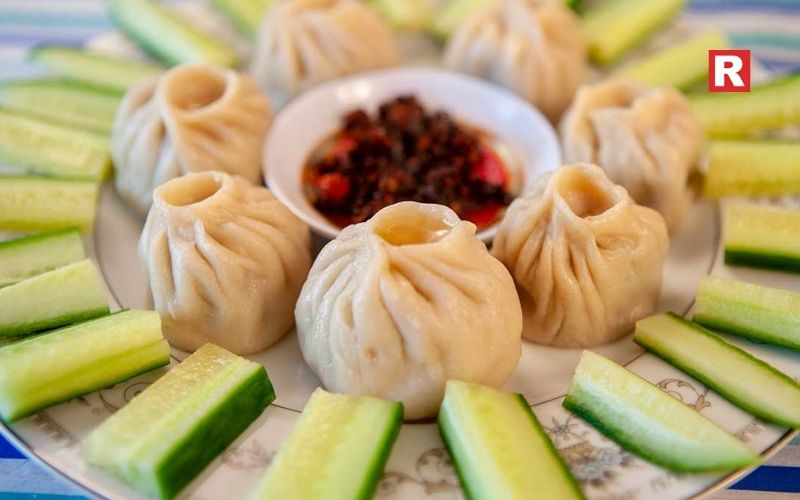
Momo is the most well-known Tibetan export and a genuine representation of Himalayan cuisine.
The Perfect Filling: While seasoned yak or mutton is the traditional filling, modern versions frequently use beef, chicken, or a strong vegetable mixture (such as cilantro, onion, and cabbage). The main feature of these momo is the meat juice that is released during the steaming process.
Serving and Sauce: Although steamed momo are the most popular, fried (Kothey or C-Momo), and souped (Mokthuk) varieties are also well-liked. Sepen, a spicy, vibrant red tomato-chili dipping sauce, is always served with them.
Cultural Connection: Families get together to fold hundreds of dumplings for feasts and festivities, which makes preparing momo a social occasion.
5. Sha Phaley (Shabhaley)
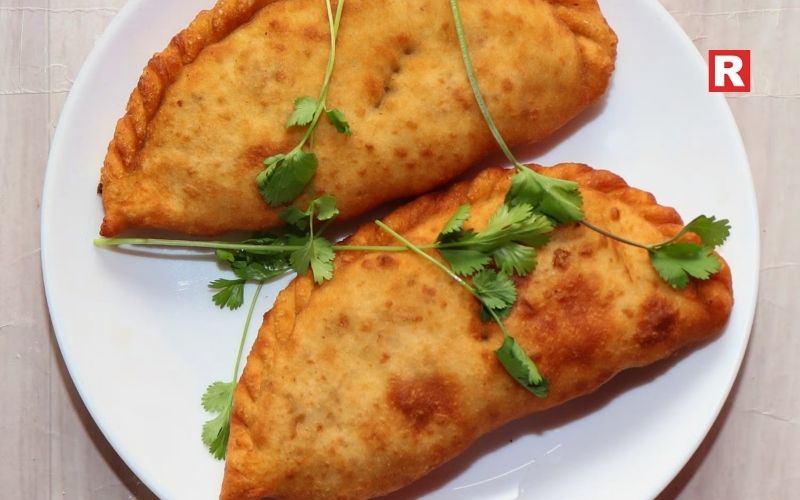
Sha Phaley is a tasty fried pastry which directly translates to "meat bread".
The Comfort Factor: A round or semi-circular dough pocket is filled with a savory, minced meat filling (typically beef or mutton combined with onions and cabbage) and deep-fried or pan-fried until crispy and golden brown.
Why It Warms the Soul: It offers a satisfying balance between a hot, juicy, and savory interior and a crispy, slightly chewy exterior. Often served for lunch, it is a perfect portable snack or meal.
What's new: 10 Famous Non-Vegetarian Dishes of Lucknow That Define Royal Awadhi Cuisine
6. Tsampa
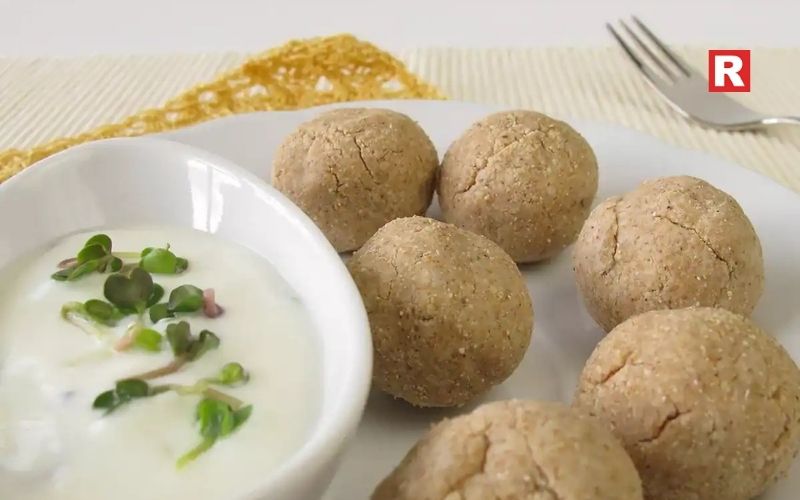
Perhaps the most important dish in the Tibetan diet is Tsampa, which represents their close connection to the land and tenacity.
Tsampa: It is a type of flour made from roasted highland barley. It is the most convenient food for travelers and nomads because it doesn't need to be cooked, since it has already been roasted.
How to Eat It: Traditionally, a wooden bowl is used to manually combine a pinch of tsampa, a few spoonfuls of butter tea, and crumbled dry cheese (Chhurpi). The dough ball, known as Pa, is created by kneading the mixture and is later consumed. A filling, high-energy, and incredibly portable meal can be made with this easy preparation method.
Cultural Connection: Tsampa has great importance in Buddhism and is frequently thrown into the air as a good-luck gesture during Buddhist ceremonies and rituals.
7. Butter Tea (Po Cha)
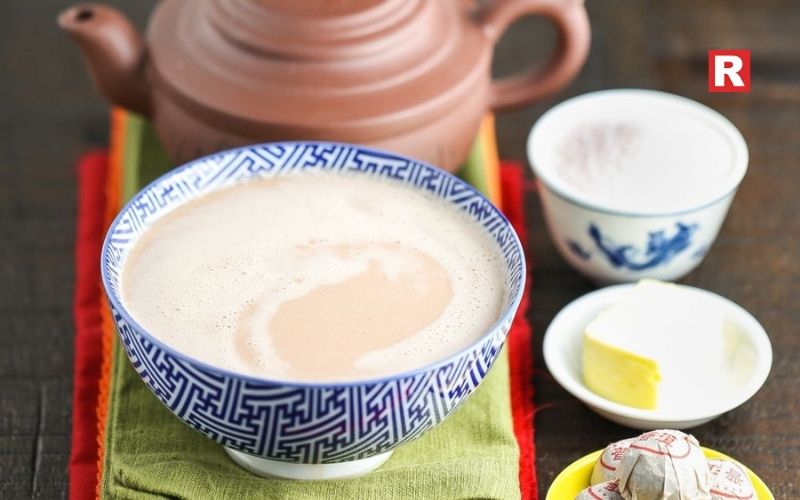
Po Cha is more than just a drink; it's a vital source of nutrients for survival in high-altitude areas.
The Unique Blend: It is a unique blend of salt, yak butter, and brick tea (boiled for hours to produce a powerful extract called chaku), all of which are churned in a wooden churn called chandong. In modern times, a food processor can be used for the churning process.
Why it's a Soul Warmer: Yak butter gives the body a huge boost in calories and fat, which is essential for insulation and long-lasting energy. In the severe weather of the area, the fat also helps avoid dry lips and cracked lips. It is a regular, calming companion that is always served hot.
Customs of Hospitality: When a guest is served Po Cha, the host regularly refills the bowl after each sip to guarantee the guest's cup is never empty as a custom of hospitality.
8. Shabta
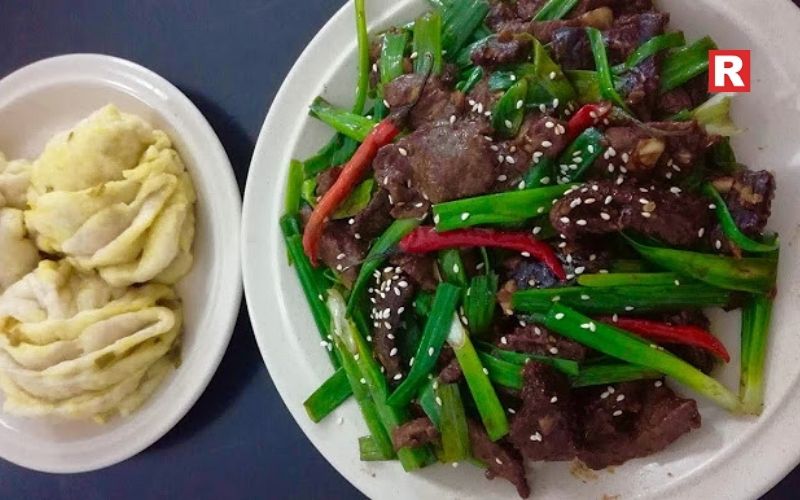
Shabta is a tasty and vibrant stir-fry that serves as a refreshing substitute for soup.
The Flavor Profile: It consists of thin marinated meat slices (yak or mutton) stir-fried with tomatoes, bell peppers, onions, and a lot of fresh green chilies.
Pairing: Tingmo's (steamed bread) bland, fluffy texture is the ideal match for Shabta's richness and spice. It's a simple yet powerful dish that showcases the Tibetan use of flavorings like garlic and ginger.
9. Tingmo
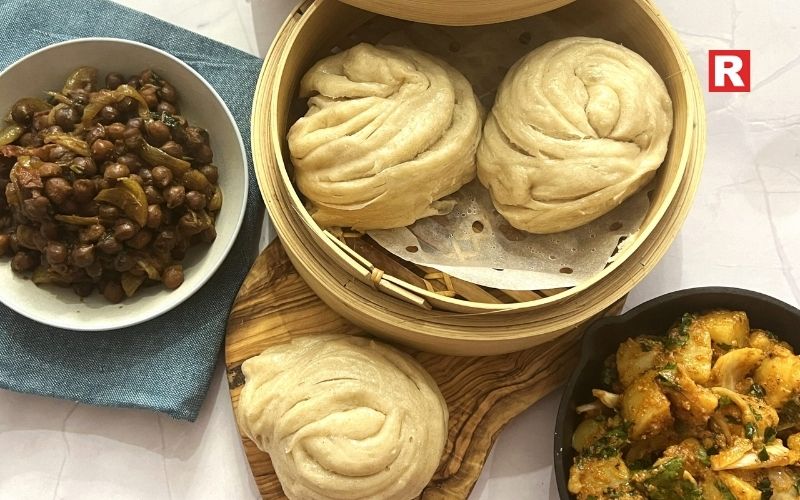
Almost all meat and curry dishes are served with Tingmo, the traditional Tibetan steamed bread.
Simplicity and Function: These are simple, yeast-based steamed buns that have been twisted into beautiful, folded shapes. They are very light and airy and have a hint of sweetness.
How It Warms the Soul: They are intended to be consumed hot, right out of the steamer. To ensure that no flavor is wasted, their fluffy texture is ideal for soaking up the leftover sauces and broths from curries, stews, and Shabta.
Check out: The 7 FSSAI-Approved Food Colors for Indian Restaurants & Caterers
Thai Food: 8 Thai Cuisine Dishes You Shouldn’t Miss
10. Khapse
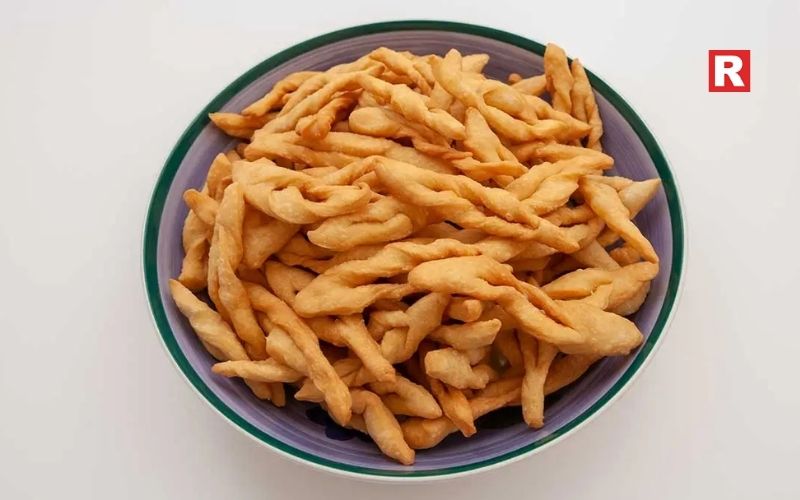
Traditionally made for celebrating the Tibetan New Year (Losar), Khapse are exquisite, elaborate cookies.
Look and Feel: Made of flour, butter, sugar, and eggs, these biscuits are twisted, ribbon-like, and deep-fried. They vary from basic ribbon twists to enormous, complicated geometric formations called Bungug (donkey ears).
Symbolism: Despite being a sugary treat, their presence represents wealth and good fortune for the upcoming year. They symbolize a time of happiness and community well-being and are widely distributed among family and friends throughout the multi-day Losar celebrations.
The Warmth of Tibetan Cuisine
The warmth found in Tibetan food, which is provided by both heat and vital nutrients, is a survival tactic against the Himalayan cold. This focus on deep, lasting warmth is reflected in its key characteristics:
- Calorie-Dense Staples: The primary food sources are made to provide long-lasting energy. In Po Cha (Butter Tea), yak butter supplies essential fats for insulation and instant warmth.
- Thick Broths: Slow-simmered bone broths (mutton or yak) are served hot in soups like Thukpa and Thenthuk, which hydrate and thaw the body from the inside out.
- Roasted barley (Tsampa): When eaten as a firm dough (Pa), this grain is easily digested and serves as a slow-burning fuel source that maintains a high level of energy in an environment with low oxygen levels.
- Steamed Dough: Steaming preserves moisture and heat in foods like tingmo and momos. They provide hearty, satisfying nourishment and are served hot and fresh.
- Simple Spice Heat: The dishes use warming aromatics like ginger, garlic, and onions in meat dishes and stews to create internal warmth, but the flavor isn't very spicy.
Learn more: 10 Best Street Foods of Mumbai, Maharashtra: Where Every Bite Tells a Story
A Taste of the Pleatues
The extensive dishes of Tibet show that it is more than just a menu; it is a philosophy of the people. It shows how food dishes can be resourceful and nutritious in a place where food is scarce. Every dish, whether it is Po Cha, Tsampa, or Shabta, is engineered to nourish and fill the people.
The plateaus, mountains, and lives of people, along with this extensive menu, will give you a taste of life that you can never find in the busy life of cities. So next time you are tired of your busy city life and want an experience to fulfill your soul, then visit Tibet. Or you can also try making these dishes in the comfort of your home. Whichever it is, you’ll definitely feel warmth from the food.
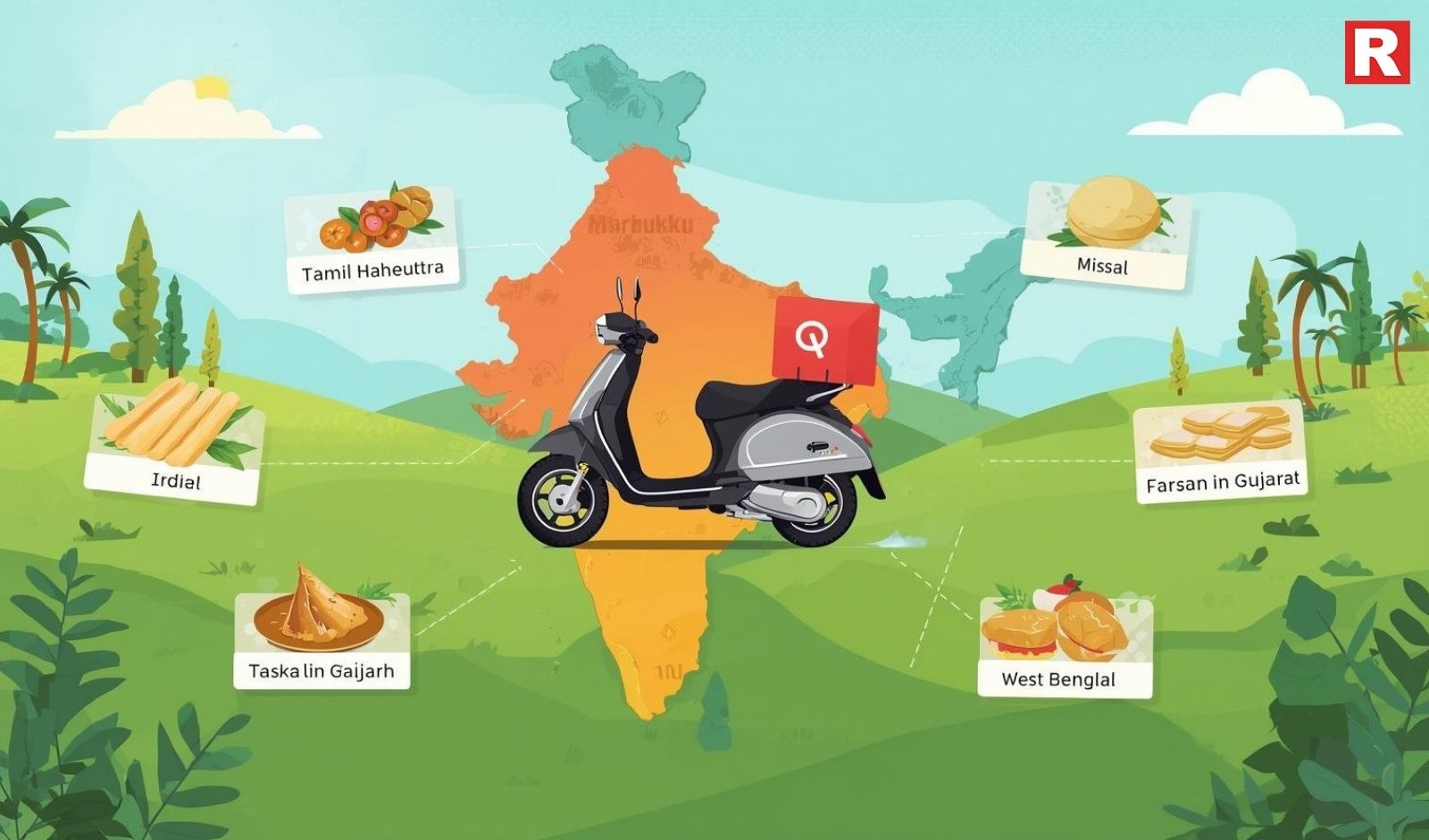
Food is emotion for everyone. For some, it’s a connection to home, family, and tradition. This is especially true when it comes to snacks. Across India, every state has its own special snacks. These are not just tasty treats—they carry memories, flavors, and culture. Now, thanks to quick commerce (Q-commerce) platforms like Swiggy Instamart, Blinkit, Zepto, and others, these regional favorites are reaching people faster than ever before.
Whether you miss the crunchy murukku from your hometown or the spicy misal that reminds you of weekend breakfasts, these snacks are helping you feel closer to home. Q-commerce platforms are making it possible to order them in minutes, even if you live in a big city far from your roots. In this article, we will explore how these regional snack stars are becoming a hit and why more people are turning to them.
Read more: Kootu Curry Recipe: Traditional Kerala-Style Curry for Your Festive Menu
Pani Puri Has Different Names in Different Indian States—Know Them All
Why Are Regional Snacks Trending on Q-Commerce?
There are many reasons why regional snacks are becoming popular on Q-commerce platforms.
- First, people are always looking for comfort food. Snacks from childhood or family gatherings offer a sense of familiarity. When you are away from home, these snacks bring back memories.
- Second, Q-commerce platforms make it very easy to order them. Earlier, you had to visit local shops or wait for family members to send them from home. Now, you can order them through your phone and get them delivered in 30 minutes or less.
- Third, many platforms are working with local vendors. They ensure that the snacks are authentic and of high quality. Some even offer homemade or artisanal versions that taste just like home-made snacks.
- Lastly, regional snacks are affordable and loved by all age groups. They are perfect for tea time, quick bites, or celebrations. This makes them a great choice for daily snacking.
Popular Regional Snacks Winning Big
Let’s take a closer look at some of the most popular snacks that are winning hearts across the country.
1. Murukku – South India’s Crispy Delight
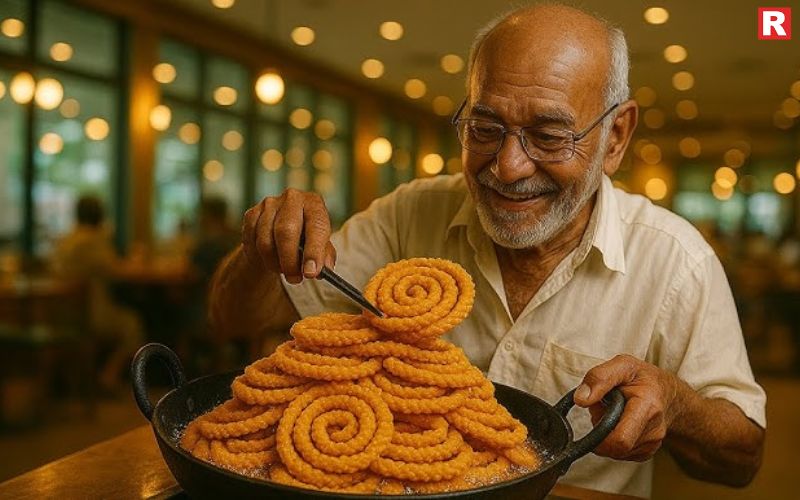
Murukku is a crunchy snack made from rice flour and spices. It is mostly enjoyed in states like Tamil Nadu, Andhra Pradesh, and Karnataka. Traditionally, people make it at home during festivals like Diwali or other family celebrations. Now, you can easily order murukku from Q-commerce platforms. Many brands offer homemade flavors that remind people of their mothers’ or grandmothers’ cooking. The snack’s light, crispy texture and savory spices make it perfect for tea time. People living in metros like Bangalore or Chennai especially order murukku when they miss the festive spirit.
2. Misal – Maharashtra’s Spicy Favorite
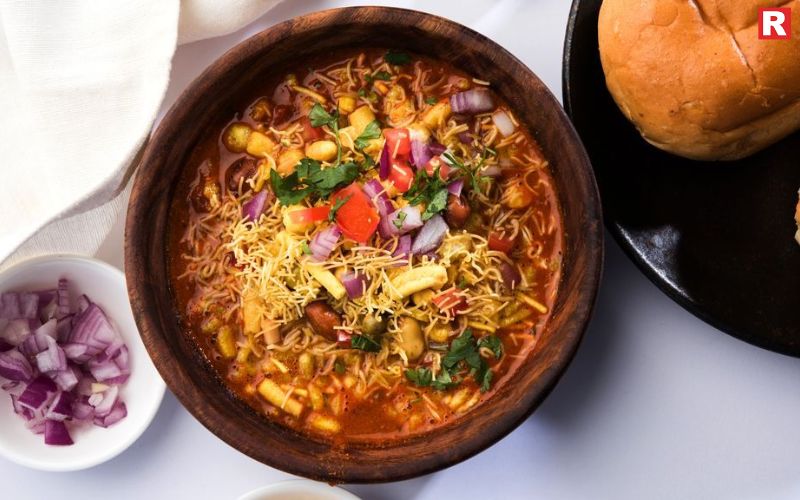
Misal is a spicy dish from Maharashtra made with sprouts, farsan, onions, and tangy gravy. It is mostly eaten as a breakfast or brunch dish. The bold flavors and heat make it a favorite among spice lovers. With Q-commerce platforms, misal is now available as ready-to-eat kits. You can order it without worrying about preparation time. Many professionals in Mumbai or Pune order misal on weekends when they want something filling and flavorful. Some platforms even offer “restaurant-style” misal that tastes just like the versions served at local stalls.
3. Bhel Puri – A Light, Tangy Treat
Bhel Puri is a popular street snack in western India, especially in Mumbai and Gujarat. It is made of puffed rice, sev, tangy chutneys, and fresh vegetables. Q-commerce platforms now sell ready-to-mix kits for bhel puri. These kits are perfect for students, young professionals, or families who want to enjoy street-style snacks at home. The crunchy and tangy flavors make it a perfect snack for movie nights or casual hangouts.
4. Chivda – A Crunchy Tea-Time Treat
Chivda is a snack loved across central and western India. It is made from flattened rice, peanuts, and curry leaves. Light and flavorful, it pairs perfectly with a cup of tea. Thanks to Q-commerce platforms, people can now order freshly made chivda anytime. It is especially popular during the rainy season when people crave warm and savory snacks. Many users share stories of how chivda reminds them of their childhood snacks.
Know more: 10 Must-Try Gujarati Dishes That Will Delight Your Taste Buds
5. Theplas and Khakhra – Gujarat’s Healthy Favorites
Theplas and khakhra are crispy and slightly spiced snacks from Gujarat. They are not only tasty but also healthy. Many people carry them for long trips or pack them in lunch boxes. Q-commerce platforms offer vacuum-sealed packs of these snacks that stay fresh for days. Health-conscious users love these options as they are made with whole grains and fewer oils. This has led to a rise in demand among urban buyers.
Why These Snacks Are Perfect for Q-Commerce
Several factors make regional snacks ideal for quick commerce.
- Convenience: They are easy to pack and ship. Most of these snacks have a longer shelf life, making them suitable for fast delivery.
- Affordability: Compared to gourmet snacks or imported treats, regional snacks are budget-friendly. They attract a wider audience.
- Nostalgia: Food is tied to memories. A snack from your hometown helps you feel connected to your roots, especially when living away from family.
- Partnerships: Many platforms are working with local artisans and small businesses. This helps preserve traditional flavors while offering users something authentic.
- Customization: Some platforms allow users to choose spice levels, packaging sizes, or combo packs, making them more appealing.
Also check: 10 Different Types of South Indian Rice Dishes
Data and Trends
The demand for regional snacks has grown steadily over the last few years. During festive seasons like Diwali and Ganesh Chaturthi, snack orders see a 30-50% rise. In metros, snack kits have become a top-selling category. In cities like Mumbai, Bangalore, and Pune, users order misal, bhel puri, and murukku the most. Startups are also collaborating with local vendors to introduce new flavors or healthier versions of these snacks.
Subscription boxes are emerging as a new trend. Customers receive a curated selection of snacks from different regions every month. This helps them explore flavors while supporting small businesses.
The Future of Regional Snacks on Q-Commerce
The snack trend is only going to grow. Experts predict that regional snacks will become a major segment in Q-commerce over the next few years. We are already seeing new trends like fusion snacks. For example, millet-based murukku or low-oil misal mixes are gaining popularity among health-conscious users.
Eco-friendly packaging is also becoming important. Many vendors now offer biodegradable packaging options, making snack delivery more sustainable. Finally, subscription boxes that offer regional snacks from across India are set to become a favorite. These boxes allow users to try new flavors while supporting local businesses.
Check more: Top 5 States With the Spiciest Food in India
Metkut Recipe: Traditional Maharashtrian Comfort Food
Why Fish Kobiraji Is a Must-Try for Every Food Lover in Kolkata
The Road Ahead
Regional snacks are more like memories of home, festivals, and family moments. Each bite carries culture and tradition. With quick commerce platforms, these snacks are now just a click away. People in big cities can enjoy murukku from the South or misal from Maharashtra in minutes. The ease of ordering has made these snacks part of daily life again. Tea-time feels complete with chivda, while bhel puri brings back the charm of street corners. More people are embracing these flavors for comfort and nostalgia. The demand is rising across metros and small towns alike. Regional snacks are not just tasty; they are a way to stay connected with roots. Quick commerce is helping people rediscover these authentic flavors anytime they want.

India is a country that hosts a mind-blowing array of cultures and so it’s no surprise that the Indian cuisine is also quite exotic. Every region, state and even district has its own tastes, methods and dishes inherited from the earlier generations. While the Chettinad curries originating from Tamil Nadu are hot and spicy, Bengali fish preparations are comparatively subtle, Awadhi Biryani is robust. With people being more explorative about the food they eat from across the globe, regional specific Indian dishes are now trending not only in the country but also internationally.
A Historical Perspective
Indians have always linked eating food with some of the delicacies such as butter chicken, biryani, and naan. However, these are just a few of the dishes that represent the tip of the culinary iceberg. For years, foreigners only got a very restricted vision of Indian cuisine which was reduced to a couple of North Indian delicacies. However, by virtue of globalization, digital media, and tourism, other regional cuisines are now slowly making their ways to the mainstream.
Indian cuisine in the past was influenced by geographic, geographical and climatic and ethnic characteristics. The incorporation of locally available resources in foods as well as preparation techniques that were invented out of constraints. For instance, coastal areas such as Kerala and goa are famous for their fish, whereas Rajasthan, an area with a hot climate, has developed delicious specialties such as pickles and dried food. These products and influences therefore shaped the diverse cuisines of every region.
The Global Indian Culinary Movement
Several factors have contributed to the rise of regional Indian cuisines on the global stage:
Globalization and Migration: Many people attribute the fact of Indian expatriates for the propagation of real regional cuisines to the international markets. Such globalization is evidenced in London, New York and Sydney where fine Konkani, Tamil, or Assamese restaurants have been established. This trend has helped the general populace around the world move on from the conventional curry house range of food.
Celebrity Chefs and Food Influencers: Probably the most famous Indian restaurant in the world – Gaggan Anand – the winner of a show cooking for immigrants, breaks prejudices with his program demonstrating the hitherto unknown Indian dishes, all fans of Vikas Khanna and Asma Khan cook unusual and exotic recipes. Television programs, vlogs, and shares have increased the push, inspiring audiences and curiosity for real regional dishes.
The Fine Dining Revolution: Indian fine dining has now changed. Today, place management in restaurants like the Indian Accent in New Delhi or Dishoom in London is about offering experiences that are reflections of India’s food regions. These have boiled class recipes from humble regional foods and presented them as mouth watering Indian meals which can be modern as well.
A Closer Look at Regional Success Stories
Several regional cuisines are making remarkable strides on the global stage:
● South Indian Cuisine: However, the food traditions of South India, which include Chettinad food, food of Kerala and Andhra are slowly and gradually coming into the global map. Except for people in southern India, ingredients such as tamarind, coconut and curry leaves, considered exotic earlier, are now exotic for their richness and diverse variations.
● Northeast Indian Cuisine: New voices are now being heard and Northeast India’s lost recipes are slowly coming back into focus. Some of the most well known exotic foods which have started tempting the international community to try them include Assam’s bamboo shoot pork and Nagaland’s smoked meats.
● Gujarati and Rajasthani Thalis: The idea of a thali, which translates to a plate of multiple foods, is getting much-needed attention in the global market. It highlights not only the kinds of tastes but the principle of ratio in a meal, as perceived in the culture.
Challenges and Opportunities
As the attention of the world turns to regional Indian food, there are issues to be addressed. Originality for the sake of popularity may be rarely achieved. For that reason, converting the original Cuban recipes for the international markets is a task that must be done carefully. Also, getting specific herbs such as kokum, black stone flower or gondhoraj lime may not be easy outside India.
However, these challenges are opportunities disguised in the following ways. Through increased interest in Indian food, adaptation has transpired all over the world. Employers are inventing how to reduce ingredients when preparing food, but still produce gourmet foods cravings. It also included a need for exporting Indian spice mix and local pantry staples to enhance demand besides supporting farmers back in India.
The Future of Indian Cuisine on the World Stage
They say the future is bright for regional Indian cuisines. Increased interest in sustainability aligns well with Indian values of farm-to-table practices and the use of locally sourced seasonal food. Similarly, the wellness movement’s focus on Ayurveda and ancient knowledge of food corresponds with the wholesome nature of Indian cuisine.
It is also equally important that educational activities that promote local gastronomic cultures are also conducted. With the help of culinary schools and food fairs, many dishes can be protected and keep alive regional cooking for the future generations.
Conclusion: More Than Just Food
The growing recognition of regional Indian foods in the international market is more than just cuisine – it is culture, history, and who we are. Every tutorial has its story, its practices, and its people. In this context regional Indian cuisines are a special platform to share those narratives in the melting pot of the globalised world.
As a milieu that seeks to take locale to the globe, India’s plate can tantalize tongues, minds, and hearts in equal measure. It is clear that as more regional cuisines take center-stage, they constitute a pleasant nudge for people to focus on the fact that the country’s greatest asset is its diversity, both in food and beyond.
Co-founder & Chief Strategy Officer, Rroshashala Dec 29, 2022 / 1 MIN READ

Globally, the ethnic food market projects to expand from $49.27 billion in 2021 to $98.06 billion in 2028 at a CAGR of 10.33%. Post-pandemic, various ethnic cuisines are witnessing a positive growth curve due to increasing market demand. Local and regional cuisines are alluring more customers, especially international migrants who reside and work away from their homelands. Ethnic food production and export in the Asia Pacific market experienced a steady rise during the last few years, with India being a market leader in promoting local delicacies.
As over 17.5 million Indian diasporas live abroad, their demand for consumption of their local cuisines catalyses the growth of the culinary sector in the country. Moreover, food tourism is mushrooming due to social media platforms and food television shows. Television programs hosting world-renowned chefs and peer food blogging on various social media channels intrigue tourists to indulge in local food and customs. 80% of millennials and Gen Z’ers research food and drink options before travelling to new destinations. As a result, local producers, restaurants, wineries, and breweries provide eclectic and authentic culinary experiences with festivals, wine tastings, and other personalised offerings.
Why should we promote the growth of local/regional cuisines?
India owns a diverse culinary culture on account of its various regional delicacies. Traditional recipes from the four corners of the country encompass Idli, Dosa, and Sambhar from the South, Kashmiri Roganjosh and MujiGaad from the North, Kulche, Dhokla, and Dal-Bati from the West, and quintessential Bengali dishes and Odia cuisines like Pakhala, Dalma, Besara, ChungdiMalai, and Gupchup from the East. The cuisines of Odia for instance, which is nestled close to the coast, comprises rich, natural flavours that emanate eternal bliss. Despite having such a diverse range of flavours, the acclaimed Odia cuisine is not so well-known across the country. The acclaimed cuisine is massively influenced by Lord Jagannath Temple's food culture and is known to be India's best kept secret culinary delicacy.Celebrity chefs promote regional signature recipes and bring forward cuisines from various states to represent the authentic tastes of India on the food menu. However, the benefits of encouraging local food growth are not only restricted to satisfying consumer appetite but the upliftment of indigenous delicacies can help sustain the country’s economy in the following ways.
Supporting the native food ecosystem
Local cuisines utilise ingredients such as vegetables, fruits, cereals, herbs, spices, and condiments native to the region. They promote the livelihood of local farmers, suppliers, and stakeholders that keep the agricultural ecosystem of the country rolling. Moreover, restaurants, street food joints, and cafes that patronise regional tastes offer premium-quality authentic local flavours to their customers. Chefs and native cooks who prepare the delicacies nurture deep knowledge about the traditional culinary culture of the state. Investing in local delicacies will keep the rich heritage and age-old recipes alive.
Boosting the local economy through culinary tourism
India’s food tourism market is currently thriving at $19,127 million and expects sales growth at a robust 20.4% CAGR by 2032. Local food is the backbone of the country’s tourism and hospitality industry, where travellers from across the land and abroad explore regional dishes at destinations. Food Walks and Culinary Residencies are evolving as trends that provide customers with a novel experience closer to home. Food research exploration is gaining momentum as the high demand for experiential delicacies propels chefs, industry professionals, and entrepreneurs to refine a food concept.
Increasing employment
The food services industry in India generated over 9.5 million jobs in 2022 despite over two million layoffs during the peak pandemic period. More than 1555 food tech startups operate across the country employing 30-40 lakh executives for doorstep food delivery. 2.3 crore unorganised local dine-in spaces involve cooks, food delivery agents, and outlet managers that mitigate unemployment in rural and remote urban areas. By 2025, the number of employees in the culinary sector projects reaching 10 million, with an average annual salary of INR 1.8-10.2 lakhs per worker.
Representing regional tastes to global gastronomists
Signature local dishes are often packaged and exported to foreign lands to meet their global demands. India’s value-added processed food products earned over $13,261 million from export in the Q2 of 2022-23. The penetration of online food services will likely double by 2025, generating a Gross Merchandise Value (GMV) of $13 billion.
Cloud kitchens that endorse local recipes are the future of India’s restaurant industry. These delivery-only virtual kitchens uphold the country’s food heritage and plate it in the most luxurious ways. They will contribute about $2 billion to India’s culinary sector by 2024, taking native street food to a global platform with a gourmet perspective. Entrepreneurs of 3500+ cloud kitchens celebrate the flavours of their respective states and present their lip-smacking food legacy to premium gastronomists. Leading market players cater to the palates of their customers and research relentlessly to bring out the best in the Indian food heritage on the platter of food lovers.
Final Thoughts
India’s food custom amalgamates innovative food concepts with traditional recipes. Such a diverse culinary culture attracts connoisseurs from remote corners of the country and captivates global audiences. An indomitable urge to explore the native delicacies of a region drives the food services industry with Food Walks, Culinary research, food tourism, and cloud kitchens. Patronising the rich food heritage of India supports local food ecosystems, generates income and employment at the grassroots level, and epitomises the country’s refined tastes in their true senses.

Truth being said, regional Indian cuisine is much more than an Amritsari kulcha or a masala dosa. India being the melting pot of cultures, offers much diversity in its food, most of them yet not popularly. But thanks to a wave of inventive chefs and restaurateurs hungry for flavours of home, the country is seeing a small but impressive wave of establishments dedicated to highlighting long-forgotten recipes from across the country. From exploring the Kashmiri Pandit cuisine to the food of East and the some never heard delicacies of Pondicherry, travellers and food dwellers too in India have started showing their inclination towards dining for a complete authentic Indian experience.
In Delhi, one eatery that has always reminded people to experience the regional culture under one roof is Cafe Lota. Cafe Lota came up with an offering that represented a pan India representation of regional cuisine. The team at Cafe Lota felt the gap and took it as a natural progression from their first eatery, Cafe Roots in Leisure Valley Park, Gurugram
Also Read: This Cloud-kitchen brand is selling nostalgia through regional beverages
“At Cafe Roots, we strived to serve a home-cooked variety of food to our patrons. Cafe Roots became an instant hit in Gurugram and gave us the confidence to fully diversify into offering regional delicacies in Cafe Lota,” Ashish Arora, Partner, Cafe Lota said in a recent interaction by adding that the response at Cafe Lota has been tremendous.
A shift in dining habits
Since western foods crawled into the Indian food arena, the market saw a marked shift in the food choices towards modern foods. Amid the commotion of myriad cuisines in the country, some restaurants have decided to stick to their roots. Notwithstanding the traditional foods being stripped of their worth, Ajam Emba in Jharkhand is doing its best to preserve the tribal or Adivasi food. With tribal regions gradually diminishing, tribal food is in the throes of extinction. This tiny eatery tucked away in the quaint lanes of Ranchi is keeping the traditional cuisine alive before it is completely lost.
The menu at Ajam Emba offers Getu Fish Curry, Desi Magur Curry, Ghonghi Tiyan Veg, Sanei Phool Bharta, Koinaar saag and many more. “Ajam Emba is a concept all about tribal culture and identity through food. It is more about that than the only cuisine. We have 900 varieties of local herbs. Oraon people eat more than 200 varieties of local animals from chickens to snails and wild rice and lentils. We are forgetting our food and loss of food also means loss of culture and identity,” Aruna Tirkey, Owner at Ajam Emba explained.
According to Arora, customers are more aware of regional cuisine now. As with all trends, once it catches the fancy of people more and more players start to enter the arena with their own versions of the model or at times just replicating an existing concept. “In the regional food space too, we see a lot many eateries across big cities and B-towns of the country now. Since Indian food will never go out of favour with Indians - We see the demand only rising further,” he added.
Similarly, when Anita de Canaga started Chez Pushpa in Pondicherry, she had a sole motive to bring forward the real cuisine of Pondicherry. Anita’s mother Pushpa cooks authentic Creole food for the guests which is an amalgamation of two nationalities, French and Tamil. The restaurant is an experience offered in a home setup, wherein guests need to book their reservations in advance so that fresh ingredients can be procured. There is no fixed menu at Chez Pushpa, in fact, Anita and her mother do not reveal the menu in advance. Only allergies and certain food preferences are taken care of.
“Pondicherry cuisine draws influence from French, Vietnamese, Cambodian, South Indian, Portuguese and Creole cuisines. In Pondicherry we have a lot of connection with these nationalities, that’s why our food is very different. The main purpose why I started was to highlight the real cuisine of Pondicherry because I realised it was not being served in any of the restaurants here,” Canaga said who strongly believed that the Pondicherry cuisine is not just about fish sauce or sambar and should not fade away with time.
A small in-house initiative that started out through a Facebook post, didn’t take much time to reach the masses. Today, many chefs have come in to meet Pushpa and take cooking lessons from her as she also hosts cooking sessions for the guests where she educates them about the cuisine and lifestyle.
May Interest: “Eating Local and Appreciating Regional Indian Food is Next Big Trend”
Hence, we can say that there is nothing more representative of a locale’s culture than what is put upon a plate. And these eateries are surely marching towards more awareness and sustainability of local culture.
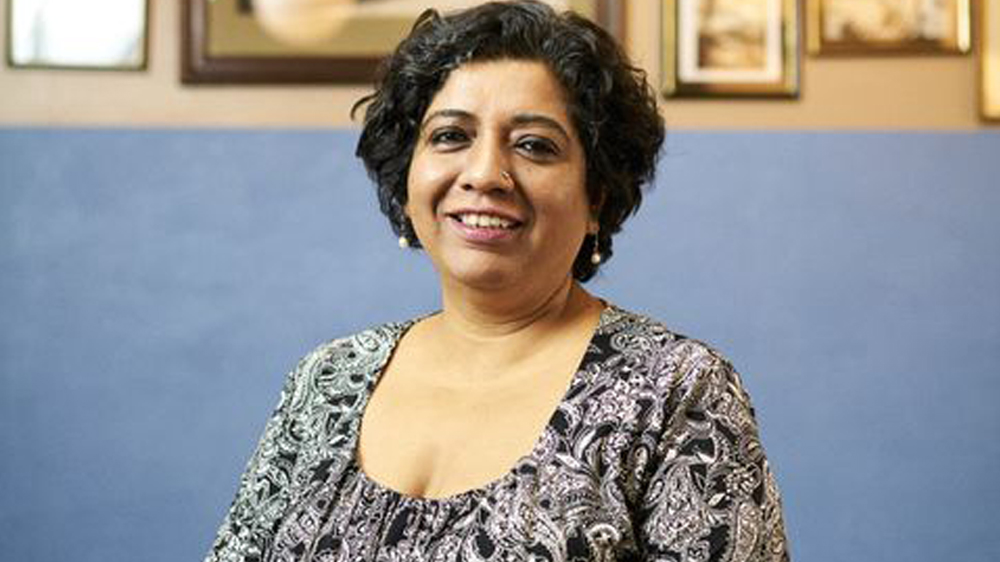
India being the largest democracy in the world has a variety of cultures and traditions. That being said, it is also evident that people around the world relate Indian cuisine largely as Butter chicken and Masala Dosa, while local tribal cuisines with dishes such as Red Ant Chutney called Chapura in Chhattisgarh or Hornet Stew in Nagaland are not being heard. At the sidelines of the Indian Hospitality Expo 2019, Chef Asma Khan spoke about the bias regarding Indian cuisines and how it’s time to recognise and celebrate it.
Edited Excerpts:
Do you think that local and tribal cuisine will be the next big things in this culinary world?
Absolutely, it is long overdue. I think it is to do with the bias of the majority against the minority, which means that often together with the bias, the cuisine has been dismissed like a jungle. I think it’s about time that people understand the varied cuisines that India represents. Also, it is an opportunity to understand people through their food; it is actually about how you respect people, who are the same as you but may have different habitats, environment, religion, and language.
Now everyone in the west (as my restaurant, Darjeeling Express is based in London) is talking about sustainability and this is what travel food has done for centuries. They get their food in a sustainable way; they actually honor the soil on which they work. And you know we can actually learn from them. It’s about time they came on stage and got their voices heard. All of us who can cook can learn from this whole tradition because the west is harking on it and creating this whole idea whereas the tribal traditions actually have been doing it all along.
What are the cuisines which are not being revisited and revived?
I think the cuisine in the Northeast. I grew up in Bengal and I know that the Northeast definitely has been being ignored. And also the pahari food has its kind of richness with different kinds of herbs, ragi roti, all of these things which are very unique and interesting. Most of the people don’t know what a ragi roti is. And I think we will all be enriched by this exposure to food of the hills. Basically the food in Himachal Pradesh, Uttarakhand, and the Northeast region have largely been ignored.
It is a very sad indication of our biases that those who are considered to be richer in their cooking style, such as using a lot of ghee, butter and cream, are seen as a very advanced and rich cuisine and I absolutely fundamentally disagree with that. I think the cuisines where there is a huge honor to the ingredients, soil, seasons, and rituals are rich. Food is sacred for us and the regions where food beautifully represents our festivals, seasons, death marriages are very rich food cultures. However, the media has been portraying Indian food mostly as the microscopically small North Indian cuisine. We are really lost out and it’s time to catch up and celebrate these regional cuisines.
What are the culinary trends you have observed?
I see trends like sustainability, seasonality, using local ingredients, trying to cut down the waste, not flying down ingredients and reducing carbon footprints. I am seeing kind of more responsibility in growing and cooking the food.
What is your comfort food?
My home cooked food only. I still love biryani the most.

Executive Chef at The Lalit, Chandigarh, Nandita Karan wanted to take up a ‘glamorous job’ but she says her love for food led her to the ‘world of cooking’. Chef Nandita has been associated with the Food and Beverage industry for past 16 years.
In a tete-a-tete with Restaurant India, Chef Nandita Karan speaks how chefs can help contribute towards the development of the restaurant industry in India and how she abides by the back-to-roots concept.
Love for Cooking and Eating Shaped My Career as a Chef
It’s been 16 years in the industry. I’d studied from IHM Patna. Though I was a foodie from the beginning, I didn’t know I’ll turn in to a chef one day. It all happened suddenly. I had always wanted a very glamorous job like front office, wearing saree, and standing at reception; that used to fascinate me but simultaneously I loved cooking, eating and trying out new food. When I went for my first interview, I got an inferiority complex that I am not beautiful, and don’t stand anywhere as compared to other IHM girls - they were very well maintained. And at that time I just cut out the idea of front-office and went for the food production; the decision changed my life.
I gave my food trials at The Oberoi Rajvilas, the first hotel where I worked and got selected from among 200 people. And then the journey as a chef started. I had also worked with Grand Hyatt Mumbai, Hilton in London and Chef Jamie Oliver. And, then, I joined The Lalit, Chandigarh, as an Executive Chef.
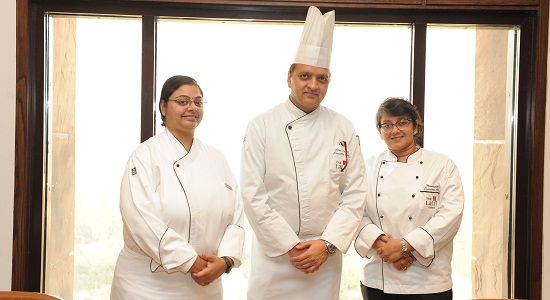
"I am basically, a continental chef. But if you talk about the personal choice and come to dine in with me, I’ll treat you with the home-style cooked food."
~ Executive Chef at The Lalit, Chandigarh, Nandita Karan
Restaurant Industry in India Is Different From That Of Countries Abroad
In outside countries, the restaurants are much advanced. Even they have a lot of freedom to do different things they are doing very well as compared to India. The restaurant industry in India is not as developed as the businesses abroad. If there are good restaurants in India, they are somehow associated with hotels, most of the time.
Many chefs are now taking the lead and coming up with their own businesses in India. If you compare the scenario from the outside countries, they are more into the restaurant business and are not attached to any hotels.
Also Read: This Restaurant Is The First To Appoint An All-Women Service Staff In India
Back-To-Roots Concept
My approach is not much of modern. I love my roots and traditional foods. The concept of organic food, from farms to table came into my mind while working with Chef Jamie Oliver. We used to have our own kitchen garden at the Jamie Oliver restaurant. And we had tie-ups with local farmers who used to supply us vegetables and other materials. When I came to India, I found the tradition which was earlier in the country was a much better concept.
Though we are heading towards fast food, modernization is there; people are eating chemically-treated food which just lasts for a smaller time. In the long run, traditional and back-to-root cuisines are good enough. I love all those foods which my mother or grandmother would have cooked; that’s healthy, nutritious, not very fatty and are good options.
‘We Should Promote Our Regional Cuisines’

People are introducing modernizing food, fusion food is there, a lot of Mexican, Spanish cuisines, yet they are still not taking up the back-to-basics menu at their restaurants. We should promote our regional cuisines. There are a lot of region-based cuisines in India which are not yet known by many people in the country itself. So, chefs should come up with our regional cuisines also rather than copying from other cultures. We should promote our food.
Advice to Chefpreneurs
If you really love food and have creativity within, start your own options or your own restaurant business. Serve good food to the people. Do whatever is in your heart. Don’t go with somebody who is teaching you to go in a particular way or choose something which you may or may not like. Start your own things.
Click To Read: Only 10% Of The Produce Is Utilised In India. Harsimrat Kaur Badal Tells How To Curb Food Wastage
Approach Towards Zero Wastage Food
My grandmother would teach me about zero wastage food, and that was 30 years back. I am promoting such dishes only. Seeing the condition in our country where a lot of people sleep hungry, everyone should come up and promote zero wastage food, and also use all those organic food.
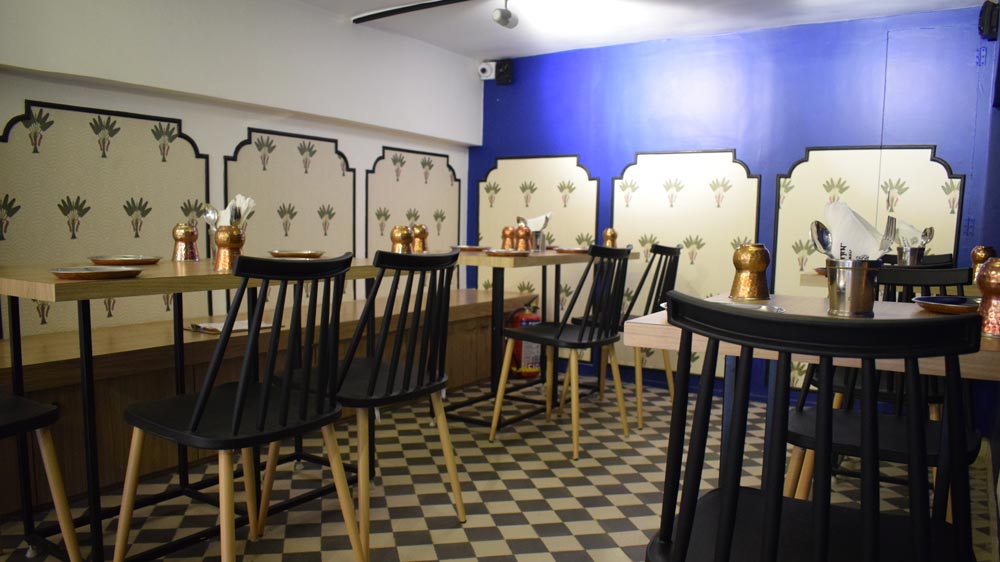
Umraan Regional is a regional Indian quick service restaurant brand under the portfolio of Yellow Tie Hospitality. This unique restaurant concept was based out of the love for regional food that the curator developed from his travels to Leh, Jodhpur, Kolkata to Southern regions during his trips.
Umraan Regional offers its guests a gastronomical journey to represent India’s varied culture and diversity. Umraan brings to the table the most authentic dishes, with flavours characteristic to different regions across India. To recreate the mom-made regional dishes to perfection, traditional cooking styles are implemented and each dish is infused with home grown spices and herbs.
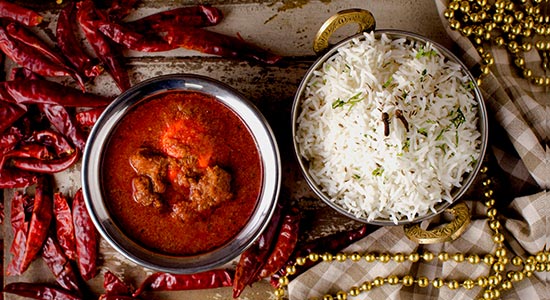
Similar to the menu, the restaurant has been given a touch of Indian regional elements. The restaurant is designed to give the space a touch of ethnic Indian elements and contemporary details to bring in a classier yet traditional feel.
As soon as you step in to Umraan Regional, you will see elements from different regions of India on the glass door. The restaurant has outdoor seating with has been converted into a garden with glass table tops & premium fibre chairs in orange & black. The outdoor & indoor section of the restaurant is divided through a see-through glass wall. The restaurant has a ceiling-to-floor glass panel overlooking the outdoor seating. This allows room for ample of natural light to come into the restaurant. The glass wall has small earthen pots with fresh plants to give a refreshing look & feel to the place.
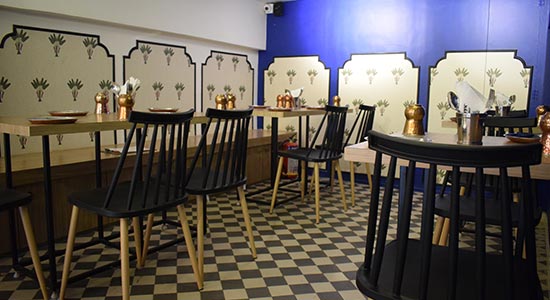
As you move inside, the door handle of the restaurant is done up with intricate wooden work sourced from Rajasthan. The interiors are done up with a pop of two colours- Orange, which is the original colour used for Umraan logo and a vibrant Blue.The entire decor has been done with hints of blues and orange along with delicate wooden details making the space look vibrant and traditional yet minimal.These colours are off-set by a monochrome wall with some traditional minimal moulding details and orange outlined figures depicting different people from different regions of India.
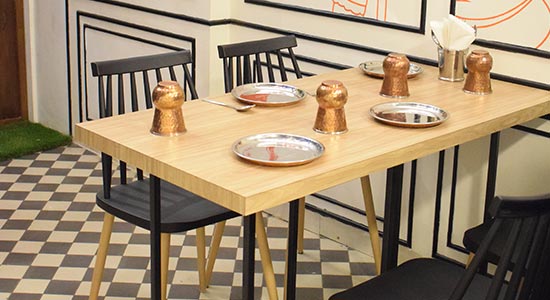
The side walls are done up in off-white shade and demarcated into sectionals which have been painted with regional Indian figurines depicting the theme & concept of the restaurant. The seating is simple yet contemporary. Each table is done up in delicate yet sturdy wooden design and the chairs are hand painted in black to add a little colour to the otherwise hues of orange & blue. The back section serves as the billing desk and also has an Indian map enlisting regional delicacies from different parts of the country.
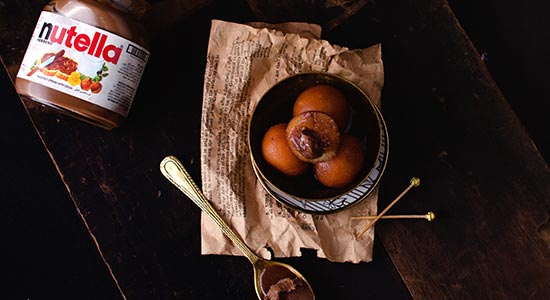
The restaurant has a duplex seating available indoors. There is a stairway leading up to this top section of the restaurant which serves as a larger space for guests coming in bigger groups. The walls upstairs are adorned by beautiful wallpaper in shades of off-white & black Indian prints summing up the monochrome look.
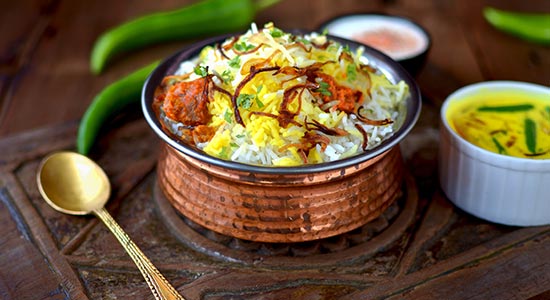
Umraan Regional serves regional Indian cuisine and we wanted the restaurant to ‘look the part’ in an elegant way. To know more about Umraan Regional, visit www.umraanregional.com

There has been a plethora of new concepts and food joints flooding the Indian market in the recent past. Customers are really evolving and are excited about all the new deeds happening in the industry. The food industry which is currently valued at US$ 39.71 billion is expected to grow at a CAGR of 11 per cent to US$ 65.4 billion by 2018.
Coming Back To The Regional Taste
People have realised that identifying specific needs and wants of the particular market segment makes the business more successful. Changing market trends in recent times have made sure businesses carve out a niche and then thrive on it. “Restaurateurs have understood that meeting customers’ requirements is the need of the hour. From the humble vada pav to sushi- sashimi and then again back to the vada pav everything has changed, people are coming back to the regional taste. That has given way to successful start-ups in the food and beverage industry,” says Chef Vibhuti Bane, Corporate Chef at Delightful Foods Pvt. Ltd. It also keeps the Indian food industry to offer the rich Indian cuisine to the international scene.
There has been an influx of more and more international food chains. Also, ingredients that were available only to the food industry are now widely available in super stores and thereby more and more people are getting exposed to a variety of food options. But people are coming back to their taste and started liking local and regional taste more than the global cuisines.
“Being an Indian I know seven items from Mexico, 11 from Italy, 13 from Lebanon but if you ask me for an item from Meghalaya, I will look at you as you have spoken a foreign language. The idea that I have gone to this pursuit in food sector was to expose the rich Indian cuisine to trace our own roots. That is why I bring Indian food to Indian people in their homes,” says Nishek Jain, Founder at 29.
Acceptance Of Local Cuisines
The Indian food market has grown over the past few years and will continue to do so at a rapid pace over the next few years due to the boom in consumer spending power, brand innovation and greater acceptance of local cuisines through internet and travel. For sure, market segment changes and people follow the trend like anything but at the end of the day; they can never forget the food which is served at their home. Trends will come and go but regional cuisine will always stay. It is a staple from which people can never get bored of.
The epicenter of dining today for guests is its ultimate taste for which they could crave and return back. People are gradually getting bored of technical beautification around food instead they prefer eating authentic to get that real flavor. Simple garnishing is more impressive to them now rather than gastronomic garnishing. Year 2017 will see a drastic change in F&B industry by shifting the focus to traditional Indian cuisine and gastronomy.
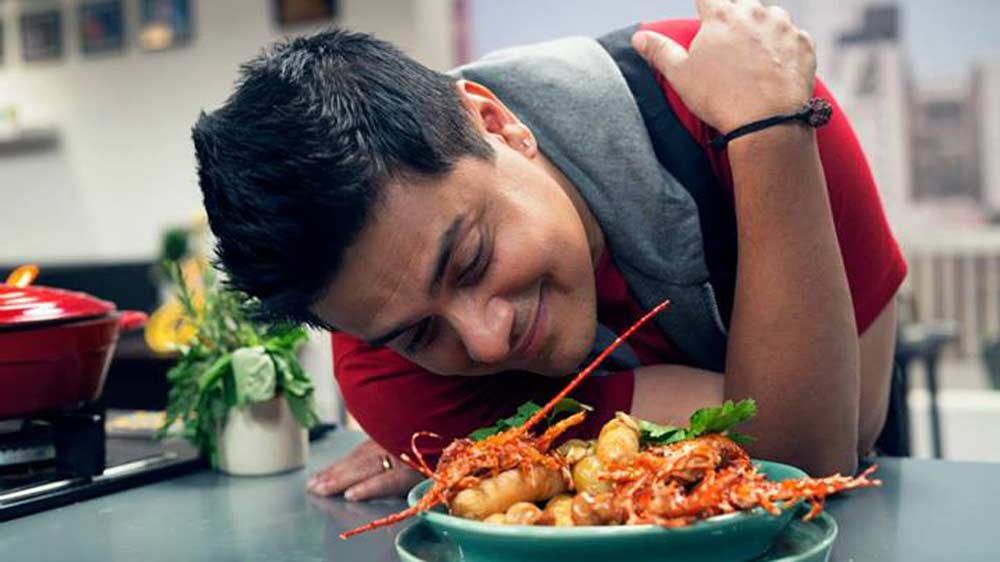
About 4 years back Chefs Saby’s father Mr. Sakti Gorai a literary scholar and an avid researcher published a book called the 200 years of the Coal mining history. One day as Saby was reluctantly flipping through the pages of his book, his eyes caught a picture of grave and an engraving on it. Suddenly his mind started racing, memory flashed and he went back to his earlier memories to Asansol a small town in West Bengal which was then home to Armenian culture in India. In the last two years he read and researched lot about the Armenian, its culture and food. ‘Lavaash (the bread)’is the result of his constant research. Not only this, Lavaash has found a permanent spot in the UNESCO's intangible cultural heritage list (incidentally the only food item to make it to the list from around the world). A word that goes so deep, not just into the food history of the world, but also the culture that Armenia gave to the rest of the world. Till date we are baking Lavaash at Kashmir in traditional Tonir's after so many centuries. It is my small effort to tell a story as beautiful and age old as Armenia, rather Armenian's in West Bengal.
How was the idea born?
It was not an idea it was something that my father was always researching. It’s very long story from the time. It’s part of my life story where I have grown. The colonies and all were Armenian and that’s probably the connection. My father did a book of 500-600 pages talking about Armenian settlement so the idea came from there. Post there was too much of information and research.
How much time did it took to open the restaurant?
For the food concept we researched over a year but this story is part of my life since I was born. Asansol being part of Armenian culture, lots of my teachers were Armenian; lots of people living there were Armenian. Till 60s, 70s they were living in the region but slowly they started migrating to Australia and other such countries as they felt it was more nice to them to live.
What made you do an Armenian restaurant?
I thought let’s do something interesting, after Olive and Soda BottleOpenerwala I was trying to do something which was very close to my heart and story. I have been cooking, Europena, Italian, French, Japanese food but this seem very close to my heart and is also not done before. That’s why I took it as a subject.
Who has designed the menu? Who are other members who have contributed to make your restaurant a successful restaurant?
The menu is completely designed by me. Chef Megha who has done tremendous amount of research for the recipes, fact finding, measurement actually cooking them and maintaining the standards, running the kitchen and she is pretty much a face of Lavaash. Also, 100 per cent credit should be given to Viplov Singh and Svabhu Kohli for making my dream into a reality a beautifully designing the store. Due credit should go to Chef Megha for her deep research in this subject and putting the recipes together, and my sister Sarbani for her continous support and for the deft Bengali touches in the kitchen wherever desired.
As its been over a year now, how has been the journey so far?
The journey has been good; we are getting rave reviews from both critics and food connoisseurs. We have been covered in NDTVs top 10 restaurants in India, we got featured in Conde Nast’s list and I think there were only two restaurants in Delhi that got featured in the list. There were ample feedback about understanding of the cuisine or may be not ordering the right thing or service taking time.
What’s the average footfall at your restaurants?
It’s been very low in last two months. Lavaash is a 38 seater restaurants- we are doing 150 over the weekend and about 50-60 on week days. Last two months we have to close the terrace because the restaurants is divided into 20-18 seats that is on terrace and balcony.
How have you included the design part of the Armenian culture in your restaurant, menu?
We started the Armenian history very well. We realised that Peacock is their national bird, pomegranate is their national fruit. So, from logo to restaurant design you will see Peacock in it. If you see Lavaash it is made by combination of 8 peacocks. The doors are painted with pomegranate trees. We use Armenian and Iranian tiles on the wall.
From where did you supplying the raw materials?
We are supplying the entire raw materials from Kolkata and Asanasol. We use cherakota tiles. We are supplying the mud from Sunder ban. Everything is made with the Armenian history and which is originating from Kolkata. Our story is not Armenia in Armenia rather it is Armenia in India. They came to India 400 years back and then whatever happened in life.
Are you also buying things from other markets?
I have stopped buying anything exported; I am trying to buy indigenous products. I am part of the slow food council so I am trying to follow slow food and create that based on local ingredients.
How do you market your restaurant?
I believe that restaurants sell because of word of mouth.
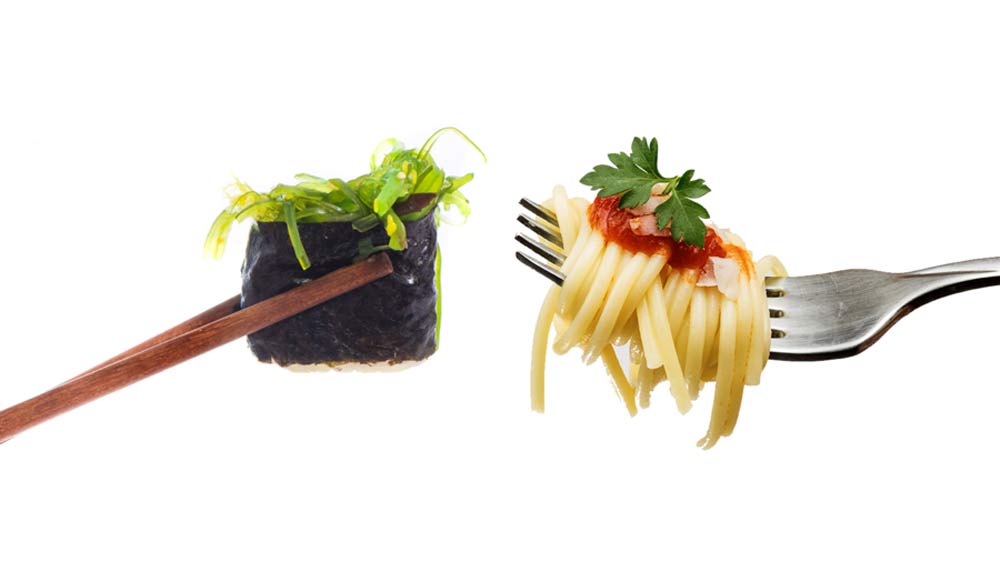
Just when it looks like the world is conquering Indian food market, we are witnessing the emergence of more local brands, chefs travelling outskirts to find new recipes and brands, adopting the roots to promote the unconquered and unexplored Indian menus.
Besides, Indian food has multiple varieties; People need to understand that there are more that they need to explore other than North Indian food, which is much hyped at global levels. And, experts believe a little tweaking or a fusion can help regional recipes rock the global platter. And, this is true Chefs Like Gaggan Anand who is rocking Bangkok with his progressive Indian cuisine, Atul Kochhar's modern take on Indian cuisine has curried a huge favour in England: he launched Benares in 2003 in London, followed by Ananda in Ireland and Vatika in Southhampton, Vineet Bhatia is building an Indian ‘Rasoi’ in London, Sanjeev Kapoor is storming Punjabi foods in global diaspora through his shows and restaurants, Hari Nayak is popularising India with his take on modern Indian food and simplified cooking styles and Vikas Khanna has done it all with his ‘Junoon’.
The cross culture mash up
Indian food has come a long way from cross culinary mergers like Wasabi and tuna to fusion of Indian foods with a global twist. Today, restaurants and chefs are infusing desi flavours with a global tadka. And, the culinary blends of culture are more popular these days than those of Japanese, Chinese and Italian emergence. Ranveer Brar, who is looking after culinary at MTV FLYP has some of the great fusions to play with. Some normal dishes with a fusion includes achari salmon nigri which is a blend of salmon cured with achar paste, nigri open sushi, maki nooro wrapped sushi amongst others. Similarly, Chef Sabyasachi Gorai has opened his restaurant which is a take on Armenian cuisine with Bengali influence all credit to Gorai’s roots in Asansol, a place in West Bengal.
Eating is more than just Food... its Entertainment
“Many people are doing molecular gastronomy around food. But, entertainment along with food has picked up pace. People today like to see a lot of Tamasha happening. The gastro pub culture is also on rise,” shared Saransh Goila the young chef who has recently launched Goila Butter Chicken joints in Mumbai, giving butter chicken an all new identity.
It is not only better food, but an everlasting experience is what people are hunting for. And, that is the reason new restaurants with some drama around food and entertainment are rocking Indian food market. To everyone’s amazement, these restaurants are attracting more guest than those who are known for their culinary delights.
“We are blessed to also have brewery. Our 50 percent revenue of total sales is dependent on business we do post 8 our cafes.” shared Vivek Bhargava and Varun Puri of Molecule which is one of the top performing restro-bars in Gurgaon.
We can say that today’s customer are more varied and experienced when it comes to exploring delight. Hence, they are not only choosing good food, but an overall experience which gives them a value for money satisfaction.
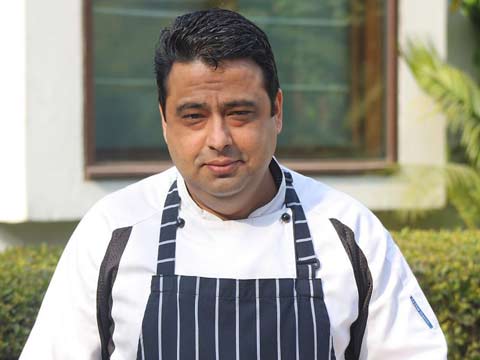
Chef Manish Mehrotra has around 18-20 years of experience as a chef. Starting from his college days in Mumbai, he then worked with Taj Group of Hotels there, and later joined ‘Old World Hospitality’ 15 years ago. He worked in London for four years with this company and has travelled all around the world. Today, he is associated with ‘Indian Accent’.
Indian Accent has been awarded best restaurant for years. What is the hidden reason behind this success?
Training, training and training is what I focus at my restaurant. Second important thing is maintaining consistency in the food that we serve at our restaurant. And coming up with something new all the time are few reasons for the success of Indian Accent.
You are known for introducing modern Indian Food. What made you to introduce something new to the Indian plate?
India is now a global country, people from all over the world come to India and everything in the country is on its progressive path. Food was the only thing where we were stuck and people used to think that Indians only eat curry-based food with thick gravy, ghee, or creamy and heavy foods, which was not true. And it came as a major source of inspiration for me that I have to do something with Indian ‘khana’ that everybody appreciates and can relate to it.
How do you maintain the authenticity of the food still playing with the original flavours?
Authenticity is a very subjective word and when you prepare food, similar dishes can be prepared in many ways, and it becomes really difficult to describe what authenticity of food is. At my restaurants, I never compromise on taste of the food. So, according to me, taste is the most important thing and after that you can do anything with the dish.
How is the pricing done at your restaurant?
Food, plus the hard work behind preparing the food, is how we decide on pricing the food.
What is your view on change in the eating habits?
India has developed a lot in last five years. Consumers’ palate has become more adventurous and evolved and they are ready to try new. And are ready to pay money for good food.
What is the current food trend in India?
India is witnessing lots of changes when it comes to food trend. Molecular gastronomy is becoming popular, regional cuisine is taking a new avatar and modern Indian food is replacing the traditional menu.
We see that chefs in India are promoting regional cuisines these days. What is the reason?
Regional cuisines need to be promoted because till now food in India has become typical Punjabi food and it has dominated the Indian food. Everybody in India and outside India thinks that it is the only Indian cuisine, but that is not true. We have different types of foods which are delicious. There is a vast range of food from Kerala, Tamil Nadu, Karnataka, Bengal, Gujarat, and Kashmir, but people don’t know about it. So, this is the reason we as a chef want to promote regional food and regional cuisine.
What are you doing to promote Bihari cuisine?
I have included ‘Sattu Paratha’ in my recipe. People do not know much about Bihari cuisine and for them ‘Litti-Chokha’ is the only Bihari food. Bihari food is not known as regional cuisine rather it is known as community food as Brahaman food will be different from that of a Kayasth food in the region. Bihari food has different varieties including Khaja, Tilkut, Layi, Anarsa, kaddu k patte ka pakoda and the list goes on.
What is your biggest achievement so far?
The biggest achievement is ‘Indian Accent’ which is now number 1 restaurant in India, making Indian food global.
Are you planning to open a restaurant of your own?
No, I am not planning to open a restaurant rather am focusing on taking Indian Accent to international market, as well as opening more stores in India.
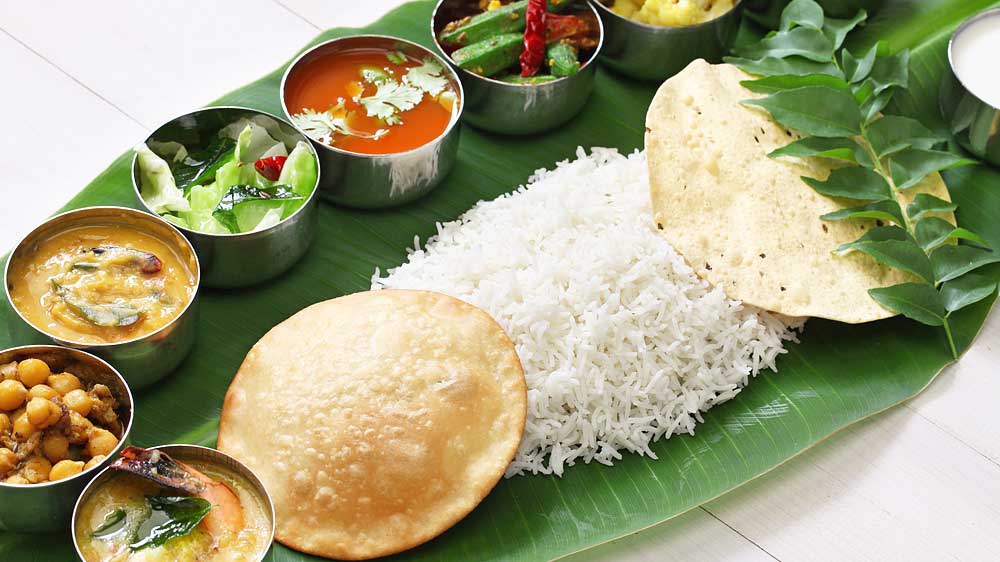
India is a country which has welcomed all different varieties of cuisines in its systems. Similarly, Indian food includes food from all the regions North, East, South and West with their unique styles of cooking. But the South Indian cuisine is known today for its light, low calorie and tempting dishes.
The cuisine is famous for dosas, vadas, idlis and uttapams with Sambhar- the usual combination of these items. The South Indian dishes consist of sambhar, rasam, vegetable curry and pachadi (yogurt). “It is a food that most people have had before and enjoy; the taste is authentic and has a home feel to it. This is what keeps customers asking for more. When we offer catering services, our options are more varied and include more options from all the states of the South and the cuisine which we serve is vegetarian south Indian” said Jyoti Ganapathi, Founder & CEO at Dosa Inc.
Rise of the South Indian Cuisine
South Indian cuisine consists of the cuisine of four states i.e. Andhra Pradesh, Karnataka, Kerala and Tamil Nadu. On the same note Rohini Gauthaman, Co Founder, Smoky Chettinad says, “The four states in South Indian are totally unique in their own ways- Andhra, its cuisine is known for red chilly hotness in most of its food. Kannadigas are milder and prefers a konkan flavour, the keralites love their coconut flavoured curries and the Tamilians love a mix of spicy veg and non veg dishes finishing it off by curd rice.”
Andhra Pradesh is known for its Hyderabadi cuisine which is greatly inspired by the Mughlai cuisine. Kerala culture has also contributed a lot in the south India cuisine; Appam and stew, ulli theeyal and banana chips are the common ones.
The Chettinad cuisine of Tamil Nadu has a worldwide following cross the boundaries. Generally the dishes are hot and pungent with fresh ground masalas and the typical menu resembles the aristocratic way of the Chettinad people.
“Chettiand cuisine has lot of benefits and flavours; it is spicy, aromatic and zesty cuisine. Even the spices which are used are not from red chilli. In Tamil Nadu, most of the people prefer to have Dosa and Idli with non veg curries and the usual Sambar, chutney combination .Thus making it quite popular in Tamil Nadu” shared Rohini Gauthaman.
Rice is main ingredient in all the South foods, for instance lemon rice, coconut rice, carrot rice and fried rice made by using coconut, curry leaves, urad dal, tamarind, peanuts, chilies and fenugreek seeds. South Indian chutneys are also liked by people. The main ingredients for preparing these chutneys are coconut, peanuts, dal, tamarind, fenugreek seeds and cilantro.
What makes it unique
The major difference is between North and South Indian food as the latter is totally opposite to former. The cuisine of South India is hotter than the North Indian cuisine. South Indians do not use of Garam Masala or any other dried spices but, turmeric, black pepper and cardamom are exceptions.
South India cuisine is a perfect blend of flavour, colour and taste and also takes care of the nutritional balance. Even, the visual appeal of the South Indian dishes is quite appealing from North Indian food. In beverages, coconut water, coffee is popular in South India. South Indians like to have coffee after having their meals.
While North India cuisine is broadly characterized by meats and vegetables cooked in the tandoor i.e. coal fired barbecue, use of cream in dals and yogurt in marinades. Whereas South India food is characterized by dishes cooked on the griddle such as dosas, thin broth like dals called sambar and an array of seafood.
South Indian dishes are not just delicious but also very easily digestible as the South Indians do not use much oil in cooking their meals. So, “It’s a good ‘healthy’ differentiator, liked across the country and can be served at great value. In addition to this, it is easily digestible and light on the stomach”, pointed Murali Parna CEO at Sagar Ratna Restaurants Pvt Ltd.
So, South Indian food is healthy and gluten free unlike other Indian cuisine. But at the same time it is said that it is good for breakfast.
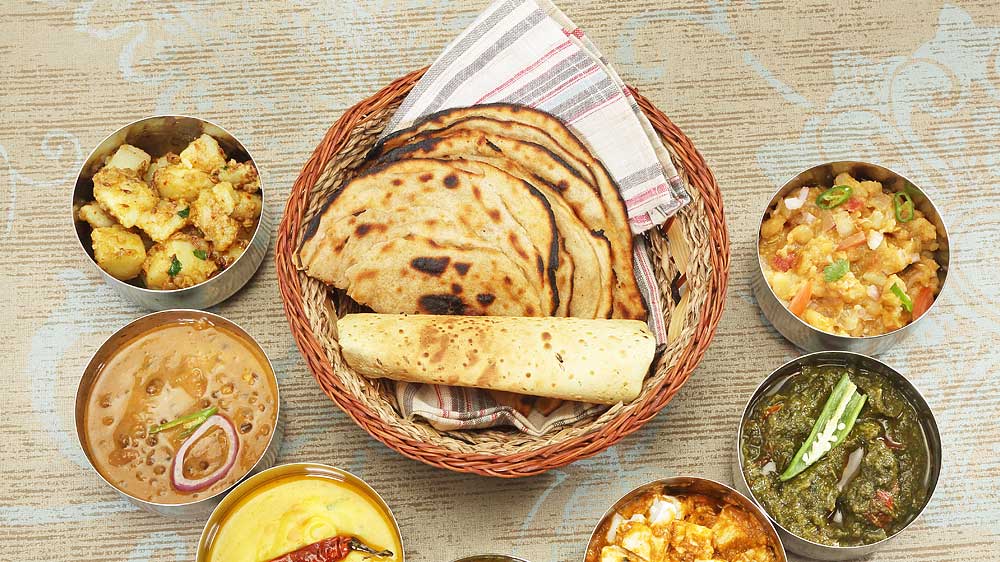
The Indian cuisine is much loved for its dose of spices and unique vegetables. Just like Indian culture, Indian food gets diverse with changing demography and geography.
What make Indian food so novel and delicious are the different flavours that are used in cooking. Indian food even has an amazing influence across the world especially in Southeast Asia. According to a report by independent.co.uk, in a new analysis of more than 2,000 popular recipes, data scientists discovered the key reason why Indian food tastes so unique is it does something radical with flavours, something very different from what people tend to do in the United States and the rest of Western culture. And it does it at the molecular level. Though the chefs in other countries make a dish with ingredients, Indian chefs play around and mix different flavours to make a dish.
On the same note Chef Michael Swamy, Celebrity Chef and Author said, “Food shifting is an art and making it represent beautifully as broad as Indian cuisine is making it a global cuisine. We have to take it to a higher level and the only way we can do it is by presentation or playing with the flavours.”
In 2013, a nifty chart shared by Scientific American shows which foods share the most flavour compounds with others and which food pairings have the most flavour compounds in common. Though the Indian cuisine mainly consists of rice, atta and a variety of pulses, oil is the most important ingredient of Indian curries like groundnut oil; Mustard oil is more commonly used, and in South India, coconut oil and Gingelly Oil is common. Spices which are used in Indian cuisine are chilli pepper, black mustard seed (rai), cumin (jeera), turmeric (haldi, manjal), fenugreek (methi), asafoetida (hing, perungayam), ginger (adrak, inji), coriander and garlic (lassan, poondu) and Garam Masala. Indian recipes contain cayenne which is used as the basic for curry powder.
“I was not aware of the type of ingredients that we have in our country until I visited South India and found that there are many ingredients which are still unidentified,” shared Chef Vicky Ratnani, F&B Director, F&B Asia Ventures.
Adding on the same lines, Chef Sabyasachi Gorai, Celebrity Chef and Mentor Fabrica by Saby said, “French technique can give us learnings and what we have in this country; if you put this together we have already a combination that I feel can be regional mother recipes and recipes of international trends.”
As food styling is a natural culmination of good cooking skills, one has to create a dish that seduces the taste buds. It is a fine art and one should also be knowledgeable about how to cook, and should know how food behaves as aesthetically and scientifically. Visual appetising is a thing which has become a necessity even in local eateries.
The latest food trends include European Foods like Mac & Cheese, Cream of Tomato Soup, Spaghetti Bolognese, Grilled Cheese Toast or Chicken Kiev. India is known as the wealth of regional cuisines and ingredients. There are also a majority of home cooks who mainly specialise in desserts, but now they have added biryani, chaat, pasta, cupcakes, kebabs etc to their skills. The demand for local restaurants too is becoming significant in many residential areas. Technology is also getting smarter and useful. It is creating tools to help restaurants build, analyse and be more efficient for their businesses. There are multiple point of sale (POS) related software in the market, that allow to evaluate everything from the generic customer demographics, loyalty programs and contact details to more specific stats. Hence, Indian cuisine is cherished globally.
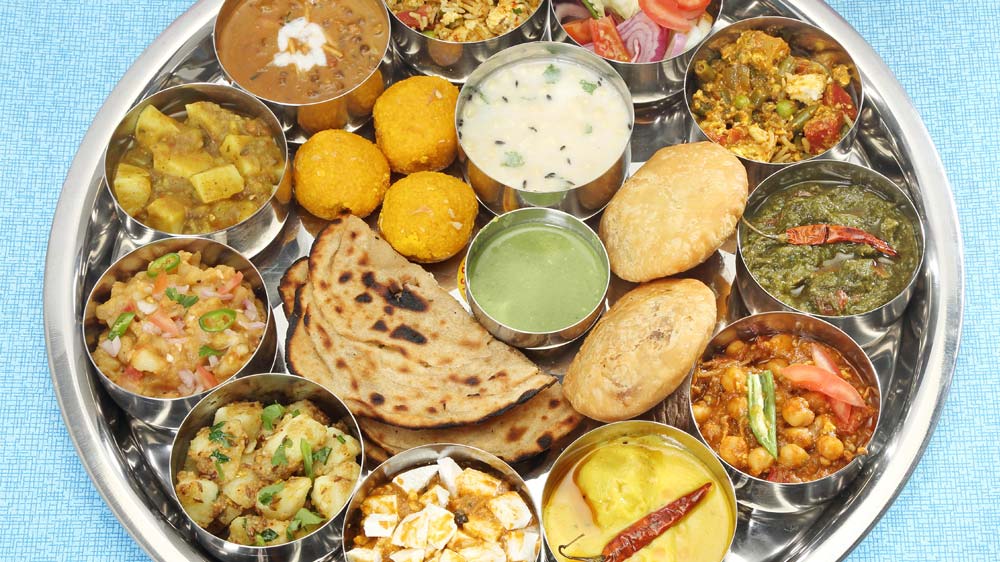
Year 2014 saw lots of global cuisines and brands entering India that tweaked and reinvented their menu and cuisine to suit the Indian palate. But what is awaiting us this year is totally amazing, as experts and experienced chefs in the industry are working on ‘bringing back the regional Indian cuisine’ in its original form.
“Food has to change with time, and the efficiency in food is the need of the hour with some regional tweaks and global parameters,” shared Masterchef Sanjeev Kapoor, Restaurateur and Celebrity Chef, SK Brands. Adding on, he said, “The effort to return ratio is not very exciting in food business- the money, the collective effort that the chef has put in designing the menu is very low.”
Adding on the same lines, Chef Vicky Ratnani, Celebrity Chef and F&B Director, F&B Asia Ventures, said, “We are going through the most colourful phase of the food business. We have some amazing local, regional produce which is still undiscovered and I believe there is so much to do with Indian cuisine at this point of time.”
Reinventing Regional Cuisine
Earlier in 2015, it was predicted that modern Indian cuisine will rise with passing time, later this year, what we are seeing is that chefs are working on locally sourced ingredients and are trying to introduce the regional and the authentic cuisine to the global masses. Celebrity chefs like Michael Swamy, Manish Mehrotra, Sanjeev Kapoor, Harpal Singh Sokhi and Chef Sabyasachi Gorai amongst others are working on local and regional Indian cuisine and have picked products like ‘sattu’ from Bihar, grated coconut from Kerala, ragi and ‘akki’ roti from Karnataka, dhokla from Gujarat, and a variety of rice, chicken and sea foods from Konkani region in their menu.
“Regional cuisines need to be promoted because till now food in India is seen as the typical Punjabi food which has dominated the Indian food menus. Everybody in India and outside India thinks that it is the only Indian cuisine, but that is not true. We have different types of foods which are delicious. There is a vast range of food from Kerala, Tamil Nadu, Karnataka, Bengal, Gujarat, and Kashmir, but people don’t know about it. So, this is the reason we as a chef want to promote regional food and regional cuisine,” pointed, Chef Manish Mehrotra, Corporate Chef, Luxury Dining, Indian Accent.
Adding to the same, Chef Sabyasachi Gorai, Mentor and Chef, Fabirica by Saby said, “Tourists are now looking to marry two of the most exciting things- travel and food. Various culinary journeys are being organised throughout the country to promote Indian food.”
Experts also believe that today, Indians are much more attracted to the foods which are well advertised as they are no more restricted to eating out but they want to know what all things have been used in designing the menu. And they want to consume a healthy or a balanced product without affecting their health.
“Indian food today needs to create an image as the food is badly represented globally, and we as chefs, need to work on making the Indian cuisine an international cuisine,” shared, Michael Swamy, Food Consultant and Chef.
Sharing similar belief, JP Singh, Executive Chef, ITC Maurya, said, “Our food remains the same, with same consistency, perfection and delivery, as we are known for what we are serving, so we never try to play with our food.”
Thus, we can say that Indian cuisine has its own charm despite global cuisine entering the Indian F&B race.
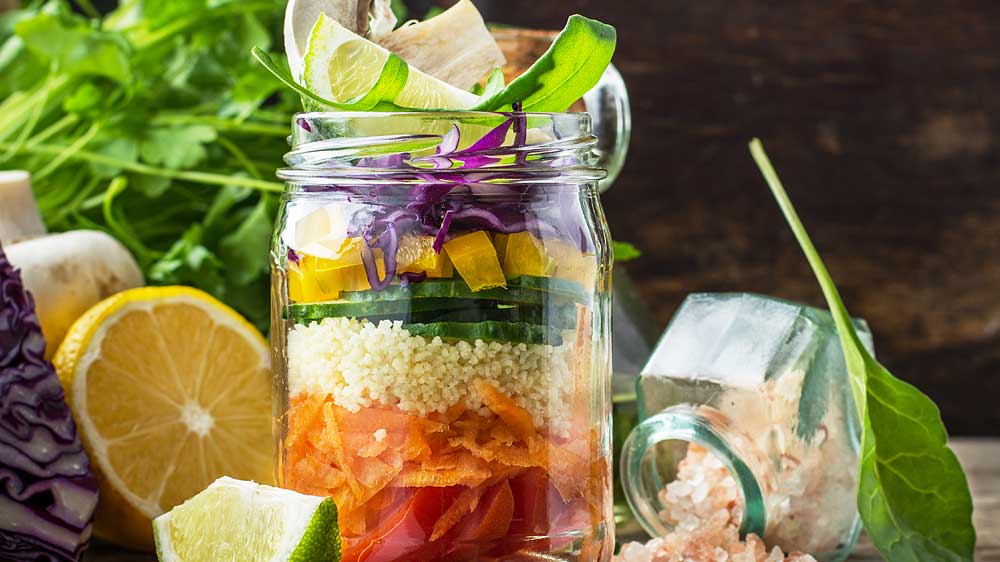
Indian F&B industry has witnessed various new trends in the last two years, where 2013 witnessed trend that made every restaurant try its hands at molecular gastronomy and 2014 was devoted as a year of innovation. According to Restaurant India Research, 2015 was filled with food-tech innovations focsued on healthy food, prompt delivery and structured supply chain.
Some experts believe that traditional Indian cuisines with a blend of modern techniques was on demand as in the last two years, while others were of the opinion that healthy food options with taste and quality was on demand as well. And to find what is actually going to be cooked in Indian kitchen, Restaurant India went to the food and beverages fraternity to list the top eight food trends that ruled the Indian palate. A Closer Look!
Chef driven start-ups
Being the year of innovation and food startups, chef driven startup was one of the hot segment that picked up the food business race this year. Citing good model, to finest produce, the trend saw lots of attention from the investors. And, as the model is backed by the hands that cooks the purest and healthiest food, players like Holachef, Foodport, iTiffin and ZuperMeal ruled the nation.
"We enlist the services of home ‘chefs’ who may be a homemaker, a working professional or anyone who can cook well and is looking to earn through it. They need not be professional chefs per se, although professional chefs are not excluded either," shared one of the Co-founder at ZuperMeal.
Rise of packaged food segment
And, as everyone is getting into the fast pace of life, packaged food industry has seen a new growth in the last one year. With market leaders like, Maiyas Beverages entering the segment with their cool recipes, the trend is really getting hot at a time when women are joining hand with the men to do the outdoor needs. and, what better could it get with the RTE and RTC segment where there is lots of opportunity for home cooked like taste.
A latest poll by ASSOCHAM, highlights that, "76 per cent parents, mostly both working, with children under five-years in the big cities, are serving easy-to-prepare meals at least 10-12 times per month in some form or the other.
Indian regional cuisine with modern tadka
Irrespective of the fact that foreign restaurant chains like Burger King, Nando’s, Carl’s Jr entered the Indian market, Indian foods are still the hot favourite among food lovers breaking its traditional confines with modern interpretations. Regional dishes from all corners of the country will hit the five star restaurants in the country.
According to experts, “There are a lot of changes that are going to happen in the Indian F&B segment. As people are willing to experiment new dishes, they will focus more on local and sustainable produce with little tweaks in the menu.”
Healthy food options took the centre stage
Gluten-free menu items and kale salads are so yesterday. Today, people will look for health as well as taste going hand on hand. Yogurt brands, smoothies, dairy products and special food items hit the Indian menu. New Juice brands and start-ups entered the market, and local as well as global players are reaching out to healthy young India.
“Not only India, people across the globe are becoming more and more conscious about their health and lifestyle. Thanks to the various awareness campaigns, people are now realising the ill effects of junk food and empty calories. Additionally, the young working population are independent and do not have much time to prepare every meal at home, which is why they look to eat out. They are eating out more often than earlier, which is why the demand for nutritious and healthy meal is constantly increasing because they don't want to repeatedly have heavy, fat filled and/or unhealthy junk food,” says, Arjun Khera, CBO, Smoothie Factory India.
Locally sourced fresh ingredients a preferred choice by chefs
The chefs in India, who are the man behind serving the food, look around for for some fresh ingredients with an environmental consciousness as they did in the last few years. They prefered the locally produce vegetables, meats and seafood to maintain the freshness of food served at the table.
“We believe in putting only the best and fresh ingredients to any of our recipes. We do not tweak the menu, but try to bring the authenticity to the table. The only USP that we follow is cook food from the best ingredients in the correct cooking method. The only place where we tweak the menu is the ‘designing’ of the menu,” says, Sanjay Patti, F&B Director, Hyatt Regency Gurgaon.
Online food ordering moved to a greater height
With major players like foodpanda and Tastykhana taking the leap in the online food ordering segment in India, many local and small players have entered in the segment from different regions in the country. goGrab.in, DineIn, FoodCloud and are getting a great response as people these days find online ordering a best place to order food as it avoids the hassle caused in ordering food and hence, it seems to rule the country in 2015 as one of the best F&B trend inviting the major players like Zomato to enter this segment.
Fast foods will continue to rule the palate
Whenever it comes to take a hunger bite, diners rush to restaurants for fast foods like burgers, noodles, momoz, manchurian, pizzas etc. Acknowledging the same, not only Indian brands, even foreign restaurants have made a way forward into the country. These dishes dipped in sauces and different gravies have touched the heart of youngsters in the country was seen in restaurants in 2015.
Meals on wheel
With people travelling from one place to another, today many new food joints have come serving food on train and buses. YatraChef and TravelKhana have wonderfully associated with number of restaurants over 150 cities to serve food on train. Not only this, IRCTC has also partnered with major brands like Jumboking, Lite Bite Foods and Subway amongst others to run their outlets at various railway stations to provide food options to the travellers. According to the experts, easy to grab food is in demand as it consumes less time and one can consume it on the go and hence, it ruled 2015.
Indian food trends will enter into new miles in 2016, where socialising the food on Instagram and Twitter by food photographing and sharing via social media will be a new fun. Hence, today’s food lovers are very much aware about what they choose to eat and what suits their palate best.
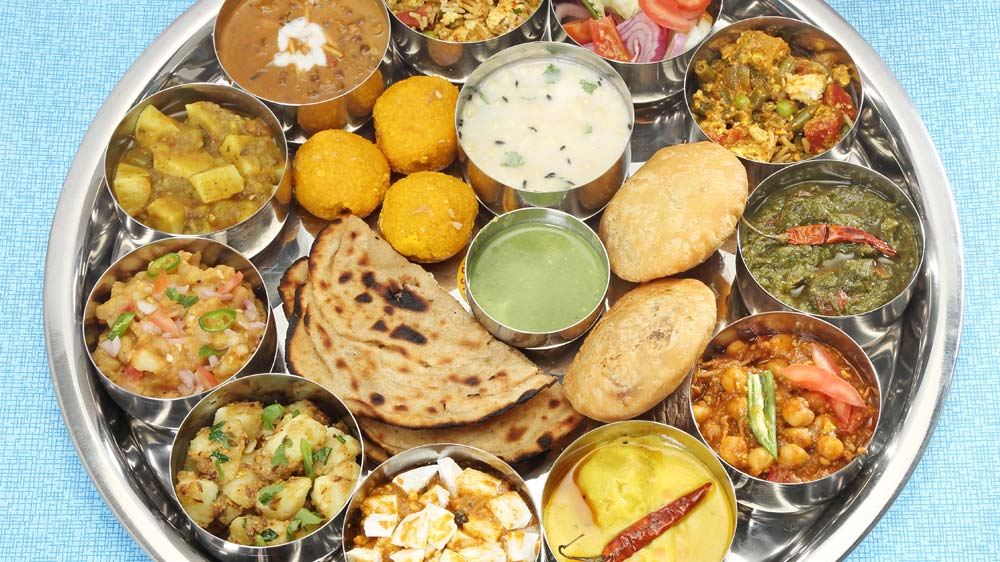
Indian food industry has a successful history when compared to other parts of the world. From discovering its regional menus and cuisines which comprises more than a thousand recipes from each region and the inclusion of changes with each demography to adoption and acceptation of global cuisine, which India has adapted to be in tune with the global trends.
Year 2014 saw lots of global cuisine and brands entering India that tweaked and reinvented their menu and cuisine to suit the Indian palate. But what is awaiting us this year is totally amazing, as experts and experienced chefs in the industry are working on ‘Bringing back the Regional Indian Cuisine’ in its original form.
Reinventing Regional cuisine
Earlier in 2015, it was predicted that modern Indian cuisine will rise with passing time, later this year, but what we are seeing is that chefs are working on locally sourced ingredients and are trying to introduce the regional and the authentic cuisine to the global masses. Celebrity chefs like Michael Swamy, Manish Mehrotra, Sanjeev Kapoor, Harpal Singh Sokhi and Chef Sabyasachi Gorai amongst others are working on local and regional Indian cuisine and have picked products like ‘Sattu’ from Bihar, grated coconut from Kerala, ragi and akki roti from Karnataka, dhokla from Gujarat, and a variety of rice, chicken and sea foods from Konkani region in their menu.
“Regional cuisines need to be promoted because till now food in India is seen as the typical Punjabi food which has dominated the Indian food menus. Everybody in India and outside India thinks that it is the only Indian cuisine, but that is not true. We have different types of foods which are delicious. There is a vast range of food from Kerala, Tamil Nadu, Karnataka, Bengal, Gujarat, and Kashmir, but people don’t know about it. So, this is the reason we as a chef want to promote regional food and regional cuisine,” says Chef Manish Mehrotra, Executive Chef, Indian Accent.
Meanwhile, experts also believe that today, Indians are much more attracted to the foods which are well advertised as today they are no more restricted to eating out but they want to know what all things have been used in designing the menu. And they want to consume a healthy or a balanced product without affecting their health.
Sharing his view on the same lines, Chef Jatinder Uppal, Lead Auditor- Passion Foods, believes, “I think Indian cuisine has to be more advertised and displayed so that people start understanding what Indian food is. Besides, it has got a huge variety of cuisines and everybody has to learn a lot from regions.”
Meanwhile, Chef Michael Swamy is working with the JJR (Jem’s Jungle Retreat) to bring back the regional cuisine to the global masses at Corbet National Park, which is the top most destinations in India for the global tourists.
“Today, it is very important to involve the senses and deliver new experiences to people. You need to take them out of restaurants to understand the culture and cuisine of this country. Chefs like me are now moving from traditional restaurants. In this regard, we have associated with Jungle Retreat, where we are taking people to the cuisine and not cuisine to people,” shares Swamy.
And at the same time food critic and writer, Osama Jalali, who is so much involved with the regional 'Rampur Cuisine' is working with Oberoi Hotel Gurgaon to bring back the lost food or the cuisines.
"I want to promote the cuisines which was cooked by our great grandmothers in home, I am on revival of the lost cuisines," says Jalali.
Thus, we can say that Indian cuisine has its own charm despite global cuisine entering the Indian F&B race. And Indian cuisine is here to stay for long.
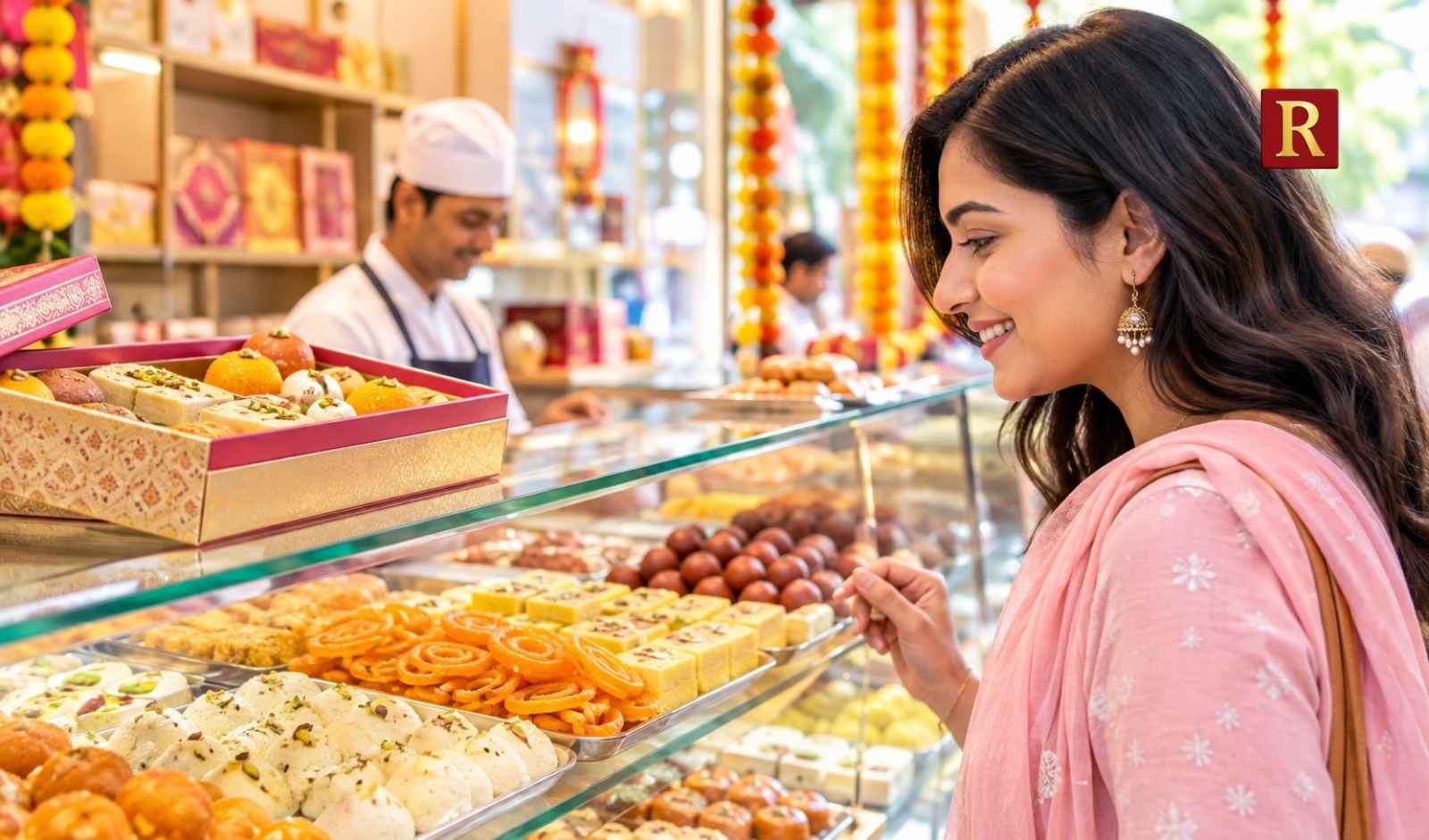 Festive SeasonChoosing mithai is not only about its colour, price or the popularity of the shop. Before buying, take a moment to check how the sweets are stored,…
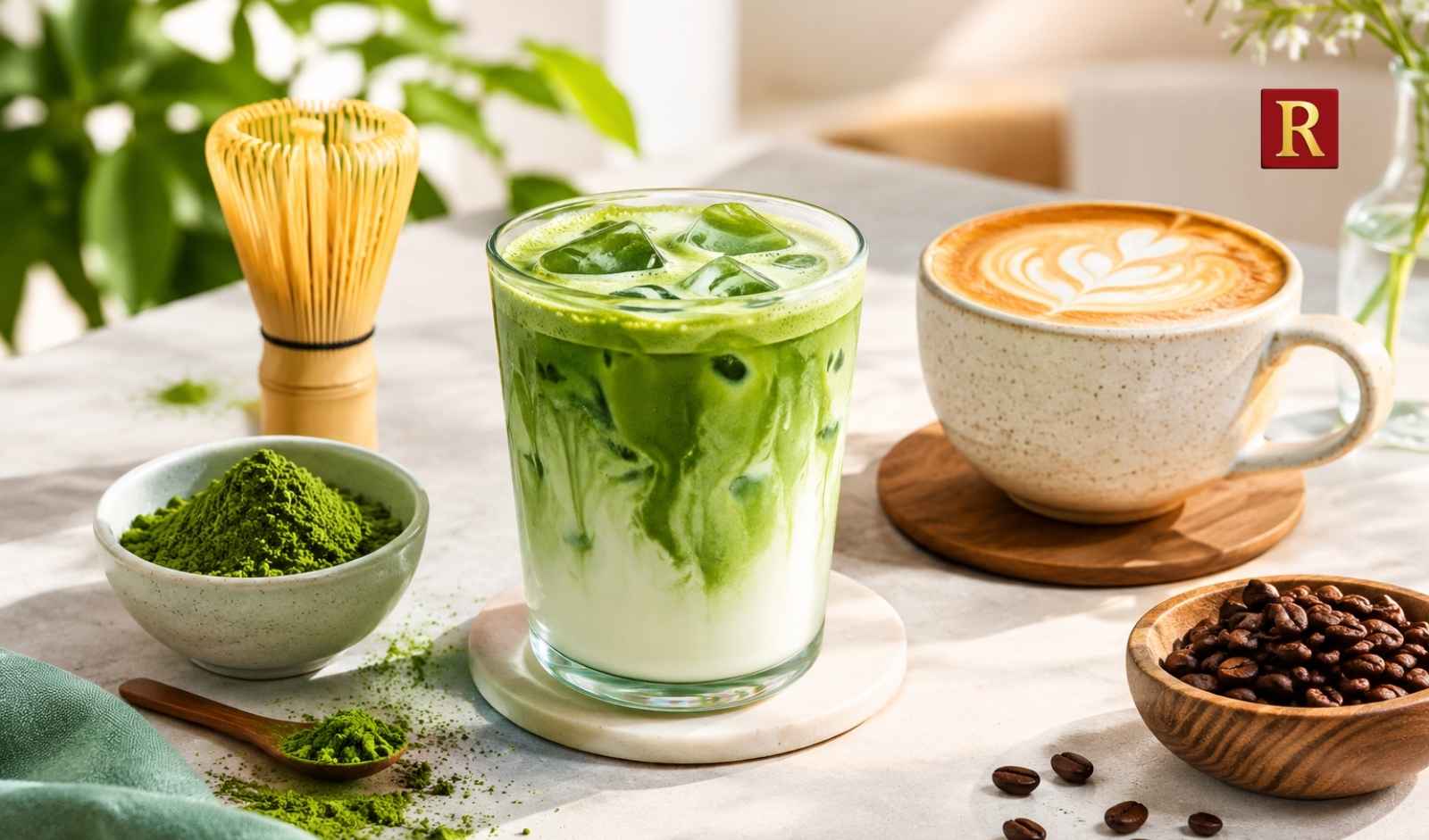 Food TrendBut the health story needs some care. Matcha should not automatically be described as a miracle drink or as a healthier replacement for every other…
 Food businessThe next phase is different. As more milk enters the food system, quality management has to become more consistent.
 Food businessThe latest chocolate and dairy numbers should be treated as a snapshot, not a prediction that these categories are disappearing. India's…
Copyright © 2009 - 2026 Restaurant India.