





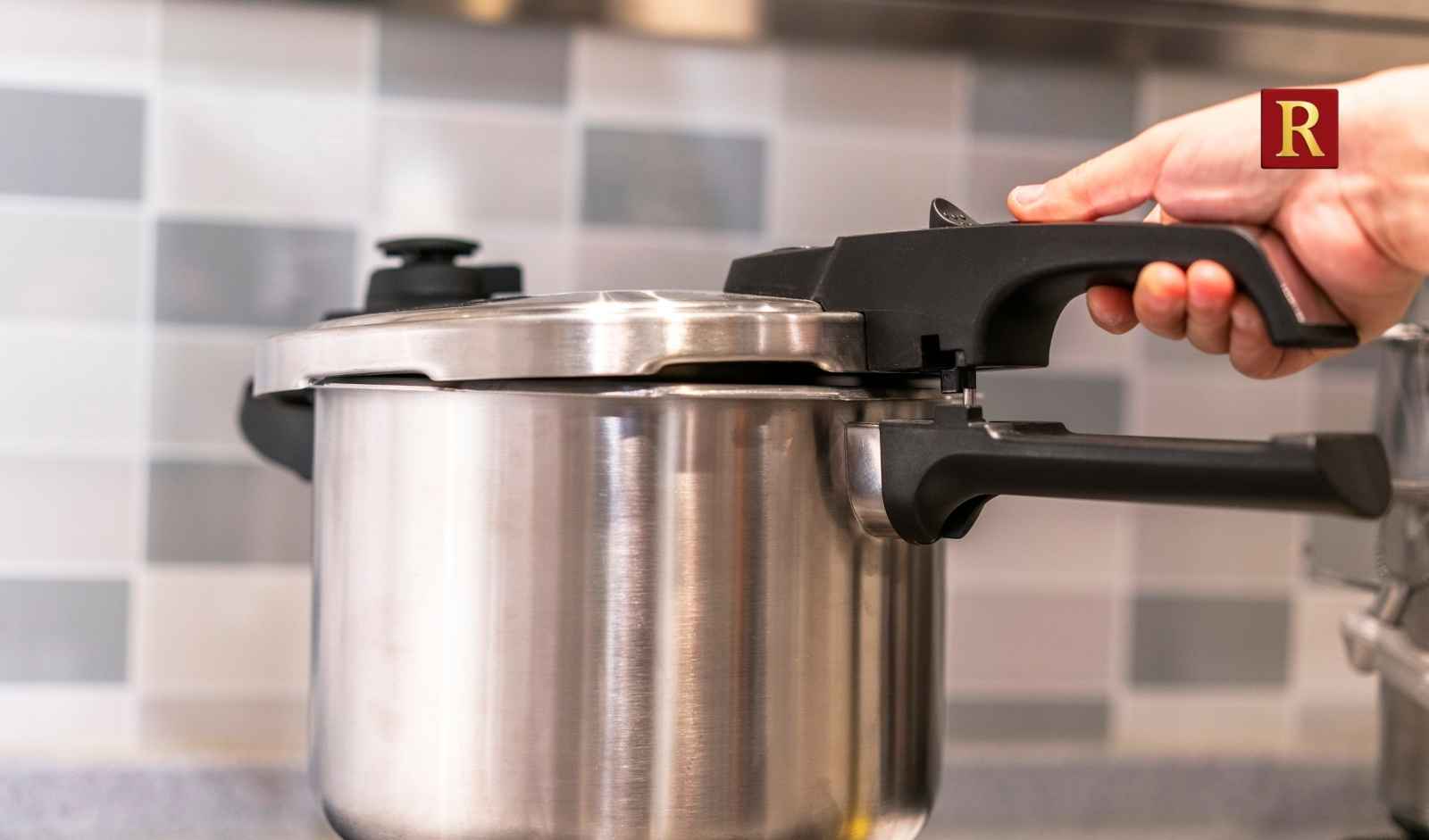
A commercial cooker is one of the hardest-working pieces of equipment in a restaurant kitchen. It may run for several hours a day and handle everything from quick sautés to large batches of gravies, sauces, rice and curries. For a restaurant, therefore, buying a cooker is not simply about choosing the model with the highest flame or the lowest price. The equipment needs to match the menu, kitchen size, cooking volume and fuel system.
Today, commercial cooking equipment ranges from basic heavy-duty burners to modular cooking suites with gas, electric and induction options. Brands such as Electrolux Professional and Fagor Professional offer modular cooking systems, while Indian manufacturers such as Apollo focus on custom-built equipment for professional kitchens.
Why the Right Commercial Cooker Matters
A busy restaurant cannot afford slow cooking during peak hours. A weak burner can increase cooking time. Poor heat control can affect consistency. Difficult cleaning can also add to the workload after every service. The right cooker should support the kitchen rather than become another operational problem.
Reasons to Look Beyond Price When Buying a Commercial Cooker
Cooking speed: High-output burners can reduce the time needed for boiling, frying and bulk cooking.
Heat control: A powerful burner is useful, but chefs also need the ability to reduce heat for simmering and delicate preparations.
Daily workload: A cooker designed for continuous commercial use is better suited to long restaurant shifts than a domestic appliance.
Fuel efficiency: Energy consumption becomes important when equipment operates for several hours every day. Electrolux Professional, for example, says its 900XP gas cookers with automatic ignition and shutdown sensors can save up to 20 percent in gas consumption, based on its internal testing.
Kitchen space: A six-burner range is not always the right answer. Smaller restaurants may benefit from compact or modular equipment.
Construction: Stainless steel construction is widely used in commercial kitchens because it offers durability and is easier to maintain in demanding environments.
Maintenance: Burners, knobs, valves and other components should be accessible for cleaning and servicing.
Service support: Equipment downtime during a lunch or dinner rush can affect the entire kitchen. Spare-parts availability and after-sales support should therefore be part of the buying decision.
Menu requirements: A biryani kitchen, Chinese restaurant, café and fine-dining kitchen do not have the same cooking requirements.
Future expansion: Restaurants expecting higher volumes may benefit from modular systems that can be expanded or configured around the kitchen workflow.
Top Commercial Cooker Brands for Restaurants
1. Electrolux Professional
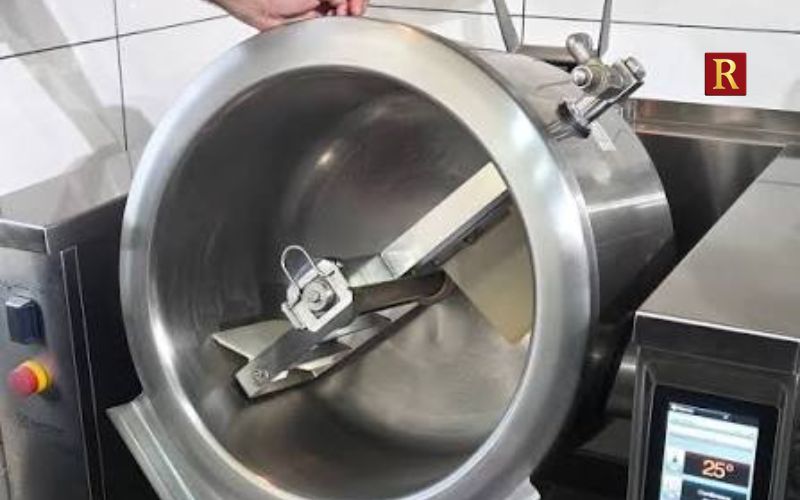
Electrolux Professional is positioned towards professional foodservice operations that need modular cooking systems. Its XP range includes 700 and 900 modular cooking configurations, allowing kitchens to combine different cooking functions according to their requirements. Its 900XP gas cooking equipment includes high-output configurations. For example, one 900XP boiling-top configuration offers up to 60 kW of gas power across six burners. This illustrates the difference between commercial cooking equipment and ordinary domestic appliances. The brand is particularly relevant for hotels, large restaurants and professional kitchens where multiple cooking processes need to operate together.
2. Fagor Professional
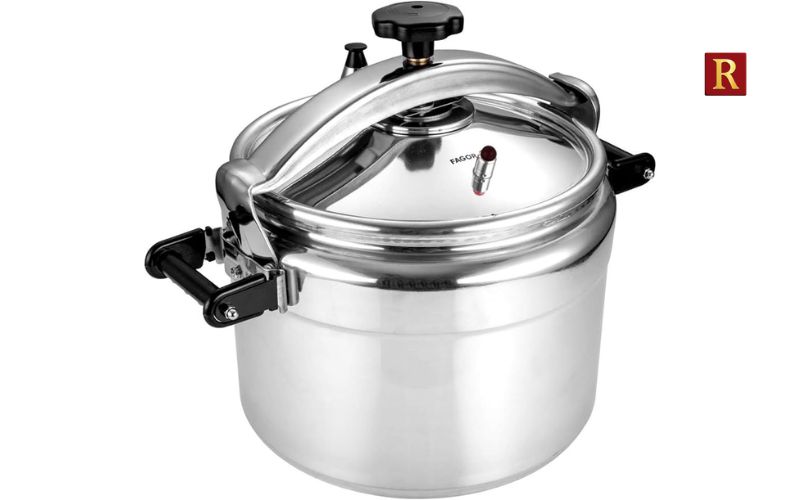
Fagor Professional takes a similar modular approach. Its commercial cooking portfolio includes 700 and 900 ranges, customised cooking systems, high-production equipment and independent cooking units. The company's 700 and 900 modular cookers are designed for intensive daily use. Gas and electric configurations are available, giving kitchens flexibility based on their infrastructure. This makes Fagor Professional worth considering for restaurants that need a complete cooking line rather than a standalone burner.
3. Apollo Equipments
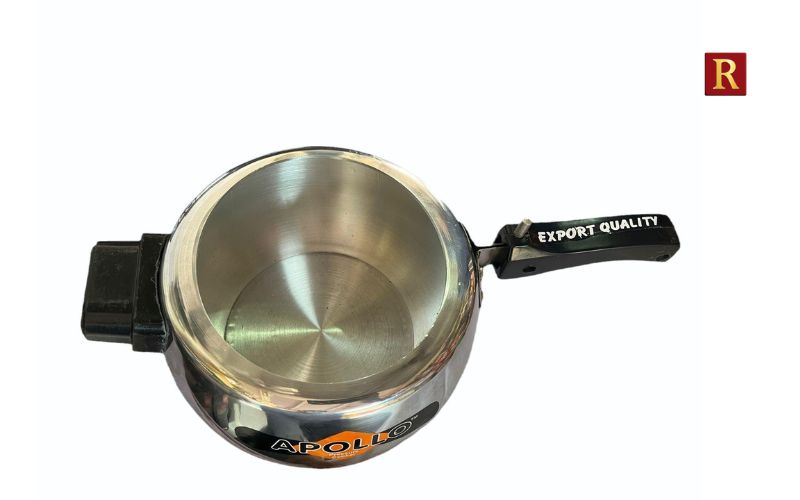
Apollo Equipments brings a more India-focused manufacturing angle to commercial kitchen equipment. The Ahmedabad-based manufacturer has been producing commercial kitchen equipment since 1986 and offers cooking equipment ranging from burners and griddles to fryers, boiling kettles, bratt pans and modular cooking suites. The company states that its equipment uses SS 304/316 stainless steel and is designed for continuous commercial use. It also offers custom dimensions and configurations.
This customisation can be particularly useful for Indian restaurants where kitchen layouts and cooking styles vary considerably. Apollo also has an energy-efficient commercial induction range, giving restaurants an alternative to traditional open-flame cooking.
4. Cookman
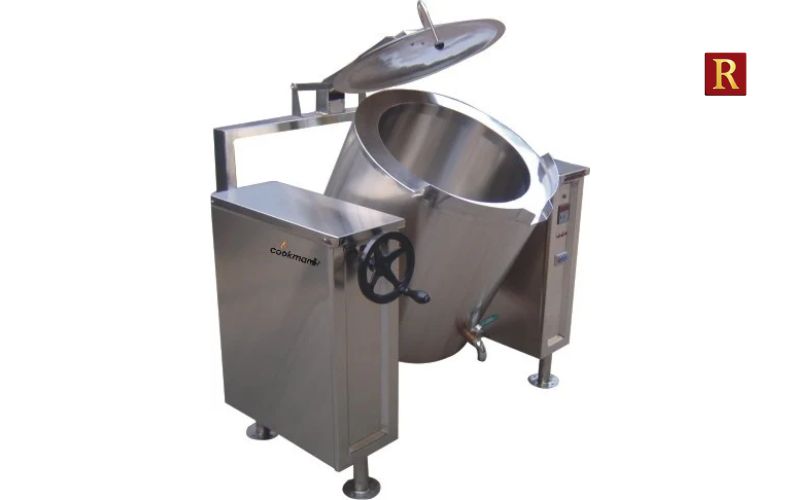
Cookman is another Indian commercial kitchen equipment name that is relevant for restaurants, cloud kitchens and food businesses looking for practical cooking equipment. Its appeal lies in the ability to work with different commercial kitchen requirements, including customised configurations. For smaller restaurants, the ability to select equipment according to available space can be more useful than simply buying the largest available range. For a cloud kitchen, where every square foot matters, equipment should be evaluated on output per unit of space rather than appearance alone.
5. Falcon Foodservice
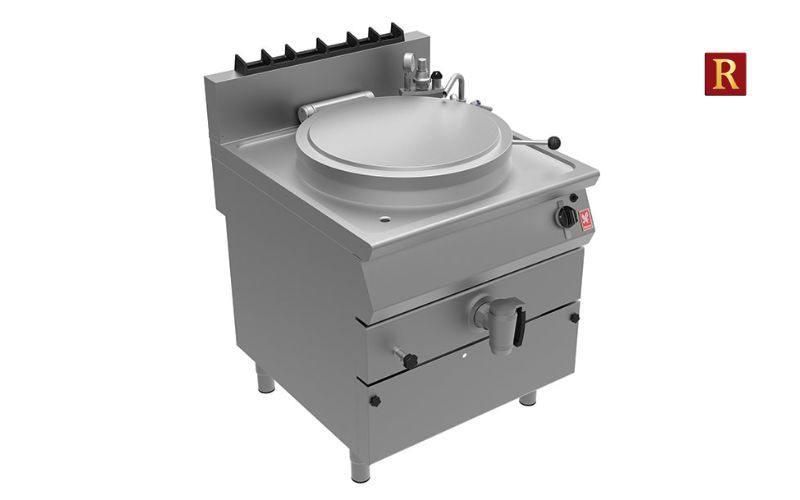
Falcon is known for professional cooking equipment and broader cookline solutions. Its commercial cooking portfolio includes ranges alongside equipment such as griddles, chargrills, fryers, induction units and other professional cooking systems. This makes the brand relevant for kitchens that want to build a complete cooking line rather than depend on one multipurpose appliance. For hotels and large restaurants, this approach can help create a more organised workflow where different cooking stations have clearly defined roles.
Match the Cooker to the Cuisine
The best commercial cooker changes according to the food being prepared. An Indian restaurant may need strong burners for large vessels, curries, boiling and frying. A Chinese kitchen may place greater emphasis on intense heat and rapid heat recovery for wok cooking. A café may need a smaller cooking setup because its menu and production volume are limited. A cloud kitchen, meanwhile, needs to maximise output from a restricted footprint. Hotels and large multi-cuisine restaurants may benefit from modular cooking suites because several cooking techniques have to operate at the same time. This is why the phrase "best commercial cooker" has no universal answer. The correct choice depends on what the kitchen actually produces.
Gas, Electric or Induction?
Gas remains useful for restaurants that depend on high heat and traditional cooking techniques. It is especially relevant for Indian and wok-based cooking. Induction offers precise heat control and eliminates an open flame. It can also support cleaner kitchen environments, although the electrical infrastructure must be able to handle the required load. Electric cooking equipment can work well for specific applications and commercial kitchens with suitable power capacity. The decision should therefore consider fuel availability, installation requirements, ventilation, cooking technique and operating cost.
Purchase Price Is Not the Real Cost
Restaurant owners should calculate the total cost of ownership rather than comparing purchase prices alone.
- A simple calculation is: Total Cost = Equipment + Installation + Energy + Maintenance + Spare Parts + Downtime
A cheaper cooker may not remain cheaper if it consumes more fuel or requires frequent repairs. Similarly, a premium cooking range may make financial sense if it improves productivity, lasts longer and has dependable service support.
What Should Restaurants Check Before Buying?
Before placing an order, restaurant owners should examine:
- Number and size of burners
- Heat output
- Gas or electric compatibility
- LPG or PNG requirements
- Kitchen dimensions
- Cooking volume
- Stainless steel grade
- Flame and temperature control
- Cleaning access
- Exhaust and ventilation requirements
- Warranty
- Spare-parts availability
- Installation support
- After-sales service
For larger projects, it is also worth checking whether the manufacturer can customise the equipment around the kitchen's actual workflow.
The Cooker Should Work With the Kitchen, Not Against It
Commercial cooking equipment is no longer just about putting more burners into a stainless-steel frame. Modern professional kitchens are increasingly looking at modular layouts, energy consumption, ergonomics, customisation and complete cooking systems. Electrolux Professional highlights modularity and ergonomics in its XP range, while Fagor Professional offers different cooking ranges and configurations for different hospitality formats. Apollo, meanwhile, provides custom-built commercial cooking equipment and complete kitchen solutions in India.
For restaurant owners, the most important question is therefore not simply which brand is the biggest. It is whether the cooker can handle the restaurant's menu, peak-hour workload and kitchen environment without becoming an operational bottleneck. A well-chosen commercial cooker should deliver consistent heat, support faster service, withstand long working hours and remain practical to maintain. In a busy restaurant, that combination can have a much bigger impact than the name printed on the equipment.
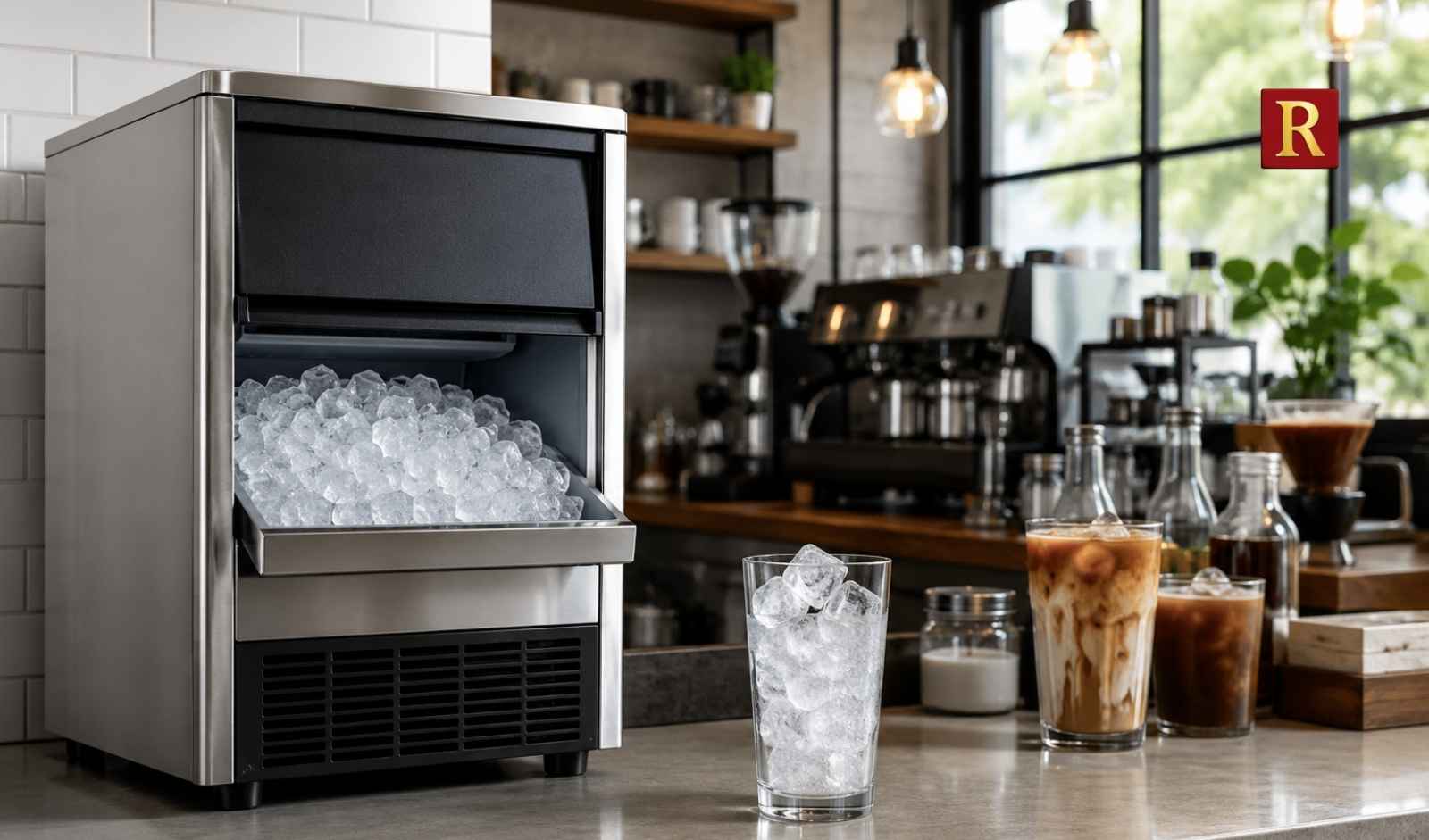
For most coffee shops, a commercial cube ice machine is the safest all-round choice. It works well for iced coffee, cold brew, iced tea, lemonade, and other chilled drinks. But it is not automatically the right machine for every café. The best choice depends on your menu, daily ice demand, peak-hour sales, available space, water quality, and operating conditions. A small neighbourhood café may need an undercounter machine, while a high-volume coffee chain may need a modular ice maker with a separate storage bin. Here is how to choose the right one.
Why Ice Machine Selection Matters in a Coffee Shop
Ice is part of the recipe in many café drinks. Too little ice can change the drink's temperature and consistency. The wrong ice can melt quickly and increase dilution. Capacity matters too. A machine may produce enough ice over 24 hours but still run short during a busy evening if its storage bin is too small. Commercial ice makers are generally divided into batch-type ice machines, which commonly produce cube ice, and continuous-type machines, which include nugget and flake ice makers. ENERGY STAR notes that cube ice is widely used for beverages, while nugget ice is also primarily used in drinks and flake ice is more common in food-display applications.
Cube, Nugget or Flake: Which Ice Is Best?
1. Cube Ice: Best Overall Choice
For a typical coffee shop, cube ice is the strongest starting point.
It works across a broad menu. It can be used for:
- Iced coffee
- Cold brew
- Iced tea
- Lemonades
- Soft drinks
- Mocktails
- Chilled water
Cube ice also offers good resistance to melting compared with smaller pieces. This can help control dilution in drinks that are meant to remain cold for longer. For a café that wants one machine to handle most beverage requirements, cube ice offers the best balance of versatility and practicality.
2. Nugget Ice: Best for Beverage-Focused Cafés
Nugget ice has a softer, chewable texture. It is popular in beverage applications where the ice itself is part of the drinking experience. It can be a good fit for cafés selling large volumes of:
- Iced speciality drinks
- Fruit-based beverages
- Refreshers
- Frozen-style beverages
- Soft drinks
However, nugget ice should not be selected simply because it is popular. The machine needs to match the café's menu and volume. As one example, Scotsman's UN1215 undercounter nugget machine is rated for up to 59 kg of ice per day under specified test conditions, with 16 kg of storage. Its published production falls to about 41 kg per day under hotter test conditions, showing why environmental conditions matter when sizing equipment.
3. Flake Ice: Usually Not the First Choice
Flake ice is soft and has a high surface area. It is useful for applications such as seafood and salad displays. For a coffee shop focused mainly on beverages, it usually does not offer enough benefit to justify choosing it over cube or nugget ice. ENERGY STAR also identifies flake ice primarily with food-display applications.
5 Commercial Ice Machine Brands
1. Hoshizaki
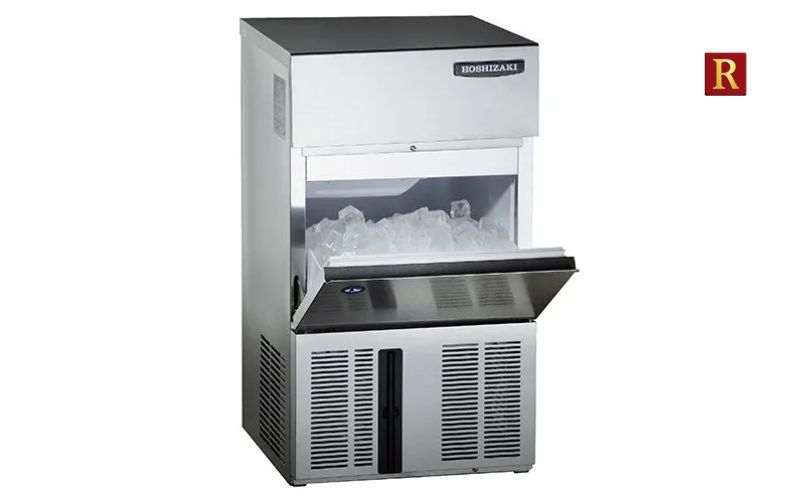
Hoshizaki is a strong option for cafés that prioritise long-term equipment performance and consistent ice quality. Its range includes crescent ice makers and cubelet ice systems, with models designed for small kitchens through large-volume operations. Hoshizaki says its crescent machines use a double-sided evaporator designed to improve ice output while reducing water and energy use. Hoshizaki has also been moving its cube-ice range toward natural refrigerants, with a 2025 upgrade covering models producing 20–115 kg of ice per day.
- Best suited for: Premium cafés, hotels, restaurants and high-uptime operations.
- What to look for: Crescent or cubelet ice, machine capacity, cooling type and local service support.
2. Blue Star
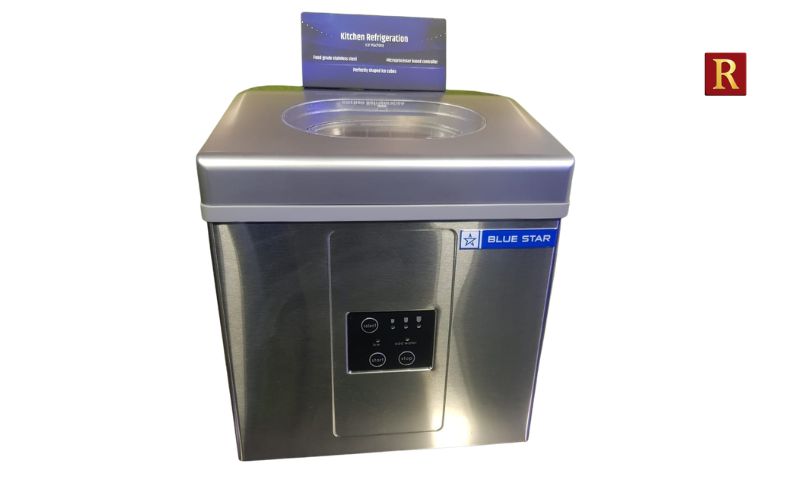
Blue Star is particularly relevant for Indian cafés because it offers commercial ice machines across several formats. Its range includes gourmet cube, bullet and square cube, and flake machines. Blue Star highlights features such as stainless-steel construction, automatic start and stop, water-content control and compact designs. For a café primarily selling iced coffee and cold beverages, its cube machines are more relevant than its flake models.
- Best suited for: Small and mid-sized cafés, restaurants, beverage counters and foodservice businesses in India.
- What to look for: Cube format, production capacity, footprint and after-sales support in your city.
3. Manitowoc Ice
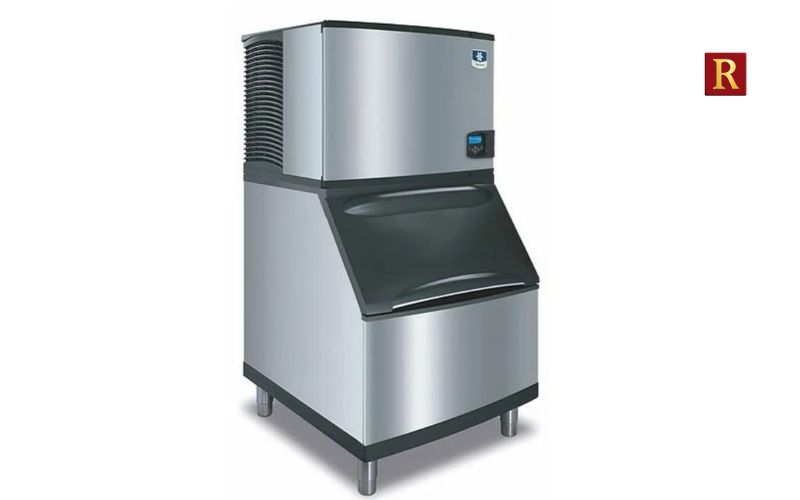
Manitowoc Ice is worth considering for larger foodservice operations that need scalable ice production. Its machines are available in different configurations, making the brand more relevant when a café is moving beyond a compact undercounter setup and needs higher production and separate ice storage. Manitowoc's own foodservice guidance is also useful when calculating ice requirements. Its sizing material uses beverage volume and ice usage to help operators estimate demand rather than simply buying a machine based on its headline production number.
- Best suited for: High-volume cafés, restaurant chains, hotels and larger QSR operations.
- What to look for: Modular production systems, storage-bin compatibility, energy consumption and service availability.
4. Scotsman
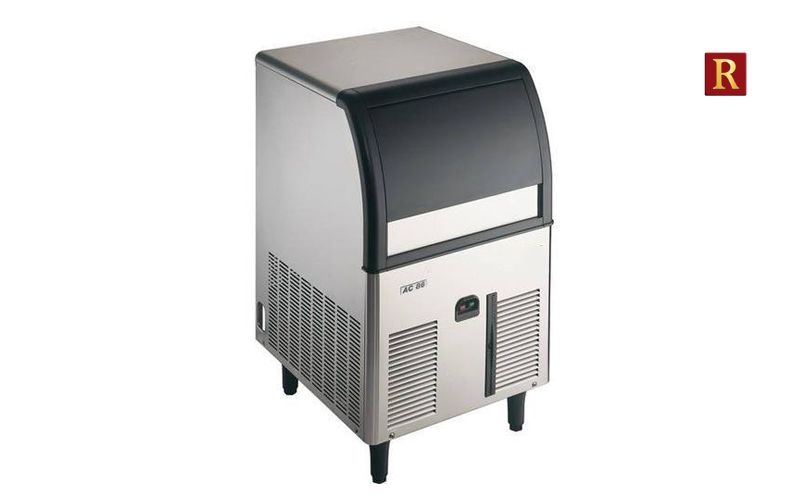
Scotsman Ice is especially interesting for cafés that want to go beyond conventional cube ice. The brand has commercial machines producing nugget, flake and other ice formats, making it useful for beverage concepts where ice texture is part of the product experience. For example, the Scotsman UN1215 undercounter nugget machine is rated for up to 59 kg of production per day and 16 kg of storage under specified conditions. Its published production also changes with ambient conditions, which reinforces the importance of checking real-world capacity before purchase.
- Best suited for: Specialty cafés, beverage-led concepts and businesses interested in nugget ice.
- What to look for: Nugget production, storage capacity, ambient-temperature performance and cleaning requirements.
5. Elanpro
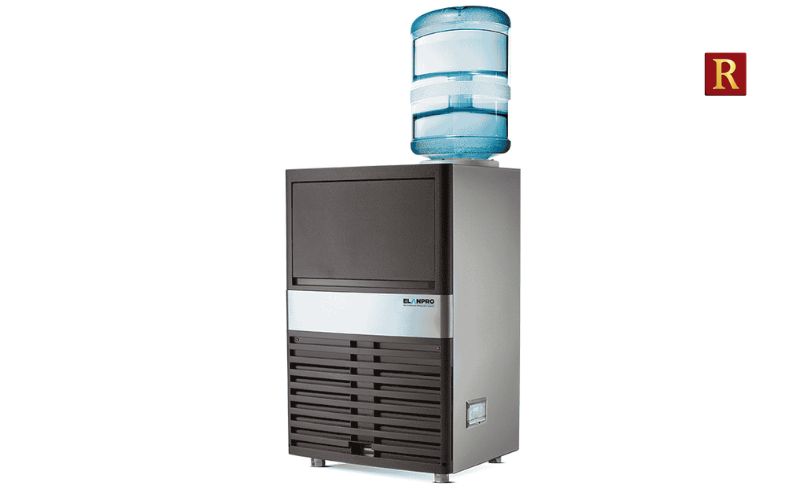
Elanpro can be considered by cafés looking for commercial refrigeration and foodservice equipment with an India-focused operating context. It is particularly relevant for small and mid-sized foodservice businesses where space, operating cost and service support are important purchasing factors.
- Best suited for: Cafés, bakeries, cloud kitchens and mid-sized foodservice operations.
- What to look for: Production capacity, machine dimensions, electrical requirements, water requirements and service coverage.
Which Brand Should a Coffee Shop Choose?
There should be no single winner, because the right brand depends on the café's operating model.
Coffee shop requirement | Brands worth researching |
Premium, long-term operation | Hoshizaki |
Indian café and restaurant applications | Blue Star |
High-volume, scalable operation | Manitowoc |
Nugget or specialty ice | Scotsman |
Small and mid-sized foodservice operation | Elanpro |
The important point is to compare specific machines, not just brands. A 60 kg/day undercounter machine from one manufacturer cannot be fairly compared with a 200 kg/day modular system from another simply because both are marketed as commercial ice makers. Before purchasing, compare production at realistic temperatures, storage capacity, ice format, energy and water consumption, footprint, cleaning requirements, warranty and local service availability. These factors will have a much bigger effect on day-to-day café operations than the brand name alone.
How Much Ice Does a Coffee Shop Need?
This is where many equipment purchases go wrong. Do not select a machine only because its advertised production figure looks impressive. First estimate actual beverage demand. Manitowoc's commercial ice-use guide suggests using 40% ice per drink multiplied by the number of drinks served on a peak day for beverage-service sizing. Its guide also gives examples of approximately 148 ml of ice for a 7–10 oz drink, 237 ml for a 12–16 oz drink and 355 ml for an 18–24 oz drink. For example, suppose a café sells 250 iced drinks on its busiest day.
- If each drink uses an estimated 150 ml of ice: 250 × 150 ml = 37.5 litres of ice volume
That is only a starting estimate. The café should also consider wastage, other ice uses and the concentration of demand during peak hours. The important point is to size the machine using peak demand, not just average daily sales.
Production Capacity Is Not Storage Capacity
These two numbers are easy to confuse. Production capacity tells you how much ice a machine can make over a specified period, commonly 24 hours. Storage capacity tells you how much finished ice the bin can hold. A machine could produce 100 kg in a day but have much less than 100 kg available at one time. This matters when a café has a strong evening rush. If 50 kg of ice is needed between 5 PM and 8 PM, the machine's daily production figure alone does not tell you whether the operation can handle that rush. For smaller cafés, a self-contained undercounter unit can save space. For larger operations, a modular ice-making head with a separate storage bin provides more flexibility.
Air-Cooled vs Water-Cooled Machines
For many cafés, an air-cooled machine is the practical starting point. It does not need continuous condenser water to reject heat. But it does release heat into the surrounding area. That means ventilation becomes important. A water-cooled machine can be useful in certain high-temperature or difficult ventilation environments, but water consumption must be considered carefully. ENERGY STAR's current commercial ice-machine program covers air-cooled machines and excludes water-cooled machines. For an Indian café, this decision deserves extra attention. A machine operating in a hot kitchen may not deliver the same output shown on its specification sheet under cooler test conditions. Always ask the supplier for production figures at realistic air and water temperatures.
Water Quality Is Part of the Equipment Decision
Ice goes directly into the customer's drink. That makes water quality and machine hygiene operational issues, not just maintenance details. FSSAI's hygiene requirements state that ice and steam used in direct contact with food should be made from potable water and handled and stored in a way that prevents contamination.
Hard water can also create mineral scale inside equipment. Depending on the local water supply, a café may therefore need suitable filtration and a planned descaling schedule. FSSAI also requires food businesses to implement an effective Food Safety Management System and comply with applicable Schedule 4 hygiene requirements.
Look Beyond the Purchase Price
The cheapest machine is not always the cheapest machine to operate.
When comparing models, check:
- Ice production per day
- Storage capacity
- Energy use
- Water consumption
- Condenser type
- Electrical requirements
- Drain requirements
- Required ventilation
- Filter and cleaning needs
- Warranty
- Local service availability
- Spare-part availability
ENERGY STAR uses kWh per 100 lb of ice and potable-water use per 100 lb as standard performance measures. This makes those figures more useful for comparing machines than simply looking at wattage. ENERGY STAR also reports that certified batch-type commercial ice makers are about 10% more energy efficient and 20% more water efficient than standard models, while certified continuous-type machines are about 16% more energy efficient under its program comparisons.
A Simple Buying Guide for Different Cafés
- Small coffee shop: Choose a compact undercounter cube machine if most drinks use conventional ice.
- Specialty coffee shop: Cube ice is usually the better default, particularly when cold brew and iced coffee dominate.
- Iced-drink-focused café: Consider nugget ice if its texture fits the menu and customer experience.
- High-volume café: Look at modular equipment with adequate storage rather than relying only on a high daily production figure.
- Café with food-display requirements: A separate flake-ice solution may make sense if there is a genuine food-display need.
The Bottom Line
For most coffee shops, a commercial cube ice machine is the best starting point. It is versatile and suits a wide range of café beverages. Nugget ice becomes more attractive when the business is built around cold beverages where texture is part of the experience. Flake ice is generally better suited to food-display applications. The bigger decision, however, is capacity. A café should calculate its peak ice demand, check storage requirements and examine production figures under realistic operating temperatures. The best machine is not necessarily the biggest or cheapest one. It is the machine that can produce the right type and quantity of ice, at the right time, without creating unnecessary energy, water, space or maintenance costs. For café owners, that is the more useful way to approach an ice-machine purchase.

The rise of food delivery has transformed the restaurant industry in India. Today, customers want restaurant-quality meals delivered quickly to their doorstep. This shift has created a massive opportunity for cloud kitchens, also known as ghost kitchens or virtual kitchens. Unlike traditional restaurants, cloud kitchens operate without a dine-in space. Their success depends heavily on operational efficiency, food safety, and consistency. Behind every smooth delivery operation is a well-equipped kitchen designed to handle high order volumes while maintaining quality.
If you are planning to launch a cloud kitchen, choosing the right equipment should be one of your top priorities. The right setup can improve productivity, reduce food waste, maintain hygiene standards, and support long-term growth. This cloud kitchen equipment list serves as a practical kitchen setup checklist to help you build an efficient delivery-first business.
Why Equipment Selection Matters in a Cloud Kitchen
Many first-time operators focus mainly on recipes and branding. However, the equipment you choose directly impacts your business performance.
Proper equipment helps you:
- Prepare food faster.
- Maintain consistency across orders.
- Reduce labour dependency.
- Improve food safety practices.
- Lower maintenance expenses.
- Enhance customer satisfaction.
Since online reviews often depend on delivery speed and food quality, even small operational improvements can make a significant difference.
1. Essential Cooking Equipment for a Cloud Kitchen
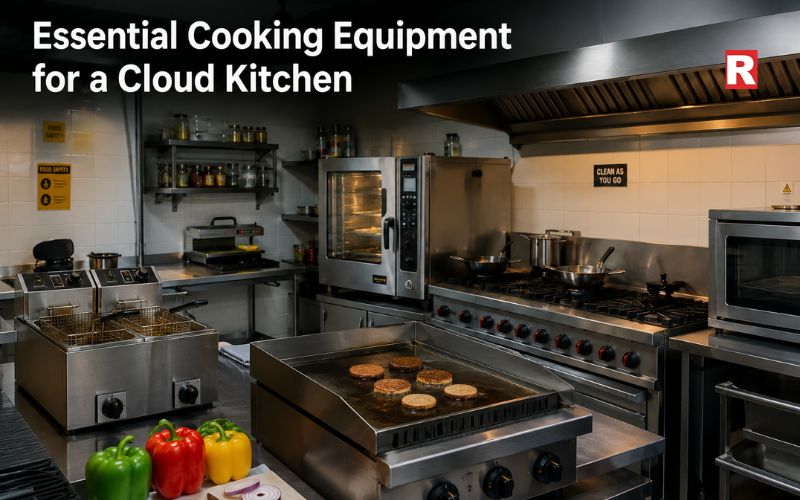
The cooking section is the heart of any cloud kitchen. The equipment you invest in should match your menu, production requirements, and expected order volume. Choosing the right appliances can improve speed, consistency, and overall kitchen efficiency.
Commercial Gas Range or Induction Range: A commercial cooking range is indispensable for preparing gravies, curries, stir-fries, sauces, and other dishes that require continuous cooking. While gas ranges remain a popular choice due to their versatility, induction ranges are gaining traction for their precise temperature control, energy efficiency, and reduced heat generation. Before purchasing, evaluate factors such as the number of burners needed, heat efficiency, ease of cleaning, fuel availability, and long-term operating costs.
Commercial Ovens: Ovens are essential for cloud kitchens specialising in baked goods, pizzas, roasted dishes, and desserts. Common options include convection ovens, combi ovens, and conveyor ovens. Among these, combi ovens stand out because they combine steam and dry heat cooking, enabling chefs to prepare multiple dishes efficiently while preserving texture and flavour.
Deep Fryers: Since fried foods are among the most popular delivery items, commercial deep fryers are a valuable addition to many cloud kitchens. They help maintain consistency, speed up preparation, and deliver evenly cooked products. Deep fryers are commonly used for French fries, fried chicken, appetisers, and snack items. Models with accurate temperature control are recommended as they help improve food quality and extend the lifespan of cooking oil.
Griddles and Flat Top Grills: Ideal for preparing burgers, sandwiches, wraps, pancakes, and breakfast items, griddles provide even heat distribution and allow efficient batch cooking. Their large cooking surface supports faster preparation during peak hours.
Specialty Equipment: Depending on your cuisine, you may require additional appliances such as tandoors, pizza ovens, steamers, shawarma machines, waffle makers, or salamander grills. However, invest only in equipment that aligns with your menu strategy and contributes directly to revenue generation.
2. Essential Food Preparation Equipment for a Cloud Kitchen
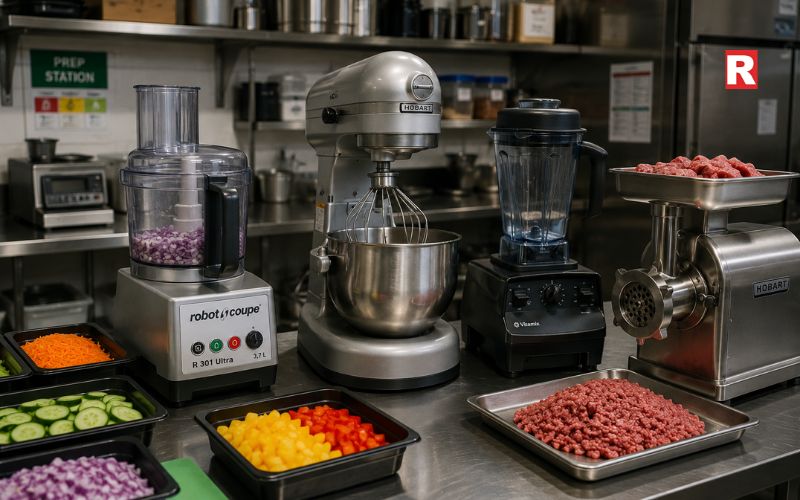
Efficient food preparation plays a major role in determining how quickly orders are processed and dispatched. In a cloud kitchen, where speed and consistency directly impact customer satisfaction, investing in the right prep equipment can significantly improve productivity while reducing manual labour.
Food Processors: Food processors are among the most versatile tools in a commercial kitchen. They simplify repetitive tasks such as chopping vegetables, slicing ingredients, dicing produce, and grating cheese. By automating these processes, food processors save valuable preparation time and ensure uniformity in portion sizes and presentation. This consistency is especially important for brands operating across multiple outlets or handling high order volumes.
Commercial Mixers: Cloud kitchens that prepare fresh dough, batters, sauces, or fillings on a regular basis can benefit greatly from commercial mixers. These machines reduce physical effort while delivering consistent results in every batch. Whether you operate a bakery, pizza brand, or dessert-focused kitchen, selecting a mixer with the appropriate bowl capacity and speed settings can streamline operations during busy service periods and minimise production delays.
Blenders: Commercial blenders are essential for kitchens that offer smoothies, soups, purees, milkshakes, dips, or signature sauces. Unlike domestic models, commercial-grade blenders are designed to withstand frequent and prolonged use. Their powerful motors ensure smoother textures and faster processing times, making them an indispensable addition to modern cloud kitchens seeking operational efficiency.
Meat Grinders: For businesses specialising in burgers, kebabs, meatballs, or other meat-based offerings, commercial meat grinders help maintain freshness and quality control. Grinding meat in-house allows operators to customise fat content, improve flavour profiles, and ensure ingredient transparency. It also reduces dependence on pre-processed products, giving brands greater control over consistency and food safety standards.
Investing in the right food preparation equipment not only enhances kitchen efficiency but also supports better product quality, faster service, and improved customer experiences.
3. Refrigeration Equipment
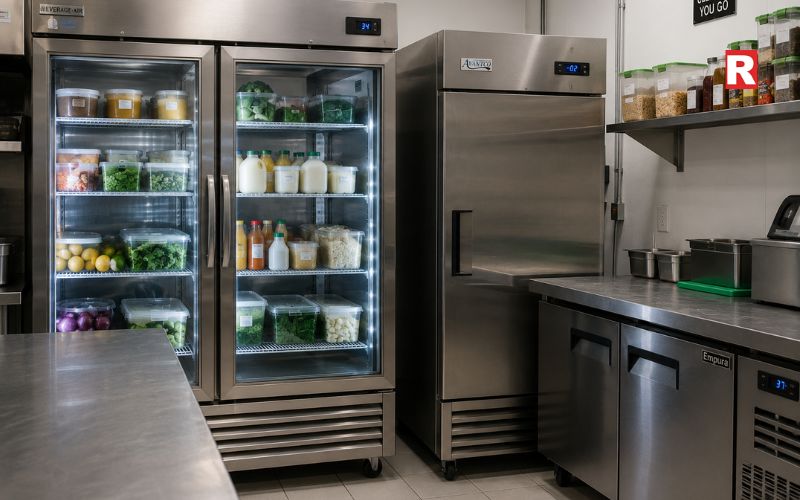
Proper refrigeration is crucial for maintaining food quality, extending shelf life, and ensuring compliance with food safety standards. A well-planned refrigeration system also improves kitchen workflow and minimises ingredient wastage.
Reach-In Refrigerators: These are among the most commonly used refrigeration units in cloud kitchens. They provide organised storage for vegetables, dairy products, sauces, condiments, and pre-prepared ingredients. Their easy accessibility allows kitchen staff to retrieve items quickly, improving efficiency during service hours. Well-organised reach-in refrigerators also help with stock rotation and reduce food spoilage.
Commercial Freezers: Freezers are essential for preserving frozen proteins, ice cream, ready-to-cook products, and emergency backup inventory. They enable cloud kitchens to manage stock levels more effectively and prevent disruptions during peak demand periods. Choosing a freezer with reliable temperature control is critical, as inconsistent temperatures can compromise food safety and product quality.
Under-Counter Refrigerators: These compact refrigeration units are designed to fit beneath workstations, offering convenient access to frequently used ingredients without occupying additional floor space. They are particularly beneficial for smaller cloud kitchens where maximising available space is a priority. By keeping essential items within reach, under-counter refrigerators support faster food preparation and smoother kitchen operations.
4. Storage Solutions for Better Organisation
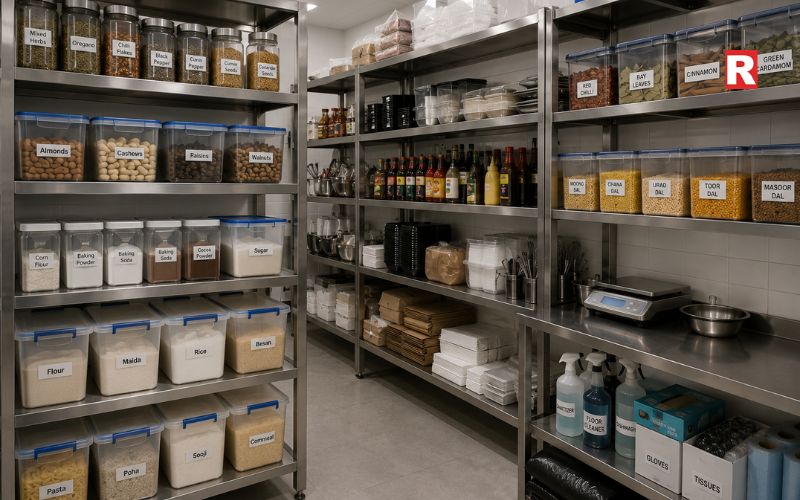
An organised storage system helps cloud kitchens operate more efficiently by improving accessibility, reducing clutter, and supporting food safety practices. Proper storage also minimises ingredient wastage and speeds up daily operations.
Stainless Steel Shelving: Stainless steel shelving units are widely used in commercial kitchens to organise dry ingredients, cleaning supplies, packaging materials, and kitchen tools. Their durability, corrosion resistance, and ease of cleaning make them a hygienic and long-lasting storage solution for busy food preparation environments.
Food Storage Containers: Investing in food-grade storage containers helps maintain ingredient freshness and prevent contamination. Opt for containers that are airtight, stackable, and clearly labelled to simplify inventory management. Proper labelling also supports stock rotation practices and reduces the chances of using expired ingredients.
Ingredient Bins: Bulk ingredient bins provide convenient storage for frequently used staples such as rice, flour, sugar, and pulses. Their easy accessibility allows kitchen staff to retrieve ingredients quickly, improving preparation efficiency and ensuring a smoother workflow during peak operating hours.
5. Ventilation and Exhaust Systems
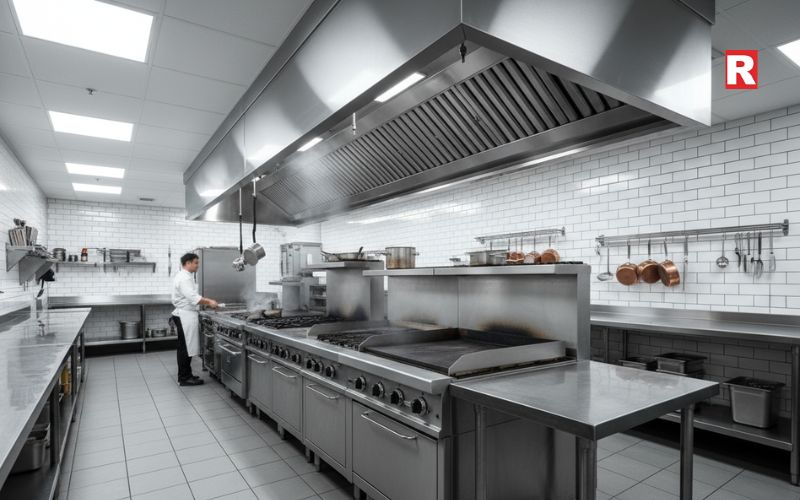
Ventilation is often overlooked during planning, yet it plays an essential role in kitchen safety and employee comfort. Type 1 hoods are typically used above grease-producing equipment such as fryers and grills. Type 2 hoods are suitable for steam-producing appliances. Investing in an efficient ventilation system contributes to a safer and more productive work environment.
A proper exhaust system helps:
- Remove smoke and grease.
- Maintain air quality.
- Control kitchen temperatures.
- Reduce fire hazards.
6. Packaging Station Essentials
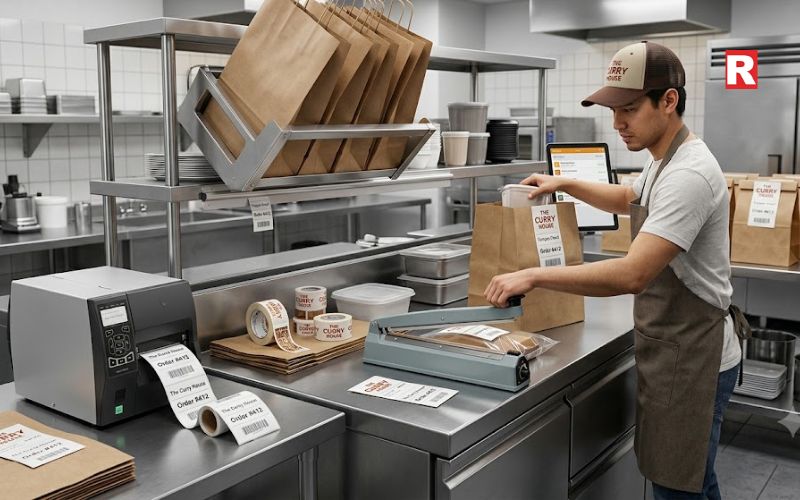
Packaging plays a crucial role in cloud kitchen operations, as food quality must remain intact during transit. A well-organised packaging station ensures faster order dispatch and a better customer experience.
Heat Sealers: Secure packaging and help prevent spills or leaks during delivery.
Label Printers: Used for printing order details, expiry information, and branding labels to minimise delivery errors.
Packaging Counters: Provide a dedicated workspace for assembling and checking orders efficiently.
Delivery Bag Dispensers: Keep delivery bags organised and easily accessible during rush hours.
Packaging Supplies: Essential items include leak-resistant containers, tamper-proof seals, paper bags, and branded stickers that protect food quality while strengthening brand recognition and customer trust.
7. Cleaning and Hygiene Equipment
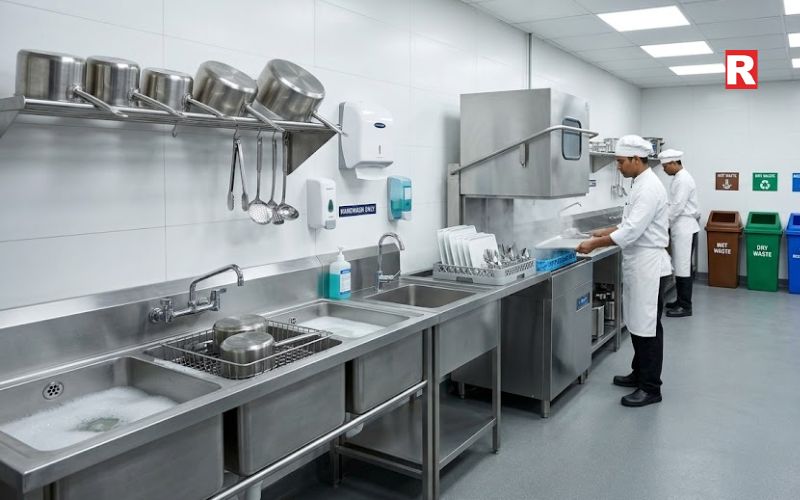
Maintaining high hygiene standards is critical for any food business.
Your cleaning checklist should include:
Three-Compartment Sink: Designed for washing, rinsing, and sanitising utensils and cookware, helping maintain proper cleaning procedures.
Handwashing Stations: Easily accessible handwashing areas encourage employees to practise good hygiene throughout the day.
Commercial Dishwashers: These machines improve cleaning efficiency while ensuring utensils and equipment are sanitised to commercial standards.
Sanitiser Dispensers: Placed strategically around the kitchen, they promote regular hand sanitisation among staff members.
Waste Segregation Bins: Separate bins for wet waste, dry waste, and recyclables support cleanliness, effective waste management, and environmentally responsible kitchen operations.
8. Technology That Supports Cloud Kitchen Growth
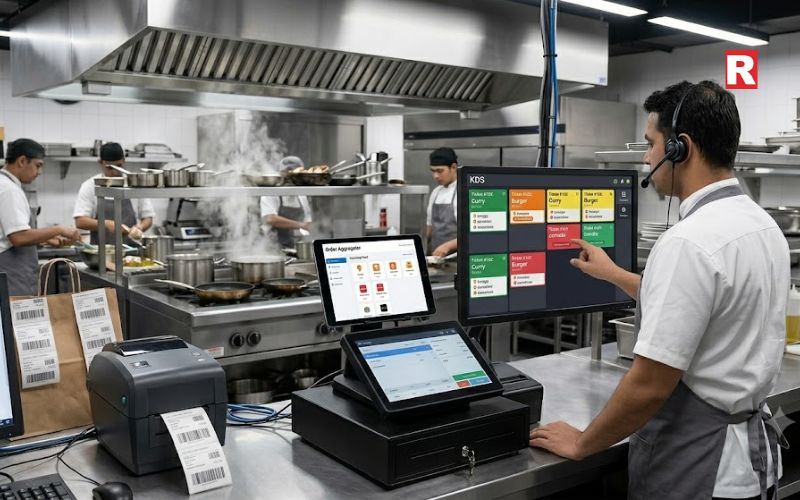
Modern cloud kitchens rely heavily on technology to streamline operations.
Point-of-Sale (POS) Systems: POS platforms help track sales performance, monitor inventory usage, and analyse order trends, enabling operators to make informed business decisions.
Kitchen Display Systems (KDS): These digital screens streamline communication between order management systems and kitchen staff, reducing errors and improving order preparation speed.
Order Aggregator Platforms: By consolidating orders from multiple delivery apps into a single dashboard, these systems simplify operations and minimise the risk of missed orders.
Labelling Systems: Barcode and label printers enhance organisation by ensuring accurate order identification, proper inventory tracking, and efficient order fulfilment.
9. Safety Equipment Every Kitchen Needs
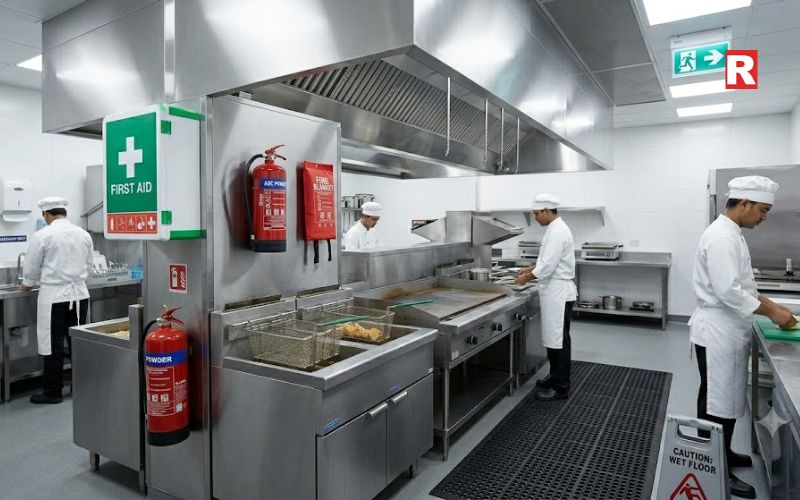
A safe kitchen environment protects employees, minimises operational risks, and safeguards business assets. Every cloud kitchen should be equipped with fire extinguishers and fire suppression systems to handle potential fire emergencies effectively. First aid kits should be readily available to address minor injuries and provide immediate medical assistance when required. Installing anti-slip floor mats in high-traffic areas helps reduce the risk of slips and falls. Additionally, clearly visible emergency exit signage ensures safe evacuation during emergencies. Along with these safety measures, regular staff training is essential to promote preparedness and maintain workplace safety standards.
Factors to Consider Before Buying Equipment
Before making purchasing decisions, evaluate the following:
Production Capacity: Estimate daily order volumes and choose equipment that can handle future growth.
Energy Efficiency: Energy-efficient appliances can lower operating costs over time.
Ease of Maintenance: Equipment that is easy to clean and service minimises downtime.
Food-Grade Construction: Stainless steel equipment is durable and hygienic.
Vendor Support: Reliable after-sales service is just as important as the initial purchase.
Common Mistakes to Avoid
Many new cloud kitchen operators make costly mistakes during setup.
Avoid these common pitfalls:
- Purchasing household appliances instead of commercial equipment.
- Ignoring kitchen workflow design.
- Underestimating refrigeration requirements.
- Overinvesting in unnecessary specialty equipment.
- Failing to create a dedicated packaging zone.
Careful planning during the setup phase can prevent operational challenges later.
Road Ahead!
Launching a cloud kitchen involves much more than creating a great menu. Behind every successful delivery brand is a thoughtfully designed kitchen supported by reliable equipment, efficient workflows, and strong food safety practices. From cooking appliances and refrigeration systems to packaging stations and digital tools, each component contributes to the customer experience. Investing in the right equipment from the beginning can improve productivity, strengthen consistency, and create a foundation for sustainable growth. As India's food delivery market continues to evolve, cloud kitchens that prioritise efficiency and operational excellence will be better positioned to meet rising customer expectations and scale successfully.
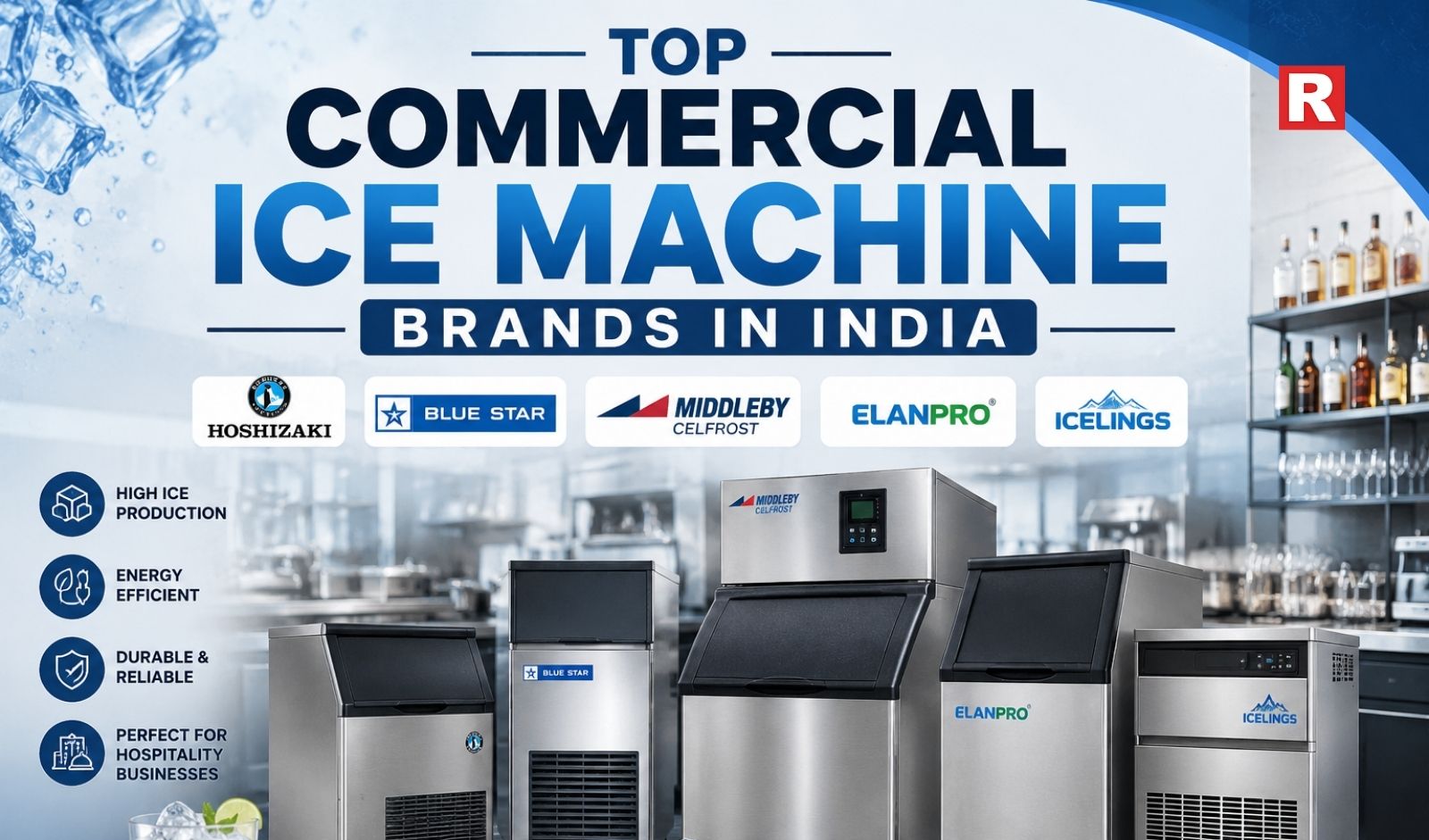
India’s foodservice and hospitality industry is growing at a fast pace. Cafés are opening in every major city. Cocktail culture is becoming more premium. Quick-service restaurants and cloud kitchens are expanding rapidly. As cold beverages, iced coffees, mocktails, smoothies, and frozen desserts become more popular, commercial ice machines are now an essential part of restaurant operations. Ice plays a bigger role than many businesses realize. The quality of ice can affect beverage taste, presentation, cooling speed, and even customer experience. A weak ice machine can slow down service during rush hours and increase maintenance costs. This is why restaurants, hotels, bars, bakeries, and cafés are investing in high-performance commercial ice systems.
Modern commercial ice machines are designed for continuous production, hygiene, energy efficiency, and heavy workloads. Many brands now focus on smart technology, antimicrobial systems, and faster cooling performance to meet the growing demands of the hospitality industry.
Why Commercial Ice Machines Are Important
Commercial ice machines are very different from domestic ice makers. A home machine cannot handle the daily pressure of a restaurant or café. Commercial systems are built to produce large quantities of ice while maintaining consistent quality throughout the day.
Businesses depend on these machines for:
- Fast beverage service
- Better drink presentation
- Food safety
- Smooth kitchen operations
- Reduced labor pressure
- Consistent ice quality
In India, weather conditions also increase demand for commercial ice. During summer months, restaurants and bars may require hundreds of kilograms of ice every day. Beverage-focused businesses especially need machines that can work efficiently even in high ambient temperatures.
Many advanced systems now include:
- Self-cleaning functions
- Energy-saving compressors
- Smart diagnostics
- Water filtration systems
- Antimicrobial protection
These features help reduce maintenance costs and improve machine lifespan.
Types of Commercial Ice Machines
Different businesses require different types of ice depending on their operations.
Cube Ice Machines: Cube ice is widely used in restaurants, hotels, bars, and cafés. It melts slowly and works well for soft drinks, cocktails, and iced coffee.
Nugget Ice Machines: Nugget ice is softer and chewable. It is popular in cafés, healthcare facilities, and premium beverage chains.
Flake Ice Machines: Flake ice is commonly used for seafood storage, meat preservation, bakeries, and healthcare applications because it cools products quickly.
Gourmet Ice Machines: Luxury bars and fine-dining restaurants often use gourmet ice because of its crystal-clear appearance and slower melting speed.
Explore Top Commercial Ice Machine Brands in India
1. Hoshizaki
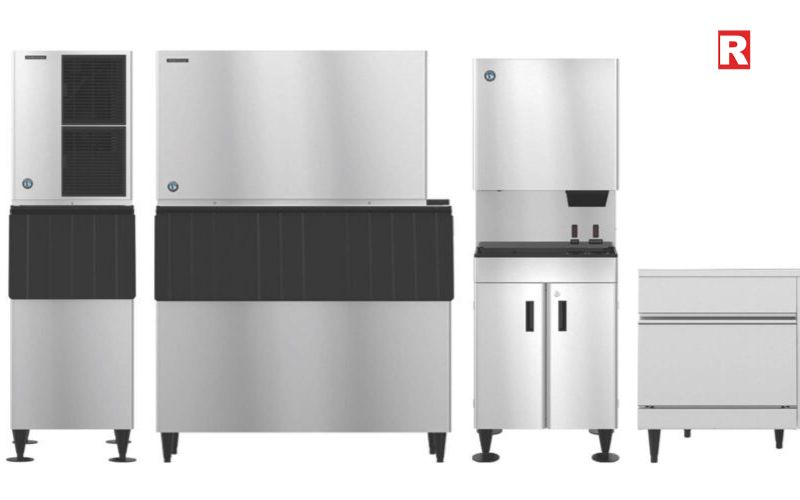
Hoshizaki is widely recognized as one of the leading commercial ice machine brands in the global hospitality industry. The Japanese company is known for its precision engineering, durable stainless-steel components, and long operational lifespan. One of its most popular innovations is crescent-shaped ice, which melts more slowly than standard cube ice and helps maintain beverage taste by reducing dilution. This makes Hoshizaki machines highly preferred in cocktail bars, luxury hotels, cafés, and premium restaurants. The brand also focuses heavily on hygiene and energy efficiency, with many models featuring closed water circuits and easy-clean systems. Restaurant operators often choose Hoshizaki because of its reliable performance, low maintenance needs, and consistent ice production during heavy commercial use.
Key features:
- Stainless steel evaporators
- Energy-efficient systems
- Quiet operation
- Strong hygiene standards
- Long machine lifespan
Hoshizaki machines are commonly used in:
- Luxury hotels
- Cocktail bars
- Premium restaurants
- Healthcare facilities
2. Blue Star
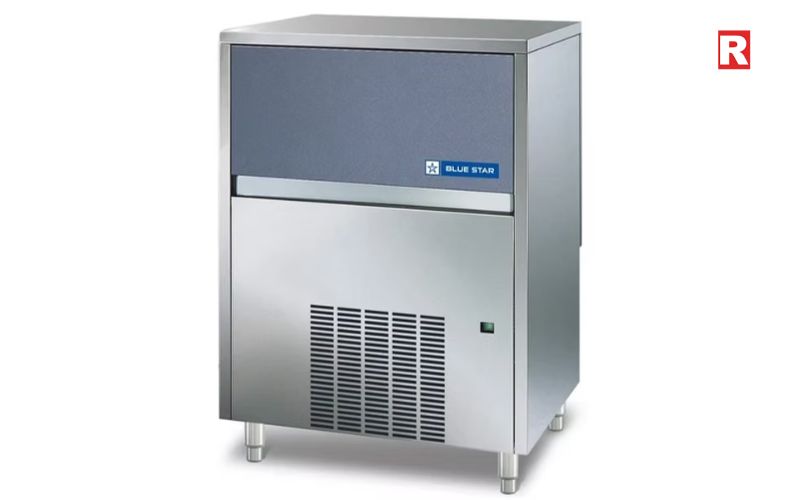
Blue Star has established itself as one of India’s leading commercial refrigeration and cooling equipment companies, with a strong presence across the hospitality and foodservice industry. The brand is widely trusted by restaurants, cafés, bakeries, cloud kitchens, and beverage outlets because of its extensive service network and easier availability of spare parts across Indian cities. Unlike many imported brands, Blue Star offers faster maintenance support, which is important for businesses that cannot afford operational downtime during peak hours. The company provides a wide range of commercial ice machines designed for Indian climate conditions, focusing on reliable cooling performance, energy efficiency, and user-friendly operation. For growing foodservice businesses, Blue Star delivers practical, cost-effective, and locally supported solutions.
Blue Star machines are widely used in:
- Cafés
- Cloud kitchens
- Bakeries
- Quick-service restaurants
- Beverage counters
Important strengths include:
- Affordable pricing
- Reliable cooling performance
- Strong Indian service network
- Easy maintenance
- Compact commercial models
3. Middleby Celfrost
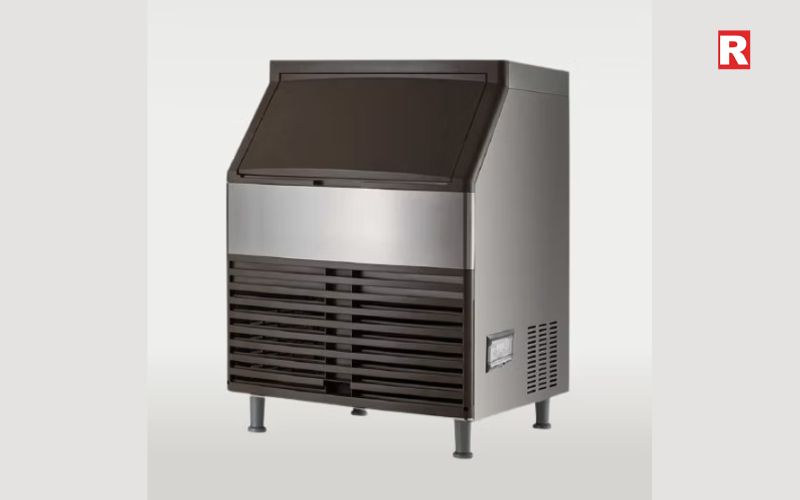
Middleby Celfrost is one of the leading names in India’s commercial kitchen and refrigeration industry, offering advanced foodservice equipment for restaurants, hotels, cafés, bakeries, bars, and institutional kitchens. The company is known for providing commercial ice machines that are built to handle high-volume operations and continuous daily use. Middleby Celfrost focuses strongly on durability, cooling efficiency, and food-grade hygiene, making its systems suitable for demanding hospitality environments. The brand also benefits from its strong understanding of Indian kitchen conditions, including high ambient temperatures and heavy operational workloads. Many hospitality operators prefer Middleby Celfrost because it offers reliable after-sales support, modern refrigeration technology, and practical solutions designed specifically for professional foodservice businesses.
Middleby Celfrost focuses heavily on:
- Advanced cooling systems
- Commercial-grade durability
- Energy-efficient operations
- Foodservice automation
The company is popular among:
- Hotel kitchens
- Restaurant chains
- Institutional kitchens
- Catering businesses
4. Elanpro
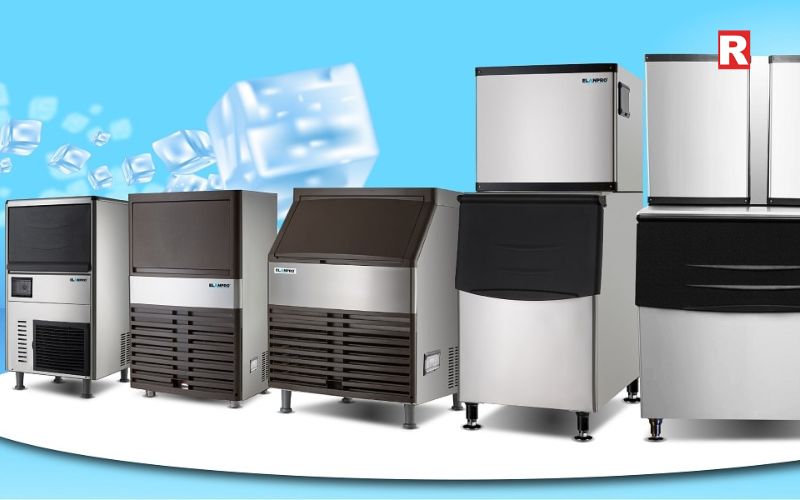
Elanpro is widely recognized as one of India’s leading commercial refrigeration and foodservice equipment companies. The brand focuses heavily on the hospitality and restaurant industry by offering practical, energy-efficient, and cost-effective cooling solutions, including commercial ice machines. Elanpro systems are commonly used in cafés, cloud kitchens, bakeries, quick-service restaurants, and institutional kitchens because they are designed to handle continuous commercial operations. The company is known for providing machines with reliable cooling performance, user-friendly controls, and durable construction suitable for Indian climate conditions. Another major advantage of Elanpro is its strong after-sales support and service network. For growing foodservice businesses, the brand offers a strong balance between affordability, operational efficiency, and long-term usability.
Elanpro ice machines are popular among:
- Cloud kitchens
- Mid-sized restaurants
- Food courts
- Bakeries
- Beverage outlets
The brand is known for:
- Budget-friendly pricing
- Reliable production capacity
- Commercial refrigeration expertise
- India-focused product range
5. Icelings
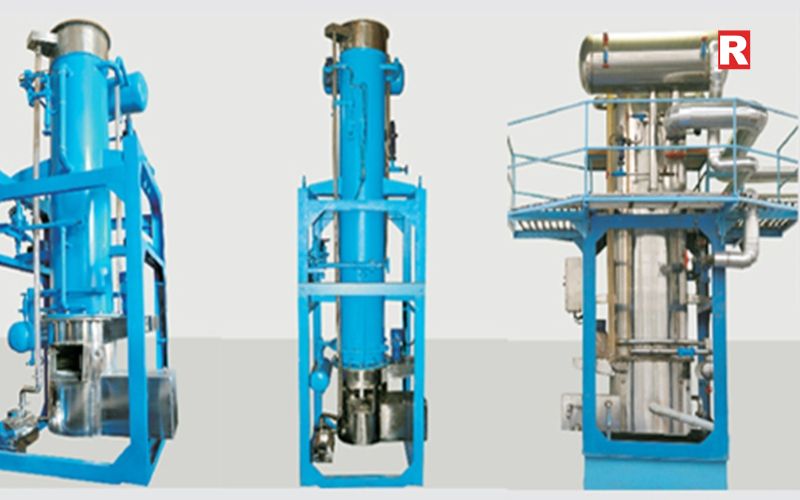
Icelings is steadily gaining recognition in India’s commercial ice machine market by offering practical and budget-friendly ice-making solutions for hospitality and foodservice businesses. The brand caters to restaurants, cafés, bars, bakeries, cloud kitchens, and catering operations that require dependable ice production without investing in extremely expensive imported systems. Icelings focuses on user-friendly operation, compact machine designs, and efficient cooling performance suitable for daily commercial use. Many small and mid-sized businesses prefer the brand because of its competitive pricing and straightforward maintenance requirements. The company is gradually building its presence in the Indian market by providing affordable commercial ice machines that balance functionality, operational efficiency, and accessibility for growing foodservice businesses.
Icelings machines are commonly used in:
- Restaurants
- Bars
- Cafés
- Catering operations
- Small hospitality setups
Key strengths include:
- Consistent ice production
- Compact machine designs
- Easy installation
- Competitive pricing
Important Factors to Consider Before Buying
1. Ice Production Capacity
Businesses should always calculate daily ice requirements before selecting a machine. Capacity is usually measured in kilograms per day. Choosing a lower-capacity machine can create operational problems during busy hours.
2. Water Quality
Hard water is one of the biggest reasons for scale buildup and machine damage in India. A proper filtration system helps:
- Improve ice clarity
- Increase machine lifespan
- Reduce maintenance frequency
- Maintain hygiene standards
3. Condenser Type
Commercial ice machines mainly come in:
- Air-cooled systems
- Water-cooled systems
- Remote-cooled systems
Air-cooled systems are more common in India because they are easier to maintain and install.
4. Energy Efficiency
Electricity costs are rising across the hospitality industry. Modern businesses now prefer machines with energy-efficient compressors and eco-friendly refrigerants to reduce long-term operational expenses.
Commercial Ice Machine Trends in India
The Indian foodservice market is changing rapidly. Consumers now expect premium cold beverages, better drink presentation, and faster service. This has increased the demand for advanced ice-making systems. Tier-2 cities are also becoming major growth markets for cafés, dessert chains, breweries, and beverage outlets.
Some major trends include:
- Smart diagnostic technology
- Self-cleaning systems
- Compact modular machines
- Sustainable refrigeration systems
- Premium gourmet ice formats
- Automation-focused designs
Final Thoughts
Choosing the right commercial ice machine depends on the size of the business, beverage menu, customer traffic, and maintenance expectations. Hoshizaki is ideal for premium hospitality businesses that focus on durability and ice quality. Blue Star and Elanpro are practical options for Indian businesses looking for affordability and strong local support. Middleby Celfrost works well for large commercial kitchens, while Icelings offers cost-effective solutions for growing businesses. A commercial ice machine is more than just a cooling appliance. It directly affects beverage quality, customer satisfaction, workflow speed, and overall operational efficiency. Businesses that invest in the right system often see smoother operations and better long-term performance.
A restaurant kitchen is more than just a place where food gets cooked. It is the engine that keeps the entire business running. The speed of service, food quality, hygiene, and even profit margins depend heavily on the equipment inside the kitchen.
Many first-time restaurant owners focus too much on interiors and branding. But experienced chefs and operators know that kitchen equipment decides how smoothly daily operations will run. A poorly planned kitchen can slow down orders, increase food waste, and raise maintenance costs within months. Whether you are opening a cafe, cloud kitchen, bakery, QSR, or fine dining restaurant, choosing the right commercial kitchen equipment is one of the biggest investments you will make.
Why Choosing the Right Kitchen Equipment Matters
Commercial kitchens work under pressure every day. During peak hours, equipment must handle continuous cooking, refrigeration, cleaning, and food preparation without breakdowns.
Good equipment offers:
- Faster cooking speed
- Better food consistency
- Lower electricity consumption
- Improved hygiene standards
- Reduced labor dependency
- Better kitchen workflow
Commercial-grade equipment is also designed differently from domestic appliances. Restaurant kitchens usually use stainless steel equipment because it is durable, rust-resistant, and easy to clean. Most professional kitchens prefer 304-grade stainless steel because it handles heat and moisture better over long periods. Energy efficiency is becoming another major factor. Many restaurants now choose equipment with lower power consumption to reduce monthly operating costs.
1. Cooking Equipment Checklist
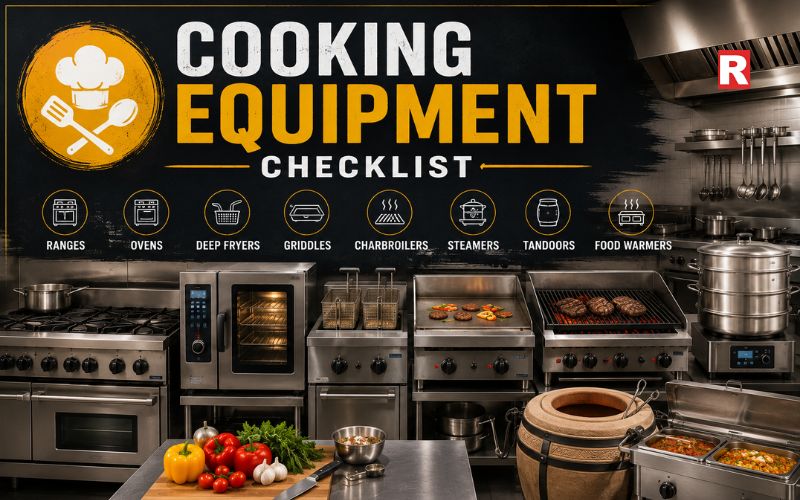
Cooking equipment forms the core of every restaurant kitchen. The type of equipment depends heavily on the cuisine and menu.
Commercial Ranges: Commercial ranges are used for daily cooking tasks. Most restaurants choose four-burner or six-burner ranges depending on customer volume. High BTU burners help chefs cook faster during rush hours.
Ovens: Restaurants commonly use convection, deck, and combi ovens, while combi ovens save space by handling steaming, roasting, and baking together.
Deep Fryers: Deep fryers are essential for fast food restaurants and cafes. Modern fryers now include temperature control systems that help maintain oil quality and reduce wastage.
Griddles and Charbroilers: These are commonly used in burger restaurants, cafes, and grill kitchens. They provide even heat distribution and improve cooking consistency.
Tandoors: For Indian restaurants, tandoors remain one of the most important investments. Gas tandoors are becoming more popular because they heat faster and are easier to manage compared to traditional charcoal models.
2. Refrigeration and Cold Storage Equipment
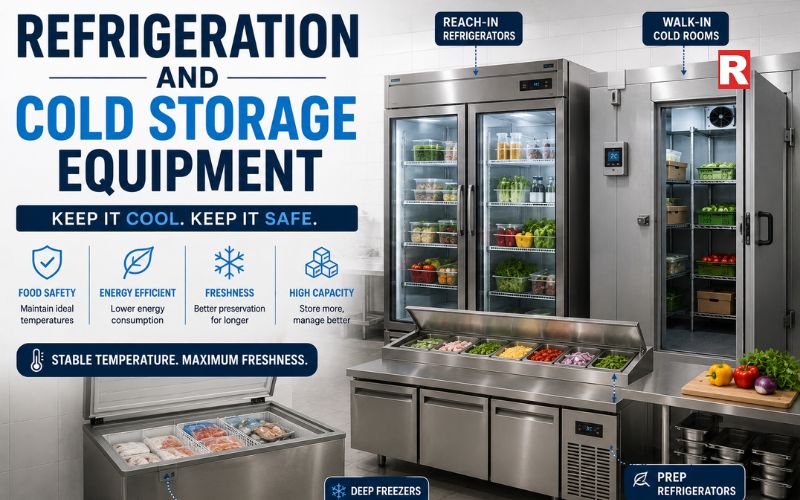
Refrigeration is one of the most critical areas in any commercial kitchen. Poor refrigeration can lead to food spoilage, hygiene issues, and inventory losses.
Reach-In Refrigerators: These are used for daily ingredient storage and quick access during service hours.
Walk-In Cold Rooms: Large restaurants and cloud kitchens usually install walk-in coolers because they offer higher storage capacity for bulk ingredients.
Deep Freezers: Deep freezers help store frozen food items, meat, seafood, and desserts for longer durations.
Prep Refrigerators: These units are commonly used in pizza kitchens, sandwich counters, and salad stations because ingredients remain accessible during preparation.
Modern refrigeration systems are designed to maintain stable temperatures while reducing energy consumption. Proper airflow inside refrigerators is extremely important for food safety and ingredient freshness.
3. Food Preparation Equipment
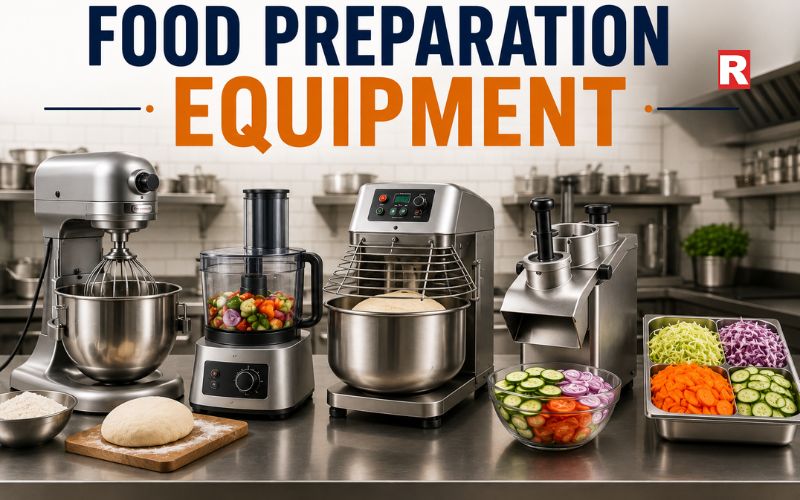
Food prep equipment helps reduce manual labor and improve kitchen speed.
Commercial Mixers: Bakery kitchens and cafes rely heavily on commercial mixers for dough, batter, cream, and sauces.
Food Processors: Food processors save a huge amount of preparation time. They are widely used for chopping vegetables, making sauces, and preparing purees.
Dough Kneaders: Restaurants serving pizza, naan, or bakery products often use dough kneaders to maintain consistency in large batches.
Vegetable Cutters and Slicers: These machines improve speed and reduce staff workload during busy operations.
Automation in food preparation has become a major trend in modern kitchens. It helps maintain consistent taste and portion sizes while lowering dependency on skilled labor.
4. Storage and Shelving Equipment
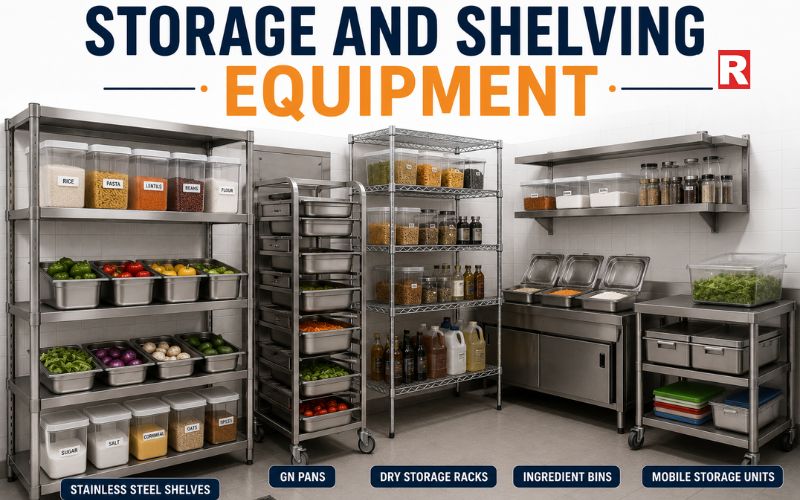
Storage planning is often ignored during restaurant setup, but it directly affects workflow and inventory management.
Important storage equipment includes:
- Stainless steel shelves
- Ingredient bins
- Dry storage racks
- GN pans
- Mobile storage units
Proper storage systems help reduce food wastage and improve organization inside the kitchen. Many restaurants now follow FIFO systems, which means “First In, First Out,” to avoid ingredient expiration.
5. Washing and Sanitation Equipment
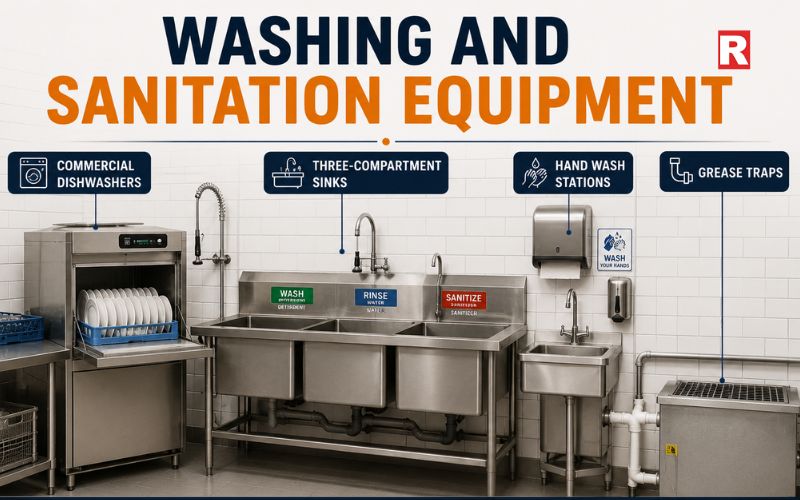
Cleanliness is one of the biggest factors behind restaurant success. Poor sanitation can damage both reputation and customer trust.
Commercial Dishwashers: Commercial dishwashers clean utensils faster than manual washing and help save labor time.
Three-Compartment Sinks: These sinks are commonly used for washing, rinsing, and sanitizing kitchen utensils.
Hand Wash Stations: Separate hand wash stations are extremely important for maintaining hygiene standards.
Grease Traps: Grease traps help prevent oil and food waste from blocking drainage systems.
Restaurants in India must also follow FSSAI hygiene standards, making sanitation equipment an essential part of kitchen planning.
6. Ventilation and Safety Equipment
Restaurant kitchens generate large amounts of smoke, heat, and oil fumes every day. Without proper ventilation, the kitchen environment becomes unsafe and uncomfortable for staff.
Exhaust Hoods: Exhaust systems remove smoke, grease particles, and excess heat from the kitchen.
Fresh Air Systems: These systems improve air circulation and help maintain proper airflow balance.
Fire Suppression Systems: Commercial kitchens handling open flames and fryers require fire safety systems for emergency situations.
Gas Leak Detectors: Gas leak detectors add another layer of kitchen safety and help prevent accidents.
A well-ventilated kitchen not only improves staff comfort but also increases equipment life by reducing heat buildup.
7. Smallwares and Kitchen Tools
Smallwares may look minor, but they play a huge role in kitchen efficiency.
Essential smallwares include:
- Chef knives
- Tongs
- Ladles
- Cutting boards
- Pots and pans
- Mixing bowls
- Measuring tools
Many professional chefs believe that sharp knives and durable cookware improve speed more than expensive machines.
Equipment Requirements Based on Restaurant Type
Every restaurant does not need the same equipment setup. A cafe may focus more on coffee machines, ovens, and display refrigeration. A cloud kitchen may prioritize fast cooking equipment and efficient storage systems. Fine dining restaurants usually invest more in premium cooking systems and advanced refrigeration. Menu engineering always decides equipment requirements. Buying unnecessary equipment increases setup costs and wastes kitchen space.
Estimated Kitchen Setup Cost in India
Restaurant kitchen setup costs vary based on concept size and equipment quality. Average equipment investment:
- Small cafe: ₹3–8 lakh
- Cloud kitchen: ₹5–15 lakh
- Casual dining restaurant: ₹10–30 lakh
- Fine dining restaurant: ₹25 lakh and above
Apart from equipment, restaurants must also consider installation charges, exhaust systems, gas pipeline setup, and annual maintenance costs.
The Bottom Line!
Restaurant kitchen equipment is far more than a collection of machines. It forms the operational backbone of the entire food business. Every piece of equipment directly affects cooking speed, food consistency, hygiene standards, staff productivity, and long-term profitability. Experienced restaurant owners focus on building an efficient kitchen system where preparation, cooking, storage, and cleaning work smoothly together. Instead of buying trendy appliances that may rarely be used, smart operators invest in durable commercial-grade equipment designed for heavy daily workloads. Energy-efficient refrigeration systems, proper ventilation, high-performance burners, and organized storage solutions help reduce electricity costs, food wastage, and maintenance expenses over time. A well-planned kitchen layout also minimizes unnecessary staff movement during rush hours, improving service speed and reducing pressure on employees. In modern restaurants, operational efficiency matters as much as food quality. A properly equipped kitchen not only improves customer experience through faster and more consistent service but also creates a stronger foundation for business scalability, safety compliance, and long-term restaurant success.
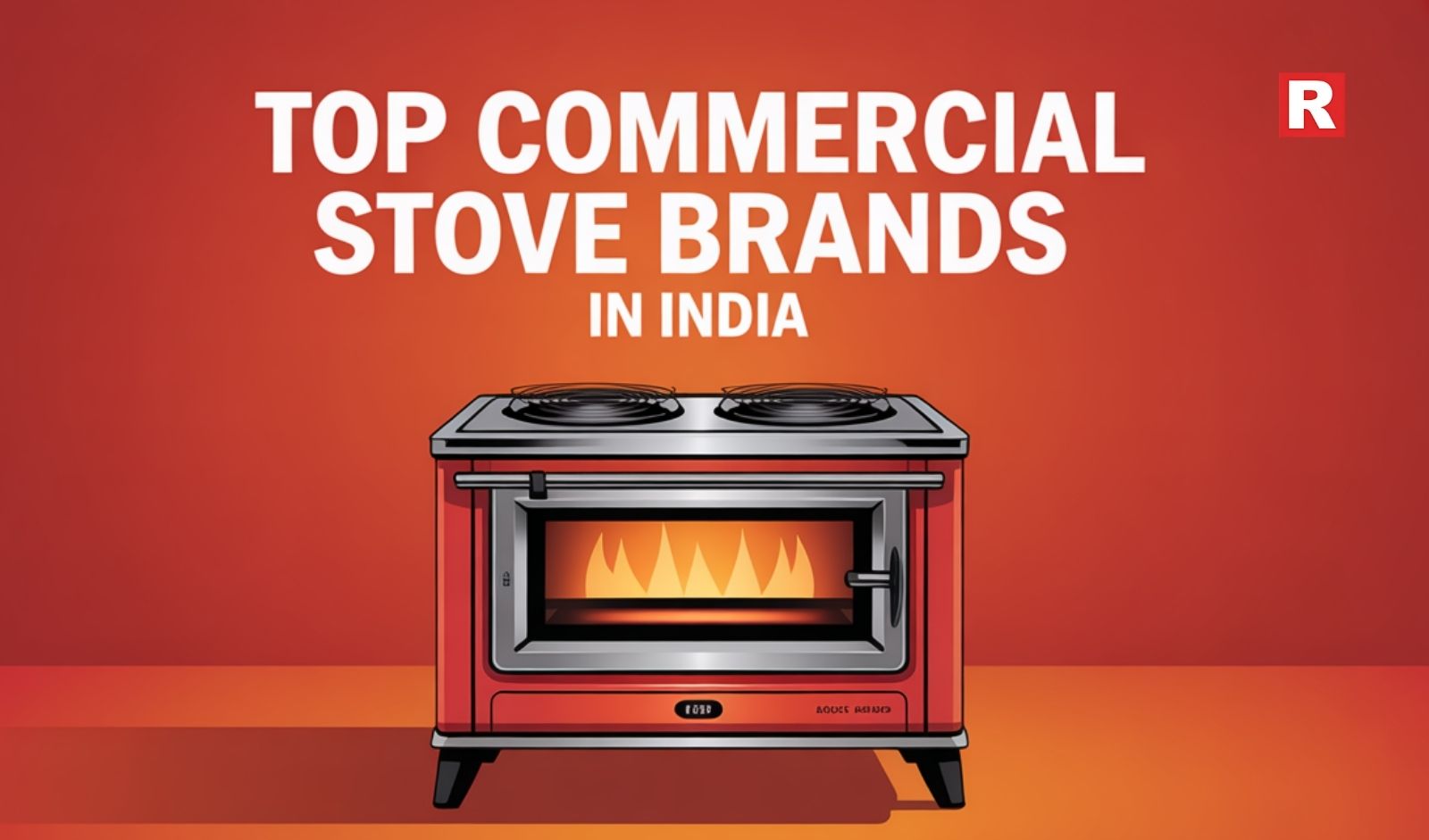
India’s food service industry is growing fast. New restaurants are opening in big and small cities. Cloud kitchens, cafés, and catering units are setting up every month. All these businesses depend on one thing. They need a strong and reliable commercial stove. A commercial stove is the main unit of any professional kitchen. It controls the speed of cooking. It affects the taste of every dish. It also plays a role in safety and consistency. When the stove works well, the kitchen works well. When it fails, the entire service slows down.
There are many options in the Indian market today. Some look the same, but the quality is very different. Many new business owners find it hard to choose the right brand. They look for stoves that can handle long hours. They also want good heat control, strong build, and safe gas flow. This article lists the top commercial stove brands trusted by chefs, restaurateurs, and cloud kitchen owners. These brands are known for performance and durable design. The information is simple and verified. It helps buyers understand what works best for a modern commercial kitchen.
Why Commercial Stoves Matter in Modern Indian Kitchens
Professional kitchens work for long hours. They handle bulk cooking. They serve hundreds of dishes in a day. This requires a stove that can take daily pressure without dropping performance.
A good commercial stove offers:
- High heat output
- Strong stainless steel build
- Stable burners
- Safe gas flow
- Energy efficiency
- Easy cleaning
- Long-term durability
These features support faster service, better taste, and smoother operations.
How Commercial Stoves Differ From Home Stoves
Many new entrepreneurs compare commercial stoves with home stoves. However, both are very different.
A commercial stove has:
- Higher heat output for faster cooking
- Heavy-duty frames
- Larger burners
- Thicker steel
- Better stability
- Safer valves for continuous use
- Options for LPG and PNG
Home stoves cannot handle the stress of professional cooking. This is why choosing a specialised commercial brand is important.
What to Check Before Buying a Commercial Stove
Before choosing a brand, every business should check a few essential points:
- Type of cuisine
- Number of dishes made per day
- Required heat level
- Burner size
- Gas type (LPG or PNG)
- Budget and long-term service costs
- Space inside the kitchen
- Type of range: Indian, Chinese, Continental, or bulk cooking
These details affect performance and cost.
Read more: 10 Best Commercial Food Processor Brands in India
10 Coffee Shop Design Tips for Small Spaces (That Brew Big Style)
Find Top 5 Commercial Stove Brands in India
1. Blue Star Commercial Kitchen Equipment
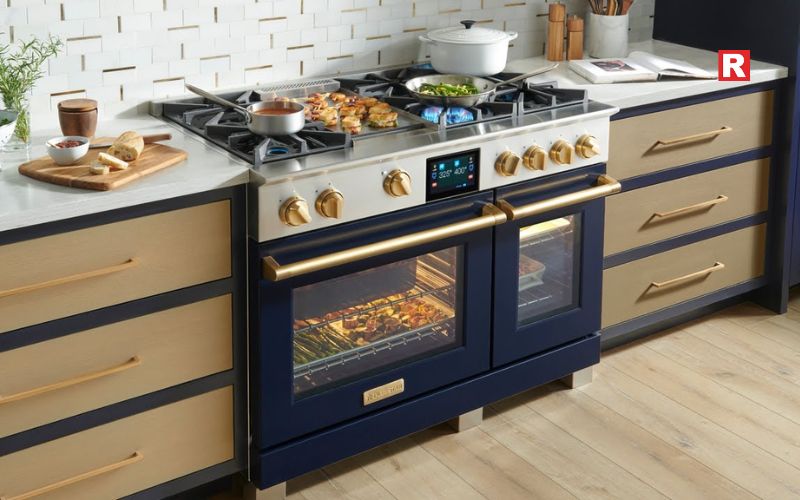
Blue Star is a well-known name in India’s commercial kitchen industry. The brand has a strong presence across hotels, restaurants, cafés, and cloud kitchens. It is trusted for its durable build and steady performance. Its commercial stoves are made with heavy stainless steel, which supports long hours of cooking. The burners give a strong and even flame, which helps chefs maintain speed and taste during busy hours.
Blue Star also focuses on safety. Its stoves come with reliable valves and easy-to-use controls. Many kitchens prefer the brand because it offers stable quality and low maintenance. The wide service network adds to the trust. Over the years, Blue Star has become a dependable choice for professional kitchens that need sturdy and long-lasting equipment.
- Why It Stands Out: Blue Star focuses on quality engineering. Its commercial stoves are made with heavy-duty stainless steel. Burners offer strong and even flame. Safety valves and heat control knobs are reliable and easy to use. The brand also has a wide service network.
- Best For: Restaurants, hotel kitchens, cloud kitchens, QSRs, and industrial canteens.
2. Sowbaghya Commercial Cooking Equipment
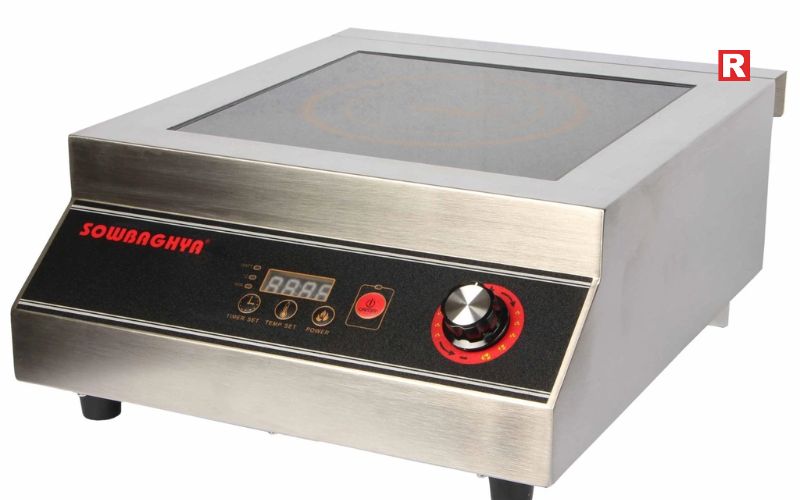
Sowbaghya is a well-known brand in India’s commercial kitchen market. It is trusted for its strong build quality and durable commercial stoves. The brand offers heavy-duty ranges made with thick stainless steel and stable frames, which support long hours of continuous cooking. Its stoves are designed to handle the high heat and fast pace of professional kitchens.
Chefs prefer Sowbaghya because the burners give a steady and powerful flame. This helps in quick and consistent cooking, especially during rush hours. The stoves are also easy to clean and simple to maintain. Spare parts are widely available, and the service support is dependable, which makes the brand useful for businesses that operate daily without breaks. Sowbaghya focuses on real kitchen needs. Its products are practical, long-lasting, and built to withstand heavy use. This makes the brand a reliable choice for food businesses across India.
- Why It Stands Out: Sowbaghya uses high-quality stainless steel, strong frames, and efficient burners. The stoves are built for long operating hours. Flame control is stable, maintenance is low, and parts are easy to access.
- Best For: Restaurants, cloud kitchens, catering units, hotels, and industrial kitchens.
3. Cookman Cooking Equipment
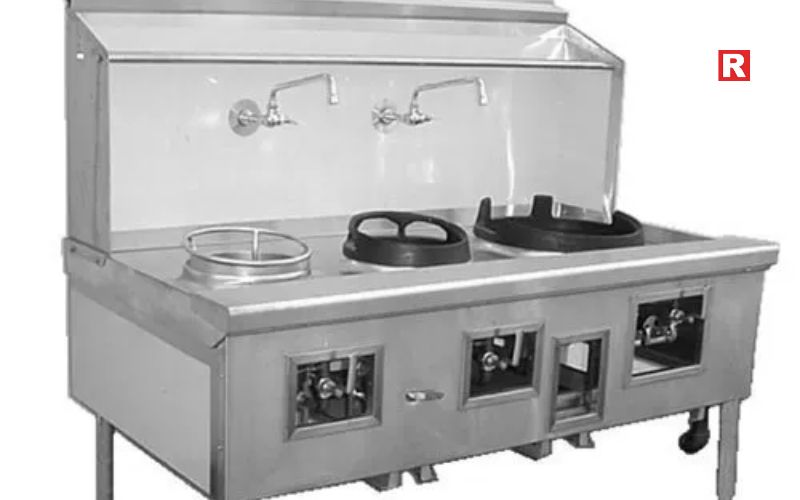
Cookman is a strong and growing brand in the commercial stove market. Many new restaurants, cafés, and cloud kitchens choose it because the brand offers custom design options. This helps businesses pick stoves that match their exact kitchen layout and cooking style. Cookman stoves are built with durable frames and thick steel. They can handle high heat and long cooking hours. The burners provide good flame control, which supports fast and even cooking. The brand also focuses on fuel efficiency, making it useful for kitchens that run all day.
Customers trust Cookman because it delivers practical and affordable products. Its stoves work well for both small and large food operations. This makes Cookman a reliable option for modern commercial kitchens in India.
- Why It Stands Out: Cookman offers strong build quality with durable frames. The stoves have fine heat distribution. The brand also provides customised ranges for different cuisines. The burners are fuel-efficient, making them a good choice for high-usage kitchens.
- Best For: Cloud kitchens, new restaurants, highway dhabas, catering kitchens, and food trucks.
Know more: The Ultimate Guide to Getting Your Cloud Kitchen on Zomato
4. Hindchef Commercial Kitchen Equipment
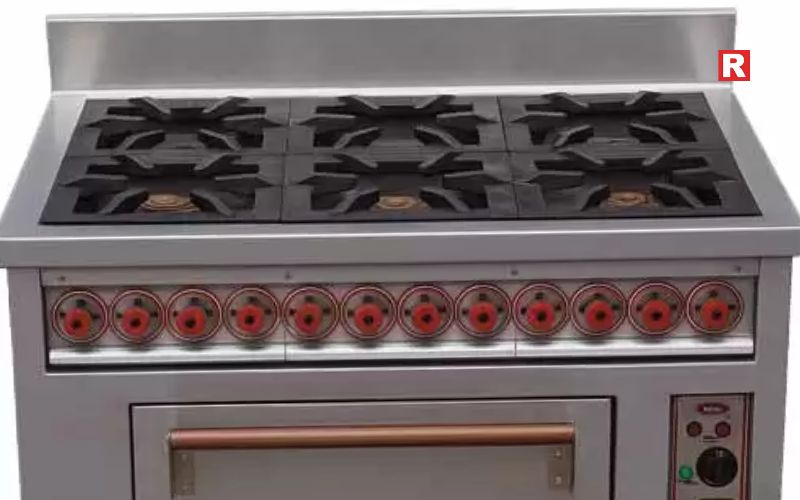
Hindchef is a popular choice among cloud kitchens and quick-service restaurants. The brand is known for sturdy and affordable commercial cooking ranges. Its stoves are built to handle long hours and high-volume cooking, which suits fast-moving kitchens. The frames are strong, and the burners give a steady flame that helps in quick and consistent food preparation.
Hindchef focuses on simple and efficient designs. Its products are easy to clean and maintain, which is important for small teams working under time pressure. Many kitchens choose the brand because it offers good performance at a reasonable price. Spare parts and service support are also easy to access. With practical features and reliable build quality, Hindchef has become a trusted option for new and growing food businesses across India.
- Why It Stands Out: Hindchef focuses on efficiency and low maintenance. The brand offers energy-saving burners, strong stands, and rust-resistant materials. It is especially preferred by cloud kitchens due to good performance at competitive pricing.
- Best For: Cloud kitchens, fast-food joints, biryani kitchens, and small restaurants.
5. Annapurna Commercial Stoves
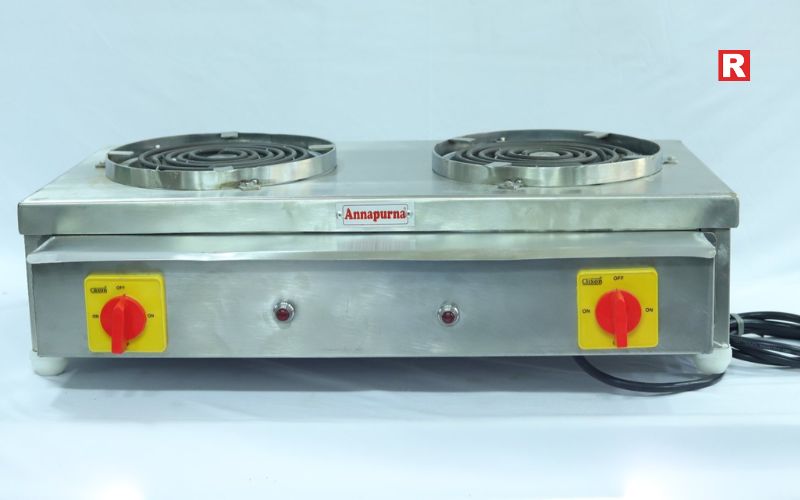
Annapurna is a trusted name in India’s commercial stove market. The brand is known for strong and durable stoves built for heavy-duty use. Many large kitchens, hotels, and catering units choose Annapurna because its equipment can handle bulk cooking with ease. The stoves are made with thick stainless steel and solid frames, which keep them stable even with large vessels and continuous high heat. The burners offer strong and consistent flame output, helping chefs cook fast and maintain steady results during peak hours. Heat control is smooth, which supports different styles of cooking.
Annapurna focuses on long-term performance. Its stoves are built to run for long hours without frequent repairs. This reliability has made the brand a preferred choice for professional kitchens that need strength, stability, and dependable equipment every day.
- Why It Stands Out: Annapurna uses high-grade steel, strong construction, and heavy-duty burners. Flame control is stable, and the stoves handle bulk cooking well. This makes the brand ideal for high-volume kitchens.
- Best For: Hotels, industrial canteens, catering units, restaurants, and multi-cuisine kitchens.
Check more: How to Start a Cloud Kitchen in India: A Step-by-Step Guide
How to Start a Cloud Kitchen on Swiggy for Your Restaurant (2025 Guide)
Types of Commercial Stoves in India
Different food businesses need different stove types. Some popular options include:
- Two-burner, three-burner, and four-burner stoves
- Indian range
- Continental range
- Chinese range
- Dosa stove
- Bulk-cooking stoves
- Heavy-duty industrial burners
Choosing the right type reduces operational stress and improves speed.
Price Overview in India
Commercial stoves in India come in different price ranges:
- Small restaurant stoves: ₹7,000 to ₹15,000
- Mid-range stoves: ₹20,000 to ₹35,000
- Heavy-duty and custom models: ₹40,000 and more
Prices depend on metal thickness, burners, size, type of range, and brand.
The Bottom Line!
Commercial stoves play a key role in every professional kitchen in India. They influence the taste of the food, the speed of service, and the overall workflow of the team. A good stove supports long hours of cooking and helps chefs maintain consistency during rush hours. This is why build quality, heat strength, safety features, and durability are important while choosing a brand. These brands offer strong and well-designed stoves for restaurants, cafés, cloud kitchens, catering units, and industrial kitchens. Each brand focuses on stable performance, reliable heat control, and long operational life. Selecting the right stove helps a food business run smoothly. It saves time during peak hours, reduces energy use, and lowers long-term costs. A strong commercial stove becomes a dependable part of the kitchen’s daily operations.
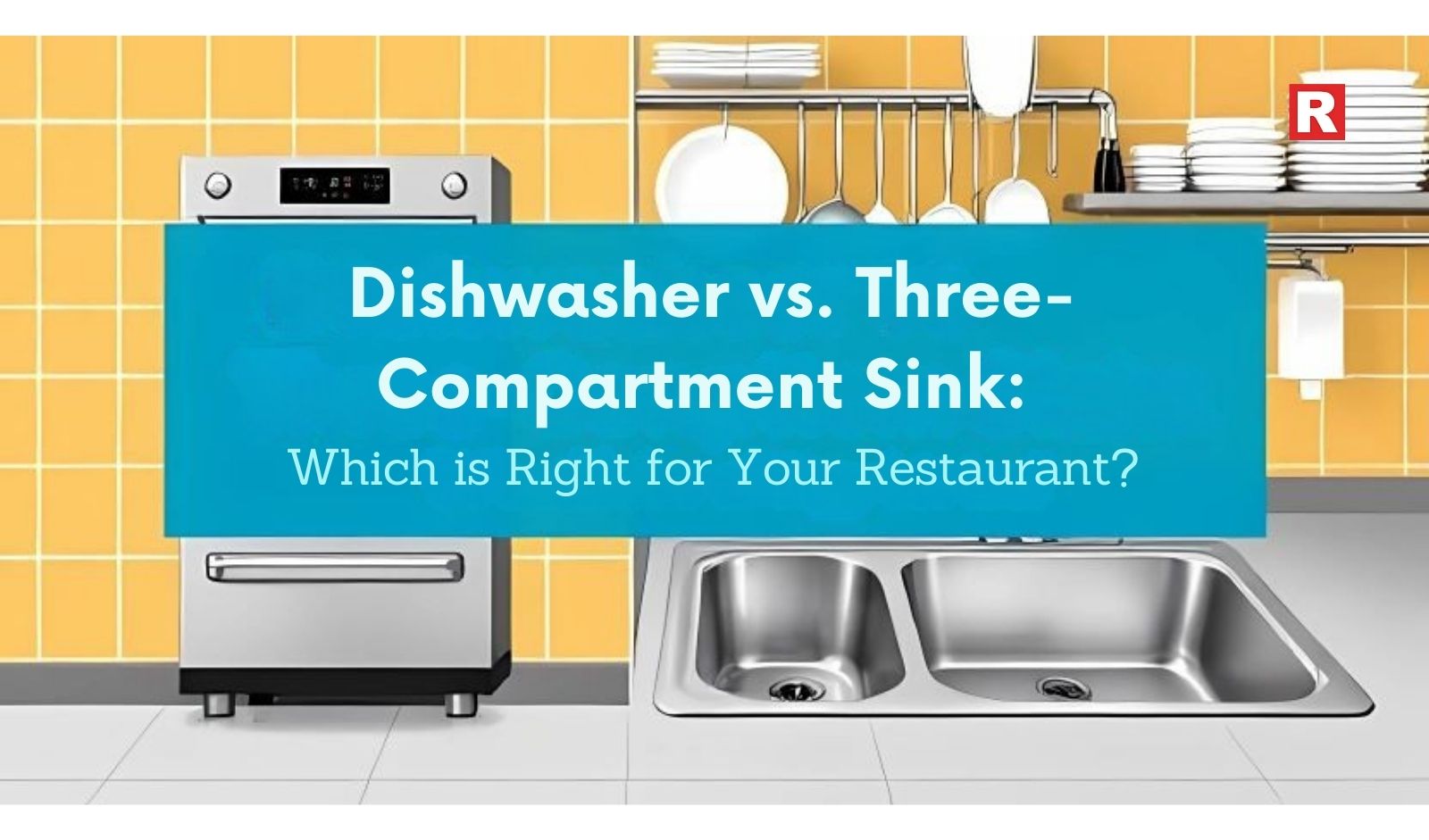
In the fast-paced world of Indian dining, every decision, from menu items to design, has a significant impact on profits. However, there is an issue that is less talked about, but is equally important to the proper functioning of the restaurant: that is, how to wash the dishes. The simple three-compartment sink has been a kitchen staple for years, but modern dishwashers are becoming a strong challenger day by day. When choosing between the two, Indian restaurateurs need to consider cost, efficiency, and hygiene in addition to convenience.
This detailed article will compare the benefits and drawbacks of dishwashers versus three-compartment sinks, allowing you to make a smart decision that is appropriate for your restaurant's specific requirements. We'll look at the most important factors, from initial expenses to long-term savings, as well as the perfect hygiene standards that your customers expect.
Read more: 10 Tips to choose the best Dishwasher for your restaurant
The Traditional Three-Compartment Sink
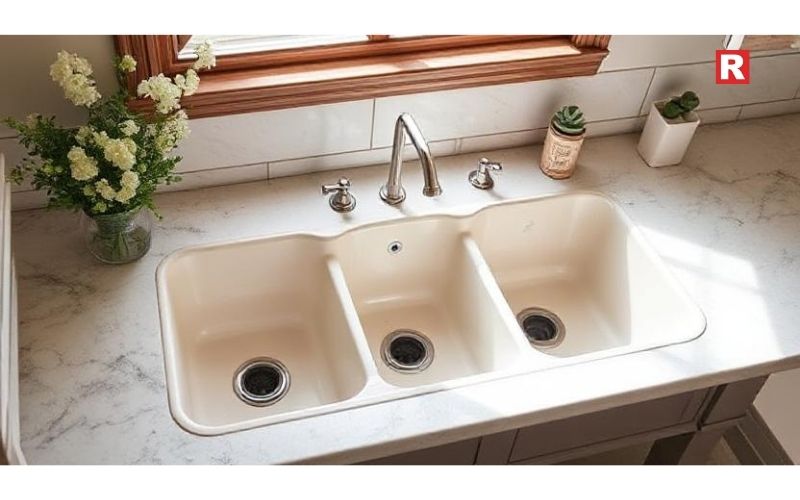
The majority of commercial kitchens in India are equipped with a three-compartment sink. It is a simple, efficient solution that does not require complicated technology to achieve basic hygiene criteria. The procedure is simple and complies with basic sanitary guidelines.
How it works:
- Wash: Hot, soapy water is used to wash dishes in the first compartment.
- Rinse: Use clean, hot water to rinse the soap off in the second chamber.
- Sanitize: The dishes are cleaned in the third and last container, typically using very hot water or a chemical sanitizer solution.
Pros of the Three-Compartment Sink:
- Low Initial Investment: The largest benefit is probably the low initial investment. The initial cost of a three-compartment sink is significantly less than that of a commercial dishwasher. For newly opened restaurants with little funds, this may be a deal-breaker.
- Zero Operating Costs (Apart from Water and Chemicals): You don't have to be concerned about electricity usage or equipment servicing. Water, detergent, and sanitizer are the only continuous expenses, and they are affordable.
- Versatility: Dishes are not the only function of the sink. You can soak tough stains, wash veggies, and even clean big pots and pans that might not fit in the dishwasher.
- Ease of Use & Repair: It is an easy-to-use technology that requires little training. In most cases, a local plumber can swiftly and reasonably fix anything that breaks.
Cons of the Three-Compartment Sink:
- Labor-intensive: The true expenditure can be found here. The entire procedure is done by hand and takes a lot of staff time and energy. This can eat up important man-hours that could be spent on other things in a busy kitchen.
- Inconsistent Outcomes: The individual performing the cleaning has a significant impact on how effective the procedure is. Staff members may hurry through the procedures in a high-pressure setting, which could result in improperly sanitized dishes.
- High Water and Energy Consumption: The manual procedure frequently wastes a lot of water, even if the equipment is not using energy. Significant energy is also needed to keep the water in all three compartments hot, particularly in a large operation.
- Space Requirements: In most Indian commercial kitchens, floor space is a valuable resource, and a three-compartment sink takes up a significant portion of it.
Know more: How to Train Your Staff to Spot Bad Seafood in Five Easy Steps
The Modern Solution: The Commercial Dishwasher
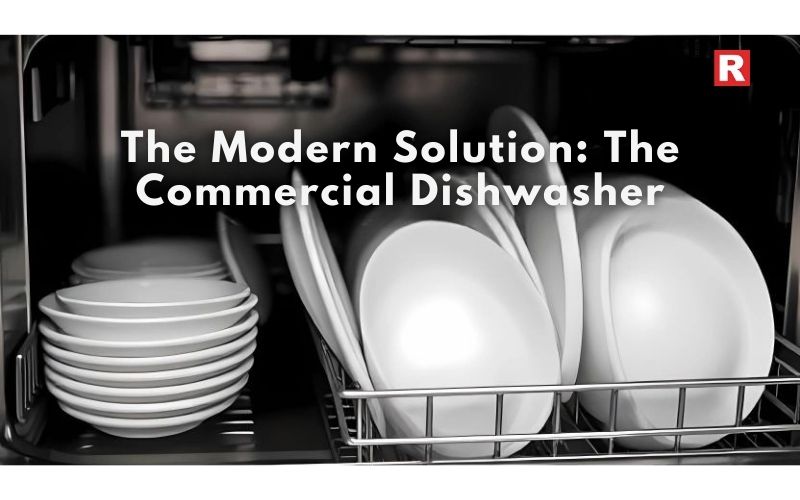
In India, huge restaurant chains and luxurious hotels have been using commercial dishwashers more frequently in recent years. They provide a more effective, sanitary, and reliable way to deal with the persistent problem of dishwashing.
How it works:
- Pre-Rinse: To get rid of big food particles, staff members rinse the plates beforehand.
- Load: The machine is filled with dishes that have been arranged in racks.
- Wash, Rinse, Sanitize: To wash, rinse, and sanitize the dishes, the machine automatically cycles through a mix of high-pressure water jets and extremely hot water.
Pros of the Commercial Dishwasher:
- Superior Hygiene and Consistency: The main benefit of a dishwasher is its superior hygiene and consistency. Every dish is consistently cleaned thanks to the high-temperature water (typically above 82°C or 180°F) or chemical sanitizing system, which is essential for the health and safety of customers.
- Labor and Time Savings: One dishwasher can quickly clean a large number of dishes. This increases the productivity and efficiency of your kitchen by freeing up staff to concentrate on other duties.
- Water and electricity Efficiency: Modern dishwashers are made to use very little water and electricity. They utilize just the right amount of water each cycle, which can lower your utility bills over time.
- Space-Efficient Models: Compact under-counter versions that are suitable for tiny kitchens and bigger conveyor units for high-volume operations are examples of space-efficient models. This lets you select a machine based on the amount of space you have available.
Cons of the Commercial Dishwasher:
- High Initial Investment: The cost of a commercial dishwasher is high. For new businesses or small-to-medium-sized restaurants with little funding, this could be a significant challenge.
- Costs of maintenance and repairs: These devices have complex structures and moving parts that are prone to malfunction. Dishwasher repairs often call for a skilled expert, and the parts could possibly be costly.
- Electricity Use: Although they use less energy every cycle, they do use electricity, which is something to take into account in areas where electricity prices are high.
- Not Ideal for All Items: You may still need a sink for really large pots and pans, as well as some delicate utensils that may not fit or should not be cleaned in a dishwasher.
What's new: Easy & Delicious Meal Prep Ideas for a Busy Week
Key Considerations for Indian Restaurateurs
For Indian restaurateurs, analyzing the pros and cons is not enough to make a decision. It is necessary to consider specific local circumstances.
- Water Quality: Mineral buildup and gradual damage to dishwashing components can result from hard water, a common issue in many regions of India. The cost may increase if you need to use particular detergents or buy a water softener.
- Staff Training and Skill Set: Although a dishwasher makes things easier, your staff must receive the necessary training to operate it, load it quickly, and deal with small problems.
- Power Supply Reliability: "Load shedding," or power outages, might cause a dishwasher's cycle to be interrupted. Even in the event of a power outage, a three-compartment sink keeps your business running smoothly.
- Labor Costs: Although dishwashers reduce labor costs, labor costs in India are frequently less than in many other nations. You must carefully determine whether labor savings balance the dishwasher's expensive initial cost and possible repair expenses.
A Three-Point Checklist to Make the Final Decision
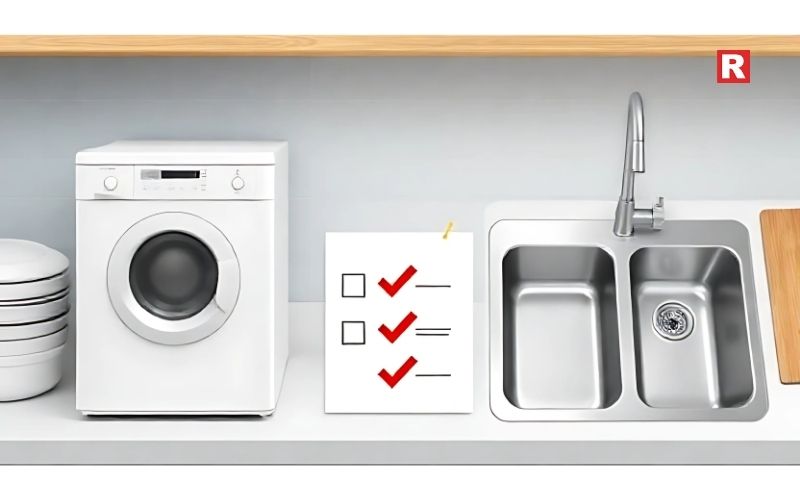
Asking yourself these three important questions will help you make the best decision:
1. What volume do you have?
A three-compartment sink is probably the most sensible and economical option if your restaurant is a small, small-scale business. A commercial dishwasher is a smart investment that will pay for itself in labor and efficiency, whether you're managing a busy café, a high-volume restaurant, or a hotel with meeting space.
2. What are your priorities?
Is cutting initial expenses your key priority? In that case, the sink is the obvious winner. Is maintaining constant, superior efficiency and hygiene your top priority? In that case, a dishwasher is the best option.
3. What is your long-term vision?
Are you a new restaurant testing the waters with plans to expand? You can begin with a sink and then upgrade to a dishwasher as your business expands. If you're a well-established brand trying to improve your operations and raise your standards, a dishwasher is the logical next step.
Check out: 5 Key Features a Restaurant Pizza Oven Should Have
10 Surprising Health Benefits of Having Plant-Based Diet
Beyond the Kitchen: The Customer's Perspective
- Building faith: A sparkling clean glass or a spotless plate creates immediate, natural faith in your business.
- Hygiene as a Differentiator: A high-tech dishwasher demonstrates your attention to hygiene, setting you apart from the competition.
- Efficiency for Better Service: Fast dishwasher cycles ensure that staff always have clean dinnerware, reducing delays during peak hours.
- Satisfied Customers: Smoother operations result in a better dining experience and more favorable feedback.
- Enhanced Reputation: Outstanding cleanliness portrays a skilled staff, which benefits your restaurant's reputation.
- Justifying Pricing: High hygiene standards help you justify higher prices by indicating greater quality.
- Repeat Business: Customers who are satisfied with your hygiene are more likely to return.
- Professional Image: Cleanliness on all objects, from silverware to plates, conveys a professional and meticulous image.
- Better Reviews: A smooth, clean experience generally results in great online reviews.
- Marketing from the Back: Back-of-house hygiene might be one of your many powerful marketing weapons.
Read this: 7 Tips That Can Help Restaurants Make More Revenue During Festivals
Conclusion
Both the three-compartment sink and the commercial dishwasher have their uses in the Indian restaurant industry. The classic sink is a dependable, low-cost solution that offers versatility and is simple to maintain. It's ideal for small-scale businesses or those just starting. On the other hand, a commercial dishwasher is an effective tool for updating your kitchen, providing unparalleled hygiene consistency as well as significant long-term labor and utility cost savings.
The ideal option for your restaurant relies on your specific circumstances. It's not about whether the solution is generally superior, but rather which one best fits your company's size, budget, priorities, and long-term goals. By carefully considering these criteria, you can make a decision that assures your back-of-house operations run as smoothly and successfully as the great food you offer.
The simple pizza has transcended its Italian roots to become a global sensation, and it has also become very popular in India. Pizzerias are popping up everywhere, from bustling cities to peaceful towns, all seeking that perfect slice. But what exactly differentiates a good pizza from a superb one? While ingredients and technique are important, the unsung hero and heart of any great pizza shop is unquestionably the pizza oven.
For Indian restaurateurs looking to take advantage of the expanding pizza market, investing in the appropriate oven is more than an option; it's a strategic must. A superb pizza oven does more than just cook; it also crafts. It gives each crust the desired char, ensures a properly melted cheese blanket, and highlights the varied flavors of your toppings. Without a decent oven, even the best dough and freshest ingredients might fall flat, resulting in inconsistent quality, customer disappointment, and, eventually, a failing business.
This full article is aimed at Indian restaurateurs. We'll go over why a good pizza oven is essential, how to evaluate its quality, and then thoroughly examine the 5 key features that every restaurant pizza oven should have to ensure your establishment stands out in India's competitive culinary environment.
Read more: Top 7 Tips for Efficient Energy Management in A Restaurant Kitchen
Why a Good Pizza Oven is Non-Negotiable for Indian Restaurants
In India, where dining out is a common activity with family and friends, there are high expectations for quality and consistency. For pizza, this means:
- The Perfect Crust: Indians value texture. An excellent oven achieves the perfect balance of crispy outside and chewy, airy inside - the characteristic of a delicious pizza. It allows the dough to rise quickly (oven spring), resulting in the desired airy crust.
- Flavor Development: Intense, steady heat caramelizes the sugars in the dough, producing rich flavors that an average oven cannot match. It also brings out the greatest flavors in toppings.
- Speed and Efficiency: In a high-volume market, speed is critical. An excellent oven cooks pizzas quickly and efficiently, resulting in shorter wait times, satisfied customers, and efficient kitchen operations.
- Consistency is King: Customers expect to have the same excellent pizza every time. A high-quality oven keeps accurate temperatures, minimizing hot spots and ensuring even cooking across every pizza and order.
- Versatility and Menu Expansion: Many modern pizza ovens can also handle other baked items, flatbreads (such as Indian naan or roti if specifically constructed), roasted vegetables, and even baked sweets, allowing for menu diversity.
- Energy Efficiency (Cost Savings): While the initial expenditure may be higher, a well-insulated, efficient oven can significantly decrease long-term energy expenses, which is an important issue for Indian businesses.
How to Assess the Quality of a Pizza Oven
Before we get into features, how do you know if an oven is genuinely "good"?
- Temperature reach and Retention: Can it continuously attain and maintain extremely high temperatures (for example, 600-900°F or 315-480°C) even during peak hours?
- Heat Distribution: Is the heat even across the entire cooking surface? Are there any evident hot and cold spots?
- Recovery Time: How quickly does the oven recover to its ideal temperature after removing a pizza and inserting a new one?
- Build Quality: Look for strong construction, long-lasting materials (stainless steel, fireproof brick), and great insulation.
- User-friendliness: How easy is it to use, clean, and maintain? Is there a convenient control scheme?
- Fuel Efficiency: How much fuel (gas, wood, or electricity) does it require to reach and sustain the temperature?
Know more: How Health Regulations are Reshaping India's Dining Scene
5 Key Features a Restaurant Pizza Oven Should Have
1. High & Consistent Operating Temperature with Rapid Recovery
This is likely the single most important characteristic. Authentic Neapolitan-style pizza, for example, requires temperatures above 900°F (480°C) to cook in just 60-90 seconds. While not all Indian pizzerias strive for Neapolitan style, high heat is required for any superb pizza.
Why it's crucial for Indian Restaurateurs:
- The "Maillard Reaction" and Carmelization: Intense heat quickly browns the crust (Maillard reaction), resulting in those desirable char areas and revealing complex, savory flavors. This is what gives pizza its characteristic flavor and scent.
- Perfect Oven Spring: High heat causes the dough's moisture to quickly change into steam, puffing up the crust edges (the cornicione) and creating a light, airy feel that Indians love.
- Speed for Volume: India's dining culture often involves huge gatherings and peak-hour rushes. A quick-cooking oven means more pizzas served faster, which reduces wait times and increases table turnover.
- Preventing Soggy Pizzas: Low oven temperatures extend cooking time, drying out toppings, and frequently result in a soggy, undercooked crust. High heat ensures that the base is crisp before the toppings are overcooked.
- Fuel Type Considerations:
- Wood-fired ovens provide the greatest temperatures, a distinct smoky flavor, and visual appeal. Although it requires expert handling and ventilation.
- Gas-fired ovens provide excellent temperature control, heat up quickly, and are frequently less expensive to operate. Some can replicate wood-fired flavor by adding wood chips.
- Electric ovens are the most consistent and simple to use, although they may struggle to attain the extremely high temperatures required for some pizza types. Ideal for small operations or certain pizza styles.
How to Assess: Look for ovens that can reach at least 600°F (315°C) for standard pizza and 800-900°F (425-480°C) for true Neapolitan. Inquire about its "BTU rating" for gas or "kilowattage" for electric, and specifically about recovery time, which is how quickly it recovers after opening the door or loading a cold pizza.
2. Superior Insulation and Durable Construction Materials
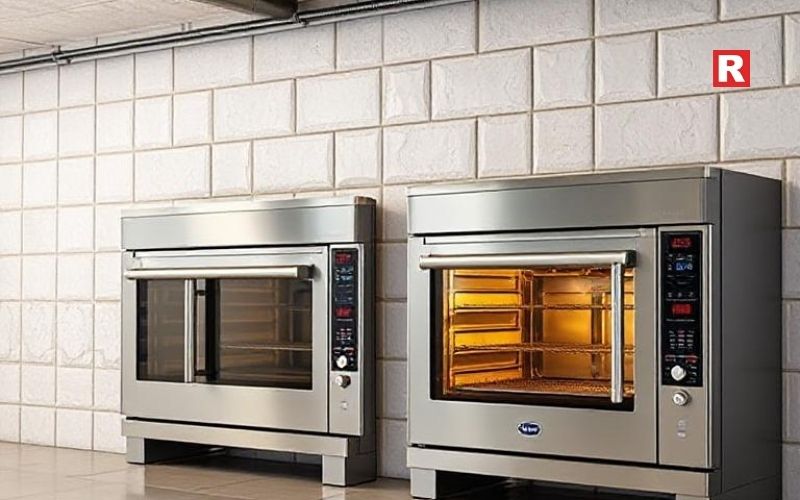
A pizza oven is a long-term investment. Its ability to hold heat and tolerate prolonged high-temperature operation has a direct impact on its efficiency, durability, and consistency.
Why it's crucial for Indian Restaurateurs:
- Energy Efficiency: Well-insulated ovens retain heat better, requiring less fuel to maintain temperature, resulting in significant savings on power or gas bills - a major operational cost in India.
- Consistent Baking: Maintaining a consistent interior temperature, independent of exterior kitchen conditions or frequent door openings, guarantees that each pizza cooks evenly. Poor insulation causes temperature variations, resulting in unevenly baked pizzas.
- Durability and Longevity: An oven made of high-quality, heat-resistant materials (such as high-density ceramic fiber insulation, fireproof brick for the hearth, and heavy-gauge stainless steel exterior) will withstand the rigors of a busy Indian commercial kitchen for years, reducing repair costs and downtime.
- Safety: Good insulation keeps the oven's outside cool, lowering the risk of burns for kitchen staff - an important safety factor.
- Heat Retention: This is especially significant for ovens that use stored heat (such as classic brick ovens). Excellent insulation keeps the oven hot for an extended period of time, even when the heat source is lowered or shut off.
How to Assess: Refer to the oven's specifications for insulation thickness and material type. Examine the build quality: does it feel robust? Inquire about the guarantee for structural parts. For wood-fired ovens, the thickness and quality of the dome material are critical.
What's new: 10 Surprising Health Benefits of Having Plant-Based Diet
3. Optimal Heat Distribution (Convection, Conduction, and Radiant Heat)
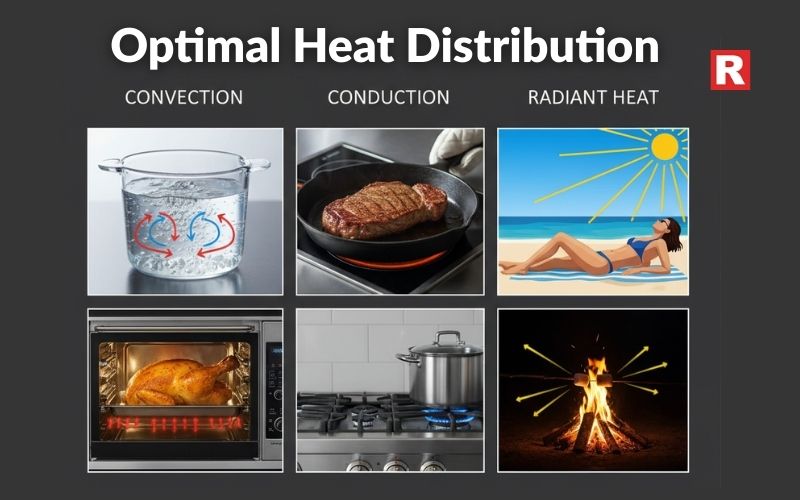
A true great pizza oven uses a balanced blend of all three heat transfer processes to cook a pizza correctly.
- Conduction: Direct heat from the heated oven floor (baking stone/hearth) cooks the crust's bottom.
- Convection: Hot air circulates within the oven, cooking the toppings evenly.
- Radiant Heat: The dome and flame (in wood/gas ovens) emit intense radiant heat, which cooks the top of the pizza by melting cheese and charring the dough.
Why it's crucial for Indian Restaurateurs:
- Even Cooking: Avoids burnt crust bottoms with undercooked toppings, and vice versa. A balanced heat distribution guarantees that the pizza's top, bottom, and edges all cook at the same time and evenly.
- Crispy Bottom, Melted Top: The stone's powerful conductive heat produces a crisp base, while the radiant and convective heat from above properly melts cheese and cooks toppings without drying them out.
- The "Puffy Crust" Effect: With balanced heat, the border (pizza crust edge) puffs up elegantly and browns evenly, resulting in the desired artisanal look and texture.
- Versatility: Ovens with excellent heat distribution are more adaptable, able to handle a variety of pizza styles (thin crust, pan pizza, deep dish) and other baked goods with satisfactory outcomes.
- Reduced Turning: With even heat, the pizza requires less continuous turning, saving time and effort for the kitchen staff, particularly during peak hours.
How to Assess: In demos, check to see if the pizzas are cooking uniformly. Look for features such as numerous heating elements (in electric ovens), adjustable flame controls (in gas ovens), and a unique dome design in wood-fired ovens that optimizes heat circulation. Inquire about the material and thickness of the baking surface (such as fireproof stone or brick).
4. Adequate Capacity and Door Opening Size
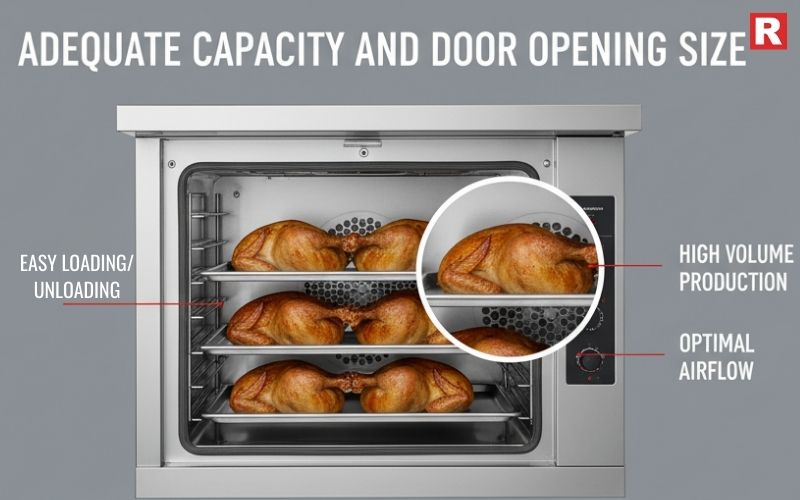
The oven's physical dimensions, particularly its interior cooking space and the size of its mouth/door opening, must be compatible with your restaurant's operational requirements.
Why it's crucial for Indian Restaurateurs:
- Efficiency during peak hours: A larger cooking surface allows you to bake more pizzas at once. Plenty of space is critical for a busy Indian restaurant expecting significant attendance, particularly on weekends or during festivals, to meet demand and avoid long wait times.
- Pizza Size Versatility: The inside dimensions should comfortably hold the largest pizzas you want to provide, as well as enough space to rotate them.
- Ease of Operation: With a sufficiently broad and tall door opening, employees can simply insert, retrieve, and rotate pizzas with their peels without scratching the edges or straining with clearance. A tiny entrance can result in leakage or uneven cooking.
- Ergonomic and Safety: A properly sized opening improves comfort for the pizza chef by decreasing strain and boosting visibility.
- Future Growth: Think about your future expansion ambitions. It is typically preferable to invest in an oven with slightly more capacity than you now require to support future development without the need for an urgent upgrade.
How to Assess: Specify your expected peak-hour output (pizzas per hour) and the largest pizza size you'll serve. Measure the oven's internal deck size and door opening.
Check out: 5 Ways AI is Changing the Indian Restaurant Industry
Top Rajasthani Dishes to Try This Festive Season
5. User-Friendly Controls and Easy Maintenance/Cleaning
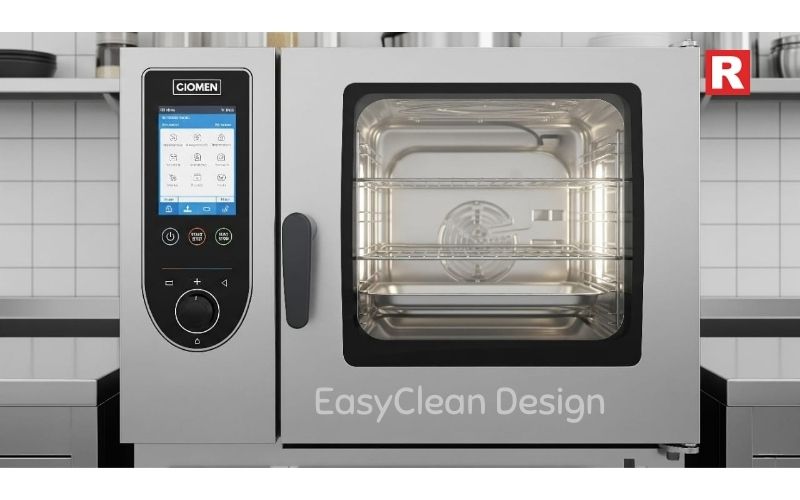
A cutting-edge oven is only as good as its usability. In a fast-paced Indian kitchen, simple controls and easy maintenance are essential.
Why it's crucial for Indian Restaurateurs:
- Reduced Training Time: With simple, straightforward controls, new employees can be trained quickly and efficiently, lowering operating friction.
- Consistency and Precision: With digital temperature displays, timers, and easily adjustable settings, cooks can retain perfect control over the baking process, resulting in consistent pizza quality regardless of who operates the oven.
- Operational Efficiency: Ovens with self-cleaning modes (for some electric/gas models), easy-to-remove ash trays (for wood-fired versions), and smooth, wipeable surfaces considerably minimize daily cleaning time.
- Hygiene and food safety: A difficult-to-clean oven can become a breeding ground for bacteria, lowering food quality and potentially violating health codes. Surfaces are easy to clean, and internal components are easily accessible, ensuring that high hygiene standards are met.
- Longevity: Proper and regular cleaning extends the oven's life by preventing buildup and rust. Staff are encouraged to keep the oven in good working order thanks to user-friendly maintenance features.
How to Assess: Look for ovens with clear digital displays, user-friendly dials or touchscreens, and easy-to-clean components. Request that the supplier demonstrate the cleaning techniques.
Read this: What are Food preservatives and how to identify them on labels in India
Conclusion
For Indian restaurateurs, the path to creating the ideal pizza is exciting, but it all starts with a foundational investment: the correct pizza oven. It's more than simply a piece of equipment; it's the furnace in which your ingredients turn into a culinary masterpiece, the engine that pushes your kitchen's efficiency, and the silent partner in establishing your restaurant's brand.
When you prioritize high and consistent temperatures, superior insulation, optimal heat distribution, adequate capacity, and user-friendly features, you're not just purchasing an oven; you're investing in consistency, speed, quality, and, ultimately, the unforgettable taste that will make your Indian pizzeria a popular destination. Make intelligent choices and let your oven bake your way to success!
When it comes to running a bar or restaurant, having the right equipment is important. A good bar blender makes all the difference. It helps you prepare smooth cocktails, shakes, and mocktails quickly and efficiently. Whether you are a new business owner or upgrading your existing setup, choosing the right bar blender will improve your service and customer satisfaction.
In this article, we will talk about the best bar blender brands in India. We will share details about their performance, features, prices, and which types of businesses they are best suited for. This guide will help you pick the perfect blender for your needs.
Read more: Top Electric Cooker Brands for Restaurants in India
10 Best Commercial Food Processor Brands in India
Why Bar Blenders Matter
A bar blender is not just an appliance; it’s a tool that keeps your business running smoothly. It needs to be fast, strong, and durable. A weak blender can slow down service and ruin customer experience. On the other hand, a powerful and reliable blender can make your work easier and faster.
Some key things to look for when buying a bar blender are:
- Motor Power – More power means better blending of ice and frozen fruits.
- Capacity – Bigger jars are useful in high-volume settings
- Build Quality – Strong materials ensure the blender lasts longer.
- Ease of Cleaning – Removable parts and easy cleaning systems save time.
- Warranty & Support – Good after-sales service helps in case of problems.
Let’s now look at some of the best bar blender brands available in India.
1. Hamilton Beach
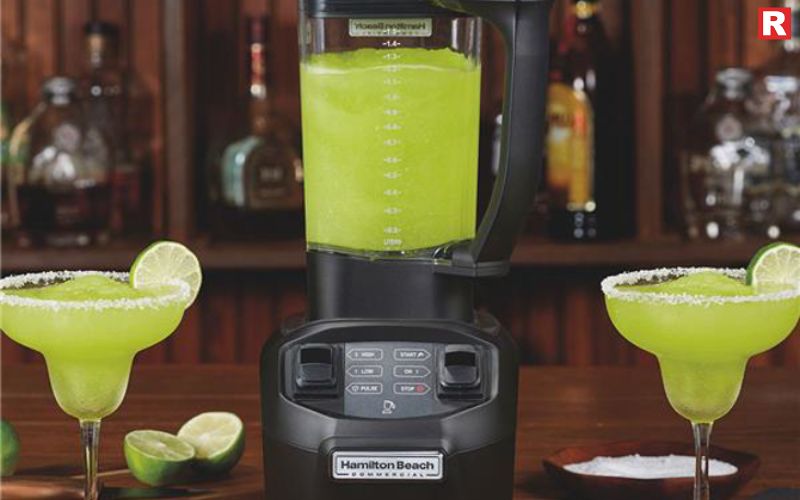
Hamilton Beach is one of the most respected names in the commercial blender market worldwide, and its presence in India is equally strong. Known for power, speed, and durability, their bar blenders are designed for professional use in busy restaurants and bars. Models like the Tempest HBH650 CE and The Rio HBB250 Series stand out for their high-torque motors that can easily crush ice, blend frozen fruits, and prepare smooth cocktails within seconds. The jars are made from sturdy, BPA-free materials, ensuring both safety and longevity. Their products are also designed with simple controls and easy-clean parts, making them reliable for daily heavy-duty use.
Key Features
- Powerful motors for crushing ice and frozen ingredients.
- Durable jars made from high-quality materials.
- Easy to clean and maintain.
2. Butler
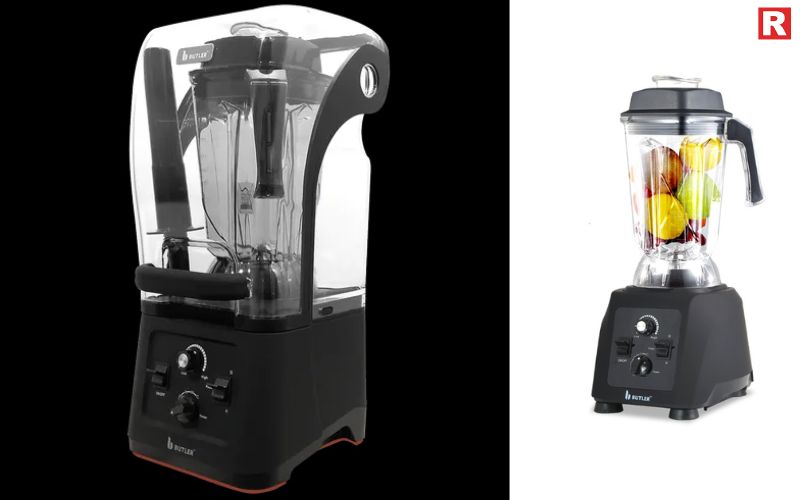
Butler has carved its space in the commercial kitchen equipment market, and its blenders are particularly popular among cafés, juice bars, and high-volume restaurants. Models such as the Trublend 2.2T and Trublend 2.2 AQT are known for combining power with performance. These machines come with powerful motors that handle ice-crushing, milkshakes, smoothies, and cocktail preparation with ease. Their large-capacity jars allow multiple servings in one go, which is ideal for busy outlets. Built with high-quality stainless steel blades and durable body materials, Butler blenders are designed to withstand frequent use. Many models also feature noise-reduction technology, making them suitable for open cafés where ambiance matters.
Key Features
- High-powered motors for smooth and consistent blending.
- Large jar capacities to serve multiple customers.
- Built with durable parts to withstand daily use.
Know more: 11 Best Commercial Coffee Machine Brands for Café: Top Picks & Buying Guide
3. Celfrost Blender
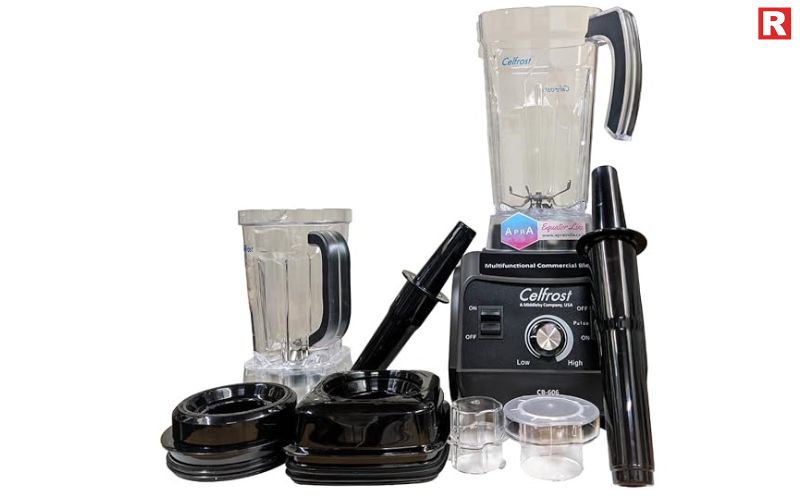
Celfrost is widely recognized for its affordability and practicality, making it a preferred choice for smaller cafés, juice corners, and start-ups. Their bar blenders are compact yet efficient, handling soft fruits, milk-based drinks, and moderate ice-crushing tasks with ease. While they don’t carry the same heavy-duty power as premium brands, their mid-range motors are more than enough for everyday blending needs. The design is user-friendly, with lightweight jars that are easy to pour and wash. Celfrost also focuses on energy efficiency, which helps businesses keep electricity costs in check. It’s a great option for those seeking a reliable blender without stretching their budget.
Key Features
- Mid-range motors suitable for soft and semi-hard ingredients.
- Compact designs that fit smaller spaces.
- Easy-to-clean jars and parts.
4. Alister
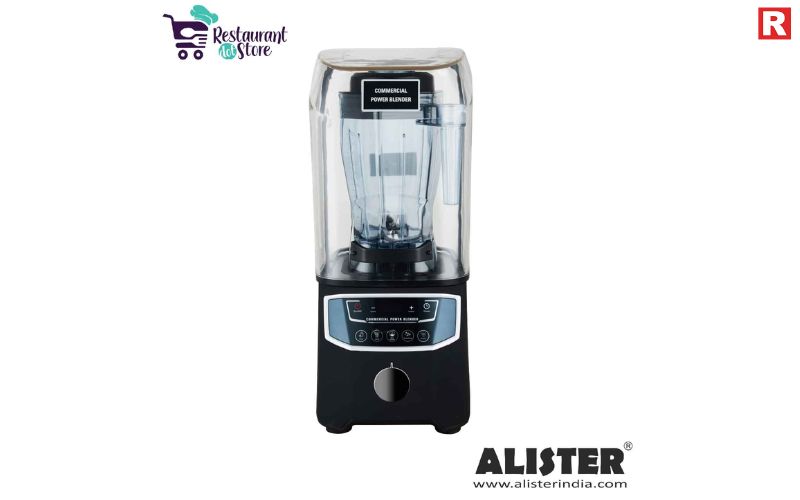
Alister offers a smart balance between affordability and professional-grade features, making it an attractive choice for mid-sized businesses. Their blenders are strong enough to handle frozen fruits, cocktails, and shakes, while also being versatile for lighter recipes. The jars usually come with generous capacity, paired with sharp stainless steel blades that ensure quick and even blending. Alister’s models often include multiple speed settings, allowing bartenders to control texture according to the drink—whether it’s a creamy smoothie or a perfectly blended margarita. With durable construction and user-friendly designs, Alister bar blenders are a dependable option for establishments that want good performance without going premium.
Key Features
- Stable and efficient blending for various recipes.
- Good jar capacity with stainless steel blades.
- Simple operation with multiple speed settings.
5. Santos Bar Blender
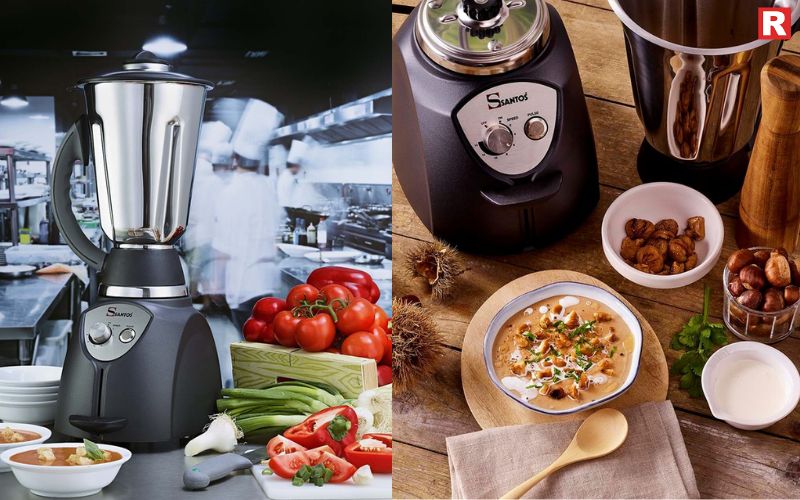
Santos is a French brand with global recognition for its high-quality commercial appliances. Their Santos Bar Blender is crafted specifically for professional bars and high-end lounges where consistency and speed are essential. Known for its heavy-duty motors, this blender can effortlessly crush ice and blend even the toughest ingredients into a smooth finish. Santos blenders are also designed ergonomically, with intuitive controls that bartenders can operate quickly during peak hours. Many models come with noise-reduction enclosures, making them perfect for elegant settings where ambiance is key. With long-lasting build quality and advanced safety features, Santos represents a premium investment for businesses focused on top-tier service.
Key Features
- Heavy-duty motors designed to blend hard ingredients.
- Ergonomic design for user-friendly operation.
- Safety features to ensure smooth performance.
Also check: Top Commercial Refrigerator Brands in India: Keep It Cool, Smart & Profitable
Top 7 Food Safety Practices Every Restaurant Should Follow
Cloud Kitchen vs. Traditional Restaurants: Which is More Profitable?
How to Choose the Best Bar Blender for Your Business
Choosing the right blender depends on your specific needs. Here’s what you should consider:
- Business Type – If you own a small café, you don’t need a high-powered commercial blender. But if you run a large bar, investing in a premium model makes sense.
- Volume of Orders – High-capacity blenders work best when you have many orders in a short time.
- Types of Beverages – If you prepare ice-based drinks, smoothies, or frozen cocktails regularly, choose a blender with a strong motor and sharp blades.
- Budget – Set a budget but balance it with the blender’s durability and performance.
- Warranty and Service – Check whether the brand provides after-sales service and replacement parts.
Final Thoughts
A good bar blender can make or break your service. It saves time, ensures smooth drinks, and helps maintain consistent quality. By choosing the right brand and model, you can make sure your customers are always satisfied. Brands like Hamilton Beach, Butler, Celfrost, Alister, and Santos offer a range of options for businesses of all sizes. Consider your specific needs, budget, and order volume before making a purchase. A reliable blender is not just a tool—it’s an investment in your business’s success. Make an informed choice and watch your bar thrive.
Running a restaurant comes with many challenges. The kitchen needs to be fast, safe, and efficient. One of the most important tools in the kitchen is an electric cooker. It helps cook food quickly and keeps it at the right temperature. It also saves electricity. Choosing the right electric cooker is important. A good cooker makes the kitchen run smoothly. It helps maintain the taste and quality of food.
There are many electric cooker brands in India. Some are trusted by top chefs and restaurant owners. These brands offer durable products that can handle daily use. They also include safety features to prevent accidents. Many cookers come with preset modes, making it easier to cook different dishes. Some models are built for large kitchens, while others are perfect for smaller spaces. This article lists the best electric cooker brands in India for restaurants. It explains their key features and why they are suitable for different kinds of kitchens. This helps restaurant owners choose the right equipment.
Read more: 10 Best Commercial Food Processor Brands in India
Pani Puri Has Different Names in Different Indian States—Know Them All
Why Use an Electric Cooker in a Restaurant?
Electric cookers are perfect for restaurants. They heat food evenly and quickly. They are also easy to control. Many models have preset cooking modes. Some cookers can do more than just cooking rice. You can prepare soups, curries, and more.
Electric cookers also reduce fuel consumption. They are safer than gas stoves. They have features like automatic shut-off, cool-touch handles, and insulated bodies. They make the kitchen safer and more efficient.
1. Panasonic – Reliable and Advanced
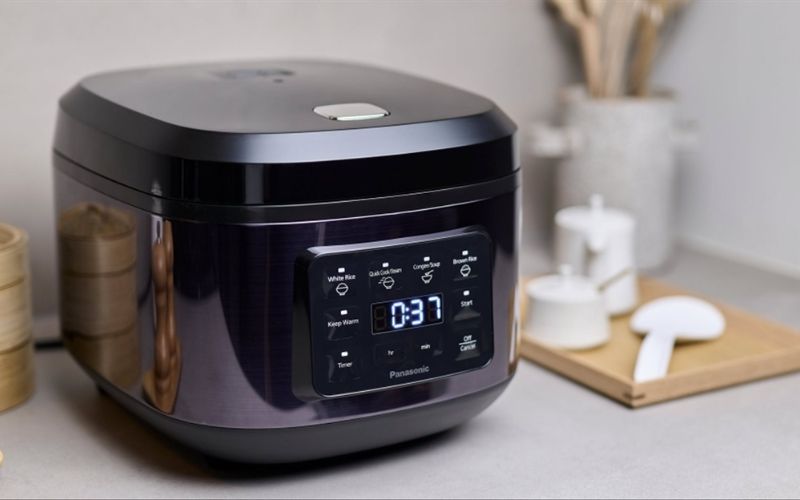
Panasonic is a global brand that is trusted everywhere. It is known for its kitchen appliances. Their electric cookers are durable and easy to use. Many restaurants rely on Panasonic for daily cooking. The electric cookers from Panasonic offer multiple cooking modes. You can cook different types of dishes with one appliance. They are energy-efficient and help save on electricity bills. The controls are simple, so even new kitchen staff can operate them easily. The models also have safety features like overheating protection. For restaurants that want reliable and long-lasting equipment, Panasonic is a smart choice.
2. Wonderchef – Innovation with Tradition
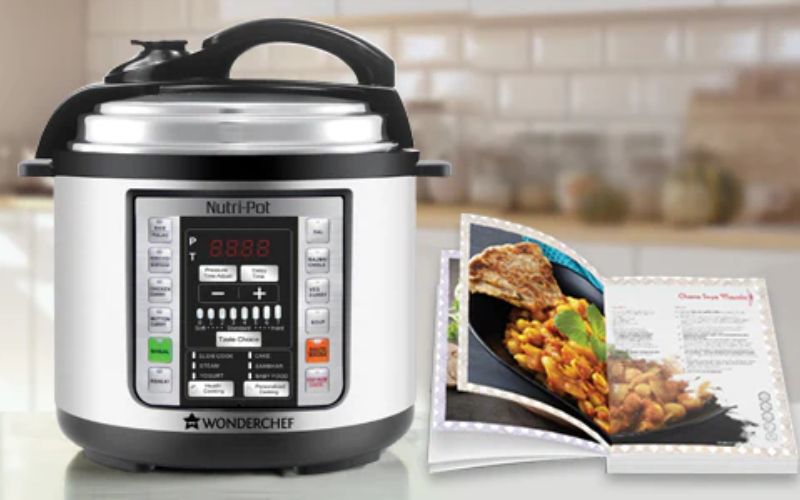
Wonderchef is a brand started by famous chef Sanjeev Kapoor. The brand understands Indian cooking styles. It offers electric cookers that suit different recipes. These cookers are multi-functional. You can use them as pressure cookers, steamers, or yogurt makers. Some models come with stainless steel bodies, making them durable and easy to clean. Wonderchef also provides recipes for Indian dishes. This helps chefs cook delicious meals faster. Restaurants that want modern appliances without compromising on traditional flavors can trust Wonderchef.
3. Sowbaghya – High Capacity for Big Kitchens
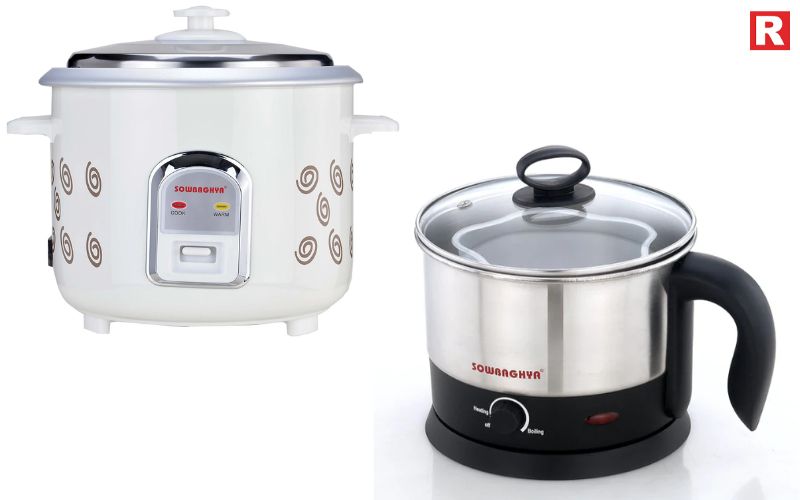
Sowbaghya is a well-known brand in India for commercial kitchen equipment. Their electric cookers are built for large kitchens. Hotels and catering businesses use them to prepare food in bulk. Some models can cook up to 100 liters at a time. The bodies are made of stainless steel, which ensures long service life. Many models also come with insulated bodies. This helps retain heat and save energy. For big restaurants and banquet halls, Sowbaghya is one of the best choices. It is perfect for businesses that cook for large crowds every day.
Know more: 11 Best Commercial Coffee Machine Brands for Café: Top Picks & Buying Guide
4. Kent – Focus on Safety and Hygiene
Kent is a trusted name for home and kitchen products. It is known for water purifiers but also offers excellent electric cookers. These cookers are designed keeping hygiene and safety in mind. The models come with detachable power cords. This helps with easy storage and cleaning. The handles are cool to touch, which makes them safer to use in a busy kitchen. The cookers also come with multiple preset cooking modes. They ensure consistent results every time. Restaurants that care about staff safety and food hygiene will find Kent’s cookers very useful.
5. Prestige – Affordable and Versatile
Prestige is one of the oldest kitchen appliance brands in India. It is known for offering affordable yet high-quality products. Prestige electric cookers are suitable for both homes and restaurants. The cookers heat food fast because of their high wattage. They have presets for making rice, soup, porridge, and other items. This makes cooking easier for kitchen staff. The design is simple but strong. The body is built to withstand daily use. Small and medium restaurants looking for reliable and budget-friendly options can choose Prestige.
6. Pigeon by Stovekraft – Compact and Functional
Pigeon is a popular brand for home appliances and kitchenware. It offers electric cookers that are compact and affordable. These models are ideal for restaurants with limited kitchen space. The cookers are easy to clean, which is important in a commercial kitchen. They offer multiple cooking functions like steaming, boiling, and slow cooking. Restaurants that are starting out or those with smaller kitchens will benefit from Pigeon’s products. They are practical and easy to use.
How to Choose the Right Electric Cooker for Your Restaurant
When selecting an electric cooker, you should think about your kitchen’s needs. Here are some important points to consider:
- Capacity: If you serve many customers every day, you need a large-capacity cooker. For smaller cafes or takeaway counters, a compact model is enough.
- Durability: A restaurant kitchen needs appliances that can last long. Look for brands that offer stainless steel bodies and insulated designs.
- Energy Efficiency: Electric cookers that use less power can save money. Always check the wattage and energy consumption before buying.
- Safety Features: Automatic shut-off, cool-touch handles, and insulated bodies are essential in a busy kitchen. They prevent accidents and ensure smooth operation.
- Ease of Use: Preset cooking modes and simple controls help staff prepare food quickly and easily.
Which Brand Should You Pick?
For large hotels and catering services, Sowbaghya is the best choice. It offers high capacity and strong build quality. Restaurants that need advanced features and long-lasting products can go for Panasonic. It is known for reliability and efficiency. Wonderchef is a good option for places that serve traditional dishes. It comes with helpful cooking functions. Kent is suitable for kitchens where hygiene and safety are very important. Its features help prevent accidents and keep food clean. Prestige is a popular choice for small and medium restaurants. It is affordable and offers multiple cooking options. Pigeon is perfect for startups and small cafes. It is compact, easy to use, and budget-friendly. Each brand meets different needs, helping restaurants work better and serve customers more effectively. Choosing the right cooker makes a big difference.
Also check: Top Commercial Refrigerator Brands in India: Keep It Cool, Smart & Profitable
Top 7 Food Safety Practices Every Restaurant Should Follow
The Ultimate Guide to Getting Your Cloud Kitchen on Zomato
Closing Thoughts!
Choosing the right electric cooker can make a big difference in a restaurant’s performance. It helps save time, energy, and money. More importantly, it helps maintain the quality and taste of the food. Each of these brands offers something unique. By understanding your kitchen’s requirements, you can choose a cooker that meets your goals. Investing in the best appliances today will ensure better service and happier customers tomorrow. These brands are not just appliances—they are partners in your kitchen’s success. Pick the one that fits your needs and take your restaurant to the next level.

Trufrost & Butler is a fast-growing leader in commercial refrigeration and foodservice equipment, delivering low-capex solutions through a service-driven, experiential approach. The brand has built a strong footprint across cafés, QSRs, hotels, cloud kitchens, restaurants, bars, and bakeries, by empowering businesses with reliable equipment, faster ROI, and specialized beverage and culinary support. In an exclusive interaction with Restaurant India, Neeraj Seth, MD, Trufrost & Butler shares on how they are not just selling machines; they are enabling food entrepreneurs to bring their ideas to life with confidence. Excerpts:
Powering New Age Kitchens: Efficiency, Consistency, Connectivity
At Trufrost & Butler, our focus is on making kitchens not just functional, but intelligent. Today’s operators expect efficiency, consistency, and connectivity. We’re innovating by integrating smart controls, energy-efficient and ergonomic designs, and equipment that can adapt to different formats - whether it’s a compact café or a large institutional kitchen. Our aim is to provide chefs and restaurateurs with tools that reduce downtime, optimise performance, and deliver consistent results.
Staying Ahead of the Game
We stay close to our customers. Every format has unique challenges. We’ve built our portfolio to be modular and scalable, so we can address very specific requirements without overburdening operators with unnecessary investment. Our in-house culinary and beverage support teams also give us direct insights into what works on the ground.
Partnering for Growth
We are privileged to work with some of India’s most respected names in HORECA, from leading hotel chains to fast-growing café chains, QSR brands and cloud kitchens. What they value in us is not just the equipment, but the partnership - from design consultation, culinary support, to after-sales service. We help them prepare for the future by offering energy-efficient solutions, global-quality products tailored for India, and service infrastructure that ensures their kitchens never skip a beat.
Value over Price
Our solutions span a wide range, depending on the category and scale. A café could start with an entry-level machine at a few tens of thousands of rupees, while a large kitchen installation could go into several lakhs. What remains constant is our commitment to faster ROI, lower lifecycle cost, and reliability. We don’t claim to be the cheapest brand on the market, but we do claim to be the best value brand on the market, balancing fair prices with great quality.
Tech at the Centre
Technology will play a transformative role. Imagine equipment that self-diagnoses, alerts you before a failure, optimises energy use, and integrates seamlessly with a kitchen’s operations dashboard - that’s where we’re heading. We are already working on IoT-enabled monitoring for critical refrigeration equipment, and automation in beverage and food prep equipment. The idea is to give operators peace of mind and data-driven insights, while reducing wastage and costs.
Customisation is the key in restaurant and hospitality industry. Can you share an example of how Trufrost & Butler has tailored its solutions to meet the unique needs of its clients?
A good example is a large pan-India QSR client who needed high-capacity fryers, microwaves and ovens customised to fit their existing trays, while maintaining international standards. We worked closely with their culinary team to adapt our equipment for speed, portion sizes, and ease of operation for staff with varying skill levels. That’s the Trufrost & Butler difference - not just supplying equipment, but co-creating solutions.
Sustainability is a Big Conversation
Sustainability plays a crucial role in product development. Our refrigeration systems utilise eco-friendly refrigerants, enhanced insulation, and energy-efficient compressors. In foodservice equipment, we’ve introduced induction-based cooking, which is both faster and greener. Beyond products, we’re also looking at how to extend equipment lifespan and reduce wastage through service and refurbishing initiatives.
Lessons Learnt
Global markets teach us the value of standardisation, SOPs and predictive service. In India, the market is incredibly dynamic and cost-sensitive, so we adapt those lessons to create solutions that balance world-class technology with local realities. For example, equipment built to handle power fluctuations or high-humidity conditions - something global players often overlook.
As you look to the future of dining and hospitality, what trends excite you the most, and how is Butler preparing for them?
Three trends excite me most: the rise of experiential dining, the explosion of coffee and beverage culture, and the continued growth of delivery-first kitchens. We are preparing by investing in beverage systems that elevate cafés and bars, versatile equipment that supports hybrid menus, and compact solutions for cloud kitchens. It’s about giving operators the flexibility to experiment, while keeping operations efficient. We also conduct extensive R&D and product development with our customers, enabling us to set trends rather than follow them.
Your expansion plans
We’re doubling down on manufacturing in India to reduce lead times and costs and be in line with the government’s vision of “Make in India”. We’re also scaling our service network across Tier 2 and Tier 3 cities to support India’s F&B growth story. Internationally, we’ve started exploring select markets to meet the rising demand for such solutions globally.
Tips for young fellow entrepreneurs
Stay close to the problem you’re solving - don’t get distracted by shiny opportunities. Build a culture that values resilience and customer obsession. And remember, scale is not just about growth in numbers - it’s about building systems that last.

Managing a restaurant kitchen is one of the toughest jobs in the business. Orders pour in quickly, staff have to balance several tasks at once, and even a small mistake can lead to wasted food, unhappy customers, and lost revenue. In such a fast-paced environment, staying organized and efficient is essential. That’s where a Kitchen Display System (KDS) comes in.
A KDS helps replace paper tickets and reduces confusion by displaying orders clearly for the entire team to see. It keeps the workflow steady and improves communication between the front and back of the house. But just installing a KDS isn’t enough anymore. To keep up with growing competition and rising customer expectations, even the best systems need to evolve. With the help of modern technologies, restaurants can make their KDS smarter, faster, and more reliable. Here are four practical technologies that can turn a hectic kitchen into a smooth, well-coordinated operation — and help deliver better service that keeps guests coming back.
Read more: Top 7 Food Safety Practices Every Restaurant Should Follow
Mastering the Art of Roasting: Techniques Every Restaurant Chef Should
Why Your Kitchen Needs a Tech Makeover
A KDS is more than just a digital screen that shows orders. It is the heart of your kitchen’s workflow. But many restaurants still use outdated systems or manual processes. This slows down service, confuses staff, and increases errors.
Studies show that restaurants using advanced kitchen technologies reduce ticket times by up to 30%. They also improve order accuracy, cut food waste, and make kitchens less stressful for staff. If you want your kitchen to run like a well-oiled machine, it’s time to embrace these technologies.
Find 4 Technologies to Spice Up Your Kitchen Display System
Below are four proven technologies that integrate with your KDS and improve how your kitchen operates.
1. Cloud-Based KDS Solutions

A cloud-based Kitchen Display System (KDS) securely stores all kitchen data on remote servers instead of relying only on a local device. This setup allows restaurant owners and managers to access critical information anytime and from anywhere — whether they are visiting another branch, working from home, or traveling. Unlike traditional systems that can fail if the device crashes, a cloud-based KDS keeps data safe and backed up, reducing the risk of loss. It also makes it easier to update menus, monitor kitchen performance, and track orders across multiple locations in real time. This flexibility and reliability help restaurants maintain control over operations, even when they are not physically present in the kitchen
With cloud-based systems, you can:
- Monitor orders in real time across all outlets.
- Make updates to menus instantly.
- See detailed reports about performance and sales trends.
2. IoT-Enabled Kitchen Equipment

The Internet of Things (IoT) introduces smart, connected equipment into the restaurant kitchen. With IoT, devices like ovens, fryers, and refrigerators can communicate directly with the Kitchen Display System (KDS), creating a more efficient workflow. For example, an oven can notify the KDS when a dish is cooked, or a fryer can adjust its temperature and time based on the order details received. Sensors in refrigerators can also track and report temperature, helping maintain food safety standards. This seamless interaction between equipment and the KDS reduces errors, saves time, and ensures consistency in preparation. By integrating IoT, a kitchen becomes more responsive and better prepared to handle busy service hours.
Here’s how it helps:
- Ovens can notify the KDS when a dish is ready.
- Sensors track temperatures to avoid overcooking or spoiling.
- Fryers adjust cooking times based on the order size.
Know more: Everything You Need to Know About Soft Openings for Restaurants
3. AI-Powered Predictive Analytics

Analyzing order history allows restaurants to work more intelligently and efficiently. By studying patterns over time, technology can predict peak hours, helping staff prepare in advance for busy periods. It can also recommend the best times to start cooking specific dishes so they are ready exactly when needed, avoiding delays or cold plates. These insights help managers schedule staff more effectively, stock ingredients in the right quantities, and reduce waste. Such data-driven decisions not only improve the kitchen’s speed and accuracy but also ease the pressure on staff during rush hours. With these predictive tools, a restaurant can deliver faster, more consistent service while keeping both customers and employees satisfied.
Benefits include:
- Faster prep during peak hours.
- Better inventory management.
- Improved staff scheduling.
4. Voice-Activated Command Systems

In a busy kitchen, where hands are often occupied, a voice-activated Kitchen Display System (KDS) offers a practical solution. Cooks and servers can speak commands aloud, and the system responds instantly, eliminating the need to touch a screen or press buttons. This hands-free operation is especially valuable during peak hours when every second counts. It also promotes better hygiene, as staff don’t have to handle the screen with food-covered or wet hands. Voice commands make it easier to move through tasks quickly and keep the workflow uninterrupted. For kitchens looking to improve both efficiency and cleanliness, a voice-activated KDS brings noticeable improvements to daily operations and staff productivity.
For example:
- “Show next ticket” displays the next order.
- “Mark order complete” updates the system hands-free.
Also check: What Is an Angel Shot? Everything You Need to Know (and Why It’s MoreThan Just a Drink)
Don’t Let Your Tickets Burn—Why Speed Matters
Every minute matters in a kitchen. When orders get delayed, it not only frustrates customers but also adds stress to the team. The right technology helps keep things moving, preventing tickets from piling up and ensuring smooth, fast service. A busy kitchen often feels like chaos, but with smart tools, it starts to feel more like a well-coordinated team, where every station works in sync. Mistakes become fewer, the shouting quiets down, and the staff feels more at ease. Voice-activated systems aren’t just a clever feature — they’re genuinely useful. They let chefs and servers keep their focus on cooking and plating, without wasting time tapping screens or searching through menus. These changes make the kitchen a calmer, more efficient place to work.
Check more: What Is Restaurant Profit Margin And How To Improve It? Your Ultimate Guide
How Bars & Restaurants Can Protect Themselves Amid Heightened Violence
Data is the Secret Sauce
The power of data in a restaurant kitchen cannot be underestimated. Analytics provides clear insights into operations, helping owners and managers identify what’s working and where improvements are needed. By examining patterns and numbers, restaurants can streamline their workflow and enhance the customer experience.
- Track Popular Dishes: Detailed reports highlight which menu items sell the most, allowing chefs to focus on what customers truly enjoy and adjust the menu accordingly.
- Monitor Peak Hours: Analytics reveals the busiest times of day or week, enabling managers to schedule staff efficiently and prepare the kitchen for high demand.
- Reduce Waste: By understanding trends and demand, restaurants can better manage inventory, order the right quantities, and minimize food waste.
With the right data in hand, restaurant kitchens make smarter decisions that save money and deliver better service.
Final Thoughts
The kitchen is the heart of every restaurant, keeping the entire operation alive and thriving. Like any heart, it needs proper care and the right tools to stay strong and efficient. Upgrading the kitchen display system (KDS) with modern technologies such as cloud-based solutions, IoT-enabled equipment, predictive analytics, and voice commands can completely transform how a kitchen performs. These innovations help improve speed, accuracy, and coordination, allowing staff to work more confidently and serve customers better. In a competitive restaurant business, every advantage counts, and these tools provide just that — an edge to stand out. For any restaurant that aims to deliver quicker, smarter, and more reliable service, investing in these technologies is not just an option but a necessity for long-term success.

In the fast-paced restaurant industry, having reliable commercial kitchen equipment is essential for efficient operations. Among these, a high-performance commercial microwave oven stands as a cornerstone appliance in Indian restaurants of all sizes. Whether you run a bustling fast food chain or a cozy café, investing in the right commercial microwave brand can significantly impact your kitchen's productivity and food quality.
At RestaurantIndia, we've analyzed the latest market trends to bring you a comprehensive guide to the top commercial microwave brands that dominate the Indian foodservice equipment market in 2025.
Why Commercial Microwaves Outperform Domestic Models
Before diving into specific brands, it's important to understand that restaurant microwave ovens differ significantly from their domestic counterparts. Commercial-grade microwave ovens offer:
- Higher wattage (1000W-1800W) for faster cooking times
- Durable stainless steel construction for intensive daily use
- Larger capacity options (20L-35L) for batch preparation
- Advanced features like programmable menus and multiple cooking stages
- Designed for high-volume food preparation in professional kitchens
Now, let's explore the top contenders in the commercial microwave market in India.
Best Commercial Microwave Oven Brands in India
1. Menumaster: The Industry Leader in Commercial Microwave Technology

Menumaster has established itself as the undisputed champion in the commercial microwave oven segment in India. Trusted by countless restaurant chains and food service businesses, Menumaster offers superior performance and reliability.
Key Features of Menumaster Commercial Ovens:
- High cooking power ranging from 1000-1800 watts
- Durable stainless steel construction for intensive commercial use
- Advanced models with 100 programmable menu items
- Capacity options from 20L to 34L for various restaurant needs
Popular models like the RMS510TS (25.5L) priced around ₹49,500 and the RCS511TSI (34L) at approximately ₹66,000 have become staples in busy restaurants and fast food outlets across India.
2. Celfrost: Reliable Commercial Kitchen Equipment for Indian Restaurants

Celfrost has carved a significant niche in the Indian commercial kitchen equipment market with its dependable microwave ovens designed specifically for restaurant use.
Why Celfrost Stands Out in Restaurant Kitchens:
- Commercial-grade construction for professional environments
- Powerful performance with 1550W power consumption
- Simple, intuitive controls designed for busy kitchen staff
- Excellent after-sales service network across India
- 25L capacity suitable for medium-volume restaurants
The Celfrost CMO-25 model (₹29,000-₹44,500) offers excellent value for small to medium restaurants looking to balance performance with budget considerations.
3. Samsung: Innovative Microwave Technology with Style

Samsung brings its technological expertise to the commercial microwave segment, offering models that combine advanced features with aesthetic appeal.
Samsung's Edge in the Commercial Oven Market:
- Ceramic enamel cavity for easy cleaning and maintenance
- Stylish designs that enhance kitchen aesthetics
- Child lock features for enhanced safety
- Multiple power levels for precise cooking
- Up to 10 years of warranty on select models
Samsung's 28L convection microwave oven models are particularly popular in the "value for money" segment, benefiting from the brand's extensive R&D in features like hot blast and tandoor technology.
4. IFB: Economical Commercial Microwave Solutions for Indian Restaurants

IFB has earned a reputation for providing economically priced yet feature-rich commercial microwave ovens in the Indian market.
IFB's Offering for Restaurant Owners:
- 30L capacity, ideal for medium to large restaurants
- Convection mode for versatile cooking applications
- 101 auto cook menu options for consistent food preparation
- Child safety lock for secure operation
- Durable stainless steel cavity
IFB's 30L convection microwave models are highlighted as top options in the economical segment, making them accessible for new restaurant ventures and small eateries.
5. Butler: Robust Professional Microwave Ovens at Competitive Prices

Butler offers sturdy commercial microwave ovens that deliver reliable performance without breaking the bank.
Butler's Commercial Advantages:
- Powerful 1550W input for efficient operation
- Stainless steel construction for durability in commercial environments
- Square and rectangular designs to maximize internal space
- Optimized dimensions for commercial kitchen counters
- 12-month warranty on parts and service
Butler's commercial models like the MWO-25 (20L) at ₹29,499 and the MWO-34HD (35L) at approximately ₹41,000 provide restaurant equipment solutions that balance quality with affordability.
6. Morphy Richards: European Design for Indian Commercial Kitchens

This British brand brings European engineering excellence to India's commercial microwave market with stylish yet functional options.
What Makes Morphy Richards Stand Out:
- Elegant designs suitable for open kitchen concepts
- Digital controls for precise operation
- OTG functionality in select models
- Competitive pricing in the mid-range segment
- Excellent heat distribution for even cooking
The Morphy Richards Digital OTG 40 RCAD model (₹10,000) represents an affordable entry point for small restaurants and cafés requiring reliable performance.
7. Rational: Premium Combi Ovens for Upscale Restaurants

Rational specializes in high-end combi ovens that combine microwave, convection, and steam cooking technologies, perfect for upscale restaurants demanding versatile cooking solutions.
Rational's Premium Features:
- iDensityControl for 50% higher productivity
- Intelligent assistants for consistent cooking results
- Powerful air circulation and dehumidification
- Intuitive operating system that minimizes errors
- Compact footprint despite versatile functionality
The Rational iCombi Pro Electric ICPXS 6 2/3E (₹538,000) represents the premium end of the commercial kitchen equipment spectrum, targeting high-end restaurants that prioritize cooking excellence.
8. UNOX: Specialized Commercial Cooking Equipment for Diverse Applications

UNOX offers specialized commercial ovens that combine multiple cooking technologies for versatile food preparation.
UNOX's Unique Selling Points:
- Compact "LineMiss" models for small commercial spaces
- Electric operation with precise temperature control
- Automatic operation reduces staff training requirements
- Suitable for multiple applications including baking and pizza
- Italian design and engineering
The UNOX-XFT-133 model (₹65,000) provides an excellent mid-to-high range option for restaurants that need versatility beyond basic microwave functionality.
9. Merrychef: High-Speed Cooking Solutions for Busy Restaurants

Merrychef specializes in high-speed cooking solutions that combine multiple technologies to dramatically reduce cooking times in restaurant environments.
Merrychef's Time-Saving Advantages:
- Combination of microwave, convection, and infrared technologies
- Up to 15 times faster cooking compared to conventional methods
- Dual power systems (1730W + 1950W) for exceptional performance
- Premium stainless steel construction
- Advanced digital controls for precise cooking parameters
The Merrychef Eikon E2s Classic (₹443,000) represents a significant investment for high-volume restaurants where cooking speed directly impacts customer throughput and revenue.
10. LG: Cutting-Edge Technology for Modern Restaurant Kitchens

LG completes our list with its technologically advanced commercial microwave options that bring consumer-friendly features to the professional kitchen.
LG's Commercial Kitchen Benefits:
- 32L capacity suitable for larger restaurant operations
- Inverter technology for precise power control
- Energy-efficient operation to reduce utility costs
- Sleek design that fits modern kitchen aesthetics
- User-friendly interfaces requiring minimal training
LG's 32L commercial microwave models are particularly valued for their combination of capacity and technological innovation, integrating seamlessly into contemporary restaurant designs.
How to Choose the Right Commercial Microwave Oven for Your Restaurant
Power and Performance Requirements
The wattage needs of your restaurant will depend on your service volume. Commercial kitchens typically require 1000W+ for faster cooking times and higher throughput, directly impacting how quickly you can serve customers.
Capacity Considerations for Different Restaurant Types
Choose capacity based on your establishment's needs:
- 20-25L: Suitable for cafés and small restaurants
- 25-30L: Ideal for medium-sized restaurants
- 30L+: Recommended for busy restaurants and large food service operations
Durability and Construction for Professional Kitchen Use
Look for:
- Stainless steel construction both inside and out
- Commercial-grade components designed for constant use
- Models specifically designated as "commercial" rather than domestic units
Budget and Investment Planning for Restaurant Equipment
Commercial microwave ovens in India range from:
- Budget options: ₹10,000-₹25,000
- Mid-range models: ₹25,000-₹70,000
- Premium solutions: ₹70,000-₹500,000+
Warranty and After-Sales Support Across India
Given the critical role these appliances play in restaurant operations, prioritize brands with:
- Comprehensive warranty terms
- Established service networks across India
- Reputation for responsive customer support
Conclusion
The commercial microwave oven market in India offers diverse options to meet the specific needs of different restaurant types and budgets. Whether you operate a small café or a large restaurant chain, there's a perfect match for your commercial kitchen needs among these top brands.
When selecting a commercial microwave oven for your establishment, carefully assess your specific operational requirements, volume expectations, and budget constraints. The right choice will enhance kitchen efficiency, speed up service, and ultimately contribute to better customer satisfaction and business profitability.
At RestaurantIndia, we understand that every food service business has unique requirements. We hope this guide helps you make an informed decision that powers your restaurant's success for years to come.

What inspired India’s wonderchef to launch lifestyle houseware products?
In lifestyle houseware products, people’s engagement is very high, but still they don’t think of it much because it is not been showcased. Earlier, people used to be worried about things showcased outside. When our economy starts to do well, people’s internal needs are as important as the external needs. The need to satisfy themselves is equally high.
Once we started understanding that the home category is growing then we started building the brand and expertise. Also, cooking is our core but our major interface is in home, so we decided to focus upon houseware products.
What is the product range and its features?
Our product range includes mittens, pot holders, kitchen aprons, place mats, kitchen towels, napkins and table runners. These mid-premium quality products are need sensitive and not price sensitive.
These products are crafted in 18/10 stainless steel, which is food grade, hence, safe for usage. It has classic and contemporary styles that will complement any dinnerware pattern. The product range varies from modern contemporary patterns to plain and elegant styles, which makes it classic and timeless. Also, there is an exclusive high-end premium range of cutlery available under the SK Signature Brand, which is crafted with silver-plating and gold-plating.
What are your plans of promoting the brand?
In association with retail licensing with Tangerine, the designer brand in Home Solutions and part of the Indian Home Variations, initially we are reaching to 200 point of purchase and over a period of time, we are planning to reach 1,500 to 2,000 POPs. With the expansion of categories, these products will also be available in modern retail outlets.
Further, we are focusing on tableware cutlery products and few new innovative products. These categories will be like the combination of bread and butter and jam. When you are new in the market, you have to focus on sustainability of the business and the values so the new categories will be a mix of both. Therefore, some products will be predictable and some would be the cutting edge.
What is the current FMCG trend that is driving food and retail business?
Food business is of two types, one is in-house and the second is out of the house. Big value is coming from in house, and the excitement is in out of home consumption. Out of home consumption is value added and in house consumption is less value added. The cost of conversion is less in in-house consumption but the volume is high and in out of home food, volume is less but the conversion ratio is much higher.
A cup of tea costs Rs 2 in-house and the same tea costs Rs 10 at dhabawala. Because people are looking at consumption out of home more, the excitement is more and this emotion (need) is driving food in the FMCG category.
What is your investment in this venture? And what will be the ROI?
I have invested around Rs five crore and targeting to have Rs 100 crore sale by the end of 2016.
We are building through a licensing model so we have definitely kept an outlay. But we are working on our strengths of the brand to do smart alliances, smart associations and keep our cost low. We have a following of 30 lakh people on Facebook while connecting with 70 odd restaurants.
In marketing, we are not keeping aside any major outlay. We will have TV presence through our programmes like Wonderchef.
 Tea & Coffee market in IndiaTea Board India data highlighted in 2024-25, value-added tea made up just 19% of export volume but 30% of export value.
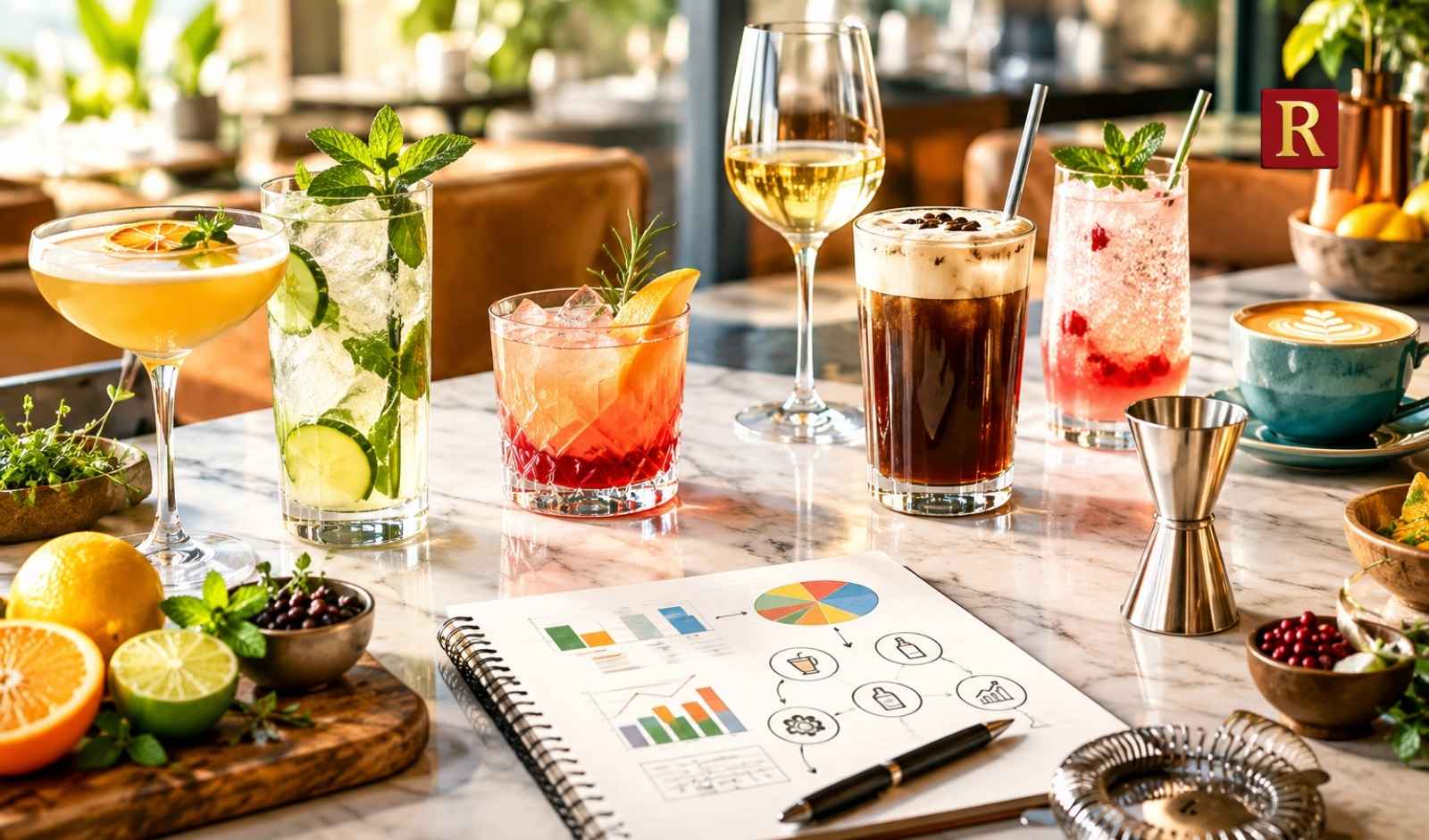 MenuThe winning restaurant may not have the biggest drinks menu. It may simply know which drink to sell, at what price, to which customer, at which…
-
Kitchen brandIn a busy restaurant, that combination can have a much bigger impact than the name printed on the equipment.
 IngredientsThe more interesting development is the connection between farm visits, ingredient research, procurement, kitchen testing and menu design.
Copyright © 2009 - 2026 Restaurant India.