





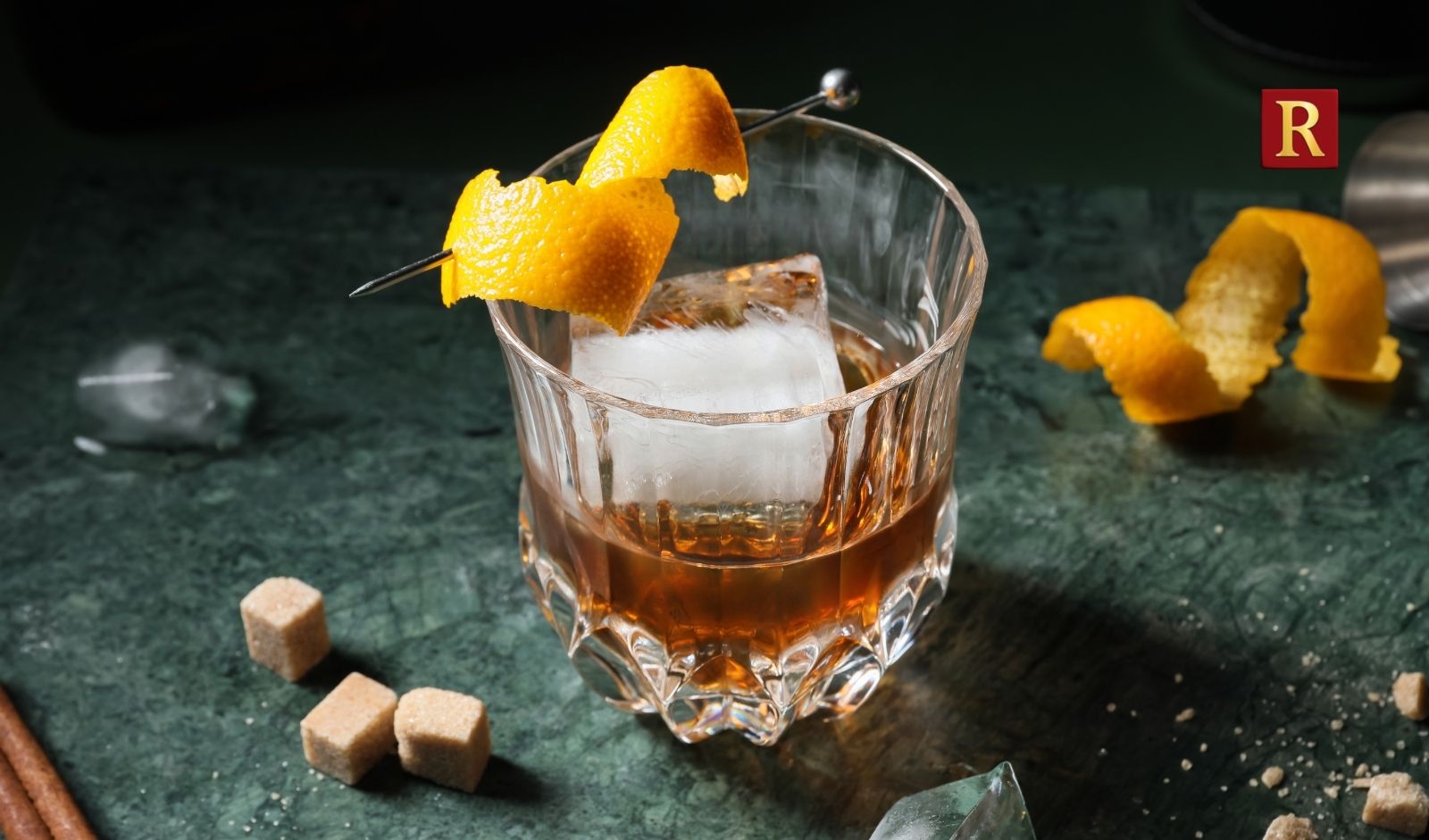
Walk into a premium café, cocktail bar, or luxury hotel today, and you will notice that ice is no longer an afterthought. Beverage brands and hospitality businesses are paying closer attention to what goes into their drinks, including the ice. From crystal-clear cubes to handcrafted ice spheres, the quality of ice is now helping shape the overall drinking experience.
Ice affects how long a beverage stays cold, how quickly it gets diluted, and even how customers perceive its quality. What was once considered a basic necessity has become an important part of premium beverage programmes across restaurants and cafés. As consumers increasingly seek memorable dining experiences, premium ice is finding its place alongside specialty coffee beans, artisanal mixers, and handcrafted cocktails.
Why Ice Matters More Than Ever
Ice is one of the most used ingredients in beverages. Yet, it has traditionally received very little attention. Today, premium beverage experiences are built around several factors, including taste, presentation, temperature, and consistency. Ice influences all four.
For example, a large crystal-clear ice cube melts more slowly than smaller ice cubes. This helps maintain the flavour of a beverage for a longer period. A drink that remains cold without becoming watery offers a better customer experience. Consumers are also becoming more visually driven. Beverage presentation plays an important role in dining decisions, especially when customers share their experiences online. Premium ice contributes to the visual appeal of a drink without altering its intended flavour profile.
The Science Behind Premium Ice
Premium ice is designed differently from conventional ice. The biggest difference lies in how it is made. High-quality ice is often produced using a process called directional freezing. In this method, water freezes from one direction rather than from all sides. As the ice forms, impurities and trapped air bubbles are pushed away instead of being frozen inside. The result is crystal-clear ice that is denser and melts more slowly. Regular ice cubes often contain tiny air pockets that make them appear cloudy. These air bubbles increase the surface area of the ice and can cause it to melt faster.
Premium ice offers several advantages:
- Slower melting
- Better flavour retention
- Improved beverage presentation
- Consistent temperature control
- Reduced dilution
These small improvements can significantly enhance the overall drinking experience.
Larger Ice Means Less Dilution
One of the key reasons premium bars invest in specialty ice is dilution control. The shape and size of ice directly influence how quickly it melts. Larger cubes and spheres have a lower surface-area-to-volume ratio. This means less of the ice is exposed to the liquid, allowing it to melt more slowly.
For example:
Ice Type | Average Use |
Small cubes | Soft drinks and quick-service beverages |
Large cubes | Cocktails and premium mocktails |
Ice spheres | Whisky and premium spirits |
Ice spears | Highball drinks and specialty beverages |
A slower melting rate helps preserve the intended flavour of the drink. This is particularly important for beverages where balance matters, such as cold brews, mocktails, sparkling drinks, and premium cocktails.
Premium Ice Is Transforming Beverage Presentation
Modern hospitality is increasingly experience-led. Customers are not simply paying for food and beverages. They are paying for presentation, ambience, and memorable moments. Premium ice has become an important part of beverage styling.
Restaurants and cafés are experimenting with:
- Crystal-clear ice cubes
- Ice spheres for spirits
- Herb-infused ice cubes
- Floral ice for mocktails
- Custom-shaped ice
- Branded ice for luxury events
Luxury hotels are also using premium ice in welcome drinks and signature beverages. In many cases, beverage menus are now designed around the type of ice being used. This attention to detail helps businesses create a more premium perception of their offerings.
Premium Ice Is Not Limited to Alcoholic Drinks
The demand for premium ice is growing beyond cocktail culture. Several non-alcoholic beverages benefit from better-quality ice.
These include:
- Specialty Coffee: Cold brew coffee and iced lattes have become increasingly popular among younger consumers. Poor-quality ice can dilute coffee quickly and affect its flavour. Premium ice helps maintain the balance between sweetness, bitterness, and temperature.
- Mocktails: Restaurants are expanding their non-alcoholic beverage menus. Premium mocktails often feature fruit-infused or flower-infused ice to enhance both presentation and flavour.
- Wellness Beverages: Sparkling water, kombucha, botanical drinks, and functional beverages are now commonly served with large-format ice in premium establishments.
- Luxury Hospitality: Premium ice is increasingly being used in afternoon tea experiences, welcome drinks, and curated tasting menus at luxury hotels.
The trend reflects a broader shift towards premiumisation across the hospitality industry.
The Growing Business of Craft Ice
Specialty ice has become a business category of its own. Around the world, dedicated ice suppliers now serve luxury bars, hotels, and restaurants. These companies focus on producing crystal-clear ice in various shapes and sizes while maintaining food-grade quality standards.
Producing premium ice involves:
- Water purification systems
- Directional freezing technology
- Controlled storage conditions
- Precision cutting techniques
- Food safety compliance
Unlike standard machine-made ice, premium ice requires additional time, labour, and equipment. This explains why businesses are willing to pay more for a product that improves beverage quality and presentation. Even commercial refrigeration manufacturers have recognised this demand. Many premium refrigerators now offer multiple ice formats, including spheres and slow-melting cubes.
Why Restaurants Should Invest in Better Ice
Small details often influence how customers remember their dining experiences.
Premium ice can help restaurants and cafés:
- Improve beverage quality
- Increase perceived value
- Enhance presentation
- Offer signature drink experiences
- Reduce excessive dilution
- Strengthen premium positioning
For businesses that serve specialty beverages, investing in better ice can support premium pricing strategies without significantly changing the core beverage recipe. Consumers may not always notice the type of ice immediately, but they are more likely to remember a drink that stayed perfectly chilled and tasted consistent until the last sip.
Interesting Facts About Premium Ice
- Clear ice melts more slowly because it contains fewer air bubbles and impurities.
- Large ice cubes can preserve beverage flavours longer than smaller cubes.
- Specialty ice suppliers now cater to luxury hospitality businesses across global markets.
- Premium ice is increasingly being used in cafés and mocktail programmes, not just cocktail bars.
- Directional freezing technology is one of the most commonly used methods for producing crystal-clear ice.
Ice Is Becoming a Hospitality Differentiator
The premiumisation of food and beverages has encouraged businesses to rethink even the smallest components of the customer experience. Consumers today appreciate craftsmanship and attention to detail. Whether it is specialty coffee, handcrafted mocktails, or premium cocktails, every ingredient contributes to how a beverage is enjoyed. Ice is no longer simply frozen water added at the end of preparation. It influences temperature, dilution, flavour retention, and visual appeal. For restaurants and cafés looking to elevate their beverage programmes, premium ice offers a simple yet effective way to stand out. As hospitality continues to evolve, ice is proving that even the most overlooked ingredient can play an important role in creating memorable dining experiences.
India’s luxury hospitality sector is witnessing a major transformation as travellers increasingly seek immersive, story-driven experiences over conventional luxury stays. Tapping into this shift, Noormahal Palace is positioning itself as a global luxury heritage destination through its collaboration with Marriott Bonvoy under the Autograph Collection brand. The move is not just about adding international branding to a heritage property. Instead, the strategy focuses on blending royal Indian heritage with modern luxury standards while preserving the authenticity that defines the palace experience.
“Noormahal’s strength lies in its individuality, its palatial architecture, curated art collection, and deeply rooted cultural narrative. These elements align seamlessly with the Autograph Collection philosophy of celebrating properties that are unique, story driven, and exactly like nothing else,” said Roop Partap Choudhary, ED, Noormahal Group.
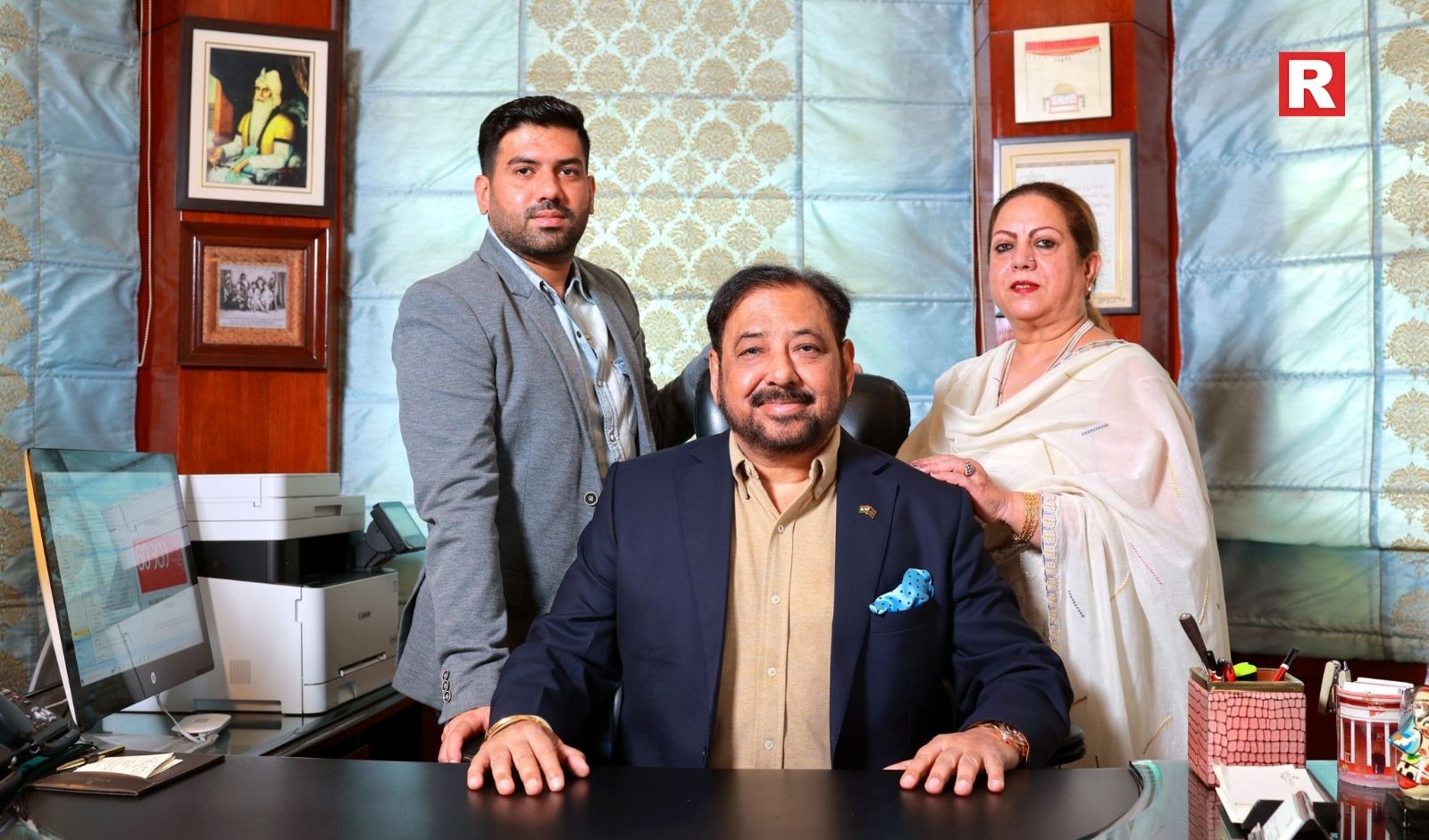
Roop Partap Choudhary, Executive Director, and Colonel Manbeer Sandhu, Chairman & Managing Director of Noormahal Group, have been instrumental in blending heritage with modern hospitality. In this interview, they discuss preserving legacy, adapting to evolving traveller expectations, and shaping the future of heritage hospitality.
Heritage with a Modern Lens
As guest expectations evolve, heritage hospitality is no longer limited to showcasing architecture and luxury interiors. Travellers today are looking for emotional connection, local storytelling, and personalised experiences that feel authentic. “The inspiration has always been rooted in our family’s deep connection to India’s regal heritage. Noormahal Palace was envisioned as a tribute to the opulence, artistry, and hospitality of a bygone era,” shared Colonel Manbeer Sandhu, CMD, Noormahal Group.
The palace combines Mughal, Rajput, Punjabi, and Persian architectural influences while layering the experience with curated art, cultural interactions, and modern luxury amenities. “The idea of blending this heritage with contemporary luxury stemmed from a desire to create a destination that is timeless yet relevant to global travellers seeking authenticity and excellence,” Sandhu added.
Experiential Dining
Food and beverages is emerging as a major focus area for luxury hospitality brands, especially those operating in the heritage segment. Rather than traditional dining formats, hotels are now curating immersive culinary experiences. At Noormahal Palace, the culinary strategy revolves around combining regional heritage with global tastes.
“We have reimagined our culinary offerings to deliver immersive dining experiences that reflect the region’s rich heritage and global tastes,” said Choudhary. Our special ‘Dining under the Stars’ and royal banquet experiences transform meals into unforgettable events.”
The palace’s dining concepts include Frontier Mail, inspired by the culinary journey of the Grand Trunk Road, Colonel Saab with contemporary Indian and global cuisine, and Polo Bar featuring cocktails inspired by royal polo traditions. The property has also introduced artisanal dessert experiences and interactive pastry workshops through The Cake Factory.
Storytelling at the Heart of Guest Experience
For Noormahal Group, storytelling is emerging as one of the strongest pillars of modern luxury hospitality.
“Every corner of the property, from the architecture to the curated art, has a narrative that connects guests to the history and culture of the region,” said Sandhu.
The group believes travellers now seek experiences that allow them to actively engage with heritage rather than simply observe it. “We believe that stories transform a stay into an experience, whether it’s through our signature vintage portrait sessions, culinary journeys inspired by royal kitchens, or guided heritage tours. Storytelling allows guests to not just witness, but become part of Noormahal’s living legacy,” he explained.
Sustainability at the Core
Sustainability is becoming increasingly important within luxury hospitality, and Noormahal Palace says responsible operations are embedded into its long-term strategy. “Sustainability is embedded into our daily operations through responsible practices such as efficient waste management and recycling, use of water treatment systems, and conscious resource optimization across the property,” shared Choudhary. “Our approach is to deliver luxury experiences in a way that is environmentally responsible and aligned with long term sustainability goals.”
The palace is also focusing on supporting local artisans and preserving regional craftsmanship as part of its broader cultural sustainability efforts.
Digital Innovation with Human-Centric Hospitality
While personalised service remains central to heritage hospitality, digital innovation is also becoming increasingly important in guest engagement and retention. “We recognise that digital innovation is increasingly shaping the guest experience in hospitality. Our approach is to thoughtfully explore and adopt digital touchpoints that can enhance convenience, personalisation, and engagement for our guests,” said Choudhary.
The group plans to introduce more technology-driven guest experiences while ensuring the warmth and authenticity of the palace remain intact. “We see technology as a means to complement our tradition of personalised service,” he said.
Road Ahead
For now, Noormahal Group’s focus remains on strengthening Noormahal Palace’s position as a benchmark in luxury heritage hospitality while continuing to refine guest experiences and cultural offerings. “Our immediate priority is to ensure that Noormahal Palace continues to set new standards and serve as a proud ambassador of India’s rich legacy,” said Sandhu. Looking ahead, the group sees India’s luxury hospitality sector moving towards a future defined by authenticity, sustainability, innovation, and experiential travel. “The future belongs to destinations that offer a sense of place and purpose, where guests connect with heritage and community, enjoy world-class service, and contribute to responsible tourism,” he concluded.
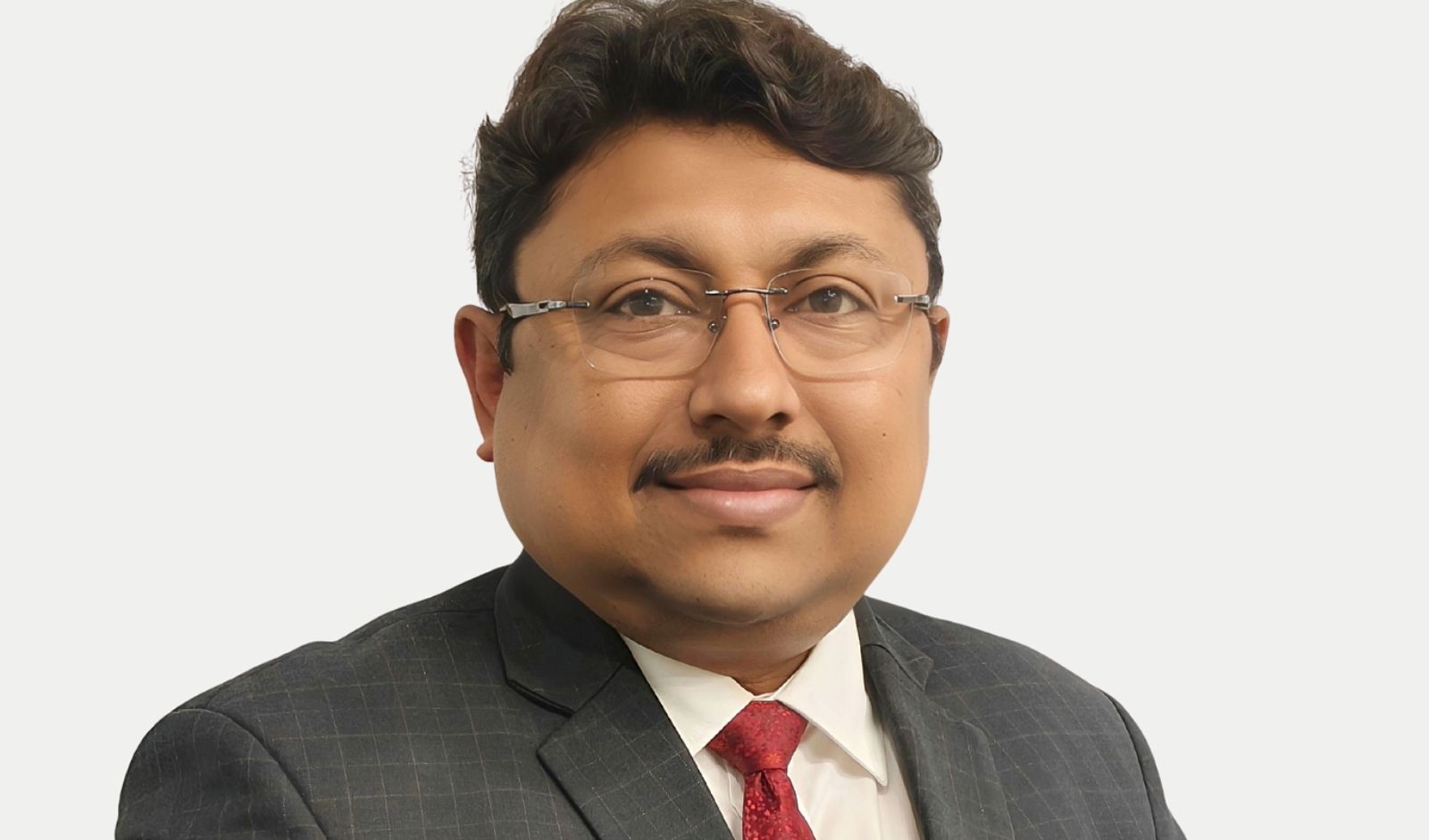
Cygnett Hotels & Resorts Pvt Ltd has appointed Sumit Ghosh as Associate Vice President – Sales, adding to its senior leadership team as the company continues to expand its footprint across multiple Indian markets. The appointment comes at a time when the hospitality group is scaling operations in the mid-market and value segments.
In his new role, Ghosh will oversee the company’s overall sales strategy, with responsibilities spanning corporate sales, key account management, market development, and alignment of sales plans with Cygnett’s growth objectives. He will work closely with internal leadership teams and asset partners to support revenue growth across the portfolio.
Ghosh brings more than 24 years of experience in the hotel industry, with a background in sales leadership, business development, and revenue management across branded hotel chains. His academic qualifications include a postgraduate degree in Marketing Management (PGDBA) from SCDL–Symbiosis, Pune, a Diploma in Hotel Management from IIHM, Kolkata, and a BA in International Hospitality Management from Queen Margaret University, Scotland.
Prior to joining Cygnett Hotels & Resorts, Ghosh held roles at several established hospitality groups, including Wyndham Hotel Group, Royal Orchid Hotels, Sarovar Hotels & Resorts, Jaypee Hotels, Best Western Premier, and Sunday Hotels. His experience spans metro and non-metro markets, where he has been involved in business restructuring, corporate partnerships, and top-line growth initiatives.
Sarbendra Sarkar, Founder & Managing Director, Cygnett Hotels & Resorts, said, “Sumit brings a tremendous understanding of market dynamics, execution skills, and understanding of all the prominent hotels will be an advantage for us in improving our sales performance in the market.”
Ghosh will also contribute to developing scaled sales frameworks, training teams, and supporting the company’s expanding product portfolio. The appointment aligns with Cygnett Hotels & Resorts’ ongoing expansion strategy, which combines brand-led growth with a market-driven sales approach as new properties are added across India.
In an era shaped by conscious travel, luxury is undergoing a quiet revolution. It is no longer measured by extravagance, but by something far more intimate - authenticity. Today’s travelers are seeking not just destinations, but deeper connections. Culture, once considered a backdrop, has emerged as the defining currency of modern hospitality.
The numbers already reflect this shift. According to the March 2025 Heritage Tourism Market Report by Grand View Research, nearly 59% of travelers visiting India are motivated by cultural and heritage experiences. This demand fuels a USD 21.9 billion opportunity — a clear signal that the future of tourism lies in preserving, interpreting, and celebrating the local identities that make each destination unique.
From Predictability to a Sense of Place
For decades, global hospitality was built on uniformity, the familiar bed, the standard lobby, the predictable menu. But the post-pandemic traveler is different. These guests are not seeking a break from reality; they are seeking a deeper understanding of it. They want a stay that feels rooted, textured, and reflective of the community around them.
The properties that resonate today are those that embody their surroundings, where architecture draws inspiration from local forms, where cuisine carries the flavor of indigenous ingredients, and where experiences reflect traditions that have shaped a region’s identity. What once was “consistency” is now being replaced with “character.” And in that character lies a powerful sense of belonging.
Culture as a Strategic Advantage
Integrating culture into hospitality is far more than an aesthetic choice; it is a business imperative.
- Standing Apart: In a world of polished sameness, local character becomes a brand’s signature, a reason for travelers to return, and to remember.
- Strengthening Communities: Collaborating with artisans and cultural practitioners not only preserves traditional skills but ensures tourism contributes to local economic resilience.
- Forging Emotional Connections: Guests may forget the décor, but they never forget the emotion, the warmth of a regional greeting, the cadence of local music, the taste of a dish prepared with heritage ingredients. These moments linger long after checkout.
The Rise of the Purpose-Led Traveler
A new generation of travelers is reshaping the meaning of exploration. Gen Z and younger millennials no longer travel simply to escape—they travel to connect, contribute, and understand. Their journeys are guided by purpose: to learn from different cultures, support local communities, and experience places with curiosity and respect.
For this generation, a destination is not a backdrop. It’s a teacher.
A trip is not a break. It’s an opportunity to grow.
They seek authenticity over spectacle. They value businesses that stand for something. And they choose brands that align with their beliefs—whether that’s sustainability, inclusivity, creativity, or cultural preservation. Purpose-led travel isn’t about checking off landmarks; it’s about finding meaning in the moments in between.
Experiences Over Itineraries
Young travelers want to be participants, not passive observers. They’re drawn to hands-on cultural experiences, nature-first exploration, self-discovery, creative immersion and purpose driven choices. Food remains important, but as part of a broader desire for experiential depth: tasting ingredients grown locally, understanding culinary heritage, contributing to sustainable food ecosystems, and celebrating diversity through cuisine.
At its essence, hospitality is a bridge—between cultures, between people, between stories. Tomorrow’s leading hospitality brands will shift focus from providing escape to enabling immersion. Luxury will no longer be measured by excess, but by intention, authenticity, and sense of place. Young travelers seek belonging, not anonymity. Meaningful moments, not manufactured perfection.
When hospitality champions local traditions and communities, it does more than serve travelers—it invites them to experience the soul of a destination. A property becomes a living expression of its surroundings, a gateway to understanding the world through genuine encounters.
A New Era of Travel
This new traveler doesn’t just want to see the world—they want to leave it better than they found it. And they hold hotels, restaurants, and experiences to that same standard.
This is the rise of the purpose-led traveler. This is the beginning of a more conscious, connected, and meaningful age of exploration.
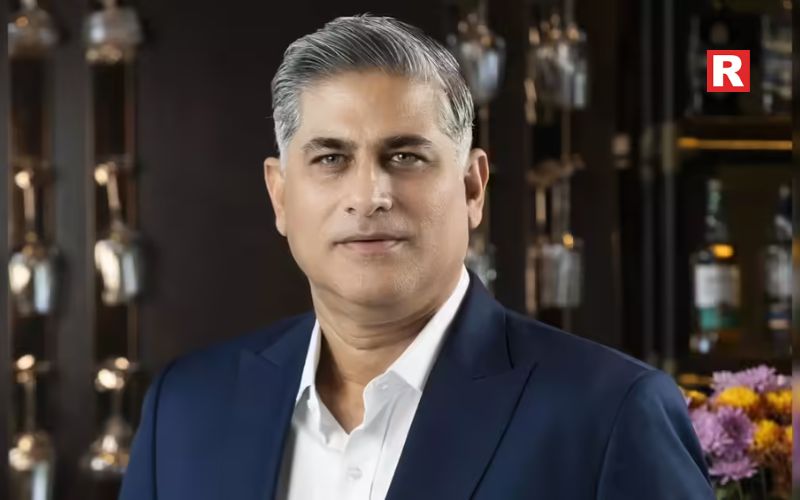
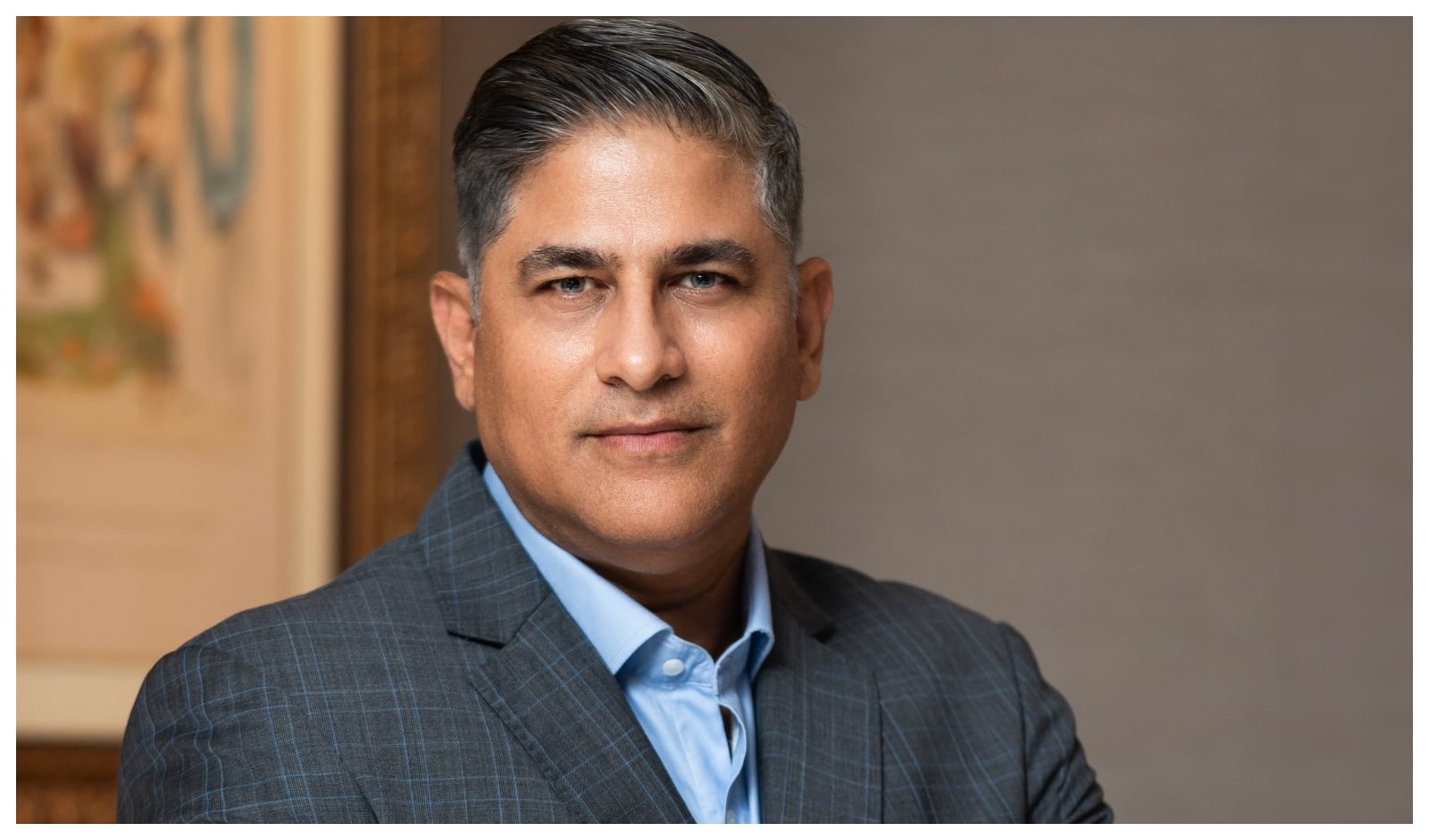
By-Ranjit Batra, CEO, Ventive Hospitality Limited
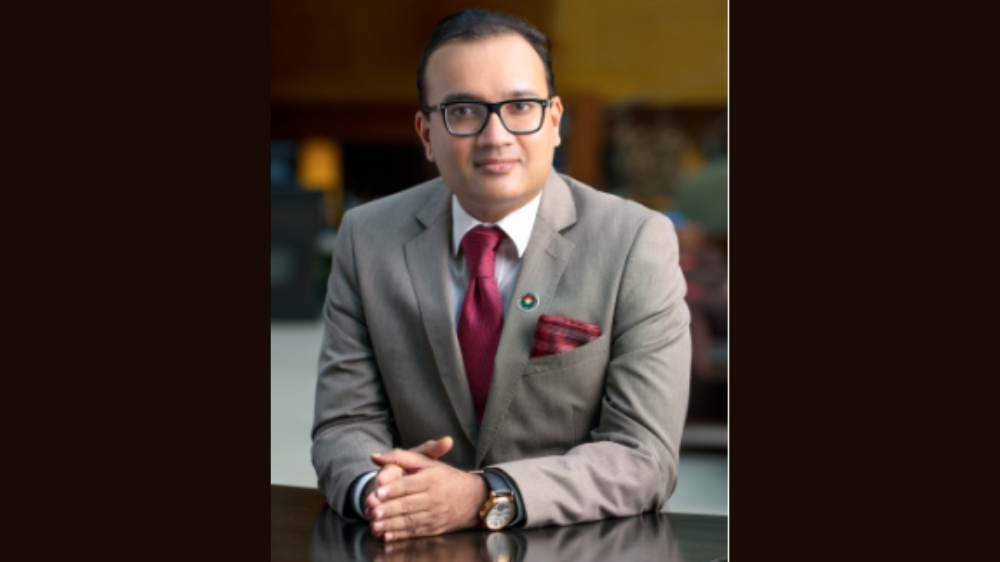
Chintan Shah, who hails from a family of Chartered Accountants, was recently appointed as the Virtual CFO at Hotel Sahara Star. Chintan Shah has previously worked with finesse clients and helped them out in achieving their extraordinary expectations in the fields of taxation and assurance practices.
Chintan Shah completed his Charter Accountant course in 2006 and is also an elite member of The Institute of Chartered Accountants of India (ICAI). He is also a Certified and Trained Valuer and Arbitrator.
Chintan Shah, Virtual Head of Finance, Hotel Sahara Star, positively feels that “Strategizing right, zero-based budgeting and proactive implementations are few arrows in the armour for Sahara Star.”
In an interview with Restaurant India, CFO at Hotel Sahara Star, Chintan Shah, speaks about the restaurant industry trends with reference to accounting and finance.
Role As The Virtual CFO
The role of a virtual CFO is to maintain the financial well-being of the Hotel. The role comes with the baton of responsibility. In my tenure, I have brought about smooth functioning in the accounting team along with helping them connect with the legal and IT team too. Speaking on the financial front, I have improved stakeholder relationships along with implementing strong policies wherever needed.
Also Read: "With Franchising You can Grow Brand Quicker"
Future Plans for Hotel Sahara Star
The future plans for Hotel Sahara Star can be bifurcated into long term and short term. The long term includes revamping the business structure, starting a sports club and setting up a solar and renewable plant. The short term goals are more finance-oriented along a few internal and external policy and relationship-building activities.
Focus on Organisational Growth
The growth has been very good. Mostly, the work has been all due to proper communication within the team and also with the other departments at Hotel Sahara Star. The most important growth that has been the one that is within the company and it has made a strong foundation for the years to come.
Strategies and other action plans
Strategising is an important aspect of teamwork, to make this team a success we have chalked out an action plan that has been created carefully and keeping in mind the importance of a financial department. Ideas are an integral part of plans, for the same we holding regular brainstorming sessions.
Growth in numbers
As said earlier, the growth in the company has been good, both in terms of numbers and efficiency. The sales growth has increased by 43% and the occupancy rate has gone up by 18%. We have also seen an improved level of operational productivity. These numbers have motivated us to work harder and improve ourselves to reach better levels.
Pros and Cons of Hotel Restaurants vis a vis standalone restaurants
There are two sides of every coin, each and everything will have pros and cons. The pros of having Hotel restaurants are that you can have a proper set of audience and giving them a better quality of service. Profits and losses can be borne by all the restaurants together, also the marketing budget will be better. Cons of this can be lowered creativity, lower revenue and also marketing forms basis for the overall development of the hotel and not for an individual outlet.
Must Read: Foodtech Players Begin Tamper-proof Packaging
Changes in the industry in terms of RoI and Revenues
Revenues are raking higher in the Industry, however, the speciality restaurant industry cycles are not more than 1000 days; the said business will have to re-invent and re-engineer their business plans accordingly. The returns of investment will drop if the bar is not set high.
Restaurant Industry Trends with reference to Accounting and Finance
Accounting: Automation and Robotics are taking shape in the Restaurant Industry, thanks to high-end net-based technologies being developed and disrupting the traditional ways of accounting.
Finance: End to End Supply Chain Management system with zero inventory holding and pilferage costs Is the fast-moving trend in finance, also loans are now easily available to businesses. Artificial Intelligence is used for predictions and forecasting of revenues.
Also Read: Technology stepping up the Restaurant Play
Trends in the Hospitality Industry
There are quite a few trends that are upcoming in the hospitality industry. The pay per use concept has evolved with the all-day check-ins and check-outs. Also, with the advent of AI, there will be minimal human intervention. Hospitality is now growing to become a place of networking, business and will not only be limited to entertainment.
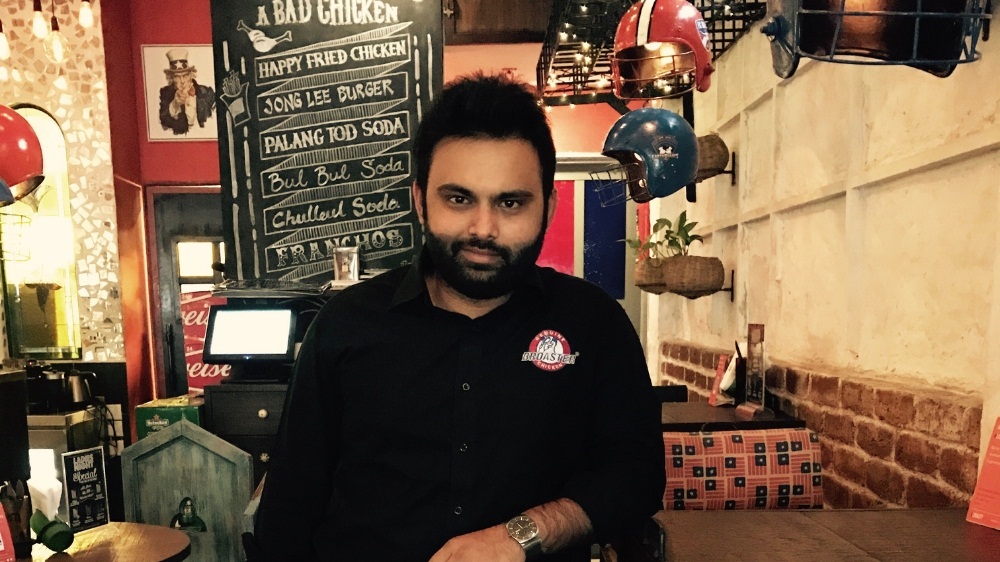
Karan Tanna, Founder CEO of Yellow Tie Hospitality, started his entrepreneurial journey in the Food and Beverages Industry with the Gujarat-based chain “Kutchi King”. It grew to 200 stores in a course of time. But the growth of “my brand was not sustainable”, admits Karan Tanna, “and there were a few mistakes that we had made”. Despite being the second largest populated country in the world, India didn’t have any home-grown brands with over 1000 stores – the fact struck Karan. “This drew my attention to a huge gap in restaurant franchise management. This particular fact and the opportunity to disrupt it formed the basis of my company, Yellow Tie Hospitality,” says Karan Tanna.
Karan Tanna has also been named in the Entrepreneur India's 35 Under 35 list.
The Highs and Lows of Karan Tanna’s Entrepreneurial Journey
The 31-year-old’s entrepreneurial journey was no cake walk. He opened his first restaurant Goodies in Ahmedabad, Gujarat. “I had to shut down Goodies as I had certain troubles in my partnership. That was probably one of the low phases of my entrepreneurial journey,” says Karan Tanna. Because of his ‘never-give-up spirit” Karan continued his entrepreneurial journey in the F&B world and opened Kutchi King, the brand that took to 200+ stores in India, the Yellow Tie Hospitality followed later.
Must Read: Approach Investors With A Clear Business Plan
Yellow Tie Hospitality was launched in January 2016. It began with signing up an American brand Genuine Broaster Chicken. Within one year of its inception, the restaurant franchise management company grew to a team of 20 and 25 stores of Broaster Chicken across India. Karan’s past experience in the restaurant business gave the fruitful results in the expansion and growth of the franchise management company. He designed a scalable model for Broaster Chicken - engineering the menu, having a centralised production warehousing and a supply chain partner, focusing on recruitment, and training of outlet-level resource.
Initially, in the first two years, Karan Tanna focussed business incubation and brand acquiring process. “Now, we are looking at scaling all the brands at a rapid pace as we see the foundation of Yellow Tie has been built quite well and we have made mark across the country which gives us a basis to grow all the other brands in our portfolio in the same speed and making them sustainable at the same time,” says Karan.
What Makes Yellow Tie Hospitality Stand Out?
Speaking about the USP of his business, Karana Tanna says, “We have a very strong backend infrastructure in terms of experienced teams, supply chain and warehousing, R&D centre and a state-of-art turnkey software to manage our franchises.” Yellow Tie Hospitality manages everything related to a franchise - right from location and premise search to building the restaurant stores, recruitment, training, time-to-time new product introduction, social media and brand marketing; this leaves the franchise owner/entrepreneur to focus only on delivering the last mile consumer experience. This entire eco-system and partnership makes the franchise stores, and, hence, the brands sustainable.
“We focus on doing what we are best at, which is providing the brand support, background and the standards, SOP, recipe cards as a tool for franchise owners to follow, and they do what they are best at doing which is managing the store in entrepreneurial spirit which is best in that region. This makes our brand very different as well as sustainable,” adds Karan.
Also Read: Franchising In Food Industry Is Brimming With Opportunities, Says Karan Tanna
Catering to the Emerging Markets in India
Over the last three years, Karan Tanna’s Yellow Tie Hospitality has served more than 3 lakh customers and had sold 90 franchises, till date. Out the 90 franchises, 35 are under development. The franchise management company has its footprints across 20+ cities in India - Mumbai, Delhi, Chennai, Bengaluru, Hyderabad, Kolkata, Imphal, Lucknow, Patna, Pune, Gurugram, Surat, Ahmedabad, Vadodara and more. The brand has worked with 200+ entrepreneurs and successfully launched 60+ restaurants in 20+ cities, so far.
2018, A Pivotal Year
From the first fiscal year, Yellow Tie Hospitality was very healthy on EBITA. “We had re-invested in the company from the profits earned,” says Karan. Though the company has not raised any external funds yet, it will go with the external fundraising for the next phase of expansion.
2018 was a pivotal year for Yellow Tie Hospitality. “We kept on growing Genuine Broaster Chicken and took Dhadoom that was launched in 2017 to 20 outlets by end of 2018.” The company grew its portfolio to over 10 brands and now has a mixed bag of portfolio starting from international brands like Genuine Broaster Chicken, Just Falafel, Wrapchic and newly tied-up Taiwanese brand Chachago to the home-grown brands like Dhadoom, Twist of Tadka and BB Jaan.
The Growth and Expansion Plans
With a vision of producing the first home-grown international brand, Yellow Tie Hospitality launched its incubation centre in 2018. It aims to be a 100-store company by the end of 2019.
Yellow Tie Hospitality has seen 200% growth year-on-year and the EBITA remains constant between 22-25%. In the fiscal year 2018-19, Yellow Tie Hospitality will be doing revenue of 200% more than the previous year by maintaining the EBITA to approximately 35%.
Speaking on the growth plans Karan says, “This year we will see six brands from Yellow Tie Hospitality portfolio getting traction and hitting multiple outlets. A bit chunk of growth is going to come from Franchise owned, company operated outlets where we will be a couple of casual dining or bar concepts. We are very excited to operate the stores on our own (not franchise operated) and give adequate value to franchise investors.”

In an exclusive interview with Franchise India, Gaurav Ahuja talks about the importance of location in opening a restaurant, the importance of customer needs and the design aspect of a restaurant.
How has your restaurant created a different image in positioning yourself in the food market?
We are primarily a much focused QSR chains. Our USP is fresh foods and value for money prices. This is the market which was underestimated and underserviced, so what we have primarily tried to do is to retain the freshness of the food because I think that it is the thing which is currently found in only fine-dine space. And we did that in QSR and the value for money prices, and I think that makes us different from the crowd?
What is the key to success for speciality restaurants?
The first key not only for restaurant’s success but also any organisation is the team and the second thing is whether the product being offered is in accordance to the needs of the customer. It matters a lot for the restaurant because food travels from city to city. And if you can map this truly that can lead you to success. Suppose if you have to open your restaurant in different cities as we have opened our restaurant in 10 cities, some amount of mapping, localisation is required according to the scenario of Indian food. You cannot have the same spice and taste of Hyderabad and Lucknowi food.
How do you cater to the need of right customer at the right location?
We are present across the finest malls in the country. The kind of brand loyalty we admire on who visits a mall is extremely high. We enjoy the ankle position in most of the malls we operate. Indian customer enjoys going to malls on weekends, so we give them good quality hygienic food. Today everybody looks for brand be it upper class or middle class and people are looking towards better options of taking food. That is why the food courts are a very emerging category and that’s where we put in.
What are you doing for Delicious by design, i.e. right from designing of store to food layout?
The very first thing we do is to decide on a location. The moment the location is finalised we focus on the localisation of menu and for that we do a lot of survey in the local area. Talking about design I think we are the only brand located in food court that’s winning award for design since the last few years. We take a lot of inspiration from the developed market and then localise it to suit the Indian customer’s needs.
How is the supply chain management done in your restaurant?
Supply chain is still a challenge in the country because of infrastructure issues. I think that it is the ongoing tussle in the restaurant industry. There are certain things which are made central. Most of the suppliers are local, and the quality has to be checked locally. I think if you have a local supplier you have advantages and disadvantages: the advantage is that you don’t have to maintain event while the disadvantage is that the quality check is local. So you need to have a central team to check for quality.
Why Indian Restaurant chains fail in India?
I think it is the location which contributes to the success of a restaurant. If you choose a wrong location the chances of succeeding in the food business is very minimal; the real-estate segment in the country is also intimidating. So, if you land at the wrong place whatever marketing you do, whatever quality of food you serve, you will never make it to success. If you cannot map the expectation of your customer, your business is eventually going to fail.
What are your plans about taking the IPO route?
We are very happy the way we are right now. We are recently profitable on outlet level; each of our stores is profitable. We are currently growing through the internal routes and probably in the next two years will plan for 1000 outlets and then I will think for going the IPO route.
How has been the journey so far?
It has been the roller coaster ride. I was not from the hospitality background; was a banker earlier; but my passion brought me here. I wanted to have a restaurant chain of my own and I think this brought me back from Singapore to India. But today after receiving so many awards in the restaurant industry, we are happy that we started to grow in different parts of the country. And another thing is that our team is much focused, so where am today is just because of them. I want to be India’s largest restaurant chain in the world.

Viiking Ventures, part of actor-producer Sachiin Joshi's JMJ Group, has acquired Goa-based beer brand Kings Beer from Impala Distillery and Brewery for Rs 90 crore, reported ET.
“While the brand had domination in Goa, it was selling for itself due to various distributions and marketing issues. So, we decided to acquire the 22-year old boutique brand and make it a mass scale brand,” shared Joshi.
According to the news the brand will be owned by the company while its production will be done by Impala.
Post the acquisition, the brand has also been launched in Mumbai.
"We are creating our own brand and will get it produced by the existing manufacturing outlets in the market rather than manufacturing it ourselves," added Joshi.
The group is also targeting to acquire a vineyard in France or Italy with an investment of $20-40 million.
Viiking Ventures, founded in 2012, has presence in sectors like FMCG, hospitality, entertainment, realty, infrastructure, paper products and philanthropic activities.
The group, has launched Wyndham Hotel Group-owned Planet Hollywood hotel in India last year, the second in the world after Planet Hollywood in Las Vegas.
 Global FoodAirline menus offer valuable lessons in innovation, sustainability, and understanding what today's global consumer wants on their plate.
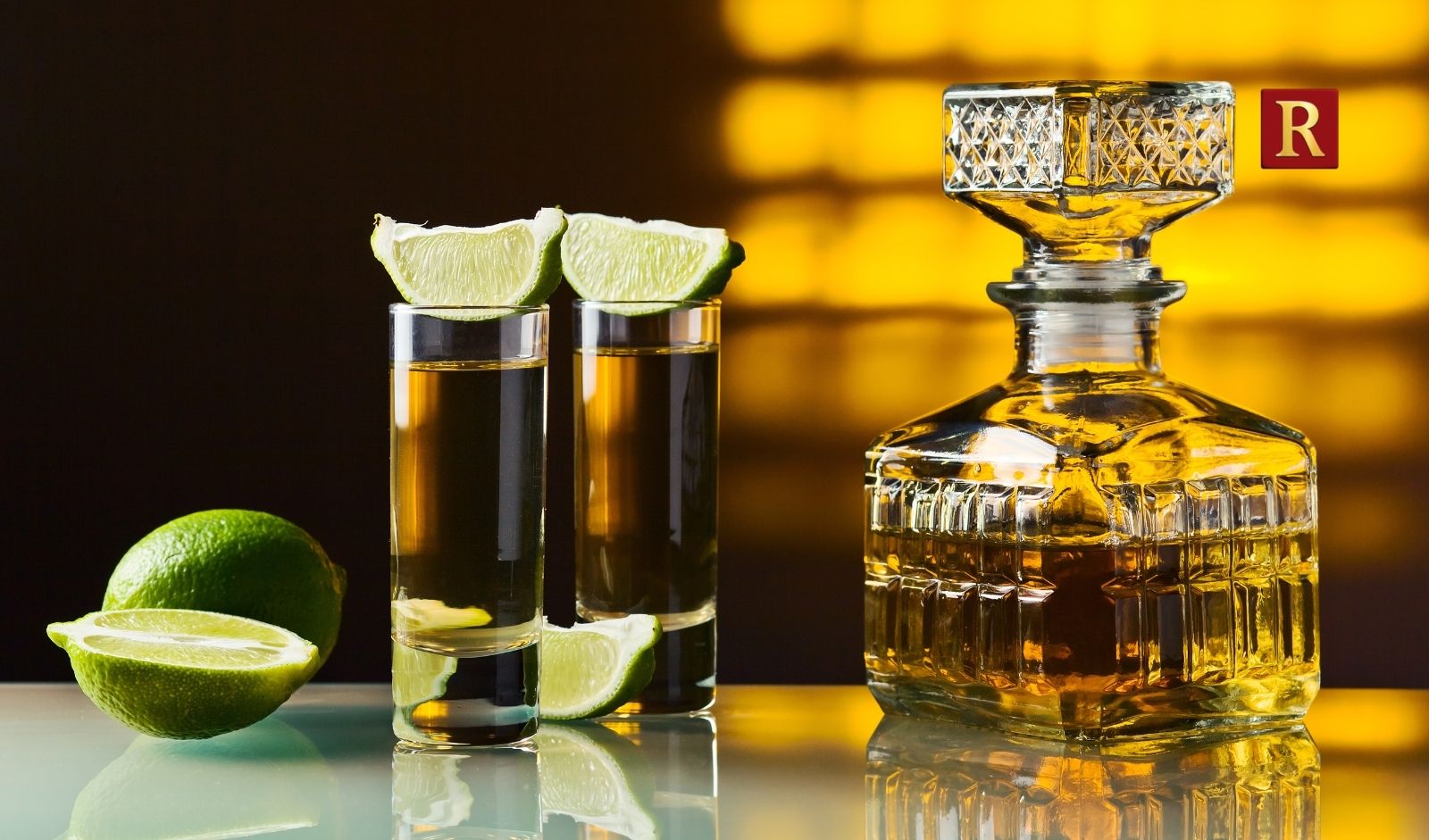 Alcohol industryExploring different styles, serving methods, and food pairings allows you to appreciate tequila beyond its party-drink image. The more you learn…
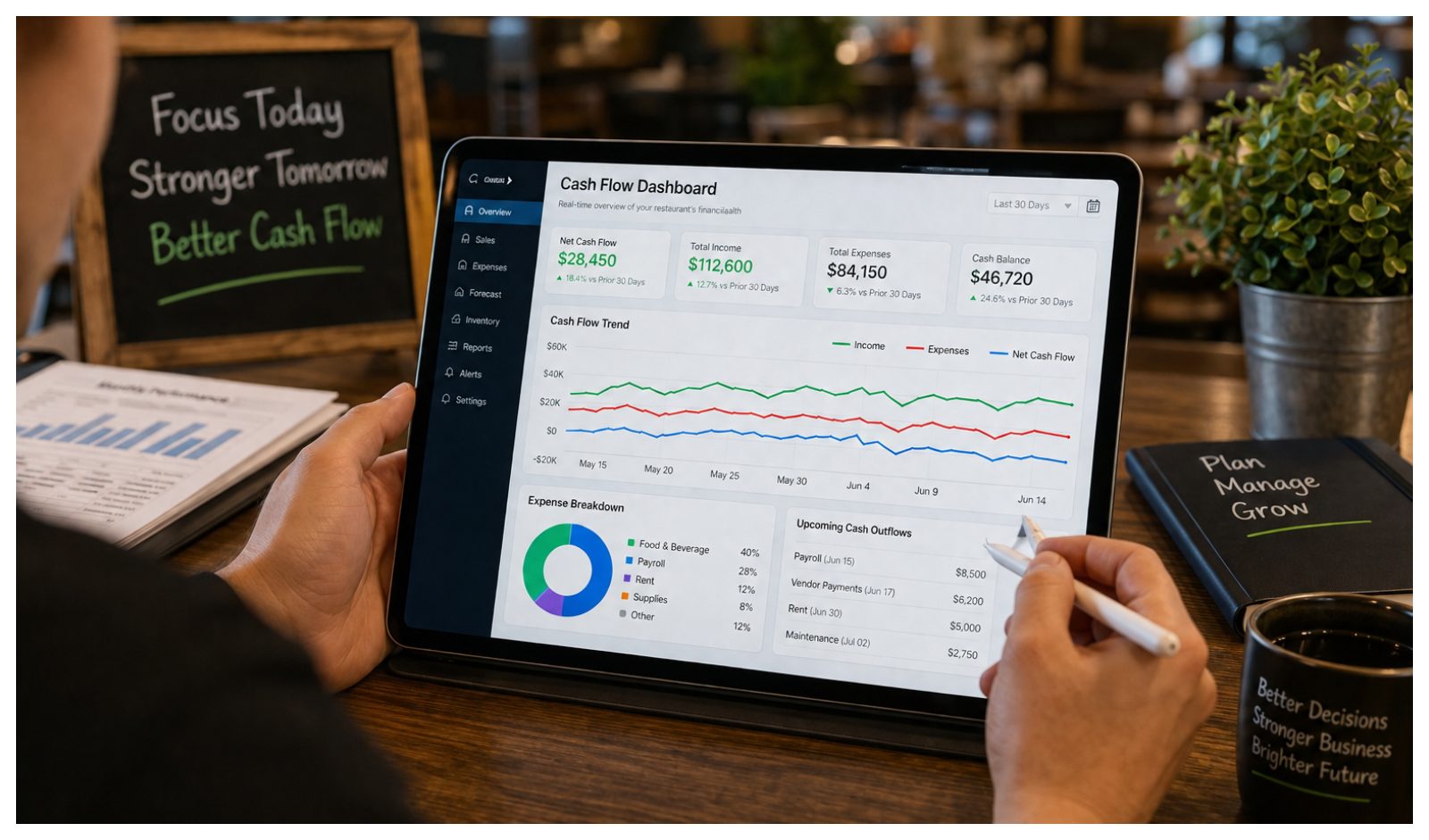 Growth in food industryWith most restaurants operating on slim profit margins of just 3–8%, even short revenue slowdowns can impact profitability.
-
Indian restaurantsAs hospitality continues to evolve, ice is proving that even the most overlooked ingredient can play an important role in creating memorable dining…
Copyright © 2009 - 2026 Restaurant India.