






Late-night parties are fun. Good music. Good company. Good food and drinks. But the morning after often feels very different. A heavy head. A tired body. Low energy. Sometimes even nausea or bloating. This happens because the body goes through dehydration, disturbed sleep, and slow digestion after a night of partying. Many people make the mistake of skipping breakfast or eating something very heavy. This can make the body feel worse. The system needs care, not punishment. Gentle, light food helps the stomach settle and restores energy. It also makes the body feel normal again.
Simple foods are the best choice. Curd is soothing and easy on the stomach. Poha is light and provides energy. Steamed idli is soft and easy to digest. Fresh fruits like papaya, watermelon, and apple help with hydration. Clear vegetable soups or broths are warm and comforting. Coconut water restores lost minerals and helps reduce tiredness. Eating small portions of these light foods allows the body to recover faster. After a party night, a gentle breakfast helps one feel refreshed, calm, and ready for the day.
Why the Morning After Needs Light and Gentle Food
After a party night, digestion becomes slow. Alcohol, oily snacks, sugary mixers, and late eating disturb the gut. Lack of sleep also adds to the problem. This is why you may feel bloated, acidic, or tired the next day.
Your body needs three things the next morning.
- Hydration.
- Easy digestion.
- Mild nourishment.
Light foods help your stomach restart without pressure. They also prevent weakness and headaches that come from dehydration and low blood sugar.
What Your Body Needs the Morning After
Before choosing what to eat, it helps to understand what your body actually needs.
- First is water. Alcohol dehydrates the body. Even if you did not drink alcohol, late nights still cause dehydration.
- Second is electrolytes and minerals. These help reduce headaches and fatigue.
- Third is soft and simple food. Your stomach lining may be sensitive. Spicy or oily food can make it worse.
- Fourth is gentle energy. Natural carbs and light protein help you feel active again.
Explore Best Light Foods to Eat the Morning After a Party
1. Plain Curd or Yoghurt
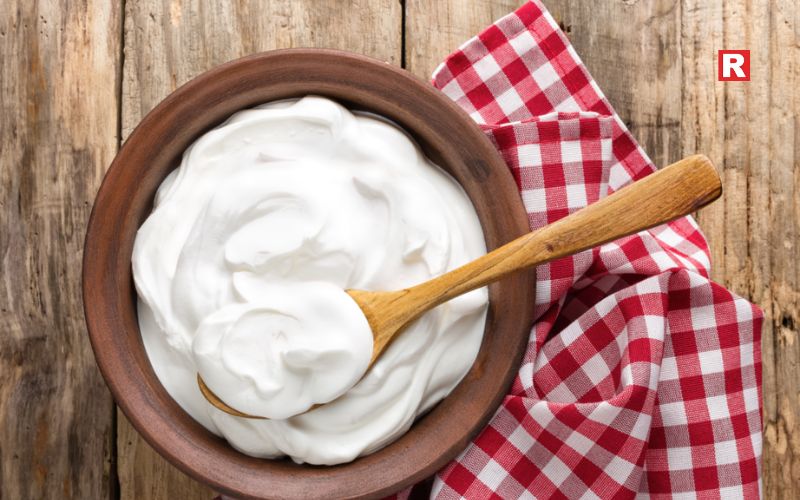
Curd is one of the easiest foods to digest the morning after a party. It cools and soothes the stomach. It also contains good bacteria that help digestion, especially after alcohol or heavy snacks. Plain curd can be eaten with a pinch of salt. It helps reduce acidity and calm the stomach. Homemade curd is best because it is fresh and natural. Flavoured or packaged yoghurts may have added sugar, which can upset digestion. A small bowl of curd provides gentle nourishment and keeps the stomach comfortable. It is a simple, effective start to the day.
Read more: 8 Famous Vegetarian Dishes of Uttar Pradesh and Their Timeless Legacy
High Protein Indian Meals You Should Try
2. Fruit Bowl with Water-Rich Fruits
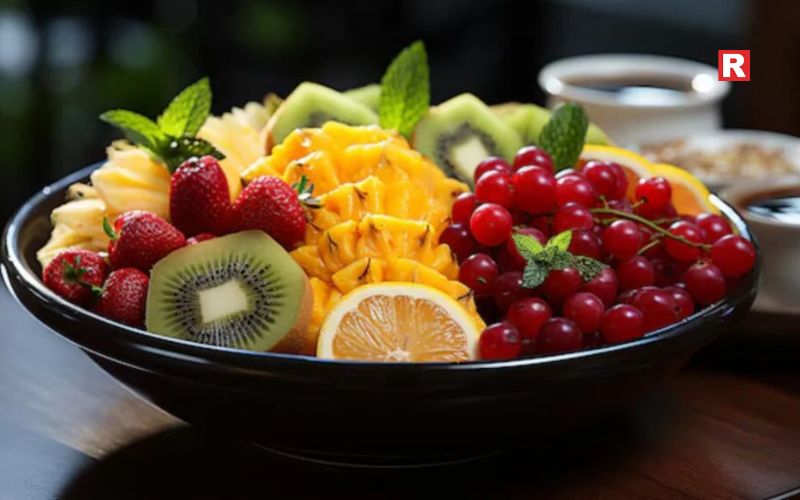
Fresh fruits are light, refreshing, and easy to digest. Fruits like papaya help with digestion. Watermelon provides water and rehydrates the body. Apple gives gentle fibre and a small energy boost. Pear is soft on the stomach and soothing. Citrus fruits like orange may increase acidity and should be avoided. Fruits mixed with cream or sugar are also best avoided. A simple fruit bowl is the ideal choice. Eating water-rich fruits not only helps the stomach but also restores fluids lost during the night. It is light, natural, and comforting for a slow morning.
3. Vegetable Poha
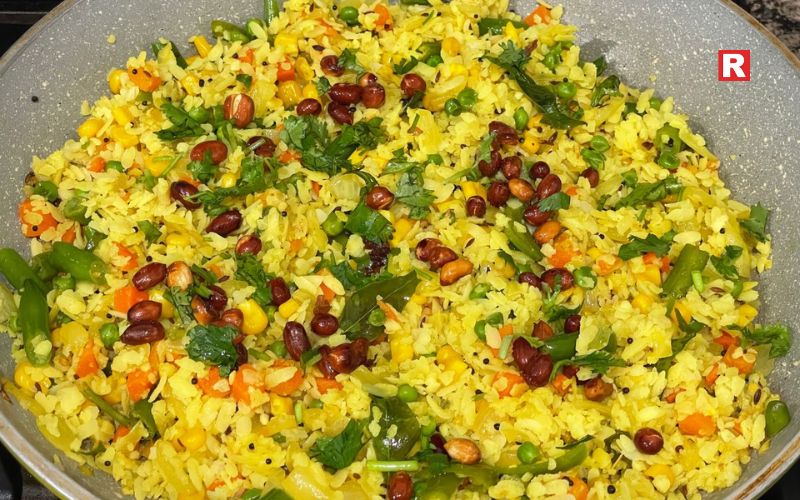
Poha is a classic Indian breakfast that is gentle on the stomach. It is light, easy to digest, and provides energy without feeling heavy. Cooking it with less oil and mild spices makes it suitable for the morning after a party. Adding vegetables like carrots, peas, and beans improves its nutrition. Poha is also soft and comforting, which helps when the stomach feels sensitive. Avoid adding too many onions or peanuts if digestion is slow. A small portion of vegetable poha is filling yet gentle. It is a simple, nourishing choice for recovery.
4. Clear Vegetable Soup or Broth
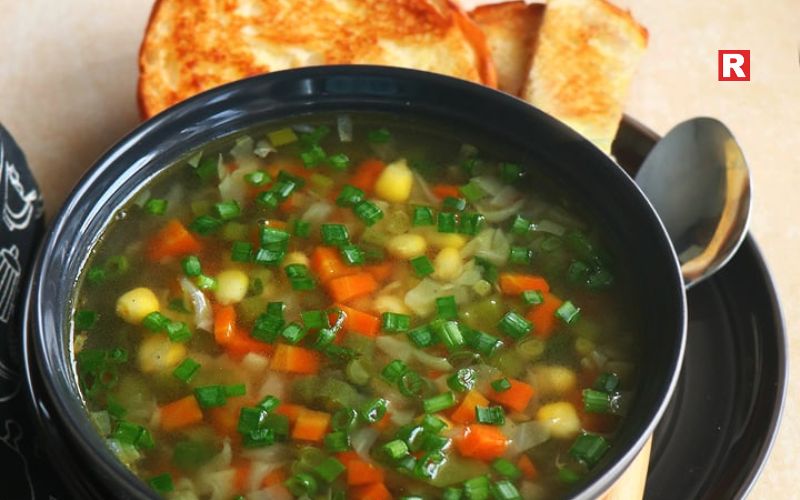
Clear vegetable soup is ideal when someone does not feel like chewing solid food. It hydrates the body and provides essential minerals. Warm soup is comforting and can help reduce nausea or discomfort. Vegetables like carrot, bottle gourd, pumpkin, or spinach can be used. Avoid creamy soups and heavy spices, as they may irritate the stomach. Soup should be sipped slowly and gently. It is light, easy to digest, and nourishing. A bowl of clear soup helps the body recover from dehydration and tiredness after a party. It is a simple way to feel refreshed.
Know more: 12 Delicious High-Protein Foods to Eat Daily for a Healthier You
5. Toast or Plain Multigrain Bread
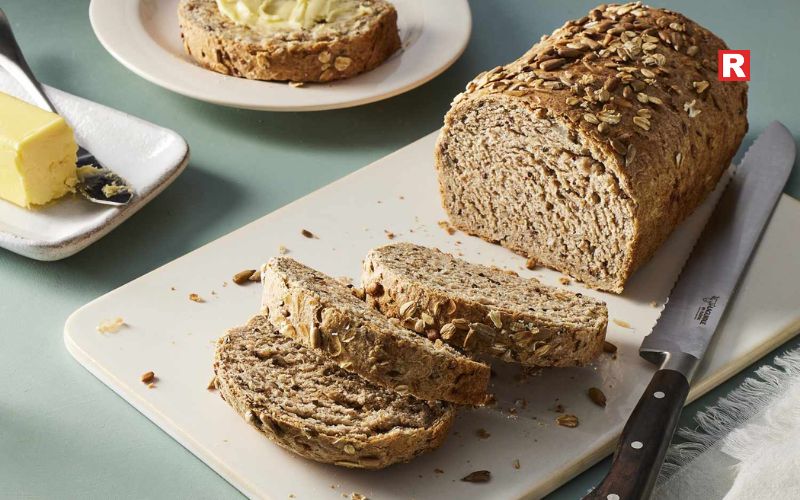
Toast is a simple, light option for the morning after a party. Plain toast or multigrain bread absorbs stomach acids and helps digestion. It is easy to chew and gentle on the stomach. Brown bread is preferred over white bread because it contains more fibre. Butter-heavy or cheese-loaded toast should be avoided as it can feel heavy. Toast can be paired with a small portion of curd or a light vegetable spread. Portions should be small to avoid overloading the stomach. It provides mild energy and keeps the stomach comfortable, making it an ideal light breakfast.
6. Oats Porridge
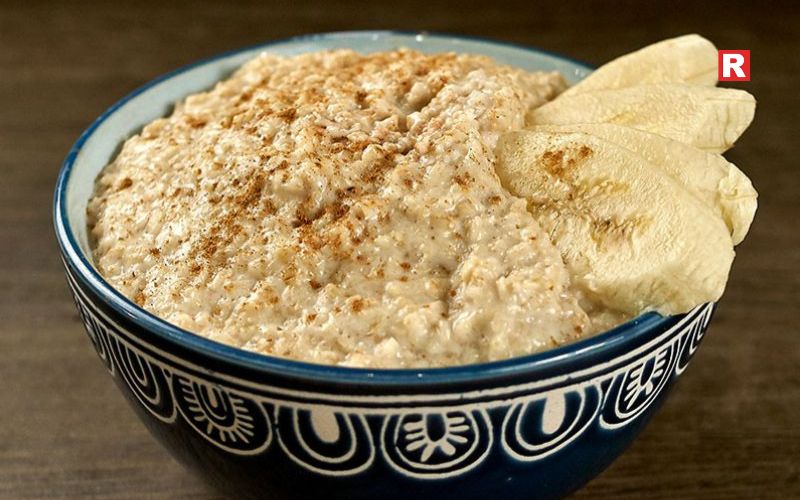
Oats porridge is gentle, filling, and easy to digest. It provides slow energy without feeling heavy. After a party night, oats help stabilise blood sugar, which may drop after late eating or drinking. It can be cooked with water or light milk. A pinch of salt can be added for a savoury version. Sweet toppings like sugar, honey, or chocolate should be avoided as they can upset the stomach. Oats are soft, warm, and comforting, making them ideal for a slow morning. A small bowl is filling yet gentle, helping the body recover naturally.
7. Coconut Water
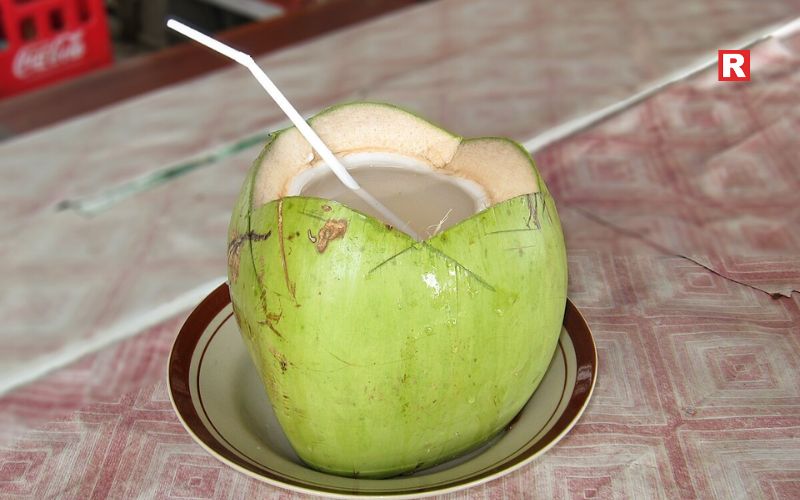
Coconut water is one of the best drinks for the morning after a party. It restores fluids and electrolytes lost overnight. It also helps reduce headache and fatigue caused by dehydration. Fresh coconut water at room temperature is best. Packaged versions often contain sugar, which may upset the stomach. It is light, refreshing, and easy to drink. Coconut water helps the body feel hydrated without making it heavy. A glass in the morning can improve energy and refresh the system. It is natural, simple, and soothing for anyone recovering from a late night.
8. Steamed Idli
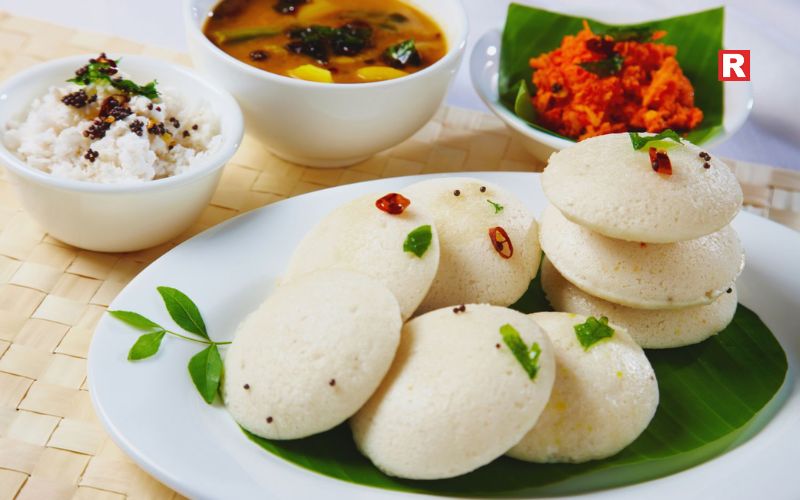
Idli is soft, light, and easy to digest. It is much gentler on the stomach than fried breakfast items like puri or paratha. Fermented foods like idli support gut health and improve digestion. Idli can be eaten plain or with a small amount of coconut chutney. Spicy sambar should be avoided if the stomach feels sensitive. Idli provides mild carbohydrates and a filling texture without heaviness. It is warm, comforting, and perfect for the morning after a party. A few pieces of idli can help restore energy and calm the stomach, making it one of the best light breakfast options.
Foods to Avoid the Morning After
Some foods can make things worse even if they feel tempting.
- Avoid fried foods like pakoras or samosas.
- Avoid very spicy dishes.
- Avoid excess tea or coffee.
- Avoid sugary desserts.
- Avoid heavy gravies and butter-loaded meals.
These foods increase acidity and slow digestion further.
Also check: Try These Veg Soups in These Freezing Winters
5 Ways to Use Garden Cress Seeds (Halim) for Stronger Hair and Bones
7 Desi Alternatives to Oatmeal for Weight Loss
Stay Healthy!
The morning after a party can feel heavy and tiring. The body needs rest, water, and gentle food. Eating light meals helps the system recover without stress. Choosing the right foods can ease headaches, settle the stomach, and restore energy. Simple Indian foods work best. Curd is soothing and aids digestion. Poha is light and gives energy without being heavy. Steamed idli is soft, easy to digest, and gentle on the stomach. Fresh fruits like papaya, apple, and watermelon provide water and natural sugars. Clear vegetable soups or broths help with hydration and comfort. Coconut water restores minerals and electrolytes lost overnight. Heavy, fried, or very spicy foods can make discomfort worse. Even small portions are helpful. By choosing these light, gentle foods, the body recovers faster. After a night of celebration, a mindful morning meal helps one feel refreshed, calm, and ready for the day.
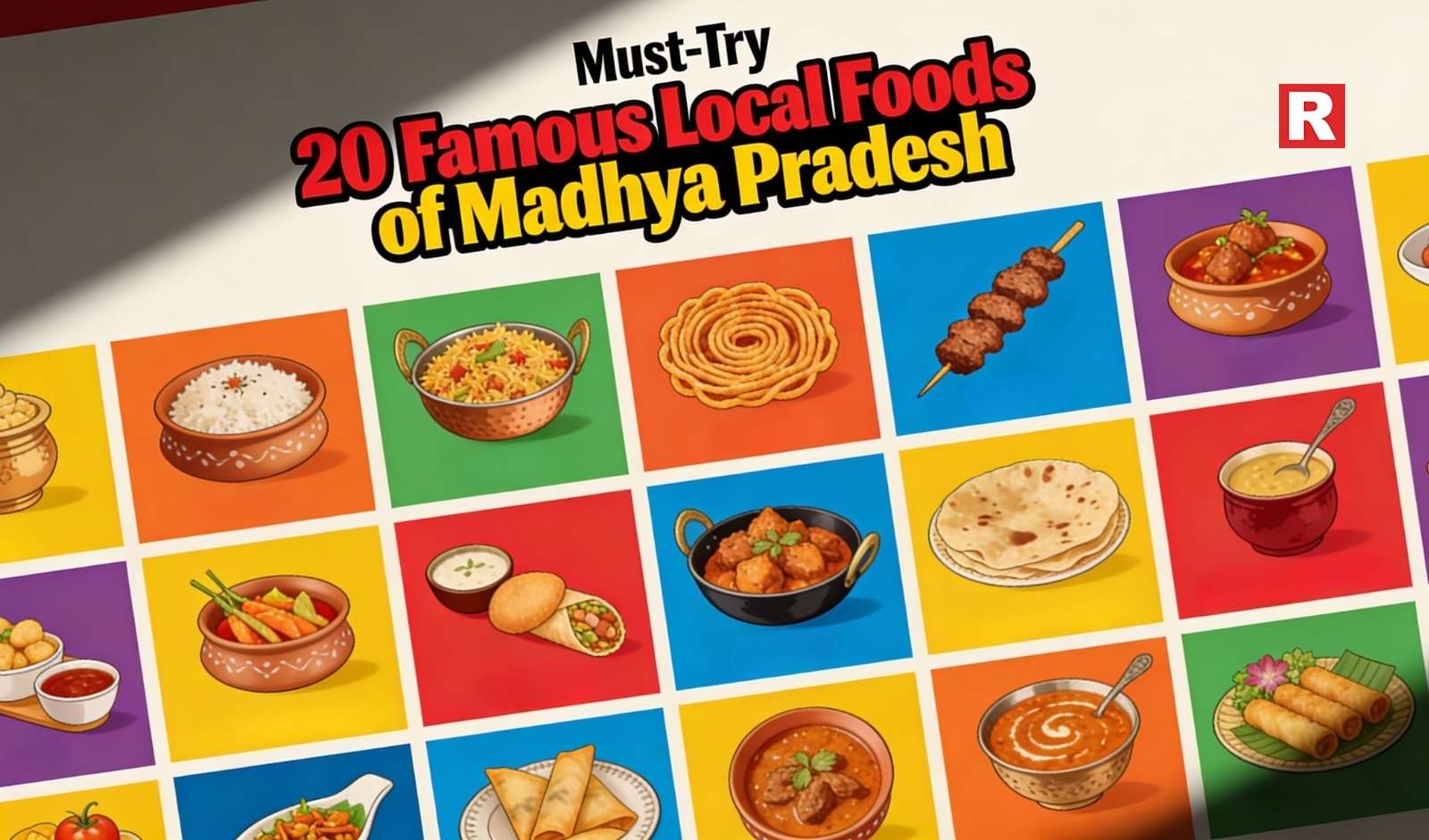
Madhya Pradesh lies at the centre of India. Its food reflects this unique place. The cuisine carries warmth from the north. It absorbs gentle spice from central India. Royal kitchens add richness and depth. Every region shapes its own food habits. Malwa depends on wheat and ghee. Meals are filling and steady. Bundelkhand prefers simple grains and lentils. Cooking here is practical and thoughtful. Bhopal brings a strong Nawabi touch. Meat dishes are slow-cooked. Flavours remain balanced and refined. Tribal regions cook close to nature. Forest greens, roots, and seasonal produce guide their meals. Firewood and patience define the method.
The food of Madhya Pradesh feels honest. Ingredients stay close to daily life. Nothing feels forced or excessive. Spices support the dish, not overpower it. Cooking follows tradition. Recipes pass from one generation to the next. Morning meals are light and comforting. Festive food feels rich but grounded. Street snacks show energy and local taste. Home food shows care and balance. Together, these dishes create a clear food identity. Exploring them reveals the rhythm of the state. Each bite offers a quiet story of land, people, and time.
Find 20 Famous Local Foods of Madhya Pradesh
1. Poha Jalebi – Indore
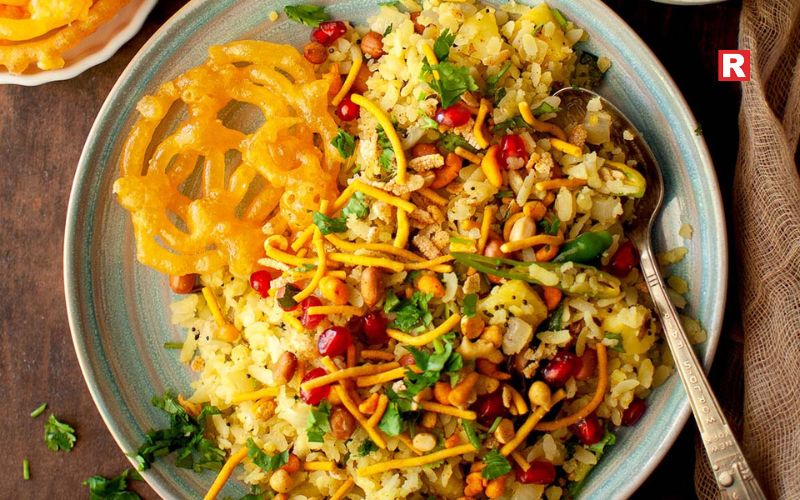
Poha Jalebi is a daily ritual in Indore. It is eaten early in the morning. Light poha is cooked with mustard seeds, curry leaves, onions, and mild spices. It stays soft and fluffy. Hot jalebi is served on the side. The sweet syrup balances the savoury poha. This contrast makes the dish special. It is filling but not heavy. People across all age groups enjoy it. Street shops start serving it before sunrise. Offices, schools, and homes begin the day with this meal. Poha Jalebi reflects Indore’s love for simple food with bold taste. It is more than breakfast. It is part of the city’s identity and daily life.
2. Dal Bafla – Malwa Region
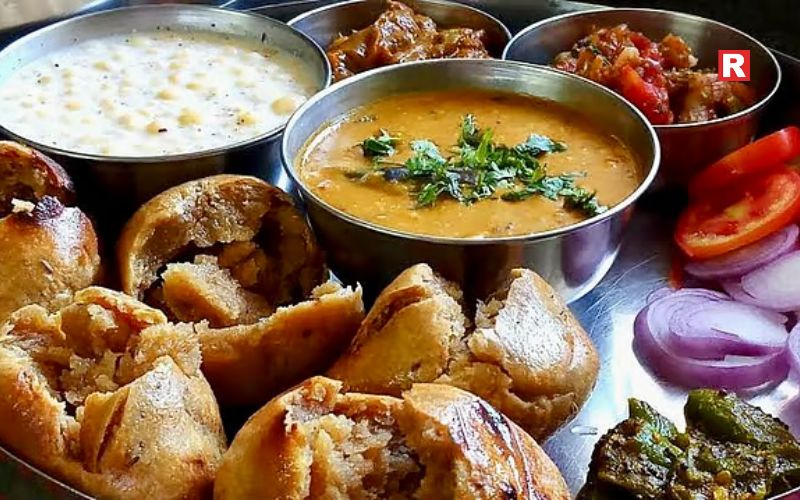
Dal Bafla is a traditional Malwa dish. It is prepared during festivals and family gatherings. The baflas are made from wheat flour. They are first boiled in water. Later, they are baked until firm. Once cooked, they are dipped in ghee. This gives them a rich taste. The dish is served with mixed lentil dal. Chutney and ghee are added on the side. Dal Bafla is heavier than regular meals. It keeps the body full for long hours. The dish reflects Malwa’s farming culture. It shows how simple grains are turned into nourishing food.
Read more: 8 Famous Vegetarian Dishes of Uttar Pradesh and Their Timeless Legacy
5 Cities That Serve the Best Non-Vegetarian Street Food
3. Bhutte Ka Kees – Indore
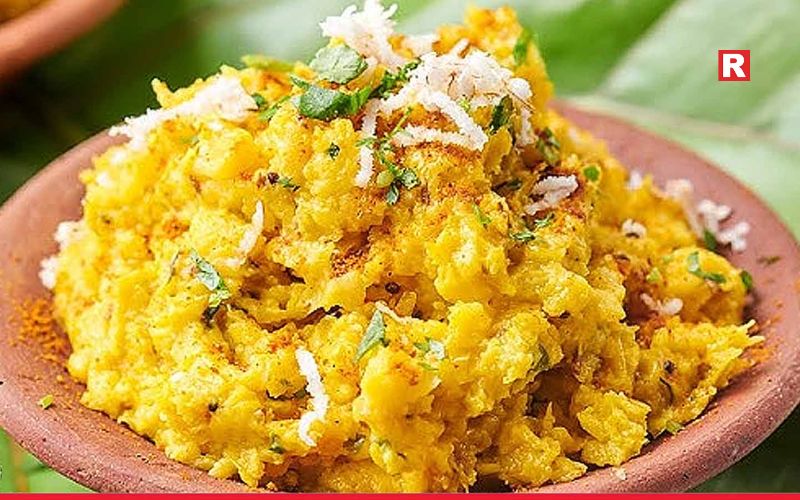
Bhutte ka Kees is a seasonal favourite in Indore. It is made from fresh grated corn. The corn is cooked slowly in milk and ghee. Mild spices are added for flavour. The texture stays soft and creamy. The taste is slightly sweet with a hint of spice. This dish is popular during the rainy season. Street vendors prepare it fresh in large pans. It is served hot and eaten immediately. People prefer it as an evening snack. Bhutte ka Kees highlights Indore’s creative street food culture. It turns a simple grain into a comforting local delicacy.
4. Sabudana Khichdi – Central Madhya Pradesh
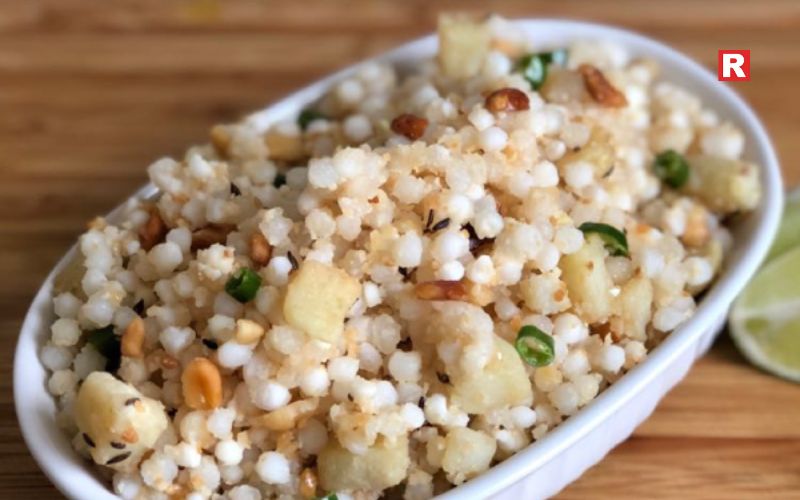
Sabudana Khichdi is a light and soothing dish. It is commonly eaten during fasting days. Tapioca pearls are soaked and cooked gently. Peanuts add crunch and flavour. Mild spices keep the taste balanced. The dish feels soft and warm. It digests easily and gives quick energy. Many homes prepare it in the morning. It is also served at temples and community meals. Sabudana Khichdi suits all age groups. It reflects the state’s preference for simple food. The dish proves that minimal ingredients can still create comfort and nourishment.
5. Mawa Bati – Gwalior
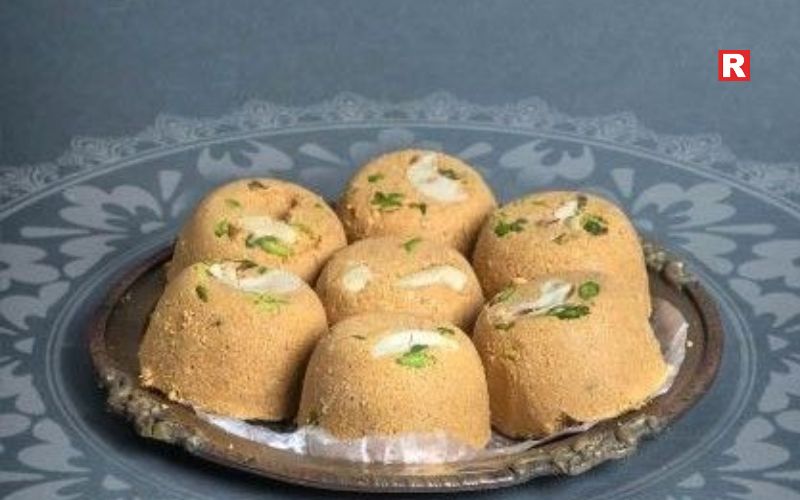
Mawa Bati is a well-known sweet from Gwalior. It is rich and indulgent. The outer layer is soft and slightly crisp. Inside, it is filled with khoya and dry fruits. The bati is deep fried until golden. After frying, it is soaked in sugar syrup. This gives it a moist texture. The sweetness is balanced and not overpowering. Mawa Bati is served during festivals and weddings. Sweet shops in Gwalior are famous for it. The dessert reflects the city’s long-standing sweet-making tradition and royal influence.
6. Chakki Ki Shaak – Rural Madhya Pradesh
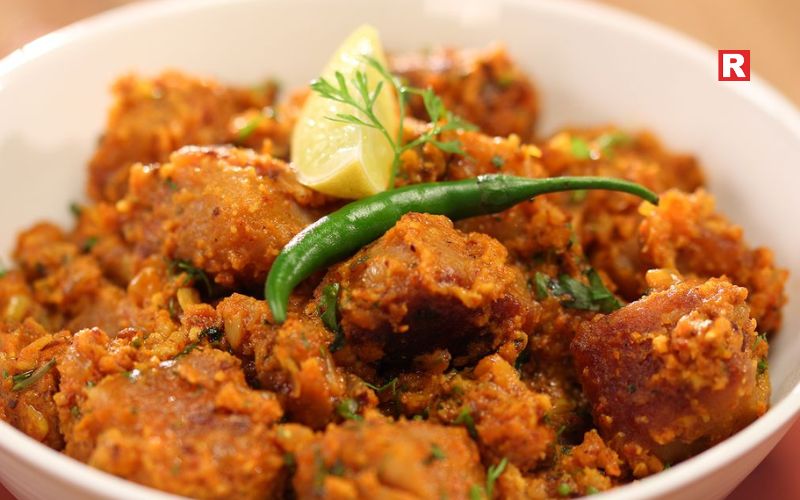
Chakki Ki Shaak is a traditional village dish. It is made using wheat flour dough. The dough is shaped into thick rolls. These rolls are steamed first. Later, they are cut into pieces. The pieces are cooked in a spicy gravy. The gravy uses onion, garlic, and local spices. The texture stays soft and chewy. The dish is filling and wholesome. It is often cooked during family meals. Chakki Ki Shaak shows the rural food habits of Madhya Pradesh. It reflects the heavy use of wheat in daily cooking. The dish is simple, earthy, and deeply rooted in village life.
7. Bhopali Gosht Korma – Bhopal
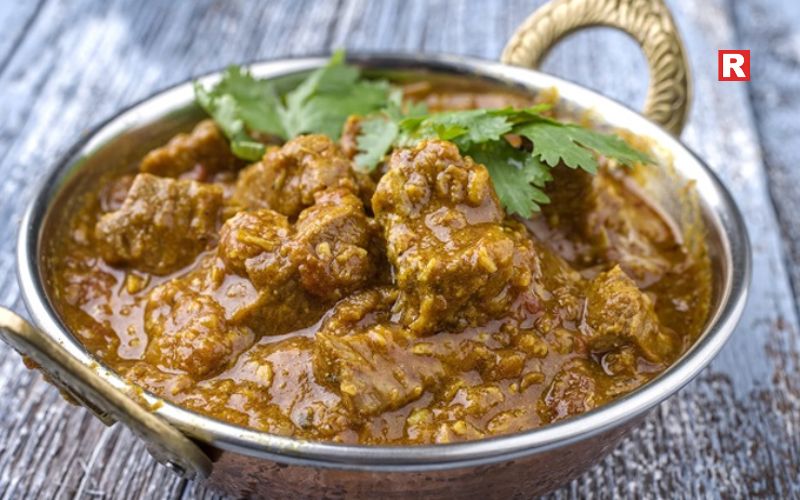
Bhopali Gosht Korma comes from the city’s royal kitchens. It is a slow-cooked mutton dish. The meat is cooked with yogurt and whole spices. The gravy stays thick and aromatic. The spice level remains balanced. It is rich but not overpowering. The dish needs time and patience. It is usually prepared for special occasions. Bhopali families often serve it during gatherings. Gosht Korma is eaten with naan or plain rice. The dish reflects Bhopal’s Mughal and Nawabi food influence. It represents elegance, depth of flavour, and careful cooking techniques.
8. Seekh Kebabs – Bhopal

Seekh Kebabs are an important part of Bhopal’s street food culture. Minced meat is mixed with spices and herbs. The mixture is shaped on skewers. It is then grilled over fire. The kebabs turn smoky and soft. They remain juicy inside. Vendors serve them hot. Chutney and sliced onions are added on the side. These kebabs are mostly eaten in the evening. Old Bhopal markets are famous for them. Seekh Kebabs reflect the city’s love for grilled meat. They offer strong flavour without heavy sauces.
9. Rogan Josh – Bhopal Style
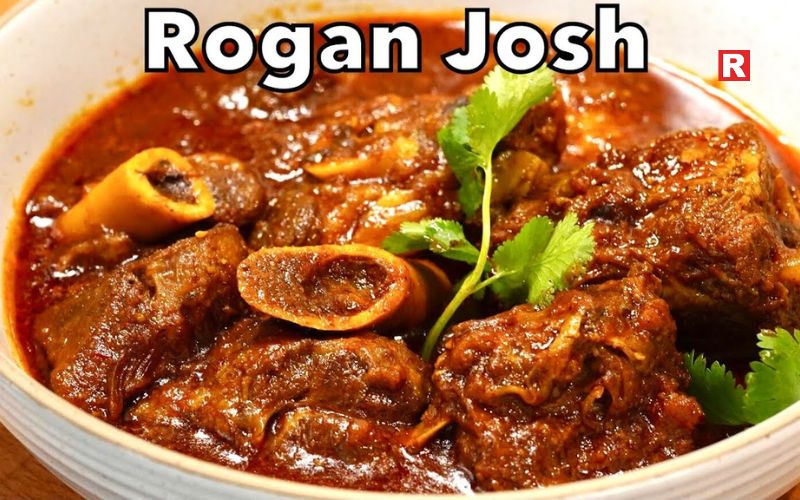
Bhopal-style Rogan Josh is gentle in taste. It is milder than the Kashmiri version. The dish uses tender meat and slow cooking. Whole spices are added carefully. The gravy stays rich and fragrant. Oil floats on top, showing proper cooking. The colour is deep but natural. It is often served during formal meals. Rice or naan pairs well with it. The dish reflects Nawabi food traditions. It focuses on aroma and balance. Bhopali Rogan Josh values depth over heat. It suits people who prefer refined flavours.
Know more: Explore 15 Famous Vegetarian Kerala Dishes for an Authentic Taste
10. Keema Samosa – Bhopal
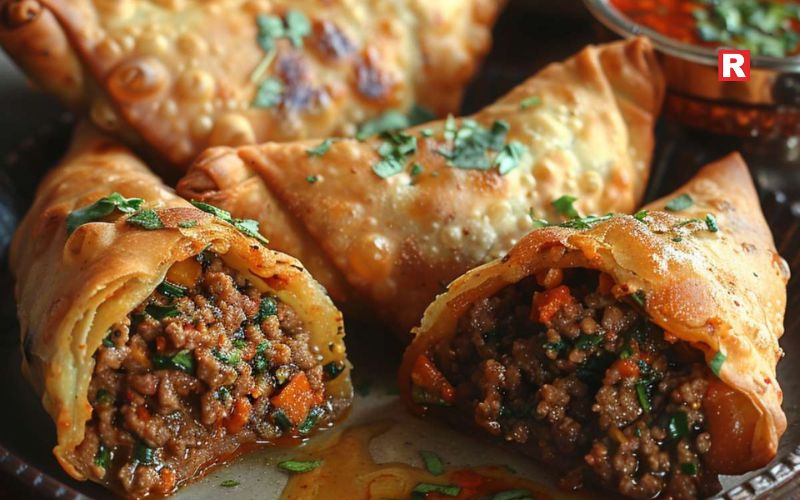
Keema Samosa is a popular snack in old Bhopal. It looks similar to a regular samosa. The filling makes the difference. Spiced minced meat fills the inside. The outer layer stays thin and crisp. Once fried, the samosa turns golden. The filling remains juicy and flavourful. It is often eaten with tea. Local bakeries and stalls sell it fresh. People prefer it in the evenings. Keema Samosa reflects Bhopal’s meat-rich food culture. It blends street food comfort with royal flavours.
11. Bhopali Biryani Pulao – Bhopal
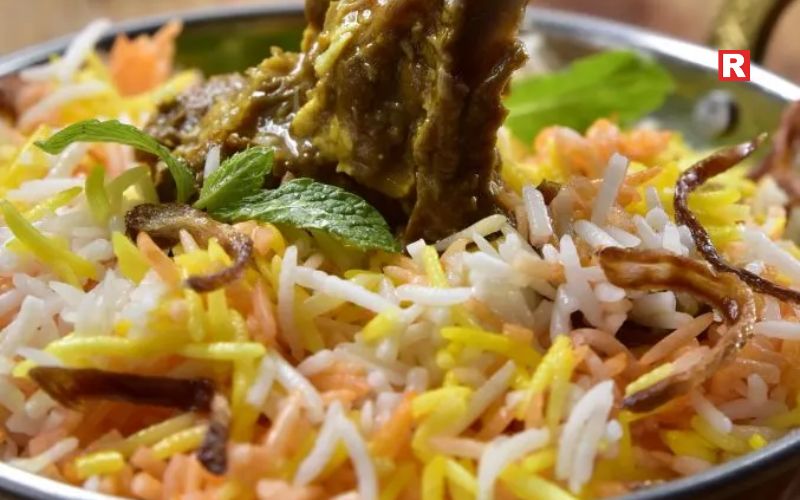
Bhopali Biryani Pulao is gentle in flavour. It is lighter than many Indian biryanis. Long-grain rice is cooked till soft and fragrant. The meat stays tender and juicy. Spices are used with care. There is no overpowering heat. The dish is often cooked in dum style. Steam helps blend flavours slowly. Fried onions and whole spices add aroma. Locals prefer this balanced taste. It feels rich but comfortable. The biryani is served during family meals and gatherings. Bhopali Biryani Pulao reflects the city’s refined food culture. It values patience, harmony, and subtle spice.
12. Baigan Bharta – Malwa
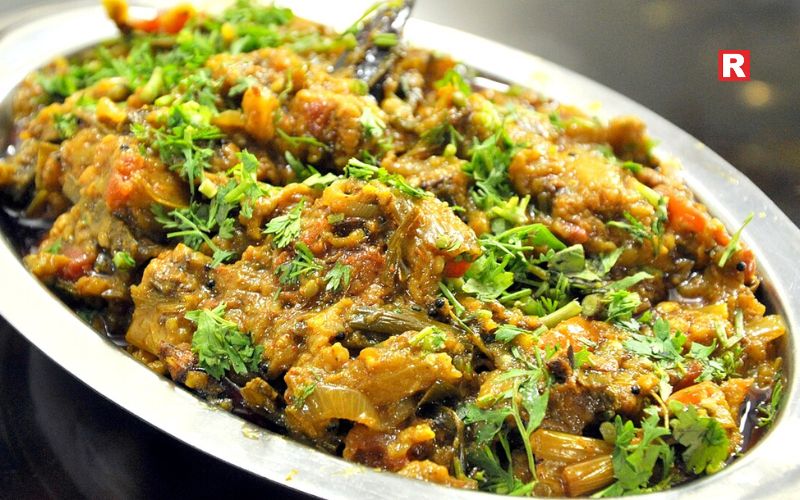
Malwa-style Baigan Bharta is simple and earthy. Brinjals are roasted over open flame. This gives a smoky flavour. The flesh is mashed by hand. Garlic and onions are cooked slowly. Minimal spices are added. The taste remains natural and bold. It is eaten with wheat rotis or bhakri. The dish is common in rural homes. It uses seasonal vegetables. Oil is used carefully. Baigan Bharta reflects Malwa’s love for rustic food. It shows how basic ingredients create strong flavour. The dish feels warm, filling, and rooted in tradition.
13. Kadaknath Chicken – Jhabua Region
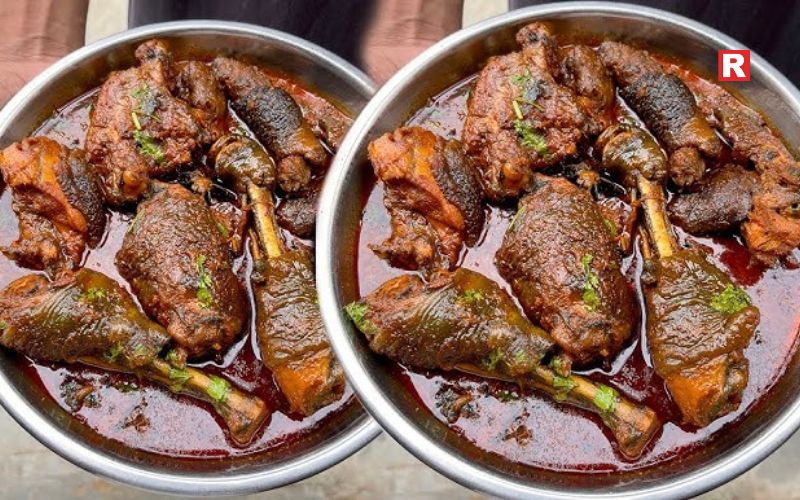
Kadaknath Chicken comes from tribal areas of Jhabua. The bird has black meat. It is high in protein and low in fat. Tribal communities raise it naturally. The chicken is cooked slowly. Spices are kept minimal. Local herbs are often used. The flavour is strong and distinct. The texture stays firm. Kadaknath is believed to be nutritious. It is served during special meals. The dish reflects tribal food wisdom. It focuses on health and simplicity. Kadaknath Chicken stands apart from regular poultry dishes found elsewhere.
14. Tribal Bharta – Tribal Regions of MP
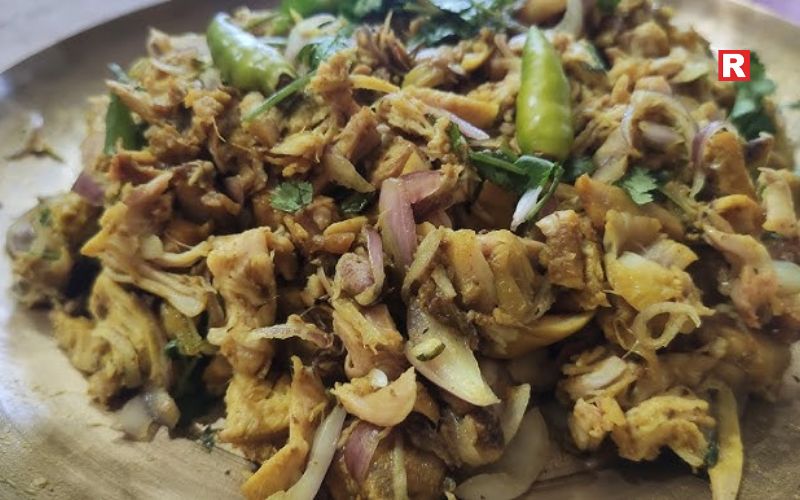
Tribal Bharta is based on availability. Vegetables or leafy greens are used. Cooking happens over firewood. The vegetables are roasted or boiled. They are mashed by hand. Salt and chillies are added lightly. Oil is used sparingly. No heavy spices are added. The flavour stays natural. Each village prepares it differently. The dish changes with seasons. Tribal Bharta reflects a close bond with nature. It shows respect for ingredients. The dish is simple, nourishing, and honest. It represents the everyday food of tribal households.
15. Daal Paniya – Bundelkhand
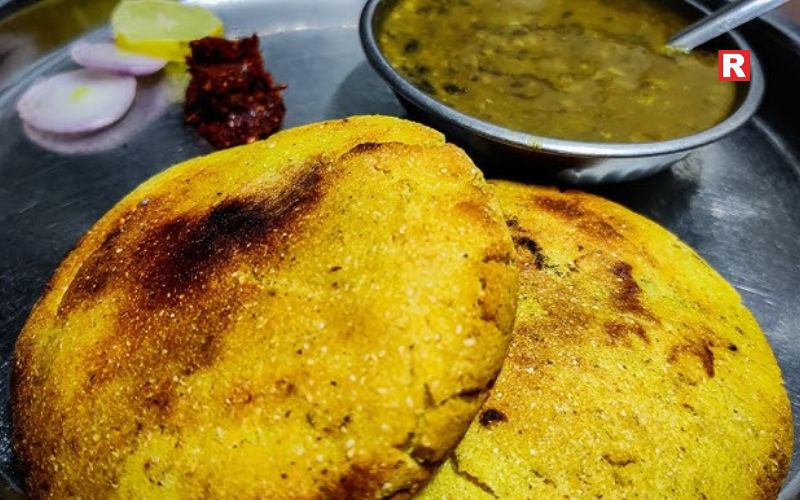
Daal Paniya is a humble Bundelkhand dish. It was created during times of scarcity. Gram flour is shaped into small dumplings. These dumplings are cooked in thin dal gravy. The dish uses very few ingredients. Spices are minimal. Water is used wisely. Despite this, the dish is filling. It is eaten with roti or plain rice. Daal Paniya reflects smart cooking practices. It shows how people adapted to limited resources. The dish highlights survival, simplicity, and local wisdom.
Also check: Top Places to Explore for Authentic Bihar Food
16. Palak Puri – Malwa
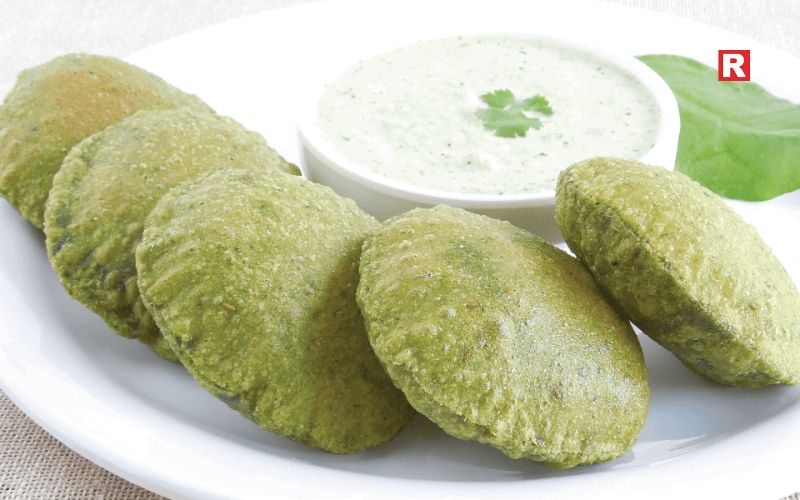
Palak Puri is a popular home-style dish in Malwa. Fresh spinach is cleaned and ground into a smooth paste. This paste is mixed with wheat flour. The dough turns green. Small puris are rolled and deep fried. They puff up and become crisp. The colour stays bright. The taste remains mild and fresh. Palak Puri is often eaten with potato curry or simple dal. It is cooked for regular meals. Children and elders both enjoy it. The dish adds nutrition to daily food. Palak Puri reflects Malwa’s habit of using greens in simple ways.
17. Malpua – Across Madhya Pradesh
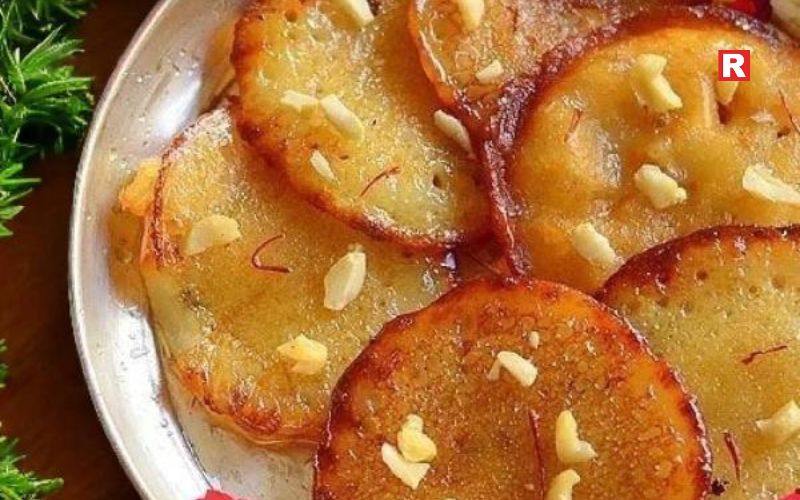
Malpua is a traditional festive sweet across Madhya Pradesh. It is made from a thick batter of flour and milk. The batter is poured into hot oil. The pancake turns golden and soft. It is then soaked in sugar syrup. Some regions add fennel or cardamom. Others add banana or coconut. Malpua is prepared during festivals and weddings. It is also offered at temples. The sweet is served warm. Malpua represents celebration and joy. Every region adds its own touch. Yet the soul of the dish remains the same.
18. Khopra Pak – Malwa
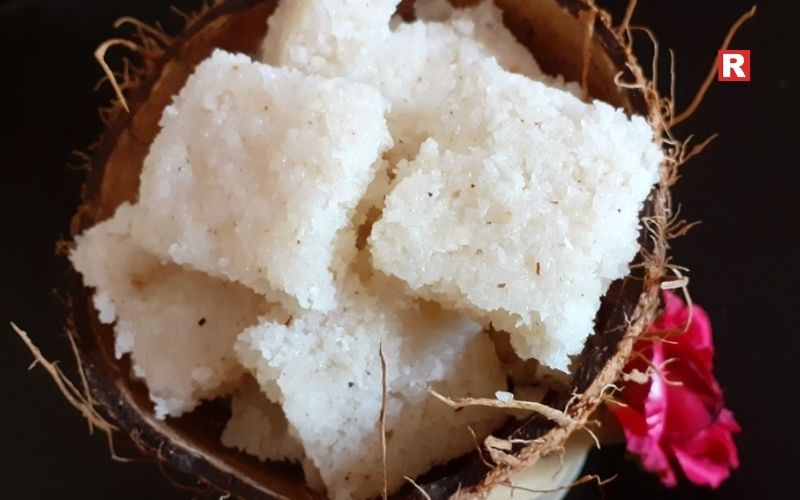
Khopra Pak is a rich sweet from the Malwa region. It is made using grated coconut. Milk and sugar are cooked slowly with it. The mixture thickens over time. Dry fruits are added for texture. The sweet is set and cut into pieces. The texture stays soft and slightly grainy. The flavour is mild and comforting. Khopra Pak is prepared during special occasions. It is often gifted during festivals. The sweet reflects Malwa’s love for dairy-based desserts. It shows patience and careful cooking.
19. Imarti – Gwalior
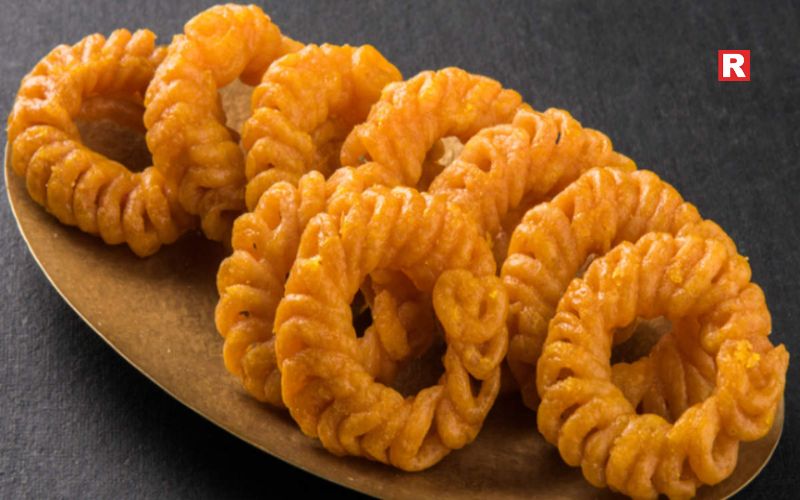
Imarti is a famous sweet from Gwalior. It looks like a thicker version of jalebi. The batter is made from urad dal. It is fermented lightly. The batter is shaped into rings. These are deep fried slowly. The imarti turns crisp outside. It stays soft inside. After frying, it is soaked in sugar syrup. The colour becomes bright orange. Sweet shops in Gwalior are known for it. Imarti is eaten during celebrations. It reflects the city’s strong sweet-making tradition.
20. Makhane Ki Kheer – Temple Towns
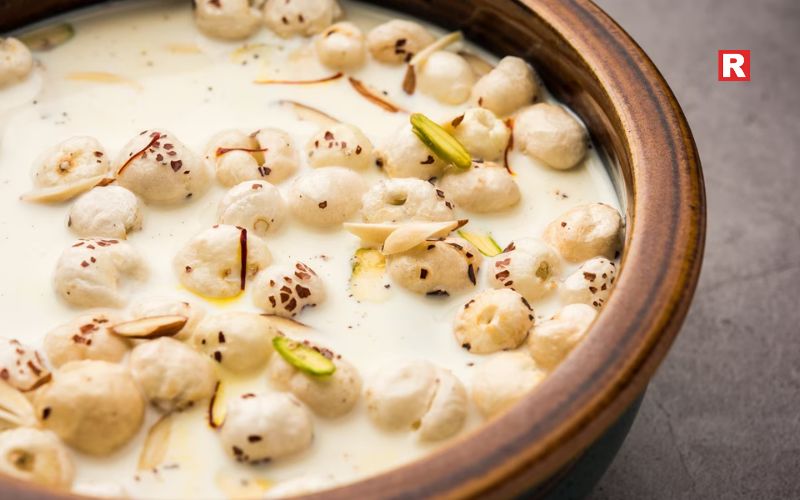
Makhane Ki Kheer is a light and nourishing dessert. Fox nuts are roasted lightly. They are then cooked in milk. Sugar is added for sweetness. Nuts and cardamom enhance flavour. The kheer stays creamy but light. It is often prepared during religious occasions. Many temple towns serve it as prasad. The dish is easy to digest. It suits fasting days. Makhane Ki Kheer reflects simple devotional cooking. It balances taste and nutrition.
Regional Influence on MP Food
Food habits in Madhya Pradesh shift from region to region. Malwa cuisine is wheat driven. Rotis, baflas, and puris appear daily. Ghee adds richness to most meals. Spices remain gentle. The food feels hearty and comforting. Bhopal follows a royal food legacy. Mughal influence is clear. Meat dishes dominate the table. Cooking takes time and care. Gravies are smooth and fragrant. Bundelkhand cuisine is shaped by need. Meals are planned with limited resources. Lentils and grains are used wisely. Nothing is wasted. Tribal regions rely on the forest. Seasonal greens and roots are common. Cooking happens slowly on wood fire. Flavour comes from freshness, not excess spice.
Check more: Top Places to Visit for Authentic Gujarat Food
Top Places to Visit for Authentic Mumbai Taste
Top Maharashtra Famous Veg Food to Explore
Street Food vs Home-Style Food
Street food and home-style food in Madhya Pradesh reflect different sides of daily life. Cities like Indore are known for lively street food culture. Snacks are quick, flavourful, and easy to find. People eat outside often, especially in the evenings. Dishes are served hot and fresh. Taste matters more than portion size. Bhopal’s street food leans towards meat-based items. Kebabs, samosas, and pulao are common. Home-style food follows a slower rhythm. Meals are cooked with care. Ingredients are seasonal and local. Villages depend on what grows nearby. Wheat, lentils, and vegetables form the base. Spices are used lightly. Food is filling and nourishing. Home meals focus on balance and comfort. They suit daily routines and family needs. Both styles reflect the state’s food diversity.
Key Differences:
Street food is fast, bold, and city-driven.
Home food is simple, seasonal, and deeply rooted in tradition.
Happy Eating!
The food of Madhya Pradesh speaks quietly but clearly. It carries the feel of the land and the habits of its people. Each dish is shaped by time, season, and need. Cooking here is not rushed. Flavours develop slowly. Ingredients stay close to the soil. Street food shows energy and daily life. Home meals show care and balance. Royal recipes add depth and grace. Tribal food reflects nature and survival. Wheat, lentils, vegetables, and ghee appear often. Spices are used with restraint. Nothing feels excessive. Every meal has a purpose. Eating local food becomes a way to understand the state. It reveals history without words. It shows how people live, celebrate, and adapt. Madhya Pradesh may not shout through its cuisine. It leaves a lasting impression. The taste stays simple. The memory stays strong.
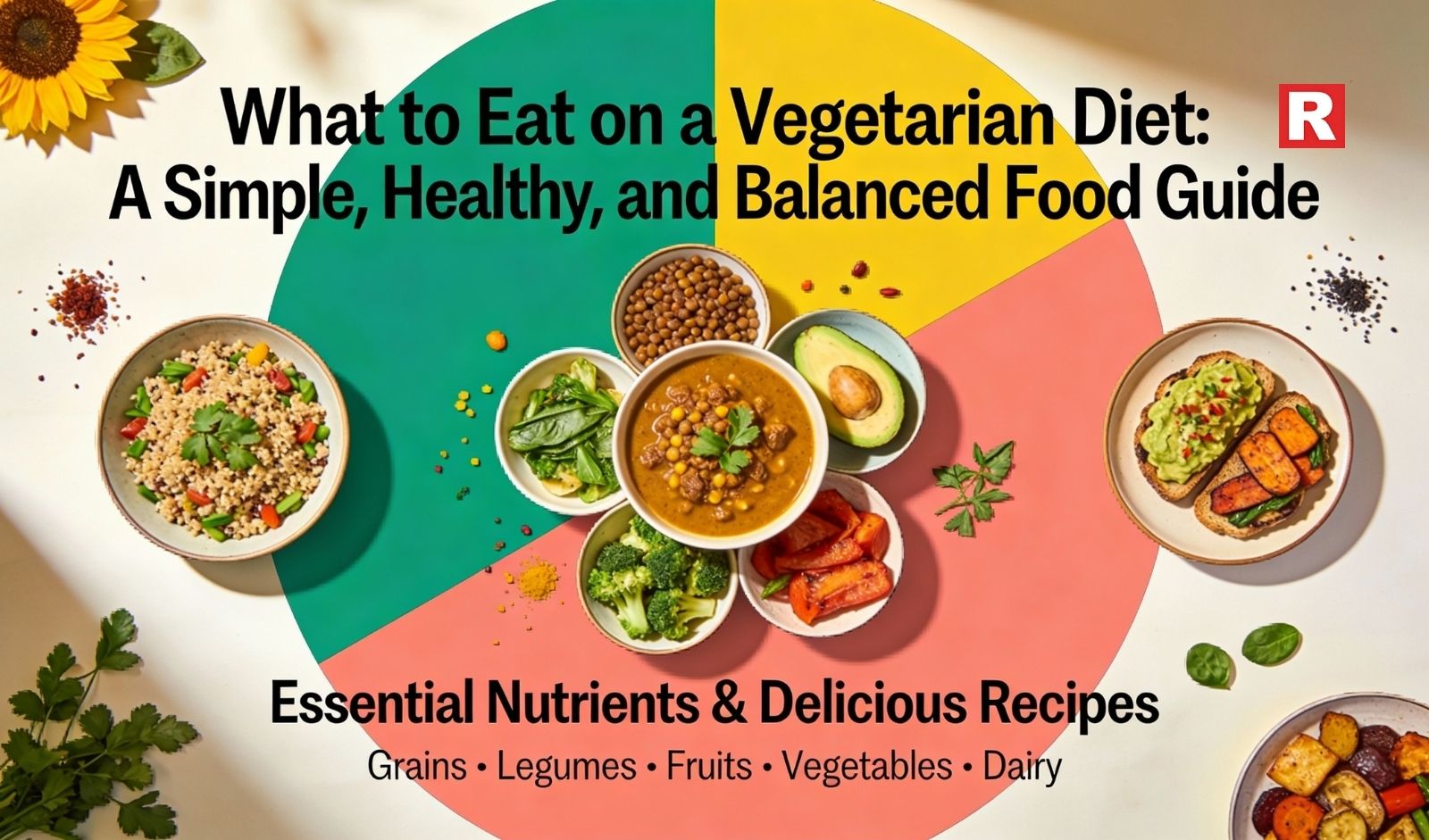
A vegetarian diet has always been a natural part of Indian life. It is seen in everyday home cooking and grand festive meals. From simple dal and roti to elaborate thalis, plant-based food is deeply connected to tradition and routine. Many families have followed vegetarian eating for generations. Still, confusion exists today. People often wonder what to eat to stay healthy. Some worry about getting enough protein. Others feel a vegetarian diet may cause low energy or weak immunity. These concerns are common but often misplaced.
The truth is straightforward. A vegetarian diet can meet all nutrition needs when planned well. Indian food already offers a wide variety of grains, pulses, vegetables, fruits, and dairy. Each food group plays a role in keeping the body strong and active. Balance is more important than restriction. Eating the right mix at the right time makes a difference. This guide focuses on familiar Indian foods. It explains what to eat daily. It highlights simple habits that support health. With the right choices, vegetarian eating becomes easy, nourishing, and sustainable for everyday life.
What Is a Vegetarian Diet?
A vegetarian diet includes foods made from plants. It also includes dairy for most Indians. Meat, fish, and poultry are excluded. In India, vegetarian diets usually fall into these types:
- Lacto-vegetarian: Includes milk and milk products
- Lacto-ovo vegetarian: Includes dairy and eggs
- Jain vegetarian: Avoids root vegetables like onion and garlic
No matter the type, the base remains the same. Grains. Pulses. Vegetables. Fruits. Dairy. Nuts. Seeds.
Read more: Top 10 Vegan Street Foods in India Every Indian Loves
12 Delicious High-Protein Foods to Eat Daily for a Healthier You
Why a Vegetarian Diet Works Well in India
India has one of the widest varieties of vegetarian foods in the world. Every region offers its own grains, dals, vegetables, and cooking styles. Seasonal produce is easily available. Traditional meals already follow the idea of balance. A simple dal, sabzi, roti, and curd meal is a complete vegetarian plate when eaten in the right portions.
Daily Foods Every Vegetarian Should Eat. A healthy vegetarian diet is not about eating less. It is about eating right.
Whole Grains for Energy: Whole grains form the base of a healthy vegetarian diet. They give steady energy throughout the day. Foods like wheat roti, rice, millets, oats, and quinoa are commonly eaten in Indian homes. These grains are rich in fibre, which helps digestion stay smooth and regular. They also help control hunger and reduce unnecessary snacking. Millets like jowar, bajra, and ragi are especially useful for strength and stamina. Oats and quinoa are light and easy to digest. When different grains are rotated during the week, the body gets a wider range of nutrients. This simple habit improves gut health and keeps meals interesting. Whole grains also support heart health and long-lasting fullness.
Pulses and Legumes for Strength: Pulses and legumes are the backbone of Indian vegetarian meals. Almost every meal includes some form of dal. Toor dal, moong dal, masoor dal, chana, rajma, lobia, and soybeans are widely used. These foods are rich in plant protein and iron. They help build and repair muscles. They also support daily energy levels. Dal is filling but light on the stomach when cooked simply. Legumes work best when paired with rice or roti. This combination improves protein quality. Regular intake of pulses supports strength and endurance. They are affordable and easy to store. Including at least one pulse-based dish daily helps maintain balanced nutrition.
Vegetables of All Colours: Vegetables play a key role in a vegetarian diet. They provide vitamins, minerals, and natural antioxidants. Green vegetables like spinach, methi, and amaranth are rich in iron and folate. They support blood health and immunity. Other vegetables such as carrot, beans, lauki, tori, pumpkin, and cauliflower add variety and texture to meals. Each colour offers different nutrients. Eating mixed vegetables improves overall balance. Seasonal vegetables are always the best choice. They are fresher, tastier, and more nutritious. Simple cooking methods help retain nutrients. Daily vegetable intake supports digestion, skin health, and overall wellness. A colourful plate often means a healthier meal.
Fruits for Digestion and Immunity: Fruits add freshness and natural sweetness to a vegetarian diet. They are easy to eat and quick to digest. Common fruits like banana, apple, papaya, orange, and guava are easily available in India. Seasonal fruits are especially beneficial. Fruits provide vitamins, minerals, and water content. They help improve digestion and support gut health. Papaya aids digestion. Citrus fruits boost immunity. Bananas provide quick energy. Eating whole fruits is better than drinking fruit juices. Whole fruits contain fibre, which slows sugar absorption. Fruits work well as snacks or part of breakfast. Regular fruit intake keeps the body hydrated and balanced.
Explore Best Protein Sources for Vegetarians
Protein is often misunderstood in vegetarian diets. The truth is that Indian food already offers many protein-rich options.
1. Dal and Legumes
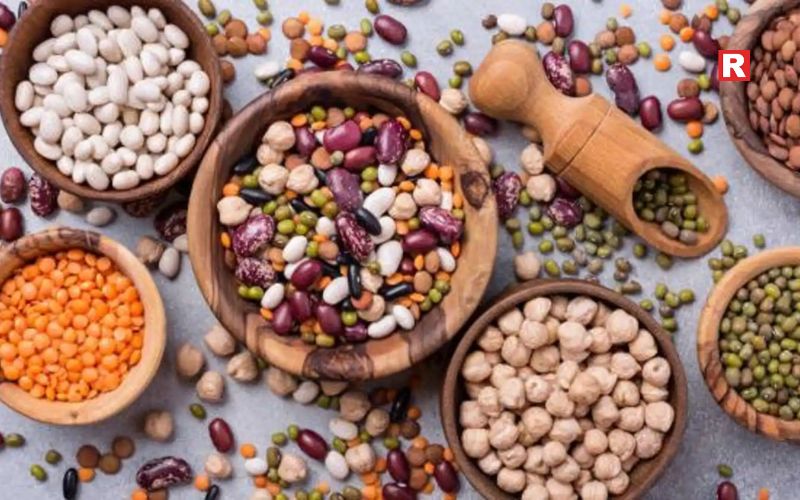
Dal and legumes are a daily staple in most Indian vegetarian homes. They are affordable and easy to cook. Toor dal, moong dal, masoor dal, chana, and rajma are commonly used. These foods are rich in plant protein and iron. They help support muscle strength and steady energy. Dal is light on the stomach when cooked with less oil and spices. It becomes more nutritious when eaten with rice or roti. This combination improves protein quality and keeps the body full for longer hours. Regular intake of dal supports overall health. It also helps maintain good digestion. A simple bowl of dal can make any meal balanced and complete.
2. Dairy Products
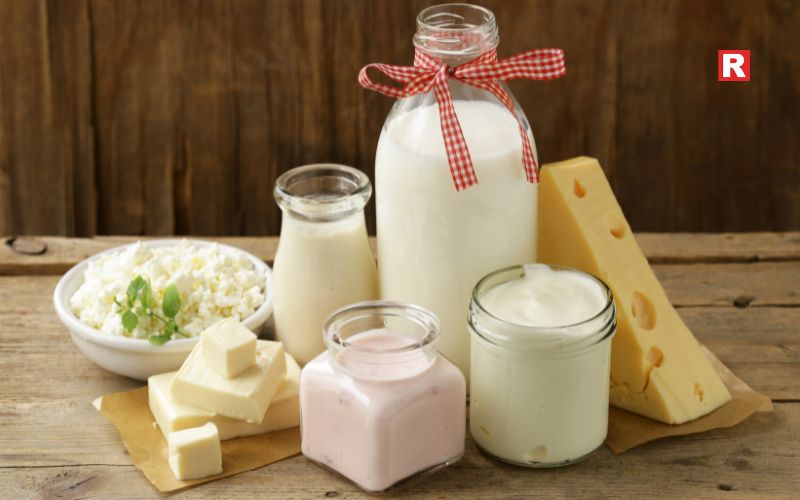
Dairy products play an important role in a vegetarian diet. Milk, curd, paneer, and buttermilk are widely consumed in India. Milk supports bone strength and daily nourishment. Curd improves digestion and supports gut health. It also helps the body absorb calcium better. Paneer is filling and works well in many dishes. It provides protein and keeps hunger under control. Buttermilk is light and cooling, especially in warm weather. Dairy adds variety and comfort to meals. When consumed in moderation, it supports strength and balance. Simple homemade dairy foods fit easily into daily vegetarian eating.
Know more: High Protein Indian Meals You Should Try
3. Soy-Based Foods
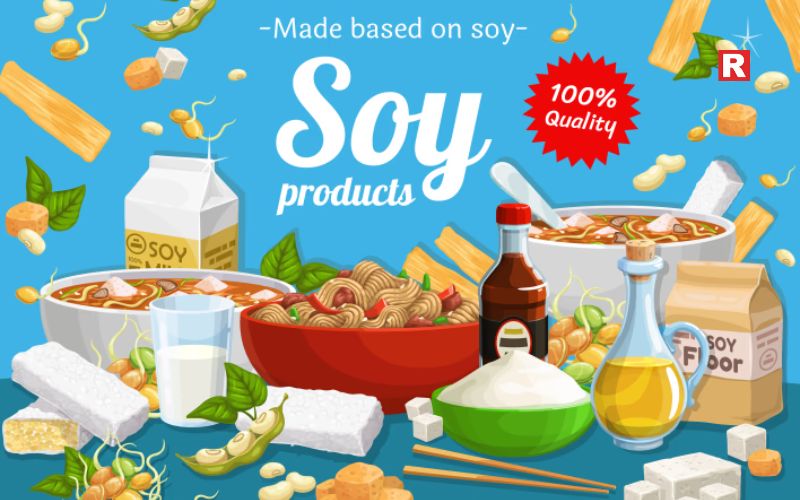
Soy-based foods are a strong protein option for vegetarians. Soy chunks, tofu, and soy milk are commonly used. Soy provides complete protein, which supports muscle health. It is especially helpful for people who avoid dairy. Soy chunks work well in curries and pulao. Tofu absorbs flavours easily and suits Indian spices. Soy milk can be used in beverages or cooking. These foods are filling and nutritious. They also help maintain energy levels. When cooked simply, soy-based foods are easy to digest. Including soy a few times a week helps improve protein intake in a vegetarian diet.
4. Nuts and Seeds
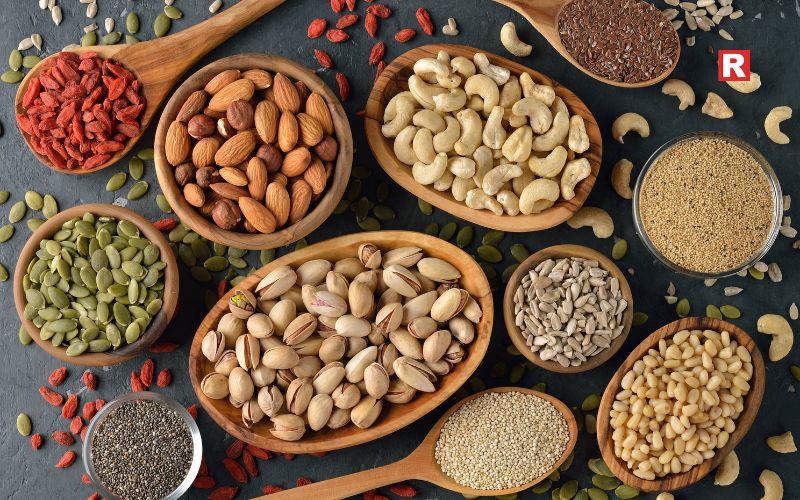
Nuts and seeds add nutrition in small amounts. Almonds, peanuts, and cashews are commonly eaten. Seeds like pumpkin, sunflower, and flaxseeds are also beneficial. They provide healthy fats, protein, and minerals. A small daily portion supports heart health and brain function. Nuts work well as snacks or breakfast additions. Seeds can be added to salads or curd. They help control hunger between meals. Roasting them lightly improves taste and digestion. Regular intake supports overall strength. Though high in calories, they are beneficial when eaten in controlled portions as part of a balanced vegetarian diet.
5. Sprouts
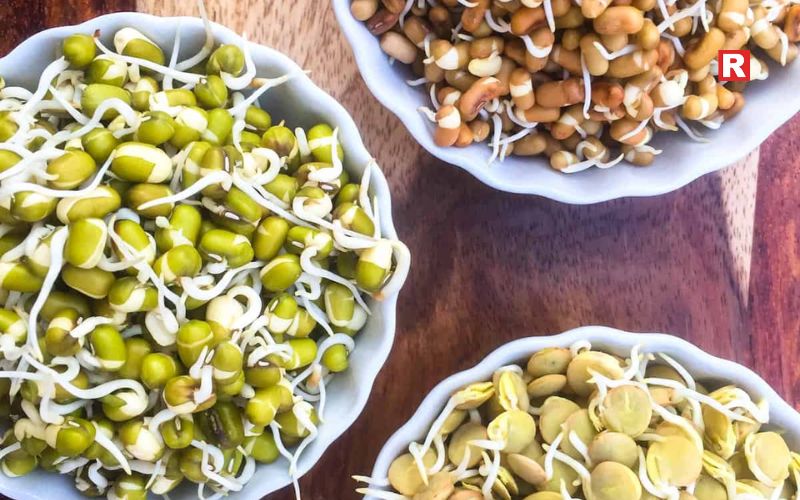
Sprouts are light, fresh, and rich in nutrients. Sprouted moong and chana are the most common choices. They are easy to digest and high in protein. Sprouts also provide fibre and vitamins. They support gut health and improve metabolism. Sprouts work well for breakfast or as an evening snack. They can be eaten raw or lightly cooked. Adding lemon and simple spices enhances taste. Sprouts keep meals light yet filling. They are especially useful for people who want clean eating. Including sprouts a few times a week adds freshness and balance to a vegetarian diet.
Also check: Try These Veg Soups in These Freezing Winters
A Balanced Vegetarian Meal Plate (Indian Style)
A healthy vegetarian plate should look simple.
- One or two rotis or a small bowl of rice
- One bowl of dal or paneer
- One dry vegetable
- One bowl of curd or buttermilk
- Fresh salad
This combination covers carbs, protein, fats, fibre, and probiotics.
Common Vegetarian Diet Mistakes
Many people eat vegetarian food but still feel low on energy.
Common mistakes include:
- Eating too much rice or roti
- Ignoring protein sources
- Relying on fried snacks
- Skipping vegetables
- Not drinking enough water
Vegetarian food should be nourishing, not just filling.
Check more: 7 Desi Alternatives to Oatmeal for Weight Loss
Top 5 States With the Spiciest Food in India
5 Foods to Avoid for Better Cholesterol
Happy Tummy!
A vegetarian diet is not limiting. Indian food already includes all the nutrients needed for daily health. Grains provide energy. Pulses add strength. Vegetables and fruits support digestion and immunity. Dairy adds balance and nourishment. Healthy fats help the body function well. When these foods are eaten together, meals feel complete and satisfying. Vegetarian eating does not mean giving up taste or tradition. It means choosing food that suits the body and daily routine. Indian kitchens have followed this pattern for years. Simple home meals often follow the right balance without effort. The focus stays on freshness and moderation. When meals are planned with care, vegetarian food supports long-term health. It fits family life and cultural habits. A well-planned vegetarian diet feels natural and sustainable. It supports energy, digestion, and overall well-being. With the right choices, vegetarian eating remains easy and fulfilling every day.
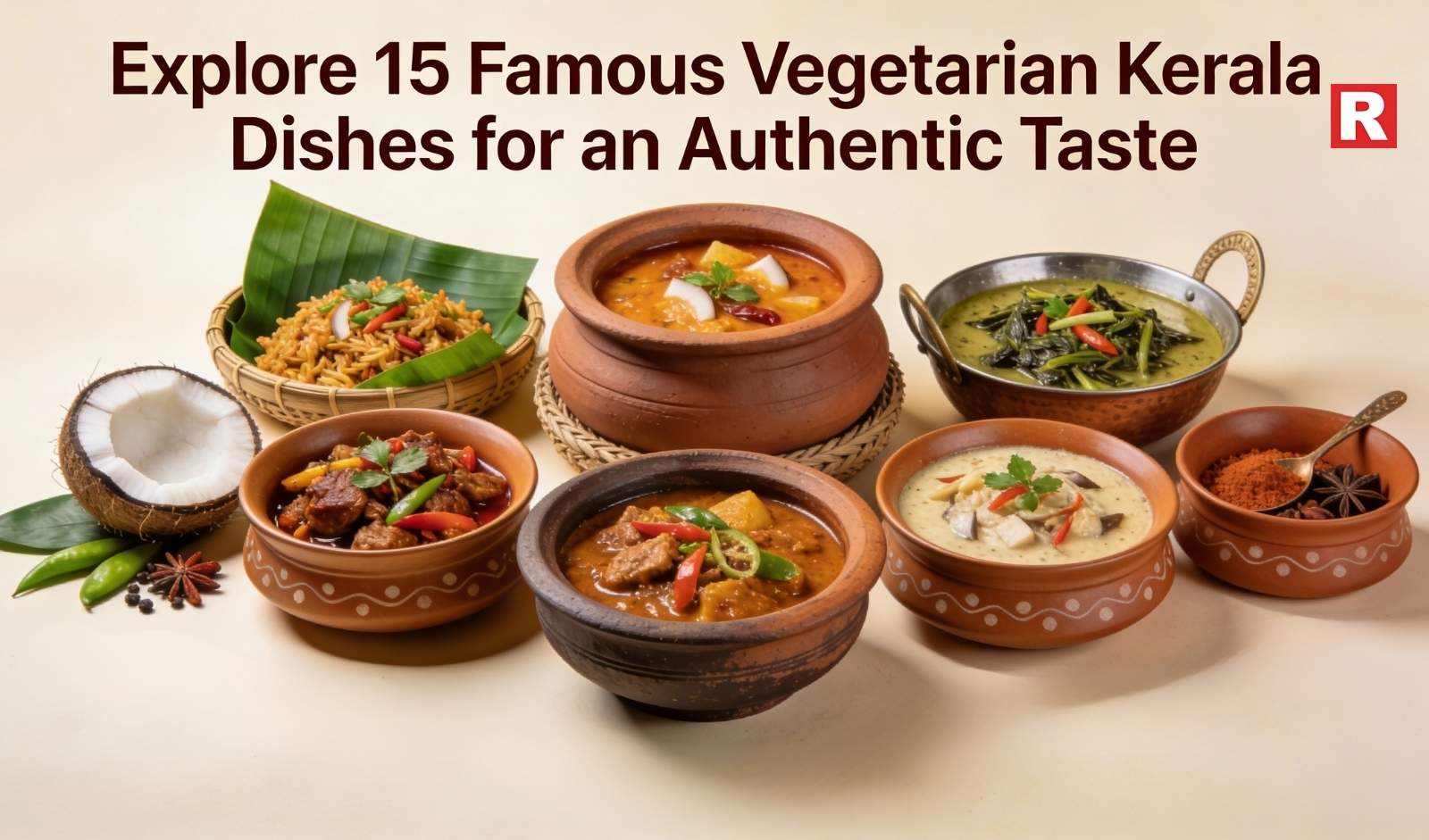
Kerala is often called God’s Own Country. The state is famous for its backwaters, green landscapes, ancient temples, and slow-paced lifestyle. Life here feels calm and rooted in tradition. Beyond its natural beauty, Kerala is also known for its rich vegetarian food culture. The cuisine reflects the land, the climate, and the beliefs of the people. Vegetarian food in Kerala is simple and seasonal. It depends heavily on local produce. Rice is the main staple. Coconut is used in many forms, from fresh coconut to coconut milk and oil. Curry leaves, black pepper, cumin, and mustard seeds add gentle flavour. The food focuses on balance rather than strong heat. Most dishes are light, comforting, and easy to digest.
Many vegetarian dishes are linked to temples and religious customs. Festivals like Onam and Vishu celebrate food as a form of offering and togetherness. Family meals are given great importance. Recipes are often passed down through generations. Cooking is done with care and patience. Kerala’s vegetarian cuisine shows how simple ingredients can create deep taste. It reflects respect for nature, tradition, and mindful eating. For anyone seeking authentic South Indian vegetarian food, Kerala stands out as a true culinary destination.
Explore 15 Famous Vegetarian Kerala Dishes
1. Sadya
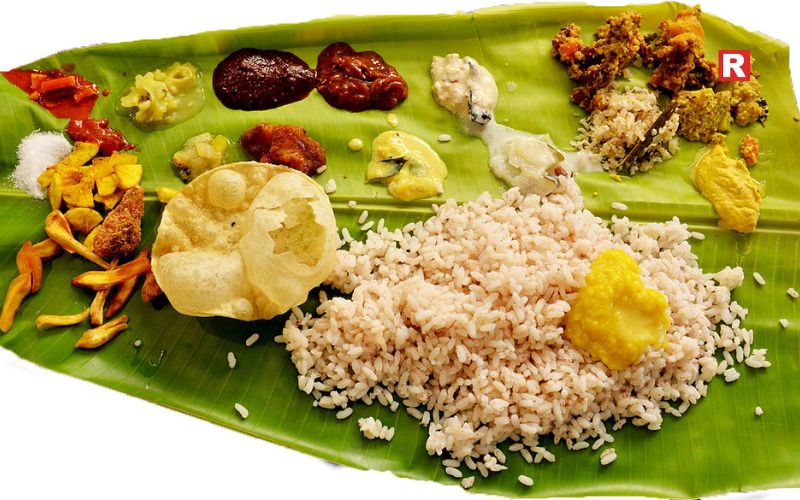
Sadya is the heart of Kerala’s vegetarian food tradition. It is a grand meal served on a fresh banana leaf. Sadya is usually prepared during festivals like Onam and Vishu. It is also served during weddings and temple events. The meal includes rice and many side dishes. These include sambar, avial, thoran, olan, kalan, pachadi, rasam, and payasam. Each dish is placed in a fixed order on the leaf. The meal is eaten in a sequence. Mild flavours come first. Stronger tastes follow. Sweet dishes are served at the end. Sadya brings people together. Everyone eats the same food. It reflects equality and respect. More than a meal, Sadya represents tradition, care, and Kerala’s warm sense of hospitality.
2. Avial
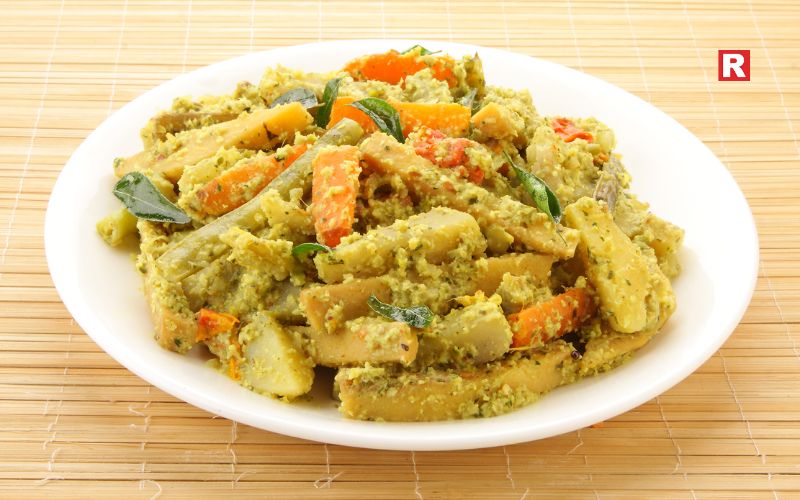
Avial is one of the most traditional dishes from Kerala. It is made using a mix of vegetables. Common choices include carrot, beans, drumstick, and raw banana. The vegetables are cut long and cooked carefully. They should stay soft but not mushy. Grated coconut, cumin, and green chillies are ground into a paste. Curd is added at the end. Coconut oil and curry leaves give a gentle aroma. Avial is mild in taste. It is not spicy or oily. The dish feels balanced and comforting. Avial is a key part of Sadya. It is also cooked in homes for daily meals. This dish shows how Kerala cooking values freshness and simple methods.
Read more: 8 Famous Vegetarian Dishes of Uttar Pradesh and Their Timeless Legacy
5 Cities That Serve the Best Non-Vegetarian Street Food
3. Kerala Style Sambar
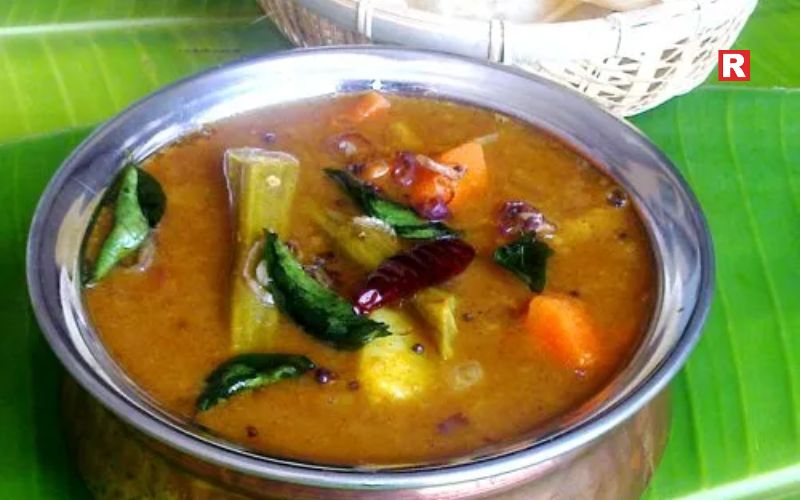
Kerala style sambar is light and easy to digest. It is different from other South Indian sambars. It uses fewer lentils and more vegetables. Vegetables like pumpkin, drumstick, okra, and ash gourd are common. The flavour comes from coconut oil and curry leaves. Local spices are used in small amounts. The sambar is thin and aromatic. It is usually eaten with rice during lunch. In many homes, sambar is prepared every morning. It forms the base of a proper meal. The taste is comforting and familiar. Kerala sambar does not feel heavy. It suits the climate and daily food habits. It reflects balance rather than strong spice.
4. Olan
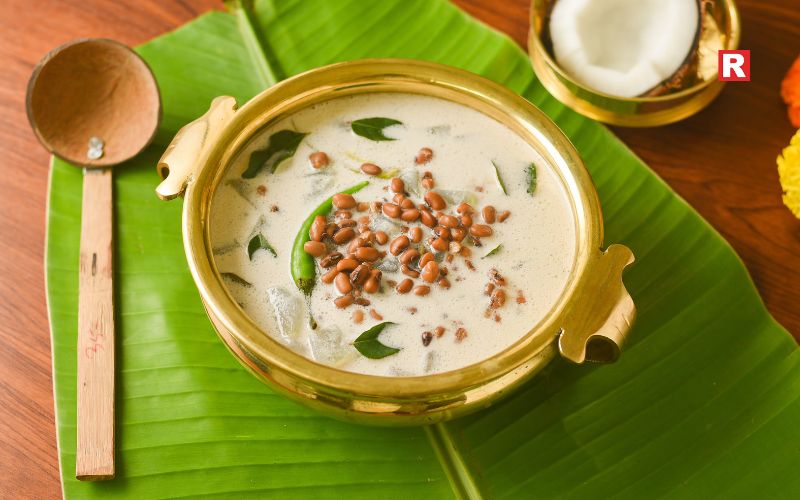
Olan is a gentle and soothing Kerala dish. It is made using ash gourd and red cowpeas. Green chillies add mild heat. Coconut milk gives a soft and creamy taste. No strong spices are used in this dish. That is what makes it special. Coconut oil is added on top before serving. Olan is usually prepared for Sadya meals. It is served with rice. The dish feels light and cooling. It suits warm weather and simple diets. Olan highlights the natural taste of vegetables. It shows that less spice can still create good flavour. This dish reflects Kerala’s love for clean food and seasonal cooking.
5. Thoran
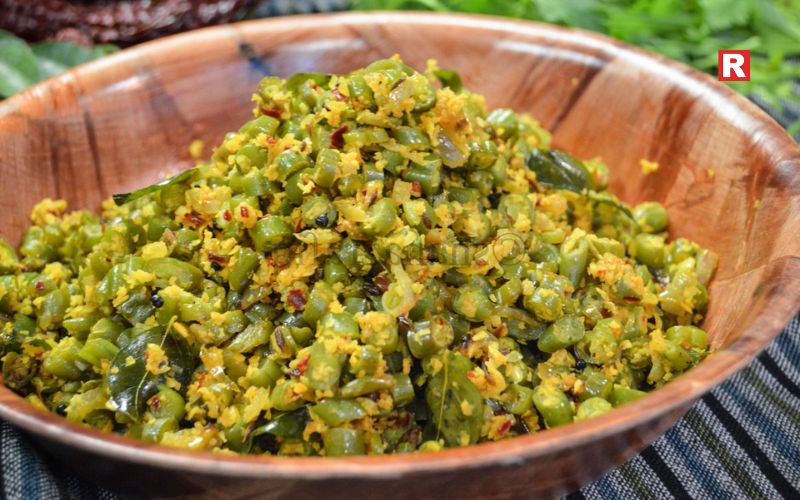
Thoran is a common everyday dish in Kerala homes. It is a dry vegetable preparation. Vegetables like cabbage, beans, carrot, beetroot, or spinach are used. The vegetables are finely chopped. They are cooked with grated coconut. Mustard seeds and curry leaves are added for flavour. Coconut oil is always used. Thoran is quick to make and easy to eat. It is served with rice and curry. The dish adds texture and colour to the meal. Each vegetable gives a different taste. Thoran is light but filling. It is rich in fibre and nutrients. This dish shows how Kerala food keeps daily meals simple, healthy, and full of flavour.
6. Kalan
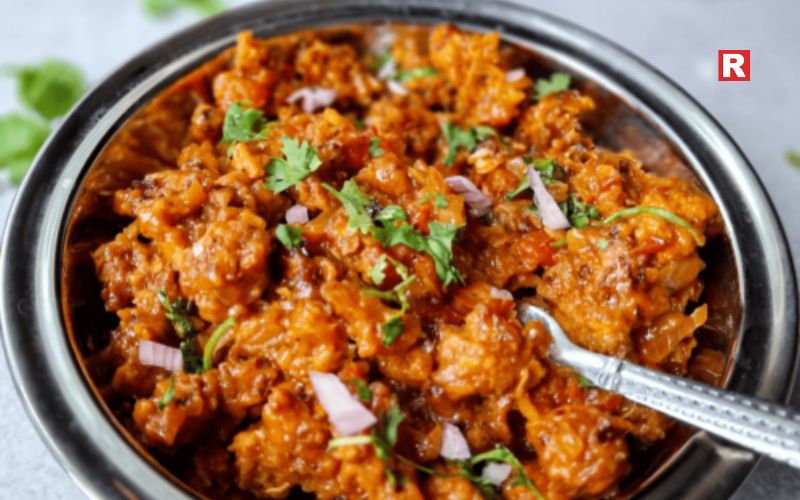
Kalan is a rich and traditional curry from Kerala. It is made using thick curd, raw banana, and yam. The vegetables are cooked slowly until soft. Black pepper and cumin give the dish a strong and earthy flavour. The curry is thick and slightly sour. Coconut oil and curry leaves are added at the end. Kalan is not cooked every day. It is mostly prepared during festivals and special occasions. It is an important part of Sadya. One reason it is valued is its long shelf life. It stays fresh for many hours without losing taste. Kalan balances mild dishes in the meal. It reflects careful cooking and the use of curd in Kerala’s food tradition.
7. Erissery
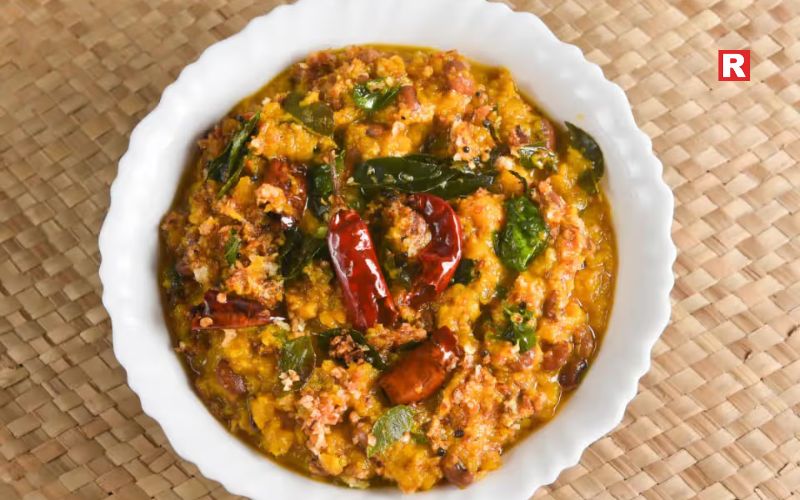
Erissery is a classic Kerala dish made with pumpkin and cowpeas. The pumpkin adds natural sweetness. Cowpeas make the dish filling. Coconut paste and cumin are mixed into the curry. This gives a soft and rounded flavour. The highlight of erissery is the topping. Grated coconut is roasted until golden and added on top. This adds a nutty taste and aroma. The dish is mildly sweet with a touch of spice. Erissery is often prepared during Onam. It is also served at family feasts and temple meals. The dish looks bright and inviting. It shows Kerala’s skill in balancing flavours using simple ingredients and traditional methods.
Know more: Top 10 Vegan Street Foods in India Every Indian Loves
8. Rasam (Kerala Style)
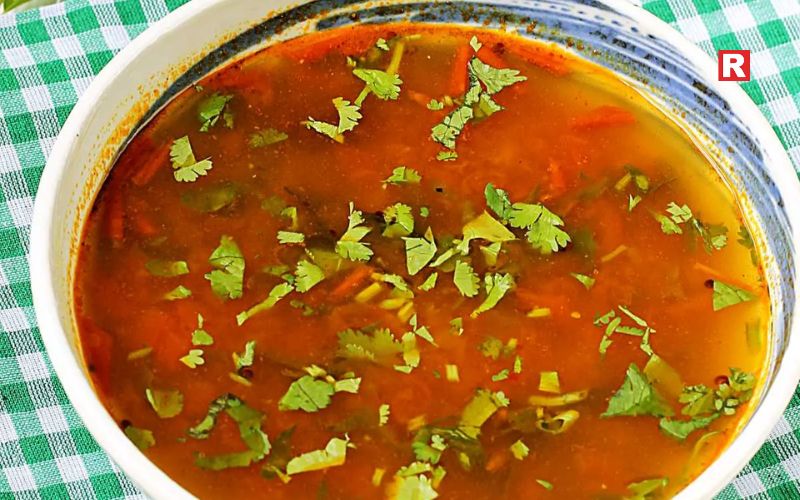
Kerala style rasam is light and comforting. It is thin in texture and easy to digest. Tamarind water forms the base. Black pepper, garlic, and cumin add warmth. Curry leaves give aroma. Rasam is not thick or spicy. It is served towards the end of a meal. Many people drink it like soup. It helps settle the stomach after a heavy meal. During the monsoon season, rasam is prepared more often. It gives comfort and warmth. In many homes, rasam is considered healing food. It is simple but full of flavour. Kerala rasam shows how everyday ingredients can create food that feels both soothing and satisfying.
9. Pachadi
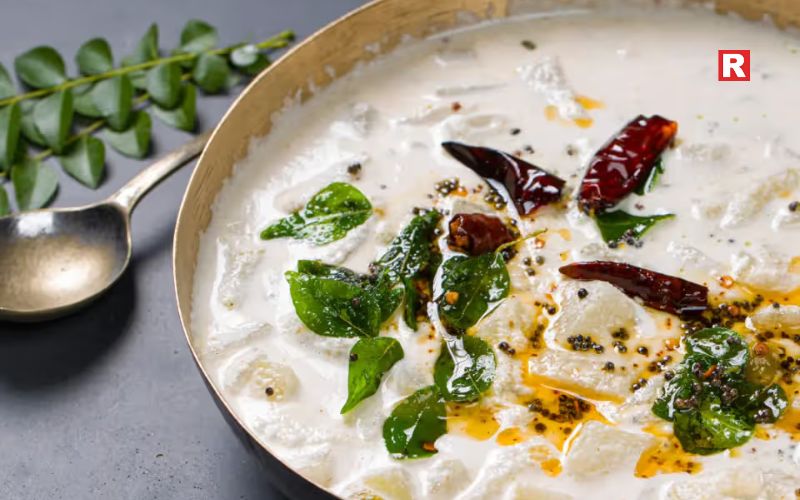
Pachadi is a yoghurt-based dish from Kerala. It is made using fruits or vegetables. Pineapple, cucumber, beetroot, and mango are common choices. The main taste is sweet and slightly sour. Coconut paste adds thickness. Mustard seeds are ground and mixed in small quantity. The dish is finished with mustard seeds and curry leaves fried in coconut oil. Pachadi adds freshness to the meal. It balances spicy and salty dishes. It is an important part of Sadya. Pachadi also adds colour to the banana leaf. Each version has a different taste. The dish feels light and refreshing. Pachadi reflects Kerala’s love for balanced meals and gentle flavours.
10. Kootu Curry
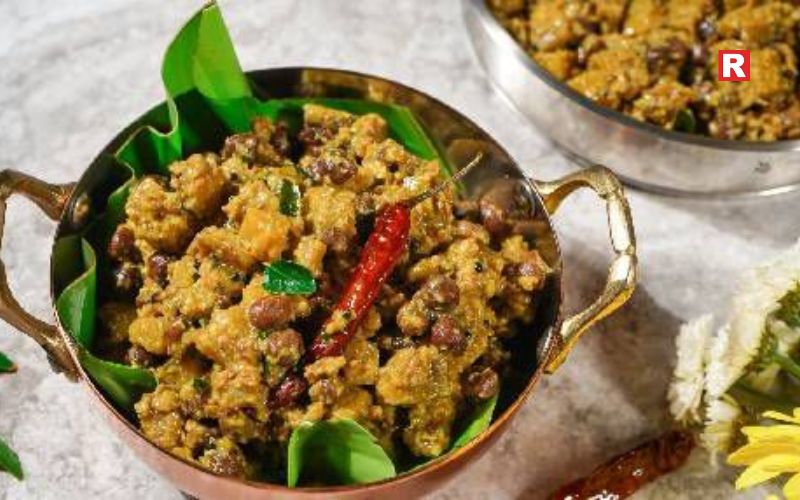
Kootu curry is a festive dish from Kerala. It is prepared mainly during Onam and special occasions. Black chana, yam, and raw banana are the main ingredients. These are cooked until soft. Coconut paste and spices are added for flavour. Jaggery is used to give mild sweetness. This sweetness balances the spice in the dish. Roasted coconut is added at the end for texture. Kootu curry is thick and filling. It is served with rice as part of Sadya. The dish has a rich taste and firm texture. It reflects Kerala’s tradition of combining sweet and spicy elements in one well-balanced dish.
Also check: Try These Veg Soups in These Freezing Winters
11. Puttu
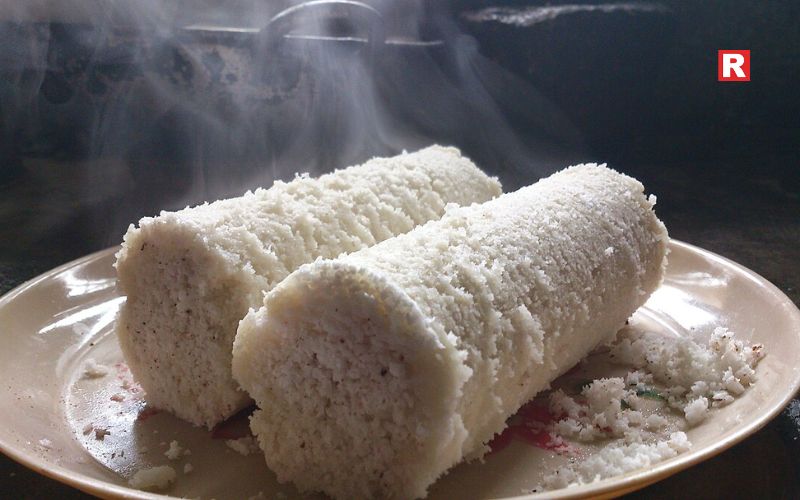
Puttu is a traditional breakfast dish from Kerala. It is made by steaming rice flour and grated coconut in layers. The mixture is placed in a tall mould and cooked using steam. Puttu turns soft and crumbly when done right. It has a clean and mild taste. Coconut gives it moisture and aroma. Puttu is usually eaten in the morning. It is commonly paired with kadala curry or ripe banana. Some people also enjoy it with sugar and coconut milk. Puttu is filling but light on the stomach. It suits daily eating. This dish shows how rice and coconut form the base of Kerala food habits. Puttu is simple, nourishing, and deeply connected to home cooking.
12. Appam
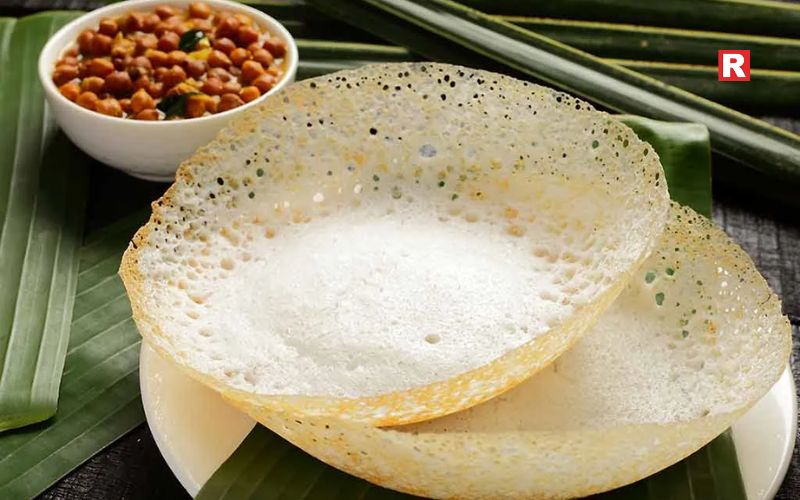
Appam is a soft rice pancake with thin, crispy edges. The centre remains fluffy and light. It is made using fermented rice batter mixed with coconut milk. Fermentation gives appam a gentle sour note. The taste is mildly sweet and pleasant. Appam is cooked in a deep pan without much oil. It is usually served hot. Vegetable stew is the most common side dish. Appam is eaten for breakfast or dinner. It is popular among all age groups. Appam is found in homes, small eateries, and restaurants. It feels light and easy to digest. This dish reflects Kerala’s skill in using fermentation to create soft and balanced food.
13. Idiyappam
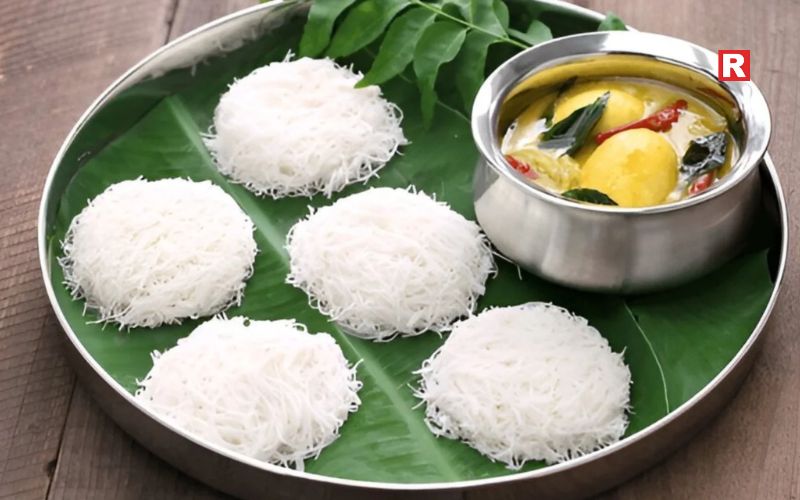
Idiyappam is also known as string hoppers. It is made from rice flour dough. The dough is pressed into thin strands and steamed. Idiyappam turns soft and delicate after cooking. It has no strong taste on its own. This makes it perfect to pair with curries. It is commonly served with vegetable stew or coconut milk. Idiyappam is eaten for breakfast and dinner. It is easy to digest and feels light. Many homes prepare it fresh in the morning. The process needs care and patience. Idiyappam shows how Kerala food values texture and balance. It is simple, filling, and deeply rooted in traditional cooking methods.
14. Vegetable Stew
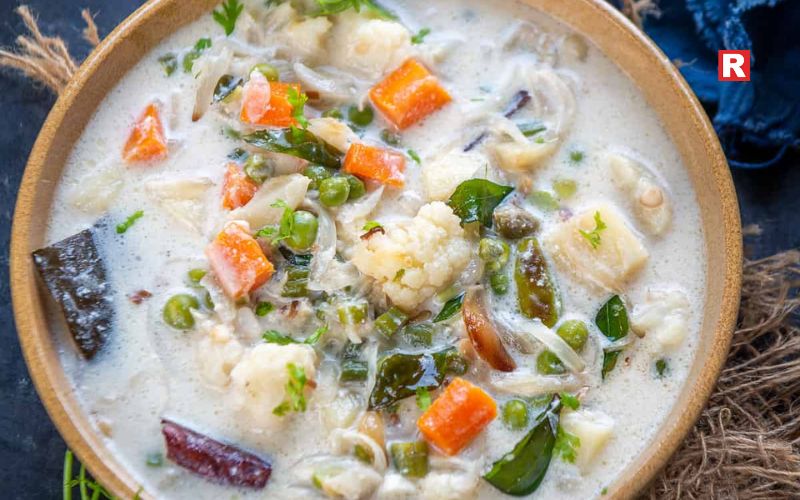
Kerala vegetable stew is a mild and creamy dish. It is made using mixed vegetables and coconut milk. Whole spices like cinnamon, cloves, and pepper are added. Coconut oil gives the stew its signature aroma. No chilli powder or heavy masala is used. The colour remains white or pale. The taste is gentle and comforting. Vegetable stew is usually served with appam or idiyappam. It is eaten during breakfast or dinner. The dish feels soothing and warm. It suits all age groups. Vegetable stew highlights Kerala’s love for subtle flavours. It shows how coconut milk can create richness without making food heavy.
15. Payasam
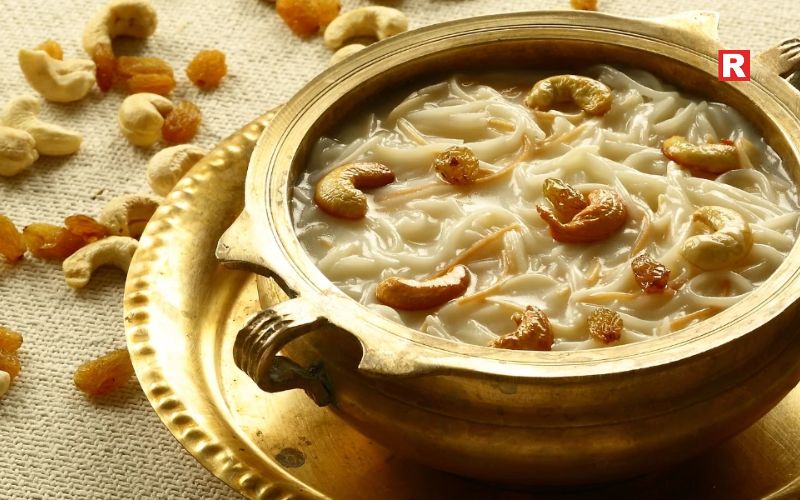
Payasam is the traditional dessert of Kerala. It is an important part of Sadya. Payasam is prepared using rice, vermicelli, lentils, or milk. Jaggery or sugar is used for sweetness. Coconut milk adds thickness and rich flavour. Cashews and raisins are often fried in ghee and added on top. Payasam is served warm or at room temperature. It is eaten at the end of the meal. No festival or special occasion feels complete without it. Each family has its own version. Payasam represents celebration and comfort. It brings a sweet ending to a balanced meal and reflects Kerala’s deep-rooted food traditions.
Check more: Top Famous Veg Street Foods in Kolkata That You Must Try Once in Your Life
Top Places to Explore for Authentic Bihar Food
Top Places to Visit for Authentic Gujarat Food
Why Kerala Vegetarian Food Feels So Authentic
Kerala vegetarian food is closely tied to tradition and daily life. The cooking style follows old customs passed down through families. Meals are often served on fresh banana leaves. This practice adds aroma and reduces waste. Coconut oil is widely used instead of refined oils. It suits the climate and enhances flavour. Fresh vegetables are bought and cooked every day. Packaged food is used less in traditional homes. Many dishes are prepared for temple offerings and religious events. Food is treated with respect and care. Seasonal vegetables guide daily cooking. This keeps meals light and balanced. Spices are used in small amounts. The focus stays on natural taste. Kerala veg food supports digestion and overall wellness. It feels comforting and clean. The cuisine reflects harmony between food, nature, and culture.
- Banana leaf meal tradition
- Daily use of fresh ingredients
- Preference for coconut oil
- Strong link with temples and rituals
- Seasonal and balanced cooking
Happy Eating!
Kerala’s vegetarian food shows how simple ingredients can create rich and lasting flavours. The cooking does not rely on heavy spices or complex methods. Rice, coconut, vegetables, and local spices do most of the work. Each dish carries a story from the land and the people. Many recipes come from temple kitchens and family homes. Meals are planned with care and balance. A proper meal feels complete and satisfying. Nothing feels extra or missing. For travellers, Kerala’s veg food offers a true local experience. For home cooks, it opens a window into regional Indian cuisine. These dishes are easy to understand and full of comfort. They suit daily eating and special occasions alike. Together, these fifteen dishes form a strong introduction to Kerala’s food culture. They reflect warmth, patience, and tradition. Through these meals, one can taste Kerala’s respect for nature, culture, and mindful eating.
Bihar’s food tells a quiet yet powerful story. It is deeply connected to the land. It follows the rhythm of seasons. It values simplicity over excess. Unlike many popular Indian cuisines, Bihari food does not depend on heavy spices or rich gravies. The flavours are clean. The ingredients are basic. The cooking is slow and thoughtful. Grains like rice and wheat form the base of most meals. Lentils, seasonal vegetables, and sattu are used with care. Mustard oil adds character, not heaviness. Every dish is meant to nourish, not overwhelm. This is food that has been shaped by climate, farming, and everyday life.
To experience authentic Bihar food, one must go beyond restaurants with modern menus. The real taste lives on street corners. It is found at early-morning food stalls and small family-run eateries. It appears near temples, where food is cooked with restraint and respect. It survives in towns where recipes are passed down, not written down. This journey is not only about litti chokha. It is about forgotten dishes and old methods. It is about flavours built with patience. And practice. These places offer more than a meal. They offer a glimpse into Bihar’s living food culture.
Find Top Places to Explore for Authentic Bihar Food
1. Street Corners Where Bihar Truly Eats

The soul of Bihar food lives on its streets. In cities like Patna, Gaya, Muzaffarpur, and Bhagalpur, small street stalls serve food that has remained unchanged for decades. Litti chokha is the most visible example. But the real experience lies in how it is made. The litti is filled with roasted sattu, mixed with mustard oil, ajwain, garlic, and green chilli. It is cooked slowly over coal or cow-dung cakes. The chokha changes with the season. In summer, it is mostly roasted baingan. In winter, it includes aloo, tomato, and sometimes green peas. Morning streets are filled with sattu paratha sellers. These parathas are thick, filling, and earthy in taste. They are often served with green chutney and raw onion. Chana ghugni stalls come alive by late morning. The dish is made with white peas, boiled and cooked with minimal spices. It is light but deeply satisfying. In many towns, early mornings also mean fresh khaja and thekua being prepared. These are not desserts for luxury. They are everyday food items linked to rituals, travel, and festivals.
Read more: 8 Famous Vegetarian Dishes of Uttar Pradesh and Their Timeless Legacy
5 Cities That Serve the Best Non-Vegetarian Street Food
2. Old Family-Run Eateries With Timeless Recipes

Some of the best Bihari food is not advertised. It is found in small eateries run by families for generations. These places often have no boards or menus. They serve a few dishes. But they serve them well. In Patna and nearby towns, such eateries are known for dal pitha, kadhi bari, and chokha bhaat. Dal pitha is similar to dumplings, filled with spiced lentils and steamed slowly. Kadhi bari uses gram flour dumplings cooked in a thin yoghurt-based curry. The taste is mild and comforting. What makes these places special is consistency. The recipes are inherited. Ingredients are locally sourced. Food is cooked in batches, not reheated endlessly. Regular customers return because the taste remains the same year after year. These eateries represent Bihar’s home-style cooking. Food that is filling but not heavy. Simple but not boring.
3. Temple Town Food Trails in Gaya and Bodh Gaya

Temple towns offer another side of Bihari cuisine. In places like Gaya and Bodh Gaya, food is influenced by religious practices. Meals here are often satvik. They avoid onion and garlic. Spices are minimal. Cooking methods are gentle. Small bhojanalayas near temples serve rice, dal, seasonal vegetables, chutney, and papad. The focus is on balance and purity. The vegetables change with the season. In winter, you will find cauliflower, peas, and pumpkin. In summer, lauki, tori, and arbi are common. These meals may look simple. But they are deeply nourishing. They reflect Bihar’s strong connection between food, faith, and discipline. For travellers, this is a chance to experience food that is calm and grounding.
4. Mithila Region: A Distinct Culinary Identity
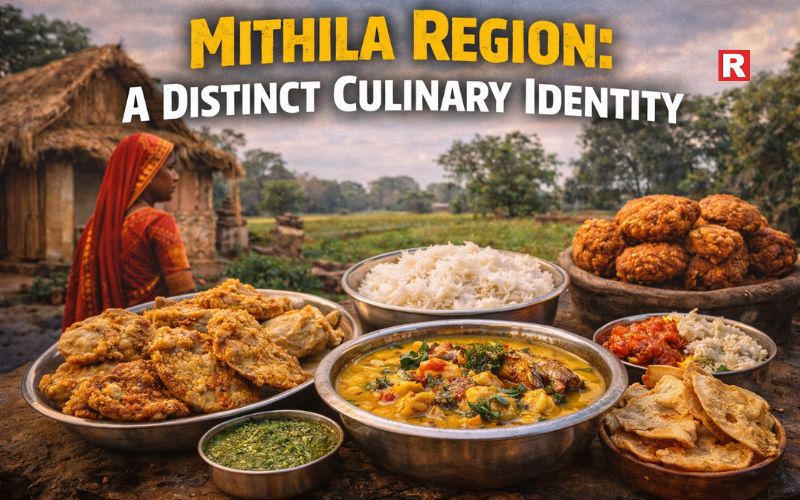
North Bihar, especially the Mithila region, has its own food culture. Towns like Darbhanga, Madhubani, and Sitamarhi offer dishes that differ from central Bihar. Rice is central here. Machhli bhaat is a staple. Freshwater fish is cooked lightly with turmeric and mustard oil, then served with plain rice. Tarua, a traditional fritter made with rice flour and vegetables, is another popular item. Bharta is made using seasonal vegetables, mashed and mixed with mustard oil. Sweets also play an important role in Mithila cuisine. Pua, a deep-fried sweet made with flour and jaggery, is commonly prepared during festivals. Food in this region reflects Maithili culture. It is gentle in flavour but rich in tradition. Exploring Mithila food is essential to understanding the diversity within Bihar cuisine itself.
Know more: Top Places to Visit for Authentic Gujarat Food
5. Traditional Sweet Shops That Keep Festivals Alive

Bihar’s sweets are closely linked to festivals, rituals, and travel. Many traditional sweet shops still prepare items only during specific seasons. Silao in Nalanda district is famous for its khaja. This layered sweet is crisp and lightly sweetened. It is often carried as a travel sweet. Thekua is another iconic item. Made with wheat flour, jaggery, and ghee, it is prepared during Chhath Puja and other rituals. Anarsa, made from rice flour and jaggery, requires skill and patience. Tilkut and lai are winter sweets made from sesame seeds and sugar or jaggery. These sweets are not mass-produced. Many shops make them in limited quantities, following old methods. Visiting these shops is like stepping into a living archive of Bihar’s food history.
Must-Try Dishes When Exploring Bihar Food
Any journey into authentic Bihar cuisine should include these dishes:
- Litti chokha for its rustic flavour
- Sattu paratha for its nutrition and taste
- Dal pitha for its simplicity
- Kadhi bari for comfort
- Chana ghugni for street-side charm
- Khaja, thekua, and anarsa for traditional sweetness
Each dish reflects Bihar’s reliance on grains, lentils, and seasonal produce.
Also check: 20 Famous Foods From Odisha You Must Try at Least Once
Try These Veg Goan Dishes On Your Next Visit
Top 10 Vegan Street Foods in India Every Indian Loves
Happy Eating!
Bihar food is not about indulgence. It is about balance. The use of sattu, mustard oil, and seasonal vegetables shows deep nutritional awareness. Cooking methods focus on roasting, steaming, and slow boiling. Spices are used carefully. In a time when many regional cuisines are being modernised, Bihar’s food remains largely unchanged. That is its strength. To explore authentic Bihar food is to slow down. It is to eat what is local. What is seasonal. What is honest. From street corners to temple towns, from Mithila kitchens to old sweet shops, Bihar offers a food experience that is deeply rooted and quietly powerful. These places do not chase trends. They preserve taste. And in doing so, they keep Bihar’s culinary soul alive.

New Year’s Eve is a time for togetherness. It is about good food. Long conversations. Soft lights. And a table that invites people to sit a little longer. In many Indian homes, vegetarian food sits at the heart of every celebration. It feels familiar. It brings comfort. And when prepared well, it can be rich, festive, and deeply satisfying. As the year draws to a close, many families are choosing quieter celebrations. House parties. Small gatherings. Dinners with close friends. The focus has moved away from excess. It is now about balance and quality. Hosts prefer fewer dishes with better flavours. Food that feels special and thoughtful.
Vegetarian dishes fit this mood perfectly. They are lighter yet indulgent. They suit all age groups. They also work well with winter ingredients and slow cooking. From starters to main courses, vegetarian food allows variety without overwhelming the table. A carefully planned vegetarian menu creates warmth and ease. It keeps the evening relaxed. It encourages sharing and conversation. For New Year’s Eve at home, these dishes bring comfort, joy, and a sense of celebration.
Explore Top Veg Dishes for Your New Year’s Eve
1. Paneer Tikka Platter
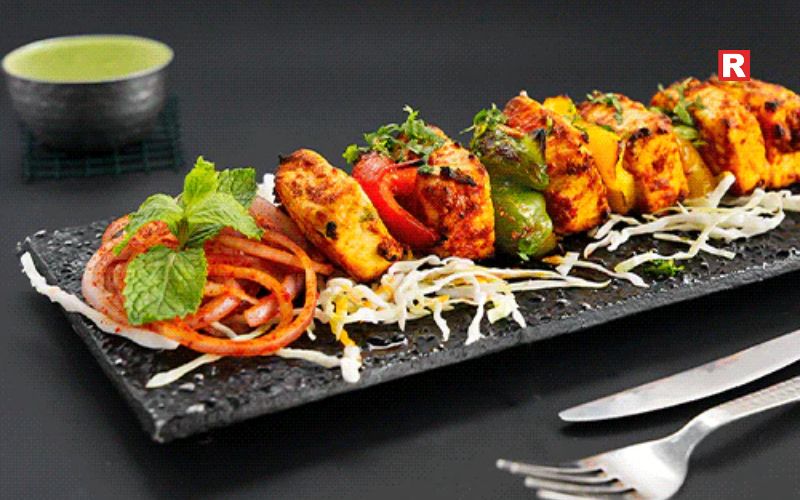
Paneer tikka is a must-have at any Indian party. It is familiar. It is festive. And it never disappoints. Soft cubes of paneer are marinated in thick yogurt, ginger-garlic paste, and Indian spices. They are grilled until slightly charred. The smoky flavour makes it perfect for New Year’s Eve starters. Serve it hot with mint chutney and onion salad. Add bell peppers and onions to the skewers for colour and crunch. It works well for both house parties and formal dinners.
Read more: 8 Famous Vegetarian Dishes of Uttar Pradesh and Their Timeless Legacy
5 Cities That Serve the Best Non-Vegetarian Street Food
2. Mushroom Galouti Kebabs or Veg Seekh Kebabs
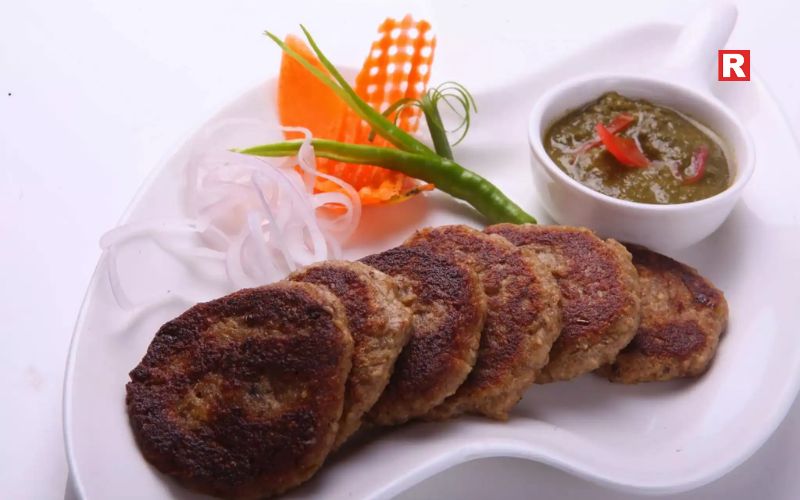
These kebabs bring luxury to a vegetarian table. Mushroom galouti kebabs are soft, rich, and aromatic. They are made using finely chopped mushrooms, spices, and herbs. Veg seekh kebabs are firmer and ideal for guests who enjoy texture. They can be made with mixed vegetables, paneer, or lentils. Both options are pan-fried or grilled. They pair well with green chutney and thin sliced onions. These kebabs are great conversation starters and feel restaurant-style at home.
3. Truffle Mac and Cheese (Vegetarian Version)
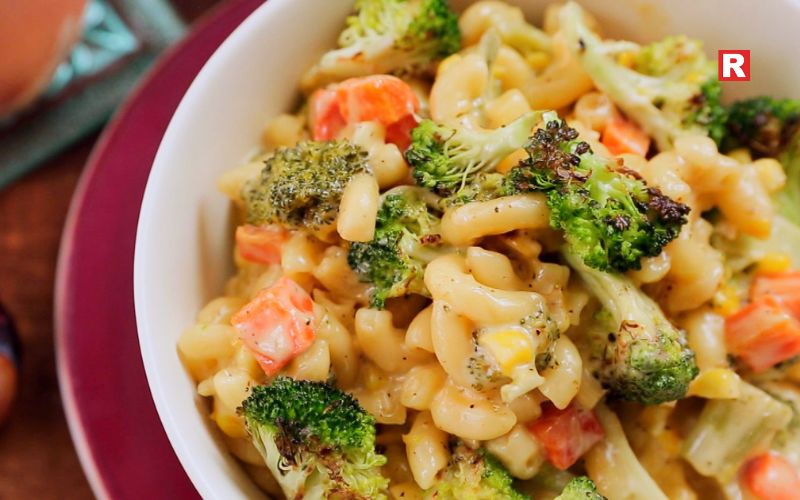
Mac and cheese has found its place in Indian party menus. A truffle-flavoured version makes it even more special for New Year’s Eve. This dish is creamy. Rich. And perfect for winter nights. A mix of cheeses, milk, butter, and pasta creates a comforting base. Truffle oil adds depth and a premium touch. Serve it in small portions as a side dish or main. It balances Indian flavours well and appeals to younger guests too.
4. Stuffed Cheese Garlic Bread or Pull-Apart Bread
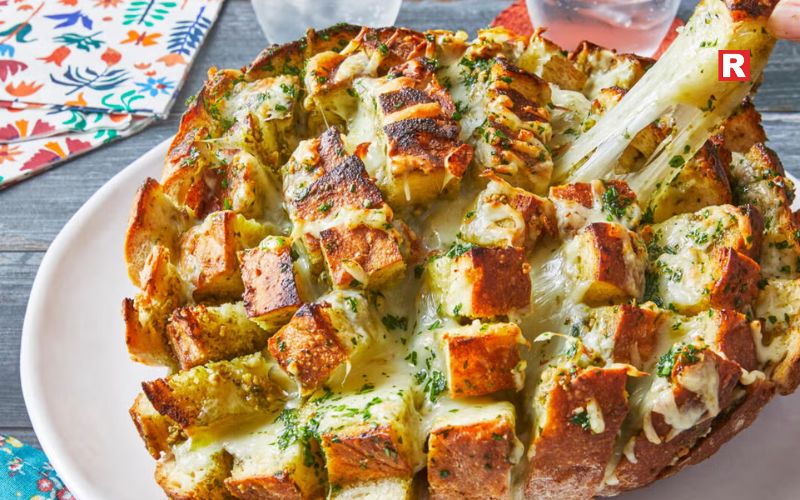
Every party needs a shareable dish. Cheese garlic bread does this job perfectly. Soft bread filled with butter, garlic, herbs, and melted cheese is always a hit. A pull-apart version looks festive and is easy to serve. It works well as a starter or a snack during the countdown. Serve it hot. Add dips like cheese sauce or herbed butter for extra flavour.
Know more: Try These Veg Soups in These Freezing Winters
5. Veg Thai Green Curry with Jasmine Rice
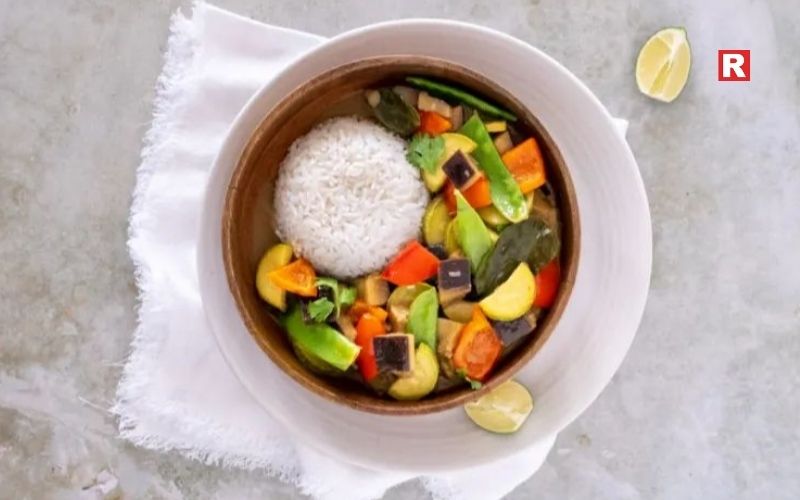
After rich starters, a lighter main dish helps balance the meal. Thai green curry is a great choice. Made with coconut milk, green curry paste, and vegetables, it is flavourful without being heavy. The mild spice and creamy texture make it suitable for most palates. Pair it with steamed jasmine rice. This dish adds an international touch to the New Year’s menu and gives guests a refreshing break from rich gravies.
6. Dal Makhani with Butter Naan
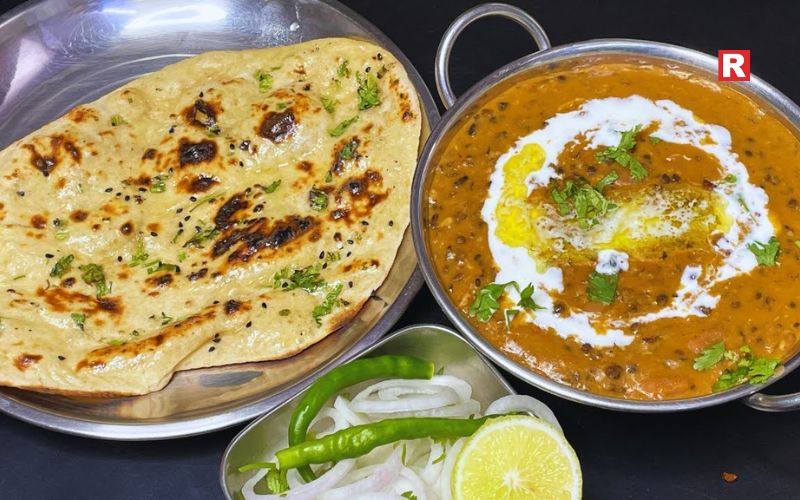
No celebration feels complete without a classic Indian comfort dish. Dal makhani fits this role perfectly. Slow-cooked black lentils with butter and cream create a rich and deep flavour. This dish improves with time, making it ideal for parties. Serve it with soft butter naan or garlic naan. It is filling, satisfying, and loved across generations. For many guests, this will be the highlight of the meal.
7. Mini Veg Sliders or Bao Buns
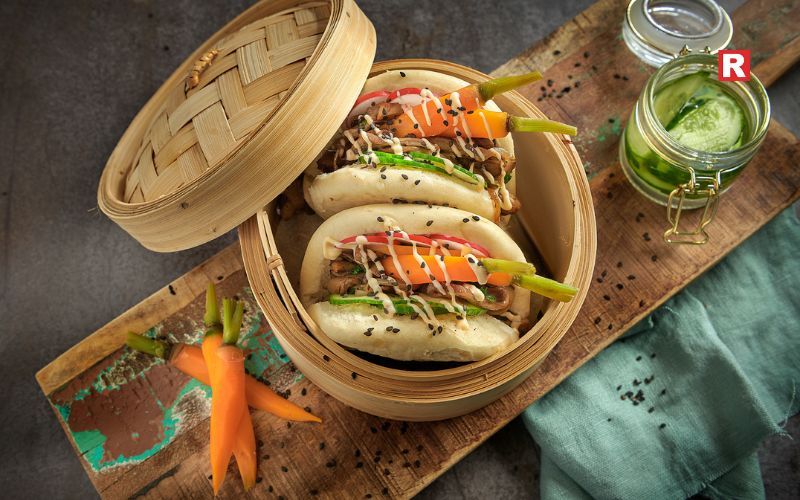
Finger food is important for New Year’s Eve. Mini sliders or bao buns offer a modern and fun option. Fill them with paneer, mushrooms, or crispy tofu. Add sauces and fresh vegetables for balance. These bite-sized dishes are easy to eat and perfect for mingling. They also look great on the table and add a trendy element to the spread.
8. Chocolate Fondue with Fruits and Brownies
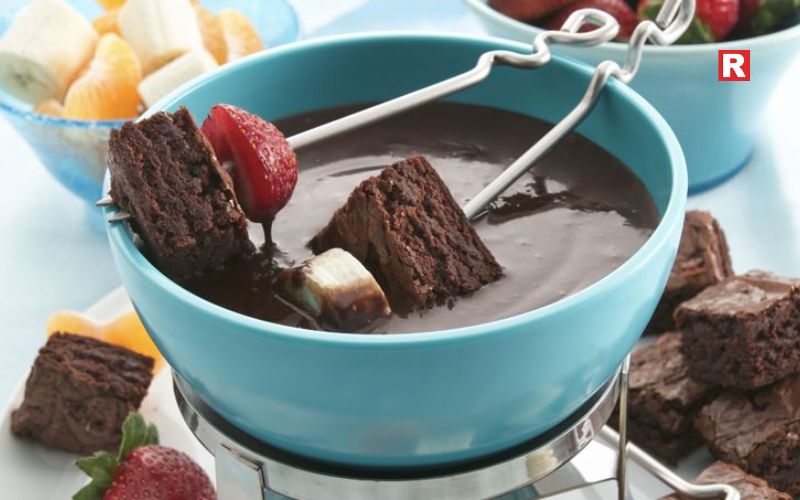
Dessert should feel fun on New Year’s Eve. Chocolate fondue does exactly that. Melted chocolate served with fruits, brownies, and biscuits allows guests to create their own dessert. It keeps the energy lively even after dinner. This dessert works well for both adults and children. It also reduces the pressure of plating individual desserts.
How to Plan the Perfect Veg New Year’s Menu
- Balance is key. Choose a mix of Indian and global dishes. Combine rich items with lighter options. Add one or two interactive dishes to keep guests engaged.
- Focus on quality ingredients. Use fresh paneer. Good butter. Fresh vegetables. These small choices make a big difference.
- Also consider preparation time. Select dishes that can be prepared in advance. This allows you to enjoy the celebration instead of staying in the kitchen.
Also check: Top 10 Vegan Street Foods in India Every Indian Loves
What is Kimchi? Top Veg Kimchi You Can Try at Home
Top 5 States With the Spiciest Food in India
Veg Treat!
New Year’s Eve is no longer about filling the table with too many dishes. It is about making the right choices. Food that feels comforting. Food that stays in memory. Vegetarian dishes fit this mood perfectly. They bring warmth, balance, and indulgence to the celebration. From smoky paneer tikka and rich dal makhani to festive favourites like chocolate fondue, these dishes suit every part of the night. They are easy to share. They please different age groups. They also allow guests to enjoy more without feeling heavy. As the clock moves closer to midnight, good food becomes a reason to gather and slow down. A well-planned vegetarian menu ensures everyone feels included and satisfied. This New Year’s Eve, familiar flavours with a festive touch make the celebration complete. Great food, after all, brings people closer.

Food in India has always been more than taste. It is linked to health, mood, and discipline. Long before modern nutrition plans existed, Indian philosophy explained food through Ayurveda and yoga. One such way of eating is the Sattvic diet. It is simple. It is clean. And it focuses on balance. Today, many people are turning back to the Sattvic diet for mental peace, better digestion, and mindful living.
The Sattvic diet comes from ancient Indian philosophy, especially Ayurveda and yogic texts like the Bhagavad Gita. The word Sattva means purity, clarity, and harmony. Sattvic food is believed to nourish both the body and the mind. This diet focuses on fresh, natural, and seasonal food. It avoids anything that causes heaviness, restlessness, or laziness. The idea is simple. What you eat affects how you think, feel, and act. Sattvic food is light on the stomach. It is easy to digest. It keeps the mind calm and alert. This is why yogis, monks, and spiritual seekers often follow a Sattvic diet.
Why Is the Sattvic Diet Important Today?
Modern diets focus on speed and convenience. Packaged food. Preservatives. Excess oil and sugar. Over time, this leads to low energy, poor digestion, and mental stress. The Sattvic diet offers a slower and more mindful approach. It encourages people to eat with awareness. It teaches respect for food.
A Sattvic diet helps improve digestion. It supports gut health. It also helps reduce anxiety and restlessness. Many people report better sleep and improved focus after following this diet. In India, this diet also aligns with traditional home-cooked meals. Simple dal, rice, sabzi, and ghee form the base of many Sattvic meals.
Core Principles of a Sattvic Diet
The Sattvic diet is not about strict rules. It is about intention and quality. Food should be freshly cooked. Leftovers are avoided. Food should be eaten warm and at regular times. Ingredients should be natural and unprocessed. Seasonal vegetables and fruits are preferred. Artificial flavours and preservatives are avoided. Spices are used in moderation. The aim is balance, not strong stimulation. Another important principle is how food is prepared. Cooking should be done in a calm and clean environment. Food is believed to carry the energy of the person who cooks it.
Read more: High Protein Indian Meals You Should Try
12 Delicious High-Protein Foods to Eat Daily for a Healthier You
Explore Top Sattvic Food Items to Include
A Sattvic food list is simple and familiar to most Indian households.
Grains and Cereals: Whole grains form the base of the Sattvic diet. Rice, especially unpolished rice, is commonly used. Wheat, barley, and millets like jowar and bajra are also included. These grains provide energy without heaviness.
Fruits: Fresh and ripe fruits are considered highly Sattvic. Apples, bananas, papaya, pears, and mangoes are good examples. Fruits should be eaten fresh and in season. Overripe or stored fruits are avoided.
Vegetables: Most vegetables are allowed in the Sattvic diet. Bottle gourd, pumpkin, carrot, cucumber, ash gourd, and spinach are commonly used. These vegetables are light, cooling, and easy to digest. Vegetables should be cooked gently. Overcooking or deep frying is avoided.
Dairy Products: Dairy plays an important role in a traditional Sattvic diet. Fresh milk, homemade curd, and buttermilk are allowed. Ghee is considered especially pure and beneficial when used in small amounts. Dairy should be fresh and not processed.
Nuts and Seeds: Soaked almonds, walnuts, sesame seeds, and pumpkin seeds are allowed in moderation. They provide healthy fats and energy. Soaking helps improve digestion.
Natural Sweeteners: Refined sugar is avoided. Instead, natural sweeteners like jaggery and raw honey are used in small quantities.
Foods to Avoid in a Sattvic Diet
The Sattvic diet avoids foods that disturb the body or mind. These foods fall into two categories. Rajasic and Tamasic.
Rajasic Foods: Rajasic foods increase restlessness and stimulation. Onions and garlic fall under this category. Excess spices, chillies, and very salty foods are also avoided. Tea and coffee are discouraged because they overstimulate the nervous system.
Tamasic Foods: Tamasic foods cause heaviness and dullness. Meat, fish, and eggs are avoided. Alcohol, tobacco, and intoxicants are strictly avoided. Packaged and processed foods are considered Tamasic. So is stale food. Food kept overnight or reheated loses its freshness and energy.
Know more: Try These Veg Soups in These Freezing Winters
Sattvic Diet vs Modern Diet Trends
Most modern diets revolve around numbers. Calories are counted. Portions are measured. Results are expected fast. The focus often stays on weight loss and physical change. The Sattvic diet works differently. It is not designed for quick results. It is meant to be followed over time. The goal is balance, not control. Instead of counting calories, attention is given to how food affects the body and the mind. There is no pressure to hit protein targets or track macros. Food is chosen for its freshness and simplicity. Meals are light, clean, and easy to digest. This helps the body feel calm and steady. Modern diets often judge success by appearance. The Sattvic diet measures progress through energy levels, mental clarity, and emotional stability. It is less about looking different. It is more about feeling better every day.
A Simple Sattvic Meal Plan
A Sattvic meal plan does not need to be complicated. Breakfast can include fresh fruits and soaked almonds. Warm milk can be added if suitable. Lunch is usually the heaviest meal. Rice or roti, dal, seasonal sabzi, curd, and a little ghee make a balanced plate. Dinner should be light. Khichdi, vegetable soup, or lightly cooked vegetables work well. Eating before sunset is often recommended.
Also check: Power-Packed Mornings: 8 Protein-Rich Vegetarian Indian Breakfast Ideas to
Top 5 States With the Spiciest Food in India
7 Desi Alternatives to Oatmeal for Weight Loss
Final Thoughts
The Sattvic diet is not built on rules or restrictions. It is based on awareness. It helps people understand how food influences the body, the mind, and emotions. Every meal has an impact. What is eaten shapes energy levels, focus, and inner calm. In a fast-moving world, the Sattvic diet brings simplicity. It asks people to slow down. To cook fresh food. To eat at the right time. To choose meals that feel light and nourishing. There is no rush and no excess. This way of eating values cleanliness and balance. Ingredients are natural and close to their original form. Meals are prepared with care and eaten with attention. Over time, this creates a sense of stability and clarity. The Sattvic diet is not about changing appearance. It is about improving daily life. Simple food. Clean choices. Balanced living. That is its true essence.

Gujarat is a state known for its rich food culture. Most of its dishes are vegetarian, but they are never dull. Every region has its own way of cooking. Each city has a unique taste. Gujarati food is about balance. Sweet, spicy, sour, and salty all come together on one plate. To really understand Gujarat, one must eat like the locals. Hotel food and cafés do not tell the full story. True taste is found in streets, small eateries, and home kitchens. The flavours are simple but full of character. They tell stories of tradition, culture, and everyday life.
From Ahmedabad to Surat, Rajkot to Bhavnagar, every city offers something special. Ahmedabad is known for its thalis and street snacks. Surat is famous for its sweet and spicy treats. Rajkot and Bhavnagar show the strength of Kathiyawadi cuisine. Kutch has food shaped by desert life, strong and lasting. Eating in Gujarat is more than a meal. It is a journey through the state’s culture. It is a way to understand its people, their habits, and their traditions. Every bite reflects history and care, where flavours are honest and rooted in culture.
The Essence of Gujarati Food
Gujarati food is more than just meals. It reflects the state’s culture, people, and traditions. To truly experience it, one must eat like the locals. Authentic Gujarati food is honest, comforting, and unforgettable. It is a journey into the heart of Gujarat, its people, and its culture. Every bite tells a story of tradition and care.
Why it matters:
- People and habits: Food shows how Gujaratis live, their daily routines, and family traditions.
- Local ingredients: Fresh vegetables, millets, jaggery, and buttermilk are common. Recipes are simple but full of flavour.
- Street and home food: Real taste is found in small eateries, street stalls, and home kitchens. Hotels and cafes rarely give the authentic experience.
- Balance of flavours: Sweet, salty, spicy, and sour come together naturally in every dish.
- Following locals: Observing where and what locals eat leads to the best experience.
Explore Top Places to Visit for Authentic Gujarat Food
1. Ahmedabad – The Heart of Gujarati Food
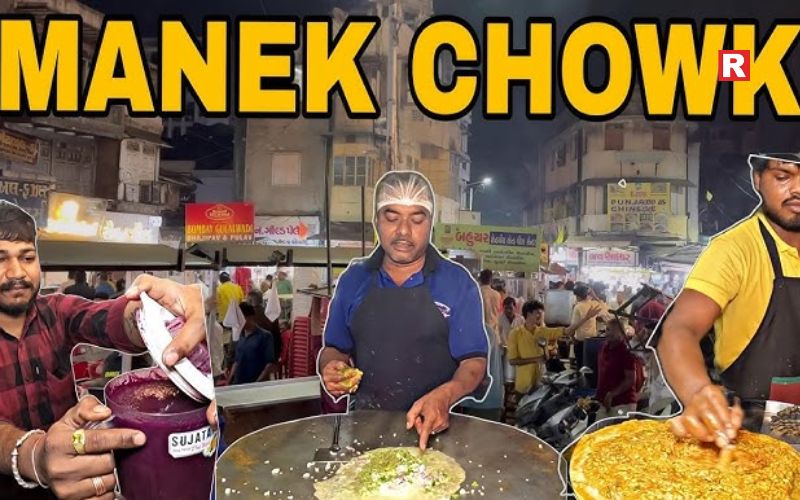
Ahmedabad is where Gujarati food feels complete. It is traditional. It is bold. It is comforting. The city is famous for its Gujarati thali. A full meal with rotli, dal, kadhi, shaak, farsan, rice, and sweets. Every item has a role. Nothing is extra. Street food is a big part of Ahmedabad’s food culture. Manek Chowk comes alive at night. Locals eat late. Plates are shared. Conversations are loud. Must-try dishes include fafda jalebi, dal dhokli, handvo, and khandvi. The old city pols still serve food cooked the traditional way. Less oil. More flavour. Ahmedabad is not trendy food. It is food with memory.
Read more: 20 Famous Foods From Odisha You Must Try at Least Once
5 Cities That Serve the Best Non-Vegetarian Street Food
2. Surat – Sweet, Spicy, and Full of Energy
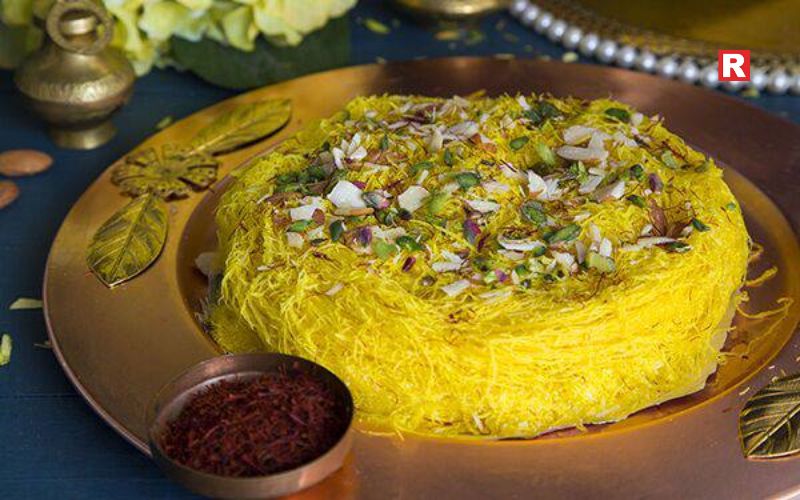
Surat eats differently. The city loves flavour. It loves butter. It loves spice. Surat’s food is famous across Gujarat. Locals eat multiple times a day. Snacks are serious business here. The most loved dish is locho. Soft. Steamed. Topped with butter, chutney, and sev. Another star is Surti khaman, lighter and fluffier than other versions. Surat is also known for Surti undhiyu and the famous sweet ghari. Many food places open after sunset. Late-night eating is normal. If you enjoy bold taste and street food culture, Surat is unmissable.
3. Vadodara – Royal Taste with Home Comfort
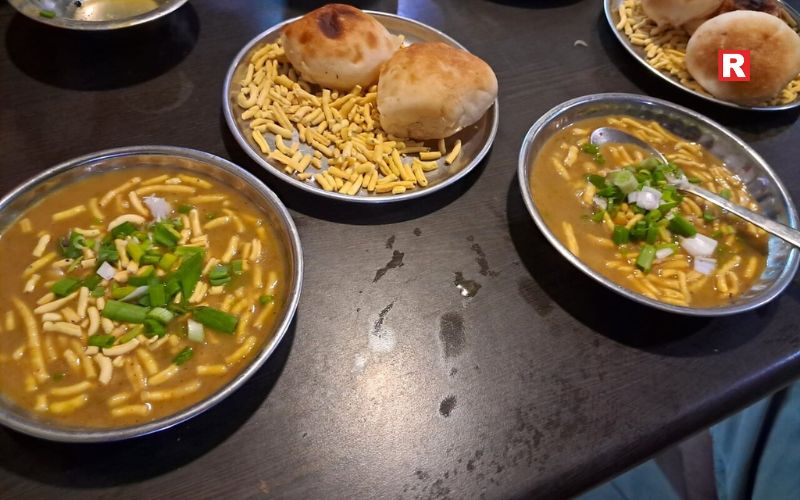
Vadodara, also called Baroda, has a calmer food scene. The flavours are balanced. The food feels homely. The city shows influence from Maratha kitchens. Sweetness is present but controlled. Spices are used gently. Popular dishes include sev usal, Gujarati kadhi, puran poli, and fresh farsan. Many local eateries still cook food the old way. Vadodara’s food suits daily eating. It is filling but not heavy. It is ideal for those who enjoy comfort food with depth.
4. Bhavnagar – Simple and Rustic Kathiyawadi Food
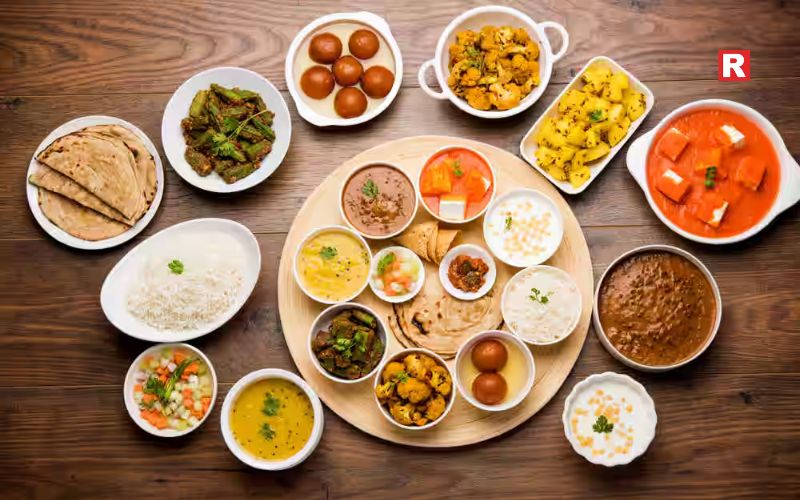
Bhavnagar offers food that is earthy and filling. This is Kathiyawadi cuisine at its core. The food here is made to keep you full. It uses fewer ingredients. But flavours are strong. Must-try dishes include bajra rotla, ringan no olo, lasaniya bataka, and thick chaas. Garlic and chillies are used well. Meals are often eaten with hands. Ghee is not avoided. Bhavnagar food feels rural, warm, and honest.
Know more: 8 Famous Vegetarian Dishes of Uttar Pradesh and Their Timeless Legacy
5. Rajkot – The Soul of Kathiyawadi Taste
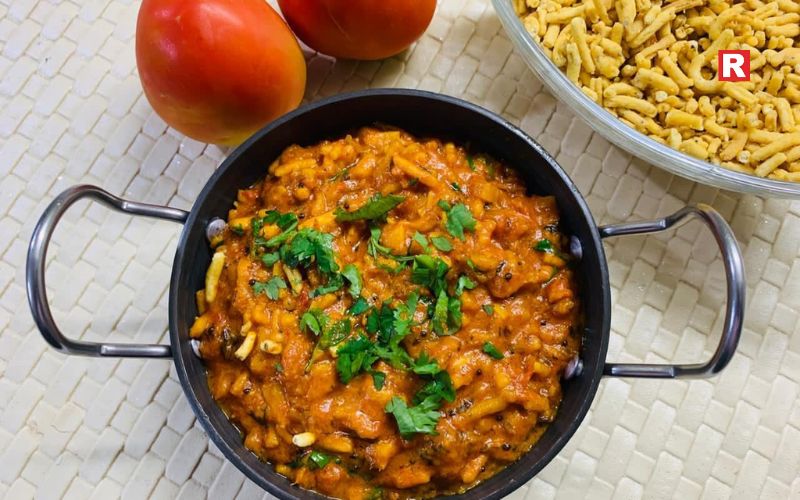
Rajkot is one of the best places to eat authentic Kathiyawadi food. The food here is bold and unapologetic. Garlic plays a big role. Chillies are not toned down. Food is served hot and fresh. Popular dishes include sev tameta nu shaak, khichdi with ghee, and spicy vegetable curries. Meals are usually paired with buttermilk. Rajkot’s food is not fancy. It is meant to satisfy hunger and heart. If you want real regional taste, this city delivers.
6. Kutch – Food Shaped by Desert Life
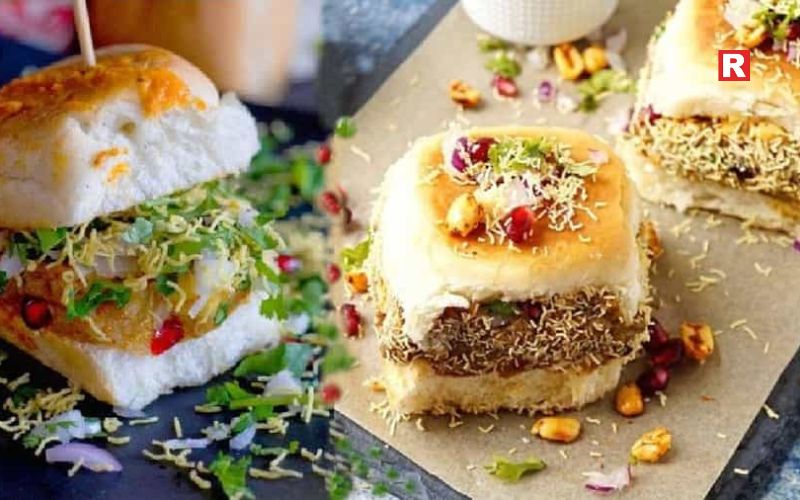
Kutch has a very different food culture. Climate plays a big role. Water is scarce. Ingredients are simple. Food here is designed to last. Flavours are strong. Portions are practical. The most famous snack is Kutchi dabeli. Sweet. Spicy. Crunchy. A perfect street food. Bajra-based dishes are common. Dry snacks are popular. Kutchi food reflects survival, tradition, and wisdom. It tells the story of desert life.
Also check: 10 Awadhi Cuisine Classics You Must Try at Least Once
Top 10 Vegan Street Foods in India Every Indian Loves
Try These Veg Soups in These Freezing Winters
Final Takeaway
Gujarati food is best enjoyed locally. Every city has its own story to tell through food. Ahmedabad is full of tradition. Its thalis and street snacks are simple yet rich in flavour. Surat is lively and bold. Its sweet and spicy dishes are famous across the state. Kathiyawad, including Rajkot and Bhavnagar, shows strength in its food. Garlic, chillies, and ghee make the dishes hearty and filling. Kutch offers a different taste. The desert shapes its cuisine. Flavours are strong, ingredients are simple, and food lasts longer. To truly eat Gujarat is to understand its people. Their daily habits, the climate they live in, and their culture all influence the food. The best way to experience it is to eat where the locals eat. Forget menus or trends. Follow the streets, small eateries, and traditional kitchens. That is where real Gujarati food lives. Simple, honest, and unforgettable.
Odisha is one of India’s most culturally rich states. Its food mirrors this depth and tradition. Odia cuisine is shaped by history, geography, and faith. The food is simple and seasonal. It focuses on natural taste rather than strong spices. Ingredients are treated with care and respect. Rice is the base of most meals. It is eaten daily across the state. Lentils add nourishment. Vegetables bring freshness. Fish is common in coastal areas. Chhena-based sweets complete the food culture. Each element has a clear role on the plate. Many famous foods from Odisha are linked to temples and rituals. Temple kitchens influence how food is cooked at home. Satvik methods are widely followed. Onion and garlic are often avoided. Festivals also play an important role. Special dishes are prepared and shared within families.
The long coastline shapes seafood habits. Rivers support freshwater fish dishes. Fertile farmlands provide vegetables and rice throughout the year. From cooling summer meals to sacred temple offerings, Odisha cuisine offers balance and meaning. It is steady, honest, and deeply rooted in tradition.
Find 20 famous foods from Odisha that truly define Odisha
1. Pakhala Bhata
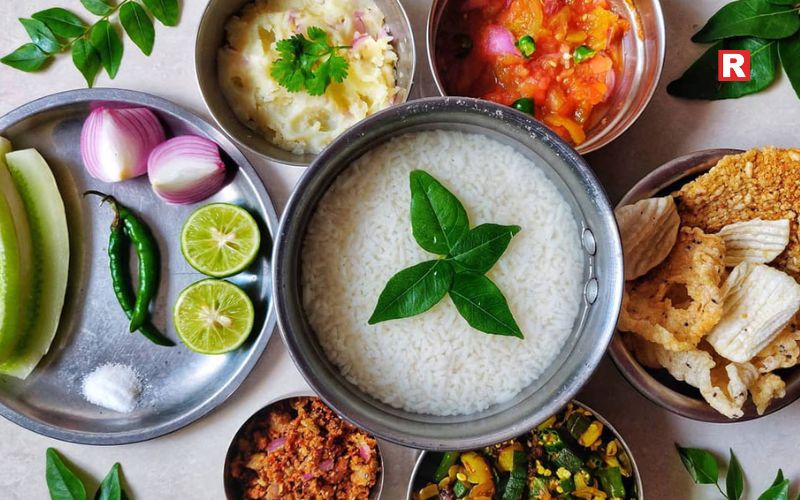
Pakhala Bhata is the heart of Odia food culture. It is famous because it suits Odisha’s hot and humid climate perfectly. People across villages and cities eat it almost daily in summer. The dish is made by soaking cooked rice in water and allowing it to ferment lightly overnight. This process makes it cooling and easy on the stomach. Many believe it helps digestion and prevents heat-related problems. Pakhala Bhata is also linked to simplicity and home-style eating. It is not fancy food. It is comfort food.
The key ingredient is rice, usually short-grain local rice. Water is essential for fermentation. It is commonly paired with fried fish, mashed vegetables, green chillies, onions, and a little salt. Some households add a drop of mustard oil for flavour. Pakhala Bhata is famous because it reflects Odisha’s climate, lifestyle, and love for simple meals.
2. Dalma
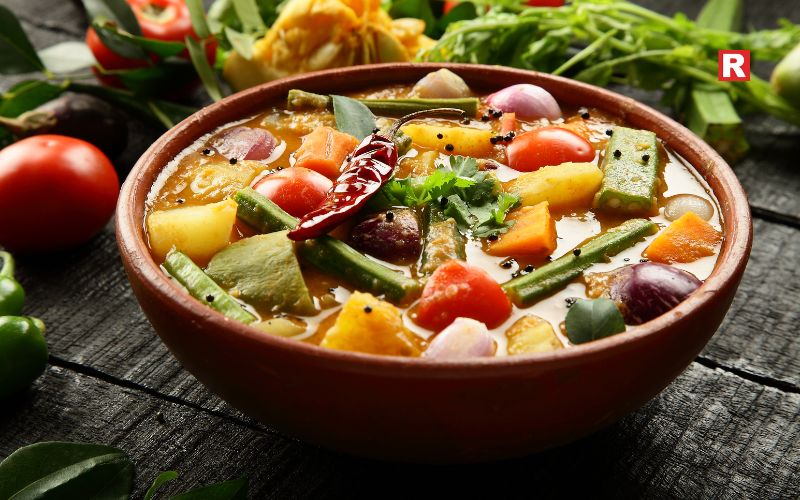
Dalma is one of the most respected dishes in Odisha. It is famous for its balance of taste and nutrition. Dalma is often cooked during festivals and also served as temple food. It follows a satvik style of cooking, which means no onion or garlic is used. This makes it suitable for religious offerings and everyday meals. People value Dalma because it is healthy, filling, and gentle on the stomach. It is a true example of how Odia food uses vegetables wisely.
The main ingredient is lentils, usually arhar dal. A mix of vegetables like pumpkin, raw banana, papaya, and brinjal is added. Ginger, cumin seeds, and dry red chillies bring mild flavour. A small amount of ghee enhances the taste. Dalma is famous because it combines nutrition, tradition, and simplicity in one bowl.
Read more: 8 Famous Vegetarian Dishes of Uttar Pradesh and Their Timeless Legacy
5 Cities That Serve the Best Non-Vegetarian Street Food
3. Chuda Mix
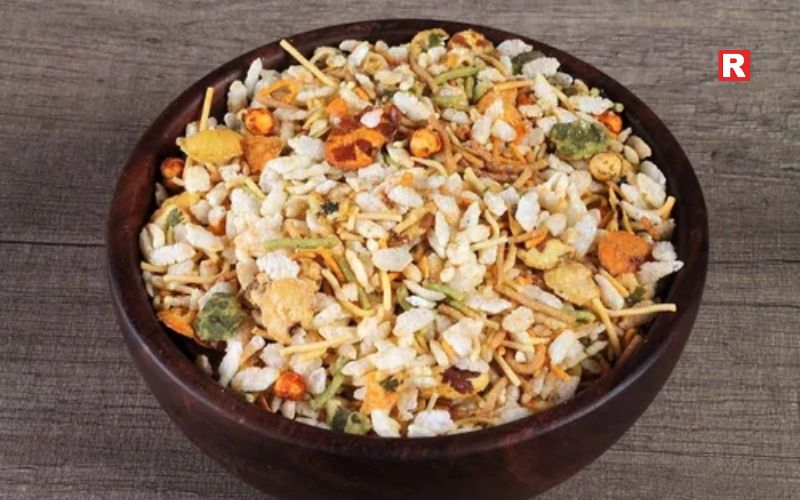
Chuda Mix is popular because it is quick, flexible, and filling. It fits perfectly into Odisha’s everyday food habits. People eat it for breakfast, as a snack, or even during travel. Chuda is flattened rice, which does not need cooking. This makes the dish easy to prepare at home. It is also common during festivals and fasting days. Chuda Mix reflects the practical food culture of Odisha.
The key ingredient is flattened rice (chuda). It is mixed with chopped onions, green chillies, and lemon juice. Some people add curd for softness. Salt is added as per taste. In some homes, peanuts or grated coconut are included. Chuda Mix is famous because it is light, refreshing, and adaptable. It suits all age groups and all seasons.
4. Santula
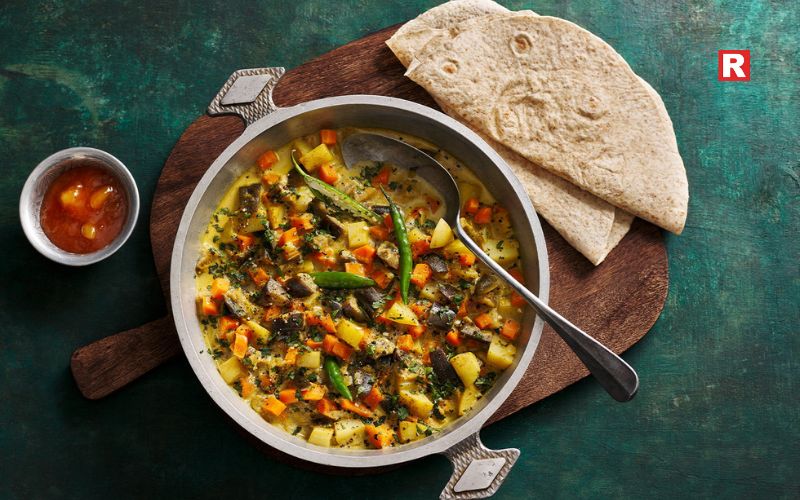
Santula is famous for its simplicity. It is a dish that respects vegetables and avoids heavy spices. Many families prepare Santula as part of daily meals. It is also recommended for people who prefer light and healthy food. Santula shows the traditional Odia belief that good food does not need too many ingredients. The focus is always on freshness and balance.
The main ingredients are seasonal vegetables like potato, pumpkin, raw papaya, and beans. Vegetables are lightly boiled, not overcooked. A small amount of mustard oil is used for tempering. Mustard seeds, green chillies, and salt add mild flavour. No heavy masalas are used. Santula is famous because it keeps food clean, simple, and nourishing, just the way traditional Odia kitchens prefer.
5. Machha Besara
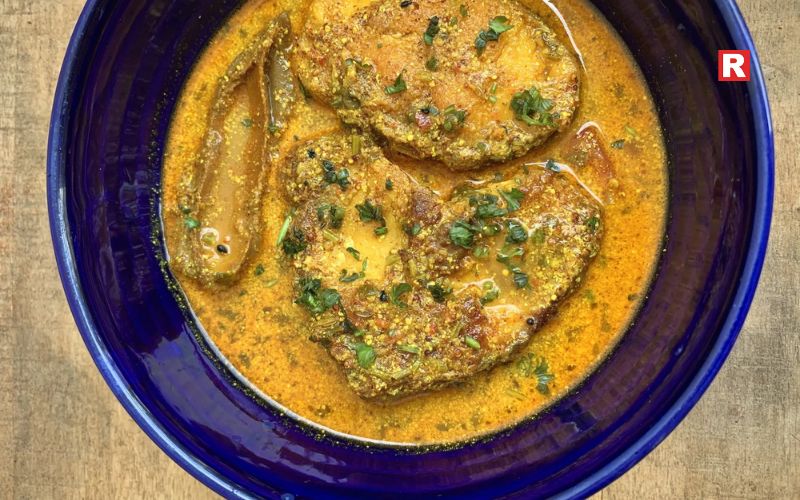
Machha Besara is famous across coastal Odisha. It is loved for its bold mustard flavour and light gravy. Fish is an important part of Odia cuisine, and Machha Besara is one of the most traditional fish dishes. It is commonly cooked at home and served with plain rice. The dish stands out because it does not use heavy spices. The sharp taste comes mainly from mustard.
The key ingredient is fresh fish, often rohu or local river fish. Mustard seeds are ground into a paste and used as the base. Turmeric, green chillies, and mustard oil add colour and heat. Salt balances the taste. Machha Besara is famous because it highlights Odisha’s coastal food habits and love for bold yet simple flavours.
Know more: Top 10 Vegan Street Foods in India Every Indian Loves
6. Chingudi Jhola
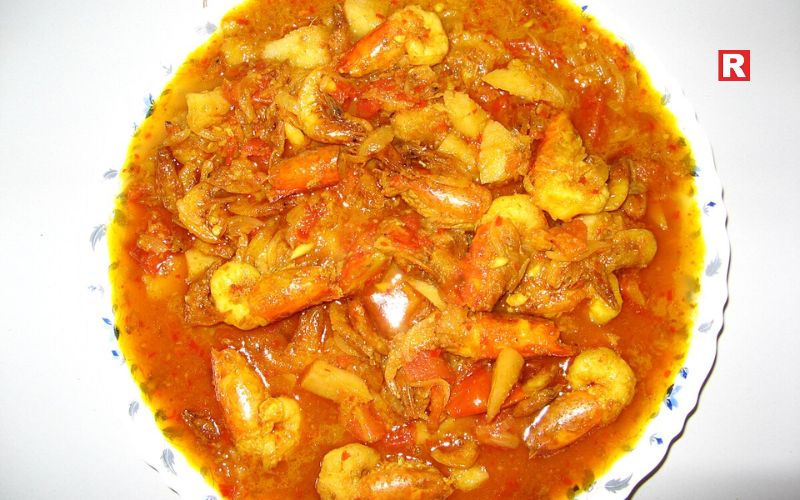
Chingudi Jhola is a much-loved seafood dish in Odisha. It is famous for its light gravy and natural taste. Unlike heavy prawn curries from other regions, this dish keeps things simple. People prefer it because it does not feel oily or spicy. The flavour of fresh prawns remains the main focus. It is commonly cooked in coastal homes where prawns are easily available. Chingudi Jhola is often served with plain steamed rice and eaten as a comfort meal.
The key ingredient is fresh prawns (chingudi). Tomatoes are used to create a thin, tangy gravy. Turmeric adds colour, while green chillies give mild heat. A small amount of mustard oil enhances the aroma. Salt and water balance the dish. Chingudi Jhola is famous because it reflects Odisha’s coastal cooking style and love for light, flavourful food.
7. Kanika
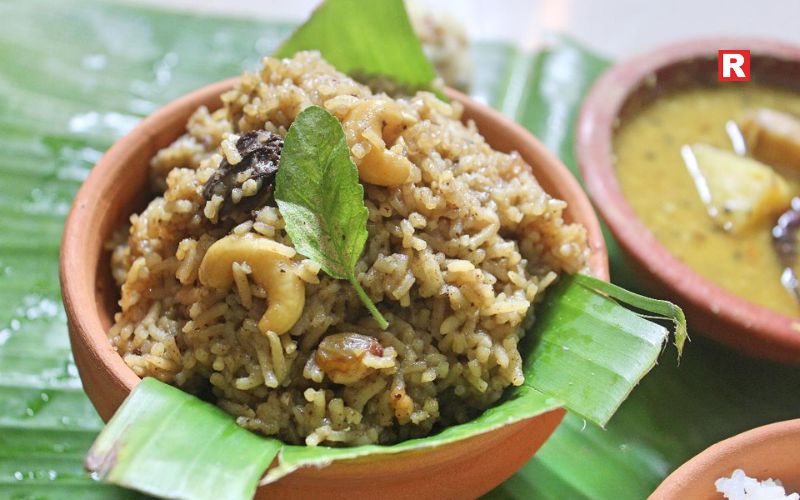
Kanika is a traditional Odia rice dish with a gentle sweetness. It is famous for its festive value and elegant taste. Kanika is often prepared during weddings, religious functions, and special family occasions. The dish looks rich but tastes balanced. It is not overly sweet, which makes it suitable for full meals. People enjoy Kanika because it feels celebratory yet comforting.
The main ingredient is rice, usually aromatic local rice. Ghee gives it richness and aroma. Cashews and raisins add texture and sweetness. Sugar or jaggery is used in small quantity. Whole spices like bay leaf, cloves, and cinnamon add warmth. Kanika is famous because it blends sweetness with subtle spice, making it a special dish in Odia celebrations.
8. Ghugni
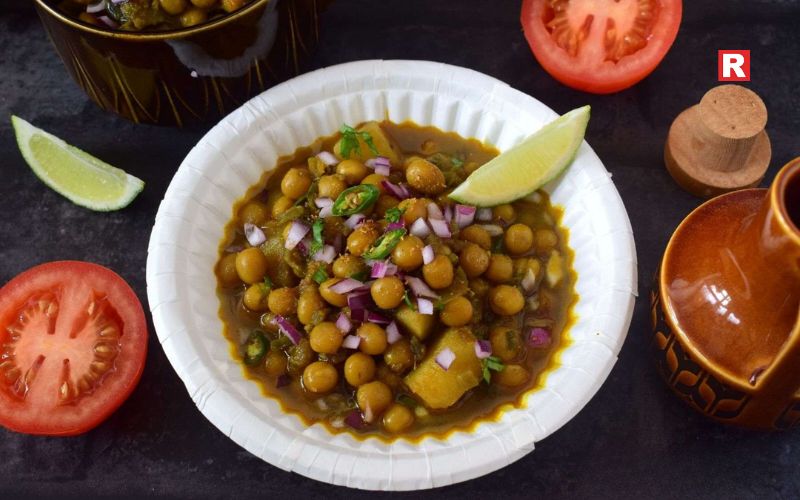
Ghugni is a popular dish across Odisha, both at home and on the streets. It is famous for its bold taste and filling nature. People often eat it for breakfast or as an evening snack. Ghugni is commonly paired with chuda or bara. It is affordable and satisfying, which adds to its popularity. Many households prepare it during festivals or gatherings.
The key ingredient is dried white peas, soaked overnight and cooked till soft. Onions, ginger, and green chillies build the base flavour. Turmeric and cumin add warmth. Mustard oil is often used for cooking. Salt balances the spice. Ghugni is famous because it is hearty, flavourful, and deeply rooted in Odisha’s everyday food culture.
9. Alu Potala Rasa
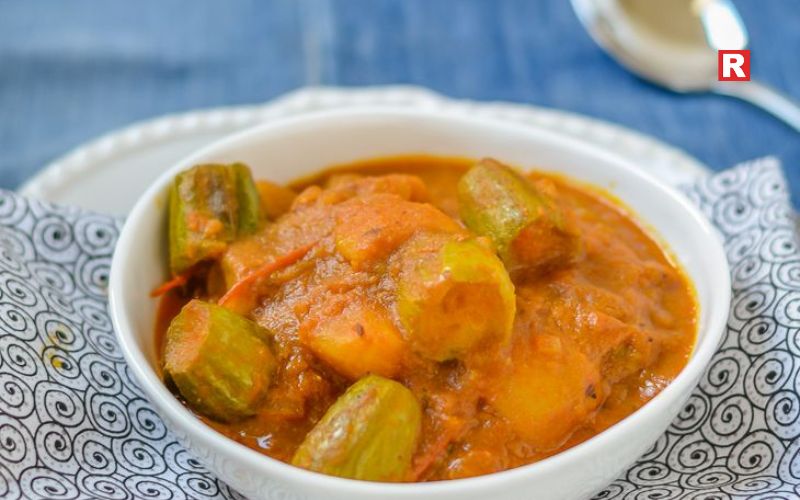
Alu Potala Rasa is a comfort curry found in most Odia homes. It is famous for its simplicity and gentle taste. The dish is often cooked for daily meals and family lunches. It does not use heavy spices or thick gravy. This makes it easy to digest and suitable for all age groups. Alu Potala Rasa is usually served with plain rice.
The main ingredients are potatoes (alu) and pointed gourd (potala). A light gravy is made using ginger, cumin, and turmeric. Tomatoes or curd may be added for mild tang. Mustard oil is used in small quantity. Salt completes the dish. It is famous because it represents the warmth and simplicity of Odia home cooking.
10. Enduri Pitha
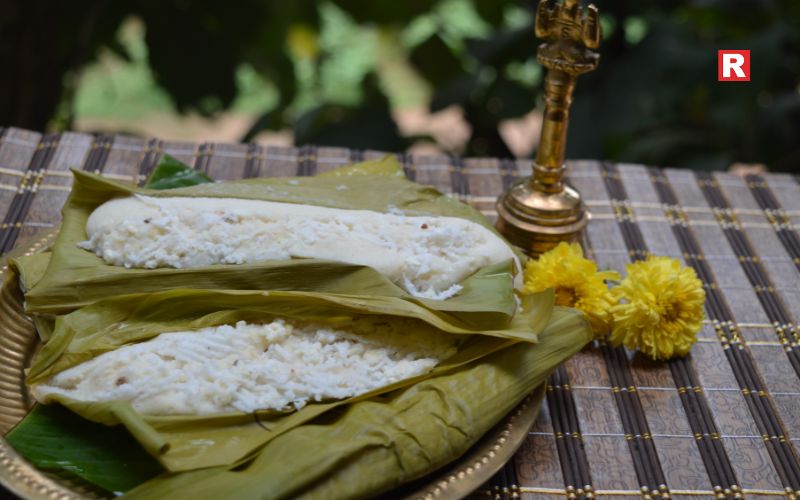
Enduri Pitha is a traditional festival snack of Odisha. It is famous for its unique aroma and preparation style. The dish is closely linked to religious occasions and special days. Wrapping the batter in turmeric leaves gives it a distinct fragrance. This method also keeps the pitha soft and moist. Enduri Pitha is usually prepared in winter and during festivals.
The key ingredient is rice batter, made from soaked rice. The filling uses grated coconut and jaggery. Black pepper adds mild heat. Turmeric leaves are essential for wrapping and steaming. A little salt balances the flavour. Enduri Pitha is famous because it combines taste, tradition, and aroma in a simple steamed snack.
Also check: Pani Puri Has Different Names in Different Indian States—Know Them All
Top Famous Veg Street Foods in Kolkata That You Must Try Once in Your Life
11. Pakhala Machha Fry
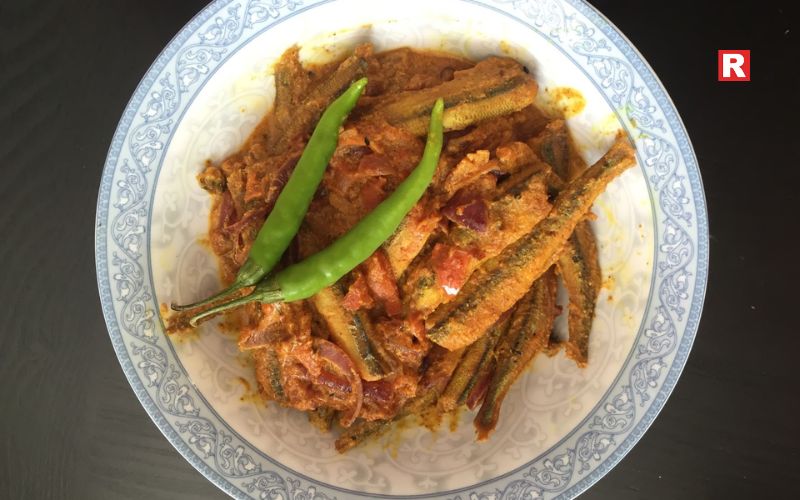
Pakhala Machha Fry is a classic summer meal in Odisha. It is famous because it balances taste and comfort. Pakhala rice is soft, sour, and cooling. Fried fish adds crunch and warmth. Together, they create a complete meal. Many families eat this combination during hot afternoons. It is especially popular in coastal and river-side regions. The dish is simple but deeply satisfying. It reflects Odisha’s everyday food habits.
The key ingredient is fresh fish, usually rohu or local river fish. The fish is marinated with turmeric and salt. It is shallow-fried in mustard oil until crisp. Pakhala rice is made from fermented cooked rice and water. Green chillies, onions, and lemon are served on the side. Pakhala Machha Fry is famous for its contrast of flavours and seasonal comfort.
12. Manda Pitha
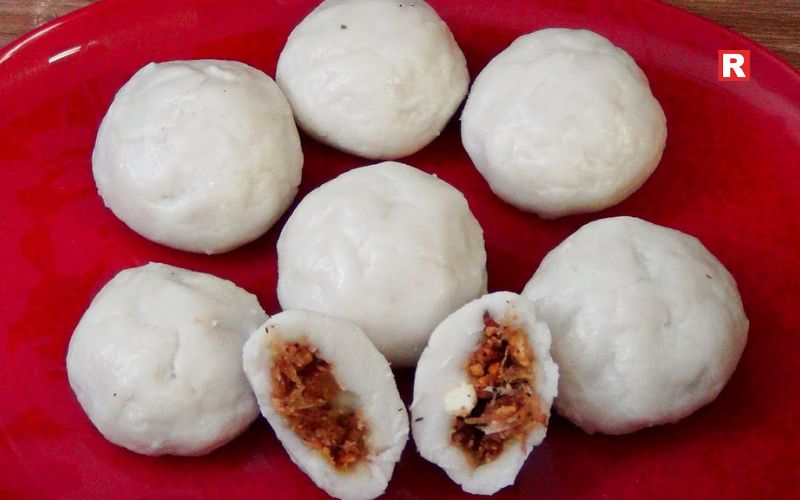
Manda Pitha is a beloved festive sweet in Odisha. It is famous for its soft texture and gentle sweetness. Families prepare it during festivals, weddings, and special occasions. It is often made early in the morning and shared with guests. The steaming method keeps the pitha light and healthy. Manda Pitha represents warmth and celebration in Odia homes.
The main ingredient is rice flour, prepared from soaked rice. The filling is made with grated coconut and jaggery. Cardamom adds aroma. A little salt balances the sweetness. Water is used to shape the dough. Manda Pitha is famous because it combines tradition, taste, and simplicity. It is a symbol of Odisha’s festive food culture.
13. Chuda Santula
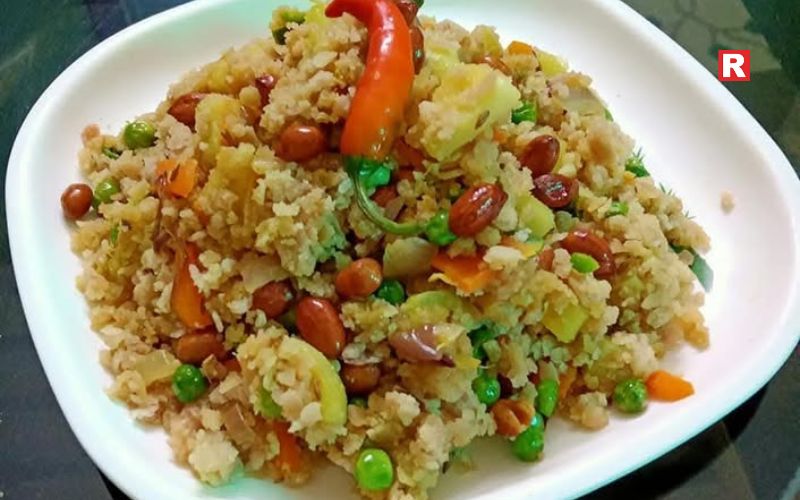
Chuda Santula is known for being healthy and filling. It is famous as a quick breakfast dish in Odisha. Many people prefer it because it is light yet nourishing. It is often eaten in the morning before work or school. The dish uses simple vegetables and very little oil. This makes it easy to digest. Chuda Santula reflects Odisha’s practical and balanced food habits.
The key ingredient is flattened rice (chuda). Seasonal vegetables like potato, carrot, and beans are used. Mustard oil is added in small quantity. Mustard seeds and green chillies give mild flavour. Salt completes the dish. Chuda Santula is famous because it offers comfort, nutrition, and simplicity in one plate.
14. Kora Khai
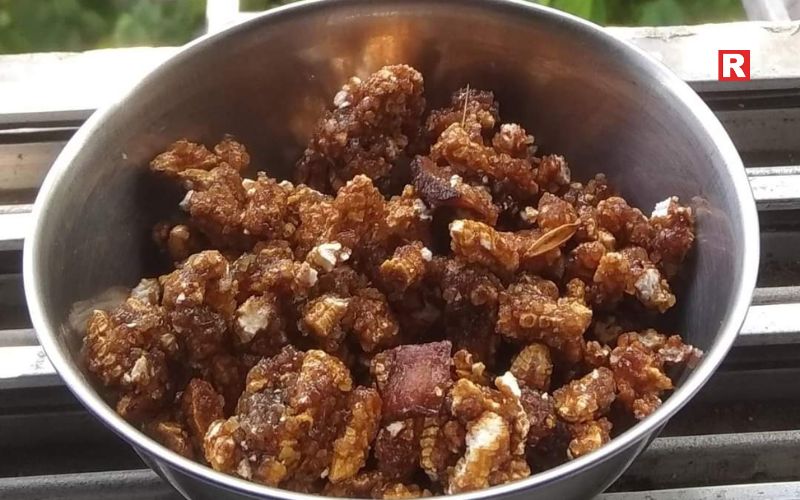
Kora Khai is a famous sweet snack from Puri. It is strongly linked to the Jagannath Temple. Pilgrims often buy it as prasad or takeaway. It is loved for its crunch and light sweetness. Kora Khai does not feel heavy, even after a full meal. This makes it popular among all age groups.
The main ingredient is puffed rice (kora khai). Jaggery is melted to form a light syrup. The puffed rice is mixed quickly into the syrup and allowed to set. Sometimes coconut bits are added. No oil is used. Kora Khai is famous because it is simple, sacred, and deeply rooted in Puri’s temple culture.
15. Arisa Pitha
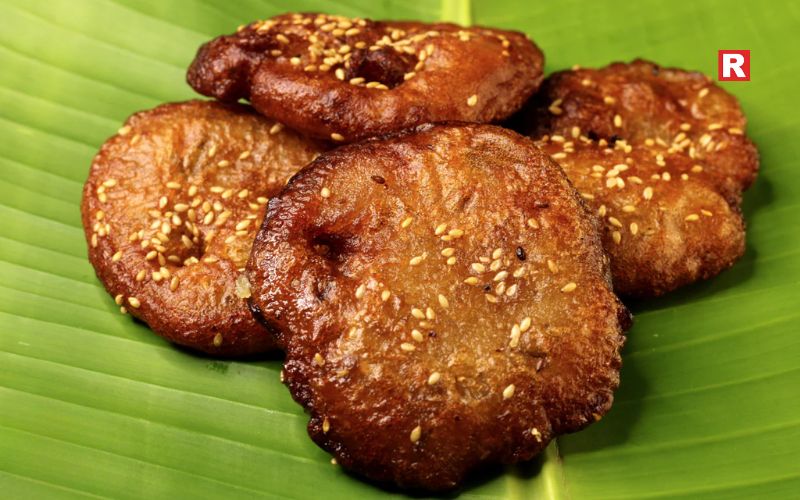
Arisa Pitha is one of the oldest sweets of Odisha. It is famous for its rich taste and long shelf life. Families prepare it during festivals like Raja Parba and weddings. It is often made in large batches and shared with relatives. The texture is crisp outside and soft inside. This contrast makes it special.
The key ingredient is rice flour, usually made from sun-dried rice. Jaggery is used for sweetness. Sesame seeds add flavour and crunch. Mustard oil is used for deep frying. Cardamom may be added for aroma. Arisa Pitha is famous because it represents tradition, skill, and the timeless sweetness of Odia cuisine.
16. Kakara Pitha
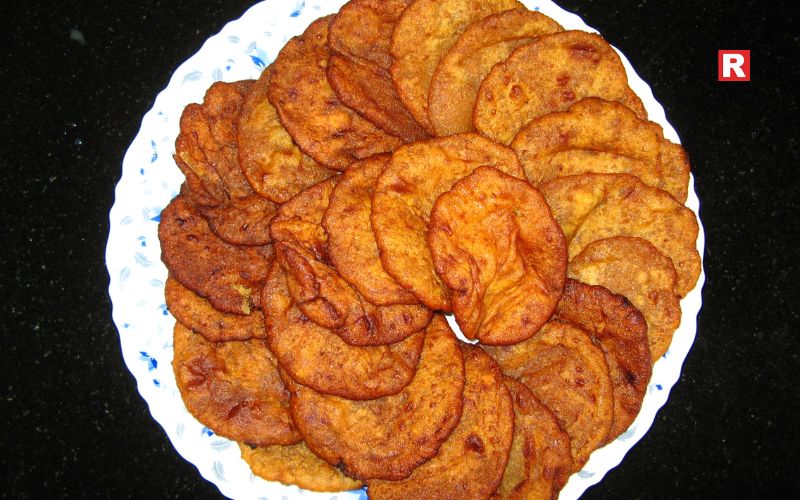
Kakara Pitha is a popular festive snack in Odisha. It is famous for its crisp outer layer and rich filling. Families prepare it during festivals, weddings, and special gatherings. It is often made in large numbers and shared with guests. The deep-fried texture makes it filling and indulgent. Kakara Pitha is loved because it feels celebratory and traditional.
The key ingredient is semolina or rice flour, used to make the outer dough. The filling is made with grated coconut and jaggery. Cardamom adds aroma. Black pepper is sometimes used for mild heat. Mustard oil or refined oil is used for frying. Kakara Pitha is famous because it combines crunch, sweetness, and tradition in one bite.
17. Bara
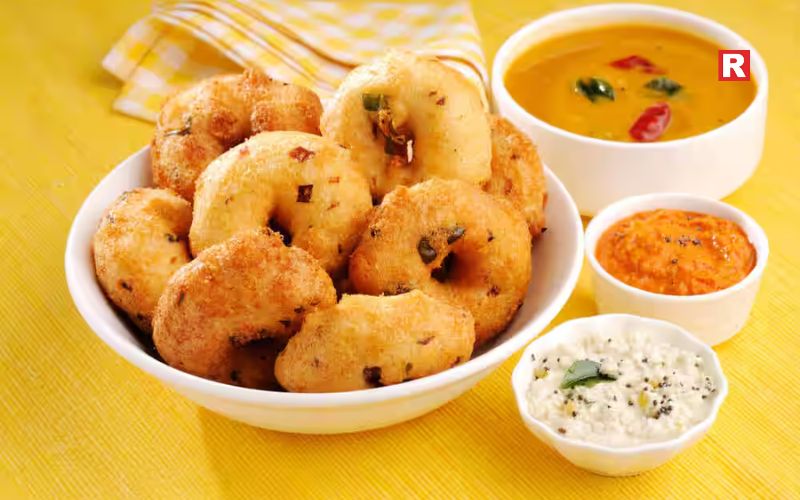
Bara is a traditional fried snack from Odisha. It is famous for its soft inside and slightly crisp outside. Many families prepare it during festivals, special occasions, or as an evening snack. Bara is often served with chutney or tea. It is simple, filling, and made with ingredients available in most homes. It reflects Odisha’s love for practical yet tasty homemade food.
The main ingredient is urad dal (split black gram), soaked and ground into a smooth batter. Green chillies, ginger, and cumin seeds add flavour. Salt balances the taste. The batter is shaped into small rounds and deep-fried in mustard oil or regular cooking oil. Bara is famous because it is versatile, satisfying, and easy to prepare. It can be eaten hot or stored for later, making it a staple snack in Odia households.
18. Rasabali
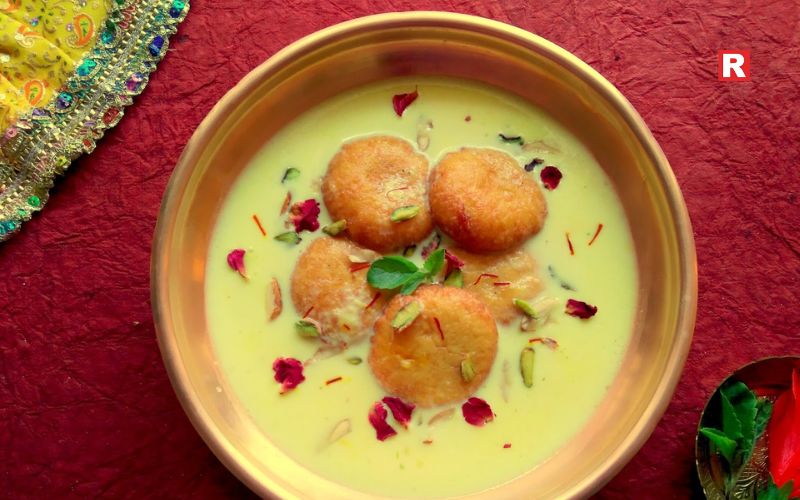
Rasabali is a famous sweet from Kendrapara district. It is known for its rich taste and soft texture. The sweet is often prepared during temple festivals and special occasions. Rasabali is filling and indulgent, yet balanced. It is different from regular milk-based sweets because of its fried base.
The key ingredient is chhena, made from curdled milk. The chhena is shaped into small patties and deep-fried. These patties are then soaked in thickened milk. Sugar is used for sweetness. Cardamom adds aroma. Ghee or oil is used for frying. Rasabali is famous because it blends texture, richness, and traditional Odia sweet-making skill.
19. Chhena Poda
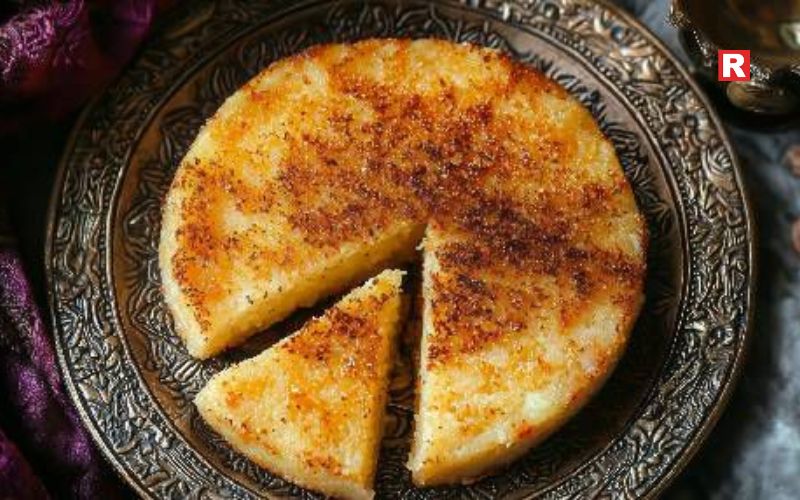
Chhena Poda is the most recognised dessert from Odisha. It is famous across India today. Unlike other sweets, it is baked, not fried or boiled. The caramelised top gives it a smoky and slightly bitter taste. This makes it unique. Chhena Poda is often prepared during festivals and family celebrations.
The main ingredient is fresh chhena. Jaggery is used for sweetness. Semolina helps in binding. Cardamom adds fragrance. Ghee prevents sticking and adds richness. The mixture is slow-baked until golden. Chhena Poda is famous because it is simple, bold, and deeply connected to Odisha’s sweet tradition.
Check more: Top 5 States With the Spiciest Food in India
Top Places to Visit for Authentic Mumbai Taste
Try These Veg Goan Dishes On Your Next Visit
20. Mahaprasad (Abadha)
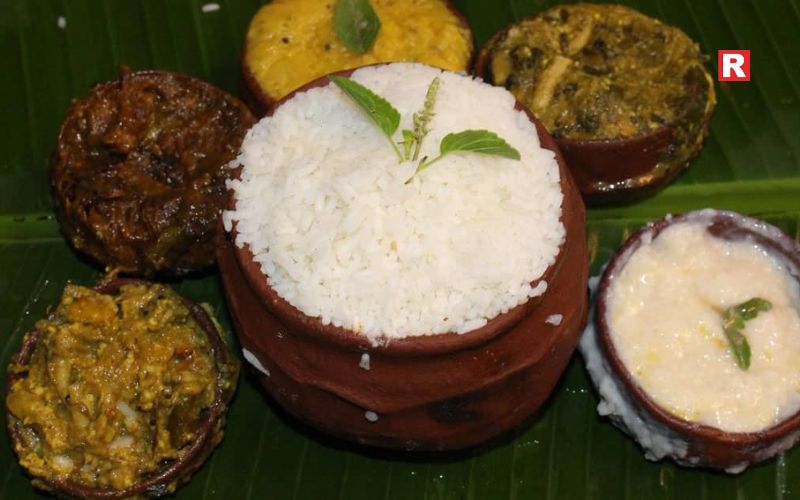
Mahaprasad holds a sacred place in Odisha. It is famous because it is offered to Lord Jagannath at the Puri temple. People from all backgrounds eat it together. This symbolises equality and devotion. Mahaprasad is cooked using age-old methods. The food is prepared without onion or garlic.
The key ingredients include rice, lentils, vegetables, and ghee. Mustard oil is used in some dishes. Everything is cooked in earthen pots stacked over firewood. No modern tools are used. Mahaprasad is famous because it represents faith, discipline, and community eating, which are central to Odia culture.
Why Odisha Cuisine Is Special
Odisha food is closely tied to nature and spiritual life. The cuisine reflects balance, discipline, and respect for ingredients. Food is not cooked to impress. It is cooked to nourish. Many dishes are linked to temples, rituals, and daily worship. The focus is always on purity and simplicity.
Facts to Know Odisha food culture:
- Strong spiritual influence: Many dishes follow satvik cooking rules. Onion and garlic are often avoided, especially in temple food.
- Use of mustard oil: Mustard oil is the main cooking medium. It adds sharp aroma and depth.
- Seasonal vegetables: Local and seasonal produce is preferred. This keeps food fresh and sustainable.
- Simple cooking methods: Boiling, steaming, and light tempering are common. Heavy spices are rarely used.
- Chhena-based sweets: Most Odia sweets are made from chhena. This sets Odisha apart from other Indian states.
Final Thoughts
The famous foods from Odisha are more than everyday meals. They carry stories of faith, land, and tradition. Each dish reflects the state’s climate and way of life. Simple food is valued more than heavy flavours. Rice, lentils, vegetables, and fish form the base of most meals. Cooking styles remain honest and unchanged over time. From pakhala bhata, eaten to beat the summer heat, to chhena poda, baked slowly for depth of flavour, every dish has a purpose. Temple food plays a major role in shaping the cuisine. Many recipes follow satvik rules and focus on purity. Sweets are made from chhena and jaggery, not excess sugar. Odia cuisine offers comfort, balance, and warmth. It is not loud or flashy. It is steady and meaningful. For anyone exploring Indian regional food, Odisha truly deserves a place at the table.

Mumbai is not just a city. It is an emotion shaped by everyday life. And that emotion is deeply connected to food. From early morning vada pav near railway stations to late-night kebabs on crowded streets, Mumbai eats all day. Food here moves as fast as the people. The city’s food reflects its spirit. Quick. Diverse. Honest. Every dish tells a story of migration, hard work, and shared spaces. Office workers eat standing by carts. Students share plates after class. Families bond over evening chaat.
Authentic Mumbai taste does not live in luxury restaurants. It lives on footpaths, in small lanes, and inside old cafés that time forgot. These places have served the same flavours for years. Some for decades. Recipes remain unchanged. So does the love for food. Street stalls, Irani cafés, local eateries, and neighbourhood joints keep the real taste alive. Butter-soaked pav bhaji. Spicy misal pav. Tangy bhel puri. Each bite feels familiar. This guide explores such places. Places where Mumbai’s true flavours still exist. Simple food. Strong taste. Real stories. This is Mumbai on a plate.
Find Your Top Places to Visit for Authentic Mumbai Taste
1. Khau Galli – Where Mumbai Truly Eats

Khau Galli is the soul of Mumbai street food. Almost every suburb has one. Ghatkopar, Churchgate, Kandivali, Borivali, and Vile Parle are some popular areas. Here, food is quick and full of flavour. Pav bhaji is buttery and spicy. Tawa pulao is smoky. Frankies are rolled fresh. Cheese may be extra, but flavour is never missing. Khau Galli represents daily Mumbai life. Students, office-goers, families, and night-shift workers all eat here. Prices are affordable. Portions are filling. This is where Mumbai eats without pretence.
Read more: Try These Veg Goan Dishes On Your Next Visit
5 Cities That Serve the Best Non-Vegetarian Street Food
2. Mohammad Ali Road – A Timeless Food Trail
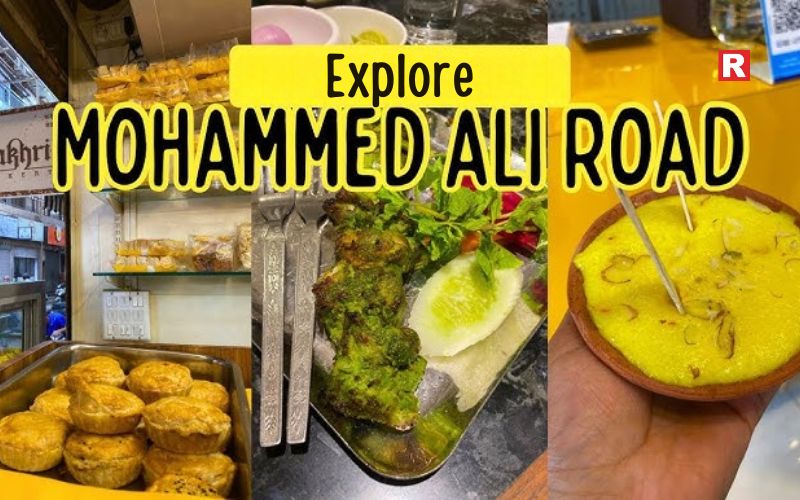
Mohammad Ali Road is one of Mumbai’s most iconic food destinations. It is especially famous during Ramzan, but the area is active all year. The food here is rich and traditional. Kebabs are soft and well-spiced. Nihari cooks slowly for hours. Biryani is aromatic and filling. Desserts like malpua and firni end the meal perfectly. This area represents old Bombay flavours. Recipes are passed down through generations. Eating here is not just about taste. It is about culture, history, and community.
3. Ashok Vada Pav, Dadar – The City’s Favourite Snack

Vada pav is Mumbai’s most loved food. And Ashok Vada Pav in Dadar is one of its most trusted names. The menu is simple. Vada pav. Chutney. Fried chilli. That is it. The vada is crisp outside and soft inside. The garlic chutney adds heat. The pav is fresh. Located near Dadar station, this place serves thousands every day. Office workers, college students, and locals swear by it. This is authentic Mumbai food in its purest form.
4. Girgaon Chowpatty – Street Food by the Sea
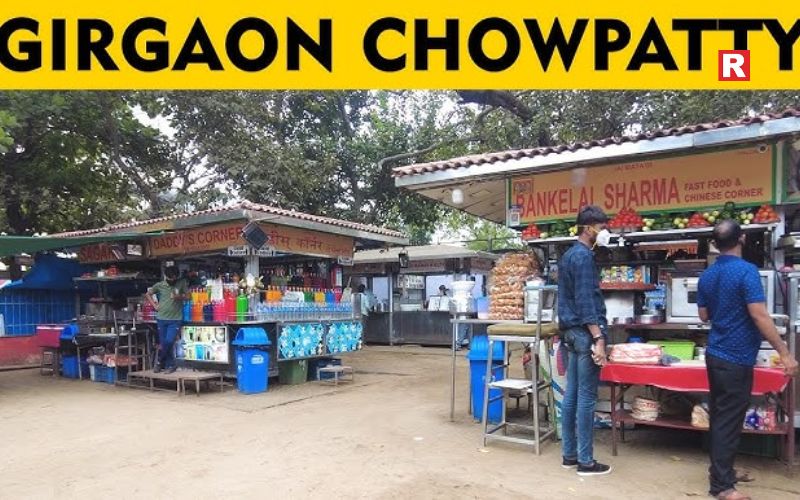
Girgaon Chowpatty is more than a beach. It is a food memory for many Mumbaikars. Evenings here are special. Families walk along the shore. Children play. And food stalls come alive. Bhel puri is light and tangy. Sev puri is crisp. Pani puri bursts with flavour. Eating chaat while watching the sea is a classic Mumbai experience. The taste is simple. The setting makes it unforgettable.
Know more: Top 10 Vegan Street Foods in India Every Indian Loves
5. Britannia & Co., Fort – Parsi Food from Old Bombay
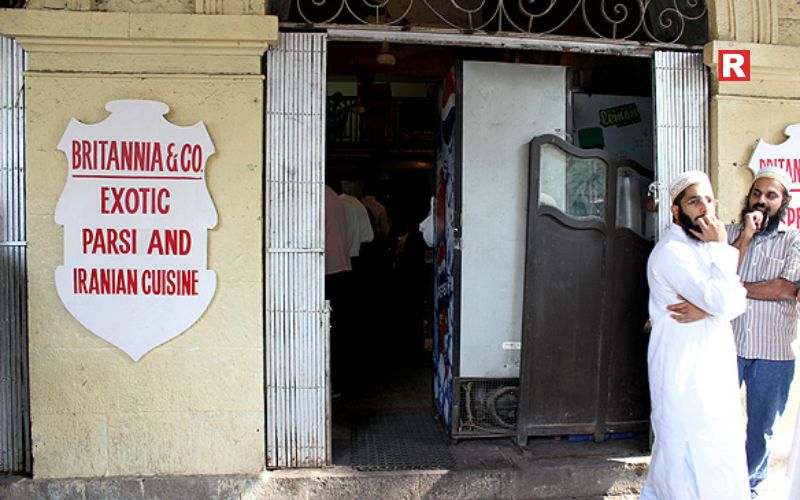
Britannia & Co. is one of Mumbai’s oldest Irani cafés. Located in Fort, it has remained unchanged for decades. The most famous dish here is berry pulao. It is mildly sweet, aromatic, and unique. Other favourites include dhansak and caramel custard. This place reflects Mumbai’s Parsi community and its contribution to the city’s food culture. The food is comforting. The atmosphere feels like stepping into history.
6. Leopold Cafe, Colaba – A Mumbai Landmark

Leopold Cafe is known worldwide, but it still holds a special place in Mumbai’s food scene. Located near the Gateway of India, it attracts tourists and locals alike. The menu is wide. Indian dishes, café food, and continental meals are all available. Leopold represents Mumbai’s global side. It shows how the city blends cultures while keeping its local identity strong.
7. Aaswad and Prakash, Dadar – Maharashtrian Food at Its Best
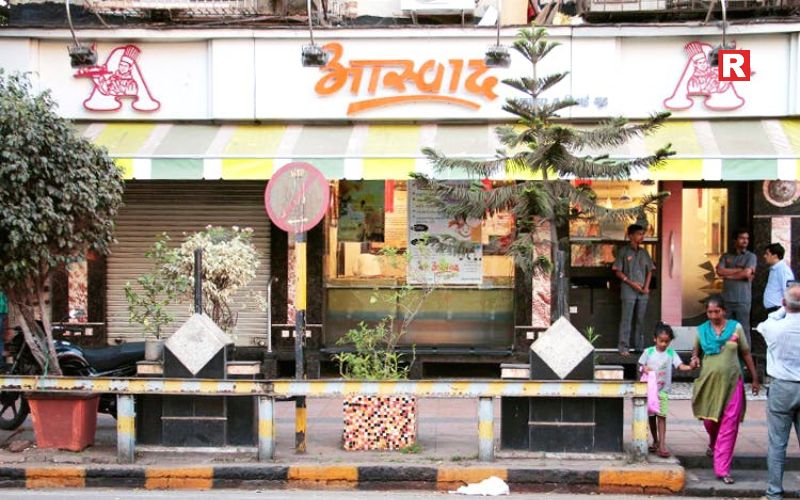
For authentic Maharashtrian vegetarian food, Aaswad and Prakash are must-visits. These places serve food that feels like home. Misal pav is spicy and satisfying. Sabudana khichdi is soft and comforting. Thalipeeth is hearty and filling. Located in Dadar, these restaurants attract people from across the city. They show how traditional Maharashtrian food is an important part of Mumbai’s taste identity.
8. Crawford Market Food Lanes – Old-World Street Snacks

Around Crawford Market, food stalls serve simple and honest snacks. Fresh fruit juices, sandwiches, kebabs, and local sweets are common. Workers, traders, and shoppers eat here daily. This area shows Mumbai’s working-class food culture. Meals are quick. Flavours are strong. Food is made to keep the city moving.
Why Mumbai Food Feels So Personal
Mumbai food is personal because it fits into real life. People eat on the go. They share tables. They stand and eat. Food is not an event. It is a routine.
Every area has its favourite spots. Every family has memories linked to certain foods. From school-time bhel puri to office lunch vada pavs, food grows with the city’s people.
- Visit early morning or late evening for the best street food
- Eat where locals eat
- Do not look for luxury. Look for crowds
- Try small portions at multiple places
- Respect local food traditions
Also check: Top Famous Veg Street Foods in Kolkata That You Must Try Once in Your Life
Top Maharashtra Famous Veg Food to Explore
Rajma Chawal: Know the Benefits Behind Delhi’s Famous Comfort Dish
Final Thought!
Authentic Mumbai taste is not driven by trends. It is built on consistency. It comes from places that have served the same food for years. Sometimes for decades. These spots do not change with fashion. They stay true to flavour. From busy Khau Gallis to quiet old cafés, Mumbai’s food lives everywhere. Street stalls serve food with speed and care. Small eateries cook recipes passed down through families. Legendary joints continue to draw crowds without promotion. Mumbai’s food speaks for the city. It tells stories of hard work, long days, and shared meals. People eat standing, walking, or sitting close together. Food fits into daily life, not the other way around. To understand Mumbai, one must eat like Mumbai. Eat simply. Eat locally. Choose flavour over presentation. There is no fuss here. No excess. Just honest food made well. This is the real taste of Mumbai. Straightforward. Filling. Memorable. A city explained through every bite.
Goa is widely known for its beaches, nightlife, and seafood. Yet, there is a quieter side that many travellers overlook. This side exists in village homes, temple towns, and everyday family kitchens. It is the world of vegetarian Goan food. This food is not flashy. It is calm, soulful, and deeply rooted in tradition. Vegetarian cuisine in Goa has a long history. It has been shaped by Saraswat Brahmin culture, temple rituals, and Konkan cooking practices. Meals are prepared with care and patience. Coconut is used in many forms. Local vegetables are chosen based on the season. Kokum adds natural sourness. Spices are mild and well balanced. The food never feels heavy. It leaves the body light and satisfied.
For Indian travellers who prefer vegetarian meals, Goa offers many choices. These dishes may not always appear on tourist menus. But they are part of daily life for locals. Knowing what to look for makes all the difference. On a visit to Goa, trying local veg dishes opens a new experience. These meals reflect real Goan culture. Locals truly love them, and they leave a lasting impression.
Goa Beyond Seafood
Many people think Goan food means fish curry and pork dishes. That is only half the story. In many Goan homes, especially in temple areas, vegetarian food is cooked daily. Festivals, fasting days, and family meals often revolve around veg dishes.
Veg Goan cuisine uses seasonal vegetables. It avoids excess oil. Coconut is used in fresh, grated, or ground form. Spices are gentle, not overpowering. The result is food that feels light but satisfying. If you enjoy regional Indian food, veg Goan dishes will surprise you in a good way.
Find Veg Goan Dishes For Your Next Visit
1. Goan Khatkhate
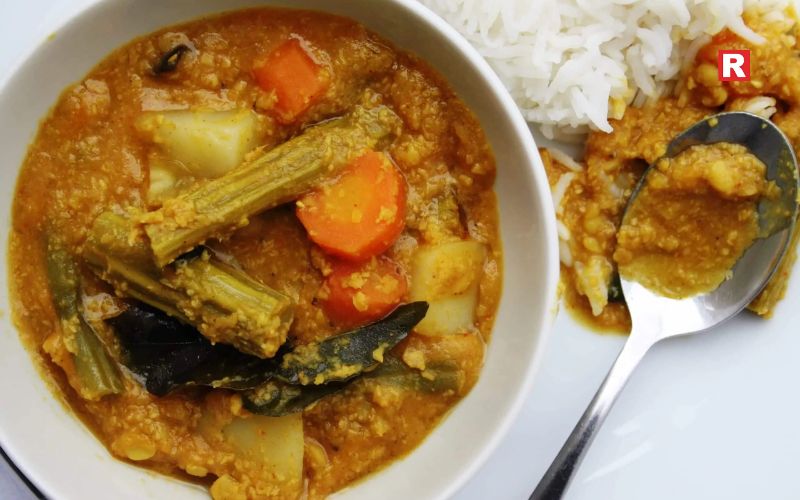
Khatkhate is one of the oldest vegetarian dishes from Goa. It comes from Saraswat homes and temple kitchens. This dish is a mixed vegetable curry made without onion or garlic. Vegetables like yam, pumpkin, drumstick, raw banana, and beans are commonly used. Fresh coconut gives the dish its body. Turmeric and mild spices add colour and warmth, not heat. The curry is thick and filling. The taste is soft and balanced. Nothing feels overpowering. It is usually eaten with plain rice. In many Goan homes, khatkhate is cooked during festivals and special days. It reflects simple cooking and seasonal eating. For anyone who wants to understand real veg Goan food, khatkhate is the right place to begin. It feels homely and comforting.
Read more: Top Maharashtra Famous Veg Food to Explore
Try These Veg Soups in These Freezing Winters
2. Tondak (Black Peas Curry)
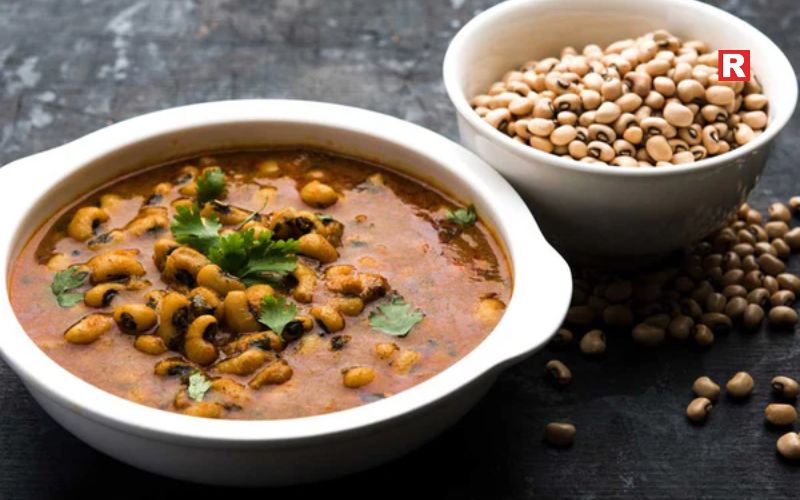
Tondak is a classic Goan vegetarian curry made with black peas. The peas are soaked and slow-cooked until soft. Coconut, coriander seeds, and local spices are ground together to form the base. The gravy turns thick and rich. The flavour is nutty and deep. It is filling but not spicy. This dish has a strong homemade feel. Tondak is often cooked on Sundays or special occasions. It is usually served with rice or Goan bread. Many families enjoy it as a main dish because it is high in protein. Tondak shows how Goan veg food can be hearty without being heavy. It suits those who like slow-cooked, comforting meals.
3. Alsande Udid Methi
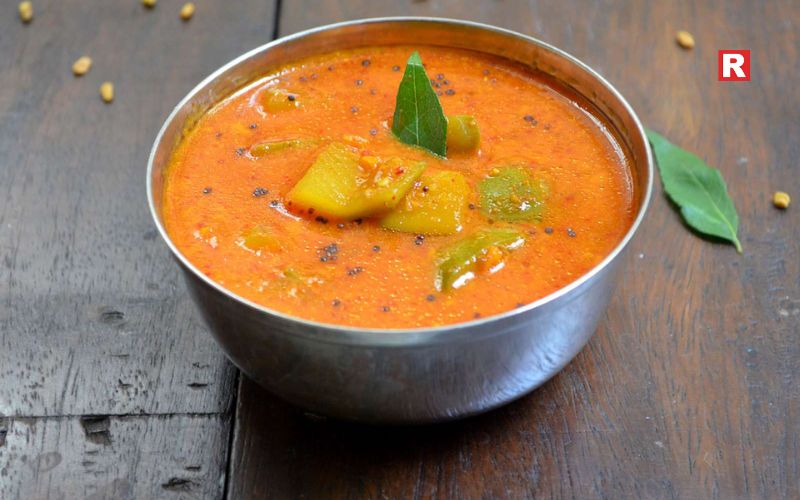
Alsande udid methi is a lesser-known but important Goan veg dish. Alsande, or cowpeas, are cooked with urad dal and fresh methi leaves. Coconut is used to make the gravy thick and smooth. The methi adds a slight bitterness. Kokum is sometimes added for a gentle sour taste. The balance of flavours is what makes this dish special. It feels light but nourishing. This dish is commonly eaten with steamed rice. It is popular in traditional homes and small eateries near temples. Many locals see it as everyday food. Alsande udid methi reflects careful cooking and local ingredients. It is healthy, comforting, and deeply rooted in Goan food culture.
4. Bhaji Pao
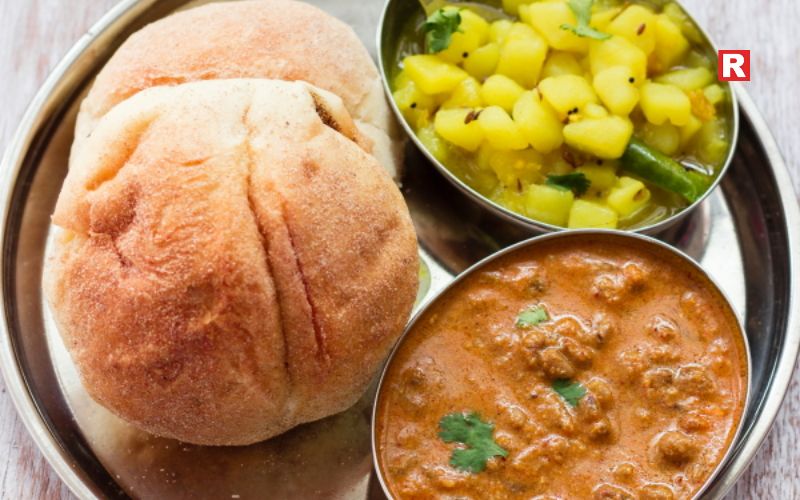
Bhaji pao is one of the most loved veg street foods in Goa. It is simple and affordable. The bhaji is a mixed vegetable curry cooked with mild spices. The texture is slightly thick and smooth. It is served with soft pao bread from local bakeries. The combination is filling and comforting. Locals often eat bhaji pao for breakfast or evening snacks. You will find it at small stalls, bakeries, and local cafés. It does not look fancy, but it tastes honest. For travellers, bhaji pao is easy to find and easy to enjoy. It gives a true feel of everyday Goan food. One plate is enough to understand how simple flavours matter in Goan cuisine.
5. Tambdi Bhaji
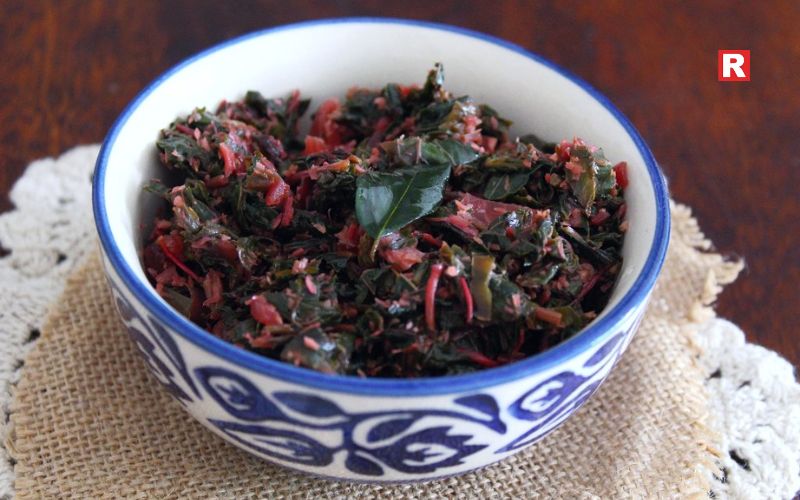
Tambdi bhaji is a simple stir-fry made from red amaranth leaves. It is one of the healthiest veg dishes in Goa. The leaves are quickly cooked with oil, garlic, and salt. Some homes add grated coconut for extra flavour. The dish is light and fresh. It keeps the natural taste of the greens. Tambdi bhaji is usually eaten with rice and dal. It is a regular part of home meals. Locals value it for its nutrition and simplicity. It is not heavy or oily. For those who enjoy leafy vegetables like palak or methi, tambdi bhaji feels familiar. Yet, its colour and taste make it unique. It shows how Goan food respects fresh produce.
Know more: 8 Famous Vegetarian Dishes of Uttar Pradesh and Their Timeless Legacy
6. Moongachi Usal
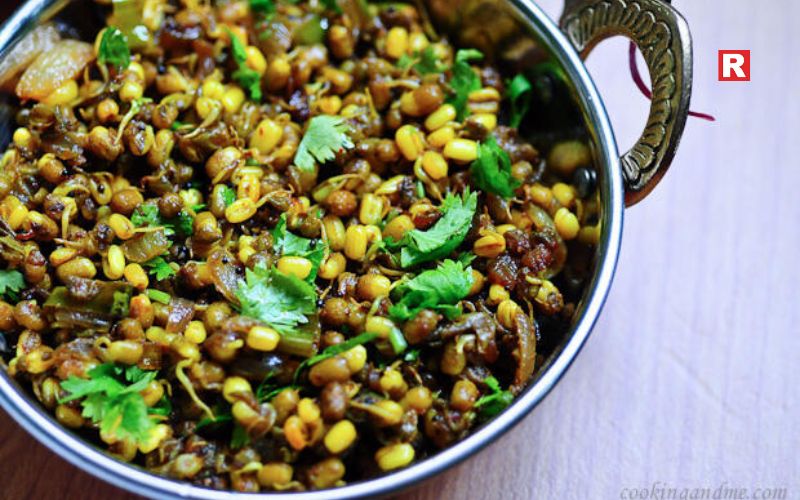
Moongachi usal is made from sprouted green gram. It is popular in both Goa and Maharashtra. In Goan kitchens, coconut and mild spices are used. This keeps the curry light and comforting. The sprouts are cooked until soft. The gravy is thin but flavourful. It is not oily or spicy. Moongachi usal is often eaten for breakfast or lunch. It is filling and easy to digest. Many people see it as healthy everyday food. It is commonly served with rice or bread. For travellers who prefer homely meals, this dish feels safe and familiar. Moongachi usal reflects Goa’s love for simple, nourishing vegetarian food.
7. Patoli (Sweet Dish)
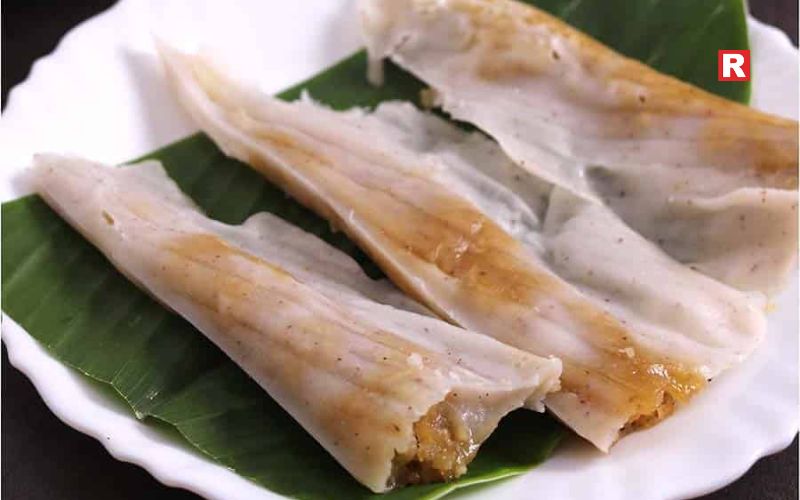
Patoli is a traditional Goan sweet linked to festivals like Nag Panchami. It is not an everyday dessert. It is made with care and patience. Rice flour batter is spread on turmeric leaves. A filling of grated coconut and jaggery is placed inside. The leaf is folded and steamed. The turmeric leaf gives a strong aroma. The taste is mildly sweet and fragrant. It feels natural and earthy. Patoli is rarely found in restaurants. It is mostly made at home or during festivals. It represents Goa’s festive and cultural food traditions.
Where to Eat Veg Goan Food
Vegetarian Goan cuisine stands out because of its simplicity. It does not rely on heavy spices or cream. Coconut is the star ingredient. Kokum adds natural sourness. Most dishes are seasonal. This keeps the food fresh and nutritious. Cooking methods are gentle. Frying is limited. For Indian travellers, this food feels familiar yet different. It is regional, authentic, and deeply rooted in culture.
To enjoy real veg Goan food, skip tourist-heavy menus. Look for temple eateries. Visit local cafés in villages. Some heritage restaurants also serve traditional veg meals. Home-style thalis are the best way to try multiple dishes at once. Ask locals for recommendations. Small places often serve the most authentic food.
Check more: 5 Cities That Serve the Best Non-Vegetarian Street Food
Top 10 Vegan Street Foods in India Every Indian Loves
12 Delicious High-Protein Foods to Eat Daily for a Healthier You
Veg Treat!
Goa is known for beaches and busy nights. But its vegetarian food tells a quieter story. It comes from temples, village homes, and family kitchens. These dishes are cooked with care and belief. They are simple and full of meaning. Coconut, local vegetables, and mild spices shape the flavours. Nothing is rushed. Nothing is heavy. For travellers, this food offers a different Goa. It invites them to slow down. It asks them to eat like locals do. Rice on the plate. A warm curry on the side. Greens cooked fresh. Food that comforts more than it impresses. On the next trip to Goa, exploring veg food becomes an experience. Small eateries and home kitchens reveal real flavours. These meals create memories beyond beaches and photos. Veg Goan food may look simple, but it carries tradition in every bite. Long after the journey ends, the taste quietly stays.
Maharashtra is known for its rich culture, strong traditions, and bold flavours. Its food reflects this heritage in the most honest way. From the crowded streets of Mumbai to quiet village homes, Maharashtrian vegetarian food remains simple, comforting, and full of character. Each dish carries the story of the land, the weather, and the people who cook it every day. Unlike heavy and creamy gravies seen in many Indian cuisines, Maharashtrian veg food follows a balanced approach. The flavours are clear and natural. Spice, sweetness, sour notes, and earthy tones come together in every meal. Local ingredients play a key role. Jowar and bajra are common staples. Peanuts add richness. Coconut brings softness. Jaggery adds mild sweetness. Regional spices give depth without overpowering the dish.
The food is designed to nourish and satisfy. It feels filling but never heavy. Meals are often seasonal and made with what grows locally. This keeps the cuisine rooted and practical. For anyone looking to understand real Indian vegetarian cooking, Maharashtra offers a wide range of authentic dishes that are simple, flavourful, and deeply connected to everyday life.
Explore Top Maharashtra Famous Veg Food to Explore
1. Pithla Bhakri
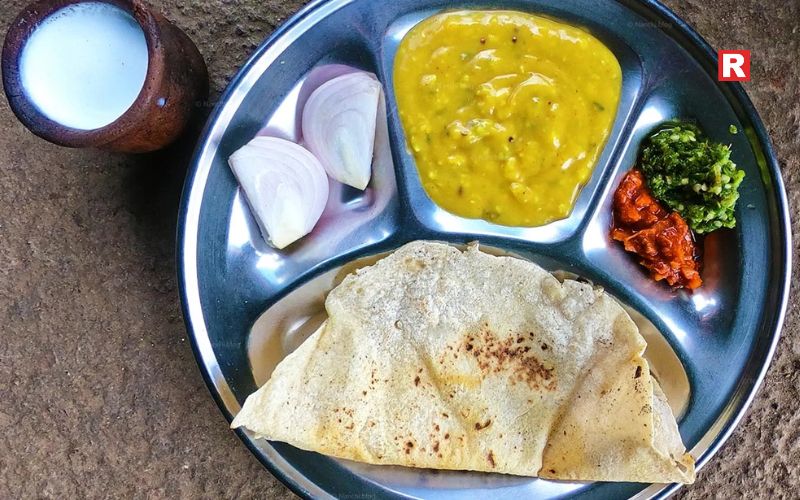
Pithla Bhakri is often called the comfort food of rural Maharashtra. It is simple, filling, and deeply rooted in everyday life. Pithla is prepared using besan cooked with garlic, onion, green chillies, turmeric, and mustard seeds. The texture is soft and slightly thick. The flavour is strong but balanced. Bhakri is a rustic flatbread made from jowar or bajra. It is cooked on a hot tawa and eaten fresh. Together, they form a complete and nourishing meal. This dish is common in village homes and farm households. Over time, it has found its place in cities like Pune and Kolhapur. Many traditional restaurants now include it in Maharashtrian thalis.
- Staple rural dish
- Uses local grains
- Affordable and filling
- Strong cultural identity
Read more: 8 Famous Vegetarian Dishes of Uttar Pradesh and Their Timeless Legacy
5 Cities That Serve the Best Non-Vegetarian Street Food
2. Misal Pav (Vegetarian)
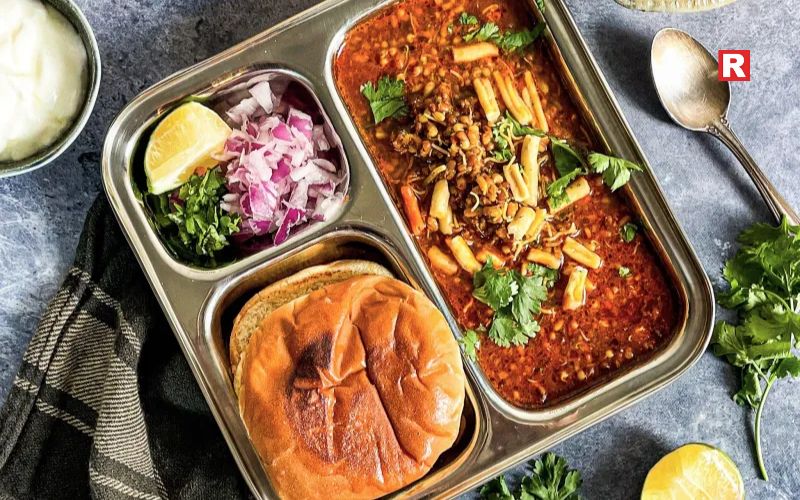
Misal Pav is one of Maharashtra’s most iconic vegetarian dishes. It is bold, spicy, and full of layers. The base is made from sprouted moth beans cooked in a fiery gravy. It is topped with farsan, chopped onion, coriander, and a squeeze of lemon. Soft pav is served on the side. Some people add curd to reduce the heat. Every region has its own style. Kolhapur is known for extra spice. Nashik offers a milder and balanced version. For many Maharashtrian families, misal pav is a weekend favourite. It is often eaten for breakfast or brunch.
- High-protein dish
- Famous across cities
- Spicy and textured
- Popular breakfast option
3. Vada Pav

Vada Pav holds a special place in Maharashtra, especially in Mumbai. It is simple street food with a strong identity. A spicy potato vada is placed inside a soft pav. Dry garlic chutney and green chilli complete the dish. It is quick, affordable, and satisfying. Vada pav is found everywhere. Railway stations, offices, colleges, and roadside stalls sell it fresh throughout the day. It reflects Mumbai’s fast-moving lifestyle. Though the ingredients are basic, the taste is bold and memorable. For many locals, it is a daily habit rather than an occasional snack.
- Mumbai’s most famous street food
- Budget-friendly
- Easy to eat on the go
- Loved by all age groups
4. Thalipeeth
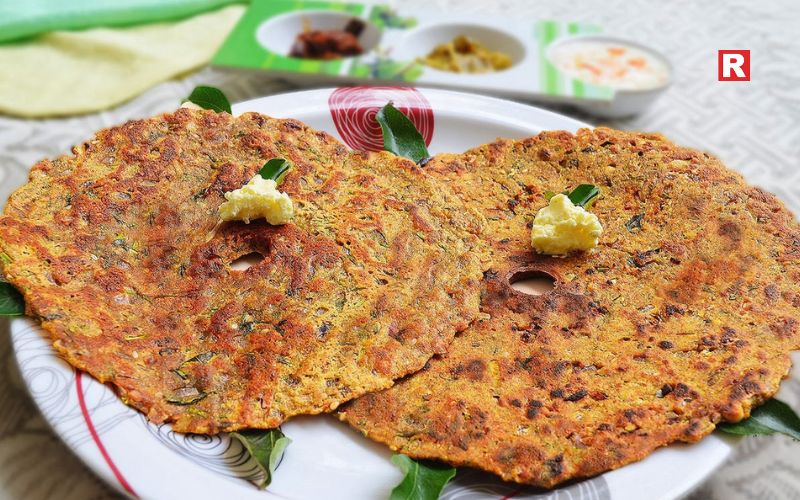
Thalipeeth is a traditional and nutritious Maharashtrian dish. It is a savoury flatbread made using a mix of flours such as jowar, bajra, rice, and wheat. Onion, spices, and coriander are mixed into the dough. The flatbread is cooked slowly on a tawa. Thalipeeth is usually eaten with curd or white butter. It is common for breakfast or lunch. Many Maharashtrian homes prepare it regularly. The dish is filling without being heavy. It reflects the practical and health-focused side of the cuisine.
- Multigrain dish
- High in fibre
- Home-style food
- Balanced and wholesome
5. Bharli Vangi
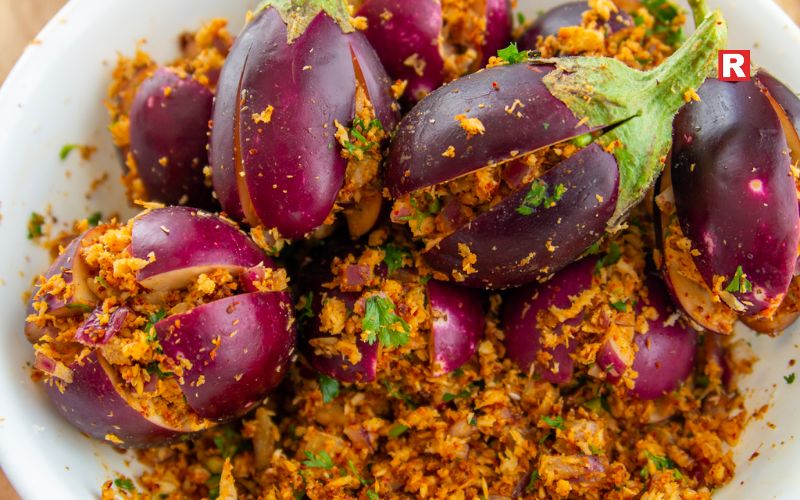
Bharli Vangi is a classic dish from Maharashtrian home kitchens. It is mainly prepared during festivals, family gatherings, and special meals. Small brinjals are carefully slit and filled with a rich masala. The stuffing is made using roasted peanuts, coconut, sesame seeds, jaggery, and goda masala. This gives the dish a deep and balanced flavour. The taste is mildly sweet, spicy, and nutty at the same time. The brinjals are slow-cooked on low heat. This helps them absorb the masala fully. Bharli vangi is usually served with bhakri or chapati. It is an important part of a traditional Maharashtrian thali and reflects the richness of regional cooking.
- Festive home-style dish
- Uses local spices
- Sweet and spicy balance
- Slow-cooked for flavour
Know more: Top 10 Vegan Street Foods in India Every Indian Loves
6. Zunka
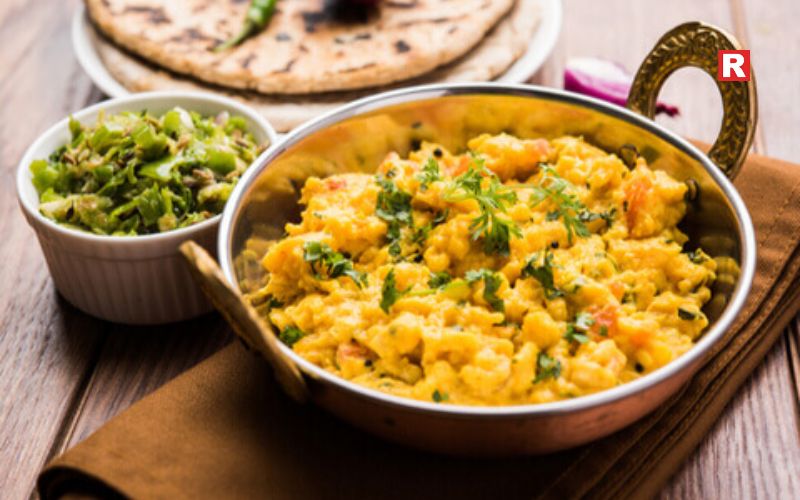
Zunka is a simple yet powerful dish from Maharashtra. It is a dry preparation made using besan, onion, garlic, green chillies, and basic spices. The texture is crumbly and rustic. The flavour is strong and satisfying. Zunka gained popularity during hard times because it was affordable and easy to prepare. It is usually eaten with jowar or bajra bhakri and raw onion. The combination is filling and nourishing. Over time, zunka bhakri became a symbol of Maharashtrian pride. Today, it is served in traditional restaurants and during social and political events.
- Dry besan-based dish
- Budget-friendly food
- Strong rural roots
- Cultural symbol of Maharashtra
7. Sabudana Khichdi
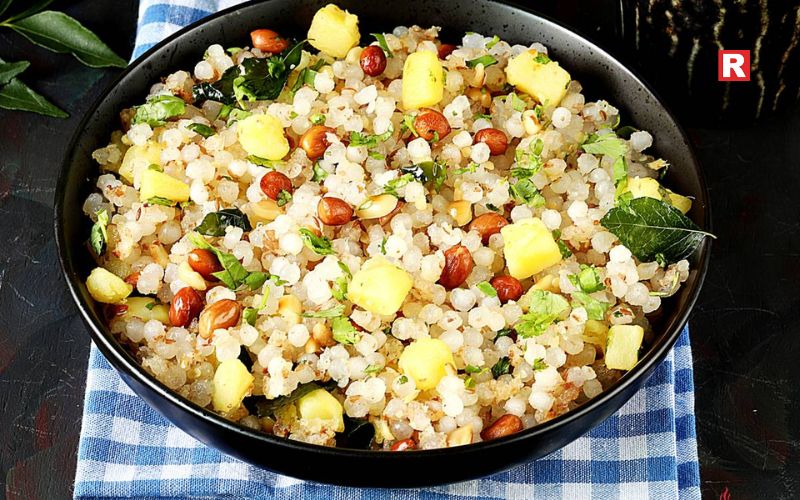
Sabudana khichdi is one of the most popular fasting foods in Maharashtra. It is made using soaked sabudana, roasted peanuts, cumin seeds, green chillies, and boiled potato. The dish is light but gives good energy. It is commonly eaten during fasting days like Ekadashi and Navratri. Many people also enjoy it for breakfast on regular days. The key to good sabudana khichdi is proper soaking and slow cooking. When done right, each pearl remains soft and separate. The dish is simple, comforting, and easy on the stomach.
- Fasting-friendly dish
- Gluten-free
- Light yet filling
- Popular breakfast option
8. Puran Poli
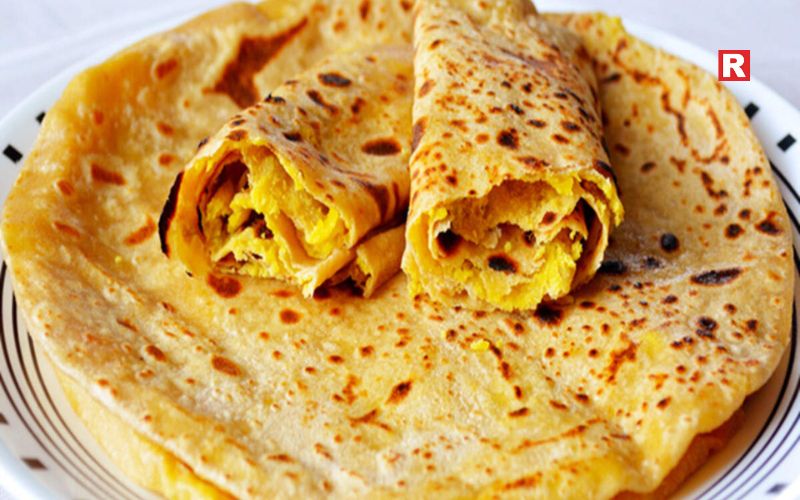
Puran Poli is a traditional Maharashtrian sweet made during major festivals. It is especially prepared on Gudi Padwa, Holi, and Diwali. The filling is made from cooked chana dal and jaggery. Cardamom and nutmeg add aroma and warmth. This sweet filling is stuffed into soft wheat dough and rolled into a flatbread. It is cooked on a tawa and served hot. Puran poli is usually eaten with ghee or milk. It stands for celebration, family bonding, and tradition. Every Maharashtrian festival feels incomplete without this dish.
- Festive dessert
- Made with dal and jaggery
- Soft and aromatic
- Strong cultural value
Why Maharashtrian Veg Food Is Unique
Maharashtrian vegetarian food is deeply connected to the land. Coastal areas use coconut and rice. Dry regions use millets and pulses. The food respects seasons and local produce.
Spices are used carefully. Goda masala gives warmth. Coconut and peanuts add richness. Jaggery balances heat. Meals are simple but satisfying. This cuisine proves that vegetarian food can be bold without being heavy.
Also check: Top Famous Veg Street Foods in Kolkata That You Must Try Once in Your Life
Try These Veg Soups in These Freezing Winters
Top Famous Veg Dishes to Try This Christmas from Around the World
Happy Eating!
Maharashtra’s famous vegetarian food is more than something to eat. Each dish carries meaning and memory. Simple street food like vada pav shows the fast pace of city life. Festive dishes like puran poli represent celebration, family, and tradition. Every recipe has grown over time and is linked to local customs and seasons. Maharashtrian vegetarian cuisine focuses on balance. The flavours are clear and natural. Meals are filling but never heavy. Ingredients are local and familiar. This makes the food honest and comforting. It suits both daily meals and special occasions. For anyone who wants to understand real Indian flavours, this cuisine offers a perfect starting point. It does not rely on richness alone. It values simplicity and taste. Maharashtrian veg food leaves a lasting impression because it feels warm, rooted, and deeply satisfying.

Christmas food stands for warmth, comfort, and time spent together. For many families, it is also deeply connected to tradition. While meat-based dishes often receive attention, vegetarian Christmas food has a strong place in celebrations across the world. In many countries, festive tables are filled with vegetarian dishes that are baked, steamed, slow-cooked, or served as sweets. These recipes are not new. They have been passed down through generations and hold cultural value. Across Europe, Asia, and the Americas, vegetarian food is part of Christmas customs. Vegetable roasts, rice dishes, dumplings, casseroles, and puddings are prepared with care. These dishes bring rich flavours without the need for meat. They also suit long festive meals and large family gatherings.
For Indian readers, global vegetarian Christmas dishes feel both fresh and familiar. Many recipes use simple ingredients like potatoes, rice, lentils, mushrooms, dairy, and seasonal spices. These are already common in Indian kitchens. This makes the dishes easy to follow and comfortable to try at home. Vegetarian Christmas food also allows flexibility. It can be adapted to local tastes. Trying global veg dishes during Christmas adds variety to the menu while keeping the festive spirit alive.
Discover Top Famous Veg Dishes to Try This Christmas
1. Pierogi with Sauerkraut and Mushrooms – Poland
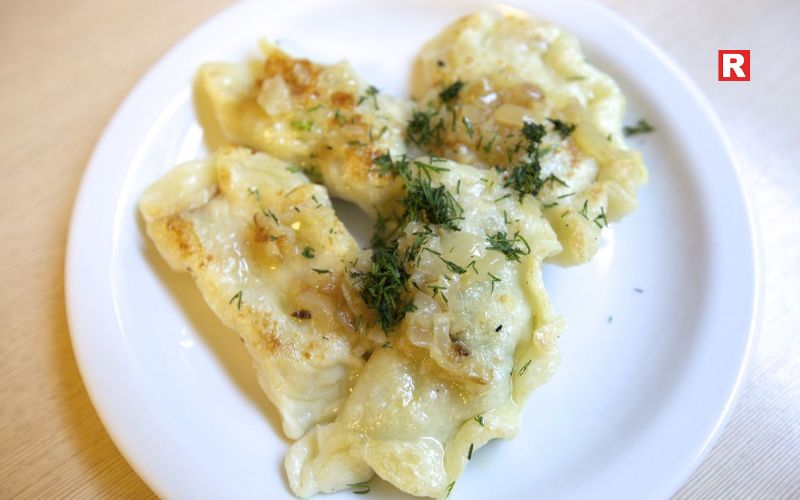
Pierogi are traditional Polish dumplings. During Christmas Eve, meat is avoided, and vegetarian pierogi become the star dish. These dumplings are stuffed with sauerkraut, mushrooms, or mashed potatoes. They are boiled and sometimes lightly pan-fried in butter. The taste is mild, tangy, and comforting. Mushrooms add depth, while fermented cabbage gives a festive sharpness. This dish is a reminder that Christmas food does not need to be rich to be special. Simple ingredients and slow preparation make it meaningful.
Read more: 8 Famous Vegetarian Dishes of Uttar Pradesh and Their Timeless Legacy
5 Cities That Serve the Best Non-Vegetarian Street Food
2. Potato Gratin – France
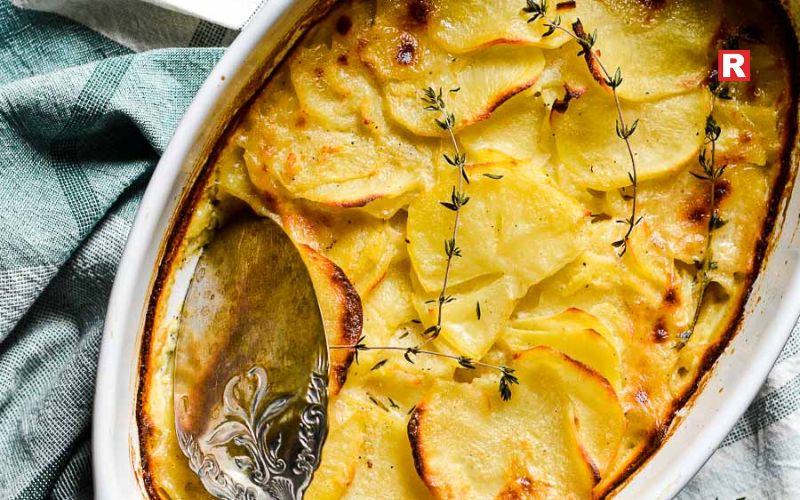
Potato gratin is a classic French Christmas side dish. Thin slices of potatoes are layered with garlic, cream or milk, and cheese. The dish is baked until golden and soft inside. It is creamy, warm, and perfect for cold winter nights. In many French homes, potato gratin is served alongside vegetables and bread during Christmas meals. Indian readers often connect with this dish because potatoes and dairy are common in festive cooking. It pairs well with salads or baked vegetables.
3. Vegetarian Lasagna – Italy
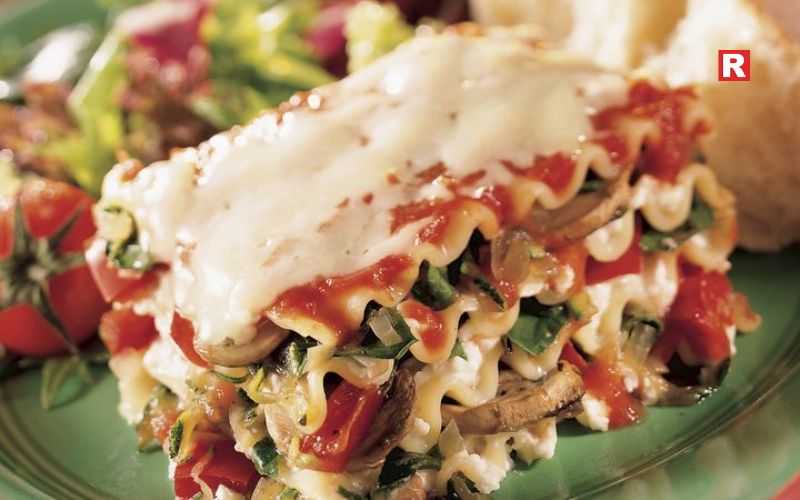
Christmas in Italy is a family affair, and lasagna is a key part of the celebration. Vegetarian lasagna is layered with pasta sheets, tomato sauce, grilled vegetables, béchamel sauce, and cheese. Vegetables like spinach, zucchini, mushrooms, and bell peppers are commonly used. The dish is baked slowly and served in large portions for sharing. It is filling, colourful, and perfect for big gatherings. For Indian families hosting Christmas lunches, veg lasagna works well as a main dish that everyone can enjoy.
4. Stuffed Peppers – Spain
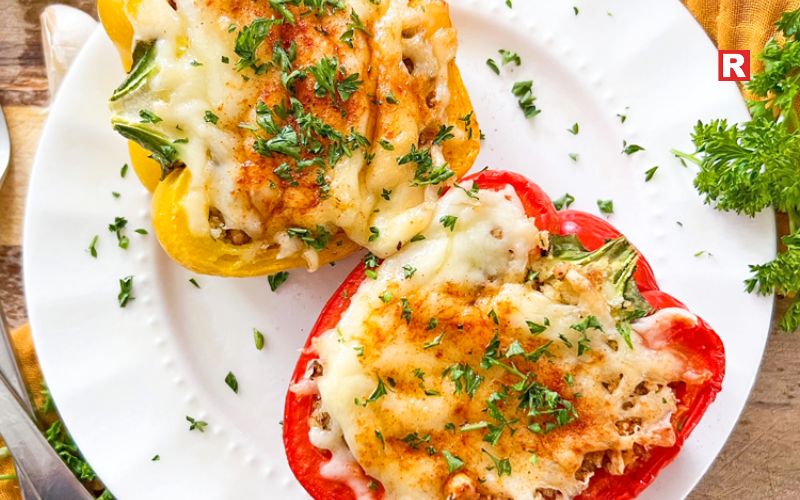
In Spain, stuffed vegetables are popular during festive meals. Bell peppers are filled with rice, vegetables, nuts, herbs, and sometimes cheese. They are baked until soft and slightly charred. The flavours are fresh and balanced. This dish is lighter compared to heavy baked meals but still feels special. Stuffed peppers are also easy to customise. Indian spices like cumin or paprika can be added without changing the core recipe.
5. Mushroom Wellington – Global Christmas Favourite
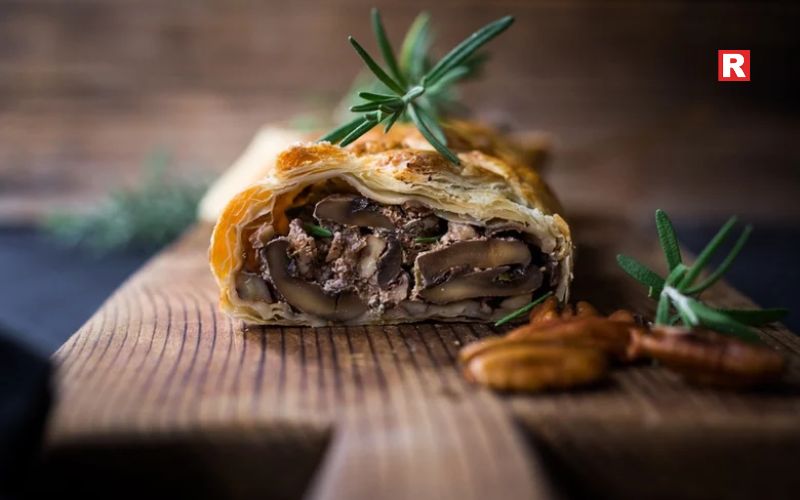
Mushroom Wellington is a modern vegetarian Christmas dish popular in many countries. It is inspired by the traditional Beef Wellington but uses mushrooms as the main ingredient. A mix of mushrooms, garlic, herbs, and sometimes spinach is wrapped in flaky puff pastry and baked until crisp. The inside stays juicy and flavourful. This dish is often the centrepiece of a vegetarian Christmas table. It looks festive and tastes rich. For urban Indian homes, this has become a popular Christmas party dish.
Know more: What is Kimchi? Top Veg Kimchi You Can Try at Home
6. Vegetarian Tamales – Mexico
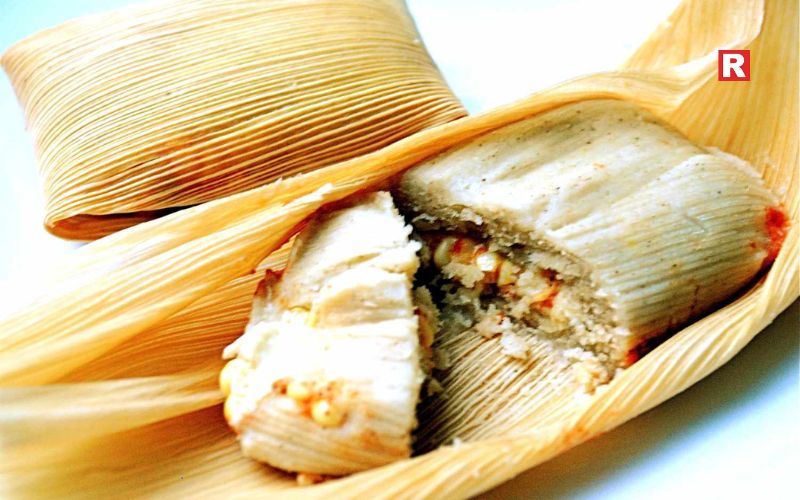
Tamales are a Christmas tradition in Mexico. Families gather to prepare them together. Corn dough is filled with vegetables, beans, cheese, or chillies. The mixture is wrapped in corn husks and steamed. Vegetarian tamales are soft, mildly spiced, and comforting. They are eaten during Christmas and New Year celebrations. The use of corn and steaming makes this dish feel wholesome. It is similar to Indian steamed snacks, which makes it relatable for Indian food lovers.
7. Vegetarian Bibimbap – South Korea

Bibimbap is a rice-based dish topped with seasonal vegetables, fermented sauces, and sometimes tofu. While it is eaten year-round, vegetarian versions are popular during winter family meals. The dish includes spinach, carrots, mushrooms, bean sprouts, and pickled vegetables. Everything is mixed together before eating. Bibimbap is nutritious, colourful, and balanced. It reflects how festive food can also be healthy. This appeals strongly to modern Indian readers who prefer light but satisfying meals.
8. Plum Pudding – United Kingdom
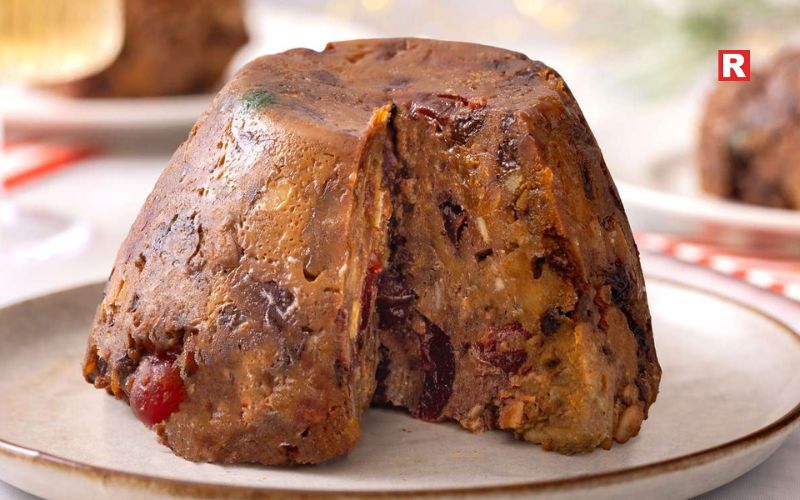
No Christmas list is complete without dessert. Plum pudding is a classic British Christmas sweet. It is made with dried fruits, flour, spices, and vegetarian suet alternatives. The pudding is steamed for hours and allowed to mature. It is served warm with custard or cream. The rich flavours of cinnamon, nutmeg, and dried fruits make it perfect for winter. Indian readers often enjoy this dessert because it feels similar to festive fruit-based sweets.
Why Vegetarian Dishes Are Popular at Christmas
Vegetarian Christmas food is gaining popularity across the world. More people are choosing plant-based meals for health, sustainability, and personal beliefs. Vegetarian dishes are also easier to share and lighter on the stomach during long celebrations. In India, where vegetarian food is widely accepted, global veg Christmas dishes fit naturally into festive menus.
Most vegetarian Christmas dishes use seasonal and comforting ingredients. These include potatoes, mushrooms, rice, lentils, root vegetables, dairy, nuts, dried fruits, and winter spices. These ingredients are affordable, easy to find, and suitable for large family meals.
Also check: High Protein Indian Meals You Should Try
Try These Veg Soups in These Freezing Winters
Top Famous Veg Street Foods in Kolkata That You Must Try Once in Your Life
Final Thoughts
Christmas food is not only about meat. Around the world, vegetarian dishes hold a special place in festive traditions. These dishes bring comfort, warmth, and rich flavours to the table. Many families choose vegetarian food during Christmas for cultural, health, or personal reasons. In countries like the UK, vegetarian roasts are served with vegetables and gravy. In Italy, vegetable lasagna is a popular Christmas meal enjoyed with family. Mexico celebrates Christmas with vegetarian tamales made from corn and vegetables. Each dish reflects local ingredients and long-standing traditions. For Indian households, these global vegetarian dishes feel familiar. They often use vegetables, grains, dairy, and spices that are already part of everyday cooking. At the same time, they add a new festive touch to Christmas celebrations. Trying vegetarian Christmas dishes from different countries adds variety to the menu. It also connects people through shared food traditions. A global vegetarian dish can make Christmas meals more meaningful and memorable.
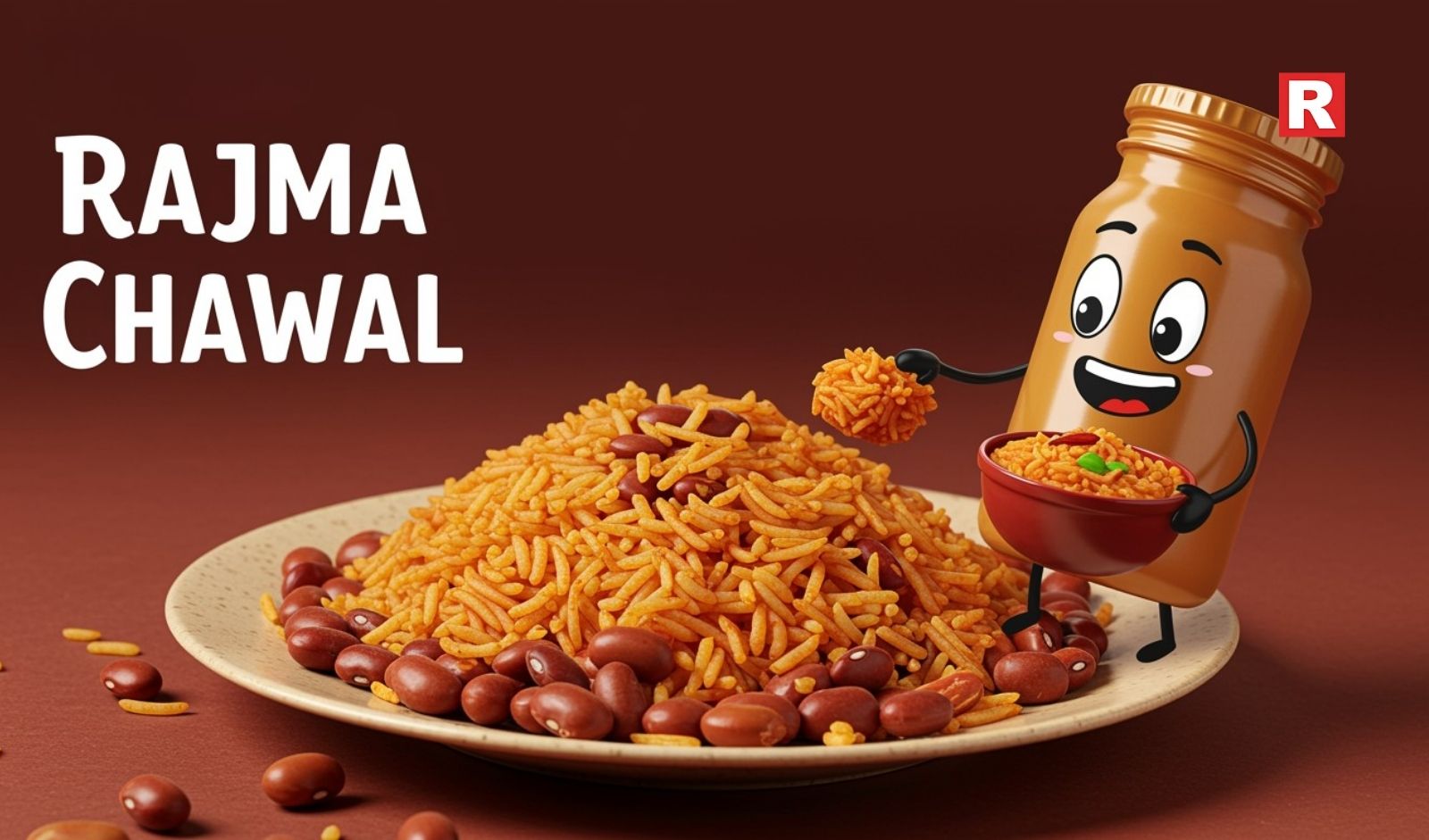
Ask anyone in Delhi about comfort food, and one dish comes up every time—rajma chawal. It is simple. It is filling. And it feels like home. Across the city, this dish is part of everyday life. Students eat it in college hostels. Working professionals depend on it in PG kitchens. Families enjoy it during slow Sunday lunches. Rajma chawal is more than just a meal. It carries emotion and routine. For many Delhiites, the smell of rajma cooking reminds them of home and rest. It is the kind of food people turn to after a long week.
Beyond taste and nostalgia, rajma chawal also makes sense nutritionally. Rajma, or kidney beans, is rich in plant protein and fibre. Rice provides steady energy. Together, they form a balanced and satisfying plate. The meal keeps hunger away for long hours and supports daily energy needs. This is why rajma chawal remains a trusted choice. It is affordable. It is easy to cook. And it suits all age groups. In a fast-moving city like Delhi, rajma chawal continues to offer comfort, warmth, and balance on a single plate.
Why Rajma Chawal Is So Popular in Delhi
Delhiites love food that is comforting, affordable, and satisfying. Rajma chawal ticks all these boxes. It is easy to cook. It feeds many people at once. And it suits the North Indian palate perfectly.
For many people in Delhi, rajma chawal means a relaxed Sunday lunch. For students and office-goers, it is an affordable and filling meal that keeps hunger away for hours. You will find it everywhere—from home kitchens to small dhabas, mess services, and cloud kitchens. Its emotional value is just as strong as its taste.
The North Indian Roots of Rajma Chawal
Rajma, or kidney beans, originally came to India from Central America. Over time, it became a staple in North Indian kitchens, especially in Punjab. Punjabi-style rajma, cooked slowly with onions, tomatoes, ginger, garlic, and spices, became popular in Delhi due to migration and shared food culture.
Delhi adopted the dish and made it its own. Slightly thick gravy. Strong masala flavour. Served hot with steamed rice. This Delhi-style rajma chawal is now a benchmark across India.
Read more: 8 Famous Vegetarian Dishes of Uttar Pradesh and Their Timeless Legacy
5 Cities That Serve the Best Non-Vegetarian Street Food
Nutritional Value of Rajma Chawal
Rajma chawal is a complete and balanced meal when eaten in the right portion. Rajma is rich in plant-based protein. It also contains dietary fibre, iron, potassium, magnesium, and folate. Rice provides energy through complex carbohydrates.
A single serving of rajma chawal offers:
- Good protein for vegetarians
- Long-lasting energy
- Essential minerals for daily nutrition
This is one reason why nutritionists often recommend traditional Indian meals over heavily processed foods.
Health Benefits of Eating Rajma Chawal
Excellent Plant-Based Protein Source: Rajma is one of the best protein sources for vegetarians. Protein is needed for muscle repair, strength, and overall body function. When rajma is paired with rice, it forms a complete protein. This makes rajma chawal a smart meal for people who do not eat meat. For students, working professionals, and even growing teenagers, this protein boost is very useful.
Good for Digestion and Gut Health: Rajma is high in dietary fibre. Fibre helps keep the digestive system healthy. It improves bowel movement and prevents constipation. Many people in Delhi deal with digestion issues due to irregular eating habits and outside food. A home-cooked bowl of rajma chawal can help bring the gut back on track. The key is proper soaking and cooking of rajma.
Keeps You Full for Longer: Rajma chawal is known for its high satiety value. This means it keeps you full for a long time. The combination of protein, fibre, and complex carbs slows down digestion. This helps reduce unnecessary snacking between meals. That is why rajma chawal is often eaten for lunch. It gives sustained energy and avoids sudden hunger pangs.
Supports Heart Health: Rajma contains soluble fibre, which helps manage cholesterol levels. It is naturally low in fat and has no cholesterol. Potassium and magnesium present in rajma support healthy blood pressure levels. When cooked with limited oil and salt, rajma chawal can be a heart-friendly Indian meal. For Delhi residents dealing with stressful lifestyles, this benefit matters.
Helps Manage Blood Sugar Levels: Rajma has a low glycaemic index. This means it releases sugar slowly into the bloodstream. When eaten with rice in controlled portions, rajma chawal can help maintain stable blood sugar levels. For people with diabetes or pre-diabetes, portion control is important. Using less white rice or mixing with brown rice can make it even better.
Why Rajma Chawal Is Perfect for Delhi Winters
Delhi winters call for warm, comforting food. Rajma has a warming effect on the body. The slow-cooked gravy and spices make it ideal for cold days.
This is one reason why rajma chawal is eaten more frequently during winters. It gives warmth, energy, and comfort—all in one plate.
Know more: Top 10 Vegan Street Foods in India Every Indian Loves
Homemade Rajma Chawal vs Restaurant Style
Homemade rajma chawal is healthier than restaurant versions. At home, you can control the amount of oil, butter, and salt. You can also soak the rajma properly, which improves digestion.
Restaurant-style rajma often uses extra butter and cream to enhance taste. While it is delicious, regular consumption may not be ideal for health. For daily eating, home-style rajma chawal is the better choice.
Is Rajma Chawal Good for Weight Loss?
Rajma chawal often gets a bad name during weight loss discussions. The truth is simple. Rajma chawal is not unhealthy. Portion size matters. Rajma is high in protein and fibre, which supports weight management. Rice provides energy. The problem starts when portions are too large or when excess oil is used.
Tips to make rajma chawal weight-friendly:
- Eat it for lunch, not dinner
- Reduce rice quantity slightly
- Add salad or curd on the side
- Avoid excess butter or cream
When eaten mindfully, rajma chawal can fit into a balanced diet.
Also check: Pani Puri Has Different Names in Different Indian States—Know Them All
What is Kimchi? Top Veg Kimchi You Can Try at Home
High Protein Indian Meals You Should Try
Final Thoughts
Rajma chawal is more than just a well-known Delhi dish. It reflects how traditional Indian food can be simple, tasty, and nourishing at the same time. For many people in the city, it is a meal linked with comfort, routine, and home-cooked warmth. Rajma is rich in plant-based protein and dietary fibre. It helps digestion and keeps the stomach full for longer hours. Rice adds energy and balance to the meal. When combined, the dish becomes wholesome and satisfying. It suits students, working professionals, and families alike. Rajma chawal is also deeply connected to Delhi’s food culture. It is cooked in homes, served in small eateries, and loved across generations. The dish proves that good food does not need to be complicated. When prepared with care and eaten in the right portion, rajma chawal supports both health and everyday well-being. That is why Delhiites continue to trust it as their go-to comfort meal.

Eggs are an important part of everyday food in many Indian households as they offer good nutrition at a low cost. They are simple to use. They cook quickly. From boiled eggs in lunchboxes to omelettes for breakfast and egg curries for dinner, eggs fit easily into daily meals. They suit all age groups. They also suit different eating habits and budgets. Over the years, the way people buy eggs has started to change. Earlier, price was the main factor. Today, buyers look at more than just cost. Hygiene has become a key concern. People want eggs that are clean and safely handled. Nutrition also matters more now. Families prefer eggs that are fresh and rich in protein.
Another growing concern is how eggs are produced. Many consumers want to know where their food comes from. They care about farm practices. They care about animal welfare. They care about quality checks and packaging. Because of this shift, branded eggs are gaining popularity across India. These brands offer better handling and clearer information. They follow set quality standards. They also provide consistency in taste and freshness. For many households, branded eggs now feel like a safer and smarter daily choice.
Discover Top Egg Brands in India
1. Eggoz

Eggoz is one of India’s well-known modern egg brands. The brand was started with a clear purpose. To make eggs safer for daily use. To improve quality and freshness. Eggoz follows a strong farm-to-home system. Eggs are sourced directly from partner farms and reach stores within 24 hours of laying. This process helps maintain taste and nutrition. The brand focuses on hygiene and careful handling at every stage. Eggoz eggs are clean and well packed. They are easy to find on quick commerce and online grocery platforms. The brand has a strong presence in major cities. It is especially popular among young families and working professionals who value convenience, freshness, and trusted food choices.
Why Eggoz Stands Out
- Antibiotic-free eggs
- Vitamin D and protein-rich variants
- QR-based traceability in select packs
- Strong presence in metro cities
Read more: Top Masala Tea Brands in India: Spices, Flavours, and Comfort in Every Cup
Best Ghee Brands in India: A Complete Guide to Taste, Purity, and Health
2. Nutricharge Eggs by IB Group
Nutricharge is a well-known name in India’s poultry industry. The brand is backed by IB Group, one of the country’s largest poultry companies. Nutricharge eggs are developed with a focus on everyday nutrition. They are enriched with essential vitamins and minerals that support regular dietary needs. These eggs are made for families who want more nutrition without paying a high premium. The brand maintains consistent quality and wide availability across many cities and towns. Nutricharge eggs suit daily consumption. They are especially preferred by households with children and active adults. For those looking for value, nutrition, and trust, Nutricharge offers a practical and reliable choice.
Key Features
- Fortified with Vitamin D, B12, and Omega-3
- Good for growing children and active adults
- Strong distribution in Tier 2 and Tier 3 cities
3. Happy Hens

Happy Hens is a brand that focuses on ethical and responsible farming. It is best known for its free-range and organic eggs. The hens are not kept in cages. They are allowed to move freely in open spaces. They are fed natural and organic feed. This approach helps improve egg quality and supports better animal care. The brand follows clean farming practices and clear sourcing methods. Happy Hens has built a strong presence in major urban markets. It is especially popular in cities like Mumbai, Bengaluru, and Delhi. The brand appeals to consumers who value clean eating, sustainability, and mindful food choices in their daily diets.
Why People Choose Happy Hens
- Certified organic eggs
- Cage-free and cruelty-free farming
- Rich yolk colour and natural taste
4. Licious Eggs

Licious is one of India’s most trusted fresh food brands. The brand is widely known for meat and seafood. It has also built a strong presence in the egg category. Licious follows a controlled sourcing system. It uses a cold-chain process to maintain freshness and safety. Eggs are carefully selected and packed under hygienic conditions. The brand focuses on quality at every stage. This ensures consistent taste and freshness. Licious eggs are delivered fresh to homes in major cities. They are a preferred choice for urban households. Families and working professionals trust the brand for its convenience, clean handling, and premium grocery experience with assured quality.
Brand Strengths
- Strict quality checks and cold-chain handling
- Clean, hygienic, and tamper-proof packaging
- Strong presence in major Indian cities
- Trusted brand for protein-rich foods
Know more: Benefits of Consuming Pink Salt and Top Pink Salt Brands in India
5. Fresho Eggs by Bigbasket

Fresho is the in-house brand of Bigbasket. It is designed to meet the needs of modern urban shoppers. The brand focuses strongly on freshness and convenience. Fresho eggs are sourced from trusted farms that follow basic quality checks. The eggs are cleaned and graded before packing. This helps maintain hygiene and uniform size. Clear packaging and date labels make selection easy. Fresho eggs are delivered through Bigbasket’s online platform. This suits consumers who prefer doorstep delivery. The brand fits well into busy daily routines. It is a reliable choice for households that want consistent quality, easy access, and stress-free online grocery shopping.
What Makes Fresho Popular
- Easy online availability
- Multiple options like white, brown, and cage-free eggs
- Clear packaging and expiry dates
6. Humpy A2 Organic Eggs

Humpy Farms is widely known for its organic dairy products. The brand follows the same values in its egg range. Humpy eggs come from desi hens raised on certified organic farms. The birds are fed natural feed without chemicals or artificial additives. This helps maintain the natural quality of the eggs. The brand focuses on traditional farming methods and clean food practices. Humpy eggs are often preferred by consumers who believe in simple, natural diets. They are popular among people who follow traditional Indian food habits and holistic wellness lifestyles. For those seeking organic and naturally produced eggs, Humpy Farms offers a trusted option.
Key Highlights
- Organic and desi eggs
- Focus on natural farming
- Popular among health-conscious buyers
Brown Eggs vs White Eggs: Which Is Better?
This is a common question in India. The colour of the egg shell does not decide nutrition. Brown eggs come from different hen breeds. White eggs come from others. Free-range and organic eggs may have slightly higher nutrient levels. But regular eggs are also healthy if sourced properly.
What matters more is:
- The hen’s diet
- Living conditions
- Farm hygiene
Also check: Top Premium Dark Chocolate Brands in India
Dal Baati Churma: The Famous Comfort Dish of the Indian Subcontinent
Best Organic Honey Brands in India: Pure, Natural, and Worth Your Money
Stay Healthy!
Eggs may look like a basic food item. But the choice of eggs plays an important role in daily health. In recent years, Indian consumers have started paying closer attention to what they eat. This shift has changed the way eggs are bought across the country. Well-known brands such as Eggoz, Nutricharge, Happy Hens, Licious, Fresho, and Humpy are reshaping the egg market in India. These brands focus on food safety. They follow hygiene standards. They offer better handling and packaging. Many of them also provide options like nutrient-rich, cage-free, or organic eggs. Today, buyers can choose eggs based on their needs. Some prefer affordable eggs for daily use. Others look for premium or organic options. Both are now easily available. Price is no longer the only factor. Quality matters. Freshness matters. Trust matters. The next time eggs are added to the shopping list, looking at the brand and the pack can make a real difference to everyday nutrition.
Masala tea is more than just a drink in India. It is warmth, aroma, and culture poured into a cup. For decades, this spiced tea has been part of everyday life. From bustling railway stations to quiet homes, from office tables to street corners, masala chai connects people across the country. The magic of masala tea lies in its simplicity. Tea leaves, milk, sugar, and a mix of aromatic spices create a flavour that is rich and comforting. Ginger, cardamom, cloves, cinnamon, and black pepper are some of the most common ingredients. Each spice adds its own touch. Some soothe, some energize, and all bring warmth to your day.
In India, masala tea is not just a drink. It is a ritual. Many enjoy it during mornings, evenings, or even after meals. The aroma of spices fills the air and creates a sense of comfort that no other beverage can match. Over time, several brands have mastered the art of making masala tea. They offer blends that suit every taste and preference.
Why Masala Tea is Loved
Masala tea has won hearts for many reasons. One is its taste. The combination of tea leaves and spices gives a bold, refreshing, and slightly sweet flavour. It is strong enough to energize but smooth enough to enjoy slowly.
Another reason is health. Many spices used in masala chai have medicinal benefits. Ginger can improve digestion and fight cold. Cardamom helps with metabolism and adds a sweet aroma. Cloves and black pepper can improve immunity and circulation. This makes masala tea a drink that is both comforting and beneficial. Masala tea also carries a cultural connection. Every region has its version. In Maharashtra, chai is often strong and aromatic. In Gujarat, it may be slightly sweet with more spices. In North India, ginger and cardamom dominate. This regional diversity makes exploring masala tea exciting.
Explore Top Masala Tea Brands in India
1. Tata Tea Premium
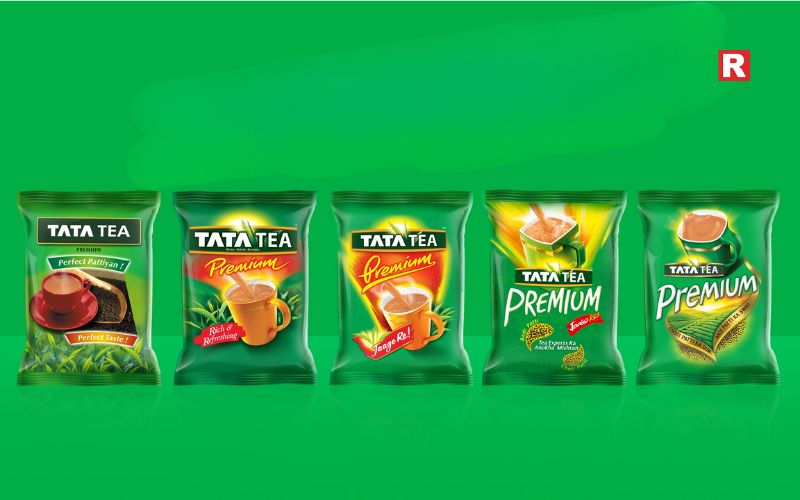
Tata Tea has been part of Indian homes for many decades. It is a brand built on trust and everyday comfort. Tata Tea Premium is known for its strong taste and bold character. It suits Indian mornings well. The tea wakes the senses and sets the tone for the day. The masala blend is warm and familiar. Spices like ginger and cardamom add depth without overpowering the tea. The flavour feels balanced and consistent. Tata Tea Premium works well for families with different taste choices. It pairs easily with milk and sugar. The aroma feels comforting and homely. Its wide availability makes it a daily staple across cities and towns. From small kitchens to office pantries, it fits everywhere. Tata Tea Premium reflects routine, reliability, and the simple joy of a well-made cup of masala chai.
Read more: What is Kimchi? Top Veg Kimchi You Can Try at Home
6 Benefits of Drinking Black Coffee
2. Brooke Bond Red Label Masala Tea

Brooke Bond Red Label is one of India’s most recognised tea brands. It has been trusted across generations. Red Label masala tea is known for its strong and full-bodied taste. The flavour is bold and instantly familiar. The spice mix adds warmth and aroma to every cup. It suits people who enjoy a powerful chai experience. The tea leaves brew well and hold their strength with milk. Red Label masala tea works for quick tea breaks and long conversations alike. It is often served to guests without second thought. The taste feels comforting and reliable. Many Indian households associate it with togetherness and routine. The aroma fills the room quickly. Red Label continues to remain relevant because it delivers what people expect. A strong cup. A rich taste. And the feeling of home.
3. Society Tea Masala
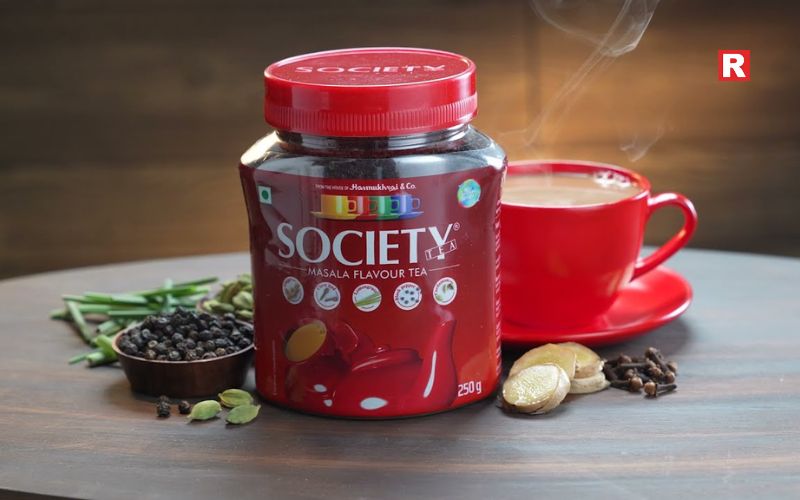
Society Tea holds a special place in Maharashtra. It is a brand with a loyal following. Society Tea masala is known for its distinct aroma and smooth finish. The flavour feels strong but never harsh. The spice balance is carefully crafted. It enhances the tea without masking its natural taste. Society Tea focuses on freshness at every step. The tea leaves feel rich and clean. The masala blend suits daily consumption. It works well for early mornings and evening breaks. Many tea lovers prefer it for its consistent quality. The taste remains stable across batches. Society Tea masala pairs well with snacks like biscuits or farsan. It reflects the everyday chai culture of western India. Simple. Honest. And full of character. For many households, Society Tea is not a choice. It is a habit.
4. Wagh Bakri Masala Tea
Wagh Bakri is a well-loved tea brand across Gujarat and beyond. It stands for quality and care. Wagh Bakri masala tea offers a rich and smooth experience. The flavour feels rounded and comforting. The spice mix is warm but not sharp. It blends easily with milk and sugar. The tea leaves brew evenly and release a pleasant aroma. Wagh Bakri focuses on balance. Neither the tea nor the spices dominate the cup. This makes it suitable for regular drinking. Families often choose it for its gentle strength. The taste appeals to different age groups. It feels refined yet familiar. Wagh Bakri masala tea fits both relaxed mornings and quiet evenings. It reflects consistency and trust. A cup that feels thoughtful. And one that keeps people coming back.
Know more: 7 Desi Alternatives to Oatmeal for Weight Loss
5. Organic India Masala Chai
Organic India masala chai is made for mindful tea drinkers. The brand focuses on purity and wellness. It uses organic tea leaves and natural spices. The ingredients are carefully sourced. The taste feels clean and soothing. The spice mix is gentle and aromatic. It supports digestion and overall comfort. Organic India avoids artificial flavours. This makes the tea feel light and natural. The flavour does not feel heavy. It suits people who prefer softer masala notes. The tea works well for slow sipping. It is often enjoyed during calm moments of the day. Health-conscious consumers trust the brand for its values. Organic India masala chai proves that taste and wellness can go together. It offers warmth without excess. And flavour without compromise. A cup that feels thoughtful and balanced.
6. Tea Trunk Masala Chai
Tea Trunk represents modern artisanal tea culture. It focuses on quality and craft. Tea Trunk masala chai is a premium blend. It combines fine tea leaves with traditional Indian spices. The flavour feels layered and rich. Each sip reveals depth. The spices are bold yet refined. The tea feels fresh and aromatic. Tea Trunk sources its ingredients from select gardens. This ensures consistency and quality. The masala chai suits those who enjoy slow, mindful brewing. It is often chosen for special moments. The experience feels indulgent but authentic. Tea Trunk brings a contemporary touch to a classic drink. It respects tradition while adding finesse. For tea lovers seeking something unique, this masala chai stands out. It turns a simple cup into a memorable ritual.
How to Enjoy Masala Tea Like a Pro
Brewing masala chai is an art. Here are some tips to get the perfect cup:
- Use fresh water and good quality milk.
- Adjust spice mix and sugar according to taste.
- Let the tea simmer for a few minutes to release full aroma.
- Pair with snacks like biscuits, namkeen, or pakoras for a true chai-time experience.
- Experiment with regional variations—add more ginger, cardamom, or even fennel seeds.
A well-brewed cup of masala tea is more than a drink. It is a sensory experience. The aroma fills the room, the warmth comforts the hands, and the flavours dance on the palate.
Also check: Try These Veg Soups in These Freezing Winters
Top 10 Vegan Street Foods in India Every Indian Loves
Best Ghee Brands in India: A Complete Guide to Taste, Purity, and Health
Find Your Favourite Brew
India’s masala tea scene is rich and diverse. Each brand offers something special. From traditional favourites like Red Label and Society Tea to premium blends from Tea Trunk and Organic India, there is a chai for every taste. Finding your favourite may take some tasting, but every cup is worth it. Masala tea is not just about flavour. It is culture, comfort, and care in a cup. Whether for mornings, evenings, or gifting to loved ones, these top masala tea brands deliver quality, aroma, and the true taste of India. So, brew a cup, take a moment, and enjoy the magic of masala chai. Every sip tells a story of tradition, craftsmanship, and the love of tea that India has cherished for generations.
Winter in India is known for warm food and slow evenings. As the weather turns cold, people look for snacks that feel comforting and filling. Momos have become one such favourite across cities and towns. These soft dumplings are warm, juicy, and full of flavour. They are easy to enjoy at any time of the day. While chicken and meat momos are popular, veg momos have created their own space. Many people now prefer lighter and healthier options. Veg momos fit that choice well.
Veg momos use fresh vegetables, mild spices, and simple dough. They are easy to prepare at home. They also allow many variations in taste and texture. From steamed to baked or lightly fried, they suit different preferences. They work well as evening snacks, party starters, or comfort food on cold nights. This article highlights four veg momo recipes that are perfect for winter. Each recipe is simple and practical. The ingredients are easily available. The methods are easy to follow. These recipes help recreate a restaurant-style taste at home. With the right chutney and hot serving, veg momos become a satisfying winter treat enjoyed by all age groups.
1. Classic Steamed Veg Momos
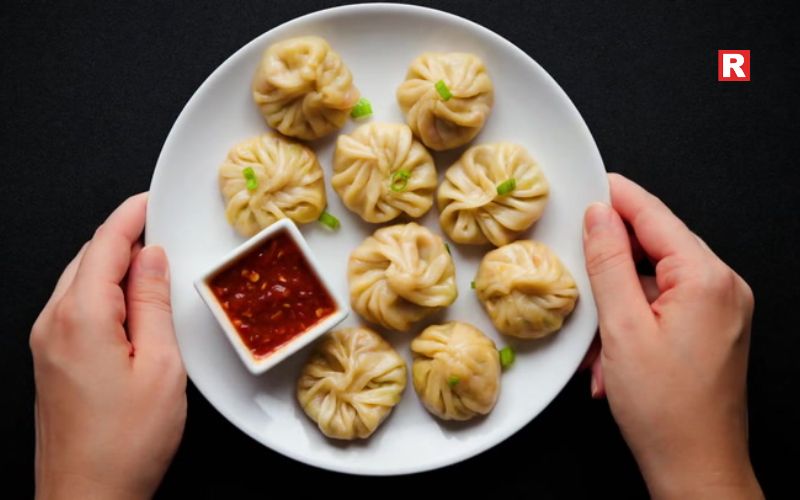
Classic steamed momos are a popular winter snack across Indian homes and street corners. They are light on the stomach and easy to digest. The thin outer layer stays soft after steaming. Inside, the filling is fresh and full of flavour. Finely chopped cabbage, carrots, onions, and mild spices create a juicy texture. The steam locks in moisture and taste. These momos are not fried, which makes them a healthier choice. They are best enjoyed hot on cold evenings. Served with spicy red chutney or sesame sauce, they feel comforting. For many, classic steamed momos are simple food that brings warmth, balance, and satisfaction during the winter season.
Ingredients:
- 1 cup cabbage, finely chopped
- ½ cup carrots, grated
- ½ cup onions, finely chopped
- 2-3 cloves garlic, minced
- 1 tsp soy sauce
- Salt and pepper to taste
- 1 cup all-purpose flour (for dough)
- Water for kneading
Tips:
- Do not overfill the momos; it can break while steaming.
- You can add finely chopped mushrooms for extra flavour.
Read more: 5 Easy Chicken Soup Recipes for Indian Winters
Pani Puri Has Different Names in Different Indian States—Know Them All
2. Paneer & Spinach Momos
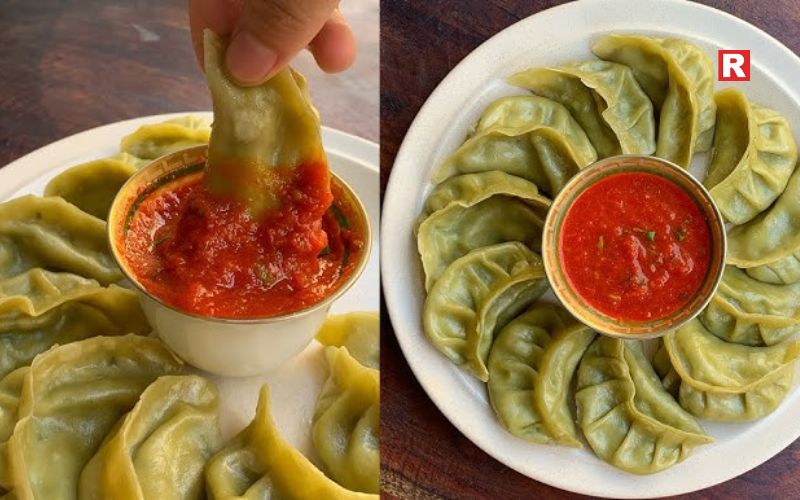
Paneer and spinach momos are a wholesome choice for winter snacking. This version brings together taste and nutrition. Soft paneer adds richness and protein. Finely chopped spinach adds freshness and balance. The filling stays moist and smooth after steaming. The outer layer remains light and delicate. These momos feel filling without being heavy. They suit people who prefer healthy food with good flavour. Mild spices keep the taste clean and comforting. Served hot, they work well on cold evenings. Paired with spicy chutney, they taste even better. Paneer and spinach momos are simple, nourishing, and ideal for anyone looking for a warm and satisfying vegetarian snack.
Ingredients:
- ½ cup paneer, crumbled
- ½ cup spinach, finely chopped
- ¼ cup carrots, grated
- 1 small onion, chopped
- 1 tsp ginger-garlic paste
- Salt and pepper to taste
- Dough: 1 cup flour + water
Serving tip: Serve with a spicy red chutney or garlic sauce.
3. Cheese Corn Momos
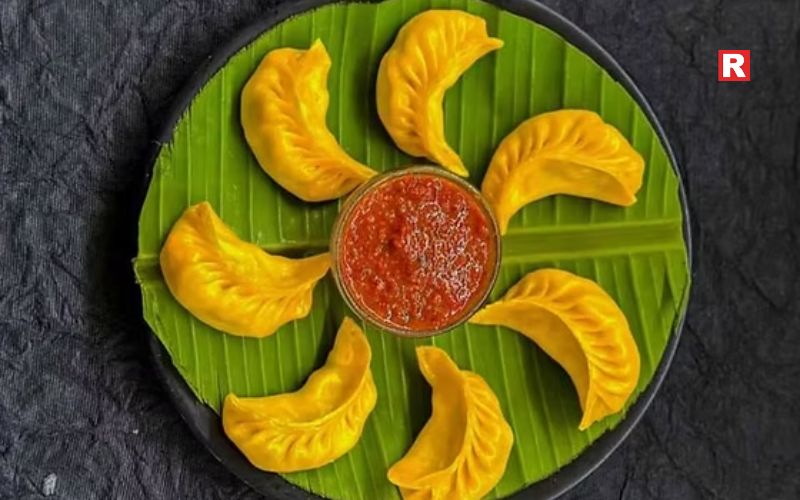
Cheese corn momos are a fun and comforting winter snack. They have a soft outer layer and a warm, gooey filling. Sweet corn adds a mild sweetness. Cheese brings richness and creaminess. Together, they create a smooth and pleasing bite. These momos are easy to enjoy and loved by all age groups. Children enjoy the cheesy centre. Adults enjoy the balance of taste and texture. They are perfect for family evenings at home. Served hot, they feel filling and comforting. Paired with tomato sauce or mint dip, they taste even better. Cheese corn momos add a playful twist to the classic momo experience.
Ingredients:
- ½ cup sweet corn
- ½ cup grated cheese
- ¼ cup carrots, grated
- Salt and pepper to taste
- Dough: 1 cup flour + water
Serving tip: Serve hot with tomato chutney or mint-yogurt dip.
Know more: Top Famous Veg Street Foods in Kolkata That You Must Try Once in Your Life
4. Spicy Tandoori Veg Momos

Tandoori veg momos bring bold street-style flavour to the home kitchen. They start with a vegetable filling mixed with spices. The momos are first steamed to keep them soft. They are then baked or grilled for a smoky finish. Tandoori spices add heat and depth. The outer layer turns slightly crisp. The inside stays juicy and warm. These momos suit people who enjoy spicy food. They work well as an evening snack during winter. Served hot with green chutney, they feel satisfying and full of flavour. Tandoori veg momos offer a strong taste and a comforting bite on cold days.
Ingredients:
- 1 cup cabbage, shredded
- ½ cup carrots, grated
- ½ cup capsicum, chopped
- 1 tsp ginger-garlic paste
- 1 tsp red chilli powder
- 1 tsp tandoori masala
- ½ tsp black pepper
- Salt to taste
- 1 tsp oil
- Dough: 1 cup flour + water
Serving tip: Serve with green chutney or tomato ketchup.
Tips for Perfect Veg Momos
- Dough matters: Soft and smooth dough gives better momos.
- Cut veggies small: Small pieces make filling juicy and easy to fold.
- Steam properly: Avoid over-steaming; momos may become soggy.
- Experiment with fillings: Mushrooms, cabbage, corn, paneer, or tofu work well.
- Serve hot: Momos taste best when freshly steamed or baked.
Also check: 7 Desi Alternatives to Oatmeal for Weight Loss
Top 5 States With the Spiciest Food in India
8 Famous Vegetarian Dishes of Uttar Pradesh and Their Timeless Legacy
Warm Treat!
During winter, veg momos become more than a quick snack. They bring warmth and comfort to cold evenings. Each bite feels soft and satisfying. The classic steamed version stays light and fresh. Paneer and spinach momos add richness and balance. Cheese corn momos bring a fun and creamy taste. Spicy tandoori momos offer bold flavour and heat. Together, these versions give variety and choice. They suit different moods and age groups. Veg momos are easy to prepare at home. They do not need fancy ingredients. They can be steamed, baked, or lightly pan-fried. Served hot, they taste best in winter. Chutneys add extra flavour and spice. These momos work well for family evenings, small parties, or quiet snacks at home. Simple and filling, veg momos remain a winter favourite that many people enjoy year after year.
Winter in India is closely linked with comfort food. As temperatures drop, people naturally move towards meals that feel warm and soothing. Food is not just about taste during this season. It is also about care and nourishment. Chicken soup has long held a special place in Indian kitchens during winter. It is simple to make. It is wholesome. And it offers comfort with every spoon. Across the country, chicken soup appears in many forms. In North India, it is often kept clear and peppery. In the South, it may carry deeper spices and stronger flavour. Some prefer it light. Others like it rich and filling. Yet one thing remains the same. Chicken soup is known for its warmth and healing nature.
Chicken is a good source of protein. It supports strength and recovery. The warm broth is easy on the stomach and helps the body stay comfortable in cold weather. Many people turn to it during seasonal illness or tired days. This article brings together five easy chicken soup recipes suited for Indian winters. They use familiar ingredients. They do not take much time. And they offer genuine health benefits.
Why Chicken Soup Is Ideal for Winter
Chicken soup is more than a comfort dish. It has real nutritional value. Chicken provides high-quality protein. It helps maintain muscle strength. It also supports recovery during illness. Warm soup keeps the body temperature stable. The broth helps prevent dehydration in winter. Ingredients like ginger, garlic, black pepper, and turmeric are widely used in Indian kitchens. These spices have anti-inflammatory and immunity-boosting properties.
Chicken soup is often recommended during colds, flu, and weakness. Doctors and nutritionists agree that warm broths help soothe sore throats. They also support digestion and gut health. In Indian winters, when coughs and seasonal infections rise, chicken soup becomes a natural remedy.
Find 5 Easy Chicken Soup Recipes
1. Classic Indian Chicken Clear Soup
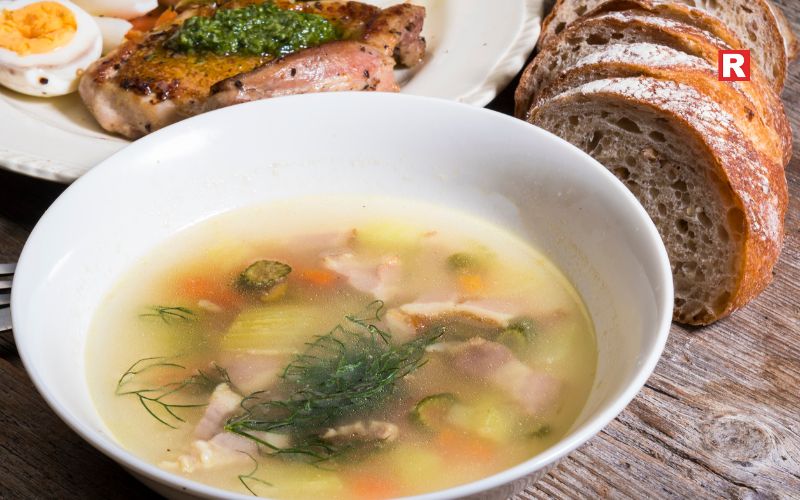
This is the most loved form of chicken soup in many Indian homes. It is light. It is clear. It focuses on natural flavour, not richness. People often turn to this soup when the body feels tired or unwell. It feels gentle on the stomach. It does not feel heavy after eating. The warm broth helps keep the body hydrated in winter. Chicken cooked with bones adds depth and nourishment. Onion, garlic, and ginger slowly release flavour as the soup simmers. Black pepper adds mild heat and warmth. Salt is kept minimal to let the ingredients shine. Once cooked, the broth is strained to keep it clean and clear. Fresh coriander is added at the end for aroma. This soup is often served hot in the evening. It brings comfort. It brings warmth.
Best Time to Have It: During cold, fever, or late evenings. It is also suitable for elderly family members.
Read more: Best Ghee Brands in India: A Complete Guide to Taste, Purity, and Health
8 Famous Vegetarian Dishes of Uttar Pradesh and Their Timeless Legacy
2. Garlic Ginger Chicken Soup
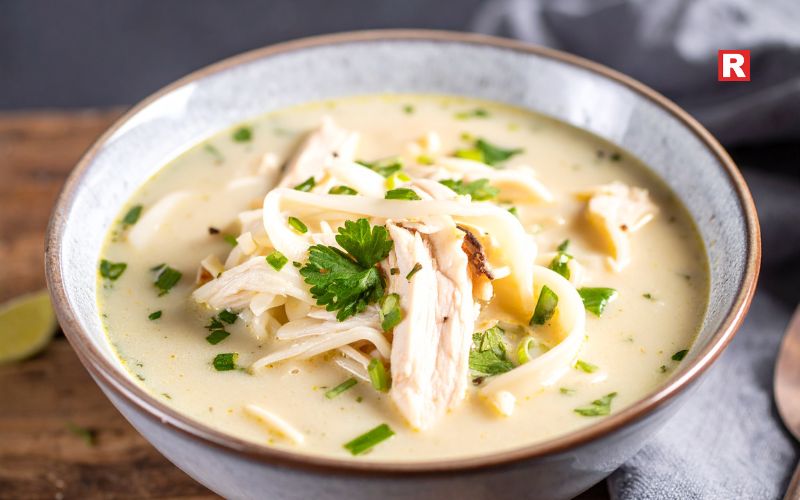
Garlic and ginger are essential ingredients in Indian winter kitchens. This soup uses both in generous amounts to build warmth and flavour. It is often prepared when the weather turns cold or the body feels low on energy. Garlic is known to help the body fight infections. Ginger supports digestion and adds gentle heat. Together, they create a soup that feels soothing and restorative. Chicken, either boneless or with bone, is simmered slowly with crushed garlic and fresh ginger. As it cooks, the broth turns aromatic and rich in taste. Black pepper adds mild spice without overpowering the soup. A small amount of light soy sauce may be added for depth. Salt is kept balanced. Served hot, this soup feels comforting and deeply satisfying during winter evenings.
Health Benefits: This soup helps boost immunity. It is effective during seasonal flu. It also helps clear blocked sinuses.
3. Spicy Desi Chicken Vegetable Soup
This soup suits those who enjoy strong and comforting flavours. It brings together chicken, fresh vegetables, and Indian spices in one bowl. It is filling and nourishing at the same time. Carrot, beans, and cabbage add colour, fibre, and essential vitamins. Onion and ginger-garlic paste build a deep base of flavour. Turmeric adds warmth and balance. Black pepper and green chilli bring gentle heat that feels right in winter. The chicken is first sautéed with onion and spices to lock in taste. Vegetables are added next for texture and freshness. Water or stock is then poured in and allowed to simmer slowly. As the soup cooks, the flavours come together naturally. This soup often replaces a full meal. It keeps the body warm and satisfied on cold evenings.
Ideal For: Cold winter dinners. It keeps the body warm and satisfies hunger.
Know more: Try These Veg Soups in These Freezing Winters
4. Lemon Coriander Chicken Soup
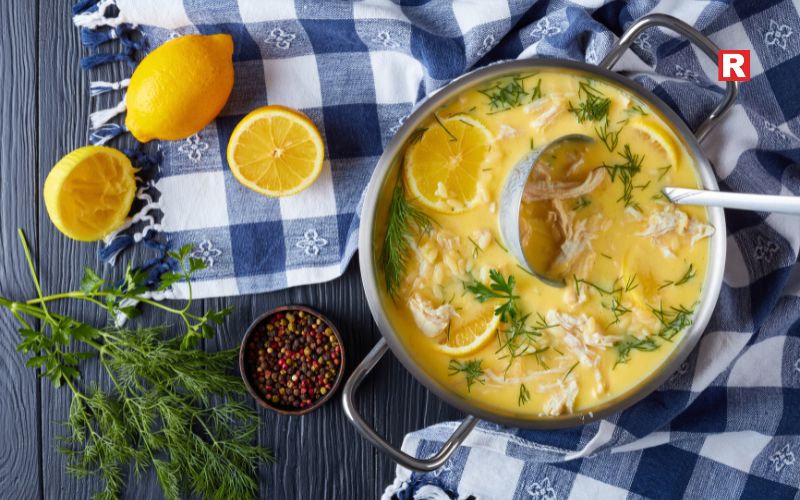
This soup is light, fresh, and soothing. It is commonly found in Indian-Chinese kitchens and is now a winter favourite in many homes. The flavours feel clean and balanced. Lemon brings a mild tang and adds vitamin C. Coriander supports digestion and adds freshness. Together, they make the soup comforting without feeling heavy. Shredded chicken blends easily into the clear broth. Garlic and green chilli add gentle warmth and aroma. The broth is prepared first and allowed to simmer slowly. Garlic and chilli are added early to build flavour. Lemon juice and fresh coriander are mixed in just before serving to keep their taste fresh. Pepper adds light heat. Salt is kept simple. This soup is often served hot in the evening. It feels easy on the stomach and calming during winter days.
When to Serve: After heavy meals. It also works well during mild illness or tired days.
5. Slow-Cooked Bone Broth Chicken Soup
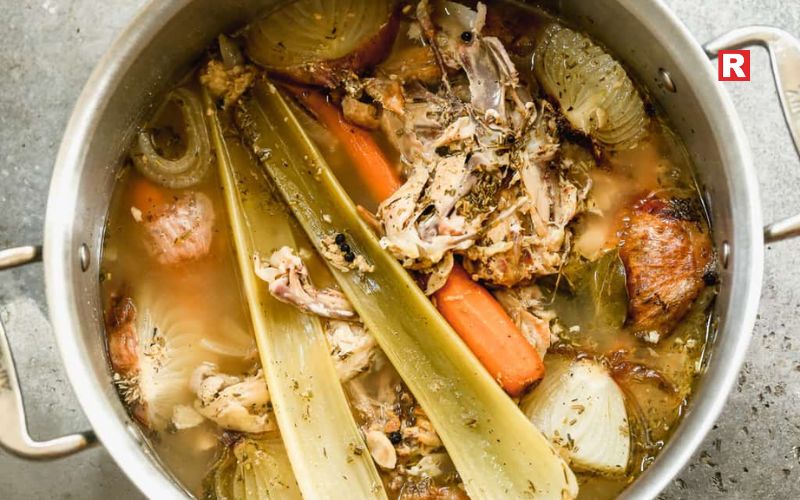
This soup is all about nourishment and depth of flavour. It is prepared using chicken bones to create a rich and wholesome broth. Many people prefer this soup during winter for its slow-cooked goodness. Chicken bones release collagen, calcium, and natural minerals as they simmer. These nutrients help support joint health and improve gut comfort. Onion, garlic, and ginger add warmth and mild sweetness to the broth. Peppercorns bring gentle heat without making it spicy. Salt is used sparingly to keep the taste clean. The bones are cooked on low heat for several hours. This slow process allows nutrients to blend into the liquid. The broth turns rich and aromatic over time. Served hot, this soup feels deeply comforting. It suits long winter nights and recovery days when the body needs extra care.
Best For: Long winter nights. It is especially good for people recovering from illness.
Tips to Make Chicken Soup Healthier
- Use fresh ingredients
- Avoid heavy cream or butter
- Use whole spices instead of spice powders
- Cook on low heat for better flavour
- Drink it warm, not hot
Homemade chicken soup is always better than packaged versions. It contains no preservatives. It allows full control over salt and spice levels.
Also check: Top 10 Vegan Street Foods in India Every Indian Loves
7 Healthy Chicken Dishes to Maintain Your Diet
5 Foods to Avoid for Better Cholesterol
Your Warm Sip!
Chicken soup has always been more than just a meal in Indian homes. It is simple food. It is honest food. And it carries strong emotional value across generations. Many families associate it with care, warmth, and recovery. These five easy chicken soup recipes reflect that tradition. They are practical and nourishing. They use ingredients found in most Indian kitchens. They do not need long preparation or complex methods. This makes them suitable for busy workdays and quiet winter evenings. During the colder months, people often look for food that feels light yet comforting. A warm bowl of chicken soup does exactly that. It provides warmth without heaviness. It supports the body when energy feels low. More importantly, it encourages slower eating. It invites people to pause and enjoy the moment. In a fast-moving world, chicken soup brings back the comfort of simple, mindful meals shared with care.
Winter in India has its own charm. Mornings are foggy. Nights are cold. The body naturally craves warm and nourishing food. This is the season when digestion slows down and immunity needs extra care. A hot bowl of vegetable soup fits perfectly into this routine. It is light. It is comforting. It is full of nutrients.
Vegetable soups can be a complete meal on cold days. They keep the body warm. They help in hydration. They are easy to digest and suitable for all age groups. From busy professionals to elderly family members, veg soups work for everyone during winter. In Indian homes, soups are slowly becoming a winter staple. Seasonal vegetables are easily available. Indian spices add warmth. And the recipes are simple enough to make on weekdays.
Here are some of the best vegetarian soups to try this winter.
1. Tomato Soup
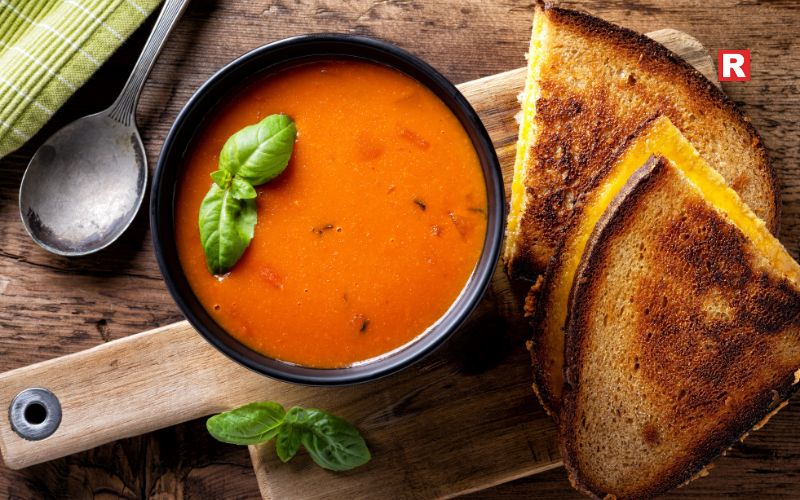
Tomato soup is a classic winter favourite. It is light but flavourful. Tomatoes are rich in lycopene, an antioxidant that supports immunity and heart health. During winter, fresh tomatoes are easily available and taste better. A warm bowl of tomato soup helps fight seasonal cold. Adding garlic, black pepper, and a pinch of cumin increases its warming effect. Many Indian households prefer a slightly spicy version rather than the sweet café-style soup. Tomato soup works well as an evening snack or a light dinner. It pairs well with whole wheat toast or roasted makhana.
Read more: 5 Cities That Serve the Best Non-Vegetarian Street Food
7 Desi Alternatives to Oatmeal for Weight Loss
2. Sweet Corn Vegetable Soup
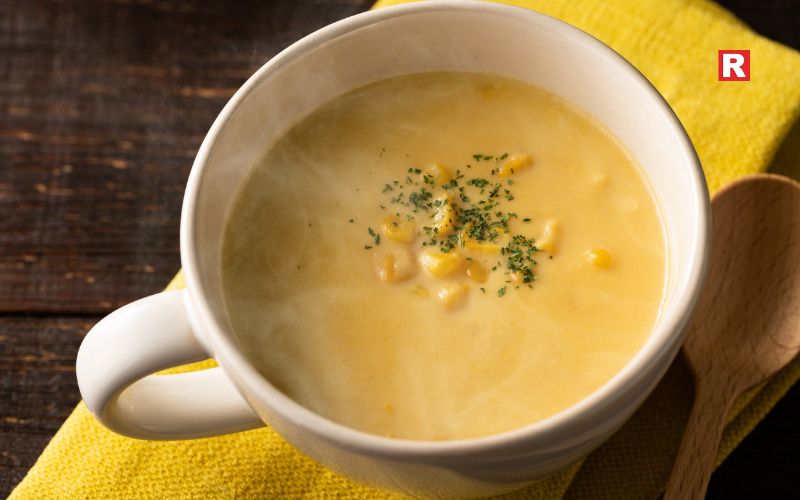
Sweet corn soup is one of the most loved winter soups in India. It is comforting and filling. Corn provides natural sweetness and energy, which helps the body stay active in cold weather. This soup usually includes carrots, beans, and spring onions. These vegetables add fibre and vitamins. It is easy on the stomach and suitable for children and elderly people. Sweet corn vegetable soup is especially popular during cold evenings. It is often served hot with a dash of pepper and a little ginger for extra warmth.
3. Mixed Vegetable Soup
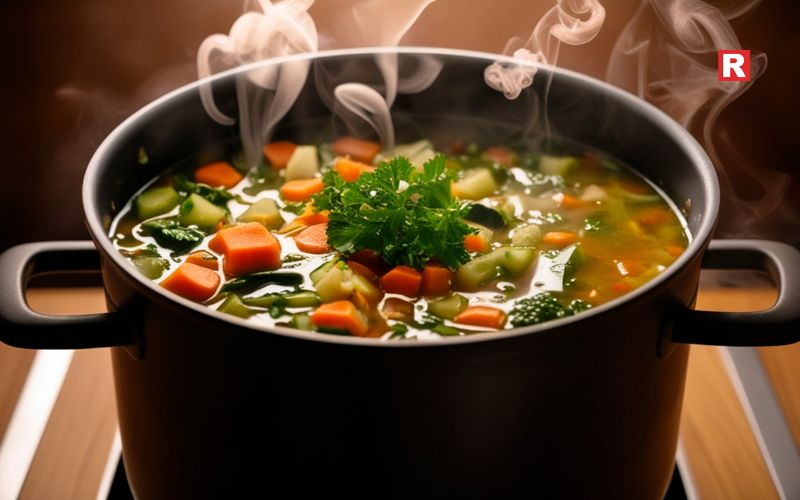
Mixed vegetable soup is a nutrition-packed winter bowl. It uses seasonal vegetables like carrot, cabbage, cauliflower, beans, peas, and spinach. Winter vegetables are fresher and richer in nutrients. This soup is high in fibre, vitamins, and minerals. It supports digestion and helps keep immunity strong. It is ideal for those looking for a healthy daily meal option. For Indian kitchens, mixed vegetable soup can be flavoured with bay leaf, pepper, garlic, and mild Indian spices. It can be enjoyed as a light lunch or dinner.
4. Mushroom Soup
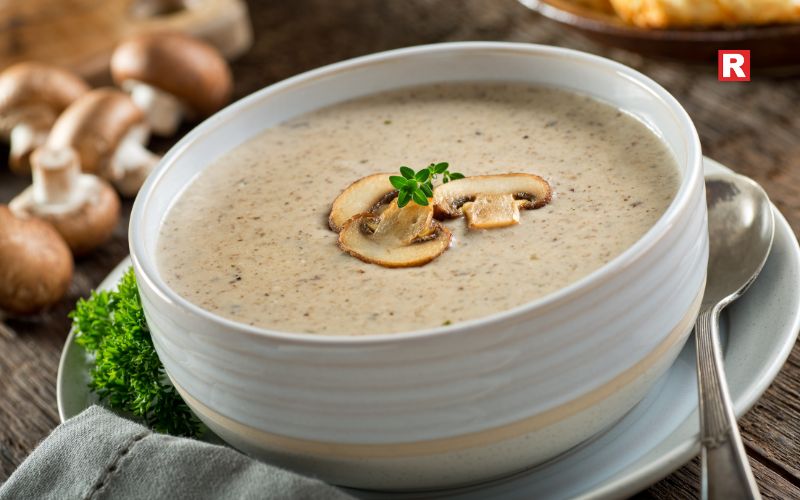
Mushroom soup is rich and satisfying. Mushrooms are high in protein, B vitamins, and antioxidants. They help keep you full for longer and support gut health. During winter, mushroom soup feels extra comforting. Its earthy flavour works well with garlic and pepper. Many people prefer a slightly thick consistency without heavy cream. This soup is a good choice for those looking for a hearty yet vegetarian winter meal. It works well for dinner, especially when paired with multigrain bread.
5. Spinach Soup (Palak Soup)
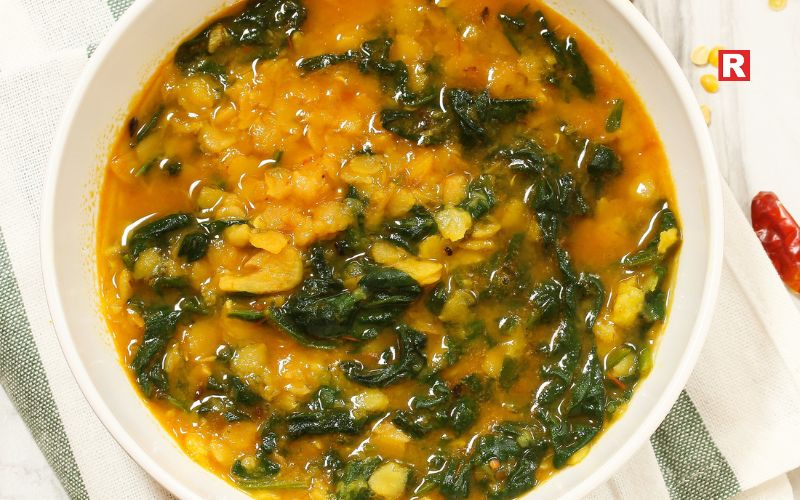
Spinach soup is light but highly nutritious. Spinach is rich in iron, vitamin C, and folate. These nutrients help fight winter fatigue and weakness. Palak soup is easy to digest and soothing for the stomach. It is ideal for people recovering from cold or flu. Adding garlic, cumin, and pepper enhances both taste and health benefits. In Indian households, palak soup is often preferred over heavy meals during winter nights. It keeps the body warm without feeling heavy.
Know more: 5 Ways to Use Garden Cress Seeds (Halim) for Stronger Hair and Bones
6. Pumpkin Soup
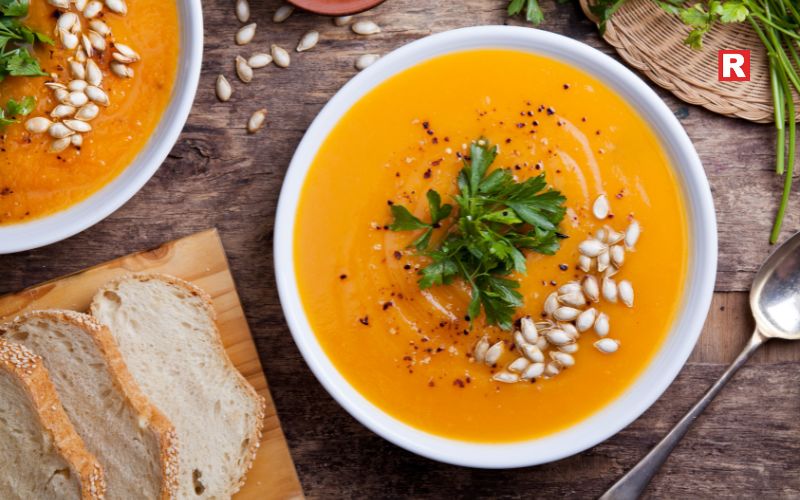
Pumpkin soup is naturally creamy and mildly sweet. Pumpkin is rich in beta-carotene, which supports eye health and immunity. It is also low in calories and high in fibre. This soup does not need cream to taste rich. Slow cooking brings out the natural flavour of pumpkin. Ginger and pepper add warmth and depth. Pumpkin soup is perfect for cold winter nights. It is filling yet light and suitable for those watching their weight.
7. Lentil Vegetable Soup
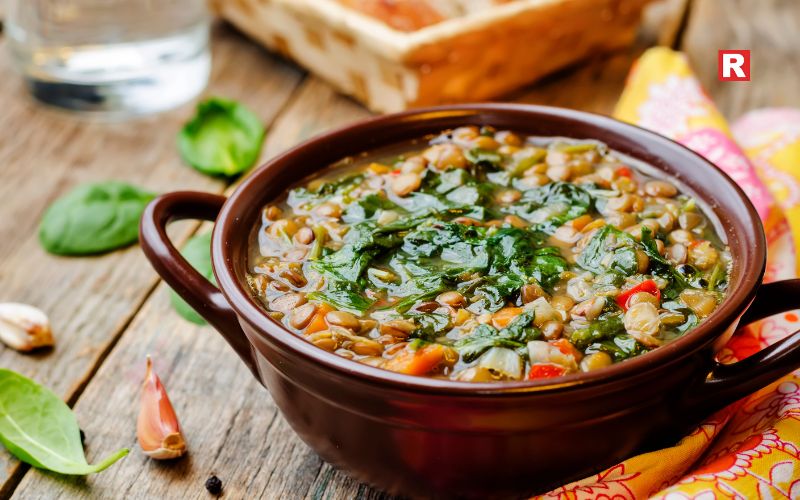
Lentil vegetable soup is one of the most nourishing winter soups. Lentils provide plant-based protein and iron. When combined with vegetables, they create a complete meal. This soup keeps the body warm for longer. It is ideal for people who need sustained energy during winter days. Lentil soups are also great for digestion. Indian-style lentil vegetable soup can include moong dal or masoor dal with carrots, tomatoes, and mild spices. It is wholesome and comforting.
Why Veg Soups Are Ideal for Indian Winters
Vegetable soups suit the Indian climate and lifestyle. They use local and seasonal produce. They are budget-friendly and easy to prepare. Most importantly, they support the body during seasonal changes.
Hot soups improve digestion, which tends to slow down in winter. They also help maintain hydration, as people often drink less water in cold weather. Soups provide fluids in a warm and comforting form. Vegetarian soups are also versatile. They can be made spicy or mild. Ingredients can be adjusted based on availability and taste. This makes them suitable for everyday meals.
Health Benefits of Eating Veg Soups in Winter
Veg soups help boost immunity. Seasonal vegetables are rich in vitamins and antioxidants. Warm liquids soothe the throat and reduce cold symptoms. They are easy on the stomach and help reduce bloating. Soups also help in weight management, as they are filling but low in fat. For working professionals, soups make quick and healthy dinners. For families, they are a great way to include more vegetables in daily meals.
- Use fresh, seasonal vegetables.
- Avoid excess cream or butter.
- Add Indian spices like ginger, garlic, and pepper.
- Use homemade vegetable stock when possible.
These small steps make soups more nutritious and flavourful.
Also check: Top 5 States With the Spiciest Food in India
5 Foods to Avoid for Better Cholesterol
10 Dry Fruits You Should Eat After Menopause—Natural Boosters for Stronger Bones
For A Warm Winter!
Winter is the best season to enjoy vegetable soups. Cold mornings and chilly nights make the body crave warm food. A hot bowl of soup brings instant comfort. It also helps the body stay nourished and hydrated during winter. Vegetable soups suit Indian winters well. They are light on the stomach and easy to digest. Seasonal vegetables add natural flavour and higher nutrition. Tomato soup offers warmth and immunity support. Sweet corn soup feels filling and soothing. Mixed vegetable soup provides fibre and daily nutrition. Lentil vegetable soup works as a complete meal and keeps the body warm for longer. Veg soups are simple to prepare and budget-friendly. They fit easily into busy routines. They are suitable for all age groups. In Indian homes, soups are more than starters. They are a source of comfort, care, and warmth. Served hot, they make winter meals healthier and more satisfying.

Pink salt has become a common sight in Indian kitchens today. What was once seen only in gourmet restaurants is now used in everyday meals. Many households use it for regular cooking, detox drinks, and simple wellness routines. The shift is driven by growing health awareness. Consumers are paying more attention to food labels. They prefer ingredients that are clean and less processed. Pink salt fits well into this mindset. It feels closer to its natural form and free from heavy refining.
In India, pink salt is widely known as Himalayan pink salt. It is mined from ancient rock salt beds located near the Himalayan region. Its soft pink colour comes from naturally occurring trace minerals such as iron, calcium, and magnesium. These minerals give the salt its unique appearance and mild taste. The flavour is less sharp than regular white salt. This makes it suitable for daily Indian cooking. Pink salt is not a miracle ingredient. It does not replace a balanced diet or healthy habits. However, when used in moderation, it offers a simple alternative to refined salt. Its natural sourcing and gentle taste make it appealing to modern Indian households that value both tradition and health.
What Is Pink Salt?
Pink salt is a natural rock salt. It gets its colour from trace minerals like iron, magnesium, calcium, and potassium. Unlike refined table salt, it is not heavily processed or bleached. Most pink salt sold in India is coarse or lightly ground. It is commonly used in cooking, seasoning, fasting foods, lemonade, detox water, and traditional remedies. Many people also use it during vrat or fasting days instead of regular salt.
Indian consumers are reading labels more carefully. There is growing awareness around sodium intake, additives, and food processing. Pink salt fits well into this shift towards natural and minimally processed foods. Urban households, fitness enthusiasts, and people following Ayurveda or clean eating prefer pink salt for daily use. It is also widely available online, in supermarkets, and on quick commerce platforms.
Read more: Top Premium Dark Chocolate Brands in India
Top Oats Brands in India: Healthy Start, Better Life
Key Benefits of Consuming Pink Salt
1. Contains Natural Trace Minerals
Pink salt contains small amounts of minerals such as calcium, magnesium, potassium, and iron. These minerals are naturally present and not added later. While the quantity is not high enough to replace supplements, it adds value compared to plain refined salt. These minerals support basic body functions like muscle movement, nerve signals, and fluid balance.
2. Less Processed Than Table Salt
Regular white salt goes through heavy refining. It is often stripped of natural minerals and then fortified with iodine. Pink salt is usually washed and dried, but not chemically processed or bleached. For people who prefer clean and simple ingredients, pink salt feels like a better option.
3. Supports Hydration and Electrolyte Balance
Pink salt is often used in drinks like sole water or lemon water. When mixed in small amounts, it can help maintain electrolyte balance. This is useful during hot Indian summers, workouts, or fasting days. It should always be used in very small quantities.
4. Mild and Balanced Taste
Pink salt has a softer and less sharp taste compared to regular salt. This helps enhance flavour without making food overly salty. Many chefs prefer it for finishing dishes, salads, fruits, and chaats. Because of its taste, people often use less salt overall.
5. Commonly Used in Fasting Foods
In India, pink salt is widely used during vrat or religious fasts. It is considered acceptable in many fasting traditions. This makes it a common ingredient in dishes like sabudana khichdi, fruit chaat, and vrat snacks.
6. May Help With Digestion
Traditional practices believe that pink salt can stimulate digestive juices when used in small amounts. It is often added to buttermilk or jeera water for digestion. This is more of a traditional belief than a medical claim. Still, many people find it lighter on the stomach.
Pink Salt vs Regular Table Salt
Pink salt and table salt are both sources of sodium. From a scientific point of view, both raise sodium levels in the body. Pink salt is not sodium-free or low-sodium. The key difference lies in processing and mineral content. Table salt is refined, bleached, and often anti-caking agents are added. Pink salt is less processed and contains trace minerals. However, these minerals are present in very small amounts. Another important point is iodine. Most table salt in India is iodised. Pink salt usually does not contain iodine unless mentioned on the pack. Iodine is essential for thyroid health. For best results, many nutritionists suggest using pink salt in moderation while ensuring iodine intake from other foods.
Know more: Top Fruit Juice Brands in India Loved by Health-Conscious Consumers
Discover Top Pink Salt Brands in India
1. Organic India Pink Rock Salt
Organic India Pink Rock Salt is made for households that value clean and natural food. The brand is widely trusted across India for its focus on organic farming and ethical sourcing. This pink rock salt is carefully sourced and lightly processed to retain its natural character. It does not contain added chemicals or artificial agents. The salt has a mild taste that works well in daily Indian cooking. It blends easily into dals, sabzis, curries, and fasting foods. Many health-aware families prefer this salt because of the brand’s strong reputation. The packaging is simple and practical. It is easy to store and use. Organic India Pink Rock Salt is easily available on major grocery platforms and health stores across the country.
2. Chef Urbano Himalayan Pink Salt
Chef Urbano Himalayan Pink Salt is designed for modern kitchens. The brand is known for premium pantry essentials with a clean and polished look. This pink salt is sourced from natural rock salt reserves and packed with care. It is available in both fine and coarse grain options. This makes it suitable for cooking, seasoning, and table use. The taste is balanced and not overpowering. It works well in salads, soups, fruits, and everyday meals. Urban consumers prefer this brand for its consistent quality and neat packaging. The salt pours easily and stays dry. Chef Urbano focuses on freshness and ease of use. It is widely available online and in premium grocery stores.
3. Two Brothers Organic Farms Pink Himalayan Rock Salt

Two Brothers Organic Farms Pink Himalayan Rock Salt reflects traditional Indian food values. The brand is known for slow, mindful, and farm-based food practices. This pink salt fits well into natural and organic lifestyles. It is minimally processed and close to its natural form. Many people who follow traditional diets or home-style cooking choose this salt. The taste is gentle and clean. It works well in simple meals, fasting dishes, and homemade drinks. The brand focuses on purity rather than heavy marketing. This gives it strong trust among loyal customers. It is commonly purchased by families who prefer clean labels. The salt is available online and on selected quick commerce platforms in India.
4. Natural Tattva Himalayan Pink Salt
Natural Tattva Himalayan Pink Salt is a practical choice for everyday use. The brand focuses on clean, chemical-free food products at affordable prices. This makes it suitable for a wide range of Indian households. The salt is lightly processed and easy to use in daily cooking. It has a soft taste that does not overpower food. Many first-time pink salt users start with this brand because of its pricing and availability. It works well in regular meals like rice, vegetables, and dals. The packaging is simple and functional. Natural Tattva products are easy to find in supermarkets and online grocery apps. This salt offers a good balance of quality and value.
Also check: Best Cookie Brands in India: A Complete Guide for Cookie Lovers
Best Mineral Water Brands in India
Final Thoughts
Pink salt is not a miracle ingredient. But it is a natural and less processed option when compared to regular table salt. It is mined from natural sources and usually contains trace minerals. These include calcium, magnesium, and potassium. The taste is mild and balanced. This helps enhance food without making it too salty. Many Indian households prefer it for daily cooking and fasting meals. It fits well with both modern food habits and traditional kitchen practices. However, moderation is very important. Pink salt is still a source of sodium. Excess intake can affect health in the long run. It should never be used in large amounts. Choosing a reliable brand matters. Labels should always be checked before buying. Most pink salts do not contain iodine. Iodine is essential for thyroid health. It should be added through other foods. When used wisely, pink salt can be a simple upgrade to everyday Indian cooking.
Dal Baati Churma tells the story of India’s culture, climate, and traditions. The dish originated in Rajasthan, a desert state where life was tough and resources were limited. Despite its simple ingredients, it is rich in taste and has become one of the most loved dishes across the Indian subcontinent. Dal Baati Churma reflects how food in India is influenced by the land and lifestyle. Baati, a hard wheat ball, could be baked and stored for long periods. Dal, made with lentils and spices, provided protein and warmth. Churma, sweet and crumbly, balanced the flavours. Together, they created a complete and satisfying meal.
In a country where food changes every few kilometres, this dish stands out as a symbol of strength, hospitality, and warmth. It is filling, comforting, and perfect for sharing. From royal kitchens to village homes, Dal Baati Churma has travelled through generations without losing its essence. It remains a dish that brings people together, celebrates tradition, and honours the ingenuity of Indian cooking.
The Origin of Dal Baati Churma
Dal Baati Churma was born in the desert regions of Rajasthan. Life in the Thar Desert was tough. Water was scarce. Fresh vegetables were not always available. People needed food that could last long and give high energy. This is where baati came in. Hard wheat balls were baked until firm. They did not spoil easily. Warriors and travellers carried them on long journeys. Dal was cooked slowly using lentils that were easy to store. Churma added sweetness and balance. Many food historians believe Rajput warriors relied on this meal during battles. The use of ghee gave strength and stamina. Over time, what began as survival food became a royal delicacy.
Cultural Importance in Indian Homes
Dal Baati Churma holds a special place in Rajasthani culture. It is served during weddings, festivals, and family gatherings. No traditional Rajasthani thali feels complete without it. In villages, it is still cooked using traditional methods. Baatis are roasted over firewood or cow dung cakes. This gives them a smoky flavour that modern ovens cannot fully match. Serving Dal Baati Churma is also a sign of respect. Guests are offered extra ghee and warm dal. Refusing it is often seen as impolite. The dish reflects the generous spirit of Rajasthan.
Read more: 8 Famous Vegetarian Dishes of Uttar Pradesh and Their Timeless Legacy
5 Cities That Serve the Best Non-Vegetarian Street Food
Understanding the Three Elements
Dal Baati Churma is not one dish. It is three different preparations that come together beautifully.
Dal: The Heart of the Meal
The dal is thick, rich, and full of flavour. It is usually made using a mix of lentils. Common choices include toor dal, chana dal, moong dal, and urad dal. The lentils are slow-cooked until soft. Garlic, cumin, red chilli, and asafoetida are added. Ghee is used generously. The result is a dal that is spicy but balanced. Each household has its own dal recipe. Some like it very spicy. Others keep it mild. This flexibility makes the dish personal and comforting.
Baati: The Rustic Bread
Baati is made from coarse wheat flour. The dough is firm and shaped into round balls. Traditionally, baatis are baked in open fire or buried in hot sand. Once cooked, the baati is hard on the outside and soft inside. It is cracked open and soaked in desi ghee. This step is essential. Without ghee, baati feels incomplete. Baati represents simplicity. No yeast. No fermentation. Just flour, water, and patience.
Churma: The Sweet Balance
Churma adds sweetness to the meal. It is made by crushing baked baatis or using wheat flour dough fried in ghee. The crushed mixture is blended with jaggery or sugar. Dry fruits like almonds and raisins are added. Cardamom gives a light aroma. Churma balances the spicy dal and rich baati. It turns the meal into a complete experience.
Dal Baati Churma Across the Indian Subcontinent
While the dish belongs to Rajasthan, it is now popular across India. In Gujarat, baati is often served with a slightly sweeter dal. In Madhya Pradesh, the dish is a staple in many homes.
In cities like Delhi, Mumbai, and Jaipur, Dal Baati Churma is a star attraction in Rajasthani restaurants. It is also common at wedding buffets and food festivals. Modern kitchens now offer baked versions with less ghee. Some restaurants experiment with millet baatis or stuffed baatis. Yet, the traditional version remains the most loved.
Know more: Pani Puri Has Different Names in Different Indian States—Know Them All
Best Way to Serve Dal Baati Churma
Dal Baati Churma is a traditional Rajasthani dish best enjoyed fresh and hot. The baati, a round baked wheat ball, is first broken into pieces. Warm dal is poured over the baati, and a generous amount of ghee is added on top, making it rich and flavorful. Churma, the sweet element of the meal, is served separately. Many people enjoy eating small portions of churma between bites of dal and baati to balance the spice and savouriness. The meal is often accompanied by simple sides that enhance its taste and aid digestion:
- Garlic chutney – adds a spicy kick
- Onion salad – offers freshness and crunch
- Buttermilk – helps soothe the palate and aids digestion
Dal Baati Churma is not just food; it is a celebration of flavours, textures, and tradition. Every bite reflects the rich culinary heritage of Rajasthan and its simple yet hearty cooking style.
A Dish That Reflects Indian Food Wisdom
Dal Baati Churma shows how Indian food is deeply connected to geography and lifestyle. It proves that simple ingredients can create rich flavours. The dish teaches balance. Spicy, sweet, crunchy, and soft elements come together in harmony. In today’s fast food world, Dal Baati Churma reminds us of slow cooking and mindful eating. It encourages sharing and togetherness.
Also check: 7 Desi Alternatives to Oatmeal for Weight Loss
Top Famous Veg Street Foods in Kolkata That You Must Try Once in Your Life
What is Kimchi? Top Veg Kimchi You Can Try at Home
Your Desi Comfort!
Dal Baati Churma is more than just a dish. It is a symbol of India’s rich heritage. The meal originated in the deserts of Rajasthan, where people needed food that was filling, long-lasting, and easy to make. Over time, it became a favourite in royal kitchens and village homes alike. Dal Baati Churma is made of three parts: spicy dal, baked baati, and sweet churma. Each element tells a story of tradition and care. The baati is hard on the outside and soft inside, while the dal is warm and comforting. Churma adds sweetness to balance the flavours. Today, the dish is celebrated across India. It is served at festivals, weddings, and in restaurants. Every plate reflects survival, celebration, and togetherness. For anyone who wants to experience Indian food culture, Dal Baati Churma is the perfect introduction. Its taste, history, and warmth make it unforgettable.
Winter in India is the perfect time to enjoy fresh, seasonal vegetables. Markets are vibrant with colour, and prices are often lower than in other seasons. The taste of vegetables is richer, and they are naturally more nutritious. These seasonal vegetables help the body stay warm, strong, and healthy during the colder months. As winter sets in, the body requires more immunity to fight seasonal illnesses. Digestion can slow down, and energy levels may drop. Including fresh winter vegetables in daily meals supports the body in all these areas. Vegetables grown in the season have better nutrients than those grown out of season. They are easier for the body to absorb and use.
Winter vegetables are also versatile in Indian cooking. They can be used in sabzis, soups, parathas, and salads. Simple cooking methods like steaming or lightly sautéing help retain their nutrients. Eating seasonal vegetables is a traditional habit in Indian households. It is practical, affordable, and effective for maintaining health. Winter meals rich in seasonal vegetables provide natural protection, warmth, and steady energy, making them essential for a healthy lifestyle.
Why Seasonal Vegetables Matter in Winter
Seasonal vegetables grow in natural weather conditions. They mature slowly and develop stronger nutrients. In winter, vegetables are richer in fibre, vitamins, and antioxidants. Eating seasonal produce also supports digestion. It keeps the body warm. It reduces dependency on supplements. Traditional Indian diets have always followed seasonal eating, especially during winter. Adding the right vegetables to daily meals can help boost immunity, improve skin health, support gut health, and maintain energy levels.
Your Guide for Top 7 Power-Packed Veggies Option for Winter
1. Carrot (Gajar)
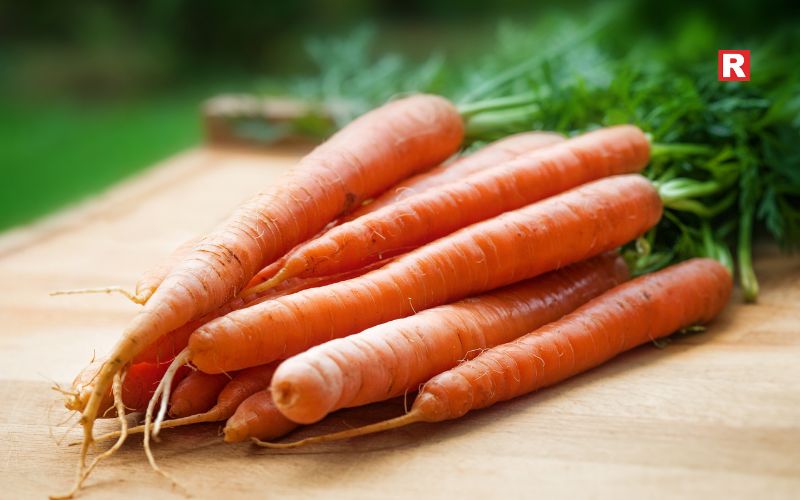
Carrots are one of the most popular winter vegetables in India. They are easily available and used in both raw and cooked forms. Carrots are rich in beta-carotene, which the body converts into vitamin A. This supports eye health, skin repair, and immune strength. During winter, when dry skin and low immunity are common, carrots help restore balance. They also support digestion due to their fibre content. Raw carrot salads, gajar sabzi, carrot soup, and gajar ka halwa are common winter favourites. Carrots also help maintain body warmth and are gentle on the stomach, making them ideal for all age groups.
Read more: 8 Famous Vegetarian Dishes of Uttar Pradesh and Their Timeless Legacy
High Protein Indian Meals You Should Try – Desi, Delicious, and Packed with
2. Spinach (Palak)
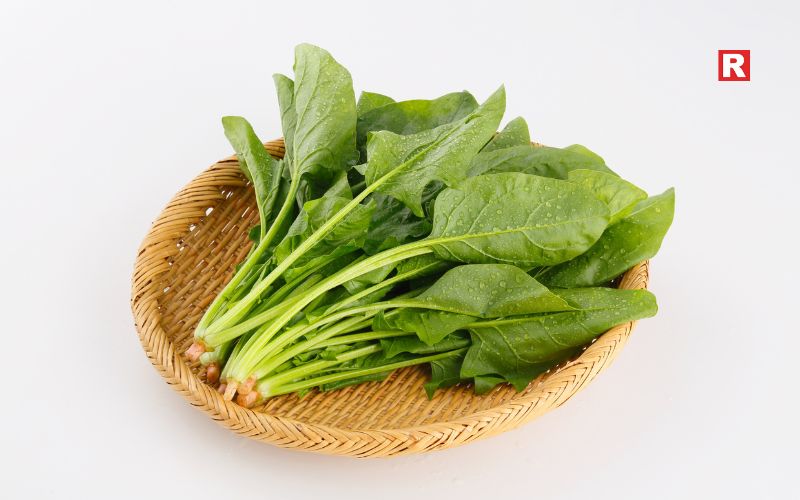
Spinach is a winter green that offers high nutrition with low calories. It is rich in iron, folate, calcium, and antioxidants. Iron helps fight winter fatigue and weakness. Folate supports cell repair. Antioxidants protect the body from seasonal infections. Palak is commonly used in Indian kitchens as palak paneer, palak dal, palak paratha, and soups. When lightly cooked, spinach retains most of its nutrients and becomes easier to digest. Regular intake of spinach during winter supports energy levels, bone health, and immunity.
3. Fenugreek Leaves (Methi)
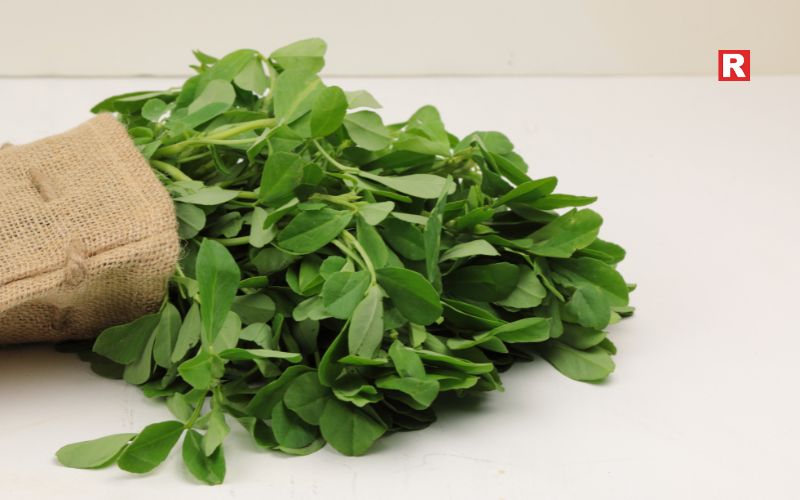
Methi is a traditional winter vegetable known for its strong taste and health benefits. Fresh methi leaves are rich in iron, fibre, and plant compounds that support metabolism. Methi helps regulate blood sugar levels. It improves digestion and reduces bloating, which is common during colder months due to slower digestion. It is widely used in methi sabzi, methi thepla, and mixed vegetable dishes. Methi also supports hormonal balance and gut health. Its warming nature makes it ideal for winter meals, especially in North and West India.
Know more: 7 Desi Alternatives to Oatmeal for Weight Loss
4. Green Peas (Matar)
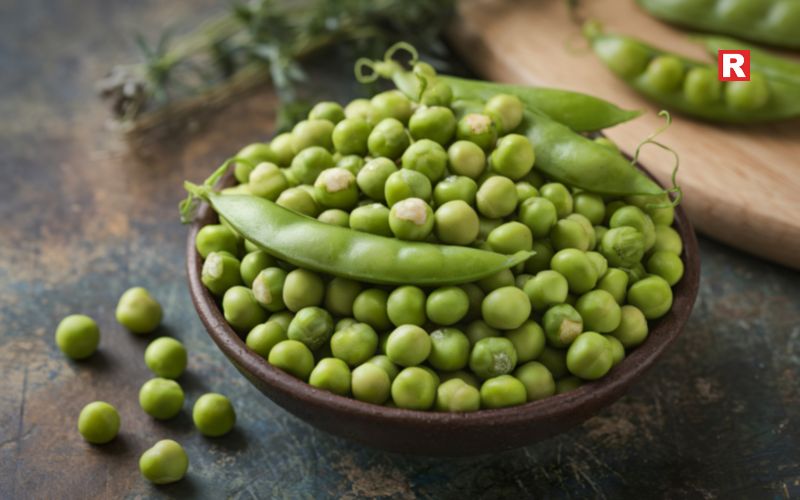
Fresh green peas are a winter favourite across Indian homes. They add sweetness, colour, and nutrition to meals. Green peas are a good source of plant-based protein and fibre. They help keep you full for longer and support muscle strength. This makes them suitable for active adults and growing children. Peas also contain vitamin C, which boosts immunity and protects against cold and cough. Matar is commonly used in pulao, curries, sabzi, and snacks. Fresh winter peas are softer, sweeter, and more nutritious than frozen ones.
5. Sweet Potatoes (Shakarkandi)
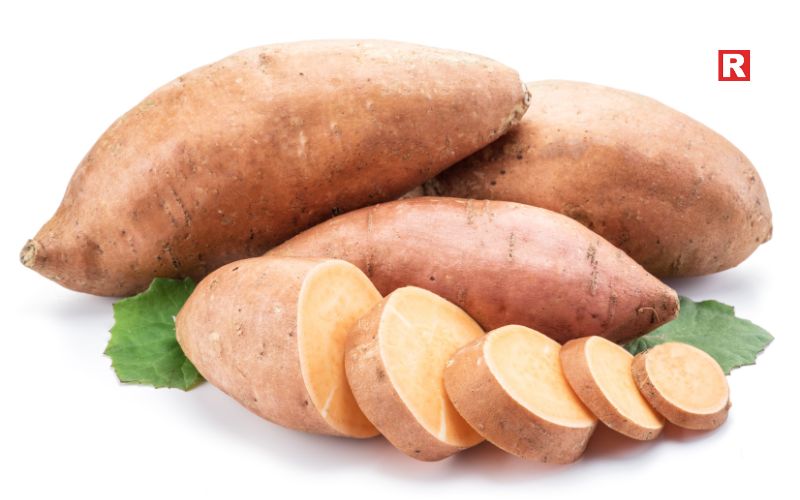
Sweet potatoes are one of the most comforting winter foods. They are naturally sweet, filling, and warming. They are rich in complex carbohydrates, fibre, and vitamin A. Sweet potatoes release energy slowly, keeping you active for longer hours. They also support gut health and help prevent constipation, which can increase during winter due to reduced water intake. In India, sweet potatoes are often roasted, boiled, or added to chaat. They are affordable, easy to cook, and suitable for all age groups.
6. Cauliflower (Phool Gobi)
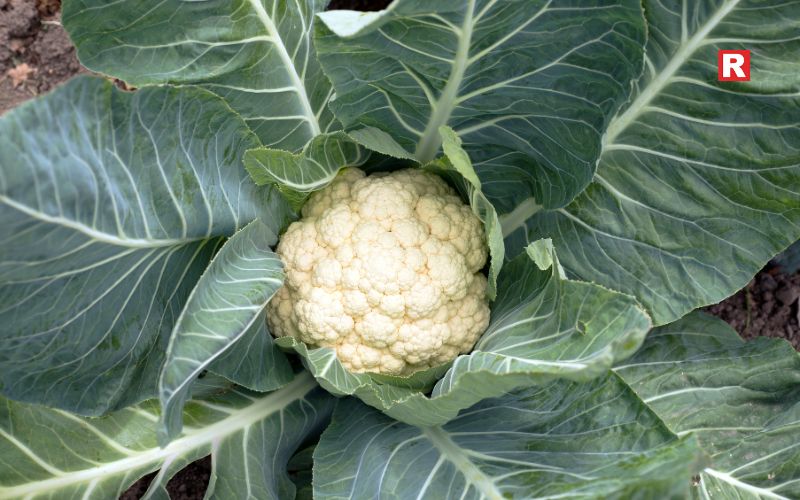
Cauliflower is a versatile winter vegetable used across Indian cuisines. It is light on the stomach but high in nutrition. Cauliflower is rich in fibre, vitamin C, and antioxidants. It supports digestion and strengthens immunity. Vitamin C helps protect the body from seasonal infections. Phool gobi can be used in dry sabzi, curries, parathas, soups, and stir-fries. When cooked properly, it remains crunchy and flavourful. It is also a good option for people looking to manage weight during winter.
7. Beetroot (Chukandar)
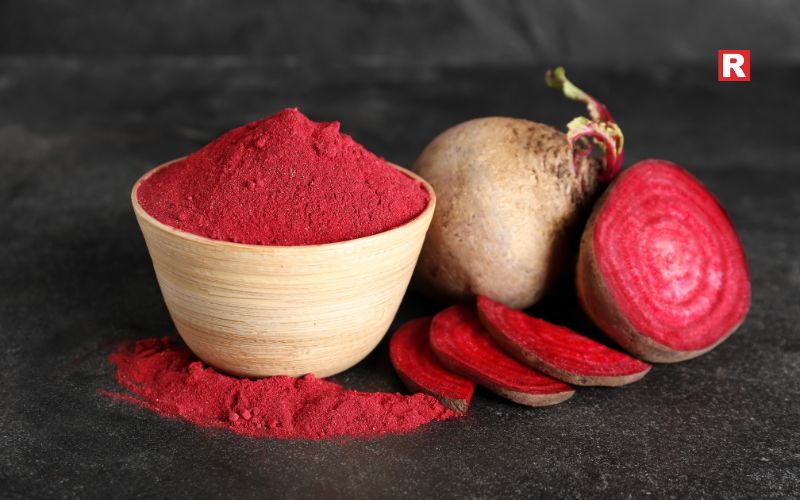
Beetroot is known for its deep colour and strong nutritional value. It is rich in iron, folate, and natural nitrates. Beetroot helps improve blood circulation and oxygen flow. This supports stamina and energy, especially during colder months. It is also good for heart health and helps maintain healthy blood pressure levels. Beetroot can be consumed raw in salads, boiled, roasted, or added to juices. In Indian homes, beetroot sabzi and beetroot raita are popular winter dishes.
Also read: 5 Ways to Use Garden Cress Seeds (Halim) for Stronger Hair and Bones
5 Foods to Avoid for Better Cholesterol
10 Dry Fruits You Should Eat After Menopause—Natural Boosters for Stronger Bones
Choose Healthy!
Winter is often seen as the ideal season to rebuild health in a natural way. The body responds better to seasonal food, especially fresh vegetables grown in colder months. Adding winter vegetables to daily meals helps people stay active, warm, and well-nourished. Carrots, spinach, methi, green peas, sweet potatoes, cauliflower, and beetroot are easy to find across Indian markets during this time. They are affordable and familiar to most households. These vegetables support immunity and help the body fight common winter illnesses. Their high fibre content improves digestion and keeps the stomach light. Vitamins and minerals in these foods also support skin health and steady energy levels. Many of these vegetables have been used in Indian cooking for generations, making them both trusted and comforting. Eating seasonal food is not a new idea. It is a habit passed down through everyday home cooking. When plates follow the season, the body benefits naturally. Winter meals, when planned well, can quietly strengthen overall wellness.

France is known for food that is rich, elegant, and full of history. Many Indian travellers assume that French cuisine is mostly about meats, seafood, and wine. But the truth is different. France has a strong vegetarian side rooted in its local farms, regional traditions, and family-style cooking. From warm cheese dishes to vegetable-based meals, France offers unique flavours that can fit perfectly into a vegetarian lifestyle.
This guide highlights the top French vegetarian dishes that are both authentic and easy to find. These dishes are ideal for travellers who want to experience local food without worrying about ingredients. Each dish has its own regional story, cooking style, and comfort factor. For Indian travellers who love fresh vegetables, warm flavours, and creamy textures, these five dishes offer a memorable taste of France.
Explore Top French Vegetarian Dishes You Can Try
1. Ratatouille: The Heart of Provence
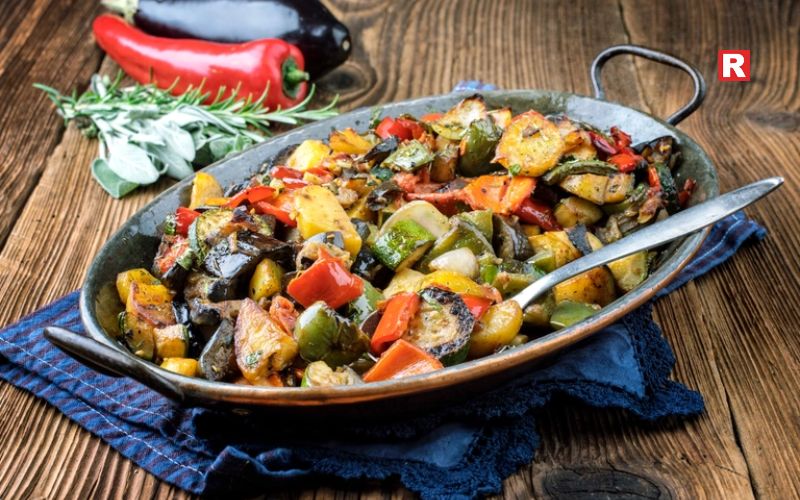
Ratatouille is one of the most famous vegetarian dishes in France. It comes from Provence, a sunny region in the south known for herbs and fresh produce. The dish is made with simple vegetables: tomatoes, zucchini, eggplant, bell peppers, garlic, and olive oil. The vegetables are cooked slowly until they blend into a soft, flavourful mix. For Indian travellers, Ratatouille feels familiar. The cooking style is somewhat similar to Indian sabzi, especially dishes where vegetables are gently simmered with spices. The herbs used in Ratatouille—thyme, rosemary, and basil—give it a fresh aroma that reminds many people of Mediterranean food. It can be enjoyed as a main dish, a side, or even with bread. In France, each household has its own way of cooking Ratatouille. Some chop the vegetables finely. Others slice them neatly, just like the modern-style Ratatouille shown in films. No matter the style, the dish remains a celebration of vegetables.
Read more: 5 Main Types of French Wine You Must Know
8 Famous Vegetarian Dishes of Uttar Pradesh and Their Timeless Legacy
2. French Onion Soup (Vegetarian Version): A Warm Parisian Classic
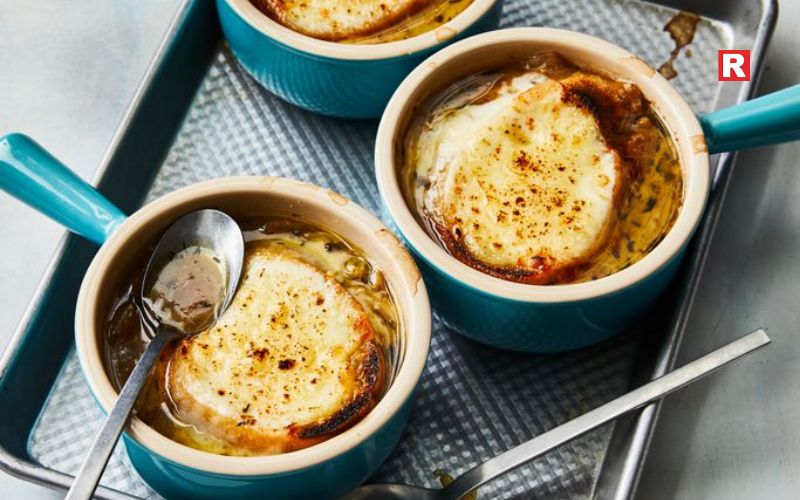
French Onion Soup is one of the most iconic dishes in Paris. Traditionally, it is made with beef broth. But most restaurants today offer vegetarian versions made with vegetable stock. This makes it a great choice for vegetarian travellers who want to try an authentic French classic. The dish is simple but deeply comforting. Onions are slow-cooked until they turn golden and sweet. They are then mixed with vegetable broth and simmered to create a rich, warm flavour. A slice of toasted bread is placed on top, and the soup is finished with melted cheese. Indian travellers often appreciate this dish because it feels like a warm winter meal. The sweetness of the onions and the creamy layer of cheese create a balance of textures. It is especially popular during cold evenings in Paris, Lyon, or Strasbourg. When ordering, you can simply ask for “soupe à l’oignon végétarienne,” which means vegetarian onion soup.
3. Quiche aux Légumes: A Perfect French Brunch Dish
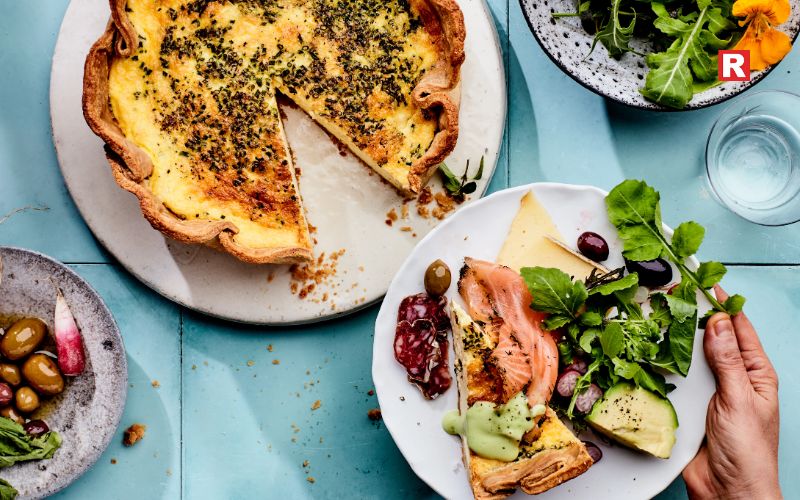
Quiche is a staple of French cafés and bakeries. It is a savoury tart with a buttery crust and a soft, creamy filling. The vegetarian version, called Quiche aux Légumes, is filled with seasonal vegetables such as mushrooms, spinach, tomatoes, leeks, or broccoli. The filling is made with eggs, cream, cheese, and spices. When baked, it becomes soft on the inside and slightly golden on top. It is often served with a small salad, making it a light but satisfying meal. Indian travellers will find this dish refreshing because it combines vegetables with a flaky crust that is different from typical Indian snacks. The dish is gentle and mild, which makes it easy for those who prefer lighter flavours. It is perfect for breakfast, lunch, or a quick snack while exploring French markets or small towns. In many French homes, quiche is a weekend favourite. It is one of the easiest dishes to find in restaurants and bakeries across France.
4. Tartiflette (Vegetarian Version): Comfort from the French Alps
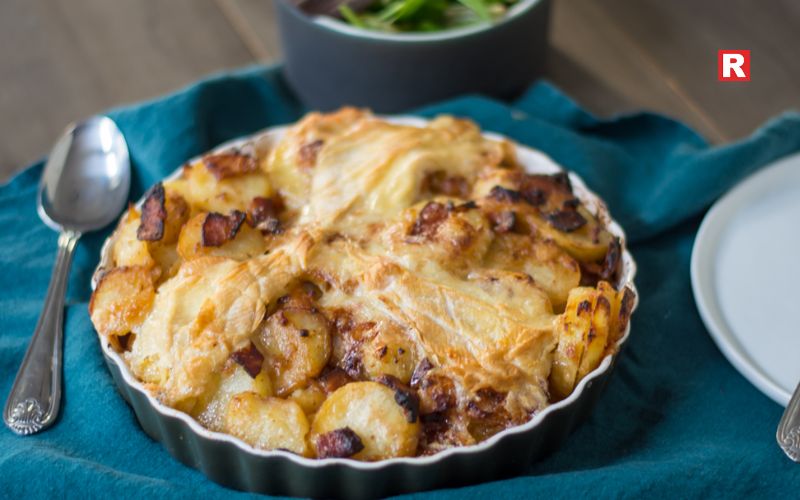
Tartiflette is a warm, creamy potato dish from the French Alps. It is usually made with bacon. But many restaurants also offer a vegetarian version, which keeps the original flavours but removes the meat. The main ingredients are potatoes, reblochon cheese, onions, cream, and butter. The dish is baked until the cheese melts through the potatoes, creating a rich and comforting texture. The result is soft, creamy, and deeply satisfying. This dish is perfect for Indian travellers visiting cold regions like Chamonix or Annecy. It is ideal after long days of sightseeing, skiing, or walking through snow-covered streets. Tartiflette has a homely feeling, similar to Indian comfort dishes that rely on warmth and richness. Reblochon cheese may taste new to Indian palates, but its creamy texture makes the dish smooth and memorable.
Know more: Top Mexican Dishes You Must Try on Your Next Visit
5. Gratin Dauphinois: A Timeless French Favourite
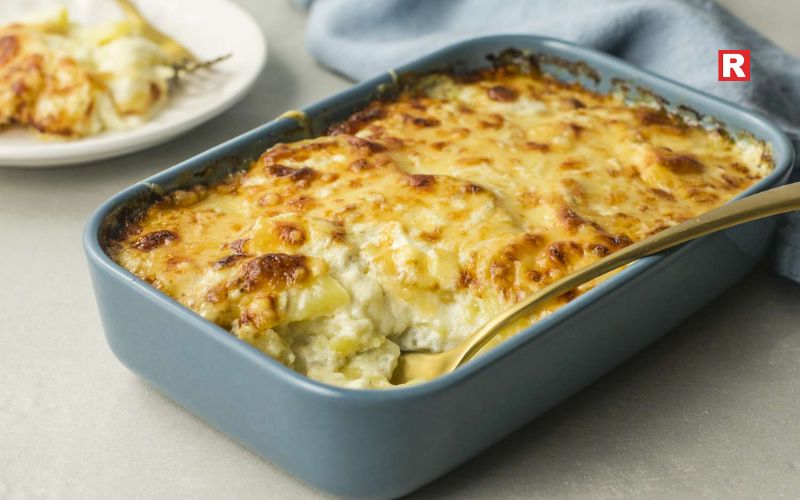
Gratin Dauphinois is one of the simplest and most loved dishes in French homes. It is made with thinly sliced potatoes baked with cream, garlic, and butter. Some versions include cheese, while others rely entirely on cream for texture. The dish has a soft inside and a slightly crispy top. It is mild, elegant, and full of flavour. Many people compare it to layered potato dishes from other parts of the world, but the French version stands out because of its delicate balance of garlic and cream. For Indian travellers, this dish can feel like a gentle, creamy comfort food. It pairs well with salads, breads, and soups. It is widely available across France, especially in traditional restaurants and countryside inns. Gratin Dauphinois is often served during family meals, holidays, and celebrations. It reflects the warm and homely side of French cooking.
Why French Vegetarian Food Is Worth Exploring
France may not be known globally as a vegetarian destination, but the country offers a wide range of options. Many French dishes use fresh vegetables, herbs, cheese, and high-quality dairy. These ingredients make the meals rich in flavour without needing meat. For Indian travellers, French vegetarian food can be enjoyable because it offers both comfort and variety. The dishes are not spicy, but they have deep flavours created from slow cooking and fresh herbs. Many restaurants now offer clear vegetarian menus. You can look for the word “végétarien” or simply ask the staff. French locals are very helpful when it comes to explaining ingredients.
Check more: Top Veg Japanese Dishes You Must Try on Your Next Visit
Top Veg Dishes in Bhutan You Must Try on Your Next Visit
Top Famous Veg Street Foods in Kolkata That You Must Try Once in Your Life
Final Thought
On a trip to France, travellers can discover a variety of vegetarian dishes that are full of flavour. Ratatouille is a colourful vegetable stew from Provence. It is made with tomatoes, zucchini, eggplant, peppers, and herbs. French Onion Soup, in its vegetarian version, offers a warm and comforting experience with caramelised onions, vegetable broth, and melted cheese. Quiche aux Légumes is a classic savoury tart with a buttery crust and seasonal vegetables, perfect for breakfast or lunch. Tartiflette, from the French Alps, combines potatoes, cream, onions, and reblochon cheese for a rich and satisfying meal. Gratin Dauphinois is a simple yet elegant dish made with thinly sliced potatoes, cream, and garlic, baked to perfection. Each dish reflects the local traditions and ingredients of its region. Together, they provide travellers a taste of authentic French cuisine while exploring the country’s diverse culinary culture.

Mexican food stands out for its strong flavours, bright colours, and long traditions. Each dish carries a story from local streets, home kitchens, and lively markets. Many Indian travellers enjoy Mexican cuisine because it feels new yet slightly familiar. The use of spices, corn, beans, fresh herbs, and slow cooking gives every plate a rich and lasting taste.
The flavours are bold but balanced. The dishes are simple but full of character. These qualities make the cuisine easy to enjoy for travellers of all ages. This guide brings together seven must-try dishes that show the real spirit of Mexico. Each dish opens a small window into the country’s culture and everyday life. For travellers who want to taste something true and memorable, these dishes offer the best start. They help visitors understand why Mexican cuisine is loved across the world and why it stays in memory long after the trip ends
Find Top Mexican Dishes You Must Try
1. Tacos
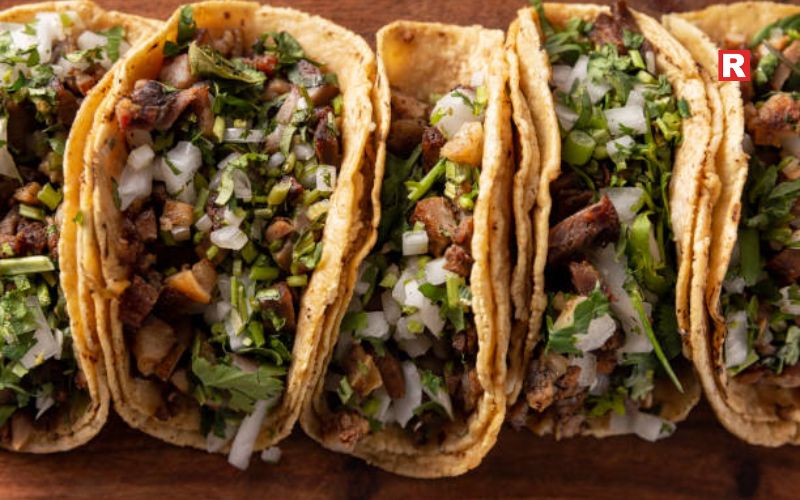
Tacos are the heart of Mexican street food. They are simple, fresh, and full of flavour. A taco uses a soft corn tortilla as the base. It is then filled with meat, vegetables, or seafood. Some stalls and shops serve tacos with grilled chicken, slow-cooked beef, or spicy pork.
The most famous one is Taco al Pastor. It is made with spit-roasted pork, pineapple slices, and mild spices. This mix creates a sweet and smoky taste. Fresh onion, cilantro, and lime juice are added before serving. Travellers love it because it feels light yet satisfying. Tacos are available everywhere in Mexico. They are quick to eat, very affordable, and full of local flavours.
Read more: What is Kimchi? Top Veg Kimchi You Can Try at Home
Top 10 Vegan Street Foods in India Every Indian Loves
2. Quesadillas
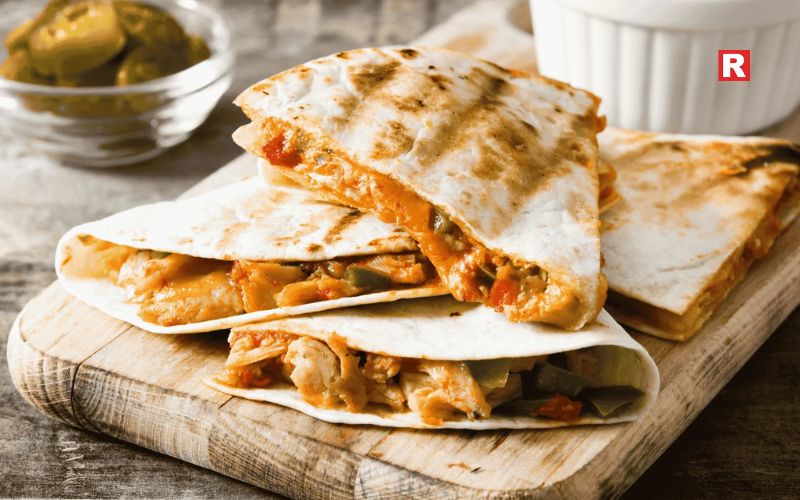
Quesadillas are another favourite. They are warm, crispy, and full of cheese. A quesadilla has a tortilla filled with cheese and grilled on a hot plate until the cheese melts. It becomes soft on the inside and crisp on the outside.
Some regions add chicken, mushrooms, peppers, or squash blossoms for extra taste. The dish is simple but comforting. It is perfect for travellers who want something mild yet flavourful.
Quesadillas are also great for people who are trying Mexican food for the first time. They offer a mix of familiar ingredients and authentic Mexican style.
3. Enchiladas

Enchiladas offer a rich and colourful experience. They are made by rolling tortillas with fillings like chicken, beans, or cheese. These rolls are then covered in chilli sauce. The sauce can be red, green, or brown depending on the region and ingredients used.
The dish is baked with cheese and topped with onion, cream, or fresh herbs. Enchiladas have deeper flavours compared to tacos and quesadillas. The chilli sauces add warmth and a mild kick. Travellers who enjoy layered and saucy dishes often pick enchiladas as their favourite.
4. Guacamole
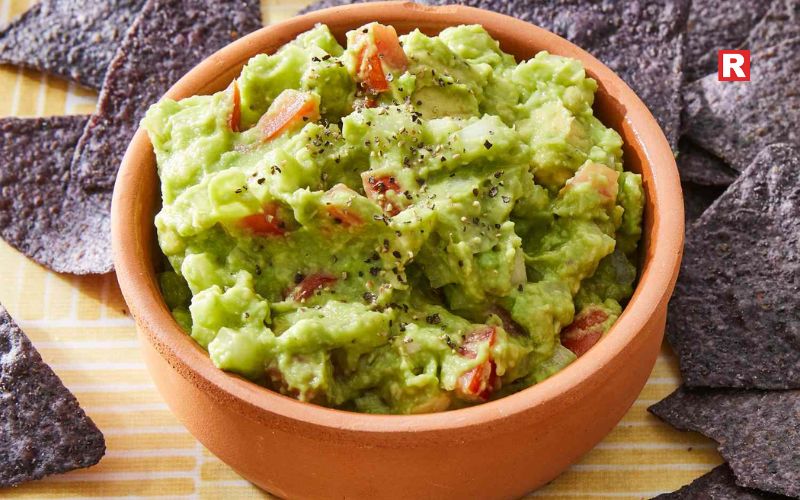
Guacamole is one of the most popular Mexican dishes worldwide. But the authentic version in Mexico is fresh, fragrant, and very different from what most restaurants elsewhere serve. It is made with ripe avocados, lime juice, cilantro, salt, and chopped jalapeño. Some places also add onion or tomato.
The dish is creamy and bright. It is usually served with tortilla chips, tacos, or grilled foods. Indian travellers enjoy guacamole because it feels clean and refreshing. It also pairs well with spicy dishes. Guacamole is considered a must-try for anyone visiting Mexico.
Know more: 5 Cities That Serve the Best Non-Vegetarian Street Food
5. Tamales
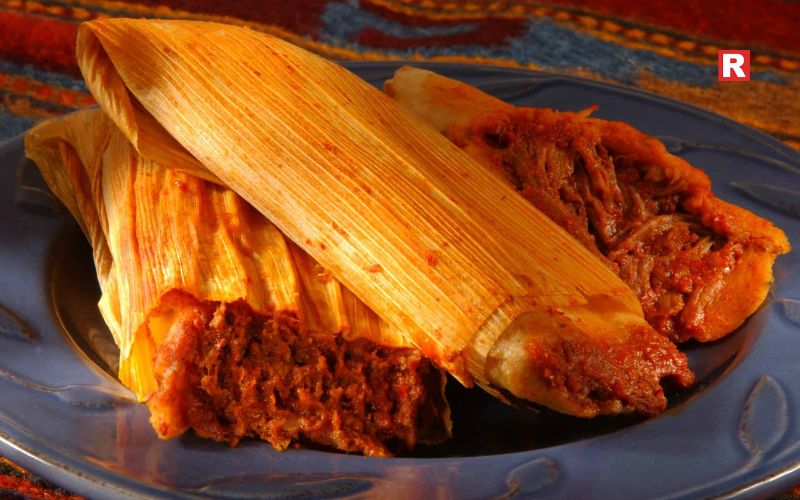
Tamales connect visitors to old Mexican traditions. This dish has been part of Mexican culture for hundreds of years. A tamale is made with corn dough, known as masa. The dough is filled with chicken, pork, beans, cheese, or even sweet corn. The filled dough is wrapped in a corn husk and steamed.
This makes the dish soft and earthy. The taste is mild but rich. Each region in Mexico has its own version of tamales. Some are spicy, some are sweet, and some use colourful masa.
Travellers who enjoy unique and traditional foods often find tamales very memorable.
6. Pozole
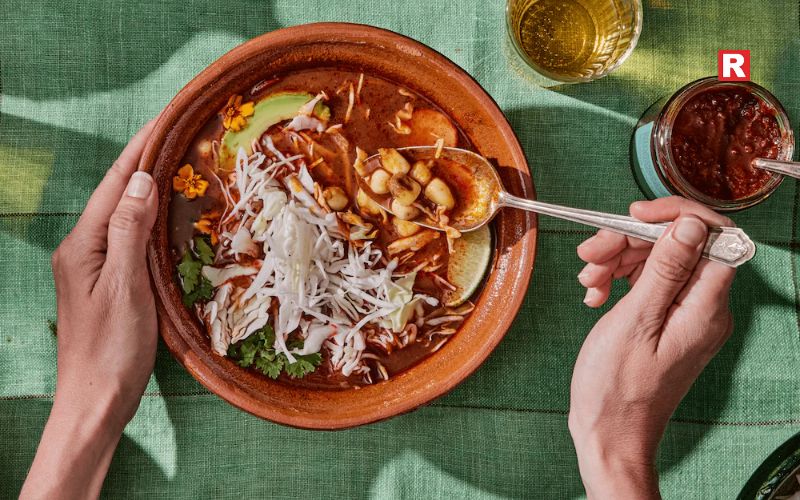
Pozole is a classic Mexican soup. It is slow-cooked for hours to build deep flavour. The soup includes hominy, which is a special type of corn. It also has chicken or pork. The broth turns rich and thick as it cooks.
Before serving, locals top the bowl with lettuce, radish, lime, onion, and chilli flakes. Each addition adds crunch and freshness. Pozole feels comforting, especially on cooler days or evenings. Travellers looking for a filling and traditional dish often enjoy pozole. It shows how simple ingredients can create something bold and satisfying.
7. Churros

Churros are a popular Mexican dessert. They are long dough sticks, fried until golden and crisp. After frying, they are rolled in cinnamon sugar. Some stalls serve them with hot chocolate, caramel, or thick chocolate sauce.
Churros are warm, sweet, and soft on the inside. They are perfect for travellers who like desserts that feel familiar but still offer a local twist. Many visitors enjoy churros while exploring markets or evening streets. This dessert brings a light, joyful ending to a day of eating Mexican dishes.
Check more: Top Veg Japanese Dishes You Must Try on Your Next Visit
8 Cheesy Foods Like Lasagna That Melt in Your Mouth
Understanding the Flavours of Mexico
Mexican cuisine uses ingredients that shape its identity. Corn is the most important. It is used in tortillas, tamales, and many other dishes. Beans add protein and texture. Chillies bring heat and flavour. Fresh herbs like cilantro add brightness. Lime juice balances spicy and savoury notes. Slow cooking brings depth. Every dish uses these elements in different ways.
Travellers from India often appreciate Mexican food because it shares a similar love for spices, layers, and comfort.
How to Choose the Most Authentic Dishes
Choosing the right places to try Mexican dishes can make a big difference.
- Look for small street vendors or family-run kitchens.
- Choose dishes served with corn tortillas instead of wheat.
- Try regional specials whenever possible.
- Avoid places that use heavy processed ingredients or too much fusion.
Eating local helps travellers understand the true taste of Mexican cuisine.
Regional Mexican Flavours Worth Knowing
Mexico has diverse regions, each offering something special:
- Oaxaca is famous for mole, a rich sauce made with spices, nuts, and cocoa.
- Puebla is known for cemitas and colourful food traditions.
- Yucatán uses citrus, spices, and slow-roasted meats.
These regions show how wide and creative Mexican food can be.
Taste Of Mexico!
Mexican cuisine blends colour, warmth, and long history in every dish. Each bite offers new textures and bold flavours. These seven dishes give travellers a real taste of the country. They show how simple ingredients can turn into strong and memorable flavours. The food is easy to enjoy and fits all budgets. Street stalls, small cafés, and local homes serve these dishes with pride. Each recipe comes from old traditions that have been passed down for many years. Travellers who try these dishes understand the spirit of Mexico better. The meals highlight everyday life, family cooking, and regional styles. For anyone planning a trip, this list makes the journey easier. It helps them know what to order and what not to miss. These dishes bring the true taste of Mexico to the table in a direct and honest way.
Garlic is a bulbous vegetable, closely related to onions, leeks, and chives. Growing underground, it normally comes as clusters of tiny cloves wrapped by a papery skin. Its pungent aroma, combined with the sharp taste, has been cultivated for thousands of years and is held in high regard in many cuisines all over the world, particularly in India.
In the kitchen, garlic is a big multitasker: It can be fresh, roasted, powdered, or used as a paste to bring depth and aroma to an immense number of dishes. Whether it's added to flavor curries, marinades, breads, and quick stir-fries, it enhances taste and fragrance, turning simple meals into extraordinary ones.
This article will share with you seven delightful ways to use this ingredient in your cuisine, its health benefits, and some tips for growing and storing garlic in or around the house.
Read more: 10 Genius Ways to Peel Garlic Like a Pro
7 Ways to Use Garlic in Your Kitchen
1. Garlic-Infused Oils and Condiments
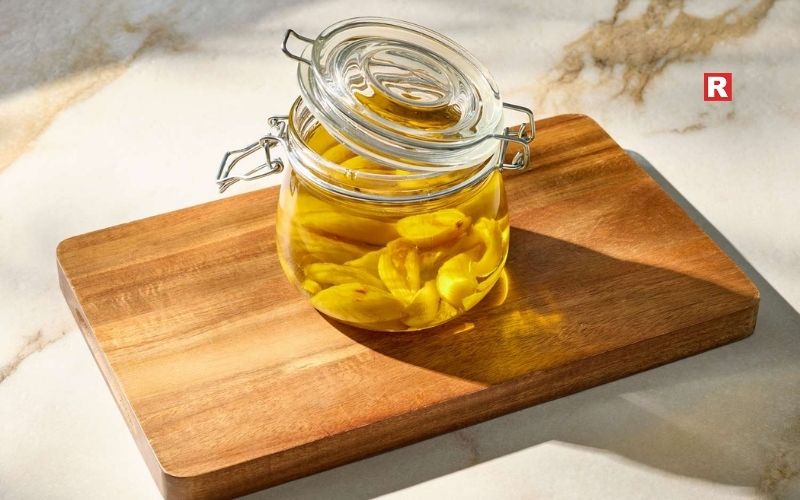
Making garlic-infused oils at home is simple, and they give a great, rich taste to lots of foods. Gently cook some peeled garlic cloves in oil (such as mustard or olive oil) over low heat. Then, strain it and keep it in a sealed bottle. You can use this oil on salads, when stir-frying veggies, or to marinate meat.
Garlic butter is another favorite. Spread it on bread or mix it into cooked veggies. Also, garlic chutneys or pickles, often prepared with local spices, go great with Indian food. These things can be used in many ways and make many dishes taste and smell better. Make sure to keep them in a cool, dry spot and use them within about a week to get the best taste.
Know more: 10 Best Snacks without Onion and Garlic you can order today
2. Roasted Garlic for a Milder, Sweet Flavor

Roasting garlic turns a sharp, pungent flavor into a sweet one. In the oven, roast entire bulbs wrapped in foil for approximately 30-40 minutes. Softened cloves can be squeezed out and spread on bread or blended into soups and sauces for a subtle garlic nuance.
Roasted garlic works perfectly in mashed potatoes, soups, and even pasta dishes with its complex, comforting flavor without overwhelming heat. In case you are sensitive to the raw intensity of garlic, then roasted garlic will be a better option for you.
3. Garlic in Indian Curries and Gravies
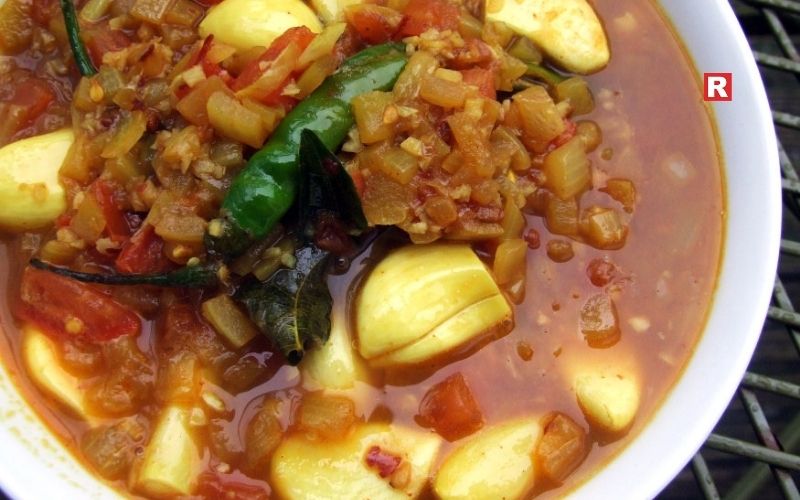
Garlic paste is a basic Indian curry recipe ingredient that has a strong base flavor of spices like cumin, coriander, and turmeric. The dishes might differ from region to region due to the different styles of ingredients used in each region, for instance, using garlic-heavy masalas for North Indian recipes or using it alongside mustard seeds and curry leaves in South Indian dishes.
Balanced use of garlic with other spices makes good gravies, while the aroma of garlic gives value to lentil-based dals. Experimenting with the amount of garlic and cooking time in your curries can help you develop your ideal flavor.
4. Garlic as a Marinade Ingredient

Garlic adds a great tenderness and flavor to the marinade. Mix crushed or powdered garlic with yogurt, lemon juice, turmeric, chili powder, and salt, and you have a nice paste ready for marinating chicken, paneer, or vegetables.
Marinate for at least 30 minutes or longer for tougher meats, which allows for deep penetration of garlic and spices. This technique gives the dish aroma and makes it juicy and tender after cooking.
5. Garlic in Quick Stir-Fries and Sautéed Dishes
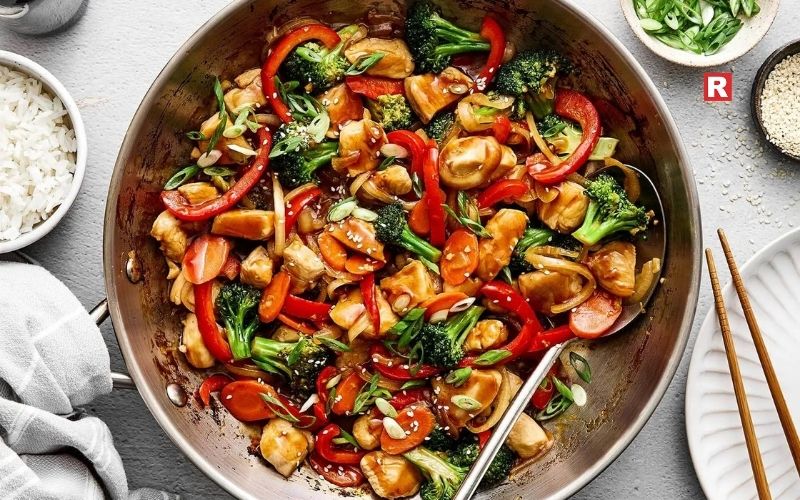
Quick dishes, like stir-fries, are usually much enhanced by the aroma of freshly chopped or sliced garlic when sautéed early in cooking. Garlic releases flavor quickly into hot oil to make a tasty base for vegetables, tofu, or chicken.
Be sure not to let the heat get too high, because burned garlic is bitter and ruins the dish. Use it moderately, according to your preference for either light or strong flavors, and appreciate the freshness it brings to quick weeknight dinners.
What's new: Why Gluten-Free Is Becoming the New Trend + 10 Gluten-Free Meal Ideas
6. Garlic-Infused Breads and Snacks
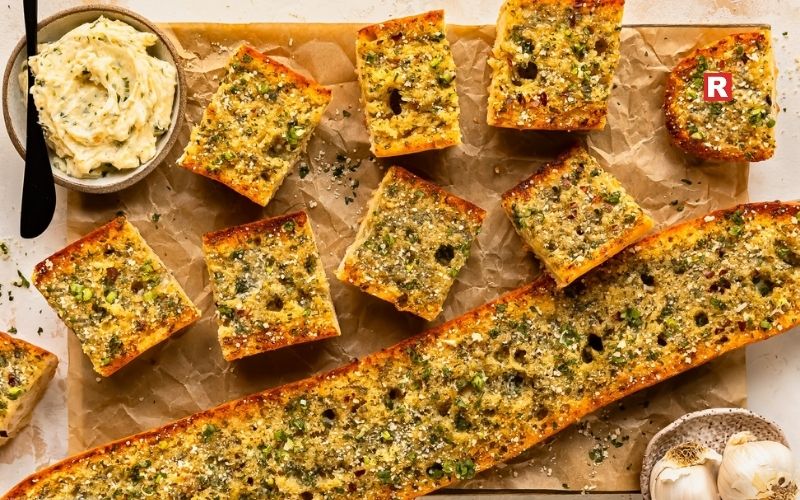
Garlic bread is not limited to Western cuisine; its Indian versions, such as garlic naan, bring fusion flavors to your table. Brushed with garlic butter and baked after being rolled out, these breads pair wonderfully with dal and curries.
Then there are garlic pakoras, snacks of fried garlic-flavored fritters, or even namkeen flavored with garlic. These are generally made for teatime or any festive occasion, where every bite fills the mouth with a garlicky taste.
7. Garlic for Health and Medicinal Uses in the Kitchen
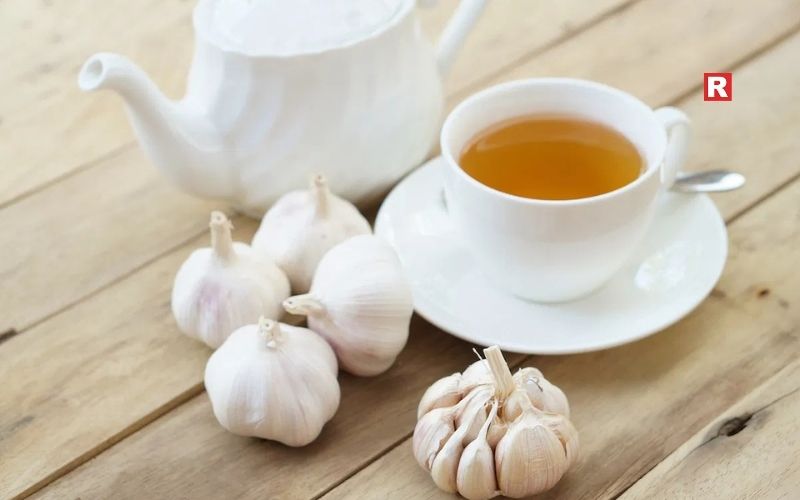
In most Indian homes, garlic has traditionally been regarded for its healing properties, improving digestion, boosting immunity, and lowering the chances of heart disease.
Garlic teas and broths are consumed during colds and flu to soothe symptoms. Some people take raw garlic with honey or warm water for infections as a remedy. Adding garlic to daily food gives medicinal advantages and also improves the taste and aroma of the food.
Scientific Health Benefits of Garlic
- Rich in Bioactive Compounds: Garlic contains allicin, a sulfur-containing compound responsible for many of its health benefits.
- Antibacterial and Antiviral Properties: Some studies prove that garlic helps fight infections by enhancing immune functioning.
- Anti-inflammatory Effects: Garlic is anti-inflammatory, and its consumption decreases the risk of several chronic diseases.
- Heart Health: Regular garlic consumption is related to the reduction of blood pressure and cholesterol levels.
- Improved Immunity: White blood cells are stimulated by garlic. This helps the body against sicknesses.
- Antioxidant Properties: It acts to combat one of the major causes of aging and a wide variety of diseases, oxidative damage.
- Recommended Intake: About 1-2 cloves a day could assure health benefits, but as too much of it may invite digestive discomfort, it is best to consume in moderation.
Check out: Your Simple Guide to 7 Vitamin C-Rich Foods
11 Benefits of Eating Chia Seeds
Growing and Storing Garlic at Home
Growing Garlic in Indian Climates
- Garlic is easily grown during the cooler months in most areas of India.
- Select healthy garlic bulbs that have large cloves to plant.
- Plant cloves individually in well-draining soil, installing them about 2 inches deep and 4-6 inches apart.
- Garlic should be kept moist but never waterlogged.
- Defoliation usually occurs at 8-10 months after planting. This is when leaves start to turn yellow and dry.
- Growing your own garlic ensures both a fresh supply and the joy of home gardening.
Storing Garlic to Maximize Freshness
- Keep garlic bulbs in a cool, dry, and well-ventilated place to prevent mold and sprouting.
- Avoid refrigerating unless garlic is peeled, as cold temperatures will encourage cloves to sprout prematurely.
- Keep garlic away from direct sunlight, as this speeds up the depletion.
- For ventilation, use mesh bags or open containers instead of plastic bags.
- Whole bulbs can last for up to 3 months under proper storage conditions. Peeled cloves, on the other hand, will last about a week.
Learn more: 10 Vegan Side Dish Ideas That Complete Any Meal
Garlic Summed Up
Garlic really is the unsung kitchen hero, bringing unmatched flavor and aroma while also packing some pretty amazing health benefits. From infused oils and roasted garlic spreads, to the backbone it provides in so many curry and marinade recipes, there are truly a million ways to make use of garlic in the kitchen. Be it for cooking magic or simple medicine, there's just no way to go wrong with adding garlic to any meal for an extra boost of natural vitality. Growing your own garlic and storing it properly will guarantee that this powerful ingredient is always at your fingertips. Enjoy the following uses for garlic and find out how this modest bulb can make a difference in your kitchen.

A gluten-free lifestyle has gained popularity in recent years, evolving from a small trend to a relatively common health choice, even in India. Gluten is a protein that's in wheat, barley, and rye. All the stuff that a lot of Indian food is based on. Since more people are learning about gluten intolerance and celiac disease, they’re starting to understand how gluten can affect their bodies.
What used to seem like a Western phenomenon is now gaining popularity in Indian homes and restaurants. People in cities here are trying out gluten-free diets not just to deal with health problems, but also because they want to eat healthier and cleaner. Everyone from gym-goers to regular families is starting to see going gluten-free as a way to eat smart and take care of themselves.
In this article, we’ll look at why gluten-free is becoming such a big deal in India. There’s also a list of 10 tasty gluten-free meal ideas that suit Indian tastes, so you can easily add them to your everyday meals.
Read more: 10 Biscuit Brands in India That Pair Perfectly With Chai or Coffee
Understanding Gluten and Its Impact
What is Gluten?
Gluten is a naturally occurring protein mainly found in wheat, barley, and rye. It acts as a binding agent, helping dough stick together, providing elasticity and chewiness. Indian food staples like chapati, paratha, bread, and lots of snacks contain gluten, so it's a normal component of India’s diverse cuisine.
Impacts of Gluten on Health
- Celiac Disease: People with celiac disease cannot eat gluten, because it triggers their immune system to attack the lining of their small intestine. This makes it hard for the body to absorb nutrients and can lead to health problems.
- Non-Celiac Gluten Sensitivity: Some people get symptoms like bloating, stomachaches, headaches, and tiredness when they eat gluten, but they don't have the intestinal damage that comes with celiac disease.
- Common Symptoms of Gluten Intolerance: These can include tummy troubles, skin rashes, headaches, joint pain, and trouble concentrating.
- Commonality: While gluten intolerance doesn't affect a huge number of people, lots of people go gluten-free to deal with symptoms or just feel better.
- What to Do: If you have celiac disease, stay away from gluten. Try cutting back on gluten to see if the symptoms get better. Before you start a gluten-free diet, it's a good idea to talk to a doctor to make sure you don't cut out foods you need or mess up your nutrition.
Know more: Your Simple Guide to 7 Vitamin C-Rich Foods
Why Is Gluten-Free Becoming the New Trend in India?

Increasing Health Awareness
More people in India are getting diagnosed with gluten issues like celiac disease because they have better access to medical info and tests. People are starting to notice symptoms like tummy troubles, feeling tired, and skin problems that could be due to not being able to handle gluten well. Because of this, a lot of people are trying out gluten-free diets to either prevent problems or help them feel better.
Changing Dietary Preferences
In India, the wellness trend is causing people to choose healthier, less processed foods. People in cities are starting to eat less wheat and are trying out other natural foods like millets and pulses because they think these are better for them. Since everyone wants food that has good nutrition and fewer additives, gluten-free choices are becoming more popular.
Rising Cases of Lifestyle Diseases
More and more people are dealing with autoimmune issues and digestive problems like IBS. Because of this, gluten-free diets are getting a lot of attention as a way to relieve symptoms. Some research shows that gluten might cause inflammation in people who are sensitive to it. That's why many are trying to cut out gluten to see if it helps them feel healthier overall.
Influence of Social Media and Celebrities
Indian celebrities and fitness influencers are openly sharing their gluten-free journey online, which is getting this lifestyle a lot of attention. You can find gluten-free recipes and advice on Instagram and YouTube, making it easier for people to try it out. Social media is really helping these health trends spread fast to lots of different people.
Availability of Gluten-Free Products
It's way easier now to find gluten-free food products. Supermarkets and online stores have things like besan, millet, and rice flour, which are good alternatives to wheat. Plus, there are also many gluten-free snacks. Even Indian restaurants are joining the trend, with more gluten-free items on their menus. So, you can stick to your gluten-free diet without missing out on your favourite tastes or traditions.
What's new: 10 Vegan Side Dish Ideas That Complete Any Meal
10 Gluten-Free Meal Ideas for Indian Palates
Breakfast Ideas
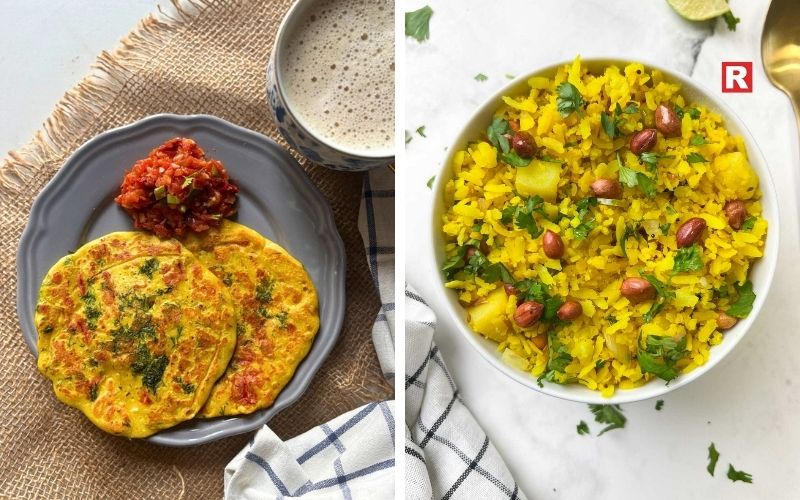
- Besan Chilla (Gram Flour Pancake): This tasty pancake is made with chickpea flour, so it's gluten-free. It's packed with protein, and you can easily toss in some grated veggies like carrots, spinach, or onions. You can also pair it with mint chutney or yogurt for a good breakfast.
- Poha with Nuts and Vegetables: Poha is flattened rice, so it's gluten-free. You can stir-fry it with mustard seeds, curry leaves, peanuts, and whatever veggies are in season. It's a light and healthy way to start your day, especially when you're short on time.
Lunch/Dinner Ideas
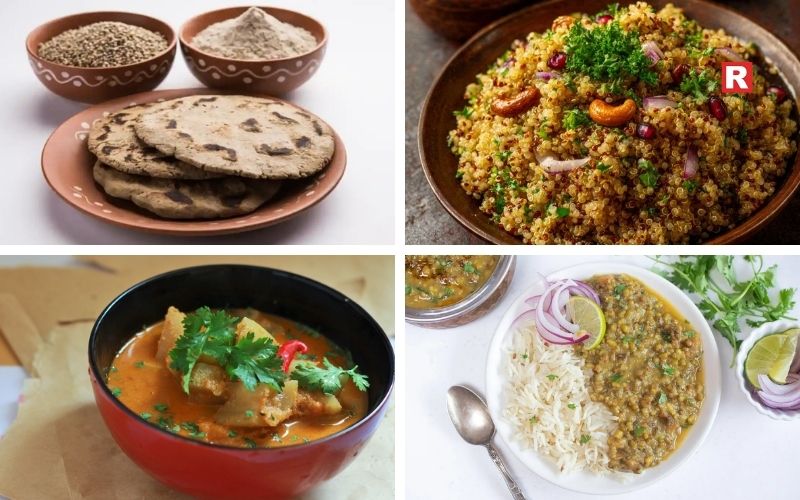
- Millet Rotis (Bajra, Jowar, Ragi): Traditional millets don't have gluten and are full of fibre, vitamins, and minerals. Bajra and jowar rotis are eaten a lot in some Indian regions and are good options if you want to avoid wheat bread or roti. They taste great with dals, veggies, and chutneys.
- Quinoa Pulao with Vegetables: Quinoa is originally from South America, but it's becoming popular in India as a gluten-free grain with lots of protein. When you cook it with veggies and spices, it turns into a tasty and healthy pulao that Indians enjoy.
- Lauki (Bottle Gourd) Curry with Rice: Lauki curry is easy to digest and doesn't have gluten, so it's great for lunch or dinner. It's a nice and healthy choice when you eat it with rice or millet.
- Chickpea or Moong Dal Curry: Pulses don't have gluten naturally and are a big part of Indian vegetarian food. Chickpeas and moong dal cooked with spices give you protein and fibre without any gluten.
Snacks/Appetizers
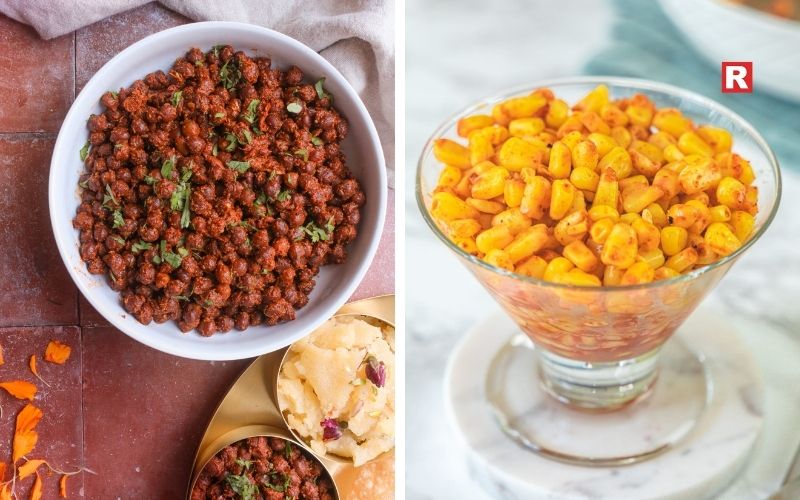
- Masala Chana (Spiced Chickpeas): Roasted or boiled chickpeas, seasoned with chaat masala, cumin, and chilli powder. They're crunchy, full of fibre, and a great gluten-free snack for anyone.
- Masala Corn: Boiled or roasted corn mixed with butter, lemon juice, and some spices. You can find them a lot on the street, and it's really easy to make at home, and also it's naturally gluten-free.
Check out: 10 Healthy Spreads Ideas That Turn Bread Into a Better Snack
10 Veg Chicken Substitutes for High-Protein, Balanced Meals
Desserts
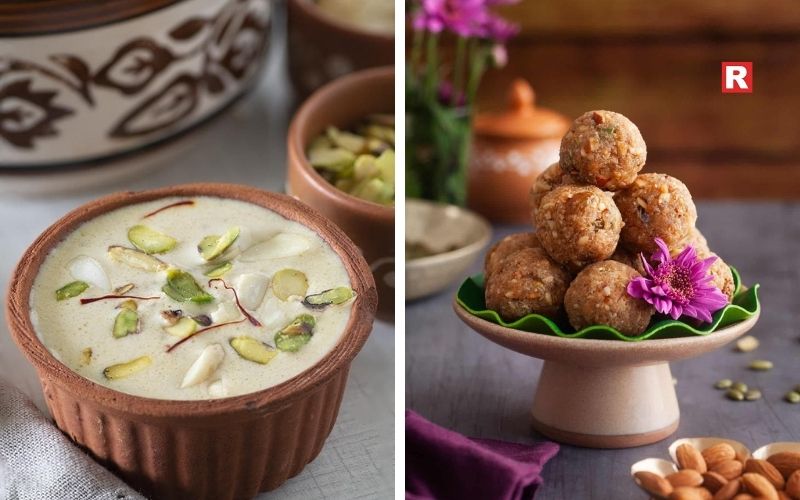
- Millet or Quinoa Kheer: Although rice is already gluten-free, you can still try swapping it with millet or quinoa in your kheer for a healthier version. Cook it in milk and add cardamom, nuts, and saffron for a tasty and healthy dessert.
- Coconut Ladoo with Jaggery and Nuts: These sweet balls made from grated coconut, jaggery, and nuts require no wheat or gluten-containing ingredients and are popular during festivals and everyday treats.
Tips for Adopting a Gluten-Free Diet in India
- Read Product Labels Carefully: When buying packaged foods, watch out for gluten hiding under names like maida (refined wheat flour), rava (semolina), malt, and certain starches.
- Choose Naturally Gluten-Free Flours: When you're cooking or baking, try using gluten-free flours, such as besan (gram flour), millet flour (bajra, jowar, ragi), rice flour, or cornflour. They're also a healthier choice than maida or wheat.
- Shop at Specialized Stores: For more gluten-free choices that you can trust, check out stores or websites that specialize in gluten-free products.
- Prevent Cross-Contamination: In your kitchen, keep your gluten-free stuff away from everything else. Use different spoons, pots, and pans so you don't mix gluten-free food with food that has gluten.
- Explore Traditional Indian Recipes: Lots of Indian foods that use grains, beans, and rice don't have gluten anyway. Try adding some of these to what you eat, so you still get great flavor without the gluten.
- Use Indian Spices and Herbs: Make sure your meals are still tasty by using the spices you already have. That way, you don't have to give up food that tastes good just because you're eating gluten-free.
- Consult Healthcare Professionals: before you stop eating gluten completely, have a chat with a dietitian or your doctor. This makes sure you're still getting all the stuff you need and that you change your diet in a good way that you can keep up with.
Learn more: 10 Vegetarian Indian Foods That Help You Gain Weight the Healthy Way
Enjoy Gluten-Free Living
Going gluten-free in India isn't just a passing trend. It shows people are paying more attention to their health and how well they digest food. It helps some feel better when they have long-term health problems. Other people see it as a way to get healthier. And now, it's much easier to switch because you can find gluten-free food. You can still enjoy tasty and healthy gluten-free meals that taste Indian just by changing some ingredients and coming up with clever recipes, like millet rotis and quinoa pulao. As with any diet change, seeking professional guidance is important to thrive on this trend safely and happily.
Disclaimer: This article is intended for general informational purposes only and should not be considered a substitute for professional medical advice, diagnosis, or treatment. Readers are advised to consult a qualified healthcare professional before making any dietary, health, or lifestyle changes.

Indian’s love for biscuits is something that cannot be comprehended by words alone. But this love is incomplete without the chai, or in some cases, coffee. When you imagine having a tea or coffee break, biscuits are always included. And there isn’t any biscuit you can pair with your chai or coffee. Certain brands have power over half the biscuit industry just because they are a perfect pair with chai.
This is why the biscuit market in India has taken a step up, with numerous options available for everyone. You can find many different varieties from classic butter biscuits to chocolate ones. And, as more and more people in India are becoming health-conscious, lots of brands have launched biscuits with oats, nuts, and jaggery. This is great for both people who prefer taste and the ones that prefer health.
This article is intended to list 10 biscuit brands found in India that are great with chai or coffee. So that you can find your next choice of biscuits for your tea and coffee time.
Read more: 10 Best Tea and Dessert Pairings for Café Enthusiasts
The Biscuit Market of India
The biscuit market in India is at a level where it is thriving, with a value of around USD 4.76 5.05 billion in 2024, and is expected to grow at an annual rate of (CAGR) of 5.88% to 9.61% over the next few years. Indian biscuit brands dominate the market more than foreign ones, which have a smaller share in the market. What makes the Indian biscuit market interesting is that there is a constant innovation in flavors and textures. There are also health-focused options, like multi-grain or sugar-free, which cater to the evolving demands of customers. Many brands have unique biscuits made with desi ghee or regional specialties. This makes biscuits a versatile and popular snack choice across the country.
The Top 10 Biscuit Brands For Your Chai and Coffee
1. Parle
India’s most famous brand, which every Indian must have heard of, Parle, became popular because of its flagship product, Parle-G. Its tagline, "G Mane Genius," is a great marketing tool. Parle-G is known for its sweet taste and crunchy texture, which, if dipped in chai or coffee, becomes soft and mushy. It is like the perfect match for chai and coffee. Whether it is morning or evening, tea or coffee time, Parle-G is there to complete the experience. It has also become a household staple due to its affordability and availability. Parle, the brand, also offers biscuits like Krackjack and Monaco, which are salty, making them perfect for people who like a salty snack with their chai. This brand’s quality has remained consistent over the years, making it a favorite for many.
Know more: Top 10 Tea Brands in India That Every Chai Lover Swears By
2. Britannia
Britannia is well-known for its wide range of biscuits, including Good Day, Marie Gold, and Bourbon. Good Day biscuits are buttery and nutty, oftentimes coming in different flavors like Pista Badam, Cashew, Butter Jeera, etc. They offer a more premium tea time experience if you’re having chai or coffee in a middle-class Indian household. Marie Gold, on the other hand, is light and crisp. It doesn’t soak in chai well after dunking, but it is preferred by people who want to get the taste of biscuits more clearly. Bourbon, which has a chocolate layer between two biscuits and sweet sugar sprinkled on top, is a perfect choice for coffee, especially the less sweet ones. Britannia’s biscuits are widely available across the country and loved for their quality and taste.
3. Sunfeast
Sunfeast is known for tasty and new flavors and good quality, so tea and coffee fans love it. Dark Fantasy cookies are a popular choice with coffee drinkers. They have a rich chocolate taste that pairs well with a strong cup of coffee. Sunfeast Marie biscuits are light and crispy, just right with chai, for those who like to taste the biscuit without it getting too soggy. Sunfeast also has digestive and multigrain choices for people watching their health, who want a good snack with their drinks. People like Sunfeast biscuits because they taste good, are of good quality, and can go with anything. This makes them a go-to for tea time in Indian homes.
4. Oreo

Oreo, a cream biscuit introduced by Cadbury, is famous not just in India but in other countries as well. It comes in two fillings, white and brown chocolate. This biscuit is a good choice for pairing with coffee and provides a sweet and indulgent experience. With black coffee or americano, its flavor is perfect to balance out the coffee’s bitterness. It might not be a good choice with a sweet milk tea, though. It has a unique texture that goes beyond just normal snacking. Oreo, rather than just being a biscuit, has become an ingredient and a flavor in itself. You can find Oreo Shakes at any juice stall, or Oreo cakes, and even Chocolate with Oreo filling. This biscuit is popular among young adults and families that are looking for a premium biscuit option.
What's new: 10 Most Popular Coffee Blends in India
5. Bourbon (Britannia)

These biscuits are so good that they need a separate section from their brand’s other varieties. Bourbon is known for its creamy center of chocolate and crisp exterior, making it a good choice for pairing with coffee. The chocolate center isn’t too sweet and pairs well with the crunch exterior. When you take a bite of this biscuit, you experience a flavor that is sweet but not overwhelming, rich, gentle, and lingers on your taste buds. Bourbon is also a popular choice with chai for those people who enjoy a sweeter snack. The biscuit’s rich taste and quality have made it a favorite for tea and coffee lovers across India.
6. Anmol

Anmol biscuits are known for their good quality and classic taste, which is why Indian families have trusted them for years. Their Glucose biscuits taste great with chai and give you a light, sweet crunch that is perfect with a warm cup of tea. They’re made with simple ingredients, so you get a good snack without any artificial ingredients. Anmol has other biscuits, too, like cream, butter, and digestive ones, so there’s something for everyone. People love the brand because the biscuits always taste good and don’t cost much, making them perfect for tea every day. You can find Anmol biscuits in stores and supermarkets all over India. Their simple, classic flavors have made them a favorite with both kids and grown-ups. They also have other items besides biscuits, like chai-friendly Rusk, waffles, and mini-cakes.
7. Priya Gold

Priya Gold biscuits are pretty good, with both classic and new flavors for people who care about taste. Their Cheese Cracker is a hit if you like something cheesy with your tea or coffee. They have a strong cheese flavor and a nice crunch. Marie Lite biscuits are another common choice. They're light and crispy, good for dipping in your chai or coffee without getting mushy. Priya Gold also has other biscuits, like fruit and nut types, if you want something a bit fancier with your tea. The brand cares about good ingredients and great taste. People pick these biscuits for celebrations or when they want a treat. You can find Priya Gold biscuits in most stores and online. So, if you're in India and love biscuits, you can easily get your favorites.
Check out: Top Flavour Coffee Brands in India That Every Coffee Lover Must Try
Best Cookie Brands in India: A Complete Guide for Cookie Lovers
8. Googly (Bisk Farm)

Googly biscuits, produced by Bisk Farm, are pretty popular because they have unique flavors and an innovative texture. People especially like their cream-filled biscuits with coffee. The cream makes the coffee taste even better. If you like chai, the plain Googly biscuits are a good match. They don’t take away or overpower the flavor of teamaking them suitable for people who like a more subtle pairing with their tea or coffee. Googly also experiments with different kinds of biscuits, and makes biscuits like flavored and multigrain ones, so everyone can find something they like. Basically, Googly biscuits are made to be versatile, so they can go with whatever you're drinking, whether it's coffee in the morning or tea at night. They're known for being creative and yummy. Popular choice for those who love to try new flavors and textures with their favorite drinks.
9. Patanjali
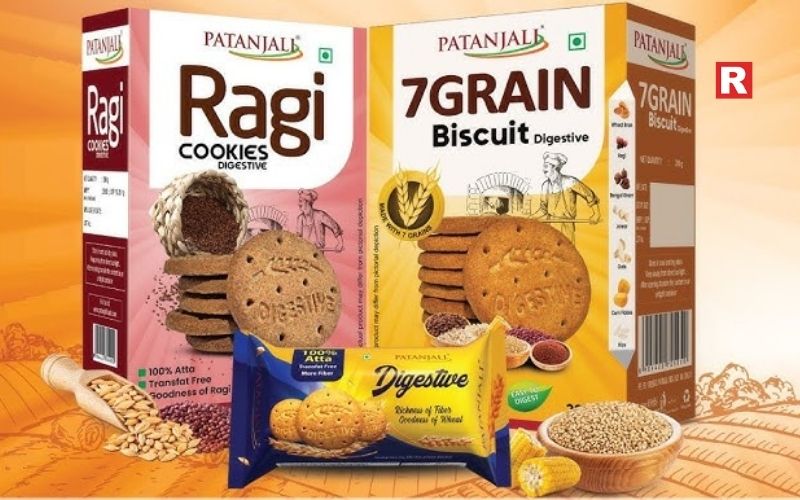
Patanjali is a popular Indian brand that's known for its natural and Ayurvedic products, and their biscuits are no different. They sell unique biscuit varieties such as Doodh Biscuits and Nutty Delite, which contain stuff like milk, oats, and nuts. These biscuits don't have artificial flavors or preservatives, so they're a great choice for people who care about their health and for families who want snacks without the guilt. Their biscuits taste great with both chai and coffee, giving you a nice crunch and a bit of sweetness that goes well with a warm tea or a rich coffee. Because the brand uses natural ingredients and keeps prices low, their biscuits are liked by people in cities and villages. You can eat them for a fast breakfast, an afternoon snack with tea, or a small evening treat. Patanjali biscuits give you a good experience that fits with today's health ideas while still feeling like a classic Indian biscuit.
10. Unibic
Unibic is known for its gourmet biscuits. They offer a wide variety of premium choices like chocolate chips, fruit, or nuts. They’re made to give you an indulgent experience, especially for people who like something sweet with their coffee. These biscuits also work well with chai. Their strong flavors and crunch make your tea time even better. Young people and families who like high-quality biscuits love Unibic because of their good quality and ability to elevate their tea or coffee time. Unibic uses quality ingredients and also comes up with innovative recipes, which is why people who love tea and coffee enjoy them. Whether you're having coffee or chai, Unibic biscuits make any moment feel a little special, so they're a popular pick if you like fancy biscuits.
Learn more: India's Famous Namkeen Brands: The Top 10
Finding the Perfect Pair
In India, there's nothing quite like dipping a biscuit into your chai or coffee. It's a simple pleasure that brings happiness to homes everywhere. These little treats make everyday moments better, with a yummy mix of tastes and textures that go perfectly with both sweet and savory drinks. You can find all sorts of biscuits these days, from the old favorites to fancier ones and even some healthy choices. They're not just snacks, they're a key part of India’s tea-time tradition and happy memories of many. Whether you're taking a quick break or settling in for a cozy evening, biscuits and tea or coffee are a beloved Indian custom that celebrates good taste, tradition, and spending time together.
Vitamin C is a nutrient that's common in our diets. People like it because it boosts immunity, keeps skin healthy, and enhances their well-being. Most people try to get Vitamin C in their meals, whether it's from fruits, veggies, or drinks. However, your body can't store it for long, so you need to get it regularly.
In India, there are lots of foods that are a great source of Vitamin C. You can find them easily at local markets and stores. They're good for any region and don't take much work to add to your meals. Because of this, Indian families have been eating these things for a long time, no matter the season.
This article will list seven foods that are loaded with Vitamin C. Also, it’ll explain why they are good for you, how you can eat them, and why you should include them in your daily diet.
Read more: 12 Foods Like Avocado That Are Creamy, Healthy, and Tasty
Why Your Body Needs Vitamin C
- Supports iron absorption: Vitamin C helps your body absorb iron from plant-based foods. This can really help with keeping your energy up and fighting off tiredness, especially if you're a vegetarian.
- Strengthens immunity: Getting enough Vitamin C can also help your immune system. Many find they feel better during seasonal changes when they get enough of it.
- Protects cells: It also protects your cells from damage caused by things like stress, pollution, and not eating properly, which helps keep your body in good shape.
- Aids collagen production: Vitamin C is used by the body to make collagen, which is important for healthy skin, comfortable joints, and healing wounds.
- Easy to obtain: It's actually easy to get Vitamin C. Even though people talk about it a lot, it's one of the simplest nutrients to find in everyday foods.
- Must be taken through diet: Your body can’t make Vitamin C on its own, so it’s important to get it daily from the food you eat.
Lots of fruits and veggies used in Indian cooking have Vitamin C. Here are seven great examples.
7 Vitamin C-Rich Foods
1. Amla
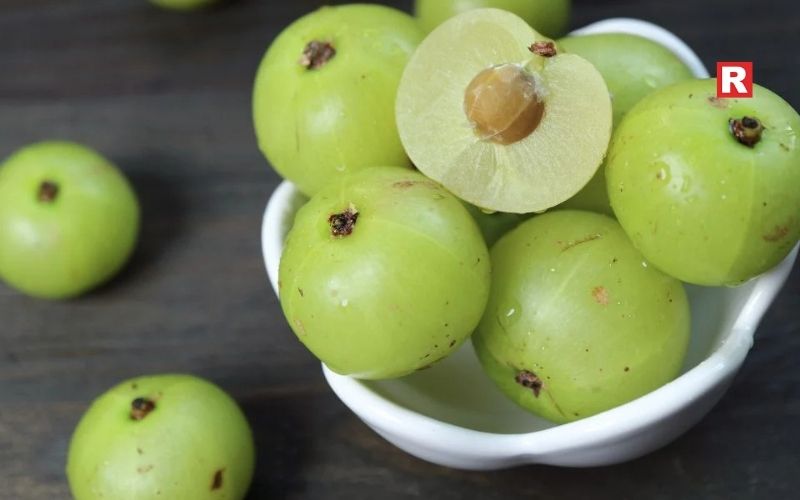
Amla is packed with Vitamin C. People eat it raw, pickled, or drink it as juice. It's been a go-to in Indian diets for ages. Amla helps your immune system, makes your skin look better, and keeps your stomach happy. Plus, it has nutrients that fight off damage from the environment.
You can grate Amla into salads, mix it with water and honey, or eat it as murabba. Some like them sun-dried because it's not as strong. Since you can find it in most Indian markets, it's easy to eat a little bit regularly. Just one piece gives you a good dose of Vitamin C, so it's a simple choice.
Know more: 10 Vegetarian Indian Foods That Help You Gain Weight the Healthy Way
2. Oranges

Oranges are a favorite all over the country, especially in winter. They taste great, with a mix of sweet and sour, and they're full of Vitamin C. They help you stay hydrated, keep your immune system strong, and just make you feel good. A lot of people like them as a quick afternoon snack because they're easy to eat.
You can eat oranges as they are, or juice them. The sections have fiber and natural sugars that give you a steady energy boost. Kids usually love them, so they're great for family meals. Since you can find different types of oranges in different areas, most families can get them during the winter.
3. Guava
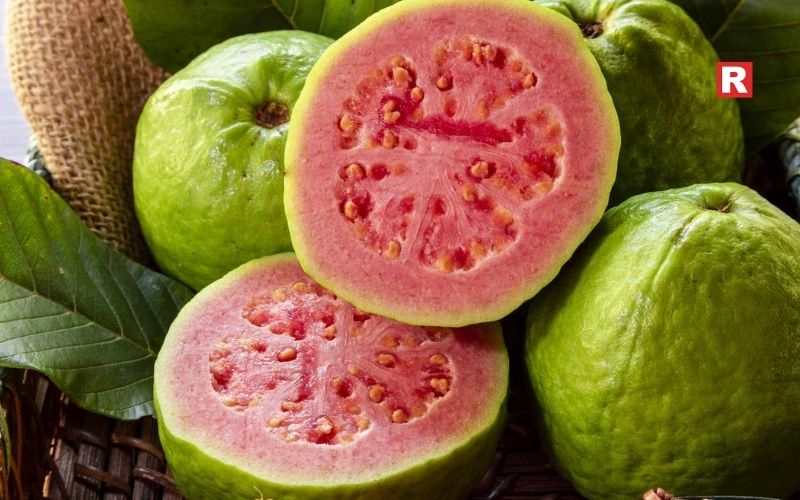
In India, guava is known as a super-nutritious fruit because it has more Vitamin C than a lot of citrus fruits. People like it because it's good for your digestion, tastes sweet, and has a nice, firm feel. If you eat it with the skin on, you get fiber and other small nutrients that are good for your gut.
You can just slice up a guava and eat it, put it in fruit salad, or blend it into a juice. Whether it's pink or white inside, it's packed with Vitamin C. Since guava is cheap and easy to find in stores, it's a simple way to get more nutrients every day without a big change to what you eat.
4. Lemon
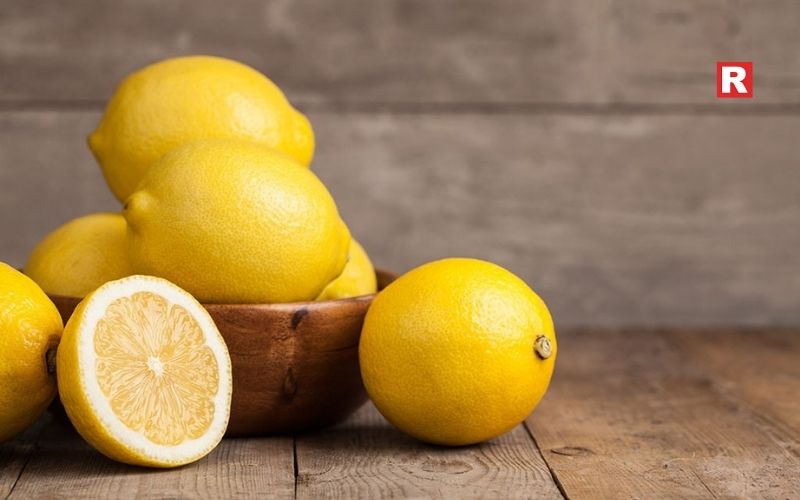
Lemons are a must-have in Indian kitchens. Just a little squeeze gives you a good dose of Vitamin C. People put lemon in everything from dal and salads to chutneys and drinks. It makes food taste better, aids digestion, and just makes everything brighter. Lemon juice is also great for helping your body soak up iron from veggies, which is super useful if you're a vegetarian.
Since lemons are around all year, they're a vitamin C source you can always count on. A warm glass of lemon water in the morning is what many people drink every day. And it is also great for keeping you hydrated when added to cold drinks when the weather gets hotter.
5. Papaya
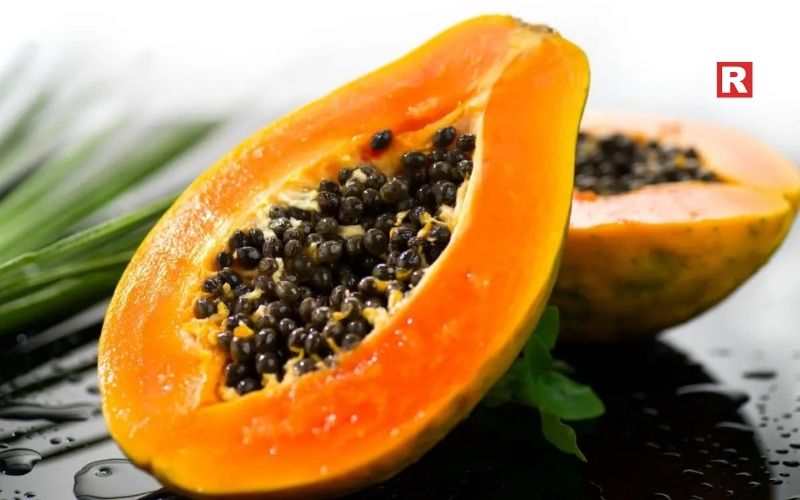
Papaya is a nice, gentle fruit packed with Vitamin C. It also has some other good stuff that can help your digestion and make your skin look good. It's easy on your stomach, so it's often a good choice if you're getting over a cold or something. Plus, it has enzymes that help you break down your food better.
You can just eat papaya by itself, put it in a smoothie, or toss it in a fruit salad. You can find it pretty much everywhere in India, and it won't cost you too much. Eating it regularly can help keep your immune system strong and keep you feeling good. Some people even use it on their skin because of those enzymes and antioxidants.
What's new: 10 Anti-Inflammatory Foods to Add to Your Diet
6. Capsicum
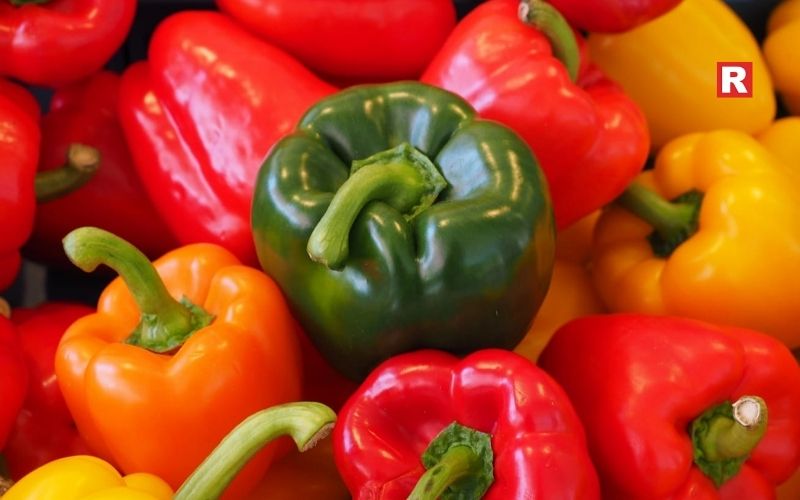
Bell peppers, especially the red and yellow ones, are packed with Vitamin C. Lots of families often go for the green kind since they're cheaper and easier to find. Bell peppers help your immune system and protect your cells. Plus, they've got fiber, which is good for your digestion.
You can stir-fry bell peppers, toss them in salads, put them in sandwiches, or cook them with lentils and rice. Their crunchy texture and bright colors make even simple meals taste better. Since bell peppers cook fast, they're perfect for busy families who want healthy meals without spending ages in the kitchen.
7. Strawberries
Strawberries are a winter fruit in India and are packed with Vitamin C. Their bright color comes from antioxidants, which are good for your skin and health. People like to eat them in desserts, shakes, or just in a bowl. If you eat them fresh, you also get fiber and water.
Strawberries can be a bit expensive, but even a few can give you a good boost of Vitamin C. They're a popular treat in the winter. Some people freeze them so they can enjoy them longer. Just be sure to handle them carefully and wash them well, and you can easily add them to your daily snacks.
How Vitamin C Supports Immunity
Vitamin C helps boost your body's defence system. It makes your immune cells work better and react faster. This is really helpful when the seasons change, and people tend to get sick more easily. Eating foods that have a lot of Vitamin C can keep your energy levels up and help your body ward off sickness.
Taking Vitamin C regularly can make you feel less tired and help you bounce back faster after working out. It also reduces stress in your body, which helps you stay balanced even when you're busy. Because of all these good things, Vitamin C-rich foods are great for everyone, no matter how old they are.
Check out: Best Exotic Fruits to Enjoy This Winter for Taste, Health and Glow
Top A2 Ghee Brands in India to Keep You Warm & Healthy This Winter
How Vitamin C Helps Skin Health
Vitamin C aids collagen production, which keeps your skin firm. It also guards against daily stressors like the sun and pollution. A lot of people see clearer, brighter skin with regular vitamin C intake. Plus, it helps heal wounds and keeps dryness away.
You can easily add vitamin C-rich foods to your snacks, salads, and drinks. Since it works best when you take it consistently, small amounts each day are better than large doses once in a while. This constant approach is the key to lasting skin health.
How to Include These Foods in Your Routine
It's easy to add more Vitamin C to what you eat every day.
- Just try to eat at least one fresh fruit each day. Good choices are oranges, guavas, or papayas.
- Squeeze some lemon juice over your food.
- Use bell peppers in your usual cooked veggie dishes or salads.
- Keep fruits that are in season handy for when you want a snack, like strawberries.
- Make small amounts of amla chutney or juice.
These simple changes can help you have a more balanced and varied diet.
Learn more: Top 10 Healthiest Breakfast Bowl Fruits
Your Vitamin C Path
Getting enough Vitamin C is easy in India because the food that has it is easy to find, cook, and grow all over the place. It's good for your immune system, gives you energy, and helps your skin, so it's just good for you overall. If you eat these seven foods often, you will get enough Vitamin C without having to change what you do much. You do not need to look for ingredients that are hard to find; instead, just get used to eating stuff you already know and like. If you know why these foods are good for you and how to add them to your meals, you can easily get healthier.
Hyderabad's street food scene is lively and friendly. While everyone knows the city for its biryani, the little food stalls and night vendors are not to be underestimated. They really show off how much the city loves strong tastes and makes people feel at home, locals and travellers alike.
In old Hyderabad, you can still taste the royal touch of Nizam kitchens. You'll see it in dishes cooked slowly with lots of spices and made the old-fashioned way. But in the newer parts of town, it is the modern street food that brings the young people together every night. What makes it all so great is how the city's history mixes with daily life. Just walking around Charminar or Gachibowli, you'll find tons of stalls selling dosas, kebabs, chaat, and Irani tea. This mix of old and new is what Hyderabad street food is all about.
If you want to visit Hyderabad on your next trip, but don’t know where to find the best street food, then read this article, as we have compiled a list of the best places there.
Read more: Top Famous Veg Street Foods in Kolkata That You Must Try Once in Your Life
What Makes Hyderabad’s Street Food Unique?
Hyderabad's street food is special because it mixes Mughlai, Andhra, Telangana, and Irani tastes. Vendors use spices passed down through families, which gives the food a taste that locals know and love. You'll see slow-cooked meats, crunchy snacks, flavorful chutneys, and sweets that show Persian influence. Lots of these food stalls have been around for years, serving up the same great flavors that keep people coming back. Irani bakeries, tiny dosa places, kebab stands, and chaat spots each add something special. This mix of history and local flavors makes Hyderabad's street food feel rich and diverse.
Popular Areas for Street Food
- Charminar: You can find classic Hyderabadi food here, stuff like kebabs, cookies, biryani, and haleem seasonally.
- Mozamjahi Market: This place is great for old-school bakeries, fruit ice cream, and traditional desserts.
- Tank Bund: It becomes very lively at night with lots of snack vendors selling all sorts of delicious snacks.
- Sindhi Colony: People know this spot for chaat, sandwiches, pav bhaji, and fast-food-style snacks.
- Gachibowli: This area has a bunch of modern food trucks and stalls that are popular with young people who work in offices or students from neighbouring schools.
- Madhapur: A cool area to grab a quick bite from trendy stalls and fusion street food.
- Ameerpet: This place is popular for all kinds of dosa and cheap snacks, perfect for students.
Know more: Famous Street Food to Try in Chandni Chowk
Top 10 Street Food Spots in Hyderabad
1. Ram Ki Bandi
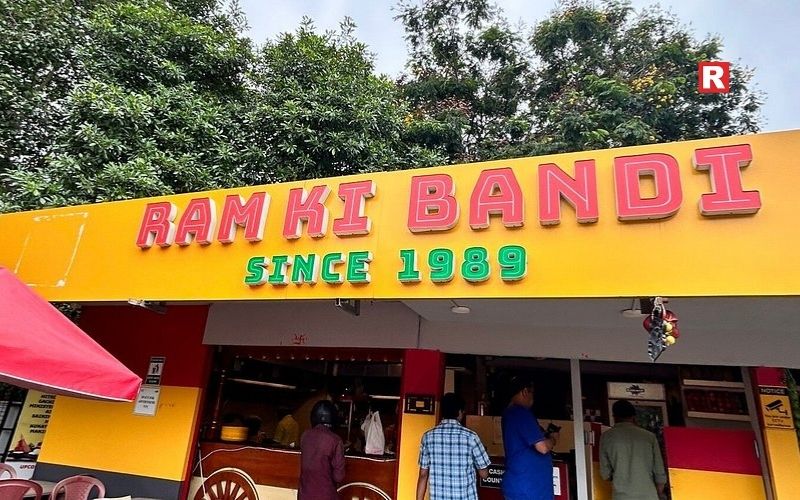
Ram Ki Bandi is famous for its dosas and idlis, which they make early in the morning with lots of fillings and chutneys. People especially enjoy the cheese dosa, pizza dosa, and upma dosa because they taste both familiar and special. The service is usually fast, so it's popular with people on their way to work and students. You can expect to pay around ₹150 to ₹250 for two people. It's best to go between 3:30 AM and 8 AM to get the freshest food. The location near Nampally is the most popular, but you can find other locations around the city. It's always busy because of its simple setup and tasty food.
2. Gokul Chat
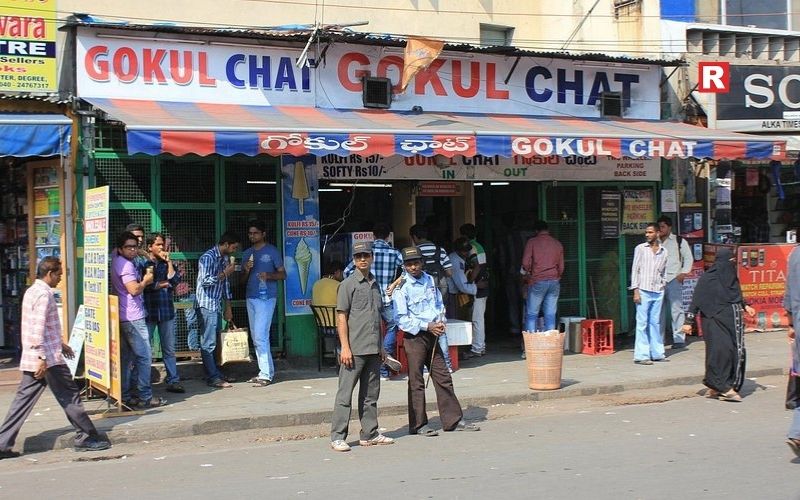
If you're looking for great chaat in Hyderabad, Gokul Chat in Koti is a super popular spot. It's been in business for about 50+ years. They're famous for their pani puri, dahi puri, tikki, and pav bhaji, and they also have fresh fruit juices. The food always tastes the same, and you get a generous portion for your money. You'll see all kinds of people there, from students, families, to people who've been going for years. It'll cost you around ₹200 to ₹300 for two people. What makes them special is that they mix North Indian chaat with local spices. Many people say you have to try it when you're checking out the street food in Hyderabad. But do make sure to carry cash with you, as they do not accept UPI payments.
3. Sindhi Colony Food Street
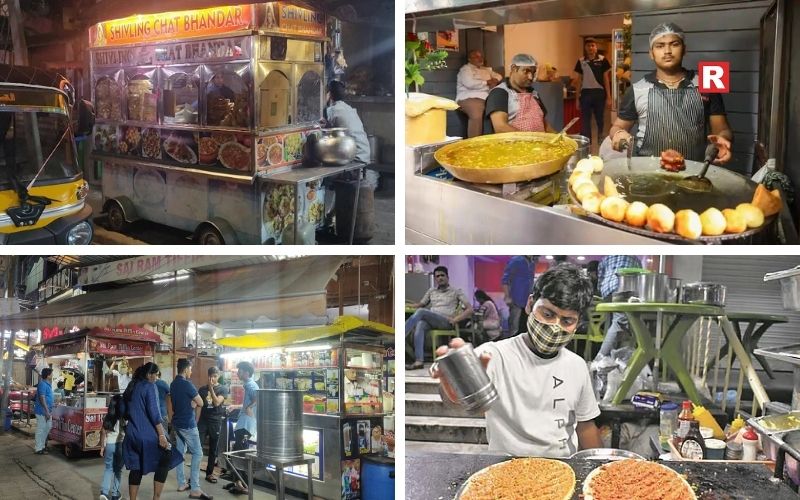
If you love street food, you have to check out Sindhi Colony in Hyderabad. It's got tons of options, including many for vegetarians. People know the area for its chaat, pav bhaji, sandwiches, and quick snacks, which are perfect when you're craving something in the evening or just hanging out. Lots of the stalls have been around for ages, giving the whole place a friendly vibe. You can grab crispy pani puri, rich milkshakes, super cheesy sandwiches, and smaller bites that are great for sharing with friends or family. The prices are fair, and it's always buzzing with activity. It's super easy to taste a bunch of different things in one go.
4. Madhapur Street Food and Food Truck Lane

Madhapur's a cool place for street food now, packed with food trucks selling things like shawarma, momos, noodles, sandwiches, and some creative snacks that mix flavors. You'll mostly see younger professionals and college students hanging around. Shawarma, momos, and grilled chicken are big hits there. Expect to pay around ₹300 to ₹450 for two people. It's best to go after 7 PM when the majority of the food trucks are starting to cook up fresh food. Being close to Hitech City gives the place a lot of energy, and with so many choices, you can try something different every visit.
What's new: Top 10 Vegan Street Foods in India Every Indian Loves
5. Charminar Food Street
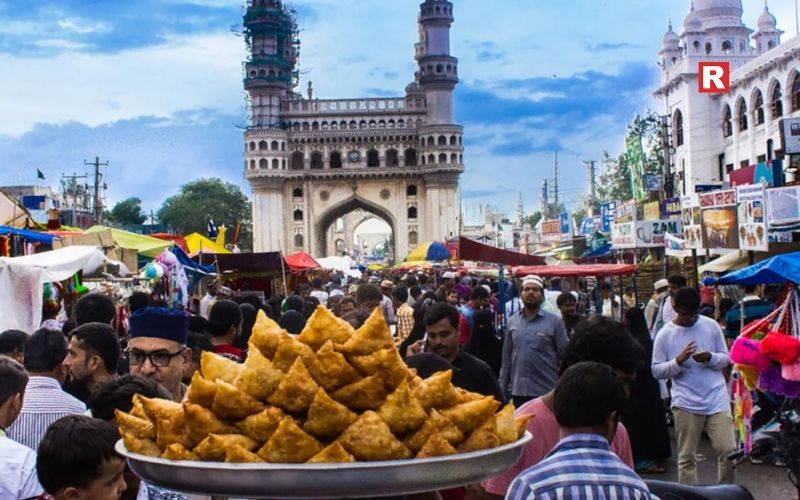
Charminar's streets are known for their tasty food like kebabs, biryani, nihari, lukhmi, Irani chai, and haleem (when it's in season). There's a ton to pick from, especially when night falls. You'll see vendors who've been around for ages and new little stands selling local favorites. The best time to go is after 7 PM. During Ramzan, the area really comes alive with special food and extended hours. It's a great spot to try real Hyderabadi food.
6. Mozamjahi Market

Mozamjahi Market is a favorite spot for its fruit ice cream, baked treats, samosas, and Irani chai. The ice cream is made on a cold stone with fresh, seasonal fruits. Many drop by after dinner for a light dessert or snack. It is affordable too. The best time to go is between 8 PM and midnight when the weather is nice. The area has a calm feel and an old-city vibe that makes eating there even better.
7. Tank Bund Street Food

Tank Bund is a great place to go for an evening walk. You can grab snacks there. Vendors sell things like roasted corn, pani puri, and momos. It's popular because it's chill and the snacks are perfect for a casual hangout. The best time to visit is around sunset or in the early evening. You might not find full meals, but the beautiful lake scenery mixed with the quick snacks makes it a favorite hangout for many.
Check out: 8 Famous Street Foods of Agra You Can’t Miss
A Bite of Banaras: 8 Iconic Street Foods You Can’t Miss in Varanasi
8. Begum Bazaar and Feel Khana Lane
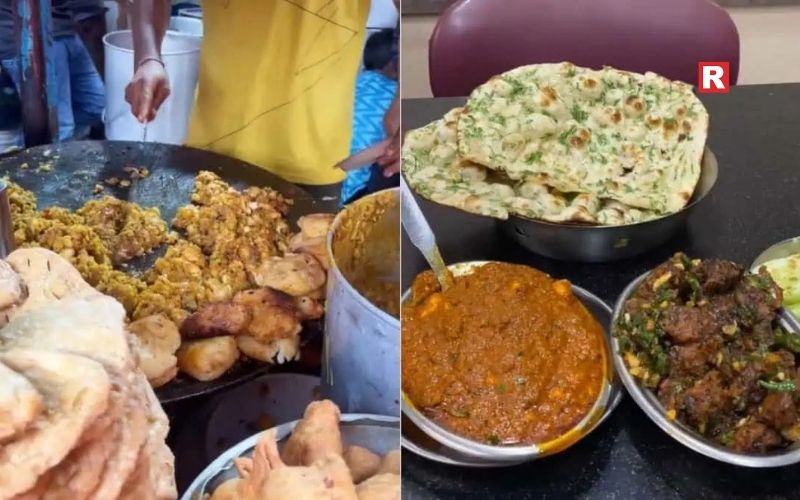
Begum Bazaar and Feel Khana Lane are in the middle of Hyderabad's busy old city. People know these areas for their packed streets, wholesale stores, and lots of street food. Begum Bazaar is a great place to grab traditional snacks, especially kebabs, rumali roti wraps, pulao, and local sweets. Right next door, Feel Khana Lane has cheap eats, tawa dishes, samosas, keema, and evening snacks, which attract employees and customers. If you want to taste real Hyderabadi cooking, these lanes are a good place to start.
9. Nimrah Café, Charminar
Nimrah Café, close to Charminar, is famous for its Irani chai and lots of different bakery biscuits. It's been a favorite spot for ages, and many people stop by after checking out the market. You gotta try their Osmania biscuits, naan khatai, and also the light, buttery cookies. They're incredibly delicious with the strong, sweet tea. It’s budget-friendly for your wallet and feels like a brief glimpse of old Hyderabad. The best time to go is early in the morning or in the evening when it’s lively but not too packed.
10. Gachibowli Food Trucks and Night Stalls

If you're in Gachibowli and hungry late at night, you're in luck! There are tons of food stalls open late serving stuff like shawarma, fried rice, momos, rolls, and grilled chicken. It's a great spot to grab a quick bite after work. The best time to go is between 9 PM and 1 AM when all the stalls are most active. The place has a lively vibe, and you usually get your food pretty fast. That makes this area a reliable option if you are looking for late-night food in Hyderabad.
Hygiene and Safety Tips
- Make sure the stall's counter is clean.
- Don't eat at places where food is left out in the open.
- Go for bottled water or drinks you know are clean.
- Choose food that's cooked fresh and hot instead of remaining unattended.
- It’s better to go when it’s not super crowded.
- See if the people serving food are wearing gloves or using clean tools.
- Check if they're reusing oil or sauces too much.
Learn more: Top Iconic Street Foods from Every Indian State You Must Try
City’s Flavors on A Plate
Hyderabad's street food is a mix of classic dishes and exciting modern flavors. Checking out the food stalls lets you feel the city's vibe. No matter if you're into light snacks, meaty meals, or sweets, every place has its own flavor. Eating here isn't too expensive, and it's fun to try new things with friends and family. When you visit these ten spots and taste different dishes, you'll get why Hyderabad's streets are such a great place to eat. Have fun, don't rush, and let each bite become a cool memory of the city.
Hummus is popping up in Indian kitchens as folks want tasty, healthy spreads that go great with bread, veggies, and regular meals. It's creamy, well-seasoned, and you can do a lot with it, so it's not just for health nuts anymore. Sure, we still love our usual Indian snacks, but hummus has found its place with people who want something fast and full of protein.
City people are a big reason why it's getting so popular. If you're busy, it's nice to have dips ready to go, and hummus is perfect because it's simple and tastes good with everything. Even restaurants and cafes are putting it on the menu, so people start buying it at the store, too. Now, there are tons of brands selling tubs of it in all the big cities.
Both Indian companies and international brands are selling it here. You can find regular chickpea hummus, or try kinds with Indian spices and herbs. There are lots of choices, so it's easy to find new flavors you like.
Read more: 10 Healthy Spreads Ideas That Turn Bread Into a Better Snack
Why Hummus Is Becoming Popular in India
- Taste and Versatility: Hummus is good with pretty much any eating style. Spread it on sandwiches, dip veggies or crackers in it, or have it with grilled food. Lots of folks in India like how you can use it with anything since it doesn't take over the taste of the other food.
- Good for Healthy Living: Since more people want plant-based protein in their diet, hummus is a go-to pick. It is made with chickpeas, tahini, olive oil, and some simple stuff. This means it's a good fit for folks who want snacks that are balanced and full of fiber, without a bunch of junk added.
- Rising Café Culture and Global Food Influence: Cafés, Mediterranean spots, and places that mix different foods have shown hummus to more people. When people get used to eating it out, they look for it in stores. That's why you can find it all over the place now in supermarkets and online.
The 8 Popular Hummus Brands in India
1. Wingreens Farms
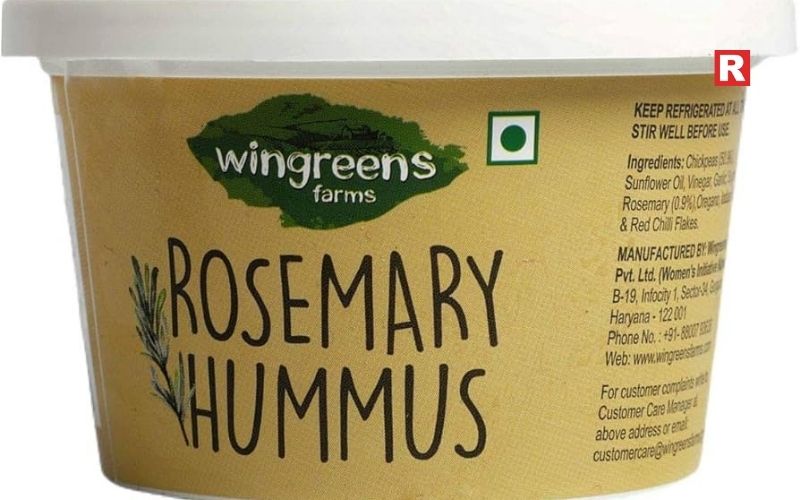
Wingreens Farms was one of the first brands to make hummus easily accessible throughout India. People who like a little spice or tang enjoy their regular hummus, plus the peri-peri, jalapeño, and garlic kinds. They care about good ingredients and talk about using cold-pressed oils and spices that taste just right. You can find their tubs in most stores and online. Since the flavors go well with sandwiches, chips, and salads, lots of people buy Wingreens all the time. It tastes the same every time, and the price is usually the same, which is why they're doing well.
Know more: Top 5 Barbecue Sauces for Marinades or Dipping: Smoky, Sweet & Absolutely Irresistible
2. Earthy Bliss
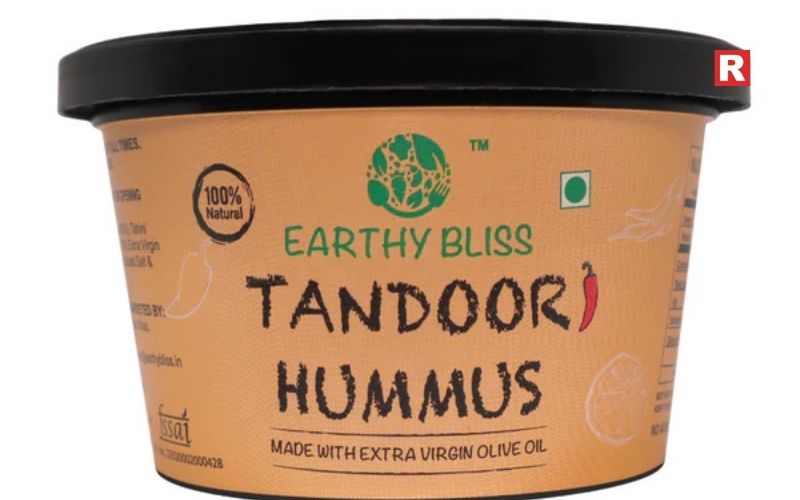
Earthy Bliss offers various types of hummus, including the basic variety, as well as olive, beetroot-ricotta, and tandoori flavors. They say it's all vegan, organic, and has no preservatives. They ship all over India and are trying to get the attention of people who want fancy, healthy dips. People seem to like how they package and market their stuff, particularly folks who are into modern, city-style dips.
3. Del Monte
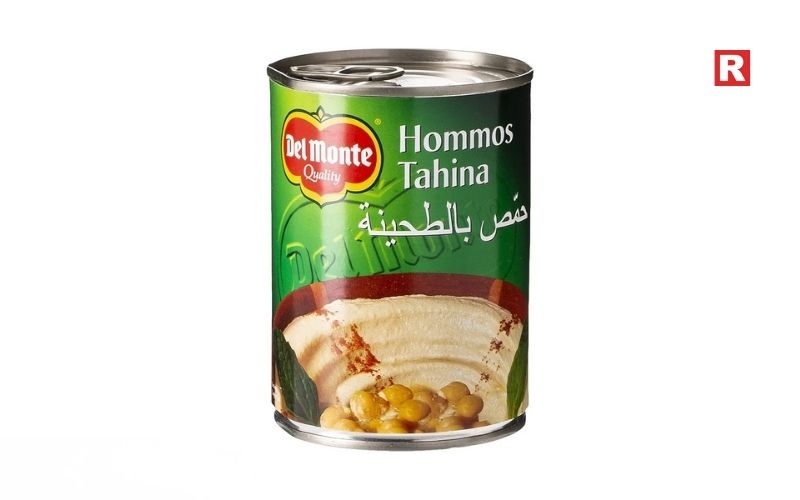
Del Monte is bringing its global recognition to the Indian hummus scene. They're already known for things like condiments and Mediterranean food, so their hummus is simple and mild. It's great for people who don't like strong flavors. It stays creamy without being too thick, which makes it easy to use as a dip, spread, or in bowls. They really focus on using good ingredients and keeping the texture the same every time, so customers can count on it. You can find it easily in stores, and the price is good for families who want a dependable, ready-to-eat spread.
What's new: 10 Vegan Side Dish Ideas That Complete Any Meal
4. Natuf
Natuf is also becoming a popular choice, mostly in some cities. They have regular, beetroot, and spicy hummus, usually aimed at people who make Mediterranean food. Right now, they mainly deliver in specific cities (like Bangalore). Natuf shows that more and more hummus fans want different flavors than just the regular kind.
5. Indic Roots
Indic Roots is a brand that sells hummus that's ready to eat or quick to make. It's got stuff like chickpeas, sesame seeds, olive oil, and some spices – nothing fake added. Indic Roots focuses on natural ingredients and a simple taste, so it's good for folks who like dips that are light and fresh. Since it started in India, it might be easier to get it into some stores there. Still, it doesn't seem to be as widely available as some of the bigger brands you see everywhere.
6. All That Dips
All That Dips is a brand from Vadodara that's famous for its dips and spreads made fresh without any yucky preservatives. Hummus is one of their big sellers. They have different kinds of hummus, like roasted garlic, spicy Sriracha, and the regular chickpea kind. They all come in 150-gram tubs, so you can start snacking right away. What makes them special is that they make their products in small batches and only use real ingredients. All That Dips sells its hummus in a bunch of cities in India. You can get it from online grocery stores and regular shops. So, it's easy for anyone who wants some good Mediterranean-style spreads.
Check out: India's Famous Namkeen Brands: The Top 10
5 Ways to Keep Tomatoes Fresh and Storage Tips
7. Kaze Living
Kaze Living started out in Delhi NCR as a food startup that cared about good food and living sustainably. They wanted to get fresh, good food, often made by hand, to people in the city. They sell things like organic veggies, milk-free options, sauces, snacks, and also their own ready-to-eat hummus, as a healthy lifestyle thing. Kaze Living says their hummus is natural and doesn't have preservatives. It's got the usual stuff like chickpeas, tahini, olive oil, garlic, and spices. You can buy it in small tubs that are good for dipping, wraps, salads, or just snacking. They sell regular hummus, olive hummus, and other kinds too, for city folks who want easy and healthy spreads.
8. DAMAI
DAMAI is an Indian company based in Mumbai that makes hummus, jalapeño, and pepper dips. You can find them in trade and wholesale directories. They seem to focus on selling in large quantities to businesses instead of individual retail customers. Since DAMAI has its trademark in the food-spread area, which includes hummus and veggie dips, it looks like they want to sell ready-made dips in India instead of just importing them. If you're a business, like a caterer or restaurant, looking for hummus, DAMAI could be a good option for large orders. But you might not find their products in regular supermarkets across the country since they probably sell through distributors. So, DAMAI is aimed at businesses and people who buy in bulk.
Learn more: 15 No-Oil Recipes That Taste Amazing
The Final Scoop
Hummus is getting bigger in India as people want easy, good-for-you food with simple stuff in it. The brands that do hummus well have a texture people can count on and good flavors. Hummus is easier to find now, too, since it's not just in fancy health food shops anymore. The eight brands you see here are some of the reasons it's getting so popular. They're also helping people who care about what they eat find what they're looking for.

India’s love for savoury snacks runs deep, with roots that stretch back centuries. Every region has its own signature blend of crisp, spiced, and aromatic treats. Snacks like namkeen that are easy to carry and can handle the country’s warm climate. What started as a local speciality from small neighbourhood shops has, over time, grown into a thriving industry, thanks to rising demand and changing lifestyles.
Over the last thirty years, the way namkeen is made and enjoyed has undergone dramatic changes. Improved transportation, organised production, and better packaging have helped regional recipes gain fans nationwide. Today, grocery shelves are lined with a colorful array of familiar packets, perfect for everything from a quick bite to festive celebrations.
As incomes have grown and retail networks have expanded, some brands have become household names. Their products are trusted for their consistent flavors and wide variety, making them the backbone of India’s packaged savoury snack market. Let's take a look at 10 such brands that come to the top.
Read more: 12 Simple Tiffin Dish Ideas for Kids
Evolution of Branded Namkeen in India
The journey from loose snacks sold at local shops to the neatly packaged namkeen we see today has been quite remarkable. Small businesses that once served only in their neighbourhoods began experimenting with mechanized frying, standardized recipes, and basic packaging. As more people developed a taste for these snacks, producers scaled up, introduced quality checks, and started making larger batches.
The rise of supermarkets and the convenience of online shopping has also accelerated this transformation. Suddenly, flavors that were once local secrets became available nationwide. Brands that adapted quickly built strong distribution networks, secured reliable ingredient supplies, and invested in packaging that kept snacks fresh. These changes helped namkeen evolve from a local favorite to a staple in homes across India.
The Top 10 Namkeen Brands in India
The following brands are widely available across the country and have become favorites for millions of snack lovers.
1. Haldiram’s
When it comes to packaged namkeen, Haldiram’s is often the first name that comes to mind. Starting as a small shop in Rajasthan, it has grown into a national powerhouse, offering everything from mixtures and bhujia to nuts and sweets. Haldiram’s is known for its reliable quality and flavors that appeal to both traditionalists and those looking for something new. Classics like Aloo Bhujia, Khatta Meetha, and Navrattan Mix are staples in many households. With strong marketing, a focus on hygiene, and a reputation for consistency, Haldiram’s has set the standard for the industry.
Know more: 10 Best Tea and Dessert Pairings for Café Enthusiasts
2. Bikanervala

Bikanervala has managed to keep the spirit of Bikaner’s culinary traditions alive while adapting to modern packaging and distribution. Famous for its crisp bhujias, nut mixes, and savory blends with just the right amount of spice, the brand is especially popular during festivals. Its retail outlets have helped it reach customers far beyond northern India, and every mix reflects a commitment to preserving authentic flavors while ensuring consistency.
3. Bikano

As the packaged foods division of Bikanervala, Bikano has become a familiar sight in grocery stores nationwide. The brand specializes in ready-to-eat namkeen that stays fresh and flavorful, even after long storage. Popular offerings include Chana Jor Garam, All In One Mix, Moong Dal, and spiced peanuts. Bikano’s sturdy packaging and reliable distribution make it a go-to choice for those seeking both value and taste.
4. Balaji Wafers

Balaji started in Gujarat and has steadily built a strong presence across India. While it’s best known for potato wafers, the brand also offers a range of mixtures, sev, and other namkeen varieties. Balaji’s appeal lies in its affordable pricing and flavors that fit everyday snacking habits. By focusing on straightforward tastes and improving its distribution, Balaji has become a favorite among younger consumers and families alike.
5. Cornitos
Cornitos brought a fresh twist to the Indian snack scene with its nacho crisps and roasted nuts. Over time, it expanded its range to include mixtures and coated peanuts, catering to those who prefer spicy namkeen made with cleaner ingredients. Cornitos stands out for its focus on roasting instead of deep frying, giving its snacks a unique texture. With modern packaging and a strong presence in supermarkets and online stores, it’s a top pick for anyone who enjoys global-style snacks with an Indian touch.
6. Prabhuji Pure Food
Part of the Emami group, Prabhuji Pure Food blends the rich heritage of eastern Indian recipes with large-scale production. The brand offers bhujia, chanachur, dal mixtures, and special festival packs that appeal to a wide audience. Known for its bold, sharp flavors, Prabhuji has expanded its reach across major cities, earning a reputation as a dependable choice in the national namkeen market.
7. Aakash Namkeen
Aakash Namkeen began in Indore, a city famous for its snacking culture. By staying true to its regional flavors while ensuring consistency, Aakash has grown from a local favorite to a nationally recognized brand. Its range includes sev, mixtures, peanuts, and dal-based snacks that stay crunchy and fresh. Improved packaging and a wider product line have helped Aakash find its way onto shelves across India, especially for those who crave the taste of central Indian namkeen.
8. Yellow Diamond
Yellow Diamond, from Prataap Snacks, is known across India for its chips and namkeen blends. The brand focuses on simple, well-seasoned flavors that are perfect for family snacking. With products like rings, sticks, dal mixes, and sev, Yellow Diamond offers affordable options for daily treats. Strong partnerships with retailers have helped it compete with bigger brands and become a staple in many homes.
What's new: 10 Vegan Side Dish Ideas That Complete Any Meal
9. Haldiram’s Nagpur (Haldiram Foods International)

While it shares Haldiram’s name, the Nagpur-based company operates independently, with its own extensive distribution network. Its classic mixtures, lighter namkeen options, and nut-based snacks are easy to find in supermarkets and online. Consistent packaging and balanced spice levels keep customers coming back, and the brand’s mix of traditional and modern products appeals to all ages.
10. GRB Snacks
Originally a dairy and sweets brand from South India, GRB later branched out into namkeen. Its national reach is built on reliable distribution and long-standing trust. GRB offers mixtures, sev, murukku, and other regional favorites, with a flavor profile that leans toward South Indian spices. The brand’s presence in both offline and online stores makes it easy to find, offering a tasty alternative to the more common North Indian styles.
Check out: 10 Healthy Spreads Ideas That Turn Bread Into a Better Snack
11 Alcohols With the Highest ABV in India
Role of Regional Influence in National Brands
Regional flavour traditions continue to play a significant role in shaping the product lines of national namkeen companies. Many of these brands originated in small towns, where unique spice blends and preparation styles contributed to the development of a unique local namkeen.
As these businesses expanded their operations across India, they retained the essential characteristics of their original flavours. At the same time, they made careful adjustments to elements such as salt content, spiciness, and texture to accommodate the preferences of a wider consumer base.
This careful balance between authenticity and adaptation has enabled these brands to appeal to customers nationwide while maintaining a connection to their roots. Consumers often identify these regional flavour notes immediately, fostering a sense of familiarity and trust.
Consequently, the market reflects a harmonious relationship between local tradition and national presence, with both aspects complementing rather than competing with each other.
Comparison of Flavour Profiles and Price Range
These ten brands showcase a wide variety of flavors. Northern styles typically use gram flour, mild heat, and a hint of tanginess. Western options often feature dry spices and a warmer flavor profile, while southern snacks might include curry leaves and sharper, bolder notes. This diversity means there’s something for everyone, no matter your taste preferences.
Prices vary depending on pack size, but all brands offer both small, affordable packets and larger family packs. The combination of familiar flavors and accessible pricing keeps these snacks popular in every part of the country.
Learn more: 5 Ways to Keep Tomatoes Fresh and Storage Tips
The Golden Crunch
India’s namkeen market is, in some ways, the story of Indian food in general. It is tradition and mass production working side by side. These brands can serve people from many different parts of the world, while still maintaining that regional appeal, but a consistent quality across every town, city and region of the country. Their products have not only formed everyday habits but also shown up during celebrations and in backpacks. As they have expanded distribution and taken care of their packaging, they have also kept a strong flavour profile: They shape how Indian snacks are. They unite different tastes under the umbrella of one familiar flavour.
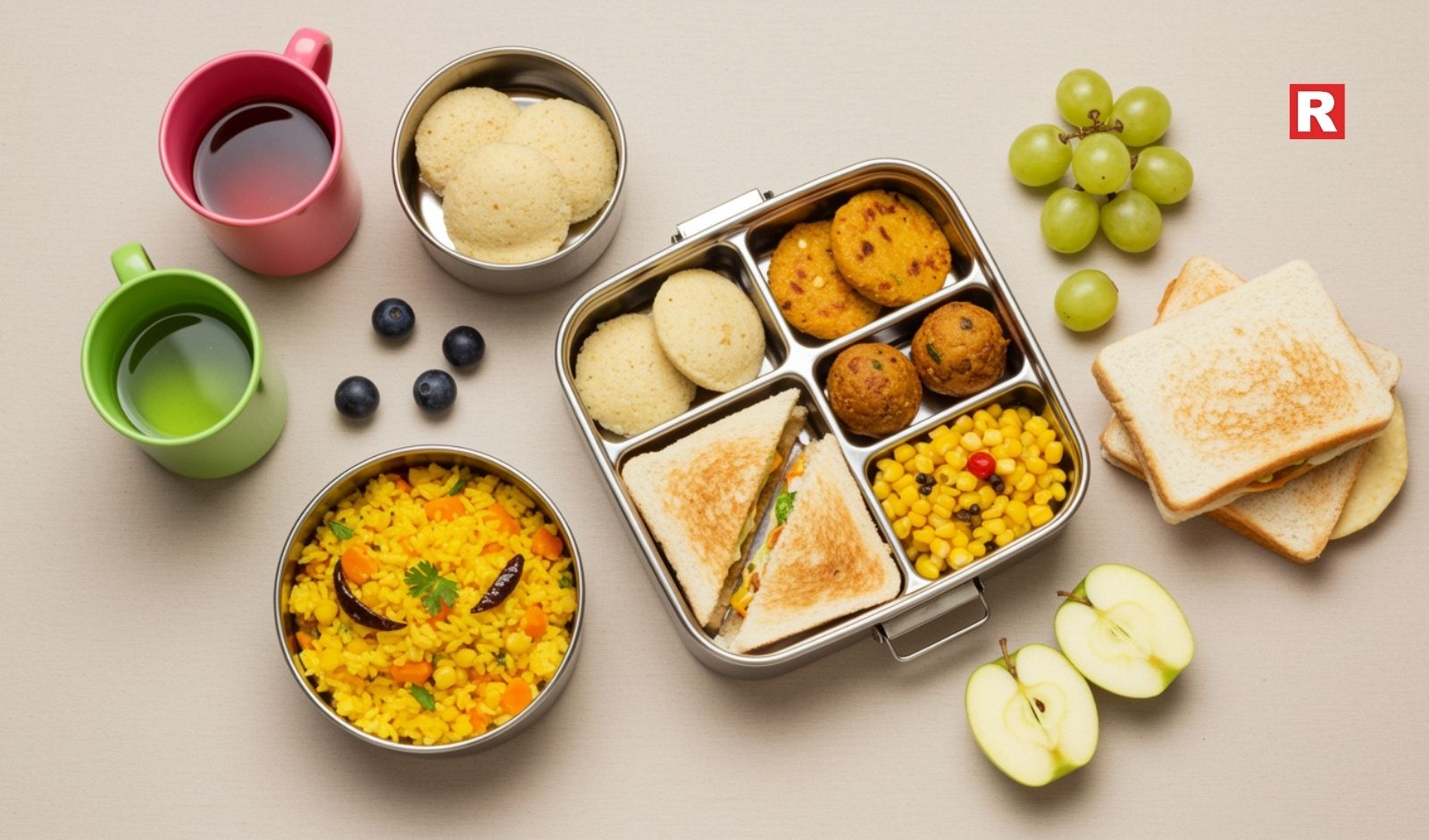
Every parent knows how tiring it is to pack a tiffin for your child every day. Especially when your child is bored with the same repetitive menu every day and demands something new. And it isn’t easy for you to keep coming up with new recipes every day that are easy to make, fast to pack and make your child satisfied at the same time. Also, the weekday rush makes it difficult to prepare something new within minutes.
But honestly, making healthy lunches doesn’t have to be such a headache. Kids really just need a good balance of carbs for energy, protein for growing, and veggies for all those vitamins. The trick isn’t to make some picture-perfect meal; it’s about finding recipes that work on real, busy mornings. And this is where simple tiffin recipes come in. They are easy to make and delicious to the core.
In this article, we will be sharing 12 simple tiffin ideas for parents to look forward to. If you’ve got the basic ingredients ready, then you can turn those chaotic mornings less stressful.
Read more: How to Dry Foods at Home for Beginner Meal Preppers
The List of 12 Simple Tiffin Dish Ideas
1. Vegetable paratha roll

Paratha rolls are a good choice if you want to sneak in some veggies in your kid’s tiffin without them knowing. Prepare the dough in advance, then fill with grated carrot, cabbage, or mashed potato and a pinch of spices. Once the paratha is cooked, wrap it with a dab of curd or butter. The rolls stay intact for several hours, stay soft, and are easy for kids to eat.
2. Mini idli with podi

Mini idlis are easy for children to eat and digest. Make the batter the night before to save time. After steaming, just toss them with a bit of ghee and mild podi mix. They’re bite-sized and go well with some cucumber or fruit on the side. As they are gentle on the stomach, they are suitable for eating after a heavy dinner or a hot day.
3. Vegetable fried rice cups

Turn leftover rice into cute fried rice cups by just pressing warm veggie rice into cup shapes with the back of a spoon. This keeps the portion organised and also makes it easy to eat for children. The rice can have simple vegetables like peas, carrots, and corn, along with some salt and pepper. They’re tidy, easy to eat, and can be packed neatly into any box. Plus, they stay tasty without getting oily.
Know more: 10 Healthy Spreads Ideas That Turn Bread Into a Better Snack
4. Besan chilla wraps
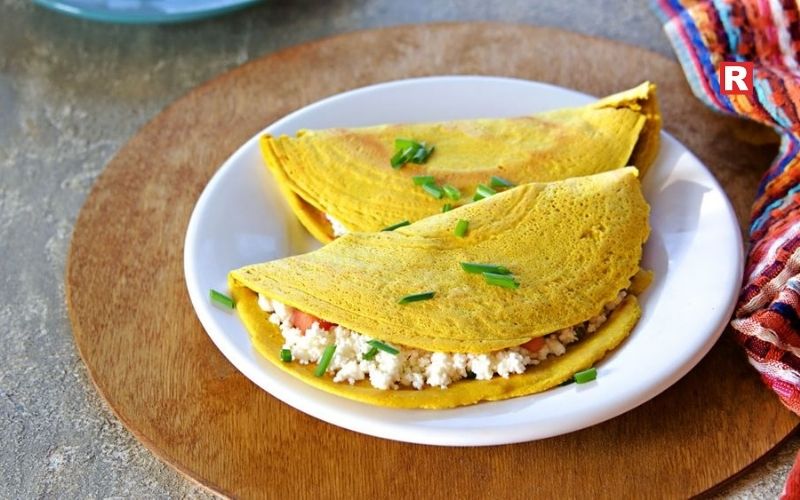
Besan chillas are soft, cook fast, and the batter can be made ahead of time. You can fill them with grated veggies or paneer after cooking, roll them up, and make a wrap that stays moist and easy to chew. Children find them easy to chew and also enjoy their mild taste. This also helps you to add protein to your child’s diet as they are made from chickpea flour.
5. Curd rice with cucumber

Curd rice is a classic and soothing tiffin option. It stays well in a thermos and feels light and gentle on the stomach, even on hot days. Mix rice with fresh curd, a little salt, and chopped cucumber. Add a quick tempering of mustard seeds and curry leaves for a nice aroma, and it’s done. The soft, cool texture and hint of crunch are comforting for kids, especially those of younger ages.
6. Stuffed paneer sandwiches

Stuffed paneer sandwiches are a good mix of flavor and protein. Mix crumbled paneer with finely chopped veggies and gentle seasoning, stuff it between lightly toasted bread slices, and you’re done. They’re quick to make, easy to eat, and stay fresh for long hours. Paneer tastes well even with minimal spices, so even picky eaters eat it without hesitation.
7. Lemon sevai
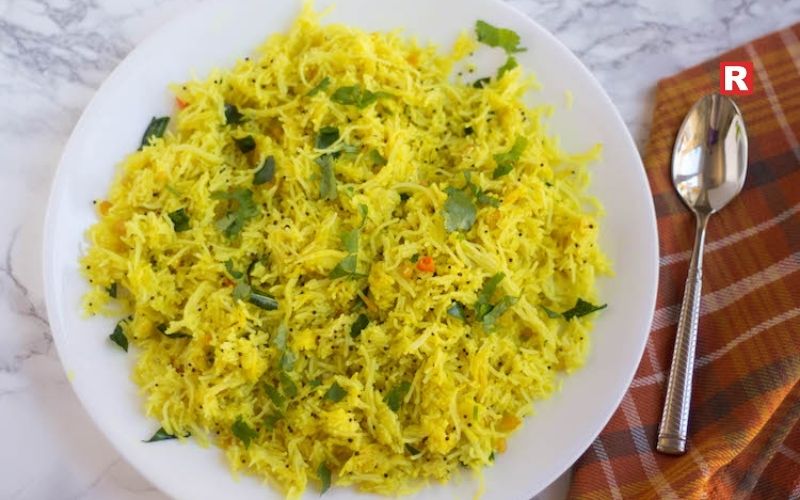
Lemon sevai is quick, light, and full of flavour. What makes it cool is that it is full of flavor without being spicy. Vermicelli is thin, so it cooks fast and soaks up lemon juice evenly. Toss in some mustard seeds, curry leaves, and turmeric for colour and aroma. It stays loose in the tiffin and doesn’t clump up, even after cooling. This is great when you don’t have much time to cook something up but still need a comforting meal.
8. Masala poha
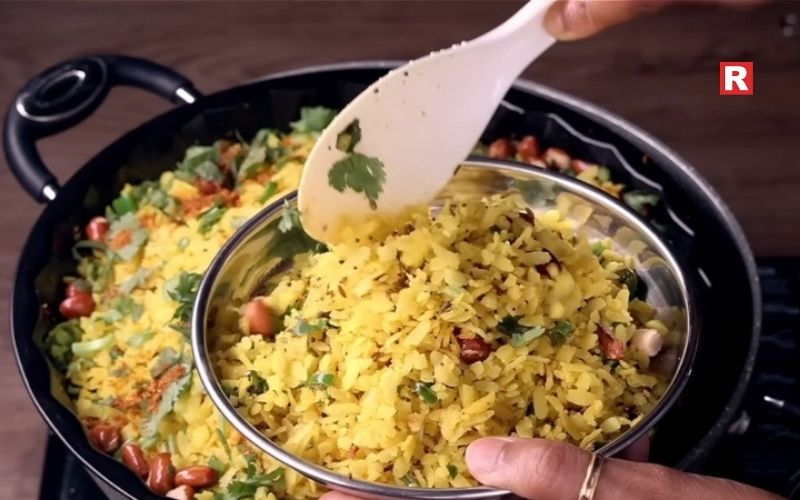
Masala poha is a balanced mix of carbs and veggies. Just sprinkle water, a little bit of salt and a little bit of sugar over poha (Flattened rice). Water will soften the poha, and salt will enhance the flavours of other ingredients. Sugar, on the other hand, balances the flavour and adds a little bit of sweetness. Then cook them with peas, carrots, or peanuts and a squeeze of lemon. Poha stays soft and warm in an insulated box and fits easily into small tiffin sections.
What's new: 10 Vegan Side Dish Ideas That Complete Any Meal
9. Dal rice muffins
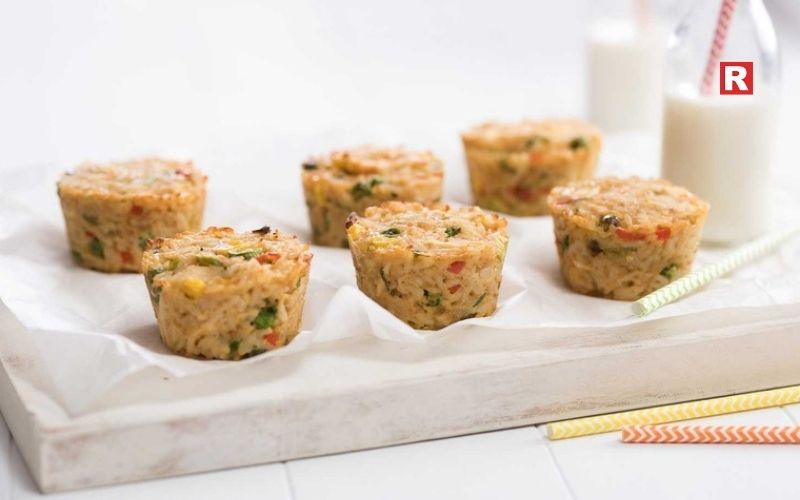
These dal rice muffins are made by blending cooked rice, dal, veggies, and a spoonful of curd, and then baked in little moulds. Once they’re done, they become firm on the outside but stay soft inside, making them perfect for school tiffins. Each muffin packs in protein from the dal and energy from the rice. The taste is gentle, so most kids don’t make a fuss, and the muffin shape always gets their attention. They store well and don’t crumble easily.
10. Soft thepla with yoghurt dip

Soft thepla, made from whole wheat and fresh fenugreek, keep their moisture if you wrap them up right. They can be folded into triangles and packed with a portion of yoghurt in a separate container. The theplas have a gentle seasoning, and dipping them in cool yoghurt balances things out. This combo works neatly into a tiffin and stays fresh for hours. It’s a safe choice for days when your kid needs something filling but not too heavy.
11. Sweet corn pulao
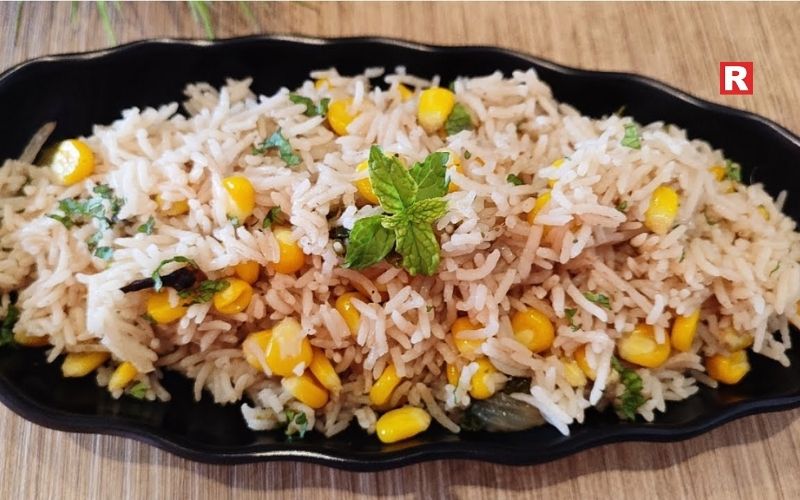
Sweet corn pulao is mild and a bit sweet, which many kids like. You just need cooked rice, sweet corn, and some gentle spices. You can add peas or carrots for color if you like. The pulao smells good and is easy for children to scoop up with their spoons. It is great for kids who like soft, gentle textures. The corn adds a bit of pop, making the meal interesting without overwhelming spices.
12. Moong dal cheela bites
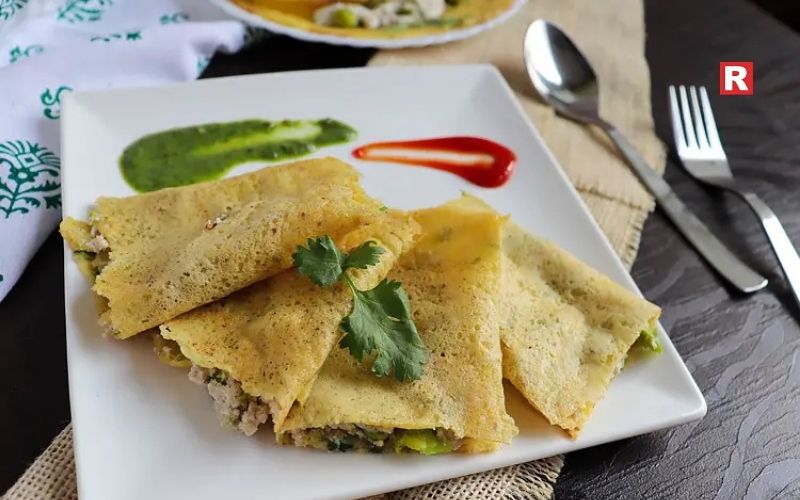
Moong dal cheelas cook quickly and carry plenty of protein. Once made, cut them into small bites so that it is easy for kids to eat on their own. You can make the batter ahead of time and store it in the fridge. Sometimes, a light filling of vegetables or paneer can be added for variety. These cheela bites stay soft and flavourful for hours. They work as a main dish or as part of a mixed tiffin.
Check out: 5 Ways to Keep Tomatoes Fresh and Storage Tips
10 Veg Chicken Substitutes for High-Protein, Balanced Meals
Common Prep Shortcuts for Busy Parents
- Making doughs, cheelas, and batters the night before can save you loads of time in the morning. You’ll just need to cook them up in the morning when you don’t have enough time.
- Chop your veggies in advance and keep them in airtight containers. Carrots, beans, capsicum, or whatever your kid likes. They stay fresh and help to maintain variety.
- Cooking grains like rice, sevai, or millet ahead of time is a good way to cut time. You can store them in the fridge as they stay usable for a day or two, and you can make quick meals without starting from scratch.
- If you can, pack parts of the tiffin the night before. Dry snacks, fruit, or anything that won’t spoil can be placed into containers. This helps you save time and prevent rushing first thing in the morning.
Variations for Picky Eaters
Most kids are picky eaters at some point, but small adjustments can make a big difference. You can swap out veggies for the ones your child actually likes. Cheese or mild spreads can make sandwiches or wraps more tempting. Familiar flavors help kids warm up to new foods without hesitation. When you make slow, steady changes, kids slowly get braver about trying new things.
Learn more: 15 No-Oil Recipes That Taste Amazing
Tiffin Made Easy
Parents have a lot of tasks each morning, including preparing lunches or tiffins, which can feel like an extra chore in their hectic schedules. However, this task becomes easier when parents know these simple, balanced, and easy-to-make recipes that also help their children during the long hours at school. When meals are healthy, colourful, mild-flavoured and easy to eat, they support good eating habits within children and help develop a positive relationship with food. With a little planning and a few shortcuts, packing tiffins gets easier for everyone.

The side dishes on a dinner plate are often secondary to the main dish, but they can influence the overall dining experience. In plant-based cooking, side dishes take on an even more significant role by providing contrast to the primary dish, adding extra nutrition, and creating a sense of satisfaction. Well-chosen vegan side dishes also create a visual and flavorful balance to the main dish by adding color, freshness, and texture to enhance the overall experience rather than detracting from it.
While the concept of creating side dishes is relatively easy, the questions that arise about seasoning, cooking methods, and combinations frequently halt progress. However, once the basic principles are understood, vegan side dishes will become one of the easiest aspects of daily cooking.
In this article, ten ideas for side dishes are listed, which can be easily used in either Indian or international cooking. Although relatively easy to prepare in a short amount of time, these ten ideas can be quite flexible for larger meals.
Read more: How to Dry Foods at Home for Beginner Meal Preppers
What Makes a Great Vegan Side Dish
Clean flavours are the basis of any good vegan side dish. Fresh vegetables, grains or legumes provide the foundation, and herbs, spices and acids provide brightness and clarity to the dish. A good side complements the main dish without oversaturating it.
In addition to flavour, texture plays a role. A plate should include a mixture of crunchy slaws, tender greens, soft grains and crispy roasted vegetables that create a balanced meal. When textures are mixed, this adds to the overall impression of a complete meal.
Most importantly, a good side dish is quick to prepare. The ideas below can be created using a minimal number of steps. They use simple preparation methods like Roasting, Sautéing or Simmering. These techniques allow for the ingredients to be highlighted, while still being flavourful without using any heavy seasoning.
Ten Vegan Side Dish Ideas
1. Roasted Seasonal Vegetables
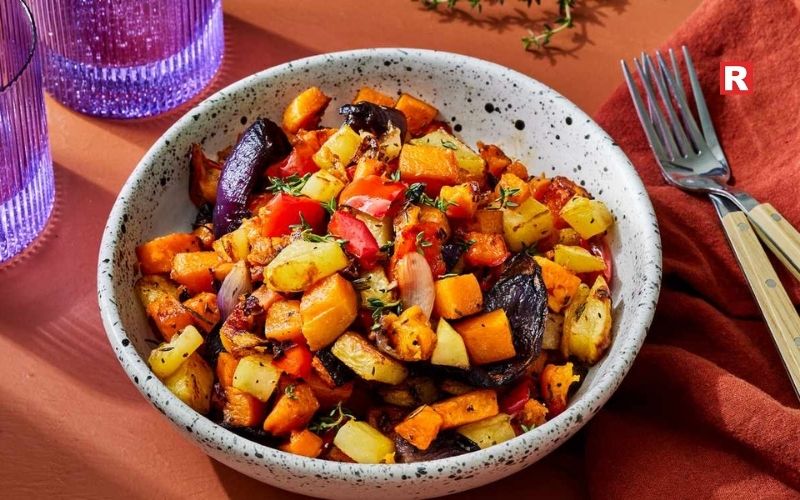
When it comes to meal preparation, roasted vegetables are a versatile option and can be made with whatever you happen to have on hand. If you cut your vegetables (carrots, pumpkins, beans, peppers, potatoes, etc.) into uniform pieces, toss them in oil and salt, and add whatever spices you want to use, you will have a wonderfully roasted vegetable that is full of flavour due to the heat, and a crispy outer layer while being very soft on the inside. You can serve roasted vegetables with rice bowls, light tofu, or any type of lentil base. Additionally, roasted vegetables can be refrigerated for a day or so, making them easy to prepare in advance for large meals or to use as leftovers.
Know more: 10 Healthy Spreads Ideas That Turn Bread Into a Better Snack
2. Warm Lentil and Herb Salad
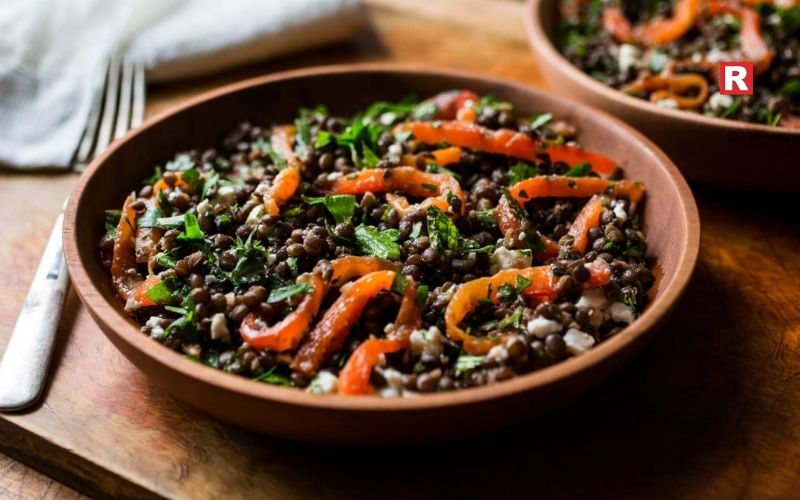
A warm lentil salad provides healthy protein to eat as a side dish with stews, bread or grilled vegetables. Brown and green lentils can maintain their texture when cooked. When cooking lentils, you can add cooked lentils to a salad of chopped fresh herbs, lemon juice and a bit of olive oil. To give it a vibrant look, add a sprinkle of freshly ground black pepper and chopped onion and tomato. The heat of the lentils allows them to absorb the seasonings, giving the salad a wonderful depth of flavour. The salad is intended to complement rather than compete with main courses.
3. Garlic Sautéed Greens
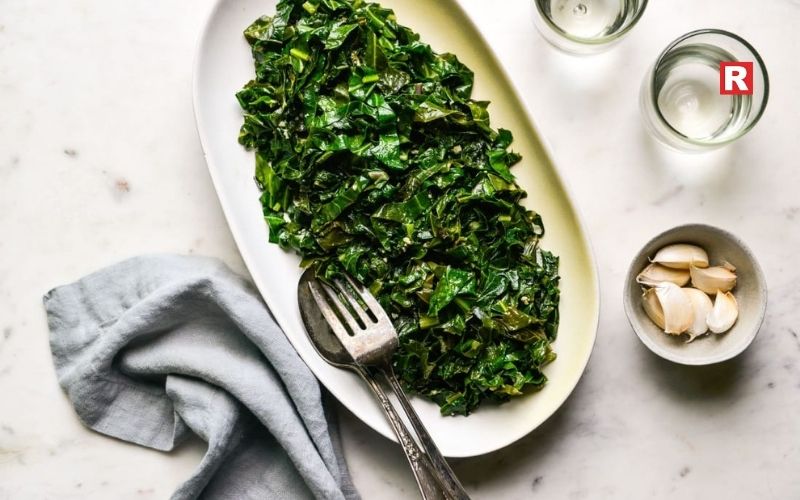
Garlic sautéed leafy greens like kale, spinach, mustard leaves, or amaranth soften rapidly once placed into a sauté pan. The garlic provides a strong enough taste that you could serve these sautéed greens by themselves; however, their flavours also complement many different types of larger meals and entrees. With sautéed greens, you can prepare them using very few ingredients. The cooking time is so quick that nutrients and colour are retained while providing a tender texture. As a side dish, sautéed greens complement grain bowls, pasta dishes, and bean-based main dishes extremely well. Sautéed greens are an excellent method of adding freshness when your main dish may seem too heavy or dense.
4. Crisp Vegetable Slaw with Light Dressing
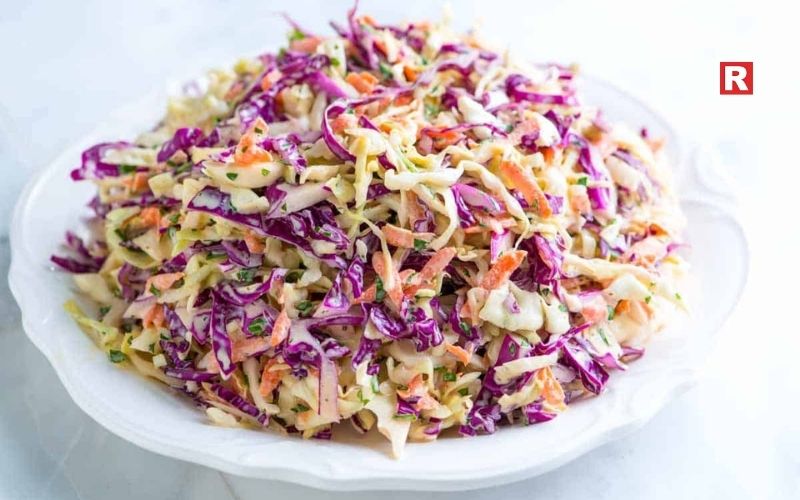
Shredded cabbage, carrot sticks and sliced bell pepper provide good crunch. When using shredded cabbage for slaw, you may want to keep the dressing on the light side: just a squeeze of lemon juice, salt, pepper, and a drizzle of oil will suffice. Keep the vegetable pieces thinly sliced to maintain their crunch. Slaw works really well when eaten with sandwiches, in stir fry dishes, as an accompaniment to baked tofu recipes and on any platter where a cool and crunchy addition will enhance the dish. As slaw keeps fairly well in the refrigerator for several days, if you decide to make slaw ahead of time, it will be convenient to have it ready before making your meal.
5. Chickpea and Cucumber Toss
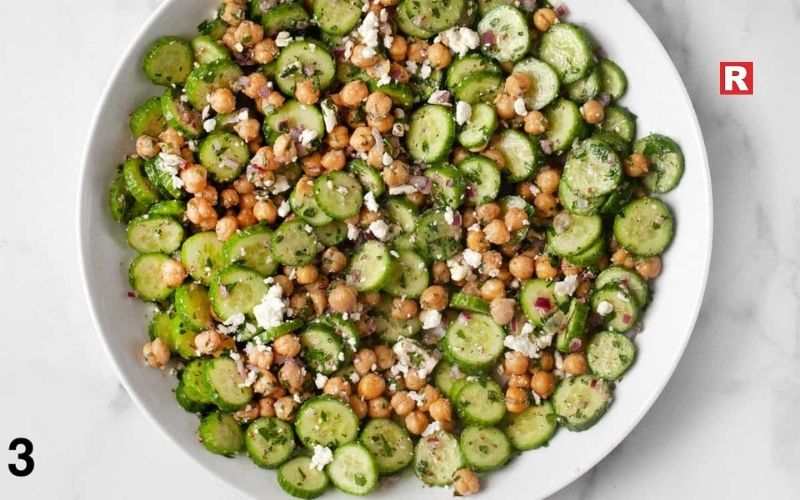
To create a tasty salad that is high in protein, it is best to use chickpeas as your base. Chickpeas are an excellent source of protein, and their dense texture provides an excellent foundation for a salad that is refreshing and light. Adding cucumbers, tomatoes and fresh herbs results in a happy combination of flavours and textures that are crisp and satisfying, with just a sprinkling of salt, lime juice and black pepper typically required for seasoning. This salad pairs perfectly with pita breads, rice, grilled vegetables or other simple side dishes, and it can also balance out heavier meals that rely upon cooked ingredients. Because the preparation method involves using only pre-cooked chickpeas and uncooked vegetables, it is considered to be quite easy to prepare.
6. Pan-Seared Tofu Bites
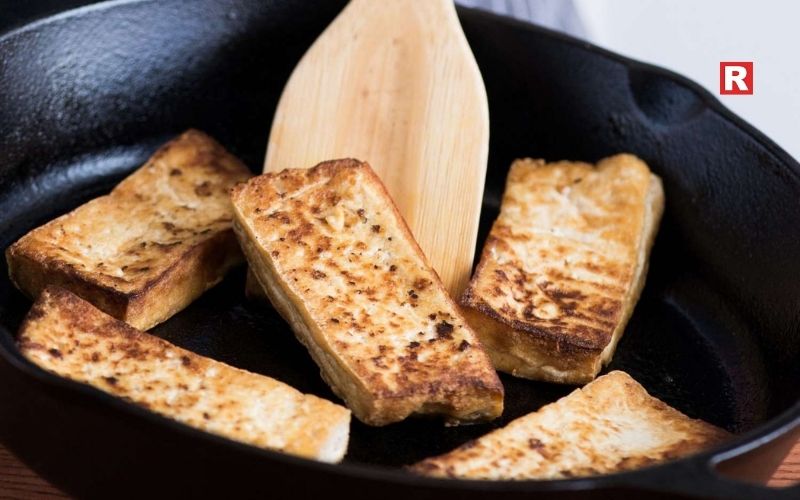
Tofu absorbs flavour easily when cooked this way, so once the tofu cubes are well browned on each side, seasonings such as salt, pepper, lemon or lime juice can be added to enhance the flavour of the dish. This tofu recipe provides a delicious texture, as well as providing the savoury flavour that will complement a variety of dishes, including stir fries, grain bowls or soup. In addition, adding these cubes of tofu to any dish will provide protein that can make a meal more significant. The secret to achieving a good sear on tofu is to remove any excess moisture before placing the cubed tofu into a hot pan. Removing excess moisture will lead to cleaner sears on the tofu cubes.
What's new: 10 Vegan Fusion Curries From Around the World
7. Quinoa Pilaf with Nuts and Herbs
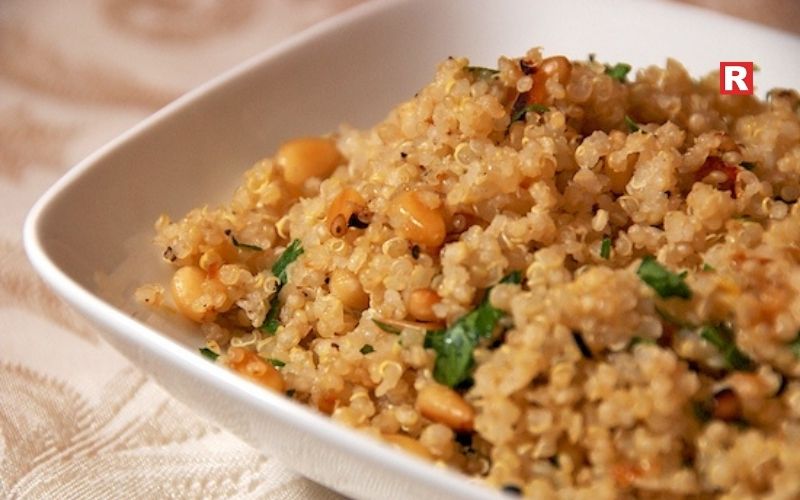
Quinoa is a grain that provides an airy base for both Indian and international dishes. Quinoa can be mixed with nuts, herbs, and a light, indulgent seasoning once cooked and sprinkled with a touch of lemon juice to enhance its flavour. The quinoa pilaf absorbs flavours nicely, remains fluffy and does not become sticky. You can use it as a side dish for lentil curries, grilled tofu, or roasted vegetables. Another advantage of using quinoa is that it cooks quickly and does not need any preparation for quick weeknight meals.
8. Mashed Sweet Potatoes

Sweet Potatoes are naturally sweet and are smooth-textured. They add to the texture and appearance of the plate. Simple boiling with a little oil and salt can be mashed into a deep consistency, with pepper or cinnamon added to produce complexity in flavour. This mash pairs nicely with other roasted vegetables, mushrooms, or bean-based main courses and also balances out spicy dishes by providing steady, mild flavours. The texture of the mashed sweet potatoes softens the crisp texture of many of the meal elements on the plate.
9. Sautéed Mushrooms with Fresh Pepper
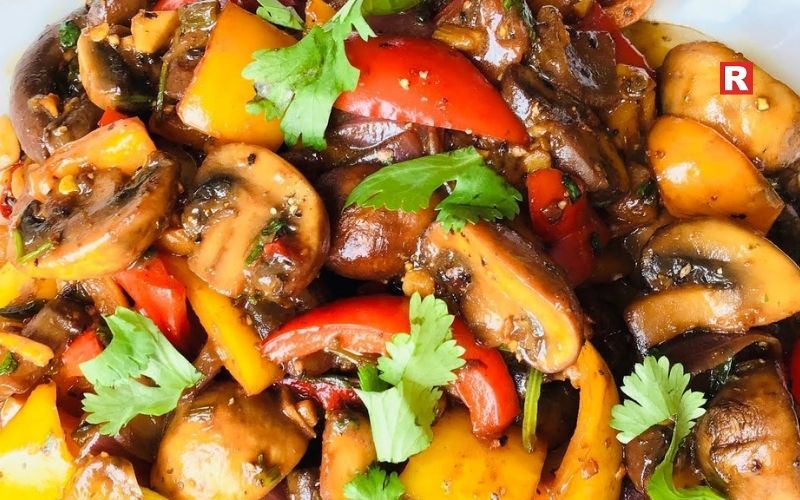
Pan-fried mushrooms have a nice brown colour and earthy flavour, which provides a nice pairing for rice and bean-based meals. Sautéing mushrooms with garlic or onion adds a great tenderness to the mushrooms and an added depth of flavour. Freshly cracked black pepper is very complementary to their earthy richness. Mushrooms work nicely as a side dish with rice bowls, tofu stir-fry and warm salads. Cooking mushrooms is quick and requires minimal additional ingredients, which is a strength of the mushroom, especially when the other items on your plate have a lot of complex flavours.
Check out: Top 10 Vegan Street Foods in India Every Indian Loves
Top 10 Vegan Dishes in Asian Cuisine
10. Stuffed Bell Peppers or Baked Vegetable Cups

Stuffed vegetables are a nice way to have a more significant side-dish and create a bit of an elevated feel for your meal without having to go out of your way. You can stuff bell peppers, tomatoes or small pumpkins with cooked grain, vegetable or bean mixtures. The shells of the vegetables will become soft and tender while the filling stays warm through a short baking time. Stuffed vegetables are a great addition to any kind of festive or everyday meal that needs to have a central support item. Stuffed vegetables add colour and a nice touch of care to your dining table. Additionally, you can always change the colour of the filling depending on the season, giving you lots of flexibility with the concept.
Ingredients to Keep Ready for Quick Vegan Sides
- Olive oil, mustard oil or any non-aromatic oil can be used to season your dishes.
- The simplest ways to add flavour to your meal are to add salt, pepper, cumin and paprika.
- Adding citrus fruits, juices will provide the additional acidity you want for a more balanced flavour profile.
- Fast-cooking grains like quinoa, millet and rice are reliable bases for your meals.
- Beans and lentils are great additions for texture as well as protein and bulk.
- Using seasonal vegetables will help to make it easier to create fresh combinations of meals.
- Finishing touches using herbs such as coriander, mint and parsley will give your dish a clean taste.
Learn more: 7 Protein-Rich Vegan Foods That Pack a Punch – No Meat, No Problem!
Plant Powered Sides
Choosing thoughtfully created Vegan Sides can make a simple meal feel like a complete and comforting feast. When cooking with vegetables, grains and legumes in their most natural state, you'll find endless options with minimal work. Seasonal and personal taste variations also work well for each dish, making everyday cooking practical. As you create new combinations, you'll build a sense of balance within your creations and add flavour, texture and visual interest to your table. Having a small collection of go-to vegan sides will also help you easily and quickly create delicious plant-based meals.

A lot of people are shocked when they find out just how much produce goes to waste at home. Almost a third ends up in the trash just because it spoils before they can even use it. So, what can you do if you want your fresh ingredients actually to last, but you don’t want to rely on constant refrigeration or daily shopping trips?
Drying food is one of the oldest methods that works exceptionally well. By taking out the moisture, you slow down spoilage and turn fruits, veggies, and herbs into compact and long-lasting ingredients. Most people have heard of drying, but if you’re a beginner, it’s easy to feel a bit lost. You don’t know how to start, and neither if the dried food is safe to eat or not.
Once you get the basics down, you waste less, save some cash, and make meal planning way easier. In this article, you’ll know the essentials needed for drying food at home, tips for using simple tools, and step-by-step advice so you can tackle your first batch with confidence.
Read more: 10 Healthy Spreads Ideas That Turn Bread Into a Better Snack
Why Drying Helps with Meal Prep
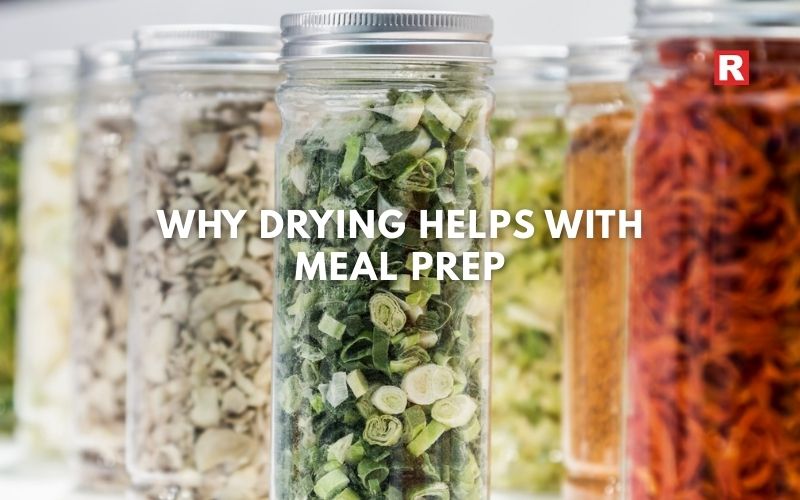
Drying makes meal planning a lot easier. First off, it keeps fresh produce good for way longer, so you don’t have to rush to use everything up. Plus, dried ingredients take up less space, so your pantry doesn’t get crowded.
You can prep a bunch of stuff on the weekend, stash it away, and then just grab what you need during busy weekdays. It also saves money. Just buy seasonal produce in bulk when it’s cheap, dry it, and you’re set for months. You always have reliable ingredients ready for soups, stews, and even snacks. Dried items behave the same way each time they are rehydrated, which simplifies planning.
Know more: 10 Veg Chicken Substitutes for High-Protein, Balanced Meals
Foods That Dry Well
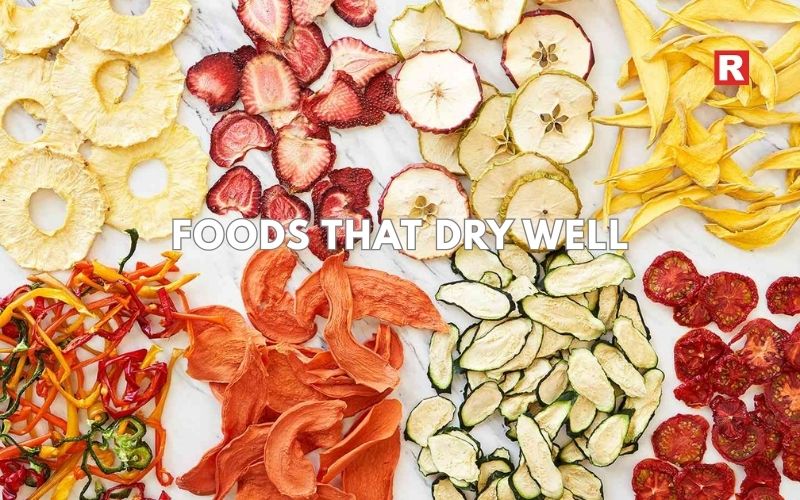
Most ingredients handle drying pretty well, but some need a bit more attention.
- Fruits like apples, bananas, mangoes, and pineapples keep their flavor and turn into sweet, natural snacks.
- Tomatoes, onions, carrots, and peas dry out nicely, too. Later, you can toss them into quick meals without much fuss.
- Herbs like mint, parsley, thyme, and coriander dry fast and stay fragrant if you stash them right.
- You can even dry-cook grains like rice, millet, or quinoa. They make light, easy-to-carry meal mixes for later.
- Mushrooms keep their character after drying and rehydrate with a good texture when you rehydrate them.
- As for nuts, give them a gentle warm-up to get rid of any leftover moisture before you pack them away for the long storage.
If you’re just getting started, stick with fruits, veggies, and herbs. Once you’re comfortable, try branching out.
Overview of Drying Methods

Not every drying method works for every home or climate.
- Air drying: It is great for herbs and thin veggies if you’ve got a clean, dry room.
- Sun drying: If you live somewhere sunny and not too humid, sun drying makes sense. Just remember to cover the food with mesh to keep bugs away.
- Oven drying: It lets you control the heat and airflow, so it’s a solid choice for beginners.
- Dehydrators: These are even easier. They keep a steady temperature for hours, and you can dry a lot at once without much effort.
You’ll need a little practice with each method, but the main goal never changes: slow, steady removal of moisture.
Preparing Foods for Drying
Getting things ready makes a huge difference. Wash your fruit first, peel if you need to, and slice everything into even pieces. That way, everything dries at the same speed. Some veggies do better if you blanch them. Just a quick dip in boiling water. It brightens the color and keeps the texture nice while they dry. For herbs, rinse them gently, pat them dry with a towel, and give them a little space to breathe.
How you set up your trays matters, too. Don’t let the pieces touch. Thin slices make it easier for moisture to get out. If you want fruit to keep its color, give it a quick dip in lemon water. Always pat veggies dry before laying them out, or else the extra water slows everything down.
What's new: 10 Vegetarian Indian Foods That Help You Gain Weight the Healthy Way
Step-by-Step Drying Guide
- Start with fresh, firm produce.
- Peel and slice as needed.
- Lay everything on trays covered with parchment paper or mesh.
- Set your oven or dehydrator to a low temperature, whatever suits your ingredient.
- If you need to, rotate the trays so everything dries evenly.
- As things get close to being done, check the texture.
- Keep drying until the centers are completely moisture-free.
The more you practice, the better you’ll get at knowing how each ingredient behaves.
How to Tell When Foods Are Fully Dry
A few easy checks help to figure out if the produce has dried completely. Fruit should feel leathery, not sticky. Bend a piece, and if it doesn’t leak moisture, you’re good. Veggies should snap or feel crisp, depending on their type. Herbs should crumble easily in your fingers. Mushrooms turn firm and light, and shouldn’t feel spongy in the middle.
A common beginner error is to stop the process too early. Even a little leftover moisture can cause mold when you store things. If you’re not sure, let it dry a bit longer. When it’s done right, it creates a texture that feels solid, dry, and stable.
Cooling and Storing Dried Foods

Cooling is an essential step. Hot dried food usually lets off a bit of trapped moisture as it cools, so leave it uncovered for a short while. Once it’s cool, pack it into airtight jars, vacuum bags, or sturdy containers.
Label everything and mark what it is and when you dried it. Store your jars somewhere cool and dark to keep the color and flavor. Sunlight or heat can shorten shelf life. It’s worth checking your stash regularly to make sure everything stays dry and in good shape.
How to Use Dried Foods in Meal Prep
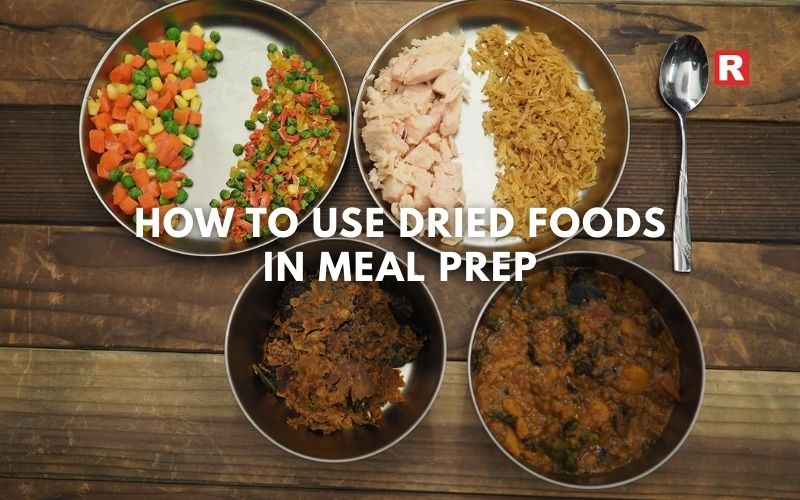
Rehydrating dried foods is pretty simple. Most veggies just need about ten to fifteen minutes in warm water. After that, they’re soft again and work just like fresh ones in soups or stews. Dried tomatoes soak up water and taste great stirred into pasta or as a flavor boost. As for fruit, you can snack on it right out of the bag, or soak it if you want to bake with it.
Meal prep gets a whole lot easier when you’ve got dried foods ready to go. Throw some dried lentils, onions, tomatoes, and herbs in a jar, and you’ve got everything you need for a quick stew. Pack some dried fruit and nuts together, and there’s your snack for the office. Even cooked grains, once dried, spring back to life with a splash of hot water. This is a lifesaver on a busy day.
Check out: 15 No-Oil Recipes That Taste Amazing
Top 6 Fireless Food Dishes for Your Quick Meals
Safety Tips for Beginners
Safety isn’t just a rule; it’s what sets you up for success in the long run.
- Start simple by keeping your knives and surfaces clean.
- Dry your trays and containers before you use them. Water just invites trouble.
- Watch your temperatures. If things get too warm, microbes move in fast.
- Avoid drying items that contain high fat levels.
- If you spot weird smells, colors, or see mold, toss it. Don’t take chances.
Stick to these basics, and you’ll feel way more confident, and your food won’t let you down.
Frequent Mistakes to Avoid
Several common errors interrupt the process:
- If your slices aren’t the same size, they won’t dry evenly.
- Cramming too much onto the trays? That blocks the air and slows everything down.
- Relying only on time leads to some pieces ending up too dry, while others still being sticky.
- If you pack food up before it’s cool, you’ll trap in moisture.
- And storing dried food somewhere warm or humid? That just makes it spoil faster.
The good news is, once you spot these issues, it’s simple to fix them.
Simple Starter Projects
The best way to begin is with items that dry quickly and predictably.
- Apple rings
- Banana chips
- Onion flakes
- Mixed vegetable chips
- Tomato flakes
- Dried mint or coriander
- Simple herb seasoning blends
These projects help beginners understand the process without much cost or effort.
Learn more: Easy & Delicious Meal Prep Ideas for a Busy Week
Your Drying Journey
Drying food at home is a simple way to start preserving and makes you pay more attention to how you cook. Every time you try it, you get a better feel for timing, texture, and how to store what you make. Over time, you end up with a pantry that is fully organised. When you’ve got jars of dried fruits, vegetables, and herbs on hand, putting together a meal gets a whole lot easier and faster. You don’t need fancy gear or some kind of expert training, either. Mostly, it just takes patience and a bit of care. Once you get the hang of it, drying food slips into your routine. You save time, cut down on waste, and start to feel a lot more confident in your kitchen.

Bread becomes a more enjoyable food option when combined with tasty spreads that are nutritious and diverse. Many people use traditional toppings such as butter or jam; however, many healthier choices of spreads exist that can provide greater balance and richer flavour. Spreads can transform a plain piece of bread into a healthy snack for busy mornings, late-night cravings, or quick meals at work when properly selected.
A healthy spread has a combination of natural ingredients, thoughtful flavors, and better nutrition, which is far better than packaged snacks. Healthy spreads will replace unhealthy habits that lead to empty snacking and an unhealthy lifestyle. Healthy spreads are generally made in a single serving and typically contain at least one source of protein, fiber, and healthy fats.
This article will list 10 healthy spreads that you can eat with your bread. Each one adds a different character to bread, allowing you to experiment with taste while improving your eating habits.
Read more: 5 Ways to Keep Tomatoes Fresh and Storage Tips
Why Healthy Spreads Matter for Better Snacking
Snacks often influence your overall diet more than you might believe. Most of us choose the most available option, which often means processed food high in either sugar, salt, or refined fats. Healthy spreads create an alternative that's quick but still nourishing.
Spreads made from nuts, seeds, vegetables, or yogurt provide important nutrients like proteins, minerals, and antioxidants. They keep hunger in check, help the digestive process, and maintain energy at an even level. Even children have something to gain from nutritious spreads that are not overly sweet.
You cut down on empty calories and add in more whole foods in a day just by changing over to better spreads. It's simple changes like this that are the backbone of a healthier pattern of eating.
List of 10 Healthy Spread Ideas
1. Almond Butter with Honey
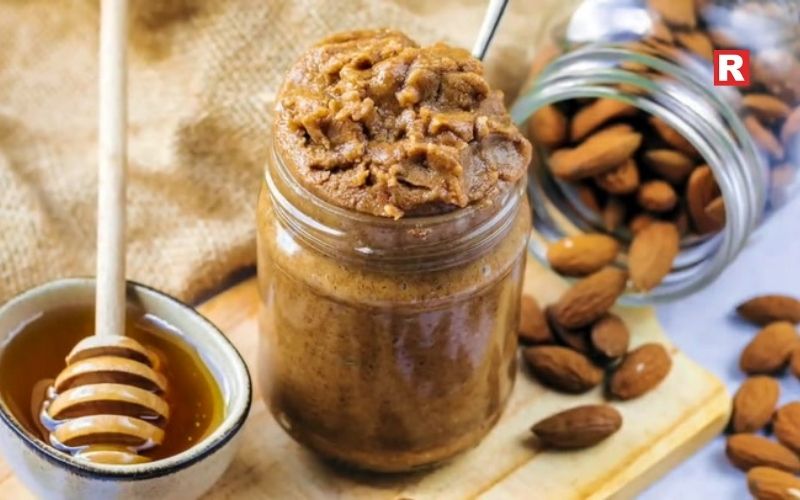
Almond butter provides protein, vitamin E, and healthy fats. Its taste is nutty and mellow; it pairs well with a small drizzle of honey. This spread works on warm toast, as it slightly softens the almond butter and blends smoothly. It can also be a reliable snack before workouts or during busy mornings since it provides a steady release of energy. Most enjoy their toast in a light evening meal with sliced fruits on the side.
Know more: 10 Veg Chicken Substitutes for High-Protein, Balanced Meals
2. Greek Yogurt and Cucumber Mix
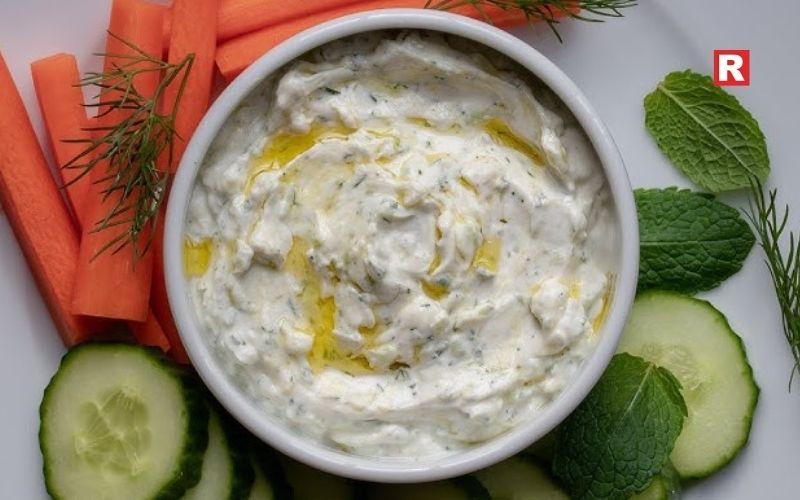
A thick Greek yogurt-based spread, with the addition of grated cucumber, salt, and fresh herbs, is a cool, refreshing taste. Rich in protein, it aids digestion. Spread on whole wheat bread for an easy snack that tastes clean and light. This mix is a soft version of tzatziki and goes well with sultry weather. It also goes well with sliced tomatoes or toasted garlic bread.
3. Mashed Avocado with Lime
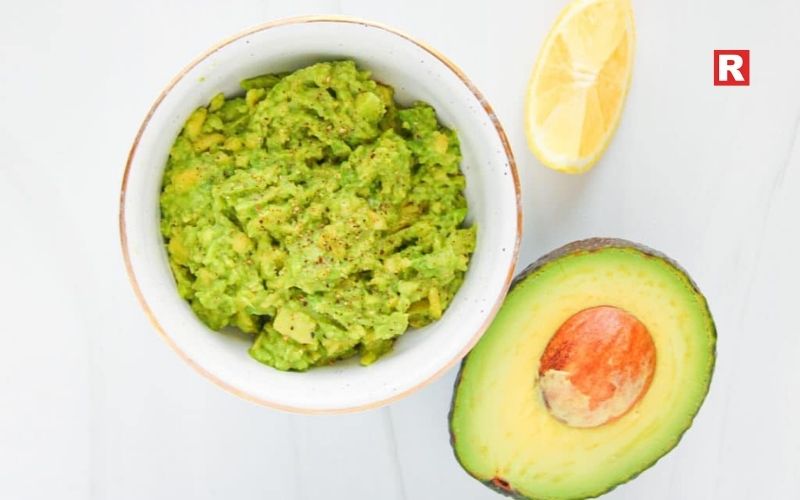
The mashed avocado, sprinkled with lime juice, salt, and a little pepper, is creamy and bright. Avocado provides healthy fats that help maintain heart health while offering a silky texture that feels nice on toast. This spread works well as either breakfast or a mid-afternoon bite. Now add chopped onions or coriander for a slight Indian touch. It goes well with sourdough or multigrain bread.
4. Peanut Butter and Banana Mash
The peanut butter and mashed banana combine naturally into a sweet, filling spread. You get a combination of protein, potassium, and healthy fats. The banana softens the peanut butter and adds aroma without added sugar. A great combination for children and adults alike. It gives long-lasting energy, hence suitable for school snacks or office breaks. Light toasting helps in balancing out the softness of the mixture.
5. Hummus with Roasted Bell Pepper

Hummus offers protein from chickpeas, calcium from tahini, and richness from olive oil. When blended with roasted red bell pepper, the taste becomes sweeter and brighter. The color also becomes more inviting, and the spread is lighter in tone. This version goes well with multigrain bread and can even be used to replace mayonnaise in sandwiches. It works especially well for those who prefer savory snacks that can be quick yet nutritious.
6. Cottage Cheese and Herb Mix
Cottage cheese mashed with fresh herbs, salt, and a few drops of lemon makes for a light, wholesome spread. Cottage cheese provides the protein without heaviness, while the herbs add freshness. This is best suited for those who like really mild flavors. It also works fairly well as a base for layered sandwiches with lettuce and vegetables, as this mixture holds its shape pretty well on toasted bread and can make a very balanced, light snack.
What's new: 10 Most Popular Coffee Blends in India
7. Tomato and Basil Chutney
This is a sweet and tangy chutney, made with the slow cooking of tomatoes and basil. It contains antioxidants from tomatoes and flavor from herbs. Apply it to warm bread for a comforting taste that can suit both breakfast and teatime. This chutney can also be prepared ahead and stored in the refrigerator. Serve it with a paneer sandwich or with cheese toast to create a nice contrast.
8. Pumpkin Seed Pesto
Pumpkin seed pesto is a great alternative to basil pesto. Ground pumpkin seeds, olive oil, garlic, and herbs come together in this green, nutty spread rich in zinc and healthy fats. The taste is strong and earthy, perfect for those who like stronger flavors. Spread it on lightly toasted bread for a savory snack. On the other hand, the pesto goes great when combined with grilled vegetables or eggs.
9. Date and Walnut Paste
A paste made with softened dates and crushed walnuts offers natural sweetness with fiber and omega-3 fatty acids. It will make for a satisfying dessert-like spread with no refined sugar. It works well with warm bread and can also be used as a topping on crackers. Many people enjoy this spread at night when they want something sweet but wholesome. It is also great for children who prefer gentle flavors.
Check out: 10 Vegetarian Indian Foods That Help You Gain Weight the Healthy Way
15 No-Oil Recipes That Taste Amazing
10. Spinach and Yogurt Dip

Blended spinach mixed with thick yogurt, garlic, and a little salt creates a mild green spread, high in calcium and iron. The yogurt lends a silky smoothness, while the spinach creates depth. It works well on multi-grain bread, offering a refreshing change from the heavier spreads. This dip is easy to store in your refrigerator and can serve as a sandwich base with vegetables
Tips for Making Healthy Spreads at Home
Homemade spreads offer more control over ingredients, freshness, and flavor. When preparing them, select ripe produce and high-quality nuts or seeds. Fresh herbs will improve the aroma and enhance even simple combinations. A small blender or food processor can speed up the work, although many spreads can be prepared by hand.
Balance is a key factor in the preparation of spreads. Acid, fat, salt, and texture go together to achieve a satisfying taste. Lemon juice brightens creamy spreads, while toasted spices enhance vegetable-based options. If you want to add sweetness, focus on natural sources such as fruit or dates.
Storing spreads correctly keeps them safe and flavorful. Nut butters can last longer at room temperature, whereas yogurt or vegetable spreads need to be refrigerated. The preparation of small batches encourages variety throughout the week and helps avoid waste.
Common Mistakes to Avoid
- Many people use more spreads than is necessary. Even healthy options add extra calories when applied heavily. A thin, even layer is usually enough to satisfy both taste and nutritional needs.
- Sugary add-ins only degrade what could otherwise be a healthy snack. It's best to avoid sweetened syrups or processed toppings altogether.
- Too soft bread cannot hold heavier spreads; light toasting enables it to maintain its structure, enhances flavor, and stops sogginess.
- Pairing spreads with simple toppings enhances texture and nutrition. Items such as sliced cucumber, herbs, or seeds make the snack more balanced with very little effort.
Learn more: 15 Pancake Dishes From Around the World That Every Foodie Should Know
Elevate Every Slice
Healthy spreads give everyday bread a new purpose. They turn snacking into something more nourishing without adding fuss to your daily routine. With basic ingredients and simple, sensible preparation, you can create combinations that keep you full, support better nutrition, and bring some variation to your meals. Each spread in this collection has its own charm, whether you prefer it creamy and bright, sweet, or savory. You can easily make a basic slice of bread into a balanced snack that suits any time of day-from morning to late night-just by choosing thoughtful pairings and fresh ingredients. Little adjustments like these make healthy eating practical and enjoyable.

Tomatoes add a burst of color and freshness to any meal, but honestly, they’re some of the most delicate fruits you can bring home. Their taste changes according to the weather, ripeness, and even how you handle them. One minute they’re firm and juicy, and the next, they’re mushy and flavorless. The funny thing is, most of the common tomato troubles start with simple mistakes like popping them in the fridge before they’re ready or washing them too soon. By learning how tomatoes respond to warmth, light, and moisture, you can keep them in good condition for far longer. It’s not rocket science. You just need to know mainly which tomatoes belong on the counter, which will stay better in the fridge, and how to handle them after cutting or harvesting. With these small adjustments, you can reduce waste, maintain better flavour, and enjoy tomatoes that hold their character well beyond the day you buy or pick them.
Read more: 10 Veg Chicken Substitutes for High-Protein, Balanced Meals
Understanding Tomato Ripeness
Step 1: Check firmness
Give the tomato a gentle squeeze. If it’s hard, it’s probably not ready. A little bit less firmness means it’s ripe. If it feels really soft, it’s overripe.
Step 2: Observe the colour
Next, check the color. Underripe tomatoes look pale and a little patchy. Ripe ones show off a deep, even color, while overripe tomatoes might look drab or have wrinkly spots near the skin.
Step 3: Smell the stem scar
Take a sniff at the stem end. Ripe tomatoes have a fresh, strong aroma. If you barely smell anything, it’s not there yet.
Step 4: Look for signs of overripeness
Look for signs like little splits, juice seeping out, or sagging skin. If you spot these, use the tomato soon.
Step 5: Match ripeness with the right storage
Keep underripe tomatoes at room temperature. If it is underripe, then leave it out on the counter. For ripe tomatoes, find a cool spot with some airflow. Overripe? Eat it soon, or store it in the fridge to stretch its life a bit.
Know more: 10 Most Popular Coffee Blends in India
Why Tomatoes Lose Freshness
Tomatoes change quickly because of factors like heat, moisture, and handling pressure. They release ethylene gas, which also speeds up ripening. Heat just kicks things into high gear. Dry air sucks the moisture right out and shrivels the skin. Toss them around too much, and you’ll bruise them. Even if you can’t see it, the inside of the fruit is already breaking down. Cold air slows things down, but it can mess with the texture if you use it too soon. The trick is balancing the tomato’s ripeness with the right kind of storage, so you hold on to both the flavor structure that remains intact.
5 Different Ways to Keep Tomatoes Fresh
1. At Room Temperature
If your tomatoes need to ripen a bit more, keep them at room temperature. Find a dry spot away from direct sun or any heat. Lay them out in a single layer, so they don’t stack up and bruise each other. Give them a little space, as airflow helps. Put them stem-side down on a clean cloth or tray. This seals the scar and stops it from drying out. Don’t wash them until you’re about to use them. Water just invites mould. Check on them every day. If one starts to ripen faster than the others, move it to a cooler place. With this routine, ripe tomatoes usually stay good for two or three days. The firmer ones can last even longer.
2. In the Fridge
Put tomatoes in the fridge only when they’re fully ripe. Cold air slows down the enzymes that give them their flavor, so let them finish ripening on the counter first. When they taste just right, the fridge will help them keep that freshness for a few extra days. Store them in something that lets air through, or just toss them in the crisper drawer. Don’t use the sealed plastic bags as they trap moisture and speed up spoilage. When you want to eat, let the cold tomatoes sit out for a bit. This small step restores some of the aroma and juiciness that cold air tends to mute.
3. After Cutting
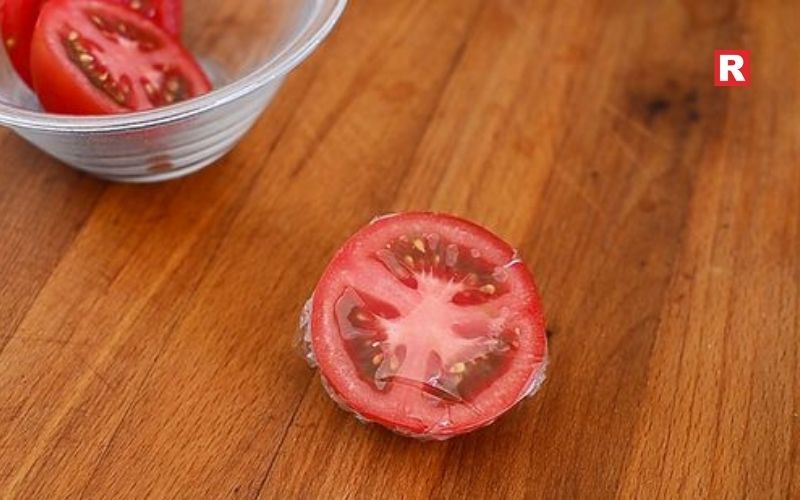
Once you cut a tomato, it starts to lose its moisture fast. To slow this down, cover the cut side tightly with wax paper or stick them cut-side down in an airtight container. Keep them in the fridge, and use them within a day or two for the best taste. If you’ve got diced tomatoes, pour off any extra juice before refrigerating. That keeps the pieces from getting soggy. Don’t leave cut tomatoes uncovered in the fridge. The cold air of the fridge will dry them out and dull their flavor.
What's new: 7 Tequilas That Deserve a Spot on Your Bar Shelf
4. After Picking Fresh from the Stem
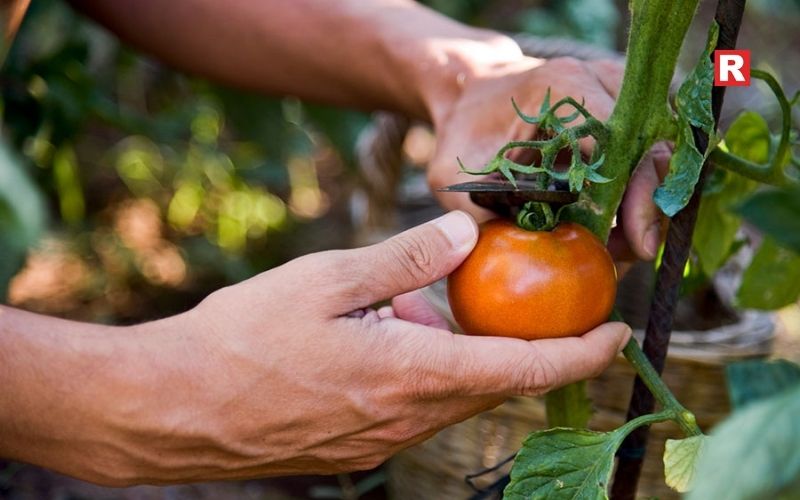
Fresh tomatoes taste best when you treat them gently right after picking. Just brush off any dirt. Don’t wash them until you’re ready to use them. If they’re still warm from the sun, let them rest inside, somewhere cool and out of direct light. Lay them out in a single layer, with the stems down. If some of them aren’t fully ripe yet, or if they’re just starting to turn color, leave them at room temperature so they can finish ripening. If you are harvesting in a hot climate, then don’t leave them for a long time in the heat, as it makes them go soft in no time. Indoors, out of the sun, they hold their shape and taste better. Once they’re as ripe as you like, pop them in the fridge to stretch their life for a few more days.
5. How to Store Whole Tomatoes for a Long Time
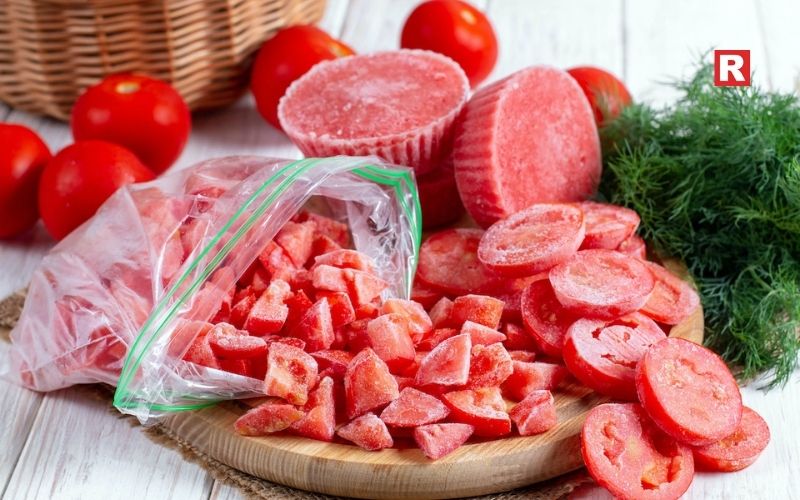
If you want to keep your tomatoes fresh for even longer, consider methods that change the tomato’s form while protecting its flavour. Freezing is the easiest way. Rinse, dry, and freeze them whole on a tray. When they’re solid, toss them in a freezer bag. Later, the skins will slip right off after thawing. Sure, frozen tomatoes aren’t great for salads, but they’re perfect for sauces or soups. You can also roast tomatoes before freezing. Roasting brings out their sweetness and gets rid of some water. Let them cool, pack them up, and freeze. Or, blend ripe tomatoes with a bit of salt, pour into freezer-safe jars, and freeze. If you want them to last even longer, try home canning. Just make sure you’ve got the right gear and follow safe steps. These tricks let you enjoy tomatoes long after their season ends.
Check out: 15 No-Oil Recipes That Taste Amazing
Top 10 Japanese-Inspired Matcha Desserts to Try
Mistakes to Avoid
- Washing tomatoes before storage increases surface moisture and encourages mould.
- Crowding tomatoes in a deep bowl leads to bruising, especially in the lower layers.
- Chilling underripe tomatoes weakens their texture and dulls their flavour.
- Wrapping tomatoes in plastic traps moisture against the skin and speeds spoilage.
- Storing tomatoes near ethylene-sensitive produce, such as cucumbers, affects the quality of both.
- Keeping tomatoes in direct sunlight causes rapid overripening and softening.
How Airflow Supports Freshness
Tomatoes stay better when they can breathe. When trapped in stagnant air, moisture builds up, and that’s how you end up with mushy spots and mould. Just spread them out in an open tray or a roomy basket. That’s usually enough to keep them at a steady temperature and stops them from getting squishy. Skip the deep bowls or stacked storage; the ones at the bottom always take the hit and get bruised. If your tomatoes come wrapped up tight from the store, tear that open as soon as you get home. Let that humidity out. Letting air flow around the tomatoes won’t stop them from ripening, but it makes a big difference. Their skin stays dry, and they stay firm way longer.
Quick Tips for Everyday Use
- Spread ripe tomatoes in a shallow tray and check on them daily.
- Sort them by how ripe they are, so you can use the softest ones first.
- If you want to ripen some up faster, then put them near apples or bananas.
- Take tomatoes out of those sealed grocery bags as soon as you get home.
- If you find a really soft tomato, cook with it right away.
- If your fridge is extra cold, then store ripe tomatoes in the crisper drawer.
Learn more: Top Korean Noodles Brands You Can Find in India
Freshness Through Care
The trick to keeping tomatoes fresh is simple: match how ripe they are to where you keep them, and don’t handle them too roughly. Once you get a feel for how warmth, air, and moisture change their texture, you’ll know whether to leave them on the counter, stash them in the fridge, or set them aside for longer storage. These little habits lock in flavor and help you waste less. Pay a bit of attention every day, and you’ll always have tomatoes that taste great and are ready to use whenever you need them.

Plant-based eating has significantly expanded over a period of a few years, not only among vegetarians but also among people who intend to decrease the amount of meat in their diet while still keeping the flavour and nutrition intact. More and more households in India are using vegetarian proteins that can give the same satisfaction as chicken but are better in terms of fibre content, cholesterol level, and affordability.
The idea is pretty simple. One needs meals that can provide the necessary nutrients, taste familiar, and be compatible with a certain exercise routine or simply serve as daily nourishment. Luckily, nowadays, the market offers plenty of ingredients that imitate the texture of chicken or serve the same purpose on your plate. Every one of them can easily be mixed with curry, grills, stir-fries, biryanis, or any other daily meals.
This article features the ten most excellent vegetarian chicken substitutes, with explanations about their flavours, cooking methods, and their strongest points. You can create a diet that not only contains an ample amount of protein but is also diverse and easy to prepare at home with the ingredients listed in this article.
Read more: 10 Most Popular Coffee Blends in India
What Makes a Good Chicken Substitute
Most of the time, the vegetarian ingredients fail to replace chicken as effectively as one might want. A proper substitution should have sufficient structure to maintain the integrity of the cooking process, it should be able to soak up the flavours well and most importantly, it should be a good source of protein. Texture is the most important factor since chicken is often liked for its specific bite and firmness. Protein levels indicate whether the meal meets your dietary needs, especially if you are into fitness or just want to have a stable source of energy. Furthermore, accessibility is also a factor that contributes to this. Substitutes only make sense if they are available in normal markets and at a reasonable cost. Therefore, flexibility also counts.
10 Vegetarian Chicken Alternatives
1. Soya Chunks
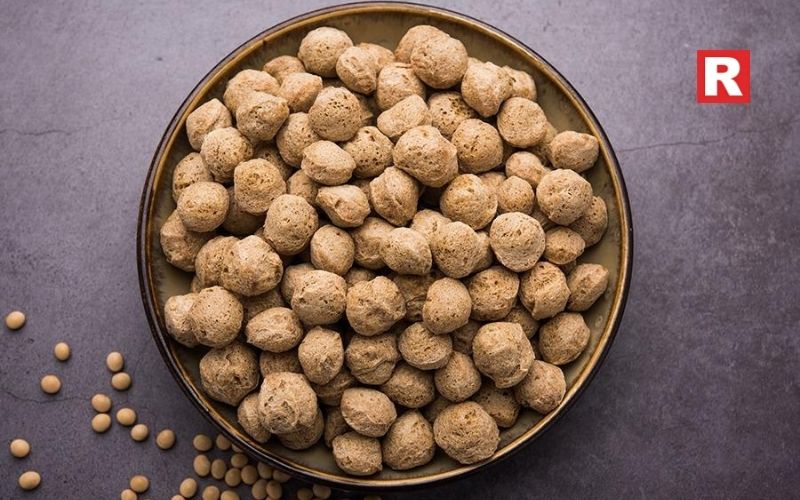
Soya chunks are still one of the easiest high-protein meat substitutes to get in India. After they are rehydrated, they have a texture that is chewy and somewhat firm, just like the textured mutton pieces or pieces of cooked chicken. So, they are perfect to make curries, biryanis, pulao, kebabs, and even sautéed dry dishes. Their ability to soak up marinades and spices is what makes them so powerful. A quick soak in hot water and a gentle squeeze will rid soya chunks of any raw smell. Since they can be used in simmering or slow cooking, what is more, they are great because they retain their shape. A 100-gram serving is an excellent source of protein and the highest among all vegetarian ingredients.
Know more: 10 Vegetarian Indian Foods That Help You Gain Weight the Healthy Way
2. Tofu
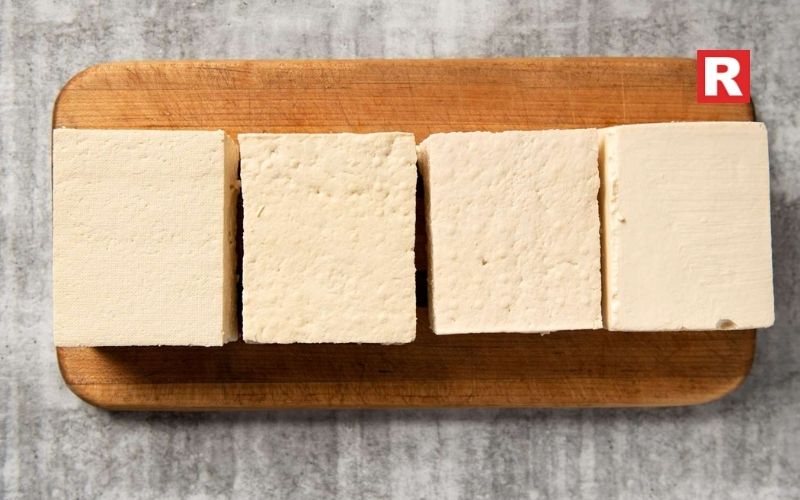
When you change a little, tofu can become a softer but still satisfying chicken replacement. It is a product of soy milk, and it comes in different textures, but density-wise, firm tofu is the closest substitute for dense chicken pieces. When cooking it, brown tofu is best. It is very fast at absorbing a marinade, and it can even be spiced without turning into a pulp. The best possible uses would be in stir-fries, grilled skewers, salads, and very mild curries like the ones from Thailand with coconut gravies. The texture gets more springy after wiping tofu with a towel. Small yet steady, the protein content of tofu is a reliable everyday ingredient. Without changing the flavour, one gets to season tofu to their best liking; thus, they are free to make any dish they want.
3. Tempeh
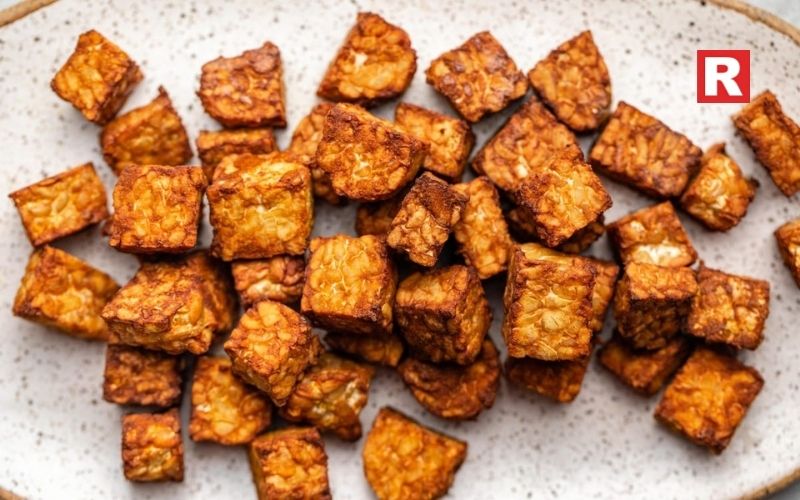
Among the vegetarian proteins, tempeh uniquely stands out. As it is made from whole fermented soybeans, it is firmer, earthier, and more structured than tofu. Its nutty flavour performs like a charm in deepening the dishes, and its compact body provides a bite similar to that of grilled chicken. You may cut it into slices, cubes, or simply crumble it in your recipes. Particularly, it is delicious in sandwiches, stir-fries, tandoori-style grills, and wraps. Along with other benefits, the fermentation process supplies tempeh with extra advantages, and its protein becomes more bioavailable. Due to its thickness, it is very good at holding marinades and browning fast on a pan or grill. Although tempeh is rarely found in normal stores, its increasing presence is turning it into a viable choice for those who want to spice up their diet of protein.
4. Paneer
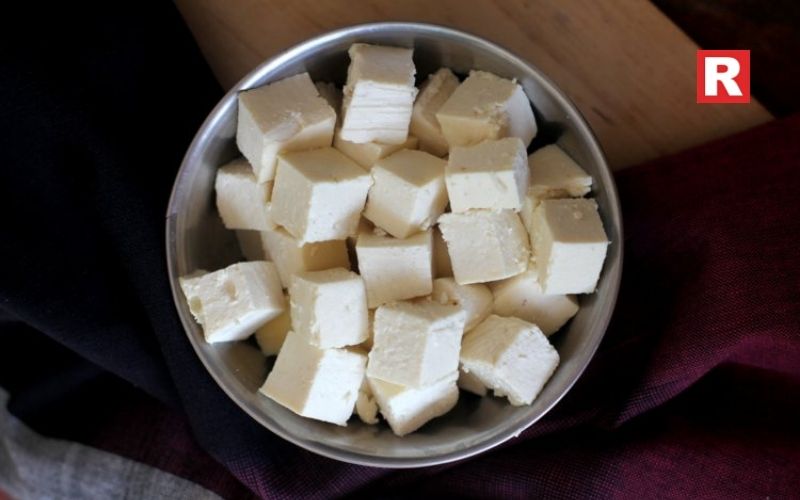
Paneer, the quintessential Indian protein, is a very simple chicken alternative that has been around forever. A firm yet soft texture of paneer can be used without limitations in creamy gravies, grills, or dry tawa dishes. To be able to keep the shape of paneer when heated, it must be handled properly, and then it will not turn rubbery. Its protein content is not high, but still, it can be a reliable source of protein when combined with vegetables, lentils, or whole grains. Paneer tikka, paneer bhurji, paneer butter masala, and paneer stuffed rolls are some of the many examples that show how easily paneer can be a substitute for chicken in both everyday and festive meals. Moreover, as it is available everywhere, it is one of the most convenient substitutes for households that are short on time.
What's new: 7 Tequilas That Deserve a Spot on Your Bar Shelf
5. Raw Jackfruit
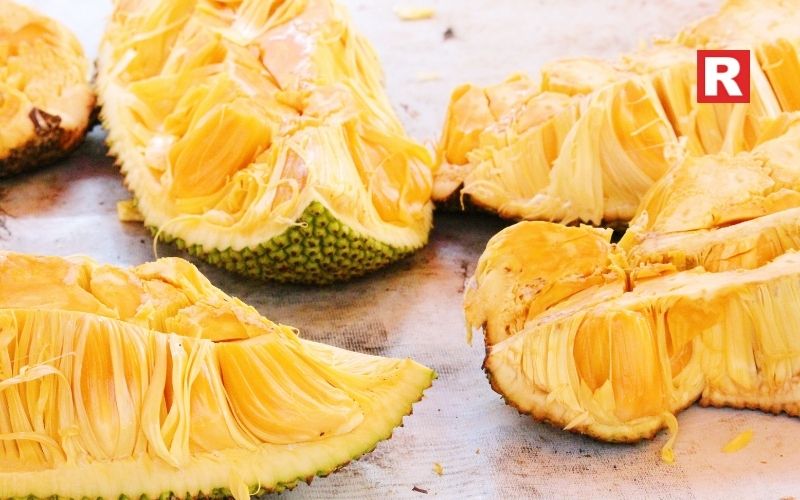
Raw jackfruit gives a naturally fibrous texture, which is very similar to that of shredded chicken. After cooking, it stays tender but has a little stringy texture, thus making it ideal for pulled “meat” sandwiches, curries, and slow-cooked dishes. It is a spice lover since it absorbs the spices without any problem and can then be utilised in cutlets, rolls, or stir-fries. The raw version of the fruit, unlike the ripe one, has a very subtle flavour that hardly changes when mixed with the other savoury seasonings. First of all, it is great for preparing comforting home-style curries; secondly, it is an excellent ingredient for creating plant-based versions of such dishes as korma or kofta. Furthermore, its nutritional profile contains moderate amounts of carbohydrates and fibre, together with a light dose of protein, thus making it a nutritious source of everyday meals.
6. Seitan
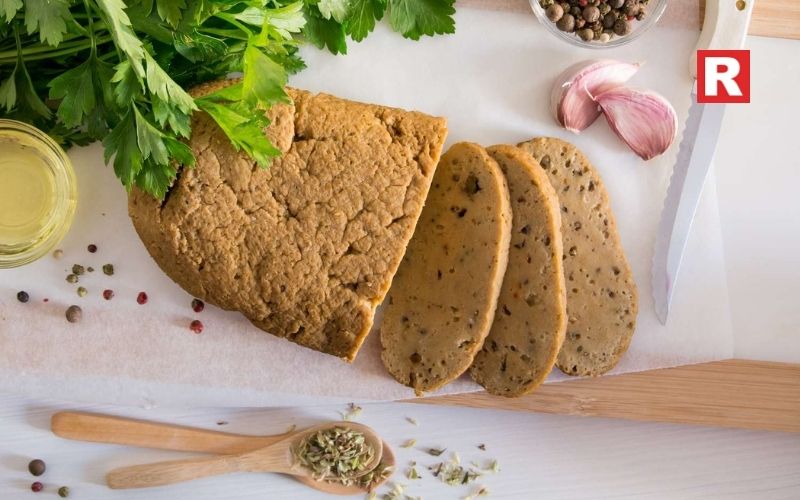
Seitan is a gluten-based product which is derived from wheat and is one of the plant-based proteins that most closely resemble the texture of chicken. It is very firm, elastic, and, therefore, it can be used in grilling, roasting, and stir-frying without falling apart. Due to its high protein content, it is a favourite among athletes who follow vegetarian diets. Seitan is also a quick flavour absorber, and if browned in a pan, it develops a very nice savoury taste. It is especially good in Indo-Asian dishes, wraps, skewers, and any recipe where a firm bite is required. Nevertheless, the best thing for people without a gluten intolerance is that seitan is still a great choice if they want hefty meat-like meals.
7. Plant-Based Mock Meats
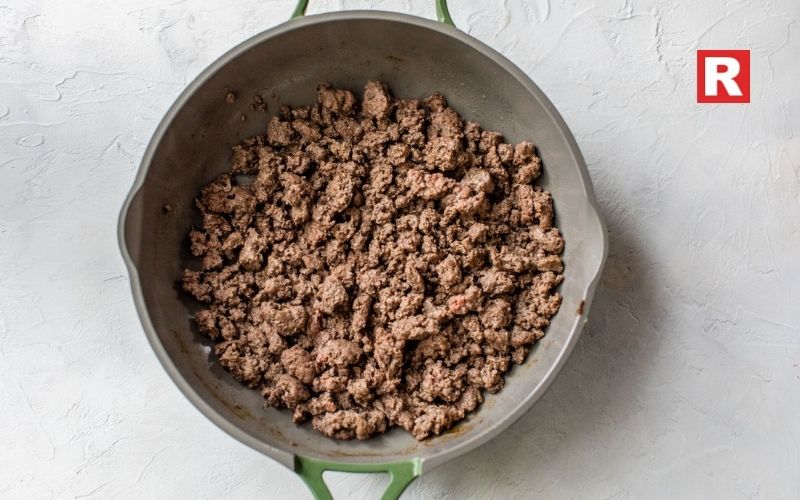
Mock meats made from soy, pea protein, wheat protein or any blend of plant ingredients have become widely popular in India. The products have been made keeping in mind that they should look and taste like chicken, which makes them very handy when used in dishes that are already familiar to the users. You can easily make kebabs, burgers, mixed vegetable curry, biryani, and even tandoori dishes without going far in your kitchen. Most of them also come pre-marinated or pre-shaped, so you do not have to worry about the time you spend getting things ready. Their protein content varies, but in general, they are not less than or equal to chicken. Mock meats are the perfect choice for beginners who want a very close replica without going out of their way in the lab.
Check out: 15 No-Oil Recipes That Taste Amazing
Top Korean Noodles Brands You Can Find in India
8. Mushrooms (Oyster and Shiitake)
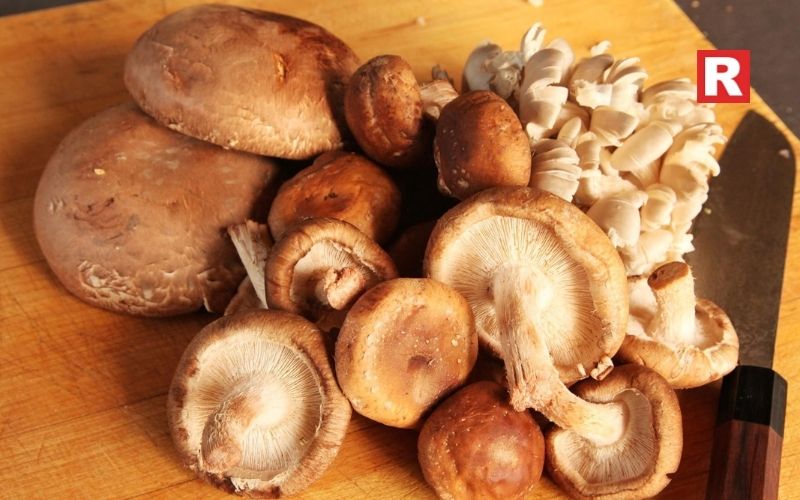
Oyster and shiitake mushrooms have a natural fibrous structure that is very similar to chicken and therefore works as a good chicken substitute. Their flavour is mild and becomes stronger when the mushrooms are cooked in a pan or on a grill, thus making it a perfect base for treats like curries, pasta, stir-fries, and fried rice. The mushrooms offer less protein than soy-based substitutes, but their texture, umami, and versatility overcome that easily in well-balanced vegetarian meals. By shredding and seasoning oyster mushrooms, one can get very close to the chew of shredded chicken. Mushroom pepper fry, mushroom masala, and mushroom stir-fried noodles are just a few of the many simple dishes that can be made using mushrooms.
9. Lentils and Dals
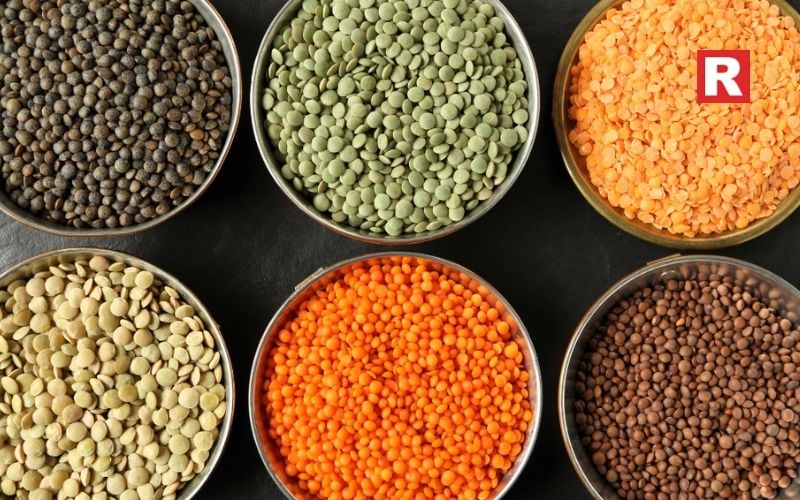
Lentils may not imitate the texture of the chicken, but they do provide the necessary protein and are the main ingredient of the vegetarian diet. On their own, lentils are incomplete, but when coupled with vegetables, spices, and whole grains, they ensure total nourishment. Lentil kebabs, lentil cutlets, dal-based curries, and mashed lentil patties are some of how one can replace chicken in everyday meals. Besides, they are quick to cook, can be used in a variety of cuisines, and are still affordable. Also, their inherent fibre content makes them good for digestion and gives the body energy that is stable. Dals are still a reliable and healthy option for those seeking high-protein meals without soy or mock meats.
10. Chickpeas
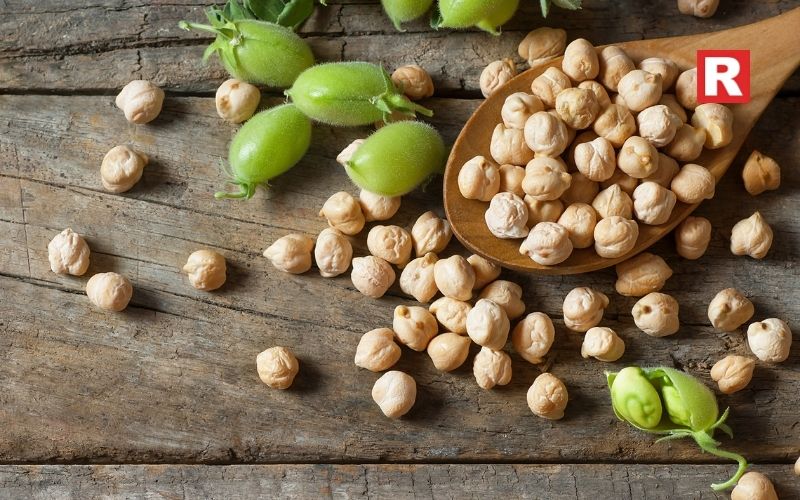
Chickpeas can give a solid texture and provide a steady amount of protein, thus making them trustworthy substitutes in dishes that are body and richness-dependent. They can be cooked as curries, thrown in salads, wraps, stews, grills, as well as many other things. Mashing them makes the perfect base for patties, koftas, and burger fillings, while keeping them whole makes them suitable for such dishes as chole, chickpea sauté bowls, or Mediterranean-inspired plates. In addition, chickpeas can be mixed with paneer, vegetables, or grains, which gives you the freedom to easily create nutritious meals. Moreover, their feature of giving saturation without heaviness makes them equally appropriate for lunch and dinner.
Learn more: Top Veg Japanese Dishes You Must Try on Your Next Visit
Smarter Veg Choices
Transitioning to vegetarian alternatives doesn't confine your meals. It actually gives you more options and allows you to be more creative. These components provide the body, taste and are a source of healthy nutrients in equal amounts. No matter if you are cooking for health, saving money, or just for the pleasure of it, plant-based chicken substitutes enable you to make meals that are both delicious and nutritious. Through the use of texture, flavour, and method, you can discover the mixture that works best for you and your daily routine. Each replacement on this list is equipped to perform a certain function in the kitchen, and as a result, they form a complete, protein-rich plan for regular meals.
Healthy eating doesn't mean giving up the foods you love just because of oil. You'll be delighted to discover how delicious no-oil cooking can be. Whether you're managing your weight, reducing cholesterol, or simply trying to adopt a healthier lifestyle, removing oil from your diet can create a lighter, more balanced approach to eating. But here's the best part: oil-free food doesn't have to be bland, dry, or boring. In fact, with the right cooking techniques, fresh spices, and creative ingredient swaps, oil-free dishes can taste even better than traditional recipes.
Dishes are abundant all over the world that naturally don't require oil, and even some Indian dishes, which are often rich in tadkas, can easily be remade into flavorful, wholesome, no-oil versions.
This article lists 15 recipes that taste absolutely amazing even without oil. You'll also learn the science behind oil-free cooking, expert techniques, and simple tips to help you cook healthier without compromising on taste.
Read more: 12 Foods Like Avocado That Are Creamy, Healthy, and Tasty
Health Benefits of No-Oil Recipes
Switching to oil-free cooking can greatly improve your overall health surprisingly quickly. Here's how:
- Better Heart Health: Removing or lowering the amount of oil from your food helps reduce levels of saturated and trans fats, hence improving one's LDL, or bad cholesterol levels. This decreases the chance of heart disease, high blood pressure, and arterial blockage.
- Supports Weight Loss: Oil is really calorie-dense. Just 1 tablespoon contains about 120 calories. Cutting out or using less oil instantly reduces daily calorie intake without sacrificing portion sizes.
- Improved Digestion: Oil-heavy food often causes bloating, acidity, and sluggish digestion. No-oil dishes feel lighter and easier on the stomach
- Helps Manage Diabetes & Cholesterol: It has been demonstrated that plant-based diets, free of oil, can improve insulin sensitivity and maintain healthier cholesterol levels.
- Encourages Cleaner Eating: When you skip the oil, you are naturally relying on whole ingredients, fresh vegetables, herbs, and spices, making the diet more nutrient-dense.
Overall, the no-oil approach isn't just a trend. It's a sustainable, healthy way of living, which still allows you to enjoy rich flavours and comforting meals.
15 No-Oil Recipes That Are Filled With Flavour
1. Oil-Free Moong Dal Chilla
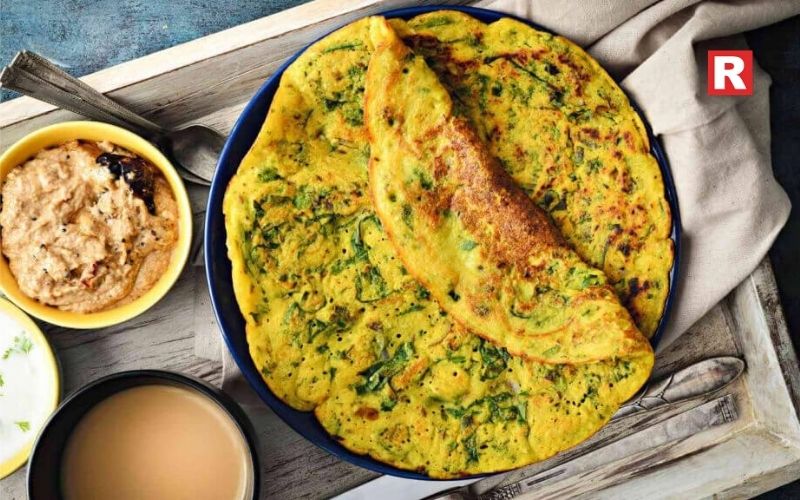
A pancake that is packed with proteins, made with ground moong dal, ginger, green chillies, and spices, all well-cooked on a non-stick tawa without a drop of oil. The batter spreads beautifully to give a crispy, soft chilla that goes well with chutneys. The natural starch in the dal helps it brown without getting burnt and retains its texture beautifully, making it an ideal breakfast or light snack.
Know more: How to Make Momo at Home for a Healthy Treat
2. Steamed Veg Momos
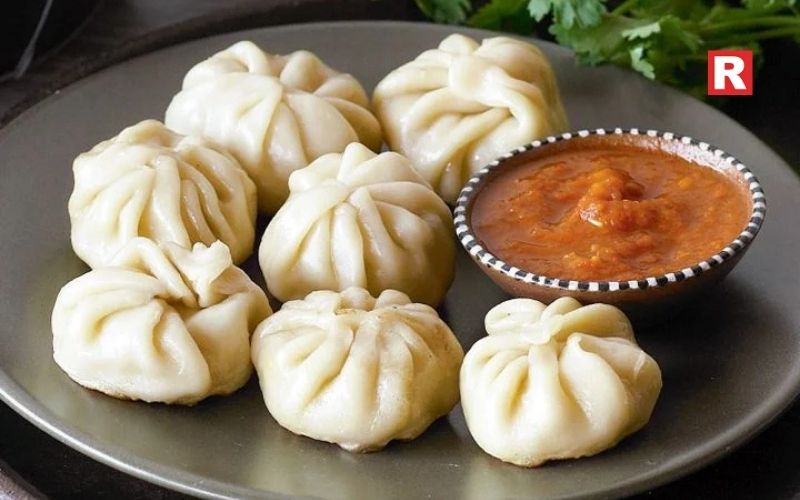
Steamed momos are equally tasty with or without oil. The filling of cabbage, carrots, onions, garlic, and pepper releases its natural moisture during steaming, lending tenderness and flavour to the dumplings. Serve with spicy tomato chutney for an oil-free yet satisfying meal.
3. No-Oil Rajma Masala
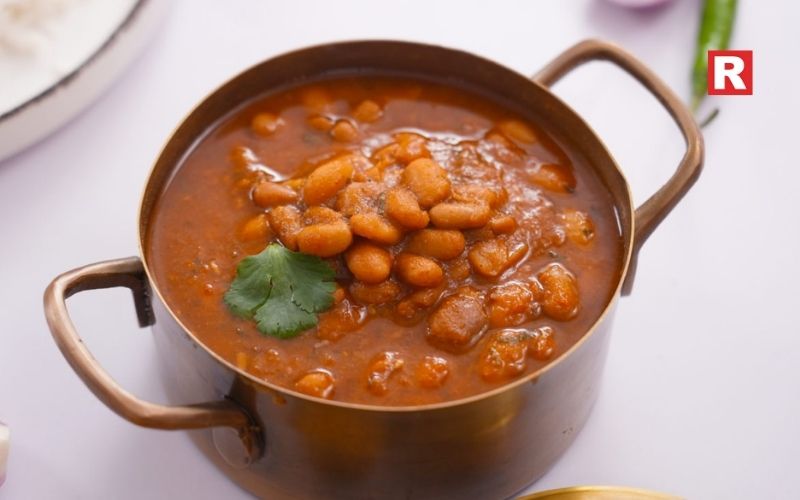
Rajma, slow-cooked, turns creamy without any addition of oil. The trick lies in sautéing onions and tomatoes in water or vegetable broth till they dissolve into a thick gravy. Add some warm spices like cumin, paprika, and garam masala into the pot. It blends nicely, turning into a hearty, soul-comforting curry for rice or roti.
4. Air-Fried Tandoori Paneer
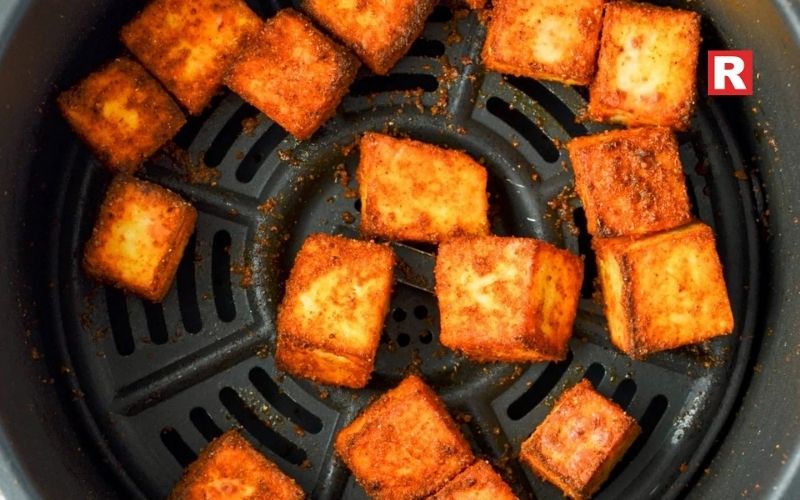
Using an air-fryer makes marinated paneer into crispy, charred bites without using any oil. The marinade of yoghurt, lemon juice, chilli, Kashmiri red powder, and tandoori masala caramelises on its own. It becomes a smoky, tangy, and guiltless snack.
5. Zero-Oil Lemon Rice
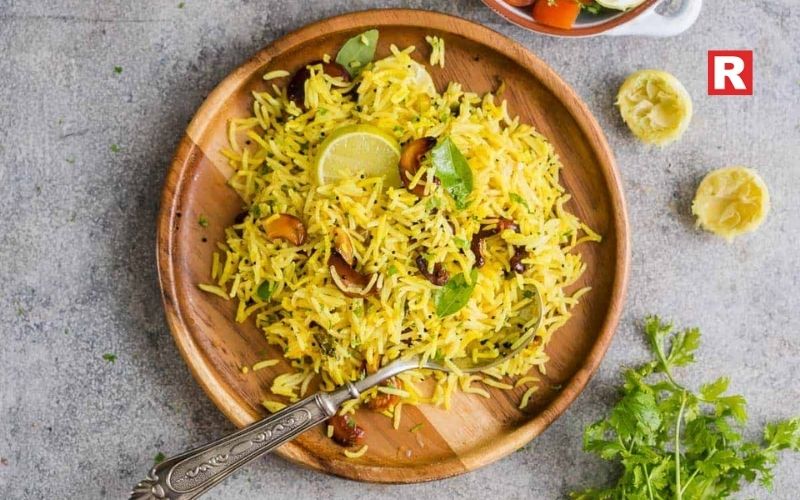
While traditionally, it is prepared with oil tempering, this version uses dry-roasting the spices like mustard seeds, chana dal, and curry leaves before mixing in warm cooked rice and fresh lemon juice. The flavour stays bright and aromatic, and the turmeric gives a beautiful golden colour without adding any heaviness.
6. Steamed Dhokla
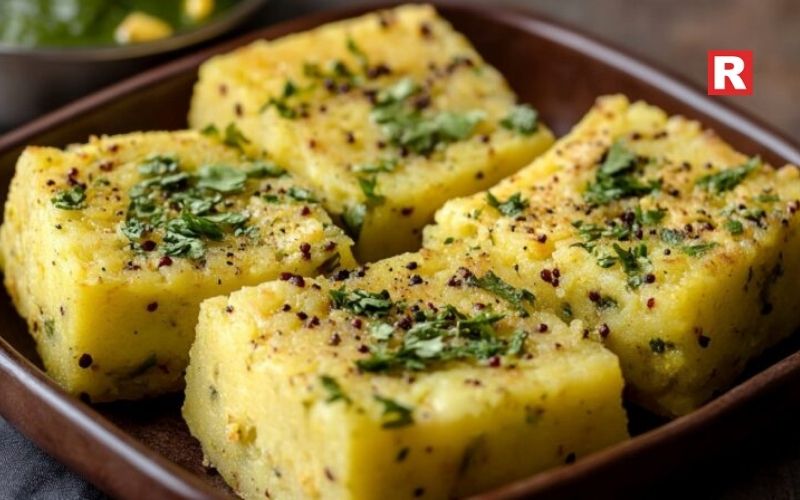
This Gujarati classic is a naturally oil-free dish prepared by steaming. Fermented besan batter turns fluffy and soft, absorbing sweet and tangy flavours from lemon and green chilli. Instead of an oily tadka, sprinkle roasted sesame seeds and fresh coriander for texture and freshness.
7. Oil-Free Vegetable Biryani
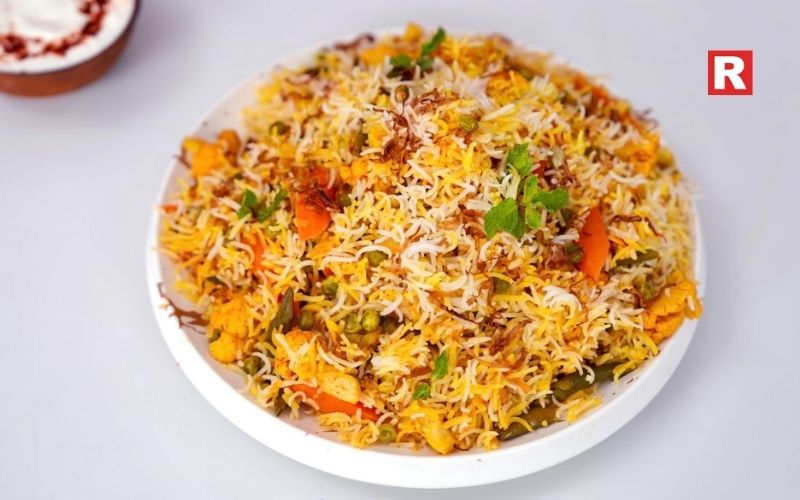
Flavorful aromatic rice and vegetables are cooked together in a sealed pot with spices like cardamom, bay leaf, and cloves-with absolutely no oil. Steam cooks the biryani and infuses the aromatic flavour deeply, but keeps it light in calories. Adding fresh herbs and a squeeze of lime makes it even better.
What's new: Top 10 Japanese-Inspired Matcha Desserts to Try
8. Baked Samosa

Making a samosa with no oil can sound like an impossible thing to do, but baking instead of frying keeps the pastry crisp while significantly reducing the calories. The spiced potato-pea filling is already cooked, so skipping oil is possible. This process keeps this iconic snack crunchy, golden, and guilt-free.
9. No-Oil Tomato Rasam
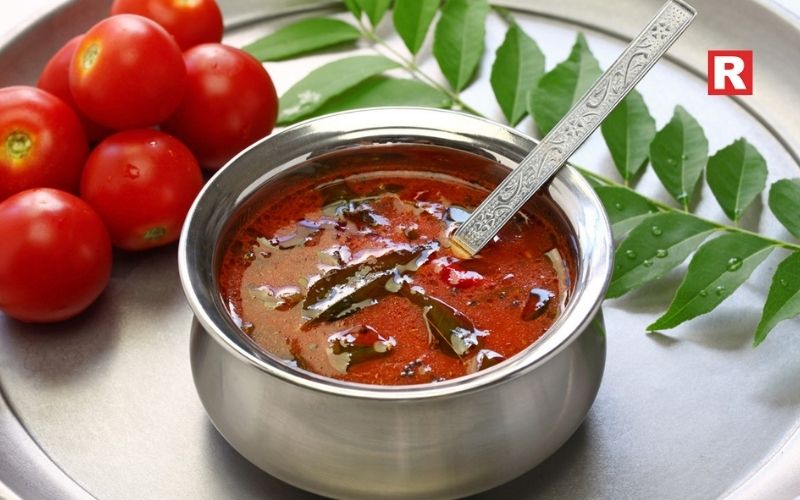
This sour South Indian broth gets its flavour from tomatoes, tamarind, pepper, cumin, and coriander. Instead of oil tempering, the spice mixture can be dry-roasted in advance to unlock the aroma. The result is a warm, light, and digestion-friendly soup.
10. Zero-Oil Hummus
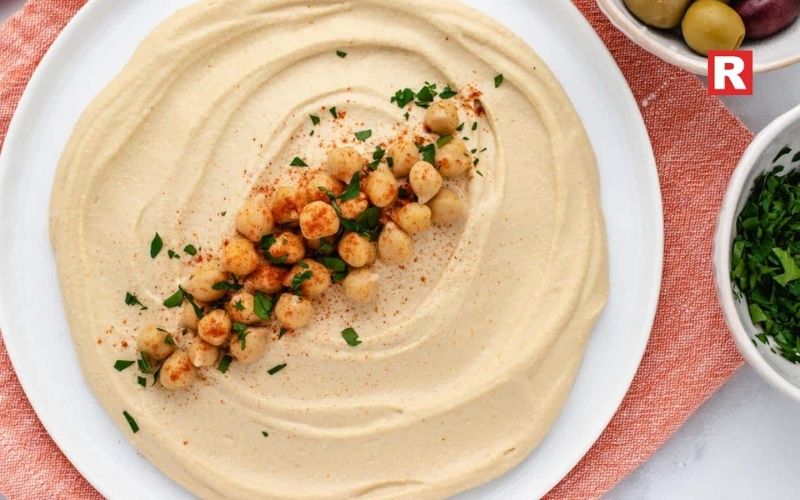
Traditional hummus is made with tahini and olive oil, but you can make a creamy alternative by blending the chickpeas with lemon, garlic, aquafaba, and tahini only. It remains thick and velvety in texture. Feel free to enhance its flavours with herbs or roasted garlic.
11. Air-Fried Roasted Vegetables
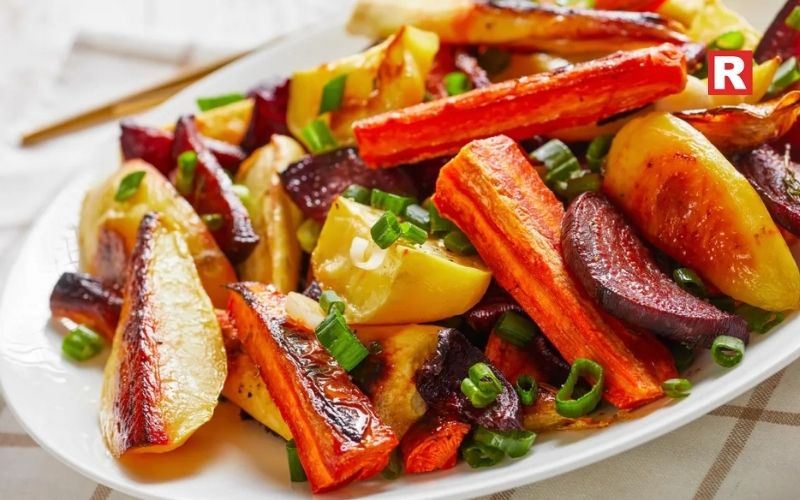
Air-frying vegetables like bell peppers, zucchini, sweet potatoes, and mushrooms allows them to caramelise without oil. Their natural sugars develop a smoky, roasted depth that makes this a healthy side dish packed with nutrition.
12. No-Oil Chole Masala
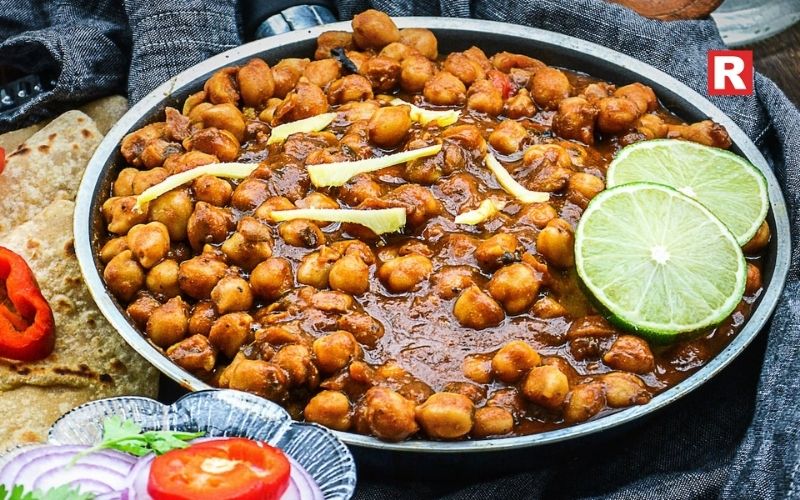
Chole can be cooked perfectly without oil using tomato purée, onion paste and aromatic spices. Boiled chickpeas soak in the masala as it simmers to get a thick, flavourful gravy. It is an ideal combination with whole wheat kulchas or rice.
13. Steamed Idli with Mint Chutney
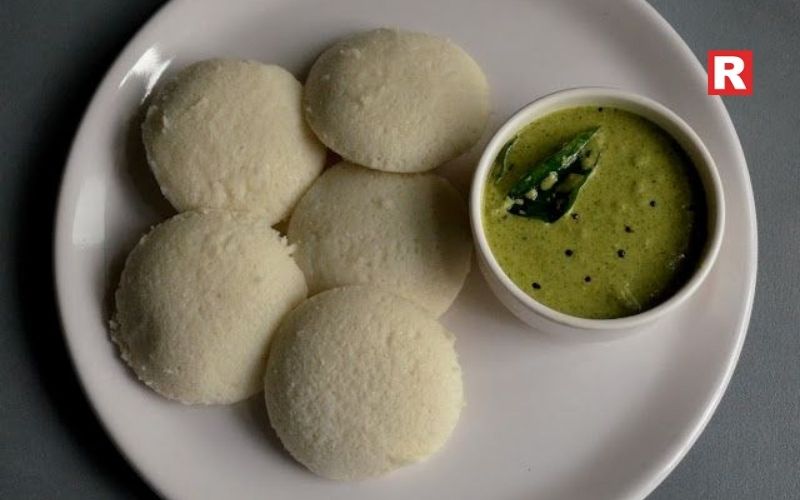
Idlis are an excellent choice if you are aiming to avoid the use of oil in your diet, as they are steamed and thus do not require any oil. Idlis are made of rice and urad dal-based fermented batter, and are healthy, soft, and filling in nature. Coupled with the mint-coriander chutney, this meal is a source of complete nutrition and energy.
14. Zero-Oil Oats Cutlets
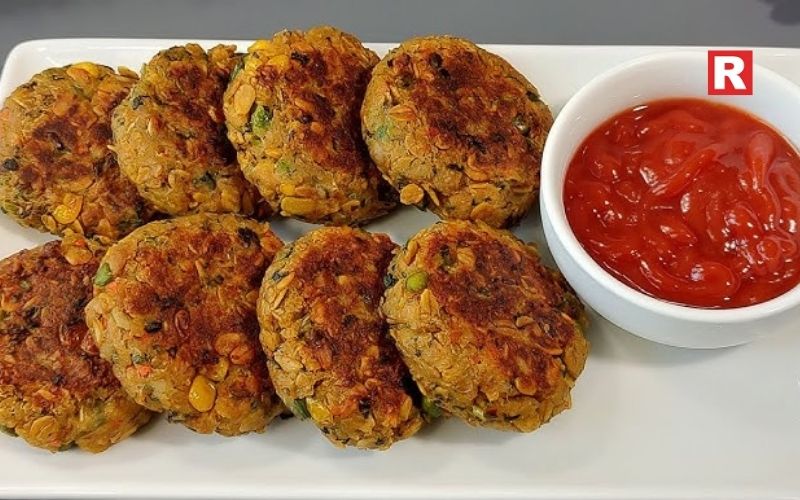
These vegetables are turned into delicious snackable patties by mixing oats, carrots, peas, and spices. Either baking or air frying these patties gives you a nice crust on the outer side, while the inside remains soft. These are perfect for tea time or a healthy evening snack.
15. No-Oil Thai Green Curry
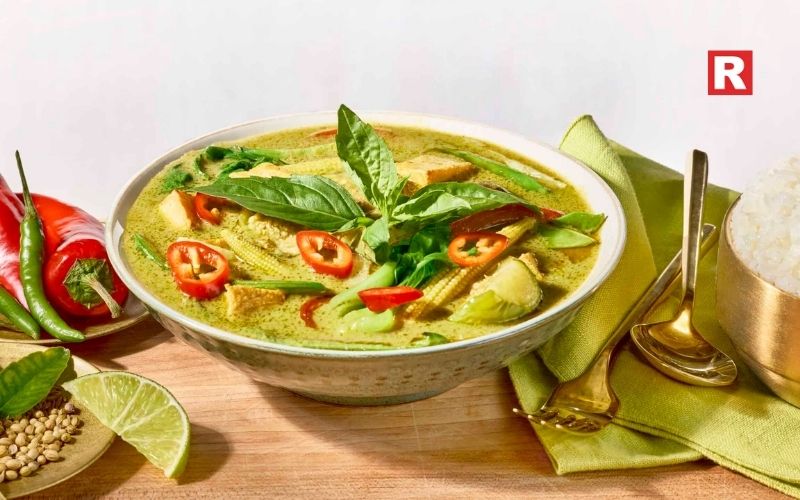
Without the use of oil, this delicious curry can be made by using only natural ingredients such as coconut milk, lemongrass, basil, and fresh green curry paste. The vegetables are cooked until they are very tender in a tasty coconut base, which is full of Southeast Asian flavours. It can be eaten with steamed jasmine rice.
Check out: Top 12 Vodka Brands Loved In India
Top Korean Noodles Brands You Can Find in India
Techniques Used in Oil-Free Cooking
Oil-free cooking has been made more convenient with the help of modern methods and intelligent kitchen gadgets. Below are the most effective techniques:
- Water Sautéing: Do not fry onions and tomatoes in oil. Sauté them in some water or vegetable broth. Once the liquid has evaporated, the ingredients will caramelise on their own.
- Steaming: Steaming is a method that preserves the colour, vitamins, and texture of food. Thus, it is suitable for momos, idlis, vegetables, and dumplings.
- Baking & Air-Frying: Baking or air-frying can result in a crispy or browned exterior without using oil; thus, these methods are perfect for dishes that need deep-frying in oil.
- Dry Roasting: Spices get their full flavour when they are roasted on low heat. They release essential oils that enhance aroma and depth.
- Slow Cooking: Beans, lentils, and curries develop rich flavours when simmered in their natural moisture.
- Using Non-Stick Pans: Non-stick cookware helps you to prepare pancakes, chillas, and vegetables without using oil.
Ingredients That Replace Oil’s Role
Oil adds richness and prevents sticking, but several healthy ingredients can take its place:
- Coconut Milk & Nut Pastes: Cashew, almond, or coconut adds creaminess to gravies and curries.
- Tomato & Yoghurt Bases: These help build gravy without oil while adding tang and depth.
- Vegetable broth: It enhances flavours in soups, chole, and sautéed items.
- Fresh Herbs: Mint, coriander, basil, dill, and curry leaves brighten flavours instantly.
- Natural Fats: Avocado, tahini, and peanuts add body without processed oils.
- Tangy Agents: Lemon, vinegar, and tamarind help lift flavours and adjust spices.
Tips for Making No-Oil Food More Delicious
- Always use spices that release a stronger aroma.
- Enhance your flavour by adding acids like lime or tamarind.
- Marinating vegetables or proteins can keep their moisture locked.
- Play with the different textures by using crunchy seeds or toasted grains.
- Do not rush your cooking; slow simmering helps to deepen the flavour.
- Frequently tasting your dish helps to adjust the seasoning at the right time.
- Use umami items such as soy sauce, mushrooms, miso, or nutritional yeast.
Learn more: Top Veg Japanese Dishes You Must Try on Your Next Visit
Light, Tasty, Easy
Cooking oil-free is not a matter of limiting the amount, but rather rediscovering taste in its simplest form. It is proven by these 15 no-oil dishes that healthy food can be of various colours, satisfying, and highly adaptable. By knowing the proper methods and selecting the right ingredients, it is possible to have the lighter versions of the dishes that are your favourites without giving up on the taste. Whether you are initiating a healthy lifestyle or merely experimenting with cleaner cooking ways, these recipes offer you the whole world of flavours in your kitchen.

Matcha is a simple, bright green powder of green tea that has taken the world by storm. But it is so much more than just a popular ingredient. Matcha is produced by grinding shade-grown green tea leaves into a fine powder and possesses a unique flavor profile that feels earthly, slightly bitter, umami-rich, and deeply aromatic. What sets matcha apart from regular green tea is that you consume the entire leaf rather than an infusion, making it far more concentrated in antioxidants, amino acids, and nutrients.
Over the past decade, matcha has found its way from traditional tea ceremonies out into modern cafes, bakeries, and dessert kitchens around the world. The beverage's bold colour, elegant flavour, and health benefits have turned it into a dessert superstar. Whether you are a newbie with matcha or it has already captured your heart and senses, an exploration of Japanese-inspired matcha desserts can open an entirely new world of flavor and creativity for you.
In this article, we will be listing ten matcha desserts that are inspired by Japanese cultures, cafes, and cuisine.
Read more: Top Famous Indian Desserts You Can Have After Your Meal
Why Matcha Works Well in Desserts
Matcha is visually striking, but also a very versatile dessert ingredient. The earthy bitterness cuts through sweetness with a beautiful balance and depth not often replicated by the most common dessert flavors on their own. Unlike overly sweet treats, matcha brings in a certain refined umami flavor that will appeal to both traditional tastes and modern foodies.
Another reason matcha works so well in desserts is its compatibility with a range of textures, like creamy, chewy, flaky, crunchy, or airy. Whether folded into whipped cream, blended into batter, or dusted on top as a finishing touch, matcha enhances both flavour and appearance. Its natural colour is also a major attraction. That intense green hue signals freshness and sophistication, turning even the simplest dessert into something visually stunning.
And then, of course, there's the health angle. Matcha boasts a high level of antioxidants in the form of catechins, the calming L-theanine, and a subtle kick of caffeine, contributing to the sense that matcha desserts are an indulgence with benefits. In short, matcha makes desserts taste elegant, look beautiful, and nutritious, compared to traditional sweets.
Know more: How to Make a Healthy Dessert With Just 5 Ingredients
List of Top 10 Japanese-Inspired Matcha Desserts
Below are ten irresistible Japanese-inspired matcha desserts, each described in rich, indulgent detail.
1. Matcha Mochi

Matcha mochi strikes a perfect balance between chewiness and fragrance. This popular Japanese dessert combines tender, elastic glutinous rice dough with the subtle hint of matcha, thus creating a comforting and unique dessert. The slight bitterness from the matcha cuts through the sweetness in the mochi, which makes it satisfying but not overwhelming. Fill this with red bean paste or cream, and matcha mochi becomes even more delectable. Its simplicity and addictive chewiness make this a signature Japanese dessert.
2. Matcha Mille Crepe Cake
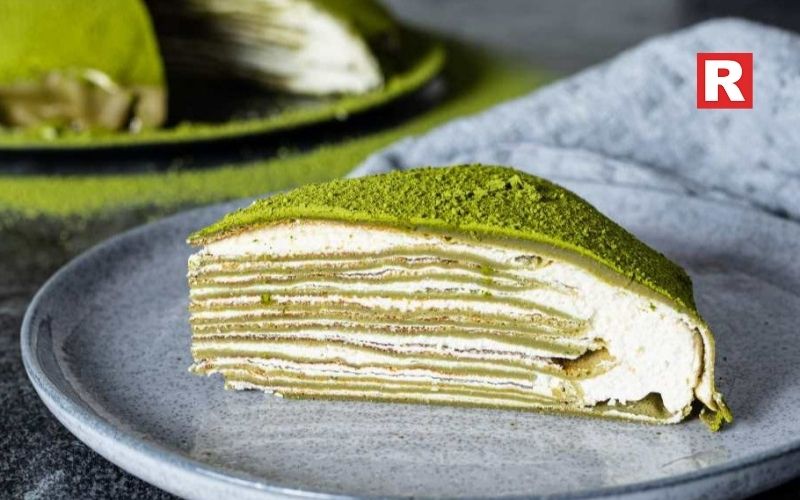
The Matcha Mille Crepe Cake is elegantly layered to perfection. Made from dozens of thin crepes stacked with matcha-infused pastry cream, this dessert is a masterpiece of texture and flavour. Every bite melts in your mouth as soft layers give off a well-balanced sweetness and the earthiness of matcha. The subtle bitterness balances the creaminess, making this dessert feel luxurious rather than heavy. Delicate-looking and sophisticated to taste, the cake is always a favorite in upscale cafes.
3. Matcha Dorayaki

Dorayaki are soft and fluffy pancakes traditionally filled with sweet red bean paste, but they get a vibrant twist when it is filled with matcha. Matcha dorayaki combines airy green pancakes with a sweet filling that complements the tea flavor so well. The earthiness of matcha blends well with the mild sweetness of the red bean, giving this dessert a nostalgic yet refreshing taste. It is the perfect tea-time snack since it's portable, satisfying, and only sweet enough.
4. Matcha Cheesecake

Matcha cheesecake is where Japanese flavor meets Western indulgence. Surprisingly, the creamy, velvety texture of cheesecake works well with the bitterness of matcha, creating a dessert that's rich but never syrupy. The green hue makes it stand out visually, while the flavor strikes a perfect balance between creamy and earthy. Whether baked or no-bake, this has become a favorite worldwide among dessert lovers who crave something different.
What's new: Top Korean Noodles Brands You Can Find in India
5. Matcha Taiyaki
Taiyaki is a cute fish-shaped pastry that is usually filled with red bean paste, custard, or chocolate. The addition of matcha makes it even more appealing. The slightly crispy outer shell carries the aroma of matcha very well, while the warm inner filling provides a satisfying contrast. Matcha taiyaki is fun, creative, and full of flavor-perfect for anyone who loves street-style desserts of Japan.
6. Matcha Ice Cream
No matcha dessert list is complete without matcha ice cream. Silky, creamy, and refreshingly earthy, this frozen treat has captured the hearts of foodies from around the world. It has just the right amount of sweetness to balance bitterness, which makes it far more intriguing than its plain vanilla or chocolate counterparts. Chilling enhances the flavor of matcha, making it a truly cooling and aromatic experience with each spoonful. Whether served alone or paired with mochi, red beans, or waffles, matcha ice cream is always a crowd-pleaser.
7. Matcha Parfait
Matcha parfait is a layered treat made from ice cream, whipped cream, jelly cubes, red beans, dango, and crunchy granola or cornflakes. From layer to layer, different textures come into play, creating a symphony of chewiness, creaminess, and crunch. The matcha ice cream brings it all together with the richness of tea flavor that carries the sweetness. It’s visually stunning and highly satisfying. It is a perfect dessert for those who enjoy variety in every bite.
8. Matcha Daifuku
Daifuku is similar to mochi but typically filled with sweet fillings such as red bean or whipped cream. Matcha daifuku adds an extra layer of flavor due to the addition of matcha within the dough or filling. With soft mochi, the creamy center, and the aromatic matcha, this dessert feels luxurious and approachable at the same time. Its smooth bite and well-balanced sweetness are reasons to love it.
9. Matcha Cookies
Crispy on the edges and chewy in the middle, matcha cookies are the modern take on classic baked desserts. The matcha gives the cookies not just a beautiful green color but also enriches them with a deep, slightly bitter note that perfectly pairs with white chocolate chips or nuts. These cookies are indulgent yet not overly sweet, making them perfect for anyone who enjoys more subtle flavors.
10. Matcha Roll Cake
Delicate, soft sponge rolled with light matcha cream creates a dessert that is as appealing to the eyes as it is to the palate. The sponge is soft and airy, and the matcha cream is smooth and fragrant. These two together combine into a perfect harmony of texture and flavor. When this bright green swirl is displayed inside the cake, the cake is simply irresistible-a favorite found in Japanese bakeries.
Check out: Top 12 Vodka Brands Loved In India
15 Pancake Dishes From Around the World That Every Foodie Should Know
Ingredient Recommendations
Choosing your ingredients correctly vastly enhances the flavor, color, and general quality of your matcha desserts. The most important component is the grade of matcha. Culinary-grade matcha is generally used in desserts because it blends seamlessly into batters and creams while holding its flavor. However, ceremonial-grade matcha will provide a brighter color and a smoother taste in desserts, which would be perfect for no-bake treats such as ice cream or parfaits.
When purchasing matcha, try to find vibrant green, finely milled powders that are sourced from well-regarded Japanese regions like Uji, Nishio, or Shizuoka. Stay clear of anything that seems dull or yellowish because this tends to have lower quality and a more bitter taste.
Complementary ingredients include red bean paste (anko), mochi, white chocolate, fresh cream, glutinous rice flour, and vanilla. Each of these pairs really well with the earthy tones of matcha. When making baked goods, using good-quality butter, cream cheese, and fresh eggs will amplify flavours and textures in your desserts.
Tips for Making Matcha Desserts at Home
- Sift the matcha powder to avoid lumps and ensure a smooth mixture.
- Whisk matcha with warm water first to help it dissolve and release the full flavor.
- Use culinary-grade matcha for baking, and ceremonial-grade for no-bake desserts.
- Adjust sweetness to balance matcha’s natural bitterness.
- Avoid high heat, which dulls matcha's colour and taste.
- Matcha should be stored in an airtight container away from light and moisture.
- Pair matcha with complementary flavours such as red bean, white chocolate, or cream.
- Mix properly into dry ingredients to retain color and texture in baked goods.
Learn more: Top Veg Japanese Dishes You Must Try on Your Next Visit
Savour the Green
Japanese-inspired matcha desserts are truly a beautiful combination of tradition, artistry, and flavor. Their unique balance, earthy and sweet, makes them different from the ordinary dessert options, and the natural green color brings class to any creation. Be it silky matcha ice cream, a delicate mille crepe cake, or comforting mochi, each dessert tells its story of Japanese culture.
Trying matcha desserts is one of the most delightful ways to discover new flavors, where subtle bitterness turns beautiful, textures play in harmony, and each single bite feels both modern and timeless. With the right matcha, quality ingredients, and practice, you can make these Japanese delights right in your kitchen.

Korean noodles have gained considerable popularity in India in recent years. Students and young professionals are loving them for their bold flavours with simple cooking. The influence of K-dramas, K-pop, and Korean food culture has made Korean food brands available in the Indian market. You can find many Korean brands in today's Indian supermarkets, whether online or offline. Their shelves are filled with bowls of spicy ramen, packets of jjajangmyeon, seafood ramyun, and cups of Korean-style noodles.
These noodles have shifted from being a snack to a category of food, a food trend, comfort food or fun food for millions of Indian noodle consumers. Korean noodle brands, ranging from hot to cheesy ramen bowls, provide an option for every eater's preference.
If you're wondering what Korean noodles are popular to try in India, the following article lists the top Korean noodle brands, where to find them, and what makes them unique.
Why Korean Noodles Are Popular in India
Korean noodles have become popular in India due to a combination of culture, convenience and curiosity. K-dramas often highlight comforting late-night ramyeon scenes, and many viewers find themselves wanting to eat noodles in that moment. Indian food is also known for its wide variety of quick-to-eat snacks that are full of spices and bold flavours. Korean noodles also provide endless variety with soup-based noodles, stir-fry ramyeon, cheese ramen, kimchi bowls and mild creamy flavours for both adventurous eaters and beginners.
Korean noodles are also easily accessible now through many leading platforms, including Amazon, Blinkit, BigBasket and JioMart. All those leading platforms in one place, with great pricing, make Korean brands easier than ever to purchase.
Korean Noodle Brands in India
1. Samyang
Samyang has taken the Indian market by storm thanks to their famous Buldak “Hot Chicken” Ramen, which went viral around the world for being extremely spicy. These noodles are thick, chewy and full of robust flavour with a significant kick that satisfies a spicy palate. Samyang has also produced various other popular versions, including Carbonara, Cheese and Jjajang Buldak, each with its own character. Whether seeking a spiciness challenge or simply enjoying heavy, smoky flavours, Samyang offers a memorable noodle experience that has consumers constantly coming back for it.
Popular Variants in India:
Below are several of the leading flavours of Samyang noodles that can be purchased by Indian customers:
- Samyang Buldak Hot Chicken Flavour Ramen (Original): The “fire noodle” flavour that started it all. It is a stir-fried and really spicy variety of noodles with Samyang's signature chilli sauce.
- Samyang 2× Spicy Hot Chicken Ramen: A double-spice version that has a little more kick of chilli.
- Samyang 3× Spicy Hot Chicken Ramen: This ramen has the same flavour but packs an even more intense heat. Many supermarkets list it as the 3X spicy.
- Samyang Buldak Cheese Hot Ramen: This ramen offers a cheese packet, which adds a creamy, cheesy flavour to help balance out the extreme spiciness.
- Samyang Hot Chicken Stew-Type Ramen: Soupy and stew-like option for those who like heat but also want more broth.
2. Nongshim
Nongshim is one of Korea’s most respected noodle brands and popular among Indian consumers who enjoy their ramen in soup style. Its signature Shin Ramyun possesses a wholesome and layered broth and chewy noodles that soak in flavour well. It is hearty and comforting in a way that distinguishes it from most other instant noodle products. Nongshim also has a variety of other flavours, providing plenty of options for vegetarians and non-vegetarians. With its deep flavour and consistent quality, Nongshim is often the favourite for those who enjoy hearty noodles that are highly liquid-based.
Popular Variants in India:
- Shin Ramyun: Nongshim's specialty, a spicy, savoury noodle in a soup.
- Shin Ramyun Black: Shin's premium noodles. It is more intense, with more toppings.
- Shin Red Super Spicy: Shin's super spicy broth for more spice.
- Neoguri: Thick noodles + a spicy seafood broth. Neoguri is loved for its unique chewy texture and distinct seaweed flavour.
- Chapagetti: Based on jjajangmyeon (noodles with black bean sauce), Chapagetti is Nongshim's version of the classic Chinese-Korean noodle dish.
- Chapaguri ("Ram-don"): Best recognised from the film Parasite, this dish is a hybrid, combining Chapagetti with Neoguri.
3. Paldo

Paldo offers a milder take on Korean noodles with a nice balance of spice, savoury, and comfort. Their Jjajangmyeon (Korean black bean noodles) is a customer favourite, presenting a umami sauce that is both delicious and unique. Paldo offers a variety of soups and spicy noodles that appeal to Indian consumers, but do not have an overbearing spice level. Their noodles are soft, smooth, and designed for those new to Korean food traditions. With more mellow, but still flavourful, spice profiles, Paldo is commonly referred to as the “comfort food” brand of Korean ramyun.
Popular Variants in India:
- Paldo Fun & Yum Bibim Men: A sweet–spicy Korean cold noodle dish, it is a fantastic summer dish. The sauce is tangy, refreshing, and mildly spicy, which is great for Indian foodies looking for something different. Products are available on import grocery websites.
- Paldo Jjajangmen: Chewy noodles served with a thick, savoury black-bean sauce. It’s Korea’s famous jajangmyeon in an instant noodle form, and it’s a great way for people to try something different from spicy ramen noodles.
- Paldo Volcano Chicken Noodles: One of Paldo’s spiciest noodle varieties with a hot red sauce and strong chilli flavour. It is hotter than most, though slightly milder than Samyang’s 2×. It has made itself popular among spice lovers in India.
- Paldo Teumsae Ramen: Famous for its deep, spicy broth, combining chilliness and umami. It’s the soup-style ramen known for flavour + spicy, and available through Korean specialty grocery stores online.
4. Ottogi
Ottogi is the brand for those wanting creamy, cheesy, and milder-flavoured noodles. Ottogi's Cheese Ramen is one of the best-selling options in India, known for its rich, creamy taste that blends perfectly with the springy noodles. Ottogi's Jin Ramen is a classic pantry staple from Korea, carrying both a mild and spicy option with a more neutral flavour. Ottogi also offers sesame and curry noodle options, leaving every consumer with a choice. This brand is most appropriate for children, new eaters, or consumers who simply want Korean noodles that are flavourful but not too spicy.
Popular Variants in India:
- Ottogi Jin Ramen (mild): A mild, non-spicy noodle that is comforting to newcomers. It has a smooth, flavourful broth with soft chewy noodles and is great for the ramen flavour of Korea without the heat.
- Ottogi Jin Ramen (spicy): A spicy version of the traditional Jin Ramen with a vivid red broth with chilli heat and authentic umami deep flavour. A great everyday Korean ramen that balances great spicy flavour.
- Ottogi Cheese Ramen: A creamy, cheesy ramen with a seasoning packet that melts into a rich broth. It is loved by Indian students as the cheese cuts the spice and adds a smoothness of mouthfeel and even a richness.
- Ottogi Yeul Ramen: One of the spiciest ramen from Ottogi, it has a very similar feel to Samyang hot flavours but lots of broth as well. It has a chilli-forward heat with a clear umami base. It can also be purchased from Korean grocery stores online.
5. CJ Bibigo

Bibigo is a high-end Korean brand known for its gourmet-style products and healthy noodles. The brand has a more gourmet-like flavour that feels like eating at a restaurant. Many noodle types are air-dried, not fried, giving them a lighter texture that is not greasy. The seafood broth noodles and knife-cut or "cut-style" are both appealing to consumers who enjoy the authentic and more delicate tastes of Korean cuisine. If someone is after a healthier and cleaner option to instant noodles, they will have a more elevated gourmet experience with Bibigo.
Popular Variants in India:
- Bibigo Japchae Stir-Fried Glass Noodles: A popular Korean dish made from sweet potato glass noodles, vegetables, and a soy sauce-based seasoning. Chewy, savoury, and mildly sweet, this dish is ideal for folks who want to enjoy the authentic flavours of Korean food but do not like very spicy food. Order from Korean grocery stores online.
- Bibigo Chicken & Vegetable Japchae Noodles: A noodle bowl you just need to heat up to eat. This bowl features tender chicken, chewy dangmyeon noodles, stir-fried vegetables, and a balanced savoury sauce. Perfect for a gourmet-style, quick meal inspired by Korean food.
- Bibigo Spicy Mushroom Kalguksu: A knife-cut noodle soup featuring thick, soft noodles and a mildly spicy mushroom broth. This dish is a comforting, homestyle Korean dish found on import specialty sites like Fetch N Buy.
- Bibigo Japchae Bowl (Frozen Meal): A microwavable frozen version of a japchae-style meal featuring chewy noodles, vegetables, and a soy-sesame seasoning. Great for anyone looking for a quick fix of Korean noodles without cooking.
6. Yopokki

While this brand's specialty is Korean rice cakes tteokbokki, Yopokki has gradually expanded to offer a range of Korean noodles that have been well received by customers for their sweet-spicy flavours. Yopokki noodles often contain cheesy, tangy, and mildly spicy combinations that parallel the flavours of other Korean food eaten on the street. Yopokki noodle dishes are often packaged in cups for quick and easy cooking, and are especially favoured by students, young adults and K-drama fans who are looking for Korean street-style flavour they can enjoy at home.
Popular Variants in India:
- Yopokki Rabokki (Original Sweet & Spicy): A combination of chewy rice cakes (tteok) and instant noodles in Korea’s iconic sweet-spicy gochujang sauce. Ideal for beginners looking for an authentic Korean street-food flavour.
- Yopokki Rabokki Hot & Spicy: A spicier version of their original rabokki, with an even bolder red sauce and heat level. A perfect option for spice lovers wanting a filling, saucy, and very quick Korean meal with both noodles and rice cakes.
- Yopokki Cheese Rabokki: A creamy, cheesy twist of the original rabokki flavour. The cheese seasoning melds into the spicy sauce; the two flavours balance nicely, resulting in a dish that is satisfying and comforting. This version is a hit with Indian students.
- Yopokki Jjajang Rabokki (Black Bean Flavour): Korean savoury black-bean sauce with the noodles and rice cakes. This option is mild and earthy, making it a great alternative for those who are more in favour of a flavourful dish, rather than a spicy dish.
Spice, Slurp, Repeat
Korean noodles have transitioned from a niche international specialty to one of the fastest-growing convenience food trends in India. Each brand has its own specialty: whether it's spicy noodles, rich broths, or comforting, restaurant-styled flavours that can be replicated at home. With delivery and supermarkets expanding their Korean section, it has never been more convenient for Indians to try global flavours in their own kitchen. The Korean noodle market segment in India has enough offerings to experiment with, whether you are looking for ultra-spicy ramen challenges, creamy noodle cups, or your more classic noodles with a soy-based broth. Whatever your preference, grab a favourite, add toppings like eggs or cook up vegetables and enjoy a bowl of comfort.

Pancakes are one of the most universally popular dishes around the world. While many people typically think of pancakes as fluffy, stacked cakes drizzled with syrup over the top, pancakes take on many different forms depending on available ingredients, cooking methods, and cultural customs.
What is especially interesting about pancakes is their universality. A pancake can be served and enjoyed at breakfast, as a snack, street food, or as a holiday treat. In some cultures, pancakes are layered with fruits and honey, while in other cultures, pancakes are filled with meats, vegetables, and spices as a savory dish. Pancakes are a comfort food that can be eaten anywhere as a shared community experience.
This article lists 15 different regional pancake specialties from around the world that aspiring or seasoned home cooks can look forward to for inspiration or enjoyment of the wonderful flavors pancakes hold.
Read more: 12 Affordable Spirits That Taste Like They Cost a Fortune
15 Types of Pancakes From Different Places
1. American Buttermilk Pancakes

What pancake list would be complete without a basic American buttermilk pancake? These fluffy, soft cakes are made with flour, eggs, sugar, and buttermilk (which provides a slight sour taste to the cake). When cooked on a hot surface like a griddle, the cake rises nicely and is served in stacks of 2 to 6 along with butter, maple syrup, or fresh berries for breakfast or brunch. American pancakes are all about warmth, comfort, and satisfaction. The experience of enjoying a pancake can be great anytime during the day, especially when paired with coffee.
2. French Crêpes

Crêpes are ultra-thin pancakes found on street corners in Paris and are an item on the menu in any local French bistro. Crêpes are typically made of wheat flour, milk, and eggs and can be sweet or savory. While sweet crêpes often feature Nutella, fruit, or whipped cream, savory crêpes are called galettes, which are often stuffed with cheese, ham, eggs, or vegetables. The delicate texture and versatility of crêpes make them a canvas for both traditional French flavors and modern creative twists.
Know more: 10 Vegan Fusion Curries From Around the World
3. Russian Blini

Blini are small, yeasted pancakes, traditionally made with buckwheat flour, that have a nutty flavor and a somewhat dense texture. Blini are often served during celebrations, such as Maslenitsa, and are paired with sour cream, smoked salmon, or caviar. They are not just food; they represent hospitality and warmth in Russian culture. Their small size is perfect as appetizers, plus they can be layered or stacked on a plate for family gatherings or holiday meals.
4. Japanese Okonomiyaki
Okonomiyaki is a savory Japanese pancake that is almost a meal by itself. The base of okonomiyaki is a batter made with flour, eggs, shredded cabbage, and dashi. Okonomiyaki is cooked on a griddle and topped with mayonnaise, okonomiyaki sauce, bonito flakes, and seaweed. Okonomiyaki can include variations based on the preferred meat, which may include pork, seafood, or vegetables. Known as popular street food in Osaka and Hiroshima, okonomiyaki has a soft, fluffy center with a crispy outside, and its umami flavor is deeply satisfying.
5. Korean Hotteok

Hotteok is a sweet Korean street food pancake, enjoyed in the winter season, for its warm, gooey filling. The dough is made of wheat flour and yeast, then filled with brown sugar, cinnamon, and crushed nuts, before pan-frying to a crisp golden brown. The sugary filling melts in, creating a caramel-like center that cannot be resisted. Hotteok is best eaten as a snack or dessert, offering a warm, sweet bite of comfort at the heart of Korean street food culture.
6. Ethiopian Injera
Injera is commonly considered a "staple" food in Ethiopian cuisine, made from ground teff flour and fermented for a slight sour flavor. Unlike most pancakes, injera is large, spongy, and used as both a plate and utensil with various stews, vegetables, and meats placed on top. The fermented flour, as well as its unique style of serving, gives injera a very unique texture and flavor with a soft, airy, and absorbent quality. Eating injera reflects Ethiopian traditional culture, hospitality, style, and the social aspect of sharing food in the community.
7. Dutch Pannenkoeken

Dutch pannenkoeken are thinner and larger than American pancakes and thicker than French crêpes. They can be sweet or savory and are typically baked or pan-fried. Good pannenkoeken can be topped with all sorts of delicious fillings and toppings, such as bacon, apple slices, cheese, or powdered sugar. What makes pannenkoeken so special is their size. You can stuff, fill, or fold them with just about anything, which makes them an easy food to be eaten for breakfast, lunch, and dinner. In the Netherlands, pannenkoeken are especially popular and are served in restaurants known as “pannenkoekenhuizen.”
8. Chinese Cong You Bing (Scallion Pancakes)
Cong You Bing, or scallion pancakes, are a popular street food across China, made from unraised dough that is filled with finely chopped scallions. Cong you bing is pan-fried until golden brown and flaky, and thus has a chewy texture inside and crispy layer outside. Scallion pancakes are usually served with soy-based dipping sauce and eaten as a snack or appetizer. The simplicity of scallion pancakes paired with their bold flavor makes them a popular food item in Northern China and among dumpling and pancake lovers.
9. Swedish Raggmunk

Raggmunk is a classical potato pancake from Sweden, made from a simple mixture of grated potato, flour, and eggs. They are fried until they are both crispy on the outside and soft on the inside. Raggmunk is typically served with lingonberry jam and sour cream. The savory and slightly sweet combinations of flavors create a unique flavor profile. Raggmunk is commonly served during family meals or celebratory occasions and showcases the Swedish culture of hearty, comforting, and locally inspired food.
10. Indian Dosa
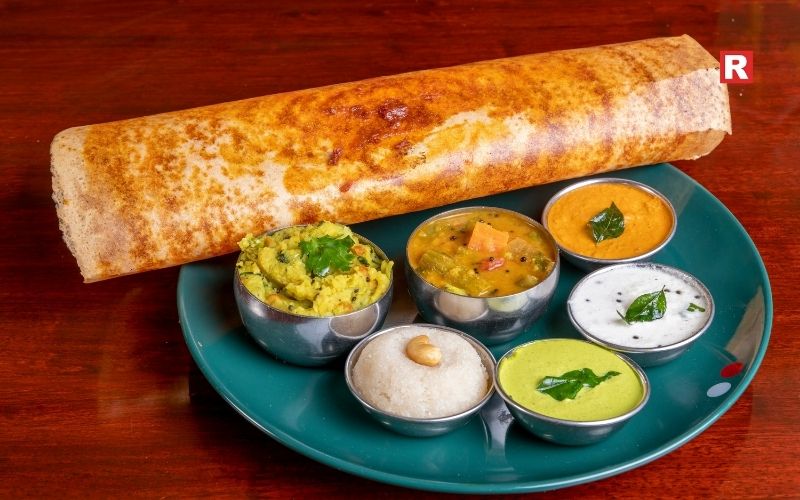
Dosa is a thin, crispy pancake that originates from South India, made from a fermented batter of rice and urad dal (black gram). It is commonly served with a variety of chutneys or with sambar (spicy lentil soup). Dosas can be served plain or stuffed with several fillings, including masala potatoes (masala dosa) and paneer. Dosa is a staple in many Indian households and restaurants and is enjoyed widely for breakfast and as street food. With a crispy texture and a tangy flavor, dosa is versatile and has culinary variations enjoyed throughout India and beyond.
What's new: Top Coconut Rum Brands in India: Tropical Flavours You Will Love
11. Vietnamese Bánh Xèo
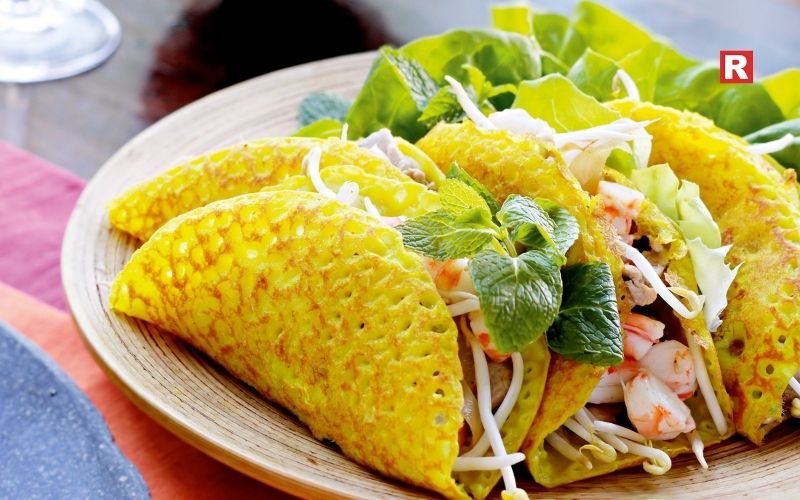
Bánh xèo means "sizzling pancake," a fried and crispy Vietnamese street food made with rice flour, turmeric, and coconut milk batter. Stuffed with pork, shrimp, and bean sprouts, it is cooked and fried until lightly crisped in a pan. Bánh xèo is eaten by wrapping it in a piece of lettuce leaf and dipping it into a tangy fish sauce. The combination of colorful, bright ingredients, crunchy texture, and savory filling makes bánh xèo a classic example of the balance of elements found in Vietnamese cuisine.
12. Thai Khanom Krok
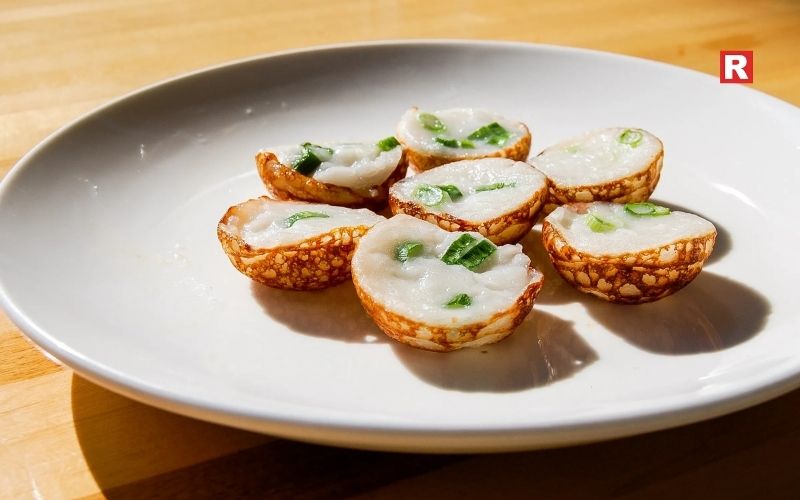
Khanom krok are small Thai pancakes made with coconut milk and cooked in a special cast-iron pan with small round molds. The batter uses rice flour and coconut milk, resulting in a pancake filled with a creamy, slightly sweet interior and crispy edges. They are topped with green onion pieces or (sometimes) sweet corn, and served in bite-sized portions. These pancakes show Thailand's love of coconut flavors, as well as its sweet-meets-savory combinations. They are a must for anyone seeking out Southeast Asian dishes.
Check out: 20 Unique Fritter Recipes From Every Corner of the Globe
Best Cookie Brands in India: A Complete Guide for Cookie Lovers
13. Mexican Hotcakes

Mexican hotcakes are mildly sweet, fluffy pancakes frequently enjoyed with butter, cajeta (caramelized milk), or fresh fruits. They are made from wheat flour, milk, and eggs; they are thicker than crêpes, but less so than American pancakes. Mexican hotcakes are a breakfast staple in Mexican food culture, where they are typically served with a cup of hot chocolate or coffee. Their soft texture, sweet toppings, and comforting smell make them a household breakfast favorite in many Mexican homes.
14. Turkish Gözleme
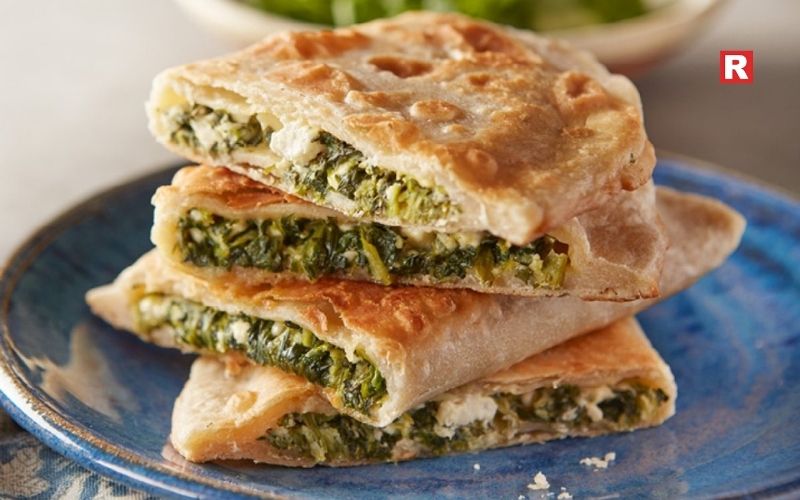
Gözleme is a rustic-style, traditional Turkish stuffed pancake that is made by hand-rolling thin pieces of dough with an oil brushing, then filled with delicious fillings and cooked on a griddle. The fillings can really vary and can include things like spinach and feta, minced lamb, potatoes, mushrooms, or a medley of vegetables. When the pancake cooks, the outside of the dough crisps lightly and the inside gets warm and flavorful. Gözleme is often sold from street markets and pushed by breakfast sellers during festivals throughout Turkey.
15. Israeli Malawach

Malawach is a pancake from Yemen that has become popular in Israel. It is layered dough, pan-fried, and flaky, buttery, and a little crispy. It is sometimes served with hard-boiled eggs, tomato sauce, or zhug (a mixture of cilantro and chili pepper). Unlike many pancakes, malawach is not sweet; rather, it is rich and savory. Malawach is a frequently eaten breakfast in Israel, a symbol of the various traditions that enrich Middle Eastern food culture by combining basic ingredients with many different layers and textures.
Learn more: 10 Classic Wine and Cheese Pairings That Taste Luxurious
A Delicious World Tour
Pancakes may seem like a simple dish, but throughout the world, they transform with culture, memory, and imagination. From the crisp edges of a bánh xèo to the warm sweetness of a hotteok, each pancake carries the story of a place and its people. They are an invitation to experience customs, techniques, and the heart of home cooking across the globe. These fifteen pancakes represent far more than a food journey; they are an opportunity to appreciate how cultures across the globe celebrate the morning hours, connect families, and share stories with flavors.
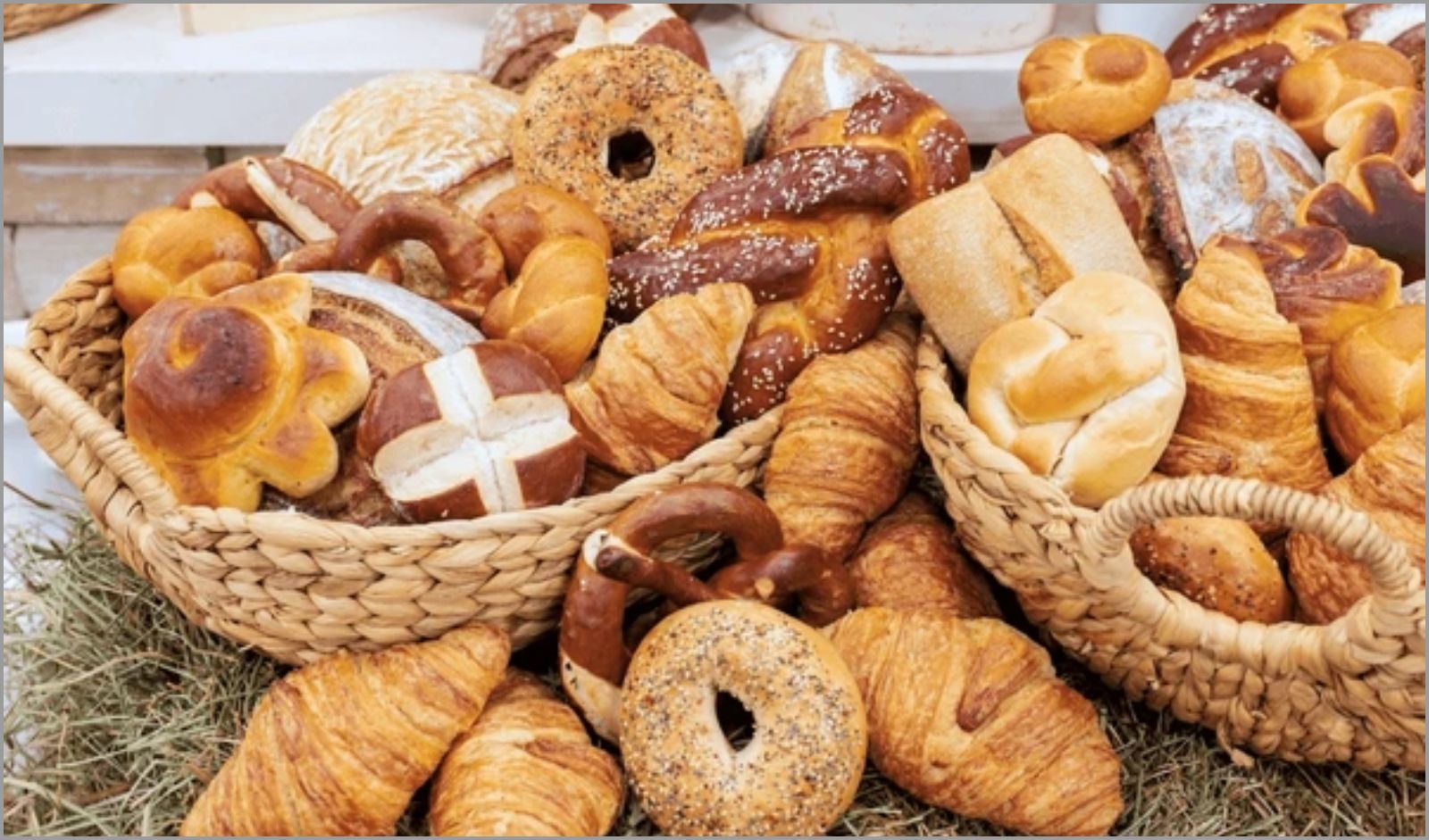 Invest in bakery businessGrowing at a CAGR of 9-10%, it is projected to surpass $30 billion by 2033.
-
Regional FoodMadhya Pradesh may not shout through its cuisine. It leaves a lasting impression. The taste stays simple. The memory stays strong.
-
Health and FitnessA vegetarian diet is not limiting. Indian food already includes all the nutrients needed for daily health.
 Manish MehrotraNISABA is led by Chef Manish Mehrotra, backed by Founding Partners Amit Khanna and Binny Bansal. Shubham Upadhyay leads the front-of-house.
Copyright © 2009 - 2026 Restaurant India.