





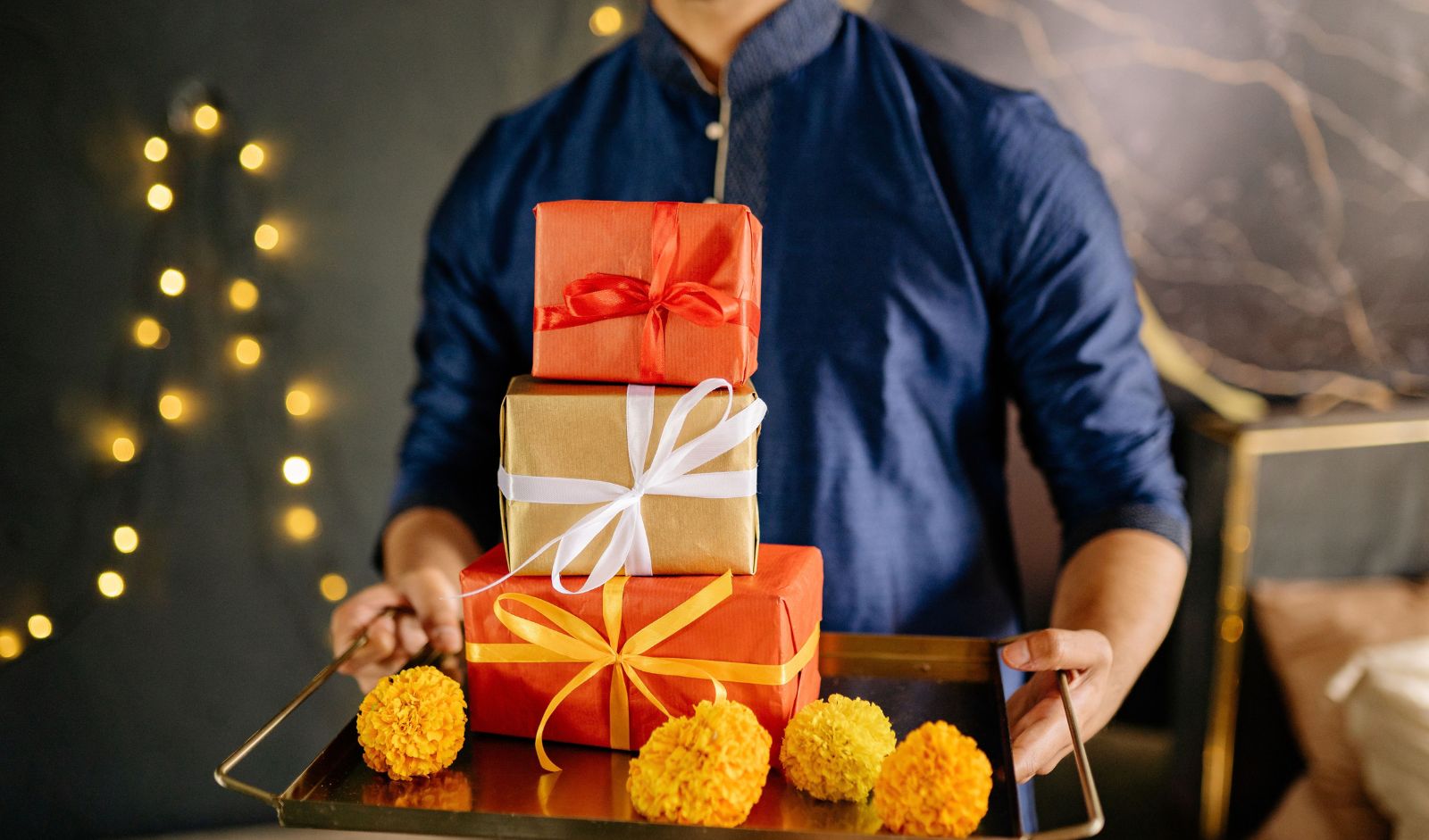
Diwali gifting has a strange problem: everyone ends up with too many of the same thing. Boxes of ladoos pile up on kitchen counters, candles get stacked in drawers nobody opens again until next year, and by the second week of November half of it is still sitting there untouched. Yet there's one gift that almost never gets that reaction, the one people actually look forward to unwrapping the moment it lands at the door. That gift is the hamper. Among the countless options people scroll through every October and November, diwali gift hampers consistently stand out as the pick that feels less like an obligation and more like an actual surprise waiting to happen.
Why Hampers Feel Different From Other Gifts
The Joy of Not Knowing What's Inside
A single box of sweets tells you everything the moment you see it. A hamper doesn't. There's a small stretch of curiosity before the lid comes off, wondering whether it's dry fruits, tea, chocolates, or some combination nobody would have thought to pair together. That little bit of suspense is part of why hampers get opened first at most Diwali gatherings, ahead of the sweet boxes and the gift envelopes stacked next to them.
One Gift That Covers Everyone's Taste
When you have to shop separately for an individual who likes chocolates as well as tea in the evenings, it becomes tough to make a choice. Instead, by giving them a basket, you are eliminating the possibility of making a wrong decision because they might contain all kinds of delicacies in a single box.
What Actually Makes a Hamper Feel Special
A Mix That Feels Thoughtfully Put Together
The difference between a forgettable hamper and a memorable one usually comes down to how deliberate the combination feels. Almonds and cashews thrown together with random candy don't read the same as a curated mix of roasted nuts, a small tin of premium tea, and a couple of handmade sweets. The second version looks like someone actually thought about who it was for.
Packing Which Enhances The Overall Experience
Presentation means much more in this case than one would imagine. A hamper packed in cellophane with a basic ribbon is nothing extraordinary. A hamper packed in a wooden box with layers of tissue paper and topped off with a party card just seems like something worth celebrating before anything else comes into play. It is at this point that diwali gift hampers generally distinguish themselves from other regular gift boxes.
How to Choose the Right Hamper for Different People
Not every hamper works for every relationship, and picking well usually means thinking about the recipient before browsing options. Most collections of diwali gift hampers are built with this in mind, splitting broadly into traditional combinations and more contemporary ones.
Traditional Picks for Family and Elders
Hampers that have names of items that they know will appeal to the parents, grandparents, and other older relatives better. Think of something like a classic Mithai and Dry Fruits hamper, perhaps with a couple of diyas too. Nostalgia works better than novelty here.
Modern Twists for Friends and Colleagues
Friends and coworkers usually appreciate a bit more variety and a modern spin, gourmet chocolates, flavoured teas, scented candles, or a spa-and-snacks combination. This crowd is often more open to trying something they wouldn't have picked for themselves, which makes hampers with a few unexpected items land particularly well. Corporate diwali gifts for office gifting in particular benefits from this approach, since a single well-put-together hamper can feel personal even when it's being sent to a dozen people at once.
The Bottom Line
What makes a hamper special isn't really the price tag or even what's packed inside it, it's the sense that someone put thought into the combination rather than grabbing the first thing off a shelf. That's the gap between a gift that gets set aside and one that actually gets remembered. Anyone still deciding what to send this Diwali could do worse than browsing a good range of diwali gift hampers and picking one that actually fits the person receiving it, rather than settling for whatever's easiest to wrap. A well-chosen hamper, at the end of the day, tends to be the one gift from the whole festive season that people genuinely look forward to opening.
Akshaya Tritiya is one of the most auspicious festivals in India. It is believed to bring prosperity, good luck, and new beginnings. Many people invest in gold on this day. But food also plays an equally important role. A festive table filled with traditional sweets and cooling dishes reflects abundance and joy.
Growing up, Akshaya Tritiya always meant simple yet rich food at home. There was always something made with milk, ghee, or jaggery. These ingredients are not just tasty. They also carry cultural meaning. Today, while lifestyles have changed, the essence remains the same. People still look for comforting, traditional, and sometimes regional dishes to celebrate the day.
Why Food Matters on Akshaya Tritiya
Food is deeply connected to rituals in Indian festivals. On Akshaya Tritiya, dishes made with rice, milk, and jaggery are considered auspicious. These ingredients symbolize purity, nourishment, and sweetness in life.
The timing of the festival also matters. It usually falls during peak summer. This is why many traditional foods are light, cooling, and easy to digest. Ingredients like curd, cardamom, and ghee help balance the body during heat. Food is not just about taste. It supports seasonal needs and spiritual beliefs.
Classic Akshaya Tritiya Delights Across India
1. Kheer
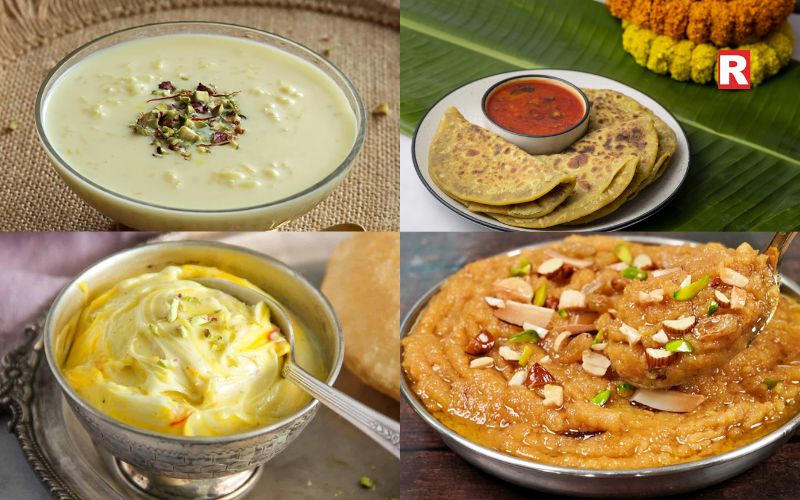
Kheer is one of the most common dishes made on this day. It is a simple rice pudding cooked with milk and sugar. The process involves slow cooking. This helps the rice absorb the milk completely, giving it a rich texture. Flavoured with cardamom and dry fruits, kheer feels both light and indulgent. It is often offered during prayers before being served to the family.
2. Puran Poli
Puran Poli is popular in Maharashtra and parts of South India. It is a sweet flatbread stuffed with jaggery and chana dal. The filling is cooked and mashed until smooth. The use of jaggery adds depth to the flavour. It also makes the dish more nutritious compared to refined sugar sweets. It is usually served with ghee, which enhances both taste and digestion.
3. Shrikhand
Shrikhand is a chilled dessert made with strained curd. It is sweet, creamy, and perfect for summer. Saffron and cardamom give it a rich aroma. The process of straining curd removes excess water. This gives shrikhand its thick texture. It is often paired with puri for a festive meal.
4. Halwa
Sooji or atta halwa is another staple. It is quick to prepare and uses basic ingredients like ghee, flour, and sugar. The roasting process is key here. It brings out a nutty aroma and rich flavour. Halwa is often made as a prasad. It is simple, filling, and deeply comforting.
Read more: Which City Is Known As The Ice Cream Capital Of India?
Pani Puri Has Different Names in Different Indian States—Know Them All
Kolkata’s Sweet Touch to Akshaya Tritiya
Kolkata brings a unique charm to festive food. Bengali sweets are known for their softness and delicate flavours. Many of these are made using chhena, which is fresh curdled milk.
1. Mishti Doi
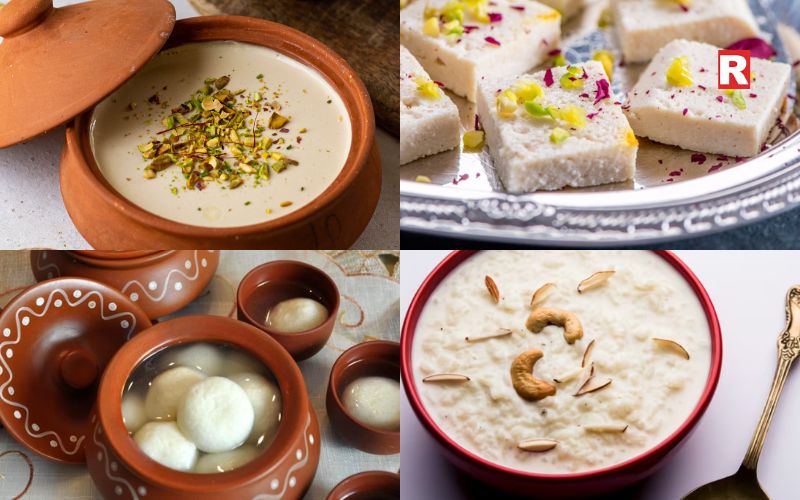
Mishti doi is a classic Bengali dessert. It is made by fermenting sweetened milk. The slow fermentation process gives it a creamy texture and mild tang. Traditionally, it is set in earthen pots. This enhances the flavour and keeps it naturally cool. It is a perfect dessert for summer celebrations.
2. Sandesh
Sandesh is light and less sugary compared to many Indian sweets. It is made using fresh chhena and lightly sweetened. The texture depends on how the chhena is kneaded and cooked. Some versions are soft, while others are firm. Flavours like cardamom and saffron are commonly used.
3. Rasgulla
Rasgulla is one of the most loved sweets from Kolkata. It is made by boiling chhena balls in sugar syrup. The cooking process is precise. It ensures the balls remain soft and spongy. The light syrup makes it refreshing, especially during hot weather.
4. Payesh
Payesh is the Bengali version of kheer. It is made with rice, milk, and sugar or jaggery. The dish is slow-cooked to achieve a thick and creamy consistency. In many homes, payesh is considered a must for any auspicious occasion. It adds a traditional touch to the celebration.
Know more: Top Famous Veg Street Foods in Kolkata That You Must Try Once in Your Life
Modern and Health-Conscious Festive Options
Today, many people look for healthier alternatives. This has led to the rise of modern festive foods.
Dry fruit laddoos are a popular choice. They use dates, nuts, and seeds instead of sugar. They are rich in energy and easy to make.
Sattu-based drinks and desserts are also gaining attention. Sattu is made from roasted gram. It is high in protein and keeps the body cool. A simple sattu drink with jaggery and water can be both refreshing and nutritious.
Vegan options are also becoming common. Coconut milk kheer is one example. It replaces dairy while keeping the taste intact. These options suit people with dietary restrictions without compromising on tradition.
Seasonal Relevance of Festive Foods
Akshaya Tritiya falls during a time when the heat is intense. This is why traditional foods are designed to cool the body. Curd-based dishes like shrikhand and mishti doi help maintain gut health. Milk-based desserts provide energy without being too heavy. Ingredients like cardamom and fennel aid digestion. Choosing the right food during this season is important. It helps you enjoy the festival without feeling tired or dehydrated.
Also check: Top 5 States With the Spiciest Food in India
5 Cities That Serve the Best Non-Vegetarian Street Food
A Celebration of Taste and Tradition
When selecting sweets, freshness should be the top priority. Always choose products made with real milk and good quality ingredients. Check the shelf life, especially for chhena-based sweets. These are best consumed fresh. If you prefer healthier options, look for sweets made with jaggery or natural sweeteners. Exploring regional specialties can make the celebration more interesting. Trying something new adds excitement to the festival. Akshaya Tritiya is more than just a day of rituals. It is a celebration of abundance in every form. Food plays a central role in this experience. From a simple bowl of kheer to the rich flavours of Kolkata’s sweets, every dish tells a story. Adding both traditional and modern delights to your table can make the celebration more meaningful. It brings together the past and the present in a simple and enjoyable way.
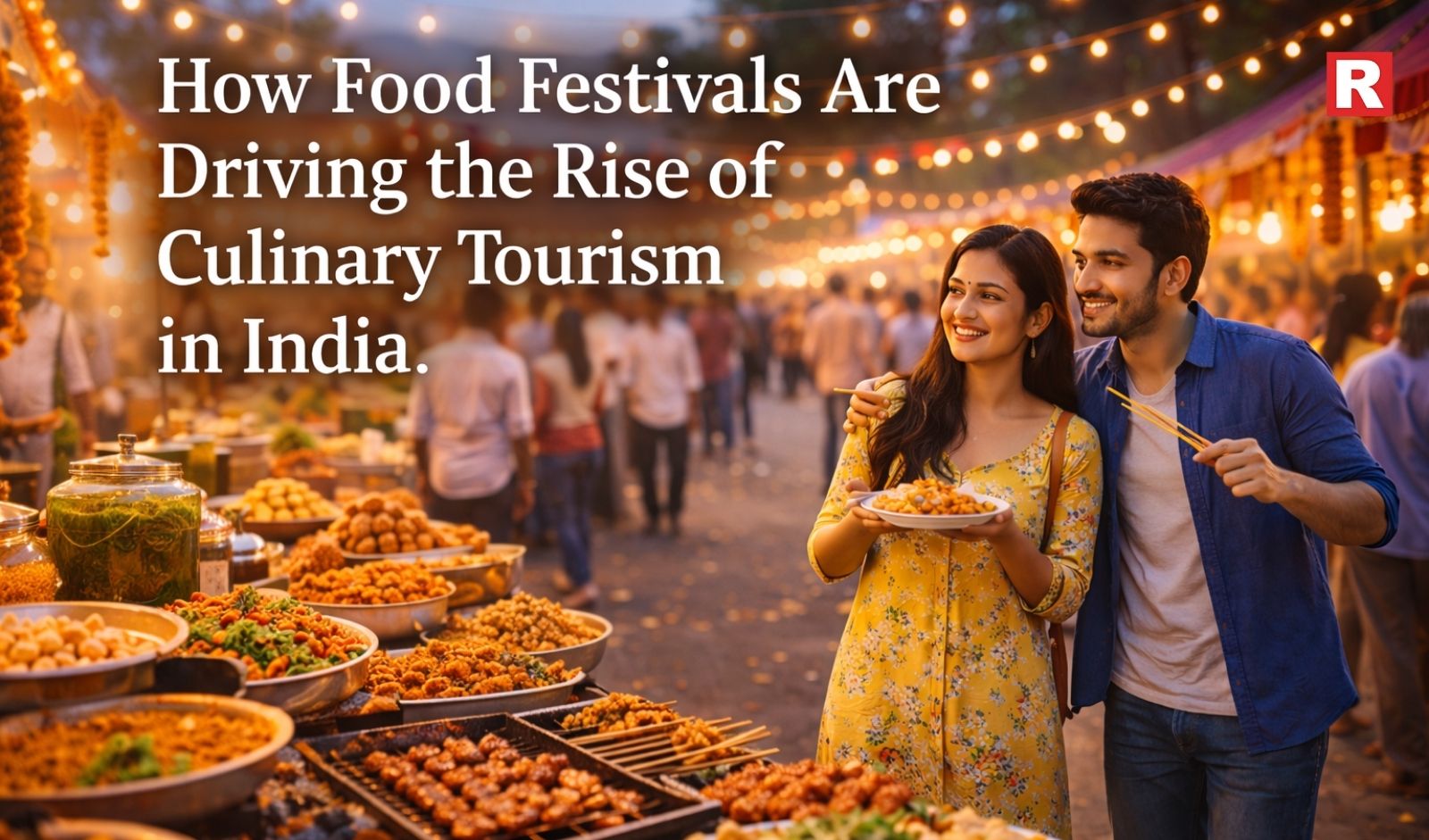
India has always been known for its rich food culture. Every region has its own spices, cooking styles, and traditional dishes. From street food in Delhi to coastal seafood in Goa and royal Awadhi cuisine in Lucknow, food reflects the history and culture of the country. Today, food is becoming one of the strongest reasons why people travel across India. This shift has led to the rapid growth of culinary tourism, and food festivals are playing a major role in this transformation.
Travelers are no longer satisfied with simply visiting monuments or shopping markets. Many now want immersive experiences that allow them to explore the culture of a place. Food festivals provide exactly that. They combine regional cuisine, local traditions, live cooking demonstrations, and cultural performances in one vibrant setting. For tourists, these festivals offer an easy way to taste multiple regional dishes and learn about the stories behind them.
The Growing Popularity of Culinary Tourism
Culinary tourism refers to travel experiences centered around food and local cuisine. It includes food festivals, street food tours, cooking classes, farm visits, and regional food trails. In recent years, this form of tourism has gained strong momentum in India as travelers increasingly look for authentic and memorable experiences.
Industry reports show that India’s culinary tourism market was valued at more than USD 300 million in 2023 and is expected to grow significantly in the coming years. A growing number of domestic and international tourists now plan their trips around food experiences. Studies also suggest that more than one-third of leisure travelers participate in food-related activities during their journeys. Food festivals play a crucial role in this trend because they bring together a wide variety of dishes and culinary traditions in a single location. Instead of traveling to multiple states, visitors can sample foods from different regions within a few hours.
Showcasing India’s Regional Culinary Identity
One of the biggest strengths of Indian cuisine is its diversity. Each state has developed its own flavors based on geography, climate, and cultural influences. Food festivals help highlight this diversity by presenting regional specialties to a wider audience. At many large festivals, visitors can find dishes representing all parts of India. North Indian kebabs, South Indian dosas, northeastern smoked meats, coastal seafood, and traditional desserts are often available side by side. This variety allows people to discover new flavors they may not have encountered before.
Food festivals also provide a platform for traditional cooks, small food vendors, and regional chefs to showcase their culinary heritage. Many of these recipes have been passed down through generations and represent local traditions that may not always be visible in modern restaurant menus.
Read more: How Restaurants Are Designing Instagram-Friendly Food Experiences
Top Cold Soups & Chilled Starters to Beat the Indian Summer Heat
Attracting Tourists and Increasing Footfall
Large food festivals attract thousands of visitors every year. Some events have become major tourism attractions that draw travelers from across the country and even from overseas. The National Street Food Festival held annually in Delhi is one of the most popular examples. The event features hundreds of dishes prepared by street vendors from different states. In several editions, the festival has attracted tens of thousands of visitors over just a few days.
Such events often encourage tourists to extend their trips. Visitors who come for the festival may also explore nearby attractions, local markets, and cultural landmarks. As a result, food festivals create wider tourism activity beyond the event itself. International travelers are also showing growing interest in India’s culinary experiences. Many travel companies now include food festivals and food trails in their travel packages. For global visitors, these festivals provide an authentic introduction to India’s diverse food culture.
Boosting Local Economies and Small Businesses
Food festivals do more than entertain visitors. They also generate economic opportunities for local communities. When a food festival takes place, several industries benefit simultaneously. Restaurants and food vendors receive direct sales from visitors. Farmers and ingredient suppliers gain visibility for their produce. Local artisans, performers, and cultural groups also participate in these events. Hotels, transport services, and travel agencies see increased bookings during festival periods.
In many destinations, food festivals are carefully designed to promote regional ingredients and traditional cooking techniques. This approach helps preserve local food heritage while creating new income opportunities for small businesses. States with strong tourism industries have already recognized the economic value of culinary tourism. For example, regions known for their distinctive cuisines often organize seasonal festivals to attract visitors during peak travel periods.
Turning Cities into Culinary Destinations
Many Indian cities are using food festivals as part of their destination branding strategy. Instead of being known only for historical monuments or beaches, these cities are positioning themselves as culinary hubs.
Goa regularly hosts food and cultural festivals that celebrate its seafood dishes and Indo-Portuguese culinary traditions. Visitors attending these festivals also explore local markets, beach shacks, and traditional bakeries.
Lucknow has gained recognition for events that highlight its famous Awadhi cuisine, known for rich gravies, kebabs, and slow-cooked dishes. These festivals give travelers an opportunity to experience royal recipes that date back to the Mughal era.
Ahmedabad has hosted vegetarian food festivals that promote traditional plant-based dishes and regional cooking styles. Such events also align with the growing global interest in vegetarian and sustainable diets.
By promoting these festivals, cities create a unique identity that attracts both domestic tourists and international food enthusiasts.
Know more: Menu Engineering: How Restaurants Decide Pricing (And Why It Matters More
The Role of Social Media in Promoting Food Festivals
Digital platforms have become a key marketing channel for food festivals in India. They help organizers reach a wider audience in a short time.
Social media platforms like Instagram, YouTube, and Facebook allow travelers to discover new food events and destinations easily.
Food bloggers and travel creators regularly attend food festivals and document their experiences. Their posts include short videos, food reviews, and live tasting sessions.
These posts often reach thousands or even millions of viewers. This creates strong interest among young travelers and food enthusiasts.
Many visitors decide to attend festivals after watching digital content or viral food videos online.
Festival organizers now design events with digital visibility in mind. Food stalls focus on colorful plating, unique serving styles, and visually appealing dishes.
Live cooking demonstrations and chef interactions are also added to create engaging content for social media.
Themed food zones and curated tasting menus encourage visitors to explore multiple stalls.
Visitors actively share photos, reels, and reviews during the event. This creates organic promotion for the festival.
As a result, digital platforms have become powerful tools for attracting tourists and strengthening the visibility of India’s culinary events.
Government Support and Tourism Initiatives
Government tourism boards and cultural organizations are increasingly supporting food festivals as part of broader tourism strategies. Food is recognized as a powerful cultural asset that can attract visitors and promote regional identity.
Several tourism campaigns now highlight culinary experiences alongside traditional attractions. Food trails, chef collaborations, and cultural food fairs are becoming common components of tourism promotion. These initiatives also contribute to culinary diplomacy by introducing international audiences to Indian flavors and traditions. When global tourists attend food festivals, they gain deeper insight into the country’s cultural diversity.
Emerging Trends in Food Festival Experiences
Food festivals in India are evolving to meet changing traveler expectations. Visitors today look for experiences that go beyond simply tasting dishes. Many festivals now include live cooking demonstrations by celebrity chefs and local culinary experts. Interactive workshops allow visitors to learn traditional recipes and cooking techniques. Another growing trend is the focus on regional ingredients such as millets, spices, and indigenous grains. These ingredients are gaining popularity because of their nutritional benefits and cultural significance.
Sustainability is also becoming an important theme. Several events now encourage eco-friendly practices such as biodegradable serving materials and locally sourced ingredients. Digital tools are also improving the visitor experience. Mobile ticketing, digital maps, and online festival guides help visitors explore stalls and plan their visits more efficiently.
Also check: Low-Foam & Nitrogenated Beers: Why Texture Is the New Luxury in Beer
12 Delicious High-Protein Foods to Eat Daily for a Healthier You
The Future
Food festivals are transforming the way people experience travel in India. They turn simple meals into cultural journeys that connect visitors with local traditions and communities. As travelers continue to seek authentic and immersive experiences, the role of food festivals in tourism will likely grow even stronger. These events highlight the incredible diversity of Indian cuisine while supporting local economies and preserving culinary heritage. For travelers who want to truly understand a destination, food offers one of the most memorable and meaningful entry points. Through vibrant food festivals, India is inviting the world not just to see its culture, but to taste it.
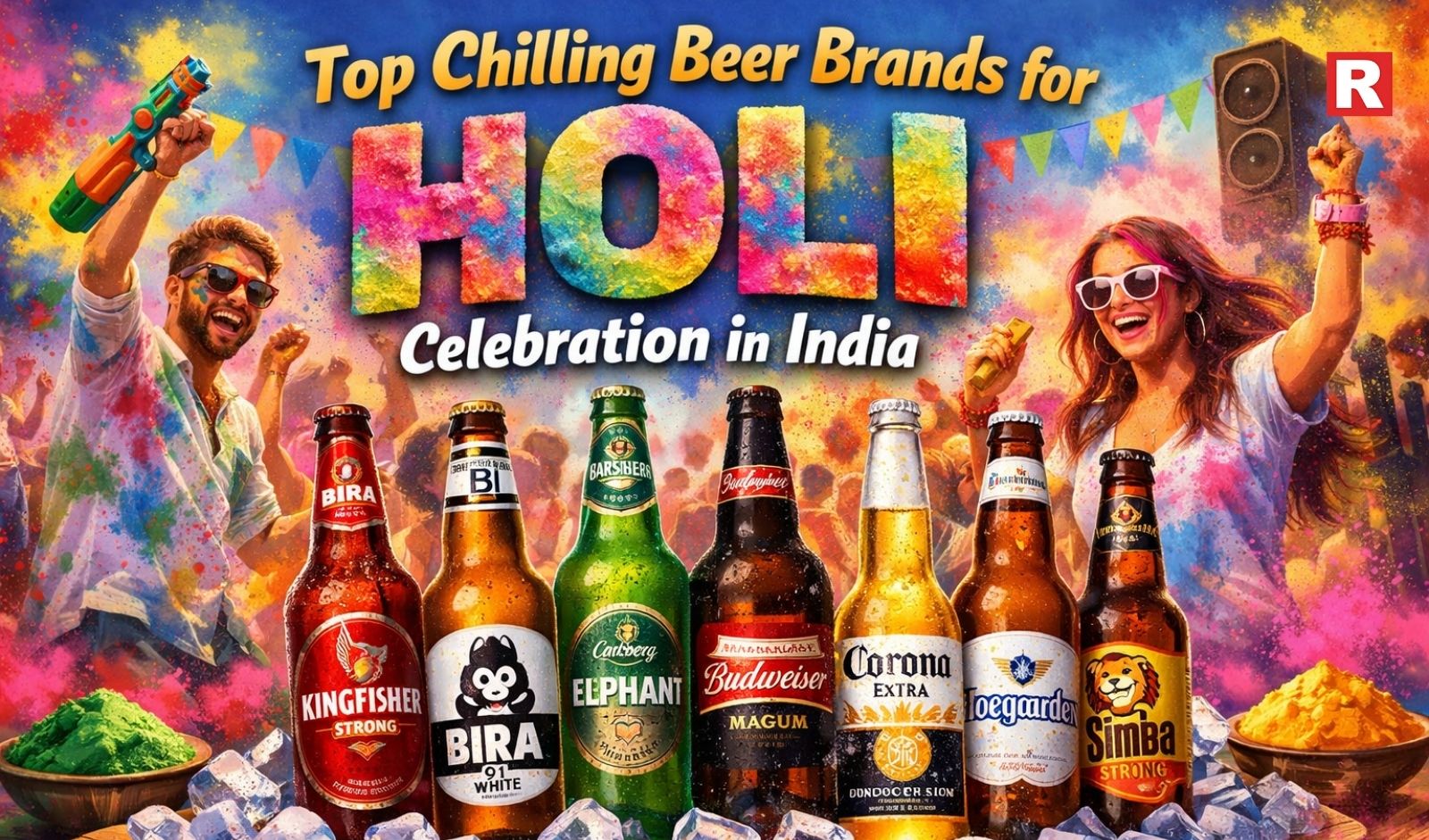
Holi in India is loud and high energy. It unfolds under open skies. Colours fly. Speakers blast music. The sun stays harsh for hours. Food is heavy, spicy, and often fried. In this setting, a properly chilled beer becomes more than a drink. It becomes functional refreshment. Beer cools the body quickly because of its high water content and carbonation.
Most lagers range between 4 to 5 percent ABV, which keeps the alcohol level moderate for daytime celebrations. Strong beers, usually between 6 to 8 percent ABV, suit slower evening sessions. The brewing method also matters. Bottom-fermented lagers offer a clean and crisp finish, ideal for heat. Wheat beers use top fermentation, creating light citrus notes that cut through spice. Urban millennials and young professionals prefer variety. They look for flavour, smoothness, and easy drinkability. Hosts planning terrace parties or gated community gatherings often stock a mix of strong and light options. It ensures balance. It suits different preferences. A well-chosen beer selection adds structure to the celebration and keeps the mood steady through long hours of colour and music.
Explore Top Chilling Beer Brands for Holi
1. Kingfisher – Strong & Ultra

Kingfisher is one of India’s most recognised beer names. It is widely available across states. For Holi, two variants stand out: Kingfisher Strong and Kingfisher Ultra. Kingfisher Strong has an ABV of around 8 percent. It is a bottom-fermented lager. Bottom fermentation happens at low temperatures. This process creates a clean and crisp profile. The beer feels sharp and carbonated. It works well in hot weather. Kingfisher Ultra, on the other hand, sits around 4.8 percent ABV. It is lighter. It feels smoother. It suits day drinking.
Why it works for Holi: Strong for night DJ parties. Ultra for daytime colour play. Both hold carbonation well even in outdoor settings.
Read more: Low-Foam & Nitrogenated Beers: Why Texture Is the New Luxury in Beer
Top 5 Strong Beer Brands in India: Bold Brews for the Bold Drinker
2. Bira 91 – Blonde & White
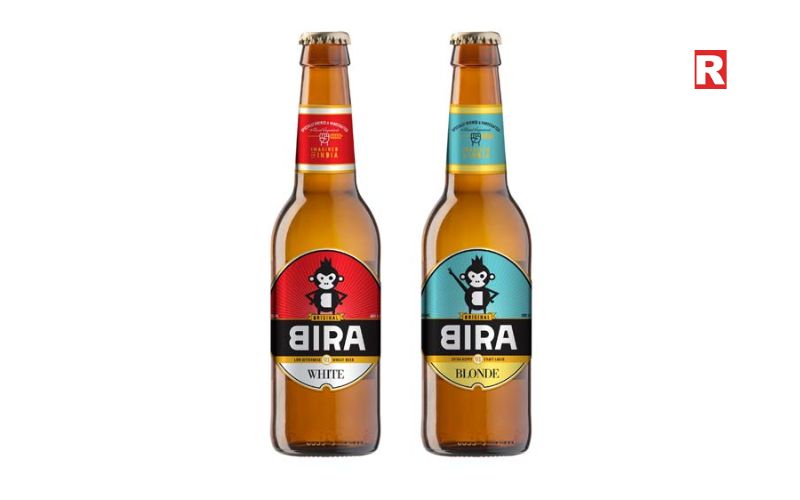
Bira 91 reshaped India’s craft beer space by making wheat beer mainstream among urban consumers. It moved beyond standard strong lagers and offered flavour-led options. Bira White carries around 4.9 percent ABV and follows a Belgian-style witbier format. It blends wheat and barley, then uses top fermentation. This process develops light fruity esters. Subtle citrus and coriander notes stand out on the nose. The suspended wheat proteins create a soft, hazy body and smooth mouthfeel. It feels refreshing, not heavy. Bira Blonde is lighter and cleaner. It is crisp, mildly bitter, and easy to finish. These styles appeal to young professionals, brunch crowds, and home hosts who prefer balanced flavour over high alcohol strength.
Why it works for Holi: The citrus notes cut through fried food. The smooth texture feels soft on the palate during long sessions.
3. Carlsberg – Elephant
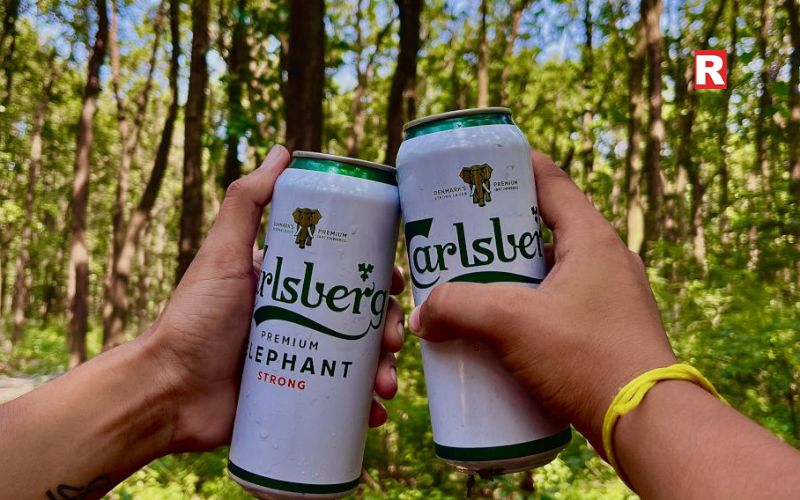
Carlsberg Elephant holds a strong position among consumers who prefer higher alcohol beer without losing structure. It carries an ABV close to 7 percent and follows a strong pilsner style. Pilsners are bottom-fermented lagers known for clear appearance and defined hop bitterness. Controlled fermentation at lower temperatures keeps the profile clean. Extended maturation adds depth and smooth integration of alcohol. The malt base provides body and slight sweetness, which balances the hop edge. The finish stays crisp and dry. It does not feel overly heavy despite its strength. This makes it suitable for evening house parties and festive gatherings. It appeals to experienced beer drinkers who want intensity with refinement.
Why it works for Holi: It delivers strength without feeling overly heavy. It suits evening celebrations when music gets louder.
4. Budweiser – Magnum & Premium Lager
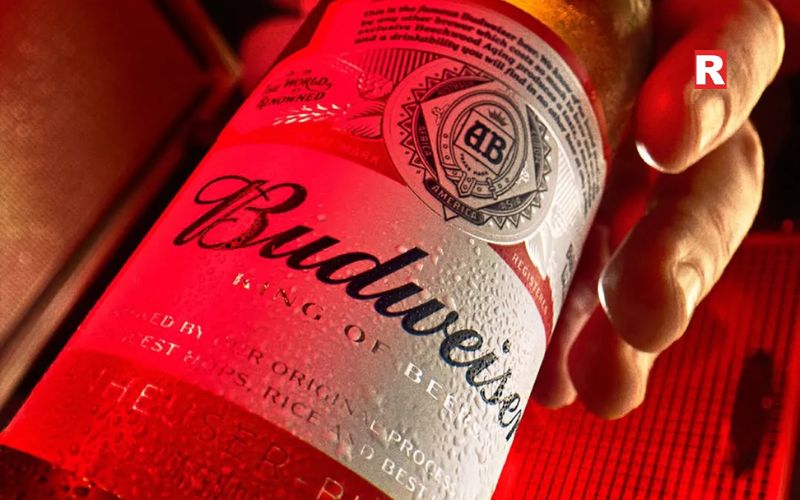
Budweiser enjoys strong recall among young urban consumers in India. It is widely associated with music, nightlife, and large social gatherings. Budweiser Magnum carries around 6.5 percent ABV and targets those who prefer higher strength with a smooth finish. The Premium Lager is lighter and easier to sip during long sessions. A key technical feature is its beechwood aging process. During lagering, beechwood chips are placed in the tank. They do not add flavour. Instead, they increase surface area for yeast activity. This allows better fermentation and cleaner conditioning. The result is a smoother texture and balanced taste. It suits house parties, concerts, and high-energy festive celebrations.
Why it works for Holi: Magnum gives strength without harshness. Premium Lager is ideal for daytime sipping.
Know more: Top Japanese Beer Brands in India: Crisp, Smooth, and Full of Character
5. Corona
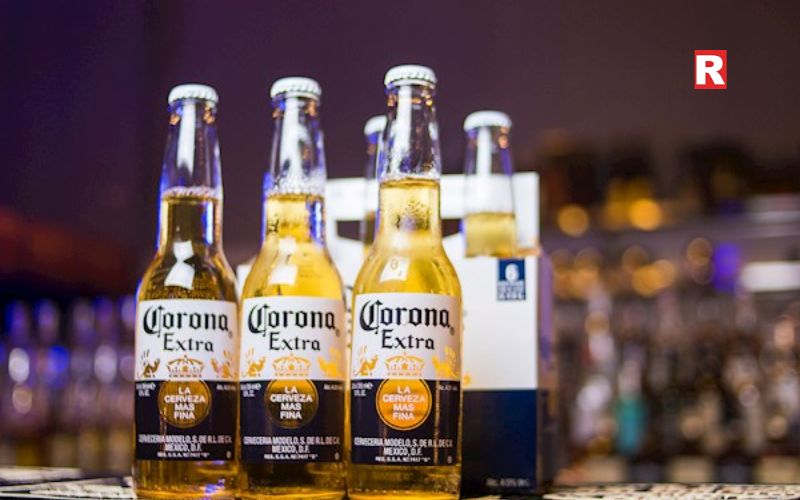
Corona is a light pale lager with an ABV of around 4.5 percent. It is brewed in a clean lager style using bottom fermentation at controlled low temperatures. This process creates a clear appearance and crisp finish. The body is light. Bitterness stays mild and approachable. It does not overwhelm the palate. A slice of lime is commonly added at the neck of the bottle. The citrus sharpness lifts aroma and enhances perceived freshness. It also balances sweet or spicy snacks often served at gatherings. This beer suits daytime celebrations, terrace parties, and poolside events. It appeals to lifestyle-focused drinkers who prefer easy, session-friendly options over high strength.
Why it works for Holi: Perfect for poolside or brunch-style Holi events. Easy to drink. Low bitterness. Feels refreshing in peak afternoon heat.
6. Hoegaarden
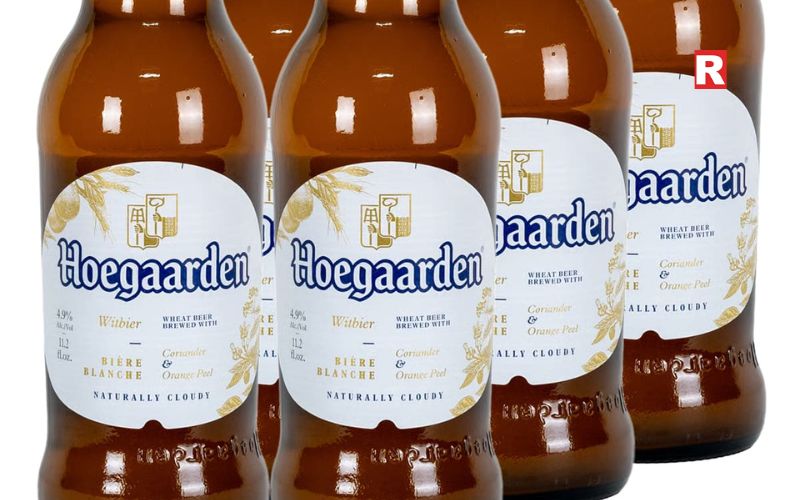
Hoegaarden represents the traditional Belgian witbier style. It is brewed with a mix of wheat and barley, along with dried orange peel and coriander. It remains unfiltered, which gives it a natural cloudy appearance. The ABV stands at around 4.9 percent, making it suitable for relaxed, extended drinking. Top fermentation develops light fruity esters. Suspended yeast and wheat proteins add a soft, creamy texture. The flavour feels mildly sweet, citrus-led, and gently spiced. It pairs well with fried snacks and tangy Indian appetisers. This style appeals to premium consumers, brunch crowds, and those who prefer nuanced flavour over high alcohol strength.
Why it works for Holi: The orange peel notes complement Indian snacks. The creamy texture balances spicy dishes.
7. Simba – Strong & Wit

Simba reflects the steady rise of India’s craft beer movement. The brand offers both strong and wheat-led styles to suit varied preferences. Simba Strong reaches close to 8 percent ABV, placing it in the high-strength category. Despite this, the brewing maintains balance. Controlled fermentation and careful hop management prevent excessive harshness. The bitterness stays measured. The body feels rounded and smooth. Simba Wit moves in a lighter direction. It follows wheat beer traits with a softer mouthfeel and subtle fruity notes. These variants appeal to young urban consumers who seek craft identity with reliable flavour structure. It suits small house gatherings and curated party settings.
Why it works for Holi: It gives an Indian craft alternative to mass brands. It stands out on the table.
Why Beer is Ideal for Holi
Holi happens outdoors. Hydration matters. Beer has high water content. Carbonation gives a refreshing sensation. Compared to hard spirits, the alcohol level is moderate, especially in light lagers and wheat beers. Strong beer, which dominates India’s beer market share, suits late-night celebrations. Light beer works better under the sun. Temperature is critical. Serve beer between 3 to 6 degrees Celsius. Use ice buckets. Avoid repeated warming and cooling. It affects taste and carbonation.
Strong vs Light Beer for Holi
Daytime colour parties: Choose beers between 4 to 5 percent ABV. Wheat beers and premium lagers are ideal.
Evening DJ nights: Strong beers between 6 to 8 percent ABV suit slower sipping.
Balance is key. Offer both categories if you are hosting 20 or more guests.
Also check: Top Newly Launched Beer Brands to Replace Your Regular Brew
Top British Beer Brands in India You Should Try at Least Once
What is Lager Beer? Discover the Top 5 Lager Beer Brands in India You Must Try
Understanding the Basics: ABV, Fermentation and Bitterness
ABV means Alcohol by Volume. It tells you how strong the beer is. Higher ABV means more alcohol. Bottom fermentation is used in lagers. It happens at cooler temperatures. The result is clean and crisp beer.
Top fermentation is used in wheat and ale styles. It happens at warmer temperatures. It creates fruity and spicy notes. IBU measures bitterness. Most mainstream Indian beers stay moderate in bitterness. That is why they pair well with spicy Indian food.
Final Thoughts
Holi carries high energy and long hours under the sun. Colour fills the air. Music stays loud. Food remains rich and spicy. In such settings, the right beer selection supports the mood and pace of the gathering. A host in India must assess the guest profile first. Some prefer strong beers between 6 to 8 percent ABV. Others lean toward lighter lagers or wheat beers around 4 to 5 percent ABV for daytime drinking. Offering both ensures balance and reduces overconsumption. Proper chilling between 3 to 6 degrees Celsius preserves carbonation and flavour clarity. Clean glassware improves aroma and texture. Classic choices like Kingfisher sit comfortably beside craft-driven labels such as Bira 91 and Simba. A structured selection adds depth to the celebration while keeping it responsible and well-paced.
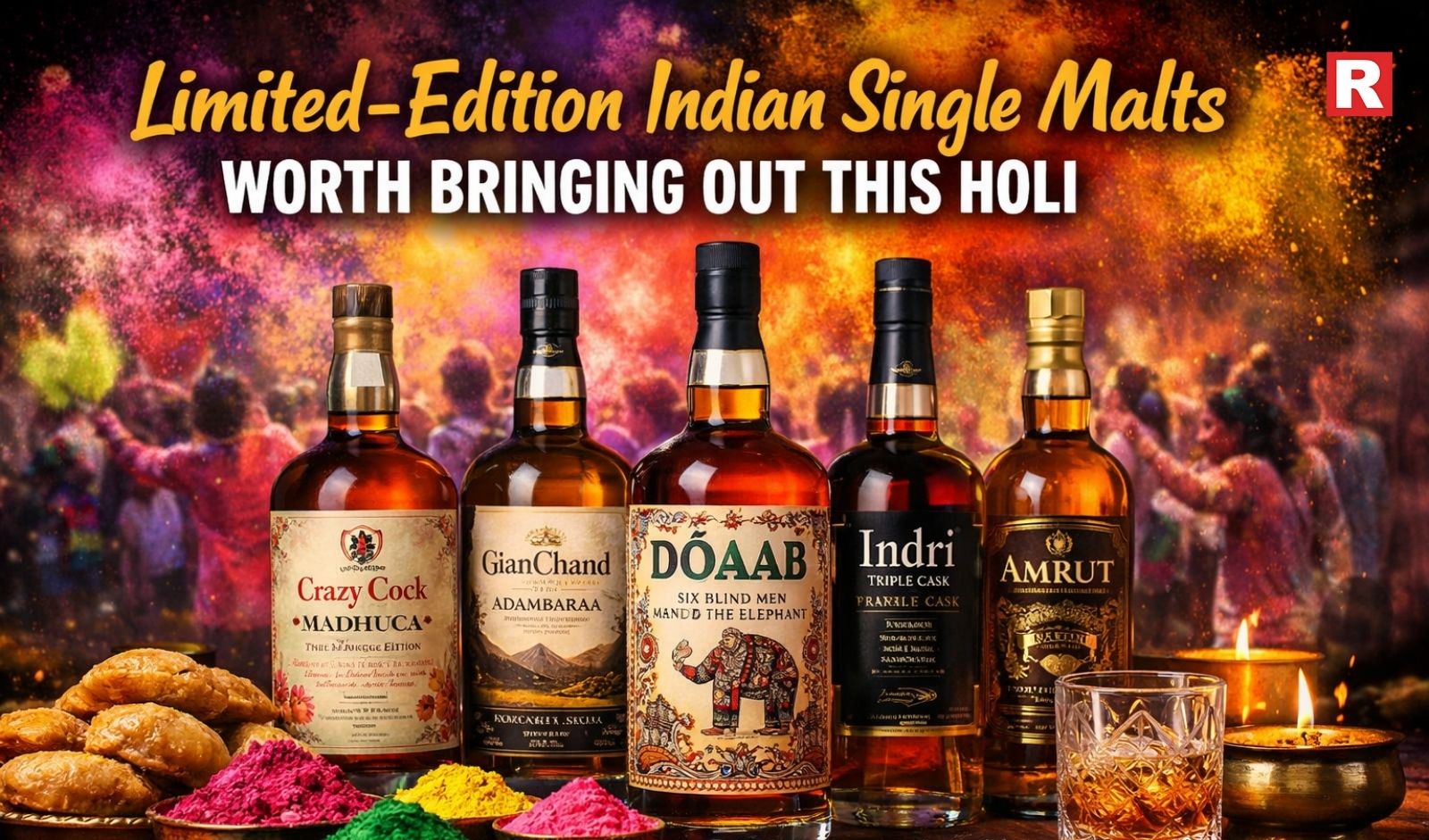
Holi in India is no longer just about colours, gujiyas, and thandai. Urban celebrations are changing. Hosts now curate playlists, food menus, décor themes, and most importantly, the bar. Premium home gatherings in cities like Delhi, Mumbai, and Bengaluru are becoming experience-led. Guests expect something rare. Something that sparks conversation.
This is where limited-edition Indian single malts step in. These are not everyday bottles. They are small-batch releases, special cask finishes, and collector-focused expressions. They offer depth, craftsmanship, and technical excellence. More importantly, they make your Holi bar stand out. If you are planning an intimate soirée or a refined after-party this year, these Indian single malts deserve a place at the centre of your celebration.
Why Limited Editions Matter at a Holi Gathering
Limited-edition whiskies carry scarcity value. They are often produced in small numbers. Some are single cask releases. Others are cask strength or finished in rare barrels. Once sold out, they may never return. For a host, this creates instant distinction. Guests are more engaged when the bottle has a story. When the label says “limited release,” it signals exclusivity.
Technically, these whiskies often showcase advanced craftsmanship:
- Carefully selected barley
- Copper pot still distillation
- Non-chill filtration
- Natural colour
- Experimental cask finishes
India’s tropical climate also plays a major role. Whisky matures faster here compared to Scotland. The higher temperature increases interaction between spirit and oak. This leads to intense flavour development. It also results in a higher angel’s share, often between 10–15 percent annually. The result is bold, expressive whisky even at younger ages. For Holi, this richness pairs beautifully with both sweet and savoury festive foods.
1. Crazy Cock “Madhuca: The Heritage Editions”

One of the most innovative recent releases in Indian whisky comes from Crazy Cock. The “Madhuca” series is the world’s first single malt finished in Mahura, also known as Mahua, casks. Mahua is derived from India’s indigenous flowering tree and has deep cultural roots. Crafted at South Seas Distilleries, one of India’s oldest malt producers, this whisky combines tradition with experimentation. The spirit is first matured in ex-bourbon and ex-sherry casks. It is then finished in Mahua wood. The flavour profile is layered. Expect floral sweetness. Gentle spice. Notes of vanilla and caramel. Dried fruit undertones. The texture feels velvety and rounded. For Holi, this bottle becomes a conversation starter. It reflects Indian heritage yet remains globally refined. It is ideal for hosts who appreciate technical innovation and want something culturally rooted yet premium.
Pair it with:
- Saffron-infused desserts
- Light kebabs
- Mildly spiced snacks
Read more: Top 5 Strong Beer Brands in India: Bold Brews for the Bold Drinker
Top 20 Trendy Whiskeys You Must Try Once
2. GianChand Adambaraa & Manshaa
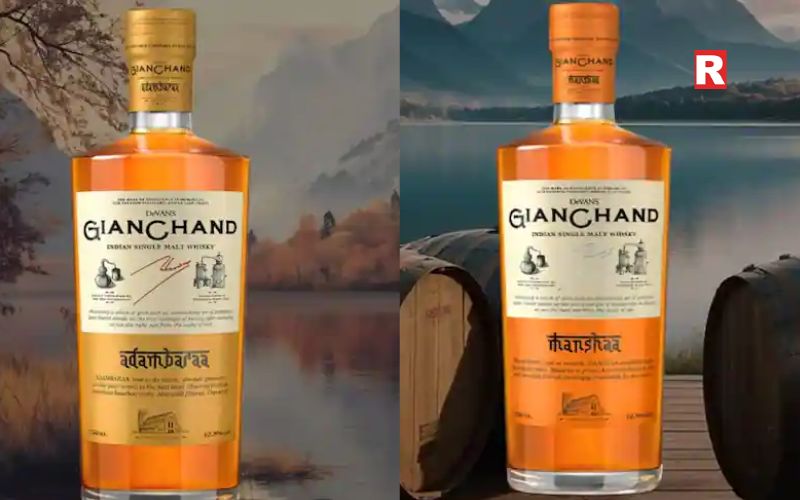
Produced in Jammu’s Himalayan foothills, the GianChand series offers two distinct personalities. This makes it perfect for gatherings where guest preferences vary. Both expressions have earned multiple international awards. That global recognition adds credibility to your selection. For Holi hosting, offering both allows you to cater to beginners and seasoned enthusiasts. It also demonstrates thoughtful curation.
Adambaraa is the unpeated expression. It is smooth and approachable. Expect dried apricot, honey, caramel, and soft spice. It suits guests who prefer fruit-forward drams. The finish is elegant and balanced.
Manshaa (Laggerbach) introduces peat. It carries a smoky, medicinal character balanced with citrus brightness and warming spice. This expression works well for late-night sipping. Especially when the music slows down and conversations deepen.
Pair Adambaraa with:
- Gujiya
- Dry fruit mithai
Pair Manshaa with:
- Grilled meats
- Smoky paneer tikka
3. DŌAAB 01 “Six Blind Men and the Elephant”

DŌAAB’s inaugural release is built on storytelling. Limited to just 500 casks, this expression is matured exclusively in ex-bourbon barrels. The concept reflects convergence. Of rivers. Of cultures. Of perspectives. The packaging is inspired by Rajasthan’s Mandana art. This makes it visually striking. On a Holi bar, presentation matters. Guests often photograph what they drink. The whisky itself offers balanced sweetness, light vanilla, gentle oak, and subtle depth. It is not overpowering. Instead, it encourages relaxed sipping and conversation. For collectors and design-focused hosts, this bottle adds both rarity and aesthetic value. It signals that your selection is thoughtful, not random. Best enjoyed neat or with a few drops of water to open up the aromas.
4. Indri-Trini Triple Wood Limited Expressions
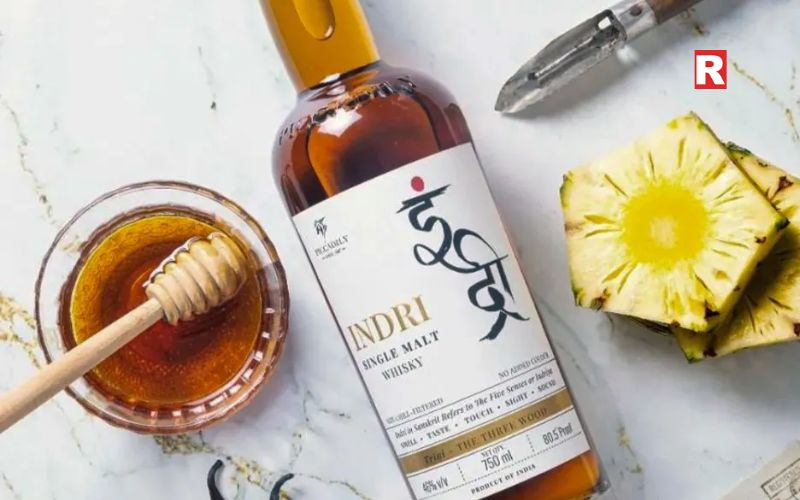
Indri has quickly gained attention in India’s premium whisky space. Produced in Haryana near the Himalayan foothills, it uses a triple-wood maturation method. The whisky is aged in ex-bourbon, wine, and PX sherry casks. This combination builds complexity. The ex-bourbon casks add vanilla and caramel. Wine casks contribute fruit depth. PX sherry brings dried fruit richness and sweetness. Limited festive editions often amplify these characteristics. The result is lush, layered whisky with notes of honey, raisins, spice, and oak. Its approachable yet rich profile makes it a crowd-pleaser. It pairs well with both savoury snacks and sweet Holi treats. If you are hosting a larger group with varied tastes, this is a safe yet premium choice. It reflects technical precision in cask management and blending. That competency adds to its credibility among enthusiasts.
Know more: Top Premium Whisky Brands Under Rs 5000 in India
5. Amrut Distilleries Special & Cask-Strength Releases
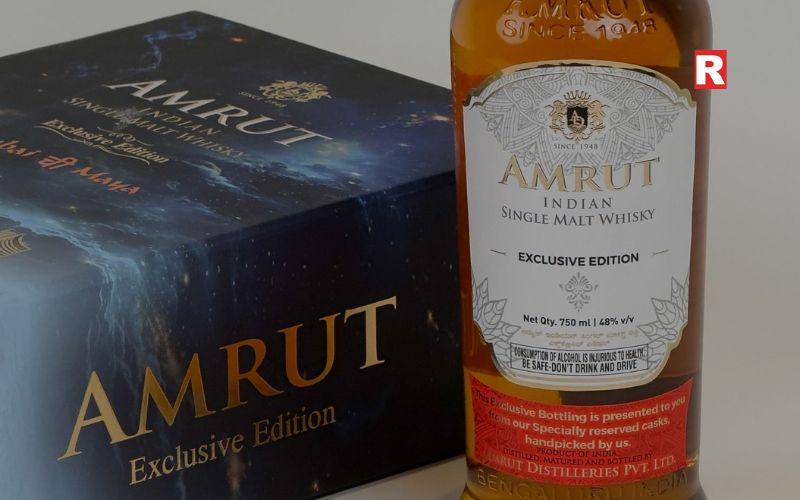
Amrut is often credited with placing Indian single malts on the global map. Based in Bengaluru, it benefits from high-altitude tropical maturation. The warmer climate accelerates ageing and intensifies flavour extraction. Amrut frequently releases small-batch and cask-strength expressions. These are highly sought after by collectors. Cask-strength releases are bottled without dilution. This means higher alcohol content. Often above 55 percent ABV. The flavours are bold and concentrated. Expect intense spice, dark chocolate, caramel, roasted nuts, and oak. These are not casual pours. They are for serious whisky drinkers. For Holi, they make an impressive finale to the evening. Serve in smaller pours. Encourage guests to add a few drops of water. This helps open up the aromas and softens the intensity. An Amrut limited release signals pedigree. It reflects India’s technical maturity in the global whisky space.
A Refined Holi Experience
Limited-edition Indian single malts offer more than taste. They carry story, skill, and scarcity. At modern Holi gatherings, especially in urban India, hosts focus on detail. The bar is curated with as much care as the food. A rare bottle reflects intent. It signals knowledge and refined choice. Expressions from Crazy Cock showcase floral innovation through Mahua cask finishing. GianChand highlights Himalayan maturation and dual flavour profiles. DŌAAB adds narrative depth with limited cask production and design-led packaging. Indri-Trini demonstrates triple-cask precision and controlled ageing. Amrut Distilleries represents cask-strength mastery shaped by tropical maturation. For collectors, corporate hosts, and premium consumers, these whiskies add credibility and character. They turn a festive gathering into a curated experience. This Holi, colour may fill the air, but distinction rests in the glass.
Also check: Top Scotch Whisky Brands in India: The Ultimate Guide for Whisky Lovers
Top Japanese Beer Brands in India: Crisp, Smooth, and Full of Character
Top Newly Launched Beer Brands to Replace Your Regular Brew
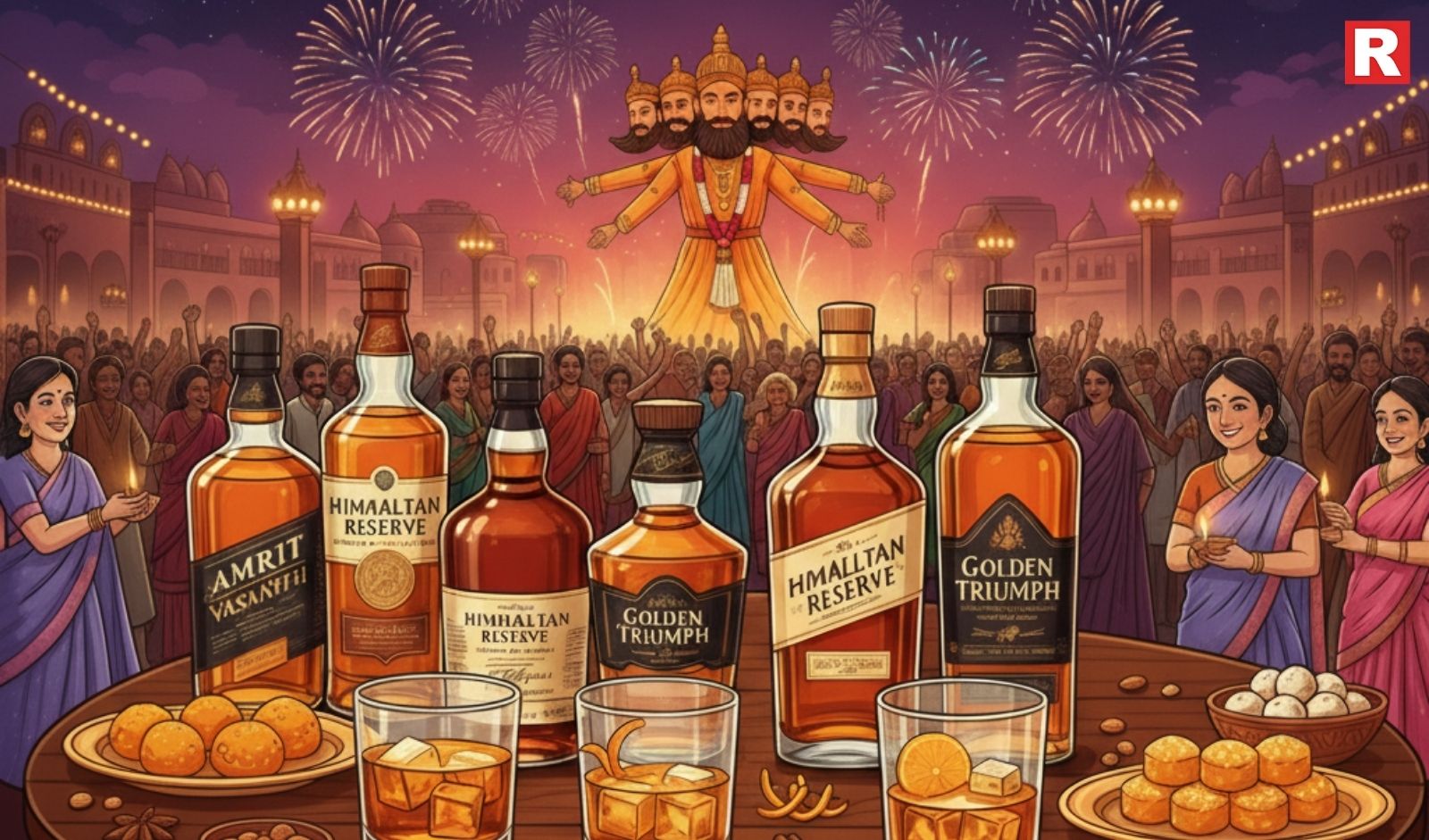
Cherished Indian festivals a a source of joy, family gatherings, and grand feasts. While traditions are the soul of the festival, celebrations today are also about creating new memories. For many, that includes raising a glass of fine whisky to toast to togetherness and triumph.
Whisky has always been a drink of class and warmth. Its rich flavors, smooth finish, and timeless appeal make it a perfect fit for festive evenings. Whether you enjoy your whisky neat, on the rocks, or in a refreshing cocktail, there’s a bottle that will match your Dussehra vibe. Here’s a detailed guide to the best whiskies you can enjoy this Festive Season. From homegrown Indian single malts to global classics, this list has something for every taste and occasion.
Read more: 7 Types of Whiskies Everyone Should Try Once
10 Fastest-Growing Alcohol Brands in India’s HoReCa Sector
Why Whisky Fits the Festive Mood
Festivals in India are all about sharing. They bring families and friends together. Whisky, too, is a drink that is best enjoyed in company. It encourages conversations, adds warmth to gatherings, and creates lasting moments. After days of devotion and festivities, people come together for grand feasts and celebrations. A glass of premium whisky adds an extra touch of luxury to the occasion.
Interestingly, the demand for premium alcohol in India rises sharply during the festive season. Industry reports suggest that premium whisky brands often see double-digit growth during festivals like Dussehra and Diwali. This shows how closely whisky has become tied to celebrations in modern India.
Top Whiskies to Try This Season
Here are some of the finest whiskies you can choose for your festive celebrations. Each one brings something unique to the table.
1. Indri-Trini (India)
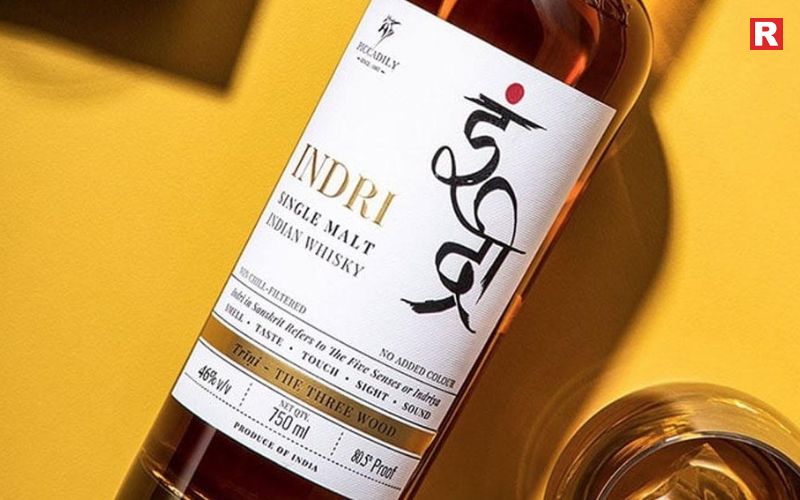
Indri-Trini is India’s first triple-cask single malt whisky. It is crafted with great care in the village of Indri, Haryana. The whisky matures in three types of casks—wine, sherry, and bourbon. This gives it a layered taste with notes of dried fruits, warm spices, and vanilla sweetness. The flavor is rich yet smooth, making it enjoyable for both seasoned whisky lovers and new drinkers. With an ABV of 42.8%, it is not too heavy, yet full of character. Indri-Trini is a fine choice for festive moments. It also makes a thoughtful gift for close family during Dussehra.
- ABV: 42.8%
- Why it’s perfect for Dussehra: A proud Indian whisky that reflects tradition and innovation. Ideal for gifting or enjoying with close family.
2. Amrut Fusion (India)
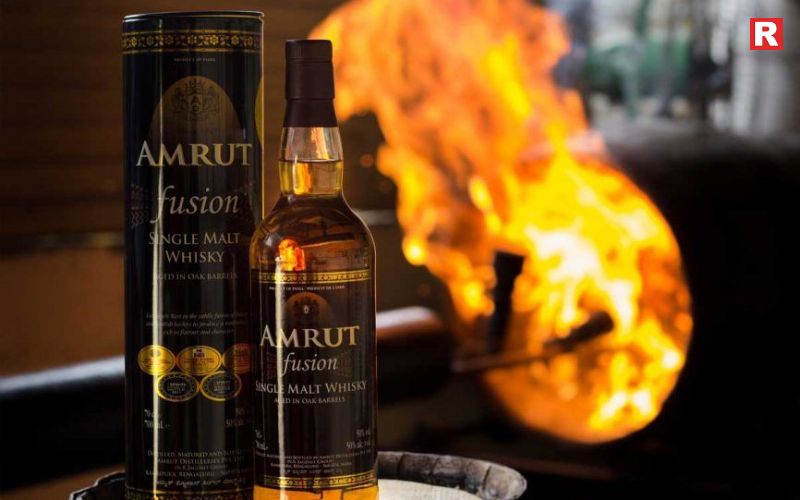
Amrut Fusion is one of India’s most awarded whiskies. It is made using Indian barley grown in the foothills of the Himalayas and Scottish peated barley. The name “Fusion” comes from this unique mix of origins. The result is a bold whisky with hints of chocolate, spice, and dried fruit. Its ABV of 50% makes it strong, but the smoothness balances the intensity. Amrut Fusion has been praised around the world for its quality and taste. It represents India’s rise in the global whisky scene. Perfect for Dussehra, it offers connoisseurs something powerful and unique to celebrate with.
- ABV: 50%
- Why it’s perfect for Dussehra: A world-famous single malt that shows India’s global presence. Perfect for connoisseurs who want something strong and unique.
Know more: Top 20 Trendy Whiskeys You Must Try Once
3. Paul John Nirvana (India)
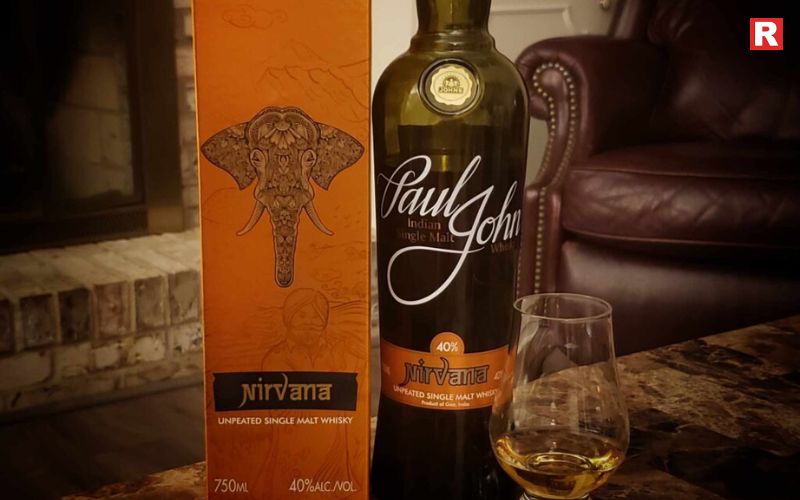
Paul John Nirvana is a single malt whisky from Goa. It is made with Indian six-row barley and distilled carefully to create a soft character. The whisky has a light, fruity taste with a touch of honey and vanilla. Unlike heavy malts, Nirvana feels gentle on the palate. Its ABV of 40% makes it approachable for beginners. Many people enjoy it neat or with light snacks during celebrations. The smooth finish makes it a popular choice for family gatherings. On Dussehra, Nirvana is a fine pick for those who prefer an easy sip while sharing good times.
- ABV: 40%
- Why it’s perfect for Dussehra: Easy to sip and enjoy during family get-togethers. Its gentle sweetness pairs well with festive snacks.
4. Rampur Double Cask (India)
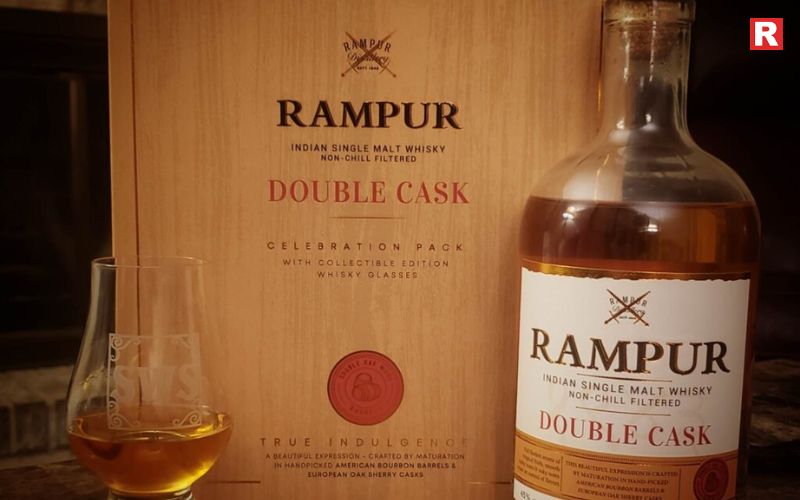
Rampur Double Cask is a luxurious Indian single malt. It matures in American bourbon barrels and European sherry casks. This double aging gives it a deep flavor profile. Notes of honey, dried fruits, and vanilla blend beautifully with a smooth texture. The whisky carries an ABV of 45%, striking a fine balance between strength and elegance. Rampur is crafted in Uttar Pradesh and has earned respect both in India and abroad. Its richness makes it a premium choice for whisky lovers. During Dussehra, Rampur Double Cask is ideal for gifting or savoring at a grand festive feast.
- ABV: 45%
- Why it’s perfect for Dussehra: Luxurious and rich, ideal for those who enjoy a deeper flavor. Makes for a memorable gift.
5. Glenfiddich 12-Year-Old (Scotland)
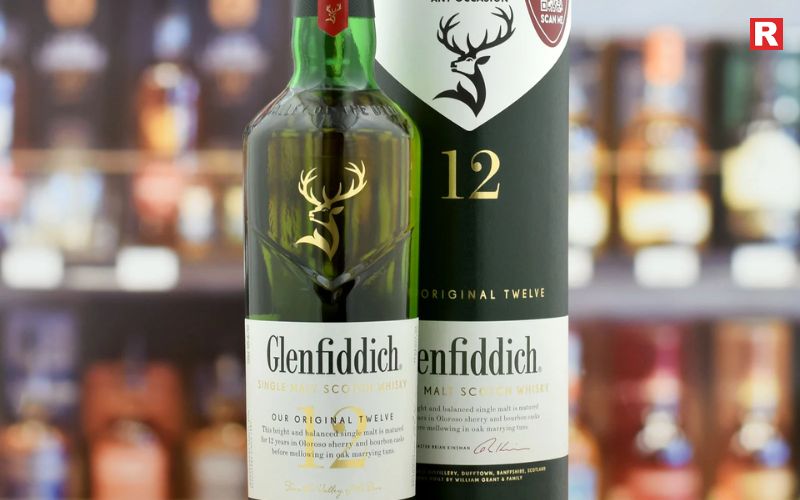
Glenfiddich 12-Year-Old is one of the most famous single malts in the world. Matured for 12 years in American and European oak casks, it develops a light yet flavorful profile. It has notes of fresh pear, apple, and oak with a smooth, clean finish. The ABV is 40%, making it balanced and approachable. Glenfiddich 12 is loved across generations and is often the first choice for those discovering single malts. During festive gatherings, it appeals to both casual drinkers and connoisseurs. This timeless Scotch whisky adds elegance and international charm to Dussehra celebrations and family toasts.
- ABV: 40%
- Why it’s perfect for Dussehra: A global classic. Smooth, elegant, and always a crowd-pleaser.
6. Chivas Regal 12-Year-Old (Scotland)
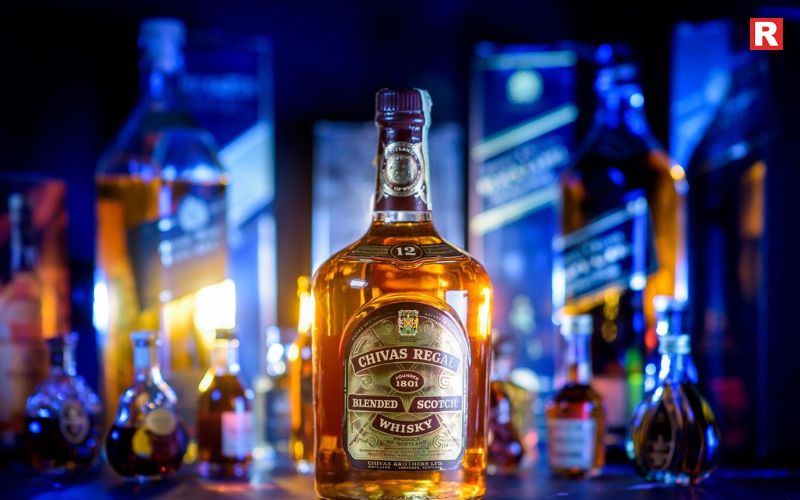
Chivas Regal 12-Year-Old is a blended Scotch whisky known for its smoothness. It is crafted with a mix of malt and grain whiskies, aged for at least 12 years. The taste is rich and balanced, with honey, ripe apple, and herbal notes. Its ABV of 40% makes it an easy drink for everyone. Chivas has always been associated with celebrations and gatherings. Its elegant taste appeals to a wide audience, from beginners to experienced drinkers. On Dussehra, Chivas Regal works perfectly for large family feasts. It brings people together with its friendly and refined flavor.
- ABV: 40%
- Why it’s perfect for Dussehra: Great for large gatherings. Its approachable taste makes it popular across age groups.
Also check: 9 Facts You Should Know About Beer
7. Jack Daniel’s Old No. 7 (USA)
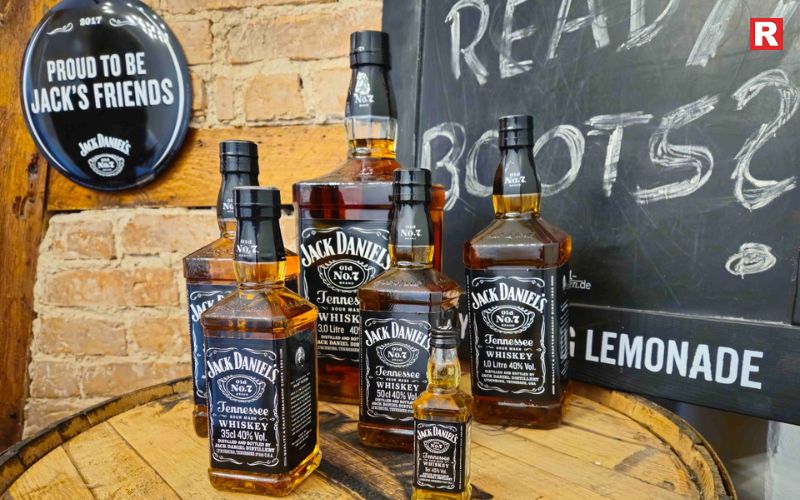
Jack Daniel’s Old No. 7 is a classic Tennessee whisky. It is famous worldwide for its bold and slightly sweet taste. The whisky is charcoal mellowed, a special process that gives it smoothness. Flavors of caramel, vanilla, and toasted oak make it distinctive. With an ABV of 40%, it is versatile and can be enjoyed neat, on ice, or in cocktails. Jack Daniel’s has a loyal fan base across the globe. It suits those who like strong flavors and a confident character. For Dussehra, Old No. 7 is perfect for those who want a bold, lively celebration.
- ABV: 40%
- Why it’s perfect for Dussehra: For those who like a stronger, more distinct character. Works equally well neat or in cocktails.
Pairing Whisky with Festive Feasts
Food is at the heart of every Indian festival, and whisky can elevate those flavors. Here are some easy pairing ideas:
- Amrut Fusion pairs beautifully with spicy kebabs or mutton dishes.
- Paul John Nirvana complements vegetarian snacks like paneer tikka and samosas.
- Chivas Regal goes well with mild curries and buttery naan.
- Glenfiddich can be paired with festive sweets like kaju katli or gulab jamun for an indulgent experience.
For those who prefer cocktails, whisky highballs, whisky sour, or a spiced whisky punch with cinnamon and cloves can add a festive twist.
Check more: Is Beer Good for Your Health? Here's the Truth You Should Know
How to Pair Indian Food with the Right Alcohol: A Desi Guide to Perfect
5 Foods to Avoid for Better Cholesterol
The Festive Spirit in a Glass
Whisky is more than just alcohol. It’s about slowing down, enjoying the moment, and celebrating life’s victories. Dussehra is about triumph and togetherness, and a good whisky mirrors that spirit.
As you light lamps and gather with loved ones, raising a glass of whisky can make the evening feel even more special. Choose the one that matches your mood, pair it with your favorite festive food, and enjoy responsibly.
Festive Sip!
This Festive season, celebration can feel more special with the right whisky. Every bottle has its own charm and story. For those who prefer Indian craftsmanship, whiskies like Indri-Trini, Amrut Fusion, Paul John, or Rampur bring rich flavors rooted in tradition. They highlight India’s rise in the global whisky world. On the other hand, global icons such as Glenfiddich, Chivas Regal, and Jack Daniel’s offer timeless blends that are loved everywhere. Each one has a distinct taste, from smooth and fruity to bold and smoky. Sharing these whiskies during festive evenings brings families and friends closer. A glass of whisky adds warmth to conversations and creates lasting memories. Choosing the right one is not just about taste, but also about the mood and the people around. This festive season, every sip can be a toast to joy and unity.
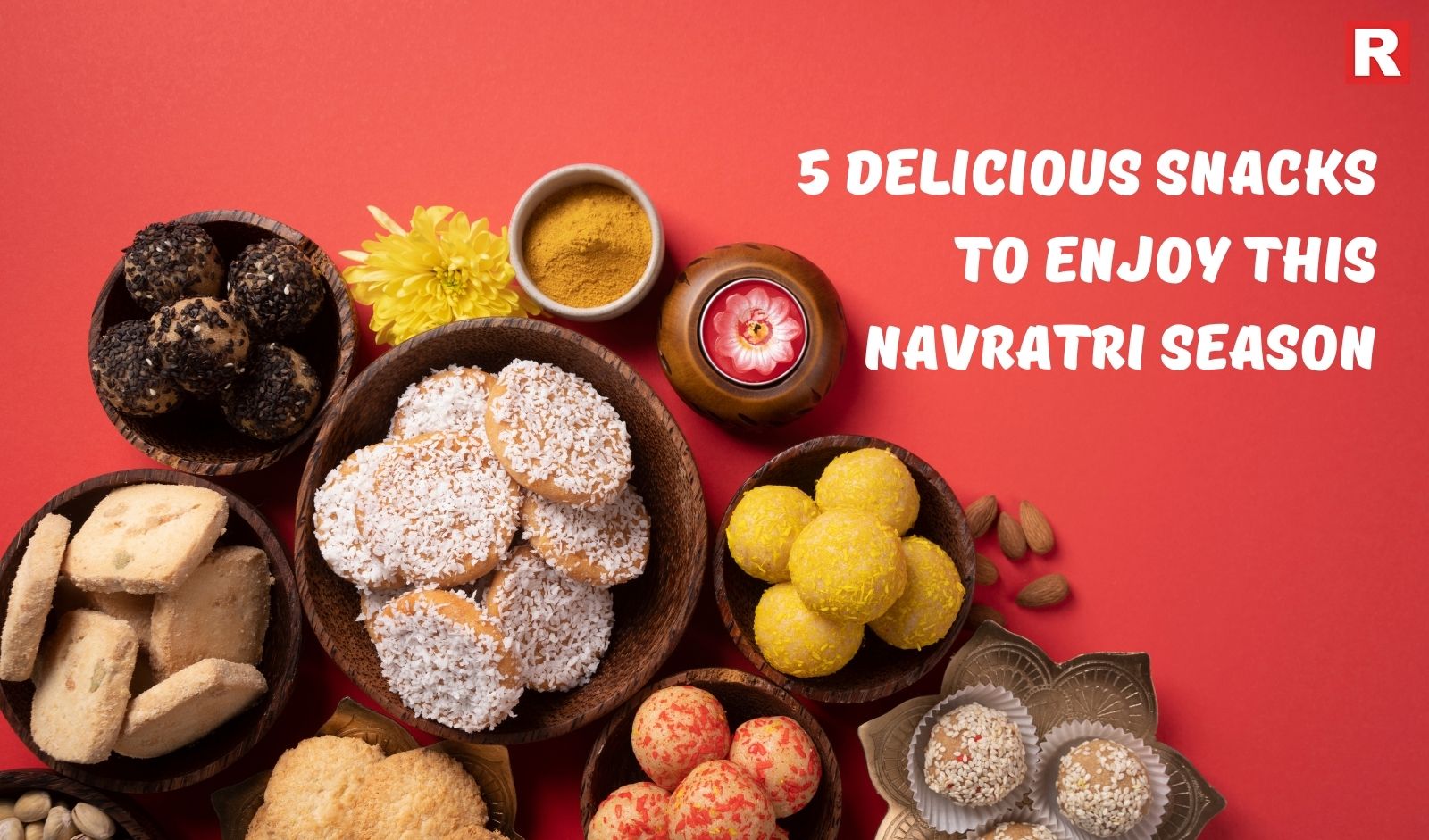
Navratri is one of the most vibrant festivals in India. It is a celebration filled with music, dance, devotion, and traditions that bring people together. Homes during this time are buzzing with joy, laughter, and the aroma of festive food. Families gather for prayers, cultural events, and evenings filled with garba and dandiya. Along with the celebrations, food plays a central role.
During Navratri, many people follow special diets or fasting rules. That does not mean food has to be boring or limited. In fact, this is the time when vrat-friendly snacks and sweets bring both energy and happiness to the table. Whether you are hosting guests, enjoying time with your family, or looking for something quick between festivities, the right snack adds flavor and fun. If you are searching for light, wholesome, and delicious bites this Navratri, here is a list of 5 snacks that combine tradition with taste. Each of these has its own charm, and they are perfect to keep you energized while you enjoy the festival.
Read more: Top 7 Regional Indian Thali Platters That Showcase Culinary Diversity
12 Delicious High-Protein Foods to Eat Daily for a Healthier You
1. Handmade Almond Cookies from Bakingo
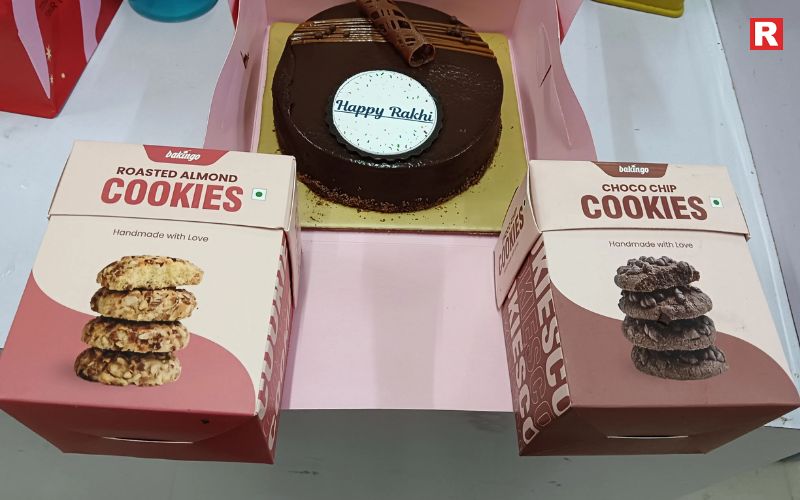
When you think of festive snacking, cookies may not be the first thing that comes to mind. But Bakingo’s Handmade Almond Cookies are a refreshing change. These cookies are crunchy, flavorful, and light on the stomach. At the same time, they are filling enough to keep you going through the day.
Made with roasted almonds, these artisanal cookies are completely eggless, making them ideal for Navratri. The nutty crunch balances perfectly with their melt-in-mouth texture, creating a sweet snack that works for both adults and children.
What makes them even better is their versatility. You can place them on your dessert table, serve them to guests with tea, or enjoy them during an afternoon craving. They also make a thoughtful gift if you are visiting family or friends during the festival. The handmade touch gives them authenticity, while the almonds provide both flavor and nutrition.
Price: Rs. 329
2. Protein Pops, Sea Salt & Pepper from 4700 BC
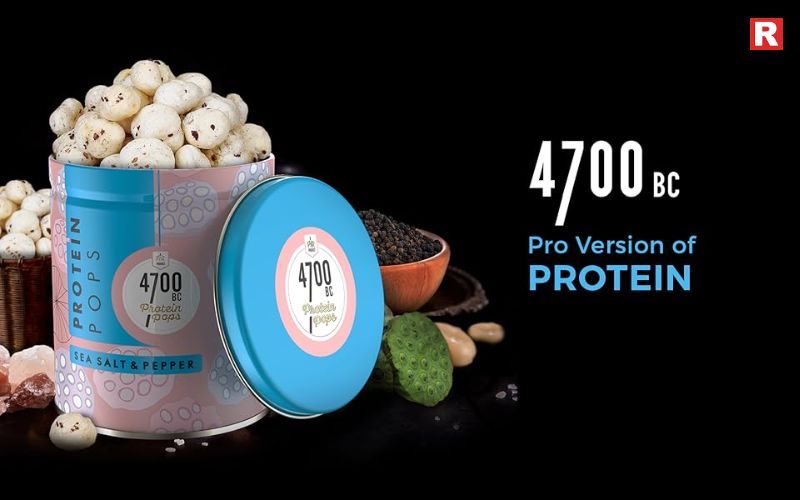
Makhana, or fox nuts, have long been associated with Navratri fasting. They are light, healthy, and full of energy, making them an excellent choice when you want something quick yet nourishing. 4700 BC has taken this traditional ingredient and given it a modern twist with their Protein Pops – Sea Salt & Pepper.
These crunchy pops are made from popped fox nuts and seasoned simply with sea salt and pepper. The flavor is mild, natural, and perfect for fasting days. They are also Non-GMO, gluten-free, and vegan, which means they suit a wide range of dietary needs.
One of the biggest advantages is their nutritional value. With more plant protein than milk, they provide energy without making you feel heavy. Packed in an easy travel tin, they are convenient to carry to garba nights, gatherings, or even when you’re on the go. If you want a guilt-free festive snack that keeps up your energy levels, this one is a must-have.
Price: Rs. 190
Know more: Top Rajasthani Dishes to Try This Festive Season
3. Yellow Banana Chips – Banana Wafers from Chheda’s
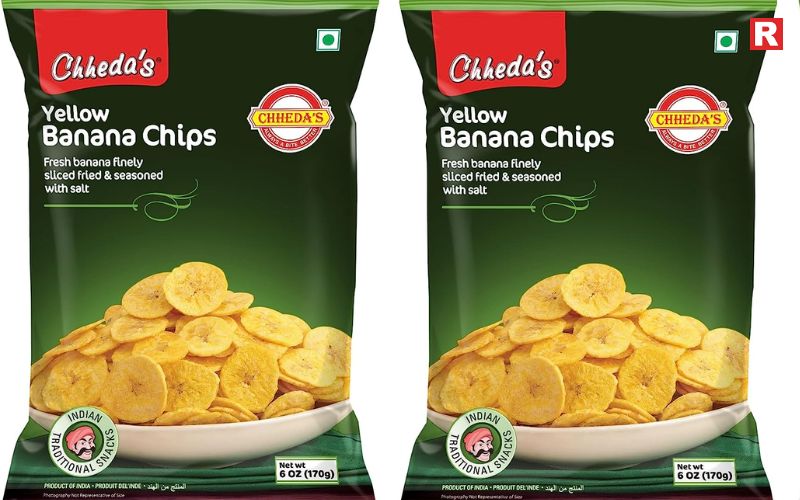
Banana chips are a classic Indian snack, and during Navratri they become even more special. Chheda’s Yellow Banana Chips bring tradition and taste together in every bite. Made from raw bananas, these chips are sliced thin, fried until golden, and sprinkled with just the right amount of salt.
They are crisp, light, and easy to digest. The best part is that they are vrat-friendly, so you can enjoy them even while following your fasting rules. They make the perfect companion for tea-time or can be served as a quick bite to guests.
Chheda’s uses natural ingredients and traditional methods, which means you get authentic taste with every pack. Their chips are not just about crunch, but also about celebrating the spirit of Indian snacking. On festive evenings, a bowl of these banana wafers on the table is sure to bring smiles all around.
Price: Rs. 160
4. Paper Boat Crushed Chikki Peanut Bar
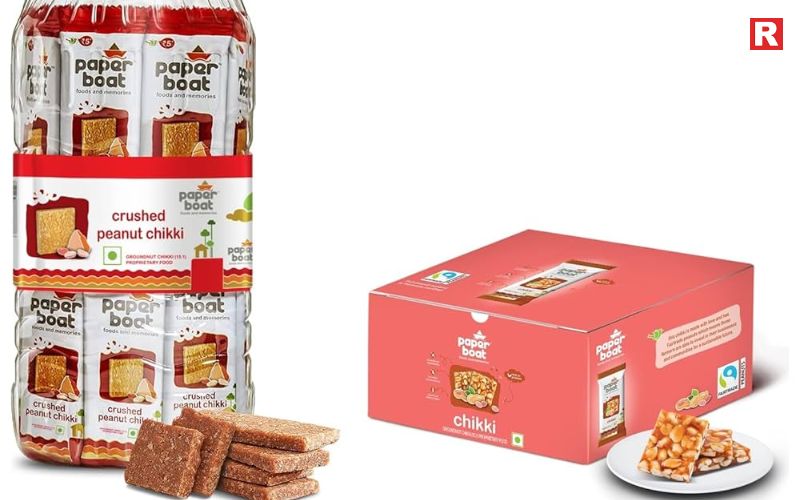
No festive season is complete without a little sweetness. Paper Boat’s Crushed Peanut Chikki Bar is the perfect sweet snack for Navratri. It is light, wholesome, and full of traditional flavor. Made from roasted, crushed peanuts and natural jaggery, this bar has no artificial colors or preservatives. It is portioned into 16 g bars, making it easy to carry and share. The sweetness of jaggery pairs beautifully with the crunch of peanuts, giving you a quick energy boost.
Chikki is a traditional Indian sweet often enjoyed during winters and festivals. With Paper Boat’s modern packaging, you can enjoy the same nostalgic taste in a handy bar. It is ideal for when you want something sweet after a meal, or when you are heading out for festive gatherings.
Price: Rs. 322
Also check: The Top 7 Sweet Dishes You Can’t Miss This Durga Puja
5. Prolicious Methi Khakhra
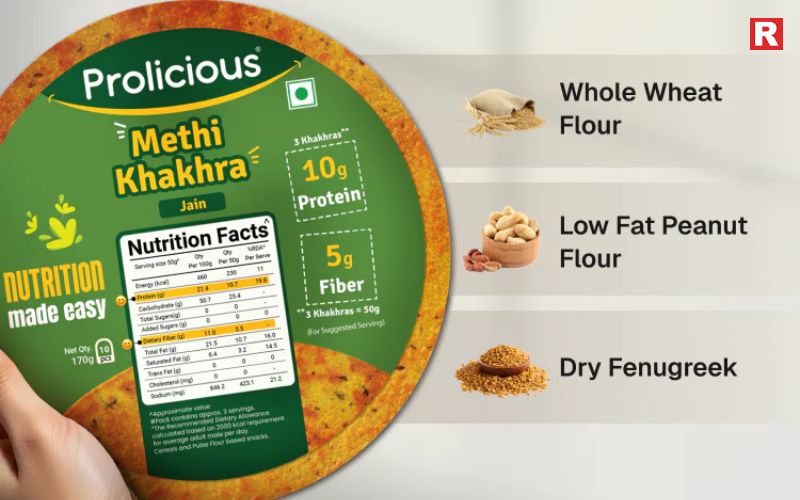
If you are looking for a savory option that is healthy, filling, and flavorful, Prolicious Methi Khakhra is a great choice. Khakhra has been a staple snack in many Indian homes, and this version adds a nutritious twist.
Made from whole wheat flour, defatted peanut flour, and fenugreek leaves, each serving of these khakhras contains 10 g of plant-based protein and 6 g of fiber. They are roasted in rice bran oil, without palm oil, preservatives, or chemicals. This makes them light yet satisfying. Methi khakhras are crunchy and can be enjoyed plain, or paired with yogurt or chutney for extra flavor. They work well as a travel snack, an evening bite, or even as a guilt-free treat when you want something savory during Navratri.
Price: Rs. 125 onwards
Why These Snacks Are Perfect for Navratri
All five of these snacks balance taste and health. They are light, filling, and made with ingredients that are suitable for fasting. Whether you prefer sweet or savory, crunchy or chewy, this list offers something for every mood.
Another reason they work well is their convenience. Modern brands have packaged traditional favorites in a way that makes them easy to carry, store, and share. From artisanal cookies to protein-rich pops, each option reflects both tradition and innovation.
Check more: Festive Seasons Are Changing the Restaurant Industry in India
10 Must-Try Gujarati Dishes That Will Delight Your Taste Buds
Power-Packed Mornings: 8 Protein-Rich Vegetarian Indian Breakfast Ideas
Final Thoughts
Navratri is not just about devotion and dance; it is also about enjoying food with family and friends. The right snacks can make your celebrations even more special. This year, try adding a mix of sweet and savory treats to your festive spread. Handmade Almond Cookies, Protein Pops, Banana Chips, Peanut Chikki Bars, and Methi Khakhras are all great options that bring both flavor and energy. Whether you are hosting a gathering, joining a garba night, or simply relaxing with your loved ones at home, these snacks are sure to keep your spirits high. After all, Navratri is about togetherness, and nothing brings people closer than sharing good food.
In India, the festive season is not just a time to celebrate; for the restaurant sector, it is a time when they can get high profits if they use this time properly. For the people, it is a time of joy and celebration. And to celebrate, they visit different places, including restaurants. Many people order food and dine out during festive times, such as Christmas, Eid, or Diwali. If a restaurant wants to attract more customers and increase revenue during this period, it needs to employ a strategic approach that can be implemented quickly. But this doesn’t mean that the restaurant only provides a festive discount as a marketing strategy. As many restaurants are trying to make profits during festivals, you need a more strategic, creative approach that can outshine other restaurants and make your restaurant the most appealing. And, combining culinary brilliance with astute marketing and operational efficiency is the key to realizing a restaurant's potential.
This article offers seven practical ideas for restaurants to increase their customer base, develop a loyal following, and boost sales over the holiday period, going beyond the standard "offer a discount" approach.
Read more: 10 Must-Try Goan Dishes That Define Its Rich Food Culture
Tip 1: Curate an Exclusive, Limited-Time Festive Menu

Simply placing a generic "20% off" banner is a common mistake that most restaurants make. Creating a special, exclusive cuisine that represents the festival's spirit is a much more successful tactic. This is about a memory, not just food.
- Create a Theme: Develop a menu centered on the festival's theme. A "Deepavali Delicacies" menu for Diwali can include lavish, rich dishes and classic desserts. An "Iftar Platter" or "Suhur Feast" could provide carefully chosen food during Ramadan. A "Yuletide Feast" for Christmas can consist of warm, pleasant drinks and roasted specialties. Serve an ordinary but elegant vegetarian meal with healthy, light foods on Buddha Purnima. Create a special vegetarian Jain dinner for Mahavir Jayanti that stays away from all root vegetables, such as potatoes, onions, and garlic. Take inspiration from the langar and serve a meal of warm and simple Punjabi favorites for Guru Nanak Jayanti that are both festive and soothing.
- Elevate Ingredients: Take advantage of this chance to include seasonal or premium items that you don't usually use. This gives customers a sense of luxury while justifying a higher price point. Consider truffle-dusted paneer tikka, saffron-infused biryani, or desserts made with real dry fruits and nuts.
- Create Urgency: By offering a limited-edition menu, a restaurant invites customers to come during the festival in order to sample something that isn't available at any other time of the year.
Tip 2: Master the Art of the Festive Package & Gifting

The art of sharing and giving is a fundamental part of India's traditions during the holidays. A smart restaurant picks up on this by producing beautifully wrapped holiday gift baskets and meal boxes. This expands your sources of income beyond in-house dining.
- Family Meal Boxes: Provide carefully chosen family meal boxes made for celebrations at home. A variety of your specialties, appetisers, and a free dessert might be included. This satisfies the growing trend of private home gatherings.
- Corporate & Gifting Hampers: Offer corporate gift hampers by collaborating with nearby companies. Gourmet items from your restaurant, such as freshly baked cookies, spicy appetizers, handmade jams, and exotic mithai, can be placed inside these. This is a small, profitable business concept that has the potential to generate significant profits.
- Branded Packaging: It all comes down to appearance. Invest in attractive, well-made packaging that complements the holiday theme. A simple meal becomes an attractive gift when presented in a beautifully wrapped, branded box.
Know more: Top 7 Regional Indian Thali Platters That Showcase Culinary Diversity
Tip 3: Leverage Digital and Social Media Marketing

Your marketing should be as visually stunning as the holidays themselves. Your most effective tool for reaching your target audience and generating buzz is social media.
- High-Quality Content: Make an investment in expertly taken pictures and videos of your unique festive menu items. Display your dishes' depth and color on social media sites like Facebook and Instagram. To build excitement and anticipation, use short-form movies to provide a behind-the-scenes glimpse of the preparation.
- Targeted Ads: Use social media to target users who live nearby or who have expressed interest in your food in the past. By marketing a special menu in a neighborhood, you may target your advertisements to specific groups of people celebrating a given event.
- Engage with Hashtags: To boost your exposure and naturally reach a larger audience, use pertinent and popular hashtags relevant to the festival.
Tip 4: Optimize for Online Delivery

Platforms for online food delivery are non-negotiable, particularly during festivals when families frequently choose to host. It's important to get ready for a spike in orders.
- Exclusive Delivery Menus: Provide combo meals or unique offers that are only available on online delivery services. Customers who like the simple process of ordering in may be drawn in as a result.
- Robust Packaging: Make an investment in premium, microwave-safe, and spill-proof packaging. Large orders are frequently placed by customers during festivals, and the last thing you want is a messy delivery. To improve the unboxing experience, think about using branded, eye-catching packaging.
- Add a Personal Touch: A tiny gesture can have a big impact. With each delivery order, include a handwritten message, a free holiday treat, or a tiny expression of appreciation. This makes an impression that lasts and promotes more business.
Check out: How Health Regulations are Reshaping India's Dining Scene
Top 7 Tips for Efficient Energy Management in A Restaurant Kitchen
Tip 5: Partner with Brands and Influencers

Collaborations can help you attract more people and reach new customers. A successful collaboration may work better than a large-scale advertising campaign.
- Brand Partnerships: Offer a festive bundle by collaborating with a non-competing brand. For instance, a restaurant can collaborate with a nearby specialty coffee company to make a festive hamper or with a clothing company to give customers who present a receipt from your restaurant a special discount.
- Influencer marketing: Rather than pursuing well-known celebrities, concentrate on micro-influencers who have a loyal and active fan base in your neighborhood. Create genuine, entertaining content and invite people to sample your festive food at your restaurant. Their advice is more likely to be trusted by their followers, which will provide measurable business outcomes.
Tip 6: Enhance the In-House Dining Experience

Don't overlook the in-house dining experience, even though online orders are a huge source of income. Establish an ambiance that makes your restaurant an attraction of festivities.
- Festive Decor: Use decorations customized according to the holiday to decorate your restaurant. A gorgeously adorned Christmas tree, a serene and simple arrangement for Buddha Purnima, string lights and diyas for Diwali, or exquisite drapes for Eid are a few examples. The atmosphere created by the décor motivates customers to remain longer and post about their experiences on social media.
- Special Touches: Give every customer a happy greeting. Serve a tiny festive dessert or a complementary welcome drink. Think about playing joyful, soft music in the background. Teach your staff to be especially kind and considerate; you could even dress them in festive uniforms.
- Seating & Reservations: Plan for the rush and make effective use of a smart reservation system to regulate table turns. Make sure there are short wait times and that the entire customer experience, from arrival to departure, is smooth and enjoyable.
What's new: Top Rajasthani Dishes to Try This Festive Season
Tip 7: The Early Bird Advantage

The day of the festival is not the beginning of the holiday season. You can gain an important edge over your competition by beginning your promotions and preparations far in advance.
- Build Anticipation: Create anticipation by announcing your unique holiday packages and menu weeks in advance. Make use of social media to generate excitement and create buzz.
- Start Taking Pre-Orders: Start accepting pre-orders for your meal boxes and holiday hampers. This makes it easier to plan staff requirements and manage your inventory, which guarantees smooth operations during peak hours.
- Start Your Marketing Campaign Early: To achieve the best results and gain early bookings and reservations, your digital marketing efforts should start at least two to three weeks before the event.
What to Do After the Celebrations End
The success of the holiday season shouldn't be a one-time event. The days after the holidays are essential for establishing long-term relationships and keeping new customers.
- Send Thank-You Messages: Get in touch with customers who ordered from your special holiday menu or who dined in. They may be persuaded to come back with a personalized note and a little discount for their next visit.
- Examine the Data: Examine sales data from the holiday season to determine what was most successful, including the most well-liked dishes, the most successful marketing methods, and the best-selling packages. The strategy for next year can be planned with the help of this data.
- Start a New Project: Showcase your usual menu items and smoothly enroll new customers in your loyalty program. Give them a cause to return outside of the holiday season.
- Get Input: To get input on the festive food and service, use social media and online reviews. This helps you get better for the future and demonstrates that you respect their point of view.
Read this: 5 Ways AI is Changing the Indian Restaurant Industry
Conclusion
Restaurants in India have a great chance to increase their sales over the holiday season, but success demands more than simply a typical discount. It requires a meticulous strategic approach that centers on giving the customer quality and an unforgettable experience. In addition to making this holiday season a huge financial success, a restaurant can create a loyal customer base that will return year after year by creating unique menus, embracing smart packaging, utilizing digital marketing, and improving the in-house experience.
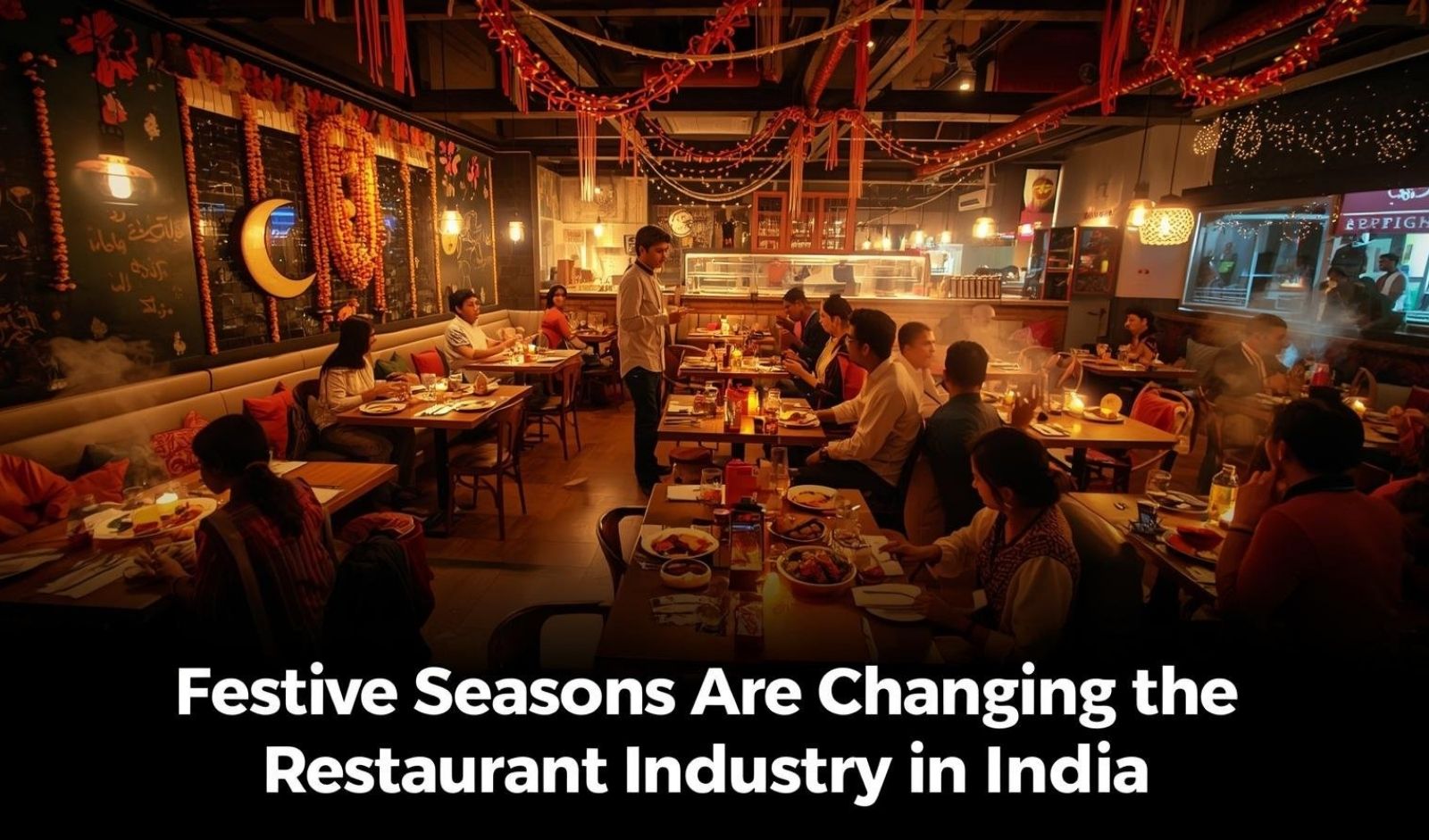
Festive seasons in India are much more than family gatherings and cultural traditions. They also play a big role in boosting the restaurant industry. Every major festival brings with it a rise in demand, and restaurants see this as a chance to grow. From Diwali and Navratri to Christmas and Eid, food businesses witness a sharp increase in both dine-in and online orders. Families often prefer eating out together or ordering special meals at home. This rise in demand is not limited to big cities. Smaller towns are also seeing the trend, with restaurants creating special menus and offers for festive occasions.
Over the past few years, the way people celebrate with food has changed. Customers now look for variety, festive-themed dishes, and faster delivery. Restaurants have adapted by designing seasonal menus, partnering with delivery platforms, and even creating festive hampers. This shift shows how festivals have become more than cultural moments. They are now key business drivers for the food industry. The restaurant sector in India continues to evolve, turning every festive season into both a celebration and an opportunity.
Read more: Top Rajasthani Dishes to Try This Festive Season
The Top 7 Sweet Dishes You Can’t Miss This Durga Puja
Festivals Bring Big Business
For many restaurants, festivals mean a spike in revenue. During Diwali or Christmas, some restaurants report a 30-40% increase in sales. Families, friends, and colleagues often prefer dining out together or ordering large meals at home. Delivery platforms like Zomato and Swiggy also report record sales during festive seasons. Quick commerce companies such as Dunzo or Zepto now help restaurants deliver festive meals faster, meeting the growing demand for convenience.
Festivals are no longer just about celebrations; they have become strategic opportunities for restaurants to boost revenue. Restaurants plan their operations months in advance, stocking up on ingredients and hiring temporary staff to manage the surge in orders.
Menu Innovation and Festive Specials
One of the biggest ways festivals are changing the restaurant industry is through menu innovation. Limited-time festive menus are now a common trend. These menus often include special dishes, fusion meals, and themed desserts that customers can only enjoy during the festival period.
For example, Diwali thalis with traditional sweets and savory items are now popular across India. Many restaurants also add fusion dishes, such as Diwali-inspired pizzas or Navratri vrat-friendly meals made with ingredients like buckwheat, samak rice, and water chestnut flour. Christmas menus often include cakes, puddings, and roasted items that cater to both Indian and Western tastes. These special menus not only attract more customers but also create a sense of exclusivity, encouraging people to try new dishes. Customers now expect restaurants to innovate during festivals and offer something unique.
The Rise of Delivery and Quick Commerce
The rise of online food delivery has changed how restaurants work during festivals. Earlier, most people went out to eat. Today, delivery and takeaway make up a large part of festive sales. This change has opened new ways for restaurants to connect with customers and grow their business. Delivery apps have become powerful partners for restaurants. They create festive offers and highlight special menus to attract more buyers. Customers get to enjoy:
- Festive bundles for families and groups
- Combo meals at affordable prices
- Exclusive discounts for online orders
These options make festive dining easier and more accessible.
Quick commerce platforms have also become a key part of this shift. They allow restaurants to deliver food and festive hampers in less than an hour. For busy families, this service is a big advantage. They can enjoy traditional meals without spending time cooking or waiting long hours. The mix of delivery apps and quick commerce is changing the way restaurants run during festive seasons. It has made the industry faster, more flexible, and focused on customer needs. This model is now central to how restaurants plan for festivals.
Know more: Must-Try Sweet Dishes on Dandiya Night
Changing Consumer Trends
Consumer behavior during festivals has shifted dramatically. Families now prefer group dining, large combo orders, and festive hampers. Many customers are willing to pay extra for premium meals, healthier options, or dishes made with fresh and organic ingredients.
The trend for experiential dining is also growing. Restaurants are creating themed experiences for festivals, from Diwali decoration setups to live music performances. Customers are looking for more than just food—they want a complete festive experience that they can enjoy with family and friends.
Digital Marketing and Technology
Technology is helping restaurants make the most of festive seasons. It allows them to connect with customers in new and smart ways. Digital tools are now a major part of their growth strategy. Restaurants use several methods to reach people during festivals:
- Digital campaigns with festive themes to draw attention
- Influencer tie-ups to create buzz around special dishes
- Discounts and offers that encourage higher sales
- Customer data to study past orders and design menus that sell
Social media also plays a big role. Restaurants post short videos, recipe stories, and decoration highlights to keep audiences engaged. These posts make customers curious and increase orders. By combining technology with tradition, restaurants not only boost sales but also build stronger brands. In a highly competitive market, these digital efforts help them stay visible and relevant, turning every festive season into an opportunity for growth.
Challenges for Restaurants
While festivals bring business, they also come with challenges. High demand can lead to shortages of ingredients, and restaurants must maintain quality while handling a large number of orders. Staffing is another challenge. Temporary workers are often needed, and training them quickly is essential to ensure smooth operations.
Competition is also fierce. Every restaurant wants to attract festival-goers, so marketing and innovation become crucial. Those that fail to adapt may lose customers to competitors who offer better menus, faster delivery, or a more immersive dining experience.
Also check: Frankenstein-Inspired Foods and Drinks for Your Spooky Celebrations
The Future of Festivals in the Restaurant Industry
The impact of festivals on the restaurant industry is only growing. Businesses are treating festivals as long-term revenue opportunities rather than short-term spikes in sales. Expect to see more fusion menus, premium dining experiences, and personalized festive offers in the coming years. Restaurants are also investing in technology to manage orders, track customer preferences, and optimize delivery times. Quick commerce partnerships will become even more important, ensuring that festive meals reach customers quickly and efficiently.
As consumers continue to seek unique experiences and convenience, restaurants that innovate and adapt will thrive. Festivals are no longer just a time to celebrate—they are a time to grow, engage, and build lasting relationships with customers.
Check more: What Are the Special Dishes You Must Try This Durga Puja
Pani Puri Has Different Names in Different Indian States—Know Them All
12 Delicious High-Protein Foods to Eat Daily for a Healthier You
The Bottom Line!
Festive seasons have changed the way restaurants operate in India. They are no longer just cultural events but strong business opportunities. Restaurants use this time to launch new menus, try creative dishes, and offer unique dining experiences. Delivery and quick commerce add another layer, making festive food more accessible than ever. Digital marketing has also become central. From online campaigns to influencer tie-ups, restaurants are finding new ways to reach customers. Social media helps them showcase festive specials and build stronger connections.
Challenges such as high competition and rising costs remain. Yet, the opportunities are much larger. Festivals bring higher revenue, bigger customer reach, and chances to stand out in a crowded market. For restaurants that adapt to these changes, every festive season becomes more than a business boost. It turns into a celebration of growth, innovation, and long-term customer loyalty.
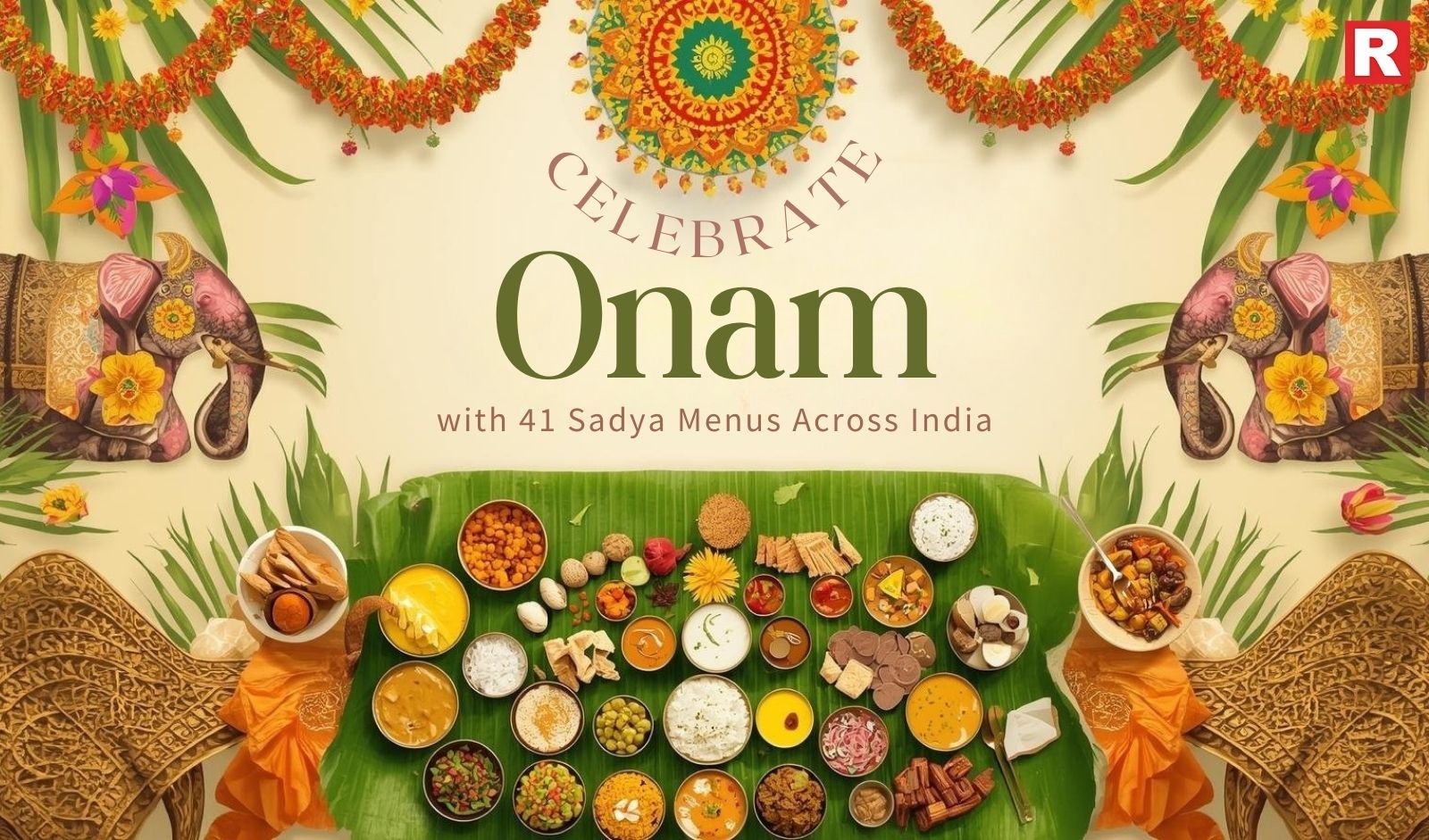
Onam is one of India’s most loved harvest festivals. It is celebrated with joy, flowers, music, and of course, food. At the heart of the celebration lies the Onam Sadya — a grand vegetarian feast served on a banana leaf. This meal is more than food. It is a tradition that speaks of abundance, unity, and cultural pride.
Every year, families in Kerala prepare a Sadya at home with more than 25 dishes. But today, the experience has gone beyond Kerala. Hotels, restaurants, and delivery kitchens across India now serve their own versions of Sadya. From luxury buffets in five-star hotels to homely thalis from Kerala kitchens, the festival has spread to every corner of the country.
This year, you can join the celebration with 41 unique Sadya menus across India. Let’s explore where you can find them and why this meal is so special.
Read more: 10 Different Types of South Indian Rice Dishes
12 Delicious High-Protein Foods to Eat Daily for a Healthier You
What Makes Onam Sadya Special?
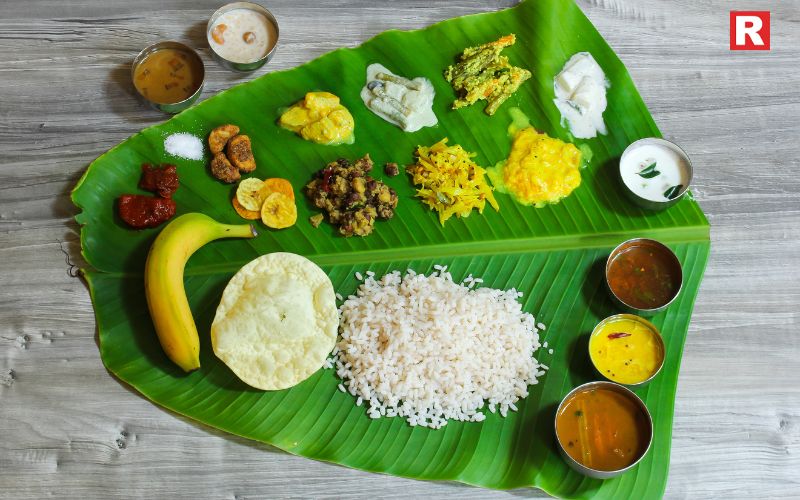
Sadya means “banquet” in Malayalam. Traditionally, it includes between 26 and 30 dishes. Each dish has its place on the banana leaf. The meal is eaten with hands, and the order of serving is fixed.
The beauty of Sadya lies in balance. The mix of sweet, sour, salty, and spicy dishes makes it wholesome. A Sadya usually includes:
Rice served with sambar, rasam, and curries
Rice is the heart of the Sadya. It is always served with sambar, rasam, and light curries. The rice balances every flavor on the banana leaf. Each spoonful brings together tangy, spicy, and earthy notes. This simple grain turns into a grand experience when paired with so many dishes.
Avial, made with vegetables and coconut
Avial is one of the most loved dishes in Sadya. It is made with fresh vegetables like beans, carrots, and drumsticks. Grated coconut and curry leaves add flavor. The dish is light, healthy, and colorful. It shows the beauty of Kerala cooking, where vegetables and spices blend in harmony.
Olan, cooked with ash gourd and coconut milk
Olan is a mild and gentle dish in Sadya. It is cooked with ash gourd and red beans in coconut milk. The taste is soft and soothing. It balances the stronger flavors on the banana leaf. Olan represents the calm side of Kerala food, rich yet very delicate in flavor.
Erissery, made with pumpkin or yam
Erissery is a traditional dish that combines pumpkin or yam with coconut. The vegetables are cooked until soft and then mixed with a fragrant coconut paste. A topping of fried coconut gives it crunch. It has a sweet and earthy taste. Erissery adds warmth and comfort to the Sadya spread.
Banana chips and pickles
Banana chips and pickles are small yet important parts of Sadya. The chips are fried in coconut oil, giving them a crisp bite. Pickles, often made with mango or lime, bring tang and spice. Together, they awaken the taste buds. They prepare the eater for the bigger dishes ahead.
Payasam, the sweet dish that completes the meal
Payasam is always the last and most loved dish in Sadya. It is made with rice, milk, or jaggery. Some versions use vermicelli or lentils. It is rich, creamy, and sweet. Payasam is served in generous portions. It marks the end of the meal and leaves everyone full and happy.
Know more: These 7 Foods Can Help You Cool Your Stomach in Summer
Find Onam Sadya Menus Across India
Here are 41 places across India where you can enjoy an authentic or innovative Sadya this Onam.
Bangalore
- Ente Keralam – Known for its traditional Sadya with 28 dishes, including ada pradhaman and parippu payasam.
- Kappa Chakka Kandhari – Offers a mix of traditional Sadya and modern Kerala flavors. Pre-booking is a must.
- The Paul Hotel – A luxury Onam buffet with live counters and multiple payasam varieties.
- Nandhana Palace – Their Sadya focuses on homely, simple dishes at an affordable price.
Chennai
- Dakshin, Crowne Plaza – Famous for its premium Sadya thali with classic Kerala flavors.
- Benjarong – A Thai restaurant that does a Kerala special Sadya during Onam.
- Savya Rasa – Combines dishes from different South Indian states along with Sadya.
- Kerala Mess – Known for authentic home-style Sadya at pocket-friendly prices.
Delhi NCR
- Mahabelly, Saket – A go-to spot for Kerala food lovers. Their Onam Sadya is among the most popular in Delhi.
- Carnatic Cafe – Offers a mix of Karnataka and Kerala dishes with a Sadya touch.
- The Suryaa, New Friends Colony – A grand buffet-style Sadya with over 30 dishes.
- Delivery by Naivedyam Cloud Kitchen – For those who want Sadya at home, this option is convenient.
Mumbai
- Just Kerala, Andheri – Known for its banana leaf service and authentic Kerala flavors.
- Hotel Deluxe, Fort – A local favorite for Sadya in the city. Affordable and traditional.
- JW Marriott Juhu – Offers a luxury buffet with a modern twist on Sadya.
- Taste of Kerala, Crawford Market – Old-school Kerala restaurant serving Sadya during the festival.
Hyderabad
- Ulavacharu – Mixes Andhra flavors with Onam Sadya for a unique taste.
- Kochi Kitchen, Marriott Hotel – Offers a wide spread of Kerala dishes in a festive buffet.
- Kerala Kitchen, Banjara Hills – Home-style Sadya with payasam combinations.
- The Fisherman’s Wharf – Combines seafood with traditional Sadya for fusion lovers.
Pune
- Kerala Café – Famous for its homely Sadya experience.
- Greenlands Kerala Restaurant – Affordable and authentic Sadya thali.
- JW Marriott Pune – Five-star luxury buffet with Sadya highlights.
- Hotel Malabar – Popular for its simple yet complete Sadya.
Kolkata
- Santa’s Fantasea – Serves Kerala dishes with a Bengali touch.
- Banana Leaf – One of the oldest South Indian restaurants in the city. Offers Sadya during Onam.
- ITC Sonar – Premium Sadya experience in a festive buffet.
- Kerala Food House – Budget-friendly Sadya options.
Also check: 10 Must-Try Gujarati Dishes That Will Delight Your Taste Buds
Goa
- Mum’s Kitchen – Known for seasonal Onam specials.
- Kerala Café Goa – Homely Sadya with payasam varieties.
- Vivanta Goa – Luxury Sadya spread with over 25 items.
Ahmedabad
- Annalakshmi – Famous for traditional South Indian feasts, including Sadya.
- Swad Kerala Restaurant – Authentic Sadya with banana leaf service.
- The Grand Bhagwati – Hosts special Onam buffets.
Kerala
- Paragon, Kozhikode – Legendary restaurant known for Sadya during Onam.
- Ariya Nivas, Thiruvananthapuram – Classic Sadya with more than 30 dishes.
- Malabar Junction, Kochi – Sadya with a fine-dining twist.
- Hotel Sree Krishna, Thrissur – Affordable and widely loved for its Sadya.
Other Cities
- Kerala Mess, Jaipur – Serving homely Sadya in Rajasthan.
- Sadhya by Kerala House, Lucknow – Brings Kerala flavors to the north.
- Kerala Kitchen, Chandigarh – Small outlet known for Onam specials.
Why Sadya Is Popular Outside Kerala
Regional food is gaining importance across India. People want to explore culture through food. Sadya offers a unique chance to experience Kerala’s hospitality and heritage.
Hotels and restaurants are also innovating. Some offer vegan Sadya options. Others bring fusion with seafood or local flavors. Delivery platforms now make it possible to enjoy Sadya at home.
Check more: Six Benefits of Starting Your Day with Okra Water
Top 10 Health Benefits of Eating Dry Fruits Daily
Top 7 Food Safety Practices Every Restaurant Should Follow
Tips to Enjoy Onam Sadya
- Always eat with your hands. It enhances the taste.
- Start from the top left of the banana leaf with salt and pickles. Move clockwise.
- Taste every dish in small portions. The joy lies in balance.
- End with payasam. Many places serve two or three varieties.
Happy Onam!
Onam is more than a harvest festival. It is a time that celebrates togetherness, prosperity, and joy. The grand feast called Sadya brings these feelings to life. Traditionally served on a banana leaf, Sadya is a spread of many dishes, each adding its own taste and meaning. Today, one does not have to be in Kerala to enjoy this experience. From Bangalore to Delhi, from Mumbai to Kolkata, restaurants, hotels, and home kitchens are serving special Onam menus. Some offer lavish buffets in luxury hotels, while others bring homely flavors through small eateries and delivery kitchens. Each menu keeps the spirit of Onam alive in its own way. This year, 41 Sadya menus across India are inviting people to celebrate. Every bite tells a story of tradition and culture. Onam is about sharing food and happiness, and Sadya makes that story complete for everyone who joins the table.

Holi, the festival of colors, is one of the most joyful celebrations in India. It brings together families and friends for a day filled with laughter, dance, and, most importantly, delicious food. Every Indian festival is incomplete without traditional sweets and snacks, and Holi is no exception. From crispy gujiyas to refreshing thandai, the festival offers a mix of sweet and savory delights that make the celebrations even more special.
If you are preparing for Holi, here are some must-try traditional food items that add more flavor to the festivities.
1. Gujiya – The Heart of Holi Sweets

Gujiya is a deep-fried sweet dumpling that is popular across India, especially during Holi. It is made from maida (refined flour) and filled with khoya, coconut, and dry fruits. The crispy shell and the rich, sweet filling make it a festive favorite. Some regions use semolina (sooji) in the stuffing for a slightly grainy texture. In Bihar and Uttar Pradesh, gujiya is often dipped in sugar syrup for extra sweetness. Many households prepare large batches and store them for days. Some modern variations include chocolate, jaggery, and even nuts for a healthier twist.
Varieties of Gujiya:
- Classic Gujiya: Made with khoya, coconut, and dry fruits.
- Chocolate Gujiya: A modern twist with a creamy chocolate filling.
- Baked Gujiya: A healthier version for those who want to avoid deep frying.
2. Thandai – The Official Holi Drink

No Holi celebration is complete without a glass of chilled thandai. This milk-based drink is flavored with almonds, fennel seeds, rose petals, and saffron. It cools the body and provides instant refreshment.
-
The Bhaang Factor
Some people like to add bhaang (a cannabis-infused ingredient) to thandai, which gives it a mildly intoxicating effect. While bhaang thandai is famous in North India, the regular version is equally delicious and safe for everyone. Thandai is not just a drink but a tradition that adds excitement to the Holi celebrations.
3. Malpua—The Desi Pancake Delight

Malpua is a sweet, deep-fried pancake soaked in sugar syrup. It is a popular Holi dessert in states like Rajasthan, Odisha, and West Bengal. The batter is made using flour, milk, and mashed bananas, giving it a soft texture inside and a crispy edge. Some variations include saffron and cardamom for extra aroma. In Bengal, malpua is often served with thick rabri, making it even more indulgent. The dish is best eaten warm and is often prepared in large quantities for festive feasts. Some people add fennel seeds to enhance the flavor, giving it a unique taste.
4. Dahi Bhalla—The Chaat King of Holi

Dahi Bhalla is a yogurt-based dish that is loved during Holi celebrations. It consists of soft lentil dumplings soaked in creamy yogurt. The dish is topped with sweet and tangy tamarind chutney, spicy green chutney, and roasted cumin powder. In Delhi, it is often garnished with pomegranate seeds for a refreshing crunch. Some versions add boiled potatoes or papdis for extra texture. The lentil dumplings are made from urad dal and need to be soaked well before frying. The dish is best served chilled, making it a perfect balance to the warm and spicy flavors of other Holi snacks.
5. Puran Poli – Maharashtra’s Festive Favorite

Puran Poli is a traditional sweet flatbread made with whole wheat flour and stuffed with a jaggery and lentil mixture. It is commonly made in Maharashtra, Gujarat, and Karnataka during Holi and other festivals. The stuffing, called "puran," is made using chana dal, jaggery, cardamom, and nutmeg. The dough is rolled thin, stuffed, and cooked on a tawa with ghee. Some people serve it with warm milk or a dollop of white butter. The taste of Puran Poli improves over time, making it perfect for storing. It is a rich source of energy and is loved by all age groups.
6. Namak Pare & Shakar Pare – The Crunchy Munchies

Namak pare and shakar pare are crispy, deep-fried snacks made from wheat flour or maida. Namak pare are salty, while shakar pare are sweet and coated in sugar syrup. These bite-sized treats are easy to make and store, making them a go-to Holi snack. Some people add ajwain or cumin seeds to namak pare for extra flavor. Shakar pare are sometimes flavored with saffron or cardamom for a unique taste. These snacks are often prepared in bulk and shared with friends and family. They pair well with tea, making them a favorite post-Holi evening snack.
7. Kanji – The Desi Probiotic Drink

Kanji is a tangy, fermented drink made using black carrots, mustard seeds, and water. It is popular in North India, especially during Holi. The drink is naturally rich in probiotics, which help in digestion. It has a strong, slightly sour taste that gets better with time. Some people add beetroot for a deeper red color. The fermentation process takes around three to four days. Kanji is often served chilled and acts as a great detox after eating heavy festive foods. It is also used as a base for kanji vada, where lentil fritters are soaked in the drink.
8. Kachori—The Crispy Festive Favorite

Kachori is a deep-fried, flaky snack filled with a spicy lentil or potato stuffing. It is a popular Holi treat, especially in Rajasthan, Uttar Pradesh, and Delhi. The dough is made using refined flour, while the stuffing includes moong dal, urad dal, or mashed potatoes mixed with spices. Some variations, like Raj Kachori, are topped with yogurt, chutney, and sev. In many households, kachoris are made in advance and stored for days. They are best enjoyed with mint chutney or a tangy tamarind sauce. Kachoris are crispy on the outside and have a flavorful, spicy filling inside.
Holi Hai! But First, Food
Holi is about colors, joy, and delicious food. Every dish tells a story of tradition and celebration. Whether it’s a sip of Thandai or a bite of Gujiya, the flavors of Holi stay with us long after the festival ends.
- Bhaang Ki Holi: Bhaang is made from cannabis leaves and is a part of Holi culture in many places, especially in North India. Bhaang thandai and bhaang pakoras are famous among those who like a little adventure in their celebrations. However, it should be consumed in moderation.
- Sweet Tooth Paradise: Holi is the perfect time to indulge in sweets without guilt. From gujiyas to malpuas, every dish is filled with flavors that make the festival memorable.
Final Thoughts
Holi is not just about playing with colors; it is also about enjoying traditional food that makes the festival complete. Whether you love sweets like gujiya and malpua or prefer savory snacks like kachori and dahi bhalla, there is something for everyone. This Holi, make sure to indulge in these classic dishes and create unforgettable festive moments with your loved ones.
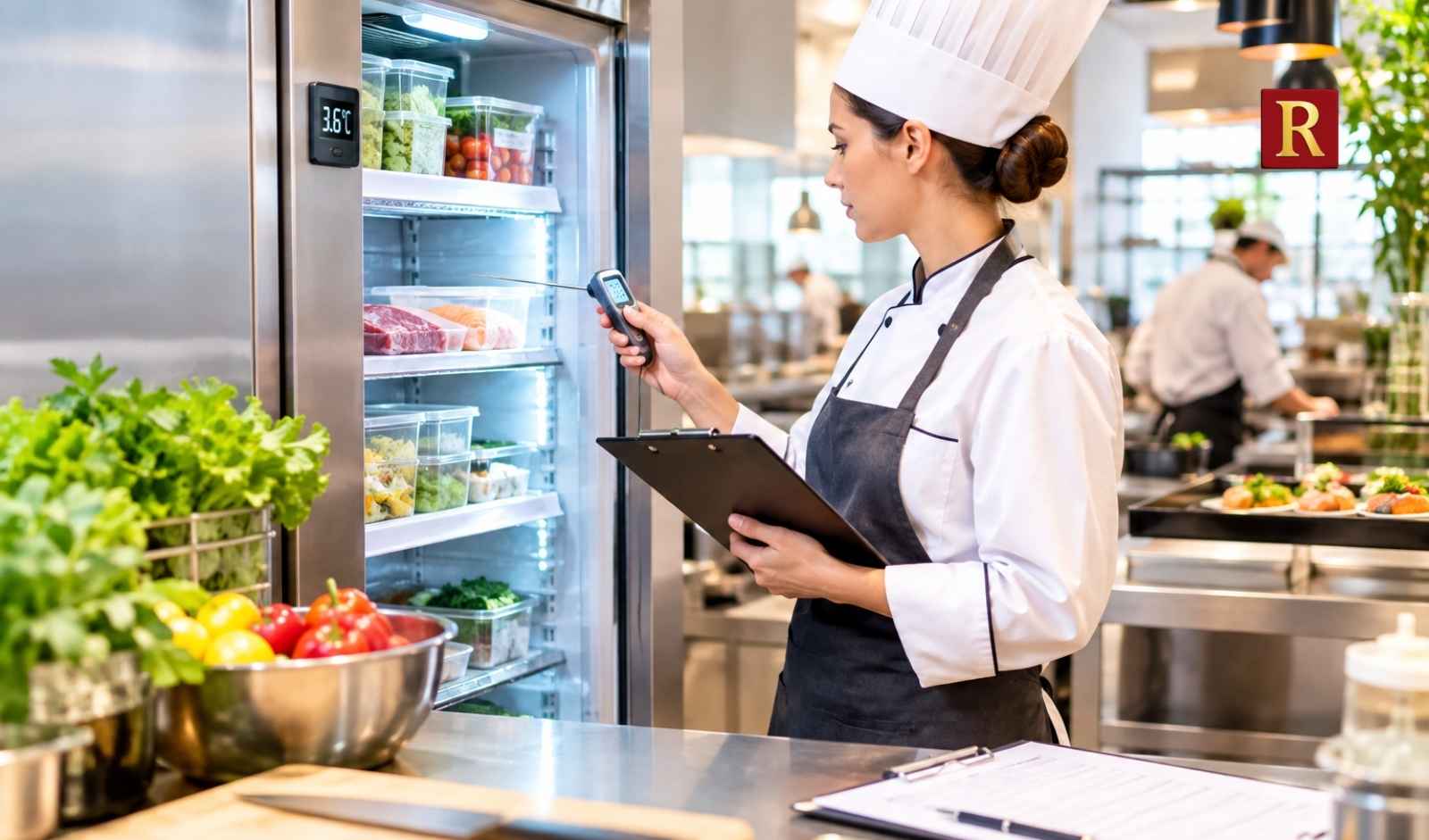 Indian restaurantsThe difference in a professional kitchen is how consistently those principles are built into daily operations. The strongest hygiene systems are not…
-
Diwali OffersMake Diwali gifting more memorable with thoughtfully curated hampers featuring sweets, dry fruits, chocolates, teas, candles, and more. Discover why…
 Hotels and restaurantsThe restaurant can therefore make the hotel part of the local food and lifestyle conversation.
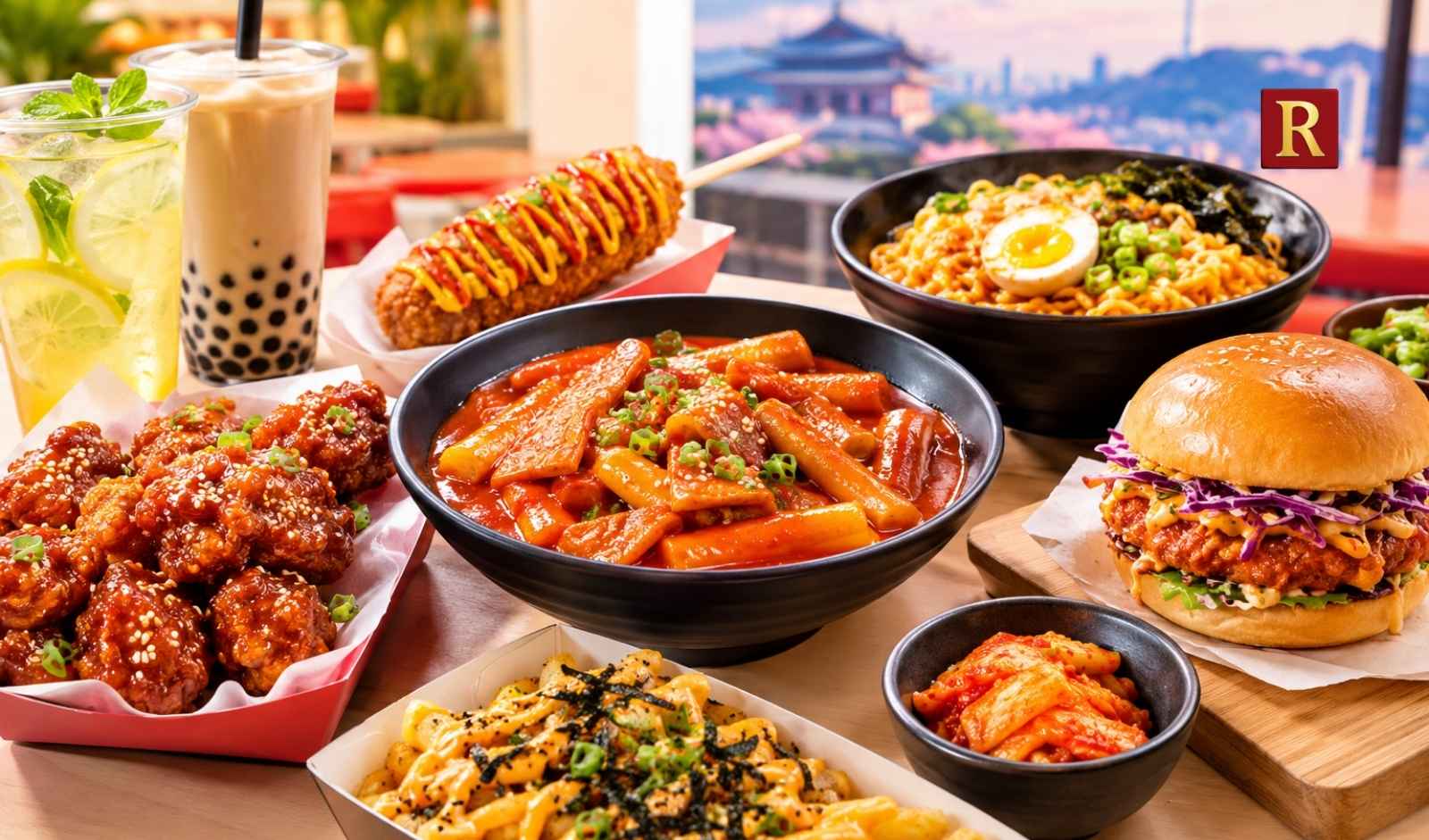 Street FoodIndia's Korean food market is developing through several layers. Some brands focus closely on Korean recipes and techniques. Others use Korean…
Copyright © 2009 - 2026 Restaurant India.