





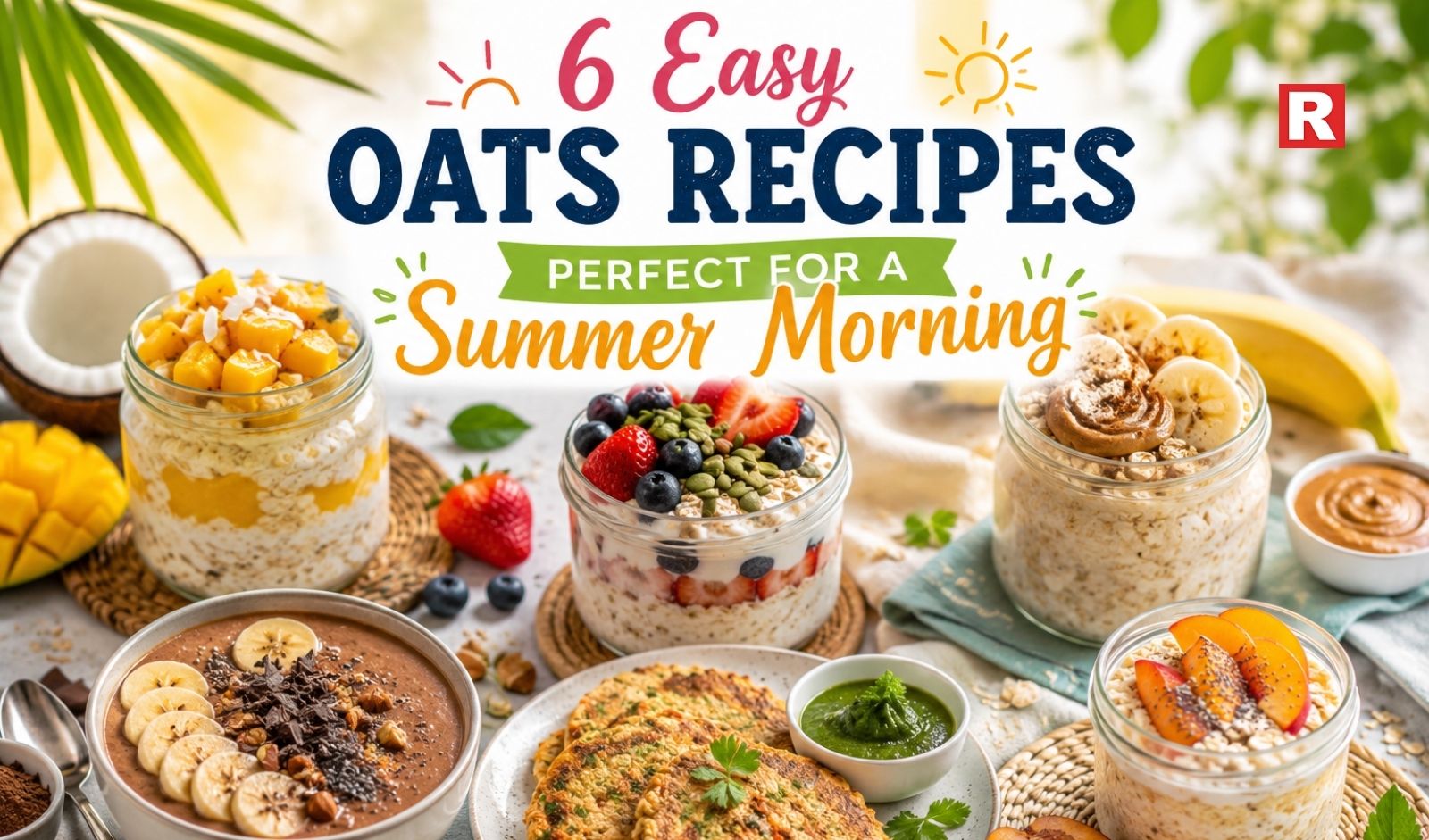
Summer mornings in India can feel exhausting even before the day properly begins. Heavy breakfasts often make people feel sleepy, bloated, and uncomfortable in the heat. That is why light and cooling breakfasts are becoming more popular, especially among young professionals, fitness lovers, students, and busy families. One food that continues to dominate healthy breakfast trends is oats. They are simple, affordable, filling, and easy to customize. From chilled overnight jars to quick savoury recipes, oats fit perfectly into hot summer mornings.
Oats are rich in fibre, especially beta-glucan, a soluble fibre linked with better digestion, heart health, and long-lasting fullness. They also release energy slowly, which helps people stay active without feeling too heavy after breakfast. Another reason people love oats during summer is convenience. Overnight oats require no cooking. You simply soak them in milk or yogurt and refrigerate them overnight. By morning, they turn creamy and ready to eat. Here are six easy oats recipes that work beautifully for Indian summer mornings.
Try These 6 Easy Oats Recipes
1. Mango Coconut Overnight Oats
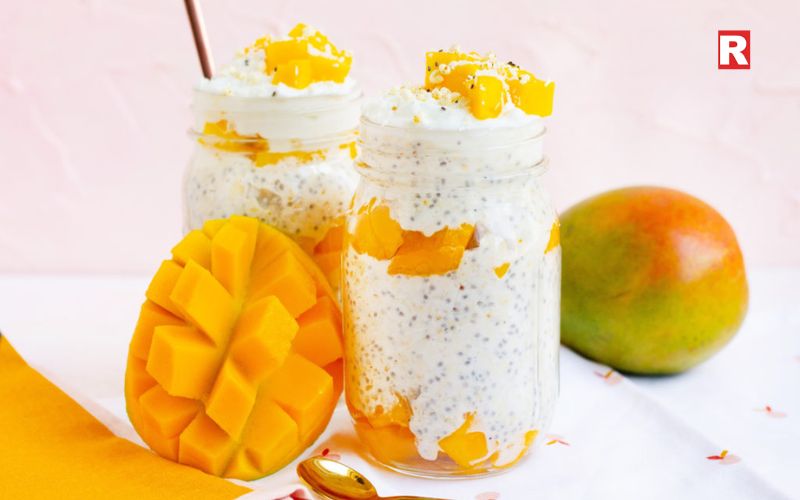
Summer mornings instantly feel brighter with the flavour of fresh mangoes. This mango coconut overnight oats recipe brings together tropical sweetness and a creamy texture that feels comforting without being heavy. The combination of coconut milk and mango creates a naturally refreshing breakfast that works perfectly during hot Indian weather. Rolled oats absorb all the flavours overnight and turn soft and creamy by morning, making the recipe easy to digest and satisfying at the same time. Chia seeds add extra fibre and help create a thick pudding-like texture. The best part about this recipe is that it requires almost no effort in the morning. It is ideal for office-goers, students, and anyone looking for a quick healthy breakfast. Using alphonso, safeda, or even kesar mangoes gives the dish a richer Indian flavour. You can also top it with coconut flakes, nuts, or pumpkin seeds for extra texture and nutrition.
Ingredients
- ½ cup rolled oats
- ¾ cup coconut milk
- ¼ cup mango puree
- 1 tsp chia seeds
- 1 tsp honey
- Fresh mango cubes
Method
- Mix oats, coconut milk, mango puree, chia seeds, and honey in a jar.
- Refrigerate overnight.
- Top with fresh mango cubes before serving.
2. Berry Yogurt Oats Bowl
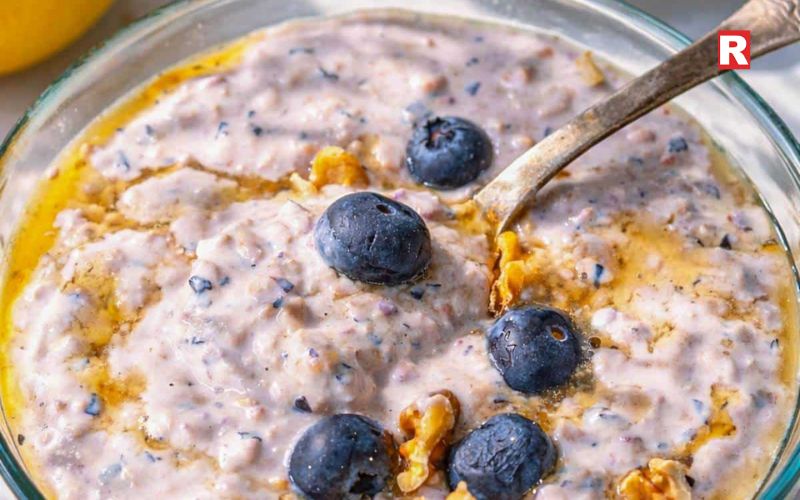
This berry yogurt oats bowl is one of the easiest ways to enjoy a cooling and protein-rich breakfast during summer. The creamy texture of Greek yogurt pairs beautifully with oats, creating a filling meal that still feels light on the stomach. Fresh berries add a burst of sweetness and colour while also bringing antioxidants and vitamins to the dish. The chilled texture makes this bowl especially refreshing on hot mornings when heavy breakfasts feel uncomfortable. Pumpkin seeds add crunch and healthy fats, making the recipe more balanced and nutritious. This breakfast is ideal for people with busy schedules because it can be prepared in advance and enjoyed straight from the fridge. If imported berries are unavailable, Indian fruits like jamun, pomegranate, or chopped apple also work beautifully. The recipe feels modern, healthy, and easy enough for everyday use while still looking visually appealing for social media-worthy breakfast presentations.
Ingredients
- ½ cup rolled oats
- ½ cup Greek yogurt
- ¼ cup milk
- Strawberries or blueberries
- Pumpkin seeds
- Honey
Method
- Mix oats, yogurt, and milk together in a bowl or jar.
- Refrigerate overnight or for at least 6 hours.
- Add berries, pumpkin seeds, and honey before serving.
3. Banana Peanut Butter Overnight Oats
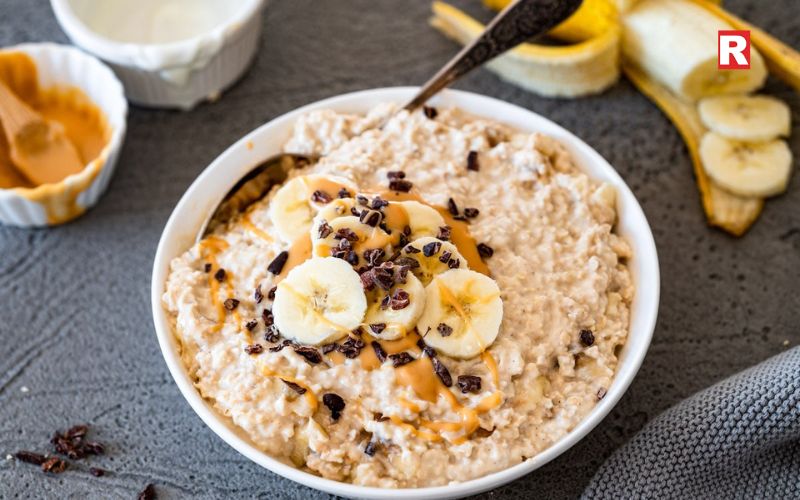
Banana peanut butter overnight oats are perfect for people who want a breakfast that is quick, filling, and naturally delicious. The creamy peanut butter blends smoothly with oats and milk, while banana adds natural sweetness and softness to the recipe. This combination creates a rich texture that feels almost like dessert but still provides important nutrients. Oats offer fibre, peanut butter provides healthy fats and protein, and bananas add potassium and energy, making the recipe ideal for active lifestyles. It is especially useful for gym-goers, students, or professionals who need a breakfast that keeps them full for longer hours. Cinnamon adds warmth and a comforting flavour that balances the sweetness beautifully. The overnight soaking process also improves the texture and makes the oats easier to digest. You can customize the recipe further by adding cocoa powder, nuts, chia seeds, or even a drizzle of dark chocolate for extra indulgence.
Ingredients
- ½ cup rolled oats
- ¾ cup milk
- 1 banana
- 1 tbsp peanut butter
- Cinnamon powder
Method
- Mash half the banana into the oats mixture.
- Add milk and peanut butter and mix well.
- Refrigerate overnight.
- Top with banana slices and cinnamon before serving.
4. Chilled Chocolate Oats Smoothie Bowl
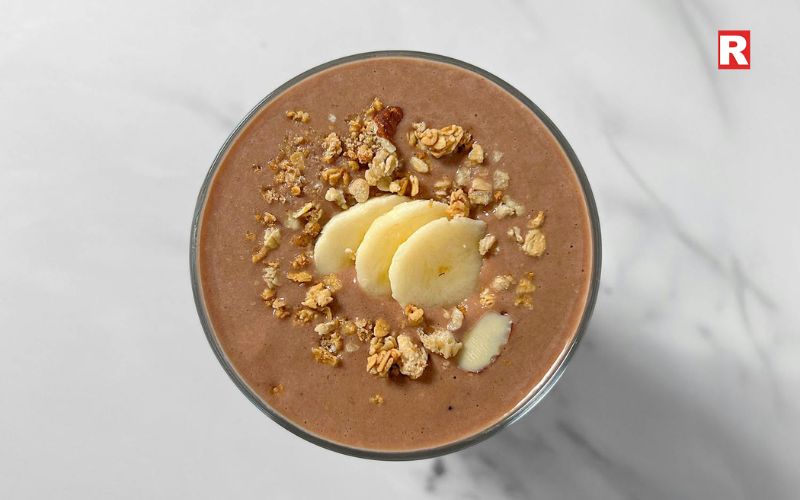
This chilled chocolate oats smoothie bowl proves that healthy breakfasts can still feel rich and satisfying. The recipe combines oats, frozen banana, and cocoa powder to create a thick smoothie bowl with a creamy, dessert-like texture. Frozen banana gives natural sweetness and helps the bowl feel cold and refreshing, which is perfect for summer mornings. Cocoa powder adds deep chocolate flavour without making the recipe overly sugary or unhealthy. This breakfast is especially popular among children and people who often skip breakfast because it tastes indulgent while still being nutritious. Nuts, seeds, and dark chocolate toppings add crunch and improve the nutritional value. Almond milk keeps the recipe light and suitable for warm weather. You can also add coffee powder to create a mocha-style breakfast bowl or blend in dates for extra sweetness. The recipe is simple, visually appealing, and ideal for anyone looking for a modern healthy breakfast option.
Ingredients
- ½ cup oats
- 1 frozen banana
- 1 tsp cocoa powder
- ¾ cup almond milk
- Nuts and seeds
- Dark chocolate shavings
Method
- Blend oats, frozen banana, cocoa powder, and almond milk until smooth.
- Pour the mixture into a bowl.
- Top with nuts, seeds, and dark chocolate shavings before serving.
5. Savoury Masala Oats Chilla
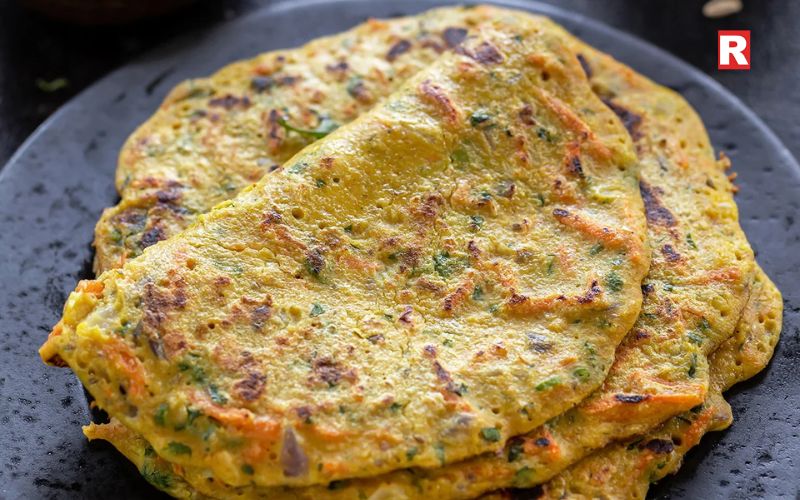
For people who prefer salty breakfasts over sweet ones, savoury masala oats chilla is an excellent summer option. This recipe combines oats flour, besan, vegetables, and buttermilk to create a light yet filling Indian breakfast. The buttermilk gives a cooling effect that works beautifully during hot weather, while oats and besan provide fibre and protein that keep hunger away for longer. The recipe feels familiar because it resembles traditional Indian chilla but with a healthier twist. Onion, coriander, and green chilli add freshness and flavour, while extra vegetables like spinach, carrot, or capsicum can improve nutrition further. Unlike deep-fried breakfast foods, oats chilla feels lighter and easier on digestion. It is also quick to prepare and works well for both adults and children. Pairing it with mint chutney or curd makes the meal even more refreshing. This recipe is ideal for families looking for healthier Indian breakfast alternatives.
Ingredients
- 1 cup oats flour
- ½ cup besan
- 1 cup buttermilk
- Onion
- Green chilli
- Coriander
- Salt and spices
Method
- Mix all the ingredients together to form a smooth batter.
- Heat a pan and pour small portions of batter onto it.
- Cook on both sides until golden brown.
- Serve hot with chutney or curd.
6. Peach and Chia Overnight Oats
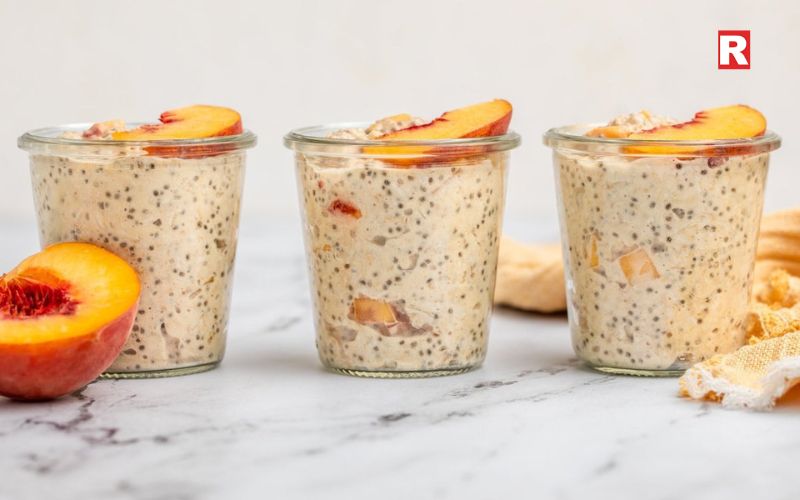
Peach and chia overnight oats offer a refreshing and fruity breakfast that feels perfect for warm summer mornings. The soft sweetness of peaches blends beautifully with creamy yogurt and soaked oats, creating a balanced breakfast that is both comforting and cooling. Chia seeds absorb liquid overnight and develop a pudding-like consistency that makes the texture richer and more satisfying. This recipe is naturally light, making it ideal for people who struggle with heavy breakfasts during hot weather. Vanilla essence adds a mild dessert-like aroma without overpowering the fruit flavours. Peaches also bring vitamins, hydration, and freshness to the meal, which is especially helpful during peak summer months. The overnight preparation makes mornings easier because everything is ready in advance. You can customize the recipe further with almonds, granola, or sunflower seeds for extra crunch. It is simple, colourful, and perfect for anyone looking for a refreshing healthy breakfast option.
Ingredients
- ½ cup rolled oats
- ½ cup yogurt
- ¼ cup milk
- Peach slices
- 1 tsp chia seeds
- Honey
- Vanilla essence
Method
- Mix oats, yogurt, milk, chia seeds, honey, and vanilla essence together.
- Refrigerate overnight or for at least 6 hours.
- Top with fresh peach slices before serving.
Tips to Make Your Oats Taste Better
A few simple tricks can completely improve the texture and taste of oats.
- Always use rolled oats for overnight recipes. Instant oats become mushy very quickly.
- Refrigerate overnight oats for at least 6 hours.
- Add fruits in the morning to keep them fresh.
- Use chia or flax seeds for extra fibre and texture.
- Avoid adding too much sugar or syrup.
- Store overnight oats in glass jars for easy meal prep.
Oats are also highly flexible. You can make them vegan with almond or coconut milk. You can increase protein with yogurt, seeds, or protein powder. At the same time, people with sensitive digestion should slowly increase fibre intake. Overnight oats may cause bloating in some individuals if eaten in large amounts suddenly.
Happy Summer!
Breakfast choices are evolving as people become more health-conscious and time-sensitive in their daily routines. Modern consumers now prefer meals that are nutritious, easy to prepare, affordable, and convenient enough to fit into busy schedules. This is one of the biggest reasons oats, especially overnight oats, have become a major breakfast trend across India and globally. Oats are rich in fibre, support digestion, and help provide steady energy throughout the day without feeling too heavy. Overnight oats also reduce morning cooking time because they can be prepared the night before and stored easily in jars or containers. They work well for office commuters, gym enthusiasts, students, and even school lunchboxes. During summer, chilled oats recipes feel cooling, refreshing, and light on the stomach compared to oily or fried breakfasts. Their versatility, nutritional value, and meal-prep convenience continue to make oats popular across homes, cafés, fitness communities, and social media food trends.
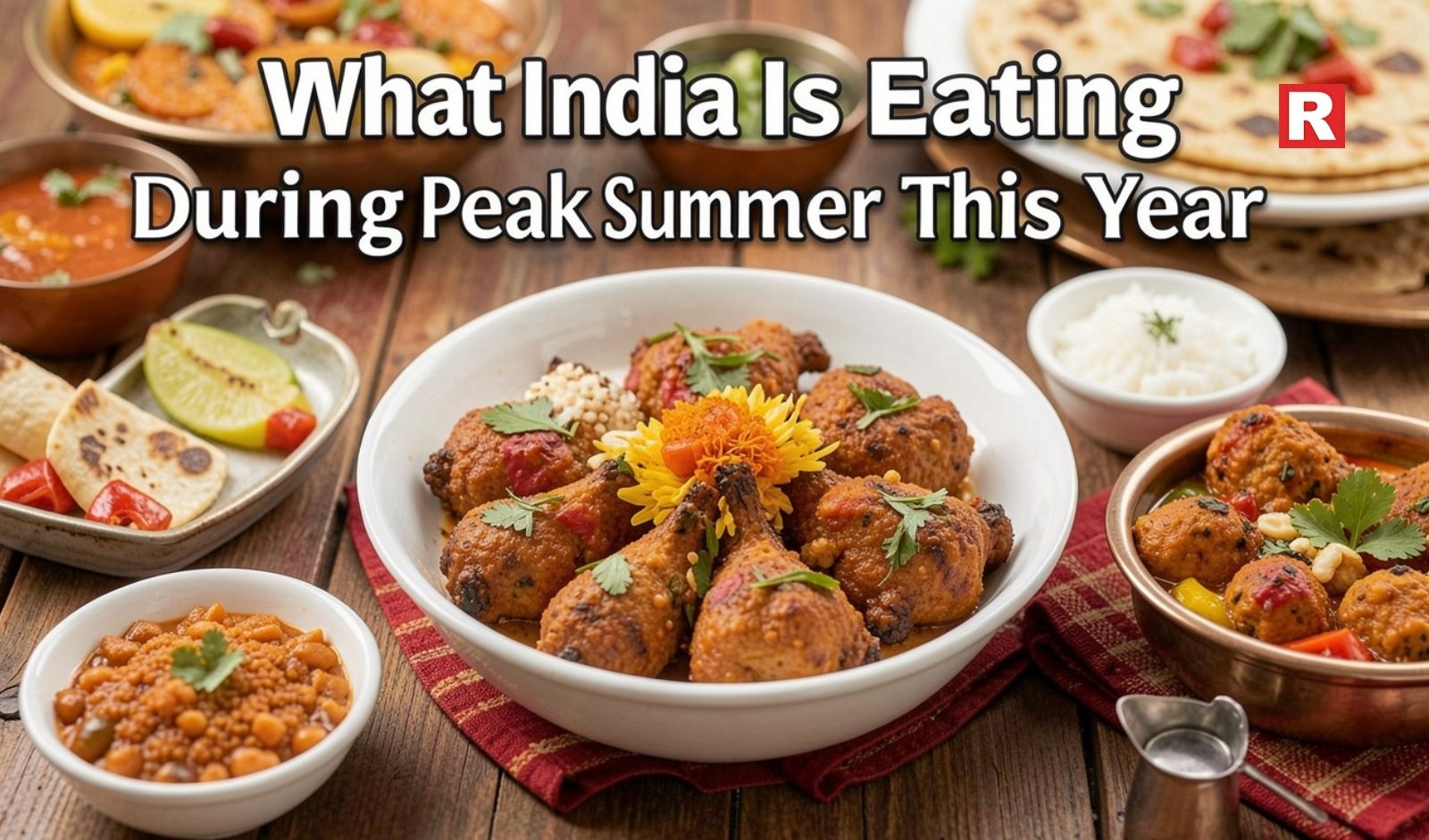
Step into any Indian kitchen this summer and you will notice a clear pattern. Big bowls of dahi are back on the table. Mangoes are filling refrigerators. Chaas bottles are replacing sugary drinks. Watermelon slices are becoming an evening ritual. Even restaurant menus suddenly look lighter and fresher. India’s summer food habits are changing fast. This year, people are not only eating for taste. They are choosing foods that help them stay cool, hydrated, and energetic during extreme heat.
The shift is visible everywhere. Quick-commerce platforms are seeing huge growth in orders for dahi, mangoes, cold coffee, ice cream, and buttermilk. Instamart’s Summer Trends 2026 report revealed that dahi became one of the most ordered summer products in the country, even beating several cold drinks and frozen desserts. This summer, India’s plate looks lighter, smarter, and far more seasonal.
The Heatwave Is Changing Eating Habits
Indian summers are becoming harsher every year. In many cities, temperatures are crossing 40 degrees regularly. Because of this, heavy and oily meals are slowly losing popularity during daytime hours.
People are now choosing foods that:
- Feel lighter on the stomach
- Help digestion
- Keep the body hydrated
- Provide quick energy
This is why simple meals are becoming popular again. Khichdi with curd, curd rice, fruit bowls, cucumber salads, and grilled snacks are replacing rich gravies and deep-fried foods during the afternoon. Consumers are also eating smaller portions more frequently. Nutritionists say extreme heat can reduce appetite and slow digestion. That is one reason why probiotic foods and water-rich fruits are seeing higher demand. Quick-commerce companies have noticed this shift clearly. Sales of watermelon, mangoes, dahi, buttermilk, and cold beverages have surged sharply this season across Indian cities.
Dahi Has Become India’s Biggest Summer Staple
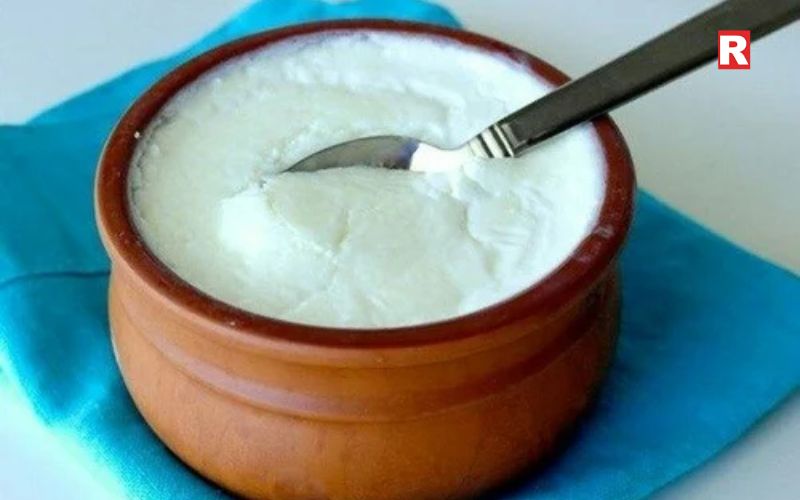
Nothing defines the Indian summer plate better than dahi. This year, curd-based foods are dominating grocery baskets. According to recent Instamart data, six out of the top ten most-ordered summer products are curd-based. There are several reasons behind this rise.
Dahi is affordable, familiar, and easy to include in everyday meals. More importantly, it works well during hot weather. It contains probiotics that support gut health and digestion. Fermented dairy products are also easier for many people to digest during summer compared to heavy meals.
Urban consumers are also experimenting with newer versions of curd. Greek yogurt, kefir, hung curd, and flavored probiotic yogurts are becoming common in cafés and supermarkets. Health-conscious consumers are using them in smoothies, breakfast bowls, dips, and high-protein snacks. Even traditional dishes are making a comeback. Curd rice, boondi raita, kadhi, and chaas are now seen as comfort foods during heatwaves.
Traditional Indian Cooling Foods Are Trending Again
One of the biggest summer food shifts this year is the return of regional Indian cooling foods. For years, many traditional summer drinks were pushed aside by packaged beverages. But now, people are rediscovering old recipes that naturally help the body stay cool.
Drinks like:
are becoming popular again. Many of these drinks contain natural salts, spices, and ingredients that support hydration and digestion. Chaas, for example, is rich in probiotics and often includes roasted cumin, which helps digestion. Aam panna contains raw mango and electrolytes that help during extreme heat. Interestingly, social media conversations also show how strongly Indians connect emotionally with these drinks. Online discussions this summer are full of people talking about mango shakes, sugarcane juice, coconut water, jaljeera, and chaas as their favorite heatwave comfort drinks.
Mango Is Everywhere This Summer
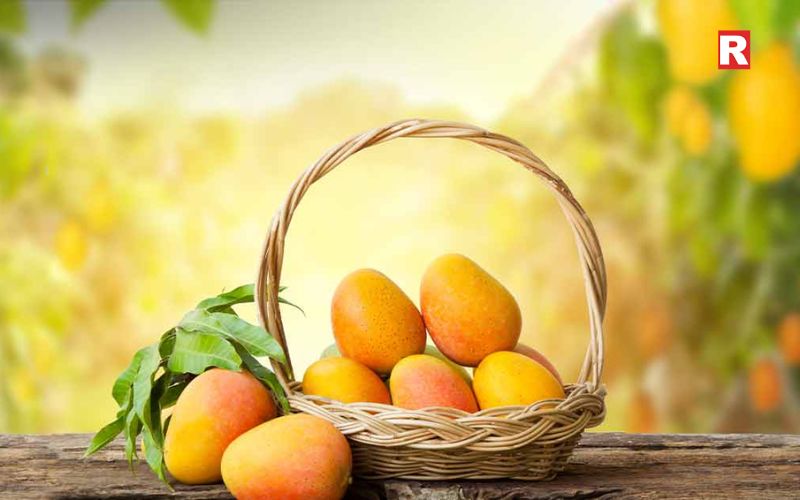
Every Indian summer belongs to mangoes. But this year, mango is not just a fruit. It has become an entire menu strategy. Restaurants, cafés, bakeries, and beverage brands are building complete seasonal menus around mango. Mango cheesecakes, mango iced teas, mango soft serves, mango tiramisu, and mango drinks are flooding social media feeds. The reason is simple. Mango sells emotionally and visually. Its bright color stands out on Instagram reels and food photography. Seasonal mango menus also create urgency because consumers know the season is short.
Quick-commerce platforms are seeing massive growth in mango sales this summer. Cold coffee and mango categories reportedly saw almost tenfold growth during peak heat periods. Even beverage brands are experimenting with mango-inspired drinks and fruit-flavored coolers. Mango-flavored beers and fruit brews are also seeing growing demand among younger consumers.
India’s Beverage Choices Have Changed
Summer beverages in India are no longer only about soft drinks. Consumers now want drinks that feel refreshing but also healthier. This has created demand for:
- Cold brew coffee
- Fruit coolers
- Kombucha
- Electrolyte drinks
- Coconut water
- Low-sugar beverages
- Jeera soda
- Sparkling hydration drinks
One surprising trend this year is the rise of jeera masala soda. Orders for the drink reportedly grew nearly 900 percent during the summer season. Cold coffee is also having a huge moment. As temperatures rise, consumers are choosing chilled caffeine options over hot beverages during daytime hours. Quick-commerce platforms are reporting rapid growth in cold coffee sales across urban India. Hydration has now become a major part of beverage marketing. People are reading labels more carefully and looking for cleaner ingredients, lower sugar levels, and digestive benefits.
Ice Cream Remains India’s Night-Time Ritual
Even with the focus on healthier eating, ice cream continues to dominate Indian summers. This year, ice cream sales have jumped sharply across several cities due to intense heat. Many brands are seeing strong growth in fruit-based flavors, low-sugar options, and artisanal frozen desserts. One interesting consumer pattern has become especially visible this season. Ice cream orders peak around 9 PM across India. That post-dinner craving has now become a predictable summer habit for many Indian households. Mango, kala jamun, chocolate, and tender coconut flavors remain among the biggest favorites this year.
Social Media Is Shaping Summer Cravings
Instagram and food creators are now heavily influencing what people eat during summer. Consumers are discovering new drinks, desserts, and café trends online before trying them in real life. Viral reels are driving demand for:
- Mango desserts
- Korean fruit sandwiches
- Matcha drinks
- Iced lattes
- High-protein yogurt bowls
- Seasonal fruit recipes
Restaurants are designing menus that look visually appealing on camera because presentation now directly affects sales. For younger consumers, summer food is becoming both an eating experience and a social media moment.
A New Summer Food Culture Is Emerging
India’s summer eating habits are no longer only about survival during heatwaves. They now reflect a bigger lifestyle shift. Consumers want food that feels comforting but also functional. They are looking for hydration, digestion support, lighter meals, and seasonal freshness in everyday eating. That is why dahi, chaas, mangoes, watermelon, cold coffee, and traditional Indian coolers are dominating this year’s summer food trends. India’s summer plate in 2026 is deeply connected to climate, wellness, convenience, and culture all at once. And for many people, the best summer foods are no longer the fanciest ones. They are the foods that simply help them feel better in the heat.

Summer changes the way people eat. Heavy breakfasts suddenly feel uncomfortable. Rich curries become less appealing. Even foods that are usually part of daily meals start feeling too much during peak heat. Eggs continue to remain one of the most popular protein sources in India. They are affordable, filling, and easy to cook. But during hot summer days, many people naturally begin searching for lighter options that still provide enough protein without making the body feel overheated or sluggish.
This shift is becoming more visible among young professionals, gym-goers, and health-conscious consumers. Instead of focusing only on high protein numbers, people now want foods that are easier to digest, more hydrating, and suitable for long summer days. That is why cooling protein foods like Greek yogurt, tofu, sprouts, paneer, and sattu are becoming increasingly popular across Indian kitchens.
Why Many People Reduce Eggs During Summer
Summer heat affects appetite and digestion. Oily egg dishes, spicy egg curries, and fried breakfasts may feel heavier during extremely hot days. Many people naturally shift toward foods that feel lighter and more refreshing.
Traditional Indian eating habits have always followed seasonal patterns. During summer, meals often include curd, buttermilk, seasonal fruits, light dals, salads, and hydrating drinks. Ayurveda also describes certain foods as “heating” when consumed excessively during hot weather. This is one reason many consumers prefer balancing eggs with cooling foods during summer months. At the same time, fitness-focused consumers still want enough protein for muscle recovery, energy, satiety, and weight management. This has pushed many people toward smarter summer protein choices.
Greek Yogurt and Hung Curd Are Becoming Summer Protein Staples
One of the easiest egg alternatives during summer is Greek yogurt or hung curd. It feels cool, light, and refreshing while still offering strong protein content. Greek yogurt is also rich in probiotics, which support digestion and gut health during hot weather. A bowl of chilled Greek yogurt with fruits, seeds, or nuts can work as breakfast, a post-workout snack, or even a light dinner during extremely hot evenings. What makes it stand out is the balance between nutrition and comfort. Unlike heavy fried foods, yogurt-based meals feel filling without making the stomach feel overloaded.
Popular summer combinations include:
- Greek yogurt with mango and chia seeds
- Hung curd vegetable sandwiches
- Protein lassi with dry fruits
- Yogurt smoothie bowls
Tofu Is No Longer Just a Niche Health Food
A few years ago, tofu was mostly associated with strict vegan diets. Today, it has become mainstream among urban Indian consumers looking for lighter protein sources. Tofu is rich in plant protein and works surprisingly well in Indian cooking because it absorbs spices easily. During summer, tofu fits perfectly into quick and light meals like salads, wraps, sandwiches, and grain bowls. Many people who regularly eat eggs during winter are now replacing a few weekly meals with tofu bhurji or chilled tofu salads. The texture feels lighter, and the meals are easier to digest during heatwaves. The rise of plant-based eating has also helped tofu become more common in supermarkets, cafes, and fitness-focused meal plans across Indian cities.
Sprouts and Moong Feel Light Yet Filling
Sprouts have always been part of Indian summer eating habits, but now they are getting a modern makeover. Instead of plain sprout bowls, people are turning them into colourful protein chaats, cucumber salads, and quick office lunches. Moong sprouts pair especially well with ingredients like lemon, onion, mint, and cucumber, which naturally feel cooling during summer.
Why sprouts work well in summer:
- High in fibre and protein
- Easy to digest
- Feel lighter than oily breakfasts
- Pair well with hydrating vegetables
- Suitable for quick meals
Many nutrition-conscious consumers now prefer moong chilla, sprout salads, and light lentil bowls over fried snacks during summer evenings.
Paneer Still Remains One of India’s Most Trusted Protein Foods
Paneer continues to dominate Indian vegetarian protein choices. However, the way people consume paneer during summer has changed significantly. Rich butter paneer gravies are slowly being replaced by grilled paneer skewers, paneer salads, wraps, and air-fried snacks. Consumers still want the protein benefits of paneer, but they prefer lighter cooking styles that feel more suitable for hot weather.
Gym-goers especially continue to rely on paneer because it provides slow-digesting protein that supports fullness and muscle recovery. At the same time, paneer remains familiar, affordable, and easy to cook, which makes it practical for daily meals. Many home cooks are also experimenting with mint, curd marinades, and fresh herbs to make paneer dishes feel cooler and fresher during summer.
Chickpeas and Chana Are Becoming Everyday Summer Foods
Chickpeas are no longer limited to festive dishes or heavy curries. They are now becoming part of lighter, healthier summer meals. Kala chana chaat with lemon and onions has become a common evening snack among fitness-conscious consumers. Hummus bowls, chickpea salads, and roasted chana snacks are also gaining popularity because they combine protein with fibre. Urban consumers are also becoming more aware of plant proteins, and chickpeas fit perfectly into this shift toward balanced eating.
What makes chickpeas ideal for summer is:
- They keep you full for longer
- They work in cold dishes
- They contain both protein and fibre
- They can replace heavy evening snacks
Sattu Is Making a Strong Comeback
Long before protein shakes became trendy, India already had sattu. Made from roasted gram, sattu has been consumed for generations during North Indian summers because of its cooling nature and nutrition value. Today, it is returning as a functional health food among younger consumers.
Sattu drinks are filling, affordable, and refreshing. Many people now replace heavy breakfasts with chilled sattu sharbat during extremely hot days. Some are even adding sattu to smoothies and protein bowls for extra nutrition. The growing popularity of traditional Indian superfoods has also pushed sattu back into mainstream conversations around fitness and healthy eating. Unlike many expensive protein products, sattu feels accessible and rooted in Indian food culture.
Chia Seeds and Flaxseeds Add Nutrition Without Making Meals Heavy
Chia seeds have become one of the most common additions to modern summer diets. They absorb water and create a gel-like texture that works well in hydration-focused meals.
People now add chia seeds to:
- Yogurt bowls
- Smoothies
- Overnight puddings
- Summer drinks
Flaxseeds are also becoming popular among people looking for plant-based nutrition and healthy fats. These ingredients may not fully replace eggs on their own, but they improve the nutritional value of lighter summer meals without making them feel heavy.
Choose Summer Comfort
Modern consumers are changing the way they think about protein. Earlier, the focus was mostly on muscle building and gym diets. Today, people also care about digestion, hydration, gut health, and overall meal comfort. That is why cooling protein foods are becoming more important during summer.
Eggs still remain highly nutritious and widely consumed. But many people now prefer balancing them with lighter options that feel easier on the body during extreme heat. Greek yogurt, tofu, paneer, sprouts, chickpeas, and sattu are no longer seen as niche health foods. They are becoming everyday choices for consumers who want meals that are both nourishing and summer-friendly. Summer eating habits are clearly evolving. Consumers are no longer choosing foods only for protein quantity. They also want freshness, hydration, lightness, and better digestion. And this shift is slowly redefining what modern summer nutrition looks like in India.
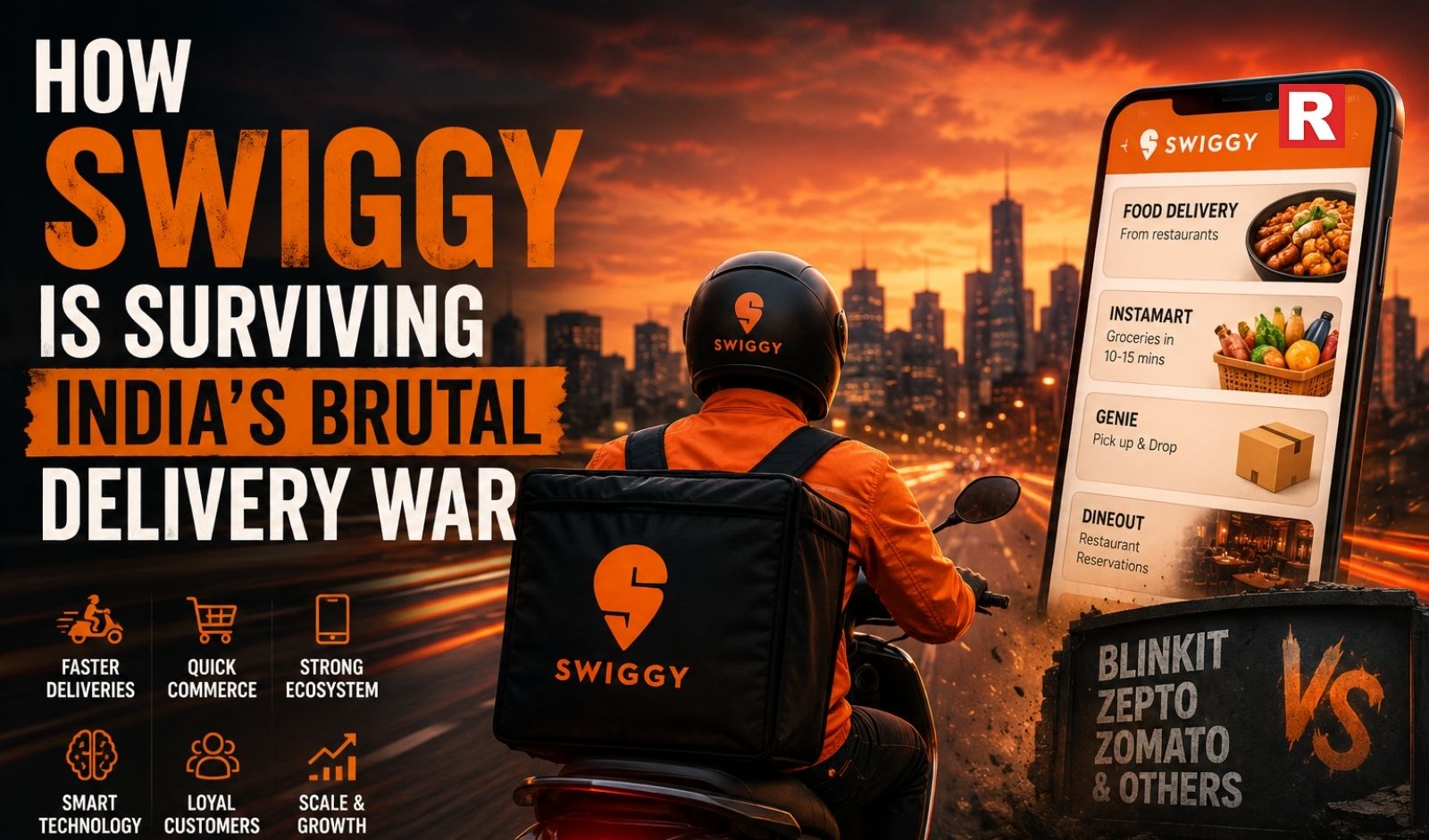
India’s delivery market is no longer just about food. It has become a battle of speed, convenience, technology, and customer loyalty. Every few months, a new platform enters the market with faster delivery promises, deeper discounts, and aggressive expansion plans. In the middle of this intense competition, Swiggy continues to hold its ground.
What makes this interesting is that Swiggy is not surviving because of food delivery alone. The company has slowly transformed itself into a full convenience platform. From groceries and dine-outs to quick deliveries and memberships, Swiggy is trying to become part of people’s everyday routines. This strategy is helping the company stay relevant even as competition from Zomato, Zepto, and Blinkit continues to grow.
Swiggy Is No Longer Just a Food Delivery App
When Swiggy started, its core business was simple. Deliver restaurant food quickly. But consumer habits changed rapidly after the pandemic. People became more comfortable ordering everything online. Convenience became a daily expectation instead of an occasional luxury. Swiggy adapted early.
The company expanded into multiple verticals:
- Instamart for groceries
- Genie for pick-up and drop services
- Dineout for restaurant bookings
- Swiggy One membership programs
- Quick commerce delivery
This diversification became one of Swiggy’s biggest survival strategies. Instead of depending only on restaurant orders, the company built multiple revenue streams. If one segment slows down, another helps maintain growth. Today, Swiggy is positioning itself as a convenience ecosystem rather than just a food app.
Instamart Became Swiggy’s Biggest Growth Engine
One of the biggest reasons Swiggy remains competitive is Instamart. Quick commerce changed consumer expectations completely. People now want groceries, snacks, medicines, and daily essentials delivered within minutes. Swiggy invested heavily in this shift. Instamart expanded aggressively across Indian cities through dark stores and hyperlocal delivery systems. The platform has shown massive growth in order volumes and average order value over the past year. The company reportedly operated more than 1,100 dark stores during FY26 while processing millions of monthly orders. This scale is helping Swiggy stay competitive in India’s quick commerce war.
But there is a catch.
Quick commerce is expensive. Swiggy continues to spend heavily on infrastructure, discounts, warehousing, and rider networks. Instamart alone contributed significantly to the company’s widening losses in recent quarters. Even then, Swiggy continues investing because the company knows the future of consumer internet in India is closely linked to instant delivery.
Technology Is the Real Backbone of Swiggy
Most people see only the delivery rider arriving at their doorstep. But Swiggy’s real strength lies in the technology running behind the scenes. The company uses large-scale data systems and AI-driven operations to manage millions of orders every day.
This includes:
- Demand forecasting
- Delivery route optimization
- Real-time rider tracking
- Smart order batching
- Personalized restaurant recommendations
- Inventory planning
These systems help reduce delays and improve delivery efficiency. For example, during peak dinner hours or weekends, Swiggy’s algorithms predict demand spikes and adjust delivery operations accordingly. This reduces waiting time and improves customer experience. The company also uses location intelligence to identify areas where new dark stores should be opened. This helps reduce last-mile delivery costs. In many ways, Swiggy operates more like a logistics and technology company than a food platform. Its backend infrastructure has become one of its strongest competitive advantages.
Swiggy One Is Helping Retain Customers
Acquiring customers is expensive in India’s delivery market. Keeping them loyal is even harder. This is where Swiggy One plays a major role.
The subscription model gives users:
- Free deliveries
- Discounted pricing
- Exclusive restaurant offers
- Cross-platform benefits
The strategy is simple. The more services a customer uses inside the Swiggy ecosystem, the less likely they are to switch apps. This increases order frequency and improves customer retention. Swiggy management has repeatedly highlighted how membership programs are driving stronger engagement across food delivery and quick commerce. The approach is similar to how global tech platforms build ecosystem dependency. Once convenience becomes habitual, customers continue ordering without thinking twice.
The Dark Store Strategy Is Critical
Dark stores are now at the center of India’s quick commerce economy. These are small warehouses located inside dense residential areas. They are designed purely for delivery operations and are not open to walk-in customers. Swiggy has aggressively expanded its dark store network to compete with Blinkit and Zepto.
This strategy offers multiple benefits:
- Faster deliveries
- Better inventory control
- Reduced travel distance
- Improved operational efficiency
The closer the products are to customers, the faster the company can fulfill orders. However, maintaining dark stores is costly. Rent, electricity, staffing, and inventory management create huge operational expenses. This is one reason Swiggy’s profitability continues to remain under pressure despite strong growth. Still, Swiggy sees dark stores as long-term infrastructure investments rather than short-term expenses.
Swiggy Is Building Multiple Revenue Streams
One reason Swiggy continues surviving in a highly competitive market is because it earns money from several sources.
Its revenue streams include:
- Delivery fees
- Platform charges
- Restaurant commissions
- Advertising and sponsored listings
- Instamart margins
- Subscription memberships
This diversified model reduces dependency on one business category. Advertising, in particular, has become increasingly important. Restaurants now pay platforms like Swiggy for better visibility and customer reach. This creates an additional income source beyond delivery operations.
Competition Is Becoming More Aggressive
India’s quick commerce race is becoming one of the toughest startup battles in the country. Blinkit, Zepto, and Instamart are all spending aggressively to capture market share. Industry experts believe the market could grow rapidly over the next few years, which is why companies continue prioritizing expansion over short-term profits. At the same time, investors are becoming more cautious. Profitability is now under constant scrutiny. Swiggy’s losses widened in recent quarters mainly because of quick commerce investments. Online discussions across Indian startup and finance communities also reflect growing concerns around sustainability and cash burn in quick commerce.
The company now faces a difficult balancing act: Grow aggressively while improving margins at the same time.
Consumer Habits Are Also Helping Swiggy
Modern urban lifestyles are playing a major role in the growth of platforms like Swiggy. Long working hours, traffic congestion, hybrid work culture, and busy schedules have reduced the time people spend on cooking or visiting physical stores. As a result, consumers are increasingly depending on food delivery and quick commerce apps for everyday needs. Late-night meal ordering, instant grocery purchases, and app-based convenience shopping have become common habits, especially among young professionals and students in metro cities. Instead of planning weekly grocery runs, many users now prefer ordering smaller quantities multiple times a week through quick delivery platforms. Industry reports also show that convenience-driven spending has increased sharply in urban India, with consumers prioritizing speed and ease over traditional shopping methods. This shift in consumer behavior has created a strong long-term opportunity for Swiggy and other delivery-based platforms.
The Bigger Picture
Swiggy has built a strong presence in India’s delivery market through rapid expansion, brand visibility, and high customer engagement. However, profitability continues to remain one of its biggest challenges. The company is investing heavily in dark stores, delivery networks, technology systems, customer offers, and expansion into newer cities to compete with rivals like Blinkit and Zepto. These investments are helping Swiggy increase order volumes and strengthen its quick commerce business, but they are also raising operational costs significantly. Recent financial results have shown steady revenue growth, especially from Instamart, but losses have widened due to aggressive spending on infrastructure and faster deliveries. Industry experts believe Swiggy’s long-term success will depend on improving unit economics, reducing delivery costs, and increasing order efficiency. In India’s highly competitive delivery market, companies can no longer rely only on speed. Sustainable growth now depends on balancing convenience, technology, customer loyalty, and profitability together.

When people talk about South Indian food, the conversation usually begins with dosa, idli, or filter coffee. But the real surprise lies in the region’s chicken dishes. They are bold, deeply spiced, and packed with layers of flavor that feel completely different from the creamy gravies many people associate with Indian food. Across Tamil Nadu, Kerala, Karnataka, Telangana, and Andhra Pradesh, chicken is cooked in unique ways. Some dishes are fiery and pepper-heavy. Others are smoky, coconut-rich, or tangy from tamarind and sorrel leaves. Every state brings its own style to the table.
One thing that makes South Indian chicken dishes special is the way spices are handled. Instead of relying on heavy cream or butter, these recipes build flavor by roasting whole spices like fennel, coriander, cumin, peppercorns, and dry red chillies. Roasting releases natural oils from the spices, which creates stronger aroma and deeper taste. Coconut is also used cleverly. It softens intense spice levels while adding body and texture to curries.
Explore Top South Indian Chicken Delights to Try
1. Chicken Chettinad – Tamil Nadu’s Spice Powerhouse
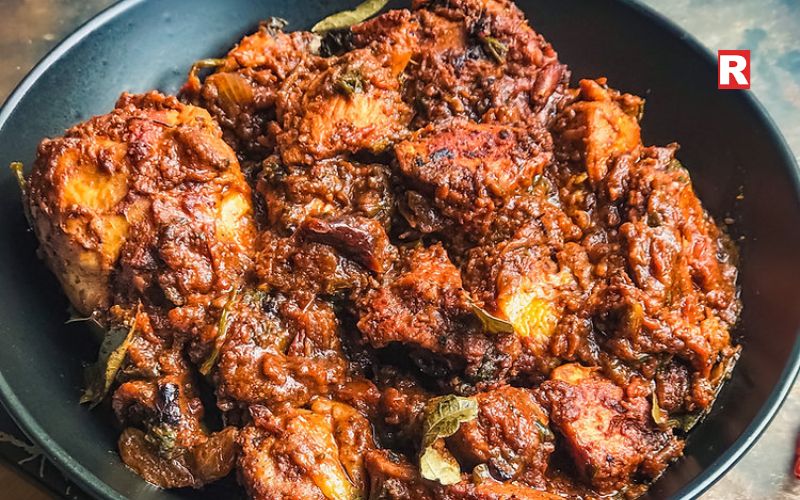
Few dishes represent South Indian cuisine better than Chicken Chettinad. This iconic curry comes from the Chettinad region of Tamil Nadu and is famous for its strong aroma and peppery heat. The dish uses roasted spices like fennel seeds, black pepper, dry red chillies, cloves, cinnamon, cumin, and kalpasi, also known as stone flower. Fresh coconut is roasted and ground into the masala, giving the gravy thickness and smoky depth. Unlike butter-heavy curries, Chicken Chettinad feels sharper and more intense. The heat builds slowly because black pepper plays a major role in the spice mix. Many food lovers say the best version is eaten with flaky parotta or idiyappam. Reddit users discussing authentic Chettinad recipes often mention that coconut and kalpasi are essential for the real flavor profile.
2. Kerala Chicken Roast – Dark, Smoky, and Rich
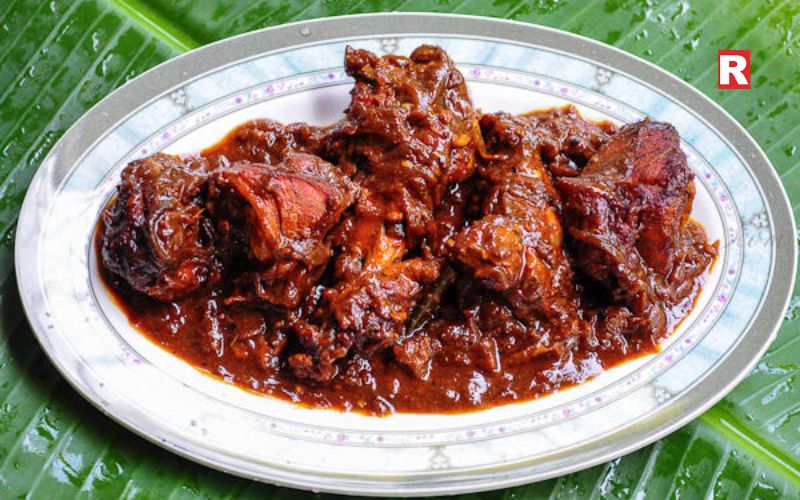
Kerala Chicken Roast is one of those dishes that instantly feels comforting. It is not very gravy-heavy. Instead, the chicken is slow-cooked until the masala thickens and coats every piece. The magic comes from coconut oil, curry leaves, shallots, black pepper, and green chillies. As the onions caramelize slowly, the masala becomes dark and glossy. The flavor is smoky, spicy, and slightly sweet from the onions. What makes Kerala Chicken Roast stand out is the reduction cooking method. The spices cling tightly to the meat instead of floating in gravy. That creates a richer bite with every mouthful. It tastes best with appam or Malabar parotta.
3. Andhra Chicken Curry – Built for Spice Lovers
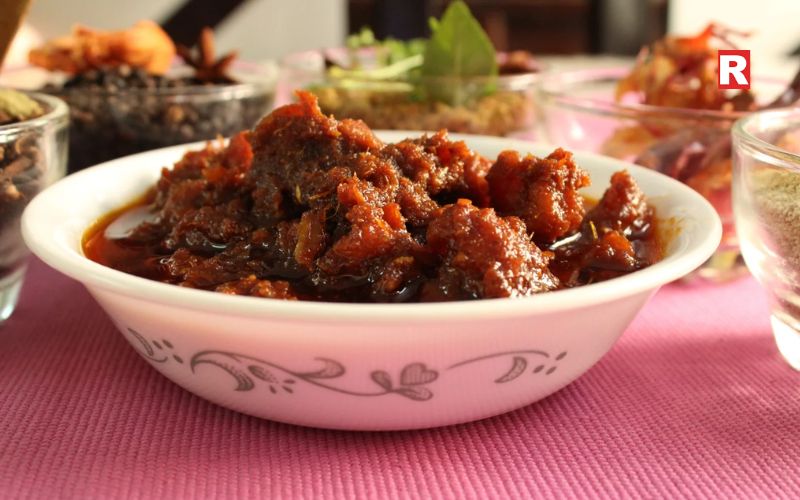
If you enjoy serious heat, Andhra Chicken Curry deserves your attention. Andhra cuisine is famous for aggressive spice layering. The curry often combines fresh green chillies with dry red chilli powder, creating two different types of heat. One hits instantly, while the other lingers longer. Garlic, curry leaves, onions, tomatoes, and Guntur chillies form the base of the dish. Tamarind is sometimes added to balance the heat with slight tanginess. Andhra-style chicken is how bold and direct the flavors feel. There is nothing mild about it. It is the kind of curry that makes you slow down after every bite but still keeps you coming back for more. Steamed rice with a spoon of ghee is usually the best pairing.
4. Kori Gassi – Karnataka’s Coastal Comfort Dish
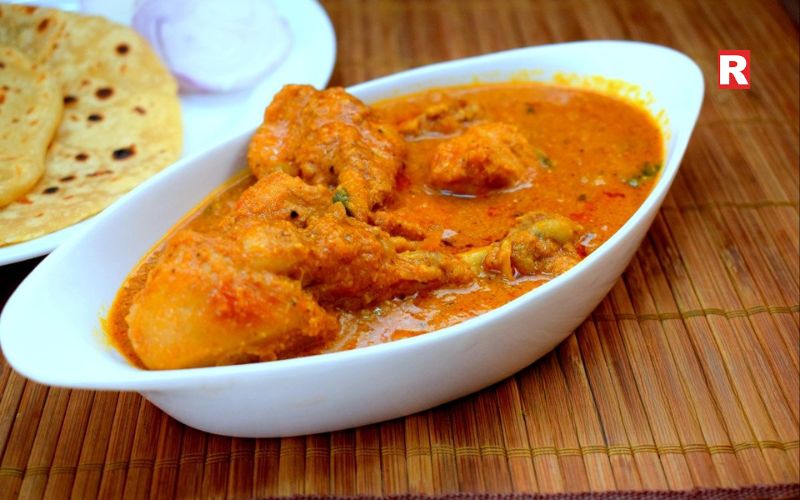
Kori Gassi is one of the most loved chicken curries from coastal Karnataka, especially Mangalore. “Kori” means chicken and “gassi” means curry. The dish combines roasted coconut, tamarind, coriander seeds, and Byadagi chillies to create a creamy and slightly tangy gravy. Unlike extremely spicy curries, Kori Gassi feels balanced. The coconut smoothens the heat while tamarind adds brightness. Food discussions online often describe Kori Gassi and kori rotti as an unbeatable combination. Many people from coastal Karnataka consider it comfort food that reminds them of home. The curry is usually eaten with neer dosa or crispy kori rotti.
5. Chicken Sukka – Dry, Rustic, and Addictive
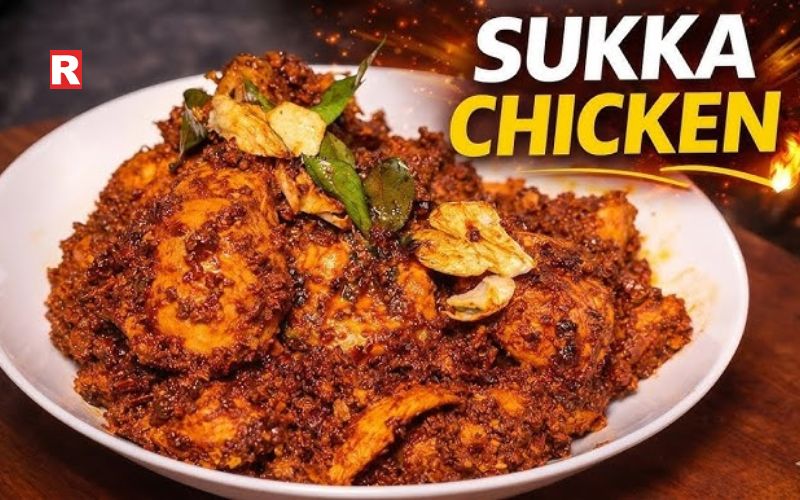
Chicken Sukka is for people who enjoy dry-style chicken dishes loaded with masala. The preparation uses grated coconut, curry leaves, garlic, onions, and roasted spices. Instead of a thick gravy, the masala sticks directly to the chicken pieces. The texture is what makes Chicken Sukka memorable. You get crispy edges, nutty coconut flavor, and strong spice in every bite. It works perfectly as a side dish with dosa or even plain rice.
6. Gongura Chicken – The Tangy Star of Telangana
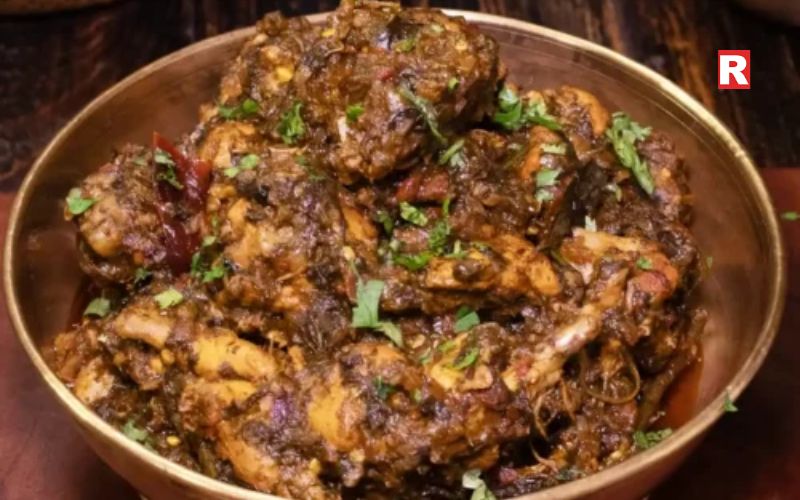
Gongura Chicken is one of the most unique chicken dishes from South India because of its sour flavor. The dish uses gongura leaves, also called sorrel leaves. These leaves naturally taste tangy, which gives the curry its signature sharpness. Red chilli paste and garlic add heat and depth. Compared to tomato-based curries, Gongura Chicken feels fresher and more vibrant. The sourness cuts through the richness of the meat beautifully. It is especially popular in Telugu households where gongura is widely used in everyday cooking.
7. Chicken 65 – South India’s Most Famous Starter
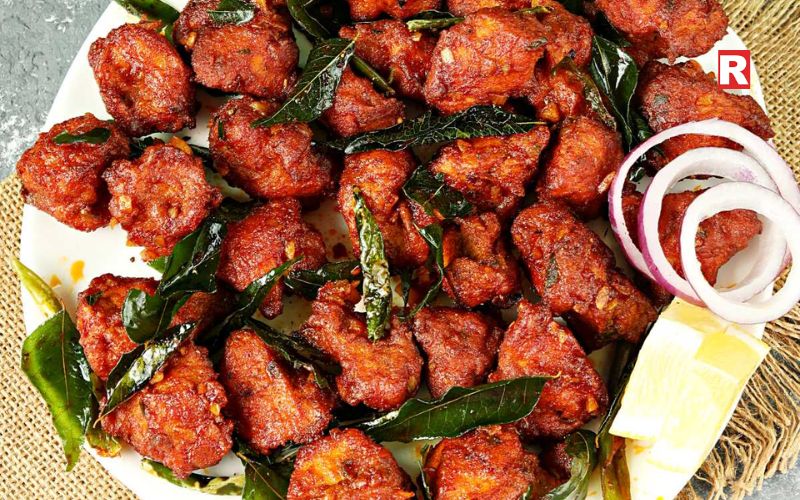
No South Indian chicken list feels complete without Chicken 65. Crispy, spicy, and full of curry leaf flavor, Chicken 65 became popular far beyond South India. The exact origin of the name is still debated. Some say it came from a menu number. Others connect it to military canteens from the 1960s. The chicken is usually marinated with yogurt, spices, and chilli before being fried. Curry leaves and green chillies are then tossed into the dish for extra aroma. It remains one of the most ordered chicken starters across restaurants in India.
Taste the Delights
South Indian chicken dishes are receiving wider recognition as more people explore regional Indian cuisine beyond standard restaurant curries. Across states like Tamil Nadu, Kerala, Karnataka, Andhra Pradesh, and Telangana, chicken recipes are shaped by local ingredients, climate, and cooking traditions. Coastal regions rely heavily on coconut, curry leaves, and tamarind, while interiors often use black pepper, dry red chillies, and slow-roasted spice blends for deeper flavor. Dishes like Chicken Chettinad, Kori Gassi, and Gongura Chicken reflect generations of culinary heritage and traditional cooking techniques that are still followed in many homes today. Food creators, chefs, and travelers are now helping these recipes reach a larger audience through regional food festivals, social media, and specialty restaurant menus. The result is a growing appreciation for South India’s diverse chicken culture, where every dish carries its own identity, texture, and spice profile.

2026 is no longer about strict diets or rigid food rules; it is about eating smarter and more intuitively. Consumers are moving away from complex diet trends and focusing on simple, natural choices that support long-term health. One clear shift is the rise of seasonal eating. What was once considered traditional or rural is now being embraced in modern urban lifestyles.
People are choosing fruits and vegetables that are naturally available in a particular season because they are fresher, more nutritious, and often grown with fewer artificial interventions. Scientific research also supports this shift, showing that seasonal produce retains higher nutrient density when consumed closer to harvest. At the same time, sustainability concerns are influencing food habits, as seasonal foods require less storage, transportation, and energy. From home kitchens to premium restaurant menus, this approach is becoming widely accepted. Backed by health awareness, environmental concerns, and changing consumer behaviour, seasonal eating is redefining how people think about food in 2026.
What Is Seasonal Eating (And Why It’s Back)
Seasonal eating means choosing foods that are naturally grown and harvested at a particular time of the year. Instead of eating the same fruits and vegetables all year, people are aligning their meals with nature’s cycles.
For example, mangoes in summer, oranges in winter, and leafy greens during colder months. Before industrial farming, this was the only way people ate. But modern supply chains made everything available all year. Now, consumers are questioning that system. They want food that is fresh, real, and closer to how it was originally grown.
Why Seasonal Eating Is Trending in 2026
1. Shift Towards Fresh and Real Food
People are actively reducing ultra-processed food. There is a strong demand for fresh, clean, and minimally handled ingredients. Seasonal produce naturally fits this need because it grows without heavy intervention. Food harvested in its natural cycle tastes better and is more nutritious. It is not artificially ripened or stored for long periods. This makes seasonal eating feel more authentic and trustworthy.
2. Health Is Replacing Diet Culture
Diet trends like keto, detox, and extreme calorie cuts are losing relevance. In 2026, people care more about balance than restriction. Seasonal eating supports this shift. It naturally introduces variety into the diet. Different fruits and vegetables across seasons provide different nutrients.
For example:
- Summer foods hydrate the body
- Winter foods provide energy and warmth
Seasonal produce is also richer in vitamins, antioxidants, and fibre. This helps with immunity, digestion, and overall health.
3. Sustainability Is Driving Food Choices
Sustainability is no longer optional. It is influencing everyday decisions. Seasonal eating reduces environmental impact in multiple ways:
- Less need for artificial growing conditions
- Lower energy use
- Reduced food miles
Growing food outside its natural season requires more resources like fuel, water, and storage. Seasonal farming avoids this. Consumers are becoming aware of this impact. As a result, they are choosing food that aligns with eco-conscious values.
4. Rising Food Costs Are Changing Habits
Price sensitivity is a major factor in 2026. Seasonal food is more affordable because it is produced in large quantities at the same time. When supply is high, prices drop. When food is out of season, it becomes expensive due to storage and transportation. This makes seasonal eating not just healthy, but also economical. In a time of inflation, affordability matters as much as nutrition.
5. Rise of Local and Hyperlocal Food Culture
Consumers are moving closer to their food sources. Farmers’ markets, local vendors, and farm-to-table models are growing rapidly. Seasonal eating naturally supports local agriculture. It encourages buying what is grown nearby, at the right time. This shift is also emotional. People want to reconnect with their food. They want to know where it comes from and how it is grown. Seasonal eating offers that connection.
6. Restaurants and Brands Are Leading the Change
Restaurants are playing a big role in making seasonal eating mainstream. Seasonal menus are becoming common. Chefs are designing dishes based on what is available at that time of the year. This creates:
- Better taste
- Lower costs
- Constant menu innovation
What started in fine dining is now visible in cafes, cloud kitchens, and even delivery platforms.
Why Seasonal Eating Matters More in India
India has always followed seasonal eating, even before it became a global trend. Traditional Indian diets are built around seasons:
- Summer: mango, curd, coconut water
- Monsoon: light, digestion-friendly foods
- Winter: ghee, root vegetables, millet-based dishes
Ayurveda also promotes eating according to seasonal needs. It focuses on balancing the body with changing weather. In 2026, this traditional wisdom is becoming relevant again. Experts now highlight that India’s “desi superfoods” are seasonal, local, and highly nutritious. This puts India ahead of global food trends.
Key Benefits of Seasonal Eating
- Better Taste and Quality: Food harvested at the right time is fresher and more flavourful.
- Higher Nutritional Value: Seasonal produce contains more vitamins and minerals because it is consumed at peak ripeness.
- Supports Local Farmers: Buying seasonal food boosts local agriculture and rural economies.
- More Affordable: Seasonal availability reduces costs for consumers.
- Encourages Dietary Variety: Eating different foods throughout the year improves overall nutrition.
How People Are Practicing Seasonal Eating in 2026
Seasonal eating is not complicated. Consumers are adopting it in simple ways:
- Shopping from local markets instead of supermarkets
- Planning meals based on seasonal produce
- Choosing regional dishes over imported foods
- Using preservation methods like freezing or pickling
- Growing small kitchen gardens
These small habits are creating a big shift in food culture.
The Bigger Picture
Seasonal eating is no longer just a passing trend; it signals a deeper shift in how people approach food in 2026. Consumers are moving towards simplicity, choosing fresh, whole ingredients over highly processed options. There is also a clear preference for balance instead of restrictive diets, as people focus on long-term health rather than quick results. At the same time, the growing awareness of climate impact has pushed many towards local produce, reducing dependence on imported and heavily transported foods. Eating seasonal also supports natural farming cycles, which often require fewer chemicals and less storage, helping preserve both nutrition and the environment. This approach brings together health, sustainability, affordability, and cultural relevance in a practical way. As a result, seasonal eating is not just gaining popularity but is steadily becoming a default food habit for informed and conscious consumers.

Open any food delivery app today and you will notice a clear difference from a restaurant’s dine-in menu. Certain dishes are missing, while others are prominently placed at the top, often bundled into combos with carefully curated images. This is not accidental but the result of deliberate menu engineering.
Restaurants now design delivery menus based on data such as order trends, preparation time, customer ratings, and profitability. Dishes that do not travel well, lose texture, or take too long to prepare are often removed or modified. At the same time, high-performing items are highlighted using better visuals, strategic placement, and pricing techniques to drive orders. Combos are introduced to increase average order value and simplify decision-making. Even packaging plays a role in deciding what stays on the menu. As a result, restaurants are no longer just cooking food; they are building delivery-focused systems where every item is optimised for consistency, speed, and customer satisfaction across the entire ordering journey.
Delivery Has Changed What a “Menu” Means
The biggest mistake many restaurants made early on was copying their dine-in menu to delivery platforms. That approach failed quickly. A delivery menu is not a digital version of a physical menu. It is a different product altogether. It must be built for profitability, consistency, and customer satisfaction in a completely different environment. When customers order online, they cannot see the kitchen, talk to staff, or experience the ambience. Their entire decision happens in seconds on a mobile screen. That is why today, menus are designed like conversion tools, not just food lists.
The Rise of Menu Engineering
At the core of delivery-first menus is a concept called menu engineering.
This is a data-driven approach where restaurants design menus based on:
- What sells the most
- What gives the highest margin
- What is easiest to prepare
- What gets the best ratings
Instead of asking, “What should we cook?”, operators now ask:
- What will people click?
- What will travel well?
- What will scale during peak hours?
Menu engineering combines data and psychology to push customers toward specific items, increasing order value and repeat purchases. In delivery-only brands, the menu becomes the storefront. It replaces waiters, ambience, and in-person upselling.
Food That Travels Well Always Wins
Not all food survives delivery. That is the first rule restaurants now design around. Dishes are selected based on how they behave over time and distance.
Texture matters: Crispy items often turn soggy. Fried foods lose their appeal quickly.
Temperature matters: Heat loss changes taste perception. Lukewarm food feels less fresh.
Structure matters: Delicate plating collapses and layered dishes mix, so restaurants prefer rice bowls, wraps, biryani, thalis, pasta, and noodles for better stability and consistency.
These dishes hold shape, retain heat, and stay consistent. Menus are no longer about culinary creativity alone. They are about durability.
Simplicity Is a Strategy, Not a Limitation
One of the biggest shifts in delivery menus is reduction, as more items often create more problems rather than driving sales. Large menus slow down preparation, increase ingredient wastage, confuse staff during peak hours, and lead to inconsistent quality. To solve this, cloud kitchen experts aggressively streamline menus, focusing on a small set of high-performing dishes that generate the majority of revenue. In many cases, nearly 70–80 percent of orders come from a limited number of items, while the rest are either removed or redesigned. This is why modern delivery menus appear shorter, sharper, and more focused on efficiency and consistency.
The Power of “Hero Dishes”
Top-performing restaurants do not treat all dishes equally. They highlight a small number of “hero SKUs.”
These are:
- high-demand
- high-margin
- fast to prepare
Instead of overwhelming users with 50 options, they push 6–8 strong items at the top. These dishes define the brand on delivery apps.
Everything else supports them through:
- add-ons
- sides
- upgrades
This approach increases clarity and improves conversion.
Combos Are Designed to Increase Spending
If you notice closely, most delivery menus are filled with combos. This is intentional.
Combos:
- simplify decision-making
- increase average order value
- reduce comparison fatigue
For example:
- meal for one
- family packs
- lunch boxes
- party bundles
Instead of choosing multiple items, customers pick a bundle. This turns the menu into a sales funnel rather than a list.
Packaging Is Now Part of the Dish
In delivery, packaging is not an afterthought. It is part of the product. Restaurants design food along with packaging decisions.
Good packaging ensures:
- no leakage
- temperature retention
- separation of components
- better presentation on opening
Poor packaging can destroy even a great dish. That is why operators now test how food behaves after 20–30 minutes in a box before adding it to the menu. In many cases, dishes are modified purely to suit packaging constraints.
Visual Design Drives Orders
On delivery apps, people do not taste food first. They see it. Menus with images perform significantly better than text-only listings. Items with photos can sell multiple times more.
This has led to a rise in:
- professional food photography
- AI-enhanced images
- curated thumbnails
Restaurants now invest heavily in how dishes look on screen. The goal is simple: make the customer stop scrolling.
Pricing Is Psychological
Delivery pricing is not random. It is engineered. Restaurants use techniques like:
- Anchor pricing: A premium dish is placed at the top to make other items feel affordable.
- Strategic discounting: Offers are structured to increase order size without hurting margins.
- Price framing: Small differences in pricing influence perception and choice.
Menu pricing is designed to guide behaviour, not just reflect cost.
Speed Controls What Stays on the Menu
Delivery platforms reward speed.
Delivery platforms prioritise speed, so faster kitchens tend to get better ratings, rank higher on apps, and receive more orders, directly impacting visibility and revenue.
To maintain speed, restaurants remove time-consuming or labour-intensive dishes and build menus around items that can be prepared quickly and delivered consistently, making speed a key filter in menu design.
Menus are built around what can be executed quickly and consistently. In this model, speed becomes a menu filter.
Menus Are Becoming Smarter with AI
The next phase of delivery menus is already here.
Restaurants are using AI to:
- optimise menu layout
- decide item placement
- enhance images
- personalise recommendations
Menus can now change based on:
- time of day
- location
- user behaviour
This makes them dynamic and highly targeted. The static menu is slowly disappearing.
Final Takeaway
The food delivery boom has turned menu design into a structured, data-led process rather than a creative exercise. Today, every item on a delivery menu is carefully selected based on logistics, customer data, behavioural psychology, and operational efficiency. Restaurants analyse order patterns, preparation time, ingredient costs, and customer ratings to decide what stays and what gets removed. Dishes are tested for travel time, packaging compatibility, and consistency after 20–30 minutes in transit. If a dish loses texture, temperature, or presentation, it is unlikely to be included. At the same time, menus are designed to influence choices through pricing, placement, and visual appeal. The focus is not just on taste, but on performance across the entire delivery journey. If a dish cannot maintain quality during delivery, it does not make the menu. And if it fails to sell consistently, it is quickly replaced.
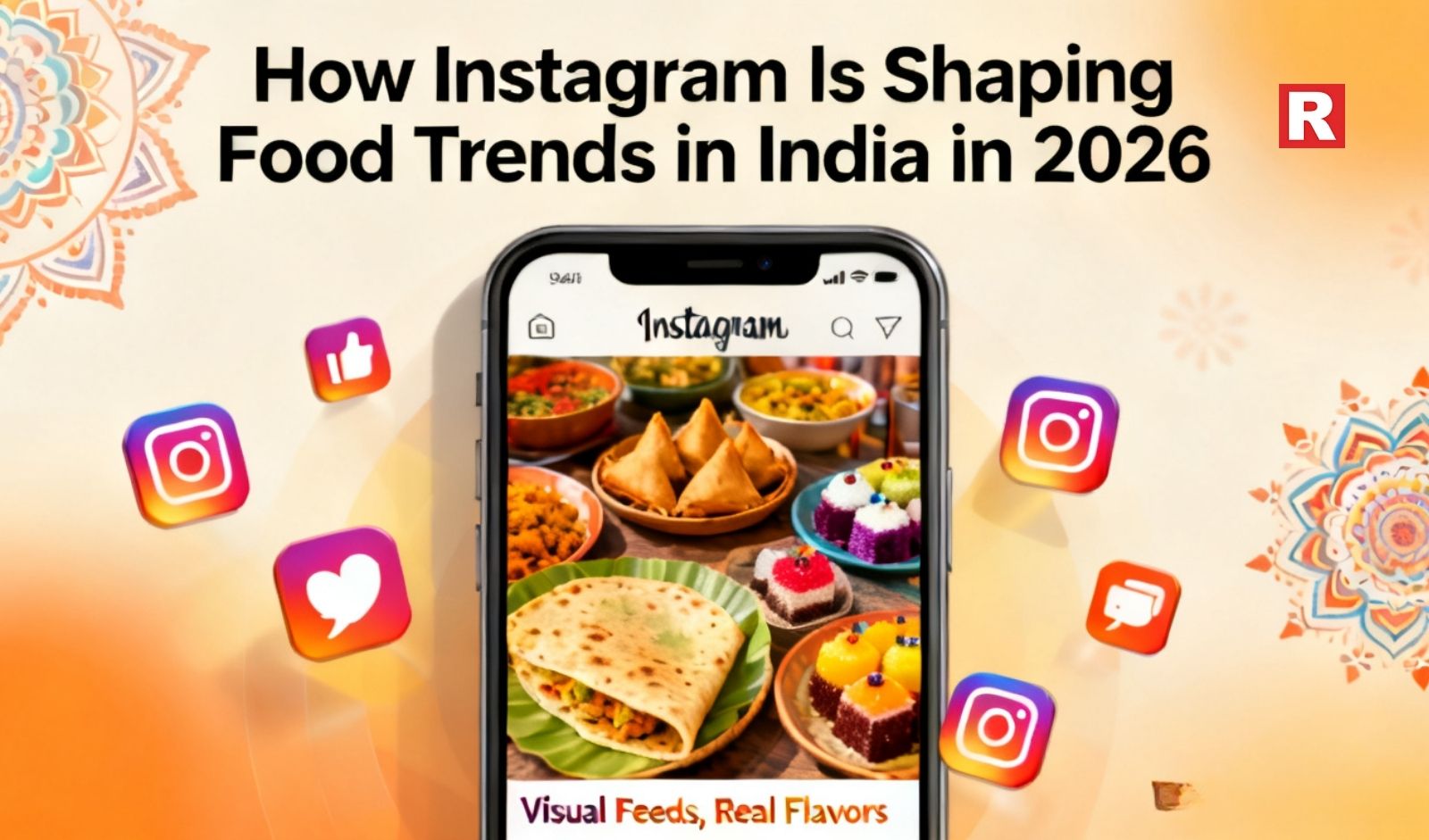
In 2026, food in India is no longer discovered the old way. It is not about asking friends or reading long reviews. It starts with a scroll. A reel. A viral video that appears at the right moment. Before you even feel hungry, you already know what you want to eat.
Platforms like Instagram have quietly become the most powerful force in India’s food culture. They decide what becomes popular, what sells out, and what disappears. From street vendors to luxury restaurants, everyone is playing the same game—create food that looks good on camera.
Instagram Has Become India’s New Food Search Engine
Search behaviour has changed. A few years ago, people opened Google or Zomato to find places to eat. Today, many go straight to Instagram. Users type keywords in the search bar. They browse reels. They check tagged locations. They watch creators review dishes in under 30 seconds. This is faster and more visual than reading text reviews. For many urban consumers, especially Gen Z, Instagram is the first step in deciding where to eat. It is not just inspiration. It is the decision-making tool.
The impact is clear. Restaurants are now discovered through:
- Viral reels
- Influencer posts
- Location tags
- Hashtags like #DelhiFood or #MumbaiEats
The Rise of ‘Camera Eats First’ Dining
Walk into any new café in Delhi or Mumbai and you will notice a pattern. Bright lighting. Aesthetic plating. Minimal backgrounds. Everything is designed for one purpose—photos and videos. This shift is known as the “camera eats first” culture. Food is no longer just about taste. It is about how it looks on screen.
Restaurants now design dishes with:
- High color contrast
- Clean plating
- Unique shapes and textures
- Movement elements like cheese pulls or chocolate pours
Even interiors are built for content. Neon signs. Statement walls. Natural light. Every corner becomes a potential reel.
This has changed how chefs think. A dish must be:
- Visually attractive
- Easy to film
- Instantly recognizable
Taste still matters. But if it is not shareable, it struggles to scale.
Viral Food Trends That Took Over India in 2026
1. Mango Mania

Every summer, mango takes over Instagram feeds in India. Cafes and dessert brands build entire menus around it. Mango soft serves, thick shakes, cheesecakes, and overloaded kulfi start trending fast. The bright yellow color stands out on camera. It looks fresh, rich, and seasonal. That makes it perfect for reels. Many places also experiment with fusion. Mango tiramisu, mango croissants, and even mango drinks with unusual toppings appear online. People are drawn to these visuals. They save, share, and visit. The demand rises quickly during the season. For many brands, mango is not just a fruit. It becomes a content strategy. A single viral video can turn a simple mango dessert into a must-try item across the city.
2. High-Protein and Wellness Foods
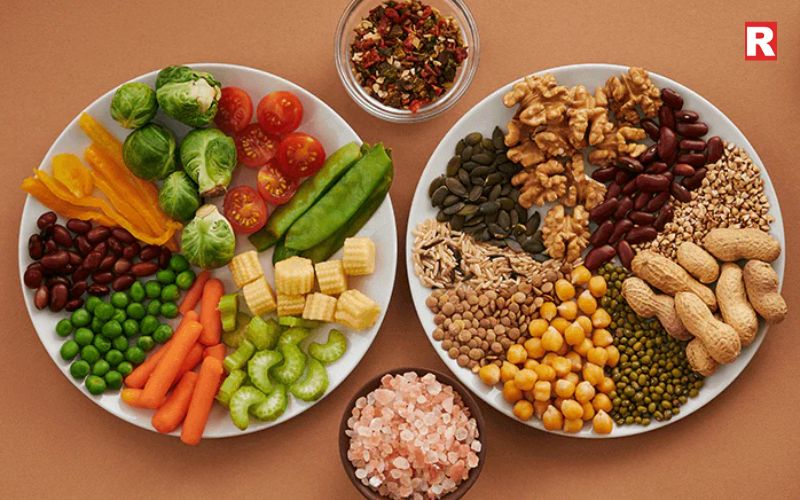
Healthy eating has found a strong place on Instagram. High-protein meals and clean foods are now part of daily content. Smoothie bowls, protein pancakes, grilled meals, and salads are widely shared. These dishes look neat and colorful. They are easy to present on camera. Many creators link them with fitness routines and daily habits. This adds more value to the content. Cafes have started designing menus around this trend. They highlight protein content and clean ingredients. Packaging and plating are kept simple but attractive. These meals are not just about health anymore. They are also about image. Posting a healthy meal reflects a certain lifestyle. That is why this trend continues to grow across urban India.
3. Street Food Goes Cinematic
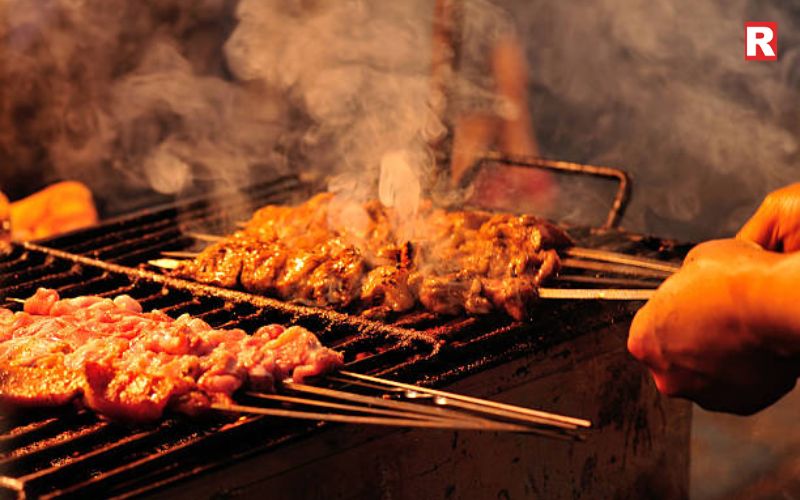
Street food has taken a new turn in India. Vendors are no longer just cooking. They are part of content creation. Videos now capture every step. Oil sizzling, spices being added, food being plated. Everything is shot in detail. Slow-motion clips and close-ups make the food look more appealing. These videos often go viral. A small stall can become famous overnight. People travel long distances just to try what they saw online. The demand builds quickly. In many cases, queues form within days. This has changed how street vendors work. Some now focus on presentation and timing for videos. Instagram has given them visibility that was not possible earlier. It has turned local food into a wider attraction.
4. Experimental and Oversized Dishes
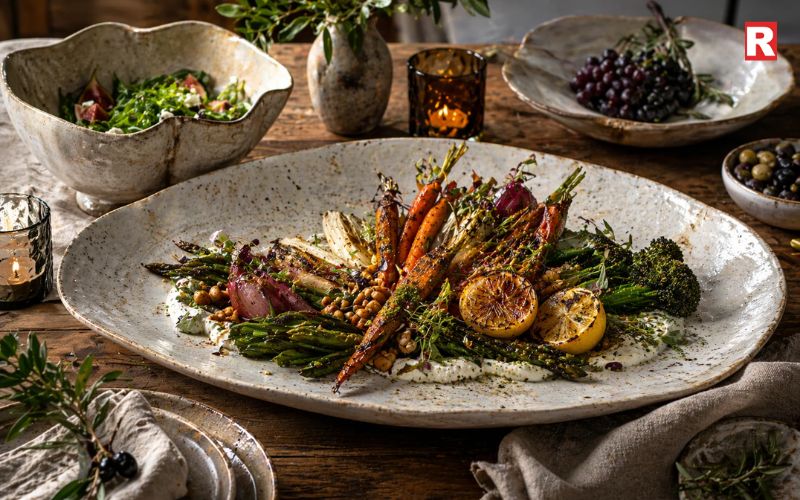
Food on Instagram is getting bigger and more unusual. Many places are creating dishes that stand out instantly. Giant burgers, extra-loaded Maggi, and fusion chaats are common examples. These are designed to grab attention. The idea is simple. The more shocking it looks, the more it gets shared. These dishes often mix different cuisines or add extreme portions. They are not always easy to eat. But that is not the point. They are made for videos. People visit just to experience and post them. This creates quick popularity. For restaurants, it becomes a marketing tool. Even if the dish is not repeated often, it brings traffic. In many cases, the visual impact matters more than the actual taste.
How Instagram Is Changing Consumer Behaviour
The biggest shift is not in food. It is in people. Consumers are now:
- Choosing places that look good online
- Trying dishes they have already seen on reels
- Prioritising experience over convenience
This creates a cycle. You see something. You want to try it. You visit. You post it. Others see your post and repeat the process. This is driven by basic psychology. Visual content triggers curiosity. Short videos create urgency. Likes and comments create validation. Food has become social currency. Posting a trending dish signals that you are updated, aware, and part of the culture. FOMO plays a big role. If a place is going viral, people want to visit before the trend fades. This leads to quick spikes in popularity.
How Restaurants Are Adapting to Instagram Culture
Restaurants in India have evolved fast. They are no longer just food businesses. They are content businesses.
Here is how they are adapting:
Influencer Collaborations: Many restaurants invite creators for previews. A few posts from the right influencers can generate massive visibility.
Instagram-First Menus: Some dishes are created only for social media appeal. Limited-time items are launched to ride trends.
Content-Friendly Spaces: Seating layouts, lighting, and decor are designed to make shooting easy.
Real-Time Trend Tracking: Restaurants monitor what is trending on Instagram and quickly replicate or adapt those ideas.
Even cloud kitchens are using Instagram as their main marketing channel. They rely less on ads and more on organic reach.
The Dark Side of Instagram Food Trends
While Instagram has created strong demand, it has also introduced clear challenges for both consumers and businesses. Many viral dishes are often overhyped. They look impressive on screen but fail to deliver the same experience in real life. Taste, portion balance, and quality do not always match the visuals. Another issue is the short life of trends. A dish can go viral one week and be forgotten the next. This makes it difficult for restaurants to plan inventory, pricing, and long-term menus. There is also constant pressure on presentation. Kitchens spend more time perfecting how a dish looks rather than how consistently it tastes across orders. In some cases, this affects overall quality. Oversized and experimental dishes also raise concerns around food waste, especially when they are created mainly for content and not actual consumption. At the same time, consumers are becoming more cautious. Many now cross-check reviews on platforms like Google and Zomato before deciding, rather than relying only on reels.
Why Instagram Matters More Than Ever
Instagram has become a core growth engine for the food industry.
It helps businesses:
- Acquire customers at low cost
- Build brand identity
- Create direct engagement
- Launch new products quickly
Unlike traditional advertising, Instagram offers instant feedback. If a dish works, it spreads. If it does not, it disappears. The platform has also enabled small players to grow. A street vendor can become famous overnight. A home chef can build a brand without opening a physical space. This has made the market more competitive but also more dynamic.
What Lies Ahead
The influence of Instagram is expected to grow as technology and user behaviour evolve. The platform is already moving towards AI-driven recommendations, where users see food content based on past interactions, saved posts, and watch time. This makes discovery highly personalised. Hyper-local trends are also rising. A small café or street vendor can trend within a specific area and attract immediate footfall. Creator-led food brands are becoming more common, with influencers launching their own menus or cloud kitchens. At the same time, integration with platforms like Zomato and Swiggy is tightening the loop between discovery and purchase. A user can see a dish and order it within minutes. This shift shows how India’s food culture is changing in real time. Decisions are no longer driven only by chefs or critics. Algorithms, creators, and everyday users play a key role. Food is now experienced, recorded, and shared, often even before the first bite is taken.
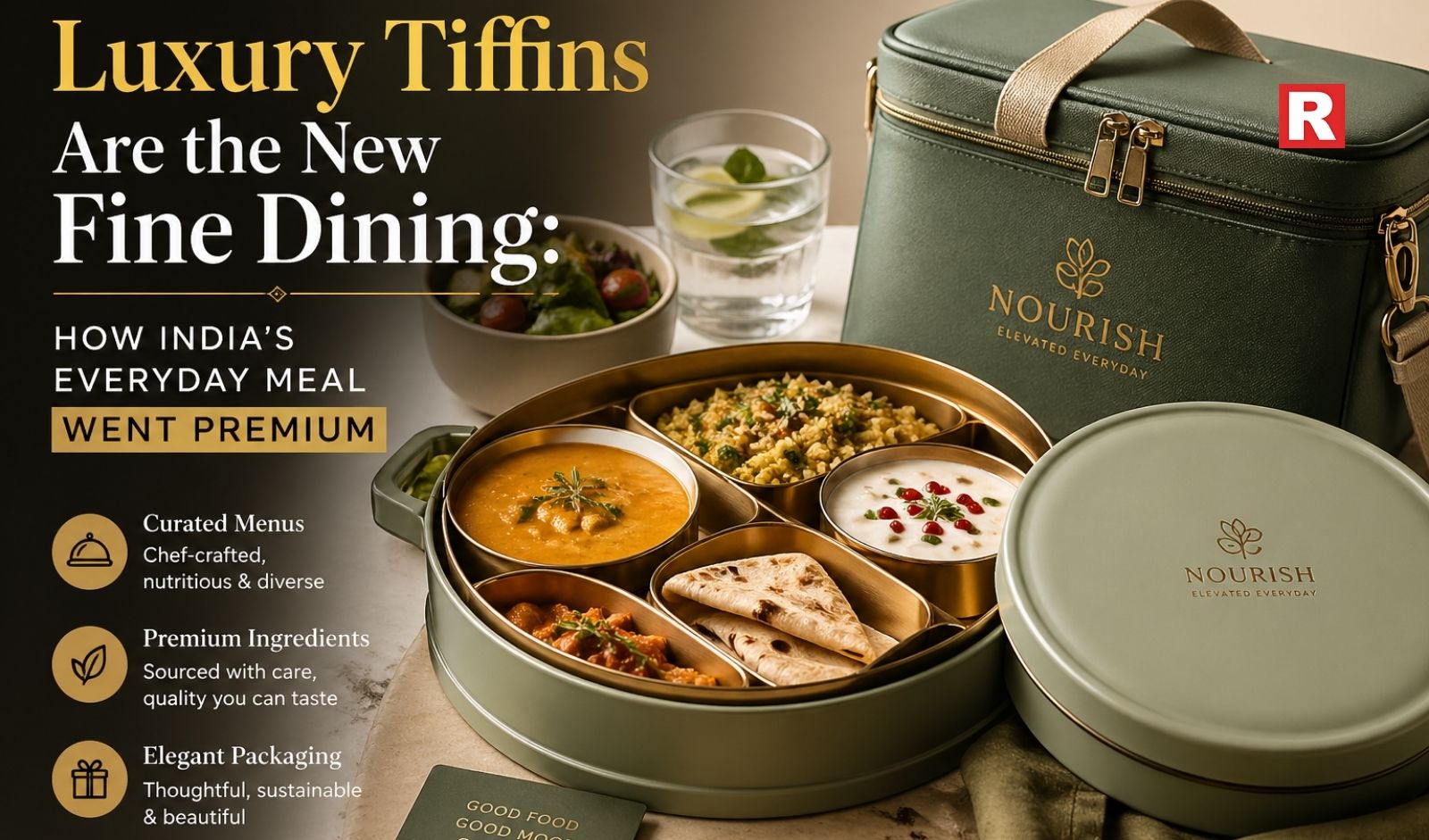
The Indian tiffin was never meant to be aspirational. It was built on simplicity and routine. A steel dabba packed at home, carried to offices, schools, and college classrooms, delivering food that was fresh, familiar, and affordable. For decades, it represented efficiency over experience, with meals typically priced between Rs 50 and Rs 150, making it accessible to a wide segment of working India.
Today, that same format is undergoing a noticeable transformation. The traditional tiffin is being reimagined into a curated, premium offering that goes far beyond basic sustenance. Subscription-led services now offer meals priced anywhere between Rs 300 and Rs 1000 or more, depending on ingredient quality, menu design, dietary customization, and packaging. Consumers are no longer just buying food; they are opting for a controlled, reliable, and often personalized eating experience. This shift is not limited to pricing alone. It reflects a deeper change in consumer expectations and lifestyle patterns. Daily meals are no longer treated as routine necessities but as part of a broader wellness and convenience-driven ecosystem, where consistency, hygiene, and quality carry equal importance as taste.
The Evolution of Tiffin Culture
India’s tiffin ecosystem has always been massive but fragmented. The industry today is estimated to be worth over Rs 25,000 crore and is growing at 15–20% annually, driven by urban lifestyles and rising demand for convenience. Historically, the system was hyperlocal. Home chefs, small vendors, and community networks powered it. The iconic Mumbai dabbawala model set the benchmark for efficiency and consistency.
What has changed now is scale and structure. Platforms, cloud kitchens, and subscription apps are formalizing what was once an informal economy. Services now offer app-based ordering, flexible subscriptions, and menu customization—features that were unheard of in traditional setups. The result is a shift from “meal delivery” to “meal experience.”
What Makes a Tiffin ‘Luxury’ Today
Luxury in tiffins is not about gold packaging or exotic dishes. It is about control, quality, and personalization.
First, ingredients have upgraded. Many premium services now use organic produce, cold-pressed oils, and region-specific sourcing. Transparency is becoming a selling point, with some even experimenting with traceability of ingredients.
Second, menus are no longer repetitive. Instead of fixed dal-roti cycles, consumers get rotating menus across cuisines. One day could be Chettinad curry, the next Mediterranean bowls. Variety has become a key differentiator.
Third, customization is central. Consumers can now choose calorie-specific meals, macro-balanced diets, vegan options, or high-protein plans.
Finally, packaging has evolved. Premium tiffins use eco-friendly, insulated, and aesthetic packaging that enhances perceived value and supports social media sharing.
The Business Model Behind Premium Tiffins
At the core of this shift is a strong, scalable business model. Most luxury tiffin services operate on subscription plans—daily, weekly, or monthly. Even entry-level premium platforms offer structured pricing with flexibility, allowing users to pause or modify meals easily.
Revenue Model
- Subscription-first approach ensures predictable cash flow
- Upselling through add-ons (desserts, beverages, special meals)
- Tiered pricing based on customization
Unit Economics
- Lower real estate costs compared to dine-in restaurants
- Higher margins through recurring subscriptions
- Centralized kitchens improve efficiency
Tech Integration
Platforms now manage:
- Customer data
- Delivery routes
- Payment cycles
- Subscription renewals
Tools built specifically for tiffin businesses help streamline operations, replacing manual systems like WhatsApp orders and notebooks. This shift from chaos to structured operations is what enables premium positioning.
Why Consumers Are Willing to Pay More
The rise of luxury tiffins is deeply linked to changing consumer behavior. Urban professionals today are time-starved. Cooking daily meals is no longer practical. At the same time, ordering restaurant food regularly feels unhealthy and expensive. This creates a gap that premium tiffins fill perfectly. Reddit discussions from Indian users highlight this shift clearly. Many consumers mention spending Rs 300–Rs 400 per meal on delivery apps but still finding the food unhealthy or inconsistent. Others point out that even at Rs 200 per meal, traditional tiffin services often struggle with quality and hygiene consistency. This dissatisfaction opens the door for premium services that promise:
- Better hygiene
- Reliable taste
- Nutritional balance
- Consistent experience
Consumers are not just paying for food. They are paying for trust.
New Formats Driving the Premium Shift
Luxury tiffins are not a single category anymore. Multiple formats are emerging:
Regional Gourmet Tiffins: Curated menus focused on specific cuisines like Bengali, Kashmiri, or Chettinad. These tap into nostalgia while offering variety.
Health-Focused Subscriptions: Keto, vegan, diabetic-friendly, and high-protein plans are gaining traction among fitness-conscious consumers.
Corporate Meal Solutions: Companies are increasingly offering premium meal subscriptions as employee benefits.
Occasion-Based Tiffins: Festive boxes and curated meal experiences for special occasions are adding a gifting angle to the category.
The Role of Cloud Kitchens and Delivery Platforms
The premium tiffin boom would not be possible without cloud kitchens. These kitchens allow brands to operate without expensive storefronts while maintaining control over production. They also enable hyperlocal delivery, ensuring food reaches customers fresh and on time. Delivery platforms further accelerate growth by providing:
- Discovery
- Logistics
- Customer acquisition
The integration of these systems creates a seamless ecosystem where food, tech, and logistics work together.
Branding: Where Nostalgia Meets Aspiration
One of the most interesting aspects of luxury tiffins is branding. Successful brands balance two opposing ideas:
- Nostalgia: “Ghar ka khana”
- Aspiration: Clean, premium, lifestyle-driven identity
Visual branding plays a major role. Minimal packaging, earthy tones, and storytelling around ingredients or chefs help create a premium perception. The narrative is simple but powerful: this is not just home food—it is a better, more reliable version of it.
Challenges in Scaling Luxury Tiffins
Despite the growth, the model is not easy to scale. Consistency remains the biggest challenge. Maintaining the same taste, quality, and portion size across thousands of meals daily requires strong processes. Operational costs are also high. Premium ingredients, packaging, and logistics increase expenses significantly.
India’s price sensitivity adds another layer of complexity. While demand for premium exists, it is still limited to urban, higher-income segments. Finally, differentiation is becoming harder. As more players enter the space, standing out requires constant innovation.
The Bigger Shift
The premium tiffin trend is still in its early stages, but the direction is clear. Expect deeper integration with health tech. Meal plans could soon be linked to wearable data and AI-driven nutrition recommendations. Tier 2 cities will play a major role in the next phase of growth, as demand for quality food rises beyond metros.
There is also global potential. Indian tiffin formats, with their balance of taste and nutrition, can be exported as structured meal solutions for international markets. The rise of luxury tiffins reflects a larger change in India’s food culture. People are moving away from extremes. Not fast food. Not elaborate dining. Something in between. A daily meal that feels like home, but performs like a premium product. That is where the modern tiffin stands today—no longer just a box of food, but a well-designed, high-value experience.
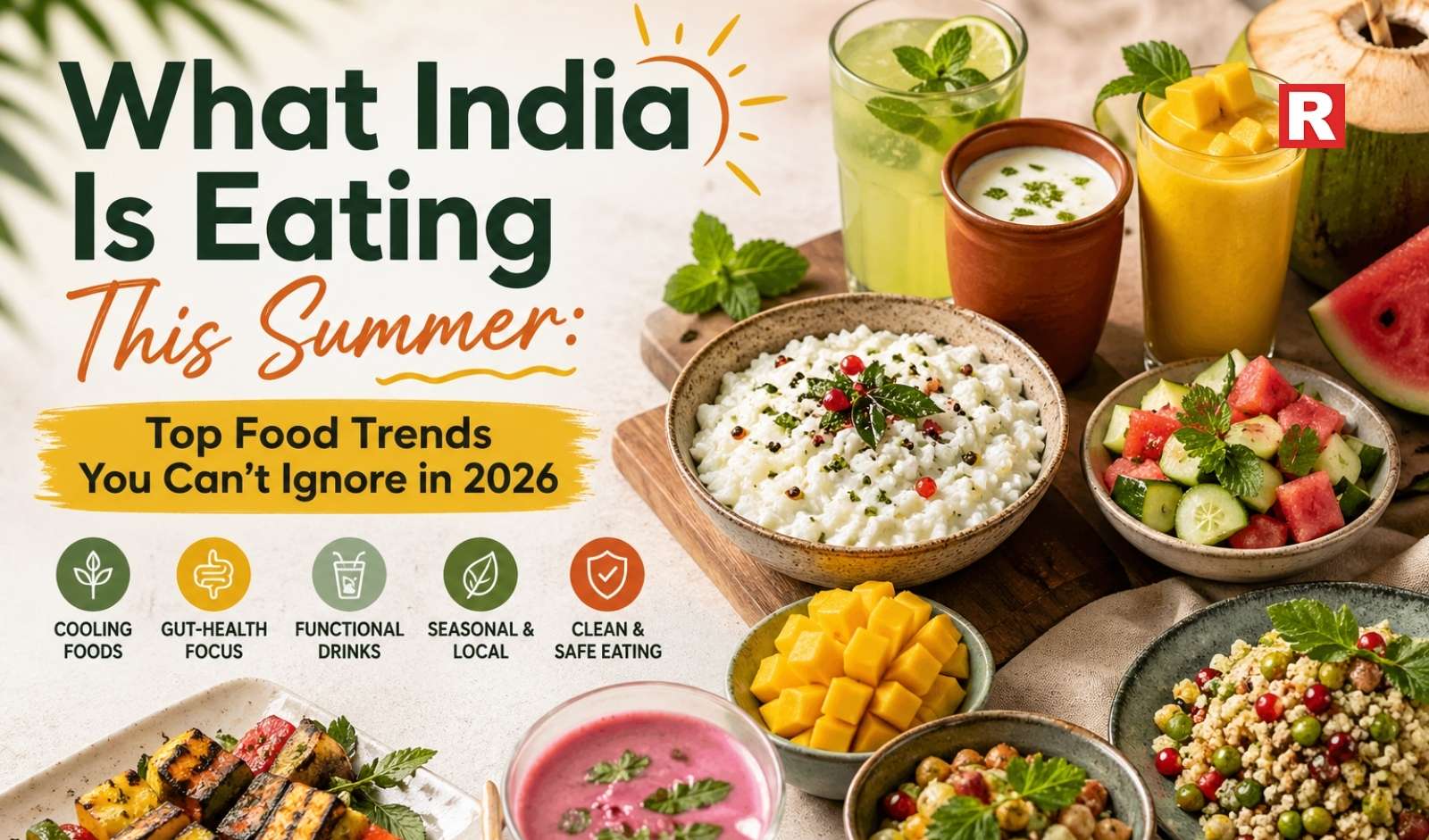
Step into an Indian kitchen this summer and the change is easy to spot. The food looks lighter. The spice levels are lower. The fridge is stocked with curd, fruits, and cooling drinks. Meals are simpler and quicker to prepare. There is less oil, less frying, and more focus on freshness. This shift is not random. It reflects how people are adapting to rising temperatures and busy routines. The heat is stronger this year, and heavy food feels harder to digest. As a result, eating habits are changing across cities and homes. People are choosing food that helps them stay cool and active.
There is also a growing awareness of health and digestion. Many now prefer meals that do not feel heavy after eating. The focus has moved from rich, indulgent dishes to balanced, everyday food. Hydration is becoming part of every meal. Traditional choices like buttermilk and seasonal fruits are making a strong return. Overall, the approach to food is becoming more practical. It is less about indulgence and more about comfort. India’s summer diet is now shaped by need, climate, and a smarter way of eating.
A Season That Is Redefining Food Habits
The Indian summer has always influenced food. But this year, the impact is stronger. Extreme temperatures are changing how often people eat, what they eat, and even how food is prepared. Heavy meals are becoming difficult to digest. Energy dips faster. Hydration levels drop quickly. This shift is visible across homes, street food stalls, and premium restaurants alike.
As a result, people are building their meals around three key needs:
- Cooling the body
- Supporting digestion
- Maintaining steady energy
The Return of ‘Cooling Wisdom’ on Every Plate
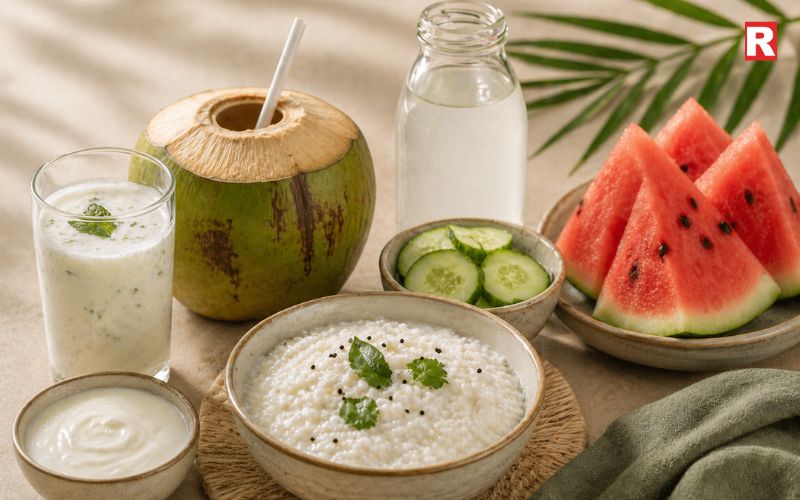
There is a quiet comeback of traditional Indian food logic. Foods that were once seen as basic are now essential. Curd, chaas, coconut water, cucumber, and watermelon are being consumed daily. These foods are simple. But they work.
They hydrate the body. They help regulate internal temperature. They reduce the strain on digestion. Lunch plates are becoming minimal. A bowl of curd rice or a glass of buttermilk often replaces heavy gravies. Even urban consumers are going back to these habits. It is not nostalgia alone. It is practicality.
When the Gut Feels Better, Everything Feels Better
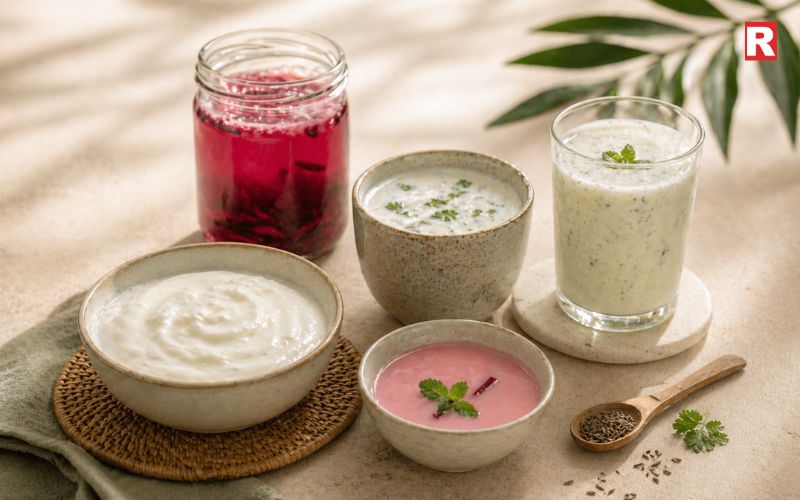
One of the biggest shifts this summer is the focus on gut health. People are paying attention to how food makes them feel after eating. Bloating, discomfort, and fatigue are being taken seriously.
This is why fermented and probiotic foods are gaining traction. Curd, kanji, buttermilk, and lightly fermented drinks are becoming daily staples. These foods support the gut microbiome. They improve digestion. They help the body absorb nutrients better. In hot weather, this makes a real difference. Light, gut-friendly meals keep people active and comfortable through the day.
The Rise of Drinks That Do More Than Cool You Down
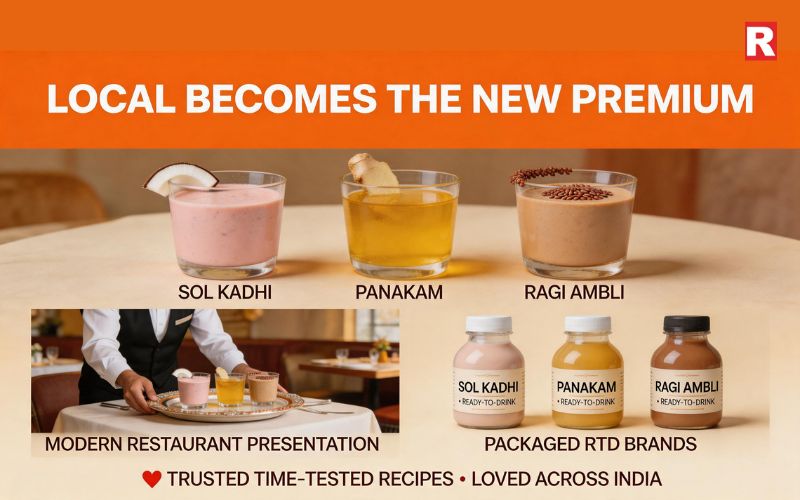
The Indian summer has always been about drinks. But what people drink is changing fast. Sugary sodas are being replaced by functional beverages. Drinks now come with purpose. Sattu sharbat is back in demand. It is filling, cooling, and rich in nutrients. Aam panna is being consumed not just for taste but for its heat-protective benefits. Coconut water remains a daily essential for many.
Even urban cafés are experimenting with kombucha and natural electrolyte drinks. The expectation is clear. A drink should hydrate, nourish, and energise. Taste alone is no longer enough.
Local Becomes the New Premium
There is a growing appreciation for regional summer drinks and recipes. Sol kadhi, panakam, ragi ambli—these are no longer limited to specific regions. They are being rediscovered and reintroduced across India.
Restaurants are giving them a modern presentation. Packaged brands are turning them into ready-to-drink products. Consumers are responding positively. There is trust in these recipes. They have stood the test of time. What was once seen as traditional is now seen as smart and relevant.
Light Eating Is No Longer a Trend—It Is a Lifestyle
Heavy, oil-rich meals are slowly losing space. People are choosing grilled, steamed, and lightly cooked food. Lentils, vegetables, and seasonal produce are becoming central to meals.
There is also a noticeable tilt towards plant-forward eating. This does not always mean going fully vegetarian. It means choosing meals that feel lighter and easier to digest. Restaurants are adapting quickly. Menus are becoming more seasonal. Portions are controlled. Ingredients are fresher. Eating light is no longer about dieting. It is about comfort.
Fibre Is Quietly Becoming a Hero Nutrient
Another important shift is the focus on fibre. Millets, fruits, vegetables, and whole grains are being included more intentionally in daily meals. Fibre supports digestion and keeps people full for longer.
In summer, this helps avoid overeating. It also keeps energy levels stable. Urban consumers are especially aware of this. Meal planning is becoming more structured. Nutritional value is being considered alongside taste. This is a slow but significant change in eating behaviour.
Mango Is Not Just a Fruit—It Is a Season
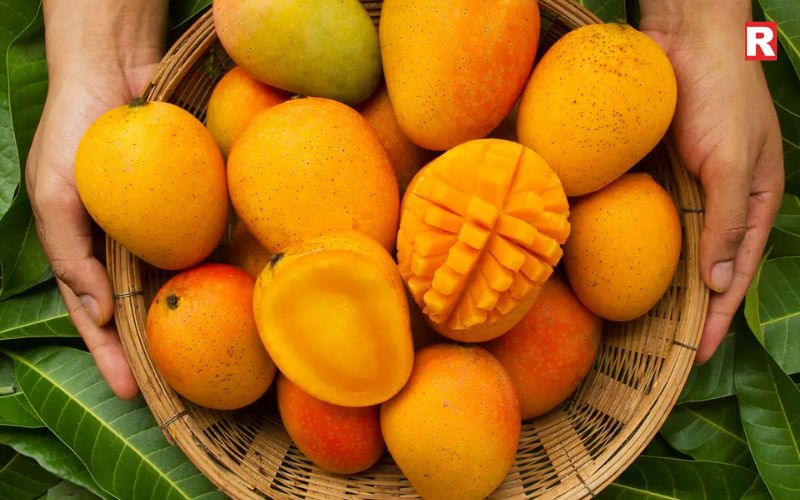
Every summer belongs to mangoes. But this year, mango consumption feels more creative. From drinks and desserts to salads and experimental dishes, mango is everywhere. Restaurants are building seasonal menus around it. There is also a strong digital push. Mango-based content performs well online. It creates engagement and drives footfall. But beyond trends, mango carries emotional value. It represents summer in its purest form. And that connection keeps it relevant every year.
Street Food Is Evolving Into a Visual Experience
Street food continues to dominate Indian food culture. But it is evolving with the times.
- Vendors are experimenting more. Dishes are being presented in visually appealing ways. Variety is increasing.
- Food is now part of content creation. People want dishes that look interesting and feel unique.
- Short videos and reels are driving demand. A creative twist on a classic dish can go viral overnight.
This trend is pushing innovation at the grassroots level. It is also bringing more visibility to local vendors.
Clean Eating Is Becoming a Priority, Not a Choice
Heat makes food spoil faster. This has increased awareness around hygiene and food safety. Consumers are more cautious. They prefer freshly cooked food. They check storage conditions. They avoid food that looks or smells questionable. Restaurants are responding by highlighting cleanliness. Open kitchens, transparent processes, and fresh sourcing are becoming key selling points. Trust is becoming a major factor in food choices.
Texture, presentation, and interaction are gaining importance. Layered drinks, crunchy toppings, and multi-texture dishes are becoming popular. People want variety in every bite. This is also influenced by digital behaviour. Food that looks and feels exciting is more likely to be shared. Restaurants are investing in plating and presentation. Even simple dishes are being redesigned to enhance the experience. Food is no longer just eaten. It is explored.
A Summer Trend
What stands out this summer is not just one trend, but the thinking behind these changes. People are making more conscious food choices. They are paying attention to how their bodies feel after eating. There is a clear effort to balance traditional habits with modern nutrition knowledge. Food is becoming more practical. It is seasonal, lighter, and easier to digest. This shift is visible across homes, restaurants, and even packaged food. For restaurants and food brands, the message is clear. Menus need to match these changing needs. Drinks must offer real benefits, not just taste. Hygiene and freshness must be easy to see and trust. For consumers, this change is helping build better daily habits. It is not about strict diets. It is about eating in a way that feels right. India’s summer plate is now lighter, but also more thoughtful. And that reflects a smarter way of eating overall.
Urban India is changing the way it looks at health. Gym memberships are rising. Clean eating is gaining attention. But at the same time, stress, long sitting hours, and irregular meals are damaging gut health. This is where an old ingredient is making a strong comeback—Isabgol.
Once seen as a simple home remedy, Isabgol is now being discussed in fitness circles, nutrition plans, and even social media trends. From late-night digestion fixes to morning detox routines, it is slowly becoming a part of modern wellness habits.
What Is Isabgol and Why It Matters Today
Isabgol, also known as psyllium husk, comes from the seeds of the Plantago ovata plant. It is rich in soluble fibre. When mixed with water, it forms a gel-like substance. This helps move waste through the digestive system smoothly.
India is one of the largest producers of Isabgol in the world. For decades, it has been used in Indian households for digestion issues. What is different today is how people are using it. It is no longer just a cure. It is becoming a daily wellness tool.
The Real Reason Behind Its Comeback
The biggest reason is simple. Urban lifestyles are hurting gut health. Long office hours. Food delivery habits. Low fibre intake. These are common problems. Many people feel bloated or sluggish after meals. Digestive discomfort has become normal, which should not be the case.
Isabgol offers an easy fix. It does not require a major lifestyle change. Just one spoon with water can support digestion. That is why it fits well into busy city routines. Another reason is the growing awareness of gut health. People are now learning that digestion affects energy, skin, and even mood. This has increased the demand for natural fibre sources.
Read more: Why Sattu Is Emerging as India’s Ultimate Summer Superfood
5 Ways to Use Garden Cress Seeds (Halim) for Stronger Hair and Bones
The Role of Social Media and Rebranding
Isabgol has also benefited from a new image. Wellness influencers and nutrition experts are talking about fibre intake more than ever. In some global conversations, psyllium husk is even being compared to appetite-control solutions.
This has changed how younger audiences see it. What was once a “grandmother’s remedy” is now positioned as a natural, effective wellness product. The language has changed too. Words like “detox”, “gut reset”, and “clean digestion” are now associated with Isabgol. This rebranding has made it more appealing to urban consumers.
Science-Backed Benefits You Should Know
Isabgol is not just a trend. Its benefits are backed by science.
First, it improves bowel movement. As a bulk-forming fibre, it absorbs water and increases stool size. This helps in relieving constipation.
Second, it supports gut bacteria. Soluble fibre acts as a prebiotic. It feeds the good bacteria in your gut, which improves digestion over time.
Third, it helps control blood sugar. The gel-like texture slows down digestion. This leads to a gradual release of glucose into the bloodstream.
Fourth, it supports heart health. Regular intake may help reduce LDL cholesterol levels. This is important for people with sedentary lifestyles.
Fifth, it helps with weight management. It creates a feeling of fullness. This can reduce overeating, especially in people trying to manage calorie intake.
One unique feature of Isabgol is that it can help with both constipation and mild diarrhoea. This dual action makes it different from many other fibre sources.
Know more: Top Protein-Rich Laddoos for Summer: Healthy Indian Sweets You Can Enjoy Guilt-Free
Isabgol vs Modern Superfoods
Today’s market offers fibre-rich options like chia seeds and oats, but Isabgol remains more efficient in key areas. Derived from Plantago ovata, Isabgol contains 70–80% soluble fibre, while oats offer about 10–15% and chia seeds around 5–10% soluble fibre of total composition. This higher concentration means just 5–10 grams of Isabgol per day is often enough, compared to larger servings of other foods. It is also cost-effective, with Isabgol in India priced significantly lower than imported superfoods. Its neutral taste and no-prep format make it easy to consume.
Key advantages:
- High fibre density: ~70–80% soluble fibre
- Lower serving size: 1–2 teaspoons daily is effective
- Affordable: Costs far less than imported alternatives
- Convenient: No cooking or soaking needed
- Versatile use: Can be taken with water, curd, or milk
This makes Isabgol a practical and efficient choice for daily fibre intake.
How Urban Consumers Are Using It Today
The way people consume Isabgol has evolved.
Many prefer taking it at night with warm water to support digestion the next morning. This is one of the most common methods.
Some use it before meals. This helps control hunger and prevents overeating. It is especially popular among people managing weight.
Others mix it into curd or smoothies. This makes it easier to include in daily meals without changing taste significantly.
There is also a growing presence of Isabgol in packaged health products. It is being used in fibre drinks and digestive supplements.
These new formats are making it more accessible to younger consumers.
Risks and Precautions You Should Not Ignore
While Isabgol is safe for most people, it must be used correctly. The most important rule is to take it with enough water. Without proper hydration, it can cause discomfort or blockage. Start with a small amount. Around one teaspoon per day is enough for beginners. Gradually increase if needed. Overuse can lead to bloating or gas. Balance is important.
People with certain medical conditions or those taking medication should consult a doctor before regular use. Timing also matters, as fibre can affect how medicines are absorbed. Isabgol is not a quick-fix solution. It works best when combined with a balanced diet and healthy lifestyle.
Also check: Top Cooling Herbs & Spices for Summer: Stay Naturally Cool This Season
Aam Panna Benefits: Why This Traditional Indian Drink Is a Summer Must-Have
Misri in Summer Diet: Traditional Cooling Benefits You Should Know
The Bigger Trend
The rise of Isabgol reflects a larger shift in urban India. People are moving away from synthetic solutions. There is more trust in natural, plant-based ingredients. Preventive healthcare is becoming important. Instead of waiting for health issues, people are trying to maintain balance through daily habits. India’s nutraceutical market is also growing fast. This shows that consumers are willing to invest in wellness products. However, they also want value and authenticity. Isabgol offers both. It is rooted in tradition. At the same time, it fits modern needs.
Isabgol is not just trending because of social media. It is solving real problems. It supports digestion. It is affordable. It is easy to use. And it is backed by both traditional knowledge and modern science. Urban routines are unlikely to slow down. Stress and irregular eating habits will continue to exist. This means the need for simple, effective solutions will remain strong. Isabgol fits perfectly into this space. It does not demand major changes. It simply adds value to everyday life. For many urban consumers, that is exactly what wellness should look like.

Delhi moves at its own pace. The city may slow down after 10 PM, but it does not sleep. Streets stay active, and food counters remain busy. Many people step out late at night. Some come after parties. Others finish long work shifts. Many simply go for a drive and stop for food. Late-night eating is part of the city’s culture.
Old Delhi stays alive with strong flavours. Areas around Jama Masjid serve hot kebabs and slow-cooked Mughlai dishes. The aroma fills the streets. At the same time, places like Aerocity offer a different experience. Here, diners find clean spaces and premium menus that run all night. The variety is wide. One can choose between street food and fine dining. Both are easy to find, even after midnight. This makes Delhi unique. It serves every mood and budget. For night owls, the city always has something ready.
Why Late-Night Food Culture is Growing in Delhi
Late-night eating is no longer limited to a few roadside stalls. It has become a full ecosystem. The rise of night shifts, startup culture, and 24/7 lifestyles has changed how people eat. Students, professionals, and travelers now look for reliable food options beyond regular hours.
Delhi’s food culture also has deep roots in late-night cooking. Traditional dishes like nihari and kebabs were always meant to be enjoyed late. Today, modern cafés, luxury hotels, and cloud kitchens have added to this trend. The result is a mix of heritage and convenience that works perfectly for midnight cravings.
Premium 24/7 Dining for a Comfortable Experience

For those who prefer a safe and comfortable environment, luxury hotels are the best choice. These places offer high hygiene standards, consistent quality, and round-the-clock service.
One of the most reliable options is 24/7 Restaurant. It serves a wide buffet and à la carte menu at all hours. The crowd includes business travelers and late-night diners who want a quiet space.
Another strong option is The One. It offers global cuisine and a relaxed setting. The service remains consistent even after midnight.
In Aerocity, AnnaMaya FoodHall stands out. It stays open late and focuses on fresh, locally sourced food. It is a good choice for those who want a modern dining experience. These places are ideal for late-night meetings, safe solo dining, or long conversations without time pressure.
Read more: 8 Famous Vegetarian Dishes of Uttar Pradesh and Their Timeless Legacy
5 Cities That Serve the Best Non-Vegetarian Street Food
Late-Night Food Locations in Delhi (Quick Guide)

Certain parts of Delhi are more active at night. Knowing these areas can save time and effort while planning a late-night outing.
- Connaught Place – Central hub with cafés, quick-service outlets, and easy accessibility
- Lajpat Nagar – Popular for budget eats and late-night street food
- Defence Colony – Mix of premium and casual dining options
- Jama Masjid – Best for authentic Mughlai food and night street culture
- Aerocity – Clean, premium, and ideal for all-night dining
These zones offer a range of experiences, from street food to luxury dining, all within a short distance.
Street Food Legends That Come Alive at Night
To truly understand Delhi’s late-night food culture, one has to explore its streets. This is where the city’s energy is most visible.
The lanes around Jama Masjid are famous for night food. Places like Al Jawahar serve rich Mughlai dishes. Nihari, korma, and kebabs are cooked fresh and served hot. The flavors are bold and satisfying.
Another iconic spot is Moolchand Paratha. It has been serving stuffed parathas late into the night for decades. The menu is simple, but the taste is consistent. It is a favorite among students and taxi drivers.
Pandara Road is another area known for late-night North Indian food. Butter chicken and dal makhani dominate the menu here. These dishes are rich, filling, and perfect for a late meal.
Street food is affordable and quick. It is also where Delhi’s real food identity shines.
Know more: Pani Puri Has Different Names in Different Indian States—Know Them All
Hidden Gems and Student Hotspots

Beyond the popular spots, there are several lesser-known places that stay open late. These are often discovered through word of mouth.
Mughlai Invitation is known for its 24-hour service. It offers a wide range of Mughlai dishes at reasonable prices. The portions are generous, making it a good value option.
Another interesting place is Railway Yard The Midnight Cafe. It stays open till early morning hours. The menu includes snacks, beverages, and comfort food. It attracts a young crowd looking for a casual hangout.
These spots are not always polished, but they offer authenticity and energy. They are perfect for spontaneous plans.
Best Areas in Delhi for Late-Night Food
Certain parts of Delhi are more active at night. Knowing these areas can save time and effort.
Connaught Place is one of the most reliable zones. It has a mix of cafés, restaurants, and quick-service outlets. The central location makes it easy to access.
South Delhi areas like Lajpat Nagar and Defence Colony also have good options. These places cater to a mix of families and young professionals.
Old Delhi remains unmatched for traditional food. The streets near Jama Masjid stay busy late into the night.
Also check: Top 5 States With the Spiciest Food in India
Top Famous Veg Street Foods in Kolkata That You Must Try Once in Your Life
The Top Most Famous Dishes of the World by Country
What to Eat After 11 PM
Late-night menus in Delhi are diverse. Some dishes are more popular because they are filling and easy to prepare.
Butter chicken and dal makhani are classic choices. They are rich and comforting. Kebabs and rolls are also widely available. They are quick to eat and full of flavor.
Parathas are another staple. They are served with butter, curd, or pickles. Momos and Maggi have also become popular, especially among younger crowds.
Chai remains a constant companion. Many stalls serve fresh tea even at 2 or 3 AM.
Safety and Practical Tips
Late-night outings require some planning. Choosing the right place can make a big difference. It is better to visit areas that are well-lit and crowded. This ensures safety and better food quality. Traveling in groups is always a safer option. Using ride-hailing services is recommended after midnight. Parking and public transport can be limited at night. Checking basic hygiene is important. Busy stalls usually have faster food turnover, which means fresher food.
The Final Bite
The late-night food scene is evolving quickly. Restaurants are adapting to changing demand. Many places now offer extended hours or 24/7 service. Cloud kitchens are also playing a role. They ensure that food delivery is available even at odd hours. This has expanded options for people who prefer eating at home. There is also a shift towards hybrid models. Some places combine dine-in and delivery services to maximize reach. As Delhi continues to grow, late-night dining will only become more organized and diverse.
Delhi’s late-night food scene is a mix of comfort, culture, and convenience. From luxury restaurants to street-side stalls, every option has its own charm. The city offers something for every mood and budget. For those who enjoy exploring food beyond regular hours, Delhi is full of surprises. All it takes is a little curiosity and a good appetite.

Desserts are changing. They are no longer only about indulgence. Today, they are also about balance, health, and smart choices. Across India, from premium cafés in Mumbai to home bakers in Delhi, there is a clear shift. People want desserts that taste good but do not overload the body with refined sugar.
This demand has pushed chefs and brands to rethink recipes. Sugar alternatives are now at the centre of this change. They offer sweetness with fewer calories, lower glycaemic impact, and in some cases, added nutrients. The result is a new generation of desserts that feel lighter but still satisfying.
Why Sugar Alternatives Are Gaining Popularity
India is seeing a steady rise in lifestyle concerns like diabetes and obesity. Many consumers are becoming more aware of what goes into their food. Labels matter more than ever. Words like “low sugar,” “natural sweetener,” and “no added sugar” attract attention.
At the same time, food delivery platforms and quick commerce have made desserts more accessible. This has increased consumption frequency. Instead of cutting desserts completely, consumers are choosing smarter options. This is where sugar alternatives fit perfectly. For urban consumers, especially Gen Z and millennials, desserts are part of everyday life. But they want control. They want to enjoy without guilt. This mindset is shaping menus across restaurants and cloud kitchens.
Understanding Sugar Alternatives
Sugar alternatives are ingredients used to replace refined sugar in recipes. They can be natural or artificial. Each type behaves differently in cooking and baking. This makes replacing sugar a technical task. Chefs cannot simply swap one ingredient for another. They need to adjust recipes carefully to maintain taste and texture.
Sugar does more than add sweetness. It plays a key role in:
- Texture and structure
- Moisture retention
- Browning and flavour development
Popular Sugar Alternatives in Modern Desserts
1. Stevia
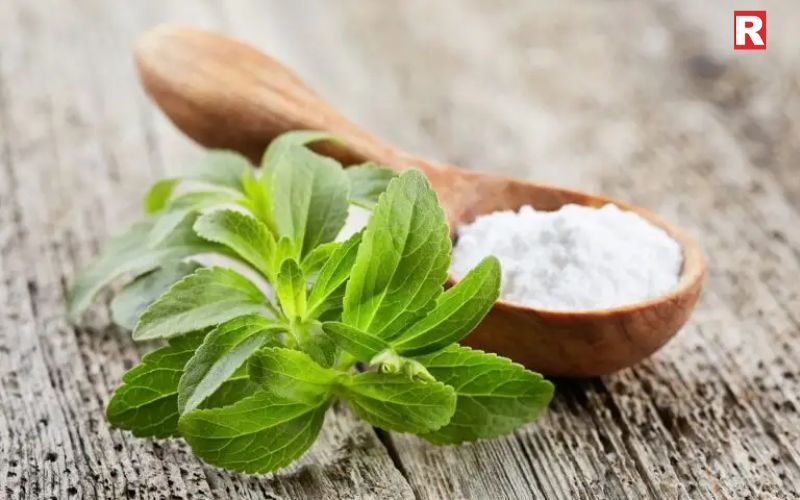
Stevia is a natural sweetener made from plant leaves. It has zero calories, which makes it popular among health-conscious consumers. It is much sweeter than regular sugar, so only a small quantity is needed. This helps reduce overall sugar intake without losing sweetness. It is widely used in beverages like tea, coffee, and cold drinks. Chefs also use it in light desserts such as mousse and puddings. It works well in low-calorie baked goods too. However, stevia can sometimes leave a mild bitter or licorice-like aftertaste. This can affect the final taste of desserts. To solve this, many chefs mix it with other sweeteners. This helps create a more balanced and pleasant flavour.
Read more: Portion Control Menus: The Smart Shift in Health-Conscious Dining in India
What is Kimchi? Top Veg Kimchi You Can Try at Home
2. Monk Fruit Sweetener
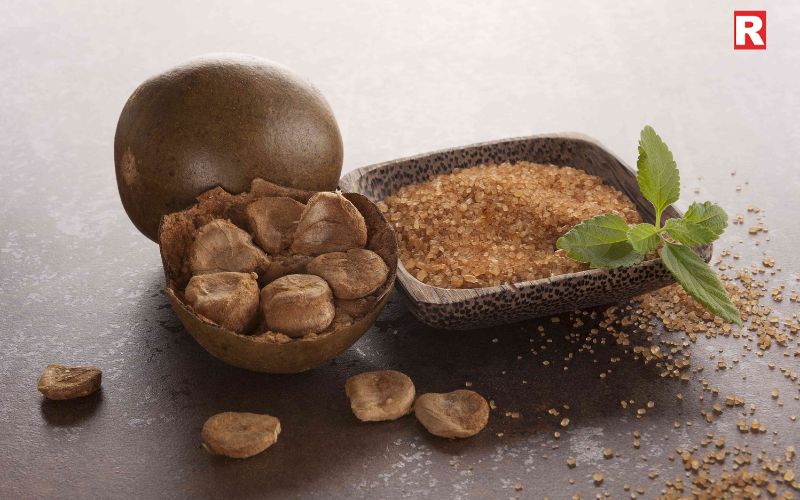
Monk fruit is slowly becoming popular in India, especially among people looking for healthier sweeteners. It is a natural ingredient and does not raise blood sugar levels. This makes it a good option for people with diabetes or those following controlled diets. It is much sweeter than regular sugar, so only a small amount is needed. In most cases, it is mixed with erythritol. This blend improves texture and gives a more balanced taste. It also makes baking easier, as it behaves closer to sugar. Chefs often use it in cheesecakes, cookies, and other premium desserts. It helps create desserts that are light yet satisfying. Many modern bakeries are now experimenting with it.
3. Coconut Sugar
Coconut sugar is often seen as a better option than refined sugar. It has a similar taste and texture, which makes it easy to use in everyday recipes. It also has a lower glycaemic index, so it affects blood sugar more slowly. In addition, it contains small amounts of minerals like potassium and iron. Many bakers prefer it because it works well in cakes and brownies. It is also used in granola, energy bars, and healthy snacks. In India, it is popular in fusion desserts that mix traditional and modern flavours. For home bakers, it is a simple replacement. It behaves much like regular sugar and does not require major recipe changes.
4. Dates and Jaggery
Dates and jaggery have always been part of Indian food culture. They are natural, simple, and trusted by most households. Dates are rich in fibre and natural sugars. They are often used to make laddoos, energy bites, and raw desserts. They add sweetness along with some nutritional value. Jaggery, also known as gur, has a deep and earthy taste. It is commonly used in sweets like halwa and chikki. Many chefs now use it in modern desserts as well. These ingredients offer more than just sweetness. They bring a sense of tradition and authenticity. They also appeal to consumers who prefer clean and natural ingredients in their food choices.
Know more: Best Indian Sweet Brands in India
5. Honey and Maple Syrup

Liquid sweeteners like honey and maple syrup are natural and full of flavour. They bring a rich taste and mild aroma to desserts. Many bakers use them to enhance both sweetness and texture. They are commonly added to cakes and muffins for a soft crumb. They also pair well with pancakes and waffles. In dessert sauces, they add smoothness and depth. However, they need careful handling in recipes. Since they contain moisture, they can change the texture of baked goods. Chefs usually reduce other liquids to maintain balance. Baking temperature may also need slight adjustment. With the right method, these sweeteners help create desserts that feel more wholesome and flavourful.
The Science Behind Sugar Replacement
Replacing sugar is not simple. It requires a balance of multiple factors. Sweetness intensity varies across alternatives. Some are much sweeter than sugar, while others are milder. This affects quantity and taste. Bulk is another key factor. Sugar gives structure to baked goods. Without it, desserts can turn dense or flat. To solve this, chefs use bulking agents or combine different sweeteners.
Moisture retention is also important. Sugar helps keep desserts soft. Alternatives may not offer the same effect, so recipes need careful adjustment. Professional kitchens often test multiple versions before finalising a recipe. This process ensures the dessert meets both taste and texture expectations.
Why Restaurants Are Adopting Sugar Alternatives
Restaurants and dessert brands are adapting quickly. The demand for healthier options is no longer niche. It is becoming mainstream.
Offering sugar-free or low-sugar desserts helps brands:
- Attract health-conscious customers
- Stand out in a competitive market
- Expand into new customer segments
Many cloud kitchens in India now specialise in keto desserts or diabetic-friendly sweets. Premium restaurants are also adding “guilt-free” sections to their menus. This shift is not just about health. It is also about innovation. Chefs are exploring new ingredients and creating unique flavour profiles.
Also check: The Top Most Famous Dishes of the World by Country
5 Instagram-Worthy Desserts to Try This Summer in India
Which City Is Known As The Ice Cream Capital Of India?
Challenges and Misconceptions
There are still some concerns around sugar alternatives. One common belief is that sugar-free desserts lack taste. This is changing as chefs improve formulations and use better ingredient combinations. Some sugar alcohols can cause digestive discomfort if consumed in large amounts. This is why portion control and clear labelling are important.
Cost is another factor. High-quality sugar alternatives are often more expensive than refined sugar. This can impact pricing for businesses. There is also confusion around labels. Terms like “natural,” “low sugar,” and “no added sugar” are not always clearly understood by consumers.
What Lies Ahead
The future of desserts in India looks balanced and full of new ideas. Sugar alternatives are expected to become more common across menus. Many chefs are now exploring plant-based and functional desserts that offer both taste and added benefits. There is also a growing focus on better blends of sweeteners. These blends help improve flavour and texture in recipes. Ingredients like monk fruit are becoming easier to find in the market. This will support wider use in both home and professional kitchens. Technology is also playing a role. Chefs and brands are using it to test and refine recipes faster. For consumers, this means more options to choose from. For businesses, it opens new ways to grow and stand out. Desserts today are not only about sweetness. They are about making smarter choices while still enjoying every bite.

Summer often changes how we eat. Heavy meals feel uncomfortable. Appetite goes down. Energy levels dip faster. But the body still needs protein, especially if you are active or working long hours. This is where traditional Indian laddoos become useful. They are small, easy to store, and packed with nutrients. When made with the right ingredients, they can be a smart summer snack. You get protein, good fats, and natural sweetness in one bite.
In many Indian homes, laddoos are no longer just festive sweets. They are becoming part of daily healthy eating. With a few smart swaps, they can support fitness goals and keep the body cool during hot months.
Why Protein Matters in Summer
In summer, people tend to eat less. This can reduce protein intake. Low protein can lead to fatigue, muscle loss, and constant hunger. When you combine protein with healthy fats and fiber, you get slow-release energy. This is important in summer when the body gets tired quickly.
Protein helps in:
- Maintaining muscle mass
- Keeping you full for longer
- Supporting metabolism
- Stabilising energy levels
Not all laddoos work well in hot weather. Some are too heavy or heat-producing. A good summer laddoo should:
- Use cooling or neutral ingredients
- Be light on ghee
- Use natural sweeteners like jaggery or dates
- Include plant-based protein sources
Ingredients like sattu, coconut, seeds, and jaggery are commonly used in Indian kitchens. They are affordable and suitable for the season.
Explore Top Protein-Rich Laddoos for Summer
1. Sattu Laddoo: The Ultimate Summer Superfood
Sattu is made from roasted gram flour and is a common ingredient in many Indian homes. It is known for being rich in plant-based protein. It is also valued for its cooling nature, which makes it ideal for summer. A sattu laddoo is easy to prepare and does not need many ingredients. Sattu is mixed with jaggery powder, a small amount of ghee, and a pinch of cardamom for flavour. The mixture is then shaped into small balls. These laddoos are light and filling at the same time. In North India, sattu is widely consumed during hot months. It is often used in drinks and snacks. It helps the body stay cool and reduces the risk of dehydration and heat fatigue.
Why it works:
- High in protein
- Keeps the body cool
- Supports digestion
- Provides steady energy
Read more: 8 Famous Vegetarian Dishes of Uttar Pradesh and Their Timeless Legacy
Why Sattu Is Emerging as India’s Ultimate Summer Superfood
2. Dry Fruits and Nuts Laddoo
Dry fruits and nuts laddoo is a rich and filling snack. It is made using almonds, cashews, pistachios, and walnuts. These nuts are high in protein and healthy fats. Dates or figs are added for natural sweetness. They also help bind the mixture. The nuts are lightly ground to keep some texture. Then they are mixed with chopped dates or figs. The mixture is shaped into small balls. No cooking is needed, which makes it quick to prepare. It is a good option for those with a busy routine. These laddoos are easy to store and carry. One laddoo can keep hunger away for a long time. It can replace packaged snacks and offer better nutrition during the day.
Why it works:
- Good source of protein and healthy fats
- Natural sugars give instant energy
- No refined sugar
3. Peanut Jaggery Laddoo
Peanuts are one of the most affordable sources of protein in India. They are easily available in local markets and simple to use in daily recipes. To make peanut laddoos, the peanuts are first roasted lightly. The skin is then removed to improve taste and texture. These roasted peanuts are mixed with melted jaggery to bind the mixture. It is then shaped into small laddoos while still warm. Quick shaping is important, as the mixture hardens on cooling. Light roasting is preferred, especially in summer. It keeps the laddoo easy to digest. Overcooking should be avoided, as it can make the laddoos heavy and less suitable for hot weather consumption.
Why it works:
- High protein content
- Budget-friendly
- Long shelf life
4. Seeds Laddoo: Small but Powerful
Seeds like flax, chia, sunflower, and pumpkin are packed with protein and essential nutrients. They also provide omega-3 fatty acids, which support overall health. To prepare this laddoo, the seeds are lightly dry roasted to enhance their flavour. Care is taken not to over-roast them. The roasted seeds are then mixed with jaggery syrup or soft date paste. This helps bind the mixture naturally. A small pinch of fennel powder is added for a mild cooling effect. The mixture is shaped into small laddoos while still warm. These laddoos are light yet filling. They suit people who follow fitness routines or prefer clean eating. It works well as a quick and nutritious snack option.
Why it works:
- High in protein and fiber
- Supports skin health
- Helps in hydration balance
5. Coconut Protein Laddoo
Coconut is known for its natural cooling effect, which makes it ideal for summer. It is light on the stomach and easy to digest. It also adds a mild and pleasant flavour to sweets. Coconut laddoos can be made using fresh or desiccated coconut, depending on availability. The coconut is mixed with condensed milk or soft date paste to bring the mixture together. This also adds natural sweetness. For those looking to increase protein intake, a small amount of plant-based protein powder can be added. The mixture is shaped into small laddoos. These laddoos are soft, light, and satisfying. They work well as a post-meal sweet, especially during hot afternoons when heavy desserts are not preferred.
Why it works:
- Hydrating and refreshing
- Easy on the stomach
- Quick to prepare
Know more: Sattu vs Paneer vs Soyabean: Know the Real Difference
6. Ragi Laddoo: Nutrition with Tradition
Ragi, also known as finger millet, is a common grain in many Indian homes. It is rich in protein, calcium, and fiber. It supports bone health and keeps the body active. To make ragi laddoos, the flour is roasted slowly on low heat. This helps improve taste and digestion. The roasted flour is then mixed with jaggery and a small amount of ghee. Chopped nuts can be added for extra texture and nutrition. The mixture is shaped into small laddoos while still warm. Ragi is easy to digest when cooked well. It makes these laddoos suitable for regular use. They are filling, nutritious, and work well as a daily snack option.
Why it works:
- Supports bone health
- Provides steady energy
- Keeps you full for longer
7. Besan Protein Laddoo (Light Version)
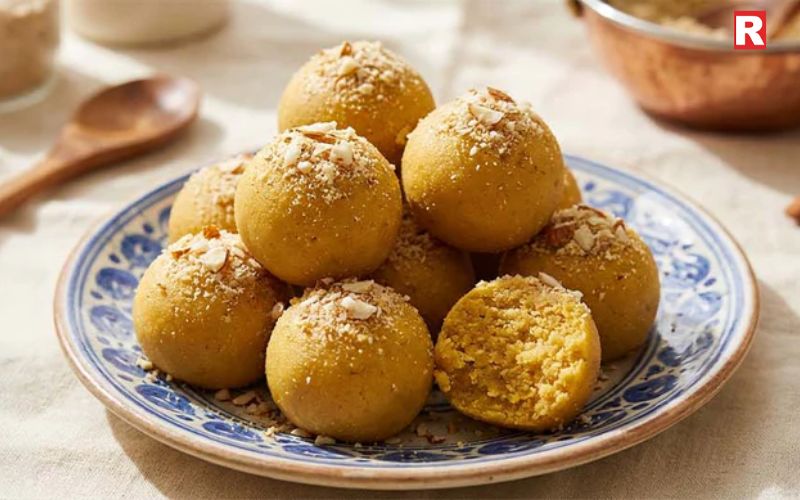
Besan laddoos are a classic sweet in many Indian homes. However, traditional recipes often use a lot of ghee and sugar, which can feel heavy in summer. A lighter version is more suitable for hot weather. In this method, besan is dry roasted on low heat with a small amount of ghee. This helps bring out its aroma without making it too rich. Once roasted, powdered jaggery is added and mixed well. The mixture is shaped into small laddoos. Keeping the portions small makes them easier to digest. This version maintains the familiar taste. At the same time, it reduces heaviness and makes it a better option for everyday summer snacking.
Why it works:
- Good plant protein source
- Lower glycemic load with jaggery
- Familiar taste with a healthier twist
Nutritional Balance: What You Should Know
Each laddoo offers a mix of nutrients. But the key is balance.
- Protein helps repair and build tissues
- Healthy fats provide sustained energy
- Fiber supports digestion
When eaten in moderation, these laddoos can be part of a healthy routine. One or two per day is enough for most people.
Also check: Top Health Benefits of Mushrooms You Should Know Before Your Next Meal
Black Carrot Kanji vs Beetroot Kanji: Which One Should You Try This Season?
8 Must-Know Indian Chutneys That Add Instant Flavor to Every Meal
Simple Tips to Make Them Healthier
- Use jaggery instead of refined sugar
- Keep ghee in small amounts
- Add cooling spices like cardamom or fennel
- Store in airtight containers
- Make small batches to keep them fresh
You can also customise recipes based on your needs. For example, add more nuts if you need extra protein. Reduce sweeteners if you want lower calories.
Final Thoughts
Laddoos are easy to carry. You can eat them between meals, after workouts, or even during travel. They do not require refrigeration in most cases. For working professionals, they save time. For fitness enthusiasts, they offer natural nutrition. For families, they are a healthier alternative to packaged sweets. Summer eating should be light but nourishing. Protein-rich laddoos offer both. They are rooted in tradition but fit well into modern lifestyles.
By choosing the right ingredients, you can turn a simple sweet into a functional snack. These laddoos are not just about taste. They support energy, health, and balance during the hottest months of the year. Switching to homemade options like these can make a real difference. It is a small change, but one that adds long-term value to your daily diet.

The way India eats has changed quietly but deeply. Work-from-home has not just moved offices into living rooms. It has also reshaped daily food habits. Earlier, meals followed a fixed routine. Now, eating is more flexible, more personal, and often more digital.
For many urban professionals, the office cafeteria, nearby cafés, and home-packed tiffins once defined lunch. Today, a smartphone and a food delivery app decide what arrives on the plate. This shift has created new patterns in how, when, and what people order.
The End of the Fixed Lunch Hour
Before remote work became common, lunch breaks were predictable. Most offices had a fixed time. People either carried food from home or stepped out with colleagues. Meals were structured. Now, the schedule is different. Meetings are spread across the day. Work hours often stretch. As a result, people eat when they find time. This has led to a rise in “micro-meals.” Instead of one heavy lunch, many prefer small, frequent orders.
For example, a professional working from home may start with a quick sandwich at 11 am, order a bowl meal at 2 pm, and then snack again in the evening. This pattern has increased the number of orders per day, even if each order is smaller.
Comfort Food Is Driving Choices

Food is no longer just about hunger. It is also about comfort. Working from home can feel isolating. Long hours on screens add stress. In such situations, people turn to familiar and comforting meals. This is why home-style food is in demand. Simple dal-chawal, khichdi, parathas, and regional dishes are gaining popularity. Many consumers now look for meals that remind them of home.
There is also a rise in regional cravings. A professional from Kolkata living in Delhi may order Bengali meals. Someone from South India may look for authentic dosa or sambar. Food has become a way to stay connected to one’s roots. This trend is strongly linked to consumer psychology. Comfort-driven consumption is higher when people spend more time alone or indoors.
Read more: Why Sattu Is Emerging as India’s Ultimate Summer Superfood
The Ultimate Guide to Getting Your Cloud Kitchen on Zomato
Food Delivery Apps Are Seeing Higher Usage

Rise of Daily Usage of Food Delivery Apps: Platforms like Zomato and Swiggy have moved beyond occasional use. They are now a regular part of daily routines. Consumers rely on them for breakfast, lunch, snacks, and even late-night meals.
Expansion of Quick Commerce for Instant Cravings: Quick delivery services such as Zepto have raised expectations. With delivery times often under 15–20 minutes, users feel comfortable placing small and frequent orders instead of planning meals in advance.
Higher Engagement Through Smart Features: Subscription plans, attractive discounts, and personalised recommendations are keeping users engaged. These features encourage repeat usage and make ordering more convenient and cost-effective.
Increase in Order Frequency with Controlled Spending: Consumers are ordering more often throughout the day. However, each order tends to be smaller in value. This reflects a shift from bulk meal ordering to multiple smaller, need-based purchases.
Advanced Last-Mile Delivery Optimisation: The backbone of this growth is strong logistics. Companies are investing in efficient routing systems, better delivery networks, and real-time tracking. This ensures faster and more reliable deliveries, even during peak hours.
Cloud Kitchens Are Thriving
One of the biggest winners of this shift is the cloud kitchens model. These kitchens operate without dine-in spaces. They focus only on delivery. With more people ordering from home, cloud kitchens have expanded rapidly. They can launch new brands quickly and test different cuisines. Since they rely on data, they know what customers want at specific times.
For example, if data shows high demand for healthy bowls during lunch hours, kitchens can optimise their menus accordingly. This use of data analytics in menu design helps increase efficiency and reduce waste. Another trend is the rise of single-serve meals. Many people working from home live alone or in small families. They prefer portion-controlled meals that are easy to consume.
Know more: Cloud Kitchen vs. Traditional Restaurants: Which is More Profitable?
Health-Conscious Ordering Is Growing
While comfort food is popular, there is also a strong shift towards health. Many consumers are now more aware of what they eat. Sitting for long hours has made people cautious about weight and fitness. As a result, there is growing demand for salads, protein bowls, millet-based dishes, and low-calorie meals. Brands are responding by offering healthier menus.
Meal kits have also entered the market. These kits allow users to cook fresh food quickly at home. They offer a balance between convenience and control over ingredients. This trend shows that consumers are not just looking for taste. They want value, nutrition, and transparency.
Weekday and Weekend Eating Has Merged
Earlier, weekdays were about simple meals. Weekends were for indulgence. Eating out or ordering food was often reserved for Friday nights or Sundays. Work-from-home has blurred this line. Since people stay at home throughout the week, they are more likely to treat themselves mid-week. A Tuesday dinner can now feel like a weekend meal. This change has increased overall ordering frequency. It has also created opportunities for brands to promote weekday offers and deals.
Restaurants Are Adapting Fast
Restaurants and food brands have had to rethink their strategies. Menus are now designed for delivery, not just dine-in. Packaging has improved to ensure food stays fresh during transit. Combo meals, subscription plans, and family packs are becoming common. Brands are also focusing more on digital visibility. Being visible on apps is now as important as having a good location.
From a business perspective, unit economics has become critical. Restaurants need to balance delivery costs, platform commissions, and customer acquisition costs. Retaining customers through loyalty programs and offers is equally important.
Tier 2 and Tier 3 Cities Are Catching Up
The shift is not limited to metros. Smaller cities are also seeing growth in food delivery. Increased internet access and smartphone usage have played a big role.
Consumers in these cities are now exploring new cuisines. They are more open to ordering online. This has created new opportunities for food brands to expand beyond major urban centres. At the same time, local flavours remain strong. Brands that combine convenience with regional authenticity are performing well.
Also check: Restaurant Business in India: Complete Guide to Start, Run & Grow (2026)
How Restaurants Redesign Their Menus for the Summer Season
Menu Engineering: How Restaurants Decide Pricing (And Why It Matters More Than You Think)
The Future of Food Ordering in India
Work-from-home may not remain as dominant as it was during the pandemic. However, hybrid work models are here to stay. This means food ordering habits will continue to evolve. Convenience will remain a key driver. Technology will play a bigger role. Artificial intelligence and data will help platforms offer personalised recommendations. Consumers will expect faster delivery, better quality, and more variety. At the same time, health and sustainability will influence choices. The shift to work-from-home has changed more than just work routines. It has redefined how India eats. Food ordering is now more flexible, more frequent, and more personalised. From comfort meals to healthy options, from quick snacks to full-course deliveries, the choices have expanded. For consumers, it means more control and convenience. For businesses, it means adapting to a fast-changing market. This transformation is not temporary. It is shaping the future of food in India.
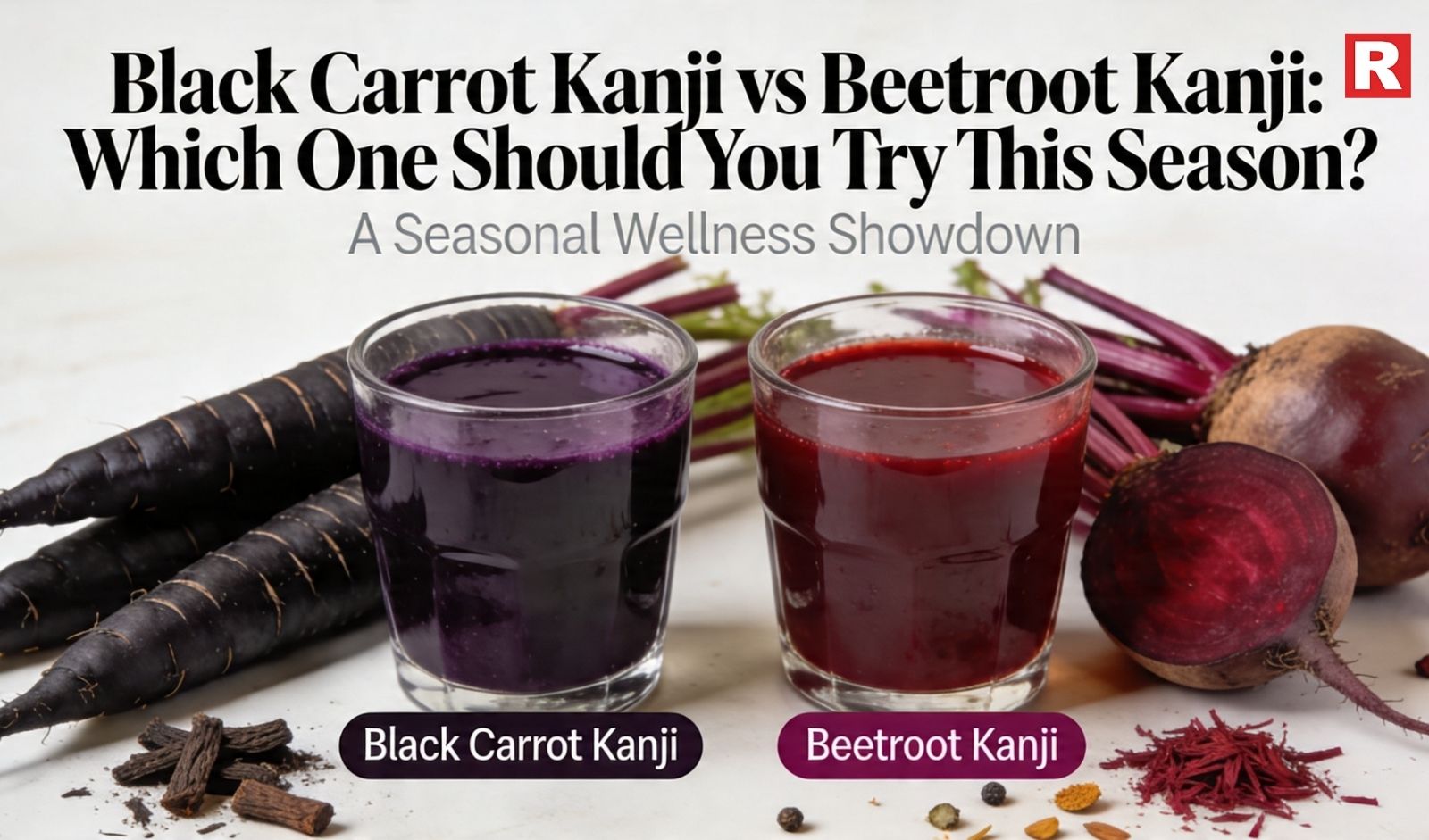
Some drinks are more than just refreshing. They carry tradition, health benefits, and a strong connection to seasonal eating in India. Kanji is one of them. Popular across North India, especially around spring and Holi, this fermented drink is now gaining attention for its gut-friendly properties.
But today, there is a growing debate. Should you go for the traditional black carrot kanji or try the more easily available beetroot version? Both look similar. Both taste tangy. But they are not exactly the same. Here is a clear and detailed comparison to help you decide.
What Is Kanji?
Kanji is a naturally fermented drink made using vegetables, water, salt, and spices like mustard seeds. It is usually kept in sunlight for a few days to allow fermentation. The process behind kanji is called lactic acid fermentation. In simple terms, good bacteria break down sugars present in the vegetables. This produces lactic acid, which gives kanji its sour taste and probiotic quality. Because of this process, kanji supports digestion and helps improve gut health. It is often consumed in small quantities before meals.
What Is Black Carrot Kanji?
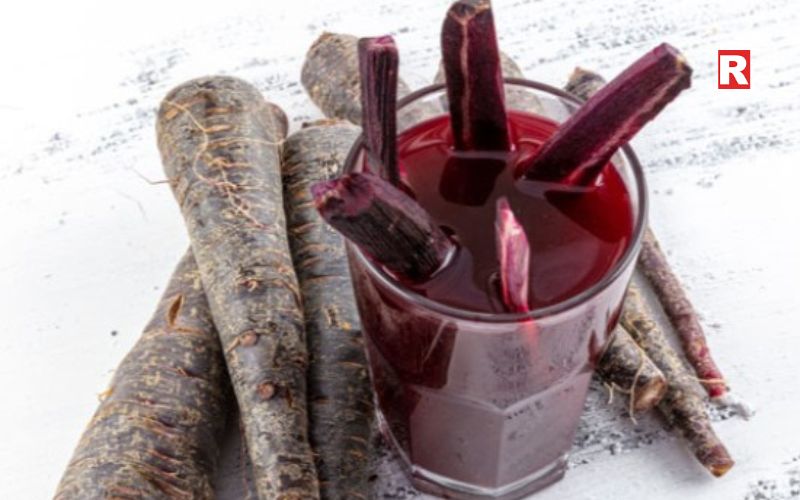
Black carrot kanji is the original and most authentic version of this drink. It is commonly prepared in states like Punjab, Uttar Pradesh, and Rajasthan. Black carrots have a deep purple-black colour. This comes from compounds called anthocyanins, which are known for their strong antioxidant properties. The taste of black carrot kanji is bold. It is earthy, tangy, and slightly pungent. The flavour develops over a few days of fermentation and becomes sharper with time. However, black carrots are seasonal. They are mainly available during winter. This makes the drink limited to a specific time of the year.
Read more: Top Health Benefits of Mushrooms You Should Know Before Your Next Meal
Why Sattu Is Emerging as India’s Ultimate Summer Superfood
What Is Beetroot Kanji?
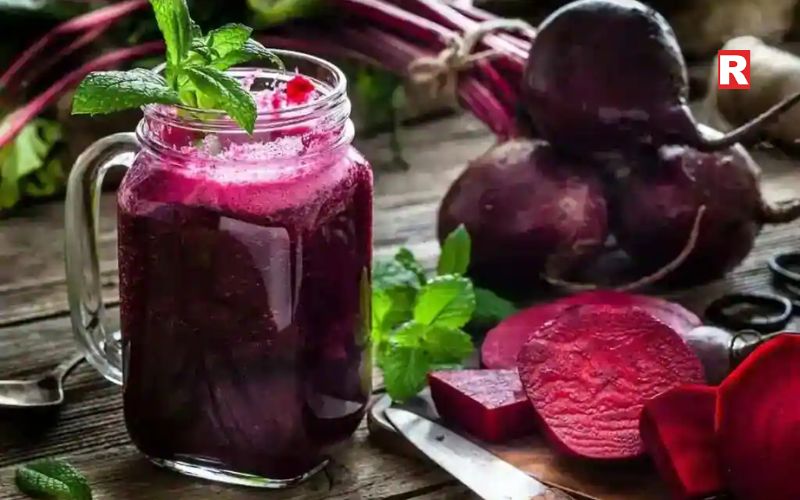
Beetroot kanji is a modern alternative. It became popular because black carrots are not easily available in many parts of India. Beetroot gives the drink a bright red colour. This comes from natural pigments called betalains. These compounds are also known for their antioxidant and detox-supporting properties. In terms of taste, beetroot kanji is milder. It has a slightly sweet undertone, which makes it easier to drink for beginners. It still has the tangy kick of fermentation, but it is less intense compared to black carrot kanji. The biggest advantage is availability. Beetroot is easily found throughout the year in Indian markets.
Black Carrot Kanji vs Beetroot Kanji: Key Differences
Aspect | Black Carrot Kanji | Beetroot Kanji |
|---|---|---|
Taste Profile | Strong, sharp, and earthy flavour. More traditional and robust. Best for those who enjoy bold fermented drinks. | Softer and milder taste. Slightly sweet with less pungency. Ideal for beginners. |
Nutritional Value | Rich in probiotics. Contains anthocyanins, which help reduce inflammation, support heart health, and improve skin health. | Rich in probiotics. Contains betalains, which support detox, liver function, and improve blood flow and stamina. |
Gut Health Impact | Supports digestion and gut health through fermentation. | Similar gut health benefits when fermented properly. |
Fermentation Behaviour | Develops a deeper, more complex flavour. Fermentation leads to a sharper taste. | Ferments faster due to higher natural sugar content. Results in a milder and slightly sweeter drink. |
Availability & Cost | Seasonal and limited. Mostly available in winter and in select regions. | Easily available across India throughout the year. More affordable and accessible. |
Health Benefits: Which One Is Better?
Both versions of kanji offer strong health benefits when prepared properly. They support digestion by improving gut bacteria. This can help reduce bloating and improve nutrient absorption. They also boost immunity. A healthy gut plays a key role in overall immune function.
- Kanji is also low in calories. It can be a good addition to a balanced diet, especially if you are looking for natural and functional drinks.
- Black carrot kanji may offer slightly stronger antioxidant benefits due to anthocyanins. Beetroot kanji, on the other hand, supports detox and blood health.
Instead of choosing one as better, it is more practical to choose based on your health goals and ingredient availability.
Know more: What is Kimchi? Top Veg Kimchi You Can Try at Home
Taste and Experience: What Should You Pick?
Your choice depends on what you enjoy and what you are looking for.
- If you prefer authentic flavours and traditional recipes, black carrot kanji is the better option. It gives you the original taste that has been enjoyed for generations.
- If you are new to kanji, beetroot is a safer start. The taste is easier to accept, and the drink feels lighter.
- If presentation matters, beetroot kanji stands out. Its bright red colour makes it visually appealing and popular for social sharing.
- If you value tradition and seasonal eating, black carrot kanji holds more cultural significance.
When and How to Consume Kanji
Kanji is best consumed in small amounts. Around half a glass is enough. It is usually taken before meals. This helps stimulate digestion and prepare the gut. The drink is most popular during the transition from winter to summer. During this time, the body benefits from light, fermented foods that support digestion. It should always be stored properly. Once fermented, you can refrigerate it to slow down further fermentation.
Also check: Sattu vs Paneer vs Soyabean: Know the Real Difference
The Top Most Famous Dishes of the World by Country
Top 5 States With the Spiciest Food in India
Happy Summer!
Kanji reflects how traditional Indian drinks fit well with modern health needs. It is simple to make and works as a natural probiotic. The drink supports gut health through lactic acid fermentation. This process helps good bacteria grow in the body. Black carrot kanji offers a deeper flavour and strong antioxidant value from anthocyanins. It suits those who prefer authentic, seasonal foods. Beetroot kanji is easier to find and has a milder taste. It contains betalains that support detox and blood flow. Both versions help digestion and can be part of a balanced diet. Urban consumers looking for clean and functional drinks can benefit from including kanji in daily routines. It is also cost-effective and easy to prepare at home. With rising interest in gut-friendly foods, kanji stands out as a practical choice. Choosing such fermented drinks over packaged options supports better nutrition and mindful eating habits.

Mushrooms are no longer just a restaurant ingredient. Today, they are becoming a regular part of Indian kitchens. From simple curries to pulao and stir-fries, mushrooms are easy to cook and full of nutrition. Many people now see them as a smart and healthy alternative to heavy foods.
What makes mushrooms special is their balance. They are low in calories but rich in nutrients. They also fit well into vegetarian diets, which is important for many Indian households. If you are trying to eat clean, manage weight, or boost immunity, mushrooms deserve a place on your plate.
Nutritional Profile of Mushrooms
Mushrooms may look simple, but they are packed with nutrients.
They are:
- Low in calories and fat
- Rich in water content
- Moderate in protein
One of the biggest advantages is their micronutrient profile. Mushrooms contain:
- Vitamin D – rare in vegetarian foods
- B vitamins – especially B2, B3, and B5
- Minerals like potassium, selenium, and copper
They also contain powerful antioxidants like ergothioneine and glutathione. These compounds help protect the body from damage caused by stress and pollution. If you compare mushrooms with paneer, you will notice a clear difference. Paneer is high in fat and calories, while mushrooms are light and easy to digest. This makes mushrooms a better option for daily meals, especially if you are watching your weight.
Read more: Mushrooms vs Paneer: Which Is Better for Weight Loss?
Top Exotic Mushrooms in India: Types, Uses, and Growing Popularity
Top Health Benefits of Mushrooms
Boosts Immunity Naturally: Mushrooms help strengthen your immune system. They contain beta-glucans, which support immune function. Antioxidants in mushrooms also help the body fight infections. In a country like India, where seasonal infections are common, adding mushrooms to your diet can be a simple step towards better health.
Supports Weight Loss: If you are trying to lose weight, mushrooms can be very helpful. They are low in calories but high in volume. This means you can eat more without consuming too many calories. Their high water content keeps you full for longer. You can replace high-calorie ingredients like cream or paneer with mushrooms in dishes. This simple swap can reduce your daily calorie intake.
Good for Heart Health: Mushrooms support heart health in many ways. They help lower bad cholesterol levels. They are also rich in potassium, which helps control blood pressure. This is important for people dealing with hypertension, a common issue in urban India. Regular consumption can support a healthier heart over time.
Helps Manage Diabetes: Mushrooms have a low glycaemic index. This means they do not cause a sudden spike in blood sugar levels. They are also low in carbohydrates. This makes them a good choice for people managing diabetes or pre-diabetes. Including mushrooms in meals like sabzi or soups can help maintain stable energy levels throughout the day.
A Good Plant-Based Protein Option: For vegetarians, finding protein-rich foods can be a challenge. Mushrooms offer a helpful solution. While they are not as high in protein as lentils or paneer, they still provide a decent amount. More importantly, they add variety to your diet. You can combine mushrooms with dal, rice, or roti to create balanced meals.
Supports Brain Health: Mushrooms contain antioxidants that help reduce oxidative stress. This is important for brain health. Some studies suggest that regular consumption may support memory and reduce the risk of cognitive decline. While more research is needed, the existing data is promising. Adding mushrooms to your weekly diet can be a small step towards long-term mental wellness.
Promotes Gut Health: Good digestion is the base of overall health. Mushrooms contain prebiotic fibres that feed healthy gut bacteria. This helps improve digestion and supports nutrient absorption. If you often face issues like bloating or slow digestion, mushrooms can be a helpful addition.
Supports Bone Health: Vitamin D plays a key role in bone health. Mushrooms are one of the few vegetarian sources of this vitamin. They help the body absorb calcium better. This is especially important for people who do not get enough sunlight or follow a strict vegetarian diet.
Good for Skin and Hair: Mushrooms are rich in antioxidants and B vitamins. These nutrients help improve skin texture and reduce signs of ageing. They also support hair health by improving blood circulation and nutrient supply to hair roots. If you are focusing on natural beauty from within, mushrooms can support your routine.
May Help Reduce Cancer Risk: Mushrooms contain bioactive compounds that have anti-inflammatory properties. Some research suggests that these compounds may help reduce the risk of certain cancers. While mushrooms are not a cure, they can be part of a healthy and preventive diet.
Know more: Why Sattu Is Emerging as India’s Ultimate Summer Superfood
Popular Types of Mushrooms in India
India offers a variety of mushrooms, each with its own use.
- Button mushrooms – The most common type. Perfect for curries and stir-fries.
- Oyster mushrooms – Soft texture and mild flavour. Ideal for quick cooking.
- Shiitake mushrooms – Rich taste. Often used in Asian dishes.
- Milky mushrooms – Popular in South India. Good for traditional recipes.
Each type can be used in different ways depending on your taste and cooking style.
How to Add Mushrooms to Your Daily Diet
Mushrooms are easy to include in everyday meals.
Here are some simple ideas:
- Add them to a basic onion-tomato curry
- Mix them into pulao or fried rice
- Stir-fry with garlic and spices for a quick side dish
- Add to omelettes or wraps
Before cooking, always wash mushrooms properly. Avoid soaking them in water for too long, as they absorb moisture quickly. Cooking them well is important for both taste and safety.
Also check: What is Kimchi? Top Veg Kimchi You Can Try at Home
Pani Puri Has Different Names in Different Indian States—Know Them All
Why Corn on the Cob Is the Ultimate Indian Street Snack for Summer & Monsoon
Are There Any Side Effects?
Mushrooms are generally safe for most people.
However, keep a few things in mind:
- Some people may have mild allergies
- Avoid eating raw mushrooms
- Always buy from trusted stores or vendors
Wild mushrooms should never be consumed unless verified, as some types can be toxic.
Know the Truth!
Mushrooms are affordable, versatile, and easy to cook. They fit well into Indian meals and offer a wide range of health benefits. From boosting immunity to supporting heart and brain health, mushrooms provide value beyond basic nutrition. They are especially useful for vegetarians looking for variety and balance. Adding mushrooms to your meals two to three times a week can make a noticeable difference over time. Small changes like this often lead to better long-term health. In a fast-paced lifestyle where health often takes a back seat, mushrooms offer a simple and practical way to eat better without making major changes to your routine.
Parmesan cheese has slowly moved from fine-dining kitchens to Indian homes. Today, it is a must-have for pasta lovers, home chefs, and even fitness enthusiasts. Known as the “King of Cheeses,” Parmesan stands out for its strong flavour, grainy texture, and rich aroma.
In India, the demand for Parmesan cheese is rising. This is mainly due to the growing popularity of continental food, café culture, and gourmet cooking. However, not every product labelled as Parmesan is truly authentic. Many options available in India are Parmesan-style cheeses adapted for local tastes and budgets. This guide explores the best Parmesan cheese brands in India, along with useful insights to help you choose the right one.
What Makes Parmesan Cheese Special?
Parmesan is a hard, aged cheese that comes with a deep, nutty flavour. It is usually aged for 12 to 36 months, which gives it a firm texture and a slightly crystalline bite.
Here’s what makes it unique:
- Texture: Hard and granular
- Taste: Sharp, nutty, and umami-rich
- Aging: Long aging enhances flavour
- Nutrition: High in protein and calcium
One major advantage is that Parmesan is naturally low in lactose. This makes it easier to digest compared to many other cheeses. It is also rich in amino acids, making it a popular choice among people focusing on high-protein diets.
Types of Parmesan Cheese Available in India
Before choosing a brand, it is important to understand the different types available in the market.
Authentic Imported Parmesan: This includes real Parmigiano Reggiano from Italy. It follows strict production rules and offers the most authentic taste. These cheeses are usually expensive but deliver superior quality.
Imported Commercial Parmesan: These are mass-produced and often sold in grated form. They are convenient and have a longer shelf life. However, the flavour may be milder compared to authentic versions.
Indian Artisanal Parmesan: These cheeses are made locally in small batches. They focus on quality, freshness, and natural ageing. Many Indian brands now offer impressive alternatives to imported Parmesan.
Parmesan-Style Cheese: These are budget-friendly options. They mimic the flavour of Parmesan but may not follow traditional aging methods.
Explore Top Parmesan Cheese Brands in India
1. Kraft Parmesan Cheese
Kraft Parmesan cheese is a familiar choice in many Indian homes. It comes in a ready-to-use grated form. This makes cooking faster and easier. It blends smoothly into hot pasta, soups, and baked dishes. The taste is mild and slightly salty. It works well for those who prefer a balanced flavour. It is often used as a quick topping rather than a core ingredient. The packaging helps it last longer in the kitchen. Nutritionally, it offers a good amount of protein and calcium in small servings. It also contains sodium, so it should be used in moderation. This cheese suits people who want a simple and hassle-free option for daily meals.
- Type: Imported commercial
- Best for: Quick meals, pasta, and salads
- Why choose it: Convenience and long shelf life
Read more: What is Kimchi? Top Veg Kimchi You Can Try at Home
Best Indian Sweet Brands in India
2. Mishti Gourmet Parmesan
Mishti Gourmet Parmesan reflects a more refined approach to cheese making. It is crafted in small batches using traditional methods. The texture is firm with a slightly grainy bite. The flavour is deep, nutty, and well-developed. It is often shaved over pasta, salads, or roasted vegetables. This cheese adds richness without overpowering the dish. It is free from preservatives, which appeals to health-conscious buyers. Nutritionally, it is rich in protein and calcium, supporting bone health. It also contains essential fats that add energy. The natural aging process enhances its taste and digestibility. This makes it suitable for those who value quality and authentic flavour in their cooking.
- Type: Indian artisanal
- Best for: Gourmet dishes and fine cooking
- Why choose it: Rich flavour and preservative-free production
3. Amezo Parmesan Cheese
Amezo Parmesan cheese is a practical option for everyday cooking. It is widely used in both home kitchens and food service setups. The texture is slightly softer compared to aged Parmesan. The taste is mild and easy to blend with different dishes. It works well in pasta, sandwiches, and baked snacks. It melts quickly and spreads evenly. This makes it suitable for quick recipes. Nutritionally, it provides protein and calcium, which are important for muscle and bone health. It also contains fats that contribute to energy intake. The overall composition is simple and functional. It is a good choice for those who want a cost-effective cheese for regular use.
- Type: Parmesan-style
- Best for: Daily cooking
- Why choose it: Affordable and easily available
4. fresho! Signature Parmesan

fresho! Signature Parmesan is a popular choice among online grocery buyers. It offers a balanced flavour that suits different recipes. The cheese has a firm texture and a slightly sharp taste. It can be grated fresh or sliced thin. It pairs well with pasta, soups, and salads. The quality remains consistent across batches. This makes it reliable for regular use. Nutritionally, it contains a good amount of protein and calcium. It also has moderate fat content, which adds richness to dishes. The cheese is easy to store and handle. It suits people who want better flavour without moving into very high-end options.
- Type: Imported-style gourmet
- Best for: Home chefs and regular users
- Why choose it: Consistent quality and easy availability
5. Caroselle Parmesan Cheese
Caroselle Parmesan cheese stands out for its aged and intense flavour. The texture is firm with visible crystals, which indicate proper aging. The taste is sharp, nutty, and slightly complex. It is often used in authentic Italian recipes. A small amount is enough to enhance a dish. It is usually shaved or grated fresh before serving. Nutritionally, it is rich in calcium and protein. These nutrients help support bone strength and muscle function. It also contains fats that add depth to meals. Due to its strong flavour, it is used in controlled portions. This cheese is suitable for those who enjoy bold and traditional taste profiles.
- Type: Premium Parmesan
- Best for: Authentic recipes
- Why choose it: Longer aging and deeper taste
Know more: Top Egg Brands in India That Crack All the Right Boxes
6. Old Hill Parmesan
Old Hill Parmesan is crafted using traditional artisanal methods with careful aging. The cheese develops a bold and layered flavour over time. Its texture is firm with a slightly crumbly finish. It is often used in gourmet recipes and curated cheese platters. It pairs well with roasted vegetables, pasta, and slow-cooked dishes. Even a small amount adds depth to the overall taste. Nutritionally, it provides high protein, which helps support muscle health. It is also rich in calcium, which is important for strong bones. The natural fats enhance flavour and provide energy. The quality reflects controlled production and attention to detail. This cheese suits those who prefer premium, well-crafted ingredients.
- Type: Artisanal
- Best for: Cheese boards and gourmet meals
- Why choose it: Strong taste and premium quality
Parmesan Cheese Price Range in India
The price of Parmesan cheese in India varies based on quality and origin.
- Budget range: ₹300–₹500
- Mid-range: ₹500–₹800
- Premium range: ₹800–₹1500+
Imported and aged cheeses are usually more expensive due to production methods and import costs.
Also check: Top 5 States With the Spiciest Food in India
5 Ways to Use Garden Cress Seeds (Halim) for Stronger Hair and Bones
The Top Most Famous Dishes of the World by Country
How to Choose the Right Parmesan Cheese
Choosing the right Parmesan depends on your needs and cooking style.
1. Check the Aging: Longer aging means stronger flavour. If you prefer a bold taste, go for well-aged cheese.
2. Choose the Right Form
- Block: Better taste and freshness
- Grated: More convenient
Freshly grated cheese always tastes better than pre-packed grated versions.
3. Look at the Origin
- Italian cheese offers authenticity
- Indian artisanal brands offer freshness and value
4. Observe the Texture: Good Parmesan often has small crystals. This is a sign of proper aging.
Final Thought!
Parmesan cheese is now a common choice in many Indian kitchens. It is no longer limited to fine dining or restaurants. People use it at home for simple and quick meals. There are many options available in the market today. Some are budget-friendly, while others are premium and artisanal. This makes it easy for different types of buyers to find what suits them. Grated Parmesan is popular for its convenience. It saves time and works well for daily cooking. On the other hand, aged Parmesan blocks offer a richer and deeper flavour. They are often preferred by food lovers who enjoy experimenting. The variety is increasing every year, especially with the growth of gourmet food culture in India. Choosing the right Parmesan depends on how it will be used. A good choice can enhance the taste of even simple dishes. It adds depth, flavour, and a touch of richness to everyday meals.
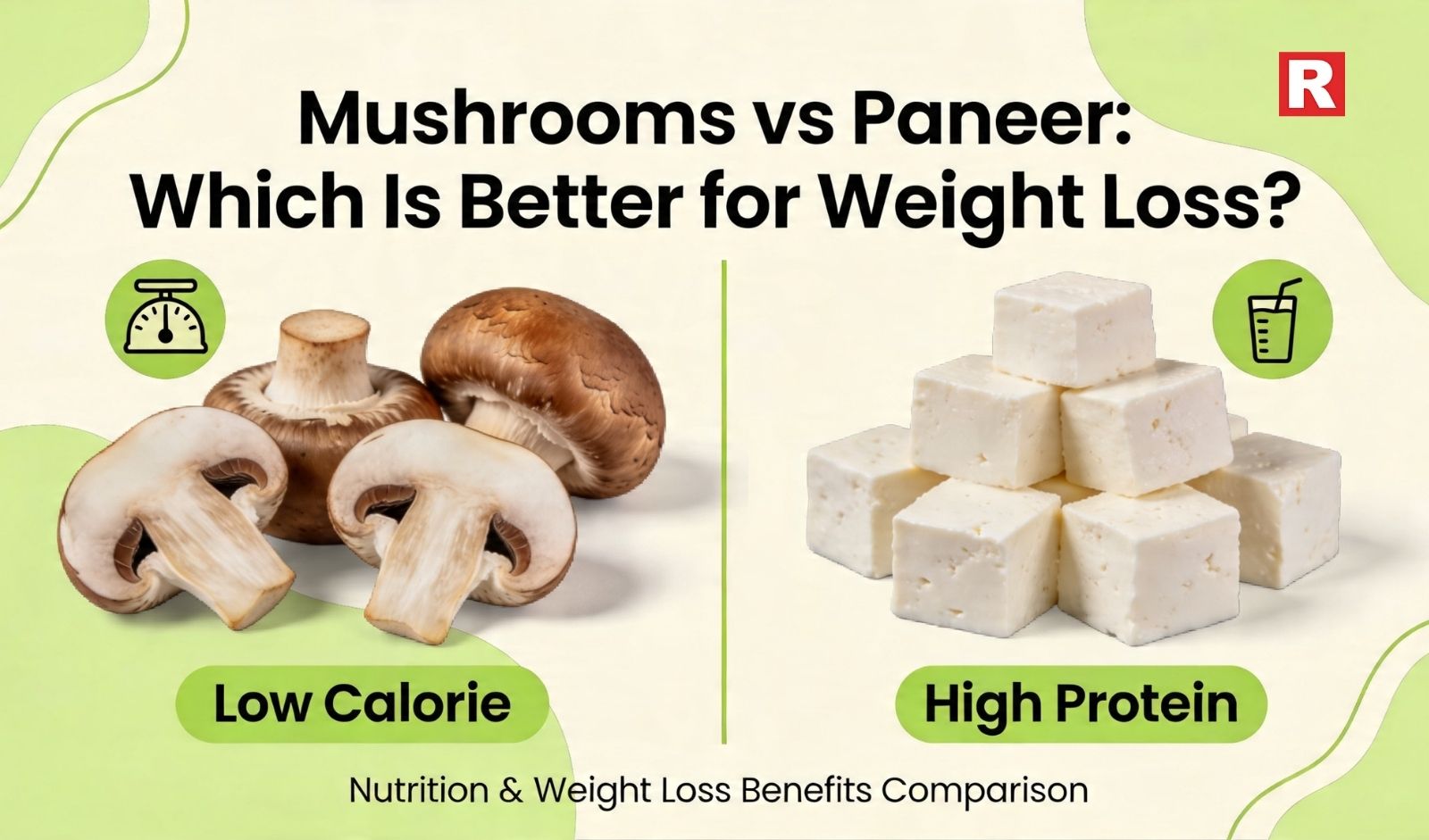
Weight loss diets in India often come with one big question: what should you eat when you are vegetarian and still want enough protein? Two common choices are mushrooms and paneer. Both are easy to find, versatile, and used in everyday cooking. But when it comes to losing weight, they work very differently.
If you are trying to cut calories, build muscle, or simply eat healthier, understanding the difference between these two foods can help you make better choices every day.
Understanding the Basics
Mushrooms are often called a “diet food” because they are light and low in calories. Paneer, on the other hand, is known for its high protein content and rich taste. Many people assume paneer leads to weight gain, while mushrooms are always better for weight loss. The truth is more balanced. Both can support your goals, but it depends on how you use them.
Nutritional Comparison: Mushrooms vs Paneer
Here is a simple breakdown per 100 grams:
Nutrient | Mushrooms | Paneer |
|---|---|---|
Calories | 20–30 kcal | 250–300 kcal |
Protein | 3–4 grams | 18–20 grams |
Fat | Almost none | High |
Carbohydrates | Low | Low |
Fiber | Contains some fiber | Almost none |
This comparison shows a clear difference. Mushrooms are low in calories, while paneer is dense in protein but also higher in fat and calories.
How Mushrooms Help in Weight Loss
Mushrooms are one of the best foods for a calorie deficit diet. They allow you to eat more volume without consuming too many calories.
Low Calorie Density: You can eat a large portion of mushrooms without worrying about excess calorie intake. This is helpful when you feel hungry often.
High Water Content: Mushrooms are made up of about 90 percent water. This helps you feel full quickly.
Good for Digestion: They contain fiber, which supports digestion and keeps your gut healthy.
Ideal for Light Meals: If you prefer lighter dinners or quick meals, mushrooms are a great option. They do not feel heavy and are easy to digest.
Practical Use: If you often crave snacks or large meals, replacing part of your dish with mushrooms can reduce your total calorie intake without making you feel deprived.
Read more: Top Exotic Mushrooms in India: Types, Uses, and Growing Popularity
Why Sattu Is Emerging as India’s Ultimate Summer Superfood
How Paneer Helps in Weight Loss
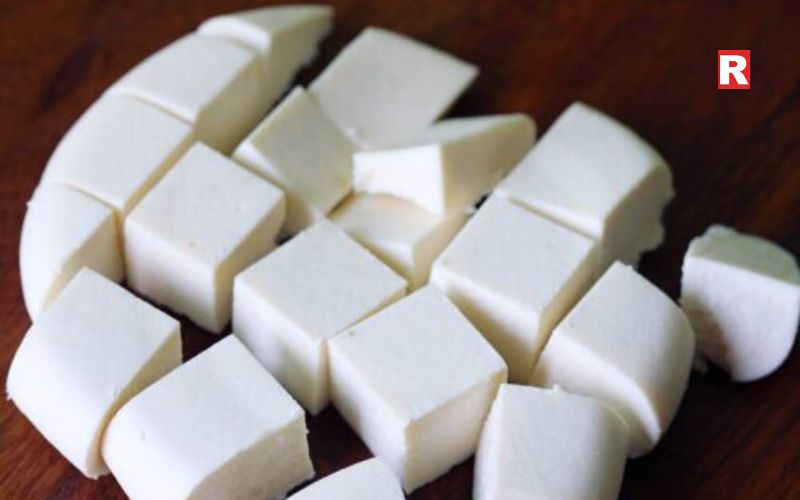
Paneer is not just a rich food. It can be very useful for weight loss when used correctly.
High Protein Content: Protein is essential when you are trying to lose weight. It helps maintain muscle mass and keeps your metabolism active. Paneer is one of the best vegetarian protein sources in India.
Keeps You Full for Longer: Protein takes longer to digest. This means paneer helps you stay full for longer periods and reduces unnecessary snacking.
Supports Muscle Retention: When you are in a calorie deficit, your body can lose muscle along with fat. Paneer helps prevent that. This is especially important if you work out regularly.
Works Well for Active Lifestyles: If you go to the gym, do strength training, or follow a high-protein diet, paneer fits perfectly into your routine.
Practical Use: Including paneer in lunch or post-workout meals can help control hunger and support better body composition over time.
Limitations to Consider: Paneer and Mushrooms in a Weight Loss Diet
Both paneer and mushrooms offer benefits, but they also come with certain drawbacks that can impact your weight loss journey if not managed properly.
Paneer, while rich in protein, is also high in calories due to its fat content. Consuming large portions can quickly increase your daily calorie intake and take you out of a calorie deficit. The way paneer is prepared also matters. Dishes like butter paneer or oil-heavy paneer tikka can significantly raise calorie levels. Even though paneer is healthy, portion control is essential to avoid slowing down progress.
Mushrooms, on the other hand, are low in calories but may not be sufficient on their own. They contain less protein, which may not meet daily requirements, especially for active individuals. While mushrooms add volume to meals, they may not keep you full for long if your diet lacks protein or healthy fats. Relying only on mushrooms can also lead to nutritional gaps. For best results, they should be combined with other nutrient-rich foods to create a balanced diet.
Know more: What is Kimchi? Top Veg Kimchi You Can Try at Home
Which Is Better for Weight Loss?
There is no single winner. The better choice depends on your goal and lifestyle.
For Quick Weight Loss: Mushrooms are the better option. They are low in calories and help you stay in a calorie deficit easily.
For Fat Loss and Muscle Building: Paneer is more effective. Its high protein content supports muscle retention and keeps you full.
For a Balanced Approach: Using both together is the smartest choice. This way, you get the benefits of low calories and high protein in one meal. Smart Ways to Include Both in Your Diet You do not have to choose one over the other. Combining them can create a more effective diet plan.
Balanced Meals: Try mushroom and paneer bhurji. It offers both protein and volume, making it filling yet controlled in calories.
Healthy Cooking Methods: Use grilling, roasting, or sautéing with minimal oil. Avoid heavy gravies and cream-based dishes.
Portion Strategy: Use more mushrooms and a smaller portion of paneer in the same dish. This reduces calories while maintaining protein intake.
Everyday Swaps: Replace part of your paneer dish with mushrooms. For example, mix mushrooms into paneer curry or stir-fry.
Expert Tips for Better Results
- Focus on your total daily calorie intake
- Keep paneer portions moderate
- Combine protein with fiber-rich foods like vegetables
- Avoid deep-fried or creamy preparations
- Stay consistent with your eating pattern
Weight loss is not about one food. It is about your overall diet and habits.
Also check: 5 Ways to Use Garden Cress Seeds (Halim) for Stronger Hair and Bones
Top 5 States With the Spiciest Food in India
Top Veg Delights Made with Daal You Must Try at Home
The Taste Ahead
Mushrooms and paneer both have their place in a healthy diet. Mushrooms help you cut calories and eat more without guilt. Paneer supports muscle health and keeps you full for longer. If your goal is to lose weight quickly, mushrooms can be your go-to ingredient. If you want to lose fat while staying strong and active, paneer becomes more important. The best results come from using both in a balanced way. A smart combination, proper portions, and simple cooking methods can help you achieve your weight loss goals without giving up taste or nutrition.
In an Indian kitchen, chutneys are more than just side dishes. They are the element that brings a plate to life. A simple meal of dal and roti feels complete with a spoon of fresh chutney. Street food, festive meals, and even quick snacks rely on chutneys to deliver that extra punch of flavor.
What makes Indian chutneys special is their diversity. Every region has its own version. Some are fresh and green. Some are cooked and rich. Some are fiery, while others are sweet and tangy. Yet, all of them share one purpose—to elevate the taste of food instantly. Here are eight Indian chutneys that every food lover should know.
Why Indian Chutneys are Special
Indian chutneys stand out because of their balance. They combine sweet, sour, spicy, and sometimes bitter flavors in one bite. This balance enhances the overall meal.
Another unique aspect is the use of fresh, local ingredients. From herbs and fruits to spices and seeds, chutneys reflect regional produce and traditions. There are also two main types. Fresh chutneys are made instantly and consumed quickly. Cooked chutneys last longer and develop deeper flavors over time.
Find 8 Must-Know Indian Chutneys
1. Mint Chutney (Pudina Chutney)
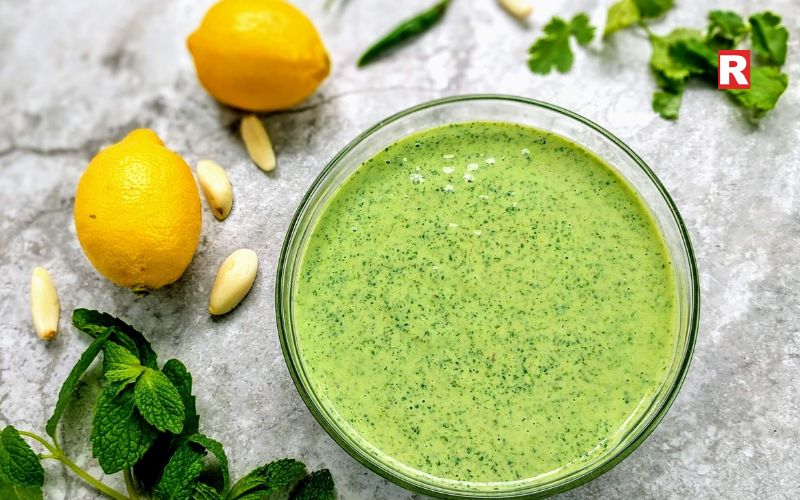
Mint chutney is one of the most refreshing condiments in Indian cuisine. It is made using fresh mint leaves, coriander, green chillies, lemon juice, and a touch of salt. The taste is sharp, cool, and slightly spicy. It pairs perfectly with snacks like samosas, pakoras, and kebabs. During summer, this chutney feels especially soothing because mint contains natural cooling compounds like menthol. At home, this is often the quickest chutney to prepare. Just blend everything together, and it is ready in minutes. Adding a bit of yogurt can make it creamier and milder.
Summer Pickles You Should Try: From Mango to Lemon Varieties
2. Coriander Chutney (Dhaniya Chutney)
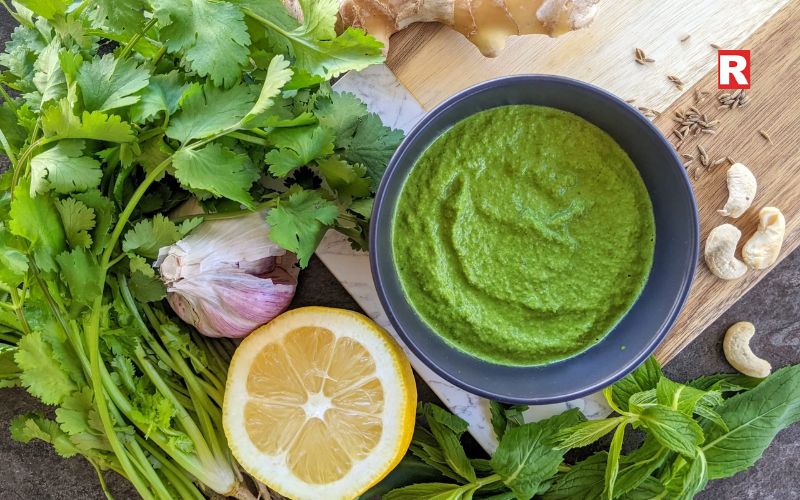
Coriander chutney is earthy, vibrant, and full of freshness. It uses coriander leaves as the base, along with green chillies, garlic, lemon juice, and spices. This chutney is rich in antioxidants and supports digestion. Many households mix mint and coriander together for a balanced flavor. A small addition of roasted cumin powder enhances both taste and digestive benefits. It works well with sandwiches, wraps, and chaats. Even a simple roti roll tastes better with a layer of coriander chutney.
3. Tamarind Chutney (Imli Chutney)
Tamarind chutney is known for its sweet and tangy taste. It is made by cooking tamarind pulp with jaggery, spices, and sometimes dates. This chutney is a key element in Indian street food. Dishes like pani puri, bhel puri, and dahi bhalla are incomplete without it. The tanginess comes from tartaric acid, which gives tamarind its distinct sour flavor. Unlike fresh chutneys, tamarind chutney has a longer shelf life. It can be stored in the fridge for weeks, making it a practical option for busy kitchens.
4. Coconut Chutney
Coconut chutney is a staple in South Indian households. It is commonly served with idli, dosa, and vada. The base is fresh grated coconut, blended with green chillies, ginger, and roasted chana dal. What makes it special is the tempering. Hot oil with mustard seeds, curry leaves, and sometimes dried red chillies is poured on top. Coconut is rich in healthy fats and provides a creamy texture. The chutney is light, mildly sweet, and very satisfying. In many homes, different variations are made by adding ingredients like roasted peanuts or coriander.
5. Tomato Chutney
Tomato chutney is popular in Andhra Pradesh and Tamil Nadu. It has a slightly tangy and mildly sweet taste. Unlike fresh chutneys, this one is usually cooked. Tomatoes are sautéed with onions, garlic, and spices until soft. This cooking process enhances the natural umami flavor of tomatoes. The chutney pairs well with dosa, rice, and even parathas. It is also a great way to use ripe tomatoes at home. Adding a bit of tamarind can deepen the flavor further.
6. Garlic Chutney (Lahsun Chutney)
Garlic chutney is bold, spicy, and full of character. It is widely used in Maharashtrian cuisine. The chutney can be made in both dry and wet forms. The dry version uses garlic, red chilli powder, and peanuts or coconut. The wet version includes oil and sometimes tamarind. Garlic is known for its antibacterial properties and immune-boosting benefits. This chutney is often served with vada pav, bhakri, or simple dal-rice meals. A small amount is enough because the flavor is strong and intense.
7. Peanut Chutney
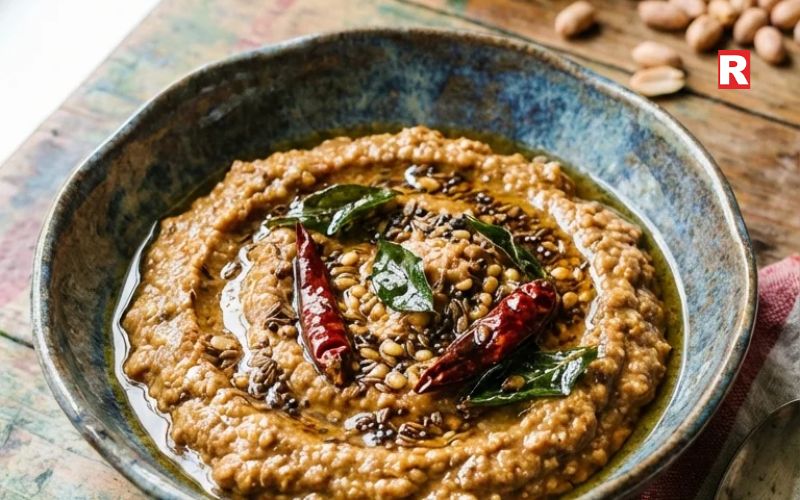
Peanut chutney is creamy, nutty, and filling. It is a popular alternative to coconut chutney in many South Indian homes. Roasted peanuts are blended with garlic, green chillies, and tamarind. The result is a thick and rich chutney that pairs well with dosa, idli, and even rice. Peanuts are high in protein and healthy fats. This makes the chutney more nutritious and satisfying. It is also budget-friendly, which is why it is commonly made in everyday cooking. Tempering with mustard seeds and curry leaves adds aroma and depth.
Know more: The Comeback of Kanji: Why Fermented Indian Drinks Are Trending Again
8. Raw Mango Chutney (Kaccha Aam Chutney)
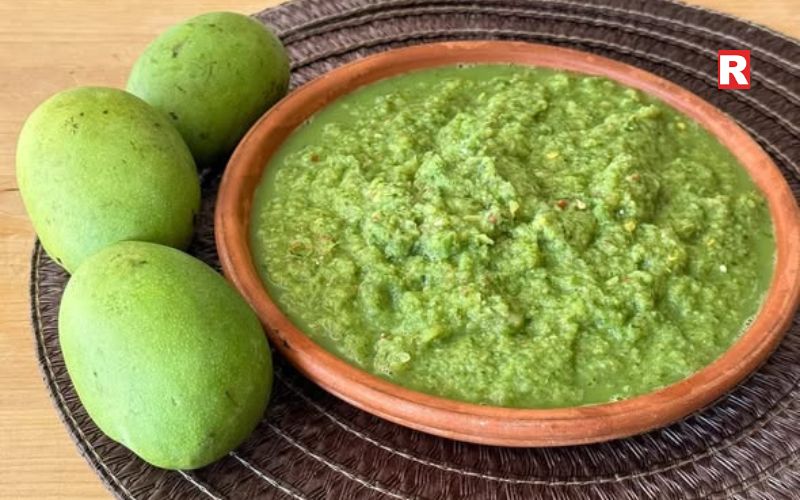
Raw mango chutney is a summer favorite in India. It is tangy, refreshing, and full of flavor. Made with raw mangoes, mint or coriander, green chillies, and spices, this chutney captures the taste of the season. Raw mangoes are rich in Vitamin C, which helps boost immunity during hot months. In many homes, this chutney is a must during summer meals. It pairs well with dal-rice, parathas, and snacks. The sharp tang of raw mango makes even simple food exciting.
Health Benefits of Chutneys
Chutneys are not just about taste. They also offer several health benefits.
- Ingredients like mint and cumin support digestion. Garlic and tamarind help boost immunity. Fresh herbs provide vitamins and antioxidants.
- Compared to heavy sauces, chutneys are usually low in calories. They add flavor without making meals heavy. This makes them a smart addition to daily diets.
Also check: What is Kimchi? Top Veg Kimchi You Can Try at Home
Top 5 States With the Spiciest Food in India
5 Cities That Serve the Best Non-Vegetarian Street Food
Happy Eating!
Chutneys hold a special place in Indian food culture. They may look simple, but they add strong flavor to any meal. Every region in India has its own style of chutney. Some are fresh and green, while others are cooked and rich. Mint chutney feels light and cooling. Peanut chutney is creamy and filling. Raw mango chutney brings a sharp, tangy taste that stands out. These small additions often reflect local ingredients and traditions. Even a basic meal can feel more exciting with chutney on the side. It adds taste, texture, and variety in every bite. Many people enjoy pairing chutneys with snacks, rice, or flatbreads. They are easy to prepare and do not need many ingredients. This makes them a regular part of everyday cooking. With so many types available, chutneys offer endless choices. Each one brings a different flavor, making every meal a little more enjoyable.
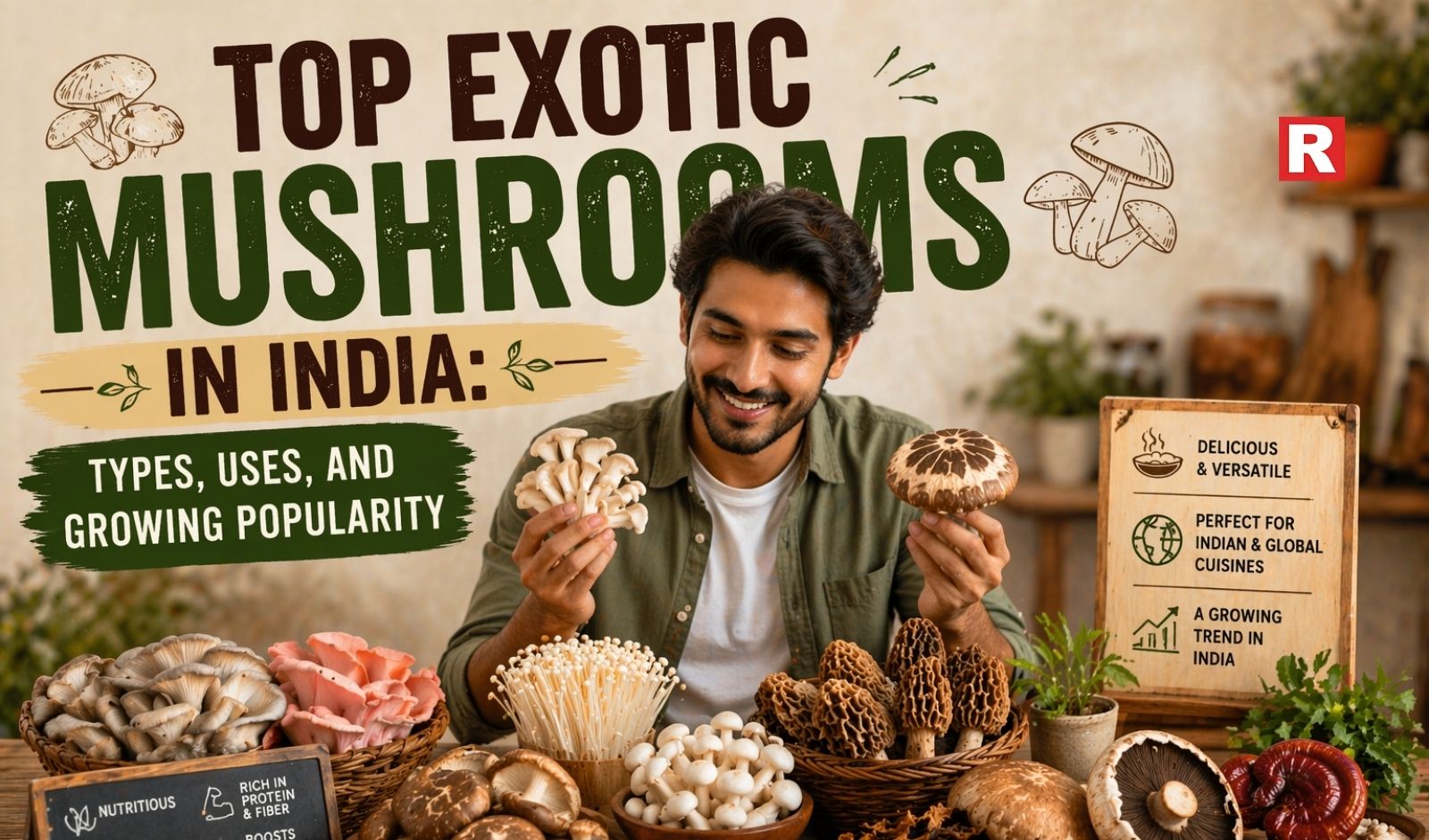
India’s food scene is changing fast. What was once limited to paneer, potatoes, and button mushrooms has now expanded into a wide world of gourmet ingredients. One such category that is quietly gaining attention is exotic mushrooms. From fine-dining restaurants to home kitchens, these mushrooms are becoming more visible and more desirable.
If you walk into a premium grocery store in cities like Delhi, Mumbai, or Bengaluru today, you will likely spot varieties that were once rare in India. These mushrooms are not just about taste. They also bring strong nutrition, unique textures, and exciting cooking possibilities.
What Are Exotic Mushrooms?
Exotic mushrooms are varieties that go beyond the common white button mushroom. They are often used in global cuisines such as Japanese, Italian, and Chinese. Many of them are grown in controlled environments or sourced from specific regions.
These mushrooms can be divided into two types. The first is gourmet mushrooms, which are used in cooking. The second is medicinal mushrooms, which are valued for their health benefits and are often used in powders or supplements. In India, the demand for exotic mushrooms is growing due to increased exposure to global food trends and a rising focus on healthy eating.
Explore Popular Exotic Mushrooms in India
1. Shiitake Mushroom
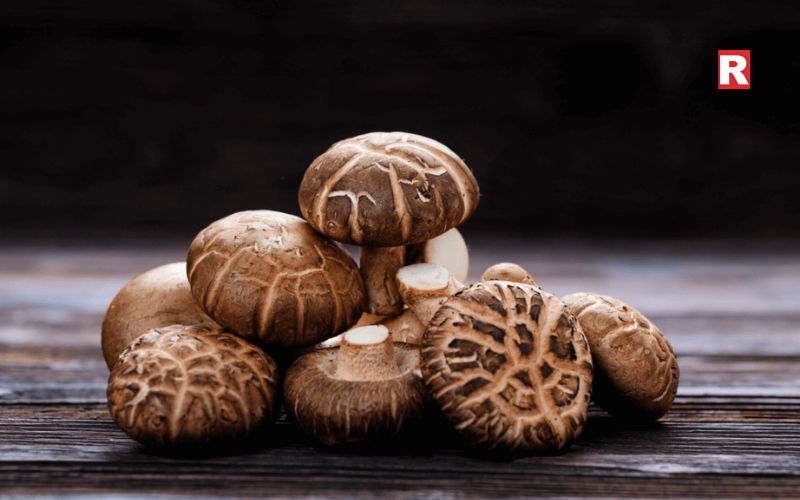
Shiitake mushrooms are known for their rich, smoky flavour and firm texture. They are widely used in soups, stir-fries, and light gravies. In Indian kitchens, they are often added to simple curries or sautéed with garlic and spices. Their strong umami taste enhances even basic dishes. Shiitake mushrooms are highly nutritious. They are a good source of protein and dietary fibre. They also contain vitamins like B2, B5, and vitamin D, which support energy and bone health. These mushrooms are low in calories and fat. They also have antioxidants that help boost immunity. Many people include shiitake in their meals for both taste and health benefits.
Read more: Summer Pickles You Should Try: From Mango to Lemon Varieties
What is Kimchi? Top Veg Kimchi You Can Try at Home
2. Oyster Mushroom
Oyster mushrooms are soft, light, and easy to cook. They come in different varieties like pink, grey, and pearl. Their mild flavour makes them suitable for Indian recipes. They are often used in curries, stir-fries, and even pakoras. These mushrooms cook quickly and absorb spices well. Oyster mushrooms are also very healthy. They are rich in protein and low in fat. They contain important nutrients like iron, potassium, and vitamin B complex. These nutrients support heart health and improve digestion. Oyster mushrooms also have antioxidants that help protect the body from diseases. Due to their easy availability and health benefits, they are popular among home cooks.
3. Gucchi (Morel Mushroom)
Gucchi mushrooms are rare and highly valued in India. They grow naturally in the forests of Himachal Pradesh and Kashmir. Their earthy taste and unique texture make them special. They are often used in rich dishes like pulao or creamy gravies. Many chefs use gucchi for festive or luxury meals. These mushrooms are also packed with nutrition. They are high in protein and fibre. They contain essential minerals like iron, phosphorus, and copper. These nutrients help in improving blood health and energy levels. Gucchi mushrooms are also low in fat. Their rich nutritional value and rare availability make them a premium choice in Indian cooking.
4. Enoki Mushroom
Enoki mushrooms are thin, long, and delicate in appearance. They have a mild flavour and a slight crunch. These mushrooms are mostly used in soups, noodles, and salads. In Indian cooking, they are added to light broths or fusion dishes. They cook very quickly and add a fresh texture to meals. Enoki mushrooms are low in calories, making them a good option for weight management. They are a source of fibre, which helps in digestion. They also contain vitamins like B3 and B5, which support metabolism. These mushrooms have antioxidants that help strengthen the immune system. Their light taste and health benefits make them a good addition to daily meals.
5. Portobello Mushroom
Portobello mushrooms are large and have a thick, meaty texture. They are often used as a vegetarian substitute for meat. Many people grill them or use them in burgers and wraps. They also work well when stuffed with spices and baked. In Indian kitchens, they can be marinated and cooked like tikka. Their texture gives a full and satisfying bite. Portobello mushrooms are rich in fibre and low in calories. They contain important nutrients like potassium, selenium, and vitamin B complex. These help support heart health and boost energy. They also have antioxidants that protect the body. Their high nutrient value makes them a good choice for balanced meals.
6. Shimeji Mushroom
Shimeji mushrooms are small and grow in clusters. They have a mild, nutty flavour and a firm texture. These mushrooms are mostly used in stir-fries, noodles, and rice dishes. They are also added to soups for extra taste. Shimeji mushrooms must be cooked properly, as raw ones can taste slightly bitter. Once cooked, they become soft and pleasant. They are low in calories and rich in fibre. They also contain vitamins like B2 and B3, which help in energy production. These mushrooms provide minerals like copper and potassium. These nutrients support brain and heart health. Their light taste and good nutrition make them a useful addition to daily meals.
7. Porcini Mushroom
Porcini mushrooms are known for their deep, earthy flavour. They are widely used in Italian dishes like pasta and risotto. In India, they are usually available in dried form. Before cooking, they are soaked in water to bring back their texture. Even a small quantity can add strong flavour to a dish. Some chefs also use the soaking water for extra taste. Porcini mushrooms are rich in protein and dietary fibre. They contain vitamins like B2 and minerals such as iron and zinc. These help in improving immunity and overall health. They are also low in fat. Their strong flavour and good nutrition make them popular in gourmet cooking.
8. Reishi Mushroom

Reishi mushrooms are mainly known for their health benefits. They are not commonly used in regular cooking because of their bitter taste. Instead, they are used in teas, powders, and health supplements. Many people consume them for overall wellness. Reishi mushrooms are believed to support immunity and reduce stress. They contain antioxidants that help protect the body from damage. They are also known to support heart health and improve sleep quality. Reishi mushrooms have compounds that may help in boosting the immune system. Though they are not eaten like regular mushrooms, their health value makes them important in natural medicine and wellness practices.
Know more: Why Sattu Is Emerging as India’s Ultimate Summer Superfood
How Exotic Mushrooms Are Used in Cooking
Exotic mushrooms are very versatile. They can be used in both Indian and international recipes.
In Indian kitchens, they are added to curries, pulao, and dry sabzis. For example, oyster mushrooms can be cooked with onion, tomato, and basic spices for a simple dish. Shiitake can be used in a creamy gravy similar to mushroom butter masala.
In global cuisine, these mushrooms are widely used in soups, noodles, pasta, and risottos. Enoki and shimeji are popular in Asian dishes, while porcini is a favorite in Italian recipes.
Many people also use mushrooms as a meat alternative. Portobello mushrooms are especially popular for this purpose. They can be grilled or roasted and used in burgers or wraps.
Health Benefits of Exotic Mushrooms
Exotic mushrooms are not just about taste. They also offer many health benefits. They are low in fat and calories. This makes them ideal for weight management. They are also rich in protein, which is important for vegetarians.
Mushrooms contain important vitamins like B-complex and vitamin D. They are also a good source of antioxidants. These help in improving immunity and protecting the body from diseases. Some varieties, like reishi, are known for their medicinal properties. They are believed to support immunity, reduce stress, and improve overall health.
Why Exotic Mushrooms Are Becoming Popular in India
There are several reasons behind the rising popularity of exotic mushrooms.
First, people are exploring new cuisines. With social media and food delivery platforms, global dishes are more accessible than ever. This has increased curiosity about ingredients like mushrooms.
Second, there is a growing focus on health. Many people are looking for plant-based protein sources. Mushrooms fit well into this trend.
Third, the restaurant industry is evolving. Fine-dining restaurants and cloud kitchens are using exotic ingredients to create unique dishes. This has influenced home cooking as well.
Finally, availability has improved. Earlier, these mushrooms were hard to find. Now, they are available in supermarkets, online grocery platforms, and even local organic stores.
Exotic Mushroom Farming in India
Mushroom farming is becoming a profitable business in India. Exotic mushrooms offer higher returns compared to traditional crops. They require less space and can be grown indoors. This makes them suitable for urban farming as well.
Oyster mushrooms are the most common choice for beginners. They grow quickly and need basic conditions. Shiitake mushrooms require more control but offer better margins. Farmers use agricultural waste like straw or sawdust as a growing medium. This makes mushroom farming eco-friendly. With proper training and setup, many people are turning mushroom cultivation into a full-time or side business.
Also check: 5 Ways to Use Garden Cress Seeds (Halim) for Stronger Hair and Bones
Why Corn on the Cob Is the Ultimate Indian Street Snack for Summer & Monsoon
The Comeback of Kanji: Why Fermented Indian Drinks Are Trending Again
The Future of Exotic Mushrooms in India
Despite the growth, there are some challenges. Exotic mushrooms are still expensive for many consumers. This limits their use to urban areas and premium segments. There is also a lack of awareness. Many people do not know how to cook these mushrooms or where to buy them. Supply can be inconsistent, especially for rare varieties like gucchi. The future looks promising. As awareness grows, more people are likely to include exotic mushrooms in their diets. Tier 2 cities are also catching up. With better supply chains and online platforms, access is improving. There is also growth in mushroom-based products like powders, supplements, and ready-to-cook packs. For anyone interested in food, health, or agribusiness, exotic mushrooms offer exciting opportunities. Whether you want to try new recipes or explore a business idea, this category is worth paying attention to.

There is something magical about the smell of roasted corn on a rainy evening. The sound of rain, the smoke from hot charcoal, and a vendor turning fresh corn over open flames—it feels like a ritual across Indian streets. Known as bhutta, corn on the cob is not just food. It is a seasonal experience that connects people to weather, memories, and simple pleasures.
From busy city roads to quiet hill stations, bhutta holds a special place in Indian street food culture. It is affordable, filling, and full of flavor. More importantly, it fits perfectly into both summer heat and monsoon cravings.
The Cultural Love for Bhutta in India
Bhutta is everywhere in India during certain months. You will find it at beaches in Mumbai, on roadsides in Delhi, and in the cool air of hill stations like Manali or Shimla. It is one of the few snacks that feels the same across regions, yet carries a local touch.
For many, it brings back memories. School holidays, evening walks, long drives, or waiting under a shade during rain—bhutta is often part of these moments. It is not fancy, but it is comforting. Another reason for its popularity is its price. It is one of the most affordable street snacks. Anyone can enjoy it without spending much. This makes it accessible to a wide audience, from students to families.
Why Corn on the Cob Is Perfect for Summer & Monsoon
1. Seasonal Freshness
Corn is naturally harvested during the monsoon and early summer months in India. This means the bhutta you get on the streets is usually fresh. Fresh corn tastes sweeter and has better texture. Seasonal eating also ensures higher nutritional value.
2. Helps You Stay Energised in Summer
During summer, people often look for light yet filling snacks. Corn fits this need well. It contains complex carbohydrates, which release energy slowly. This keeps you active without making you feel heavy. Corn also has a decent amount of water content. This helps with hydration, especially when paired with lemon juice, which is commonly added on top.
3. Perfect Comfort for Rainy Evenings
Monsoon brings a drop in temperature and a rise in cravings for warm food. Bhutta is served hot, straight from the fire. The warmth combined with the smoky taste makes it ideal for rainy days. The slight crunch of roasted kernels and the tangy-spicy coating create a balanced flavor that feels satisfying in wet weather.
Read more: Why Sattu Is Emerging as India’s Ultimate Summer Superfood
What is Kimchi? Top Veg Kimchi You Can Try at Home
Nutritional Benefits of Corn
Bhutta is not just tasty. It also offers several health benefits, making it a smarter choice compared to many fried snacks.
- Rich in Fiber: Corn supports digestion and helps keep you full for longer.
- Good Source of Energy: It contains complex carbohydrates, which provide steady energy.
- Contains Antioxidants: Corn has compounds like lutein and zeaxanthin, which are good for eye health.
- Naturally Gluten-Free: Suitable for people avoiding gluten in their diet.
- Low in Fat: When roasted without butter, it is a low-fat snack.
Approximate nutrition per medium-sized cob:
- Calories: 90–120
- Fiber: 2–3 grams
- Carbohydrates: 20–25 grams
This makes bhutta a clean and simple snack option, especially for those trying to avoid processed foods.
Street-Style Magic: What Makes Bhutta So Irresistible

The real charm of bhutta lies in how it is prepared. Street vendors use charcoal to roast the corn. This method creates a smoky flavor that is hard to replicate at home. The outer kernels get slightly charred, adding a mild bitterness that balances the sweetness of the corn. After roasting, vendors rub a mix of lemon juice, salt, and red chilli powder over it.
This combination works perfectly:
- Lemon adds freshness and acidity
- Salt enhances natural flavors
- Chilli gives a spicy kick
The result is a snack that hits all taste notes—sweet, salty, spicy, and tangy. Another key factor is customization. Some vendors add butter, masala mixes, or even chaat spices. Each bite feels slightly different, which keeps it interesting.
Regional Twists Across India
Bhutta may be simple, but different regions add their own touch.
- Mumbai: Usually served with a classic mix of lemon, salt, and chilli powder. It is often enjoyed near beaches during sunset.
- Delhi: Vendors tend to use more black salt and strong spice mixes, giving it a bold flavor.
- Kolkata: Known for a spicier version with generous chilli coating.
- Hill Stations: Corn is roasted longer for a deeper smoky taste, perfect for cold weather.
These small changes make bhutta feel unique in every place, even though the base ingredient remains the same.
Bhutta vs Other Street Snacks
Indian street food is known for fried snacks like samosas, pakoras, and kachoris. While these are tasty, they are often high in oil and calories.
Bhutta stands out as a lighter option.
- It uses no deep frying
- It contains natural fiber
- It is less greasy
- It keeps you full without heaviness
This makes it a better choice for those who want to enjoy street food without overindulging.
Know more: Pani Puri Has Different Names in Different Indian States—Know Them All
How to Make Street-Style Bhutta at Home
You do not always need to step out to enjoy bhutta. It can be made easily at home.
Method:
- Take fresh corn on the cob and remove the outer husk.
- Roast it directly on a gas flame or grill. Keep turning it for even cooking.
- Roast until you see slight charring on the kernels.
- In a small bowl, mix lemon juice, salt, and red chilli powder.
- Rub this mixture over the hot corn.
You can also add butter or chaat masala for extra flavor.
Pro Tip: Slightly over-roasting enhances the smoky taste, just like street vendors do.
Also check: Top 10 Vegan Street Foods in India Every Indian Loves
Top Famous Veg Street Foods in Kolkata That You Must Try Once in Your Life
A Snack That Feels Like Home
Eating habits in India are changing. Many people now prefer simple, clean, and less processed foods. Bhutta fits perfectly into this trend. It is plant-based, minimally processed, and naturally nutritious. It does not need fancy ingredients or cooking techniques. This simplicity makes it appealing to modern consumers. Another important factor is seasonal eating. More people are now aware of the benefits of eating foods that grow naturally in a particular season. Corn is a perfect example of this.
Bhutta also aligns with budget-friendly eating. While many snacks are becoming expensive, this remains affordable and widely available. It is tied to Indian weather, culture, and daily life. Whether it is the heat of summer or the calm of monsoon rain, corn on the cob fits every mood. It is simple, yet satisfying. Healthy, yet indulgent. Affordable, yet rich in experience. The next time you see a vendor roasting corn on the roadside, take a moment to enjoy it. That one cob carries flavor, warmth, and a piece of India’s street food soul.

Daal is more than just a simple curry in Indian homes. It is comfort, nutrition, and tradition in one bowl. From everyday meals to festive spreads, daal plays a big role in our kitchens. Most of us grew up eating dal chawal, but there is so much more you can do with lentils.
Today, daal is getting attention again. People are looking for healthy and protein-rich vegetarian food. Lentils are affordable, easy to cook, and full of nutrients. With a little creativity, you can turn basic daal into exciting and delicious dishes. Here are some of the best veg delights made with daal that you can try at home.
Why Daal is a Power Ingredient
Daal is one of the best sources of plant-based protein. This makes it perfect for vegetarians who want to meet their daily protein needs. It is also rich in fiber, which helps in digestion and keeps you full for longer.
Most dals have a low glycemic index. This means they release energy slowly and help maintain stable blood sugar levels. They also contain important nutrients like iron, potassium, and B vitamins. Another big advantage is affordability. Daal is easily available across India and fits into every budget. Whether you are cooking a simple meal or trying something new, daal is always a reliable ingredient.
Explore Top Veg Delights Made with Daal
1. Dal Tadka
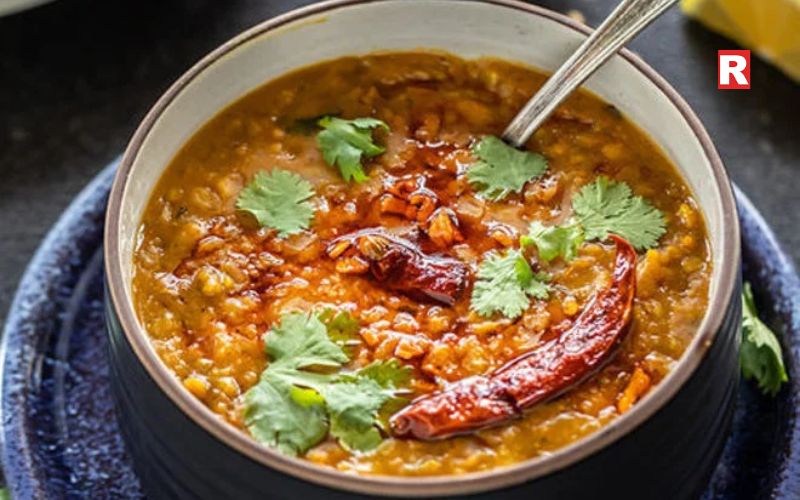
Dal tadka is a staple dish in many Indian homes. It is usually made with toor dal, which is soft and filling. The dal is cooked until smooth and then topped with hot ghee, garlic, cumin seeds, and spices. This tempering gives it a rich aroma and deep taste. It is often served with rice or roti for a complete meal. Dal tadka is not just comforting but also nutritious. Toor dal is a good source of plant protein and fiber. It helps in digestion and keeps the stomach full for longer. It also provides iron and potassium, which support energy levels and overall health. This makes it ideal for daily eating.
Read more: Let’s Break Down the Benefits of Oregano: A Small Herb with Big Health Power
20 Famous Foods from Karnataka That Define Its Rich Food Culture
2. Moong Dal Chilla
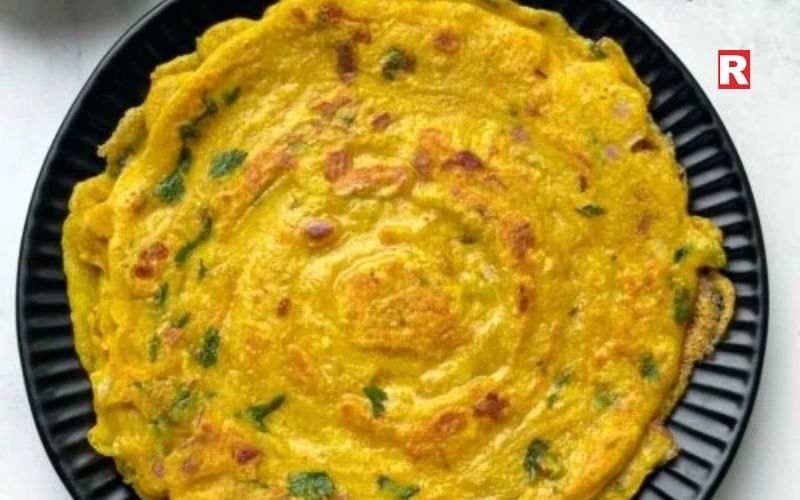
Moong dal chilla is a popular breakfast dish that is both light and filling. It is made by soaking moong dal and grinding it into a smooth batter. The batter is spread on a pan like a pancake and cooked with little oil. Many people add chopped vegetables like onions, carrots, and capsicum to enhance taste and nutrition. It is usually served with green chutney. Moong dal is easy to digest and rich in protein. It is also low in fat, making it suitable for weight management. The dish provides fiber, vitamins, and minerals that support gut health. It is a healthy option for those looking for a balanced start to the day.
3. Masoor Dal Curry
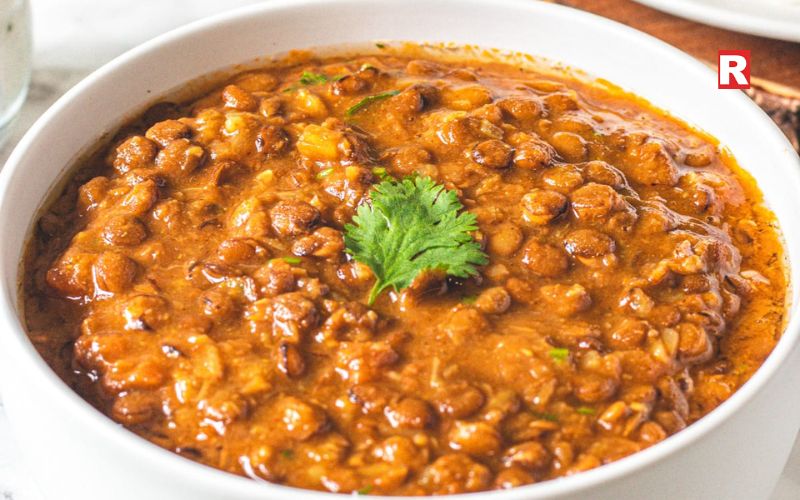
Masoor dal curry is known for its quick cooking time and mild taste. It is often prepared on busy days when a simple meal is needed. The dal becomes soft quickly and blends well with basic spices like turmeric, cumin, and garlic. It has a light texture and is easy on the stomach. This makes it suitable for everyday meals. Masoor dal is rich in protein and dietary fiber. It helps in improving digestion and maintaining heart health. It also contains iron, which supports healthy blood levels. The dish is low in fat and provides steady energy, making it a practical and nutritious choice for regular consumption.
4. Dal Khichdi
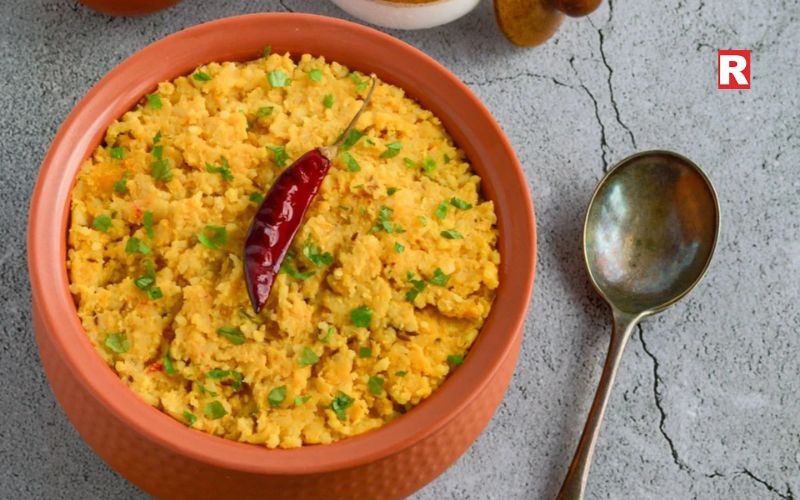
Dal khichdi is a simple one-pot dish made with rice and lentils. It is soft, warm, and very comforting. Many people prefer it during summers or when they need light food. The dish can be cooked with vegetables and a small amount of ghee for added taste. It is easy to prepare and does not require many ingredients. Dal khichdi is known for its balanced nutrition. It provides a mix of carbohydrates and protein, which gives sustained energy. It is also rich in fiber, helping in smooth digestion. The soft texture makes it suitable for all age groups, including children and the elderly.
5. Dal Paratha

Dal paratha is a smart and tasty way to use leftover dal. Thick dal is mixed with spices and used as a filling inside wheat dough. The paratha is then cooked on a pan with a little oil or ghee. It turns crisp on the outside and soft inside. It is often served with curd or pickle. This dish is filling and works well for breakfast or lunch. Dal paratha offers a good mix of protein and carbohydrates. The lentils provide protein and fiber, while the wheat adds energy. It helps in keeping the stomach full for longer hours and supports better digestion.
6. Dal Dhokla
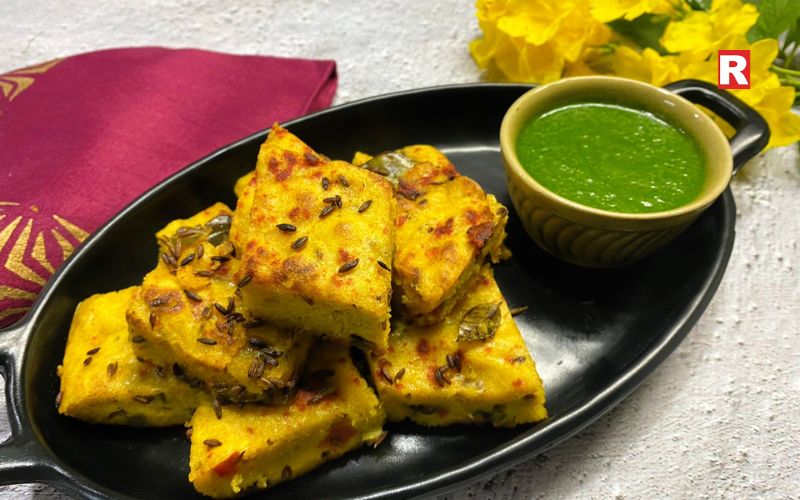
Dal dhokla is a well-known Gujarati snack made from a fermented lentil batter. The batter is usually prepared using chana dal or a mix of dals and left to ferment for a few hours. This process gives it a light sour taste and makes it easier to digest. The batter is then steamed until soft and fluffy. It is cut into pieces and often topped with mustard seeds and curry leaves. Dal dhokla is low in oil and feels light on the stomach. It is rich in protein and fiber, which help in digestion and keep hunger away for longer. It also provides essential nutrients like iron and folate, making it a healthy snack choice.
7. Panchmel Dal
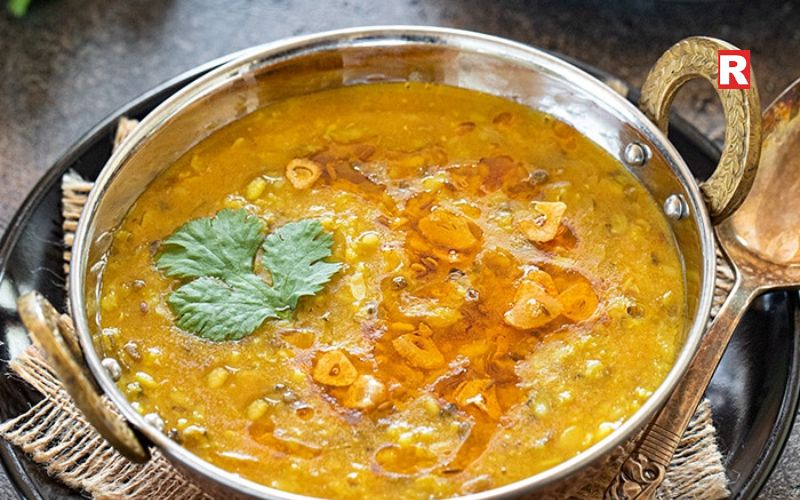
Panchmel dal is a traditional dish from Rajasthan made by combining five different types of lentils. Each dal adds its own taste and texture, making the dish rich and full of flavor. It is slow-cooked with spices, onions, and sometimes garlic for a deep taste. This dish is often served with roti or baati. Panchmel dal is known for its high nutritional value. The mix of dals increases protein content and provides a wide range of nutrients. It is also rich in fiber, which supports digestion. The dish contains iron, magnesium, and vitamins that help maintain overall health. It is filling and works well as a balanced meal.
Know more: 8 Famous Vegetarian Dishes of Uttar Pradesh and Their Timeless Legacy
8. Dal Makhani
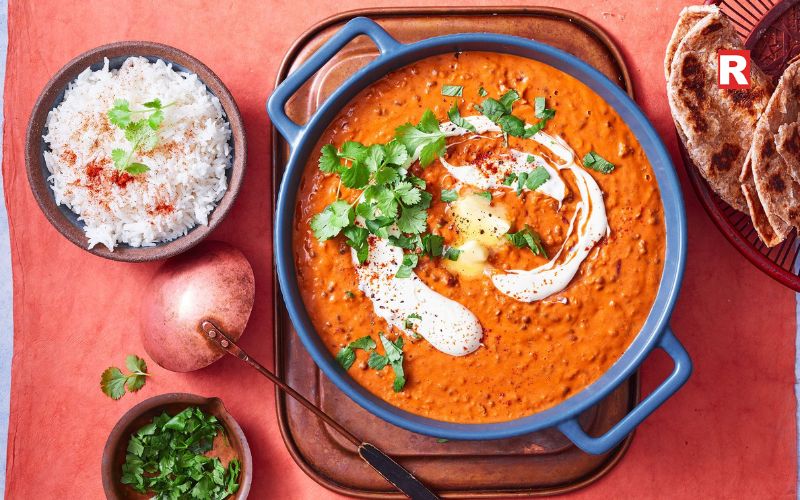
Dal makhani is a rich and creamy dish made with whole urad dal and sometimes rajma. It is cooked slowly for hours to get a smooth texture. Butter and cream are added to give it a thick and rich taste. This dish is often prepared for special occasions and family meals. It is usually served with naan or jeera rice. Dal makhani is high in protein due to the lentils used. It also provides calcium and iron, which are important for the body. While it is slightly heavy because of butter and cream, it still offers good nutrition. When eaten in moderation, it can be both tasty and nourishing.
9. Dal Soup
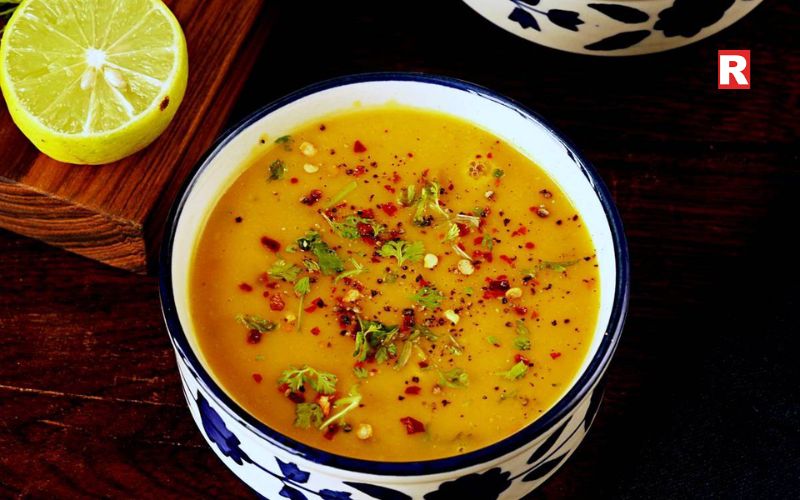
Dal soup is a simple and modern way to include lentils in the diet. It is made by cooking dal with water and mild spices, then blending it into a smooth texture. The soup is light and easy to consume. It is often preferred by people who want something healthy and low in calories. Dal soup is rich in protein and fiber, which help in keeping the body active and the digestive system healthy. It also contains vitamins and minerals that support immunity. Since it is low in fat and easy to digest, it is suitable for all age groups, especially those looking for a light meal option.
10. Dal Pakora
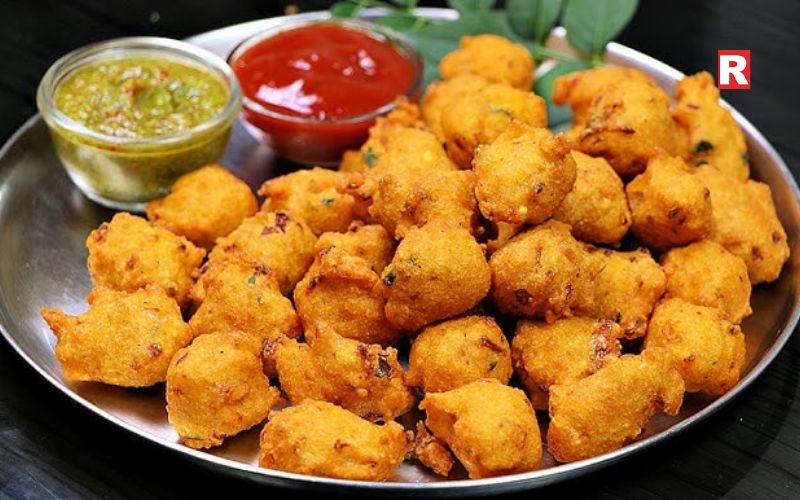
Dal pakora is a popular snack made from chana dal or moong dal batter. The dal is soaked, ground, and mixed with spices and herbs. Small portions of the batter are deep-fried until golden and crispy. The outside becomes crunchy while the inside stays soft. Pakoras are often enjoyed with tea, especially during rainy days. Dal pakora provides protein from the lentils, which helps in muscle health. It also contains fiber that supports digestion. However, since it is deep-fried, it is higher in calories and should be eaten in limited amounts. When balanced with other foods, it can be a tasty and satisfying snack.
Types of Daal Commonly Used
Different types of daal bring different textures and flavors to dishes.
- Toor Dal: Slightly thick and commonly used in everyday cooking
- Moong Dal: Light and easy to digest, ideal for quick meals
- Masoor Dal: Soft texture and quick cooking
- Chana Dal: Slightly firm with a nutty taste
- Urad Dal: Creamy and rich, used in dishes like dal makhani
Each type of dal has its own cooking time. Some need soaking, while others cook quickly. Choosing the right dal can make a big difference in your dish.
Also check: Pani Puri Has Different Names in Different Indian States—Know Them All
Why Sattu Is Emerging as India’s Ultimate Summer Superfood
What is Kimchi? Top Veg Kimchi You Can Try at Home
Daal-Dhar Party!
There is a growing shift towards plant-based diets in India. People are becoming more aware of what they eat. Daal fits perfectly into this trend as it is natural, nutritious, and affordable. High-protein vegetarian meals are gaining popularity, especially among young professionals and fitness enthusiasts. Daal offers an easy way to meet these needs without relying on expensive ingredients. At the same time, there is a renewed interest in traditional Indian foods. Regional recipes like panchmel dal and dhokla are getting attention again. Social media and food blogs have also played a big role. Home cooks are experimenting with daal and sharing new ideas online. Daal is simple, but it can be very versatile. From breakfast to dinner, you can include it in many forms. It is healthy, filling, and easy to cook. Try adding different daal-based dishes to your weekly meals. Experiment with flavors and ingredients. You will discover that daal is not boring at all. It is one of the most powerful and flexible ingredients in an Indian kitchen.

Summer in India is not just about heat and mangoes. It is also the season when kitchens come alive with jars, spices, and sunlight. Pickle-making is a ritual in many homes. From terraces filled with glass jars to the strong aroma of mustard oil, this tradition carries both flavour and memory.
Pickles are more than side dishes. They add taste, balance, and even nostalgia to everyday meals. With growing interest in traditional foods and gut health, Indian pickles are making a strong comeback. Whether you enjoy them with dal-chawal or stuffed parathas, summer pickles bring a sharp, bold kick that is hard to replace.
Why Summer Is the Best Time for Pickles
Summer offers the perfect ingredients. Raw mangoes, lemons, chillies, and seasonal vegetables are available in abundance. The heat also plays a key role. Sunlight helps in the natural curing and fermentation process. It enhances flavour and increases shelf life.
In many households, making pickles is a family activity. Recipes are passed down through generations. Each family has its own spice mix and method. This makes every jar unique.
Must-Try Summer Pickles
1. Mango Pickle (Aam ka Achar)
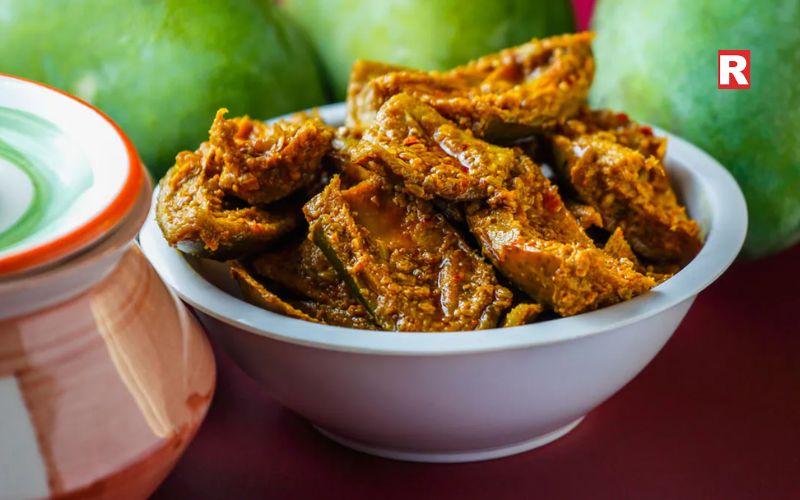
Mango pickle is the most loved variety in India. Raw mangoes are cut into pieces and mixed with spices like mustard seeds, fennel, turmeric, and red chilli powder. Mustard oil is often used to preserve it. Different regions have their own versions. North India prefers spicy and oily mango pickles. In Gujarat, you may find sweeter versions. South India often uses sesame oil and adds curry leaves. This pickle pairs well with almost everything. Even a simple meal feels complete with a spoon of mango achar.
Read more: The Comeback of Kanji: Why Fermented Indian Drinks Are Trending Again
The Science of Fermentation: Why Dosa Batter and Kombucha
2. Lemon Pickle (Nimbu ka Achar)
Lemon pickle has a sharp and tangy taste. It can be salty, spicy, or even slightly sweet. Some recipes allow lemons to soften naturally over time. Others speed up the process using heat. This pickle is known for its digestive benefits. It is often eaten in small amounts to improve appetite. Its long shelf life also makes it a favourite in many homes.
3. Green Chilli Pickle (Hari Mirch ka Achar)
Green chilli pickle is for those who enjoy bold flavours. Fresh green chillies are slit and filled with spices. Mustard seeds, fennel, and vinegar are commonly used. It is quick to prepare and does not need long curing. This pickle adds a strong punch to meals. It is often served with parathas and simple dal.
4. Garlic Pickle (Lehsun ka Achar)
Garlic pickle has a strong and rich flavour. Garlic cloves are cooked in oil with spices. This makes the pickle deep, aromatic, and slightly smoky. Garlic is also known for its health benefits. It supports immunity and has anti-inflammatory properties. This makes the pickle both tasty and functional.
5. Mixed Vegetable Pickle
This pickle uses seasonal vegetables like carrots, cauliflower, and beans. The mix creates a balance of textures and flavours. It is slightly tangy, spicy, and sometimes sweet. Popular in Punjabi households, this pickle is often made in large batches during winter and early summer. It pairs well with almost any Indian meal.
Know more: Why Sattu Is Emerging as India’s Ultimate Summer Superfood
6. Tamarind Pickle (Imli ka Achar)
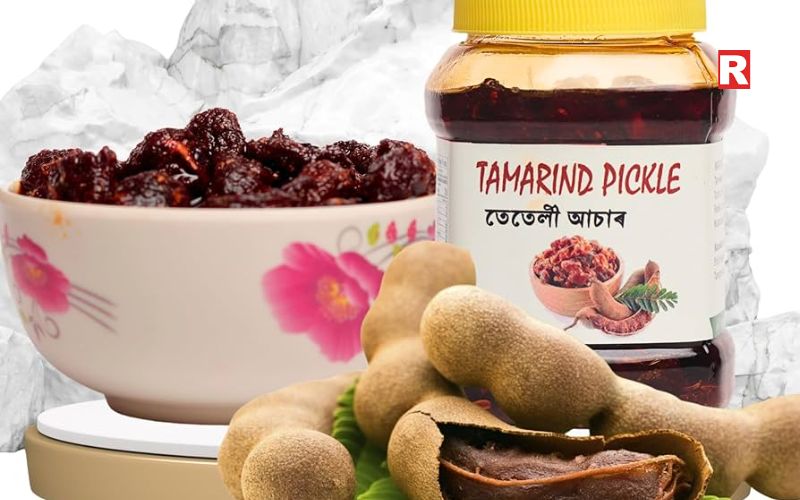
Tamarind pickle offers a sweet and sour taste. It is common in South Indian cuisine. Tamarind pulp is cooked with jaggery, spices, and oil. It works as both a pickle and a chutney. You can enjoy it with rice, dosa, or snacks. Its unique flavour makes it stand out from other varieties.
The Science Behind Pickling
Pickling is not just a cooking method. It is a preservation technique based on simple science.
Salt plays a key role. It removes moisture and prevents harmful bacteria from growing. Oil acts as a protective layer. It keeps air away and increases shelf life.
Fermentation is another important process. In some pickles, natural bacteria convert sugars into lactic acid. This gives the pickle a sour taste and supports gut health.
Sunlight also helps. It speeds up the curing process and enhances flavour. That is why jars are often kept in direct sun for days or weeks.
Regional Flavours Across India
India’s diversity is clearly visible in its pickles. In North India, mustard oil is widely used. Pickles are spicy and strong. In South India, sesame oil and curry leaves are common. Tamarind-based pickles are also popular. Western India, especially Gujarat, offers sweet and spicy combinations. These pickles often include jaggery. In Eastern India, pickles are lighter and use unique spice blends. This regional variety makes Indian pickles rich and exciting.
Also check: Top 5 States With the Spiciest Food in India
Top Famous Veg Street Foods in Kolkata That You Must Try Once in Your Life
Tangy & Tempting: Top Chatpata Imli Delights to Beat the Summer Heat
Are Pickles Good for Health?
Pickles can offer benefits when eaten in moderation. They can improve digestion and increase appetite. Fermented pickles may support gut health due to beneficial bacteria. However, they also contain high amounts of salt and oil. Overconsumption may not be ideal, especially for people with certain health conditions. Homemade pickles are usually a better option. They have fewer preservatives and more natural ingredients. You can also control the amount of salt and oil.
Today, pickles are not limited to traditional meals. They are finding new uses in modern kitchens. Many cafes and restaurants are adding artisanal pickles to their menus. You may find pickle-flavoured sandwiches, wraps, and even rice bowls. There is also a rise in premium pickle brands. These focus on clean ingredients, unique flavours, and attractive packaging. This has made pickles appealing to younger consumers.
A Taste of Tradition Worth Exploring
Good pickles start with good ingredients. Fresh fruits and vegetables make a big difference. Always use clean and dry jars to avoid spoilage. If you are buying pickles, check the ingredient list. Avoid products with too many preservatives. Look for traditional methods and natural oils. For homemade pickles, ensure proper sunlight and storage. Keep jars tightly sealed. Always use a dry spoon to prevent contamination.
Pickles are deeply rooted in Indian food culture. They reflect seasons, regions, and family traditions. Summer is the perfect time to explore this world of flavours. From the sharp bite of lemon to the richness of garlic, each pickle has its own story. Adding them to your meals is a simple way to enjoy both taste and tradition. Even today, a small spoon of achar can turn an ordinary meal into something memorable.

Gut health is no longer a niche topic. In 2026, it sits at the center of how people in India think about food, fitness, and daily wellness. From nutritionists to home cooks, everyone is talking about digestion, immunity, and the microbiome. What is interesting is that while kombucha is trending in cafés and health stores, a familiar staple like dosa batter has been doing the same job for generations.
This is where tradition meets science. Fermentation, a process used in Indian kitchens for centuries, is now being backed by modern research. And it is changing how people eat.
What is Fermentation?
Fermentation is a natural process. It happens when microorganisms like bacteria and yeast break down sugars in food. This process creates beneficial compounds such as probiotics, enzymes, and organic acids. In simple terms, fermentation makes food easier for your body to digest. It also increases the number of good bacteria in your gut. These bacteria play a key role in overall health. Unlike processed foods, fermented foods are alive. They carry active cultures that support digestion and nutrient absorption.
Urban lifestyles have changed eating habits. Fast food, stress, and irregular schedules affect digestion. Many people deal with bloating, acidity, and low energy. This is where gut health becomes important.
A healthy gut helps in:
- Better digestion
- Stronger immunity
- Improved nutrient absorption
- Balanced mood through the gut-brain connection
Recent studies in nutrition science show that the gut microbiome influences not just physical health but also mental well-being. This is why more Indians are now looking at probiotic-rich foods.
Read more: Why Sattu Is Emerging as India’s Ultimate Summer Superfood
Sattu vs Paneer vs Soyabean: Know the Real Difference
The Science Behind Dosa Batter
Dosa is not just a breakfast item. It is a perfect example of natural fermentation. The batter is made by soaking rice and urad dal. After grinding, it is left to ferment overnight. During this time, lactic acid bacteria grow in the mixture. These are beneficial bacteria that improve gut health. This process does more than just add flavor.
Key Benefits of Fermented Dosa Batter:
- Improves digestion: The fermentation breaks down complex starches
- Enhances nutrients: It increases B vitamins and makes minerals easier to absorb
- Reduces anti-nutrients: Compounds like phytic acid get reduced, which helps better nutrient uptake
- Supports gut bacteria: It introduces natural probiotics into the body
For many Indian households, dosa and idli are daily foods. What makes them powerful is not just taste, but the science behind their preparation.
Kombucha: The Modern Gut-Health Drink
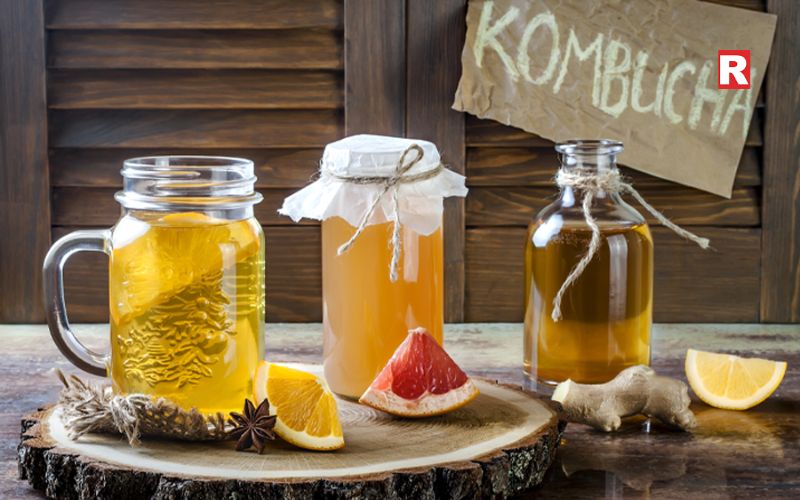
Kombucha has become popular in India over the last few years. It is a fermented tea made using a culture called SCOBY (Symbiotic Culture of Bacteria and Yeast). The process is simple. Tea and sugar are combined and left to ferment with the SCOBY. Over time, the drink develops probiotics, organic acids, and antioxidants.
Why Kombucha is Trending:
- It supports digestion with live cultures
- It contains antioxidants from tea
- It is seen as a healthier alternative to sugary drinks
- It fits well into modern wellness routines
In cities like Delhi, Mumbai, and Bangalore, kombucha is now available in cafés, gyms, and retail stores. It is often positioned as a premium health drink. However, its benefits are similar to many traditional Indian drinks.
Traditional vs Modern: Dosa Batter and Kombucha
Both dosa batter and kombucha rely on fermentation. But they differ in usage and accessibility.
- Dosa batter is affordable and part of daily meals
- Kombucha is often consumed as a lifestyle drink
- Dosa provides sustained nutrition through food
- Kombucha offers a quick probiotic boost
From a cultural point of view, dosa batter is deeply rooted in Indian kitchens. Kombucha, on the other hand, represents global wellness trends. The interesting shift in 2026 is that consumers are starting to value both. They are not replacing one with the other. Instead, they are combining tradition with new choices.
Know more: Low-Glycemic Street Food: How to Enjoy Mumbai’s Vada Pav Without the Carb Crash
Why Fermented Foods Are Rising in 2026
Focus on Preventive Health: People are becoming more aware of long-term health. Instead of treating issues later, they are focusing on prevention.
Post-Pandemic Awareness: The pandemic increased interest in immunity and overall wellness. Gut health became a key part of that conversation.
Clean Eating Movement: There is a shift towards natural, minimally processed foods. Fermented foods fit perfectly into this category.
Growth of the Probiotic Market: India’s probiotic food and beverage segment is growing steadily. Brands are investing in products that promote digestive health.
Influence of Fitness Culture: Nutrition is now a part of fitness routines. Trainers and dieticians often recommend fermented foods for better digestion and recovery.
Other Indian Fermented Foods Worth Trying
India already has a wide range of fermented foods. Many of them are simple and easy to include in daily meals.
- Idli: Soft, steamed, and easy to digest
- Curd (Dahi): A daily probiotic staple in most homes
- Kanji: A fermented drink made with black carrots and spices
- Pickles: Traditional versions use natural fermentation methods
These foods are not new. But they are now being seen in a different light, backed by science and global trends.
How to Add Fermentation to Your Diet
Adding fermented foods does not require major changes.
Start small and stay consistent.
- Have dosa or idli for breakfast a few times a week
- Include a bowl of curd with meals
- Drink buttermilk during the day
- Try kombucha occasionally as a replacement for soft drinks
- Experiment with homemade fermented foods
The goal is balance. You do not need to consume everything at once.
Also check: Is Millet Still King? Jowar vs. Quinoa for Gut Health in 2026
Crack the Truth: How Eggs Power Your Daily Protein Intake (And When to Skip Them)
Let’s Break Down the Benefits of Oregano: A Small Herb with Big Health Power
Things to Keep in Mind
While fermented foods are beneficial, a few precautions are important.
- Do not overconsume. Too much can cause discomfort
- Check labels when buying packaged products. Not all contain live cultures
- Store foods properly to maintain their benefits
- If you have specific health conditions, consult a professional before making major changes
The Future
Fermentation has always been part of Indian food habits. It is not new. What has changed is how people understand it today. In 2026, more urban consumers are paying attention to gut health. They are looking at how food affects digestion, immunity, and daily energy. A simple dosa batter, left to ferment overnight, supports the growth of beneficial lactic acid bacteria. These microbes help break down nutrients and improve absorption. On the other hand, kombucha, a fermented tea, delivers similar probiotics in a modern format. Both may look different, but their function is the same. They support the gut microbiome and overall health. This shift shows a deeper awareness. Food choices are now linked to how the body responds, not just taste. For a health-conscious audience, this means going back to simple, proven methods. In many cases, the most effective solutions are already present in everyday kitchens.

Manali is not just about snow, mountains, and cafes. It is also one of the most exciting food destinations in North India. The food here is shaped by the cold weather, local produce, and strong cultural influences from Himachal Pradesh and Tibet. Every meal feels warm, filling, and comforting.
From traditional Himachali dishes cooked during festivals to hot street food served on Mall Road, Manali offers a wide range of flavours. If you are planning a trip, this food guide will help you explore what truly defines the taste of the hills.
Why Manali is a Food Lover’s Paradise
Food in Manali is simple but rich in taste. The cold climate plays a big role in what people eat. Most dishes are high in energy and cooked with ghee, lentils, and grains like wheat and barley.
You will also notice a strong Tibetan influence. This is why dishes like thukpa and momos are easily available across the town. At the same time, traditional Himachali meals bring in slow-cooked curries, fermented ingredients, and unique spices. The best part is that you can enjoy both street food and local meals without spending too much.
Explore Top 15 Famous Foods in Manali
1. Siddu
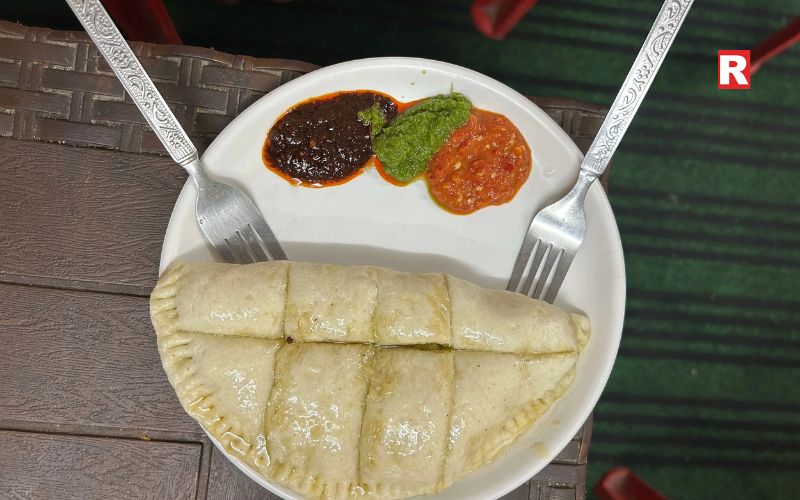
Siddu is a traditional dish that is widely enjoyed in Himachal Pradesh. It is made using wheat flour dough that is allowed to ferment for a few hours. This gives the bread a soft and slightly airy texture. The dough is then stuffed with fillings like poppy seeds or lentil paste. After shaping, it is steamed instead of fried. This keeps it light yet filling. It is usually served hot with ghee, dal, or chutney. The taste is mild but comforting. It is often eaten during winter as it provides warmth and energy. Siddu reflects simple mountain cooking and the use of basic ingredients in a practical way.
Read more: 8 Famous Vegetarian Dishes of Uttar Pradesh and Their Timeless Legacy
20 Famous Foods from Karnataka That Define Its Rich Food Culture
2. Dham (Traditional Himachali Thali)
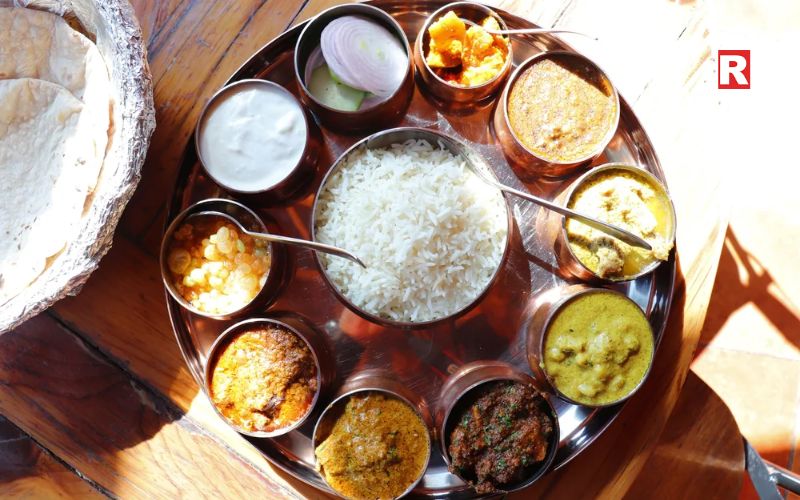
Dham is a festive meal that holds cultural importance in Himachal Pradesh. It is not an everyday dish but is prepared during weddings, festivals, and special events. The meal is served on leaf plates and follows a fixed order. It includes rice, rajma, kadhi, madra, and a sweet dish. The food is cooked by traditional chefs known as botis, who specialize in this style. The flavors are mild but rich, with a focus on yogurt-based gravies. It is completely vegetarian and cooked without onion and garlic. Dham reflects community dining and tradition. It is usually served to large groups, where people sit together and eat.
3. Trout Fish
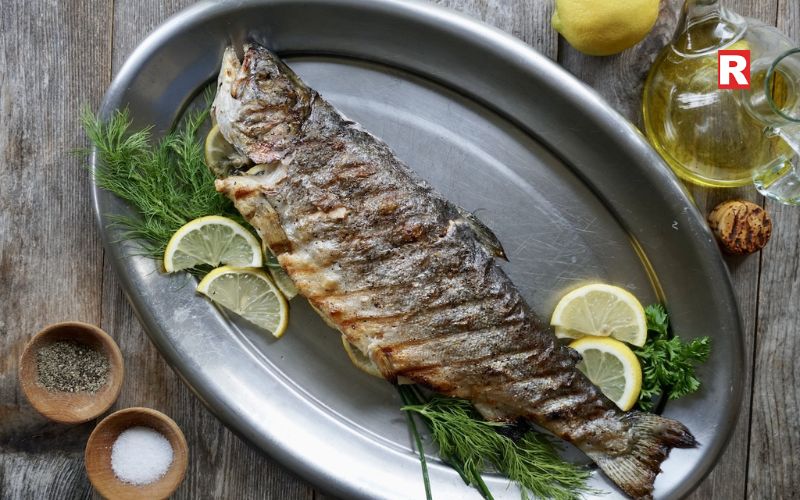
Trout fish is a popular dish in the hill regions of Himachal, especially in areas like Manali. The fish is sourced fresh from cold mountain rivers, which gives it a clean and delicate taste. It is usually marinated with simple spices and then pan-fried or grilled. The preparation is kept minimal to retain its natural flavor. The texture is soft and slightly flaky. It is often served with rice, boiled vegetables, or light gravy. This dish is preferred by those who enjoy non-vegetarian food with mild seasoning. Trout fish highlights the use of fresh, local ingredients and simple cooking methods common in the region.
4. Chha Gosht
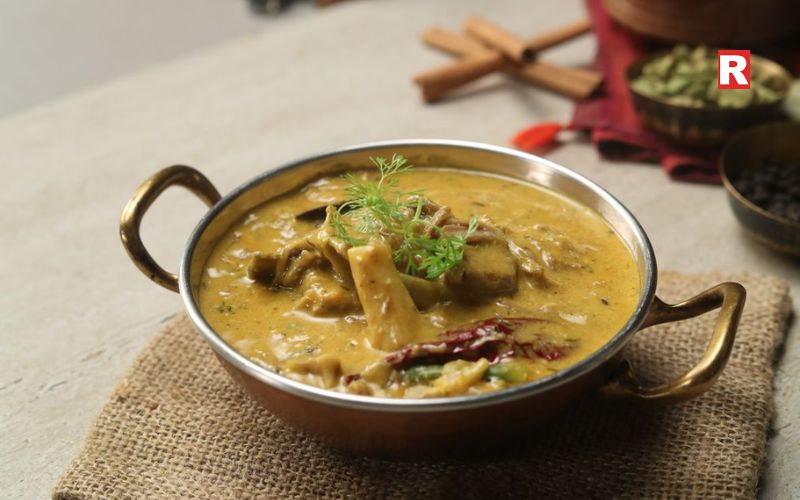
Chha Gosht is a traditional mutton curry from Himachal Pradesh. It is cooked using yogurt and gram flour, which gives it a thick and creamy texture. The mutton is slow-cooked to make it tender and absorb the flavors well. The spices used are strong but balanced. The yogurt adds a slight tang, which makes the dish different from regular meat curries. It is usually served with rice or roti. The dish is rich and filling, making it suitable for special meals. Chha Gosht reflects the use of dairy in Himachali cooking and the preference for slow cooking to build deep flavor.
5. Babru
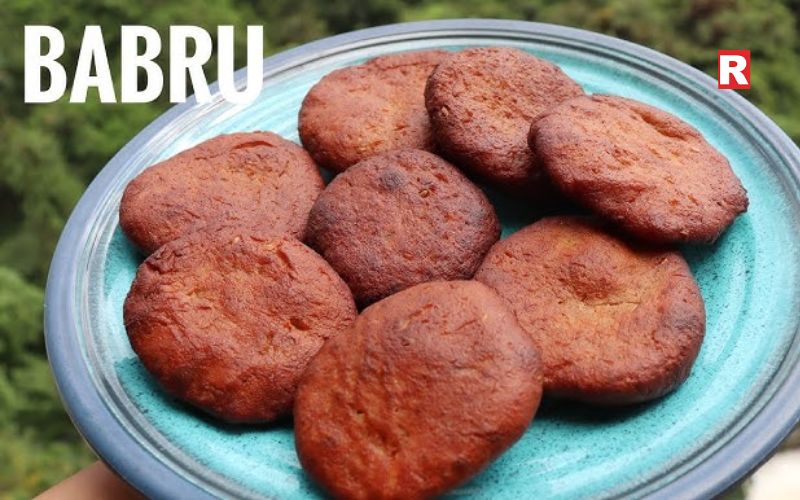
Babru is a popular snack in Himachal Pradesh and is often compared to kachori. It is made using wheat flour dough that is stuffed with a paste of black gram. The stuffed dough is then deep-fried until it becomes golden and crisp. The outer layer turns crunchy, while the inside remains soft and flavorful. It is usually served with tamarind chutney, which adds a sweet and tangy taste. Babru is commonly eaten as a breakfast or evening snack. It is also prepared during local festivals and gatherings. This dish shows how simple ingredients can be turned into a satisfying and tasty snack.
6. Aktori
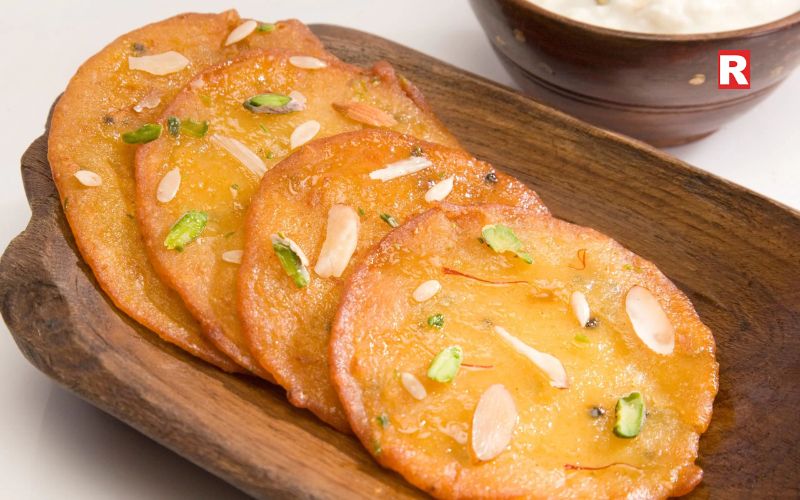
Aktori is a traditional dish from the tribal regions of Himachal Pradesh. It is made using buckwheat flour, which is locally available in the hills. The batter is simple and is cooked on a pan like a pancake. It has a slightly earthy and nutty taste due to the flour. The texture is soft but slightly dense. It is not very common in regular markets but is still prepared in homes during festivals and special occasions. It is often served with ghee or simple chutney. The dish reflects the use of local grains and seasonal ingredients. Aktori is known for being nutritious and easy to digest in colder climates.
7. Tudkiya Bhath
Tudkiya Bhath is a traditional rice dish from Himachal Pradesh. It is more flavorful than plain rice and is cooked with a mix of lentils, potatoes, and yogurt. The addition of curd gives it a mild tang, while spices add depth to the taste. The rice is cooked slowly so that all ingredients blend well. The texture is soft and slightly moist. It is usually served hot and works as a complete meal on its own. This dish is often prepared during gatherings and special occasions. It reflects a balanced use of grains, protein, and dairy, which is common in Himachali cooking.
8. Thenthuk
Thenthuk is a popular noodle soup that comes from Tibetan influence in Himachal Pradesh. It is made using hand-pulled dough pieces instead of regular noodles. These pieces are cooked in a light broth along with vegetables or meat. The soup is served hot and is known for its comforting nature. The broth is mild and not too spicy, making it easy to enjoy. The texture of the dough pieces is soft and slightly chewy. It is commonly eaten during cold evenings, especially in hill towns like Manali. Thenthuk reflects the blend of local and Tibetan food culture in the region.
Know more: 20 Famous Foods from Assam That Reflect Its True Food Culture
9. Momos
Momos are one of the most popular street foods in Himachal Pradesh. They are steamed dumplings filled with vegetables or meat. The outer layer is thin and soft, while the filling is juicy and flavorful. They are served hot with a spicy red chutney that adds a strong kick. Momos are easy to find in markets, cafes, and roadside stalls. They are often eaten as a quick snack while traveling or exploring the town. The preparation is simple, but the taste is satisfying. Momos show the influence of Tibetan cuisine and have become a regular part of daily food choices in the region.
10. Thukpa
Thukpa is a well-known noodle soup that is widely consumed in Himachal Pradesh. It includes noodles cooked in a warm broth along with vegetables or meat. The broth is light but full of flavor, with mild spices that do not overpower the dish. The noodles are soft and easy to eat. It is usually served hot, making it a preferred choice during cold weather. Thukpa is commonly available in small eateries and street stalls. It works well as a filling meal. The dish reflects the influence of Tibetan cuisine and highlights the use of simple ingredients to create comfort food.
11. Siddu with Ghee and Dal
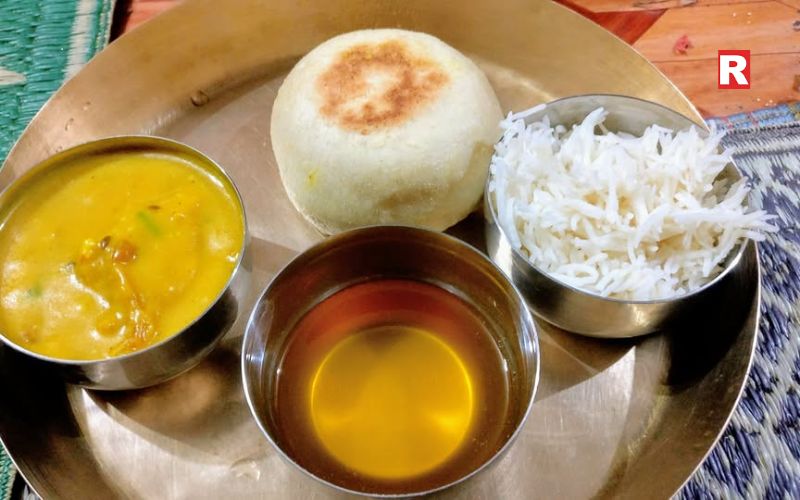
Siddu with ghee and dal is a more complete version of the traditional dish. The steamed wheat bun is served hot and topped with a generous amount of desi ghee. This adds richness and improves the overall taste. It is paired with simple lentil curry, which balances the texture. The softness of siddu works well with the smooth dal. This combination is filling and provides good energy, especially in cold weather. It is commonly served in local homes and small eateries. The dish highlights how basic ingredients can create a satisfying meal. It reflects the everyday food habits of the region.
12. Bhey (Lotus Stem Dish)
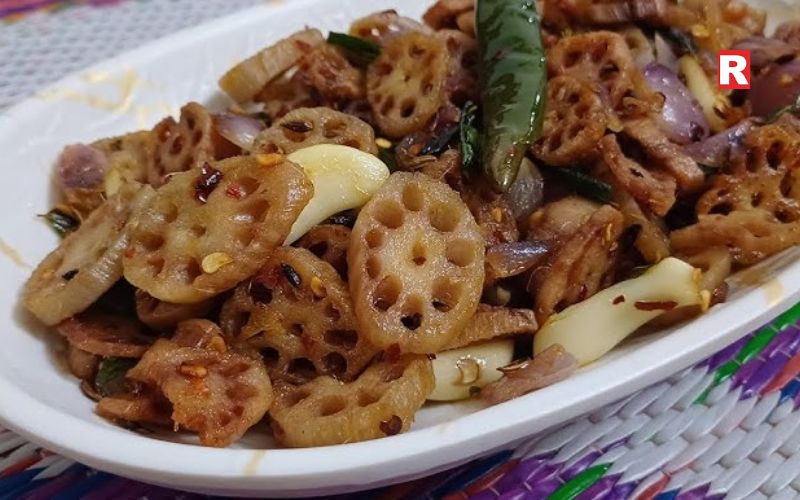
Bhey is a unique dish made from lotus stems, which are sliced into thin pieces. The stems are first cleaned properly and then cooked with simple spices. The texture remains slightly crunchy even after cooking. This gives the dish a different mouthfeel compared to other vegetable preparations. The taste is mild with a light earthy note. It is usually served with roti or rice. Bhey is not commonly found in many parts of India, which makes it special in Himachal Pradesh. It reflects the use of local ingredients that grow naturally in water bodies. The dish is simple but stands out for its texture.
13. Kullu Trout Curry
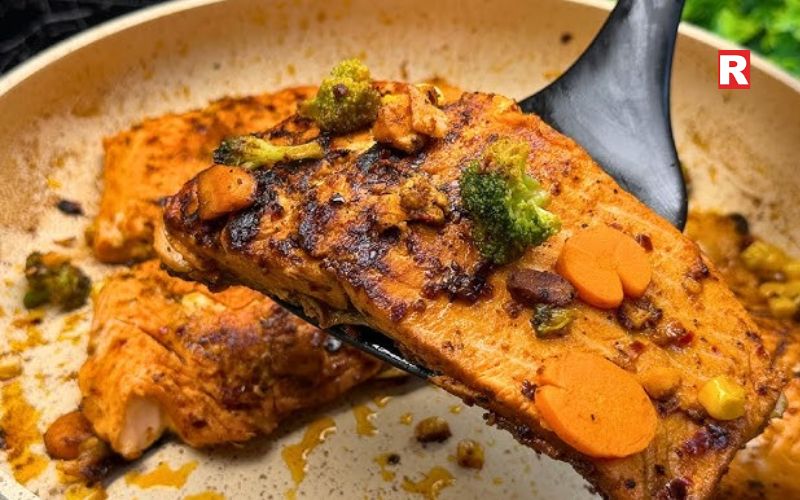
Kullu trout curry is a regional preparation that highlights local cooking styles. Fresh trout is used, which is sourced from nearby rivers. The fish is cleaned and cooked in a light curry made with basic spices. The gravy is not too heavy, which allows the natural taste of the fish to stand out. The texture of the fish remains soft and delicate. It is usually served with steamed rice. The dish is simple but well-balanced in flavor. It reflects the preference for fresh and local ingredients in the Kullu region. This preparation is popular among visitors looking for authentic regional food.
Check more: Top 15 Famous Foods of Jharkhand You Must Try
14. Mittha
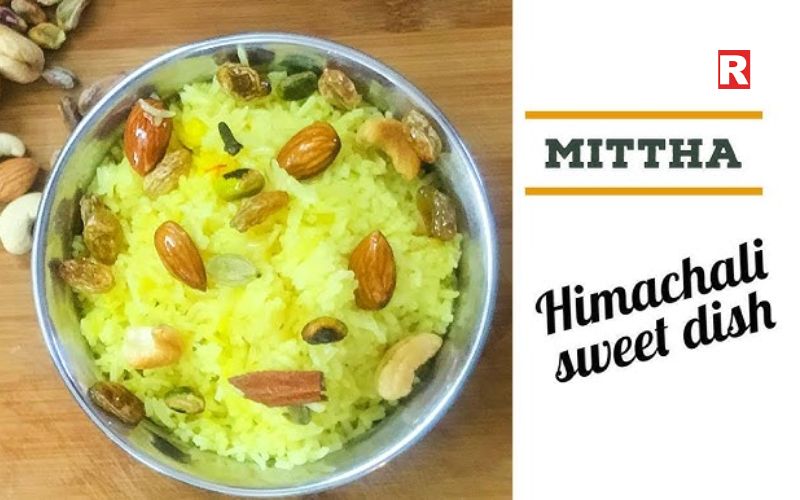
Mittha is a traditional sweet dish made from rice. It is prepared using sugar, saffron, and dry fruits. The rice is cooked until soft and then mixed with sweet ingredients. The flavor is mild and aromatic, with a hint of saffron. The texture is soft and slightly sticky. It is usually served during festivals and special occasions. Mittha is not overly sweet, which makes it easy to enjoy after a heavy meal. It is often part of traditional feasts like Dham. The dish reflects festive cooking and the use of simple ingredients to create a balanced dessert.
15. Local Apple Desserts
Himachal Pradesh is known for its high-quality apples, and this is reflected in local desserts. Fresh apples are used to make pies, jams, juices, and simple sweets. These desserts focus on natural flavor rather than heavy sugar or spices. The taste is fresh, slightly sweet, and mildly tangy. Many cafes and small bakeries in Manali offer these items. The use of local produce ensures better quality and freshness. Apple-based desserts are often enjoyed as light treats. They also represent the agricultural strength of the region. These desserts are simple but give a true taste of Himachal’s natural produce.
Best Places to Try Food in Manali
To explore the best food, head to Old Manali. This area has a mix of cafes and small eateries that serve both local and international dishes. Mall Road is perfect for street food like momos and snacks. Local dhabas offer the most authentic Himachali meals. Riverside cafes provide a relaxed setting with good food and views. Trying different places will give you a better understanding of the food culture.
Food in Manali suits every budget. Street food usually costs between Rs 50 and Rs 150. Local meals at small eateries range from Rs 150 to Rs 400. Dining at cafes can cost between Rs 300 and Rs 800, depending on the place. This makes it easy to try multiple dishes without spending too much. Winter is the best time to enjoy hot and hearty meals. Dishes like thukpa, siddu, and dham taste even better in cold weather. Summer is ideal if you want to explore cafes and lighter food options. Each season offers a different food experience.
Also check: The Rise of Keralan Cuisine: Why Global Foodies Are Obsessed with Malabar
Top 10 Vegan Street Foods in India Every Indian Loves
5 Cities That Serve the Best Non-Vegetarian Street Food
Happy Eating!
Manali is often seen as a scenic hill station, but its food adds equal depth to the experience. The region’s cuisine reflects its cold climate, local farming practices, and cultural mix of Himachali and Tibetan influences. Many visitors stay limited to momos and café menus, but that only shows one side of the food scene. Local dishes offer better insight into how people eat and live here. Siddu, made through slow fermentation, provides sustained energy in low temperatures. Dham, a structured festive meal, highlights balanced nutrition with lentils, rice, and curd-based gravies. Thukpa, a hot broth with noodles, supports warmth and hydration in high altitudes. Each dish is built around function as much as flavour. For travellers who want a deeper and more real experience, exploring these foods adds strong value to the trip. It turns a simple visit into a more complete cultural understanding of Manali.

Mumbai runs on vada pav. It is fast, filling, and easy on the pocket. College students grab it between lectures. Office-goers depend on it during busy workdays. Almost everyone has a trusted stall they return to. It fits into daily life without effort. But many people notice a pattern after eating it.
The meal feels satisfying at first. Then comes a sudden drop in energy. There is heaviness, mild sleepiness, and hunger returns sooner than expected. This is known as a carb crash. It happens because the meal is high in refined carbs and low in fiber and protein. The pav, made from white flour, has a high glycemic index. The potato filling adds more fast-digesting carbs. This leads to a quick spike in blood sugar, followed by a sharp fall. For working professionals and fitness-aware consumers, this cycle affects focus and productivity. The solution is not to avoid vada pav. It is to understand how it works in the body and make small, smarter adjustments while eating it.
Why Does Vada Pav Cause a Carb Crash?
To understand this, we need to look at something called the Glycemic Index (GI). It is a scale that shows how fast a food raises your blood sugar. Foods with a high GI raise sugar levels quickly. Foods with a low GI release sugar slowly and steadily.
A typical vada pav is made with:
- White pav (refined flour)
- Deep-fried potato filling
- Sweet and spicy chutneys
All these elements digest quickly. This leads to a rapid spike in blood sugar. Your body releases insulin to control it. Then the sugar drops quickly. That drop is what makes you feel tired, hungry, and low on energy.
What’s Inside a Regular Vada Pav?
Let’s break it down in simple terms.
Pav (bread):
- Made from refined flour (maida)
- Low in fiber
- High glycemic index
Vada (potato filling):
- Mostly mashed potatoes
- Deep fried in oil
- High in carbs and fats
Chutneys:
- Tamarind chutney may contain sugar
- Garlic chutney adds spice but often comes with oil
When you combine all of this, you get a meal that is high in glycemic load. It fills you quickly but does not keep you full for long.
Read more: Crack the Truth: How Eggs Power Your Daily Protein Intake (And When to Skip Them)
What is Kimchi? Top Veg Kimchi You Can Try at Home
How to Enjoy Vada Pav Without the Sugar Spike
1. Upgrade the Pav
The pav is the base of a vada pav, but it is usually made from refined flour. This type of flour digests quickly and can raise blood sugar fast. A better option is to use whole wheat or multigrain pav. These contain more fiber and help slow digestion. Sourdough bread is also a good choice as it is easier on the stomach. Some people remove one side of the pav to reduce carbs. Others turn it into an open sandwich or use lettuce wraps. These changes lower calorie intake and improve balance. Whole grains provide better nutrients and keep one full for longer. However, people with gluten intolerance should avoid all bread options and choose alternatives.
2. Improve the Filling
The vada filling is mainly made from potatoes. Potatoes are high in carbohydrates but low in protein. To improve balance, the filling can be mixed with paneer, boiled chickpeas, or sprouts. Paneer adds protein and calcium. Chickpeas provide fiber and help control hunger. Sprouts improve digestion and add vitamins. This combination slows sugar release in the body and keeps energy stable. It also makes the snack more filling. Such changes add nutritional value without changing taste too much. However, people with kidney issues should limit paneer due to protein load. Those with digestive sensitivity should be careful with sprouts unless they are properly cooked.
3. Change the Cooking Method
The traditional vada is deep fried in hot oil. This adds excess fat and calories. It can also make the food heavy on the stomach. A better option is to air fry or shallow fry the vada. These methods reduce oil while keeping the texture similar. Less oil means lower calorie intake and better heart health. When eating outside, fresh oil quality matters. Dark or reused oil can be harmful. It may contain unhealthy compounds. Choosing cleaner cooking methods improves digestion and reduces health risks. However, even with less oil, fried foods should be eaten in moderation. People with heart disease or high cholesterol should avoid fried versions as much as possible.
4. Add Fiber Through Chutneys
Chutneys play an important role in vada pav. They can either add sugar or improve nutrition. Green chutney made with coriander and mint is a good option. It adds freshness and fiber. Coconut chutney provides healthy fats and mild sweetness. Garlic chutney can be used with less oil for better balance. Adding flaxseed powder at home increases fiber content. Fiber helps slow digestion and manage blood sugar levels. It also supports gut health. These small changes make the snack more balanced. However, people with acidity may need to limit spicy garlic chutney. Coconut chutney should be eaten in moderation by those watching calorie intake.
5. Use the Pairing Strategy
Vada pav is high in carbohydrates. Eating it alone can cause quick energy spikes followed by crashes. Pairing it with protein or healthy fats improves balance. Buttermilk is a good option. It aids digestion and adds probiotics. A handful of peanuts or almonds provides healthy fats and protein. A small salad adds fiber and freshness. These combinations slow sugar absorption and keep energy steady. They also make the meal more filling. This approach improves overall nutritional value without removing the dish. However, people with nut allergies should avoid peanuts and almonds. Those with lactose intolerance should skip buttermilk and choose plant-based options.
Know more: Why Sattu Is Emerging as India’s Ultimate Summer Superfood
Portion Control Still Matters
Even a healthier version of vada pav can cause issues if you overeat. Keep it simple:
- Stick to one vada pav instead of two or three
- Eat slowly
- Avoid eating on a completely empty stomach
When you eat too fast, your body cannot process food properly. Slowing down helps digestion and improves satiety.
Smart Street Food Ordering Tips
You do not always have control over how the food is made. But you can still make better choices. Next time you order, try this:
- Ask for less chutney, especially sweet chutney
- Skip fried green chilies if you have a sensitive stomach
- Request less oil if possible
- Avoid adding sugary drinks like cola
Choose vendors who prepare fresh batches. Fresh food is easier to digest and generally healthier.
Who Should Be More Careful?
Some people need to pay extra attention to high-GI foods like vada pav. This includes:
- People with diabetes or pre-diabetes
- Those dealing with PCOS
- Individuals trying to lose weight
- People with a sedentary lifestyle
If you fall into any of these categories, these small changes are not optional. They are necessary for long-term health.
The Bigger Picture: Balance Over Restriction
Food is not just about nutrition. It is also about culture, comfort, and daily life. Vada pav is a part of Mumbai’s identity. Avoiding it completely is not realistic for most people. What works better is balance.
Follow an 80/20 approach:
- Eat clean and balanced meals most of the time
- Enjoy your favorite street food occasionally, but smartly
Instead of feeling guilty after eating, focus on how you can improve your choices. Over time, these small habits create a big impact.
Also check: Top Egg Brands in India That Crack All the Right Boxes
Sattu vs Paneer vs Soyabean: Know the Real Difference
Top 5 States With the Spiciest Food in India
A Smarter Way to Eat Street Food
Expensive diets are not always needed. What matters more is awareness. When someone picks up a vada pav, a few small checks can make a big difference. Adding a protein source, like paneer or chana, helps slow glucose absorption. Cutting down refined carbs, even by reducing one side of the pav, lowers the glycemic load. Supporting the meal with fiber or healthy fats can further reduce sudden sugar spikes. These small steps improve metabolic response without changing the food completely. For urban professionals and fitness-conscious eaters, this approach is practical and sustainable. It fits into daily routines without extra effort. Vada pav remains a favorite, and it should. The focus is not on removal, but on improvement. With better choices, the same food feels lighter and more balanced. Energy levels stay stable, and the post-meal crash becomes less common. This is how mindful eating works in real life.
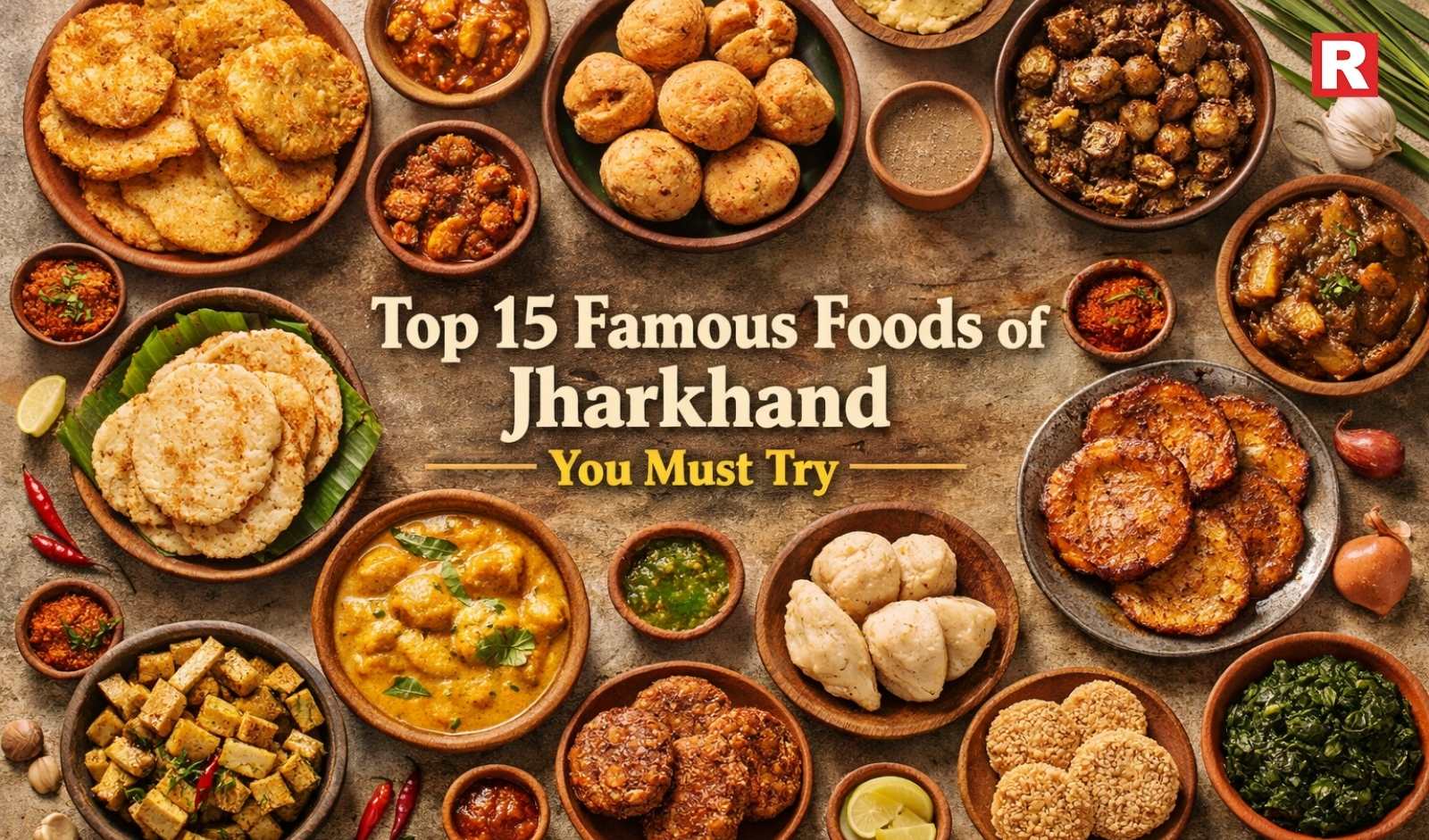
Jharkhand is often known for its forests and mineral wealth, but its food tells a deeper story. The cuisine here is rooted in tribal life and local ecology. It relies on what the land offers. Grains like millets and rice are staples. Forest produce such as leafy greens, mushrooms, and roots are used widely. Cooking methods are simple but precise. Slow boiling, roasting over fire, and minimal use of oil define the approach. Spices are used carefully, not heavily. This keeps the natural taste of ingredients intact.
The food feels light but remains satisfying. It also supports better digestion and balanced nutrition. For travellers and food explorers, this cuisine offers something rare. It presents authenticity without excess. Each dish reflects season, climate, and community habits. For those interested in regional Indian food, Jharkhand provides a clear and honest experience shaped by tradition and technique.
Why Jharkhand Cuisine Stands Out
Jharkhand’s food is shaped by nature. Many ingredients come straight from forests and farms. Bamboo shoots, wild mushrooms, and leafy greens are common. People here cook with what is available in each season.
Cooking methods are also unique. Roasting over fire, steaming, and slow cooking are widely used. Fermentation is common too, especially in traditional drinks. Another key feature is simplicity. Spices are used carefully. The goal is to enhance the ingredient, not overpower it. This makes the food both healthy and flavorful.
Discover Top 15 Famous Foods of Jharkhand
1. Dhuska
Dhuska is a staple snack in Jharkhand and is widely consumed across both urban and rural areas. It is made using a fermented batter of rice and lentils, which gives it a slight depth in flavor. The dough is deep-fried, resulting in a crisp outer layer and a soft, airy center. It is usually paired with aloo curry or spicy chana, which balances its mild taste. Vendors often prepare it fresh, making it a popular street food choice. It fits well as a breakfast or evening snack due to its light yet satisfying nature. Its simple ingredients and quick preparation make it accessible and widely preferred among locals.
Read more: 8 Famous Vegetarian Dishes of Uttar Pradesh and Their Timeless Legacy
20 Famous Foods from Karnataka That Define Its Rich Food Culture
2. Litti Chokha
Litti Chokha is a filling and traditional dish commonly eaten in Jharkhand. Litti consists of wheat balls stuffed with sattu, which is roasted gram flour mixed with spices and mustard oil. These balls are baked over charcoal or cow dung cakes, which adds a smoky flavor. Chokha is served alongside and is made by mashing boiled potatoes, roasted brinjal, and tomatoes with basic spices. The dish is rich in fiber and protein, making it both nutritious and satisfying. It is often consumed during lunch and is popular in both homes and roadside stalls. Its bold flavors and rustic cooking method make it stand out.
3. Rugra (Putka)
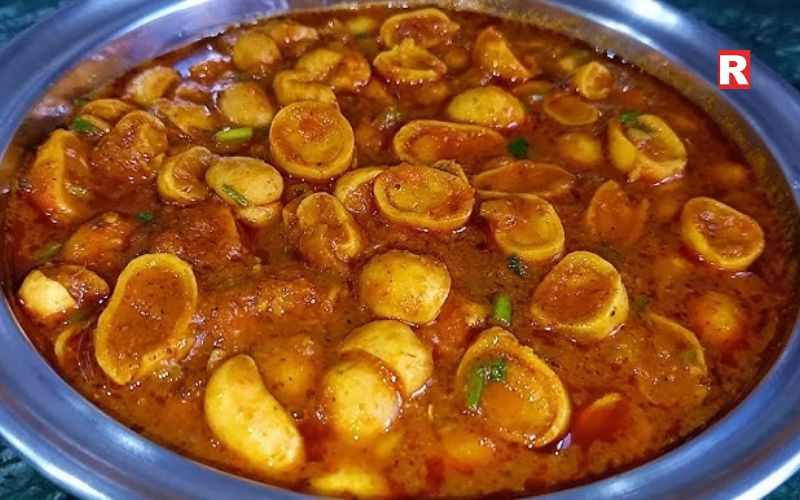
Rugra, also known as Putka, is a rare forest produce found in Jharkhand. It grows underground and appears during the monsoon season. It resembles a mushroom but has a denser texture. Locals collect it from forest areas, making it a seasonal delicacy. It is cleaned and cooked with spices to prepare a rich curry. The taste is earthy and slightly meaty, which makes it unique among vegetarian dishes. Due to its limited availability, it holds high value in local markets. It reflects the deep connection between tribal communities and forest-based food sources. Rugra is often enjoyed with rice during special occasions.
4. Chilka Roti
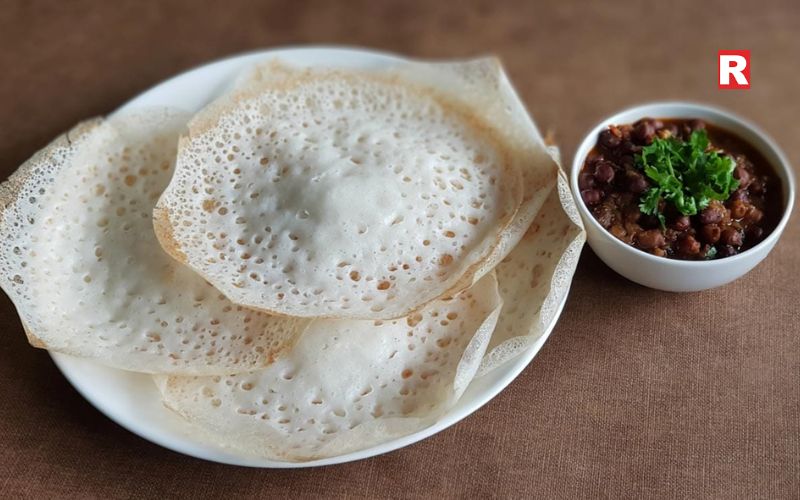
Chilka Roti is a simple and healthy dish commonly prepared in Jharkhand households. It is made using a batter of rice and chana dal, which is soaked and ground together. The batter is spread on a hot pan and cooked like a thick pancake. It does not require much oil, making it a lighter option. The texture is soft with a slightly crisp edge. It is usually served with green chutney or vegetable curry. This dish is easy to digest and is often eaten for breakfast or dinner. Its nutritional value and basic preparation make it a regular part of daily meals.
5. Handia
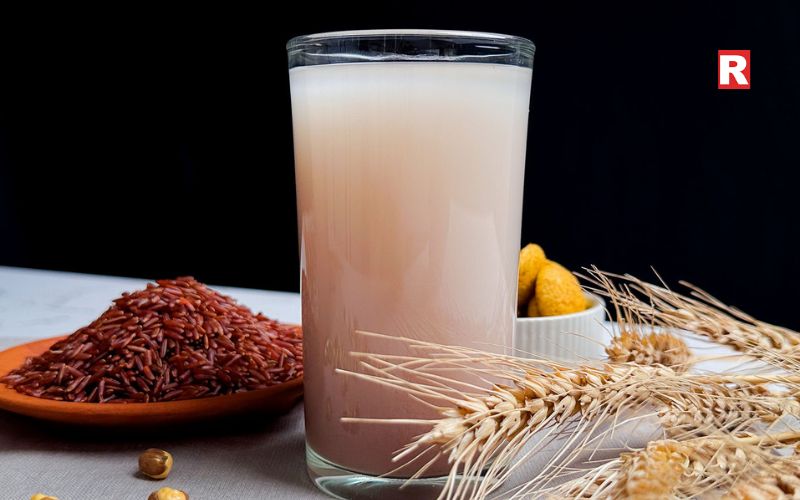
Handia is a traditional fermented drink that holds cultural importance in Jharkhand. It is made by fermenting boiled rice with natural herbs and yeast tablets called ranu. The fermentation process takes a few days and gives the drink its mild sour taste. It has low alcohol content and is consumed during social gatherings and festivals. Handia is often prepared at home using age-old methods passed down through generations. It plays a key role in tribal rituals and community bonding. The drink reflects local knowledge of fermentation and sustainable practices. It is usually served in clay pots, adding to its traditional appeal.
6. Thekua

Thekua is a traditional sweet snack that carries strong cultural value in Jharkhand. It is made using wheat flour, jaggery, and ghee, which are mixed into a firm dough. The dough is shaped by hand or with simple molds and then deep-fried until golden brown. The texture turns crisp on the outside while staying slightly firm inside. It is most commonly prepared during festivals like Chhath, where it is offered as prasad. The use of jaggery gives it a rich and earthy sweetness. It has a long shelf life, making it easy to store. Thekua reflects simplicity, tradition, and the importance of festive food in daily life.
7. Malpua (Jharkhand Style)
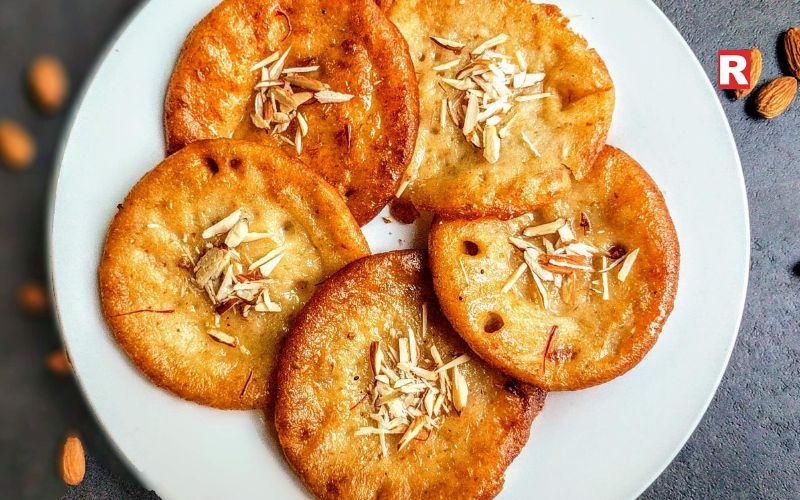
Malpua in Jharkhand has a distinct style compared to other regions. It is thicker and less sugary, which makes it more balanced in taste. The batter is made using flour, milk, and a small amount of sugar. It is poured into hot oil and deep-fried until it turns soft and slightly crisp at the edges. In some cases, it is lightly dipped in sugar syrup, but not heavily soaked. It is often prepared during festivals and family functions. The texture is soft and slightly dense. Its mild sweetness and rich base make it a preferred dessert. It reflects local taste preferences for less sugary sweets.
Know more: 20 Famous Foods from Assam That Reflect Its True Food Culture
8. Bamboo Shoot Sabzi
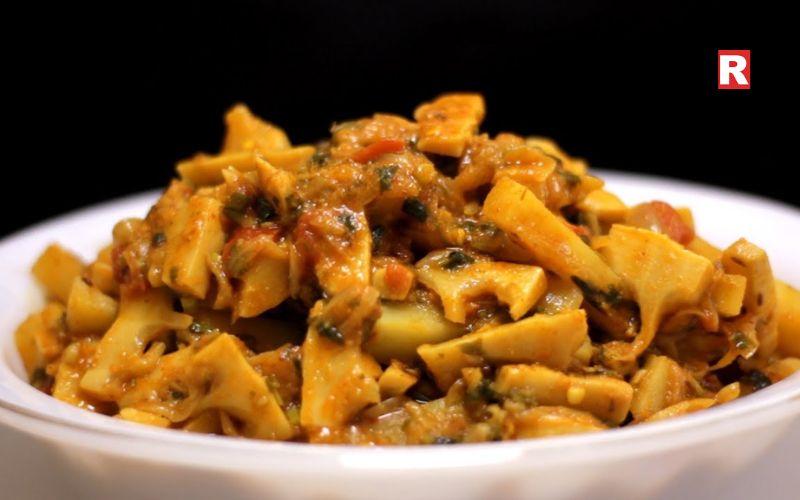
Bamboo shoot sabzi is a common dish in Jharkhand’s tribal cuisine. Bamboo shoots are sourced fresh from forest areas and require careful preparation. They are first cleaned and boiled to reduce bitterness. After that, they are cooked with basic spices to enhance their natural flavor. The dish has a strong, earthy taste with a slight tang. It is usually served with plain rice, which balances its bold flavor. Bamboo shoots are also known for their nutritional value, including fiber content. This dish shows how local communities use forest produce in daily cooking. It reflects sustainable food habits and deep knowledge of natural ingredients.
9. Pitha
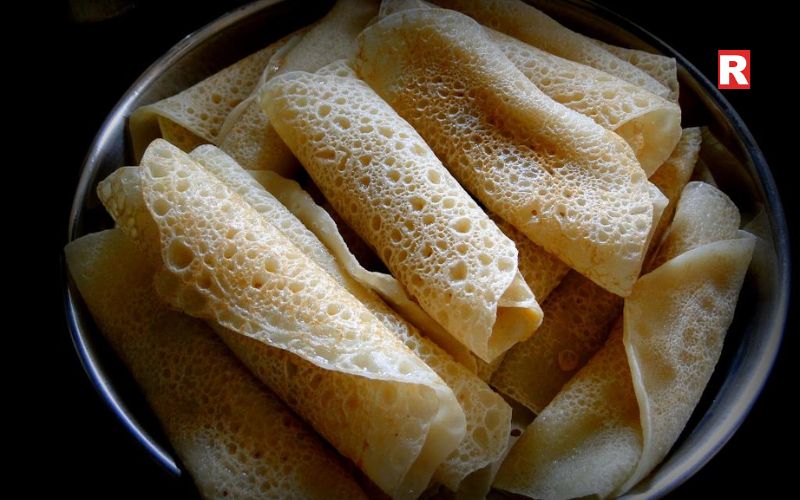
Pitha is a traditional dish made using rice flour and is widely prepared in Jharkhand. It comes in both sweet and savory forms. The sweet version is filled with jaggery and coconut, while the savory one may include lentils or spiced fillings. The outer layer is made from soft rice dough. It is shaped and then either steamed or fried, depending on the type. Pitha is commonly prepared during festivals and special gatherings. It is light, easy to digest, and made using simple ingredients. The dish represents tradition and home-style cooking. It is often made in batches and shared among family members.
10. Local Saag
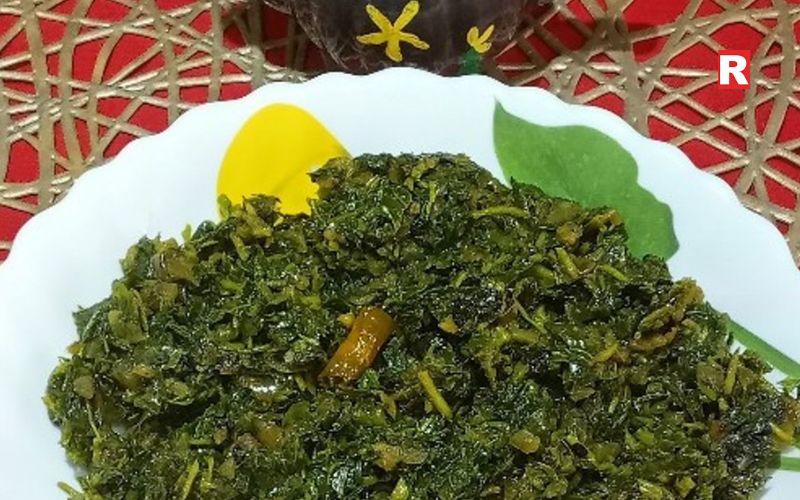
Local saag is an important part of daily meals in Jharkhand. A variety of leafy greens are used, many of which are collected from nearby forests. These greens are rich in nutrients and are cooked in a simple way. They are usually sautéed with garlic, salt, and minimal spices to retain their natural taste. The texture is soft, and the flavor is mild but fresh. Saag is often served with rice and dal, forming a balanced meal. It is easy to prepare and widely consumed across households. This dish highlights the use of seasonal and locally available ingredients in Jharkhand cuisine.
11. Kadhi Bari (Jharkhand Style)
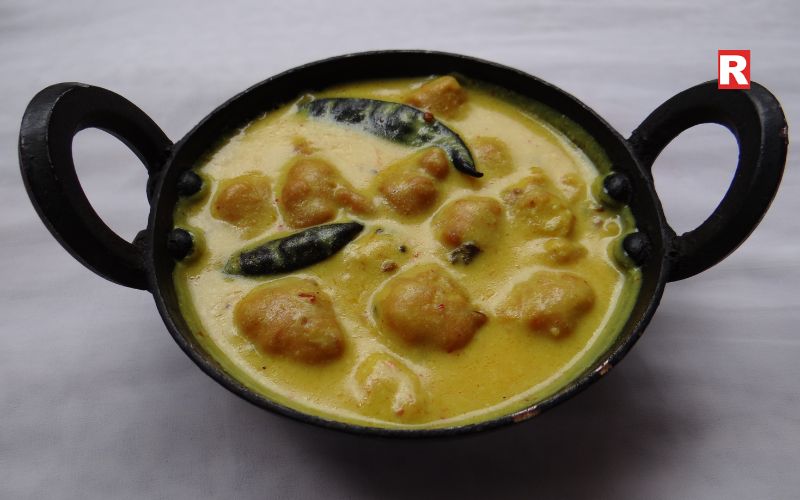
Kadhi Bari is a simple and comforting dish found in many homes across Jharkhand. It is made using gram flour dumplings, known as bari, which are deep-fried and then added to a yogurt-based curry. The curry has a mild tang due to the use of curd. The Jharkhand version is lighter and uses less oil compared to other regional styles. The spices are basic, which allows the natural taste to stand out. It is usually served with steamed rice, making it a complete meal. The texture is soft, and the flavor is balanced. This dish reflects everyday cooking and is often prepared for lunch in households.
12. Arsa Roti

Arsa Roti is a traditional sweet dish that is closely linked to festivals and special occasions. It is made using rice flour and jaggery, which are mixed into a soft dough. The dough is shaped into small flat rounds and then deep-fried until golden. The outer layer becomes slightly crisp, while the inside stays soft and chewy. The use of jaggery gives it a deep and natural sweetness. It is often prepared during weddings and local celebrations. The dish is simple but carries cultural value. It is easy to store for a few days. Arsa Roti reflects traditional cooking methods and festive food habits in Jharkhand.
13. Tilkut
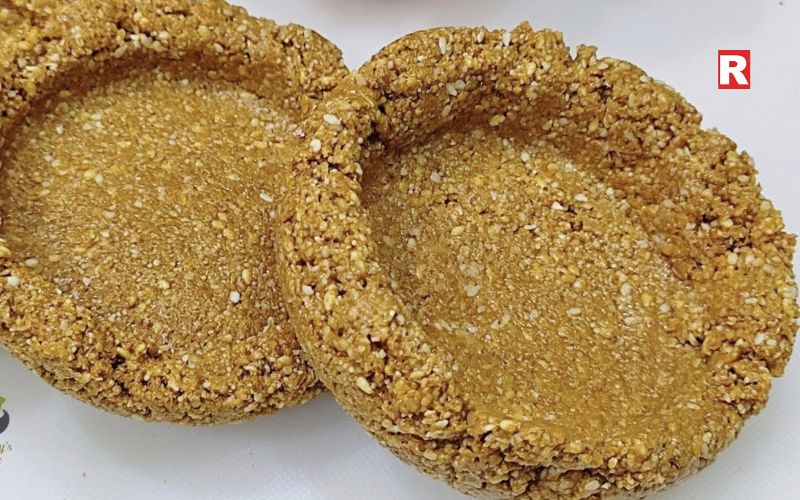
Tilkut is a well-known sweet in Jharkhand, especially during the winter season. It is made using sesame seeds and jaggery or sugar. The ingredients are heated and then pounded together to form a compact mixture. This mixture is shaped into round discs. The texture is firm and slightly crunchy. Tilkut is known for its ability to provide warmth and energy during cold weather. Sesame seeds are rich in nutrients, which adds to its value. It is easy to carry and has a good shelf life. It is often sold in local markets during winter. Tilkut reflects seasonal eating habits and the use of simple, nutritious ingredients.
Check more: 10 Mountain Foods to Keep You Warm While Visiting One
14. Ghugni
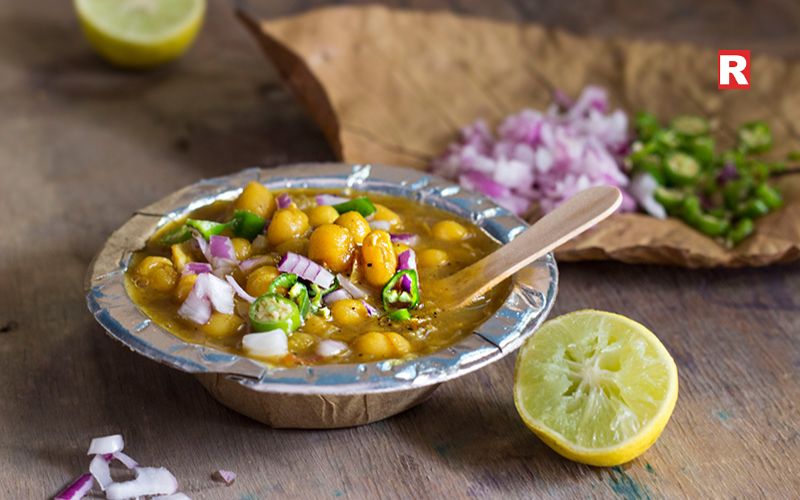
Ghugni is a popular street food that is widely enjoyed across Jharkhand. It is made using black chickpeas that are soaked and then cooked with spices. The preparation is simple but full of flavor. It is usually served hot and topped with chopped onions, green chilies, and a squeeze of lemon juice. The taste is spicy and slightly tangy. It is often eaten as an evening snack or quick bite. Street vendors prepare it fresh, which adds to its appeal. It is affordable and filling. Ghugni is a common sight in local markets and reflects the everyday street food culture of the region.
15. Chana Madra (Regional Style)
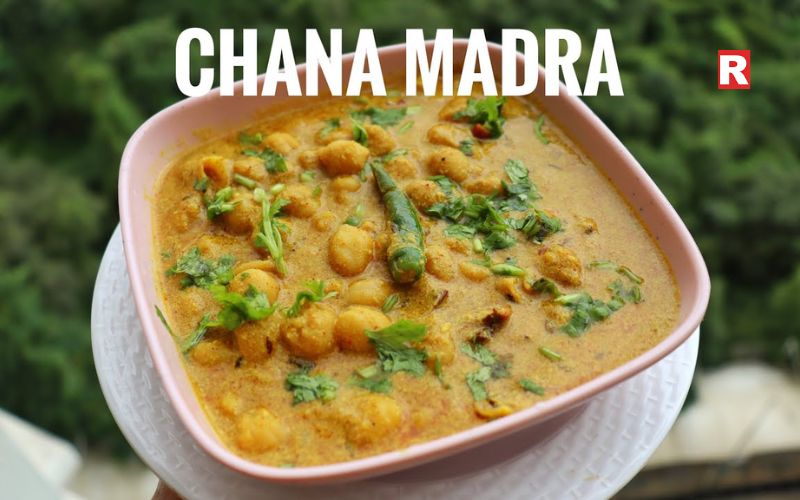
Chana Madra in Jharkhand is a rich and creamy dish made using chickpeas and yogurt. The chickpeas are cooked until soft and then added to a thick yogurt-based gravy. The spices used are mild, which keeps the flavor smooth and balanced. The texture is dense and slightly creamy. It is usually prepared during special meals or gatherings. This dish is different from regular chickpea curries as it focuses more on texture than strong spices. It is often served with rice or flatbread. The preparation requires careful cooking to maintain consistency. Chana Madra reflects a more refined and festive side of Jharkhand cuisine.
Street Food Culture in Jharkhand
Jharkhand’s food culture is shaped by simplicity, seasonality, and strong community roots. Street food and traditional meals are closely connected to daily life, local ingredients, and festivals. The cuisine reflects a practical approach to cooking, where freshness and availability decide what goes on the plate.
Everyday Street Food Culture: Small roadside stalls serve fresh and hot food throughout the day. Dishes like Dhuska with aloo curry and Ghugni are widely consumed. They are affordable, filling, and part of regular eating habits.
Season-Based Eating Patterns: Food choices change with seasons. Ingredients are used when they are naturally available. For example, Rugra is consumed during monsoon, while Tilkut is prepared in winter.
Strong Festival Connection: Many dishes are linked to festivals. Thekua is made during Chhath, while Pitha is prepared during harvest celebrations and family gatherings.
Community and Cultural Bonding: Food is not just for consumption. It plays a key role in social bonding. Meals are often shared, and recipes are passed down through generations.
Tips for First-Time Food Explorers
Start with simple dishes like Dhuska or Chilka Roti. They are easy to enjoy and widely available. If you like trying new flavors, go for Rugra or bamboo shoot dishes. Most food in Jharkhand is vegetarian-friendly. Even non-vegetarian dishes are simple and not too heavy. Local markets and small eateries offer the most authentic taste. Choose freshly cooked food for the best experience.
Also check: Top 5 States With the Spiciest Food in India
5 Cities That Serve the Best Non-Vegetarian Street Food
Why Sattu Is Emerging as India’s Ultimate Summer Superfood
Happy Exploring!
Jharkhand’s cuisine remains one of the most underrated regional food cultures in India. It is rooted in local ecology, seasonal produce, and tribal cooking methods. The food relies on minimal spices but delivers strong, natural flavors. Techniques like slow cooking, fermentation, and fire roasting add depth without complexity. Most dishes use locally sourced grains, forest greens, and rare ingredients like Rugra. This makes the cuisine both sustainable and nutrient-rich. For food explorers and culinary travelers, it offers a refreshing break from mainstream Indian flavors. Dishes like Dhuska provide texture contrast, while preparations with bamboo shoots and wild mushrooms introduce earthy notes. The simplicity is its strength. Each recipe reflects tradition, availability, and cultural identity. For those seeking authentic and lesser-known food experiences, Jharkhand presents a unique opportunity. It is not just about eating, but understanding a region through its ingredients, techniques, and everyday meals.

Kerala is no longer just a travel destination. It is becoming a global food story. From coastal kitchens to fine dining tables across the world, Keralan cuisine—especially Malabar flavors—is getting the attention it deserves.
Food lovers today are not just looking for taste. They want authenticity. They want stories on their plate. Kerala offers both. Its cuisine is rich, layered, and deeply rooted in culture. This is why global foodies are now turning towards Malabar dishes with curiosity and excitement.
A Land Where Flavor Begins with Spices
Kerala has always been known as the land of spices. For centuries, traders from across the world came here for black pepper, cardamom, cinnamon, and cloves. These spices did not just build trade routes. They shaped the identity of Kerala’s food.
Even today, spices are at the heart of every dish. But what makes Kerala different is balance. The heat is not overpowering. The flavors are layered. You taste warmth, sweetness, and aroma in every bite. This also fits well with modern food habits. People are now choosing foods that are natural and functional. Kerala’s spice-rich meals support digestion and overall wellness. This adds to their global appeal.
What Makes Malabar Cuisine Stand Out
Malabar cuisine comes from the northern part of Kerala. It is one of the most loved regional cuisines today. The reason is simple. It brings together multiple cultures and influences.
A Blend of Cultures: Malabar food reflects Arab, Portuguese, and local traditions. This is especially seen in Moplah cuisine. Dishes are rich, slightly sweet, and full of depth.
Use of Coconut in Every Form: Coconut is not just an ingredient. It is a base. It is used as milk, oil, paste, and even as a garnish. This gives dishes a creamy texture and a mild sweetness.
Rice and Seafood at the Core: Rice is the staple. It is served in many forms like appam, puttu, and pathiri. Being a coastal region, seafood is fresh and widely used. Fish curries and grilled preparations are common.
Slow Cooking Techniques: Many dishes are cooked slowly to build flavor. The dum style used in Malabar biryani is a good example. Food is sealed and cooked in its own steam. This keeps the aroma intact.
Dishes That Are Winning the World
1. Malabar Biryani
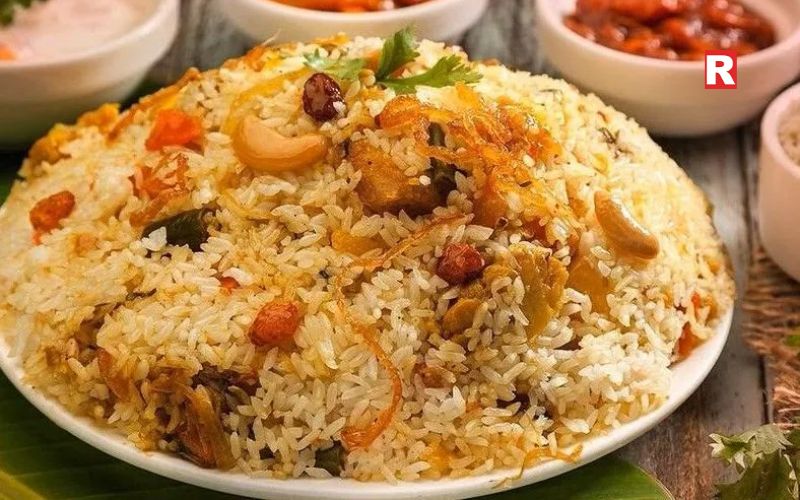
Malabar Biryani is known for its light texture and balanced taste. It uses short-grain rice, often called jeerakasala, which gives it a soft and fragrant base. The spices are mild but well layered. Each grain carries flavor without being too heavy. The meat, usually chicken or mutton, is cooked separately with onions, ginger, garlic, and spices. It is then combined with rice and cooked on dum. Fried onions, cashews, and raisins are often added on top. This gives a slight sweetness and crunch. Unlike other biryanis, it does not feel oily or overpowering. It is easy to eat and suits many palates. This is why it has gained popularity beyond Kerala.
Read more: 8 Famous Vegetarian Dishes of Uttar Pradesh and Their Timeless Legacy
Top 10 Vegan Street Foods in India Every Indian Loves
2. Appam with Stew
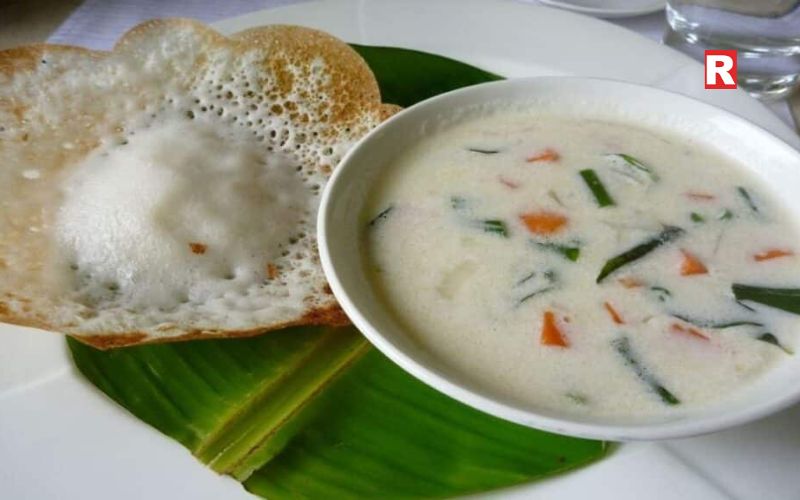
Appam with stew is a classic comfort meal from Kerala. Appam is a soft, lacy pancake made from fermented rice batter and coconut. It has a crisp edge and a soft, fluffy center. The stew is mild and creamy. It is usually made with vegetables, chicken, or mutton. Coconut milk forms the base, giving it a smooth texture. Spices like cinnamon, cloves, and pepper add gentle warmth. The dish is not spicy, which makes it easy to enjoy. It is often eaten for breakfast or dinner. The combination feels light yet filling. It is also popular among those trying Kerala food for the first time.
3. Karimeen Pollichathu
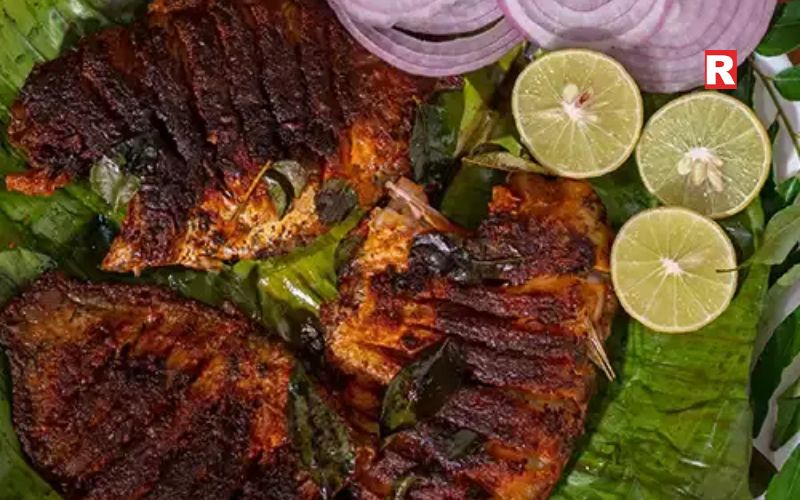
Karimeen Pollichathu is a famous seafood dish from Kerala. It uses pearl spot fish, which is fresh and flavorful. The fish is cleaned and marinated with spices, lime juice, and sometimes coconut paste. It is then wrapped in a banana leaf. This helps lock in the aroma. The wrapped fish is grilled or cooked on a pan. The banana leaf adds a smoky flavor. The spices are bold but balanced. The fish remains soft and juicy inside. This dish is often served in coastal restaurants and houseboats. It is loved for both its taste and presentation. It reflects the strong connection between Kerala cuisine and the sea.
4. Puttu and Kadala Curry
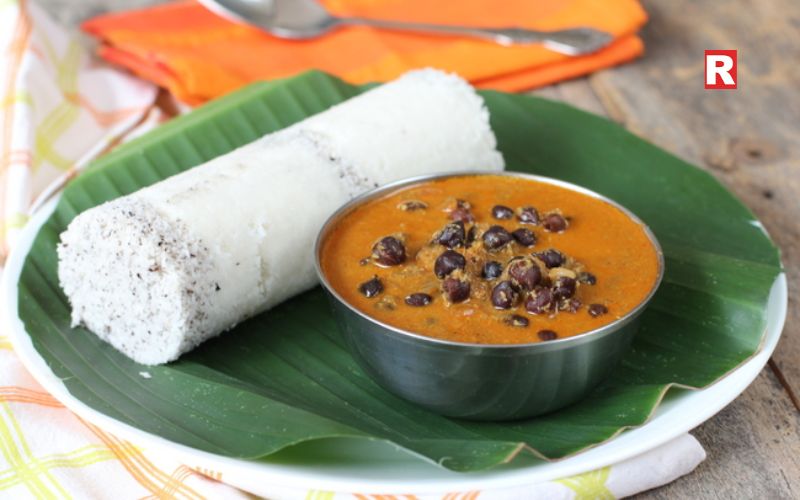
Puttu and Kadala Curry is a simple and wholesome meal. Puttu is made from steamed rice flour and grated coconut. It is shaped into soft cylinders using a special mold. The texture is light and slightly crumbly. Kadala curry is made with black chickpeas cooked in a thick, spiced gravy. Coconut is used in different forms to add depth. The curry has a rich and earthy taste. When eaten together, the flavors balance well. This dish is common in many Kerala homes. It is filling and nutritious. It is often eaten for breakfast but can also be enjoyed at any time of the day.
5. Sadya
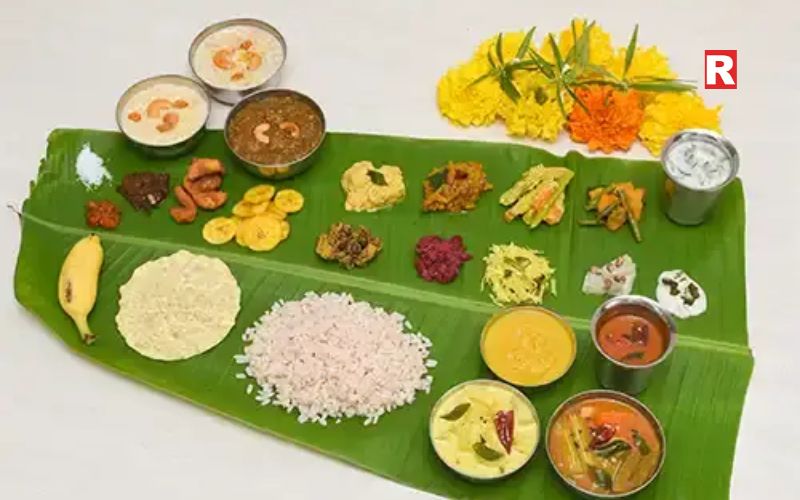
Sadya is a traditional vegetarian feast from Kerala. It is usually served during festivals and special occasions. The meal is presented on a banana leaf. It includes a variety of dishes, each with a different taste and texture. There are curries, pickles, stir-fries, and desserts. Rice is served at the center, along with sambar and rasam. Coconut is used in many preparations. The flavors range from spicy and sour to sweet. Eating sadya follows a certain order, which adds to the experience. It is not just a meal but a cultural ritual. It also appeals to those looking for plant-based and balanced food options.
Know more: 20 Famous Foods from Karnataka That Define Its Rich Food Culture
Why the World Is Taking Notice
There are clear reasons why Kerala cuisine is growing beyond borders.
Focus on Authenticity: People are moving away from generic food experiences. They want something real. Kerala cuisine offers strong roots and original recipes.
Rise of Regional Indian Food: Earlier, Indian food abroad meant butter chicken and naan. Now, there is a shift. Regional cuisines like Malabar are getting attention for their uniqueness.
Travel and Food Experiences: Kerala offers more than just food. Spice plantations, cooking classes, and local food tours attract travellers. Many visitors return home with a deeper connection to the cuisine.
Visual Appeal: Meals served on banana leaves, colorful curries, and coastal plating look beautiful. This makes them popular on social media.
Health and Wellness: Coconut, spices, and fermented foods support gut health. This aligns with global wellness trends.
From Local Kitchens to Global Tables
Kerala cuisine is now seen in restaurants across the world. Cities in the Middle East, the UK, and the US have a growing number of Kerala-focused dining spaces. Chefs are also experimenting. Traditional recipes are being presented in modern formats. For example, Malabar flavors are now used in grills, small plates, and fusion dishes.
However, maintaining authenticity is still important. The taste depends on the quality of spices and fresh ingredients. Many chefs are now sourcing directly from Kerala to keep the flavors intact.
Also check: 20 Famous Foods from Assam That Reflect Its True Food Culture
Top 5 States With the Spiciest Food in India
Explore Top Beachside Delights in India: Coastal Flavours You Can’t Miss
What Lies Ahead
The future looks promising. Kerala cuisine is slowly finding its place in global fine dining. More chefs are exploring its techniques and ingredients. Fusion is also on the rise. Malabar-inspired dishes are being adapted into global formats without losing their essence. Cloud kitchens and regional food brands are helping reach a wider audience. Digital platforms are making it easier for people to discover and try new cuisines. Kerala cuisine is no longer a hidden gem. It is becoming a global favorite. Malabar flavors, with their rich history and balanced taste, are leading this change. As more people look for authentic and meaningful food experiences, Kerala stands out. It offers depth, tradition, and innovation at the same time. The journey of Malabar cuisine has just begun. And for food lovers, this is the perfect time to explore it.

A few years ago, millets made a strong comeback in India. Kitchens started replacing refined grains with traditional options like jowar and bajra. At the same time, quinoa quietly entered urban diets through salads, bowls, and fitness meals. Now in 2026, both are popular. The real question is simple: which one is better for your gut?
The answer is not as straightforward as picking a winner. Both jowar and quinoa offer strong benefits. But they work in slightly different ways inside the body. Understanding this can help you make smarter food choices every day.
Why Gut Health Matters More Than Ever
Gut health is no longer just a trend. It is now linked to overall well-being. Your gut affects digestion, immunity, skin health, and even mood. Many people in India are dealing with issues like bloating, acidity, and irregular digestion. This is where the right grains can make a big difference.
The gut contains trillions of bacteria. These bacteria need the right kind of food to stay healthy. This is where fiber plays a key role. Foods rich in fiber help feed good bacteria. In return, these bacteria produce compounds that support digestion and reduce inflammation.
A Quick Look at Gut Science
Not all fiber works the same way. There are two main types:
- Insoluble fiber: Adds bulk to stool and helps bowel movement
- Soluble fiber: Feeds gut bacteria and improves microbiome balance
When fiber reaches the colon, it is fermented by bacteria. This produces short-chain fatty acids (SCFAs) like butyrate. These compounds help reduce inflammation and keep the gut lining healthy. Both jowar and quinoa support this process, but in slightly different ways.
Read more: Why Sattu Is Emerging as India’s Ultimate Summer Superfood
What is Kimchi? Top Veg Kimchi You Can Try at Home
What Makes Jowar Good for Your Gut

Jowar, also known as sorghum, has been part of Indian diets for centuries. It is simple, local, and highly effective for digestion. One of the biggest benefits of jowar is its high insoluble fiber content. This helps improve bowel movement and prevents constipation. If you often feel heavy after meals or struggle with slow digestion, jowar can help regulate your system. Jowar is also naturally gluten-free. Many people today are sensitive to gluten, even if they are not diagnosed with intolerance. Switching to jowar rotis can reduce bloating and discomfort. Another important factor is its polyphenol content. These compounds have anti-inflammatory properties. They help protect the gut lining and reduce irritation. From a daily lifestyle point of view, jowar fits easily into Indian meals. You can have jowar roti with sabzi, which feels familiar and satisfying. It does not require major changes to your eating habits.
Why Quinoa is Gaining Popularity
Quinoa is often called a superfood, and for good reason. It offers a combination of fiber and high-quality protein, which is rare in plant-based foods. Unlike jowar, quinoa contains both soluble and insoluble fiber. This makes it more versatile for gut health. The soluble fiber feeds good bacteria, while the insoluble fiber supports smooth digestion. Quinoa also contains compounds like saponins and polyphenols. These help protect the digestive system and support healthy gut bacteria. When quinoa is fermented in the gut, it produces beneficial metabolites that improve microbiome diversity. Another advantage is its protein profile. Quinoa is a complete protein, meaning it contains all essential amino acids. This makes it especially useful for vegetarians and fitness-focused individuals. In terms of usage, quinoa fits well into modern diets. It works in salads, bowls, and even Indian dishes like khichdi. However, it is still seen as a premium ingredient and may not be as affordable as jowar.
Know more: Sattu vs Paneer vs Soyabean: Know the Real Difference
Jowar vs. Quinoa: A Practical Comparison
Here’s a clean and easy-to-read table version of your content:
Factor | Jowar (Sorghum) | Quinoa |
|---|---|---|
Core Function | Supports digestion directly | Supports gut microbiome balance |
Fiber Role | Adds bulk to stool | Feeds gut bacteria |
Gut Impact | Improves bowel movement and keeps gut active | Improves microbiome diversity |
Digestive Benefit | Helps prevent constipation and heaviness | Enhances overall gut health at a deeper level |
Protein Content | Moderate | High (complete protein) |
Fitness Use | Good for general health | Ideal for muscle building and weight management |
Accessibility in India | Affordable and widely available | Premium and less accessible |
Best For | Daily traditional meals and digestion support | Modern diets focused on nutrition and gut balance |
Jowar supports gut movement, while quinoa supports gut balance.
What Research Suggests
Recent studies on gut health show that both millets and quinoa act as prebiotic foods. They help increase beneficial bacteria like Bifidobacterium and Lactobacillus. These bacteria are important for digestion and immunity.
Research also shows that quinoa may activate more metabolic pathways in the gut due to its diverse nutrient profile. At the same time, millets like jowar are known to support carbohydrate metabolism and provide steady digestive support. This means both grains are valuable. They just work in slightly different ways.
Which One Should You Choose
The right choice depends on your lifestyle and health goals.
- Choose jowar if you want a simple, traditional option that supports regular digestion. It is ideal if you often feel bloated or constipated. It is also a good choice if you prefer home-style meals and want something affordable.
- Choose quinoa if you are looking for a more nutrient-dense option with added protein. It works well if you follow a fitness routine or prefer modern meal formats like bowls and salads.
If you are dealing with gut imbalance or irregular digestion, jowar may give faster relief. If your goal is long-term gut diversity and overall nutrition, quinoa can be a strong addition.
Easy Ways to Add Both to Your Diet
You do not need complicated recipes to include these grains.
- For lunch, you can have jowar roti with dal and vegetables. This keeps your meal light and easy to digest.
- For dinner, you can switch to a quinoa-based dish. A simple quinoa khichdi or vegetable bowl works well and feels filling without being heavy.
- You can also mix things up during the week. Use jowar flour for breakfast options like cheela or bhakri. Add quinoa to soups or salads for extra texture and nutrition.
Small changes like these can improve your digestion over time.
Also check: 5 Ways to Use Garden Cress Seeds (Halim) for Stronger Hair and Bones
Crack the Truth: How Eggs Power Your Daily Protein Intake (And When to Skip
7 Indoor Herbs That Keep You Cool and Healthy This Summer
Final Thoughts
The biggest shift in nutrition today is moving away from extremes. It is no longer about choosing one “best” food. It is about building a balanced and diverse diet. Your gut thrives on variety. Different foods feed different types of bacteria. The more variety you include, the stronger your gut becomes. Instead of choosing between jowar and quinoa, you can include both in your weekly routine. This gives you the benefits of both fiber types and a wider range of nutrients.
Jowar remains a strong and reliable choice. It is deeply rooted in Indian food culture and directly and effectively supports digestion. Quinoa, on the other hand, brings modern nutritional benefits and supports gut bacteria at a deeper level. In 2026, the smartest choice is not about picking one over the other. It is about using both wisely. When you combine traditional grains like jowar with global options like quinoa, you create a diet that is both balanced and future-ready. Your gut does not need trends. It needs consistency, variety, and the right nutrients. And both jowar and quinoa can help you get there.

Summer can be tough, especially for babies. While adults can adjust to the heat, babies are far more sensitive. Their bodies are still developing. They lose fluids quickly. They may feel uncomfortable, cranky, and even lose appetite. This is why choosing the right food during summer becomes very important.
The right diet can help your baby stay cool, hydrated, and active. It can also support digestion and protect against common summer issues like dehydration and stomach infections. If you are a parent trying to manage your baby’s meals during hot months, a few simple changes can make a big difference.
Why Summer Nutrition is Different for Babies
Babies do not regulate body temperature as efficiently as adults. Their sweat glands are not fully developed. This means they can overheat faster. At the same time, they lose water and essential salts more quickly. During summer, digestion can also slow down. Heavy foods may cause discomfort, bloating, or even loose motions. This is why babies need food that is light, easy to digest, and rich in water content. Hydration is the key focus. Along with fluids, babies also need essential nutrients like potassium, sodium, and vitamins to maintain balance in the body.
Explore Top Baby Food Options for Summer
1. Hydrating Fruits
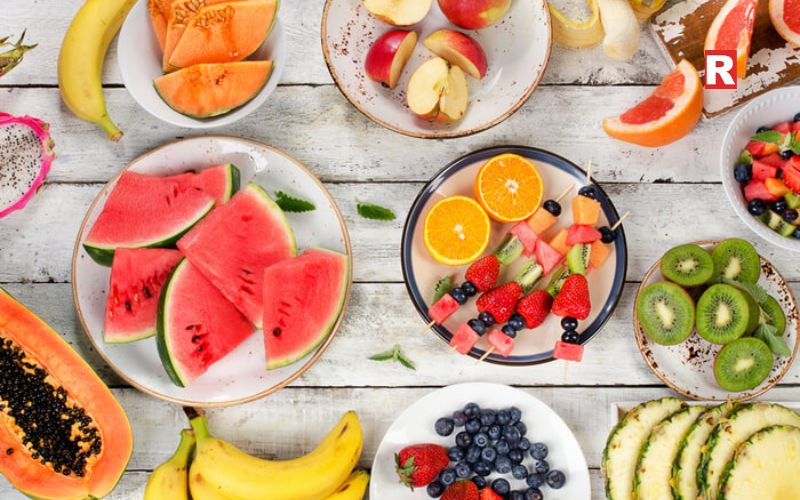
Fruits are one of the best additions to your baby’s summer diet. They are natural, refreshing, and easy to digest. You can start with mashed banana and steamed apple. For older babies, soft fruits like watermelon and muskmelon work well. These fruits are rich in water and natural sugars. They provide quick energy and help maintain hydration. Always ensure the fruits are fresh and properly cleaned. Avoid giving chilled fruits directly from the fridge.
Read more: Crack the Truth: How Eggs Power Your Daily Protein Intake (And When to Skip
7 Indoor Herbs That Keep You Cool and Healthy This Summer
2. Homemade Curd (Dahi)
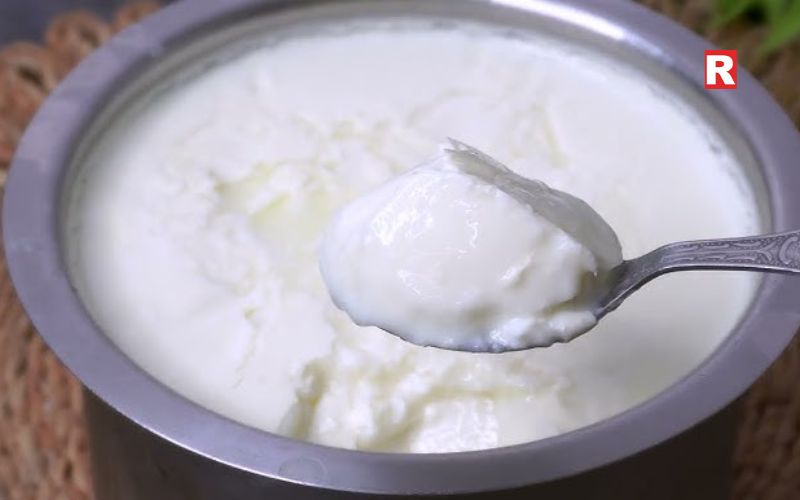
Curd is a staple in Indian households, and it is very useful during summer. It contains natural probiotics. These help maintain healthy gut bacteria. A small bowl of fresh homemade curd can improve digestion and reduce the risk of stomach infections. You can serve it plain or mix it with soft rice for a simple meal. Make sure the curd is fresh. Avoid sour curd, as it may not suit your baby’s stomach.
3. Rice-Based Foods
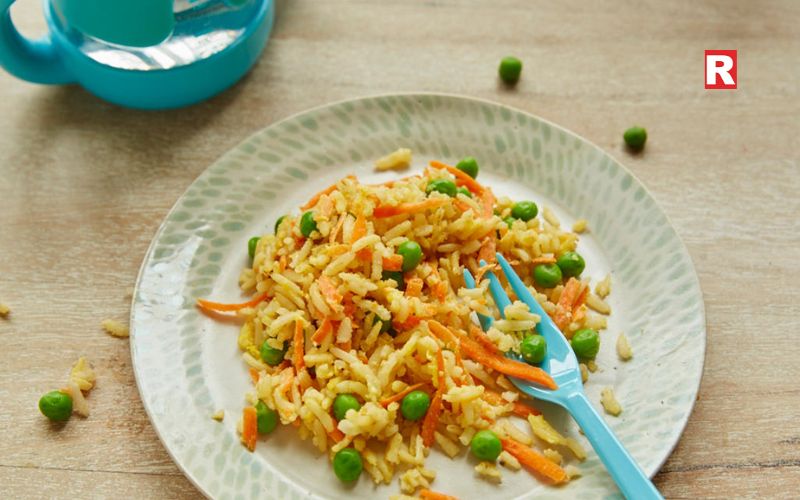
Rice is light and easy to digest. It is ideal for babies during hot weather. Rice water is a great starting option. It helps with hydration and provides quick energy. Soft khichdi made with rice and a little moong dal is also a good choice. It is gentle on the stomach and keeps your baby full without causing heaviness. You can add a little ghee for taste and nutrition, but keep the quantity minimal.
4. Coconut Water
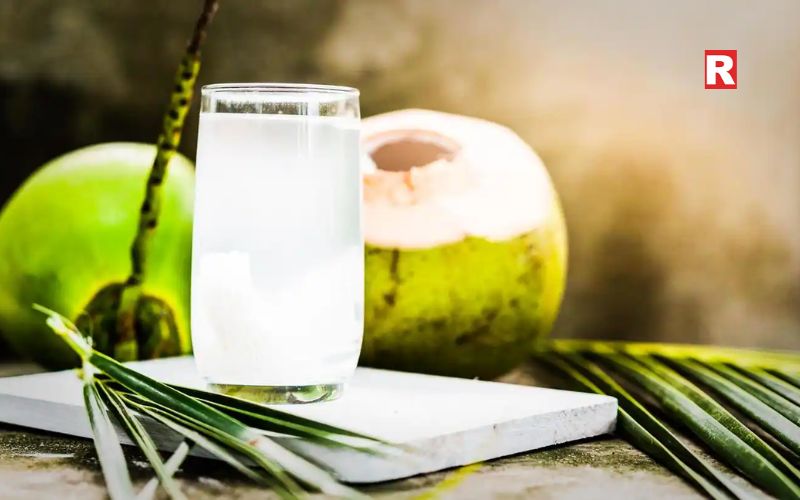
For babies above eight months, coconut water can be a natural way to stay hydrated. It contains essential electrolytes like potassium and sodium. These help maintain fluid balance in the body. Coconut water is light and refreshing. It can be given in small amounts once a day. Always use fresh coconut water. Avoid packaged options.
5. Vegetable Purees
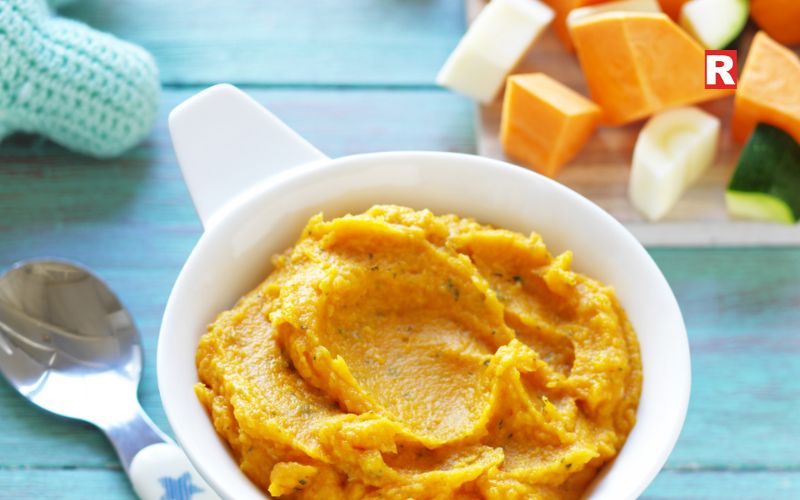
Vegetables with high water content are excellent for summer. Bottle gourd, pumpkin, and carrot are good choices. They are easy to cook and blend into smooth purees. These vegetables provide vitamins and minerals while keeping the body cool. Lauki, in particular, is known for its cooling properties. It is gentle on digestion and suitable for daily use in small portions.
Know more: Why Sattu Is Emerging as India’s Ultimate Summer Superfood
6. Breast Milk or Formula

For babies below one year, breast milk or formula remains the most important source of nutrition. Breast milk naturally adjusts to your baby’s needs. It provides both hydration and immunity. During summer, you may notice your baby feeding more often. This is normal and helps maintain fluid levels. If your baby is on formula, ensure proper preparation with clean and safe water.
Foods to Avoid During Summer
Certain foods can make your baby uncomfortable during hot weather.
- Avoid oily and spicy foods. These are hard to digest and may lead to stomach issues. Packaged baby foods with preservatives should also be limited, especially in summer.
- Do not give excess sugar or salt. Avoid outside food or unpasteurized juices, as they can carry bacteria.
Fresh, homemade food is always the safest choice.
The Importance of Balanced Nutrition
While hydration is important, nutrition should not be ignored. Babies need a balance of carbohydrates, proteins, and fats. They also require vitamins and minerals for growth and development. Foods like fruits, vegetables, curd, and rice together create a balanced diet.
Electrolytes such as sodium and potassium play a key role during summer. They help maintain fluid balance and support normal body functions. Focusing on gut health is equally important. A healthy digestive system helps your baby absorb nutrients better and stay active.
Also check: What is Kimchi? Top Veg Kimchi You Can Try at Home
12 Delicious High-Protein Foods to Eat Daily for a Healthier You
5 Ways to Use Garden Cress Seeds (Halim) for Stronger Hair and Bones
Final Thoughts
Managing a baby’s diet in summer can be simple with the right approach. Fresh and seasonal foods are often enough to meet a baby’s daily needs. Light meals work better in hot weather and help with easy digestion. Hydration should always be a priority, as babies lose fluids quickly in the heat. Caregivers should offer small and frequent meals instead of large portions. Clean and hygienic food preparation is also important, as food can spoil faster during summer. It is helpful to observe the baby’s comfort, mood, and appetite throughout the day. Some babies may eat less, while others may want to feed more often. Each baby responds differently to the weather. Simple changes in daily feeding habits can improve comfort and energy levels. With consistent care and attention, summer can remain a safe and healthy season for the baby.

Eggs are one of the most common foods in Indian kitchens. From a quick breakfast to a late-night snack, they fit into every routine. But beyond taste and convenience, eggs play a much bigger role in daily nutrition. In a country where protein intake is often lower than recommended, eggs offer a simple and affordable way to fill the gap.
Many people still ask a basic question. Are eggs really enough to meet your daily protein needs? And are they safe for everyone? The answer is not the same for all. Let’s break it down in a clear and practical way.
Why Protein Matters More Than You Think
Protein is not just for gym-goers. It is essential for everyone. Your body uses protein to build muscles, repair tissues, and support immunity. It also helps you feel full for longer, which can support weight control. In India, many diets are rich in carbohydrates but low in protein. Meals often focus on roti, rice, and vegetables. While these are important, they do not always provide enough protein. This is where eggs become valuable.
What Makes Eggs a Powerful Protein Source
A single large egg contains about 6 to 7 grams of protein. This may not sound like much, but the quality of protein in eggs is what makes them stand out. Eggs are known as a “complete protein.” This means they contain all the essential amino acids your body needs. These amino acids cannot be made by the body and must come from food.
Eggs also provide important nutrients such as:
- Vitamin B12 for energy and nerve health
- Vitamin D for bone strength
- Choline for brain function
- Healthy fats that support overall health
This combination makes eggs more than just a protein source. They are a compact nutrition package.
Read more: Top Egg Brands in India That Crack All the Right Boxes
Why Sattu Is Emerging as India’s Ultimate Summer Superfood
How Eggs Help Meet Daily Protein Needs
Your daily protein requirement depends on your body weight and activity level.
- A sedentary adult needs about 0.8 grams of protein per kilogram of body weight
- An active person may need between 1.2 to 2.0 grams per kilogram
For example, if you weigh 60 kg:
- Minimum protein needed: around 48 grams per day
- Higher requirement (if active): up to 72 grams per day
Now consider this. Eating two eggs gives you about 12 to 14 grams of protein. That is a strong start to your day. For many Indian households, eggs are also budget-friendly. Compared to chicken, fish, or protein supplements, eggs are easy to buy and store. This makes them a practical daily option.
Egg White vs Egg Yolk: What Should You Choose?
There is a lot of confusion around this.
- Egg white is mostly protein. It is low in calories and contains no fat. Many people who are trying to lose weight prefer egg whites.
- Egg yolk, on the other hand, contains fats, vitamins, and minerals. It is also rich in choline, which supports brain health.
A common myth is that egg yolks are unhealthy. For most healthy individuals, this is not true. The yolk provides important nutrients that the body needs. Instead of removing the yolk completely, it is better to focus on balance. Eating whole eggs in moderation is usually a better choice than only eating whites.
Key Benefits of Including Eggs in Your Diet
Adding eggs to your daily meals can bring several benefits.
Supports Muscle Growth: Protein in eggs helps repair and build muscle tissues. This is useful not only for athletes but also for everyday strength and fitness.
Keeps You Full for Longer: Eggs are filling. Starting your day with eggs can reduce unnecessary snacking and help manage calorie intake.
Improves Brain Health: Choline in egg yolks plays a key role in memory and brain function.
Boosts Metabolism: Protein-rich foods require more energy to digest. This helps improve metabolism over time.
Enhances Overall Nutrition: Eggs provide multiple nutrients in one serving. This improves the quality of your diet without adding complexity.
Know more: 12 Delicious High-Protein Foods to Eat Daily for a Healthier You
Who Should Avoid or Limit Eggs
While eggs are healthy for most people, they are not ideal for everyone.
People with Egg Allergy: Some individuals have allergic reactions to eggs. This is more common in children but can occur in adults as well. In such cases, eggs should be avoided completely.
Individuals with High Cholesterol: Egg yolks contain cholesterol. While recent research shows that dietary cholesterol does not affect everyone in the same way, people with high cholesterol levels should be cautious. It is best to consult a doctor and follow a personalised plan.
People with Heart Conditions: Those with existing heart disease or high risk should monitor egg intake. Moderation is important.
Kidney Patients: Certain kidney conditions require controlled protein intake. In such cases, even healthy protein sources like eggs must be limited under medical guidance.
Vegans and Strict Vegetarians: People who avoid animal products will naturally exclude eggs from their diet.
How Many Eggs Can You Eat in a Day?
For a healthy person, eating one to two eggs per day is generally considered safe. In fact, many nutrition experts support this level of intake. If you are physically active or trying to build muscle, you may consume more. However, the total diet matters more than just one food item. It is important to balance your meals with vegetables, fruits, whole grains, and other protein sources.
Easy Ways to Add Eggs to Your Daily Meals
Eggs are versatile and easy to cook. They can fit into different Indian dishes without much effort.
- Boiled eggs: Quick, simple, and perfect for busy mornings
- Masala omelette: Add onions, tomatoes, and spices for extra flavour
- Egg bhurji: A popular and filling option with roti or bread
- Egg curry: A comforting dish for lunch or dinner
- Sandwiches and wraps: Ideal for office or travel meals
To keep meals healthy, try to use less oil and avoid deep frying.
Also check: Top 5 States With the Spiciest Food in India
5 Ways to Use Garden Cress Seeds (Halim) for Stronger Hair and Bones
Let’s Break Down the Benefits of Oregano: A Small Herb with Big Health Power
Eggs vs Other Protein Sources
Eggs are not the only source of protein, but they offer a strong balance of quality, cost, and convenience.
- Paneer provides good protein but can be higher in fat
- Chicken offers more protein per serving but is more expensive
- Lentils and dals are widely available but have lower protein density per portion
Eggs sit in a unique position. They are affordable, easy to prepare, and nutritionally rich.
The Bottom Line
Eggs are one of the simplest ways to improve your daily protein intake. They are affordable, easy to cook, and packed with essential nutrients. For most people, including eggs in daily meals can support better health, energy, and overall nutrition. At the same time, eggs are not a one-size-fits-all solution. Individual health conditions matter. Some people may need to limit or avoid them based on medical advice. The key is balance. A diet that includes a mix of protein sources, along with fruits, vegetables, and whole grains, will always be more effective. Small changes in daily eating habits can make a big difference. Adding eggs to your routine might be one of the easiest and most practical steps towards better nutrition.

Summer in India can feel intense. The heat drains energy. Dehydration becomes common. Digestion slows down. Many people look for simple ways to feel lighter and more refreshed during this season. One of the easiest solutions is already within reach—indoor herbs.
Growing herbs at home is not just a trend. It is a practical way to bring fresh, natural wellness into your daily routine. These herbs do not need large spaces. A small window, balcony, or kitchen corner is enough. More importantly, they support your body during summer in ways that are both traditional and scientifically backed. Here are seven indoor herbs that can help you stay cool, improve digestion, and boost overall health during the warmer months.
Explore 7 Indoor Herbs That Keep You Cool and Healthy
1. Tulsi: The Everyday Immunity Booster
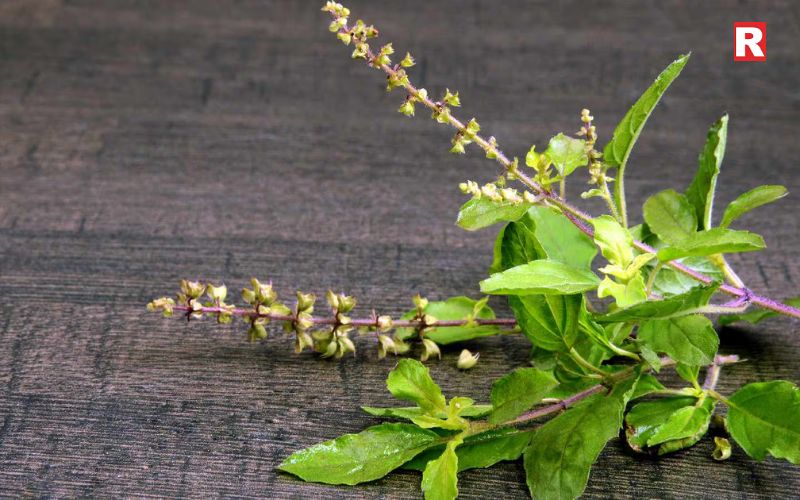
Tulsi, also known as holy basil, is a staple in many Indian homes. It is valued in Ayurveda for its adaptogenic properties. This means it helps the body manage stress, including heat stress. Tulsi contains compounds like eugenol and powerful antioxidants. These support immunity and reduce inflammation. During summer, tulsi can help your body stay balanced, especially when heat leads to fatigue or mild infections. A simple way to use tulsi is by adding fresh leaves to warm water or tea. It creates a calming drink that also supports respiratory health. Growing tulsi indoors is easy. It needs sunlight and light watering. Place it near a window where it can receive a few hours of sunlight daily.
Read more: Let’s Break Down the Benefits of Oregano: A Small Herb with Big Health Power
Why Sattu Is Emerging as India’s Ultimate Summer Superfood
2. Mint: The Natural Cooling Herb
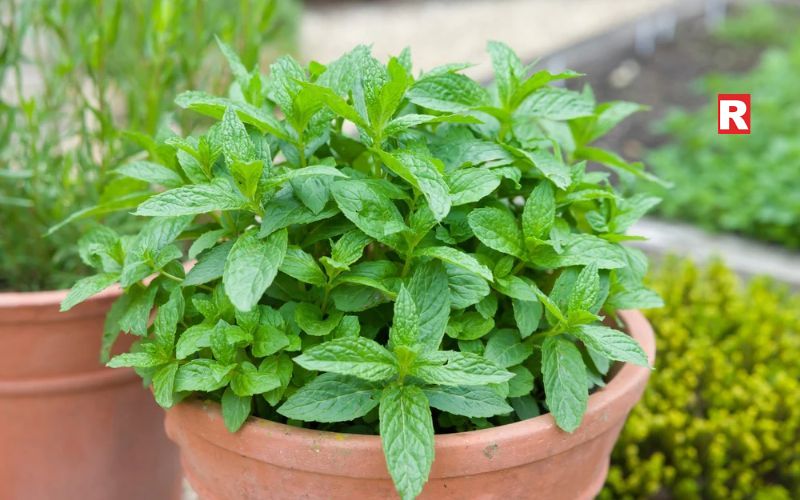
Mint, or pudina, is one of the most refreshing herbs you can grow at home. Its cooling effect comes from menthol. This compound helps relax muscles and creates a natural cooling sensation. Mint is excellent for digestion. It reduces bloating and supports faster digestion, which is helpful during summer when heavy food feels uncomfortable. You can add mint to chutneys, buttermilk, lemon water, or even plain drinking water. It instantly lifts the taste and adds health benefits. Mint grows quickly indoors. It spreads well in small pots. Keep the soil moist but not too wet. Trim it regularly to encourage fresh growth.
3. Coriander: A Detox-Friendly Herb
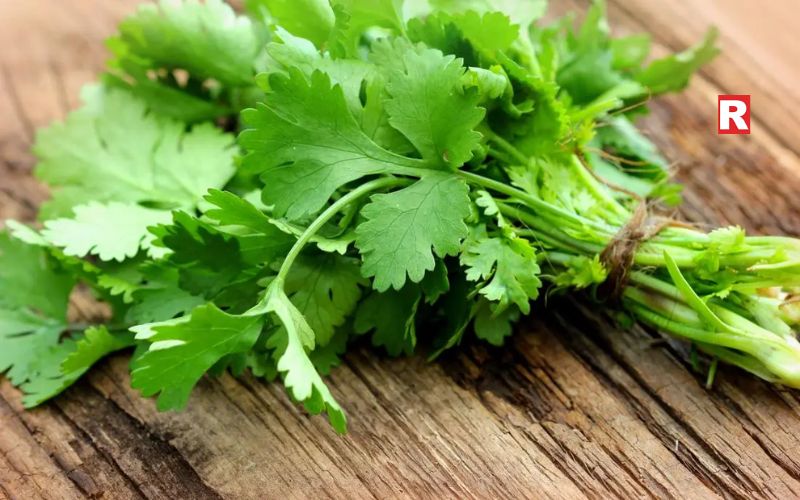
Coriander, or dhania, is more than just a garnish. It is known for its detoxifying properties. It helps remove excess heat from the body and supports better digestion. Coriander contains essential vitamins and compounds that may help regulate blood sugar levels. It also supports liver function, which plays a key role in detoxification. In summer, coriander water is a simple home remedy. Soak seeds overnight, strain the water, and drink it in the morning. Fresh leaves can be added to salads, curries, and chutneys. Coriander can grow indoors with moderate sunlight. Use well-drained soil and water it regularly. It grows best in cooler indoor spots during peak summer heat.
4. Lemongrass: Refreshing and Stress-Relieving
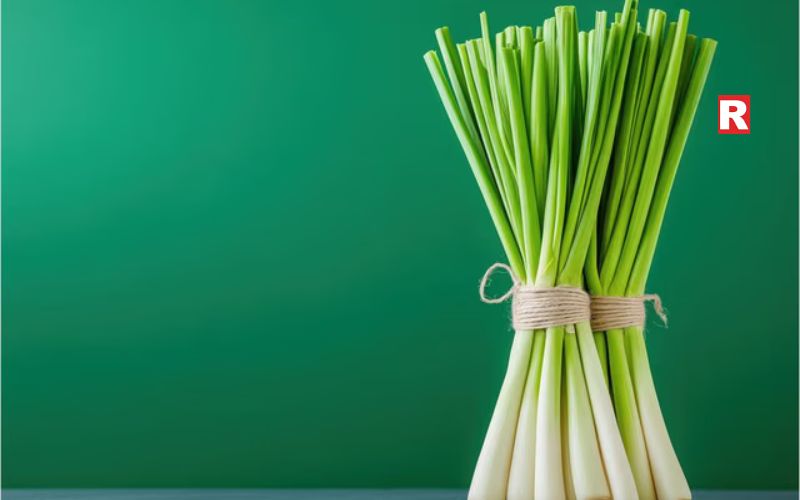
Lemongrass stands out for its fresh citrus aroma. It is widely used in herbal teas and natural remedies. It contains compounds that support digestion and reduce inflammation. During summer, lemongrass tea can feel light and soothing. It helps reduce stress and keeps you hydrated. It is also known to support gut health, which often gets affected in hot weather. You can boil fresh lemongrass stalks in water to make tea. Add a little honey or lemon for extra taste. Lemongrass grows well in pots with good sunlight. It needs space for its roots, so choose a slightly deeper container. Water it regularly but avoid waterlogging.
5. Curry Leaves: Small Leaves, Big Benefits

Curry leaves, or kadi patta, are a daily ingredient in Indian cooking. They are rich in iron, antioxidants, and essential nutrients. These leaves support digestion and improve metabolism. In summer, they can help prevent digestive discomfort and maintain gut health. You can add fresh curry leaves to dals, vegetables, and even buttermilk. Some people also consume them raw in the morning for added benefits. Growing curry leaves indoors requires patience. The plant grows slowly but steadily. It needs sunlight and well-drained soil. Once established, it becomes a low-maintenance herb.
Know more: 5 Ways to Use Garden Cress Seeds (Halim) for Stronger Hair and Bones
6. Aloe Vera: Cooling from Inside and Outside
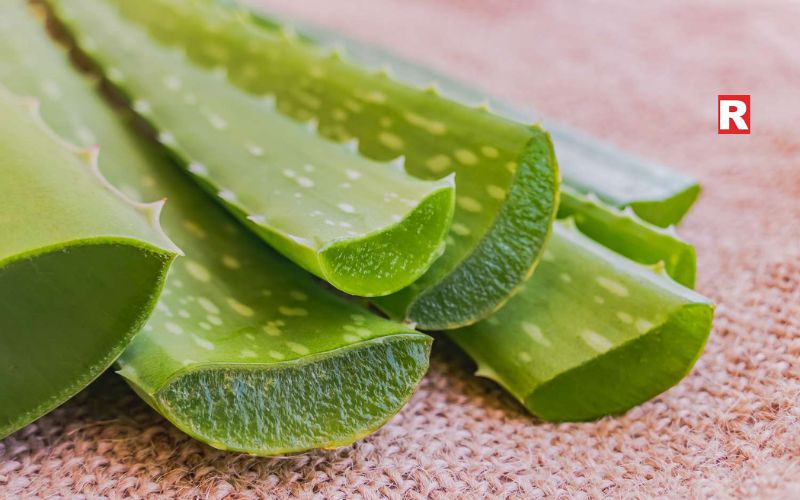
Aloe vera is widely known for its cooling properties. It is useful for both internal and external use. In summer, it becomes especially valuable. Aloe vera supports digestion and helps keep the body hydrated. It is also popular for skin care. It soothes sunburn and keeps the skin moisturised. You can extract fresh aloe gel and mix a small amount into water or juice. It is important to use it in moderation. Aloe vera plants are very easy to grow indoors. They need minimal water and can survive in bright, indirect sunlight. This makes them ideal for busy households.
7. Parsley: A Modern Herb with Strong Benefits
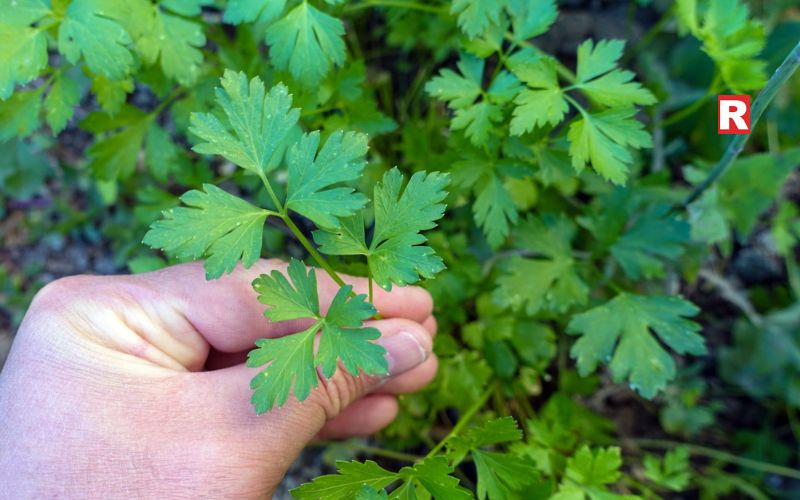
Parsley is not traditionally common in Indian kitchens, but it is gaining popularity. It is rich in vitamins A, C, and K. It also supports kidney health and detoxification. In summer, parsley helps the body flush out toxins. It also adds freshness to meals without adding heaviness. You can use parsley in salads, smoothies, and light dishes. It pairs well with both Indian and international recipes. Parsley grows well indoors with moderate sunlight. It needs regular watering and slightly cooler conditions compared to some other herbs.
Simple Tips to Start Your Indoor Herb Garden
- Start small by choosing two or three herbs you use often
- Place them near a window where they receive good sunlight
- Use pots with proper drainage to prevent water buildup
- Water regularly, but avoid overwatering
- Allow the soil to dry slightly between watering cycles
- Add organic compost to improve growth and nutrient quality
- Observe the leaves regularly as they reflect plant health
- If leaves turn yellow, adjust watering or sunlight accordingly
Also check: Sattu vs Paneer vs Soyabean: Know the Real Difference
What is Kimchi? Top Veg Kimchi You Can Try at Home
Top 5 Edible Flowers to Try – Add Color, Flavor & Wellness to Your Plate
Towards Better Living
Indoor herbs are not just plants kept for decoration. They offer a simple way to manage health during the summer season. Many people struggle with heat, low energy, and poor digestion during this time. Adding a few herbs at home can help ease these issues. They are easy to grow and do not need much space. A small window or balcony is enough. These herbs fit well into daily routines without much effort. Fresh leaves can be used in drinks and meals every day. This adds both flavour and nutrition to regular food. Over time, this small habit becomes part of a healthier lifestyle. It also reduces the need for packaged or store-bought options. Growing herbs at home creates a sense of freshness indoors. It encourages mindful living. Even starting with one or two plants can make a visible difference in daily health and overall well-being.

Dining out was once simple. People would visit a restaurant, choose a dish, and finish their meal without much thought. The focus was on taste and portion. Today, that idea has changed. A luxury menu has turned dining into a complete experience. It is not just about food anymore. It is about how the food looks, smells, and feels. Every dish is carefully planned. Every element has meaning. The meal becomes a story on a plate. It creates a memory that stays with the diner for a long time.
In India, this change is easy to notice. Big cities like Delhi and Mumbai are leading the shift. Diners are becoming more aware and curious. They want more than just good taste. They look for places that offer a unique atmosphere. Lighting, music, and presentation matter more than ever. Creativity plays a big role in their choices. People are willing to try new flavours and styles. They also value the effort behind each dish. This is where luxury menus make a difference. They bring together food, art, and emotion in one space.
What Makes a Menu Truly ‘Luxury’?
A luxury menu is not just about high prices. It is about precision, quality, and design.
Ingredient sourcing plays a big role. Chefs use rare and premium elements like truffles, caviar, single-origin chocolate, or artisanal cheese. These ingredients are carefully selected for flavour and freshness.
Technique is equally important. Methods like sous vide cooking, slow fermentation, and molecular gastronomy are used to enhance texture and taste. These techniques require time, skill, and deep knowledge.
Presentation is treated like art. Each dish is plated with intention. Colours, shapes, and spacing are balanced to create visual appeal.
Menu engineering is another key factor. Courses are arranged in a sequence. Light dishes come first. Rich flavours build slowly. This ensures the palate does not feel overwhelmed.
Personalisation adds exclusivity. Many luxury restaurants adapt menus based on guest preferences, dietary needs, or seasonal availability.
How Luxury Menus Transform the Dining Experience
Multi-Sensory Engagement: You do not just taste the food. You see it, smell it, and sometimes even hear it. From smoke-infused dishes to tableside plating, every detail is designed to stimulate the senses.
Storytelling Through Food: Each dish has a story. It could be inspired by a region, a memory, or a cultural tradition. This adds emotional depth to the meal.
Precision and Technique: Luxury dining focuses on consistency. Temperatures are exact. Textures are controlled. Every bite tastes as intended by the chef.
Exclusivity and Personalisation: Limited seating creates intimacy. Chefs often interact with guests. This makes the experience feel special and curated.
Emotional Connection: A luxury meal often becomes a milestone. It could be a celebration, a date, or a personal treat. The experience stays with you.
Read more: Restaurant Business in India: Complete Guide to Start, Run & Grow (2026)
How Restaurants Redesign Their Menus for the Summer Season
Find 5 Iconic Luxury Menus That Redefine Dining
1. Osteria Francescana

Led by Massimo Bottura, this restaurant is known for blending tradition with modern creativity. The menu reimagines Italian classics in unexpected ways. One of its famous dishes, “Oops! I Dropped the Lemon Tart,” turns a mistake into art. The idea is simple but powerful. It shows how imperfection can be beautiful. What makes it special is its emotional storytelling. Every dish connects with memory and culture.
2. Sublimotion

This is not just a restaurant. It is a performance. At Sublimotion, dining includes virtual reality, projection mapping, and live theatre. The environment changes with each course. You might feel like you are underwater or in space. It is known as one of the most expensive dining experiences in the world. But the price reflects the level of innovation. This is where technology meets gastronomy.
3. Alinea

Created by Grant Achatz, Alinea is a pioneer in modernist cuisine. The menu is full of surprises. Dishes are served in unusual ways. Some are plated directly on the table. Others involve interaction from the guest. The focus here is on innovation. Every course challenges what you expect from food.
Know more: Top Innovative Menu Ideas Restaurants Are Launching to Attract Modern Diners
4. Ultraviolet by Paul Pairet

This restaurant takes multi-sensory dining to another level. There is only one table. Each course is paired with specific lights, sounds, and even scents. The environment changes to match the dish. This controlled setting enhances the flavour experience. It shows how atmosphere can influence taste.
5. Indian Accent
Closer to home, Manish Mehrotra has created a menu that blends Indian flavours with global techniques. Dishes like blue cheese naan or meetha achaar ribs bring familiar tastes in a new form. For Indian diners, this feels both modern and nostalgic. It proves that luxury can still stay rooted in tradition.
The Science Behind Luxury Menus
Luxury dining is not just creative. It is also scientific.
Flavour pairing is carefully studied. Ingredients are combined based on chemical compatibility. This creates balanced and complex tastes.
Texture contrast is important. A single dish may include something crispy, creamy, and soft. This keeps the palate engaged.
Plating psychology plays a role. Studies show that well-presented food can taste better. Colour contrast and symmetry influence perception.
Course sequencing is designed to avoid fatigue. Light dishes refresh the palate. Rich dishes come later. This ensures the experience remains enjoyable from start to finish.
Also check: Menu Engineering: How Restaurants Decide Pricing (And Why It Matters More Than You Think)
Subscription Dining Models: Can Monthly Meal Memberships Work?
Top Celebrity Chef-Owned Restaurants in India You Must Experience
Luxury Dining Trends in India
India’s dining scene is evolving quickly.
Chef tasting menus are gaining popularity. Restaurants in cities like Delhi, Mumbai, and Bengaluru are offering curated multi-course experiences.
Experiential dining is on the rise. Diners want something unique. They are willing to spend more for a memorable evening.
Sustainability is becoming important. Many luxury restaurants are focusing on farm-to-table concepts and local sourcing.
Global techniques are blending with Indian flavours. This creates a new category of modern Indian cuisine.
Happy Dining!
There is also a psychological aspect to luxury dining. When people pay more, they expect more. This expectation enhances the experience. The ambience, service, and presentation all contribute to perceived value. In fact, studies suggest that presentation alone can increase how much we enjoy food. A well-designed dish can feel more flavourful. Luxury menus are not just about indulgence. They are about intention. Every detail is planned. Every dish has a purpose. For diners in India, this shift offers a new way to explore food. It is not just about eating out. It is about discovering stories, techniques, and creativity on a plate. The next time you step into a fine dining space, look beyond the menu. Notice the sequence, the plating, and the experience. Because in luxury dining, every element is designed to leave an impression that lasts.

Oregano is often seen as a simple seasoning. Many people know it as the herb sprinkled on pizza or pasta. It is common in fast food and café-style dishes. Because of this, it is sometimes overlooked in daily cooking. But there is more to oregano than just taste. This small herb carries a strong flavour and useful health benefits. It contains natural compounds that support the body. In recent years, oregano has slowly entered Indian kitchens. This shift has come with the rise of fusion food and global flavours.
Young home cooks and food lovers are using it more often. It is now added to snacks, sandwiches, and even desi dishes with a twist. Oregano is easy to use and does not need special preparation. A small amount can change both taste and value of a dish. For those who enjoy flavourful meals, it offers more than just seasoning. It also supports better eating habits in a simple way. This makes oregano a smart addition to everyday cooking.
What is Oregano?
Oregano comes from the plant Origanum vulgare. It belongs to the mint family. It has been used for centuries in Mediterranean cooking and traditional medicine. Today, oregano is easily available in India. You will mostly find it in dried form. It is widely used in Italian dishes, but it also blends well with Indian recipes like sandwiches, garlic bread, soups, and even chaats. Oregano may look small, but it is rich in nutrients. Even a small amount adds value to your food.
It contains:
- Vitamins A, C, and K
- Minerals like iron, calcium, and manganese
- Powerful antioxidants
Two important compounds found in oregano are carvacrol and thymol. These compounds are known for their antibacterial and anti-inflammatory properties. Oregano is also low in calories. This makes it a smart addition to daily meals without adding extra weight.
Read more: Why Sattu Is Emerging as India’s Ultimate Summer Superfood
What is Kimchi? Top Veg Kimchi You Can Try at Home
Top Health Benefits of Oregano
Boosts Immunity: Oregano is rich in antioxidants. These help protect the body from damage caused by free radicals. Regular use can support your immune system. In a country like India, where seasonal changes often bring coughs and colds, adding oregano to your meals can offer simple support to your immunity.
Supports Digestion: If you often feel bloated after meals, oregano can help. It supports better digestion by stimulating the flow of digestive juices. It also helps maintain gut balance. This can improve overall digestion and reduce discomfort after heavy meals.
Anti-Inflammatory Properties: Oregano contains natural compounds that help reduce inflammation. This is useful for people dealing with mild body aches or joint discomfort. While it is not a medicine, adding oregano to your daily diet can support long-term wellness.
Natural Antibacterial and Antifungal Agent: One of the biggest benefits of oregano is its ability to fight harmful bacteria. The compounds carvacrol and thymol play a key role here. Traditionally, oregano has been used in herbal remedies to protect against infections. It can support oral health and may help maintain a healthy gut environment.
Good for Respiratory Health: Oregano has been used in home remedies for respiratory issues. It can help soothe the throat and ease mild congestion. Many people use oregano in warm water or tea during seasonal changes. This simple habit can bring comfort during cough or cold.
May Support Skin Health: Healthy skin starts from within. Oregano’s antioxidants help protect the skin from damage. It may also help reduce minor skin issues caused by bacteria. While it is not a skincare product, including oregano in your diet can support better skin health over time.
How to Use Oregano in Daily Life
Adding oregano to your routine is simple. You do not need complicated recipes.
Here are some easy ways:
- Sprinkle it on pizza, pasta, or garlic bread
- Add it to sandwiches and wraps
- Mix it into soups or salads
- Use it in homemade sauces
- Add a pinch to chaats for a twist
You can also try oregano tea. Just add a small amount of dried oregano to hot water and let it steep. This can be useful during cold weather. Dried oregano is more commonly used in India. Fresh oregano is stronger in flavour but less easily available.
Oregano Oil: Benefits and Caution
Oregano oil is a concentrated form of the herb. It contains higher levels of active compounds. It is often used for:
- Supporting immunity
- Fighting infections
- External application for minor skin concerns
However, oregano oil is very strong. It should not be consumed directly without proper guidance. Always dilute it and consult an expert before use. For daily use, dried oregano is a safer and easier option.
Know more: Sattu vs Paneer vs Soyabean: Know the Real Difference
5 Ways to Use Garden Cress Seeds (Halim) for Stronger Hair and Bones
Precautions and Side Effects
Oregano is safe when used in normal amounts. But like any ingredient, it should be consumed in moderation. Keep these points in mind:
- Avoid excessive use
- People with allergies to mint family plants should be careful
- Pregnant women should consult a doctor before using oregano oil
Using oregano as a seasoning in food is generally safe for most people.
Happy Eating
Oregano is not just a pizza topping. It is a herb with real health value. It contains nutrients that support the body in many ways. It helps improve digestion and keeps the gut balanced. It also supports immunity, which is important in changing weather. In India, food is an important part of daily life. Small changes in ingredients can make a big difference. Oregano is one such simple addition. It is easy to find in stores and simple to use in everyday cooking. It blends well with both Indian and global dishes. A pinch can be added to snacks, meals, or even soups. Over time, this small habit can support better health. It also adds a fresh and slightly bold flavour to food. This makes meals more enjoyable without much effort.

Eating by the sea feels different from any other experience. There is a calm and comfort that comes with it. The sound of waves in the background sets the mood. The salty breeze makes the air feel fresh. The smell of food being cooked nearby adds to the charm. In India, beachside food is not only about taste. It reflects culture, tradition, and the daily life of coastal communities.
Each region tells its own story through its dishes. From the busy beach shacks of Goa to the peaceful backwaters of Kerala, the variety is wide and interesting. The food is often simple but full of flavour. Fresh seafood, local spices, and traditional cooking styles make each dish special. People who enjoy travel and food often find these places memorable. Trying local meals by the shore gives a deeper connection to the place. It is not just about eating. It is about enjoying the moment, the view, and the flavours together.
Why Beachside Food in India Feels Different
Food near the coast tastes better for a reason. Most dishes use fresh catch from the sea. Fish, prawns, and crabs are often cooked within hours of being caught. This keeps the flavours natural and rich.
The cooking styles are also unique. Coastal regions use local ingredients like coconut, tamarind, kokum, and curry leaves. These ingredients give the dishes a tangy, spicy, and slightly sweet taste. Eating near the beach also changes your mood. The relaxed setting makes simple food feel more enjoyable. Even a basic fried fish can feel like a special meal.
Find Top Beachside Delights in India
1. Goan Fish Curry & Rice
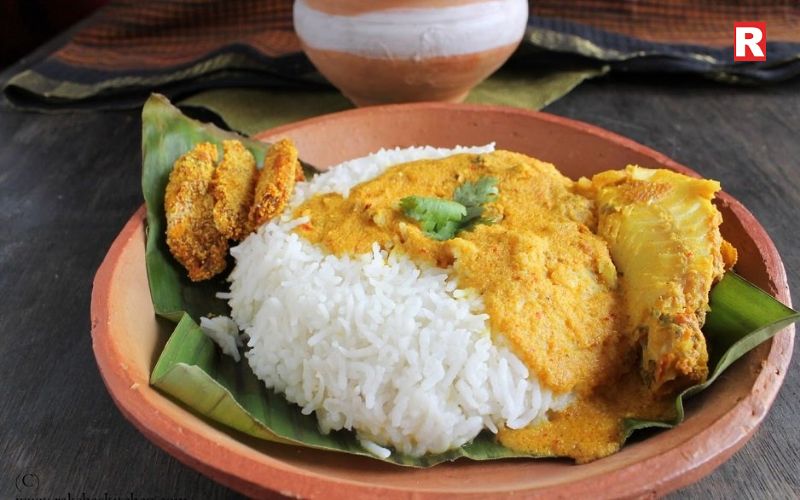
This is one of the most famous beachside dishes in India. It is simple but full of flavour. The curry is made with coconut milk, spices, and kokum, which gives it a slightly sour taste. In Goa, this dish is a daily staple. You will find it in small beach shacks as well as local homes. The fish is usually fresh pomfret or kingfish. The curry is light, tangy, and not too spicy. When eaten with steamed rice, it feels comforting and satisfying. Sitting at a beach shack with this meal is a classic Goan experience.
Read more: Top 10 Vegan Street Foods in India Every Indian Loves
Why Sattu Is Emerging as India’s Ultimate Summer Superfood
2. Prawn Ghee Roast from Mangalore
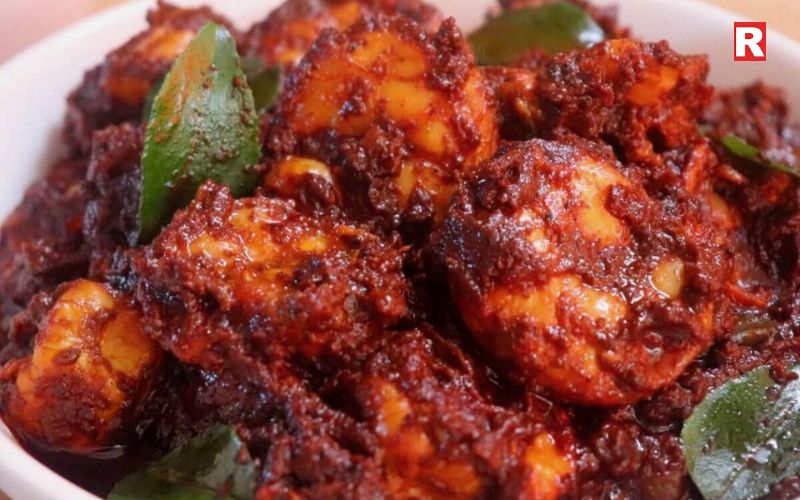
If you enjoy bold flavours, this dish is for you. Prawn ghee roast is rich, spicy, and slightly smoky. It comes from the coastal region of Karnataka, especially Mangalore. The prawns are cooked in ghee with a mix of spices and red chillies. The use of byadgi chillies gives it a deep red colour without making it too hot. This dish is often served in beachside restaurants. It pairs well with neer dosa or simple rice. The texture is thick and coated, making every bite full of flavour. It is a must-try for anyone who loves spicy seafood.
3. Karimeen Pollichathu from Kerala
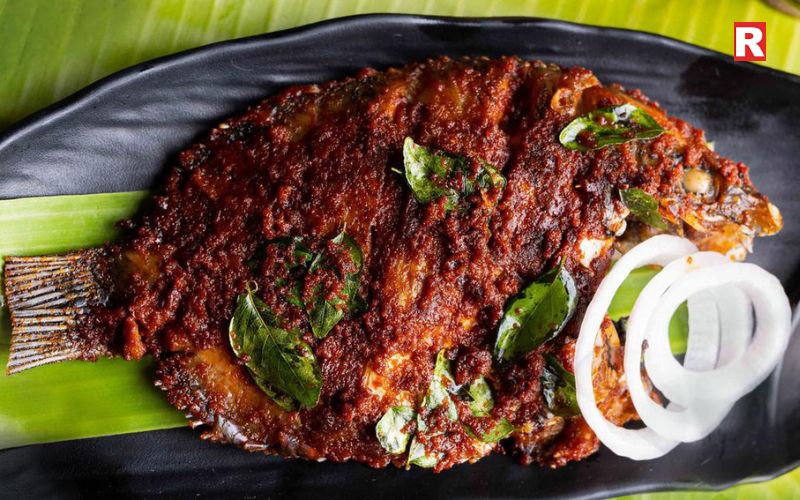
Kerala offers a different kind of coastal experience. The food here is more subtle and aromatic. Karimeen Pollichathu is a perfect example. Karimeen, also known as pearl spot fish, is marinated with spices and wrapped in a banana leaf. It is then slow-cooked, which locks in the flavour. The banana leaf adds a natural aroma. The fish becomes soft and juicy, with a slightly smoky taste. This dish is often enjoyed near the backwaters or coastal resorts. It feels more like a traditional meal than street food. If you want something authentic and less spicy, this is a great choice.
4. Bombay Duck Fry from Mumbai Coast
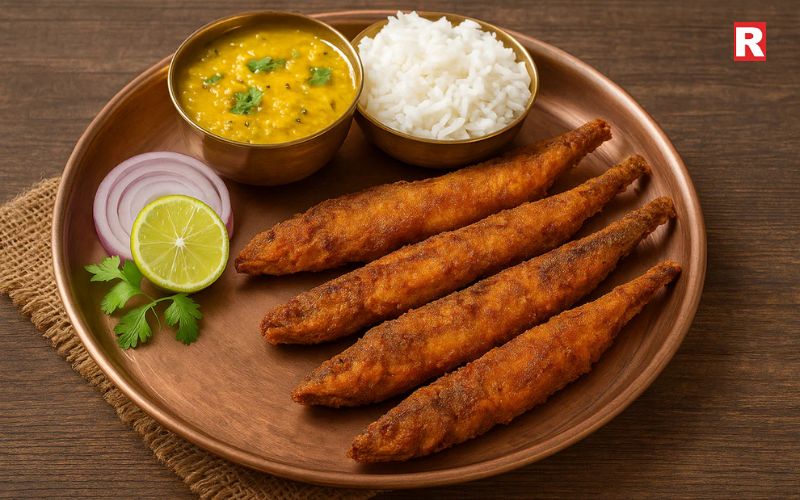
Despite the name, this dish has nothing to do with duck. Bombay duck is actually a type of fish found along the Mumbai coast. It is usually coated with spices and semolina, then deep-fried until crispy. The result is a crunchy outside and soft inside. You will find this dish in small eateries and beachside stalls in Mumbai. It is often served with lemon and onions. It is quick, tasty, and perfect as a snack while enjoying the sea view. The flavour is simple but addictive.
5. Crab Masala from the Konkan Coast
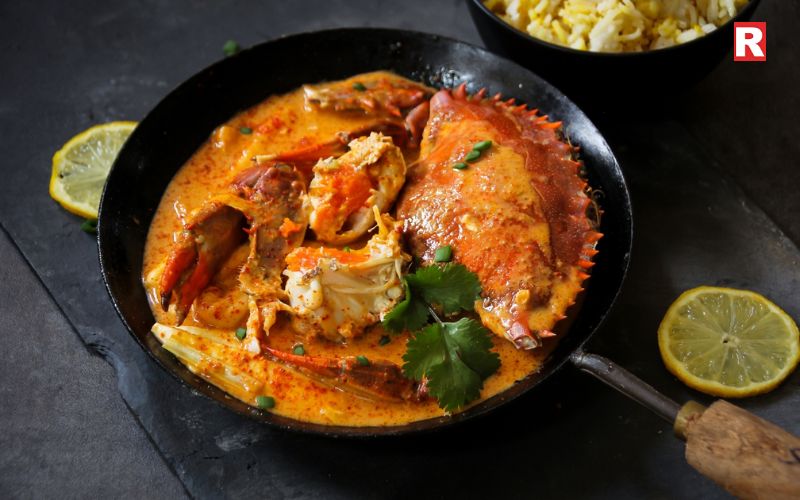
Crab masala is not just a dish. It is an experience. Found across the Konkan coast, this dish is rich, spicy, and full of flavour. Fresh crabs are cooked in a thick masala made with coconut, spices, and onions. The gravy is bold and slightly sweet. Eating crab masala is a hands-on process. You need to break the shell and enjoy the meat inside. This makes it fun and engaging. It is best enjoyed slowly, with soft bread or rice. Many beachside restaurants serve this as a special dish.
Know more: Pani Puri Has Different Names in Different Indian States—Know Them All
6. Fish Amritsari – A Coastal Favourite Everywhere

Fish Amritsari may not belong to a coastal region, but it has become popular at beachside stalls across India. This dish features fish pieces dipped in gram flour batter and deep-fried. It is crispy, spicy, and easy to eat. It is often served with chutney and lemon. You will find it in Goa, Mumbai, and even smaller beach towns. Its popularity comes from its simplicity. It is quick to prepare and perfect as a snack by the sea.
Key Ingredients That Define Coastal Cuisine
Coastal food in India has a strong identity because of its ingredients. Some of the most common ones include:
- Coconut: Used in curries, chutneys, and even desserts
- Tamarind and Kokum: Add a sour and tangy taste
- Fresh Seafood: Fish, prawns, crabs, and shellfish
- Curry Leaves: Give aroma and depth to dishes
- Local Spices: Each region has its own spice blend
These ingredients are not just for flavour. They are also suited to the climate and lifestyle of coastal areas.
Street Food vs Beach Shacks vs Fine Dining
Beachside food in India comes in many forms. Each offers a different experience.
- Street food stalls are quick and affordable. They serve fried fish, snacks, and local favourites. The taste is bold and simple.
- Beach shacks are more relaxed. They offer seating, a view, and a mix of dishes. This is where you get the best balance of taste and ambience.
- Fine dining restaurants focus on presentation and variety. They may offer fusion dishes or modern takes on traditional recipes.
For the most authentic experience, beach shacks are often the best choice.
Also check: 12 Delicious High-Protein Foods to Eat Daily for a Healthier You
Top Famous Veg Street Foods in Kolkata That You Must Try Once in Your Life
20 Famous Foods from Karnataka That Define Its Rich Food Culture
Tips to Enjoy Beachside Food in India
- Choose places with good footfall. Fresh food is more likely
- Try local specialities instead of common dishes
- Eat during peak hours for the best taste
- Do not rush. Enjoy the setting and the food together
A Culinary Journey Worth Taking
India has a long and diverse coastline. Every region offers something different on the plate. The flavours change from spicy to mild and from tangy to rich. Beachside food is more than just eating. It reflects the local culture and daily life. It connects people to the place and the sea. Fresh ingredients play a big role. Fish, prawns, and local spices shape every dish. The setting also adds to the experience. The sound of waves and the sea breeze make food taste better. Travellers often discover the real essence of a place through its food. Choosing local dishes instead of common options makes the experience richer. Sitting by the shore and enjoying a simple meal can feel special. It is not rushed or fancy. It is real and comforting. Many of the most memorable meals in India are found right by the sea, where food and nature come together.

Food today is not just about taste. It is also about how it looks and how it makes you feel. One simple way to upgrade everyday meals is by using real edible flowers. These are not decorative flowers from a bouquet. These are safe, natural blooms that have been used in cooking across cultures for years.
In India, many edible flowers are already part of traditional recipes. From banana blossom sabzis to rose-based sweets, flowers have always been linked to both flavor and wellness. Now, with modern cooking trends, more people are exploring them in salads, teas, and desserts. Here are five real edible flowers you can easily try. They are authentic, widely used, and bring both taste and health benefits.
Explore Top 5 Edible Flowers to Try
1. Banana Blossom (Kele ka Phool)
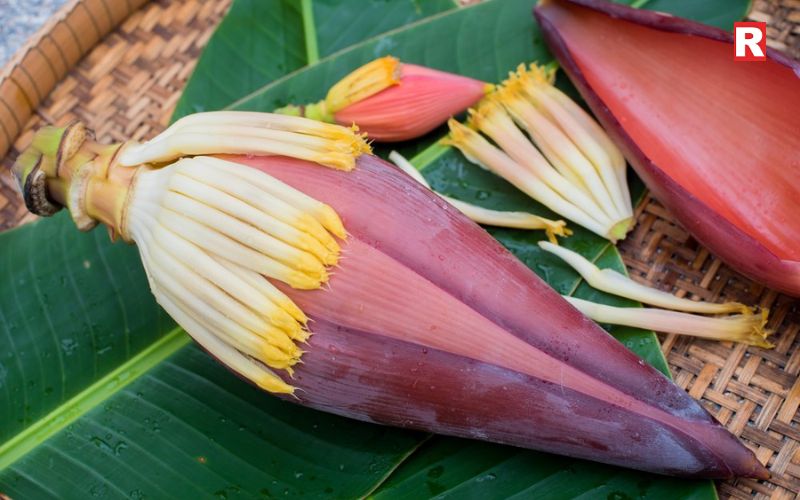
In many Indian homes, banana blossom is treated like a hidden gem. It is not always easy to clean, but the effort is worth it. Once prepared, it blends well with spices and absorbs flavors beautifully. In coastal regions, it is often cooked with coconut and mild spices, giving it a rich and homely taste. Some households also pickle it for longer use. It is filling and works well for people who prefer plant-based meals. Many cooks value it for its ability to replace meat in texture without losing taste. It also brings variety to daily meals, especially when regular vegetables start to feel repetitive.
- Taste profile: Mild, slightly bitter, with a texture similar to meat
- Culinary uses: It is used in curries, sabzis, vadas, and stir-fries. In Bengal, it is cooked as “mochar ghonto,” while in South India, it is used in poriyal and fritters. It also works well as a plant-based meat substitute.
- Health benefits: Banana blossom is rich in fiber, iron, and potassium. It supports digestion and helps maintain energy levels. It is also considered good for gut health.
Read more: Why Sattu Is Emerging as India’s Ultimate Summer Superfood
What is Kimchi? Top Veg Kimchi You Can Try at Home
2. Hibiscus (Gudhal)

Hibiscus is often seen in gardens, but in some homes, it also finds a place in the kitchen. It is usually picked fresh and used the same day for the best flavor. Many people enjoy it as a refreshing drink during hot days. It is often mixed with natural sweeteners to balance its sharp taste. In some regions, it is also used to make cooling summer drinks served to guests. The deep color makes any dish or drink look rich and appealing. It is simple to use and does not need complex preparation. This makes it a favorite for those who like quick and healthy options.
- Taste profile: Tangy and slightly sour, like cranberry
- Culinary uses: Hibiscus is popular in teas, sherbets, and infused water. You can also make syrups or use it in jams. Some modern recipes use hibiscus in desserts and salads.
- Health benefits: It is rich in vitamin C and antioxidants. It supports heart health and helps in maintaining blood pressure.
3. Pumpkin Flower (Kaddu ka Phool)
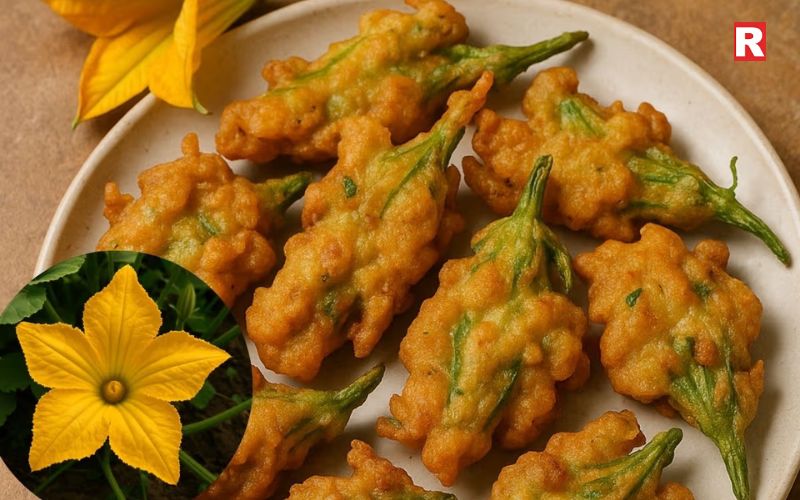
Pumpkin flowers are often collected fresh from kitchen gardens or local farms. They are soft and delicate, so they need gentle handling. In many homes, they are seen as a seasonal treat. People wait for the right time to cook them. They are often enjoyed as a crispy snack during the rainy season. Some families pass down simple recipes that highlight their natural taste. They cook quickly and do not need heavy spices. This makes them ideal for light meals. Their bright color also adds warmth to the plate. For many, they bring a sense of nostalgia and remind them of traditional home cooking.
- Taste profile: Mild and slightly sweet
- Culinary uses: These flowers are often dipped in gram flour batter and deep-fried as pakoras. They can also be stuffed or added to light curries.
- Health benefits: Pumpkin flowers contain vitamins A and C. They support eye health and boost immunity.
4. Moringa Flower (Sahjan ke Phool)

Moringa flowers are often used in simple, everyday cooking. They are not flashy but are valued for their quiet strength. In many households, they are added to meals without much fuss. They blend easily with lentils and basic spices. This makes them perfect for regular diets. Some people also dry them for later use when fresh ones are not available. They are light on the stomach and suit all age groups. Elders often recommend them as part of a balanced diet. Their use reflects a practical approach to food, where nutrition matters as much as taste. They fit well into both modern and traditional kitchens.
- Taste profile: Light and slightly earthy
- Culinary uses: They are used in stir-fries, dals, and soups. In some regions, they are added to omelettes or mixed with coconut for a simple side dish.
- Health benefits: Moringa flowers are rich in calcium, iron, and amino acids. They help boost immunity and improve overall nutrition.
Know more: Sattu vs Paneer vs Soyabean: Know the Real Difference
5. Rose (Desi Gulab)
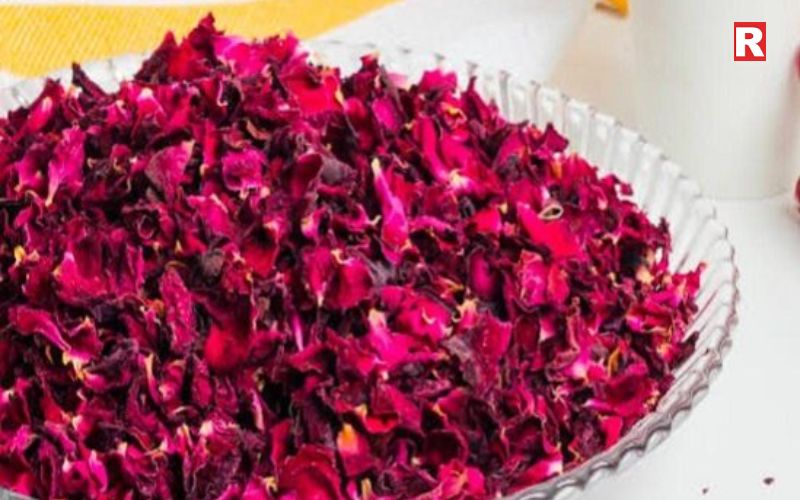
Desi rose petals are often linked with comfort and tradition. In many homes, they are used to make sweet preserves that last for months. These are often prepared in small batches and stored carefully. The process itself is slow and thoughtful. Rose is also used to enhance simple dishes without changing their core taste. Its fragrance is enough to lift the entire dish. During festivals, it becomes a common ingredient in many sweets and drinks. Some people also use it in homemade cooling mixes during summer. Its presence in food feels familiar and comforting, making it a timeless ingredient in Indian kitchens.
- Taste profile: Sweet and fragrant
- Culinary uses: Rose petals are used in gulkand, rose water, syrups, and sweets like peda and kheer. They are also added to drinks like falooda and milk-based desserts.
- Health benefits: Rose has cooling properties. It helps reduce body heat and supports digestion. It is also good for skin health.
Why Edible Flowers Are Gaining Popularity
Edible flowers are becoming popular because people want food that looks attractive and feels healthy. A simple dish can look premium with natural garnishes like flowers.
There is also a growing interest in traditional and local ingredients. Many of these flowers have been used for generations but were forgotten over time. Now, they are coming back into modern kitchens. Another reason is the shift towards clean eating. People prefer natural colors and flavors over artificial ones. Edible flowers fit perfectly into this lifestyle.
Also check: 5 Ways to Use Garden Cress Seeds (Halim) for Stronger Hair and Bones
20 Famous Foods from Assam That Reflect Its True Food Culture
10 Mountain Foods to Keep You Warm While Visiting One
Happy Eating!
Adding edible flowers to daily meals does not require special skills. Many people start with what is already available in their kitchen or nearby market. A simple banana blossom sabzi can be part of a regular lunch. It adds variety without changing the routine too much. In the evening, a warm cup of hibiscus tea can feel refreshing after a long day. It is easy to prepare and does not take much time. For desserts, a few rose petals can change the overall feel of the dish. It makes it look and taste better. These small additions slowly become a habit. Over time, they make meals more interesting. They also bring a mix of flavor and nutrition. For many, it becomes a way to enjoy food differently while staying close to familiar tastes and traditions.
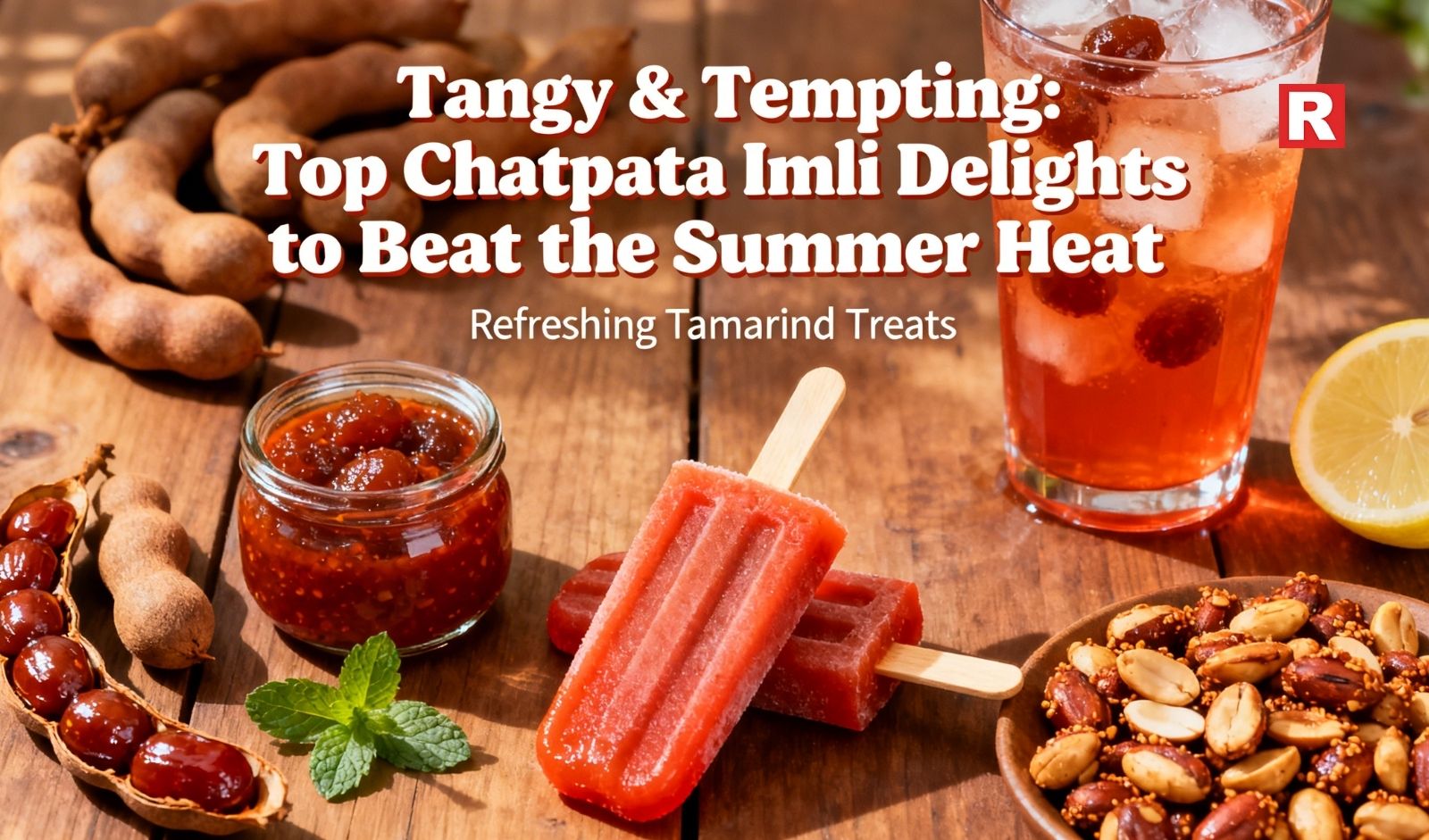
Indian summers bring long days and rising temperatures that affect daily routines. People often look for foods that feel light and easy to eat. Strong and heavy flavours are usually avoided during this time. Instead, there is a shift towards simple dishes that feel fresh and satisfying. In this setting, imli naturally finds its place in many kitchens. Its bold taste adds life to everyday meals without making them too rich. Even a small amount can change the overall flavour of a dish.
Imli also fits well into different kinds of recipes. It can be used in drinks, snacks, or main meals with equal ease. Many households keep tamarind pulp ready for quick use. It helps in adding a quick twist to regular food. The taste feels familiar yet exciting every time. It also pairs well with both spicy and mild ingredients. This makes it a flexible choice in cooking. Over time, imli has become more than just an ingredient. It is a part of seasonal eating habits that people return to every year.
Imli Vs. Summer
Imli is more than a flavour enhancer. It has natural properties that make it suitable for hot weather. It contains tartaric acid, which gives it that distinct sour taste. This acid also acts as an antioxidant. Tamarind helps improve digestion, which often slows down during summer. It is also known to support hydration when used in drinks.
In many Indian households, imli is used in small amounts to balance heavy meals. It cuts through oiliness and enhances overall taste. Its cooling effect, when paired with water and spices, makes it perfect for summer beverages.
Explore Top Chatpata Imli Delights to Try This Summer
1. Imli Pani – The Ultimate Street-Style Cooler
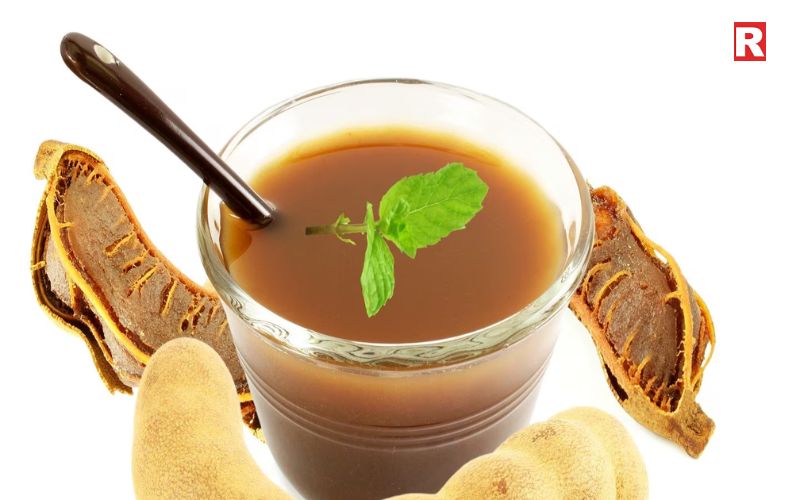
Imli pani is a quick and refreshing summer drink. It is made using tamarind pulp, cold water, black salt, roasted cumin powder, and fresh mint. The flavour is sharp and tangy with a mild spice. It also has a slight sweetness that balances the taste. This drink is often enjoyed after meals as it helps digestion. Many street vendors serve it chilled during hot afternoons. It cools the body and feels light on the stomach. Preparing it at home is simple and fast. The tamarind pulp is mixed with water and spices, then strained well. It is best served cold for a fresh and clean taste.
Read more: Why Sattu Is Emerging as India’s Ultimate Summer Superfood
Sattu vs Paneer vs Soyabean: Know the Real Difference
2. Imli Chutney – The Heart of Indian Chaat
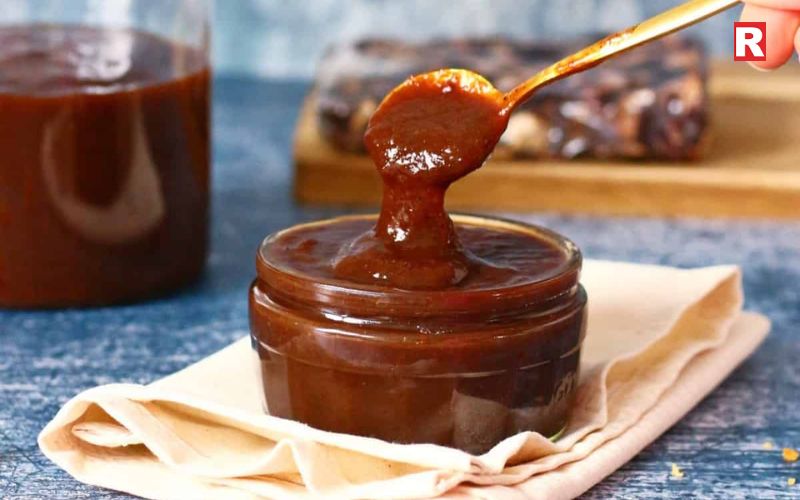
Imli chutney is an essential part of Indian chaat. It has a thick texture and a rich, glossy look. The chutney is made by cooking tamarind pulp with jaggery, spices, and a little salt. The taste is a mix of sweet and tangy with a mild spice. It pairs well with snacks like samosas, pakoras, and dahi puri. During summer, it adds freshness to fried food. It also works well with simple dishes like boiled chana or sprouts. Many households prepare it in batches and store it. This chutney enhances flavour without making the food heavy. It brings balance to every bite.
3. Aam Imli Panna – A Tangy Twist to a Classic
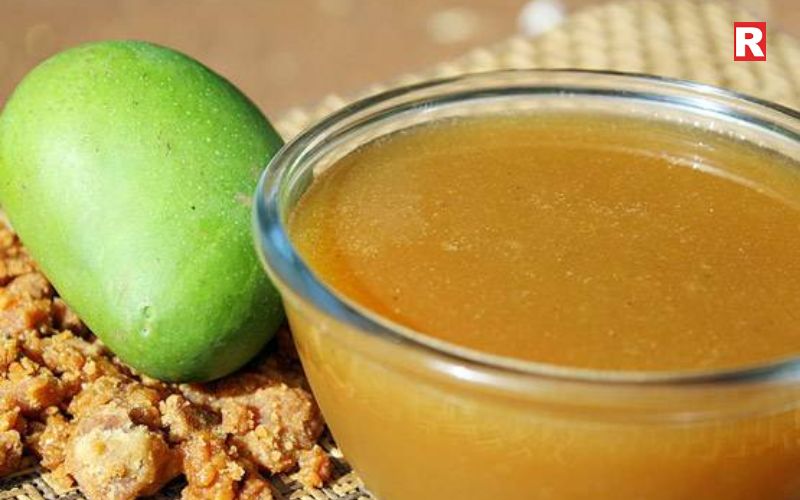
Aam imli panna is a flavourful summer drink. It combines raw mango pulp with tamarind for a bold taste. Roasted cumin and black salt are added for depth. The drink has a strong tangy flavour with a hint of spice. It feels refreshing and cooling in hot weather. Many people enjoy it during peak summer afternoons. It helps reduce heat stress and keeps the body hydrated. The mix of mango and tamarind creates a layered taste. It is both sharp and slightly sweet. This drink is easy to prepare at home. It works well as a mid-day refresher or a light energy boost.
4. Imli Candy – A Nostalgic Chatpata Treat
Imli candy is a simple and familiar treat. It is known for its strong tangy flavour. The candy is made using tamarind pulp mixed with sugar and spices. It is often coated with salt and chilli powder. The texture is sticky and slightly chewy. Many people remember having it during school days. It is still widely available in local markets. The taste is bold and instantly refreshing. It is perfect for quick cravings during the day. The candy is easy to carry and does not require preparation. It offers a mix of sweet, sour, and spicy flavours in one bite.
5. Imli Sharbat – Sweet Meets Sour

Imli sharbat is a smooth and refreshing summer drink. It is made with tamarind pulp, sugar or jaggery, and mild spices. The taste is balanced and not too sharp. It has a gentle sweetness with a light tang. The texture is smoother compared to imli pani. This makes it easy to drink for all age groups. It is usually served chilled for better taste. The drink helps cool the body during hot days. It also feels light and hydrating. Many people prefer it as an evening drink. It is simple to prepare and requires basic ingredients at home.
Know more: Sip the World: Top Global Tea Brands You Need to Try in 2026
6. Imli Chaat Dressing – Upgrade Your Snacks
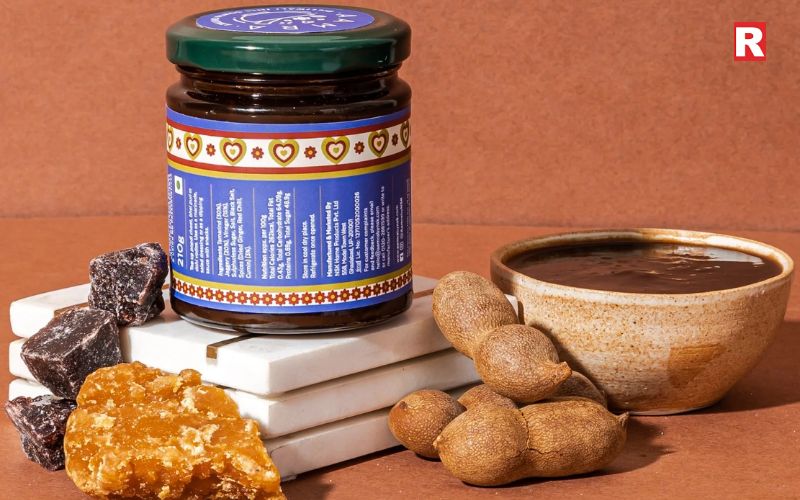
Imli chaat dressing is a quick way to enhance simple food. It is made by mixing tamarind pulp with spices and a little sweetness. The dressing has a bold and tangy flavour. It works well with fruit chaat, cucumber slices, and boiled potatoes. It adds taste without making the dish heavy. This makes it suitable for summer meals. Many people use it to make healthy snacks more exciting. The dressing is easy to prepare and store. It can be used in small amounts for better flavour. It brings a fresh twist to everyday ingredients. It also reduces the need for heavy sauces.
7. Imli Popsicles – A Modern Summer Favourite

Imli popsicles are a creative summer treat. They are made using tamarind pulp mixed with jaggery and mild spices. The mixture is poured into moulds and frozen. The result is a tangy and refreshing frozen snack. The taste is bold but balanced with slight sweetness. It feels cooling and light on the palate. These popsicles are popular among younger audiences. They offer a new way to enjoy traditional flavours. They are easy to prepare at home with simple ingredients. The texture is smooth and icy. It works well as a mid-day snack during hot weather.
8. Imli Soda – Street-Style Refreshment at Home
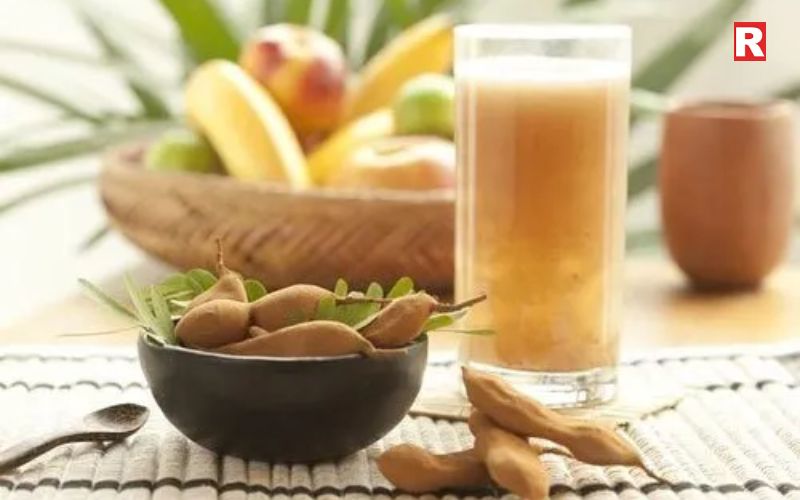
Imli soda is a popular summer drink with a fizzy twist. It is made by mixing tamarind pulp with soda water, black salt, and spices. The flavour is tangy, salty, and slightly spicy. The fizz adds a refreshing feel to the drink. It is often enjoyed during hot evenings. Many street vendors serve it chilled in tall glasses. It feels light and energising after a long day. The drink is easy to prepare at home. Basic ingredients are enough to recreate the taste. It offers a mix of traditional flavour and modern texture. It is both refreshing and satisfying.
Health Benefits of Tamarind
Tamarind offers several health benefits when consumed in moderation.
- It supports digestion due to its natural acids. It contains minerals like magnesium and potassium, which are important for hydration and muscle function.
- It also provides iron, which supports overall health. In traditional Indian diets, tamarind has been used as a mild digestive aid for generations.
During summer, drinks made with tamarind can help maintain electrolyte balance when combined with salt and spices.
Also check: What is Cider? Top Cider Brands in India
Crunch Without the Guilt: How to Make Healthy Potato Chips at Home
Dalia in Summer: The Smart Daily Nutrition Choice Your Body Needs
A Summer Essential Worth Rediscovering
There is a growing interest in traditional Indian ingredients. People are moving towards natural and familiar flavours. Imli fits perfectly into this trend. It is versatile, affordable, and deeply rooted in Indian food culture. Food platforms and restaurants are also experimenting with regional flavours. Tamarind-based drinks and snacks are becoming more visible on menus. At the same time, health-conscious consumers are choosing ingredients that offer both taste and functional benefits. Imli delivers on both. Imli is simple, but it has a strong impact. It adds life to food without making it heavy. It cools, refreshes, and enhances every bite. From traditional drinks to modern snacks, its versatility is unmatched. Whether you enjoy it as a quick drink, a chutney, or a creative dessert, imli fits easily into your summer routine. This season, it is worth going back to these familiar flavours. Sometimes, the best way to deal with the heat is through ingredients that have always been part of Indian kitchens. Imli is one of them.

Summer in India changes the way we eat. Appetite drops. Heavy meals feel uncomfortable. Energy levels dip faster due to heat and dehydration. But one thing does not change—your body still needs enough protein every day.
Protein supports muscle repair, keeps you full, and helps maintain steady energy. The key is not to reduce protein, but to choose foods that are light, hydrating, and easy to digest. A well-planned vegan diet can do this very well, especially when you focus on seasonal and local ingredients. Here is a practical guide to protein-rich vegan foods that work perfectly during summer, along with simple ways to include them in your daily meals.
Why Protein Still Matters in Summer
Many people unintentionally eat less protein during summer. They switch to fruits, drinks, or lighter meals. While this feels good in the short term, it can lead to fatigue and muscle loss over time.
Protein helps in:
- Repairing body tissues
- Supporting metabolism
- Preventing sudden hunger spikes
- Maintaining strength and stamina
In hot weather, digestion slows down. That is why it is better to choose lighter plant-based protein sources that are easier on the stomach. Foods that are soaked, sprouted, or fermented are especially helpful because they improve nutrient absorption and reduce digestive stress.
Explore Top Protein-Rich Vegan Foods to Try in Summer
1. Moong Dal (Green Gram)
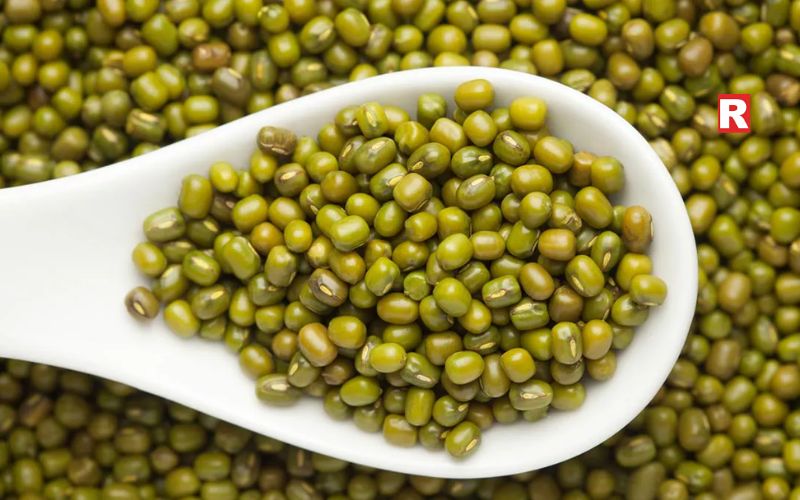
- Protein: 24g per 100g (raw)
Moong dal is often chosen for its light and soothing nature. It suits warm weather meals well. Many households prefer it when the body needs something easy. It cooks quickly and does not feel heavy after eating. It can be used in simple soups, khichdi, or even light salads. The texture stays soft and easy to digest. It also blends well with basic spices. This makes it suitable for everyday cooking. In summer, people often avoid rich dals and choose moong instead. It helps maintain comfort during hot days. Its simplicity and versatility make it a regular part of balanced meals across many Indian kitchens.
Read more: Why Sattu Is Emerging as India’s Ultimate Summer Superfood
Sattu vs Paneer vs Soyabean: Know the Real Difference
2. Chickpeas (Chana)
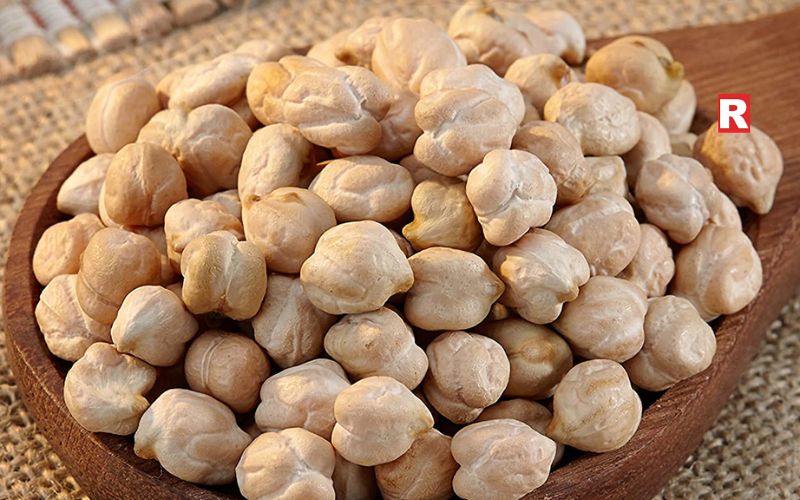
Protein: 19g per 100g
Chickpeas are a common ingredient in Indian cooking. They are filling and satisfying. When prepared in a lighter way, they feel suitable even in warmer months. Boiled chickpeas can be used in salads or simple stir dishes. They pair well with lemon, onions, and mild spices. This keeps the dish fresh and easy. Many people prefer avoiding heavy gravies in summer. Dry or lightly tossed chickpeas work better in such cases. They also stay firm in texture, which adds bite to meals. Their ability to adapt to different recipes makes them very useful. They are often included in both home meals and quick snacks.
3. Soy Chunks (Soya Nuggets)
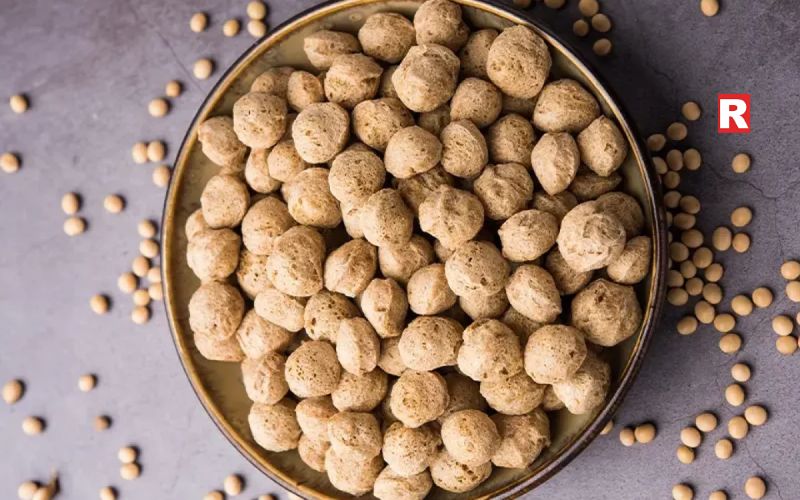
Protein: 52g per 100g
Soy chunks are widely used as a protein-rich food option. They are easy to store and have a long shelf life. Once soaked, they become soft and absorb flavours well. They can be added to simple curries or stir-fried dishes. In summer, lighter recipes work best with them. Overly oily preparations are usually avoided. Their texture makes them feel similar to meat. This is helpful for those looking for plant-based options. They are often used in home cooking as a substitute in many dishes. With the right seasoning, they can taste quite satisfying. Their flexibility makes them suitable for different styles of cooking.
4. Lentil Sprouts
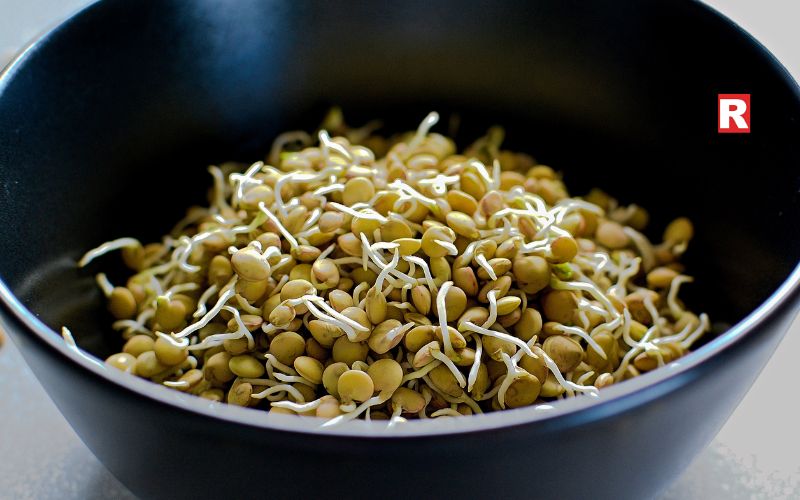
Protein: varies (high bioavailability)
Lentil sprouts are fresh and easy to include in daily meals. They are often eaten raw or lightly steamed. This keeps their natural crunch intact. Many people prefer them in salads with simple seasoning. A mix of salt, lemon, and spices works well. They do not require heavy cooking, which saves time. In hot weather, such foods feel lighter and more refreshing. Sprouts also add variety to regular meals. They can be paired with vegetables for better taste. Their natural texture and mild flavour make them easy to combine. They are often chosen by those looking for simple and clean eating options.
5. Peanuts
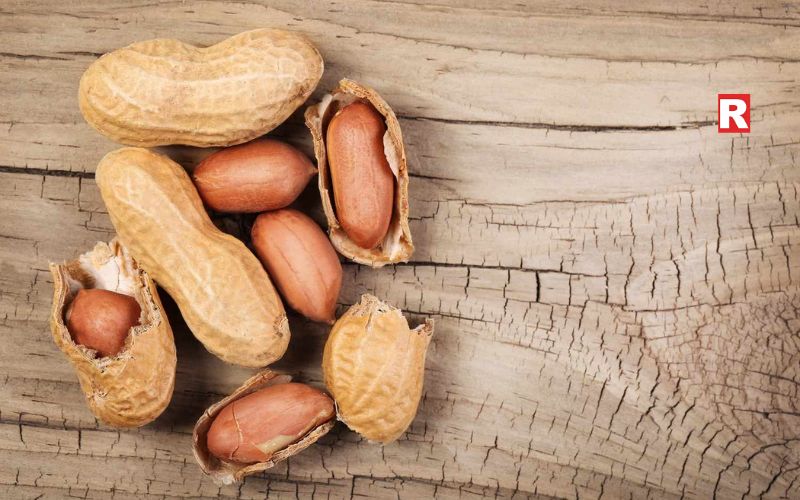
Protein: 26g per 100g
Peanuts are a popular and affordable food choice. They are easy to find and store. Many people enjoy them as a quick snack. In summer, roasted or soaked peanuts are preferred over fried versions. This keeps them lighter on the stomach. They can also be added to salads or mixed dishes. Their crunchy texture adds interest to simple meals. Peanuts blend well with basic spices and herbs. They are often used in small portions to avoid heaviness. Their versatility makes them useful in both snacks and meals. They remain a common part of everyday eating across different regions in India.
6. Quinoa
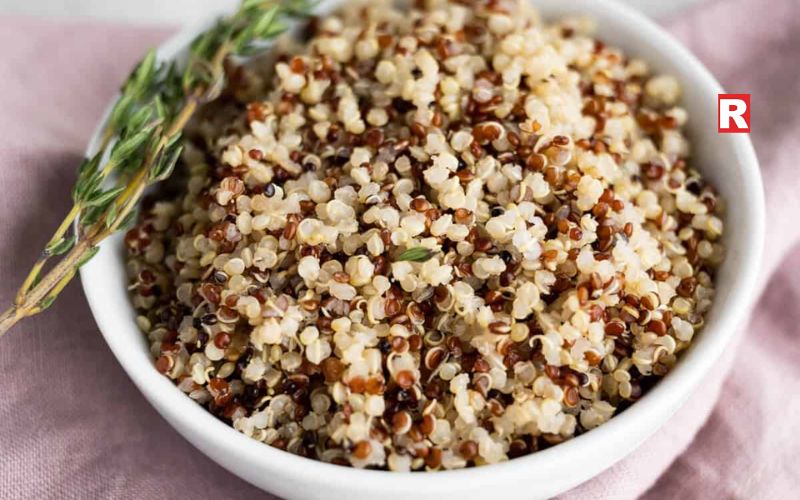
Protein: 14g per 100g
Quinoa has become popular in modern Indian kitchens. It is often used as a substitute for rice. It cooks quickly and has a light texture. This makes it suitable for warm weather meals. Many people prefer it in salads or bowl meals. It pairs well with vegetables and mild dressings. The taste is subtle and does not overpower other ingredients. It can be served at room temperature, which adds to its convenience. Quinoa is often chosen by those looking for balanced meals. It fits well into simple and clean eating habits. Its adaptability makes it easy to include in different recipes.
Know more: Crunch Without the Guilt: How to Make Healthy Potato Chips at Home
7. Chia Seeds
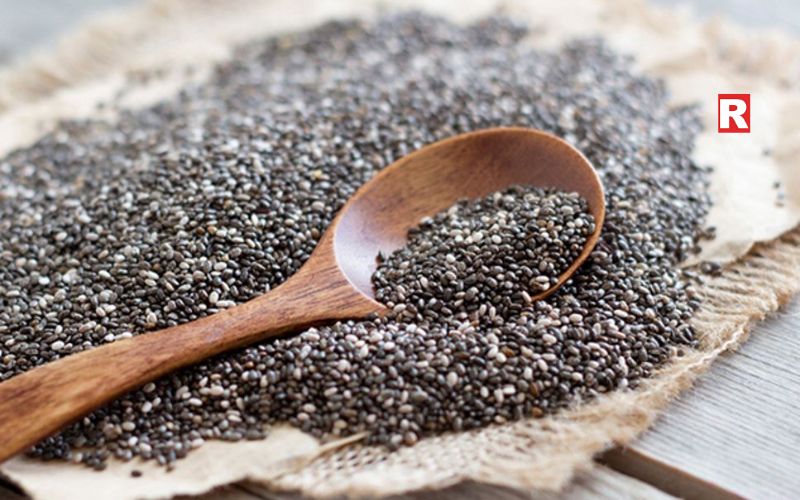
Protein: 17g per 100g
Chia seeds are small but widely used in summer diets. They are usually soaked in water before eating. This gives them a soft, gel-like texture. Many people add them to drinks, smoothies, or desserts. They do not have a strong taste. This makes them easy to mix with other ingredients. In hot weather, such foods feel more refreshing. They are often included in simple recipes that require no cooking. Chia seeds are also convenient to use. A small quantity is enough for one serving. Their growing popularity comes from their ease and versatility in daily meals.
8. Oats
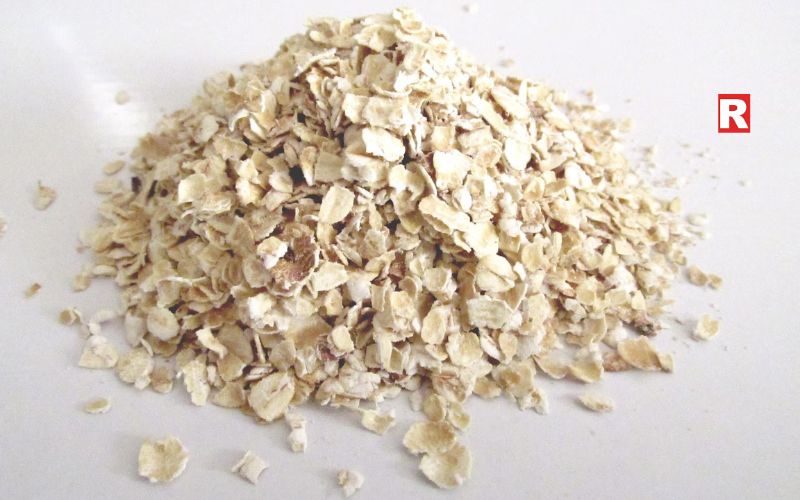
Protein: 13g per 100g
Oats are a simple and reliable food option. They are easy to prepare and widely available. Many people use them as a base for quick meals. In summer, they are often soaked or chilled instead of cooked hot. This makes them more comfortable to eat. They can be combined with fruits, milk, or nuts for added taste. The texture is soft and easy on the stomach. Oats also adapt well to both sweet and savoury dishes. This flexibility makes them suitable for different preferences. They are commonly included in daily routines due to their convenience and balanced nature.
Easy Summer Meal Ideas
You do not need complicated recipes to eat well in summer. Simple meals can give you enough protein while keeping you light and energetic.
- Sprout salad bowl: Add cucumber, tomato, lemon, and mint
- Chilled overnight oats: Mix oats, chia seeds, almond milk, and fruits
- Peanut chutney meal: Pair with dosa or steamed snacks
- Quinoa salad: Add chickpeas, greens, and a light dressing
Focus on meals that require less cooking and more fresh ingredients.
Also check: Protein vs Summer: How to Balance Your Protein Intake Without Feeling Heavy
Dalia in Summer: The Smart Daily Nutrition Choice Your Body Needs
5 Ways to Use Garden Cress Seeds (Halim) for Stronger Hair and Bones
Nutritional Insights That Matter
An average adult needs around 0.8 to 1 gram of protein per kilogram of body weight. This requirement may increase if you are physically active. Plant proteins have slightly lower bioavailability compared to animal proteins. But this can be improved by:
- Soaking grains and legumes
- Sprouting lentils
- Fermenting foods like dosa batter
These methods are already part of traditional Indian cooking. Using them regularly can make your diet more effective.
Happy Eating!
Eating well in summer is about making smart choices. Your meals should feel light but still provide enough nutrition. Protein plays a key role in keeping your body strong, even in hot weather. By choosing plant-based foods that are easy to digest and combining them wisely, you can stay energetic without feeling heavy. Start small. Add a bowl of sprouts to your lunch. Swap paneer with tofu. Include soaked nuts in your morning routine. Over time, these simple changes can make a big difference in how you feel every day during the summer months.
Snacking habits in India are slowly changing. People still enjoy their evening chai with something crunchy on the side. It remains a daily habit in many homes. At the same time, there is a clear shift towards lighter and cleaner food choices. Many are paying more attention to what goes into their snacks. Packaged chips may be convenient, but they often contain high amounts of oil, added salt, and preservatives.
According to general nutrition guidelines, frequent intake of such foods can increase overall calorie consumption without offering much nutritional value. This is where homemade options are gaining attention. Preparing potato chips at home allows better control over ingredients and cooking methods. Less oil can be used, and there is no need for artificial additives. The taste can also be adjusted to suit personal preference. Fresh spices and simple seasonings make a noticeable difference. Healthy potato chips, when made the right way, do not feel like a compromise. They offer the same crunch and satisfaction, but with better balance. It becomes an easy and practical way to snack smarter without giving up on flavour.
Why Potato Chips Get a Bad Reputation
Potatoes are often blamed for being unhealthy. But the truth is different. A plain potato is rich in carbohydrates, potassium, and fibre. The problem starts with how it is cooked. Traditional deep frying changes everything. When potato slices are submerged in hot oil, they absorb a large amount of fat. In some cases, chips can contain up to 30–35% oil. This increases calorie count and reduces nutritional value. High heat frying can also form compounds like acrylamide. This happens when starchy foods are cooked at very high temperatures. So, it is not the potato. It is the process.
The Smarter Way to Make Chips
Healthy potato chips focus on one simple idea. Use less oil. Control heat. Retain crunch.
There are two methods that work best:
- Baking
- Air frying
Both methods use hot air circulation instead of deep oil immersion. This reduces fat content by up to 70–80%. At the same time, it still gives you that crisp texture. The science behind it is simple. When thin potato slices lose moisture during cooking, they turn crispy. This process is called moisture evaporation. A small amount of oil helps with texture and flavour, but excess oil is not needed.
Choosing the Right Ingredients
Good chips start with good basics. You do not need fancy ingredients.
Here is what works best:
- Fresh potatoes (starchy varieties work better for crispiness)
- Cold water
- A small amount of oil (olive oil or rice bran oil)
- Basic seasonings
For Indian kitchens, you can easily add flavours like:
- Chaat masala
- Black pepper
- Red chilli powder
- Dried mint powder
- Paprika
This makes your chips more exciting without adding unhealthy elements.
Read more: What is Kimchi? Top Veg Kimchi You Can Try at Home
Why Sattu Is Emerging as India’s Ultimate Summer Superfood
Step-by-Step: Baked Potato Chips
Baking is a simple and healthier way to make potato chips at home. It uses less oil and still gives a good crunch. This method works best when the steps are followed carefully, as each stage affects the final texture.
Wash, Peel, and Slice Thinly: The potatoes are washed, peeled, and cut into very thin slices, around 1–2 mm thick. Thin and even slices help the chips cook properly and turn crisp.
Soak to Remove Excess Starch: The slices are soaked in cold water for 20–30 minutes. This helps remove extra starch, which improves crispiness and prevents sticking.
Dry the Slices Completely: After soaking, the slices are drained and dried well using a cloth or paper towel. This step is important because moisture can create steam and make the chips soft.
Lightly Coat with Oil: A small amount of oil is added and mixed gently. The slices should be lightly coated, not soaked, to keep them healthy and help with browning.
Preheat the Oven: The oven is preheated to 180°C. This ensures even cooking and proper crisping.
Arrange on Baking Tray: The slices are placed in a single layer on a lined tray without overlapping, allowing even heat circulation.
Bake and Flip for Even Cooking: The chips are baked for 15–20 minutes and flipped halfway for uniform texture.
Cool to Achieve Final Crispiness: Once baked, the chips are cooled. This helps them become crispier before serving.
Step-by-Step: Air Fryer Potato Chips
Baking is not the only healthy option. Air frying is another method that has become common in Indian kitchens. It is quick, uses very little oil, and works well for small portions. The process is simple, but each step matters for the right texture.
Slice, Soak, and Dry Properly: The potatoes are sliced into thin rounds, around 1–2 mm thick. They are then soaked in cold water for 20–30 minutes to remove excess starch. After soaking, the slices are dried completely. Proper drying is important, as moisture can affect crispiness during air frying.
Preheat the Air Fryer: The air fryer is preheated to 160–180°C. This helps maintain a consistent temperature and ensures even cooking from the start.
Arrange in a Single Layer: The slices are placed inside the air fryer basket in a single layer. Overcrowding should be avoided, as it blocks airflow and leads to uneven cooking.
Cook and Shake for Even Results: The chips are cooked for 10–15 minutes. The basket is shaken every few minutes to ensure all slices cook evenly and turn crisp on all sides.
Rest and Season After Cooking: Once done, the chips are removed and allowed to rest for a minute or two. Seasoning is added after cooking, as this helps retain flavour and keeps the texture intact.
Know more: 12 Delicious High-Protein Foods to Eat Daily for a Healthier You
Tips That Make a Real Difference
Small details can change the result completely.
- Always dry the potato slices properly. Moisture is the biggest enemy of crispiness.
- Do not rush the process. Thin and even slicing ensures that all chips cook at the same rate.
- Avoid adding too much oil. More oil does not mean better taste. It only adds unnecessary calories.
- Season at the right time. Adding spices after cooking helps retain their flavour and aroma.
- Use parchment paper while baking. It prevents sticking and makes cleanup easier.
How Healthy Are Homemade Chips?
There is a clear difference between homemade and store-bought chips.
- Deep-fried chips are high in fat and calories. They can go up to 530–550 kcal per 100 grams.
- Baked chips are much lighter. They usually range between 350–400 kcal.
- Air-fried chips are even lower. They can be around 300–350 kcal, depending on oil usage.
The biggest advantage is control. You decide the oil, the salt, and the ingredients. There are no hidden additives.
Storage and Freshness
Homemade potato chips do not contain preservatives or stabilisers, so their shelf life is naturally shorter than packaged chips. They are best eaten fresh, when the texture is crisp and the flavour is at its peak. If there are leftovers, they can be stored in an airtight container to limit exposure to air. The container should be kept in a cool and dry place, away from direct sunlight and moisture. According to basic food storage principles, humidity is the main reason chips lose their crunch, as moisture gets absorbed quickly. When stored properly, homemade chips usually stay crisp for up to 2–3 days. After that, they may turn soft and lose their texture, even if they are still safe to eat.
Also check: Top 5 States With the Spiciest Food in India
Sattu vs Paneer vs Soyabean: Know the Real Difference
Top Cooling Herbs & Spices for Summer: Stay Naturally Cool This Season
Healthy Snacking
Healthy potato chips are more than just a recipe. They reflect a simple shift in everyday eating habits. In many Indian homes, snacking is part of the daily routine, especially during tea time or late evenings. Choosing a better option can make a real difference over time. When chips are made at home, there is full control over the amount of oil, salt, and ingredients used. This helps reduce excess fat intake, which is often linked to packaged snacks, as noted in general dietary guidelines. Freshly made chips also retain natural taste, without added preservatives or artificial flavours. The process itself is simple and familiar, bringing back basic cooking practices. The next time there is a craving for something crunchy, reaching for a fresh potato instead of a packet can be a smarter choice. It offers both taste and better balance in everyday eating.

Summer in India can be harsh. The heat drains energy quickly. Many people feel less hungry during the day. Digestion also becomes slower in high temperatures. Still, a lot of people continue with the same high-protein diet they follow in winter. This often leads to discomfort. Protein is important for muscle repair, strength, and daily energy. But the body handles it differently in hot weather. Protein takes more effort to digest and produces more heat during this process. This is known as the thermic effect of food. In summer, this extra heat can make a person feel heavy or tired.
The focus should be on lighter meals and better hydration. It is not about cutting down protein. It is about choosing the right sources and eating them in a better way. Small changes can help the body stay active and comfortable even in peak summer.
Why Protein Feels Heavy in Summer
Protein takes more effort to digest than carbs and fats. This process is called the thermic effect of food. Protein has the highest thermic effect, which means your body produces more heat while digesting it. In summer, your body is already trying to stay cool. When you eat heavy protein meals, digestion generates extra heat. This can make you feel sluggish, sweaty, or even bloated.
Another important factor is hydration. When your body breaks down protein, it produces nitrogen waste. This is removed through urine. The process needs more water. In hot weather, when you are already losing fluids through sweat, this can lead to dehydration. That is why heavy protein meals often feel uncomfortable in summer.
Do You Need Less Protein in Summer?
This is a common myth. Your protein requirement does not drop with the season. The body still needs protein for muscle repair, immunity, and metabolism.
On average:
- A normal adult needs around 0.8–1 gram per kg of body weight
- Active individuals need around 1.2–2 grams per kg
These guidelines are supported by institutions like the Indian Council of Medical Research and the World Health Organization. What changes in summer is not the quantity, but the way you eat protein. Timing, cooking style, and food choices become more important.
Signs You May Be Overdoing Protein in Summer
Your body gives clear signals when protein intake is not suited for the weather.
Watch out for:
- Constant bloating or heaviness
- Feeling unusually hot after meals
- Excess sweating
- Low energy despite eating well
- Headaches or signs of dehydration
These signs often mean your diet needs adjustment, not reduction.
Read more: What is Kimchi? Top Veg Kimchi You Can Try at Home
Why Sattu Is Emerging as India’s Ultimate Summer Superfood
Smart Ways to Balance Protein in Hot Weather
1. Choose Light and Easy-to-Digest Protein
Light protein choices work better in hot weather. The body feels less stressed when food is simple and clean. Such options help avoid bloating and discomfort. They also reduce the feeling of heaviness after meals. Plant-based proteins are often easier to handle in summer. Lean animal protein can also be included in small portions. These foods support muscle health without overloading digestion. They help maintain strength and daily energy. Many nutrition experts suggest adjusting protein sources based on the season. Eating lighter protein helps the body stay active and comfortable. It also supports better gut health during heat. This approach makes daily meals more balanced and suitable for summer conditions.
In summer, focus on lighter options:
- Moong dal instead of heavier dals
- Sprouts instead of fried snacks
- Tofu instead of heavy paneer dishes
- Grilled chicken instead of creamy curries
- Fish instead of red meat
These foods are easier on the stomach and produce less heat during digestion.
2. Add Hydrating Protein Foods
Combining protein with hydration is important in summer. The body loses fluids quickly due to heat and sweating. Foods that provide both nutrients and water help maintain balance. These options support digestion and prevent dryness in the body. They also help in keeping energy levels stable. Meals that include water-rich ingredients feel lighter and more refreshing. Such combinations reduce the risk of fatigue and dehydration. They also improve nutrient absorption. Many people feel more comfortable after eating these foods in summer. This approach helps maintain both hydration and nutrition at the same time. It is a simple way to support the body during hot days.
Some excellent options include:
- Curd and chaas
- Sattu drinks
- Sprouts mixed with cucumber and tomatoes
- Light lassi or yogurt bowls
These foods provide protein and also help maintain fluid balance. Whey protein can also work well. Mix it with water instead of milk during peak summer. It feels lighter and digests faster.
Know more: High-Protein Indian Meals You Should Try
3. Avoid Heavy Cooking Methods
Cooking methods affect how food feels in the body. In summer, heavy cooking can make meals difficult to digest. Foods prepared with less oil and mild heat are easier to handle. They do not create a heavy feeling after eating. Simple cooking helps retain nutrients and natural taste. It also reduces extra fat intake. This supports better digestion and overall comfort. Meals feel lighter and more suitable for hot weather. Many households prefer simple cooking during summer for this reason. It helps the body stay relaxed and active. Choosing the right cooking style can make a noticeable difference in daily meals.
Deep-fried and creamy dishes increase heat and slow digestion. In summer, switch to:
- Boiled
- Steamed
- Grilled
- Light sautéed
For example, a grilled chicken salad is much easier on the body than butter chicken.
4. Spread Protein Intake Through the Day
Eating protein in smaller portions works better in summer. Large meals can feel uncomfortable and slow down digestion. Spreading intake across the day keeps the body light. It also helps maintain steady energy levels. This pattern supports better nutrient use by the body. It prevents sudden tiredness or heaviness after meals. Smaller portions are easier to digest and absorb. They also help in maintaining focus and activity. Many nutrition experts recommend balanced meals at regular intervals. This habit improves overall digestion and comfort. It fits well with the body’s needs during hot weather.
Instead of eating a big portion at once, divide your protein intake:
- Add protein to breakfast
- Keep lunch balanced
- Eat a light, early dinner
This improves digestion and keeps energy levels stable throughout the day.
5. Drink More Fluids Than Usual
Fluid intake becomes very important in summer. The body loses water quickly through sweat. This can lead to fatigue and low energy. Drinking enough fluids helps maintain balance in the body. It supports digestion and helps nutrients move properly. Proper hydration also keeps the body cool. It reduces the risk of weakness and headaches. People who stay active need even more fluids. The body gives signs when hydration is low. Paying attention to these signs helps prevent problems. Regular fluid intake supports overall health during summer. It is a simple habit that makes a big difference.
This makes hydration critical. Include:
- Plain water
- Coconut water
- Lemon water
- Buttermilk
If you work out or sweat a lot, you may also need electrolytes.
Also check: 12 Delicious High-Protein Foods to Eat Daily for a Healthier You
Power-Packed Mornings: 8 Protein-Rich Vegetarian Indian Breakfast Ideas
5 Ways to Use Garden Cress Seeds (Halim) for Stronger Hair and Bones
Best High-Protein Foods for Indian Summers
Here are some protein-rich foods that work well in hot weather:
- Sattu: A traditional cooling ingredient. Rich in protein and very refreshing
- Moong dal: Light, easy to digest, and ideal for daily meals
- Curd and chaas: Great for gut health and hydration
- Paneer: Use in light dishes like salads or grilled cubes
- Eggs: Boiled eggs are better than fried versions
- Fish: Light and quick to digest when grilled or lightly cooked
- Whey protein: Best consumed with water for a lighter feel
These foods help you meet your protein needs without stressing your digestive system.
Foods to Limit During Summer
Some protein sources can feel too heavy in hot weather.
Limit:
- Red meat, as it takes longer to digest
- Thick gravies and creamy curries
- Fried protein snacks
- Heavy protein shakes made with full-fat milk
- Excess soy chunks in large portions
This does not mean you need to avoid them completely. Just reduce frequency and portion size.
Why This Balance Matters
When protein is eaten in a way that suits summer, the body reacts more comfortably. Lighter protein foods are easier to digest and do not create excess heat. This helps maintain steady energy through the day. The body feels less bloated because digestion is not overloaded. Proper hydration also improves, as balanced protein intake supports better fluid use. According to the Indian Council of Medical Research, protein metabolism increases water needs, making hydration essential, especially in hot weather. Eating smaller portions across meals also reduces strain on the digestive system. This allows the body to stay active without feeling heavy. On the other hand, ignoring seasonal changes can lead to discomfort. High protein intake with low water can cause fatigue and dehydration. The World Health Organization also highlights the importance of balanced nutrition and hydration for overall health and body function.
You feel:
- More energetic
- Less bloated
- Better hydrated
- Comfortable even after meals
Ignoring seasonal needs can lead to fatigue, digestive issues, and dehydration.
Eat Healthy, Stay Healthy!
Protein continues to play an important role in a healthy diet, even during summer. However, the body needs a slightly different approach in hot weather. Lighter protein foods are easier to digest and do not create too much internal heat. This helps the body stay comfortable. Hydration also becomes more important. When protein is broken down, the body needs extra water to remove waste. Meal timing also matters. Smaller and more frequent meals can reduce digestive stress. This keeps energy levels steady through the day. Heavy meals, especially at night, can cause discomfort. The focus should not be only on eating more protein. It should be on eating it in a way that suits the season. Simple changes in food choices and habits can support better digestion and overall well-being.
 Summer SeasonThe future of food is moving toward lighter, cleaner, and multifunctional products, and hydration-focused foods are expected to play a major role in…
-
Summer SeasonDuring summer, chilled oats recipes feel cooling, refreshing, and light on the stomach compared to oily or fried breakfasts.
 RestaurantsOver 90% of breakfast delivery orders in India are vegetarian, while the demand for health-focused meals has grown 2.3 xs. And weekend brunch dining…
-
Food and BeverageIndia’s summer eating habits are no longer only about survival during heatwaves. They now reflect a bigger lifestyle shift. Consumers want food that…
Copyright © 2009 - 2026 Restaurant India.