





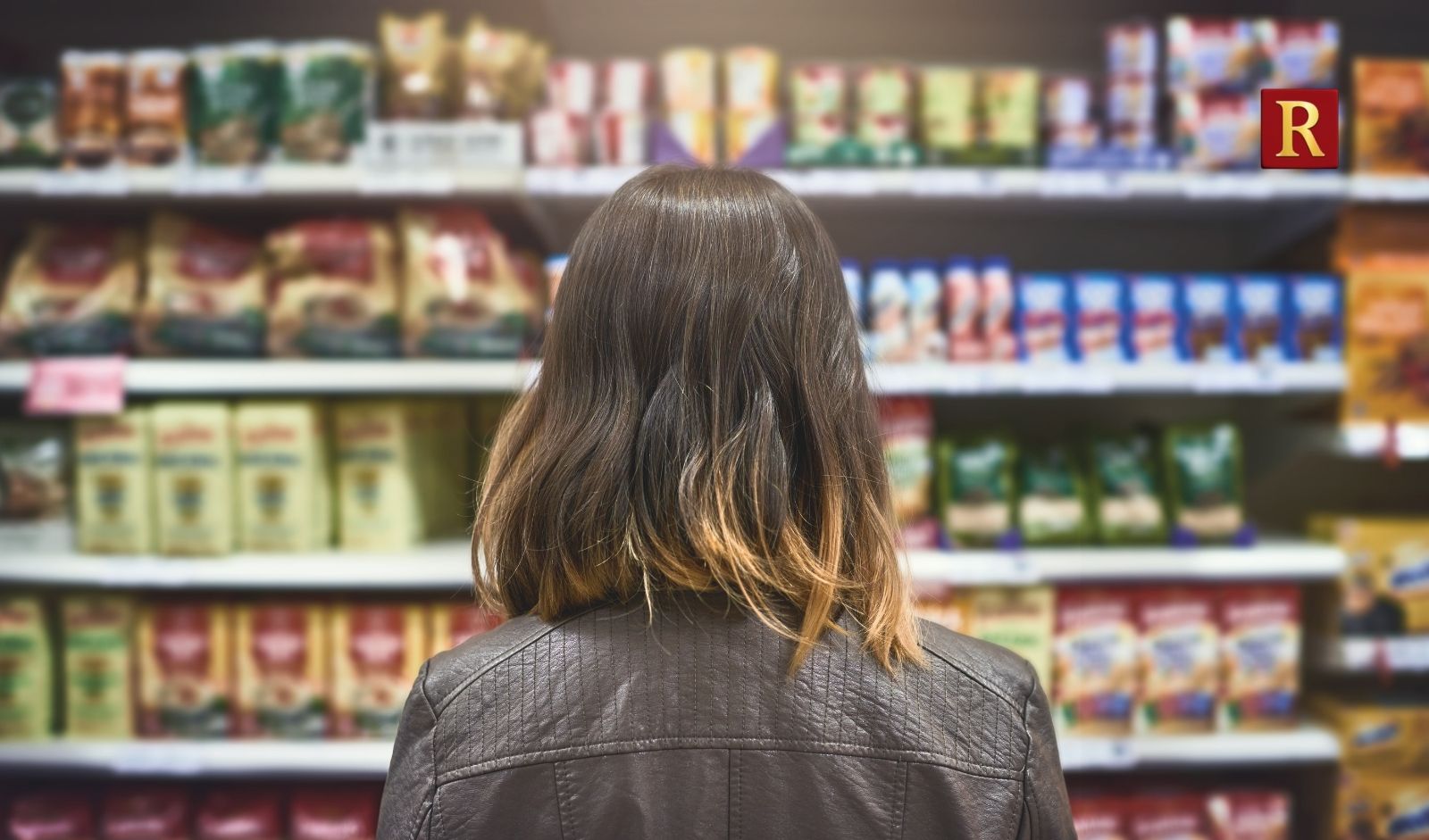
India's biggest food brands are selling much more than the products they were once known for. A company famous for milk now offers frozen pizzas and protein drinks. A snack brand also sells ready-to-eat meals and beverages. Biscuit makers have entered dairy, chocolates, coffee, and nutrition foods. This shift is not random. It reflects how Indian consumers are shopping, eating, and spending today. Changing lifestyles, growing demand for convenience, and stronger retail networks have encouraged food companies to build larger product portfolios instead of relying on a single category.
India's Leading Food Brands Are Building Complete Food Portfolios
A decade ago, consumers associated most food companies with just one or two products. Today, that has changed significantly. Amul, for example, has grown far beyond milk and butter. Its portfolio now includes cheese, paneer, chocolates, ice cream, beverages, protein products, frozen foods, sweets, and even ready-to-cook pizzas.
ITC Foods has expanded from biscuits into noodles, dairy products, chocolates, frozen foods, coffee, spices, snacks, and health-focused offerings. Haldiram, once known mainly for namkeen and sweets, now sells frozen snacks, ready-to-eat meals, beverages, bakery products, and operates restaurant chains. Mother Dairy and Amul have also diversified into edible oils, fruits, vegetables, frozen products, and value-added dairy items. This strategy allows companies to remain relevant as consumer preferences evolve.
Convenience Is Driving Consumer Choices
One of the biggest reasons behind category expansion is the growing demand for convenience. India's urban population continues to grow, while more households have dual-income earners. Office workers, students, and young families often have limited time for elaborate cooking. Instead, they look for products that reduce preparation time without compromising on taste.
This has increased demand for:
- Ready-to-eat meals
- Ready-to-cook products
- Frozen snacks
- High-protein foods
- Single-serve beverages
- Healthy breakfast options
Quick-commerce platforms have further accelerated this trend. With groceries arriving in as little as 10–20 minutes in many cities, consumers are willing to experiment with new food products because they are easily available. For food companies, this means offering complete meal solutions instead of individual ingredients.
Winning a Bigger Share of Every Kitchen
Food companies no longer focus only on increasing sales of one product. Instead, they aim to become part of multiple eating occasions throughout the day. For example, a consumer who starts the morning with packaged oats, drinks flavoured milk in the afternoon, snacks on baked chips, and finishes dinner with frozen parathas may be purchasing products from the same company across different categories.
Industry experts often describe this as increasing the "share of stomach." Rather than competing for shelf space alone, brands compete to be present in more meals and more moments of the day. This approach increases customer loyalty while creating multiple revenue streams.
Expanding Categories Reduces Business Risk
Depending on a single product category can expose companies to market fluctuations. Milk prices, sugar costs, edible oil rates, and wheat prices can all change because of weather conditions, global commodity markets, or supply chain disruptions. By expanding into different categories, companies reduce their dependence on one source of income.
For instance:
- Strong cheese or ice cream sales can offset pressure in dairy.
- Frozen food sales can support revenue when snack demand slows.
- Premium chocolates and beverages often offer higher profit margins than traditional staples.
This diversified portfolio makes businesses more resilient during changing market conditions.
Strong Distribution Gives Large Brands a Competitive Edge
Launching a new food product is not only about developing a recipe. It also requires getting the product into stores quickly and consistently.
India's largest food companies already have extensive distribution systems that include:
- Millions of retail outlets
- Modern supermarkets
- Wholesale partners
- Cold-chain logistics
- Quick-commerce platforms
- E-commerce marketplaces
Because these networks are already in place, introducing a new product becomes faster and more cost-effective than it would be for a new entrant. This advantage is known as distribution leverage. Instead of building an entirely new supply chain, companies use existing infrastructure to reach consumers across the country.
Consumer Trust Makes New Launches Easier
Brand trust remains one of the strongest assets in the food industry. Consumers are generally more comfortable trying a new product from a company they already know. Someone who regularly buys Amul butter may also feel confident purchasing its cheese, ice cream, or frozen pizzas. Similarly, customers familiar with Haldiram's snacks are more likely to try its ready-to-eat meals or frozen products.
This strategy, known as brand extension, reduces marketing costs because companies spend less effort convincing consumers about product quality. The trust built over decades helps accelerate adoption of new categories.
Data Is Now Guiding Product Decisions
Modern food companies rely heavily on consumer data before launching new products.
Instead of depending only on traditional market research, they analyse:
- Online search trends
- Quick-commerce purchasing patterns
- Retail sales data
- Social media conversations
- Restaurant menu trends
- Customer reviews
For example, growing interest in high-protein diets has encouraged companies to launch protein beverages, Greek yogurt, protein-rich snacks, and fortified dairy products. Similarly, increasing awareness of millets after the International Year of Millets has resulted in a wider range of millet-based breakfast cereals, snacks, cookies, and ready-to-cook foods. These insights help companies identify emerging opportunities much earlier than before.
Fast-Growing Segments
Building a completely new brand takes years. That is why many established food companies now acquire businesses that already have loyal customers.
Instead of starting from scratch, acquisitions provide:
- Existing manufacturing capabilities
- Established customer trust
- Faster market entry
- Proven products
- Strong retail presence
This strategy has become increasingly common in health foods, organic products, premium snacks, and nutrition categories. As consumer preferences become more specialised, acquisitions allow companies to respond quickly to changing demand.
Quick Commerce Is Changing Product Innovation
The rise of platforms such as Blinkit, Zepto, Instamart, and BigBasket Now has transformed how food companies test new ideas. Previously, launching a product nationwide required significant investment and months of planning.
Today, companies can introduce limited-edition flavours or new formats in selected cities through quick-commerce channels. Sales data becomes available almost immediately, helping brands understand consumer response before expanding distribution. This has shortened product development cycles and encouraged more innovation across categories.
What Restaurants Can Learn From This Trend
The diversification strategy used by major food brands also offers lessons for restaurants.
- Many successful restaurant businesses are expanding beyond dine-in services by introducing packaged sauces, spice mixes, frozen snacks, desserts, meal kits, and retail merchandise.
- Consumers increasingly want restaurant-quality food at home. Offering packaged products allows restaurants to reach customers beyond their physical outlets while creating additional revenue streams.
This approach also strengthens brand recognition and builds long-term customer relationships.
Growth Brings New Challenges
Entering multiple categories also increases operational complexity.
- Companies must maintain consistent quality across a larger product portfolio while managing inventory, sourcing raw materials, packaging, cold storage, and regulatory compliance.
- Marketing investments also rise because every new category requires consumer awareness and strong positioning.
- Another challenge is avoiding brand dilution. If new products do not align with consumer expectations, they can weaken the overall brand image.
Successful diversification requires careful planning rather than rapid expansion.
The Future
India's food market is becoming more competitive as consumer preferences evolve rapidly. Health-conscious eating, premium products, convenience foods, and digital grocery shopping are reshaping buying behaviour across urban and semi-urban markets. The companies that are likely to succeed will be those that combine trusted brands, efficient distribution, consumer insights, and continuous innovation. Rather than simply selling more products, India's leading food companies are building complete food ecosystems that fit into everyday life. Whether it is breakfast, an afternoon snack, dinner, or a quick meal between meetings, brands are looking for more opportunities to serve consumers throughout the day. For shoppers, this means greater choice and convenience. For businesses, it represents one of the biggest growth strategies shaping India's food industry today.
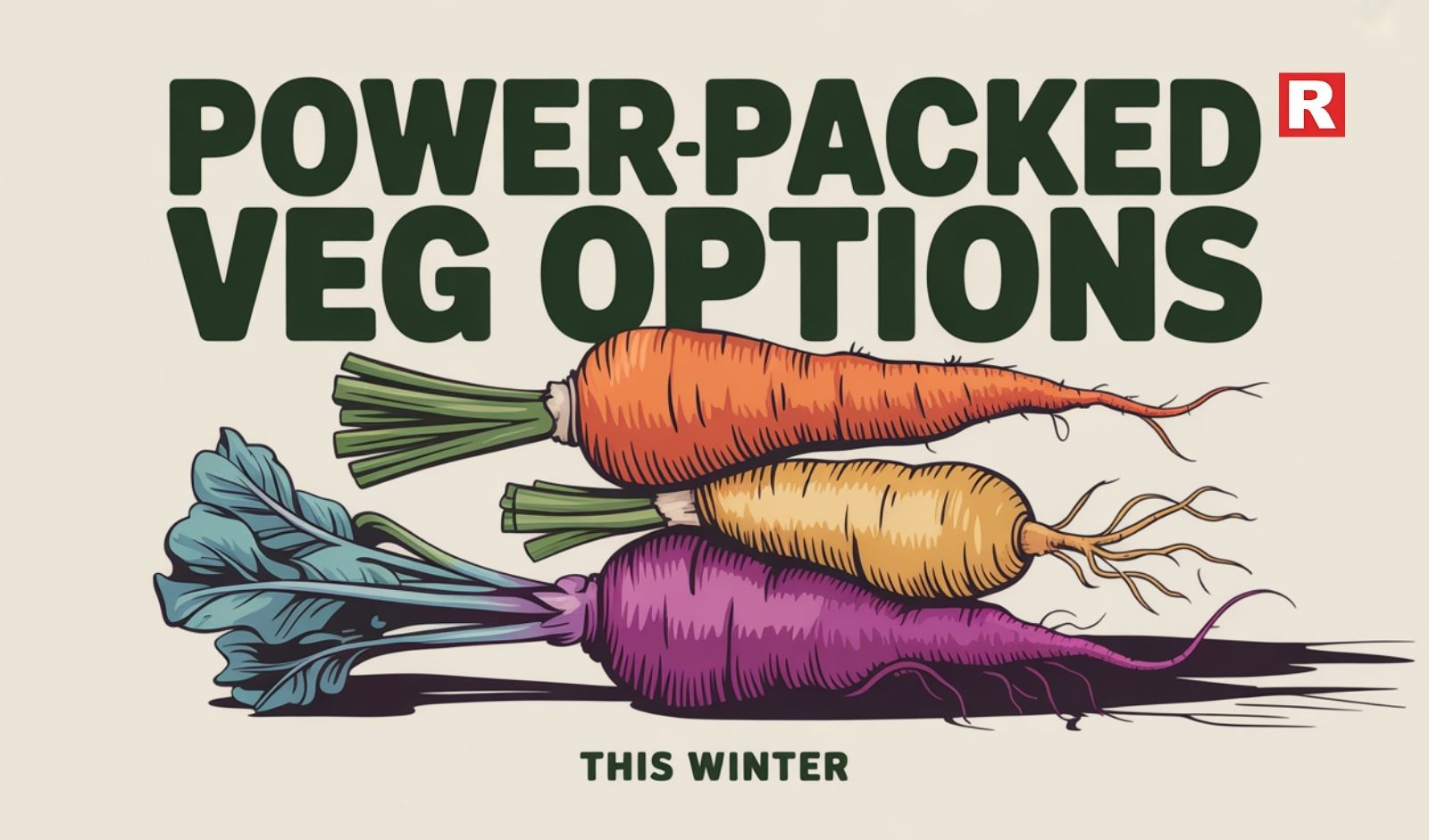
Winter in India is the perfect time to enjoy fresh, seasonal vegetables. Markets are vibrant with colour, and prices are often lower than in other seasons. The taste of vegetables is richer, and they are naturally more nutritious. These seasonal vegetables help the body stay warm, strong, and healthy during the colder months. As winter sets in, the body requires more immunity to fight seasonal illnesses. Digestion can slow down, and energy levels may drop. Including fresh winter vegetables in daily meals supports the body in all these areas. Vegetables grown in the season have better nutrients than those grown out of season. They are easier for the body to absorb and use.
Winter vegetables are also versatile in Indian cooking. They can be used in sabzis, soups, parathas, and salads. Simple cooking methods like steaming or lightly sautéing help retain their nutrients. Eating seasonal vegetables is a traditional habit in Indian households. It is practical, affordable, and effective for maintaining health. Winter meals rich in seasonal vegetables provide natural protection, warmth, and steady energy, making them essential for a healthy lifestyle.
Why Seasonal Vegetables Matter in Winter
Seasonal vegetables grow in natural weather conditions. They mature slowly and develop stronger nutrients. In winter, vegetables are richer in fibre, vitamins, and antioxidants. Eating seasonal produce also supports digestion. It keeps the body warm. It reduces dependency on supplements. Traditional Indian diets have always followed seasonal eating, especially during winter. Adding the right vegetables to daily meals can help boost immunity, improve skin health, support gut health, and maintain energy levels.
Your Guide for Top 7 Power-Packed Veggies Option for Winter
1. Carrot (Gajar)
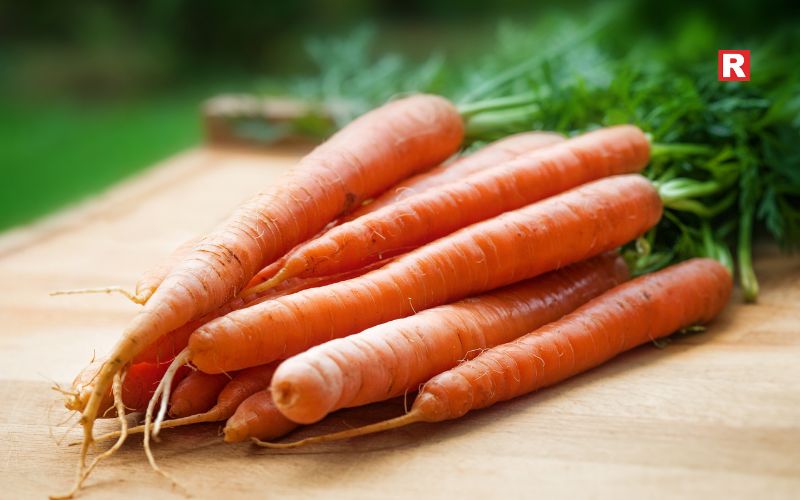
Carrots are one of the most popular winter vegetables in India. They are easily available and used in both raw and cooked forms. Carrots are rich in beta-carotene, which the body converts into vitamin A. This supports eye health, skin repair, and immune strength. During winter, when dry skin and low immunity are common, carrots help restore balance. They also support digestion due to their fibre content. Raw carrot salads, gajar sabzi, carrot soup, and gajar ka halwa are common winter favourites. Carrots also help maintain body warmth and are gentle on the stomach, making them ideal for all age groups.
Read more: 8 Famous Vegetarian Dishes of Uttar Pradesh and Their Timeless Legacy
High Protein Indian Meals You Should Try – Desi, Delicious, and Packed with
2. Spinach (Palak)
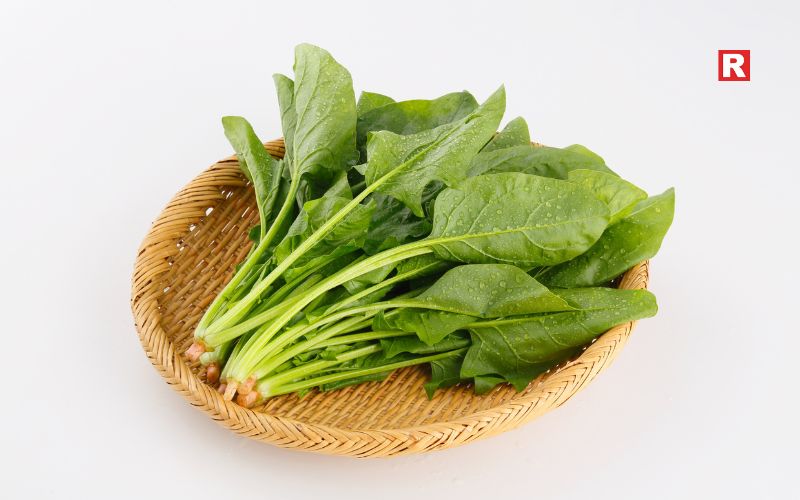
Spinach is a winter green that offers high nutrition with low calories. It is rich in iron, folate, calcium, and antioxidants. Iron helps fight winter fatigue and weakness. Folate supports cell repair. Antioxidants protect the body from seasonal infections. Palak is commonly used in Indian kitchens as palak paneer, palak dal, palak paratha, and soups. When lightly cooked, spinach retains most of its nutrients and becomes easier to digest. Regular intake of spinach during winter supports energy levels, bone health, and immunity.
3. Fenugreek Leaves (Methi)
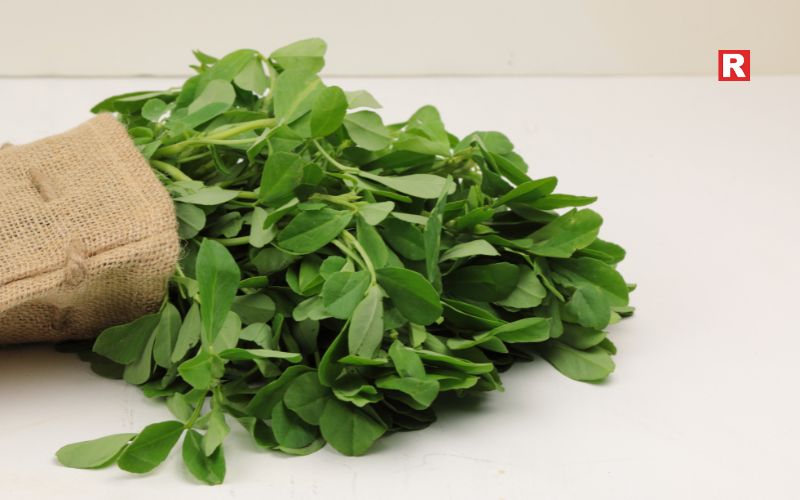
Methi is a traditional winter vegetable known for its strong taste and health benefits. Fresh methi leaves are rich in iron, fibre, and plant compounds that support metabolism. Methi helps regulate blood sugar levels. It improves digestion and reduces bloating, which is common during colder months due to slower digestion. It is widely used in methi sabzi, methi thepla, and mixed vegetable dishes. Methi also supports hormonal balance and gut health. Its warming nature makes it ideal for winter meals, especially in North and West India.
Know more: 7 Desi Alternatives to Oatmeal for Weight Loss
4. Green Peas (Matar)
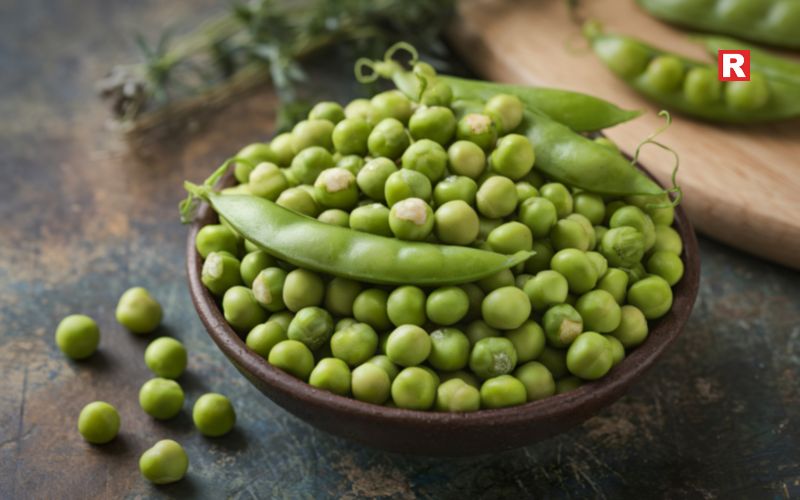
Fresh green peas are a winter favourite across Indian homes. They add sweetness, colour, and nutrition to meals. Green peas are a good source of plant-based protein and fibre. They help keep you full for longer and support muscle strength. This makes them suitable for active adults and growing children. Peas also contain vitamin C, which boosts immunity and protects against cold and cough. Matar is commonly used in pulao, curries, sabzi, and snacks. Fresh winter peas are softer, sweeter, and more nutritious than frozen ones.
5. Sweet Potatoes (Shakarkandi)
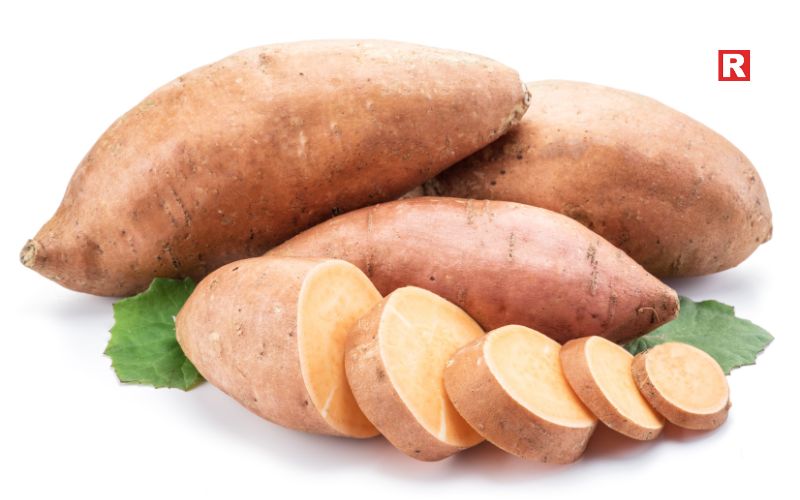
Sweet potatoes are one of the most comforting winter foods. They are naturally sweet, filling, and warming. They are rich in complex carbohydrates, fibre, and vitamin A. Sweet potatoes release energy slowly, keeping you active for longer hours. They also support gut health and help prevent constipation, which can increase during winter due to reduced water intake. In India, sweet potatoes are often roasted, boiled, or added to chaat. They are affordable, easy to cook, and suitable for all age groups.
6. Cauliflower (Phool Gobi)
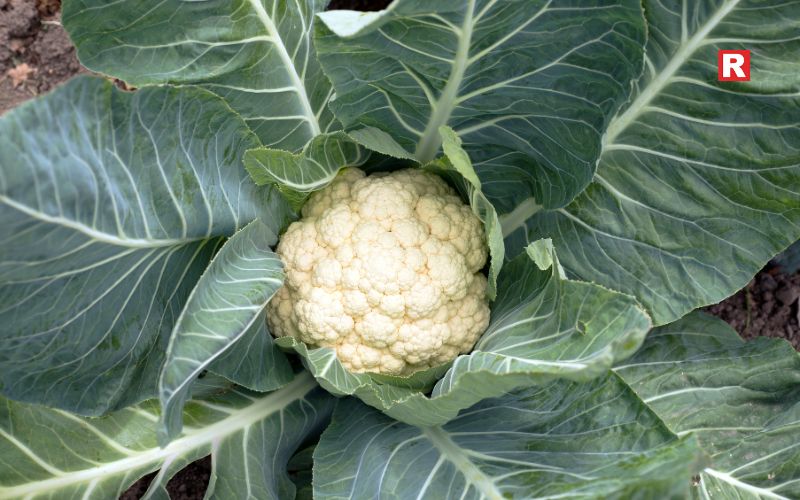
Cauliflower is a versatile winter vegetable used across Indian cuisines. It is light on the stomach but high in nutrition. Cauliflower is rich in fibre, vitamin C, and antioxidants. It supports digestion and strengthens immunity. Vitamin C helps protect the body from seasonal infections. Phool gobi can be used in dry sabzi, curries, parathas, soups, and stir-fries. When cooked properly, it remains crunchy and flavourful. It is also a good option for people looking to manage weight during winter.
7. Beetroot (Chukandar)
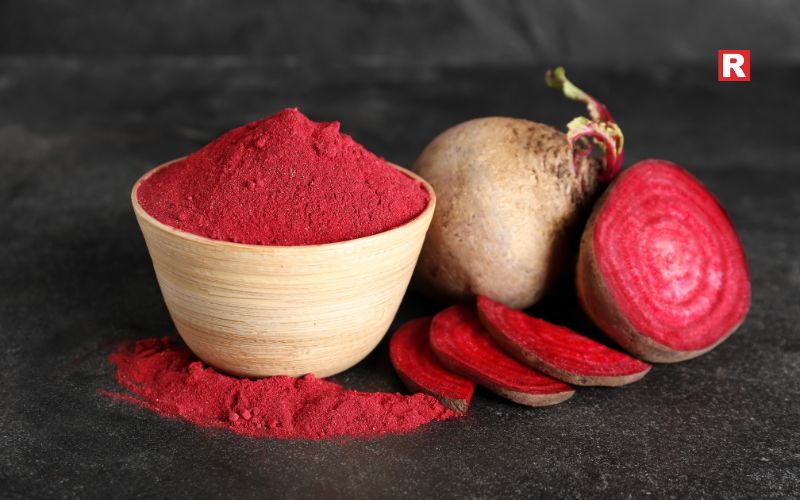
Beetroot is known for its deep colour and strong nutritional value. It is rich in iron, folate, and natural nitrates. Beetroot helps improve blood circulation and oxygen flow. This supports stamina and energy, especially during colder months. It is also good for heart health and helps maintain healthy blood pressure levels. Beetroot can be consumed raw in salads, boiled, roasted, or added to juices. In Indian homes, beetroot sabzi and beetroot raita are popular winter dishes.
Also read: 5 Ways to Use Garden Cress Seeds (Halim) for Stronger Hair and Bones
5 Foods to Avoid for Better Cholesterol
10 Dry Fruits You Should Eat After Menopause—Natural Boosters for Stronger Bones
Choose Healthy!
Winter is often seen as the ideal season to rebuild health in a natural way. The body responds better to seasonal food, especially fresh vegetables grown in colder months. Adding winter vegetables to daily meals helps people stay active, warm, and well-nourished. Carrots, spinach, methi, green peas, sweet potatoes, cauliflower, and beetroot are easy to find across Indian markets during this time. They are affordable and familiar to most households. These vegetables support immunity and help the body fight common winter illnesses. Their high fibre content improves digestion and keeps the stomach light. Vitamins and minerals in these foods also support skin health and steady energy levels. Many of these vegetables have been used in Indian cooking for generations, making them both trusted and comforting. Eating seasonal food is not a new idea. It is a habit passed down through everyday home cooking. When plates follow the season, the body benefits naturally. Winter meals, when planned well, can quietly strengthen overall wellness.
Bread has become a part of everyday life in India. It is no longer just a breakfast choice but a quick meal for any time of the day. From morning toast to school lunch sandwiches and late-night snacks, bread fits every occasion. It has earned a permanent place in Indian kitchens. Over the years, bread in India has evolved from the simple white loaf to a range of healthier and tastier options. Today’s consumers are more health-conscious and prefer choices that combine flavor with nutrition. Multigrain, brown, and whole wheat breads are becoming household favorites. Many also look for preservative-free and high-fiber options that support a balanced lifestyle.
India’s bread market reflects this growing awareness. Established brands continue to dominate store shelves, while new artisanal bakeries attract urban consumers with fresh, handcrafted loaves. From affordable daily breads to premium gourmet options, the variety has never been wider. With its convenience, versatility, and comfort factor, bread remains one of the most loved and essential foods across the country.
What Makes a Good Bread Brand?
When choosing a bread brand, freshness is key. A good loaf should feel soft but not doughy, with a pleasant aroma and balanced texture. The use of natural ingredients and minimal preservatives also defines a quality brand.
Nutrition is another important factor — the best breads provide a balance of fiber, protein, and essential nutrients while keeping refined flour to a minimum. Packaging plays a crucial role too, as it maintains freshness and prevents moisture. The top brands in India continue to evolve to meet these standards while offering taste and convenience.
Explore Top Bread Brands in India
1. Britannia Bread
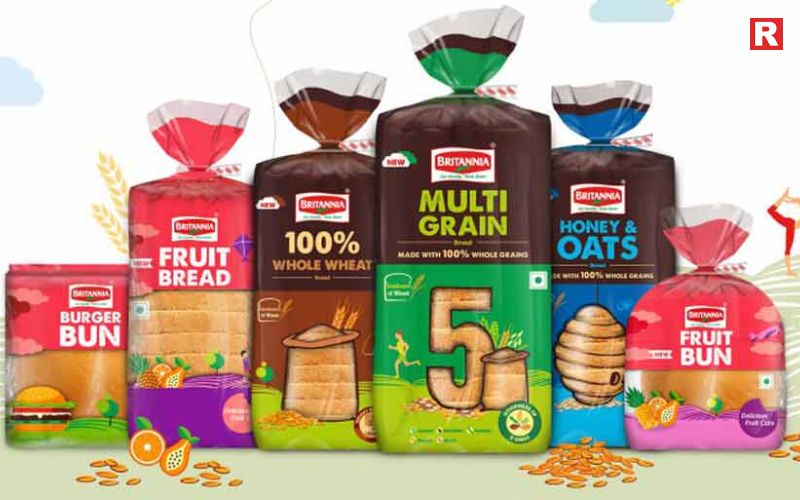
Britannia is one of the oldest and most trusted bakery brands in India. Known for quality and consistency, Britannia Bread is a staple in many households. The brand offers a wide range of options such as Whole Wheat Bread, Brown Bread, and Multigrain Bread. Britannia stands out for its soft texture and freshly baked aroma. Its breads are ideal for sandwiches, toast, or even simple butter spreads. With strong distribution across India, Britannia ensures freshness in every pack. The brand continues to innovate with healthier variants to meet modern dietary preferences.
Read more: 21 Different Types of Indian Breads and Their Benefits
Top 10 Vegan Street Foods in India Every Indian Loves
2. Modern Bread
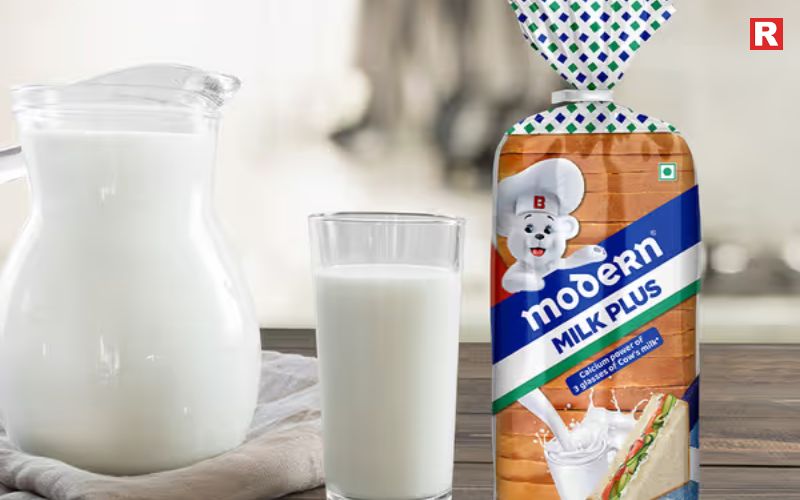
Modern Bread has been a part of Indian breakfast tables for decades. Known for its reliability and affordability, it offers a variety of options like Milk Bread, Sandwich Bread, and Hi-Fibre Brown Bread. The brand has recently updated its packaging and improved its production quality to ensure longer freshness. Modern Bread combines traditional baking expertise with new technology to deliver soft and nutritious loaves. It remains a trusted name among both urban and semi-urban consumers.
3. Harvest Gold
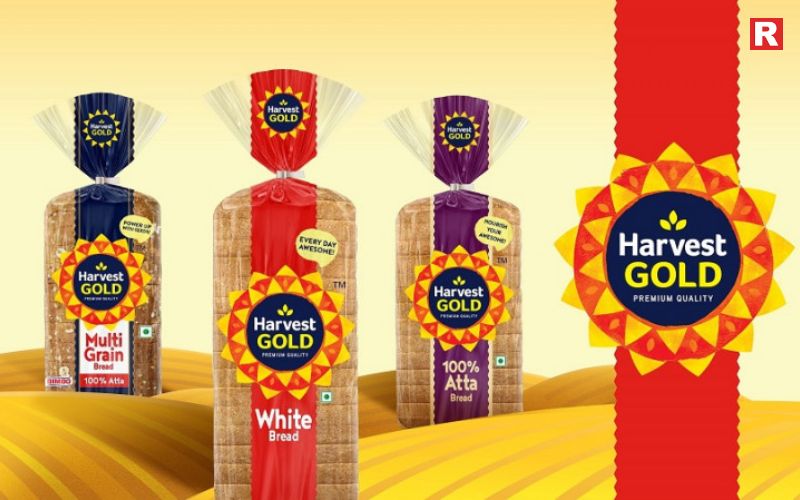
Harvest Gold is another leading name in India’s bread segment. Established in 1993, it has built a strong reputation for quality and freshness. The brand offers several variants like Atta Bread, Multigrain Bread, and Sandwich Bread. Harvest Gold’s breads are known for their soft texture and wholesome taste. The brand maintains strict quality standards and has a wide distribution network, especially in North India. It’s the go-to brand for families who value both taste and nutrition in their daily meals.
4. English Oven

English Oven, a premium bread brand by Mrs. Bector’s Food Specialities, has gained massive popularity in recent years. The brand is loved for its oven-fresh quality and rich texture. English Oven offers a range of products such as Brown Bread, Garlic Bread, Sandwich Bread, and Multigrain Bread. Each loaf is baked with precision to retain softness and natural flavor. Its thick slices make it perfect for gourmet sandwiches and hearty breakfast meals. English Oven focuses on hygiene, freshness, and taste — making it a top choice for quality-conscious consumers.
Know more: Best Instant Noodles Brands in India That Make Every Slurp Worth It
5. Bonn Bread
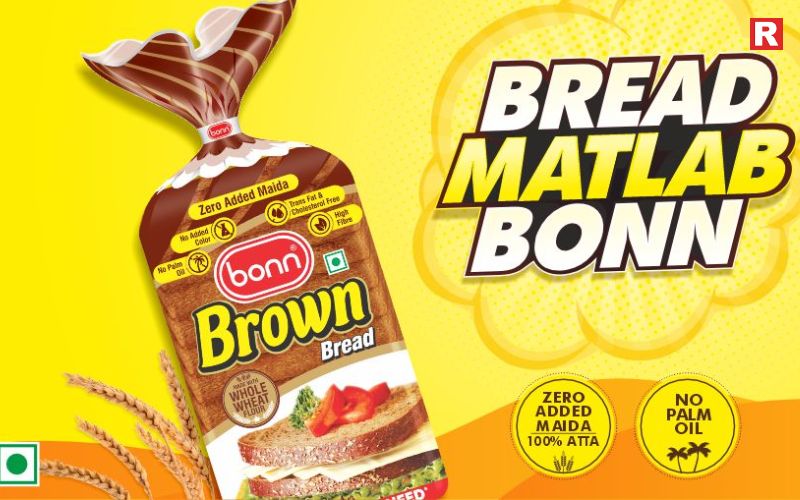
Bonn is a well-known brand from Punjab with a strong presence in North India. It offers a variety of healthy options including Whole Wheat, Atta, and Multigrain Bread. The brand is ISO-certified, ensuring top-notch quality and hygiene standards. Bonn has positioned itself as a health-focused bakery, offering products that combine traditional taste with modern nutrition. Its bread is soft, flavorful, and ideal for daily consumption. Bonn’s innovation in healthy bakery products has helped it stand out in a competitive market.
6. The Baker’s Dozen
The Baker’s Dozen represents the rise of artisanal bread culture in India. This Mumbai-based brand focuses on natural, preservative-free, and freshly baked breads. It is popular among urban consumers who prefer authentic European-style loaves. Their range includes Sourdough, Rye Bread, Baguettes, and Gluten-Free options. Each loaf is made using slow fermentation techniques that enhance flavor and texture. The brand emphasizes craftsmanship and uses high-quality ingredients. For those who love fresh, artisanal baking, The Baker’s Dozen brings a touch of authenticity to the Indian bread scene.
7. Daily Bread (by Britannia)
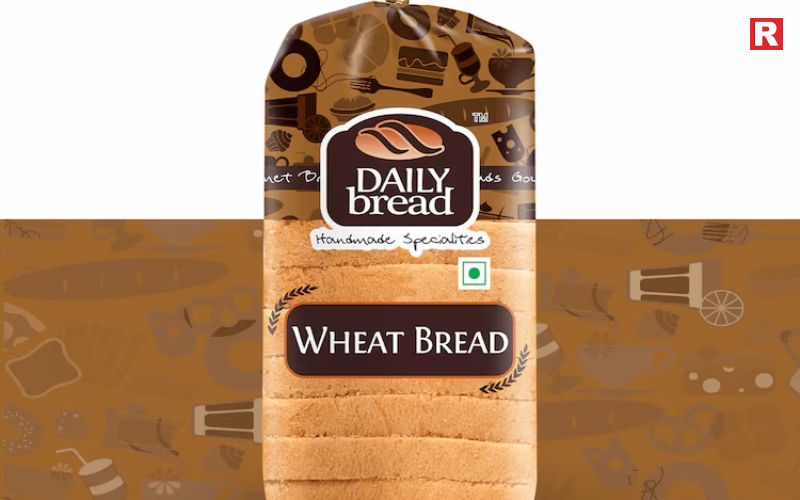
Daily Bread is Britannia’s premium bakery brand, known for fresh loaves, buns, and European-style breads. The brand focuses on using quality ingredients and traditional baking techniques. From soft baguettes to crusty loaves, Daily Bread offers a range of products that appeal to those who enjoy gourmet experiences at home. It is particularly popular in metro cities, where demand for premium and freshly baked products is on the rise.
Also check: How to Make Momo at Home for a Healthy Treat
Top Flavour Coffee Brands in India That Every Coffee Lover Must Try
Health Trends Shaping the Indian Bread Market
Health trends are driving innovation in the Indian bread industry. Consumers are becoming more aware of ingredients and nutritional content. The popularity of whole-grain, multigrain, and millet-based breads has grown significantly.
Many brands now offer vegan and gluten-free options for consumers with specific dietary needs. There’s also a noticeable rise in demand for breads labeled “no maida,” “high fiber,” and “no added sugar.” As more Indians seek healthier alternatives, brands are experimenting with flours like oats, ragi, and quinoa to create nutritious and delicious options.
Quick Treat!
Bread holds a special place in India’s diverse food culture. From Mumbai’s bun maska to Delhi’s bread pakora and Bangalore’s toast sandwiches, it appears in every region’s favorite dishes. India consumes more than 1.5 million tonnes of bread each year, and the demand keeps rising. Its simplicity and versatility make it fit into both Indian and global cuisines — from buttered pav to hearty continental toasts.
Over time, India’s bread market has grown from basic white loaves to a wide range of healthy and premium options. Brands such as Britannia, Modern, Harvest Gold, English Oven, Bonn, The Baker’s Dozen, and Daily Bread have changed how Indians enjoy bread today. Whether it’s a soft slice for breakfast or a crisp sourdough with soup, these brands offer freshness and flavor in every bite. With a growing focus on health and taste, India’s love for good bread continues to rise.
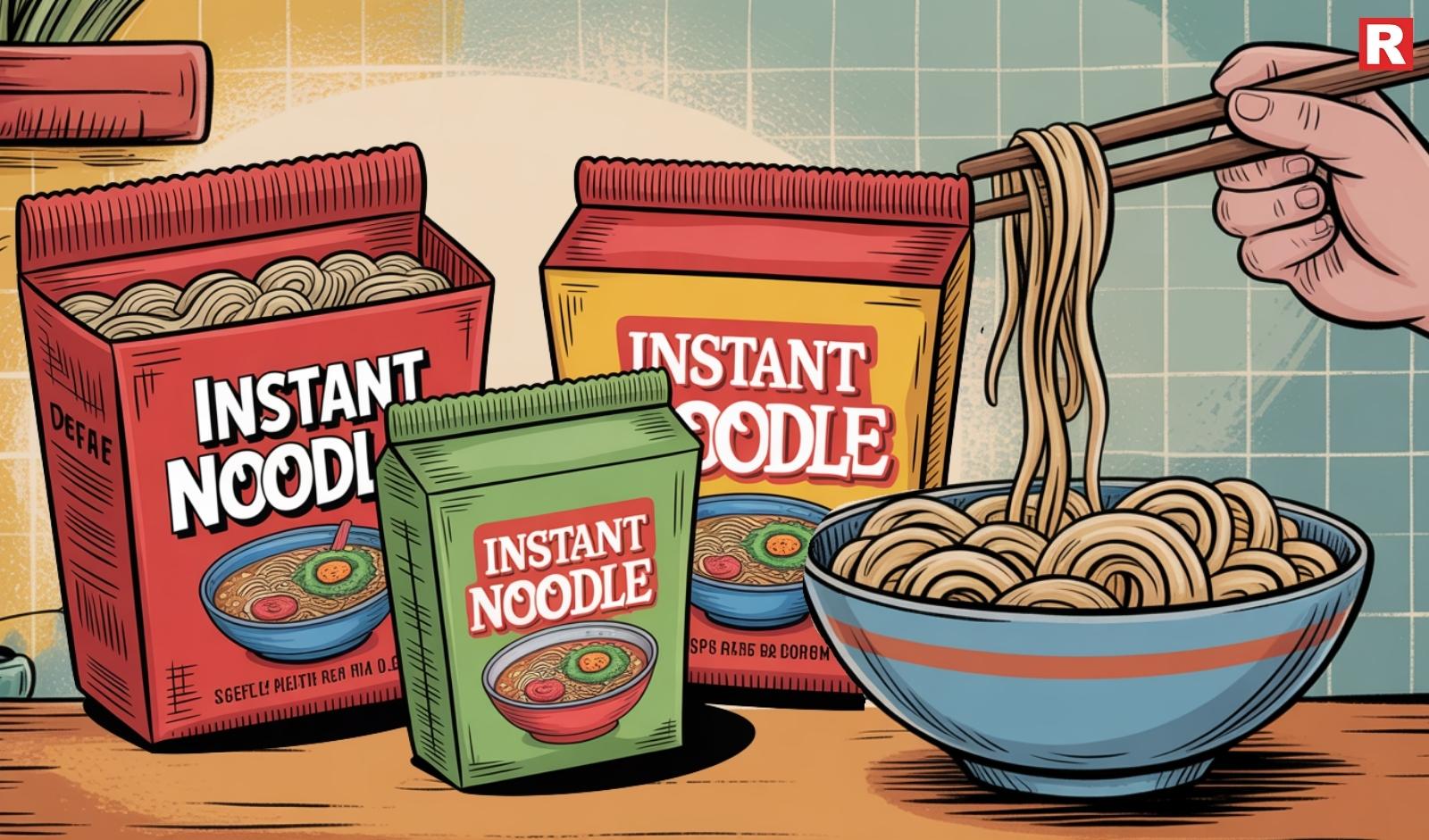
Instant noodles have become a part of daily life in India. For many Indians, a hot cup of noodles brings back moments from college nights, family picnics, and quiet evenings at home. It is the taste that reminds them of simple joys and shared laughter.
What started as an easy snack has grown into a favourite food for all age groups. Children love its fun flavours, while adults enjoy its quick convenience. From the classic taste of Maggi to the rich spices of Ching’s and the healthy touch of millet-based noodles, there is a flavour for every mood. Today, instant noodles are found in almost every kitchen. They are easy to cook, affordable, and endlessly customizable. Whether eaten plain or mixed with vegetables, eggs, or cheese, instant noodles continue to bring warmth and satisfaction with every bite.
The Instant Noodle Market in India
The instant noodles market in India is currently valued at over ₹6,000 crore and continues to grow each year. With changing lifestyles, long working hours, and a growing need for convenient food, instant noodles have found a permanent place in Indian kitchens. The market is not just about speed anymore; it’s about variety, flavour, and health.
Many brands are now experimenting with healthier alternatives — introducing millet, oats, and whole wheat noodles to meet the needs of health-conscious consumers. From spicy masala to fusion flavours like schezwan and curry, there’s an option for every craving.
Discover Best Instant Noodles Brands in India
1. Maggi
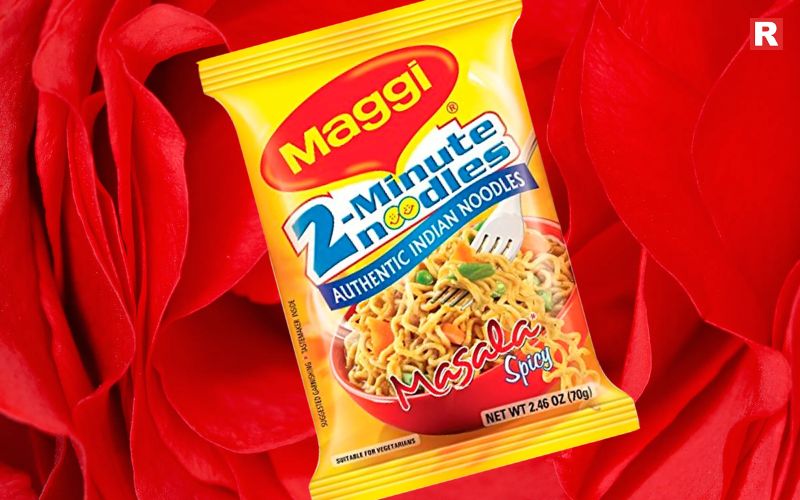
When you think of instant noodles in India, the first name that comes to mind is Maggi. A product of Nestlé, Maggi has been a household name for decades. Its signature Masala flavour is loved for its perfect blend of spices and comforting aroma. Over the years, Maggi has evolved with exciting variants like Maggi Chicken, Maggi Hot Heads, and even healthier options like Maggi Oats and Maggi Millet Noodles. It’s quick, affordable, and familiar — a brand that defines the essence of instant noodles in India.
2. Sunfeast Yippee!
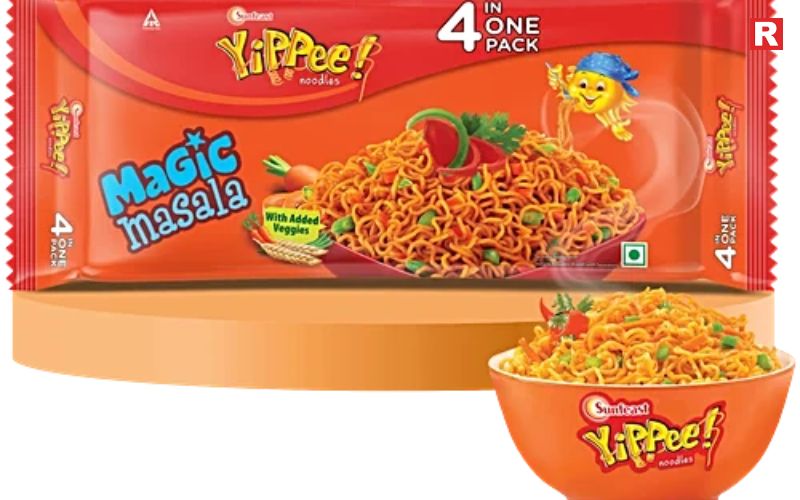
Sunfeast Yippee! from ITC brought a fresh twist to the instant noodle segment. Known for its long, non-sticky noodles and vibrant masala flavours, Yippee! has gained immense popularity among children and young adults. Its Magic Masala and Classic Masala flavours are top choices, and the brand often launches limited-edition packs with regional spice profiles. Yippee! also has a range of tricolour noodles made from wheat, spinach, and tomato, appealing to both taste and nutrition.
Read more: 8 Famous Vegetarian Dishes of Uttar Pradesh and Their Timeless Legacy
What is Kimchi? Top Veg Kimchi You Can Try at Home
3. Top Ramen
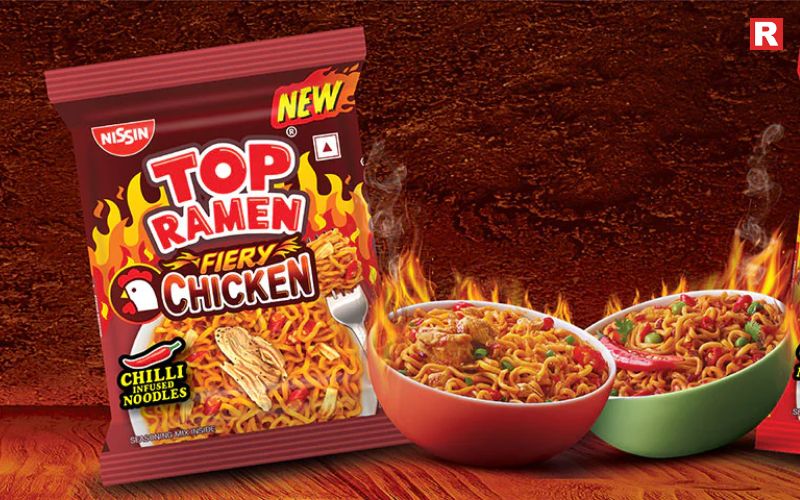
Top Ramen by Nissin brings an Indo-Japanese fusion to the noodle bowl. With its slightly thicker noodles and unique seasoning, it offers a different texture and taste from the usual options. Top Ramen Curry and Masala variants are favourites among Indian consumers. The brand also offers Top Ramen Atta Noodles, a healthier alternative made with whole wheat, catering to those who want to indulge without guilt.
4. Wai Wai
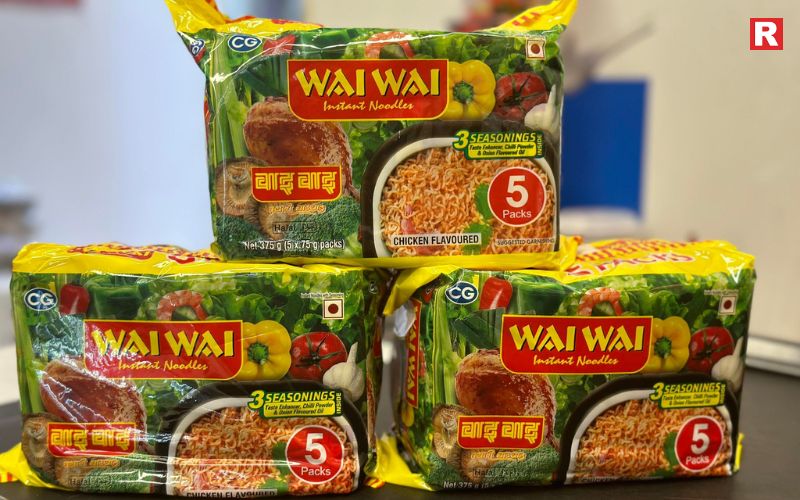
Wai Wai, originally from Nepal, has created its own loyal fan base in India. What makes it different is that it can be eaten straight from the packet — no cooking required. The noodles are pre-cooked, fried, and seasoned, giving them a crunchy texture and tangy flavour. Available in flavours like Chicken, Veg Masala, and Schezwan, Wai Wai is perfect for those who want a quick snack without the wait. It’s also a favourite among travellers and students for its ready-to-eat convenience.
Know more: How to Make Momo at Home for a Healthy Treat
5. Knorr Soupy Noodles
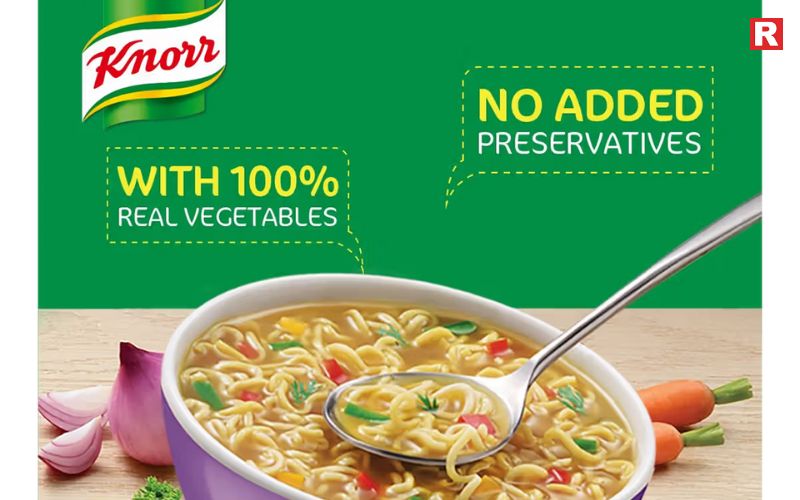
Knorr, known for its soups and seasonings, offers Soupy Noodles — a creative blend of soup and noodles. It’s ideal for those who love thick, flavorful broths with a noodle twist. The Masala and Chicken flavours are especially comforting on cold or rainy days. Knorr Soupy Noodles provide the satisfaction of both soup and noodles in one delicious bowl, making them a unique choice among instant noodle lovers.
6. Patanjali Atta Noodles
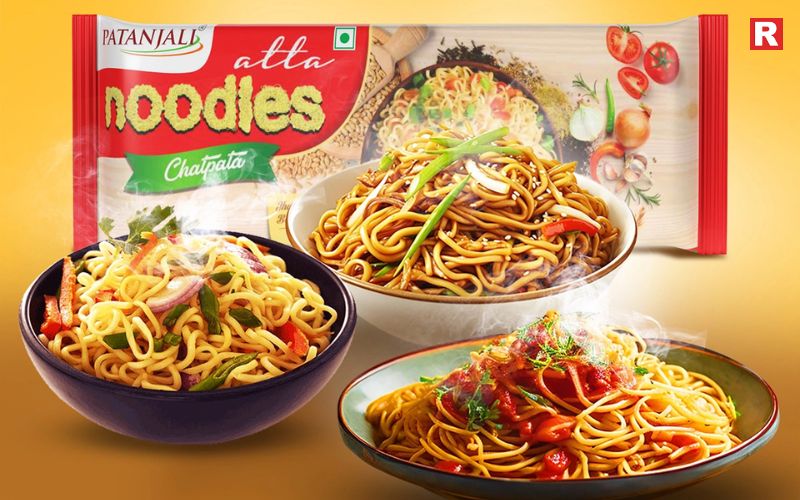
For those looking for a healthier and more traditional choice, Patanjali Atta Noodles are a great option. Made with whole wheat, they are a fibre-rich alternative to maida-based noodles. The flavouring is mild yet full of Indian spices, offering a homely taste. It appeals to consumers who want to enjoy instant noodles without compromising on health or nutrition.
7. Nissin Cup Noodles
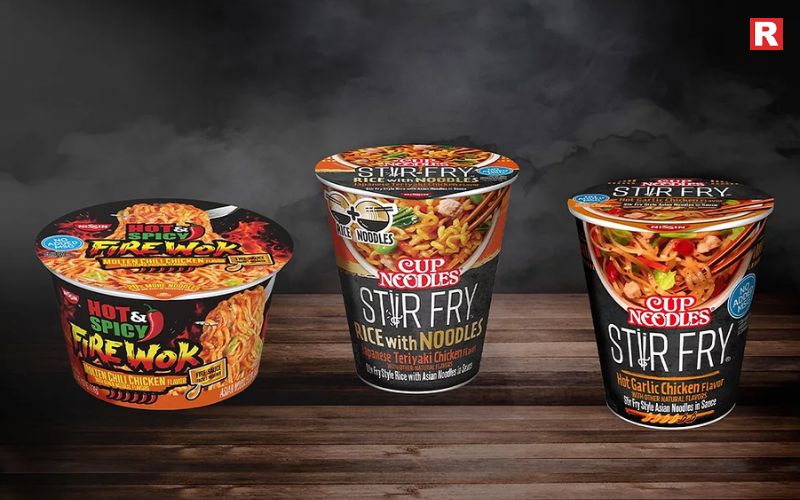
A global favourite, Nissin Cup Noodles offers convenience like no other. Just pour hot water into the cup, wait for three minutes, and your meal is ready. The brand’s flavours — Masala, Spicy Chicken, and Veggie Manchow — cater perfectly to the Indian taste palette. The packaging makes it ideal for travel, offices, and students living in hostels.
Also check: Best Ramen Brands in India That Bring Japan to Your Bowl
8. Ching’s Secret
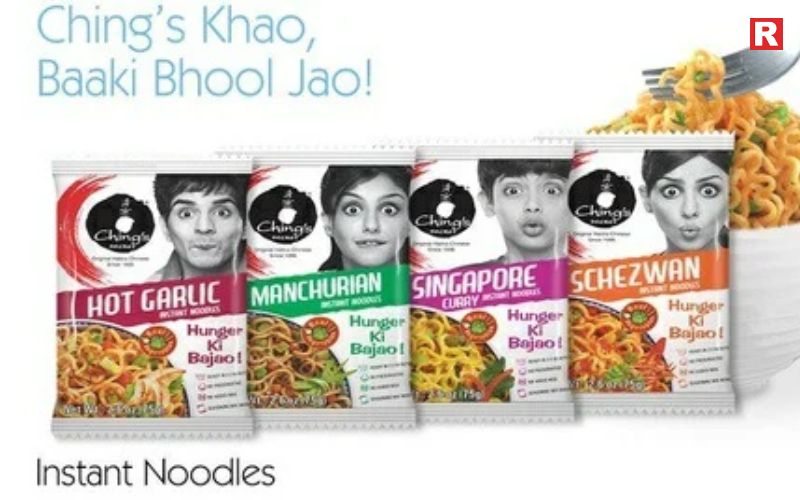
If you love spicy Indo-Chinese flavours, Ching’s Secret is your go-to brand. With flavours like Schezwan, Manchurian, and Hot Garlic, it brings restaurant-style Chinese flavours into your kitchen. Ching’s Secret is famous for its bold seasoning and punchy taste. Many people also use its noodles as a base for homemade street-style chowmein, adding their own veggies and sauces for a fuller meal experience.
9. Slurrp Farm Millet Noodles
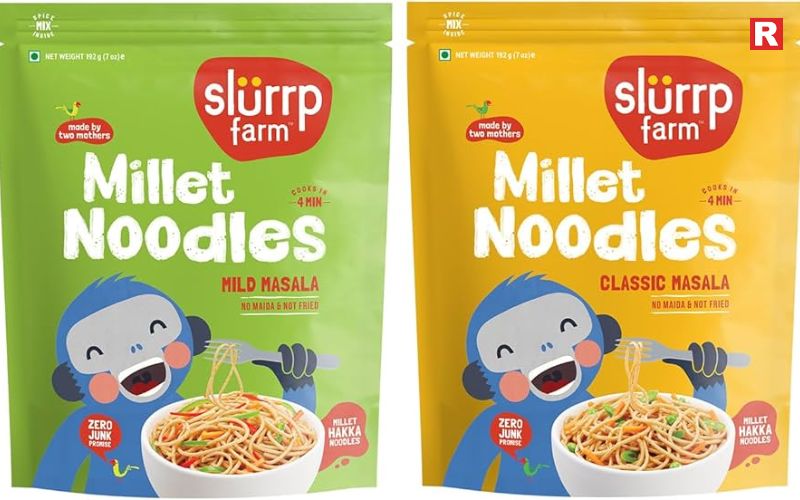
For parents and health enthusiasts, Slurrp Farm offers a guilt-free noodle experience. Made with millets, lentils, and natural ingredients, these noodles are completely free from maida and preservatives. They are ideal for kids and adults alike, offering both taste and nutrition. Available in flavours like Cheese Tomato and Masala, Slurrp Farm Noodles prove that healthy food can be just as delicious.
10. Smith & Jones Hakka Noodles
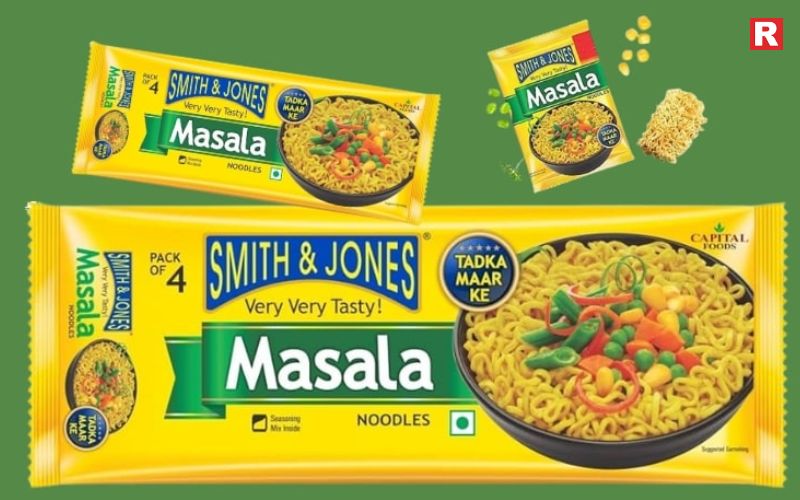
Smith & Jones brings the authentic restaurant-style Hakka noodle experience home. While not your traditional instant noodle, it cooks quickly and is perfect for those who prefer a Chinese-style stir fry. Paired with their ready-to-cook sauces, Smith & Jones Hakka Noodles give you that perfect street-style taste without stepping out.
Why Indians Love Instant Noodles
Instant noodles have a special place in every Indian kitchen. They’re quick, affordable, and endlessly customizable. Add an egg, some vegetables, or even cheese, and you can create your own version in minutes.
From midnight cravings to emergency meals, noodles have become the go-to option for every mood. Their adaptability across regions — from spicy South Indian versions to tangy North Indian mixes — makes them universally loved.
Check more: Top Apple Cider Vinegar Brands in India That Add the Perfect Tang to Your Taste
Top Soya Sauce Brands in India You Must Try
The Healthier Side of Instant Noodles
The modern consumer is more aware of what goes into their food, and brands have started responding to that shift. Many now offer noodles made from millets, oats, and whole wheat, reducing MSG and using natural seasonings.
If you want to make your bowl healthier, try adding boiled eggs, tofu, sautéed vegetables, or paneer. This not only adds nutrition but also enhances the flavour.
- Maggi was briefly banned in 2015 but returned stronger than ever, proving its emotional connection with Indian consumers.
- India ranks among the top five instant noodle-consuming countries in the world.
- Localised flavours such as Andhra Spicy, Kolkata Masala, and Himalayan Salt have made instant noodles even more diverse.
Instant Treat!
Instant noodles have become more than just a quick bite in India. For many, they are a reminder of college nights, family evenings, or a simple comfort after a long day. From the ever-loved Maggi to the spicy kick of Ching’s or the wholesome goodness of Slurrp Farm, each brand brings its own flavour and story. Across generations, noodles have found a place in every kitchen, adapting to tastes and moods. They are fast, tasty, and easy to make — the perfect solution for sudden hunger. With a few vegetables, cheese, or an egg, anyone can turn them into a meal that feels homemade. Instant noodles continue to connect people through simple joy and shared taste. Sometimes, happiness truly comes in a bowl of hot noodles, ready in just two minutes.
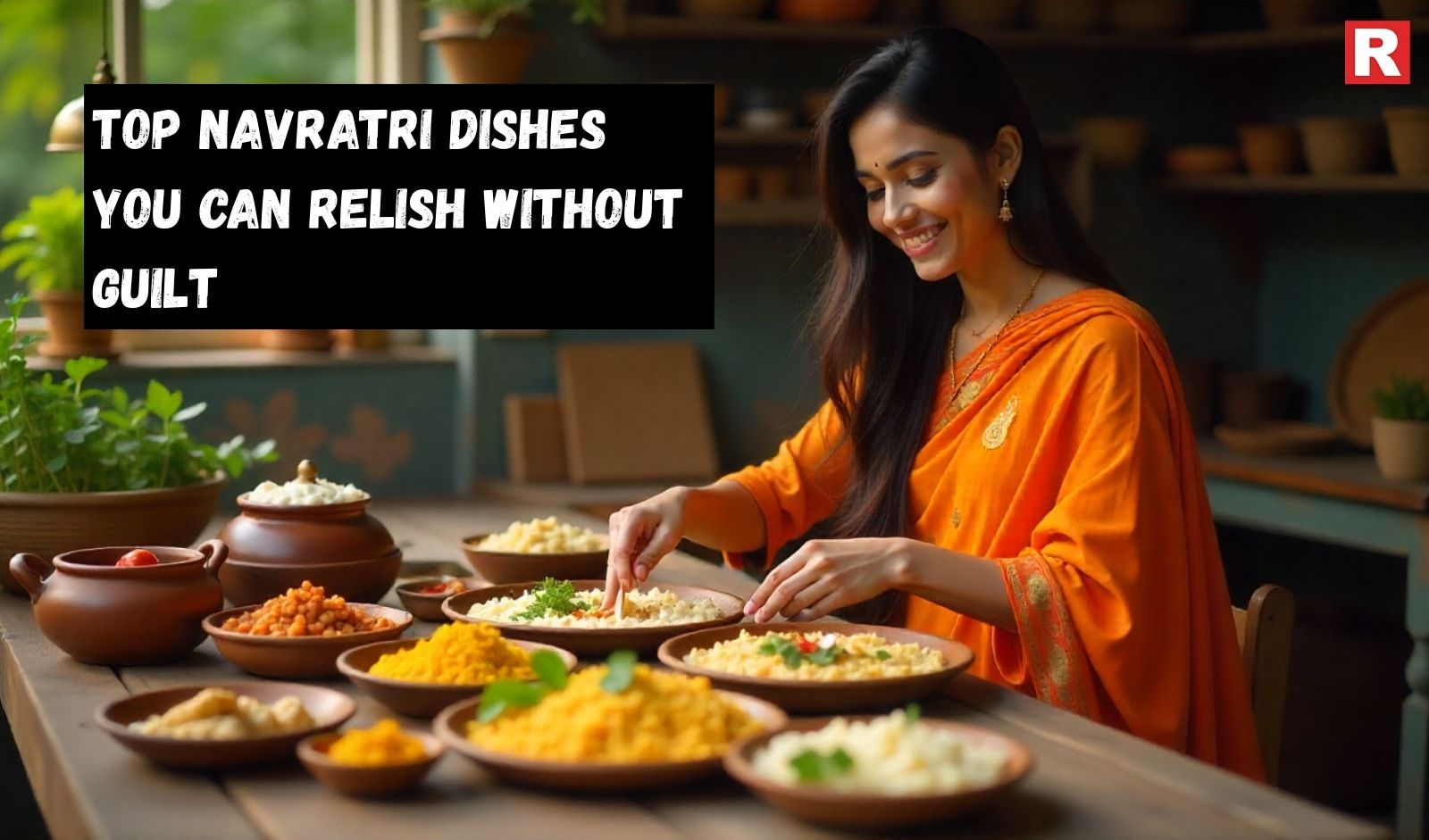
Navratri is one of the most celebrated festivals in India. It is a time of devotion, dance, and family gatherings. Food plays an important role in bringing people together during these nine days. Many people observe fasts to cleanse their body and mind. Fasting during Navratri is not about eating less. It is about eating right, choosing clean and wholesome foods, and enjoying tasty sattvik dishes. Fasting foods during Navratri are full of flavour, energy, and nutrition. They are carefully prepared to follow fasting rules, but they do not compromise on taste. From crunchy pakoras to light khichdis and creamy desserts, there are many options to try. These dishes help keep energy levels steady throughout the day. They are also easy to digest and nourishing for the body.
Families often look forward to traditional recipes that are passed down through generations. Sabudana khichdi, kuttu ki poori, makhana kheer, and rajgira ladoos are some of the popular choices. Each dish has its own benefits and brings joy to the meal. Navratri fasting food is not a restriction; it is a way to celebrate purity, taste, and health. Here is a list of top tasty fasting dishes you can eat this Navratri, along with why they are popular and how they benefit your health.
Read more: 5 Delicious Snacks to Enjoy This Navratri Season
Top 7 Regional Indian Thali Platters That Showcase Culinary Diversity
1. Sabudana Khichdi – Light and Filling
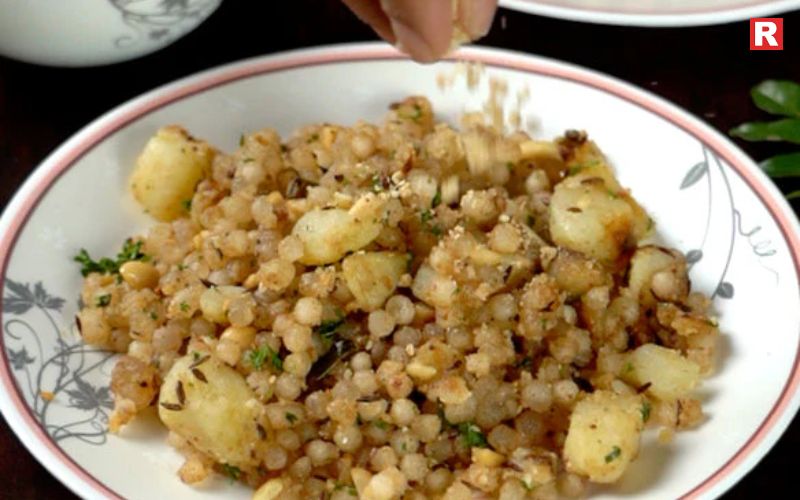
Sabudana Khichdi is the most popular fasting dish in India. Made with sago pearls, peanuts, green chillies, and sendha namak (rock salt), it is both light and filling. The peanuts add a nutty crunch while the sabudana gives you instant energy.
This dish is often eaten in the morning because it keeps you full for hours. It is gluten-free, easy to digest, and provides the right balance of carbs and proteins. Many families also add boiled potatoes for extra taste. If you want comfort food while fasting, this is your go-to dish.
2. Kuttu Ki Poori – Crisp and Comforting
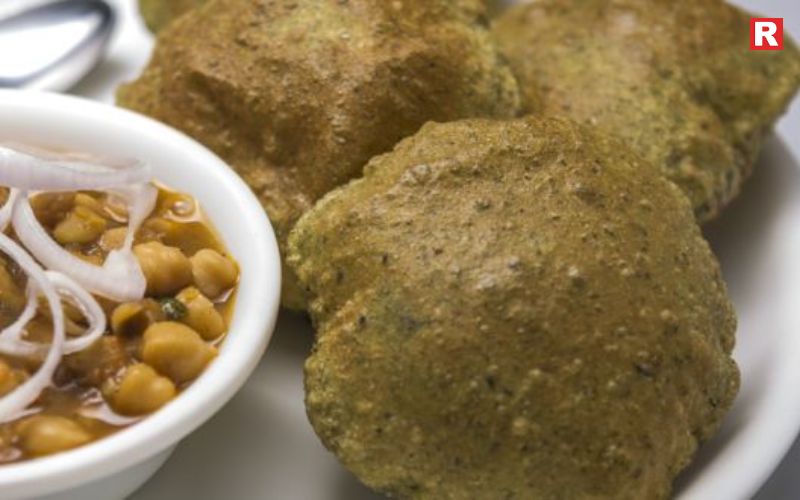
Kuttu or buckwheat flour is a staple during Navratri. Kuttu ki Poori is a deep-fried delight made with this flour. It is usually paired with aloo sabzi or pumpkin curry.
The best part about kuttu flour is that it is rich in fiber and keeps your digestion strong during fasting. It also helps in controlling blood sugar levels. These pooris are crisp, tasty, and perfect for a hearty Navratri meal.
Know more: 10 Steamed Indian Dishes Beyond Idli & Dhokla
3. Singhare Ke Pakode – Crispy and Addictive
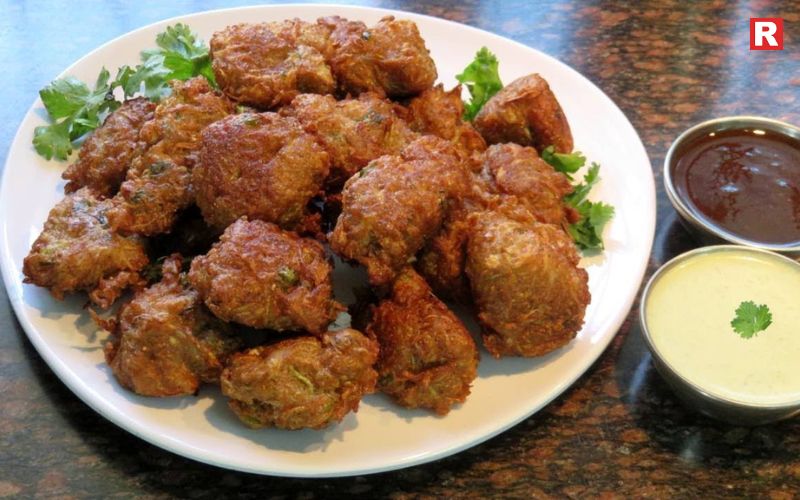
If you are craving something crunchy, Singhare ke Pakode is the answer. Made with water chestnut flour and boiled potatoes, these fritters are fried until golden and crispy.
They are often enjoyed with green chutney or plain curd. Since water chestnut is packed with minerals like potassium and antioxidants, these pakoras are not just tasty but also healthy. They make a perfect evening snack when hunger strikes during fasting.
4. Samak Rice Pulao – Wholesome and Nutritious
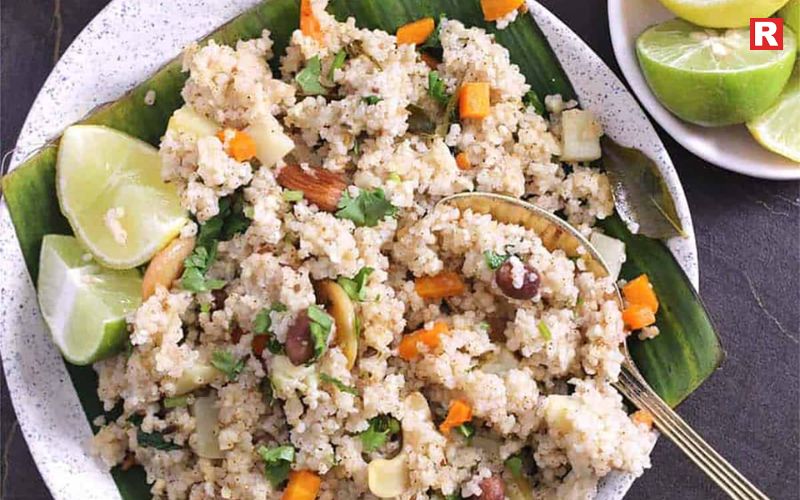
Many people miss rice during Navratri, but samak rice (also called vrat ke chawal or barnyard millet) is a great replacement. Samak rice pulao is made with vegetables like carrots, beans, or peas along with mild spices.
It is light, non-sticky, and easy to digest. Samak rice is high in fiber and low in calories, making it a healthy option if you are trying to keep your meals balanced. This dish tastes great with plain curd or raita.
5. Makhana Kheer – Sweet and Creamy
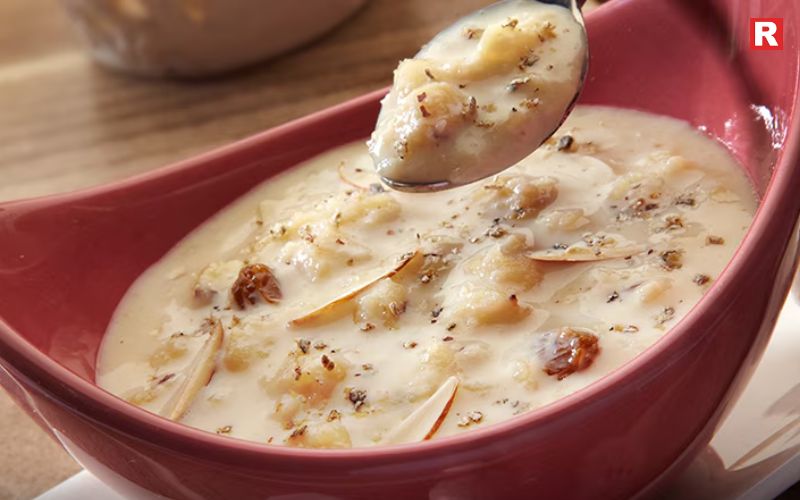
No festival is complete without a sweet dish. Makhana Kheer is a traditional fasting dessert made with foxnuts, milk, sugar, and dry fruits. It is creamy, rich, and loaded with nutrients.
Makhana (foxnuts) is known for its high protein and low-calorie content. It also has anti-aging properties and is great for your skin. This dish is often served as prasad during Navratri. If you love desserts, this one will make your fasting special.
6. Aloo Tamatar Sabzi – Tangy and Spicy
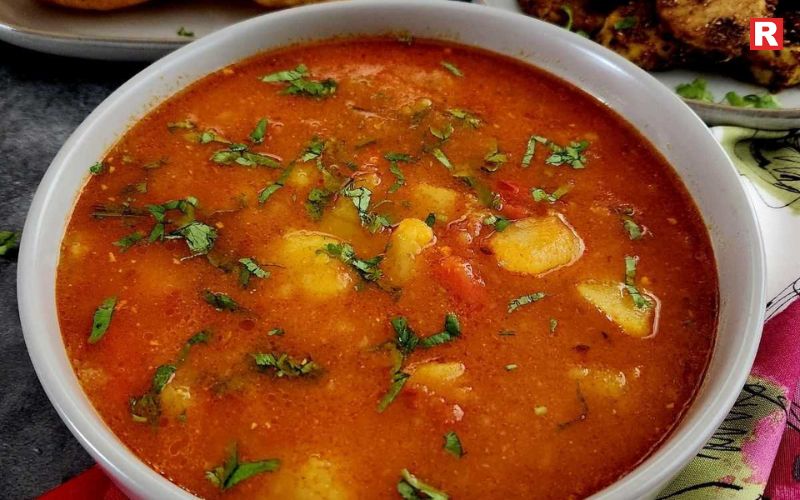
Aloo Tamatar Sabzi is one of the simplest yet most satisfying fasting dishes. Made with boiled potatoes, fresh tomatoes, and rock salt, it is tangy, spicy, and comforting.
This dish pairs perfectly with kuttu ki poori or samak rice. Since potatoes are rich in carbs, they keep you full and energetic throughout the day. It is a quick recipe that can be made in less than 20 minutes, making it a family favourite.
Also check: Festive Seasons Are Changing the Restaurant Industry in India
7. Rajgira Ladoo – Healthy Sweet Bites
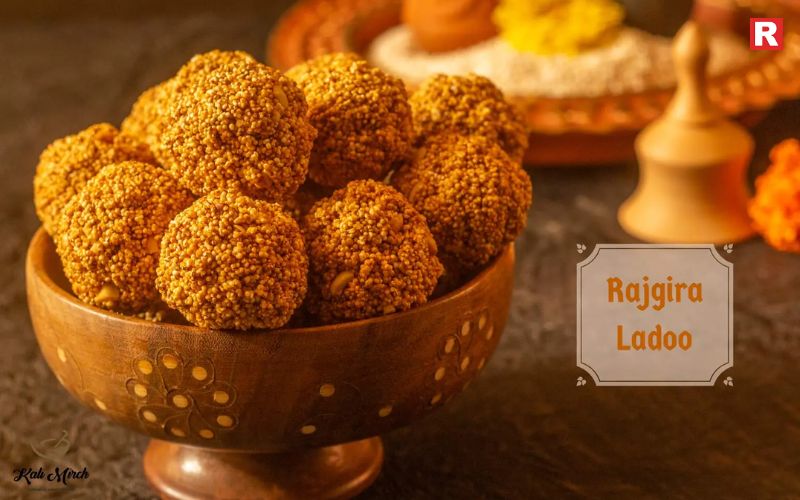
Rajgira or amaranth seeds are another fasting staple. Rajgira Ladoo is made by mixing roasted amaranth seeds with jaggery. It is crunchy, sweet, and full of energy.
These ladoos are often prepared in advance and stored for snacking during the nine days. Rajgira is rich in iron and calcium, making it excellent for bone health. A small ladoo gives you a power-packed dose of nutrition while keeping your sweet cravings satisfied.
Why Navratri Fasting Foods Are Healthy
Many people think fasting is only about rituals. But there is a scientific reason behind the Navratri diet. The dishes allowed during these days are sattvik, which means they are clean, pure, and natural.
Here are some benefits:
- They are rich in fiber, protein, and antioxidants.
- They help detoxify the body and improve digestion.
- They balance energy levels and prevent bloating.
- They replace refined grains with millets and flours like buckwheat and amaranth, which are healthier.
When followed correctly, Navratri fasting can actually make your body feel lighter and more energetic.
Check more: The Top 7 Sweet Dishes You Can’t Miss This Durga Puja
Frankenstein-Inspired Foods and Drinks for Your Spooky Celebrations
12 Delicious High-Protein Foods to Eat Daily for a Healthier You
Tips to Make Fasting Delicious and Healthy
- Use sendha namak instead of regular salt. It is less processed and better for your body.
- Avoid refined sugar. Use jaggery, honey, or dates for sweetness.
- Add dry fruits like almonds, walnuts, and raisins to your meals for extra energy.
- Drink coconut water, buttermilk, and fresh juices to stay hydrated.
- Do not over-fry everything. Try roasting or shallow frying to keep meals light.
By making small changes, you can enjoy fasting foods without worrying about health issues.
Happy Fasting!
Navratri fasting is not just about avoiding certain foods. It is about eating in a pure and balanced way. People can enjoy a variety of dishes that are both tasty and healthy. Sabudana khichdi, made with sago and peanuts, provides energy and keeps the stomach full. Kuttu ki poori with aloo sabzi is filling and light at the same time. Makhana kheer and rajgira ladoos offer sweet treats without harming the fast. These dishes are rich in nutrients and easy to digest. Fasting gives people a chance to explore traditional recipes. It encourages trying new combinations and ingredients. Families often gather in the kitchen, preparing meals together. This creates warmth and memories that last beyond the festival. Navratri fasting can be simple, healthy, and enjoyable. When planned well, it feels like a celebration of food rather than a restriction.
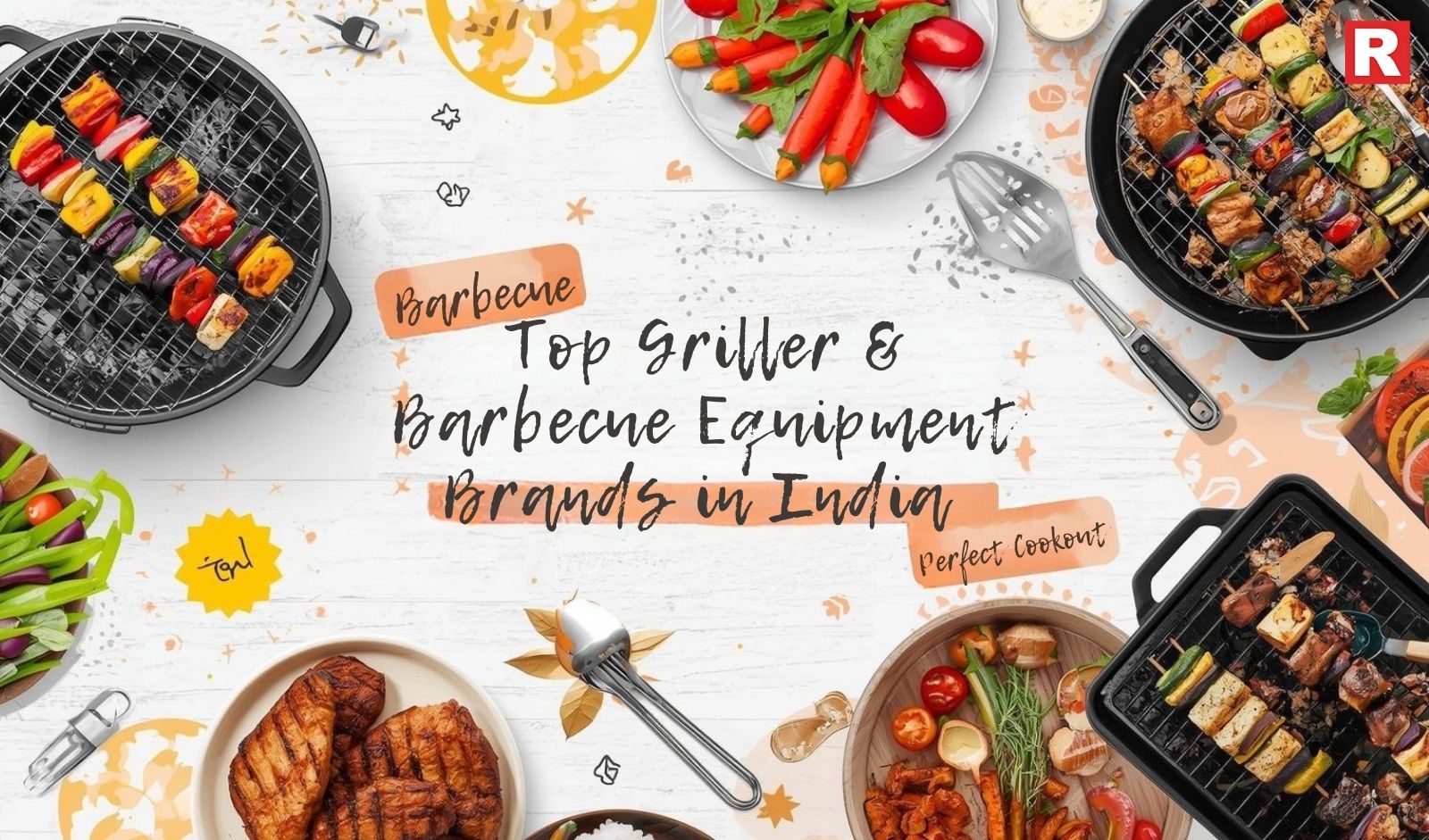
Barbecue is no longer just a Western weekend plan. In India too, grilling is fast becoming a trend. From terrace parties in cities to family gatherings in small towns, people now love cooking over open flames. The joy of sizzling kebabs, grilled vegetables, and smoky paneer makes every meal feel special. But to enjoy this experience, the right barbecue equipment is a must.
India today has many brands offering quality grills and accessories. Some focus on compact designs for urban homes, while others bring global standards for serious barbecue lovers. This guide will take you through the top griller and barbecue equipment brands in India, their features, and tips on choosing the right one for you.
Read more: Pani Puri Has Different Names in Different Indian States—Know Them All
12 Delicious High-Protein Foods to Eat Daily for a Healthier You
The Rise of BBQ Culture in India
Barbecue culture in India has grown in the past decade. Earlier, grilling was mostly done in restaurants or hotels. Now, people want to recreate that taste at home. Lifestyle changes, global exposure through travel, and even cooking shows have made grilling popular.
The outdoor cooking equipment market in India is expanding. Urban families are investing in grills for house parties. Resorts and farmhouses use premium barbecue sets for guests. Quick-to-assemble portable grills are also popular among campers. This shift shows that barbecue is no longer occasional—it is becoming part of the modern Indian lifestyle.
Types of Grilling and Barbecue Equipment
Before choosing a brand, it is good to know the main types of grills:
- Charcoal Grills: Loved for their smoky flavor. They take more time but add authenticity to the food.
- Gas Grills: Convenient and fast. Best for people who want easy cooking with less mess.
- Electric Grills: Compact and great for indoor spaces. Ideal for apartments where open flames are not allowed.
- Smokers and Tandoor Grills: Perfect for slow cooking and Indian-style kebabs.
- Portable Grills: Small, foldable, and easy to carry. Best for balconies, picnics, or camping.
Know more: Top Draft Beer Dispenser Brands in India for the Perfect Pour
Top Griller & Barbecue Equipment Brands in India
1. Weber
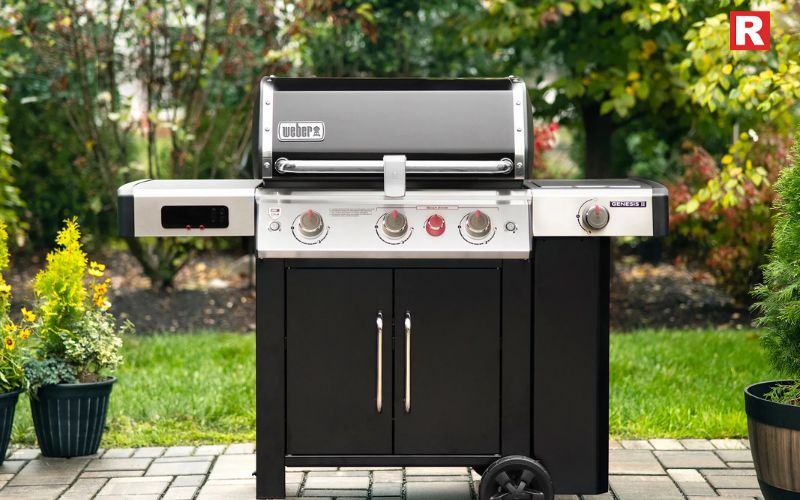
Weber is a trusted name in the world of grilling. The brand is known for its premium build quality and long-lasting performance. In India, Weber has gained strong popularity among people who enjoy outdoor cooking. The company offers a wide range of charcoal, gas, and electric grills, each designed with attention to detail. Their classic charcoal kettle grill remains a favorite, especially for those who love the smoky flavor in their food. Weber grills are easy to use, even for beginners, yet advanced enough for professionals. The products are durable, with strong materials that can handle frequent use. Though Weber grills are priced higher than many local options, the brand is valued for its reliability and results. It is often chosen by families and enthusiasts who want a high-quality grill that enhances every cookout experience.
2. Prestige
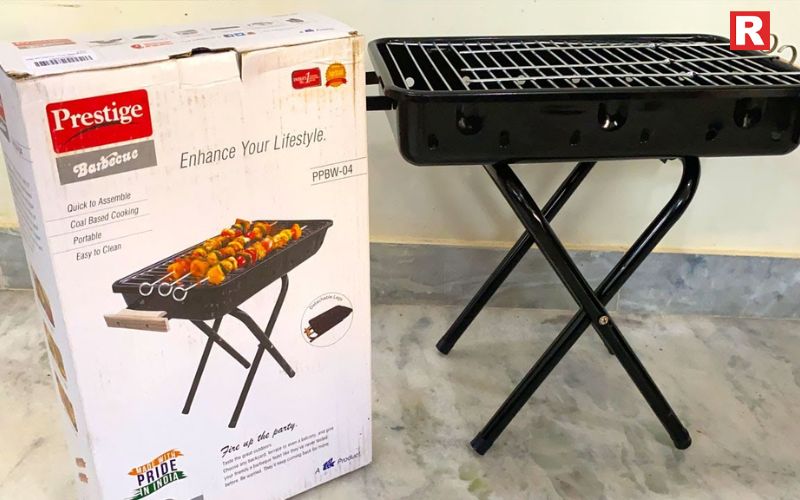
Prestige is a well-known Indian brand that has earned trust in households for decades. The company, famous for kitchen appliances, also makes affordable and practical barbecue sets. Prestige grills are compact and designed to suit Indian homes, where space is often limited. They are easy to assemble, lightweight, and convenient to store. For small family gatherings, Prestige grills are a reliable choice. The brand offers simple charcoal models that bring the authentic barbecue taste without complicated settings. Many people choose Prestige for its balance of price and quality. The products are durable and easy to clean, making them suitable for frequent use. Prestige grills are particularly popular with families who want to enjoy outdoor cooking in an easy and budget-friendly way. The brand stands out because it combines trust, simplicity, and affordability in its barbecue equipment.
3. Morphy Richards
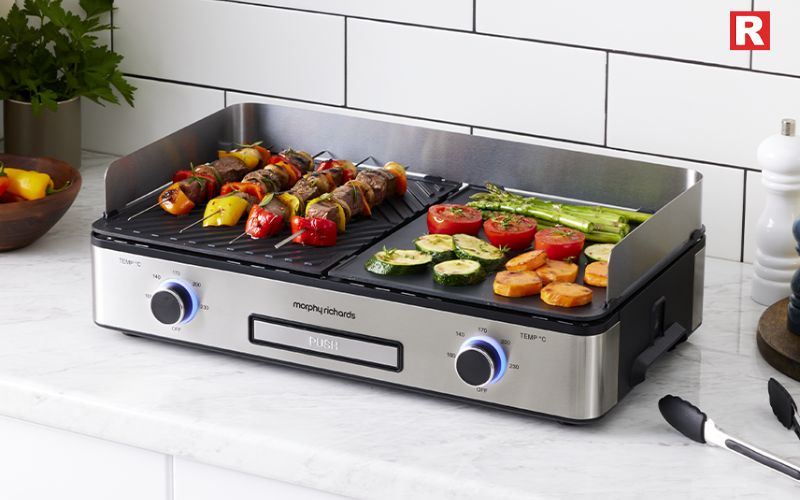
Morphy Richards is a brand that blends style with everyday function. It has built a reputation for home appliances that are modern and easy to use. In India, the brand offers electric grills and barbecue sets that fit well in urban lifestyles. The grills are sleek, compact, and designed for fast cooking. Many users prefer Morphy Richards because the grills heat quickly and distribute heat evenly, ensuring tasty results without long waiting times. These products are especially useful for people living in apartments, where open flames may not be practical. Morphy Richards also focuses on design, giving its grills a stylish look that matches modern kitchens. For busy households, the brand is a good choice as it saves time while delivering flavor. Morphy Richards remains a go-to option for those who want convenience and elegance in grilling.
4. Philips
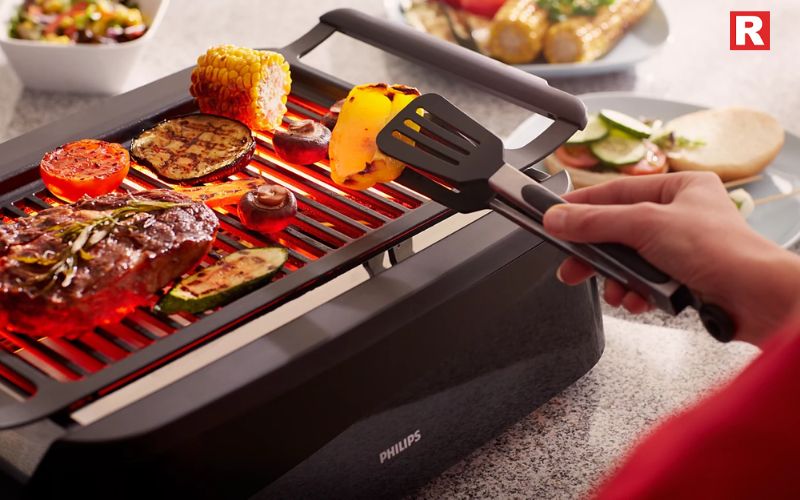
Philips is a brand that has become part of many Indian homes. Known for innovation and trusted appliances, Philips also provides unique grilling solutions. The company focuses on compact, smokeless grills that suit urban living. These grills are perfect for apartments and indoor use, where space and ventilation may be limited. Philips products are simple to operate and easy to clean, making them practical for everyday cooking. Many health-conscious people choose Philips grills because they allow fat-free cooking while still giving great flavor. Young professionals and small families prefer these grills for quick and clean cooking after a long day. Philips has built its barbecue range around modern needs, with efficient designs and reliable quality. For those who want healthy, fast, and hassle-free grilling at home, Philips remains one of the most trusted names in the market.
5. Kenstar
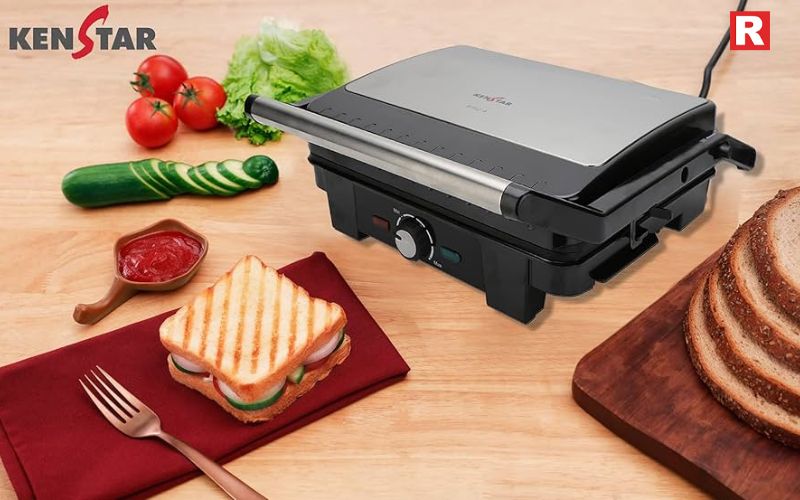
Kenstar is a brand that focuses on practical and affordable appliances for Indian homes. Its barbecue range reflects the same approach, with grills that are simple and useful. Kenstar offers both charcoal and electric grills, giving users the choice between traditional smoky flavors and modern convenience. The products are compact and well-suited for small homes. Many people appreciate Kenstar grills because they are easy to handle and require little maintenance. The design focuses on user comfort, ensuring that even first-time users can operate the grills without difficulty. Kenstar’s strength lies in offering good features at a fair price, making it a reliable option for budget-conscious buyers. Families and casual grillers often prefer Kenstar because it provides a balance of affordability, function, and quality. With its trusted name and practical designs, Kenstar continues to be a steady choice in India.
Also check: 7 Healthy Chicken Dishes to Maintain Your Diet
6. Hy-tec
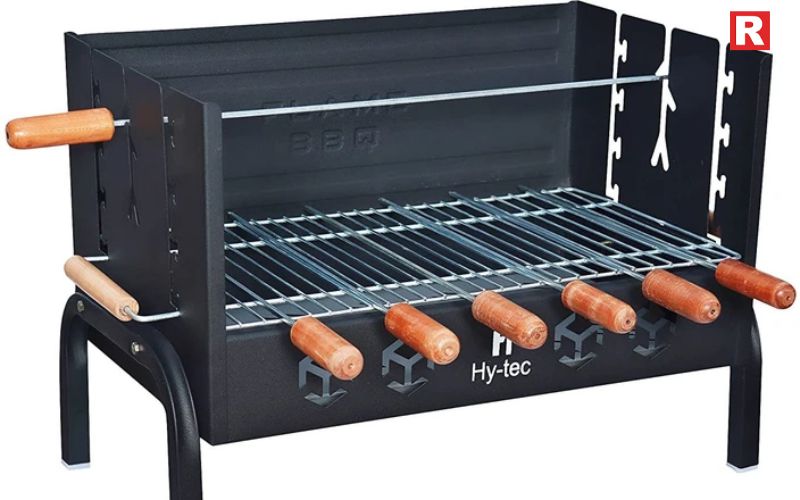
Hy-tec is a rising name in the Indian barbecue market. The brand has built its reputation on sturdy, affordable grills that make outdoor cooking simple. Hy-tec products are designed for home chefs who want a reliable grill without spending too much. Their range includes portable models that are easy to carry, set up, and maintain. This makes them popular with beginners and casual grillers. Many people choose Hy-tec because of its strong build quality and practical pricing. The grills are also compact, which is suitable for balconies and small outdoor spaces. Cleaning and storing them is easy, adding to their appeal for busy households. While Hy-tec may not have the premium finish of global brands, it delivers value where it matters most—performance and durability. The brand is steadily growing as more families look for affordable barbecue options.
7. AGARO
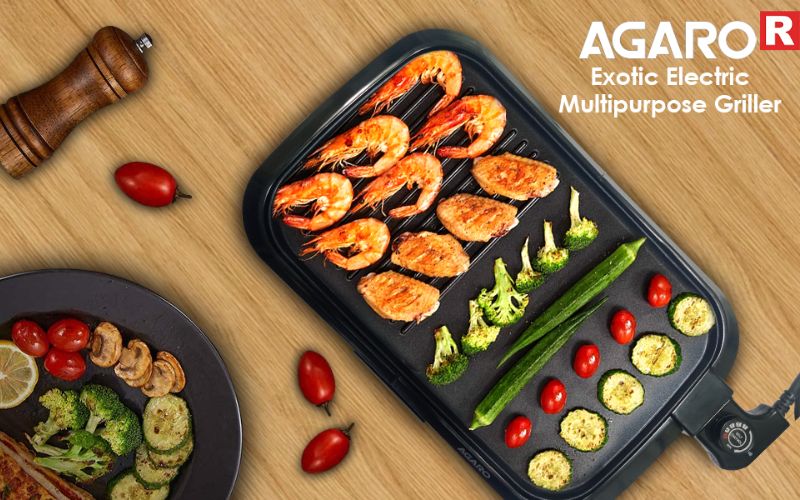
AGARO is a modern Indian brand that has quickly earned recognition for its stylish designs and functional products. In the grilling space, AGARO offers both charcoal and electric models. The brand focuses on combining innovation with ease of use. Many of its grills come with adjustable temperature controls and detachable trays, making cooking and cleaning effortless. AGARO appeals to users who enjoy experimenting with different cooking styles, from smoky kebabs to quick grilled sandwiches. Its products are compact yet powerful, fitting well in both apartments and larger homes. The designs are sleek and modern, matching the lifestyle of today’s households. AGARO has positioned itself as a brand that gives advanced features at affordable prices. For families and young professionals who want more than just basic grilling, AGARO provides a mix of style, convenience, and versatility.
8. Imported Brands: Napoleon and Broil King
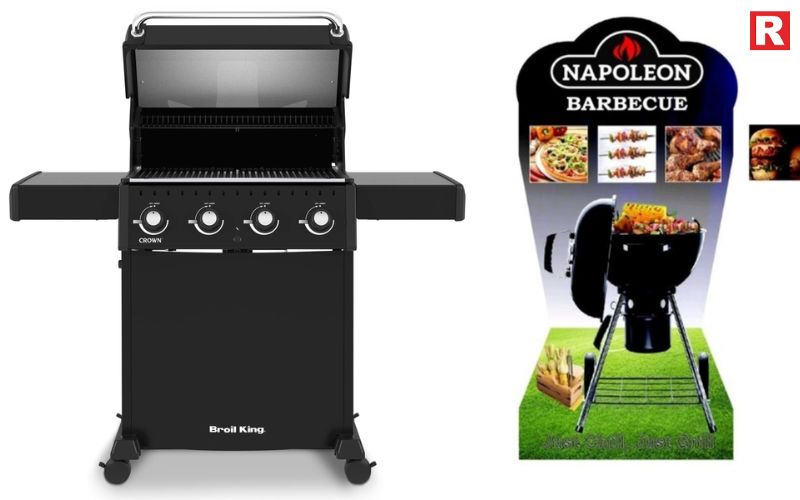
Napoleon and Broil King are two international brands that represent the premium side of grilling. Both names are respected for professional-grade equipment and advanced technology. In India, these brands are available through select retailers, catering to enthusiasts who want the very best. Napoleon and Broil King grills are large, powerful, and designed for serious outdoor cooking. They feature precise heat control, durable construction, and wide cooking areas that can serve large groups. These grills are not cheap, but they are investments for those who host regular cookouts or demand top performance. Many luxury resorts and high-end homes also use them for their quality and presentation. For Indian buyers who want to bring a global barbecue experience home, these brands stand apart. Napoleon and Broil King remain symbols of premium outdoor cooking, blending craftsmanship with unmatched results.
Features That Set These Brands Apart
Each brand has its own strengths.
- Weber stands out for premium durability.
- Prestige offers affordability and easy use.
- Morphy Richards brings modern style.
- Philips is perfect for smokeless indoor grilling.
- Kenstar focuses on practical and compact designs.
- Hy-tec is budget-friendly.
- AGARO delivers modern features at fair prices.
- Napoleon and Broil King are for luxury barbecue lovers.
How to Choose the Right Barbecue Grill in India
Choosing the right grill depends on your lifestyle.
- Space: If you live in an apartment, go for electric or compact grills. For houses with open areas, charcoal or gas grills are better.
- Fuel Type: If you love smoky flavors, choose charcoal. If you prefer convenience, choose gas or electric.
- Budget: Indian brands like Prestige and Kenstar are pocket-friendly. Global brands like Weber or Napoleon are premium.
- Frequency of Use: For regular use, invest in a durable and high-quality grill. For occasional cooking, a simple portable option works well.
Tip: First-time buyers should start with a portable charcoal grill. It is affordable and lets you learn the basics of barbecue cooking.
Check more: 11 Best Commercial Coffee Machine Brands for Café: Top Picks & Buying Guide
The Boom of Quick Dining in Modern Cities
How to Choose the Healthiest Cooking Oil for Your Kitchen
Interesting Barbecue Facts
- Barbecue has its roots in ancient cooking techniques, where food was slow-cooked over fire.
- Charcoal grilling gives a unique smoky flavor because of the burning wood and coal.
- In India, the tandoor is one of the oldest forms of barbecue cooking, used for naan, kebabs, and paneer.
- Modern grills now combine technology and tradition, making it easy to cook authentic dishes at home.
Closing Thought!
Barbecue is not only about food; it is about togetherness and enjoyment. The smoky aroma of kebabs, the sound of skewers on the grill, and the laughter around the fire turn cooking into a memory. With the right grill, this experience can be created in any space, from a city balcony to a farmhouse lawn. Weber offers premium quality for long-term use. Prestige and Kenstar bring affordable options for families. Morphy Richards and Philips focus on convenience and style for modern homes. Hy-tec and AGARO provide practical designs with good value for beginners and regular users. For those who want luxury and professional standards, Napoleon and Broil King deliver global excellence. Each brand suits a different need and lifestyle. Choosing the right one allows every weekend to become a celebration of flavors, warmth, and shared moments.
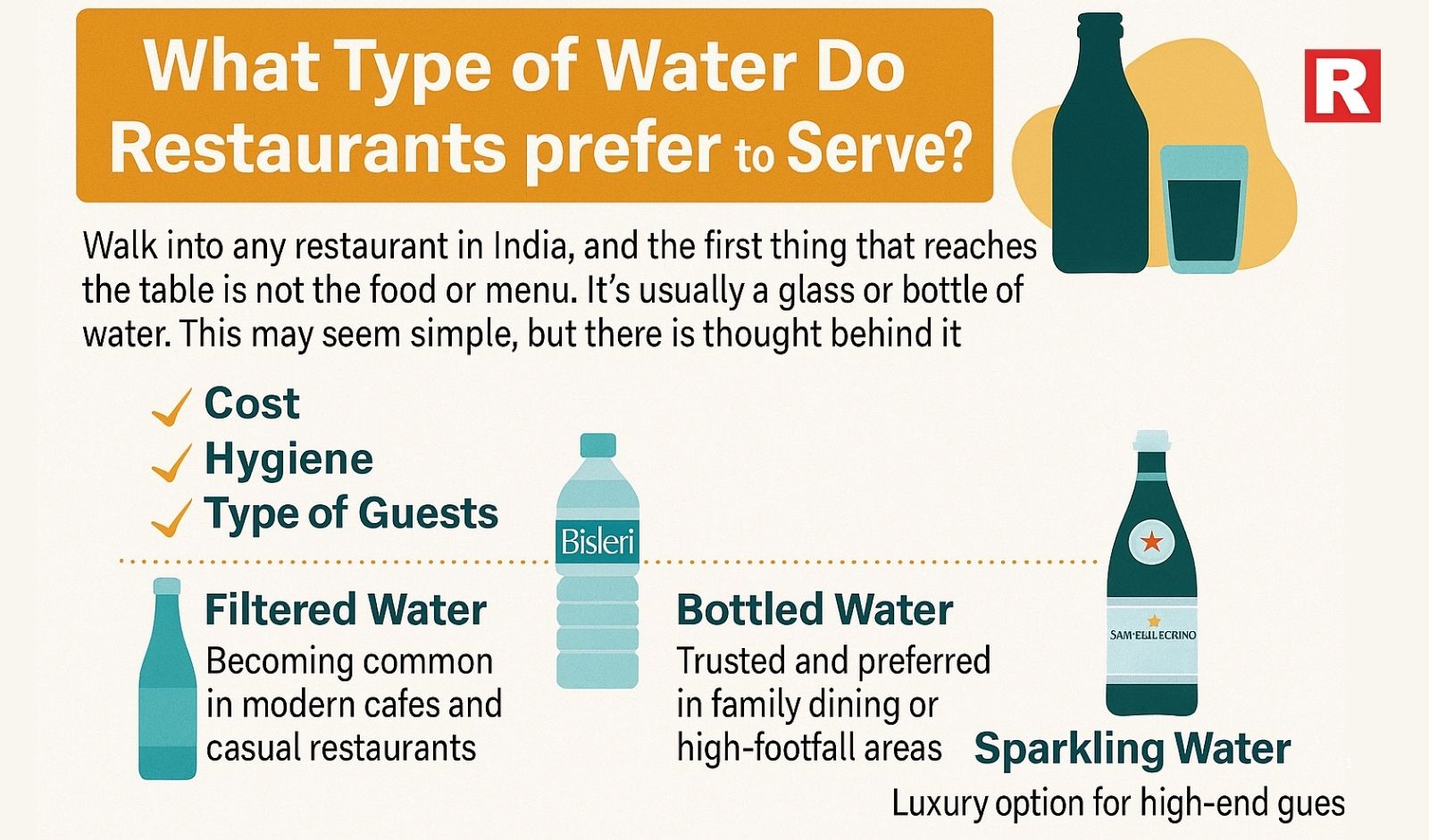
Walk into any restaurant in India, and the first thing that reaches the table is not the food or menu. It’s usually a glass or bottle of water. This may seem simple, but there is thought behind it. The kind of water a restaurant serves is not chosen by chance. Restaurants make this choice based on many factors. These include cost, hygiene, the type of guests they expect, and the kind of image they want to show. Some places serve filtered water from in-house systems. Others choose well-known bottled brands like Bisleri or Kinley. In premium places, guests may be offered Himalayan or even imported sparkling water like San Pellegrino.
Filtered water is becoming common in modern cafes and casual restaurants. It’s clean, affordable, and better for the environment. Bottled water is trusted and preferred in family dining or high-footfall areas. Sparkling water is a luxury option for high-end guests. Every restaurant has its own reason. But in the end, the water served gives guests their first feel of the place. It says something even before the food arrives.
Read more: 12 Delicious High-Protein Foods to Eat Daily for a Healthier You
6 Benefits of Drinking Black Coffee
Types of Water Served in Restaurants
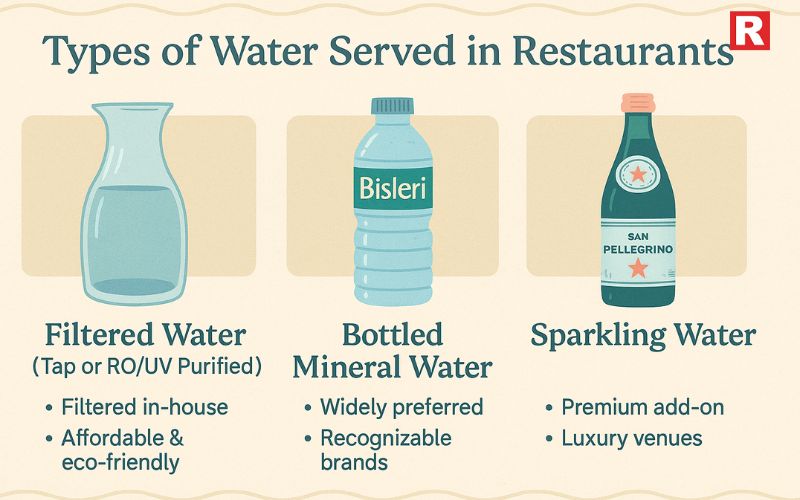
Restaurants usually offer one or more of the following types of water:
- Filtered Water (Tap or RO/UV Purified)
This is the most commonly served water in mid to high-range restaurants. It is usually filtered in-house using Reverse Osmosis (RO), UV treatment, or both. It's stored in reusable glass bottles, sometimes with restaurant branding. Many restaurants opt for this method as it's affordable, eco-friendly, and meets hygiene standards. You may find this in cafes, bistros, and casual fine dining spaces.
Bottled Mineral Water
Bottled water is still the most widely preferred option across India. Brands like Bisleri, Kinley, and Aquafina are household names. Customers recognize and trust them, making it a safe bet for restaurants. Especially in family restaurants, quick-service chains, or places where hygiene concerns are high, bottled water is usually offered upfront or available on request.
Sparkling Water
This is commonly served in fine-dining restaurants, wine bars, or luxury hotels. Sparkling water like San Pellegrino, Perrier, and Schweppes is considered a premium add-on. It's often paired with cheese platters, steaks, or wine-tasting menus to offer a refined experience.
Know more: 6 Unexpected Benefits of Eating Jackfruit (Kathal) – Nature’s Spiky Surprise!
Why Filtered Water Is Becoming Popular
Many modern restaurants are switching from packaged bottled water to in-house filtered water for several reasons:
- Cost efficiency: Installing a filtration unit and using reusable bottles is cheaper in the long run than buying bottled water daily.
- Sustainability: No plastic waste, no transportation footprint. It aligns with eco-conscious dining.
- Control over quality: Restaurants can maintain and test their own systems for consistency.
- Aesthetic branding: Some places now serve water in elegant glass bottles with their logo, making it part of the restaurant’s identity.
Restaurants like Blue Tokai, Olive Bar & Kitchen, and Sly Granny in India have adopted this model successfully.
Which Water Brands Do Restaurants Prefer?
Here’s a breakdown of commonly used bottled water brands in Indian restaurants:
Brand | Type | Where It's Used |
|---|---|---|
Bisleri | Still | Pan-India, popular in casual dining |
Kinley | Still | Widely available, used in chains/QSRs |
Aquafina | Still | Preferred by fast-food and retail chains |
Himalayan | Still | Premium restaurants and hotels |
Vedica | Natural Spring | Used in fine dining and luxury resorts |
San Pellegrino / Perrier | Sparkling | High-end wine bars, 5-star hotels |
Note: Most high-end restaurants give customers a choice between still and sparkling water. Many offer imported water to elevate the dining experience, especially when paired with gourmet food.
What Do Customers Prefer?
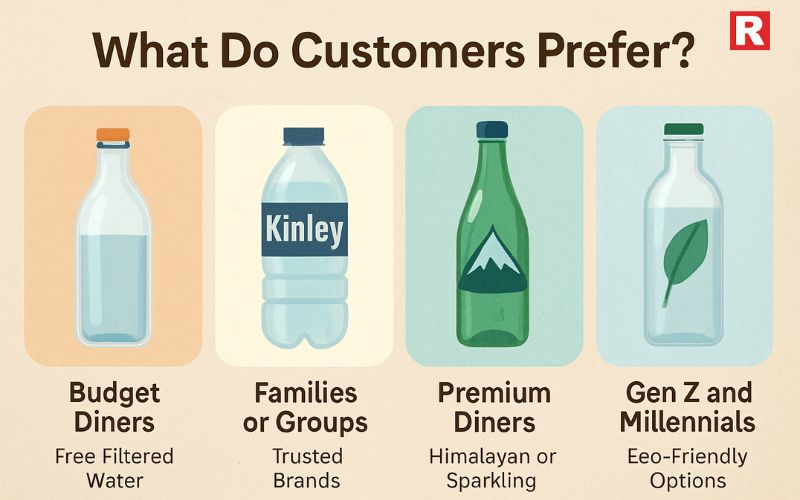
Customer expectations also influence what restaurants offer. In general:
- Budget diners prefer free filtered water.
- Families or groups often choose known brands like Bisleri or Kinley for trust and familiarity.
- Premium diners may choose Himalayan or sparkling water for the experience.
- Gen Z and millennials are increasingly looking for eco-friendly, non-plastic options.
Aesthetics play a role too. If the bottle looks premium, customers often perceive the water as higher quality, even if it's just filtered in-house.
Also check: These 7 Foods Can Help You Cool Your Stomach in Summer
The Legal Side: Free Water is a Must
According to Indian health and hospitality guidelines, restaurants must serve free drinking water upon request. Even if a restaurant sells bottled water, customers can always ask for safe, filtered water at no cost.
This has led many eateries to invest in high-quality filtration systems to meet this requirement without compromising on taste or hygiene.
Why Some Restaurants Charge for Water
Restaurants that charge for bottled water usually list the brand and price clearly on the menu. This is common in:
- Fine dining restaurants
- Airport lounges
- High-end cafes
- Luxury resorts
However, charging for regular filtered water is generally frowned upon and could land restaurants in trouble with consumer rights groups.
Is Sparkling Water Gaining Popularity in India?
Yes, especially in metro cities. Sparkling water is no longer seen as a foreign trend. Urban diners are now open to trying it, especially when dining out at premium places. Some Indian brands have even started offering their own sparkling options to meet this demand.
In restaurants, sparkling water is typically offered as:
- A refreshing palate cleanser
- A non-alcoholic alternative to cocktails
- A stylish addition to fine dining
Though still a niche, it’s a growing category in India’s urban hospitality scene.
Check more: Why Should You Soak Mangoes Before Eating?
A Guide to Different Breads and Their Nutritional Value
The Cost Factor: What's Cheaper for Restaurants?
Here’s how the economics of water service looks for restaurants:
Water Type | Cost to Restaurant | Price to Customer | Margin |
|---|---|---|---|
Filtered (in-house) | Very low (₹0.50–₹1/glass) | Free / Included | Low or zero |
Bottled (Bisleri/Kinley) | ₹10–₹20/bottle | ₹30–₹60 | High |
Premium (Himalayan) | ₹35–₹50/bottle | ₹80–₹120 | Medium |
Sparkling (Imported) | ₹100–₹200/bottle | ₹200–₹500 | High |
This cost-benefit analysis is one of the main reasons restaurants prefer filtered water when possible.
The Shift Toward Sustainability
With increasing awareness about plastic pollution, restaurants are making an effort to move away from disposable water bottles.
Some restaurants are:
- Using refillable glass bottles
- Installing advanced RO and UV filters
- Printing QR codes to show water test reports for transparency
- Training staff to explain water choices to guests
These changes reflect a broader shift in the food and beverage industry toward sustainable hospitality.
Closing Thought
The type of water a restaurant serves speaks volumes. It reflects the place’s values, pricing, and the people it wants to attract. Some choose simple, filtered water served in glass bottles. Others prefer premium brands like San Pellegrino to create a luxe feel. But every choice is made with purpose. Customers may not always notice, but water sets the tone. It’s the first thing on the table. A quiet but clear message. Is the restaurant focused on sustainability? Is it about luxury? Or is it built around trust and hygiene?
Restaurant owners should think carefully. The kind of water they serve can shape a guest’s first impression. Knowing your audience, cost plan, and brand image is key. Water may seem small, but in dining, it speaks loud.

Kolkata’s F&B scene is ever-growing; all thanks to the foodies that the city boast of that makes it more vibrant and fertile for the restaurants and beverages brand to expand and grow.
Despite the challenges faced by the overall F&B market, the Kolkata-based F&B players have been experiencing an impressive upsurge in expansion.
From legendary outlet Aminia that is known for its delectable delicacies, home-grown momo chain Wow! Momo to beverages brand like The Yellow Straw and newly opened coffee player like Craft Coffee amongst others are brewing success.
Aminia recently opened a new outlet in Kolaghat, showcasing their commitment to bringing their authentic flavours to new markets. The brand is also targeting to launch two more outlets by the end of the year, solidifying its position as a leading player in the Kolkata F&B landscape.
“In the last fiscal year, Aminia achieved an impressive annual turnover of approximately 80-100 crores. Looking ahead, we envision a strong growth trajectory over the next five years, driven by unwavering love and support of our customers. As part of the plan for 2023-2024, we aim to open several more outlets in Kolkata and explore opportunities in the overseas markets, particularly in the UAE. Additionally, we plan to expand our presence locally by adding another outlet in Kolkata by the end of this year,” shared Azra Asher Ather, Director of Sales, Aminia.
Growing on popularity, The Yellow Straw grown from one outlet to its 14th outlet at South City Mall. In the fiscal year 2022-23, The Yellow Straw achieved remarkable financial success, generating a revenue of 601.78 lakhs. With an impressive EBITDA of around 11% and a consistent upward trend in EBITDA margin over the past three years.
“We take pride in our strong position as the dominant player, holding over 75% market share in Eastern India's juice and salad industry. With juice, shakes, and salads contributing to about 80% of our revenue, we are well-positioned to capitalise on the projected 50% growth rate in the juice industry for the next 7 to 10 years,” pointed Vikram Khinwasara and Piyush Kankaria, Co-Founders, The Yellow Straw.
These developments not only showcase the resilience of the F&B industry in Kolkata but also present an array of prospects for collaboration and partnerships.
Milee Droog, a popular establishment that successfully reopened its doors after the COVID-19 pandemic, is already setting its sights on expansion. Alongside plans for their second outlet, Milee Droog is also venturing into a new bakery section, exploring exciting opportunities to cater to the growing demand for their delectable baked goods.
“We, at Milee Droog, started our operations last November, after the COVID-19 pandemic. As we haven’t yet completed a full year of operations, it will be a little difficult to provide precise details regarding our annual turnover. Speaking of Milee Droog’s prospects over the next five years, well it looks quite promising. We are well-positioned to attract and retain a loyal customer base,” Rohan Sarkar, Managing Partner, Milee Droog Coffee & Bistro.
The brand has set sights on metropolitan areas and aim to target major cities that appreciate progressive food, especially the ones from the Slavic regions over a glitzy ambience.
As Kolkata’s culinary scene continues to evolve, these brands anticipate a favourable environment for the cafe’s future growth and success.
Recently opened Craft Coffee that has recently opened its second outlet in Salt lake is planning to expand their footprint.
“Well, the key revenue drivers for Craft Coffee typically include cafe dine-in sales, the sale of merchandise related to specialty coffee, and the supply of roasted coffee beans and blends to other cafes and markets. Additionally, as we have developed our e-commerce presence, online sales may become another important revenue driver for us. These revenue streams have contributed to the brand’s overall turnover and financial performance,” mentioned Abhinav and Dipraj, Co-Founders, Craft Coffee.
The brand growth goals for the next 3-5 years entail mostly expansions. It aims to expand to 8 to 10 cities and have approximately 100 outlets. The expansion plan includes a mix of tier-1 and tier-2 cities.
The city's food culture is thriving and now is the perfect time to align with these pioneering players to leverage their success and contribute to the vibrant culinary scene.
Globalisation has significantly influenced various aspects of Indian society, including a change in the food habits of Indian consumers over the last two decades. Aided by several economic developments, increasing spending power and openness to new diets and lifestyle habits, the development of production, processing, distribution and marketing of the FMCG and F&B industry has seen tremendous growth in India.
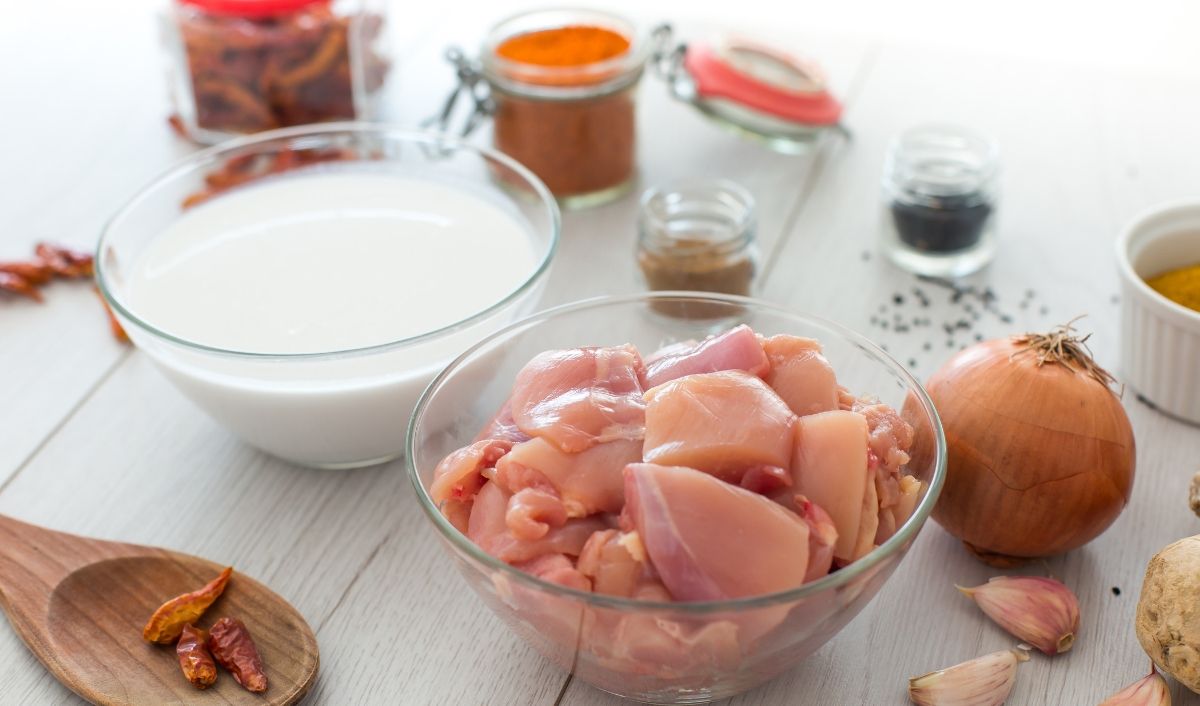
One of the major shifts in the food industry is the increasing number of Indians shifting to a non-vegetarian diet despite India having been known largely as a vegetarian nation. According to the sample registration system (SRS) baseline survey 2014, released by the registrar general of India, 71 per cent of Indians over the age of 15 are non-vegetarian. India consumes close to US$30 billion of meat annually, of which 90 per cent is handled by the unorganised market.
In this fast-growing industry, a prodigious shift has been seen towards consumption of fresh and chilled, ready-to-eat meats including sausages and cold cuts. The Indian market for non-vegetarian products has been primarily dominated by frozen ready-to-eat meat products, unlike international markets where fresh, ready-to-eat non-vegetarian products are more prevalent with decreasing sales of frozen meats. Fresh meat products (including sausages & cold cuts) are superior in taste, nutritional value and texture. Due to these reasons, in most developed countries, the focus is on fresh products with very few brands available in the frozen range.
Also Read: Four Top Trends in Cold Cuts and Deli Meats
However, a shift towards consuming fresh sausages, deli, ready-to-eat products are increasing with consumers in their 20s and 30s, in particular, and that is driving the change in the frozen food business since they have grown up in an era of heightened awareness about nutrition, intense scrutiny of the food industry, and the advent of the internet and social media to fuel that fire. Consumers are becoming more aware of the food ingredients and look for "better-for-you", high-quality ingredients. TV shows like Master Chef, easy cook recipe books and columns appeal viewers for pre-chopped vegetables/meat or other prepared meal components that aid them to cook fresh meals quickly.
The changing consumer demand is leading to major changes in the retail industry to tap into this demand and diminishing frozen sales. Even globally, Kroger Co. (the 2nd largest food retailer after Wal-Mart Stores Inc. in the US) said that their frozen sales have weakened over the past few years. At the center of the supermarket and the heart of kitchen convenience, freezer-aisle items are struggling today as consumers are shifting their tastes to fresh food that they realise is healthier. Retail stores have sought to capitalise on the desire for fresh meats, ready-to-eat and deli products by sprucing up the perimeter of the store with investment in Chillers and infrastructure to accommodate these as it could be the critical differentiator against competition.
Click To Read: This Meat Brand Focuses on Launching Minimum Two New Products Every Quarter
On the supply side, the challenge also remains given the complex nature of managing extremely cold temperatures, unlike frozen meats and ready-to-eat products and supply chain proves to be the hindrance in providing high-quality fresh food. With very few manufacturers having the expertise and technical know-how in the fresh meat and ready-to-eat products, creating high barriers for entry, leading to limited choices in brands to choose from. Also, the focus on infrastructure for fresh & chilled meats & deli products remains a major roadblock. Thankfully, retailers now understand the change and are moving towards Fresh meats.
The cold-cut retail/e-tail sector has experienced positive growth in Indian markets, yet there is considerable untapped marketing potential. The meat market is expected to reach US$65 billion by 2022. This reflects the appetite and high-interest level of meat lovers. It will be interesting to see what 2020 has in store; needless to say, more players are expected to join the race.
About the Author:
Lisa Suwal, CEO, Prasuma Meats & Delicatessen brand since August 2016.

As you are the largest providers of F&B services for travelers. What growth can we see in India?
As I said before I have seen that the growth is growing 20 percent in India. And our sale continuously going to increase and even Lite bite Foods has said that we want to target around 500 crores in 4-5 years from now. The real potential can’t be estimated. Airports are easier but railways have more potential. Even nobody is in highway, nobody know what sales will it bring. So, we want to take the first part of the call.
Which according to you is the best revenue generating location when it comes to travel?
Airports are the best location. Even in airports you have to see different sectors. I see mainly three sectors i.e. Location, location and location. We look at low fare airports, leisure airports and business airports.
Tell us something about your partnership with Lite Bite Foods. What all locations are you targeting in India?
We have many partnerships outside. Partnerships are always very existing part. We always team up with local partner, with family companies to marketise.
For example, two years back in Vietnam we started, now we are 6 airports and planning more outlets. We have three airports in Indonesia, all are local partners. We are targeting especially three sections i.e. airports, train stations and highways. Our primes focus will be airports. Second will be railway stations, if government does some changes, railway stations will have more potential than airports.
Which are some of the brands who are your biggest partners? Which according to you is the traveler’s choice?
I had just said that we have a very old concept for our company. I am reluctant to talk about any brands. Globally we have relationship with major brands like pizza, KFC etc. We look at market, democracy, consumers and then we decide what fit best for that.
Our company is in this business for more than 150 years. We see reliable partners and where we can see to extend our partnership, we do so. Travelers are of different types. There are travelers who travel twice or thrice in a week, for them it is natural. But when they travel with family, they make different choices. And the choice depends on different occasion and purpose of travel.
What are the unique experiences that make HMS Host different from any other service providers?
“We are seen global but act local”. Our company is known for the good management. We are also business provider, Food & beverages, hospitality and our biggest assets is our people our staff. We spend lot of time in interacting, training and educating our people. We also promote our people in turnover. We are unique because of our operational skills which focus expertise, right time, right number of staff, right concepts, right opening hours etc.
We also development skills, analyze airports, understand the need of the travelers, which concept should be use and where. 900 million people come every year in our restaurant. We understand the need of our customers.
What is your expansion plans?
We want our market share in Europe and in America. And internationally, China, Southeast Asia, India, UAE and Middle East.
Are you planning to sign any franchisee deal?
We have some plans of franchise in future. We are working on Italian concepts; Italian food and we are even doing some tests on them. I won’t exclude that opportunity.
-
Food and BeverageRather than simply selling more products, India's leading food companies are building complete food ecosystems that fit into everyday life.
 Artificial IntelligenceInstead, it is being reshaped by many smaller improvements that work together. Restaurants that embrace these shifts while staying true to quality,…
 Indian traditional foodTraditional one-pot meals offer much more than convenience. They represent generations of practical cooking knowledge developed around local…
 Growth in food industryIndia's foodservice market is estimated at USD 85 billion in 2025 and is expected to surpass USD 150 billion by 2030, growing at nearly 10–11%…
Copyright © 2009 - 2026 Restaurant India.