


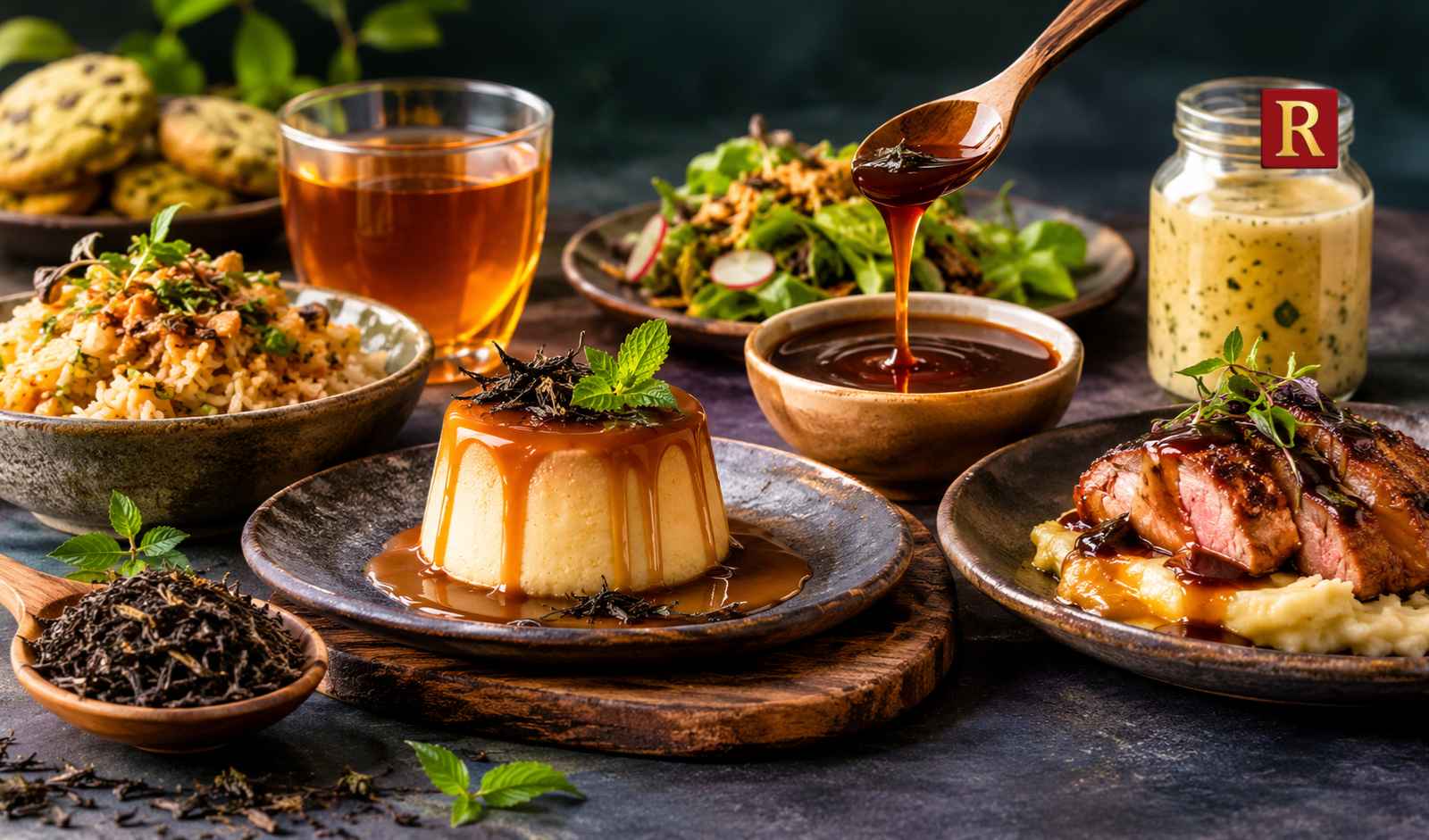
Tea is moving beyond cups, lattes and traditional desserts. Chefs and food developers are exploring tea leaves as flavouring agents, seasonings, aromatic infusions and even ingredients that add depth to savoury dishes. From smoky tea sauces and roasted tea butter to tea-based glazes and fermented leaf salads, tea offers a way to introduce complexity without relying on a long list of ingredients.
Different teas bring different culinary properties. Black tea can add malty depth, oolong can offer roasted or floral notes, green tea can lend grassy freshness, while smoked teas can introduce woody character. The way tea is extracted—through water, milk, cream, butter or directly ground leaves—also changes how it performs in a dish. For restaurants, bakeries, cafés and food manufacturers, this opens up opportunities to rethink familiar menu items, create signature flavours and use tea in applications beyond beverages.
Why Are Chefs Exploring Tea Beyond Beverages?
Tea contains aromatic compounds, polyphenols, tannins and other flavour components that influence its taste, aroma and interaction with food. Depending on its variety and processing, tea can contribute floral, earthy, roasted, smoky, bitter, fruity or vegetal notes.
Chefs can use tea in multiple forms:
- As an infusion: Extracting flavour into water, milk or cream.
- As a seasoning: Grinding tea leaves into rubs, spice mixes and coatings.
- As a fat infusion: Transferring tea aromas into butter or oil.
- As a cooking liquid: Using brewed tea instead of water or stock.
- As a reduction: Concentrating tea into glazes, syrups or sauces.
- As a whole ingredient: Using prepared or fermented tea leaves in dishes.
The biggest opportunity is to use tea to complement other ingredients instead of allowing it to overpower them.
1. Tea-Infused Caramel Is Adding Depth to Desserts
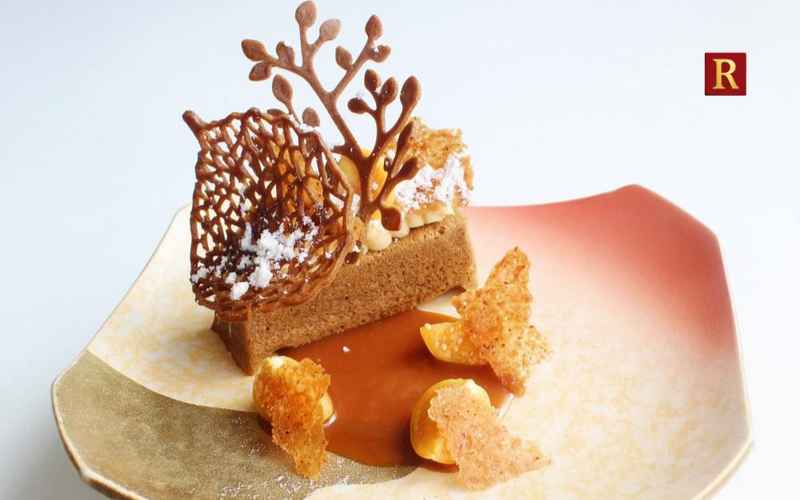
Caramel is known for its toasted sugar flavour, but tea can give it a more complex aromatic profile. Roasted teas such as hojicha, darker oolongs and Assam can introduce woody, nutty, malty or slightly smoky notes that work well with caramelised sugar. Instead of using tea only in cakes or cookies, chefs can incorporate it into dessert sauces, fillings, custards and caramel toppings.
How chefs can use tea in caramel
- Hojicha caramel: Adds roasted, nutty notes that work with pears, apples, pecans and vanilla ice cream.
- Assam caramel: Offers a malty flavour that pairs with dark chocolate, bananas and baked desserts.
- Earl Grey caramel: Combines bergamot aromas with caramel for citrus-led dessert sauces.
- Oolong caramel: Can offer floral or roasted complexity depending on the tea variety.
Tea can be infused into cream before it is added to caramel or incorporated into a prepared caramel sauce. The steeping time and concentration need control to avoid excessive bitterness. Tea caramel can become a versatile dessert component used across pancakes, plated desserts, cheesecakes, ice creams and pastry fillings.
2. Smoky Tea Is Being Used to Build Savoury Sauces
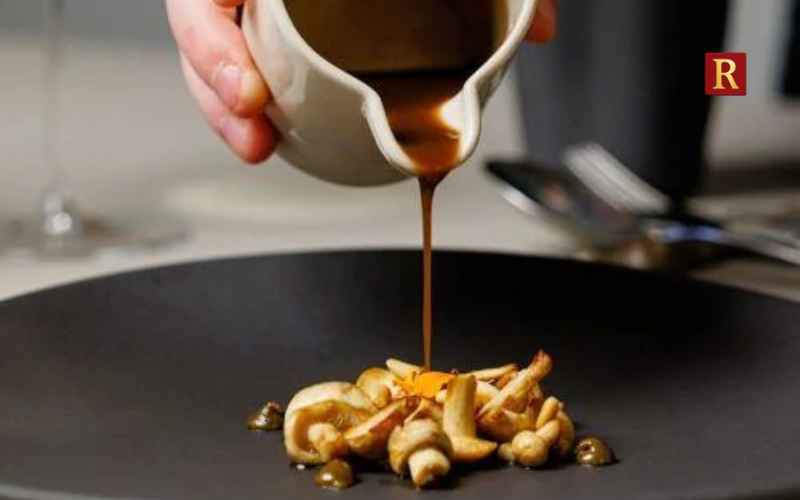
Smoky teas such as Lapsang Souchong offer a distinctive woody aroma that can be used to add depth to savoury preparations. Chefs can extract the tea into stock, cream or water and use it as a base for sauces served with mushrooms, grilled vegetables, poultry and other proteins. Tea can also add a subtle bitter edge to rich sauces, balancing ingredients such as butter, cream, sugar and caramelised onions.
Where smoky tea can work
- Mushroom and pepper sauces
- Barbecue-style glazes
- Cream sauces for roasted vegetables
- Pan sauces for grilled proteins
- Smoky gravies and vegetarian reductions
A professional culinary article in the National Culinary Review discusses using Lapsang Souchong with cream and fish fumet to create a sauce for salmon, demonstrating how tea can work within a restaurant sauce rather than simply as a seasoning. Smoky tea sauces could offer restaurants an alternative way to build smoky flavour in vegetarian dishes, especially mushrooms, aubergines, potatoes and grilled paneer.
3. Tea Is Flavouring Butter, Cream and Other Fats
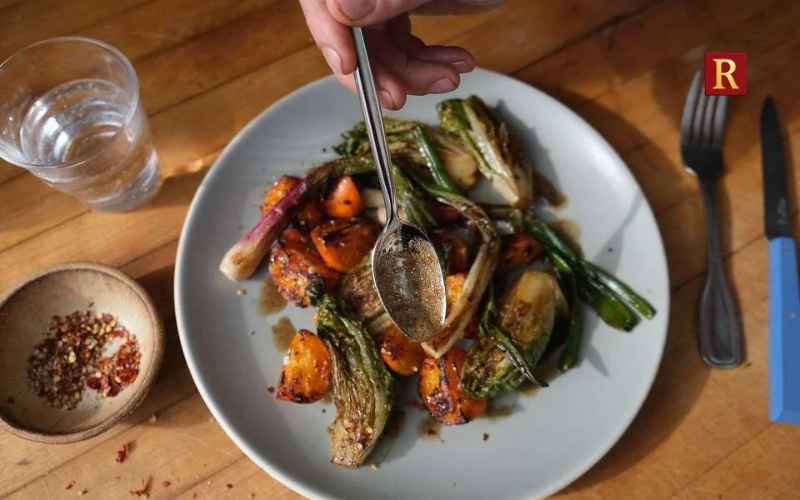
Tea's aromatic qualities can be transferred into butter, cream, milk and oil, giving chefs a way to introduce its flavour into dishes without adding brewed tea directly. Fat-based infusions are particularly useful because butter and cream can carry aromas throughout a dish, making tea suitable for finishing sauces, pasta, vegetables, seafood and desserts. The process generally involves gently warming the fat or dairy, steeping the tea, and straining out the leaves. Temperature and infusion time should be adjusted to the tea so that the finished product does not become excessively bitter. Culinary professionals have documented tea-infused dairy and butter applications ranging from ganache and ice cream to sauces for vegetables and proteins. A restaurant can develop one tea-infused butter or cream base and test it across several dishes, potentially creating a distinctive finishing ingredient without changing the entire recipe.
4. Tea Leaves Are Becoming Dry Rubs and Crusts
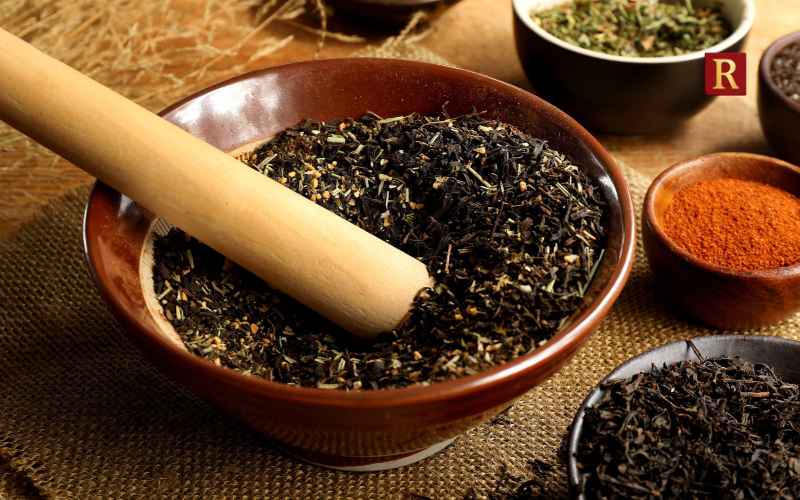
Tea doesn't always need to be brewed before it enters a recipe. Dried leaves can be ground and combined with spices, herbs, salt and other seasonings to create rubs, crusts and coatings. This technique allows tea to remain on the surface of an ingredient, where it can contribute flavour during cooking. Depending on the tea, it may add grassy, toasted, smoky or floral notes. Tea rubs can be used for roasted vegetables, grilled proteins, tofu, paneer and baked savoury preparations. The leaves should be ground consistently so they do not create a coarse or fibrous texture. Tea's application in dry rubs, coatings and savoury seasonings is already documented in culinary resources, making this a practical technique for kitchen experimentation. Tea-based dry rubs could become signature seasoning blends for restaurant grills, roasted vegetables, kebabs and small plates.
5. Tea Is Replacing Water and Stock in Grains and Cooking Liquids
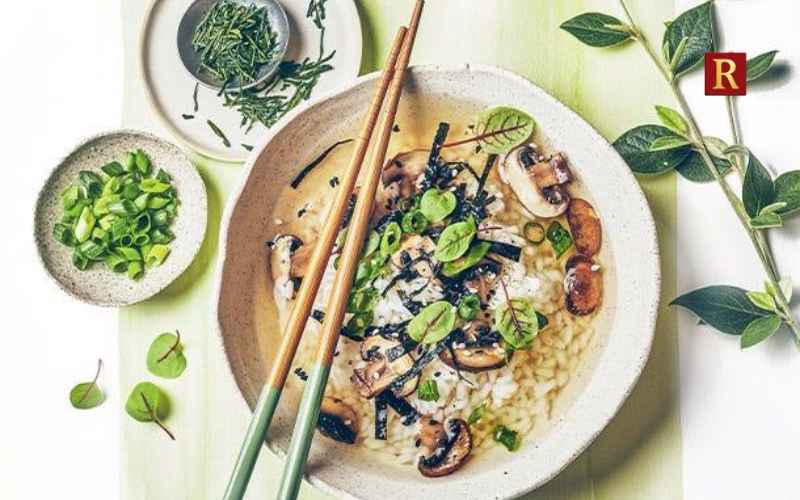
Tea can be used as a cooking liquid for rice, noodles, grains and some legumes. Rather than becoming the dominant flavour, it adds a subtle aromatic layer to the base ingredient. This application is particularly interesting for grain bowls, modern vegetarian menus and Asian-inspired preparations where the cooking liquid itself plays an important role in flavour.
What chefs can experiment with
- Genmaicha rice: Toasted rice notes complement mushrooms, sesame, grilled vegetables and soy-based preparations.
- Jasmine tea rice: Floral aromas can work with citrus, herbs, light curries and seafood.
- Oolong-cooked barley: Roasted notes can add depth to grain salads or vegetable bowls.
- Green tea noodle broth: A lighter tea base can complement noodles, mushrooms, spring onions and tofu.
- Tea-cooked chickpeas: A mild infusion could provide a subtle background note in salads and grain-based dishes.
The strength of the infusion matters. Delicate grains and noodles generally need a lighter tea flavour, while robust ingredients can handle roasted or darker tea profiles. Brewed tea has been used as a replacement for water in grains, soups, poaching liquids and other preparations. Tea-infused cooking liquids can help chefs add another layer of flavour to rice bowls, vegetarian mains and grain-based menu items without introducing an additional sauce.
6. Tea Is Being Turned Into Glazes, Syrups and Finishing Reductions
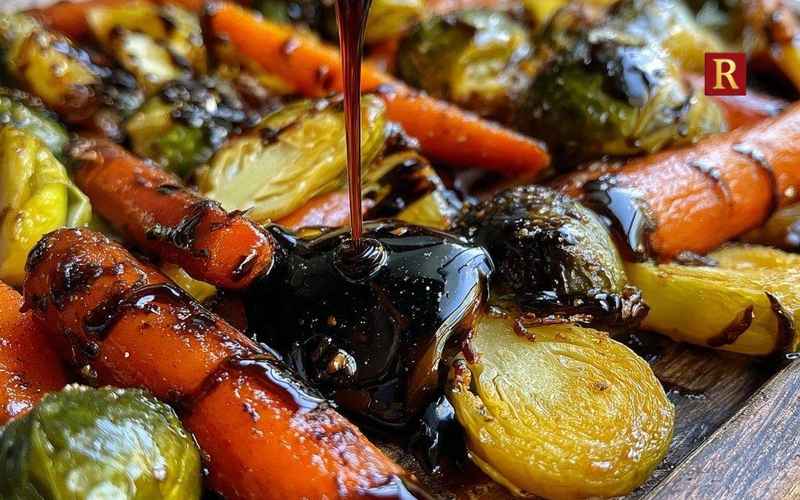
Tea can be brewed, blended with sweeteners or acidic ingredients, and reduced into a concentrated glaze or finishing sauce. This allows its flavour to cling to ingredients instead of remaining in a thin liquid. A tea glaze can work across savoury and sweet dishes, depending on the tea and the ingredients added to it. The tea is usually infused first and then combined with sweeteners, acidity or seasoning. Reduction requires care because concentrating tea too aggressively can intensify tannins, bitterness and astringency. A tea-based glaze can be adapted across a restaurant menu—used for roasted vegetables, proteins, desserts or finishing drizzles—making it a potential cross-menu flavour component.
7. Fermented Tea Leaves Are Bringing Tea Into Salads and Condiments
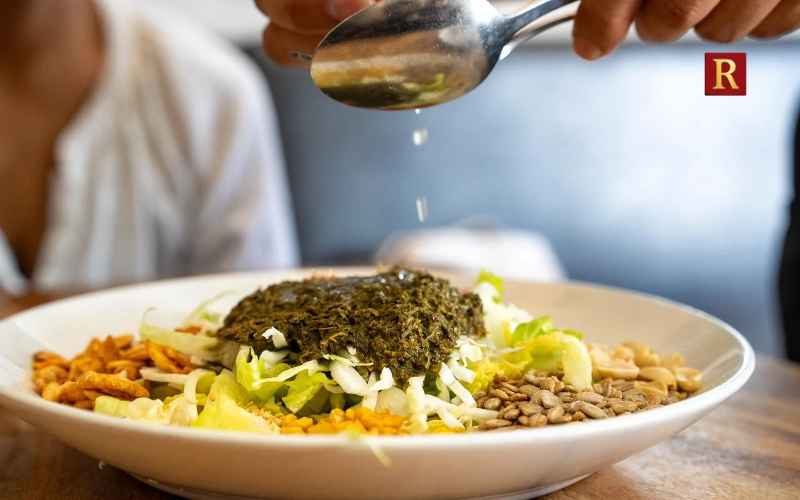
One of the most unusual culinary uses of tea comes from Myanmar, where fermented tea leaves are eaten rather than discarded after brewing. Lahpet, or fermented tea leaves, is a traditional ingredient in Burmese cuisine. One of its best-known applications is lahpet thoke, a tea-leaf salad that combines fermented leaves with ingredients such as cabbage, tomatoes, crunchy nuts, seeds, legumes and other accompaniments. Unlike brewed tea, fermented leaves have their own texture and flavour. They can bring savoury, earthy, tangy and fermented notes to a dish.
What this application offers chefs
- A tea ingredient that contributes texture as well as flavour.
- A fermented element for salads and savoury condiments.
- A distinctive ingredient for plant-forward menus.
- Inspiration for contemporary relishes, dressings and vegetable accompaniments.
Rather than copying lahpet thoke, chefs could explore the idea of tea-leaf condiments paired with seasonal vegetables, grain bowls or grilled ingredients. However, fermented tea leaves require food-safe preparation and handling; they should not be treated like simply steeped or dried tea. Fermented tea-leaf inspired condiments could introduce a less familiar flavour and texture to modern salads and small plates while giving tea a role as a food ingredient in its own right.
Tea Varieties and Their Culinary Applications
Choosing the right tea is important because different varieties can change the aroma, bitterness, colour and overall flavour of a dish. Chefs should select tea based on the ingredient it will accompany and the cooking technique being used.
Tea variety | Flavour profile | Best culinary applications |
Assam | Malty, bold, brisk | Caramel, sauces, rubs, glazes |
Darjeeling | Floral, fruity, muscatel | Fruit sauces, marinades, seafood |
Earl Grey | Bergamot, citrus, aromatic | Ganache, caramel, custards, glazes |
Lapsang Souchong | Smoky, woody, intense | Savoury sauces, rubs, mushrooms |
Hojicha | Roasted, nutty, mellow | Butter, caramel, vegetables, desserts |
Genmaicha | Toasted rice, grassy | Rice, stir-fries, savoury seasonings |
Jasmine green tea | Floral, fresh, delicate | Fish, rice, light sauces |
Oolong | Floral, roasted or woody | Cream sauces, reductions, glazes |
Matcha | Grassy, vegetal, concentrated | Butter, pasta, coatings, desserts |
Hibiscus | Tart, fruity, vivid | Syrups, dressings, reductions, desserts |
Flavour profiles vary according to tea origin, processing, grade and brewing method.
How Tea Can Create New Business Opportunities for Restaurants
Tea-based culinary applications can offer restaurants more than novelty. They can help chefs build signature flavours, create ingredient versatility and give diners something unfamiliar without making a dish difficult to understand.
Signature sauces and condiments: Tea-based caramel, smoky mushroom sauces, tea butter and glazes can become signature preparations that distinguish a restaurant's menu.
Cross-menu applications: A single tea infusion may be adapted for multiple dishes. For example, roasted oolong could be tested in a butter for vegetables, a sauce for mushrooms and a caramel for desserts.
Menu differentiation: Tea can help restaurants develop new flavour profiles without relying only on familiar ingredients such as truffle oil, flavoured mayonnaise, chilli oil or standard spice blends.
Plant-forward menu innovation: Smoky, roasted and earthy teas can help build flavour in vegetarian dishes, particularly mushrooms, grains, root vegetables, paneer and tofu.
Premium dessert development: Tea-infused caramel, cream, chocolate, glazes and pastry fillings offer pastry chefs more ways to build layered flavours and create seasonal dessert menus.
The Bottom Line!
Tea's role in the kitchen is expanding beyond beverages and familiar tea-flavoured desserts. Its floral, grassy, roasted, smoky and malty characteristics can be used to build sauces, flavour fats, season proteins, cook grains and create distinctive finishing glazes. For chefs, the opportunity lies in understanding how tea behaves in different cooking mediums. A brewed infusion can add delicate aroma, ground leaves can act as seasoning, infused butter can carry flavour into rich dishes, and fermented tea leaves can become a textural ingredient. As restaurants look for new ways to differentiate menus, tea offers an ingredient that is familiar to consumers yet surprisingly versatile in culinary applications. The next innovation may not be another tea-based drink, but a sauce, seasoning, glaze or savoury dish in which tea quietly does the work of several flavour-building ingredients.
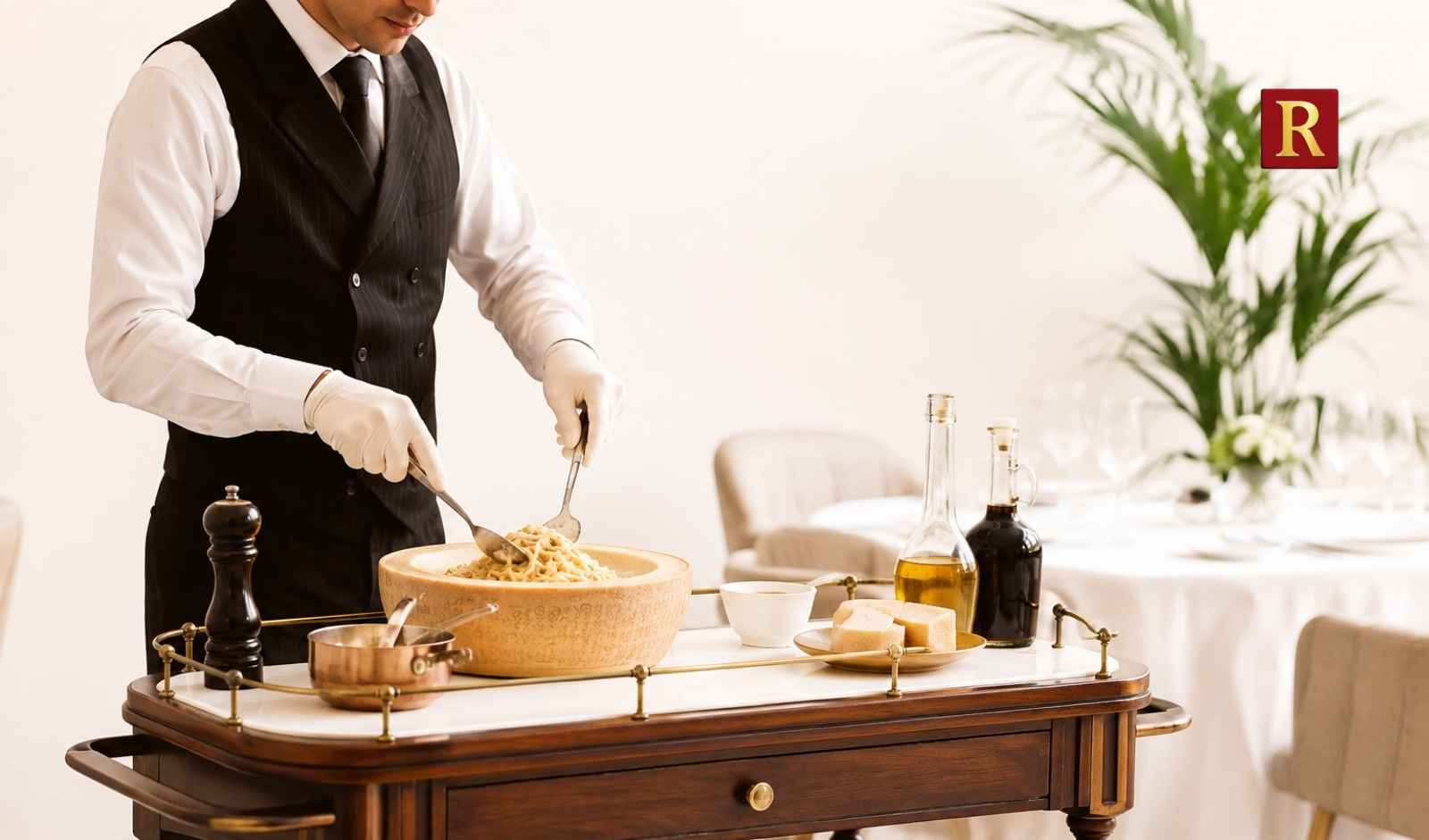
Food carts are rolling back into restaurant dining rooms, but their role has changed. Today, restaurants are using carts to prepare, finish, carve, mix and serve food in front of guests. The idea is rooted in classic guéridon service, yet the modern version is being shaped by personalisation, live preparation and experience-led dining.
The revival is visible across restaurant markets. Eater reported in 2025 that tableside carts were appearing in restaurants from New York and Chicago to San Francisco and Atlanta. ABC News also identified tableside service as a dining trend gaining attention for 2026. For restaurant operators, however, the cart is not simply a nostalgic piece of equipment. It is a way to move selected parts of the kitchen closer to the customer.
From Service Trolley to Mobile Kitchen
The traditional idea behind a food cart is simple: move food from one place to another. The modern restaurant cart does much more.
A trolley can become a small workstation where a server or chef:
- Carves meat
- Fillets fish
- Mixes a salad
- Finishes pasta
- Prepares tartare
- Builds a cocktail
- Slices cheese
- Finishes a dessert
- Adds sauces and garnishes
This style of service is known as guéridon service, a French term for preparing or finishing food beside the guest. India's National Council for Hotel Management and Catering Technology includes guéridon service in professional food-and-beverage training and describes activities such as salad preparation, carving and flambé service. The distinction matters. A regular service trolley carries food. A guéridon trolley acts as a mobile extension of the kitchen.
Why Are Restaurants Bringing It Back?
1. Guests Can See the Skill Behind the Dish
A finished plate hides much of the work involved in making it. A tableside cart changes that. When a server slices a steak, dresses a salad or prepares a cocktail in front of a guest, technique becomes part of the meal. This also gives the restaurant an opportunity to explain ingredients and preparation. For example, a tableside tartare service can involve a conversation about seasoning. A carving trolley can explain the cut of meat. A dessert trolley can introduce the ingredients before the final sauce is added. A 2026 report from Fine Dining Lovers described tableside presentations being used to show techniques such as carving and portioning while also teaching diners about ingredients and culinary traditions. The value is therefore not only visual. It can also be educational.
2. Personalisation Becomes Part of the Service
One of the strongest reasons for bringing preparation to the table is customisation. Take a tartare. Instead of receiving a completely finished dish, a diner can have a say in the final balance of:
- Mustard
- Capers
- Onion
- Pickles
- Salt
- Hot sauce
That approach is already being used in contemporary restaurants. Maison François in London, for example, has used a tartare trolley where diners can customise elements of the preparation. The same principle works with drinks. A martini cart can allow guests to select the spirit, vermouth, bitters, olive juice or garnish. This changes the role of the server. The server is no longer only delivering an order. They are helping build the final product with the guest.
3. The Cart Creates Theatre Without a Large Production
Restaurants have invested heavily in open kitchens, chef's counters and live cooking stations. A cart offers a smaller version of the same idea. It brings the action directly to one table. In Las Vegas, restaurants have been using mobile carts for desserts, steaks, seafood and cocktails. Eater reported that some venues were specifically creating custom trolleys to bring these preparations into the dining room. The advantage is flexibility. A restaurant does not have to redesign its entire kitchen. It can introduce one signature cart.
That could be a:
- Dessert trolley
- Martini cart
- Steak-carving cart
- Cheese trolley
- Chaat cart
- Pasta trolley
This makes the format easier to integrate into an existing restaurant concept.
4. The Cart Can Become a Moving Marketing Tool
There is another advantage: visibility. A dish on a menu may be seen only after a guest opens the menu. A cart moves through the dining room. When one table sees a server preparing a dish, other diners can notice it and ask what is being served. India's hospitality training material has long recognised this promotional value. NCHMCT notes that guéridon performances can attract attention from other tables and can encourage repeat orders. The format also works well in a social-media environment. A cart provides movement, preparation and a clear visual sequence. That makes it naturally suitable for short videos and photographs. Eater's reporting on the trend also points to the social and visual appeal of tableside service. But restaurants should not confuse visibility with guaranteed sales. The cart has to offer something worth ordering.
A ₹42 Butter Chicken Experience
One of the more interesting examples is New York's ADDA. Its butter chicken is presented as an experience rather than simply another menu item. Eater reported that the experience was limited to six tables per night and priced at ₹42 per person. A chef brings a cart to the table, smokes the chicken over selected wood and presents three different butters. Guests then choose the direction of the final sauce. This example is important because it shows how restaurants can turn a familiar dish into a structured service experience. The cart is not the product. The interaction around the dish is the product.
Indian Restaurants Have a Natural Opportunity
India may be particularly suited to this format. Indian food already has a strong culture of visible preparation.
Think of:
- Chaat counters
- Tandoors
- Dosa stations
- Kulcha preparation
- Mithai counters
- Live kebab stations
- Chai preparation
NCHMCT's training material also connects live counters with the same guest-facing principle as guéridon service, ranging from local street food to international formats such as teppanyaki. Restaurants could adapt the idea through more focused carts.
- A chaat trolley could allow guests to select chutneys, spice levels and toppings.
- A tandoori carving cart could bring whole roasted meats directly to the table.
- A mithai trolley could present regional sweets with different toppings and accompaniments.
- A chai trolley could turn brewing and spice selection into part of the service.
The opportunity is not to copy European restaurant traditions. It is to apply the same service principle to Indian food.
But Food Carts Come With Real Operational Costs
A food cart may look simple, but bringing one into the dining room requires careful planning. It takes floor space, staff time and proper preparation. Before service, the team must complete mise-en-place, including ingredients, sauces, utensils, plates and garnishes. Staff also need training in knife handling, portion control, food safety, allergen awareness, presentation and tableside service. The dining room must have enough clearance for the cart to move without disturbing guests or blocking service paths. Safety is especially important when carts involve hot equipment, sharp tools or open flames. The National Council for Hotel Management and Catering Technology notes that guéridon service requires trained staff and careful judgment about which preparations are suitable for tableside execution. Therefore, restaurants should use carts only when they add genuine value to the dining experience.
The Smartest Restaurants Are Using Fewer Carts, Not More
The modern approach appears to be selective. Instead of putting every dish on wheels, restaurants can identify one or two preparations that genuinely benefit from tableside service. This is important because every additional tableside process adds labour and complexity.
A good cart should pass five tests:
- Food: Does the preparation improve the dish?
- Experience: Does the guest gain something from seeing it?
- Personalisation: Can the guest influence the final result?
- Execution: Can staff perform it consistently?
- Economics: Does the additional value justify the labour and space?
If the answer to most of these is no, the cart is probably unnecessary.
Why the Restaurant Cart Fits the Current Dining Market
The return of the food cart reflects a larger shift in restaurant culture. The industry is increasingly looking at how food is served, not just what is served. Resy described the movement in 2026 as a shift toward bringing more of the work of the restaurant into the dining room. That does not mean every restaurant needs flambé, smoke or elaborate performances. In fact, the strongest applications can be quite simple.
- A chef slicing a fish.
- A server mixing a Caesar salad.
- A bartender preparing a martini.
- A staff member carving roast meat.
- A dessert being finished with warm sauce.
These moments make service visible. And that visibility can create a stronger connection between the kitchen, the staff and the diner.
The Cart Is Back, But Its Purpose Has Changed
The return of food carts is not simply about bringing an old restaurant tradition back to life. It is about making selected parts of restaurant service visible. For operators, the opportunity is to use the cart where it adds real value: better personalisation, stronger presentation, useful interaction or a preparation that genuinely benefits from being finished fresh. The most effective cart may not be the biggest or most theatrical one. It may simply be the one that arrives at the right table, performs the right technique and gives the guest a reason to remember the meal. That is why the restaurant trolley is becoming relevant again: the service itself is becoming part of the dining experience.

Culinary excellence has evolved over the years. It is highly shaped by global influences, technology and changing consumer expectations. Trends like sustainability, hyper-personalization, cultural storytelling, fine dining, wellness focus innovation and presentation are shaping up the market scenario. The global culinary market is projected to grow at a steady CAGR of 10–11%, reaching over $4 trillion by 2030.
Culinary skills are really important to expand their horizons as it gives a deeper understanding of food, culture and art. Chefs should have all the knowledge to enhance the culinary experience with guest satisfaction. While Culinary arts focus on mastering techniques, understanding ingredients and food science, and building skills in menu planning, costing, and food safety.
Comprehensive Training is Essential: Striking a balance between authenticity and innovation is a nuanced endeavor—stray too far, and the soul of the dish is lost; cling too tightly, and evolution is stifled. Comprehensive training in both classical and contemporary techniques ensures that consistency and creativity thrive in harmony.
Chef Ranjeet Yadav Executive Chef, Courtyard by Marriott Ranchi pointed that consistency and innovation with intent are really important. “Consistency plays a major role. Every plate that leaves the kitchen must reflect our standards. This comes from training the team rigorously, standardizing processes, and ensuring quality control across every step — from sourcing to plating.
Uncompromising Dedication to Premium Ingredients: Sourcing traditional ingredients sustainably, especially at scale, presents ongoing challenges. Chef Avishek Bagchi, Executive Sous Chef, JW Marriott Kolkata said, “At its core, sourcing the highest quality, freshest ingredients through ‘sustainable sourcing’ are non-negotiable—it forms the foundation of exceptional cuisine, amplifying both flavor and nutritional value.”
Commenting on the same, Chef Mohd. Merajuddin, Executive Chef, ITC Grand Goa Resort & Spa said, “At ITC Grand Goa, our foremost strategy is rooted in local sourcing and seasonal intelligence. We emphasize using indigenous Goan ingredients, from toddy vinegar to kokum, blending them seamlessly into global and regional cuisines. The second is team craftsmanship—investing in rigorous training, constant innovation, and collaborative creativity.”
Equally essential is inspirational & heirloom innovation—which fuels creativity without forsaking authenticity. “It involves continuously evolving techniques, integrating contemporary methods, and reimagining time-honored recipes to suit modern palates,” added Bagchi. Navigating these demands requires cultivating strong relationships with ethical suppliers and nurturing cultural sensitivity across teams.
Consistency & Innovation is the Key: One has to keep on innovating to stay ahead of the competitors. It helps in curating new dishes and innovations through unique presentations. Consistency is the key to everything.
“Innovation with intent. We don’t innovate for novelty; we do it to elevate the guest experience. Whether it’s curating local-inspired menus, embracing wellness trends, or enhancing presentation, the goal is to surprise and delight while staying true to the Courtyard brand ethos,” added Yadav.
Managing Rising Cost: The biggest challenge in a kitchen is managing rising ingredient costs, maintaining consistency with a large team, and adapting quickly to changing guest expectations.
Pointing his views on this, Chef Yadav added, “We overcome these with a proactive approach — regular cost reviews, seasonal and local sourcing to optimize pricing, and team empowerment through continuous training. We also take feedback seriously — not just from guests but internally — so we can fine-tune our operations in real time.”
Talent Retention: The solution lies in systems and soul: adopting smart kitchen tech for precision and planning while keeping the human touch intact. Chef Merajuddin shared that another challenge is talent retention. “We’re addressing it by creating an environment that’s about purpose, not just pressure—empowering our young chefs to grow with pride and accountability.”

Varun Puri has always endeavoured to not take shortcuts and keep re-inventing himself, pushing himself a little more extra to bring the smile on customer’s face. Viva Hospitality has till date come up with many unique concepts – including Molecule, Lights Camera Action, their vegetarian paradise called Imly, the latwst offering being the 'Duty Free'. With his strong sense of food and his fusionistic vision, Puri is all set to revolutionise the restaurant business in India.
In conversation with Restaurant India, Varun Puri, Founder, Viva Hospitality talks about the other side of the industy and how he has managed to evolve amidst all of it.
How has been your experience in the F& B Industry?
Food & Beverages have always been challenging. New restaurants and cutting edge concepts doing innovative stuff is definitely the need of the hour for the industry. Anything which puts you on a different scale and beyond your competition will definitely have its volume and share of success. As far as current situation is concerned, our industry is going through a rough patch. With GST hitting the market, it has been an emotional moment for all the restaurateurs with a 20% setback in the business.
How did Imly happen to you?
Imly was my first restaurant concept. I always wanted to do something for the masses by presenting a product to the country which brings generation together. The name itself signifies a ‘Chatpata’ Stopover. We made a fancy looking conceptualized restaurant across Delhi NCR. All Imly’s have a distinctive identities and it’s not just a meal at Imly’s but an experience when you eat out.
What are the challenges restaurant startups undergo initially? How to overcome those hurdles?
In my opinion, retaining your resources is the biggest challenge, as some of the employers do not belong to a professional background. Attrition is very high in the industry. All successful restaurant owners know the importance of hiring and training the right employees. Yet the common problem exists as many restaurants hire the wrong people and have a high turnover rate. An incompetent staff can also irreparably damage your current and future customer base.
When alcohol is concerned, where are we lacking behind?
It is time that we give some amount of freedom and change the decaying old books. The drinking age should be given due importance to. We need to revisit laws that has been imposed by the government. We wish the system becomes more transparent. The industry is giving out so much of revenue; measure should be taken to promote new restaurants.There should be a single window concept to make it easier for a new entrance in the business.

Started in Chennai, this cafe has become a landmark on the busy streets of Kotturpuram Main Road, and also the hub of a bustling cycling community. Ciclo Café reflects the creativity and innovation that missions to bring all cyclist enthusiast and food lovers together under one roof.
The Chennai chapter for Asish Thadani began in 1999 where he handled Ford India’s complete outbound logistics platform. Recognising the emergence in India of a rapidly growing tribe of urban, health conscious sports and food aficionados, Absolute Speciality joined hands in 2015 with TI Cycles, to create Ciclo Cafe, India’s first bicycling cafe. The name itself defines what this venture stands for. Ciclo means ‘Cycle’ in Italian.
In conversation with Restaurant India, at the Indian Restaurant Congress 2018, Ashish Thadani, CEO, Ciclo Café talks about his venture and how passion for food and cycling is helping him run this successful business.
Tell us about this unique concept of your brand.
India's First Cycling Cafe Chain, Ciclo Cafe is a hub for cycling enthusiasts across India that provides top-class lifestyle facilities for sales and service of premium bicycles, merchandise and accessories, expert advice on cycling, special activities and customised cycle rides – all accompanied with world-class hospitality in the form of premium F&B services with international cuisines. The Ciclo Cafe has bicycles priced from 5,000 and go up to 8 lakh for racing bicycle range.
What initiatives are being taken to keep your brand in the forefront?
It’s a cycling café and this unique concept that has grabbed the attention of many youngsters, families, kids who when they see bicycles in such a cosy surroundings, get tempted to try one. At the end of the day, it’s a cycling café. It’s more about good food and healthy lifestyle. We keep innovating with food and keep changing with the lifestyle. We also arrange cycling events, rides; there are few runs that start from our restaurant itself. It’s not just a restaurant. It’s a mix of both that promotes a lifestyle.
How do you plan to scale your business?
Right now, we are present in Chennai, Hyderabad and Bangalore. We are looking to adding more stores in the cities and then moving to other cities where food is important and also cycling as a culture is prevalent. Cities like Pune & Goa is on our list.
What are your franchising plans?
In our business, passion for the sport is very important. If someone is passionate about food and cycling, then definitely we can work this out.
What plan do you have to make this business profitable rather a sustainable one?
Innovation is very important and especially when you have brands trying their best to be in the rising position. Understanding what your customers want in terms of food, ambiance and even in terms of sports programming, what we do, we have to cater to them. Adapting to one’s space is of utter importance as it is a constant game.
What is your Takeaway from Indian Restaurant Congress 2018?
Every market is different. It’s good to interact with people from the industry, taking their insights and keeping knowledge of what’s happening in other cities.

The breakfast menu is coming up in a big way. Be it waffles or pancakes, people are indulging in such dishes and are satiating their sweet tooth not only during breakfast, but all around the day. With this change in the consumers’ attitude, restaurants nowadays are not only offering breakfast menu throughout the day, but also bringing in innovations almost every alternate day. Be it waffle sticks, waffle sandwiches or variations in the domain of pancakes, they have all managed to hitch the customers with their tantalizing taste.
Making this Concept Work
In spite of being considered to be the most important meal of the day, breakfast scenes are always looked down upon for various reasons. With such a beautiful concept, restaurants with specific breakfast menu should bend in more strategies to make the business work.
Shamsul Wahid, Chef of Smokehouse Deli said, “Awareness about breakfast as the most important meal of the day has been growing,”
“What restaurants needed to do to tap the breakfast-eaters segment was thought beyond omelet’s,” Wahid added.

Just Grab & Go
With the ongoing trend, Breakfast has become very much a grab-and-go meal concept due to unavailability of time amongst people.
People tend to eat in the car or at their desk at work. Yes, that’s how it has evolved since. Breakfast sandwiches and burritos are favorites with the commuting crowd, about two-thirds of restaurant morning meals are eaten off-premises and disappointingly, is not considered that important a meal.
Global QSR chain McDonald’s has already made headlines for spreading and investing into its breakfast segment. From serving the best easy-to-grab meals to focusing on healthy breakfast menu, McDonald’s is the business in this line for their strategies serve the purpose of offering food at a quick pace.

Has to be Fast & Fresh
With consumers typically rushed at breakfast time, quick service accounts for 79 percent of total restaurant morning meals, according to NPD. Even at restaurants, guests expect a quick pace at breakfast. Ideally, guests have the notion that they won’t have to wait around long for their food. An emphasis on prep work and batch work helps the scratch kitchen keep up with the crowds.

Boost it Up
One way to improve your breakfast business is to serve a better variety of coffees, including options such as lattes or espressos. Popular Coffee Chains like Café Coffee Day & Starbucks has been getting it right since their inception. The morning meal is very much a beverage-driven occasion. High-margin beverages can boost your bottom line.

Prove your Consistency
Breakfast offers huge potential for repeat business because many people get entrenched in morning routines. We have some customers who literally come in every day. Repeat customers expect your restaurant’s eggs, pancakes, and hash browns to be prepared a certain way. Train staff to follow consistent recipes and cooking procedures, and you’ll have guests coming back every morning.
All Day Breakfast
Serve breakfast all day, if logistically feasible. That’s the need of the hour if asked. Nearly 72 percent of all adults wish restaurants would offer breakfast items throughout the day, according to the NRA Forecast. People nowadays are bidding adieu to traditional Indian cuisine and making ways for all-day breakfast specialties, including eggs Benedict, waffles, pancakes and other restaurant’s signature dishes.

An age-old favourite amongst Dilliwallas the All American Diner continues to be frequented for its breakfast menu. The signature breakfast dishes laden with stacks of pancakes, eggs, sausages, baked beans, grilled tomatoes and fresh breads hit the sweet spot every time.
Even during dinner, about half the guests opt for breakfast items instead of the traditional laid out evening cuisine.

After getting into the hospitality industry, there was no looking back for Anthony. Accepting every kind of challenges and overcoming them became one of his expertise. Having a specific goal towards contributing largely to beverage segment, he introduced molecular gastronomy at his venture which became gossip point for the local people of Hyderabad. Excerpts from the interview:
What was the whole idea which landed you into the food industry?
The idea initially struck me while looking for a job after completing my higher education. Very randomly, I went to a hospitality company for an interview where I got selected. After working with the company for couple of weeks, this industry intrigued me thereby shaping a new path in my career. My curiosity towards this industry’s catering nature and the skills a bartender possesses gradually increased with time which ultimately made me land into the food business.
Tell us something about your achievements.
My life took a whole new turn while working under Marut Sikka, a renowned chef of the country. I participated in Ballentine’s Coastal Award and won the ‘Mixologist of the Year’ award. It was the biggest changing point of my life, I never looked back since. This award helped me overcome all barriers.

Why Str8up?
Straight up is a term commonly used at a bar counter when the bartender pours vodka in a shot glass and serves. That’s how I came up with this name which was very unique and different apart from the other local available ventures.
How are you helping your venture with your vast experience?
I am constantly experimenting with various kinds of beverages served by us. Conjuring something new and different from an old beverage is something where my expertise lies. The prime idea is to provide people with variant beverages which are not found in the entire country.
What is the average footfall?
We have become a hub for people looking for great quality of beverages in terms of mocktails and cocktails. We’re almost packed on a daily basis from morning to night. Currently we are doing a business of about 60-65 thousand per day which gradually increases over the weekend.

What are the various kinds of challenges you face?
Challenges are there at every step in this industry. From finalizing a location to the selection of staff, everything is a challenge which has to be dealt with. But I personally believe that challenges are essential to enhance your knowledge and skill. In fact, I love healthy challenges.
What do you have to say about the changing trends in molecular gastronomy?
The customers at most of the ventures can be categorized into two categories. First are those who stick to their drinks and food and second who love to try something new every time they visit a restaurant. People who believe in experimenting with their palate are welcoming and loving the molecular gastronomy trend. It is one trend which is here to stay, offering a lot to both customers and owners.
What is your expansion plan?
We are already planning to open almost 5-6 more outlets within the city before shifting to other cities. We see a very bright future for us as we are passionate and dedicated towards our roles.

Eating fruits and vegetables is always considered good and beneficial for a nutritious lifestyle. But who would have thought that drinking them can be even more fun and delicious. Keeping the beverage trends under consideration, restaurants are coming up with varieties of fruit or veggie based drinks and non alcoholic drinks namely ‘Mocktails’.
Considering the customer’s changing habits, it is perhaps the ideal time for alcohol free market to introduce varieties of mocktails. Alcohol free drinks are catching the attention of restaurants and chefs as the segment is showing promise. Evolving from the words ‘mock’ and ‘cocktail’, it is experiencing high demand with times among the customers where mocktails and cocktails are providing the same experience, the former being devoid of alcohol.
Constant expansion of mocktail segment is making restaurants work on intricate layers of flavors, attractive colors, quirky names and inventive presentations which are making the customers go crazy for the product. The beverage is all about freshness, quality, seasonality and creativity. The change in the drinking habits of people has created a lot of buzz in the industry which has allowed bartenders to experiment with the syrups and other flavorings to satisfy the customers.
It’s a spillover from the ongoing mocktail revolution happening across the country where people are choosing to avoid alcohol.”We are constantly experimenting with our products in order to provide something new to our guests. We see the love and craving people carry for mocktails which is expected to grow in near future. Introduction of molecular gastronomy to our beverage segment did the rest in branding our beverage menu,” shares Dilip Raj, Co-owner, Str8up.
Innovating and experimenting
Mocktails are making their way into menus across India blending various ingredients into refreshing booze-free drinks. Customers who are looking for the same crisp and complex notes of wine and beer without any alcohol content are appreciating and falling in love with these drinks. Hence, mocktails are providing experience along with taste to a non-drinker who love to have a blast outside as well as at home. The presentation and flavor of the drink adds upon the experience of the customers.
Mocktail sector is forecasted to become more dynamic as offshoot categories, driving momentum in developed markets. It is believed that health consciousness and awareness will also contribute in shaping the consumption pattern within this beverage sector. “Mocktails are undergoing makeover at many restaurants in order to get as much attention as cocktails and wines. Restaurateurs are trying to make sure that mocktails can satisfy a customer’s non-alcoholic preferences. This new attention to mocktails is allowing the industry to experiment with ingredients,” shares Anthony Wilson, Co-owner and Mixologist, Str8up. He further adds, “Creativity is the driving force. It’s like being an artist using spirit flavors instead of colors. Creating a drink without wine or an oak-aged beverage without being aged in a barrel is considered as an art in our business. This innovation gives the opportunity for non-drinkers to raise a toast.”
Dabur India recently launched their first ever ready to drink packaged fruit-based mocktails under Real creating a buzz in the Indian market. The brand claimed to be the first for crafting ready-made mocktails by professional mixologists providing the same experience people have at restaurants. It clearly states that mocktail segment is experiencing more demand than ever which will certainly define the future of the beverage industry.

Innovation is not only limited for products; it can be for quality, technology, consistency, efficiency, people and even institutional changes. According to industry reports, the food processing industry is one of India’s biggest sectors in terms of production, consumption, export and GDP growth. Estimated to be worth US$70bn, it accounts for around 14 per cent of total industrial output and around 6 per cent of GDP.
Indian food processing sector includes a large number of products from fruits and vegetables, meat, fish, seafood and poultry, dairy products; fermented foods and drinks; grains, cereals and millets; bakeries; confectionery; nutraceuticals; and even RTE (ready to eat). Also, time has become very precious and people are highly obsessed with the western culture, where they get home delivery services. On the same note, V L Rajesh, CEO at ITC Ltd says, “We have launched many new items other than products like atta, instant noodles, snacks etc; we have modulated the product.”
Now, many Indian players are making use of new technologies to increase production, meet quality standards and increase profitability. Even, the market is providing a lot of opportunities in the recent time to these players so that they can adopt new technologies
Innovations in food
Few years down the line, we will witness low calorie food with artificial and natural sweeteners. This new innovation addresses the concern of consumers regarding the amount of sugar used in their food and differentiates with different type of sweeteners.
Beverage industry proactively perceived consumer interest for these products that carried a little sugar. So, many companies have launched zero-calorie products like Tropicana's Trop 50 orange juice; Coca-Cola also launched new products in the same category.
Another innovation is thinking- If we need to understand what consumers want, first we have to understand the context and also do some research. “Going to market and observing the opportunity provided for using modern tool to create awareness is something which is different”, shared Yogesh Bellani, CEO of FiledFresh Foods Pvt Ltd.
The new emerging trend in the food processing is the preservation and packaging of food. “Today, good food has become the prime desire of the consumers, so innovation needs to get processed and reach the customers”, pointed Sirag A Chadhry, Chairman of Cargill India. Demand of the consumers and their willingness to pay some extra buck for convenience are the main reasons for food delivery.
There should be development in packaging through resources and functionality. “We want to use technology like an ATM machine for milk which is unpackaged,” shared Siva Nagarajan, MD at Mother Dairy.
Snacks and sweets are other fastest-growing segments in the food industry for producing new and creative products. Snack Innovations means creating tasty munchies and good quality products for the customers.
Hence, Indian food processing industry has reached a point where we can expect many new innovations in the coming years. Active and intelligent packaging is the new innovation for food safety, quality and convenience coming in India.
-
Indian restaurantsThe next innovation may not be another tea-based drink, but a sauce, seasoning, glaze or savoury dish in which tea quietly does the work of several…
 Indian traditional foodThe companies that successfully connect farmers, processors, manufacturers and consumers could help give these ingredients a much larger place in…
 Progressive Indian CuisineAccording to Swiggy and Kearney's How India Eats 2025 report, orders for Korean cuisine have grown 17-fold since 2022, while Vietnamese cuisine…
 Food TechnologyFor India's food manufacturers, these developments create opportunities across beverages, dairy, packaged foods, fresh produce and ready-to-eat…
Copyright © 2009 - 2026 Restaurant India.