





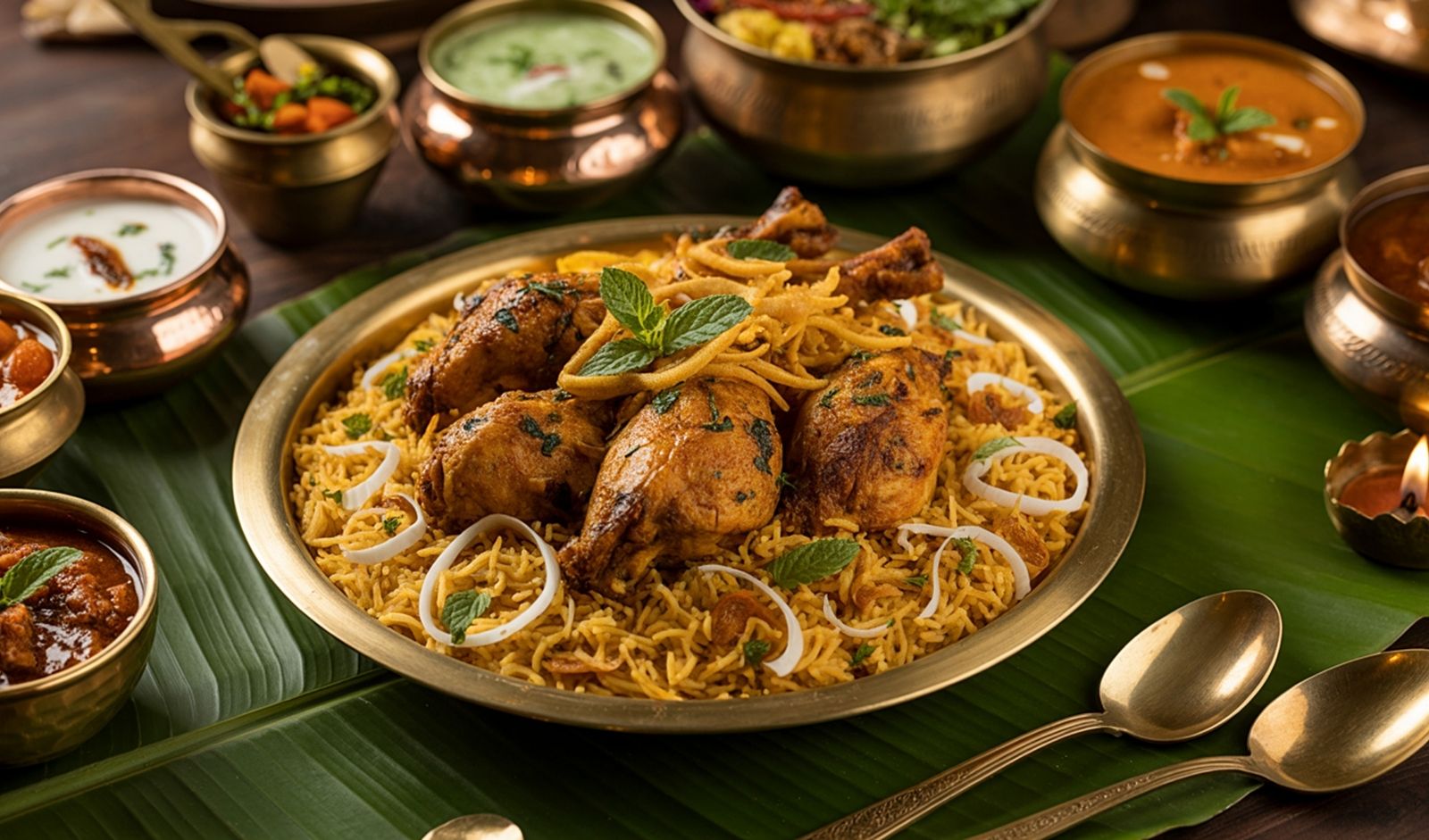
Biryani is more than just rice and spices. It is one of India's most loved dishes and also one of the most challenging to master. Every layer, every spice, and every minute of cooking plays an important role. That is why two biryanis made with the same ingredients can taste completely different.
According to industry estimates, biryani remains one of India's most ordered dishes on food delivery platforms year after year. Its popularity has inspired countless home cooks to recreate restaurant-style biryani. Yet many end up with sticky rice, dry meat, or a dish that lacks the rich aroma they expected. The good news is that most biryani failures happen because of a few common mistakes. Once you understand the science behind the cooking process, making a delicious biryani becomes much easier.
Why Biryani Is Different From Other Rice Dishes
Unlike pulao, where rice and ingredients cook together, biryani is prepared in stages. Rice is partially cooked, meat or vegetables are cooked separately, and both are layered before being finished using the traditional dum method.
This process allows every grain of rice to absorb flavour while keeping its shape. At the same time, the meat becomes juicy, and the spices blend together slowly through steam. The secret is not expensive ingredients. It is careful technique.
8 Mistakes To Avoid
1. Using the Wrong Rice
Every great biryani starts with the right rice. Many home cooks choose any long-grain rice available, but authentic biryani depends on aged basmati rice. Aged basmati contains less moisture than freshly harvested rice. As a result, the grains cook longer, stay separate, and absorb flavours without becoming sticky. Premium aged basmati can mature for one to two years before reaching the market, making it ideal for dum cooking. Before cooking, rinse the rice three to four times to remove excess starch. Then soak it for about 20 to 30 minutes. This simple step helps the grains expand evenly and reduces the risk of breaking during cooking. Skipping soaking or using poor-quality rice is often the first reason a biryani fails.
2. Cooking the Rice Completely Before Layering
This is one of the biggest mistakes beginners make. The rice should never be fully cooked before it goes into the biryani pot. Instead, it should be about 70 to 80 percent cooked. During the dum process, the remaining cooking happens naturally as steam circulates inside the sealed pot. If the rice is already soft before layering, it will continue absorbing moisture and become mushy by the end of cooking. Individual grains lose their shape, and the biryani turns into a sticky mixture instead of a beautifully layered dish. A simple way to test the rice is to press one grain between your fingers. It should still have a slightly firm centre.
3. Rushing the Marination
Marination does far more than add flavour. Yoghurt, salt, spices, ginger, garlic, and lemon juice work together to tenderise meat and allow seasoning to penetrate deeply. This process creates juicy, flavourful pieces instead of dry bites hidden beneath fragrant rice. Chicken should ideally marinate for at least two to six hours, while mutton benefits from overnight marination. The extra time allows proteins to soften and absorb spices evenly. Even vegetarian biryanis improve with marination. Paneer, mushrooms, soya chunks, and vegetables develop richer flavours when allowed to rest in seasoned yoghurt before cooking. Restaurant kitchens rarely skip this step because they know patience always improves the final result.
4. Using Too Many Spices
Many people assume that adding more spices automatically creates a better biryani. In reality, balance is far more important than quantity. Whole spices such as green cardamom, cloves, cinnamon, bay leaves, black pepper, star anise, and mace release delicate aromatic oils during cooking. These flavours should complement one another rather than compete. Adding excessive chilli powder or garam masala can overpower the dish and create bitterness. Likewise, too many cloves or black cardamom can leave an unpleasant medicinal taste. Professional chefs carefully measure spices instead of estimating them. Their goal is to create layers of aroma, not overwhelming heat. A well-made biryani should smell inviting before the first bite is taken.
5. Ignoring Proper Layering
Layering is what separates biryani from many other rice dishes. Every layer contributes to the final flavour. The traditional order usually begins with cooked meat or vegetable masala, followed by partially cooked rice. Fried onions, chopped mint, coriander leaves, saffron-infused milk, ghee, and sometimes kewra water are added between the layers. One common mistake is pressing the rice tightly after layering. This restricts steam movement inside the pot. Loose layers allow heat and moisture to circulate evenly, ensuring every grain absorbs flavour without becoming soggy. The famous layered appearance of restaurant biryani is the result of careful assembly rather than complicated ingredients.
6. Not Cooking on Proper Dum
The dum process is the heart of authentic biryani. "Dum" means slow cooking in a sealed container. Once the pot is covered, steam becomes trapped inside. This steam gently cooks the rice while carrying the aromas of spices, herbs, meat, and ghee throughout the dish. Cooking over high heat is one of the quickest ways to ruin biryani. Excess heat burns the bottom layer before the upper layers finish cooking. Many professional kitchens place a heavy tawa beneath the biryani pot to spread heat evenly. Some chefs also seal the lid with dough to prevent steam from escaping. Opening the lid repeatedly during dum is another mistake. Every time the pot is opened, valuable steam escapes, reducing both aroma and moisture. A proper dum usually lasts between 20 and 40 minutes, depending on the recipe and quantity.
7. Forgetting the Importance of Aroma
Taste begins with smell. Studies suggest that much of what we perceive as flavour actually comes from aroma. This explains why fragrant biryani feels more satisfying than one that simply tastes spicy. Several ingredients contribute to its signature aroma. Saffron soaked in warm milk adds floral notes and a golden colour. Fresh mint provides freshness. Fried onions offer sweetness and depth. Kewra water and rose water are used sparingly to create the distinctive fragrance associated with royal biryanis. Good-quality ghee also plays an important role by carrying aromatic compounds throughout the dish. Adding too much of these ingredients can make the biryani smell artificial, so moderation is essential.
8. Serving It Immediately After Cooking
The temptation to serve biryani straight from the stove is understandable, but waiting makes a noticeable difference. Once the dum process is complete, let the pot rest for about 10 to 15 minutes without opening the lid. During this resting period, steam settles, moisture redistributes, and the rice becomes firmer. Flavours also blend more evenly across the layers. Serving immediately often breaks delicate rice grains because they are still soft and fragile. When it's time to serve, use a flat spoon and lift the rice gently from the sides instead of mixing everything together. This helps preserve the beautiful layers that make biryani visually appealing.
Quick Tips for Restaurant-Style Biryani
Perfect biryani is often the result of small details rather than secret ingredients.
- Always use aged basmati rice.
- Soak the rice before boiling.
- Cook rice only until 70 to 80 percent done.
- Marinate meat or vegetables for several hours.
- Fry onions until deep golden, not burnt.
- Use fresh mint and coriander instead of dried herbs.
- Add saffron milk and ghee in moderation.
- Seal the pot properly during dum.
- Cook on low heat using a heavy-bottomed vessel.
- Let the biryani rest before serving.
These simple habits can dramatically improve both flavour and texture.
The Secret Behind Restaurant-Style Biryani
Restaurant chefs rarely rely on shortcuts. Instead, they focus on consistency. They measure spices carefully, monitor rice cooking by the minute, control moisture, and maintain steady heat throughout the dum process. Every stage is treated with precision because each one affects the final dish. That is why restaurant biryani has separate grains, juicy meat, balanced spices, and a rich aroma in every serving. The same approach works at home. Once you avoid these eight common mistakes, making a delicious biryani becomes much less complicated. In the end, a perfect biryani is not created by luck. It is created by understanding ingredients, respecting traditional techniques, and paying attention to every detail. Master these fundamentals, and every pot of biryani will come closer to the unforgettable flavours that have made this dish a timeless favourite across India and beyond.
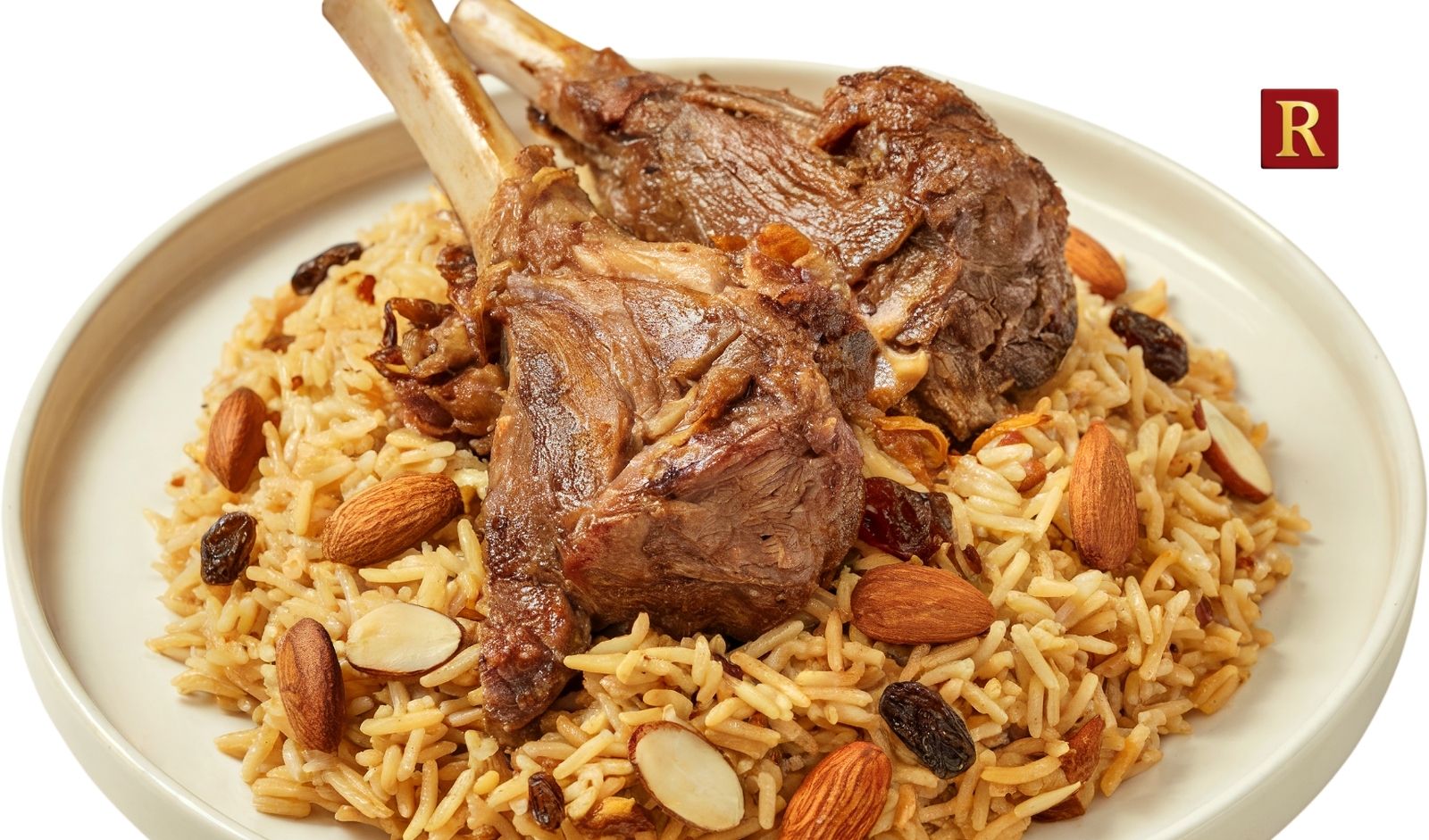
Walk into any popular food street or restaurant today, and chances are you'll find Mandi sharing menu space with biryani. Both dishes feature fragrant rice and tender meat, making them look quite similar at first glance. However, they come from different parts of the world and are prepared using completely different cooking methods.
Biryani has long been one of India's favourite rice dishes, while Mandi has gained popularity over the last decade, especially in cities like Hyderabad, Bengaluru, Chennai, Kochi, and Mumbai. The growing influence of Middle Eastern cuisine, international travel, and social media has made Mandi a preferred choice for people looking to try something beyond traditional Indian flavours. If you've ever wondered whether Mandi is simply an Arabic version of biryani, the answer is no. Here's everything you need to know.
What Is Mandi?
Mandi is a traditional rice dish that originated in the Hadhramaut region of Yemen. It is made with long-grain rice, slow-cooked meat—usually lamb or chicken—and a blend of mild aromatic spices. Unlike heavily spiced rice dishes, Mandi focuses on bringing out the natural flavours of the meat.
The word "Mandi" comes from the Arabic term referring to dew or moisture, highlighting the juicy, tender meat produced through slow cooking. Traditionally, the dish is prepared in a clay-lined underground pit where charcoal provides gentle heat. The meat is suspended above the rice so that its juices drip naturally into the grains while cooking. This process gives Mandi its signature smoky aroma and rich yet delicate taste. Today, Mandi has become one of the fastest-growing Middle Eastern dishes served in India, particularly in restaurants specialising in Arabian cuisine.
The Rich History of Mandi
Mandi has been part of Yemeni food culture for centuries. It was originally prepared by Bedouin communities living in desert regions, where slow cooking helped preserve moisture in the meat despite the harsh climate. The dish soon became a centrepiece for weddings, festivals, and family gatherings. Large platters of Mandi symbolised generosity and hospitality, with everyone eating together from a shared serving. As trade expanded across the Arabian Peninsula, Mandi spread to countries including Saudi Arabia, Oman, the United Arab Emirates, and Qatar. Later, migration between Gulf countries and India introduced the dish to Indian cities. Today, Hyderabad is often regarded as India's Mandi capital, with hundreds of restaurants offering regional variations.
How Traditional Mandi Is Cooked
The cooking process is what truly sets Mandi apart from biryani. Authentic Mandi uses a deep underground clay oven called a taboon. Charcoal burns at the bottom while the seasoned meat hangs above the rice instead of cooking directly with it.
This technique offers several advantages:
- Slow and even cooking prevents the meat from drying out.
- Meat juices naturally flavour the rice.
- Gentle smoke creates a subtle earthy aroma.
- The rice remains fluffy instead of sticky.
From a food science perspective, radiant heat cooks the meat evenly while indirect heat allows moisture to stay locked inside. Unlike frying or pressure cooking, this method develops flavour gradually without requiring large amounts of oil. Although many modern restaurants use ovens or specialised charcoal equipment instead of underground pits, they aim to recreate the same smoky character.
What Makes Mandi Taste Different?
One of the biggest surprises for first-time diners is how mild Mandi tastes compared to biryani. Instead of using strong chilli powders and multiple masalas, Mandi relies on carefully balanced spices such as:
- Cardamom
- Cinnamon
- Cloves
- Bay leaves
- Black pepper
- Saffron
- Dried black lime (Loomi)
- Hawaij spice blend
Loomi adds a gentle citrus flavour that is uncommon in Indian rice dishes, while Hawaij brings warmth without overwhelming the meat. The result is a light, fragrant meal where every ingredient remains distinct.
What Is Biryani?
Biryani has a much longer history in the Indian subcontinent and traces its roots to Persian cooking traditions that evolved further during the Mughal era. Unlike Mandi, biryani depends on layers of flavour. Meat is marinated with yogurt, spices, herbs, and fried onions before being cooked with partially boiled rice using the famous dum method. The cooking pot is sealed so steam circulates inside, allowing every layer to absorb spices and aromas. India alone has dozens of famous biryani styles, including Hyderabadi, Lucknowi, Kolkata, Malabar, Dindigul, Ambur, and Thalassery biryanis. Each version reflects regional ingredients and cooking traditions.
Mandi vs Biryani: The Biggest Differences
Although both dishes include rice and meat, they are very different in flavour and preparation.
Feature | Mandi | Biryani |
|---|---|---|
Origin | Yemen | Indian subcontinent |
Cooking Method | Underground pit roasting | Dum cooking |
Spice Level | Mild | Medium to spicy |
Aroma | Smoky | Rich and spicy |
Rice Texture | Light and fluffy | Moist and layered |
Meat | Slow-roasted | Marinated |
Oil Usage | Lower | Higher |
Main Flavour | Natural meat taste | Complex masalas |
Serving Style | Shared platter | Individual portions or handi |
Why Does Mandi Taste Less Spicy?
The philosophy behind Mandi is completely different from biryani. In Mandi, the meat is the star of the dish. The spices are carefully measured to enhance rather than dominate the natural flavour. Smoke replaces much of the richness that Indian dishes often achieve through fried onions, ghee, and multiple spice layers. This lighter flavour profile makes Mandi appealing to people who enjoy aromatic food without excessive heat.
Is Mandi Healthier Than Biryani?
Neither dish is automatically healthier because recipes vary across restaurants. However, traditional Mandi often contains less oil and fewer fried ingredients. Since the meat is roasted instead of fried and the rice absorbs natural meat juices, Mandi can have a lower fat content than richer versions of biryani. It also includes generous amounts of protein from chicken or lamb. Nutrition depends on serving size, cooking method, and accompaniments, so moderation remains important regardless of the dish you choose.
Popular Types of Mandi
Restaurants now serve several versions of this traditional meal. Vegetarian options featuring paneer or mixed vegetables have also become common in India, allowing more people to enjoy the signature rice and spice combination.
Some popular varieties include:
- Chicken Mandi
- Mutton Mandi
- Lamb Mandi
- Fish Mandi
- Shrimp Mandi
- Mixed Meat Mandi
Why Mandi Has Become So Popular in India
India's restaurant industry has witnessed a remarkable rise in Arabian dining over the past few years. The organised food service market in India is projected to exceed ₹7 lakh crore by 2030, driven by changing consumer preferences, online food delivery, and international cuisines.
Several factors have fuelled Mandi's popularity:
- Growing exposure to Gulf cuisine.
- Strong cultural connections through Indian expatriates.
- Viral food videos on social media.
- Large sharing platters perfect for groups.
- Mild flavours that appeal to a wide audience.
Many restaurants now offer family platters weighing between 2 kg and 5 kg, making Mandi an attractive choice for celebrations and weekend gatherings.
Best Side Dishes Served with Mandi
Traditional Mandi is usually accompanied by simple side dishes that complement its delicate flavours.
Popular accompaniments include:
- Daqqus, a fresh tomato salsa with herbs.
- Toum, a creamy garlic sauce.
- Plain yogurt.
- Fresh cucumber and tomato salad.
- Lemon wedges.
- Mixed pickles.
These additions provide freshness and acidity without overpowering the smoky rice.
Mandi Is Not the Same as Kabsa or Madfoon
Another common misconception is that all Middle Eastern rice dishes are identical. Kabsa is generally spicier and cooked with tomatoes, giving it a deeper colour and richer taste. Madfoon also uses slow cooking but buries the meat beneath the rice instead of suspending it above. Mandi remains unique because of its signature pit-roasting technique and naturally infused flavours.
The Final Verdict
Mandi and biryani may appear similar, but they represent two distinct culinary traditions shaped by different cultures, climates, and cooking philosophies. Mandi celebrates simplicity. It highlights slow-roasted meat, subtle spices, smoky aromas, and fluffy rice infused with natural juices. Biryani, on the other hand, is known for bold flavours, layered spices, marinated meat, and the richness of dum cooking. Neither dish is better than the other—they simply offer different experiences. If you enjoy delicate flavours and smoky meat, Mandi is an excellent choice. If you prefer rich spices and complex aromas, biryani remains hard to beat. Trying both is perhaps the best way to appreciate how two rice dishes, despite sharing a few ingredients, have evolved into iconic meals loved by millions across different parts of the world.

Summer changes the way we eat. Heavy curries and rich gravies often take a back seat, while fresh salads, fruit bowls, sprouts, and light meals become everyday staples. As more people focus on healthier eating during the warmer months, one ingredient deserves far more attention than it gets: the oil in your salad.
Most people spend time choosing fresh vegetables, seasonal fruits, and protein-rich toppings but overlook the dressing. The right oil does much more than add flavour. It helps the body absorb essential vitamins, enhances texture, and provides healthy fats that support overall wellness. This summer, upgrading your salad oil could be one of the simplest ways to improve both taste and nutrition. Here are five oils that deserve a permanent spot in your kitchen.
Why Your Salad Oil Matters More Than You Think
Salads are packed with nutrients, but your body needs healthy fats to absorb important vitamins such as A, D, E, and K. That's where oils come in. Cold-pressed, wood-pressed, and unrefined oils retain more natural nutrients than heavily processed alternatives. They also offer unique flavours that can transform even the simplest bowl of vegetables into a satisfying meal. From heart-friendly fats to omega-3-rich options, these oils can help elevate your summer salads while adding nutritional value.
5 Oils That Deserve A Place In Your Kitchen
1. Bharat Vedica Organic Woodpressed Groundnut Oil
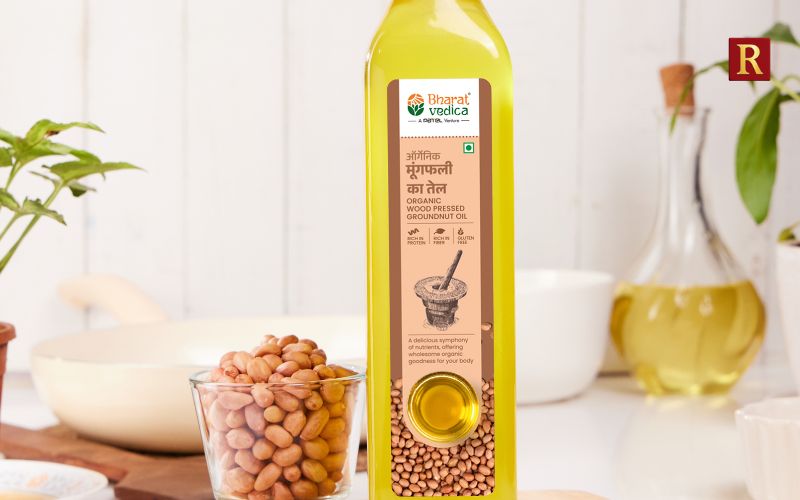
Indian kitchens have relied on groundnut oil for generations, and for good reason. Bharat Vedica's Organic Woodpressed Groundnut Oil brings back the goodness of traditional ghani extraction methods. Made from carefully sourced organic peanuts, the oil is extracted slowly without heat, helping preserve its natural antioxidants and monounsaturated fatty acids (MUFA). These healthy fats are known to support heart health while delivering a rich, nutty flavour. The subtle aroma works beautifully in summer salads featuring cucumber, roasted vegetables, sprouts, and raw mango. It can also be used in light tempering for dishes such as dal and fasting-friendly khichdi. One of its biggest advantages is versatility. Thanks to its naturally high smoke point, it transitions seamlessly from salad bowl to stovetop.
Why It Stands Out
- Rich in heart-friendly MUFA
- Traditional wood-pressed extraction
- Naturally nutty flavour
- Suitable for both salads and cooking
2. Kachi Ghani Wooden Cold Pressed Flaxseed Oil
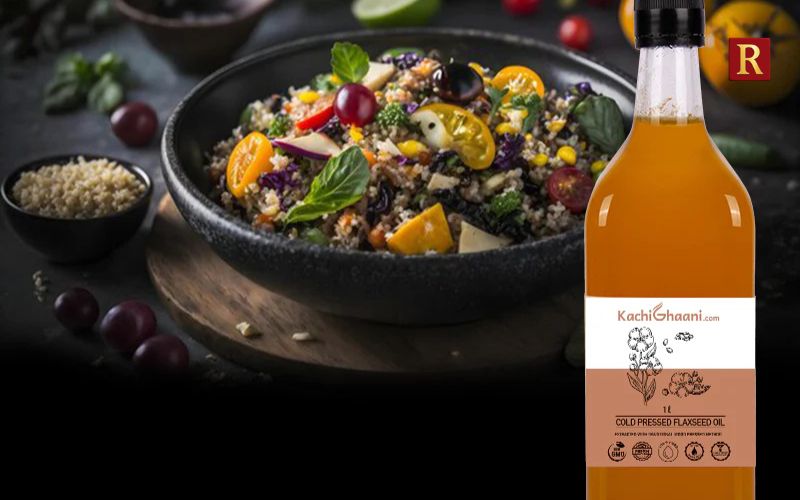
If nutrition is your priority, flaxseed oil deserves attention. Kachi Ghani's Wooden Cold Pressed Flaxseed Oil is one of the richest plant-based sources of omega-3 fatty acids. Around 50 to 60 percent of its composition consists of alpha-linolenic acid (ALA), making it especially valuable for vegetarians. Unlike cooking oils, flaxseed oil shines when used raw. Its mildly nutty taste pairs perfectly with leafy salads, smoothie bowls, yogurt-based dips, and summer raitas. A simple drizzle over a fresh salad can significantly increase your intake of healthy fats while adding a delicate earthy flavour.
Why It Stands Out
- High omega-3 content
- Excellent for vegetarians
- Supports heart wellness
- Best enjoyed raw
3. Tata Simply Better Cold Pressed Sesame Oil
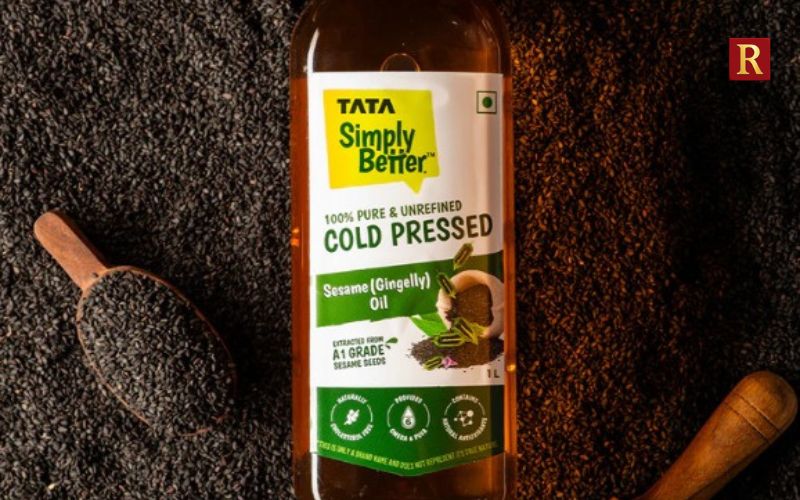
Sesame oil has been a cornerstone of Indian cooking for centuries. Tata Simply Better gives this traditional ingredient a premium modern upgrade. Made from A1-grade sesame seeds and left completely unrefined, the oil delivers a rich, toasted aroma that instantly enhances dishes. It naturally contains both monounsaturated and polyunsaturated fats, along with Vitamin E, a powerful antioxidant. For summer salads, sesame oil brings bold flavour without requiring many additional ingredients. A simple combination of sesame oil, lime juice, and a dash of soy sauce can transform a bowl of cucumber, cabbage, or sprouts. It works particularly well in Asian-inspired salads, noodle bowls, and crunchy slaws.
Why It Stands Out
- Deep roasted sesame flavour
- Rich in Vitamin E
- Contains healthy fats
- Ideal for Asian-style dressings
4. Chosen Foods 100% Pure Avocado Oil
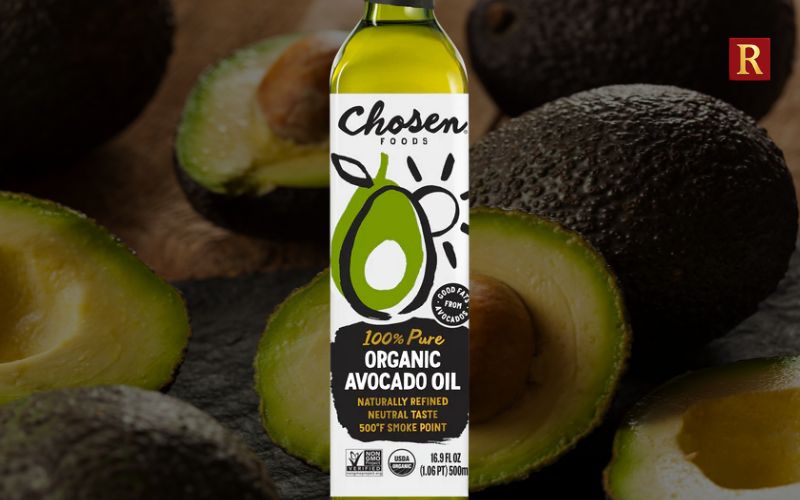
Avocado oil has become increasingly popular among health-conscious consumers, and Chosen Foods offers one of the most trusted options in the category. Known for its purity and neutral taste, this oil contains approximately 10 grams of monounsaturated fats per serving. Unlike stronger oils, avocado oil doesn't overpower delicate ingredients. That makes it ideal for fresh summer salads featuring lettuce, berries, stone fruits, burrata, microgreens, and grilled vegetables. Its versatility extends beyond salads. With a smoke point of up to 500°F, it performs equally well for grilling, roasting, and sautéing.
Why It Stands Out
- Neutral and clean flavour
- Rich in healthy fats
- Highly versatile
- Supports nutrient absorption
5. Figaro Cold Pressed Extra Virgin Olive Oil
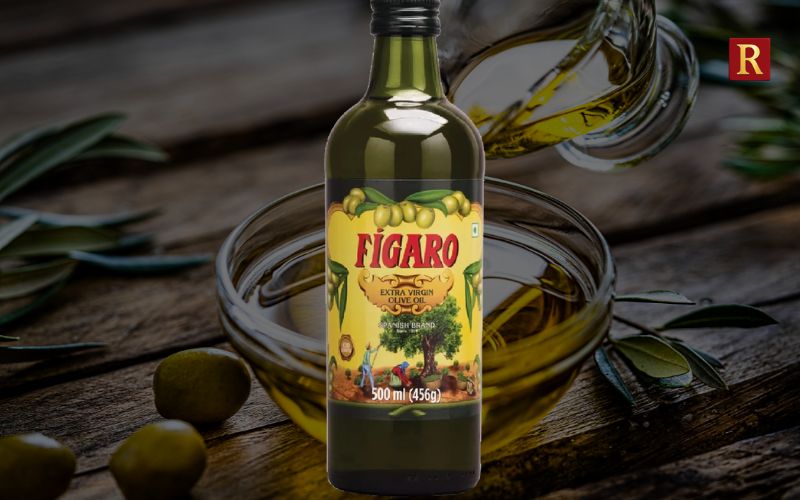
No conversation about salad oils is complete without extra virgin olive oil. Figaro's Cold Pressed Extra Virgin Olive Oil brings the classic Mediterranean experience to everyday meals. Rich in monounsaturated fats and polyphenols, it combines nutrition with a distinctive flavour profile that is fruity, peppery, and slightly grassy. This oil complements a wide range of ingredients, from feta cheese and olives to tomatoes, onions, cucumbers, and leafy greens. Its versatility makes it one of the easiest oils to incorporate into daily eating habits. Whether you're preparing a Mediterranean salad or adding a healthy twist to a traditional Indian kachumber, extra virgin olive oil delivers both flavour and wellness benefits.
Why It Stands Out
- Rich in antioxidants
- Packed with polyphenols
- Supports heart health
- Classic salad dressing choice
How To Choose The Right Salad Oil
Every oil offers something unique.
Groundnut Oil: If you enjoy the comforting, familiar taste of traditional Indian cooking, groundnut oil is an excellent choice. Its naturally nutty flavour complements everything from fresh vegetable salads and sprouts to everyday meals like dal and khichdi. Thanks to its high smoke point, it works just as well for sautéing and tempering as it does in salad dressings, making it one of the most versatile oils to keep in your kitchen.
Flaxseed Oil: For those looking to increase their intake of plant-based omega-3 fatty acids, flaxseed oil is hard to beat. It is particularly beneficial for vegetarians and vegans who may not consume omega-3-rich fish. With its mild, earthy flavour, flaxseed oil is best used as a finishing oil in salads, smoothies, and raitas, adding nutritional value without overpowering other ingredients.
Sesame Oil: If your palate leans towards rich, nutty, and aromatic flavours, sesame oil deserves a place in your pantry. Its distinctive taste can instantly elevate simple salads and vegetable dishes. It pairs exceptionally well with Asian-inspired recipes, from noodle salads and crunchy slaws to cucumber and sprout bowls dressed with soy, lime, and herbs.
Avocado Oil: Avocado oil is ideal for those who prefer a clean, neutral flavour that allows fresh ingredients to shine. Its subtle taste works beautifully in fruit salads, leafy greens, and protein bowls without dominating the dish. Beyond salads, its high smoke point makes it suitable for grilling, roasting, and everyday cooking, making it one of the most adaptable oils available.
Extra Virgin Olive Oil: For anyone seeking a balance of flavour, nutrition, and versatility, extra virgin olive oil remains a trusted choice. Rich in heart-friendly fats and antioxidants, it enhances everything from Mediterranean-style salads to simple Indian kachumber. Its fruity, slightly peppery profile adds depth to dishes while delivering well-known health benefits, making it a staple in kitchens around the world.
The Takeaway
The easiest kitchen upgrade this summer isn't a new appliance or trendy ingredient. It's choosing a better oil. 5 Oils That Deserve A Place In Your Kitchen Whether it's the nostalgic richness of Bharat Vedica's woodpressed groundnut oil, the omega-3 power of Kachi Ghani flaxseed oil, the bold personality of Tata Simply Better sesame oil, the versatility of Chosen Foods avocado oil, or the timeless appeal of Figaro extra virgin olive oil, each bottle brings something valuable to the table. Keep two or three varieties in your pantry and rotate them based on your meals. Your salads will taste better, feel more satisfying, and deliver more nutritional value with every bite. This summer, let your dressing work as hard as your ingredients.

Cooking turkey for the first time can feel stressful. Many beginners worry about dry meat, uneven cooking, or ending up with a bird that looks good but tastes bland. Restaurant kitchens avoid these problems by following a few simple techniques that focus on moisture, seasoning, and temperature control. A restaurant-style turkey is not about complicated cooking. It is about understanding small details that make a big difference. From drying the skin properly to using the correct roasting temperature, every step helps create juicy meat and crispy golden skin.
Professional chefs also focus on timing and patience. They do not rush the process. A well-cooked turkey needs proper thawing, seasoning, roasting, and resting. Once these basics are understood, even beginners can prepare a flavorful turkey at home. Experts recommend cooking turkey based on internal temperature rather than depending only on cooking time. Brining and drying the skin are also considered important techniques for better moisture and texture.
Why Restaurant-Style Turkey Tastes Better
Restaurant turkey feels more flavorful because chefs use layered seasoning and controlled cooking methods. The bird is prepared carefully long before it enters the oven. One major reason behind juicy turkey is moisture retention. Turkey meat naturally loses water when exposed to heat. When proteins tighten during roasting, moisture escapes from the meat. Salt helps reduce this moisture loss. This is why many chefs prefer dry brining or wet brining before roasting.
Another important factor is resting. Restaurants never slice turkey immediately after roasting. Resting allows juices to redistribute through the meat. Cutting too early causes the juices to run out onto the board instead of staying inside the turkey. Crispy skin also plays a major role. Dry skin browns better because of the Maillard reaction, which creates deeper flavor and color when proteins and sugars react under heat.
Choosing the Right Turkey
Beginners should avoid buying extremely large turkeys. Smaller birds cook more evenly and are easier to manage. Many cooking experts suggest planning around 1 to 1.5 pounds of turkey per person. Frozen turkey is more common and budget-friendly, but it requires proper thawing time. Fresh turkey saves preparation time but may cost more. For beginners, a turkey between 10 to 12 pounds is usually easier to cook. Very large birds often cook unevenly, leaving the breast dry while the thighs remain undercooked.
Thawing the Turkey Properly
Improper thawing is one of the biggest reasons turkey turns out unevenly cooked or unsafe to eat. A partially frozen center can prevent the turkey from cooking properly, while the outer layers may remain in the “danger zone” temperature for too long, allowing harmful bacteria to grow. Food safety experts recommend thawing turkey slowly in the refrigerator at or below 40°F because this keeps the meat at a safe temperature throughout the process. A frozen turkey usually needs around 24 hours of thawing time for every 4–5 pounds of weight.
Key points beginners should follow:
- Keep the turkey on a tray to prevent leaking juices
- Never thaw turkey at room temperature
- Remove giblets only after full thawing
- Pat the turkey completely dry before roasting
Dry skin is important because excess moisture creates steam, which prevents the skin from becoming golden and crispy during roasting.
The Secret Behind Juicy Turkey: Brining
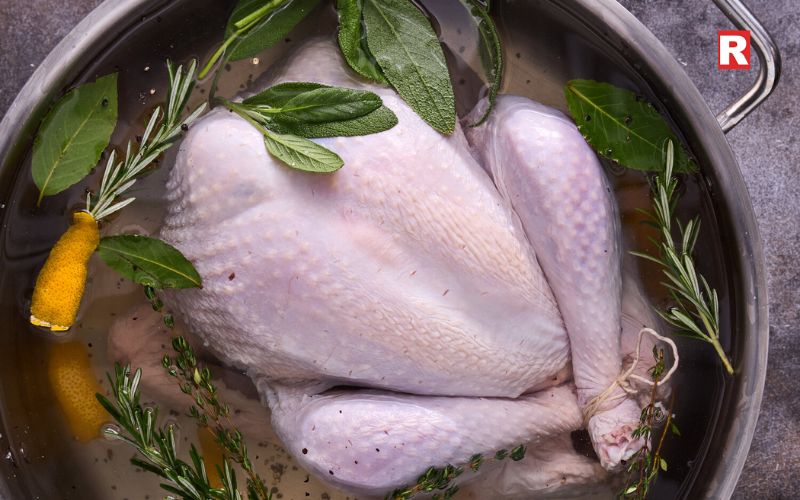
Brining is one of the most important restaurant-style techniques.
There are two common methods:
Wet Brining: The turkey is soaked in salted water mixed with herbs, sugar, and spices. This helps increase moisture retention and adds flavor throughout the meat.
Dry Brining: Salt is rubbed directly onto the turkey and left uncovered in the refrigerator for several hours or overnight.
Many chefs now prefer dry brining because it creates crispier skin while still improving flavor. Wet brining remains beginner-friendly because it provides extra moisture protection during roasting. Experts explain that salt changes the structure of muscle proteins, allowing the meat to hold more water during cooking.
Essential Ingredients and Tools
Restaurant-style turkey depends heavily on simple ingredients used correctly.
Important Ingredients
- Butter
- Garlic
- Rosemary
- Thyme
- Sage
- Black pepper
- Lemon
- Olive oil
- Onion
These ingredients create deep aroma and flavor without overpowering the turkey.
Essential Tools
- Roasting tray
- Meat thermometer
- Kitchen twine
- Aluminum foil
- Basting brush
A meat thermometer is especially important. Professional cooks rely on temperature instead of guessing. Many experts consider it the most important tool for beginners.
Step-by-Step Restaurant-Style Turkey Cooking Process
Step 1: Pat the Turkey Dry
After thawing or brining, the turkey should be dried completely. Moisture on the skin creates steam, which prevents browning.
Step 2: Apply Herb Butter
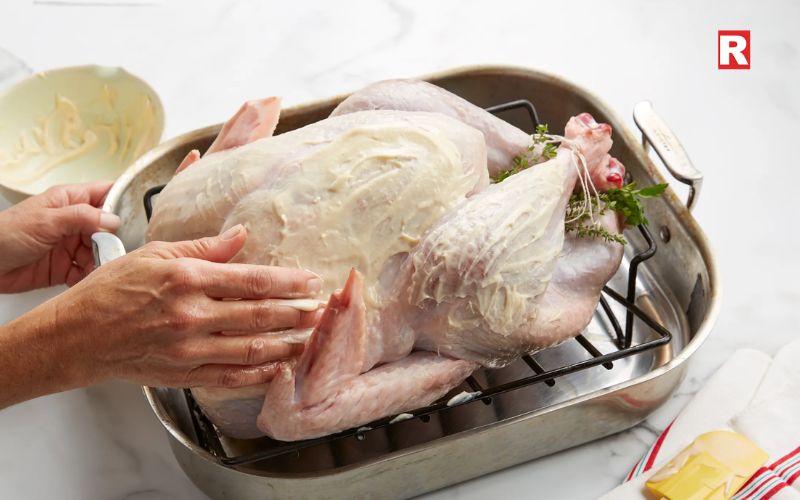
Butter mixed with garlic and herbs should be spread under the skin. This helps flavor reach the meat directly instead of remaining only on the surface.
Step 3: Add Aromatics
The cavity should be filled with onions, lemon halves, garlic, rosemary, thyme, and sage. Cooking experts suggest avoiding stuffing inside the turkey because it can lead to uneven cooking and dry meat.
Step 4: Tie the Legs
Kitchen twine helps the turkey cook more evenly and gives it a cleaner presentation.
Step 5: Roast at the Right Temperature
Many chefs recommend roasting turkey at around 325°F for even cooking. The turkey should roast breast-side up on a rack to allow airflow underneath. Some cooks start with higher heat for better browning and then reduce the temperature later.
Step 6: Monitor Internal Temperature
The breast and thigh cook differently. White meat dries faster, while dark meat requires higher temperatures for tenderness. The thickest part of the thigh should reach around 165°F to 175°F depending on preference. Cooking by thermometer is far more accurate than relying only on roasting time.
Step 7: Let the Turkey Rest
Resting is one of the most ignored steps among beginners. The turkey should rest for at least 30 to 45 minutes before carving. This helps the juices settle back into the meat instead of spilling out immediately.
Common Turkey Cooking Mistakes
Many beginner mistakes can ruin texture and flavor.
- Overcooking: This is the most common issue. Turkey continues cooking slightly after leaving the oven.
- Skipping the Thermometer: Guesswork often leads to dry meat.
- Not Drying the Skin: Wet skin creates steaming instead of crisp roasting.
- Stuffing the Bird: Stuffing slows even cooking and may create safety concerns.
- Cutting Too Early: Immediate carving releases juices too quickly.
Some chefs also avoid frequent basting because opening the oven repeatedly lowers temperature and affects skin crispness.
Chef-Level Tricks for Better Flavor
Professional kitchens use several small tricks to improve turkey quality. Dry brining overnight helps seasoning reach deeper into the meat. Spatchcocking, where the backbone is removed and the bird is flattened, also improves even cooking. Many cooking communities online recommend keeping seasoning simple for beginners instead of using too many spices. Reddit users frequently suggest focusing on salt, pepper, proper temperature, and resting time rather than overcomplicated methods. Another restaurant-style technique is placing stock or broth in the roasting tray. The drippings mix with the liquid and create flavorful gravy later.
Final Step
Crispy skin depends more on dryness than extra butter. Many chefs leave the turkey uncovered in the refrigerator overnight before roasting. This removes surface moisture and improves browning. Good airflow inside the oven also matters. A roasting rack helps heat circulate evenly around the turkey. The final result is golden, crisp skin with juicy meat underneath. Cooking restaurant-style turkey at home becomes much easier once the basics are understood. Proper thawing, careful seasoning, temperature monitoring, and resting are the real secrets behind a flavorful bird. Instead of focusing on complicated recipes, beginners should focus on technique. That is what truly creates restaurant-quality results at home.
Indian kitchens have always loved one-pot meals. Long before food trends and cloud kitchens became popular, homes across the country were already cooking dishes like khichdi, biryani, pongal, tahri, haleem, and sambhar rice in a single vessel. These meals were simple, filling, affordable, and full of flavor. Today, the same cooking style is quietly becoming one of the smartest operational models in the restaurant industry.
From cloud kitchens to quick-service restaurants, many food businesses are now focusing on one-pot cooking because it saves time, reduces costs, and helps kitchens scale faster. In an industry where margins are tight and customer expectations are rising, restaurants are looking for systems that are practical and profitable at the same time. One-pot cooking is helping them achieve both. India’s cloud kitchen market is growing rapidly because restaurants are shifting toward lower-cost and delivery-friendly business models.
Why One-Pot Meals Work So Well in India
Indian cuisine naturally supports one-pot cooking. Many regional dishes already use layered cooking methods where rice, lentils, spices, vegetables, and proteins cook together slowly to build flavor.
That is why dishes like:
- Hyderabadi biryani
- Bengali khichuri
- Bisibelebath
- Dal dhokli
- Rajma chawal bowls
- Nihari
- Pongal
fit perfectly into modern restaurant systems. For customers, these meals feel comforting and familiar. They remind people of home-cooked food. They are also budget-friendly and satisfying, which matters a lot in today’s fast-paced urban lifestyle. Young professionals, students, and working families increasingly prefer meals that are easy to eat, affordable, and filling. One-pot dishes check all those boxes.
How Restaurants Are Turning One-Pot Cooking Into a Business Strategy
Restaurants are not just following a food trend. They are redesigning kitchen operations around efficiency. Traditional restaurant kitchens are expensive to run.
They need:
- Multiple cooking stations
- Large staff
- More gas usage
- More utensils
- Higher cleaning costs
- Longer preparation times
One-pot systems reduce many of these problems. A restaurant can prepare large batches of gravy, rice, or broth in advance and quickly finish orders during peak hours. This improves kitchen throughput and reduces waiting time for customers.
For example, a biryani-focused cloud kitchen can prepare:
- Marinated meat in advance
- Pre-measured spice mixes
- Semi-cooked rice
- Standardized gravy bases
Once an order arrives, the final cooking process becomes much faster. This system helps restaurants maintain consistency while handling high order volumes. Many modern food brands are now using SOP-driven kitchens, batch production systems, and centralized recipe management to scale operations across cities.
Why Cloud Kitchens Prefer One-Pot Models
Cloud kitchens operate very differently from traditional restaurants. Their entire business depends on speed, efficiency, and delivery performance.
One-pot meals are ideal for this setup because they:
- Travel well
- Stay warm longer
- Require less plating
- Need fewer packaging compartments
- Reduce kitchen complexity
That is why biryani brands, rice bowl concepts, ramen kitchens, curry bowl brands, and comfort-food cloud kitchens are growing rapidly across Indian cities. Cloud kitchens also save money because they do not need expensive interiors or dine-in spaces. Reports suggest that delivery-only kitchens can operate at significantly lower costs compared to traditional restaurants. Another advantage is menu engineering. A single kitchen can run multiple brands using the same base ingredients.
For instance:
- One gravy base can support butter chicken bowls
- The same rice can be used for pulao and biryani
- One stock can work for soups, curries, and rice meals
This improves ingredient utilization and reduces wastage. Many operators now run several virtual brands from one kitchen location to maximize profits.
Central Kitchens Are Changing Restaurant Operations
One of the biggest factors driving the rise of one-pot cooking in India is the expansion of central kitchen models. Today, many restaurant chains and cloud kitchens no longer prepare every dish separately at individual outlets. Instead, they use central kitchens to produce food components in bulk and distribute them across locations. This system improves consistency, speeds up kitchen operations, and reduces dependency on highly skilled labor. In many modern restaurant setups, gravies are cooked centrally using standardized recipes, spice blends are measured in fixed ratios, ingredients are pre-portioned for better yield management, and cooking cycles are automated through temperature-controlled equipment. This ensures that a biryani, khichdi bowl, or curry served in Mumbai tastes similar to one served in Delhi or Bengaluru.
For restaurant operators, this model offers several practical advantages:
- Better food cost control through bulk procurement and reduced wastage
- Faster staff training because recipes follow SOP-driven systems
- Easier multi-city expansion with standardized production methods
- Reduced preparation errors during peak hours
- Higher operational scalability for cloud kitchens and delivery brands
As delivery-focused dining continues to grow, central kitchens are becoming the backbone of efficient and profitable restaurant operations in India.
Rising Costs
The restaurant business has become much more challenging in recent years.
Operators are dealing with:
- High rentals
- Expensive LPG
- Delivery platform commissions
- Labor shortages
- Rising raw material costs
Many kitchens are simplifying their menus to survive. Recent reports also showed how LPG shortages affected cloud kitchens, forcing many businesses to reduce menus and focus on simpler food items that need less gas usage. This is where one-pot cooking becomes practical. Instead of managing 40 complicated dishes, restaurants can focus on fewer high-performing meals that are easier to produce consistently. This approach improves speed, lowers operational stress, and protects profit margins.
Technology Is Making One-Pot Kitchens Smarter
Modern restaurant kitchens are no longer dependent only on chefs and manual systems.
Today, many food businesses use:
- Kitchen display systems
- POS-linked inventory tracking
- AI-based demand forecasting
- Automated boilers
- Smart temperature controls
These technologies help restaurants predict demand and prepare food more efficiently. Research also shows that AI systems are now being used in cloud kitchen operations to improve delivery planning and reduce delays. Restaurants are combining traditional Indian recipes with data-driven kitchen management. This balance between heritage food and modern operations is shaping the next phase of India’s food industry.
The Emotional Side of One-Pot Meals
Despite all the business advantages, one-pot meals succeed mainly because people emotionally connect with them. A bowl of khichdi feels comforting after a long day. A slow-cooked biryani feels indulgent. Sambhar rice and pongal feel familiar and nostalgic. Customers today want convenience, but they also want warmth and authenticity in their food.
That is why many successful restaurant brands are building menus around comfort food instead of highly experimental dishes. Even on social platforms and business communities, restaurant operators often discuss how strong operations, repeat orders, and simple menus matter more than flashy concepts.
The Future of One-Pot Cooking
One-pot cooking is no longer just a home-style cooking method. It is becoming a smart operational model for modern restaurants, cloud kitchens, and quick-service brands across India. As food delivery demand continues to rise, restaurants are focusing on meals that are faster to prepare, easier to standardize, and more profitable to scale. This is why many brands are now experimenting with millet bowls, protein-rich khichdi, regional rice bowls, and wellness-focused comfort meals that combine nutrition with convenience. One-pot dishes also reduce kitchen complexity because they require fewer cooking stations, less manpower, and lower fuel consumption. Many restaurants are adopting automated batch cooking, central kitchens, and pre-portioned ingredient systems to maintain consistency across multiple outlets. These systems help improve kitchen efficiency while reducing food wastage and operational costs. For customers, one-pot meals offer comfort, affordability, and familiar Indian flavors in a convenient format that travels well for delivery. As the restaurant industry moves toward smarter and leaner kitchen models, one-pot cooking is emerging as one of the most practical and scalable trends shaping the future of modern Indian dining.

Cooking oil plays a major role in the way people eat and maintain their health. In Indian kitchens, the choice of oil can influence flavor, nutrition, and even long-term wellness. Over the past decade, sunflower oil has become one of the most preferred cooking oils for many households. Its light texture, neutral taste, and nutritional value make it suitable for everyday cooking.
Modern consumers are becoming more aware of what they eat. They now look for cooking oils that support heart health, reduce excess grease, and maintain the natural taste of food. Sunflower oil meets many of these expectations. It contains a high level of unsaturated fats and vitamin E, which are known to support better health when used in moderation. As eating habits change across India, several sunflower oil brands are introducing better processing techniques, quality standards, and nutrient fortification. These developments are helping families cook meals that are lighter and healthier while maintaining the traditional flavors of Indian cuisine.
Why Sunflower Oil Is Becoming Popular in Indian Kitchens
Sunflower oil has gained popularity because it balances taste and nutrition. One of its most important features is its fat composition. It contains a higher amount of unsaturated fats and a lower level of saturated fats compared with many traditional cooking oils. This makes it a preferred option for people who are trying to manage cholesterol levels. Another advantage is its high smoke point. Sunflower oil can tolerate high cooking temperatures, which makes it ideal for frying, sautéing, and deep-frying. Indian cooking often involves intense heat, and oils with a low smoke point can break down quickly. Sunflower oil performs well in these situations.
The oil also has a mild flavor. This means it does not overpower the taste of spices or ingredients. Whether preparing simple vegetable dishes or elaborate festive meals, sunflower oil allows the natural flavors of food to stand out. In addition, sunflower oil contains vitamin E, which acts as an antioxidant. This nutrient helps protect cells from oxidative stress and supports overall wellness.
How Sunflower Oil Is Changing Eating Habits
Rising Health Awareness Among Urban Consumers: Changing lifestyles have encouraged people to pay closer attention to their diet and cooking habits. Urban households are increasingly aware of the connection between food choices and long-term health. As a result, many families are moving away from heavier cooking oils and choosing lighter alternatives that support healthier meals.
Preference for Lighter and Less Greasy Cooking: Sunflower oil helps create food that feels lighter and less oily. Dishes cooked with it often absorb less oil compared with some traditional options. This allows cooks to achieve crisp textures while keeping meals relatively light and balanced.
Growing Focus on Balanced Diets: Fitness enthusiasts and health-conscious individuals are now selecting oils that align with nutritious eating patterns. Sunflower oil contains unsaturated fats, which makes it a suitable option for those who aim to maintain a balanced and mindful diet.
Versatility for Modern and Global Cooking: With the rise of global cuisines, both restaurants and home cooks are experimenting with diverse recipes. Sunflower oil adapts well to various cooking techniques such as stir-frying, sautéing, and baking, making it ideal for traditional Indian dishes as well as modern fusion meals.
Read more: Is Soybean Oil Good for Your Health? Discover the Benefits and Top Soybean Oil Brands in India
Best Indian Sweet Brands in India
Explore Top Sunflower Oil Brands in India
1. Fortune Sunlite

Fortune Sunlite is one of the most widely used sunflower oils in India. Known for its light texture and balanced composition, this oil is commonly used for daily cooking. The brand focuses on refining processes that help maintain purity and quality. Many households prefer Fortune Sunlite because it performs well in frying and sautéing while maintaining a mild taste. Its affordability and widespread availability make it a practical option for families looking for reliable cooking oil without compromising on quality.
2. Saffola Sunflower Oil

Saffola has built a strong reputation in India as a health-focused cooking oil brand. Its sunflower oil products are positioned for consumers who are concerned about heart health and cholesterol levels. The brand emphasizes nutritional awareness and promotes balanced cooking habits. Saffola oils are often fortified with nutrients and designed to support healthier lifestyles. For people who actively monitor their diet, Saffola sunflower oil is often seen as a trusted option.
3. Dhara Sunflower Oil
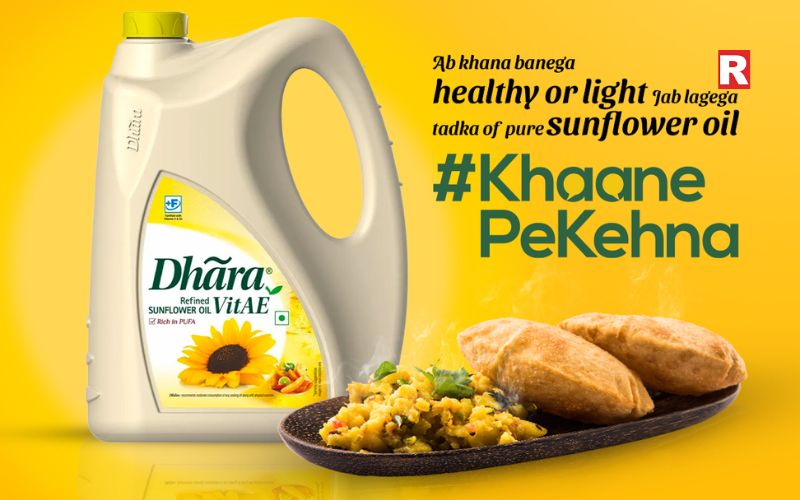
Dhara is a long-standing brand in the Indian edible oil market. It has earned the trust of consumers over decades through consistent quality and reliable production standards. Dhara sunflower oil is known for its balanced flavor and suitability for everyday cooking. Many families appreciate the brand for its familiarity and dependable performance in traditional recipes. Because of its strong distribution network, Dhara remains easily accessible across many parts of India.
Know more: Top Egg Brands in India That Crack All the Right Boxes
4. Sundrop Sunflower Oil

Sundrop sunflower oil is recognized for its high smoke point and nutritional benefits. The brand focuses on providing cooking oils that support modern, active lifestyles. Sundrop oils are rich in vitamin E and designed to work well with a variety of cooking methods. Whether preparing fried snacks or sautéed vegetables, the oil maintains stability under heat. Many consumers prefer Sundrop because it offers a combination of health benefits and reliable cooking performance.
5. Gemini Sunflower Oil

Gemini sunflower oil has gained popularity for its quality and advanced packaging technology. The brand focuses on preserving freshness and maintaining purity throughout the supply chain. Its refined sunflower oil is suitable for deep frying as well as everyday meal preparation. Gemini’s attention to quality control has helped it build strong credibility among consumers. The brand continues to expand its presence in both urban and regional markets.
6. Sunrich Sunflower Oil

Sunrich sunflower oil offers a balanced combination of affordability and quality. It is often used for regular home cooking because it delivers consistent results in taste and texture. The oil is suitable for various cooking methods, including frying and sautéing. Many households choose Sunrich for its practicality and value. Its growing presence in retail stores reflects the increasing demand for sunflower oil across India.
Factors That Define a Good Sunflower Oil
When selecting sunflower oil, it is useful to understand a few technical aspects that influence its quality. One important factor is fat composition. High-quality sunflower oil contains a greater proportion of polyunsaturated fats and a lower level of saturated fats. This balance helps support healthier dietary patterns.
Processing methods also play a significant role. Refined sunflower oils are commonly used for high-temperature cooking because they remain stable under heat. Cold-pressed sunflower oils, on the other hand, retain more natural nutrients and are often preferred for light cooking or salad preparations. Another critical feature is the smoke point. Oils with higher smoke points are better suited for frying and sautéing because they maintain their structure at elevated temperatures. Some brands also fortify sunflower oil with vitamins such as A, D, and E. This fortification helps improve nutritional value and supports overall health.
Also check: Top Chocolate Peanut Butter Brands in India and Whether They Are Good for Your Health
Top Summer Delights That Help You Stay Cool and Prevent Dehydration
Top Single-Origin Spices Are Becoming a Restaurant Differentiator
Choosing the Right Sunflower Oil for Your Kitchen
Selecting the right sunflower oil depends on several factors. It is useful to start by choosing brands that maintain strong quality standards and consistent refining processes. Checking the nutritional label is also important. Oils fortified with essential vitamins may offer additional benefits for everyday cooking.
Another consideration is cooking style. Households that frequently fry foods may benefit from oils with higher smoke points, while those who prefer lighter cooking methods may choose less processed varieties. Finally, selecting well-established brands can provide reassurance about quality and reliability.
Happy Eating!
Sunflower oil has become an important part of modern Indian cooking. Its light texture, mild flavor, and nutritional benefits make it suitable for a wide range of dishes. As consumers become more aware of the connection between diet and health, the demand for sunflower oil continues to grow. Leading brands are responding by improving refining technologies, introducing fortified products, and maintaining higher quality standards. For many households, sunflower oil represents a shift toward smarter cooking choices. By selecting the right brand and using the oil thoughtfully, families can prepare meals that are both flavorful and balanced.
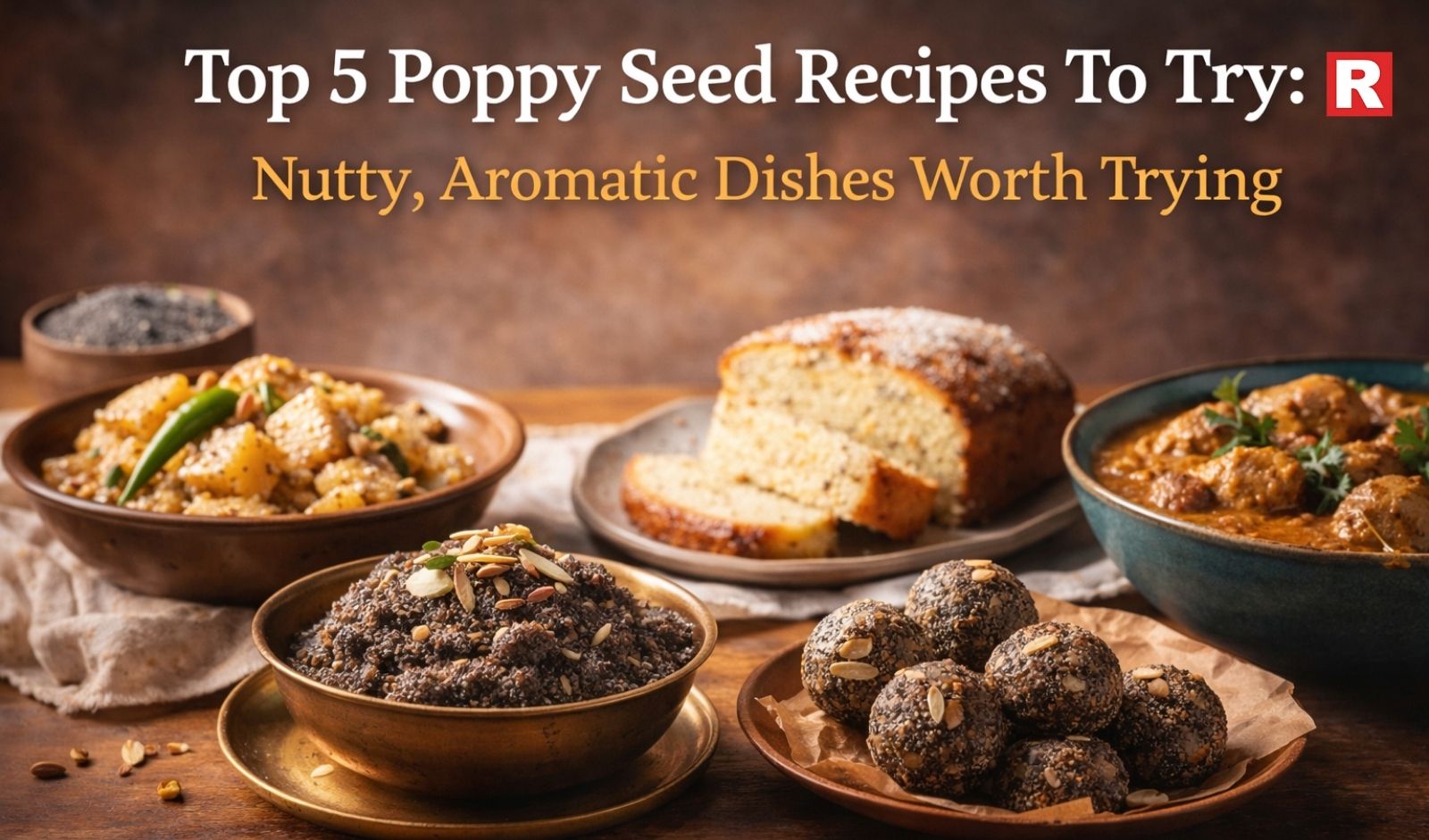
Poppy seeds may look tiny, but they carry deep flavor and impressive nutritional value. Known as khus khus in India, these seeds have been used in cooking for centuries. Their nutty taste and creamy texture make them perfect for both sweet and savory dishes. When soaked and ground, they create a smooth paste that adds richness to curries and traditional recipes.
Poppy seeds come from the plant Papaver somniferum, which produces the seeds widely used in baking, desserts, and regional cuisines. In Indian kitchens, they are valued not just for taste but also for their natural thickening ability in gravies. They are rich in calcium, magnesium, fiber, and healthy fats. Because of these nutrients, poppy seeds are often included in winter dishes and festive sweets. From traditional regional recipes to modern baked treats, they add both depth and nutrition to meals.
Discover Top 5 Poppy Seed Recipes
1. Bengali Aloo Posto
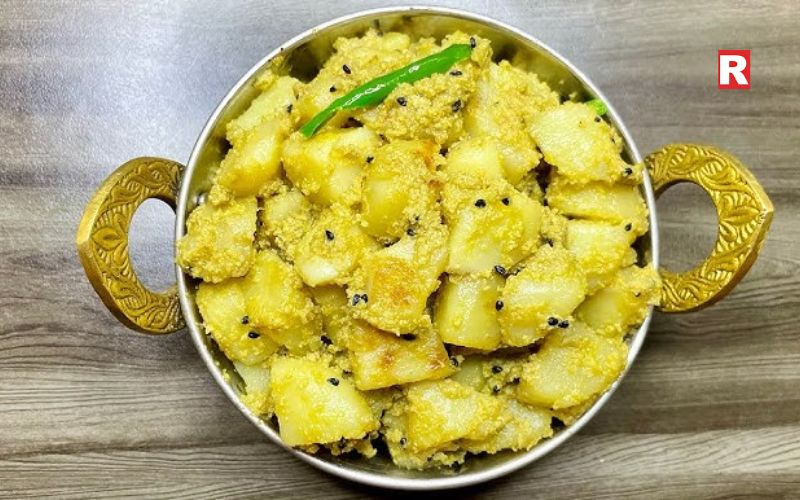
One of the most loved poppy seed dishes in India is Aloo Posto. This traditional dish comes from West Bengal and is a staple in many Bengali households. The recipe focuses on simplicity and flavor. The dish uses potatoes cooked in a thick poppy seed paste. To prepare the paste, poppy seeds are soaked in water for about 30 minutes and then ground into a smooth mixture. This process helps release the natural oils in the seeds, giving the dish its creamy texture. The cooking process is simple. Potatoes are sautéed with mustard oil, green chilies, and basic spices. The poppy seed paste is then added and cooked slowly until it coats the potatoes with a rich nutty flavor. Aloo Posto is usually served with steamed rice. The mild spices allow the poppy seeds to remain the star ingredient. Many home cooks consider it a comfort food that reflects the authentic taste of Bengali cuisine.
Read more: Top Trendy Travel Foods to Try: Flavors That Are Defining Food Tourism
Top Gut-Friendly Foods Becoming a Key Menu Category
2. Poppy Seed Halwa
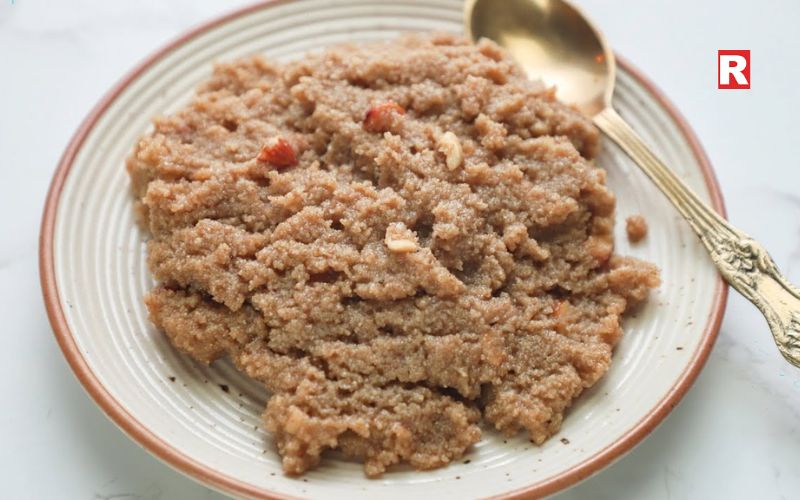
Poppy Seed Halwa is a rich dessert that is often prepared during festivals or special family gatherings. The recipe uses roasted poppy seeds combined with milk, ghee, and sugar to create a thick and aromatic sweet. The first step is roasting the poppy seeds gently. Roasting enhances their natural aroma and makes grinding easier. After roasting, the seeds are soaked and blended into a paste. The paste is then cooked slowly in ghee with milk and sugar. As it thickens, the mixture develops a deep nutty taste. Cardamom powder is usually added for fragrance, and chopped nuts such as almonds or pistachios can enhance the texture. The result is a creamy dessert with a soft grainy consistency. Poppy Seed Halwa is particularly popular during winter months because it provides warmth and energy.
3. Poppy Seed Lemon Cake

Poppy seeds are also widely used in baking. One popular dessert is the poppy seed lemon cake. This cake combines the tangy freshness of lemon with the subtle crunch of poppy seeds. In baking, poppy seeds are usually added directly to the batter. They hold their shape during baking and create a pleasant texture inside the cake. Their mild nutty taste pairs well with citrus flavors. The batter typically includes flour, butter, sugar, eggs, lemon zest, and lemon juice. Poppy seeds are mixed in before baking. Once baked, the cake has a soft crumb with small bursts of crunch from the seeds. Some bakers finish the cake with a lemon glaze to enhance its flavor. This dessert is often served as a tea-time treat and is popular in many European bakeries. The recipe demonstrates how poppy seeds can elevate simple baked goods by adding both texture and visual appeal.
4. Khus Khus Chicken Curry
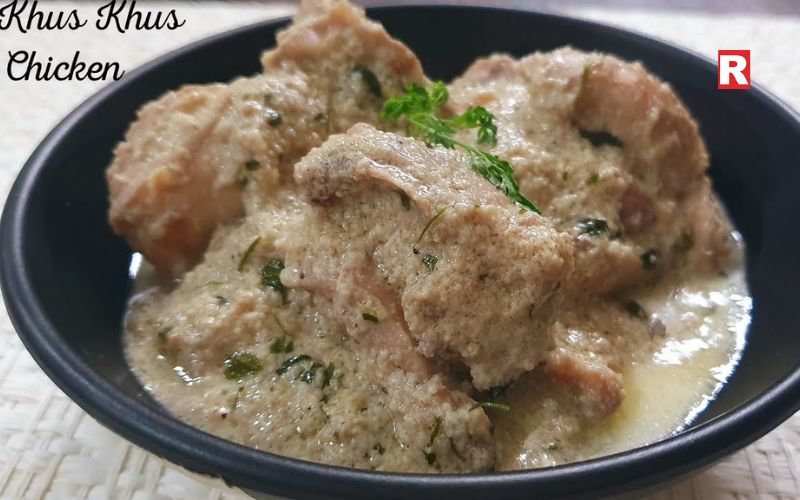
Khus Khus Chicken Curry is a rich savory dish that uses poppy seeds to create a thick and creamy gravy. The recipe is inspired by Mughlai cooking styles that focus on depth of flavor and luxurious textures. The gravy begins with a paste made from soaked poppy seeds. Many cooks combine the seeds with cashews or coconut while grinding. This mixture produces a smoother and more balanced base for the curry. The chicken is first sautéed with onions, ginger, garlic, and aromatic spices. The poppy seed paste is then added and cooked slowly with yogurt or cream. As the curry simmers, the sauce becomes thick and silky. The flavor is mildly spicy and deeply nutty. It pairs well with naan, roti, or steamed rice. Because poppy seeds naturally thicken the gravy, the curry develops a restaurant-style texture without heavy cream. This recipe highlights the versatility of poppy seeds in savory cooking.
Know more: Top 10 Mountain Delights of Himachal Pradesh to Try on Your Next Visit
5. Poppy Seed Energy Laddoos
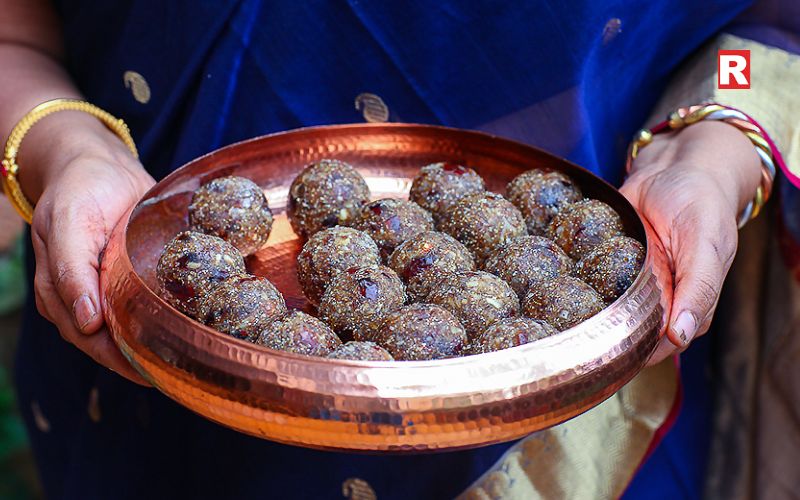
For those looking for healthier snack options, poppy seed laddoos offer both nutrition and taste. These small sweet balls are made using roasted poppy seeds, jaggery, and nuts. The preparation starts by lightly roasting the poppy seeds to bring out their aroma. Nuts such as almonds, cashews, or peanuts are also roasted. Jaggery is melted separately to create a natural sweet syrup. The roasted ingredients are mixed with the warm jaggery syrup and shaped into small laddoos. Once cooled, they hold their shape and become a convenient snack. Poppy seed laddoos are often prepared during winter because they provide energy and warmth. The combination of healthy fats, natural sugar, and minerals makes them a wholesome treat. These laddoos are also popular as homemade festive gifts.
Nutritional Benefits of Poppy Seeds
Rich Source of Calcium: Poppy seeds contain a high amount of calcium, an essential mineral that supports strong bones and teeth. Regular intake of calcium-rich foods helps maintain bone density and can contribute to overall skeletal health, especially as people age.
Supports Muscle Function with Magnesium: These seeds are also rich in magnesium, which plays a key role in muscle function and nerve signaling. Magnesium helps the body produce energy and supports many biochemical reactions that keep the body functioning properly.
Provides Healthy Fats for Energy: Poppy seeds contain beneficial fats that serve as a steady source of energy. These natural fats help the body absorb certain vitamins and support heart health when consumed as part of a balanced diet.
High Fiber for Better Digestion: The fiber content in poppy seeds helps improve digestion and supports gut health. Fiber also helps regulate bowel movements and contributes to a balanced digestive system.
Widely Used in Traditional Cooking: Because of their nutritional value and mild nutty flavor, poppy seeds are commonly used in traditional recipes around the world. In Indian kitchens, they are often added to sweets, curries, and even cooling summer drinks to enhance both taste and texture.
Also check: 8 Famous Vegetarian Dishes of Uttar Pradesh and Their Timeless Legacy
5 Cities That Serve the Best Non-Vegetarian Street Food
Top Famous Veg Street Foods in Kolkata That You Must Try Once in Your Life
Tips for Cooking with Poppy Seeds
Cooking with poppy seeds becomes easier when a few basic techniques are followed.
Soaking the seeds before grinding is important. This softens them and helps release their natural oils. A soaking time of 20 to 30 minutes usually works well.
Light roasting enhances flavor and aroma. It also makes the seeds easier to grind into a smooth paste.
For gravies, poppy seeds are often blended with ingredients such as coconut or nuts. This improves the creaminess of the dish and balances the flavor.
In baking, whole poppy seeds can be added directly to batters and doughs. They maintain their texture even after baking.
Happy Eating!
Poppy seeds are used in many cuisines across the world. In India, they appear in gravies, sweets, and regional dishes. In Middle Eastern cooking, they are used in desserts and bread toppings. European cuisine also celebrates poppy seeds in pastries and cakes. A famous example is Mohnstrudel, a traditional pastry filled with sweet poppy seed paste. These global recipes show how poppy seeds adapt to different cooking styles. Their flavor remains mild but distinctive, making them suitable for both sweet and savory dishes. Poppy seeds are a remarkable ingredient that adds flavor, texture, and nutrition to many recipes. Whether used in traditional Indian dishes like Aloo Posto or in modern baked goods such as lemon poppy seed cake, they offer endless culinary possibilities. These five recipes demonstrate how a simple ingredient can transform everyday cooking into something special. From comforting curries to festive desserts and healthy snacks, poppy seeds continue to inspire creativity in kitchens around the world.

White vinegar is one of the most underrated ingredients in the Indian kitchen. Most of us keep a bottle at home and use it occasionally for noodles or fried rice. But white vinegar can do much more than that. It improves taste. It fixes common cooking mistakes. It makes food look better. And it helps you cook smarter every day. Affordable and easy to find, white vinegar deserves a permanent place on your kitchen shelf. When used correctly, it can quietly upgrade your daily cooking without changing the original flavour of Indian food.
White vinegar is simple. It has a clean, sharp taste and no strong aroma. This makes it perfect for everyday cooking. It does not overpower spices or masalas. Instead, it balances them. In Indian homes, where food is often rich, oily, or heavily spiced, a small amount of acidity helps bring balance. White vinegar does exactly that. It adds brightness to food. It cuts excess oil. It enhances flavours without being noticeable. Once you understand how to use it, you will reach for it more often.
What Is White Vinegar?
White vinegar is made by fermenting grain alcohol. The alcohol turns into acetic acid through a natural process. Most white vinegar contains around 4 to 7 percent acetic acid. It is clear in colour. It has a sharp but neutral taste. Unlike apple cider vinegar, it does not have a fruity flavour. That is why it works well in savoury cooking. In India, white vinegar is commonly used in Indo-Chinese dishes. But its use goes far beyond that.
White Vinegar Uses in Everyday Cooking
White vinegar works best when used in small amounts. A few drops are often enough.
You can add it to dals, soups, and curries at the final stage. It lifts the overall taste. It makes food feel lighter on the palate.
If a dish feels too oily or heavy, white vinegar helps cut through the richness. If something tastes flat, a little acidity brings it back to life.
It is also useful when food turns slightly too salty. A few drops can help balance the saltiness without adding more ingredients.
Read more: Baking Soda vs Baking Powder: Same Shelf, Very Different Jobs
What Is Tofu? Know Its Benefits and the Best Brands in India
Smart White Vinegar Cooking Hacks You Should Try
White vinegar solves many common kitchen problems. These hacks are simple and practical.
Tenderising Meat: Adding a small amount of white vinegar to marinades helps soften chicken and meat. This works well for kebabs, stir-fries, and pan-fried dishes. Do not overuse it. Too much can make meat mushy.
Fluffier Rice: Add a few drops of white vinegar to boiling rice. The grains stay separate and fluffy. This works especially well for fried rice and pulao.
Perfect Poached Eggs: White vinegar helps egg whites set faster in hot water. The eggs hold their shape better and look neater.
Crispier Fried Food: A little white vinegar in batter improves texture. Pakoras, tempura, and fritters turn out lighter and crisper.
Better Dough: White vinegar improves dough elasticity. This helps while making flatbreads or baked goods. The result is softer texture.
White Vinegar for Vegetables and Produce
Vegetables benefit greatly from white vinegar. When washing vegetables, soaking them briefly in diluted white vinegar helps remove dirt and surface residues. Always rinse well with clean water after. White vinegar also helps prevent browning. Potatoes, apples, and other cut vegetables stay fresh-looking when soaked in water with a few drops of vinegar. While cooking green vegetables, adding a small amount helps retain colour. Beans, peas, and spinach look brighter and more appetising. If cooked vegetables smell too strong, a little vinegar balances the aroma.
Pickling, Baking, and Smart Kitchen Fixes with White Vinegar
White vinegar has long been a quiet staple in home kitchens. It is trusted for both preserving food and fixing everyday cooking issues.
Pickling and preserving
Widely used for quick pickles.
Keeps vegetables crisp and fresh.
Works well with onions, carrots, and cucumbers.
Pairs easily with dal-chawal, parathas, and biryani.
Common in chutneys and sauces for a clean, sharp taste.
Helps extend shelf life without artificial preservatives.
Baking and kitchen fixes
Reacts with baking soda to help cakes and breads rise.
Especially useful in eggless baking.
Neutralises strong or burnt food smells.
Balances overly pungent aromas.
Revives bland dishes with a few drops at the end.
Works well in soups, sauces, and stir-fries.
Simple, reliable, and easy to use, white vinegar supports better cooking without changing the original flavour of the dish.
Know more: 10 Mountain Foods to Keep You Warm While Visiting One
Common Mistakes to Avoid While Using White Vinegar
White vinegar is helpful, but only when used correctly.
- Do not add too much at once. Start with a few drops. Taste first. You can always add more.
- Avoid adding it early in cooking unless the recipe requires it. Prolonged cooking reduces its effect.
- Do not confuse white vinegar with apple cider vinegar. Both behave differently in cooking.
Always dilute it when washing vegetables or using it for soaking.
How to Store White Vinegar Properly
White vinegar is one of the easiest kitchen staples to store. It does not need refrigeration. A cool, dry shelf is enough. The bottle should always be tightly closed after use. This prevents contamination and keeps the vinegar fresh. When stored properly, white vinegar lasts for years. Its quality remains stable over time. The sharpness does not fade. The colour stays clear. This makes it reliable for daily cooking and kitchen use. Home cooks often appreciate its long shelf life. There is no rush to finish the bottle. It can be used slowly, as needed. With minimal care, white vinegar stays dependable, ready to support everyday cooking without spoilage or waste.
Also check: Pani Puri Has Different Names in Different Indian States—Know Them All
Try These Veg Soups in These Freezing Winters
5 Ways to Use Garden Cress Seeds (Halim) for Stronger Hair and Bones
Small Ingredient, Big Kitchen Impact
White vinegar often goes unnoticed in the kitchen. It sits quietly on a shelf. Yet its impact on cooking is remarkable. It sharpens flavours. It fixes small mistakes. It brings balance to heavy or oily dishes. All without drawing attention to itself. In Indian kitchens, balance matters. Food is rich. Spices are bold. Oils and ghee are used generously. A touch of white vinegar cuts through this richness. It lifts the taste. It makes food feel lighter. Still, the original flavour stays intact. The dish remains true to its roots. Cooks who use white vinegar mindfully begin to rely on it. A few drops at the right time change the outcome. Meals feel cleaner and more rounded. One simple bottle supports many tasks. Everyday cooking becomes smoother, smarter, and more confident.

Grilling transcends mere cooking; it's an immersive experience. From searing succulent steaks on a leisurely weekend to charring vibrant vegetables for a wholesome dinner, a foundational understanding of grilling basics is key to achieving perfection. This comprehensive guide is designed to transform you into a true grill master, regardless of your current skill level.
We'll meticulously walk you through every essential aspect, ensuring you gain the confidence and expertise to conquer any grilling challenge. Whether you're taking your first tentative steps into the world of open-flame cuisine or seeking to refine existing techniques, this resource offers invaluable insights. Prepare to unlock the secrets to perfectly cooked food, enhanced flavors, and unforgettable culinary moments right in your own backyard. Get ready to elevate your grilling game and impress friends and family with your newfound mastery.
Read more: The Science of Baking: Why Your Cake Isn’t Rising (And How to Fix It)
Mastering the Art of Roasting: Techniques Every Restaurant Chef Should
What is Grilling?
Grilling involves cooking food over direct heat, typically from a flame or hot coals. This method cooks food rapidly, imparting a distinct smoky flavor. The characteristic grill marks often seen on food not only enhance its visual appeal but also contribute to its taste.
Grilling's popularity stems from its ability to lock in flavors while requiring minimal oil. It excels at bringing out the best in both meats and vegetables. Furthermore, it's an excellent choice for outdoor cooking and social gatherings, adding a fun and interactive element to meals. This simple yet effective technique offers a delicious and often healthier way to enjoy a wide variety of dishes.
Grill vs Barbecue: What’s the Difference?
Many people confuse grilling and barbecuing. But they are not the same.
- Grilling is fast. It uses high heat and is good for small cuts of meat like burgers or chicken breasts. You cook directly over the flame.
- Barbecuing is slow. It uses low heat over a longer time. It’s better for big cuts of meat like ribs or brisket. Barbecue is usually done with a smoker or covered grill.
So remember: grilling is hot and fast, barbecuing is slow and smoky.
Know more: 6 Unexpected Benefits of Eating Jackfruit (Kathal) – Nature’s Spiky Surprise!
Types of Grilling Techniques

Different grilling methods work for different foods. Here are the main types:
- Direct Grilling: You place food right over the heat. This is best for quick-cooking foods like hot dogs, burgers, and seafood.
- Indirect Grilling: You keep the heat on one side and place the food on the other. This is perfect for whole chickens or roasts. It’s slower but cooks more evenly.
- Reverse Searing: This starts with indirect heat and finishes with direct heat. It gives meat a nice crust while keeping it juicy inside.
- Smoking: Food is cooked slowly using smoke. This adds a deep, rich flavor. Great for ribs, brisket, and even cheese.
- Rotisserie Grilling: Food is cooked while turning slowly. Best for whole chickens, lamb legs, or even pineapples.
What Foods Work Best with Grilling?
Almost anything can go on the grill. Here’s what works best:
- Meats: steaks, burgers, sausages, lamb chops
- Chicken: breasts, thighs, wings, whole chicken
- Seafood: prawns, fish fillets, lobsters
- Vegetables: bell peppers, zucchini, corn, mushrooms
- Fruits: pineapple, peaches, watermelon slices
Don’t forget to oil the food, not the grill. This helps prevent sticking.
Also check: 7 Healthy Chicken Dishes to Maintain Your Diet
High Protein Indian Meals You Should Try
When to Use Which Grilling Method
- If you’re short on time, use direct grilling.
- If you’re cooking a large piece of meat or want slow cooking, go for indirect grilling.
- Want that perfect steak? Try reverse searing.
- Planning a Sunday cookout with friends? Add smoking or rotisserie for flavor and fun.
Grilling Equipment You’ll Need
You don’t need fancy tools, but the right ones make it easier:
- Tongs – for flipping food
- Spatula – for burgers and fish
- Grill brush – for cleaning
- Meat thermometer – for perfect doneness
- Aluminum foil – for wrapping or indirect cooking
Types of Grills:
- Gas Grill – easy and fast
- Charcoal Grill – smoky flavor
- Electric Grill – great for indoors
- Pellet Grill – adds wood-fired taste
Choose based on your space, budget, and taste.
Marinades, Rubs, and Sauces
- Marinades: These soak into the food and add flavor. Use oil, acid (like lemon juice), and herbs. Marinate chicken for at least 30 minutes, beef for up to 4 hours.
- Dry Rubs: These are spice mixes rubbed directly on the meat. They give a nice crust when grilled.
- Sauces: Use BBQ sauce, garlic butter, or yogurt-based dips. But add sauces at the end. If added too early, they can burn.
Smart Grilling Tips for Beginners
- Preheat your grill – it ensures better sear
- Clean the grates – prevents old food from sticking
- Use the hand test – hold your hand 5 inches above the heat. If you can’t keep it there for more than 2-3 seconds, it’s hot enough
- Don’t press the meat – it loses juices
- Let meat rest after grilling – keeps it juicy
Grill Science: Why Does It Taste So Good?
Grilling creates the Maillard reaction. This is when heat changes the proteins and sugars in food, giving it that brown, crispy crust.
Char marks are not just pretty. They add a smoky, savory flavor. Use a thermometer to check doneness.
Here’s a quick meat temperature guide:
- Chicken: 75°C
- Beef (medium): 63°C
- Fish: 60°C
- Pork: 71°C
Common Grilling Mistakes to Avoid
- Flipping too often
- Not preheating the grill
- Using cold meat straight from the fridge
- Adding sauce too early
- Overcrowding the grill (leads to uneven cooking)
Simple Grilling Menu Ideas
Hosting a party or weekend lunch? Try these:
- Meat lovers: steaks, chicken wings, lamb skewers
- Veggie menu: grilled mushrooms, corn, paneer, and stuffed peppers
- Tropical touch: grilled pineapple or peaches with honey
- Seafood special: lemon-herb prawns or fish tikka
Make sides like grilled garlic bread or salad for a complete meal.
Final Thoughts
Grilling is surprisingly straightforward once you grasp the fundamentals. Equipped with the right tools, proper technique, and a little patience, you'll soon be preparing grilled masterpieces like a seasoned pro. Don't shy away from experimenting with diverse flavors and culinary styles; that's where the real fun begins! Whether you're whipping up a quick meal for yourself or hosting a lively gathering, grilling elevates the entire food experience, making it more enjoyable and memorable for everyone. So, seize the opportunity this weekend—fire up your grill and embark on a delicious adventure. Your taste buds will undoubtedly thank you for the incredible flavors and the fantastic time spent mastering this rewarding cooking method.

If you’ve ever pulled a cake out of the oven only to find it flat, dense, or sunken in the middle, you’re not alone. I’ve been there too. You follow the recipe carefully, measure everything right, yet the cake just doesn’t rise. It’s frustrating, especially when you’ve put in so much effort. The truth is, baking is not just about mixing ingredients and hoping for the best. It’s science. Each element—flour, eggs, sugar, butter, and especially leavening agents—plays a specific role. Even small changes in temperature, timing, or mixing methods can make a big difference.
In this article, we’ll explore the most common reasons your cake might not be rising as expected. From using expired baking powder to overmixing your batter, we’ll break down how these small issues affect your final result. We’ll also explain the science behind rising—what’s happening inside your cake when it’s in the oven—and give you practical tips to help improve every bake. So whether you’re new to baking or just want more consistent results, this guide will help you rise to the occasion—literally.
Read more: Mastering the Art of Roasting: Techniques Every Restaurant Chef Should
5 Restaurants to Explore in South India This Monsoon & Bakrid Weekend
What Is Baking, Really?
Baking is a dry heat cooking method that uses the heat of an oven to turn soft batter or dough into light, fluffy, and flavorful treats. It’s more than just combining ingredients—it’s a process where science plays a key role. As your batter bakes, ingredients like baking powder, eggs, and flour react with each other and the heat to create structure, rise, and texture.
Unlike stovetop cooking, baking relies heavily on precision. The right temperature, timing, and exact measurements all matter. Even a small mistake—like using too much flour or opening the oven too early—can affect your final result. That’s why baking can feel challenging, especially if you’re new to it. But once you understand the basics, it becomes much easier—and a lot more fun.
Why Your Cake Isn’t Rising
Here are the main reasons why your cake might stay flat:
- Old Baking Powder or Baking Soda: These ingredients are key leavening agents. They help your cake rise. But if they’re old, they won’t work. Always check the expiry date. You can test baking soda by adding vinegar to it. If it fizzes, it’s still good.
- You Overmixed the Batter: When you mix too much, the batter becomes tough. The air needed for rising escapes. Mix only until ingredients are combined.
- You Didn’t Preheat the Oven: This is a very common mistake. A cold oven means your cake won’t get the instant heat it needs to rise. Always preheat your oven for at least 10 minutes.
- Wrong Pan Size: If your pan is too large, the batter spreads too thin. That makes the cake cook too fast and stay flat. Use the pan size mentioned in the recipe.
- You Opened the Oven Too Soon: Peeking in too early can cause the cake to sink. Opening the oven door lets out hot air. Wait at least 20–25 minutes before checking.
Know more: 8 Types of Vegetarian Pizza to Try This Weekend (With Extra Cheese, Please)
6 Unexpected Benefits of Eating Jackfruit (Kathal) – Nature’s Spiky Surprise!
Understanding Baking Agents

The rise of a cake depends on something called leavening. Here’s how it works:
- Baking Soda: Needs an acid (like lemon juice or yogurt) to work.
- Baking Powder: Has both acid and base. It only needs moisture and heat.
- Yeast: Used in bread. It produces gas through fermentation.
- Whipped Eggs: Add air for lightness. Great for sponge cakes.
- Creaming Butter and Sugar: Traps air pockets to help rising.
Each type has its role. You must use the right one for the dish you’re making.
Types of Baking Techniques
Let’s explore the most common techniques bakers use:
- Creaming Method: This means beating butter and sugar until fluffy. It adds air. Best for pound cakes and cookies.
- All-in-One Method: Mix everything at once. It’s fast and easy. Works for simple cakes.
- Whisking Method: Use whipped eggs to create volume. Great for sponge cakes.
- Rubbing-In Method: Rub butter into flour using your fingers. Makes crumbly textures like in scones or pie crusts.
- Folding Method: Gently mix light ingredients into heavy ones. Used for soufflés and airy cakes.
Knowing which method to use makes a big difference in your results.
Also check: What Is Caesar Salad, and Why Is It Named After the Roman Emperor?
What Foods Use Baking Science?
Baking isn’t just about cakes. Here are other dishes that rely on the science of baking:
- Bread: Needs yeast and kneading to build gluten.
- Cookies: Spread or stay soft based on butter and sugar ratio.
- Pastries: Use layers of butter to create flakes.
- Muffins: Like cake, but denser and more moist.
- Cupcakes: Small cakes, often lighter in texture.
Each recipe uses its own mix of ingredients, time, and temperature.
Know more: How to Pair Beer with Indian Food: A Desi Guide to Perfect Pints
Texture Troubles and What They Mean
Let’s say your cake rose—but something still feels off. Here’s what your cake is trying to tell you:
- Dry Cake: You used too much flour or baked too long.
- Dense Cake: Batter was overmixed or you used too little leavening.
- Soggy Center: Cake was underbaked or had too much liquid.
- Cracked Top: Oven temperature was too high.
Small tweaks can solve most of these problems.
Smart Baking Substitutes
Sometimes you run out of an ingredient. Here are a few baking swaps that often work:
- Buttermilk: Mix milk with lemon juice.
- Eggs: Use mashed banana or applesauce (1/4 cup = 1 egg).
- Yogurt: Adds moisture and works in place of sour cream.
- Self-Rising Flour: Mix 1 cup all-purpose flour with 1.5 tsp baking powder + 1/4 tsp salt.
Not all substitutes give the same results, but they work in a pinch.
Baking Tools That Matter
Investing in the right tools can take your baking from average to amazing:
- Oven Thermometer: Oven dials are often inaccurate.
- Digital Scale: More accurate than cups and spoons.
- Mixing Bowls: Use glass or metal for better mixing.
- Measuring Spoons and Cups: Essential for consistency.
- Sifter: Helps remove lumps and aerate flour.
Even the best recipe won’t work without proper tools.
Tips From My Kitchen to Yours
Before you put your batter in the oven, ask yourself:
- Did I measure everything correctly?
- Did I preheat the oven?
- Is the pan size correct?
- Did I mix just enough—but not too much?
Following these small checks can prevent major baking fails. I used to skip these steps and wonder why my cake looked like a pancake. Now I know better, and so do you.
In Conclusion
Baking is more than following a recipe—it's about knowing how ingredients react and how heat transforms them. Every cake you bake is a small science experiment. Understanding the role of baking powder, oven temperature, and mixing methods can completely change your results. Whether you’re baking for the first time or the hundredth, learning why things go wrong is the key to getting better. A cake that doesn’t rise isn’t a failure—it’s a clue. It’s a sign to check your basics: fresh ingredients, proper mixing, accurate temperature. Don’t get discouraged. Baking takes practice, patience, and a bit of trial and error. Use each mistake to learn something new. With time, you’ll master the science behind the perfect rise.

Roasting is more than just cooking food in dry heat. For professional chefs and restaurant kitchens, it's a technique that brings out deep flavors, golden textures, and rich aromas. Whether it’s a perfectly cooked chicken or crisp seasonal vegetables, roasting can elevate the simplest ingredients into something extraordinary.
In this article, we’ll break down everything you need to know about roasting — the types, techniques, tools, when to use what, and how to master it in a professional kitchen. If you're a chef looking to refine your roast game, or a restaurant owner trying to improve your kitchen's efficiency and flavor output, this guide is for you.
Read more: 5 Restaurants to Explore in South India This Monsoon & Bakrid Weekend
What is Roasting?
Roasting is a dry-heat cooking method that uses hot air, typically in an oven, to cook food. It caramelizes the outside and locks in the flavor. This method is used mostly for meats and vegetables. The key here is high temperature — it browns the surface and gives a crispy texture while keeping the inside juicy and tender.
Unlike baking, which usually uses lower temperatures and covers items like pastries or breads, roasting is for bold, savory dishes. And compared to grilling, it gives you more even cooking and better moisture control.
Know more: High Protein Indian Meals You Should Try
How to Pair Beer with Indian Food: A Desi Guide to Perfect Pints
The Science Behind Roasting
The magic of roasting lies in the Maillard reaction — a chemical process that happens when proteins and sugars react under high heat. This creates that brown, crispy surface we love in roasted meats and vegetables.
Roasting also removes moisture. But when done right, it only dries out the surface, leaving the inside juicy. For chefs, understanding temperature and timing is key. Roast at 160–220°C depending on what you’re cooking. High heat gives crispiness, while lower heat helps cook thicker cuts more evenly.
Types of Roasting Every Chef Should Know

In a restaurant kitchen, you may need to use different roasting methods based on ingredients and serving size. Here are the main types:
- Open Roasting: The classic method. The food is placed uncovered in an oven. Best for meats and vegetables.
- Closed Roasting: Food is covered with foil or a lid. This keeps in moisture. Used for tougher meats or recipes that need braising.
- Slow Roasting: Low temperature (around 120–150°C) for long hours. Perfect for large roasts like briskets and whole lamb.
- High-Heat Roasting: Fast cooking at 200–230°C. Used for crisping poultry skin or caramelizing vegetables.
- Pan Roasting: A combination of stove-top and oven. Meat is seared in a pan, then finished in the oven.
- Spit Roasting (Rotisserie): The food rotates over a heat source. Popular for whole chickens in commercial rotisserie ovens.
Each type gives a different texture and flavor. Choose based on the dish you want to serve.
Differences Between Roasting Methods
Understanding the differences between roasting methods can make or break a dish in a restaurant setting.
- Moisture: Open roasting gives a crisp texture, while closed roasting keeps the food moist.
- Time: Slow roasting takes hours but gives soft, tender meat. High-heat roasting is quicker but risks drying out if overdone.
- Flavor depth: Slow roasting develops deep flavor. High-heat roasting is good for caramelization.
- Texture: Want a crunchy outer crust? Use high heat. Want fall-apart texture? Go slow and low.
Also check: 10 Superfoods That Will Supercharge Your Diet & Make You Feel Like a
10 Must-Try Gujarati Dishes That Will Delight Your Taste Buds
Best Dishes to Roast
Some dishes just shine when roasted. Here’s what chefs commonly roast in restaurants:
- Whole roast chicken or turkey
- Prime rib or lamb leg
- Pork belly or shoulder
- Cauliflower or broccoli florets
- Baby carrots, beets, and sweet potatoes
- Spiced nuts (in dry roasting)
- Coffee beans (specialty cafes and roasteries)
Each of these responds beautifully to heat and brings out deep, satisfying flavors.
When to Use Which Roasting Technique
- Use open roasting for dishes where crispness is key — like roast chicken or vegetables.
- Use closed roasting when cooking large or tough cuts like lamb shank or pork shoulder that need more time to soften.
- Use slow roasting when preparing in bulk or pre-cooking meats for service later.
- Use pan roasting when you want control — like when searing duck breasts before finishing in the oven.
- Use high-heat roasting for sides like potatoes and bell peppers for that charred finish.
Understanding the ingredient and desired outcome is what helps chefs decide.
Tools and Equipment You’ll Need
You can’t master roasting without the right gear. Here’s what a professional kitchen should have:
- Commercial convection oven: For even heat circulation
- Thermometers and probes: To check internal temperatures precisely
- Roasting racks and pans: Helps heat surround the food for uniform cooking
- Cast iron skillets: Great for pan roasting
- Rotisserie ovens: For spit-roasting large quantities
- Basting tools: To keep the food moist during roasting
Each piece of equipment supports better results and efficiency in a busy kitchen.
Check more: Restaurant vs. Café: What Truly Sets Them Apart?
Outdoor vs. Indoor Dining: Which Experience Stands Out?
Tips for Perfect Roasting
- Preheat your oven. Always. A cold oven leads to uneven cooking.
- Room temperature food. Don’t roast straight from the fridge. Let it rest for 20–30 minutes first.
- Season generously. Roasting intensifies flavors, so make sure your rubs or marinades are bold.
- Use a meat thermometer. Avoid cutting to check doneness. It lets the juices escape.
- Let it rest. After roasting, rest your meat for 10–20 minutes before slicing. This helps redistribute juices.
Pairing Roasted Dishes with Sides and Sauces
A good roast needs a great support act. Some suggestions:
- Sides: Herb-roasted potatoes, sautéed greens, roasted garlic mash, buttered rice
- Sauces: Classic jus, peppercorn gravy, red wine reduction, chimichurri
- Wines: Red meats go well with bold reds like Shiraz or Cabernet. Roasted chicken pairs beautifully with Chardonnay.
Pairing enhances the full dining experience and boosts the perceived value of the dish.
Why Roasting is a Restaurant Chef’s Best Tool
Roasting is one of the most efficient techniques in a restaurant kitchen. It allows chefs to prepare large batches with minimal hands-on effort, making it perfect for high-volume service. Its versatility is unmatched — from meats and vegetables to nuts and even coffee beans, nearly anything can be roasted. This method brings out deep, rich flavors and enhances the natural taste of ingredients. It also helps reduce food waste by turning leftover produce into flavorful sides or garnishes. Visually, roasted dishes offer golden browns, crisp edges, and an appealing, rustic look that stands out on the plate. More than just a technique, roasting brings warmth and homestyle charm that resonates with diners and keeps them coming back.
Final Thoughts
Roasting is more than just applying heat — it’s a careful balance of timing, texture, and transformation. For restaurant chefs, it’s one of the most dependable techniques to bring out bold flavors and rich aromas in meats, vegetables, and even nuts. Whether it’s a quick, high-heat roast for crispy skin or a slow, low-temperature method for tender cuts, each roasting style has its place on a professional menu. Mastering this art means understanding which technique suits which ingredient, using the right tools, and maintaining consistency in every batch. When done right, roasted dishes become crowd favorites — comforting, flavorful, and deeply satisfying. Make roasting a signature element of your kitchen and let your next roast steal the show.

Zero-waste cooking is no longer a niche trend—it’s a conscious shift redefining the culinary landscape in India’s top hotels. At its core, it’s about honoring ingredients in their entirety and innovating within constraints, leading to a new wave of creativity in kitchens across the country.
According to the UN Environment Programme’s (UNEP) Food Waste Index Report 2024, India wastes 78.2 million tonnes of food annually, with 22 million tonnes coming from the food service industry alone. These numbers are a wake-up call for the hospitality sector to lead the change.
Last year, around 40% of food wastage in hotels was reduced in India through zero waste cooking, as per the reports. Let’s get to know how brands are working on this concept.
Why Zero Waste Cooking
Zero-waste efforts help significantly enhance guest loyalty and brand reputation. Today’s diners are value-driven—they want meals that align with their ethics, not just their palate.
“Techniques like “root-to-stem” and “nose-to-tail” cooking ensure that every part of an ingredient is used—vegetable peels become crisps, bread trimmings are transformed into crumbs, and citrus rinds are repurposed into house-made syrups or bitters. This is not just sustainability in action—it’s smart, resourceful, and deeply respectful of produce and planet. The urgency to adopt such practices is clear,” explained Chef Nishesh Seth, Executive Chef, Shangri-La Bengaluru.
He also pointed that hotels are aligning with sustainability goals through training, better inventory control, and tech-driven kitchen management. Pre-planned menus, reduced spoilage, and repurposed surplus are helping kitchens drastically cut waste. Partnering with local farmers for just-in-time procurement further ensures freshness and minimizes overstocking.
Chef Dheeraj Mathur, Cluster Executive Chef, Radisson Blu, Kaushambi, Delhi NCR said, “Hotels are increasingly recognizing the importance of sustainability and reducing their environmental impact, leading to the adoption of zero-waste practices. Hotels are implementing waste reduction campaigns that encourage guests to reduce, reuse, and recycle. Chefs are trained to repurpose leftover ingredients and scraps into new dishes, reducing food waste and creating innovative culinary experiences.”
Business Impact and Customer Preferences
Zero waste cooking is becoming an integral part of the culinary experience. While precise revenue figures from this practice are not readily available, there is a growing interest from guests who value sustainability. Today’s travelers, particularly from the millennial and Gen Z demographics, actively seek out hotels and restaurants that prioritize eco-friendly practices.
Expressing his viewpoints, Anshul Dhyani, Executive Chef, ITC Grand Central, Mumbai said, “We offer sustainable dining options through initiatives like Alert Meets and the One Bite Wonder concept, which both showcase our dedication to sustainability while offering exceptional gastronomic experiences. Alert Meets is an innovative dining concept where each dish features a carefully curated selection of locally sourced, seasonal ingredients with minimal food waste.”
“There's a growing customer preference for sustainable options, with eco-conscious travelers increasingly seeking out hotels that prioritize sustainability. Zero-waste practices can help attract eco-conscious customers, improve a hotel's reputation, and reduce operational costs,” pointed Mathur.
Challenges in Zero Waste Cooking
Training and Awareness: One of the challenges in zero waste cooking is the need for extensive training across all levels of kitchen staff. Transitioning to zero waste requires a shift in mindset, where every part of an ingredient is valued. Training staff to repurpose, compost, and handle food waste properly is essential.
Initial Investment: Implementing systems for composting, waste management, and sourcing sustainable ingredients can be costly at the outset. However, the long-term environmental and financial benefits make it worthwhile.
Supply Chain Consistency: Sourcing high-quality, local, and sustainable produce regularly can be challenging. The availability of ingredients can fluctuate, requiring creative solutions to ensure that only the best products are used in a sustainable manner.
Customer Expectations: While some guests embrace the idea of repurposed ingredients or “ugly” produce, others may be unfamiliar with the concept. Ensuring that zero waste dishes maintain the high standards guests expect is a challenge we continually strive to meet.
The future of zero-waste cooking in India is promising as it's a commitment to sustainable luxury. With rising awareness and innovation, the industry is moving towards a time when sustainability is not an initiative, but a standard. As the industry leads the charge in sustainable hospitality, it ensures that every meal is not just a feast for the senses, but a step towards a greener future.
-
Indian traditional foodThe good news is that most biryani failures happen because of a few common mistakes. Once you understand the science behind the cooking process,…
 How to start a restaurant in IndiaAlthough one common thing emerged: lasting hospitality brands are built on much more than exceptional food. Food can become a country's…
 WineInstead of asking which wine is better, ask which wine suits your mood, your meal, and your palate. Exploring both styles is the best way to discover…
 DessertsAs demand for plant-based foods continues to rise, consumers can expect even more flavour innovations, improved nutrition, and wider availability in…
Copyright © 2009 - 2026 Restaurant India.