


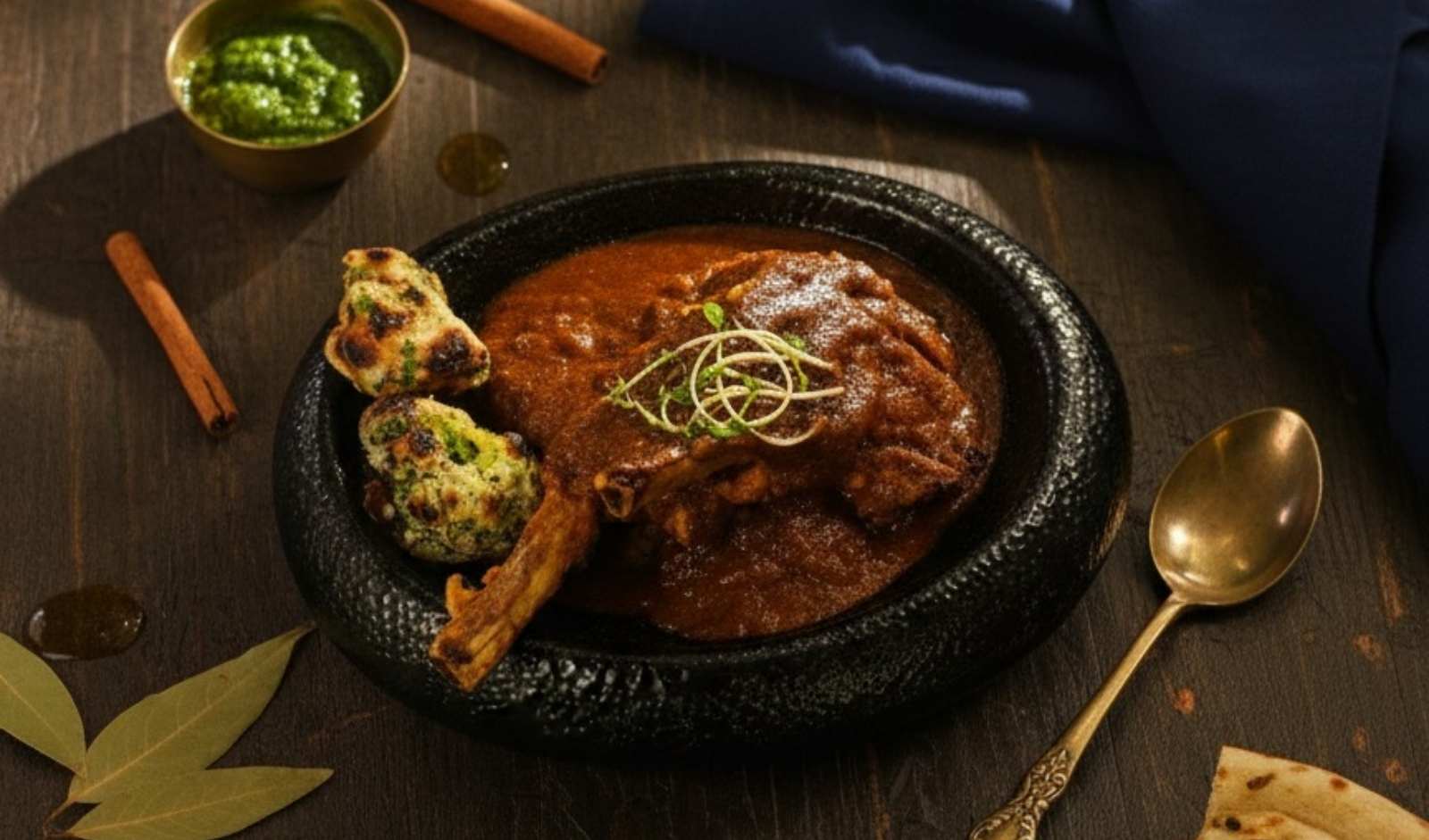
In a strategic move that reflects shifting consumer expectations in India’s premium casual dining segment, Dhaba Estd. 1986 has introduced its New Luxe Highway Menu, signalling a calibrated repositioning within the competitive hospitality market. The brand is aligning traditional North Indian roadside culinary themes with premium sourcing, refined techniques, and elevated presentation to attract a more discerning urban audience.
The concept has been developed by Chef Kartik, Regional Chef at Azure Hospitality Pvt. Ltd., which operates multiple restaurant brands across key metro markets. The new menu framework draws from India’s well-established dhaba culture, particularly the culinary traditions of Punjab and North India, while incorporating global ingredients and modern plating standards that resonate with contemporary diners.
The Luxe Highway Menu demonstrates how legacy-themed restaurant formats are adapting to rising average order values, evolving guest expectations, and premiumisation trends. Rather than competing solely on nostalgia, the brand is repositioning comfort food within a higher-value bracket.
One of the menu introductions includes a redesigned Raj Poori featuring moong sprouts, beet yogurt, and mint-tamarind chutney. The offering maintains familiar flavour profiles but introduces ingredient layering and visual detailing aligned with modern dining preferences. Similarly, the Highway Salmon Tikka integrates Punjabi spice marinades with Atlantic salmon, reflecting the increasing acceptance of global seafood within Indian restaurant menus.
The non-vegetarian portfolio also expands with Lazeez Chaampein, which uses Australian lamb chops paired with saffron burghul pulao and malai broccoli. The dish structure signals a move toward international protein sourcing while retaining North Indian flavour architecture. This hybrid positioning reflects a broader hospitality trend where traditional cuisine formats are being adapted to justify premium pricing and experiential dining.
Seafood options such as Ghee Roast Chilly Jumbo Prawns incorporate tadka ghee marinades and are served with brioche, illustrating cross-cultural culinary integration. On the vegetarian front, Gucchi Korma—featuring chena-stuffed morels in a rich curry base—caters to the growing demand for premium vegetarian dishes in urban India, particularly in metro markets where plant-forward fine dining is gaining traction.
The bread section further supports this premium repositioning strategy. Mushroom and Burrata Kulcha with truffle oil and Parmesan and Chicken Tikka Naan reflect how traditional Indian breads are being adapted using European dairy and flavour influences. Such combinations align with current consumer preferences for fusion-forward menus without departing entirely from familiar formats.
Desserts also indicate strategic menu engineering. Pistachio Kheer Brûlée, Motichoor Rabdi, and Baileys Ice Cream reinterpret classic Indian sweets through contemporary formats. This approach not only enhances perceived value but also supports higher dessert attachment rates—an important metric in dine-in revenue optimisation.
Chef Kartik said, “Dhaba cuisine carries emotion and memory. We wanted to honour its desi roots while presenting it with refinement and global flair.”
The launch reflects how established restaurant brands are adapting to India’s evolving dining economy. Consumers are increasingly willing to pay premium prices for familiar flavours presented in an upgraded format, particularly in urban centres where experiential dining influences repeat visitation. The Luxe Highway Menu positions Dhaba Estd. 1986 within this growth segment, balancing nostalgia with structured premiumisation.
The development also highlights a broader operational shift in the industry—where ingredient sourcing, presentation design, and menu storytelling are leveraged not merely for marketing appeal but for strategic differentiation. In an increasingly crowded restaurant landscape, the ability to reinterpret legacy cuisine while sustaining brand recall may define long-term competitiveness.
With the introduction of this new menu, Dhaba Estd. 1986 reinforces its intent to compete in the elevated Indian comfort dining category, reflecting how traditional formats are being recalibrated for a more value-conscious yet experience-driven customer base.
 GrowthAs demand for packaged staples and semi-prepared formats grows, manufacturing investments of this scale are expected to play a central role in…
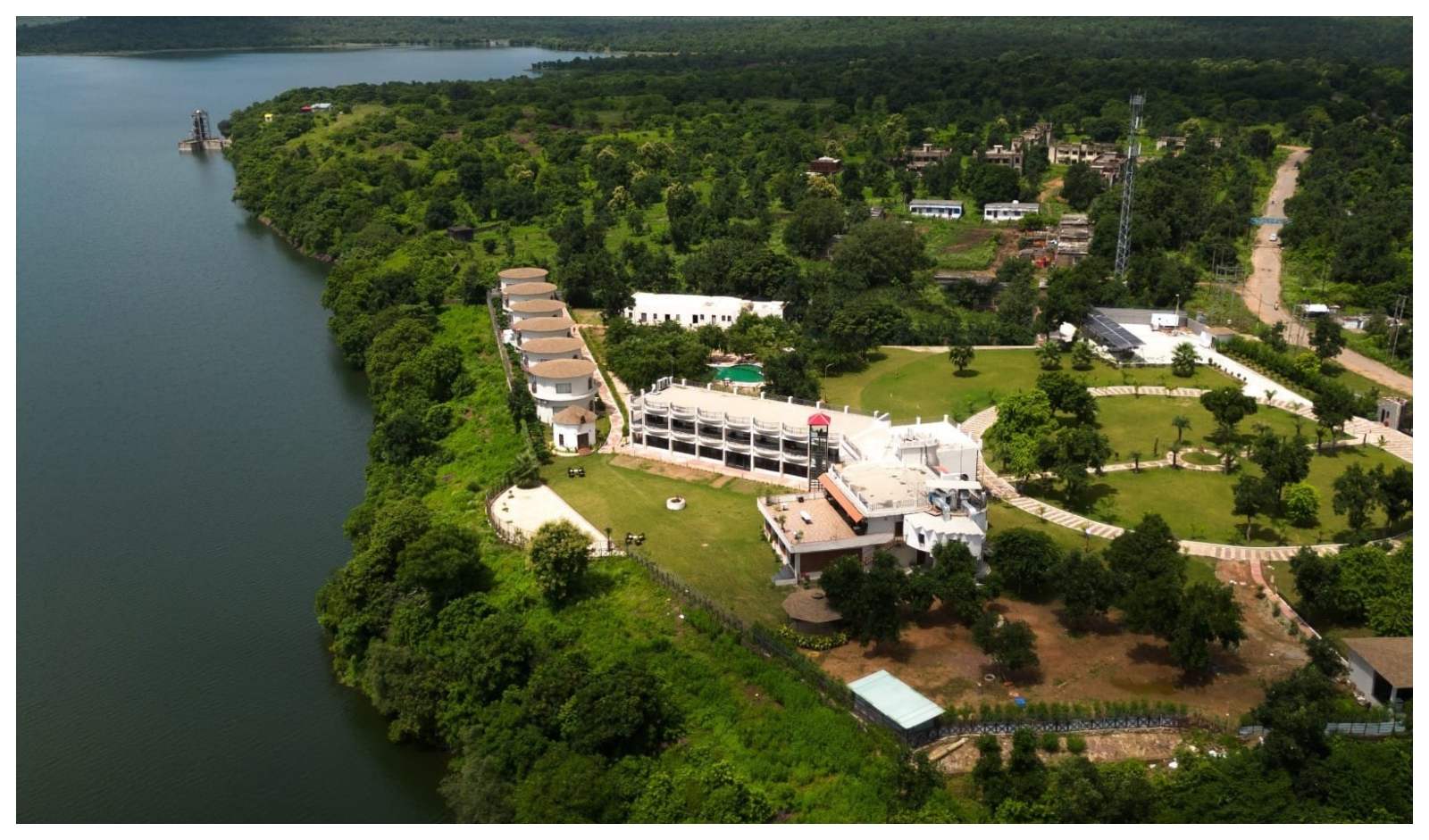 Hotels and ResortsBoosts regional Tourism and Hospitality Capacity around Shivpuri
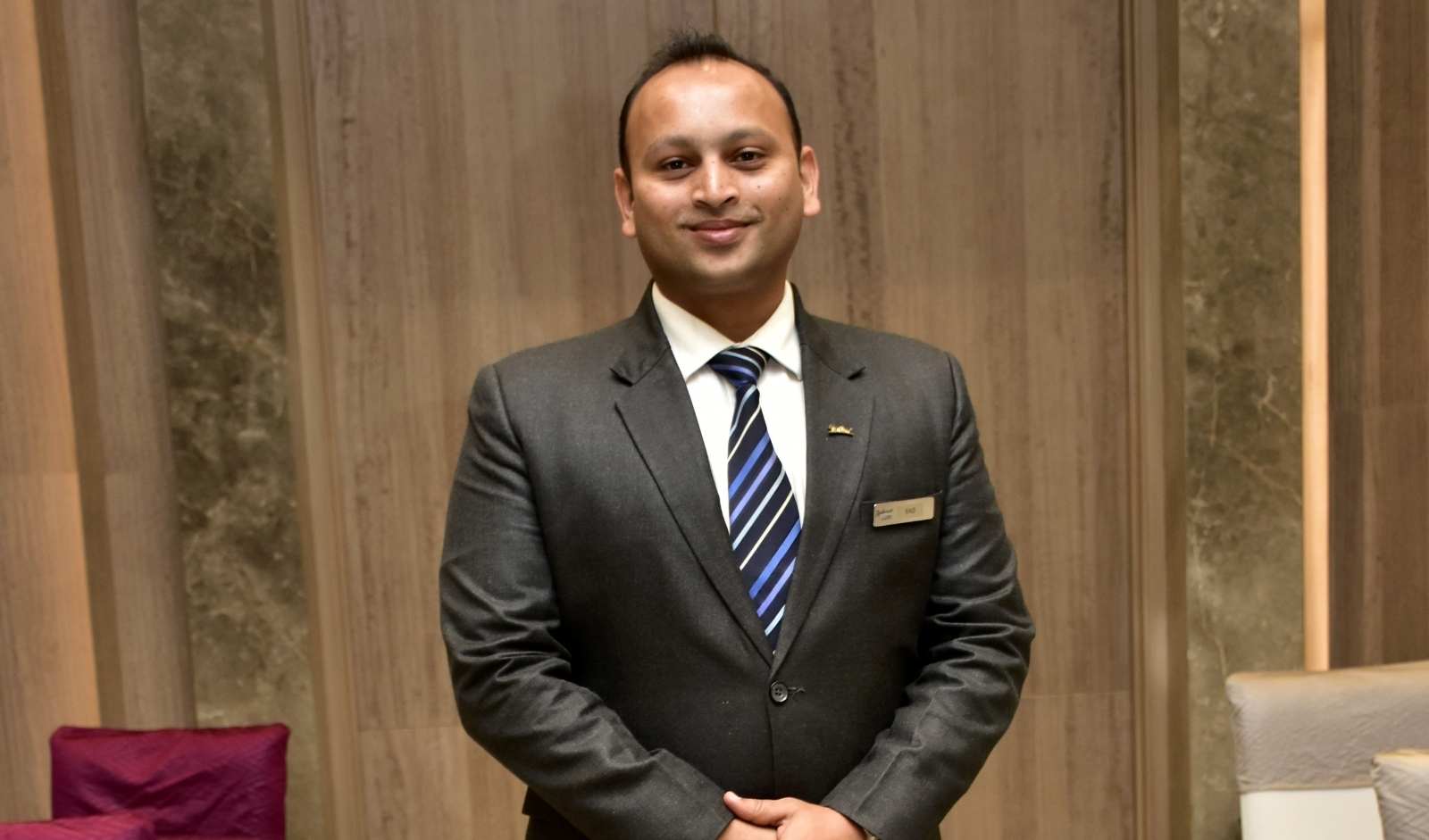 LeadershipThe appointment signals the hotel’s emphasis on operational strengthening amid competitive pressures in Mumbai’s hospitality market.
-
ExpansionThis approach not only enhances perceived value but also supports higher dessert attachment rates—an important metric in dine-in revenue optimisation.
Copyright © 2009 - 2026 Restaurant India.