





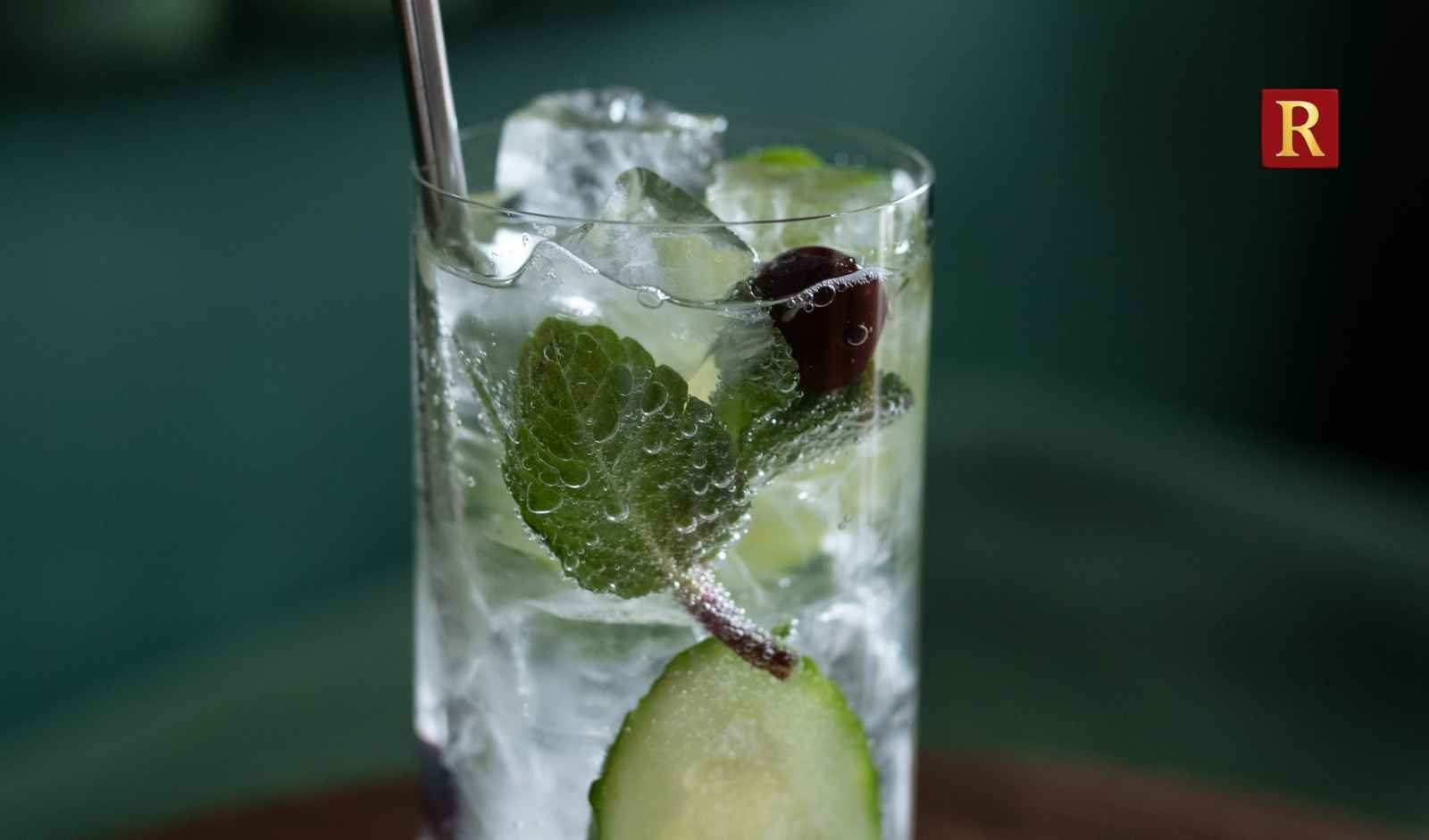
Carbonation is no longer limited to soda, sparkling water and beer. Chefs and bartenders are increasingly using carbon dioxide (CO₂) to change how food and drinks taste, feel and behave. From carbonated fruit and cocktails to lighter batters, the technique is becoming another way to control texture and sensory experience. For restaurants, this matters because carbonation can give familiar ingredients a different character without completely changing their identity. In India, that could mean taking flavours such as kokum, nimbu, aam panna or jaljeera and exploring them through controlled effervescence.
Carbonation Is About More Than Bubbles
At its simplest, carbonation means dissolving CO₂ into a liquid under pressure. When that pressure is released, the dissolved gas begins to escape as bubbles.
- The chemistry is straightforward: CO₂ + H₂O ⇌ H₂CO₃
Some dissolved CO₂ reacts with water to form carbonic acid. This contributes to the characteristic sharpness associated with carbonated drinks. But the culinary importance of carbonation goes beyond acidity. Research has found that CO₂ produces both chemical and sensory responses in the mouth. One study identified carbonic anhydrase 4 as an important CO₂ sensor and showed that carbonation activates sensory pathways linked to the perception of the gas. That explains why carbonation feels like more than liquid with bubbles. It creates a distinct physical sensation. A 2026 study involving young adult consumers found that cooling was identified by 93.3% of participants, carbonation by 86.7%, bite by 83.3% and overall fizziness by 76.7% as important texture characteristics of carbonated beverages. For chefs, this makes carbonation a useful sensory variable.
Why Carbonation Can Change Flavour Perception
One of the more interesting aspects of carbonation is its relationship with aroma. Research on mint-flavoured carbonated beverages found that CO₂ increased aroma perception. Carbonated drinks released a greater quantity of aroma compounds into the nose space than non-carbonated versions. This gives carbonation a role beyond refreshment. A sparkling kokum drink, for example, may not simply taste like kokum with bubbles. The carbonation can alter how the acidity, aroma and mouthfeel are experienced together. A recent 2026 study also found that dissolved CO₂ can affect saliva and increase sourness perception during oral processing. This is why carbonation needs to be balanced carefully. More gas does not automatically mean a better drink.
The Crispness Connection: Carbonated Water in Batter
Carbonation can also influence texture. Carbonated water is commonly used in some tempura-style batters. The bubbles can contribute to a lighter coating, while chilled liquid helps keep the batter cold and can improve its consistency. However, carbonation is only one part of the process. Flour type, mixing, batter temperature, oil temperature and frying time still determine the final result. Treating soda water as a guaranteed shortcut to crisp food would oversimplify the science. The more accurate explanation is that dissolved gas can contribute to the structure of the batter as it heats and escapes. That makes carbonation interesting as a texture-supporting technique, rather than a standalone solution.
Carbonated Fruit Turns Familiar Ingredients Into a New Experience
Fruit is another area where carbonation can become particularly interesting. Grapes, strawberries and other high-moisture fruits can be exposed to CO₂ under pressure. When the gas becomes incorporated into the fruit and is later released during eating, the result can produce a noticeable tingling sensation. Indian bartenders are already experimenting with carbonated fruit as a garnish. Perfect Serve India highlights applications including carbonated grapes and strawberries, along with directly carbonated cocktails and carbonation-assisted flavour techniques. This approach has strong potential for tasting menus. A grape is already familiar. A carbonated grape changes the eating experience without requiring an unfamiliar ingredient. That is useful for chefs looking for innovation that remains approachable.
Indian Flavours Could Benefit From the Technique
India already has a long relationship with sparkling drinks. Nimbu soda is perhaps the most obvious example. It combines citrus, sweetness, salt and carbonation in a format that is familiar across the country. The next opportunity is to apply the same thinking more deliberately to regional flavours.
Consider:
- Kokum: a sparkling kokum aperitif
- Aam panna: a carbonated summer cooler
- Jaljeera: a savoury sparkling drink
- Sol kadhi: an experimental lightly carbonated serve
- Sattu: a sparkling savoury beverage concept
- Kanji: a carbonated fermented drink concept
- Seasonal fruit: carbonated garnishes for cocktails and desserts
These are culinary possibilities rather than claims that all are established restaurant trends. There is, however, evidence of commercial interest in the broader category. A CSIR-CFTRI technology profile lists carbonated fruit beverages made using mango, grapes, lime and orange, with applications across beverages, restaurants, cafés, cocktails and mocktails. The technology is listed as already commercialised.
Bars Are Taking Carbonation More Seriously
The beverage industry is arguably where carbonation is becoming most sophisticated. Indian bar programmes are experimenting with directly carbonated cocktails, house-made sodas, fermented mixers, carbonated fruit and carbonation-based infusion techniques. Perfect Serve India describes these applications as part of the evolving Indian cocktail scene.
The technical details can be surprisingly precise. For example, one Indian bar setup described by Perfect Serve India uses an extremely cold chilling system and triple-charges bottled highballs overnight to allow CO₂ to dissolve gradually. The objective is consistent carbonation and fine bubbles. This highlights an important point: good carbonation is a process-control issue. Temperature, pressure, liquid composition and time all matter.
Temperature and Pressure Are Critical
Cold liquids generally retain dissolved CO₂ better than warmer liquids. Pressure also determines how much gas can be dissolved into the liquid.
Once the container is opened, pressure drops and CO₂ begins leaving the liquid. This is why service timing matters. A drink that is perfectly carbonated when prepared can lose its intended texture if it sits too long before reaching the guest. Bubble characteristics also influence sensory perception. Research has linked bubble and foam properties with mouthfeel, aroma release and taste and aroma perception. For professional kitchens and bars, consistency therefore matters as much as creativity.
Carbonation Can Influence Texture Beyond Drinks
The technique does not have to stop with beverages. Food researchers have studied bubble-containing foods, including chocolate, and found that bubbles can significantly change texture, chew and mouthfeel. Different gases can produce different sensory effects. This creates possibilities for modern pastry and dessert kitchens.
Carbonation and controlled gas incorporation can be explored in:
- Aerated chocolate
- Fizzy confectionery
- Carbonated fruit
- Frozen desserts
- Dessert garnishes
- Foams and other aerated preparations
But carbonation should not be confused with every form of aeration. Air, nitrogen, nitrous oxide and CO₂ behave differently and create different sensory results. That distinction is important when discussing food technology accurately.
What Carbonation Adds to a Restaurant Menu
For restaurant professionals, the biggest opportunity is not simply creating something unusual. It is using CO₂ to solve a sensory or presentation objective.
A chef might use it to:
- Create contrast: Add a fizzy element to an otherwise soft dessert.
- Lift a drink: Give a regional fruit beverage a sharper, lighter finish.
- Add texture: Use carbonation as one component of a crisp batter.
- Increase aroma impact: Take advantage of CO₂'s influence on aroma release.
- Modernise familiar flavours: Present traditional Indian ingredients in a contemporary format.
- Strengthen zero-proof menus: Carbonation can give non-alcoholic drinks more texture and energy without relying on alcohol.
The result can be innovative without becoming disconnected from the food's identity.
The Real Opportunity Is Controlled Carbonation
Carbonation is unlikely to replace conventional cooking techniques. It does not need to. Its value is that it adds another variable to the chef's toolkit. A modern kitchen already works with heat, acid, salt, sugar, fat, fermentation and texture. Controlled carbonation adds dissolved gas and pressure to that list. The most useful question is therefore not, "What can we make fizzy?"
It is: "What does carbonation add to this ingredient?" If the answer is better texture, greater aroma release, a sharper sensory contrast or a more interesting way to experience a familiar flavour, then carbonation has a genuine culinary purpose. That is where the technique becomes more than a visual trick. It becomes a practical tool for designing how a dish or drink is experienced from the first sip or bite to the last.

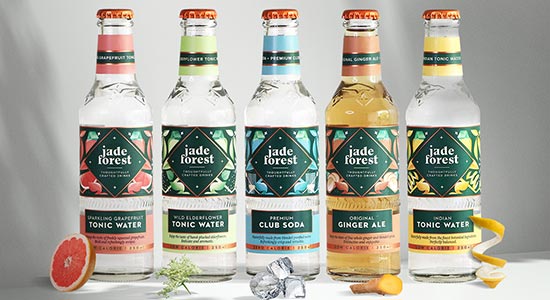
It all started when Shuchir Suri and Punweet Singh had decided to meet over a couple of drinks. When they sat down to order, they both observed something on the menu that stood out to them and that was a complete lack of beverage options to choose from. “What we saw were the same big brands that we’ve seeing all our lives and these were all overly sugared and full of artificial ingredients. We felt the space lacked any innovation for many years and that’s how we came up with Jade Forest, a thoughtfully crafted beverage company that believes in creating drinks in the ‘better-for-you’ category and abide by what our consumers want in today’s age and not by what the traditional beverage players have been trying to sell all these years,” shared Singh who recently raised funding of 1 million USD in a round led by Mumbai Angels Network to expand to new geographies and also launch into the Ready-to-drink beverage segment. Excerpts from the interview:
Also Read: Top learnings for beverage brands from pandemic
We see that in the last 2-3 years there has been lots of innovation happening in the beverage space and people have become more conscious about ingredients and its source. Why so? What innovation you have done in this regard?
When the pandemic first struck in April 2019, 70% of our sales, which at the time were coming through our HORECA channels, disappeared overnight. At a business level, we took the initial two months of lockdown to completely restructure our business model. Due to the nature of the lockdown, people became a lot more aware of the ingredients that were listed on the back of product labels and the need for “better-for-you” drinks is something that helped propel Jade Forest’s sales.
How has been the response so far?
The way we have seen the brand grow over the past two years and the acceptance shown by our consumers has truly been humbling. It is extremely tricky to create brand loyalty and stickiness in the beverage space and it all boils to down to a lot of smaller variables done correctly. While can now see some of the results of those efforts, we are constantly trying to capture the ever-evolving mind space and requirements of the Indian consumer and create products specifically tailored to their needs.
How different are your products and product offerings compared to the competition in the market?
We’ve been fortunate enough to be one of the early movers in the mixers category. Since then, we’ve seen an influx of other brands enter the space. Jade Forest has always been focused on a few key aspects that has and continues to differentiate itself from the competition. We emphasize immensely on taste and make sure whatever we launch receives the approval from our target audience prior to the launch. We believe, innovation in the drinks segment has not been fully tapped in India and that is where we expect our new product offerings to witness positive traction. Apart from that we will always offer products in the ‘better-for-you’ space with each category of drinks.
Are you also supplying restaurants? Please name some.
We are widely available across many of the most popular restaurants across the country, some of which include Bo Tai, Olive, Dear Donna, Leela Palace, Izumi, Sea, Pings.
May Interest: Mumbai Angels Network invests $1 million in non-alcoholic beverage brand Jade Forest
You recently raised funds. Where can we see those investments being used?
We are constantly expanding out footprint and with the latest round of funding we plan to further expand into key geographical locations. With strong SOP’s in place and technology integrations, our goal is to ensure that Jade Forest is available PAN India and with shorter delivery times through last mile delivery partners.
In terms of portfolio expansion, we are set to launch a range of drinks in a category that’s currently untapped in India. Apart from that we have already narrowed down on future product launches in 2022 and you will see a lot of new product offerings from Jade Forest. We’re now available in all major metros in the country, taking our overall presence to over 23 cities in India.
Beverage manufacturers are constantly looking out for the next disruptive beverage or trend. It’s important to keep in mind that taste is something that is extremely subjective to personal preferences. Even in a country such as India, taste preferences vary greatly from region to region. Globally, we are seeing huge importance and innovation in the better-for-you beverage segment and this is something that we see already making its way in to India. This is something we aim to be on the forefront of. What will be interesting to see though is how beverage companies create future categories keeping in mind the current global scenario with inflated raw material costs and constantly fluctuating govt tax laws.
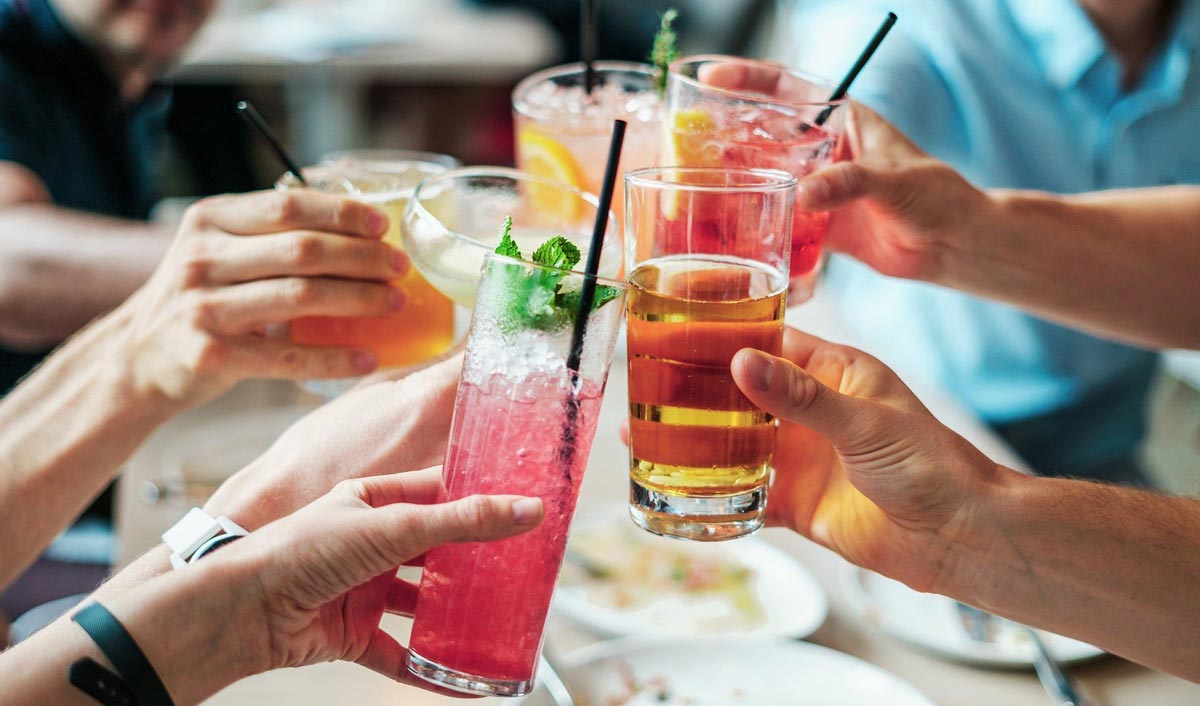
The consumers today are a whole bunch of enthusiasts who don't shy away from experiments, which cuts across age groups and demography. While for many years, people preferred Whisky and Beer with a certain section of the society choosing Wine for different occasions. This line has blurred now and it's all about discovering new tastes, beverages, cocktails, and much more. Gin and G&T have come to be very popular in recent times with many young entrepreneurs and established brands introducing contemporary beverages in this space that has caught everyone's imagination. Here are top 3 beverages trend that will see new innovations in India:
Indian Inspired Cocktails: We have seen that Indian origin flavours, ingredients and raw materials are gaining ground as we have seen that more and more players are experimenting with local ingredients and herbs. Not just restaurant menu but also beverages brands are playing and experimenting with Indian ingredients. We have also seen many brands taking inspiration from Indian flavours, stories and produce to create uniquely Indian cocktails. “Our signature serves reflect the all-day versatility of our Indian spirited Gin while paying homage to the Indian tradition of making fruit cordials and pickles, right from the fresh, flavourful Gimlets that are perfect for sipping under the sun to the deliciously savoury, aromatic Gibsons, ideal after dark. India’s long-standing culinary custom of making fresh fruit cordials as well as its pickling heritage are now being brought to the bar through our Indian spirited Gimlets and Gibsons. The Strange G&T heroes an ingredient that is found in every kitchen in India - a slice of ginger, which brings out the balance of the botanicals in the gin, resulting in a refreshing, aromatic thirst quencher. The versatility of our signature serves also enables the Gin to be paired with a wide variety of dishes and cuisines,’ shared Sakshi Saigal one of the Co-Founders at Stranger & Sons.
Social Consciousness: In today’s age, when sustainability is crucial, it is important to adapt to change. A number of companies around the globe are taking responsibility by changing their production methods, recycling material, using green energy and more! As a socially conscious brand, many brands in India are trying to incorporate this into their ethos and are striving to continuously improve their efforts and minimize environmental impact.
Health is main focus: As we look forward to the change that can impact the beverage industry, health likely to be the major driving factor and with pandemic, the pace will be speeding up. There’s been a notable decline in the soft drink and aerated beverages relatively when compared to the other category of beverages. People are dawning into an era of ‘Healthy lifestyle’. The rise of healthier and wholesome beverages will bring in the bygone fruits based & other traditional beverages resumption. The shift in focus towards a healthy lifestyle will bring in a requisite for freshly made beverages free of preservatives and flavors. “People have created a demand for real fruit-rich products rather than just flavor-rich, giving a platform for products like cold-pressed juices, smoothies, and other organic juices. Hence, the consumption of beverages will descend from fully processed to semi-processed ascending towards completely natural beverages,’ added Samrat Reddy of The Drunken Monkey.

The pandemic has made everyone relook at the business model by way of size, structure, venue and pricing. As restaurants are re-opening, they are looking at the bottom line very strongly, keeping in mind that there will be lot of stress on the compliance in the future. Be it food or beverages, they are working on everything from scratch. We see that people are going back to their roots, nostalgia is driving the business and love for homegrown, local brand is driving innovation. Talking to experts in the sectors Restaurant India came with this five beverages trend that will continue to rule restaurant and food menu in 2021:
Also Read: Dining Trends to watch in 2021
Nostalgia and ethical brand strategies: A celebration of love for all things desi, every brands are innovating themselves to fill customers with happy nostalgia and gratifying flavours. Bringing together elements that our uniquely Indian palate knows, loves and enjoys, restaurants and food brands are coming up with drinks that has a connect, story. Similarly, Mumbai’s local beverage brand Missus Sippi regales tales of hundred such parched memories from almost every regional kitchen in India. Not just a beverage delivery kitchen, Missus Sippi is a nostalgia mixologist that actualises the power of childhood memory into every 300 ml bottle it serves.
Support for local homegrown brands: We have seen that 2020 has seen lots of new, small players opening their doors for customers. Also, we have seen many small cloud-kitchen, delivery brands in the beverages space who did a remarkable job by standing true to customer trust and recognition. Brands like Amul, paperboat to name a few have launched drinks suiting the palate and demand during the pandemic. Many new start-ups also ventured serving low calorie, organic and healthy drinks.
Focus will be on product packaging and innovation: Packaging plays an important role in customer’s decision making. It is one single driver for the sale of a beverage brand that makes it different from its competitor. The packaging needs to be protective, is convenient, should tell a story and communicate different parameters regarding nutritional benefits, MRP, its content etc and also has a market value.
Growth of low calorie drinks: Calorie reduction is becoming important for beverages brand as customers are now looking at health as a spectrum when choosing a beverages. Hence, we have seen a sudden rise of low calorie drink makers, organic and health tea brands, smoothie players, cold-pressed juice brands etc.
May Interest: Five mega food trends to watch in 2021
Role of ecommerce would be vital in the make or break of this industry: Covid-19 pandemic has changed the whole dimension of food business. Not just restaurants but beverages brands have also entered into the delivery space making it easier for their customer to enjoy their favourite drink at the comfort of their home.

The Homegrown juice brand Fresca Juices was formally launched in 2010. It is one of the fastest growing packaged fruit juice brands in India. The company was launched with the aim to address the demand-supply gap in the juices and packaged fruit drinks market and was able to become a household name.
Akhil Gupta, Founder & Managing Director of Fresca Juices speaks on the journey of the brand and future plans of the company.
Fresca, the first Indian company to offer multiple flavoured-fizz options to consumers
Fresca launched Fresca Fruzo, a rich range of carbonated fruit drinks in March this year. Available in six refreshing flavours, the new line of products consists of Apple, Mojito, Jeera and Nimbu Masala flavours. A lip-smacking mix of juice and fizz, Fresca Fruzo is already garnering rave reviews from customers.
On the back of its massive traction, we believe that this new line of products will give tough competition to traditional carbonated drinks in terms of sale numbers over the next few years.
The Concept is different from other juice players in the industry
In the Indian market, there have been very few options when it comes to carbonated drinks. Even though there is a high demand for fizzy drinks in the market, mere 3-4 flavours have been available to customers.
Further, while there are multiple juice brands, there are none that cater effectively to fruit-juice aficionados who would truly appreciate innovation in the types and flavours of beverages available.
Fresca is different from other players as it identifies the need for different variants in the Indian market. It offers over 11 flavours across its fruit juice and carbonated fruit drink ranges.
Fresca is also popular for offering large SKUs in PET ranging from INR 10/- to INR 120/-. Apart from this, it offers over seven flavours in aseptic packaging - more than any other player in the market. It is also the first brand in India to introduce holographic aseptic packaging with four flavours. Most importantly, Fresca offers these options in exceptionally attractive packaging at a highly economical price point.
Top sellers in Fresca
Currently, our top-sellers include Litchi, NimbuPani, Guava, Mango, and Apple in 160ml, 300ml, 2 litre, aseptic 200ml pack, and holographic packs.
I am a fruit beverage enthusiast myself. Though I like all the flavours that we offer, Litchi is my favourite.
Sourcing Local Ingredients
Our products are made from fruit pulp, which is taken from locally sourced fruits. This is a major factor in determining the level of freshness and flavour Fresca offers.
Expansion plans
We have 2 lakh outlets operational in all states across North India alone. With a good presence across Food Park, HSIIDC, Rai, and Sonepat (Haryana), we will soon be expanding across western India, beginning with Mumbai and Pune. We also plan to foray into the east, central and south Indian market.
Apart from this, we also plan to increase our presence in tier II cities of the country, where we see high growth potential due to the lack of authentic brands in the fruit beverage space.
Carbonated Fruit Drinks in Indian Market
The options for carbonated fruit drinks in the Indian market have so far been scarce. It was only when Fresca launched Fresca Fruzo that people were introduced to the possibility of more variety in the fruit drink sector.
It is highly likely that they subconsciously craved for more flavours as Fresca's range of carbonated fruit drinks has received a commendable response in the market since its launch. We have sold 3 lakh cases units of Fresca Fruzo since March 2019 with being the most popular flavour in the category.
Since our launch, we can say with some confidence that the Indian customer is becoming more aware of fizzy fruit drinks in the Indian market.
Target Consumers
Our target demographic includes children (7-14 years old), teenage students (15-19-year-old), young professionals (20-30-year-old), and housewives.
Maintaining health and nutrition value
We ensure high quality of the beverages by putting special emphasis upon packaging, which comprises seven layers, unlike other brands that usually don't go beyond six-layer packaging. As mentioned earlier, we are the first brand in the country to introduce holographic aseptic packaging.
We have an ISO 9002 certification and conform to FSSAI guidelines which underline our commitment to maintaining best-in-class product standards.
Key challenges in the juice sector
Being in the juice sector, it becomes paramount that you ensure the freshness and quality of your products. Companies that diverge from their vision of providing top quality products are the ones who face challenges.
Fresca, on the other hand, maintains its standards by simply sticking to a set of FSSAI guidelines and sincerely implementing them. This prevents us from hitting any roadblocks when it comes to the production and consumption of Fresca's products.
The Indian food and grocery market is the world’s sixth largest, with retail contributing 70 per cent of the sales. The Indian food retail market is expected to reach INR 61 lakh crore (US$ 915 billion) by 2020 according to a sectoral report by Indian Food Resourcing.
Beverages have proved themselves to be smart movers and are continually developing innovative marketing techniques to penetrate modern retail.
Retail Market in India is estimated to reach USD 1 trillion by 2020 from beverage market. The Cafe’ market has witnessed an aggressive expansion by established brands, both domestic and international. Over the past five years, the café culture has grown with many new cafés opening across all major Indian cities. According to a report by FICCI, the market size for cafe’s is around INR 25,000 crore and is growing at 10 per cent per year. Newer brands such as Starbucks and Costa have been aggressive with opening new branches all over.
Rational Consumer
"With people inclining towards relaxing and going out more often, they are exploring new products very frequently. As a provider, it's exciting to see evolving trends in the market, being able to fulfil demands and introducing new products”, says Jasmeet Singh Marwah, Chairman and Managing Director at Funbars Hospitality Pvt. Ltd. adding that as a provider, he is excited to bring some of the best International brands to the country. Consumers are keen on trying new brands and exploring their taste buds as well."
India, with its population of 1.2 billion, is one of the largest consumer markets in the world. It is also demographically one of the youngest with around 50% of its population below the age of 25 and around 65% below the age of 35. The majority of Indian consumption of food and beverages is driven by people between the ages of 18 and 40. The appetite of the young Indian population has been a key driver in industry growth. With India’s population skewed towards younger consumers, each of these beverage categories has significant growth potential in the coming years. Indian consumers are now more mindful about what they are consuming. At the same time, it opens the opportunity for manufacturers to come with more varieties. Also they have to keep in mind that India is a price sensitive market and prices will always have an impact on what products consumer buy and how often they buy them. As such, there may be scope for manufacturers to offer beverages at multiple price points to ensure there is accessibility for the nation’s wider audience.
Energy Drinks
Talking of growth, market potential, sales and profitability in the beverage category, the energy drinks segment has been attracting a lot of consumer traction and performed impressively in recent years. Since its emergence in the Indian market, the energy drink category has enjoyed remarkable success, displaying a good growth in sales. “India’s energy drink market was valued at USD 3663.7 million in 2017 and is expected to reach USD 4626.1 million by the end of 2022, growing at a CAGR 4.5 per cent. Increased urbanisation, rising disposable income and growing health consciousness among the Indian youth has increased the demand for non-carbonated drinks. At the same time, long and erratic working hours and the trends of social gatherings are driving Indian consumers towards the consumption of energy drinks. So there exists plenty of demand for the category,” says Abhinav Biswas, Sales and Marketing Head, Goldfogg India. It shows that today energy drinks are no longer confined to bottom shelves of modern retail and have acquired the status of mainstream beverages.
 CocktailsAccording to NIQ’s 2026 research, nearly 7 in 10 Indians visit restaurants, cafés or bars at least once a quarter, creating greater opportunities for…
-
Culinary SceneThat is where the technique becomes more than a visual trick. It becomes a practical tool for designing how a dish or drink is experienced from the…
 ChefA crisp vegetable can provide texture. Citrus can provide acidity. A pickled garnish can combine several of these effects in a very small portion.
 Invest in cafesLocal cafés are proving that specialty coffee can work outside the metros too. With the café market expected to grow at around 19% CAGR through FY28…
Copyright © 2009 - 2026 Restaurant India.