





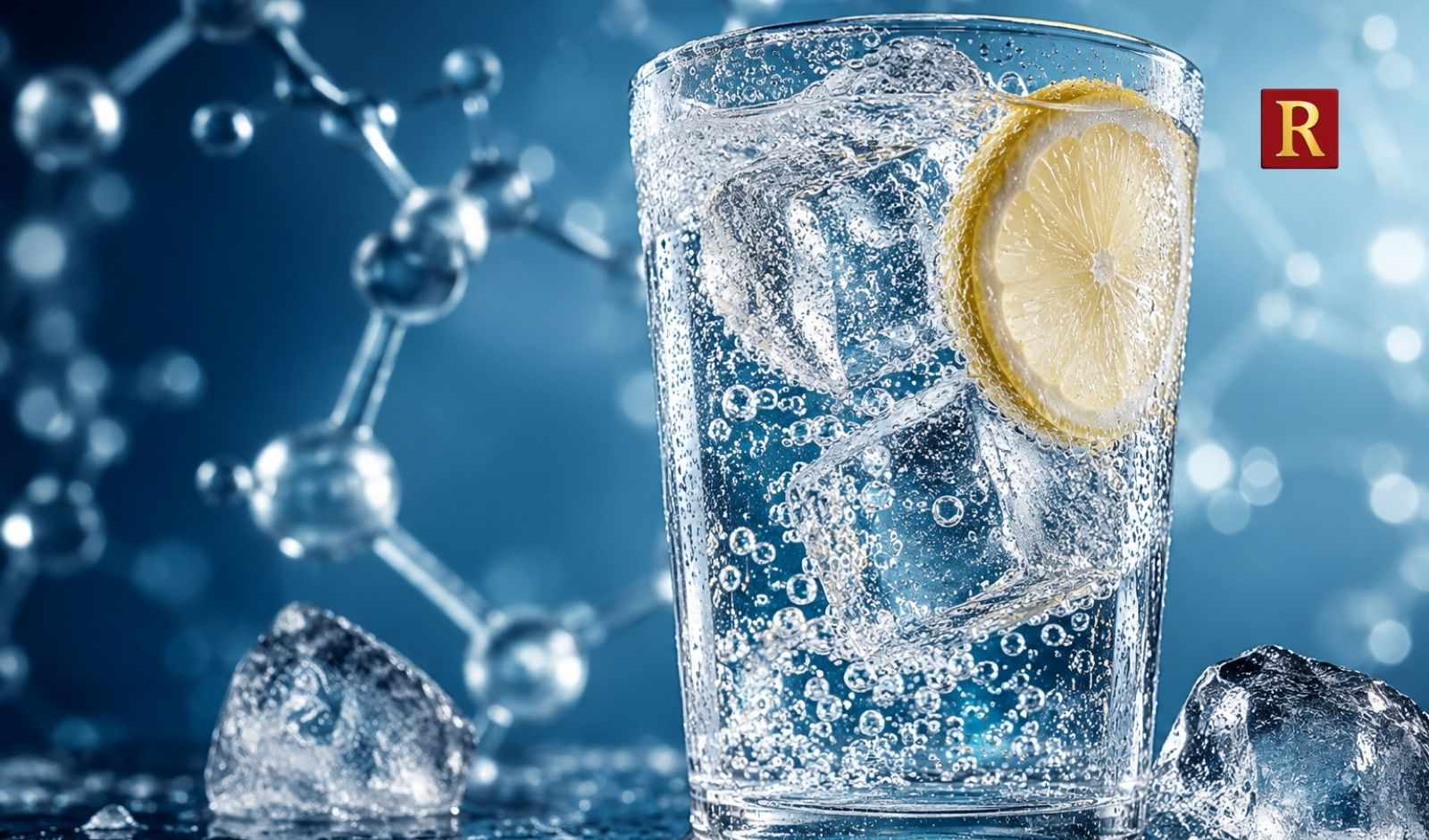
On a hot afternoon, many people choose a fizzy drink over plain water. Whether it is sparkling water, soda, tonic water, or a carbonated fruit beverage, the bubbles often make the drink feel more refreshing. This feeling is not just about taste. Scientists have found that carbonation affects how our mouth, nerves, and brain respond to a drink. The bubbles create a combination of cooling, tingling, and flavour-enhancing sensations that make fizzy beverages feel more satisfying. Understanding why this happens offers an interesting look into the science of beverages and explains why carbonation remains popular in everything from soft drinks to premium sparkling water.
What Makes a Drink Fizzy?
A fizzy drink contains dissolved carbon dioxide (CO₂) gas. During production, CO₂ is added under pressure. Once the bottle or can is opened, the pressure drops and the gas begins to escape. This creates the bubbles that rise to the surface.
However, carbonation is about much more than visible bubbles. When carbon dioxide comes into contact with saliva, it reacts with water and forms a mild acid called carbonic acid. This reaction is responsible for many of the sensations people associate with sparkling beverages. Without carbon dioxide, a fizzy drink would lose much of its character. This is why a flat soda tastes completely different from a freshly opened one, even though the ingredients remain mostly the same.
Your Mouth Detects More Than Just Taste
Most people think the tongue only detects sweet, salty, sour, bitter, and umami flavours. In reality, drinking a carbonated beverage activates several sensory systems at the same time.
These include:
- Taste receptors
- Touch receptors
- Temperature-sensitive receptors
- Trigeminal nerve endings
The trigeminal nerve is particularly important. It helps the body detect sensations such as the cooling effect of mint and the heat of chilli peppers. Carbonation stimulates this same system. As a result, fizzy drinks create a tingling sensation that feels different from ordinary taste. Scientists describe this as a "chemesthetic" response, which means the sensation is physically felt rather than simply tasted. This additional sensory stimulation makes carbonated drinks feel more exciting and refreshing than still beverages.
Why Fizzy Drinks Feel Colder
One of the most interesting aspects of carbonation is its relationship with temperature. Many people believe sparkling drinks feel colder than still drinks, even when both are served at exactly the same temperature. Research suggests that carbonation can enhance the perception of cooling.
When a cold, carbonated beverage enters the mouth, two things happen at once:
- Cold temperature activates cooling receptors.
- Carbonation activates trigeminal nerve endings.
The brain receives both signals together and interprets them as a stronger feeling of freshness. This is one reason why an ice-cold sparkling water often feels more refreshing than regular water served at the same temperature. For beverage brands and restaurants, this effect is particularly valuable because consumers often associate cooling sensations with refreshment.
The Role of Carbonic Acid
Carbonic acid plays a much larger role than many people realise. As carbon dioxide dissolves in saliva, it creates small amounts of carbonic acid. Although the acid is mild, it produces the distinctive bite that people notice in sparkling beverages. This slight sharpness creates a sensory contrast that helps make drinks feel lighter and more refreshing. Scientists have found that the sensation comes largely from the carbonic acid reaction rather than from bubbles alone. This explains why different carbonated beverages can feel similar even when their flavours are completely different. Whether it is sparkling water, tonic water, or a lemon soda, the carbonic acid reaction contributes to the characteristic fizz experience.
Why Bubbles Make Flavours Feel Stronger
Carbonation does not simply add texture. It can also influence flavour perception. When bubbles burst in the mouth, they help release aroma compounds. These aromas travel to the nose and contribute significantly to how flavour is experienced. In fact, much of what people describe as taste is actually smell. The movement of bubbles helps carry flavour compounds more efficiently, making beverages seem brighter and more vibrant. This is one reason why sparkling fruit drinks often feel more flavourful than non-carbonated versions. For beverage developers, carbonation serves as a tool that can improve both sensory experience and flavour delivery.
Can Carbonation Affect Thirst?
Studies have shown that carbonation can influence how people perceive thirst. Researchers have found that many participants report feeling more satisfied after drinking carbonated beverages compared to still drinks. The reason is not necessarily better hydration. Water remains one of the most effective ways to hydrate the body. Instead, carbonation creates stronger sensory stimulation. The tingling sensation, cooling effect, and increased flavour intensity make people feel as though they have consumed something more substantial. Some studies have also shown that carbonation and cooling together can reduce the desire to continue drinking immediately after consumption. This creates a stronger feeling of refreshment even when hydration levels remain similar.
Why Flat Soft Drinks Feel Less Refreshing
Almost everyone has experienced drinking a soft drink that has lost its fizz. The difference is immediately noticeable. When carbonation disappears, several important sensory elements are lost:
- Tingling sensation
- Carbonic acid bite
- Enhanced flavour release
- Cooling perception
- Complex mouthfeel
Without these effects, sweetness becomes more dominant. As a result, flat soft drinks often feel heavier and less refreshing. This explains why consumers typically prefer freshly carbonated beverages and why beverage manufacturers invest heavily in preserving carbonation throughout distribution and storage.
Why Restaurants and Cafés Use Carbonation
Carbonation is not only important for soft drink companies. Restaurants and cafés increasingly use sparkling beverages as part of the dining experience. Sparkling water, premium sodas, kombucha, tonic water, and sparkling fruit beverages have become common menu additions. There are several reasons for this.
Carbonated drinks can:
- Refresh the palate between bites
- Enhance sensory stimulation
- Increase perceived freshness
- Complement rich foods
- Improve the overall drinking experience
Many hospitality operators also view sparkling beverages as premium offerings, particularly as consumers become more interested in flavour-focused and low-sugar drink options. The global sparkling water market alone is worth billions of dollars and continues to grow as consumers seek alternatives to traditional soft drinks.
The Brain's Refreshment Shortcut
One of the most fascinating discoveries in beverage science is that refreshment is not determined by hydration alone. The brain uses multiple signals to judge whether a drink feels refreshing.
These signals include:
- Temperature
- Carbonation
- Flavour intensity
- Aroma
- Mouthfeel
Carbonated beverages activate several of these systems simultaneously. The combination creates a richer sensory experience than still beverages can usually provide. This helps explain why a sparkling drink can feel especially satisfying after exercise, during hot weather, or alongside a meal. The brain interprets the multiple sensory signals as a stronger refreshment experience.
More Than Just Bubbles
The popularity of fizzy drinks is rooted in science. Carbonation creates a unique combination of chemistry and sensory stimulation that affects how people experience a beverage. Through carbonic acid formation, trigeminal nerve activation, enhanced flavour release, and cooling perception, fizzy drinks deliver a refreshment experience that goes beyond simple hydration. The next time you open a sparkling water or a carbonated soft drink, remember that the sensation is not just about bubbles rising to the surface. It is the result of a carefully studied interaction between carbon dioxide, your senses, and your brain. That combination is what makes fizzy drinks feel so refreshingly different.
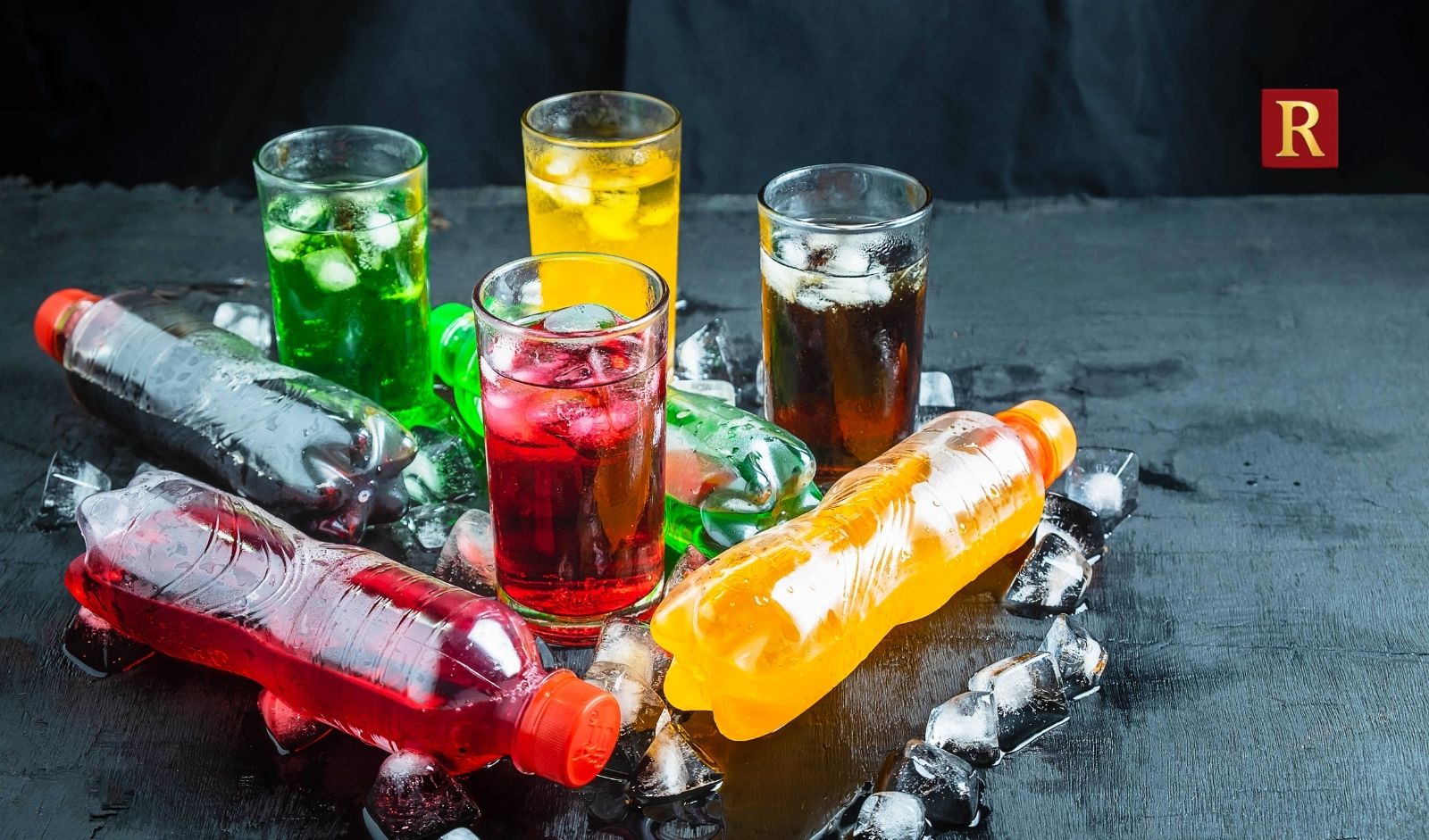
Cola has been one of the world's most popular soft drinks for decades. But today, many people are exploring new sparkling beverages that offer fruity flavours and a lighter taste. Whether it is a citrus drink with lunch, a berry-flavoured refresher on a hot afternoon, or a tropical sparkling beverage at a café, fruit-based fizzy drinks are becoming a regular choice.
This shift is driven by changing consumer preferences. Many shoppers now look for drinks made with fruit juice, natural flavours, or lower sugar content. Restaurants, cafés, and beverage brands are also introducing more fruit-forward sparkling drinks to meet this growing demand. If you are looking for something different from traditional cola, here are some of the best sparkling fruit drinks to try.
Why Sparkling Fruit Drinks Are Becoming More Popular
Consumer tastes have changed significantly over the past few years. Instead of choosing the same carbonated drink every time, many people now want beverages that taste refreshing without feeling too heavy.
The global sparkling water market alone is expected to continue growing steadily over the next decade, reflecting the increasing demand for lighter carbonated beverages. Beverage companies are also expanding their fruit-based product ranges as consumers show greater interest in citrus, berry, and tropical flavours. Another reason is variety. Fruit drinks offer a wider flavour experience than traditional cola. Lemon feels crisp, mango tastes rich, while grapefruit delivers a slightly bitter finish that appeals to many adults.
What Makes a Good Sparkling Fruit Drink?
Not every fizzy fruit drink tastes the same. Beverage experts carefully balance several factors before a product reaches store shelves. The right level of carbonation creates small bubbles that improve the drinking experience. Carbon dioxide also helps release aroma compounds, making fruit flavours smell and taste more vibrant.
Manufacturers also balance:
- Sweetness
- Acidity
- Fruit juice concentration
- Carbonation pressure
- Natural flavour extracts
Ingredients such as citric acid or malic acid are commonly used to give beverages a bright and refreshing finish without overpowering the fruit flavour.
Explore Top Sparkling Fruit Drinks Beyond Cola
1. Lemon Sparkling Drink
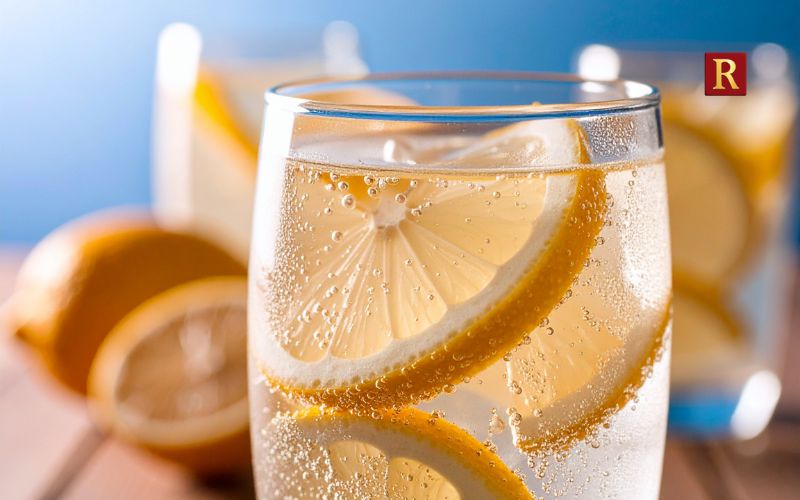
Lemon sparkling drinks are among the most refreshing fruit-based beverages, thanks to their bright citrus flavour and lively carbonation. The natural tanginess of lemon creates a crisp, clean finish that helps cleanse the palate, making it an excellent companion to a wide variety of foods. It pairs especially well with grilled sandwiches, burgers, pizza, pakoras, and Indian chaat, where its acidity balances rich or spicy flavours. Many restaurants also use lemon sparkling drinks as the foundation for refreshing mocktails by adding fresh herbs, fruit slices, or mint. During hot summer months, this classic flavour remains a popular choice for those seeking a light, thirst-quenching drink.
2. Orange Sparkling Beverage
Orange sparkling beverages have remained a favourite across generations because of their sweet, tangy, and familiar citrus flavour. Their refreshing taste appeals to both children and adults, making them a common choice for family meals, celebrations, and casual get-togethers. Many modern versions include fruit juice concentrate, giving the drink a fuller and more authentic orange flavour than traditional soft drinks. The balance of sweetness and acidity makes orange sparkling beverages easy to enjoy on their own or alongside snacks like sandwiches, burgers, and fries. Their bright colour and refreshing taste also make them a popular option for picnics, parties, and festive occasions throughout the year.
3. Apple Sparkling Drink
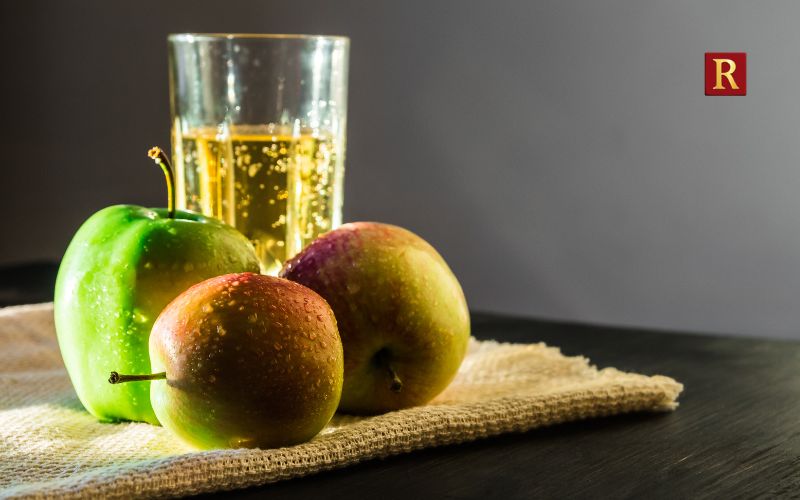
Apple sparkling drinks offer a crisp, refreshing flavour with a smooth sweetness that sets them apart from stronger citrus beverages. Their mild taste makes them suitable for all seasons and appeals to people looking for a lighter alternative to sugary soft drinks. Premium varieties often contain a higher percentage of real apple juice, creating a more natural fruit flavour and aroma. Apple sparkling beverages are frequently served during celebrations, festive gatherings, and special occasions because of their elegant taste and versatility. They pair well with salads, cheese platters, baked dishes, and light snacks, making them a sophisticated addition to any meal.
4. Mixed Berry Sparkling Drink
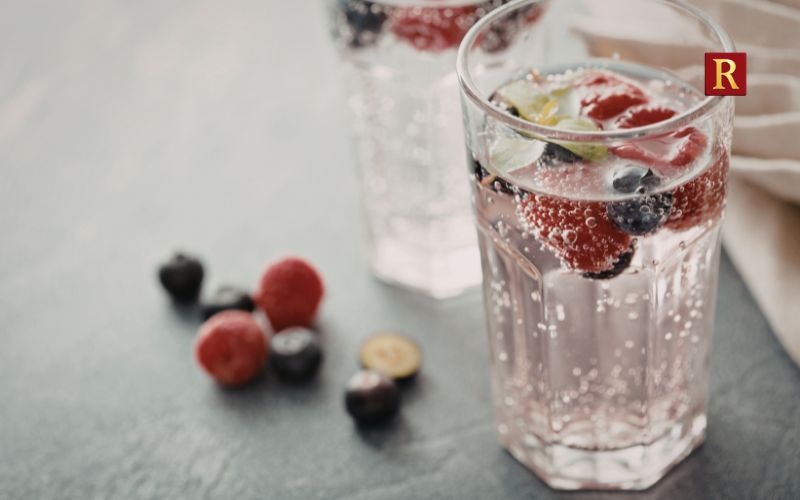
Mixed berry sparkling drinks combine the flavours of fruits such as strawberry, raspberry, blueberry, and blackberry to create a balanced blend of sweetness and gentle tartness. Their rich natural colour and fruity aroma make them visually appealing as well as refreshing. These beverages have become increasingly popular in cafés and restaurants, particularly as part of seasonal menus and creative mocktails. The layered berry flavours complement desserts, pastries, and light savoury dishes while offering a refreshing alternative to traditional carbonated drinks. Their vibrant taste and attractive appearance have made mixed berry sparkling beverages a favourite among consumers seeking something both flavourful and refreshing.
5. Grapefruit Sparkling Drink
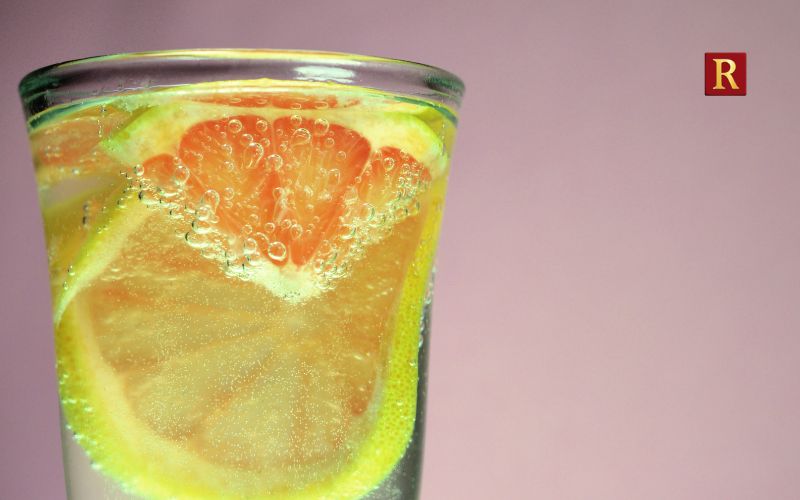
Grapefruit sparkling drinks stand out for their distinctive balance of citrus freshness and gentle bitterness, offering a more sophisticated flavour profile than sweeter fruit beverages. The subtle tartness creates a crisp finish that many adults appreciate, particularly those looking to reduce overly sugary drink choices. Grapefruit sparkling beverages are commonly enjoyed on their own or used as mixers in premium mocktails because their complex flavour pairs well with herbs, citrus fruits, and botanical ingredients. They also complement grilled seafood, roasted vegetables, and spicy dishes by adding a refreshing contrast that enhances the overall dining experience without overpowering the meal.
6. Mango Sparkling Beverage
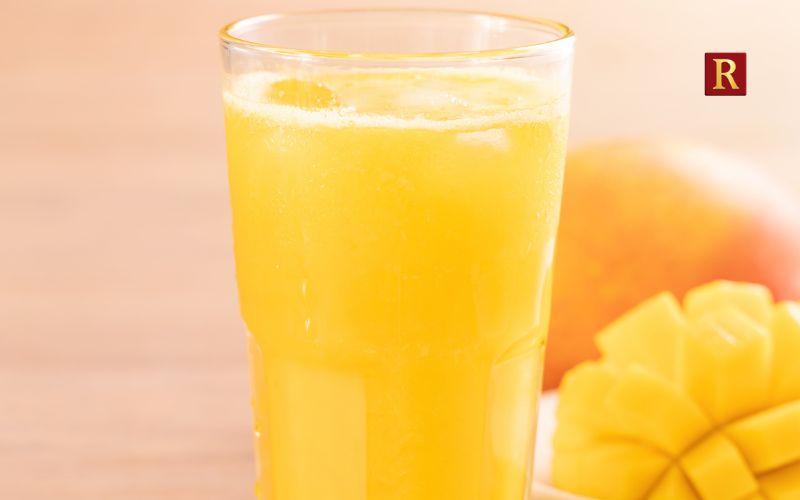
Mango sparkling beverages capture the rich, tropical sweetness of one of India's most loved fruits while adding light carbonation for a refreshing twist. The natural fruit flavour creates a smooth, juicy taste that appeals to consumers of all ages. Beverage brands often introduce seasonal mango sparkling drinks during the summer when demand for tropical refreshments is at its highest. These drinks pair particularly well with spicy Indian snacks, grilled foods, and festive meals, as their sweetness helps balance bold flavours. Their vibrant colour, familiar taste, and refreshing finish have made mango sparkling beverages increasingly popular in cafés, restaurants, and supermarkets alike.
7. Peach Sparkling Drink
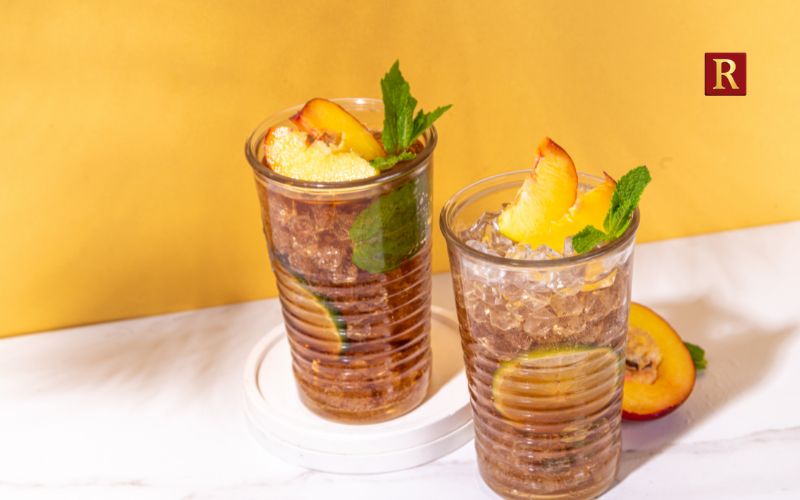
Peach sparkling drinks offer a delicate balance of fruity sweetness and subtle floral notes, creating a light and elegant beverage suitable for many occasions. Unlike heavily sweetened carbonated drinks, peach flavours provide a cleaner finish that feels refreshing rather than overwhelming. These beverages are often enjoyed during brunches, afternoon gatherings, or casual meals because of their smooth and gentle taste. Premium cafés and international beverage brands have helped increase the popularity of peach sparkling drinks by featuring them in seasonal menus and specialty mocktails. Their soft flavour pairs well with pastries, salads, grilled chicken, and light desserts throughout the year.
8. Lychee Sparkling Drink
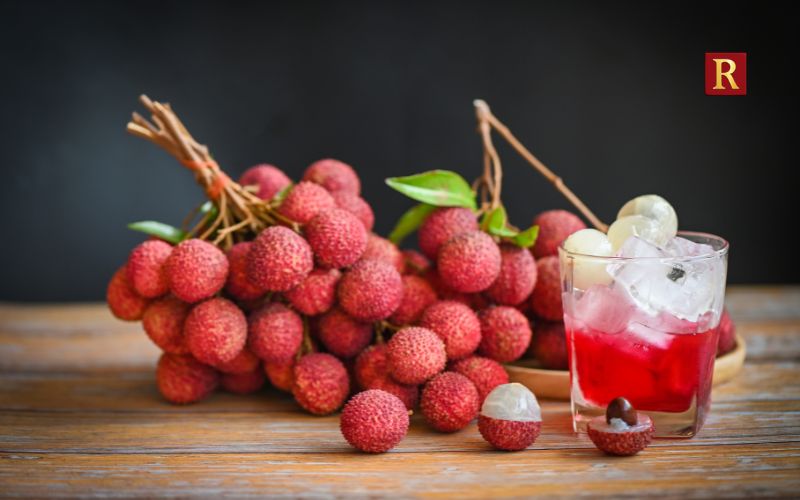
Lychee sparkling drinks have gained popularity among consumers seeking unique and refreshing fruit flavours beyond traditional citrus options. The naturally fragrant sweetness of lychee creates a delicate taste that feels both refreshing and slightly luxurious. Its floral aroma distinguishes it from many other sparkling beverages, making it a popular choice for premium cafés and Asian-inspired dining experiences. As Asian beverage brands have expanded into international markets, sparkling lychee drinks have become increasingly available in supermarkets and specialty stores. They pair well with spicy Asian dishes, seafood, and fruit-based desserts while also serving as an excellent base for creative non-alcoholic mocktails.
9. Pineapple Sparkling Beverage
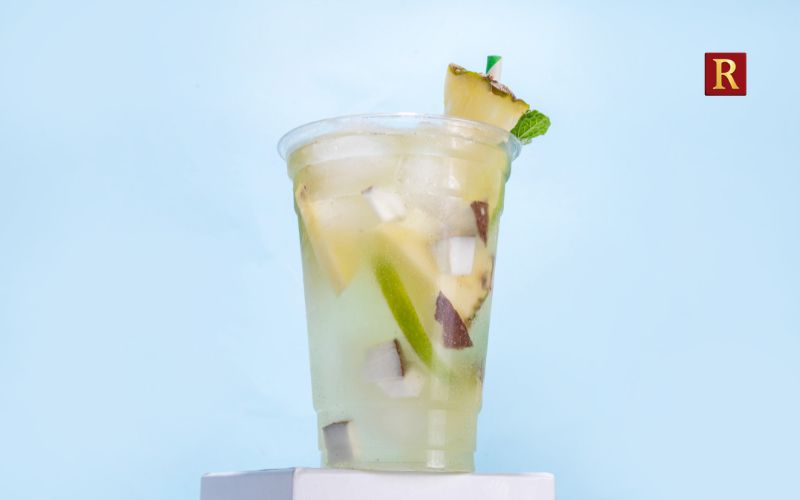
Pineapple sparkling beverages combine tropical sweetness with a pleasant tangy finish, creating a refreshing drink suitable for both everyday enjoyment and special occasions. The bright fruit flavour complements smoky, grilled, and spicy foods, making it a common pairing in restaurants serving barbecue, seafood, and tropical-inspired cuisine. Pineapple sparkling drinks are also widely used as the base for fruit punches and mocktails because they blend well with citrus fruits, mint, and herbs. Their vibrant taste and lively carbonation make them particularly popular during summer gatherings, outdoor parties, and festive celebrations where refreshing tropical beverages are in high demand.
10. Watermelon Sparkling Drink
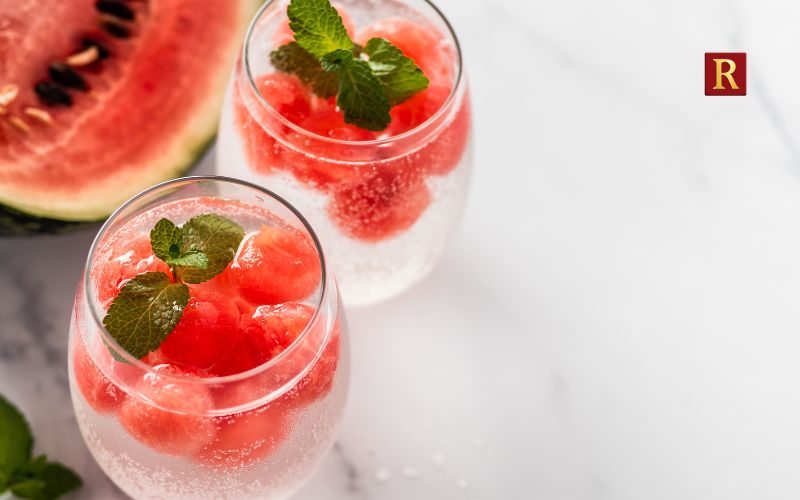
Watermelon sparkling drinks are closely associated with summer because of their naturally light, juicy, and cooling flavour. The addition of gentle carbonation enhances the fruit's refreshing qualities without making the beverage feel overly sweet or heavy. Seasonal watermelon sparkling drinks have become increasingly popular in cafés, restaurants, and retail stores during warmer months, offering consumers a refreshing alternative to traditional soft drinks. Their subtle sweetness pairs well with fresh salads, grilled vegetables, sandwiches, and light snacks. With their clean finish and hydrating taste profile, watermelon sparkling beverages continue to be a favourite choice for hot-weather refreshment and outdoor gatherings.
Sparkling Juice, Fruit Soda, and Sparkling Water: What Is the Difference?
Although these drinks appear similar, they are made differently.
Beverage | Main Ingredient | Fruit Content | Sweetness | Best For |
Sparkling Juice | Fruit juice with carbonation | Usually higher | Moderate | Everyday refreshment |
Fruit Soda | Carbonated water with fruit flavouring | Often lower | Higher | Casual soft drink |
Sparkling Water | Carbonated mineral or purified water | Usually none unless flavoured | Very low | Hydration and mixers |
Reading the ingredient label can help you understand what you are buying. Some beverages contain real fruit juice, while others rely mainly on natural or artificial flavourings.
How Restaurants Are Using Sparkling Fruit Drinks
Restaurants are no longer serving sparkling fruit drinks only as bottled beverages.
Many establishments now use them to create:
- Signature mocktails
- Welcome drinks
- Seasonal coolers
- Brunch beverages
- Cocktail mixers
- Fruit spritzers
These drinks also pair well with lighter menus that include salads, grilled foods, sandwiches, sushi, and Mediterranean dishes. Premium dining venues are increasingly choosing sparkling fruit beverages because they add flavour without overpowering the food.
Tips for Choosing a Better Sparkling Fruit Drink
Not every sparkling drink offers the same nutritional profile. Before buying one, check a few important details.
Look for:
- Higher fruit juice content
- Moderate sugar levels
- Natural flavours
- Short ingredient lists
- No unnecessary artificial colours
- Appropriate serving size
If you regularly consume carbonated drinks, comparing nutrition labels can help you make more informed choices.
The Future Looks Fruitier
The beverage industry continues to evolve as consumers seek more flavour, variety, and better ingredients. Sparkling fruit drinks are no longer viewed simply as alternatives to cola. They have become a category of their own, offering everything from classic citrus flavours to tropical fruits and sophisticated berry blends. Whether you enjoy the crisp taste of lemon, the sweetness of mango, the elegance of peach, or the refreshing bite of grapefruit, there is now a sparkling fruit drink to suit almost every preference. For anyone looking to move beyond traditional cola, fruit-forward sparkling beverages offer an exciting way to enjoy fizz with a wider range of flavours and a more refreshing drinking experience.
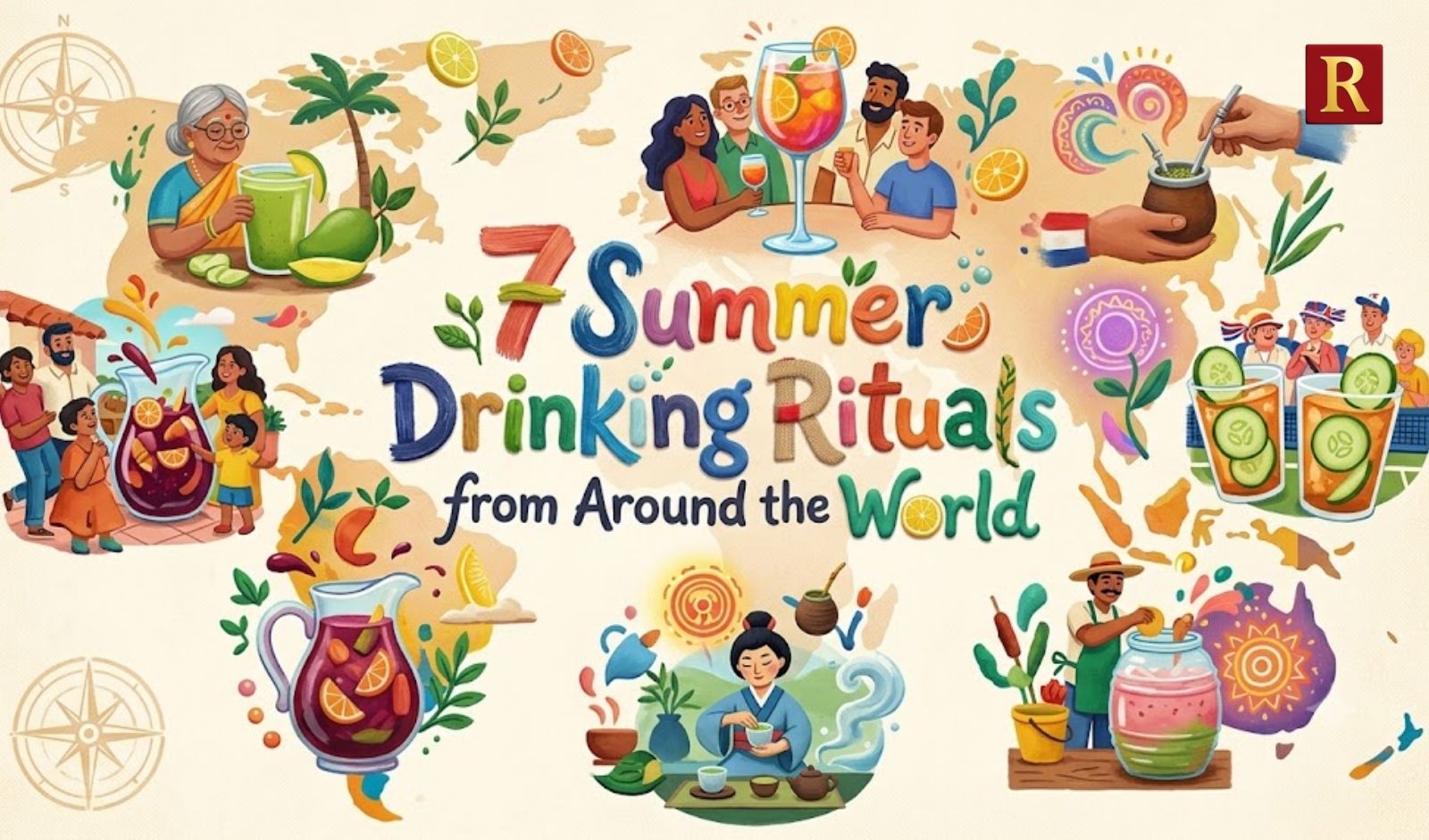
As temperatures rise, every culture has its own way of embracing the season. In many parts of the world, summer beverages have evolved into cherished rituals that go beyond hydration. While modern refrigerators and ready-to-drink beverages have changed how we consume refreshments, many traditional summer drinking rituals continue to thrive. These customs offer a glimpse into local ingredients, climate adaptations, and centuries-old hospitality practices.
From India's tangy mango coolers to Paraguay's herbal infusions, these drinks are more than seasonal favourites. They tell stories of culture, community, and the simple joy of sharing a refreshing sip on a hot day.
Explore 7 Summer Drinking Rituals
1. India's Aam Panna: The Ultimate Summer Cooler
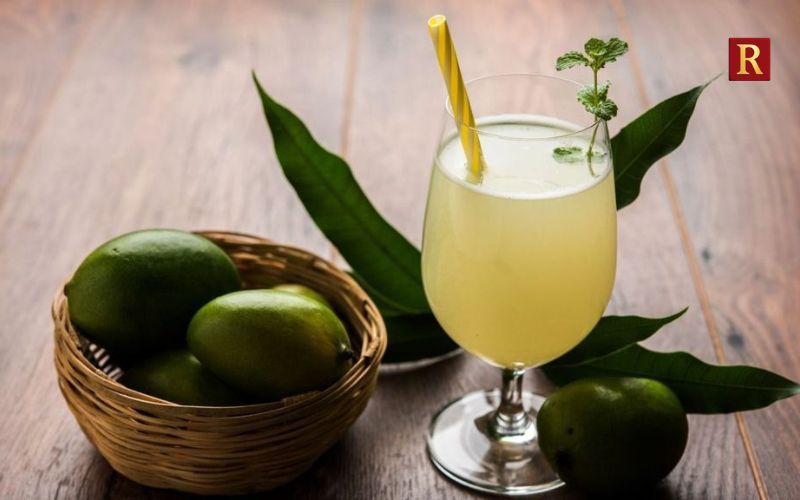
For many Indians, the arrival of summer is closely tied to mango season. Before packaged electrolyte drinks became common, households relied on aam panna to beat the heat. Made from raw green mangoes, this refreshing beverage combines mint leaves, roasted cumin powder, black salt, and a touch of sweetness. The mangoes are usually boiled or roasted before being blended into a concentrated mixture that can be stored and diluted when needed. Growing up in India often means remembering a glass of chilled aam panna waiting after a long afternoon outdoors. Grandmothers would prepare large batches, believing it protected the body from extreme heat. There is practical wisdom behind this tradition. Raw mangoes contain vitamin C, while black salt helps replenish minerals lost through sweating. Roasted cumin supports digestion, making the drink both refreshing and functional. Even today, many families continue this ritual as a way of preserving culinary heritage while staying cool naturally.
2. Italy's Aperitivo: An Evening Ritual of Connection
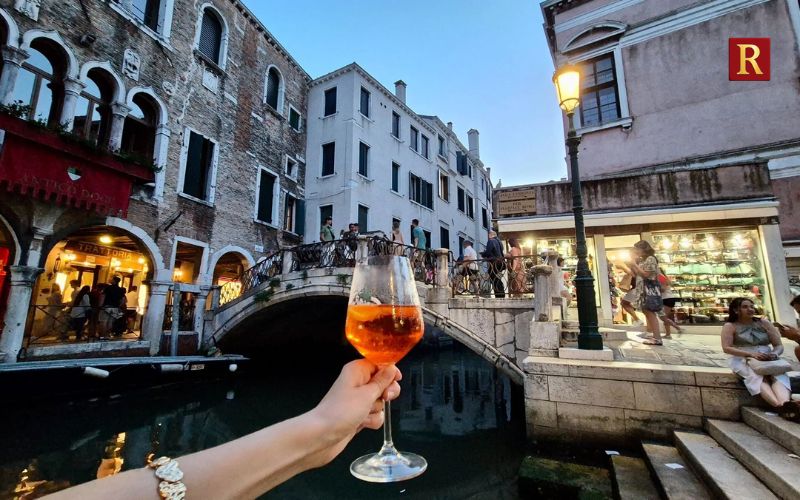
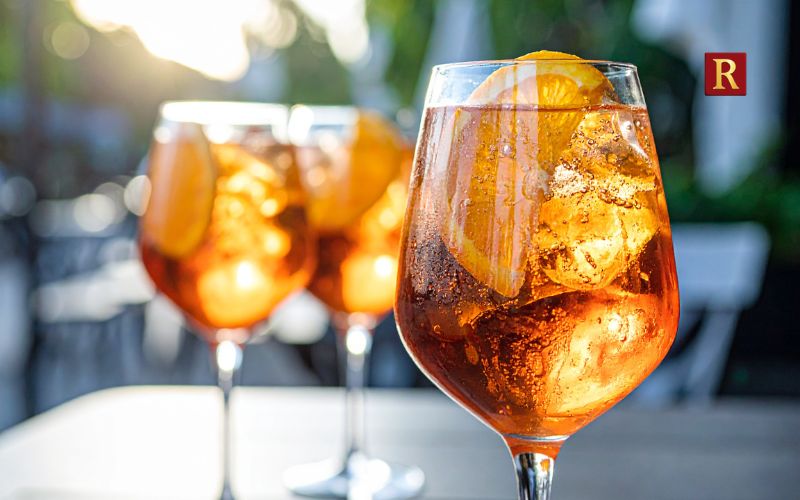
In Italy, summer evenings often begin with aperitivo. This pre-dinner tradition usually takes place between late afternoon and early evening. Friends, colleagues, and family members gather at cafés or outdoor terraces to enjoy light drinks accompanied by small bites. Popular choices include spritz-based cocktails and non-alcoholic bitter beverages served with olives, nuts, or simple appetisers. The true essence of aperitivo lies in slowing down. It is a moment to pause after work, catch up with loved ones, and transition into the evening. Unlike hurried dining habits, this ritual celebrates conversation and presence. The drink becomes secondary to the experience itself. As cities around the world embrace outdoor dining cultures, the Italian approach to summer socialising continues to inspire people seeking meaningful connections.
3. Paraguay's Tereré: A Shared Symbol of Friendship
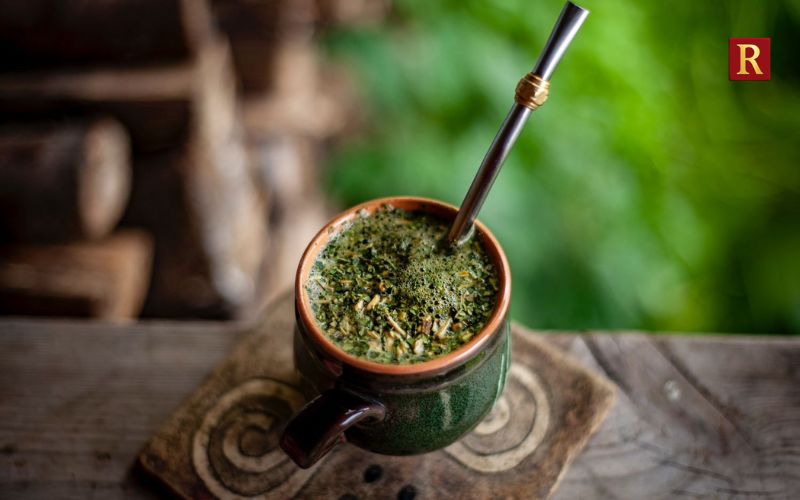
Few summer traditions highlight community as beautifully as Paraguay's tereré ritual. Tereré is prepared using yerba mate leaves steeped in ice-cold water. The drink is traditionally served in a shared cup using a metal straw called a bombilla. What makes this custom unique is the communal aspect. The same vessel circulates among participants, symbolising trust and companionship. Many Paraguayans enhance tereré with medicinal herbs believed to offer cooling effects. The herbs may vary depending on local preferences and family traditions. Despite modern lifestyles, tereré remains deeply rooted in daily life. It transforms ordinary moments into opportunities for conversation and togetherness.
4. Britain's Pimm's Tradition: The Taste of Summer Events
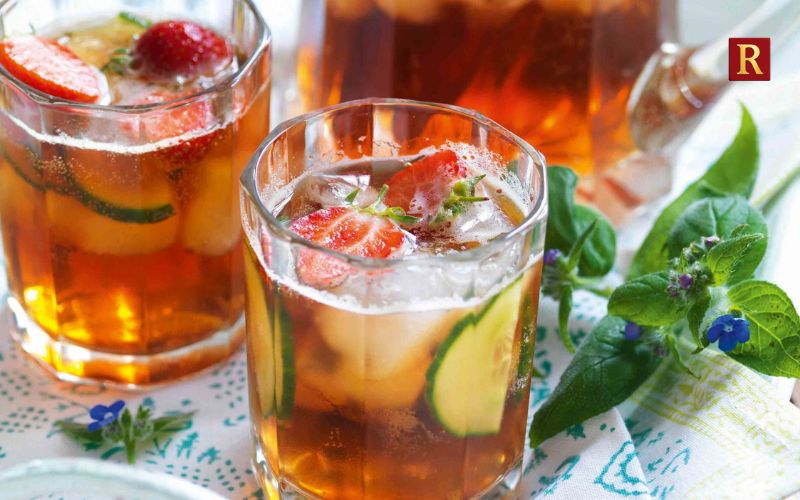
In the United Kingdom, certain drinks instantly evoke memories of summer gatherings. Pimm's has become one such seasonal icon. The fruit-filled beverage is especially popular during garden parties, outdoor celebrations, and sporting events. It is commonly prepared by mixing Pimm's No. 1 with lemonade and adding slices of cucumber, strawberries, oranges, and mint. The result is light, refreshing, and visually appealing. For many Britons, sipping Pimm's while watching tennis has become a cherished summer experience. The drink reflects the country's fondness for leisurely social occasions held under the rare appearance of sunshine. Its enduring popularity demonstrates how beverages can become closely associated with national identity and seasonal traditions.
5. Mexico's Agua Fresca: Celebrating Seasonal Abundance
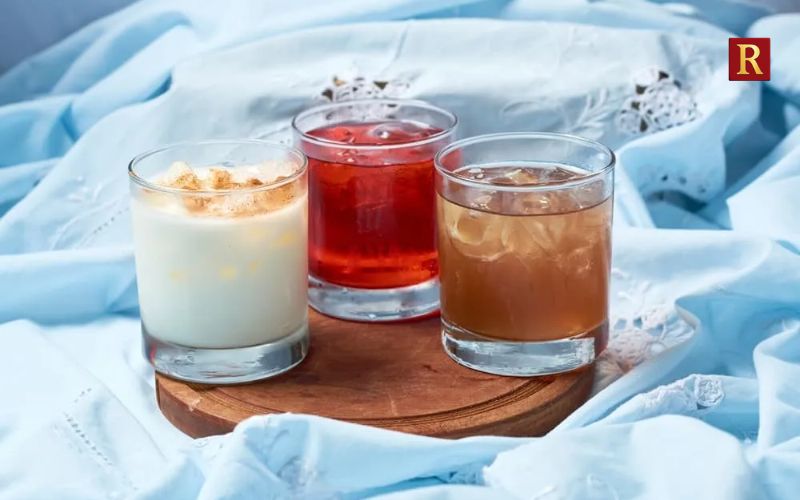
Mexico's vibrant food culture extends naturally into its summer beverages. Agua fresca, which translates to "fresh water," refers to fruit-infused drinks made using simple ingredients. Street vendors and home cooks prepare countless variations using seasonal produce. Watermelon, tamarind, cucumber, and hibiscus are among the most popular choices. One of the most beloved versions is agua de jamaica, made from dried hibiscus flowers. The drink offers a tart flavour profile and a deep ruby colour that stands out on any table. What makes agua fresca special is its accessibility. It transforms readily available fruits into refreshing beverages that can be enjoyed by everyone. The tradition highlights the importance of seasonality and resourcefulness in Mexican cuisine.
6. Japan's Cold Tea Traditions: Finding Balance in Simplicity
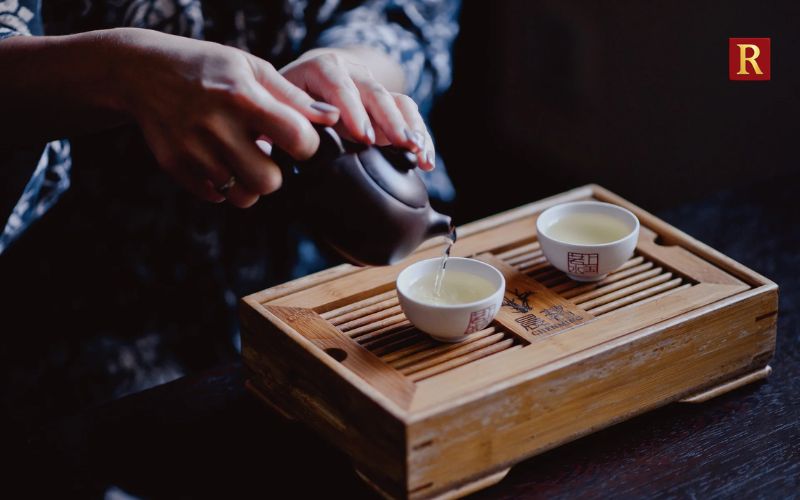
Japanese summer drinking customs often reflect mindfulness and precision. Cold-brewed green tea and mugicha, or roasted barley tea, are staples during warmer months. These beverages are commonly served at home, in restaurants, and alongside meals. Mugicha holds a special place in many households. Since it contains no caffeine, people of all ages can enjoy it throughout the day. Cold brewing green tea produces a smoother taste by reducing bitterness. The process requires patience, reinforcing the Japanese appreciation for intentional preparation. These beverages demonstrate how simplicity can create a deeply satisfying experience. Rather than relying on excessive sweetness, they celebrate subtle flavours and thoughtful craftsmanship.
7. Spain's Sangria Gatherings: Sharing Joy One Pitcher at a Time
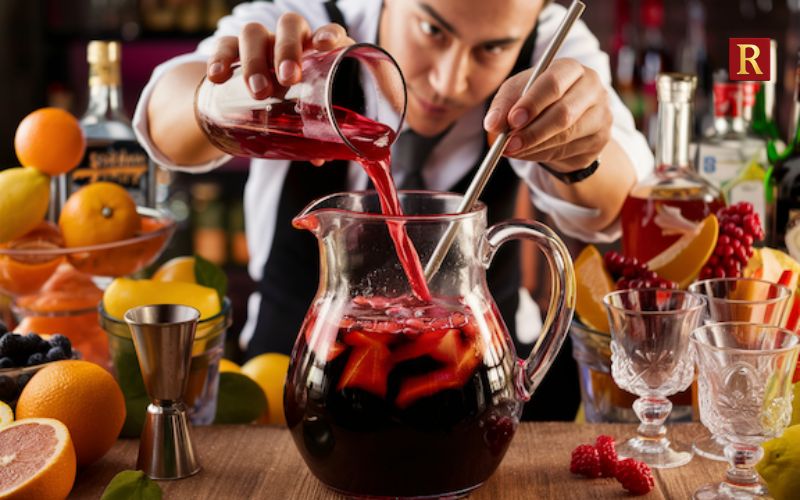
Spain's long summers encourage outdoor celebrations that often stretch late into the evening. Sangria has become synonymous with these festive occasions. Traditionally prepared with wine, chopped fruits, and a touch of sweetness, the beverage is designed for sharing. Families and friends gather around large pitchers during festivals, weekend lunches, and neighbourhood celebrations. Different regions have their own interpretations, adding local ingredients to personalise the drink. At its heart, sangria represents hospitality. Preparing a large batch signals that everyone is welcome at the table. The ritual reflects Spain's broader cultural emphasis on togetherness and enjoying life's simple pleasures.
What Makes a Great Summer Ritual Drink?
Not every refreshing beverage becomes a cultural tradition. The summer drinks that evolve into rituals often share a few important characteristics. They are practical, meaningful, and deeply connected to the communities that create them.
Hydration That Supports the Body: Summer rituals usually emerge in response to hot weather. These drinks are designed to help people stay refreshed and cope with rising temperatures. For example, India's aam panna contains black salt and raw mango, ingredients traditionally used to replenish minerals lost through sweating. Mexico's agua fresca uses water-rich fruits that naturally contribute to hydration.
Seasonal and Local Ingredients: The best summer traditions celebrate what is naturally available during the warmer months. Raw mangoes dominate Indian kitchens in early summer. Watermelons and hibiscus flourish in many parts of Mexico. Citrus fruits feature prominently in Mediterranean beverages.
A Sense of Togetherness: Many of these drinks are meant to be shared. Paraguay's tereré is passed from person to person in a communal cup. Spain's sangria is often served in large pitchers during family gatherings. Italy's aperitivo encourages friends and colleagues to pause and connect before dinner. The ritual surrounding the drink often matters as much as the beverage itself.
Functional Benefits Beyond Taste: Traditional summer drinks frequently offer more than just flavour. Roasted cumin in aam panna is valued for its digestive properties. Yerba mate used in tereré contains naturally occurring antioxidants and caffeine. Cold-brewed teas in Japan provide a lighter taste while preserving beneficial plant compounds. For generations, communities have combined culinary wisdom with practical health considerations to create beverages suited to the season.
Simplicity and Accessibility: One reason these rituals endure is because they are easy to recreate. Most traditional summer drinks rely on readily available ingredients and uncomplicated preparation methods. Families can make them at home without specialised equipment.
A Reflection of Cultural Identity: Perhaps the most important element is the emotional connection these beverages create. A glass of aam panna may remind someone of summer holidays spent with grandparents.
These drinks carry traditions, memories, and values. They become symbols of hospitality, celebration, and belonging.
The Secret Ingredient: Meaning
What truly makes a great summer ritual drink is not an exotic ingredient or a complicated recipe. It is the meaning attached to it. The most memorable beverages are those that bring comfort during hot days, encourage people to gather around the table, and preserve stories worth sharing. In a world filled with endless beverage choices, these timeless traditions remind us that sometimes the most refreshing experiences are also the most human.
Your Summer Sip!
Although these traditions originate from different parts of the world, they share common themes. They prioritise seasonal ingredients. They encourage social interaction. They preserve cultural knowledge passed down through generations. In today's fast-paced environment, these rituals remind us that refreshment is not solely about quenching thirst. Sometimes, it is about slowing down, gathering with others, and appreciating the stories behind what we drink. Whether it is the tangy comfort of aam panna on a scorching Indian afternoon or the communal spirit of tereré shared among friends, these customs reveal something universal. The world's favourite summer drinks are often the ones that bring people closer together. And perhaps that is the most refreshing tradition of all.
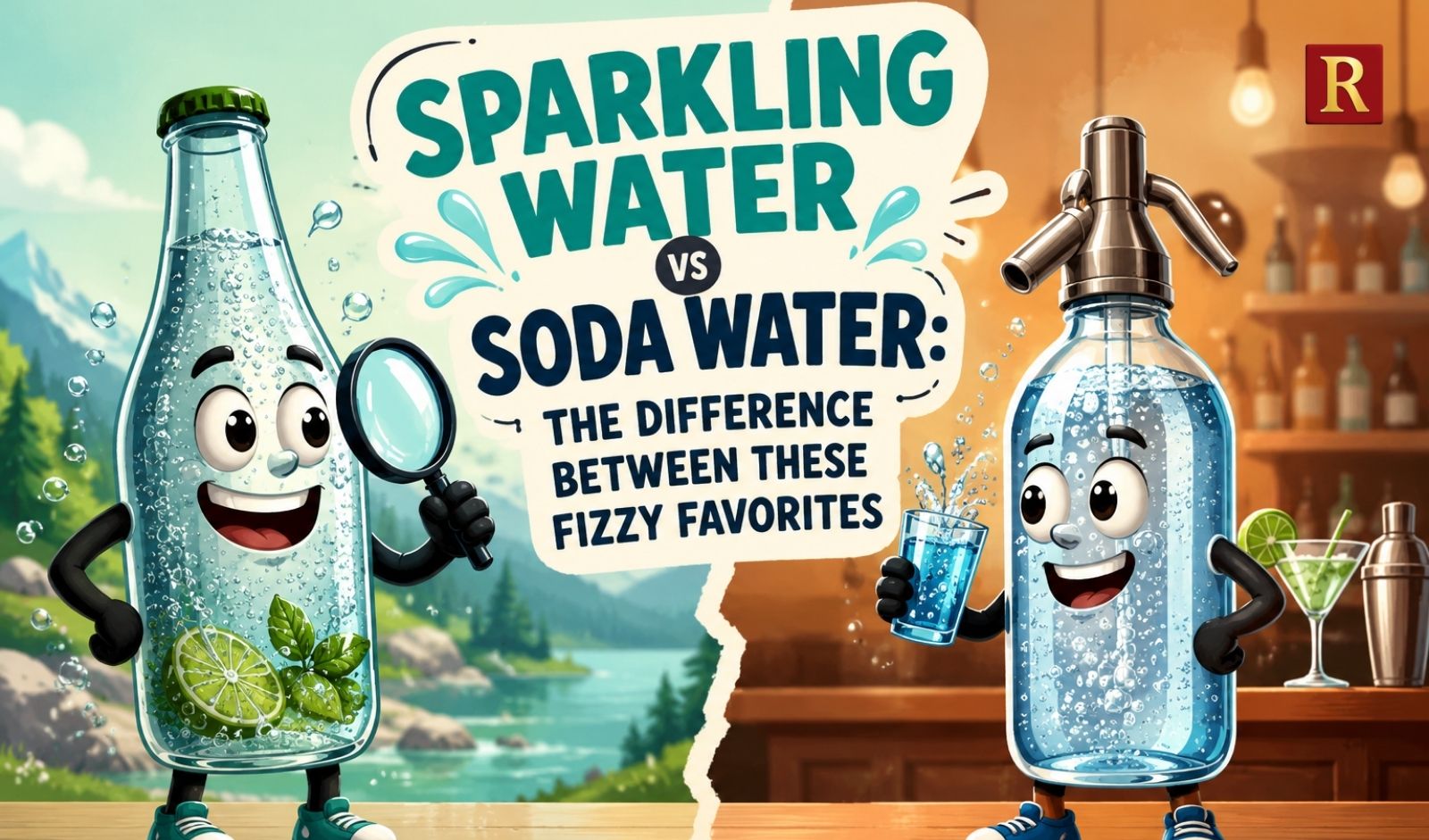
Walk down the beverage aisle today, and you'll notice one thing immediately—bubbles are having a moment. From premium sparkling waters to classic soda water, consumers are increasingly choosing fizzy drinks as alternatives to sugary soft drinks.
But are sparkling water and soda water the same thing?
The answer is no.
Although they may look similar in a glass, these two beverages differ in how they are made, how they taste, and how they are commonly used. Understanding these differences can help you make smarter choices, whether you're trying to stay hydrated, cut back on sugar, or prepare the perfect mocktail.
What Is Sparkling Water?
Sparkling water is water that contains dissolved carbon dioxide gas, which creates its signature bubbles. Some sparkling waters occur naturally at mineral springs, where water absorbs carbon dioxide from underground geological activity. Others are produced by adding carbon dioxide during the bottling process. One of the defining characteristics of sparkling water is its mineral content. Naturally sourced sparkling waters may contain minerals such as calcium, magnesium, and potassium. These minerals contribute to subtle differences in taste. Sparkling water has become especially popular among people looking for a healthier beverage option. It offers the refreshing sensation of a carbonated drink without the added sugars found in many traditional sodas. Many people enjoy sparkling water on its own, often pairing it with meals or infusing it with slices of lemon, cucumber, or fresh herbs for extra flavor.
What Is Soda Water?
Soda water, also known as club soda in some markets, is purified water that has been artificially carbonated. Unlike naturally sparkling water, soda water is manufactured by injecting carbon dioxide under pressure. Manufacturers often add minerals such as sodium bicarbonate, sodium chloride, or potassium sulfate during production. These additions give soda water its slightly salty or mineral-forward taste. Soda water has long been a staple in bars and restaurants. Its crisp flavor and strong fizz make it an ideal ingredient in cocktails and mocktails. From classic highballs to refreshing summer coolers, soda water plays an important role in the beverage industry.
Sparkling Water vs Soda Water: Key Differences
While both beverages are carbonated and calorie-free, several factors set them apart.
Feature | Sparkling Water | Soda Water |
|---|---|---|
Source of Carbonation | Natural or added during bottling | Artificially added |
Mineral Content | Naturally occurring minerals may be present | Minerals are usually added during production |
Taste Profile | Clean and subtle | Slightly salty or mineral-like |
Sodium Content | Generally lower | Often contains more sodium |
Common Uses | Drinking on its own | Cocktails and mocktails |
Calories | Zero | Zero |
Sugar Content | None in unflavored varieties | None |
These differences may seem small, but they can influence purchasing decisions depending on your lifestyle and preferences.
The Science Behind the Bubbles
Carbonation is a fascinating process.
It happens when carbon dioxide gas dissolves in water under pressure. Once the bottle or can is opened, the pressure decreases, allowing the gas to escape in the form of bubbles.
This reaction creates a small amount of carbonic acid, which contributes to the slightly tangy taste associated with carbonated beverages.
Temperature also affects carbonation. Colder liquids retain dissolved carbon dioxide more effectively, which is why chilled sparkling drinks often taste fizzier.
The size and intensity of bubbles can vary between products depending on the carbonation process used by manufacturers.
Are These Fizzy Drinks Healthy?
One of the biggest reasons for the growing popularity of sparkling and soda water is their health appeal. Both beverages offer hydration benefits similar to plain water. If you struggle to drink enough water during the day, choosing a carbonated alternative can help increase fluid intake. Unlike regular soft drinks, plain sparkling water and soda water do not contain added sugars or calories.
For people trying to reduce sugar consumption, these beverages can serve as satisfying substitutes. However, checking the label remains important. Flavored varieties may contain added sweeteners or sodium that could influence nutritional value. Individuals following sodium-restricted diets should pay particular attention to soda water labels, as mineral additions can increase sodium content. For most healthy adults, moderate consumption of sparkling or soda water can fit comfortably into a balanced lifestyle.
Common Myths About Carbonated Water
Despite their popularity, fizzy waters continue to be surrounded by misconceptions. Sparkling water, soda water, tonic water, and seltzer differ in their ingredients and intended uses. Knowing these distinctions helps consumers choose products that align with their health goals and taste preferences.
Myth: Carbonated water causes dehydration.
In reality, carbonated water contributes to your daily fluid needs. The presence of bubbles does not reduce its hydrating properties.
Myth: Sparkling water is loaded with sugar.
Plain sparkling water and soda water are typically free from added sugars. Problems arise when consumers confuse them with flavored soft drinks.
Myth: All fizzy waters are identical.
This is perhaps the most widespread misunderstanding.
Which One Should You Choose?
The answer depends largely on how you plan to use it.
If you enjoy drinking carbonated beverages straight from the bottle, sparkling water may be the better choice. Its clean taste and naturally occurring minerals appeal to consumers seeking a more premium hydration experience. Sparkling water is also popular among individuals transitioning away from sugary sodas. The bubbles satisfy cravings for carbonation without adding unnecessary calories.
Soda water, on the other hand, shines in mixed drinks. Its stronger carbonation and mineral profile complement fruit juices, herbal syrups, and spirits exceptionally well. Many bartenders prefer soda water because it enhances texture without overpowering other ingredients. If you frequently prepare mocktails at home, soda water deserves a permanent spot in your refrigerator.
Why Consumers Are Embracing Fizzy Water
Consumer preferences have shifted dramatically in recent years. People are becoming more mindful about what they eat and drink. Excessive sugar intake has raised concerns about long-term health, prompting many individuals to seek healthier alternatives.
Sparkling beverages without sugar fit neatly into this movement. At the same time, consumers increasingly value premium experiences. The sophisticated presentation of sparkling waters, along with their diverse flavor profiles, has elevated them from niche products to mainstream staples. In India, urban consumers are also experimenting with wellness-focused lifestyles. From fitness enthusiasts to working professionals, many are choosing beverages that support hydration while aligning with broader health goals. Restaurants and cafés have noticed this shift as well. Premium sparkling waters and creative soda-based mocktails are becoming more common on menus, reflecting changing consumer expectations.
Making Smarter Choices at the Store
Reading labels carefully can make all the difference. When purchasing sparkling water, look for products with minimal ingredients. Many consumers prefer options that contain only water and carbon dioxide. If you're selecting soda water, pay attention to sodium levels and any added flavorings. Your ideal choice ultimately depends on personal preference. Do you want a refreshing drink to enjoy throughout the day? Sparkling water may suit you best. Are you hosting a gathering and planning to serve cocktails or mocktails? Soda water might be the more practical option.
The Bottom Line
Sparkling water and soda water may share their bubbly appearance, but they are not interchangeable. Sparkling water often offers a cleaner taste and may contain naturally occurring minerals, making it a favorite among wellness-conscious consumers. Soda water, with its added minerals and pronounced fizz, remains a versatile ingredient in the world of mixed beverages. Neither option is inherently better than the other. The right choice comes down to your taste preferences, dietary considerations, and intended use. As more people move toward mindful consumption and healthier habits, these fizzy favorites are proving that bubbles can absolutely have a place in a balanced lifestyle.
India's summers are intense. The scorching heat often pushes people to look for quick relief in the form of chilled drinks. While aam panna and jaljeera remain household favourites, India's culinary landscape offers a treasure trove of refreshing beverages that deserve equal attention. Long before packaged drinks lined supermarket shelves, different regions of the country had their own cooling recipes crafted using local ingredients and seasonal wisdom. These drinks are more than thirst quenchers. They reflect culture, geography, and traditions passed down through generations. If you're looking to expand your summer beverage menu, these 12 refreshing drinks beyond aam panna and jaljeera are worth trying.
Explore 12 Refreshing Drinks
1. Kokum Sherbet
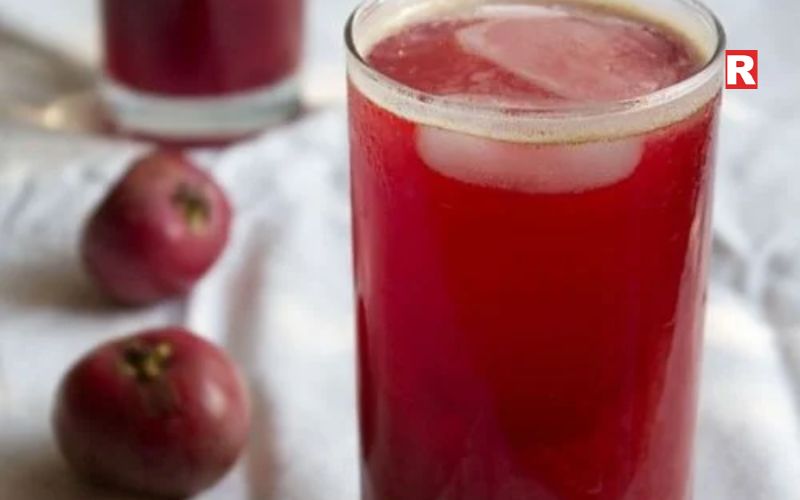
Popular across Maharashtra and Goa, kokum sherbet is one of India's most underrated summer drinks. Made using the deep purple kokum fruit, this beverage delivers a balance of sweet, tangy, and salty flavours. The drink is usually prepared by soaking dried kokum peels and mixing the extract with sugar or jaggery, black salt, and roasted cumin powder. The result is a vibrant cooler that feels incredibly refreshing on hot afternoons. If you've only associated summer with mango-based drinks, kokum sherbet can be a delightful surprise for your taste buds.
Why people love it:
- Tangy and refreshing taste
- Easy to prepare at home
- A staple in Konkan households during summer
2. Sol Kadhi
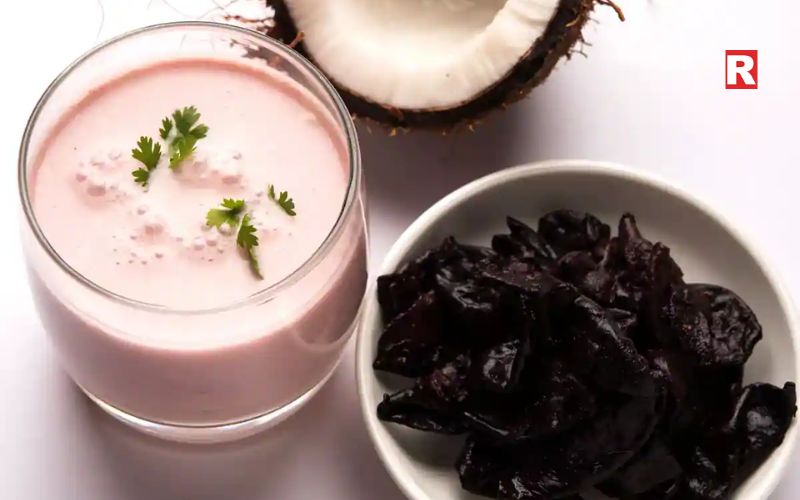
At first glance, sol kadhi may look like an unusual summer drink, but one sip explains why it has remained a coastal favourite for generations. Prepared using kokum extract and coconut milk, sol kadhi is often served after meals in Goa and the Konkan region. It has a creamy texture balanced by subtle tanginess. Many seafood restaurants have started introducing sol kadhi to modern menus, helping this traditional drink gain nationwide popularity.
Key ingredients:
- Kokum
- Coconut milk
- Garlic
- Green chillies
3. Sattu Sharbat
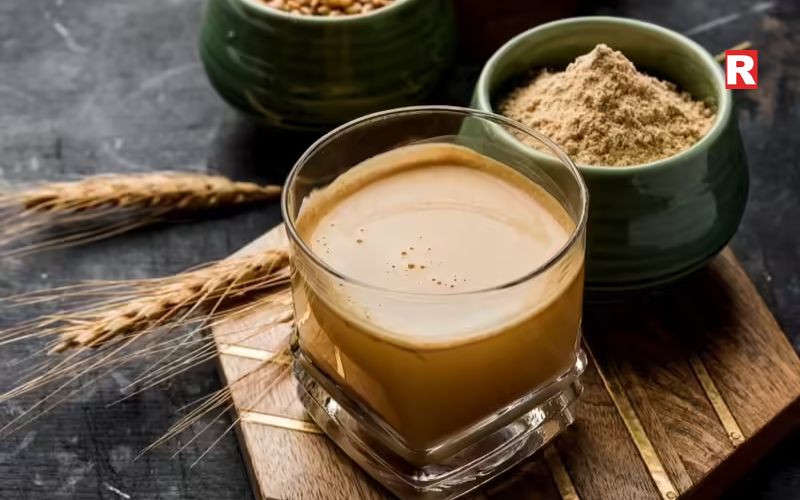
Bihar's contribution to summer wellness comes in the form of sattu sharbat. Made from roasted gram flour, this drink is filling, nutritious, and incredibly cooling. Unlike sugar-heavy beverages that offer only temporary relief, sattu sharbat provides sustained energy. It is commonly consumed by farmers and labourers during peak summer months. The savoury version includes lemon juice, roasted cumin powder, and black salt.
What makes it special:
- Rich in plant-based protein
- Keeps you fuller for longer
- Affordable and easy to prepare
4. Neer Mor
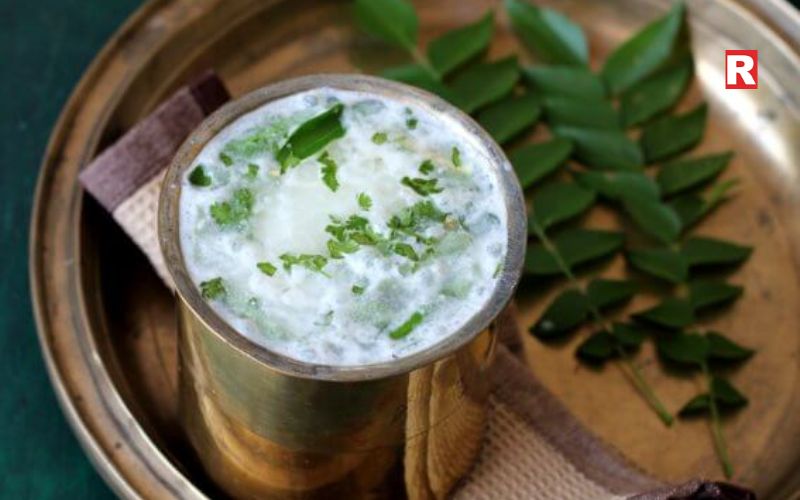
Neer mor is Tamil Nadu's traditional spiced buttermilk. Light, flavourful, and hydrating, this drink has been a summer essential in South Indian homes for decades. Fresh buttermilk is blended with ginger, curry leaves, green chillies, and salt to create a cooling beverage that pairs beautifully with hot weather. During temple festivals, large batches of neer mor are often distributed among devotees.
Best enjoyed:
- During afternoon heat
- Alongside South Indian meals
- After outdoor activities
5. Panakam
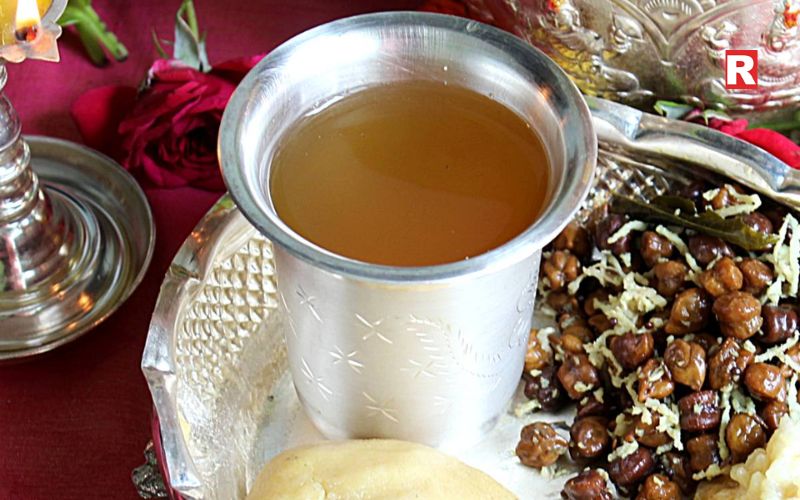
Panakam proves that simple ingredients can create extraordinary flavours. Traditionally prepared during festive occasions in Andhra Pradesh and Karnataka, this drink combines jaggery with aromatic spices. Dry ginger powder and cardamom elevate the flavour, while black pepper adds a mild kick. Despite its festive associations, panakam works wonderfully as an everyday summer cooler.
Key ingredients:
- Jaggery
- Dry ginger powder
- Cardamom
- Black pepper
6. Bel Sharbat
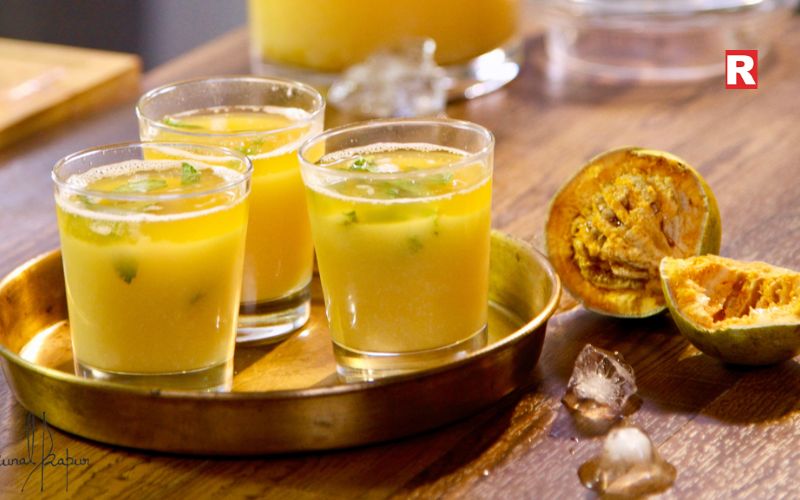
Bel sharbat is one of India's oldest summer beverages, especially popular across North and Eastern regions. Prepared using the pulp of ripe bael fruit, this drink carries a naturally sweet taste with subtle earthy notes that set it apart from conventional fruit coolers. The fruit is typically cracked open, and its pulp is blended with chilled water before being strained for a smooth consistency. For many families, preparing bel sharbat marks the arrival of peak summer. Despite changing beverage trends, this traditional cooler continues to hold a special place in households that value seasonal ingredients and time-tested recipes.
Why it's worth trying:
- Unique taste profile
- Seasonal speciality
- Deep roots in traditional food culture
7. Gond Katira Cooler
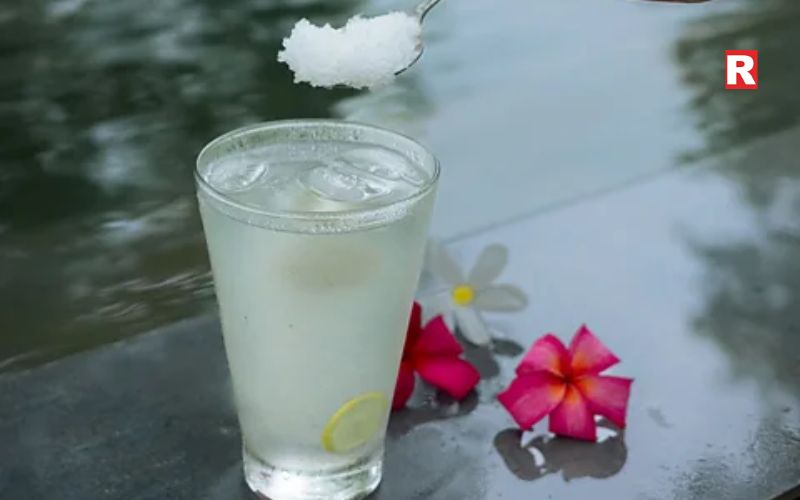
Gond katira cooler has evolved from a traditional home remedy into a trendy summer beverage embraced by a younger audience. Derived from the sap of certain trees, gond katira transforms into translucent, jelly-like crystals after soaking in water. These crystals are incorporated into a variety of cooling drinks, creating an interesting texture that distinguishes them from other refreshments. Across generations, this ingredient has been used in Indian kitchens during warmer months. Today, its popularity has expanded through innovative recipes that blend traditional wisdom with modern presentation and flavours.
Popular additions:
- Rose syrup
- Basil seeds
- Chilled milk
8. Nungu Sherbet
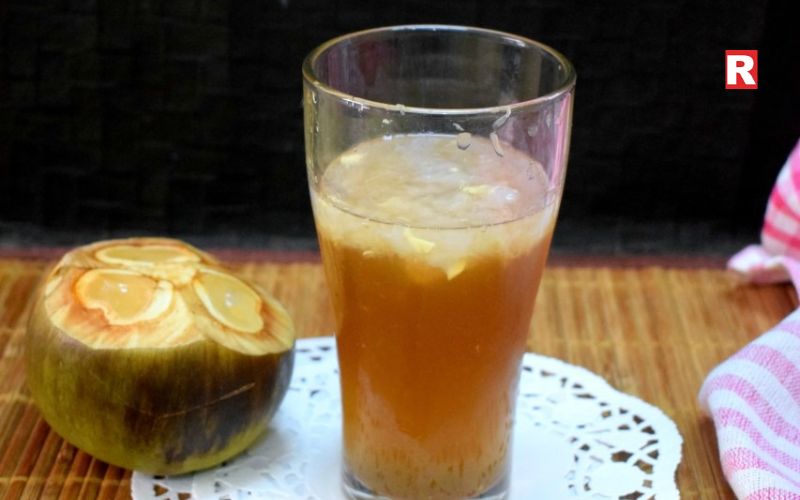
Nungu sherbet showcases the simplicity and freshness that define many South Indian summer beverages. Nungu, commonly known as ice apple, is harvested from palmyra palm trees and is widely enjoyed in Tamil Nadu during the hotter months. The fruit's delicate sweetness and soft consistency make it an ideal ingredient for chilled refreshments. Vendors selling fresh nungu are a familiar sight across the region, attracting locals and travellers alike. Since the fruit is available only for a limited period each year, its arrival is eagerly anticipated as a seasonal delicacy.
What you'll love:
- Light and hydrating
- Naturally sweet flavour
- Distinctive texture
9. Phalsa Sharbat
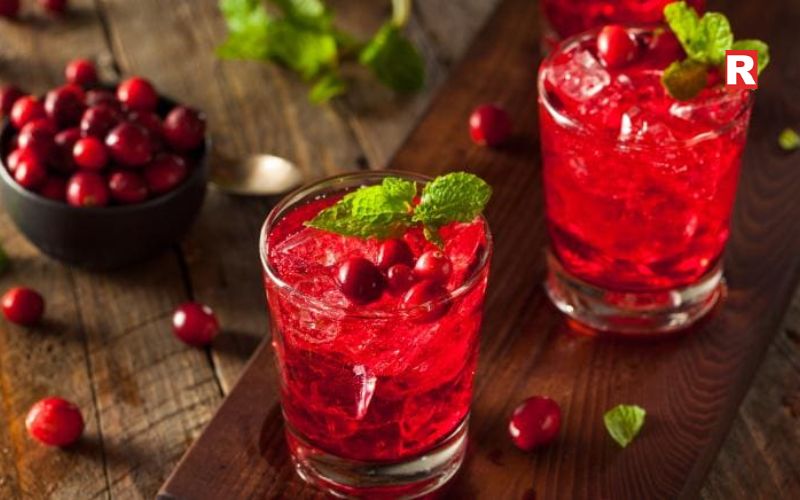
Phalsa sharbat celebrates one of India's lesser-known summer fruits. These small purple berries possess a distinctive flavour that balances sweetness with a pleasant tartness. Although phalsa may not receive the same attention as mangoes or other mainstream fruits, those familiar with its taste often await its brief seasonal appearance. The berries are transformed into a vibrant cooler that captures the essence of summer in every sip. With increasing interest in regional produce and forgotten ingredients, phalsa sharbat is gradually reclaiming its place among India's cherished traditional beverages.
Taste profile:
- Fruity
- Tangy
- Slightly sweet
10. Variyali Sharbat
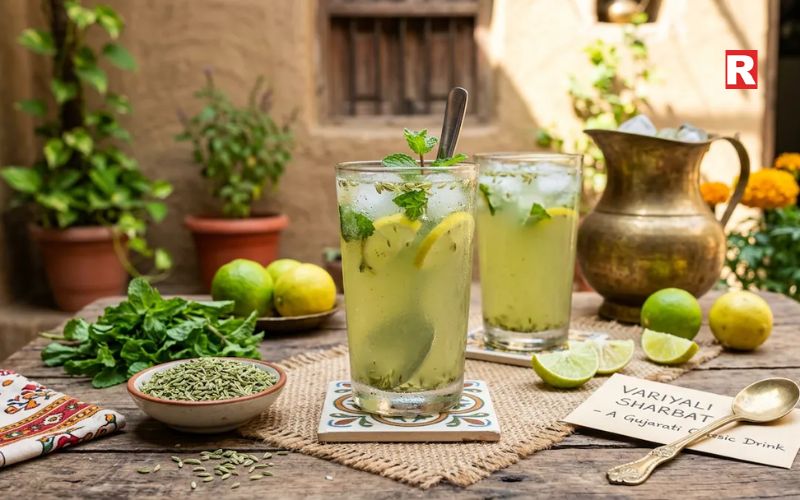
Variyali sharbat highlights Gujarat's creative approach to summer refreshments by placing fennel seeds at the centre of the recipe. Fennel's naturally aromatic character lends this beverage a unique flavour profile that differs significantly from fruit-based coolers. The drink has been enjoyed for generations and remains a familiar feature in many Gujarati households during warm weather. As consumers continue exploring regional Indian cuisines, beverages such as variyali sharbat are gaining recognition beyond their traditional boundaries. Its subtle herbal notes offer a refreshing alternative to more commonly consumed summer drinks.
Main ingredients:
- Fennel seeds
- Sugar
- Lemon juice
- Water
11. Sambaram
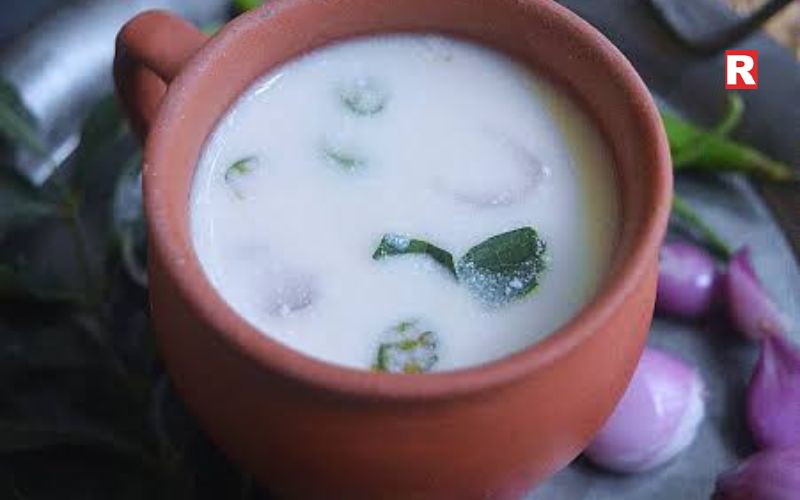
Sambaram is Kerala's beloved spiced buttermilk beverage that effortlessly combines simplicity with flavour. Prepared using everyday ingredients found in most South Indian kitchens, it has become a practical solution to the state's hot and humid climate. The addition of aromatic herbs and spices gives sambaram its distinctive identity while enhancing the overall drinking experience. It is commonly served alongside meals and frequently prepared in large batches for gatherings and celebrations. Its enduring popularity reflects Kerala's preference for refreshing beverages that complement the region's vibrant culinary traditions.
Why locals love it:
- Refreshing and light
- Complements spicy meals
- Quick to prepare
12. Sugarcane and Ginger Juice
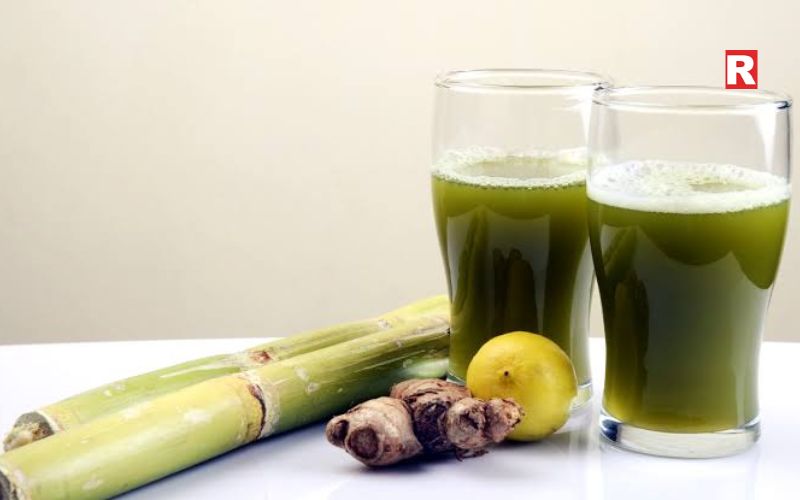
Sugarcane and ginger juice remains one of India's most recognisable street-side refreshments. The sight of sugarcane stalks being fed through traditional juice machines evokes a sense of nostalgia for many people. The natural sweetness of freshly extracted sugarcane juice pairs beautifully with the sharp warmth of ginger, creating a balanced and invigorating beverage. Found in bustling cities and small towns alike, this drink continues to attract customers seeking immediate relief from soaring temperatures. Its enduring appeal lies in its freshness, simplicity, and deep connection to everyday Indian summer experiences.
Best served:
- Freshly pressed
- Well chilled
- With a hint of lemon
Why These Drinks Matter Today
These refreshing beverages remind us that India's culinary wisdom extends far beyond popular favourites. Exploring regional summer drinks is not only a treat for the palate but also a way to appreciate the country's rich traditions, local ingredients, and enduring food heritage.
Traditional drinks are making a comeback: Consumers are increasingly embracing regional recipes as they seek authentic and nostalgic food experiences.
Restaurants are reviving heritage beverages: Modern eateries are reinventing traditional coolers, introducing them to younger and urban audiences.
Home kitchens are preserving culinary traditions: Families are rediscovering age-old recipes that have been passed down through generations.
Local ingredients define these beverages: Seasonal fruits, spices, herbs, and grains give each drink its distinctive regional identity.
They reflect India's diverse food culture: Every beverage tells a story about local climates, traditions, and community practices.
These drinks celebrate seasonal eating habits: Their ingredients are often harvested during summer, making them naturally suited for the season.
Traditional coolers offer refreshing alternatives: They provide variety beyond commonly consumed summer beverages like aam panna and jaljeera.
Regional beverages deserve wider recognition: Many lesser-known drinks remain hidden despite their rich cultural significance and unique flavours.
Exploring them supports culinary preservation: Trying traditional recipes helps keep India's diverse food heritage alive.
Sometimes, the best discoveries are timeless: The most memorable summer drinks are often those cherished quietly for decades.
Happy Summer!
India's summer beverage culture is far more diverse than the familiar glasses of aam panna and jaljeera. From the tangy notes of kokum sherbet in the Konkan region to the nourishing goodness of sattu sharbat in Bihar, every drink reflects the ingredients, climate, and traditions of its place of origin. These regional coolers were created long before modern soft drinks became popular, yet they continue to hold their relevance even today.
Exploring these beverages is not just about trying something new; it is also about appreciating the culinary wisdom passed down through generations. Many of these drinks rely on simple, seasonal ingredients and offer flavours that are both comforting and refreshing. They remind us that some of the best solutions to summer heat have always existed within our local food traditions. So, this season, give your regular summer staples a break and discover the rich variety that India's beverage heritage has to offer. Whether you prefer fruity, creamy, savoury, or spice-infused flavours, there is a traditional cooler waiting to become your new favourite. After all, the perfect summer drink might not be the one you already know—it could be the one you've never tasted before.
India’s beverage preferences are seeing a noticeable shift. Drinking is no longer only about strength or intensity. People now look for comfort and balance in what they choose to sip. There is a growing interest in drinks that feel light on the body and do not overwhelm the senses. Social settings have also changed. Gatherings today are more relaxed and experience-driven. This has opened the door for drinks that can be enjoyed over longer periods. Presentation, flavour, and ease of drinking now matter more than ever. Many consumers are also exploring options that feel modern and different from what they are used to. This shift is especially visible in urban spaces.
Globally, cider has long been part of drinking traditions, but its journey in India is still evolving. It is slowly building awareness among consumers who enjoy trying new flavours. The drink offers a smooth and approachable experience, which makes it easy to accept. It does not feel too strong or too sharp, which works well for varied taste preferences. Many people discover it in casual settings and continue exploring it further. Its growing presence in select outlets and social spaces is helping it reach a wider audience. The appeal lies in its ability to feel both familiar and different at the same time. It fits well into moments that are relaxed and unplanned. As more people look for variety, drinks like this are finding a steady place in everyday choices.
What is Cider?
Cider is an alcoholic drink made by fermenting apple juice. The process is similar to wine-making. Natural sugars in apples are converted into alcohol using yeast. Most ciders have an alcohol content between 4% and 7%. This makes them lighter than spirits and comparable to beer. The taste of cider is what makes it stand out. It is usually:
- Crisp
- Slightly fizzy
- Fruity and refreshing
Unlike beer, which can be bitter, cider has a smoother and more approachable flavour. This makes it ideal for first-time drinkers.
How is Cider Made?
Cider production follows a structured process, and understanding it adds depth to the experience of drinking it.
Apple Selection: Not all apples are the same. Cider makers often use apples with a balance of sweetness, acidity, and tannins. These elements define the flavour.
Crushing and Pressing: The apples are crushed to extract juice. This juice becomes the base of the cider.
Fermentation: Yeast is added to the juice. It converts sugar into alcohol and carbon dioxide. This stage defines the alcohol content and basic flavour.
Maturation: Some ciders are aged to develop complexity. Others are kept fresh to retain fruity notes.
Carbonation and Bottling: Cider can be still or sparkling. Most popular variants in India are lightly carbonated for a refreshing feel.
Types of Cider You Should Know
Cider is not a single-style drink. There are several variations, each suited to different preferences.
- Dry Cider: Less sweet, more sharp. Often preferred by experienced drinkers.
- Sweet Cider: Fruity and easy to drink. Ideal for beginners.
- Flavoured Cider: Infused with fruits like berries, mango, or spices. Very popular in India.
- Craft Cider: Small-batch production with focus on quality and natural ingredients.
Cider vs Beer vs Wine
Cider often sits between beer and wine, offering the best of both worlds.
- Base Ingredient: Apples (cider), grains (beer), grapes (wine)
- Taste: Fruity (cider), bitter (beer), complex (wine)
- Gluten Content: Usually gluten-free (cider), contains gluten (beer)
- Alcohol Level: Moderate (cider), low to moderate (beer), higher (wine)
For Indian consumers who find beer too bitter and wine too strong, cider becomes a balanced option.
Read more: Top Apple Cider Vinegar Brands in India That Add the Perfect Tang to Your Taste & Health
Why Your Drink Changes in Summer: The Psychology Behind What We Sip
Explore Top Cider Brands in India
1. Bira 91 – Hill Station Cider
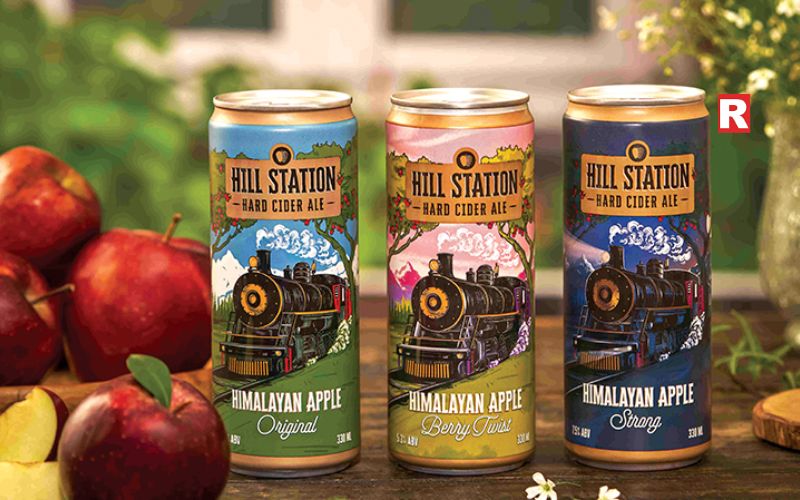
Bira 91’s Hill Station Cider reflects a youthful and vibrant approach to drinking. The brand presents cider as a fun and approachable option for modern consumers. Its flavour combinations are bold and slightly playful, which makes them stand out on shelves and in bars. The taste is smooth and not too strong, making it suitable for relaxed settings. It fits well into casual gatherings, especially during warm weather. The packaging is bright and eye-catching, which adds to its appeal among younger drinkers. It is often chosen by those who want something different from regular beer. Overall, it positions cider as an easy and enjoyable drink for everyday social moments.
2. Thirsty Fox
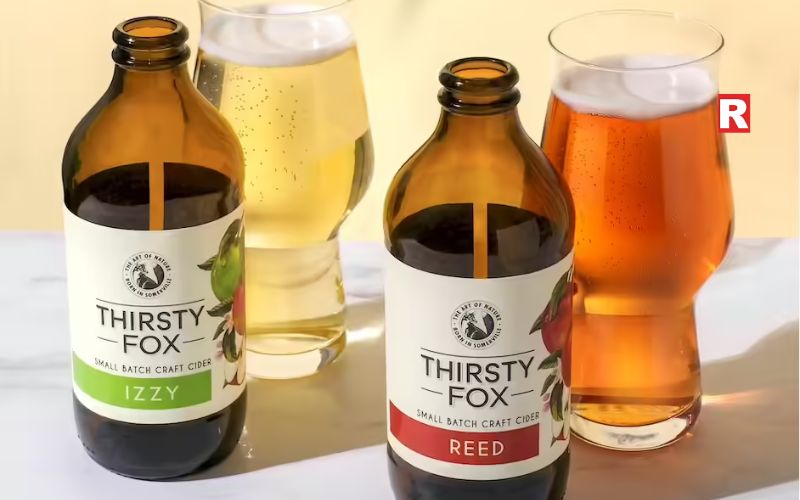
Thirsty Fox stands out for its focus on craft and detail. The brand takes a more careful and thoughtful approach to cider making. Its products are designed for people who value natural taste and clean flavours. The drinking experience feels fresh and not overly processed. Each sip carries a sense of authenticity, which appeals to mindful consumers. The brand keeps things simple and avoids unnecessary additions. This helps the cider maintain its original character. It is often chosen by those who prefer quality over quantity. Thirsty Fox fits well into intimate settings, where the focus is on enjoying the drink rather than just consuming it.
3. Somersby – Somersby Cider
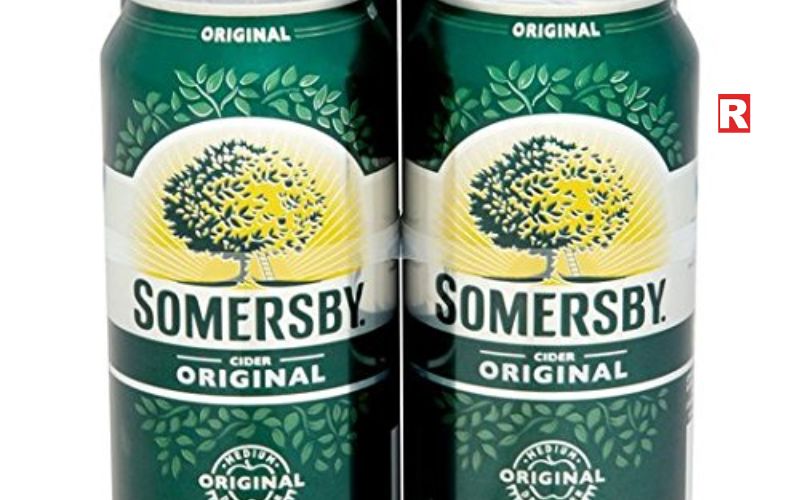
Somersby Cider is one of the most widely recognised cider options available in India. The brand has played a key role in introducing cider to a larger audience. Its style is simple and approachable, which makes it easy for new drinkers to try. The taste feels smooth and slightly sweet, without being too strong. It works well in casual settings where people prefer light and refreshing drinks. The brand focuses on keeping the experience fun and uncomplicated. Its bright identity and easy availability make it a common choice in urban markets. Many consumers pick it when they want a break from beer but still want something familiar. Somersby fits naturally into social occasions where comfort and ease matter more than complexity.
4. Hygeia India – Jolly Maker Cider
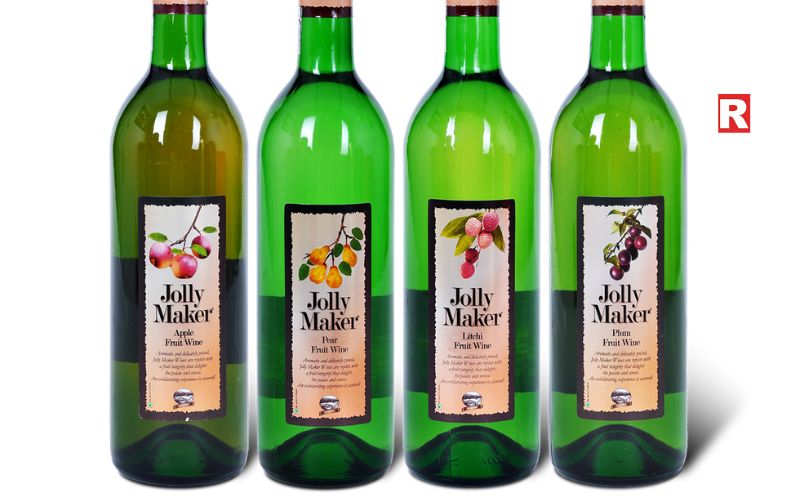
Jolly Maker Cider carries a more rooted and classic approach. It focuses on delivering a fuller and slightly stronger drinking experience. The flavour feels deeper and more pronounced compared to lighter options. This makes it suitable for those who enjoy a richer profile. The brand has been around for some time and has built a steady following. It appeals to consumers who prefer traditional styles over modern twists. The overall feel is simple and straightforward, without too much experimentation. It is often chosen for quiet evenings or slow-paced gatherings. Jolly Maker offers a more grounded take on cider that stays close to its original character.
Know more: Top Newly Launched Beer Brands to Replace Your Regular Brew
5. Sheppy’s Cider (Imported)
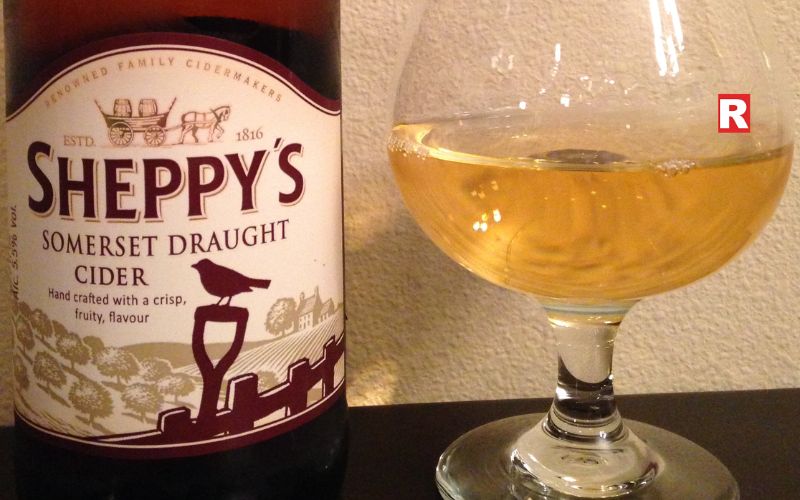
Sheppy’s Cider brings an international touch to the Indian market. The brand carries a long-standing legacy, which reflects in its overall character. Its ciders feel classic and well-structured. The taste is balanced and not overly sweet, making it suitable for those who prefer subtle flavours. It is often seen as a more premium option. Consumers who enjoy global brands are naturally drawn to it. The drinking experience feels polished and consistent. It works well in formal settings as well as relaxed occasions. Sheppy’s offers a glimpse into traditional cider culture and provides a different perspective compared to newer Indian brands.
How to Drink Cider the Right Way
Serving Tips
- Serve chilled between 4–8°C
- Use a glass to enjoy aroma and carbonation
- Avoid adding ice, as it dilutes flavour
Food Pairings
Cider works well with:
- Spicy snacks like tandoori starters
- Fried appetisers
- Grilled chicken or fish
- Cheese platters
Its refreshing nature helps cleanse the palate between bites.
Also check: 10 Fastest-Growing Alcohol Brands in India’s HoReCa Sector
Top Feni Brands in India: Taste the Goan Creation
How to Pair Beer with Indian Food: A Desi Guide to Perfect Pints
For Lighter Sip!
Cider is still at an early stage in India. However, the potential is strong. With growing interest in craft beverages and premium drinking experiences, cider is expected to expand in metros and tier-1 cities. More Indian brands are likely to experiment with local fruits and flavours. This could make cider even more relevant to Indian consumers. Cider is simple, refreshing, and versatile. It brings together the fruitiness of wine and the ease of beer. For Indian consumers looking for something new, it offers a perfect balance. As tastes evolve and awareness grows, cider is set to become a regular feature in India’s drinking culture. Whether it is a casual evening or a social gathering, it fits in effortlessly.
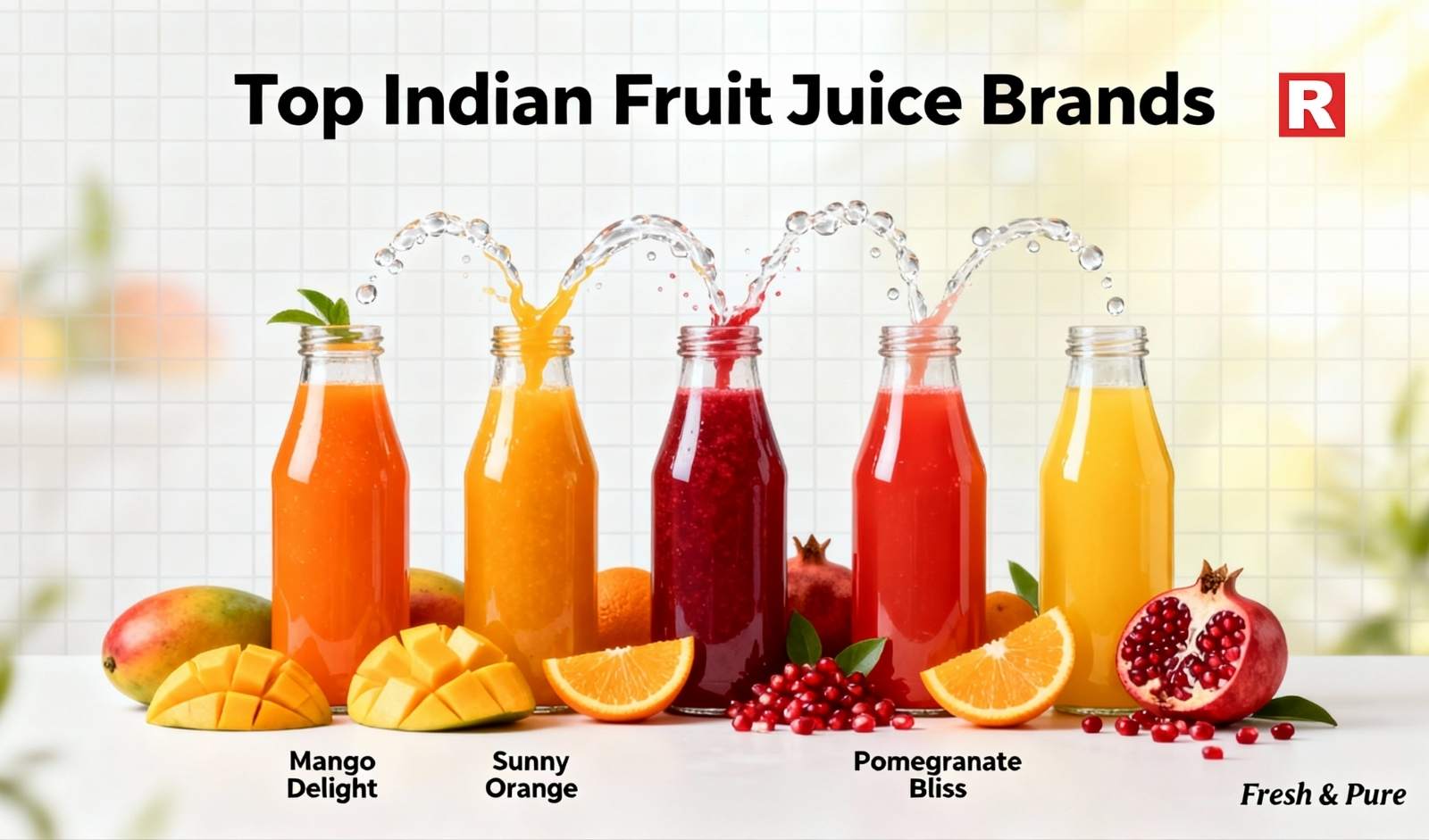
India’s fruit juice market has grown fast in the past few years. People want healthy, quick, and natural drink options. Busy schedules, rising awareness about nutrition, and the shift towards cleaner labels have made packaged fruit juice a daily choice for many families. From classic cartons to new-age cold-pressed bottles, the country now offers a wide mix of juices that suit every taste and lifestyle.
For someone who prefers natural drinks over fizzy beverages, choosing the right fruit juice brand becomes important. With so many claims like 100% juice, no sugar added, organic, and cold-pressed, it helps to know what each brand brings to the table. Here is a detailed guide to the top fruit juice brands in India, along with the features that make them unique.
India’s Fruit Juice Market Value and Growth
Recent industry reports show that India’s fruit juice market is much larger than the earlier USD 2.5–3 billion estimate. According to IMARC Group, the market was valued at USD 5,216.7 million (~USD 5.2 billion) in 2024, and it is expected to grow strongly, reaching around USD 14,355.1 million by 2033, with a CAGR of 11.90%.
Meanwhile, the packaged juice market in India alone is projected to be worth USD 5.26 billion in 2024, per data-bridge research. This growth is being driven by rising health awareness, increasing demand for natural and nutrient-rich beverages, and expanding modern retail and online distribution channels
What to Look for Before Buying Fruit Juice
Choosing the right juice depends on personal needs. A few important points to check include:
- Ingredients: The best juices have real fruit content and minimal additives.
- Sugar Level: Many brands offer low-sugar and no-added-sugar options.
- Preservatives: Cold-pressed and some organic brands avoid preservatives.
- Packaging: Airtight cartons or glass bottles keep the juice fresh.
- Extraction Process: Cold-pressed extraction keeps vitamins and minerals intact.
- Certifications: FSSAI approval, organic labels, and quality checks matter.
A careful look at the label helps people understand what they are drinking.
Top Fruit Juice Brands in India
1. Real Fruit Power (Dabur)
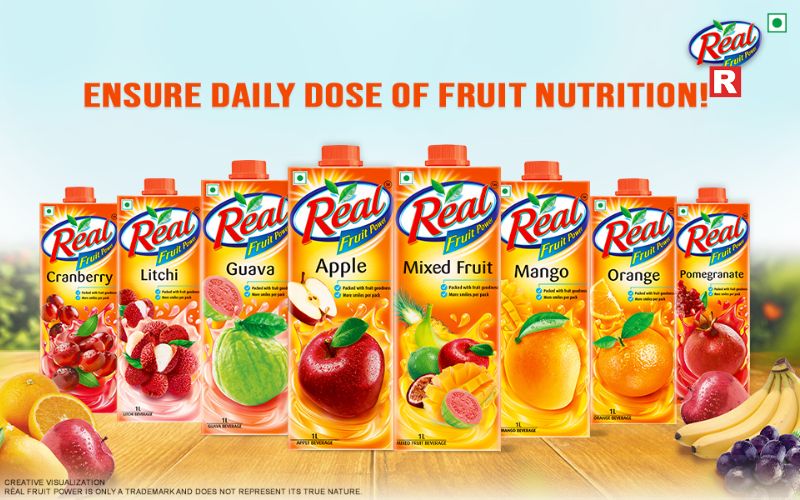
Real Fruit Power is one of the most trusted fruit juice brands in India. Many families choose it because it offers real fruit pulp and a steady taste. The brand has been around for years, and it continues to be a common choice in Indian homes. It offers many flavours. These include orange, mango, pineapple, litchi, guava, and mixed fruit. Each flavour has a clean and familiar taste. The juice is easy to find in stores across cities and towns. People prefer it because it feels safe, simple, and reliable. Real Fruit Power also offers good value for money, which makes it popular among regular buyers. It stays a top pick for anyone who enjoys everyday fruit juice.
Why it is popular:
- Known for consistent taste
- Wide availability across India
- Affordable price range
- Trusted parent company
Read more: 8 Famous Vegetarian Dishes of Uttar Pradesh and Their Timeless Legacy
Best Exotic Fruits to Enjoy This Winter for Taste, Health and Glow
2. Tropicana
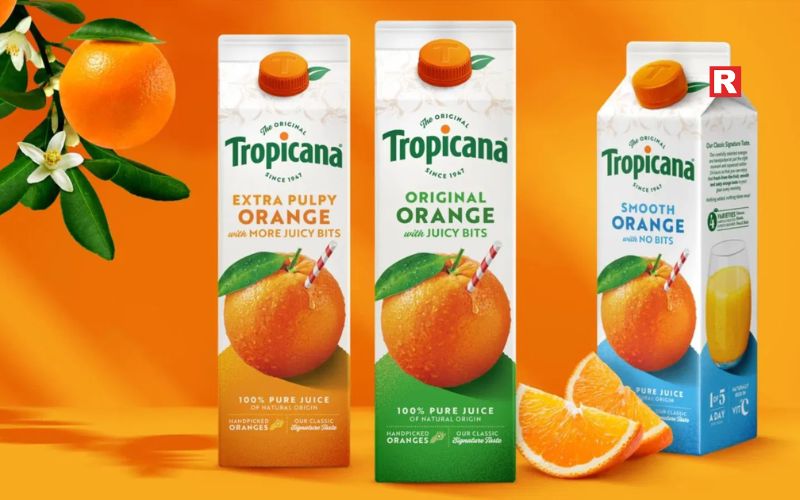
Tropicana is a well-known global juice brand with a strong presence in India. It is trusted for its focus on freshness and high fruit content. Many people pick it because the taste is clean, simple, and close to natural fruit. Tropicana 100% is popular among those who want juice with no added sugar. Tropicana Essentials is chosen by people who want extra nutrients in their daily drink. The brand offers classic flavours like orange, apple, and mixed fruit. It is easy to find in homes, offices, hotels, and cafés. Consumers like it because it feels pure, consistent, and safe for everyday use. Tropicana continues to be a top choice for health-minded buyers across the country.
What sets it apart:
- No added sugar in the 100% range
- Smooth, natural taste
- Good for daily consumption
- Popular in homes, offices, and hotels
3. Paper Boat
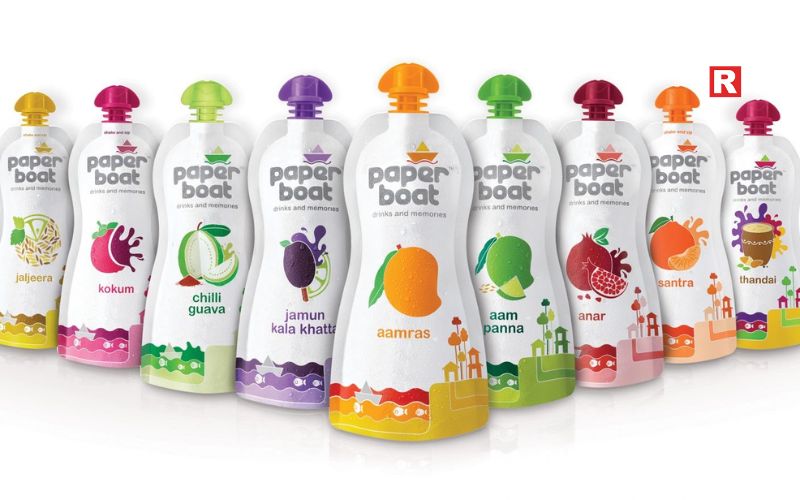
Paper Boat is a popular brand known for its refreshing drinks and Indian-inspired flavours. It brings back familiar tastes from childhood, which makes it special for many people. While it is famous for nostalgic drinks like Aam Panna and Jaljeera, it also offers a range of fruit-based beverages. These drinks are light, simple, and easy to enjoy at any time of the day. The brand focuses on gentle sweetness and clean ingredients. Its packs are travel-friendly and easy to carry. Many consumers prefer Paper Boat because it offers something different from regular packaged juices. It blends tradition with modern convenience. This mix of taste, memory, and ease makes Paper Boat a favourite choice across India.
Unique features:
- Indian flavours with modern packaging
- No artificial colours
- Gentle sweetness
- Travel-friendly packs
Know more: 5 Famous Soft Drinks in India, and Are They Safe for You?
4. B Natural (ITC)
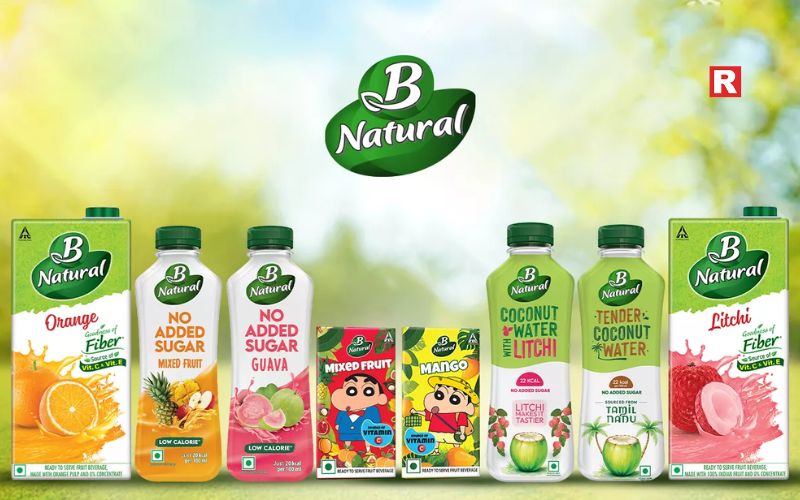
B Natural is a well-known juice brand that focuses on using fruits grown by Indian farmers. This gives the brand a strong local touch and makes it appealing to people who want to support Indian produce. B Natural also highlights its “No Concentrate” promise in many of its products. This means the juice is made from real fruit pulp and not from processed concentrate. The brand offers many flavours that suit everyday use. Its packaging looks premium and feels safe for families. Many consumers choose B Natural because it gives them a sense of freshness and trust. It also stands out for its clean ingredient list. This makes it a strong choice for those who want natural and reliable fruit juice.
Highlights:
- Made from Indian fruits
- Many variants have no added preservatives
- Wide range of flavours
- Premium packaging
5. Raw Pressery
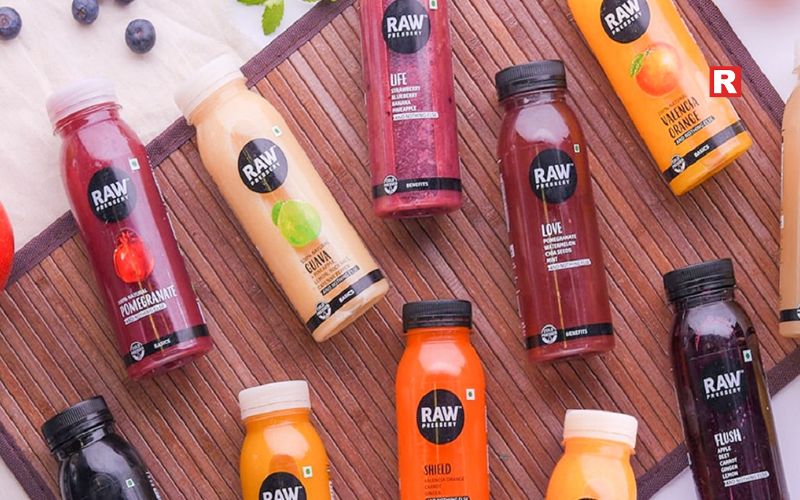
Raw Pressery is a leading cold-pressed juice brand in India. It is known for its clean-label drinks and fresh ingredients. The brand makes juices that are rich in natural nutrients. It uses high-pressure processing, which helps keep the juices fresh without adding preservatives. This process also keeps the flavour close to real fruit. Raw Pressery offers many blends, including orange, apple, coconut water, and mixed vegetable juices. Each drink feels light and pure. Many health-focused consumers pick this brand because it offers simple and honest products. It is also popular among people with busy lifestyles who want a quick source of vitamins. Raw Pressery continues to stand out for its quality and fresh taste.
Why people prefer it:
- Cold-pressed ingredients
- No sugar added
- No preservatives
- Rich in vitamins
6. 24 Mantra Organic
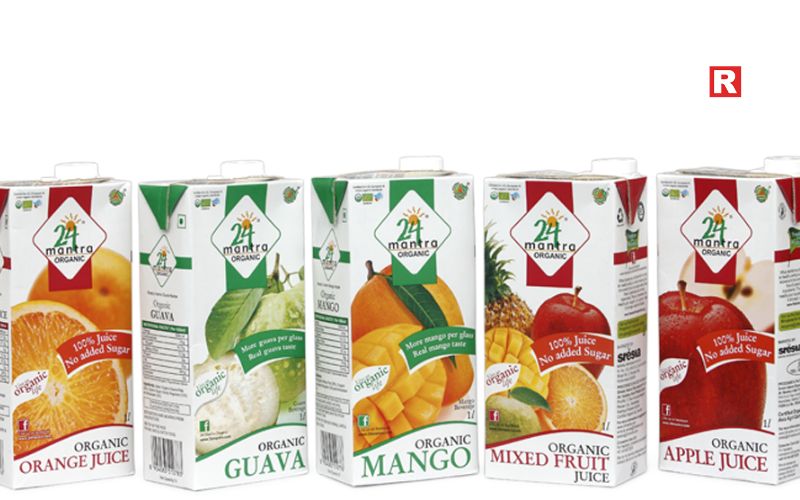
24 Mantra Organic is a trusted brand known for its organic fruit juices. It uses fruits that are grown without pesticides, which makes the juices safer for daily use. The brand focuses on clean and natural ingredients. Its juices have a mild and honest taste because they are made from real organic produce. Many families choose 24 Mantra Organic when they want chemical-free options. The brand also follows strict quality checks to keep its products safe and pure. It offers classic flavours that suit both adults and children. People who prefer a natural lifestyle often pick this brand for its simplicity and reliability. 24 Mantra Organic continues to stay popular among health-conscious consumers.
Why it stands out:
- Certified organic
- Natural taste
- Great for families aiming for chemical-free diets
Check more: What is Kimchi? Top Veg Kimchi You Can Try at Home
Top 10 Vegan Street Foods in India Every Indian Loves
Cold-Pressed Juices vs Packaged Juices
Cold-pressed juices are known for keeping more nutrients intact. This is why many fitness lovers prefer them. These juices are made with gentle pressure, which helps preserve vitamins and natural flavours. They usually contain no preservatives and offer a fresh, clean taste. On the other hand, packaged juices like Tropicana or Real are convenient and easy to store. They cost less and have a longer shelf life, which makes them suitable for regular family use. People who want a simple, everyday option often choose packaged juices. Those who focus on nutrition and freshness usually pick cold-pressed drinks.
Here are the key differences:
- Cold-pressed juices keep more nutrients.
- Packaged juices last longer.
- Cold-pressed juices offer fresh taste with no preservatives.
- Packaged juices are more affordable and easier to buy.
- Cold-pressed juices suit fitness-focused consumers.
- Packaged juices suit daily home use.
Fruity Sip
India’s fruit juice market offers many choices for different tastes and needs. There are traditional fruit drinks that remind people of familiar flavours. There are organic juices made from clean and chemical-free fruits. There are also cold-pressed juices that keep more nutrients intact. Each type serves a different purpose. Some people prefer a thick mango drink they enjoyed while growing up. Others look for organic juice because they want safer, pesticide-free options. Many health-focused buyers choose cold-pressed blends for vitamins and natural freshness. With so many brands and styles available, it has become easier for everyone to find something that suits their lifestyle. By checking labels and learning what each brand provides, buyers can make better choices. This helps them pick the right juice for daily health, taste, and convenience.
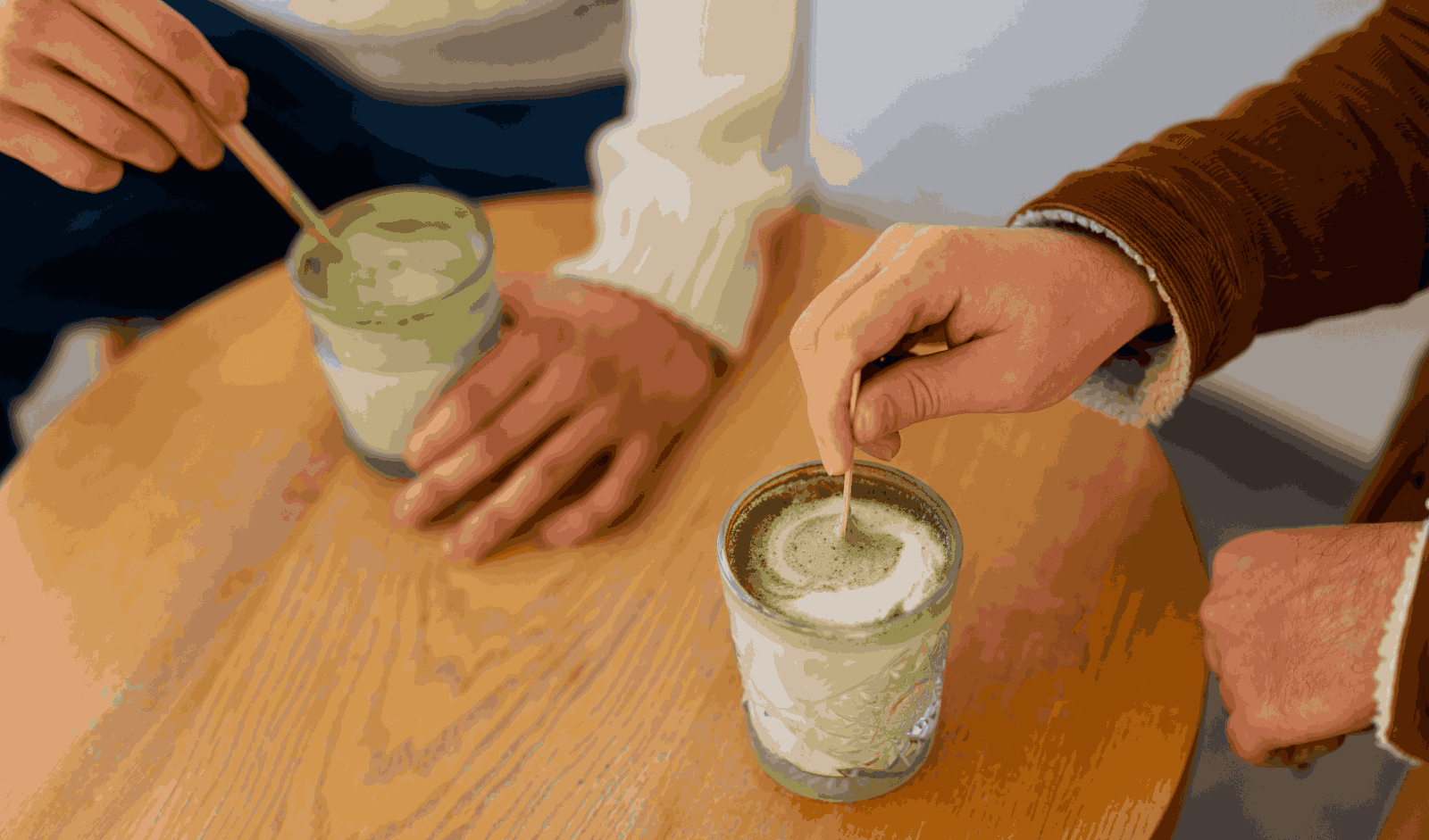
Asian flavours have been dominating the food menus in Indian restaurants for years, but now they have taken over beverages too. Cafe menus once defined by cappuccinos and cold brews are now filled with matcha lattes, hojicha drinks, vietnamese coffee and bubble tea. And this shift is being led by younger Indian consumers, Gen Z.
Swiggy’s How India Eats 2025 report shows the scale of this shift: Korean cuisine is growing 17x, Vietnamese 6x and Japanese 2.8x. These numbers are reshaping what young consumers expect to find in their neighbourhood cafes. Searches reflect this curiosity too, with matcha growing 4x over five years and boba searches rising 11x.
What’s Leading the Asian-Beverage Boom
India’s evolving palate and rising preference for cold beverages have created fertile ground for new beverage categories. Cold beverages today are growing 60 per cent faster than hot beverages, widening the runway for everything from iced matcha to fruit-forward boba teas.
For Suhas R, founder of Matcha & Mocha Cafe, this shift became obvious almost immediately. “When we started, matcha was mildly popular but as the trend picked up, we began getting search traffic from Instagram. Matcha became viral, and people randomly wanted to try it,” he recalled.
The cafe began with three matcha flavours; it now has 11 to 12, driven entirely by demand. Weekend matcha sales today equal his entire daily sales from a year ago, he shared, a sign of how rapidly consumer preferences are shifting. And, today, 60 per cent of his revenue comes from matcha-based drinks.
Similarly, Boba Bhai, a QSR chain focused on boba tea and Korean food, scaled rapidly because India was primed for a refreshing, customisable drink. As founder Dhruv Kohli pointed “Weather plays a part too. India is tropical and until now there wasn’t much innovation in cold beverages. Bubble tea arrived at the right time.”
What Gen Z Want
Gen Z’s influence is unmistakable: they experiment more, transact more digitally and explore cafés as social spaces. Their dining-out cohort is growing 3x faster than older age groups, and restaurants now spend nearly 75 per cent of marketing budgets on digital channels to capture their attention, shared the Swiggy report.
Harika Ganeshni Bommana, founder of Grumpy Girl Coffee, sees this behaviour daily. “Asian-inspired flavours aren’t just a trend anymore, they’re becoming part of the everyday Indian palate,” she said. Young customers often seek out the cafe specifically to try her miso caramel latte, shoyu latte or spicy guava espresso tonic. The experience is interactive: they come to experiment and return with friends to share discoveries.
Boba Bhai’s Dhruv Kohli sees similar patterns across cities. “Tier-2 and tier-3 consumers have increased appetite for spending and more time to explore,” he shared emphasizing that the curiosity is no longer metro-specific. In fact, Boba Bhai is now active in 179 cities on Blinkit alone and sells 80,000 to 100,000 cans a month on quick-commerce platforms.
Travel exposure has also widened palates. As Kohli pointed out, “Asian flavours adapt well to Indian palates as they use ginger, garlic and spice similar to Indian curries.” This makes the transition feel familiar rather than foreign, even in cities just beginning their cafe evolution.
Innovation and Experimentation
While the demand is high, cafe owners aren’t simply riding the trend; they are adapting these drinks for Indian palates.
At Grumpy Girl Coffee, experimentation is constant. Harika explained, “Honestly, many ideas start as my midnight notes,” but every drink goes through customer tasting, feedback rounds and careful balancing.
Boba Bhai, meanwhile, has leaned into novelty and scale simultaneously. They launched India’s first domestically produced bubble tea in a can, designed for q-commerce. They also broke category conventions by pairing bubble tea with Indian foods. As Kohli said, “Everybody else was selling bubble tea alone; pairing it with Indian food attracted Gen Z and millennials.”
Future of Asian Beverages
Despite the buzz, India is still early in its Asian-beverage journey. Bubble tea in India is projected to grow from USD 450 million in 2024 to nearly USD 930 million by 2033. Matcha, now an INR 870 crore market, is expected to grow to INR 1,400 crore by 2030. This aligns with Suhas’s belief that matcha will become “the next big beverage category” and eventually a default order, the way coffee is today.
As Harika observed, India is moving towards deeper, layered flavours like sesame, yuzu, hojicha and fermented beverages, echoing global wellness trends. Kohli sees the same wave: hojicha is picking up, and nostalgia-driven Indian flavours like kala khatta are entering premium beverage menus.
With organised food service projected to cross USD 125 billion by 2030, cafes have every incentive to experiment. And Asian flavours being vibrant, versatile and social-media friendly are perfectly positioned to ride that growth curve.
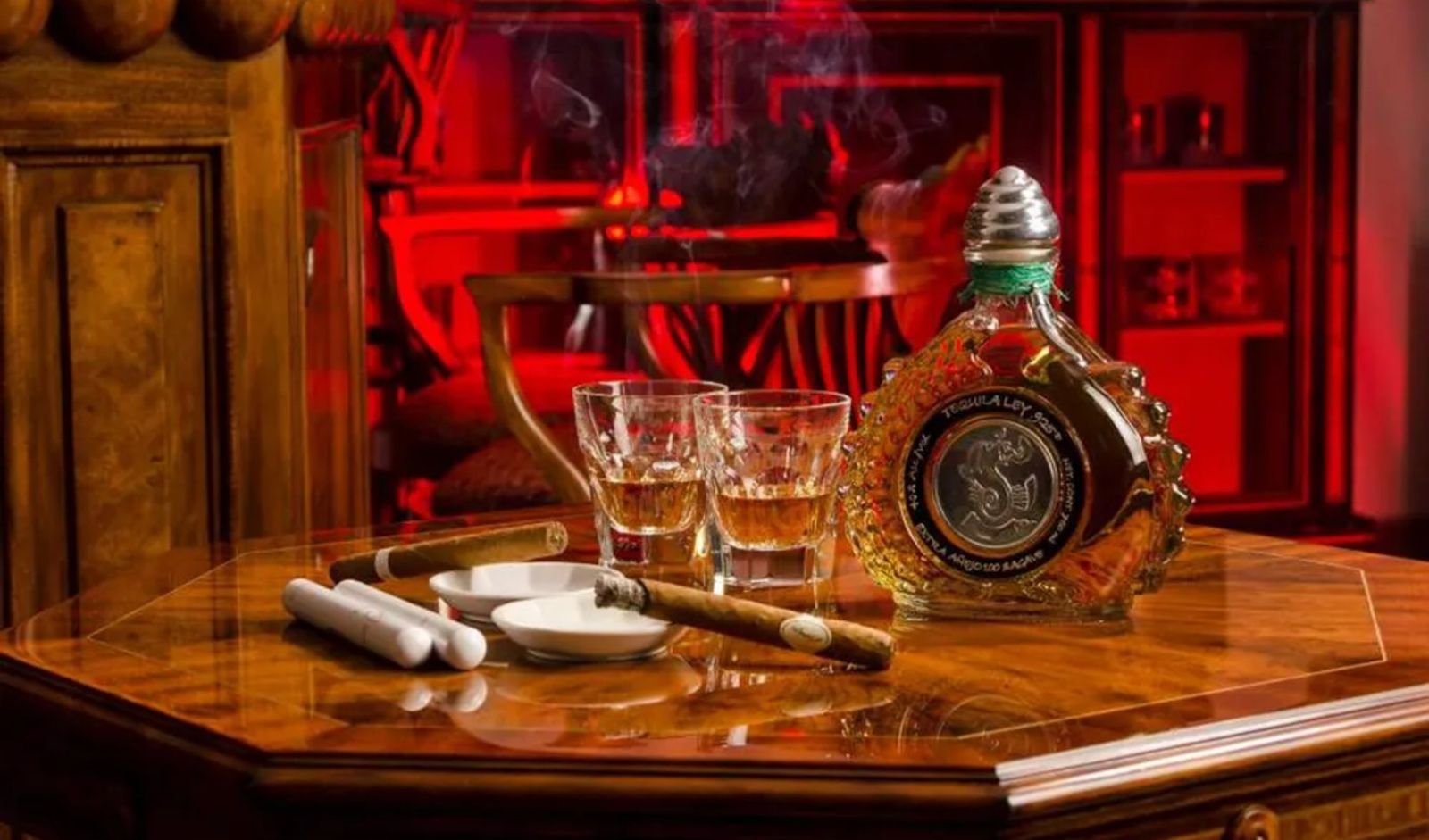
You know there's more to it than just what's inside when a bottle of alcohol costs more than a fancy apartment. The most expensive spirits in the world are the best examples of how craftsmanship, heritage, and pure luxury can come together. These aren't drinks; they're status symbols, investments, and sometimes even jewelry you can wear in liquid form.
For billionaires and elite collectors, owning these bottles means possessing something that 99.9% of the world will never experience. It's about exclusivity that money can barely buy, even when you have millions to spend.
What Makes a Bottle Worth Millions?
Extreme Scarcity: Many of these bottles exist in quantities you can count on one hand. When only three bottles exist worldwide, the price naturally skyrockets. Supply and demand economics reach their most dramatic expression here.
Precious Materials: We're talking bottles encrusted with thousands of diamonds, crafted from platinum and gold, or designed by world-renowned artists. The container often costs exponentially more than the spirit inside.
Age and Heritage: Some of these spirits have been aging since before World War II. The patience required—decades of careful storage—adds immense value. Every year a spirit ages, it becomes rarer as the "angel's share" evaporates.
Artistic Collaboration: When famous artists design labels or when master craftsmen from luxury houses like Lalique create the decanters, you're buying fine art as much as fine alcohol.
Provenance and Story: The narrative matters. Who owned it? Where was it stored? What historical events did it survive? These stories transform bottles into legends.
10 Most Expensive Alcohols Globally
1. D'Amalfi Limoncello Supreme — $44 Million
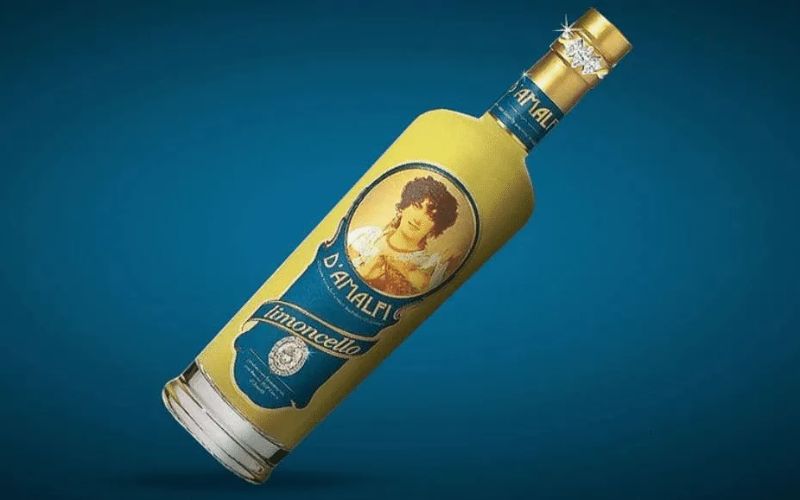
Topping the charts is a lemon liqueur that makes other expensive spirits look affordable. Only two bottles were ever made, and calling them "bottles" feels inadequate. Each is adorned with three flawless single-cut diamonds, with a rare 13-carat mammoth diamond gracing the neck. The craftsmanship is so elaborate that the bottle itself is essentially a piece of high jewelry that happens to contain limoncello.
The identity of the primary owner remains shrouded in mystery—when you spend $44 million on a bottle, privacy comes with the package. For Indian enthusiasts hoping to explore this brand, standard D'Amalfi limoncello is available in select markets, but the Supreme edition remains firmly out of reach for retail purchase anywhere in the world.
2. Isabella's Islay Whisky — $6.2 Million
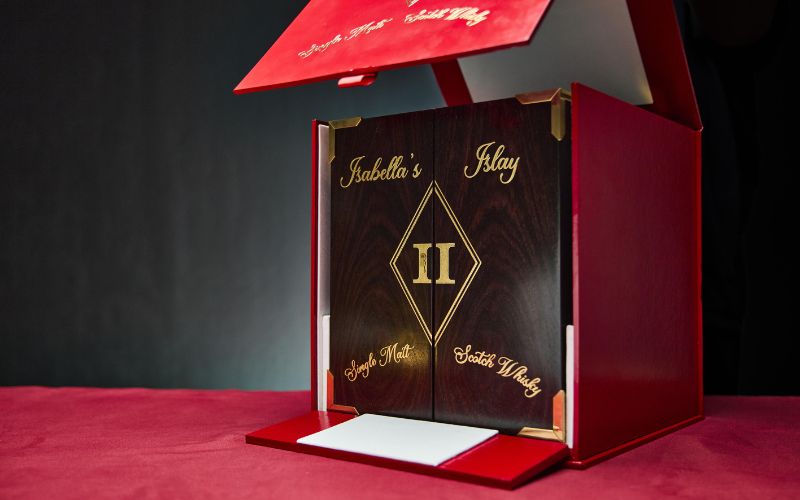
Scotland's contribution to extreme luxury comes in the form of this whisky, which features a decanter embedded with over 8,500 diamonds and 300 rubies. The exact vintage of the single malt inside remains a closely guarded secret, adding mystique to an already extraordinary offering.
What's particularly interesting is that the distillery refuses to disclose details about the whisky's age or specific characteristics. When you're spending this much, the secrecy becomes part of the allure. Ultra-high-net-worth clients around the globe have purchased bottles, though their identities remain confidential. This bottle has never touched Indian soil for retail purposes.
3. Billionaire Vodka — $3.7 Million
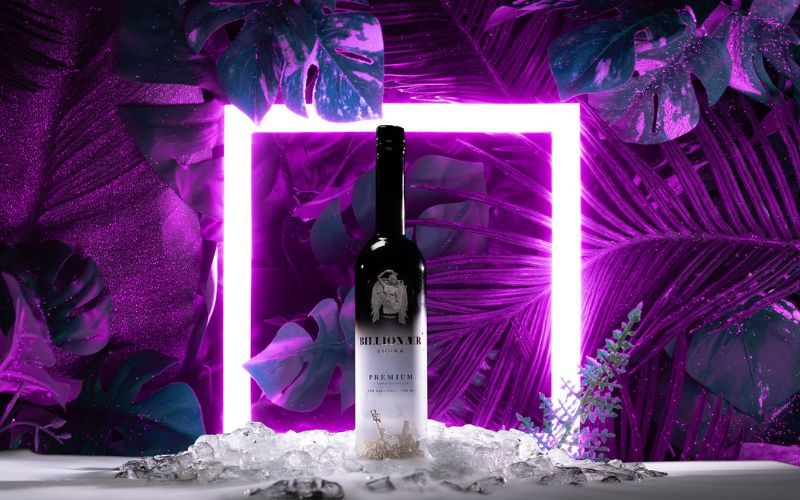
The recipe is secret. The production method is classified. What everyone can see is the platinum and rhodium-encased bottle covered in diamonds, delivered in a fur-lined presentation box. The entire package screams excess—and that's precisely the point.
Russian billionaires and select Middle Eastern royalty are rumored to own bottles, though confirmations are rare. Here's where things get confusing for Indian buyers: a product called "Billion Air Vodka" is produced locally and available in Mumbai and Pune for under ₹2,000. Despite the similar name, it's an entirely different product with no connection to the multi-million-dollar Billionaire Vodka.
4. The Macallan 1926 — $2.1 to $2.7 Million
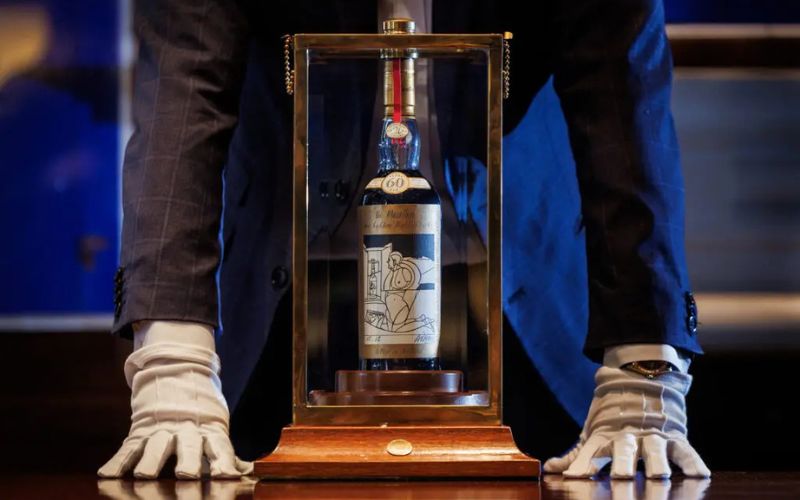
Perhaps the most famous entry on this list, The Macallan 1926 represents whisky at its absolute zenith. Only 40 bottles were released, each featuring hand-painted or specially designed labels by renowned artists including Valerio Adami, Michael Dillon, and Peter Blake.
What sets this apart is that the whisky itself justifies much of the price. The liquid has been praised by experts as exceptional, making this one of the few entries where you're not just paying for the packaging. British whisky entrepreneur Sukhinder Singh is a notable collector, as is football icon David Beckham.
Indian collectors have occasionally acquired bottles through international auctions. Singh himself, who has deep roots in the Indian community, has spoken about his prized Macallan collection. However, walking into an Indian liquor store to buy one remains impossible.
5. Henri IV Dudognon Heritage Cognac — $2 Million
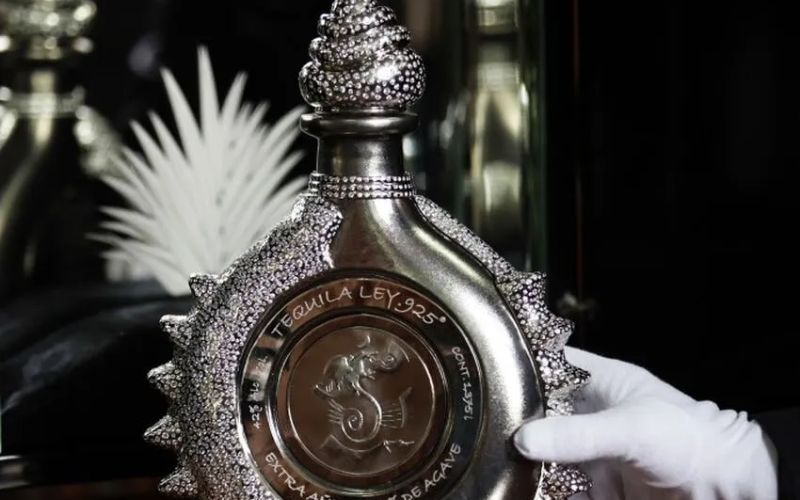
A cognac aged for a full century, presented in a vessel of 24-carat gold and platinum, studded with thousands of diamonds. The cognac house Dudognon has been crafting spirits since 1776, and this bottle represents the pinnacle of their multi-generational expertise.
The hundred-year aging process means this cognac contains brandy distilled in the early 1900s—liquid history in the truest sense. Elite European and Gulf collectors are known to possess bottles, though specific owners remain anonymous. Indian availability is non-existent for this particular expression.
6. Tequila Ley .925 — $3.5 Million
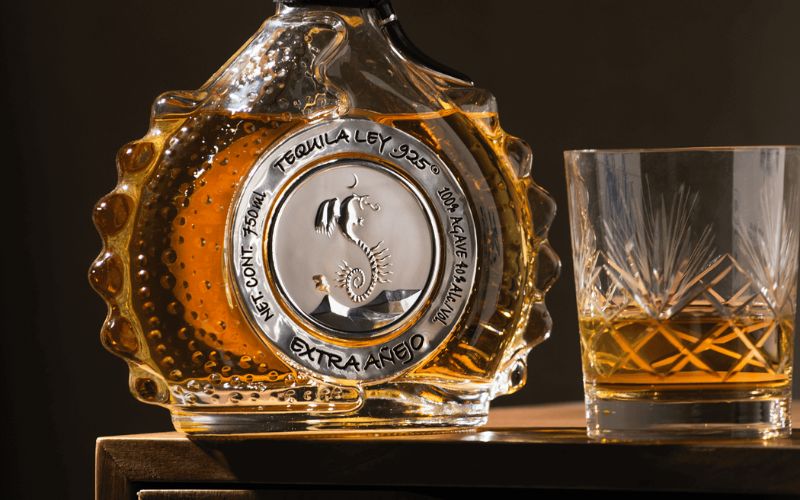
Mexico's entry into the extreme luxury spirits market comes courtesy of this tequila, housed in a bottle made with over 4,000 diamonds and pure platinum. Only one or two bottles exist globally, making it rarer than many precious gemstones.
The tequila itself is premium, but the bottle is the star. Middle Eastern royalty are rumored to own at least one. In India, this bottle has been featured in luxury displays and its theoretical Indian price (over ₹23.7 crore) has been calculated, but it's never been available for actual purchase.
7. The Macallan M Imperiale 6L — $628,000
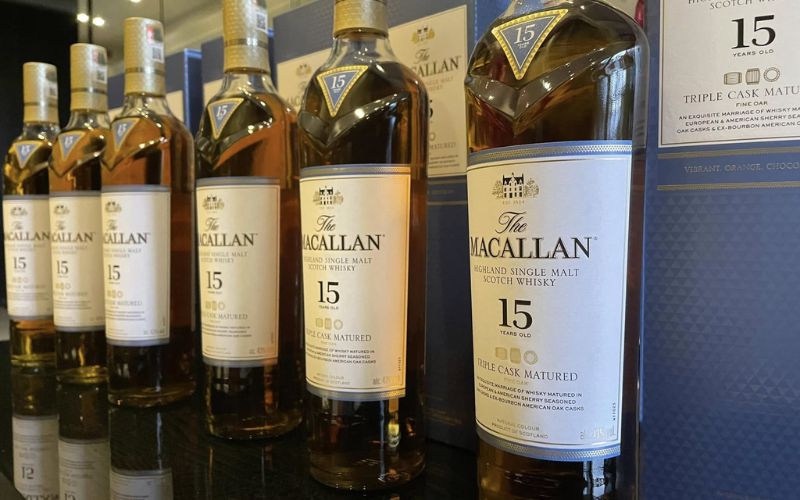
Another Macallan entry, but this time the focus is on the presentation and size. Only four were ever made, each housed in a handcrafted Lalique crystal decanter containing six liters of rare vintage single malt aged for decades.
The Lalique collaboration is significant—the French crystal house is synonymous with luxury and artistry. Each decanter required extensive hand-craftsmanship. High-profile collectors and whisky investors own these bottles, though they rarely appear in public. Access is exclusively through international auctions.
8. Dalmore 64 Trinitas — $160,000
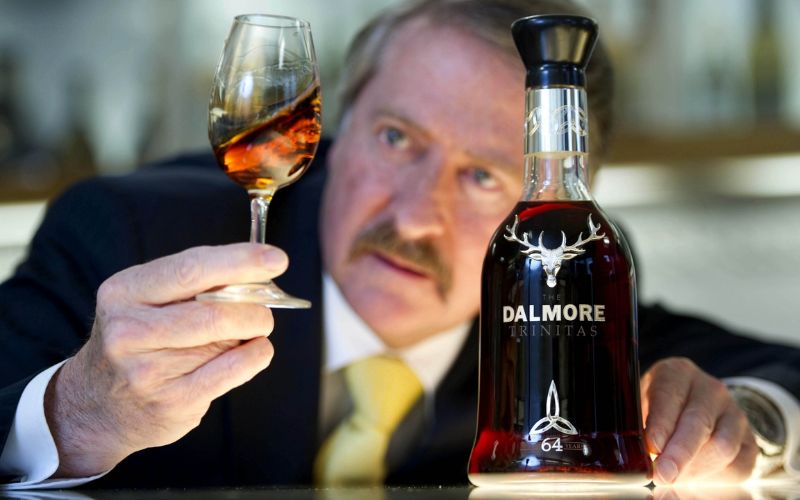
Scotland's Dalmore created just three bottles of this blend, each containing rare stocks aged up to 64 years. The scarcity is extreme even by the standards of this list.
What's remarkable is the Indian connection. Gujarati collector Mahesh Patel and UK-based Indian entrepreneur Sukhinder Singh each purchased a bottle when they were auctioned in Glasgow for £100,000 each. This demonstrates the growing appetite among Indian collectors for world-class whisky, even if these purchases happen in international markets rather than domestically.
9. Yamazaki 50-Year-Old — $343,000+
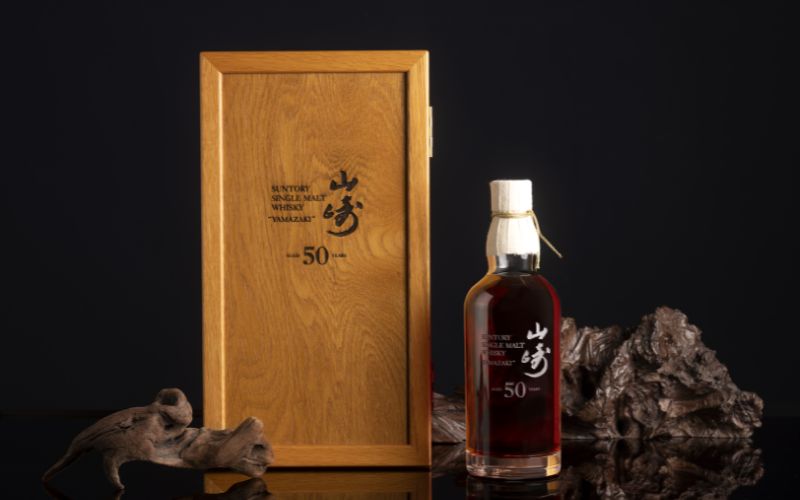
Japan's oldest and rarest single malt has achieved legendary status among whisky connoisseurs. Only a handful of bottles are released per batch, and the waiting list for allocation is years long.
The Yamazaki distillery, founded in 1923, represents Japan's entry into serious whisky-making. The 50-year-old expression showcases how Japanese patience and precision can create something truly extraordinary. Prominent Japanese collectors, including industry figures like Shinji Fukuyo, own bottles. Indian buyers can potentially acquire bottles through international auctions, but domestic retail channels don't carry it.
10. Armand de Brignac "Ace of Spades" Midas — $275,000
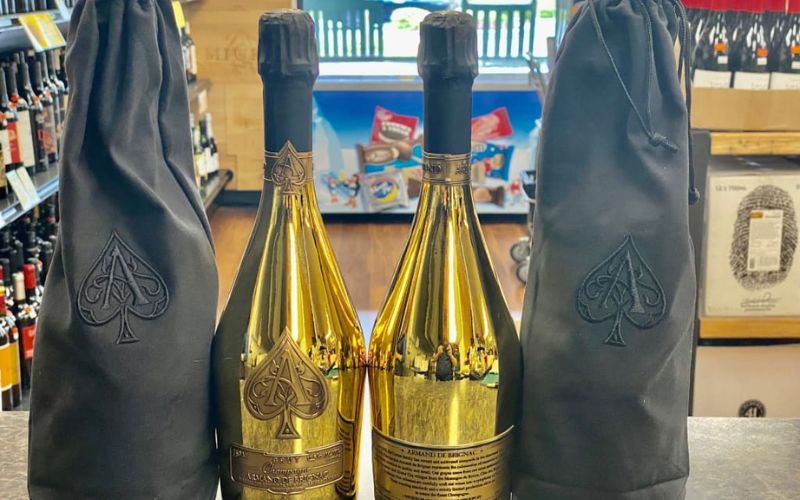
The champagne that became synonymous with hip-hop excess features giant 30-liter gold bottles designed for maximum visual impact. Each Midas is meticulously crafted and associated with the most lavish celebrations imaginable.
Jay-Z, Floyd Mayweather, and Conor McGregor have all showcased this bottle at parties, cementing its status as the ultimate celebration champagne. Limited imports reach select Indian luxury hotels, but the 30-liter Midas version remains extremely rare and generally unavailable for public purchase even internationally.
The Psychology of Ultra-Luxury Spirits
Why do billionaires and celebrities gravitate toward these bottles? The reasons are more complex than simple wealth display.
Investment Potential: Fine spirits, particularly aged whiskies, have shown remarkable appreciation. Some bottles have increased in value by 500% or more over a decade. For the ultra-wealthy, these purchases are often strategic investments that also happen to be enjoyable.
Social Currency: Opening a million-dollar bottle at an exclusive gathering creates a moment that guests will never forget. It's experiential luxury at its most extreme—you're not just offering a drink, you're creating a story people will tell for years.
Completion of Collections: Serious collectors operate on completionist logic. If you have 39 rare whiskies, you'll pay almost any price for the 40th that completes the set. This psychology drives auction prices into the stratosphere.
Preservation of Heritage: Some collectors genuinely see themselves as custodians of liquid history. When you own a cognac distilled before your grandparents were born, you're preserving a tangible link to the past.
The Thrill of Unobtainability: For people who can buy almost anything, the few things they cannot easily acquire become irresistible. The hunt itself provides satisfaction that routine luxury purchases cannot match.
The Indian Context: A Growing But Limited Market
India's luxury spirits market is expanding rapidly, with urban centers like Mumbai, Delhi, and Bangalore seeing increasing demand for premium and super-premium offerings. However, the ultra-luxury segment represented by this list remains largely inaccessible for several reasons.
Regulatory Constraints: India's complex alcohol regulations vary by state, making importation of extremely rare spirits challenging. Customs duties on alcohol imports are substantial, often doubling or tripling the base price.
Excise Complications: Different states have different rules about what can be sold and at what price points. Bringing in a multi-million-dollar bottle for retail sale faces bureaucratic hurdles that make the process impractical.
Market Size: While India has a growing population of ultra-high-net-worth individuals, the domestic market for $1 million+ bottles remains small. International auction houses find it more efficient to handle these sales globally rather than establishing India-specific channels.
Auction Access: Indian collectors like Sukhinder Singh and Mahesh Patel have demonstrated that Indians are competitive buyers in the global market. However, their purchases happen at international auctions in London, New York, or Hong Kong rather than domestically.
That said, the scene is evolving. High-end hotels in Mumbai and Delhi occasionally stock premium expressions from brands like Macallan, Dalmore, and Armand de Brignac—not the million-dollar editions, but respectable entries from the same houses. Specialized liquor stores in Gurgaon and South Mumbai have begun catering to collectors with rare releases. The secondary market, while informal, connects buyers with sellers of premium bottles.
A few luxury liquor outlets in India have made headlines for their exclusive selections and premium ambiance, offering valet service and climate-controlled storage. These venues stock high-end spirits that, while not reaching the millions, still represent significant luxury purchases in the ₹50,000 to ₹5 lakh range.
What the Future Holds
The market for ultra-luxury spirits shows no signs of slowing. Auction prices continue to break records, with new entries challenging the existing hierarchy. Emerging markets, particularly in Asia and the Middle East, are driving demand higher.
For India, the trajectory points toward greater accessibility over time. As regulations potentially modernize and the collector base grows, we may see more international auction houses hosting India-focused events or more seamless import channels for legitimate collectors.
Distilleries are taking note of emerging markets. Some Scottish distilleries now conduct tasting events in India, building relationships with potential future buyers. Japanese whisky makers are exploring collaboration with Indian distributors. French cognac houses are studying the Indian market's peculiarities.
The rise of NFTs and blockchain authentication may also transform this space. Some distilleries are experimenting with digital certificates of authenticity that could make ownership transfer more transparent and potentially more accessible to international buyers, including those in India.
The Bottom Line
These ten bottles represent the absolute peak of luxury spirits—where craftsmanship, rarity, precious materials, and cultural cachet combine to create objects of almost absurd value. They exist in a realm where normal market forces bend and break, where a bottle of tequila costs as much as a private island.
For billionaires and elite collectors, these bottles serve multiple purposes simultaneously: investment vehicles, status symbols, conversation pieces, and genuine appreciation of extraordinary craftsmanship. The fact that most will never be opened adds to their mystique—they're Schrödinger's drinks, simultaneously perfect and potentially disappointing, their value existing in the realm of possibility.
For Indian enthusiasts, these bottles remain largely aspirational. The path to ownership runs through international auctions and private sales rather than domestic retail. However, the broader luxury spirits market in India continues to mature, offering increasingly sophisticated options for those looking to explore premium drinking experiences without quite reaching the multi-million-dollar threshold.
Whether you view these bottles as the peak of human achievement in spirits or as symbols of excessive wealth, one thing is certain: they represent a world where the ordinary rules of commerce don't apply, where rarity and craftsmanship can transform a drink into a treasure worth more than most people will earn in multiple lifetimes.
For now, most of us will have to content ourselves with admiring these bottles from afar—through auction catalogs, museum displays, and articles like this one. And perhaps that's fitting. Some luxuries are meant to be extraordinary precisely because they remain out of reach, existing as reminders that there are still things in this world that money can barely buy, even when you have all the money in the world.
The festive season is a time of joy, celebrations, and togetherness. People often stay up late, eat rich food, and spend time with family and friends. While it’s fun, it can also leave the body tired and the skin looking dull. The skin needs extra care during this time. What a person drinks plays a big role in keeping the skin healthy. Drinking the right fluids helps the body stay hydrated. It also helps reduce inflammation and supports skin repair. This keeps the skin fresh, soft, and glowing. Simple and natural drinks can make a big difference. They provide essential vitamins, minerals, and antioxidants. These nutrients help the skin stay firm and radiant. Adding such drinks to a daily routine is easy. They don’t require special ingredients or hard steps.
By drinking healthy beverages regularly, the body gets the support it needs. The skin looks brighter and feels better. A few small changes can lead to noticeable results. These drinks are a simple way to help anyone look and feel their best throughout the festive season. Taking care of the skin starts from within.
Read more: 6 Benefits of Drinking Black Coffee
12 Delicious High-Protein Foods to Eat Daily for a Healthier You
Why Drinks Matter for Skin Health
Your skin is your body’s largest organ. It needs water, vitamins, and minerals to stay soft, smooth, and glowing. Many skin problems, like dryness, puffiness, and breakouts, can happen when you don’t drink enough fluids or eat unhealthy food. Drinks with natural ingredients like fruits, herbs, and seeds can boost your skin’s health. They supply your body with essential nutrients, antioxidants, and hydration. These drinks also support digestion, reduce inflammation, and help your body remove toxins.
Let’s look at the best drinks that can give you a festive glow while keeping you refreshed.
1. Lemon and Honey Detox Water
Lemon and honey detox water is one of the simplest yet most powerful drinks for glowing skin. Lemon is full of vitamin C, which helps your body produce collagen. Collagen keeps your skin firm and smooth. Honey is a natural humectant. It locks in moisture and heals dry skin. You can make this drink by adding half a lemon’s juice and a teaspoon of honey to a glass of lukewarm water. Drink it in the morning or between meals. For an extra boost, add a pinch of turmeric powder. Turmeric has anti-inflammatory properties that calm irritated skin. This simple drink helps flush out toxins and keeps your skin hydrated throughout the day.
2. Coconut Water with Mint and Basil
Coconut water is a natural hydrator. It is rich in electrolytes like potassium and magnesium. These help your body stay hydrated, which is essential for soft and plump skin. Mint adds a cooling effect and helps with digestion. Basil is full of antioxidants that support detoxification. Together, they make a refreshing drink that keeps your skin fresh and radiant. Mix a glass of coconut water with a few mint leaves and crushed basil. Drink it after a workout or when you spend long hours outdoors in the sun. This drink not only keeps you cool but also helps your skin retain moisture, making it look healthy and glowing.
Know more: Pani Puri Has Different Names in Different Indian States—Know Them All
3. Aloe Vera Juice with Cucumber
Aloe vera is known for its healing properties. It helps soothe and repair the skin. It also supports hydration from inside. Cucumber adds extra moisture and helps reduce puffiness. It is rich in water content and vitamins that nourish your skin. Blend fresh aloe vera gel with cucumber slices and a little water. You can also add a few drops of rose water for a floral scent and additional skin benefits. Drink this in the afternoon or before bed to relax and rejuvenate your skin. It helps in reducing inflammation, keeping the skin soft, and improving texture.
4. Turmeric and Ginger Golden Elixir
For those who want a stronger solution, turmeric and ginger are a perfect pair. Turmeric contains curcumin, a compound that fights inflammation and promotes skin repair. Ginger improves blood flow and helps your body absorb nutrients better. You can make a golden elixir by mixing a teaspoon of turmeric powder and half a teaspoon of grated ginger in warm water. Adding a pinch of black pepper helps your body absorb turmeric more effectively. Drink this in the morning or evening. It helps reduce puffiness, brighten your skin, and improve circulation. This drink gives you a natural glow without harsh chemicals.
5. Berry Smoothie with Flaxseeds
Berries like strawberries, blueberries, and raspberries are packed with antioxidants. These help fight free radicals that cause skin aging and dullness. Flaxseeds are rich in omega-3 fatty acids that support healthy skin and reduce dryness. Blend a cup of mixed berries with a tablespoon of flaxseeds and some yogurt or almond milk. You can also add a small piece of banana for sweetness. This smoothie is perfect as a snack or after lunch. It helps keep your skin firm and youthful by protecting it from damage.
6. Green Tea with Lemon and Honey
Green tea is one of the healthiest drinks for glowing skin. It contains polyphenols that protect your skin from environmental damage and pollution. These compounds also help fight inflammation. Add lemon juice and a small amount of honey to brewed green tea. Lemon adds vitamin C, while honey provides hydration. Drink this tea any time you need a relaxing boost. It not only supports your skin’s health but also helps calm your mind.
Also check: 5 Ways to Use Garden Cress Seeds (Halim) for Stronger Hair and Bones
How to Make These Drinks Work Best for You
- Consistency is key: Drinking these beverages regularly will give you the best results. Make them a part of your daily routine.
- Stay hydrated: Along with these drinks, make sure you drink plain water throughout the day.
- Balance your diet: Eat fruits, vegetables, and healthy fats like nuts and seeds to complement the effects of these drinks.
- Get enough sleep: Your skin repairs itself at night. A good sleep schedule will enhance the benefits of these drinks.
- Manage stress: Stress can affect your skin’s appearance. Try meditation, yoga, or simple breathing exercises to keep calm.
Check more: 5 Foods to Avoid for Better Cholesterol
These 7 Foods Can Help You Cool Your Stomach in Summer
Six Benefits of Starting Your Day with Okra Water
Glow Up!
Looking good during festivals doesn’t have to be hard or expensive. With a few simple drinks, you can give your skin the nourishment it needs. These beverages are natural, safe, and easy to prepare. They not only keep you hydrated but also protect your skin from damage and stress. Start your day with lemon and honey detox water, enjoy coconut water in the afternoon, and sip on green tea in the evening. With small changes, you will see a big difference in how your skin looks and feels. Celebrate this festive season with confidence, energy, and glowing skin!
Disclaimer: This article is intended for general informational purposes only and should not be considered a substitute for professional medical advice, diagnosis, or treatment. Readers are advised to consult a qualified healthcare professional before making any dietary, health, or lifestyle changes.
Living in the modern world has become a race against time. In fact, everyone is surviving here instead of living where each day becomes more hectic than the other. From daily schedules that are too demanding to daily exercise routines that are actually designed to get fit but only end up taking more of our energy, or just the desire to go through the day, people need an energy boost to go through everything. This leads us to reach out to carbonated energy drinks. These beverages, which are designed to give us a rapid boost of energy, increase our mental clarity, and help us perform better physically, are getting more popular day by day. But not each drink is the same, and drinking anything would not give you the energy boost you need.
So, in this article, we will dive into the world of energy drinks and pick up the 10 most popular brands from the market. To help you comprehend the different benefits they offer and how they provide that much-needed boost, we'll break down the main components of each, from sugar and caffeine to extra vitamins and performance-enhancing substances.
Read more: What Are Rail Drinks? The Anatomy of Your Cheapest Night Out
Understanding the Basics of Energy Drinks

The majority of energy drinks use a similar combination of substances to produce their energizing effects. Caffeine, a naturally occurring substance that blocks the brain's adenosine receptors( these receptors induce sleep and exhaustion) to lessen feelings of exhaustion, is usually the main ingredient. In addition to caffeine, many contain a combination of sugars (such as sucrose and glucose) for a rapid energy boost, B vitamins (B2, B3, B6, and B12) to help with energy metabolism, and other safe stimulants and substances.
Typical additives are as follows:
- Taurine: An amino acid considered to be involved in physical performance, taurine promotes nerve growth.
- Guarana: A high-caffeine plant extract that is frequently utilized to extend the stimulating effects of drinks.
- Ginseng: A botanical extract that is said to increase vitality and lower stress levels.
- L-Carnitine: One substance that helps turn fat into energy is L-carnitine.
Even while these components may provide advantages like improved attention and alertness, it's important to use energy drinks sensibly. If taken in excess, the high amounts of sugar and caffeine may cause adverse side effects.
Disclaimer: This article is intended for general informational purposes only and should not be considered a substitute for professional medical advice, diagnosis, or treatment. Readers are advised to consult a qualified healthcare professional before making any dietary, health, or lifestyle changes.
Top 10 Popular Energy Drinks and Their Profiles
This article provides a thorough analysis of ten well-known energy drinks, highlighting their main characteristics, advantages, and nutritional data per average 16-ounce (473 ml) can, unless otherwise noted.
1. Red Bull
It is the undeniable leader that established the whole energy drink market. Red Bull's famed "gives you wings" tagline and iconic slim can are well-known around the world. It is a high-end product that is frequently linked to excellent performance and late-night productivity in India. It gives you a strong physical and mental boost.
Caffeine: 75 mg per 250 ml can.
Sugar: 27.5 g (11 g per 100 ml) per 250 ml can.
Calories: 115 kcal (46 kcal per 100 ml) per 250 ml can.
Energy Type: A physical jolt paired with a focused and alert mental boost.
Know more: Coffee Cocktail Drinks: 10 Must-Try Options to Follow in 2025
2. Monster Energy
Red Bull's major rival, Monster, is renowned for its huge can size and strong, "no-nonsense" branding. It is well-liked by athletes, gamers, and anybody else in need of a stronger energy boost since it provides a stronger and longer-lasting energy boost than its competitors. Its combination of B vitamins, taurine, and caffeine seeks to provide a full-bodied energy boost.
Caffeine: 160 mg per 500 ml can.
Sugar: 55 g per 500 ml can.
Calories: 237 kcal per 500 ml can.
Energy Type: A strong, continuous energy boost that is perfect for extended periods of mental or physical exertion.
3. Sting
Sting, a PepsiCo product, has swiftly gained popularity in India's mass market thanks to its affordable price and unique, sweet taste. College students and young adults looking for a quick and easy energy boost are particularly fond of it. Its flavor and vivid color are two of its main attractions.
Caffeine: 72 mg per 250 ml bottle.
Sugar: 17.5 g (7 g per 100 ml) per 250 ml bottle.
Calories: 70 kcal (28 kcal per 100 ml) per 250 ml bottle.
Energy Type: A quick energy boost that is fueled by high-octane sugar and caffeine.
4. Gatorade
Despite being a sports drink rather than a usual energy drink, Gatorade is popular in India because it replenishes energy, especially during or after physical activity. Although it doesn't include caffeine, it gives you energy by restoring the body's electrolyte and glucose balance after you sweat out.
Caffeine: 0 mg.
Sugar: 30 g (6 g per 100 ml) per 500 ml bottle.
Calories: 120 kcal (24 kcal per 100 ml) per 500 ml bottle.
Energy Type: Hydration and electrolyte replacement provide energy for physical activity and recovery.
What's new: Top 10 Non-alcoholic Drink Ideas for Your Restaurant
5. Mountain Dew
Because of its high sugar and caffeine content, Mountain Dew, a classic soft drink, serves as an unofficial energy drink for many Indians. It provides a brief, sweet thrill along with a caffeine spike. Its "Darr Ke Aage Jeet Hai" motto and unique citrus flavor have made it strongly associated with taking risks and conquering obstacles.
Caffeine: Approximately 54 mg per 600 ml bottle.
Sugar: 73 g per 600 ml bottle.
Calories: 282 kcal per 600 ml bottle.
Energy Type: A fast, high-sugar energy boost that gives you a sugary high and a brief mental clarity boost.
6. Thums Up Charged
This version of Thums Up, a variant of the well-known Indian cola brand, is promoted for having more caffeine. This cola, which has a high caffeine content, promises a strong energy boost while maintaining the rich, well-known flavor of the original Thums Up. Customers who desire the traditional cola experience with a big energy boost are pleased to by it.
Caffeine: 61.5 mg per 250 ml bottle.
Sugar: 18.25 g (7.3 g per 100 ml) per 250 ml bottle.
Calories: 75 kcal (30 kcal per 100 ml) per 250 ml bottle.
Energy Type: A strong energy boost along with the robust, well-known flavor of a traditional cola.
7. Tzinga
With a variety of unique and tasty options, the energy drink brand Tzinga has effectively established a niche for itself in the Indian market. It is a well-liked substitute for more costly foreign brands since it has a reputation for being an affordable option that also provides a consistent energy boost.
Caffeine: 72 mg per 250 ml can.
Sugar: 18 g per 250 ml can.
Calories: 82 kcal per 250 ml can.
Energy Type: A quick, accessible, and efficient energy boost that comes in a range of tastes.
Check out: 6 Fermented Drinks Known To Support Digestive Health
10 Delicious Detox Drinks | Easy Detox Drinks for Summers
8. Cloud 9
An Indian energy drink company called Cloud 9 is well-known throughout the nation and has a traditional, citrus-inspired flavor profile. A popular choice for a wide variety of customers, it is promoted as a reviving and delightful carbonated beverage that gives a rapid energy boost.
Caffeine: Although not always stated on the box, caffeine content is usually between 70 and 80 mg per 250 ml, which is comparable to other energy beverages.
Sugar: Approximately 27.5 g per 250 ml can.
Calories: Approximately 110 kcal per 250 ml can.
Energy Type: An energizing and revitalizing energy boost that is ideal for a last-minute pick-me-up.
9. Power Horse
Power Horse is a well-known global brand that has established a significant presence in the Indian market thanks to its potent, somewhat sweeter flavor profile. It offers a steady and dependable energy boost, making it appealing to a large Indian consumer base that appreciates the flavor and functionality of a reputable international brand.
Caffeine: 80 mg per 250 ml can.
Sugar: 27.5 g (11 g per 100 ml) per 250 ml can.
Calories: 110 kcal (48 kcal per 100 ml) per 250 ml can.
Energy Type: A consistent energy boost that supports lasting alertness and attention.
10. Wild Tiger
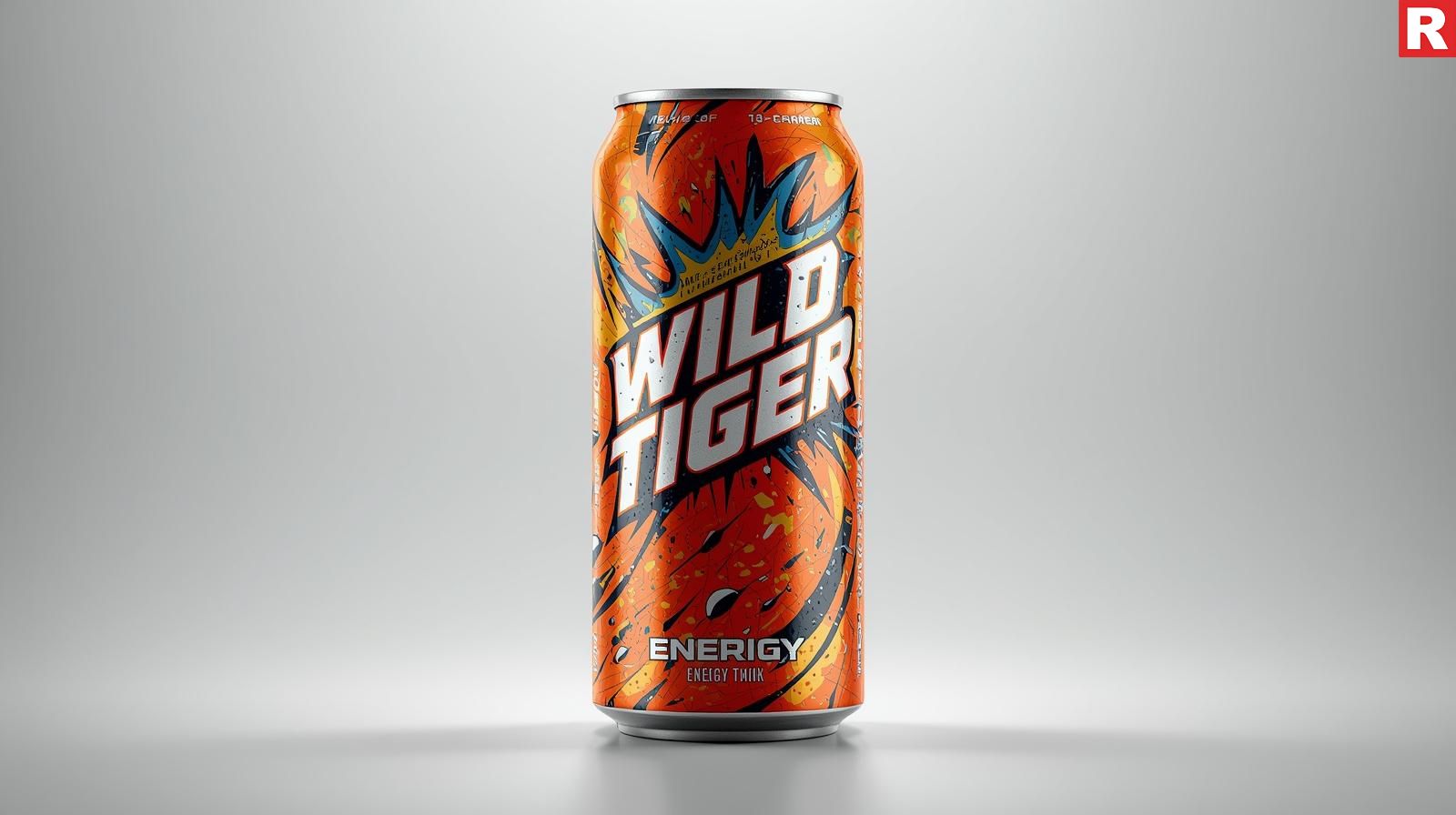
Another well-known Indian company that has centered its branding on a unique, exotic appearance is Wild Tiger. Well-known for its unique taste and frequently available in a range of retail locations, it offers a consistent and strong energy boost and is a dependable substitute for some of the more costly brands.
Caffeine: Usually between 70 and 80 mg per 250 ml can, though this is not always the case.
Sugar: 25 g per 250 ml can.
Calories: 125 kcal per 250 ml can.
Energy Type: A reliable and constant energy boost that promotes mental clarity and fights weariness.
Read this: Frankenstein-Inspired Foods and Drinks for Your Spooky Celebrations
A Word of Caution: The Risks
Energy drinks can be a helpful tool, but it's important to be aware of any potential drawbacks. Many of these drinks include a lot of sugar, which can lead to tooth decay, weight gain, and other health problems. An increased heart rate, jitters, anxiety, and disturbed sleep can result from consuming too much caffeine. These beverages cannot replace adequate sleep, staying hydrated, and eating a healthy, balanced diet. You should always be mindful of your own personal caffeine sensitivity and take them in moderation.
Conclusion
Energy drinks, which provide a practical means of overcoming weariness and boosting productivity, have solidified their position in the fast-paced Indian culture. There are several options available on the market, ranging from the well-known Red Bull and Monster to domestic favorites like Sting and Thums Up Charged. Customers may make wise choices if they are aware of the ingredients and nutritional information, particularly the important details about calories, sugar, and caffeine. Always put your health and well-being first, and use these drinks as a tool for a short-term energy boost rather than as an excuse for long-term energy.
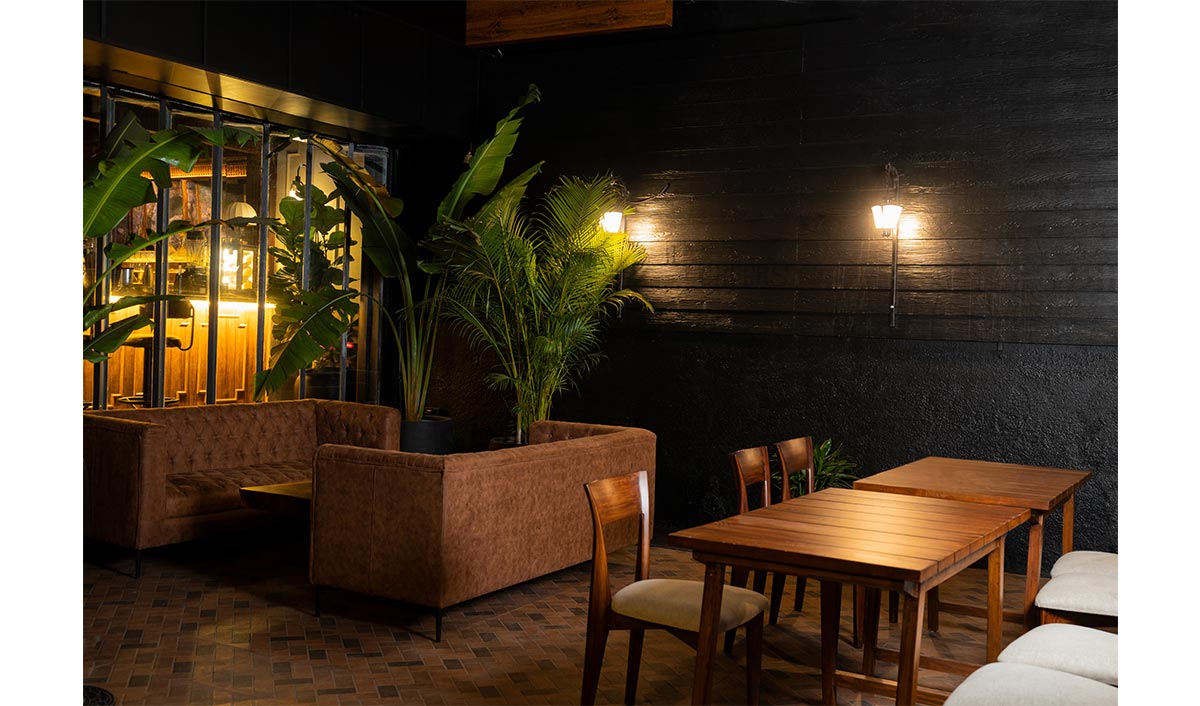
Pune is all set to experience a new high energy cocktail society, Cobbler & Crew at Kalyani Nagar.
The place has a cocktail menu worth savoring every sip of from its list of 12 superhit cocktails.
For pro-society members who want to order their favorite cocktails, watch as bar head Mayur Marne (ex-brand ambassador Diageo) enthralls members with even more special drinks curated especially for them.
“Pune is exploding in terms of the F&B sector yet it was missing a cocktail culture. One would have to travel to indulge in such an experience. The 5 of us came together to give the city something it could call its own, something to be proud of. This cocktail society was created for all enthusiasts who have come to appreciate the finer things in life,” shared
THE COCKTAIL SOCIETY
A new generation with a growing appetite for drinks and cocktails needs a space where they can experience, enjoy and entertain themselves with their favorite tipple. They also need a space where bar professionals with experience from across the world can introduce them to the latest concepts in fine drinking. Enter Pune’s first cocktail society – a high-energy space to enjoy and discover drinks at a cocktail-first space with a banging list of specialty cocktails to choose from, a space to vibe with people behind the bar.
THE COCKTAILS
Cobbler & Crew has incorporated local ingredients with a focus on natural sugar sources instead of processed sugar. A local favorite dessert called The Shrikhand, it’s a milky delight in the form of a cocktail. Guests can also enjoy an array of cocktails with an added twist: Bhakarwadi, Khakra, and Thecha. The cocktail bar also uses locally grown and sourced fruits such as Strawberries and Guava that has been experimented with in the menu. With a twist of local ingredients and global bar culture, the high-end cocktail bar has something for every guest’s palette. There are many other firsts that Cobbler & Crew is bringing to Pune – right from its ingredient-forward cocktail menu to its Martini in a Trolley experience that seeks to create variations of the classic drink.
THE FOOD
Cobbler & Crew has created its inaugural seasonal menu of 8 unique creations influenced by classic cocktails and reimagined for today’s generation of fine drinkers. The beverage program is the result of careful thought and passionate craftsmanship alongside tireless trial and error. It also supports locally sourced ingredients, natural sweeteners used in drinks, and artisanal beverage techniques as a conscious effort to fine tune the drinking experience of our guests. The team’s radical interest in ingredient-first philosophy reflects on its food menu too with co-founders having experience with Michelin star experience. With dishes such as (add top three dishes), the cuisine is curated from across the world offering you something to discover, to rekindle, and to find comfort in. The food menu is curated by multiple consultants from all over the world and headed by ex-Oberoi Rohit More.
Cobbler & Crew plans to work with an array of experts every few weeks, and keep experimenting and altering the menu to introduce them to some world-class food fare whilst keeping up the season and trends – again a first for Pune!
The cocktails and food can also be paired with a line of premium handmade cigars that roll off your fingers as its lip-smacking cuisine does.


How did the idea of serving variety of teas and beverages come to you?
Our menu is inspired by the choices that you get in different regions of India and around the world. If I go to Kolkata and have a certain kind of tea then I won’t be having the same tea when I am back in Delhi. The idea came from here where I thought why we can’t create a menu which is inspired by regional beverages. That was the whole idea that came into my mind while stepping into this industry.
How was your journey from being a graphic designer to the owner of a venture?
The journey was very challenging. The transition into the F&B industry was very new and challenging for me as I don’t have any background, training, and experience in this industry before. There were lots of learning’s and mistakes which I corrected while setting up the business.
What were the various difficulties faced?
What adds to your difficulty is the fact that whether you belong to the food industry or not. If you are, then you are familiar with the stuffs which happen while running a venture. But in my case, things started from the basic. I had to learn things from the scratch from rules and regulations to methods and techniques. I had to put extra money and efforts while establishing this venture. I took a lot of time just to understand how this market actually works. I did a lot of research which I thought was necessary.
Enlighten us with the artisan factor of Jugmug Thela.
It just came from the kind of person I am. It actually also depends on what kind of places you visit. I am not a designer as I’m from the creative community. We tried to decorate the place as it’s something new and unique in its own way. Every piece of furniture, tables, the items on the plate are all handmade. Nothing is from a readymade shop. I was inspired by my chai wala where I used to go. The whole idea and few of the décor idea came from there.
What is the Jugmug Thela’s uniqueness?
I think our uniqueness is that we adapted concept from a normal tea stall which can be witness here and there on roads. I personally believe that a person goes to a chai shop just to be what they really are. They want to be who they are in reality while having a cup of tea at such stalls. Generally, people dress up and go to a certain café shop so that they can look nice. I wanted a place where people can come in their comfort zone without thinking about anything else. I just wanted people to come here and have any kind of conversation they want by providing such an environment. Jugmug Thela is a place where anybody can come, relax and enjoy without thinking how they are looking and other stuffs like that.
Why the name Jugmug Thela?
There were many reasons why I came up with this name. But the main reason behind naming it as Jugmug Thela is that one of my favorite tea shops in Delhi used to be situated right beneath the babool tree which is no more there. That tree is now cut down. Whenever I used to visit there in earlier winters and monsoon, there would be fireflies in the tree. I used to sit under that tree at night with the fireflies surrounding us. That’s how I came up with this name Jugmug Thela. The word jugmug came from ‘jugmagate jugnoo’ and thela as a fact that I started with it.
What ‘s next in your kitty?
There are lots of surprises which I hope will be liked and appreciated. I am just sure that we are not going to create a franchise kind of model because I believe in providing people with something different. I’ll be changing our format based on the location.
How does Jugmug Thela stand apart from other tea and beverage outlets?
Our commitment to food and quality is something which makes us stand apart from other outlets which are available in the market. Everything which is available here is in-house and we never ever try to compromise with the quality of items we serve. In fact, 95% of the products are made in house at Jugmug Thela. We don’t even put chemicals to enhance the life or quality of food. We are trying to be ethically right and at the perfect place while serving to the customers.
What are your expansion plans?
We are going to expand region by region. My expansion plan is not going to be standard model that most of the outlets do. I am not looking at the scale which is very big in number for sure. For now, all I am thinking is to provide people something different from our previous outlet every time a customer visits us. After covering the regions, Jugmug Thela will surely move pan India.
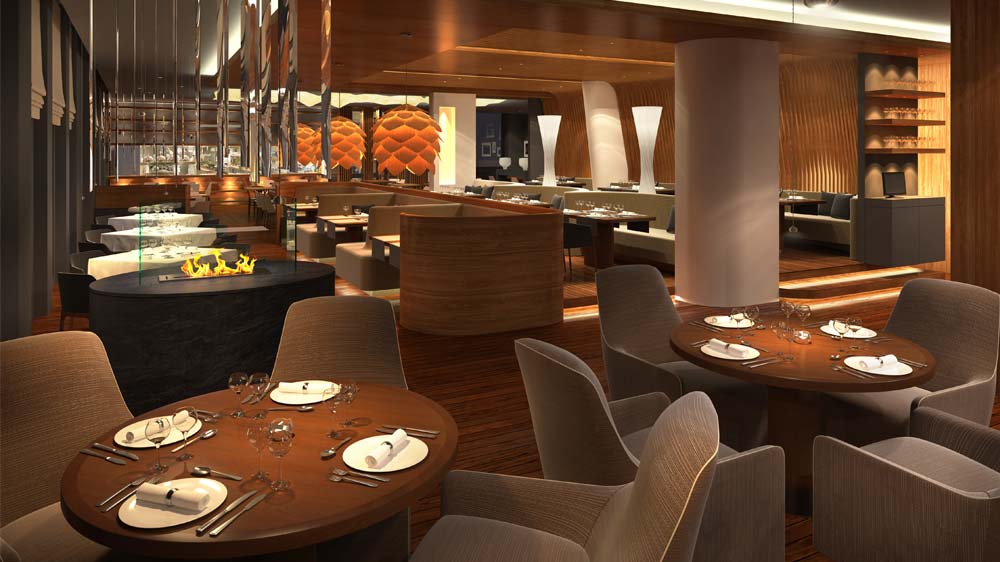
Traditionally, a fixed set of characteristics have been associated with various food formats. However, over the years the hybrid concept was introduced to primarily create a niche for consumers.
Beverage-based Formats
Over the past five years, beverages have gained increased prominence in the food services market.
Tea lounges: In parallel with the growth of Café culture, tea lounges, as a concept, have also gained momentum. The large populace of a tea lover is open to experimenting with variants of tea. This opportunity is taped by both Indian and international players. Even regional brands like Tapri Chai, Chai Garam and Chai Point, and business house like the Tata’s (Chai Unchai) and Waghbakri have forayed into the space. These tea lounges offers a wide choice of Indian and international tea flavors, besides blended tea with honey, herbal and fruit tea.
· Alcoholic beverages: Due to the changing consumer lifestyles and increased incidence of social drinking, alcoholic beverages are gaining popularity. This has fostered the spread of retail formats which serve an assortment of both domestic and international brands under the same roof, e.g. Aura- The Vodka Bar, Bombay High etc.
Theme-based Formats
These are a new concept in the food services market wherein the main theme takes precedence over all other factors, including food, service and the overall ambience.
· Microbreweries: The emergence of microbreweries is a recent market phenomenon. They are limited to a few geographical locations mainly metro cities. As the name suggests, these outlets brew beer in-house and offer variants across different price points. Most of the breweries draw inspiration from the American and British pub culture – right from the ambience to interior design, with tables made of beer barrels, leather couches, wooden bar counters, neon display, low lighting and smaller food offerings. Players in the space include Toits in Bangalore, Lemp Brewpub & Kitchen, Rockman’s Beer Island, Strikers and Howzatt in Gurgaon.
· Entertainment Cafes: Entertainment cafes with entertainment options as board games, pool tables, foosball, live performance, etc. are being offered by food services players to differentiate themselves and establish a unique brand proposition in the consumer’s mind. Players like Comedy Night, Open Mic, and 5 Minutes of Fame are attempting to create consumer pull through varied entertainment offerings. Other players such as Howzatt and IIFA Buzz Café in the space are based on entertainment concept closer to cricket and Bollywood, respectively.
· Cocktail menus: In today’s market it is important for players to balance offerings with changing consumer demand. This makes it vital for players to build relationship and, through a strong consumer connect, establish a loyal customer base. The consequence is the adoption of diverse approaches as menu engineering models (a structured approach to designing menus) and menu strategies (concept that are creative, unique, and in line with the player’s business objectives).
· Indianisation and Rlocalisation: Indianisation is the current buzzword in the food services market, with players modifying their core offerings to suit the consumer’s palate. A good example is that of international player Mc Donald’s which has succeeded in India with a menu sharply contrasting its menu in the international markets; chiefly, pork and beef-based products are excluded; instead more than half menu is made up of vegetarian items.
· Value meal: Market players are adding combos and value meals to their menu in a bid to turn a prospective customer into a consumer. Some examples of value meal include the Happy Price menu from Mc Donald’s, KFC’s Bucket and Box Meals, and Subway’s combos in the QSR segment; Pizza Hut meals for the two; Yo China’s lunch combo, and; TGIF’s combo meal in the PBCL segment.
(Source: Indian Food Services Report, 2013, NRAI)

Is there a country that can boast a greater array of alcoholic tipples than France?
Whether it’s Bordeaux wine, Champagne from Champagne, Normandy cider, beers and spirits from Cognac to Cointreau, France has always been a bulging drinks cabinet. But the locals it seems are drinking less and less, according to an industry survey. Indeed the level of consumption of alcoholic drinks has fallen over a lengthy period.
On the other hand, India's alcohol industry is the third largest in the world with a value of $35 billion. Various startups have emerged to gain a share of this rising market. The microbreweries we see sprouting in every corner of the city are here to stimulate India’s brew business. While microbreweries are making their mark, there are industry experts who have a different approach when alcohol is concerned.
Make it More Favourable
French Sommelier Magandeep Singh said,” Drinking habits should be changed and Indians should be drinking less in quantity but more of quality.”
The relationship young people have with alcohol is strongly influenced by the western culture. Our culture normalises the consumption of alcohol creating a relaxed attitude towards alcohol and the view that it is not harmful. This culture also influences how young people view alcohol.
Ankur Chawla, Director of Beverages, JW Marriot, New Delhi says, “How beverage is experienced today is changing and it is way beyond the theoretical concepts. So it is the experience now that matters. The evolution in the beverage sector has a lot of examples he adds.
The Big Picture
New global research into drinking attitudes of millennial consumers (aged 21-35) has revealed that self-awareness and staying in control are the motivating factors for moderating alcohol consumption during a night out. 75% of millennials say they now limit the amount of alcohol they drink on the majority of their nights out. The popularity and reach of social media among this age group means that control of their self-image is paramount.
Viewing alcohol as something that is not harmful can encourage young people to drink at an earlier age and aspire to be part of the general drinking culture they see around them, which includes harmful alcohol consumption.
On one hand, moderate amounts have been linked to health benefits. On the other hand, it is addictive and highly toxic when we drink too much of it.
Quality over Quantity
Taste and quality should definitely fit in to your priorities when choosing an alcoholic drink. The x-factor for a great night out is shifting, with millennial prioritising good food and friends over excessive alcohol consumption. They are also searching for 'new experiences' (49%) rather than the same old 'great entertainment' (39%).
“Looking at a bottle and the way it is presented makes a customer choose their drink and it is amazing. People are very particular about their requirements and taste and it is both for alcoholic as well as non-alcoholic drinks. The way we serve has also changed. In fact, I feel that the popularity of a beverage brand depends a lot on hotel than a consumer”, added Chawla.
Educate the Masses
Talking to Rahul Singh, President, National Restaurant Association of India (NRAI) & Founder & CEO, The Beer Café about the importance of educating the masses on ‘Smart Drinking’ said,” Drunk Driving is a blithe and must be stamped out. So many innocent victims lose their life due to driving while under the influence of alcohol. Curbing this menace isn’t the job of police alone but of bar owners and patrons as well.
National Restaurant Association of India partners with different cab aggregators during New Years and Christmas to discourage drunk driving amongst guests and also participates in campaigns - sensitizing customers; and encouraging smart drinking by training restaurant staff for serving customers responsibly.
“It’s suggested that guests who have consumed alcohol should take the breathalyzer test (if available) in the bar before exiting the restaurant premise”, added Singh.
Calling it as a trend implies to the decrease in alcohol consumption and acquiring the taste for quality liquor. To keep it simple, Drink less and drink the smarter way.
-
Food and BeverageUnderstanding why this happens offers an interesting look into the science of beverages and explains why carbonation remains popular in everything…
 Cafe sectorThe most successful café businesses of the future may not be the ones with the largest menus. They will be the ones that understand a specific…
 Restaurants in IndiaThe logic was simple: if guests could see what you spent, they'd feel the value of it.
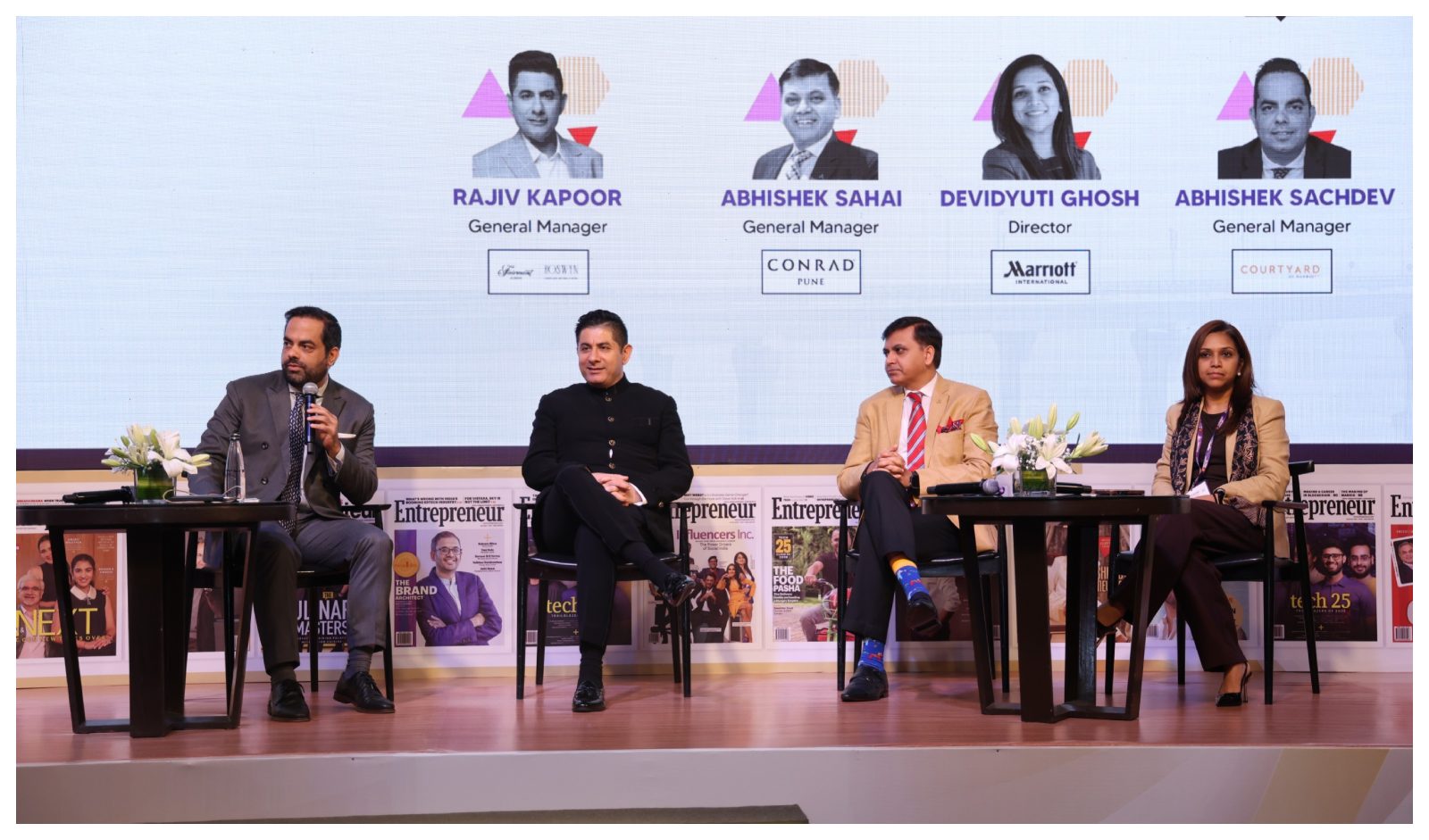 Invest in hotel industryFrom business travellers extending work trips into leisure escapes to families and younger guests seeking immersive experiences, expectations have…
Copyright © 2009 - 2026 Restaurant India.