






The Indian aesthetics industry is worth $53.3 billion in terms of both service and product revenue. Over the next five years, it is expected to grow at a CAGR of 5.5% and hit an outstanding $73.6 billion mark by 2022.
The power of technology and the need for beauty enhancement procedures has given a tremendous push to this industry. If truth be told, it is ultimately going to change the future of the healthcare industry in India.
Dr. Debraj Shome, Facial Plastic Surgeon & Director, The Esthetic Clinics explains in 5 points:
Entry of Specialised Players:
As the medical aesthetics segment significantly grows, there is sure to be an influx of competition, business, and investment, that will positively impact the overall growth of the industry.
The advent of specialised players, super-specialty areas, with skilfully trained surgeons & the best technological advances, will redesign a patient's aesthetic experiences. These will easily differentiate themselves & attain global acclaim, through their levels of expertise.
Well qualified, experienced and licensed physicians and surgeons will create better healthcare infrastructure in the country. All this will only accelerate the sector reach the expected mark of $275 billion at the earliest.
Innovative Techniques and Devices:
As medicine becomes more specialized with technology forming the crux of it all, diverse innovative techniques will enhance the healthcare market, in order to satiate that need.
A surge in demand for aesthetic services and products is sure to see a tremendous influx of ideas and techniques that will also provide something extra in terms of performance and results to customers.
Aesthetic physicians will have to adapt to changing technology, otherwise, face the risk of being left behind.
India’s healthcare industry is one of the fastest growing sectors today and the right application of technology will not only enhance the capability but also improve the quality and efficiency of the industry.
Procedures Will Become a Norm:
This is in pretext to the fact, that gone are the painful days when a ‘botched up’ plastic surgery could be ascribed as a ‘reconstructive’ procedure, leaving the patient to deal with ugly scars for life.
The amplified need to look our very best has led to the advent of procedures that can now rectify any part of the body aesthetically.
Whether it is an orbital surgery or facial plastic surgery for scars & post facial fractures, cosmetic rhinoplasty, laser procedures for skin care or even Botox & filler injections; people are no longer inhibited in demanding the best and an appearance which is ‘untouched’ even.
Male Indulgence in Looks Gains Momentum:
It is intriguing to share that men and women alike, spend a decent proportion of their time and effort in maintaining their appearances.
Market data reveals that the male to female ratio interested in aesthetic procedures is 1:1 these days. Formerly driven by the female, the industry is finding a good proportion of men keeping themselves updated and educated about treatment options, costs and the outcomes involved. The market is also capitalizing on growing their male clientele by appealing to their increased image-consciousness, through minimally invasive cosmetic procedures.
Hope for Several Patients Having Debilitating Acid Attacks or Even Large Cancers:
Beating some age-old myths, an aesthetic procedure is not just about enhancing a certain feature or beautifying yourself. This procedure also raises hope for acid attack victims.
Using a multitude of combinative techniques like plastic surgery, non-surgical techniques or surgical reconstruction to reconfigure a face; surgeons can notably improve the survivor's appearance. This also increases the chances of restoring their quality of life and recognition of self to a great extent.
There are now a complete array of surgeries for any abnormality affecting the face and skin care for the entire body. Such advancements are sure to put the Indian healthcare market on the global radar.
The expansive plethora of possibilities that aesthetic care can provide, to customers from urban and rural areas, is at par with the cutting-edge global standards.
Thus, Facial Plastic Surgery & Facial Aesthetics in India is evolving & expanding & this is sure to fuel the growth and elevate the future of the Indian healthcare industry in tremendous ways, for years to come.

Eggs are one of the most common foods in Indian kitchens. From a quick breakfast to a late-night snack, they fit into every routine. But beyond taste and convenience, eggs play a much bigger role in daily nutrition. In a country where protein intake is often lower than recommended, eggs offer a simple and affordable way to fill the gap.
Many people still ask a basic question. Are eggs really enough to meet your daily protein needs? And are they safe for everyone? The answer is not the same for all. Let’s break it down in a clear and practical way.
Why Protein Matters More Than You Think
Protein is not just for gym-goers. It is essential for everyone. Your body uses protein to build muscles, repair tissues, and support immunity. It also helps you feel full for longer, which can support weight control. In India, many diets are rich in carbohydrates but low in protein. Meals often focus on roti, rice, and vegetables. While these are important, they do not always provide enough protein. This is where eggs become valuable.
What Makes Eggs a Powerful Protein Source
A single large egg contains about 6 to 7 grams of protein. This may not sound like much, but the quality of protein in eggs is what makes them stand out. Eggs are known as a “complete protein.” This means they contain all the essential amino acids your body needs. These amino acids cannot be made by the body and must come from food.
Eggs also provide important nutrients such as:
- Vitamin B12 for energy and nerve health
- Vitamin D for bone strength
- Choline for brain function
- Healthy fats that support overall health
This combination makes eggs more than just a protein source. They are a compact nutrition package.
Read more: Top Egg Brands in India That Crack All the Right Boxes
Why Sattu Is Emerging as India’s Ultimate Summer Superfood
How Eggs Help Meet Daily Protein Needs
Your daily protein requirement depends on your body weight and activity level.
- A sedentary adult needs about 0.8 grams of protein per kilogram of body weight
- An active person may need between 1.2 to 2.0 grams per kilogram
For example, if you weigh 60 kg:
- Minimum protein needed: around 48 grams per day
- Higher requirement (if active): up to 72 grams per day
Now consider this. Eating two eggs gives you about 12 to 14 grams of protein. That is a strong start to your day. For many Indian households, eggs are also budget-friendly. Compared to chicken, fish, or protein supplements, eggs are easy to buy and store. This makes them a practical daily option.
Egg White vs Egg Yolk: What Should You Choose?
There is a lot of confusion around this.
- Egg white is mostly protein. It is low in calories and contains no fat. Many people who are trying to lose weight prefer egg whites.
- Egg yolk, on the other hand, contains fats, vitamins, and minerals. It is also rich in choline, which supports brain health.
A common myth is that egg yolks are unhealthy. For most healthy individuals, this is not true. The yolk provides important nutrients that the body needs. Instead of removing the yolk completely, it is better to focus on balance. Eating whole eggs in moderation is usually a better choice than only eating whites.
Key Benefits of Including Eggs in Your Diet
Adding eggs to your daily meals can bring several benefits.
Supports Muscle Growth: Protein in eggs helps repair and build muscle tissues. This is useful not only for athletes but also for everyday strength and fitness.
Keeps You Full for Longer: Eggs are filling. Starting your day with eggs can reduce unnecessary snacking and help manage calorie intake.
Improves Brain Health: Choline in egg yolks plays a key role in memory and brain function.
Boosts Metabolism: Protein-rich foods require more energy to digest. This helps improve metabolism over time.
Enhances Overall Nutrition: Eggs provide multiple nutrients in one serving. This improves the quality of your diet without adding complexity.
Know more: 12 Delicious High-Protein Foods to Eat Daily for a Healthier You
Who Should Avoid or Limit Eggs
While eggs are healthy for most people, they are not ideal for everyone.
People with Egg Allergy: Some individuals have allergic reactions to eggs. This is more common in children but can occur in adults as well. In such cases, eggs should be avoided completely.
Individuals with High Cholesterol: Egg yolks contain cholesterol. While recent research shows that dietary cholesterol does not affect everyone in the same way, people with high cholesterol levels should be cautious. It is best to consult a doctor and follow a personalised plan.
People with Heart Conditions: Those with existing heart disease or high risk should monitor egg intake. Moderation is important.
Kidney Patients: Certain kidney conditions require controlled protein intake. In such cases, even healthy protein sources like eggs must be limited under medical guidance.
Vegans and Strict Vegetarians: People who avoid animal products will naturally exclude eggs from their diet.
How Many Eggs Can You Eat in a Day?
For a healthy person, eating one to two eggs per day is generally considered safe. In fact, many nutrition experts support this level of intake. If you are physically active or trying to build muscle, you may consume more. However, the total diet matters more than just one food item. It is important to balance your meals with vegetables, fruits, whole grains, and other protein sources.
Easy Ways to Add Eggs to Your Daily Meals
Eggs are versatile and easy to cook. They can fit into different Indian dishes without much effort.
- Boiled eggs: Quick, simple, and perfect for busy mornings
- Masala omelette: Add onions, tomatoes, and spices for extra flavour
- Egg bhurji: A popular and filling option with roti or bread
- Egg curry: A comforting dish for lunch or dinner
- Sandwiches and wraps: Ideal for office or travel meals
To keep meals healthy, try to use less oil and avoid deep frying.
Also check: Top 5 States With the Spiciest Food in India
5 Ways to Use Garden Cress Seeds (Halim) for Stronger Hair and Bones
Let’s Break Down the Benefits of Oregano: A Small Herb with Big Health Power
Eggs vs Other Protein Sources
Eggs are not the only source of protein, but they offer a strong balance of quality, cost, and convenience.
- Paneer provides good protein but can be higher in fat
- Chicken offers more protein per serving but is more expensive
- Lentils and dals are widely available but have lower protein density per portion
Eggs sit in a unique position. They are affordable, easy to prepare, and nutritionally rich.
The Bottom Line
Eggs are one of the simplest ways to improve your daily protein intake. They are affordable, easy to cook, and packed with essential nutrients. For most people, including eggs in daily meals can support better health, energy, and overall nutrition. At the same time, eggs are not a one-size-fits-all solution. Individual health conditions matter. Some people may need to limit or avoid them based on medical advice. The key is balance. A diet that includes a mix of protein sources, along with fruits, vegetables, and whole grains, will always be more effective. Small changes in daily eating habits can make a big difference. Adding eggs to your routine might be one of the easiest and most practical steps towards better nutrition.

Sugar is a daily habit in most Indian homes. It is added to morning tea, homemade sweets, desserts, and festive dishes. For years, sugar was seen as a normal part of everyday food. Over time, this habit has started to show its effects. High sugar intake is now linked to rising cases of diabetes, obesity, and heart-related problems. These health concerns have pushed many people to rethink how much sugar they consume. As awareness grows, interest in sugar alternatives is increasing. People are looking for ways to enjoy sweetness without harming their health. Sugar alternatives help reduce overall calorie intake. They also help control sudden spikes in blood sugar levels. This makes them a preferred choice for many families.
Today, there are many options available. Some sugar alternatives come from natural sources like plants, fruits, and palms. Others are modern options made for low-calorie diets. Traditional choices such as jaggery and honey continue to be used, while newer options like stevia are becoming common. Each option serves a different purpose. The right choice depends on lifestyle, taste preference, and specific health needs. With informed decisions, sweetness can remain a part of everyday meals.
What Are Sugar Alternatives?
Sugar alternatives are sweeteners used instead of refined white sugar. They provide sweetness with fewer calories or a lower glycaemic impact. Some are natural. Some are processed from natural sources. Unlike white sugar, many alternatives also contain minerals or do not raise blood sugar levels quickly. These substitutes are commonly used in beverages, cooking, baking, and packaged foods. They are especially helpful for people managing diabetes or weight.
Types of Sugar Alternatives
Sugar alternatives can be divided into four main categories.
- Natural Sweeteners: These come from natural sources and are less processed.
- Plant-Based Sweeteners: Extracted from plants or fruits. Often used in modern diets.
- Low-Calorie Sweeteners: Provide sweetness with fewer calories than sugar.
- Zero-Calorie Sweeteners: Offer sweetness without adding calories.
Each type suits different dietary needs.
Explore Top Sugar Alternatives to Include in Your Diet
1. Stevia
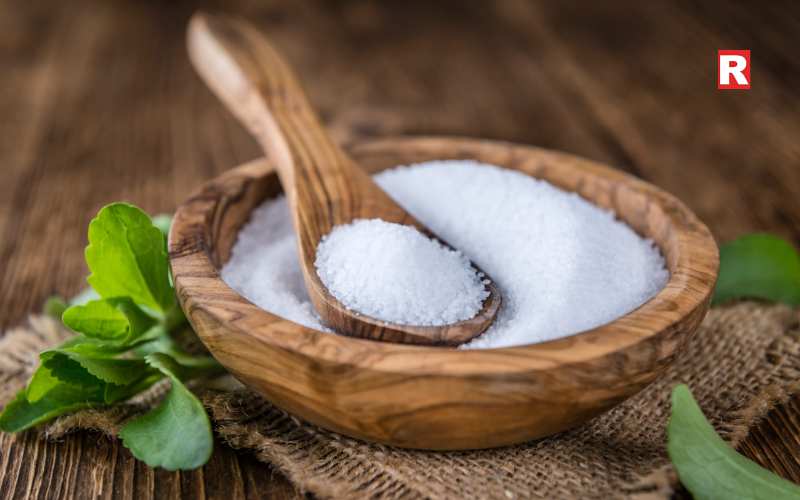
Stevia comes from the leaves of the stevia plant. It is one of the most popular sugar substitutes today. Many people choose it because it has zero calories. It does not increase blood sugar levels. This makes it a suitable option for people with diabetes. Stevia is much sweeter than regular sugar. Only a small quantity is needed to get the desired taste. This helps reduce overall sugar intake. It blends well in daily beverages like tea and coffee. It is also used in homemade desserts and light baking. Stevia is available in liquid drops and powdered form. Both are easy to use and store. Due to its plant-based origin and health benefits, stevia is becoming a regular choice in many Indian kitchens.
Best for: Diabetes-friendly diets, weight management
Glycaemic Index: Zero
Read more: Top 15 Vitamin B12 Foods You Must Add to Your Diet
White Vinegar Uses and Cooking Hacks: Simple Kitchen Secrets You Should
2. Honey

Honey has been used as a sweetener in Indian households for generations. It is valued for its natural origin and rich taste. Honey contains antioxidants and small amounts of minerals. This gives it added nutritional value compared to white sugar. Its strong flavour enhances the taste of drinks, desserts, and home remedies. Despite its benefits, honey still contains natural sugars and calories. It can raise blood sugar levels if consumed in excess. For this reason, it should be used carefully and in small amounts. Raw or organic honey is considered a better option. It is less processed and retains more of its natural properties. When used mindfully, honey can be a healthier alternative to refined sugar in daily diets.
Best for: Immunity support, home remedies
Glycaemic Index: Moderate
3. Jaggery (Gud)
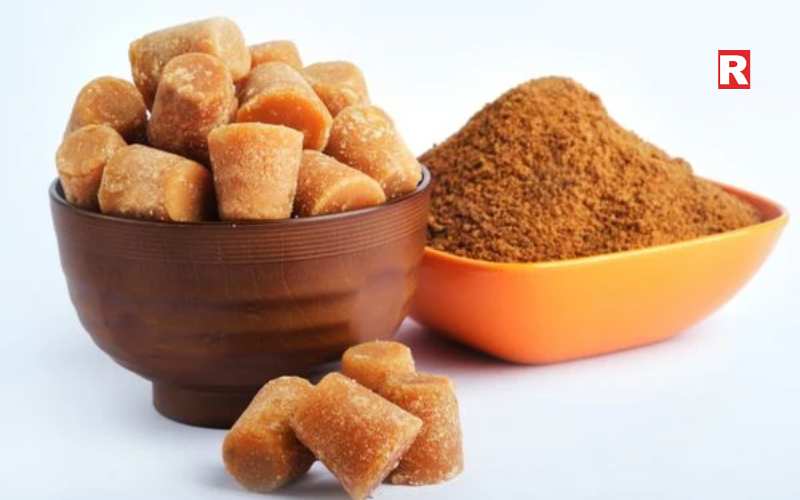
Jaggery is widely used in Indian cooking and traditional recipes. It is made from sugarcane juice or palm sap through a natural process. Unlike white sugar, jaggery is less refined. It retains minerals such as iron, magnesium, and potassium. These nutrients add to its value in everyday diets. Jaggery has a deep and rich flavour. It is commonly used in sweets, rotis, laddoos, and festive dishes. Many households also add it to warm drinks during winter. While jaggery is considered a better option than white sugar, it still contains natural sugars. It can raise blood sugar levels if consumed in large amounts. Moderate use is important. When eaten mindfully, jaggery can be a healthier and more traditional sweetening choice.
Best for: Traditional recipes, seasonal sweets
Glycaemic Index: High, but nutritionally richer
4. Coconut Sugar
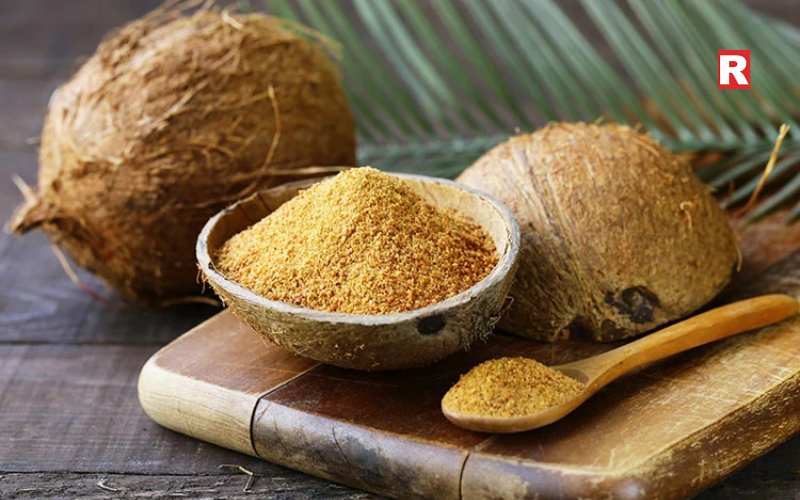
Coconut sugar is made from the sap of coconut palm flowers. It is less processed compared to white sugar. This helps retain some natural nutrients. Coconut sugar has a mild, caramel-like taste. It adds a soft sweetness to food without being overpowering. It contains small amounts of minerals such as zinc and potassium. These nutrients add to its appeal as a better sugar option. Coconut sugar has a lower glycaemic index than white sugar. This means it causes a slower rise in blood sugar levels. It is often chosen by people who want better control over sugar intake. Coconut sugar works well in baking, desserts, and daily beverages like tea or coffee. Its flavour blends easily without changing the original taste of the dish.
Best for: Baking and desserts
Glycaemic Index: Lower than white sugar
5. Date Sugar
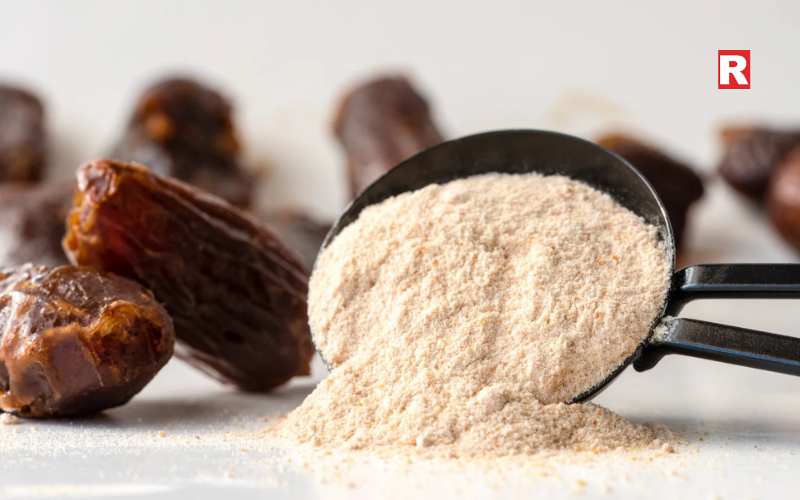
Date sugar is made from dried dates that are finely ground. It is minimally processed, which helps retain natural fibre and essential minerals. This makes it a preferred option for those following clean and natural diets. Date sugar has a mild and slightly fruity taste. It adds gentle sweetness without overpowering other flavours. Unlike regular sugar, date sugar does not dissolve fully in liquids. For this reason, it is not ideal for tea or coffee. It works better in baking and dry recipes. It is commonly used in cakes, cookies, and energy snacks. Many health-conscious individuals choose date sugar for its natural source and nutritional value. When used correctly, it can be a wholesome alternative to refined sugar in everyday cooking.
Best for: Baking and snacks
Glycaemic Index: Moderate
Know more: 5 Ways to Use Garden Cress Seeds (Halim) for Stronger Hair and Bones
6. Monk Fruit Sweetener
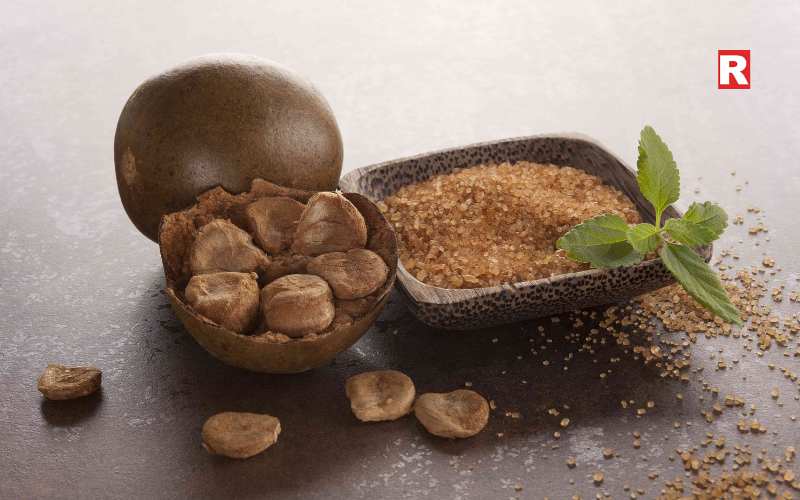
Monk fruit comes from Southeast Asia and is slowly gaining popularity in India. It is known for its natural sweetness and zero-calorie content. Monk fruit does not raise blood sugar levels. This makes it suitable for people managing diabetes or weight concerns. The sweetener is often blended with erythritol. This helps balance the taste and improve texture. When blended well, monk fruit has no bitter aftertaste. It works smoothly in daily beverages like tea and coffee. It is also used in desserts and sugar-free recipes. Due to its clean taste and health-friendly profile, monk fruit is becoming a preferred option among people looking for modern sugar alternatives.
Best for: Sugar-free diets
Glycaemic Index: Zero
7. Erythritol
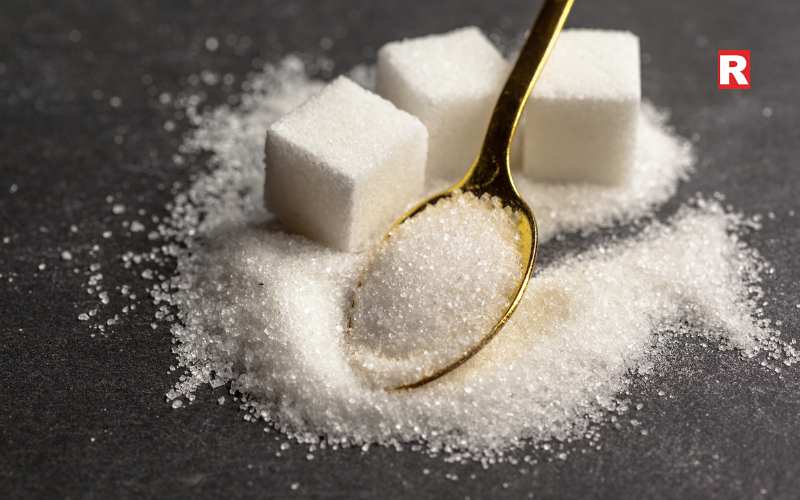
Erythritol is a sugar alcohol found naturally in some fruits. It is widely used as a sugar substitute. Erythritol contains almost no calories. It does not cause sudden spikes in blood sugar levels. This makes it suitable for people watching their sugar intake. The taste of erythritol is very similar to regular sugar. It does not have a strong aftertaste. Because of this, it is commonly used in baking and cooking. Many packaged sugar-free foods also use erythritol as a sweetener. Most people digest it well when consumed in moderate amounts. It does not usually cause discomfort like some other sugar alcohols. This makes erythritol a popular choice in low-calorie and sugar-free diets.
Best for: Baking and keto diets
Glycaemic Index: Zero
8. Xylitol
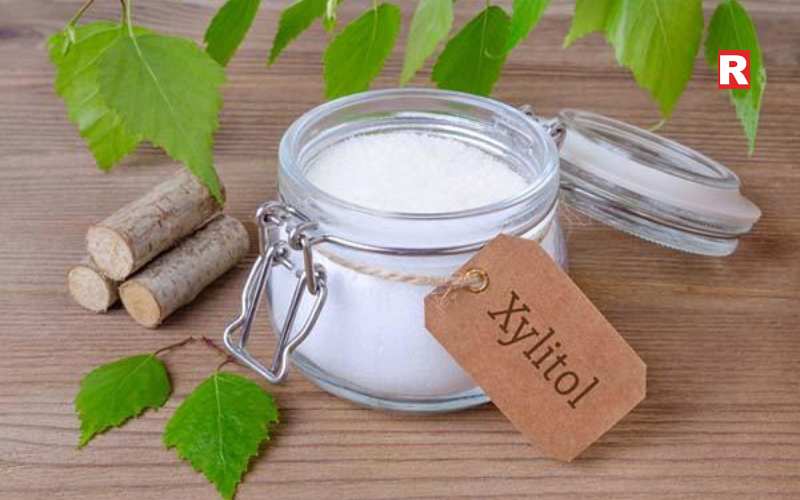
Xylitol is another type of sugar alcohol used as a sugar substitute. It is well known for its dental benefits. Many sugar-free chewing gums and oral care products use xylitol. It helps reduce the growth of bacteria that cause tooth decay. Xylitol has fewer calories than regular sugar. It also has a lower effect on blood sugar levels. This makes it a better option than white sugar for occasional use. However, xylitol should be consumed in limited amounts. Eating too much may lead to digestive discomfort such as bloating or loose stools. When used carefully, xylitol can be a useful sweetener, especially for improving oral health while reducing overall sugar intake.
Best for: Oral health, occasional use
Glycaemic Index: Low
Sugar Alternatives vs White Sugar
White sugar offers empty calories. It has no vitamins or minerals. It raises blood sugar levels quickly. This leads to energy crashes and long-term health issues. Sugar alternatives provide sweetness with added benefits. Some have zero calories. Others contain minerals or fibre. They help reduce dependency on refined sugar and support healthier eating habits.
Reducing white sugar intake has several advantages.
It helps control blood sugar levels.
It supports weight management.
It lowers the risk of lifestyle diseases.
It improves energy balance throughout the day.
Many people also experience better digestion and fewer sugar cravings.
Also check: These 7 Foods Can Help You Cool Your Stomach in Summer
Top Low-Calorie Foods to Enjoy Guilt-Free
What Is Fermented Food? Is It Really Good for Your Health?
How to Choose the Right Sugar Alternative
The right choice depends on individual needs.
People with diabetes should choose zero-GI options like stevia or erythritol.
Those focused on natural diets may prefer jaggery, honey, or date sugar.
For baking, coconut sugar and erythritol work well.
Taste preference also matters. Some alternatives are sweeter than sugar.
Reading labels is important. Avoid products with added fillers or artificial additives.
Stay Healthy!
Cutting down on sugar does not mean removing sweetness from daily life. Today, many sugar alternatives make this shift easier. Options like jaggery, honey, coconut sugar, dates, and stevia offer different benefits. Each suits a different need, taste, and lifestyle. Some are traditional. Some are modern. All help reduce dependence on white sugar. Small changes create long-term impact. Replacing white sugar in tea, coffee, or desserts can support better health over time. Many sugar alternatives have a lower effect on blood sugar levels. Some also contain minerals or fewer calories. This makes them a smarter choice for everyday use. A balanced lifestyle is built on mindful habits. Choosing better sweeteners is one such habit. It does not require strict rules or sacrifice. It only needs awareness and consistency. With the right choices, sweetness can stay. Health can improve. And daily meals can still feel satisfying and enjoyable.

Dahi is not just a side dish in Indian homes. It is a daily habit. From breakfast bowls and lunch thalis to evening chaas and comforting curd rice, dahi is deeply rooted in Indian food culture. It is affordable, nourishing, and versatile. With changing lifestyles, most households now rely on packaged dahi instead of setting it at home. This makes choosing the right brand important. Texture, taste, freshness, and gut health benefits all matter. A good dahi starts with quality milk. Fresh milk creates a smooth base and balanced taste. The texture should be thick but soft. It should not feel watery or overly sour. Taste matters equally. Indian dahi is expected to have a mild tang, not sharp acidity.
These probiotics help digestion and support gut health. Packaging also plays a role. Airtight and hygienic cups help retain freshness and prevent contamination. India has a strong dairy ecosystem. This allows large brands to deliver consistent quality at scale. Among the many options available, a few names stand out for trust, taste, and reliability. This article looks at the best dahi brands in India and explains what makes each of them a preferred choice for Indian consumers.
Explore Best Dahi Brands in India
1. Mother Dairy
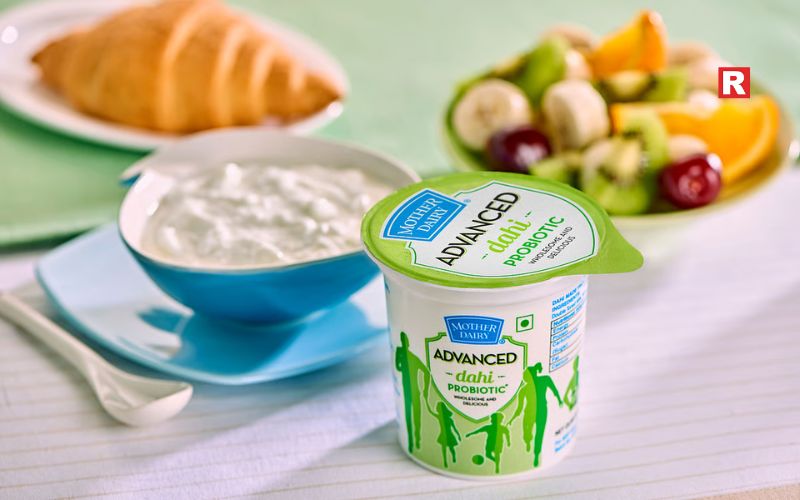
Mother Dairy is one of the most trusted dairy brands in India. It has a strong presence in North India and is widely used in daily households. The brand is known for its farm-to-home model. Milk is sourced directly from farmers and processed with strict quality checks. Mother Dairy dahi has a thick and creamy texture. It holds well in cooking and does not split easily. The taste is mild and balanced, making it suitable for daily meals. It works well for plain consumption, raita, and kadhi. Many households also use it for making chaas and lassi. The brand focuses on freshness. Its cold chain network ensures the product reaches consumers quickly. For families that use dahi every day, Mother Dairy offers consistency and value. It is also reasonably priced, which makes it a practical choice for regular use.
Read more: Top Egg Brands in India That Crack All the Right Boxes
Top Masala Tea Brands in India: Spices, Flavours, and Comfort in Every Cup
2. Amul
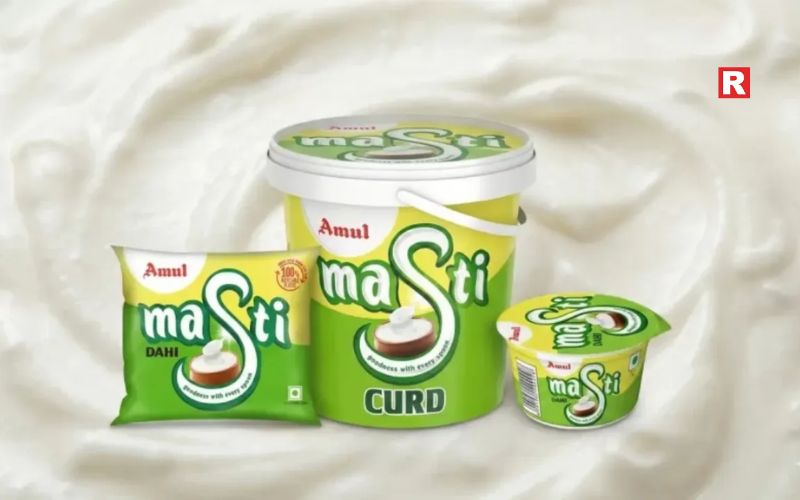
Amul is a household name across India. It represents one of the largest dairy cooperatives in the world. The brand is deeply associated with trust, affordability, and farmer empowerment. Amul dahi is available in almost every state, making it one of the most accessible options. Amul Masti Dahi is smooth and lightly creamy. It has a mild taste that suits Indian palates. The consistency is slightly stirred, which makes it easy to use directly from the cup. It is ideal for curd rice, chaas, and daily meals. Amul focuses on nutrition and hygiene. The dahi contains live cultures and is made from quality milk. Its wide distribution network ensures availability even in smaller towns. For consumers who value reliability and nationwide availability, Amul remains a top choice.
3. Milky Mist
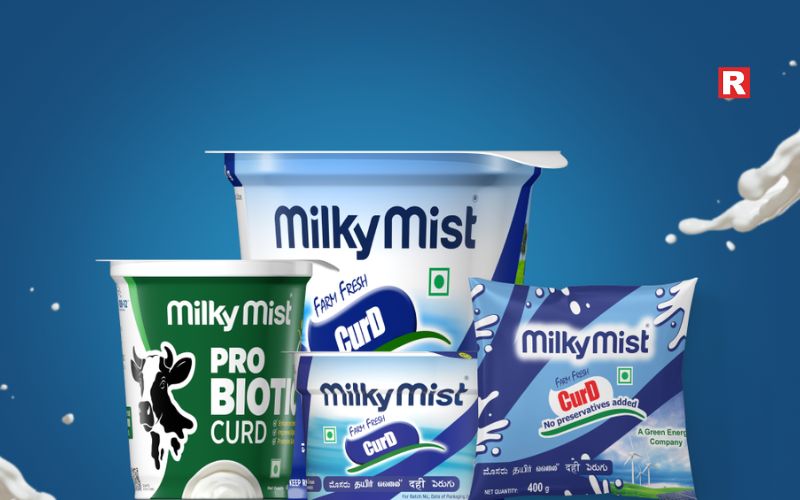
Milky Mist is known for its premium dairy products. The brand has built a strong reputation for quality and innovation. It is especially popular among urban consumers who look for richer texture and indulgent taste. Milky Mist dahi is thick and creamy. It has a rich mouthfeel and a clean taste. This makes it suitable for both eating plain and using in recipes. It works well in desserts, smoothies, and traditional dishes like shrikhand. The brand pays close attention to processing and packaging. Its products are positioned slightly higher in price, but the quality justifies the cost. For consumers who prefer a premium experience and smooth texture, Milky Mist is a strong contender.
4. Nestlé A+
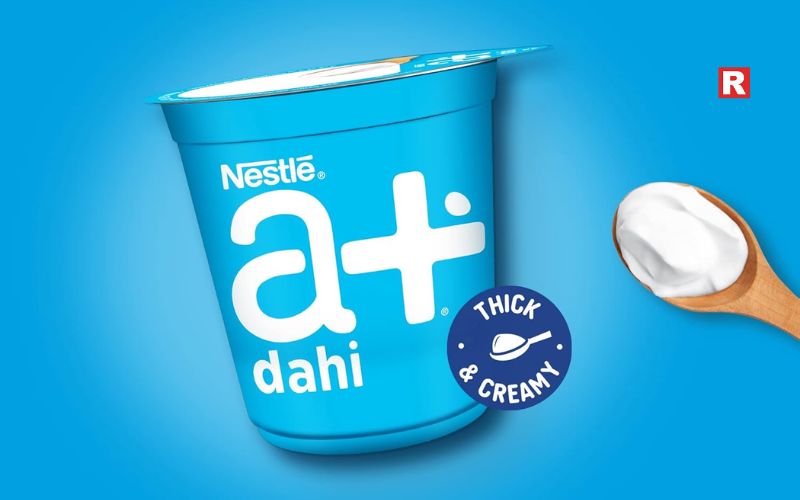
Nestlé A+ is associated with nutrition and quality standards. The brand brings global dairy expertise to Indian kitchens. Nestlé A+ dahi is made with a focus on purity and consistency. The texture is smooth and uniform. The taste is mild and less tangy, which appeals to those who prefer subtle flavours. It is easy to digest and suitable for children and elderly family members. The dahi blends well in smoothies and light meals. Nestlé emphasizes quality control and food safety. The packaging is sturdy and designed to maintain freshness. For consumers who trust international brands and prefer a gentle taste, Nestlé A+ dahi is a dependable option.
Know more: Top Flavoured Milk Brands in India: Taste, Nutrition, and Everyday Comfort
5. Britannia
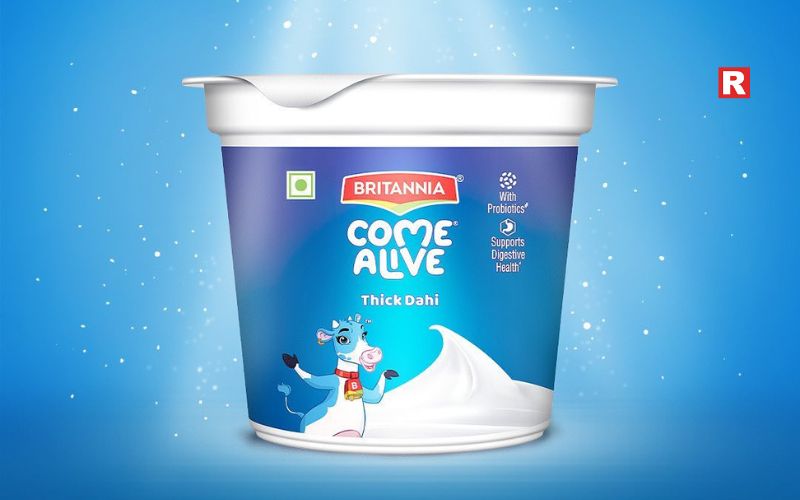
Britannia has expanded strongly into the dairy space in recent years. Known earlier for bakery products, the brand now offers a wide range of milk-based items. Britannia dahi has gained popularity for its smooth texture and balanced taste. The dahi is creamy without being heavy. It has a mild tang that works well in Indian cooking. It is suitable for raita, marinades, and daily meals. The brand focuses on modern packaging and easy availability through retail and online channels. Britannia positions its dairy products as fresh and convenient. The pricing is competitive, making it attractive for urban families. For those looking for a modern brand with consistent quality, Britannia dahi is worth considering.
How to Choose the Right Dahi for Your Needs
Different meals call for different types of dahi. For breakfast bowls and smoothies, a smooth and creamy dahi works best. For cooking Indian gravies, thicker dahi that does not curdle is ideal. For weight-conscious consumers, plain dahi without added sugar is a better choice.
Families with children may prefer milder taste and softer texture. Those with digestive concerns should look for brands that highlight live cultures. Checking the expiry date and storage instructions also helps ensure freshness.
Health Benefits of Including Dahi Daily
Dahi plays an important role in everyday Indian meals. It supports digestion by improving good gut bacteria. This helps the stomach work better. Dahi is rich in calcium, which helps keep bones strong. It also contains protein that keeps a person full for a longer time. This helps control hunger between meals. Regular intake may also support immunity over time. In Indian diets, dahi is often used to balance spicy and heavy foods. It has a natural cooling effect on the body. This makes it suitable for warm weather and rich meals. Because of these benefits, dahi is included in traditional meals across regions, from simple home food to festive thalis.
Key benefits of dahi
- Improves digestion and gut health
- Supports bone strength
- Helps manage hunger
- Balances spicy Indian food
- Cools the body naturally
Also check: Top Cold Coffee Brands in India: A Refreshing Guide for Every Coffee Lover
Top Energy Bar Brands in India
Top Mango Drink Brands in India: Benefits, Taste & Why Indians Love Them
Happy Eating!
Dahi continues to be an essential part of Indian kitchens. It is used every day in meals across regions. Choosing the right brand helps improve taste, nutrition, and consistency. Mother Dairy and Amul are trusted for daily use. They offer familiar taste and steady quality. Their dahi suits regular home cooking and traditional dishes. Milky Mist appeals to those who prefer a richer and creamier texture. It feels more indulgent and works well as a standalone bowl. Nestlé A+ focuses on nutrition and mild flavour. It suits people who want light and balanced food options. Britannia brings convenience and a modern approach to dairy. Its dahi fits well into busy urban routines. Each brand meets a different need. Together, they make dahi reliable and accessible. With the right choice, a simple bowl of dahi adds comfort to meals. It also brings health, balance, and flavour to the Indian plate every day.
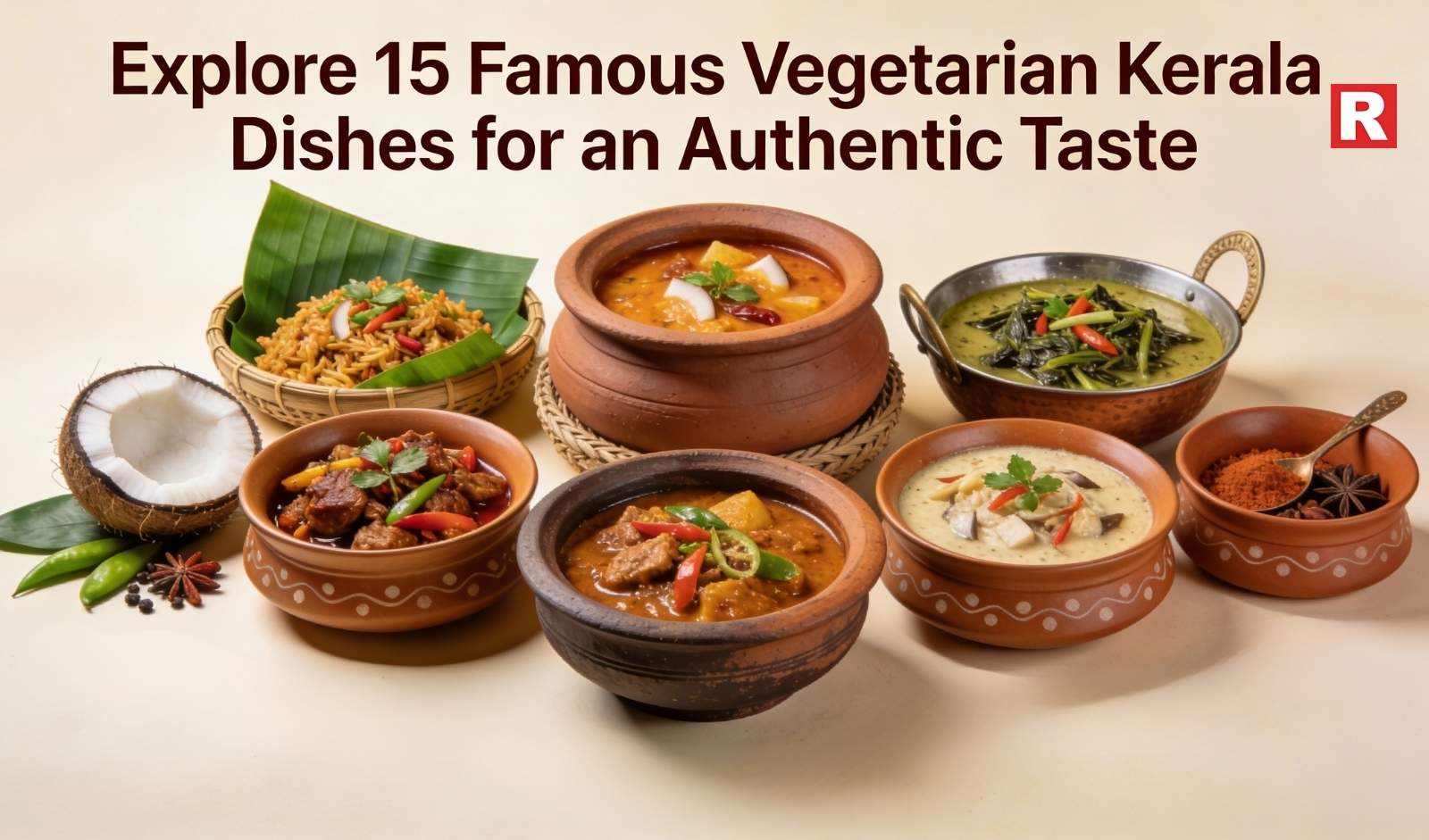
Kerala is often called God’s Own Country. The state is famous for its backwaters, green landscapes, ancient temples, and slow-paced lifestyle. Life here feels calm and rooted in tradition. Beyond its natural beauty, Kerala is also known for its rich vegetarian food culture. The cuisine reflects the land, the climate, and the beliefs of the people. Vegetarian food in Kerala is simple and seasonal. It depends heavily on local produce. Rice is the main staple. Coconut is used in many forms, from fresh coconut to coconut milk and oil. Curry leaves, black pepper, cumin, and mustard seeds add gentle flavour. The food focuses on balance rather than strong heat. Most dishes are light, comforting, and easy to digest.
Many vegetarian dishes are linked to temples and religious customs. Festivals like Onam and Vishu celebrate food as a form of offering and togetherness. Family meals are given great importance. Recipes are often passed down through generations. Cooking is done with care and patience. Kerala’s vegetarian cuisine shows how simple ingredients can create deep taste. It reflects respect for nature, tradition, and mindful eating. For anyone seeking authentic South Indian vegetarian food, Kerala stands out as a true culinary destination.
Explore 15 Famous Vegetarian Kerala Dishes
1. Sadya
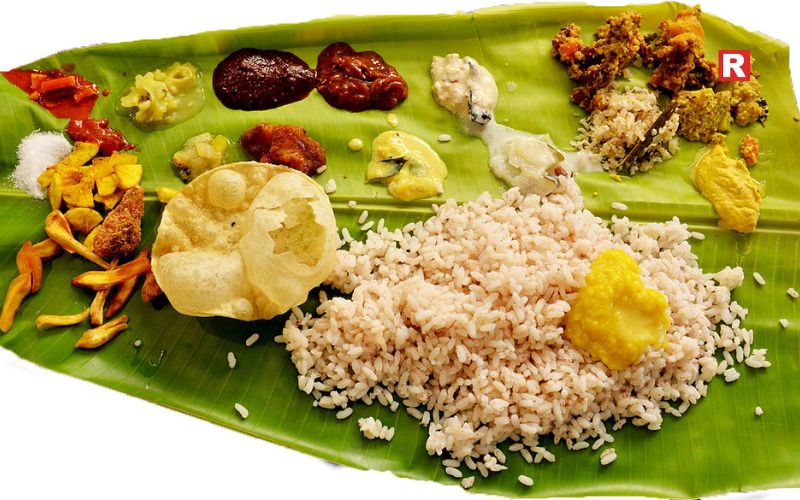
Sadya is the heart of Kerala’s vegetarian food tradition. It is a grand meal served on a fresh banana leaf. Sadya is usually prepared during festivals like Onam and Vishu. It is also served during weddings and temple events. The meal includes rice and many side dishes. These include sambar, avial, thoran, olan, kalan, pachadi, rasam, and payasam. Each dish is placed in a fixed order on the leaf. The meal is eaten in a sequence. Mild flavours come first. Stronger tastes follow. Sweet dishes are served at the end. Sadya brings people together. Everyone eats the same food. It reflects equality and respect. More than a meal, Sadya represents tradition, care, and Kerala’s warm sense of hospitality.
2. Avial
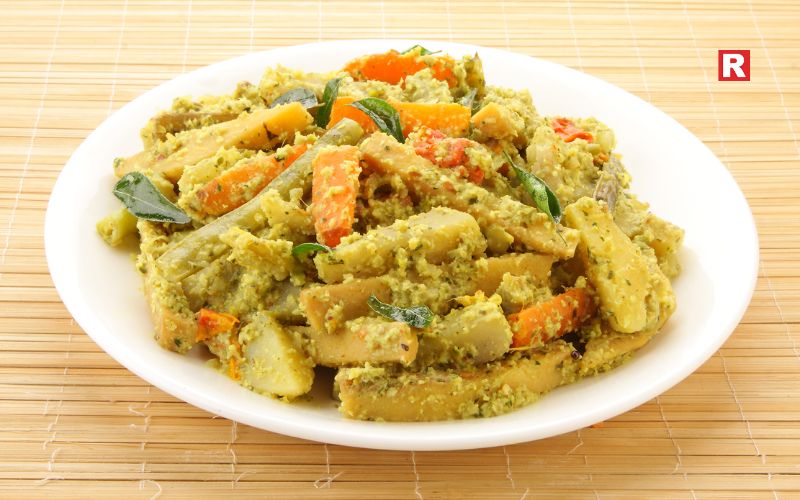
Avial is one of the most traditional dishes from Kerala. It is made using a mix of vegetables. Common choices include carrot, beans, drumstick, and raw banana. The vegetables are cut long and cooked carefully. They should stay soft but not mushy. Grated coconut, cumin, and green chillies are ground into a paste. Curd is added at the end. Coconut oil and curry leaves give a gentle aroma. Avial is mild in taste. It is not spicy or oily. The dish feels balanced and comforting. Avial is a key part of Sadya. It is also cooked in homes for daily meals. This dish shows how Kerala cooking values freshness and simple methods.
Read more: 8 Famous Vegetarian Dishes of Uttar Pradesh and Their Timeless Legacy
5 Cities That Serve the Best Non-Vegetarian Street Food
3. Kerala Style Sambar
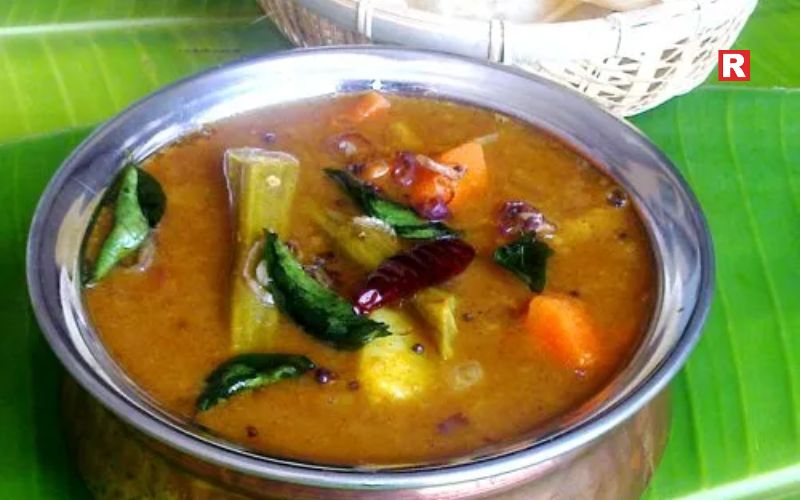
Kerala style sambar is light and easy to digest. It is different from other South Indian sambars. It uses fewer lentils and more vegetables. Vegetables like pumpkin, drumstick, okra, and ash gourd are common. The flavour comes from coconut oil and curry leaves. Local spices are used in small amounts. The sambar is thin and aromatic. It is usually eaten with rice during lunch. In many homes, sambar is prepared every morning. It forms the base of a proper meal. The taste is comforting and familiar. Kerala sambar does not feel heavy. It suits the climate and daily food habits. It reflects balance rather than strong spice.
4. Olan
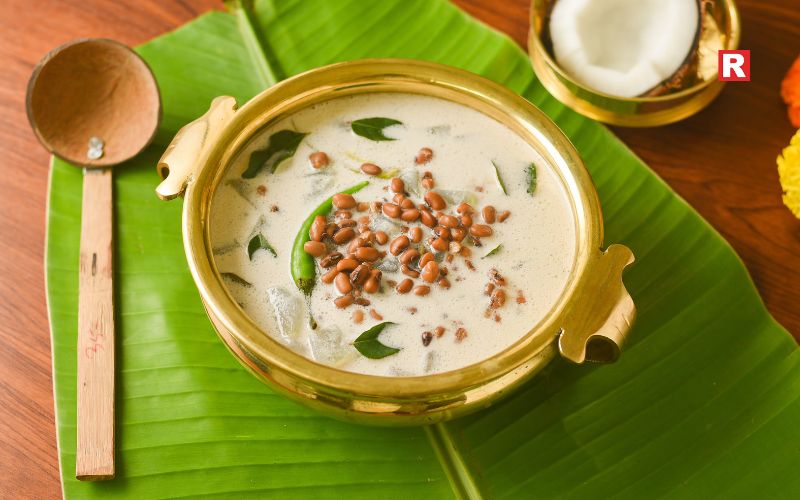
Olan is a gentle and soothing Kerala dish. It is made using ash gourd and red cowpeas. Green chillies add mild heat. Coconut milk gives a soft and creamy taste. No strong spices are used in this dish. That is what makes it special. Coconut oil is added on top before serving. Olan is usually prepared for Sadya meals. It is served with rice. The dish feels light and cooling. It suits warm weather and simple diets. Olan highlights the natural taste of vegetables. It shows that less spice can still create good flavour. This dish reflects Kerala’s love for clean food and seasonal cooking.
5. Thoran
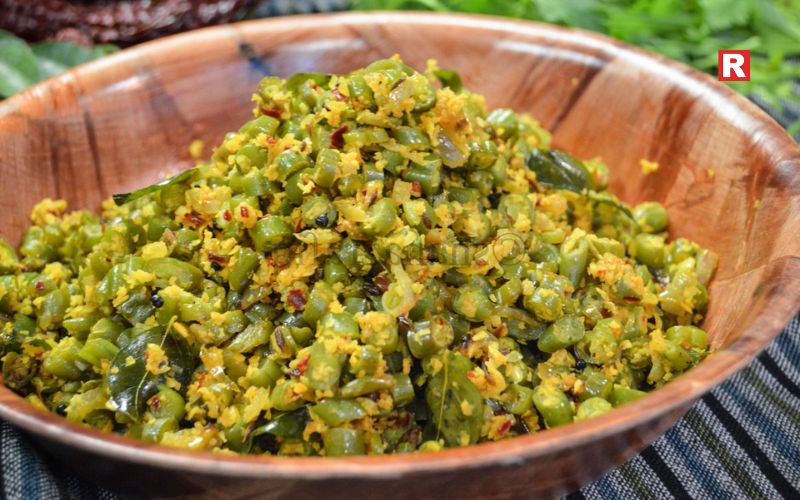
Thoran is a common everyday dish in Kerala homes. It is a dry vegetable preparation. Vegetables like cabbage, beans, carrot, beetroot, or spinach are used. The vegetables are finely chopped. They are cooked with grated coconut. Mustard seeds and curry leaves are added for flavour. Coconut oil is always used. Thoran is quick to make and easy to eat. It is served with rice and curry. The dish adds texture and colour to the meal. Each vegetable gives a different taste. Thoran is light but filling. It is rich in fibre and nutrients. This dish shows how Kerala food keeps daily meals simple, healthy, and full of flavour.
6. Kalan
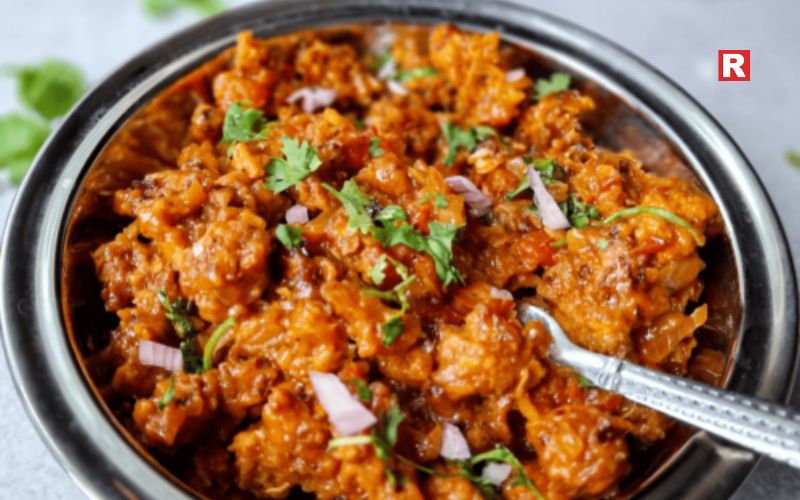
Kalan is a rich and traditional curry from Kerala. It is made using thick curd, raw banana, and yam. The vegetables are cooked slowly until soft. Black pepper and cumin give the dish a strong and earthy flavour. The curry is thick and slightly sour. Coconut oil and curry leaves are added at the end. Kalan is not cooked every day. It is mostly prepared during festivals and special occasions. It is an important part of Sadya. One reason it is valued is its long shelf life. It stays fresh for many hours without losing taste. Kalan balances mild dishes in the meal. It reflects careful cooking and the use of curd in Kerala’s food tradition.
7. Erissery
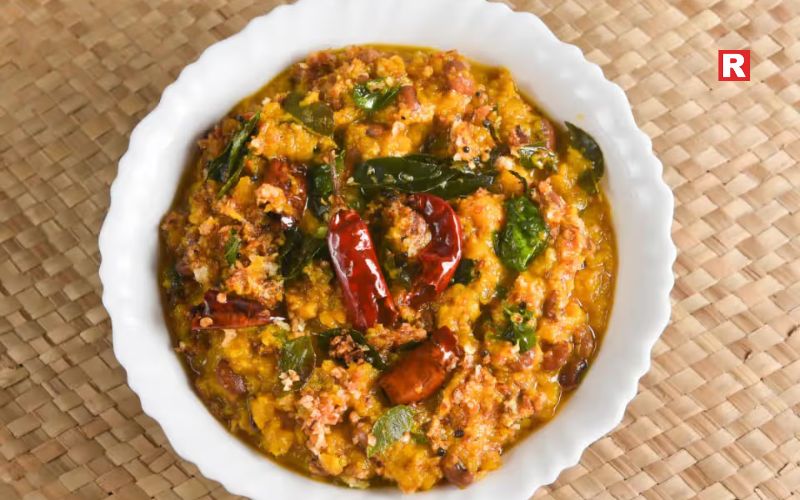
Erissery is a classic Kerala dish made with pumpkin and cowpeas. The pumpkin adds natural sweetness. Cowpeas make the dish filling. Coconut paste and cumin are mixed into the curry. This gives a soft and rounded flavour. The highlight of erissery is the topping. Grated coconut is roasted until golden and added on top. This adds a nutty taste and aroma. The dish is mildly sweet with a touch of spice. Erissery is often prepared during Onam. It is also served at family feasts and temple meals. The dish looks bright and inviting. It shows Kerala’s skill in balancing flavours using simple ingredients and traditional methods.
Know more: Top 10 Vegan Street Foods in India Every Indian Loves
8. Rasam (Kerala Style)
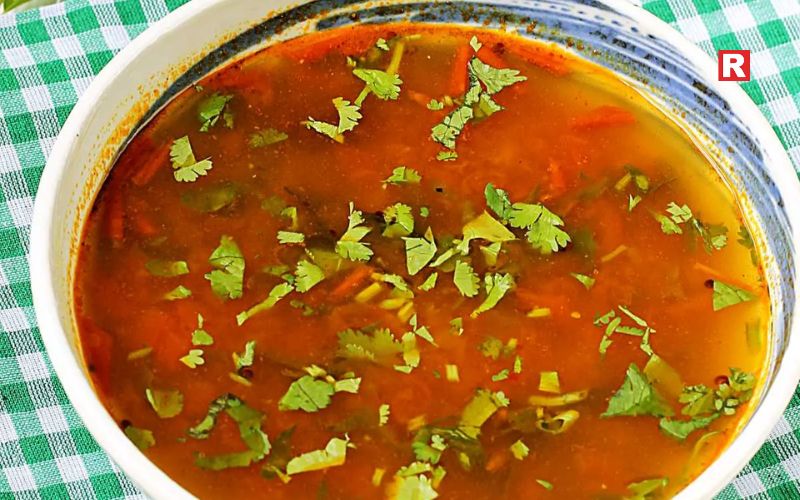
Kerala style rasam is light and comforting. It is thin in texture and easy to digest. Tamarind water forms the base. Black pepper, garlic, and cumin add warmth. Curry leaves give aroma. Rasam is not thick or spicy. It is served towards the end of a meal. Many people drink it like soup. It helps settle the stomach after a heavy meal. During the monsoon season, rasam is prepared more often. It gives comfort and warmth. In many homes, rasam is considered healing food. It is simple but full of flavour. Kerala rasam shows how everyday ingredients can create food that feels both soothing and satisfying.
9. Pachadi
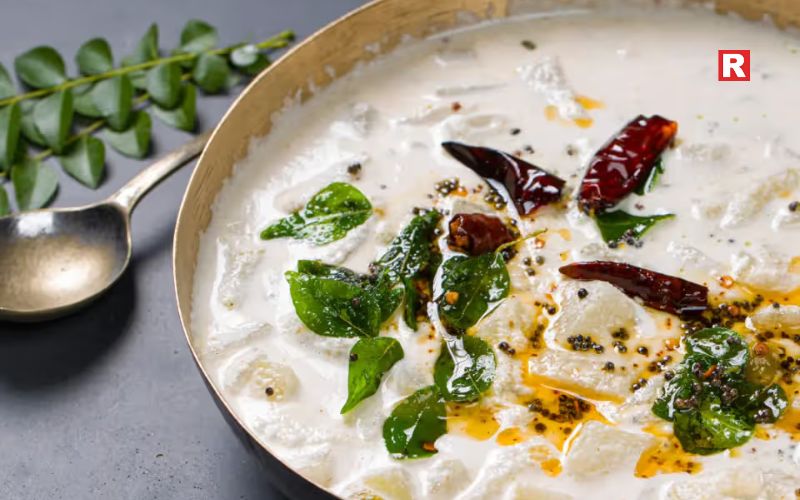
Pachadi is a yoghurt-based dish from Kerala. It is made using fruits or vegetables. Pineapple, cucumber, beetroot, and mango are common choices. The main taste is sweet and slightly sour. Coconut paste adds thickness. Mustard seeds are ground and mixed in small quantity. The dish is finished with mustard seeds and curry leaves fried in coconut oil. Pachadi adds freshness to the meal. It balances spicy and salty dishes. It is an important part of Sadya. Pachadi also adds colour to the banana leaf. Each version has a different taste. The dish feels light and refreshing. Pachadi reflects Kerala’s love for balanced meals and gentle flavours.
10. Kootu Curry
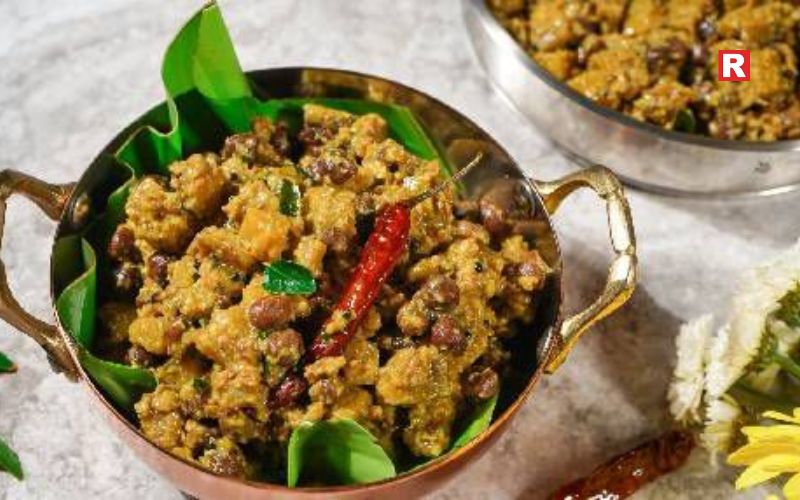
Kootu curry is a festive dish from Kerala. It is prepared mainly during Onam and special occasions. Black chana, yam, and raw banana are the main ingredients. These are cooked until soft. Coconut paste and spices are added for flavour. Jaggery is used to give mild sweetness. This sweetness balances the spice in the dish. Roasted coconut is added at the end for texture. Kootu curry is thick and filling. It is served with rice as part of Sadya. The dish has a rich taste and firm texture. It reflects Kerala’s tradition of combining sweet and spicy elements in one well-balanced dish.
Also check: Try These Veg Soups in These Freezing Winters
11. Puttu
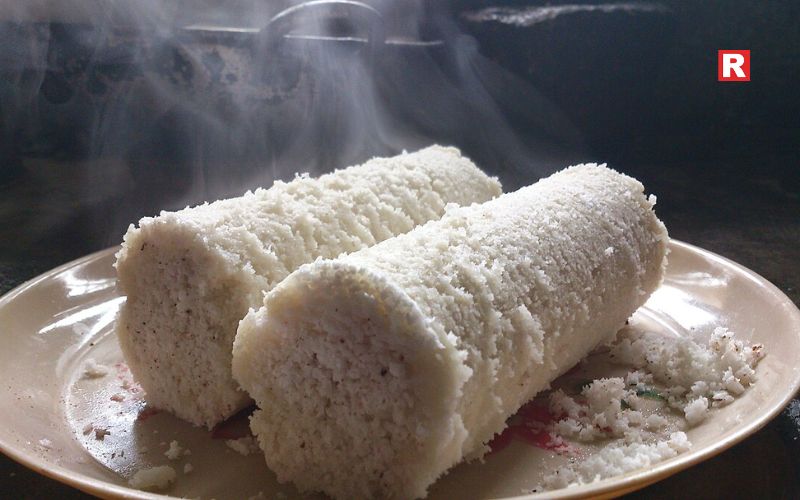
Puttu is a traditional breakfast dish from Kerala. It is made by steaming rice flour and grated coconut in layers. The mixture is placed in a tall mould and cooked using steam. Puttu turns soft and crumbly when done right. It has a clean and mild taste. Coconut gives it moisture and aroma. Puttu is usually eaten in the morning. It is commonly paired with kadala curry or ripe banana. Some people also enjoy it with sugar and coconut milk. Puttu is filling but light on the stomach. It suits daily eating. This dish shows how rice and coconut form the base of Kerala food habits. Puttu is simple, nourishing, and deeply connected to home cooking.
12. Appam
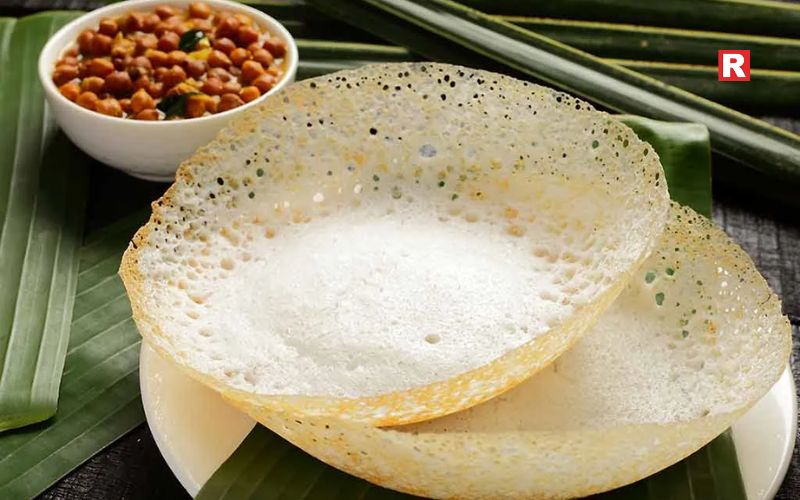
Appam is a soft rice pancake with thin, crispy edges. The centre remains fluffy and light. It is made using fermented rice batter mixed with coconut milk. Fermentation gives appam a gentle sour note. The taste is mildly sweet and pleasant. Appam is cooked in a deep pan without much oil. It is usually served hot. Vegetable stew is the most common side dish. Appam is eaten for breakfast or dinner. It is popular among all age groups. Appam is found in homes, small eateries, and restaurants. It feels light and easy to digest. This dish reflects Kerala’s skill in using fermentation to create soft and balanced food.
13. Idiyappam
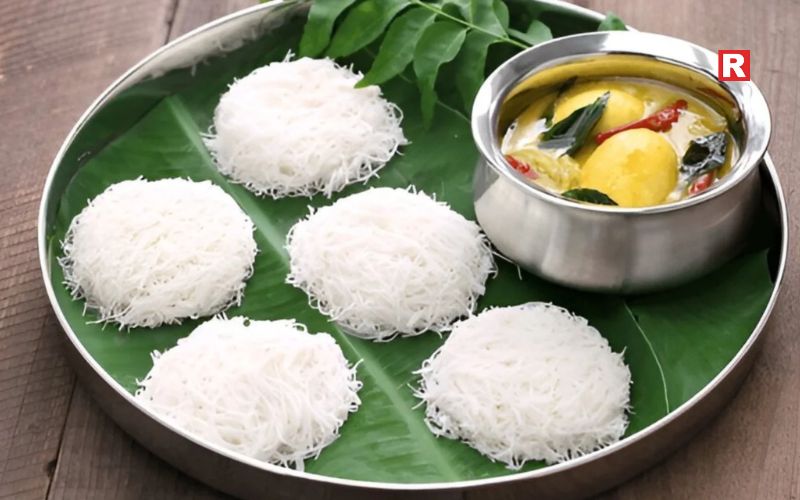
Idiyappam is also known as string hoppers. It is made from rice flour dough. The dough is pressed into thin strands and steamed. Idiyappam turns soft and delicate after cooking. It has no strong taste on its own. This makes it perfect to pair with curries. It is commonly served with vegetable stew or coconut milk. Idiyappam is eaten for breakfast and dinner. It is easy to digest and feels light. Many homes prepare it fresh in the morning. The process needs care and patience. Idiyappam shows how Kerala food values texture and balance. It is simple, filling, and deeply rooted in traditional cooking methods.
14. Vegetable Stew
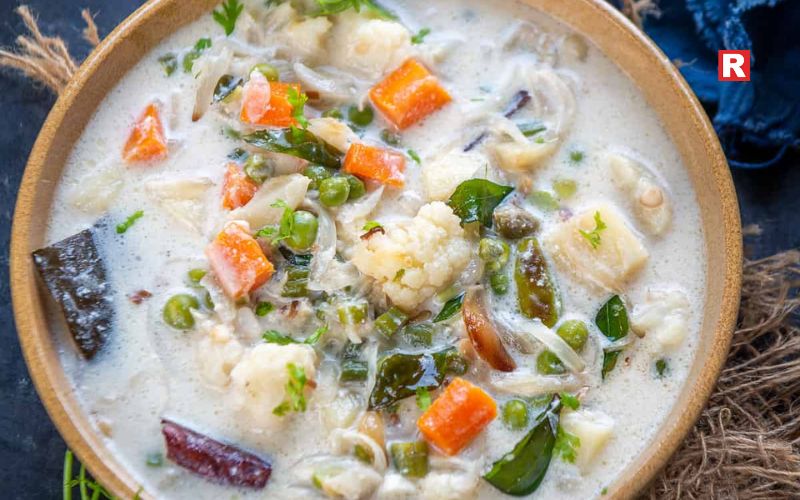
Kerala vegetable stew is a mild and creamy dish. It is made using mixed vegetables and coconut milk. Whole spices like cinnamon, cloves, and pepper are added. Coconut oil gives the stew its signature aroma. No chilli powder or heavy masala is used. The colour remains white or pale. The taste is gentle and comforting. Vegetable stew is usually served with appam or idiyappam. It is eaten during breakfast or dinner. The dish feels soothing and warm. It suits all age groups. Vegetable stew highlights Kerala’s love for subtle flavours. It shows how coconut milk can create richness without making food heavy.
15. Payasam
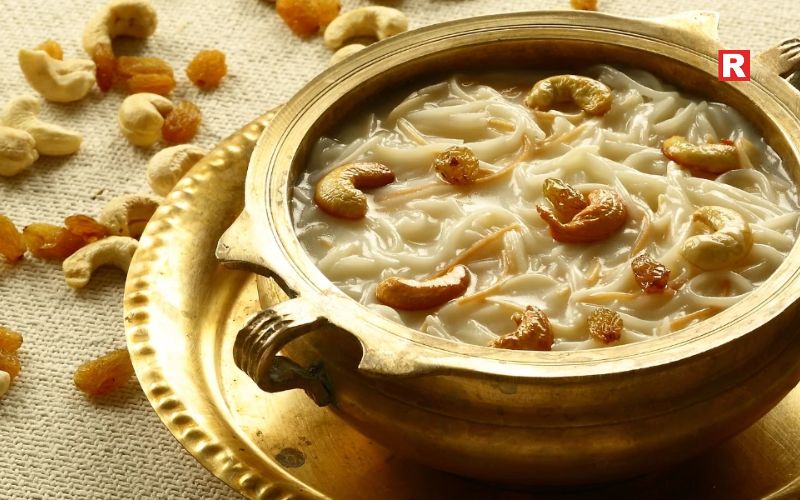
Payasam is the traditional dessert of Kerala. It is an important part of Sadya. Payasam is prepared using rice, vermicelli, lentils, or milk. Jaggery or sugar is used for sweetness. Coconut milk adds thickness and rich flavour. Cashews and raisins are often fried in ghee and added on top. Payasam is served warm or at room temperature. It is eaten at the end of the meal. No festival or special occasion feels complete without it. Each family has its own version. Payasam represents celebration and comfort. It brings a sweet ending to a balanced meal and reflects Kerala’s deep-rooted food traditions.
Check more: Top Famous Veg Street Foods in Kolkata That You Must Try Once in Your Life
Top Places to Explore for Authentic Bihar Food
Top Places to Visit for Authentic Gujarat Food
Why Kerala Vegetarian Food Feels So Authentic
Kerala vegetarian food is closely tied to tradition and daily life. The cooking style follows old customs passed down through families. Meals are often served on fresh banana leaves. This practice adds aroma and reduces waste. Coconut oil is widely used instead of refined oils. It suits the climate and enhances flavour. Fresh vegetables are bought and cooked every day. Packaged food is used less in traditional homes. Many dishes are prepared for temple offerings and religious events. Food is treated with respect and care. Seasonal vegetables guide daily cooking. This keeps meals light and balanced. Spices are used in small amounts. The focus stays on natural taste. Kerala veg food supports digestion and overall wellness. It feels comforting and clean. The cuisine reflects harmony between food, nature, and culture.
- Banana leaf meal tradition
- Daily use of fresh ingredients
- Preference for coconut oil
- Strong link with temples and rituals
- Seasonal and balanced cooking
Happy Eating!
Kerala’s vegetarian food shows how simple ingredients can create rich and lasting flavours. The cooking does not rely on heavy spices or complex methods. Rice, coconut, vegetables, and local spices do most of the work. Each dish carries a story from the land and the people. Many recipes come from temple kitchens and family homes. Meals are planned with care and balance. A proper meal feels complete and satisfying. Nothing feels extra or missing. For travellers, Kerala’s veg food offers a true local experience. For home cooks, it opens a window into regional Indian cuisine. These dishes are easy to understand and full of comfort. They suit daily eating and special occasions alike. Together, these fifteen dishes form a strong introduction to Kerala’s food culture. They reflect warmth, patience, and tradition. Through these meals, one can taste Kerala’s respect for nature, culture, and mindful eating.

Late-night parties are fun. Good music. Good company. Good food and drinks. But the morning after often feels very different. A heavy head. A tired body. Low energy. Sometimes even nausea or bloating. This happens because the body goes through dehydration, disturbed sleep, and slow digestion after a night of partying. Many people make the mistake of skipping breakfast or eating something very heavy. This can make the body feel worse. The system needs care, not punishment. Gentle, light food helps the stomach settle and restores energy. It also makes the body feel normal again.
Simple foods are the best choice. Curd is soothing and easy on the stomach. Poha is light and provides energy. Steamed idli is soft and easy to digest. Fresh fruits like papaya, watermelon, and apple help with hydration. Clear vegetable soups or broths are warm and comforting. Coconut water restores lost minerals and helps reduce tiredness. Eating small portions of these light foods allows the body to recover faster. After a party night, a gentle breakfast helps one feel refreshed, calm, and ready for the day.
Why the Morning After Needs Light and Gentle Food
After a party night, digestion becomes slow. Alcohol, oily snacks, sugary mixers, and late eating disturb the gut. Lack of sleep also adds to the problem. This is why you may feel bloated, acidic, or tired the next day.
Your body needs three things the next morning.
- Hydration.
- Easy digestion.
- Mild nourishment.
Light foods help your stomach restart without pressure. They also prevent weakness and headaches that come from dehydration and low blood sugar.
What Your Body Needs the Morning After
Before choosing what to eat, it helps to understand what your body actually needs.
- First is water. Alcohol dehydrates the body. Even if you did not drink alcohol, late nights still cause dehydration.
- Second is electrolytes and minerals. These help reduce headaches and fatigue.
- Third is soft and simple food. Your stomach lining may be sensitive. Spicy or oily food can make it worse.
- Fourth is gentle energy. Natural carbs and light protein help you feel active again.
Explore Best Light Foods to Eat the Morning After a Party
1. Plain Curd or Yoghurt
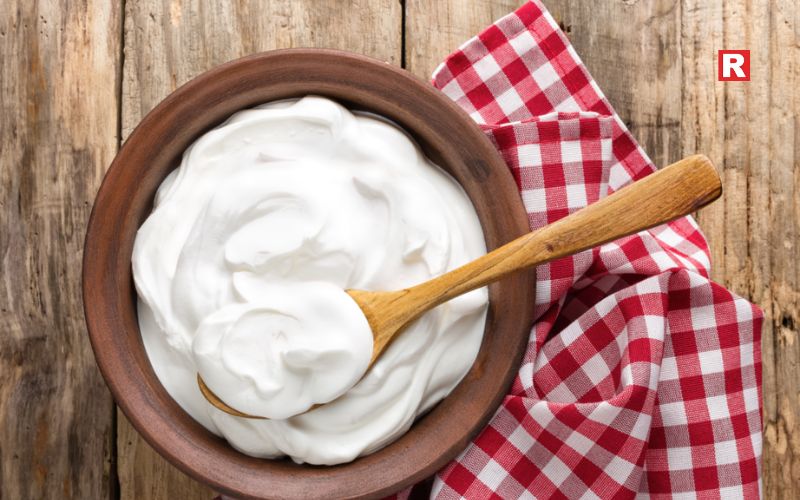
Curd is one of the easiest foods to digest the morning after a party. It cools and soothes the stomach. It also contains good bacteria that help digestion, especially after alcohol or heavy snacks. Plain curd can be eaten with a pinch of salt. It helps reduce acidity and calm the stomach. Homemade curd is best because it is fresh and natural. Flavoured or packaged yoghurts may have added sugar, which can upset digestion. A small bowl of curd provides gentle nourishment and keeps the stomach comfortable. It is a simple, effective start to the day.
Read more: 8 Famous Vegetarian Dishes of Uttar Pradesh and Their Timeless Legacy
High Protein Indian Meals You Should Try
2. Fruit Bowl with Water-Rich Fruits
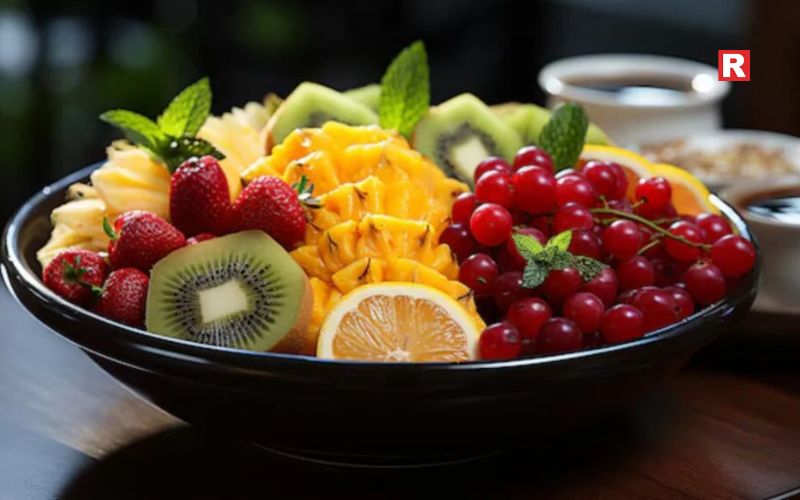
Fresh fruits are light, refreshing, and easy to digest. Fruits like papaya help with digestion. Watermelon provides water and rehydrates the body. Apple gives gentle fibre and a small energy boost. Pear is soft on the stomach and soothing. Citrus fruits like orange may increase acidity and should be avoided. Fruits mixed with cream or sugar are also best avoided. A simple fruit bowl is the ideal choice. Eating water-rich fruits not only helps the stomach but also restores fluids lost during the night. It is light, natural, and comforting for a slow morning.
3. Vegetable Poha
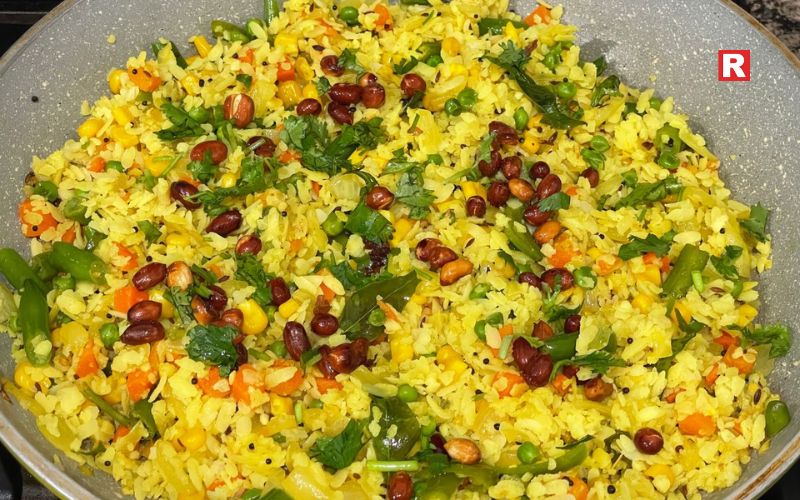
Poha is a classic Indian breakfast that is gentle on the stomach. It is light, easy to digest, and provides energy without feeling heavy. Cooking it with less oil and mild spices makes it suitable for the morning after a party. Adding vegetables like carrots, peas, and beans improves its nutrition. Poha is also soft and comforting, which helps when the stomach feels sensitive. Avoid adding too many onions or peanuts if digestion is slow. A small portion of vegetable poha is filling yet gentle. It is a simple, nourishing choice for recovery.
4. Clear Vegetable Soup or Broth
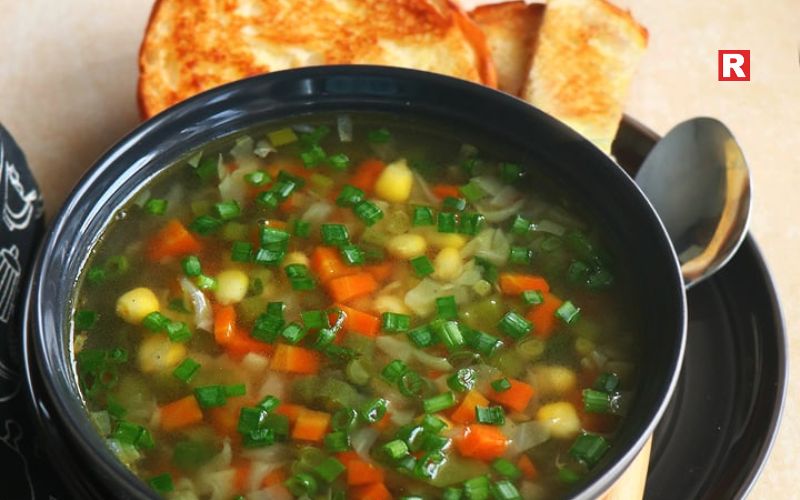
Clear vegetable soup is ideal when someone does not feel like chewing solid food. It hydrates the body and provides essential minerals. Warm soup is comforting and can help reduce nausea or discomfort. Vegetables like carrot, bottle gourd, pumpkin, or spinach can be used. Avoid creamy soups and heavy spices, as they may irritate the stomach. Soup should be sipped slowly and gently. It is light, easy to digest, and nourishing. A bowl of clear soup helps the body recover from dehydration and tiredness after a party. It is a simple way to feel refreshed.
Know more: 12 Delicious High-Protein Foods to Eat Daily for a Healthier You
5. Toast or Plain Multigrain Bread
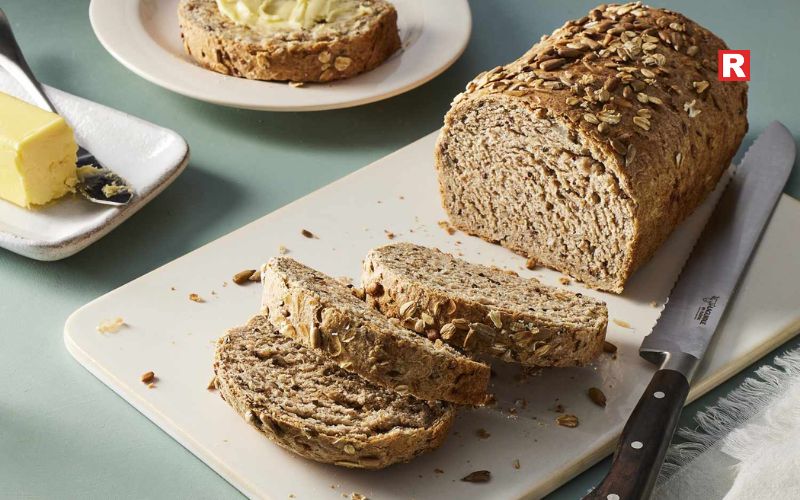
Toast is a simple, light option for the morning after a party. Plain toast or multigrain bread absorbs stomach acids and helps digestion. It is easy to chew and gentle on the stomach. Brown bread is preferred over white bread because it contains more fibre. Butter-heavy or cheese-loaded toast should be avoided as it can feel heavy. Toast can be paired with a small portion of curd or a light vegetable spread. Portions should be small to avoid overloading the stomach. It provides mild energy and keeps the stomach comfortable, making it an ideal light breakfast.
6. Oats Porridge
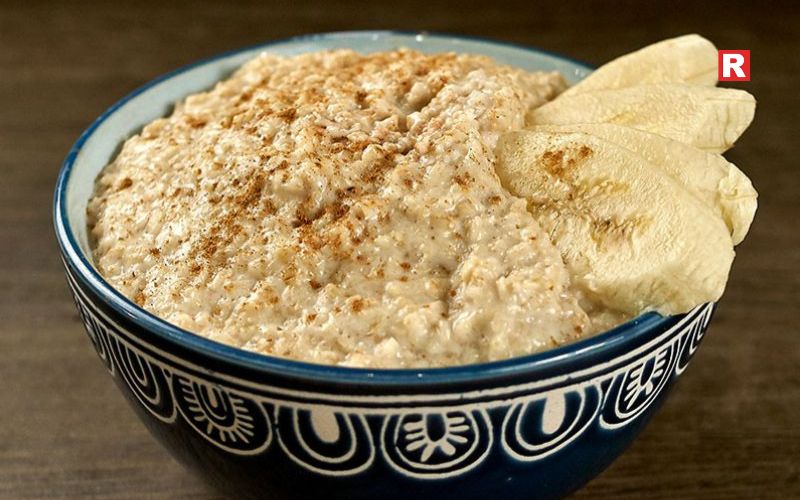
Oats porridge is gentle, filling, and easy to digest. It provides slow energy without feeling heavy. After a party night, oats help stabilise blood sugar, which may drop after late eating or drinking. It can be cooked with water or light milk. A pinch of salt can be added for a savoury version. Sweet toppings like sugar, honey, or chocolate should be avoided as they can upset the stomach. Oats are soft, warm, and comforting, making them ideal for a slow morning. A small bowl is filling yet gentle, helping the body recover naturally.
7. Coconut Water
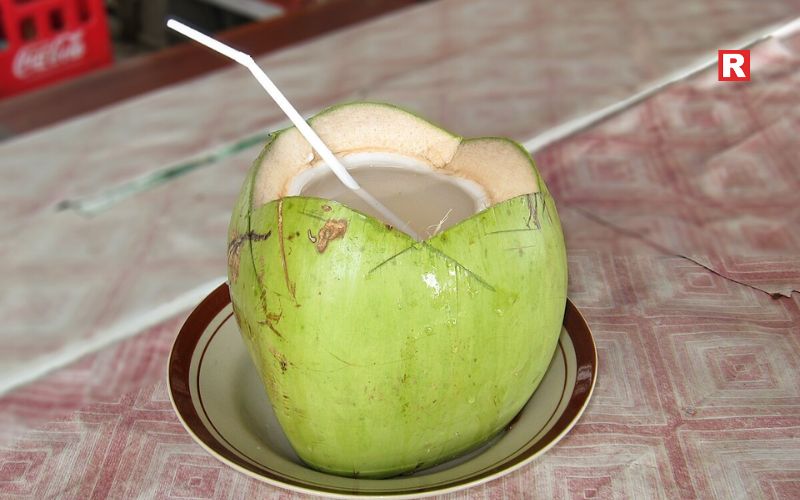
Coconut water is one of the best drinks for the morning after a party. It restores fluids and electrolytes lost overnight. It also helps reduce headache and fatigue caused by dehydration. Fresh coconut water at room temperature is best. Packaged versions often contain sugar, which may upset the stomach. It is light, refreshing, and easy to drink. Coconut water helps the body feel hydrated without making it heavy. A glass in the morning can improve energy and refresh the system. It is natural, simple, and soothing for anyone recovering from a late night.
8. Steamed Idli
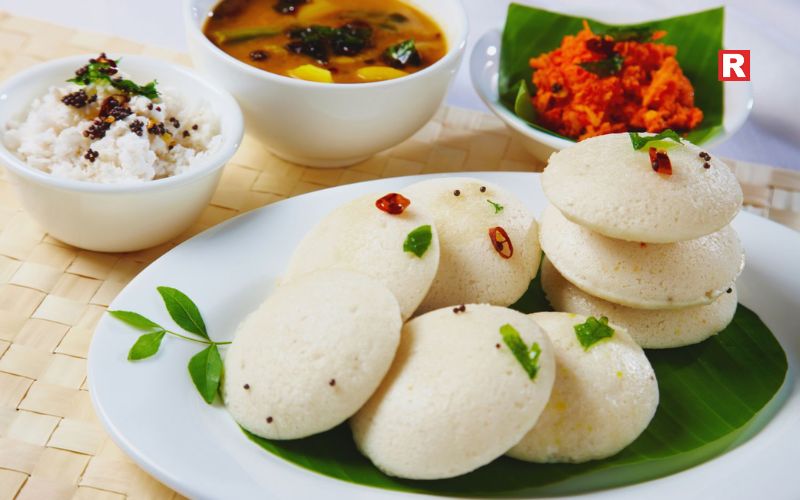
Idli is soft, light, and easy to digest. It is much gentler on the stomach than fried breakfast items like puri or paratha. Fermented foods like idli support gut health and improve digestion. Idli can be eaten plain or with a small amount of coconut chutney. Spicy sambar should be avoided if the stomach feels sensitive. Idli provides mild carbohydrates and a filling texture without heaviness. It is warm, comforting, and perfect for the morning after a party. A few pieces of idli can help restore energy and calm the stomach, making it one of the best light breakfast options.
Foods to Avoid the Morning After
Some foods can make things worse even if they feel tempting.
- Avoid fried foods like pakoras or samosas.
- Avoid very spicy dishes.
- Avoid excess tea or coffee.
- Avoid sugary desserts.
- Avoid heavy gravies and butter-loaded meals.
These foods increase acidity and slow digestion further.
Also check: Try These Veg Soups in These Freezing Winters
5 Ways to Use Garden Cress Seeds (Halim) for Stronger Hair and Bones
7 Desi Alternatives to Oatmeal for Weight Loss
Stay Healthy!
The morning after a party can feel heavy and tiring. The body needs rest, water, and gentle food. Eating light meals helps the system recover without stress. Choosing the right foods can ease headaches, settle the stomach, and restore energy. Simple Indian foods work best. Curd is soothing and aids digestion. Poha is light and gives energy without being heavy. Steamed idli is soft, easy to digest, and gentle on the stomach. Fresh fruits like papaya, apple, and watermelon provide water and natural sugars. Clear vegetable soups or broths help with hydration and comfort. Coconut water restores minerals and electrolytes lost overnight. Heavy, fried, or very spicy foods can make discomfort worse. Even small portions are helpful. By choosing these light, gentle foods, the body recovers faster. After a night of celebration, a mindful morning meal helps one feel refreshed, calm, and ready for the day.

Food in India has always been more than taste. It is linked to health, mood, and discipline. Long before modern nutrition plans existed, Indian philosophy explained food through Ayurveda and yoga. One such way of eating is the Sattvic diet. It is simple. It is clean. And it focuses on balance. Today, many people are turning back to the Sattvic diet for mental peace, better digestion, and mindful living.
The Sattvic diet comes from ancient Indian philosophy, especially Ayurveda and yogic texts like the Bhagavad Gita. The word Sattva means purity, clarity, and harmony. Sattvic food is believed to nourish both the body and the mind. This diet focuses on fresh, natural, and seasonal food. It avoids anything that causes heaviness, restlessness, or laziness. The idea is simple. What you eat affects how you think, feel, and act. Sattvic food is light on the stomach. It is easy to digest. It keeps the mind calm and alert. This is why yogis, monks, and spiritual seekers often follow a Sattvic diet.
Why Is the Sattvic Diet Important Today?
Modern diets focus on speed and convenience. Packaged food. Preservatives. Excess oil and sugar. Over time, this leads to low energy, poor digestion, and mental stress. The Sattvic diet offers a slower and more mindful approach. It encourages people to eat with awareness. It teaches respect for food.
A Sattvic diet helps improve digestion. It supports gut health. It also helps reduce anxiety and restlessness. Many people report better sleep and improved focus after following this diet. In India, this diet also aligns with traditional home-cooked meals. Simple dal, rice, sabzi, and ghee form the base of many Sattvic meals.
Core Principles of a Sattvic Diet
The Sattvic diet is not about strict rules. It is about intention and quality. Food should be freshly cooked. Leftovers are avoided. Food should be eaten warm and at regular times. Ingredients should be natural and unprocessed. Seasonal vegetables and fruits are preferred. Artificial flavours and preservatives are avoided. Spices are used in moderation. The aim is balance, not strong stimulation. Another important principle is how food is prepared. Cooking should be done in a calm and clean environment. Food is believed to carry the energy of the person who cooks it.
Read more: High Protein Indian Meals You Should Try
12 Delicious High-Protein Foods to Eat Daily for a Healthier You
Explore Top Sattvic Food Items to Include
A Sattvic food list is simple and familiar to most Indian households.
Grains and Cereals: Whole grains form the base of the Sattvic diet. Rice, especially unpolished rice, is commonly used. Wheat, barley, and millets like jowar and bajra are also included. These grains provide energy without heaviness.
Fruits: Fresh and ripe fruits are considered highly Sattvic. Apples, bananas, papaya, pears, and mangoes are good examples. Fruits should be eaten fresh and in season. Overripe or stored fruits are avoided.
Vegetables: Most vegetables are allowed in the Sattvic diet. Bottle gourd, pumpkin, carrot, cucumber, ash gourd, and spinach are commonly used. These vegetables are light, cooling, and easy to digest. Vegetables should be cooked gently. Overcooking or deep frying is avoided.
Dairy Products: Dairy plays an important role in a traditional Sattvic diet. Fresh milk, homemade curd, and buttermilk are allowed. Ghee is considered especially pure and beneficial when used in small amounts. Dairy should be fresh and not processed.
Nuts and Seeds: Soaked almonds, walnuts, sesame seeds, and pumpkin seeds are allowed in moderation. They provide healthy fats and energy. Soaking helps improve digestion.
Natural Sweeteners: Refined sugar is avoided. Instead, natural sweeteners like jaggery and raw honey are used in small quantities.
Foods to Avoid in a Sattvic Diet
The Sattvic diet avoids foods that disturb the body or mind. These foods fall into two categories. Rajasic and Tamasic.
Rajasic Foods: Rajasic foods increase restlessness and stimulation. Onions and garlic fall under this category. Excess spices, chillies, and very salty foods are also avoided. Tea and coffee are discouraged because they overstimulate the nervous system.
Tamasic Foods: Tamasic foods cause heaviness and dullness. Meat, fish, and eggs are avoided. Alcohol, tobacco, and intoxicants are strictly avoided. Packaged and processed foods are considered Tamasic. So is stale food. Food kept overnight or reheated loses its freshness and energy.
Know more: Try These Veg Soups in These Freezing Winters
Sattvic Diet vs Modern Diet Trends
Most modern diets revolve around numbers. Calories are counted. Portions are measured. Results are expected fast. The focus often stays on weight loss and physical change. The Sattvic diet works differently. It is not designed for quick results. It is meant to be followed over time. The goal is balance, not control. Instead of counting calories, attention is given to how food affects the body and the mind. There is no pressure to hit protein targets or track macros. Food is chosen for its freshness and simplicity. Meals are light, clean, and easy to digest. This helps the body feel calm and steady. Modern diets often judge success by appearance. The Sattvic diet measures progress through energy levels, mental clarity, and emotional stability. It is less about looking different. It is more about feeling better every day.
A Simple Sattvic Meal Plan
A Sattvic meal plan does not need to be complicated. Breakfast can include fresh fruits and soaked almonds. Warm milk can be added if suitable. Lunch is usually the heaviest meal. Rice or roti, dal, seasonal sabzi, curd, and a little ghee make a balanced plate. Dinner should be light. Khichdi, vegetable soup, or lightly cooked vegetables work well. Eating before sunset is often recommended.
Also check: Power-Packed Mornings: 8 Protein-Rich Vegetarian Indian Breakfast Ideas to
Top 5 States With the Spiciest Food in India
7 Desi Alternatives to Oatmeal for Weight Loss
Final Thoughts
The Sattvic diet is not built on rules or restrictions. It is based on awareness. It helps people understand how food influences the body, the mind, and emotions. Every meal has an impact. What is eaten shapes energy levels, focus, and inner calm. In a fast-moving world, the Sattvic diet brings simplicity. It asks people to slow down. To cook fresh food. To eat at the right time. To choose meals that feel light and nourishing. There is no rush and no excess. This way of eating values cleanliness and balance. Ingredients are natural and close to their original form. Meals are prepared with care and eaten with attention. Over time, this creates a sense of stability and clarity. The Sattvic diet is not about changing appearance. It is about improving daily life. Simple food. Clean choices. Balanced living. That is its true essence.

Pink salt has become a common sight in Indian kitchens today. What was once seen only in gourmet restaurants is now used in everyday meals. Many households use it for regular cooking, detox drinks, and simple wellness routines. The shift is driven by growing health awareness. Consumers are paying more attention to food labels. They prefer ingredients that are clean and less processed. Pink salt fits well into this mindset. It feels closer to its natural form and free from heavy refining.
In India, pink salt is widely known as Himalayan pink salt. It is mined from ancient rock salt beds located near the Himalayan region. Its soft pink colour comes from naturally occurring trace minerals such as iron, calcium, and magnesium. These minerals give the salt its unique appearance and mild taste. The flavour is less sharp than regular white salt. This makes it suitable for daily Indian cooking. Pink salt is not a miracle ingredient. It does not replace a balanced diet or healthy habits. However, when used in moderation, it offers a simple alternative to refined salt. Its natural sourcing and gentle taste make it appealing to modern Indian households that value both tradition and health.
What Is Pink Salt?
Pink salt is a natural rock salt. It gets its colour from trace minerals like iron, magnesium, calcium, and potassium. Unlike refined table salt, it is not heavily processed or bleached. Most pink salt sold in India is coarse or lightly ground. It is commonly used in cooking, seasoning, fasting foods, lemonade, detox water, and traditional remedies. Many people also use it during vrat or fasting days instead of regular salt.
Indian consumers are reading labels more carefully. There is growing awareness around sodium intake, additives, and food processing. Pink salt fits well into this shift towards natural and minimally processed foods. Urban households, fitness enthusiasts, and people following Ayurveda or clean eating prefer pink salt for daily use. It is also widely available online, in supermarkets, and on quick commerce platforms.
Read more: Top Premium Dark Chocolate Brands in India
Top Oats Brands in India: Healthy Start, Better Life
Key Benefits of Consuming Pink Salt
1. Contains Natural Trace Minerals
Pink salt contains small amounts of minerals such as calcium, magnesium, potassium, and iron. These minerals are naturally present and not added later. While the quantity is not high enough to replace supplements, it adds value compared to plain refined salt. These minerals support basic body functions like muscle movement, nerve signals, and fluid balance.
2. Less Processed Than Table Salt
Regular white salt goes through heavy refining. It is often stripped of natural minerals and then fortified with iodine. Pink salt is usually washed and dried, but not chemically processed or bleached. For people who prefer clean and simple ingredients, pink salt feels like a better option.
3. Supports Hydration and Electrolyte Balance
Pink salt is often used in drinks like sole water or lemon water. When mixed in small amounts, it can help maintain electrolyte balance. This is useful during hot Indian summers, workouts, or fasting days. It should always be used in very small quantities.
4. Mild and Balanced Taste
Pink salt has a softer and less sharp taste compared to regular salt. This helps enhance flavour without making food overly salty. Many chefs prefer it for finishing dishes, salads, fruits, and chaats. Because of its taste, people often use less salt overall.
5. Commonly Used in Fasting Foods
In India, pink salt is widely used during vrat or religious fasts. It is considered acceptable in many fasting traditions. This makes it a common ingredient in dishes like sabudana khichdi, fruit chaat, and vrat snacks.
6. May Help With Digestion
Traditional practices believe that pink salt can stimulate digestive juices when used in small amounts. It is often added to buttermilk or jeera water for digestion. This is more of a traditional belief than a medical claim. Still, many people find it lighter on the stomach.
Pink Salt vs Regular Table Salt
Pink salt and table salt are both sources of sodium. From a scientific point of view, both raise sodium levels in the body. Pink salt is not sodium-free or low-sodium. The key difference lies in processing and mineral content. Table salt is refined, bleached, and often anti-caking agents are added. Pink salt is less processed and contains trace minerals. However, these minerals are present in very small amounts. Another important point is iodine. Most table salt in India is iodised. Pink salt usually does not contain iodine unless mentioned on the pack. Iodine is essential for thyroid health. For best results, many nutritionists suggest using pink salt in moderation while ensuring iodine intake from other foods.
Know more: Top Fruit Juice Brands in India Loved by Health-Conscious Consumers
Discover Top Pink Salt Brands in India
1. Organic India Pink Rock Salt
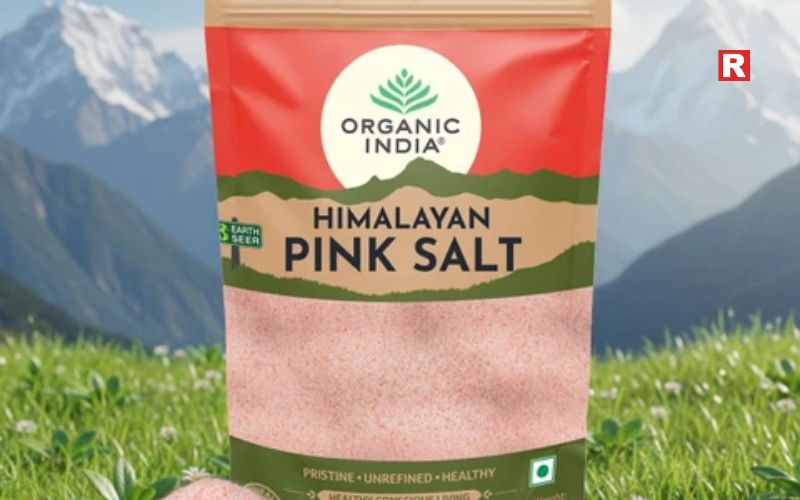
Organic India Pink Rock Salt is made for households that value clean and natural food. The brand is widely trusted across India for its focus on organic farming and ethical sourcing. This pink rock salt is carefully sourced and lightly processed to retain its natural character. It does not contain added chemicals or artificial agents. The salt has a mild taste that works well in daily Indian cooking. It blends easily into dals, sabzis, curries, and fasting foods. Many health-aware families prefer this salt because of the brand’s strong reputation. The packaging is simple and practical. It is easy to store and use. Organic India Pink Rock Salt is easily available on major grocery platforms and health stores across the country.
2. Chef Urbano Himalayan Pink Salt
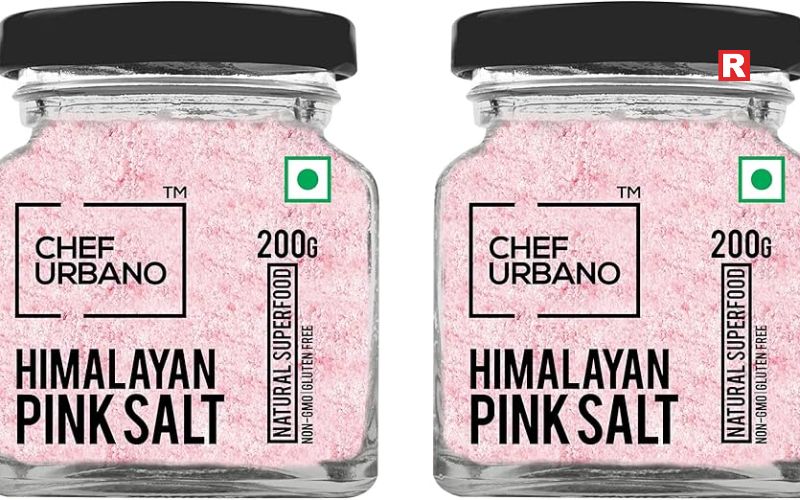
Chef Urbano Himalayan Pink Salt is designed for modern kitchens. The brand is known for premium pantry essentials with a clean and polished look. This pink salt is sourced from natural rock salt reserves and packed with care. It is available in both fine and coarse grain options. This makes it suitable for cooking, seasoning, and table use. The taste is balanced and not overpowering. It works well in salads, soups, fruits, and everyday meals. Urban consumers prefer this brand for its consistent quality and neat packaging. The salt pours easily and stays dry. Chef Urbano focuses on freshness and ease of use. It is widely available online and in premium grocery stores.
3. Two Brothers Organic Farms Pink Himalayan Rock Salt
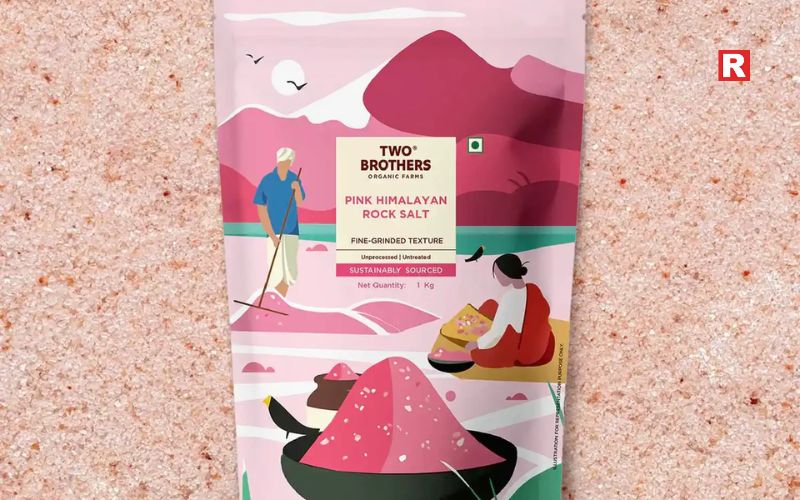
Two Brothers Organic Farms Pink Himalayan Rock Salt reflects traditional Indian food values. The brand is known for slow, mindful, and farm-based food practices. This pink salt fits well into natural and organic lifestyles. It is minimally processed and close to its natural form. Many people who follow traditional diets or home-style cooking choose this salt. The taste is gentle and clean. It works well in simple meals, fasting dishes, and homemade drinks. The brand focuses on purity rather than heavy marketing. This gives it strong trust among loyal customers. It is commonly purchased by families who prefer clean labels. The salt is available online and on selected quick commerce platforms in India.
4. Natural Tattva Himalayan Pink Salt
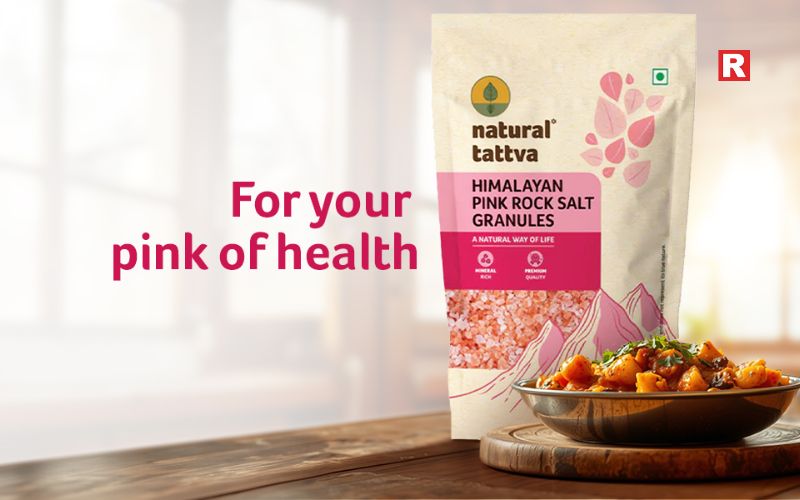
Natural Tattva Himalayan Pink Salt is a practical choice for everyday use. The brand focuses on clean, chemical-free food products at affordable prices. This makes it suitable for a wide range of Indian households. The salt is lightly processed and easy to use in daily cooking. It has a soft taste that does not overpower food. Many first-time pink salt users start with this brand because of its pricing and availability. It works well in regular meals like rice, vegetables, and dals. The packaging is simple and functional. Natural Tattva products are easy to find in supermarkets and online grocery apps. This salt offers a good balance of quality and value.
Also check: Best Cookie Brands in India: A Complete Guide for Cookie Lovers
Best Mineral Water Brands in India
Final Thoughts
Pink salt is not a miracle ingredient. But it is a natural and less processed option when compared to regular table salt. It is mined from natural sources and usually contains trace minerals. These include calcium, magnesium, and potassium. The taste is mild and balanced. This helps enhance food without making it too salty. Many Indian households prefer it for daily cooking and fasting meals. It fits well with both modern food habits and traditional kitchen practices. However, moderation is very important. Pink salt is still a source of sodium. Excess intake can affect health in the long run. It should never be used in large amounts. Choosing a reliable brand matters. Labels should always be checked before buying. Most pink salts do not contain iodine. Iodine is essential for thyroid health. It should be added through other foods. When used wisely, pink salt can be a simple upgrade to everyday Indian cooking.
Salt is one of the most basic ingredients in every Indian kitchen. Yet it is also one of the most important. It adds flavour, supports the body’s functions, and brings the right balance to every dish. Over the years, salt has moved from being a simple white crystal to a wellness product. Today, people look for purity, iodine, minerals, and special health benefits before choosing a pack.
India is one of the world’s biggest salt producers. The country has a strong salt industry that supplies households, restaurants, and even global markets. Gujarat alone produces most of India’s salt, and states like Rajasthan and Tamil Nadu also play a major role. As awareness about thyroid health and mineral-rich foods grows, consumers are shifting toward clean, safe, and value-based salt brands. This article covers the top 7 salt brands in India. Each brand is known for purity, consistency, and strong trust among Indian families. The information below will help you choose the right salt for your cooking and health needs.
Why Choosing the Right Salt Matters
Salt does more than season your food. It supports the thyroid, maintains fluid balance, and keeps nerve and muscle functions stable. That is why iodised salt became important in India. Low iodine once caused major health issues, and branded salt products helped solve this.
Today, people want more. They want minerals, natural processing, and clean crystals. Some choose pink salt for its rich minerals. Some prefer rock salt for sabudana days. Some look for low-sodium options for heart health. With so many choices, picking the right brand matters.
What Makes a Salt Brand “Top”?
A top salt brand in India must check a few boxes:
- High purity
- Safe and clean processing
- Correct iodine levels
- Good mineral balance
- Easy flow
- Hygienic packaging
- Strong brand trust
- Different types of salt for different needs
The seven brands below meet these standards and stand out in the market.
Discover Top 7 Salt Brands in India
1. Tata Salt
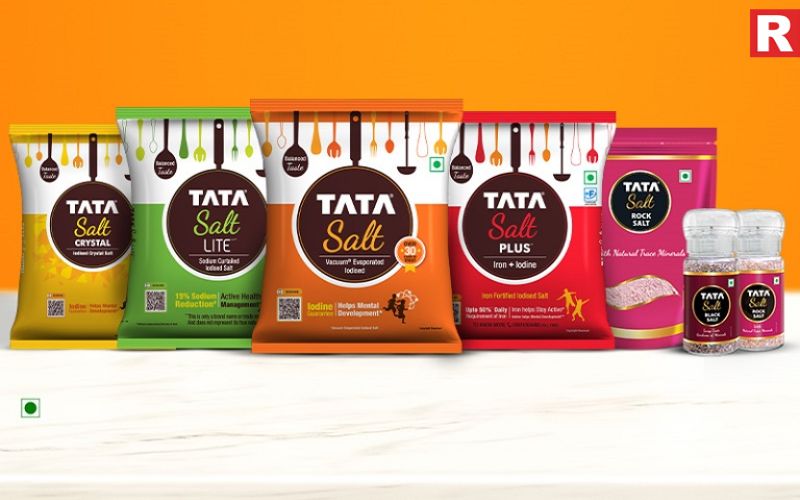
Tata Salt has been India’s most trusted salt for decades. Many Indian households start their cooking day with Tata Salt. The brand focuses on purity and stable iodine levels. It is known for its uniform crystals, clean taste, and consistent quality.
Tata Salt also offers several options like Tata Salt Lite (low-sodium), Himalayan pink salt, and black salt. The brand’s strong distribution makes it easy to find in every city, town, and village. For families that want reliability and clean processing, Tata is a safe and popular choice.
2. Aashirvaad Salt

Aashirvaad, known for its flour and spices, also offers high-quality iodised salt. It promises purity, balanced minerals, and fine crystals that blend well into daily cooking. Aashirvaad Salt is refined, clean, and free from visible impurities.
The brand also focuses on slow-cooking flavour, as many Indians use it for curries, dals, and rotis. Its packaging keeps the freshness intact. If someone prefers a smooth, mild-tasting salt with consistent quality, Aashirvaad is a good option.
Read more: Top 10 Vegan Street Foods in India Every Indian Loves
Best Instant Noodles Brands in India That Make Every Slurp Worth It
3. Saffola Salt
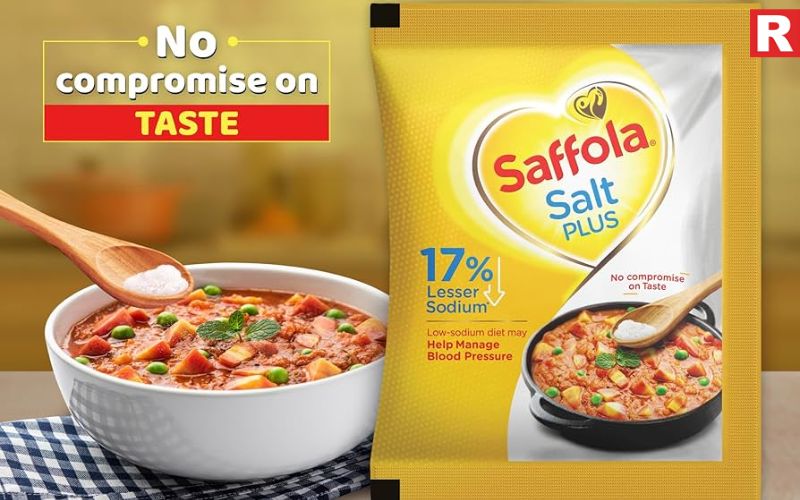
Saffola is known for heart-health products, and its salt range follows the same idea. Saffola Salt Lite is popular among people who want lower sodium intake. This helps those who want to manage blood pressure or improve overall heart health.
The taste of Saffola salt remains close to regular salt, which makes it easier for families to shift to healthier choices. For individuals who want to take a conscious step toward cleaner living, Saffola offers a balanced option.
4. Organic Tattva Salt
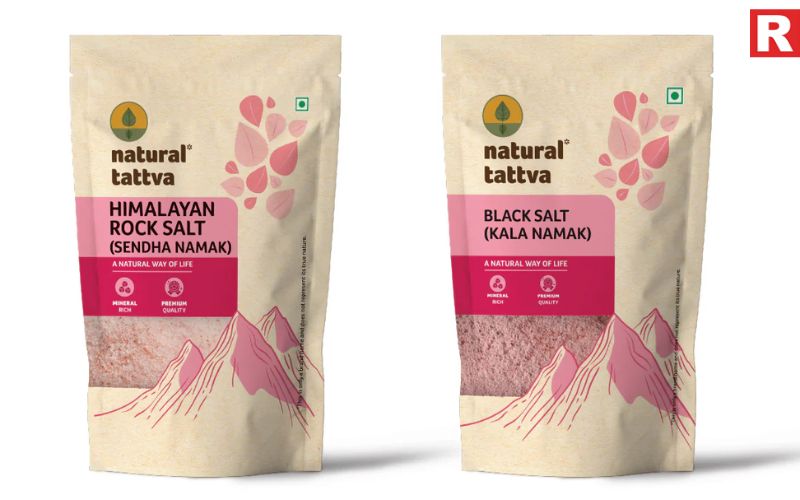
Organic Tattva is a favourite for people who want natural, chemical-free food. Their salt range includes Himalayan pink salt, rock salt, and organic sea salt. These salts are minimally processed and retain natural minerals.
Pink salt from Organic Tattva is especially popular because it contains minerals like magnesium, iron, and calcium. The crystals have a light flavour that works well in salads, seasoning, and daily cooking. If someone prefers clean, natural, and unrefined options, this is a strong brand to pick.
5. Catch Salt

Catch is well known for spices, but its salt range is also widely loved. The brand offers iodised salt, rock salt, black salt, and gourmet salts. Catch Salt is fine, free-flowing, and easy to use.
One of the key advantages of Catch is variety. People who experiment with flavours enjoy their black salt for chaats and rock salt for fasting seasons. Catch Salt also comes in smart packaging that keeps it moisture-free. This makes it a convenient choice for modern kitchens.
Know more: Top Famous Veg Street Foods in Kolkata That You Must Try Once in Your Life
6. Patanjali Salt
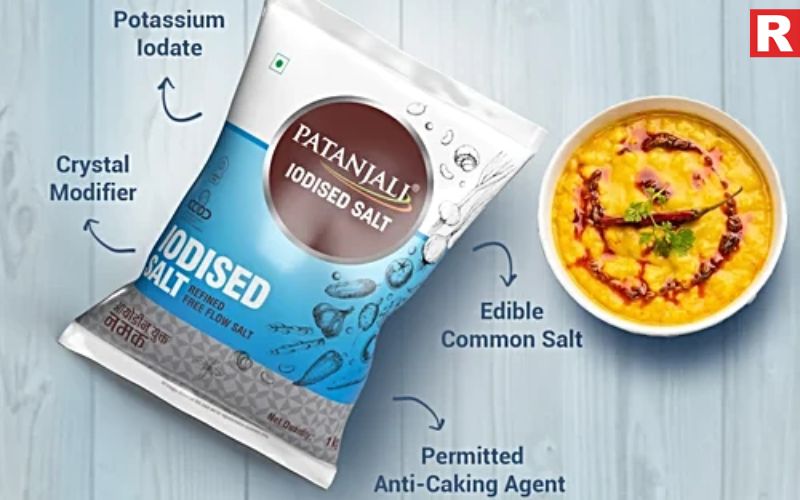
Patanjali has a strong base in India, especially in semi-urban and rural areas. Its iodised salt is known for purity and affordability. Patanjali also offers rock salt and black salt, which connect with its Ayurvedic image.
The brand focuses on natural sourcing and minimal processing. Many buyers trust Patanjali because of its Indian roots and wide availability. Households that want safe salt at a budget-friendly price often choose this brand.
7. Urban Platter Salt
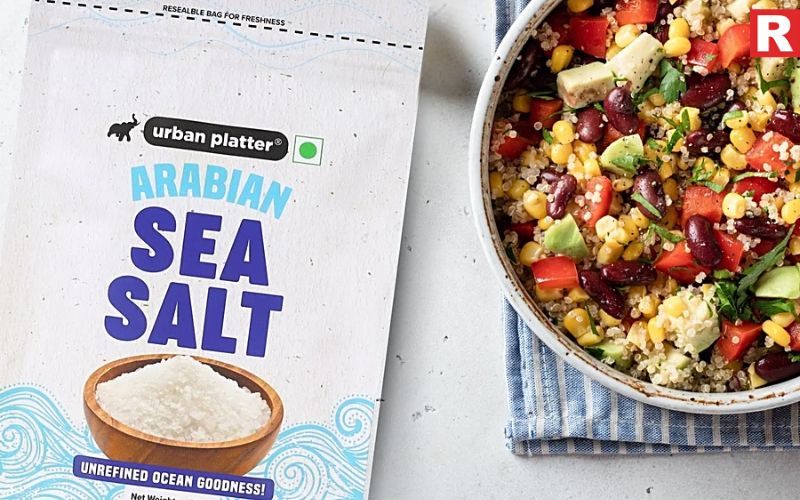
For people who love gourmet cooking or premium ingredients, Urban Platter is a top choice. The brand offers Himalayan pink salt, sea salt flakes, black lava salt, and other specialty salts. These salts are sourced carefully and packed with hygiene.
Urban Platter’s pink salt is known for its mineral richness. Its gourmet varieties add flavour and visual appeal to dishes. This brand is ideal for those who enjoy experimenting in the kitchen or want higher-quality, premium salt products.
Types of Salt You Can Buy in India
Different salts serve different needs. Here are the common types:
- Iodised Salt: Best for everyday cooking. Supports thyroid health.
- Himalayan Pink Salt: Rich in minerals. Gentle flavour. Used in daily cooking and seasoning.
- Rock Salt: Popular during fasting. Comes in larger crystals and mild taste.
- Black Salt: Used in chaats and drinks. Has a tangy, earthy flavour.
- Low-Sodium Salt: Good for people who want to reduce sodium intake.
Health Benefits Worth Knowing
Salt supports many body functions, but the right type matters. Here are key benefits:
- Iodine protects thyroid health
- Minerals like iron and magnesium support wellness
- Low-sodium salt helps manage blood pressure
- Unrefined salts offer trace minerals
- Rock salt supports digestion
Also check: Top Apple Cider Vinegar Brands in Indi
Top 5 Barbecue Sauces for Marinades or Dipping: Smoky, Sweet & Absolutely
Top Bread Brands in India That Define Freshness and Taste
About India’s Salt Industry
- India produces more than 28 million tonnes of salt every year.
- Gujarat alone contributes around three-fourths of the total.
- India exports salt to more than 50 countries.
- The country is one of the top global salt suppliers.
- Most brands source their salt from natural sea beds.
Final Thoughts
Salt may look simple, but it plays a big role in daily health and flavour. With many choices in the market, picking a trusted brand becomes important. A good brand offers purity, steady quality, and safe iodine levels. The seven brands listed above give clean and reliable options for every Indian kitchen. Some families prefer classic iodised salt for everyday meals. Some choose mineral-rich pink salt for added wellness. Others pick low-sodium salt to support heart health. Each option brings its own benefits. These brands focus on clean crystals, careful packing, and steady taste. They fit well into simple home cooking and modern diets. The right salt does more than season food. It supports the body, keeps meals balanced, and adds confidence to daily cooking.
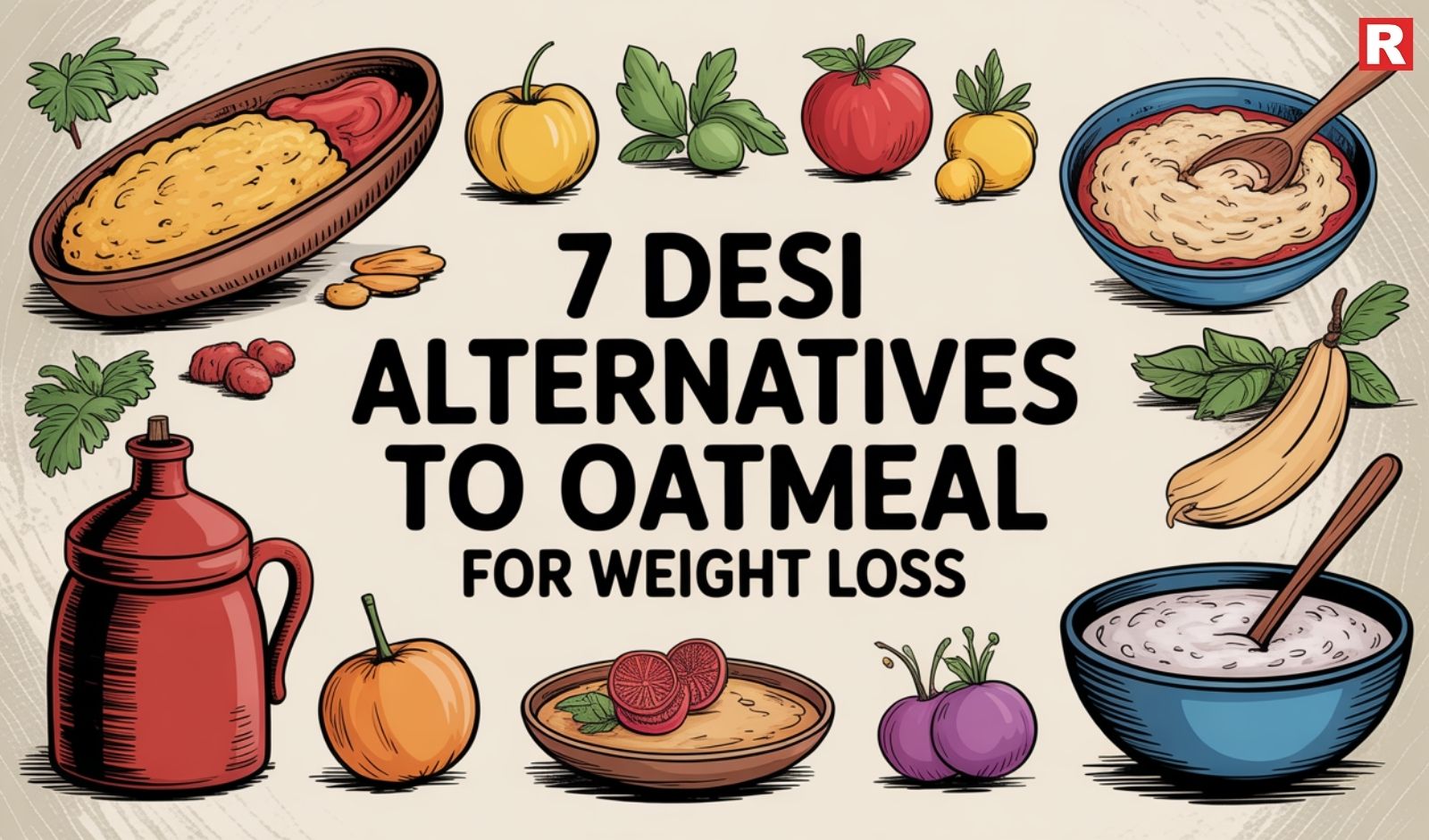
Oatmeal is often seen as the ultimate healthy breakfast, but Indian kitchens have long offered their own powerful alternatives. Traditional Indian breakfasts are filled with grains, lentils, and local ingredients that are rich in nutrients and naturally support weight loss. From hearty millets to light poha, these desi dishes combine taste with wellness.
Each meal offers something unique. Millets and daliya are high in fibre, keeping the stomach full for longer. Ragi provides essential minerals like calcium and iron, while besan chilla adds a good dose of protein. Poha and idli are light, easy to digest, and ideal for those looking for a low-calorie start to the day. Even a simple bowl of upma can give balanced nutrition when cooked with vegetables and minimal oil. These Indian breakfast options not only promote better metabolism but also suit local climates and lifestyles. They are affordable, easy to make, and deeply rooted in Indian food traditions. Choosing these homegrown alternatives proves that one doesn’t need imported oats to stay healthy, fit, and energetic every morning.
Why Indian Superfoods Work Better Than Imported Ones
India’s local grains and ingredients are not just healthy—they’re also naturally suited to our bodies and climate. While oats come from cooler regions and require longer digestion times, Indian foods like millets, daliya, and poha are lighter and more compatible with our digestive systems.
They’re also easier to source, more affordable, and have a smaller carbon footprint. Unlike imported grains, these native options support local farmers and preserve India’s traditional food heritage. By choosing desi superfoods, you’re not only eating healthy but also promoting sustainable living.
Find Your 7 Desi Alternatives to Oatmeal for Weight Loss
1. Daliya (Broken Wheat) – The Desi Cousin of Oatmeal
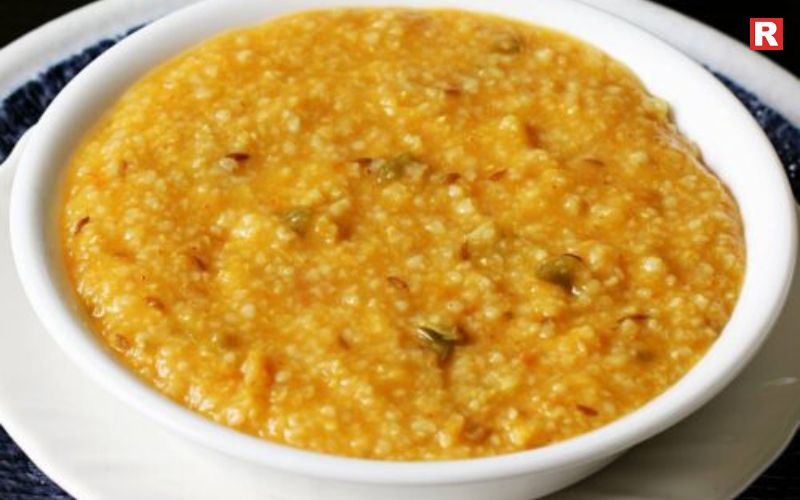
If you’re looking for a warm, hearty breakfast that’s similar to oatmeal but truly Indian, daliya is your answer. Made from broken wheat, it’s rich in fibre and low in fat, making it a great choice for those trying to shed extra kilos. Daliya keeps you full for a long time, preventing mid-morning cravings. It also aids digestion and helps in maintaining stable blood sugar levels. You can prepare it in two ways — sweet or savoury. For a sweet version, cook it with milk, cardamom, and jaggery. For a savoury bowl, sauté vegetables in minimal oil and cook them with daliya for a fibre-packed meal.
Read more: Top 10 Vegan Street Foods in India Every Indian Loves
Power-Packed Mornings: 8 Protein-Rich Vegetarian Indian Breakfast Ideas
2. Poha – Light, Comforting, and Low in Calories
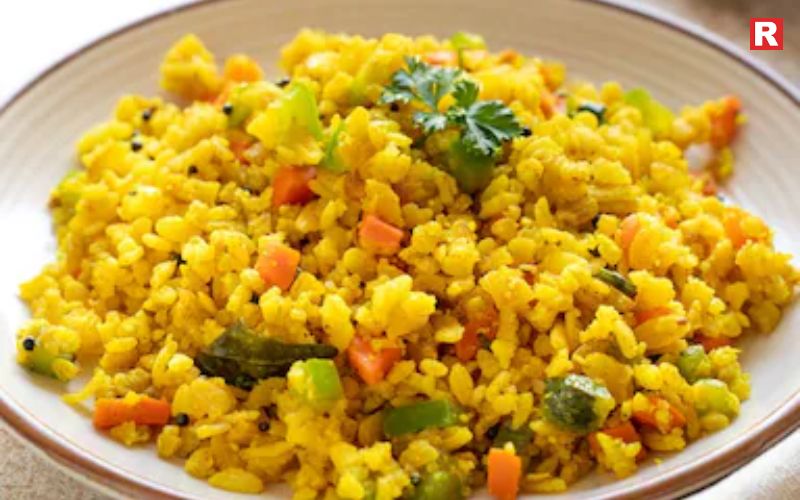
Poha, or flattened rice, is one of the easiest and quickest Indian breakfasts to make. It’s light on the stomach, rich in iron, and low in calories — a perfect combination for anyone watching their weight. A bowl of vegetable poha with peanuts provides a balance of carbohydrates, protein, and good fats. The trick to making it healthier lies in using minimal oil and adding plenty of vegetables like peas, carrots, and capsicum. You can also add a dash of lemon juice for vitamin C, which enhances iron absorption. Poha’s simplicity and quick cooking time make it ideal for busy mornings.
3. Ragi Porridge – The Iron-Rich Super Grain
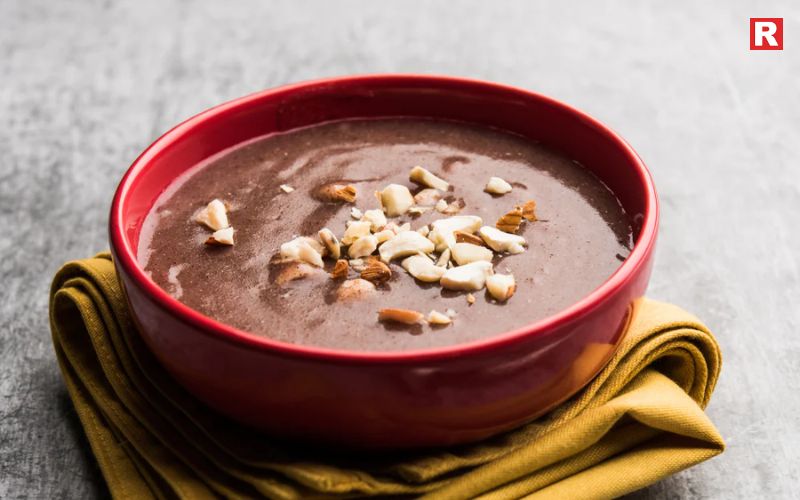
Ragi, also known as finger millet, is one of India’s most powerful superfoods. It’s gluten-free and rich in calcium, fibre, and iron—all essential nutrients for maintaining a healthy weight. Ragi keeps you fuller for longer, controls hunger pangs, and stabilises blood sugar levels. To make ragi porridge, mix ragi flour with water or milk and cook until thickened. You can sweeten it naturally with jaggery or add fruits like bananas for extra fibre. Many fitness enthusiasts prefer ragi over oats because it’s indigenous, easy to digest, and suited to Indian climatic conditions.
4. Besan Chilla – Protein-Packed Morning Boost
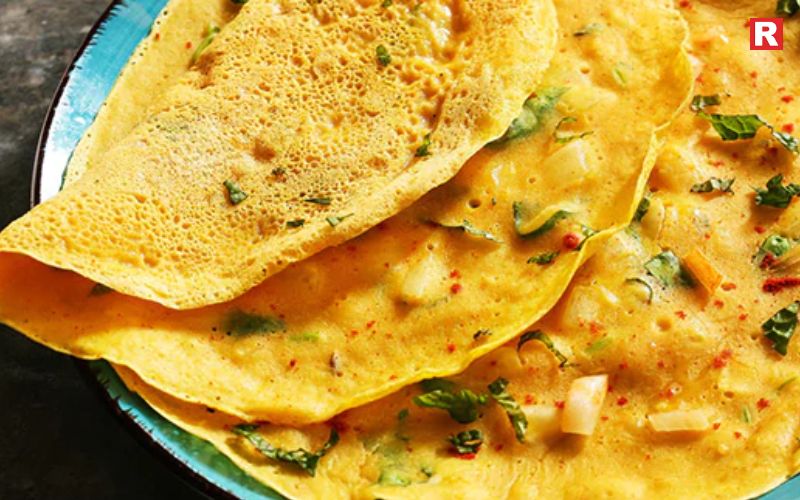
For those who love savoury breakfasts, besan chilla is an excellent option. Made from gram flour, it’s high in protein and fibre, which are key nutrients for weight management. Chilla helps you feel full without adding unnecessary calories. To prepare it, mix besan with chopped onions, tomatoes, green chilies, and spices. Cook it on a non-stick pan with minimal oil. You can even add spinach, grated carrots, or paneer for an extra nutritional punch. When paired with mint chutney, it becomes a delicious yet healthy start to your day.
Know more: 5 Foods to Avoid for Better Cholesterol
5. Idli – Steamed & Gut-Friendly
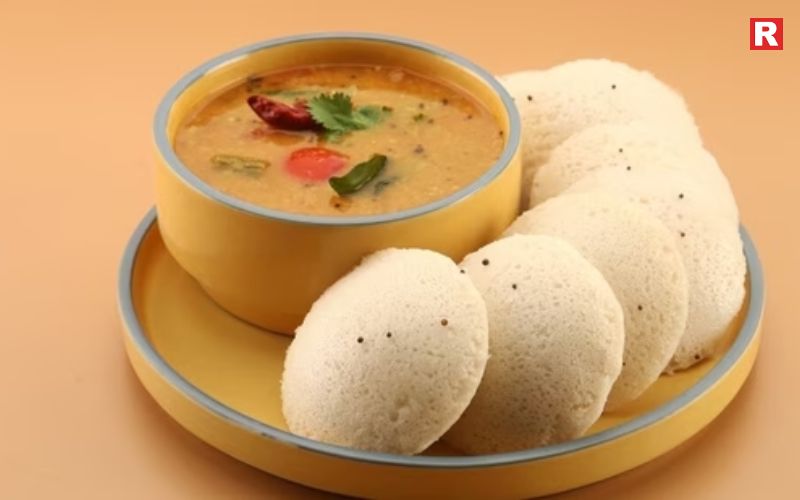
Soft, fluffy idlis are a South Indian staple, and they make a great alternative to oatmeal for weight loss. Since they are steamed, idlis are low in fat and easy to digest. The fermentation process enhances gut health by promoting beneficial bacteria, which aids digestion and metabolism. Made from rice and urad dal, idlis are also rich in carbohydrates and proteins. You can pair them with sambar and coconut chutney for a wholesome breakfast that keeps you energized for hours. For an even healthier twist, try using millets or brown rice instead of white rice.
6. Upma – A Balanced Mix of Carbs and Protein
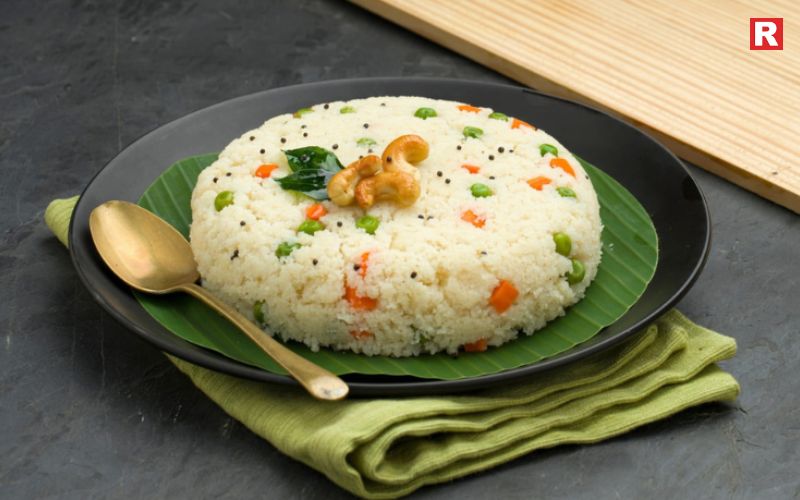
Upma, made from semolina (sooji), is another classic Indian breakfast that offers both comfort and nutrition. It’s low in calories yet filling enough to keep you satisfied till lunch. You can enhance its nutritional value by adding vegetables like beans, carrots, and peas, or topping it with roasted nuts and seeds. Upma contains a balance of carbohydrates, proteins, and dietary fibre, making it an ideal meal for those looking to maintain or lose weight. A small drizzle of ghee can also help in better nutrient absorption without compromising health.
7. Millet Porridge – The Ancient Indian Superfood
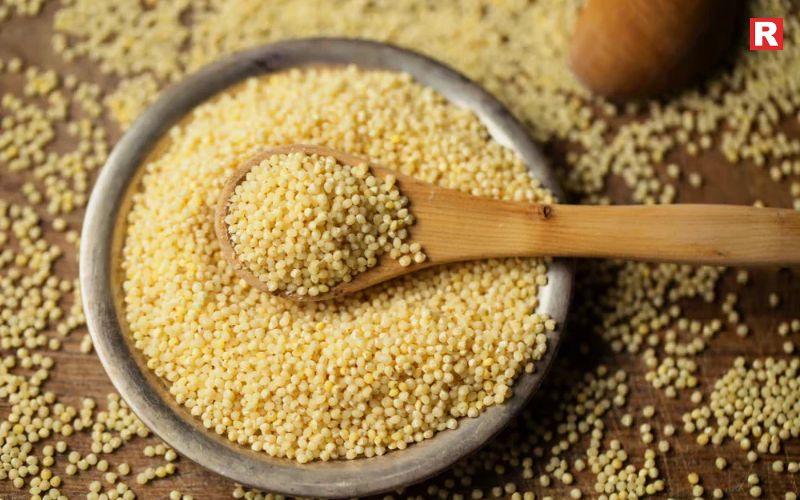
Millets like foxtail, jowar, and bajra have been part of Indian diets for centuries. They are rich in fibre, minerals, and antioxidants, making them one of the best replacements for oatmeal. Millet porridge can be made sweet or savoury. The sweet version uses milk and jaggery, while the savoury one includes vegetables and spices. What makes millets great for weight loss is their low glycaemic index, which helps control blood sugar spikes and promotes steady energy release. Regular consumption of millets also improves digestion and boosts metabolism.
Keep It Varied and Balanced
Weight loss is not about eating the same thing every day. It’s about maintaining a balanced diet that provides all essential nutrients. You can rotate these Indian breakfast options through the week to ensure variety and balance. For example, have daliya on Monday, besan chilla on Tuesday, poha on Wednesday, and ragi porridge on Thursday. This way, you’ll enjoy diverse flavours while meeting your health goals.
Always remember that portion control and cooking methods matter. Avoid deep frying, use minimal oil, and try steaming or sautéing instead. Pair your breakfast with a cup of green tea or warm lemon water for an added detox effect.
Also check: 10 Different Types of South Indian Rice Dishes
7 Healthy Chicken Dishes to Maintain Your Diet
Go Local, Stay Fit
Healthy eating does not depend on imported oats. India’s traditional ingredients offer the same, if not better, nutrition for those looking to stay fit. Local foods like besan chilla, ragi, poha, and daliya are packed with fibre, protein, and essential nutrients that keep the body active and strong. These dishes are simple to cook, affordable, and perfectly suited to Indian tastes and weather. They help in maintaining energy levels, improve digestion, and support healthy weight management. Millets, in particular, are a powerhouse of fibre and minerals, while besan chilla and idli provide the right mix of protein and carbs for lasting fullness. Choosing local foods is not just a healthy decision; it’s a way to stay connected with India’s culinary roots. So, instead of oats, one can always rely on traditional Indian breakfasts that are wholesome, nourishing, and proudly desi.
Disclaimer: This article is for general informational purposes only. It is not intended as medical or dietary advice. Individuals should consult a qualified healthcare professional or nutritionist before making significant dietary changes, especially if they have existing health conditions, allergies, or are on prescribed medication.
As India’s ageing population grows, the conversation around healthy living after 60 is becoming more urgent. It’s not just about living longer—it’s about living well. The recent Indo–Swedish workshop on Ageing and Health, organised by the Indian Council of Medical Research (ICMR) and Sweden’s FORTE (Research Council for Health, Working Life and Welfare), shed light on a simple truth: food is one of the strongest levers for physical strength, mental wellbeing, and longevity.
This feature breaks down what “smart eating” really means for older adults, drawing from research insights and practical, India-friendly habits.
Why Nutrition Matters More After 60
Once you cross 60, your metabolism slows, digestion weakens, and nutrient absorption declines. The same food that kept you energised at 40 may no longer meet your body’s changing needs. Research presented at the Indo–Sweden workshop found that:
- Non-communicable diseases like hypertension, diabetes, and arthritis increase rapidly with age.
- Women, in particular, face higher risks of nutritional deficiencies and chronic illness.
- Dietary choices directly influence not only physical health, but also emotional stability and mobility.
A senior’s ability to walk comfortably, think clearly, and stay cheerful often depends on what’s on their plate.
Healthy ageing is not about eating less—it’s about eating smarter and staying connected through food.
The Food–Mood Connection
Ageing often brings emotional challenges—loneliness, anxiety, loss of appetite, and mild depression. Nutrition and emotional wellbeing are deeply intertwined.
1. Eat Together, Feel Better
Social dining has proven benefits for mood and appetite among older adults. Indian models like the Nightingales Medical Trust and the Calcutta Metropolitan Institute of Gerontology combine midday meals with group activities, creating a sense of community and purpose.
Families can replicate this by encouraging elders to eat with relatives, neighbours, or local senior groups at least a few times a week. Regular shared meals improve not just nutrition, but also motivation and happiness.
2. Choose Foods That Support Mental Health
Omega-3 fatty acids, complex carbohydrates, and magnesium-rich foods like lentils, leafy greens, seeds, and nuts can reduce stress and support brain function. Traditional Indian staples—dal, khichdi, curd, and seasonal fruits—naturally combine these elements.
3. Keep Meals Colourful and Balanced
Each colour on the plate brings unique antioxidants: green for detoxification, red for heart health, orange for eye health, and purple for brain function. A simple way to improve emotional and cognitive health is to “eat the rainbow.”
Mood follows food—the more variety and balance on the plate, the steadier the mind becomes.
The Food–Mobility Connection
Mobility is one of the first things ageing affects. Joints stiffen, muscles weaken, and everyday movements can become difficult. But the right diet can delay or even reverse this decline.
1. Prioritise Protein
Protein supports muscle repair and bone density. Each meal should include at least one protein source—paneer, curd, lentils, eggs, soy, fish, or chicken. For vegetarians, mixing grains and pulses (like dal-chawal or khichdi) ensures complete amino acid intake.
2. Don’t Ignore Calcium and Vitamin D
Bone health depends on daily calcium intake from ragi, milk, curd, and leafy greens. Sunlight exposure of 15–20 minutes a day is equally vital for Vitamin D synthesis.
3. Stay Hydrated
Ageing reduces thirst sensitivity. Soups, buttermilk, and coconut water are excellent hydration choices that also add electrolytes and probiotics.
Muscles may age, but they don’t retire—they just need consistent fuel.
An Ideal “Smart Eating” Day Plan
| Time | Meal | Benefit |
|---|---|---|
| Morning | Warm water with lemon; 15 min sunlight | Hydration and Vitamin D boost |
| Breakfast | Moong dal chilla with paneer | High protein for muscle maintenance |
| Mid-morning | Papaya or guava + roasted chana | Fibre and antioxidants |
| Lunch | Brown rice or jowar roti + rajma + spinach + curd | Balanced macro and micro nutrients |
| Evening | Buttermilk + handful of nuts | Energy and digestive support |
| Dinner | Vegetable khichdi with ghee + salad | Light, nourishing, easy to digest |
| Before bed | Haldi milk or herbal tea | Promotes sleep and reduces inflammation |
Small, consistent adjustments—like adding a spoon of ghee, eating early dinners, or replacing fried snacks with roasted options—have a cumulative effect on wellbeing.
Women After 60: Closing the Nutrition Gap
Older women in India often eat less and later than the rest of the family. Over time, this leads to deficiencies that worsen fatigue and bone loss. Experts recommend simple corrections:
- Include a protein source at breakfast, such as curd or eggs.
- Pair iron-rich foods (like spinach or methi) with lemon juice to improve absorption.
- Consume ragi, paneer, or sesame seeds regularly for calcium.
Balanced meals are particularly important for postmenopausal women, who face rapid bone density loss.
Beyond Nutrition: Food as Preventive Medicine
The Indo–Sweden workshop emphasised that well-designed diets can reduce dependence on medication.
- Fibre and whole grains help regulate blood sugar, lowering diabetes risk.
- Probiotics and antioxidants improve digestion and immunity.
- Regular, balanced meals stabilise mood, sleep, and cognition.
Nutrition, movement, and mental wellness reinforce each other—creating a cycle of healthy ageing.
Practical Barriers and How to Overcome Them
- Low appetite: Break meals into 4–5 smaller portions and use appetising herbs like mint or ginger.
- Access to healthy food: Encourage community kitchens, meal delivery for seniors, or neighbour-supported cooking circles.
- Living alone: Plan a weekly “meal sharing” day or virtual lunch with family. Even digital connection reduces isolation.
Training caregivers to monitor eating habits and hydration can also make a measurable difference in long-term health outcomes.
The Broader Lesson: Eat for Energy, Not Just Survival
“Every meal after 60 is a chance to rebuild strength, sharpen focus, and renew joy.”
Ageing gracefully is not about restrictive diets—it’s about adapting intelligently. The ICMR–FORTE findings highlight that when older adults combine balanced nutrition, social eating, and gentle physical activity, their health scores rise significantly across mood, strength, and mobility.
In essence, food is medicine, community, and motivation—all served on one plate.
Sources: Insights adapted from the ICMR–FORTE Joint Planning Workshop on Ageing & Health (New Delhi), including sections on well-being, NCD burden, determinants of health, mental health, and care models.

Health gummies are fast gaining popularity in India. They offer a convenient and tasty way to get essential vitamins and nutrients. Many people prefer them over traditional tablets and capsules. Gummies are chewable, easy to consume, and often come in fruity flavors. This makes them appealing to both adults and children. Despite their convenience, many wonder about their safety. Health experts say that when taken in the right amounts, gummies are generally safe. However, overconsumption can lead to extra intake of certain nutrients, which may cause problems. Some gummies contain added sugar, so it is important to check labels. People with specific health conditions or allergies should consult a doctor before using them.
The market in India now offers a variety of health gummies. Popular brands include Power Gummies, Organic India, Kinderwoods, Top Gummy, Gumyum, Little Joys, Himalaya, Nutriburst, Nyumi, and Viten Healthcare. Each brand focuses on different health needs, such as immunity, hair and skin health, digestion, eye health, or general nutrition. With careful selection and proper usage, health gummies can be a helpful addition to a balanced diet. They provide a simple way to support overall wellness every day.
Read more: 8 Famous Vegetarian Dishes of Uttar Pradesh and Their Timeless Legacy
5 Cities That Serve the Best Non-Vegetarian Street Food
Understanding Health Gummies
Health gummies are chewable supplements designed to deliver essential nutrients like vitamins, minerals, and herbs. They offer a palatable alternative to traditional pills, making them especially appealing to children and adults who have difficulty swallowing tablets.
However, it's important to note that while gummies can be beneficial, they should not replace a balanced diet. Overconsumption can lead to excessive intake of certain nutrients, potentially causing adverse effects.
Are Health Gummies Safe?
When consumed as directed, health gummies are generally safe for most individuals. However, there are several factors to consider:
- Sugar Content: Many gummies contain added sugars to enhance flavor. Excessive sugar intake can lead to weight gain and dental issues.
- Nutrient Dosage: Gummies may not provide the same potency as pills. It's essential to adhere to the recommended dosage to avoid exceeding the daily intake of certain nutrients.
- Storage: Improper storage can affect the efficacy of gummies. Always keep them in a cool, dry place and ensure the container is tightly sealed.
Before introducing health gummies into your routine, it's advisable to consult with a healthcare professional, especially if you have underlying health conditions or are pregnant.
Top Health Gummy Brands in India
Top health gummy brands in India offer tasty, convenient supplements for immunity, hair, skin, digestion, and overall daily nutrition.
1. Power Gummies

Power Gummies is a popular health supplement brand in India. It offers a range of gummies targeting hair, skin, nails, and immunity. The brand uses clinically proven ingredients in its products to ensure safety and effectiveness. Their "Gorgeous Hair & Nails" gummies are designed to reduce hair fall and support hair growth when taken regularly. Many users also report stronger nails and healthier-looking skin after consistent use.
Benefits:
- Supports hair growth and strengthens nails.
- Boosts overall immunity and promotes skin health.
What it contains:
- Biotin and Vitamin C for hair and skin.
- Zinc, Folic Acid, and natural extracts for nail health.
2. Organic India

Organic India focuses on natural and organic health products. Its fiber gummies are made to improve digestive health. These gummies contain prebiotic fiber, which helps maintain a healthy gut. They are gentle on the stomach and suitable for adults looking for a natural supplement. The brand emphasizes clean ingredients and avoids artificial additives. Regular use of Organic India fiber gummies can help improve digestion and support overall wellness.
Benefits:
- Supports healthy digestion and gut balance.
- Helps regulate bowel movements and reduces bloating.
What it contains:
- Organic prebiotic fiber for gut health.
- Natural fruit extracts for taste and added nutrients.
3. Kinderwoods
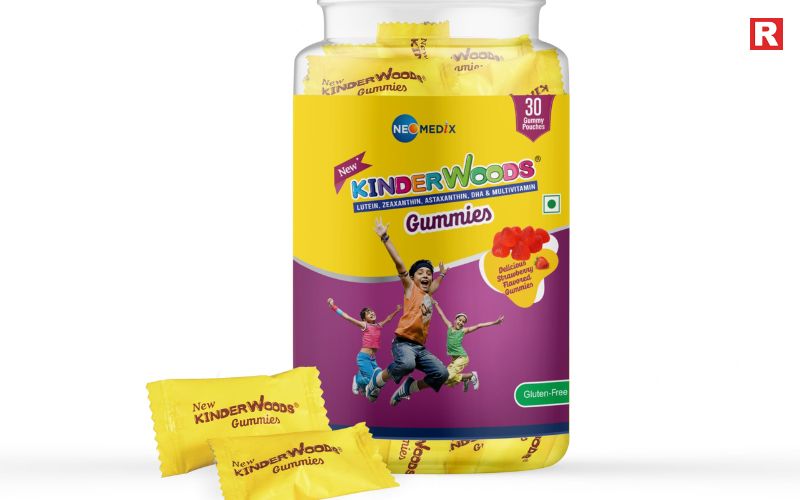
Kinderwoods specializes in eye health supplements for children and adults. Its gummies are designed to support vision and prevent age-related eye conditions. They contain essential nutrients like lutein, zeaxanthin, and DHA. These nutrients are known to improve eye function and protect against blue light damage from screens. Kinderwoods gummies are suitable for daily consumption and are made to taste good, making it easier for children to take them regularly.
Benefits:
- Supports healthy vision and eye function.
- Protects eyes from digital strain and age-related damage.
What it contains:
- Lutein, zeaxanthin, and DHA for eye health.
- Multivitamins to support overall nutrition.
4. Top Gummy

Top Gummy offers a wide range of nutritional gummies, including multivitamins and prenatal supplements. The brand caters to different age groups and health needs. Its products are designed to provide essential nutrients in a convenient and tasty form. Regular intake of Top Gummy products can help fill nutritional gaps in the daily diet. The brand emphasizes quality and safety, ensuring that each gummy delivers the promised benefits.
Benefits:
- Provides essential vitamins and minerals for overall health.
- Supports prenatal nutrition and daily wellness.
What it contains:
- Vitamins A, C, D, and B-complex for immunity and energy.
- Iron, folic acid, and minerals for prenatal health.
Know more: 6 Benefits of Drinking Black Coffee
5. Gumyum

Gumyum focuses on immunity and overall wellness. Its gummies are designed for both adults and children. The products include ingredients known to strengthen the immune system and improve general health. Gumyum uses natural flavors and carefully selected vitamins to make the gummies safe and effective. Regular use can help reduce susceptibility to illnesses and boost energy levels. The brand also offers targeted gummies for specific health needs like bones, skin, and brain health.
Benefits:
- Strengthens immunity and overall health.
- Supports energy levels and general wellness.
What it contains:
- Vitamin C, Vitamin D, and zinc for immunity.
- Herbal extracts and natural vitamins for health support.
6. Little Joys
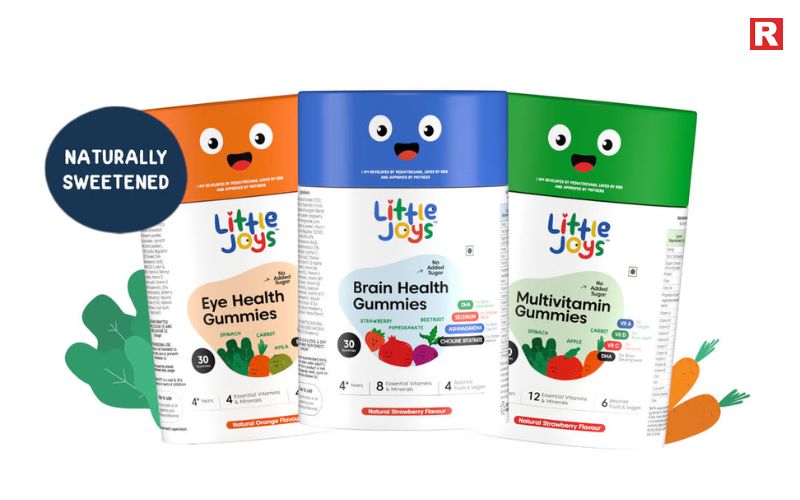
Little Joys is a health-focused brand that creates multivitamin gummies for children. Their products aim to support immunity, bone strength, and digestion. The gummies are made with safe, child-friendly ingredients and have a taste that appeals to young kids. Regular use can help fill nutritional gaps in a child’s diet. Little Joys emphasizes natural flavors and avoids artificial additives, making their gummies a healthy choice for daily consumption.
Benefits:
- Strengthens immunity and supports growth.
- Improves digestion and promotes healthy bones.
What it contains:
- Vitamins A, C, D, and B-complex for immunity and energy.
- Minerals like calcium and zinc for bone and overall health.
7. Himalaya

Himalaya offers probiotic gummies designed to maintain gut health and immunity. These gummies are made with natural ingredients and are free from artificial colors and preservatives. Regular consumption can help maintain a balanced digestive system and reduce digestive discomfort. Himalaya combines traditional herbal knowledge with modern research to ensure safety and effectiveness. The brand is trusted in India for its quality and transparency.
Benefits:
- Supports healthy digestion and gut balance.
- Boosts immunity and overall wellness.
What it contains:
- Probiotics to support gut flora.
- Herbal extracts such as amla and other natural nutrients.
8. Nutriburst
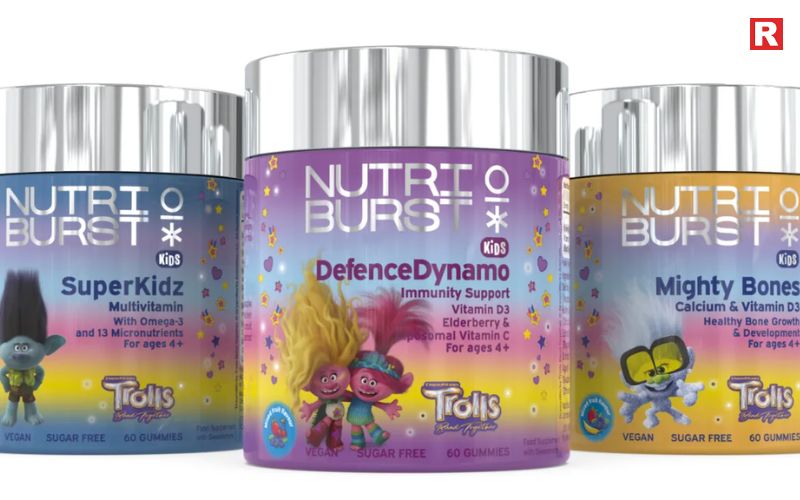
Nutriburst produces gummies aimed at improving skin, hair, and overall vitality. Their products are designed to be enjoyable to consume while delivering essential nutrients. The brand focuses on quality, ensuring that each gummy contains vitamins and minerals that help meet daily nutritional needs. Regular use can help maintain energy, improve hair and skin health, and support overall wellness. Nutriburst gummies are sugar-free and suitable for adults looking for convenient supplementation.
Benefits:
- Enhances hair, skin, and nail health.
- Boosts energy and overall vitality.
What it contains:
- Biotin and Vitamin C for skin and hair health.
- Zinc, folic acid, and natural extracts for overall wellness.
Also check: Top Luxury Chocolate Brands to Try in India
9. Nyumi

Nyumi offers gummies that support sleep, iron levels, and general wellness. The products are formulated with clinically proven ingredients to ensure safety and effectiveness. Nyumi focuses on creating gummies that are easy to include in a daily routine. Regular consumption may help reduce fatigue, improve sleep quality, and support overall health. The brand emphasizes natural flavors and transparency in ingredients, making it a trusted choice for adults.
Benefits:
- Supports healthy sleep and iron levels.
- Boosts energy and overall wellness.
What it contains:
- Iron and Vitamin B12 for energy and blood health.
- Natural ingredients to support wellness and sleep.
10. Viten Healthcare

Viten Healthcare provides multivitamin gummies for overall health support. Their products are made with natural ingredients and are free from harmful additives. These gummies are easy to consume and designed for adults seeking convenient daily supplementation. Regular intake can help fill nutritional gaps, improve immunity, and maintain general wellness. Viten Healthcare emphasizes quality and safety in all products.
Benefits:
- Provides essential vitamins for daily health.
- Supports immunity and overall wellness.
What it contains:
- Vitamins A, C, D, and B-complex for overall health.
- Natural minerals to strengthen immunity and body functions.
Tips for Choosing Safe Health Gummies
When selecting health gummies, consider the following:
- Check the Ingredients: Ensure the gummies contain essential nutrients without unnecessary additives or fillers.
- Verify the Dosage: Confirm that the nutrient levels align with your daily requirements.
- Look for Certifications: Choose products that are certified by recognized health authorities to ensure quality and safety.
- Read Reviews: Customer feedback can provide insights into the product's effectiveness and taste.
Remember, while health gummies can be a convenient supplement, they should complement a balanced diet and healthy lifestyle.
Check more: Top Bakery Brands in India You Must Try
Pani Puri Has Different Names in Different Indian States—Know Them All
5 Foods to Avoid for Better Cholesterol
Stay Healthy!
Health gummies have made nutrition simpler and more enjoyable for people of all ages. They offer a convenient way to fill daily nutritional gaps without the struggle of swallowing pills. When chosen wisely and consumed responsibly, these gummies can be both safe and effective. The key lies in picking trusted brands that use quality ingredients and provide clear dosage instructions.
Disclaimer: The information provided in this article is for general educational purposes only and should not be considered medical advice. Always consult a qualified healthcare professional before starting any new supplement or nutrition product. Individual needs and results may vary.
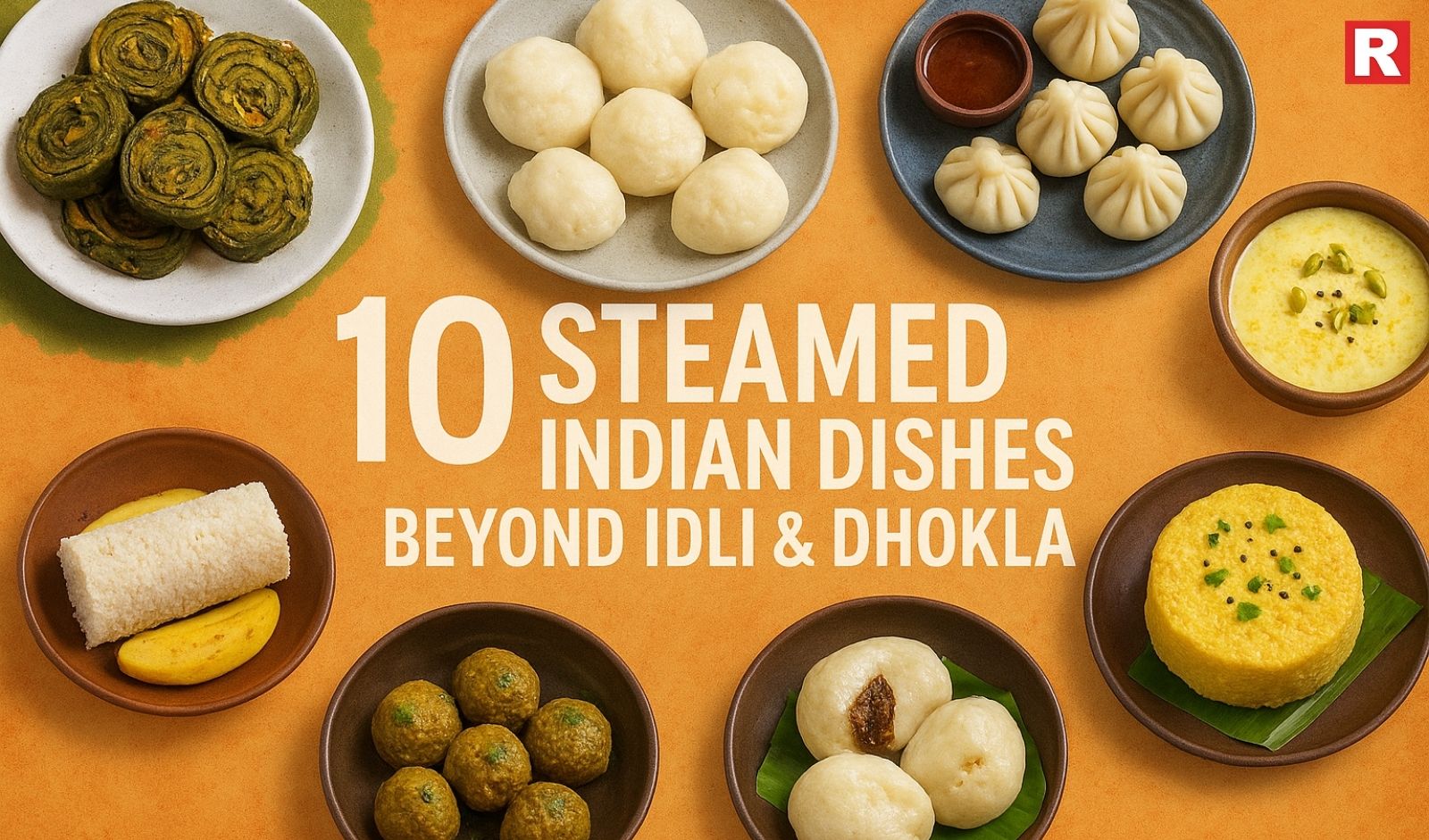
Steaming is one of the healthiest ways to cook. It uses heat and water to cook food gently. This method keeps the natural flavors intact. It also preserves nutrients better than frying or roasting. In India, steaming is often associated with idli and dhokla. However, it is used in many other dishes across the country. Indian cuisine has a long tradition of steaming. Each region has its own unique dishes made this way. These dishes are light, soft, and full of flavor. They are easy to digest and often low in oil. Steamed foods are served for breakfast, as snacks, or during festivals. Steamed dishes are not only healthy but also rich in culture. They show how simple ingredients can be turned into something special. Many of these recipes have been passed down through generations. They reflect local ingredients, flavors, and traditions.
For those who think steaming is plain, these dishes offer a surprise. They are vibrant, tasty, and satisfying. From sweet treats to savory snacks, Indian steamed foods are diverse and full of character. Here are ten steamed dishes from India beyond the usual idli and dhokla.
Read more: Top Rajasthani Dishes to Try This Festive Season
Pani Puri Has Different Names in Different Indian States—Know Them All
1. Patra (Alu Vadi) – Gujarat
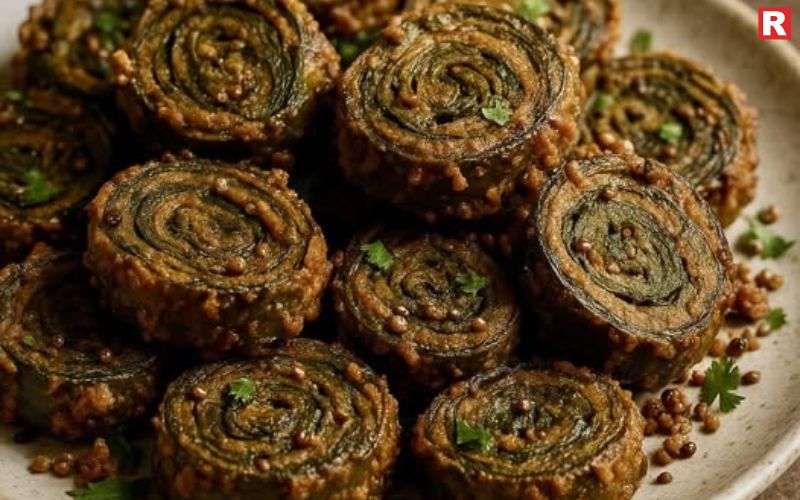
Patra, also called Alu Vadi in Maharashtra, is a dish made from colocasia leaves. The leaves are smeared with a spicy gram flour paste. Then they are rolled up, steamed, and sliced. Sometimes, slices are lightly pan-fried for extra crunch.
Patra is soft, flavorful, and slightly tangy. It is a popular snack in Gujarat and Maharashtra. It is often served with green chutney or sweet tamarind sauce. Patra is also healthy, packed with fiber and antioxidants from the leaves.
2. Pitha – Assam, Odisha, West Bengal
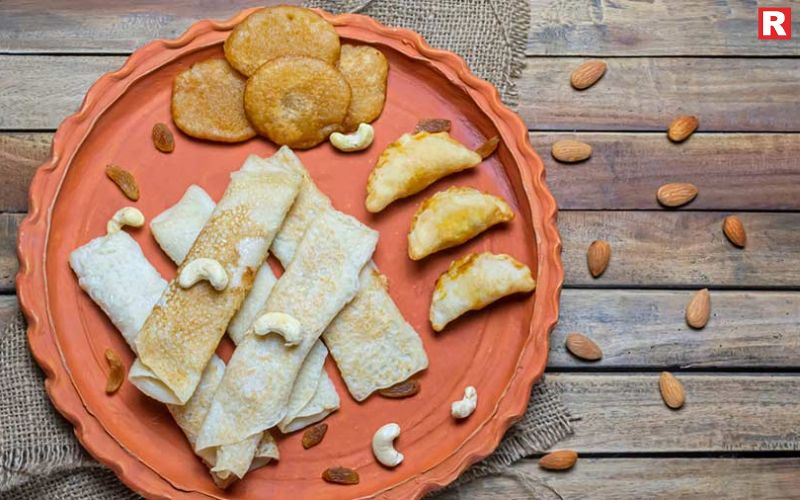
Pitha is a steamed rice dumpling that comes in many varieties across eastern India. Some pithas are sweet, filled with coconut and jaggery, while others are savory with lentils or vegetables.
In Assam and Odisha, pithas are a must during festivals like Makar Sankranti. In West Bengal, the bhapa pitha is popular, where rice flour dough is steamed with a filling of jaggery and coconut. Soft and aromatic, pithas pair perfectly with tea or milk.
3. Modak – Maharashtra
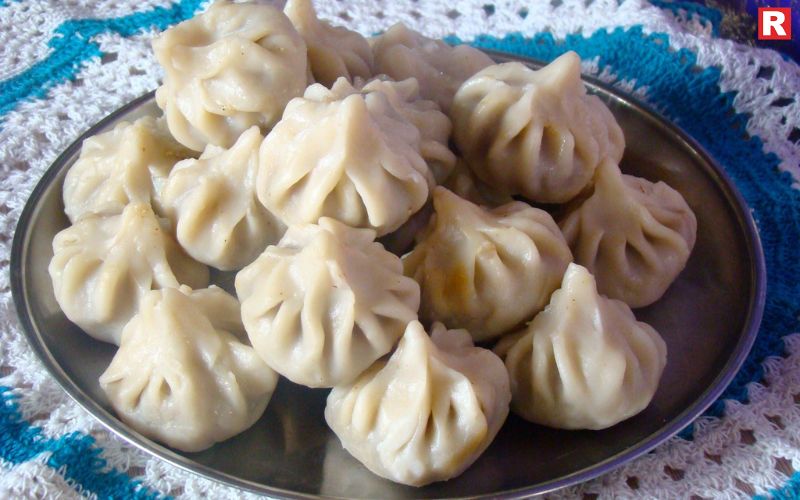
Modak is famous in Maharashtra as an offering to Lord Ganesha. It is a small dumpling made with rice flour and stuffed with jaggery and coconut. The dumplings are steamed until soft and slightly sticky.
Modaks have a unique texture – soft on the outside, sweet on the inside. They are made especially during Ganesh Chaturthi. Apart from festivals, modaks are also enjoyed as a healthy sweet snack at home.
Know more: 10 Different Types of South Indian Rice Dishes
4. Kharvas – Maharashtra
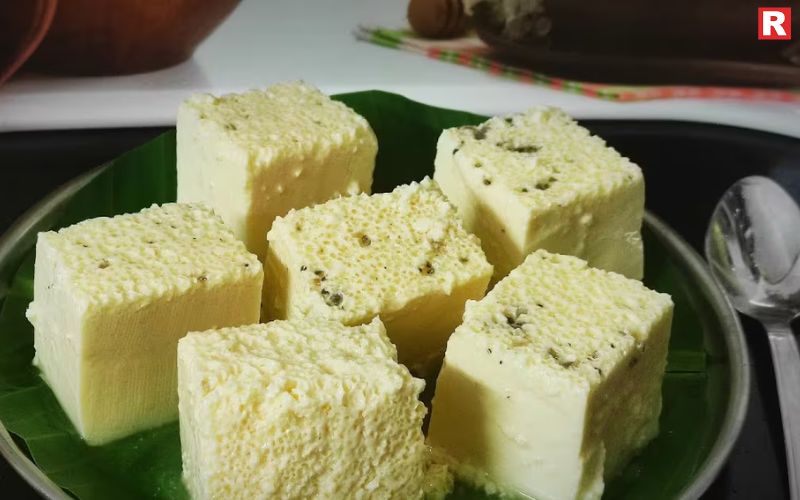
Kharvas is a traditional Maharashtrian dessert. It is made with fresh calf’s milk, flavored with cardamom, saffron, or nutmeg. The mixture is poured into small cups and steamed to set into a smooth pudding.
Kharvas is rich, creamy, and naturally sweet. It is often served chilled and eaten as a dessert after meals. Despite being indulgent, it is lighter than regular milk-based sweets because it is steamed, not boiled with sugar.
5. Undhiyu Muthiya – Gujarat
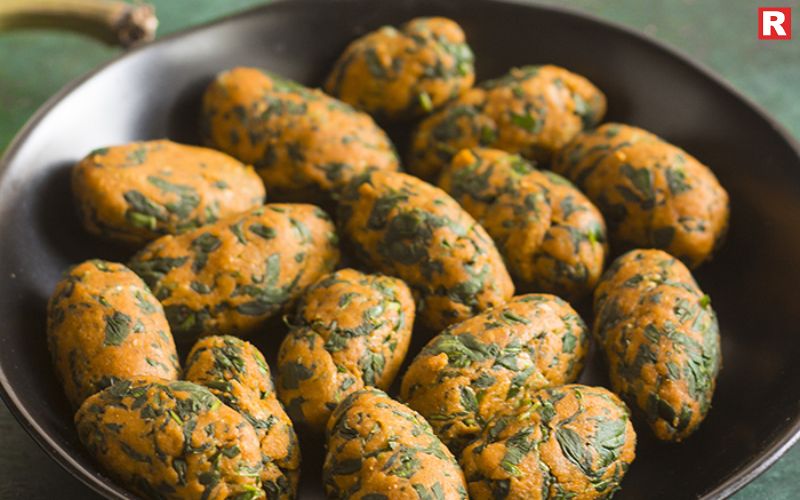
Undhiyu is a popular Gujarati winter dish. A key part of it is muthiya, which are steamed dumplings made from gram flour, fenugreek leaves, and spices. The name “muthiya” comes from the way the dough is shaped by hand, like a fist.
These dumplings are steamed first and then added to a mix of seasonal vegetables in Undhiyu. They give the dish a soft, hearty bite and soak up the flavors of the spices. Muthiya can also be eaten on their own as a snack, paired with chutney. They are rich in fiber, filling, and easy to digest. This steamed treat shows how Gujarati cooking turns simple ingredients into something wholesome and delicious.
6. Hando – Gujarat
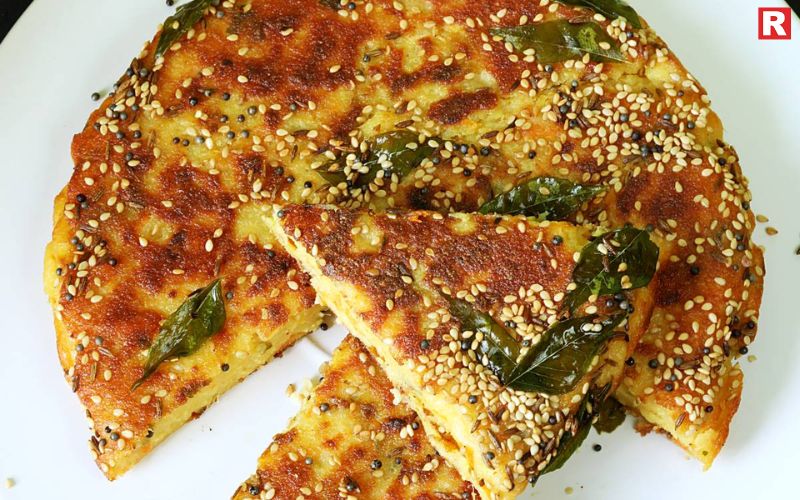
Hando is a traditional Gujarati steamed dish often prepared during festivals and family gatherings. It is made from gram flour mixed with yogurt, spices, and sometimes fresh greens. The batter is poured into a steamer and cooked until firm and fluffy. Once steamed, Hando is cut into square or diamond pieces and tempered with mustard seeds, curry leaves, and sesame seeds. The result is soft, spongy pieces with a light tangy taste. It is usually enjoyed with green chutney or a drizzle of oil.
Hando is rich in protein, light on the stomach, and naturally low in oil. Many families prepare it as a snack or breakfast dish. Its soft texture and balanced flavors make it a favorite across Gujarat.
7. Sidu – Himachal Pradesh
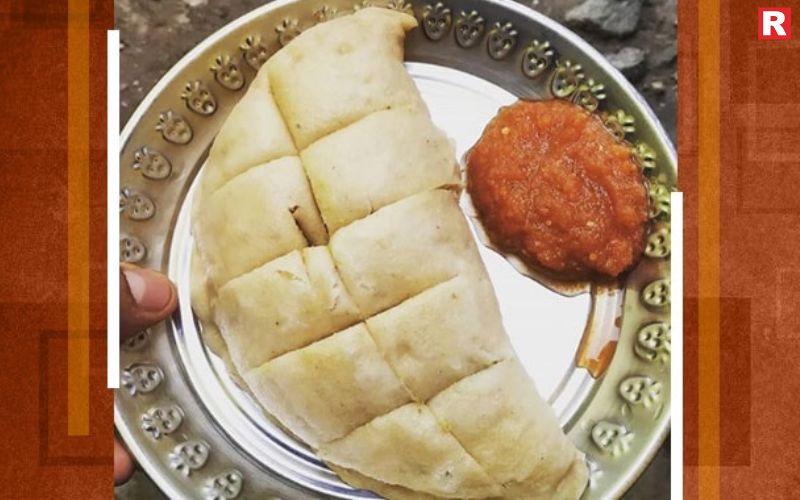
Sidu is a traditional bread from Himachal Pradesh, cooked by steaming instead of baking. It is made with wheat flour dough that is allowed to ferment, giving it a light and airy texture. The dough is then stuffed with fillings like walnut paste, poppy seeds, or sometimes spiced lentils before being steamed. Sidu has a soft inside and a slightly firm outer layer. It is usually served with ghee, dal, or green chutney. Locals enjoy it during winters as it is hearty and keeps the body warm.
This dish is rich in flavor and nutrition. The fermentation makes it easy to digest, while the fillings add protein and healthy fats. Sidu reflects the simple yet wholesome cooking traditions of the Himalayan region.
Also check: These 7 Foods Can Help You Cool Your Stomach in Summer
8. Steamed Momo – Himalayan Regions
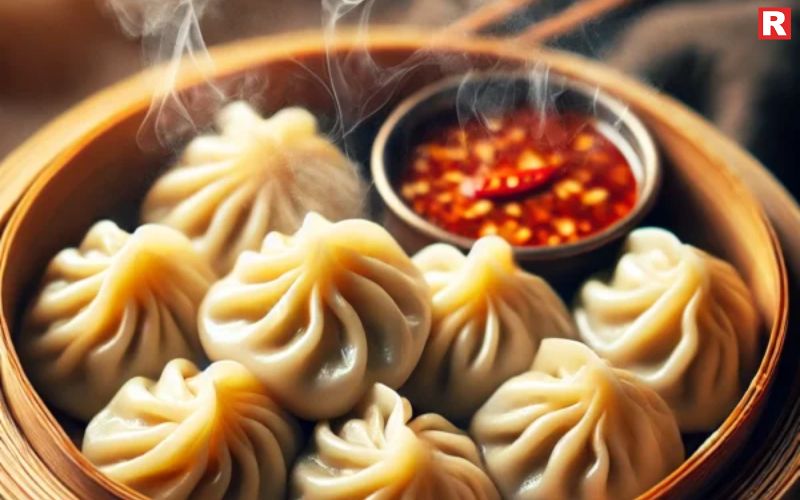
Momos are popular in Himalayan states like Sikkim, Himachal Pradesh, and Arunachal Pradesh. These dumplings are made with wheat or rice flour and stuffed with vegetables, paneer, or meat.
Steaming keeps momos soft and juicy. They are often served with spicy chili sauce or sesame chutney. Momos are a favorite street food but can also be prepared at home as a light, satisfying meal.
9. Puttu – Kerala
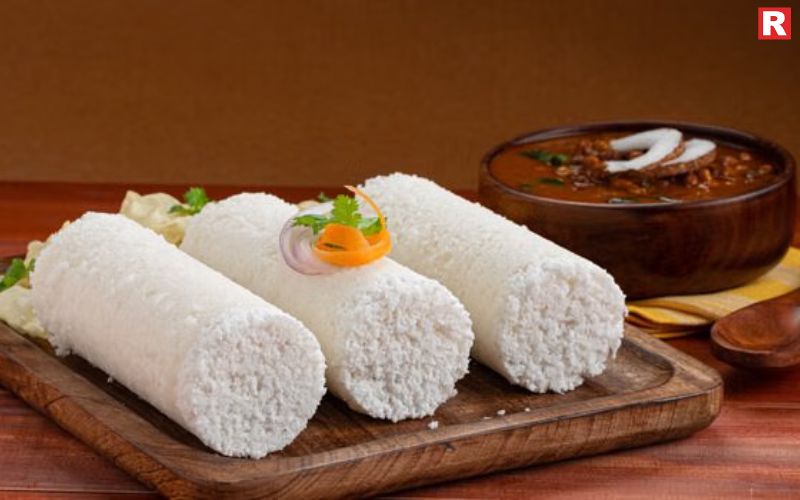
Puttu is a traditional Kerala breakfast made from rice flour layered with grated coconut. It is steamed in a cylindrical mold until soft. Puttu is usually served with ripe banana, jaggery, chickpea curry, or a drizzle of ghee.
Puttu is light, filling, and easy to digest. It can also be made with wheat flour or ragi for healthier versions. Kerala families often enjoy puttu as a hearty breakfast, especially on weekends.
10. Patra Ni Machi – Parsi Cuisine
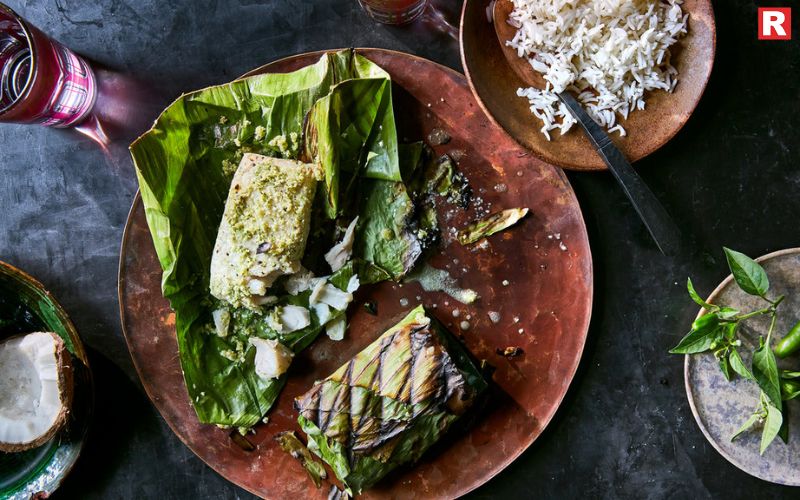
Patra Ni Machi is a famous steamed fish dish from Parsi cuisine. Fresh fish fillets are marinated with a tangy and spicy green chutney made of coconut, coriander, and mint. The fish is then wrapped in banana leaves and steamed until tender. The banana leaves lock in the moisture and aroma, making the fish juicy and full of flavor. This dish is often prepared during weddings, festivals, and family celebrations in Parsi households.
Patra Ni Machi is healthy because it uses minimal oil and relies on steaming to cook the fish. The combination of fresh herbs and soft fish gives it a refreshing and light taste. It is usually served with rice or enjoyed on its own as a delicacy.
Why You Should Try These Dishes
Steaming is a healthy cooking method that requires little or no oil. These dishes are low in calories but high in flavor. They preserve the nutrients of vegetables, grains, and dairy. They are also light on the stomach and suitable for all age groups.
Trying these dishes also gives you a glimpse of India’s diverse culinary culture. Each dish tells a story of tradition, festivals, and regional flavors. Beyond the well-known idli and dhokla, these steamed delights bring something new to your table.
Check more: The Top 7 Sweet Dishes You Can’t Miss This Durga Puja
12 Delicious High-Protein Foods to Eat Daily for a Healthier You
Must-Try Sweet Dishes on Dandiya Night
Tips for Cooking Steamed Indian Dishes at Home
- Use fresh ingredients for the best taste.
- Line the steamer with banana leaves or parchment paper to avoid sticking.
- Steam at medium heat to cook evenly.
- Serve with chutneys, curries, or ghee to enhance flavors.
- Experiment with millets, rice, or lentils for healthy variations.
A Healthy Treat!
Each dish, from Gujarat to Kerala, has a unique taste and texture. Steaming highlights the natural flavor of ingredients. It also keeps nutrients intact. These dishes are light, easy to digest, and healthy. Many are passed down through generations. They are served at festivals, family gatherings, and daily meals. Steamed foods can be sweet or savory. They often use local grains, vegetables, or dairy. Steaming is quick and simple. It is a gentle way to cook without losing taste. For anyone who enjoys healthy food and exploring regional recipes, these dishes are ideal. The next time a light, wholesome meal is needed, one of these ten steamed Indian dishes will offer flavor, nutrition, and a touch of tradition.

The festive season is a time of joy, celebrations, and togetherness. People often stay up late, eat rich food, and spend time with family and friends. While it’s fun, it can also leave the body tired and the skin looking dull. The skin needs extra care during this time. What a person drinks plays a big role in keeping the skin healthy. Drinking the right fluids helps the body stay hydrated. It also helps reduce inflammation and supports skin repair. This keeps the skin fresh, soft, and glowing. Simple and natural drinks can make a big difference. They provide essential vitamins, minerals, and antioxidants. These nutrients help the skin stay firm and radiant. Adding such drinks to a daily routine is easy. They don’t require special ingredients or hard steps.
By drinking healthy beverages regularly, the body gets the support it needs. The skin looks brighter and feels better. A few small changes can lead to noticeable results. These drinks are a simple way to help anyone look and feel their best throughout the festive season. Taking care of the skin starts from within.
Read more: 6 Benefits of Drinking Black Coffee
12 Delicious High-Protein Foods to Eat Daily for a Healthier You
Why Drinks Matter for Skin Health
Your skin is your body’s largest organ. It needs water, vitamins, and minerals to stay soft, smooth, and glowing. Many skin problems, like dryness, puffiness, and breakouts, can happen when you don’t drink enough fluids or eat unhealthy food. Drinks with natural ingredients like fruits, herbs, and seeds can boost your skin’s health. They supply your body with essential nutrients, antioxidants, and hydration. These drinks also support digestion, reduce inflammation, and help your body remove toxins.
Let’s look at the best drinks that can give you a festive glow while keeping you refreshed.
1. Lemon and Honey Detox Water

Lemon and honey detox water is one of the simplest yet most powerful drinks for glowing skin. Lemon is full of vitamin C, which helps your body produce collagen. Collagen keeps your skin firm and smooth. Honey is a natural humectant. It locks in moisture and heals dry skin. You can make this drink by adding half a lemon’s juice and a teaspoon of honey to a glass of lukewarm water. Drink it in the morning or between meals. For an extra boost, add a pinch of turmeric powder. Turmeric has anti-inflammatory properties that calm irritated skin. This simple drink helps flush out toxins and keeps your skin hydrated throughout the day.
2. Coconut Water with Mint and Basil
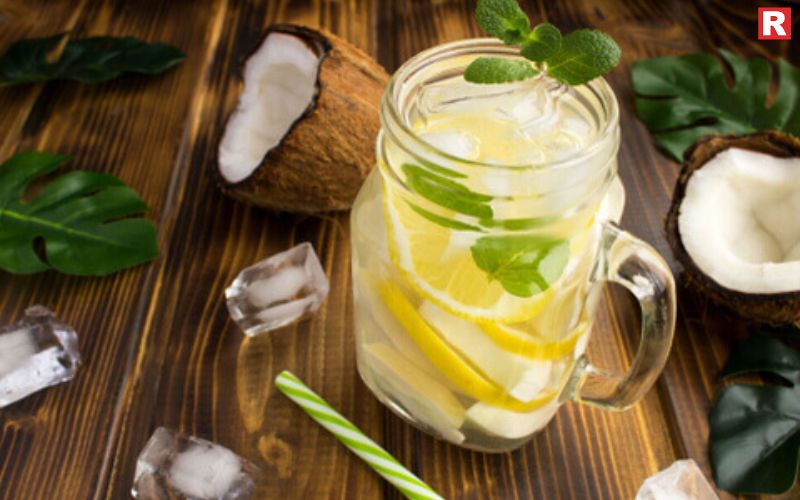
Coconut water is a natural hydrator. It is rich in electrolytes like potassium and magnesium. These help your body stay hydrated, which is essential for soft and plump skin. Mint adds a cooling effect and helps with digestion. Basil is full of antioxidants that support detoxification. Together, they make a refreshing drink that keeps your skin fresh and radiant. Mix a glass of coconut water with a few mint leaves and crushed basil. Drink it after a workout or when you spend long hours outdoors in the sun. This drink not only keeps you cool but also helps your skin retain moisture, making it look healthy and glowing.
Know more: Pani Puri Has Different Names in Different Indian States—Know Them All
3. Aloe Vera Juice with Cucumber
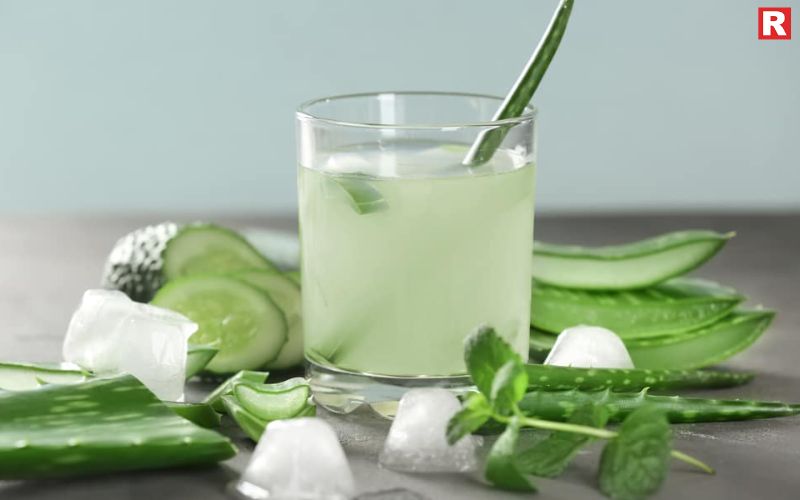
Aloe vera is known for its healing properties. It helps soothe and repair the skin. It also supports hydration from inside. Cucumber adds extra moisture and helps reduce puffiness. It is rich in water content and vitamins that nourish your skin. Blend fresh aloe vera gel with cucumber slices and a little water. You can also add a few drops of rose water for a floral scent and additional skin benefits. Drink this in the afternoon or before bed to relax and rejuvenate your skin. It helps in reducing inflammation, keeping the skin soft, and improving texture.
4. Turmeric and Ginger Golden Elixir
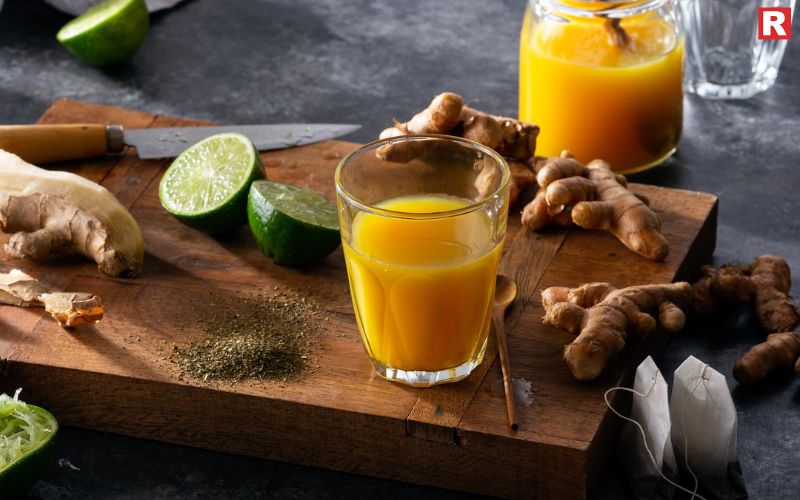
For those who want a stronger solution, turmeric and ginger are a perfect pair. Turmeric contains curcumin, a compound that fights inflammation and promotes skin repair. Ginger improves blood flow and helps your body absorb nutrients better. You can make a golden elixir by mixing a teaspoon of turmeric powder and half a teaspoon of grated ginger in warm water. Adding a pinch of black pepper helps your body absorb turmeric more effectively. Drink this in the morning or evening. It helps reduce puffiness, brighten your skin, and improve circulation. This drink gives you a natural glow without harsh chemicals.
5. Berry Smoothie with Flaxseeds
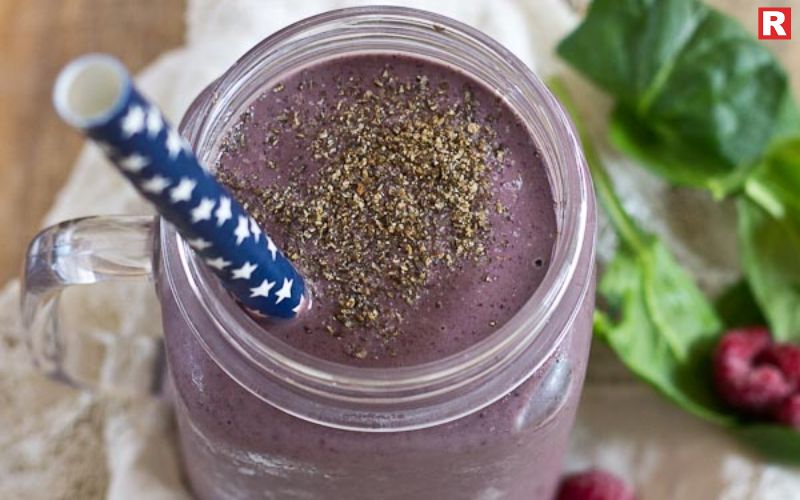
Berries like strawberries, blueberries, and raspberries are packed with antioxidants. These help fight free radicals that cause skin aging and dullness. Flaxseeds are rich in omega-3 fatty acids that support healthy skin and reduce dryness. Blend a cup of mixed berries with a tablespoon of flaxseeds and some yogurt or almond milk. You can also add a small piece of banana for sweetness. This smoothie is perfect as a snack or after lunch. It helps keep your skin firm and youthful by protecting it from damage.
6. Green Tea with Lemon and Honey
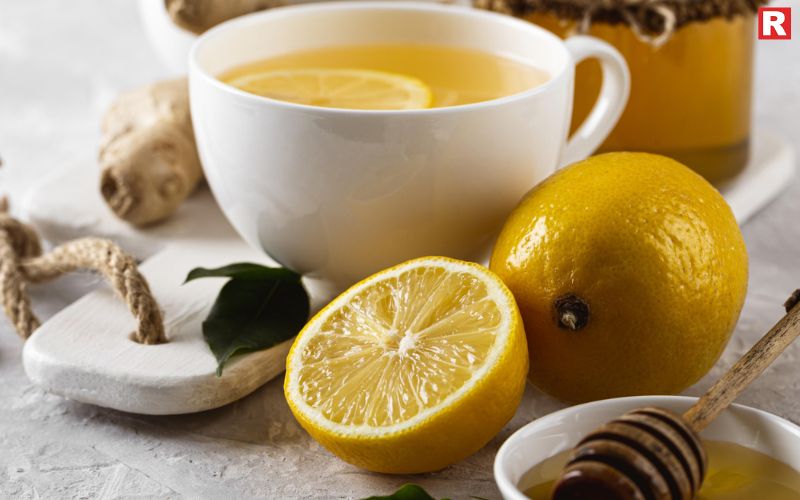
Green tea is one of the healthiest drinks for glowing skin. It contains polyphenols that protect your skin from environmental damage and pollution. These compounds also help fight inflammation. Add lemon juice and a small amount of honey to brewed green tea. Lemon adds vitamin C, while honey provides hydration. Drink this tea any time you need a relaxing boost. It not only supports your skin’s health but also helps calm your mind.
Also check: 5 Ways to Use Garden Cress Seeds (Halim) for Stronger Hair and Bones
How to Make These Drinks Work Best for You
- Consistency is key: Drinking these beverages regularly will give you the best results. Make them a part of your daily routine.
- Stay hydrated: Along with these drinks, make sure you drink plain water throughout the day.
- Balance your diet: Eat fruits, vegetables, and healthy fats like nuts and seeds to complement the effects of these drinks.
- Get enough sleep: Your skin repairs itself at night. A good sleep schedule will enhance the benefits of these drinks.
- Manage stress: Stress can affect your skin’s appearance. Try meditation, yoga, or simple breathing exercises to keep calm.
Check more: 5 Foods to Avoid for Better Cholesterol
These 7 Foods Can Help You Cool Your Stomach in Summer
Six Benefits of Starting Your Day with Okra Water
Glow Up!
Looking good during festivals doesn’t have to be hard or expensive. With a few simple drinks, you can give your skin the nourishment it needs. These beverages are natural, safe, and easy to prepare. They not only keep you hydrated but also protect your skin from damage and stress. Start your day with lemon and honey detox water, enjoy coconut water in the afternoon, and sip on green tea in the evening. With small changes, you will see a big difference in how your skin looks and feels. Celebrate this festive season with confidence, energy, and glowing skin!
Disclaimer: This article is intended for general informational purposes only and should not be considered a substitute for professional medical advice, diagnosis, or treatment. Readers are advised to consult a qualified healthcare professional before making any dietary, health, or lifestyle changes.
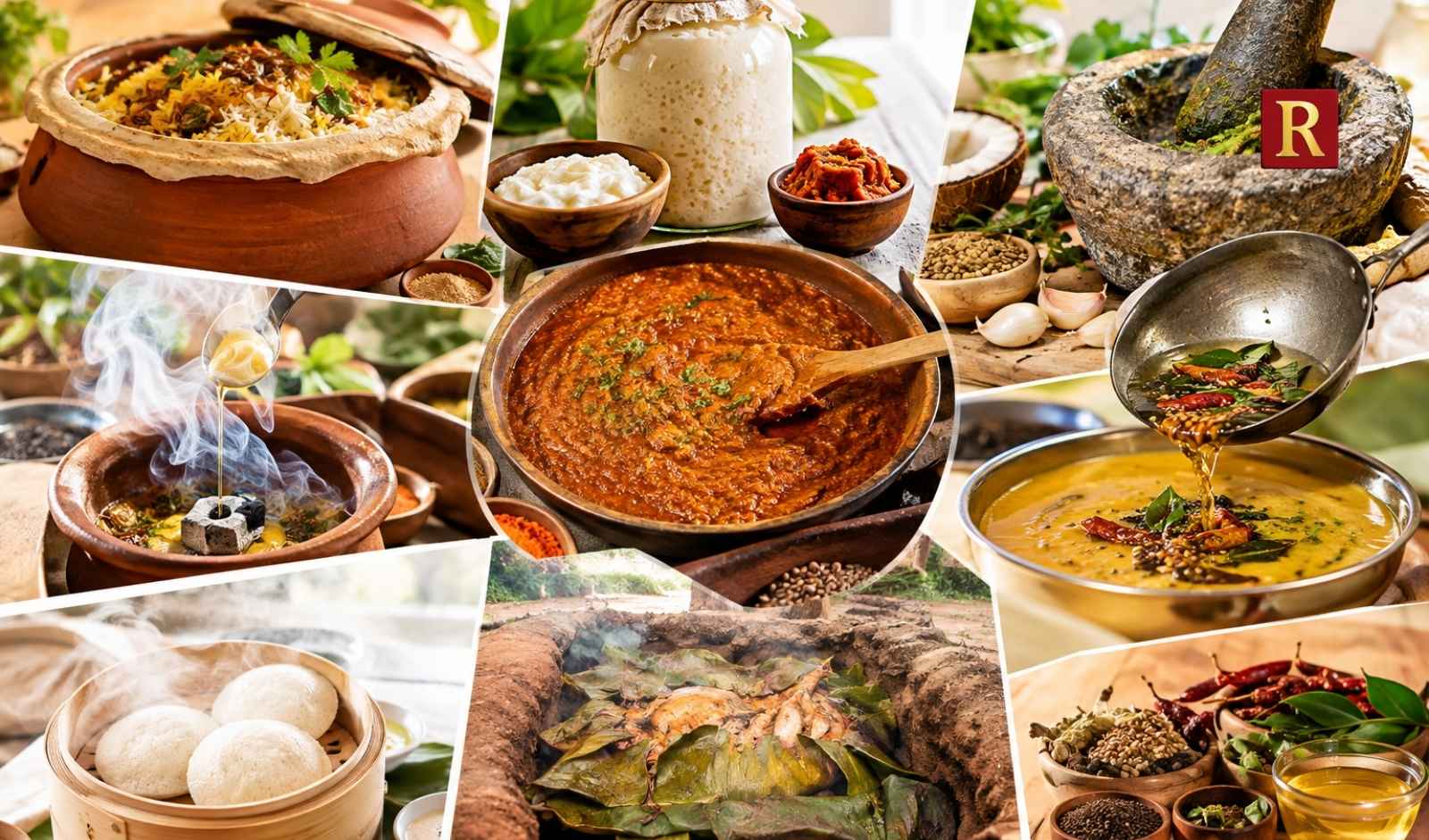 Multiple Cooking ConceptIt could be about understanding why they worked and applying those principles to today's kitchens. For restaurants, that means tradition can…
 Seasonal businessIt is about knowing what the ingredient can do while it is at its best — and how much value the kitchen can extract from it before the season moves…
 Coffee brands in IndiaIndia’s branded coffee-shop market reached 5,339 outlets in 2025, adding around 600 stores and growing 12.7% year-on-year, according to World Coffee…
 WhiskyThe interesting question is therefore not whether Indian whisky is abandoning its past. It is whether established whisky brands can retain their…
Copyright © 2009 - 2026 Restaurant India.