


Goa’s hospitality landscape continues to diversify as operators experiment with format, scale, and guest engagement. The launch of The Passport Hotel marks a shift towards experience-led boutique hospitality, where social interaction and curated programming are integrated into the core business model.
Located in Assagaon, a locality in North Goa known for its concentration of cafés, design-led retail, bars, and creative communities, the 27-key property has been developed by hospitality entrepreneur Ashesh L. Sajnani. The hotel is positioned as India’s first cocktail-forward traveller’s hotel, placing beverage-led experiences and community engagement at the centre of its offering.
Sajnani, who has previously contributed to Mumbai’s bar landscape with concepts such as Please Don’t Tell (PDT), brings a similar approach to Goa. The property is designed to function less as a traditional resort and more as a social environment where guests interact with both the destination and each other.
Ashesh L. Sajnani says, “The vision behind The Passport Hotel was to create a boutique hospitality concept centred around social experiences rather than traditional hotel formats. We believe the future of hospitality lies in creating community-driven spaces where travellers and locals can interact naturally. With our cocktail-forward approach, curated neighbourhood experiences, and intimate scale, we wanted to build a hotel that feels less like a resort and more like a social hub for travellers exploring Goa. The idea of the lobby bar was also intentional - instead of a traditional lobby, we wanted to create a social space that guests would actually use, turning the lobby into an active part of the hotel experience rather than just a pass-through area.”
The hotel replaces conventional front-desk interactions with a bar-led check-in system. The lobby bar, Mini Bar, functions as the primary guest touchpoint, where check-ins are conducted over a welcome drink. This design reduces transactional friction while increasing guest dwell time and early-stage engagement.
Additional F&B-driven spaces within the property include Layover, a rooftop pool and bar positioned as a key revenue and engagement zone, and Jet Lag, a smaller-format space used for curated tastings, workshops, and private events. These zones enable multiple consumption occasions within the property, supporting both in-house guests and external footfall.
A notable feature of the hotel’s engagement strategy is its Passport Program. Guests receive a physical passport at check-in, which includes a curated list of bars across Goa. Visitors are encouraged to explore these venues, interact with bartenders, and collect stamps, effectively gamifying the local discovery process while supporting partner establishments.
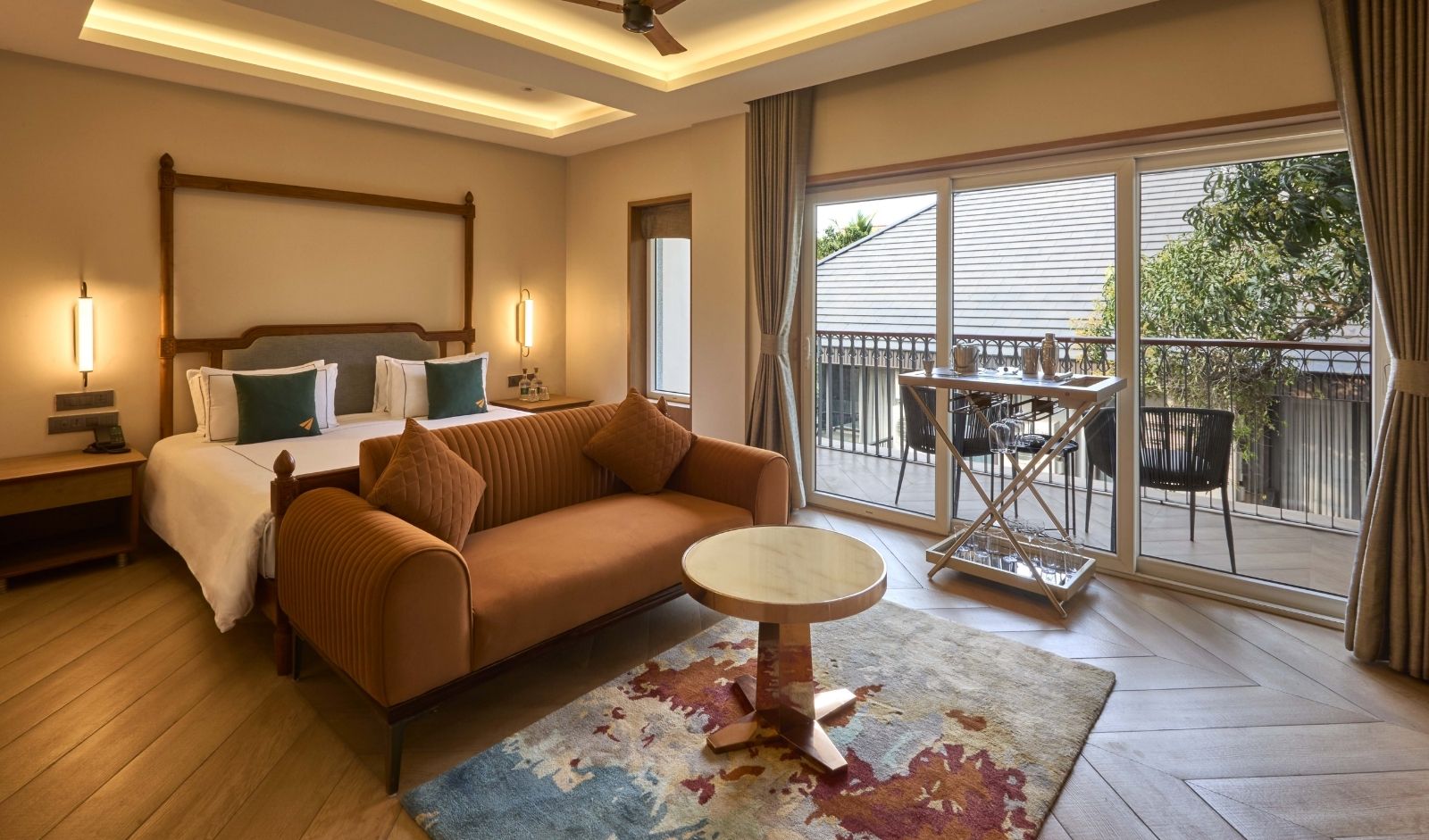
In-room experiences are also aligned with the broader concept. Select rooms are equipped with DIY cocktail setups, allowing guests to extend the beverage experience privately. This adds an additional layer of personalisation while reinforcing the hotel’s positioning.
With an inventory of 27 rooms, including select units with plunge pools and jacuzzis, the property maintains a limited scale. This allows for controlled service delivery and targeted programming, including jazz sessions, cocktail events, and community gatherings that bring together travellers and local stakeholders.
The Passport Hotel reflects a growing trend in boutique hospitality where operators focus on niche positioning, higher engagement, and diversified revenue streams beyond room inventory. By integrating local exploration, beverage culture, and community-driven programming, the model aligns with changing traveller expectations that prioritise experience over standardisation.
Situated on Badem Church Road in Assagaon, the property leverages its location to encourage outward exploration rather than inward consumption. This approach positions the hotel not just as an accommodation provider, but as an access point to Goa’s evolving cultural and nightlife ecosystem.
 GrowthThe outlets are located within a corporate and technology hub, positioning the brands to cater to office-going consumers seeking efficient and…
 Food businessThe directive reinforces the need for transparent pricing structures while increasing pressure on operators to absorb or strategically pass on rising…
 ExpansionThe reopening reflects a broader trend where legacy restaurant brands are upgrading formats to remain competitive, focusing on menu diversification,…
-
GrowthThis approach positions the hotel not just as an accommodation provider, but as an access point to Goa’s evolving cultural and nightlife ecosystem.
Copyright © 2009 - 2026 Restaurant India.