


Eternal Limited, which operates Zomato and Blinkit, reported a significant increase in revenue along with improving profitability for the March quarter, reflecting ongoing momentum in both food delivery and quick commerce segments.
The company posted a profit after tax (PAT) of Rs 174 crore for the quarter, compared to Rs 39 crore in the same period last year and Rs 102 crore in the December quarter. The increase indicates a steady improvement in margins driven by scale and operational efficiency.
Revenue from operations rose 196 percent year-on-year to Rs 17,292 crore in Q4, up from Rs 5,833 crore a year earlier, and also increased sequentially from Rs 16,315 crore. Growth was supported by expansion across both core verticals.
Consolidated adjusted revenue increased 186 percent year-on-year to Rs 17,680 crore. The company attributed this to a shift toward an inventory-led model in quick commerce, where total sales value is now recorded instead of commissions. On a comparable basis, adjusting for this accounting change, revenue growth stood at 64 percent.
Adjusted EBITDA rose 160 percent to Rs 429 crore from approximately Rs 165 crore in the same quarter last year. Total B2C net order value (NOV) increased 54 percent year-on-year to Rs 26,880 crore.
Blinkit remained the fastest-growing segment within the business, with NOV rising 95.4 percent year-on-year. The platform added 216 net new stores during the quarter, taking the total store count to 2,243, as expansion continued across urban markets.
Management indicated that while growth rates may moderate due to a higher base, the business is expected to maintain a compound annual growth rate above 60 percent over the next three years, potentially expanding more than fourfold. The strategy is focused on expanding product assortment, entering new geographies beyond metro cities, and increasing order density at the neighbourhood level.
“Quick commerce today is still concentrated in the top 15–20 cities,” Blinkit CEO Albinder Dhindsa said, pointing to significant headroom for expansion.
Food delivery performance showed gradual recovery, with NOV rising 18.8 percent year-on-year, marking the third consecutive quarter of improvement. Adjusted EBITDA margin in this segment improved to 5.5 percent, translating to Rs 532 crore in quarterly EBITDA.
Founder Deepinder Goyal said the gains were supported by efforts to target price-sensitive consumers through lower minimum order values and curated budget offerings. While average order values declined, the company stated that unit economics remained stable due to higher order volumes.
The company’s going-out platform District recorded 46.5 percent growth in NOV while reducing losses sequentially. Its B2B supply business Hyperpure reported 37 percent revenue growth and achieved modest EBITDA-level profitability.
For the full financial year FY26, Eternal reported a consolidated profit of Rs 366 crore, compared to Rs 527 crore in FY25, even as overall revenue increased. Consolidated revenue from operations rose 169 percent year-on-year to Rs 54,364 crore from Rs 20,243 crore, reflecting the growing contribution of quick commerce.
The company ended the quarter with a cash balance of Rs 17,972 crore, slightly higher than Rs 17,820 crore in the previous quarter.
In a shareholder communication, Goyal stated that the company processed more than $10 billion in annual transactions in FY26, reaching over 100 million users. He added that Eternal expects to scale this to $20 billion in under two years and target $1 billion in adjusted EBITDA by FY29.
“It took 18 years to get to $10 billion. The next doubling will be much faster,” Goyal wrote. “AI will not move food through traffic or stock shelves," emphasising that operational infrastructure remains central to the company’s business model.
On artificial intelligence, the company indicated that while it is being deployed across demand forecasting, logistics, fraud detection, and customer experience, it does not expect AI-led interfaces to disrupt app-based commerce in high-frequency categories such as food delivery and grocery.
-
ExpansionThe company posted a profit after tax (PAT) of Rs 174 crore for the quarter, compared to Rs 39 crore in the same period last year and Rs 102 crore in…
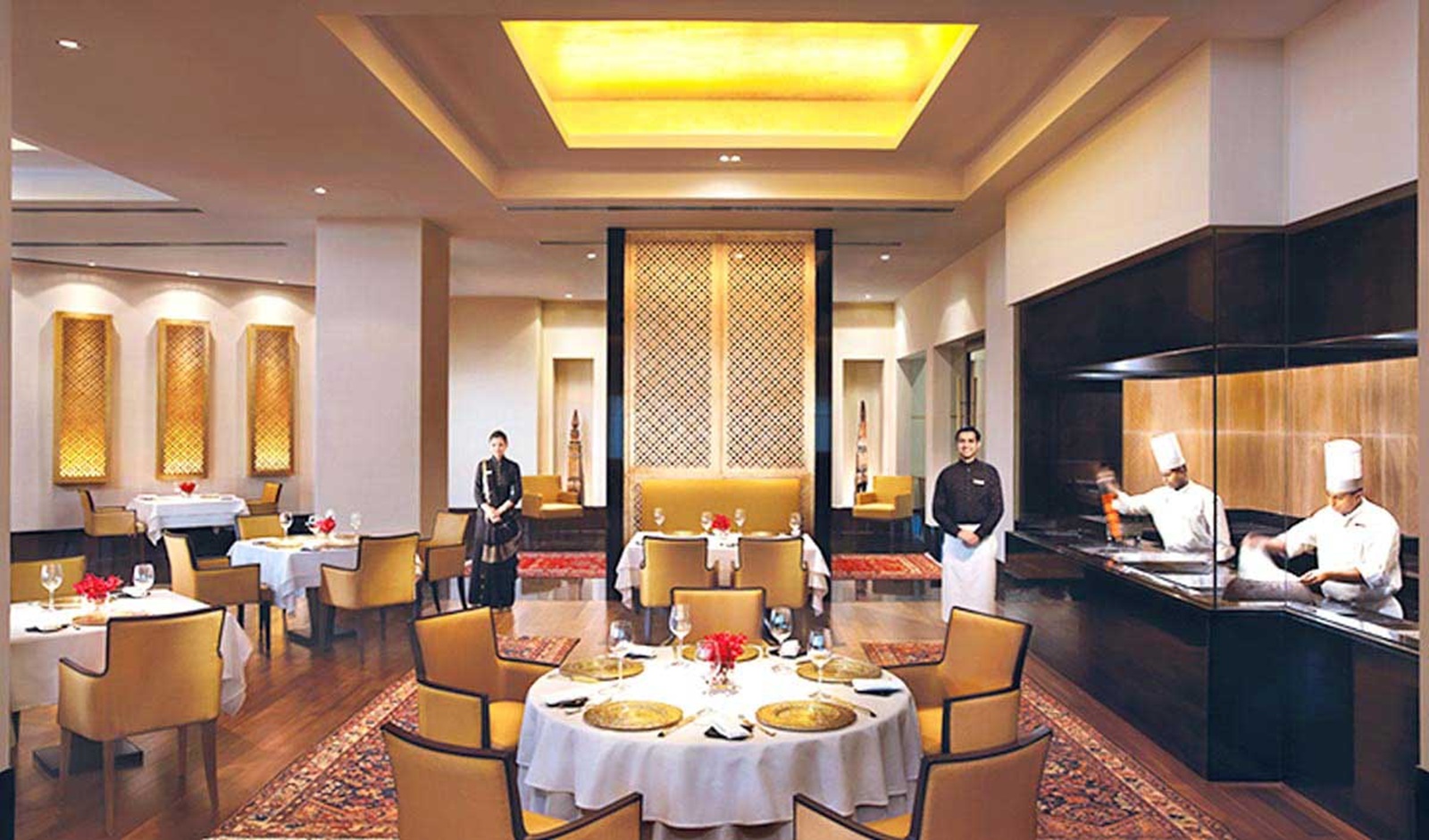 Hotel and resortOver 70% of Indian travellers today prefer personalised experiences over standardised luxury, with repeat bookings far higher at properties that…
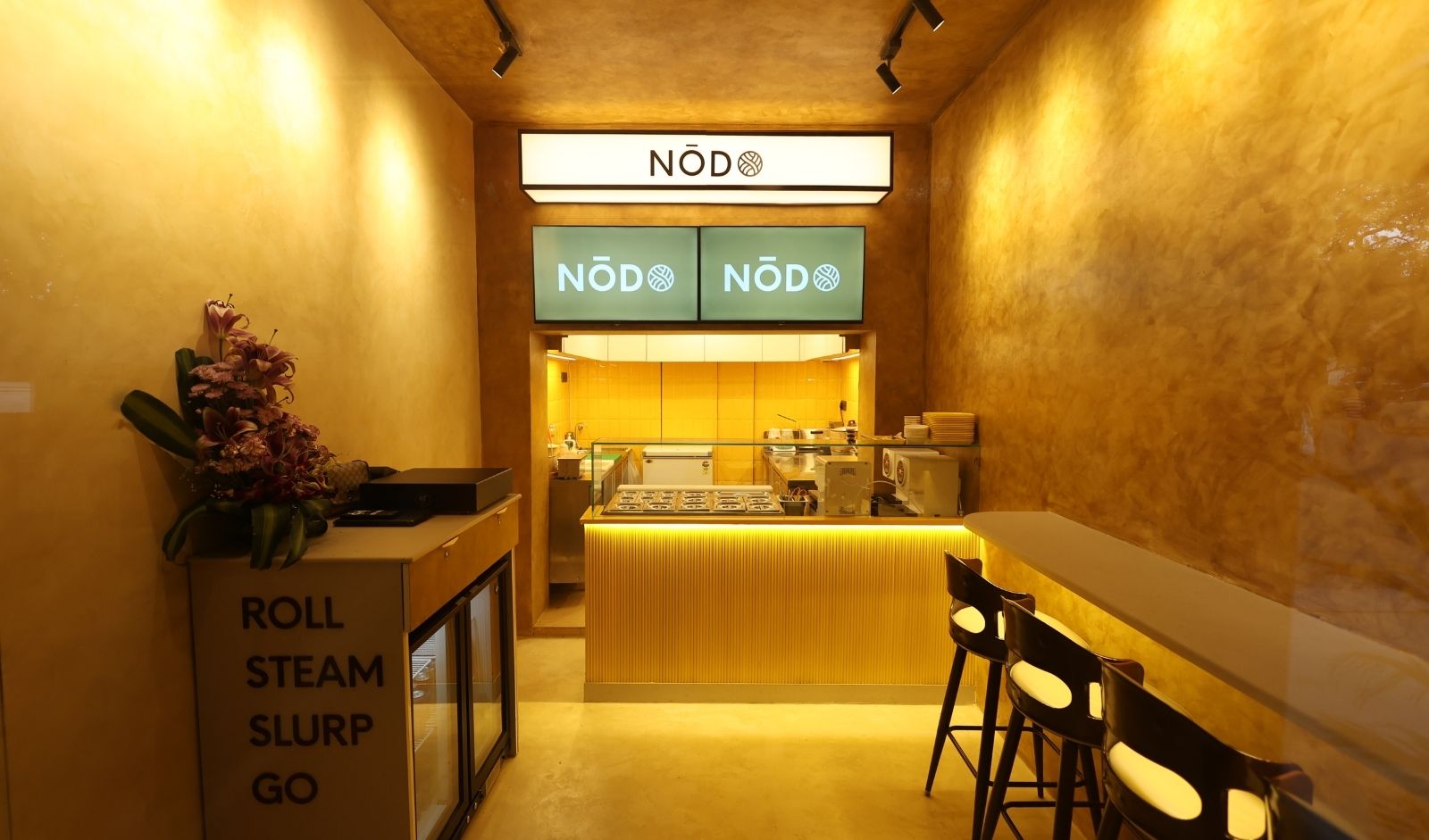 New flavoursIn response to this change, NŌDO – Ramen, Sushi, Dimsum has launched in Khan Market, positioning itself as India’s first dedicated grab-and-go Pan-…
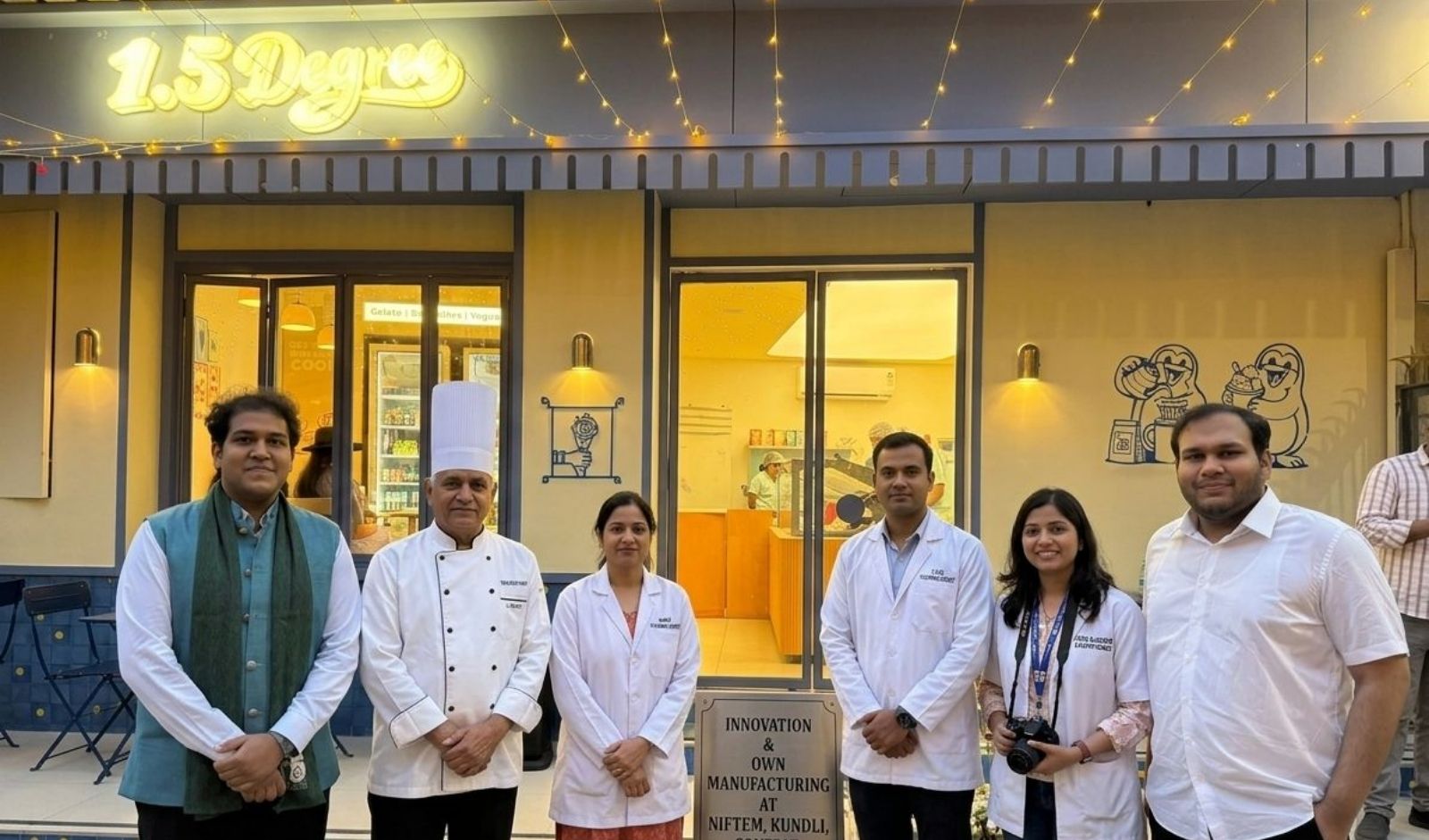 ExpansionThe brand is also incorporating sustainability measures into its store operations. Both outlets use paper-based disposables and recyclable materials…
Copyright © 2009 - 2026 Restaurant India.