


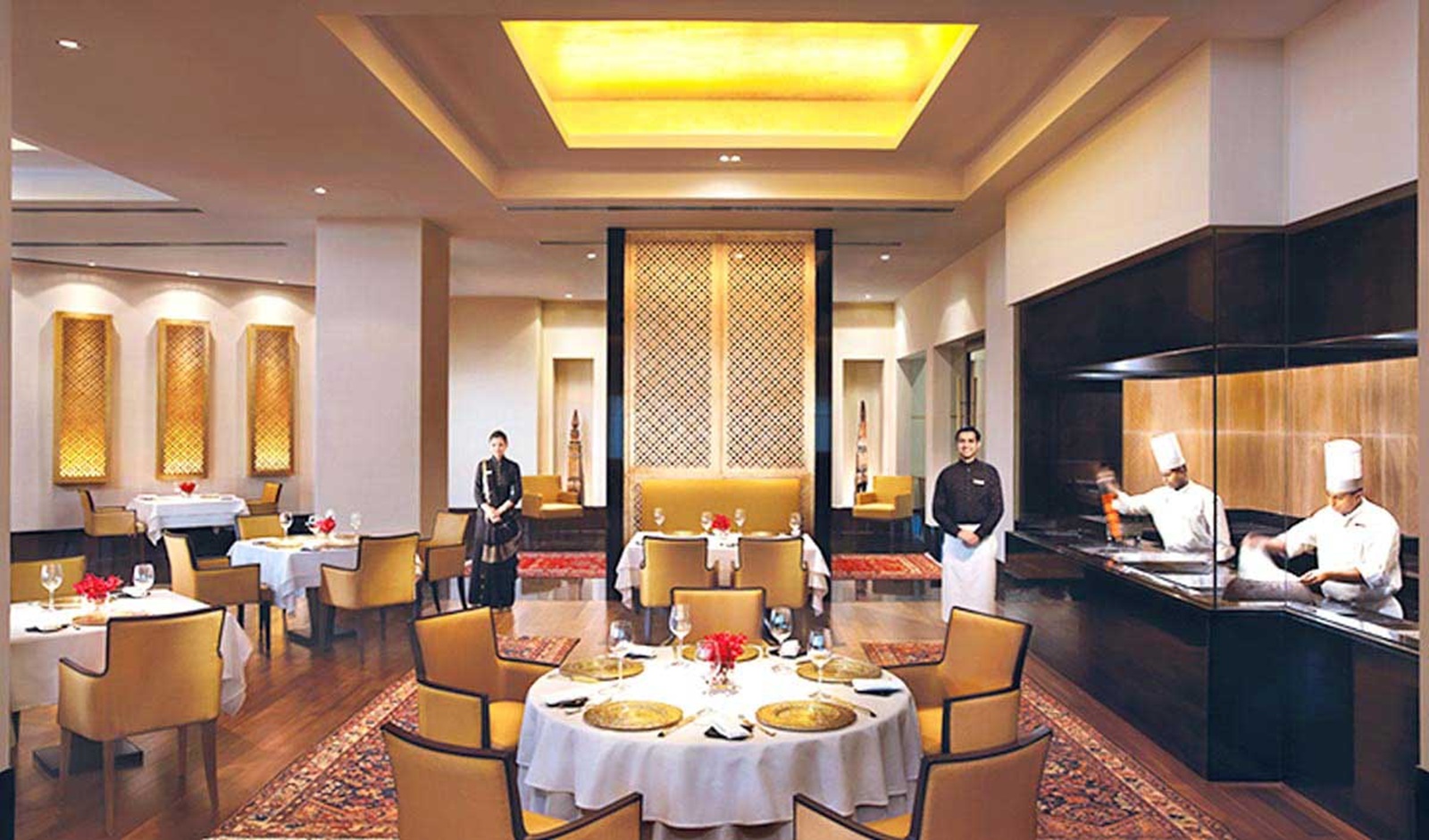
India’s hospitality market has never been more crowded—or more competitive as it is today. With thousands of hotels, homestays, and experience-led stays now available at the tap of a screen, travellers are spoilt for choice. Yet, despite this abundance, loyalty remains elusive for many large-format hotels and chains. Interestingly, it is boutique hotels that are quietly winning repeat guests and long-term loyalty.
The reason is simple: in a world driven by AI, automation, and efficiency, people increasingly want to talk to people.
Over 70% of Indian travellers today prefer personalised experiences over standardised luxury, with repeat bookings far higher at properties that prioritise human-led engagement. While technology has made travel discovery and booking seamless, it has also made hospitality feel transactional. Boutique hotels, built for attention rather than scale, bring emotion back into the experience—because even in a world driven by clicks, loyalty is still shaped by care, conversations and genuine human connection.
At the heart of this shift is the resurgence of direct relationships. As AI chatbots handle queries and OTAs optimise pricing, the role of a strong direct sales and guest relations team has become more critical than ever. A real conversation—understanding why a guest is travelling, what they want to escape from, or how they like to spend their mornings—creates a depth of insight that no algorithm can replicate. This is where boutique hospitality truly excels.
Personalisation is often mistaken for extravagance. In reality, it is about attention. Boutique hotels are designed to notice—preferences, habits, food choices, and rhythms. Unlike large chains constrained by rigid SOPs, smaller properties have the flexibility to adapt experiences organically. This ability to customise, rather than standardise, is what turns first-time guests into regulars.
The rise of “hidden gems” further reflects this shift in traveller behaviour. Today’s Indian traveller is actively seeking stays that feel discovered, not mass-marketed. Restored heritage homes, tea estates, forest lodges, and mountain retreats are not competing with five-star hotels on amenities; they are competing on pace. They offer distance from the familiar and relief from overstimulation. That emotional reset is what guests return for.
Food plays an equally central role, particularly for Indian travellers. Numerous hospitality studies have shown that food is one of the top three factors influencing guest satisfaction and repeat visits in India. Boutique hotels understand this intuitively. Customised menus, locally sourced ingredients, and food that feels cooked rather than curated create emotional anchors. Guests may forget room numbers or amenities, but they remember a meal that felt comforting, personal, or rooted in the region.
But satisfaction alone doesn’t create loyalty. Service does.
Excellent service, however, remains the biggest loyalty driver. Not the formal, scripted kind—but service that feels warm, intuitive, and human. Guests remember how they were made to feel far more than what was promised. When service is thoughtful rather than performative, loyalty becomes effortless.
Boutique hospitality is winning the loyalty game not by trying to compete with large hotels on speed or size, but by refusing to. Its advantage lies in sincerity. In an increasingly automated world, boutique hotels remind us that hospitality, at its core, is a human business. This philosophy—of placing people over processes and emotion over excess—is what defines the most successful boutique hospitality brands today.
As India’s hospitality landscape continues to evolve, one truth is becoming clear: technology may drive discovery, but loyalty is built through connection. And loyalty, ultimately, has little to do with points or perks. It is about how a place made someone feel—before they arrived, while they stayed, and long after they left.
And in that space, boutique hotels are not just competing—they are shaping the future of hospitality.
 ExpansionThe company posted a profit after tax (PAT) of Rs 174 crore for the quarter, compared to Rs 39 crore in the same period last year and Rs 102 crore in…
-
Hotel and resortOver 70% of Indian travellers today prefer personalised experiences over standardised luxury, with repeat bookings far higher at properties that…
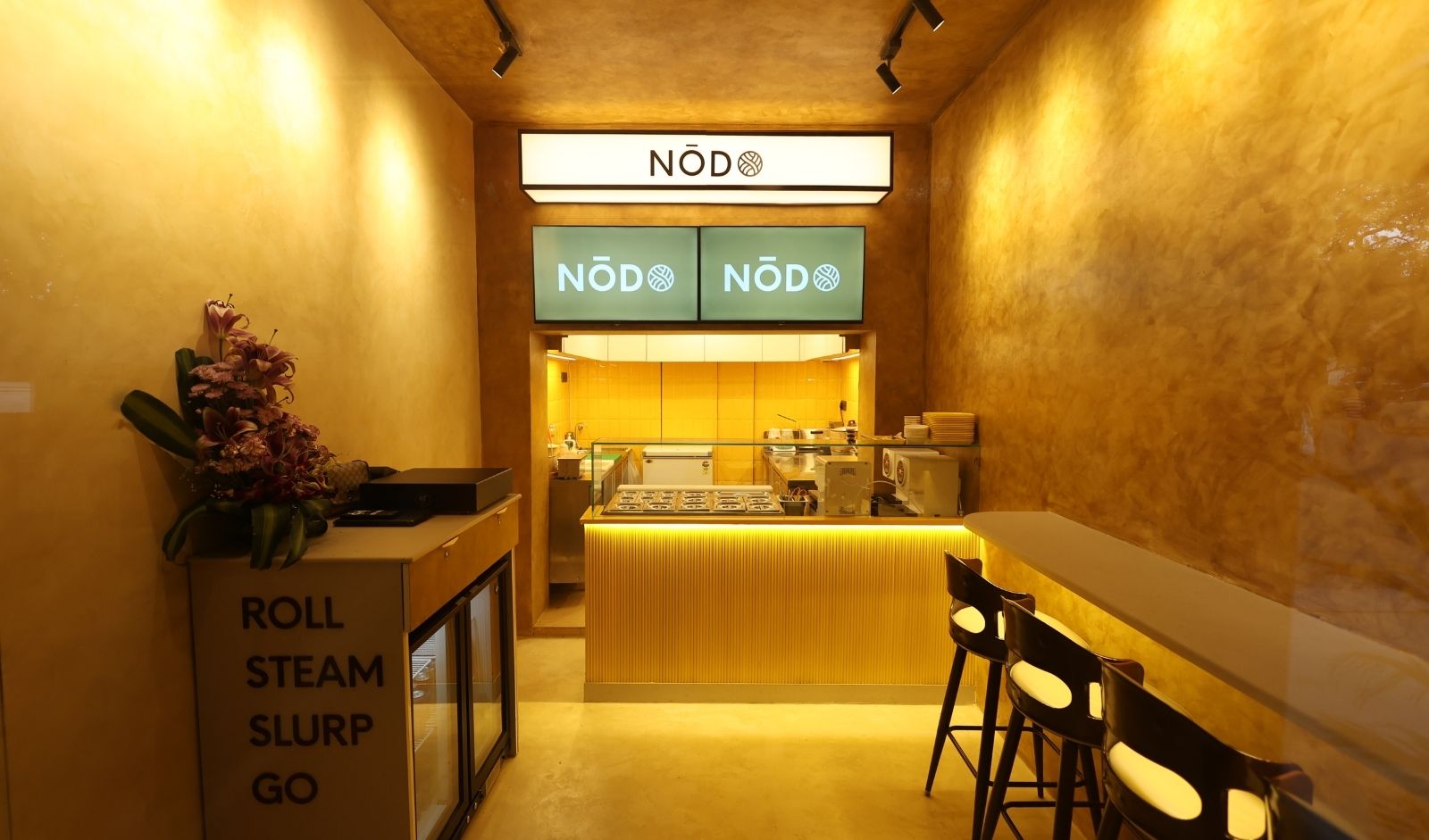 New flavoursIn response to this change, NŌDO – Ramen, Sushi, Dimsum has launched in Khan Market, positioning itself as India’s first dedicated grab-and-go Pan-…
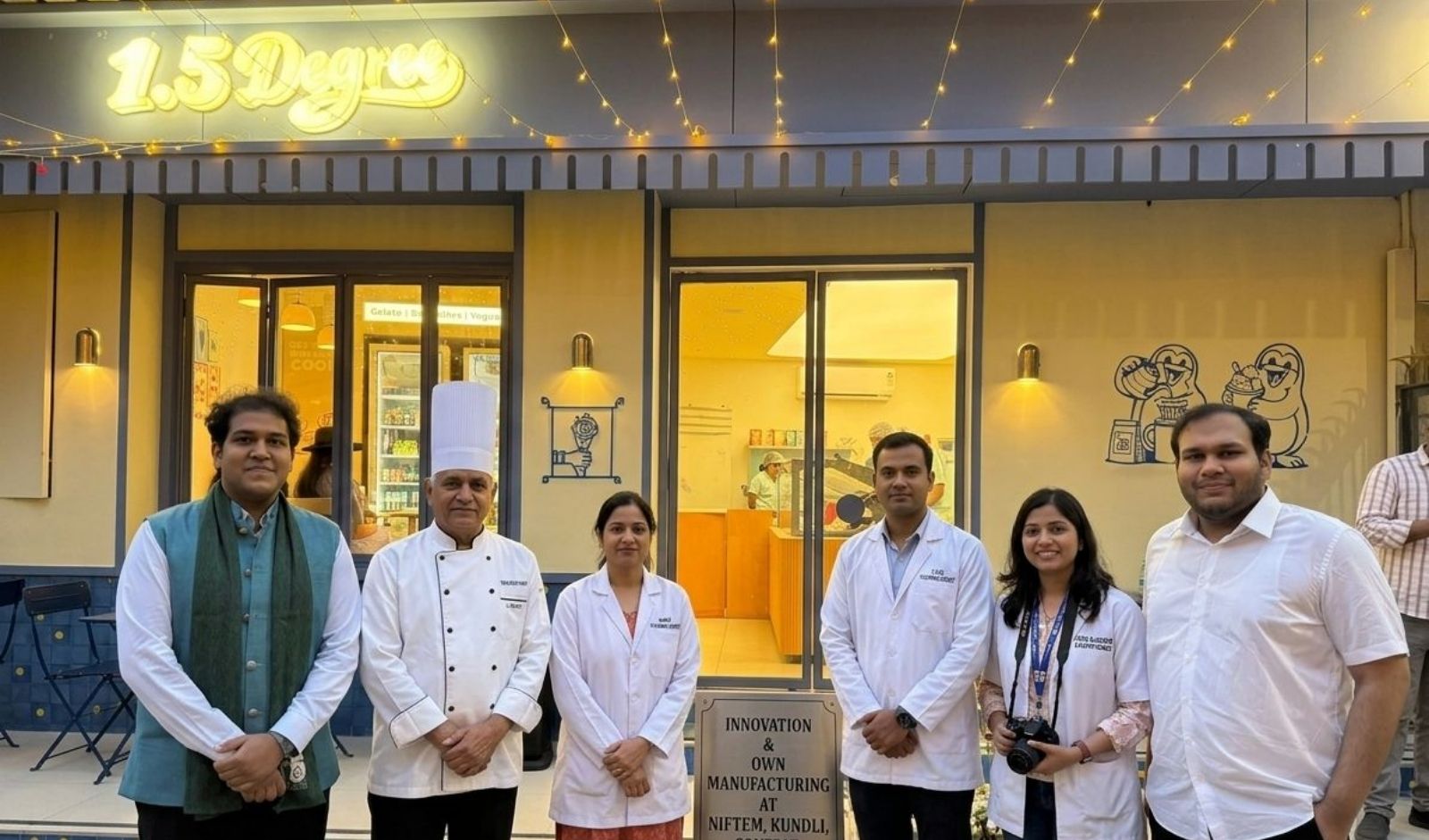 ExpansionThe brand is also incorporating sustainability measures into its store operations. Both outlets use paper-based disposables and recyclable materials…
Copyright © 2009 - 2026 Restaurant India.