


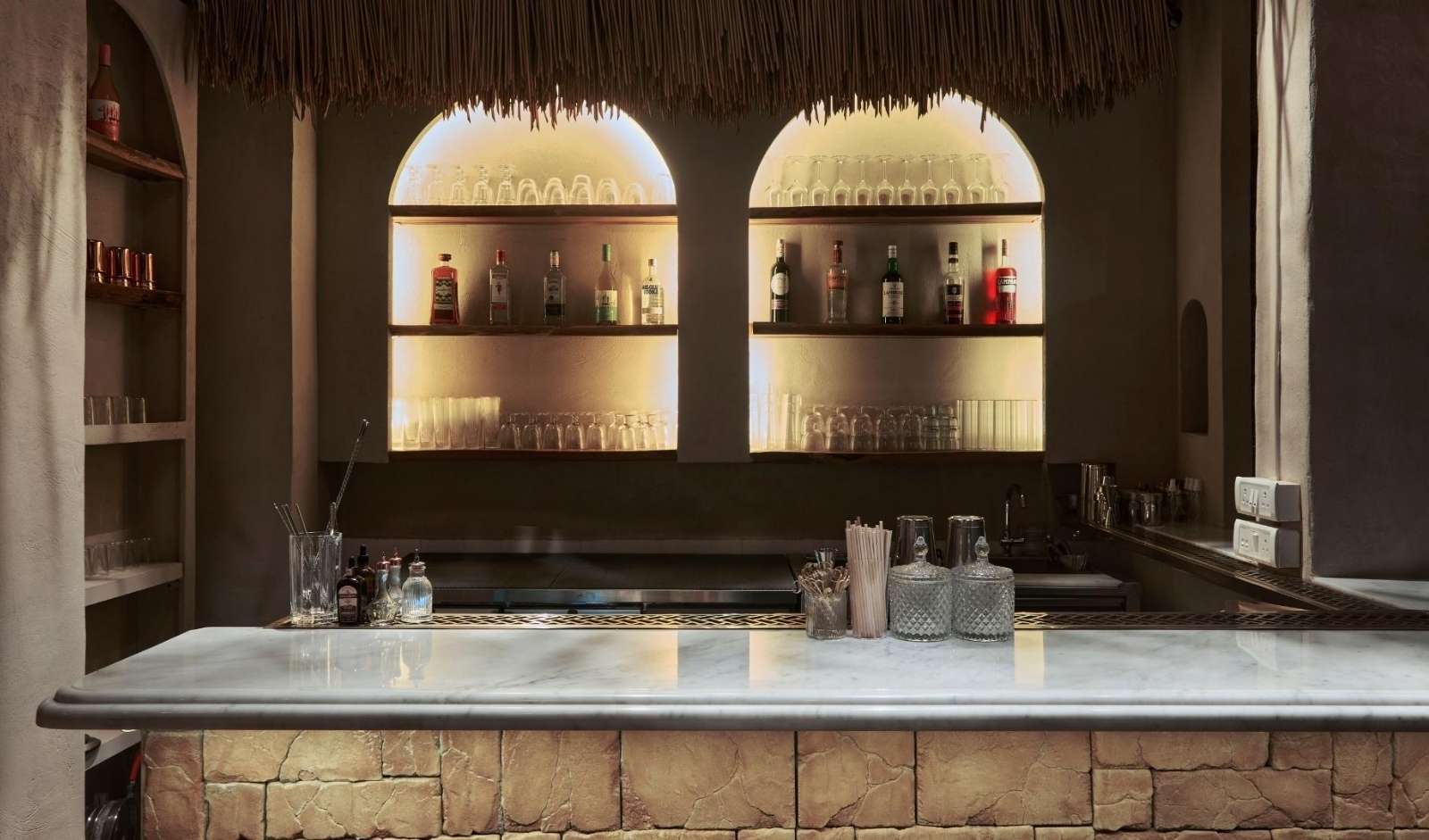
A structured early-evening consumption model rooted in European tradition is finding commercial relevance in India’s metro hospitality markets. Aperitivo hour, historically associated with Italy, has long symbolised the art of slowing down a refined Italian ritual that marks the gentle transition from day to evening through lighter, flavour-forward drinks, small plates, and easy conversation. Rooted in balance rather than indulgence, aperitivo culture celebrates sociability, moderation, and sensory pleasure, offering a mindful alternative to high-energy nightlife.
In India, this approach is gaining traction in cities where dining behavior is evolving beyond occasion-based outings. Delhi, Bengaluru, and Mumbai have reported an increase in venues structuring early-evening beverage and small plate programs. The shift reflects changing consumer preferences toward moderated alcohol consumption, curated menus, and atmosphere-driven socialising rather than late-night excess.
Mumbai’s hospitality sector, particularly in premium micro-markets such as Bandra, is aligning with this global format. The city’s customer base increasingly seeks craft-focused cocktails, smaller portion formats, and longer dwell-time experiences. For operators, the aperitivo window creates an opportunity to expand revenue across dayparts while optimizing bar margins and kitchen efficiency.
In Bandra, Call Me Sofia has positioned its concept entirely around the aperitivo framework. Instead of limiting it to a designated time slot, the outlet integrates the ritual into its overall brand structure. The cocktail programme is led by Times Mixologist of the Year Harish Chimwal, alongside mixologists Sreerag and Chong, with a focus on European aperitif references layered with Mediterranean influences. The beverage direction emphasizes balance, ingredient clarity, and pairing compatibility.
Signature offerings include La Dolce Vita, which combines Campari with oregano syrup, fresh lemon, prosecco, and Montepulciano to deliver a savory aromatic profile aligned with classic aperitif styles. The Caprese-tini incorporates gin, basil-infused vermouth, tomato water, and cherry tomato shrub, paired with burrata and Danish blue, demonstrating cross-utilization between bar and kitchen. Sunset in Sicily blends prosecco, Aperol, vodka, and fresh orange for a citrus-forward format, while Breakfast in Bed features espresso, cream cheese-infused pisco, grapefruit honey, and saline, structured to offer indulgence within controlled portion balance.
The menu also includes zero-proof options, reflecting rising demand for inclusive beverage programs. First Base combines grape and oregano cordial with carbonation, while Pick Me Up uses cold brew, orgeat, citrus, and berry oleo, served with almond biscotti. These offerings support participation across consumer segments while maintaining margin consistency.
Food plays a complementary role in the model. Italian Chef Alessandro Piso has developed a selection of small plates designed for sharing and incremental ordering. The structure supports repeat beverage pairing and higher per-table billing without reliance on large-format dining.
The adoption of aperitivo-led concepts indicates a recalibration of Mumbai’s nightlife economics. Operators are exploring structured early-evening formats that balance experience, moderated consumption, and operational sustainability. By localizing a European ritual within Mumbai’s contemporary hospitality framework, venues such as Call Me Sofia are contributing to a broader shift toward experience-led revenue strategies centered on craft, pacing, and consumer engagement.
 Westin Hotels & ResortsIn his new role, Vikas will be responsible for overseeing the hotel’s complete food and beverage strategy, with a focus on innovation, service…
 AlcoholBy focusing on limited-channel availability, brands can leverage consumer moments of travel, celebration, and discovery to enhance perceived…
-
ExpansionBy localizing a European ritual within Mumbai’s contemporary hospitality framework, venues such as Call Me Sofia are contributing to a broader shift…
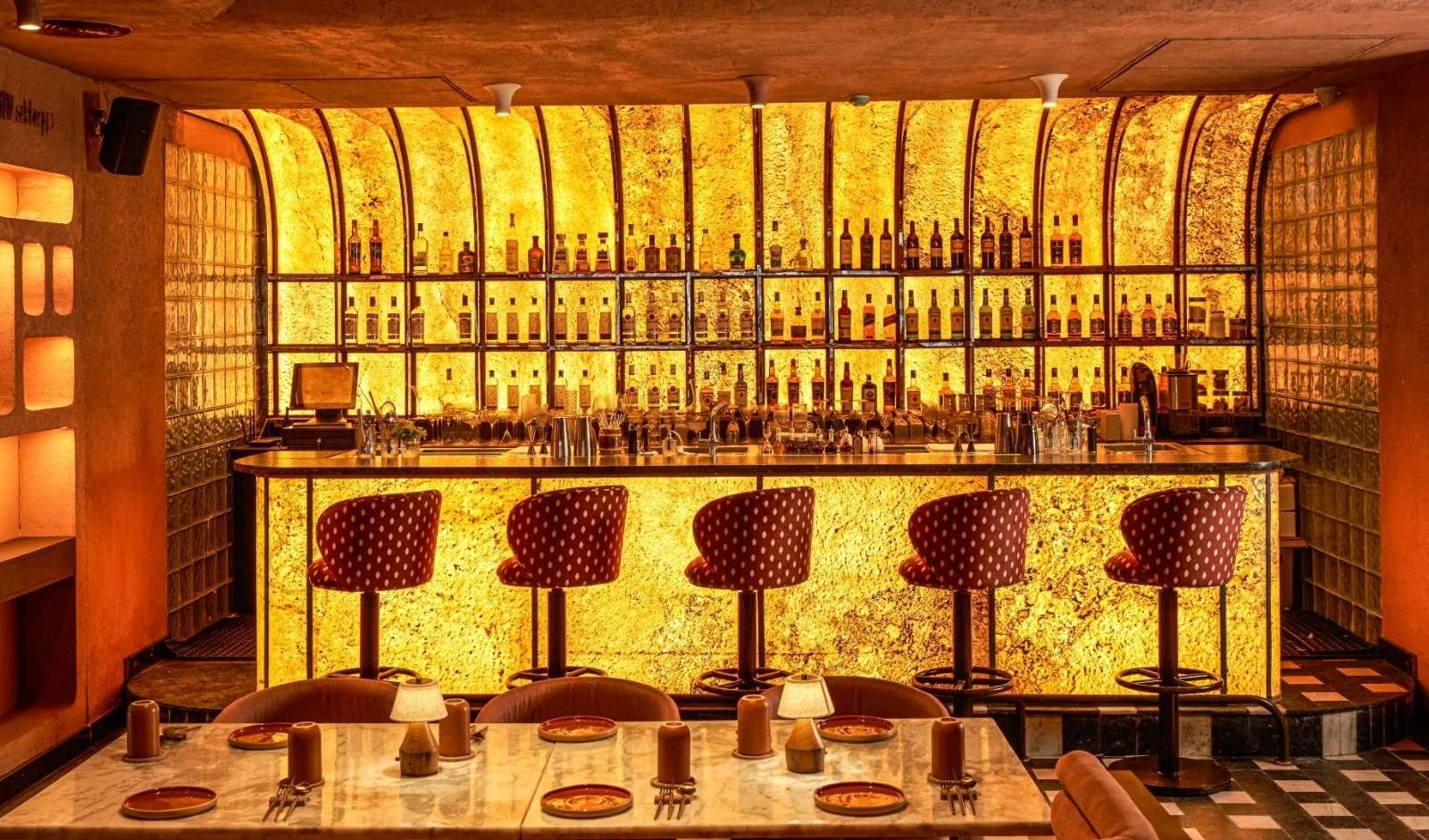 ExpansionThe move underscores a growing emphasis on beverage innovation, curated entertainment, and experience-led revenue models that extend beyond…
Copyright © 2009 - 2026 Restaurant India.