


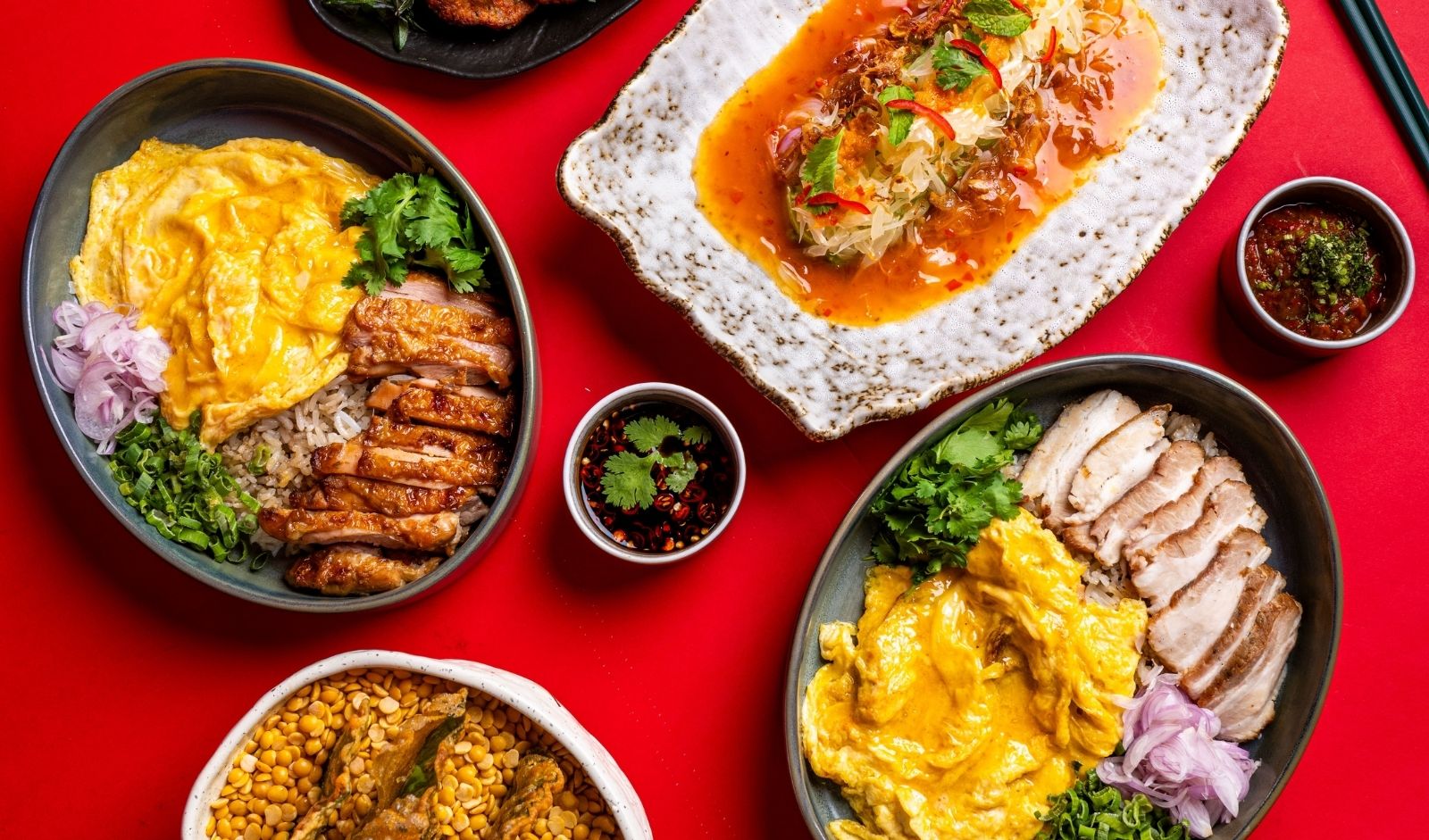
BANNG Mumbai has introduced a new menu direction that focuses on the Chinese influence within Thai cuisine, reflecting a shift in its culinary positioning. The update has been developed under the direction of Garima Arora, Chef-Partner at BANNG, in collaboration with Chef Manav Khanna, and aligns with a broader industry trend of exploring cross-cultural food narratives.
The revised menu highlights how Chinese culinary techniques and formats have been integrated into Thai food over time, particularly through migration and urban food cultures such as Bangkok’s Chinatown. The approach positions the offering around familiarity while introducing layered influences across categories including small plates, mains, and beverages.
"Thai cuisine is often defined by its bold flavours, but what interests me more is how those flavours came to be. Chinese influence has always been part of Thai food—not just in technique, but in dishes that have quietly become everyday staples. Dumplings are a great example of that. With this menu, the idea was to bring that connection into focus while keeping it familiar to the palate through flavours of sweet, sour, heat and herb that feel instantly comforting," says Chef Garima Arora, Partner, BANNG.
Dumplings form a central part of the updated menu, with multiple variants introduced as part of the expansion. These include wontons, shumai, rice rolls, and xiao long bao, supported by in-house preparation processes such as fresh dough rolling. Signature items like Kanom Jeeb are paired with house sauces designed to reflect Thai flavour profiles, indicating a blend of technique and regional taste preferences.
The influence extends into other categories such as stir-fries, where wok-based cooking methods and ingredients like ginger are used across dishes. Menu additions also include salads, soups, and curries, with a focus on combining Thai flavours with external influences. Items such as glass noodle salads, tom yum variations, and curry-based dishes reflect this integration, while seafood and rice-based mains continue to anchor the offering.
Operationally, the kitchen continues to use fresh coconut milk prepared in-house, which supports consistency in flavour and product differentiation within the curry segment. The menu also introduces rice bowl formats and dessert options such as bingsu, drawing inspiration from regional dessert trends and expanding the brand’s appeal across meal occasions.
The beverage program has been aligned with the updated menu, with cocktails designed to complement different food categories. Drinks such as martini-based and tropical variants are positioned to pair with appetisers, seafood, and mains, supporting cross-selling within the dining experience.
Industry observers note that this menu shift reflects a growing focus among premium dining establishments on storytelling through cuisine, while maintaining operational familiarity for repeat customers. By incorporating Thai-Chinese culinary overlaps, BANNG Mumbai is positioning its offering within a niche segment that balances authenticity with innovation.
 LeadershipThe appointment reflects the property’s continued emphasis on strengthening operational frameworks and delivering consistent guest experiences…
 Coffee BrandThe funds will be deployed to scale up manufacturing capabilities further and accelerate Global expansion.
 Bakery brandThe 25-seater outlet offers a cozy yet lively setting, suitable for both social gatherings and quiet personal time.
 Hotel and resortFor dining, Mint Leaf, the hotel’s all-day restaurant, serves a curated selection of Indian and international cuisine, complemented by 24-hour in-…
Copyright © 2009 - 2026 Restaurant India.