





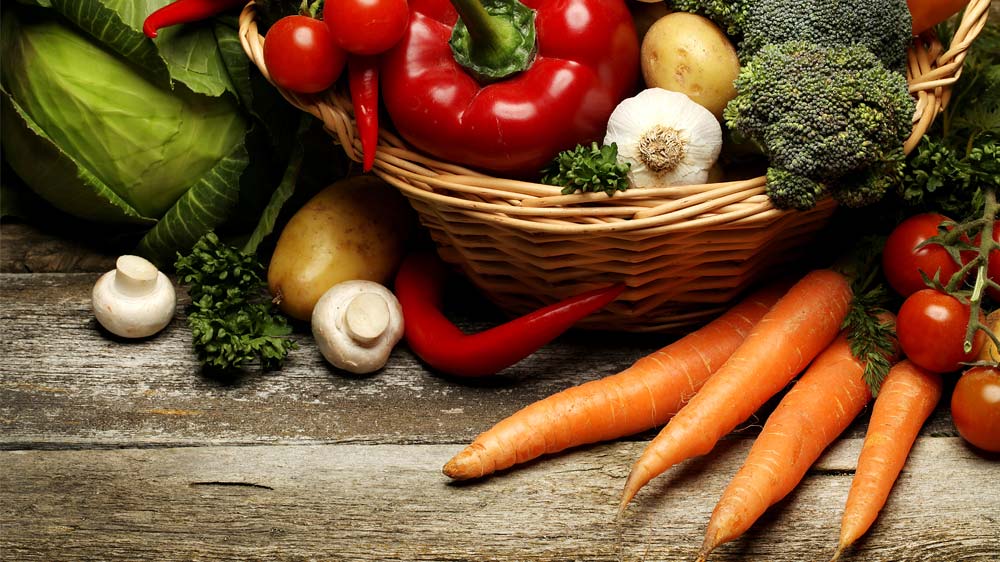
The food service industry is abuzz with the concept of organic food but there are a few constrains that are hindering the restaurateur to cash in on the opportunity.
Few popular lifestyle diseases have given birth to a new section of people wanting for fresh, healthy and organic food. Being diabetic at the age of 35 or people suffering with different cardiovascular diseases in their early thirties are not new in the country. A hectic lifestyle, less physical activity and living more on junk food are the contributing factors to these diseases. To combat such situations, people now are opting for food that are organically produced/cooked or both. Also experts from the restaurant industry have felt ‘healthy food’ which are zero pesticides catching up in a big way among urban populace. Striking a similar note, Sharad Sachdeva, COO, Lite Bite Foods said, “The 'Farm-to-Plate' concept will gain popularity as the modern customer is becoming more and more aware of the origin and quality of the produce of the food being served”.
Restaurants go organic
Undoubtedly there is a growing demand for organic food among the urban population and to meet such demand, restaurants at four- and five-star hotels in key metros including The Lalit Delhi, offer an array of organic dishes, while The Organic Restaurant, Lumiere, Bangalore have dedicated their entire menu to ‘organic’ food. To serve the purpose they have dedicatedly come up with their organic farming concept. Commenting on the same, Manjunath P R, MD, Lumiere said, “I do this since I like doing it. I have never compared or calculated the market. We try to do what is basically needed for the common man”.
Mukesh Gupta, Director-Operations, Morarka Organic Foods Ltd said, “There are approximately 150 organic restaurants across India. Among them, 20-30 are the major players with 1-5 percent market share each”.
Surjan Singh Jolly, Executive Chef, JW Marriott Bengaluru said, “The India domestic market for organic and zero pesticide is estimated to be in crores and which is growing per annum. This includes fresh produce as well as staples and other food products. It is tough to get an estimate as organic and zero pesticide is new category”.
Organic food lovers
Although there is a section of high-income bracket consumers who are considered to be the target group of consumer of such organic food, there is growing consciousness among the urban middle class as well.
Shyam Sunder, F&B Manager, Novotel Hyderabad Convention Centre, Novotel & HICC Complex said, “Organic is the new trend in the food service business in India, as healthy living is the new buzz. More awareness among people is spreading for organic food as they feel that it will protect them and their siblings and help them to live longer and healthier”.
Jolly said, “In India, majority of the demand for pesticide free fresh produce is originating from Tier I cities such as Mumbai, Delhi, Chennai, Bangalore, Gurgaon and Pune. Increasing health consciousness and increasing disposable income among Indians is incessantly increasing the demand for a healthy living”.
Organic ingredients
There is a huge demand for pesticide free lettuce, Asian greens, eggplants, roma and heirloom tomatoes, speciality tomatoes (San Marzanos, color tomatoes), all brassicas such as cabbage, cauliflower and broccoli to name a few as lots of vegetables have pesticides used for their growth. Also as informed by Shyam Sunder there are few ingredients which are been started to be used. For example, brown rice, wheat bran, organic salt, olive oil, quinoa etc
Challenges
Consistency, higher volumes and larger range of pesticide free produce are challenges for fine-dining and hotels on their ability to source on a regular basis. Surprisingly pricing is secondary.
Sunder said, “It is very difficult to sustain the business right now. As availability of ingredients consistently is a challenge. But things are changing. Dry ingredients are readily available now a days but the availability of fresh vegetables and meat are a challenge. In future we can expect changes in this segment as well, as lot of educated people are taking up with organic farming”.

Honey has been a staple in Indian homes for generations. It has been used in traditional remedies for coughs, colds, and digestive issues. Today, honey is also a popular choice in modern fitness routines. People use it for natural energy, immunity, and as a healthy sweetener. With growing awareness about food quality, consumers are now more careful about what they eat. This has increased the demand for organic honey in India. Unlike regular honey, organic honey is free from sugar syrup, chemicals, antibiotics, and artificial processing. It keeps natural enzymes, antioxidants, and nutrients intact. These qualities make it a preferred choice for health-conscious buyers.
Organic honey is not just about taste. It is about purity, sourcing, and trust. The way it is harvested, processed, and packaged matters to consumers who value natural food. This article highlights seven of the best organic honey brands in India. These brands are known for their authentic sourcing, ethical practices, and high-quality honey. They offer raw, natural, and unprocessed honey that can be used daily for health, cooking, or home remedies. These brands make it easy to choose pure, reliable honey.
Why Organic Honey Is Better Than Regular Honey
Organic honey is collected from bees that forage on pesticide-free flowers and forests. The honey is minimally processed and not heated at high temperatures. This helps retain its natural goodness.
Key benefits of organic honey include:
- Supports immunity and gut health
- Helps with cough, cold, and sore throat
- Acts as a natural energy booster
- Rich in antioxidants and enzymes
- Better taste and natural aroma
In India, organic honey is also preferred because of rising food adulteration concerns. Many buyers now look for lab-tested and NMR-tested honey for safety and purity.
Explore Best Organic Honey Brands in India
1. Organic India Honey
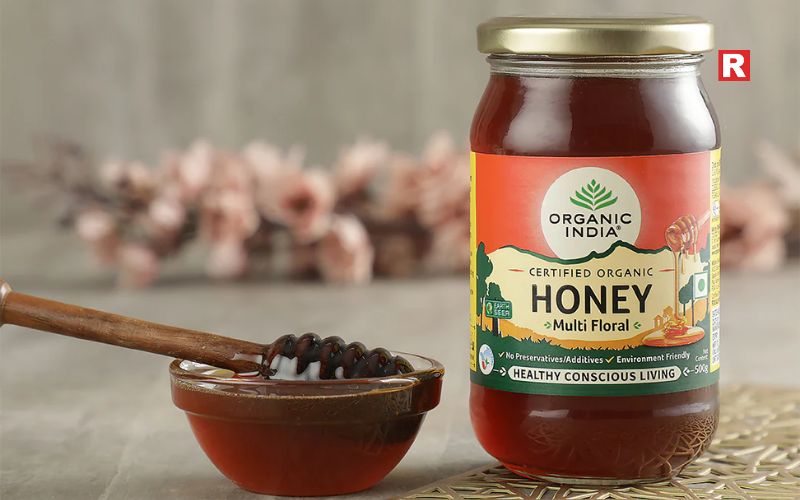
Organic India is among the most trusted wellness brands in India. Its honey comes from forest and farming regions near the Himalayan foothills. The brand works closely with local farmers and trained beekeepers. This ensures clean sourcing and fair practices. The honey is raw and not heavily processed. This helps retain natural enzymes and antioxidants. It has a thick texture and a gentle floral taste. The sweetness feels natural, not sharp or artificial. Organic India follows strict organic standards at every stage. No added sugar, chemicals, or preservatives are used. The honey is suitable for daily use. Many people use it for immunity, digestion, and home remedies. It is a reliable choice for families looking for pure and honest honey.
Why it stands out:
- Certified organic sourcing
- No added sugar or preservatives
- Trusted Indian brand with global presence
- Suitable for daily use and home remedies
Read more: 7 Desi Alternatives to Oatmeal for Weight Loss
Dry Fruits You Should Eat After Menopause—Natural Boosters for Stronger Bones
2. Nature’s Nectar Organic Honey
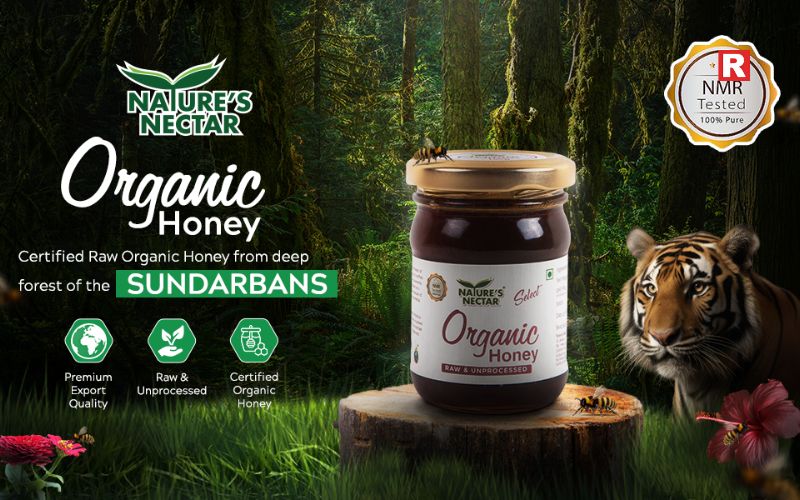
Nature’s Nectar is known for its strong focus on purity and quality checks. The brand tests its organic honey using NMR methods to ensure it is free from sugar syrups and adulteration. This makes it a trusted choice for regular use. The honey is sourced from forest flowers and seasonal blossoms. The changing floral sources give it a rich colour and a strong natural aroma. The taste is naturally sweet and well-balanced. Nature’s Nectar keeps the honey raw and minimally processed. This helps preserve nutrients and enzymes. Many health-focused consumers prefer it for daily wellness, immunity support, and natural energy.
Why it stands out:
- NMR-tested for authenticity
- Raw and minimally processed
- High nutrient retention
- Transparent quality checks
3. 24 Mantra Organic Honey
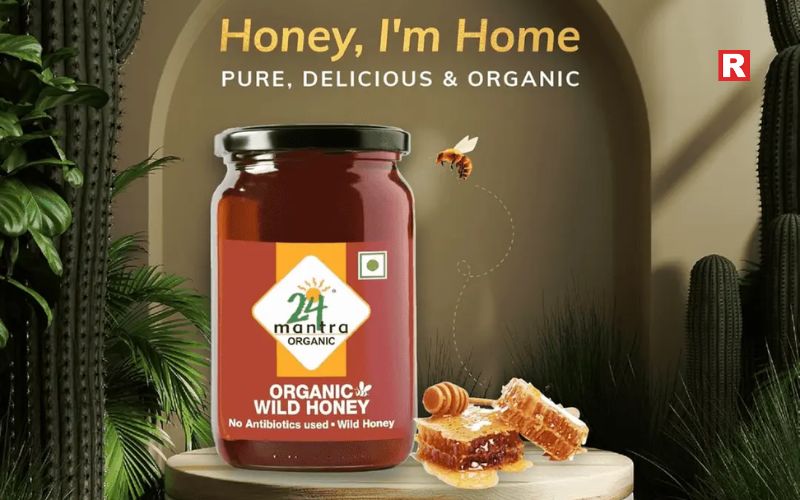
24 Mantra is a trusted name in India’s organic food market. The brand sources its organic honey from certified organic farms and selected forest regions. Great care is taken at every stage, from collection to packaging. The brand follows strict organic farming and processing practices. The honey is free from pesticides, chemicals, and artificial additives. It is not mixed with sugar syrups or preservatives. The texture is smooth and easy to use. The sweetness feels mild and balanced. This makes it suitable for daily consumption. Many families use it in warm water, herbal drinks, and cooking. It fits well into a regular healthy lifestyle and organic food routine.
Why it stands out:
- Strong organic certification
- Easily available across India
- Consistent taste and quality
- Suitable for cooking and beverages
4. Under The Mango Tree Honey
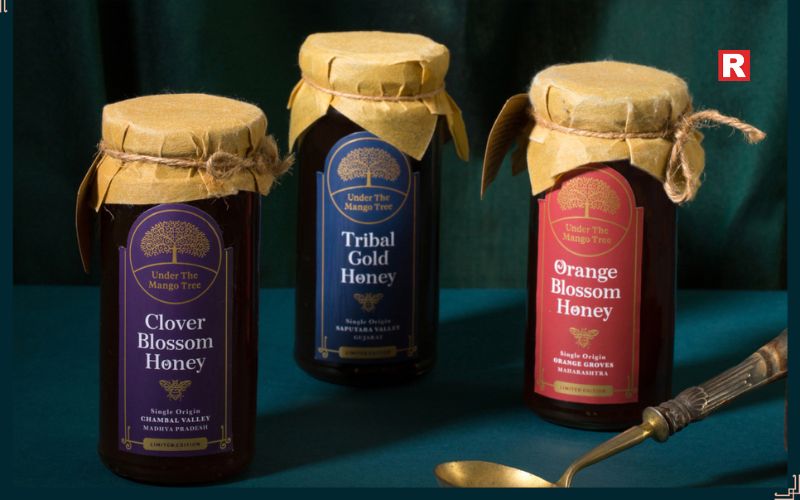
Under The Mango Tree is not just a honey brand. It is a social enterprise with a strong purpose. The brand works closely with small beekeepers in rural parts of India. This helps create steady income and supports local communities. The honey is raw and organic. It is harvested using ethical and sustainable methods. There is no heavy processing or artificial mixing. Each batch comes from a specific region. The taste depends on local flowers and forest plants. This gives every jar a distinct flavour and colour. The brand values traceability and fairness. It appeals to buyers who care about purity, people, and responsible sourcing.
Why it stands out:
- Supports rural livelihoods
- Ethical and sustainable beekeeping
- Single-origin style honey
- Clean and honest sourcing
Know more: Top Oats Brands in India: Healthy Start, Better Life
5. Organica Honey
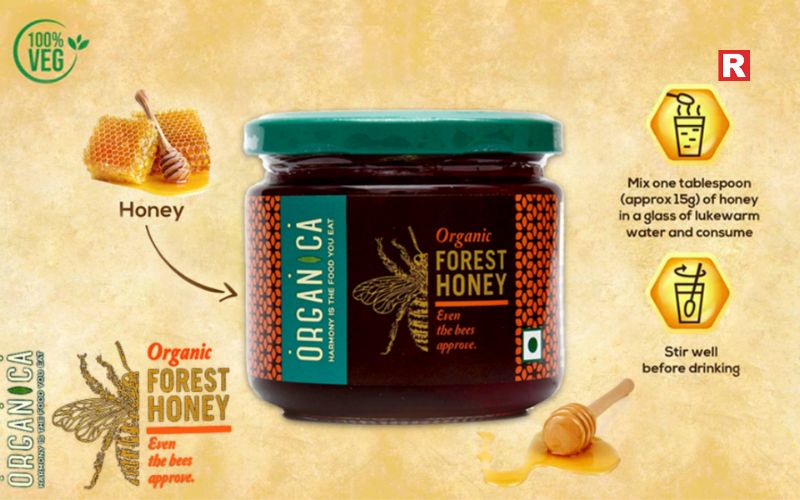
Organica is a growing organic food brand in India. The brand sources its organic honey from forest regions known for clean and natural flora. The collection process involves minimal human intervention to maintain purity. The honey is thick and rich in texture. The sweetness feels natural and not overpowering. No additives, colours, or preservatives are added. This keeps the honey close to its original form. Organica honey can be consumed directly. It also works well in cooking and drinks. Many people use it in herbal teas, warm water, and home recipes. It suits those looking for simple, clean, and reliable organic honey for daily use.
Why it stands out:
- Forest-sourced organic honey
- No artificial flavours or sugar syrup
- Good balance of taste and nutrition
- Affordable organic option
6. Barosi Honey
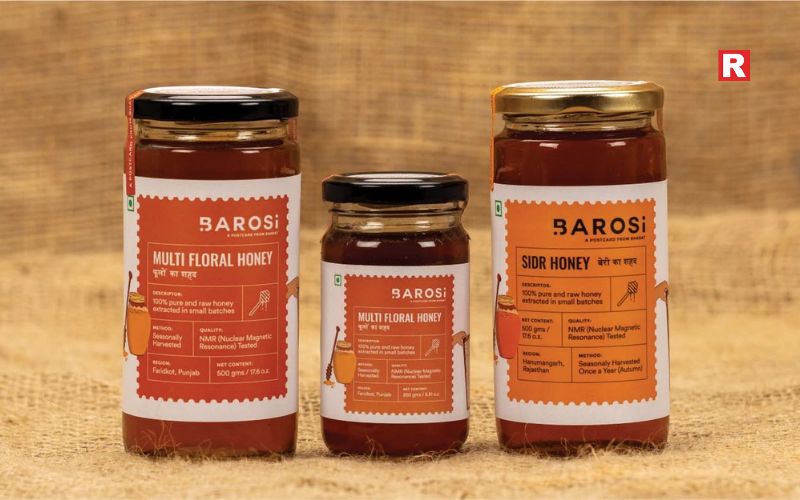
Barosi follows a clear farm-to-table philosophy. The brand sources its honey from ethical beekeeping practices in Rajasthan. It works closely with local producers to ensure honest and responsible harvesting. The honey is kept raw and unprocessed. This helps preserve natural enzymes and essential minerals. No artificial ingredients or sugar syrups are added. The taste feels clean and natural. Barosi focuses on transparency and quality at every step. The honey has a rich texture and mild sweetness. It is often chosen by people who prefer minimally processed foods. It fits well into a balanced diet and supports everyday wellness through natural nutrition.
Why it stands out:
- Raw and unfiltered honey
- Ethical sourcing from Indian farms
- Clean, modern packaging
- Transparent brand philosophy
7. Maksika Honey
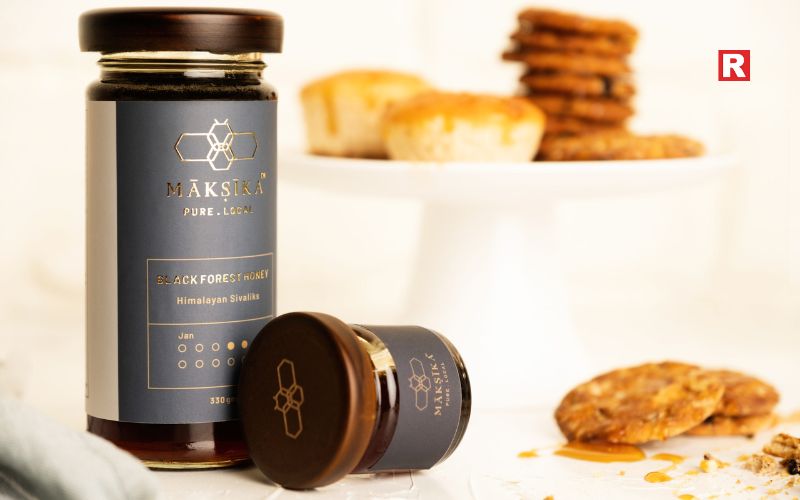
Maksika is known for its wide range of organic honey varieties in India. The brand sources honey from biodiverse regions such as the Kerala rainforests, Kashmir, and central Indian forests. Each region offers a different floral environment. The honey is collected in small batches. This helps maintain its natural character. Every variant has its own taste, colour, and texture. These qualities change with seasons and flower sources. The honey is raw and minimally processed. No artificial mixing is done. Maksika appeals to people who enjoy exploring natural flavours. It is a good choice for those who value purity, origin, and regional diversity in honey.
Why it stands out:
- Wide variety of regional honey
- Seasonal and single-origin options
- Rich flavour profiles
- Focus on biodiversity
How to Choose Real Organic Honey in India
When buying organic honey, always check the label and brand details. Real organic honey often crystallises over time. This is natural and not a defect.
Look for:
- Organic or NPOP certification
- NMR or purity test details
- No added sugar, glucose, or corn syrup
- Minimal processing claims
Avoid honey that tastes overly sweet or has an artificial smell.
Also check: Top Fruit Juice Brands in India Loved by Health-Conscious Consumers
Best Cookie Brands in India: A Complete Guide for Cookie Lovers
Top Soup Brands in India That Make Comfort Food Quick, Warm, and Delicious
Stay Healthy!
Organic honey is no longer seen as a luxury item in India. It is slowly becoming a daily essential in many households. People are paying more attention to what they eat. Health and purity now matter more than price alone. Many families choose organic honey for immunity and digestion. Some use it for weight management. Others prefer it as a natural sweetener in daily meals. The shift comes from growing awareness about food adulteration and long-term health. The brands mentioned above are known for transparency and responsible sourcing. They focus on quality rather than shortcuts. Their honey is clean, natural, and carefully processed. Choosing the right organic honey makes a clear difference. It supports better nutrition and everyday wellness. A thoughtful choice today helps build healthier habits. Investing in purity is a simple step. Choosing organic honey is a wise and practical decision.

Presenting the most awaited and the crucial budget ahead of the Lok Sabha elections, Finance Minister Piyush Goyal mentioned that the government will focus on self-sufficiency in food and improving agricultural productivity with emphasis on organic food forms.
During his speech Goyal has cited the above agenda as the eighth dimension of the government’s vision.
“We also aim to create a healthy India, with distress-free and comprehensive wellness system for all,” added Goyal.
Also, as health- and hygiene-conscious consumers tend to adopt healthy eating options. Food operators have been forced to add healthy eating options to their food menus. Some restaurants have also started serving health food and organic food as their core offerings. And, this will be good news for all the restaurants serving organic staples and organic food players as the government now intend to focus on organic products and farms.
According to a report by FICCI-PwC, “Overall, the health and wellness food service industry will continue to grow as consumers become more conscious about their diet by trying to eat healthy, going for farm-to-table lunches, growing their own garden herbs, buying as much organic produce as they can afford, trying new millets and consciously avoiding junk as much as possible.”
The government in its interim budget also mentioned that it will focus on building digital India by creating more jobs in the sectors. Hence, we can see that the food-tech sector is going to grow at much faster pace. “We are poised to become a $5 trillion economy in the next five years and aspire to become a $10 trillion economy in the next eight years,” added Goyal in his speech.
Not only this, Indian food-tech industry after a brief turmoil that led to consolidation and exit of a number of start-ups, it is back on a high growth trajectory with the sector’s leading lights, Zomato and Swiggy26, raising huge amounts of capital this year, enabling optimisation of operations and a turnaround in fortunes.
“The consolidation frenzy saw as many as 24 mergers and acquisitions in the food technology space during 2015 and 2016 as against ~12 so far in 2017 and 2018. The sector has also raised ~US$950 million in Private Equity capital from ~60 transactions in the last 28 months.27 The recovery has been led by a reduction in delivery costs and market expansion with order volumes emerging as the primary metric for assessing growth that has increased from ~160,000 in 2016 to ~370,000 in 2017 at 130%,” added the report.
And, with India becoming the second largest hub of startups, we surely can expect more and more brands opening doors for us.

The QSR chains have given a tight competition to the other segments in the industry inviting them to re-discover their menu according to the customer behaviour.
In the past few years we have seen names like Dominos, Subway and McDonalds to grow exponentially. The latest National Restaurant Association of India (NRAI) report says the QSR segment in India is projected to grow at a CAGR of 25 percent to reach to Rs 16,785 crore (USD 3,230 million) by 2018 which was Rs 5,500 crore (USD 1,060 million) in 2013. Witnessing the rapid growth of the QSR chains, the hotel industry which has given a rise to the fine-dine segment has also geared up.
Customers demand
In recent years consumer behaviour in the hospitality industry has changed dramatically. Easily available information coupled with economic uncertainty has made today's diners extremely discerning in their choices regarding the place they eat out. Consumers with high income bracket tend to spend more on eating out and they prefer to visit a hotel for a soothing dining option. On the other hand the younger and growing middle class are more inclined towards the QSR segment because of its relatively low priced food and easy to go menus. This trend put hoteliers under pressure to maximise the occupancy of their hotel and earn a loyal customer base.
Manish Kumar Baheyti, Owner, Haute Services Pvt Ltd, said, "QSR is a quick service restaurant whereas the restaurant in a hotel is fine dine with different price point and caters to a different clientele. QSRs has no dress code and are always located on high streets so, the location is different, the market is different."
Food served across the segments
A younger population, high rate of urbanisation and disposable income, increased participation of women in the workforce and exposure to western lifestyle are leading to the experimentation and adoption of new dietary habits and more occasions to eat out. QSRs are focusing on fresh and easy to choose menu with healthy snacks, burgers and sandwiches rather than making the food heavier by going the traditional way.
Hotels on the other hand have adopted organic foods at their restaurants focusing more on the gluten free foods. They have realised the importance of being organic and healthy and are appreciating the natural ways of preparing food without any chemical interactions. Chef Abhijit Saha, Owner and Head Chef, Avant Garde Hospitality says, “QSR and hotels cannot be compared as they cater to complete different segments of the market. We are also increasingly seeing no frill hotels outsource their food and beverage from stand alone, QSR and restaurant brands.”
Operational strategies
The marketing strategies at both the segments are different. Earlier the hotel used to focus on delivering their best by providing authenticity of the foods and offering less discounts as compared to that of the quick service restaurant. Today hotels are trying to position themselves to compete with the restaurants, offering new menus, foodservice hours, and grab-and-go options.
On the other hand QSR has always been in the news for its quick service maintaining the brand standard of the food throughout the world. Brands like Dominos and McDonalds have gone the regional way by incorporating the localisation of menu according to the Indian standard. QSR chains are running deeper promotions in a bid to lure consumers with a wider range of items and price options. Facebook, Twitter and other social media promotions have become a key in creating a success story for this segment.
Sharing his view about QSR, being a threat to the hotel industry, Eric Ho, Founder, Yo Yo Noodles, says, “Hotels will never be a threat to QSR’s. QSR’s will always be in a league of their own. Everyone likes consistency, speed and value. That’s the great thing about being in the QSR section; we are the only ones who don’t fear changes in the economic climates.”
Speaking on the same, Joseph Cherian, CEO, Global Franchise Architects (GFA), speaks, “The QSR segment is witnessing a strong shift towards the delivery segment of the business with changing life style trends, hectic work schedule, increased congestion levels in the city etc. Increased penetration of Internet and mobile communication is scaling up the demand further.”
 Food SafetyThe lesson from the latest inspections is not that five-star hotels are unsafe, nor that every restaurant has a problem. It is that no restaurant can…
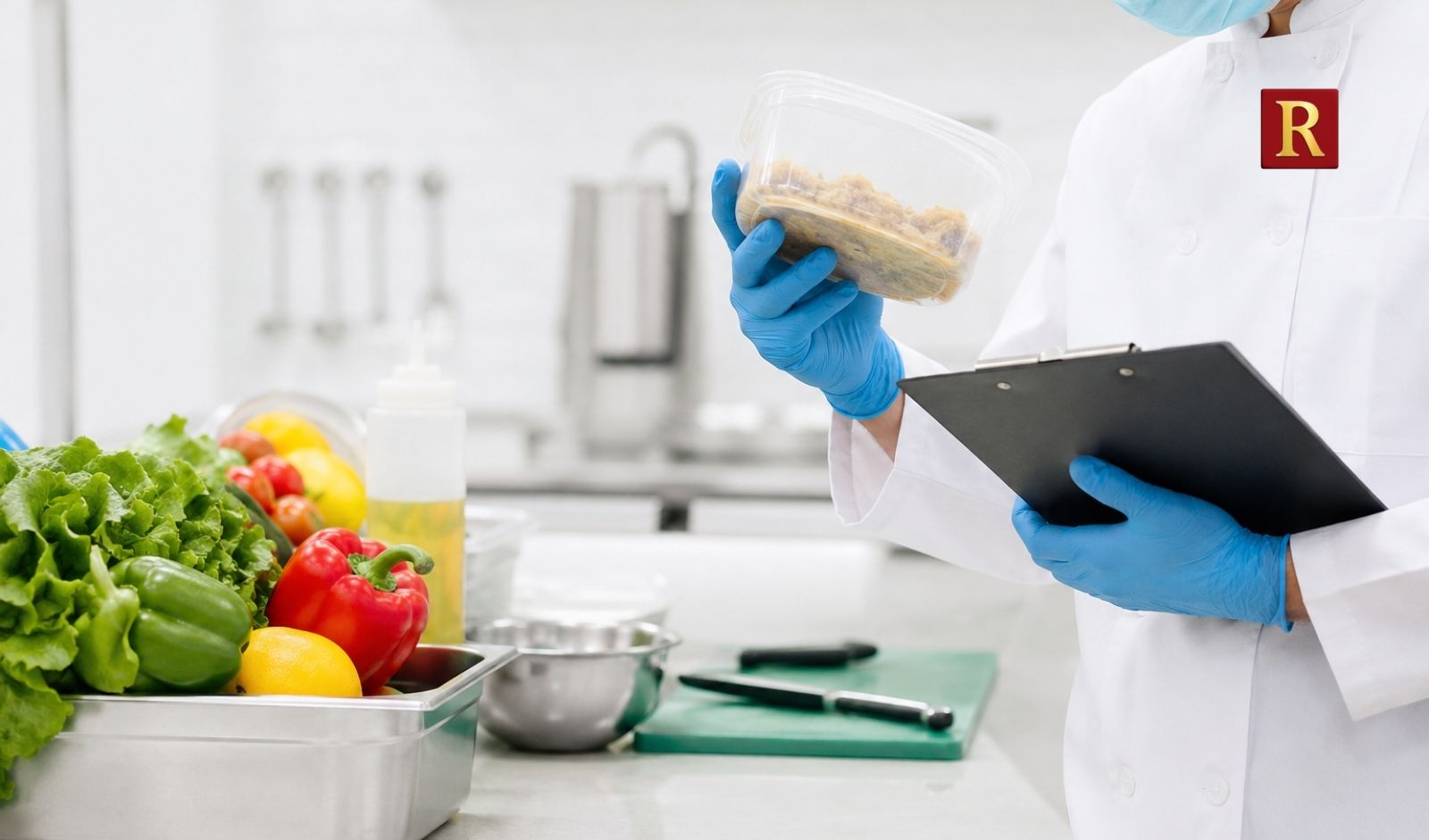 Food SafetyThe best-prepared kitchen is not the one that looks ready when an inspector arrives. It is the one that follows the same food-safety system on an…
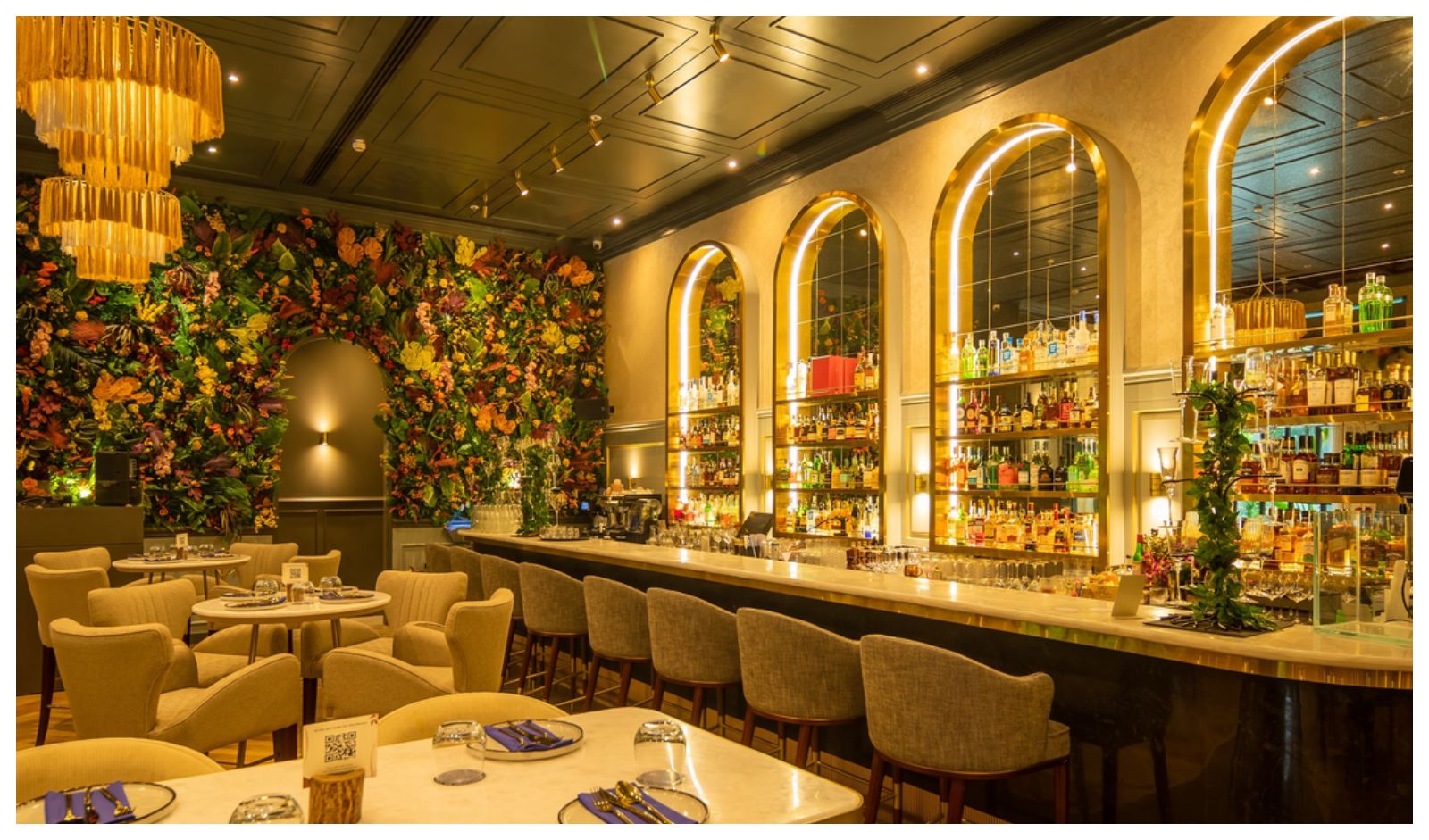 Food and BeveragesFor restaurants, this means the occasion is becoming just as important as the food. Every visit has a different purpose, and each one brings a…
 Beverage businessThe next opportunity is to create combinations that are culturally relevant, technically balanced and easy to understand.
Copyright © 2009 - 2026 Restaurant India.