


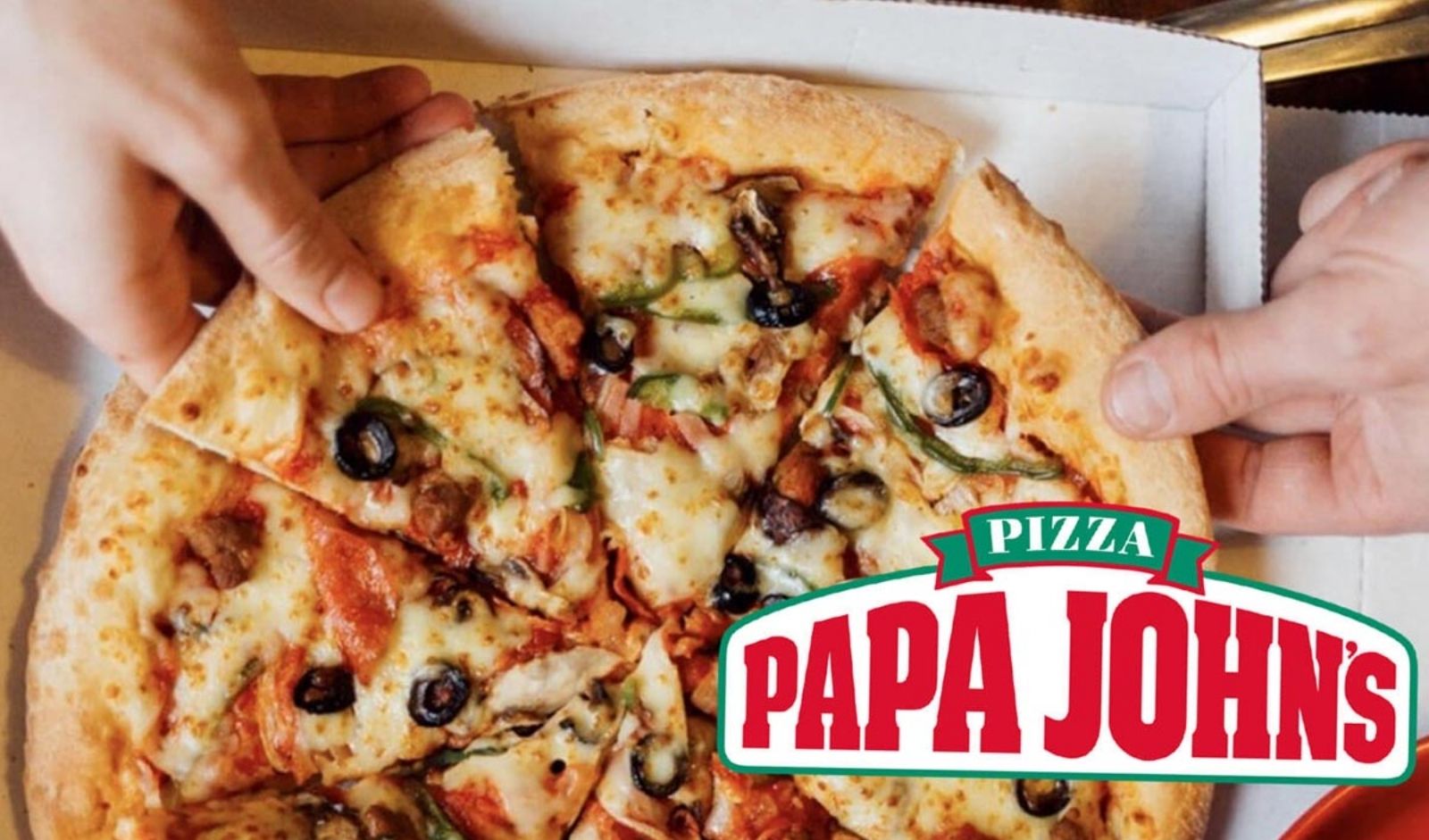
Two of the largest US pizza chains, Papa John's International and Pizza Hut, are in discussions that could result in potential ownership changes, as sustained cost pressures and softer consumer demand continue to impact performance, according to sources familiar with the matter.
Papa John’s and Pizza Hut, which is owned by Yum Brands, are separately exploring transactions that could take them off public markets. Such a move would allow both companies to restructure operations and revisit business strategies without the pressure of quarterly earnings disclosures.
Papa John’s shares have declined 28 percent over the past six months, trading at approximately $34.99 per share as of Tuesday. The company had received an offer of $47 per share in March from Irth Capital, a Qatari-backed investment fund, with support from Brookfield Asset Management. Sources indicated that Irth has been conducting due diligence over the past month, with discussions ongoing and no certainty of a deal. Some investors expect clarity ahead of the company’s earnings announcement on May 7.
In parallel, Yum Brands has set a new deadline for potential bidders to submit formal offers for Pizza Hut. Private equity firms including Sycamore Partners, Apollo Global Management, and LongRange Capital are among those evaluating the opportunity. Yum may shortlist a bidder for exclusive negotiations, although it retains the option to retain or spin off the business if valuations are not met.
The interest in these assets comes amid a broader recovery in large corporate deal activity during the first quarter, even as restaurant operators continue to face challenges such as rising ingredient costs, cautious consumer spending, and increased competition across value segments.
Recent transactions in the sector indicate a similar trend. In 2025, Denny's was sold to an investor group for $620 million, while Potbelly was acquired by RaceTrac for $566 million. MTY Food Group, which owns Papa Murphy's, has also been evaluating a potential sale. California Pizza Kitchen was acquired by a private investor group led by Consortium Brand Partners in December.
Commenting on the broader market environment, Will Auchincloss, EY-Parthenon's Americas retail sector leader, said, "Public [quick service restaurant] stocks are under pressure as softer consumer demand collides with persistent structural cost headwinds. Traffic has weakened as consumers pull back, and at the same time brands are navigating higher labor costs and a far more competitive value environment."
Operational challenges have weighed on both pizza chains. Papa John’s has reported weaker same-store sales, declining revenue, and leadership changes since founder John Schnatter exited in 2018. The company’s stock, which reached around $130 per share in late 2021, has since declined significantly.
Pizza Hut has also seen declining sales, affecting Yum Brands’ overall earnings performance, even as other brands such as Taco Bell and KFC continue to perform better. Potential buyers are expected to focus on upgrading older store formats and improving operational efficiency, which may be easier to execute in a private ownership structure.
Both companies have indicated plans to close hundreds of underperforming outlets as part of turnaround efforts. Auchincloss added, "For certain restaurant chains, being private offers flexibility to reset the business and invest through this cycle without the pressure of quarterly earnings."
Papa John’s CEO Todd Penegor, who assumed the role in late 2024, has maintained focus on business operations despite ongoing speculation. Addressing reports of potential bids at a March 12 conference hosted by UBS, Penegor said, "I mean it's been a constant, right? I've been in the role 18 months, and I think almost the full 18 months, we've always had some kind of rumor out there around the brand."
 ExpansionThe launch comes as demand for desserts continues to evolve, with consumers opting for more frequent consumption and seeking wider product variety…
-
GrowthPotential buyers are expected to focus on upgrading older store formats and improving operational efficiency, which may be easier to execute in a…
 ExpansionThe launch reflects continued demand for experiential taproom formats in Bengaluru, particularly in corporate-led catchments such as Whitefield.
 PartnershipThe collaboration reflects Barista’s broader approach of using entertainment tie-ups to build consumer engagement and drive footfall.
Copyright © 2009 - 2026 Restaurant India.