


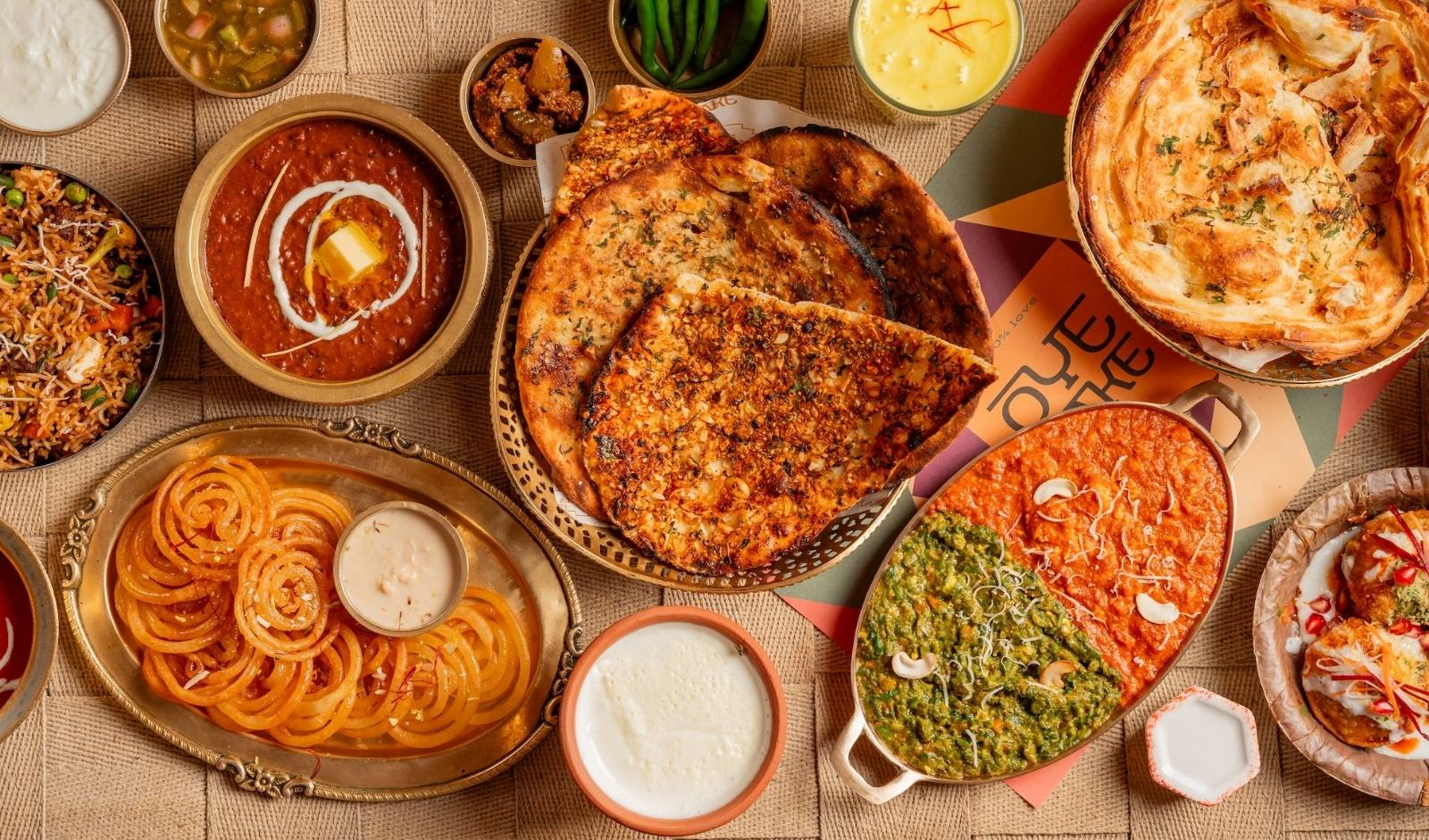
Oye Kake falls into the latter category, marking its Bengaluru debut on 30 April 2026 at MG Road after identifying the city as a key consumption market for culturally rooted dining formats.
The Mumbai-based vegetarian Amritsari concept, founded by Pankaj Gupta and Avinash Gupta under Flavour Pot Foods, is positioned around regional authenticity rather than menu innovation. The Bengaluru outlet follows the brand’s earlier expansion into Hyderabad and signals a broader multi-city growth strategy.
Founder Pankaj Gupta said, “Bengaluru has long been on our expansion roadmap, and the response to Oye Kake in Hyderabad reaffirmed the demand for authentic regional Punjabi food rooted in Punjab’s kitchens. At Oye Kake, we keep it simple—no frills, no reinvention—just honest Amritsari food in its truest form, while bringing alive the spirit of Amritsar through our hospitality and experience.
We also aim to challenge perceptions around Punjabi cuisine, as Punjab has a strong vegetarian food culture, with Amritsar itself being over 75 percent vegetarian, proudly reflected in our menu. The excitement around Bengaluru led us to sign two locations, with MG Road now open and Bellandur set to follow soon.”
From an industry standpoint, the launch reflects a growing trend where regional cuisines are being presented in focused, single-cuisine formats rather than broad North Indian menus. Oye Kake’s offering is built entirely around a 100 percent vegetarian Amritsari identity, drawing from three traditional consumption spaces: langar, street food, and home-style cooking.
The kitchen operations are led by Amritsari-trained Ustaads, with an emphasis on tandoor-based preparation, manual processes, and traditional cookware such as clay and iron. This approach aligns with the increasing consumer demand for perceived authenticity and process-driven cooking in urban dining.
Chef Varun Singh, Brand Chef, said, “At Oye Kake Pure Veg, my heart lies in bringing the real taste of Amritsar to our guests. We cook the way it has always been done—breads rising in the tandoor, spices blended by hand, and recipes passed down through generations. Every kulcha, chole, and chutney is prepared with care so that when you eat here, you feel the same comfort and joy as if you were dining in Amritsar itself.
As chef, I see my role not in changing or experimenting with these dishes, but in protecting their soul. Our promise is simple: to serve food that is authentic, soulful, and true to its roots. At Oye Kake, you don’t just taste Amritsar—you experience it.”
The menu architecture is structured around high-frequency North Indian staples and street food formats, including kulchas, chaats, tandoor appetisers, and slow-cooked gravies. The inclusion of combination kulchas, snack-led sections, and shareable breads suggests a design aimed at group dining and repeat visits rather than premium fine dining consumption.
In addition to regular dining, the brand is also introducing format-based experiences such as a weekend desi ghee breakfast and the “Guru Seva Ki Thali,” an unlimited meal service held every Thursday. Positioned around the Sikh principle of seva, this initiative also reflects how restaurant brands are increasingly incorporating community-driven formats to build engagement and differentiation.
The physical space has been developed in collaboration with RAD Co + Lab and uses material-driven storytelling as part of the dining experience. Design elements draw from both Punjab and Bengaluru, integrating references such as phulkari-inspired surfaces, khaat-style seating, and a chandelier installation made of 115 terracotta-finished pots. The design strategy indicates a continued shift in the industry where restaurant interiors are being used to reinforce brand narrative and regional identity.
Oye Kake’s Bengaluru entry highlights a larger movement in India’s organised food services sector, where focused regional brands are expanding into metro markets with clearly defined identities. By maintaining a vegetarian-only positioning and limiting menu diversification, the brand is betting on depth over scale within the cuisine category.
With a second Bengaluru outlet already planned in Bellandur, the brand appears to be testing cluster-based expansion within high-demand urban zones. The success of this approach will depend on consistency, operational scalability, and the ability to sustain demand for niche regional formats in a competitive dining landscape.
 ExpansionWith the latest investment, the company’s total funding has reached Rs 113.35 crore, including nearly Rs 37.7 crore raised through its earlier seed…
 ProfitThe board has not recommended a dividend for FY26, opting instead to retain earnings for debt reduction and ongoing capital expenditure requirements.
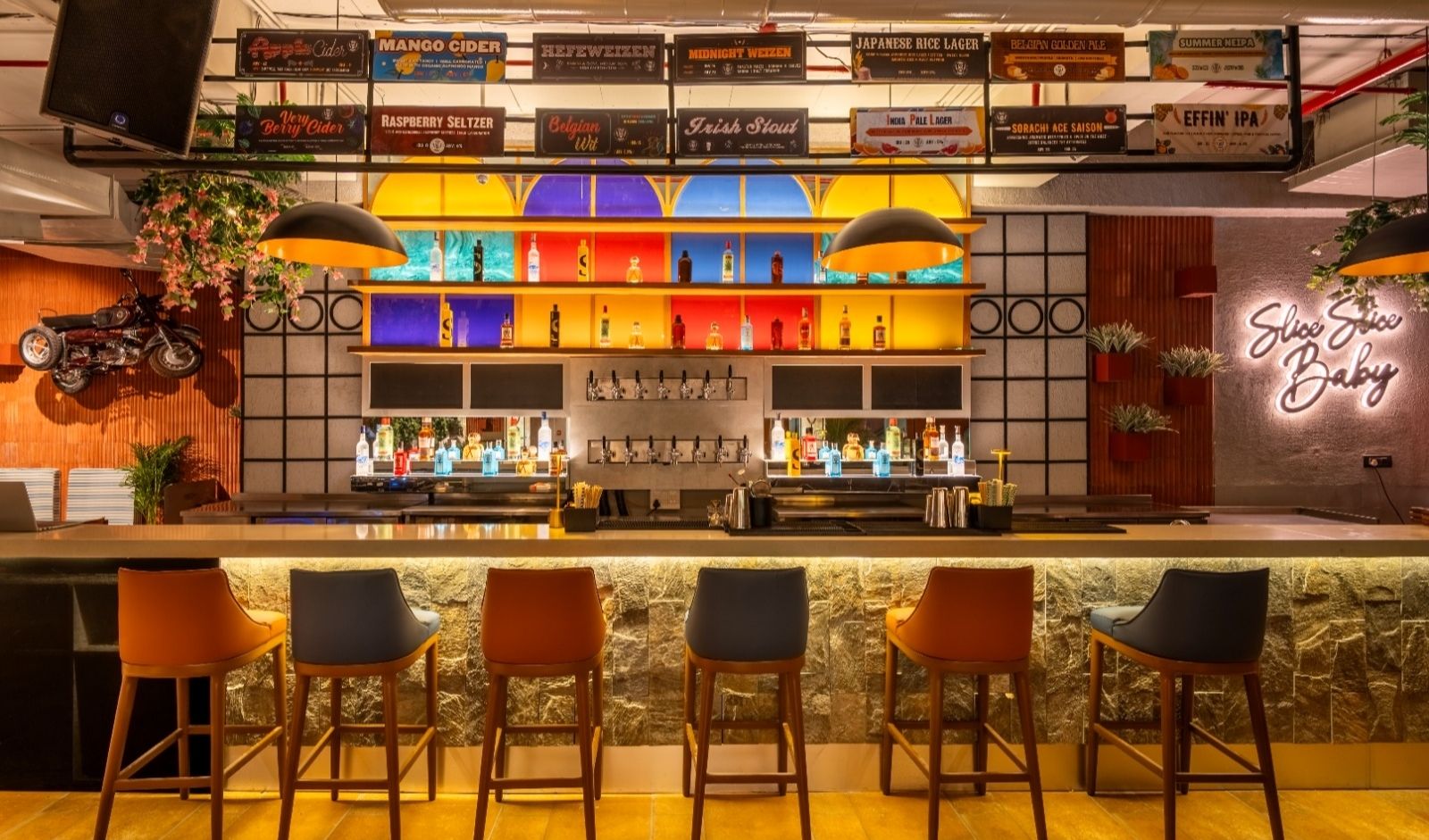 ExpansionThe company has also expanded canned beer distribution to more than 360 outlets, supported by its cold-chain infrastructure.
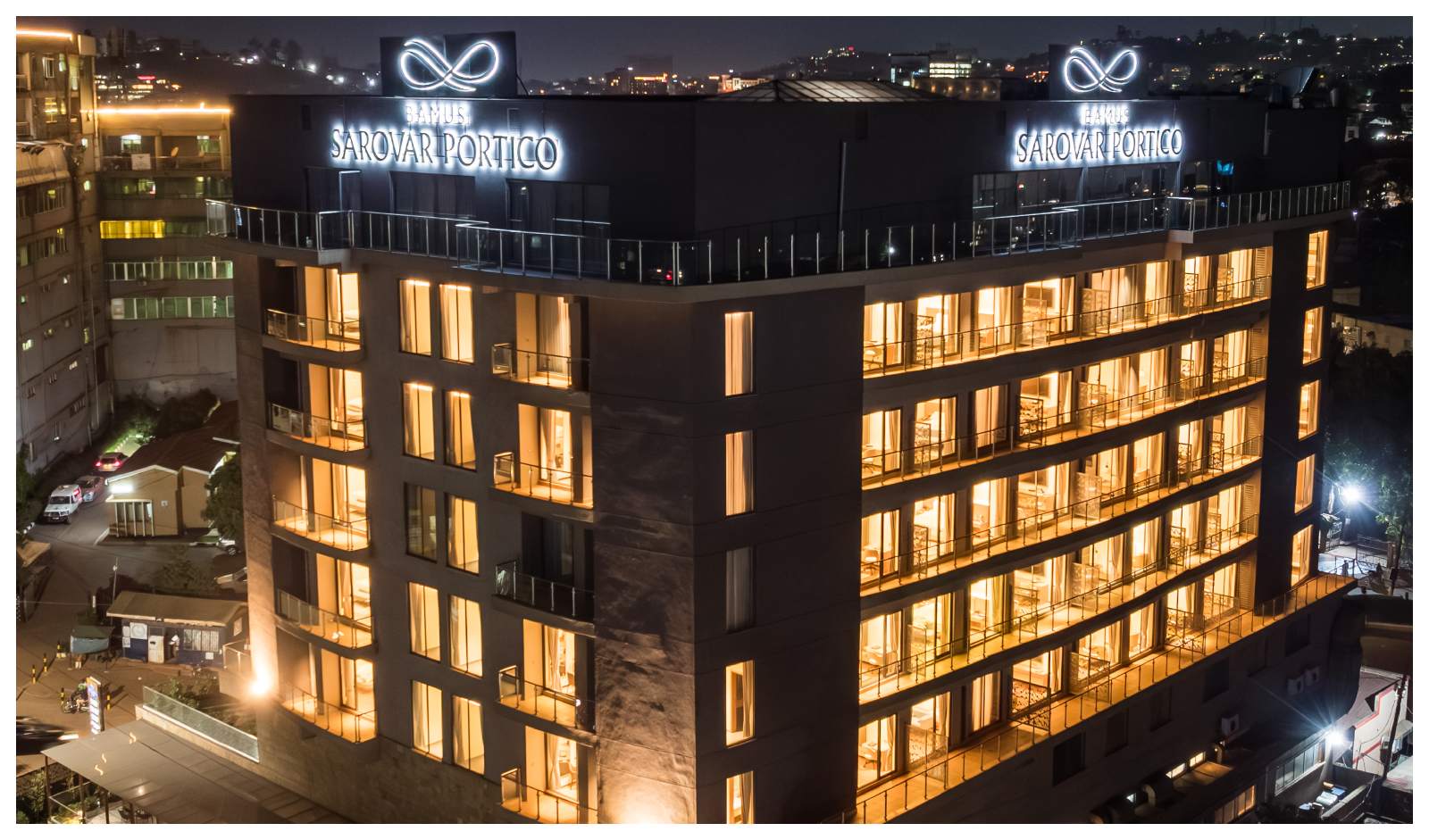 Hotels and restaurantsThe opening marks Sarovar Hotels fourth property in Africa, strengthening its growth international across key business and leisure destinations
Copyright © 2009 - 2026 Restaurant India.