


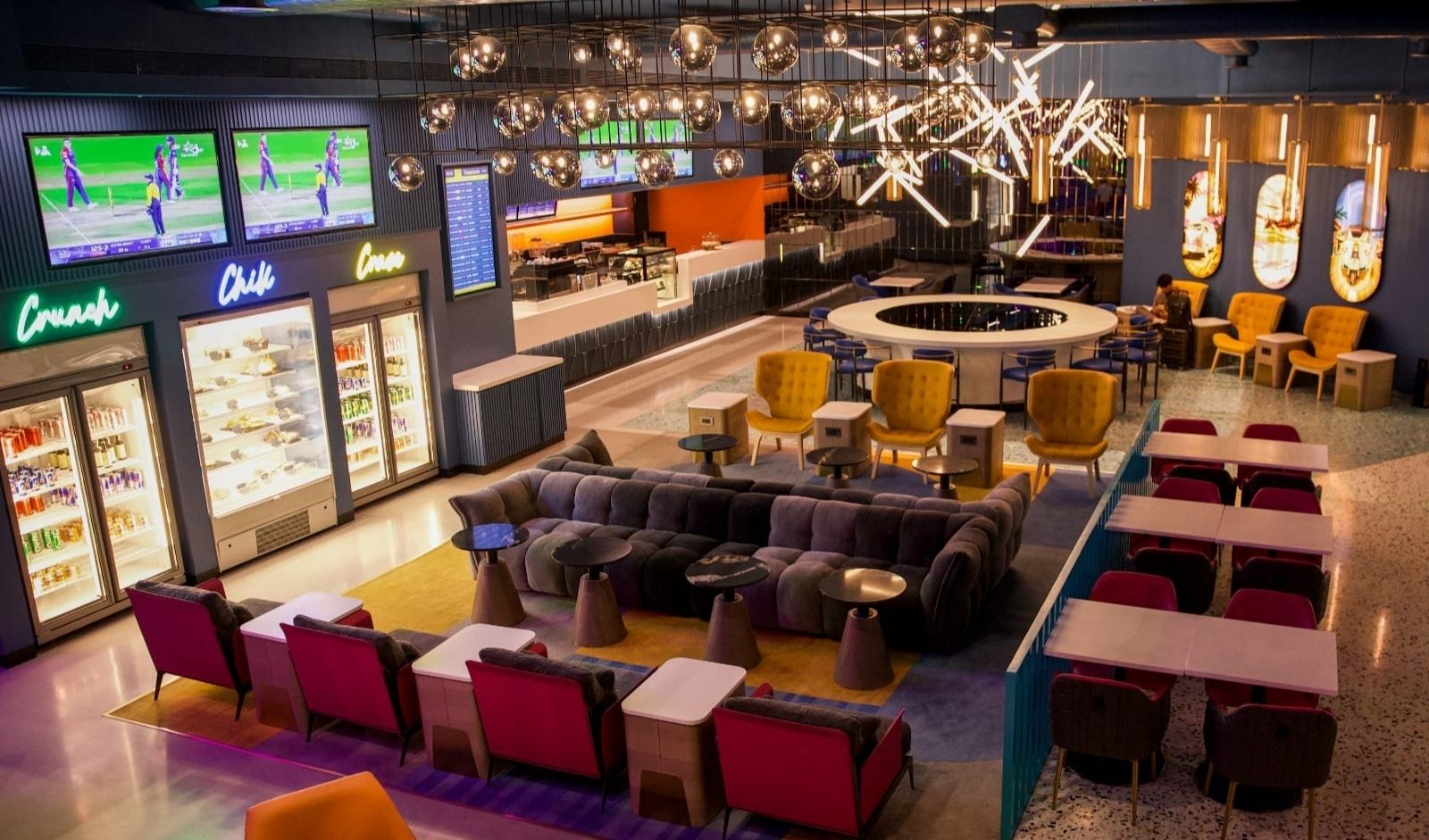
Airport lounges are undergoing a functional shift, and Kempegowda International Airport Bengaluru is positioning itself at the forefront of this evolution with the launch of Gate Z, a social-first lounge concept at Terminal 2. Designed to reflect changing travel behaviour, the space moves away from the idea of lounges as passive waiting areas and instead treats dwell time as an active part of the travel journey.
As passenger expectations evolve, airports are increasingly required to offer environments that align with lifestyle preferences rather than just operational convenience. Gate Z has been developed in response to this shift, focusing on intuitive layouts, social interaction, and flexibility. Located next to the 080 International Lounge, the space reflects a broader industry move towards experience-led infrastructure that supports working, resting, and informal social engagement within the same setting.
Gate Z is positioned around a mindset rather than an age group. While inspired by Gen Z values such as inclusivity, authenticity, sustainability, and ease of use, the lounge is designed to appeal across demographics. The layout supports multiple modes of use, from focused work and quiet downtime to casual meetings and group interaction. Design elements draw from contemporary urban environments, with open pathways, modular seating, and zones that allow passengers to choose how they engage with the space.
The lounge integrates technology to enhance navigation and personalisation, while maintaining a balance between functionality and comfort. Design choices include curved seating, ambient lighting, interactive areas, and materials selected with sustainability in mind. The space also incorporates local influences alongside global design cues, aligning with Terminal 2’s broader identity of reflecting Bengaluru while meeting international standards.
From a food and beverage perspective, Gate Z operates as a multi-zone environment rather than a traditional lounge offering. The space includes Bubble and Brew, positioned as a café-bar, The Sipping Lounge for relaxed seating and conversation, Subway Diner with a retro-inspired format and live counters, and The Amphizone, designed as an amphitheatre-style area for screenings, pop-ups, and informal gatherings. These formats indicate a shift towards retail-style zoning within airport lounges, allowing operators to cater to varied consumption patterns during dwell time.
The naming of Gate Z itself followed a participatory approach. The name emerged from a nationwide contest that invited entries from students, designers, and professionals across India. This approach reflects a growing trend within hospitality and travel infrastructure to involve consumers in shaping spaces intended for them, reinforcing relevance and long-term engagement.
George Bennet Kuruvilla, Chief Executive Officer, Bangalore Airport Services Limited (BASL), said, “Gate Z reflects BLR Airport’s intent to design spaces that respond to how travel is experienced today, as part of a broader lifestyle rather than a moment in transit. Inspired by values of inclusivity, authenticity and connection, the lounge brings together comfort, culture and community in a way that feels intuitive and welcoming across age groups. By inviting young Indians to name Gate Z, we extended this philosophy of co-creation, ensuring the space is shaped by the mindset it represents and remains relevant, expressive and people-first.”
Gate Z aligns with BLR Airport’s larger strategy at Terminal 2, where passenger experience design integrates architecture, cultural context, sustainability, and comfort. The lounge complements the terminal’s positioning as a destination-led space rather than a purely functional one. Gate Z signals a clear direction: lounges are becoming multi-purpose social environments that support evolving travel habits, extended dwell times, and a more lifestyle-driven approach to passenger engagement.
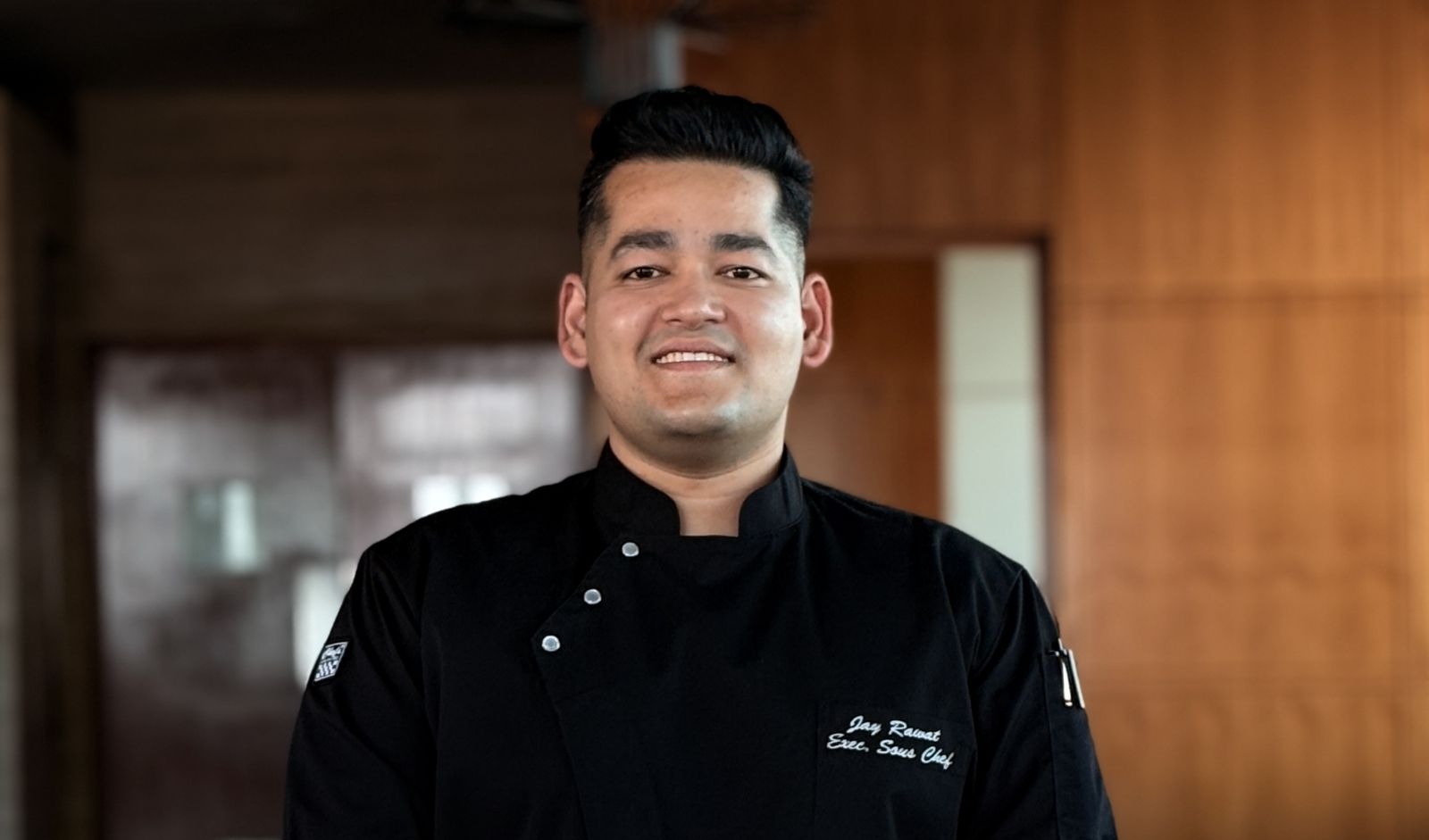 Restaurant India News: Shangri-La Bengaluru Strengthens Culinary Leadership with Chef Jaysheel RawatLeadershipHis appointment supports Shangri-La Bengaluru’s ongoing efforts to strengthen its culinary standards and operational depth across its food and…
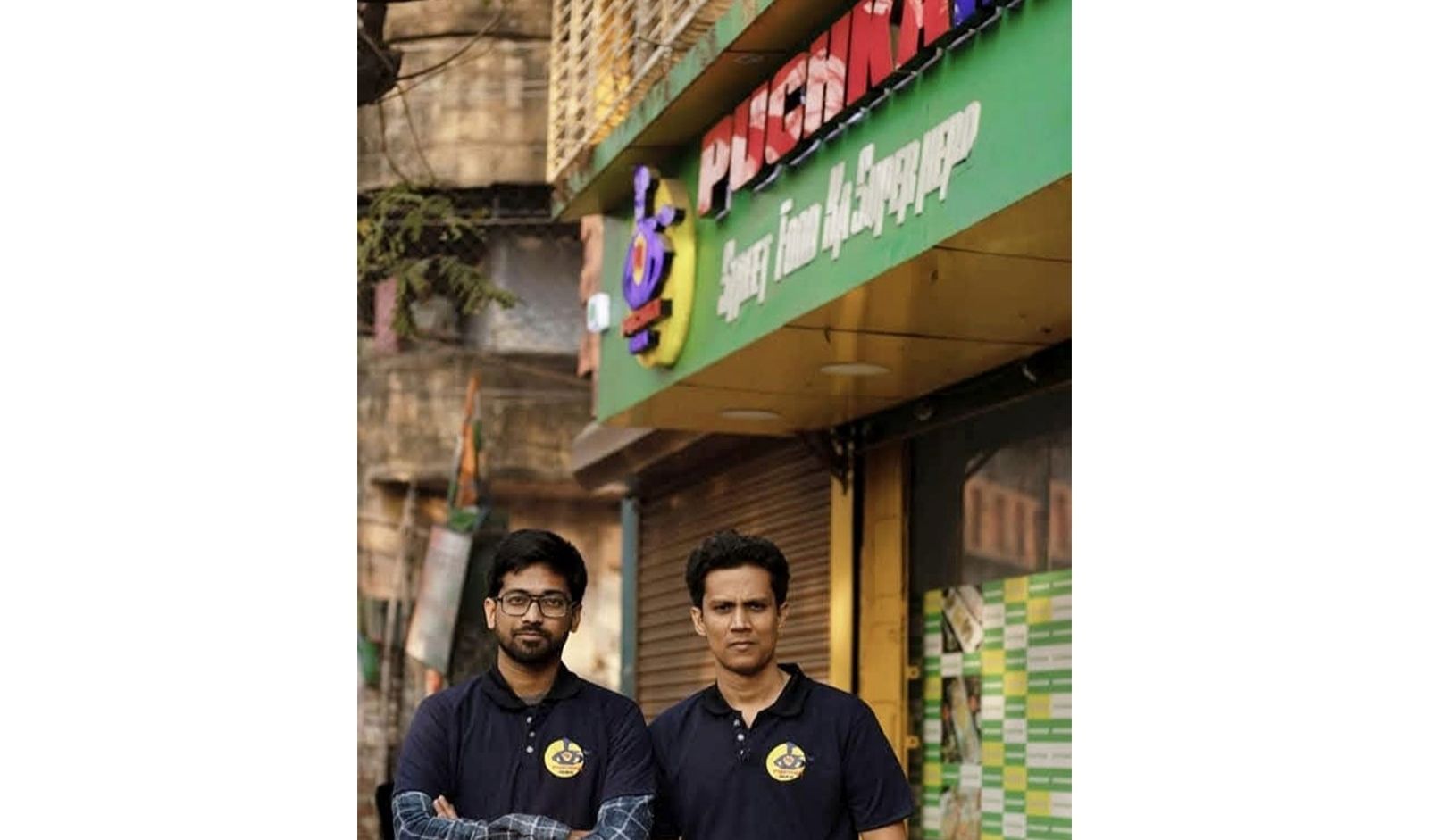 Global ExpansionThe move reflects a broader trend of Indian street food brands transitioning into global QSR formats, driven by rising international demand for…
 ExpansionAs Mumbai’s nightlife matures, collaborations between established restaurant bars and nationally recognised cocktail destinations are becoming a…
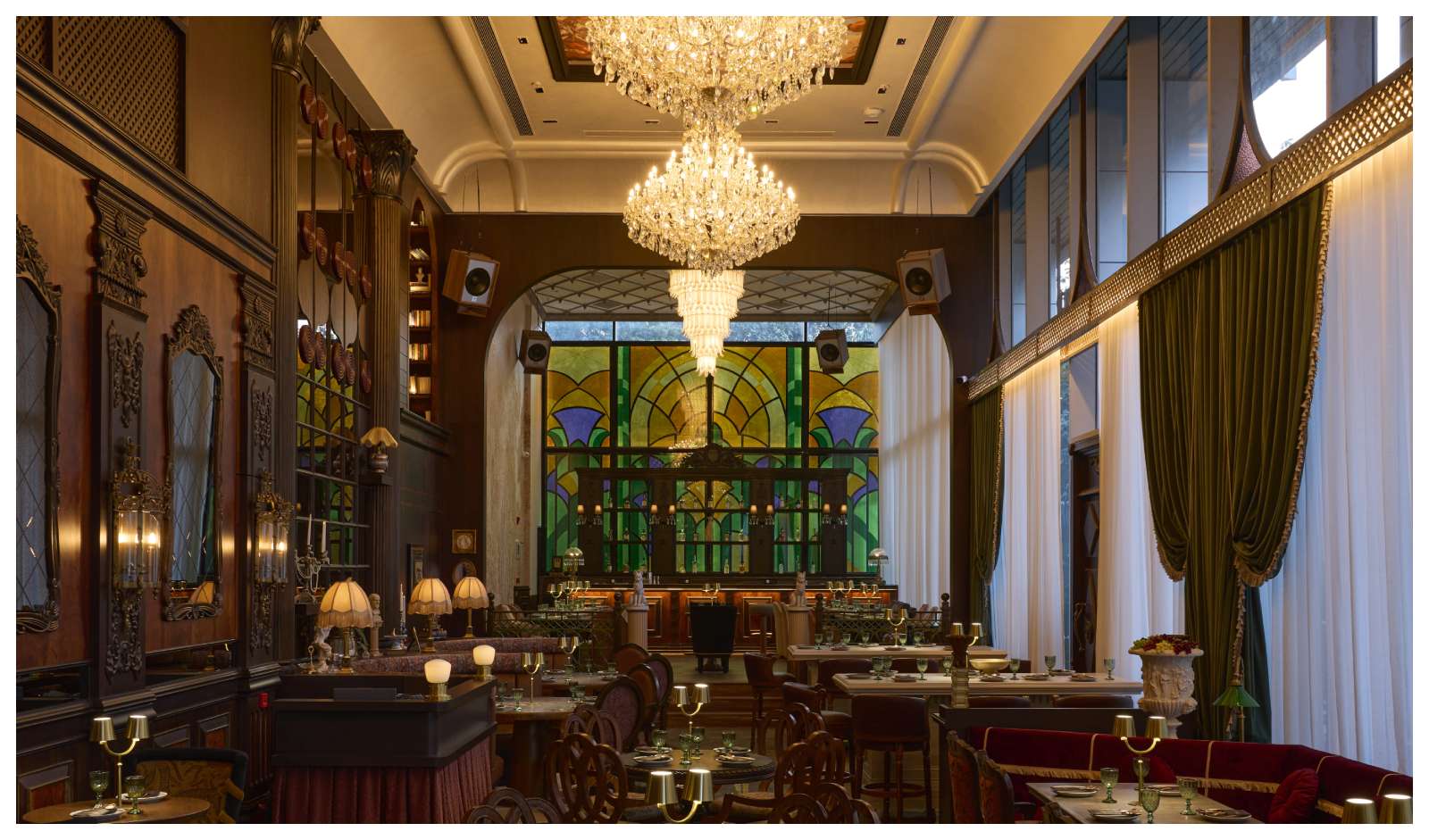 Restaurant India News: Bodega 39 Opens in Goregaon as the Neighbourhood’s First Upscale Cocktail BarRestaurants in MumbaiFounded by Divya Kadam, the 2,500 sq. ft. venue has seating for 140 guests and aims to bring a premium cocktail experience closer to Mumbai’s western…
Copyright © 2009 - 2026 Restaurant India.