





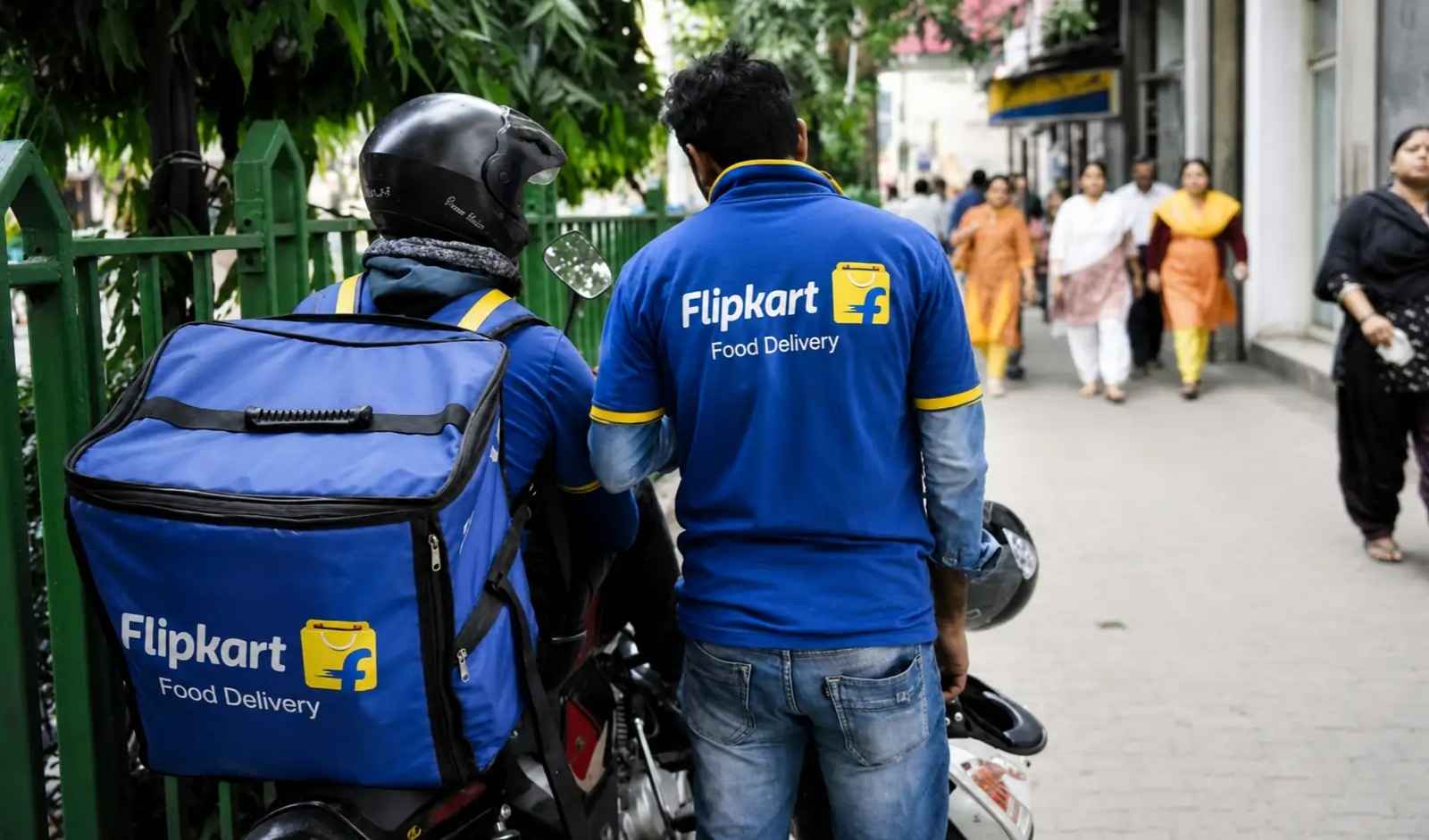
Flipkart has entered the food delivery market with a new service called Eat, initially testing the platform among its employees in Bengaluru, according to people familiar with the matter. The move puts the ecommerce company in competition with established food delivery platforms such as Zomato, Swiggy and Rapido-backed Ownly.
Flipkart is expected to extend Eat to all its employees by 15 September before opening the service to consumers in Bengaluru, the people said. The employee pilot will allow the company to test restaurant onboarding, delivery operations and its broader operating model ahead of the consumer launch.
The service is being developed in partnership with the Open Network for Digital Commerce (ONDC), with Flipkart working on a lower commission structure for restaurants, according to the people. The approach could directly challenge newer platforms such as Ownly, which operates on a zero-commission model for restaurants.
Flipkart’s entry comes as food delivery competition is expanding beyond the established Zomato-Swiggy duopoly, with newer platforms testing alternative commission and pricing models to attract restaurants and consumers.
The move also comes alongside Flipkart’s expansion in quick commerce. The company has launched Minutes as a standalone application ahead of the festival shopping season and its Big Billion Days sale.
According to data shared by Satish Meena, Founder, Datum Intelligence, Flipkart and Myntra together accounted for 35 percent of monthly active users (MAUs) among key ecommerce platforms in CY25 and CY26 year-to-date, compared with 39 percent in CY23 and CY24 and 38 percent in CY22.
Quick-commerce applications including Blinkit, Zepto, BigBasket, Swiggy Instamart and JioMart accounted for 16 percent of MAUs in CY26 year-to-date, according to Meena. He said around 80 percent of quick-commerce gross merchandise value (GMV) comes from eight cities, with grocery and frequent top-up purchases increasingly shifting towards quick-commerce platforms.
For Flipkart, the expansion into food delivery and quick commerce represents an effort to create more frequent consumer interactions beyond its core ecommerce business. Food delivery also gives the company an entry point into a high-frequency category where restaurant commissions, delivery economics and consumer pricing remain key areas of competition.
-
GrowthThe move also comes alongside Flipkart’s expansion in quick commerce. The company has launched Minutes as a standalone application ahead of the…
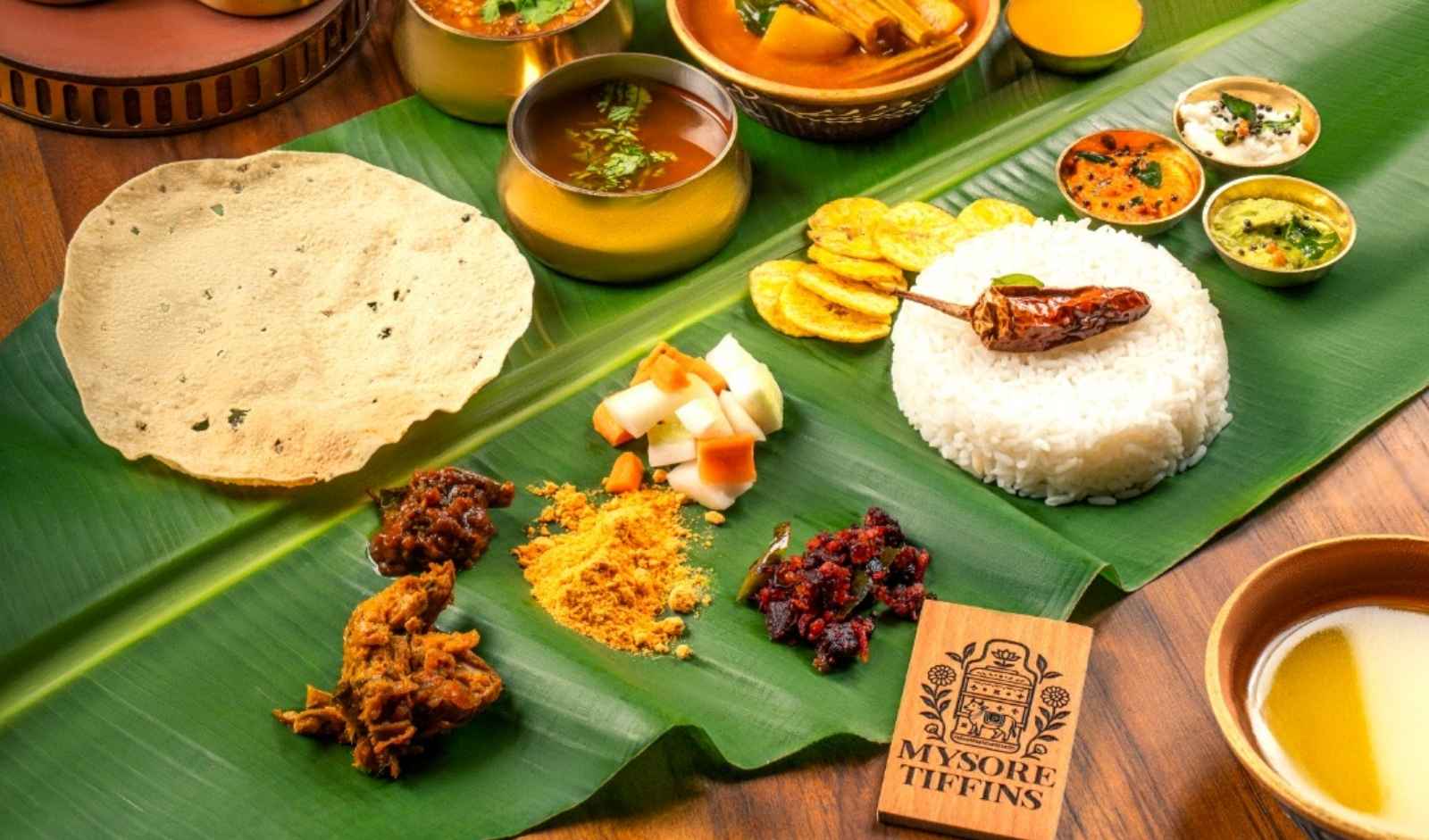 ExpansionMysore Tiffin plans to introduce a collection of Southern Indian spices sourced directly from their respective regions of origin.
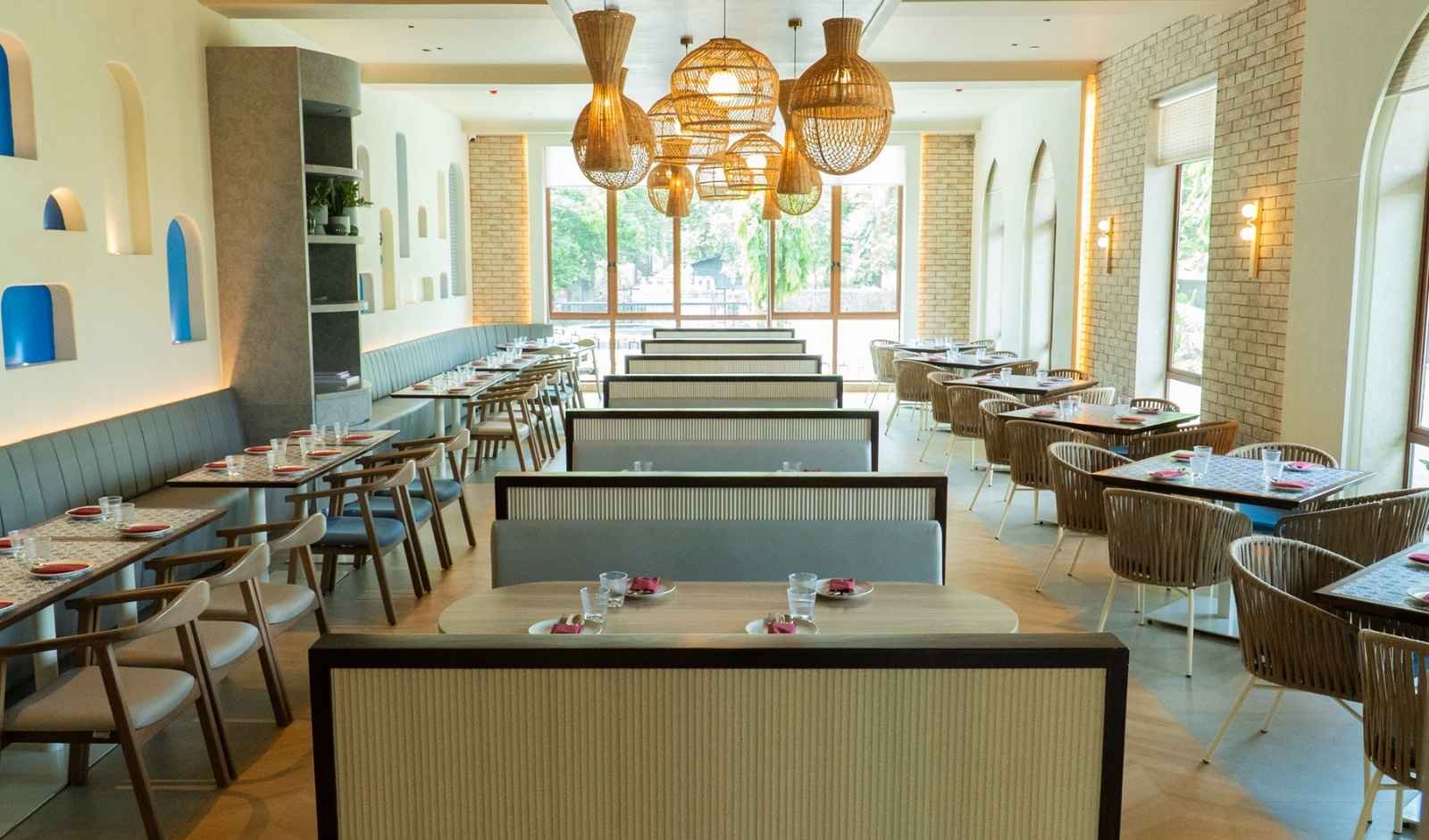 ExpansionThe launch expands the Sunny Da Dhaba association in Lonavala beyond its established dhaba format, with Mirari using multiple dining concepts to…
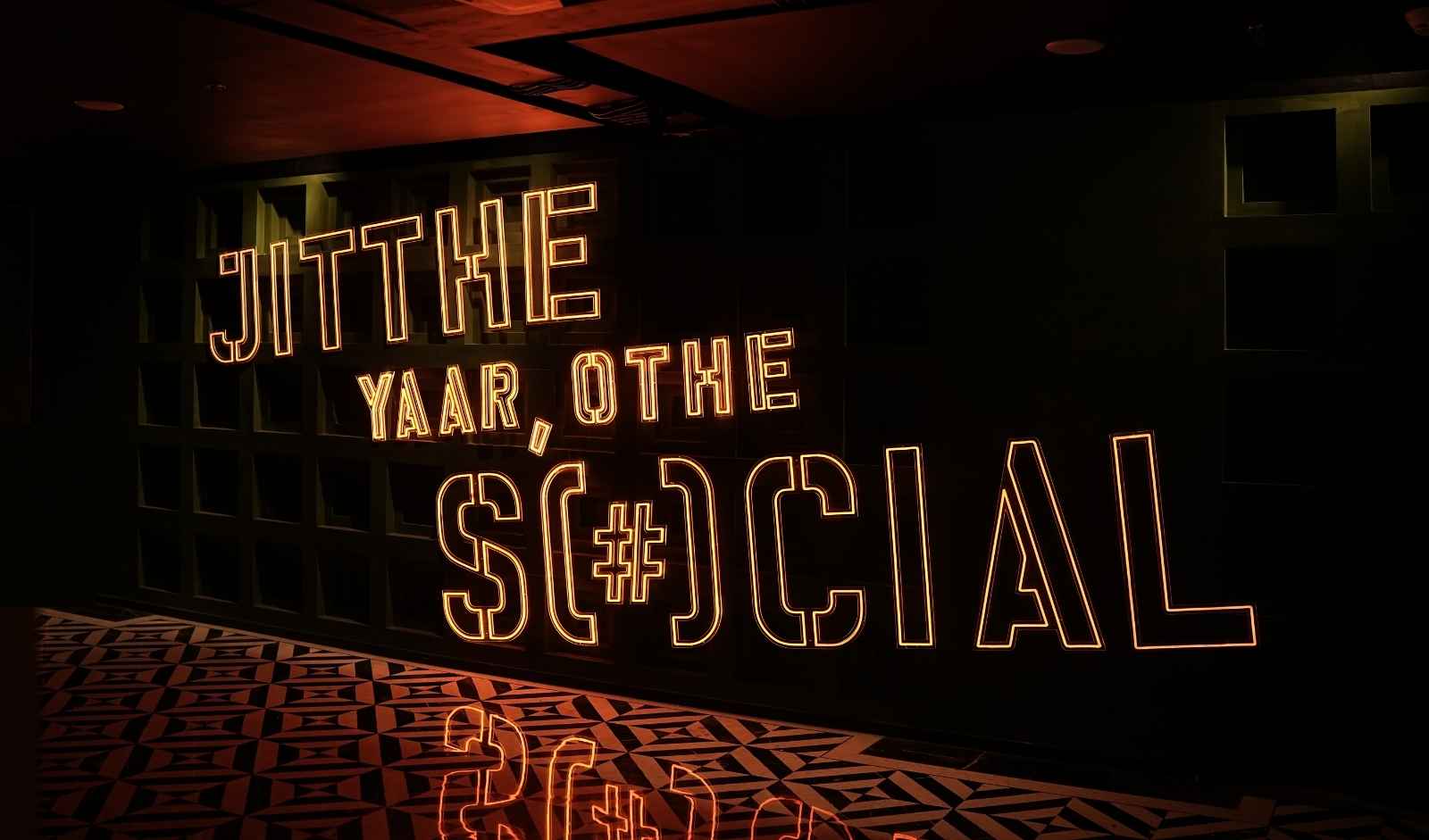 ExpansionThe outlet will also host music, creative collaborations, cultural programming and emerging talent initiatives as part of SOCIAL’s wider community-…