


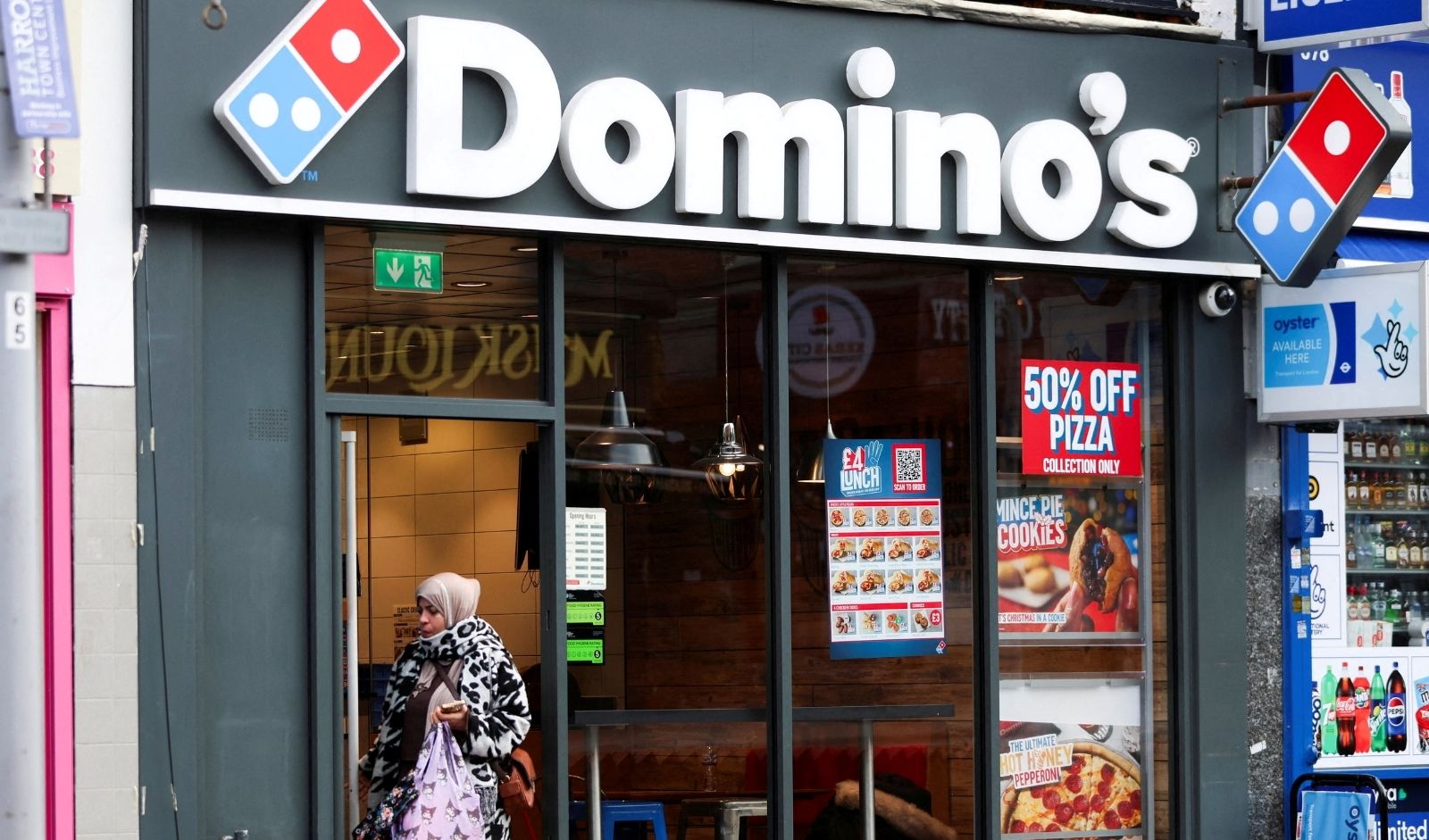
Domino's Maintains Fiscal 2026 Sales Forecast Amid Challenging Market Conditions


Latest Updates
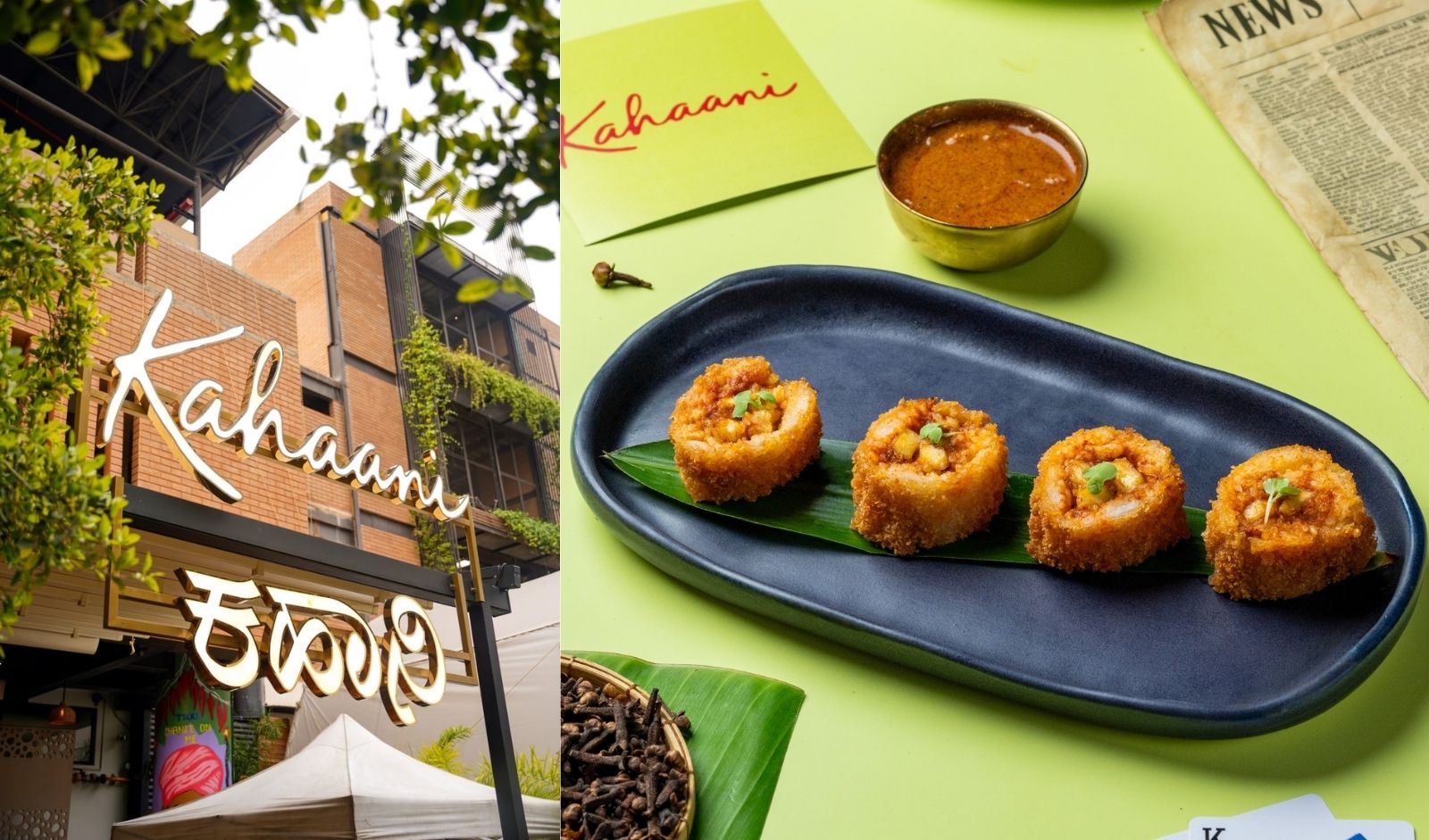 ExpansionThe menu includes dishes such as Vada Pav Pita, Paneer Ghee Roast Pita, Banana Galouti Kebab and Lotus Stem & Burrata Chaat, reflecting the…
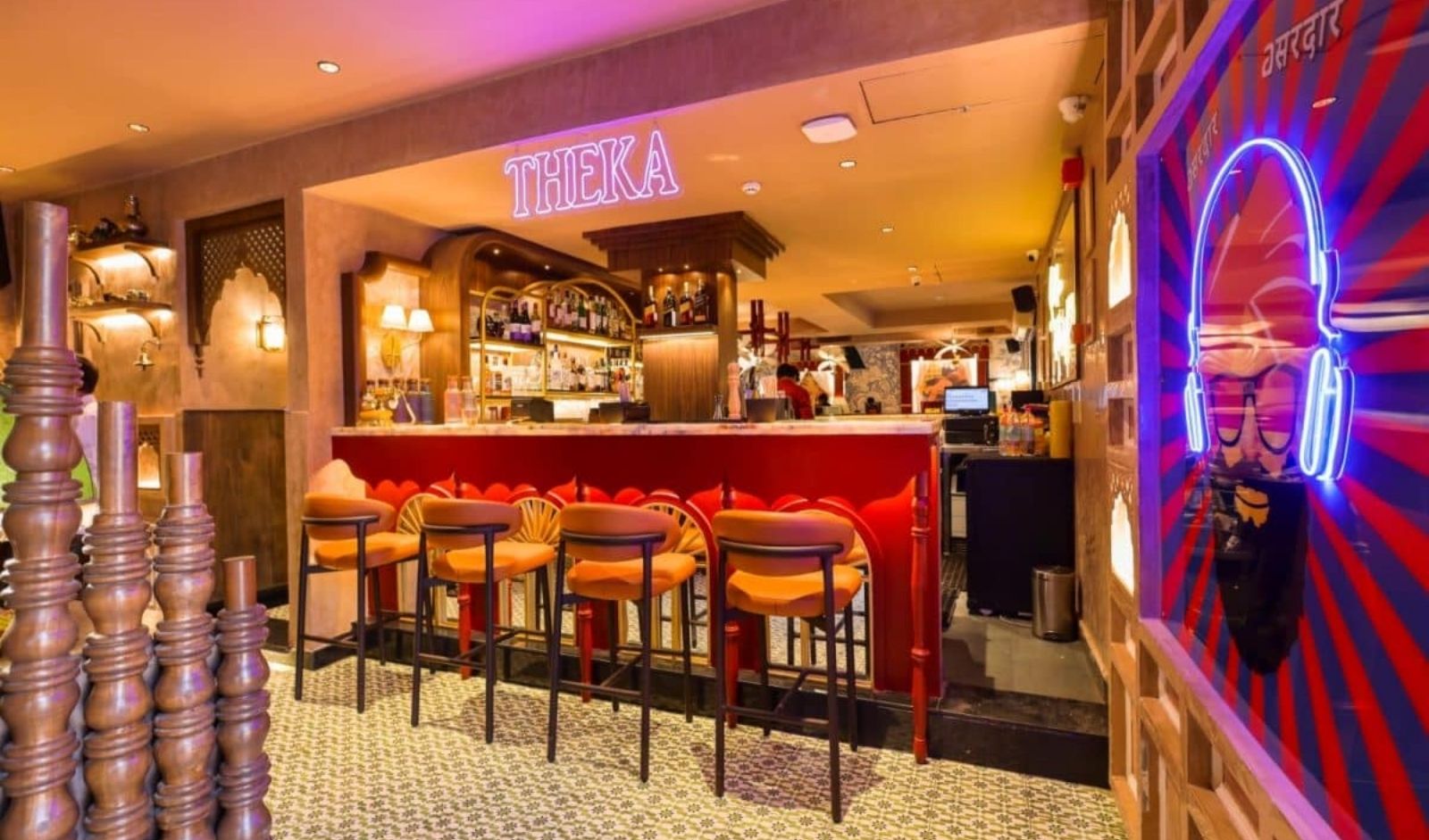 ExpansionThe outlet also serves Dhaba Estd. 1986's recently introduced Desi Chinese menu, featuring Indo-Chinese dishes inspired by familiar flavours.
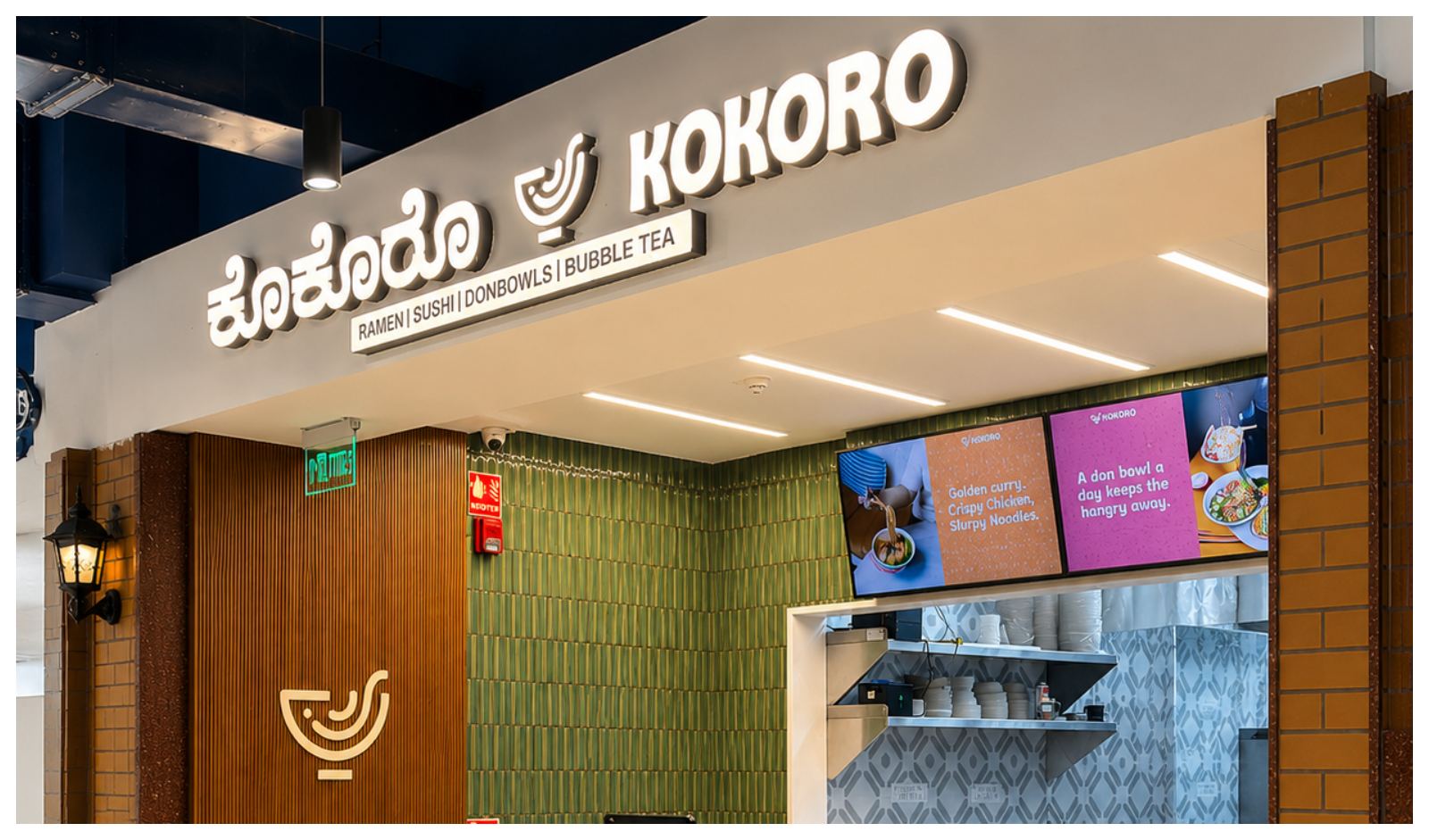 Restaurants in IndiaThe newest restaurant has opened at Nexus Koramangala, further accelerating the brand's rapid expansion in the city.
-
GrowthThe company has lost nearly one-third of its market value over the last 12 months as competitive pressures and cautious consumer spending continue to…