





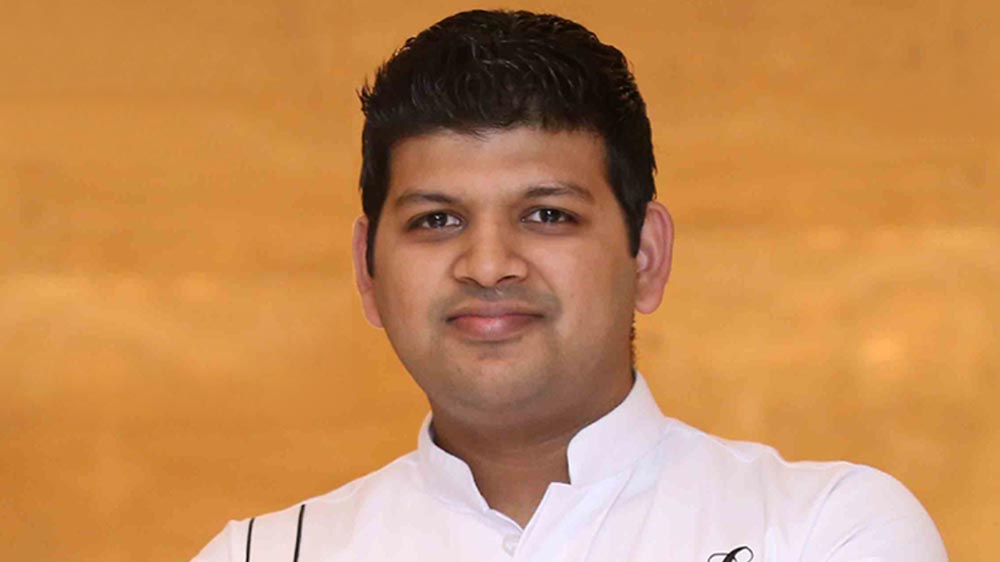
At a tete-a-tete with Abishek Gupta, the executive sous chef at Leela, who interned at the famous Noma restaurant in Copenhagen, he spoke about his travels and how has it influenced his methods and thought the process of cooking.
Tell me about your pop-up dining restaurant, Epic?
This restaurant is more about experimental cuisine, majorly working on a lot of Indian flavours. It is an integration of global experience and local flavors. We use local ingredients. We innovate there and have created around 320 plus dishes as of now which have been shared with the diners and got some great feedback. Few dishes worked, few did not.
For example, we work a lot on local fishes but being in Delhi we don’t get it. Every Friday we get fresh seafood from Cochin. The idea is to create something from the local fishes. We have created a local Ceviche and it is dedicated to the Koliwada community of Mumbai. The dish is served on a live aquarium. The idea is to pay homage to people working hard to get seafood. We used the Peruvian technique to make Ceviche and combined it with our local fish. It was very well appreciated and diners enjoyed it.
The bookings are majorly by word of mouth. The idea is not to make money but to create awareness among the clients that Indian ingredients can also be at the prime level. I don’t need to have white asparagus from north Italy, I can probably use eggplant from Himachal and make it as premium as white asparagus.
How often you make changes to your menu?
I try and change the menu every month. But if my vendor calls me saying that he has some great mushrooms, I will probably use it. The idea is that till the time the produce is coming in, you keep inventing the dishes and keep fixing it to the various stages of composition. One of our philosophies is that we don’t like to repeat ourselves, we experimented with the root vegetable last year and this year I will not repeat it, I will take the root vegetable and treat it differently. So the idea is to take local ingredients and give it a global appearance.
How was your experience at Noma?
Getting into Noma restaurant was a continuous Endeavour; from the last five years, I was trying and applying like mad. Finally, in 2016, I got a chance to work for him.
There were 26 nationalities and everybody would treat every ingredient very differently. So if there is an apple season in Copenhagen, everybody will look it differently. Like for us, apples have been in desserts and pies, tart or salad but nothing beyond that. But when the Japanese see an apple, he might have a different version of it. The possibilities are endless there.
The idea of working with them was to understand how they work. Once you understand that then you can come back to your ecosystem, see what is there and create something of your own.
How do your cooking methods get influenced by your travels?
I travel a lot. I have been through to 15 odd countries and every four months I travel to see what’s happening in the world. Dishes in Epic do get influenced by my travels. For example, I had some local meals in the Himalayas. People offered me biccchu ghas ki sabji with mandwe aate ki roti. It was damn delicious. I made it and served it at my restaurant. When I travel in India, I try to grab some ingredients and bring back and create some dishes out of it.
Food travels and it’s just like memory. Travelling for me is only to learn from various places, to create something new, which is very Indian and is also accepted by a global diner.
How sustainable is our menu today?
The menus have become shorter now; they are already changing to what is available in the market. The purchasing team has become more aware, chefs are asking for what is there in the season. So the drift has already been started. In the past three years, I have witnessed a drastic change. People are having happy hour drink made of jamun. That’s a new fancy drink. So change is happening and everybody is contributing in their way.
What is trending today?
I see people moving back to basics. I see people are moving towards taste. Moving forward, I think core taste and seasonality will marry each other.
You also studied Botany?
In 2013-14 I studied Botany, even before I came to Leela, that was how you can use various plants and flowers in cooking but I could only bridge the gap in theory and my practical when I went to FRI in Dehradun. So there I got exposed to a lot of professors who are already doing a lot of research on available leaves and flowers there. There is a professor who had written a book. I still use it. It has over 700 ingredients on plants and flowers in Dehradun and Himalayan belt, you can use them in cooking. Only 10% of it has been used now and we have no idea about that.

Train journeys are more than just travelling from one city to another. They are filled with conversations, scenic views, chai breaks, and memorable meals shared with family and friends. However, one thing that can quickly disrupt these experiences is a delayed train. Imagine travelling overnight with children or elderly parents, only to realise that your expected dinner time has passed because the train is running late. In such situations, knowing what to expect regarding food availability can make your journey much smoother.
With Indian Railways increasingly relying on technology-driven catering services, passengers today have more food choices than ever before. Understanding how these systems work during train delays can help you stay prepared and avoid unnecessary stress.
How Train Delays Affect Your Schedule
When a train gets delayed, it doesn't just impact arrival times. It can disrupt meal schedules, medication timings, sleep routines, and overall passenger comfort. Families travelling with young children often struggle when food becomes unavailable at expected times. Senior citizens may require timely meals due to health conditions. Business travellers who rely on fixed schedules may find themselves searching for alternatives. Long-distance routes are particularly challenging. A two-hour delay around lunchtime or dinner can leave passengers uncertain about where their next meal will come from. Being aware of available food options during such situations allows travellers to make informed decisions before hunger becomes a problem.
Food Options Available During Train Journeys
Passengers travelling by train generally have multiple ways to access food during their journey.
Pantry Car Services: Many long-distance trains are equipped with pantry cars that prepare and serve meals onboard. These typically include vegetarian and non-vegetarian dishes, snacks, tea, coffee, and packaged beverages. The biggest advantage of pantry services is convenience. Food comes directly to your seat. However, pantry cars may have limited menu options. During extended delays, certain items can run out faster than expected due to increased demand.
IRCTC E-Catering Services: E-catering has transformed the railway dining experience. Passengers can place food orders through the IRCTC e-catering platform using their PNR number. The system identifies stations along the route where meals can be delivered. Travellers can choose from various cuisines, including North Indian, South Indian, Chinese, regional delicacies, and quick-service meals from partner restaurants. This option has become increasingly popular because it provides greater variety and allows passengers to enjoy restaurant-style food during their journey.
Food Packed from Home: Many experienced travellers still prefer carrying homemade meals. Parathas, sandwiches, poha, idlis, fruits, and dry snacks remain reliable choices, especially for shorter journeys. Homemade food offers familiarity and greater control over ingredients. It is also useful as a backup during unexpected delays.
What Happens to Food Orders During Train Delays?
One of the most common concerns among passengers is whether their food order will still arrive if the train is running behind schedule.
The answer depends on the extent of the delay.
Minor Delays: If the train is delayed by less than an hour, food deliveries generally continue as planned. Since delivery partners track train movements, vendors often adjust preparation times accordingly. Passengers may experience slight delays in receiving meals, but orders are usually fulfilled successfully.
Moderate Delays: Delays ranging from two to four hours can complicate logistics. In such cases, vendors may revise delivery schedules based on updated train arrival estimates. Passengers may receive notifications regarding revised delivery timings. Flexibility becomes important during these situations.
Major Delays: Significant delays may affect food availability at the originally selected station. If operationally feasible, alternative arrangements may be explored. However, in some cases, cancellations may occur. This is why monitoring train status and keeping backup snacks is always advisable.
Food Delivery Platforms on Trains
Passengers today have access to more than just pantry car meals. Through railway food delivery partnerships and station-based services, several well-known brands are bringing greater convenience to train travel.
Zomato: Zomato's food-on-train service enables travellers to order from a wide range of restaurants across multiple railway stations. From biryanis to regional thalis, passengers can choose meals that suit their preferences and budgets.
Swiggy: Swiggy has expanded its presence into the railway ecosystem, offering food delivery services on select train routes and stations. This provides travellers with access to restaurant-quality meals even during long journeys.
Domino's Pizza: For those craving familiar comfort food, Domino's offers pizzas, garlic bread, and meal combos through authorised train food delivery channels at selected stations. It remains one of the most popular branded dining choices among train passengers.
How Technology Supports Food Delivery During Delays
Modern railway catering systems rely heavily on real-time information. When passengers enter their PNR details while ordering food, the system gains access to journey-related information. This helps determine suitable delivery stations. In many ways, train food delivery functions similarly to urban food delivery platforms, except that the customer is moving across states. As digital infrastructure improves, passengers can expect better coordination and more accurate delivery experiences.
Several elements work together behind the scenes:
- Live train tracking,
- Estimated arrival calculations,
- Vendor preparation schedules,
- Delivery staff coordination,
- Passenger verification through PNR data.
Challenges Passengers May Face
Although railway food services have improved considerably, certain challenges still exist.
- Limited Connectivity: Internet connectivity can fluctuate, particularly in remote areas.
- Short Station Stops: Some trains halt for only a few minutes.
- Increased Demand During Delays: When trains run late, more passengers may decide to order food simultaneously.
Food Safety Should Remain a Priority
Regardless of where the meal comes from, food safety should never be overlooked. Passengers should inspect packaging before consuming meals. Proper sealing and hygienic presentation are important indicators. Avoid accepting food from unauthorised individuals claiming to deliver orders. Retaining receipts or order confirmations can also be helpful if concerns arise later. Simple precautions contribute significantly to a safer travel experience.
Tips for Travellers
Seasoned train travellers often follow a few habits that make delays easier to manage.
Carry Emergency Snacks: Dry fruits, biscuits, protein bars, roasted snacks, and packaged juices can provide immediate relief during unexpected situations.
Keep Water Available: Hydration becomes especially important during summer travel. Always carry sufficient drinking water, even if additional supplies can be purchased later.
Place Orders Early: Ordering meals well before reaching the selected station provides vendors with adequate preparation time. It also reduces last-minute stress.
Monitor Train Status Regularly: Checking train updates helps passengers anticipate revised meal timings. Awareness allows for better planning.
Consider the Needs of Fellow Travellers: Families travelling with children or elderly members should be extra cautious. Having additional snacks and familiar food items can provide comfort during prolonged delays.
Looking Ahead!
Passenger expectations continue to evolve. Travellers today seek convenience, quality, variety, and timely communication. The future of railway catering may include more accurate delay prediction systems, stronger partnerships with local food brands, improved digital notifications, and enhanced vendor management. As technology advances, food delivery during train journeys is likely to become increasingly efficient and personalised.
However, preparedness will always remain valuable. Train delays are often unavoidable, but going hungry doesn't have to be part of the experience. Understanding how food services operate during disruptions empowers passengers to make smarter choices. Whether you prefer pantry meals, restaurant deliveries through e-catering platforms, or food packed from home, having a plan can significantly improve your journey. The next time you board a train, think beyond tickets and luggage. Consider your meal strategy as well. Because a comfortable journey isn't just about reaching your destination on time. It's also about ensuring that even when plans change, you remain well-fed, informed, and ready to enjoy the ride.

Manali is not just about snow, mountains, and cafes. It is also one of the most exciting food destinations in North India. The food here is shaped by the cold weather, local produce, and strong cultural influences from Himachal Pradesh and Tibet. Every meal feels warm, filling, and comforting.
From traditional Himachali dishes cooked during festivals to hot street food served on Mall Road, Manali offers a wide range of flavours. If you are planning a trip, this food guide will help you explore what truly defines the taste of the hills.
Why Manali is a Food Lover’s Paradise
Food in Manali is simple but rich in taste. The cold climate plays a big role in what people eat. Most dishes are high in energy and cooked with ghee, lentils, and grains like wheat and barley.
You will also notice a strong Tibetan influence. This is why dishes like thukpa and momos are easily available across the town. At the same time, traditional Himachali meals bring in slow-cooked curries, fermented ingredients, and unique spices. The best part is that you can enjoy both street food and local meals without spending too much.
Explore Top 15 Famous Foods in Manali
1. Siddu
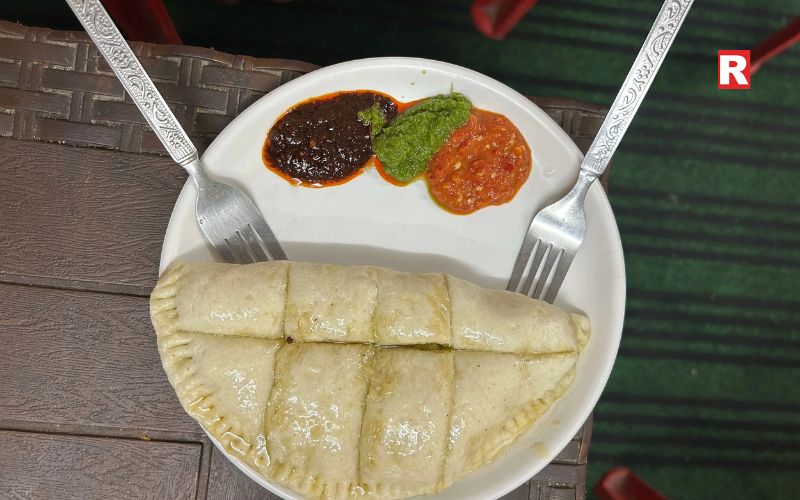
Siddu is a traditional dish that is widely enjoyed in Himachal Pradesh. It is made using wheat flour dough that is allowed to ferment for a few hours. This gives the bread a soft and slightly airy texture. The dough is then stuffed with fillings like poppy seeds or lentil paste. After shaping, it is steamed instead of fried. This keeps it light yet filling. It is usually served hot with ghee, dal, or chutney. The taste is mild but comforting. It is often eaten during winter as it provides warmth and energy. Siddu reflects simple mountain cooking and the use of basic ingredients in a practical way.
Read more: 8 Famous Vegetarian Dishes of Uttar Pradesh and Their Timeless Legacy
20 Famous Foods from Karnataka That Define Its Rich Food Culture
2. Dham (Traditional Himachali Thali)
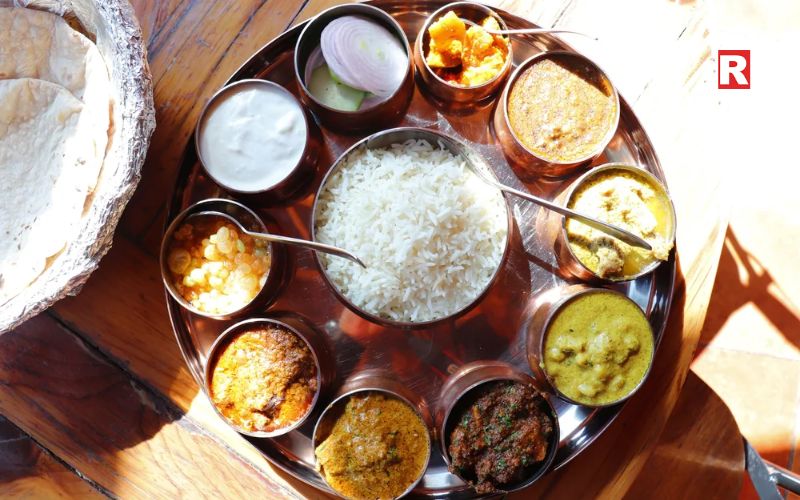
Dham is a festive meal that holds cultural importance in Himachal Pradesh. It is not an everyday dish but is prepared during weddings, festivals, and special events. The meal is served on leaf plates and follows a fixed order. It includes rice, rajma, kadhi, madra, and a sweet dish. The food is cooked by traditional chefs known as botis, who specialize in this style. The flavors are mild but rich, with a focus on yogurt-based gravies. It is completely vegetarian and cooked without onion and garlic. Dham reflects community dining and tradition. It is usually served to large groups, where people sit together and eat.
3. Trout Fish
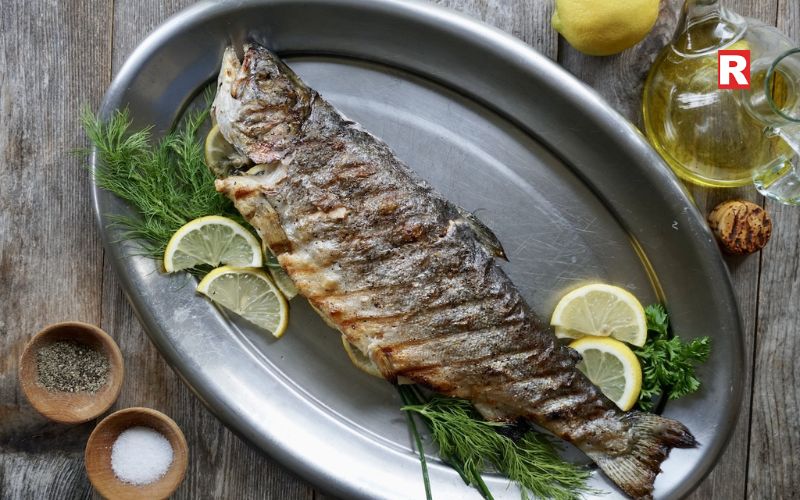
Trout fish is a popular dish in the hill regions of Himachal, especially in areas like Manali. The fish is sourced fresh from cold mountain rivers, which gives it a clean and delicate taste. It is usually marinated with simple spices and then pan-fried or grilled. The preparation is kept minimal to retain its natural flavor. The texture is soft and slightly flaky. It is often served with rice, boiled vegetables, or light gravy. This dish is preferred by those who enjoy non-vegetarian food with mild seasoning. Trout fish highlights the use of fresh, local ingredients and simple cooking methods common in the region.
4. Chha Gosht
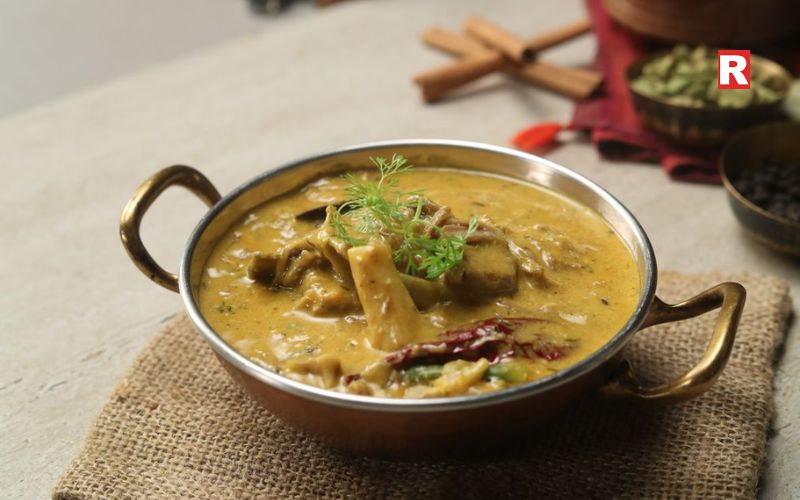
Chha Gosht is a traditional mutton curry from Himachal Pradesh. It is cooked using yogurt and gram flour, which gives it a thick and creamy texture. The mutton is slow-cooked to make it tender and absorb the flavors well. The spices used are strong but balanced. The yogurt adds a slight tang, which makes the dish different from regular meat curries. It is usually served with rice or roti. The dish is rich and filling, making it suitable for special meals. Chha Gosht reflects the use of dairy in Himachali cooking and the preference for slow cooking to build deep flavor.
5. Babru
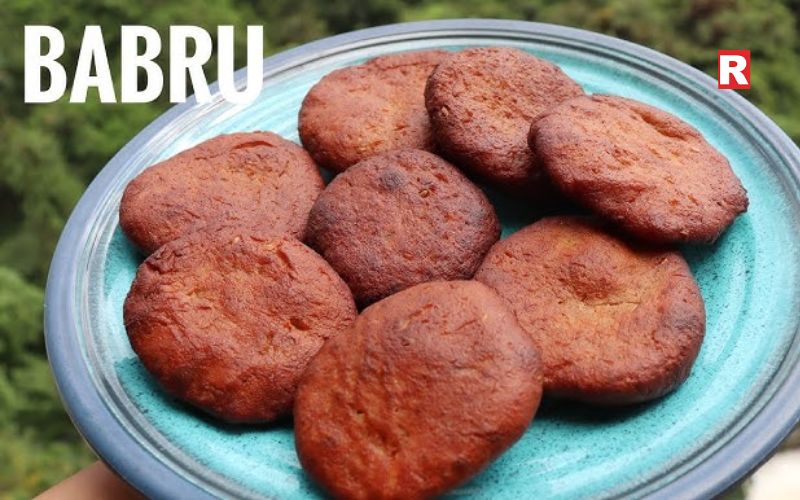
Babru is a popular snack in Himachal Pradesh and is often compared to kachori. It is made using wheat flour dough that is stuffed with a paste of black gram. The stuffed dough is then deep-fried until it becomes golden and crisp. The outer layer turns crunchy, while the inside remains soft and flavorful. It is usually served with tamarind chutney, which adds a sweet and tangy taste. Babru is commonly eaten as a breakfast or evening snack. It is also prepared during local festivals and gatherings. This dish shows how simple ingredients can be turned into a satisfying and tasty snack.
6. Aktori
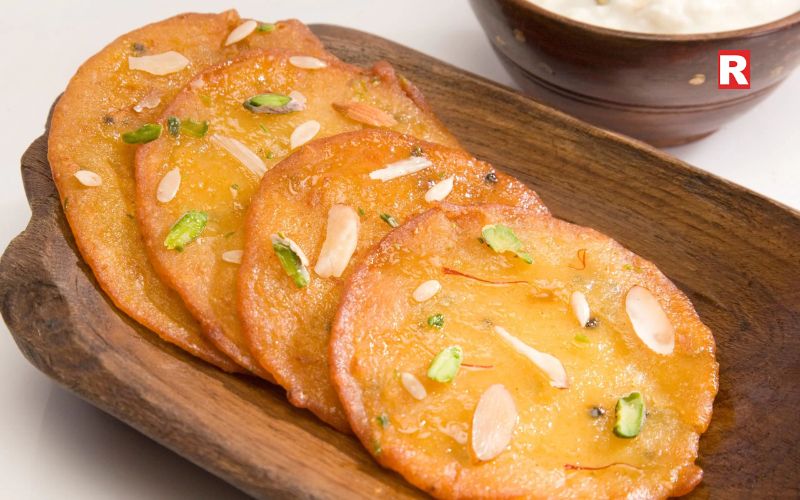
Aktori is a traditional dish from the tribal regions of Himachal Pradesh. It is made using buckwheat flour, which is locally available in the hills. The batter is simple and is cooked on a pan like a pancake. It has a slightly earthy and nutty taste due to the flour. The texture is soft but slightly dense. It is not very common in regular markets but is still prepared in homes during festivals and special occasions. It is often served with ghee or simple chutney. The dish reflects the use of local grains and seasonal ingredients. Aktori is known for being nutritious and easy to digest in colder climates.
7. Tudkiya Bhath
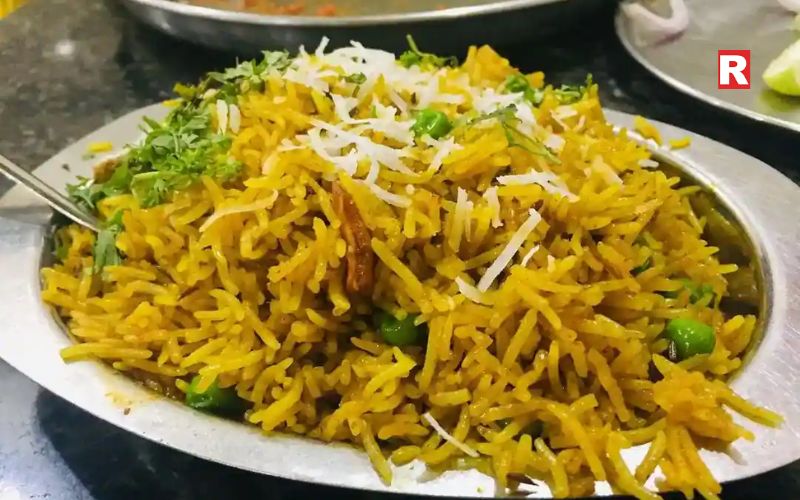
Tudkiya Bhath is a traditional rice dish from Himachal Pradesh. It is more flavorful than plain rice and is cooked with a mix of lentils, potatoes, and yogurt. The addition of curd gives it a mild tang, while spices add depth to the taste. The rice is cooked slowly so that all ingredients blend well. The texture is soft and slightly moist. It is usually served hot and works as a complete meal on its own. This dish is often prepared during gatherings and special occasions. It reflects a balanced use of grains, protein, and dairy, which is common in Himachali cooking.
8. Thenthuk
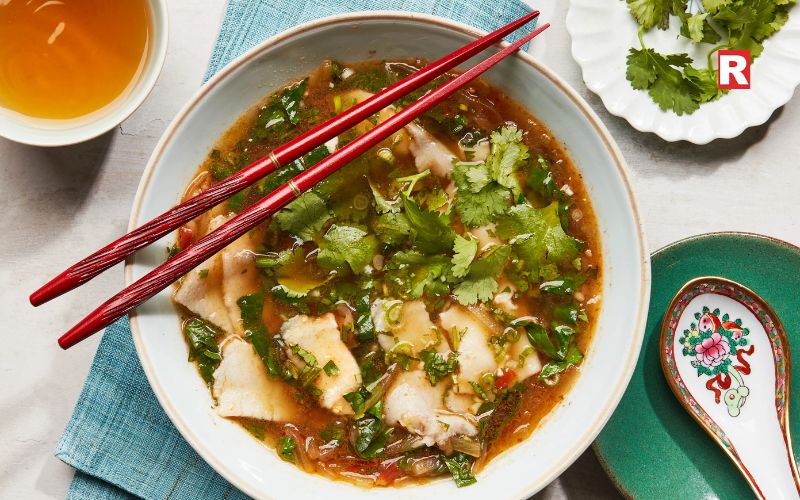
Thenthuk is a popular noodle soup that comes from Tibetan influence in Himachal Pradesh. It is made using hand-pulled dough pieces instead of regular noodles. These pieces are cooked in a light broth along with vegetables or meat. The soup is served hot and is known for its comforting nature. The broth is mild and not too spicy, making it easy to enjoy. The texture of the dough pieces is soft and slightly chewy. It is commonly eaten during cold evenings, especially in hill towns like Manali. Thenthuk reflects the blend of local and Tibetan food culture in the region.
Know more: 20 Famous Foods from Assam That Reflect Its True Food Culture
9. Momos
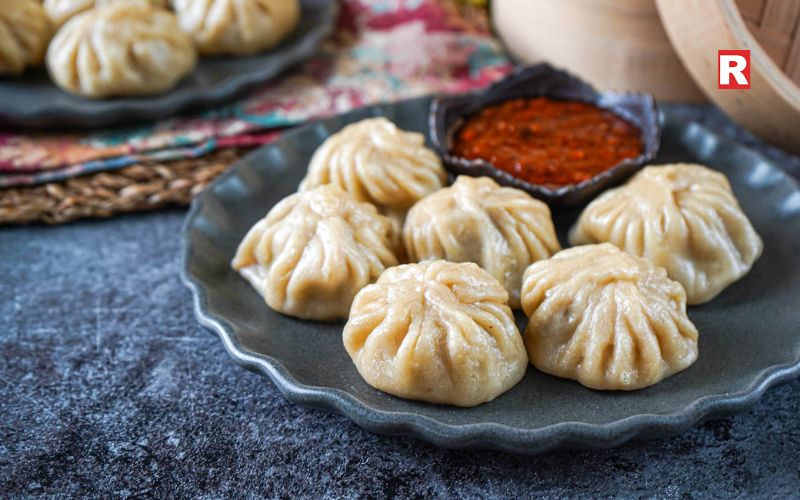
Momos are one of the most popular street foods in Himachal Pradesh. They are steamed dumplings filled with vegetables or meat. The outer layer is thin and soft, while the filling is juicy and flavorful. They are served hot with a spicy red chutney that adds a strong kick. Momos are easy to find in markets, cafes, and roadside stalls. They are often eaten as a quick snack while traveling or exploring the town. The preparation is simple, but the taste is satisfying. Momos show the influence of Tibetan cuisine and have become a regular part of daily food choices in the region.
10. Thukpa
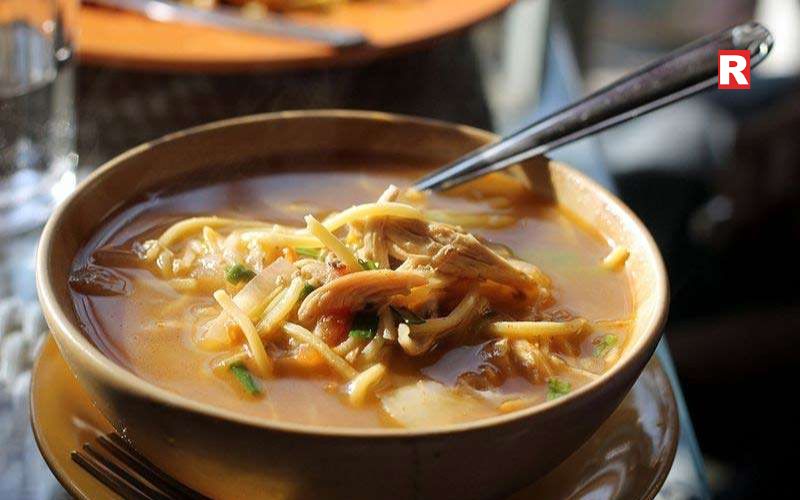
Thukpa is a well-known noodle soup that is widely consumed in Himachal Pradesh. It includes noodles cooked in a warm broth along with vegetables or meat. The broth is light but full of flavor, with mild spices that do not overpower the dish. The noodles are soft and easy to eat. It is usually served hot, making it a preferred choice during cold weather. Thukpa is commonly available in small eateries and street stalls. It works well as a filling meal. The dish reflects the influence of Tibetan cuisine and highlights the use of simple ingredients to create comfort food.
11. Siddu with Ghee and Dal
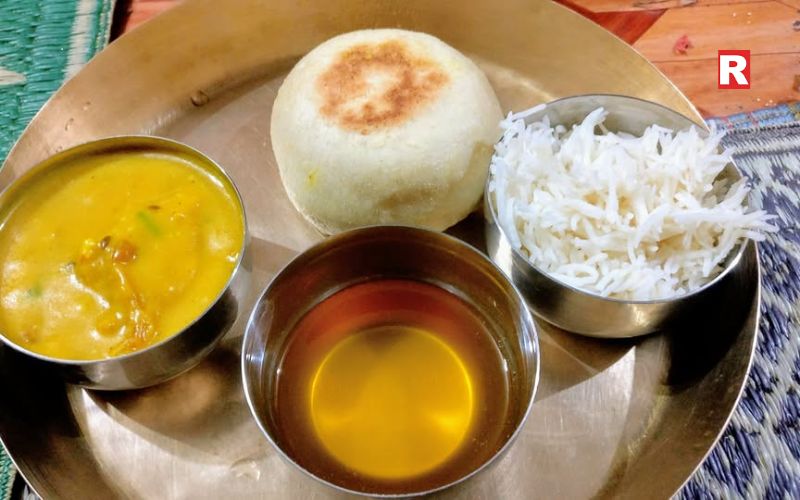
Siddu with ghee and dal is a more complete version of the traditional dish. The steamed wheat bun is served hot and topped with a generous amount of desi ghee. This adds richness and improves the overall taste. It is paired with simple lentil curry, which balances the texture. The softness of siddu works well with the smooth dal. This combination is filling and provides good energy, especially in cold weather. It is commonly served in local homes and small eateries. The dish highlights how basic ingredients can create a satisfying meal. It reflects the everyday food habits of the region.
12. Bhey (Lotus Stem Dish)
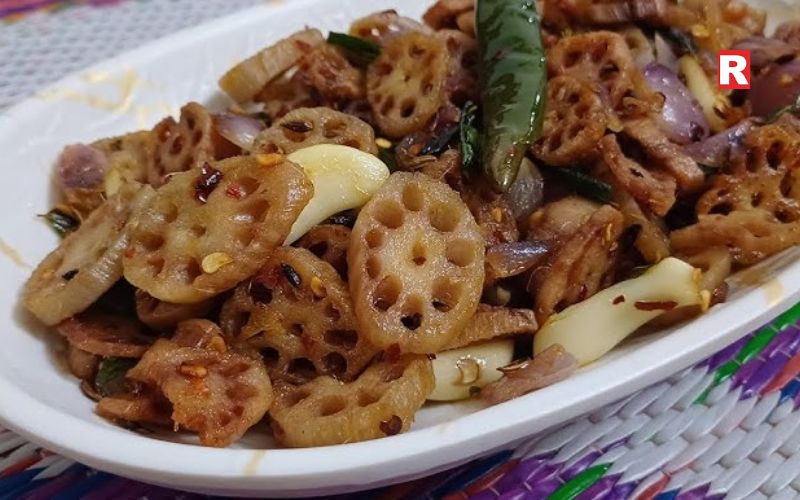
Bhey is a unique dish made from lotus stems, which are sliced into thin pieces. The stems are first cleaned properly and then cooked with simple spices. The texture remains slightly crunchy even after cooking. This gives the dish a different mouthfeel compared to other vegetable preparations. The taste is mild with a light earthy note. It is usually served with roti or rice. Bhey is not commonly found in many parts of India, which makes it special in Himachal Pradesh. It reflects the use of local ingredients that grow naturally in water bodies. The dish is simple but stands out for its texture.
13. Kullu Trout Curry
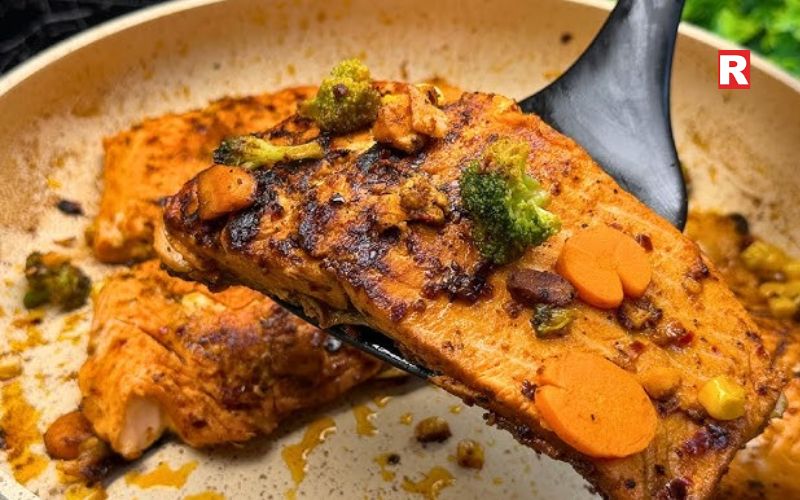
Kullu trout curry is a regional preparation that highlights local cooking styles. Fresh trout is used, which is sourced from nearby rivers. The fish is cleaned and cooked in a light curry made with basic spices. The gravy is not too heavy, which allows the natural taste of the fish to stand out. The texture of the fish remains soft and delicate. It is usually served with steamed rice. The dish is simple but well-balanced in flavor. It reflects the preference for fresh and local ingredients in the Kullu region. This preparation is popular among visitors looking for authentic regional food.
Check more: Top 15 Famous Foods of Jharkhand You Must Try
14. Mittha
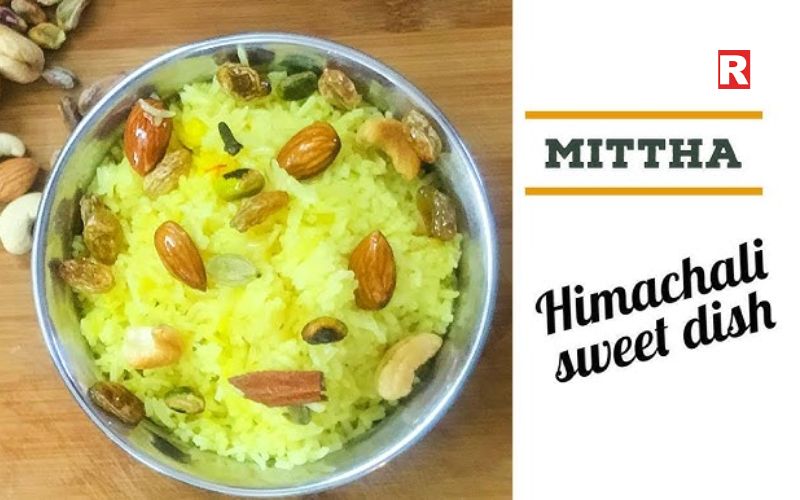
Mittha is a traditional sweet dish made from rice. It is prepared using sugar, saffron, and dry fruits. The rice is cooked until soft and then mixed with sweet ingredients. The flavor is mild and aromatic, with a hint of saffron. The texture is soft and slightly sticky. It is usually served during festivals and special occasions. Mittha is not overly sweet, which makes it easy to enjoy after a heavy meal. It is often part of traditional feasts like Dham. The dish reflects festive cooking and the use of simple ingredients to create a balanced dessert.
15. Local Apple Desserts
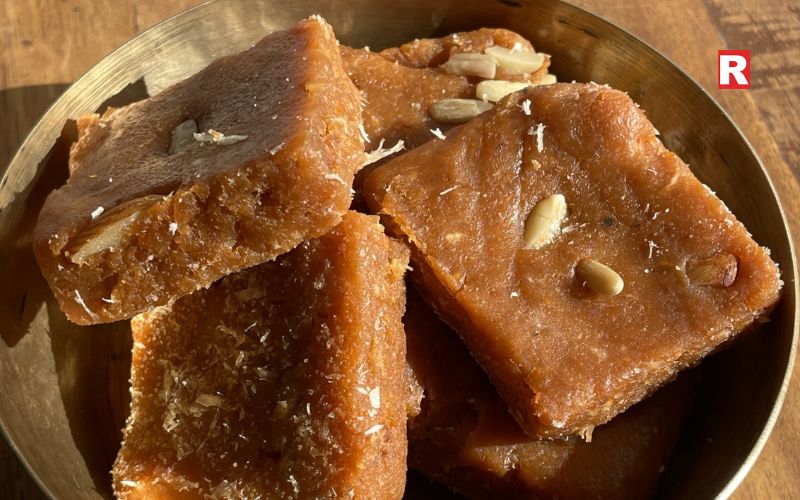
Himachal Pradesh is known for its high-quality apples, and this is reflected in local desserts. Fresh apples are used to make pies, jams, juices, and simple sweets. These desserts focus on natural flavor rather than heavy sugar or spices. The taste is fresh, slightly sweet, and mildly tangy. Many cafes and small bakeries in Manali offer these items. The use of local produce ensures better quality and freshness. Apple-based desserts are often enjoyed as light treats. They also represent the agricultural strength of the region. These desserts are simple but give a true taste of Himachal’s natural produce.
Best Places to Try Food in Manali
To explore the best food, head to Old Manali. This area has a mix of cafes and small eateries that serve both local and international dishes. Mall Road is perfect for street food like momos and snacks. Local dhabas offer the most authentic Himachali meals. Riverside cafes provide a relaxed setting with good food and views. Trying different places will give you a better understanding of the food culture.
Food in Manali suits every budget. Street food usually costs between Rs 50 and Rs 150. Local meals at small eateries range from Rs 150 to Rs 400. Dining at cafes can cost between Rs 300 and Rs 800, depending on the place. This makes it easy to try multiple dishes without spending too much. Winter is the best time to enjoy hot and hearty meals. Dishes like thukpa, siddu, and dham taste even better in cold weather. Summer is ideal if you want to explore cafes and lighter food options. Each season offers a different food experience.
Also check: The Rise of Keralan Cuisine: Why Global Foodies Are Obsessed with Malabar
Top 10 Vegan Street Foods in India Every Indian Loves
5 Cities That Serve the Best Non-Vegetarian Street Food
Happy Eating!
Manali is often seen as a scenic hill station, but its food adds equal depth to the experience. The region’s cuisine reflects its cold climate, local farming practices, and cultural mix of Himachali and Tibetan influences. Many visitors stay limited to momos and café menus, but that only shows one side of the food scene. Local dishes offer better insight into how people eat and live here. Siddu, made through slow fermentation, provides sustained energy in low temperatures. Dham, a structured festive meal, highlights balanced nutrition with lentils, rice, and curd-based gravies. Thukpa, a hot broth with noodles, supports warmth and hydration in high altitudes. Each dish is built around function as much as flavour. For travellers who want a deeper and more real experience, exploring these foods adds strong value to the trip. It turns a simple visit into a more complete cultural understanding of Manali.
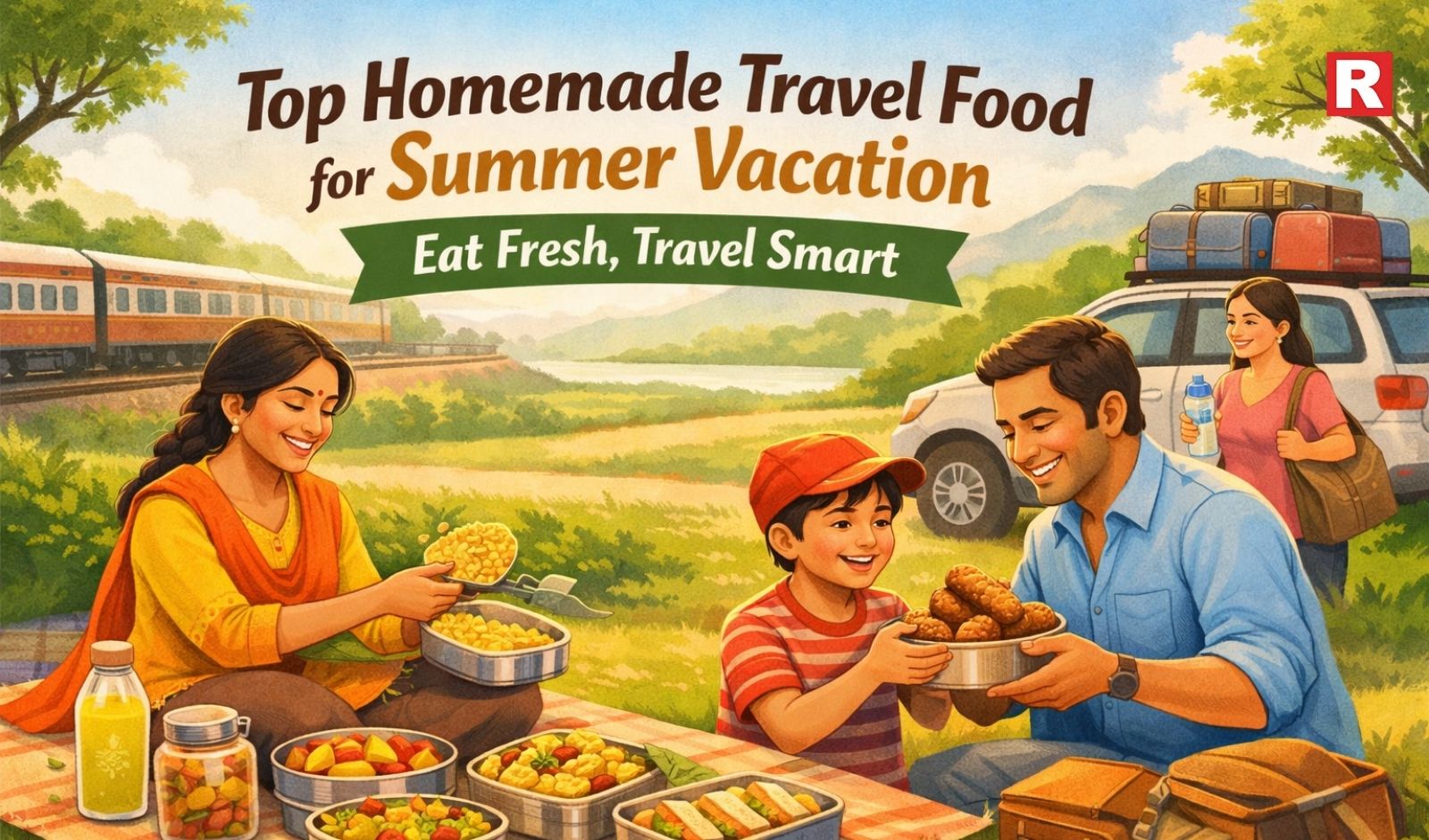
Summer trips are exciting. But travel food can be tricky. Outside food often feels heavy, oily, and unsafe in high heat. Long journeys make it worse. Food spoils faster. Digestion slows down. And one wrong meal can ruin the entire trip.
Homemade travel food solves this problem. It is clean, fresh, and easy on the stomach. It also saves money and gives better control over ingredients. With the right choices, you can carry food that stays fresh, tastes good, and keeps you active throughout the journey. This guide brings practical, tested ideas that work well in Indian summers.
What to Look for While Packing Travel Food
Indian summers often cross 30°C. At this temperature, bacteria grow quickly in food. Items with high moisture, dairy, or oil spoil faster. This increases the risk of food poisoning.
Homemade food gives you control over hygiene and ingredients. You can avoid excess oil, reduce spices, and skip perishable items. It also helps you maintain energy levels during long trips. Light, simple food digests easily. It prevents bloating, fatigue, and dehydration. This is important during train journeys, road trips, or flights where movement is limited. Choosing the right food is important. Not everything travels well in summer.
Focus on these key points:
- Low moisture content: Dry foods last longer. They reduce the chances of bacterial growth.
- Good shelf life: Pick items that stay fresh for at least 6–10 hours without refrigeration.
- Balanced nutrition: Include carbs for energy, protein for fullness, and some healthy fats.
- Easy to carry and eat: Avoid messy or leaking food. Choose items that can be eaten without reheating.
- Portion control: Pack small quantities. It reduces waste and keeps food fresh.
Dry Snacks That Travel Well
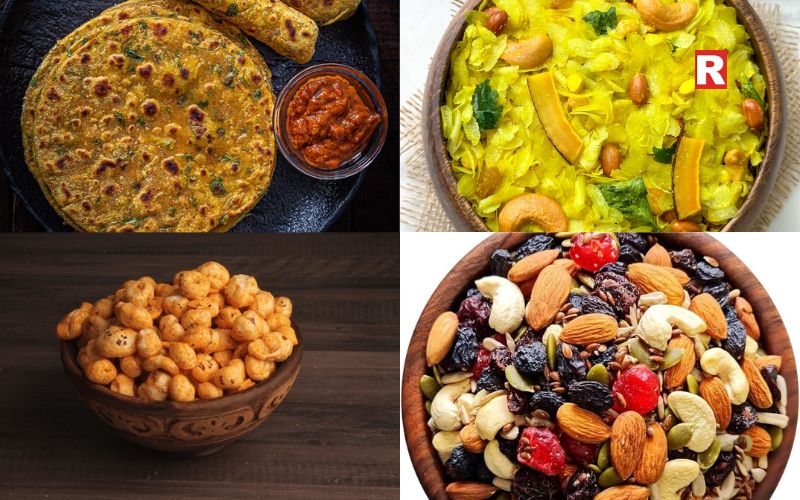
Dry snacks are the safest option for summer travel. They have low water content and stay stable in heat.
Thepla: A popular Gujarati flatbread. It stays fresh for long hours. Add methi for better taste and digestion. Apply light oil to keep it soft.
Poha chivda: Light and crunchy. Easy to carry and eat anytime. It gives quick energy without feeling heavy.
Roasted makhana: A healthy snack. Rich in fiber and low in calories. Roast with a pinch of salt or spices.
Dry fruit mix: Almonds, cashews, raisins, and walnuts are perfect for travel. They provide instant energy and keep hunger away.
These foods work well because they have low moisture. This slows down microbial growth and keeps them safe for longer.
Read more: Sattu vs Paneer vs Soyabean: Know the Real Difference
5 Cities That Serve the Best Non-Vegetarian Street Food
Light and Filling Meal Options
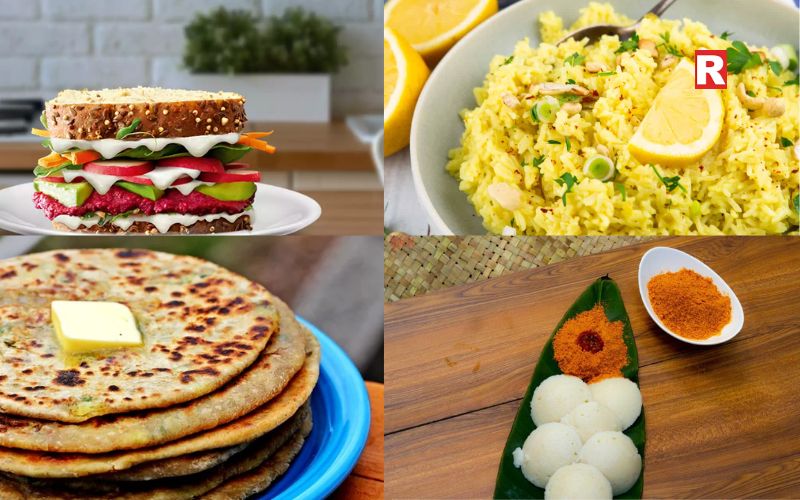
Sometimes snacks are not enough. You need proper meals during long journeys.
Vegetable sandwiches: Use whole wheat bread. Avoid mayonnaise. Add cucumber, tomato, and boiled potato. Use butter lightly to prevent sogginess.
Lemon rice: A great summer dish. It stays fresh longer due to its low moisture and acidic nature. It also helps maintain electrolyte balance.
Stuffed parathas: Choose dry fillings like aloo or paneer. Use less oil while cooking. Wrap in foil to keep them fresh.
Idli with dry chutney: Soft, light, and easy to digest. Pair with dry chutney powder instead of coconut chutney.
These meals provide a balance of carbohydrates and light fats. They keep you full without making you feel heavy.
Hydrating and Cooling Options
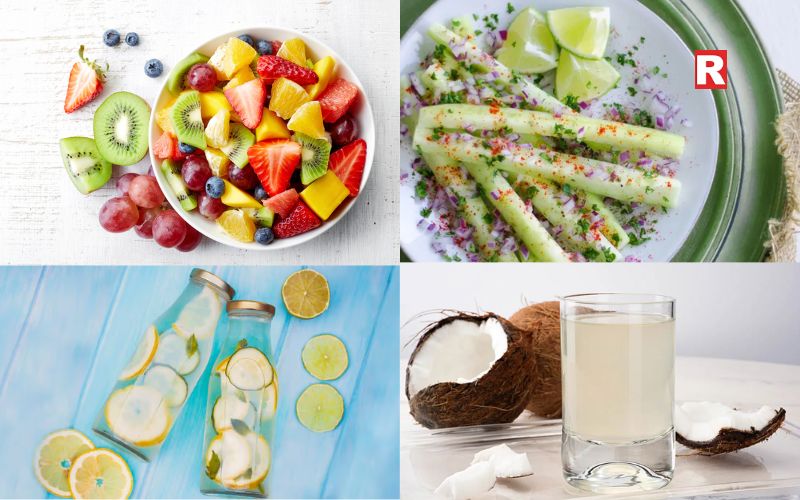
Hydration is very important during summer travel. The body loses water quickly.
Fresh fruits: Carry fruits like apples or oranges. They are easy to store and eat. Avoid cutting them too early.
Cucumber sticks: Refreshing and cooling. Store in airtight containers.
Lemon water: Add salt and sugar for instant energy. It helps prevent dehydration.
Coconut water: A natural electrolyte drink. Best consumed fresh during short trips.
Avoid storing cut fruits for too long. Exposure to air increases oxidation and bacterial growth.
Know more: Pani Puri Has Different Names in Different Indian States—Know Them All
Kids-Friendly Travel Snacks
Traveling with kids needs extra planning. They often feel hungry and crave junk food.
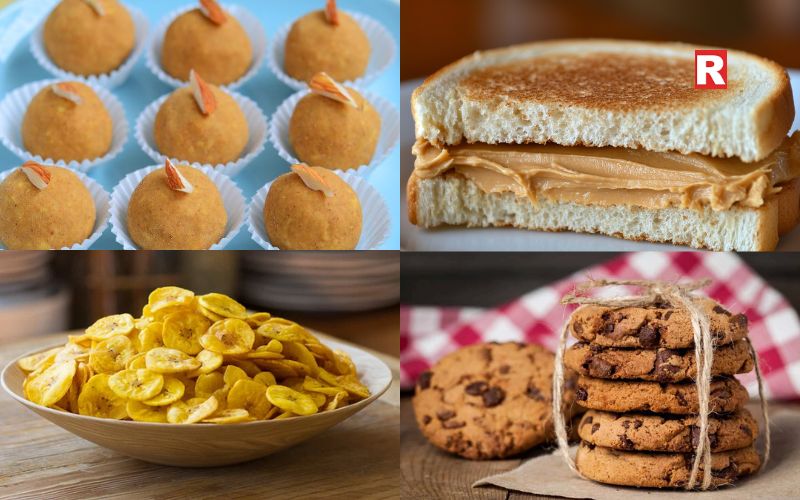
Homemade laddoos: Made with atta, dry fruits, or coconut. They are energy-rich and easy to carry.
Peanut butter sandwiches: Simple and filling. Kids enjoy the taste and it keeps them full.
Banana chips: Crunchy and travel-friendly. A good alternative to packaged chips.
Homemade cookies: Use less sugar and butter. Store in airtight containers.
These snacks reduce dependency on outside food. They are healthier and more satisfying.
Smart Packing Tips for Travel Food
Packing plays a big role in keeping food fresh.
- Use insulated lunch boxes for better temperature control
- Wrap food in butter paper to prevent sogginess
- Carry small ice packs for items like fruits
- Use stainless steel containers instead of plastic
- Keep dry and wet food separate
Good packing reduces contamination and extends shelf life.
Also check: 10 Mountain Foods to Keep You Warm While Visiting One
Best Indian Sweet Brands in India
Misri in Summer Diet: Traditional Cooling Benefits You Should Know
Happy Summer!
Travel food does not have to feel dull or unsafe. With a little planning, anyone can carry meals that stay fresh and taste good. Homemade food works best in summer. It is lighter on the stomach and safer in the heat. It also helps avoid oily and heavy outside food. Simple dishes made at home give better control over ingredients. This makes them healthier and easier to digest. Packing the right food can also save money during the trip. Light meals and dry snacks help maintain energy levels. They prevent tiredness and discomfort during long journeys. Choosing the right items keeps the body hydrated and active. Good packing also keeps food fresh for longer hours. Even small steps can make a big difference. A little effort before leaving can ensure a smooth travel experience. Eating smart while travelling helps people enjoy their vacation without stress or health issues.

There is nothing like food to connect the world, cutting across borders, cultures and races. And with each country, and at times each city or town, offering a wide variety in terms of gastronomic experiences, food is something that spreads good cheer too. Underlining this was the recently held, and fascinatingly curated, fine dining event by Together at 12th, an experiential fine dining restaurant, along with the famous Nadodi Restaurant of Malaysia, which showcased their authentic nine-course meal to let diners experience a transformative gastronomic journey.
Nadodi Restaurant, which is well known for its ‘nomad South Indian cuisine’, uses flavours and ingredients that South Indians contributed to the region’s culinary diversity when they were settling in the Malay Peninsula and Singapore. Chef de Cuisine Sricharan Venkatesh and Chef Vanshika Bhatia together with their team served amazingly conceptualised dishes with meticulously crafted cocktails with each dish for two days on September 13 and 14, 2019.
Together at 12th believes in using local produce in a world-class way. It then combines traditional and ancient techniques of making food collected from across India and the knowledge gained by working all over the world to create innovative culinary spreads. As such, in the recent event, each of the dishes or drinks had unique flavours that at times brought nostalgia to the fore. Meanwhile, Akshar Chalwadi, head of the beverage programme and the co-owner of Mixologist at Together at 12th joined hands with Nitin Tewari to create a special beverage menu that was perfected paired with the food.
Here’s a sample: mushroom and rose burger, okra with bajra roti, banana and barley koot, chicken salami with cured egg and pistachio, ragi sourdough and beet kombucha sorbet were some of the sumptuous dishes that were served at this exclusive feast. In cocktails, rasam distillate, a most revered drink by Nadodi, stole the show. It had fermented tomatoes with warm rasam. This drink was made of three different types of tomatoes to make the rasam and the leftover tomatoes were then used for fermentation of the drink. Smoked salmon, fennel and basil distillate with chilli oil was another such unforgettable drink.
Not only the dishes were a treat to the eyes but they were equally unique in their taste too. A cocktail drink of Jim Beam whiskey with tamarind and Earl Grey was served in a clay glass with a butterfly made of tamarind over it. As someone rightly remarked, there didn’t seem any need to go all the way to Kaula Lumpur when you could have the rasam distillate here in India. The meal was priced at two options: Rs 4,500 for the nine-course menu paired with non-alcoholic beverages and Rs 6,000 for the nine-course menu paired with cocktails or wine. In short, a wonderful evening that had the taste buds dancing with delight!

There is always space for improvement, no matter how long you've been in the business – Oscar De La Hoya said.
The Indian Railways is one of the oldest industries in the country. Through constant innovation and evolution, it has continued to maintain its position as the most preferred mode of transport in India. As such, the railway system of India is today, a lifeline of the country’s transport system. If you look at a snapshot of the railway industry from 10 years ago, you will notice some remarkable changes present today, in terms of technology and efficiency. With 23 million travelers and 3 million tonnes (MT) of freight being transported daily by the railways alone, the Indian Railways is also one of the largest railway systems in the world.
This is why, the Indian Railways is now actively launching a flurry of redevelopment projects, designed to facilitate a much-needed makeover of some of the main transport hubs of India. The Piyush Goyal-led Railway Ministry has planned to revamp around 50 important stations, and invested INR 7,500 crore in the renovation. As part of this initiative, the Ministry is aiming to give the railway stations an almost airport-like makeover. Equipped with a wide range of lavish and advanced facilities and amenities, soon, railways will be able to provide the utmost convenience for all travelers.
The aim is to offer amenities like posh lounges, modern public toilets, lifts, escalators, water vending machines, and also partnering with top food brands and restaurants to provide travelers with world class food which is both hygiene and tasty as the ones at airports. The redevelopment programme has started taking shape at few of the railways stations including the likes of Habibganj, Gandhinagar, Anand Vihar, Bijwasan, Chandigarh, Shivaji Nagar, Surat, Baiyyappananhalli, Nagpur, Gwalior, Amritsar, Gandhinagar (Jaipur), Sabarmati, Kanpur, and Thakurli to name a few.
The food and beverage segment in the industry has also undergone a significant transformation in recent years. Today, most customers are extremely conscious of quality and health, and are willing to pay accordingly, for it. Thus, cleanliness and sanitary conditions of food and beverage stalls in railway stations, especially suburban ones, are being scrutinized carefully, to ensure adherence to health standards. In addition to that, Railways will soon also have a range of meal options and lavish food courts, akin to the ones present at major highways, such as the NH58 Highway and the NH 4 Highway.
To this end, it has already started handing out tenders to private players to set up retail outlets for their brands, within the stations. This is sure to upgrade the travel food industry within the railways. The very way that people consume food while travelling by trains has been transformed with the launch of Rail Dhabas at stations like Vishakhapatnam, Agra Cantt, Madurai, Vijaywada, and Pune. Such tenders have brought a new wave of privatisation within railway stations that has never been seen before. Waiting areas are also being upgraded into posh lounges with food plazas and stalls, so that waiting passengers can fully utilise their free time at the railway stations.
There is no doubt that the infrastructure of Indian Railways is on a transformative path towards a glorious future. With the amount of funds being set aside for redevelopment projects and the entry of private players into the railway ecosystem, it can be said with utmost surety that in the near future, the railways will definitely be at par with airports, in terms of quality, hygiene, amenities, and convenience.

The Indian food and beverage industry is growing at an astronomical rate of 17%, owing to 34% of Indians who admitted to eating out at least twice a week. These phenomenal statistics are a direct result of India’s ever-increasing standard of living brought about by the general trend of uninhibited economic growth since the 1991 liberalisation reforms.
With jet-setting travellers patronising meals-on-the-go, airports and railway stations have become the new platter for culinary experiences. While restaurants and hotels have dominated the sector in recent years, the next great wave of growth for the food and beverage industry will come from the proverbial ‘skies’.
While in the past dining opportunities available for fliers were more or less limited to the airport café or home cooked foods, today the only inconvenience one faces in this regard is the agony of choice. Indian airports, especially those in the four metro cities, have a plethora of culinary options, including fine dining restaurants worthy of the best hotels, premium lounges which are the envy of the world, and franchises of some of their city’s most ‘happening’ and beloved pubs like Irish House. Furthermore, while retail stores at airports for the past travellers were more prone to making an impulse purchase, today they veer towards need-based buying and making the most of the unique experience and benefits that shopping at an airport offers.
The substantial fall in airline prices brought about primarily by increased competition has resulted in these services no longer being constrained to the rich. The Union Budget of 2018-2019 was extremely favourable to the transport sector and emphasised particularly on domestic connectivity via air travel. This, coupled with people’s ever-increasing disposable incomes, has resulted in the air travel sector becoming a highly lucrative business venture for some of the world’s leading brands.
Profits aside, having one’s brand showcased at an airport, national or international, is a matter of great exclusivity and pride. Airport authorities are very selective about the companies they choose to associate with, and that in itself is a conscious reminder to travellers that the brand in question is truly exceptional in its standards of cleanliness, quality, and hygiene, to have made the cut.
It is not just air travel experience that has got an upgrade, but even the railways have chugged ahead on their own steam. Indian Railways is among the largest transportation systems in human history with 22 million passengers availing the service each day;a figure that is larger than the entire population of the Mumbai city. Each of these passengers is a potential customer, and so, even international giants like McDonald’s, KFC, Dominos, and Subway have set up outlets in humble stations across the nation, resulting in food courts that could rival Mumbai’s biggest malls, and lounges with world class facilities.
In the past, due to concerns of hygiene and pricing, the vast majority of railway travellers had to make do with their own personal provisions from home. However, given the Union Budget of 2018-2019, which favoured the Indian Railways to a large degree and the government’s SwachhBharat campaign, the hygiene issues plaguing the sector should be largely resolved in the near future. Once again, the increasing disposable incomes of Indian travellers, the introduction of all-inclusive train services like the Tejas Express and The Rajdhani Express, make this sector a promising new frontier for the food and beverage industry.
In some cases, these brands have gone so far as to update their products in order to cater to the price consciousness of Indian travellers. A good example of this is Subway’s 4-Inch sub, which was developed when it came to light that the price point for the product had to be competitive and well below the minimum price of the brand’s iconic 6 Inch sandwich. The sub was also conceived keeping in mind customer’s convenience of grabbing something to eat on the go. As a result,it is not uncommon for one to see Subway outlets at stations all around the country, and given their success, it is certain that other players will soon join in the bonanza.
It would not be incorrect to state that the quality of restaurants, lounges, and cafes in airports are equivalent to, and in some ways even supersede their counterparts in the outside world. Railway stations still have a long way to go before they reach these levels of excellence, but they are getting there. The fact remains, that as Indian’s incomes rise, these hubs of tourism and business will continue to attract brands from around the world. It is about time the Indian F&B industry capitalised on this trend that will eventually redefine the sector for decades to come.

The Indian Food and Beverages service industry has seen a remarkable growth in the recent past and it continues to expand rapidly. It is known to be one of the most dynamic industries in the country. The food and grocery retail sector accounts for 16 per cent of India’s GDP and by 2020, is pegged to contribute to 66 per cent of the total revenue of the retail sector. And with the food retail spurt the industry, which stood at USD 641 billion in 2016, is expected to rise to USD 1.6 trillion by 2026.
This sector has drastically evolved over a decade, by giving rise to exciting new concepts in food and beverage offerings and innovative service elements. As per India Food Service Report 2016, full service restaurants and quick service restaurants together account for a majority of 73 percent of India’s food service industry. The reason for this changing scenario is to be attributed to the changing demographics, increase in disposable incomes, rapid urbanisation and growth of organised retail.
A rise in the young population along with a fast-paced trend of eating out and experimenting with different cuisines has provided a plethora of growth opportunities for food service business operators in the country. Considering India having a substantial food loving consumer base, this in turn leads to a significant potential market for F&B growth. Also, the globalization due to extensive travels which have evolved the Indian palate considerably are an important factor in the growth story. According to the National Restaurant Association of India(NRAI), Indians on an average eat not more than two times a month, compared to 40 times a month in Singapore. This consumption gap proves that India also has a huge market opportunity in the industry.
The F&B consumption during travel is following a similar trend where convenience, food experimentation and quality are ruling the roster of reasons for growth. This makes airports, railways and highways a high potential revenue generator. This sector has paved way for brand new opportunities for the retailers to reach out to their consumers travelling for business or leisure.
Gone are the days when the travellers were limited to home cooked food and airplane food. Today, passengers are nothing but spoilt for choice with the plethora of culinary options available, including fine dining restaurants, franchises of popular pubs and premium lounges. Today’s traveller community considers time and convenience as their biggest motivations. For this convenience, the travellers do not mind paying a premium and this has given rise to brands which are specific to the travellers’ needs.
Airport retail is expanding at a very fast pace as souvenirs shops, luxury goods to F&B outlets and other brand experiences, retailers try and take advantage of the captive audiences during the time they have between security check, boarding time and layovers. With an increase in traveller more and more people are bound to delays and layovers which leave them wandering the place, during such time retail travel proves to be of great help. At airports apart from the comfortable and clean premises, passengers appreciate the quick service. Travellers also value the quality of food and drinks being served.
Railways and highway travel experience is also being transformed. Railway stations are now embracing well-known brands like KFC, McDonalds at the station. Earlier passengers would have to depend on their own home cooked food due to poor hygiene and low quality of food provided at the local food stall. The latest trends for railway lounges and railway food courts have made different F&B brands a common sight at the station. In addition to hygienic food, brands are constantly innovating to offer customised options to match competitive pricing and cater to all consumer profiles. With the help of eCatering services which enables passengers to order meals of their choice by simply making an order on the phone or through online booking where their meals will be delivered right to their seat. These advancements are encouraging more and more brands to associate with railway food retail business.
Food retailing at highways are also picking up in an organised manner which is also emerging as a unique sector. Today with the entire food retail sectors transformation, one does not have to worry about the availability of food. The F&B outlets in highways cater to travellers looking for good quality refreshments as per their convenience. Due to improvements in infrastructure and roads and people now opt to travel by road. This enhances the scope for food retail services in the highways. As the roadways and highways are being improved across the nation, there has been an increase in vehicular movement. People travelling by road now expect better privileges and services along the highway. These eating and refreshment points have proven to be rejuvenating points for the weary traveller.
As the F&B industry is booming it has a direct impact on the travel retail space. There is an increase in the number of travellers, a ride in disposable income and thus the travel and food retail sector is sure to grow exponentially.
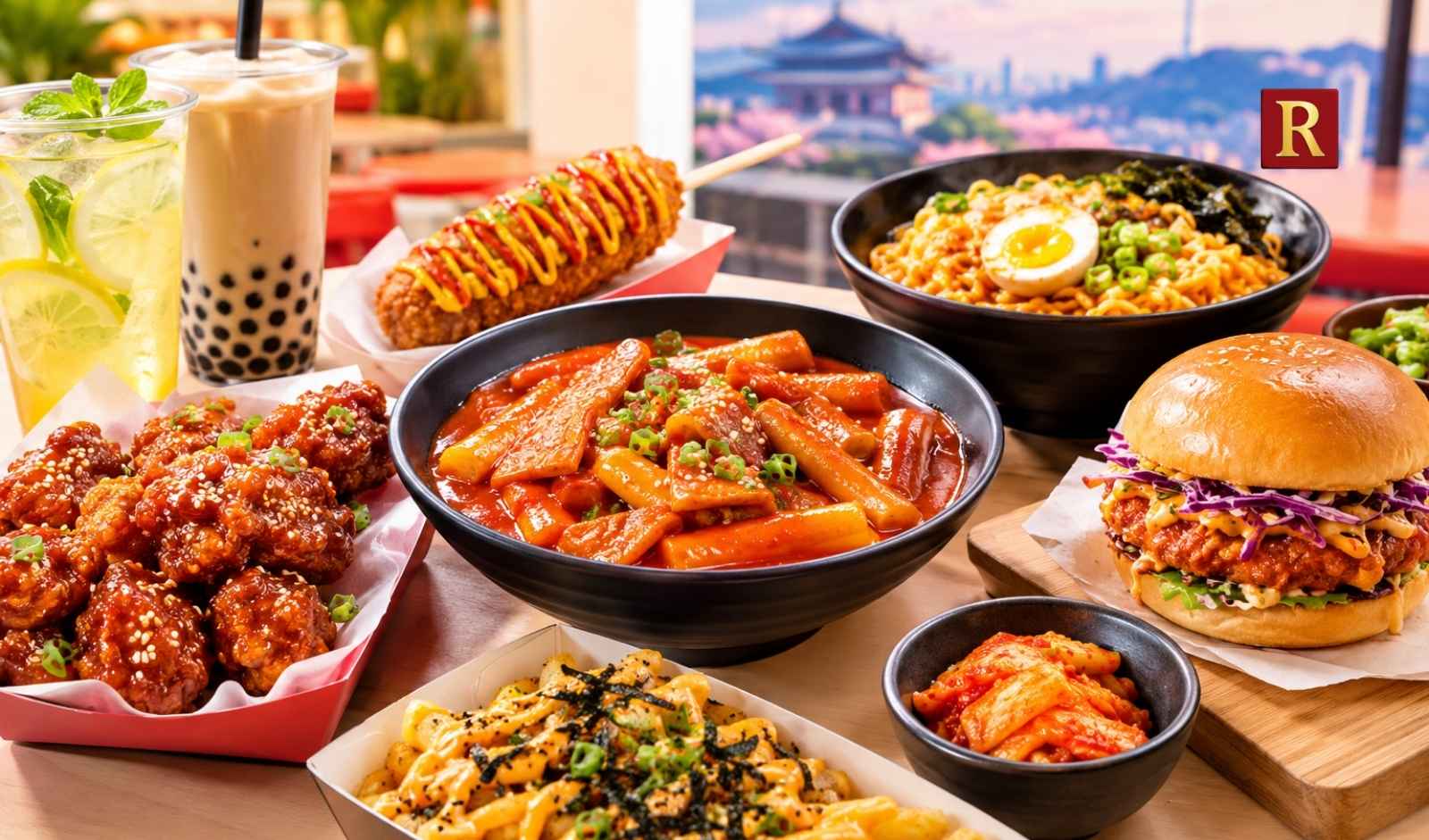 Street FoodIndia's Korean food market is developing through several layers. Some brands focus closely on Korean recipes and techniques. Others use Korean…
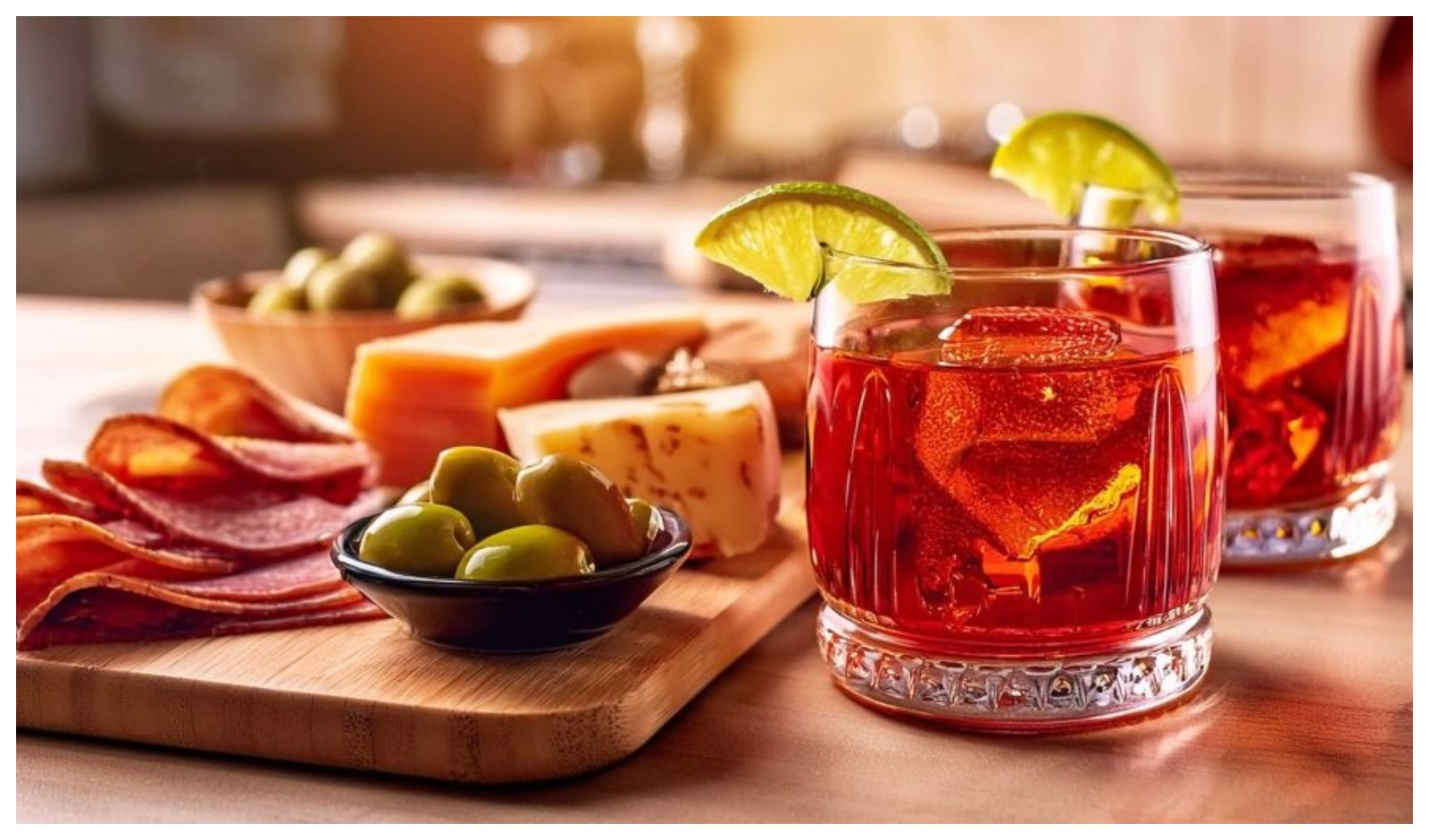 Bars and restaurantAccording to the 2025 What India Is Drinking report, based on 125 bars across 17 cities, the Negroni was the country’s most popular gin cocktail.
 Cafe BusinessThe next mainstream café ingredient may therefore not be the most unusual one. It may be the ingredient that makes something unfamiliar feel easy to…
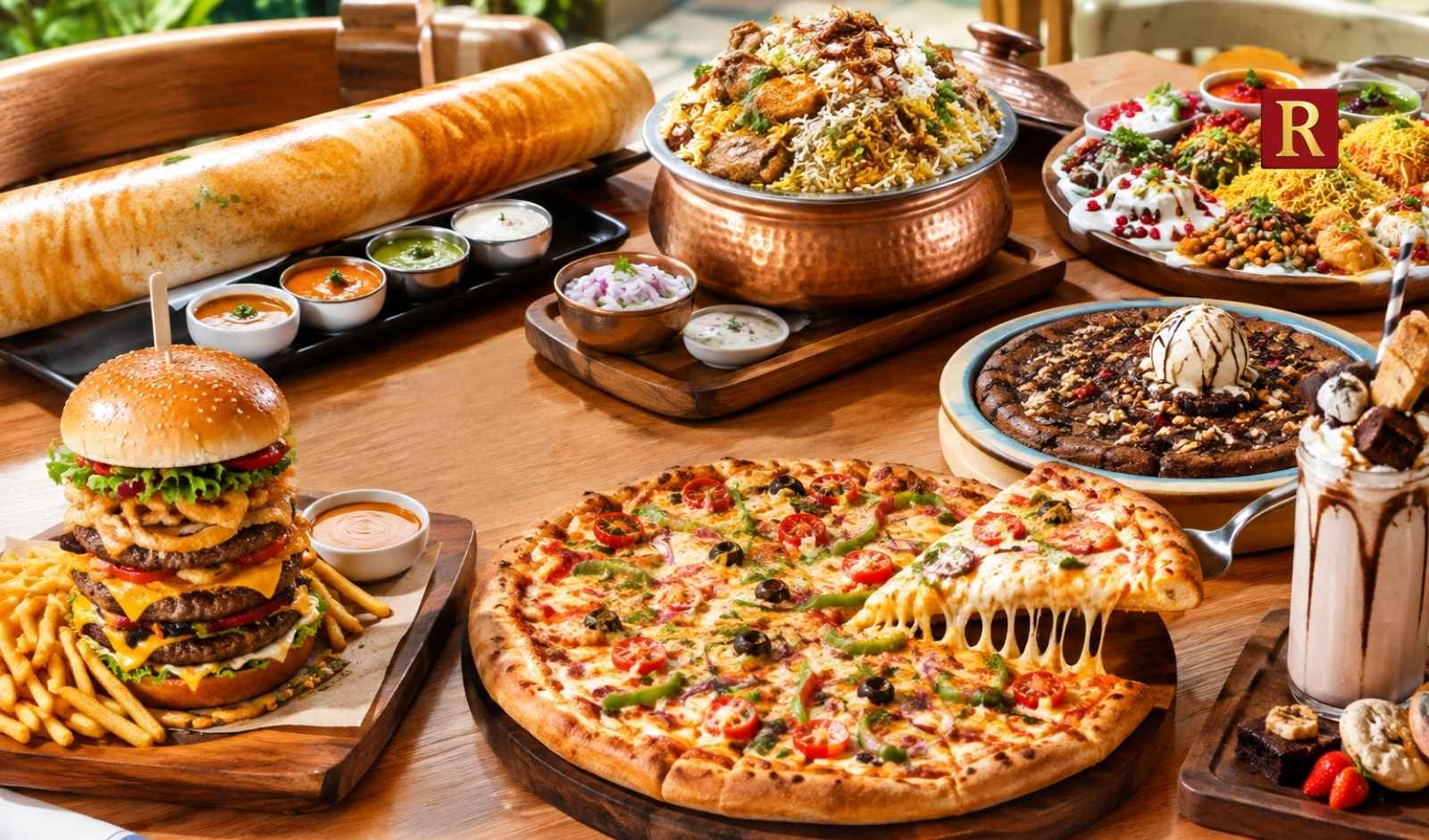 Indian restaurantsOversized food is ultimately less about putting more food on the table and more about giving customers a reason to gather around it.
Copyright © 2009 - 2026 Restaurant India.