


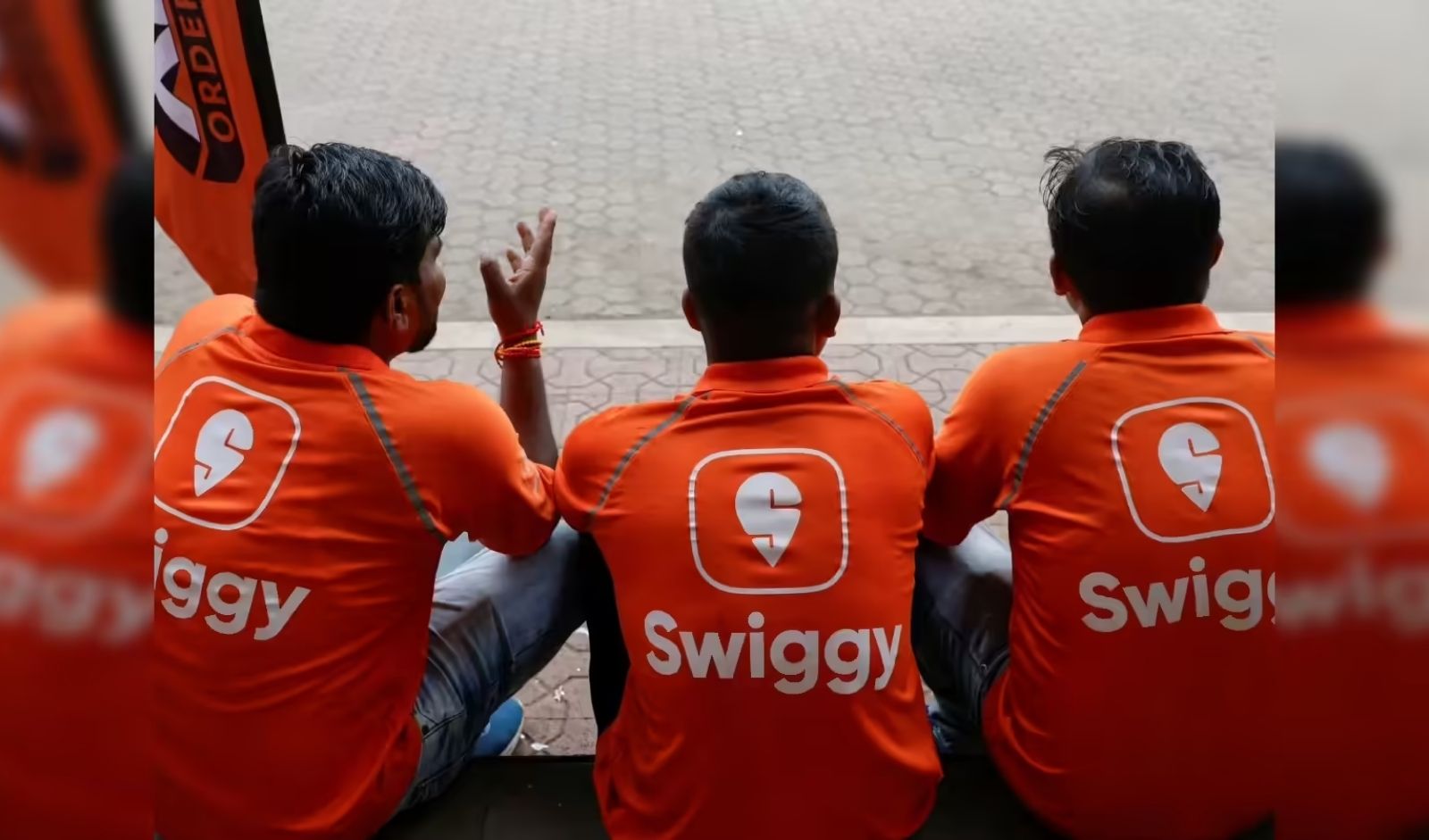
Swiggy on Wednesday clarified that the proposed changes to its board nomination structure are linked to its long-term plan of qualifying as an “Indian Owned and Controlled Company” (IOCC) under India’s foreign exchange regulations.
The clarification came after institutional investors sought more details regarding the purpose of the proposed amendments, according to a regulatory filing by the company, which also operates quick commerce platform Instamart.
Swiggy said the amendments are intended to streamline “legacy nomination rights” while maintaining management continuity and board-level representation for executives involved in executing the company’s long-term strategy.
“The company wishes to clarify that the Proposed Amendment also forms part of a broader endeavour by the company to become an Indian Owned and Controlled Company (IOCC) under applicable Indian foreign exchange laws and regulations, as and when the resident shareholding in the company increases beyond 50 per cent with necessary regulatory and shareholder approvals,” Swiggy said.
The move is significant for the food delivery and quick commerce industry, where companies continue to evaluate ownership structures and governance frameworks as competition intensifies across online food ordering, restaurant delivery, and instant commerce categories.
Under existing FEMA regulations, a company can be classified as Indian-owned and controlled only if ownership and control are held by resident Indian citizens or eligible Indian entities. This also includes a board composition and nomination structure that supports domestic control over the board.
Swiggy said its current structure does not have an identifiable promoter group with a substantial shareholding or dominant board representation that could independently ensure domestic control. The company added that it considers it important to establish a governance framework that supports its effort to become an IOCC through majority domestic shareholding and a domestically controlled board structure.
“The proposed amendments do not, by themselves, result in the company being classified as an IOCC,” Swiggy said in the filing, adding that additional shareholder approvals and corporate actions would be needed before the process is completed.
The development comes at a time when food delivery and quick commerce companies are expanding deeper into India’s organised retail and hospitality ecosystem, with governance structures increasingly becoming a focus area for investors and regulators.
 RelianceVantara was launched in 2024 as a 3,500-acre animal rescue, treatment, and rehabilitation project in Jamnagar, Gujarat, under the Reliance Foundation…
 Fund raisingThe company said it recorded nearly 50 percent growth in sales during investor discussions and is aiming to double revenue over the next six months,…
 MumbaiThe Colaba location has also been designed to shift formats through the day, operating as a café and casual work-friendly environment during daytime…
-
SwiggyThe development comes at a time when food delivery and quick commerce companies are expanding deeper into India’s organised retail and hospitality…
Copyright © 2009 - 2026 Restaurant India.