


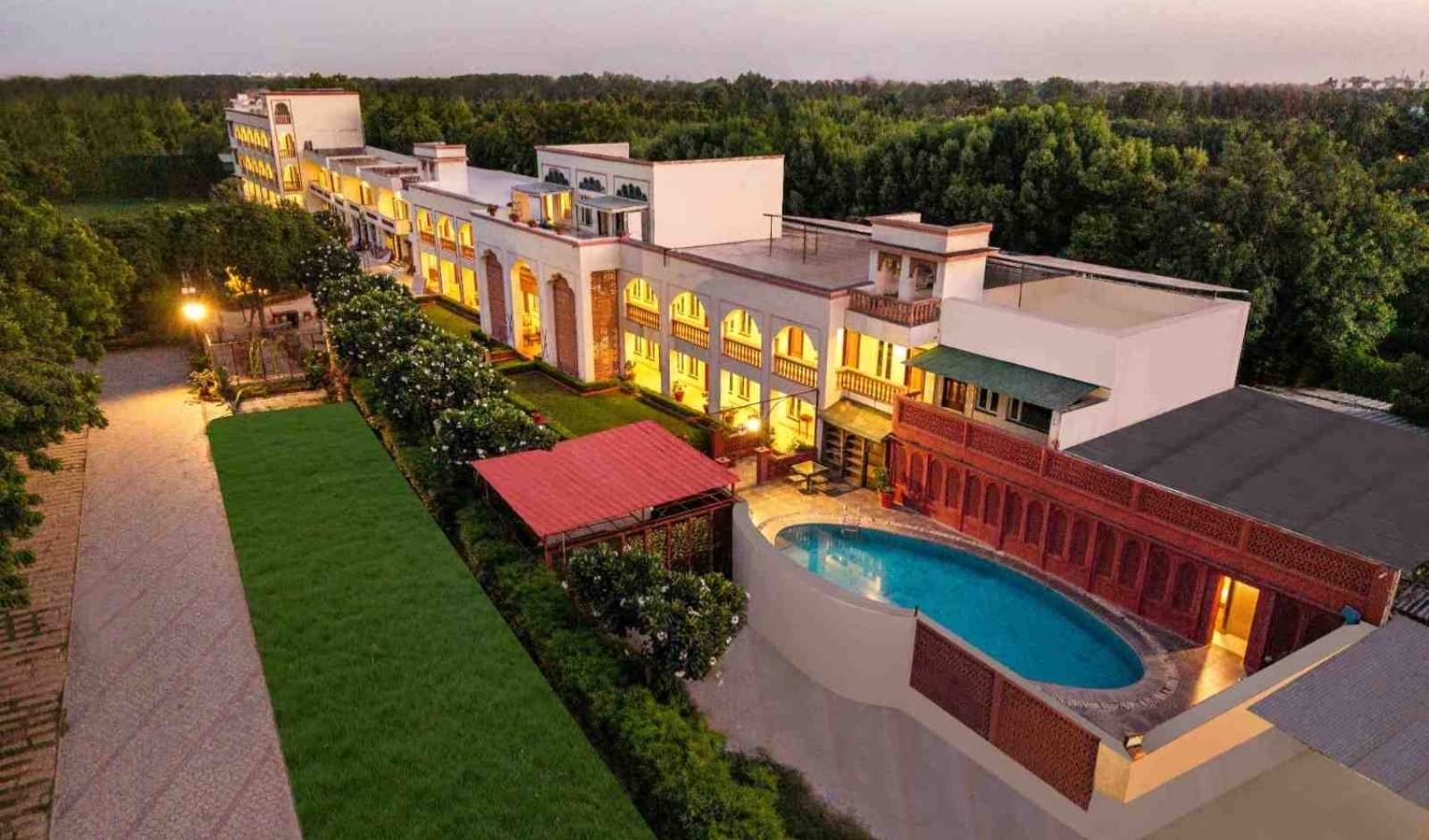
Sterling Holiday Resorts Limited presented a structured roadmap for expansion, outlining how the brand intends to scale through demand-driven development, circuit planning and capital discipline.
Vikram Lalvani, Managing Director and CEO, detailed how the company has repositioned itself amid industry cycles. “Let me set the context right for Sterling — we survived, revived and are now thriving, underscoring the brand’s resilience through industry disruptions and its evolution into a sharper, more purpose-driven hospitality company,” said Lalvani.
Sterling’s strategy reflects a wider structural shift in Indian travel patterns. Rather than expanding purely on geographic opportunity, the company is aligning growth with consumer intent. “Scale without relevance is noise! Our growth is anchored in structural shifts in Indian travel behaviour — and in building formats that translate those shifts into durable demand and repeat intent. The blueprint of our expansions in the next 2-3 years is about connecting India through circuits and scaling with operational discipline,” Lalvani stated.
Sterling’s underwriting framework now evaluates destinations based on travel motivations such as faith-led tourism, wellness and digital detox stays, sleep-focused retreats, nature programmes, family travel and short drive-to breaks. Instead of treating properties as isolated assets, the company is building regional travel circuits that link multiple destinations into single itineraries. According to Lalvani, “What-A-Trip and our circuit strategy are not marketing overlays; they are demand architecture tools. We don’t sell standalone stays — we design journeys that create repeat intent and reduce seasonality.”
This circuit-led model is designed to manage occupancy volatility and smoothen seasonal fluctuations, two persistent challenges in resort hospitality. By encouraging multi-stop travel, the company aims to increase length of stay and customer lifetime value while lowering dependence on peak periods.
Operationally, Sterling is leveraging its Discoveries & Experiences (D&E) platform to integrate local cuisine, cultural programming, guided trails and regional partnerships into the guest journey. The objective is to convert emerging or secondary destinations into repeat travel options rather than one-time visits. From a retail hospitality lens, this reflects an attempt to standardise experience depth while maintaining location-specific differentiation.
The company currently operates over 3,800 keys across 63 destinations, covering beaches, hill stations, wildlife zones, pilgrimage routes and developing regional markets. Its portfolio diversification supports risk distribution across micro-markets. Combined with its legacy vacation ownership base and repeat customers, this footprint enables Sterling to influence demand patterns in new locations instead of depending solely on existing travel flows.
On the development front, Lalvani outlined an asset-right and conversion-led expansion strategy. The approach prioritises faster time-to-market and capital efficiency over traditional greenfield development. “Conversions help set the velocity for the brands, and we got that with our model of being asset-smart but the phase where we are now focussed is Scale. Our objective is surely about rapid key addition, but also a risk-adjusted, owner-aligned expansion that strengthens portfolio resilience and long-term returns,” he said.
For owners and investors, this signals a shift toward structured, risk-managed growth. Rather than maximising management fees in the short term, the company is positioning expansion around long-term portfolio stability and alignment with property partners.
Sterling’s selective entry into city-oriented markets follows a similar principle. Instead of targeting primary urban inventory growth, the brand is focusing on multi-demand nodes where pilgrimage, healthcare, education and commercial activity overlap. Even in these markets, it retains a resort-style positioning and integrates them into its broader circuit ecosystem. This hybrid model reflects the blending of urban demand drivers with experiential leisure formats.
Lalvani also highlighted the importance of validating new markets through phased rollouts and performance-linked partnerships. “We measure success as wealth creation for the owner, not just fee maximisation. Growth without discipline weakens both brand equity and long-term value,” he noted.
This indicates a cautious expansion posture in contrast to aggressive inventory-led scaling seen in certain segments. Structured validation, staggered ramp-ups and owner alignment are positioned as safeguards against overextension in emerging destinations.
A core element of the strategy remains workforce and community integration. Sterling continues to prioritise local hiring and decentralised property management structures, enabling operational authenticity while supporting regional employment. Many properties are run by local teams, reinforcing community linkage and reducing operating friction in diverse markets.
Technology deployment is also part of the growth framework. The company is investing in systems that personalise guest journeys and improve back-end efficiency, while retaining a service model built on human interaction. This dual focus aligns with broader hospitality trends where digital infrastructure supports, but does not replace, on-ground service delivery.
As Indian travel demand becomes more fragmented and purpose-driven, Sterling’s circuit model and asset-smart expansion could offer a template for mid-scale resort operators seeking durable growth without disproportionate capital exposure. With over 3,800 keys already operational across 63 destinations, the next 2–3 years will test the scalability of its conversion-led approach and its ability to translate travel intent into sustained occupancy.
 LeadershipAs Pune continues to attract corporate travel, events and leisure demand, the role of revenue leadership remains critical in balancing rate integrity…
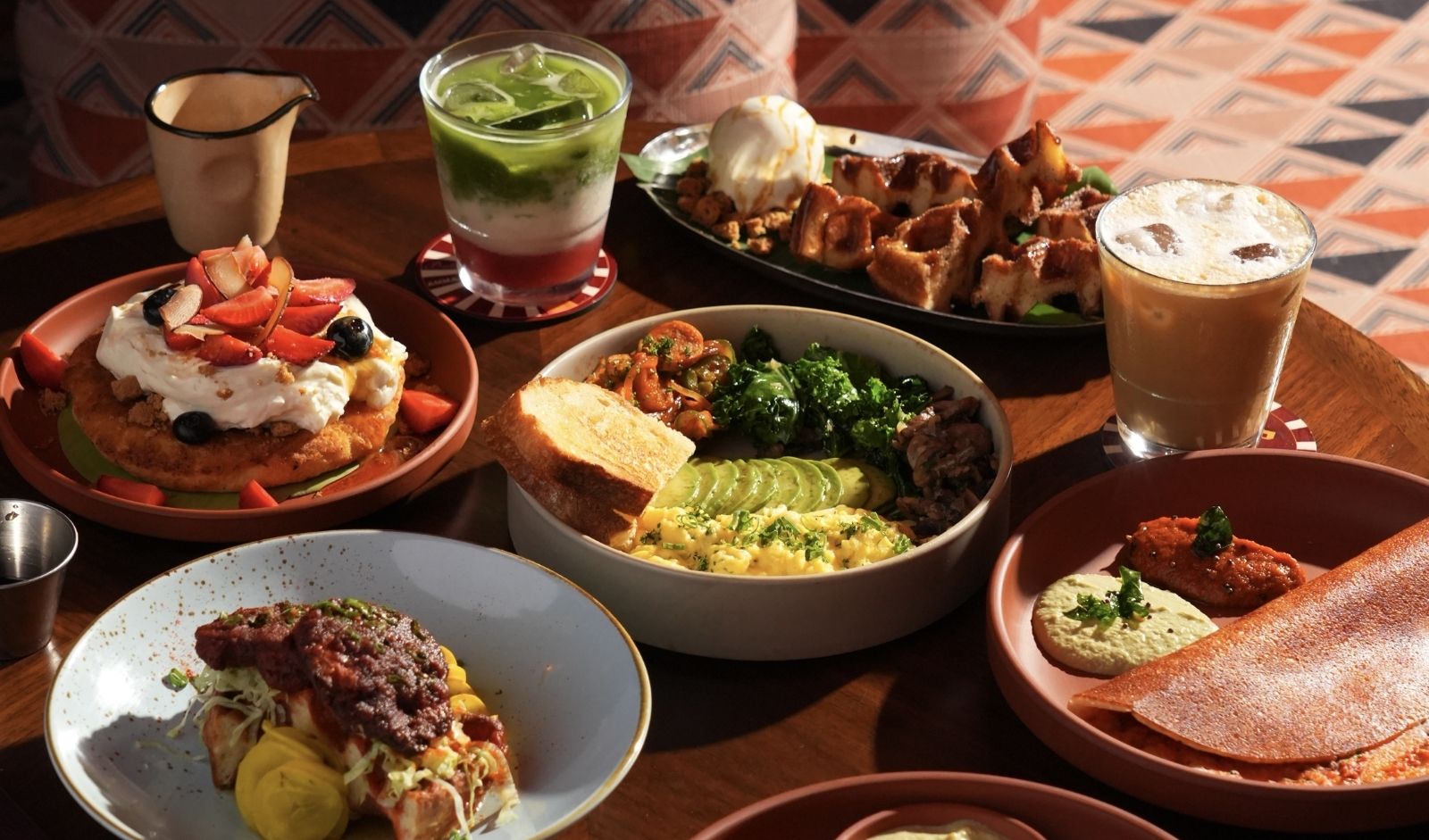 GrowthAmmakai's shift reflects a wider trend of structured daypart monetisation, where restaurants extend operating rhythms to maximise revenue…
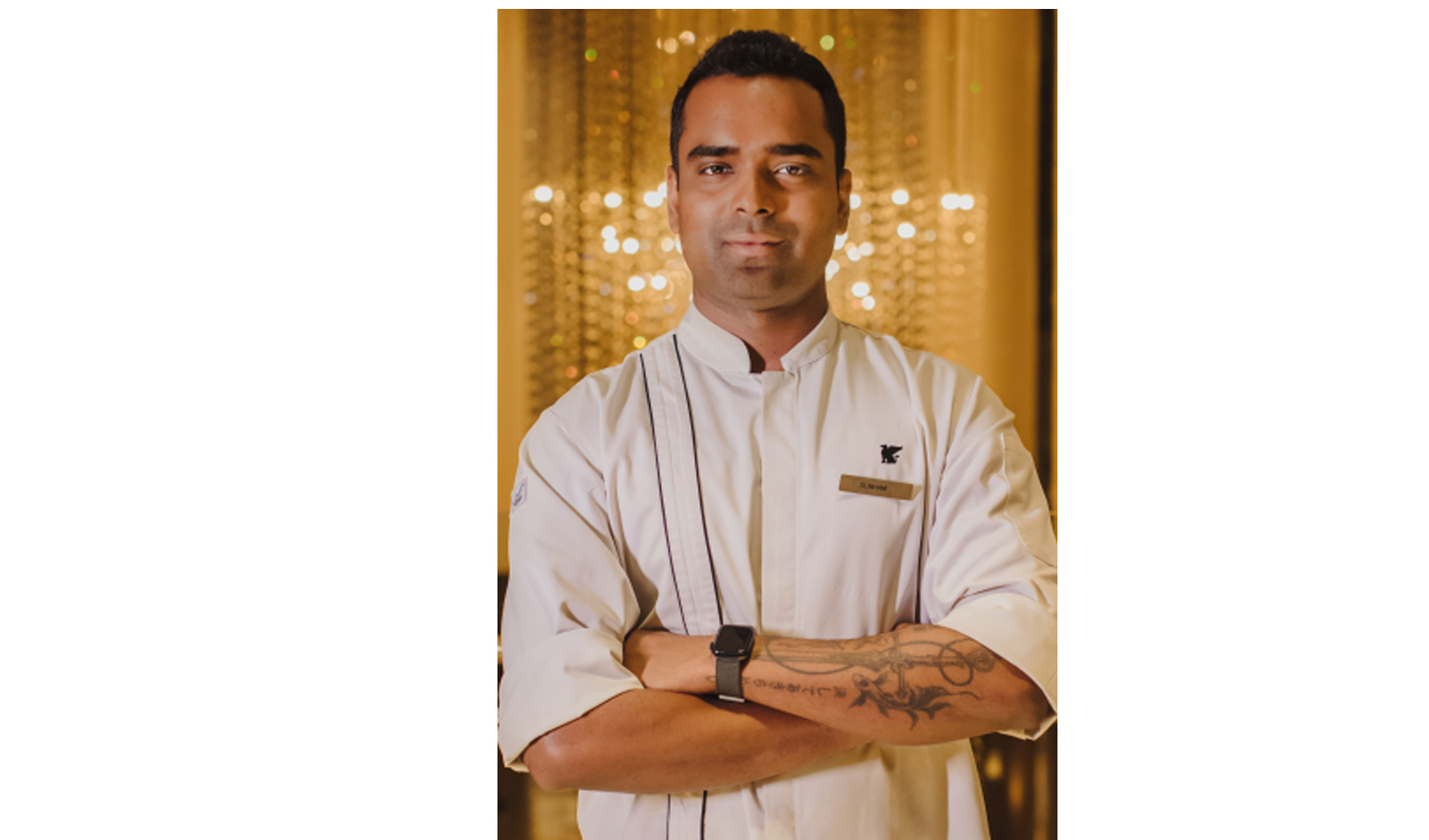 JW Marriott HotelAs Sous Chef, Chef Dhar will focus on menu execution, culinary consistency, and supporting the kitchen team in delivering an exceptional dining…
-
GrowthWith over 3,800 keys already operational across 63 destinations, the next 2–3 years will test the scalability of its conversion-led approach and its…
Copyright © 2009 - 2026 Restaurant India.