



When Mohammed Bhol, Chef-turned-Entrepreneur and Co-Founder of House of Biryani, began his journey 15 years ago, the ambition was simple yet focused. A personal vision board carried many goals, one of which read, “Start my own food venture.” That early aspiration has since translated into a structured and growing food retail business, recently marked by M.S. Dhoni joining the brand as an investor.
Bhol’s early professional experience in Gordon Ramsay’s kitchen often led to assumptions that his career would be driven by Michelin aspirations. However, the focus remained firmly on understanding food as a business. His objective was to learn food systems end to end—how products are developed, how costs are managed, how operations scale, and where challenges emerge when creativity intersects with profit-and-loss accountability.
This operational mindset aligns with a larger shift across India’s hospitality sector, where scalability, efficiency, and unit economics now play a defining role in long-term brand success. For House of Biryani, this thinking was forged through multiple early setbacks.
The journey included a dessert business that failed to gain momentum, repeated rejections from investors and venture capital firms, and several unsuccessful experiments that resulted in financial and time losses. While these experiences slowed progress, they also helped build resilience and reinforced the belief that a single successful decision can offset numerous earlier rejections. According to Bhol, these lessons were foundational, and he would not change any part of the process if starting again.
That persistence is now reflected in measurable business outcomes. In 2024, House of Biryani touched revenues of Rs 33 Cr, demonstrating sustained growth in a highly competitive food retail environment. The brand has also expanded beyond India, entering Dubai as part of its strategy to take biryani to international markets while retaining operational consistency.
Alongside financial growth, the business has invested in building a loyal customer base that values reliability in both food quality and service delivery. Within the industry, this balance between standardisation and brand trust has become a critical driver of repeat consumption.
M.S. Dhoni joining House of Biryani as an investor has been positioned as a validation of the company’s core beliefs rather than a marketing milestone. From a hospitality industry perspective, such partnerships typically reflect confidence in leadership, governance, and long-term scalability.
From a single line on a vision board to international expansion, Mohammed Bhol’s journey illustrates the realities of building a food retail brand—extended timelines, operational failures, financial discipline, and the gradual accumulation of credibility. As Bhol reflects on the path so far, the sentiment remains that the business is still at an early stage of its growth curve.
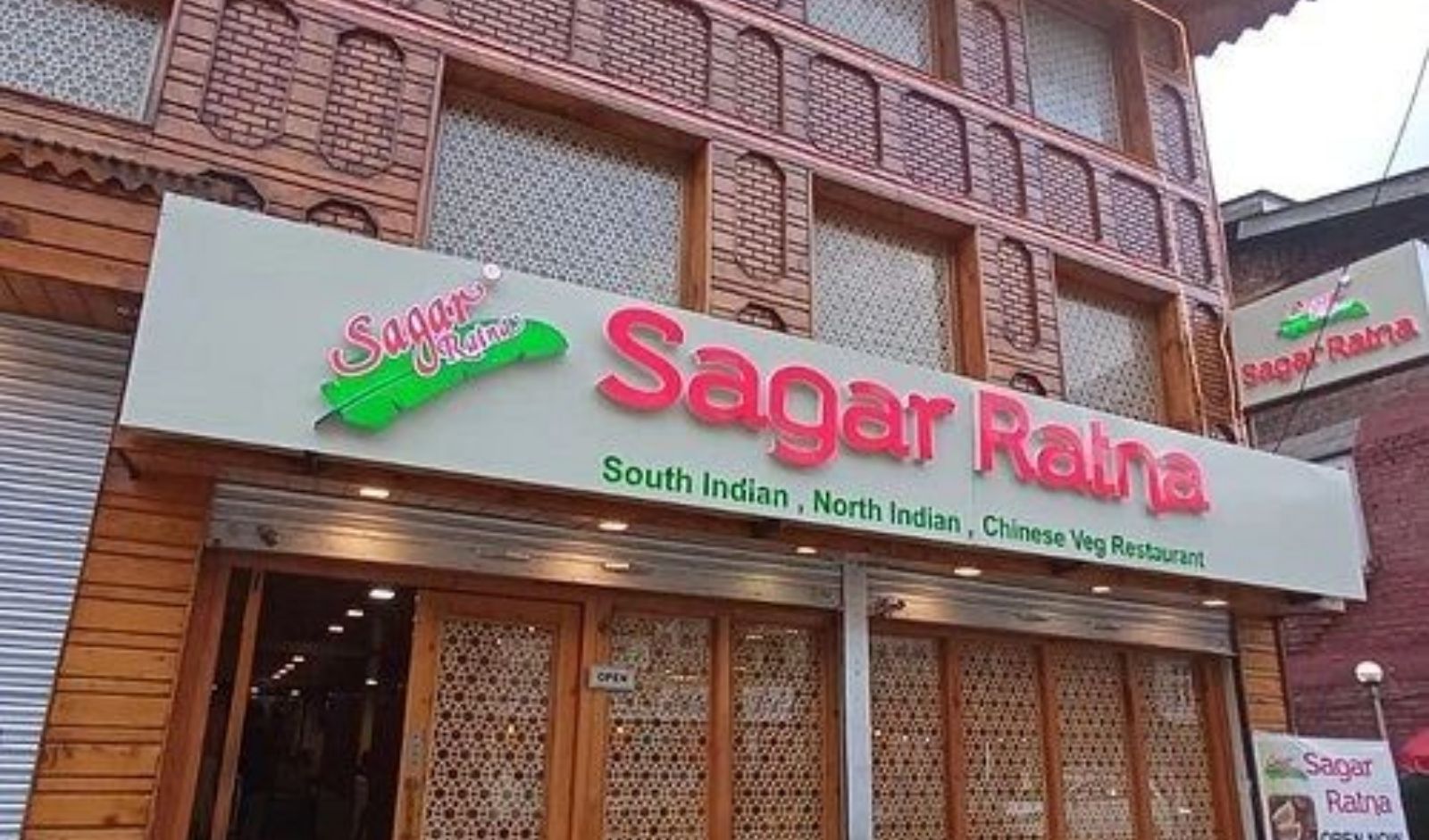 GrowthThere was no reference to luxury dining or modern chains. Instead, the story focused on how a modest South Indian restaurant evolved into one of…
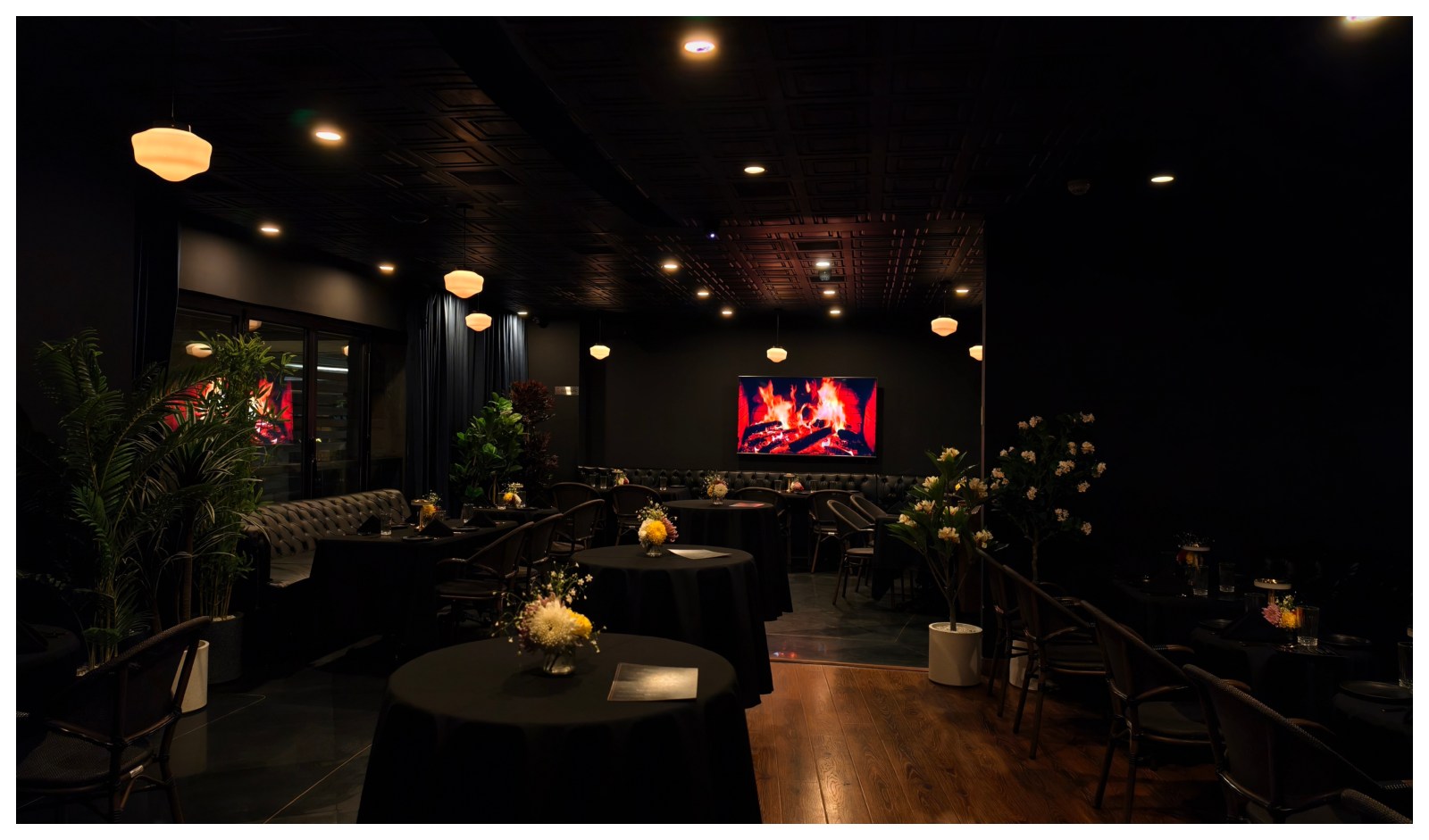 Restaurants in IndiaThe revamped space continues Dirty Apron’s hallmark blend of European comfort and Asian influences, presented through a menu that reflects the…
-
ResaturantThat perspective now reflects in the company’s recent performance and strategic milestones. HOB closed 2024 with revenues touching Rs 33 Cr,…
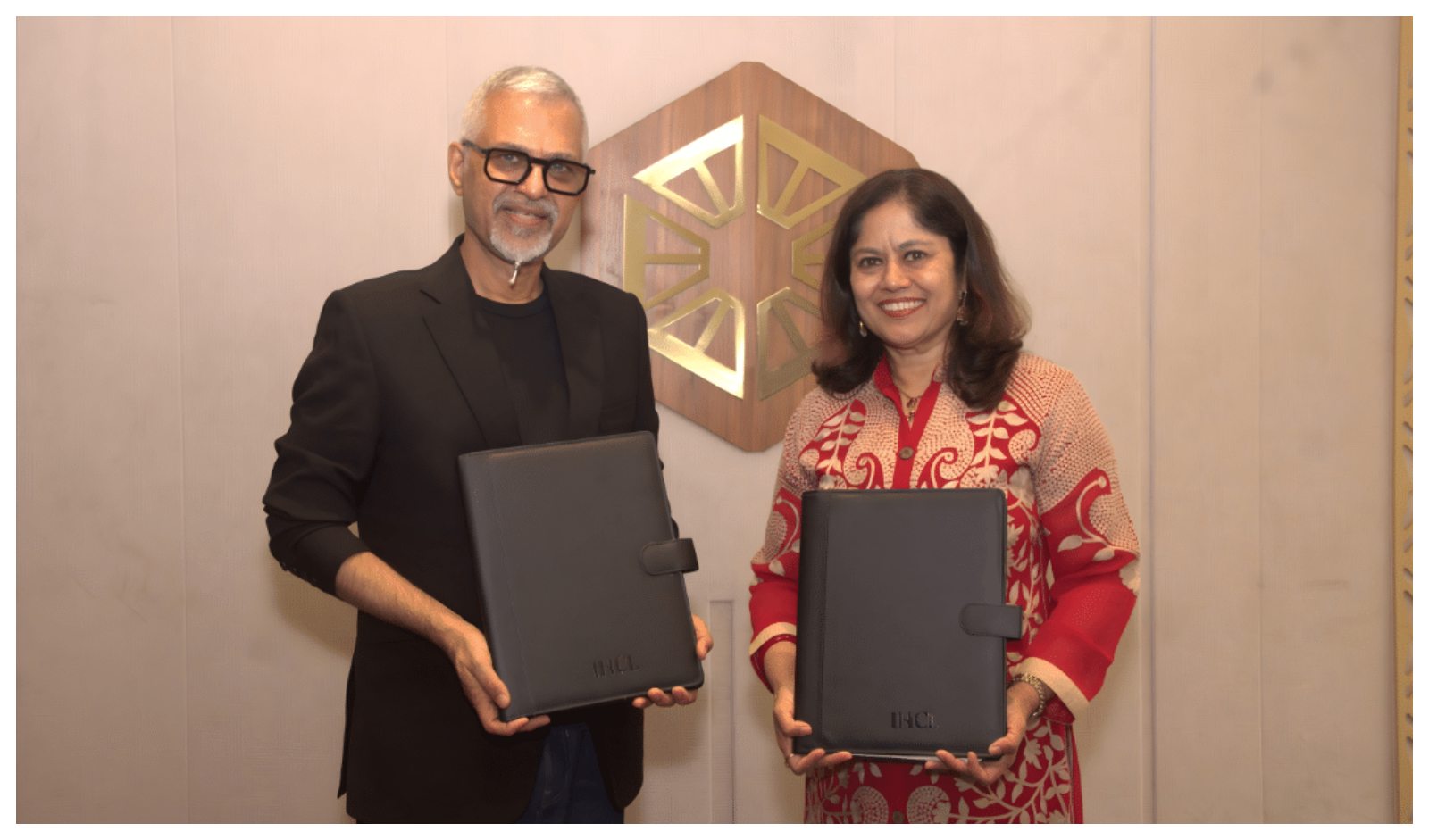 Hotels in IndiaRecreational amenities will include a swimming pool, gym, health club, and Taj’s signature J Wellness Circle. Each branded residence will span 7,500…
Copyright © 2009 - 2025 Restaurant India.