


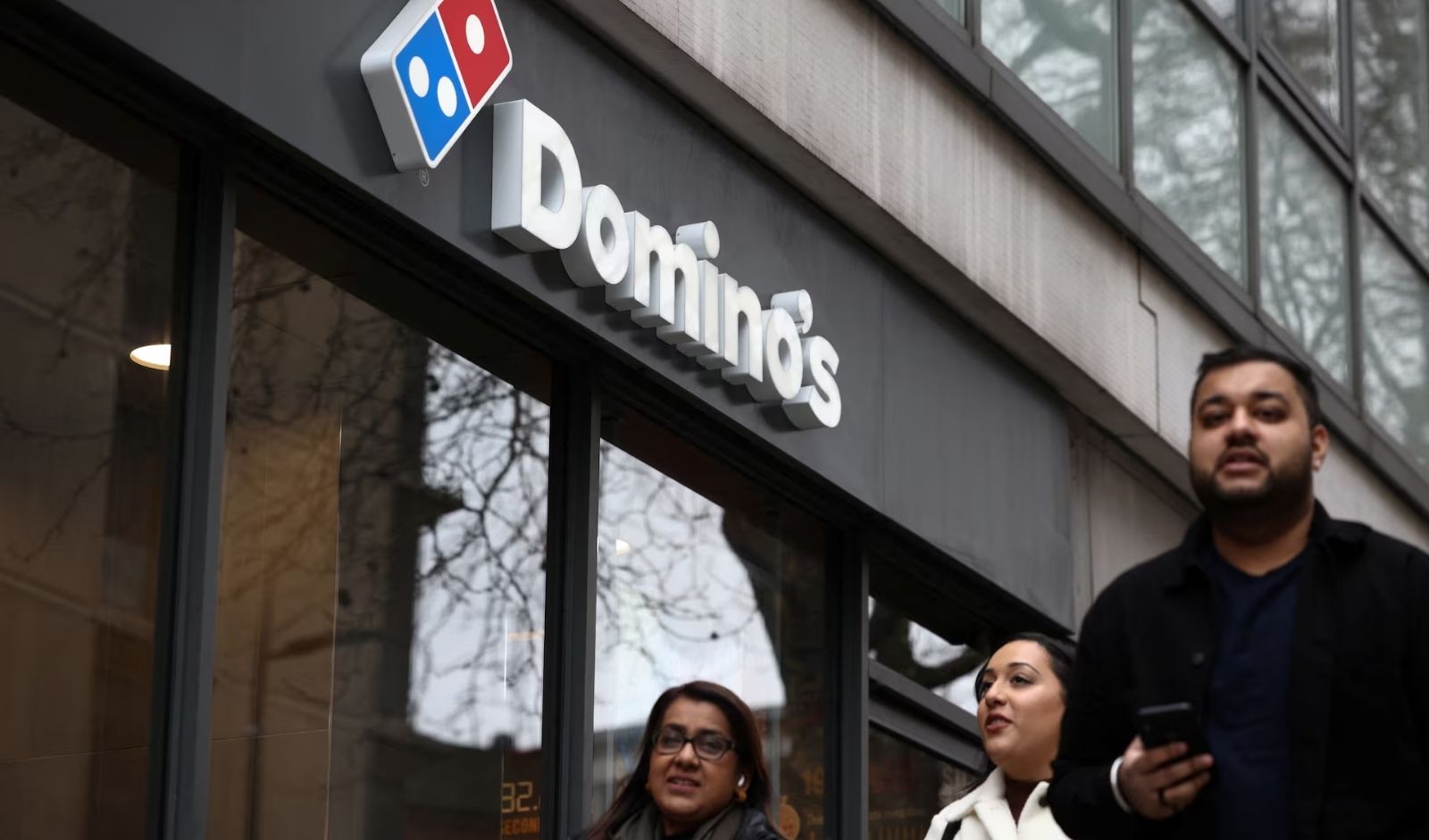
Domino's Pizza signaled a slowdown in both U.S. and international same-store sales growth for the year, reflecting mounting pressure on consumer spending and intensifying competition across the quick-service restaurant (QSR) sector. The announcement triggered a sharp market reaction, with the company’s shares falling nearly 10 percent.
The outlook comes at a time when consumers are already navigating elevated living costs and a fragile job market. Ongoing geopolitical tensions in the Middle East have further pushed transportation expenses higher, adding to inflation concerns. This combination is leading to reduced discretionary spending, particularly in dining and food delivery categories.
On the company’s earnings call, CEO Russell Weiner highlighted the broader demand slowdown, stating that consumer sentiment dropped to levels last seen during the COVID-19 period in March, largely due to inflationary pressure on spending decisions.
Domino’s now expects both U.S. and international comparable sales to expand in the low single digits in 2026. This marks a downgrade from its earlier guidance, which projected a 3 percent increase in U.S. same-store sales and a 1 percent to 2 percent rise in international markets.
Industry observers note that macroeconomic pressures are beginning to impact short-term performance. Brian Mulberry, chief marketing strategist at Zacks Investment Management, said, "Higher food prices and energy costs are already weighing on short-term earnings but if higher fuel prices turn consumers away from spending, it would be felt in the next quarter or two — that is the reason for the more cautious outlook in the moment."
In the first quarter, Domino’s reported a 0.9 percent increase in U.S. comparable sales, falling short of analysts’ expectations of a 2.72 percent rise. This marks the company’s first miss in a year. In comparison, the brand had recorded a 0.5 percent decline in the same period last year.
Bruce Winder, an independent retail consultant, said, "Domino's is facing perhaps a tougher U.S. market than anticipated. Inflation and a softening economy, specifically for lower-income consumers, have put pressure on its top line."
To sustain traffic among price-sensitive customers, Domino’s has leaned heavily into value-driven offerings. These include promotions such as the $9.99 "Best Deal Ever", alongside "Mix and Match" bundles and its "Emergency Pizza" campaign. The move aligns with broader QSR trends, where players like McDonald's and Burger King are also increasing their focus on low-priced menu options to retain footfall.
At the same time, Domino’s has expanded its product portfolio, introducing items such as a Parmesan-stuffed crust pizza to maintain menu relevance. However, competitive intensity remains elevated. Weiner acknowledged this shift, stating, "Competition within the QSR pizza space increased in Q1 as the national pizza players offered deals comparable, if not identical, to the renowned value Domino's has made famous."
Internationally, the company reported a 0.4 percent decline in same-store sales for the quarter, missing market estimates of a 0.7 percent increase. Earnings also came under pressure, with reported earnings per share at 4.13 dollars versus expectations of 4.27 dollars. The decline was partly attributed to a 30 million dollar pre-tax charge linked to certain investments.
Despite the near-term challenges, Domino’s announced a 1 billion dollar share buyback program, signaling continued confidence in its long-term positioning. However, for the broader hospitality sector, the company’s revised outlook underscores a critical shift: value-driven demand, rising input costs, and aggressive competition are reshaping growth expectations across global QSR markets.
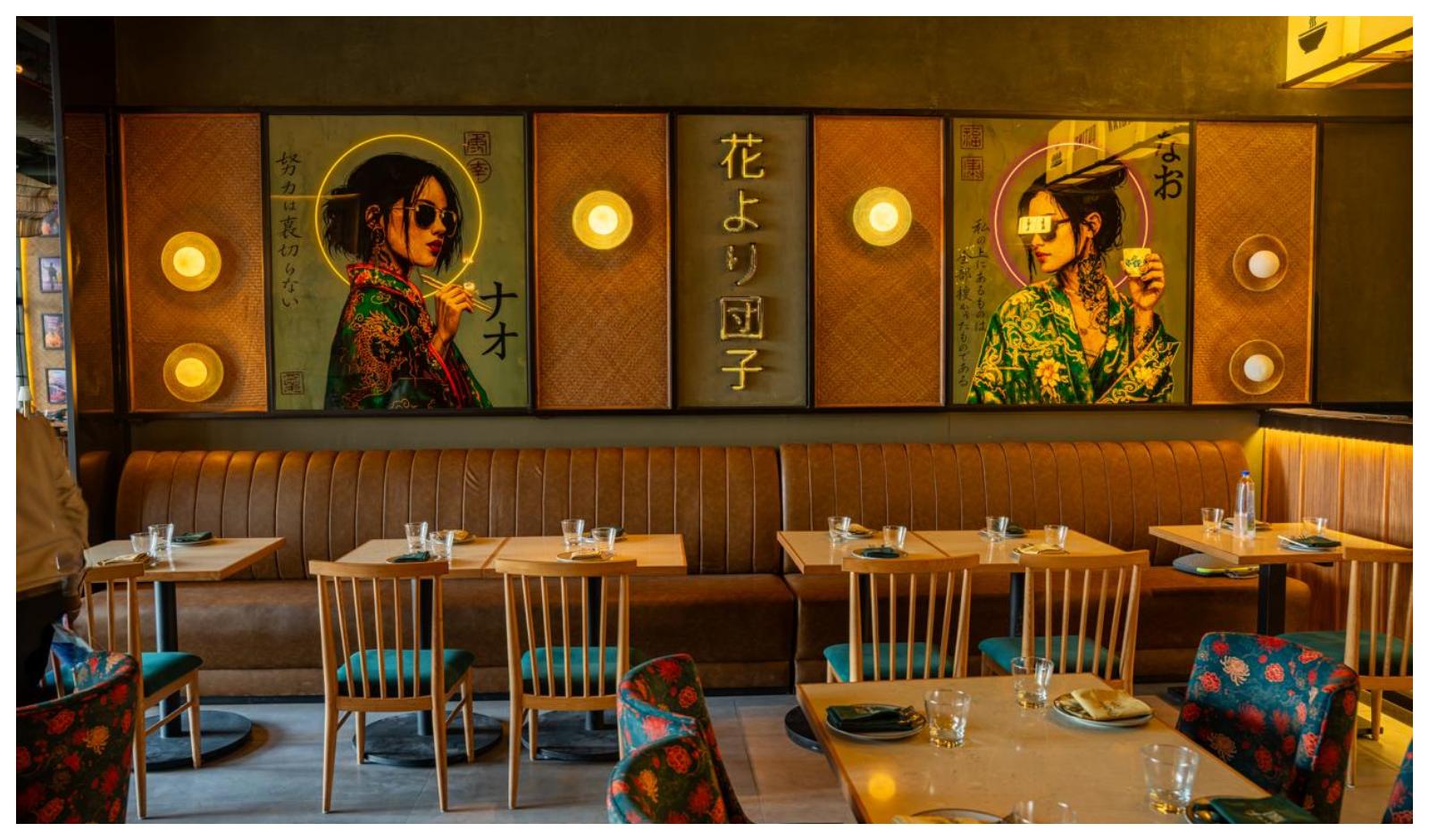 Restaurants in IndiaFounded by Amul Kapoor, a first-generation restaurateur with over 12 years of experience, NAO was created to bridge the gap between quick-service…
 LeadershipWith over 12 years of experience in hospitality sales, Kotha joins the leadership team with a background in revenue generation, partnership…
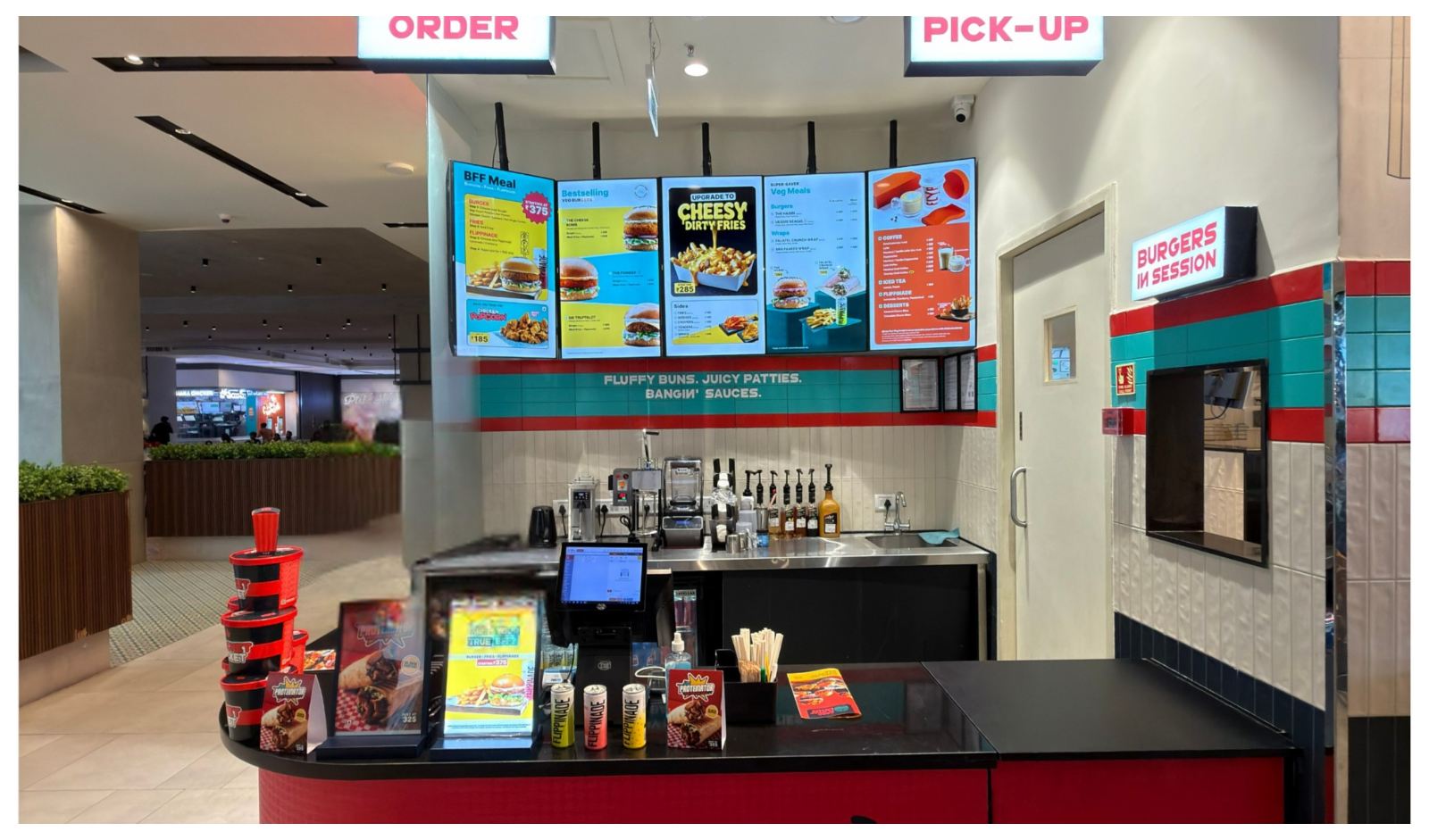 Restaurants in IndiaThe cult-favourite burger brand brings its full dine-in experience and menu offerings to Hyderabad with their newest store at Y-Junction Mall.
-
ResaturantDespite the near-term challenges, Domino’s announced a 1 billion dollar share buyback program, signaling continued confidence in its long-term…
Copyright © 2009 - 2026 Restaurant India.