


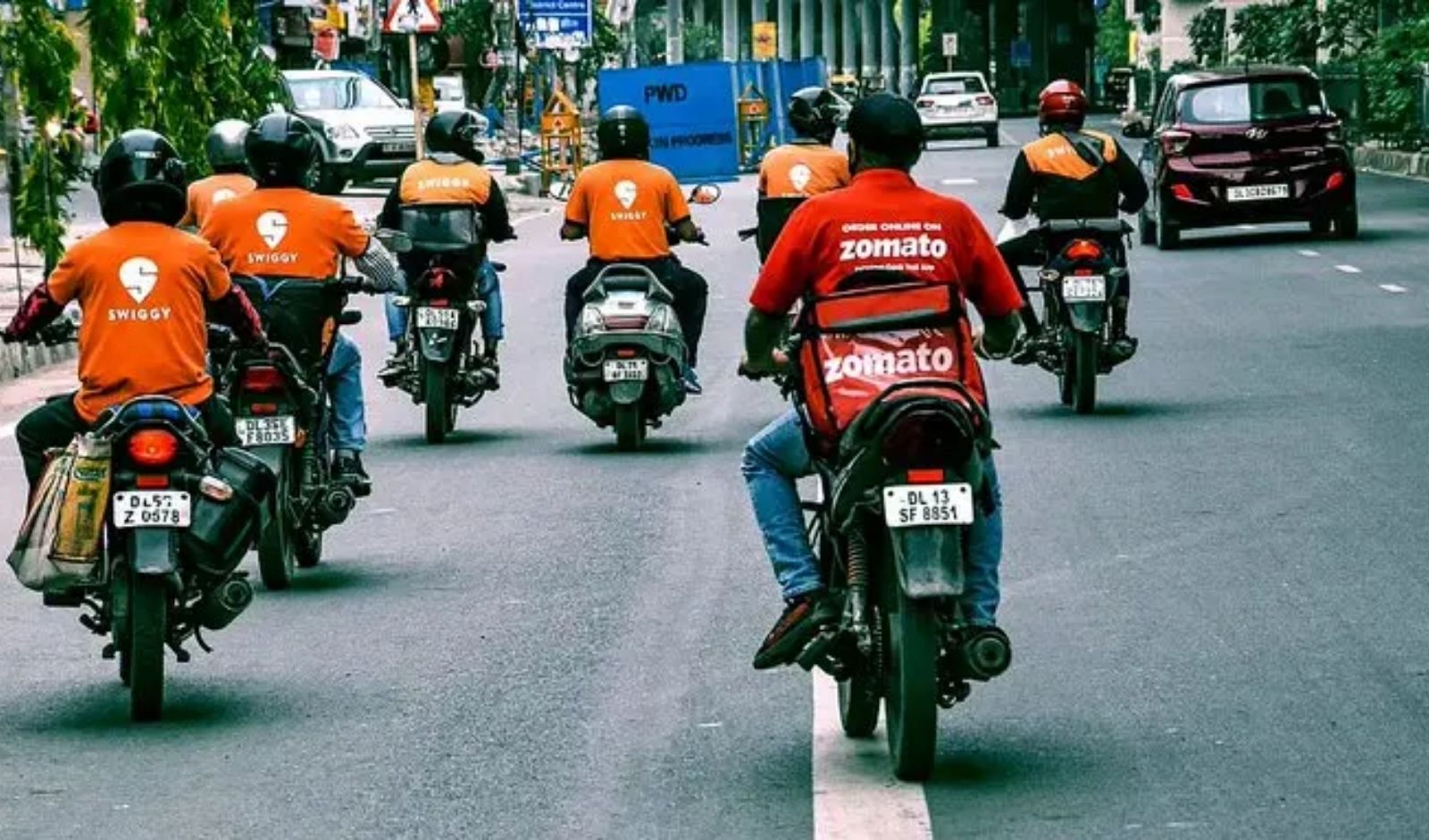
India’s fast-growing quick-commerce sector has been jolted by a flash strike that signals deeper structural stress. On New Year’s Eve, more than 200,000 delivery riders across the country refused to deliver food, groceries, and other essentials. While gig workers have long raised concerns around pay, safety, and respect, the union leading the protest pushed for a more disruptive demand: ending 10-minute deliveries altogether. For an industry built on speed, this strikes at the core of the business model.
The Indian consumer’s expectation for ultra-fast delivery took shape during pandemic lockdowns, when home delivery of essentials became a necessity. In many global markets, this behaviour eased once restrictions lifted. Companies such as Fridge No More, Buyk, Jokr, and Getir either shut down or scaled back in the US. India moved in the opposite direction. Delivery windows became shorter, product assortments expanded, and instant access extended beyond groceries to pillows and prescription medicines.
Platforms such as Blinkit, Swiggy Instamart, and Zepto invested heavily in dark stores—small, strategically placed fulfilment centres designed to enable rapid deliveries. Traditional retailers and large e-commerce players were slower to adapt, but that gap is closing fast. Reliance-backed retail, Amazon.com Inc., and Walmart Inc.’s Flipkart are now making aggressive investments. According to Savills Plc, the number of dark stores in India is expected to triple to 7,500 by 2030 from around 2,500, as the 10-minute delivery model spreads beyond major metros into smaller cities.
The recent strike has intensified debate over the real cost of this speed-first approach. Delivery platforms maintain that riders are not formally timed. However, delays often result in poor ratings, calls from supervisors, and financial penalties. This, workers argue, encourages risky driving on crowded, damaged roads where fatal accidents are common. In cities like New Delhi, riders also face constant exposure to hazardous air conditions.
Investor sentiment had already been fragile. Discussions around extending social security benefits to gig workers under India’s new labour codes have added uncertainty. Since mid-October, shares of Swiggy Ltd. and Eternal Ltd.—which owns Zomato and Blinkit—have declined by around 20 percent, even as the benchmark Nifty 50 Index remained largely stable.
The strike further complicates the outlook. Any regulatory move that forces consumers to accept slower delivery times or improves worker protections could weaken the economics of quick commerce before the sector reaches profitability. Industry leaders are pushing back. In posts on X, Eternal Chief Executive Officer Deepinder Goyal described the protest as the work of a “small number of miscreants” who blocked non-striking riders. He stated that order volumes hit a record 7.5 million on December 31 and said operations were not materially impacted.
At the same time, Goyal addressed growing concerns around rider welfare. He said the 10-minute delivery promise does not encourage unsafe driving, noting that Blinkit riders travel an average distance of 2 kilometers at an average speed of 16 kilometers per hour. He added that the company covers insurance premiums for delivery partners and that riders earn an average of Rs 102 per hour while logged in. According to his estimate, a rider working 10 hours a day for 26 days a month could earn Rs 21,000 per month after fuel and vehicle maintenance. “Now tell me, is this unfair? Especially for an unskilled job, which is largely part time, and has zero barriers to entry?” he wrote.
However, company data suggests that this earning scenario is not typical. Over a year, the average Zomato delivery worker logged only 38 working days, with about seven hours per day. Just 2.3 percent of riders worked more than 250 days annually. If gig platforms offered a stable pathway out of urban poverty, participation levels would likely be higher.
One explanation lies in India’s large surplus labour pool. With millions of workers cycling in and out of gig platforms each year, individual earnings remain inconsistent, but customer demand is still met. This constant availability of labour ensures service continuity, even if worker dissatisfaction remains unresolved.
Supporters of the quick-commerce model argue that gig work is part of a broader economic transition. Even if delivery partners themselves do not enter the middle class, their children might. They warn that adding regulatory burdens could limit growth and reduce opportunities. Critics counter that while the consumer-facing side of these platforms reflects modern capitalism, the delivery layer does not. Riders supply their own vehicles, pay for fuel, and bear most operating costs. Unlike traditional employment, there is no permanence, and access to work can be cut off if an app suspends a login ID.
India’s gig workforce is projected to reach 23.5 million by 2030, nearly three times its size a decade earlier. Experiences from China, where similar platforms operate at scale, offer a cautionary example. In cities like Beijing, delivery workers chase monthly earnings targets of USD 1,000 under intense pressure, where even short breaks affect income. In both countries, a more balanced outcome appears dependent on government intervention. Without it, the promise of instant choice for consumers risks creating long-term instability for the workforce that keeps the system running.
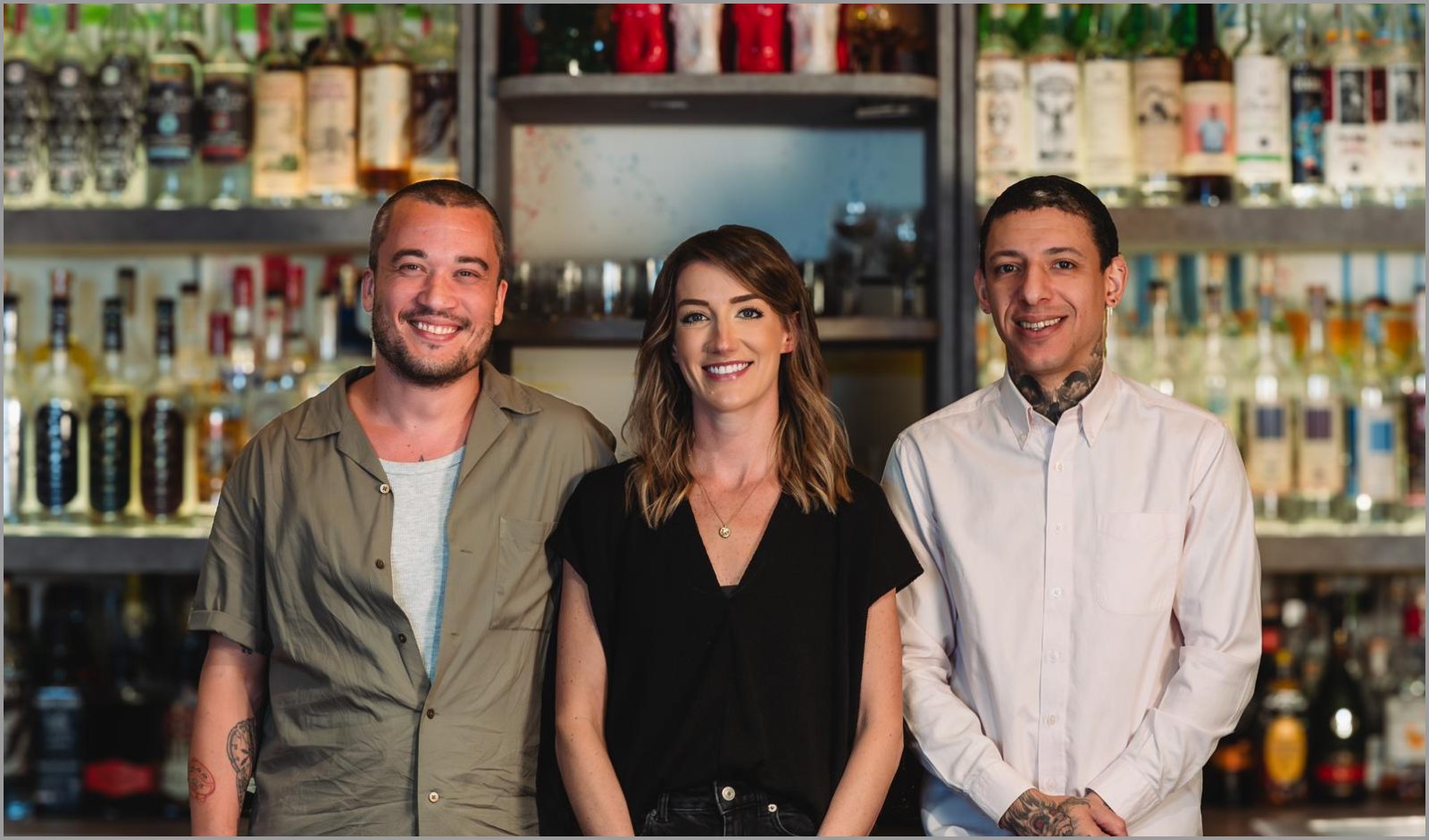 Bars and restaurantAcross two days, the takeovers promise inventive cocktails, comfort-driven food and a convivial atmosphere designed to bring together old friends and…
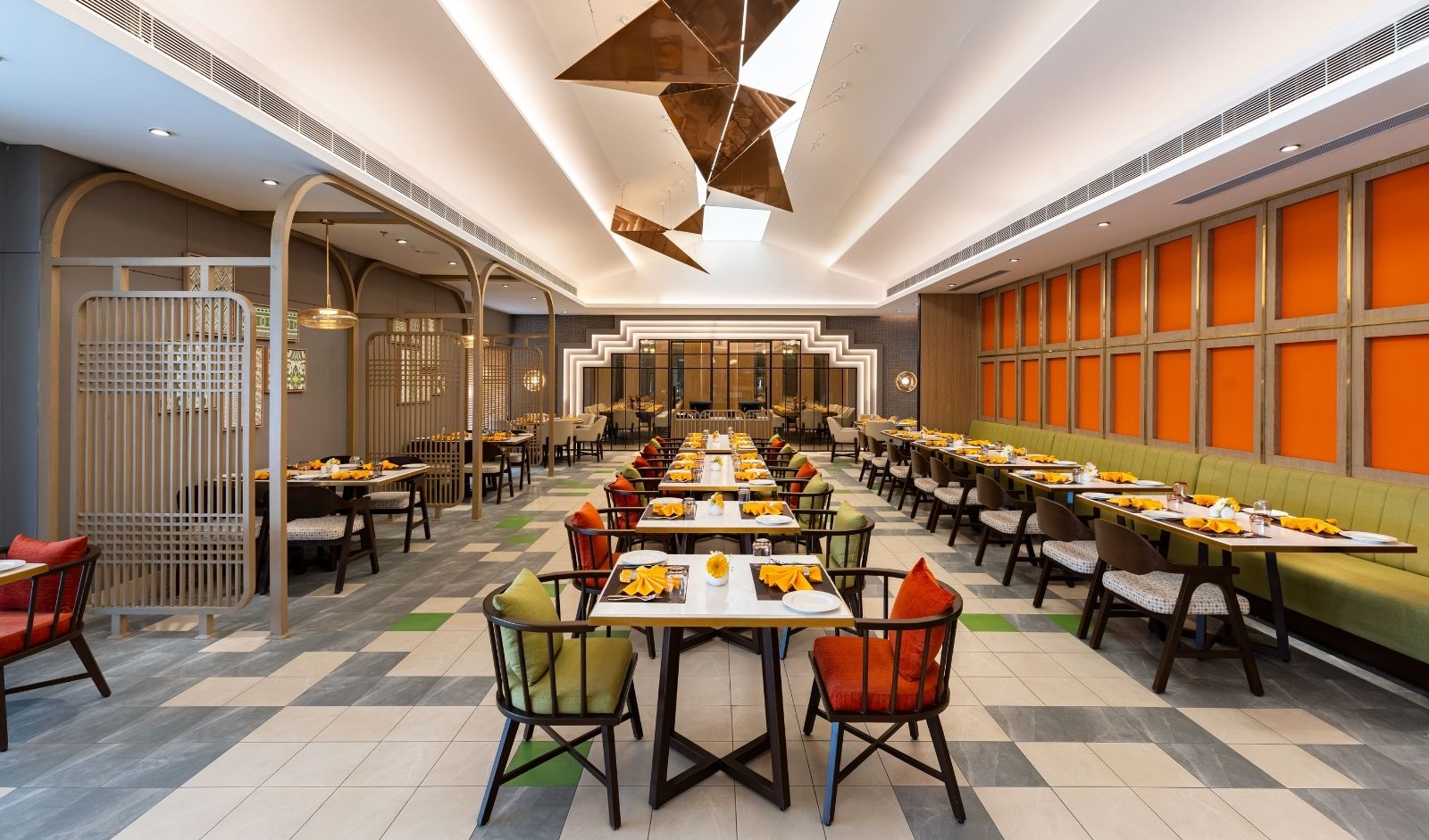 ExpansionThe concept focuses on a steady dining flow, encouraging guests to spend time over meals without time restrictions, supported by a chef-curated…
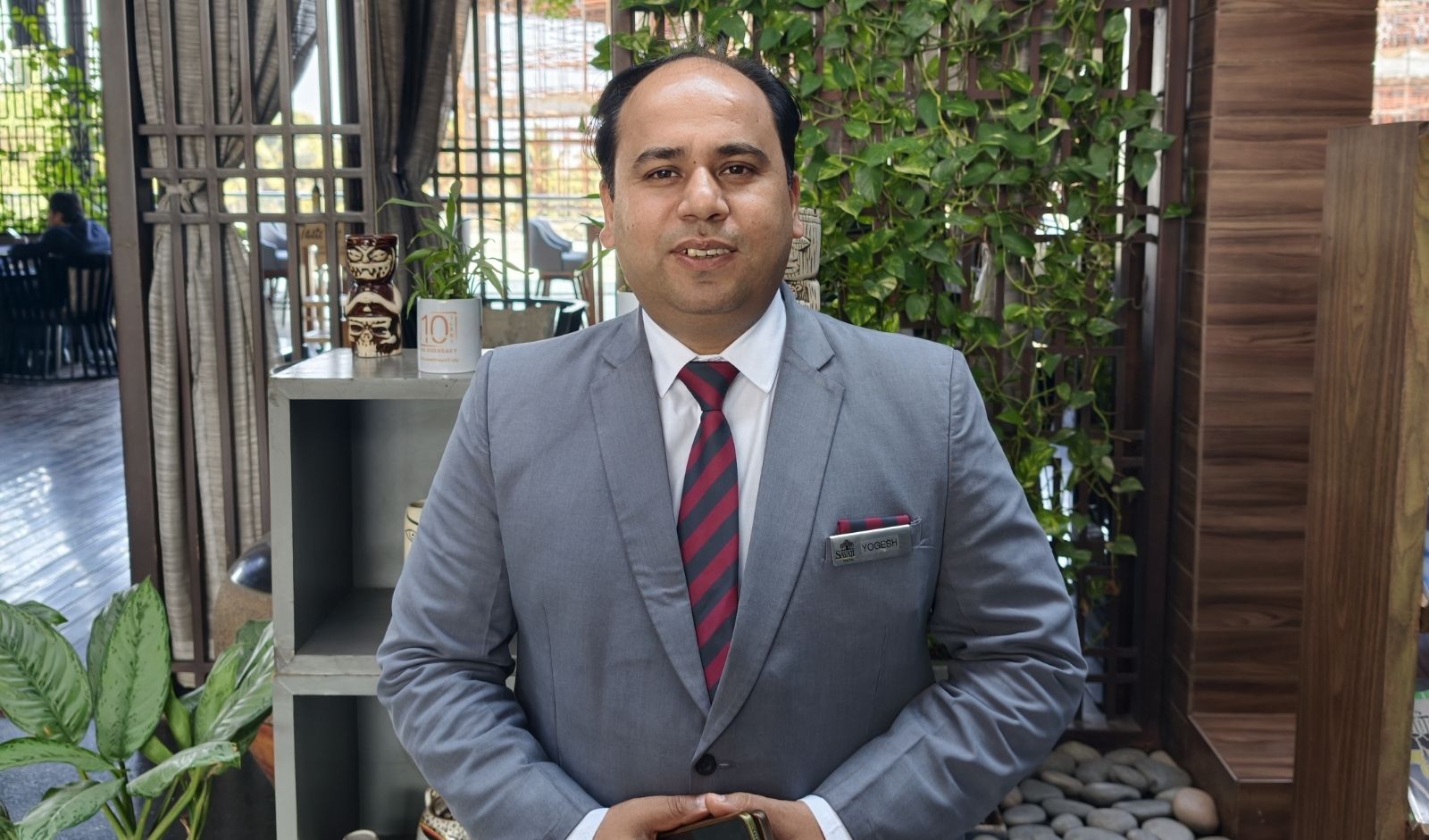 LeadershipWith over 17 years of experience in Food and Beverage operations, the appointment is aimed at strengthening operational performance and service…
-
E-commerceIndia’s gig workforce is projected to reach 23.5 million by 2030, nearly three times its size a decade earlier. Experiences from China, where similar…
Copyright © 2009 - 2026 Restaurant India.