


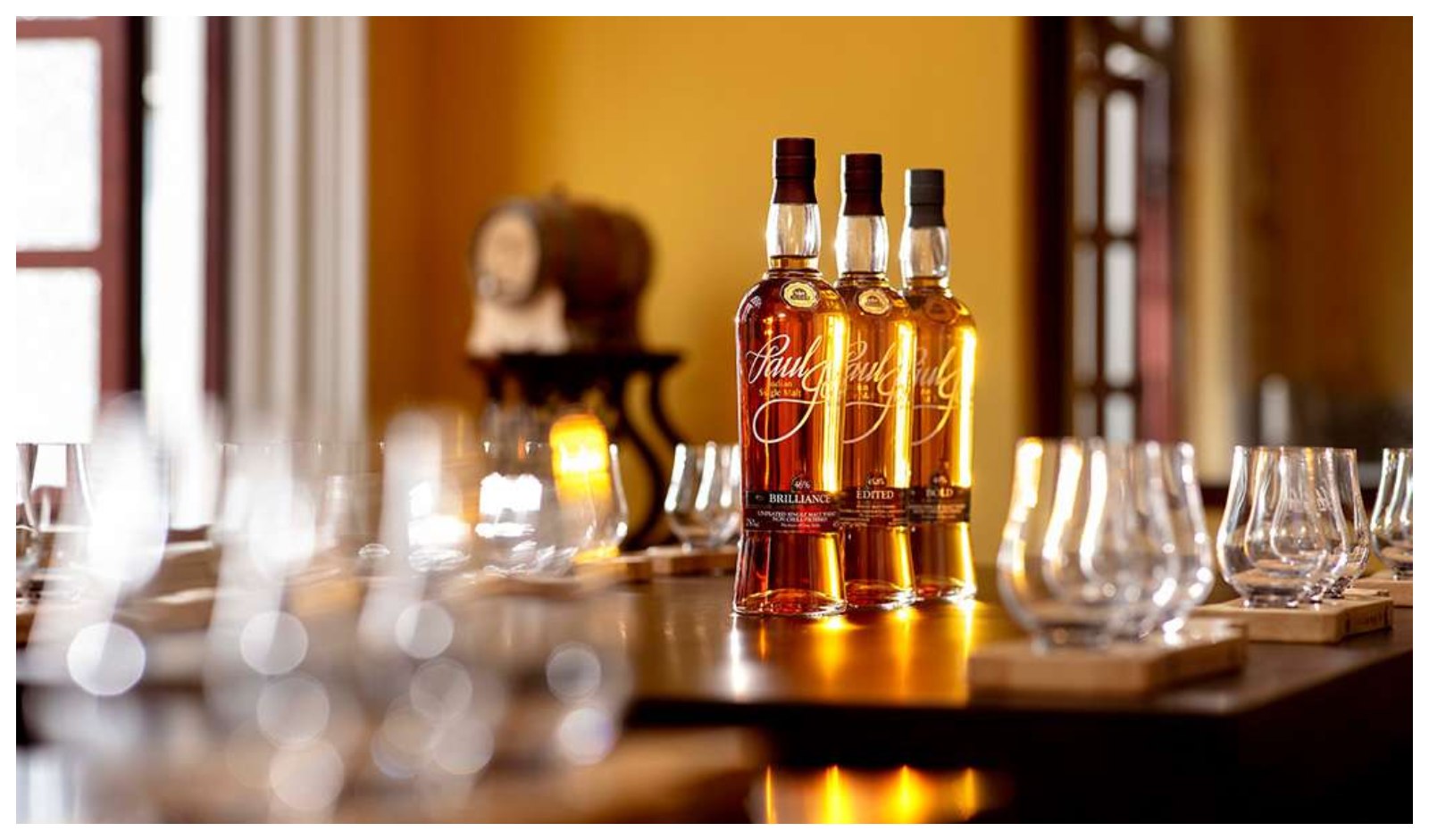
Paul John, the founder of John Distilleries, is considering retaining a 10-20% share in the spirits company following its takeover by US-based Sazerac. He may also remain associated with the business in an advisory capacity, helping guide its operations in India, according to people aware of the development.
The final stake and the timing of any further share transfer are yet to be determined. Sazerac is keen to keep John invested in the company and involved in its Indian business. John Distilleries is estimated to be worth around ₹4,500 crore.
The change in ownership became evident in the company’s financial statements for FY26. Sazerac’s shareholding increased from 34.4% in the previous financial year to 65.7% in the year ended March 2026. Over the same period, Paul John Fund LLC’s stake dropped from 65.6% to 34.3%. The fund, rather than John in his individual capacity, holds the remaining significant shareholding.
Sazerac, a family-owned American spirits producer, took control of the Indian company to expand its reach in a market seeing rising interest in premium alcoholic beverages. John Distilleries is known for its Paul John single malt whisky and has a presence in other spirits categories.
The company reported revenue from operations, including excise duty, of ₹10,820 crore in FY26, up 15.1% from ₹9,401 crore in FY25. Its net profit also increased to ₹11.6 crore from ₹1.8 crore, helped by a tax credit, according to Registrar of Companies records.
John, who stepped down as managing director in October 2025, said demand for Indian single malt whisky has grown faster than expected. This has resulted in supply constraints in certain segments, as whisky production involves a long maturation period and additional stock cannot be made available immediately.
The company currently produces about 10.3 million litres annually, compared with its installed capacity of 12 million litres. John expects the gap between supply and demand to narrow over the next two years. He said the company would prioritise product quality rather than increase supplies at the cost of its standards.
Higher state excise duties are also putting pressure on the industry. According to John, duty increases, especially in Karnataka, have raised retail prices and affected sales volumes. Although higher prices have helped support revenue in value terms, they have also made products more expensive for consumers.
John cautioned that further increases in duties could make legal liquor purchases less affordable and push some consumers towards illicit alcohol, creating challenges for the organised spirits industry.
-
Beverage industry indiaSazerac is keen to keep John invested in the company and involved in its Indian business. John Distilleries is estimated to be worth around ₹4,500…
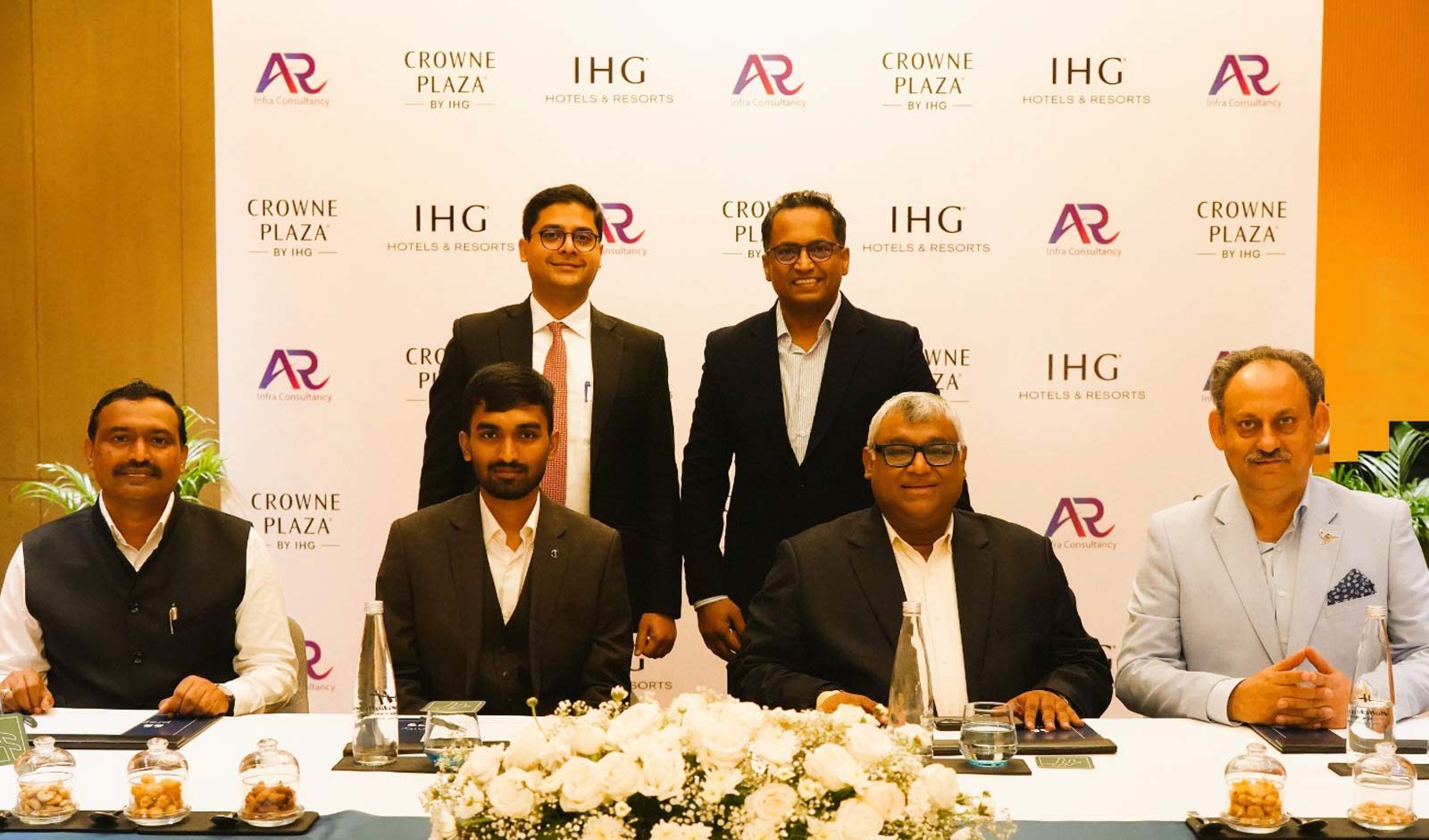 Crowne PlazaThe hotel will feature five food and beverage outlets, including a 187-seat all-day dining restaurant, a 65-seat bar, a 65-seat specialty restaurant…
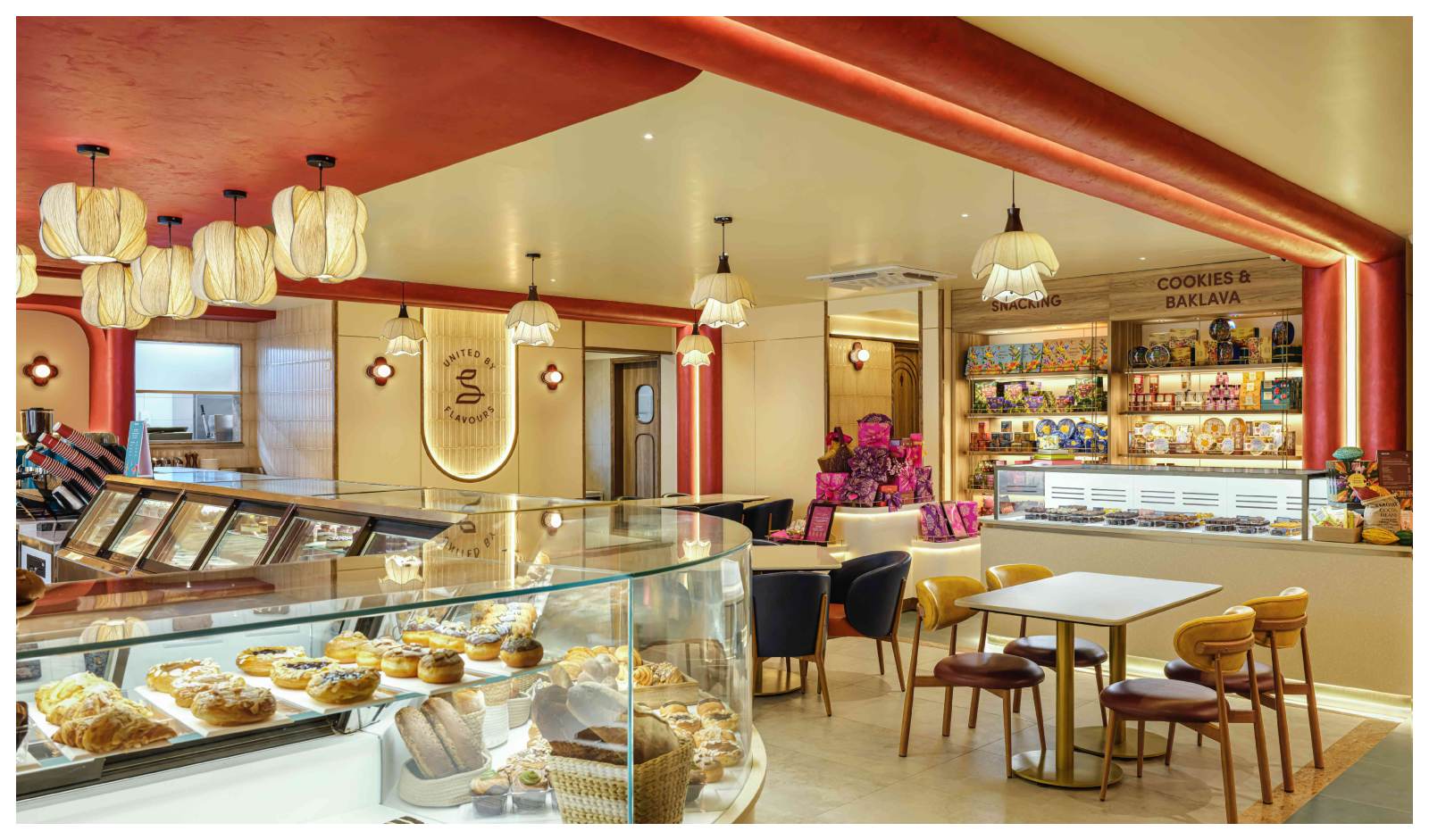 Restaurants in IndiaFounded in Bengaluru in 2015, the brand started with a focus on premium couverture chocolate and has since grown into a multi-format gourmet business.
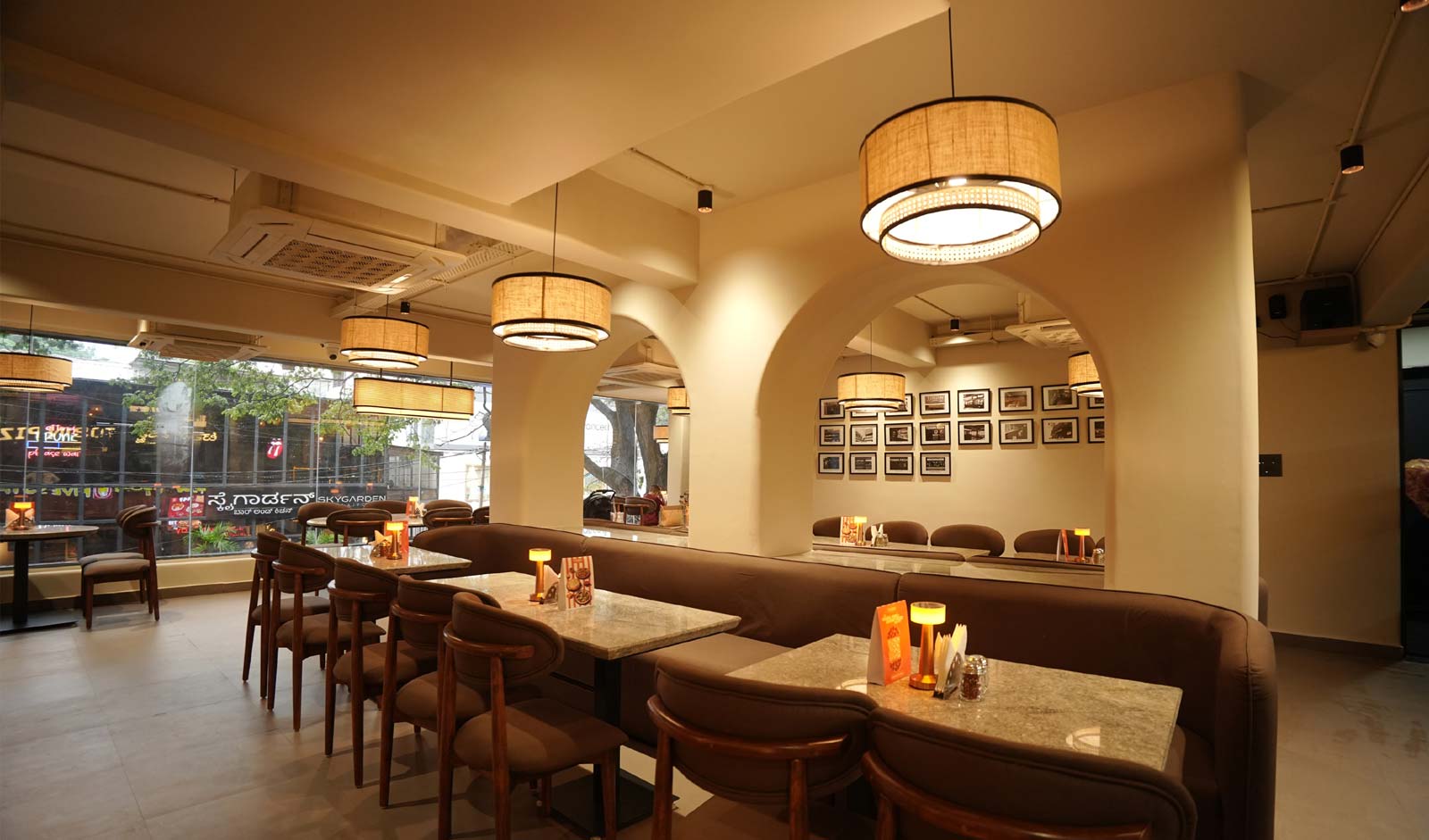 Pizza brand franchise in IndiaFounded by Chef Rohit Narang and Honey Mehta, Tossin was built around the opportunity to offer restaurant-quality pizzas in an accessible, quick-…