


U.S. fast-food chains are finding that low-price promotions alone are no longer enough to consistently bring back price-sensitive customers, as restaurant operators increasingly combine value offers with menu innovation, product quality and better execution.
Value meals and discounts have been a major traffic driver for the industry over the past two years as inflation put pressure on household budgets. However, recent quarterly results indicate that consumers are becoming more selective about what they consider good value, putting greater emphasis on the overall dining experience rather than price alone.
Yum Brands' Taco Bell was among the stronger performers, reporting a 7% increase in same-store sales during the quarter. Its $5, $7 and $9 meal boxes attracted budget-conscious customers, while new menu launches encouraged customers to spend beyond the lowest-priced offers.
Rachel Royster, director of strategic planning and innovation at foodservice consultancy Connections, said value works when it is "really clear and simple" and does not feel like a "bait-and-switch".
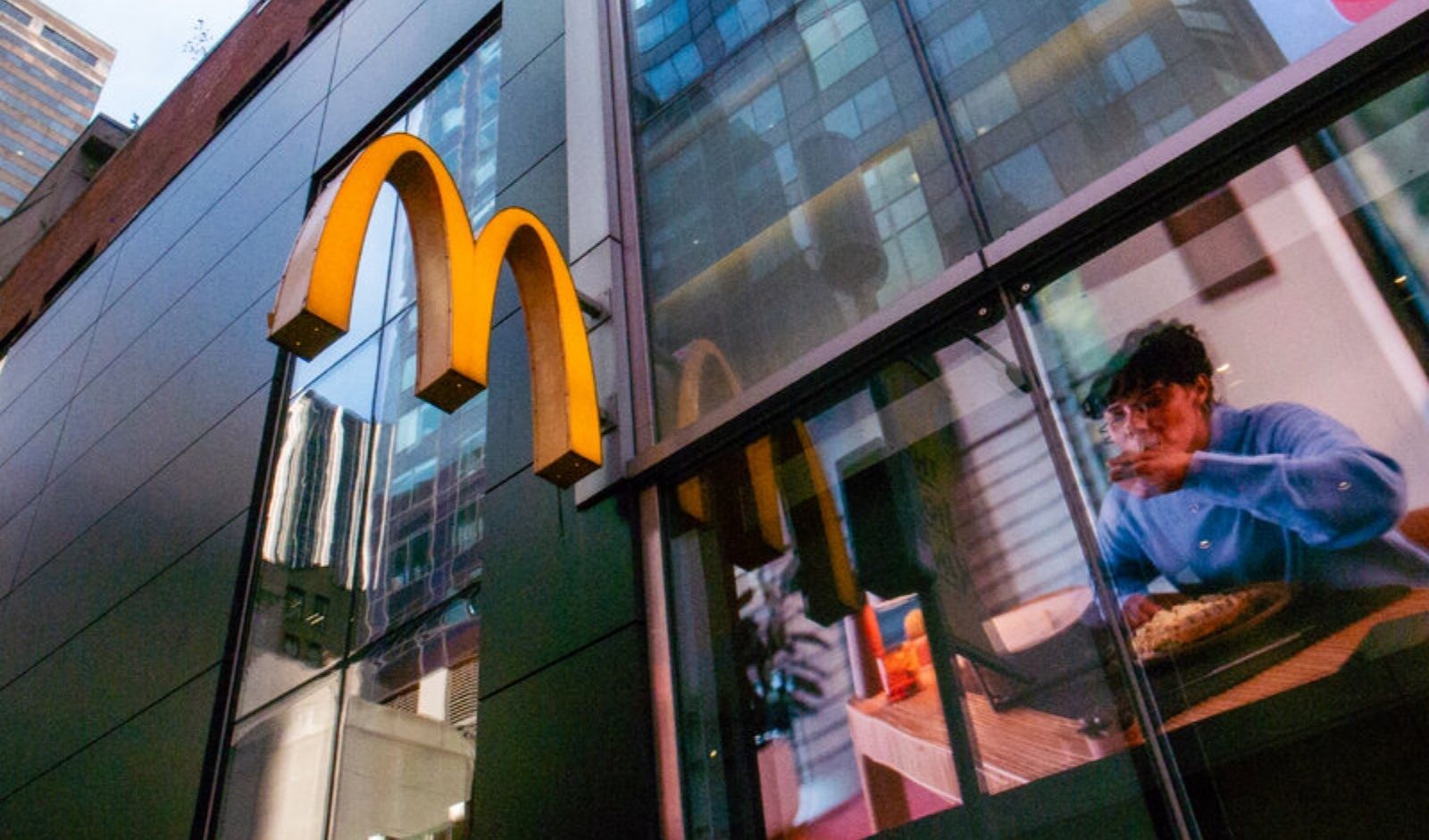
McDonald's, by comparison, reported a 1.3% increase in global comparable sales despite introducing an under-$3 menu and a $4 breakfast meal. CEO Chris Kempczinski said loyal customers represented about two-thirds of the traffic shortfall and attributed the weakness to execution rather than the company's strategy.
The pressure was also visible at Wendy's and Wingstop. Wendy's, where Biggie Bag value meals start at $5, reported a 7% decline in U.S. same-restaurant sales and withdrew its annual forecast. Wingstop recorded a 7.5% decline in U.S. same-store sales despite promotions including $1 chicken wings.
Wingstop CEO Michael Skipworth said sales were weaker in urban markets, where households generally faced greater financial pressure, while visits increased by as much as 9% in higher-income markets.
Matt Curtis, an analyst at D.A. Davidson, said, "While increased noise created by competing promotions may have made it harder for consumers to make that determination, they appear to have also become more sophisticated in how they evaluate the various tradeoffs and cut through the noise".
The results also showed that restaurants do not necessarily need to offer the lowest prices to generate demand. Restaurant Brands' Burger King credited offers such as "2 for $5" and "3 for $7", along with improvements in operations and menu quality, for strong U.S. sales growth.
Independent restaurant consultant John Gordon said Burger King is "doing discounts but not all the time, and when they do, they make it creative," adding, "They're not doing this insane, everyday, deep discounting."
Domino's also benefited from value-focused products and loyalty initiatives that helped support traffic and sales. Chipotle delivered strong results while keeping price increases to about 1% to 2%.
Chipotle CEO Scott Boatwright summed up the shift in restaurant value strategy by saying, "Value isn't just about discounting and price point. It's about convenience. It's about execution. It's about menu innovation."
 GrowthWith its combination of multiple dayparts, food and beverage formats and recurring weekend programming, Tyde is positioning itself as an independent…
-
Mc Donald'sThe pressure was also visible at Wendy's and Wingstop. Wendy's, where Biggie Bag value meals start at $5, reported a 7% decline in U.S.…
 GrowthThe delivery menu includes a selection of the restaurant’s Italian dishes, covering handmade pasta, Neapolitan-style pizzas, appetisers, seafood,…
 Restaurants in IndiaThe outlet features a Parisian-inspired design and offers PAUL’s range of French bakery and café products.