


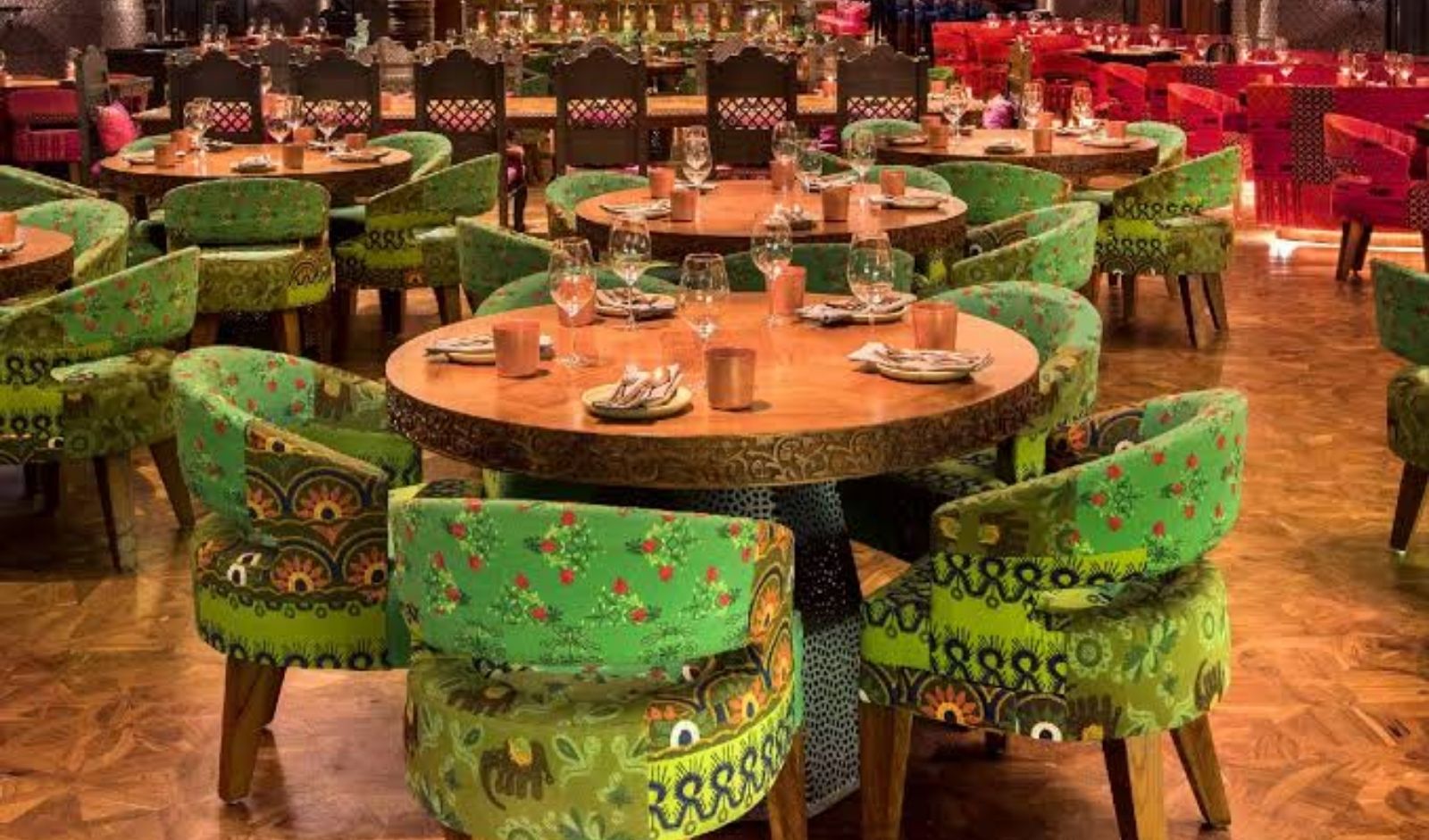
The Municipal Corporation of Delhi (MCD) currently has only around 70 valid licences for open dining spaces, despite an estimated 1,500 restaurants and cafés operating such areas across the city. Officials have indicated that stricter inspections and enforcement measures are likely against establishments operating without valid permissions.
According to MCD data, applications under the open dining policy have steadily increased since its introduction in 2022. Applications reached 329 in 2025-26, the highest recorded so far, while 150 licences have been issued during the current financial year. However, officials noted that many applicants do not complete the licensing process or fail to renew their permits after expiry.
The MCD charges Rs 200 per square foot for open dining spaces and Rs 500 per square foot for four-star and above establishments, in addition to a restaurant licence fee of Rs 25,000.
“The restaurant licence fee is Rs 25,000, irrespective of whether a restaurant has 50 seats or 100 seats. But the open dining fee is calculated separately based on the area. For example, if the open dining area is 200 square feet, the fee comes to Rs 40,000,” an MCD official explained.
Restaurant industry representatives have cited high licensing costs and Delhi's seasonal weather conditions as major factors affecting compliance.
“Most of the people who have not taken the open-air licence have not done so because of the very high cost. The return does not justify the cost,” said Manpreet Singh, Treasurer of the National Restaurant Association of India.
The MCD has warned that restaurants operating open dining spaces without valid licences could face penalties amounting to three times the applicable licence fee. Officials said inspections will be intensified in the coming months. The open-air dining policy, finalised by the unified MCD on November 4, 2022, permits restaurants and cafés to operate dining spaces in open areas, rooftops and terraces. Cooking is not permitted in these spaces, and establishments serving alcohol are required to ensure the areas are properly covered. A separate fire NOC is not required under the policy. Industry stakeholders have also urged authorities to revisit the fee structure to improve compliance and encourage more establishments to join the formal licensing framework.
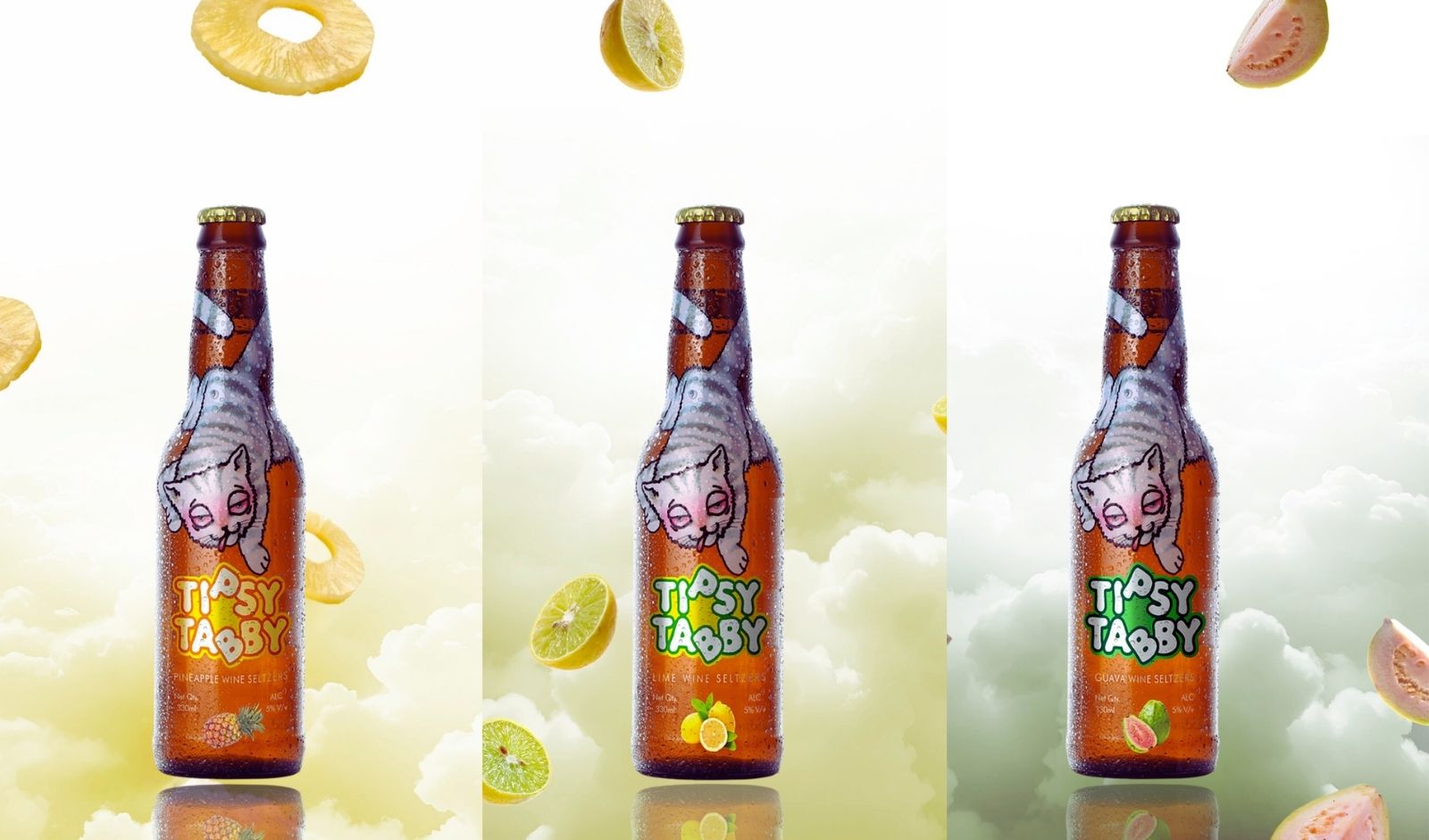 ExpansionThe company plans to expand its retail presence across India and introduce additional flavours as it looks to build awareness around fruit wine…
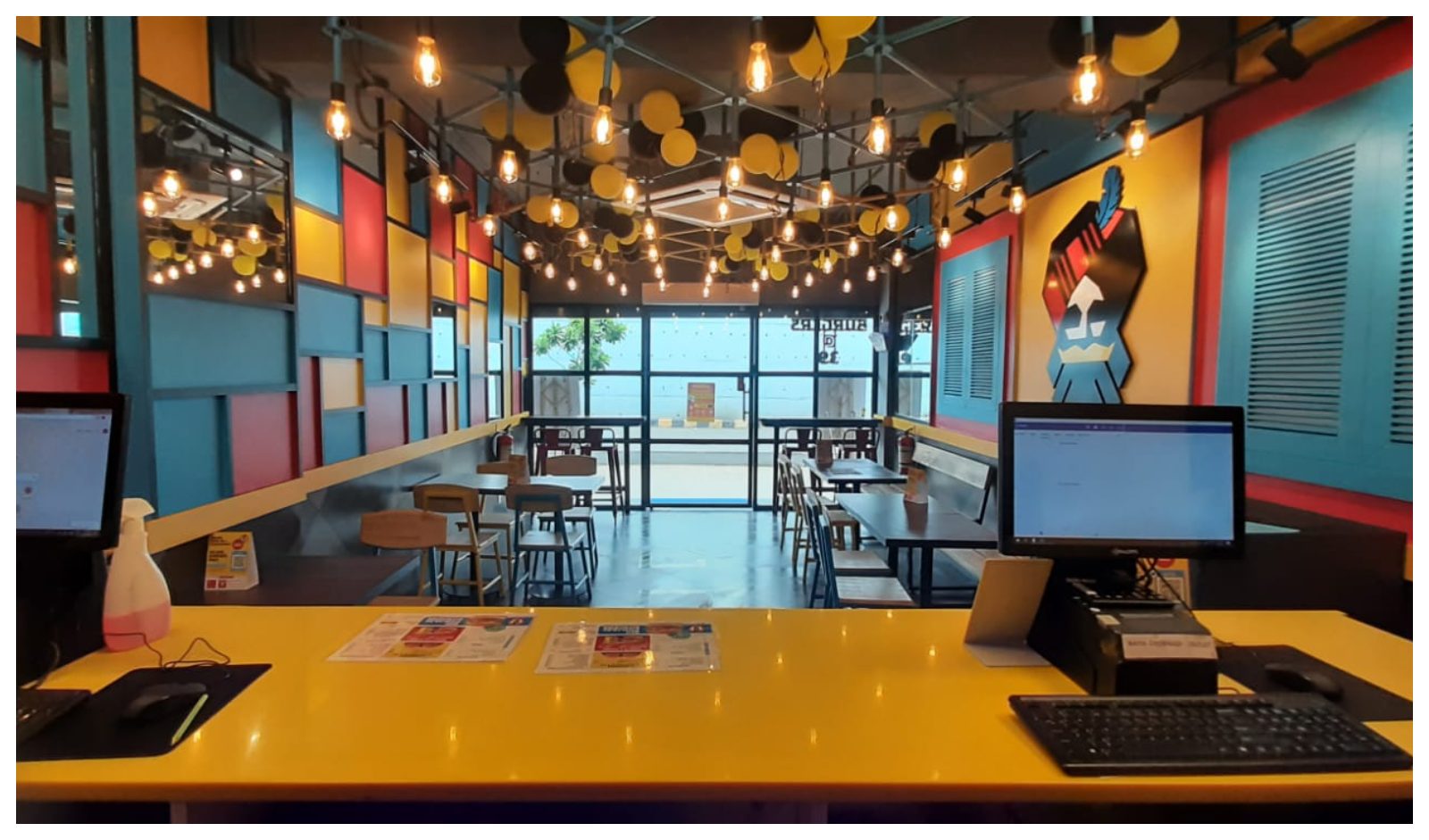 QSR BrandBurger Singh plans to scale from 8 to 80 outlets in Bengaluru and add 100 more across Karnataka, making it the brand's fastest city-level…
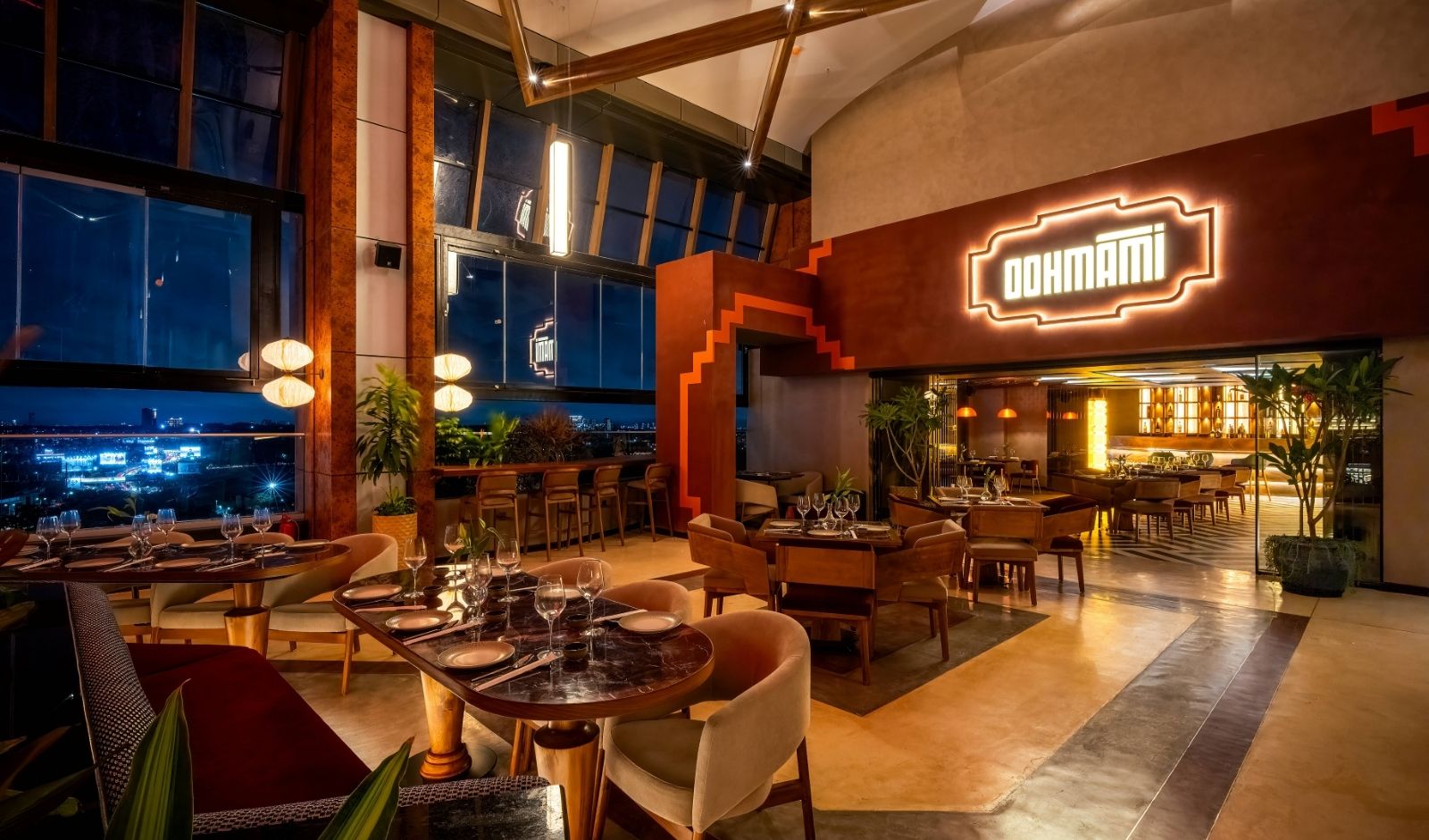 ExpansionThe launch marks another addition to the city's growing portfolio of experience-led restaurant concepts that cater to consumers seeking…
-
DelhiA separate fire NOC is not required under the policy. Industry stakeholders have also urged authorities to revisit the fee structure to improve…