


Buying your first bottle of wine can feel confusing. Walk into any wine store and you will find hundreds of bottles with unfamiliar names, regions, and labels. Many people think they need expert knowledge before they can enjoy wine, but that is far from the truth. Learning a few basics is enough to choose a bottle confidently and appreciate its flavours.
Wine is one of the world's oldest alcoholic beverages, with a history spanning more than 8,000 years. Today, the global wine market is worth over US$340 billion and continues to grow as more people explore wine with food, travel, and social occasions. Whether you are buying wine for dinner, celebrating a special moment, or simply curious about tasting different varieties, understanding the fundamentals makes the experience far more enjoyable.
Why Wine Seems Difficult at First
Wine often feels intimidating because there are thousands of grape varieties and hundreds of wine-producing regions across the world. Every bottle carries information about grape variety, vintage, alcohol percentage, and place of origin, which can overwhelm first-time buyers.
The good news is that most wines can be understood through five basic elements:
Sweetness
Acidity
Tannins
Body
Alcohol
Once you understand these, choosing wine becomes much easier.
What Exactly Is Wine?
Wine is produced by fermenting fresh grapes, a natural process in which yeast converts the sugars present in the fruit into alcohol and carbon dioxide. This transformation not only creates the wine's alcohol content but also develops its unique aromas, flavours, texture, and overall character. The final taste of a wine depends on several important factors. The grape variety determines the basic flavour profile, while the climate influences acidity, sweetness, and ripeness. Soil composition affects the grape's mineral qualities, and the timing of the harvest plays a key role in balancing sugar and acidity. Winemaking techniques, including fermentation methods and ageing in stainless steel tanks or oak barrels, further shape the wine's style. Wines from cooler regions are generally more acidic and crisp, whereas those from warmer climates are often richer, fruitier, and fuller-bodied.
Understanding the Five Main Types of Wine
Red Wine: Red wine is made using dark grape skins, which give it colour and tannins. Popular varieties include Cabernet Sauvignon, Merlot, Pinot Noir, and Shiraz. Red wines often offer flavours of berries, cherries, plum, chocolate, spices, and oak. They pair well with grilled meat, pasta, burgers, and aged cheese.
White Wine: White wine is generally lighter and more refreshing. Common varieties include Chardonnay, Sauvignon Blanc, Riesling, and Pinot Grigio. These wines often feature citrus, apple, peach, tropical fruit, and floral notes. They complement seafood, salads, chicken, and creamy pasta.
Rosé Wine: Rosé gets its pink colour from limited contact with grape skins during production. It combines the freshness of white wine with some fruity characteristics of red wine. It is perfect for brunches, picnics, and summer evenings.
Sparkling Wine: Sparkling wines contain natural bubbles created through a second fermentation process. Popular styles include Champagne, Prosecco, and Cava. They are commonly served during celebrations and pair beautifully with fried foods, seafood, and desserts.
Dessert and Fortified Wine: These wines are sweeter and richer. Examples include Port, Sherry, Moscato, and Ice Wine. They are usually enjoyed with desserts or cheese boards.
Wine Terms Every Beginner Should Know
Learning a few wine words can make shopping much easier.
Body: How light or heavy the wine feels in your mouth.
Tannin: Natural compounds from grape skins that create a drying sensation.
Acidity: The freshness or crispness of wine.
Dry: Contains very little natural sugar.
Sweet: Contains noticeable residual sugar.
Vintage: The year the grapes were harvested.
Finish: The taste that remains after swallowing.
Oak-aged: Wine matured in oak barrels, adding flavours like vanilla, toast, and spice.
How to Choose the Right Wine
Choosing wine becomes simple when you focus on your own taste rather than complicated labels.
If you enjoy sweet drinks, start with Riesling or Moscato.
If you like black coffee or dark chocolate, full-bodied reds such as Cabernet Sauvignon may suit your palate.
Fans of citrus flavours often enjoy Sauvignon Blanc, while those who prefer soft fruit flavours usually appreciate Merlot or Pinot Noir.
Food pairing also helps. Rich dishes like steak pair well with bold reds, while grilled fish, sushi, and salads taste better alongside crisp white wines. Spicy Indian curries often work surprisingly well with slightly sweet wines because the sweetness balances the heat.
Price is another consideration. A good beginner bottle does not need to be expensive. Many excellent wines are available in the affordable range, proving that quality depends more on craftsmanship than price alone.
How to Read a Wine Label
Most wine labels include useful information if you know where to look.
Check the producer's name, grape variety, country, region, vintage, and alcohol by volume (ABV). Most wines contain between 11% and 15% alcohol.
The term "Reserve" does not always guarantee higher quality because its meaning varies between countries and producers.
Understanding these details helps you compare bottles more confidently.
The Professional Way to Taste Wine
Professional wine tasting follows a simple sequence.
Look: Hold the glass against a white background. Observe the colour and clarity. Younger wines usually appear brighter, while older wines develop deeper shades.
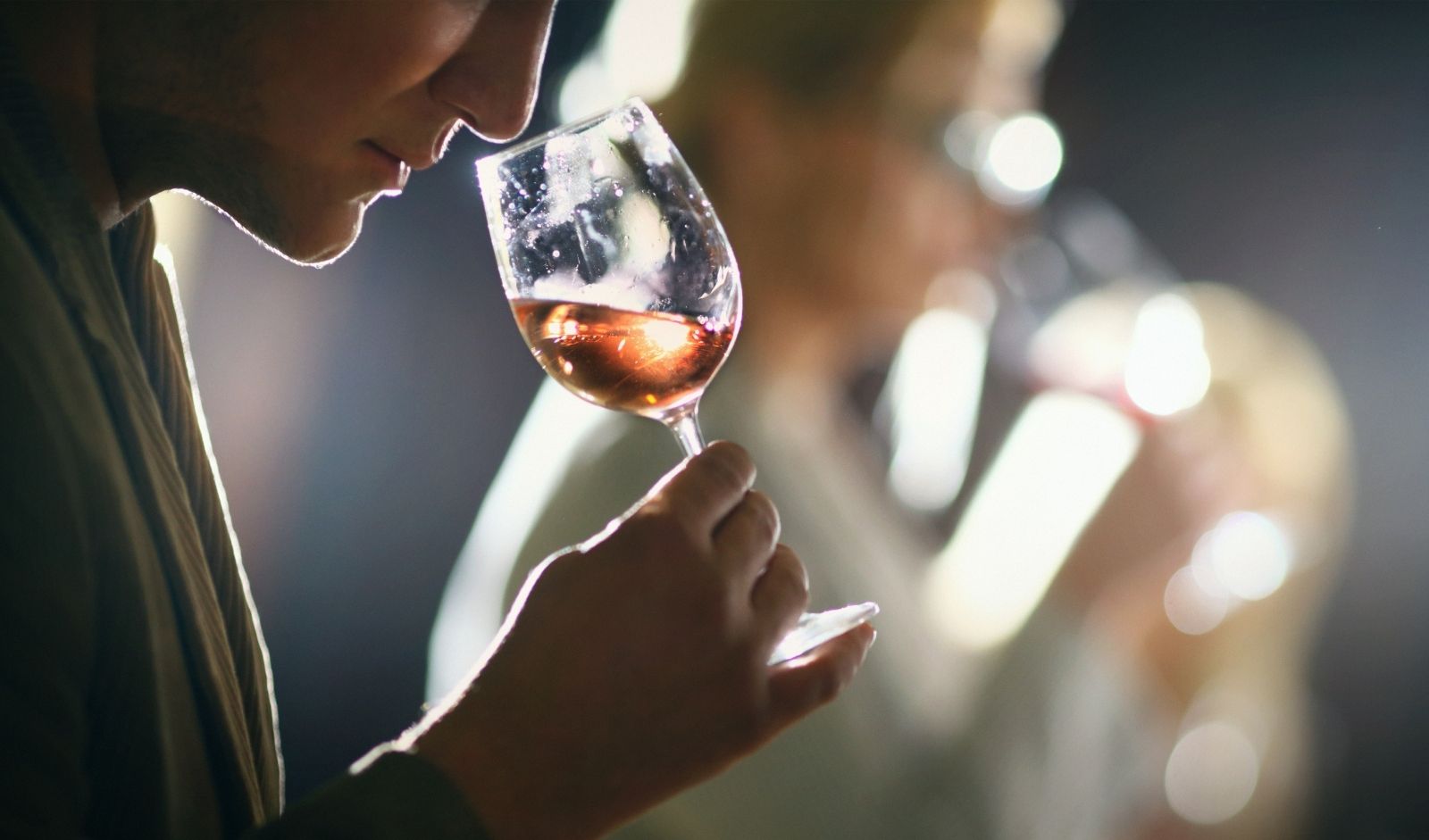
Swirl: Gently swirl the wine to mix it with oxygen. This releases aromatic compounds and enhances the bouquet.
Smell: Take slow, gentle sniffs. You may notice aromas of fruits, flowers, herbs, spices, vanilla, coffee, chocolate, smoke, or oak. The more wines you taste, the easier it becomes to identify these scents.
Sip: Take a small sip of the wine and allow it to coat your entire tongue before swallowing. Pay attention to its sweetness, acidity, body, tannins, alcohol level, and flavour intensity, as these elements work together to create the wine's overall balance, texture, and character.
Finally, pay attention to the finish. Longer-lasting flavours often indicate better balance and complexity.
Best Wines for Beginners
Some wines are especially approachable because they have balanced acidity, soft tannins, and fruit-forward flavours.
Pinot Noir – Light, smooth, and easy to enjoy.
Merlot – Soft texture with plum and berry flavours.
Chardonnay – Rich yet beginner-friendly.
Sauvignon Blanc – Crisp and refreshing.
Riesling – Excellent for those who enjoy slight sweetness.
Prosecco – Fruity sparkling wine with gentle bubbles.
Rosé – Fresh, light, and suitable for many occasions.
Trying different styles helps you discover your personal preferences.
Common Beginner Mistakes
Many new wine drinkers make simple mistakes that affect flavour.
Serving red wine too warm can make alcohol taste stronger, while serving white wine too cold hides its aromas.
Filling the glass to the top leaves little room for aromas to develop. Experts recommend filling only about one-third of the glass.
Many people also judge wine solely by price or attractive labels. In reality, tasting different styles is a much better way to find what you enjoy.
Another common mistake is rushing through a tasting. Taking a little extra time to smell and observe the wine often reveals flavours that are easy to miss.
Train Your Palate Over Time
You do not need expensive equipment to enjoy wine. A universal wine glass enhances aromas better than thick everyday glasses. A waiter's corkscrew is reliable and easy to carry, while a wine stopper helps preserve opened bottles for a few days. If you enjoy entertaining guests, a simple decanter can help younger red wines breathe before serving.
Wine appreciation is a skill that develops with practice rather than natural talent. Taste different grape varieties side by side. Compare wines from different countries. Smell fresh fruits, herbs, flowers, spices, coffee, and chocolate regularly to improve aroma recognition. Keeping a small tasting journal can also help you remember what you liked and why. There is no "perfect" wine. The best bottle is the one that matches your taste, your meal, and the occasion. With every new bottle, you build confidence, discover new flavours, and gain a deeper appreciation for one of the world's most fascinating beverages.
 ExpansionThe latest addition reflects the growing focus among shopping centres on expanding curated food and beverage offerings to increase visitor engagement…
 DessertThe company also operates dairy and ice cream manufacturing facilities in Thailand, supplying brands including Swensen's and Dairy Queen.
-
Alcohol industryThe best bottle is the one that matches your taste, your meal, and the occasion. With every new bottle, you build confidence, discover new flavours,…
 GrowthThe latest opening further expands FOO's footprint in Bengaluru as the brand continues to strengthen its presence through experience-led dining…