


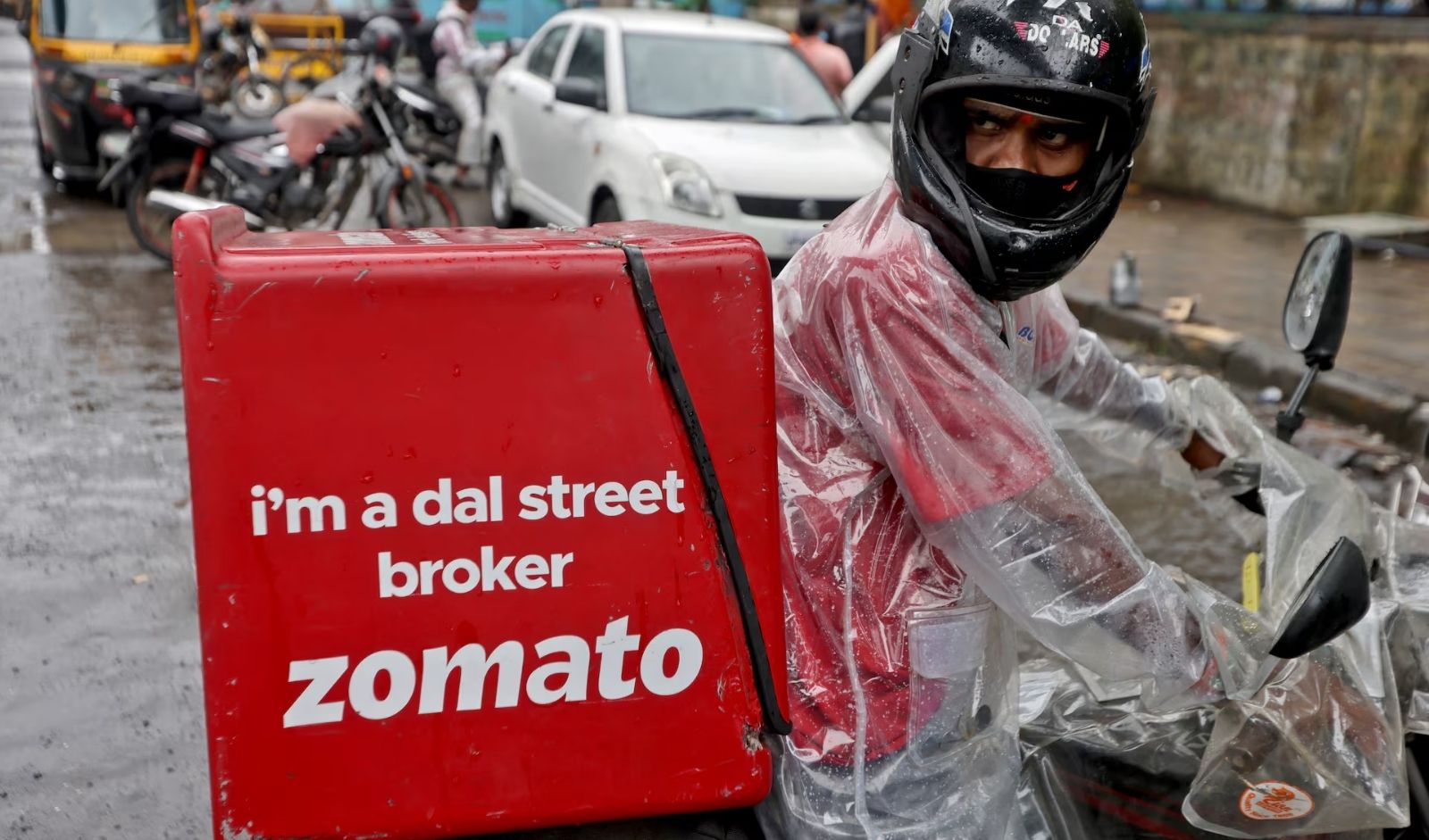
India’s leading food delivery platform Zomato has removed a contractual clause that allowed it to penalise restaurants for offering lower prices to dine-in customers or through their own channels, according to a company source. The move follows sustained concerns from restaurant operators who argued that such provisions limited their ability to control pricing strategies.
The clause, referred to as a “charges for price disparity” condition, had been part of Zomato’s agreements for several years. It enabled the platform to impose a penalty if restaurants listed lower prices outside the app compared to those displayed on Zomato. Contracts reviewed indicated that the company could also deploy verification methods such as mystery shopping to monitor compliance. While the clause was reportedly never enforced, it has now been removed from both contracts and publicly available policy documents.
Zomato did not respond to queries regarding the decision. The development comes at a time when Zomato’s parent, Eternal, continues to scale rapidly. The platform currently serves 24 million consumers and lists 300,000 restaurants. Since its 2021 market debut, Eternal’s valuation has risen sharply, with the company now valued at nearly $26 billion, reflecting sustained growth in food delivery demand.
The clause had drawn criticism for its potential impact on competitive pricing. According to contract terms, Zomato could levy a fine equal to “three times the differential amount” per order in cases of non-compliance. The National Restaurant Association of India opposed the provision, citing its implications on pricing autonomy. Sagar J. Daryani, president of the association, said, “It’s our product and should be our pricing. We appreciate their assurance that price parity will no longer be enforced.”
Legal experts had also raised concerns about the clause’s alignment with competition norms. Several lawyers and a former antitrust official indicated that such provisions could restrict market dynamics and attract regulatory scrutiny. They pointed to a precedent set in 2022, when the Competition Commission of India directed travel platforms MakeMyTrip and GoIbibo to remove similar restrictions that prevented hotels from offering lower prices through other channels.
Rahul Goel, antitrust partner at AnantLaw, said, “The clause has resemblance to those found to be in violation in India hotel booking business ... though similar clauses have faced scrutiny world over, the company would have needed to provide an objective justification to defend it.”
The decision also comes amid ongoing regulatory focus on the food delivery sector. A 2024 antitrust investigation found that Zomato and its competitor Swiggy had engaged in business practices that allegedly favoured select restaurant partners, though both companies have denied any wrongdoing.
With India’s food services market currently valued at $94 billion and projected to reach $153 billion by 2031, according to Mordor Intelligence, the removal of such clauses is likely to influence how platforms and restaurant partners negotiate pricing and margins going forward.
 ExpansionThe launch reflects a broader trend of established restaurant brands introducing smaller, café-led formats to increase market penetration while…
 Business activitiesBy involving on-ground teams and focusing on scalable activities, hotel chains are looking to balance guest experience with sustainability…
-
Business activitiesThe clause, referred to as a “charges for price disparity” condition, had been part of Zomato’s agreements for several years. It enabled the platform…
 Restaurants in IndiaThe menu was created by Pranav and Chef Kuldeep, offers a mix of bold flavors and popular dishes. Some standout options include Guntur Chicken, Lotus…
Copyright © 2009 - 2026 Restaurant India.