





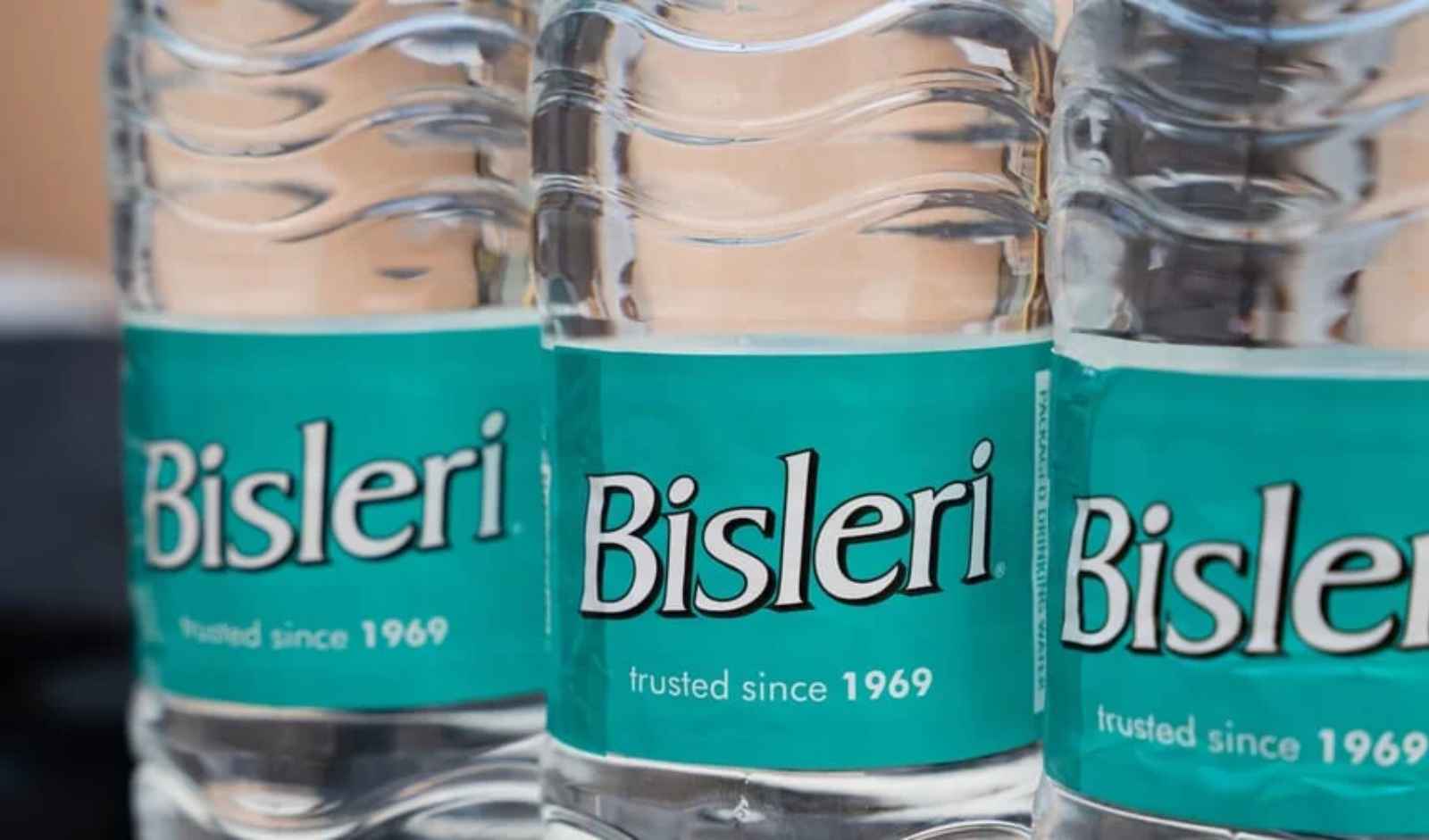
India's packaged drinking water sector is facing increased regulatory scrutiny after the Food Safety and Standards Authority of India (FSSAI) identified coliform bacteria in a Bisleri-branded water sample, marking the second reported food safety concern involving the company in recent days.
In a regulatory notice dated August 12, FSSAI informed Bisleri about the findings and directed the company to stop the sale of the affected batch. The sample was classified as unsafe following laboratory testing, with the regulator identifying the presence of coliform bacteria. A subsequent confirmation test also returned an unsafe result, according to a government official.
“The sample was found to be nonconforming [UNSAFE],” the notice said. “It shows presence of coliform.”
Bisleri confirmed that it had recalled the affected batch in August following government instructions. The company also acknowledged that both the primary and referral laboratories identified coliform bacteria in the regulatory sample.
However, the company said its independently commissioned laboratory tests produced different results for samples from the same batch.
“The primary and referral laboratories reported the presence of coliform bacteria in the regulatory sample,” Bisleri told Reuters.
The company added that independent testing found the samples compliant with the applicable food safety requirements.
“The difference between the regulatory and independent findings warrants a thorough review,” the company said. “Bisleri will continue to cooperate fully with FSSAI to establish the facts.”
The latest finding follows an earlier regulatory action involving another Bisleri water sample, which was reportedly found unsafe due to chemical contamination. Court records indicate that FSSAI has initiated prosecution proceedings in the earlier case, which could result in imprisonment and financial penalties for manufacturing an unsafe product.
The developments have prompted wider attention towards quality control in India's packaged drinking water business, particularly for restaurants, hotels, catering companies and other foodservice operators that depend on packaged water for customer consumption.
Bisleri operates 130 production plants and has a distribution network of 5,980 distributors, making product quality and batch-level monitoring significant operational considerations across its supply chain.
Following the findings, FSSAI has asked states to strengthen surveillance of the packaged drinking water and mineral water categories. The regulator has directed authorities to conduct more frequent inspections and risk-based sampling across the industry.
The agency instructed states to conduct “regular inspections and risk-based sampling of packaged drinking water and mineral water”, adding that “appropriate action shall be initiated in cases of non-compliance”.
The increased monitoring is expected to cover major players, including PepsiCo, Tata Consumer, Coca-Cola and Reliance Consumer, all of which have business interests in India's packaged water market.
For hospitality businesses, the regulatory action brings renewed attention to the procurement and storage of packaged drinking water. Restaurants and hotels rely on bottled water as a regular part of their service operations, making supplier verification, batch tracking and purchase documentation important aspects of food safety compliance.
The wider enforcement drive also reflects increased regulatory attention across India's food and beverage industry. Recent inspections and enforcement actions have involved companies across restaurant, packaged food and alcoholic beverage categories, with issues ranging from product labelling to food safety compliance.
-
Food businessIn a regulatory notice dated August 12, FSSAI informed Bisleri about the findings and directed the company to stop the sale of the affected batch.
 ExpansionLocated within Serene Home, the cafe operates across multiple individually designed spaces, integrating the brand's home furnishing and…
 CollaborationSwaranaya offers 3.5, 4.5 and 5.5 BHK residences, designed with layouts that accommodate shared family areas and private spaces.
 LeadershipHis responsibilities included improving food and beverage profitability, introducing culinary concepts and implementing cost optimization measures.