





Lately, high-end retailers in the country are betting big seeing that their customers’ appetite for luxury goods is matched by their appetite for food. As India’s luxury sales remain slow and consumers expect more from their shopping experience, global luxury brands are expanding into the restaurant and food businesses as a way to both boost their branding and diversify their revenue.
What’s Cooking?
Reliance Industries is set to foray into the restaurant business by collaborating with a Michelin-starred Armani eatery. The Mukesh Ambani-owned company will be spearheading its food business in collaboration with Emporio Armani, the Milan-based luxury company. Reliance is aiming to launch the first Emporio Armani restaurant in its upcoming luxury mall in Mumbai’s Bandra Kurla Complex.
After Paris, Milan, New York, Tokyo, Munich and Dubai, Mumbai will be the latest city where the Michelin-star Armani launches its restaurant.
The firm is developing a mega-commercial complex in BKC called Jio World Centre. This complex will house an international convention centre, hotels, two shopping centres including a luxury mall, a performing arts theatre, a rooftop drive-in movie theatre and commercial offices. The luxury mall will be opened next year.
Global Scene
Earlier, Gucci opened its world’s first full-service branded restaurant in Shanghai at the IAPM mall (there’s also a Gucci cafe at its museum in Florence). Called 1921Gucci, it serves Italian food in a stylish setting that includes Gucci-labeled napkins, silverware, and menus.
Louis Vuitton has launched its very first café and restaurant this month at Vuitton’s new four-level Osaka “maison”, Japan. With this move, the luxury brand’s parent company LVMH will expand even further into hospitality. The new restaurant will be called Le Café V. The restaurant’s menu will be designed by acclaimed Japanese chef Yosuke Suga.
In 2014, LVMH’s Asian investment arm L Capital Asia bought more than a 90 percent controlling stake in Chinese restaurant group Crystal Jade for more than $100 million. Also, the famous New York jeweller Tiffany& Co opened a flagship store on Shanghai’s Huaihai Middle Road on December 23 last year, with one of its signature Blue Box Cafés on the second floor. The eatery has a six-month waiting list, largely composed of fans of the iconic movie Breakfast at Tiffany’s. It is also running restaurants in top global cities like New York and London to name a few. On Shanghai’s famous riverfront Bund, the French fashion house Lanvin opened a Lanvin Café in December and the list goes on.
Thus, we can say that dining is not just about eating, it is more about the experience, and in particular experiences that can be shared or even shown off.
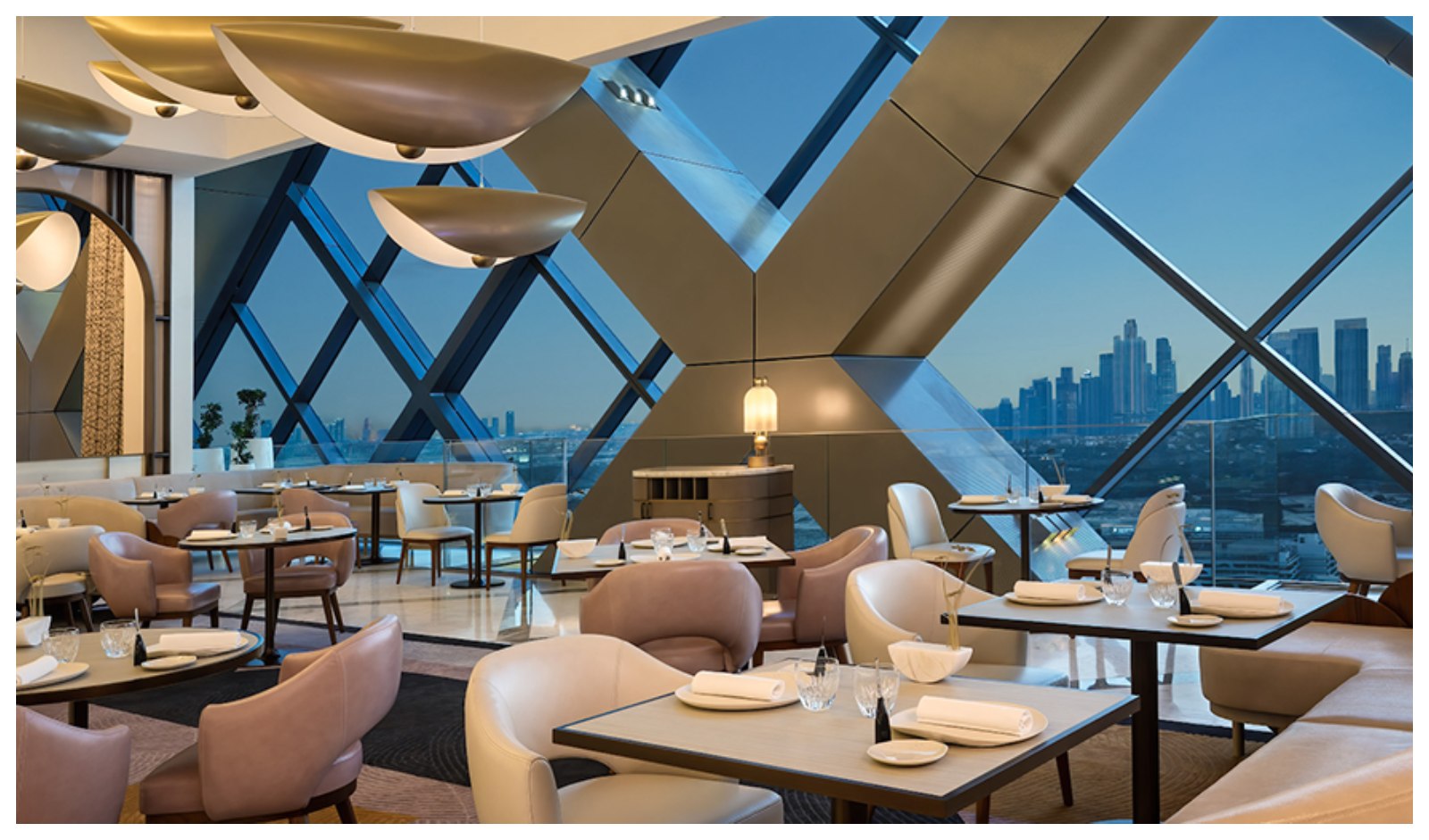
In an industry once driven by rapid expansion, profitability and operational stability have emerged as the true measures of success. For years, restaurant growth followed a simple formula—opens more outlets, enter new cities, and scale quickly, often at the expense of margins. That mindset is now shifting. Across India, restaurant operators are slowing expansion, consolidating their footprint, and rethinking what sustainable growth really looks like.
Rising Costs and Tight Margins
The Indian food services sector is valued at over ₹5.7 lakh crore in 2025 and is expected to reach ₹7.76 lakh crore by 2028, growing at around 8% annually.
Despite scale, profitability is tight. Most restaurants operate on net margins of just 3–6%, while casual and full-service formats face high labour, rent, and food costs. Even QSRs typically deliver net margins of only 6–9% under ideal condition. Rent and utilities, which account for about 5% of earnings globally, rise to 20–25% in India due to expensive urban real estate. 40% of the brands, who expand their business within a year of their launch, end up closing due to the heavy losses.
“When you are building culture, not just covers, growth have to protect community. Rising costs and unstable footfalls make reckless expansion risky, especially for venues that prioritise live music, safety, and inclusivity,” shared Vikas Narula, Co-Founder, Depot 48.
Labour costs add further pressure, typically making up 25–35% of revenue, depending on the format. As a result, restaurants have little buffer to absorb cost or demand fluctuations.
Eesha Sukhi, Founder, The Bluebop Cafe said, “Over the last few years, the restaurant industry has been forced to reset its priorities. With rising food costs, rentals, manpower challenges, and unpredictable consumer demand, many restaurants are focusing on survival before expansion. Growth without profitability is no longer aspirational, it’s risky.”
No more Number Game
Many founders admit that opening a second or third location too quickly strained their businesses more than it strengthened them. With average net profit margins tight, longevity is increasingly valued over scale. The era of “more outlets = more success” has quietly ended.
Narula pointed, “Cultural venues learnt the hard way that clout doesn’t pay artists or staff. Most restaurateurs are focusing on unit economics, repeat customers and profitability per square foot. Fewer spaces with full rooms, strong bar economics and a loyal, diverse audience matter more than logos on a map.”
“Instead of chasing store counts, brands are measuring cash flow, unit economics, repeat customers, and operational efficiency,” noted Sukhi by adding that the obsession with rapid expansion has faded because scale without stability exposed weaknesses during downturns.
Cash Flow is the New Valuation
Growth-at-all-costs models have fallen out of favour and is replaced by a focus on unit economics, break-even timelines, and cash flow sustainability. Operators are now judged by how quickly an outlet turns profitable and how resilient it is during slow periods.
Adding to this, Pawan Shahri, Co-founder, Chrome Asia Hospitality said, “What we are seeing is a shift towards fewer but stronger business concept that can absorb shocks, adapt formats, and remain culturally relevant without burning capital. This approach has a direct business impact: healthier margins, better talent retention, sharper brand identity, and long-term scalability.”
Redefining Expansion
Around 80% of the restaurateurs believe in having stability in the current outlet and plan for a bigger expansion. Growth hasn’t disappeared—it’s being redefined. Expansion is being redefined from ‘how many outlets’ to ‘how resilient each outlet is.’
“Expansion today isn’t limited to opening more outlets. It’s also about building recognition beyond your physical space through pop-ups, collaborations, takeovers, and community-led experiences. These allow brands to grow visibility and test ideas without losing focus or overextending,” said Avinash Kapoli, Co-Founder, Kompany Hospitality.
It’s not Just about Survival
Today’s consumer knows what they want and has likely experienced similar concepts before. What they’re really looking for now is innovation. Restaurants with a clear speciality or USP helpsrather than copying what’s already out.
“We have focused on staying culturally and commercially relevant by evolving the global cultural experiences. That approach has resulted in a stronger, more defensible business, the brand stays fresh and top-of-mind without relying on constant expansion and helps us grow steadily, protect margins, and scale thoughtfully when the timing is right,” commented Shahri.
Kapoli shared, “For us, every project begins with how the consumer should feel. At SOKA, the team and the customer journey were in place before we opened, every drink on the menu has been tasted with real time feedback from consumers before it makes it on the menu. At Kalpaney, every dish went through repeated testing to ensure it delivered the nostalgia we wanted.”
Survival is no longer viewed as settling; it is a strategic choice. Expansion hasn’t stopped; it’s become steadier and more thoughtful.
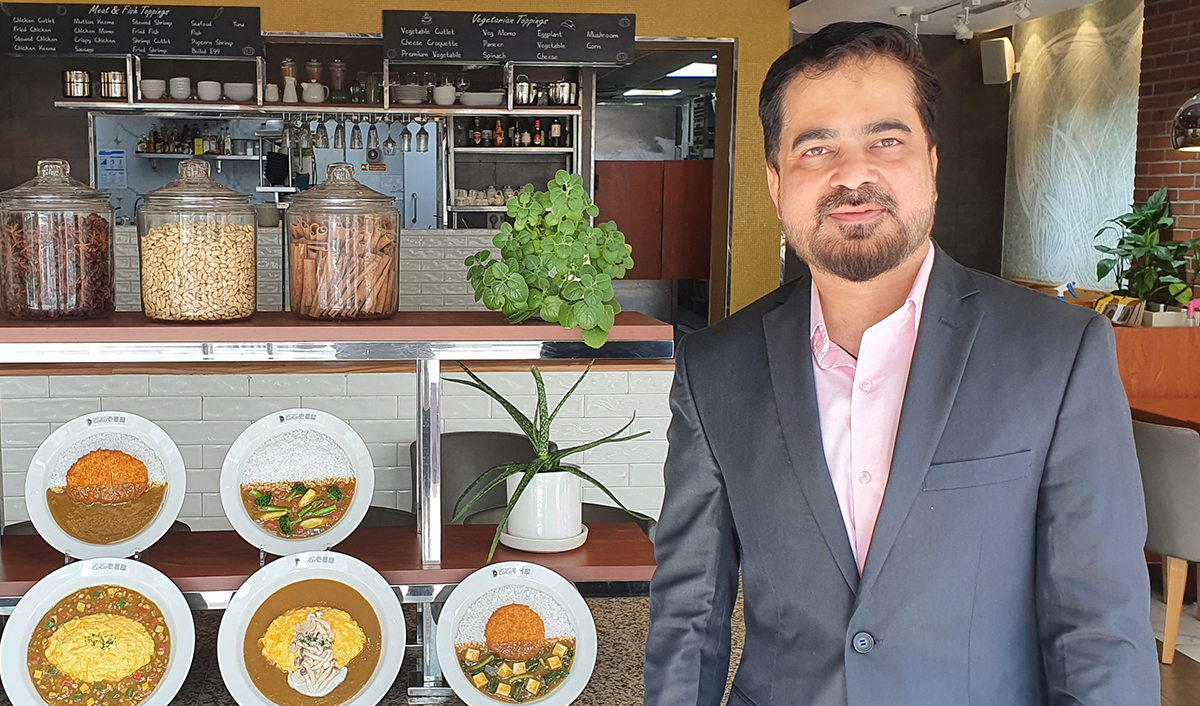
Japanese curry chain Coco ICHIBANYA marked its entry into the Indian market in 2020 by opening first outlet in Gurgaon. “We launched our first outlet in Cyber Hub when COVID-19 was at its peak. With this launch, our initial idea was to see customer responses towards Japanese cuisine, especially towards our authentic Japanese curries. However, due to the pandemic, many customers and potential consumers chose not to dine out, making it slightly more challenging for us to ascertain how they would react to our offerings,” shared Devesh Srivastava, CEO who found that there are already a number of CoCo ICHIBANYA fans, namely Japanese expatriates and some local customers, who had been eagerly awaiting to get their fix of CoCo ICHIBANYA’s famous curry. “Most diners enjoyed exploring the contrast between the flavour of the Japanese sauce and the familiar Indian varieties laden with onion, tomatoes, and local spices. This is what drove us to open our second outlet, albeit two years later than planned as we wanted to wait for a favourable time after the COVID-19 peak in India,” he added. Excerpts from the interview:
What was the idea behind the launch of the brand into the Indian market?
Our India launch has always been a part of our expansion plan, especially considering that fact that curries originated in India. In addition, we have seen a rapid increase demand for Asian cuisine in the country and due to our globally recognised taste of curries, we believe that CoCo ICHIBANYA can offer more comfort food experiences to Indian customers who enjoy Japanese food. With a population of over 1.3 billion, a rapidly growing middle-income class and one of the world’s largest F&B markets, we believe that India is the right market to launch the CoCoICHI brand and concept. Moreover, Japanese curries are easy to eat, and the flavour profile suits the Indian palate.
Who do you see as the prospect customer- is it the ever evolving Indians or the expat crowds?
Our prospective customers are definitely Indian customers who are eager to try new cuisines and are open to new experiences.
How is the response of the first outlet? What is the average order you get?
The response has surely been picking up as more and more Indian customers have started to appreciate the distinctive flavour profiles and the "comfort" factor that our food offers. The average order value per person is approximately Rs. 750.
We also see that theirs is a sudden rise of Japanese restaurant brands in India. Why so?
As Indians, our palates are accustomed to complex dishes with rich and punchy flavours and spices. Japanese cuisine also delivers heaps of flavours in a simplistic style. One can find similarities between the two whether it is the ingredients or cooking style. In fact, Japanese curries are similar in taste to Indian curries as they use spices like Shichimi (red chilli powder) which appeal to the Indian palate. We can also attribute this rise in popularity of Japanese brands in India to the rise of the globalised Indian. Earlier, when Indians tried international cuisines, they sought food that had some affinity with Indian food. Simply put, they preferred Indianized cuisines, be it Chinese or Mexican. Over time, the Indian consumer has become more adventurous and curious about new cuisines and wishes to experience authentic cuisines.
I would say we face healthy competition from all the major CDR brands, particularly those that serve Asian cuisines.
How have you designed the menu?
The CoCo ICHIBANYA menu in India is almost the same as our international menu and The CoCo ICHIBANYA menu in India is largely identical to our international menu and offers a variety of vegetarian and non-vegetarian alternatives while maintaining the highest level of quality in accordance with international standards. In order to localise our menu, we have incorporated dishes like our version of Chicken Keema Curry and Paratha Curry Set, among other dishes. It’s about as accurate a rendition as anything at CoCo ICHIBANYA, where appropriation and reinvention get a Japanese spin. Moreover, keeping religious sentiments in mind, we have included more chicken, seafood and vegetarian options.
What’s the top selling item on the menu?
The top selling items on our menu are the Chicken Cutlet (Katsu) Curry, Premium Veg Curry,
From where do you source the ingredients?
Most of our ingredients are sourced locally but the original curry comes from Japan to maintain the same global quality.
Yes, these were, in fact, pre-COVID numbers. The exact number of outlets we intend to open in the foreseeable future cannot be disclosed at this time. Having said that, we are on track to achieve the targets we set for ourselves in terms of the numbers. We are now focusing on Delhi NCR, but we will soon move on to other Tier 1 cities.
Also, how do you select location as we see the 2 outlets are present in malls?
The very essence of CoCo ICHIBANYA is comfort food, and where better to offer it than at a mall that attracts both families and millennials. Our target audience includes anyone and everyone who is open to trying new cuisines and experiences.
Any plan opening a high street location?
Yes, we are open to the idea if we get good options in the near future.
What’s your expansion plan?
We would not be able to disclose the exact number of outlets we plan to open nationwide at this point, but we are focusing on Delhi NCR at present and are looking to expand to other tier 1 cities with a franchise model very soon.

Michelin Star Chef Atul Kochhar announced his mega comeback to India with Saga.
He has partnered with seasoned Indian restaurateur Vishal Anand to open the restaurant at Golf Course Road in Gurgaon.
Together they are curating an experiential fun dining restaurant named SAGA which will be a 175 seater spread over 2 levels & Alfresco.
It boasts of an Iconic design with one of the tallest bar displays in Asia.
ALSO READ: Where Fine Dining Meets Fun Dining
“I am truly excited on my association with SAGA and Vishal Anand. I aim to provide SAGA with a menu that would match the ambience. Experiential fun dining is the theme at SAGA and my menu would just provide that,” added Kochhar who was first Indian chef to win michelin star for his restaurant Tamarind in UK.
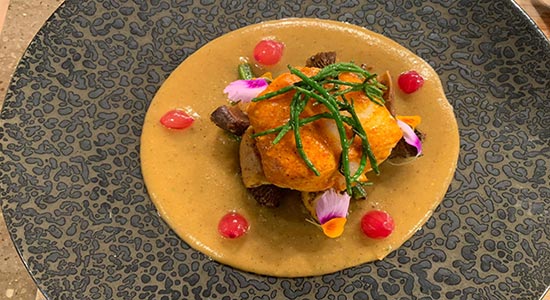
During a press meet organised recently at Farzi Cafe, Aerocity, Delhi, he announced the launch of his new restaurant.
“I am truly delighted to associate with globally acclaimed Chef Atul Kochhar for SAGA. SAGA means stories & we will have some great stories to share around the Cuisines of India,” added Vishal Anand, Partner, Moonshine Food Ventures for whom SAGA is an amalgamation of iconic design, finest food and beverage and wholesome entertainment.
The restaurant also promises to lift the dining experience in NCR.
“The idea is to communicate the history behind each and every dish we serve. We are picking up food from various regions across the country. And, we are modernizing it a bit and then presenting it,” Anand added further.
The restaurant will also have an evolving menu every 4 or 6 months. We are launching saga somewhere around in the month of May.
Kochhar, earlier opened two restaurants in Mumbai namely; NRI-Not Really Indian and Lima in Mumbai’s one of the most popular hub BKC. But his restaurants failed to survive and Was permanently closed last year.
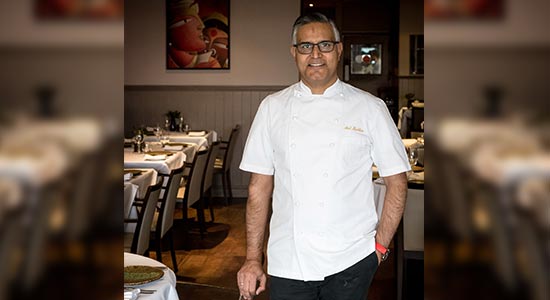
He has always believed in adding fun element to his dining. In an earlier interview to Restaurant India, Kochhar was quoted saying, “I have done fine dine restaurants plenty of time and I really want to have fun with food now so have come up with a cuisine which is light, easy and fits the bill. I am more into fun dining than into fine dining.”
Whereas, Vishal Anand is already running one of the finest restaurant in the city Saints N Sinners and is also franchise owner of Zorawar Kalra’s much acclaimed modern Indian restaurant and bar- Farzi Café.
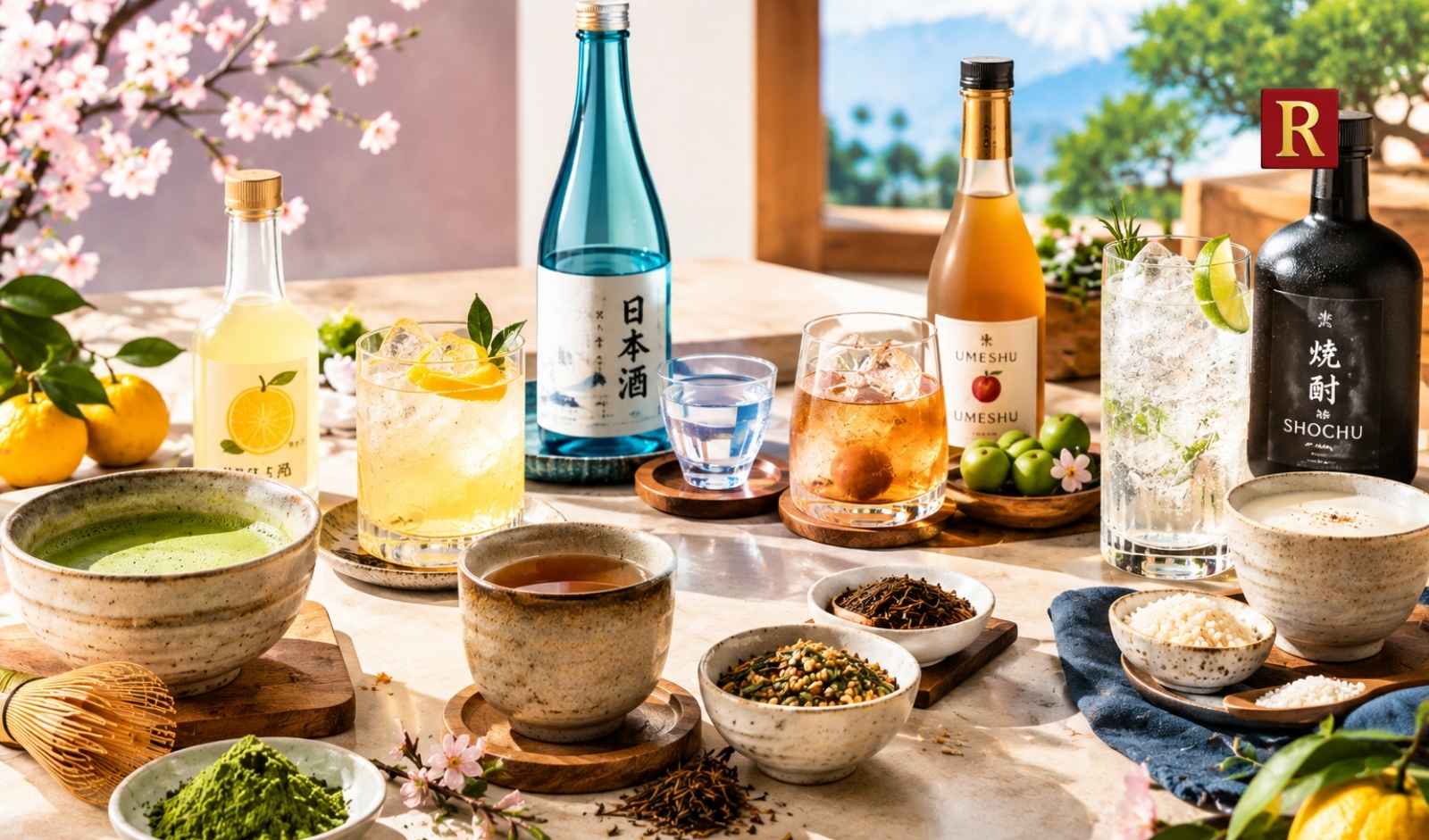 Global CultureThey are exploring the stories, ingredients and techniques behind them. Matcha may have created the curiosity, but these lesser-known drinks could…
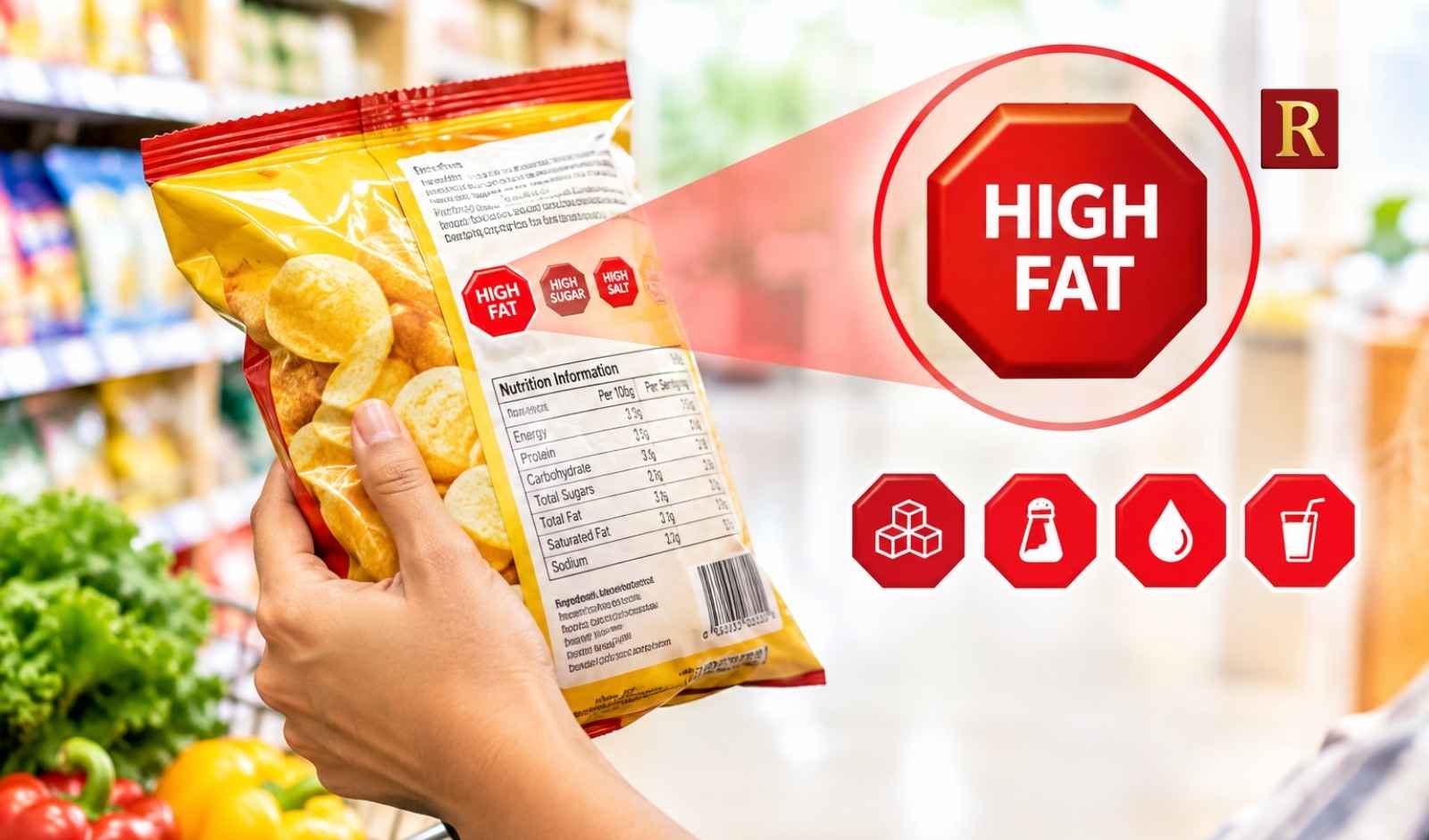 Food businessA red label would not tell you that a food is "good" or "bad". It would tell you that one part of its nutritional profile…
 Tea & Coffee market in IndiaInvestors are likely to favour businesses that can serve consumers across cafés, takeaway, delivery, subscriptions, quick commerce and at-home…
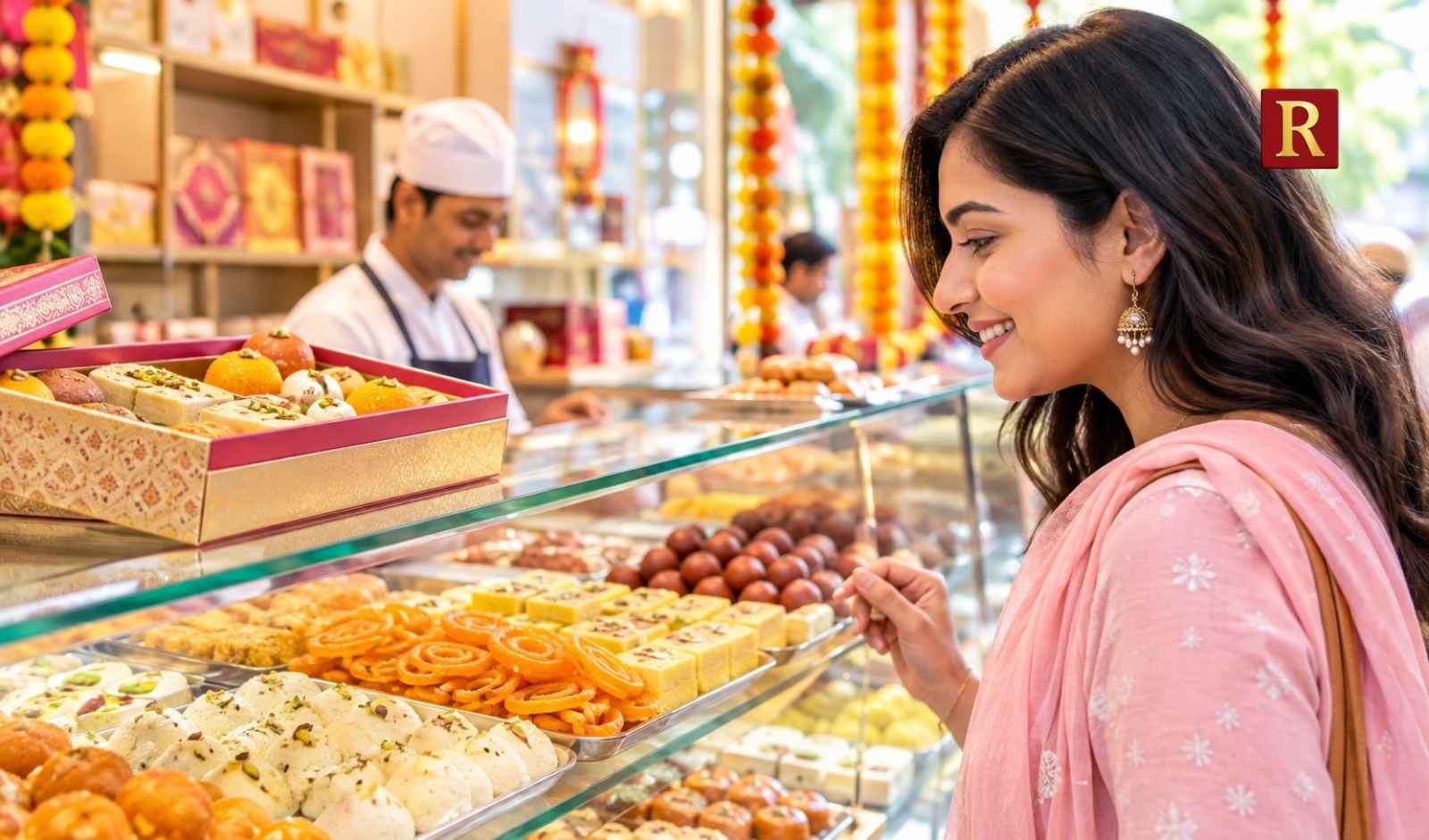 Festive SeasonChoosing mithai is not only about its colour, price or the popularity of the shop. Before buying, take a moment to check how the sweets are stored,…
Copyright © 2009 - 2026 Restaurant India.