


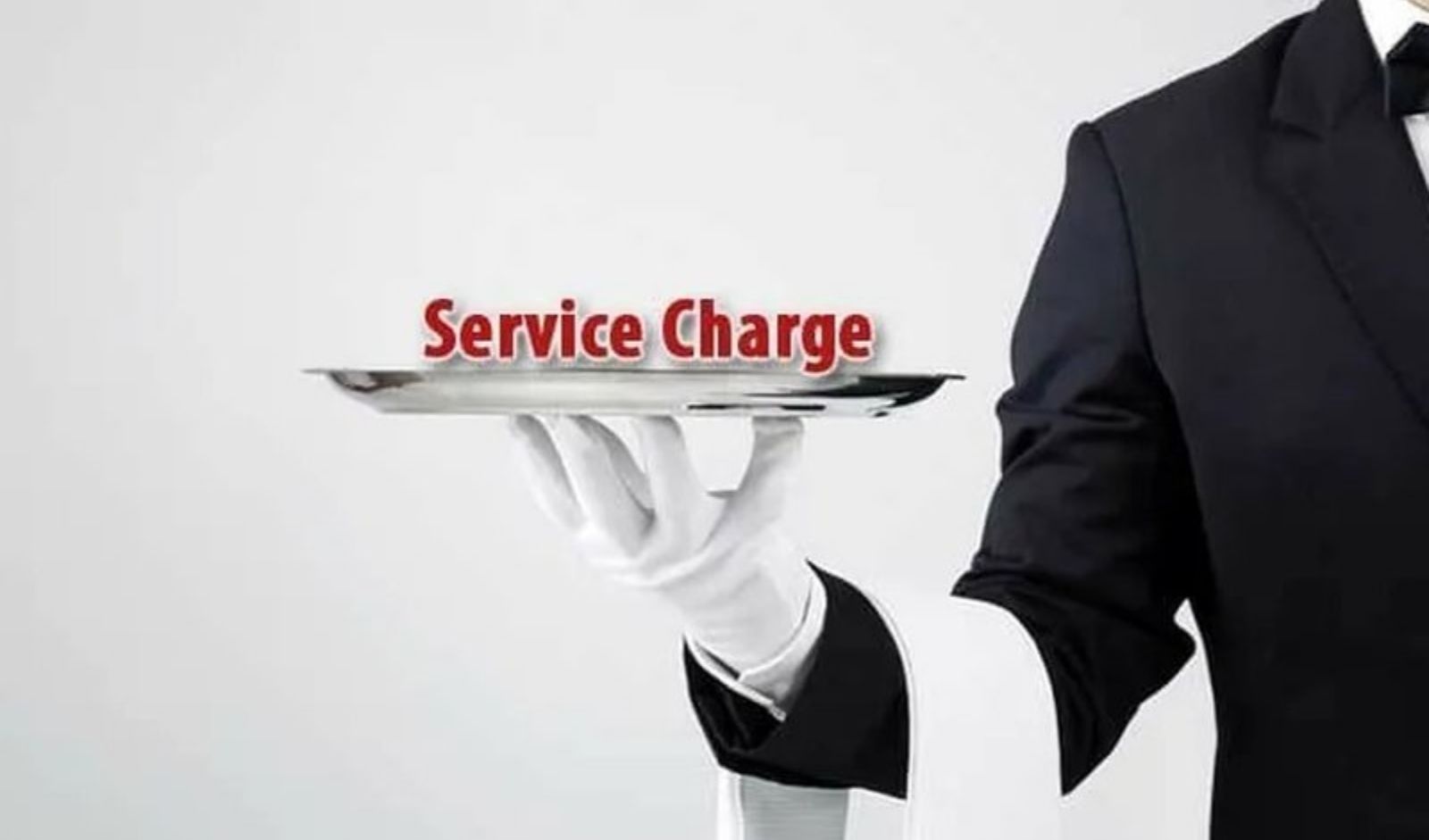
The Central Consumer Protection Authority has stepped up enforcement against restaurants found mandatorily adding service charges to customer bills, initiating action against 27 establishments across India. The authority has termed the practice a violation of consumer law and an unfair trade practice under the Consumer Protection Act, 2019, sending a strong signal to the hospitality sector on billing transparency and compliance.
Acting suo motu on verified consumer complaints, the CCPA imposed monetary penalties of up to Rs 50,000, directed refunds to affected customers, and ordered changes to restaurant billing systems to prevent automatic addition of service charges. The move follows a landmark judgment of the Delhi High Court dated 28 March 2025, which upheld the CCPA’s guidelines on service charges in hotels and restaurants. The Court ruled that mandatory collection of service charge is contrary to law and confirmed that all restaurants are bound to follow the guidelines. It also affirmed the statutory authority of the CCPA to enforce them.
At the centre of the action are the Guidelines to Prevent Unfair Trade Practices and Protection of Consumer Interest with Regard to Levy of Service Charge in Hotels and Restaurants, notified on 4 July 2022. These guidelines clearly state that service charge cannot be added automatically or by default to a food bill, cannot be collected under any alternative name, and cannot be imposed on consumers. Restaurants are required to inform customers clearly that payment of service charge is voluntary and optional. Refusal to pay cannot result in denial of service or entry, and service charge cannot be added to the bill for the purpose of levying GST.
Despite the clarity of these provisions, investigations by the CCPA found that several restaurants continued to ignore the rules. The authority noted that some establishments had embedded service charges into their billing software, making the levy appear routine or unavoidable. Such practices were found to undermine consumer choice and violate the spirit of the law.
Among the cases examined were Café Blue Bottle in Patna and China Gate Restaurant Private Limited, which operates the Bora Bora outlet in Mumbai. Both were found to be automatically adding a 10 percent service charge to customer bills. The CCPA held that this amounted to an unfair trade practice under Section 2(47) of the Consumer Protection Act, 2019.
The enforcement process was driven largely by complaints filed through the National Consumer Helpline. Many of these complaints were supported by invoices that showed service charges being added by default. A detailed review revealed a pattern of systematic non-compliance rather than isolated errors.
In the case of Café Blue Bottle, Patna, the authority directed the restaurant to refund the entire service charge collected from the complainant, immediately stop levying service charge, and pay a penalty of Rs 30,000. In the matter involving China Gate Restaurant Private Limited (Bora Bora), Mumbai, the service charge was refunded during the hearing. However, the CCPA went further by ordering the company to modify its software-based billing system to remove any automatic addition of service charge or similar levies. It also imposed a penalty of Rs 50,000 and instructed the restaurant to ensure that its publicly listed email ID remains active and functional at all times, as required under consumer grievance redressal norms.
This action underscores a shift towards stricter regulatory scrutiny of front-end billing practices. The CCPA has stated that enforcement will continue with zero tolerance for violations, and complaints received through the National Consumer Helpline are being closely tracked. Restaurants found imposing mandatory service charges, whether directly or indirectly, will face regulatory consequences.
The authority has reiterated that consumer choice lies at the core of the law. Any attempt to present compulsory charges as optional, customary, or standard practice will attract penalties. For the hospitality sector, the message is clear: billing transparency is not optional, and compliance cannot be left to interpretation or default system settings.
 GrowthThrough this campaign, the hotel is focusing on structured planning, adaptable venues, and end-to-end service execution to position itself as a key…
 Domino'sSince 2019, he has been Managing Director of Pizza Hut, India, for Yum! Brands, where he led a turnaround of sales performance and halved store…
-
Business activitiesFor the hospitality sector, the message is clear: billing transparency is not optional, and compliance cannot be left to interpretation or default…
 Subway RestaurantAlongside Protein Pockets, Subway is upgrading its value menu with the all-new Sub of the Day.
Copyright © 2009 - 2026 Restaurant India.