


Eternal, the parent company of Zomato and Blinkit, is reviewing its target of transitioning to a 100 percent electric delivery fleet by 2030, citing business expansion, EV availability and gaps in charging and mobility infrastructure across Indian markets.
In an interview with PTI, Anjalli Ravi Kumar, Chief Sustainability Officer at Eternal, said the company remains committed to electric mobility but is working on a revised timeline that considers the operational requirements of its businesses and the pace of electric vehicle adoption.
"We are still committed to electrifying the fleet. We are deeply committed to it because it still makes economic sense," she said.
However, the company believes its earlier 2030 deadline may be difficult to achieve as its delivery operations have expanded significantly since the target was announced. Eternal's combined Zomato and Blinkit delivery network now has 12 lakh monthly active riders, compared with 1.5 lakh monthly active riders on Zomato when the original target was established.
"It doesn't look feasible because, beyond the penetration numbers, our business is also growing massively. When we set the target, there were only 1.5 lakh monthly active riders on Zomato. Today, there are 12 lakh riders across Zomato and Blinkit," she said.
On the possibility of extending the deadline to 2035, Kumar said the company is assessing a revised commitment, which will also depend on EV policy implementation across the country.
"We are actively working towards a date. Some of it will depend on the government as well, in terms of whether EV policies have rolled out across the country sufficiently for us to commit to 2035. We are very hopeful. But bear in mind that we have other businesses as well. For instance, Hyperpure also uses a lot of delivery vehicles, and those are four-wheeler deliveries involving trucks and smaller commercial vehicles. So, the new EV target for the Eternal Group needs to factor in all kinds of transportation, not just the two-wheeler segment. We can't think about individual businesses anymore. When we set a target, we have to set it for the group. That's our thinking," she said.
The company said EV adoption among its delivery partners is already higher than the broader two-wheeler market. According to Kumar, an earlier assessment conducted around last December found that EV penetration in the overall market was approximately 6-7 per cent, while 12-13 per cent of partners in Eternal's delivery fleet were already using electric vehicles.
"In our previous estimation, which was done around last December, EV penetration in the market was only around 6-7 per cent. Within our own fleet, there were already about 12-13 per cent of partners using EVs. So, we were already at almost double the market penetration," she said.
To encourage adoption, Zomato follows an equal-benefit payment policy under which delivery partners using electric vehicles receive the same benefits as those using petrol-powered vehicles. The company also provides access to EV rental options through its delivery partner application and conducts initiatives such as EV Bazaar to introduce riders to available vehicle models.
However, access to affordable electric vehicles remains a challenge, particularly in smaller cities. Kumar said the company's recruitment requirements make it difficult to ensure that every new delivery partner can access an EV.
"To maintain a base of 12 lakh riders a month, I need to onboard 30 lakh people a year. Now, the question is whether 30 lakh people across 900 cities will all be able to access an EV reliably. That's an important question, and this is just the number for this year. Tomorrow, it could be 35 lakh, right? Can I guarantee that all 30 lakh people joining us will have access to an EV across 900 cities? I'm not in a position to make that guarantee, and I don't know when I will," she said.
The company is also seeking EV policies that consider the financial circumstances of delivery partners, many of whom arrange their own vehicles. Kumar said the transition should not create additional financial barriers or restrict employment opportunities for workers who cannot afford to purchase electric vehicles.
Apart from fleet electrification, Eternal is working with restaurant partners to reduce plastic packaging through its PackSwitch initiative. The platform helps restaurants identify packaging alternatives based on their menu requirements and connects them with suppliers and startups developing sustainable packaging solutions.
Through its Hyperpure business, Eternal sold more than 3,000 metric tonnes of sustainable packaging to 50,000 restaurants last year. Additionally, more than 10,000 restaurants across over 400 cities have received Zomato's low-plastic packaging tag after verification of the packaging used for their main menu.
The company's sustainability strategy therefore extends beyond last-mile delivery operations to include restaurant supply chains, packaging procurement and food delivery infrastructure.
-
Quick ServiceAdditionally, more than 10,000 restaurants across over 400 cities have received Zomato's low-plastic packaging tag after verification of the…
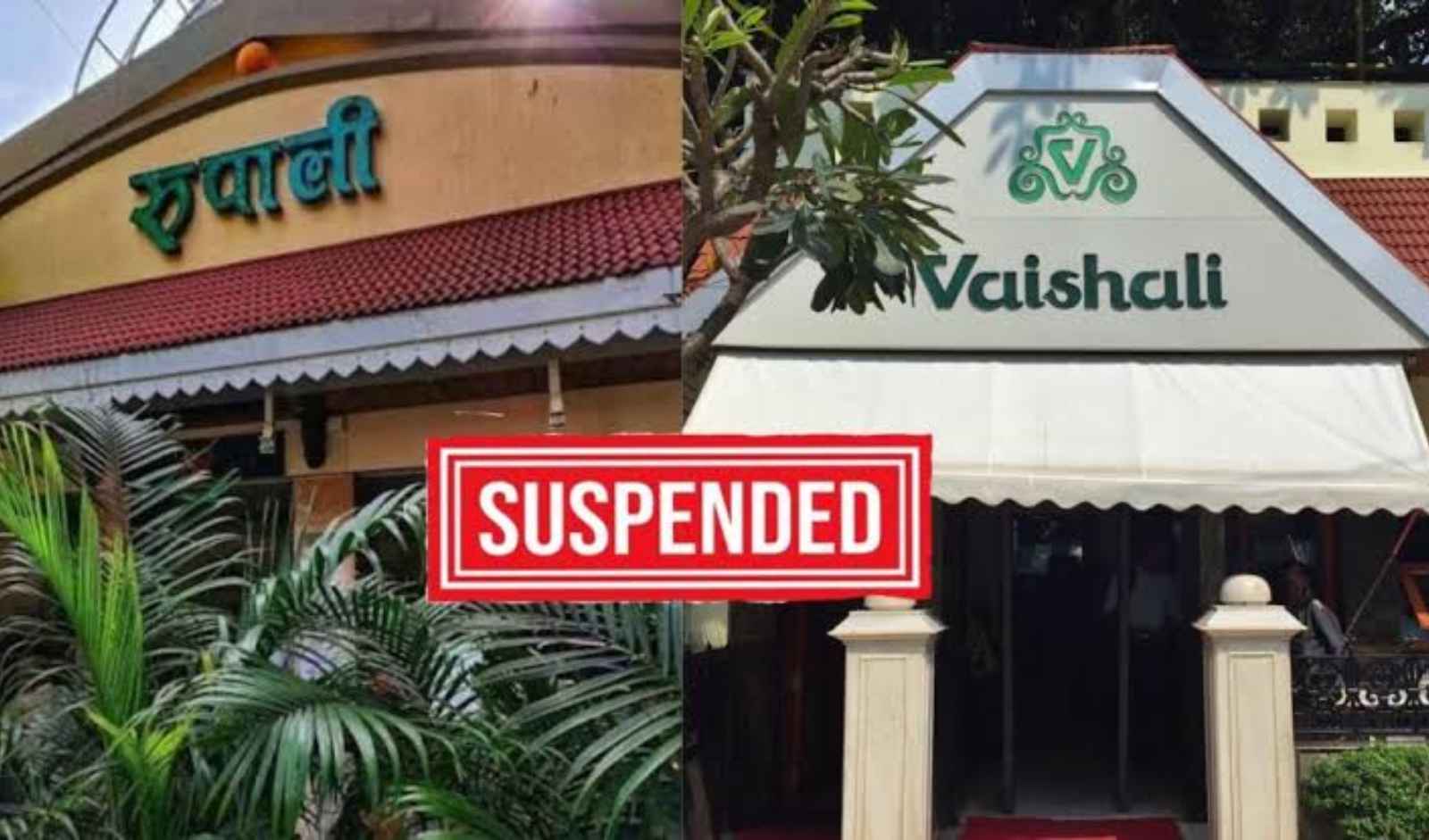 Food businessFDA officials also reportedly found that raw materials, semi-processed ingredients and finished food products were stored without appropriate…
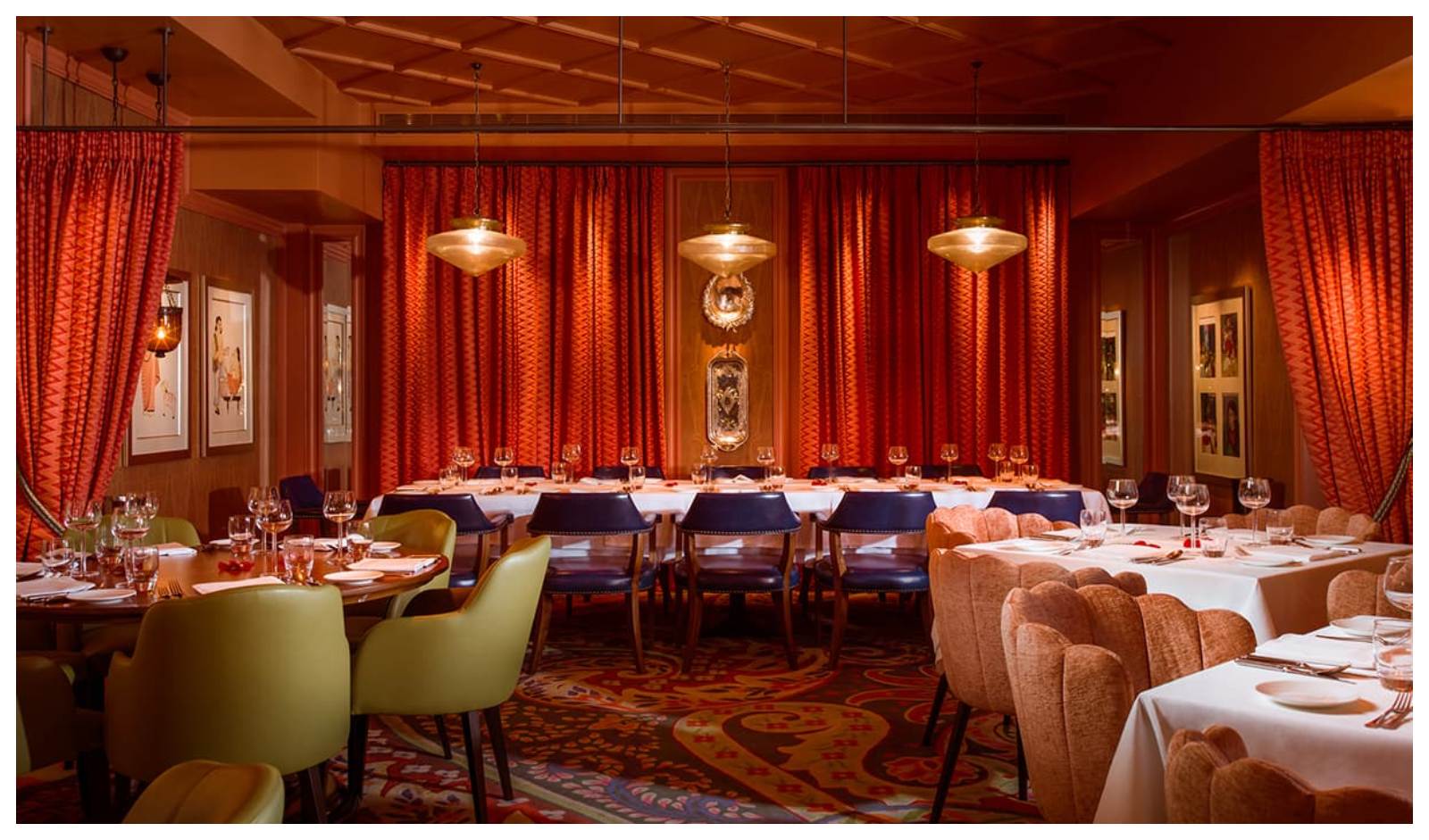 Restaurants chainLocated on Regent Street in central London, Veeraswamy was established in 1926 by Edward Palmer. The Michelin-starred restaurant has hosted several…
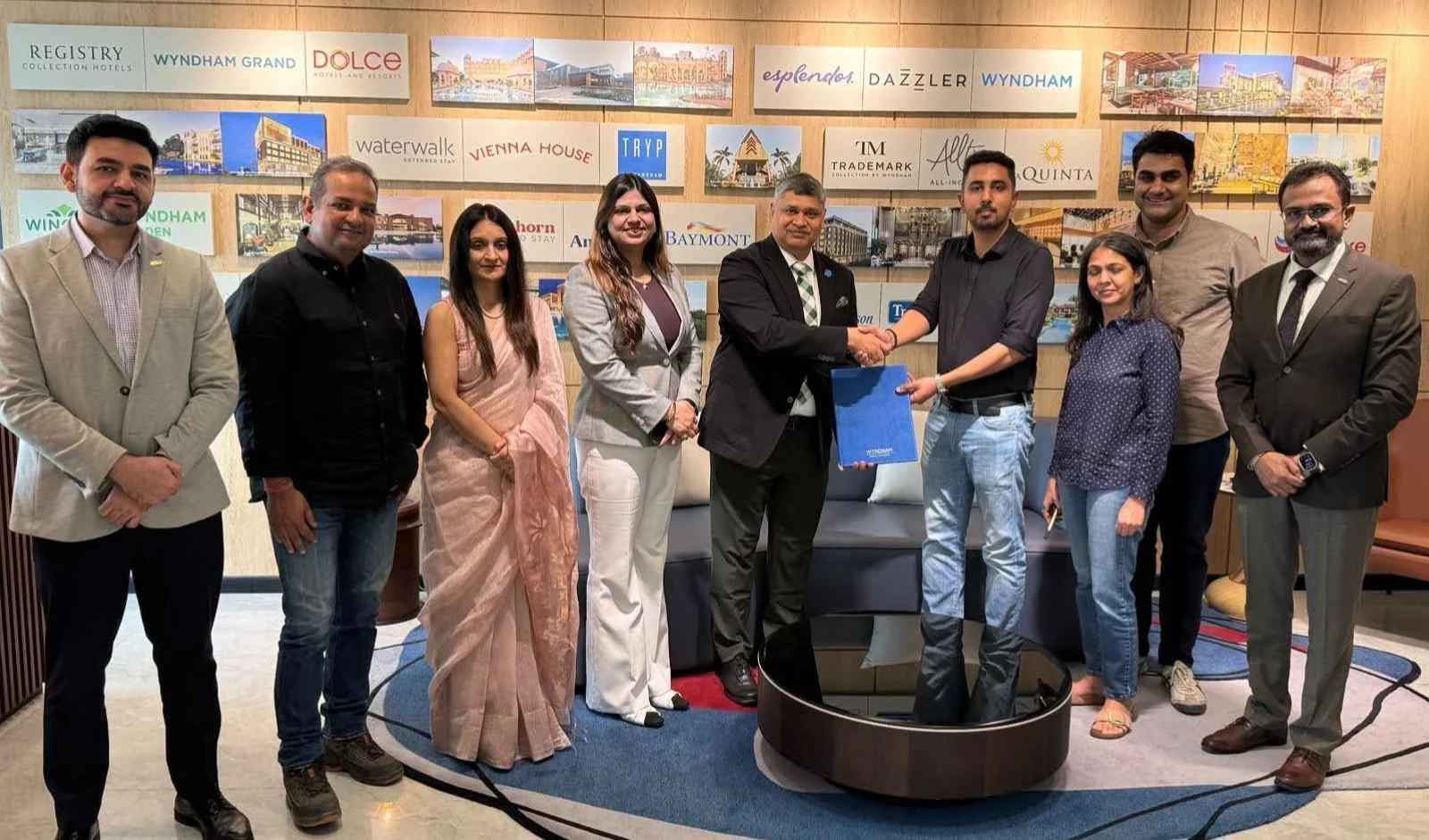 ExpansionThe project represents an entry into a hospitality market supported by business travel, education, pilgrimage and leisure tourism.