




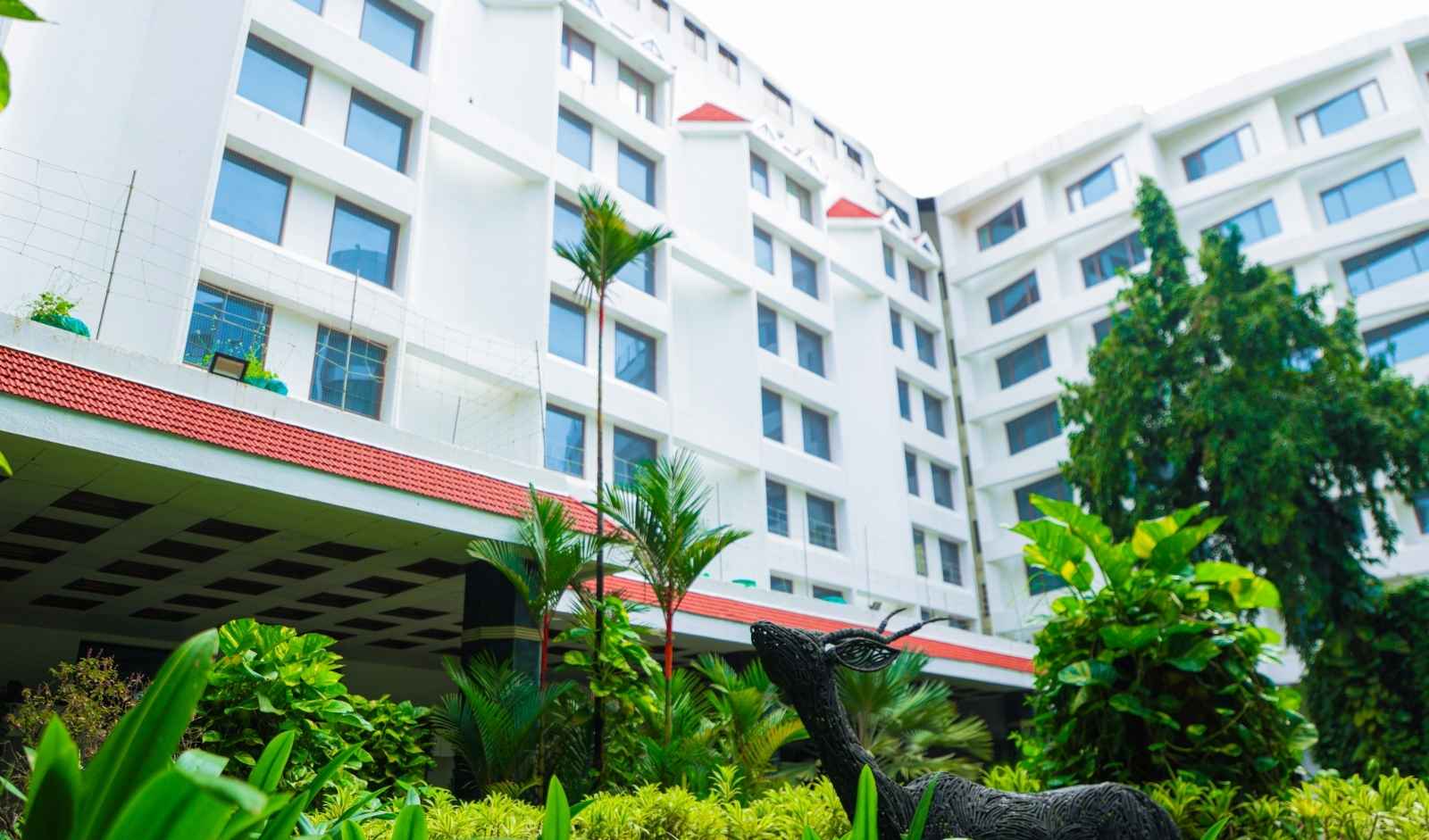
The Delhi High Court has directed major online travel agencies (OTAs) to remove, delist or block 22 hotel listings that were alleged to infringe Kamat Hotels (India) Limited’s registered ‘Orchid’ trademark, highlighting growing concerns around brand protection and property verification in India’s digital hospitality market.
The order covers hospitality establishments across multiple states, including Goa, Arunachal Pradesh, Tamil Nadu, Haryana, Jammu & Kashmir, Gujarat, Rajasthan, Maharashtra, Assam, West Bengal, Kerala and Himachal Pradesh. The names cited in the proceedings include variations such as “The Orchid”, “Orchid Hotel”, “Orchid Inn”, “Hotel Orchid”, “Blue Orchid”, “River Orchid Resort” and “Golden Orchid”.
The Court has directed leading online travel platforms to act against the listings identified in the proceedings. Several major OTAs have also voluntarily taken steps after receiving notices from Kamat Hotels and indicated their willingness to strengthen precautionary measures and brand protection processes.
The order brings attention to the responsibility of digital booking platforms in accurately identifying properties and their brand affiliations. OTAs have become a major channel for hotel discovery and bookings, making listing accuracy increasingly relevant for both hotel companies and consumers.
Vishal Kamat, Executive Director, Kamat Hotels (India) Limited, said, “The Delhi High Court’s order reinforces an important principle for the hospitality industry: customers should be able to clearly understand the identity and brand affiliation of the property they are booking. The Orchid has been built over three decades, and protecting the trademark is an important part of protecting the trust associated with the brand. The cooperation from leading OTAs is equally important. As hotel discovery and bookings increasingly happen through digital platforms, stronger verification and brand protection mechanisms can help create greater transparency for both consumers and hotel companies. Wherever possible, we have also sought to resolve such matters amicably by giving property owners an opportunity to discontinue unauthorised use of the name.”
The development underscores a broader issue for the hospitality and online travel sectors as hotel discovery, comparison and bookings increasingly move through digital platforms. For hotel companies, unauthorised use of established names can affect brand equity, customer acquisition and reputation. For OTAs, stronger property identification and verification processes can help reduce confusion over hotel identity and brand affiliation.
The case also points to the growing importance of coordination between hotel brands and online travel platforms as hospitality companies seek greater control over how their properties and trademarks are represented across digital distribution channels.
 GrowthThe outlet is intended to support the brand’s focus on quick service rather than positioning the café primarily as a destination.
-
Business activitiesThe case also points to the growing importance of coordination between hotel brands and online travel platforms as hospitality companies seek greater…
 GrowthMcDonald’s latest test indicates that restaurant operators could increasingly explore similar opportunities by using existing digital infrastructure…
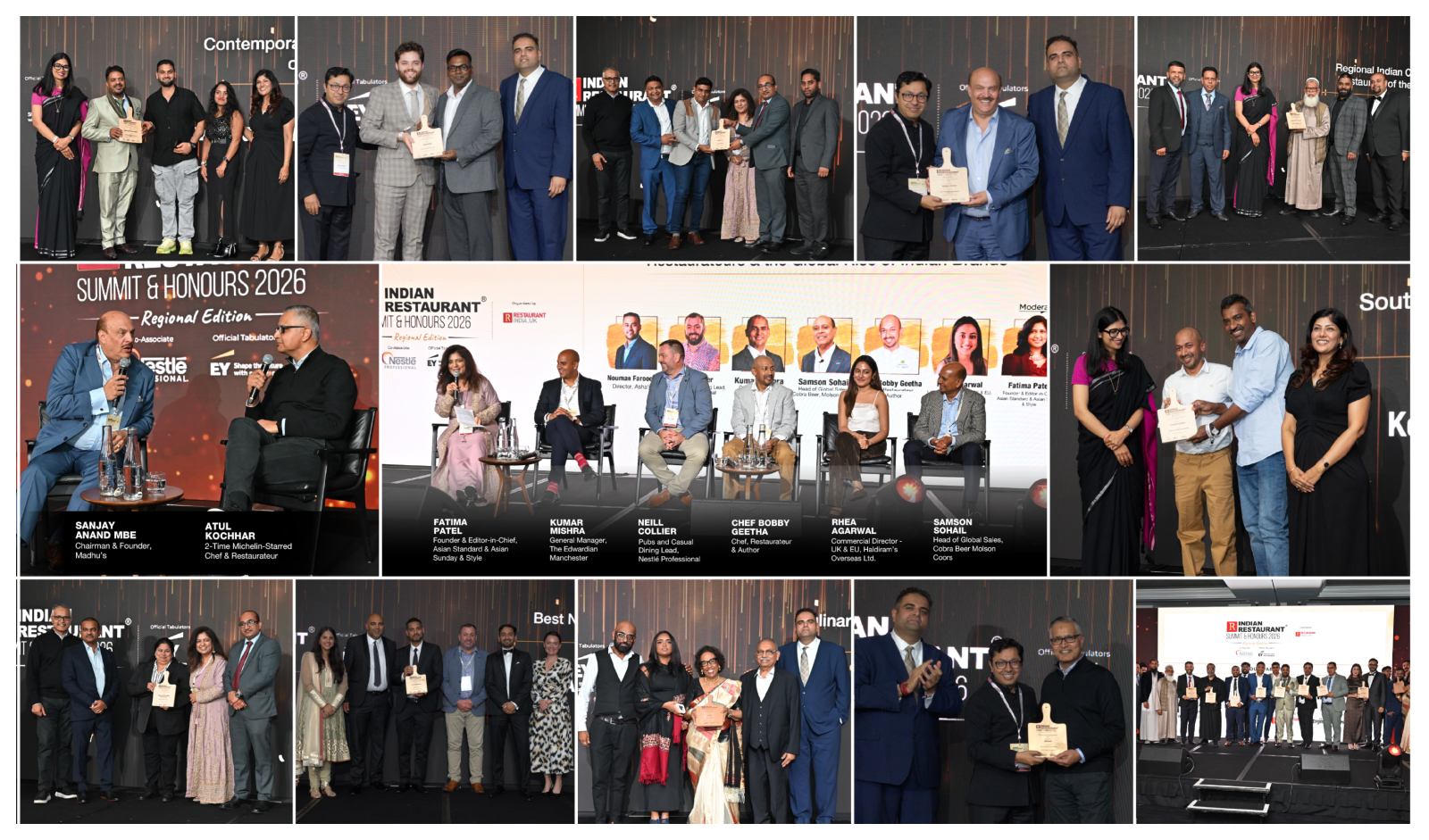 Restaurants in IndiaDishoom, Opheem and Sanjay Anand among headline honourees at the second UK edition of Restaurant India’s industry platform