





On September 16, Remy Martin Talent Academy hosted a competition where 12 of India’s leading bartenders from across the cities battled out to showcase their bartending skills. The competition was followed by a cocktail evening, where Jamie Rhind, Bar Operations Manager of Asia’s 50 Best Bars 2018, Bamboo Bar at Mandarin Oriental, Bangkok, took over the guest bar shift. At the sidelines of this event, Restaurant India had a brief interview with him, where he spoke about the energy of the competition, the bartenders’ creative skills, and how travel has influenced his cocktail menu
It sure was one of the most intense competitions held in the space of bartending. And there was a reason, considering that the winner now will get a chance to represent the country at the international finale of the Remy Martin Bartender Academy to be held at Cognac, France. Excerpts from the interview:
How was the competition? Did you enjoy it?
It was amazing. I saw some really cool ways of presentation. You can pretty much guarantee that every bartender in the competition is going to make drinks, so the focus is on what else they do? If you look at the winner today, she was doing some sort of meditation music and that is what made it so different. So, whatever you bring to the table, what catches your attention is something that is different and unique. It’s a competition where judges judge 12 people for 12 minutes each. So it’s interesting to see how the competitors do something to stand out. It’s your passion for making cocktails and what you do with it and I think it shines through in a contest like this one. A lot of them had this today. There’s one this I can take back from India and that is their passion for bartending, which is amazing. They love what they do. So it is really nice to see that.
Do you think Indian bartenders are not experimental?
For me, it is all about travelling through which I get to experience new things. Whether you learn from your performance on the stage or get inspired by other people, travel is going to make you creative. I was impressed by the winner. I liked her presentation. She was passionate about her performance and this is what’s important. I loved the Tom and Jerry classic as well by one of the guys. So there were really nice cocktails.
How does travel influence your bartending skills? Where do you get your inspiration from?
First of all, you have to know your clientele. When I first arrived in Bangkok, I did a menu based on my ideas that I had in London. It was very cool but the local market did not like it. They are very proud of their flavours and ingredients and they don’t like to change. They like to see things on the menu which they already know. So my second menu was based on local ingredients. Incorporating local ingredients into your menu is cool when you are travelling. It depends upon where you are in the world. In London, they want to try the craziest things. They have a lot of money to spend, they want to try and if they don’t like it they don’t care. But in Thailand people want to see what they know.

A cocktail usually arrives after the food has been decided. The chef creates the dish. The beverage team then finds a drink that can sit beside it. But some restaurants are beginning to reverse that process. The cocktail comes first.
A bartender may build a drink around smoked mango, lime, chilli, juniper, coffee or an Indian botanical. The chef then studies those flavours and asks a different question: what could this become on a plate? This moves the conversation beyond food and cocktail pairing. The drink becomes a starting point for culinary development. The idea is gaining relevance as Indian bars and restaurants bring chefs and bartenders closer together. In 2026, Indian cocktail programmes have increasingly used culinary ingredients, regional flavours and techniques borrowed from the kitchen.
A Cocktail Is Already a Small Recipe
A well-made cocktail is not simply a mixture of alcohol and juice. It has structure. There may be a base spirit, acid, sweetness, bitterness, aroma, dilution, temperature and texture. A chef can take those elements apart and rebuild them as food. Consider a Negroni. Gin brings botanical notes. Campari adds bitterness. Sweet vermouth adds sweetness and herbs. Orange brings freshness and aroma. The chef does not need to pour a Negroni into a saucepan.
Instead, the flavour map can become the inspiration for a dish. Orange could become a glaze. Botanical notes could move into an oil or seasoning. Bitterness could come from charred citrus or another bitter ingredient. Sweet vermouth could inspire a reduction. The result does not need to taste like a cocktail. It needs to carry the same idea. That is the important difference between cocktail-inspired food and simply cooking with alcohol.
From Glass to Plate
The easiest way to understand the process is to break the cocktail into culinary functions. The spirit provides the flavour foundation. Gin can bring juniper and herbs. Whisky can bring oak, vanilla, caramel and spice. Tequila can add cooked agave and peppery notes. Mezcal can introduce smoke and roasted flavours.
Acidity provides lift. Lime, lemon, grapefruit, verjus and shrubs can cut through rich food and make a dish feel lighter. Sweetness can become a glaze, caramel or sauce. Bitterness is more difficult. But it can also create depth when used carefully through ingredients such as bitter citrus, herbs or amaro-style flavour profiles. Then come the aromatics. Mint, basil, rosemary, coriander, cardamom, coffee, pepper and citrus peel can move between the bar and the kitchen. This makes a cocktail almost like a chef's flavour diagram.
Why Indian Food Makes This Especially Interesting
Indian cuisine already works with layered flavour. A single dish can contain sourness from tamarind, heat from chilli, sweetness from jaggery, bitterness from certain greens, aroma from spices and smoke from the tandoor. That gives chefs and bartenders plenty of material to work with. Indian bars are already exploring this overlap. Delhi's cocktail scene has seen drinks inspired by flavours such as rasam, chilli chicken and other familiar food memories. At Cavity, a nine-course experience combined cocktails and food as one progression rather than treating them as completely separate menus. The reverse could be equally interesting. Imagine a kokum cocktail becoming the starting point for a seafood glaze.
- A jamun cocktail could inspire a fruit reduction.
- A filter coffee cocktail could lead to a coffee caramel dessert.
- A cocktail built around tamarind, cumin, mint and chilli could become the flavour blueprint for a modern chaat-inspired dish.
This is where the Indian opportunity becomes particularly strong. Instead of copying Western cocktail-and-food formats, restaurants can use familiar Indian ingredients in both liquid and solid forms.
The Bar and Kitchen Become One R&D Room
This approach also changes how restaurant teams work. Traditionally, the kitchen and bar may develop their menus separately. The chef focuses on food cost, preparation, texture and service. The beverage team focuses on spirits, balance, dilution and presentation. A cocktail-led dish brings those teams into the same development process. The bartender may create the initial flavour profile. The chef then identifies ingredients that can recreate it. Both teams test the result. The dish is checked for texture, heat, acidity and balance. The cocktail is checked again alongside it. Adjustments continue until both work together.
This is already visible in India's more experimental hospitality formats. Mumbai's Trapdoor, for instance, launched a six-course cocktail experience where progressive cocktails, gastronomy-led techniques and food pairings are treated as parts of one experience. Its programme uses techniques including centrifugal infusion, redistillation and sous vide. The next step is to make that relationship even more integrated. The bar could create the concept. The kitchen could build the meal around it.
The Science Behind the Idea
There is also a technical reason alcohol can be useful in food development. Ethanol can affect the extraction and movement of flavour compounds during cooking. But using a spirit does not mean simply adding more alcohol will create a better dish. The concentration matters. So does the cooking method. Research on alcoholic liquids used in cooking has shown that ethanol loss depends on factors including the initial concentration and the amount of liquid remaining. Alcohol does not automatically disappear just because a dish has been heated.
That matters for restaurants. If a kitchen uses whisky in a sauce or rum in a dessert, it should not assume that the final dish is alcohol-free. This also creates another route for innovation. A chef can recreate the character of a cocktail without using the spirit itself. A shrub can provide acidity. Tea can provide tannic depth. Botanical infusions can replace some aromatic qualities. Verjus can provide freshness. Smoked ingredients can create depth. Non-alcoholic bitters and fermented ingredients can also help build complexity. The goal is not always to put alcohol into the food. The goal is to translate the flavour.
What a Cocktail Could Become on a Plate
Take a Margarita. Its key ideas are citrus, agave, salt and chilli. On a plate, those flavours could become a charred prawn with an agave-lime glaze, chilli and sea salt. An Old Fashioned offers another route.
- Whisky, orange, sugar and bitters could inspire a grilled meat glaze or a dessert built around caramel, orange and spice.
- A Mojito has mint, lime and sweetness. That could become a lime granita with mint oil and tropical fruit.
- An Espresso Martini could inspire a coffee caramel, cocoa and vanilla dessert.
None of these dishes needs to contain the original cocktail. The cocktail simply provides the first sketch.
The Business Opportunity
There is a practical advantage too. Restaurants can use the same ingredients across the bar and kitchen. A citrus preparation can work in a cocktail and sauce. A herb infusion can move into a dressing. A fruit reduction can become both a garnish and dessert component. That can improve ingredient utilisation while giving the menu a stronger story. It can also help servers sell the experience.
Instead of saying, “This cocktail pairs well with the starter,” the server can explain that the dish was developed from the same flavour profile. That creates a narrative. And narrative matters in modern dining. Indian bars are already moving towards more immersive cocktail experiences, including multi-course formats and menus built around regional ingredients and memories.
The Future May Be Designed Backwards
The traditional restaurant sequence is simple. Food first. Drink second. But there is no reason it has to stay that way. A restaurant could begin with one signature cocktail and build an entire food experience around it. A smoked mango and mezcal cocktail could lead to a sequence of seafood, grilled meat and dessert. A kokum-based drink could inspire a coastal menu. A coffee cocktail could become the starting point for an entire dessert course. The cocktail becomes more than a beverage. It becomes the creative DNA of the meal. That could be the next interesting shift in food and beverage development: not finding the perfect cocktail for a dish, but asking what dish can be created from the cocktail itself. The bar, in that model, is no longer just where the drinks are made. It becomes another kitchen.
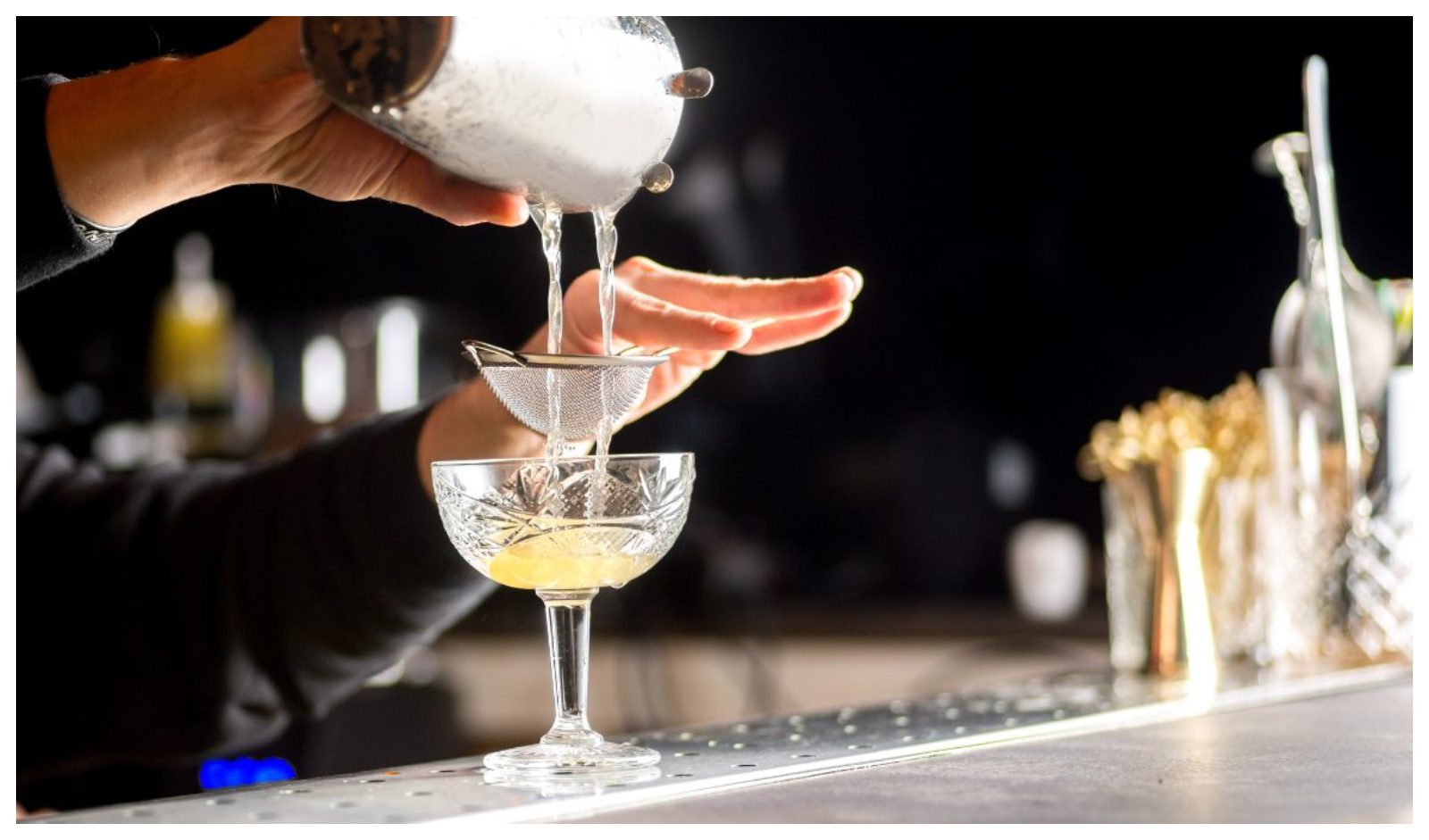
Every year on February 24, the hospitality world raises a toast to World Bartender Day—celebrating the craft, creativity and quiet resilience behind the bar. Once viewed as a service role, bartending has evolved into a dynamic career that blends mixology, storytelling and showmanship. Today’s bartenders are not just drink-makers; they are experience curators, cultural connectors and brand builders shaping the spirit of modern hospitality.
The Evolution
Bartending was once rarely seen as a serious or skill-driven career. That changed with the advent of structured training, global certifications and international competitions backed by industry bodies and premium spirit brands. Today, Indian bartenders are not just participating, they are competing and winning on the global stage.
“Earlier, there were hardly any brand products or flavor or major products available. We didn’t have any equipment and tool to work with. Over a period of time, thing has changed dramatically,” shared Shatbhi Basu, the first female bartender in India since 1981 by adding people use to be dependent on books rather than internet. “We didn’t have good glassware to work with, and nobody knew who we are and what we curate. Today, it has changed.”
Commenting on this, Nikhil K Rochlani, Managing Partner, Butterfly High who closely curate the cocktail menu said, “There is also a strong shift toward experiential drinking where presentation, aroma, storytelling, and glassware play a big role. People are not just ordering a cocktail; they want a memorable experience with it. We see collaborations as a creative exchange that keeps both guests and bartenders inspired.”
Pop-ups bring new styles, new techniques, and new audiences together. It keeps the bar culture fresh and gives guests something exciting and different to look forward to.
Mixology as Profit Engine
Cocktail-focused bars now report 20–35% higher margins on signature drinks compared to regular spirit pours.
Sharing his views, Archit Singhal, President of India Bartender Guild said, “Growth in India’s craft cocktail movement has exposed deep structural gaps. While premium bars are rising, there remains no unified certification system, standardized curriculum, or adequate practical training. This has created a severe talent disparity — where some bartenders earn below minimum wages, while bar owners struggle to find skilled professionals even at ₹1–2 lakh per month”
The impact is measurable: curated cocktail menus can lift average bill value by 15–30%, upselling aged or reserve variants can add ₹500–₹1,500 per guest, and experiential tastings or pairings can extend dwell time by 20–40 minutes directly driving higher per-cover revenue.
Bartending as Career
Training schools in India reportedly train hundreds of bartenders annually; some local institutes have mentioned training hundreds of students a year (e.g., around 450 students in one program).
“We never had the kind of exposure young bartenders have today—traveling abroad for competitions, attending global mixology programs and gaining international experience. Many of the challenges we faced have eased. Today, they can work on cruise ships, consult for restaurants and hotels, become brand ambassadors or build careers in event bartending. Their career choices are far wider than ours ever were,” shared Basu.
Bartenders are also coming up with their own restaurants/bars with someone who is investing in the business.
The Challenges
While visibility and revenue impact have grown, so has the pressure. Bartenders face late-night shifts, physical strain from long hours standing, exposure to alcohol-heavy environments, performance expectations, safety concerns, particularly for women.
Singhal noted, “IBG has initiated mental wellness programs to support members through counseling and structured guidance. Over the next five years, with structured training, global exposure, and stronger welfare systems, India’s bar industry has the potential to become one of the most respected and professionally driven hospitality ecosystems in the world.”
The future isn’t about technology replacing bartenders — it’s about data sharpening their decisions and amplifying their impact.

In India, the role of mixologists has evolved from being just a bartender to becoming an artist and storyteller behind the bar. Today, mixologists are integral to the dining experience; they shape the beverage narrative, drive creativity, and elevate the overall brand ethos of a restaurant. The rise of modern mixology has been significantly shaped by Western cocktail culture and a surge of creativity within the hospitality industry.
Brands have played a pivotal role in enhancing the drinking experience, inspiring mixologists to refine their craft and develop extraordinary, memorable cocktails. Let’s see how mixologists have evolved in the industry. Know about their journey, challenges, experience and advice they would like to give for the future mixologists.
Shatbhi Basu, India’s First Lady Mixologist & Independent Director, Mount Everest Breweries Ltd started her journey in bartending in 1981 when this wasn’t really a career option seriously for anyone at all. “We had no way of specializing in the bar unless you travelled abroad. The designation of “bartender “did not exist. We had very little access to ingredients and tools to work with, unlike those in the West. So, our learning came from reading as many books as we could find on bartending and spirits, then adapting international recipes with local ingredients. Being inspired by them but creating our own versions of what could work for our customers. It made us push our boundaries to face challenges and that is what got us to get great at what we did,” she shared.
Playing with flavours is always exciting, and as you learn techniques and up your skills, one learns to innovate using the experiences and share with your customers and the space around you. One can pick flavours from cuisines, desserts, and, in fact, everything you are exposed to. The more you open your mind, the more you are able to get a feel of what works and what doesn’t. It’s a beautiful world of magical flavour journeys that keep you entranced.

Yangdup Lama, Co-Owner, SideCar who started around 30 years back mentioned that the world of mixology is completely different from what we have now. Young bartenders and mixologists these days have much knowledge, and the exposure is really great. These days, one need not have to wait for long years to become a professional in this field. Earlier, people use to spend 10 years to attain a good position. Now, it’s all faster, earlier we had few types of equipment, nowadays it’s all handy. “We used to read books and gain knowledge. Now, one can browse through the internet and get all the information they want. The experience, exposure, knowledge is much better off and it’s very competitive. Great ideas, more knowledge and creativity are thriving in this field right now,” added Lama.

“Journey into mixology was completely unplanned. I hail from Ukhrul, Manipur and bartending wasn’t something I had considered as a career initially. However, I quickly discovered my passion for it and joined the Roseate team, where I’ve had the chance to develop my skills under the guidance of some incredibly talented professionals. One of the main challenges I faced was being a young woman in an industry traditionally dominated by men. It took a lot of hard work, resilience and perseverance on my part,” commented Chanyo Kashung, Lead Mixologist, ChidyaGhar.
The constant support from her colleagues and the opportunity to break stereotypes at Chidya Ghar, an all-women-run bar, has been a pivotal part of overcoming those challenges. “I’ve learned that every challenge is an opportunity to grow and create something extraordinary. Keep pushing boundaries and never stop learning. This profession is all about creativity and passion so embrace your individuality and don't be afraid to experiment,” she further added.

Felipe Guajardo Silva, Bar Manager & Mixologist, Milagro Mumbai stepped behind a bar at 19, initially drawn to the fast-paced world of hospitality. What started as a job soon became a passion, leading to a career that took him across different parts of the world. A defining moment came when he moved to the Caribbean in Mexico, where he immersed himself in the craft and began refining his skills.
"For me, bartending has always been about pushing boundaries—experimenting with flavors, trying new ingredients, and constantly evolving. Moving to Mumbai introduced me to an entirely new palette of flavors. The vibrant streets, fresh tropical fruits, and diverse spices inspired me to create cocktails that capture that same energy,” he added by pointing that over his 20 years in this industry, the biggest challenge has been getting people to open their minds and palates to new tastes. Earlier, guests stuck to familiar drinks, but today, they’re more adventurous. Now, the challenge isn’t convincing them to try something new—it’s staying ahead of their expectations and constantly innovating.

“I began my journey in the restaurant industry over two decades ago when mixology wasn’t a term known to many in India. Earlier the biggest challenge was access to quality ingredients, equipment, and even awareness was very limited among consumers. We had to innovate with what we had, build knowledge from scratch, and train teams from ground up. At Donmai, I’ve channeled that entire learning curve to design a beverage program that mirrors the restaurant’s philosophy—mindful, balanced, and bold. Every cocktail on our menu is conceptualized to offer a layered sensory experience using modern techniques like sous vide infusions, house-made syrups, and Japanese ingredients, all while keeping approachability intact,” shared Sameer Uttamsingh, Founder & Mixologist, Donmai.

Razwan, Beverage Head, All in Hospitality said, “My journey began in Barcelona, during a time when mixology was experiencing a renaissance. Traveling introduced me to a world of diverse ingredients, techniques, and cultural nuances, deepening my understanding of hospitality. I quickly realized that mixology wasn’t just about making drinks—it was about crafting immersive, unforgettable experiences. One of the greatest challenges has been navigating the diverse drinking cultures across the world. While nightlife and revelry remain dominant themes, the essence of true hospitality lies in striking a balance between honoring traditions and pioneering new concepts,” he shared.

Advice
“I’d say study hard, know everything about each liquid that you work with and every bottle in your bar and be open to constant new learning and change. Ask questions and understand that everything you do in a bar has a reason. Apply your scientific mind to techniques and make every drink a work of art that sings in the mouth,” shared Basu.
Commenting on the same, Lama pointed, “Discipline is the key. Can’t compromise on that. Certain set of principles is needed in the way you work and talk.”
“Stay humble. Learn, teach, and never stop evolving. Always smile, be polite, and remember—most of us spend more time behind the bar than in our own homes. Make that time count,” Felipe.
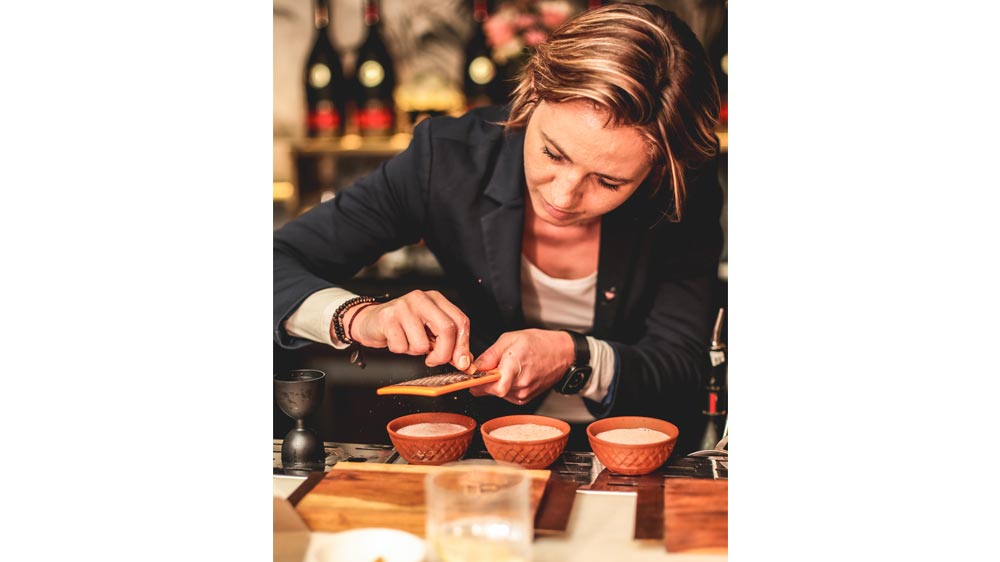
What happens when top artists come at one place and present their talent? Recently for the first time in India, Remy Martin Bartender Academy hosted a completion wherein the country’s top 12 bartenders across cities battled out to showcase their creative and innovative bartending skills.
Agnieszka Rozenska from Hong Kong Club, New Delhi won the competition and will be representing India in the international competition at cognac, France in October 2019.
Her cocktail “Certainly Ma’am” impressed most to the judges, which she made by using Remy Martin Cognac, shrub, campari, lemon juice, chocolate bitters and curd. She used meditation sort of music to present her drink, which was distinctive and unusual. Judges did not only factor in their drinks while judging the performance of contenders, but their confident level, way of presenting, and uniqueness to the drink too.
The jury also judged them on their ability to seamlessly weave a story into their creation and connect it to the history. Nikhil Singh Bhandari from Home Bar, Delhi, Abhishek Chawla from Pling, New Delhi, and Nilotpal Bhattacharyya from R Bar, Bangalore were among the twelve contenders who participated.
Meanwhile Jamie Rhind, Bar Operations Manager of Asia’s 50 Best Bars 2018, Bamboo Bar at Mandarin Oriental, Bangkok was one of the judges. He started his career at the world-famous Artesian Bar in London and was part of the team who were Number one for four consecutive years at the World’s 50 Best Bars. Jamie has driven projects on sustainability in hotels and his menu ‘Compass’ is known for its use of local ingredients in cocktails.
At the sidelines of the event, Rhind said, “I was impressed by the winner. I liked her presentation. She was passionate about her performance and this is what’s important. I loved Tom and Jerry classic as well by one of the guys. So there were really nice cocktails.”
He also added that “It’s your passion in the cocktail and what you do with it and I think it shines through. A lot of them had this today. There’s one thing I can take back from India that is their passion for bartending, which is amazing. They love what they do. It is really nice to see that.”
Abhishek Parameswaran, Country Manager, India and Sub-continent at Rémy Cointrea said “The Rémy Martin Bartender Talent Academy selects the rising stars of the mixology industry, and we are confident that everyone participating will have an unforgettable experience. We strongly believe in etching a long-term and genuine relationship with the bartending community and supporting them as they aspire to become the most influential talents in the industry."
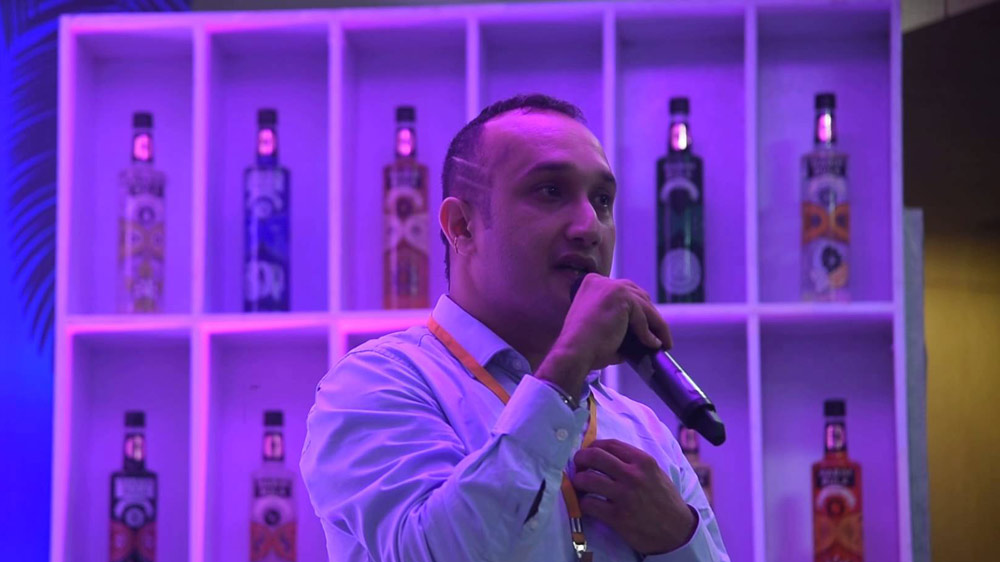
Hospitality Industry has been booming ever since its inception and at a rapid rate since 2010 in India. This is highly because the people know what options they have for leisure and entertainment. Indians now-a-days are more open to exploring, when it comes to food and beverage. The taboo of alcohol that I mentioned earlier no longer exists in our country anymore and people are opening up to exploring spirits more prominently. This is a great sign for the beverage industry as entrepreneurs can boldly step into opening up a bar which serves more than just a quarter! Just opening a bar, without a unique idea may just be mainstream, but yes it is a fantastic prospect that we have considered. Binny Dhadwal, Founder at Flaming Trio shares the art of bartending. Here are the excerpts from the interview:
Journey in the world of beverages
In India, drinking and serving alcohol was always considered a taboo, so definitely while growing up in an Indian family, speaking about alcohol was awkward. My interest in the hospitality industry is what brought my attention back to spirits, via bartending obviously! Learning more and more about bartending, enabled me to build a positive perception about this profession in the hospitality industry. Alcohol has so much more to it, than just its natural consumption aspect. My passion for bartending, curious nature and will to explore, led me to be creative in the world of beverages. Today, you can put up a challenging drink request and I will make sure that I come through with the best quality. Such confidence comes with years of experience; it’s not child’s play, there is a lot to learn and more than that to do. Bartending is all about creativity, implementation and also a responsibility. One should definitely know how to mix the right ingredients with the spirits carefully, to create a drink of exceptional quality. Educating the crowd to drink responsibly and making healthy drinks is another important aspect. You could say this is a rough code to be followed and it has personally given me an identity and made me popular as a flair bartender.
How did Drinq Happen?
Bartending is and has always been a passion that is close to my heart. After mixing drinks and creating experiences for so many years, learning and acquiring knowledge in abundance, it made me feel that there is something I should give back to this industry! Drinq Barmen and Academy is a brainchild project of like-minded people and my close buddies, Gagandeep Singh, Jitin Merani who handle our operations and Moksh Sani who supplies the requirements from his brand Living Liquidz. As an academy we provide training such as creativity, innovation, mixing, social skills, etc. Together we also work and provide barmen services for events and concerts. It has always been my goal to make bartending a responsible and respectable career option in the hospitality industry and that is what we plan to achieve here at Drinq Barmen and Academy.
How does bartending work?
Bartending is a lot more than what people expect, and quite fortunately I have pretty much been of every division of bartending to answer this question. Bartending, is a profession, where a bartender is creates and serves alcoholic or soft beverages behind the bar. Now there are two types of bartending done first, within a licensed establishment such as a bar, restaurant and a hotel. The bar is fixed and drinks are made as per an a-la-carte menu. Second is the bar set-up for events at banquets, open ground spaces where licenses are required for the duration of the set-up. The bar could have a pre-paid drinks plan or a pay by the drink/a-la-carte menu. However, the format of mixing and serving remains the same. It’s generally busier and has to be quick at a pre-paid drinks party, for obvious reasons… (laughs).
Playing cupid with the customers
Bartenders often play cupid and I personally have fun doing this. You get to see this dramatic side to people. Also helping a brother/sister in need is definitely something a barman prefers. Our intention is never to let it progress into physical reaction, that is something that's up to the consenting adults and we play no part in that. Our part is simply to help one get the attention of the other and get two people talking by probably offering a special unique mix that’s not made for anyone else... I do make something special that way and I like to call it the love portion. The idea is to get their attention by some doing juggling acts or other antics and then introduce them to someone who has been looking out for them... it’s easy and lots of fun. Well we do it for the greater good....bringing people together is one great feeling that you can be a part of as a barmen.
How to score a free drink. What is the strategy to it?
Ooh, that one doesn’t come easy. The bartender needs you to be in the back of their minds for you to score a free drink. A barman has to deal with a lot of different issues at one time, overly drunk customers, confiding guests, and people looking to score free drinks….. (Laughs), etc. It is very important for one to make a positive impression over the bartender. The easiest way is to be a regular. You walk-in, four to six times a week, put on that smile, be polite, probably tip a few times and done, you make it to the good list of a bartender which may help you score free drinks. Back then for me, just being polite and a great conversationalist worked in the customer’s favor.
How do you play with a drink- using the right mixture and method?
Behind a bar, six spirits, whiskey, tequila, rum, gin, brandy and vodka, build the foundation of any good drink. With years of training and experience I have understood that it is very important to get the amount of alcohol and mixers right. I personally follow a 2:1:1 ratio rule where there are two parts of alcohol, 1 part of sour such as lime juice and 1 part of sweet such as simple syrup. Moving ahead there is a 4:1:1 ratio too to make a stronger drink. Going anything above that that ratio changes. Another strong drink is 8:2:1, spirits need to go well together and the mixers shall be blended in accordingly as the sweet and sour ingredients enhance the flavor of the spirit rather than masking it. If not done right a drink could go horribly wrong.
Bar etiquettes
Etiquettes are very important in any walks of life. There is a list full of etiquettes for both the bartender and the guests, but there are three commandments that a bartender should absolutely follow! The first one is - no alcohol at work. The second - keeping the counter neat and clean and the last one is – no wastage of alcohol. These three rules are absolutely necessary and they we all, bartenders should live by it.
What is your view on the growth of the sector?
Hospitality and the food & beverage industry is definitely required to grow as it plays a very important role in everyone’s day to day life. For a customer, it is fun, a bonding time and it is a way to unload or is an outlet of a hard day of work. For people who work in the industry the growth is required, as a career in the industry can be rewarding and can compensate for the demand of working when others are having fun. To speak specifically about the bar industry, it is essential that people understand their wine, beer and spirit to enjoy it better rather than just chugging It and getting intoxicated. Our country is definitely doing that right now, people know what the difference between white, red and rose wine and that is good enough. The industry is definitely growing growth rate is exceptional.
 Indian traditional foodThe companies that successfully connect farmers, processors, manufacturers and consumers could help give these ingredients a much larger place in…
 Progressive Indian CuisineAccording to Swiggy and Kearney's How India Eats 2025 report, orders for Korean cuisine have grown 17-fold since 2022, while Vietnamese cuisine…
 Food TechnologyFor India's food manufacturers, these developments create opportunities across beverages, dairy, packaged foods, fresh produce and ready-to-eat…
 Hospitality sectorTheir ability to combine comfortable stays, regional experiences, quality food and efficient event coordination will play an important role in…
Copyright © 2009 - 2026 Restaurant India.